The Art of Tempranillo
Source: Vintae.com
I love Tempranillo wines. I wouldn’t call myself an expert, but I had a wide range of Tempranillo – with the exception of Australia, I believe I tried most of the major renditions – Rioja, Ribera Del Duero, Toro, most everywhere else in Spain, Texas, California, Oregon, Washington (am I missing something? do tell!). With all the love and respect to all the regions, if I have to put an order of priorities in that “list”, I would put Rioja first, Ribera del Duero very close second, but the competition for the 3rd place would be severe – in my world, of course.
I like wines of Toro, the closest sibling to the Rioja and Ribera del Duero, but it would be hard for me to place them higher than some of the beautiful Tempranillo renditions from Irwin Family Vineyards, Duchman, or Fields – considering the Toro wines I had in the past. Compared to Rioja and Ribera del Duero, Toro is … well, maybe I need to explain why I keep mentioning Rioja, Ribera del Duero, and Toro together all the time. These are the only three regions in the world where the absolute majority of the red wines is made out of the Tempranillo grapes. Yes, there are Garnacha and Graciano in Rioja, Cabernet Sauvignon and Merlot in Ribera del Duero, but still – most of the red wines in these three regions are made out of the Tempranillo, hence the constant comparison.
Out of the three regions, Toro is south-most one, with an expressly continental climate, low annual rainfall amounts, and significant range of day-night temperatures – which typically translates well into the flavor. Tempranillo is the grape of Toro, but similarly to Tuscany/Brunello, where you have Sangiovese and Sangiovese Grosso, Tempranillo in Toro is known as Tinta de Toro, a.k.a Tempranillo de Castilla, a.k.a. Ink of Toro. The grape is a bit smaller, with thicker skin, which coupled with growing conditions typically results, in massive, concentrated wines requiring extensive aging to become drinkable – I still have a memory of trying Alabaster made by Sierra Cantabria, one of the well-known producers in Toro, which was one of the most massive wines I ever experienced. Nevertheless, as I said at the beginning, Tempranillo is one of the favorites, so when the opportunity called to try 3 wines from Toro, I was definitely curious – and a bit cautious at the same time.
To ease things up, together with the 3 Toro wines from Bodega Matsu came a bottle of Rioja Reserva from Bodega Classica. While coming from unrelated producers, there is a common link between them – this link is called Vintae – a young company with a serious passion for the Spanish wine for the modern world. Vintae, started in 1999 by the Arambarri family, set on changing world’s perception of the Spanish wine as “boring”. To the date, Vintae unifies a collection of 11 different “projects”, all focused on showcasing the regions and the grapes.
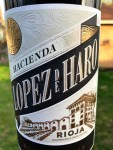
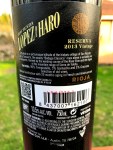
Going back to the wines at hand, let’s talk about Rioja first. The wine comes from Bodega Classica, located in the heart of Rioja Alta. Rioja Alta offers a unique high-altitude setting to produce arguably the best Tempranillo of the whole of Rioja region. Couple that with more than 100 years old vineyards, and you are looking at some tasty opportunities in the bottle, as this Bodega Classica Hacienda López de Haro Rioja Reserva was. Here are my notes:
2013 Bodega Classica Hacienda López de Haro Rioja Reserva DOCa (13.5% ABV, $16.99, 90% Tempranillo, 5% Garnacha, 5% Graciano, 20 months in French and American oak)
Dark garnet color
Pepper, vanilla, raspberries, mushrooms, nice minerality
Medium body, good acidity, noticeable alcohol burn initially, went away in about 15 minutes, good fruit showed up, characteristic cedar notes, good acidity, round, soft.
8-, nice, just give it a bit of time to soften up at the beginning. The second day continued without changes. Good life expectancy, as expected of Rioja Reserva. And an excellent QPR.
Now, let’s go back to Toro. As I already said, in my prior experience, Toro wines were massive and concentrated, requiring long aging to soften and really show a beautiful expression of Tempranillo. And then there were wines called Matsu.
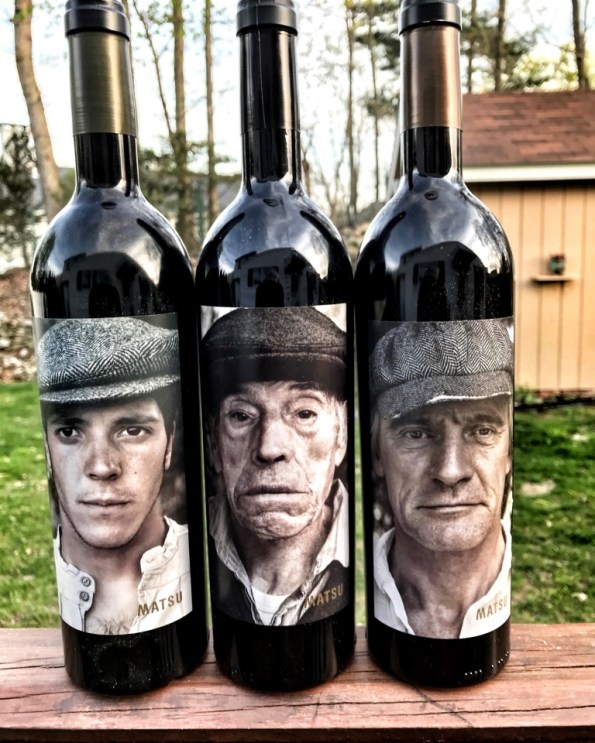
Matsu in means “wait” in Japanese. As we all know, waiting is one of the favorite games of oenophiles. When it comes to the three Matsu wines I had an opportunity to taste, there are many different levels of “waiting”. The wines had been progressively aged for the longer times before the release – 3 months for El Picaro, 14 months for El Recio, 16 months for El Viejo. The grapes were harvested from the vines of different age (again, progressively) – 50-70 years old for El Picaro, 90-100 years old for El Recio, more than 100 years old for El Viejo. See, waiting here is clearly a part of the equation.
And then there are those ultra-creative labels. Not only labels commemorate people who actually worked to create the wines, they clearly identify what you should expect from the wines – in age, in style, and even in price. I conducted a little experiment, first with my kids, and then with the people on Instagram, asking them to identify the most expensive wine – nobody made a mistake, the labels speak very clearly to us.


How were the wines? Surprising. Probably the best Toro wines I ever had – without any regard to the pricing category. Here are my notes, so you can see for yourself:
2016 Bodega Matsu El Picaro Toro DO (14.5% ABV, $13.99, 100% Tinta de Toro, 50 – 70 years old vines, 3 months minimum aging on the lees, concrete tanks)
Bright ruby color, noticeable legs, minimal rim variation
Young fresh berries, medium+ intensity, a touch of vanilla
Surprisingly light on the palate, pleasant tannins, fresh berries, very quaffable.
8-, might be the lightest rendition of Toro I ever had. The smell is a bit more complex on the second day. Palate nicely evolved, good balance, raspberries, no more impression of the young wine, lots of minerality.
2015 Bodega Matsu El Recio Toro DO (14.5% ABV, $21.99, 100% Tinta de Toro, 90 – 100 years old vines, 14 months aging in second use oak barrels)
Garnet color, noticeable legs, minimal rim variation too
Sage, fresh raspberries, quite fruity, roasted notes, minerality, distant hint of cinnamon
Underripe plums, blueberries, thyme, nice herbal component, surprisingly light, still noticeable alcohol, needs more time
8-, needs time. Second day: 8/8+, velvety texture, well integrated, excellent balance, a touch of tobacco and espresso on the palate and ripe plums. Outstanding.
2015 Bodega Matsu El Viejo Toro DO (15% ABV, $46.99, 100% Tinta de Toro, 100+ years old vines, 16 months in new French oak barrels)
Garnet Color, noticeable legs, rim variation is not extensive, but present
Sweet blueberries and raspberries on the nose, sage, sweet oak
8- first day, waiting for more.
Second day: 8, much evolved, more integrated, velvety texture, dark fruit, round, smooth. Will evolve further.
Here you are, my friends – the Art of Wine, from the label to the glass. Very impressive and thought-provoking wines, definitely worth seeking. Have you had any of these wines? Have you had Toro wines before? Do you have any Tempranillo favorites? Cheers!
Sequel in Reverse – More About Wines of Southwest France
What’s up with the “sequel in reverse”, you ask? Easy. All we need to do is flip the timeline. This post is a continuation of the previous post about wines of Southwest France – however, the tasting I want to share with you took place almost 6 months ago, at the end of the last year 2017, hence the “reverse” notion.
Outside of the sequence of the events, the two tastings are perfectly aligned – they are both squarely dedicated to the wines of one of the oldest wine-producing regions in the world – Southwest France.
I can’t explain why, but I feel that I need to make a confession. If you look through the pages of this blog – and there are a few here – I’m sure you will come to a conclusion that I primarily drink wines from California, Spain, and Italy, with an occasional sprinkle of everything else. And you will not be wrong. However, truth be told, my true love to wine started from French wines. I read the most about French wine and French wine regions. I was obsessed with trying to find an amazing Bordeaux for less than $10. Côtes du Rhône wines were a staple at the house. I spent countless hours in the France aisles of the wine stores (luckily, I was working in a close proximity of the Bottle King in New Jersey), looking for the next great experience with the wines from the Loire, Rhône, Bordeaux, Chablis, and others. French wines were “it” – unquestionably, a sacred territory. As the time was going by, and Bordeaux and Burgundy prices were going up faster than the weeds growing after the rain, the French wines moved mostly into a category of a rare encounter.
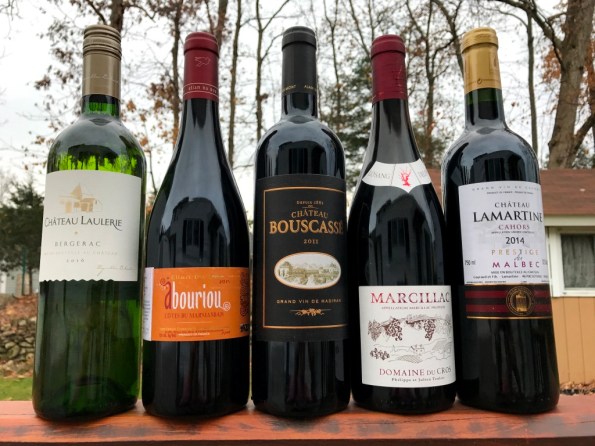
Last December was not the first time I participated in the virtual tasting about the French wines – but somehow, when I opened the box with these wines, something warm and fuzzy came over, and my first reaction was “ahh, I really, really want to drink these wines!”. There is nothing special about this particular set – no big names (I don’t believe Southwest France has much of “big names” anyway), no flashy, ultra-modern labels – and nevertheless, there was a promise of a great time in their simplicity and authenticity. These wines also perfectly played to my other “wine obsession” – the love to obscure and lesser-known wines, so altogether, I took a great pleasure in anticipation of the tasting.
As this was a virtual tasting, I had both the wines and time at my disposal, so unlike the previous post, here are my detailed notes in the usual format:


2016 Chateau Laulerie Bergerac AOC (12% ABV, $12, 85% Sayvignon Blanc, 15% Semillon)
C: Light gold
N: beautiful, fresh, medium+ intesnsity, honeysuckle, white flowers, peach
P: fresh, crisp, excelllent lemony acidity, white stone fruit, restrained
V: 8-, delicious, will be great with food and without, great QPR
2015 Domaine Elian Da Ros Abouriou Côtes du Marmandais AOC (12% ABV, $23.99, 90% Abouriou, 10% Merlot)
C: dark ruby
N: freshly chrushed berries, leafy notes, cherries, anis
P: ripe plums, sweet tobacco, eucalyptus, medium long sweet tobacco finish
V: 8-, would love to try it with an actual cigar. Needs a bit of time. And a new grape – Abouriou


2015 Domaine du Cros Marcillac AOP (12.5% ABV, $15.99, 100% Fer Servadou)
C: Ruby
N: earthy notes, mint, some medicinal notes (iodine?)
P: beautiful fresh pepper on the palate, tobacco, cherries – that pepper is delicious, love the wines like that
V: 8/8+, delicious, excellent QPR
2014 Château Lamartine Prestige du Malbec Cahors AOC (12.5% ABV, $17.99, 100% Cot (Malbec))
C: dark garnet
N: vegetative, tobacco, a touch of cherries
P: bright acidity, dark fruit, tart cherries and cherry pit, noticeable tannins.
V: 8-, pleasant, will work great with the steak, but needs time
2011 Château Bouscassé Grand Vin de Madiran (14.5% ABV, $17.95, 60% Tannat, 25% Cabernet Franc, 15% Cabernet Sauvignon)
C: dark garnet
N: eucalyptus, forest floor, a touch of eucalyptus,
P: initial tannins attach, pepper, dark round fruit, excellent extraction, layers of flavor, firm structure
V: 8+, outstanding, powerful, balanced, needs time!
The Southwest France wines are a treasure trove for the wine lovers – they capitalize on tremendous history, experience, unique terroir and unique grapes, offering oenophiles lots of pleasure in every sip. Look for the wines of Southwest France – and you can thank me later.
The Region Which Started It All
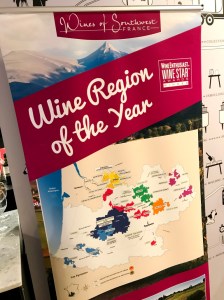 The wine had been made in the Southwest of France ( Sud-Ouest in French) almost forever – in terms of human life, 2,000+ years well classified as “forever”. The region is considered one of the “cradles of winemaking” in Europe, and it maintains its uniqueness and diversity today – for example, out of 300 grape varieties used in the winemaking in the region, 120 are not found anywhere else.
Of course, we know that winemaking started about 8,000 years ago, and not in the Southwest of France. So what’s up with “started it all” claim? Glad you asked! Let me explain.
We live in the times when the wine is a part of daily life of many. Drinking wine is a norm and normal, simply a part of the daily routine for many, not a luxury or a weird exception anymore. Yes, that’s how it was in Europe forever – but now I’m talking about the rest of the world, countries such the USA, and even China now heading that way. The demand for wine had been constantly increasing since the late 1990s, and even Great Recession of 2008 didn’t kill it (just shifted the “acceptable” price ranges). Is it all just a normal course of events? We can, of course, settle for this. However, I believe that on a deeper level, there are exact reasons, “tip the scale” moments for many things which seem to happen just on its own – however, sometimes it is not easy to identify those “reasons”.
Remember the impact of the movie Sideways on consumption and production of the Merlot in the USA? That movie was the reason for a huge slump after 2004, and production and interest to Merlot are still in the recovery mode even now, 14 years later.
Late in the 1980s, the world started talking about The French Paradox – French eat cheese and foie gras, cook with butter and duck fat daily, and nevertheless, the coronary disease rates are much less than in the countries with comparable living standards and much lesser fat consumption. Possible explanation? Red wine. French consume lots of red wine, and resveratrol, one of the prominent substances found in seeds and skins of the red grapes, acts as a defense against clogging of the arteries. That was the outcome of the extensive medical research study conducted in France, which became known in the world as French Paradox.
In 1991, CBS in the USA dedicated one of their popular programs, 60 Minutes, to the French Paradox, and you know how Americans are, right? We are always looking for an easy way out, so wine sounded like an easy enough cure, and I believe this became a pivotal moment which triggered a renewed interest in the wine. Almost 40 years later, it seems that the wine successfully keeps the momentum. And before you will attack me with all the facts from the latest research – yes, I’m aware of many articles pointing to the issues with the study. Whether French Paradox study conclusions were medically solid I have to leave to professionals to debate and decide on. But it was still that pivotal “tip the scale” moment which changed the perception of the wine for many in the world.
At this point, I’m sure you want to see the connection between the title, the Southwest of France, and the story of the French Paradox, right? Here it is. While attending the tasting of the wines of Southwest France, I was listening to the presentation by sommelier André Compeyre, who mentioned that Southwest France has the biggest number of centenarians in France and it was one of the main regions where the French Paradox study was conducted – here we go, now everything is connected and explained. Is it time for a glass of wine?


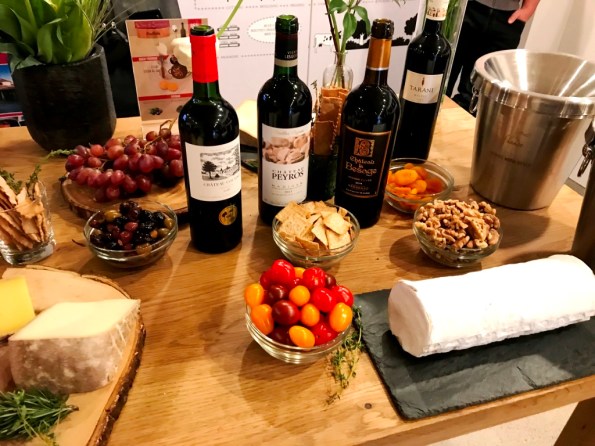
The tasting took place at the little store in New York called the French Cheese Board – what can be better than wine with a little cheese, right? Especially if both come from the same region, where they trained to live together for a few thousand years…
We started tasting with the sparkling wine, moved to the white and then red. As usual in such events, there was not enough time (and desire) for the formal notes, so below is the best I can offer. However, overall, the word is “outstanding” – the wines of Southwest France are well worth seeking – and you will not be disappointed.


NV Domaine du Moulin Mauzac Méthode Ancestrale Gaillac AOP (12% ABV, $15, 100% Mauzac) – very nice and simple. 7+
2017 Domaine du Tariquet Premières Grives Côtes de Gascogne IGP (11.5% ABV, $14, 100% Gros Manseng) – semi-sweet wine. It appears to be a traditional wine in the Southwest of France, which people are accustomed to drinking. It is possible that the wine was not cold enough when I tasted it, but I really didn’t appreciate it. If you like sweeter wines – this might be the one for you.
2016 Héritage Blanc Saint-Mont AOP (13% ABV, blend of Gros Manseng, Petit Courbu, Arrufiac) – excellent, bright, crisp, but very complex and thought-provoking. A touch of grass, vanilla, ta ouch of honey on the palate, green apples, wow. Excellent acidity. Great complexity. 8. And let’s not forget 2 new grapes – Petit Courbu and Arrufiac
2017 Domaine de Joy l’Eclat Côtes de Gascogne AOP (12% ABV, $7, blend of Colombard, Ugni Blanc, Gros Manseng and Sauvignon Blanc) – crisp, clean, superb. 8


2012 Château de Haute Serre Cahors AOP (13.5% ABV, $22) – superb, ripe berries, blueberries, round, delicious, acidity, vanilla, the backbone of minerality. 8+
2012 Château Montus Madiran AOP (15% ABV, $32.99, blend of Tannat and Cabernet Sauvignon) – smoke, campfire, tobacco, great concentration, powerful, excellent, great acidity, outstanding. 8
2011 Jean-Luc Baldès Triguedina Clos Triguedina Cahors AOP (14.5% ABV, $40, 85% Malbec, 10% Merlot, 5% Tannat, 12 months in oak) – touch of barnyard on the nose, delicious fruit, ta ouch of funkiness on the palate, great acidity. 8
2015 Domaine de Terrisses Terre Originelle Gaillac AOP (13% ABV, $16, blend of Braucol (Fer) and Prunelart) – beautiful Cabernet nose, crisp, cassis, Bordeaux style -outstanding. 8. and a new grape – Prunelart
2015 Réserve Bélingard Côtes de Bergerac AOP ($15, 50% Cabernet Sauvignon, 50% Merlot) – beautiful, warm nose, vanilla, cassis, beautiful, soft. 8
2013 Chateau Peyros Vieilles Vignes Madiran AOP (13% ABV, $18, 80% Tannat, 20% Cabernet Franc) – excellent, soft. 8-
2017 Domaine de Joy l’Eclat Côtes de Gascogne AOP (12% ABV, $7, blend of Colombard, Ugni Blanc, Gros Manseng and Sauvignon Blanc) – crisp, clean, superb. 8
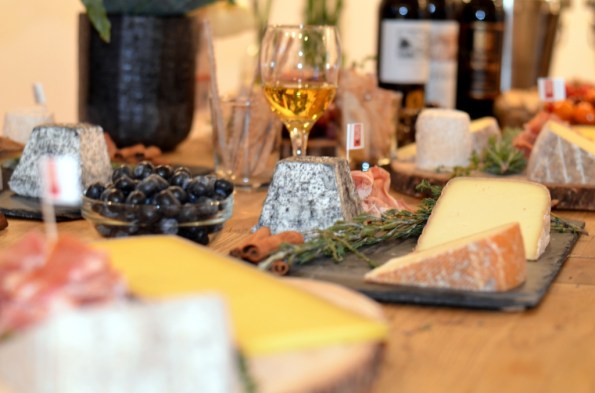


In addition tot he wines, we had an opportunity to indulge on the local cheeses of Southwest France – Ossau Iraty, Buche de Lucay, Bethmale Chèvre, Chabichou, Valencay, and Comté. Sorry, I’m not going to give you any individual notes, but all the cheese were superb. If you are like me and accustomed to the Comté cheese from Costco – that Comté in the tasting was the whole different game (go visit the store and taste, you don’t have to believe me).
There you go, my friends. Have you had wines of Southwest France lately? Any favorites you want to mention? Let’s raise the glass to many happy wine discoveries – and some red wine as a solution to all our problems. Cheers!
From Lodi And Provence, With Love
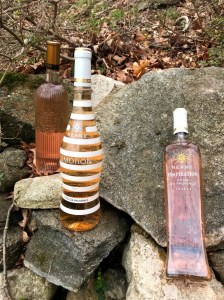 We drink wine because it gives us pleasure. Yes, it is that simple (and I didn’t come up with this – I learned it from Kevin Zraly, maybe the best wine educator in the world). We are looking for pure and simple sensual pleasure in every sip of that white, pink or red colored liquid in the glass, and, of course, it makes us happy when we find it.
When it comes to giving pleasure, I have to state that Rosé has an unfair advantage. We start drinking with our eyes, and while white and red have to compete for our attention with creative labels or sometimes even bottle shapes, Rosé takes a lot more simplistic approach – it just stands in front of us – naked. Clear bottle, nothing to hide – here I am, and I know I’m beautiful, so yes, do look at me and feel free to admire.
I don’t know if colors have universal meaning around the world – for instance, red is typically associated with danger or daring in the Western world – and red is the color of luck in China. So the pink color is usually associated with love and happiness in the Western world, and this is why the bottle of Rosé is so good at driving our emotions, no matter what shade of pink it actually boasts.
Acceptance, appreciation, and demand for Rosé stand at all times high today – and it continues climbing to the new “high” every year. Rosé still has a stigma of “summer wine”, but this is slowly changing as people start recognizing how much pleasure every sip of good Rosé packs, and how versatile it is with food – I would dare to say that in its food pairing versatility, it can well compete with Champagne, which is very hard to beat in its pairing range of cuisines from traditional Chinese to fiery Indian, sublime French, or big and bold Texas BBQ.
Today, Rosé is made everywhere – literally everywhere in the world. It is hard to find a winery which didn’t add Rosé to its repertoire. But before Rosé became so fashionable, there was Provence. More than 90% of the wines made in Provence are Rosé, and then they’ve been practicing for about thousand years, so Rosé is really a way of life in Provence, which is easy to see once you take a sip from the glass. I might surprise you with a choice of a close contender to the dominance of Provence – and they are not at all if you will think about the production volume – but when it comes to the taste, Rosé from Lodi in California will easily give Provence a run for the money.
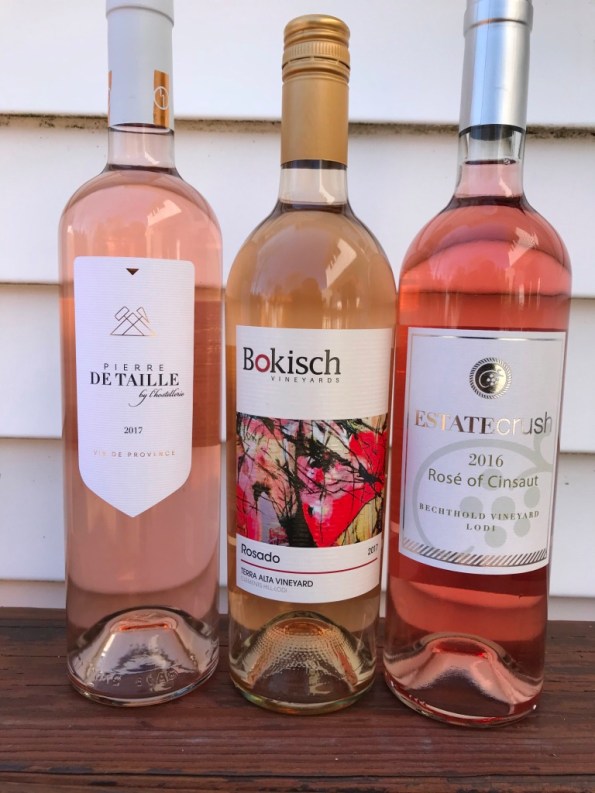
Just look at these colors! Don’t they scream “pleasure”? The Provence Rosé in this picture is only for the color reference purpose, was not part of the tasting
Ever since visiting Lodi in 2016 for the Wine Bloggers Conference, I use every opportunity to confess my love to the region. Lodi might be one of the best-kept secrets in California wine. While a lot of wineries and regions are contemplating their approach to sustainability, Lodi grape growers already developed so-called Lodi Rules (now being analyzed and copied in many regions) for sustainable viticulture, and they have the certification program in place to ascertain that rules don’t just stay theoretical. What starts in the vineyards, continues in the wineries, and the result is simply better wines.
Most of the times Lodi is associated with Zinfandel. Of course, Zinfandel is one of the best known and important grapes in Lodi, but on a big scale, Lodi is a home of the Mediterranean grape varieties – Albarino, Grenache Blanc, Carignan, Grenache, Syrah, Tempranillo and many others, made into delicious, perfectly restrained wines. Lodi goes beyond just the grapes – we need to talk ancient grapes here. lodi is home to some of the oldest in the world plantings of Carignan and Cinsaut (Cinsault), original Mediterranean varieties, also planted on its own rootstock (phylloxera doesn’t survive in Lodi’s sandy soils). Definitely another level – and should be a subject of a separate post.


I had a pleasure of tasting 5 different Rosé for this post – two from Lodi and 3 from Provence. One of the Lodi Rosé is coming from Markus Bokisch, truly a master of Spanish (yes, Mediterranean) grape varieties. Second Lodi wine is produced by Estate Crush from ancient vines Cinsaut, from 130 years old vineyard. Provence wines are coming from two estates owned by Provence Rosé Group – two wines from the Château de Berne, the estate tracing its origins back to the 12th century. The last Provence Rosé is from the Ultimate Provence, the experimental estate which combines traditional Provence with urban design. Before we talk about the wines, just look at those Provence bottles – each one is practically the work of art, uniquely appealing beyond just the color.
Here are my notes:
2017 Bokisch Bokisch Vineyards Terra Alta Vineyard Rosado Clements Hill – Lodi (13.6% ABV, $18, 80& Garnacha, 20% Tempranillo)
Beautiful salmon pink color, very delicate
Fresh tart strawberries on the nose, medium intensity, touch of Meyer lemon
Strawberries all the way on the palate, the wine is definitely more present on the palate than any from Provence, a touch of sweetness, medium body, good acidity, very good balance. Refreshing and quaffable. Sweetness significantly subsided on the second day. Outstanding.
Drinkability: 8-, will be perfect with any spicy food.
2016 Estate Crush Rosé of Cinsaut Bechthold Vineyard Lodi (12.5% ABV, $21, 100% Cinsaut, 130 years old vineyard)
Bright strawberry pink
Strawberries and caramel on the nose, even the toffee flavor, sweet condensed milk. Caramel and toffee are mostly gone after first swirl and sip 😦
Nicely restrained palate, a touch of strawberry with very high lemon acidity and Long, acidity-driven finish – I keep salivating for about 30 seconds already. This will compete neck in neck with any Provence wine
Drinkability: 8, excellent. This wine also perfectly passes room temperature test.


2017 Château de Berne Emotion Côtes de Provence AOP (13% ABV, $16, 50% Grenache Noir, 25% Cinsault, 25% Syrah)
Light salmon pink/onion peel
Strawberries on the nose, ripe strawberries on the palate, excellent balance, clean, fresh, easy to drink.
Drinkability: 8, excellent, delicious from the get go (as one would expect from Rosé). Was also excellent with food!
2017 Château de Berne Inspiration Côtes de Provence AOP (13% ABV, $19.99, 70% Grenache Noir, 20% Cinsault, 10% Syrah)
Salmon pink
Delicate nose, lemon notes, minerality, a touch of funk
Pretty rough edges on the palate initially, interesting vegetative undertones.
Drinkability: 7+, might be a food wine.
3 days later, the palate is better integrated, clean and balanced. Totally unexpected. Drinkability: 8-/8
2017 Ultimate Provence Urban Provence Côtes de Provence AOP (12.5% ABV, $22.99, 45% Grenache Noir, 35% Cinsault, 15% Syrah, 5% Rolle)
Delicate light baby pink
Complex nose, strawberries, raspberries, rhubarb, a touch of flowers, a cheese note (light, disappeared after some breathing time)
Clean, bright, fresh palate, strawberries and strawberry compote, crisp acidity, very refreshing – but all the fruit quicky fading, and the wine doesn’t appear balanced.
Drinkability: 7+, unique and unusual nose. Palate might be too dry after all.
3 days later – 8-/8, round, strawberries and raspberries with white stone fruit undertones, clean, totally different level of pleasure. Another surprise.
Here you are, my friends – 5 very interesting Rosé to brighten up any day, summer, winter, holiday, and not.
Tomorrow is Mother’s Day, so you still have time to surprise Mom with your good taste in wine. And if you are a mom reading this – Happy Mother’s Day to you and thank you for everything you do!
Stories of Passion and Pinot: Tony Rynders of Tendril Cellars
Wine and passion are indelible. Yes, wine is a business for the most parts, but making a bottle of wine which someone else is desiring to drink is a labor of love, and every such bottle has a bit of the winemaker’s soul invested in it (feel free to call me melodramatic). Thus I’m always happy to talk to the winemakers, trying to understand what moves them, what drives them to do what they do. A lot of my conversations are virtual, and you can find most of them on this blog.
Many of interviews are truly random in terms of profiling the wineries and winemakers. However, about 2 years ago, with a prompt and help of Carl Giavanti, I started a series of posts called Stories of Passion and Pinot, which are dedicated (so far, at least) to the winemakers in Oregon, producing Pinot Noir wines. Winemakers are always passionate about what they do and the grapes they use – but it seems to me that Pinot Noir, being a difficult grape it is, really asking for a special dedication to allow itself to be tamed – hence the name for the series.
My latest addition to the series is a conversation with Tony Rynders, the proprietor and winemaker at the Tendril Wine Cellars, a young winery in Willamette Valley in Oregon (the winery officially started 10 years ago, in 2008). While the winery is young, Tony is an accomplished winemaker, who started making wine back in 1989, honed his craft at the wineries around the world, including 10 years as a head winemaker at Domaine Serene, one of the best-known wineries in Oregon.
When Tendril Cellars started, it owned no vineyards, which essentially gave Tony a flexibility to bring the best fruit from the Oregon vineyards he was already familiar with. To my surprise, Tendril Cellars only offers one single-vineyard bottling in their line of 5 different Pinot Noir wines – but you will find an explanation below. In 2013, Tendril Cellars planted a 19 acres Maverick vineyard in Yamhill-Carlton district with Pinot Noir and Chardonnay – the vineyard already producing the fruit which is going into the Tendril Cellar’s second line of wines, Child’s Play (a creative name for the wine, don’t you think?).
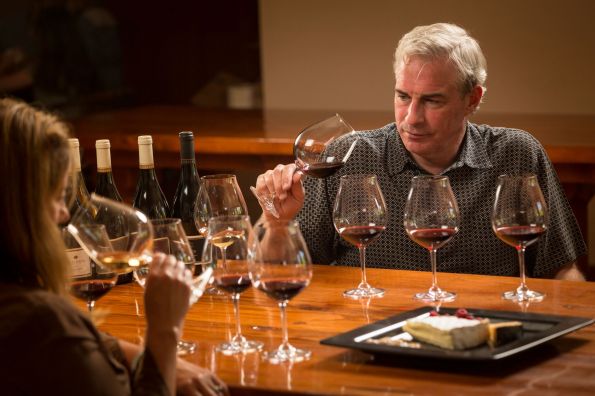
Tony Rynders leading five course tasting
Tony calls his approach to winemaking “low and slow” – letting the nature to do its work. He is also aging all of his Pinot Noir wines for 16-17 months, which I find particularly appealing. And then, how many winemakers do you know who run organized tastings for their customers? That is what Tony does, presenting his wines as a “5-course meal” and explaining the concept of terroir to the wine consumers (after tasting Tendril wines, Tony’s approach to the tasting makes perfect sense to me – but we will discuss it in the next post).
After learning a bit about Tony and Tendril Cellars, I decided that the time came to sit down (yes, virtually) with Tony and ask him a few questions. Here is what transpired.
[TaV]: You started making wine for others in 1989. Was there something which prompted you to start making your own wines in 2010, a pivotal moment, or you simply decided that it is time to make wines “my way”?
[TR]: I have had several opportunities making wine since I began in 1989. Each one has contributed in some way to influence my approach to making wine. I can tell you that I am a much different winemaker today than I was when I started. I think it is critical that we continue to evolve and adapt as the climate, consumers, and wine preferences change.
In fact, I started my own brand, Tendril, in 2008. I was just coming off a 10-year stint as head winemaker at Domaine Serene. It was a highly formative period in my career as there was a massive shift toward new, estate vineyards during my tenure. The creative “heavy lifting” took place largely during my watch. I accomplished everything I set out to and more. It was time for my next big challenge…creating a portfolio of wines for my own brands from scratch. And tell a story about Pinot Noir in a way that it had not yet been told.
[TaV]: You worked at the wineries around the world. Are there any winemakers you would consider your mentors, either directly or indirectly?
[TR]: There is one fact in winemaking that I completely embrace: There is no way to learn it all…I will never stop learning, growing and evolving. Every winemaker I have worked with has mentored me, including but not limited to, Rollin Soles, Ken Wright, Co Dinn, Jean-Francois Pellet and David Forsyth.
[TaV]: Can you explain your “low and slow” approach to the winemaking?
[TR]: Just like the “slow food” movement, I use top quality ingredients (grapes) from attentive, engaged farmers (vineyards) with whom I have a very close relationship. I have hand chosen each of our vineyards myself and each brings a distinctive flavor profile (like spices) in order to make our signature “five-course meal” of Pinot Noir.
For all the Tendril wines, I over-vintage the wines in barrel (at least 16 months) and then bottle age 12 months or more prior to release. The wines are then at the front end of their drinkability curve, with the potential for a decade enjoyment ahead of them.
[TaV]: I find it interesting that in your range of Pinot Noir you have only one vineyard-designated bottling – I always think that designated vineyards and even specific plots are better identify with quality of the grapes and the resulting wines – obviously you don’t see it like that?
[TR]: While I love to make single vineyard wines, I find that not every site is able to produce balanced, compelling and complete wines every year. And that, simply put, is my goal as a winemaker. So this is how the unique story and line-up of wines for Tendril was born. When I started Tendril, I knew that I wanted to do something different with my portfolio of wines. And it took 6 years to complete the lineup (Extrovert 2008, TightRope 2009, Single Vineyard (Guadalupe) 2011, C-Note 2011, Pretender 2013).
The common model that exists for Pinot Noir is the single vineyard model. Wineries make 5-15 (or more) single vineyard wines in a given vintage. The problem is that not all of the sites deliver on their promise of distinctiveness every year. The true test is a horizontal tasting in which all of the wines are evaluated blind. In a given year, some wines are great, some under deliver and some taste quite similar in a given line-up. This is not consistent with my goal.
So, I created my own, unique model for Pinot Noir. Each of my wines is distinctive and complete. Collectively, they show a progression of flavors that mirrors the progression of dishes in a five-course meal. My wines gain in intensity, darker fruit character and structure as the “courses” progress. And each of the wines must re-qualify for their place in the lineup each and every year.
I believe single vineyard wines should be special. Since all wineries charge more money for them, I think they should be worth it. So we typically do just one offering per year that is, simply put, the “wine of the cellar” from just one site. As I had anticipated, it has proven to be rotational (4 vineyards in 7 vintages). It is like a Christmas present in that you don’t know what it is until you open it.
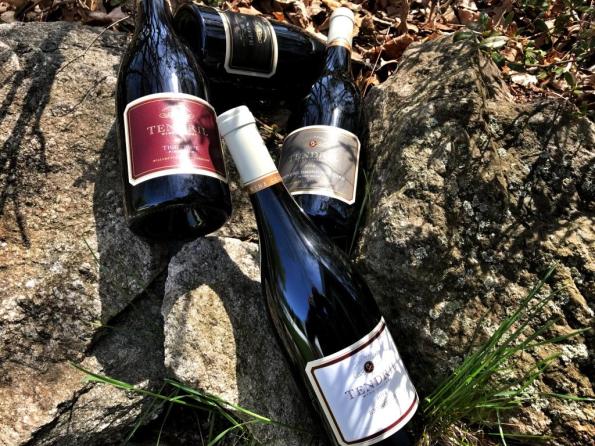
[TaV]: Your C-Note Pinot Noir is designated as “whole cluster fermented” – is that a substantial differentiator to make it the “top of the line” wine, or is there something else behind it?
[TR]: Of the Pinot Noir line-up, the C-Note is the most stylized wine yet at the same time requires the greatest amount of restraint. Whole cluster fermentation of Pinot Noir is a technique that I have only attempted since 2011. The was the first year I made a wine using 100% whole cluster…and it was so successful that it became our first C-Note bottling.
For C-Note, we use 100% Pinot Noir, 100% Whole Cluster fermentation, and age in 100% new French Oak barrels (air dried 3 + years). The restraint comes into play in order to reign in the “whole clustery-ness” and tame the oak impact to mimic a wine with half the new oak exposure. We are extremely gentle with our cap management to control the whole cluster notes and we select the most subtle, elegant barrels coupled with long aging to integrate the oak flavors. C-Note is all about complexity, texture and mind-blowing length. I love making wines that surprise and beguile.
[TaV]: You are one of the very few winemakers who conduct organized tastings. Can you explain what you are trying to showcase with your 5-course Pinot Noir approach?
[TR]: Yes, I believe the best way to showcase these wines and share this unique experience is to do seated tastings. Like a five-course meal, our tasting take time (typically an hour and a half or more). But people leave here feeling that that have experienced something truly special…and that is pretty rare. They are shocked that they enjoyed each and every wine they tasted.
I began working in restaurants at a young age. I cooked for several years and really enjoyed it. A few years after I started making wines, I realized that I was using the exact same skill set to make wine that I used to cook. I am truly a “wine cook” and make wine with that sensibility.
I wanted to showcase a diverse range of flavor profiles that can be accomplished on an annual basis with Pinot Noir in the Willamette Valley. Each offering is distinctive, unique and impeccably balanced. Collectively, they showcase perhaps the greatest range of flavors and textures of Pinot Noir under one brand.
[TaV]: To follow on the previous question, how receptive are your customers (typically) to what you are presenting in the tasting? Do they get your point? Do you offer people to taste the wines blind and to try to identify what they are tasting?
[TR]: The beautiful thing about the “five-course meal” context of our tasting is that EVERYBODY can relate to that experience. People completely get it and they really get into it. The wines show a progression of flavors just like a multi-course meal. They also increase in intensity much like turning up the volume on a radio.
At this stage, the tastings are not blind and are tasted one at a time. And I don’t have the ability to pair food at this time. But we have done the “five-course meal” here at the winery a few times. It was a huge success.


[TaV]: Maybe an odd-ball question here – wine is an adult beverage, and nevertheless, you called your line of wines “Child’s Play” (I personally like it very much, especially the labels). Do you think wine consumers might find this controversial? Did anyone ever comment on this wine name?
[TR]: I am a huge fan of the “double entendre”. Here it is actually triple. 1) My kids playing…my two daughters paintings are the original artwork for all the labels 2) We winemakers are big kids and we get to “play” with offering unique wines (the Pinot Chardonnay is the only still version of Chardonnay and white Pinot Noir in the country…to my knowledge), Zinfandel from WA (a unicorn wine), and a stylistically different Rose of Pinot Noir. The Pinot Noir is just damn good. 3) Child’s Play implies it’s easy…so easy a kid could do it. We are taking the pretension out of wine with the packaging and the wines inside. Great value for money…as it should be.
My customers love it. The only objection came from the Feds…and a simple paragraph explaining point 3) above got us our label approval.
[TaV]: This one is more of the pet peeve question for me. Your Tendril wines are enclosed with the corks (makes me very happy to see it). The Child’s Play line uses screwtops, so obviously the screwtop idea is not foreign to you. I know that some winemakers in Oregon swear by alternative closures (like Don Hagge at Vidon with the glass stopper), but I personally think that the wine needs a cork to age properly. What is your take on this subject?
[TR]: While I like the idea of cork, the execution of the closure has haunted me for my entire career. Corks are highly variable in both their flavor impact on the wines as well as the oxygen permeability. Each one is unique and has an unintended impact on my wine. I believe natural corks are a huge problem and as such, I no longer use them. But I do gladly use a cork product in my Tendril wines (looks like a duck and quacks like a duck) that provides consistency of density and very low aromatic impact. I would be happy to talk to you about this topic some time. I have researched it for years.
Screw caps are new to me, but I love them in the Child’s Play line to further differentiate the brand from Tendril. I think the MSRP $30 price point avoids any potential push back on the choice of closure.
[TaV]: Sparkling wines are so popular nowadays, almost everyone is making them, and often with very good results. Considering your experience at Argyle, should we expect to see Tendril sparkling wine at some point in the future?
[TR]: Maybe…but I will wait until we have a great sparkling wine vintage (cool and slow ripening) to make that decision. If you asked my wife (who is a sparkling junkie), the answer would be yes.
I would only do it if it could have the potential to be a truly special offering.
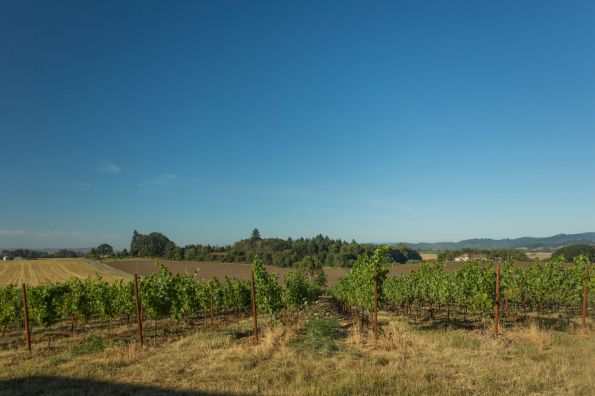
Maverick Vineyard
[TaV]: What is in the store for your new Maverick vineyard? How are you planning to farm it – sustainable, organic, biodynamic? Out of 19 acres, you have 10.5 allocated for Chardonnay and Pinot Noir – what about the rest? Any plans to expand beyond Pinot Noir and Chardonnay – let’s say, Pinot Gris, Riesling, etc?
[TR]: At this time, Maverick is LIVE. We plan to move towards organic over the next few years. It is an incredibly well behaved site that is already producing strong personality wines. I view this as a highly desirable trait for a young vineyard. The Chardonnay for the Pinot Chardonnay (70% of the blend) is all Maverick. This is the first bottled wine coming from Maverick.
No plans for other varietals at this time. But the clonal mix for the Pinot Noir (943, Swan, Calera and Mt. Eden) is pretty unusual.
[TaV]: Oregon is clearly a leader in Pinot Noir, considered by many as simply the best in the world, and it is also getting to the same level of recognition with the Chardonnays. What is ahead for the Oregon wine industry? Is the future bright and sunny, or do you see any clouds on the horizon?
[TR]: To me, the only constant is change. By that I mean that to continue to succeed as an industry, we need to be engaged (both locally and on a world stage), we need to be adaptive (as our climate continues to change, we are in for more and different challenges), and we need to be more concerned about the sustainability of our environment (both locally and throughout the world).
I believe we will have sun and clouds…and perhaps some rain. Just the weather we always have in Oregon 😉
[TaV]: When you are not drinking Tendril wines, what are your favorites from the other producers and/or regions?
[TR]: Lately I have been enjoying Graham-Beck sparkling wine from South Africa.
Or give me a good single malt Scotch…
Here we are, my friends. I’m sure you are thirsty at this point, but we will talk about Tendril Cellars wines in the next post.
To be continued…
Where In The World is Gigondas?
Do you think I’m dumbing it down way out of proportion? Do you think every wine consumer is perfectly familiar with whereabouts of Gigondas and its wines, and thus taking offense in the title of this post? Well, if this is the case, please share your anger in the comments section below and click the “x” in the corner. And if you are still here, let’s talk about the tiny speck of land in the southern part of the Rhone appellation in France.
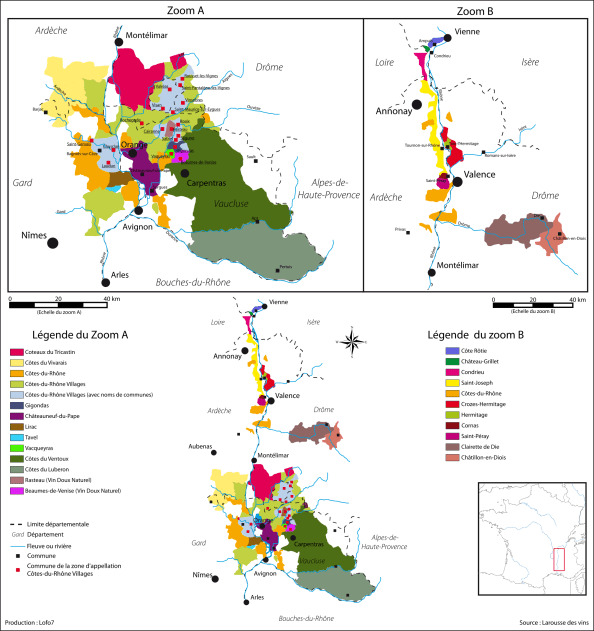
Source: By DalGobboM at French Wikipedia, CC BY-SA 3.0, Link
Size matters, but probably not in this case. Gigondas has only about 3,000 acres of vineyards for the whole appellation (for comparison, E.& J. Gallo in California owns 20,000 acres of vineyards). Nobody knows where Gigondas name came from, but it is known that the wine was consumed in the Gigondas region more than 2,000 years ago. First records of Gigondas vineyard go all the way back to the 12th century. I guess the wine in Gigondas was really good even in the early days, as in 1591 there were first laws enacted, particularly prohibiting the sales of the wine to foreigners. In 1971, Gigondas became the first appellation in Côtes du Rhône-Villages to receive its own AOC status.
Gigondas is the land of Red and Rosé (just Red, mostly). Yep, that’s right – no white wines are produced and no white grapes are grown – at least for the wines produced under the Gigondas designation. The wines of Gigondas stylistically similar to the wines made in the neighboring – also much larger and a lot more famous – appellation of Châteauneuf-du-Pape – despite vignerons mostly working with 4 grapes in Gigondas (out of 8 varieties officially permitted), while folks in Châteauneuf-du-Pape allowed to use 18 in production of their red wines, 9 of which are white. At the end of the day, it is not for nothing both Gigondas and Châteauneuf-du-Pape wines are often classified as “GSM” – which stands for Grenache, Syrah, Mourvèdre – these are the main three grapes, with Grenache typically been a workhorse here (up to 80% allowed in Gigondas wines).
Now, the time has come for an ugly truth. I’m actually not familiar with Gigondas wines. I know and had many of the Châteauneuf-du-Pape wines, but I usually would pass by one or two bottles of Gigondas which most of the stores would offer, and go to the Châteauneuf-du-Pape in the same price range. Thus when I was offered to try 3 different Gigondas wines, my “yes, please!” was very enthusiastic.
When I mentioned on Twitter that I’m going to play with err, taste a few of the Gigondas wines, I got back an instant outpour of love – and not only to the wines, but to the place. Take a look at these tweets:
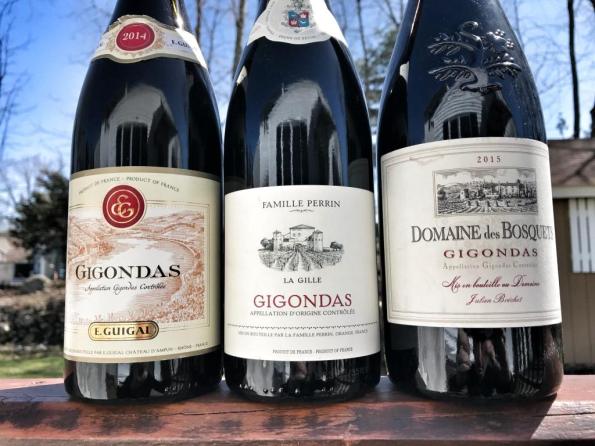
It is time to talk about the wines I was able to taste. I had three wines, two from the 2015 vintage and one from 2014. Let’s take a look at the producers first.
The Domaine des Bosquets traces its history back to 14th century. Today, Domaine des Bosquets farms 64 acres of vineyards (50 years old vines), primarily growing Grenache and small amounts of Syrah, Mourvedre, and Cinsault.
The Famille Perrin needs no introduction to the wine lovers. It takes roots in the same 14th century, with its historic Château de Beaucastel. In the 1950s, Famille Perrin became a pioneer of the organic farming, later on extending into the Biodynamic. The Famille Perrin also involved in the multiple projects in France and around the world, and the wine I tasted comes from their La Gille property in Gigondas.
Unlike the two wineries we just talked about, the Guigal Estate was founded in 1946 by Etienne Guigal in Ampuis, a small village Côte-Rôtie appellation. From there on, however, E. Guigal moved to the great prominence, with its so-called “La La” bottlings from Côte-Rôtie (La Mouline, La Turque, La Landonne) becoming an object of desire and obsession for the wine lovers around the world. Guigal Estate produces the wines in multiple appellations throughout both Northern and Southern Rhone, and “Guigal” name on the bottle is typically associated with quality.


I have to honestly tell you – with the exception of E.Guigal, this was not the love at first sight. However, all three wines perfectly evolved on the second day. Here are my notes:
2015 Famille Perrin La Gille Gigondas AOC (14.5% ABV, $38, 80% Grenache, 20% Syrah)
Garnet
Beet juice, mocha, raspberries, medium intensity, minerally undertones
Dense, chewy, blueberries and blueberry compote, eucalyptus, dark chocolate, medium to full body. Long finish.
7+, I would like a bit more balance.
8- second day, the wine is a lot tighter, has firm structure, shows hint of white pepper and by all means a lot more enjoyable. Apparently will improve with time.
2015 Domaine des Bosquets Gigondas AOC (15% ABV, $35, 70% Grenache, 20% Syrah, 10% Mourvèdre and Cinsault, total 30 month aging in oak and concrete)
Dark garnet, almost black
Intense nose of freshly cut berries, vanilla, eucalyptus. Noticeable alcohol as well.
The palate is very intense but also astringent at the same time, black pepper, surprisingly medium body (was expecting bigger body). After 30 minutes in the decanter, the aggressive alcohol is gone. Still, feels that the wine needs time – not ready to drink now. Putting aside for a day.
Day 2 – cherries, mocha, and coffee on the nose. No alcohol, all nice and integrated. The palate shows tart cherries, pepper, vanilla, cut through acidity, medium plus body. Nicely drinkable. 8-/8, very good.
2014 E. Guigal Gigondas AOC (14.5% ABV, $36, 70% Grenache, 20% Syrah, 10% Mourvèdre)
Intense garnet
Open and inviting nose, black pepper, raspberries, mint, cassis
Fresh raspberries and blackberries, hint of mushrooms, nice minerality, a touch of vanilla and pepper, firm structure, good acidity, good balance
8-, a very pleasant and nicely drinkable wine from the get-go.
Day 2: 8+, sweet vanilla, dark chocolate and blueberries on the nose, extremely inviting. The palate evolved dramatically – pepper, raspberries, graphite, nutmeg, violets, firm structure, superb.
Here you are, my friends – my first serious encounter with Gigondas. Looking at the pictures, I would really love to visit Gigondas, and I will be happy to drink the Gigondas wine – just need to fiorget them in the cellar for a while. What is your eperience with Gigondas? Cheers!
Trader Joe’s Wines – Values and More Values
The wine aisles of Trader Joe’s is one of my favorite places to visit when I travel. Where I live, in Connecticut, Trader Joe’s stores are only allowed to sell beer. Trader Joe’s stores are known for their great selection and great prices, and that is true for everything Trader Joe’s sells – including the wine. Thus any Trader Joe’s store which sells wine is an opportunity to visit a toy store for adults, which I definitely can’t miss.
This time around I ventured into the Trader Joe’s in Costa Mesa in California. Usually, the “wine” selection in Trader Joe’s in California goes way beyond just wine – scotch, bourbon, tequila, cognac, and more. At the store in Costa Mesa I was particularly impressed with Mezcal selection – would love to bring some home, but you know how business travel is nowadays – does the bottle worth a trouble of checking in the luggage?
So yes, wine it is. When buying wine at Trader Joe’s during my business trips, I always approach it in a simple way – I’m looking for value. Here is $20, let’s get as many bottles as possible with the $20, and let’s see how they will fare. Truth be told, I rarely manage to stay under $20, but still, I make an effort to be as close as possible to that $20 budget (before taxes, of course).


How does $23.45 sound next to the $20 budget? In absolute terms – I’m over the budget by 17%. In relative terms, 5 bottles of wine for $23.45? If the wine even half drinkable, it is not a bad deal, would you agree? I think so. Oh yes, and I also cheated a bit. Don’t worry, I didn’t cheat anyone in particular, it is this story which has a few flaws, so please allow me to explain.
First, I saw an attractive bottle, unusual shape, attractive label, $9.99, the wine called “Susumaniello” from Puglia – something I never saw before. I was planning to visit my close friends later that day, so I thought that this bottle looked good enough to bring with me (wanna call me a cheap bustard? please, be my guest). But -Trader Joe’s was having a little tasting (they always do for food – I guess they also do it for wine where the wine is sold – for sure in California) – and this exact bottle of wine was offered for tasting. So I did have a sip of 2016 Ruggero di Bardo Susumaniello Puglia IGP ($9.99) – it had a medium body, restrained profile with mostly cherry notes on the palate. To my delight, it appeared that behind the cool label was also a new rare, indigenous grape I never had before – Susumaniello, a nice addition to the collection (I really need to iupdate my “grape counter” on the page).


The wine was good, but I already tasted it, so I needed a different idea for the wine to bring to dinner, so I settled for 2012 Château Roudier Montague-Saint-Emilion (13% ABV, $12.99), which happened to be a classic Bordeaux – well, maybe not so classic but more of modern variation – warm fruit and spices on the nose, black currant on the palate, soft tannins, round, velvety – an excellent Bordeaux for the price. It also paired very well with Korean short ribs (Bulgogi) we had for dinner. Drinkability: 7+/8-, very good overall.
From here on, here are my tasting notes for the five wines I was able to play with over the next few days – these are the wines I paid $23.45 for.


2016 Joseph Händler Riesling Pfalz (9.5% ABV, $4.99) – straw pale color. Nose at first muted, literally nonexistent, then opening up into white flowers, touch of honey and candied peach. Clean acidity, lemon, candied lemon, crisp, good minerality, not over the top. Drinkability: 8-, and incredible value at $4.99. Just wow. I know Rieslings can be inexpensive, but this is a whole lot of German Riesling for the price.
Simpler Wines Too Uncanny Red Wine Blend Australia (13.8% ABV, $2.99/375 ml can) – this wine had no vintage indication, so I guess we should consider it to be a non-vintage. Dark ruby color. Fresh fruity nose, young berries, then herbaceous undertones show up. Very good acidity on the palate, blackberries, cherries, mint, surprisingly balanced and very easy to drink. A bit of an alcohol burn, but still wow. 7+/8-, yet another excellent value. Nicely drinkable on the second day from the open can.
2016 Union Wine Co Underwood Pinot Noir Oregon (13% ABV, $4.99) – as you can see in the picture, the only place where I found a year specified was on the bottom of the can. Is that really vintage indication? I have no idea, but I will consider it to be so.
Ruby color. Mushrooms and smoke on the nose, touch of cherries. Sweet cherries on the palate, nice minerality, good acidity, medium body, good balance, touch of tart raspberries, hint of black pepper. Very nice overall. Drinkability: 8-, impressive.


2016 Nero Marone Edizione Privata Italy (14% ABV, $6.99) dark ruby color. Restrained nose, herbal, not much fruit. A hint of raspberries, tart cherries on the palate, minerality, medium body, good acidity. Interesting, not bad but a bit underwhelming in the amount of fruit. Drinkability: 7+, might be more of a food wine.
2017 Viñas Chileans Rosario Estate Cabernet Sauvignon Reserva Valle Central Chile (13% ABV, $3.49) – a classic Chilean cab, a touch of green bell pepper, soft blueberries and blackberries, medium body, easy to drink from the get-go. Nicely paired with grilled snapper. Drinkability: 7+, truly lots of wine for the money.
Here you are, my friends – another successful encounter with the Trader Joe’s wines. The Riesling was my favorite, but really, all the wines were good and an amazing value. What are your latest value wines discoveries? Can you beat the Pfalz Riesling at $4.99? Cheers!
Discover Wines Of Loire Valley
What do you think of the wines from the Loire Valley? Why, you say you are not sure? Come on, give yourself a credit – there is a good chance you had Loire Valley wines, but maybe you simply didn’t associate those wines with the Loire Valley? Let me help you – Sancerre, Pouilly-Fumé (not to be confused with Pouilly-Fuissé), Muscadet, Vouvray, Touraine, Anjou, Saumur, Chinon – had any of the wines with these words on the label? Ah, of course, you are saying? Then now you know – those are all the wines from the Loire Valley in France.
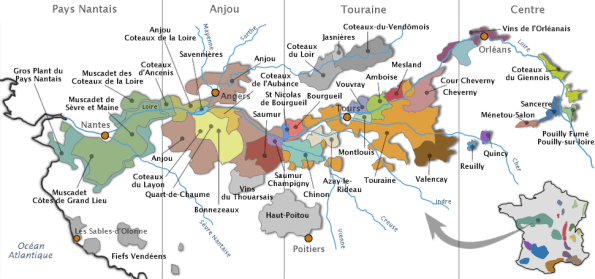
Loire Valley appellations map. Source: http://www.loirevalleywinetour.com/
The Loire Valley is not the most famous winemaking region in France, but it deserves the utmost respect. Here are some facts for you. Number one region in France for production of the white wines. The largest producer of the sparkling wines in France outside of Champagne. Number two producer of Rosè wines in France after Provence. The largest in France vineyard declared UNESCO World Heritage site. 79 sub-appellations and denominations and more than 2,000 years of winemaking history. These numbers speak for themselves. And to round up the stats – five grapes (Sauvignon Blanc, Chenin Blanc, Melon de Bourgeois, Cabernet Franc and Pinot Noir) comprise most of the Loire wines, but a total of 24 grapes are used there.
A few weeks ago, I was happy to attend the “Spring To Loire” trade tasting in New York City, alongside the inimitable, one and only JvB Uncorked – we definitely had lots of fun tasting through the Loire wines together. It was also literally the first tasting this year which I managed to attend, so “happy” is the right word. Besides, I love Loire wines, with Chinon and Saumur been personal pet peeves, as producers of delicious Cabernet Franc.
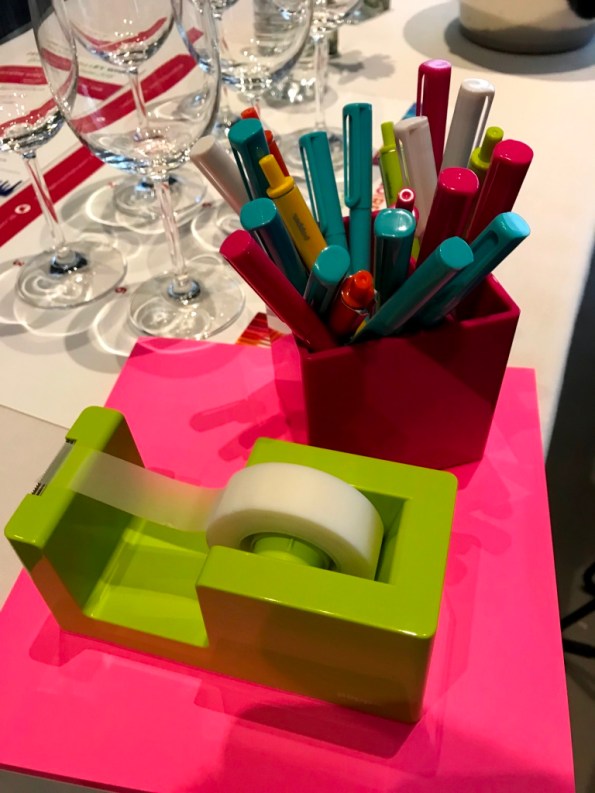
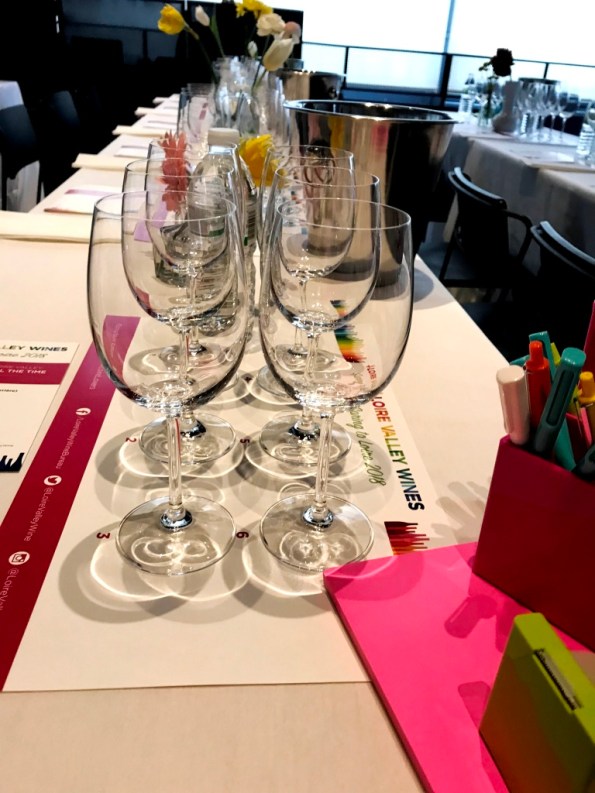
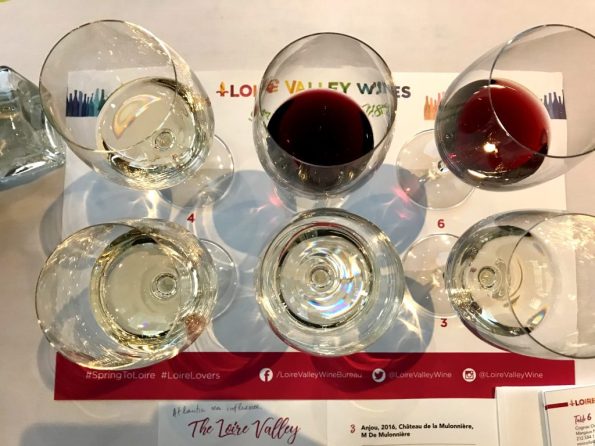
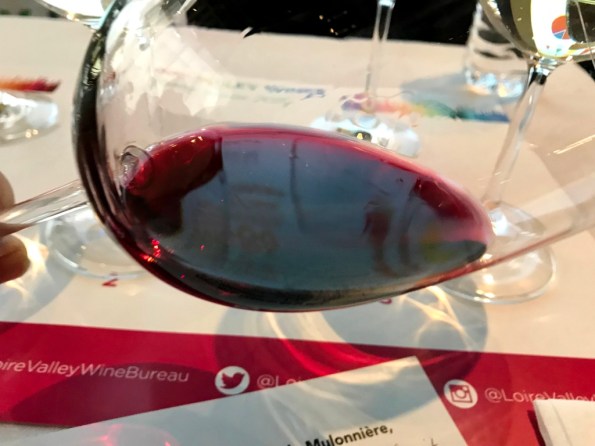
The tasting was unquestionably interesting. First, it had a couple of curious moments. There was a seminar which offered an excellent introduction to the region, tasting all major styles and varieties. Two of the reds in the tasting were rather green and aggressive. At the end of the tasting, I asked a lady sitting next to me how did she liked the wines, and she told me that she didn’t like the red wines individually, but she mixed them (!?!?) and they became more palatable – truly a wow moment in the professional tasting. And then it was another lady who (accidentally or not) dumped what seemed like a whole bottle of perfume on herself – trying to smell nuances of the wine standing next to her was beyond mission impossible. Some memorable moments…
Okay, let’s talk about the wines. I have a few favorites which I will be happy to mention, but first, let me give you my broad stroke impressions.
- Sancerre had a much lesser amount of fresh cut grass than I was expecting. Okay, I’m not an expert on Sancerre evolution, as I rarely drink them. However, based on what I remember from my education and some of the previous experiences, classic Sancerre is supposed to have pronounced grass and cat pee notes – didn’t find much of the Sancerre like that. Touraine Sauvignons, on another hand, were delicious across the board with an abundance of the freshly cut grass.
- Many of the Muscadet-Sèvre-et-Maine wines were lacking the characteristic acidity. When going for Muscadet, I’m expecting acidity which will plucker my mouth and make the cheeks to go meet each other. Many Muscadet in the tasting were nice white wines, but they were lacking their prized quality.
- The Chenin Blanc was a star. We had a number of delicious Vouvray and not only wines, which offered bright acidity, sometimes a touch of sweetness, a round mouthfeel – all which you would expect from a nicely done old world Chenin.
- Many of the Chinon and Saumur Reds were too tannic. This was a total surprise – the wines were fermented and aged in stainless steel tanks, nevertheless, the mouth was drying up almost as much as if you would be tasting the young Barolo. I was told that the whole cluster fermentation and aging was a culprit, but this was not a pleasant surprise. I really expect much more elegant and approachable wines to come from those regions. Nevertheless, we managed to find a few of the superb reds.
Done with my general impressions – here are some limited notes on my favorite wines.


Sparkling:
Crémant de Loire:
NV Maurice Bonnamy Crémant de Loire Brut (SRP: $16.99, 65% Chenin Blanc, 20% Chardonnay, 15% Cabernet Franc) – nice, refreshing, yeasty
NV Maurice Bonnamy Crémant de Loire Rosé (SRP: $16.99, 100% Cabernet Franc) – toasted bread and strawberries, nice, refreshing, great mouthfeel
NV Ackerman Crémant de Loire Brut (70% Sauvignon Blanc, Chardonnay and Cabernet Franc for the rest) – this wine was presented in the seminar, so I had a bit more time to spend with it – great nose, toasted bread, fresh, a touch on a sweeter side but still very nice
White:


Melon de Bourgogne:
2017 Sauvion Muscadet-Sèvre-et-Maine AOC (SRP $13.99) – crisp, fresh, great acidity
2014 Château de la Cormerais Monnieres-Saint Fiacre Muscadet Sèvre et Maine (SRP $19.99) – outstanding. fresh, clean
2012 Domaine de Colombier-Mouzillon-Tillières Muscadet Sèvre et Maine (SRP $19.99) – great complexity


Sauvignon Blanc:
2016 Domaine Pascal Jolivet Les Caillottes Sancerre AOC (SRP: $38) – steely acidity, crisp, a touch of grass.
2015 Domaine Pascal Jolivet Sauvage Sancerre AOC (SRP: $73) – this wine was just ok. The only reason to include it – this was probably the most expensive wine in the tasting, and it really didn’t deliver.
2016 Domaine Michel Vatan Calcaire Sancerre AOC – presented at the seminar – on the nose, minerality, lemon, distant touch of the grass, crisp, fresh. Excellent acidity on the palate, very nice overall.
2017 Raphael Midoir De Silex et Tuffeau Touraine AOC (SRP $14.99) – outstanding. Classic nose, delicious.
2016 Pierre Prieuré & Fils Domaine de Saint-Pierre Sancerre AOC (SRP $19.99) – excellent, fresh
2016 Raphael Midoir La Plaine des Cailloux Touraine-Oisly AOC (SRP $19.99) – outstanding, great complexity.


Chenin Blanc:
2016 Château de la Mulonnière M De Mulonnière Anjou – presented at the seminar – delicious. White stone fruit, peaches on the nose. A touch of sweetness and perfect balance on the palate. Outstanding.
2017 La Croix des Loges Anjou White AOC (SRP $14.99) – outstanding. Clean, fresh, touch of sweetness.
2014 La Croix des Loges Trois Failles Anjou AOC (SRP $22.99) – outstanding, gunflint on the nose, clean, balanced palate.
1977 La Croix des Loges Bonnezeaux AOC – yes, 1977, this is not a typo – this was an off the list, off the charts treat – a Chenin Blanc dessert wine, still elegant and complex.
Other:
2017 Domaine du Colombier Vla de Loire IGP ($14.99, 100% Sauvignon Gris) – excellent, fresh, complex.


Reds:
Cabernet Franc:
2015 Domaines des Varinelles Saumur-Champigny AOC (SRP: $20) – amazing similarity with Lodi wines on the palate – soft, aromatic, touch of cinnamon, ripe blueberries and raspberries, hint of blueberry compote. The similarity with Lodi is mind-boggling. Let’s not forget that this is Cabernet Franc wine, so there must be something there which can explain it. Need to dig deeper into this, I’m really curious.
2015 Domaines des Varinelles Laurintale Saumur-Champigny AOC (SRP: $24) – muted nose, and practically identical on the palate to the previous wine from the same domain. I will look into it… But two superb wines by all means – the wine are coming from the old world, but clearly, are screaming “new world”.
2017 Domaine du Raifault Chinon AOC (SRP: $17.95) – wow! Cassis on the nose, cassis on the palate – spectacular. This was my best of tasting red wine. This wine is not available in the US yes (we tasted one of only two bottles brought in for tasting) – in the process of being imported. Once it arrives, do yourself a favor – go find it and buy a case, or two. You can thank me later.
2016 Sauvion Chinon AOC (SRP: $17.99) – interesting dense nose, great palate, sandalwood, smoke, fresh, present. Tannins are still aggressive, but not as much as others.
Pinot Noir:
2014 Xavier Flouret Domaine de Chatenoy Menetou-Salon AOC (SRP: $20.95) – great Pinot Noir – excellent fresh nose, great balance of dark fruit on the palate, outstanding. 15 generations of vignerons know what they are doing. Definitely one of the highlights of the tasting.
2015 Domaine Gérard Millet Sancerre Red (SRP: $25) – fresh, crisp, herbs, spices, light.
Blends:
2014 Domaine de la Chaise Touraine-Chenonceaux AOC ($22, 70% Cabernet Franc, 30% Côt) – fresh, delicious, cassis and tobacco, excellent balance
The Spring is finally here (or at least it seems so in New York), so go on, find some Loire wines to explore on your own. Cheers!
Flavor, Next Level – Beyond Salt And Pepper
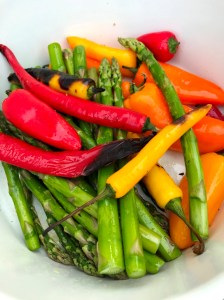 I love cooking. Cooking allows you to be creative, and you are only limited by your own imagination in what will show up on the table in the end. That and maybe some skill – but skill, of course, can be learned and mastered.
While creativity, imagination, and skill are important, one quality will separate success and failure in the final dish – flavor. Of course, the situation is not that dramatic in real life – this is what “not too bad” and “interesting” descriptors are for, but the flavor rules. This for sure is true in the home cooking. If dish on the table looks great – excellent, definitely a bonus. The texture typically is important too – if the rice more resembles mashed potatoes, that is not really cool. But flavor rules – once we take the first bite, the presentation becomes secondary and the flavor is what we are looking for to either jump of joy and pleasure or make face and say “ouch” (don’t strangle that inner kid in you, let the reaction come out).
One of my favorite shows on the TV is “Beat Bobby Flay” on the Food Network. Bobby Flay, who is an Iron Chef and a well-known restaurateur, is challenged by some other, also well established and well-regarded chefs, to cook the dish of their choice, their own “signature dish”. The panel of three judges decides on who made a better dish in a blind taste test. Quite often, Bobby Flay wins even when he has to cook the dish he only tried once in his life and never cooked before – and sometimes even those which he never tried. What makes him the winner? When you listen to the judges explaining their decision, there is one most important word which you hear over and over again – flavor. The dish might not look anything like the classic version, and sometimes even not taste anything like the classic version, and nevertheless, the Flavor is the word you hear the most often, explaining the vote of A versus B.
If you see home cooking as a chore, this is probably not the post you want to continue reading. If, however, you are after the pleasure of both cooking and then eating the tasty food, let’s talk more about flavor. As a home cook, you have an arsenal of tools available to you to achieve the flavor – you start simply with herbs and spices, and then enlist the help of various techniques and methods – marinating, basting, slow cooking, pressure cooking and on, and on, and on. I personally like cooking with open fire, and thus grilling is definitely one of my preferred methods, especially when the weather is cooperating.
One of the things I like using to enhance the flavor of the food on the grill is a cedar plank. I would typically make salmon on the cedar plank so the salmon would have that delicious sweet smokey flavor. There is only one problem with this – I typically forget to pre-soak the plank at least for an hour – and unless the wood is soaked, it will burn in no time on its encounter with open flames.
It appears, that my problem (don’t tell me it is only my problem, and looking on a gorgeous piece of salmon you never had to hit yourself on a forehead saying “why I didn’t prepare the plank before”) had been solved! Here comes Beyond Salt and Pepper – a company which was founded (I’m very happy to give you full disclosure here) by my close friend Henry. We always shared our love for cooking with Henry, but Beyond Salt and Pepper takes that passion to the next level.
Pre-soaking of the plank is required before using it for cooking. I’m sure that when you think about soaking of the wood, you think water. But why only water? Wine is a liquid too, and wine is used in cooking, so maybe…? That’s right – we can use the wine, but not only the wine, also beer, rum, bourbon and any other type of alcohol – each one bringing its own unique flavor profile to the table – your table.
I visited my friend – and essentially, the headquarters of Beyond Salt and Pepper, located in the garage, as any self-respecting startup should – and we had a blast (a feast would be a better word).


First, I saw the process – the pre-cut planks of cedar – but not only cedar, Henry uses white oak too and says that imparts particularly nice flavor on the steaks – are soaked in the liquid of choice for days. Then the planks are getting into the machine where they are vacuum-sealed. Put on the label, pack, and voilà, ready for shipping.
And then there was cooking, lots of cooking. If you are still thinking planks are only for salmon, forget this notion as soon as possible. Unleash your imagination – you can make anything you want on the planks – and you can see the proof here in the pictures.


When cooking with the planks, there is a bit of technique which goes into the process – all explained in the recipes available on the Beyond Salt and Pepper web site. In most of the cases, you need to pre-heat the plank by putting in on a hot grill for 1 – 2 minutes on each side. And then you slightly pre-cook the food – for instance, sear steak on one side, and then flip it over on the plank and let it continue cooking as usual – that’s about all the special technique you need.


We had asparagus, artichokes and snap peas cooked on the Chardonnay-soaked planks – we couldn’t keep the snap peas on the table, everyone loved them. How about some little red wine infused smoke on the mushrooms and potatoes? Salmon and tiger shrimp on the Bourbon soaked planks? Yes, please! Chicken with some Merlot smoke on it – yum! Then the steak on the white oak and rum planks – superb. And then some cheese for dessert – but of course, made on the Chardonnay infused plank. Flavor, flavor, flavor – there are no limits to one’s creativity.

Here you are, my friends – a simple tool to add to your cooking tools arsenal, to get the flavor to the next level. If you are interested in trying these planks for yourself (and you should, seriously), you can get them directly from the website, or on Amazon (the website offers a bit wider selection). If you need some inspiration and cooking ideas, follow Beyond Salt and Pepper on Instagram. And by the way, while on the website, look for their selection of gourmet peanut butter… Mmmmm… Happy cooking!
Welcome Spring With Wines of Lieb Cellars
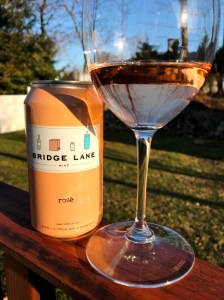 Considering the weather in the New England, “spring” is just a word. Still freezing temperatures during the night, and simply cold during the day, despite the sun been in a full swing. I’ve seen plenty of rain and sunshine, but snow and sunshine? For sure this was new for me. So seeing the way Mother Nature is, we simply have to proclaim that Spring has arrived, and behave appropriately – Mother Nature will have to eventually comply with that unyielding demand.
Spring is the renewal time for everything in nature – including wines. No, I didn’t mean the vines, the bud breaking and all other beautiful “new life” occurrences. I actually meant the wines, as to liquid in the bottle. Yes, Spring is the time for … new arrivals, for sure in the Northern hemisphere. New vintages, new wines, new excitement – this is the beauty of the wine. Every vintage is different, every bottle is different – pulling that cork (okay, it is more often twisting the screwtop nowadays) is always an exciting moment – you never know what you will find inside.
Last year I discovered the wines of Lieb Cellars from Long Island, and it was a very tasty discovery – in fact, I called Lieb Cellars wines “happiness-inducing”, so you understand how much I liked them. Obviously, I was very happy to receive the new vintage of the wines from Lieb Cellars and their daughter winery, Bridge Lane Wines.
This year, the wines from the Bridge Lane Wines showed up in the new packaging – cans. As an extra bonus, all the cans had winter-defying, bright and cheerful colors – a good way to feel spring even if you still need a thick jacket to spend any time outside. Bridge Lane Wines are now available in 4 different formats – 375 ml (1/2 bottle) cans, standard bottles (750 ml), 3L boxes and 20 liters plastic kegs – whatever format will better suit your needs. The lineup from Bridge Lane Cellars includes Chardonnay, Sauvignon Blanc, White Merlot, Rosé, and Red Blend – and below are my tasting notes (note that all prices are SRP for 375 ml cans):


2017 Bridge Lane Chardonnay New York State (12.5% ABV, $7.99, 100% Chardonnay)
C: straw pale
N: fresh apples, minerality, lemon, medium + intensity
P: crisp, tart, Granny Smith apples, pretty astringent, needs food – shellfish, preferably
V: 7, definitely needs food
2017 Bridge Lane Sauvignon Blanc New York State (12% ABV, $7.99, 100% Sauvignon Blanc)
C: light golden
N: touch of grass, touch of grapefruit,
P: lemony notes, grapefruit, good acidity, fresh
V: 7+, nice and simple
2017 Bridge Lane Rosé New York State (11.9% ABV, $7.99, 45% Cabernet Franc, 27% Merlot, 16% Malbec, 8% Pinot Noir, 4% Pinot Blanc)
C: beautiful salmon pink
N: fresh strawberries, clean, crisp
P: zinging acidity, lemon, crisp, vibrant, hint of underripe strawberries.
V: 8, outstanding. Will be a perfect shellfish wine
2017 Bridge Lane White Merlot New York State (12% ABV, $7.99, 86% Merlot, 8% Pinot Blanc, 3% Riesling, 3% Viognier)
C: straw pale
N: crisp, white stone fruit, green apples
P: crisp, lemon, lemon zest, clean, fresh
V: 7+, reminiscent of unoaked Chardonnay more than anything else
2016 Bridge Lane Red Blend New York State (12.9% ABV, $7.99, 44% Merlot, 22% Cabernet Franc, 13% Petit Verdot, 12% Malbec, 9% Cabernet Sauvignon, 6 months in Hungarian oak)
C: dark ruby
N: currant, eucalyptus, forest underbrush, medium+ intensity
P: crisp, fresh, good acidity, medium body, blackberries, cherries, nice extraction, smooth, good textural presence
V: 8-, very nice
As you can tell, the Rosé and Red Blend were my favorites, but White Merlot was definitely fun, tasty, and creative as well. Now, let’s get to the big guns – the Lieb Cellar main line of wines. I had 4 different wines to try – here we go:

2015 Lieb Cellars Reserve Sparkling Rosé North Fork of Long Island (13.2% ABV, $29.99, 80% Pinot Noir, 20% Chardonnay, 16 months in the bottle)
C: light onion peel pink, fine mousse
N: Provence-like, restrained, touch of fresh strawberries and yeast
P: same fresh strawberries, fresh, perfect acidity, tiny hint of sweetness, perfectly round, delicate and delicious.
V: 8, excellent wine, would happily drink it again at any time
2013 Lieb Cellars Reserve Sparkling Pinot Blanc North Fork of Long Island (13.2% ABV, $29.99, 100% Pinot Blanc, 42 months in the bottle)
C: straw pale, perfect mousse appearance
N: toasted bread (restrained) with a hint of nutmeg, intriguing
P: crisp, fresh, touch of brioche, golden delicious apple, more nutmeg, impeccable balance, delicious.
V: 8/8+, superb
2016 Lieb Cellars Estate Cabernet Franc North Fork of Long Island (12.8% ABV, $29.99, 80% Cabernet Franc, 14% cabernet sauvignon, 4% Petit Verdot, 2% Merlot)
C: dark garnet
N: mint, eucalyptus, underripe black currant, a touch of cherries
P: open, bright, welcoming, medium body, fresh blueberries and sweet cherries, pronounced acidity, good balance.
V: 8-, the wine feels extremely young and hints at a good aging potential.
2016 Lieb Cellars Estate Petit Verdot North Fork of Long Island (13.2% ABV, $35 tasting room only, 90% Petit Verdot, 8% Merlot, 2% Cabernet Sauvignon)
C: dark ruby
N: licorice, mint, grape leaves, a touch of sour cherries, restrained, medium intensity.
P: medium+ body, succulent, lip-smacking acidity, bright blackberries and cherries, impeccable balance
V: 9-, it’s a riot. A perfection of young, fresh, balanced Bordeaux. Dangerous wine – once you start, you can’t stop
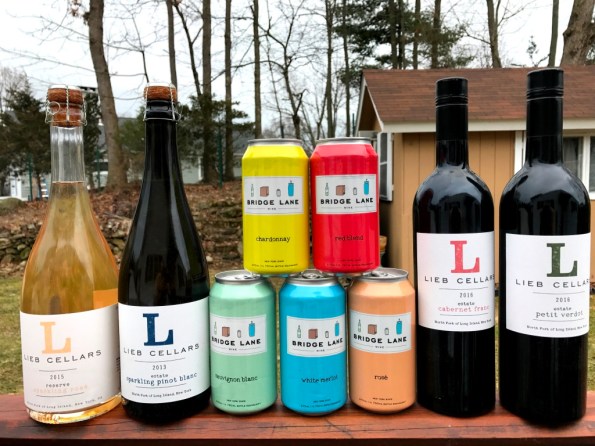
These were excellent wines, I can’t complain much about either one of the four – Sparkling Rosé was outstanding, Sparkling Pinot Blanc was superb and far exceeded my expectations. The Cab Franc was solid, and the Petit Verdot was, as I said, a riot. I did my usual “longevity test” with the Petit Verdot – pour a glass, close the wine, pour another glass next day and so on. For every day the wine stays tasty, I account 5-7 years of the aging time the wine can endure in the cellar. So Petit Verdot was fine for 2 days, but on the day number 3 it went down, so I would probably age it for another 5-7 years, but not much longer. But then with the screwtop, you never know…
Here you are, my friends. Spring, summer, fall or winter – Lieb Cellars have some fun and tasty wines waiting for you. Cheers!
Last Bottle Sign Up ($10 credit)




 Talk-A-Vino