New Releases From Bodegas Beronia
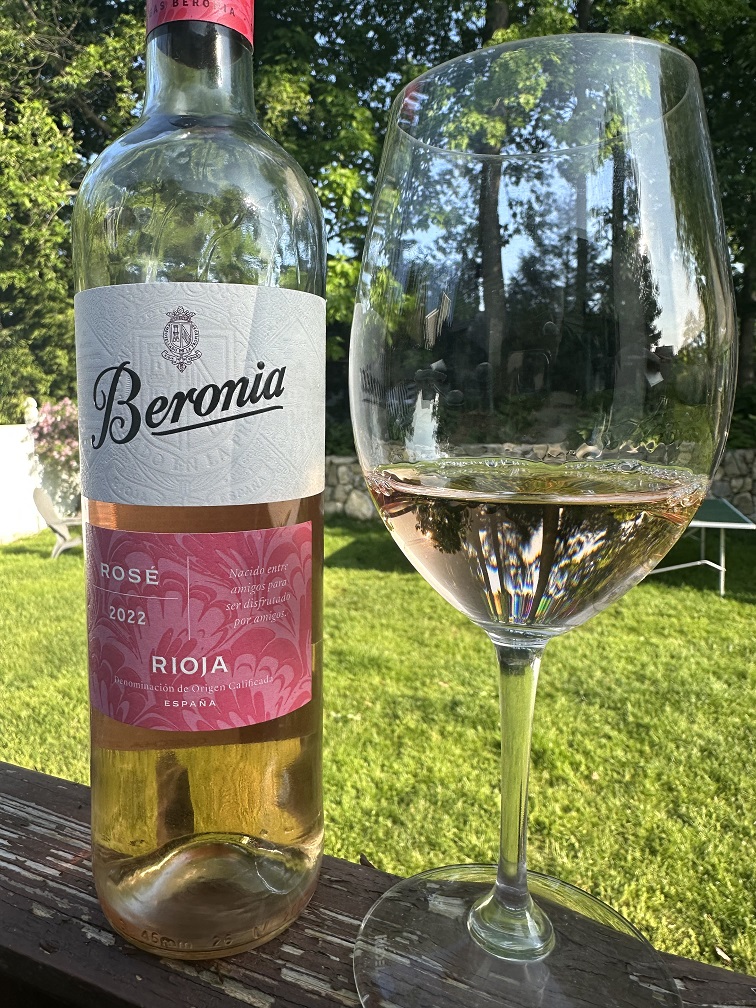 When it comes to Rioja, Bodegas Beronia is a relative newcomer, founded in 1973 by a group of friends who fell in love with La Rioja while visiting on a holiday – compared with many of the Rioja’s finest taking its roots from the 19th century.
I wrote about Beronia wines many times before, so instead of sending you to this link to read about the winery itself, here is simply an excerpt from that post:
The name Beronia is not random – here is the explanation: “name linked to the history of the land where the winery is found. In the 3rd Century BC, the area known as Rioja today was inhabited by a Celtic tribe called the ‘Berones’. They inhabited the towns of Tricio, Varea, and Leiva, marking the limits of the Berones region, today La Rioja.”
Originally, the wines were produced literally by friends for the friends, without much thought of commercial sales. In 1982, Bodegas Beronia became a part of González Byass family, and at that point, wines of Bodegas Beronia started to appear on the international markets.
Beronia style starts in the vineyard, practicing sustainable viticulture. Different vineyards are used for different types of wines – Crianza, Reserva, Gran Reserva. For example, Gran Reserva wines are typically produced from 80-90 years old vineyards. And talking about the style, wines are manipulated as little as possible.
Bodegas Beronia Rioja wines represent an intersection of tradition and modernity. While “traditional” and “modern” styles of Rioja can be a subject of great debate with a lot of wine consumed to prove the point, I would offer a very simplistic viewpoint. Tempranillo has a great affinity to the oak; the resulting Rioja wine is well influenced by the oak regimen. Traditionally, Rioja is matured in American oak casks. Modern-style Rioja often uses French oak. Here is your style distinction – American oak versus French. Bodegas Beronia goes a step further than many. They create their own barrels, using both American and French oak elements in one barrel. Thus the wine is not defined by blending of the separately aged components, but instead, it is aging in a mixed environment.
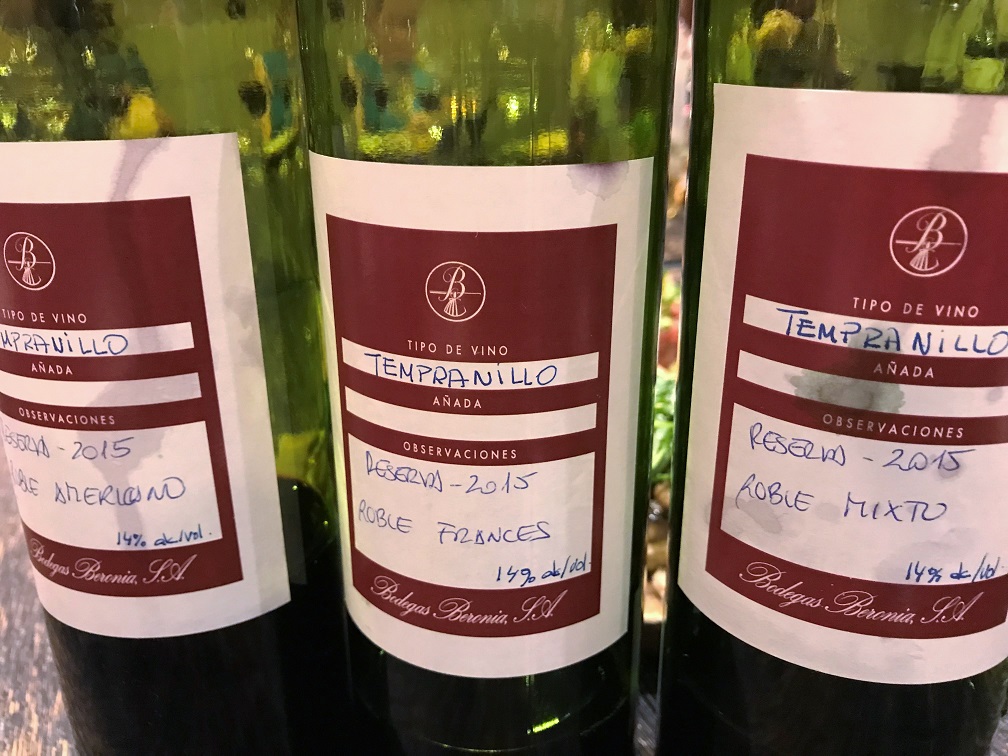
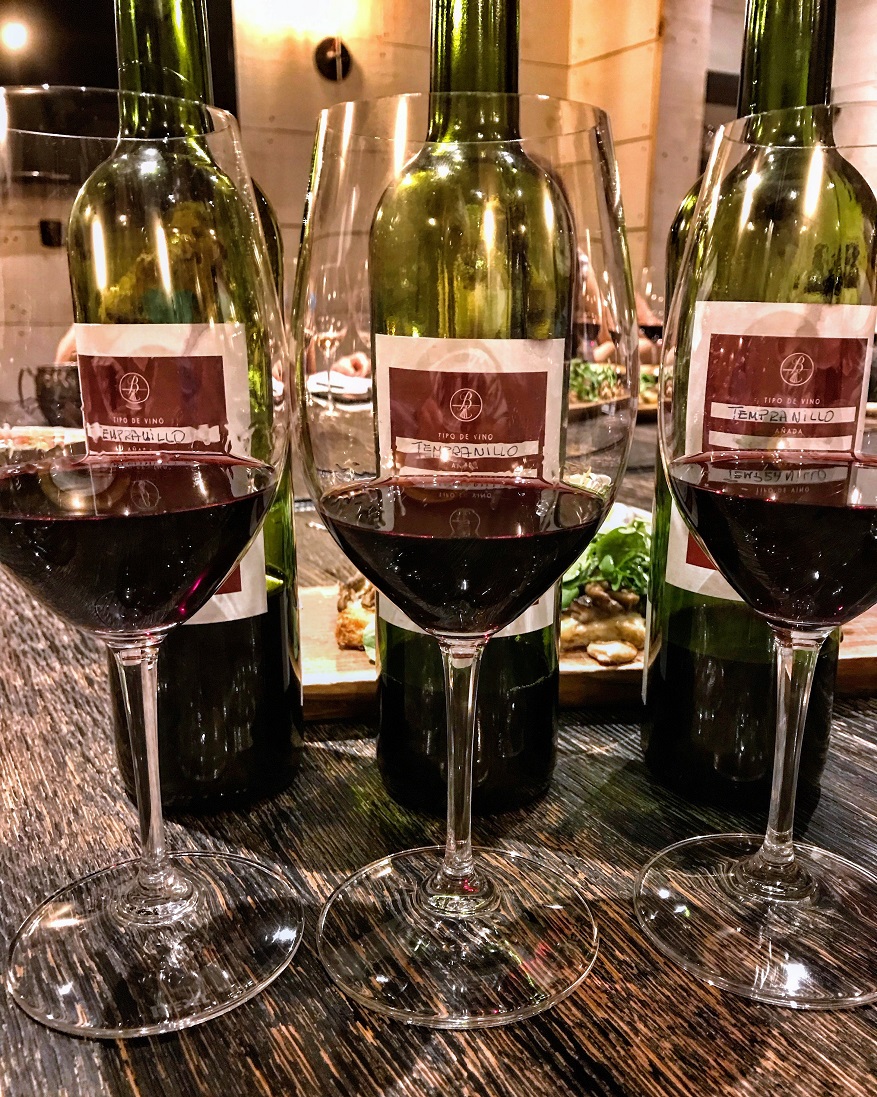
Now, here is something I never shared before. In June of 2018, I had an opportunity to attend a lunch with Bodegas Beronia winemaker, Matias Calleja. During that lunch, we were able to actually taste the differences between the same exact wine, 2015 Tempranillo, aged for 18 months in 3 different types of oak – French, American, and Beronia’s own, mixed.
When we tasted these three wines side by side, the wine aged in the American oak had the brightest fruit. The French oak-aged was more earthy and had a bigger presence on the palate. The wine aged in the mixed barrels provided the most complexity, and fell in the middle, with interesting spicy notes. Pepper, which is not a typical Tempranillo descriptor, was very pronounced on the mixed barrels. The mixed-barrel one was my favorite.

Now, we can talk about the latest release from Bodegas Beronia – pay attention to the notes on the oak regimen:
2022 Bodegas Beronia Rosé Rioja DOC (13.5% ABV, $12.99, 55% Garnacha, 45% Tempranillo)
Very light pink, almost a rose gold
Very restrained, a hint of underripe strawberries
Crisp, tart, very limited fruit, a distant hint of strawberries with a tartness of cranberries, medium finish
8-, Provençal style, clean, refreshing
2019 Bodegas Beronia Rioja Crianza DOC (13.5% ABV, $14.99, 95% Tempranillo, 4% Garnacha, 1% Mazuelo, 12 months in mixed American oak (staves) and French oak (ends) barrels, 3 months in the bottle)
Dark garnet
Cherries, cigar box, a hint of sweet tobacco
On the first day, the wine had a lot of baby fat, too round
Second day – much better, tart cherries with good acidity and earthy undertones.
8-, needs time. The wine is either genuinely too young, or this is a problem with the screwtop enclosure, not allowing the wine to properly breathe, therefore properly mature.
2018 Bodegas Beronia Rioja Reserva DOC (13.5% ABV, $24.99, 95% Tempranillo, 4% Graciano, 1% Mazuelo, 18 months in mixed American and French oak barrels, 18 months in the bottle)
Dark garnet
Earthy, dense, inviting
A hint of barnyard, tart cherries, vanilla, good acidity, good balance
8-/8, elegant and round. Asking for food
2015 Bodegas Beronia Rioja Gran Reserva (14.5% ABV, $29.99, 94% Tempranillo, 5% Graciano, 1% Mazuelo, 28 months in French oak barrels, 36 months in the bottle)
Dark Garnet
A touch of barnyard, dark and earthy, anis appeared on the 3rd day
Cigar box, sapidity, roasted meat, cherries and plums, clean acidity, firm structure, well-integrated tannins. On the third day, a touch of espresso on the finish.
8+, delicious. Will evolve. I would love to taste this wine in 10 years. And then in 20.
Just to summarize this tasting experience – the Rosé was excellent. I really didn’t love the screw top on Crianza – I believe it doesn’t let the wine properly mature in the bottle. And the Gran Reserva for $30 MSRP is the wine to get by the case and let it gracefully mature…
What were your latest Rioja discoveries?
Experience Lugana in New York
“Drink your Lugana young, very young and you will enjoy its freshness. Drink it after two or three years and you will enjoy its fullness. Drink it after ten years and you will be amazed by its dignified authoritativeness. Lugana wines, a rarity of their kind, have an extraordinary ability to make themselves known. If you taste a Lugana, and you are a competent taster, you cannot forget it”
– Luigi Veronelli
Imagine yourself sitting by the lake, a beautiful lake.
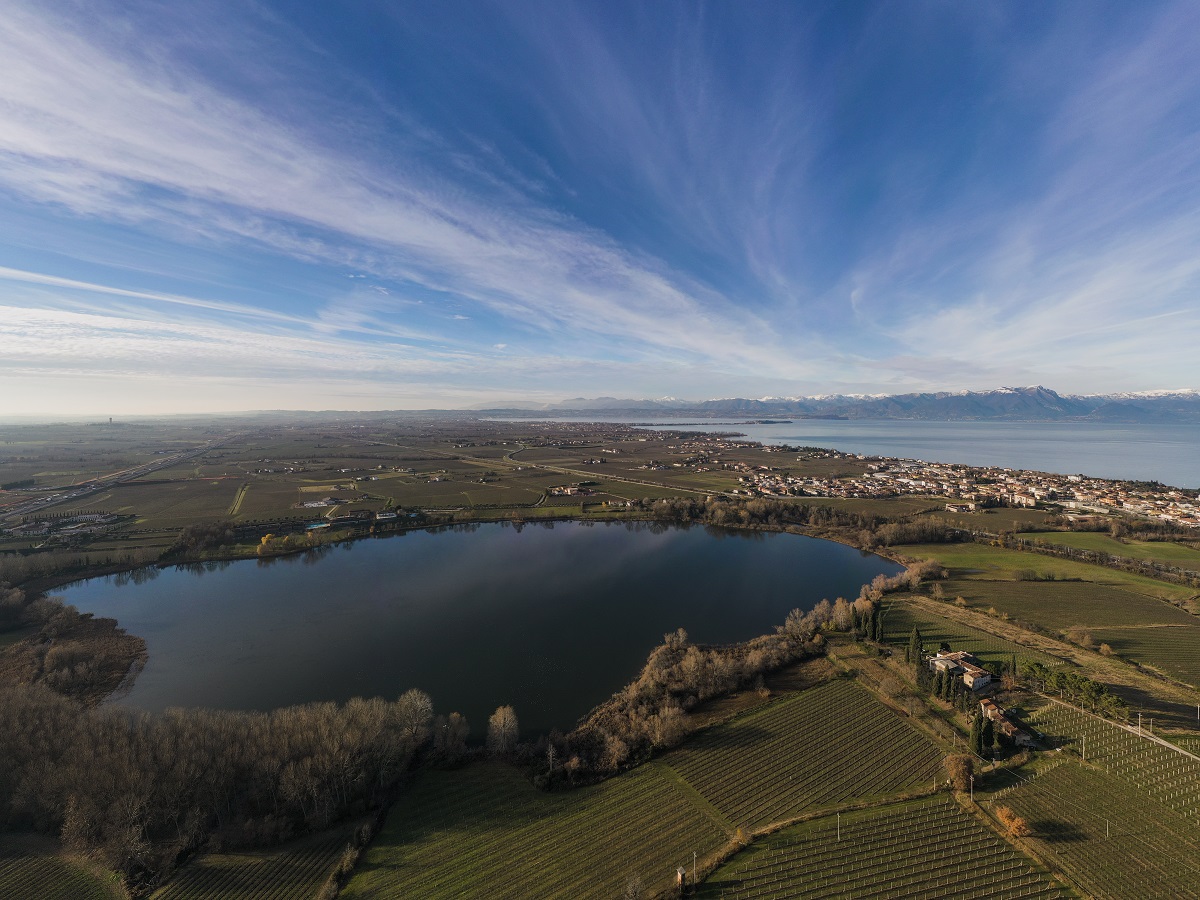
Source: Consorzio Tutela Lugana DOC
Let’s make it more precise, to make the picture vivid.
Imagine yourself sitting by Lake Garda in Northern Italy, on a beautiful summer day. The water is tranquil, there are tiny waves and an endless horizon. Next to you, there is a little table with a glass of white wine. You take the glass, take a sip of the wine. The wine is delicious, it is locally made, it is called Lugana, and you take another sip of the liquid pleasure. You capture the moment of this pure, hedonistic pleasure in your memory, Next, you put the glass down and go back to your happy thoughts. In that moment, life is absolutely perfect.
What if I will tell you that you don’t have to travel to Italy right this moment to experience this life’s perfection? What if this experience can come to you?
If you live in New York or the New York area or plan to visit the city over the next few weeks, you are in luck. Instead of you going to Lugana, Lugana is coming to you. The Lugana wine experience is coming to New York. And this Lugana experience will move past just the Lugana wine itself – it will bring you the ultimate gourmet’s salvation – wine and food paired together.
Starting on Monday, June 12th, 19 producers from Lugana will have their wines paired at a series of dinners taking place at 6 New York restaurants (I will give you a full list of restaurants and producers in a minute). All the wines will be specifically paired with the dishes – and as someone who never visited Lugana, I was really curious about what one can expect to find on such special dinner menus. I reached out to Consorzio Tutela Lugana DOC which is organizing this event, and asked a simple question (or two): What is the traditional Lugana food? What are the traditional pairings for the Lugana dishes and wines? Here is the reply that I received:
“Like all Italian wines with century-long traditions linking them to their place of origin, Lugana is lovingly paired with the classic gastronomic repertoire of the region. This of course includes dishes of freshwater fish: from the lake, river or stream, whether noble or poor. But even better-known sea fish can be happily matched with this refined and versatile white. Therefore the “base” version can be readily paired with seafood antipasti, fried pessìn (small fish or whitebait from the paddy fields), boiled bass, boiled shrimps and large carp. The Superiore and the Riserva are literally the perfect partner for richer and more complex dishes, such as pike in sauce (boiled pike with anchovies lightly sautéed in oil, from Lake Garda of course), grilled eel, trout with grape, risotto with frogs, as well as grilled crustaceans, peppered clams, salted bass, and several white meat dishes, such as chicken, capon and rabbit (especially roasted in the oven). The Vendemmia Tardiva (late harvest) wines are ideally matched with cheeses, from the fresher varieties such as ricotta, robiola and crescenza, to the more seasoned and flavoursome such as several exquisite D.O.P. cheeses like Monte Veronese, Grana Padano and Provolone Valpadana. Spumante has a broad range of possible pairings, since this “bubbly” wine can be served right throughout the meal. However, since a spumante is usually uncorked at the beginning of a lunch or dinner, why not try it with all types of antipasto, ranging from the broad range of tasty local cold meats to the wide variety of egg-based dishes. Instead avoid serving it with dessert. The versatility of this wine does not stop here. International tastes are certainly no obstacle for Lugana. This white wine, either in its “base” version, Spumante, Superiore or Riserva, is in fact the perfect match for raw fish, from the Japanese sashimi and sushi to all the variations on the theme proposed at the international level. It is also ideal with salmon and tuna and the perfect match for seafood finger food. Ideal serving temperature (in broad bowl tulip-shaped wine glasses for all varieties): Lugana Spumante at 8°C; Lugana “base” at 12°C; Lugana Superiore and Riserva at 14°C; Lugana Vendemmia Tardiva at 12°C.”

Lugana wines are produced from the local indigenous variety called Turbiana. Lugana wines can be still, sparkling, and late harvest (sweet), but no matter what the style is, they are literally guaranteed to be delicious. I had an opportunity to do a little preview of what someone might anticipate experiencing during the tasting – here are my notes on 3 wines that will be presented during the tasting:
2022 Corte Sermana Cromalgo Lugana DOC (13% ABV)
Straw pale
Beautiful intensity of tropical fruit, lemon and honey
Lemon and lemon zest, a hint of white peach and underripe white plum, tart, perfectly structured, with medium-long, tart finish
8, delicious.
2022 Ottella Lugana DOC (12.5% ABV)
Straw pale
Tropical fruit, guava, lemon, honey, herbaceous undertones
Crisp, fresh, tight, Meyer lemon, clean acidity, a tiny hint of gunflint.
8, imbues seafood craving
2022 Perla del Garda Lugana DOP (12.5% ABV)
Straw pale
Tropical fruit, honey, fresh, inviting, enticing, seductive. It says “drink me”
Beautiful. Fresh Whitestone fruit, cut through acidity, lemon. Crisp, fresh, delicious. A happy wine that can transpose you.
8+, superb. Had a few friends try this wine too, and they were literally blown away by it.
As promised, here is the list of participating restaurants, dinner dates, and the wines which will be poured at each:
IL FIORISTA (Monday, June 12, 2023)
Le Morette, Mandorlara 2022
Cantine Di Verona, Torre di Falasco 2022
Tommasi, Le Fornaci
VICEVERSA (Tuesday, June 13, 2023)
Ca’ Maiol, Lugana Prestige 2022
Scolari, Lugana Doc Premium 2022
Zenato, Riserva 2020
GNOCCO (Monday, June 19, 2023)
Sguardi di Terra, Riserva 2018 Fachetnabia
Selva Capuzza, Selva 2021
Ceresa, Ceresa 2022
Montonale, Montunal 2022
HEARTH (Monday, June 19, 2023)
Zeni 1870, Vigne Alte 2022
Tenuta Roveglia, Vigne Catullo Riserva 2019
Famiglia Olivini, Lugana 2022
MISIRIZZI (Wednesday, June 21, 2023)
Pasini, Il Lugana 2022
Perla del Garda, Madonna della Scoperta 2021
Citari, Conchiglia 2022
OSTERIA CARLINA TRIBECA (Thursday, June 22, 2023)
Corte Sermana, Riserva 2017
Vigneti Villabella, Lugana 2022
Ottella, Lugana 2022
You can find additional details of the Lugana festivities in New York on the Destination Lugana website.
This is not every day that instead of you going to your travel destination to experience delicious life’s offerings, the travel destination comes to you. This is your chance for a memorable experience and I hope you will not miss it.
And I will be sure to tell you more… Who knows, maybe we will run into each other during one of the dinners. Cheers!
Restaurant Files: 360 Experience – Çka ka Qëllu in Stamford, Connecticut
Wow, it’s been over 4 years since I posted about the restaurant visit on these pages. “Restaurant files” used to be a regular feature on this blog, and yesterday’s restaurant experience offered a perfect opportunity to bring it back, so here we are.
Think about your restaurant visits. Sometimes, we love the food, but the wine list is not up to snuff, and the cocktails are just bland and tasteless. Sometimes, the food and wine are amazing, but you can’t stand the ambiance (this was my case recently while visiting Firefly in Las Vegas – one of my favorite restaurants, just moved to the new location, and the food became even better while I actively despised the decor). Sometimes, all is great, but not the service. Some other times, all is good, but the experience simply can’t cost that much.

And then there are those where everything works, delivering that wonderful feeling of a great, memorable experience. I took the liberty to call such a situation a 360 experience – an all-around happy experience.
I was interested in visiting this new restaurant in Stamford, Çka ka Qëllu, for a while. The restaurant offers Albanian cuisine which I’m not familiar with. And it is not only food – the wine list also contains a couple of Albanian wines. I never had Albanian wines, so I’m obviously curious – and it is also an opportunity to add a checkmark to my collection of wines around the world. Last but not least is the fact that the restaurant participates in Marriott’s Eat Around Town program – who can say no to the bonus points?


The moment we walked into the restaurant, we were instantly transported to different place and different time. I remember walking in the center of Tokyo, along a wide, modern street, wondering what restaurant my host is taking me to. We took a turn under the bridge, and we instantly traveled probably 400 years back, to the old place where food was cooked by the open fire in the tiny stores, and dining tables were rustic, eternal wooden benches. At the Çka ka Qëllu, I had exactly the same feeling – we traveled to medieval Europe, just 3 miles away from our house. All the decor, the tunnel leading to the kitchen, the old clock on the wall… The whole time we were at the restaurant, I kept looking for more of the unique tiny details.


First, the drinks. Out of the long list of craft cocktails, my wife went for the Strawberry Margarita, which was absolutely delightful – very reasonable sweetness and a pop of fresh strawberries. I knew that I wanted to try an Albanian wine – I didn’t see it offered by the glass, but when I asked our waiter if I can get a glass of Albanian white wine, the answer was “of course”. I was honestly not expecting much, but the very first whiff of the glass of the 2019 Stone Castle Chardonnay Reserve Rahoveci Valley Kosovo brought me to the happy land. This was beautiful, classic Chardonnay, with vanilla, apples, a hint of perfectly integrated butter notes with honey – as classic as Chardonnay gets.
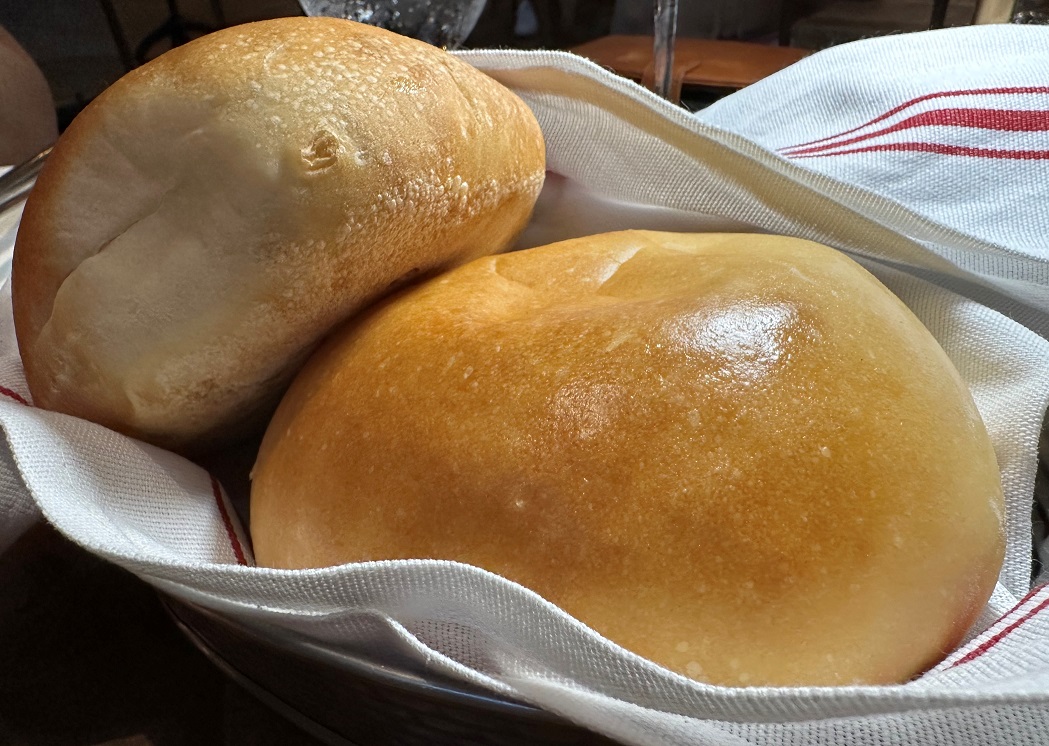


We ordered a few appetizers – Pepper Dip, Mantia (veal-stuffed small fried dumplings), and Burek (a pastry with cheese or meat, we ordered cheese). The appetizers showed up with two loaves of fresh bread which I’m sure is made at a restaurant. That bread was absolutely delicious and was perfect with the pepper dip. As a bonus, the flavor of the cheese the pepper dip was made with was reminiscent of the famous Georgian Khachapuri. The dumplings were delicious too. Burek was served with two sauces – a sweet pepper relish and another one reminiscent of the fresh buttermilk – not sure what it was, but very tasty.


For the main course, my wife decided on Qofte (traditional Albanian grilled veal meatballs marined with onions, crushed red pepper & herbs) – delicious is not even a sufficient word that can describe the flavor profile. I’ve chosen Fasul (soup style traditional dish with simmering white beans, and onions, slowly cooked in meat). I love white beans in any form, and by description, the dish was reminiscent of my beloved French Cassoulet, so I decided on this entree as soon as I saw it on the menu. I made the right choice – the dish was served in a small clay vessel and this dish was a pure comfort on the plate – delicious to the smallest, tiniest little morsel.
Traveling through space and time with Çka ka Qëllu made for a great Friday evening – a true 360, all-around experience (I didn’t mention the service that was timely, attentive, and friendly), just a few minutes away from our house. If you are living in Stamford or nearby, Çka ka Qëllu is definitely a place to visit. And you can thank me later – but don’t feel obliged.
We will definitely be back. Cheers!
Stories of Passion and Pinot: Eugenia Keegan
Joseph Swan Vineyards. Volnay, Puligny-Montrachet. Hop Kiln Winery in the Russian River Valley, Bouchaine Vineyards in Carneros, Vine Cliff Winery in Oakville.
Keegan Cellars in Russian River Valley, dedicated to single-vineyard Chardonnay and Pinot Noir.
Oregon.
France again, this time Châteauneuf-du-Pape and Roussillon.
And back to Oregon.
This is not a random list – these are some of the places where Eugenia Keegan, born fifth generation to a family with deep roots in the Russian River Valley, worked during more than 45 years of her wine-centered career.
Working in the cellar. Working in the vineyard. Making wines. Managing wineries. Managing wine businesses. Going beyond just a business, Eugenia had been actively involved in Oregon’s wine world at a higher level as chair of the board of directors of the Oregon Wine Board, president of the Oregon Winegrowers Association, president of the Willamette Valley Wineries Association Board, and co-chair of Willamette: The Pinot Noir Auction. And to top it all off, Eugenia was named the 2021 Wine Executive of the Year as part of Wine Enthusiast Magazine’s 2021 Wine Star Awards.
Since 2016, Eugenia is working as a senior vice president of winemaking and business development for Jackson Family Wines’ Oregon properties, overseeing the winemaking programs for Gran Moraine, Penner-Ash Wine Cellars, WillaKenzie Estate, and Zena Crown Vineyard.
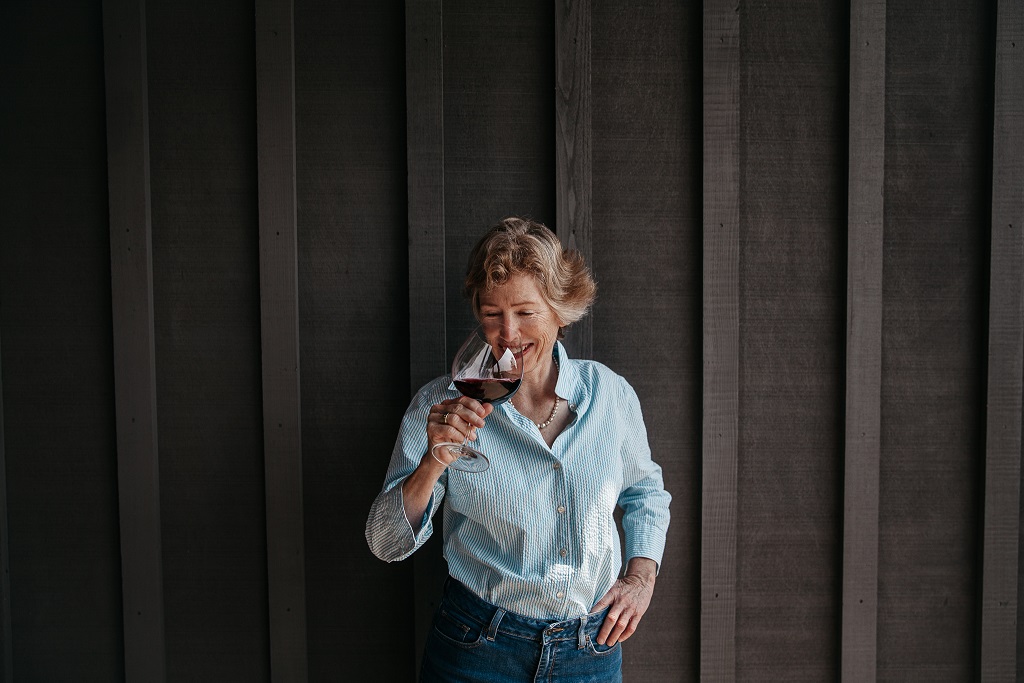
Eugenia Keegan. Source: Jackson Family Wines
A conversation about Oregon’s Willamette Valley wine inexplicably means a conversation about Pinot Noir. As you probably know by now, conversations about Oregon’s Pinot Noir had been one of the longest-running themes on the blog, a collection of winemaker interviews under the Stories of Passion and Pinot. As most of Eugenia’s winemaking career rotated around Pinot Noir, I thought that a conversation with her would be a great addition to the series – and with the help of Carl Giavanti, I managed to sit down (virtually) and talk with Eugenia.
Here is what transpired in our conversation:
[TaV]: How is this managing 4 different wineries with their own established style and following? Do you enforce JFW brand identity or encourage individuality?
[EK]: Individuality is a major part of our success. JFW provides the tools and overarching guidance (safety and quality). Each winery is encouraged to find its own personality based on the estates and people that are key to that brand.
[TaV]: You personally produced Pinot Noir in California and Oregon. If it is at all possible to “average out”, how would you describe the difference between California and Oregon Pinot Noir?
[EK]: Weather and light are the key differentiating factors when comparing these two areas. The long summer evenings allow the grapes to catch up to a warmer area like parts of California that bud out earlier and the cool Septembers allow the Oregon fruit to mature during cooler days, pushing fresh fruit and higher acidities.
[TaV]: You started in the wine early, and you were born in Sonoma, so wine obviously is in your DNA, but nevertheless – did you have a pivotal wine in your life? The one you tasted and said, “now I understand”?
[EK]: Yes indeed! But after I was in the business. I recall with absolute clarity while in Ireland having a 1985 Louis Latour Corton Charlemagne and “knew” that this was the benchmark of great chardonnay and have been in pursuit of that ever since. There were many fabulous Burgundies, both red and white, along the way that continue to provide inspiration years later.
[TaV]: Thinking about your long career in wine, do you have any regrets? Is there anything you would do differently knowing what you know now?
[EK]: I would have stayed in Burgundy longer. After each of my stagiaire I quickly came home excited to apply what I had learned. If I knew then how long a road this would be, I would have stayed longer and probably have tried to work there full time.
[TaV]: What is the sustainability story for Jackson Family Wines in Oregon? Where are you now and what are your plans for the future?
[EK]: Throughout our 40 years in business, the Jackson family has long prioritized natural resource conservation and environmental stewardship. We embrace climate-smart farming and winemaking practices that lower our environmental impacts, including preserving open space to building soil health and reducing our water and energy use. These sustainability values and practices extend to all regions where we grow and make wine, including Oregon. In fact, our Oregon properties have been on the forefront of many initiatives that we’re proud of as a global wine company. Less than 35% of our total acres are planted to vines to protect natural habitats and wildlife. Each year, we generate enough onsite renewable energy to offset the annual consumption of approximately 15 homes in Oregon. It’s also worth pointing out that our WillaKenzie Estate was the first LIVE-certified winery in Oregon, so it has a long history and legacy of sustainability leadership. All of our other Oregon vineyards and wineries are also certified through the LIVE program.
So, whether it’s through sustainability certification, our commitment to protecting natural habitats, or use of renewable energy, Oregon has had a positive impact on our overall Jackson Family Wines Rooted for Good: Roadmap to 2030 sustainability and climate action efforts. And, they will play a major role in our efforts to reach or goals for 2030.
[TaV]: Are there any plans to convert to organic viticulture at any of the JFW properties in Oregon?
[EK]: At this time, there is no plan to convert our estate vineyards towards organic farming in Oregon. As I mentioned all our vineyards are currently LIVE certified and as part of our Rooted for Good: Roadmap 2030 sustainability plan, we made a commitment to transition 100% of our estate vineyards to regenerative farming practices, including in Oregon. We believe this transition to regenerative agriculture is the best approach for maintaining a healthy ecosystem. By using a lighter touch, regenerative farming will leave our lands healthier for future generations so we can continue to craft distinctive, beautiful wines for the next hundred years. For us, we define regenerative farming as a set of farming principles and practices that increases biodiversity, enriches soil heath, improves watersheds and enhances the ecosystem surrounding our vines. Key regenerative farming practices include rebuilding soil organic matter through limited tillage and adding carbon rich compost and other nutrients; increasing biodiversity in and around our vineyard with cover crops and livestock integration (sheep + chickens); and reducing synthetic chemical inputs. Beyond the environmental benefits of regenerative farming, we also believe it’s the best approach for wine quality.
[TaV]: We repeatedly hear that the young generation (Gen Z, I guess) doesn’t want to drink wine. Do you agree with this? If yes, what needs to be done to change that?
[EK]: I think that the approach to wine is very different for younger consumers. My generation grew up with wine as mystical and magical. Everything was done in the ancient European tradition. I think for people growing up in the US now, wine is just another beverage option, not an extension of some old culture. I consider this a huge opportunity to move outside the traditional European varieties and styles and a chance to experiment. And along the way I believe that many will find the same magic and mystery of the ancients.
[TaV]: This might be the only question I like to ask all the winemakers I’m speaking with – what is your take on biodynamic viticulture?
[EK]: There are two things that I love about biodynamics: the whole farm concept and the attention to detail. And the beauty is that these two principles apply to any approach to farming and land stewardship.
[TaV]: What is ahead for the Willamette Valley wine in general? What do you think will happen over the next 10 years?
[EK]: I think that in the traditional world we will see Chardonnay and sparkling wines take their position on the global stage next to our Pinot Noirs. And I think that we will see a lot of new and interesting wines from the younger winemakers.
[TaV]: Are there any plans to add more wineries to the JFW collection in Oregon?
[EK]: We are always looking for the best sites for winegrowing everywhere in the world. Oregon is no exception, but for now we are pretty busy with what we have.
[TaV]: Is there a wine you always wanted to make but still didn’t have a chance?
[EK]: Working with Pinot Noir and Chardonnay for 50 years has been everything that I could ask for. But I would not mind taking a crack at Chenin Blanc and Grenache, two of my favorite wines.
[TaV]: Are there any problems facing Oregon wineries now, or is everything is perfectly clear on the horizon?
[EK]: There is climate change of course. The fascinating thing about climate change is that it is a global challenge. EVERY winegrowing area in the world is facing this same issue. That helps in working toward solutions. But nothing that is existential to Oregon.
[TaV]: Can Oregon ever produce the wine rivaling DRC? Leaving the image aside, maybe a better question is: is there an Oregon Pinot Noir that you know of which can take on DRC in the blind tasting?
[EK]: HA, that is a loaded question! Oregon cannot make Burgundy anymore than Burgundy can make Oregon. Can Oregon wines give one the same pleasure and satisfaction as the great wines of Burgundy? Yes indeed.
[TaV]: Do you have unicorn wine? The wine you always wanted to try? For example, I have two – DRC and Quintarelli Amarone. What would be yours?
[EK]: After several hours of thinking about this, the answer is no. BUT having said that I still have that same thirst for winegrowing knowledge that I had 50 years ago and continue to explore new regions and wines every day.
[TaV]: You and David Adelsheim have been friends and partners for a long time. How did you meet and how would you characterize your relationship? Do you talk business or keep church and state separate?
[EK]: David and I met at the Steamboat Pinot Noir Conference in the early 80’s. We found that we shared a lot of interests in common not just being fully engaged as producers of Pinot Noir (before Sideways) in full throttle pursuit of wine quality and healthy sales. We are still the very best of friends with a dash of romance thrown in. NO, there is no division of church and state. We talk wine ALL the time.
Here you are – another addition to the Stories of Passion and Pinot. I hope you enjoyed this encounter with the winemaker’s passion and maybe even learned something new.
Until the next time…
P.S. For more stories of Passion and Pinot please visit the series’ main page.
Wine Weekend of Ups and Downs
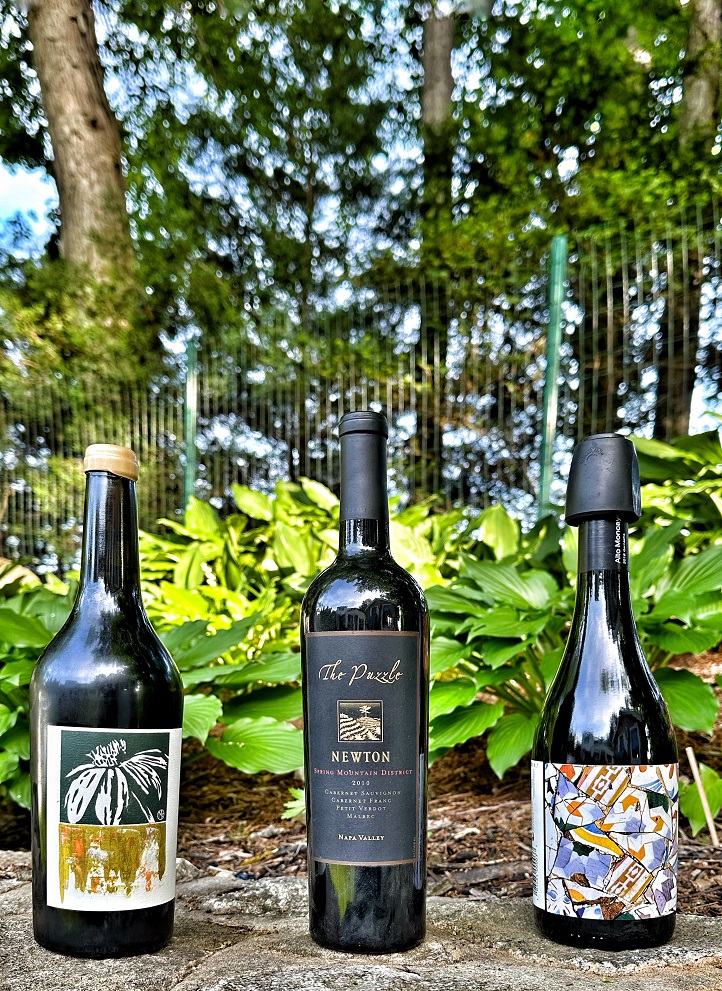 The life of an oenophile is never dull – of course, if an oenophile chooses such.
UP
Let’s talk about “ups” first.
Sine Qua Non. The legendary Sine Qua Non. The Sine Qua Non winery is unique in many ways. First and foremost, Sine Qua Non wines are unique. Of course, every winemaker is sure that his or her wines are unique. But for Sine Qua Non, these are not just bragging words. Every vintage, a different set of wines is produced, and wines do not or rarely repeat year after year. Each wine has a label designed by Manfred Krankl, who owns the winery together with his wife Elaine. And the wines are impossible to get – I had to wait for 10+ years to move from the waiting list to the mailing list.
My sister-in-law and her husband were visiting over the weekend. They both enjoy wine very much – which is a perfect reason to get out a special bottle. Sine Qua Non is better known for its Rhone-style reds, but they produce white wines as well. One of the first wines in my allocation was Sine Qua Non white wine. Communal notes on the internet seem to indicate that SQN white wines shouldn’t be aged for too long, so I decided that 4 years is a good age for this wine, to avoid any possible regrets (who am I kidding – there are always regrets when it comes to wine).


2019 Sine Qua Non Distenta 1 California White Wine (15.3% ABV) is a blend of 41% Roussanne, 26% Chardonnay, 14% Petit Manseng, 12% Viognier and 7% Muskat (Gelber Muskateller), fermented in barrel and matured on its lees, 23 months in 64% new French oak. The sublime nose of whitestone fruit, herbs, and flowers, with a distant hint of tropical fruit. And the palate, the bouquet… As a child, I loved to sing, and I spent some time in the chorus. I was perfectly fine singing in unison, but for the life of me, I could never do the canon, the subtype of polyphonic singing, where each singer has their own melody, and those melodies harmoniously combine together. This wine delivered such a canon singing – beautiful notes of sage, eucalyptus, tobacco, and whitestone fruit were changing into tropical fruit with a touch of bright honey notes. Somehow, it was possible to taste both profiles at the same time. I know I’m not describing it well, but this was the wine I really didn’t want to end… (Drinkability: 9)
By the way, an added bonus – it appears that I never had the Gelber Muskateller grape – and now I can unexpectedly increase my grape count.


DOWN
Over the years, I got two bottles of red wine from Newton Vineyards, a well-respected California winery, as presents, both from the same 2010 vintage, and both identical. I know the producer’s name, but it seems that I only tasted Newton Chardonnay before, and I have no memories of tasting their red wines.
Both bottles were gifted by the sister-in-law and her husband I just mentioned, so I thought their visit was a perfect opportunity to enjoy this wine together.
And so I opened the bottle of 2010 Newton The Puzzle Spring Mountain District Napa Valley (14.5% ABV, 60% Cabernet Sauvignon, 18% Cabernet Franc, 18% Petit Verdot, 4% Malbec).
And the bottle was corked.
I just recently mentioned in one of the social media discussions that I rarely encounter corked California wines. I guess I jinxed it… The cork faint was ever so slightly noticeable on the nose, and the palate kind of seemed okay, so I even decanted it and we even tried drinking it. The decanting made the corked nature of the wine even more apparent, and I pulled the second bottle.
The second bottle was not corked, and it was drinkable. However, it was a bit underwhelming. The fruit was there, it was possible to taste the cassis, but considering that this was a Californian wine, it showed leaner than expected. I would generally consider that Californian wine of such level need at least 20 years to develop, and under normal circumstances I would leave the second bottle alone for another 5-7 years, but oh well. We did enjoy it, of course, I was just hoping we would enjoy it more. (Drinkability: 8- )
STILL DOWN
I’m not going in chronological order here. The Newton red was planned to be the main wine to serve with dinner. As a “pre-gaming”, I gleefully pulled out the 2018 Alto Moncayo Veraton Campo de Borja (15.5% ABV). I opened a bottle of this 100% Garnacha last year, and it was absolutely spectacular from the get-go – succulent cherries and layers of pleasure. I loved the wine so much that it was included in the top two dozen list of 2022 wines as number 13.
Feeling great about myself, I opened the bottle and poured wine into the glasses. At the first tiniest sip, instead of excitement, my instant thought was “ohhh nooo, why is it so sweet???”. I also instantly knew that I’m in trouble with my sister-in-law, as she stopped drinking California Pinot Noirs for being too sweet… And her reaction was exactly what I was afraid of. After the first sip, she raised her head from the glass, looked at me inquisitively, and said with a wry smile “but why is it so sweet?”. This is when we put this bottle aside and proceeded with The Puzzle – and you just read how swimmingly well it went.
Truly, whatever goes up will go down.
AND UP AGAIN
Whatever went down still has a chance to go up.
The very next day, Veraton somewhat solidified at its core, the sweetness subsided, and the structure started to appear. On the third day, the wine was as delicious as I was expecting it to be – succulent ripe cherries, juicy and generous, with crunchy acidity and perfect balance. (Drinkability: 8+).
Here you go, my friends. Another weekend in wine – sometimes you win, sometimes you learn. With the exception of the corked bottle, which is never okay – but as my sales team always said, “it comes with the territory” – it was a great wine weekend, even with all the ups and downs. How was yours?
Guest Post: 7 Sustainability Trends in the Wine Industry
Today, I would like to offer to your attention a guest post by Julia Nikolaus, a content strategist for an LA-based company. She enjoys working with food and drink brands along with pet clients. In her free time, Julia likes to bake new recipes, take dance classes, and spend time outdoors.

Image Source: https://unsplash.com/photos/vGQ49l9I4EE
With climate change and environmental issues steadily increasing, sustainable wine production takes on even greater significance today.
Wine created with future generations in mind ensures the industry’s viability and a healthier planet, community, and business. In this blog post, we will explore how adopting eco-friendly practices from grape to bottle can lead to innovation, cost savings, and new opportunities while making consumers feel better about their choices. So, without further ado, here are seven trends leading us to a greener wine industry.
#1 – Organic and Biodynamic Farming
Organic and biodynamic farming, an agricultural approach steadily gaining popularity, emphasizes natural and sustainable practices. It involves using organic methods such as composting and avoiding pesticides while employing soil supplements prepared according to a biodynamic certification process. This method follows a planting calendar and includes homeopathic fertilizers and crop rotation.
In recent years, there has been a significant increase in the demand for organic and biodynamic farming methods. As a result, wineries now offer certified organic and biodynamic wines that benefit from enhanced soil health, reduced environmental impact, and assurance of all-natural productivity.
However, due to the intricate and comprehensive certification procedure, these benefits come with challenges that wineries must navigate carefully to label their product biodynamic. Examples of organic and biodynamic wineries include Quivira Vineyards, Kings Estate, Cakebread Cellars, and Left Coast Cellars just outside Salem, Oregon.
#2 – Regenerative Agriculture
Regenerative agriculture is a holistic approach grounded in the interconnectedness of farming systems and the environment. Historically, indigenous communities practiced these methods before modern industrial agriculture ever existed.
At the heart of this farming methodology lies an unwavering focus on soil health, the progenitor of resilient, nutritionally-dense crops that thrive in a sustainable and vibrant ecological system.
Some practical methods incorporated by regenerative vineyards such as Wilson Creek Winery and Robert Hall Wineries use sheep to fertilize instead of chemicals, chickens to eliminate pests, and cover crops to bolster soil fertility and prevent erosion.
Carbon sequestration, or reducing the amount of carbon dioxide released into the atmosphere during farming, can now be attained by wineries using holistic methodologies. As a result, regenerative agriculture has the potential to endure into the future and continue to be an instrumental agent in addressing and curbing the climatic impact while protecting the biodiversity found in nature.
#3 – Climate Change Mitigation
Climate change mitigation deals directly with the causes rather than the consequences of greenhouse gas emissions. The wine industry is no exception to these effects, as increasing temperatures and erratic weather patterns continue to affect grape quality and hinder the industry’s growth potential.
Wineries are taking action to combat greenhouse gas by implementing renewable energy sources, optimizing irrigation practices, and minimizing transportation emissions. Carbon offsetting, and certification programs like Carbon Trust and LIVE Certified, can also play an essential role in reducing the wine industry’s carbon footprint.
By adopting these mitigation measures and proactively striving to meet certification requirements, the wine sector can actively contribute to combating climate change and ensuring a more prosperous future for the industry.
#4 – Water Conservation
Water conservation, the practice of using water efficiently to reduce unnecessary usage, is crucial in the wine industry due to droughts and climate change. Wineries face water scarcity and quality challenges, requiring proactive, sustainable irrigation strategies for grape cultivation and wine production.
Effective techniques include drip irrigation for precise water application, rainwater harvesting to store and utilize natural resources, and wastewater treatment to recycle and reuse processed water.
Emphasizing these methods is vital for the sustainability of winemaking, ensuring our continued enjoyment of wines while responsibly managing valuable water resources.

Image Source: https://unsplash.com/photos/UbGYPMbMYP8
#5 – Waste Reduction
Waste reduction in the wine industry is at the top of the list throughout the production process, given its potential impact on the environment and overall sustainability. Various types and sources of waste associated with winemaking include packaging, chemicals, and byproducts generated during wine production.
By addressing these waste concerns, the wine industry can achieve significant benefits such as cost savings, resource efficiency, and a circular economy, thus contributing to a more environmentally-friendly production process.
There are several waste reduction strategies that wine industries can implement, which include reuse, recycling, and upcycling. For example, waste materials like grape pomace, a byproduct of winemaking, can be upcycled into valuable products such as bioenergy or food supplements. And packaging materials such as eco-friendly, reusable wine shipping boxes and inserts are easy to recycle to help wineries meet company initiatives.
#6 – Biodiversity and Ecosystem Services
The health and productivity of vineyards rely heavily on biodiversity and ecosystem services.
Biodiversity within vineyards encompasses the range of genetic, species, and ecosystem-level diversity among animals, plants, and microorganisms. Ecosystem services like pollination, decomposition, water purification, erosion and flood control, carbon storage, and climate regulation contribute to a flourishing and robust vineyard environment.
A diverse ecosystem is essential for sustaining robust vineyard health and productivity. However, threats to biodiversity, such as monoculture, invasive species, and habitat loss, disrupt ecosystem services and negatively impact vineyard health. For instance, monoculture practices can diminish natural habitats for beneficial organisms, thus reducing pollination services and pest control.
In the pursuit to preserve vineyard biodiversity and ecosystems, several initiatives focus on promoting sustainable practices. A few of those are soil health enhancements, conserving soil moisture, and attracting beneficial insects by planting cover crops.
In addition, setting up hedgerows support pollinators and pest controllers’ habitats. And agroforestry systems encourage diverse land use patterns, supporting multiple species of floras and faunas.
#7 – Social Responsibility
In the wine industry, social responsibility programs focus on promoting moderate consumption, environmental conservation and protection, and engagement with communities and social policy organizations to ensure the safety and well-being of employees and consumers.
Addressing ethical and social challenges such as labor rights, health and safety, and community engagement is crucial to a sustainable wine industry. Opportunities for social responsibility include adopting fair trade practices, embracing diversity and inclusion, and supporting philanthropic endeavors.
A few examples of social responsibility initiatives include employee training, local sourcing of materials, and organizing charity events for the community. Ultimately, the wine industry’s commitment to social responsibility demonstrates its dedication to ethical business practices and positive societal contributions.
Wrapping Up
In conclusion, the wine industry is experiencing a transformation through sustainability trends such as organic and biodynamic farming, regenerative agriculture, climate change mitigation, water conservation, waste reduction, biodiversity & ecosystem services, and social responsibility.
Wineries, consumers, and policymakers must embrace these practices and collaborate to chart a sustainable future. Let’s all raise a glass and commit to supporting a greener, more responsible wine industry for future generations.
Weekend in Turley, With a Dash Of Carlisle and Hardy
Many moons ago, my friend Henry and I discovered Turley wines. We were at a restaurant in Manhattan with our wives, either before or after the Broadway show, and on the wine list, Turley Zinfandel (either Juvenile or Old Vines) was one of the reasonably priced wines, so that was the wine we ordered. I don’t remember if I heard about Turley before (maybe), but tasting that wine was a pivotal moment – we fell in love with Turley wines.
Turley Wine Cellars was founded in Napa Valley by emergency room physician, Larry Turley in 1993, and went on to become one of the most prominent Zinfandel producers in the US. Turley produces about 50 different wines from about 50 different vineyards, most of them organically farmed, from all around California. Many of those vineyards date back to the late 1800s. While Turley might be best known for its Zinfandel and Petitte Sirah, they also produce a number of white wines, a number of other reds, and even Cabernet Sauvignon, first produced in 2010, and eloquently called The Label (Larry Turley’s famous saying was that Cabernet drinkers drink “the label”, hence the name – I had my own share of troubles with this wine).
Turley wines are hard to get in the store, and if you really would like to enjoy them at will, you need to be on the Turley mailing list. Turley was one of the very first mailing lists I managed to get on more than 10 years ago, and I had been a happy customer ever since. My friend Henry finally got his first allocation about two years back.
A place on the mailing list still doesn’t guarantee you access to each and every wine Turley makes, and their list operates on a “first come, first serve” basis – I missed quite a few wines that were included in my offering, but disappeared much sooner than I could make up my mind.
Last Saturday, Henry was coming over for dinner, so I had to make it a Turley evening.
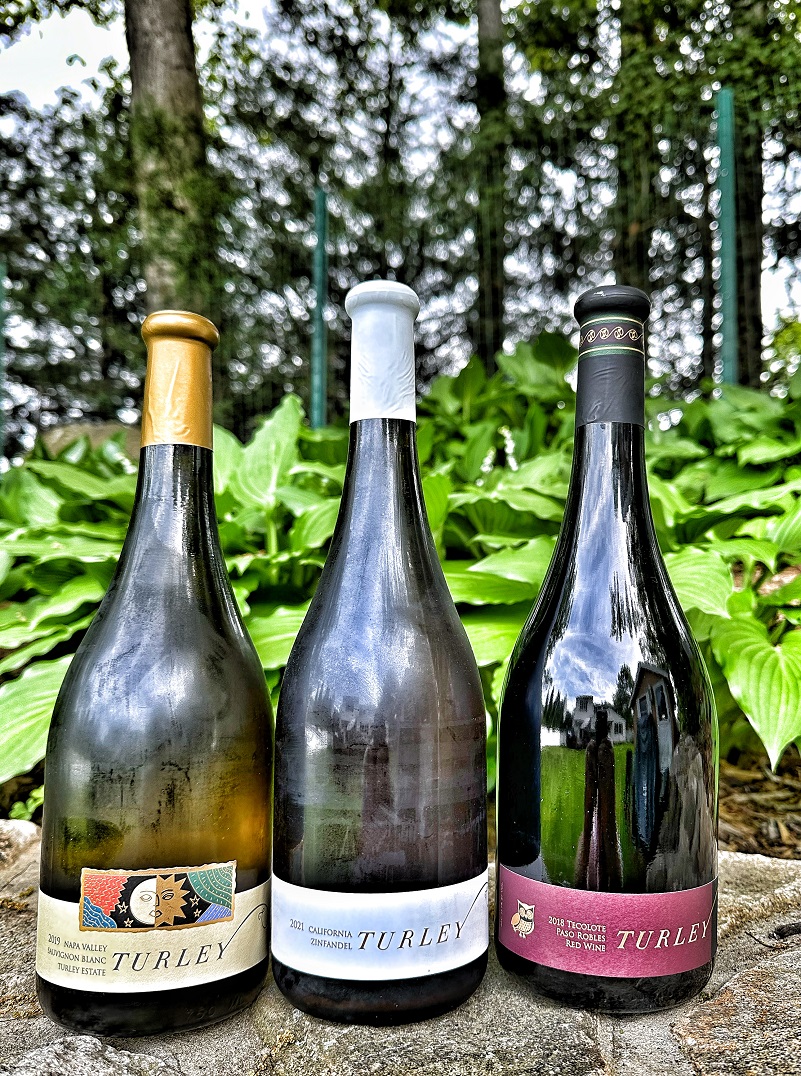
Turley makes only two white wines – Sauvignon Blanc and a blend called White Coat. The wine we opened was the 2019 Turley Estate Sauvignon Blanc Turley Estate Napa Valley (13.4% ABV). It is interesting that Sauvignon Blanc was one of the original wines produced back in 1993. Sauvignon Blanc plantings at Turles Estate were replaced with Zinfandel, but then Sauvignon Blanc was planted again on a small section of the dry-farmed, certified organic vineyard. The wine was fermented using natural yeast and it was bottled after 6 months in 100% French, used oak barrels. The wine was an absolute delight, showing beautiful whitestone fruit, perfectly present, perfectly elegant, with fruit and acidity singing in complete balance.
I had a little bit left in the bottle after that evening, and on Sunday I was able to please the most discerning palate in our household – my mother-in-law. She came over for Mother’s Day on Sunday and wanted to drink the white wine. When it comes to wine, she is completely unpredictable, and I always try to pour her wine without showing the bottle – she has lots of preconceived notions about wines and the regions, so I’m always trying to make sure she will just try the wine first, and then I can tell her where it is from. To my delight, she liked the wine, and even when I told her the wine was from California, she still liked it – a serious achievement in this household.
Our next wine was 2021 Turley Zinfandel Rosé California (12% ABV). This wine sometimes is called White Zinfandel, but only to poke fun at the uninitiated (and the bottle is adorned with the white label). This wine is impossible to score – you literally have to press “buy” as soon as your summer offering arrives. The wine is fermented in stainless steel and aged in used French barriques. It is lip-smacking, it speaks cranberries and strawberries, it is very Provençal in its presentation, but Californian in its soul.
And then there was Tecolote – 2018 Turley Tecolote Paso Robles Red Wine (15.7% ABV). This wine is rarer than rare, as you need to know it exists, to begin with. I got it once through some special holiday offer, but it is never included into the standard seasonal offerings. This wine is typically only available in the tasting room, but being a mailing list member has some advantages – I asked if I can get a few bottles, and they arrived just in time for us to enjoy. This wine is a Spanish-inspired blend of 60% of Grenache and 40% Carignane, coming from the specific block in Pesenti Vineyard, planted in the 1920s. Tecolote means “owl” in Spanish, and this is how the vineyard block is also called. The wine offered layers of lip-smacking black cherries, kitchen spices and sweet tobacco. A perfect balance of textual presence, fruit and acidity made this wine disappear in no time…
Next, let me step away from the wine for a bit – but not from the grapes. I rarely talk about cognac on these pages, but then I have an experience to share.


On an average day, I’m a scotch drinker. But of course, I would never refuse a sip of a good cognac. The keyword is “good” – nowadays, it is difficult to find a good-tasting cognac at a reasonable price in the US. However, my recent cognac tasting with my school friend led me to the discovery of Cognac Expert. Subsequently, I got a recommendation from Cognac Expert for the cognac I now enjoy immensely – without any need to break the bank – Hardy Legend 1863 Cognac. This cognac was produced by the Cognac House of Hardy, to commemorate the founding of the Hardy house back in – yes, you guessed it – 1863. This cognac is a blend of spirits made from the grapes coming from Borderies and Petite Champagne growing areas, aged from 2 to 12 years and finished in classic Limousine oak. From the first enticing smell to the long-lasting, coffee-loaded finish, this cognac offers the ultimate pleasure of balance of fruit, spices, and acidity. And at $40, this might be the best QPR cognac out there today.
Last but not least – 2015 Carlisle Mourvedre Bedrock Vineyard Sonoma Valley (14.9% ABV), which I opened on Sunday. Carlisle is another one of my favorite producers, specializing in Zinfandel, Syrah, and Petite Sirah – and some other grapes. The fruit for this wine came from the 130+ years old vineyard, planted in 1888. The wine was aged in French oak, 20% new. It is interesting that stylistically, this wine was similar to Turley Tecolote – succulent tart cherries on the nose and the palate, a touch of eucalyptus, refreshing acidity, perfect balance. This was an excellent wine to finish the weekend right.
Here you are, my friends – my weekend wine story. If you can find any of the wines mentioned in this post you should definitely look for them. And if you like cognac, this Hardy 1863 Legend is hard to beat. And you know where to find it.
Nevermind. I should have never told you that.
Until the next time – cheers!
Celebrating Oregon Wine Month with Potter’s Vineyard Wines
I guess there is something special in the month of May as everybody wants to appropriate it..for their wine purposes. The story differs from year to year, but this particular May 2023 has at least 4 wine designations (if I missed something – I profusely apologize) – May is Finger Lakes Wine Month, Michigan Wine Month, Oregon Wine Month, and Washington Wine Month.
The good thing is – there are 31 days in the month of May – which is enough to celebrate the wines of many more states – or maybe even all 50 – with proper planning. But for today, I only would like to focus on one of the wine months – Oregon.
Oregon wine is near and dear to my heart. First of all, Oregon itself is a beautiful place – I love the pure, open, clean, spacious, and airy pine forest oh so different from New England’s sprawling intersection of ivies, and stunning vineyard views which you can enjoy everywhere. Some of the very best American wines are produced in Oregon. And the longest-running series of articles on this blog – Stories of Passion and Pinot, conversations with winemakers – is dedicated to Oregon winemakers who made Pinot Noir the passion of their lives.
20 years ago, Oregon wines could’ve been known as a one-trick pony with its sole focus on Pinot Noir. Today, that world-class Pinot Noir is joined by Chardonnay, Pinot Gris, Riesling, Syrah, Tempranillo, Sangiovese, and even Tannat. Sparkling wines and Rosé can be found almost at any winery. And Pinot Noir is not just for reds anymore – Pinot Noir Blanc, a.k.a. White Pinot Noir is the wine to look for. Oregon winemakers continue studying their vineyards, identifying unique blocks and plots in a quest to produce the most terroir-driven wines.
One of my most recent conversations in the Passion and Pinot series was with Bill Sanchez, the proprietor and winemaker at Potter’s Vineyard. Potter’s Vineyard is a small, 3.5 acres estate in Laurelwood District AVA in Willamette Valley, producing about 1,000 cases annually. Potter’s Vineyard is organic, LIVE and Salmon Safe certified, and committed to staying small – you can learn about this commitment and the overall philosophy of Potter’s Vineyard from our conversation which can be found here.
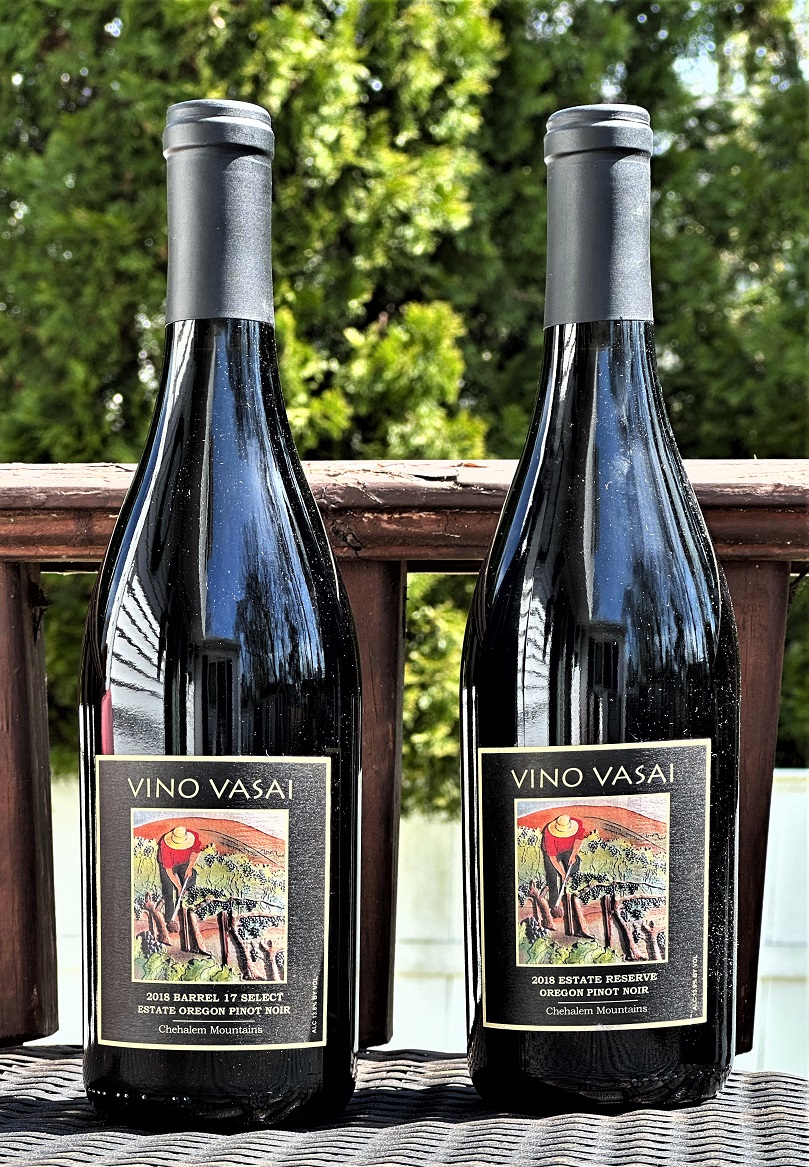
I don’t know about you, but I really admire these labels
Now I had an opportunity to taste a couple of the Potter’s Vineyard estate Pinot Noir wines, Barrel 17 Select and Reserve. Here are my notes:
2018 Vino Vasai Barrel 17 Select Estate Oregon Pinot Noir Chehalem Mountains (13.8% ABV, $48, Dijon clones)
Dark Ruby
Dark cherries, violets, minerality
Dark cherries, plums, medium to full body, firm structure, well-integrated tannins, luscious layers followed by the tart, long finish
8, excellent. Upon opening, the wine was lean and tight, Burgundian style. The next day opened up to show more of the Oregon Pinot power, still governed by restraint.
2018 Vino Vasai Pinot Noir Estate Reserve Chehalem Mountains (13.9% ABV, $58, Pommard clone, 75% new French oak )
Garnet
Beautiful legs (I rarely pay attention to those, but couldn’t help to notice)
Very enticing nose with sweet cherries, plums, eucalyptus
Cherries on the palate, tart, perfectly structured, harmonious and perfectly balanced. Craving food, but I can polish a bottle by myself.
8/8+, excellent.
Here you are, my friends – more of the delicious Oregon wines worth seeking. Oregon wine month is upon us, so if you need any suggestions, just click here.
And don’t be shy – if you got any of the Oregon wine favorites, please comment and leave notes for others.
Until the next time – cheers!
P.S. For more stories of Passion and Pinot please visit the series’ main page.
Chilean Sauvignon Blanc – The Adulthood
This post was supposed to be written last year… And then I almost made it in time for the Sauvignon Blanc day which was celebrated two days ago, on May 6th. Well, it is definitely a “better late than never” post, so for what it worth, let’s dive into it…
Today, friends, we are going to talk about Sauvignon Blanc.
If I would just “shoot from the hip”, Sauvignon Blanc doesn’t stand up as a grape with tremendous clout. Yes, it is one of the three major white wine grapes, along with Chardonnay and Riesling. And yet if there were a grape popularity contest, I would guess the championship would be decided between Cabernet Sauvignon and Chardonnay. Of course, Pinot and Syrah would-be contenders, but I still think the former two are really at the top of wine lovers’ minds.
But let’s take a closer look at Sauvignon Blanc. There is hardly a wine region in the world where Sauvignon Blanc is not growing – no point in recounting them, Sauvignon Blanc is successfully growing everywhere. Sauvignon Blanc makes sparkling, still, and dessert/late harvest wines. It shines solo everywhere, and I’m not talking about “usual suspects” – Sancerre, New Zealand, Chile, California – but I’m talking about some of the world’s best producers. Screaming Eagle, the “cult of the cults” producer in Napa Valley makes Sauvignon Blanc which is more allocated than their Cabernet Sauvignon. Gaja Alteni di Brassica and Poggio alle Gazze dell’Ornellaia, two of the 100% Sauvignon Blancs from Italy – I hope these names need no introduction. Let’s not forget the “Y” dry wine produced by Sauternes legend, Chateau d’Yquem. And then of course, there are countless blends… Sauvignon Blanc is everywhere.
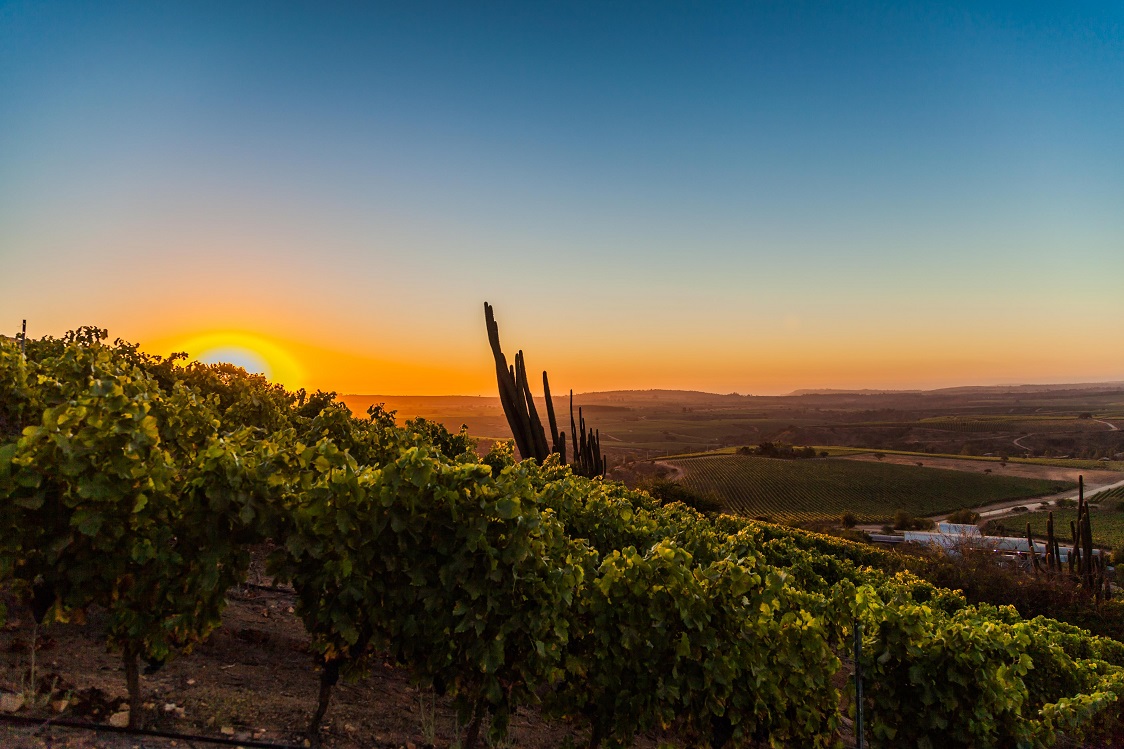
Garces Silva vineyard at sunset credit Jody Hortons
Never mind the blends – let’s talk about pure Sauvignon Blanc wines. In my opinion, there are 4 main distinct styles of Sauvignon Blanc – as there are 4 main production regions that we already mentioned – Sancerre, New Zealand, Chile, and California (Napa Valley primarily). Maybe I should say “there used to be” 4 main styles… In the old days, Sancerre could be identified by aromas of cat pee and freshly cut grass. New Zealand Sauvignon Blanc had a currant profile with currant leaves showing very well. It was popular to refer to the main component of the New Zealand Sauvignon Blanc profile as Gooseberry – I remember wine critics angrily saying that 90% of those who use the descriptor never tasted gooseberry in their lives. Chilean Sauvignon Blanc was similar to New Zealand, only shifting more towards grapefruit and a bit more sweetness in the profile. All three (Sancerre, New Zealand, and Chile) have changed today. And only Napa Valley style has not changed since the moment I tasted Napa Sauvignon Blanc for the first time – freshly cut grass is weaved together with bright but not sweet fruit – it is succulent, it is seductive, it is “in-your-face-beautiful-and-not-ashamed-of-it” – but we will have to talk about Napa Sauvignon Blanc some other day.
For a long time, New Zeland Sauvignon Blancs were consistent, with only Cloudy Bay standing apart from the rest, in a very delicious way. Then New Zealand decided to look for a new Sauvignon Blanc identity at some point, and I had an opportunity to taste this “new identity” at a tasting 8 years ago – it was an interesting experience, please read my notes if you are interested. I don’t know if the Chilean wine industry is closely following New Zealand, or if is this just a common trait of growing up, but this brings us to today’s subject – Chilean Sauvignon Blanc wines.
Compared to the Cabernet Sauvignon, the Chilean staple, Sauvignon Blanc is a very young grape. The first plantings of the Cabernet Sauvignon in Chile go back to the middle of the 19th century. The story of Sauvignon Blanc in Chile only started in the late 1970s. In 1978, there was a total of 8,154 acres of Sauvignon Blanc in Chile, accounting for 3.1% of all grape plantings (land under vine), mostly concentrated in Maule Valley. In the 1980s, new plantings of Sauvignon Blanc started to appear in the coastal regions of Casablanca, as well as Coquimbo, Valparaíso and O’Higgins. Coastal areas offered cooler weather, which brings herbal, citrussy expression with cut-through acidity in Sauvignon Blanc, contrasting with the areas with a continental climate, known to bring those grapefruit/tropical fruit notes I mentioned before as an old signature of Chilean Sauvignon Blanc.

Ventisquero vineyard. Source: Viña Ventisquero
Going beyond just new cooler coastal areas, winemakers also started paying attention to the inherent grape qualities, by choosing to experiment with different clones. Of course, it is only fair to assume that clonal selection is not just Pinot Noir or Chardonnay prerogative – nevertheless, until I started working on this article, I had no idea that Sauvignon Blanc clones are even a thing. Turns out that Davis Clone (#1) is known to impart citrusy qualities, Sancerre Clone (#242) is more herbal and fruity, and then there are other popular French clones #107, #241, and #317.
Today, Sauvignon Blanc is the second most planted grape variety in Chile with 37,614 acres under vine in 2019, accounting for 40% of all white grapes plantings. Sauvignon Blanc is the second most widely produced wine in Chile, with 13% of all the Chilean wine production volume (based on 2021 data). The majority of the Sauvignon Blanc plantings are now located in the coastal regions. Chilean Sauvignon Blanc has definitely grown up and it is ready to conquer the world.
To make the encounter with modern Chilean Sauvignon Blanc wines more practical, I had an opportunity to taste 8 Sauvignon Blanc wines, all coming from different producers and representing a number of regions. Here are my notes:

2021 Montes Sauvignon Blanc Limited Selection Leyda Valley DO (13.5% ABV, $15) – Montes is a very interesting winery in general – I had an opportunity to speak with the winemaker, and to learn more about the winery, you might want to read part 1 and part 2 of our conversation. Sauvignon Blanc grapes used in this wine, clones 1 and 242, were harvested from the vineyard located about 9 miles away from the Pacific Ocean on the western slopes of the Cordillera de la Costa mountain range.
Greenish pale
Inviting nose of fresh berries, grass, cassis leaves, some tropical fruit undertones, Napa SB-like presentation
Fresh, vibrant, tart, lean, lemon, a distant hint of freshly cut grass – truly refreshing on a hot day. Delicious.
8+, superb. Nicely complements creamy goat cheese.
2020 Casas del Bosque La Cantera Sauvignon Blanc Las Dichas Casablanca (13% ABV, $18) – Casas del Bosque is one of my favorite Chilean producers, I had a number of their wines on different occasions. The grape for this wine came from the vineyard located about 10 miles away from the Pacific Ocean, located on the mountain slopes.
Greenish pale
Freshly cut grass, green herbs, medium+ intensity, cassis leaves
Clean, light, good acidity, herbaceous profile, a touch of freshly cut grass. Lean.
8, excellent wine.
2021 Viña Koyle Costa La Flor Sauvignon Blanc San Antonio Leyda (12.5% ABV, $18, organic grapes) – Viña Koyle is one of the well-known Chilean organic wine producers – I had an opportunity to try some of their wines last year while working on the Chilean wines sustainability story last year. The grapes for this wine, clones 1 and 242, came from the vineyard located 5 miles away from the Pacific Ocean. The wine was aged for 4 months on the lees to soften the sharp acidity – as you can see in my notes below, cut-through acidity was still acutely present.
Light golden
Very restrained, distant hint of peach and guava
High acidity, a touch of freshly cut grass which quickly dissipated just leaving a tart finish.
8-, will be interesting with seafood.
2020 Viña Garcés Silva Amayna Sauvignon Blanc Leyda Valley DO (14% ABV, $25) – the grapes were harvested at the vineyard located 8.5 miles from the Pacific Ocean. The wine was aged for 6 months on fine lees.
Greenish pale
A hint of freshly cut grass
Tropical fruit profile with a hint of sweetness and a touch of grass
8-, nice
2020 Matetic EQ Coastal Valle Hermoso Casablanca DO (13.5% ABV, $20) – grapes for this wine came from the biodynamic vineyard in the Rosario Valley in Casablanca, just 3.5 miles away from the ocean.
Straw pale
Steely undertones, a distant hint of gunflint, a touch of lemon
Whitestone fruit, herbs, a touch of cassis leaves, finish is round and gorgeous with a whiff of freshly cut grass. Reminiscent of the Italian renditions of Sauvignon Blanc such as Ornellaia and similar.
8+/9-
2019 Viña Ventisquero Grey Glacier Sauvignon Blanc Atacama Valley (13% ABV, $25) – yet another winery I’m well familiar with. Curious fact – founded in 1998, Viña Ventisquero is turning 25 this year. The vineyard where the grapes for this wine came from is located 15 miles away from the ocean and in the middle of the Atacama desert, taking full advantage of the poor soils. The wine was aged in foudres to enhance its texture and improve aging capabilities.
Greenish pale
A hint of gunflint, earthy undertones, Dias tang hint of lemon
A hint of gunflint, crisp, clean, refreshing, clean acidity on the finish, nice textural presence with some salinity – should be a great oyster chaser.
8/8+, excellent
2021 Viña Tabali Talinay Sauvignon Blanc Valle de Limarí DO (13% ABV, $24) – the vineyard, called Talinay, eponymous with the mountain ridge where it is planted, is located 7 miles away from the ocean.
Greenish white
Minerally-driven nose, limestone, lemon, medium+ intensity
Crisp, fresh, lemon, minerality, a tiny hint of fresh cut grass which comes and goes.
8, this wine is asking for food. I want oysters… works well with Boursin cheese
2020 Viña Morandé Sauvignon Blanc Gran Reserva Casablanca Valley DO (13.5% ABV, $20, 12 months aged in oak foudres and concrete eggs) – Pablo Morandé was a Casablanca Valley pioneer, who started planting Sauvignon Blanc in the 1990s. Grapes for this wine came from Belén vineyard is in the Lo Ovalle region, 14 miles away from the ocean.
Straw pale
Fresh-cut grass with herbal undertones and minerality, sapidity (almost “meaty” smell if it makes any sense)
Clean, crisp palate, freshly cut grass, lemon, crisp acidic finish.
8, elegant and balanced.
Here you are, my friends. Beautiful, minerality-driven, world-class wines, with their own unique and delicious expressions. As you can tell from my notes, the tasting was 8 out of 8 success, which is generally not given.
I don’t know what is your take on Chilean Sauvignon Blanc and when did you taste it last time – it is definitely worth revisiting. and get ready to be pleasantly surprised.
White Wines, Simple and Complex
Is there a definition for simple wine? What about the complex? I’m sure every wine lover can offer their own definition, and everyone will be correct in their own right.
We are not here to search for an absolute truth. We are just having a casual conversation.
In many cases, “simple” would just refer to the price. People don’t want to stress “inexpensive” or “cheap”, they would just say “yeah, I’m just having a glass of this simple wine”.
Another possibility is referring to the taste of wine as “simple” – the wine which is quaffable, but not exciting, not thought-provoking, something you would drink because it is just conveniently available. By no means “simple” implies “bad” – it is still a good wine, but that simplicity makes it a perfect accompaniment for let’s say, a pepperoni pizza or a loaded hot dog. In many cases, simple wine is all you want.
I understand that the title of this post might be a bit misleading, as simple can’t be complex at the same time. But – I have a reason for that. If you will, I’m trying to share a bit of a puzzle here.
Before I will explain the puzzle, let me share my general take on modern wines. I’m talking here about the wines made anywhere in the world, by winemakers who want to make a quality wine – at any price point. I’m talking about the overall quality of the winemaking. Healthier vineyards around the world bear better-quality grapes. A better understanding of the unique composition of the vineyards. A better understanding of the winemaking process. A better understanding of how to keep the winery clean. An increased body of winemaking knowledge. All of these are contributing factors to the better quality of wine which I perceive with many of the simple, everyday wines.
Where am I going with this and what the quality of wines has to do with simple wines? Here it is. I tasted 4 new sample wines for this post. One of them was perfect from the get-go. Three others were well-maid, but not my favorites. After playing with each one of those 3 for a few hours, I put back the corks and the screwtops and left the wines on the countertop for about a week. After that I reluctantly moved those wines into the fridge, thinking that I will taste them one more time later before discarding them.
About a month or so later, I remembered that I have those wines in the fridge, and I should decide what to do with them. To my great surprise, each one of the 3 showed much, much better. The wines became actually delightful, and instead of just discarding the wines, I slowly finished them with pleasure. Here is your puzzle – how and why these simple wines improved, despite not being even stored properly. My only thought is that the answer is probably quite complex, but it probably has something to do with the better quality of the wines – and that’s how it is connected to the diatribe above.
Here are the wines I tasted.
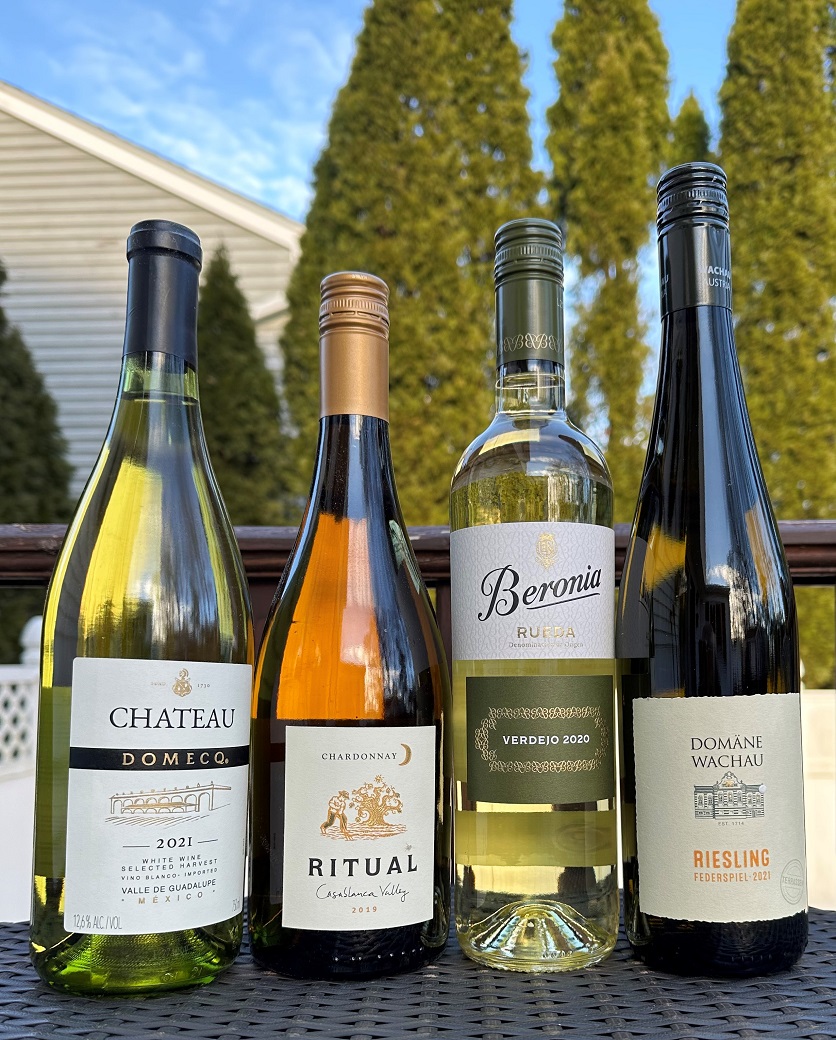
First, 2019 Ritual Chardonnay Casablanca Valley Chile (13.5% ABV, $20.99, organic grapes, certified sustainable). Ritual is an organic wine producer from Chile. I had Ritual wines in the past, and I liked them quite a bit. This Chardonnay, however, was the least exciting out of the four – until those 30+ days later:
Light golden with greenish hue
Gunflint, steel, Whitestone fruit
Green apple, tart, crisp, herbaceous, a touch of smoke. Medium to full body, powerful
7+, needs food, almost asking for a steak.
Second try: outstanding. Better integrated, showing customary Chardonnay apple and vanilla, more round and very well balanced.
Drinkability: 8/8+
Next, 2020 Bodegas Beronia Verdejo Ruedo Spain (13.5% ABV, $13.99, vegan). Bodegas Beronia is a well-known Rioja producer, who also makes wines in Rueda. I had their Rueda bottlings in the past, and always liked them. While initially faring just a bit better than the Ritual, this wine also improved after 30+ days in the fridge:
Light golden
Lemon, sapidity, medium+ intensity
Meyer lemon, lemon zest, crisp, tight and refreshing, good acidity.
8-, an easy supper but will go well with light appetizers.
Second try: the wine became more round, better integrated and better balanced.
Drinkability: 8
From Spain we are moving to Austria – 2021 Domäne Wachau Riesling Federspiel Austria (12% ABV, $18.99, certified sustainable). Domäne Wachau is one of the very best producers in Austria, offering a tremendous range of single vineyard and village wines. I had Domäne Wachau Grüner Veltliner in the past, but this was my first encounter with the Riesling:
Light golden
Meyer lemon, a touch of honey, pleasant
Honey, pear, lemon, beautifully round with cleansing acidity and acidic finish. Delicious.
8/8+, delicious. There was nothing left for the second try 🙂
For our last wine, we are traveling back to the Americas, to Mexico this time – 2021 Chateau Domecq White Wine Valle de Guadalupe México (12.6% ABV, $13.99, 60% Chardonnay, 40% Viognier, fermented and aged in 2nd use French oak barrels for 6 months) – my first encounter with the producer, and possibly the first white wine from Mexico.
Light golden
Heavy nose with sapidity and roasted notes. In a double-blind tasting (black glass) this wine would perfectly qualify as red
Interesting. Unusual. I think Chardonnay and Viognier just have their own lives in this wine.
After a few minutes in the glass, the nose didn’t dissipate, but the palate became a lot cleaner – plump round wine with notes of vanilla and a hint of tropical fruit. Not a bad effort at all.
Drinkability: 8-, unusual.
Second try: after 30+ days, sapidity and roasted meat notes were gone, and similarly to the previous two wines, it became more round and better integrated.
Drinkability: 8-/8
Here you are, my friends – simple wines with a complex story. I might be making things more complicated for no reason – you might be right about that. But if I can make one conclusion from this experience – even if you don’t like the wine, give it a second chance. You might be positively surprised by an outcome.
Last Bottle Sign Up ($10 credit)