Judging Wine
 Let’s do some math. There are about 8,700 wineries in the USA. Some wineries make only 2–3 wines, but this is quite rare. Some wineries make 10, 15 or more, especially if you will take into account all the “winery-only” specials. Let’s average, say, at 10 (I’m sure I’m reasonably conservative here). In this case, we are talking about roughly 87,000 different wines. Produced every year. In the USA alone.
How do we choose the wines? Presented with an average selection of at least a few hundred bottles even at a small wine store, we need all the help we can get to select that one bottle we want to drink tonight. One of such “helpers” is so-called ratings. Ratings are professional wine critics’ opinions, generally expressed in the form of the numbers (points), from 50 to a 100 – 89 points, 95 points, 100 points. Those ratings are produced by several wine publications (magazines and newsletters), such as Wine Spectator, Wine Advocate, Wine Enthusiast, and a few others. Let’s say there are about 4 main publications in the USA (there are lots more, of course, if you will attempt a full count, but let’s just stay with the major ones). Now, to produce the ratings for all 87,000 wines among 4 publications, working 365 days a year (no breaks!), it will be necessary to evaluate about 60 wines per day, every day – and these are just wines from the USA, based on our rough assumption of 10 wines per winery. Mission impossible – and mission unnecessary.
What else is there besides ratings, to help our poor, indecisive selves? Well, how about some awards? If you ever visited some lesser-known wineries – maybe on Long Island, or in Finger Lakes, upstate New York, Pennsylvania, etc – have you noticed a display of the bottles wearing straps with various medals around the neck? Those are the exact awards we are talking about. How the wineries get those? By participation (and winning) at the various wine competitions, in the USA or even in the world.
There are about 70 of major (or better known) wine competitions in the USA, plus probably hundreds of lesser-known, more regional wine competitions. Wineries submit their wines for the competitions. The wines are grouped into the categories (white, blend, Chardonnay, Merlot, Dessert, etc), and get rated in a blind tasting within those categories by the wine judges. The best wines in the categories can subsequently compete for the “best in show”, “best red”, “best dessert” and so on. And then wineries get to brag about their awards and to display the medals, sometimes at the winery, and sometimes even on the labels – I’m sure you’ve seen those.
Wondering how the wine judging is done? Let me give you a first-hand account, as I just attended my second wine competition as a judge – at the Hudson Valley Wine Festival – obviously focused on the wines of Hudson Valley.
As we mentioned, the wines are judged blind, with only a variety (or blend composition) and vintage known for every wine. The wines are split into the categories such as white and Rosé, red, dessert, fruit, and can be split into varieties within the categories, each category presented as a separate flight – for example, Merlot and Cabernet Franc for reds, or Chardonnay and Riesling for the whites. The wines are assessed at the Hudson Valley Wine Festival according to the American Wine Society wine evaluation chart, which you can find in its entirety here. According to that chart, the wine can get the maximum of 20 points comprising of the following categories
- Wine color – up to 3 points. This is an easy one – as long as your 1-year-old dry Riesling is not a deep golden, or not hazy/cloudy, it is 3 points.
- Aroma and bouquet – up to 6 points. The 6 points are awarded if the wine is absolutely on point for the varietal expression.
- Taste and texture – again, up to 6 points. To get 6 points the wine should be varietally perfect.
- Finish – up to 3 points. Here the long and enjoyable is what is required to qualify for 3.
- Overall impression – up to 2 points. Here is an opportunity for a judge to express his or her personal opinion about the wine – nah, okay, or wow.
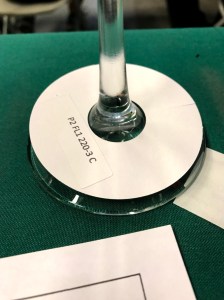
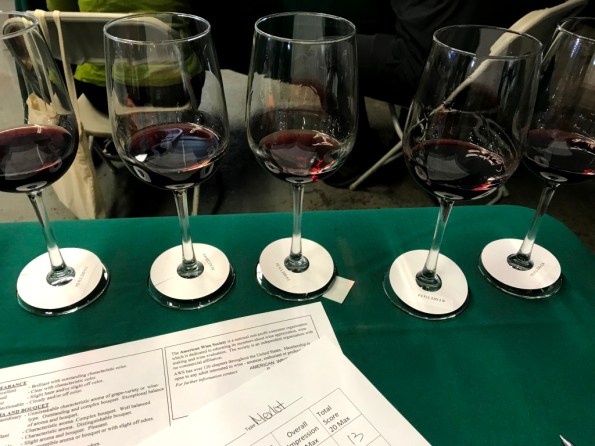
The assessment of the wines done in the flights, where each wine is individually labeled with a code. The judges are working in the groups of 3, with each group having a captain who manages the group’s work and fills up all of the final decision forms. While the wines in the flight had been assessed, all judges keep it quiet and filling up the form. Once the flight’s assessment is finished, the wines are been discussed one by one, to arrive at a final score for the wine. Based on the score and opinion, the recommendations can be made for double gold, gold, silver, and bronze, as well as for the inclusion into the best of show tasting.


Once all the flights are done by all the judges at all tables, the results are processed, which takes about 30 minutes. During this 30 minutes break, it is a perfect opportunity for judges to walk around and see a bit of the show floor before it gets ultra-crowded. Here are some of the pictures of what you can find on the show floor of the Hudson Valley Wine and Food Festival. These are the things which attracted my attention, and I can tell you that the bacon salsa you see below was superb. Both single malt and rye whiskey which you can see below were good, but not $100 good as it was the show’s asking price. And how about those cans and wine labels!


After the break, the final part of the judging is set up – now the wines are judged for the best in category (best red, best white, etc), and then all of the best in categories are included into the “best in show” tasting. Best in category and best in the show are judged by all the judges at all the tables by the show of hands, and each judge can vote only once.

Best in Show tasting flight
An interesting by-product of all the voting is the title of the “winery of the year” for the region – I don’t know the exact formulae, but it is determined by the number of wines awarded the medals, taking into account how many wines were submitted versus how many wines got awards, and the type of those awards – for example, it is better to submit 2 wines, one of which will take double gold, versus 4 wines, out of which 2 will take silver.
That’s all there is to it – now you know all about the wine judging.


Here you can see our list of flights, and some of my notes. I have to honestly tell you that somehow I liked the wines from last year a bit more than the wines from this year – but then last year our red wines flight was Cabernet Franc, and this year it was Merlot – and Hudson Valley produces better Cabernet Franc than Merlot (personal opinion, of course). Also, last year we tasted no DPMs at our table – in case you never heard the term which I learned last year, DPM stands for Don’t Put in your Mouth – and DPM can happen anywhere, it has nothing to do with any particular region. So last year we got lucky, and this year, we were blessed with two – one wine was completely spoiled (can’t describe it, just terrible, like a spoiled fruit), and the second one tasted like it had cheese blended in the wine – as one of the judges said, “I like cheese with my wine, but not in my wine”. Anyway, bad wines happen anywhere in the world – nothing else there is to it.
Overall, however, I have nothing to complain about, it was fun and successful tasting, and we completed our work with no issues.
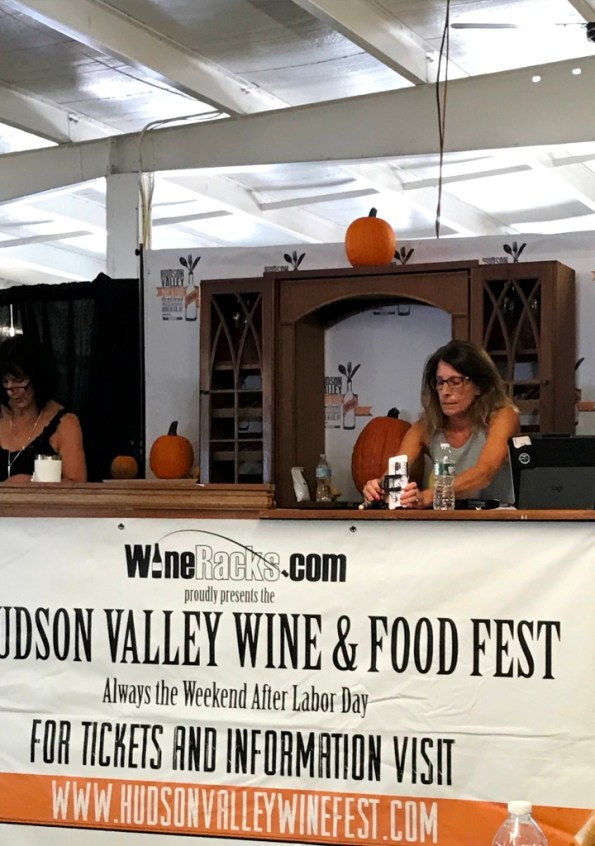
Debbie Gioquindo, Chair of the competition, deep at work
I will not be repeating here all the results – you find them all here, on the website of Debbie Gioquindo, Hudson Valley Wine and Spirits Competition Chairwoman for the past 12 years. For my personal favorites, 2017 Millbrook Castle Hill Vinyard Chardonnay Hudson Valley was absolutely spectacular – it is hard to believe the Chardonnay of such a world quality can be produced in Hudson Valley (I mean no disrespect, but you have to taste this wine to believe it) – perfectly Burgundian with a distant hint of vanilla and butter. 2015 Glorie Farm Winery Cabernet Franc was simply perfect – an excellent rendition of the Cabernet Franc, the grape which Hudson Valley mastered to perfection for a while – and it was the Best in Show wine. And the Baldwin Vineyards Spiced Apple, entered in the fruit wine category, simply blew my mind with its perfect expression of a drool-inducing apple pie – the one you eat with the spoon directly from the tray, and you know you are not supposed to do it, but you can’t stop yourself…


In case you want to see it, here is the aftermath of the competition:

That’s all, my friends. This was definitely a fun experience, and I’m already looking forward to the next year’s event. Cheers!
Alie Ammiraglia – The Rosé Experience
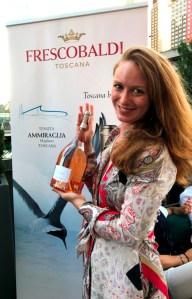
Livia le Divelec introducing Alie Rosé
Rosé Every Day – is that your wine motto?
Okay, that might be a bit much – occasionally, we would like to drink white and red too, don’t we? How about this:
Rosé is For Every Day – would you be able to subscribe to that?
It amazes me that today it still requires courage for an average wine consumer to happily say “I love Rosé” and stop right there without adding any “buts” – “only in the summer”, “only when it is hot outside”.
It is a given for us, wine aficionados and geeks, but an average wine drinker is still afraid that they are simply not supposed to like Rosé, and openly admitting your “Rosé love” in public is akin to loudly proclaiming “ohh, I have no taste in wine, no class”. This is mindboggling as we truly are living through the Rosé wine revolution.
Ten years ago, Rosé was strictly for summer, and the only Rosé you would find available during the winter months was the one from Tavel from the southern Rhône in France – only found in better wine stores or adventurous restaurant wine lists (Rosé is the major, if not the only type of wine produced in Tavel), or whatever ended up in the discount bins as not been sold during the prime season. Today, Rosé can be found at most of the wine stores throughout the whole year, no matter what season it is. It is also not surprising that literally every winery in the world, big and small, added Rosé to their repertoire. Actually, it might be still difficult to find Rosé at the wineries – it is usually produced in the small quantities and thus sold out in no time at all.
As we mentioned before, Rosé often considered an afterthought – while the winery is starting to make the red wine, whatever juice will bleed from the harvested grapes would be good enough to make Rosé – or whatever grapes are not good enough for the main wine still can be used for Rosé.
This, however, was never the case in Provence in France, where Rosé is The Main Product and never an afterthought. In Provence, the grapes were and are purposefully grown for the Rosé, and harvested at its proper ripeness to be made into Rosé – the best possible Rosé. But – “the best Rosé” crown is heavily contested today – literally, the whole wine world is after it.
Let me share with you an encounter with a perfect contender – Alìe Ammiraglia, an Italian Rosé produced by Frescobaldi family in Tuscany.

At the end of July, I attended an event in New York City, where the new vintage of Alìe Rosé (in case you are wondering about the name, Alìe is “a figure from Greek mythology, a sea nymph and a symbol of sensuality and beauty”) was presented in style.
Let’s compact the whole experience into one very long sentence, just for fun: Alìe Rosé, made out of Syrah and Vermentino specifically grown for this Rosé wine, was presented at the event in New York City in the hottest setting of a roof-top bar, poured strictly from magnum and double-magnum bottles into the glasses specifically designed to enhance the qualities of the Alìe Rosé, accompanied by delicious bites of Polynesian cuisine on a hot summer day.
How about this long sentence?
Now, let’s repeat it, but a bit slower.


2018 Tenuta Ammiraglia Alìe Rosé Toscana IGT was introduced by Livia le Divelec, Frescobaldi Brand Ambassador and winemaker. 2018 is the fifth vintage of Alìe Rosé. The wine is made out of Syrah and Vermentino grapes grown at Tenuta Ammiraglia vineyards in Maremma, the region best known for the super-Tuscan wines. Maremma is a coastal region in Tuscany, thus the climate, soil, and terroir overall have a lot of maritime influence, hence the name and various sea-life elements of the design – the label, the glass. The bottles for Alìe Rosé are specifically designed in Mediterranean style, again to stress the origins of the wine.


The event took place at The Polynesian, bar and restaurant located at the Pod Times Square hotel and offering a roof-top seating. What can be better than sipping on a glass of beautiful Rosé, overlooking New York’s busy life from above on a warm summer afternoon? Well, let’s cue in delicious appetizers of Polynesian origin, harmoniously supporting the delight of Rosé – and now you got the whole picture.


Oh, wait, let’s not forget about the wine glasses! The wine glasses were specifically designed by German company Rastal for Alìe Rosé to accentuate qualities of the wine, both organoleptic (aroma, taste, …) and visual, with the glasses serving as another reminder of maritime-influenced origins of Alìe.
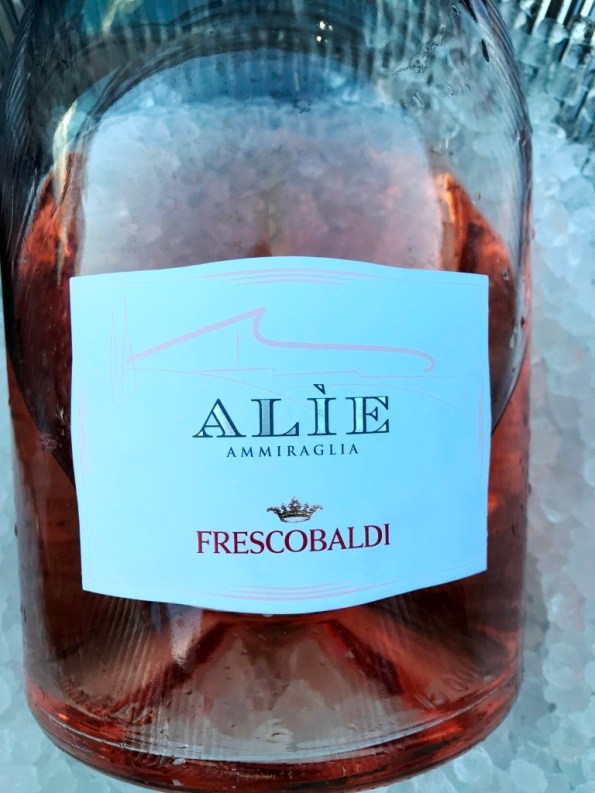
Well, I guess I still didn’t tell you how was the wine – got carried away with a beautiful setting of the roof-top bar, seductive bottles, and designer wine glass. Never mind all these accents – the wine was a real star, otherwise, I wouldn’t be talking about all this. Beautiful fresh strawberries on the nose, strawberries with a hint of Meyer lemon on the palate, crisp and fresh. Delicious cold, and still delicious even at room temperature – my litmus test for a quality white and Rosé. I would drink that wine any day, and any season. Remember, Rosé all day!
That concludes my brief. What is your Rosé of the Year? Cheers!
And The Answer Is…
 A few days ago, I had an opportunity to play a little game with you, my readers, which I couldn’t resist. In my post, creatively titled “What Is It?”, I was asking you to guess what might be stored inside of the stainless steel tanks shown in the picture – you can see it here for the reference.
While the internet didn’t break because of all the people rushing in with an answer, I was happy to see some people taking up the challenge. So it is time to provide an answer.
Drumroll, please.
And the answer is …
.
.
Perfume
We grow up surrounded by “perfumes” of many, many kinds. But I always was taking it for granted, meaning that I never thought of how perfume is produced. The only interesting fact I knew was that Lancome was unable to produce their perfume in the USA as the water in the USA was different from the one in France where they make their famous products, and they can’t create the products in the USA which would be identical to the ones made in France.
As I’m in the South of France and I had a bit of free time, a friend suggested that I should go visit the perfume factory located in a small town not far from me – Fragonard in the town of Grasse.
As I walked up the stairs, the very first things I saw was the Still:
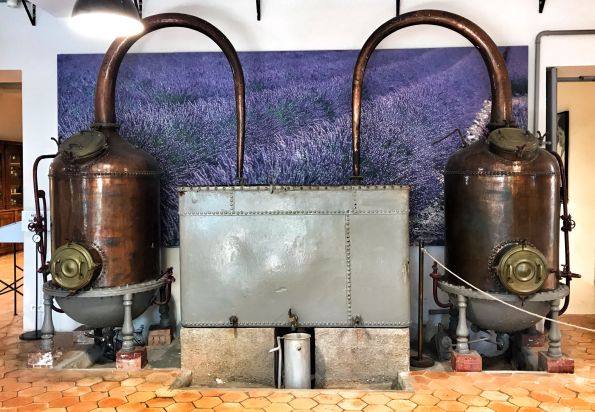
During our factory tour, I finally learned how perfume is made – or at least how it is made for the past 100 years – there are different methods which were used in the past. And this is where I learned about many similarities between the world of our beloved grapes and grains by-products and the perfume.
First, it takes a quality raw product to produce a good perfume. Let’s say, the rose petals. In the first step of the process, this raw product will be converted into the so-called Essential Oil. By the way, here is another mini-quiz for you.
How much (by weight) of the rose petals do you need to produce 1 liter (1 quart) of the essential rose oil?
I will give you a second to think about it.
.
.
I don’t know what you came up with, but the answer is 3.5 tons (~7,700 lbs). 3.5 tons!!
I did a little research and found the report stating that the annual yield of Rose petals is roughly 1 ton per acre. So you need 3.5 acres of Roses to produce 1 liter of essential oil. Wow – color me impressed (yes, it is easy to impress the ignorant, if you feel an urge to comment).
Okay, let’s get back to the process. So the rose petals are assembled and boiled in water, which creates a very aromatic (I think?) steam. At some point, the steam travels through the still, and cools off, resulting in the separation of oil and water. That oil is an essential oil which will be further used in blending to produce perfume. The water is used to produce Eau de Toilette or similar products (also via blending, if desired).
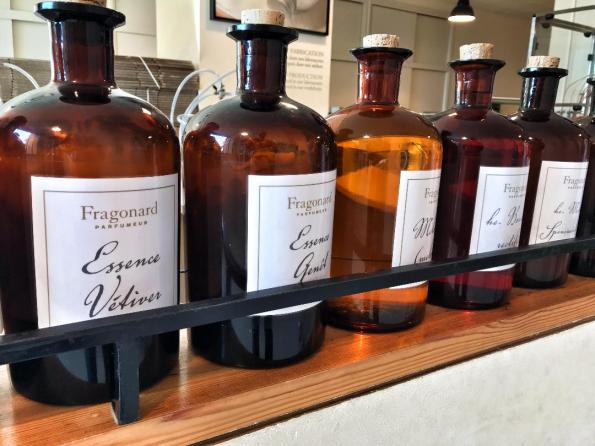
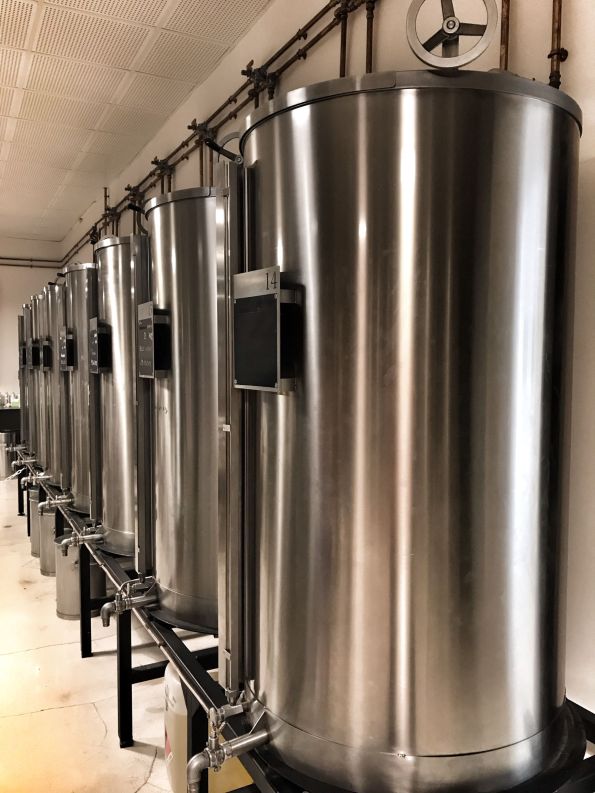
Once different essential oils are acquired (lots of fruits, flowers, etc. can be converted into the essential oils – mango, lavender, vanilla, jasmine, coconut, … the sky is the limit), the “master blenders” will assemble (blend) the desired products. Then the neutral alcohol will be added, and the final blend will be stored in the temperature-controlled tanks (and this is what you saw in the picture – subject of this quiz), where it will stay for at least a few months or longer, undergoing periodic stirring and then the quality control before it will be bottled to ensure that the final blend is a quality product.
An interesting takeaway – we all know how expensive the perfume is, but just think of that amount of the raw material required to produce even minuscule amount of the perfume – it will give you a different appreciation for the $100 bottle of perfume.
Here you go, my friends – a perfume 101 session.
I’m glad to say that we have a winner in our quiz – Mika, who should definitely pat himself on a back for a very quick – and correct – answer.
Until next time – cheers!
What Is It?
What is it?
Okay, it is given – these are the stainless steel tanks. So maybe the better question will be: what’s inside?
I’m traveling, and might not have time for a proper post. And it is a long weekend in the USA, so let’s have some fun, shall we?
Here is a picture – and yes, I want you to guess what is inside of those tanks:
I will give you two hints:
- There is alcohol inside
- I’m in France
The answer is coming on Wednesday.
Have fun, good luck, and enjoy your weekend. Cheers!
When in Texas…
Travel is a part of my job (the job which pays the bills) – nothing unique here, of course, and when my flights are not delayed for 14 hours or canceled, and I don’t have to sleep on airport terminal’s floor, I wouldn’t want it any other way.
As a wine junky (replace with your favorite epithet – lover, aficionado, geek, snob, …) I’m always on a lookout for two things when I travel.
One would be experiencing new wines – in whatever way possible. It might be a Vino Volo boutique at the airport, offering local wines. It might be a local winery within the driving distance. It might be a store which offers interesting wines (local, unique, inexpensive – whatever can constitute “interesting”).
The other one is meeting with friends. It is amazing how easy it is to become good friends over a glass of wine. The wine offers endless opportunity to talk, learn from each other, learn about each other’s lives, and really, to become friends.
Of course, you can meet your friends face to face only when your travel schedule will allow that. During my last trip to Dallas, Texas, in July, my schedule allowed for such a meeting. After exchanging a few emails with Melanie Ofenloch, a.k.a. Dallas Wine Chick (wine blogger at DallasWineChick – if you are not familiar with Melanie, here is a recent interview with her), she was able to rearrange her schedule and had time to share a couple of drinks – and a conversation.

We met at the bar at the restaurant which was conveniently located for both of us. I don’t remember what exactly we were drinking, because that was really not important – the conversation about wine, past wine bloggers conferences, families and life overall was the real value of getting together.
Before we parted, Melanie asked if I ever visited Spec’s, for which I said that I have no idea what that is. She told me “you must”, and put a location into my phone, to make sure I would have no problems finding it.


Spec’s, which is known under its full name as Spec’s Wines, Spirits & Finer Foods, is a chain of wine stores in the Dallas area (don’t know if they have locations throughout Texas). Everything is big in Texas, so the Spec’s I visited was sized appropriately. Rows and rows of wines, mostly sorted by the grape variety. And while everything is big in Texas, cash is also a king – Spec’s offers 10% discount for all cash wine purchases (you can see three prices at most of the wine bottles – standard price, volume discount and cash discount).


It is not a secret anymore that Texas makes excellent wines, which are also not available much anywhere outside of Texas. So when in Texas, one has to use the opportunity to experience local wines (believe me, it is well worth it). Thus Texas wine section was of the most interest to me – and I found it after a few circles.
In that section, I found a number of wines frequented in the Texas wine bloggers’ posts – for example, Becker and McPherson. I also found some wines I was familiar with, such as Duchman, and some wines I knew existed, but I never tried them, such as Infinite Monkey Theorem, produced in Austin (this city winery originated in Denver, Colorado, but they also opened a facility in Austin a while ago). I ended up taking three bottles of the Texas wine to keep me company in the hotel room.


Before I left the store I also stumbled upon a section of the “serious” wines – Bordeaux first growth, Burgundy stars, Italian legends and more. It is always fun to at least find yourself surrounded by so much wine goodness at a given moment – even that I can’t afford any of those bottles.


Back in the room, I decided to start my wine tasting with the 2015 Infinite Monkey Theorem Tempranillo Texas (13.8% ABV). Tempranillo is one of my most favorite grapes, and it is one of the popular varieties in Texas. I also had successful past experience with Infinite Monkey Theorem wine – the Cab Franc rendition I had in Denver a couple of years ago, was absolutely delicious. All together, it made me excited about trying this wine – and it didn’t disappoint. Dark fruit, a touch of roasted meat and tobacco, a hint of anise – an excellent wine.
As I bought 3 bottles at Spec’s, my initial plan was to open all 3 and try them – this is what I typically do with Trader Joe’s wines, even when I stay only for one night. I was staying only for 2 nights, and the wine was so good that I simply decided to finish this bottle and take the other two back home.
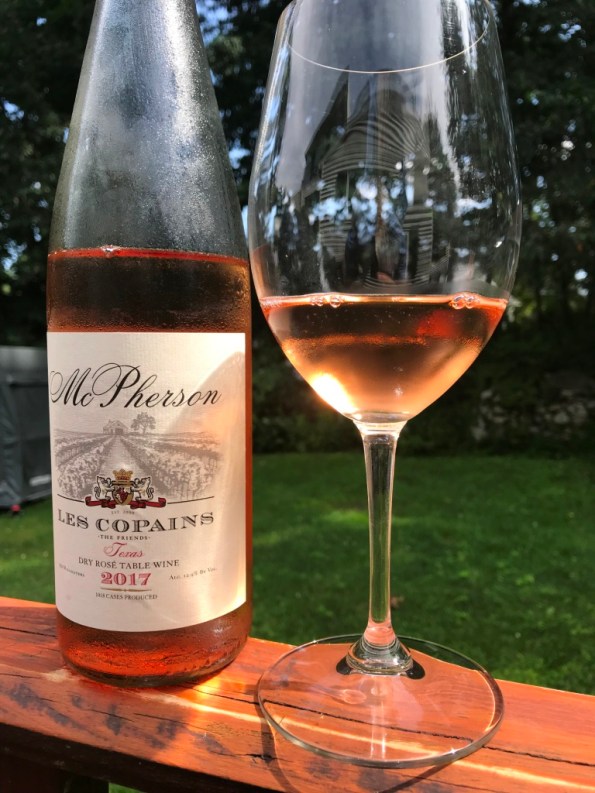
Back at home, I was quick to continue my Texas wine deep dive with 2017 McPherson Les Copains Rosé Texas (12.9% ABV, 52% Cinsault, 42% Grenache, 6% Rolle). The wine was a classic Rosé, with a bit bigger body than a typical Provence, but full of ripe strawberries with a touch of lemon, fresh, crisp, and easy to drink. I would love to drink this Rosé any day, any season.
So when in Texas, make sure to drink Texas wines – you really have to do what locals do – I have no doubts you will enjoy it. And if you will be in Dallas, remember that Spec’s might be considered a “Disneyland for Adults”. Well, maybe leave your wallet at home.
Celebrate The End Of BBQ Season with The Federalist, The American Craft Wine
 Here you have the title I’m really not sure about.
Let’s see.
The end of the BBQ Season. First, who said that BBQ season is ending? Even on the East Coast of the USA people proudly fire up their grill in January, bragging about battling knee-deep snow. Never mind California, and let me not offend the South. So what’s ending?
What’s BBQ? When I grill the steak on a gas grill, is it classified as BBQ, or is the open fire required? Is charcoal qualified as a source of fire, or do I have to use the actual wood? Food is not as polarizing as politics these days, but it still has its share.
And then even if BBQ season is ending, is that something worth celebrating?
Never mind all this blabbering, as maybe the most important question is: what is The American Craft Wine?
Let’s watch this short clip:
If you will search online for the “American Craft Wine”, The Federalist will be the very first link which will come up. The Federalist is the winery in California, which makes a range of traditional American wines, and defines itself as “Born from the virtues of every forward-thinking, hard-working, red-blooded American, this is The Federalist. This Is American Craft Wine.”
Is craft wine an answer to the craft beer, an extremely popular consumer category (if you ever “checked in” on Yelp, “do they serve craft beer” question is one of the most popular ones while filling up a small check-in questionnaire)? Beer is often associated with BBQ, and of course, it is better to be a craft beer. But why not a craft wine? I think we would all agree that wine is the result of winemaker’s craft; good wine requires a good skill, a craft – so maybe The Federalist is paving a way to the new wine category?
I had an opportunity to taste The Federalist wines for the first time 3 years ago, and I liked them. Therefore, when I was offered a sample of The Federalist wines a few days ago, I was really curious to see how they will fair now, as both the style of wine and my tastebuds can easily change.
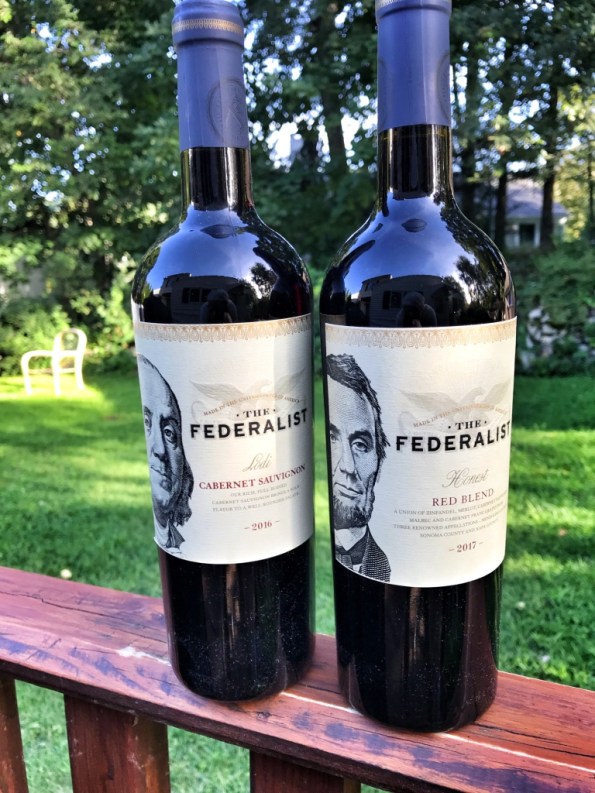
I’m glad to report that even if my tastebuds changed, I still found the wines delicious:
2016 The Federalist Cabernet Sauvignon Lodi (14% ABV, $17.99, 93% Cabernet Sauvignon, 5% Zinfandel, 2% Petite Sirah, Merlot, and Cabernet Franc; 15 months in oak, 35% new)
Garnet Color
Coffee, dark fruit, a hint of currant, eucalyptus
Soft, approachable, licorice, sweet cherries, a touch of cinnamon and nutmeg
8-, unmistakably Lodi, generous and easy to drink
2017 The Federalist Honest Red Blend North Coast (15% ABV, $21.99, 45% Zinfandel, 24% Merlot, 20% Cabernet Sauvignon, 7% Malbec, 4% Cabernet Franc; grapes sourced from: 42% Mendocino County, 33% Sonoma County, 25% Napa County; 15 months in oak, 35% new)
Dark garnet
Blackberries, sweet oak, cassis, a hint of mocha
Firm, wells structured, blackberries, tobacco, dry tannins, dusty cherries, good acidity, good balance
8, excellent, perfect by itself, will work perfectly with the steak
Is the BBQ season ending? You’ll be the judge of that. But if you have any BBQ plans this weekend, fire up whatever you designate as your BBQ machine, and give a try to The American Craft wine, paired with your own crafted BBQ. There is a good chance you might like it. Cheers!
How Do You Albariño?
 Quick – name the most popular Spanish white wine (and grape). Yes, Verdejo, Viura (Macabeo), Godello are all good candidates, but the crown unquestionably belongs to Albariño, the white grape predominantly grown in Rias Baixas in Galicia, in the Nothern Spain.
As it often happens with grapes, nobody can tell for sure where Albariño originated. The leading theory is that the Albariño grape was cultivated in the Rias Baixas area for a few thousands of years. But again, similar to many stories we hear today, things got real with Albariño once the growing zone was designated by the Spanish law in 1980. While initially it was an area designated to the Albariño grape itself, once the EU rules got into the play, the same area became known as Rias Baixas DO (Denominación de Origen), and this is where the absolute majority of Spanish Albariño wine is produced.
In most of the cases, Rias Baixas Albariño is unoaked wine (there are few producers, such as La Cana, who make oaked versions, but this is rare). I don’t like generalizing about the taste of the wines from the specific region, but to me, most of the Albariño wines have a core of salinity and Meyers Lemon. If you think about the location of Rias Baixas, right on the coast of Atlantic Ocean, it makes perfect sense that the most prominent wine from the region perfectly compliments the seafood dishes which one would expect to find in the coastal region. Albariño is easy to drink, works perfectly with and without the food, and it is typically priced under $20, which makes it an excellent white wine choice overall.
It is also worth noting that slowly, but surely, Albariño wines are fine-tuning their identity. What started about 40 years ago as one single region, Rias Baixas, now comprise 5 sub-regions – Ribeira do Ulla, Val do Salnés, Soutomaior, Condado do Tea, and O Rosal. You can’t always find the sub-regions listed on the labels yet, but I’m sure this is just a matter of time.
Make no mistake – the appeal of Albariño is not lost on the rest of the world. Today you can find excellent Albariño wines produced in California (Lodi makes some amazing renditions, such as Bokisch), Oregon, and Washington – and then Texas, lest not forget about Texas. Australia is also churning out some outstanding versions of Spanish classic (don’t think those wines can be found in the USA, though).
Beginning of August saw a slew of events celebrating Albariño – International Albariño Days took place from August 1 through 5; during the same days, Albariño was celebrated at The Albariño Festival, which is the second oldest wine Festival in Spain, taking place in the city of Cambados in Rías Baixas and attracting more than 100,000 visitors.


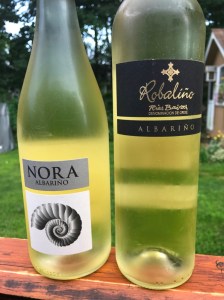
It is important to remember that Albariño is not just for summer – it is a versatile white wine, capable to elevate any evening, with or without a seafood dinner in tow. For the past two years, I attended virtual tastings on Snooth, each including a good selection of Albariño from the different sub-regions in Rias Baixas – here you can find the detailed descriptions of the 2017 and 2018 tastings. This year, I was offered an opportunity to try a couple of samples – here are my notes:
2018 Nora Albariño Rias Baixas DO (13% ABV, $18)
Very light golden
A hint of tropical fruit, white flowers, a touch of pineapple, medium-plus intensity, inviting
Clean, fresh, minerally forward, green apples, lemon, round, perfectly balanced.
8, perfectly refreshing for a hot summer day.
2018 Señoro de Rubiós Robaliño Albariño Rias Baixas DO (12.5% ABV, $18)
Light golden
Restrained, minerality, salinity, underripe green apple
Bright, fresh, touch of white plum and lemon, zipping acidity
8-, refreshing, but craves food (oysters!)
What do you think of Albariño? What is your go-to white wine, especially when it is hot outside? Cheers!
A Quick Trip To Chile
Have wine, will travel.
Today our destination is Chile. As our travel is virtual, we need to decide on the wine which will help us to get to Chile, hence the question to you – what wine would you associate with Chile?
If you would ask me this question about 20 years ago, my answer would be quick – Cabernet Sauvignon. Chilean Cabernet Sauvignon has an unmistakable personality with a core of bell pepper – one sip, and you know where you are heading. Then, of course, you got the Carménère – the mysterious grape of Chile, long mistaken for Merlot – for a long time, Carménère was considered the ultimate Chilean grape, its unique flagship.
How about white wine? Again – 20 years ago, it would be a Chardonnay. Actually, that would be for no specific reason outside of remembering the shelves of the wine store full of Concha y Toro Chardonnay right by the entrance to the store – the most imported wine brand at a time. Unlike Cabernet Sauvignon, that Chardonnay was not particularly recognizable or memorable.
About 5 years ago, I started running into the wines which I never associated with Chile before. When I was offered to try the Chilean Pinot Noir, to say that I was skeptical would be an understatement – yep, I didn’t believe that Chilean Pinot Noir is a “thing”. Those first tastings made me believe that Pinot Noir is possible in Chile – but they were not at the level to really make me a convert. Yet.
And then, of course, Chilean Sauvignon Blanc – exuberant wine, nothing subtle about it – bright grapefruit, tons of freshly cut grass and crips lemon – very un-Sancerre. Chilean Sauvignon Blanc is truly a polarizing wine, not any less than New Zealand Sauvignon Blanc – both categories have plenty of haters. But let me not get on the tangent here.
A few days ago I was offered a sample of Chilean wines I never heard of before – Kalfu, Sauvignon Blanc and Pinot Noir. I’m always happy to expand my wine universe, so yes, please. This happened to be a wise decision.
Kalfu is a project by Viña Ventisquero, focused on showcasing cool climate coastal wines. In case you are wondering, as I did, what Kalfu means, here is what the website says: “Kalfu means “Blue” in Mapudungun, the language of the aboriginal Mapuche people of the region. It represents the color that provides a myriad of sensations: blue, like the Pacific Ocean’s intense blue; and blue, like the free sky, acting as an accomplice of and witness to the mysterious origins of life.”
Under Kalfu, there are three lines of wines, representing different regions – Molu from Casablanca Valley, Kuda from Leyda Valley, and Sumpai from Huasco – Atacama Desert, all three names representing different sea creatures. As the wines I tasted were from the Kuda line, let me tell you what Kuda means, again taking from the web site: “Kuda – in the case of the seahorse or hippocampus, the female lays her eggs and then the male takes care of them until the new seahorses emerge fully developed. Unlike other sea creatures, sea horses are delicate and unique, so they need to be cherished. ”

The wines were, in a word, beautiful. And maybe even surprising.
2018 Kalfu Kuda Sauvignon Blanc Leyda Valley (12.5% ABV, $19) was currant-forward. It didn’t really have the characteristic fresh grass, nor grapefruit – it had fresh black currant leaves and loads of Meyer lemon. It was a well present wine without going overboard, with a perfect balance of fruit and acidity. And yes, every sip wanted you to take another one. Drinkability: 8+
2017 Kalfu Kuda Pinot Noir Leyda Valley (14% ABV, $19) was even more surprising. For this wine, I can use two words. Frist would be finesse. The second word – Burgundian. The wine offered smoke, black cherries, violet, a touch of pencil shavings, good minerality – nothing over the top, none of the extra sweetness, but perfect, elegant balance. For $19, this is lots and lots of wine. Drinkability: 8+/9-
Here you are, my friends. Two beautiful wines worth seeking. And now I have my new favorite Pinot Noir which I will be happy to drink at any time. Where did you travel lately? Cheers!
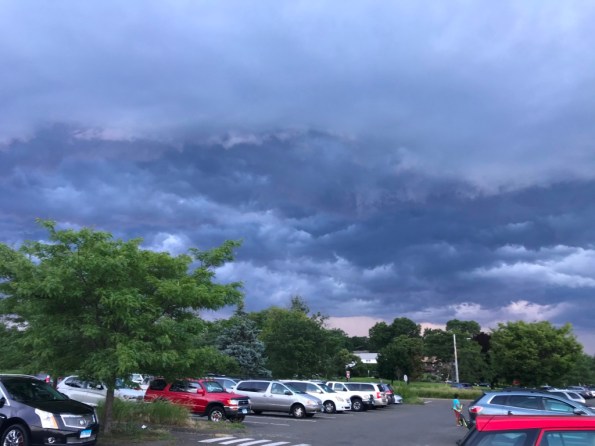
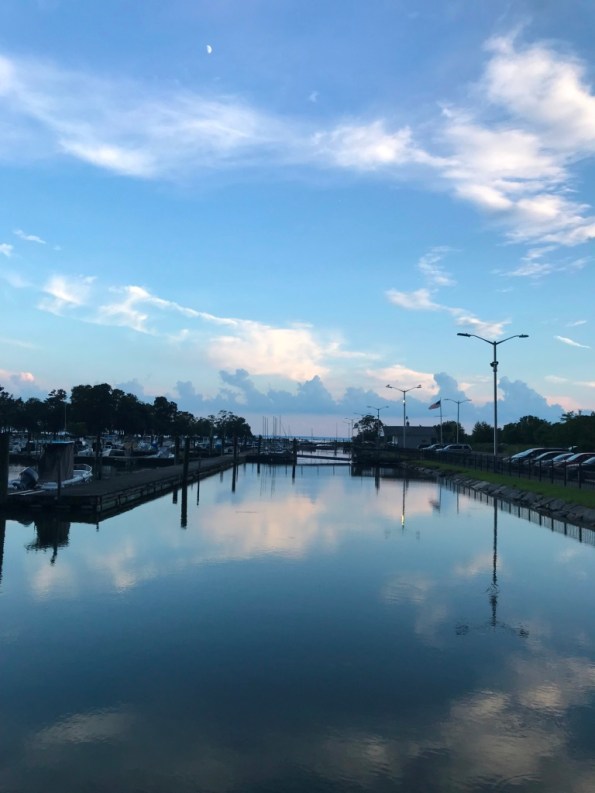
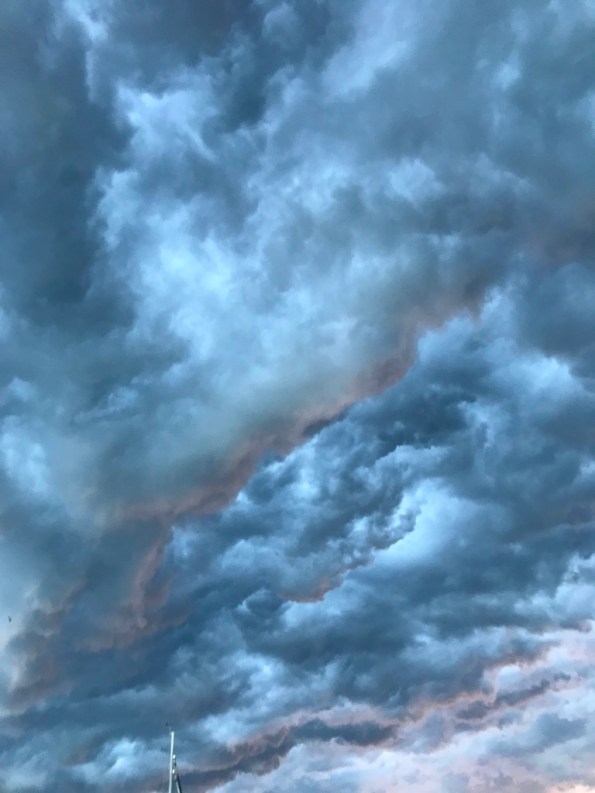
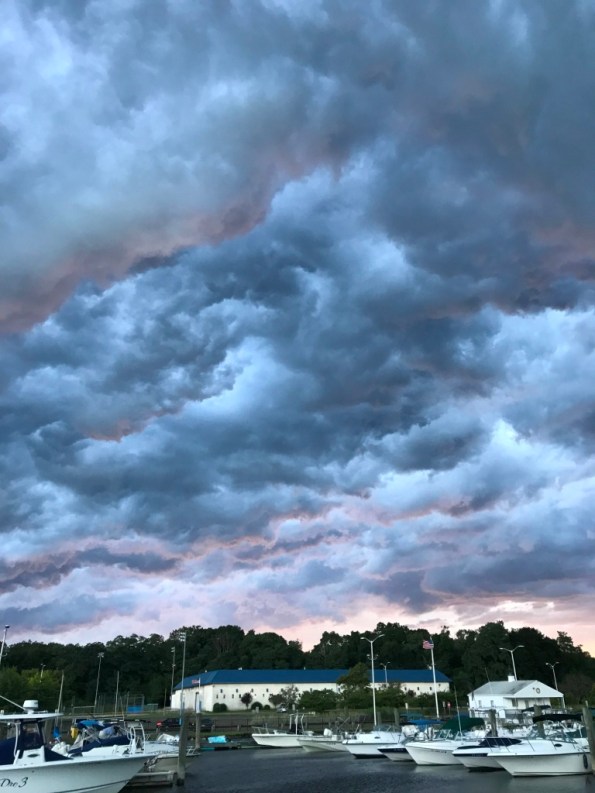
Mother Nature, Unbound
I love photography. If you flip through the pages of this blog, you will see lots of pictures – I enjoy taking the pictures, and I enjoy sharing them.
Yes, this is a wine blog, and so most of the pictures here are related to either wine and food. Most, but not all – as, for example, will be this post.
I rarely take pictures of people – or even if I do, I rarely share them publicly. Nature, on the other hand, might be my most favorite subject, both for taking the pictures and for sharing them.
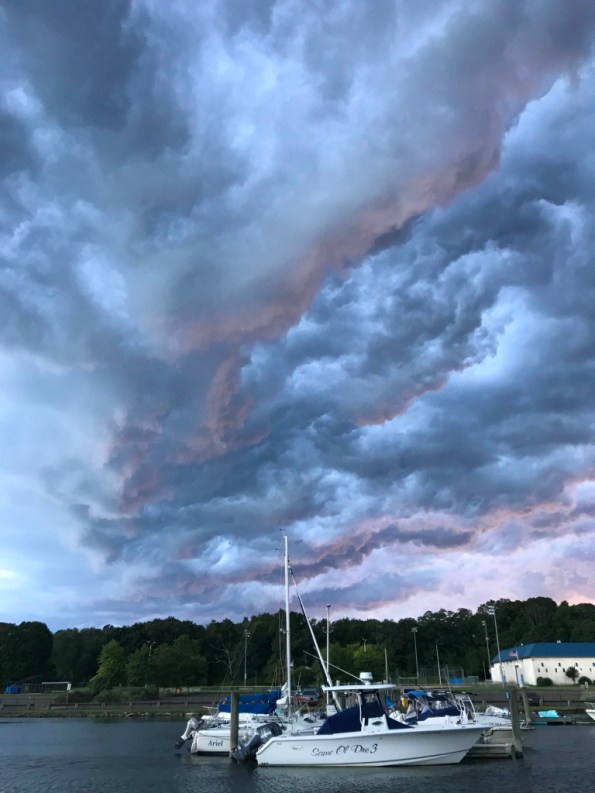
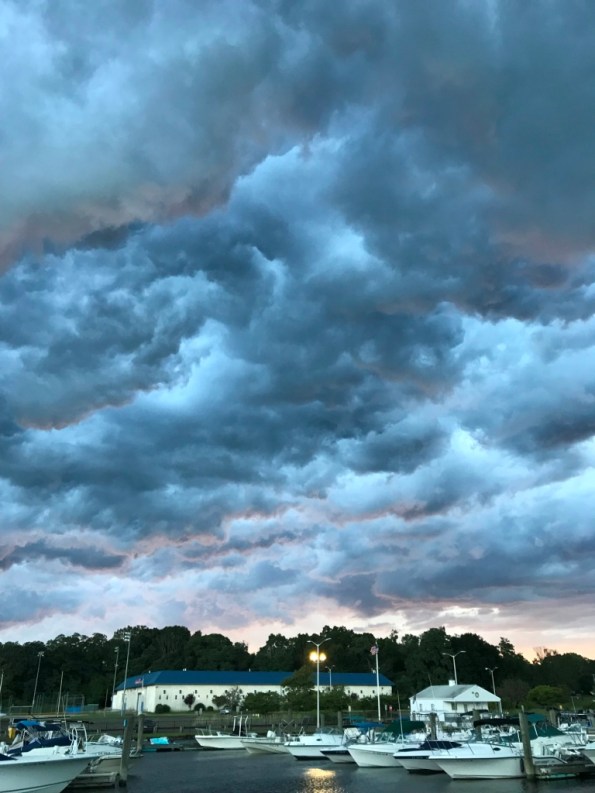
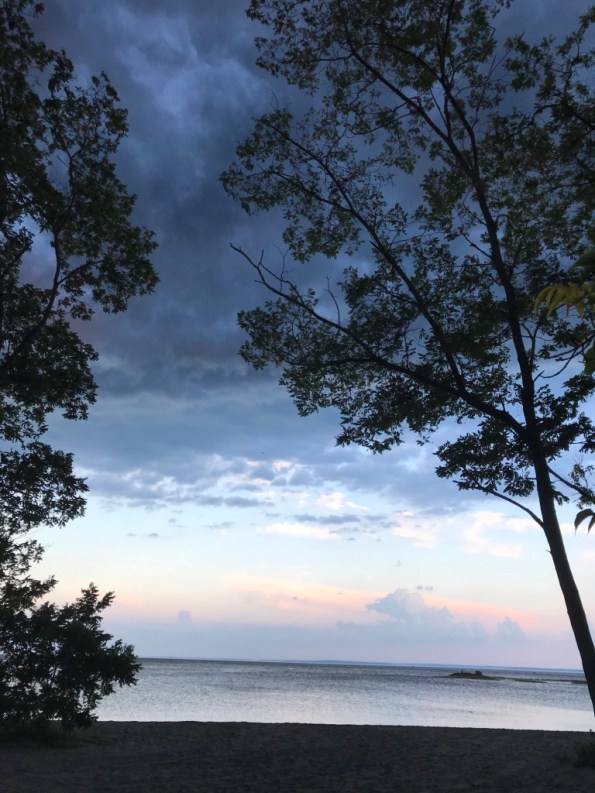
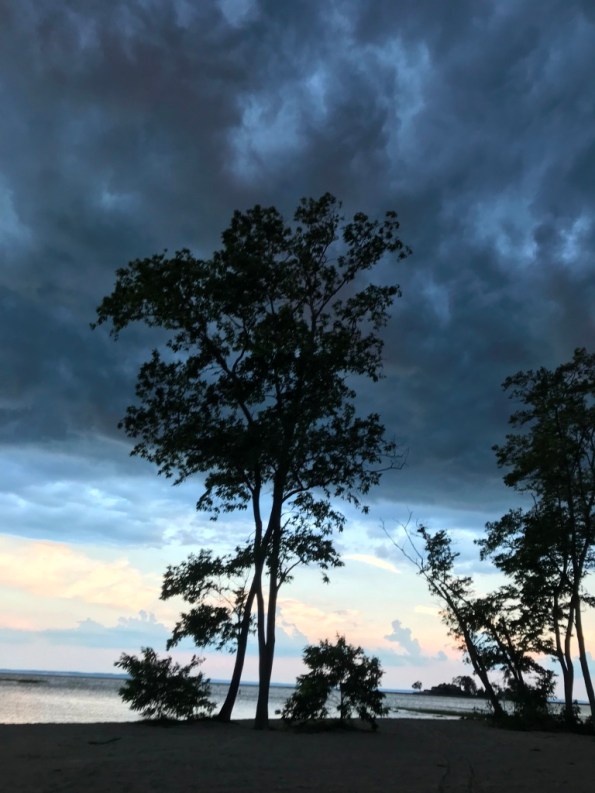
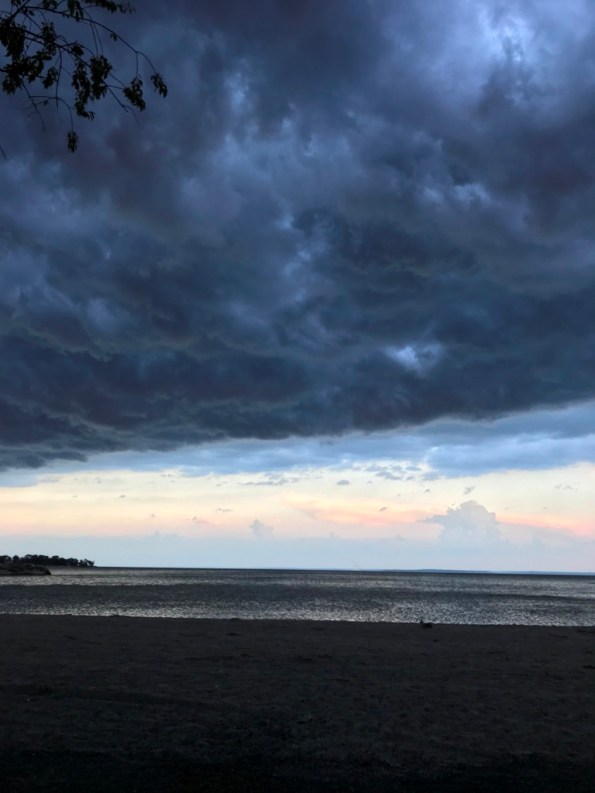
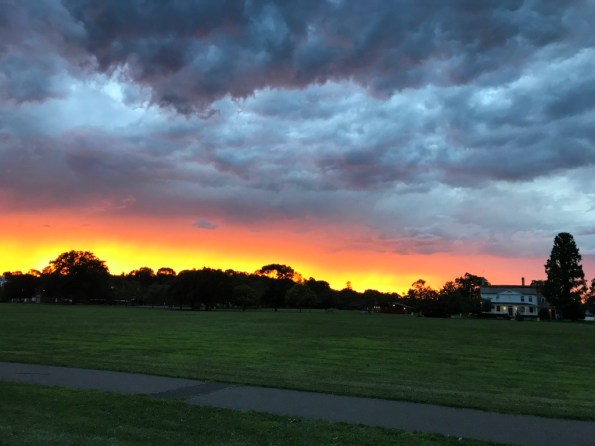
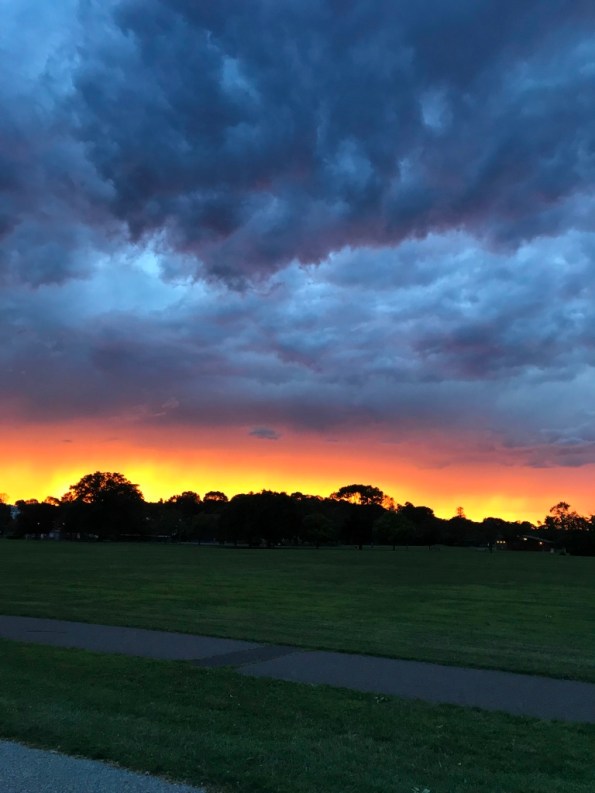
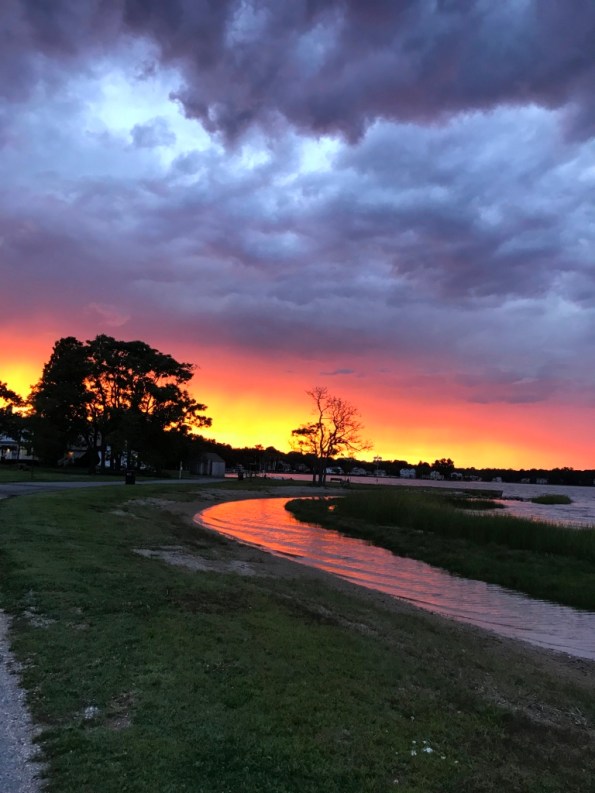
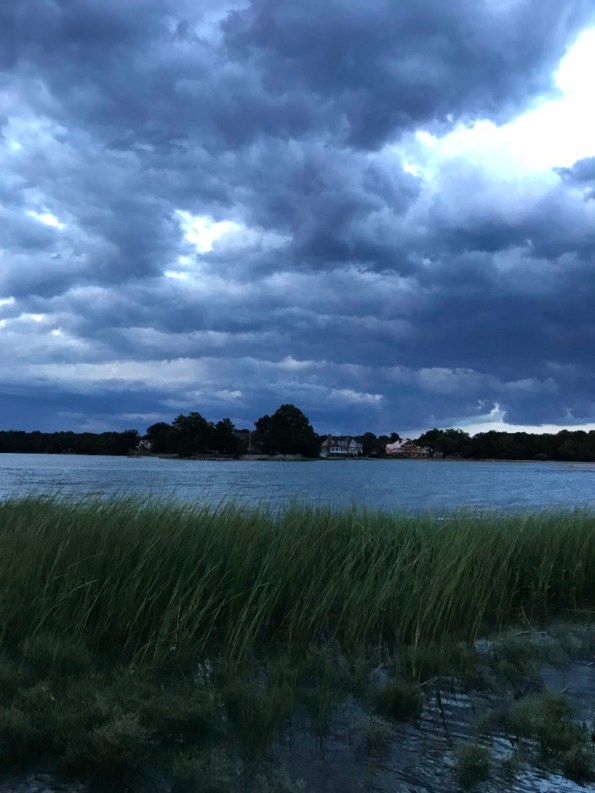
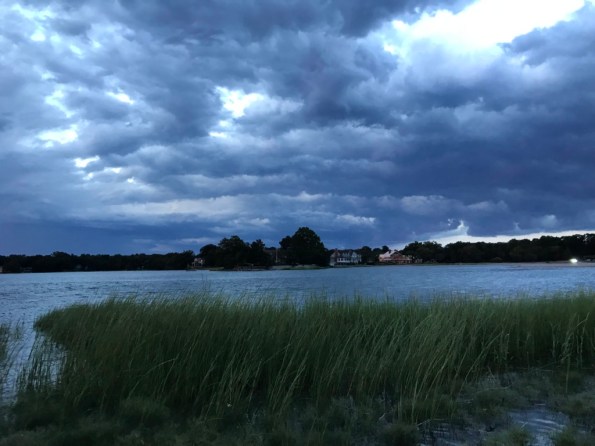
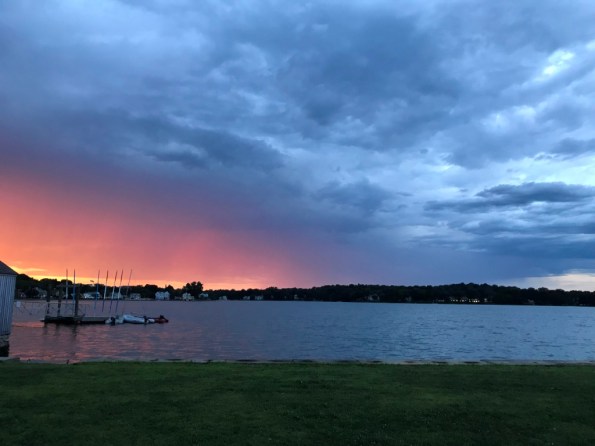
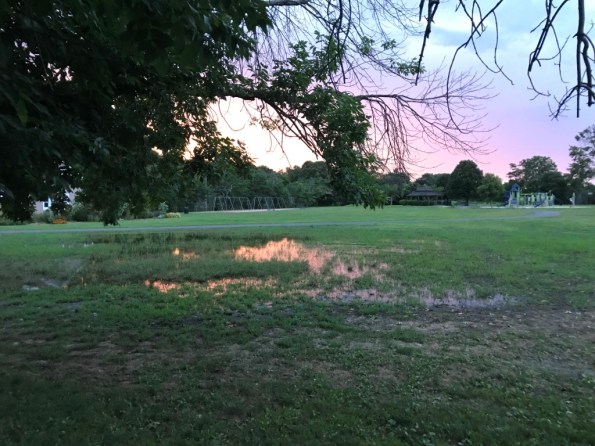
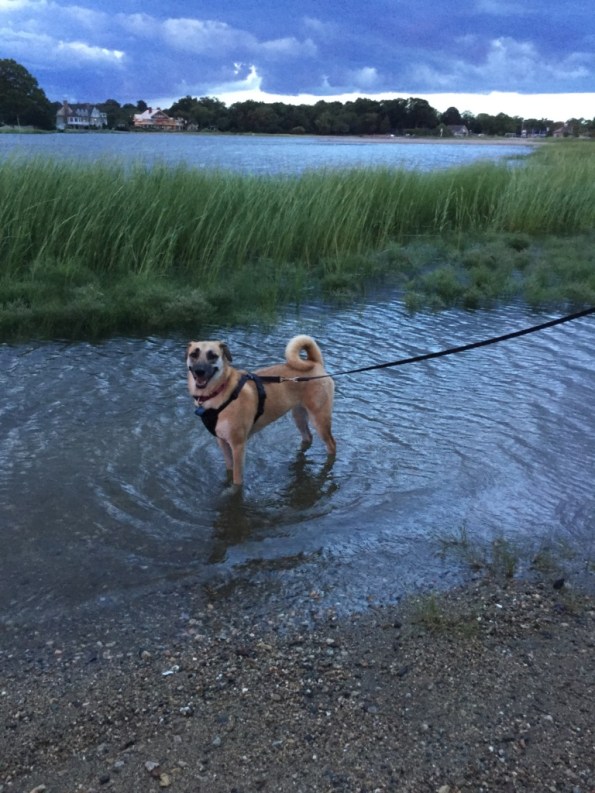
Yesterday we needed to take a trip downtown Stamford in the evening, and then the thought was – why don’t we take the dog down to the beach for a walk?
Oh my… Once we arrived at the beach, for the next 30 minutes or so, we couldn’t stop looking and looking around, trying to fully appreciate and take in one of the most magnificent spectacles ever put out by Mother Nature (okay, yes, I’m going too far – she does it every day, non-stop around the world, but still). I often tell people that Mother Nature is a true and original artist, I just try my best to capture her creations and share them with the world.
I usually prefer to convey my own vision of the same Mother Nature’s act in my pictures (read – edit them), but yesterday’s performance was so perfect that I’m just sharing it as is, not edited at all – #nofilter as we like to say.
Enjoy!


How To Buy Wine At Auction
* * * This is a sponsored post * * *
Buying at auction is great for many reasons – it’s sustainable, it’s timely, there’s huge range, and there’s plenty of quality – but beyond the purchasing of artworks, jewelry, furniture and collectibles, auctions are particularly great for acquiring wine.
Though many wine connoisseurs and collectors may not know it, top quality wine is available at a fraction of the cost and in large quantities at auction. Whether it’s the wine of France, Italy or Spain that takes your fancy, or whether the New World (New Zealand, Australia, South Africa, US, South America) is your ultimate preference, you can find wine in all shapes, tastes and forms at auction. The best place to find wine is through the search service Barnebys, where you’ll find thousands of online auctions at any one time and you can actively bid on these auctions from your computer, wherever you may be.
Consider yourself a wine collector? Find out what your collection is worth with ValueMyStuff, where you will receive a valuation of your item(s) within either 24 or 48 hours. If you’re interested in selling your collection at auction, ValueMyStuff can put you in touch with the right house.
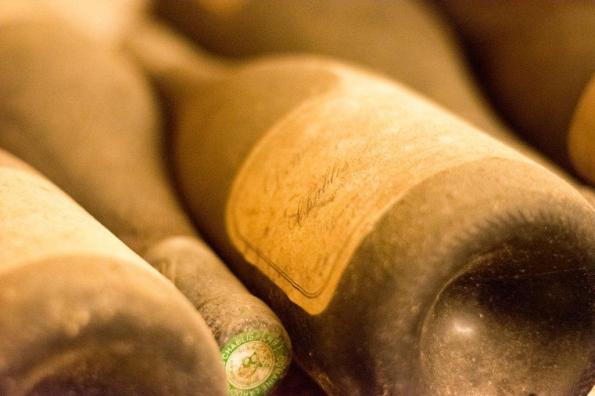
Photo: Marco Mornati
There are a few tips you should know before entering the auction room, however, whether it’s online or in person. Here’s our guide to purchasing wine at auction:
Try something new
If you go to a specific vineyard for a tasting, you’re limited to that vineyard’s own range and produce. However, buying at auction provides access to all kinds of variety and wine from across the world. Auctions are the perfect chance to let your tastebuds fly and to try something new, particularly as each bottle comes at a fraction of the cost of that from a wholesaler or retailer. Mix up your usual order with something daring – it may just end up being the perfect component to your next dinner party.
Photo: Scott Warman
Do your research
Particularly if it’s an old wine, make sure you ask about provenance and condition. It’s okay to be nosey, and don’t worry about being a nuisance – it’s your right to ask these kinds of questions. Auctions are the best place to source hard-to-find or niche vintages, and you shouldn’t shy away from older wines, but be sure to understand the condition of the bottles. Other things to consider are not only the age of the wine, but also the label, the cap, the capsule, the origin, how’s it’s been stored, and at what price it’s selling for elsewhere.

Photo: Barnebys/Bukowskis
Expect to pay a buyer’s premium
Remember, the price you bid on at auction – the amount that goes down with the hammer – isn’t the final price as it doesn’t include all costs. You need to factor in the auction house’s buyer’s premium (it’s typically around 20%, but this is at the house’s discretion so be sure to ask beforehand). There may also be charges such as duty or VAT, and, if the auction house isn’t near your home, you’ll need to factor in extra costs such as shipping and transportation.
Photo: Jeff Burrows
Bid
Bidding for wine at auction is exactly like bidding on art, jewelry or antiques, but, as always, it’s best to ask questions as each auction house is unique. You’ll need to register for the auction, place your (maximum) bid, and, if you’re successful, pay any extra costs before collecting your item(s) or arranging transport. Buying at auction may seem intimidating, but it needn’t be: it’s just like online shopping, except you’re purchasing against a few other people and you’re vying for the best price. It’s all about timing: bid early and stake your claim, or wait it out and swoop in at the last minute.
And all this is made easy with Barnebys, where you can search all wines available at auction across the world. Filter by price, location or auction date – and start bidding and adding to your collection today!
Last Bottle Sign Up ($10 credit)




 Talk-A-Vino