Archive
Judging Wine, Discovering Wine
Come May, I start looking for the one specific email. An invitation from Debbie Gioquindo to be the judge at the Hudson Valley Wine and Spirits competition.
Now practically a tradition (which will be ending this year, sigh), it started about 8 years ago when I got this invitation for the first time. Ever since, I’ve always looked forward to the first Saturday in September after Labor Day, to take an 80-mile scenic drive to Rhinebeck, New York, where the Hudson Valley Food and Wine Festival had been held for the past 20 years.
For 18 out of those 20 years, Hudson Valley Wine Competition (expanded in 2011 to include spirits, thus becoming Hudson Valley Wine and Spirits Competition) had been an indelible part of the festival. Wine and spirit producers who are located in the Hudson Valley Region in New York submit their wines and spirits to be evaluated blindly by the judging panel to identify the best wines and spirits produced in the Hudson Valley (if you are interested, you can find all the details here).
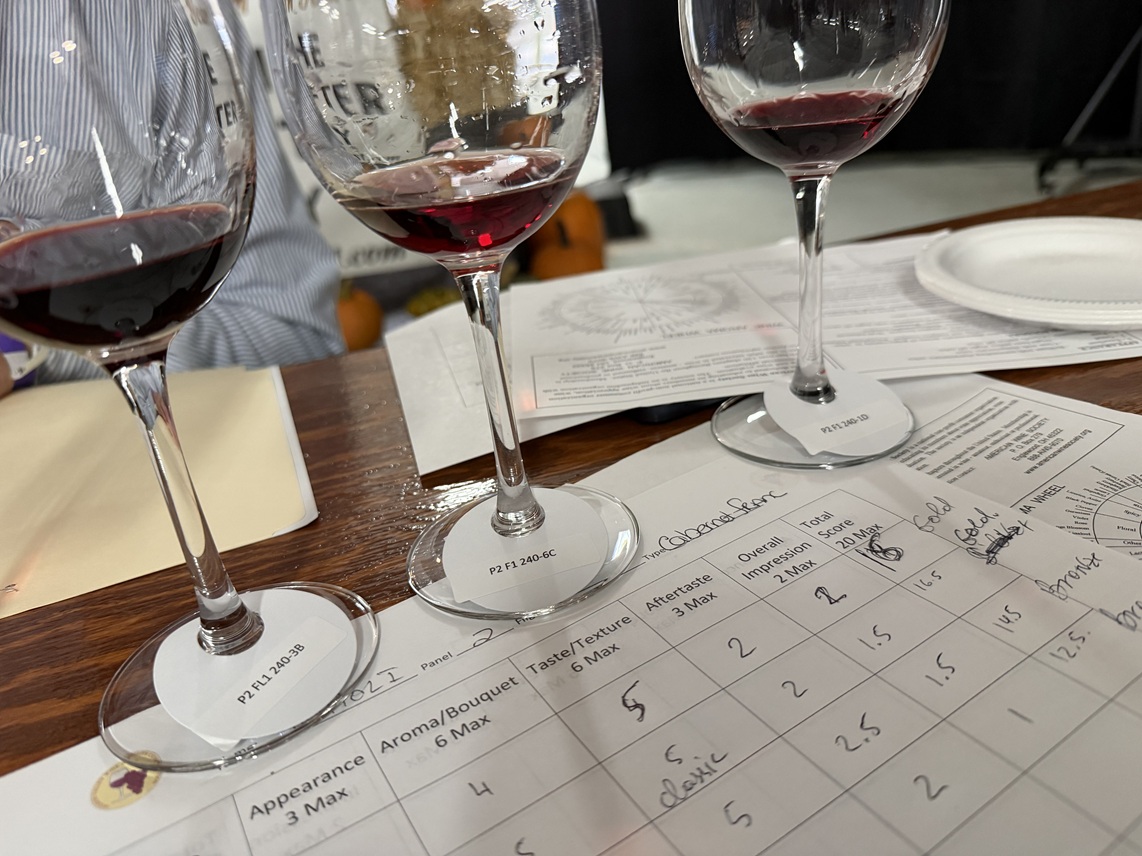
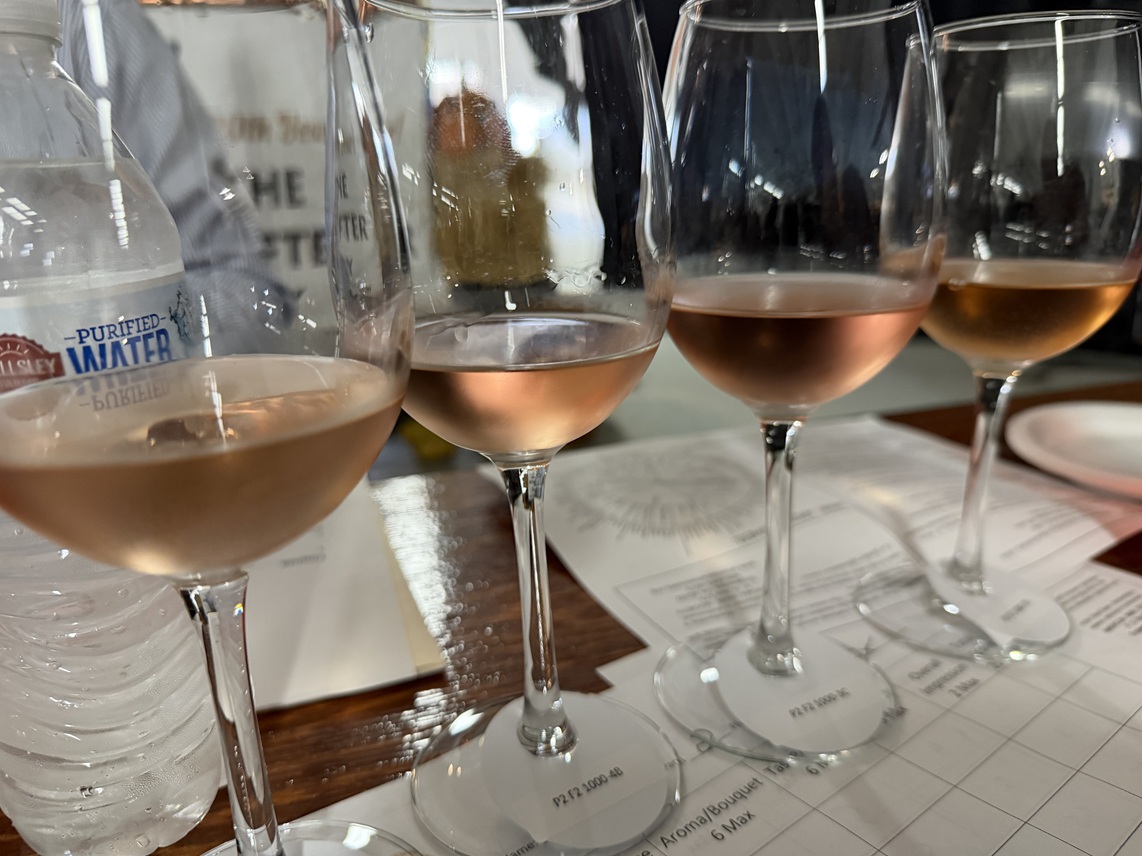
Judging wines is always a fun project. We are doing this using the American Wine Society wine evaluation chart, where each wine can be awarded up to 20 points divided into a number of categories. Once individual tasting rounds are done, the best wines are judged together to decide on the best in show and best wine in different categories. If you are curious about the detailed results, here you can find the results from each year the competition has been run, and here are the results from the 2026 competition.
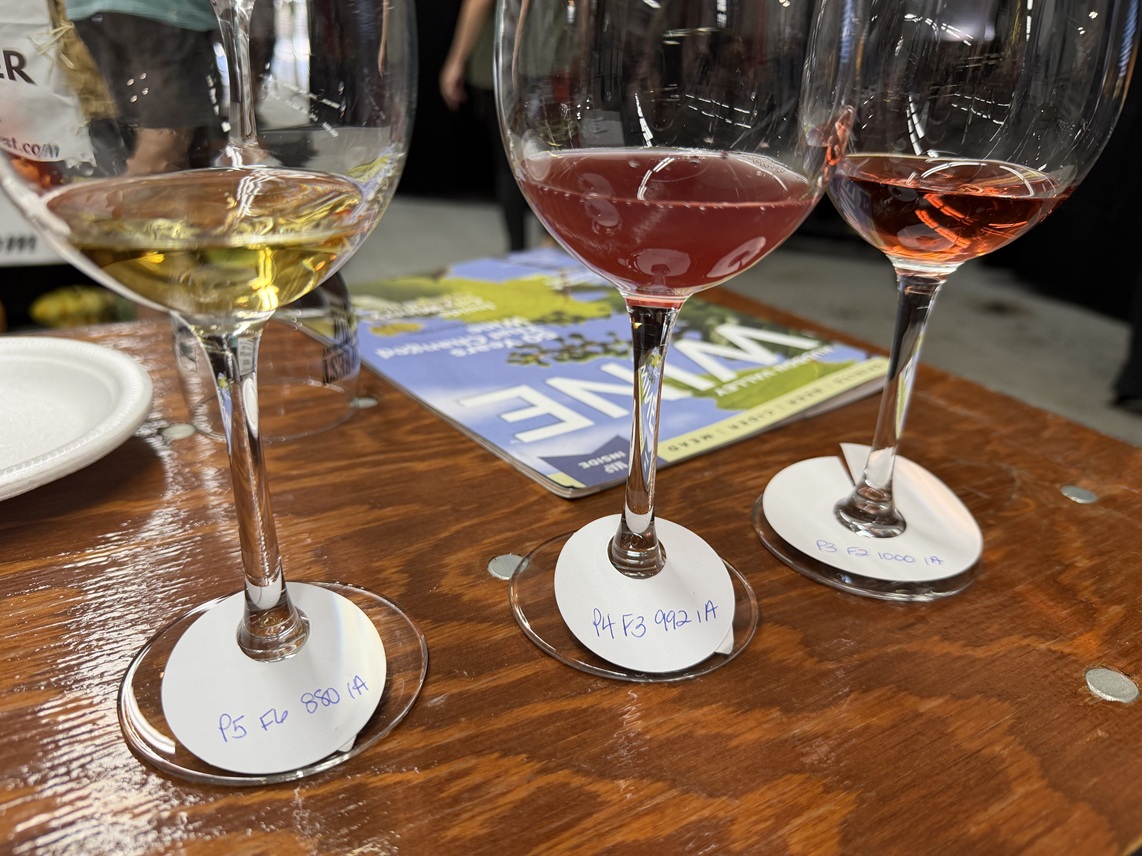
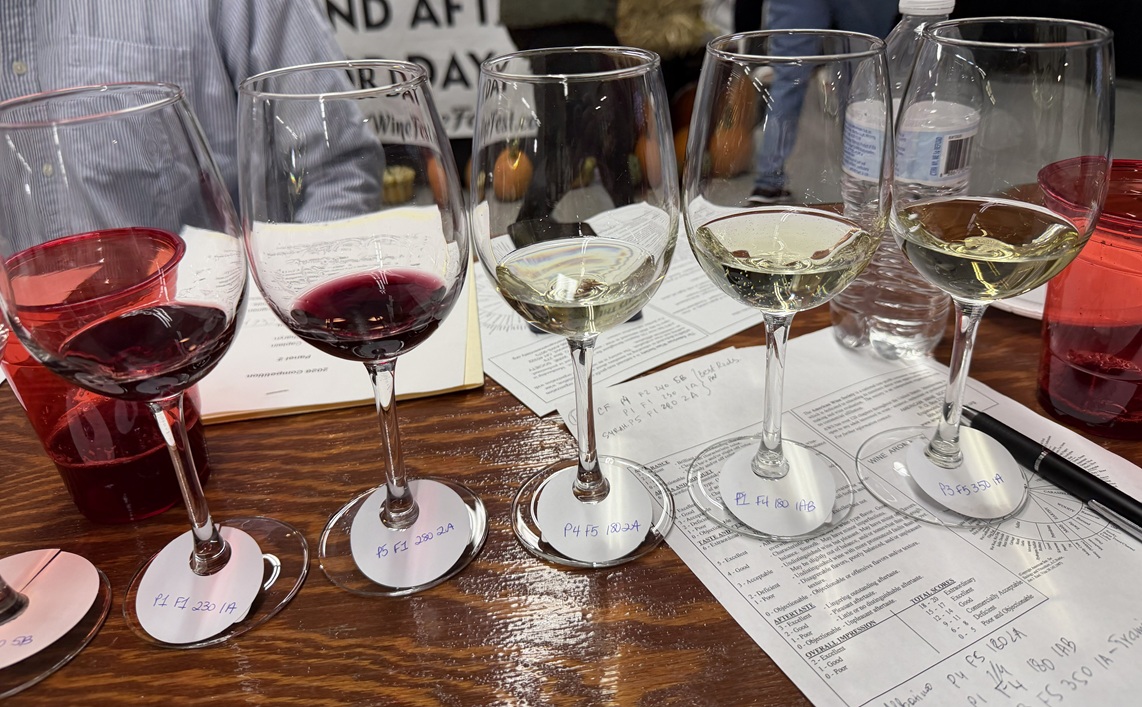
Here is an interesting tidbit. I had been judging wines at the Hudson Valley Wines Competition for a while. All the judging is done in small groups, judging panels (3 people), going through the flights of wines. The only information known about the wines is the grape composition. Sometimes, the same type of wines – for example, Cabernet Franc wines, a flagship red from Hudson Valley, usually judged independently from other reds – can be split between different panels. Here is where the judging process can falter. Judges always reach consensus within a panel when deciding on the scores and awards. But if one of the panels is more forceful than the other (e.g., consistently scoring the wines higher), the end result might be unexpected – the winning wine might not be objectively better (yeah, I know, that sounds bad, wine is subjective, there is nothing objective about wine, and yet this is the only way I can put it) than the wines judged by the less forceful panel… Such was the case this time, but oh well, what’s done is done…
Speaking about my favorites from the wines participating in the 2026 Hudson Valley wine competition, I had a few.


2025 Benmarl Winery Pétillant Naturel of Cabernet Franc, which won the Best Sparkling award, was simply excellent – refreshing, vibrant, and balanced. 2024 Robibero Estate Grown Syrah Hudson River Region was textbook perfect – dark fruit and pepper, a delicious (and my most favorite) expression of the Northern Rhône’s favorite grape. Lastly, 2023 Red Maple Vineyard Ethos, a blend of Cabernet Franc, Merlot, and Cabernet Sauvignon, offered an excellent rendition of classic Bordeaux Claret, with cassis and eucalyptus, round and well balanced.
Done with judging, let’s talk about discoveries. One of the fun parts of judging the wines at the Hudson Valley Food and Wine Festival is an opportunity to walk around the floor, taste sauces, jerky, candies, etc. (I have done none of it this year), and taste some wines.
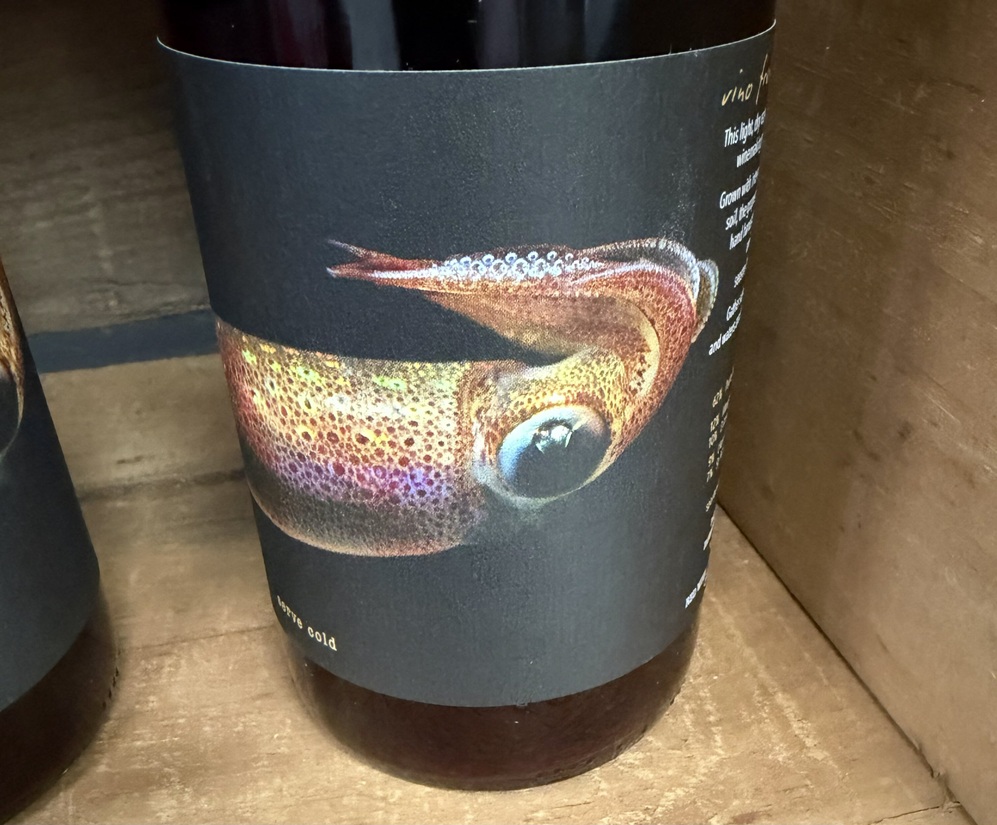
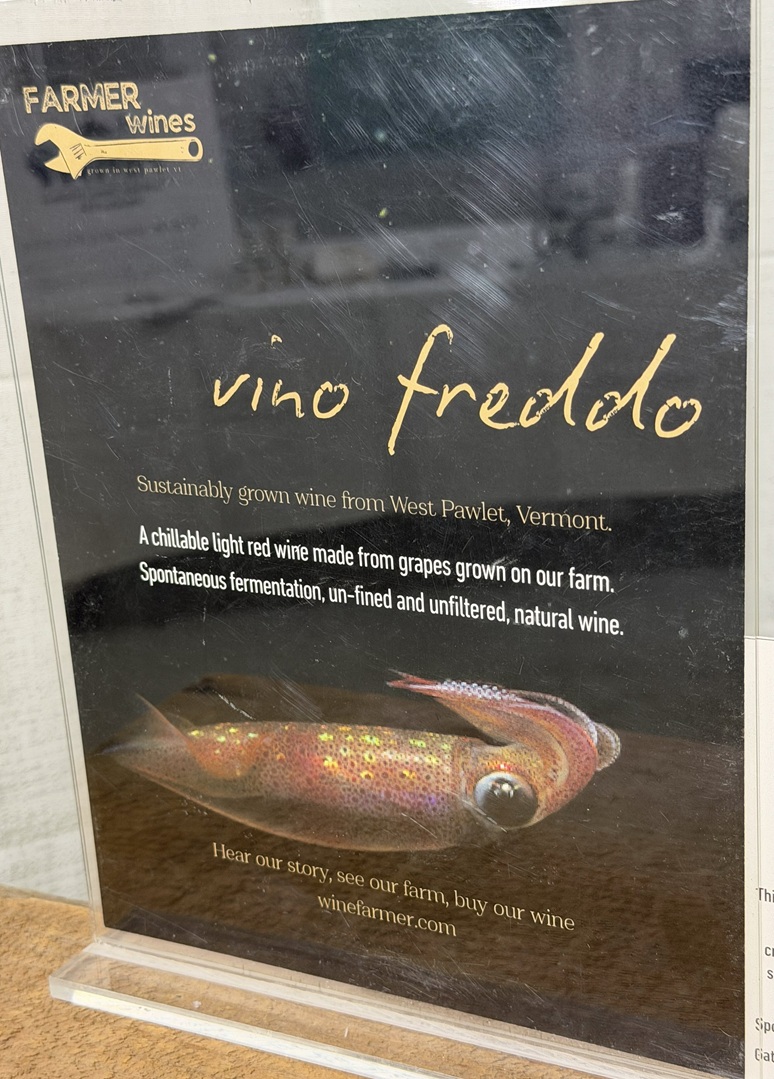
When I saw the stand with the wine from Vermont called Vino Freddo, especially after reading the list of grape varieties in the wine (62% Petite Pearl, 12% Marquette, 10% Crimson Pearl, 9% L’Acadie Blanc, 7% St. Pepin), I basically had two competing thoughts: “I must try it, there are at least 5 grape varieties I never tasted before, a great opportunity to advance the lovely grape counter” and “ohhh, this can’t be good…”. So the first thought prevailed, and upon the first sip, another thought floated up “hmmm, this is not bad at all!”. I spoke with Andy Farmer, who made this wine, and he explained that his inspiration for this wine was drawn from the Italian heritage, and Sicily in particular, with the goal of creating a red BBQ wine that can be drunk chilled – and I have to say that the mission was successfully accomplished with the grapes, which can actually grow well in the cold climate. I liked the wine enough to even get the bottle for home, and I plan to enjoy it when the summer comes back.
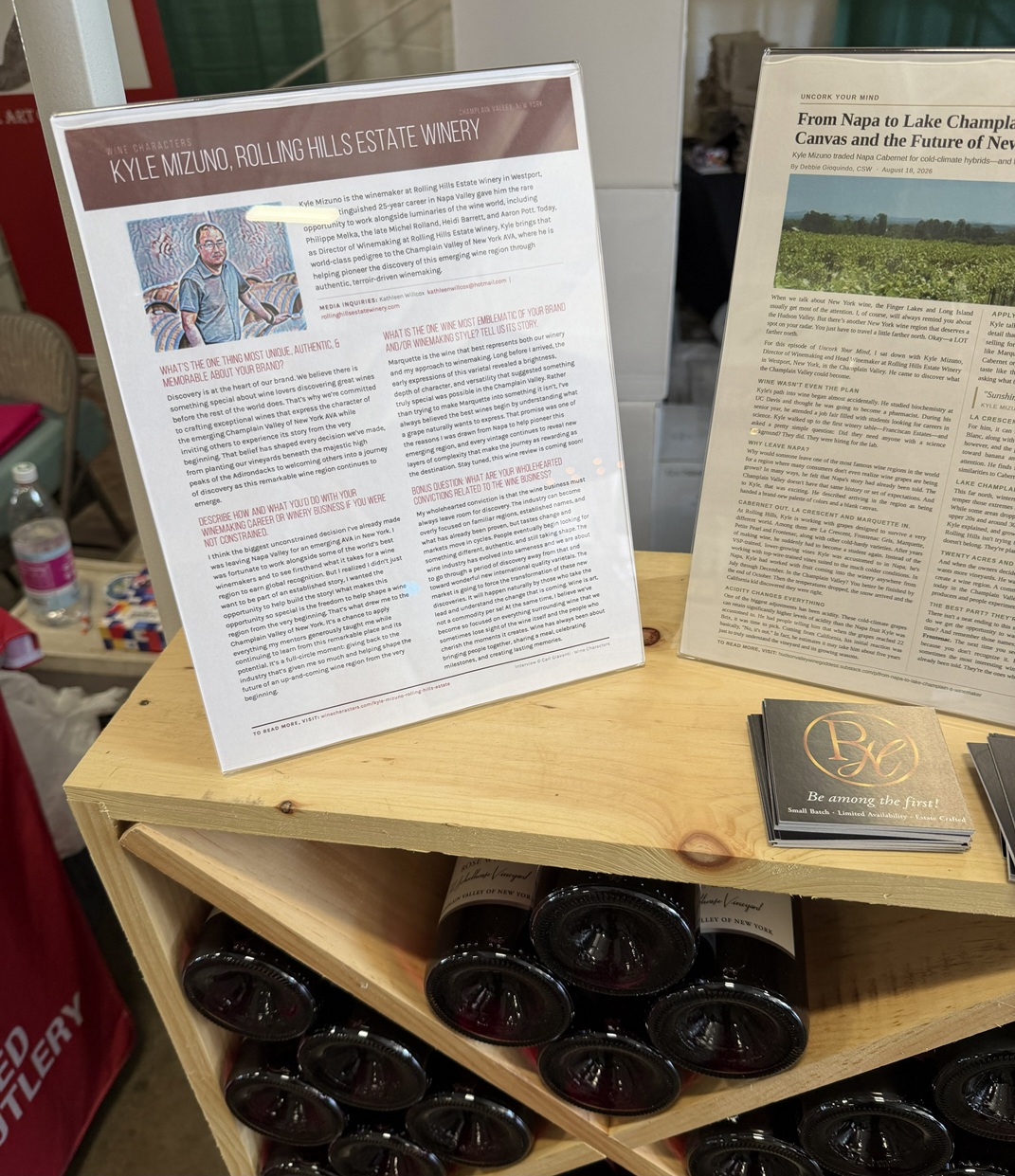
As I continued walking around the floor, I saw another winery stand, and a reprint of the winemaker interview published by Carl Giavanti – those interviews are well recognizable, as Carl uses the Prisma app (or similar) for the picture processing, which gives it a very distinct look. Drawn by the interview, I had to stop by and meet the “subject” of the interview – winemaker Kyle Mizuno – and taste his wines.


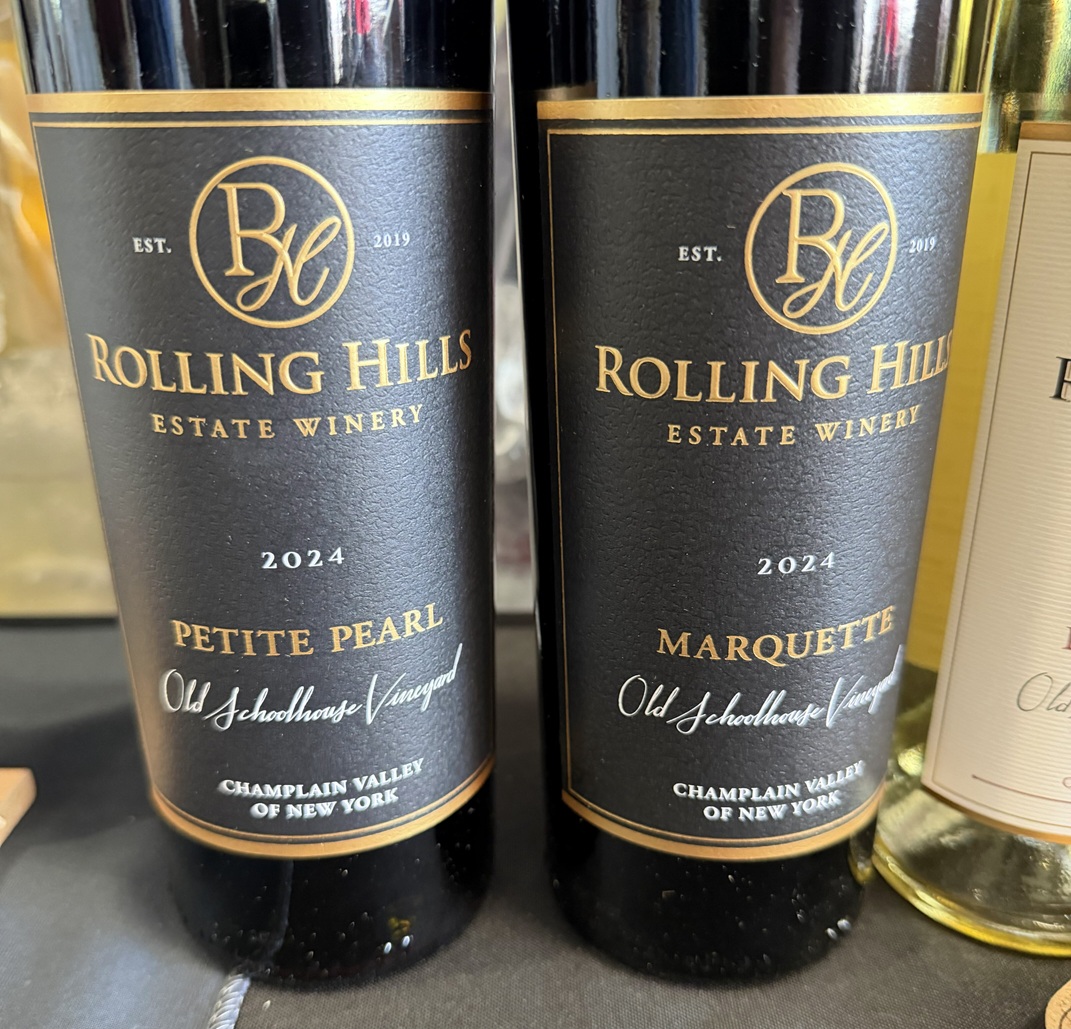
I started with two Rosé wines, both of which were interesting. 2023 Rolling Hills Sabrevois Rosé had a color of light red wine, not much of a pink – this was not my favorite (this wine was not made by the previous winemaker at Rolling Hills). 2025 Rolling Hills Estate Rosé had pretty much the same color (light ruby, if anything), but was a bit more round and drinkable. I also tried 2024 Rolling Hills Marquette, which was a serious wine – dark, brooding, focused, and powerful. After tasting Kyle’s wines, I decided that I should probably do an interview of my own. Kyle graciously agreed, and you should expect to see it soon.
That’s the end of my story about judging and discovering wines (and new grapes!). Until the next time…
Judging Wine
 Let’s do some math. There are about 8,700 wineries in the USA. Some wineries make only 2–3 wines, but this is quite rare. Some wineries make 10, 15 or more, especially if you will take into account all the “winery-only” specials. Let’s average, say, at 10 (I’m sure I’m reasonably conservative here). In this case, we are talking about roughly 87,000 different wines. Produced every year. In the USA alone.
How do we choose the wines? Presented with an average selection of at least a few hundred bottles even at a small wine store, we need all the help we can get to select that one bottle we want to drink tonight. One of such “helpers” is so-called ratings. Ratings are professional wine critics’ opinions, generally expressed in the form of the numbers (points), from 50 to a 100 – 89 points, 95 points, 100 points. Those ratings are produced by several wine publications (magazines and newsletters), such as Wine Spectator, Wine Advocate, Wine Enthusiast, and a few others. Let’s say there are about 4 main publications in the USA (there are lots more, of course, if you will attempt a full count, but let’s just stay with the major ones). Now, to produce the ratings for all 87,000 wines among 4 publications, working 365 days a year (no breaks!), it will be necessary to evaluate about 60 wines per day, every day – and these are just wines from the USA, based on our rough assumption of 10 wines per winery. Mission impossible – and mission unnecessary.
What else is there besides ratings, to help our poor, indecisive selves? Well, how about some awards? If you ever visited some lesser-known wineries – maybe on Long Island, or in Finger Lakes, upstate New York, Pennsylvania, etc – have you noticed a display of the bottles wearing straps with various medals around the neck? Those are the exact awards we are talking about. How the wineries get those? By participation (and winning) at the various wine competitions, in the USA or even in the world.
There are about 70 of major (or better known) wine competitions in the USA, plus probably hundreds of lesser-known, more regional wine competitions. Wineries submit their wines for the competitions. The wines are grouped into the categories (white, blend, Chardonnay, Merlot, Dessert, etc), and get rated in a blind tasting within those categories by the wine judges. The best wines in the categories can subsequently compete for the “best in show”, “best red”, “best dessert” and so on. And then wineries get to brag about their awards and to display the medals, sometimes at the winery, and sometimes even on the labels – I’m sure you’ve seen those.
Wondering how the wine judging is done? Let me give you a first-hand account, as I just attended my second wine competition as a judge – at the Hudson Valley Wine Festival – obviously focused on the wines of Hudson Valley.
As we mentioned, the wines are judged blind, with only a variety (or blend composition) and vintage known for every wine. The wines are split into the categories such as white and Rosé, red, dessert, fruit, and can be split into varieties within the categories, each category presented as a separate flight – for example, Merlot and Cabernet Franc for reds, or Chardonnay and Riesling for the whites. The wines are assessed at the Hudson Valley Wine Festival according to the American Wine Society wine evaluation chart, which you can find in its entirety here. According to that chart, the wine can get the maximum of 20 points comprising of the following categories
- Wine color – up to 3 points. This is an easy one – as long as your 1-year-old dry Riesling is not a deep golden, or not hazy/cloudy, it is 3 points.
- Aroma and bouquet – up to 6 points. The 6 points are awarded if the wine is absolutely on point for the varietal expression.
- Taste and texture – again, up to 6 points. To get 6 points the wine should be varietally perfect.
- Finish – up to 3 points. Here the long and enjoyable is what is required to qualify for 3.
- Overall impression – up to 2 points. Here is an opportunity for a judge to express his or her personal opinion about the wine – nah, okay, or wow.
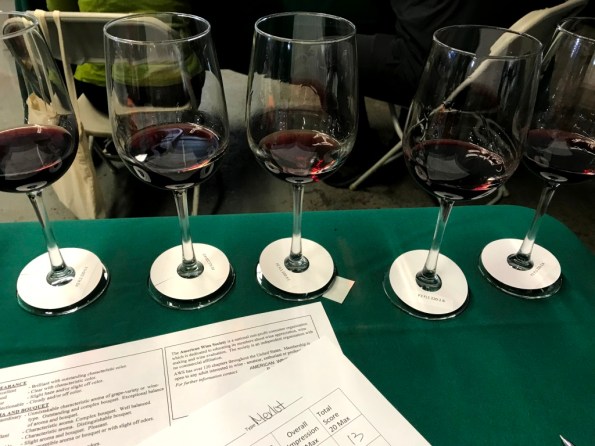
The assessment of the wines done in the flights, where each wine is individually labeled with a code. The judges are working in the groups of 3, with each group having a captain who manages the group’s work and fills up all of the final decision forms. While the wines in the flight had been assessed, all judges keep it quiet and filling up the form. Once the flight’s assessment is finished, the wines are been discussed one by one, to arrive at a final score for the wine. Based on the score and opinion, the recommendations can be made for double gold, gold, silver, and bronze, as well as for the inclusion into the best of show tasting.


Once all the flights are done by all the judges at all tables, the results are processed, which takes about 30 minutes. During this 30 minutes break, it is a perfect opportunity for judges to walk around and see a bit of the show floor before it gets ultra-crowded. Here are some of the pictures of what you can find on the show floor of the Hudson Valley Wine and Food Festival. These are the things which attracted my attention, and I can tell you that the bacon salsa you see below was superb. Both single malt and rye whiskey which you can see below were good, but not $100 good as it was the show’s asking price. And how about those cans and wine labels!


After the break, the final part of the judging is set up – now the wines are judged for the best in category (best red, best white, etc), and then all of the best in categories are included into the “best in show” tasting. Best in category and best in the show are judged by all the judges at all the tables by the show of hands, and each judge can vote only once.

Best in Show tasting flight
An interesting by-product of all the voting is the title of the “winery of the year” for the region – I don’t know the exact formulae, but it is determined by the number of wines awarded the medals, taking into account how many wines were submitted versus how many wines got awards, and the type of those awards – for example, it is better to submit 2 wines, one of which will take double gold, versus 4 wines, out of which 2 will take silver.
That’s all there is to it – now you know all about the wine judging.


Here you can see our list of flights, and some of my notes. I have to honestly tell you that somehow I liked the wines from last year a bit more than the wines from this year – but then last year our red wines flight was Cabernet Franc, and this year it was Merlot – and Hudson Valley produces better Cabernet Franc than Merlot (personal opinion, of course). Also, last year we tasted no DPMs at our table – in case you never heard the term which I learned last year, DPM stands for Don’t Put in your Mouth – and DPM can happen anywhere, it has nothing to do with any particular region. So last year we got lucky, and this year, we were blessed with two – one wine was completely spoiled (can’t describe it, just terrible, like a spoiled fruit), and the second one tasted like it had cheese blended in the wine – as one of the judges said, “I like cheese with my wine, but not in my wine”. Anyway, bad wines happen anywhere in the world – nothing else there is to it.
Overall, however, I have nothing to complain about, it was fun and successful tasting, and we completed our work with no issues.
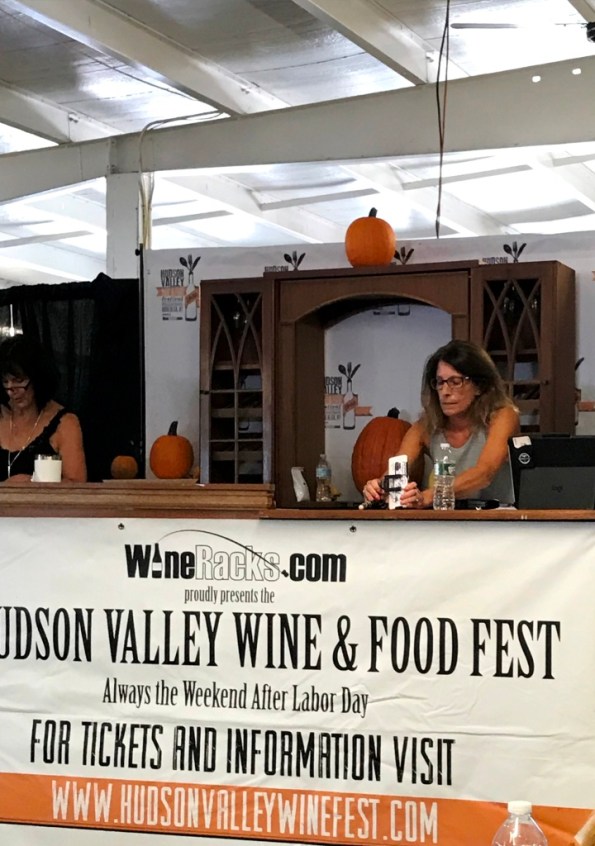
Debbie Gioquindo, Chair of the competition, deep at work
I will not be repeating here all the results – you find them all here, on the website of Debbie Gioquindo, Hudson Valley Wine and Spirits Competition Chairwoman for the past 12 years. For my personal favorites, 2017 Millbrook Castle Hill Vinyard Chardonnay Hudson Valley was absolutely spectacular – it is hard to believe the Chardonnay of such a world quality can be produced in Hudson Valley (I mean no disrespect, but you have to taste this wine to believe it) – perfectly Burgundian with a distant hint of vanilla and butter. 2015 Glorie Farm Winery Cabernet Franc was simply perfect – an excellent rendition of the Cabernet Franc, the grape which Hudson Valley mastered to perfection for a while – and it was the Best in Show wine. And the Baldwin Vineyards Spiced Apple, entered in the fruit wine category, simply blew my mind with its perfect expression of a drool-inducing apple pie – the one you eat with the spoon directly from the tray, and you know you are not supposed to do it, but you can’t stop yourself…


In case you want to see it, here is the aftermath of the competition:

That’s all, my friends. This was definitely a fun experience, and I’m already looking forward to the next year’s event. Cheers!
Last Bottle Sign Up ($10 credit)