Where Did The March Go?
Just like that.
March 2022 is anything but gone.
Last day of the month – where did the whole month go?
Yeah… What’s a month… It is just one month, right? As long as this is not a lifelong sentiment, we can deal with it…
So this particular March happened to be very busy. A weekend trip to Fort Lauderdale for close friends’ daughter’s wedding. A week in Cancun right after. Work trip to Las Vegas for the conference. Month started. Month ended.
My self-directed frustration is largely driven by the fact that I’m getting behind on my blog posting plans – again. Last December I played catch up. I really, really, really would like to avoid the same situation again.
Yes, I said it. Will see.
Before we talk about the wines again on this blog – you know I’m a sucker for sharing my experiences through pictures. So here it comes – our trip to Fort Lauderdale through the pictures. many pictures. Hope you will enjoy. Here it comes…
 First, with the late afternoon departure from La Guardia, we had an opportunity to experience an amazing sunset in flight:


The next morning, we took a trip to Flamingo Garden – here are flowers, birds, and more.
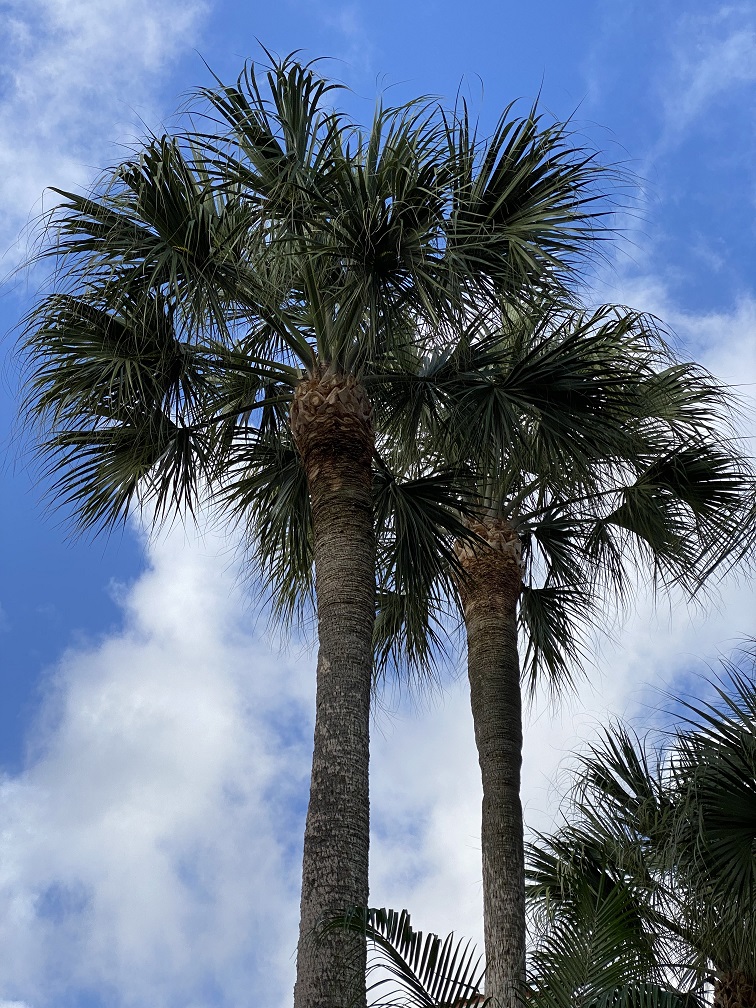


Did we say Flamingo?
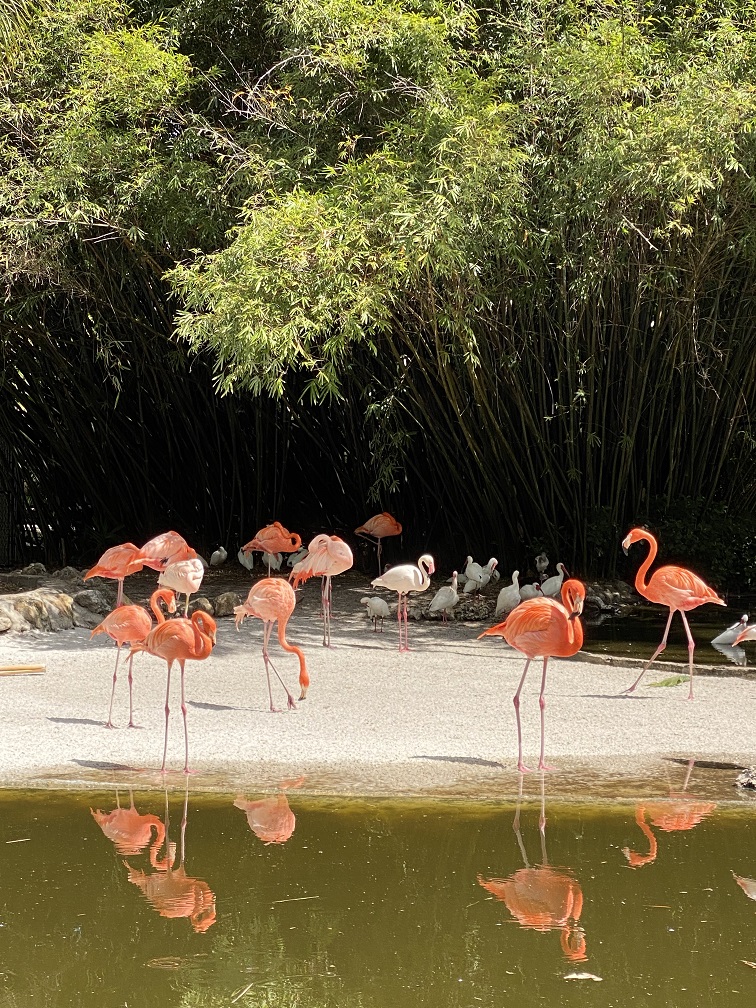
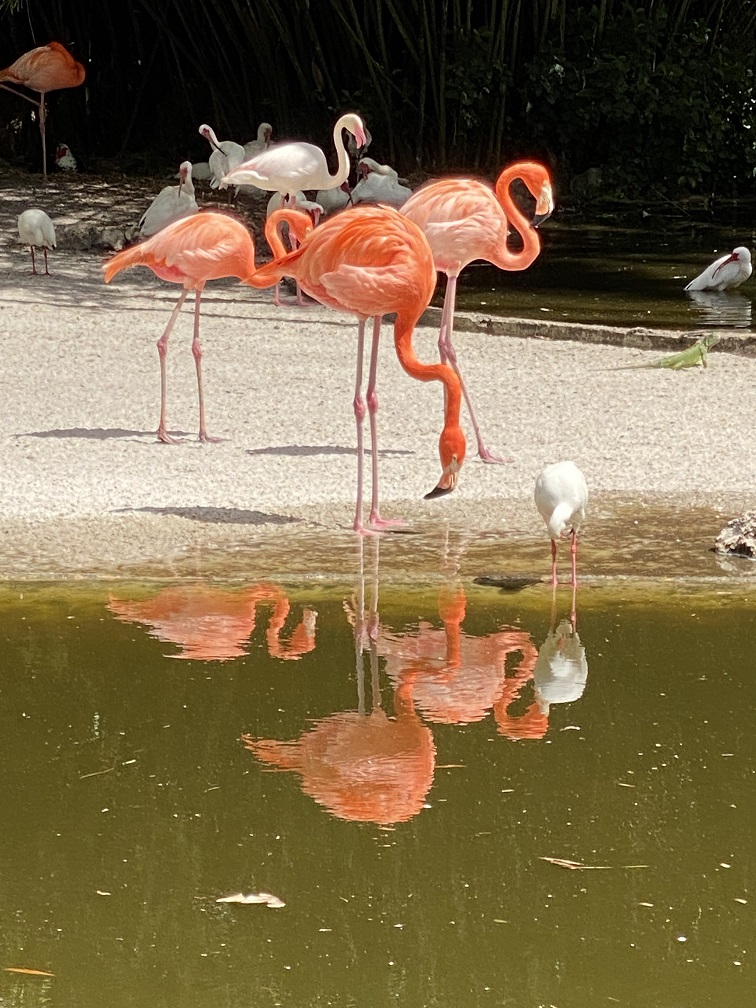
And a few peacocks:
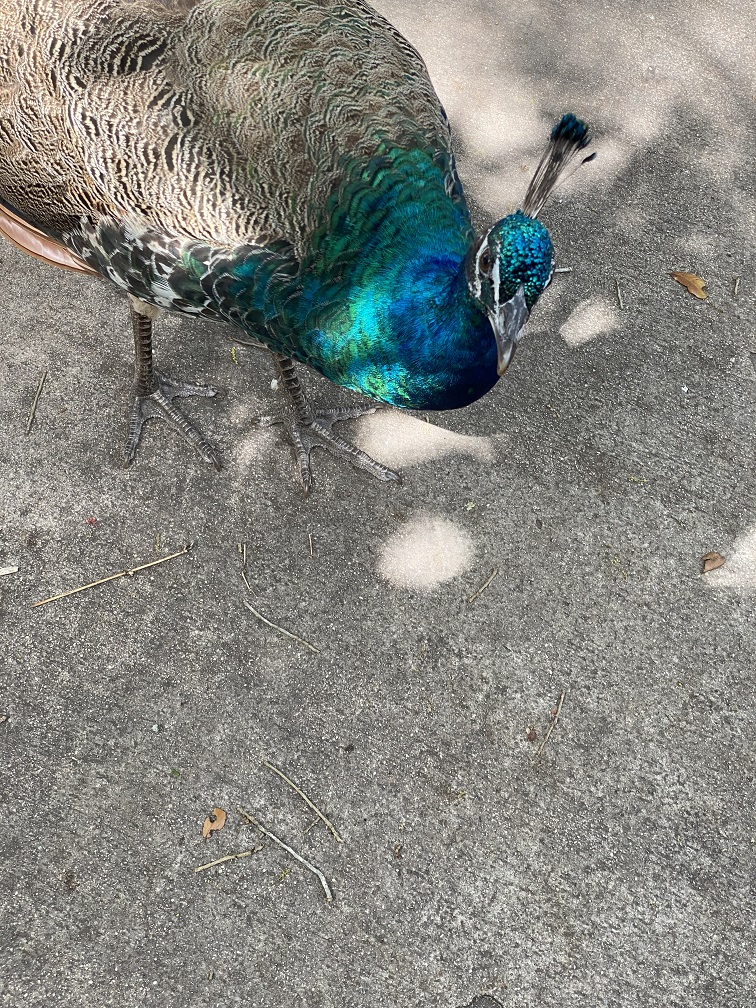


Have you ever seen a peacock like this?
Here are some bees – for the iPhone photography, I’m pretty proud of these pictures:
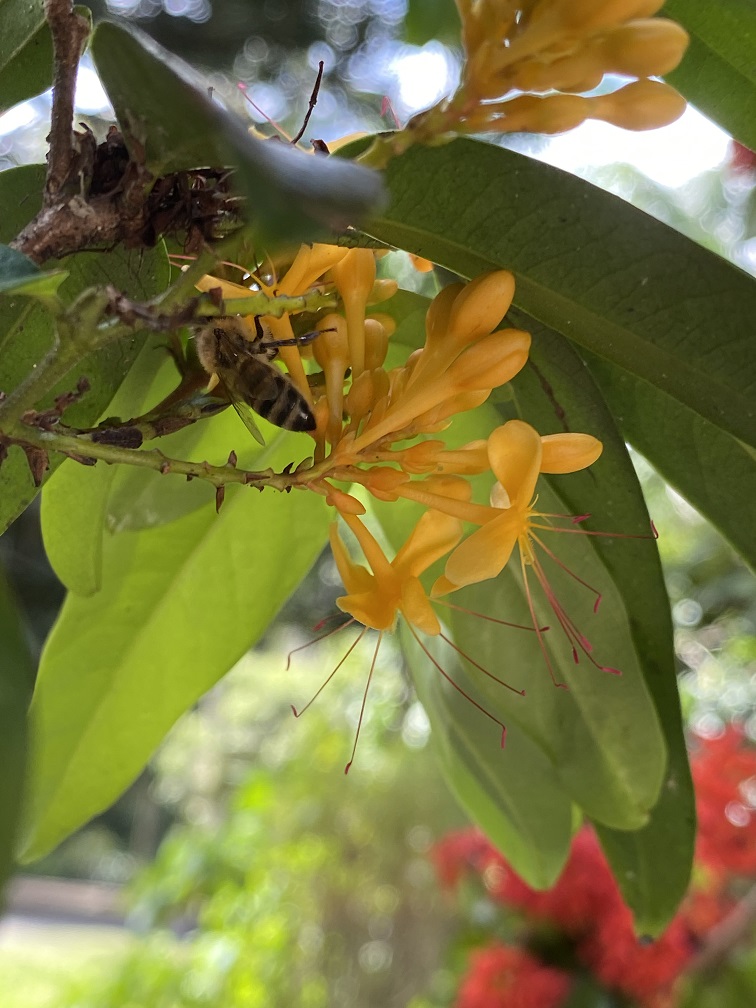
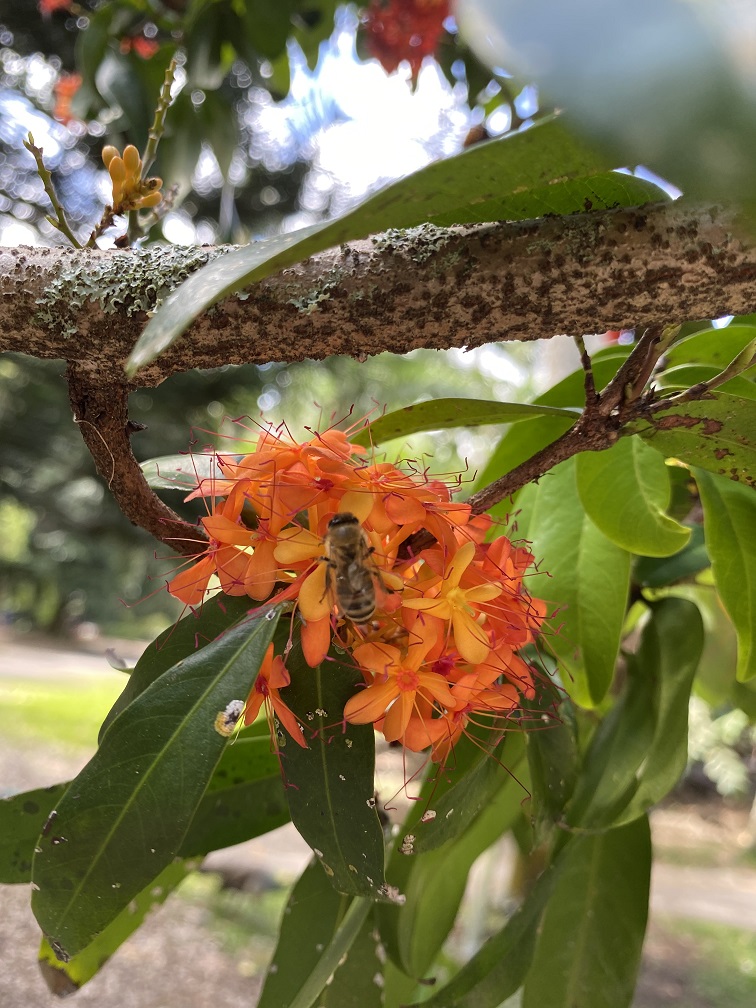
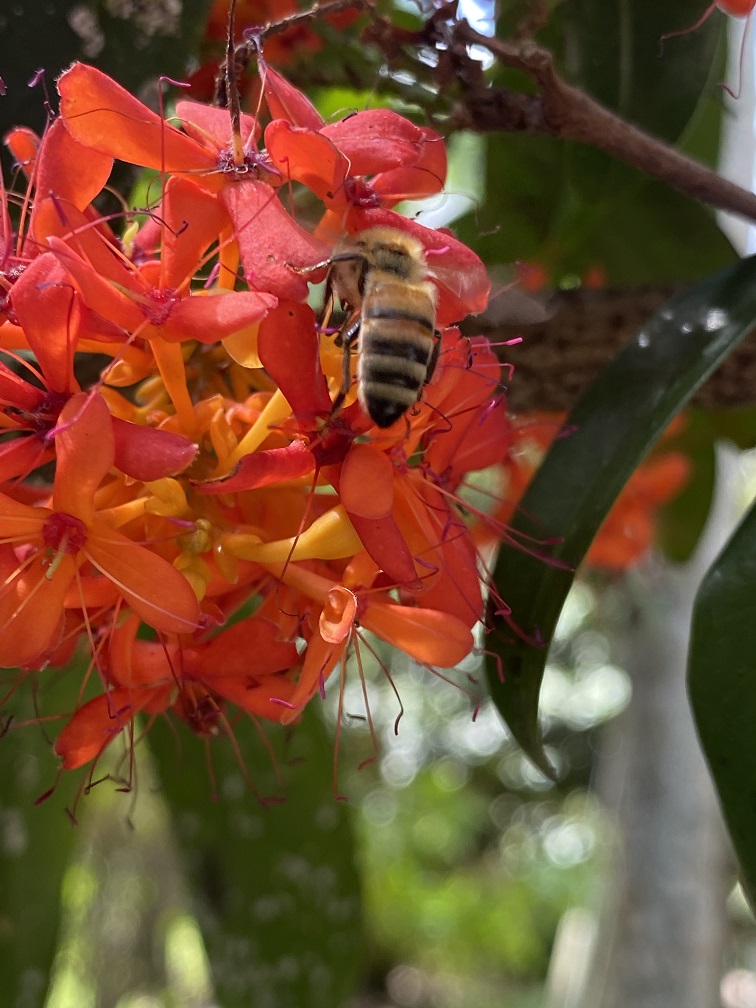
a butterfly (she is perfectly alive, just caged)

and then this…

Yep, this is exactly what you think…In a broad daylight…
We stayed at a great location, Marriott Westin, right on the beach, with some of the best ever views I had from the hotel room:
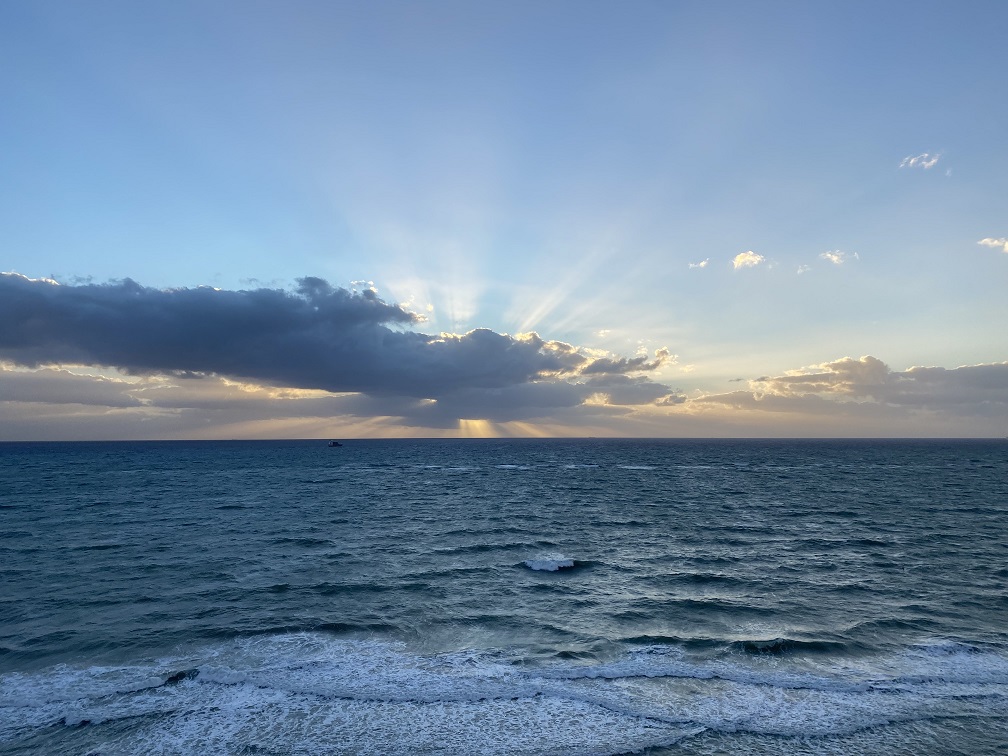
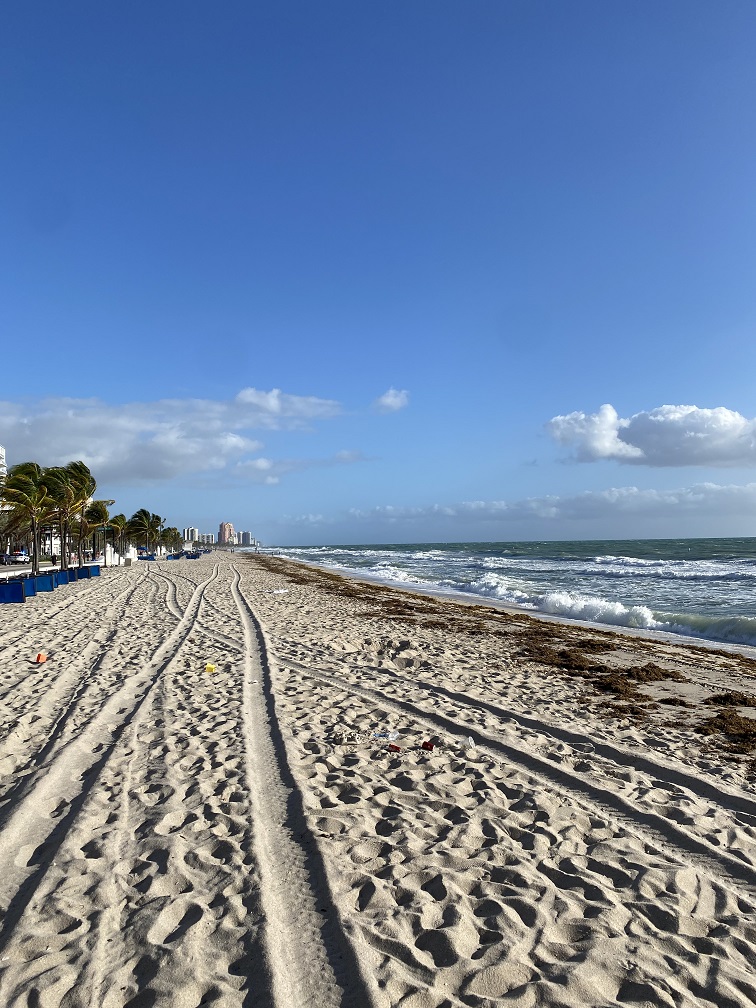
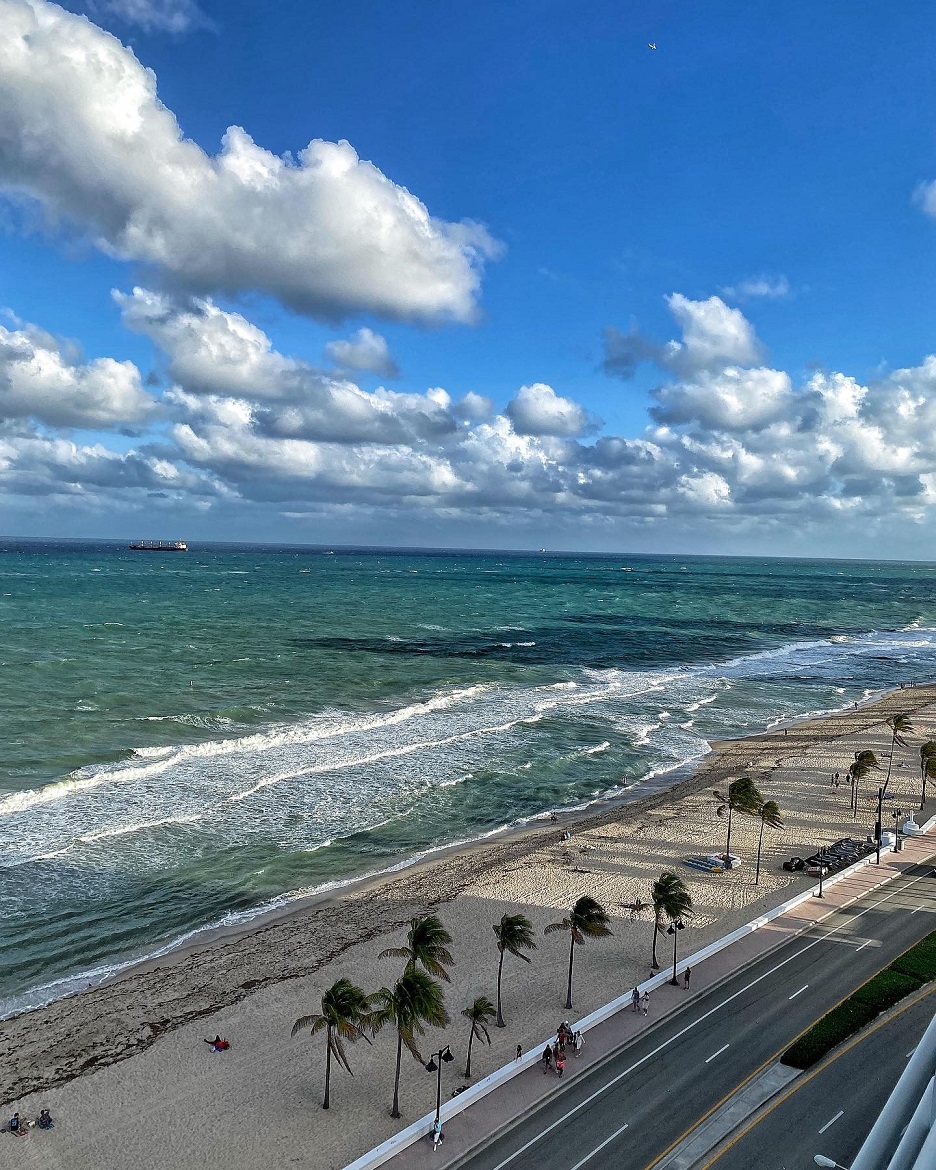
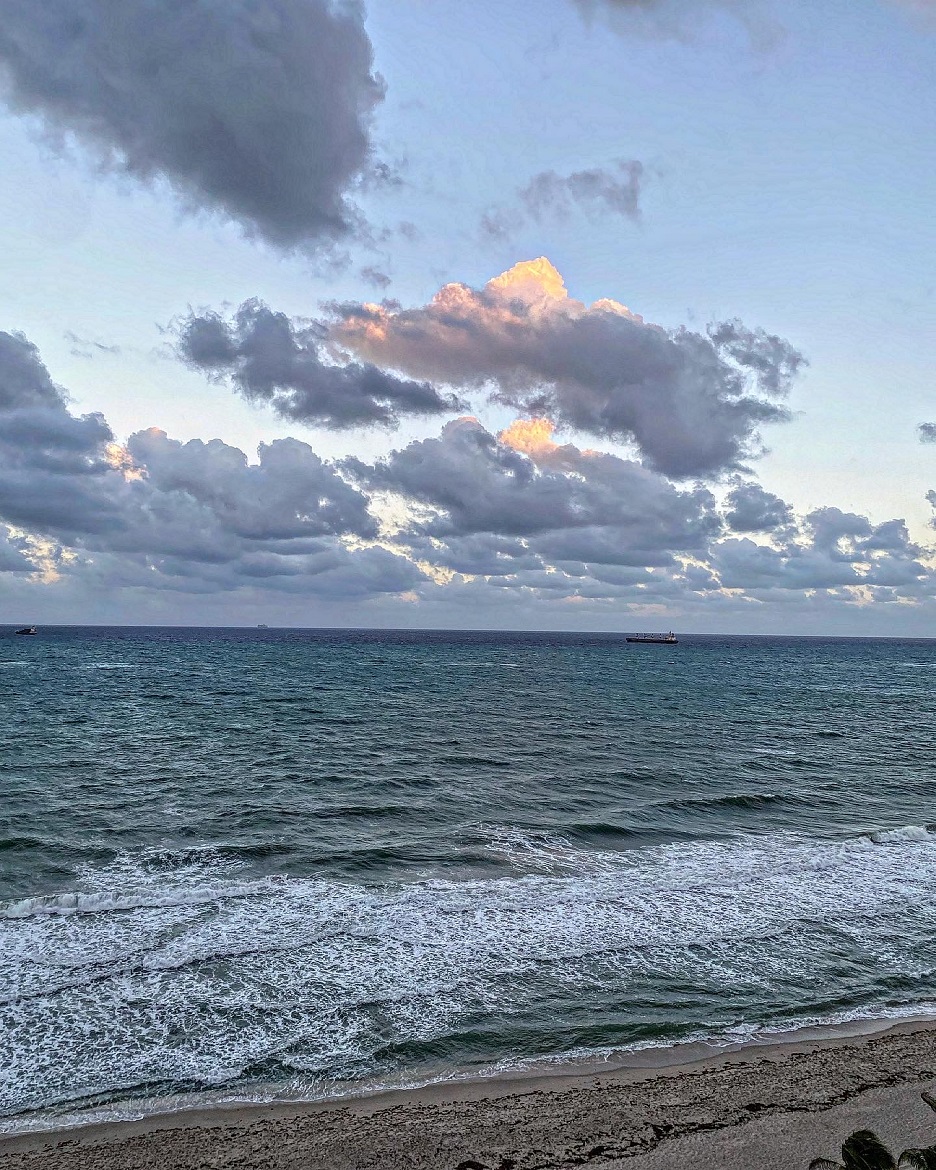 I spent probably 20 minutes in the local Publix, trying to decide on the wine for the evening (we had dinner in the room) – the end result was quite decent:
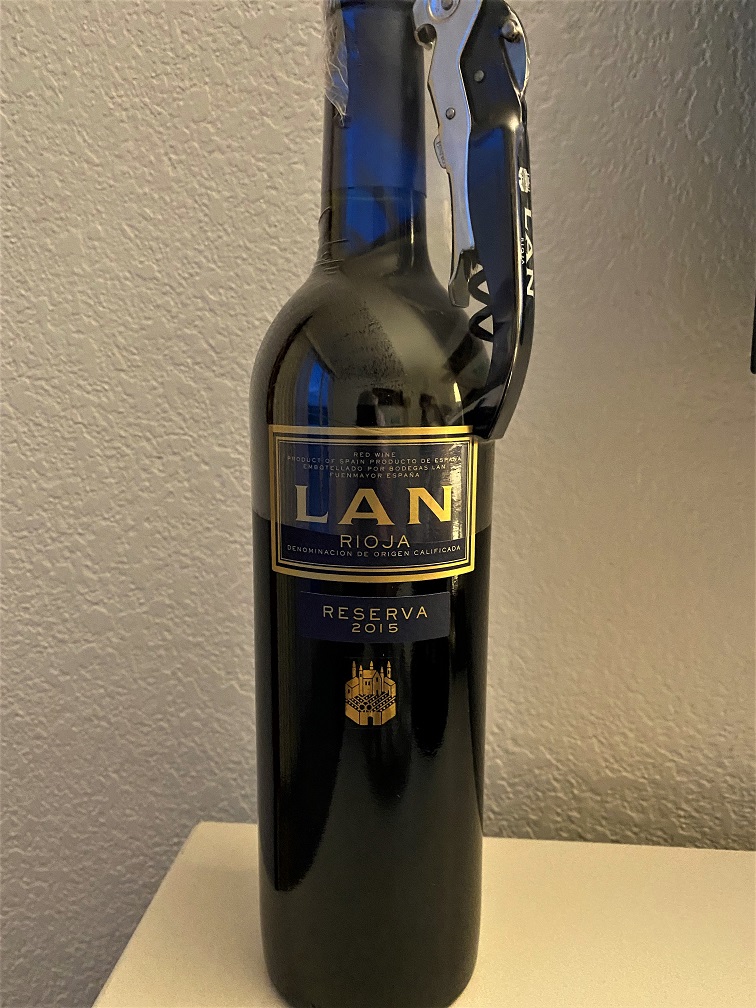 Bodegas Lan Rioja never disappoints – especially if it is a 7-year-old Reserva for under $20. Beautifully integrated, young, and perfectly well structured.
 I love Lodi wines, I love Zinfandel wines, but not a big fan of the Michael David Freakshow wines. But I have to admit that this 2019 Michael David Freakshow Zinfandel was well balanced, blackberry forward, and perfectly attuned to the expectations of the fresh, juicy, and smoky Zinfandel. Two out of two.
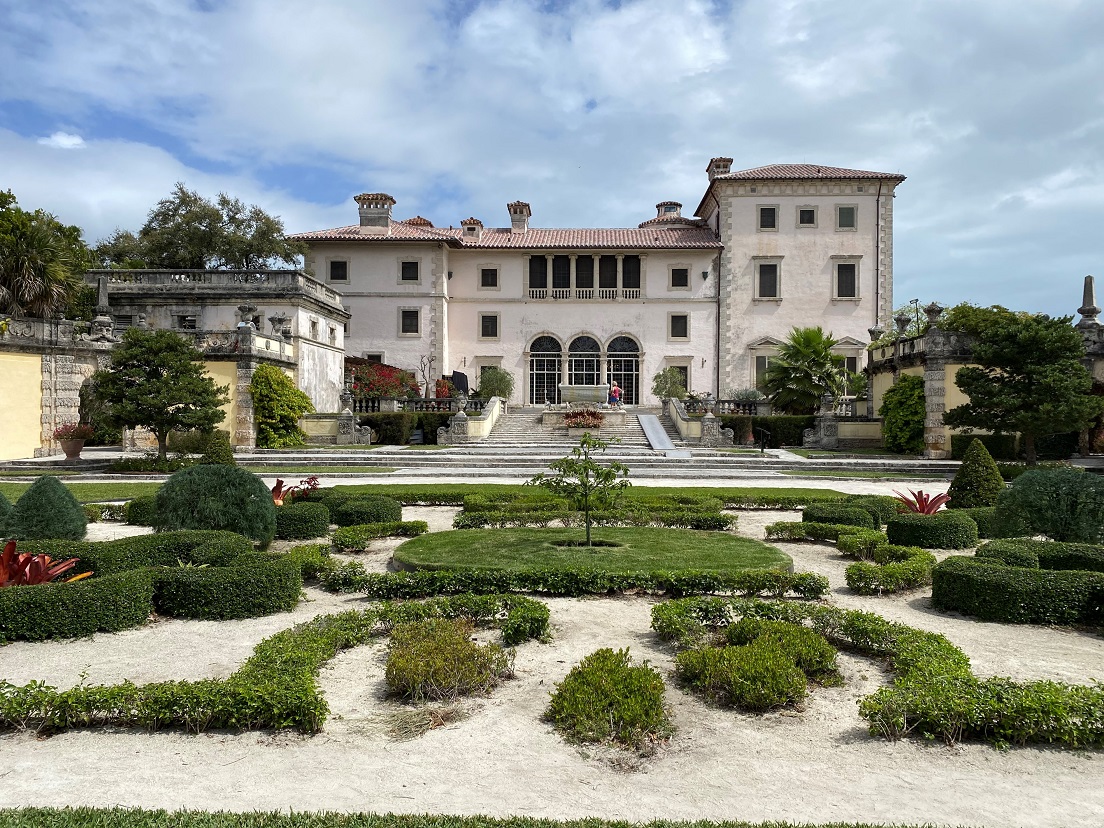
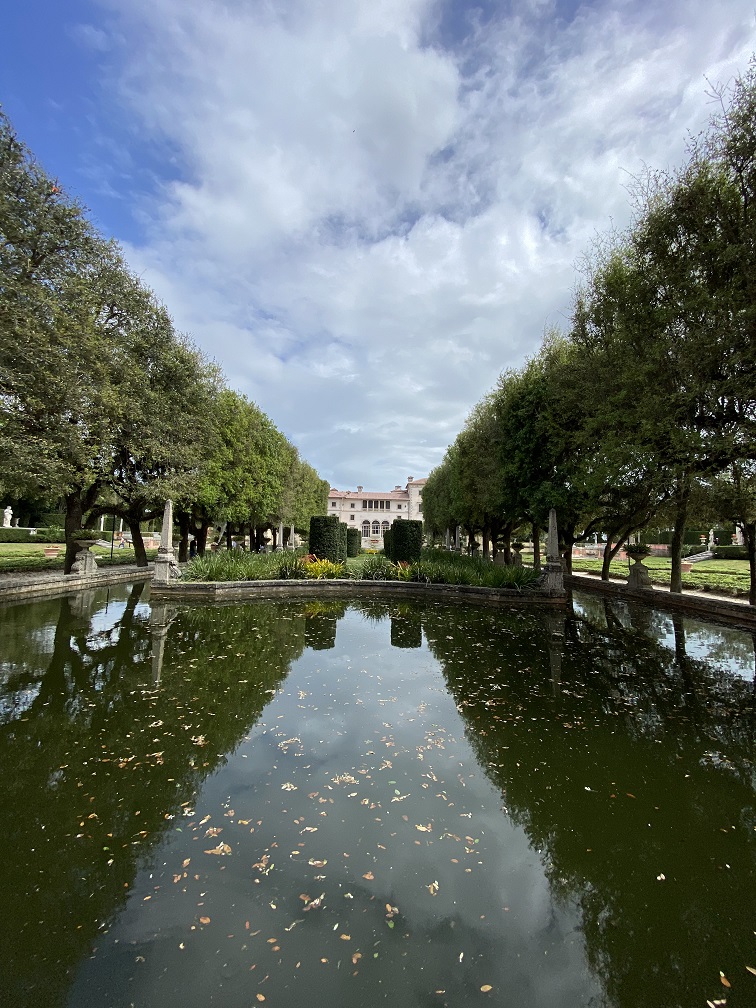
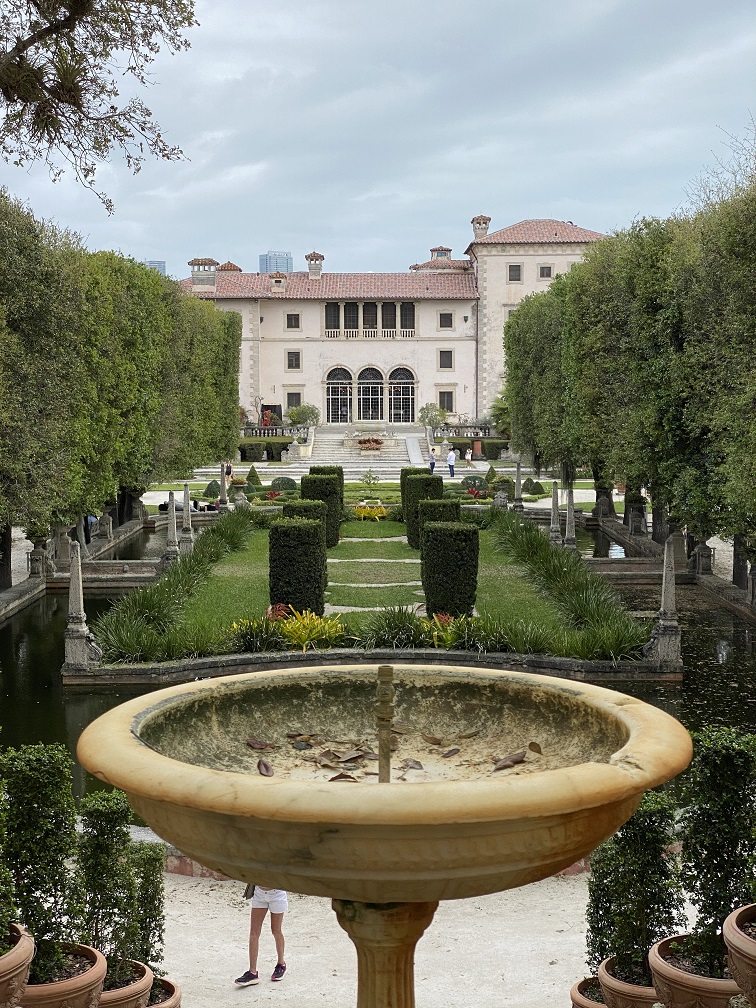
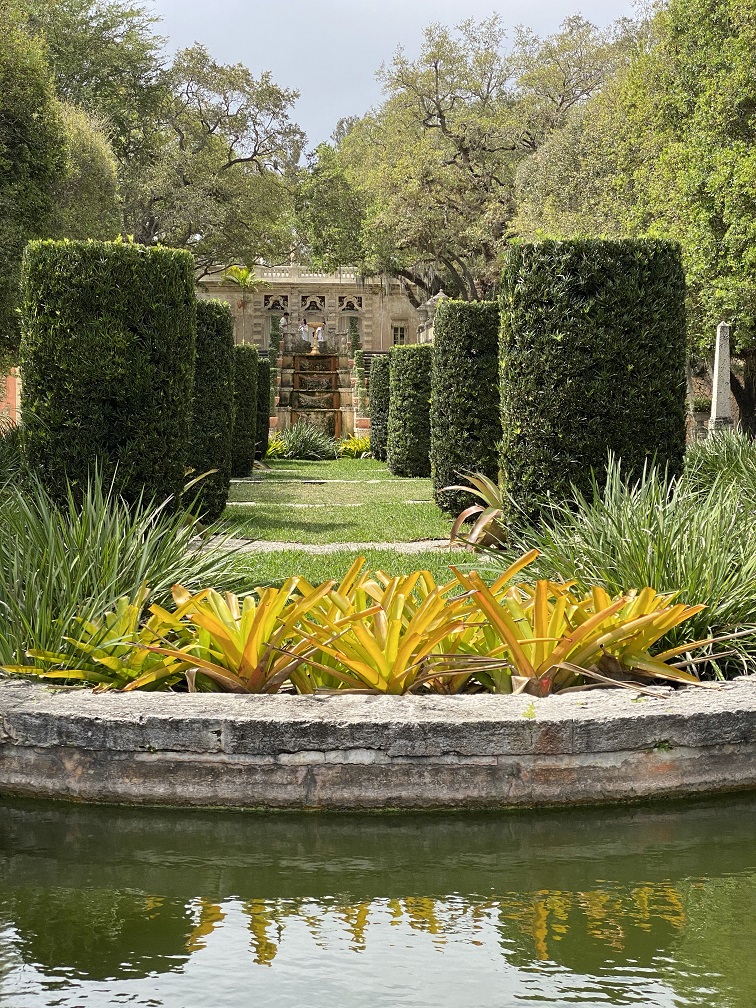
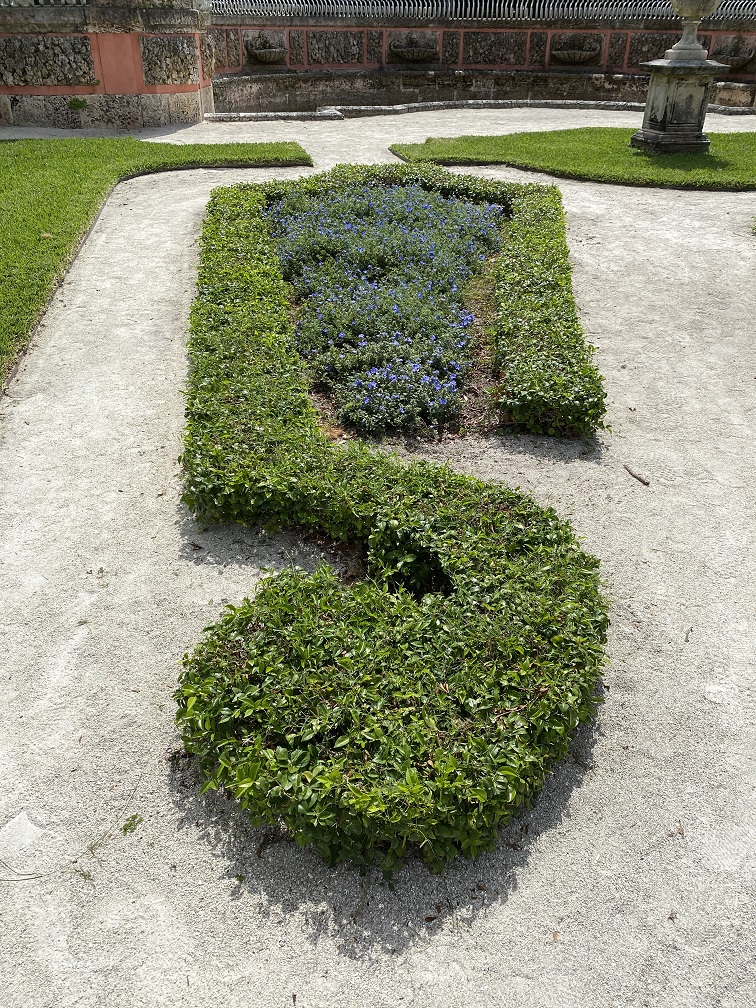
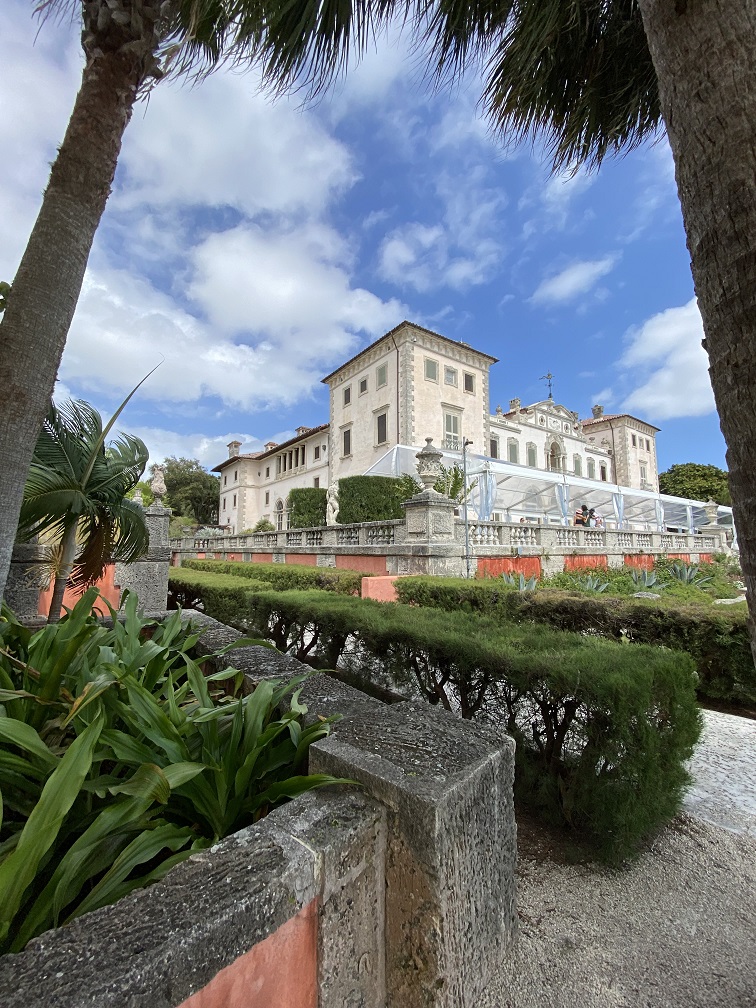
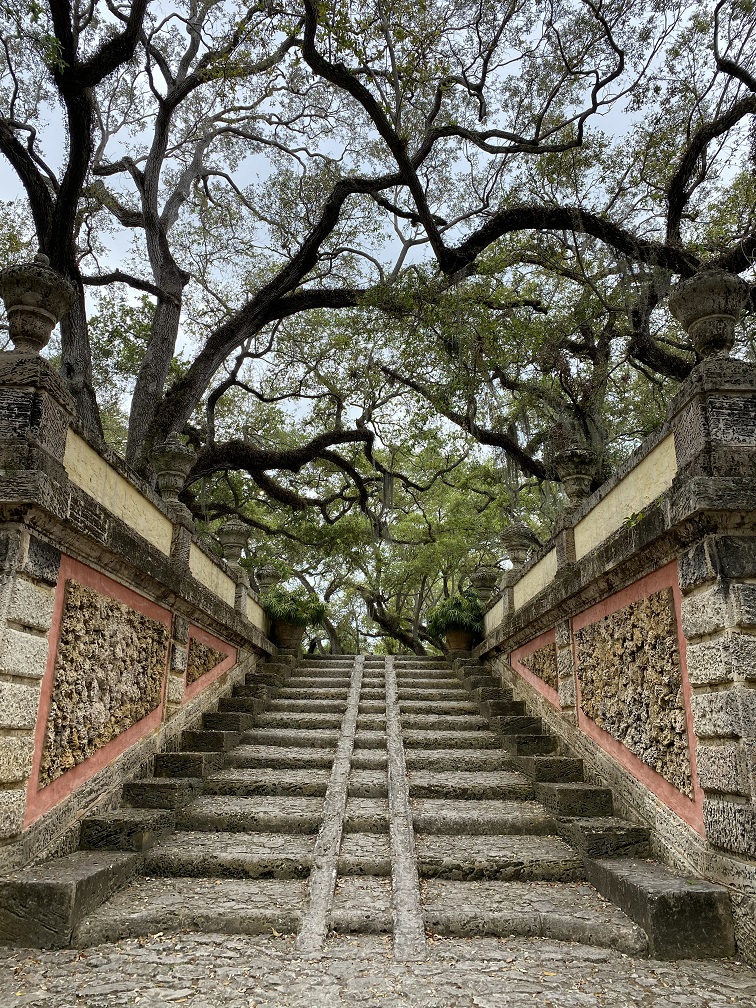
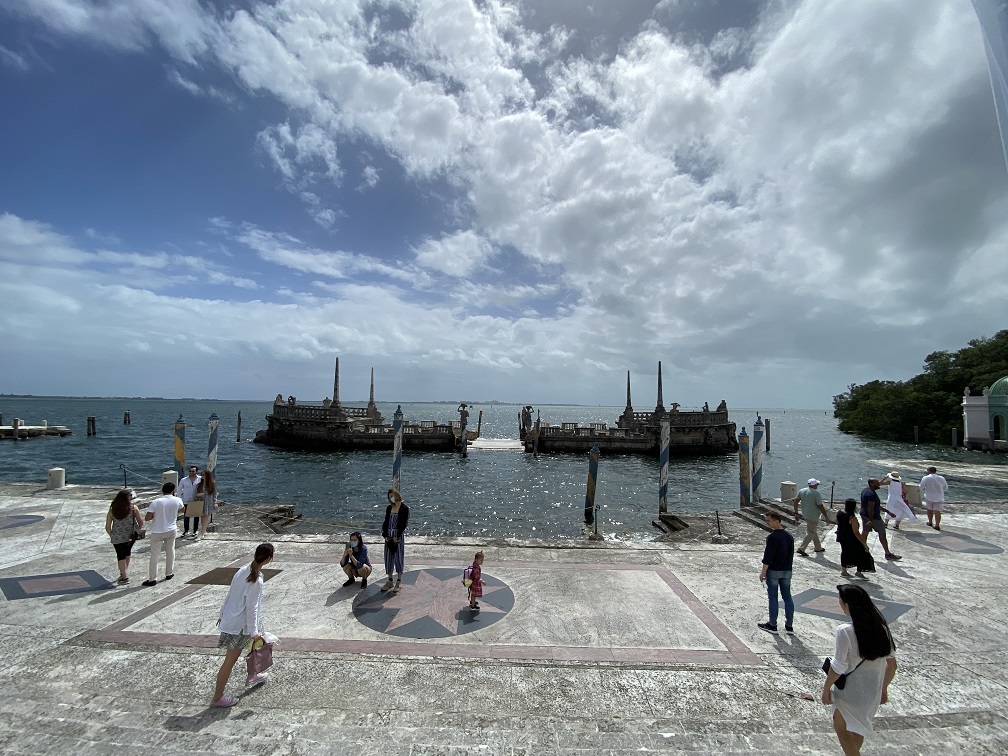
To finish the story, the next morning we went to Vizcaya, a beautiful estate and gardens near Miami. I have to honestly say that when I visited last time 8 or 10 years ago, the whole place was in a lot better shape – this time it felt run down. I’m sure the pandemic didn’t do it any favors – but I hope it can be restored to its old glory…
If you are still here – thank you, that’s all I have for you. Until the next time…
Wine and War
 I don’t want to write this post.
I really don’t want to write this post.
Mere thinking about the war unfolding right now in Ukraine literally gives me pain. What started on February 24th is pure, unthinkable, unfathomable madness. Brothers were sent to kill brothers. All on the orders of the egomaniac who lost his mind and belongs in jail or a mental institution – at least I wish this was the case. In reality, it was all well thought through and calculated, so the ruler of Russia really belongs in jail as a war criminal. The country that was a subject of merciless, unjustifiable aggression 80 years ago became a merciless, unjustifiable aggressor itself. Unfathomable.
Of course, wine has nothing to do with the war. At the same time, everything has its role in the war. Here is how.
Instead of bottling the wines, Ukrainian wineries are bottling “Molotov cocktail” and helping in any way they can – wine writer Lyn Archer wrote an excellent piece detailing what is happening at the wineries in Ukraine and beyond.
Speaking against the war in a totalitarian regime is an act of courage that almost guarantees to land you in jail. Nevertheless, a group of top Russian sommeliers wrote an open letter to Putin, expressing their strong opposition to Russia’s attack on Ukraine.
Russia is not the biggest wine market in the world, but from 2015 through 2019 was consistently the fastest growing one at about 15% growth every year. As multinational conglomerates declared their exit from Russian markets, it is still a very difficult decision for the majority of the wine producers – but a necessary one. La Rioja Alta, one of the best Rioja producers in Spain, suspended its trade relations with Russia.
To protest Russia’s invasion of Ukraine, Sweden’s government-owned liquor stores Systembolaget stopped selling any types of Russian-made alcohol. A similar boycott was announced by Finnish stores Alko. Also, Russian-made vodka was removed from the shelves of many wine stores in the USA.
The world doesn’t need war. After 2 years of the pandemic, the war is absolutely the last thing we need right now. I don’t know how, but I really, really want it to be over. Now. Before it is too late.
All You Ever Wanted To Know About Wine Education
Wine is an agricultural product.
Wine is clearly a unique agricultural product.
When you buy an apple, pear, cucumber, or eggplant, you really need to know nothing to make your selection – as long as it looks good and fresh, that’s all you need to know.
When you sell an apple, pear, cucumber, or eggplant, you don’t need to impress anyone with information – as long as whatever you sell looks good and fresh, that’s all which is needed.
When you are consuming an apple, pear, cucumber, or eggplant, you still need to know nothing to really enjoy it, as long as it tastes good and fresh.
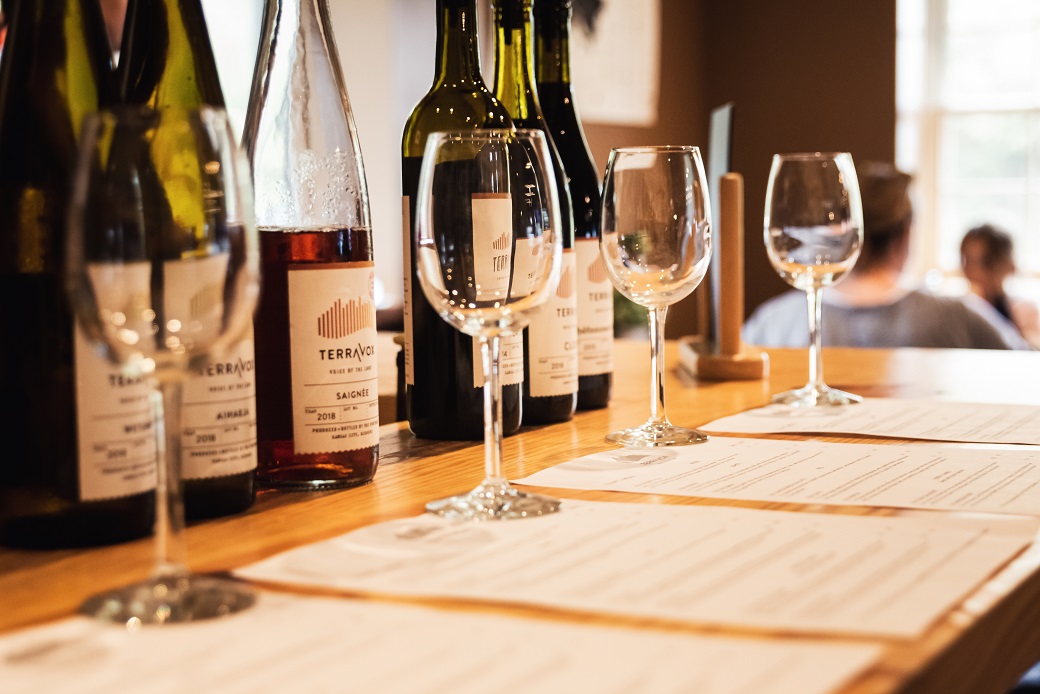
But when it comes to wine, knowledge is power, whether you are buying, selling, or consuming – where this wine is from, how was it made, for how long it can age, what is the best food to pair it with, what is the best way to serve it, and so on. On one side, you really don’t need to know anything about the wine to be able to enjoy it, but the uniqueness of wine is in the fact that the more you know about the wine, the more you might be able to enjoy it.
When it comes to wine education, there are lots and lots of resources – books, podcasts, websites, blogs. And then there is formal wine education.
What prompted this post was an excellent article on the Rack and Return website which provides an in-depth overview of all available formal wine education options. Here is what it covers:
- WSET – Wine and Spirit Education Trust
- WSG – Wine Scholar Guild
- CMS – Court of Master Sommeliers
- IMW – The Institute of Masters of Wine
- SWE – Society of Wine Educators
- ISG – International Sommelier Guild
- Regional Wine Study Centers
- Universities and Colleges
Without further ado, here is the link for you to the original article:
https://rackandreturn.com/the-definitive-guide-to-wine-education/
Enjoy!
Slow, Sustainable, Delicious
“Slow forward”.
Is slow forward good or bad? In a world where instant gratification is a king, moving forward should be fast, right? We all want progress to accelerate, move faster, aren’t we? So slow is not good, right? Well, actually wrong.
Maybe “slow forward” is something we all need to adapt. Move forward, but take our time to enjoy the process of moving forward, instead of constantly being under stress for “not enough hours in a day” – moving fast, but not necessarily forward.

For sure, Herdade de Esporão embraces this “slow forward” process, as this is their motto. Not only motto – it is a principle of operation and the lifestyle, which they would like more people to embrace. Sit down, slow down, have a glass of wine and read their Slow Forward Manifesto, and see if you agree with what it says. Also, note that the slow movement is much bigger than just the one at Herdade de Esporão – you can learn more about it here.
Herdade de Esporão was founded in 1973, when José Roquette and his partner bought the historical Herdade do Esporão estate, located in Reguengos de Monsaraz DOC in Alentejo and tracing its roots back to 1267. The first red wine was produced at the estate in 1985. Fast forward to today, there are more than 40 different grape varieties growing at the estate, along with 4 different types of olive trees, all farmed organically. Conversion of more than 1,300 acres of vineyards and olive groves to all-organic farming started in 2008 and took 11 years to complete. Now Herdade de Esporão is helping growers they are working with to convert to all-organic viticulture as well.
In addition to the 40 grape varieties cultivated in the vineyards, Herdade de Esporão is home to Ampelographic nursery where 189 grape varieties and clones are planted to study the effects of climate change and find ways to adapt to it.
There is a large variety of soils at the estate – enough to hire a geologist to create a soli map. The grapes from the different plots are fermented separately in small batches after the majority of the grapes are crushed by the foot at the winery (yep, slow forward, remember?).
Herdade de Esporão is a big business (one of the largest wine businesses in Portugal) owning a number of wineries in Portugal and selling both in Portugal and around the world, exporting to more than 50 countries. At the same time, Herdade de Esporão is a family company, inspired by the land and respect for the environment. For Herdade de Esporão it is all about environmental, cultural, social, and personal sustainability, adhering to its own principles of Slow Forward lifestyle.


That slow forward lifestyle and respect to the land and the environment translate very well into the wines. I had an opportunity to taste 4 different wines from Herdade de Esporão (samples), and all the wines were absolutely delightful:
2020 Herdade de Esporão Branco Colheita Alentejo (13.5% ABV, $18, 30% Antão Vaz, 30% Viosinho, 30% Alvarinho, 10% other varieties, 4 months on the lees)
Light golden
Beautiful, inviting, open, a hint of tropical fruit, honeysuckle
Round, creamy, explicit minerality, crisp, fresh, a touch of fruit, but overall very dry, good acidity, excellent balance, medium-long finish
8-, excellent, can be confused with lightly oaked Chardonnay.
2020 Herdade de Esporão Branco Reserva Alentejo (13.5% ABV, $20, 30% Antão Vaz, 30%, Arinto, 30%, Roupeiro, 10% other varieties, six months in stainless steel tanks and in new American and French oak barrels)
Straw pale
Fresh meadows and honeysuckle, beautiful
Clean acidity, light representation than the Colheita, lip-smacking acidity, clean, crisp and fresh, excellent balance
8, pure delight. Can be easily confused with Chardonnay.

2018 Herdade de Esporão Tinto Colheita Alentejo (14.5% ABV, $18, 30% Touriga Nacional, 25% Aragonez, 20% Touriga Franca, 15% Alicante Bouschet, 10% Cabernet Sauvignon, 6 months in concrete tanks)
Dark garnet
Earthy, a touch of chalk, dark fruit, warm spices
Open, clean, raspberries, warm spices, good minerality, good structure, a cut-through acidity, medium body, medium-long finish
8-/8, outstanding
2018 Herdade de Esporão Tinto Reserva Alentejo (14.5% ABV, $25, 25% Aragonez, 20% Alicante Bouschet, 15% Cabernet Sauvignon, 15% Trincadeira, 10% Touriga Nacional, 10% Touriga Franca, 5% Syrah, 6 months in concrete tanks)
Dark garnet
Blackberries, earth, a hint of raspberries, dark, concentrated
Cherries, pomegranate, clear minerality, layered, firm structure, fresh and food-friendly
8/8+, outstanding, ready to drink now, great with food (Odjakhuri)
Here you are, my friends – organic, sustainable farming, 4 delicious wines. You don’t need to break the bank to be able to drink them at any time you want, and even more importantly, you can pop, pour and enjoy – almost a rare beauty nowadays.
Slow down and enjoy. Cheers!
Open That Bottle Night Eve, 2022
And just like that, Open That Bottle Night 2022 is upon us.
Considering the current state of the world, I’m really not in the mood to write about wine when people are dying because of some egomaniacal fucking moron… but based on my inability to do much anything about it, let’s still talk about Open That Bottle Night.
The Open That Bottle Night, or OTBN for short, created by Dorothy J. Gaiter and John Brecher, Wall Street Journal wine writers back in 1999, is always celebrated on the last Saturday in February. OTBN was created to help people to part with that special bottle while it still might taste great. Over the years, it became literally a holiday celebrated all around the world, with people reporting on all the amazing wines, and most importantly, amazing experiences of getting together with friends (here are my reports from the last 3 years – 2019, 2020, and 2021, plus many special reports from 2016).
This year, we had been invited to celebrate a birthday of a dear friend on that exact Saturday of the OTBN, so I have no options but to celebrate the night before or after, or maybe even both (this friend doesn’t care about wine, so combining the birthday celebration with OTBN is not an option). Thus I’m sitting here the night before the OTBN, sipping my OTBN wine and enjoying every little drop of it.
Deciding on the wine worthy of OTBN is always incredibly hard. I love aging wine, so I have a good selection, but it doesn’t mean that deciding on the bottle is easy. There are bottles that I determined to share with friends (actually, all of them, but I have to make exceptions, especially considering the lockdown life of the past 2 years). There are bottles which I don’t want to open too early. There are bottles I’m still not ready to part with. I’m telling you, people – it is difficult.
I don’t have any wine record-keeping system. I have a loose idea of the bottles I have, but I’m always ready to be surprised. Tonight, I opened one of the wine fridges, and pulled out the bottle which I had completely forgotten about – and as a bonus, this bottle also comes with a story.
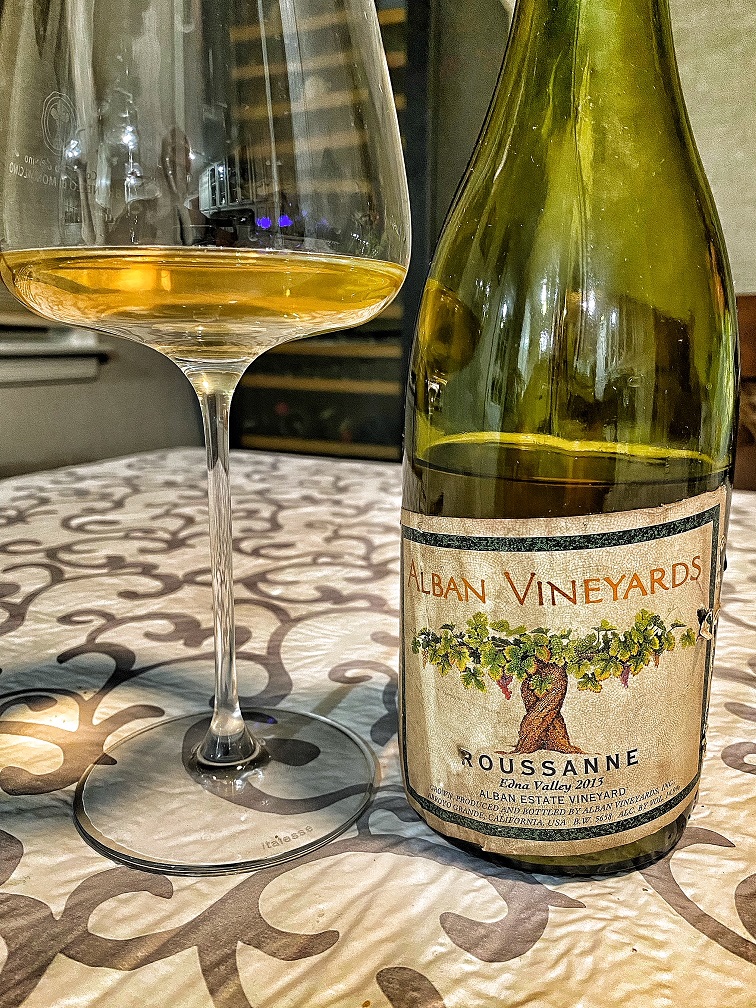
Let me tell you the story first. Take a look at the label – you can see that it looks crooked and dinted. So the rips in the label are from the shelves in my wine fridge, and they are not so interesting. But otherwise, the appearance of this label has a reason. Alban wines are allocated and are hard to get. When I got my allocation some time back, I only wanted to take 2 bottles, so the friend asked if she can have the rest. She filled up the form in her name, got the full allocation, and then shipped my two bottles back to me – a bottle of Patrina Syrah and this bottle of Roussanne. For some mysterious reason, she decided to reuse the inflatable packaging which is sometimes used to ship the wine instead of cardboard or styrofoam. The problem with that air-pumped enclosure is that it is not really reusable and not that reliable. When I got the box, the red liquid was slowly sipping through – you can imagine the fate of Patrina… At least the bottle of Roussanne was intact, with the exception of the label…
Pulling this bottle out from the bottom shelf was a moment of happiness. I love Roussanne, one of my favorite white grape varieties, and for some reason, I had been really craving Roussanne lately. So seeing this bottle which I completely forgot about was a moment of joy – this was IT. A perfect bottle for OTBN.
What can I tell you about this 2013 Alban Roussanne Edna Valley outside of the fact that it offers immense pleasure? We can start with a beautiful golden color. The nose of gunflint and honey at such intensity that you simply don’t want to put the glass down. Sniff, swirl, sniff, swirl, ahh. Gunflint, honey, salinity, and sapidity on the palate. This wine is fresh. This wine is alive, with a cut-through acidity on the long, long finish. This wine is viscous, roll-off-your-tongue goodness – after taking a sip, my wife said “ooh, this wine is fat!”. This wine is perfectly OTBN worthy. Not only that – this wine is perfectly Top 10 wines worthy.
So here is my OTBN story. Even if you don’t feel like celebrating, life is now. It is happening, and no moment will repeat itself. Pull that special bottle. Open that bottle – the special moment has arrived, it is now. Cheers, my friends.
Snow, Wine, and Valentine
First, there was snow.
Well, not true.
Last Saturday we had a break in winter weather. The thermometer hit 60ºF here in Stamford, and it was perfect grill weather. I’m not at the point of grilling in any weather (some of my friends are), but 60ºF in February definitely calls for some meat on the grill. While the meat was cooking, I enjoyed a beautiful sunset and a glass of 2018 TerraNoble Gran Reserva Carmenere Valle del Maule – the wine had cassis and a signature pyrazine (bell peppers) which was perfectly integrated, and practically disappeared after a few hours, leaving, luscious, layered, roll-of-your-tongue, seductive liquid in the glass (the bottle was practically gone by the end of the evening).


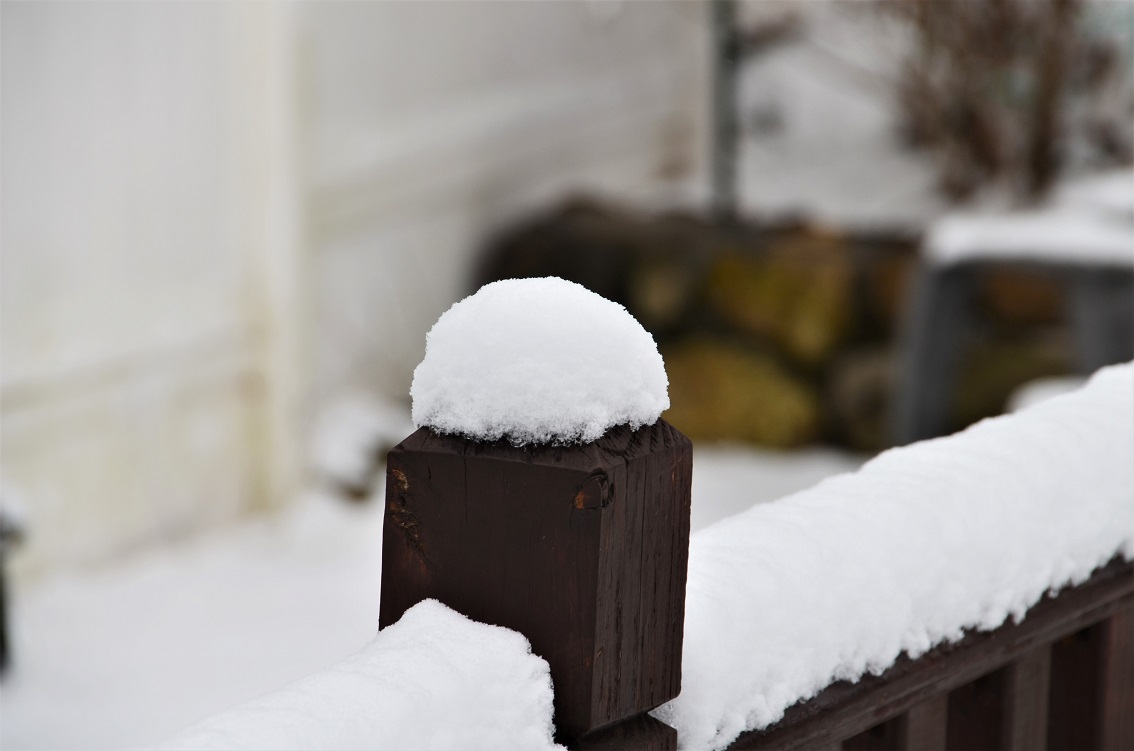
Then, there was snow. This snow was absolutely wonderful for a variety of reasons. For one, it was extremely photogenic, as you will see below (yep, pictures time!). But the main reason was that this snow was a total surprise. There was no weather channel hysteria, forcing people to run into the supermarkets, no warnings. We woke up to the beautiful white blanket, covering the ground, trees, and cars. It was beautiful, it was peaceful, it was happy. I took a few pictures from the deck, and then we took a slow walk with Penny – she kept on happily digging her nose into the snow, and I kept on trying to get a picture of that before the snow was melt, but I was not very successful, so you will not see a dog’s nose below.
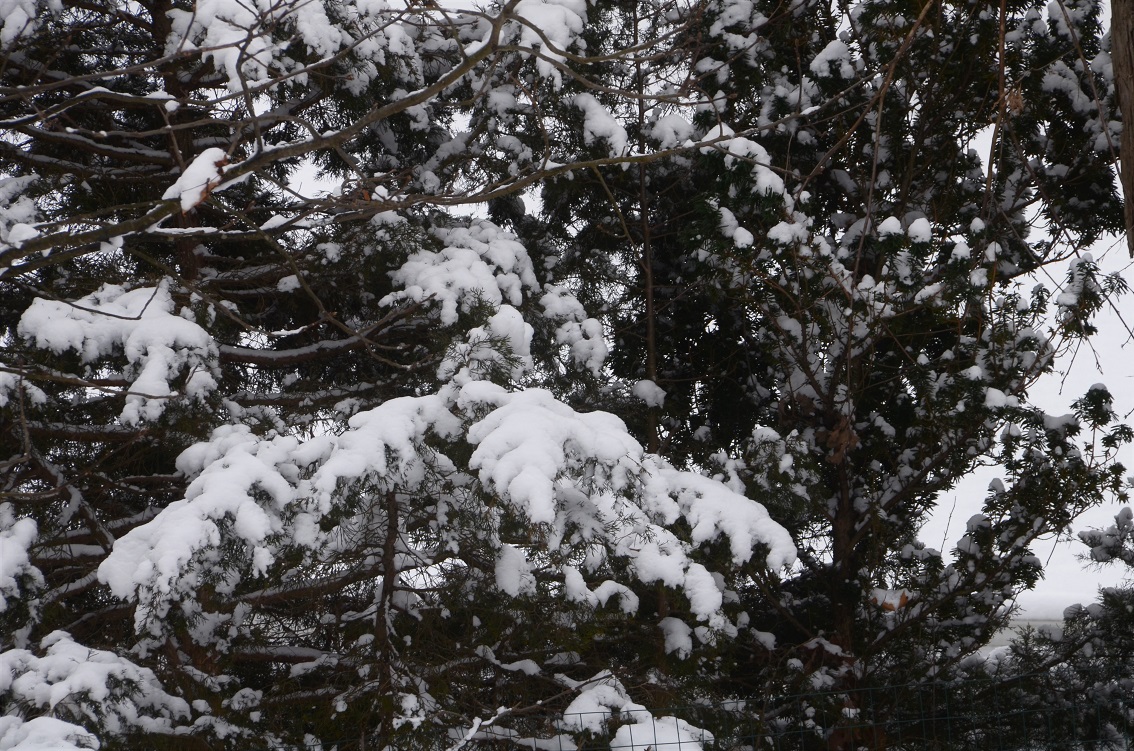

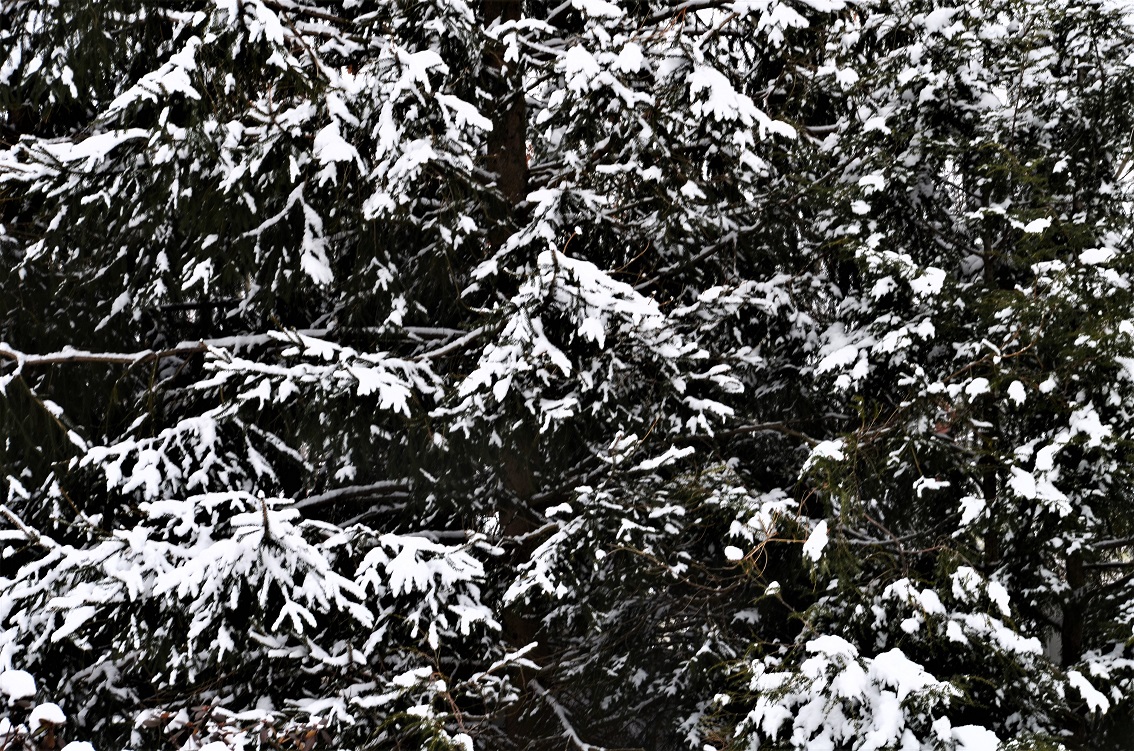

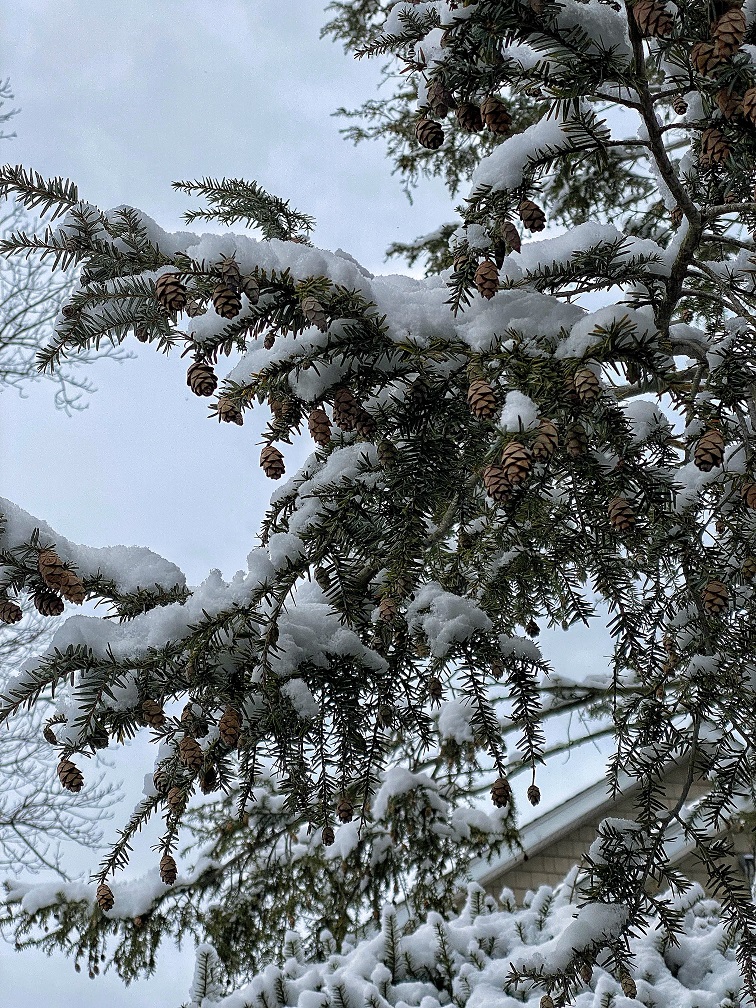

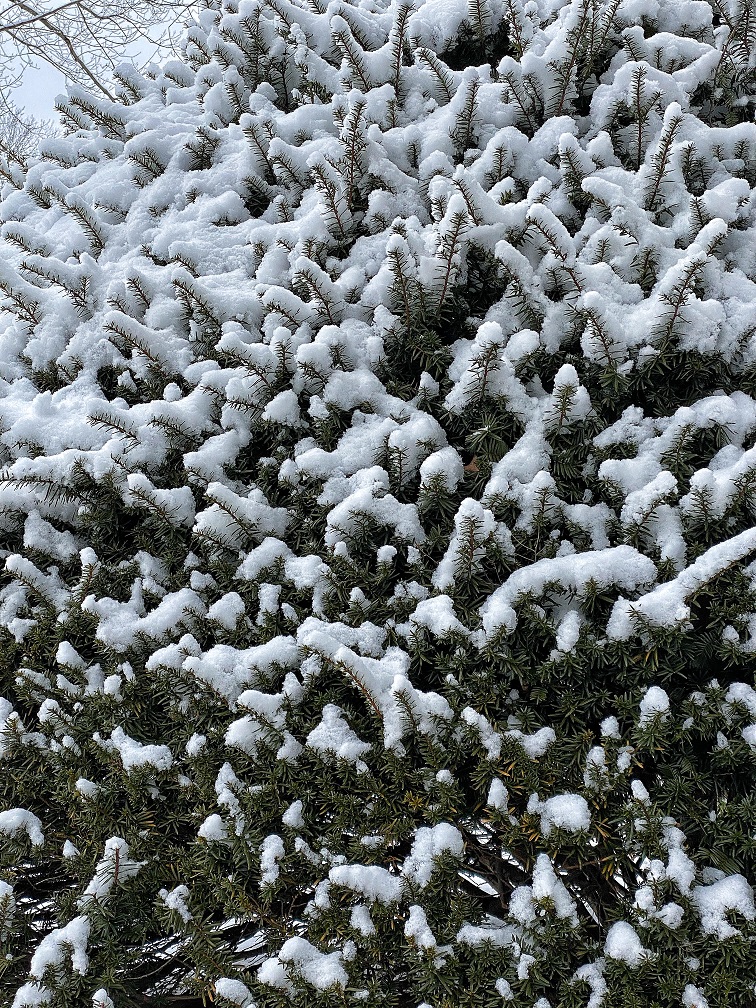
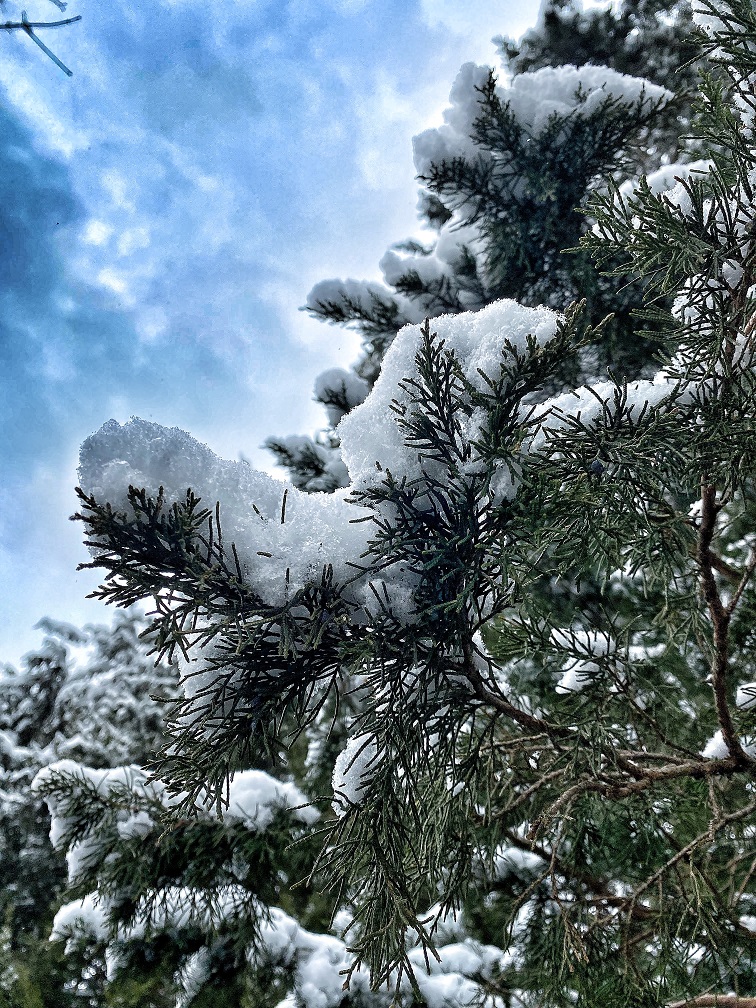
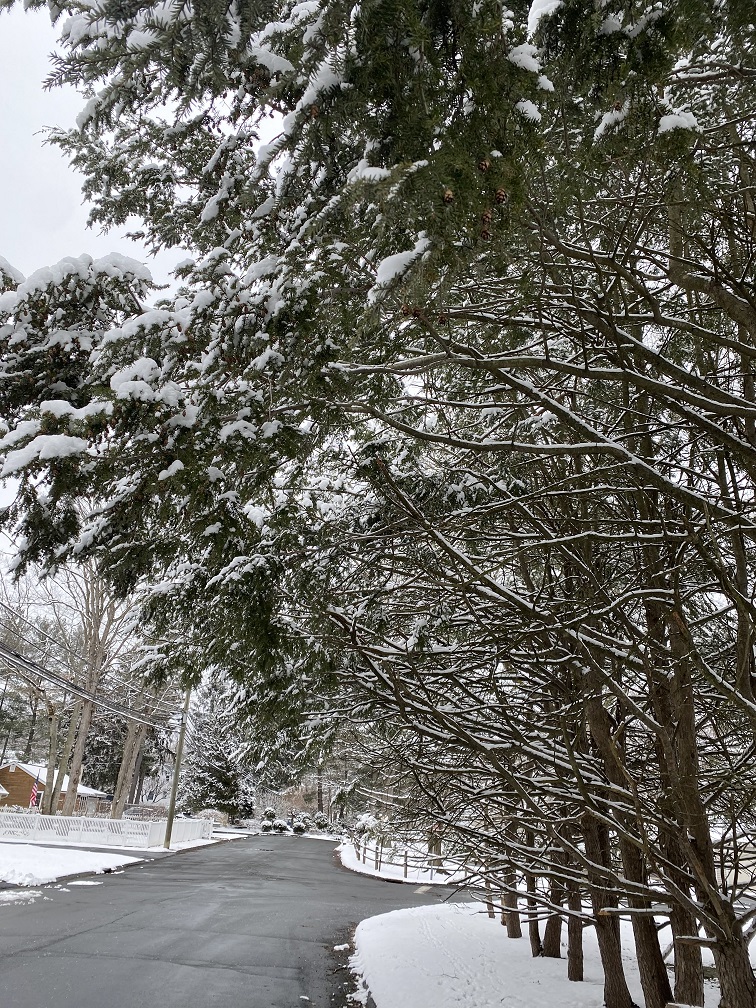

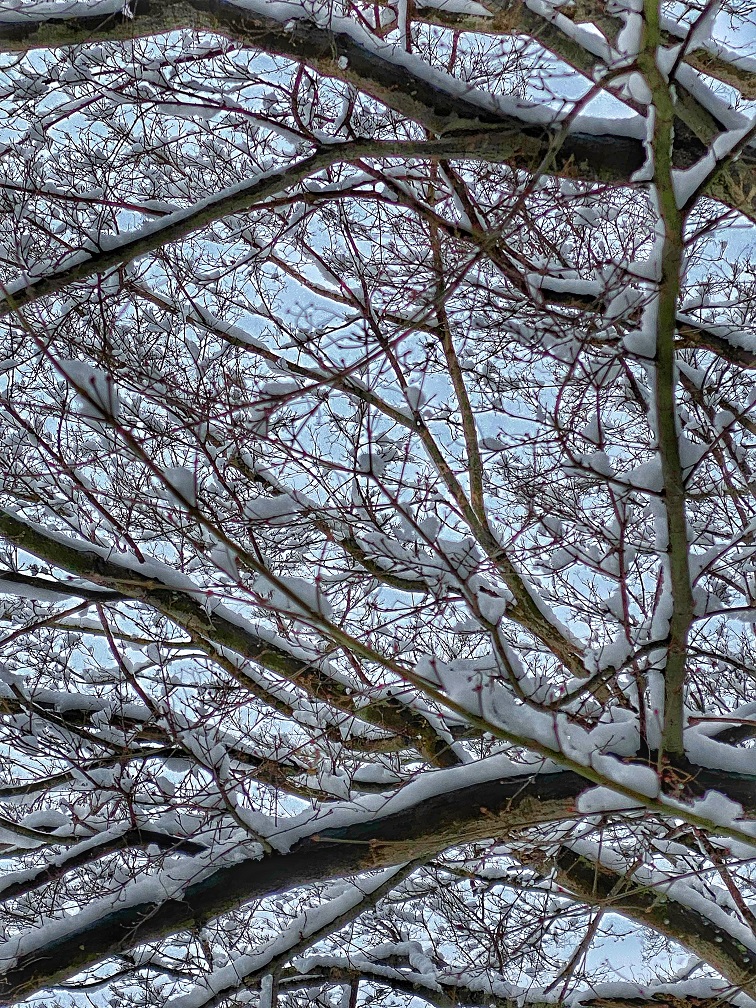
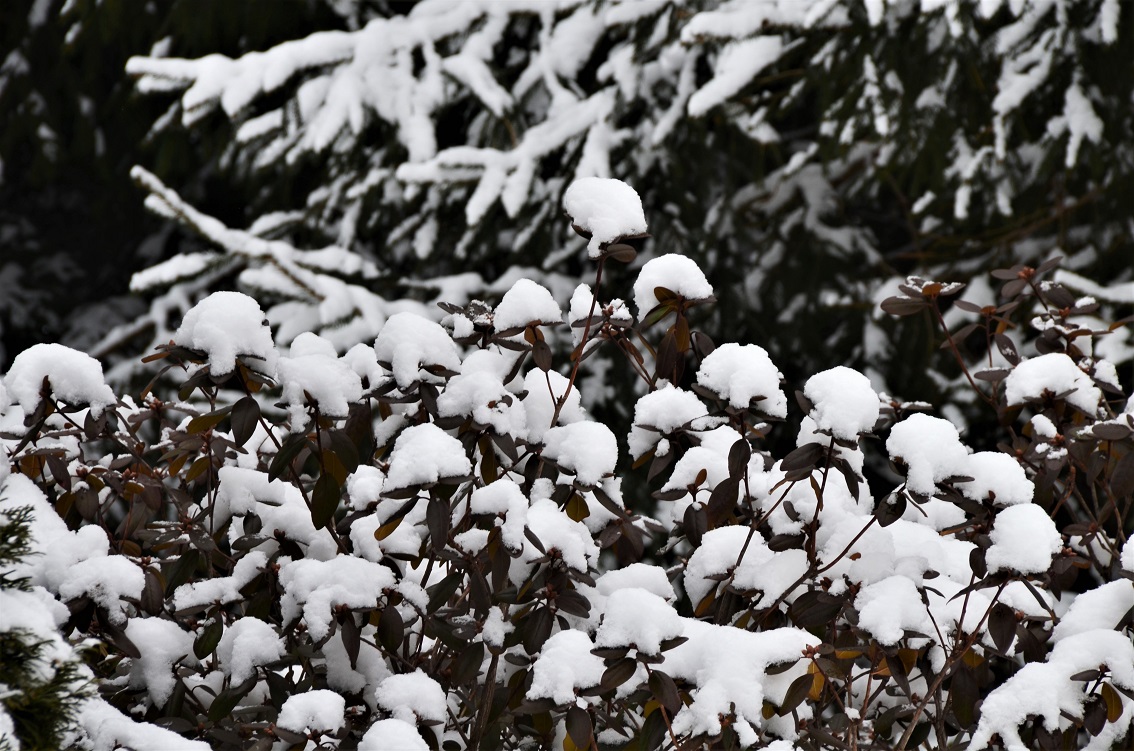
For the Super Bowl, the game of power, I decided to open a powerful wine. If you would ask me to name wine that I associate with power, California Petite Sirah would be on the top of my list. This was my last bottle of 2010 Jeff Runquist Salman Vineyard Petite Sirah from Clarksburg – I’m glad I decided to open it, as I think the wine was at its peak. Cherries and cherry pits, on the nose and on the palate, round, succulent, juicy and delicious, with beautiful acidity and impeccable balance. This was definitely one delicious wine.

I also made almond cookies – these are made from almond flour, so they are completely gluten-free, soft, gooey, and delicious.


And Monday was Valentine’s day. For many years we prefer a simple family celebration with kids instead of going to the restaurant to participate in the ritual of poor service and mediocre food. I was really craving bubbles, so 2008 Berlucchi Palazzo Lana Satèn Reserva Franciacorta (disgorged in 2017) was exactly what we wanted – golden delicious apples on the palate and the nose, fine, delicate mousse, round and clean. Very elegant sparkler, good for any occasion.


That concludes the store of the few days in wines and pictures, mostly in pictures. Cheers!
Big Game, Big Decisions
I’m sure it is obvious what Big Game we are talking about.
The Super Bowl. One and only entertainment event of the year, almost a national holiday (many say that Monday after the Super Bowl should be made into a national holiday, as sometimes those games end past midnight).
I saw some interesting stats about this Super Bowl LVI (that’s 56 if you are not intimately familiar with Roman numerals). It is expected that 117 million viewers with watch the event – if this will be an actual number of viewers, it would set a new record (the previous one was 114M viewers in 2012), and a substantial increase over last year’s Super Bowl, which only attracted 96.4M of fans. Also, according to CNBC, the American Gaming Association projected that a record 31.4 million Americans would bet $7.6 billion on the Bengals-Rams game. Some staggering numbers, aren’t they?
But forget the numbers – I’m only here for the food 🙂
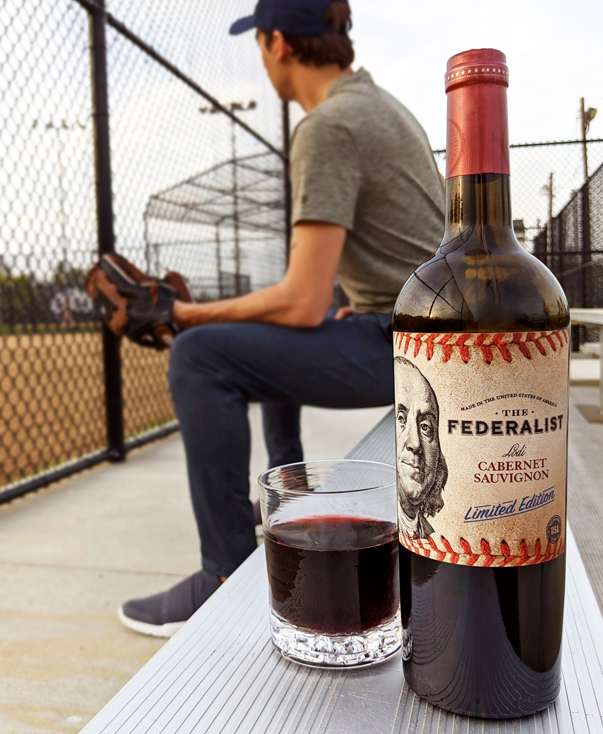
Source: Terlato Wines
So what are the big decisions we are talking about here? Leaving food aside, there is only one big decision to make – and you know which one it is.
Beer or Wine?
In any Super Bowl viewing party preparation discussion, this is an eternal question – what should you drink while watching the big game? What should you serve with the food?
Food is the right starting point for this discussion. I can’t resist throwing in another interesting data point – The National Chicken Council estimates that Americans will consume 1.42 billion wings while the Cincinnati Bengals play the Los Angeles Rams. Yep – 1.42 billion! Super Bowl is a finger food festival – sandwiches, chicken strips, shrimp, chicken wings, and lots of other usually salty and often spicy indulgences. So beer seems to be the obvious answer to our eternal question.
Except when it is not.
Beer is boring. Yes, I drink beer from time to time, but I’m rarely excited about it unless I’m in a pub in the Czech Republic or some other European countries which have a culture of beer drinking – and the beer is served always fresh. Heck, if I would be watching Super Bowl at some Beer Garden in the US, I would definitely stay with beer. But at home, I unquestionably prefer wine. Wine brings excitement, and even if it wouldn’t perfectly complement the food spread on the table, it will make the game a lot more enjoyable to watch.
So how about some hard-core American wine? Does American Craft Wine sound good? An American craft wine for the American craft game – that should work together, right? So the wine I would like to bring to your attention is The Federalist, proudly crafted in California.
The Federalist winery was founded in 2009 in Sonoma, California, with an initial focus on producing Zinfandel – it makes perfect sense for an American craft winery to focus on the grape which America considers uniquely its own. Cabernet Sauvignon, Red Blend, and Chardonnay complete the lineup today, also connecting with another uniquely American product – Bourbon. The second line of Cabernet Sauvignon, Red Blend and Zinfandel wines are aged in the Bourbon barrels, uniquely amplifying the power of traditional Californian varieties.
I had an opportunity to taste a few of the Federalist wines latest releases – here are my notes:
2017 Federalist Cabernet Sauvignon Lodi (13.9% ABV, $17.99, 93% Cabernet Sauvignon, 5% Zinfandel, 2% Petite Sirah, Merlot, and Cabernet Franc, 15 months in 35% new oak)
Light garnet
Cassis, dark berries, eucalyptus, open, inviting
Unmistakable Lodi on the palate, cassis, nutmeg, warm spices, a touch of dark chocolate, good balance, well-integrated tannins, medium-long finish.
8-, easy, simple, will work well with a range of foods.
2018 Federalist Chardonnay Mendocino County (14.5% ABV, $17.99, aged in 35% new oak)
Light golden
A hint of vanilla, Whitestone fruit, a touch of gunflint
Restrained on the palate, golden delicious apples, crisp, fresh, good acidity, medium finish with prevailing acidity.
8-, needs food.
2019 Federalist Zinfandel Dry Creek Valley (15% ABV, $24, 100% Zinfandel, 16 months in 20% new oak)
Dark garnet
Raspberries, eucalyptus, earthy notes
Dark fruit, cut through acidity, well present tannins, a touch of raspberries, medium-plus finish with lots of acidity
7+/8-, food wine, needs time
The Federalist wines are well connected to the big game, being an official premiere wine sponsor of the San Francisco 49ers ( who I would much prefer to see in the Super Bowl together with the Kansas City Chiefs), so it would be only appropriate if you will open a bottle of the Federalist Cabernet Sauvignon to celebrate the big game.
And if not the big game, the Federalist wines are perfectly appropriate to celebrate the next official American holiday, The President’s Day, taking place exactly in a week.
Game, ads, half-time show, food, wine – I wish you a great evening.
I Know Nothing. Notes From The Desk of Puzzled Oenophile
 I know nothing.
Of course, I’m aware of the proverbial circle of knowledge. When your knowledge is represented by the tiny dot, it seems that the surrounding unknown is equally tiny. As your circle of knowledge increases in size, you get to understand that the surrounding unknown is vast and grows together with your knowledge.
Nevertheless, today’s wine lesson proved that I know nothing about wines. Or maybe I am just bad at predicting the future.
A long time ago I attended a wine tasting event to celebrate the anniversary of The Wine Century Club. The event was hosted in New York by the folks from Snooth with the idea that everybody should bring a bottle or a few of the wine(s) made from rare grapes. I have no memories of the wines I brought – I believe one of them was a blend with lots of different grapes in it, but this is really not important for our story. My absolute highlight of that get-together was a bottle of Loire white wine, made from the grape called Romorantin coming from the Cour-Cheverny AOC, which I never heard of before (both grape and appellation). If I’m not mistaken this event took place in 2008, and this bottle of Romorantin was from 1998 vintage. The wine was amazing in its youthfulness and brilliance, vibrant lemon and honey, crisp and fresh. Again, if I can still trust my memory, the person who brought wine said that he (or she) got the bottle at one of the Manhattan wine stores for around $50. I made a note to myself that I want to find this wine and age it – as you know, I’m a super-fan (read: geek and zealot) of aged wines.
I think literally next year I got lucky – I found 2007 François Cazin Le Petit Chambord Cour-Cheverny AOC available at my local wine shop, for about $15 per bottle. I got 6 bottles and prepared to happily and patiently wait for the right moment to open this wine.
I don’t remember when I opened the first bottle of this, maybe 2-3 years later, and the wine didn’t wow – it was acidic all the way, without much salvation.
My next attempt to replicate the amazing experience of the first encounter with Romorantin, was made in 2014. Here are my notes:
2014
2007 François Cazin Le Petit Chambord Cour-Cheverny AOC (12% ABV, 100% Romorantin) – bright white stone fruit on the nose, citrus (lemon) notes on the palate, medium to full body, zinging acidity. It is getting there, but needs another 4-5 years to achieve full beauty and grace. 8-
As you can tell we are moving in the right direction but still far from the destination. Another year, another attempt – again, a copy and paste from the previous post:
2015
This is a rare French white wine made from 100% Romorantin grape. I remember a few years back trying this wine at 10 years of age – and I remember being simply blown away by the exuberant beauty of this seemingly unassuming wine (new vintages retail at around $15 – the QPR is through the roof on this). The nose of that 2007 was amazing, with fresh white fruit, guava, mango, honeysuckle, lemon, and lemon zest. On the palate, behind the first wave of Riesling-like appearance with a touch of sweetness and tropical fruit notes, there were layers and layers of acidity and minerality. After about 10 minutes of breathing time, the wine was almost bone dry, very crisp, and refreshing. I still have 3 bottles of 2007, and now the trick will be to keep my hands away from them, as they still benefit from time.
It is quite possible that this was this wine at its peak? The next attempt was much less successful, despite the fact that we are passing 10 years mark now. I brought the bottle to Jim Van Bergen’s (JvBUncorked) house to celebrate Open That Bottle Night 2019. I was really hoping for a “wow”, or at least an “omg” from the group, but this definitely didn’t happen:
2019
2007 François Cazin Le Petit Chambord Cour-Cheverny AOC
Why: This is one of my favorite wines. When it was 10 years old, was literally blown away
How was it: Underwhelming. A touch of petrol, clean, good acidity, bud no bright fruit. Still delicious in its own way – I would gladly drink it any time. But – lucking the “umpf” which was expected… Still have 2 more bottles – will open them later on and see.
Underwhelming was the word. Okay, down to the two bottles.
At the virtual OTBN2021, I made another attempt to experience greatness. Here’s how it went:
2021
The miracle didn’t happen, and the white wine didn’t become suddenly magical. If I need to describe this 2007 François Cazin Le Petit Chambord Cour-Cheverny AOC in one word, the word would be “strange”. At some moments, it was oxidative and plump. In other moments, it was acidic. It never showed that amazing lemon and honey notes I was expecting. I still have one more bottle, but now I really need to forget it for as long as possible and see if the miracle will happen.
And now we are down to one, my last bottle.
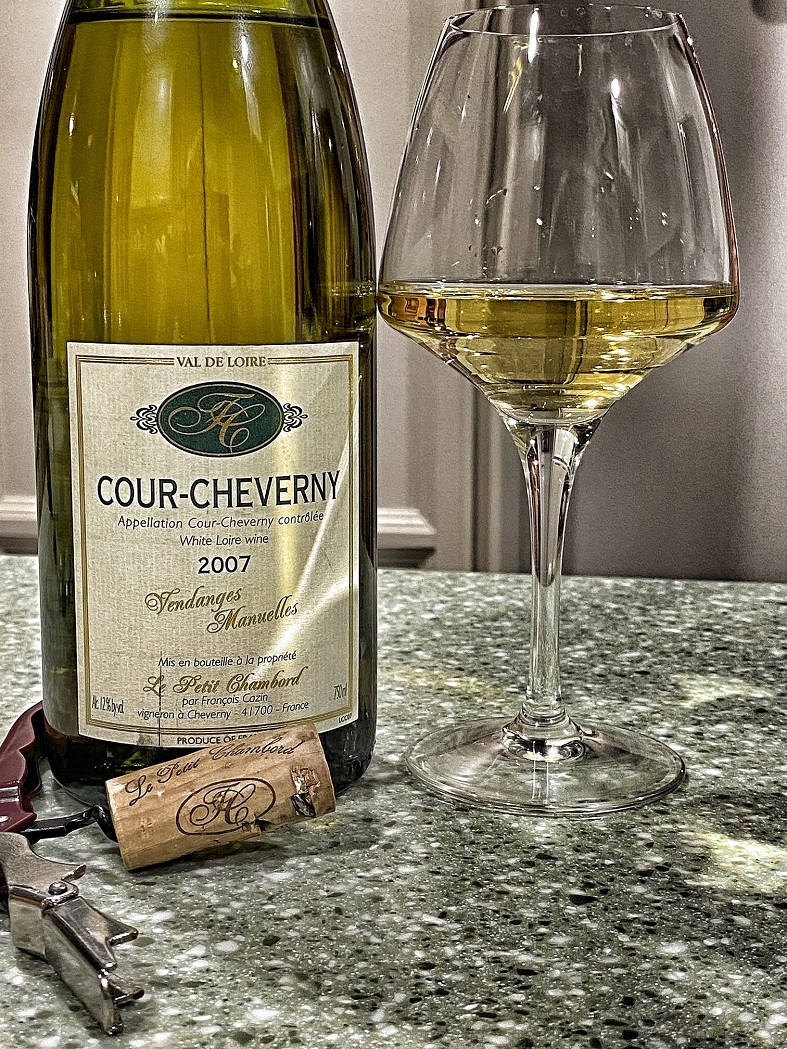
I was feeling blue, and I needed a “pick me up” bottle. Considering my loving relationship with wine, a “pick me up bottle” is nothing specific – it can be something very different every time. This time I wanted a white wine with some age on it. Marsanne/Roussanne would be ideal, but I had none of those. A have a few bottles of Peter Michael with a nice age on them, but this would be a bit too lavish and still not fitting the mood. And then I saw my last bottle of Romorantin, and the thought was “yeah, I can appreciate some oxidative notes right now”
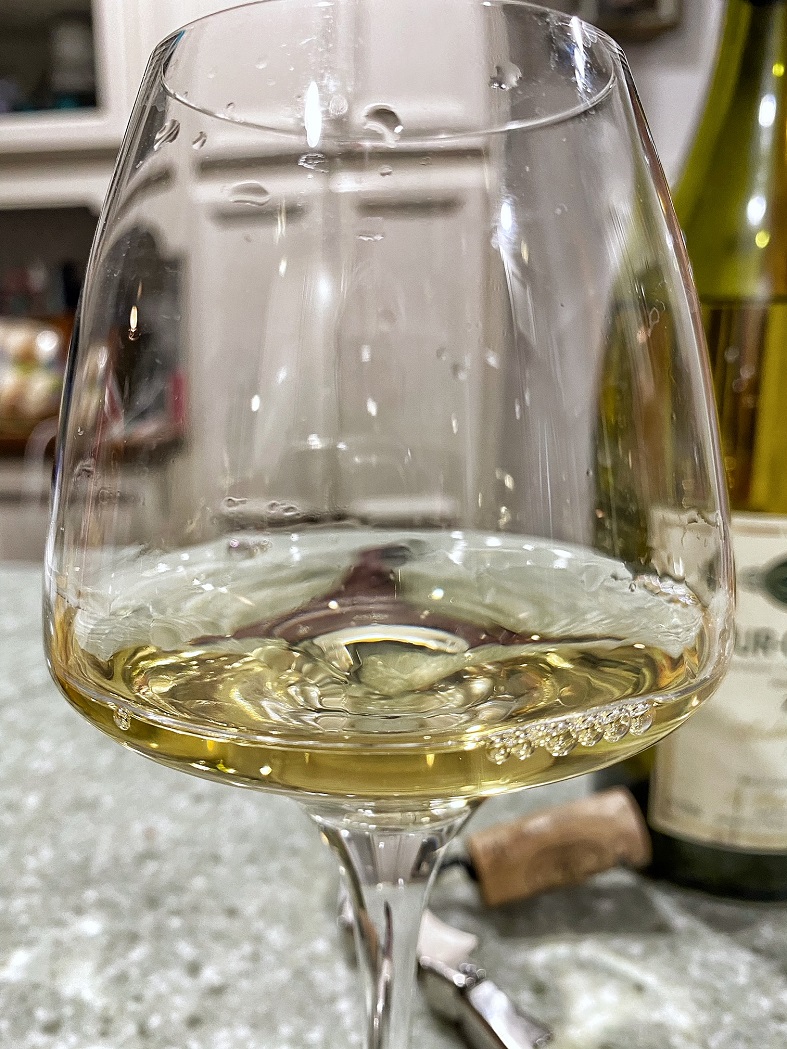
The bottle is out of the wine fridge. Cork goes out in one piece with no issues. I poured wine into the glass to take a picture. Beautiful color, between light golden and golden – remember, this is 15 years old white wine.
The first whiff from the glass was clean, with lemon and minerality, an impression of a young, confident white wine. The first sip simply confirmed that first impression – whitestone fruit, crisp, minerally-driven, vibrant, and refreshing. A distant hint of petrol showed up on the nose, very faint, and a touch of honey. The wine was alive, the wine was fresh, the wine was perfect.
The wine continued its finesse on the second day (it was a heroic act of not polishing the whole bottle on the first day), behaving as young and fresh white wine of the new harvest. In a blind tasting, I would be completely sure that his wine is one or two years old at the best.
Anyone cares to explain this to me? I stored all 6 bottles the same way. Maybe the wine was strangely not ready in 2019 (sleeping stage), and last year’s bottle simply had an issue of cork? Maybe what I tasted in 2015 was actually a peak, and so this vintage needed only 8 years and not 10? Why 1998 was amazing at 10 years of age, and 2007 was amazing at 8 and 15? Vintage variations? Change in winemaking between 1998 and 2007? Wine Spectator vintage charts consider 2007 Loire wines past prime. Wine Enthusiast’s vintage rating for 1998 is 86, and 2007 is 92. And none of it helps.
If you have any ideas, please chime in.
I know nothing. But I will continue learning.
Wednesday’s Meritage #159
 Meritage Time!
January is almost over, and as many people talked about “dry January”, it was reasonably dry – not in terms of wines, but in terms of wine events. However, February promises to compensate abundantly and offers lots to look forward to.
Let’s start with the grape holidays. Next Tuesday, February 1st, is International Furmint Day. Furmint is one of the most famous Hungarian grapes, best known as the grape behind Tokaji, heavenly nectar. Furmint also can be vinified dry, although much harder to find compared to Tokaji. Either way, you have a holiday to celebrate. Two weeks later, on February 16th, we will celebrate one of my favorite grapes – Syrah, via International Syrah Day. Syrah should be much easier to find, so no excuses. There is also Global Drink Wine Day on February 18th, but for someone who drinks the wine every day, that is not something I can particularly celebrate.
Continuing the theme of celebrations, let’s talk about celebrating not a particular grape, but the whole wine region. Monday, February 7th, will mark the beginning of the New Zealand Wine Week. Two webinars will be offered – one focused on the New Zealand wines on the global wine scene, and the second one diving deep into the world of New Zealand Pinot Noir.
To complete the subject of celebration, the last one for today is the main wine holiday of the year – Open That Botte Night, or OTBN for short. The holiday was created 22 years ago by Dorothy J. Gaiter and John Brecher, writers of the Wall Street Journal’s Tastings column. The goal of the holiday is to help people to happily part with their prized bottles, taste those wines themselves, and share them with friends, hopefully while both wines and people are in their prime. OTBN is always celebrated on the last Saturday in February, which will be February 26th this year. It is time for you to already start thinking about those special bottles you would want to open.
The next event I want to bring to your attention is Oregon Wine Symposium. While this is definitely a technical event, focused on the winegrowers, winemakers, and winery owners, the event offers excellent educational content for any wine lover. This year’s event will consist of two parts. Virtual part with all the educational content will take place February 15-17, and then the Oregon Wine Symposium Live portion will follow on March 8-9. Virtual sessions will cover in-depth Oregon wine industry, looking into the overall state of the industry, the direct-to-consumer market, the management of the supply chain, and lots more. Again, this is a technical event, offering lots to learn for those who want to learn.
Last but not least will be the first trade tasting I plan to attend in person this year – the Tre Bicchieri 2022, taking place on Friday, February 25th. This event is a culmination point of the Gambero Rosso wine publication, offering an opportunity to taste the best of the best Italian wines selected during the prior year, those awarded three glasses rating by the publication. Tre Bicchiery is one of my favorite tastings of the year, usually full of great discoveries – here is the retrospective of the events I attended in the past. Considering that there was no Tre Bicchiery event in 2021, I can only hope that we will see some great wines at the event, and I will actually be able to plan my attendance properly to taste the most coveted wines, instead of finding a table with only empty bottles, as already happened at my first Tre Bicchieri event, and the empty bottles at the table were the legendary Masseto. The event will travel around the USA, with the stops in Los Angeles, San Francisco, Chicago, New York, Boston, and Houston, so hopefully, you will get your chance to attend.
That’s all I have for you for today. The glass is empty, but the refill is on the way. Cheers!
Chilean Wines: Sustainability is a Long Game
 Sustainability is a journey.
Sustainability is a lifestyle.
Sustainability is a long game.
Have you ever dieted in your life? Did you achieve the intended results (let’s say, lose 20 pounds)? Did you go back where you started shortly after you stopped the diet? Of course, you already heard this a million times and you know what I’m going to say – diets don’t work. You need to change your lifestyle if you want those lost pounds to never come back, because the diet is a hack, and as such, it can give you only a quick and non-lasting, non-sustainable result.
Sustainability is a lifestyle.
When I think of sustainability my first thought goes to the vineyard. How vineyard integrates into the environment, how vineyard, land, soil, and everything around can happily co-exist now and in the future. My second obvious thought goes to the winery operation – sustainable energy use, recycling, waste reduction.
In 2011, the Chilean wine industry defined its Sustainability Code, a voluntary certification system aimed to improve sustainable practices in the wine companies in Chile. In 2011, it all started in the vineyard. Today, the Sustainability Code for the Chilean Wine Industry (SCWI) represents a colorful flower, consisting of 4 areas, and featuring 351 individual requirements:
- Viticulture (98 individual requirements /Green)
- Vinification, Bottling, and facility operations (65 individual requirements /Red)
- Social (118 individual requirements /Orange)
- Wine Tourism (70 individual requirements /Purple) — new category added in 2020
In the ten years since its inception, SCWI has been adopted by all the country’s leading wine producers and accounts for 80% of Chile’s bottled wine exports. Wines from certified producers come from 123,550 acres of vineyards, out of 485,000 acres of total vineyard space in Chile, so roughly 25%.
The certification is done by the accredited international bodies (ECOCERT from France, NSF from the USA, and SGS from Switzerland, a few more should be added soon), and it is an ongoing process, as re-certification has to be done every two years. Certification has a substantial cost, so Vinos de Chile has a special program in place to help small and medium producers to achieve certification. To date, 80 wineries achieved full certification – if you will look at the list, you will see a lot of familiar names. Some, such as Casa Lapostole, one of the most famous Chilean wineries, use its own set of sustainability rules.


I had an opportunity last year to taste a number of wines from the certified sustainable Chilean wineries. Let’s talk about them.
Viñedos Emiliana (now known as Emiliana Organic Vineyards) was founded in 1986. However it is interesting that if you will check the history section on Emiliana’s website, the time count starts from 1998 – this is when Emiliana began its journey to convert into a sustainable, organic, and biodynamic winery. In 2001, Emiliana became 1st winery in Chile, and 7th in the world to obtain ISO 14001 certification in environmental management. Two years later, Emiliana produced its first organic wines (Coyam was one of them). In 2006, the winery obtained its Demeter certification and produced its first biodynamic wine, 2003 Gê. Moving forward, Emiliana obtained multiple certifications in social responsibility, fair trade, carbon neutrality, and more. As a fun fact, with 2,760 acres in size, Emiliana is the largest biodynamic, sustainable, and organic vineyard in the world.
The wine I tasted for this post was 2018 Coyam. Back in 2015, the 2011 Coyam was my wine of the year. The 2018 Coyam was good, but really needed lots of time to open up.
2018 Emeliana Coyam Colchagua Valley DO (14.4% ABV, $35, 42% Syrah, 39% Carmenere, 6% Cabernet Sauvignon, 5% Garnacha, 3% Malbec, 3% Carignan, 1% Tempranillo, 1% Mourvedre, organic vineyards, vegan)
Dark garnet
Bell pepper, cherries, cassis
Beautiful, cassis, mint, medium-plus body, good balance, good acidity
8, these are the 3rd day notes, this wine needs time.
Viu Manent‘s history began in 1935, when Catalonian immigrant Miguel Viu-García and his two sons founded Bodegas Viu, bottling and selling their own wines. In 1966, Miguel Viu-Manent, one of the sons, acquired an estate in Colchagua Valley which also included 375 acres of vineyards, planted with pre-phylloxera vines. In 1993, Viu Manent became the first Chilean winery to produce, bottle, and label Malbec under its name. In 2001, as a tribute to the founder, Miguel Viu-Manent, Viu Manent produced its single-block Malbec from approximately 100 years old vines. In 2003, the winery started producing its Secreto de Viu Manent line of wines. In 2007, Viu Manent joined the environmental biodiversity program run in Chile by the University Austral of Chile’s Ecology & Biodiversity Institute. In 2018, 3 solar panel energy plants were put into production at the winery and in the vineyards. The winery also participates in wastewater and solid waste management programs and other environmentally-friendly initiatives.
2019 Viu Manent Secreto Malbec Valle de Colchagua (13.5% ABV, $15, Malbec 85%, 15% “Secret”)
Dark garnet, almost black
Raspberries, blackberries, cigar box
Fresh raspberries on the palate, fresh, open, good minerality, a bit astringent on the finish even on the second day. Needs time.
7+ On the second day
8- on the third day
Viña Maquis, an estate located between two rivers, the Tinguiririca River and the Chimbarongo Creek, traces its roots to the 18th century when Jesuit priests were producing noble wines on the property. In the 19th century, the property belonged to the two Chilean presidents who even hosted cabinet meetings at that location. In 1916, the property was acquired by the Hurtado family with the goal of producing fine wines. Viña Maquis was one of the first wineries to obtain sustainability certification. They use in the vineyard energy recovery system based on geothermal heat pump technology for which the winery won the 2013 Innovation Prize for energy saving and carbon footprint reduction awarded by the British-Chilean Chamber of Commerce. They also use biological corridors which host beneficial insects, birds, and animals, and more than 2,600 sheep help control the weeds and fertilize the vineyards.
2018 Viña Maquis Cabernet Franc Gran Reserva Colchagua Valley (14% ABV, $24, 90% Cabernet Franc, 7% Carménère, 3% Petit Verdot)
Dark garnet
Cassis, cassis leaves, a touch of bell pepper
Cassis, blackberries, good acidity, fresh, crisp, medium body.
7+/8-


Concha y Toro is one of the oldest wineries in Chile, founded in 1883 by Melchor Concha y Toro with a dream of producing the best wines. He brought in vines from the Bordeaux and built the winery with all the best equipment at a time. As Concha y Toro was transitioning from a family business to a corporation, 50 years later the wine export started, the Netherlands being a first international destination. In 1987, Concha y Toro released the first vintage of its iconic Cabernet Sauvignon, Don Melchor, named in the honor of the founder. In 2020, James Suckling awarded 2018 Don Melchor a perfect 100 score.
In 2021, Concha y Toro received B Corporation Certification, which recognizes companies around the world that meet the highest standards of environmental management, governance, and social performance. This B Corporation certification included metrics such as 100% drip irrigation, 97% of waste reused/ recycled, 24% reduction of waste over 2018, 83% of energy coming from renewable sources. Concha y Toro also works with the scientific community and Wines of Chile to develop a measurable roadmap for carbon footprint reduction.
2019 Concha y Toro Cabernet Sauvignon Serie Riberas Gran Riserva DO Marchigue (13.5% ABV, $17, 94.5% Cabernet Sauvignon, 3% Carmenere, 2.5% Syrah)
Dark garnet, practically black
Summer meadows, a touch of cassis, hint of mint
Open, fresh with happily gripping tannins (French oak), firm structure, fresh fruit, needs time
8-, will be great with the steak.
8+ second/ third day – wine became more integrated, polished, layered, perfect balance, pleasure in every sip.
In 1885, Francisco Undurraga imported vines from France and Germany and founded the Viña Undurraga winery. In 1903, Viña Undurraga became the first Chilean winery to export its wines to the USA. In 1942, under the management of Pedro Undurraga Fernández, the winery becomes a pioneer in exporting Chilean wines, reaching more than 60 countries. In 2006, the Los Lingues far was acquired, giving a start to Viña Koyle, which in 2009 started the transition to Demeter-certified biodynamic viticulture.
2019 Viña Koyle Carmenere Gran Reserva Alto Colchagua (13.5% ABV, $17, 85% Carmenere, 9% Tempranillo, 6% Petit Verdot)
Dark garnet, practically black
Cassis, a hint of underbrush, fresh dark fruit, inviting
Fresh berries, dark chocolate, a hint of sweet tobacco, round, succulent, excellent t balance, medium-long finish
8, excellent
In 1874, the winemaker Don Franciso de Rojas founded the winery in Maipo Valley which he called Viña de Rojas. In 1876, one of his wines received Silver Medal at a competition in Philadelphia in the USA. Now here is the rare happenstance with the transition of the name from Viña de Rojas to Viña Tarapacá. In 1892, the winery was acquired by Don Antonio Zavala and it became Viña Zavala. After the divorce, the winery became alimony assigned to his wife, who renamed the winery Viña Tarapacá ex Zavala to express her gratitude to her divorce lawyer Don Arturo Alessandri who had a nickname “The Lion of Tarapacá”. In 1992, the winery was acquired by the holding company with a focus on international expansion. In the same year, the winery acquired El Rosario Estate, 6,500 acres parcel, out of which 1530 acres are planted with vines, right in the heart of Maipo Valley. In 2008, Viña Tarapacá became a part of VSPT Group, the second-largest exporter of Chilean wines.
The winery holds a large number of environmental and sustainability certifications, and in 2016 it also became the Chilean winery to build a hydroelectric plant, capable of supplying 60% of all winery’s energy needs.
2018 Viña Tarapacá Red Wine Blend Gran Reserva Maipo Valley (14% ABV, $20, 31% Cabernet Franc, 26% Syrah, 22% Carmenere, 11% Merlot, 10% Cabernet Sauvignon, organic wine)
Dark garnet, almost black
Delicious nose of mint, currant, a touch of sweet basil and thyme
Ripe berries, firm structure, gripping tannins, a touch of cherries and black pepper, good acidity, excellent balance.
8+, delicious, but will be amazing in 10-15 years.
Here you go, my friends. Chilean wineries take sustainability seriously and show the world how it should be done. And they also support it with delicious wines. Sustainability is a lifestyle.
Last Bottle Sign Up ($10 credit)




 Talk-A-Vino