Beyond ABC – Wines of Southern Italy

Source: Sud Top Wine
I know, ABC is a loaded acronym. Outside of all the proper uses, it is “Anything But C…”, like it would be in Anything But Chardonnay sentiment. Today, however, let’s give Chardonnay a break, this is not the angle I would like to pursue. ABC here is just a homemade abbreviation, and it simply identifies some of the best-known Italian wines – those which everyone wants to drink.
I’m sure you can decipher this acronym with ease. A in Italian wines would stand for … Amarone, of course! Amarone is one of the most coveted Italian wines, and the best Amarone wines have simply a legendary following.
B is even easier than A. B should be really upgraded, as it is not just B, but rather BBB – Barbaresco, Barolo, Brunello. Some of the most thought-after wines from Piedmont and Tuscany.
And C, of course, is as straightforward as it gets – I know you got it already. Yes, C stands for Chianti, possibly the most famous Italian wine out there.
But today we are leaving our ABCs alone, and traveling down to the Southern part of Italy, hoping to discover some of the local wine treasures. To assist in our quest, we will enlist the help of the Sud Top Wine competition, organized by the Italian food and wine publication Cronachedigusto.it.
Sud Top Wine competition is in its second year, and it covers the wines produced in the Southern regions of Sicily, Sardinia, Basilicata, Calabria, Campania, and Apulia. It is not only the climate that makes Southern regions unique, it is also the grapes that are typically not grown anywhere else in Italy (every rule has an exception, but this is not important at the moment). When it comes to the white grapes, you should expect to find Grillo, Greco di Tufo, Catarratto, Vermentino. For the reds, we are talking about Aglianico, Nero d’Avola, Nerello Moscalese, Primitivo, Cannonau (a.k.a. Grenache).
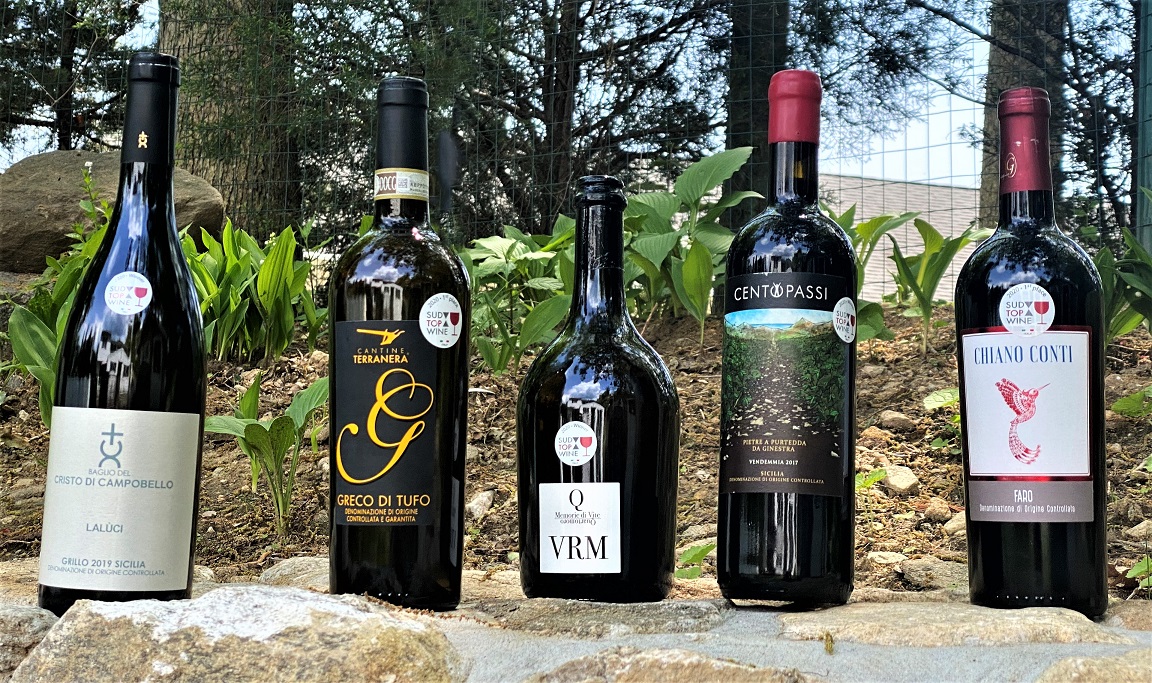 I had an opportunity to taste some of the top awarded wines (samples) from the 2020 competition, so below are my notes:
2018 Cantine Terranera Greco di Tufo DOCG (13% ABV, Sud Top Wine 2020 1st Place)
Light Golden
Whitestone fruit, a touch of honeysuckle
A touch of sweetness, good acidity, nice depth and structure, lemon notes with a hint of candied lemon, excellent balance
8, excellent white wine
2017 Pietre a Purtedda da Ginestra Centopassi Rosso Sicilia DOC (14% ABV, Nerello Moscalese, bio certified, Sud Top Wine 2020 Winner)
Bright ruby
Fresh cherries
Tart cherries, fresh, crisp, succulent, medium body, medium finish, nicely present tannins
8-
2014 Chiano Conti Rosso Faro DOC (13.5% ABV, Nerello Mascalese, Nerello Capuccio, Nero d’Avola, Nocera, Sud Top Wine 2020 1st Place)
Red currant, herbs, earthiness, tobacco
Tart cherries, underbrush, light and earthy
7+, it’s okay, not exactly my style
2016 Quartomoro VRM Memorie di Vite Vermentino di Sardegna DOC (13.5% ABV, Sud Top Wine 2020 Winner)
Light Golden
Intense nose with gunflint, white stone fruit, a touch of vanilla
Beautiful, full-bodied, plump, round, white plums, Meyer lemon, good acidity, good balance
8, delicious.
2019 Baguio del Cristo di Campobello Lalùci Grillo Sicilia DOC (13.5% ABV, Sud Top Wine 2020 Winner)
Straw pale
Complex nose of granite, gunflint, whitestone fruit
Crisp, fresh, a touch of gunflint, fresh lemony acidity, delicious
8+, superb
As you can tell, I really preferred the whites over the reds – but your experience might be different. If you will come across any of these wines, give them a try – you might be pleasantly surprised. Cheers!
Wine Quiz #142 – How Well Do You Know Your Wines?
The Wine Quiz series is not meant to intimidate. The whole idea here is to have fun and learn something new. When answering the questions, it is fully encouraged to use all available sources of information, including Google or any other search engine. There are no embarrassing answers – the most embarrassing thing is not giving it a try…
Welcome to your weekend and your new wine quiz!
Let’s start with the answers to the last quiz #141. You had to identify producers and, sometimes, wines by the fragment of the wine label. Here are the full labels of the wines included in that quiz:


And our bonus:
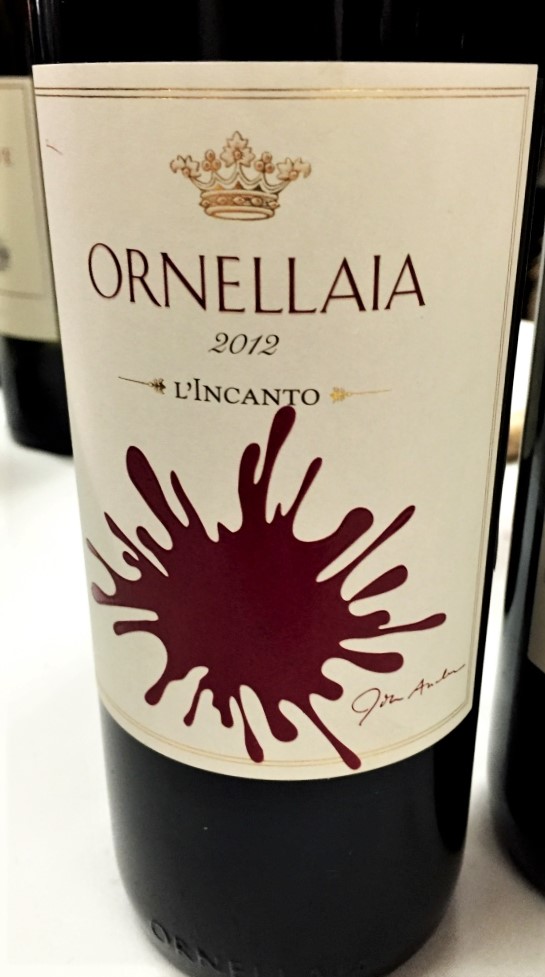
Bonus: 2012 Ornellaia L’Incanto (artist series)
As suggested – figure out one, figure out them all. All of these are the finest Super Tuscan Italian wines, including the rare bird as a bonus – artist series Ornellaia bottling from 2012 – L’Incanto.
We had two players who correctly identified all the wines from the main group – Zak and Jeff Kralik, Mr. Drunken Cyclist himself. Both get the grand prize of unlimited bragging rights. Jeff also correctly identified the bonus wine, so he gets a super grand prize of super-bragging rights (note to self: upgrade prize selection).
Today’s set is very easy – hope to see many, many winners.
Here we go:
1. 
2. 
3. 
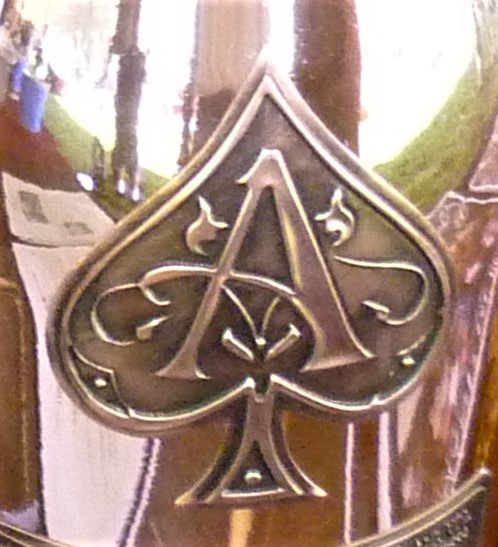
4. 
5. 
6. 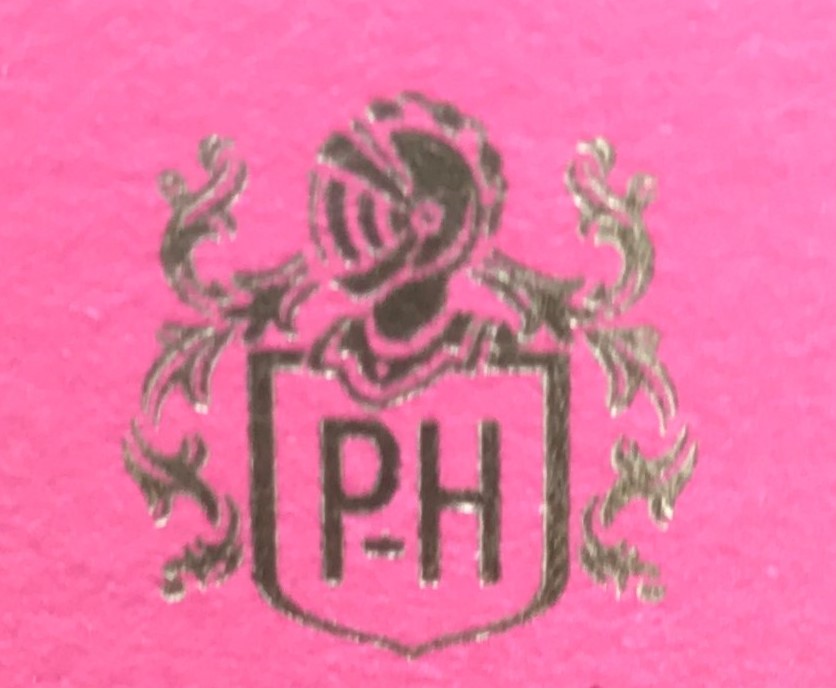
There is a perfect connection between all of these wines – figure out one, figure out all of them.
Good luck, enjoy your weekend and your new quiz! Cheers!
Everyday Bubbles
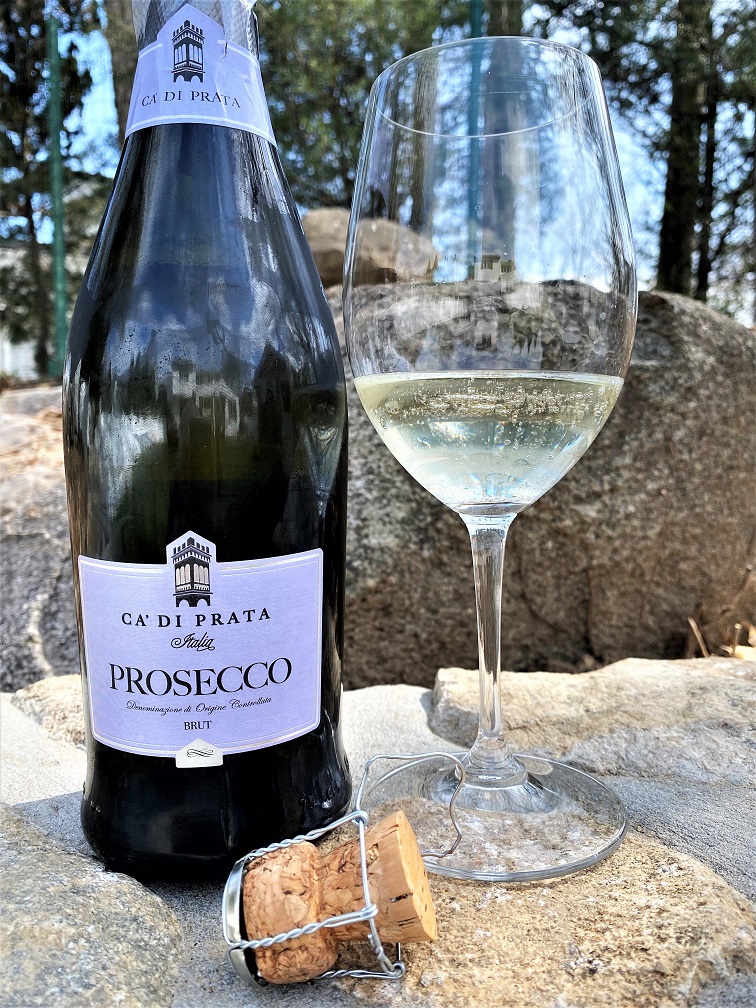 Do you have an everyday wine? An everyday wine is a wine you are happy to open on any day that has a name ending with “y”, like Monday, without any second thoughts. For the wine lover, there is always a ritual to choose the proper wine for each and every occasion (read: an evening after work), so the everyday wine is the wine allowing to circumvent that ritual, just open a bottle, get a glass, pour wine, and instantly feel better.
I would bet that for the majority of the wine lovers, the everyday wine would be a still wine – white, red, maybe a Rosé, but a still wine. There is an aura surrounding the sparkling wines – you can’t open bubbles without a special occasion, and “just another Monday” might not be it. There are many reasons the sparkling wines not considered appropriate for a casual evening. Sparkling wines have the whole celebratory mindset attached to them – “if I’m drinking sparkling wine I have something to celebrate”. Sparkling wines are usually more expensive than quality-comparable still wines. And so it is somewhat difficult to find a sparkling wine that can be designated as an “everyday wine”.
Difficult, but not impossible. Well, yes, it all depends. If you insist on drinking only Champagne, an “everyday Champagne” might be a challenge – at least a financial one. But if you are willing to look outside of Champagne, then Cava, Cremant, and Prosecco offer some good options. I want to bring two of such “everyday bubbles” to your attention.


First, Prosecco. Prosecco, produced in Northern Italy, is a sparkling wine that had been around almost as long as Champagne – with the only difference that it became internationally known only about 30 years ago (you can read the story here). But today, Prosecco is everywhere, and it offers lots of great options to consider for everyday bubbles. As, for example, Ca’ Di Prata, produced by Latentia Winery, and distributed by Mack and Schuhle I already wrote about a few months ago. Ca’ Di Prata takes its name from the town of Prata di Pordenone in Friuli, one of the epicenters of Prosecco production. I had an opportunity to try a few of the Ca’ Di Prata Prosecco wines (samples), and below are my notes:
Ca’ Di Prata Brut Prosecco DOC (11% ABV, $15.99)
Practically clear, nice tangy mousse
Touch of tropical fruit, a hint of honey
Refreshing, Meyer lemon, good acidity, mellow, good volume, a hint of sweet apples
8, very good, easy to drink, simple. Quaffable on its own, but should be perfect for cocktails (Mimosa, anyone?)
Ca’ Di Prata Rosé Extra Dry Prosecco DOC (11% ABV, $16.99, 85% Glera, 15% Pinot Nero)
Light pinkish color, abundant bubbles
Hint of strawberries
Strawberries all the way, a touch of lemon, creamy, inviting, a touch of sweetness, very well balanced.
8-, perfect everyday bubbles
Ca’ Di Prata Extra Dry Valdobbiadene Prosecco DOCG (11% ABV, $17.99)
Almost clear with a greenish hue, good amount of bubbles
Distant hint of an apple and flower petals, refreshing
Green apple, fresh, crisp, initially had a hint of sweetness which subsided, a touch of lemon.
8-, excellent for what it is – easy bubbles.
And then, of course, there is Cava – another perfect candidate for everyday bubbles. Cava is a Spanish sparkling wine, produced in exactly the same way as Champagne (secondary fermentation in the bottle) in Penedes in Catalonia. Cava is currently trying to change its image of simple, inexpensive, and often mediocre quality wine by introducing new categories and new subzones in the region – but this should be a subject for a separate post.
The Cava which I want you to consider for the everyday wine is one of my favorites, both aesthetically and taste-wise – Vilarnau Barcelona. I already wrote about Vilarnau at length before, so for the history, I would like to offer you this link. For this post, I tasted two wines (samples) from the beautifully appointed, Gaudi inspired bottles – here are my notes:
NV Vilarnau Brut Reserva Cava DO (11.5% ABV, $14.99, 50% Macabeo, 35% Parellada, 15% Xarel Lo, 15+ months in the bottle)
Light gold
Herbal, earthy, apple, lemon
Fresh, clean, apples, creamy, good body
7+, perfect for every day
NV Vilarnau Brut Reserva Rosé Cava DO (12% ABV, $15.99, 85% Garnacha, 15% Pinot Noir, 15+ months in the bottle)
Salmon pink
Fresh strawberries, a touch of gunflint
Fresh strawberries, crisp, clean, energetic,
Delicious.
8, excellent
What do you think? Would you make any of these wines your everyday wine? Cheers!
Made With Organic Grapes: Find Your Ritual
The world of wine is full of eternal questions. Here is one of the most prolific ones: where is the wine made – in the vineyard or at the winery?
Many would argue that, of course, the wine is made in the vineyard. To make good wine you have to start with good grapes. You need good, healthy, properly ripened grapes to make good wine. “Good grapes” might seem obvious as a concept, but it actually entails a lot of hard work, love, and care, from the moment the first bud will appear on the vine (and even before that) until the moment when harvested grapes are reaching the winery. “Good grapes” are not defined by the taste alone – it is important how the grapes were growing, were any pesticides used, were all the methods organic, or better yet, sustainable? “Good grapes” for sure means a lot of work.
Then some might argue that no matter how good the grapes are if the winemaker will not take good care of the grapes from the moment grapes arrived at the winery, the good grapes will not result in good wine. How the grapes were manipulated from the very beginning – sorting, cleaning, de-stemming, pressing, fermenting, aging, storing – each of these steps has to be performed properly, as even the very best grapes will not convert themselves into the good wine.
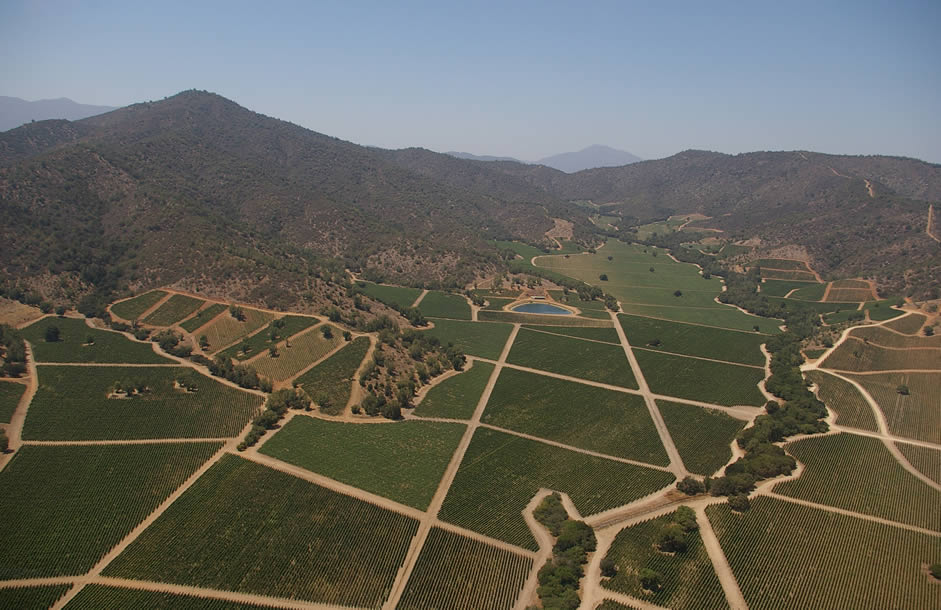
Source: Ritual Winery

Source: Ritual Winery
The folks at Ritual winery in Chile clearly don’t want to answer this eternal question. Or rather their answer is “both”. Estate vineyards in the eastern part of the Casablanca Valley in close proximity to the Pacific Ocean are surrounded by 6,000 acres of the native forest, creating a unique biome. All the vineyards are certified organic. Estate uses its own compost, made out of the pomace and manure of the local animals. Sheep help mow the grass and fertilize the vines.
The grapes are hand-harvested early in the cool morning at the first sunlight. After sorting, the grapes are fermented in the open-top tanks, using basket press and native yeast. To achieve desired characteristics, 4 different vessels are used for the aging of the wines: Oak Barrels to enhance the structure, Concrete eggs for the texture, Stainless steel Drums elevate freshness, and Stainless steel Tanks help with aromatics.


Below are my tasting notes, where you can also see all the different vessels used to produce particular wines:
2018 Ritual Sauvignon Blanc Casablanca Valley (14% ABV, $19.99, organic grapes, 8 months in stainless steel, concrete eggs and neutral barrels)
Light golden
Very complex, white stone fruit, good minerality, fresh herbs
Round and velvety, creamy texture, a hint of vanilla, even butter, nice lemon core, clean and crisp finish
8+/9-, outstanding. A different and delicious Sauvignon Blanc. Borderline a Chardonnay experience.
2019 Ritual Sauvignon Blanc Casablanca Valley (13.5% ABV, $19.99, organic grapes, fermented and aged for 8 months in concrete eggs, neutral oak, and stainless steel)
Light golden color
The nose is not very expressive, minerality, a hint of whitestone fruit
On the palate, a full spectrum, changing as the wine warms up – starting from steely Muscadet-like acidity, adding a bit of the creaminess after a few minutes in the glass, and then showing Chardonnay-like fuller-bodied notes and expressive minerality.
8/8+, Delicious
2018 Ritual Chardonnay Casablanca Valley (13.5% ABV, $20.99, aged in concrete eggs and French oak barrels)
Light Golden
Characteristic touch of vanilla and apple on the palate, a whiff of honey
Vanilla, apple, a hint of butter in the palate, perfect balance, crisp acidity, wow, a superb rendition of Chardonnay. Give it 5–10 years, and it will rival the white burgundy.
8, Outstanding
2017 Ritual Pinot Noir Casablanca Valley (13.5% ABV, $21.99, aged 11 months in French oak barrels)
Dark Ruby
The dusty nose of fresh plums with a touch of vanilla
Plums, violets, a touch of mocha, good acidity, fresh, excellent balance
8+, delicious from the get-go
Tasting Ritual wines will not help us to find an answer to our eternal question – these wines are clearly made both in the vineyard and at the winery. Have you tried any of these wines? If you did, I guess you already found your Ritual, if not – well, here is your chance.
My Friends’ Roses
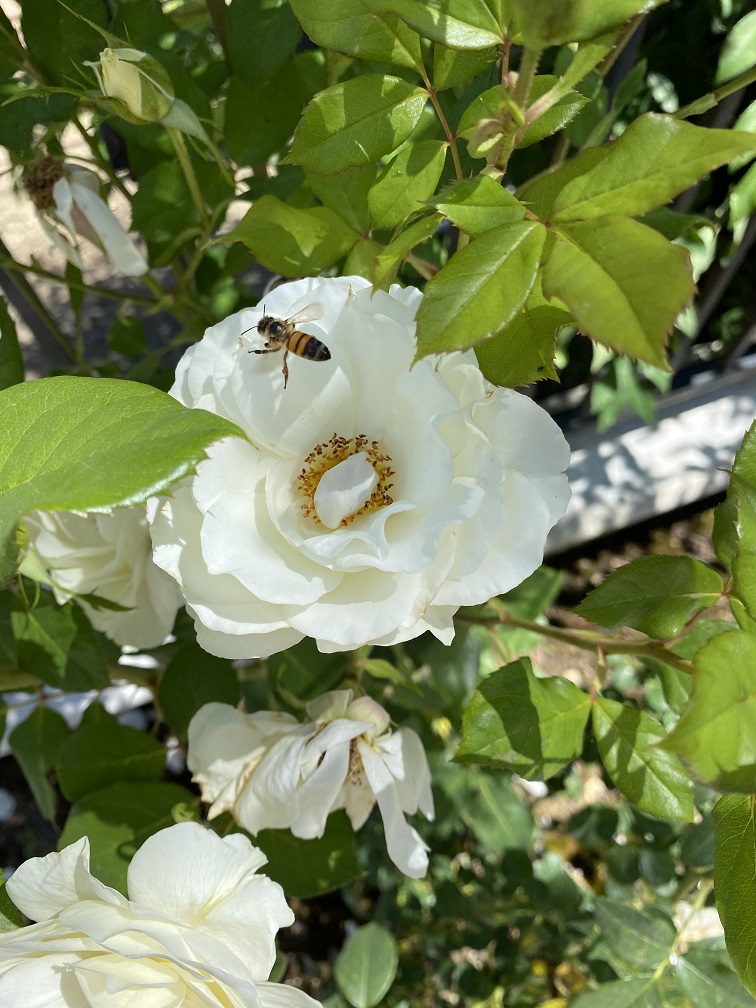
I love flowers. They are some of the most beautiful things Mother nature produces. And the miracle of life – when you drop a seed, which appears to be a tiny speckle of dust into the soil and start watering it, a plant appears in front of your eyes, and then the beautiful flowers follow. When you look at the grown-up plants, flowers, bushes, trees, it is easy to take things for granted – but if you ever had grown anything from the seeds, I’m sure you can fully appreciate that miraculous transformation from dust to beauty.
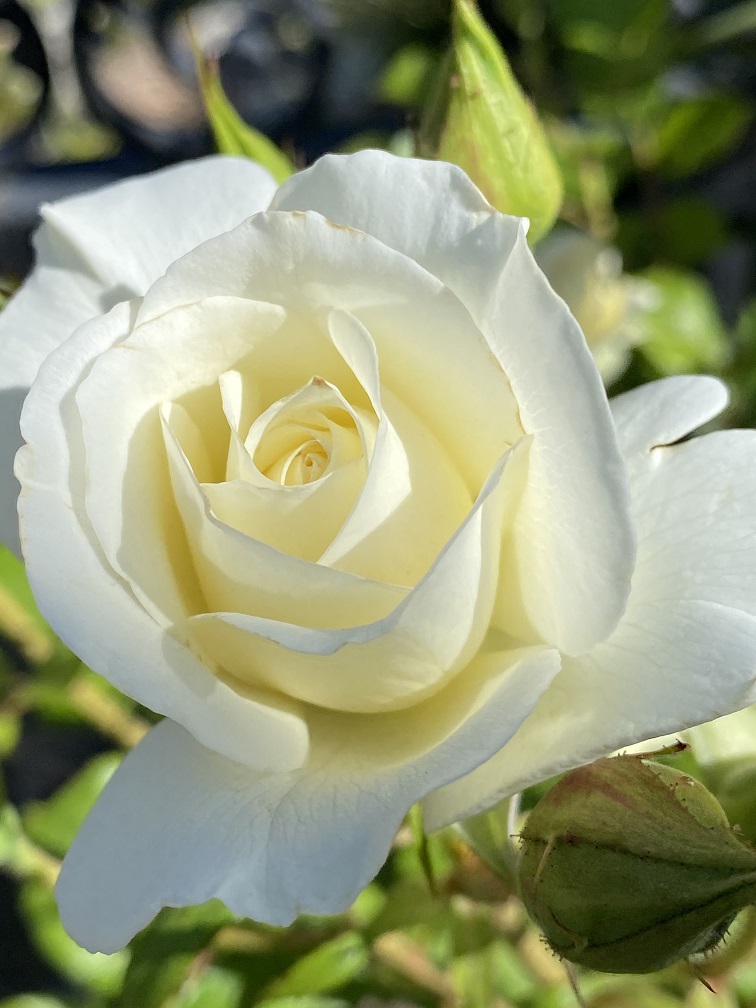
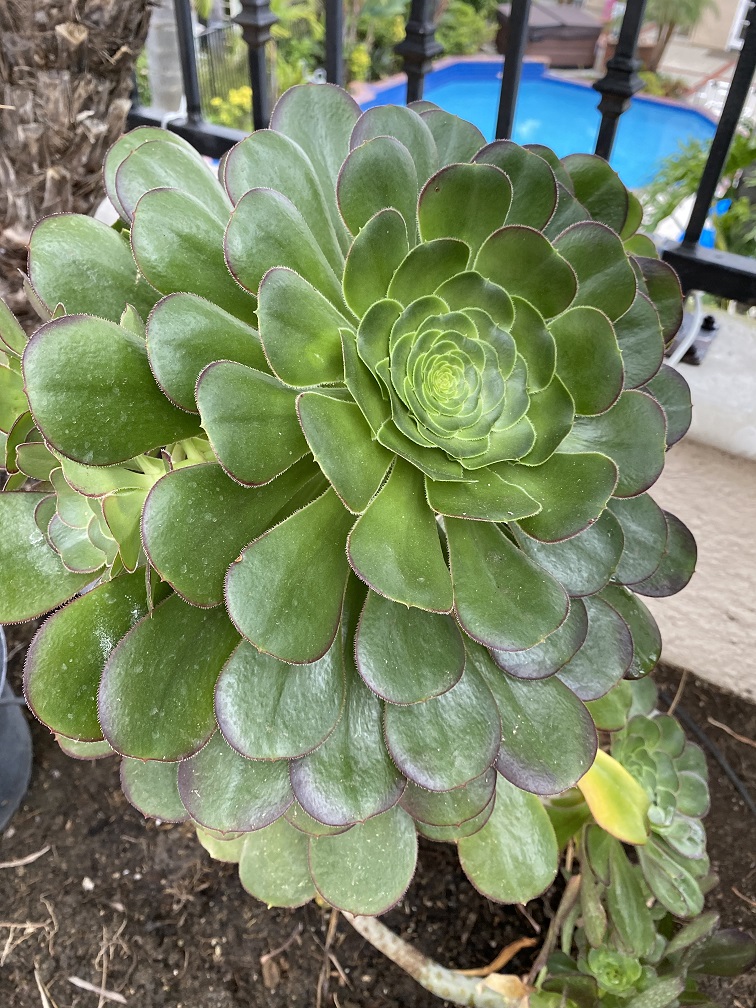
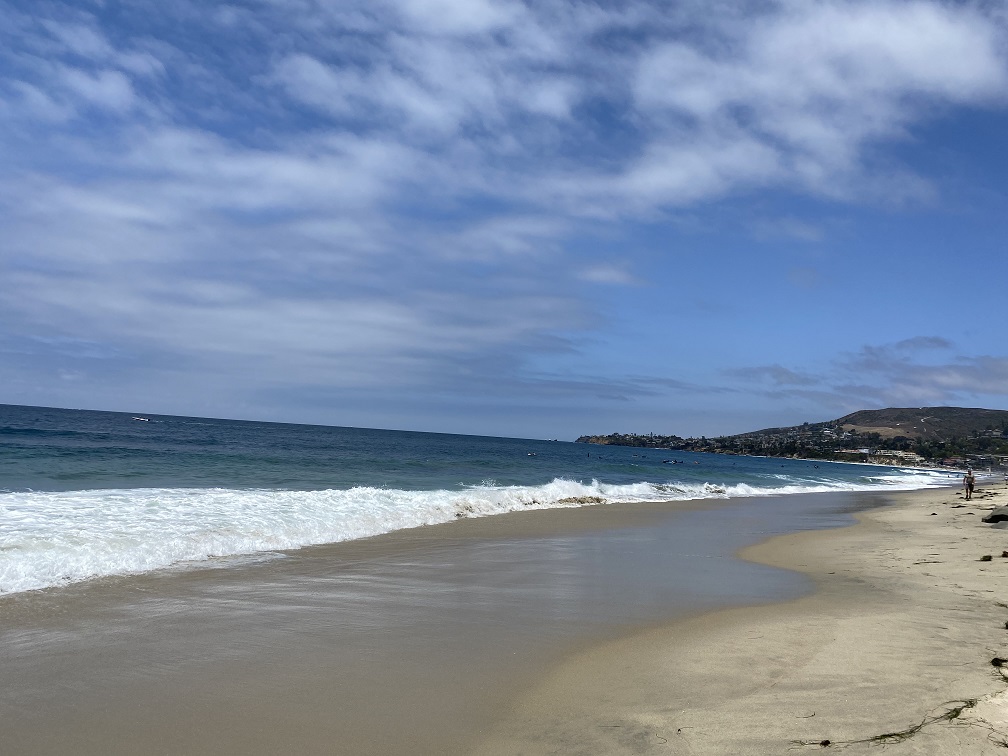
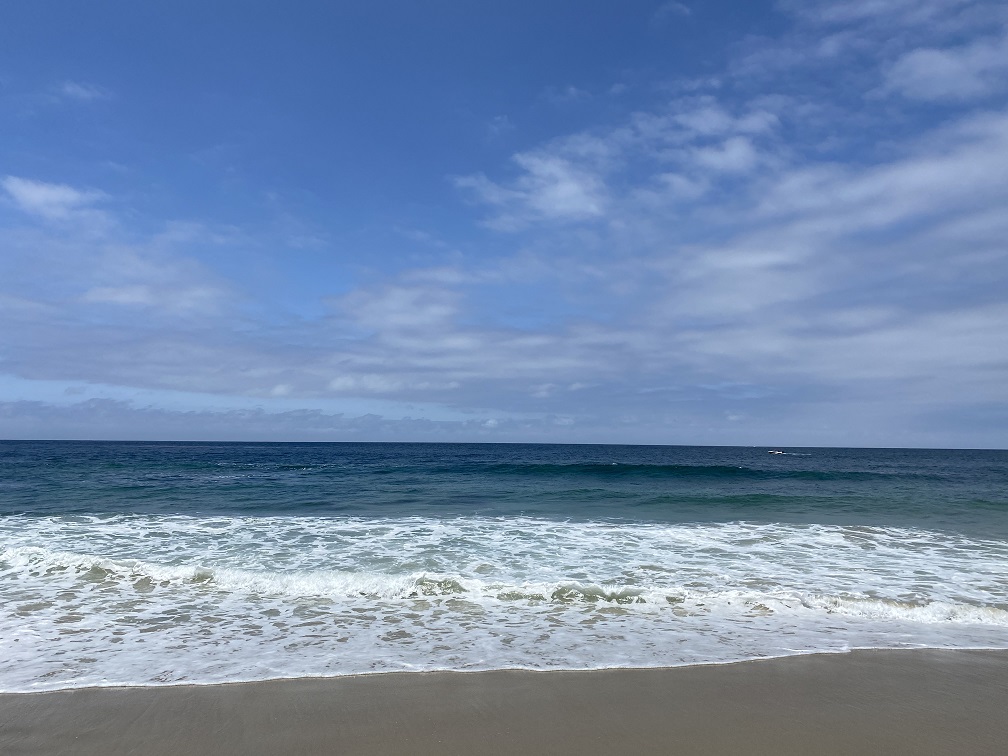
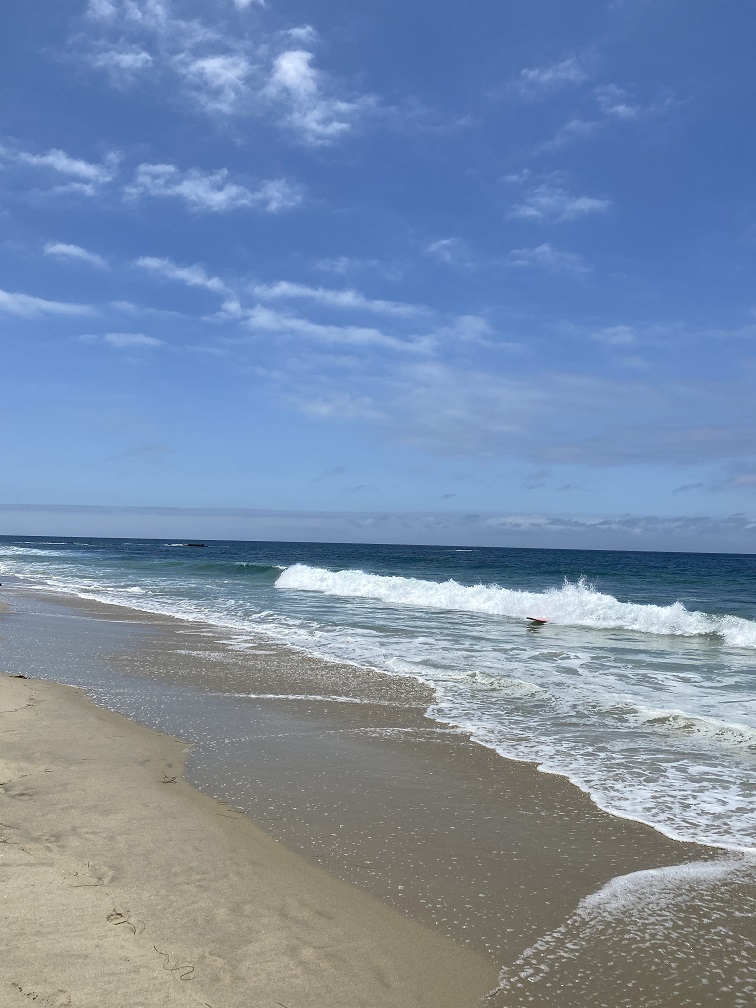
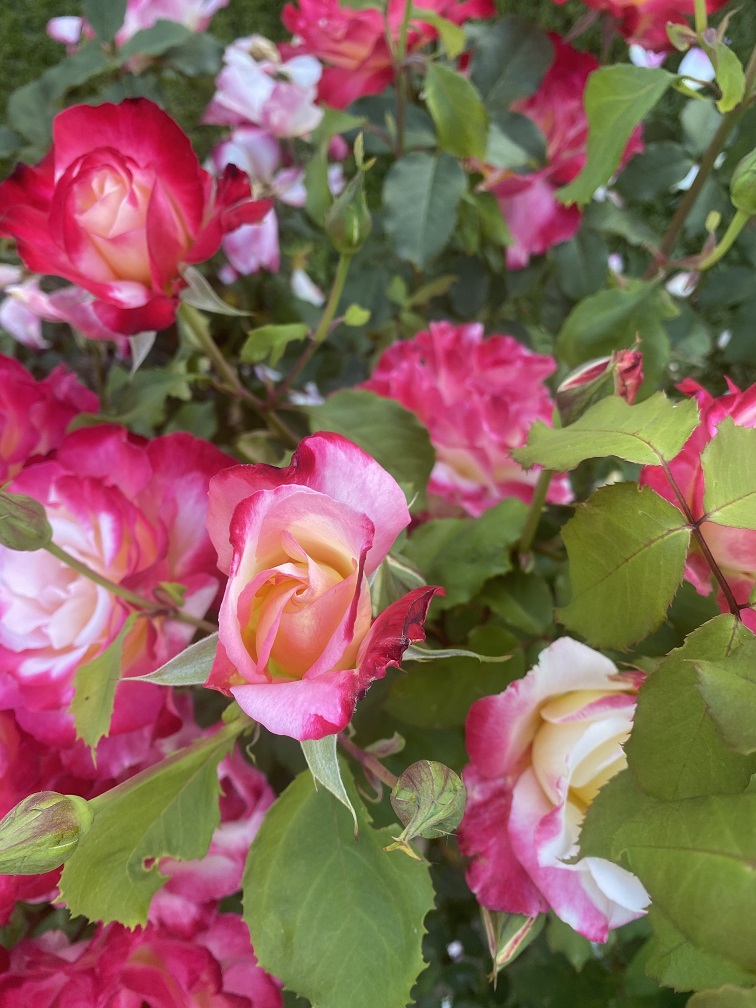
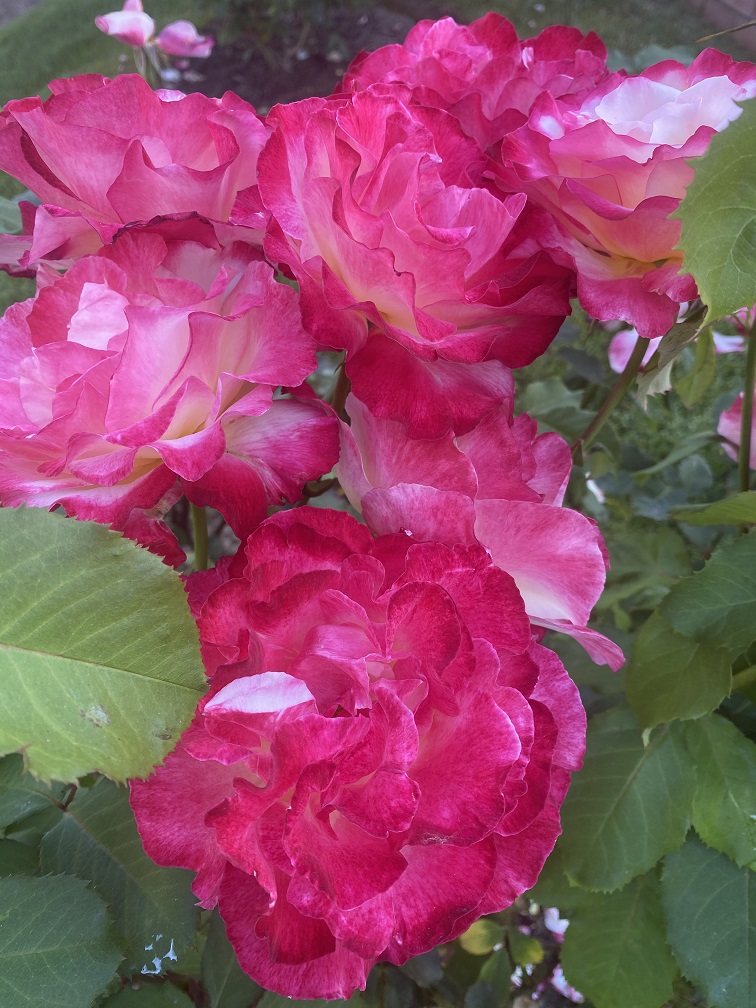
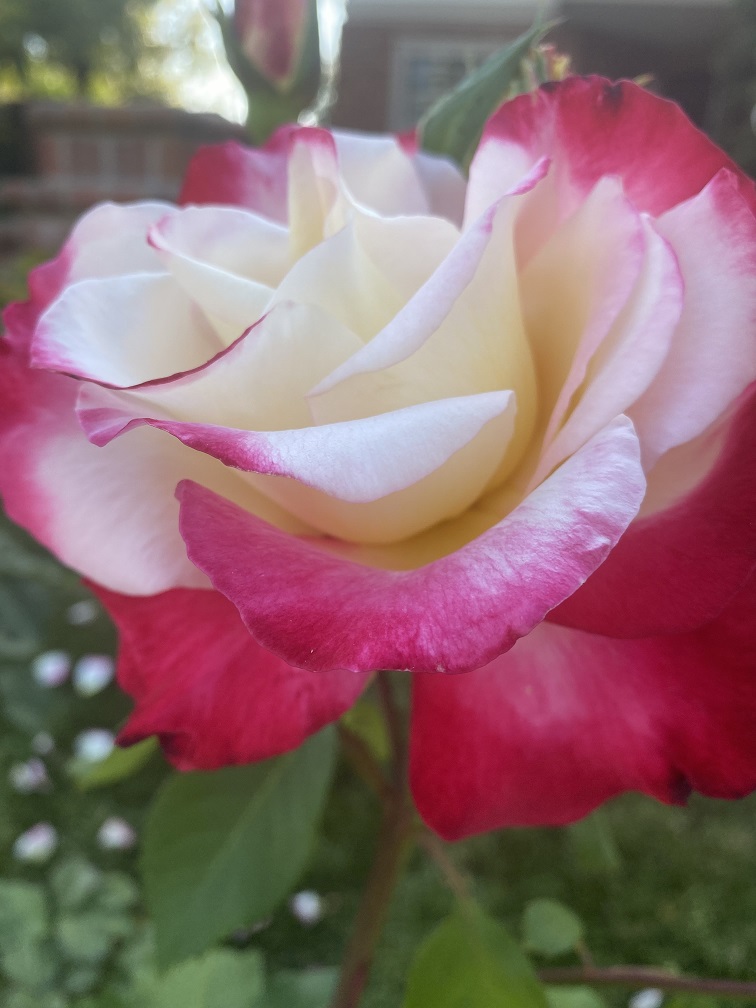
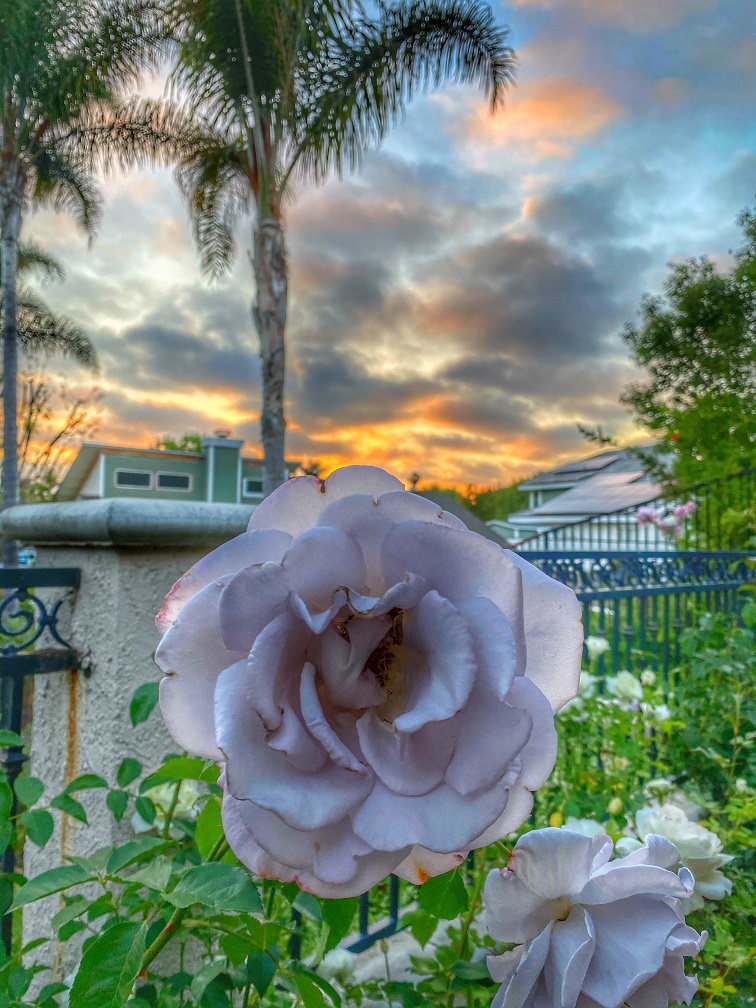
We visited friends in Southern California last weekend. They have roses growing all around the property, and I couldn’t stop taking pictures of the magnificent flowers. And now I simply want to share that beauty with you. It is not only roses,k but a few other flowers too, a few sunsets, a few palm trees, and a bit of the waves too. Hope you will enjoy!









Wine Quiz #141 – How Well Do You Know Your Wines?
The Wine Quiz series is not meant to intimidate. The whole idea here is to have fun and learn something new. When answering the questions, it is fully encouraged to use all available sources of information, including Google or any other search engine. There are no embarrassing answers – the most embarrassing thing is not giving it a try…
Welcome to your weekend and your new wine quiz!
Let’s start with the answers to the last quiz #140. Once again, you needed to identify producers and, sometimes, wines by the fragment of the wine label. Here are the full labels of the wines:


I didn’t call the wines iconic for nothing – you will be hard pressed to find wines of higher pedigree in the world – 5 of the legendary First Growth Bordeaux, plus First Growth from Sauternes.
There were still not as many answers as I would want, but there were two perfect answers, thus we have two winners – Jason Brandt Lewis and Frankie both properly identified all the labels, so they both get the grand prize of unlimited bragging rights.
Today’s set is also not too shabby, I have to say – I would be absolutely ecstatic to drink any of these wines any day. I hope my readers will share my enthusiasm and play along.
Here we go:
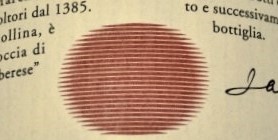
1. 
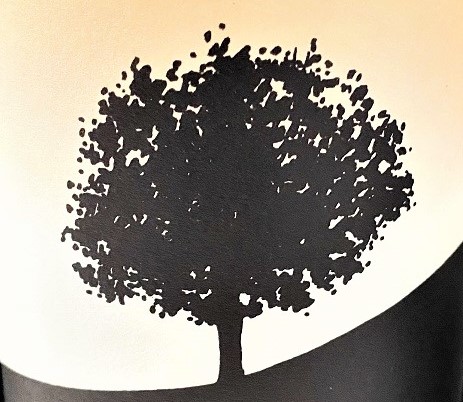
2. 
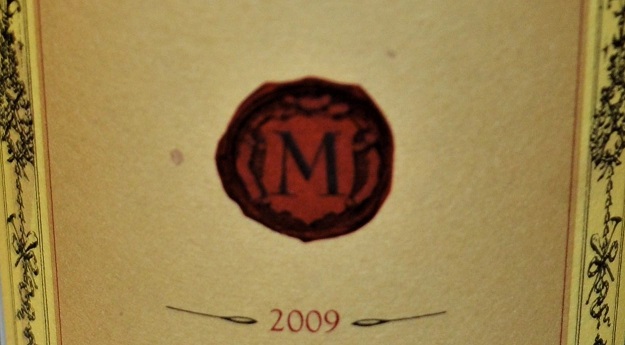
3. 
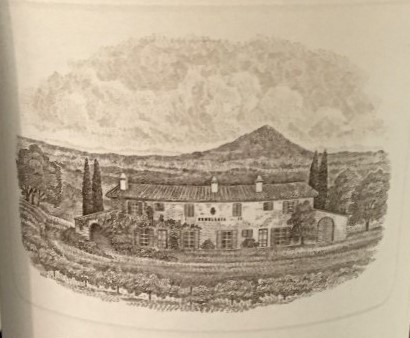
4. 
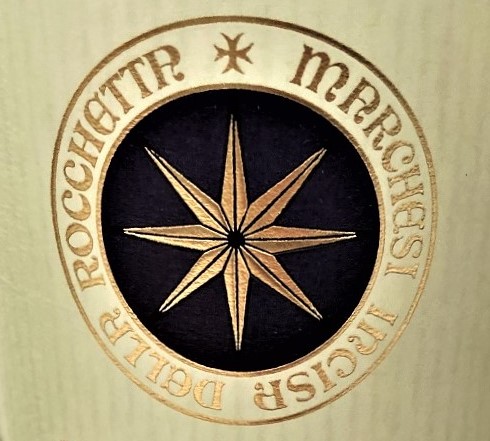
5. 
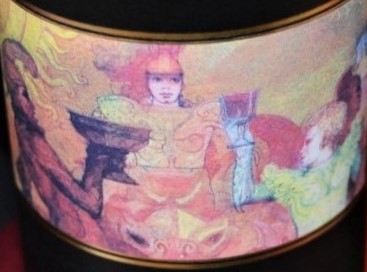
6. 
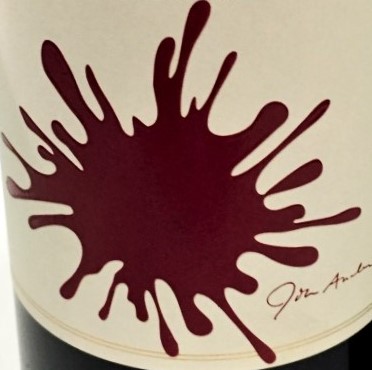
To make it even more interesting, I’m including a bonus fragment. The wine is perfectly related to the others shown here, but it is a perfect curveball, thus it will not affect your grand winner standing even if you will not recognize this wine:
7. 
Once again, there is a perfect connection between all of these wines – figure out one, figure out all of them.
Good luck, enjoy your weekend and your new quiz! Cheers!
Made With Organic Grapes: Red, White, and Rosé
Have you looked attentively at the wine labels lately? I don’t know about you, but “made with organic grapes” is something I see on more and more wine labels. Red, white, Rosé, bubbles – no exception. As winemaking methods are advancing, organic viticulture is almost becoming a new norm.
While “organic” and “sustainable” are not the same, organic designation is often a stepping stone toward sustainable and biodynamic viticulture. Sustainability seems to be the word of the day, not only in the viticulture but all areas of human activities – but this is a wine blog, so let’s just stay with our beloved subject here.
A few weeks ago, I shared my impressions of the organic wines of Viñedos Veramonte from Chile. As I believe we are looking at the trend, let’s continue our search for organic grapes, and let’s take a quick trip to the old continent – Italy, to be more precise. Once we are in Italy, let’s go to Sicily, where Cantine Ermes had been producing wines since 1998.
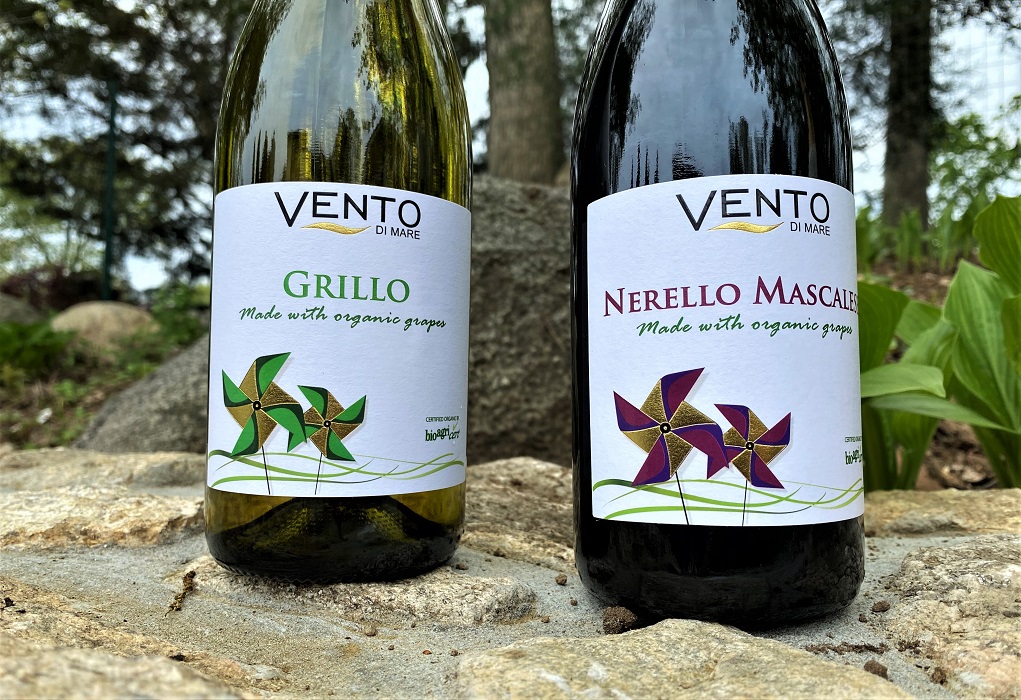
Cantine Ermes is a coop-type winery. The numbers behind Cantine Ermes are quite impressive – 2,355 associates, 9 cellars, more than 25,000 acres of land under vineyards, and about 12M bottles annually are sold in 25 countries. Despite its sheer size, Cantine Ermes practices organic and sustainable farming and has tight control over all steps of wine production.
Two wines I tasted brilliantly represented Sicily, made from the local grapes:
2019 Cantine Ermes Vento Di Mare Nerello Mascalese Terre Siciliane IGT (13.5% ABV, $13)
Ruby red
The nose of freshly crushed berries, cherries, and eucalyptus.
Playful on the palate, a touch of fresh cherries, intense tobacco, minerality, medium body, clean acidity, good balance.
8-/8, perfect on its own, but will play well with food.
2019 Cantine Ermes Vento Di Mare Grillo Sicilia DOC (12.5% ABV, $13)
Light Golden
Fresh lemon, Whitestone fruit, medium+ intensity, inviting
Crisp, clean, fresh lemon, nicely present body, a touch of white plum, good minerality, a hint of sweetness
8/8+, superb, delicious white wine all around.
We are continuing our organic grape quest by going west and leaving the old continent and arriving at Mendoza in Argentina. Earlier this year I discussed sparkling wines of Domaine Bousquet – the product of the obsession of the French winemaker Jean Bousquet, who fell in love with the raw beauty of Gualtallary Valley in Mendoza. Interestingly enough, two sparkling wines I was talking about before were also made from organic grapes – I guess I simply didn’t see it as a trend yet.
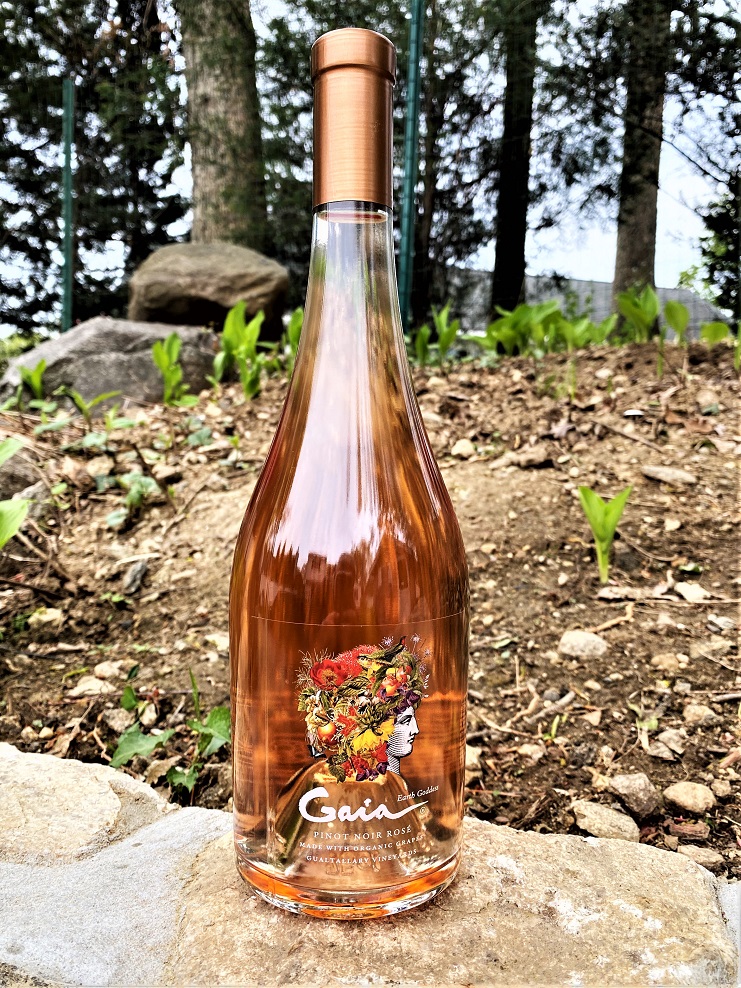
Gaia Rosé is the inaugural vintage of the wine made from 100% Pinot Noir, from the vineyards in the Uco Valley located at the 4,000 feet/1,200 meters elevation. The wine takes its name from Gaia, the ancient Greek goddess of the Earth and an inspiration for the Bousquet family. Just take a look at this beautiful bottle and tell me that you will be able to resist the urge to grab this bottle off the shelf at the first sight.
Here are my thoughts about the wine:
2020 Domaine Bousquet Gaia Pinot Noir Rosé Gualtallary Vineyards Mendoza Argentina (13.1% ABV, $20, vegan friendly)
Light salmon pink
Complex, onion peel, a touch of strawberries
Fresh Strawberries, grapefruit, bright acidity, a touch of sweetness, firm, present
8, delicious. Unusual
Here you are, my friends. Red, white, and Rosé from around the world. made from organic grapes, delicious, affordable, with a great QPR. What else should wine lovers want?
Seeking Cabernet
 Now, this is frustrating.
At the recent dinner with friends at Knife Pleat restaurant (amazing food!), I assumed my role of designated Wine Guy and was going through 20+ pages of the wine list. 1970 Solar di Samaniego Rioja Gran Reserva caught my eye – at $200, it represented an amazing value for a 51-year-old wine. After confirming with the Somm that the wine is still well drinkable, only more delicate than powerful, I had to wriggle an approval for spending $200 on a bottle (I was not paying).
After the wine made it into the glasses, it appeared that everyone was really enjoying the nose, which was complex and spectacular. The first sip of the wine, served at the cellar temperature, was met with more than subdued enthusiasm – let’s be honest here, it was rather a sigh of disappointment. There was nothing wrong with the wine, but it was well closed and at least needed the time to open up.
After a few attempts to enjoy the wine, my friend asked “can you recommend any big, round, smooth, and velvety wines”? It turns out a few years back when she just arrived in Irvine, she got a bottle of wine at the local store. The wine was on sale for about $20 a bottle, and all she remembers was Cabernet Sauvignon and that she really enjoyed the wine – but she has no idea about the producer, the vintage, or any other essential elements.
Have you been in a situation where a simple question can lead to literally complete paralysis while trying to answer it? This might be a situation where your knowledge becomes your big handicap, as you try to hastily dissect the complexity of such a simple question.
Basically, the question asks “can I recommend an amazingly good California Cabernet Sauvignon at a reasonable price to someone who is not a wine aficionado, but just want to occasionally enjoy a good glass of wine?” – how easy this should be to answer for the Wine Guy? For yours truly Wine Guy, not so easy.
Good California Cabernet Sauvignon might be one of the best pleasures on Earth. I’m talking about the wine which unequivocally extorts “oh my god” from the red wine lover after the first sip. Of course, this is a simple idea – but not so simple to provide a recommendation. We need to take into account price, availability, and readiness to drink. BV Georges de Latour Private Reserve might be amazing with proper age, but with the price of $100+ per bottle and pretty much undrinkable upon release, this is not the wine I can recommend. The same story would be with Kamen, one of the most amazing Cabernet Sauvignon wines I ever tasted. Textbook, Turley, or Waterstone would offer more reasonably priced options (under $50), but still, I don’t know how amazing these wines are upon release. Suggesting non-winos to decant will not work. Asking them to keep the wine in the cellar until it reaches perfection will not be received very well. That leaves us with only one option – we need to find a Cabernet Sauvignon which is delicious upon release.
In an attempt to rehabilitate me after (almost) an epic failure at the restaurant, I decided to look for the simplest solution – the wines from Trader Joe’s. Trader Joe’s wines rarely disappoint; they are light on the wallet and don’t require cellaring or decanting to be enjoyed.
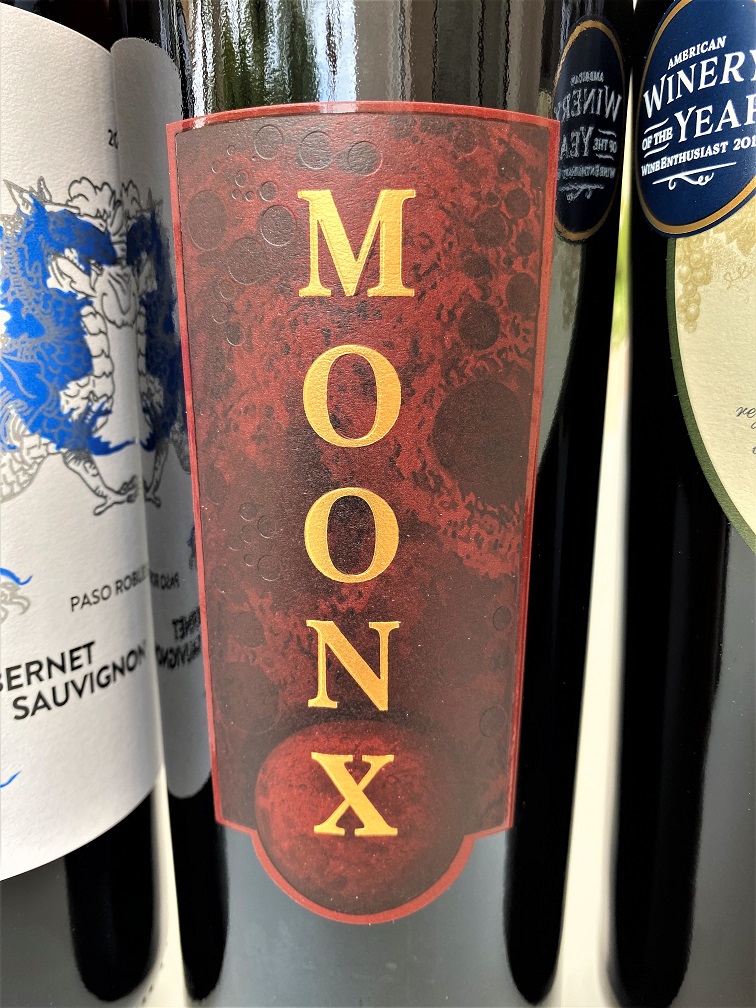
Trader Joe’s offers a good selection of Cabernet Sauvignon wines. Choosing the wines was a combination of prior experience and just good-looking labels – Justin makes outstanding wines in Paso Robles; you can’t go wrong with or beat the prices of the Bogle wines); I had MOONX wines before, and have good memories of them.
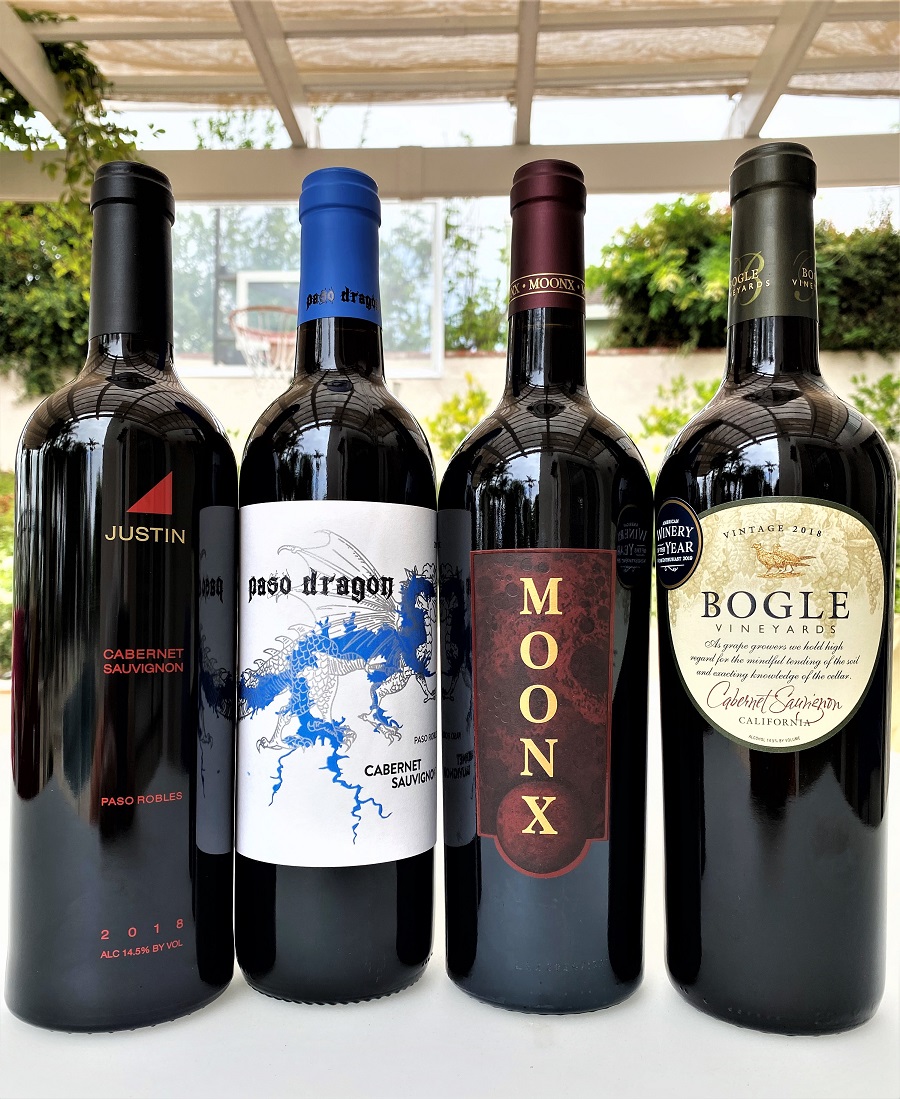
Here are the Cabernet Sauvignon wines from Trader Joe’s I offered to my friend to taste (notes are mine, of course):
2018 Paso Dragon Cabernet Sauvignon Paso Robles (13.5% ABV, $6.99)
Garnet
sage, blackberries, red and black fruit
Blackberries, herbs, medium body, clean acidity, nice finish with a touch of pepper
7+, a bit too weak for the Cab, but easy to drink wine. Can’t really identify as Cabernet Sauvignon.
2018 Justin Cabernet Sauvignon Paso Robles (14.5% ABV, $24.95)
Ruby
A touch of eucalyptus and mint, blackberries; second day – earthy and complex, a hint of gunflint.
A distant hint of cassis and tobacco
Second day: Classic cab is coming through, cassis and mint, clean acidity, crisp tannins.
8/8+, this wine needs at least 5, better yet 10+ years in the cellar to shine.
2018 Boggle Cabernet Sauvignon California (14.5% ABV, $7.99)
Light garnet
Bell peppers, a hint of cassis
Blackberry preserve with tobacco and a touch of coffee. More herbaceous than anything else.
7+, it is a drinkable wine, but might be the least Cabernet of the group.
2019 Moonx Cabernet Sauvignon California (13% ABV, $6.99)
Garnet
A touch of cassis, berries compote, a hint of bell pepper
Lodi fruit presentation, a hint of cinnamon, warm spices, sweet tobacco, berries preserve, a touch of fresh tannins, medium finish.
8-, easy to drink, good balance, pleasant, great QPR.
My friend’s favorite on the first day was Paso Dragon. MOONX was a favorite on the second day. She declared Justin “not bad” on the second day. And she was unmoved by Bogle on either day.
From my point of view, only Justin was worthy of Cabernet Sauvignon designation – give it time, and it will be a spectacular one. MOONX was very good too, but it didn’t necessarily scream Cabernet Sauvignon. We need to remember though that my friend’s love and desire for Cabernet is simply based on the good prior experience with the wine named Cabernet Sauvignon, but was that a classic Cab nobody would ever know.
There you go, my friends. Let’s go on the quest to find the best, varietally correct Cabernet Sauvignon, perfectly drinkable upon release, at a price that leaves 401k intact. Ready to offer recommendations? Be my guest…
Wine Quiz #140 – How Well Do You Know Your Wines?
The Wine Quiz series is not meant to intimidate. The whole idea here is to have fun and learn something new. When answering the questions, it is fully encouraged to use all available sources of information, including Google or any other search engine. There are no embarrassing answers – the most embarrassing thing is not giving it a try…
Welcome to your new wine quiz!
Let’s start with the answers to the last quiz #139. Once again, you needed to identify producers and, sometimes, wines by the fragment of the wine label. Here are the full labels of the wines:


These are all well-made and well-known Spanish wines, nothing obscure here.
Sadly, there were no takers for this wine quiz, so I will have to keep all of the prizes to myself.
Today’s set is as iconic as it gets. You can argue how well-known Dominio de Pingus is, but nobody can argue that today’s set represents some of the best-known wines in the world. I expect to get lots of answers (yeah, as always).
Here we go:
1. 
2. 
3. 
4. 
5. 
6. 
There is a perfect connection between all of these wines – figure out one, figure out all of them.
Good luck, enjoy your Sunday and your new quiz! Cheers!
Discovering Armenian Wine
I love wine.
I’m a collector.
Based on these two statements, how easy it is to assume that I’m a wine collector? No brainer, right?
And nevertheless, I don’t see myself as a wine collector. The only reason I have a wine cellar (a bunch of wine fridges, rather) is that I like to drink aged wines – not for any bragging or financial reasons.
So what am I collecting then?
Experiences. I love to collect experiences. Tasting the wines I didn’t taste before (an easy one – every year, I should have what, 500,000 options?) Tasting the wines made from the grapes I never tasted before. Tasting the wines from the new places.
Growing up in the 80s in the USSR, I knew about Georgian wines – those were the most famous (Georgia was one of the 15 republics in the former Soviet Union). I also knew about Georgian cognac (yeah, should be called brandy, but do you think anyone cared there about the trademarks?) – but those were not the best. The best cognacs (okay, okay, brandies) were coming from Armenia (another republic then) though. Not being really into wines and grape growing, I never thought of a possible connection between the wine and cognac (both are made from grapes), thus I never thought that it is entirely possible that Armenia might be also making wines if they already got the grapes.
Turns out that it would be an excellent guess to connect the dots err, grapes, as it appears that wine had been made in Armenia for the past 6,000 years or so. I’m not here to debate the crowning of the “cradle of winemaking” title – whether it is Armenia, Georgia, or Turkey is all fine by me, please accept my sincere gratitude for bringing wine into this world.

Armenian Wine Regions. Source: Storica Wines
As we said, Armenia is one of the oldest wine-producing countries in the world, which had been shown through the archaeological excavations, discovering the wine production facility located in Areni cave complex and dating back to around 4000 BC. Considering such a long history, it is safe to say that wine is an indelible part of the Armenian lifestyle.
In more recent days, during the Soviet rule, Armenia was producing wine and brandy, but the majority of the wine was produced in the Sherry style (it is interesting to note that similar to the wines of the Sherry region in Spain, Armenian “Sherry” wines can also develop a thin protective layer (flor) on the surface. Needless to say that production of fine wines was never encouraged during the soviet era.
Armenia’s terroir is conducive for the production of fine wine – predominantly volcanic soils, rich in nutrients, and high vineyard elevation (2,000 – 5,000+ feet above sea level) help to produce good quality grapes. About 30 indigenous grape varieties also help to produce wines of unique flavor profile and character.
I had an opportunity to sample two of the Armenian wines, courtesy of Storica wines, an importer and online retailer of Armenian wines in the USA.
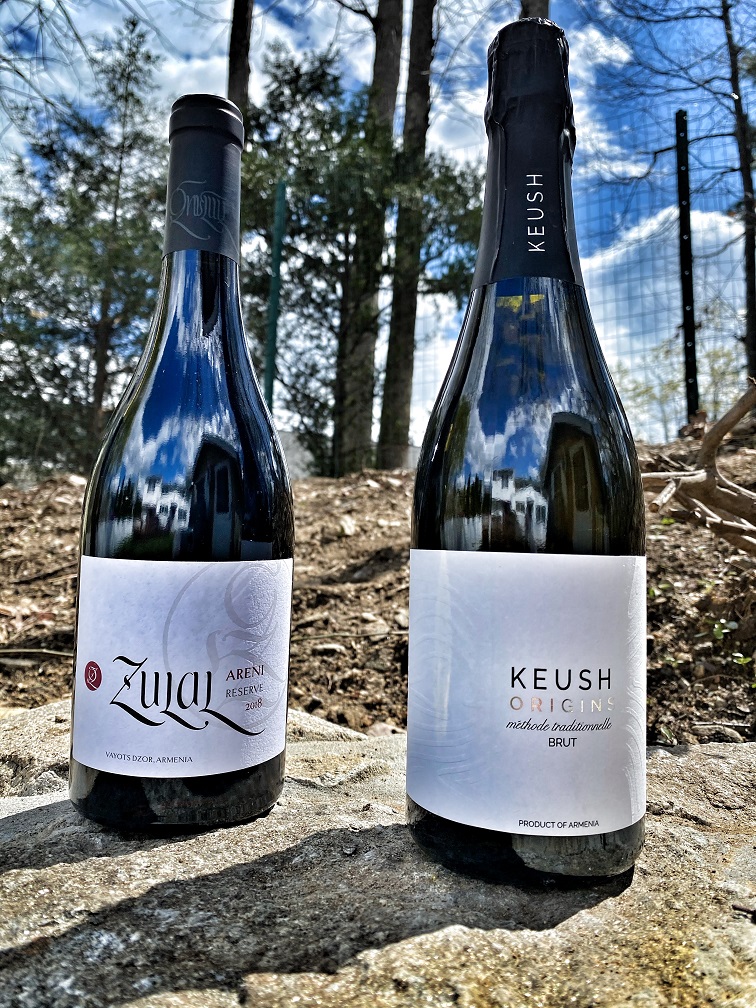
The first wine I tried was traditional method sparkling wine produced by Keush. Keush winery was established in 2013, however, they use 100–120 years old vines, growing at the 5,200 feet elevation above sea level, some of the highest vineyards in Armenia. This classic method sparkling wine was produced from the indigenous grape varieties, and I have to honestly admit that the wine greatly exceeded my expectations.
The second wine I tasted was produced by one of the youngest wineries in Armenia, Zulal (the word means “pure” in Armenian). The winery produces about 10,000 cases per year, focusing on Areni and Voskehat grapes sourced from about 40 villages from Aghavnadzor, Rind, Arpa Valley, and Vayots Dzor regions.
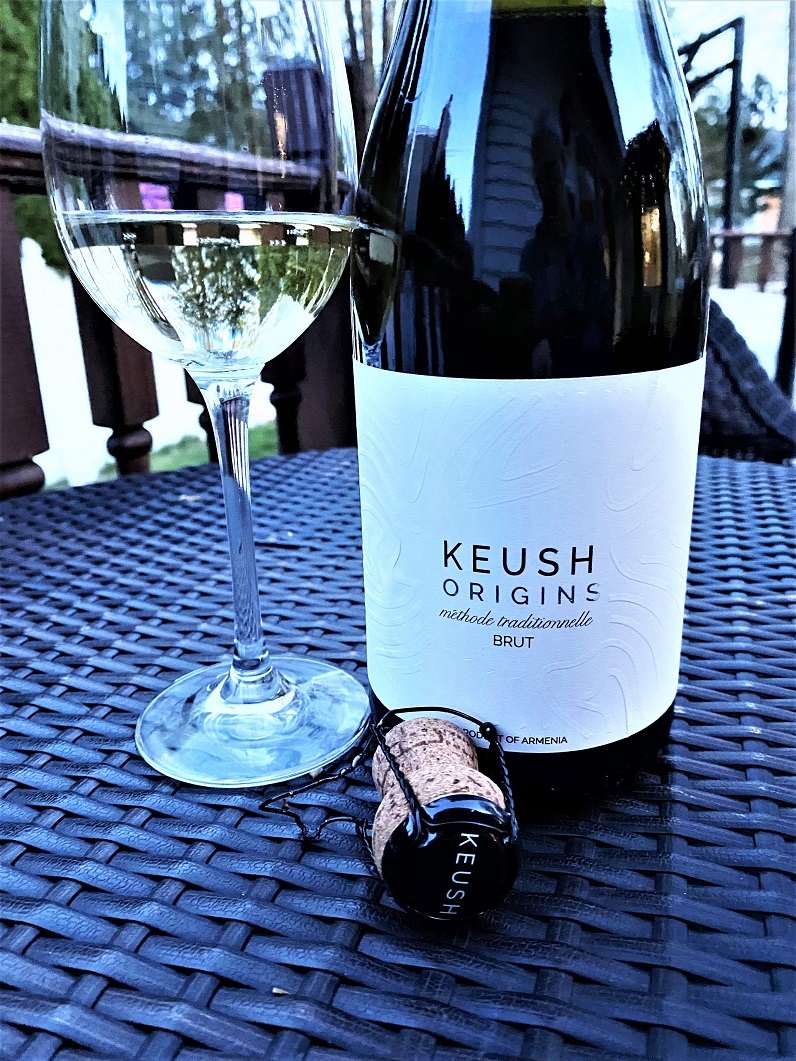
NV Keush Origins Brut Methode Traditionelle Armenia (12% ABV, $25.99, 60% Voskehat, 40% Khatouni, at least 22 months on the lees, Lot 08.15)
Light golden color
Beautiful nose of toasted bread, a touch of yeast, clean, inviting, classic
Beautiful minerality, fresh, toasted notes, vibrant, clean acidity, fine creamy bubbles coating your mouth.
Outstanding, 8+
2018 Zulal Areni Reserve Vayots Dzor, Armenia (13% ABV, $32.99, 100% Areni, 12 months in Caucasian and French oak barrels)
Dark garnet
Not an expressive nose, underbrush, herbal undertones, a touch of fresh berries
Black pepper, wild berries, dried herbs, soft, clean, easy to drink
8, simple, quaffable, easy to drink, perfect for the conversation
As a wine drinker, I’m very happy with my discovery. Keush sparkling was outstanding, both delicious and a great QPR. Zulal Areni was also quite delightful. As a collector, I’m also very happy, as I get to add 3 new grapes, plus a checkmark to the list of the winemaking countries I had an opportunity to taste the wines from. Most importantly, I had an experience of drinking the wines made in the country which is an indelible part of the world’s winemaking history. All in all, a good day.
Have you ever had Armenian wines? If you had, what do you think of them? If you didn’t, are you ready to rectify things? Cheers!
Last Bottle Sign Up ($10 credit)




 Talk-A-Vino