Pinot Noir On The Go – At Vino Volo in Newark Airport
This is not the first tine I write about Vino Volo wine bar (you can find previous posts here). Just in case you are not familiar with Vino Volo, it is a great chain of the wine bars, offering all the wine lovers a refuge, alleviating dreadful and tiresome airport travel experience. Vino Volo is the place where you can sit down and enjoy a glass of good wine, or a tasting flight, at the reasonable price, accompanied by a tasty bite of food – a sandwich, olives, a little cheese platter and more.
Actually, this was my first time at Vino Volo wine bar at Newark airport. Generally, I’m flying in the morning, way before Vino Volo would be open, so I walked past the restaurant many times, only promising myself to hopefully come back at some point. This time, on the way to California, I had an early afternoon flight, so Vino Volo sounded like a perfect late lunch option.
As Vino Volo wine bars located in the different airports throughout the country, the wine offerings very often include local wines. You can expect to have an opportunity taste Texas wines while in Austin, and Virginia wines while in Washington, and Oregon wines in Portland. Typical selection on the Vino Volo wine menu would include 6-8 different wine flights, white, rose and reds. While Vino Volo in Newark didn’t offer any New Jersey wines (not sure I’m courageous enough even if they would), it was not easy to make a decision. Somehow, I settled on the Pinot Noir flight, which consisted three wines from Germany, Oregon and California. While I’m well familiar with Oregon and California Pinot Noirs, I have very limited (and until now, unsuccessful) exposure to the German Pinot Noirs – however, so many bloggers had being raving lately about German Pinot Noir wines, that I simply had to try it.

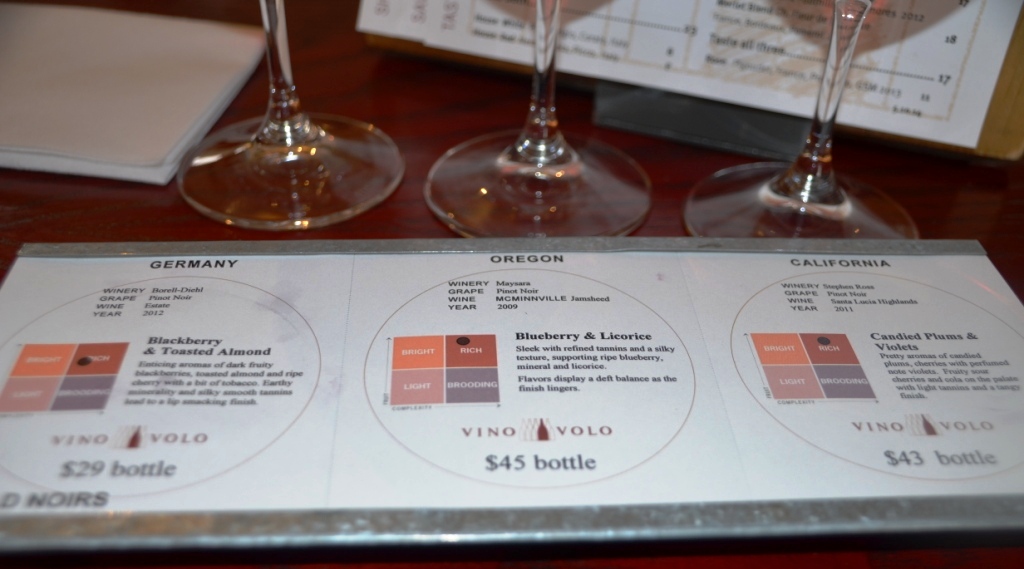 Here are my notes:
2012 Borell-Diehl Pinot Noir Estate, Germany
Color: Garnet
Nose: Blackberries, red fruit, clean, hint of minerality
Palate: Fresh, clean, bright acidity, very good balance, herbs, nice red fruit.
Verdict: Perfectly worked with my warm Tuscan chicken sandwich, great pairing. Overall very nice, food friendly wine. Drinkability: 7+
2009 Maysara Pinot Noir, McMinniville AVA, Oregon
Color: Ruby
Nose: Mocha, herbs, lavender, hint of root beer (I can’t believe I would say it, but Kirsten The Armchair Sommelier was right!)
Palate: Complex, delicious, nice acidity, good structure and backbone
Verdict: Also worked perfectly with the warm Tuscan chicken sandwich, very good wine overall. Drinkability: 8-
2011 Stephen Ross Pinot Noir, Santa Lucia Highlands, California
Color: Ruby
Nose: Concentrated, dark chocolate, pencil shavings, smoke, roasted plums
Palate: open fruit, bright, perfect balance, medium-long finish.
Verdict: didn’t work with the sandwich, but was delicious by itself. Drinkability: 8
There you have it – three excellent Pinot Noir wines on the go. Next time you are in the airport – remember, you have options. Vino Volo is continuing expanding, so there is a good chance that your airport experience will not be that dreadful after all. Cheers!
Vino Volo
Newark Airport
Terminal C, Gate 74
Phone: (973) 565-9250
Hours:
Monday – Saturday: 9 am – 9 pm, Sunday: 12 pm – 9 pm

Weekly Wine Quiz #103: Grape Trivia – Blends, Part 7
 The Wine Quiz series is not meant to intimidate. The whole idea here is to have fun and learn something new. When answering the questions, it is fully encouraged to use all available sources of information, including Google or any other search engine. There are no embarrassing answers – the most embarrassing thing is not giving it a try…
Welcome to the weekend and your new wine quiz!
We are continuing our grape trivia series, focusing on the blends, even if it is a blend of 1. White, Red, Rosé, Sparkling, Still, Fortified and Dessert – all goes. Oh yes, and we will blend in some regions and even wineries as well, just to make it more fun.
So how do you feel about red blends for today? I know, the temperatures in US and Europe are rising, but quite honestly, while I know that it is very popular and appropriate to set the wine preferences based on the temperature outside (red for the winter, whites and light red for the summer), I personally go by the mood and general desire, no matter what the thermometer says. So for today, it is reds.
And now, to the quiz!
Q1: As you know, Merlot is one of the Bordeaux stars. Below are some of the best Merlot wines Bordeaux can produce, but only some of them are made from 100% Merlot. Do you know what wines are those?
a. Château Le Pin
b. Château Petrus
c. Château Hossana
d. Château Certan Marzelle
Q2: What is common between the following 3 Bordeaux producers: Château Trotte Vieille, Château Belle Assise, Château Le Bel
Q3: Wine lovers around the world are well familiar with so called GSM wines and their great range of expression, coming from Rhone valley in France, Australia, US and may other places. If we are to replace the Syrah in GSM blend with the Cinsault, which will produce powerful, dense, concentrated, long living red wines, where do you think such a wine most likely will come from? You need to name not just the country, but the exact region in order to get a full point here.
Q4: Sangiovese is a star grape of Italy, used in many regions and producing great range of wines. Montepulciano is another well known red Italian grape, most often associated with juicy, delicious and versatile wines made in the region of Abruzzo. If the wine is made as a blend of Monteluciano and Sangiovese, often in 50/50 proportions (doesn’t have to be always 50/50), can you name the region where these wines would most likely come from?
Q5: Below is the [partial] list of grapes which I personally call “Power Grapes” (I’m contemplating the blog post under the same name for a while). When used on their own (at a 100%, no blending), these typically black-skinned grapes produce powerful, dense, extremely concentrated wines, often with gripping tannins. For each grape below, can you identify the region(s) and the country(ies) making best known wines from those grapes? You don’t have to name all countries and the regions, one per grape is enough:
a. Alicante Bouschet
b. Sagrantino
c. Saperavi
d. Tannat
e. Vranec (or Vranac)
Good luck, enjoy the quiz and your weekend! Cheers!
Rediscovering Chianti – Cool? Traditional? How about Fun and Tasty!
 What is the major pleasure of the wine journey? You never arrive! No matter how much you know, how many wines did you taste, how familiar you are with the producers, there is always something new, something unexpected, something to learn and discover. Case in point – Chianti. Say the word “Chianti” – what image comes to mind? Come on, don’t even start on Fiasco, please. The “image” here is more of “what do you think of the Chianti”? Outside of being (sometimes) a safe and inexpensive choice at the restaurant, or a no-brainer selection to accompany the pasta dinner, how often do you dream of a bottle of Chianti, left alone salivate at one thought of the particular bottle of Chianti wine? Yeah, I thought so. But – the wine is a never ending journey – so let’s take a look at what is going with the Chianti nowadays.
A few weeks ago I attended a Chianti seminar and tasting in New York. The goal of the seminar was simple – to convince the group of wine bloggers, writers and wine trade professionals that Chianti is cool. Actually, this was the request from the event organizer, Consorzio Vino Chianti, that the seminar attendees would tweet about the event using the hashtag #ChiantiCool. To showcase the “cool” factor, 6 wines which we tasted during the seminar were presented in the semi-blind way. Of course all the wines were Chianti, but we were not given the information about the producers – and all the bottles were wrapped in the tin foil, so nobody would get any ideas.
The very first wine we tasted simply put me on the offensive. It was so tremendously acidic, it was hard to enjoy it at all – some people in the audience claimed that this was a “traditional Chianti the way it should be” – well, may be, but this was not cool at all in my book. Going from one wine to another, it felt like the wines were slowly improving, with the wines #5 and #6 been quite decent. Here are the brief notes, for what it worth:
- Chianti DOCG Riserva 2010 (12.5% ABV, 80% Sangiovese, 10% Canaiolo, 10% Trebbiano) – dark ruby color. Pure ripe tart cherries on the nose, hint of earthiness, touch of herbs. Palate – astringent and acidic, ouch! Drinkability: 5
- Chianti DOCG Riserva 2010-(14% ABV, 80% Sangiovese, 15% Merlot, 5% Syrah) – Dark Ruby color, Caramel and blackberries on the nose. On the palate, some cherries in the back, lacks depth. Drinkability: 7-
- Chianti Rufina DOCG Riserva 2010 (12.5% ABV, 90% Sangiovese, 5% Canaiolo, 5% Colorino) – dark ruby color. Cherries, earthiness, similar to the wine #1. Prevalent biting acidity on the palate – definitely a food wine, more balanced than the wine #1, but lacks depth. Okay as food wine, not a sipping wine by all means. Drinkability: 7
- Chianti DOCG Riserva 2010 (13% ABV, 90% Sangiovese, 5% Canaiolo, 5% Colorino) – Dark ruby color. Interesting dustiness on the nose, herbs, cherries, touch of plum. On the palate, lots of tannins in front, soft acidity, some cherries. Drinkability: 7+
- Chianti Montalbano DOCG Riserva 2010 (13.5% ABV, 100% Sangiovese) – Dark garnet color. Beautiful legs from switling. On the nose, the wine is beautiful, complex, with nutmeg and herbs. On the palate, it is sweet and savory, with good fruit, many layers and very good balance. Drinkability: 8-
- Chianti Colli Fiorentini DOCG Riserva 2010 (14% ABV, 90% Sangiovese, 10% Cabernet Sauvignon) – Garnet color, a bit lighter than the others. On the nose, there is lots of earthiness, cherries and savory notes. Palate shows matching earthiness (great!), herbs (thyme, sage), perfect complexity and nice long finish. Drinkability: 8


I don’t know what was the principal of selecting wines for the seminar, but cool they were not really. Thus after the seminar ended, I was questioning the whole presence of myself at the event, especially considering that now I had to wait for another hour before the walk-around tasting would start. I definitely glad that I was there with Stefano (Clicks & Corks), as it made the wait a lot more palatable.
Without any expectations, we started our walk-around tasting with the table number one. The very first sip of the very first wine literally made me shake my head in disbelief. The wine was simply delicious (tasting notes will follow). And wine after wine after wine made me to go wow, and then wow and wow again. Power, finesse, clarity, perfect balance – literally each and every wine we tasted was at the top of the game. It was almost mind-boggling to hear the winemakers explaining that their wines are made in the traditional style. Yes, I get it – it is a traditional style, as many wines were made as a blend of Sangiovese, Canaiolo and Colorino, but then the Chablis-like minerality on the nose, coupled with the layered, luscious fruit instead of just leather and tobacco notes – I have a hard time calling this “traditional” – but I will gladly call these wines “cool!”.
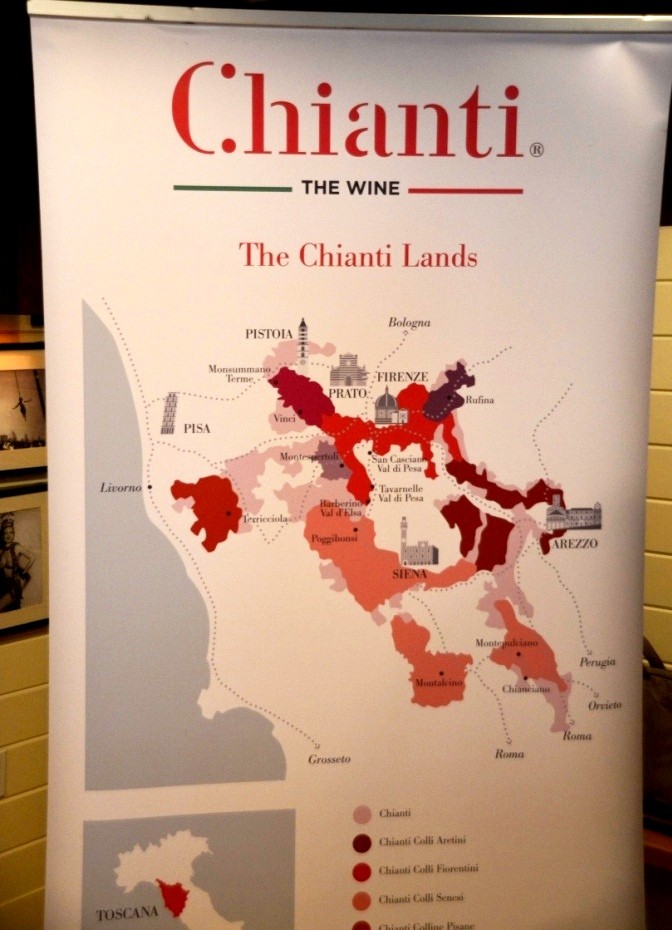
What gives, you ask? I think there are a couple of factors which are dramatically changing the story of the Chianti wines. First factor, or rather factors, are the modern winemaking techniques – in one word, the Quality. Better quality of the grapes, harvesting at a pick, reducing yield, improved fermentation capabilities, the barrels and tanks are better and cleaner, and so on. And then, it is the …. Terroir! When I commented to one of the winemakers that a few of his Chianti bottlings from the same year taste so incredibly different, he answer was “of course”. His property, which is about 100 acres in size, has 5 (!) different micro-climatic zones… Most of the people come to think of Tuscany, the land of Chianti, as something universally monolithic. Yes, with the idyllic moniker of “rolling hills of Tuscany”, but one and the same. At the same time, Chianti is a huge grape growing area, with probably a hundred of the sub-zones and microclimates, all producing “traditional”, but oh-so-different wines. In most of the cases, people can think of Chianti, Chianti Classico and Chianti Rufina, but actually Chianti is so much more than just these three regions – Colli Aretini, Colli Fiorentini, Colline Pisane, Colli Senesi, Montalbano, Montespertoli are some additional sub-zones, never mind single vineyards. Winemakers are learning all the time, what works and what doesn’t, and we are lucky to be able to taste the products of their labor of love.
Did I get you tired of my rambling by now? Okay, time to talk about wines. Below you will find the tasting notes. Yes, there were lost of wines, and they were so good! I also made an effort to extend above and beyond my simple “+++” ratings to give you more descriptors. I don’t throw those “+++” ratings easily – and here, a lot of wines were simply outstanding, table after table after table.
Here we go:
Azienda Agricola Corbucci – this was a very impressive start – very nice and approachable wines, made in the “drink any time” style
2012 Chianti DOCG “Corbucci” – ++, dry, leather, good acidity, a bit astringent
2012 Chianti DOCG “9Code” – +++, old vines, 7 days fermentation. fruit, earth, balance!
2009 Chianti DOCG Riserva “Corbucci” – +++, aged for 2 years in French barriques, excellent!
Azienda Agricola Emanuela Tamburini
2012 Chianti DOCG “Mauro” – +++, 90% Sangiovese, 10% Canaiolo, light, open, earthy nose. Very much Bordeaux in style on the palate.
2010 Chianti DOCG Riserva “Italo” – +++, aged for 24 mo in combination of cement tank and oak barrels, beautiful, open, layered
2008 Vin Santo del Chianti DOC “D’Incanto” – ++, oxidized style, aged in small open barrels for 5 years without topping off


Azienda Agricola La Cignozza
2010 Chianti DOCG – +++, 80% Sangiovese, 15% Canaiolo, 5% Mammolo, aged for 1 year in big barrels. Roasted meat on the nose, perfect acidity, dark fruit – excellent!
2008 Chianti DOCG Riserva – +++, 80% Sangiovese, 20% Canaiolo. Sweet open nose, nice fruit, multi-layered – outstanding!
Azienda Agricola Lanciola – harvesting by hand, 2 green harvests, 5 different microclimates within one vineyard!
2012 Chianti DOCG “Podere Elisa” – +++!
2012 Chianti Colli Fiorentini DOCG “Lanciola” – +++, outstanding, open
2011 Chianti DOCG Riserva “Podere Elisa” – +++ excellent!
2011 Chianti Colli Fiorentini DOCG Riserva “Lanciola” – +++, barnyard and roasted notes, wow!
2008 Vin Santo del Chianti Colli Fiorentini DOCG “Lanciola” – ++++, unoxidized style, caramel, apricot, candied fruit, perfect balance, wow!
Azienda Agricola Malenchini
2012 Chianti DOCG – +++, 5% Merlot, stainless steel, nice, light, smokiness, pleasant
2012 Chianti Colli Fiorentini DOCG – +++, 10% Canaiolo, smokiness, balance, power, a bit of tannins


Azienda Agricola Pietraserena – Arrigoni
2011 Chianti Colli Senesi DOCG “Poggio al Vento” – +++, Sangiovese/Syrah (10%), 1 year in barrique, 1 year in bottle. Restrained nose, beautiful!
2011 Chianti Colli senesi DOCG “Caulio” – +++, 100% Sangiovese, roasted nose, nice fruit, open, clean, easy to drink
2012 Chianti Colli Senesi DOCG – ++, 10% Canaiolo, cement tanks. Coffee, roasted notes, a little short on palate
Bindi Sergardi
2012 Chianti DOCG “Poggio al Sorbo” – +++, 100% Sangiovese, vineyard at 750 ft elevation, stainless steel, Raspberries and smoke, mocha, chocolate on the nose, clean and open palate
2012 Chianti Colli Senesi DOCG “Bindi Segrardi” – +++, red fruit, clean, elegant, beautiful
Cantina Sociale Colli Fiorentini Valvarginio
2010 Chianti Colli Fiorentini DOCG “Collerosso” – +++, organic wine, pure tobacco on the nose, same on the palate, beautiful balance
Cantine Fratelli Bellini – traditional and very good
2013 Chianti DOCG “Bellini” – ++-|, 5% Canaiolo, 5% Colorino, young, simple, easy to drink
2010 Chianti Rufina DOCG Riserva “Bellini” – ++-|, aged for 2 years in oak, nice, easy, simple, soft, touch of leather
Cantine L’Arco
2012 Chianti DOCG “L’Arco” – ++-|, 10% Merlot, touch of smoke
2011 Chianti DOCG “Principe del Sole” – ++-|, soft, round
2009 Chianti DOCG Riserva – ++-|, 10% Canaiolo, nice, soft
Castel di Pugna
2012 Chianti Colli Senesi DOCG “Ellera” – ++, simple, clean
2008 Chianti Colli Senesi DOCG “Ellera” – +++, excellent, sweet fruit, nice, elegant
2011 Chianti Superiore DOCG “Villa Cambi” – ++-|, nice, elegant, open
2007 Chianti Superiore DOCG “Villa Cambi” – +++, aged for one year in Tonnau, roasted fruit, plums, spices, excellent!
2008 Chianti Colli Senesi DOCG Riesrva “Ellera” – ++-|, 5% Canaiolo, nice, elegant, restrained
Castello del Trebbio
2013 Chianti DOCG – ++-|, Sangiovese/Canaiolo, stainless steel, brilliant ruby color, fresh berries, sweet fruit, good acidity, simple!
2009 Chianti Rufina DOCG Riserva “Lastricato” – +++-|, nice complexity, leather, spices, fresh, elegant


Le Fonti a San Giorgio
2012 Chianti DOCG – ++, 5% Pignatello, nice, soft, simple
2013 Chianti DOCG – ++, fresh, clean
2011 Chianti Montespertoli DOCG – ++, Sangiovese/Merlot, very goo, unusual garden herbs
2009 Chianti Montispertoli DOCG – +++, smokey blueberries, roasted notes, liquid steak, wow
2010 Chianti Montispertoli DOCG Riserva – ++3/4, 15% Merlot, nice, round, strawberries, good tannins, pepper, tobacco
Pietro Beconcini Agricola
2012 Chianti DOCG “Antiche Vie” – +++,excellent, clean, blackberries, mocha
2010 Chianti DOCG Riserva “Pietro Beconcini” – ++, cherries, nice, round, supple
Pieve De’ Pitti
2011 Superiore Chianti DOCG “Cerretello” – +++, Sangiovese/Canaiolo/Black Malvasia, nice, balanced, unusual fresh fruit notes
2010 Superiore Chianti DOCG “Cerretello” – ++++ nose/+++ overall. Nose – wild berries, perfect balance, fruit, very fresh overall
2009 Superiore Chianti DOCG “Cerretello” – +++-|, amazing nose – Barolo!
2008 Superiore Chianti DOCG “Cerretello” – +++, wild berries on the nose, perfectly powerful palate
2007 Vin Santo del Chianti DOC – ++, Trebbiano and San Colombano, aged in Chestnut wood, nice, could use a bit more acidity
Podere Volpaio – organic and beautiful
2010 Chianti DOCG “Volpaio” – ++, nice, simple
2010 Chianti DOCG “Terre De’ Pari” – +++, Beautiful, open, fruit on the nose, perfect balance on the palate, delicious tannins
2004 Chianti DOCG Riserva “Terre De’ Pari” – +++, Tobacco, smoke, barnyard on the nose – wow, beautiful
2001 Chianti DOCG Riserva “Terre De’ Pari” – +++, same as 2004, with even more complexity.


Ruffino
2012 Chianti DOCG – ++, nice, light, simple, good fruit
2012 Chianti Superiore DOCG “Il Superiore” – ++-|, nice, good fruit, good balance, good acidity
Val di Botte
2013 Chianti DOCG “Val di Botte”– ++, nice simple, $3 wholesale!!!
2012 Chianti [Classico] DOCG “Val di Botte” – +++, excellent, soft, round, clean, beautiful.
Villa Artimino
2012 Chianti DOCG – +++, nice, round, touch of smokiness, tobacco
2011 Chianti Montalbano DOCG – +++, pure minerality, gunflint, cherries, tobacco, earth, nice fruit, excellent balance
Overwhelmed? Well, I really wanted to share these notes. I don’t know if you read them at all, if you did not – just scroll back for a second, and then tell me – how often do you describe Chianti wine as “smoke, gunflint, wild berries, liquid steak, smokey blueberries, mocha, chocolate”? And yes, I had to use all of those descriptors – as this is what these wines were calling for. Is that cool? You bet. This is also traditional – but now, the beauty and diversity of Tuscan terroir shines through these wines. Don’t take my word for it – while I insist that Chianti now are fun and tasty (and cool!) wines, go grab a bottle and prepare to be blown away, as I had. Cheers!
Wednesday’s Meritage – Wine Quiz Answer, Fake Wine Again? Noooo, US is #1!, Douro Greatness

Krug Grand Cuvee Brut
Meritage time!
Let’s start with the answer to the wine quiz #102, Grape Trivia – Blends, Part 6.
For the long time, the grape trivia series was focused on the single grapes. But now we are stirring things up, so all the questions in the quiz are about blends (well, even if it is a blend of one ), as most of the wines in the world are actually blends. This time, the focus of the quiz was on bubbles. As usual, there were 5 questions in the quiz.
Here are the questions, now with the answers:
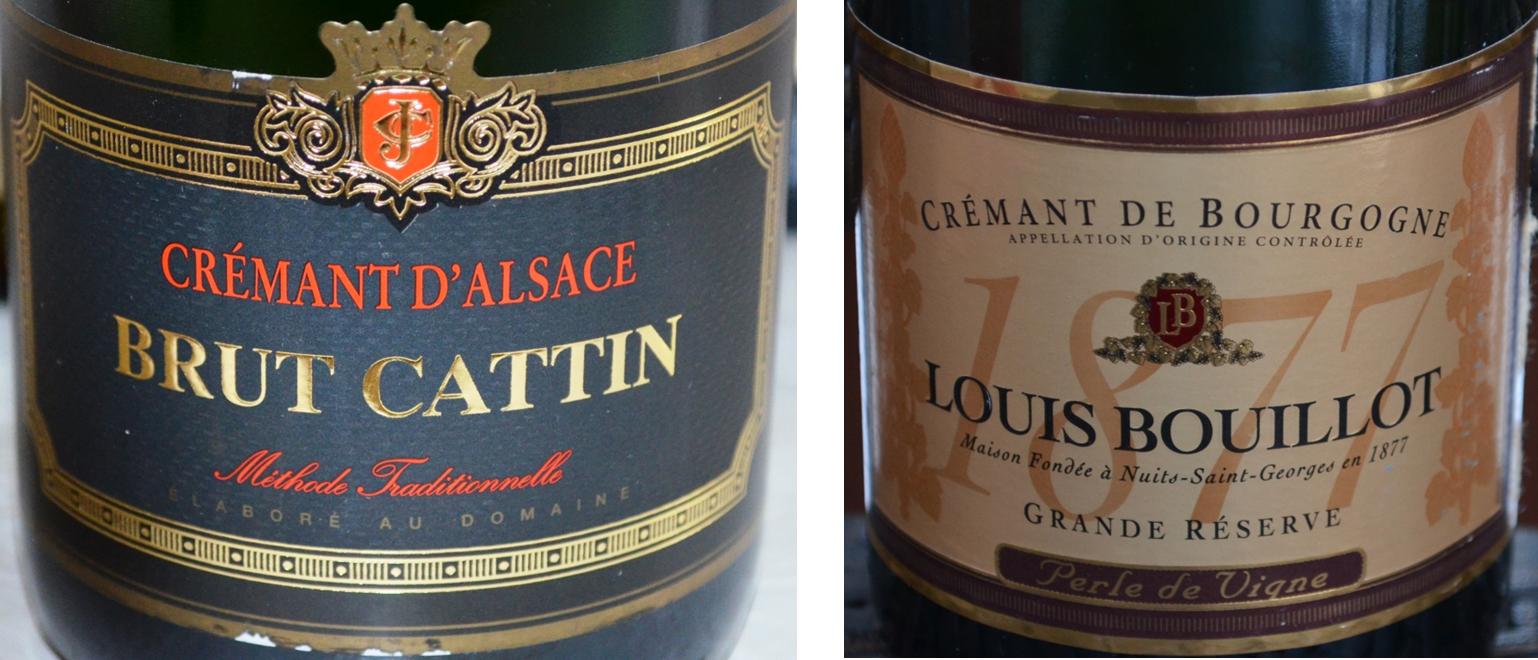
Q1: French sparkling wines produced outside of the Champagne region are generally called Crémant. Today, the Crémant wines are produced in most of the well known regions in France, each region imposing its own requirements on the winemaking techniques. For one of sparkling wines below, if it is identified as Crémant Blanc, it is required for at least 50% of the grapes to be Chardonnay. Do you know which wine has this requirement?
a. Crémant d’Alsace, b. Crémant de Bordeaux, c. Crémant de Bourgogne, d. Crémant du Jura
A1: d, Crémant du Jura – According to Crémant du Jura AOC requirements, Crémant du Jura Blanc should be made with the minimum of 50% Chardonnay grapes.
Q2: Among other reasons, complexity of sparkling wines comes from the extended time the fermented juice have to stay in contact with the yeast (it is also called aging on the lees). Sort the list of the sparkling wines below based on the minimum time required for the non-vintage wine to be aged on the lees, from the longest to the shortest:
a. Cava, b. Champagne, c. Franciacorta, d. Trento
A2: The right sequence is Franciacorta (18 month), Champagne and Trento (both 15 month), Cava (9 month)
Q3: Dom Pérignon, a benedictine monk, largely considered to be the father of Champagne, had a very significant impact on creation the Champagne as we know it. From the list below, what do you think was Dom Pérignon’s major claim to fame?
a. He created the Champagne bottle, b. He discovered the Méthode Champenoise, c. He created the riddling table, d. He mastered the art of blending to improve the taste of the resulting wine
A3: Most of the stuff surrounding Dom Pérignon is made for legends, but there is some level of consensus that he was the first person to perfect the art of blending, so the correct answer is d.
Q4: Below is the blend composition of the sparkling wine – can you name it?
Chardonnay, Chenin Blanc, Mauzac
A4: Blanquette de Limoux in Languedoc is using all three grapes. Technically, it can be also a Crémant de Limoux – again, I should’ve phrased the question better to avoid a possible double-answer. Still learning.
Q5: As tomorrow is the Mother’s Day in US, here is probably an open ended and debatable question, but: Who would you call the Mother of Champagne and why?
A5: As I said, this can be debatable, but my choice would be Barbe-Nicole Clicquot Ponsardin, also known as Madame Clicquot, who pioneered drier Champagne style and invented the riddling table, thus enabling commercial production of Champagne.
When it comes to the results, we had excellent participation and we have the winners! Gene Castellino (no web site), Jennifer Lewis (no web site) and Jeff the drunken cyclist all answered 5 questions correctly and thus they are the winners of this wine quiz round and get the prize of unlimited bragging rights! All of them also provided excellent, very detailed answers – very well done!
Now, to the interesting stuff around the vine and the web!
It is truly mind boggling to see the level of wine fraud increasing together with the popularity of the wine in the world. Dr. Vino has a number of latest and greatest updates to support this “mind-boggliness”. First of all, you can learn that Kurniawan’s lawyers are trying to appeal his “guilty” verdict based on the facts that he loved wine and his victims were rich! I can’t even comment any further here, the level of absurdity is more than I can tolerate. Then Dr. Vino brings up the article in Decanter magazine, where you can find out about fake Bordeaux being made on the offshore boats in China. Lastly, another very recent development involves The White Club, an exclusive $25K membership outfit centered around luxurious and … fake wine! Again, for all the mind-boggling details, here is your link.
United States in #1 wine consuming country in the world! There is a good chance that you already read this, as this urgent news update is coming through all the wine-related news outlets, but in any case, according to just published data for 2013, United States is now the #1 wine consuming country in the world, by total volume (not per capita). It is also interesting that consumption in US increased, while the wine consumption in the world was down 1.7% in 2013. I will let you read all the detailed numbers on your own – here is an article from Jancis Robinson web site, and here is the one from Wine Spectator.
While everybody know Portugal as The Port Producer in the world, I think Portugal is actually the rising star in the world of the regular, non-fortified wine. I’m glad to see that I’m not alone, as Matt Kramer, probably my favorite wine writer, shared his excitement about Douro wines in his feature column in Wine Spectator. I wouldn’t help anyone by trying to recite what Matt Ktramer wrote about the Douro wines, so I would highly recommend you will read his article on your own – it is definitely worth your time. But I would gladly accept any comments you might be willing to share on the subject – please don’t be shy.
And we are done here. The glass is empty – but the refill is on its way! Cheers!
Spring [Menu] Has Arrived to Bailey’s Backyard in Ridgefield, CT
What do you expect when you go to the farm-to-table restaurant? Probably that everything will be fresh, locally produced and seasonal? I like that “seasonal” part very much, as it means you can visit the same restaurant many times, and every time expect to see a different menu. You know that the taste and quality will be there, but then it is the foodie adventure served right up for you, the dilemma being solved without you thinking “hmmm, this is what I had the last time, it was good, so should I take it again?”.
The new season – Spring – has arrived to Connecticut (considering the way this last winter was, I wonder how many people didn’t expect spring to arrive at all), and it also arrived to the new menu at the Bailey’s Backyard restaurant, which I already wrote about the last Fall. I was very excited to visit the restaurant and try all the new food, as since the first visit, it became one of the favorite restaurants not only for me, but also for a few friends who were very happy with my recommendation. I was a bit short on time, so I had to leave before trying a few dishes, but nevertheless, there were lots of very tasty dishes which I need to tell you about.
The dinner was served with a number of cocktails – and it is not only food which is fresh and locally made at Bailey’s Backyard – all the cocktails, artfully imagined by the master-of-all-liquid-cocncoctions, Bryan, contained some of the ingredients which were locally made, like ginger infused vodka or mint-infused rum. Here are the cocktails which were served at the dinner:
Six Toed Cat (Blueberry & Mint Infused Rum, Lime, Fresh Mint, Ginger Beer) – absolutely delicious version of Mojito! Refreshing, bright, with a bit of the liquid happiness served inside.
Don’t Call Me Shirley (House Made Citrus Vodka, Fresh Citrus Juice, Cointreau) – Bryan’s answer to the Cosmopolitan – zingy, refreshing and delicious.
Samuel Clemens (Ginger Infused Vodka, Lemon, Ginger, Black Pepper , Club Soda) and Rude Barbara (White Rum, strawberry-Rhubarb Puree, Lime) – I didn’t get the chance to try these two, but I’m sure they were every bit as delicious as the previous two.


And then, there was food (and lots of it).
Chicken Liver & Grand Marnier Pate (Apricot Mustard, Thyme Toast) – if you are a fan of the chicken liver (like I am), this was the perfect dish, delicious combination of flavors, all melding very well together.
“Devils on the Horseback” (North Country Bacon, Armagnac Plums, Pear) – bacon and plums – who would’ve thought? It was actually very tasty.
Goat Cheese Profiterole (Aged Balsamic/Crispy Parmesan/Sun Dried Tomato Vinaigrette) – goat cheese profiterole – just say it a few times – does it produce a moth watering sensation in your mouth? Delicious! And I would take it over the actual dessert profiteroles at any time.


Zucchini Fries (Shaved Parmesan, Pecan Puree, Mint) – I love zucchini in all shapes and forms, and lately I encountered a number of indigenous dishes in few restaurants, with zucchini being simply a star. This dish was one of them – perfect combination of the light crunch outside and delicate zucchini slice inside.
Tempura Vegetables (Sweet Potato, Asparagus, Red opinion, Cashew powder, Hoisin Sauce) – perfectly executed, very light and delicious.
Grilled Asparagus Salad (Frisée/Prosciutto, Black Truffle Hollandaise, Shaved Pecorino, Herbed Red Wine Vinaigrette) – great acidity, very refreshing, and black truffle Hollandaise…. black truffle… need I say more?


Hawaiian Ahi Tuna Poke (sesame oil, garlic, soy sauce, Wakame, Black Sesame seed, Puffed Wonton) – one of the most delicious tuna dishes ever. Incredible flavor profile, just right amount of heat – close your eyes, and you are in Hawaii…
Whipped Foie Gras with Caramelized Onion Perogi (red wine pearl onions, Chive Crema, white truffle and Bacon Powder) – as Chef Forrest presented the dish, he explained it as a “rich man – poor man” play. The luxurious creaminess of the whipped foie gras paired with simple goodness of the onion perogi – this dish was a textural heaven, combined with the great balance of flavors.


The two dishes which I had to miss were Firecracker Rock Shrimp Scampi (Hand cut Linguine, Diced Shallots, Roasted garlic, Meyer Lemon) and Slow Roasted Suckling Pig (yellow corn Fritters, Lavender, Buttered peas, crackling-red eye gravy) – well, that gives me an incentive to visit the restaurant rather sooner than later.
And we are done here. I just want to say Thank You to the Executive Chef Forrest Pasternack, Bryan and Sal for the evening of great food and great cocktails. Until the next time – cheers!
Disclaimer: I attended the dinner as a guest of management. All opinions are my own.
Bailey’s Backyard
23 Bailey Avenue
Ridgefield, CT 06877

Weekly Wine Quiz #102: Grape Trivia – Blends, Part 6
 The Wine Quiz series is not meant to intimidate. The whole idea here is to have fun and learn something new. When answering the questions, it is fully encouraged to use all available sources of information, including Google or any other search engine. There are no embarrassing answers – the most embarrassing thing is not giving it a try…
Welcome to the weekend and your new wine quiz!
We are continuing our grape trivia series, focusing on the blends, even if it is a blend of 1. White, Red, Rosé, Sparkling, Still, Fortified and Dessert – all goes. Oh yes, and we will blend in some regions and even wineries as well, just to make it more fun.
Absolute majority of the wines are the blends of some sort, but there is one wine which to me is a complete standout in terms of the art of blending – I’m talking about Champagne. A typical bottle of the so called Non-Vintage Champagne is a blend of different wines from different vintages, all magically concocted together to achieve the consistent taste. As a special tribute to Champagne, I would like to focus today’s quiz only on the sparkling wines, which nowadays are produced absolutely everywhere.
And now, to the quiz!
Q1: French sparkling wines produced outside of the Champagne region are generally called Crémant. Today, the Crémant wines are produced in most of the well known regions in France, each region imposing its own requirements on the winemaking techniques. For one of sparkling wines below, if it is identified as Crémant Blanc, it is required for at least 50% of the grapes to be Chardonnay. Do you know which wine has this requirement?
a. Crémant d’Alsace
b. Crémant de Bordeaux
c. Crémant de Bourgogne
d. Crémant du Jura
Q2: Among other reasons, complexity of sparkling wines comes from the extended time the fermented juice have to stay in contact with the yeast (it is also called aging on the lees). Sort the list of the sparkling wines below based on the minimum time required for the non-vintage wine to be aged on the lees, from the longest to the shortest:
a. Cava
b. Champagne
c. Franciacorta
d. Trento
Q3: Dom Pérignon, a benedictine monk, largely considered to be the father of Champagne, had a very significant impact on creation the Champagne as we know it. From the list below, what do you think was Dom Pérignon’s major claim to fame?
a. He created the Champagne bottle
b. He discovered the Méthode Champenoise
c. He created the riddling table
d. He mastered the art of blending to improve the taste of the resulting wine
Q4: Below is the blend composition of the sparkling wine – can you name it?
Chardonnay, Chenin Blanc, Mauzac
Q5: As tomorrow is the Mother’s Day in US, here is probably an open ended and debatable question, but: Who would you call the Mother of Champagne and why?
Good luck, enjoy the quiz and your weekend! Cheers!
Of Ancient Vines and Rhone Varietals – #winechat with Cline Cellars
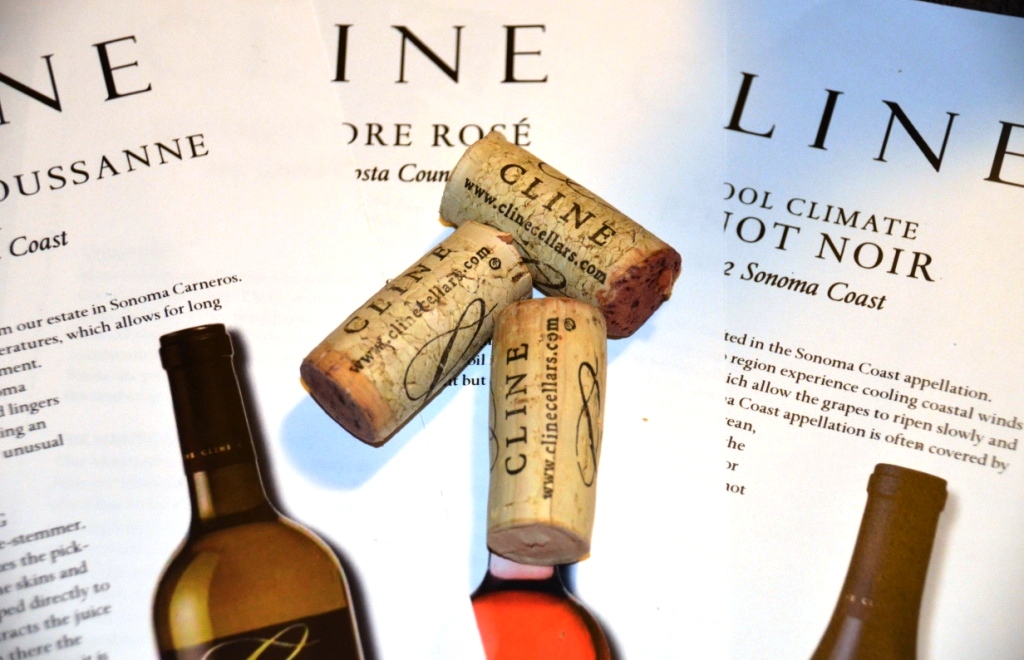 Think California wines, think California grapes – what is the first grape which comes to mind? I would guess that Cabernet Sauvignon would be the first. Zinfandel, Merlot, Pinot Noir and Chardonnay will trail near by (not in this exact order, of course). Are those the best grapes making the best California wines? Yes, before you beat me up, “best wine” is highly subjective, so let’s not drill on that. But – what else is there in California? Ever heard of Rhone Rangers? In the 1980s, a group of California winemakers made a significant effort to popularize Rhone varietals – Syrah, Grenache, Mourvèdre, Roussanne, Marsanne and many others. While this group of winemakers didn’t have any set structure, they became collectively known as Rhone Rangers. As the result of the work of this group, Syrah and Grenache became prominent players on the California wine landscape, with the other traditional Rhone varietals taking more on the supporting roles.
Fred Cline, the founder of the Cline Cellars winery in Contra Costa County, was one of the original Rhone Rangers. While Cline Cellars is most famous for their Zinfandel wines (7 different bottlings are produced), it also makes a number of wines from the traditional Rhone varietals. On Wednesday, April 30th, the worldly virtual tasting room, called #winechat, opened its doors to all the wine lovers, coming in to experience and to talk about the Cline Cellars Rhone-style wines. While Cline Cellars winery was officially founded in 1982, the family owned the vineyards since 1800s. After founding the winery, Fred Cline spent a lot of time and efforts to preserve and where necessary, to restore the ancient vines (some of the vines are 80 – 120 years old), hence the name “Ancient Vines” which you can see on the labels of many Cline Cellars wines. Today, Cline Cellars uses sustainable farming methods and it is Green String Certified winery. Wonder what it means? As explained by the @ClineCellars during the #winechat: “Since 2000, Cline Cellars farms the Green String way: naturally & sustainably &avoid chemical pesticides, fungicides & fertilizers”

So, how were the wines, you ask? During the #winechat, we had an opportunity to try 3 different wines. We started with 2012 Cline Marsanne Roussanne Sonoma Coast (14.5% ABV, 66% Marsanne, 34% Roussanne). Every time I say “these are some of my favorite grapes/wines/etc.”, I feel a bit uneasy. The reason is simple – when it comes to the wines, I like them all. Every time I talk about the subject, I can come up with the new list of favorites, so using that “some of my favorites” moniker feels almost like lying, just a tiny bit. Oh well. So yes, Marsanne and Roussanne are some of my favorite white grapes – the wines from Marsanne and Roussanne, both are core Rhone white grape varietals, are quite rare, no matter where they come from, so every opportunity to taste such wines is always very exciting.
When it comes to Marsanne and Roussanne wines, the interesting thing is that those wines should be consumed at the room temperature. I tried chilling various Marsanne/Roussanne wines, and it never worked for me. This wines works the best at the 18°C – 20°C/64°F – 68°F. Here are the notes:
Color: Light golden
Nose: Minerality, white flowers, touch of honey, touch of white peach, white grape aroma as the wine opened up.
Palate: Touch of sweetness, caramelized sugar, minerality, very complex.
Verdict: This is one delicious wine, which you can enjoy on its own or with some chicken and mushrooms dish, for instance. Drinkability: 7+
Our next wine was 2013 Cline Mourvèdre Rosé Contra Costa County (13.5% ABV, ~100 years old vines), another traditional Rhone varietal. I tried to play with the temperature on this wine, but it really didn’t work – this wine should be only served well chilled.
Color: Intense pink
Nose: Fruit forward, with lots of ripe strawberries
Palate: Strawberries, cranberries, nice acidity (when well chilled!). Very classic and supple Rosé.
Verdict: Ahh, it pairs so well with the strawberries! Serve either as an Aperitif, or with the fresh light salad (like kale and strawberries), or with the fresh fruit after a meal. Very refreshing. Drinkability: 7+


Last, but not least was 2012 Cline Cool Climate Pinot Noir Sonoma Coast (14.5% ABV, aged for 9 month in oak) – yes, not a Rhone varietal, but a California classic, coming from the classic area as well. The climate conditions of Sonoma Coast, with the fog settling down and cooling off the grapes every evening, allow grapes to ripen slowly and to build up a structure and nice acidic core. This wine was very much on par with the good California Pinot Noir expectations:
Color: Dark garnet
Nose: Smoke, minerals, touch of cherries, mushrooms, forest floor, roasted notes
Palate: Minerality, plums, nice acidity, well balanced.
Verdict: Very versatile wine. Perfectly enjoyable on its own, also paired well with wide variety of foods – fresh strawberries (!), roasted chicken, and believe it or not, but bacon cheddar (cheddar cheese with pieces of bacon) was the best pairing! Drinkability: 7+
As an added bonus, this wine even comes with the recipe attached to the back label – very clever idea!


That concludes yet another #winechat report. What is left to say is Thank You. First of all, thank you to the @ClineCellars for providing the excellent wines and enduring the barrage of questions during the intense one hour conversation. And of course, thank you to the Protocol Wine Studio, spearheading the whole #winechat program. And for you, my dear readers? Thank you for reading and come on over! See you next Wednesday on Twitter in the #winechat room. Cheers!
Taste Of Wine – Engineering Approach
This was one of my early blog posts – almost 4 years ago, I was blogging only for about 4 month, and had probably 1.5 readers (okay, fine, may be 1.7). This is one of my most favorite blog posts in this blog, which I think is still very relevant. Therefore, as I’m incredibly behind my publishing plans, I would like to share it with you on this rainy [in Connecticut] Thursday – and of course I would love to hear your comments. Cheers!
Wednesday’s Meritage – Wine Quiz Answer, WTSO Cheapskate Marathon, #MWWC9 Vote, Algeria Wine and French AOC
 Meritage time!
Let’s start with the answer to the wine quiz #101, Grape Trivia – Blends, Part 5.
For the long time, the grape trivia series was focused on the single grapes. But now we are stirring things up, so all the questions in the quiz are about blends (well, even if it is a blend of one ), as most of the wines in the world are actually blends. As usual, there were 5 questions in the quiz.
Here are the questions, now with the answers:
Q1: White wines of this region are considered to be some of the best white wines in the world, and they are made out of the blend of Marsanne and Roussanne grapes. Do you know what region is that?
A1: Hermitage. A region in Northern Rhone, which produces magnificent, long living white wines from Marsanne and Roussanne grapes.
Q2: These wines, made out of primarily Grenache and Cinsault, sometimes with the addition of Syrah and Mourvedre, can be only made as Rosé. Can you name these wines?
A2: Tavel. Of course when thinking about classic Rosé, Provence probably comes to mind first. But Provence allows production of not only Rosé, but also of both white and red wines. Tavel, on the other hand, while much lesser known to the majority of the wine-consuming public, is one of the oldest AOCs and solely dedicated to the production of only Rosé wines (no other wines are allowed).
Q3: Can you continue this sequence? Explain your answer:
Amarone, Vin de Paille, Vin Santo, ?
A3: This was somewhat of a difficult question. The point of the matter is that all the wines mentioned are made out of grapes which are dried out after the harvest, for at least 3-4 month. So the next wine which can be added here is Valtellina Sfursat, which is a dry wine from Norther Italy, made out of Nebbiolo grape which is dried out before pressing for at least 3-4 month.
Q4: This famous Spanish wine is always made out of the Monastrell and Cabernet Sauvignon grapes. The primary wine typically has 70% Cabernet Sauvignon and 30% Monastrell, and the second label has the blend proportions reversed. Can you name both wines?
A4: El Nido and Clio. El Nido ifs the flagship wine of Bodegas El Nido in Jumilla, which is traditionally made with 70% Cabernet Sauvignon and 30% Monastrell. The second wine from Bodegas El Nido, Clio, is made out of 70% Monastrell and 30% Cabernet Sauvignon.
Q5: What is common between Château d’Yquem and Vega-Sicilia, outside of the fact that both make some of the world’s most famous wines?
A5: Both wineries only produce their flagship wines (Chateau d’Yquem and Vega-Sicilia Unico) in the best years – both have a number of years when the top wines were simply not produced.
When it comes to the results, the participation was a bit less than a few last times. Nobody was able all five questions correctly, so we don’t have a winner. Oh well, there is always the next time…
Now, to the interesting stuff around the vine and the web!
Only a few weeks ago, WTSO glued thousands of people to their computer screens for the day with the Magnum Marathon activities. And now they are doing it again. Tuesday, May 13th, starting at 6 AM Eastern, new wines will be offered at the $7.99 to $18.99 range, every 15 minutes or sooner if the previous wine will sold out. All the new wines will be announced only on Twitter. Free some space in your cellar and make sure your credit card has some spending room too. Happy [value wine] Hunting!
The Monthly Wine Writing Challenge #9 has concluded, and now it is the time to vote. The theme of the challenge was “Fear”, so you can find 25 fearless entries at this link. Once you done reading them, you can vote here. The voting is open from now until Monday, May 12th. The winner will be announced on May 13th.
Ever had or even heard of Algerian wine? Me too. But it turns out that only 50 years ago, Algeria was the … number one exporter of the wine in the world! Just to give you an idea for how well they were doing, Algeria was exporting twice (!) as much as France, Italy and Spain combined! While this was quite unexpected to me, it was still not the most interesting fact related to the Algerian wine industry. What is even more fascinating in my mind, that the French AOC system was largely created to protect the wine consumers in France and around the world from the flood of French-associated wine, which was actually not made in France. I don’t want to recite the whole article, so here are the sources for you where you can learn more. The original article appeared in the Journal of Wine Economics, and then W. Blake Gray provided an excellent “Cliff notes” narration for the same where you can learn all the basic facts – both definitely worth your time.
And we are done here. The glass is empty – but the refill is on its way! Cheers!
Following Wines Til Sold Out – Magnum Marathon, April 2014
15 hours.  13,317 bottles. About 70 different wine offers. 3,215 thirsty people logged into the web site at 5 PM. These are some of the statistics of WTSO Magnum Marathon which took place on Tuesday, April 22nd. Another day of lost productivity for many businesses – oops, did I say it out loud? I meant the day of great deals for all wine lovers out there – I’m sure everybody were super productive at their desks.
As this was the Magnum Marathon, most of the wines offered were of 1.5L size, with few exceptions at 3L. Lots of great producers – Ladera, Tablas Creek, Ciabot Berton, Paolo Scavino, even Cristal and Joseph Phelps, and many many more.
Without further ado, I will leave you on with the data. Yes, my collection was somewhat lacking this time, so you will see some missing data as to the pricing and source of ratings – oh well, I hope you will still find it interesting. Note that unless the bottle size is noted as 3.0L, it is the standard magnum size of 1.5L.
Here is the guide to the rating abbreviations (this list is ever inclusive – not all of them are used below): WS – Wine Spectator, WA – Wine Advocate, ST – Steven Tanzer, WE – Wine Enthusiast, WRO – Wine Review Online, W&S – Wine and Spirits, JS – James Suckling, RP – Robert Parker, JHN – Jonathan H. Newman, D – Decanter Magazine, rating goes in stars ( 5 stars is max), JH – James Halliday, TRR – The Rhone Report, BH – Burghound, IWR – International Wine Report, TLC – The Library Collection, PR – Pinot Report, TWN – The Wine News, LM – Luca Maroni, Sn – Snooth.com.
| Time | Wine | Rating | Min. Qty | MSRP | Price | %off |
| 12:00a 04/23 | Mockingbird Hill Reserve Chardonnay Russian River Valley 2012 (750) | JHN91 | 4 | $32.00 | $14.99 | 53% |
| 12:00a | Our Magnum Marathon is officially over! | – | ||||
| 11:31p | Elena Fucci ‘Titolo’ 2010 Aglianico del Vulture | JS91 | 1 | $160.00 | $69.99 | 56% |
| 11:21p | Chateau de Macard Bordeaux Superieur 2010 | IWR90 | 2 | $55.00 | $28.99 | 47% |
| 11:06p | Vellum Napa Valley Cabernet 2011 | – | 1 | $200.00 | $99.99 | 50% |
| 10:44p | Bodegas Penafiel Miros Reserva 2007 | – | 2 | $175.00 | $39.99 | 77% |
| 10:36p | Brut Champagne NV Piper-Heidsieck | WS93 | 2 | $100.00 | $64.99 | 35% |
| 10:15p | Firriato Harmonium Nero d’Avola Sicilia IGT 2010 | LM97 | 2 | $115.00 | $59.99 | 48% |
| 10:10p | San Rustico Amarone Classico 2008 | WA92 | 1 | $130.00 | $64.99 | 50% |
| 9:52p | Rocca Family Estate Collinetta Cabernet Sauvignon Napa Valley 2009 | WE93 | 1 | $210.00 | $149.99 | 43% |
| 9:32p | Cantina Valenti ‘I Puritani’ Etna Rosso Nerello 2009 | JS92 | 2 | $90.00 | $49.99 | 44% |
| 9:06p | Ribera Del Duero Reserva 2001 Bodegas Balbas | WS93 | 2 | $130.00 | $49.99 | 62% |
| 8:50p | Tenuta dei Setti Cieli ‘Indaco’ 2005 | WA90 | 1 | $100.00 | $59.99 | 40% |
| 8:28p | St. Supery Dollarhide Ranch Cabernet Sauvignon 2004 | TWN93 | 1 | $200.00 | $149.99 | 25% |
| 8:10p | Bodegas Resalte de Penafiel Reserva 2005 | WS90 | 1 | $160.00 | $69.99 | 56% |
| 7:50p | Domaine de Fond Croze ‘Cuvée Shyrus’ Cotes du Rhone 2009 | WE91 | 2 | $75.00 | $39.99 | 47% |
| 7:31p | Diadema Super Tuscan Rosso IGT 2009 Swarovski Bottle | WE93 | 1 | $250.00 | $94.99 | 62% |
| 7:12p | Bodegas Tabula Gran Tabula Ribera del Duero 2009 | WS92 | 1 | $200.00 | $89.99 | 55% |
| 7:08p | I Balzini Black Label 2006 Double Magnum (3.0L) | 92 | 51% | |||
| 6:45p | Eagles Trace ‘Latitude 38’ Conn Valley Bordeaux Style Blend 2006 | – | 1 | $175.00 | $99.99 | 43% |
| 6:34p | Ciabot Berton Barolo DOCG 2008 | ST92 | 1 | $190.00 | $79.99 | 58% |
| 6:21p | Rocca Family Vineyards Grigsby Vineyard Cabernet Sauvignon 2007 | WA90 | 1 | $210.00 | $124.99 | 40% |
| 6:09p | Red Bordeaux Castillon Cote de Bordeaux Chateau Hyot 2010 | WS90 | 2 | $45.00 | $24.99 | 44% |
| 6:04p | Scavino Carobric Barolo 2008 | WA94 | 1 | $250.00 | $159.99 | 36% |
| 5:40p | Eagles Trace Conn Valley Napa Cabernet 2006 | – | 1 | $150.00 | $89.99 | 40% |
| 5:11p | Millet-Roger Sancerre 2013 | IWR92 | 2 | $95.00 | $44.99 | 53% |
| 5:03p | I Balzini Black/White 2000 2-Pack | WE91 | 1 | $250.00 | $99.99 | 60% |
| 4:45p | Resalte Pena Roble Reserva 2004 | WS92 | 2 | $120.00 | $49.99 | 58% |
| 4:40p | Michel-Schlumberger ‘La Cime’ 2010 Cabernet Sauvignon | – | 2 | $80.00 | $39.99 | 50% |
| 4:15p | I Giusti & Zanza Belcore 2009 | JS92 | 2 | $80.00 | $49.99 | 38% |
| 4:09p | Bodegas Tabula Gran Tabula Ribera del Duero 2007 | WA94 | 1 | $200.00 | $89.99 | 55% |
| 4:00p | Canalicchio 2004 Brunello di Montalcino | WA93 | 1 | $225.00 | $99.99 | 56% |
| 3:34p | Champagne Philippe Prie Brut Tradition NV | WS91 | 2 | $125.00 | $49.99 | 60% |
| 3:27p | Vieux Telegraphe La Crau Chateauneuf-du-Pape 2011 | W&S96 | 1 | $190.00 | $139.99 | 26% |
| 3:13p | Ladera Vineyards Howell Mountain Cabernet Sauvignon 2008 | W&S92 | 1 | $250.00 | $149.99 | 40% |
| 2:59p | Barolo Riserva 2004 ‘Roggeri’ Ciabot Berton | WE91 | 1 | $250.00 | $109.99 | 56% |
| 2:37p | Boekenhoutskloof ‘The Chocolate Block’ 2011 | ST90 | 1 | $100.00 | $69.99 | 30% |
| 2:22p | Cotes du Rhone 2011 Domaine de Dionysos ‘La Deveze’ | IWR90 | 2 | $65.00 | $24.99 | 62% |
| 2:09p | Vellum Napa Valley Cabernet 2010 | – | 1 | $200.00 | $99.99 | 50% |
| 1:48p | Bodegas Penafiel Miros Reserva 2007 | – | 2 | $175.00 | $39.99 | 77% |
| 1:42p | Tenuta dei Setti Cieli ‘Indaco’ 2007 | WA92 | 1 | $100.00 | $59.99 | 40% |
| 1:22p | Brut Champagne NV Piper-Heidsieck | WS93 | 2 | $100.00 | $64.99 | 35% |
| 1:19p | Trefethen Oak Knoll Cabernet 2007 | 92 | 40% | |||
| 1:12p | Altesino Brunello di Montalcino Montosoli 2006 | JS96 | 1 | $249.99 | $149.99 | 40% |
| 12:48p | Ribera Del Duero Reserva 2001 Bodegas Balbas | WS93 | 2 | $130.00 | $49.99 | 62% |
| 12:44p | I Balzini White Label 2006 Double Magnum (3.0L) | WS93 | 1 | $225.00 | $109.99 | 51% |
| 12:24p | St. Supery Dollarhide Cabernet 2003 | – | 1 | $200.00 | $149.99 | 25% |
| 12:07p | Fontanafredda Barolo Riserva ‘Tilson’ 1997 Limited Edition | – | 1 | $450.00 | $119.99 | 73% |
| 11:42a | 92 Pt. Chateau Haut Gravet Saint-Emilion Grand Cru 2010 | JS92 | 2 | $105.00 | $49.99 | 52% |
| 11:38a | Canalicchio Brunello 2007 | 93 | 56% | |||
| 11:17a | Essenciel de Paradis Coteaux D’Aix En Provence Rose 2013 | IWR90 | 2 | $60.00 | $24.99 | 58% |
| 11:03a | I Balzini White Label 1997 | JS92 | 1 | $125.00 | $54.99 | 56% |
| 10:43a | Maroon Cabernet Signature Reserve Napa Valley 2012 | – | 1 | $90.00 | $44.99 | 50% |
| 10:40a | Paolo Scavino Bric del Fiasc Barolo 2008 | ST96 | 1 | $350.00 | $199.99 | 43% |
| 10:22a | Bodegas Resalte Ribera Del Duero Gran Resalte 2001 | W&S95 | 1 | $250.00 | $89.99 | 64% |
| 10:09a | Rocca Family Estate Grigsby Cabernet Sauvignon Napa Valley 2008 | WS93 | 1 | $210.00 | $129.99 | 38% |
| 10:00a | Mario Giribaldi Barbaresco 2006 | WS93 | 2 | $125.00 | $44.99 | 64% |
| 9:48a | Roger & Didier Raimbault-Sancerre 2012 Les Belles Cotes | WE90 | 2 | $95.00 | $49.99 | 47% |
| 9:35a | Champagne Louis Roederer Cristal Brut 2005 | WE97 | 1 | $750.00 | $499.99 | 33% |
| 9:30a | Mastrojanni Brunello di Montalcino DOCG 2008 | JS94 | 1 | $190.00 | $99.99 | 47% |
| 9:12a | Champagne Charles de Cazanove Brut NV | WS92 | 1 | $125.00 | $56.99 | 54% |
| 9:00a | Ladera Napa Cabernet 2008 | WA89 | 1 | $175.00 | $89.99 | 49% |
| 8:46a | Tablas Creek Vineyard Esprit de Tablas Paso Robles 2011 | WA93 | 1 | $250.00 | $99.99 | 60% |
| 8:39a | Vignavecchia Chianti Classico Riserva Odoardo Beccari 2008 (3.0L) | WA92 | 1 | $225.00 | $149.99 | 33% |
| 8:22a | St. Supery Napa Valley Estate Cabernet 2006 | Sn91 | 2 | $75.00 | $49.99 | 33% |
| 8:03a | I Balzini Black/White 2002 2-Pack | 91 | 60% | |||
| 7:52a | Mont-Redon Rouge 2009 Chateauneuf-du-Pape | 92 | 56% | |||
| 7:39a | Sullivan Napa Valley Cabernet 2007 | 92 | 62% | |||
| 7:34a | Tenuta dei Setti Cieli ‘Indaco’ 2004 | 91 | 40% | |||
| 7:14a | Chateau de Macard Bordeaux Superieur 2010 | 90 | 47% | |||
| 7:07a | Ciabot Berton Barolo 2000 | 93 | 45% | |||
| 7:05a | Phelps Vineyards Insignia 2009 | 96 | 30% | |||
| 7:00a | Paolo Scavino Bric del Fiasc Barolo 2007 | 96 | 43% | |||
| 12:00a | Champagne Philippe Prie Brut Tradition NV (1.5L) | WS91 | 2 | $125.00 | $49.99 | 60% |
That’s all I have for you for today, folks. Did you get anything during the Magnum marathon? What do you think of the deals?
Cheers!
Last Bottle Sign Up ($10 credit)




 Talk-A-Vino