Celebrate The End Of BBQ Season with The Federalist, The American Craft Wine
 Here you have the title I’m really not sure about.
Let’s see.
The end of the BBQ Season. First, who said that BBQ season is ending? Even on the East Coast of the USA people proudly fire up their grill in January, bragging about battling knee-deep snow. Never mind California, and let me not offend the South. So what’s ending?
What’s BBQ? When I grill the steak on a gas grill, is it classified as BBQ, or is the open fire required? Is charcoal qualified as a source of fire, or do I have to use the actual wood? Food is not as polarizing as politics these days, but it still has its share.
And then even if BBQ season is ending, is that something worth celebrating?
Never mind all this blabbering, as maybe the most important question is: what is The American Craft Wine?
Let’s watch this short clip:
If you will search online for the “American Craft Wine”, The Federalist will be the very first link which will come up. The Federalist is the winery in California, which makes a range of traditional American wines, and defines itself as “Born from the virtues of every forward-thinking, hard-working, red-blooded American, this is The Federalist. This Is American Craft Wine.”
Is craft wine an answer to the craft beer, an extremely popular consumer category (if you ever “checked in” on Yelp, “do they serve craft beer” question is one of the most popular ones while filling up a small check-in questionnaire)? Beer is often associated with BBQ, and of course, it is better to be a craft beer. But why not a craft wine? I think we would all agree that wine is the result of winemaker’s craft; good wine requires a good skill, a craft – so maybe The Federalist is paving a way to the new wine category?
I had an opportunity to taste The Federalist wines for the first time 3 years ago, and I liked them. Therefore, when I was offered a sample of The Federalist wines a few days ago, I was really curious to see how they will fair now, as both the style of wine and my tastebuds can easily change.
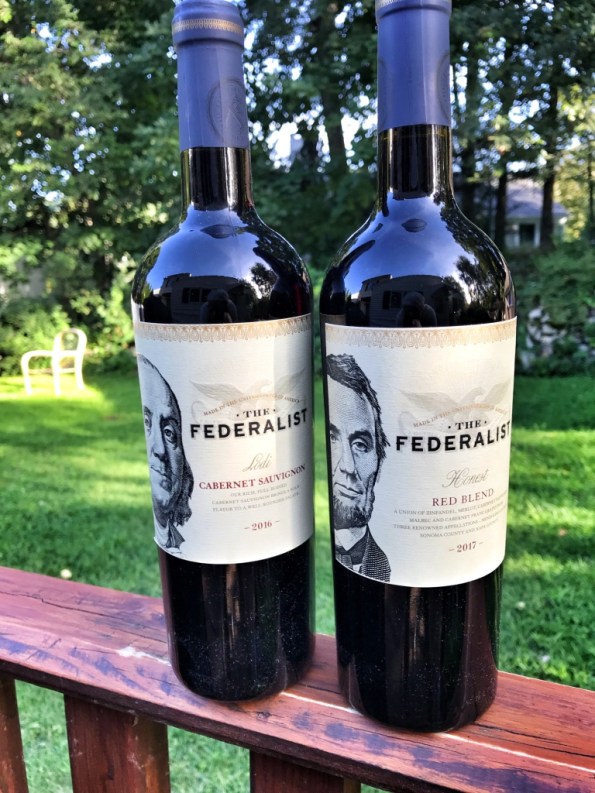
I’m glad to report that even if my tastebuds changed, I still found the wines delicious:
2016 The Federalist Cabernet Sauvignon Lodi (14% ABV, $17.99, 93% Cabernet Sauvignon, 5% Zinfandel, 2% Petite Sirah, Merlot, and Cabernet Franc; 15 months in oak, 35% new)
Garnet Color
Coffee, dark fruit, a hint of currant, eucalyptus
Soft, approachable, licorice, sweet cherries, a touch of cinnamon and nutmeg
8-, unmistakably Lodi, generous and easy to drink
2017 The Federalist Honest Red Blend North Coast (15% ABV, $21.99, 45% Zinfandel, 24% Merlot, 20% Cabernet Sauvignon, 7% Malbec, 4% Cabernet Franc; grapes sourced from: 42% Mendocino County, 33% Sonoma County, 25% Napa County; 15 months in oak, 35% new)
Dark garnet
Blackberries, sweet oak, cassis, a hint of mocha
Firm, wells structured, blackberries, tobacco, dry tannins, dusty cherries, good acidity, good balance
8, excellent, perfect by itself, will work perfectly with the steak
Is the BBQ season ending? You’ll be the judge of that. But if you have any BBQ plans this weekend, fire up whatever you designate as your BBQ machine, and give a try to The American Craft wine, paired with your own crafted BBQ. There is a good chance you might like it. Cheers!
How Do You Albariño?
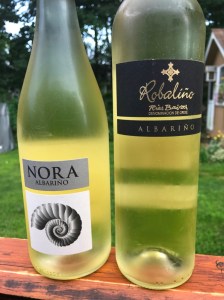 Quick – name the most popular Spanish white wine (and grape). Yes, Verdejo, Viura (Macabeo), Godello are all good candidates, but the crown unquestionably belongs to Albariño, the white grape predominantly grown in Rias Baixas in Galicia, in the Nothern Spain.
As it often happens with grapes, nobody can tell for sure where Albariño originated. The leading theory is that the Albariño grape was cultivated in the Rias Baixas area for a few thousands of years. But again, similar to many stories we hear today, things got real with Albariño once the growing zone was designated by the Spanish law in 1980. While initially it was an area designated to the Albariño grape itself, once the EU rules got into the play, the same area became known as Rias Baixas DO (Denominación de Origen), and this is where the absolute majority of Spanish Albariño wine is produced.
In most of the cases, Rias Baixas Albariño is unoaked wine (there are few producers, such as La Cana, who make oaked versions, but this is rare). I don’t like generalizing about the taste of the wines from the specific region, but to me, most of the Albariño wines have a core of salinity and Meyers Lemon. If you think about the location of Rias Baixas, right on the coast of Atlantic Ocean, it makes perfect sense that the most prominent wine from the region perfectly compliments the seafood dishes which one would expect to find in the coastal region. Albariño is easy to drink, works perfectly with and without the food, and it is typically priced under $20, which makes it an excellent white wine choice overall.
It is also worth noting that slowly, but surely, Albariño wines are fine-tuning their identity. What started about 40 years ago as one single region, Rias Baixas, now comprise 5 sub-regions – Ribeira do Ulla, Val do Salnés, Soutomaior, Condado do Tea, and O Rosal. You can’t always find the sub-regions listed on the labels yet, but I’m sure this is just a matter of time.
Make no mistake – the appeal of Albariño is not lost on the rest of the world. Today you can find excellent Albariño wines produced in California (Lodi makes some amazing renditions, such as Bokisch), Oregon, and Washington – and then Texas, lest not forget about Texas. Australia is also churning out some outstanding versions of Spanish classic (don’t think those wines can be found in the USA, though).
Beginning of August saw a slew of events celebrating Albariño – International Albariño Days took place from August 1 through 5; during the same days, Albariño was celebrated at The Albariño Festival, which is the second oldest wine Festival in Spain, taking place in the city of Cambados in Rías Baixas and attracting more than 100,000 visitors.


It is important to remember that Albariño is not just for summer – it is a versatile white wine, capable to elevate any evening, with or without a seafood dinner in tow. For the past two years, I attended virtual tastings on Snooth, each including a good selection of Albariño from the different sub-regions in Rias Baixas – here you can find the detailed descriptions of the 2017 and 2018 tastings. This year, I was offered an opportunity to try a couple of samples – here are my notes:
2018 Nora Albariño Rias Baixas DO (13% ABV, $18)
Very light golden
A hint of tropical fruit, white flowers, a touch of pineapple, medium-plus intensity, inviting
Clean, fresh, minerally forward, green apples, lemon, round, perfectly balanced.
8, perfectly refreshing for a hot summer day.
2018 Señoro de Rubiós Robaliño Albariño Rias Baixas DO (12.5% ABV, $18)
Light golden
Restrained, minerality, salinity, underripe green apple
Bright, fresh, touch of white plum and lemon, zipping acidity
8-, refreshing, but craves food (oysters!)
What do you think of Albariño? What is your go-to white wine, especially when it is hot outside? Cheers!
A Quick Trip To Chile
Have wine, will travel.
Today our destination is Chile. As our travel is virtual, we need to decide on the wine which will help us to get to Chile, hence the question to you – what wine would you associate with Chile?
If you would ask me this question about 20 years ago, my answer would be quick – Cabernet Sauvignon. Chilean Cabernet Sauvignon has an unmistakable personality with a core of bell pepper – one sip, and you know where you are heading. Then, of course, you got the Carménère – the mysterious grape of Chile, long mistaken for Merlot – for a long time, Carménère was considered the ultimate Chilean grape, its unique flagship.
How about white wine? Again – 20 years ago, it would be a Chardonnay. Actually, that would be for no specific reason outside of remembering the shelves of the wine store full of Concha y Toro Chardonnay right by the entrance to the store – the most imported wine brand at a time. Unlike Cabernet Sauvignon, that Chardonnay was not particularly recognizable or memorable.
About 5 years ago, I started running into the wines which I never associated with Chile before. When I was offered to try the Chilean Pinot Noir, to say that I was skeptical would be an understatement – yep, I didn’t believe that Chilean Pinot Noir is a “thing”. Those first tastings made me believe that Pinot Noir is possible in Chile – but they were not at the level to really make me a convert. Yet.
And then, of course, Chilean Sauvignon Blanc – exuberant wine, nothing subtle about it – bright grapefruit, tons of freshly cut grass and crips lemon – very un-Sancerre. Chilean Sauvignon Blanc is truly a polarizing wine, not any less than New Zealand Sauvignon Blanc – both categories have plenty of haters. But let me not get on the tangent here.
A few days ago I was offered a sample of Chilean wines I never heard of before – Kalfu, Sauvignon Blanc and Pinot Noir. I’m always happy to expand my wine universe, so yes, please. This happened to be a wise decision.
Kalfu is a project by Viña Ventisquero, focused on showcasing cool climate coastal wines. In case you are wondering, as I did, what Kalfu means, here is what the website says: “Kalfu means “Blue” in Mapudungun, the language of the aboriginal Mapuche people of the region. It represents the color that provides a myriad of sensations: blue, like the Pacific Ocean’s intense blue; and blue, like the free sky, acting as an accomplice of and witness to the mysterious origins of life.”
Under Kalfu, there are three lines of wines, representing different regions – Molu from Casablanca Valley, Kuda from Leyda Valley, and Sumpai from Huasco – Atacama Desert, all three names representing different sea creatures. As the wines I tasted were from the Kuda line, let me tell you what Kuda means, again taking from the web site: “Kuda – in the case of the seahorse or hippocampus, the female lays her eggs and then the male takes care of them until the new seahorses emerge fully developed. Unlike other sea creatures, sea horses are delicate and unique, so they need to be cherished. ”

The wines were, in a word, beautiful. And maybe even surprising.
2018 Kalfu Kuda Sauvignon Blanc Leyda Valley (12.5% ABV, $19) was currant-forward. It didn’t really have the characteristic fresh grass, nor grapefruit – it had fresh black currant leaves and loads of Meyer lemon. It was a well present wine without going overboard, with a perfect balance of fruit and acidity. And yes, every sip wanted you to take another one. Drinkability: 8+
2017 Kalfu Kuda Pinot Noir Leyda Valley (14% ABV, $19) was even more surprising. For this wine, I can use two words. Frist would be finesse. The second word – Burgundian. The wine offered smoke, black cherries, violet, a touch of pencil shavings, good minerality – nothing over the top, none of the extra sweetness, but perfect, elegant balance. For $19, this is lots and lots of wine. Drinkability: 8+/9-
Here you are, my friends. Two beautiful wines worth seeking. And now I have my new favorite Pinot Noir which I will be happy to drink at any time. Where did you travel lately? Cheers!
Mother Nature, Unbound
I love photography. If you flip through the pages of this blog, you will see lots of pictures – I enjoy taking the pictures, and I enjoy sharing them.
Yes, this is a wine blog, and so most of the pictures here are related to either wine and food. Most, but not all – as, for example, will be this post.
I rarely take pictures of people – or even if I do, I rarely share them publicly. Nature, on the other hand, might be my most favorite subject, both for taking the pictures and for sharing them.
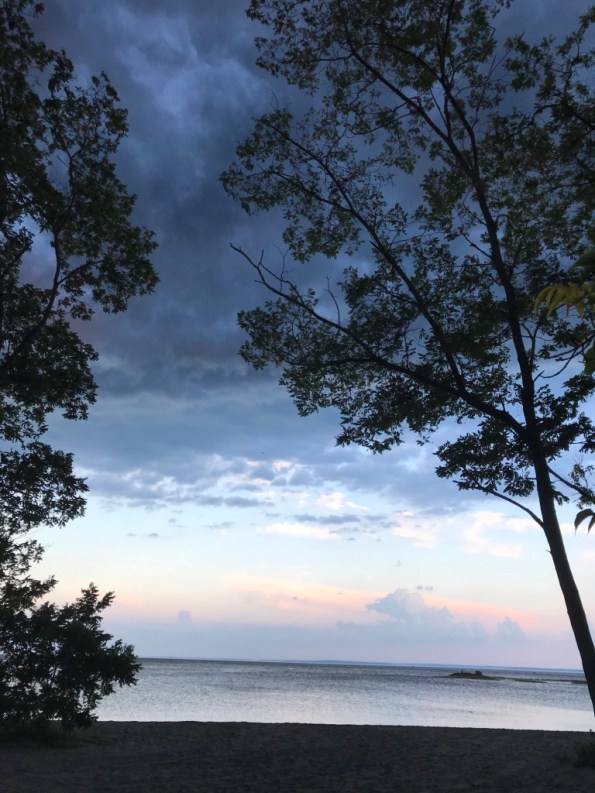
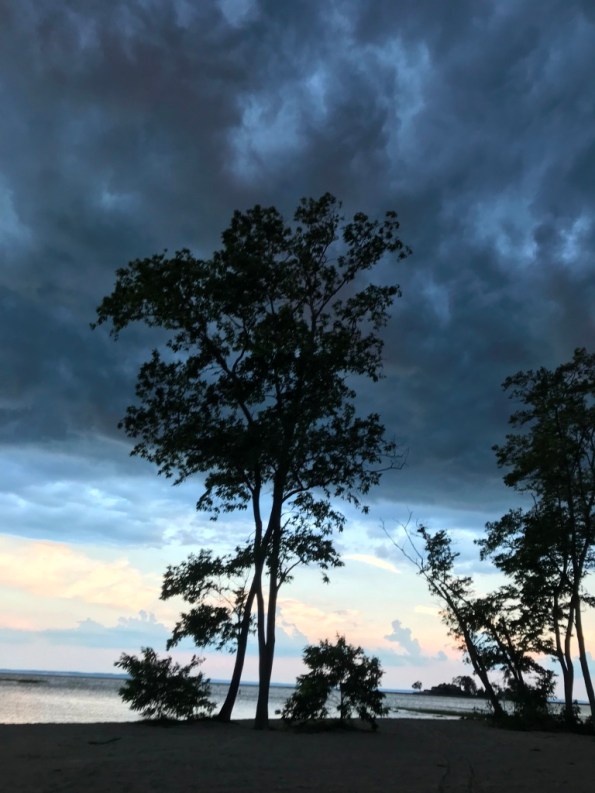
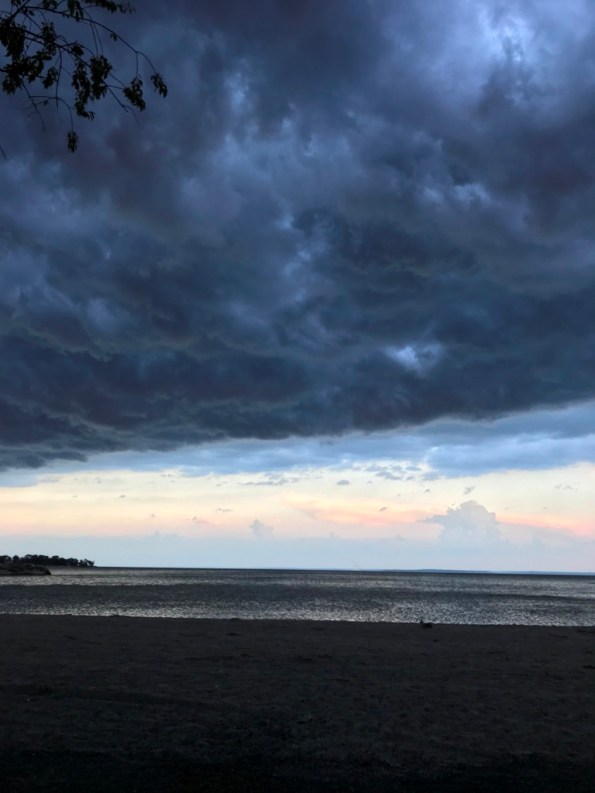
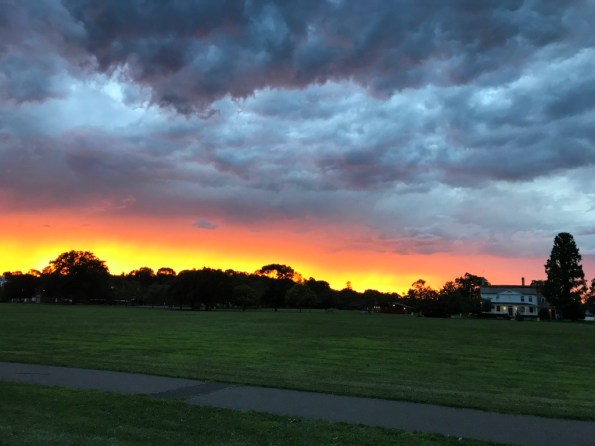
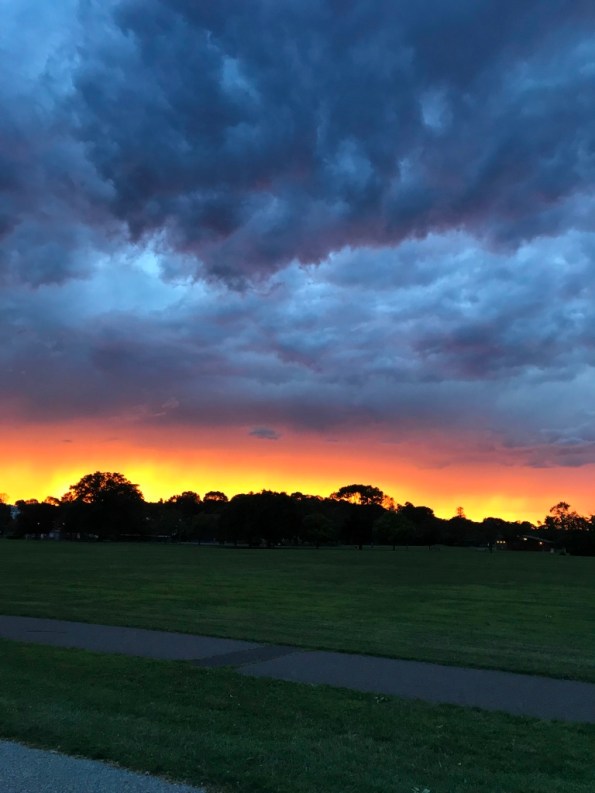
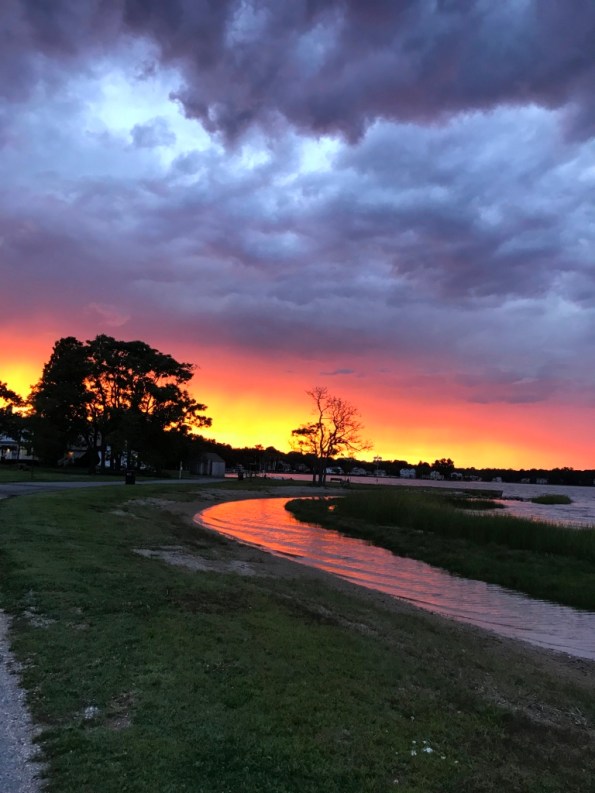
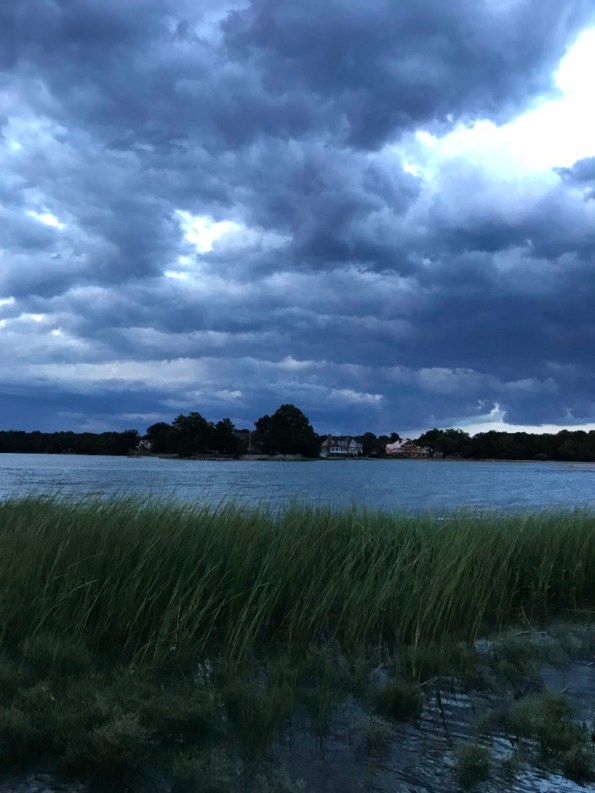
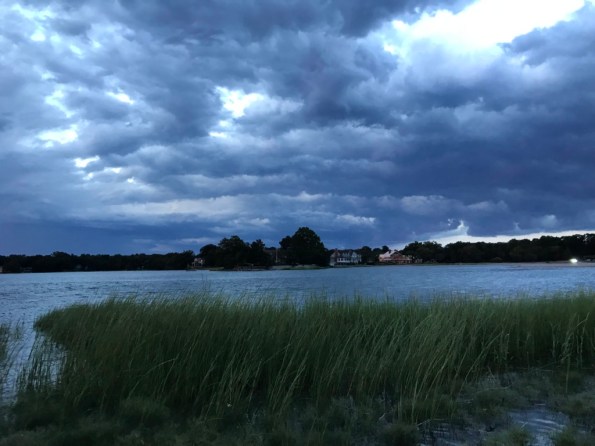
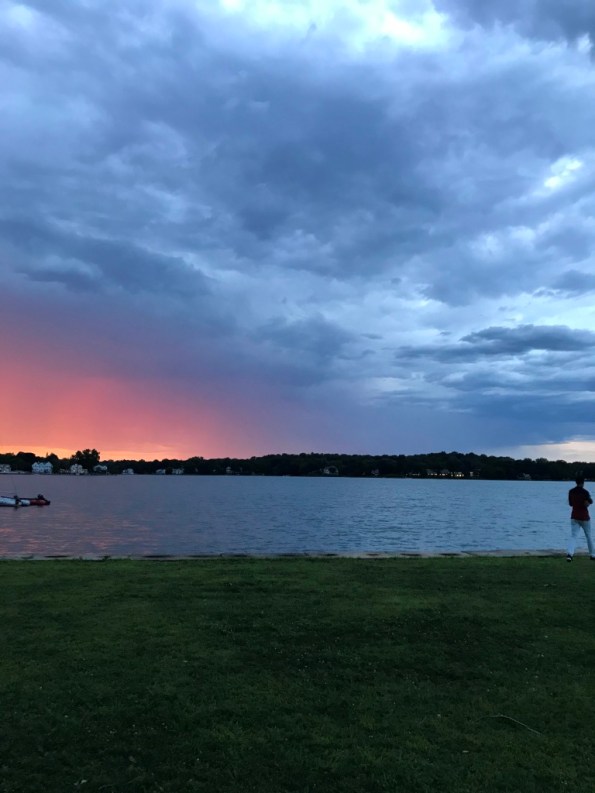
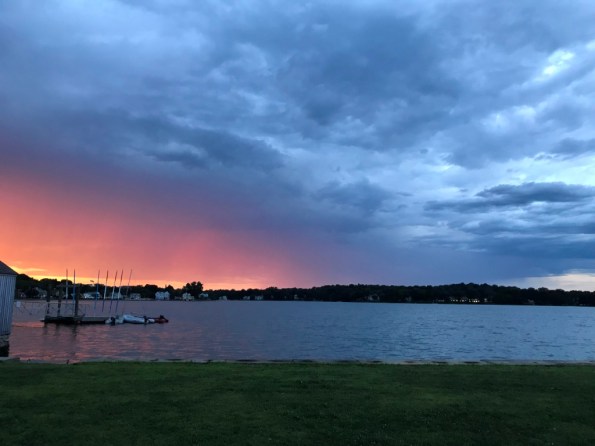
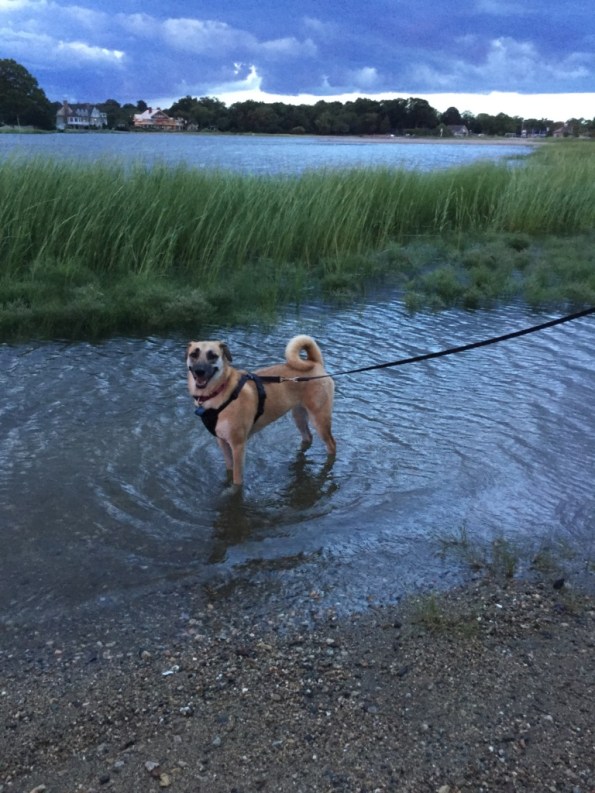
Yesterday we needed to take a trip downtown Stamford in the evening, and then the thought was – why don’t we take the dog down to the beach for a walk?
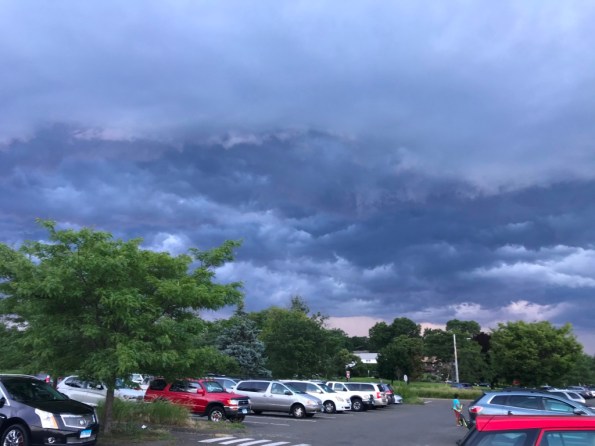
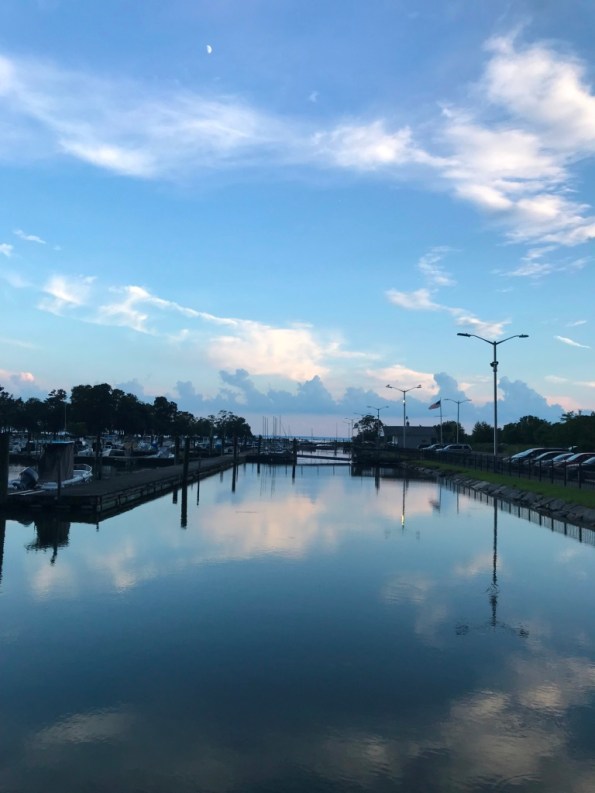
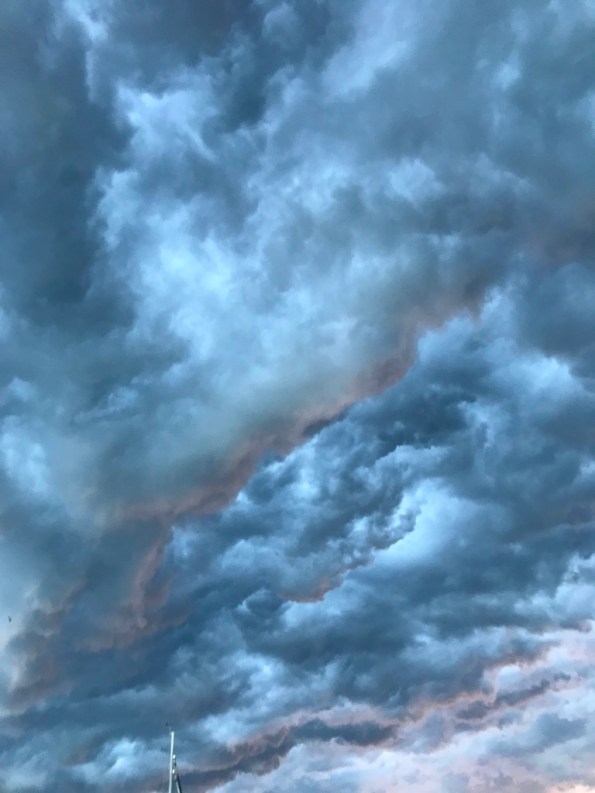
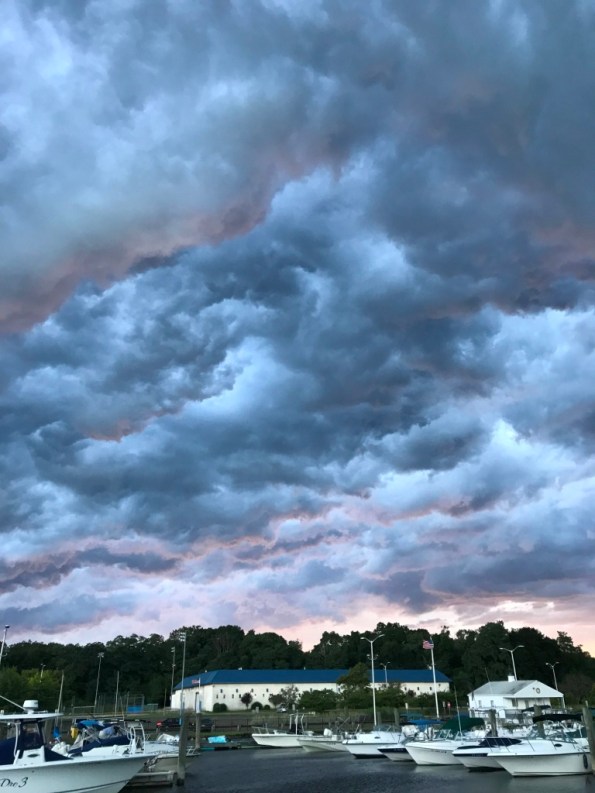
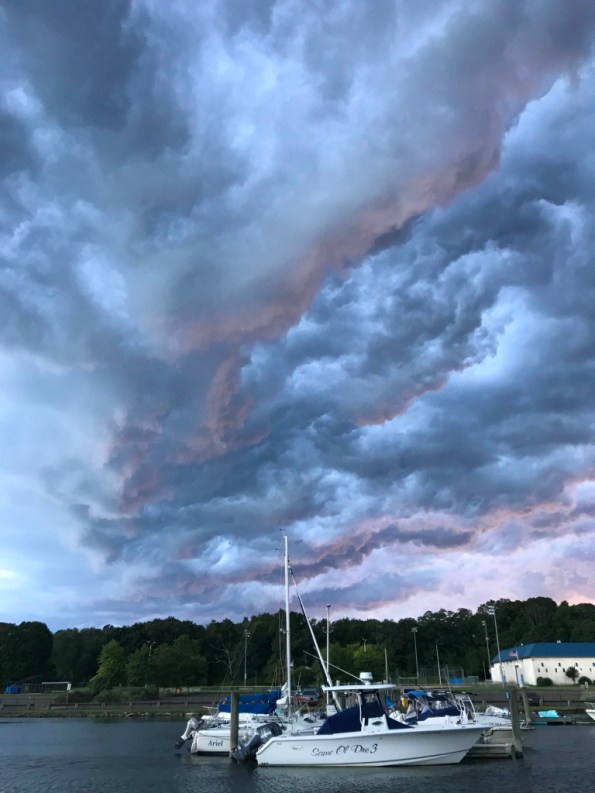
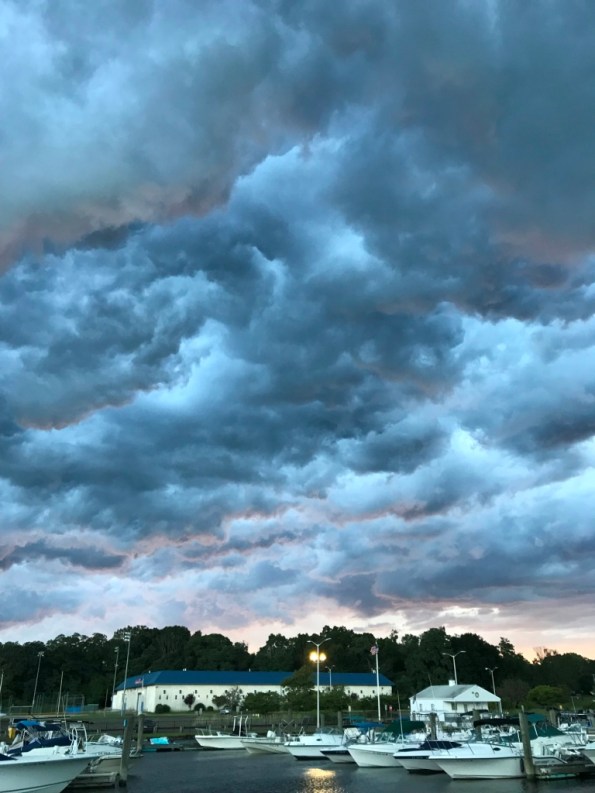
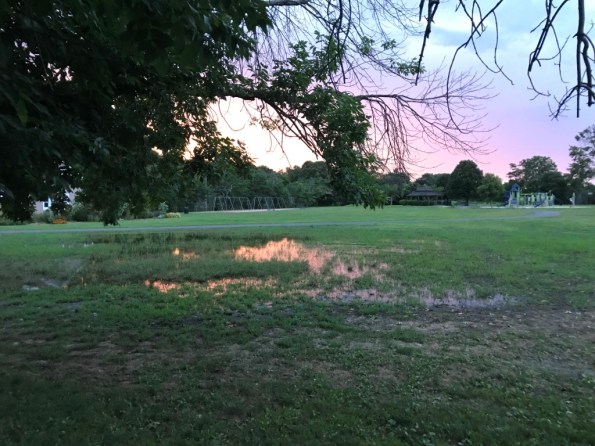
Oh my… Once we arrived at the beach, for the next 30 minutes or so, we couldn’t stop looking and looking around, trying to fully appreciate and take in one of the most magnificent spectacles ever put out by Mother Nature (okay, yes, I’m going too far – she does it every day, non-stop around the world, but still). I often tell people that Mother Nature is a true and original artist, I just try my best to capture her creations and share them with the world.
I usually prefer to convey my own vision of the same Mother Nature’s act in my pictures (read – edit them), but yesterday’s performance was so perfect that I’m just sharing it as is, not edited at all – #nofilter as we like to say.
Enjoy!

How To Buy Wine At Auction
* * * This is a sponsored post * * *
Buying at auction is great for many reasons – it’s sustainable, it’s timely, there’s huge range, and there’s plenty of quality – but beyond the purchasing of artworks, jewelry, furniture and collectibles, auctions are particularly great for acquiring wine.
Though many wine connoisseurs and collectors may not know it, top quality wine is available at a fraction of the cost and in large quantities at auction. Whether it’s the wine of France, Italy or Spain that takes your fancy, or whether the New World (New Zealand, Australia, South Africa, US, South America) is your ultimate preference, you can find wine in all shapes, tastes and forms at auction. The best place to find wine is through the search service Barnebys, where you’ll find thousands of online auctions at any one time and you can actively bid on these auctions from your computer, wherever you may be.
Consider yourself a wine collector? Find out what your collection is worth with ValueMyStuff, where you will receive a valuation of your item(s) within either 24 or 48 hours. If you’re interested in selling your collection at auction, ValueMyStuff can put you in touch with the right house.
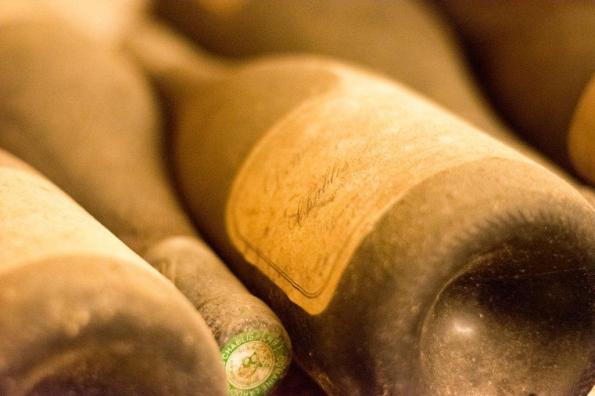
Photo: Marco Mornati
There are a few tips you should know before entering the auction room, however, whether it’s online or in person. Here’s our guide to purchasing wine at auction:
Try something new
If you go to a specific vineyard for a tasting, you’re limited to that vineyard’s own range and produce. However, buying at auction provides access to all kinds of variety and wine from across the world. Auctions are the perfect chance to let your tastebuds fly and to try something new, particularly as each bottle comes at a fraction of the cost of that from a wholesaler or retailer. Mix up your usual order with something daring – it may just end up being the perfect component to your next dinner party.
Photo: Scott Warman
Do your research
Particularly if it’s an old wine, make sure you ask about provenance and condition. It’s okay to be nosey, and don’t worry about being a nuisance – it’s your right to ask these kinds of questions. Auctions are the best place to source hard-to-find or niche vintages, and you shouldn’t shy away from older wines, but be sure to understand the condition of the bottles. Other things to consider are not only the age of the wine, but also the label, the cap, the capsule, the origin, how’s it’s been stored, and at what price it’s selling for elsewhere.

Photo: Barnebys/Bukowskis
Expect to pay a buyer’s premium
Remember, the price you bid on at auction – the amount that goes down with the hammer – isn’t the final price as it doesn’t include all costs. You need to factor in the auction house’s buyer’s premium (it’s typically around 20%, but this is at the house’s discretion so be sure to ask beforehand). There may also be charges such as duty or VAT, and, if the auction house isn’t near your home, you’ll need to factor in extra costs such as shipping and transportation.
Photo: Jeff Burrows
Bid
Bidding for wine at auction is exactly like bidding on art, jewelry or antiques, but, as always, it’s best to ask questions as each auction house is unique. You’ll need to register for the auction, place your (maximum) bid, and, if you’re successful, pay any extra costs before collecting your item(s) or arranging transport. Buying at auction may seem intimidating, but it needn’t be: it’s just like online shopping, except you’re purchasing against a few other people and you’re vying for the best price. It’s all about timing: bid early and stake your claim, or wait it out and swoop in at the last minute.
And all this is made easy with Barnebys, where you can search all wines available at auction across the world. Filter by price, location or auction date – and start bidding and adding to your collection today!
June – What a Month, in Wines and Pictures – Part 2
Warning – lots of pictures will be following. And you can find Part 1 post here.
My birthday celebration usually means “party”. This year we decided with my wife instead of cooking and cleaning for 2 days to spend time by ourselves and go to stay somewhere fun. We managed to pack a lot in mere 3 days.
As a collector of experiences, I’m trying to fill my Wines of 50 States map, so as we were driving to Portsmouth, New Hampshire, I decided to visit local New Hampshire winery. Fulchino Vineyard was almost on the way, so this was our first stop (the details are coming in the separate post). Then we arrived at our intended destination for the evening – Wentworth by the Sea, a magnificent property hosting the Marriott hotel.
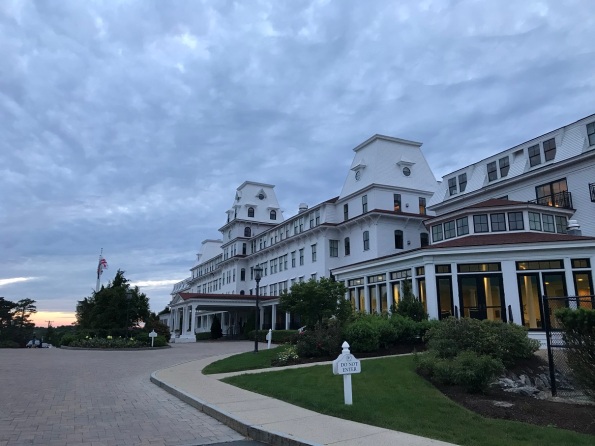
When I drove by that hotel 5–6 years ago, I still remember my admiration of a beautiful structure. It got stuck in my mind and I was waiting for an opportunity to visit – I’m glad it worked out. Beautiful building, beautiful views, beautiful property – we really enjoyed our short stay. And I will let you decide whether this place is beautiful or not take a look at a few pictures below.


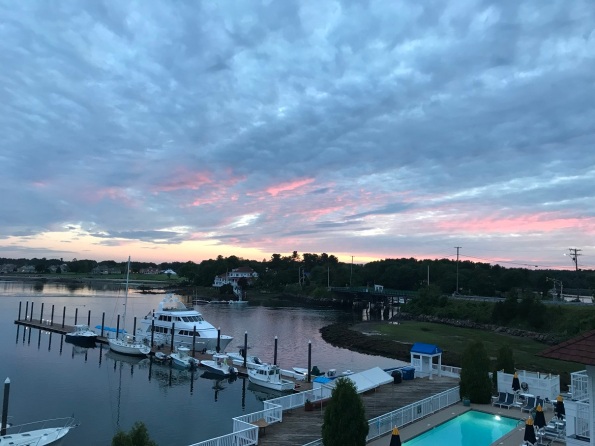
While Marriott was a great property in a magnificent setting, our next stop greatly exceeded my expectations. A few months ago I resubscribed to the Yankee magazine – it is a print magazine which is squarely focused on the happenings in New England part of the US, from Connecticut to Maine. As my “bonus”, I got a tiny leaflet called “Best of New England”, where one of the places that caught my attention was Inn at Woodstock Hill in Woodstock, Connecticut, mentioned as “Best Inn for privacy”. The Inn also conveniently hosted a restaurant with raving reviews, which sounded perfect for the birthday dinner.
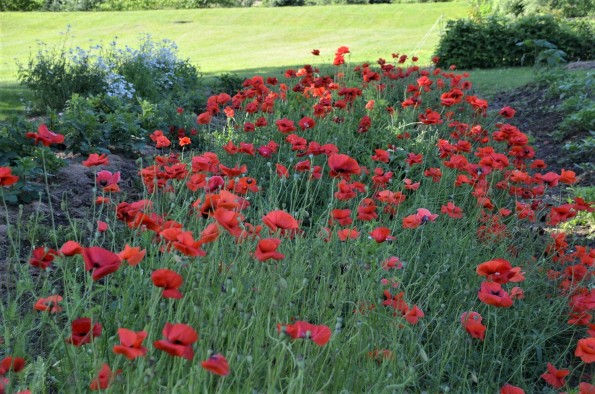
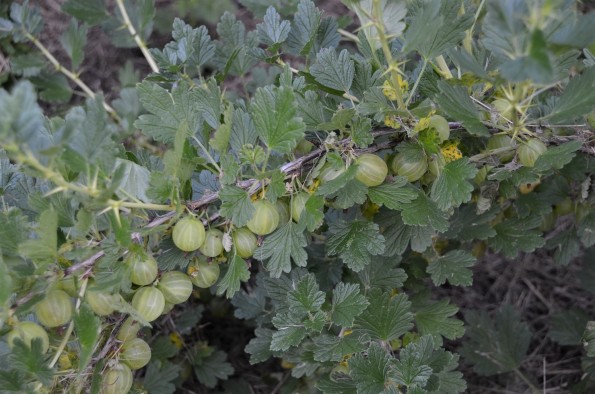
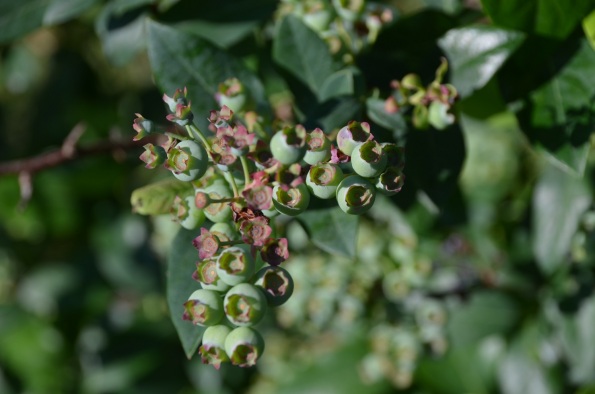
When we arrived at the Inn, we found out that our room was located not at the main building, but at the adjacent cottage, which has a total of three rooms, but we would be the only people to stay there. So we literally had a whole house to ourselves, with the deck and the view of the fields. In addition to the fields which looked perfectly untouched, we had a pleasure of walking around a small garden, where blueberries, black (I’m assuming) currant and gooseberries were all growing, and a small field of poppies was yet another source of great pleasure, as we don’t spend much time around those gentle flowers.



I brought with me a couple of bottles to celebrate the occasion. One of those bottles was 2015 Field Recordings Foeder Old Portero Vineyard Arroyo Grande Valley (14.9% ABV, 50% Syrah, 35% Zinfandel, 15% Mourvèvedre, aged for 12 months in 50 barrel American Oak Foeder). While I generally treat Field Recordings wines as every day delicious wines, good for any day which name ends with a “y”, some of those wines are a bit more special, as they are not produced regularly, and when produced, the quantities are minuscule. This was one of such wines, which I had for a couple of years, but then decided that birthday is a good enough occasion to have it open. This happened to be a mistake, as wine could definitely enjoy another 10 years to fully evolve, but even then, it was a delicious, fresh, acidity-forward concoction of sour cherries and blackberries, with well-defined structure and dense finish.


Our dinner didn’t disappoint either. First, the folks at the restaurant were very kind and let us bring our own wine despite having the full wine list (the corking charge was $15, which was totally fine, of course). The wine which I brought, 1998 Kirkland Ranch Merlot Napa Valley (14% ABV) was on my “to open” list for a while. I got a few of these bottles from Benchmark Wine and was really curious to see how the wine would fare, but the bottle went unopened on a few prior occasions. This time the cork was finally pulled out, and the wine delivered lots of pleasure. It started its journey to the peak but was still far from it – fresh, good acidity, a complex bouquet of roasted meat, coffee, dark fruit (cherries and plums), good balance – very enjoyable. The wine continued to evolve throughout the evening, giving me good hope for a few more bottles I have left.
The food at the Inn at Woodstock Hill (the restaurant doesn’t have its own name, and because of it you can’t find it on Yelp, but it has all information on the web) was delicious. We started with an Escargot, which was enjoyed to the last morsel, and Artichoke Bottoms, which were unique and delicious. Then I had The Wedge salad, which is one of my perennial favorites – you can get any salad off the menu complementary to your main dish, a very nice feature – and The Wedge again was delicious. My main dish was Pork Shank, which was… well, I don’t know if I should declare myself a pork shank connoisseur, but I’ve been through the Czech Republic, where pork is king – this dish was absolutely on par with the best versions I tasted in Prague. Yep, it was a delicious standout or it was standoutously delicious (yeah, I know it is not a word – but this is my blog :)), but I’m sure you got my point.
The morning with that fields view was just perfect. I couldn’t stop myself from taking more and more pictures…






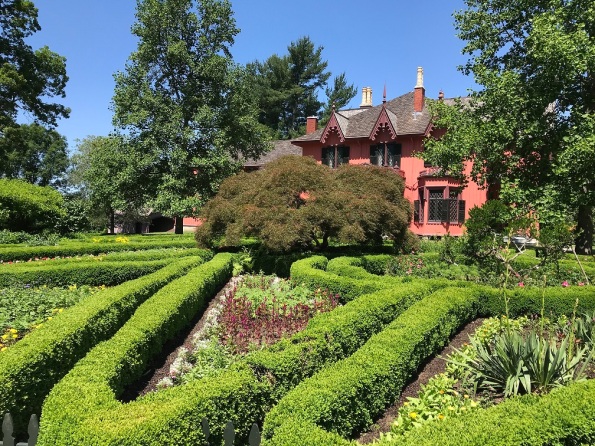
We made two more stops before finally getting home. First, we discovered the Rosewood Cottage, a pink-colored summer residence of Henry and Lucy Bowen, built in 1846, also sporting beautiful garden delimited by 150+ years old shrubs. The Cottage, which now belongs to the Historic New England organization, hosted 4 of the US Presidents visiting Bowen family on various occasions. Over these years, the house was painted 13 times in various shades of pink, has many of the original wall coverings (wallpaper) called lincrusta, and stained glass windows, some of those original since the house was built. It also houses the oldest in the United States indoor bowling alley! Does it worth a special trip? Yep, it does.



Our last stop was at the Taylor Brooke Winery, also located in Woodstock. Compared to my previous Connecticut wineries experience, this was definitely a better one – but more about it later.
Here you go, my friends – one memorable June of 2019. How was yours? Cheers!
June – What a Month, in Wines and Pictures
 June might be my favorite month of the year. There are many reasons for me to say that. For one, it is the very beginning of summer. It is like a Friday night when the whole weekend is still ahead – the same thing with June, the summer is just starting. Then it is the month of my birthday and Father’s Day, which means I get to celebrate a few holidays which are related to me. Throw in the end of school celebration and occasional graduation, and you can clearly tell June brings a lot of reasons to be happy.
This June of 2019 went particularly overboard with all the goodness. At the beginning of the month, I got invited to so many wine tastings and dinners that I had to simply decline the number of invitations. Those which I managed to attend were an absolute standout. Tasting of South African wines was small, but superb, with lots of simply delicious wines. Right after the South African wine tasting, I met with Stefano Ruini, the winemaker for Bodegas Luce, tasted through yet another excellent set of wines and finally realized that Luce, the wine I tasted and admired before, is a Merlot Sangiovese blend produced in the heart of the land of Brunello.
The last event of the same day was a dinner with Michael Benedict and John Terlato of Sanford and Benedict Winery, a pioneer of California Pinot Noir, which took place at the spanking new Hudson Yards, at the Wild Ink restaurant, overlooking freshly minted The Vessel.
My next day was even more memorable, with two hours of the pure joy of talking to Stu Smith of Smith-Madrone Winery in Napa Valley, and tasting (a better way to put it: been blown away by) Stu’s wines, which were simply a standout.
That eventful week ended with the L’Ecole 41, iconic Walla Walla producer’s lunch and vertical tasting, where I finally discovered for myself what is all the fuss about Ferguson.
Then there was Father’s Day, with all the cooking fun and an opportunity to open a special bottle of wine – it is always easier to pull a better bottle when you have a good reason to do so.


My cooking fun was more of the usual – BBQ. However, I experimented with the way the meat was prepared. The chicken breast was marinated overnight in the onion juice if this is a thing – simply a big Vidalia onion pulverized in the blender and then used as a marinade – with the addition of the bbq spices. The lamb was marinated overnight in the buttermilk also with the addition of rosemary, sage, and the spices. The result was outstanding – both chicken and lamb came out juicy, tender, and delicious.
The wine story started with the 2018 Field Recordings Morro View Edna Valley (13.9% ABV, 100% Grüner Veltliner) – fresh undertones of grass, Meyer lemon, bright, crisp acidity – a perfect sip for the summer day.
Two of the Martinelli wines joined the party. Martinelli is most famous as the grape growers, however, they also produced a number of wines under their own name, albeit those are rare. First, we had 2009 Martinelli Syrah Zio Tony Ranch “Gianna Marie” Russian River Valley (15.4% ABV), which took a bit of time to open up into the a delicious, blackberries and pepper concoction, firm and supple.


I only had two bottles of Martinelli so I had no plans to open both on the same occasion. However, when my oldest daughter came and said “Dad, I can have a glass of wine over the next two hours and I want California Pinot Noir” (she has medical condition which generally prevents her from enjoying any type of alcohol), the only wine my brain could think of was 2010 Martinelli Pinot Noir Sonoma Coast (15.5% ABV), as I saw this bottle in the fridge the day before. This was a classic California Pinot Noir, which I generally describe as “plums and smoke” – soft, layered, good amount of fruit without going overboard, delicious long finish – an excellent example of the California Pinot Noir – and by the way, perfectly balanced – 15.5% ABV was absolutely unnoticeable.

The last wine I had high hopes for … well, didn’t work out. Back in 2012, I had 2004 Retro Petite Sirah, which was one of my top dozen wines of 2012. This time I opened 2007 Retro Petite Sirah Howell Mountain (14% ABV), hoping that 12 years is enough for this wine to at least start opening up. Nope, no such luck. The fruit was nowhere to be found, the wine mostly had sapidity, coffee and roasted meat notes on the first day, despite being decanted. It slowly improved day by day and showed some glimpses of the fruit on the third day, but still, it didn’t deliver the pleasure I was hoping for.
Well, let’s stop here. I will tell you about the rest of June in the next post – with lots (lots!) more pictures.
To be continued…
How To Cool Yourself Off On A Hot Summer Day
The heat is rising.

Photo by Quốc Bảo from Pexels
 This is not a metaphor – the summer is here, the temperatures are pushing up to the “beyond comfort” level, and the question is real – how do you cool yourself off?
Of course, there are lots and lots of solutions – from very low-tech fans, powered by one’s own hand, to the battery operated misters, neck braces and more – but this is the wine blog, remember? Thus we will not be talking about any gadgets, neither low-tech nor high-tech. We are going to proceed with our simple, you can even call it simplistic, approach – “wine is the answer, what is the question?”
To tame down that heat, we are going to ask for the help of mountains, called the Dolomites, or Dolomiti in Italian. The Dolomites are the mountain range located in northern Italy; they are a part of the Italian Alps, and overall they are located in the Alto Adige region. The Dolomites are known for its striking beauty and intense contrasts. The whole area is considered the world’s treasure and was designated as a UNESCO World Heritage site in 2009.
Alto Adige is one of my favorite Italian wine regions, especially when it comes to white wines. The mountain climate, soil, vineyard elevations – everything which we know as terroir, all take part in producing the wines of character. Thus when I was offered a couple of wines from the region for the review, I gladly said “yes, please” – with or without a summer, Alto Adige, Trento, and all of the sub-regions, such as Vigneti delle Dolomiti, always promise to surprise you, and generally, in a good way.
The history of Alois Lageder started in 1823, first as a wine merchant business in Bolzano. Next generations of Lageder family started acquiring vineyards and experimenting with making the wine, and in 1934, Alois Lageder III purchased wine estate in Alto Adige, which became the starting point of the modern period for Alois Lageder Estate. With attention to the quality becoming paramount since the 1970s, today Alois Lageder’s 125 acres of the family estate are farmed biodynamically. You can visit the winery’s website for more information – it is not only the information, you will also find some stunning photographs there.
In addition to producing more than three dozens of different wines, Alois Lageder is also involved in the number of special projects. One such project is called Terra Alpina and it is dedicated to the striking beauty of Dolomites, it is an attempt to convey that beauty in the liquid form – take a look at this picture:
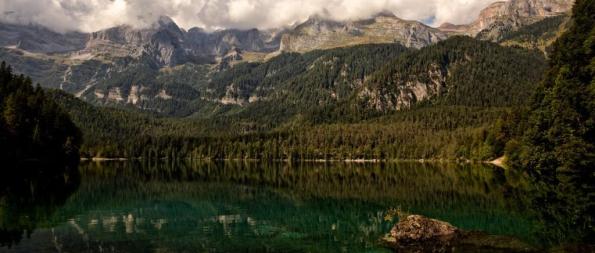
Source: Terra Alpina by Alois Lageder website
The wines in the Terra Alpina project produced via the partnership with local grape growers and winemakers in the Vigneti delle Dolomiti area. Currently, there are two wines produced under the Terra Alpina label, Pinot Bianco and Pinot Grigio – these were the wines I received for the tasting.
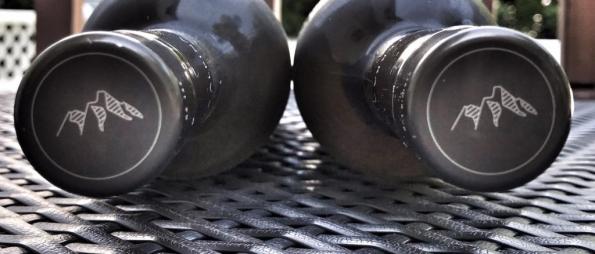
When the wines arrived, at first I even thought I got two bottles of the same wine – they looked very similar. After a few seconds, I figured out that this was not the case, and those were actually different wines. While the bottles looked similar on the outside, once I opened the wines, there was no question of similarity – the wines were beautifully and distinctly different, with Pinot Bianco strongly minerally-driven, and Pinot Grigio showing a perfectly noticeable, but the well-balanced amount of fruit – you can see my notes below.
Were these wines capable of delivering on the “cooling off” promise? Perfectly so. While different, both were fresh and bright, dropping a few degrees off a summer heat with every sip. The wines would be perfect on its own, but they would also play very well with food. And please make no mistake – while the wines offer a welcome relief to the summer heat, these are excellent, year-around, versatile wines, which offer a great value, and perfect for any day, and every day.
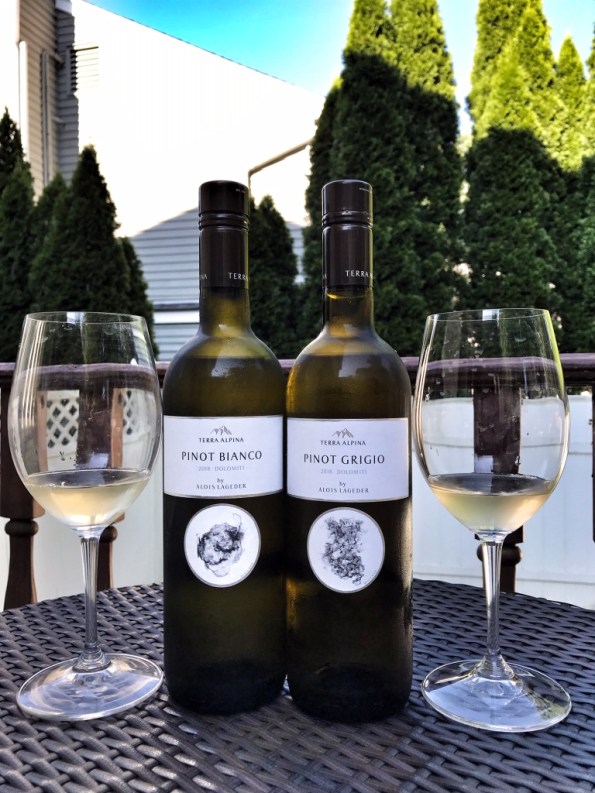
2018 Alois Lageder Terra Alpina Pinot Bianco Vigneti delle Dolomiti IGT (12.5% ABV, $15)
Straw pale
Touch of sweet apples, lemon, minerality
Crisp but buttery, noticeable salinity, minerally driven, dry, refreshing, lemon, lemon finish.
7+/8-, very nice
2018 Alois Lageder Terra Alpina Pinot Grigio Vigneti delle Dolomiti IGT (12.5% ABV, $16)
Light golden, a shade darker than Pinot Bianco
Intense, tropical fruit, guava, candied lemon, honeysuckle
Crisp, also a bit buttery and round, fresh lemon, vibrant, refreshing, delicious.
8-/8, excellent, passes room temperature test with flying colors
Here is my summer cooling off story. What’s yours? Cheers!
Between The Worlds
What lies on the intersection of the Old World and the New World?
Yep. Starting with the question. As many of you have come to expect. Let me repeat – what lies on the intersection of the old world and the new world? Of course it is the wine we are talking about.
I can spin this question differently if you want. What is the name of the major winemaking region (a country, rather) which is most often overlooked at dinner tables, wine stores, and restaurant wine lists? Yes, give it a thought. I’m sure you know the answer. But it is too obvious, which makes it difficult.
Let’s continue?
If you said “South Africa”, pat yourself on the back. You got it. Yes, it is South Africa. The wines of South Africa are often described as “old world wines masquerading as the new world”, and when you taste the wines from the region, you can easily see why such description makes a lot of sense.
I wrote about wines of South Africa many times in the past, also including them into the “best hidden secrets” series. Winemaking history of South Africa goes back more than 400 years, to the mid-1600s. From there on, South African wine had good times, bad times, phylloxera, political issues, boycott, and lots, lots more. Many times in history the wine production was focused on quantity and not quality, which obviously had consequences and not a good ones.
I had been tasting South African wines for quite a while, and I have to say that I perceive a definite upswing in quality. As I mentioned at the beginning, South African wines are still rare and underrepresented in the modern wine scene, for sure in the USA – nevertheless, every time I get a chance to taste South African wines, they make me say “wow” more often than not.
Case in point – recent tasting of the South African wines in New York. It was not a large tasting, by all means, maybe 60–70 wines, but out of those 60–70, I probably was wowed by at least a half of them, which is very unusual for the trade tasting, maybe with the exception of Gambero Rosso Tre Bicchieri. Below are my brief notes – as I had a bit more time than at the typical trade tasting, but absolutely not enough to do a full assessment, I’m using words instead of plus signs. Plus, I share here some of my general impressions.
Let’s go:
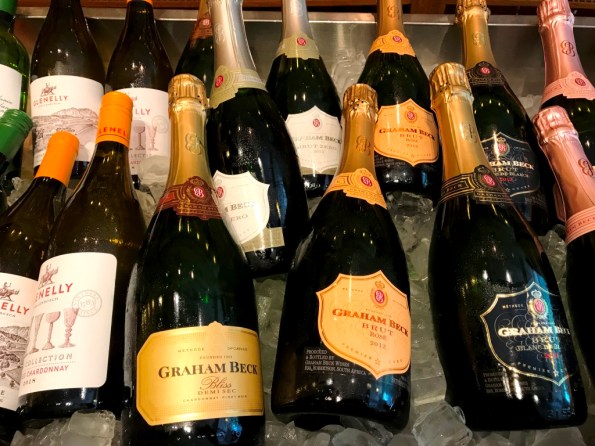


I love Graham Beck wines – their sparkling wines represent great value. These wines are similar to Champagne, as they undergo secondary fermentation in the bottle, so any time you are looking for the bubbles but want to spend the half of what you will spend on the Champagne, see if your wine store carries Graham Beck wines.
NV Graham Beck Brut Methode Cap Classique WO Western Cape – love it! Fresh, generous
NV Graham Beck Brut Rosé Methode Cap Classique WO Western Cape – beautiful, elegant
2012 Graham Beck Rosé Methode Cap Classique WO Western Cape – a touch of strawberries, toasted notes, excellent
2013 Graham Beck Blanc de Blancs Methode Cap Classique WO Western Cape – wow! Elegant, clean, polished
2012 Graham Beck Brut Zero Methode Cap Classique WO Western Cape – good
NV Graham Beck Bliss Demi-Sec Methode Cap Classique WO Western Cape – beautiful! Touch of sweetness, good acidity, elegant
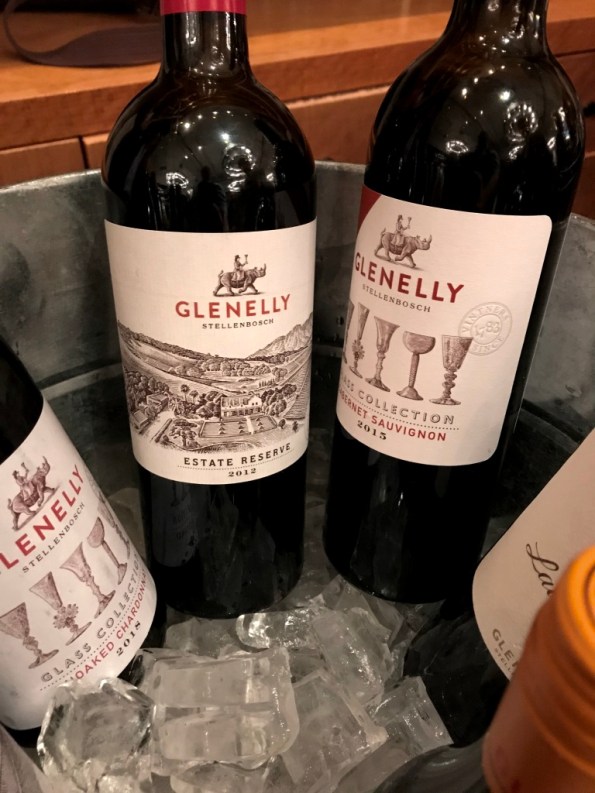
I had some past (and delicious!) experience with Glenelly Chardonnay, so I was definitely looking forward to tasting their line of wines:
2018 Glenelly Unoaked Chardonnay Stellenbosch – excellent
2016 Glenelly Estate Chardonnay Reserve Stellenbosch – excellent, a touch of vanilla, burgundy style
2015 Glenelly Glass Collection Cabernet Sauvignon Stellenbosch – excellent, cassis forward
2012 Glenelly Estate Reserve Stellenbosch (45% Cabernet Sauvignon, 38% Shiraz, 11% Petit Verdot, 6% Merlot) – restrained, clean, herbaceous, salinity. The wine is built for the long haul.
2012 Glenelly Lady May Stellenbosch (89% Cabernet Sauvignon, 10% Petit Verdot, 1% Cabernet Franc) – Bordeaux style, needs time


This was an unknown producer for me:
2018 Beau Joubert Oak Lane Chenin Blanc – Sauvignon Blanc Stellenbosch – unusual, might be a touch sweet
2017 Beau Joubert Oak Lane Merlot – Cabernet Sauvignon Stellenbosch – simple
2017 Beau Joubert Oak Lane Shiraz – Cabernet Sauvignon Stellenbosch – earthy, nice pepper note
2013 Beau Joubert The Ambassador Stellenbosch – needs time
2014 Beau Joubert Fat Pig Stellenbosch – port style, very good balance, tasty
Yes, there was food too:


Let’s get back to wines.


The next set of wines surprised me in a lot of ways – packaging (labels), creative wine names, unusual grape varieties for South Africa (Barbera? Touriga Nacional?!) and most importantly, tasty wines. When I commented to the lady who was presenting the wines how unique and tasty the wines were, she said very unpretentiously “ah, it is my brother, he is always running around with new ideas, experimenting with the wines”. Little did I know that Bruce Jack is a star winemaker who was making wines for more than 25 years and who has almost a cult following. I can tell you, as the proof is in the pudding, this line of Drift Estate wines offered plenty of proof.
2018 Bruce Jack Year of the Rooster Rosé Western Cape – nice and restrained, excellent Rosé rendition. You would never guess the grape this wine is made out of – Touriga National. Yep. As I did a bit of research, I found out that 2017 was made out of Pinotage, and 2016 out of … Touriga Franca. Yep, talk about South African wines.
2014 Bruce Jack Moveable Feast Red Blend Western Cape – excellent. Dark fruit, spices, just excellent.
2017 Bruce Jack Gift Horse Single Vineyard Barbara Western Cape – another hit. Dark fruit, tar, pencil shavings, tobacco, just wow. Yep, a South African Barbera.
2016 Bruce Jack There Are Still Mysteries Single Vineyard Pinot Noir Western Cape – beautiful, elegant, restrained, truly a mix of the new world and an old world. If you didn’t discover yet South African Pinot Noir, go on, try to find this wine.


And a few more wines:
2018 Boschendal Rose Garden Rosé South Africa – excellent, restrained, Provençal style. Merlot + Pinot Noir blend
NV Boschendal Brut Rosé Methode Cap Classique South Africa – excellent
2016 Boschendal Elgin Chardonnay South Africa – Burgundy! Wow, spectacular wine – might be the best 9fnthe tasting.
2016 Bellingham The Bernard Series Old Vine Chenin Blanc Coastal Region – (3 Chenin Blanc vineyards, vines are 35 to 47 years old) – petrol on the nose, beautiful, clean, delicious.
2014 Bellingham The Bernard Series SMV Coastal Paarl Region (Shiraz, Mourvèdre, Viognier) – Elegant! Excellent
2014 Brampton Roxton Stellenbosch (41% Syrah, 33% Petit Verdot, 26% Malbec) – outstanding. Lots of power. This wine is named after a bull.
That competes my report. What do you think of wines of south Africa? Any favorites? Cheers!
Samples Galore: From Ohio to Washington with a Stop in Argentina
Have wine, will travel – who is coming with me?
How about staring our wine journey in Ohio? There is a very, very good chance you never had a wine from Ohio – am I right? So was I – until the beginning of this year.
All 50 states in the USA produce wine – not sure as of what date, but this was already true at least 15 years ago. While this is true, it doesn’t mean that you can go into the store and pick up a bottle of wine from South Dakota as this is something you want to drink tonight. There is a slew of issues (economic, legal, etc.) which make it impossible. Never mind South Dakota – while Texas is one of the largest wine producers in the USA, I stand no chance of finding Texas wines in the local liquor store in Connecticut. And as I love collecting the experiences, when I was offered to participate in the Twitter Chat about Ohio wines, I quickly agreed.
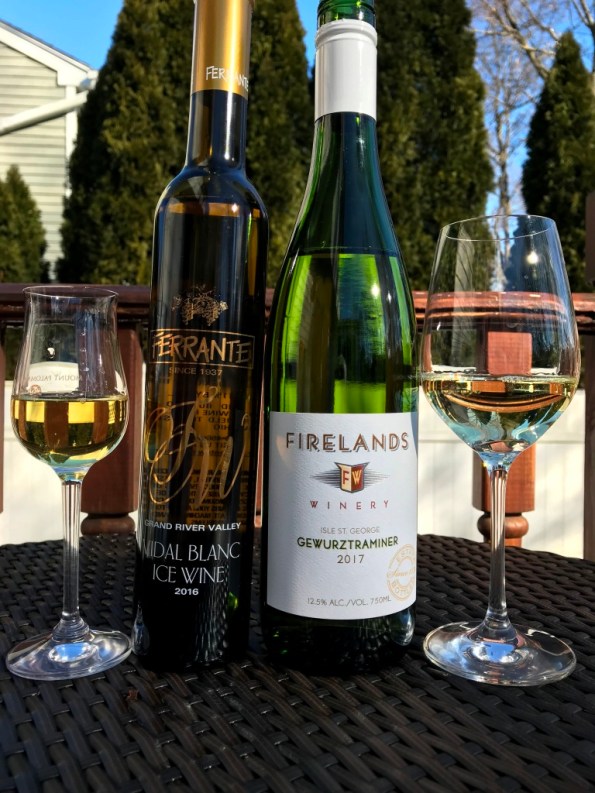
The wines had been made in Ohio for a while – on par with most of the traditional wine regions in the USA. The wine cellar which is now a part of Firelands Winery in Sandusky, Ohio, was built in 1880. Obviously the wines are still unknown outside of the local towns and maybe some visitors, but still, Ohio has the winemaking history.
When I opened the box with the wines for the tasting, my first reaction was “ohh, this might not end well”. First one was Firelands Gewurztraminer – and I consider Gewurztraminer a very difficult grape – it is really difficult to create a balanced Gewurztraminer wine – I had lots (did I say lots?) of undrinkable editions, so yes, that bottle made me concerned. The second wine was equally concerning – Vidal Blanc Ice Wine from Ferrante winery. Again – an experience with many plonk-level Ice wines was definitely getting in the way.
So how the wines fared, you ask? Much (much!) better than I expected (sorry, the inner snob was talking) – really, here are the notes:
2017 Firelands Winery Gewurztraminer Isle St. George, Ohio (12.5% ABV)
Light golden
Beautiful fresh tropical fruit – leeches, guava, white peach, intense
Dry palate, clean acidity, spicy bite, Whitestone fruit, good minerality, good balance
8, very enjoyable wine, will work well with food, excellent with cheese (manchego)
2016 Ferrante Vidal Blanc Ice Wine Grand River Valley (11% ABV)
Golden color
Honey, candied peaches, fig jam, medium plus intensity.
Perfectly clean palate, a touch of honey, apples, ripe pear. Honey notes linger on the finish, but it is not overwhelming and supported by good acidity.
8+, very impressive, this is the wine I want to have a second glass of. Outstanding.
As you can see, very impressive wines. I would gladly drink both at any time – and I would love to visit the wineries if I ever make it into the area. Ahh, and one more check mark for my collection of attempts to try the wines made in all 50 states – a personal challenge which I’m tracking right here.
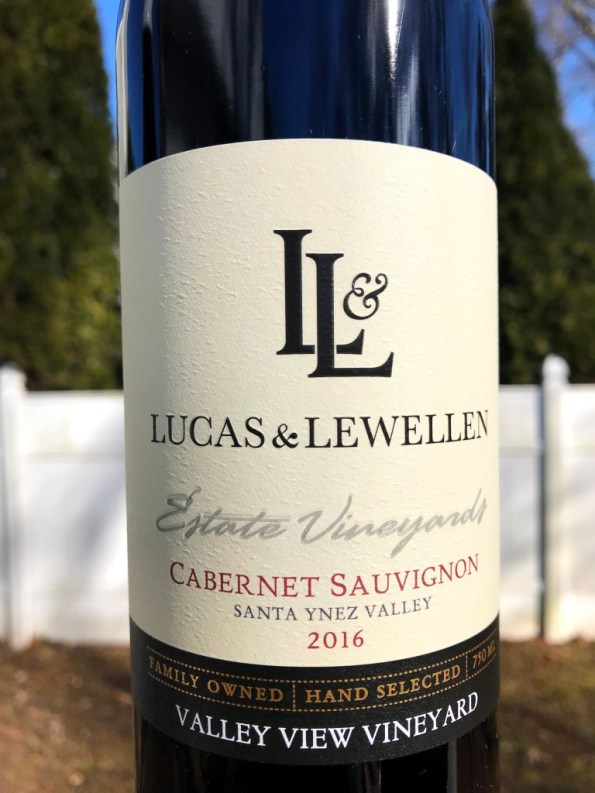
After having a great experience in Ohio, let’s continue our trip. Next stop? California.
First, let’s go to Santa Barbara County. Lucas and Lewellen Estate Vineyards were born in 1996 out of the friendship between Louis Lucas, a third-generation grape grower, and Superior Court Judge Royce Lewellen who first met back in 1975. They started making wine under their own label in 1998, and from there, the business expanded to include vineyards in 3 principal winegrowing areas in the Santa Barbara County – the Santa Maria Valley, the Los Alamos Valley, and the Santa Ynez Valley. They also opened a tasting room in Solvang, one of the best “wine towns” in the country. The wine we are talking about today is a classic Bordeaux blend coming from the Valley View Vineyard in Santa Ynez Valley:
2016 Lucas and Lewellen Cabernet Sauvignon Valley View Vineyard Santa Ynez Valley (14.5% ABV, $25, 75% Cabernet Sauvignon, 7.5% Petit Verdot, 7.5% Malbec, 5% Merlot, 5% Cabernet Franc, 21 months in French oak, 40% new)
Dark garnet
Mint, underbrush, blackberries, cherries, medium intensity
Cherry-forward, tart, a touch of mint, tight, well-integrated tannins, full body, good acidity, good balance, spicy finish in the back of the mouth
8-, probably will further improve with time


Let’s move up north in California, to the famed Napa Valley.
The first vineyard on the Mt. Veeder site which is now home to the Hess Family Wine Estates, was planted in 1876. Donald Hess acquired his first vineyard on the Mt. Veeder in 1978, and through the chain of events which are described in details here, all the history connected together. In 1986, the Hess Collection winery was established, and from the early days Hess Collection became a pioneer of sustainable viticulture, hosting the first Natural Farming Symposium in 1992, and then helping to develop the California Wine Institute’s “Code of Sustainable Winegrowing Practices” in 2002.
You can see a symbol of the lion on most of the Hess Collection wines – “live each day with the heart and courage of the lion” had been a guiding principle of the Hess family for 9 generations. Two years ago, Hess Family Wine Estates introduced a new portfolio of wine with the release of Lion Tamer red blend. Last year, the Lion Tamer was joined by Panthera Chardonnay in its inaugural release. I had an opportunity to taste the new release of these wines, and here are my notes:
2016 Hess Collection Lion Tamer Red Blend Napa Valley (14.8% ABV, $45, 40% Malbec, 27% Zinfandel, 21% Petite Sirah, 8% Cabernet Sauvignon, 2% Mourvedre, 1% Petit Verdot, 1% Merlot, 22 months in French oak, 40% new)
Dark garnet
Coffee, dark fruit, sandalwood, cherries, a touch of sapidity
Palate on the first day was massive, with espresso, tar, pencil shavings, and cherries.
On the second day, the wine appeared a lot more balanced, with clean acidity underscoring fresh blueberries and blackberries with a touch of coffee on the finish.
V: 8, definitely needs time. Decant for 2-3 hours if you want to drink now, or put it aside for the 4-5 years. Make sure to serve it at room temperature at around 68F.
2016 Hess Collection Panthera Chardonnay Russian River Valley Sonoma County (14.3% ABV, $45, 15 months in French oak barrels, 35% new)
Golden color with a greenish hue
Distant touch of a gunflint, minerality, underripe white plums
Vanilla, butter, a classic California Chardonnay profile, big, present, Granny Smith apples, good acidity.
8-, I prefer Chardonnay with a bit more subtle expression, but this is definitely drinkable on its own and should be good with food ( nicely complimented manchego cheese)
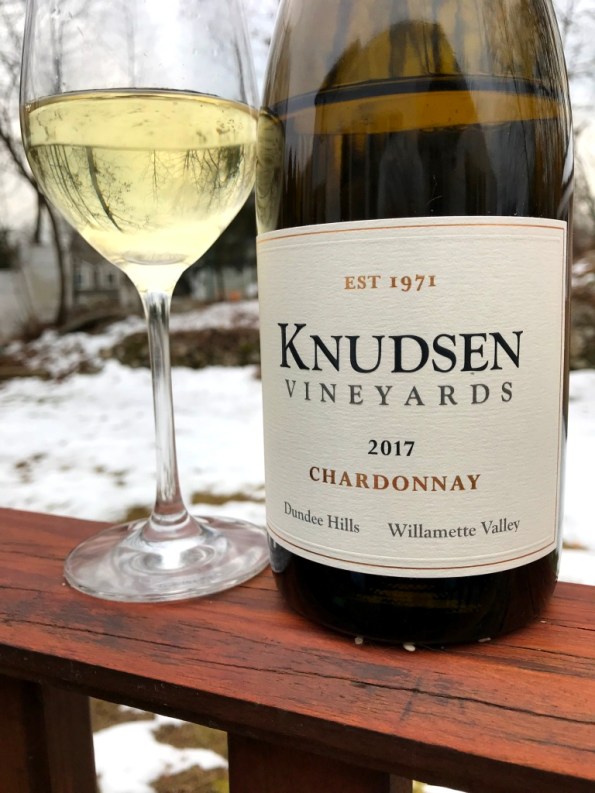
Our next stop is in Pacific Northwest – in Oregon, to be more precise. Knudsen Family had been growing grapes in Dundee Hills AVA in Willamette Valley since 1971, one of the pioneers of the viticulture in Oregon. For a long time, the grapes from the Knudsen Vineyards were only bought by the other wineries. Relatively recently Knudsen Vineyards started producing Pinot Noir and Chardonnay under its own name. Previously, I tasted Knudsen Vineyards Chardonnay from 2015 and 2016 vintages, which were both excellent. This year I had an opportunity to try 2017 Knudsen Vineyards Chardonnay (13.5% ABV, $45), and was able to see a clear progression, from 2015 to 2016 to 2017. My analogy for 2017 is Burgundian, but I don’t even know if this is a fair comparison. Knudsen Chardonnay is not a white Burgundy – it is an Oregon Chardonnay first and foremost, and it is a simply beautiful wine.
Citing myself sounds strange, but here is what I wrote about 2017 Knudsen Chardonnay in the Instagram post: “I would describe this wine as an Elegance of Precision – from the get-go, it had just a perfect amount of everything Chardonnay is famous for – a touch of vanilla, a touch of butter, a touch of golden delicious apples, vibrant acidity – and it was getting even better over the few days it was stored in the fridge, more precise, more integrated, more Burgundian. If you like Chardonnay, this is a “case buy” wine – not because it is inexpensive, but because you want to keep a few bottles in the cellar for the next 5-10 years, to see it magically evolve”. Drinkability: 9-


While we are in the Pacific Northwest, let’s try a few more wines. Kin and Cascadia wines are the result of the partnership between multi-generational families, Sagers and Masters, with these multiple generations involved in the wine business (hence the “Kin” part). This new line of wines comes from the Cascade Mountains region – which brings in Cascadia part. I had an opportunity to try Kin and Cascadia Cabernet Sauvignon and Pinot Noir – here are the notes.
2017 Kin and Cascadia Cabernet Sauvignon Columbia Valley Washington (13.5% ABV, $16)
Dark garnet color
Intense berry flavor, blackberries, eucalyptus, sweet cherries
Fruit forward but has enough supporting acidity to make it pleasant. Medium body, light, simple, fresh, fresh berries (cherries and blackberries), good acidity.
7+/8-, not my idea of Cabernet Sauvignon, but it is definitely easy to drink wine. Plus, it is young, so it might evolve.
2017 Kin and Cascadia Pinot Noir Willamette Valley (13.5% ABV, $14)
Ruby color
Muted nose, a touch of earthy notes, underbrush
Not very expressive palate either – Light, medium body, good acidity lingering on the finish
7/7+, I personally would like more fruit and more energy. This is drinkable, but not thought-provoking.
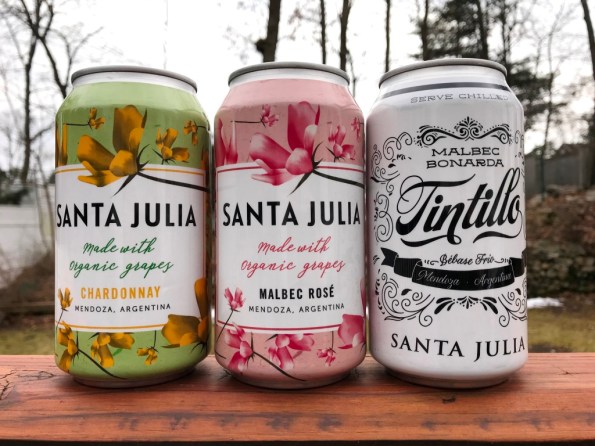
And we finally arrived at our last stop in Argentina.
In 1950, Alberto Zuccardi started working on the new irrigation systems for the vineyards in Mendoza. In 1963, he founded the vineyard of his own, which over the years became one of the most renowned in Argentina. In 1982, Bodega Santa Julia was born, named in honor of Julia (yes, she is a real person), the granddaughter of Albero Zuccardi – and Julia Zuccardi is managing her namesake winery today.
Bodega Santa Julia focuses on organic and sustainable viticulture, which sprawls from the vineyards to the people. Santa Julia was the first winery in Mendoza to achieve Fair for Life certification.
The winery joined the popular canned wines movement in the USA and introduced the line of beautifully packaged wines, which I had an opportunity to try. The wines are not amazing, but sufficient for the day on the beach or a pool party. Here are my brief notes:
NV Santa Julia Organic Malbec Rosé (375 ml can, SRP $6) – simple, quaffable, but too sweet for my taste.
NV Santa Julia Organic Chardonnay (375 ml can, SRP $6) – a bit tart, restrained fruit expression.
NV Santa Julia Tintillo Red Blend (375 ml can, SRP $6, 50% Malbec, 50% Bonarda) – good fruit expression, good acidity, medium body, good balance. My favorite of the three. And despite the recommendation, I liked it more at the room temperature than cold.
Here you are, my friends. As I said before, have wine – will travel. Until the next trip – cheers!
Last Bottle Sign Up ($10 credit)




 Talk-A-Vino