Archive
Discovering Portuguese Wines, One Winery at a Time – Esporão
Portuguese wines used to be an oenophile’s best secret. Portugal is rather a small country with very good climate for grape growing, lots of slopes and poor soils to force the roots to go deep in search for nutrition. People in Portugal heavily relying on their own agriculture – very little of the food products are imported, and the wines were for the long time produced mostly for the consumption inside the country. Add here a long and successful winemaking history (thousand years give or take a few) and lots of indigenous grapes (actually, the most of them are), and you have a recipe for excellent wines which are hardly known anywhere.
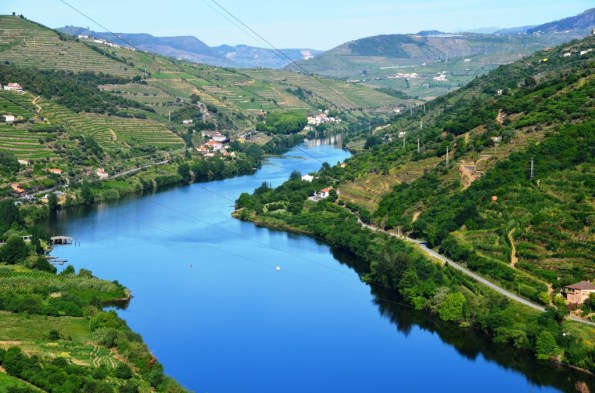
In today’s global economy, where love to the liquid grapes has no boundaries, it is hard to keep something like this as a secret. All of us, lucky travelers, who manage to visit Portugal and haul the wines back by suitcases and boxes, are obviously only helping for this secret to be … well, much less of a secret. And thus today let me contribute to the secrets-free wine world and talk about Portuguese wines produced by the company called Esporão. (take a look at their website to see beautiful viewcams of the vineyards and olive tree orchards).
Herdade do Esporão boundaries were established in 1267, which definitely gets it in the group of some of the oldest estates in Europe, in the region of Alentejo, about 100 miles southeast of Lisbon. The estate remained virtually unchanged until it was purchased by José Roquette in 1973. It is now run by his son João Roquette, who upholds his father’s winemaking traditions. In 2008, Esporão expanded into the Douro Valley with the purchase of the Quinta dos Murças estate which traces its history back to 1714. Quinta dos Murças vineyards are located on the slopes with the elevations of 262 – 1312 feet above sea level, in the Cima Corgo sub-region which is one of the most coveted in the Douro.
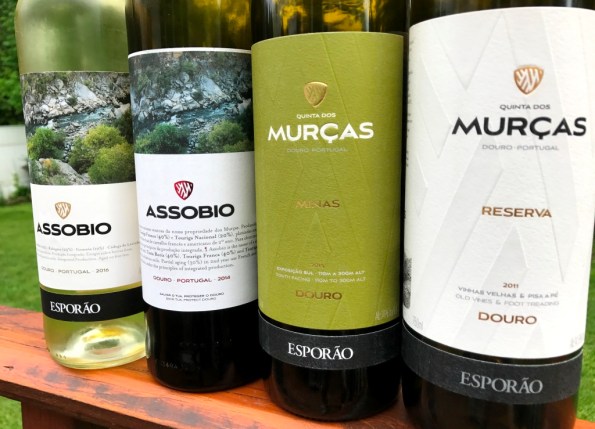
While I would love to talk about many different wines produced by Esporão, today our focus is on the Esporão wines from Quinta dos Murças. Here is what I had an opportunity to taste:
2016 Quinta dos Murças Assobio White Douro Valley, Portugal (12.5% ABV, $13, 30% Viosinho, 25% Verdelho, 25% Rabigato, 10% Gouveio, 10% Códega do Larinho)
Straw pale. Touch of lemon and white stone fruit on the nose, touch of grapefruit zest, medium+ intensity. Good crispy acidity on the palate with round, almost plump body, touch of green apple. Drinkability: 8-
2015 Quinta dos Murças Assobio Red Douro Valley, Portugal (13.5% ABV, $13, 40% Touriga Nacional, 30% Tinta Roriz, 30% Touriga Franca)
Dark garnet, restrained nose, crunchy raspberries, sweet oak undertones, very serious tannins on the palate, French oak, excellent balance, round, very tasty. Drinkability: 8+, best QPR in the tasting
2015 Quinta dos Murças Minas Douro Valley, Portugal (14% ABV, $25, Touriga Nacional, Touriga Franca, Tinta Francisca, Tinta Roriz, Tinta Cão)
Dark garnet color, fresh jammy cherries, baking spices, medium intensity, touch of barnyard, restrained palate, tart cherries, good acidity, excellent balance, Drinkability: 8. Added Bonus – new grape, Tinta Francisca
2011 Quinta dos Murças Reserva Douro Valley, Portugal (14% ABV, $45, Touriga Nacional, Touriga Franca, Tinta Roriz, Tinta Amarela, Tinta Barroca, Sousão)
Almost black. Medium intensity, black fruit medley on the nose, eucalyptus, sage, wow – delicious.
Round layered palate, spices, dark fresh fruit, good acidity, outstanding. Drinkability: 9-
Have you tasted Esporão wines? What is your opinion of Portuguese wines? Do you have any favorites? Cheers!
Come For The Name, Stay For The Wines: Murrieta’s Well in Livermore Valley
 “Your Day Just Got Better” – how fun is it to read something like this? Even if it is written on the cardboard box [ahem, full of wine]? Ahh, sorry. Especially(!) if it is written on the box full of wine!
When I was invited to participate in the Snooth virtual tasting of the wines of Murrieta’s Well, something bothered me in that name. Something very familiar, but I really I couldn’t get a grip as to what it was – until I started working on this post and figured out that Murrieta was referring to Joaquin Murrieta, a Mexican miner turned hero/bandit to avenge his wife in the first half of 19th century. Growing up I remember been moved by a beautiful music and singing in one of the very first rock-opera produced in the former USSR, called “The Star and Death of Joaquin Murrieta” (Звезда и смерть Хоакина Мурьеты). That is what my brain was trying to associate with – but again, this only became obvious after I started working on the post.
Similarly to the Joaquin Murrieta himself, the Murrieta’s Well vineyards go back to the early 1800s. In 1884, Louis Mel purchased the estate, built the winery and planted new vineyards using cuttings brought directly from France, from none less than Chateau d’Yquem and Chateau Margaux. In 1933, he sold the estate to his friend Ernest Wente, and ever since the estate was a part of the Wente properties. Actually, the winery received name “Murrieta’s Well” only in 1990 when it was revived, and from there on the modern history of Murrieta’s Well started. Rest assured that you can still find very old and still producing vines as part of the Murrieta’s Well vineyards.
Before we talk about the wines, let me ask you a sidebar question. Let’s say you are visiting Northern California on business and staying somewhere between San Francisco and San Jose. Let’s assume you have a bit of a free time and want to visit a winery. Outside of the city wineries, which can be found today in many places, what do you think would be the closest “wine country” for you to visit? If you said Napa, it is a wrong answer! Yes, you can go to the Santa Cruz mountains and visit Ridge (good choice), but – your best bet will be Livermore Valley! You will find a good number of excellent producers in Livermore Valley, all within 45 minutes ride (not talking about California traffic here, sorry). If you will go, make sure to include Murrieta’s Well and Wente on your short list.
Now, let’s talk about making the day better – I think kind folks at Murrieta’s Well know how this can be done. When you open the box and first thing you see is a written note “Your Day Just Got Better“, whatever the day you had before, it immediately gets better :). Then you see the bottles, packed with meticulous care, and feel even better. Meticulous care obviously goes not only into the packing, but first and foremost, into the wines themselves. Winemaker Robbie Meyer believes in the art of blending, and I can tell you, one of the flagship blends, The Spur, was my favorite wine of the tasting. Robbie Meyer’s philosophy is to harvest and vinify all the grapes separately, and then combine them into the final blend.


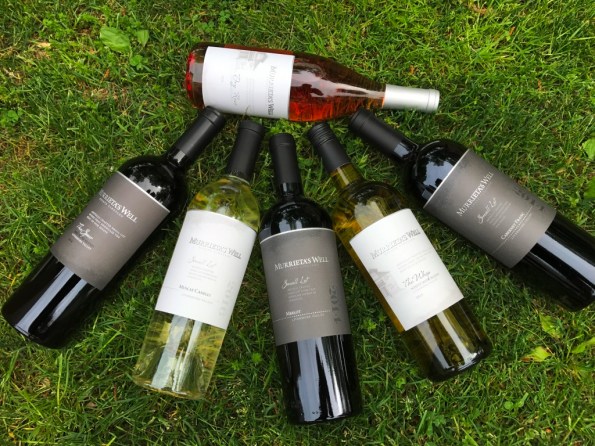 For what it worth, here are my tasting notes for the wines:


2016 Murrieta’s Well Dry Rosé Livermore Valley (14.1% ABV, $30, 55% Grenache, 45% Counoise)
C: pale pink
N: intense, fresh, strawberries and strawberries leaves,
P: perceived sweetness but perfectly dry, underripe strawberries, nice and round
V: 7+/8-
2015 Murrieta’s Well The Whip Livermore Valley (13.5% ABV, $24, 30% Sauvignon Blanc, 30% Semillon, 30% Chardonnay, 7% Viognier, 3% Muscat Canelli)
C: straw pale
N: touch of perfume, tropical white fruit, guava, medium intensity,
P: touch of sweetness, nicely restrained, good acidity in the back, more tropical fruit, good balance
V: 7+
2016 Murrieta’s Well Muscat Canelli Livermore Valley (14.2% ABV, $35, 100% Muscat Canelli, 100 cases produced)
C: light straw
N: perfumy, intense, sweet, intense white fruit
P: grapefruit, grapefruit zest, good acidity, round
V: 7+, excellent summer wine


2014 Murrieta’s Well Small Lot Merlot Livermore Valley (14.1% ABV, $48, 90% Merlot, 7% Cabernet Sauvignon, 3% Petit Verdot)
C: Garnet
N: medium plus intensity, touch of sweet cherries and earthiness, mint, touch of cassis, overall very inviting.
P: good earthy fruit, cassis, medium to full body, touch of sweet oak, outstanding overall
V: 8+, excellent, delicious wine
2014 Murrietta’s Well Small Lot Cabernet Franc Livermore Valley (14.1% ABV, $58, 88% Cabernet Franc, 6% Cabernet Sauvignon, 6% Petit Verdot)
C: dark garnet)
N: touch of vanilla and mint, black and red fruit, medium intensity
P: touch of black currant, vanilla, chewy structure, baking spices, medium to full body.
V: 7+, I like my Cabernet Franc to be a bit leaner, but a very good wine overall.
2014 Murrieta’s Well The Spur Livermore Valley (13.5% ABV, $30, 45% Cabernet Sauvignon, 22% Petite Sirah, 14% Petit Verdot, 10% Merlot, 9% Cabernet Franc)
C: dark garnet
N: crunchy raspberries, intense, tobacco, sage
P: round, layered, black currant, silky smooth, touch of sweet tobacco, eucalyptus, fresh acidity, impeccable balance
V: 8+, this wine would make me happy any day
Whether Joaquin Murrieta was an avenger, hero or bandit – it is hard to tell. We don’t even know if he was just a legend. But – the wines named in his honor are real, and you should definitely look for them. Cheers!
New and Noteworthy: Red Wines Edition
Recently, we were talking about the Spanish wine samples I had a pleasure of trying. Now, let’s visit some other countries. Would France and Argentina be okay with you?
Let’s start with something very simple – how about some Cotes du Rhone? Cotes du Rhone reds are known to be easy drinking and soft. They typically can be classified as GSM – Grenache, Syrah, Mourvedre – however, the exact proportions of those three grapes can vary from 0 to 100%. It is recommended that Cotes du Rhone reds should be consumed within 3-4 years after release, but some of the better specimens can last for close to 10 – still, they are not meant to be aged extensively.


Les Dauphins became a family wine venture in the 1920s, when France was experiencing a “bistro revolution”. Easy drinking Cotes du Rhone wines were a perfect pairing for a vibrant bistro fare, and Les Dauphins became one of the popular suppliers for such wines. Fast forward to today, Les Dauphins offers a full range of Cotes du Rhone wines – white, rosé and a number of reds, still well suitable for a bistro experience. The wine I had was 2015 Les Dauphins Reserve Cotes du Rhone:
2015 Les Dauphins Réserve Côtes du Rhône (14% ABV, $18, 70% Grenache, 25% Syrah, 5% Mourvedre)
C: dark Ruby
N: medium intensity, touch of sweet tobacco, fall leaves, plums
P: hint of pepper, good acidity, touch of alcohol heat, graphite, black plums
V: 7, maybe needs a bit of breathing time to round up. Definitely evolved and smoothed out over the next couple of days. 7+ on the next day
Last year, I had a pleasure of learning about Cru Bourgeouis wines, and the wines were so good that I proudly declared that my faith in affordable and tasty Bordeaux wines was restored. This year, I was happy to find out that my conclusion was not an accident, and it is definitely possible to find deliciously tasting [and reasonably priced] Bordeaux wines.
Château Haut-Logat vineyards overlook the village of Cissac-Médoc, located between Saint-Estèphe and Pauillac, and it is a part of the Cheval Quancard properties. The wine was perfect from the get go:
2012 Château Haut-Logat Cru Bourgeois Haut-Médoc AOC (12.5 ABV, $25, 45% Merlot, 45% Cabernet Sauvignon, 10% Cabernet Franc)
C: garnet
N: intense, mint, touch of bell pepper, touch of freshly crushed cassis
P: beautiful, medium body, cassis, eucalyptus, tobacco, touch of sweet oak, medium finish
V: 8, excellent Pop’n’Pour wine


The next two wines come from Argentina, and yes, both are Malbec.
Ruca Malen means “the house of the young girl” in the local language of the ancient tribes inhabiting the area, and it has a nice legend attached to that name (which you can read on the back label above). Bodega Ruca Malen was born in 1998 with the vision of creating terroir-driven wines. The grapes for the Ruca Malen Malbec came from the two high-altitude vineyards – one in the Uco Valley, at 3600 feet, and the second one in Agrelo, Luján de Cuyo, at 3115 feet above sea level, from the 22+ years old vines. The wine was varietally correct and easy to drink:
2014 Ruca Malen Malbec Reserva Mendoza Argentina (13.5% ABV, $18.99, 12 months in 80% French Oak/20% American oak)
C: dark garnet, almost black
N: touch of pepper, sage, freshly crushed blackberries, intense
P: medium body, plums, mint, soft, good acidity and overall good balance, medium finish
V: 8-, easy to drink


Nieto Senetiner history predates Ruca Malen’s by more than 100 years – it starts from the first vineyard in Vistalba, Luján de Cuyo in Mendoza, planted by the Italian immigrants in 1888. Today, Nieto Senetiner farms more the 1000 acres of vines, located in the 3 estates in Mendoza.
Don Nicanor Single Vineyard is a flagship wine produced at the estate and it is named after the mentor of Bodegas Nieto Senetiner who was instrumental in setting the direction and the vision for the winery.
2010 Nieto Senetiner Don Nicanor Malbec Villa Blanca Lujan de Cuyo Mendoza Argentina (15% ABV, $44.99, 18-24 months in French oak barrels)
C: dark garnet, practically black
N: intense, red and black berries, baking spices, vanilla, fresh blackberries
P: intense, fresh, noticeable tannins (French oak), clean acidity, a bit of the alcohol burn, slightly underripe, crunchy berries, more of a raspberry profile, tar. A couple of days later, the intensity still there.
V: 8. Needs time to open up, can’t judge from the get go. Even a few days later, packs a lot of power. Craves food – nice charred steak feels the most appropriate. Will develop over next 10–15 years at the minimum.
Here you are, my friends – a few red wines well worthy of your attention. Cheers!
Precision of Flavors – Tasting the Wines of Achaval-Ferrer
 Drinking wine is a pleasure – for sure it should be, and if you don’t feel like it, maybe you shouldn’t drink it at all. At the same time, there are multiple ways to look at one and the same thing.
A pleasure of drinking of the glass of wine may be just as it sounds, very simple – take a sip of the liquid in the glass, say “ahh, it tastes good”, and continue to the next sip or with the conversation, whatever entices you the most at the moment.
Then there are many of us, wine lovers, who, professionally or unprofessionally, can’t stop just at that. Yes, we take pleasure in every sip, but then we need to dig in. We feel compelled to put on the Sherlock Holmes hat and play the wine sleuth, figuring out exactly what we are tasting in that very sip. What was that flavor? Was that a raspberry? Hmmm, maybe not. And that whiff of something? It is so familiar! Why can’t I put a name on it? Grrrr.
Everyone who engaged in that wine tasting exercise I’m sure can relate to what I’m saying. But every once in a while, we do get a break, when the flavor simply jumps at you, pristine and obvious. And the best twist here is when the flavor is matching to what is expected to find in the wine, like fresh cut grass in Sauvignon Blanc, black currant in Cabernet Sauvignon, or pepper in Syrah – don’t we love those pure and precise flavors?
Achaval-Ferrer winery is only about 20 years old, built on the passion and vision of a group of friends in Mendoza, Argentina. In those 20 years, Achaval-Ferrer accomplishments are nothing short of enviable. Achaval-Ferrer wines earned multiple Decanter magazine 5-star ratings (the highest). There are 29 wines from Argentina rated as “Classic” by Wine Spectator (95-100 ratings) – 13 out of those 29 wines are Achaval-Ferrer wines; the flagship Malbec Finca Altamira consistently getting 96 points rating year after year.
In addition to passion, vision, hard work and perseverance, the success foundation of Achaval-Ferrer is its high altitude vineyards, located from 700 to 1100 meters above sea level (2,300 – 3,600 ft). Three out of four main vineyards of Achaval-Ferrer are also about 100 years old, and boast pre-phylloxera vines, as Phylloxera simply can’t survive in those high mountains conditions. Now all left to do is to take the beautiful fruit those vineyards produce and make it into equally beautiful wines – the Achaval-Ferrer does it quite successfully.
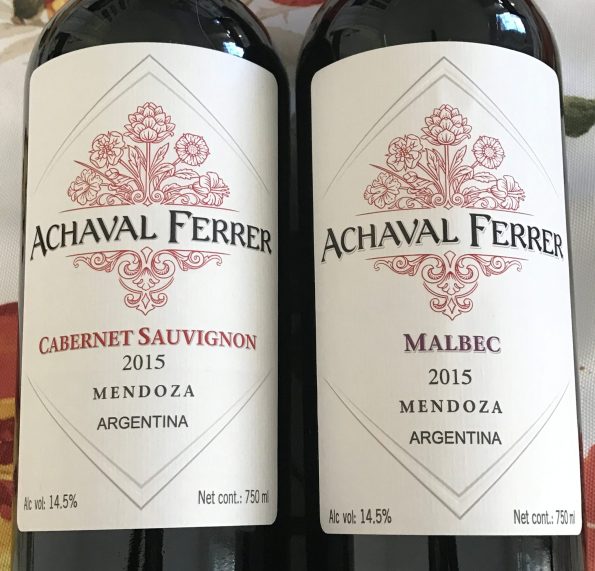
Here is what triggered my “precision of flavors” opening. I had an opportunity to taste a sample of Achaval-Ferrer wines recently, Cabernet Sauvignon and Malbec. While Malbec was a very good wine, but clearly needed time to mature, Cabernet Sauvignon was stunning, with flavors and aromas just jumping at your right away from the glass, with easy to relate to, textbook-correct cassis – also intensifying its purity with the time. This was a perfect example of why Argentinian wines are so popular and deserving of all your attention. And at a price of $24.99, the Cabernet Sauvignon offer an outstanding QPR, easily beating many classic Napa Cabs which would also cost you at least three times as much.
Here are my detailed notes:
2015 Achaval-Ferrer Cabernet Sauvignon Mendoza Argentina (14.5% ABV, $24.99, 100% Cabernet Sauvignon)
C: dark garnet, almost black
N: very intense, dark roasted fruit, cassis. The roasted fruit intensity diminishes as the wine breathes.
P: beautiful cassis, clean acidity, soft tannins, lots of layers. As the wine breathes, the tannins show better and more pronounced. Pure clean black currant after a day.
V: 8+, outstanding, wow. Will evolve.
2015 Achaval-Ferrer Malbec Mendoza Argentina (14.5% ABV, $24.99, 100% Malbec)
C: practically black
N: roasted meat, smoke, tar, intense, baking spices
P: dark fruit, bright acidity, mint, alcohol burn in the back?, succulent, lavender, spicy. Blueberries showed up on the second day.
V: 8, needs time, but perfectly delicious on the second day.
Here you are, my friends. Achaval-Ferrer definitely makes wines worthy of oenophile’s attention – and the QPR makes these wines worth seeking. Cheers!
Top Twelve of 2016
 And now, the moment you’ve been waiting for … cue in the drum roll… Talk-a-Vino Top 12 wines of 2016. Well, okay. I’m sure you were not really waiting for this moment, but nevertheless, I made up my mind about best of the best wines I experienced this year, and now I’m ready to present you with my list.
The list of top wines of 2016 consists of 2 dozens of wines – here you can find the first half of this list, containing the wines from 13 to 24 – note, the order is not essential, it doesn’t mean that I liked wine #13 more than wine #14. That first post also explains how the wines are selected for this Top Dozen list. In this post, I would like to share the top wines of 2016 (the order is not essential with the exception of the top 3 wines.
Here we go:


12. 2010 Fields Family Wines Tempranillo Lodi ($25) – I’m a Tempranillo buff, a snob, if you will, and this was one of the very first wines I tasted while attending the welcome reception at the Wine Bloggers Conference in Lodi. And I have to honestly say that table of the Fields wines was the closest to the food. Once I had a sip of this Tempranillo, everything changed – Ribera del Duero style, fresh and firm, just outstanding.
11. 2012 Viña Maipo Syrah Limited Edition DO Buin Valle del Maipo ($35) – Here is another great discovery of 2016 – Chile is not only the land of Cabernet, it makes perfect Syrah. This wine was spicy, dark, vibrant but restrained, a classic, classic Syrah. Yum!
10. 2013 McCay Cellars Grenache Abba Vineyard Lodi ($32) – Here is another standout from Lodi – the smoke and roasted meat over the violets. A “dangerous wine”.
9. 2013 Tenuta San Guido Sassicaia Bolgheri Sassicaia ($200) – ahh, the layers. The layers of goodness. Silky smooth, mouth-coating nectar. This is not called “Super” Tuscan for nothing. The most amazing part – this 3 years old wine was ready to drink. Wow.


8. 2013 Viña Maipo Protegido Cabernet Sauvignon Valle del Maipo ($50) – World-class Chilean Cabernet at its best. Fruit, herbs, balance. Smooth, powerful and delicious.
7. 2016 Field Recordings Pét Nat Arroyo Grande Valley ($20?) – I might be just lucky around Field Recordings wines, as I understand that Pét Nat wines can be all over the place – but this wine had a perfect finesse of bubbles in a very simplistic package – a bottle topped with a beer cap, and delicious, classic sparkling goodness of Chardonnay in a glass. A perfection.
6. 2012 Tenuta dell’Ornellaia Bolgheri Superiore Ornellaia ($210) – I now learned my ways at Gambero Rosso, so I know to start from the most “cult” wines first (after missing on Massetto 5 years ago). The Ornellaia was definitely a personal surprise – didn’t expect 4 years old Super Tuscan to be so ready to drink – but it was. Generous fruit, perfect structure, layers of pleasure – this is the wine you finish with “ahh”.


5. 2001 The Lucas Winery Chardonnay Lodi California ($37?) – there are 4 wines from Lodi among the 24, and I had to hold myself from including more. An absolute surprise of the tasting – I couldn’t expect 15 years old California Chardonnay to taste this fresh and vibrant. Yes, the wine was made by Heather Lucas, an owner/winemaker, in Burgundian style – nevertheless, I’ve seen way too many failed California Chardonnay to truly appreciate what was done here.
4. 2005 Domaine des Monts Luisants Les Genavriéres Morey-Saint-Denis Premier Cru ($50) – I.want.to.drink.this.wine.every.day. That’s it.
3. 2015 Vidon Vineyard Chardonnay Estate Chehalem Mountains, Oregon ($35) – Oregon’s supremacy is unquestionable when it comes to Pinot Noir. Pinot Gris from Oregon are also a safe bet anywhere you find them. But Chardonnay? Considering this wine from Vidon Vineyard, the Chardonnay is also a thing in Oregon. Bright, beautiful, vanilla laced golden delicious apples chased by the pure lemon. I wish your white Burgundy would be as good as this wine.
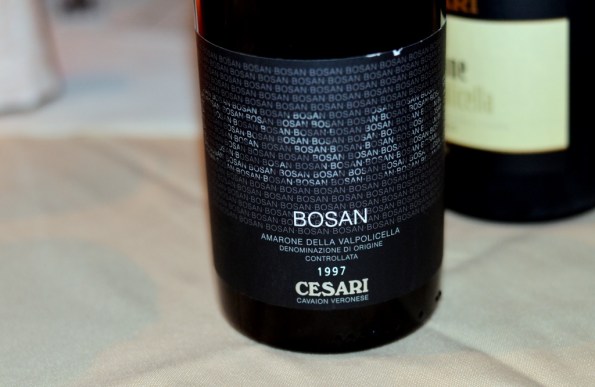
2. 1997 Cesari Bosan Amarone Della Valpolicella DOC, Italy ($85) – Amarone might be my “curse of oenophile”. Ever since trying this wine for the first time and been blow away with the contrast of beautiful nose of dry fruit and perfectly dry, powerful and balanced palate, I had been on the quest to repeat that experience. And I keep failing and failing over that, with Masi single vineyard wines providing an occasional salvation. This Cesari Bosan single vineyard Amarone brought that old memory back – dry fruit on the nose and polished, structured wine on the palate. A pure delight.
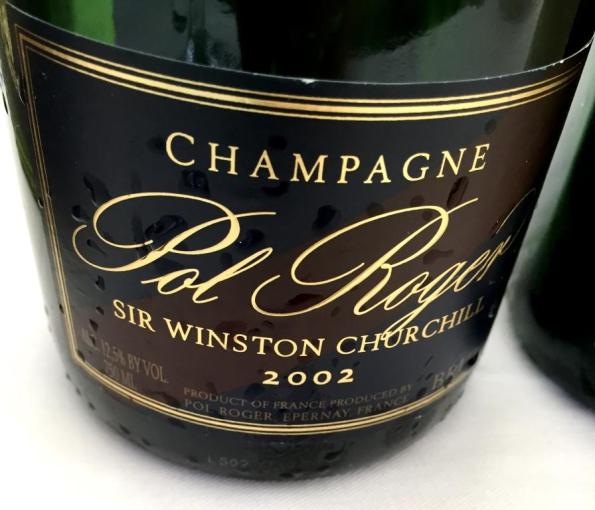
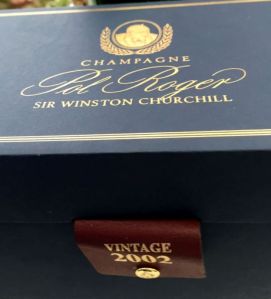
1. 2002 Pol Roger Sir Winston Churchill Champagne ($230) – definitely surprised myself with this choice of the wine #1 of 2016. I had vintage Champagne from the very solid producers before – Krug, Piper-Heidsieck, Dom Perignon, Roederer Cristal; in the same tasting there was ’02 Bollinger RD and ’06 Roederer L’Ermitage, both superb. But this Winston Churchill Champagne… The interplay on the nose, the complexity and richness were stunning. Before you take a sip, you have to smell this wine. And smell. And smell. Reflect. And smell again. Wow. Too emotional? Might be. Find the bottle of this wine, invite me over, let’s smell it together, then talk.
This is it, my friends. Two dozens of most memorable wines of 2016. Can’t wait to see what 2017 will bring. Cheers!
Samples Galore – Holiday Edition
 Over the last few months, I had an opportunity to try a number of wines. What I didn’t do in timely fashion, however, is to share the tasting notes with you – and this needs to be corrected, which I’m doing with this post.
While I call this post a “holiday edition”, this is strictly due to the fact that this post is coming out during the most festive time of the year. It might be too late to use any of these wines for the gift giving, but you know what – these wines will be perfect for any day, whether it is cold or warm outside, and whether you need a gift or just want to reward yourself (yep, you always deserve an award for just being you).
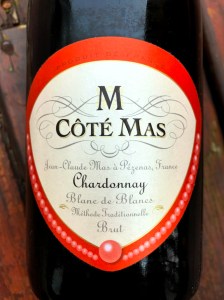
Let’s start with the sparkling wine – I have one to bring to your attention today. This wine comes from the master of “affordable luxury” Paul Mas (I wrote about his wines a few times in the past – you can find those posts here). This Blanc de Blancs from Languedoc is made out of Chardonnay using the traditional method, and it perfectly on par with Paul Mas sparklers I tasted before:
NV Côté Mas Chardonnay Blanc de Blancs Méthode Traditionelle Vin de France (12% ABV, $15.99, 100% Chardonnay)
N: Pleasant nose with touch of yeast and fresh apples
P: Restrained palate, good acidity, clean, touch Of yeast, hint of Granny Smith apples.
V: 7+


Let’s continue with a few of the white wines. First, one of my perennial favorites – Hanna Sauvignon Blanc. I tasted prior vintages of Hanna Sauvignon Blanc, and this is one of my most favorite styles of California Sauvignon Blanc – grassy, fresh and clean:
2015 Hanna Sauvignon Blanc Russian River Valley Sonoma County (13.2% ABV, $20)
C: straw pale
N: intense, fresh-cut grass, touch of lemon, fresh meadows, you can smell this wine forever.
P: nicely restrained, same grassy notes, touch of black currant (distant hint), perfect balance, refreshing
V: 8+
The next white wine comes from the very creative producer in Oregon – Left Coast Cellars, which also not a stranger to this blog – I had a pleasure of speaking (virtually) with Luke McCollom, winemaker for Left Coast Cellars and taste some of the previous vintages of their wines (here are the links to the two-part interview – Part 1 and Part 2). You can’t go wrong with Oregon Pinot Gris – today this is literally a “classic”:
2015 Left Coast Cellars The Orchards Pinot Gris Willamette Valley (13.7% ABV, $18)
C: Straw pale color
Touch of honeysuckle on the nose once warmed up, White stone fruit initially
Closed up while cold, white ripe fruit once warmed up, good balance, medium body, medium-long finish.
V: 7+
Last but not least is Les Dauphins Côté du Rhône. Rhone whites are fun wines, often very dry in the early years, and “ripening up” as they age. This was unquestionably a young wine which most likely would improve with age:
2013 Les Dauphins Côtes du Rhône Réserve Blanc (12.5% ABV, $11, 65% Grenache, 15% Marsanne, 10% Clairette, 10% Viognier)
C: Light golden
N: touch of honey, white stone fruit
P: white stone fruit, herbs, good acidity, quite astringent
V: 7+, will hold well with and without food
Now, time for the reds. The reds today represent a diverse group, from Australia to Italy to the USA. At the beginning of November, I participated in the #winechat with Michael Twelftree, winemaker for Tow Hands Wines out of Australia. We had an opportunity to taste and discuss three wines from Two Hands – two classic Shiraz wines from Barossa and McLaren Vale regions, and a Cabernet Sauvignon:
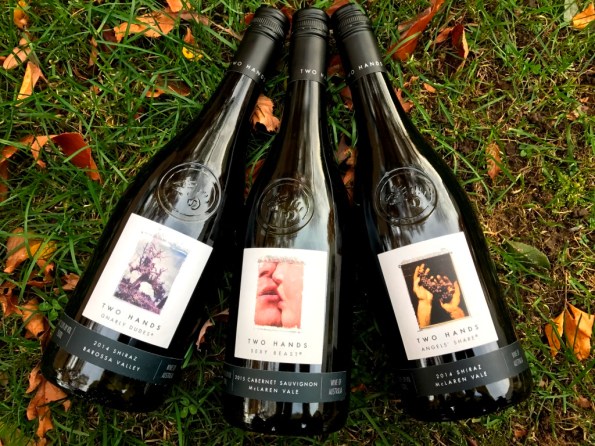 2014 Two Hands Gnarly Dudes Shiraz Barossa Valley (13.5% ABV, $36)
C: Dark garnet, almost black
N: espresso, roasted meat, licorice, blackberries
P: spice, plums, big concentration, touch of salinity, smooth texture, velvety and dusty
V: 8-, good rendition of Shiraz. The wine completely reversed on the Day 2, closed up.
2014 Two Hands Angel’s Share Shiraz McLaren Vale ($14.5% ABV, $36)
C: Dark garnet, almost black
N: intense, powdery, eucalyptus, mocca, licorice, tobacco
P: peppery finish, round, restrained, excellent acidity, bright and crispy red fruit
V: 7+, probably needs time
2015 Two Hands Sexy Beast Cabernet Sauvignon Mclaren Vale (13.8% ABV, $36)
C: Dark garnet, almost black
N: touch of cassis, closed
P: smooth, round, nice cassis backbone, mint, restrained
V: 7/7+, too young, needs time to rest and evolve
Two Italian wines were probably my favorite in this group – Cecchi Chianti and Alta Mora from Sicily:


2014 Cecchi Chianti Classico DOCG (13% ABV, $22, 90% Sangiovese, 10% other grapes)
C: Garnet
N: dark red fruit, dark chocolate, touch of smoke, roasted notes
P: fresh, vibrant, good acidity, touch of pepper, hint of tobacco, crashed raspberries, firm structure
V 8-/8, very enjoyable from get go, will evolve
2014 Cusumano Alta Mora Etna Rosso DOC (14% ABV, $24, 100% Nerello Mascalese)
C: dark garnet
N: playful, open, cherries, mocca,
P: bright, mouthwatering acidity, tart cherries without too much astringency, pronounced minerality, medium body, dry finish
V: 8-
And to finish off, here are two classic grapes – Merlot and Pinot Noir:


2014 Markham Merlot Napa Valley (14.2% ABV, $26, 86% Merlot, 12% Cabernet Sauvignon, 2% Petite Sirah)
C: garnet
N: touch of cassis, mint, alcohol presence is noticeable, dark chocolate
P: round, soft, clean acidity, touch of cassis, underripe raspberries, alcohol and tannins show a bit on their own, peppery finish
V: 7/7+, needs more time? second day definitely showed to wine as more coherent (7+), but it would benefit from more time
2014 Left Coast Cellars Cali’s Cuvée Pinot Noir Willamette Valley (13.5% ABV, $24)
C: Dark garnet
N: Mocca, sage, roasted notes, touch of mushrooms, savory undertones
P: Fresh raspberries, mint, herbs, touch of roasted meat, fresh acidity, mouthwatering finish, medium body, easy to drink
V: 8-, easy to drink, pleasant
We are done here. Have you had any of these wines? What do you think of them? Cheers!
New and Noteworthy: Two Classic Regions, Three Classic Pairs
I tend to abuse certain words in the conversation, especially when talking on the subject of wine. As you might easily guess, one of such words is “Classic”. I use this word in hope that it is the quickest way to convey my impressions about the wine. For instance, the words “Classic Red Bordeaux” or “Classic White Burgundy” would most likely paint a quick and vivd picture for the most of oenophiles to imagine how the wine actually tastes. While the wine is produced all around the world, such a broad stroke reference can be only applied to the well known and well referred to regions – saying “Classic Red Bio-Bio” (wienmaking region in Chile) or “Classic White Valais” (winemakiing region in Switzerland) would be an empty sound for majority of the wine lovers.
Looking past the regions, we can also apply the word “classic” to the grapes themselves. There are probably 15-20 grapes which can be easily referred to in this way – “classic Cabernet Sauvignon” or “Classic Sauvignon Blanc”, for example, would give you quick pointers to how the wine might taste like. Yes, “Classic Bobal” or “Classic Resi” will leave most of us with no information at all.
As this is not an epistolary exercise on the applications of the word “Classic” in the wine world, let’s get closer to the subject at hand, and talk about few wines in the practical terms. Today I want to talk about 2 classic regions and 3 classic grapes – for sure for those regions. So the classic regions are: California and Oregon. Would you agree that it is easy to refer to these two world renowned winemaking regions as “Classic”? I hope you are nodding. And for the grapes, I also hope you would share my “classic” sentiment – Pinot Noir and Chardonnay from California Napa Valley – aha, I see you smacking your lips. And Pinot Noir and Pinot Gris from Oregon – need I say more?
Talking about the wines from Oregon, the Pinot Noir is of course an uncontested king of the Pacific Northwest of the USA. Commercial Pinot Noir production in Oregon started in the 1960s, and then from the beginning of the 1990s, Pinot Noir from Oregon needed no introduction anymore. With Oregon Pinot Gris, you might argue with my “classic” designation, however, today, you will practically not find a single Oregon winery which will not produce Pinot Gris. Oregon Pinot Gris has its own, easily recognizable style and character, so in my mind, Pinot Gris wines are the “classic” element of the Oregon winemaking.
Thus let me present to you the first two of the “classic” pairs – Pinot Gris and Pinot Noir from two wineries in Oregon: Willamette Valley Vineyards and Pike Road Wines.


Willamette Valley Vineyards was established in 1983, planting Pinot Noir, Pinot Gris and Chardonnay vines where blackberries and plums were growing before. The original Estate vineyard spans 53 acres at the 500 to 750 feet in elevation. Today, Willamette Valley vineyards farms more than 250 acres of vines, including one of the oldest in Oregon, Tualatin Estate, which are all LIVE (Low Input Viticulture and Enology) certified. I had a pleasure of trying Willamette Valley Pinot Gris and Pinot Noir wines earlier in the year, so here are my notes:


2014 Willamette Valley Vineyards Pinot Gris, Willamette Valley, Oregon (12.4% ABV, SRP: $16)
C: straw pale
N: white stone fruit, touch of grass
P: hint of candied lemon, white stone fruit, nicely round, refreshing, good acidity, medium to full body
V: 7+/8-, very pleasant
2013 Willamette Valley Vineyards Pinot Noir Estate Willamette Valley, Oregon (13.7% ABV, SRP: $30, retail: ~$20)
C: beautiful Ruby
N: fragrant, fresh, cranberries with touch of cherries, sweet raspberries
P: wow, lots of fresh fruit – cranberries, raspberries, fresh, super-clean, touch herbal, great restrained finish
8+, one of the most delicious Pinot ever, perfect.
Our second Oregon winery takes its name from the Pike Road, which winds through the hills of Yamhill-Carlton AVA. This is the second winery for the Campbell family, who founded Elk Cove Vineyards in 1974. Pike Road takes advantage of 5 generations of the farming experience, including 40 years of tending the wines.
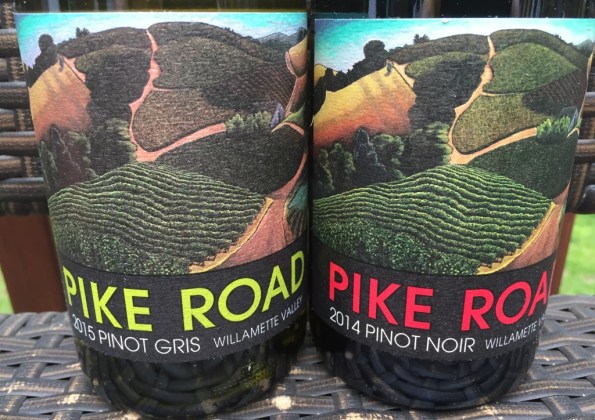


Here are my notes:
2015 Pike Road Pinot Gris Willamette Valley, Oregon (13.5% ABV, SRP: $15)
C: pale greenish color
N: tropical fruit, candied lemon, fresh, intense, inviting
P: crisp, clean, perfect fresh acidity and white stone fruit, creamy. Outstanding.
V: 8-/8, delicious white wine, perfect year around and superb during summer
2014 Pike Road Pinot Noir Willamette Valley, Oregon (13.5% ABV, SRP: $19, 10 month in French oak barrels)
C: dark Ruby
N: delicious. Touch of sweet fruit, open, inviting, raspberries, herbs, super-promising, wow
P: soft, layered, silky, spices on top of traditional smokey profile, triple-wow
V: 8+/9-, wow, totally unexpected and amazing. I know Oregon Pinot delivers, but this far exceeded my expectations. Might be the best QPR for Oregon Pinot Noir in existence. Love rustic labels too.
Our last classic pair comes from the classic of the classics, none less than Napa Valley, and it is Chardonnay and Pinot Noir from Artesa winery. Artesa winery is located in Carneros region of Napa Valley. While Artesa recently celebrated is 25th vintage, their winemaking traditions go way, way, way back – say by another [almost] 500 years. How come? Artesa winery was founded by Codorniu Raventós family from Spain, which takes its winemaking heritage 17 generations back to the 1551. Artesa sustainably farms 150 acres of vines, all Napa Green Land certified, and produces a range of wines, starting with a few sparklers and finishing with another Napa classic – Cabernet Sauvignon. Two wines which I had an opportunity to taste are the new Estate Reserve release from the winery:
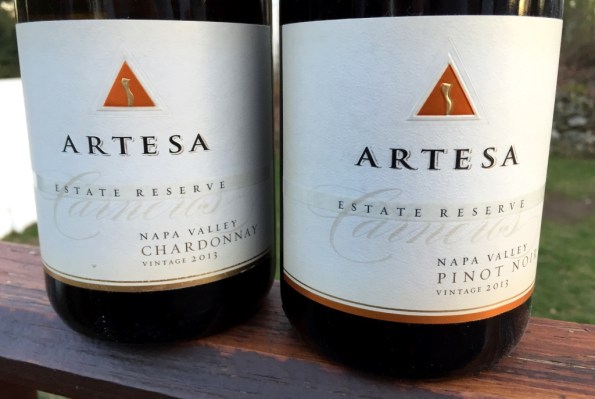
2013 Artesa Estate Reserve Chardonnay Napa Valley (13.9% ABV, SRP: $40)
C: light golden
N: touch of vanilla, hint of butter, white fruit, intense
P: touch of butter, green apples, good acidity, medium to full body, vibrant and balanced
V: 8-, a classic Chardonnay
2013 Artesa Estate Reserve Pinot Noir Napa Valley (14.4% ABV, SRP: $40)
C: dark garnet
N: warm, inviting, sweet plums
P: round, polished, present silky texture, touch of smoke, more plums, minerality, restrained
V: 8-, nice, smooth and restrained
There you have it, my friends – some new and interesting wines worth seeking. And whether they will hit the “classic” note for you – it is entirely your decision. Cheers!
The Post Which Could Have Many Names
Blog post title is something I consider to be important, may be even essential. Good title facilitates the flow of thoughts and actually, once I get a title in and I’m happy with it, the writing usually flows effortlessly.
The post you are reading could’ve have many different titles, such as “More Creative Wine Labels”, “City Winery with Worldly Wines”, “Secret Wine Santa Over-delivers”, “Art in and of the Wine Labels”, or “Better Late Than Never” and I’m sure I would be able to come up with a few more – hence the title you see at the top. As for all of these possible titles – read on and you will figure it out.
As some of you know, there is a game of Secret Wine Santa, originated by Jeff a.k.a The Drunken Cyclist – here is Jeff’s post about it from the last year. The game, of course, is played closer to the actual Santa-related period. All participants get assigned a random recipient, who then gets from the secret Wine Santa one or two bottles of wine, preferably arriving before Thanksgiving. If you think that I have a nerve talking about Wine Santa when the temperatures on the East Coast are trailing above 90°F – well, may be I do. But I have an excuse – I always wanted to play this game twice a year, but shipping wine during summer is not good for the wine, so much for that thought – but then at least I get to talk about it (no, I didn’t plan it like that – life did).
Of course the Santa stays secret only until the wine arrives. When I opened the box, I found a nice handwritten note from Nancy Koziol, introducing me to the two absolutely gorgeous looking bottles from the winery I never heard of, called Brooklyn Oenology:
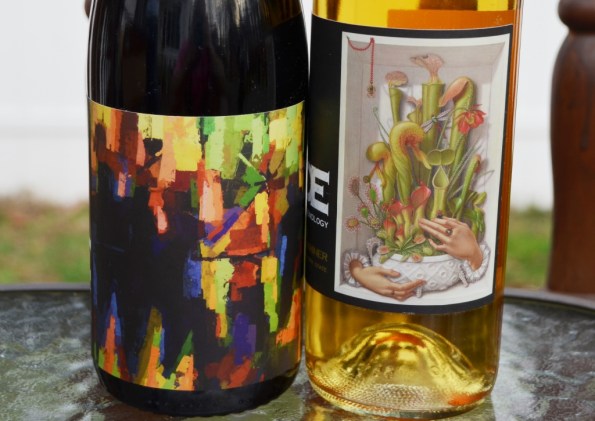
Going beyond the beautiful labels, it turned out that the wines are produced by Brooklyn Oenology, the first urban winery in the New York City – they have a tasting room open in the Williamsburg neighborhood of Brooklyn, so technically right in my backyard (still never visited them so far). Brooklyn Oenology, or BOE for short, sources their grapes from around the New York state (as you can see below in the wine descriptions) and in the future they even plan to bring actual winemaking facilities into Brooklyn.
Now, talking about the labels – not only they are beautiful, but to top that off, BOE really thought of the people like myself, who spend countless hours trying to neatly peal off the labels from the bottles for the notes journals. These labels are peel off labels – how smart is that! I can’t help it not to share this paragraph from the About page on the BOE web site:
“In addition to sourcing New York grapes, BOE draws upon the Brooklyn and greater New York areas to create its identity. Each wine’s label showcases contemporary art by a Brooklyn artist and features a new piece of work for each vintage. They’re not just for viewing; they are double-layer, easy-to-peel stickers, so the customer can preserve the artwork”.
What is most important, that these wines are not just labels – they are first and foremost, unique, different and delicious wines.
For what it worth, here are my notes:
2012 Brooklyn Oenology Gewürztraminer Finger lakes, New York (12.8% ABV, 100% Gewurztraminer, fermented with skin and seeds)
C: concentrated gold, the wine is made with the “orange wine” methodology
N: concentrated honeyed fruit initially, but then quite closed, not perfumy at all, which is usually a trait of Gewürztraminer
P: very unusual, more of a qvevri style, clean acidity, very restrained, but opens up to some nice finish with touch of fruit.
V: 8-, very thought provoking, interesting wine
2010 Brooklyn Oenology Motley Cru North Fork of Long Island, New York (13.5% ABV, 57% Merlot, 19% Syrah, 14% Petit Verdot, 5% Malbec, 5% Cabernet Sauvignon)
C: dark garnet
N: warm, inviting, ripe sweet fruit, blueberries
P: medium to full body, soft, round, fresh fruit, touch of pepper, violet, clean acidity, excellent balance, long lingering finish. On the third day the wine became even more polished. Delicious.
V: 8, an excellent bottle of wine, good for all occasions.
Here is the story of [yet again] boundless creativity and passion in the world of wine. Thank you wine Santa for this wonderful discovery – and I already can’t wait to see what next November might bring. Cheers!
More Trader Joe’s Wine Values – in Orlando, Florida
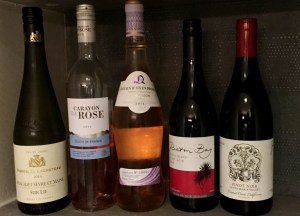 As mentioned many times in this blog, I have a lot of respect for the wine folks at Trader Joe’s, as I rarely come across wines I wouldn’t want to drink second time, no matter where I try them. Trader Joe’s wine inventory differs from state to state (prices also can be a bit different, but this typically caused by the state’s rules, not Trader Joe’s desire), so visiting local Trader Joe’s stores is one of my favorite fun activities during business travel.
This time around I was in Orlando, Florida, and of course, Trader Joe’s was right around the corner. Sometimes, I make it a fun challenge for myself – to get as many wines as possible for, let’s say, $20. During this visit, I was just looking for some reasonably priced wines without any particular spending goal, so I ended up with the selection of 6 bottles priced from $5.99 to $9.99. And if you want another piece of stats, these 6 bottles represented France, Spain, New Zealand and USA. You might ask why you see only 5 bottles in this picture, so keep reading and I will tell you.


Here are the notes for the wines I tasted:
NV La Granja 360 Cava Brut (11.5% ABV, $6.99, 70% Xarel-lo, 30% Parellada) – well, here is my shameful fiasco story. After coming back to the room while it was not too late, my thought was – let me give this wine a good chill, may be I will open it tonight. So the wine went into the freezer instead of the fridge. And yes, the brain failed with the reminder message. Until the next evening. To be greeted with the pile of slush occupying good half of the freezer. For my silver lining, the bottle didn’t blow up – the cork was neatly pushed out instead, so cleanup was reasonably straight forward. No wine for me, and no tasting notes for you. Oh yes, and a memory pointer for me for the next time.
2014 Vignobles Lacheteau Muscadet Sèvre et Maine Sur Lie, Loire Valley (12% ABV, $6.99)
C: straw pale
N: mostly reminiscent of wet ocean air, touch of warm granite minerality
P: slightly bigger body than a typical Muscadet, mineral-driven, restrained acidity, lemon
V: 8-, an excellent wine
2014 J.L. Quinson Côteaux D’Aix en Provence (12.5% ABV, $7.99)
C: onion peel
N: very minerality, gunflint, touch of fruit
P: also very restrained, same as the nose, hint of cranberries
V: 7+, not bad, but you can get more from Provence ( may be no tat this price level though).
2014 Carayon La Rose Languedoc DOP (13% ABV, $5.99)
C: light pink
N: touch of strawberries, lemon, sage
P: a bit more round than a previous wine, good amount of strawberries, light
V: 7+/8-, a steal for the price. Buy it by the case if you see it – your summer will be better with this wine.
2015 Picton Bay Pinot Noir South Island, New Zealand (13% ABV, $7.99)
C: dark ruby
N: smoke, fresh cherries,
P: smokey cherries on the palate with addition of the touch of cranberries, good acidity, perfect balance
V: 8/8+, outstanding wine. I was drinking it bit by bit over the course of 4 days, and it was still very tasty even on the day 4 – note that I didn’t pump the air out, it is a screw top bottle. This quality level for $7.99 – one of the definite QPR champions. Another case buy.
2013 Caretaker Wines Pinot Noir Santa Maria Valley, Central Coast (14% ABV, $9.99)
C: bright Ruby
N: Classic Pinot, sage, cherries, hint of forest floor
P: clean, round, fresh acidity, bright crisp cherries, medium body, succulent
V: 7+/8-, interestingly enough, the wine was bright and fresh on the first day, then closed up on the second. I didn’t have an opportunity to see how it would evolve later on, so get it and drink it right away – as “pop’n’pour”, it is an excellent and enjoyable wine.
There you have it, my friends – another successful Trader Joe’s wine encounter. Have you had any of these wines? Cheers!
New and Noteworthy: Few Spanish Wine Recommendations
I’m an eternal optimist, for sure – I keep creating new “series” of the posts (like the one you now see in the title – New and Noteworthy) in the hope that I will remember to use it all the time. Well, I had or still have a number of series in this blog, but very few of them are current ongoing. Will see what will happen with this one. Here is the idea behind this series: I do get to taste many of the newly released wines, some of them are samples, some are not; the wines which I like I intend to share with you in this series of posts. ‘Nuf said, let’s go.
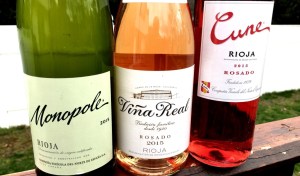 My love affair with Rioja started after tasting of the beautiful line up of Viña Real, CVNE and Imperial Rioja (all essentially produced by CVNE), all the way up to the 1964. They were all delicious red wines. For the long time Rioja associated for me only with the red wines, until I tasted Lopez de Heredia Blanco and Rosato, both being about 15 years old and delicious. This is how I discovered that Rioja actually is not only red wines. My next discovery of Rioja white wines was Rioja Monopole (100% Viura), which (to my shame) is produced since 1915 – well, “live and learn” (or “better late than never”, whatever you prefer to comfort yourself). And few years ago I also encountered the Rioja Rosato – so now I definitely know that Rioja is a lot more than just delicious reds.
Recently I had an opportunity to taste the latest releases of few of the white and Rosé wines from Spain, not only from Rioja but also from few other regions, and I want to share those wines with you. I don’t know if this is luck, or if I lost all of my taste buds already, but I liked all the wines I tasted – below you will see my tasting notes on the 6 wines, and I would gladly recommend all 6 to you. As a bonus, all 6 are also a great value (under $20). Well, you will be the judge once you will have an opportunity to taste these wines.
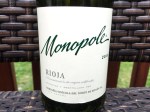 2015 CVNE Monopole Rioja (13% ABV, SRP: $13, 100% Viura) – the oldest continuously produced white wine in Rioja, starting from 1915. I didn’t realize this was a 100th vintage (assuming there was no break in production years).
C: straw pale
N: beautiful white fruit with tropical fruit nuances, lemon, intense
P: clean, crisp and round at the same time – is it possible?, white stone fruit, medium to full body, refreshing, nice acidity on the finish
V: 8-, this wine would brighten up any summer day
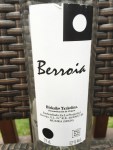 2014 Bodega Berroia Bizkaiko Txakolina DO (12% ABV, $19, 85% Hondarrabi Zuri, 10% Riesling, 5% Folle Blanche, Vegan) – Txakoli is dangerously looking but actually easy to pronounce (just say “Cha-Coh-Lee”) wine coming from the Basque country in Spain. My first encounter with Txakoli was about 8 years ago – it is a clean and refreshing wine, perfect all year around and especially in summer. Similar to many other Spanish whites, it didn’t make it in the US in any major way, but you can still find some of the Txakoli wines in the wine stores – and they well worth your attention.
C: Straw pale
N: concentrated, intense, inviting, touch of peach, candied fruit
P: fresh, undertones of candied fruit but with dry core. Somehow reminiscent of grapefruit, but without much sweetness of bitterness. Medium body and intriguing, leaves you with a sense of mystery which is hard to grasp.
V: 8-/8, excellent and dangerous. Once you start drinking it, it is hard to stop.
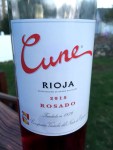 2015 CVNE Rosado Rioja (13.3% ABV, SRP: $13, 100% Tempranillo) – shhh, don’t tell anyone, this was my favorite wine out of the group – but it is a secret.
C: Dark, concentrated pink, bright fresh cranberry juice level
N: intense, floral, with fresh berries and the leaves – imagine smelling the raspberries right on the brunch with leaves on a hot summer day
P: wow, crunchy strawberries and cranberries which just plop in your mouth as you bite them. Clean acidity, super refreshing and every sip is asking for the next.
V: 8+/9-, outstanding, one of the very best Rosé I ever tasted.
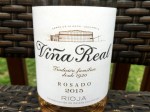 2015 Viña Real Rosado Rioja (13% ABV, SRP: $15, 85% Viura, 15% Tempranillo) – you don’t need my comments here – Viña Real needs no introduction to Rioja wine lovers.
C: orange onion peel
N: very restrained, hint of herbs
P: ripe strawberries, good acidity, medium body, unusual. Second day: delicious, round, refreshing, cohesive. Just needed to let it breeze
V: 7+, need to try again to make up my mind. Second day: 8-, excellent, clean, good fruit presence and perfectly refreshing
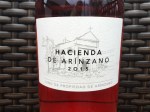 2015 Hacienda de Arínzano Rosè Tempranillo Pago de Arínzano (13.5% ABV, SRP $19.99, 100% Tempranillo) – Pago is the highest denomination for wine quality in Spain, above DOC, and it is not easy to achieve it. You can think of Pago as single winery becoming its own appellation – as Arínzano is in our case. What is also interesting about this wine is that it comes from the Tempranillo vineyard which is designated for the production of the Rosé wine, so Rosé here is the goal, not an afterthought.
C: bright pink, beautiful
N: inviting, herbal notes, strawberries, fresh
P: outstanding. Soft, polished, fresh strawberries, excellent balance, lip smacking delicious, medium body.
V: 8, excellent wine, easy to drink with perfect balance.
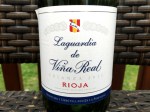 2012 Laguardia de Viña Real Crianza Rioja (13.5% ABV, $12.99, 100% Tempranillo) – can’t leave you without a red, can’t I? Viña Real Rioja Crianza is one of my favorite wines, and it is also one of the best value wines for about $15 or under (depending on where you shop). I never had, however, Laguardia de Viña Real, so was definitely interested in trying this wine when I saw it in the store.
Once I poured it in the glass and took sip, I was not happy. The wine was rather lean and biting, not what Viña Real usually offers in the glass. I decided to decant it, and then after about two and a half hours, the magical Rioja showed up.
C: dark garnet
N: eucalyptus, cigar box, cherries
P: fresh fruit, herbs, sweet oak, medium to full body, well noticeable acidity
V: 8- (after decanting), very nice wine, but give it 5 years or so.
We are done here – let me know if you tried any of the wines I mentioned above and what you think of them. Cheers!
Last Bottle Sign Up ($10 credit)




 Talk-A-Vino