Archive
From $5 to $95
Taste of the wine is subjective. This is a very simple statement, but it is important to keep it in mind. It really helps to avoid disappointment, when, for example, you tell your friend that the wine is amazing, and your friend politely explains that “ahh, sorry, this is really not my thing”. This is also why all the ratings and medals simply mean that someone liked the wine – but they don’t offer any guarantee that you will like the wine too.
Not only the taste of the wine is “objectively subjective” (hope this makes sense to you), but it is also easily influenced (blind tasting is the only way to remove all the external influences and leave you one on one with the wine). There are many factors which influence the taste – bottle appearance, label, ratings, medals, friends and store clerks recommendations, and maybe most importantly, price.
Think about how you buy a bottle of wine as a present for someone. You would typically set yourself a price limit, and you will do your best not to exceed it. Let’s say you decided to spend $30 on a bottle. But what happens if the store’s employee would recommend you a bottle of wine at $15, saying also that the $15 bottle is equally good or even better than the one for $32 you hold in your hand. What will be your first thought? I bet your brain will say “ohh, this is too cheap! You can’t do this, take the one for $32!”.
It is obvious that price affects your buying decision. But the price is even more influential when you start drinking the wine, as the price sets the expectations. Feel free to tell me how wrong I am, but I’m willing to bet that you expect $10 bottle of wine to be mediocre, and you will be ultra-excited faced with the glass of $100 wine. The fun part about $10 bottle is that there is a great chance for a pleasant surprise. The sad part about the $100 bottle that there is a chance of a great disappointment. The best thing to do is to keep your expectations at bay and simply taste the wine and decide whether you like it or not – but this is usually easier said than done. Oh well, just keep working on it.
The message I’m trying to convey with all this pricing/influencing talk can be summarized like this: tasty wines exist at all price ranges. You can enjoy the wine for $5, and you can enjoy the wine for $95. Will you enjoy them equally? This is a tough question only you can answer. But let me share with you my experience with the wines from $5 to $95 which I tasted throughout this year – and then we can compare notes later on. Here we go:


Under $10:
2016 San Pedro Gato Negro Pinot Noir Valle Central DO Chile (13.5% ABV, $4.99)
Garnet
Characteristic Pinot Noir cherries and lavender on the nose, medium intensity
Simple, light, touch of tart cherries, baking spice, good acidity, overall not weary powerful, but offers lots of pleasure.
7+, simple but very nice glass of wine, and an amazing value.
2016 San Pedro 9 Lives Cabernet Sauvignon Reserve Chile (13.5% ABV, $9.99)
Garnet
Tobacco and cat pee
Pretty tannic, with some fruit notes hiding behind.
Not very good from the get-go.
After 3 days open – dramatic change, raspberries and blackberries on the palate, ripe fruit, good acidity, eucalyptus notes, medium body – very nice. Truly needed time ( even 2 days was not enough).
8- after 3 days.


Under $20:
2014 Domaine du Raifault Cuvée Tradition Chinon AOC (13% ABV, $17)
Bright Ruby color
Tobacco and cassis on the nose, bright and explicit
The same continues on the palate – cassis, tobacco, perfect acidity, bright, soft, round, delicious.
9, I can drink this wine any day, every day. Superb. This is the Cab Franc I want to drink.
2014 San Marzano Talò Salice Salentino DOP (13% ABV, $16.99, 85% Negroamaro, 15% Malvasia Nera, 6 months in French oak)
Dark garnet
Cherries, leather, earthy notes, granite, fresh, open, inviting
Ripe cherries, vanilla, toasted brioche, sweet tobacco, succulent, open, fresh acidity, medium+ body, excellent balance
8-/8, perfect from the get go
8+ on the second and next 3 days – lots of chewy dark fruit, generous, voluptuous, outstanding.


Under $40:
2013 Xavier Flouret Kavalier Riesling Kabinett Trocken Mosel (11% ABV, $25)
Bright Golden color
A touch of honey, lots of tropical fruit – guava, mango, white flowers, intense, pleasant
Cut trough acidity, lemon, green pineapple, intense minerality, excellent
8, great Riesling as it should be – I want to try it in 10 years.
2015 Markham Vineyards Merlot Napa Valley (14.5% ABV, $27, 86% Merlot, 12% Cabernet Sauvignon, 2% Petite Sirah, 15 months in barrel)
Dark garnet
Muted nose, a touch of blackberries, right, mint, minerality
The palate is also restrained, tart dark fruit, good structure, good acidity
8-, needs time.
2013 Attems Cicinis Sauvignon Blanc Collio DOC (13.5% ABV, $30, 8 months in French oak Barriques and 2 months in the bottle)
Light golden
Minerality driven nose, with a touch of truffle and sweet sage
Medium body, crisp, firm, excellent acidity but overall nice plumpness, savory lemon, crisp finish
Drinkability: 8, I would gladly drink it again any time


Above $40:
2013 Frescobaldi Castello Nipozzano Montesodi Toscana IGT (13.5% ABV, $44, 18 months in oak, 6 months in the bottle)
Garnet color
Leather, forest floor, minerality, cedar, medium+ intensity
A touch of smoke, tart cherries, tobacco, clean acidity, well integrated.
8, delicious from the get-go. Excellent aging potential.
2014 Domaine Ostertag Muenchberg Riesling Alsace Grand Cru Contrôlée (14% ABV, $50)
Light golden
Rich, intense, tropical fruit, guava, pineapple, distant hint of petrol
Delicious palate, a touch of honey and hazelnut, good acidity and tons of minerality. This is minerality driven wine right now, which will evolve into a total beauty over the next 10 years.
8, excellent.
2014 Luce Della Vite Toscana IGP (14.5% ABV, $95, Sangiovese/Merlot, 24 months in French oak)
Dark garnet
Pungent, dark chocolate, truffles, licorice
From the get-go, super gripping tannins. A little bit of dark fruit is immediately displaced by the tannins. Based on the initial sensation, lots of French oak.
Not drinkable from the get-go. Needs time.
3 days later – superb. Succulent cherries, firm structure, a touch of leather and tobacco, unmistakably Italian, and unmistakable super-Tuscan. Great acidity.
8+
As you can tell, I was equally struggling with the wines at $10 and $95, and my most favorite wine from the group was a mere $17 wine – but overall, there were no bad wines in this group. How do you see the prices of wine? How influential are prices when you buy the wine and when you drink it? Cheers!
Quick Trip Around The World
Travel might be the biggest joy of human existence. Okay, if not the biggest, it is still one of the most essential ones. Travel leads to new experiences – and experiences are the moments which comprise our lives. I’m sure the joy of travel is not universal, but I’m equally sure that it actually is for the majority of the readers of this blog (hoping that there is at least someone reading it?).
Travel typically requires two things – resources and preparation. Heck, with unlimited resources you need no preparation – you can finish your work day, say “I feel like dining at Le Cinq tomorrow”, have your limo take you directly to the airport and off you go. For many of us, this would be just a scene from the movies – which doesn’t make it impossible, right?
For most of us, successful and happy travel would require a bit more effort – find the deal on the airfare, find the deal on the hotel, find out that your passport expired just a week before you need to get on the flight, then listen to the boss complaining that you are leaving without finishing all your important tasks, finally, throwing everything you need but mostly what you don’t into the suitcase 30 minutes before leaving for the airport and starting your so long anticipated travel totally exhausted. More or less, this is the picture, right?
Then every once in a while, there is something even the unlimited funds can’t buy. Time, I’m talking about. When you finish work at 6 in New York, there is no way to be in Madrid in time for dinner. This is where you need a magic trick – and I can offer you one. Actually, you don’t need any magic to travel instantly to many different places – all you need is … well, I’m sure you know it is coming … yes, all you need is wine. The wine has this capacity. Once you look at the label and see it says France, Spain or California, your imagination can easily do the rest. A well-made wine has a sense of place, so once you take a sip, you are instantly transported to the place where wine was made. And if you ever visited the winery or the region where the wine came from, I’m sure you can be instantly overwhelmed with the emotions and memories. No, it is not the same as simply been there, but I’m sure it will still do the trick.
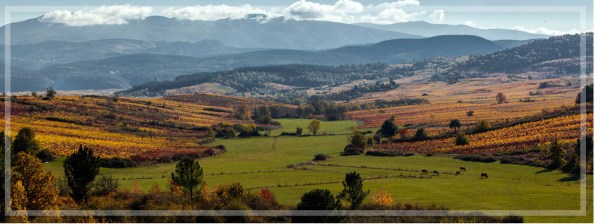
Bierzo, Spain. Source: Bodegas Godelia website
Let’s take wine and let’s travel – how about a quick trip around the world? Let’s start in Spain, in the region called Bierzo, located in the North East part of Spain, close to the Portuguese border. As with many places in the old world, the viticulture originated in the region in the times of the Roman empire. Today, Bierzo is best known for the red wines made out of the grape called Mencía, and Godello and Doña Blanca are the two primary white grapes in the region. Bierzo is known for its special microclimate, conducive for the grape growing, which can be characterized as the continental climate with ocean influence. Bierzo has today about 2,000 grape growers, 75 wineries, and produced about 9 million bottles of wine in 2017.
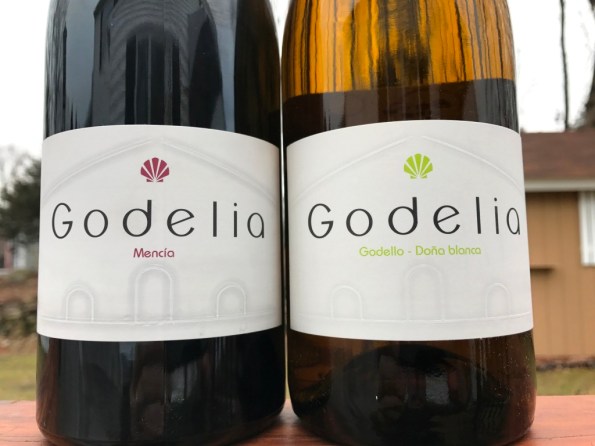
Two wines I want to offer to your attention come from the Bodegas Godelia, about 86 acres estate in Bierzo. The winery was created in 2009, however, their vineyards are much older, from 20 to 90 years old, depending on the grapes, and located at the altitudes of 1,600 to 2,000 feet.
2015 Bodegas Godelia Blanco Bierza DO (13.5% ABV, $17, 80% Godello, 20% Doña Blanca)
C: light golden
N: intense, pear, guava,
P: lemon, honeysuckle, crisp acidity, medium + body, delicious
V: 8-
2012 Bodegas Godelia Mencia Bierzo DO (14.5% ABV, $19, 12 months in oak)
C: dark garnet, almost black
N: warm, inviting, medium+ intensity, a touch of barnyard, spices
P: cherries, baking spices, medium body, violets
V: 7+ on the 2nd day, needs time. Mencia is known to produce massive, chewy wines, so this wine is no exception. 6 years of age is nothing for this wine – it might start opening up after at least another 6.
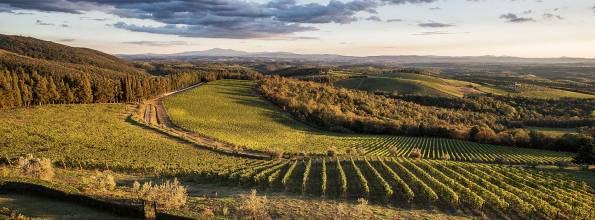
Hills of Tuscany. Source: Barone Ricasoli website
Where should we go after Spain? How about Italy? Let’s visit Tuscany, where 2015 vintage was simply outstanding. Of course, Tuscany is best known for its Chianti wine. At the heart of the Chianti region lays a much smaller region called Chianti Classico – this is where the Chianti wines historically originated from. Inside Chianti Classico, let’s look for the winery called Barone Ricasoli – one of the very first producers in the region, taking its history since 1141. Barone Ricasoli property has a grand looking castle, where some of the stones are still original since 1141, 600 acres of vineyards and 65 acres of olive trees. While Barone Ricasoli is mostly known for the reds, they also produce a few of the white wines, a Rosato, grappa, and of course, the olive oil.


I want to offer you two of the classic Chianti wines from the Chianti Classico area (pun intended):
2015 Barone Ricasoli Brolio Chianti Classico DOCG (13.5% ABV, $18, 80% Sangiovese, 15% Merlot, 5% Cabernet Sauvignon)
C: Garnet
N: Tar, leather, sandalwood, tart cherries
P: Tart cherries, plums, clean acidity, sage, a touch of tobacco, medium plus body, good structure.
V: 8, was excellent from the get-go, got more complexity on the second day.
2015 Barone Ricasoli Brolio Chianti Classico Riserva DOCG (14% ABV, $23, 80% Sangiovese, 15% Merlot, 5% Cabernet Sauvignon)
C: Dark garnet
N: Cherry, Sage, Rosemary, leather, medium plus intensity.
P: Supple berries, tart cherries, firm structure, young tannins, a touch of tobacco, good acidity, tannins on the finish
V: 8, great potential. Right now needs food. While perfectly drinkable now, with time will become a truly delicious sip.
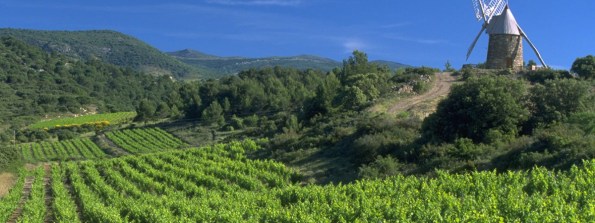
Languedoc. Source: Languedoc-wines.com
We need to complete our old world portion of the tour, so I think the stop in France is a must. How about a quick visit with Paul Mas in Languedoc? Languedoc is the largest wine producing region in France, located in the south, producing a tremendous range of white, sparkling, Rosé and, for the most part, red wines. Domaines Paul Mas is one of my favorite producers I have written about many times. What I love about the wines of Domaines Paul Mas is that you literally can’t go wrong with any of the wines produced at the domain – Sparkling, Rosé, white or reds. Not only the wines taste great, but they are also priced very reasonably – Paul Mas wines saved my wallet at the restaurants on multiple occasions, so they definitely deserve some respect. Here are the wines I want to bring to your attention:


2016 Paul Mas Estate Single Vineyard Collection Chardonnay Saint Hilaire Vineyard Pays d’Oc (13.5% ABV, $12.99)
C: Light golden color
N: Meyer lemon aromatics, hint of white peach, Bosc pear
P: Crisp, tart lemon on the palate, ripe Granny Smith apples, clean, refreshing. Good mid-palate presence, medium finish.
V: 8-, very good.
2016 Paul Mas Estate Single Vineyard Collection Pinot Noir Saint Hilaire Vineyard Pays d’Oc (13.5% ABV, $12.99)
C: Dark ruby
N: Fresh raspberries and cherries on the nose
P: Soft, supple, fresh berries, crisp, fresh, perfect acidity, excellent
V: 7+/8-
2016 Paul Mas Estate Single Vineyard Collection Malbec Saint Hilaire Vineyard Pays d’Oc (13.5% ABV, $12.99, 90% Malbec, 10% Cabernet Franc))
C: Dark garnet
N: Fresh raspberries and blackberries in the nose, nicely inviting
P: Soft, supple, fresh berries, crisp, fresh, perfect acidity, excellent
V: 8-
How is your day going so far? Feel like traveling somewhere? How about we will take a trip to sunny California? California is a big place, so to narrow it down we are actually heading to the Santa Barbara County. Here is a perfect example of the wine being a connector and an instant transporter – as soon as I hear “Santa Barbara County”, the brain instantly serves up the memories of the first Wine Bloggers Conference I attended, WBC14, which took place in Santa Barbara County. Moreover, one of the best experiences of that trip was a visit to the small town of Solvang, which is an incredible place for any wine lover. While visiting Solvang, we tasted the wines produced by Lucas and Lewellen – thus seeing that name on the label was an instant memory trigger.


The wine I want to offer to your attention today is perfectly representative of the capabilities of the Santa Barbara County wine growing region, and at the same time is very non-typical for California. Lucas and Lewellen produce the line of wines under the name of Toccata, which are all Italian varieties and blends, all grown in California. This Toccata Classico was a perfect enigma – varietally correct Tuscan beauty, only made from start to finish in California. In a blind tasting, my guess 100% would be “Chianti!”.
2015 Lucas & Lewellen Toccata Classico Santa Barbara County (14.1% ABV, $29, 50% Sangiovese, 30% Cabernet Sauvignon, 5% Merlot, 5% Cabernet Franc, 5% Freisa, 5% Petit Verdot, 18 months in French Oak, 346 cases produced)
C: Garnet
N: Fresh cherries, touch a leather, medium+ intensity
P: Ripe cherries on the palate, bright, firm structure, fresh, crunchy, touch of leather, excellent complexity, nicely integrated tannins
V: 8+, an excellent rendition of the old world wine in the new world.
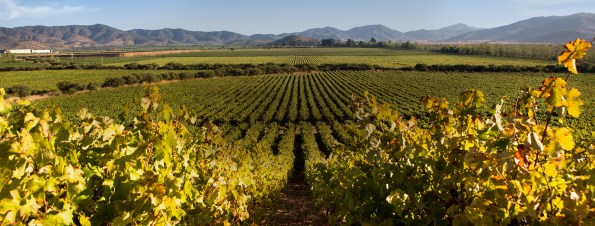
Trinidad Vineyard, Chile. source: Viña Ventisquero website
Hurry up or we will be late for our last destination – Chile. About 25 years ago, Chile was mostly known as a “one-trick pony”, offering bargain-priced Cabernet Sauvignon, Merlot, and Chardonnay. Today, Chile is one of the leading wine producing countries in the world, offering a substantial range of perfectly executed wines, from Chile’s own trademark, Carménere, to Pinot Noir, Syrah, Grenache, and many others.
Today we are visiting Viña Ventisquero, the winery which started only 20 years ago, in 1998, and now offering a diversified set of wines, coming from the different regions and made with the finest attention to detail.
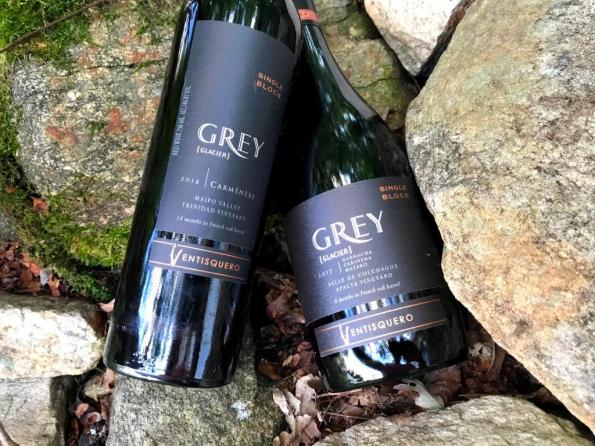
2017 Viña Ventisquero Grey Glacier Single Block Apalta Vineyard Valle de Colchagua (14% ABV, $18, 62% Garnacha, 19% Carinena, 19% Mataro, 6 months in French oak)
C: Ruby
N: Fresh raspberries, medium plus intensity, beautiful
P: Restrained, dark fruit, medium body, minerality, clean acidity, tart raspberries
V: 8-
2014 Viña Ventisquero Grey Glacier Carménere Trinidad VIneyard Maipo Valley (14% ABV, $19, 18 months in French oak)
Dark garnet
A perfect nose of Carménere – mix black currant berries with blackcurrant leaves
Medium to full body, soft, silky, fresh blackcurrant present, anis, good acidity, good balance, very pleasant overall
8/8+, excellent wine
That concludes our trip, my friends. Wasn’t it easy to travel with wine, in the comfort of your living room? Cheers!
Perfection, or When Everything Works Together…
 If you are into wine and food (or food and wine, whatever your preferences are), I can safely bet you were looking for that climactic moment of combining the food and wine to reach a new, higher level of pleasure. Yes, I’m talking about that “oh my God” moment when your taste buds experienced that already exceptional bite of food becoming something beyond exceptional in combination with the sip of the wine. By the same token, if you were looking for that moment, I’m sure that more often than not (actually, a lot more often than not) you couldn’t find it – those beautiful pairings are often equally evasive.
Here I want to share with you my account of my recent encounter with perfection, that climatic experience if you will.
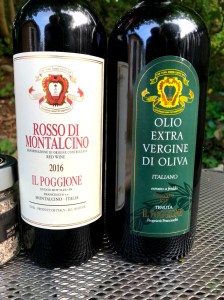
A few months ago I got a box in the mail (one of the little perks of the wine blogger). Inside, there was a bottle of wine, a bottle of olive oil, a jar of sea salt and a recipe – for Bistecca alla Fiorentina.
Bistecca alla Fiorentina is a dish coming from Tuscany (Florence) and depending on the historical account, it traces its origins either to the 16th or the 19th century – well, the history of Bistecca all Fiorentina is definitely not something we will be talking about here, so let’s move on. I’m sure you understand that “Bistecca” simply stands for “beef steak”. However, the recipe calls not for any steak, but specifically for the porterhouse or T-bone steak, which should be simply prepared rare or medium-rare over the charcoal. As the recipe is very simple, here it is in its entirety:
Ingredients (serves 4):
2 (1.5″ thick) bone-in porterhouse steaks (3.5 lb)
1/4 cup Il Poggione EVOO
Tuscan sea salt and freshly ground black pepper, to taste
2 sprigs rosemary


Get the charcoal ready. The distance between the hot charcoal and the steak should be about 4 inches (10 cm). The steak should be at room temperature before you start grilling (it should be out of the fridge for about 10 hours to get to room temperature). Grill steak on one side for 5-8 minutes, flip it with tongs (no forks of any kind!), salt the top surface with Tuscan sea salt and pour some olive oil. Cook for another 5-8 minutes, then stand the steaks on the bone and cook for another 5 minutes. Take it off the heat, put it down to rest, salt the other side and put some olive oil on it. After 5 minutes of rest, you can slice and serve your steak. See, can it get any simpler?


Now, it is time to talk about perfection.
First, the perfection started with the exceptional meat. In addition to what I already described, the box contained a gift card for Pat LaFrieda. The story of Pat LaFrieda Meat Purveyors started at the beginning of the 20th century when Anthony LaFrieda arrived in the USA and opened his first butchery – you can read the rest of the story on Pat LaFrieda website. Whatever the story is, the proof is always in the pudding – or on the fork in this case. I have to honestly tell you that I never had a better steak than this – the meat was sublime and was simply melting in the mouth – a good start for the perfect experience.


The second element of the perfection was, of course, the wine – 2016 Il Poggione Rosso di Montalcino (14% ABV, $27, 12 months in large oak barrels). Tenuta Il Poggione is one of the oldest producers in the Montalcino area, started to make Sangiovese wines – now known as Brunello – at the beginning of the 1900s. Today, it is one of the largest wineries in Montalcino, with 1500 acres, out of which more than 300 acres are under vines and 170 acres planted with olive trees (that Il Poggione EVOO in the package was superb).
The wine actually happened to be one of the best Rosso di Montalcino wines I tasted in a long time. The key word to describe this wine is finesse – it had a welcoming nose of tart cherries, medium intensity, and a hint of herbs. That profile perfectly continued on the palate, where delicate fresh cherries were joined by sage and rosemary, with clean acidity and excellent balance. Definitely one lip-smacking, delicious wine (8+).


Let’s not miss any details – we are talking about the perfect pairing here. As the devil is in the detail, there was one more element – little, but essential – to this amazing pairing, besides superb meat and outstanding wine. The last element? Tuscan sea salt. This was not some random sea salt – this one was Tuscan Sea Salt from AG Ferrari, listing the following ingredients: “Italian sea salt, fresh rosemary, fresh garlic, sugar, fresh sage, ground black pepper” – this Tuscan Sea Salt became the bridge which connected the flavor of the seasoned meat with the perfectly aligned flavor profile of the Il Poggione Rosso di Montalcino, delivering the genius pairing and an amazing experience.
I have to honestly tell you – I tried to replicate this experience two days ago – and failed. I used the same Tuscan Sea Salt, but I had a steak from the local supermarket butcher shop (1/3 of the price compared to Pat LaFrieda), and the wine was 2015 Collosorbo Rosso di Montalcino. The steak was simply not good (happy to be blamed for it as a cook – but I cooked the one from Pat LaFrieda too). The wine was okay, but a lot fruitier than Il Poggione, thus the pairing simply didn’t work. This once again proves my point about the evasive nature of a great wine pairing.
Did you have any climactic food and wine pairing experiences you care to share with the world? Or maybe you want to recount the worst moments? Will be happy to hear about it either way. Cheers!
Samples Galore: Few Wines For The Fall
Are there different wines for the different seasons? In general, the answer is no. And for sure, in theory, the answer is no. The wines should be paired with food, with mood, with the company, and the actual season should have no effect on your desire to drink Champagne, or Rosé, or ice cold, acidic white or a full-bodied, massive red. Nevertheless, as the temperatures are sliding down, our desire to drink bigger wines proportionally increases. Thus, instead of fighting the trend let’s talk about few wines which would perfectly embellish any cooler autumn night.


So you think we will be only talking about red wines? Nope, we are going to start with the white. Cune Rioja Monopole requires no introduction to the wine lovers – one of the pioneering white Riojas, produced in 1914 for the first time. If you tasted Cune Monopole recently, I’m sure you found it fresh and crips. Turns out, this was not always the style. The traditional, “old school” Monopole was produced as a blend of white grapes (not just 100% Viura), with the addition of a dollop of Sherry (yep, you read it right), and was aged in the oak (read more here). To commemorate 100 years since the inaugural release, Cune produced 2014 Cune Monopole Clásico Blanco Seco (13.2% ABV, $20 ) which is a blend of Viura and other white grapes. After fermentation, a small amount of Manzanilla Sherry from the Hidalgo Sanlúcar de Barrameda was added, and the wine aged in the used Sherry casks for about 8 months. This wine had a great added complexity while remaining fresh and vibrant. Drinkability: 8. You should definitely try it for yourself – if you can find it.
Let’s stay in Spain now for the red. What do you think of the wines from Castilla y León? Castilla y León region is home to some of best of the best in Spain, such as Vega Sicilia and Pingus, both located in Ribera del Duero sub-region. But there are plenty of outstanding wines which are simply designated as Vino de la Tierra de Castilla y León. Vino de la Tierra is considered a lower quality tier than DO or DOC – but some of the winemakers prefer VdT designation as it gives them a lot more freedom to experiment with the wines.


Case in point – Abadia Retuerta winery. Historical roots of Abadia Retuerta go back almost thousand years when Santa María de Retuerta monastery was built on the banks of Duero River, and the first vines were planted. Today, Abadia Retuerta exercises modern approach to winemaking, which they call “plot by plot” – the winery identifies 54 unique parcels of land, each one with its own terroir – no wonder they find DO rules too limiting for the wines they are creating. Here are my [more formal] notes for 2013 Abadia Retuerta Sardon De Duero Selección Especial Vino de la Tierra de Castilla y León – Sardon De Duero (13.5% ABV, $30, 75% Tempranillo, 15% Cabernet Sauvignon, 10% Syrah and other red varieties such as Merlot and Petit Verdot):
C: dark garnet
N: inviting, bright, ripe cherries, mint, roasted meat, very promising, cedar box
P: wow, smooth, layered, luscious, fresh fruit, ripe, cherries, sweet oak, excellent balance
V: 8, lots of pleasure


Now, let’s quickly jump to the other side of the Earth – to Australia, it is. If we are talking about Australia, you probably expect the subject of the discussion will be Shiraz – and this is a perfect guess. The story of Two Hands winery started in 1999 when two friends decided to start making world-class wines showcasing capabilities of different Australian regions, starting with Barossa. Gnarly Dude is one of the wines made by Two Hands, and the name here comes from the way the old Shiraz vines look like. Here are my notes for the 2016 Two Hands Gnarly Dudes Shiraz Barossa Valley (13.8% ABV, $35, 100% Shiraz)
C: dark ruby
N: fresh blackberries, baking spice, tobacco
P: more blackberries, pepper, save, savory notes, medium to full body, good acidity, good balance
V: 7+, very nice overall
Let’s go back to Europe – to Italy to be more precise. Italy is home to lots and lots of world-famous producers, but there are still a few which have more of a “legend” status. One of such producers is Gaja – anyone who is into the wine would immediately jump off the chair at the slightest opportunity to drink Gaja wines.
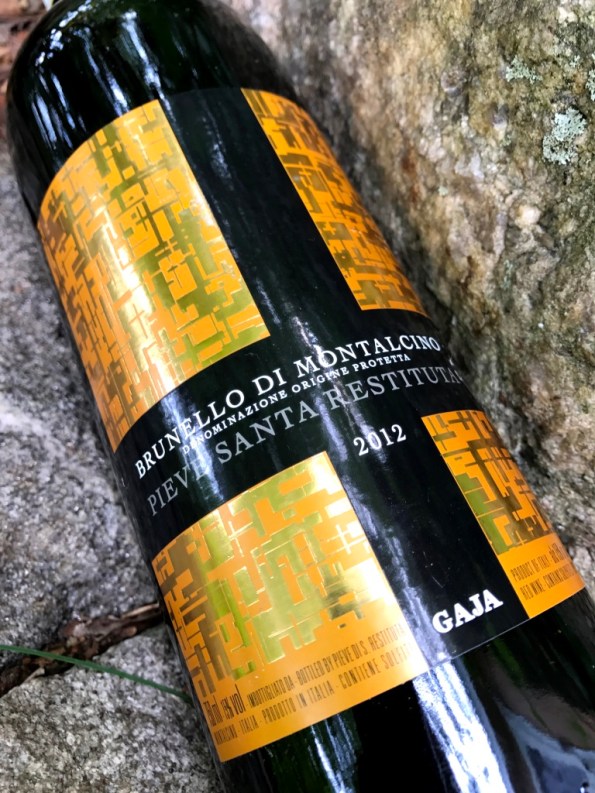 Gaja is most famous for their Piedmont reds – Barolo and Barbaresco. It appears that in addition to the first two Bs (Barolo and Barbaresco), the third “B” group of wines is not foreign to Gaja – if you thought “Brunello”, you were right. Gaja acquired Pieve Santa Restituta estate in Montalcino in 1994, its first venture outside of Piedmont. A “Pieve” is a parish church, and the estate was named after the church which is still present on site – the winemaking history of the estate can be traced all the way back to the 12th century.
In 2005, Gaja produced the first vintage of non-vineyard designated Brunello di Montalcino wine from Pieve Santa Restituta estate – the wine is a blend of Sangiovese Grosso grapes from 4 different vineyards. I had an opportunity to taste 2012 Gaja Pieve Santa Restituta Brunello di Montalcino DOCG (15% ABV, $75, 100% Sangiovese Grosso, 12 months in barrel, 12 months in Botti). I have one single word which would be enough to describe the experience – and the word is “Superb”. The wine had an intense welcoming nose which was unmistakably Italian – ripe cherries and leather. The palate? Where do I start… velvety, perfectly extracted, dense, firmly structured, ripe cherries, lavender, sweet oak, impeccable balance. And dangerous, very dangerous – once you start, you can’t stop (nevermind the 15% ABV). Drinkability: 9
What are your favorite wines to enjoy in the Fall? Cheers!
Hold The Pizza – I Just Want The Wine: Masciarelli Villa Gemma
At the age of 20, Gianni Masciarelli was helping with the harvest in Champagne. At the age of 26, in 1981, he started making his own wines in the Italian region called Abruzzo. 1984 was the first release of the Villa Gemma Rosso wine, truly a different take on the Montepulciano wines.
Montepulciano is the main grape of Abruzzo (not to be confused with Montepulciano in Tuscany, which is the name of the village where the wines are made from Sangiovese grape). Late in the 20th century, Montepulciano d’Abruzzo became one of the most exported Italian wines – it was dry, it was simple, it was quaffable and, of course, good for pizza.
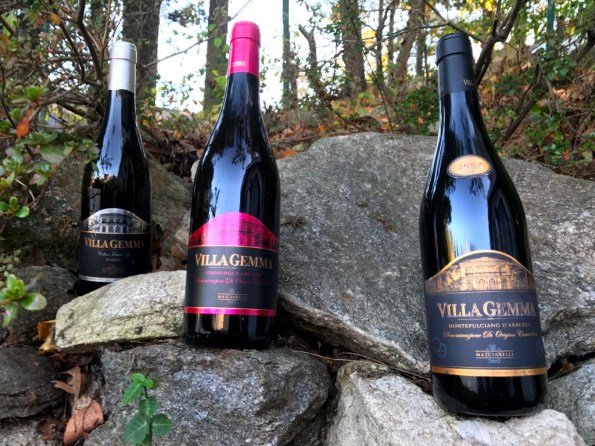
Gianni Masciarelli had his own, pioneer view on how the Montepulciano wines should be made. He introduced the Guyot training system for the vines in Abruzzo. He was the first to start using French oak barrels in the production of Montepulciano d’Abruzzo and Trebbiano d’Abruzzo, showing the world that Montepulciano can go way beyond just a “pizza wine” qualities. Today, Masciarelli estates are run by Marina Cvetic Masciarelli, late wife of Gianni Masciarelli; the vineyards spawn 350 acres and produce about 1.1M bottles of wine across 5 different lines.
Recently, I had an opportunity to taste a few of the wines from the Villa Gemma line, and here are my notes:
2016 Masciarelli Villa Gemma Blanco Colline Teatine IGT (13% ABV, $17.99, 80% Trebbiano d’Abruzzo, 15% Cococciola, 5% Chardonnay)
C: light golden
N: a touch of fresh grass, a hint of white stone fruit, a hint of gunflint, medium intensity
P: crisp, refreshing, crunchy, touch of lemon, slightly underripe peaches, very clean, medium finish
V: 8-, craving food, excellent overall. Trebbiano d’Abruzzo and Cococciola also extended my grape hunting collection
2016 Masciarelli Villa Gemma Cerasuolo D’Abruzzo DOC (13.5% ABV, $14.99, 100% Montepulciano)
C: intense, ripe strawberry pink
N: pure strawberries, fresh, succulent strawberries
P: fresh, tart, restrained, lightweight, clean strawberry profile, good overall balance
V: 8, simply delightful. An excellent Rosé for any time of the year
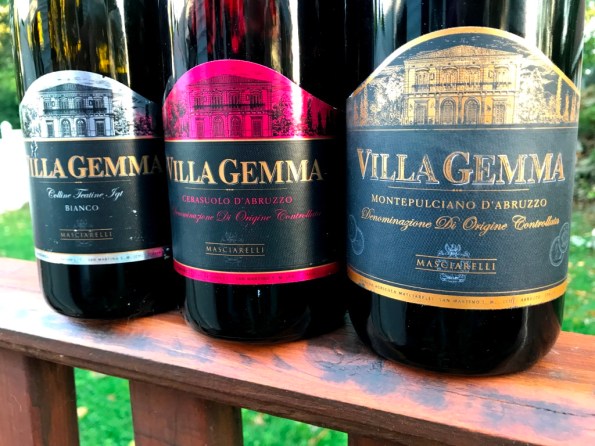
2007 Masciarelli Villa Gemma Montepulciano D’Abruzzo DOC (14.5% ABV, $89.99, 100% Montepulciano, aged 18-24 months in oak barriques, total 36 months))
C: Dark garnet
N: fresh cherries, anis, mint, blackberries
P: soft, generous, round, fresh acidity, touch of leather, cherries and cherry pit, generous tannins on the finish.
V: 8, excellent wine, unmistakably Italian, supremely delicious.
These wines were absolutely delicious in their own right. I seriously don’t know about pizza – you can probably pair anything with pizza, from two buck chuck to the Screaming Eagle and Petrus – but you really don’t have to. These three wines from Masciarelli Villa Gemma would perfectly complement any dinner – appetizers, salads, and mains – these wines pack a serious amount of pleasure. Don’t take my word for it – try them for yourself. The pizza is entirely optional. Cheers!
Daily Glass – Pinot Grigio To Ask For By Name
 Blind tasting is probably the most difficult part of any of the Guild of Sommeliers examinations. It is one thing to memorize the names of the hundreds of the German villages producing Riesling. It is an entirely different thing to be able to distinguish, let’s say, Cabernet Sauvignon and Merlot, and identify a possible region, vintage and even a producer.
As with anything humans do, blind tasting also has its own set of “tricks” associated with it. Some of them perfectly legitimate – for instance, Nebbiolo wines (Barolo, Barbaresco, etc) typically have red brick hue in the glass, even when young, so this is a great “giveaway” for the blind tasting. Or the fact that the tannins from the American oak are perceived more in the back of the mouth, versus the French oak, which comes in front.
But then some of the “tricks” have nothing to do with the characteristics of the wine. Here is one, a statement by the Master Somms running the exam: “we will never pour Pinot Grigio for your blind tasting”. Pretty good hint, right?
To a degree, Pinot Grigio became a victim of its own success. Santa Margherita Pinot Grigio became an overnight sensation in 1979, driving demand for the Pinot Grigio wines in the USA. That, in turn, led to the appearance of the great number of “imitations”, Italian Pinot Grigio which had no bouquet or a flavor but was very easy to drink and affordable. Fast forward on, and Italian Pinot Grigio became the “wine to ignore” for any self-respecting oenophile, next in line to White Zinfandel.
But let’s not forget that Pinot Grigio is simply an Italian name for the grape known throughout the world as Pinot Gris. As soon as one hears Pinot Gris, I’m sure Alsace comes to mind first, and then, of course, the Oregon. Alsatian Pinot Gris is extremely well respected among wine lovers, beautiful when young and amazing with some age on it. Oregon Pinot Gris is beautifully crisp, clear and flavorful, and as such, a popular choice for the wine consumers as well. So why can’t Italian Pinot Gris, err, Pinot Grigio be a well respected and delicious wine?
Well, it can. There are many producers who make Italian Pinot Grigio a wine worth seeking and drinking – for instance, how about Elena Walch or Livio Felluga – if you never had their Pinot Grigio, this is a mistake which you need to correct ASAP. And here is one more Pinot Grigio which you need to ask for by name – the one made by Terlato.
Terlato is a very well respected wine importer – and by the way, Tony Terlato was responsible for the overnight success of Santa Margherita, creating that Pinot Grigio phenomenon in the USA. Terlato Family also goes beyond just importing, producing the wines under their own label around the world. The wine I suggest you will look for is Terlato Vineyards Pinot Grigio from Friuli. It is very different from the mainstream – in Terlato’s own words, “First we pioneered Pinot Grigio. Now we’ve revolutionized it”.
Friuli region is nestled in the foothills of the Alps, in a close proximity to the Adriatic sea, which creates great winegrowing conditions. Add to that poor soils and hillside vineyards with 20-30 years old vines, harvested by hand in the small plots, and you’ve got an excellent foundation for making a delicious wine.
Here are my notes from the tasting of this wine:
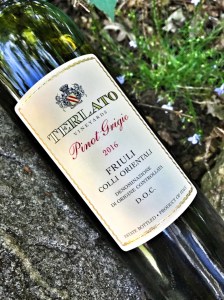
2016 Terlato Vineyards Pinot Grigio Friuli Colli Orientali DOC (13% ABV, $22.99)
C: light golden
N: intense, minerally, touch of honeysuckle, white stone fruit and fresh brioche, very promising.
P: crisp acidity, touch of gunflint, pronounced lemon, touch of freshly cut grass, medium body softly coating the mouth. Great complexity.
V: 8/8+, wow, very impressive.
Here you are, my friends. Next time you are looking for a bottle of wine, you might want to include Pinot Grigio into your shopping list. Trust the producer, and you might uncover something new to enjoy. Cheers!
Villa Torrigiani: Traditional Roots, Modern Wines
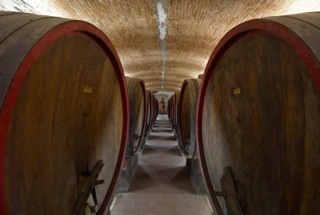
Source: Villa Torrigiani
When it comes to traditions, Italians definitely know how to preserve them. Tour the country, and you will see that finding a 500 years old villa or palace in Italy is very easy; there are plenty of places where the connection can be made through even a 1000 years of history. Italians definitely know how to preserve their traditions.
Talking about traditions, Villa Torrigiani, located in the heart of Tuscany, is exactly one of those well-preserved places, tracking its history back for 1000 years if not longer. Here is the information you can find on Wikipedia:
“In the hills of San Martino alla Palma, vineyards and olive groves have been cultivated for more than a 1,000 years. The estate is located not far from the Via Francigena, the route used by crusaders returning from the Holy Land, and as such a point of passage, the location took its name from Saint Martin, patron saint of vintners and grape harvesters, and Palma (Olive tree), the symbol brought home by crusaders as proof of their travels.
In the mid-1400s, in the very midst of the Renaissance, the marquises Torrigiani, bankers and wine sellers, bought the land that extends from Castellina all the way to the top of the hill of San Martino alla Palma, thus founding Fattoria Torrigiani (The Torrigiani farm). The marquises Torrigiani called on the renowned Florentine architect Michelozzo who designed the stately Villa Torrigiani, which was constructed from 1470 to 1495. The villa, with its numerous halls frescoed by master Florentine painters, is situated at the center of the farm and looks out over the valley of Florence and the cupola of the Duomo.


At the beginning of the 16th century, the farm was divided into 22 “poderi”, or farmsteads, each run by a family group, many of whom have descendants who live in San Martino to this day. The farm was so well organized that it was self-sufficient and no longer dependent on Florence, and consequently, its inhabitants were able to avoid the bubonic plague outbreak of the 1600s.
Fattoria Torrigiani remained the property of the same family for around 500 years until 1967 when it was purchased by the Zingone family who carried out an extensive restoration of the villa and an expansion of agricultural production, of wine and olive oil in particular.”
Fattoria San Martino alla Palma covers almost 900 acres, out of which the vineyards take about 115 acres, and about 300 acres dedicated to the olive trees – in addition to wines and grappa, Villa Torrigiani also produces olive oil.
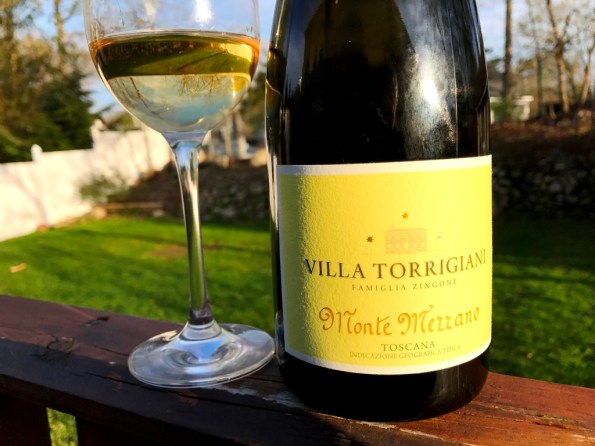
Now, the wines produced by Villa Torrigiani are unquestionably modern. Unoaked Chianti, Chardonnay from Tuscany, super-toscan – while the wines are rooted in tradition, it is hard to argue that they also represent modern Italian winemaking.
I had a pleasure to taste a number of Villa Torrigiani wines, and my tasting notes are below:
2015 Villa Torrigiani Monte Mezzano Bianco Toscana IGT (13% ABV, 100% Chardonnay, 6 mo in French oak barriques)
C: light golden
N: medium intensity, green apples, touch of vanilla
P: needed about 15 minutes in the glass, opened up nice and plump, vanilla, golden delicious apples, crisp acidity, disputants hint of butter
V: 8-, very nicely made, pleasant
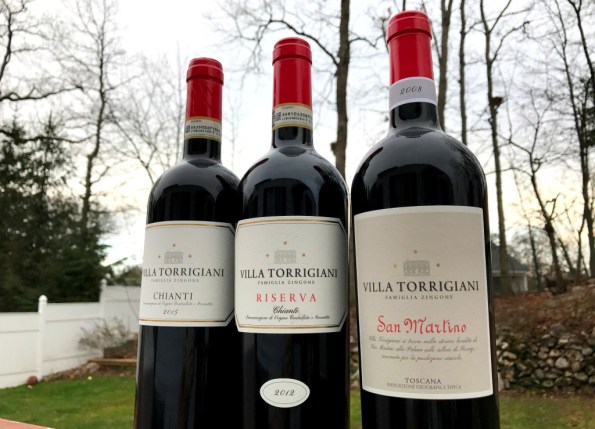
2015 Villa Torrigiani Chianti DOCG (12.5% ABV, 90% Sangiovese, 10% Canaiolo, Stainless steel)
C: garnet
N: fresh, open, medium intensity, caraway seed, touch of sweet cherries
P: fresh, clean, medium body, ripe cherries, touch of cherry peats
V: 7+, needed about 20 minutes to open up and come together, after that delicious all the way through
2012 Villa Torrigiani Chianti Reserva DOCG (13.5% ABV, 90% Sangiovese, 10% Canaiolo, 12-14 month in barrique, additional 6-8 month large oak botti)
C: dark garnet
N: espresso, sweet oak, ripe plums, tobacco, sweet plums
P: dry, perfect balance, dark fruit, supple cherries, good acidity, medium body, medium finish, fresh and open
V: 8-
2008 Villa Torrigiani San Martino Rosso Toscana IGT (13.5% ABV, 85% Cabernet Sauvignon, 15% Sangiovese, 12 month barrique, additional 12-14 month in large oak botti)
C: garnet
N: open, inviting, cassis, eucalyptus
P: fresh, playful, polished, layers of dark fruit, cassis, clean acidity, excellent balance. A true delight.
V: 9-, outstanding. I would love to drink this wine every day.
Here you are, my friends. A beautiful estate with a very long history, producing excellent wines. The only challenge we have at the moment is finding these wines in the USA – but hopefully this will change soon. Cheers!
Franciacorta: Unique, Different and Authentic
“Sir, I will be very happy to work with you to improve the quality of your wines, but I have one request”, said young oenologist. “What is it?“ said Guido Berlucchi, the man famously known throughout the whole Franciacorta for his aristocratic, elegant lifestyle. “I would like to make Champagne here, in Franciacorta”.
The year was 1955, and young oenologist’s name was Franco Ziliani. Guido Berlucchi, while may be surprised, was not shy of taking the risk, and Franco Zeliani got to work. First vintages were a total disaster – awfully tasting wines, blown up bottles. But in 1961, the patience and perseverance paid off, and first 3000 bottles of the Franciacorta sparkling wine came into being.
Mr. Berlucchi invited his influential friends from Milan to try the wines, and they all happened to like it. The new chapter in the Franciacorta history was opened.

Map of Franciacorta region
The wine was produced in Franciacorta literally forever. The land surrounding Lake Iseo from the south was strategically located along the trade path between Turin and Rome. In the 11th century, the monks created a special zone called Curtefranca to encourage land development and commerce – “Curte” in this case represents “land”, and Franca, while sounds related to France, has nothing to do with it – it simply means “free of taxes” in Italian. The primary focus in Curtefranca was agriculture, and can you imagine agriculture in Italy without making the wine?
As the time went on, the Curtefranca became known as Franciacorta – however, the Curtefranca name didn’t disappear and since 2008 it is a designation for Franciacorta still wines.
That first 1961 vintage at Berlucchi became a turning point for the whole region which was before mostly known for its red still wines. Producers started changing their ways and make sparking wines, and Franciacorta DOC was established in 1967 with 11 sparkling wine producers. Franciacorta became first DOC in Italy to require all sparkling wines to be produced by the metodo classico. In 1990, the Consorzio per la tutela del Franciacorta was formed and became a major regulatory body for sparkling wine production; in 1995 Franciacorta was awarded a DOCG status, top level of quality for the Italian wines. Starting from August of 2003, Franciacorta became the only region in Italy where the wines can be labeled only as Franciacorta and not Franciacorta DOCG – similar to the Champagne where the word AOC doesn’t appear on the label.
If you are like me, I’m sure you are dying to hear a few more facts. Today, Franciacorta comprise about 7,500 acres of vineyards and produces about 15,000,000 bottles per year; there are about 200 grape growers in Franciacorta, 116 of them produce their own wines. 65% of all the vineyards are organic, and conversion to organic methods continues.

Chardonnay, Pinot Noir and Pinot Blanc are the only permitted varieties in production of Franciacorta, with Pinot Blanc being somewhat of a bastard child, as the grape is even more finicky to properly produce than Pinot Noir – while some of the producers phasing it out (e.g. Berlucchi), the others love the perfumy bright character which the grape can impart on the resulting wines.
Franciacorta’s climate is very conducive to getting grapes ripen perfectly. The climate is generally mild, with consistently warm summer days. The Lake Iseo creates a cooling effect during the summer nights, helping grapes to reach the levels of phenolic ripeness which is very difficult to achieve (if not impossible) in the Champagne. During winter, the lake provides a softening effect, protecting vines from the very low temperatures.


Unquestionably Champagne was an inspiration for the ways and means of the Franciacorta sparkling wines – as expected if you use metodo classico production. However, Franciacorta is largely moving past the “Champagne copycat” status and actively seeks and creates its own unique style, not only by stricter aging requirements (both non-vintage and vintage Franciacorta must be aged on the lees for longer than the Champagne in the same category), but by the whole method of production – for instance, by using only stainless steel tanks for the fermentation or relying much less on blending and more on the quality of the grapes from the given vintage.


Franciacorta is obsessed with quality. It starts in the vineyard, where even if not certified, most of the grapes are growing as organic. New vines are often planted at a very high density, to force the roots to go deep down as they have no room to grow to the sides. The yield is well limited to about 4 tons per acre. All the grapes are harvested by hand (this is a requirement of Franciacorta DOCG). The grapes are cooled down before the pressing – and in the case of Ca’del Bosco, one of the premier producers in the region, the grapes are even washed and then dried, using specially created complex of the machines.
Getting the grapes into the winery is only the beginning of the quest for quality. We talked to many winemakers, and they were all repeating the same words – “gentle pressing”. There is a tremendous focus on gentle handling of the grapes, using various types of presses. Arturo Ziliani, the son of Franco Ziliani, who is in charge of winemaking at Berlucchi, gave us the best explanation. “Think about a lemon. Cut it, and right under the skin, you will see the white layer – pith. When you quickly juice the lemon, lots of that pith ends up in the juice, rendering it cloudy – and adding bitterness and extra acidity. If we would juice the lemon slowly without destroying the pith, the resulting juice would be clear – and lemonade would need a lot less sugar to make. While much thinner, grapes also have the layer of pith right under the skin – and when we press the grapes, we want to avoid crushing it as much as possible”.
Even gentle pressing alone is not enough. Franciacorta regulations allow up to 65% of grape mass to be pressed. Most of the winemakers press less, at around 50%, in some cases even limiting only by 30%. At all stages of the process, there is a great effort to protect grapes and wine from oxidation; such focused handling also allows to greatly reduce the levels of added SO2 – while the law allows up to 210 mg/liter, many winemakers limit it at only 50 mg/liter.
Obsession with the quality. Attention to detail. How do you drink your bubbles? The flute, you say? Where you ever able to perceive the full bouquet of your sparkling wine through that small opening on top of the flute? Well, leave the flute for Champagne, but if you want to enjoy Franciacorta, you will have to dump it (whatever way you see fit) and upgrade to something better – an official Franciacorta glass. It is specifically designed to enhance the visual and sensual qualities of your bubbles in the glass. The shape allows concentrating the aromas. And the glass is specifically made with the slight imperfections at the bottom to help form beautiful bubble traces better (perfectly polished glass doesn’t allow bubbles to form).

Obsession with quality. Attention to detail. Passion. So what makes Franciacorta unique, different and authentic? It is all of the above. Franciacorta is a unique place, with its own terroir, its own ways of making the wines, and really its own, authentic sparkling wines. Franciacorta shouldn’t be compared to Champagne, for sure not anymore, not based on the tasting of 50 or so wines during our 5 days there. Well, maybe except one thing – similar to Champagne, it should be simply called by the name. You will make all hard working Franciacorta producers very happy next time at a restaurant, when you will have a reason to celebrate (and every new day is enough reason in itself), by simply saying “Waiter, please bring Franciacorta, the best one you got!”
Obscure: Oenophile’s Pleasure
Today, class, we will be talking about things obscure. Yes, things obscure, but not in the whole entire world, of course, but in the world of wine.
In your opinion, if we use the word “obscure” in conjunction with the word “wine”, would that be a good thing or a bad thing? For starters, let’s think about the meaning of the word itself. Here is how New Oxford American Dictionary defines “obscure”:
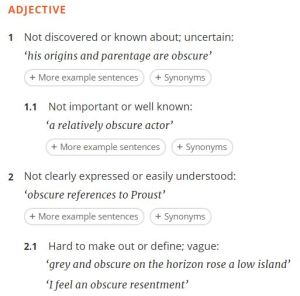
Well, yes, we could’ve done without the dictionary, as the word is simple enough – but dictionaries exist for something, so why not use one.
Now that we are clear on the meaning, let’s go back to our original question: “obscure + wine” – is it good or bad?
Reading wine’s description, have you ever come across the words “obscure grapes”? I’m not talking about the stuff you read on the back label, as there you will rather find the words “indigenous grapes”, “traditional grapes”, or maybe, “local grapes”. But if are reading blogs, or any of the “peer reviews”, I’m sure you’ve encountered the “obscure grapes”. I get it – “obscure” often implies that we got something to hide in a bad way – but not in this case. Referring to the definition we just saw, “obscure” here simply means “not discovered or known about”. Need examples? How about Trepat, Bobal, Gros Manseng, Khikhvi – heard of those grapes?
 My favorite part is that obscure often translates into pleasure – lots of pleasure for the oenophile. Unlike most of the other food and drinks humans consume, wine taste is largely perceived. We have expectations for how Cabernet Sauvignon or Chardonnay should taste, and when we don’t find that taste while drinking one of the “well known” wines, we often get disappointed. But when presented with the “obscure bottle”, all those preconceived notions are largely thrown out of the window, and we take wine for what it actually is – which gives us a great chance to enjoy something we wouldn’t otherwise.
It is not only wine drinkers who get more pleasure from the obscure grapes – when using those little-known grapes, winemakers are also not bound by any “customer expectations”, which gives them more freedom to express themselves. From the personal experience, I found that more often than not, I truly enjoy those obscure wines, and quite honestly, I like hunting down those unknown wines and grapes because of the pure mystery in the glass.
By the same token, lesser known wine regions (read: obscure) have the same advantage for both oenophiles and winemakers. What do you expect when you see Czech Republic, Georgian Republic, Mallorca or Valle d’Aosta written on the bottle? Most likely, you wouldn’t know what to expect, and thus you would take the wine for what it is. However, when you drink Napa Valley Cabernet Sauvignon or Spanish Rioja, you have a set of expectations in your head, and you always are ready to say “ahh, this doesn’t taste anything like Napa Cab”. Presented with the Czech Pinot Noir or Chinese Cabernet Sauvignon, you have no choice but to try it and decide whether you like it or not. Same as in the case of the obscure grapes, winemakers get an opportunity to freely create without the need to comply with a given set of expectations.
What we need to keep in mind though that the concept of “obscure” is very personal. For someone who lives in the Republic of Georgia, Georgian wines are very far from obscure. For someone who grew up in Conca de Barberà region in Catalonia in Spain, Trepat might be a perfectly familiar grape. But looking at the big picture, all of us, wine lovers, have our own, personal obscure territories – and this is where we might discover great pleasure. What makes it even more interesting is that the more we learn about the wine world, the more we understand how still little we know. And so we can keep on that road, shedding the light on obscure and making it (if we are lucky) dear and familiar, one discovery at a time.
I wish you all, oenophiles, lots of pleasant encounters with obscure sides of the wine world – as this is where the pleasure is hiding. Cheers!
This post is an entry for the 27th Monthly Wine Writing Challenge (#MWWC30), with the theme of “Obscure”. Previous themes in the order of appearance were: Transportation, Trouble, Possession, Oops, Feast, Mystery, Devotion, Luck, Fear, Value, Friend, Local, Serendipity, Tradition, Success, Finish, Epiphany, Crisis, Choice, Variety, Pairing, Second Chance, New, Pleasure, Travel, Solitude, Bubbles, Smile, Winestory
Celebrate with Ferrari!
Would anyone argue that holidays are better with Ferrari? Both of eponymous Italian hallmarks of quality would greatly enhance one’s holiday, but one of them – the car – is a bit less accessible to the general populace, so let’s talk about the one which is – sparkling wine from a beautiful region in the Italian Alps – Trento.
More than 100 years ago, Guido Ferrari recognized the potential of the green slopes to grow world-class Chardonnay. While Chardonnay is an undisputed star of the still white wine, its swan song might be delivered best with the bubbles. Champagne comes only from Champagne, but Méthode Champenoise is successfully used around the world to produce sparkling wines easily rivaling Champagne in quality.
This is what Guido Ferrari set out to do in 1902 – produce world-class sparkling wines – the task which he completed successfully. As Guido Ferrari had no direct heirs, in 1952 he sold the winery and vineyards to the Bruno Lunelli, a friend and wine merchant. Now in the third generation, Lunelli family proudly continues Ferrari traditions into the 21st century.
Earlier in the year, I had a virtual conversation with Marcello Lunelli, a winemaker at the Ferrari winery – you can find that post here. Then during summer I had an opportunity to meet, talk to and taste the wines together with Camilla Lunelli, Managing Partner at Ferrari, who visited New York on the occasion of attending The World’s 50 Best Restaurants Awards ceremony, where Ferrari was sponsoring The Art of Hospitality Award (it went to Madison Eleven restaurant in New York city). As we combined conversation with the tasting of the wines, I want to share here my brief notes about both the winery and the wines we tasted.
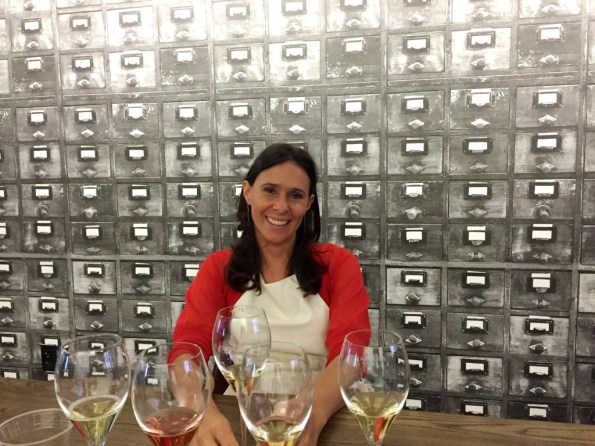
Today Ferrari is producing about 2 million bottles per year. They are working in close cooperation with the network of 500 growers and employ 8 agronomists who work literally around the clock to ensure the quality of the grapes. All Ferrari vineyards are certified organic, which is something not to be taken lightly – think about the work required to convince 500 growers to change their ways, to adapt Best Practices developed by Ferrari and get certified (it took most of the growers between 3 and 5 years to change). Talking about the vineyards, an interesting side note: Trento is a mountainous region, and all Ferrari vineyards are located on the slopes which provide for large temperature shifts between day and night, which is significant for the development of the Chardonnay grapes.
Italy is the biggest market for Ferrari sparkling wines. However, when I asked which market is the next big one after Italy, I got a surprising answer – it is Japan! (Yeah, I knew it is not the US, as Ferrari wines are hard to find in the US stores).
I also asked what would be an interesting food pairing for the Ferrari sparklers, and Camilla recommended Rosé sparkling wine with Pizza (yes, I can see it) and then bubbles with the BBQ, which is something I will need to try.
Okay, let’s get to the wines now, shall we?


NV Ferrari Brut Metodo Classico Trento DOC (SRP $25, 100% Chardonnay) – Delicious. Perfect acidity, lightly yeasty, refreshing, clear acidic finish.
2007 Ferrari Perlé Metodo Classico Trento DOC (SRP $38, 100% Chardonnay) – complex nose, minerality, complex palate with musk undertones, full bodied and refreshing
2009 Ferrari Perlé Metodo Classico Trento DOC (SRP $38, 100% Chardonnay) – we didn’t taste this wine with Camilla – I recently got a sample of 2009, so it was a good opportunity to include it here. On the nose, fine fizz, mostly closed nose with just a touch of an apple. The palate showed toasted bread notes, restrained, good acidity, tart, very clean and austere. Perfectly reminiscent of a good Champagne, however, too astringent for my personal enjoyment. I would definitely prefer 2007.


2008 Ferrari Perlé Rosé Metodo Classico Trento DOC (SRP $59, 80% Pinot Noir, 20% Chardonnay) – Delicious nose, hint of strawberries, yeast, great concentration, complex, toasted bread, refreshing.
2008 Ferrari Perlé Nero Metodo Classico Trento DOC (SRP $79.99, 100% Pinot Nero) – great nose, plump, open, full-bodied, lots of fruit on the nose, fresh baguette, not just yeast or toasted bread, toasted caramel, butterscotch


2006 Ferrari Riserva Lunelli Metodo Classico Trento DOC (SRP $56, 100% Chardonnay) – the grapes for this wine come from the single area around Villa Margon. This wine is aged in neutral Austrian oak casks. Excellent, seriously complex nose, with a touch of tropical fruit; tremendous palate – roasted meat, super-complex, delicious.
2004 Ferrari Riserva del Fondatori Giulio Metodo Classico Trento DOC (SRP $120, 100% Chardonnay) – the grapes for this wine come from a single high altitude vineyard called Maso Panizza. The wine has the classic nose, great acidity, it just screams “classic vintage Champagne” all the way.
Here you are, my friends – a full range of beautiful sparkling wines, worthy of any celebration you will have. I wish they would be a bit easier to find in the US, but these are the wines worth seeking. Cheers!
Last Bottle Sign Up ($10 credit)




 Talk-A-Vino