Archive
Daily Glass: The Beauty of Aged Wine
Many wine critics and professionals alike insist that majority of the wines should be drunk while young, and only a few, less than 5% of all the wines produced, can be successfully aged. Well, I can’t speak about the percentages here – I’m a wine consumer, not a wine statistician – but I do like the majority of my wines aged.
Why do people age the wines? There are many reasons. Collectors age wines because they might (and many definitely will, if you pick right) increase in price. Well, that is not the type of wine aging which is worth our attention here, so let’s leave it aside. Many people age wine because they have a special memory attached to those bottles – birth year, memory of the trip, given by a special friend, signed by the winemaker – the OTBN was invented specifically for those people (I’m one of “those people” too, never sure if the moment is already right, or if it can become “righter”). And then there are those who believe that the wine might will improve with age, and therefore, willing to put some bottles aside and wait for the right moment, which we often refer to as “wine at its peak”.
When we finally open that aged bottle of wine, we enjoy it more often than not. There are many reasons and many ways in which we enjoy that aged wine – some of those are purely related to the taste, which we expect to change for the better; some of those reasons are purely emotional. Drinking 50 your old wine at your 50th birthday is definitely a moving experience – the wine might not be perfect, but hey, it is as old you are, give it some respect! Drinking the wine brought from the trip to Italy 20 years ago is guaranteed to send you down the memory lane, letting you re-live those special moments and recreate its pleasure. The wine might not even taste that great (yeah, I knew I should’ve spent another $50), but who cares – those were the times! But the best of all is when, after the aging, we actually get to drink the wine which evolved and got to its peak.
Very often we praise the aged wine for how youthful it tastes (it is especially true of the wines under the screwtop, which pretty much don’t age at all while closed). Assuming the wine was tasty from the very beginning, this is great and deserves full respect, but this is not really what we want when we are tasting the aged wine. We are looking for the next level of taste, for the wine at its peak, for the wine which evolved. We want the wine to deliver a truly special tasting experience, we are looking for the whole bouquet instead of just individual aromas, we are looking for the interplay of complexity which young wine can rarely offer. We are looking for the wine which can possibly become a life-changing experience. We are looking for the wine which can be pondered at, which can stop the conversation and just let the wine lovers be.
A few days ago, a friend was coming over, and it was right before her birthday. Of course, when someone is coming to the house for a dinner, my worry is always to have the right wine for the occasion. So I asked my wife what year our friend was born, and when I heard “1986”, my immediate thought was – “hmmm, I think I have a bottle”. Memory served me right, and the desired bottle was retrieved.


So the bottle at hand was 1986 Chateau Cordeillan-Bages Pauillac AOC (12.5% ABV, $54.97). After inspecting the cork, I decided to try the regular corkscrew first, before getting out the two-prong opener. It actually worked fine, as you can see. Next was the sigh of relief after a quick sniff – no sign of any faults, and off the wine went into the decanter, both to avoid the sediment and to add to the aesthetics (the wine simply looks grander in the decanter, isn’t it?).
Once in the glass, the first sniff simply extorted the “OMG”. The complexity of the aromas was mind-boggling. Rutherford dust, smoke, roasted meat, cassis, minerality, baking spices, graphite, an incredible bouquet. The palate showed soft dark fruit, clean acidity, fresh, vibrant, graphite, well-integrated tannins, pencil shavings, all with the super-sexy, velvety texture. The 32 years old wine – incredible, and it was a conversation stopper. (Drinkability: 9+).
Trying to understand how and where I got this bottle, I figured that I have to thank PJWine, one of my favorite wine stores in New York, for that. The wine is produced at the Chateau Cordeillan-Bages, a tiny property of only 5 acres in Pauillac, planted with 80% of Cabernet Sauvignon and 20% of Merlot. The property is owned by the Cazes family of the Chateau Lynch-Bages fame (5th growth in the 1855 classification), and it also hosts a 2 Michelin star restaurant and a Relais & Chateaux hotel. The Chateau Coreillan-Bages wine is typically only offered at the restaurant, but the Cazes family decided to make a library release to the public, and PJWine buyers were at the right time in the right place – the rest was a history.
Here you are, my friends – a beautiful wine and a special experience. Do you have the aged wine stories of your own? Share them below. Cheers!
One on One With Winemakers: Tasting The Stars
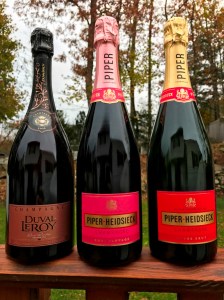 “Come quickly, I am tasting the stars!” – whether Dom Perignon said these words or not is not really important – but if you thought that we will be talking about the Champagne, you got it right! Also, plural mention of “winemakers” in the title is not a mistake – today’s “one on one” post is actually a double-feature.
The story of Duval-Leroy Champagne goes almost 160 years back, to 1859, when Edouard Leroy, wine négociant, met Jules Duval, grape grower – the rest is a history which you can read for yourself here. Today Duval-Leroy farms 200 hectares (about 500 acres) of vines, mostly in Premier and Grand Cru appellations, also using sustainable viticulture – Duval-Leroy is known as a pioneer of the sustainable grapegrowing in Champagne.
In 1785, “Heidsieck & Cie” company was founded with one dream – to create a Champagne worthy of a queen. After tasting the stars, Queen Marie Antoinette became the first “brand ambassador” for the Heidsieck Champagne. I don’t want to try to regurgitate here the rich history of Piper-Heidsieck Champagne, you would be far better of reading it for yourself, but for all these years, Piper-Heidsieck story always included royal families, fashion designers, and movies. The bottle of Piper-Heidsieck was the first Champagne to ever appear in the movie in 1933. Since 1993, Piper-Heidsieck is an official supplier of Cannes Film Festival, and many actors and producers were recognized with the special Piper-Heidsieck Award at film festivals around the world.
Now, let’s get to that double-feature interview I promised. I’m running this “one-on-one” series of the interviews for about 3 years now. Until now, there was always a unique set of questions, prepared specifically for the particular winery and the winemaker. This time, I decided to play it a bit differently – ask the same set of questions of two winemakers – however, in this case, there is a great “common space” between the subjects of the interview – they both make Champagne!
I had an opportunity to [yes, virtually] sit down with Sandrine Logette, Cellar Master of Champagne Duval-Leroy, and Séverine Frerson, Chef de Caves at Piper-Heidsieck, and here is what transpired:
[TaV]: What is your approach to the blending of Vins Clairs? How many Vins Clairs are typically comprising your most standard NV house blend?
[DL]: It is necessary to first think about the flavor profile you would like to achieve: the aromatic notes with its intensity and its descriptors, its mouthfeel, its volume, its angles, its power and persistence as well as the volume: number of bottles to produce, volume of reserve wines to use and volume of wine to save for future ‘liqueur d’expédition’. The vins clairs are tasted several times (at least twice) after the malolactic fermentation to familiarize ourselves with their characteristics. The first approach to blending is always a minimal concept; which is what I call it my ‘accounting idea’. It is tasted, assessed and compared to our first and last blends of this wine made in previous years. The vins clairs are then improved by modifying only one character at a time. The same improvement is repeated as many times as necessary to achieve the best result. We use about 45 to 55 vins clairs to produce our Champagne Duval-Leroy Brut Réserve.
[PH]: We blend over 100 crus to make Piper-Heidsieck’s NV cuvée: the Cuvée Brut. I think of the vins clairs (base wines) as spices stored in little boxes in her mind and I know exactly which boxes/spices (and proportions) I need to add to create the same taste every year.
[TaV]: Can you describe your “house style”?
[DL]: Our goal is to maintain the quality of our Brut Réserve NV vintage after vintage:
- A complex aromatic profile showing fruity notes of yellow peach, damson and subtle red berries along with notes of cocoa powder and toasted bread
- An integrated, round and generous mouthfeel but yet elegant and fresh.
[PH]: Piper-Heidsieck’s wine style is fruity, structured and complex, with lots of deepness. It’s a champagne to treat yourself and to share with your loved ones. Champagne serves as a bridge between people. It triggers and enhances moments of sharing, complicity and joy. And we are the ones who strive to create memorable experiences. It is all truly wonderful!
[TaV]: Somewhat of a continuation of the previous question: I don’t know if you ever experimented with this, but I wonder if a panel of wine consumers (non-experts) would be able to identify your standard NV offering in a blind tasting?
[DL]: We have worked with a panel of French consumers who tasted our Brut Réserve NV. This panel was able to detect the fruity nose without going into details and recognize the roundness of the mouthfeel and the integrated acidity.
[PH]: The goal of our Cellar Masters is to maintain Piper-Heidsieck’s style, and make it recognizable. Our wines are fruity, structured and profound but also well balanced, straight and bright. In the case of the Cuvée Brut, it’s a seductive champagne that you can recognize on your palate right away. What gives it away is its notes of almond and fresh hazelnut that are very lively, subtle and light. It’s a very smooth an pure champagne with notes of fresh pear and apple with a delicate hint of citrus fruits (pomelo). You can also taste the blonde grapes and juicy white fruits that create the lightness of the champagne.


[TaV]: Similar question to the second one, only now for the vintage Champagne – can you describe your house style?
[DL]: Our vintage “house style” is given by the characteristics of that specific year which varies according to the weather, therefore, the quality of the grapes (acid-sugar balance – fruit richness). We do not look for our vintage cuvées to be identical year after year. We make the best vintage with what nature has to offer.
[PH]: The Cellar Masters’ goal when creating a vintage champagne is to put a special year in a bottle. They want to take a snapshot of this particularly great year to keep it as a memory and reward the hard work of our vineyard team without forgetting about the Piper-Heidsieck style. Every vintage is different but they all answer to the Piper-Heidsieck style: wines that are fruity, structured with great depth. Our Cellar Masters took the best grapes from 2008 to put it in our current vintage: Vintage 2008 is a precise, elegant and free-spirit wine that showcases the greatest wines 2008 had to offer.
[TaV]: I would assume all (many?) of the Champagne houses have their “secret stash” of Champagnes which had not been disgorged yet – and the wines are disgorged on one by one basis, maybe for the special clients. Do you have such a “secret stash”? What are the oldest, not yet disgorged wines you have in your cellars?
[DL]: Of course, Duval-Leroy has its secret reserve Champagnes that are not disgorged and waiting in the cellar for that special request. Vintages such as 1979, 1982, 1986, 1988, 1990 … are kept in bottles and magnums (not systematically in each cuvée).
[PH]: We do have old cuvées in our Cellars, our “secret library” contains old NV from 1980 to now and different vintages from 1982 and on.
[TaV]: Are the Champagne styles changing to address the consumer demand? For instance, I would expect that people would like to drink more of Brut Nature/zero dosage and Rosé Champagne. What do you think?
[DL]: The Champagnes’ style may slightly vary depending on consumers demand, but not fundamentally change. Champagne is an Appellation d’Origine Contrôlée which defines production rules and style objectives of quality.
We have seen a greater demand for Champagne Rosé and 5 to 10% sales increase over the past 10 years.
Rosé Champagne is an accessible Champagne, more obvious in terms of taste, festive by its color and more enticing.
The growing demand is also linked to the fact that Rosé Champagne has more personality and a specific identity. It is definitely easier to produce due to warmer weather in recent years.
We find an equally interesting demand for low dosage Champagnes. These low dosages are made possible because of a better integrated acidity naturally due to the wines richness and roundness.
[PH]: We do see some trends in the industry, people tend to be more knowledgeable about what they consume and younger generations like to be more informed. They become more and more wine experts so they ask to question about dosage, disgorgement dates … We have our cuvée Essentiel that works really well with wine experts since they have all the information they need on the label (disgorgement date, bottling date, lot number…) and it’s an extra brut. At Piper-Heidsieck we have a wide range of champagnes to please everyone, we have Rosé Sauvage, Essentiel (extra brut) for wine experts and connoisseurs, our Cuvée Brut, a vintage and Cuvée Sublime (a demi-sec). Our range satisfies all consumers, from non-experts to wine lovers and our entire range has complimentary food pairings.
[TaV]: Champagne seems to enjoy higher popularity overall over the last few years. Do you expect that trend to continue? Are the challenges for Champagne which need to be overcome?
[DL]: Of course we want this trend to continue and Champagne to remain the leader sparkling wine out there. In order to overcome any challenges, the Champagne region needs to continue improving.
[PH]: This trend will continue for sure. As mentioned before, the younger generation tends to be more and more knowledgeable about what they consume, especially for wines. They gain interest and want to develop their palate and their knowledge about wine. With more educated consumers that know the quality of champagne and tend to pair champagne with food more and more often we will keep seeing an increasing popularity in champagne consumption in the upcoming years.
The biggest challenge we will be facing is climate change. The Earth is getting warmer and the climate is changing making it even more difficult for us to ensure the quality of grapes as the years go on. With the unpredictable weather, our vineyard team will have to work even harder to protect our vines and ensure a high quality. At Piper-Heidsieck we already took measures to protect the environment as much as we can with recycling measures, reducing our water consumption and gas emissions. It’s a global concern and a challenge that will affect all industries in one way or another.
Another challenge would be the increasing sales of other sparkling wine, but it’s not too concerning as sparkling wines and champagne are very different products consumed for different reasons. As the consumers are getting more knowledgeable they can tell the difference between sparkling wines and champagne and they consume one of the other at different occasions.
[TaV]: What is your most favorite Champagne you personally or your house overall ever produced and why?
[DL]: My favorite is our Femme de Champagne tête de cuvée and specifically the 1995 and 1996 vintages. Very great vintages with beautiful and precise balance and a great aging potential.
[PH]: I actually don’t have a favorite champagne! It all depends on the moment, when I will open it and with whom! I will choose the Cuvée Brut for a festive aperitif with friends. I love the Vintage 2008 for an intimate dinner and the Rosé Sauvage in the summer with a barbecue.
[TaV]: Champagne rules allow using 7 different grape varieties, yet absolute majority only uses 3 from that list. Have you ever experimented with using any of those 4 leftover grapes? If yes, did you get any interesting results?
[DL]: Since 1998, we regularly vinify one of the old grape varietal of Champagne called ‘petit meslier and produce a specific cuvée: Précieuses Parcelles. Petit Meslier is a white grape varietal that grows well in soils rich in clay (a natural cross between Gouais and Savagnin) in the right bank of Vallée de la Marne.
It is a varietal that struggles to ripen, therefore has a mouthfeel marked by sharp acidity and aromatic notes of rhubarb.
I chose to vinify it in barrels to add some fine oak and spicy notes. Currently, we are working on the 2007 vintage with a low dosage of 4 g / l.
It is a cuvée of curiosity, interesting for its rusticity and for an unusual “Taste” of Champagne.
[PH]: Piper-Heidsieck’s Cellar Masters never experienced with the other grapes, because they only focused on those 3 grapes and developed an expertise in those grapes.
[TaV]: Sparkling wines are produced absolutely everywhere in the world today. Have you tried any of the Methode Classique sparkling wines produced outside of France (Italy, Spain, South Africa, USA,…), and if yes, did you find anything you liked? You don’t have to love them, but maybe you liked just a little, tiny bit? 🙂
[DL]: Fifteen years ago, the Duval-Leroy family contemplated purchasing vineyards in England but decided otherwise. They’d rather stay focused on the terroirs of Champagne.
[PH]: Today sparkling wines are developing, but Champagne stays the luxurious sparkling wine of reference.
It’s always interesting to discover other regions – for example, I tasted high quality sparkling wines from Italy, Spain and Hungary and even if we are in the sparkling wine category they all had they own style and authenticity!
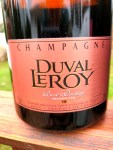
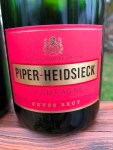
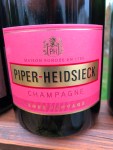
Time top drink some Champagne, isn’t it?
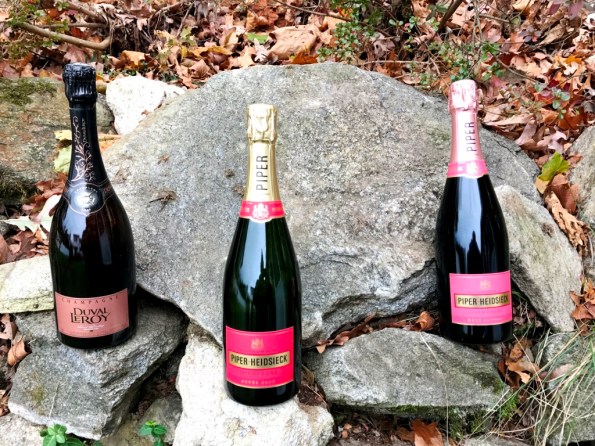
First, I wanted to try NV Duval-Leroy Rosé Prestige Premier Cru (Chardonnay/Pinot Noir blend) and NV Piper-Heidsieck Rosé Sauvage (50-55% Pinot Noir, 30-35% Meunier, 15-20% Chardonnay) side by side, as both are Rosé Champagne. There was a dramatic difference in appearance and taste profile. Duval-Leroy, in a word, was sublime. Delicate pinkish color, just a light salmon pink, whiff of the toasted bread, vibrant acidity on the palate, touch of lemon – seductive, and yes, sublime. Sauvage, on another hand, means “wild” in French – and that exactly how the Piper-Heidsieck was. Strawberry pink in the glass, fresh tart strawberries and a touch of yeast on the nose, and then generous toasted bread, granny smith apples and strawberries on the palate. Truly different and delicious in its own right.
NV Piper-Heidsieck Cuvée Brut (50-55% Pinot Noir, 30-35% Meunier, 15-20% Chardonnay, 10-20% reserve wines) was, in a word, classic – generous, voluptuous, touch of toasted bread and yeast, full mouthfeel, golden delicious apple sweetness, good minerality, very present and excellent overall.
Three Champagnes, three different wines, each delicious in its own right, each worthy to be a star of a special celebratory dinner or a quiet evening for two. And two conversations about the wines, the passion, the style, the stars. We spoke enough today; if you are still reading this, thank you and cheers!
Sauternes – Sweet, Versatile, Delicious, And Perfect for Every Day
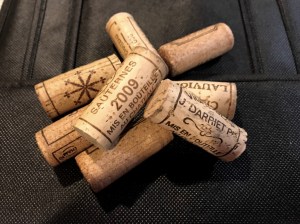 Today we are going to talk about sweet and delicious wines, but I feel compelled to start with a little rant.
What is wrong with you, people?
No, I’m not trying to better humankind with this pathetic opening, but nevertheless, I would like to repeat my question – what is wrong with you, people, when you proudly state “hmm, you said sweet? I don’t drink sweet wines!!” (add proud grin and posture to this statement). Sweet or dry, when it comes to wine, there is only one quality worth inquiring about – balance. “Is this wine balanced?” is a perfect question to ask, but sweet, dry, semi-sweet, semi-dry – those are all relative characteristics which often mean different things to different people.
Deep inside, we like sweet. We don’t always admit it as our well established societal shaming machine works perfectly, it creates an absolute truth like “sweet = bad”. Sweet is one of the easiest flavors to recognize, and we usually start our acquaintance with taste with sweet, later discovering sour, salty and bitter. Growing up, we learn that “sugar is bad for you” – which is true for anything taken out of moderation – and then we subconsciously extend “sugar = bad” rule to the most of the things we do, or rather, eat.
Now, I’m asking you to put these extreme views of sweet aside, at least for the next few minutes you will spend reading this post. I know, you can do it for me. Let’s go, let’s talk about it – yes, sweet wines.

Historically, sweet wines had been around for as long as humans known to make wine. Sweet wines are typically easier for our palate to fall in love with, but keep that love going strong might be a challenge, as people change their taste quite often. Today, sweet wines are made everywhere – but in most of the cases, sweet wines are an addition to the winery’s repertoire, to all those white, Rosé and red which winery is generally producing – and not The Wine. Except in few places, it really is The Wine. One such place is located in the world’s capital of red wines – Bordeaux, and yes, it is called Sauternes.
Sauternes region is located about 40 miles south of the city of Bordeaux, and predominantly produces sweet wines (there are some notable exceptions like d’Yquem Y, which is a dry wine, but those are truly the exceptions). History of Sauternes goes back to the beginning of 17th century, but it is hard to tell what led to the appearance of the Sauternes wines as we know them.
You see, Sauternes wines are made with some special assistance from mother nature. This appearance comes in somewhat of a strange form – a fungus. The climate conditions in Sauternes are favorable for the specific form of mildew to set on the grapes, so the grapes essentially rot on the vine. It is manifested with the grapes starting to shrivel while they are still hanging in the cluster – however, outside of visually unappealing sight (for the rest of us, not for the vintners in Sauternes), that also leads to the shriveled grapes greatly increasing concentration of the sugar, which perfectly lends itself to creating some of the very best sweet wines in the world – yes, the Sauternes.
The fungus, which has a scientific name of Botrytis cinerea, is also called a Noble Rot, just to stress that unlike any other rot, which is generally bad, the Noble Rot is good and useful, and thus has such a distinguished name. The legend has it that monks who were the first to produce sweet Sauternes, were keeping information about the rot outside of the public knowledge, as whether you will call it Noble or not, it is not easy to explain to people that wine is delicious because the grapes had time to rot before been made into the wine.
Production of Sauternes is labor intense, even today. Not only all the grapes are harvested by hand – they also harvested multiple times. The workers can only pick individual grapes from the vine, those which are ready (read: rotted shriveled enough). Then they have to come back again to pick the new “ready” grapes – and this can repeat 6-7 times. So yes, talk about labor intense process.
All this pain with the harvest is well worth it, as it translates into the delicious wines. What is very interesting about Sauternes, which is typically well underappreciated, is that Sauternes are amazingly versatile when it comes to food. You can pair the whole dinner with Sauternes, but while this might be a bit challenging, they definitely beat most of the wines, maybe with the exception of Champagne/Sparkling, as a perfect accompaniment to any appetizers and cheese course. The Foie Gras and Sauternes is a classic combination, but it pairs spot on with any salumi, prosciutto, Jamon or any other cured meat. Salty, spicy, sour, bitter – bring it on, all the flavor profiles will find their match with Sauternes.


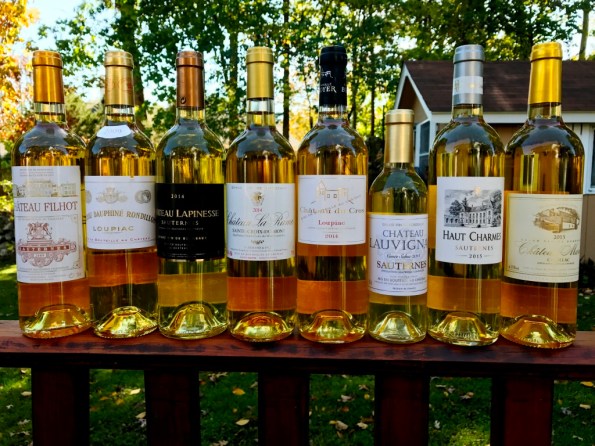
A few weeks ago we had an opportunity to deep dive into the world of Sauternes with the virtual tasting run on Snooth – if you are interested in following the conversation, you can check out this post on Snooth. To prepare for the discussion, I had a pre-gaming session, pairing our selection of Sauternes with cheeses and Foie Gras, as you can see in the pictures above. I have to honestly say that I liked some wines better than the others, which you will see in the notes – but when it comes to complementing the food, they all performed really well.
There are plenty of sources for you to learn the particular details about the Sauternes wines and the region so I will spare you from my regurgitating of the known facts. Just as a quick reference, I can tell you that Sauternes wines predominantly made from Sémillon grapes, with Sauvignon Blanc and Muscadelle playing the supporting roles. Our tasting included wines from 2009, 2014 and 2015 vintages, which are all considered excellent.
Without further ado, here are my notes:


2015 Château Manos Cadillac AOC (14% ABV, $12.99, 98% Semillon, 2% Muscadelle, 50% of wine aged in barrels for 6 months)
C: golden
N: apricots, herbs
P: nice sweetness, apricots, touch of peach
V: 7+
2015 Château Haut Charmes Sauternes AOC (14% ABV, $20, 80% Semillon, 20% Sauvignon Blanc, aged in barrels)
C: light golden
N: touch of petrol, apricot, honeysuckle,
P: white fruit, honey, good acidity, appears light
V: 7+
2014 Château Lauvignac Sauternes AOC (% ABV, $18.99/375 ml, 85% Sémillon, 10% Muscadelle, 5% Sauvignon)
C: straw pale
N: Classic bortrized fruit, touch of honeysuckle
P: clean acidity, orange, bitter orange on the finish
V: 7
2014 Château La Rame Sainte Croix du Mont AOC (13.2% ABV, $20, 100% Sémillon, 50 yo vines, 30% aged in oak batrrels)
C: golden
N: rich, opulent, honey, bortrized notes, very inviting, touch of petrol
P: beautiful, round, honey, apricot, peach, intense, perfect acidity
V: 8, best of tasting


2014 Château du Cros Loupiac AOC (14% ABV, $15, 90% Sémillon, 5% Sauvignon, 5% Muscadelle, 12 months in barrique)
C: golden
N: intense honey
P: mostly honey, needs more acidity
V: 7
2014 Château Lapinesse Sauternes AOC (% ABV, $39.99, 100% Sémillon, 12 months in stainless steel)
C: light golden
N: dry, white stone fruit
P: sweet, mostly single note
V: 7
2009 Château FILHOT Sauternes AOC (13.5% ABV, $40, aged for 22 months including 12 months in oak barrels)
C: very light golden
N: honeysuckle, delicious, very promising
P: honey, candied orange, nice, touch more of acidity would be nice
V: 7+
2009 Château Dauphiné Rondillon Loupiac AOC (% ABV, $28, 70% Semillon, 30% Sauvignon Blanc)
C: light golden
N: muted, touch of honeysuckle
P: touch of candied orange, good acidity, but overall is just ok
V: 7
The holiday season is upon us. While I’m not asking you to pair your Thanksgiving turkey with the Sauternes (albeit it might work very well – and I will actually try it), I definitely suggest you will give Sauternes a chance to brighten up your friends and family get together – that “wine and cheese” fun is generally overrated and underestimated at the same time, as majority of the wines don’t pair that easily with the cheese – but try it with Sauternes, and you might discover a new love in your life. Cheers!
Three Beautiful Rosé To Fit Any Budget
Can I give you a small piece of wine advice? I promise it will be short and simple. Here it goes: if you are looking for an excellent value wine, look for the wines of Domaines Paul Mas from France. That’s it. End of the advice. And I can pretty much finish the post right here as this was my main point for today.
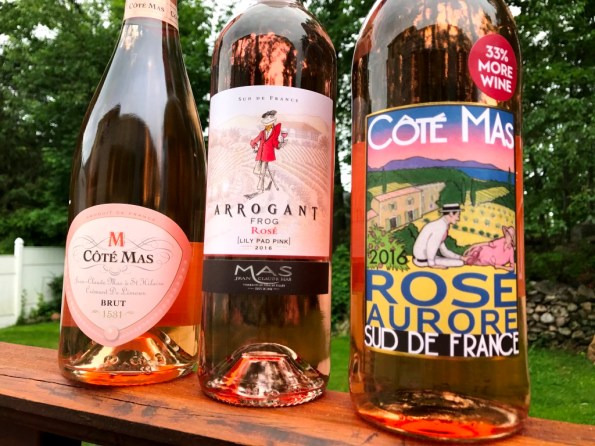
I discovered the wines of Paul Mas 4-5 years ago, and ever since, they were my perennial favorites. Red, White, Rosé, Sparkling – I tried many of the wines (here are a few links – reds, sparkling) and they always delivered – at a great QPR, whether you are buying them at a store or at a restaurant. “Affordable luxury” is a perfect definition for Paul Mas wines, as these wines deliver a great value – without the need to rob the bank or borrow from 401k.
The story of Domaines Paul Mas started in 1892 in the small town of Pézenas in Languedoc (Pézenas’s fame is usually associated with the famous French playwright Molière). The modern part of the history of Domaines Paul Mas, however, is associated with Jean-Claude Mas, who fell in love with winemaking at the age of 3 (yep, and if you want the whole story, you can read it here). Jean-Claude Mas is often credited as a pioneer who is working hard to change the winemaking in Languedoc from the focus on the quantity to the focus on the quality, to bring Languedoc to the old glory of 2000 years of winemaking.
The wines I want to talk about today are happened to be all … Rosé. I don’t know if this is an effect of summer, but it seems that the pages of this blog are lately nicely colored in pink. Nevertheless, the wines below are well worthy of your attention and deliver a great value which is really hard to beat. Here we go:


2016 Paul Mas Rosé Aurore Pays d’Oc (13% ABV, $8, 1L, 30% Cinsault, 20% Syrah, 50% Grenache Noir)
C: beautiful pale pink, light salmon
N: touch of fresh strawberries, gentle, medium intensity.
P: strawberries all the way, perfect balance, nice, refreshing, clean.
V: 8, outstanding, just perfect.
2016 Arrogant Frog Rosé Lily Pad Pink Pays d’Oc (13% ABV, $8, 100% Syrah)
C: bright pink, intense but without getting into reddish hues
N: strawberries, medium intensity.
P: strawberries with touch of lime, good acidity, good balance.
V: 7+, perfect everyday Rosé
NV Coté Mas Rosé Brut Crémant de Limoux (12% ABV, $15, 70% Chardonnay, 20% Chenin Blanc, 10% Pinot Noir)
C: beautiful bright pink
N: toasted bread notes, crisp, fresh
P: fresh, clean, lemon, tart strawberries
V: 8, outstanding Rosé sparkling, will compete with any Champagne
Have you had any of these wines? Are they a great value or what? Let me know! Cheers!
Enjoy Your Summer A Little Bit More – With Rosé from WTSO
Is summer the best time of the year? Well, I love all seasons, but with the right weather, summer might be the most enjoyable. Can we enjoy it “better”? Of course – with a glass of Rosé in your hand.
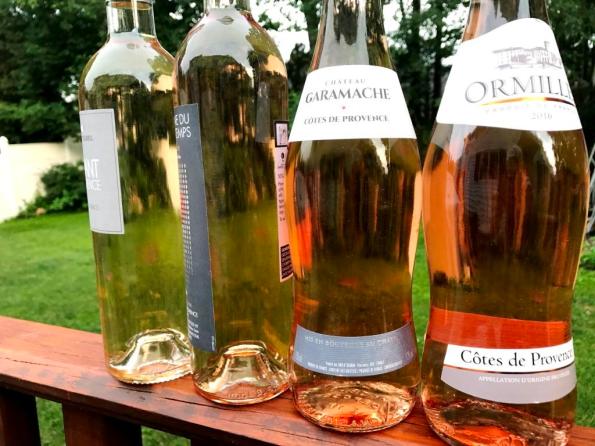
There is something special about the Rosé. We eat with our eyes first, and we drink that way too. If you think about color of the white wine, you get the range from literally a clear water to a dark gold – white wine is fun to look at, but the color of it doesn’t provoke much thought, unless you are in a blind tasting setting. Similar story with the reds – the color goes from the bright ruby to literally black, but again, the color doesn’t bring that much of the visual pleasure.
Rosé is a totally different game. The shades of pink go from the onion peel to salmon to copper to electric pink, and just a visual effect of the bottle of Rosé is appealing and uplifting, it says “the world looks a little bit better now, isn’t it”? We don’t always carry around those pink-colored glasses which improve our life’s outlook, but the bottles of Rosé can have the same effect. Who is with me? Yep, go pour yourself another glass.
So we agreed that Rosé itself can make our summer better. Can we further improve that? Of course! With the help of Wines ‘Til Sold Out, commonly known as WTSO. WTSO provides tremendous service to all of the wine lovers – it finds great wines at amazing prices – and passes savings to all of us. To make our summer even better than it is, WTSO is offering a special Côtes de Provence Rosé 4-pack collection, which you can find here.
I had an opportunity to taste these wines and here are my impressions:
2016 Famille Négrel Diamant de Provence Côtes de Provence (12.5% ABV)
C: pale, very pale pink
N: minerality, gunflint, ocean breeze
P: beautiful fresh profile, touch of underripe strawberries, crisp acidity, nice salinity, excellent balance. Appears very light, but very present in the glass.
V: 8, very nice, perfectly enjoyable, and guaranteed to remove at least 5 degrees off the thermometer.
2016 Château Garamache Côtes de Provence (12% ABV)
C: light salmon pink
N: muted, touch of green leaves
P: savory, good lemony acidity, but missing on the overall package. Acidic finish, needs more fruit.
V: 7-, should be good with food – salad comes to mind.
2016 Château Gassier Ormilles Côtes de Provence (13% ABV)
C: beautiful pink color, rose gold
N: onion peel, strawberries, medium intensity, inviting
P: ripe strawberries with touch of honey, a bit of perceived sweetness, perfect balance, delicious.
V: 8/8+, quintessential Provence. When I think “Provence”, this is a taste profile I expect
2016 Domaine du Garde Temps Tourbillon Vielles Vignes Côtes-de-Provence (12.5% ABV, 50% Cinsault, 30% Grenache, 20% Syrah)
C: bright salmon pink
N: onion peel and savory strawberries
P: fresh, crisp, tart strawberries, beautiful palate cleanser, excellent balance.
V: 8, nicely present wine, good weight in the mouth, excellent for summer and not only. Needs about 20 minutes to breath.
Enjoy your summer and drink Rosé! Cheers!
New and Noteworthy: Red Wines Edition
Recently, we were talking about the Spanish wine samples I had a pleasure of trying. Now, let’s visit some other countries. Would France and Argentina be okay with you?
Let’s start with something very simple – how about some Cotes du Rhone? Cotes du Rhone reds are known to be easy drinking and soft. They typically can be classified as GSM – Grenache, Syrah, Mourvedre – however, the exact proportions of those three grapes can vary from 0 to 100%. It is recommended that Cotes du Rhone reds should be consumed within 3-4 years after release, but some of the better specimens can last for close to 10 – still, they are not meant to be aged extensively.


Les Dauphins became a family wine venture in the 1920s, when France was experiencing a “bistro revolution”. Easy drinking Cotes du Rhone wines were a perfect pairing for a vibrant bistro fare, and Les Dauphins became one of the popular suppliers for such wines. Fast forward to today, Les Dauphins offers a full range of Cotes du Rhone wines – white, rosé and a number of reds, still well suitable for a bistro experience. The wine I had was 2015 Les Dauphins Reserve Cotes du Rhone:
2015 Les Dauphins Réserve Côtes du Rhône (14% ABV, $18, 70% Grenache, 25% Syrah, 5% Mourvedre)
C: dark Ruby
N: medium intensity, touch of sweet tobacco, fall leaves, plums
P: hint of pepper, good acidity, touch of alcohol heat, graphite, black plums
V: 7, maybe needs a bit of breathing time to round up. Definitely evolved and smoothed out over the next couple of days. 7+ on the next day
Last year, I had a pleasure of learning about Cru Bourgeouis wines, and the wines were so good that I proudly declared that my faith in affordable and tasty Bordeaux wines was restored. This year, I was happy to find out that my conclusion was not an accident, and it is definitely possible to find deliciously tasting [and reasonably priced] Bordeaux wines.
Château Haut-Logat vineyards overlook the village of Cissac-Médoc, located between Saint-Estèphe and Pauillac, and it is a part of the Cheval Quancard properties. The wine was perfect from the get go:
2012 Château Haut-Logat Cru Bourgeois Haut-Médoc AOC (12.5 ABV, $25, 45% Merlot, 45% Cabernet Sauvignon, 10% Cabernet Franc)
C: garnet
N: intense, mint, touch of bell pepper, touch of freshly crushed cassis
P: beautiful, medium body, cassis, eucalyptus, tobacco, touch of sweet oak, medium finish
V: 8, excellent Pop’n’Pour wine


The next two wines come from Argentina, and yes, both are Malbec.
Ruca Malen means “the house of the young girl” in the local language of the ancient tribes inhabiting the area, and it has a nice legend attached to that name (which you can read on the back label above). Bodega Ruca Malen was born in 1998 with the vision of creating terroir-driven wines. The grapes for the Ruca Malen Malbec came from the two high-altitude vineyards – one in the Uco Valley, at 3600 feet, and the second one in Agrelo, Luján de Cuyo, at 3115 feet above sea level, from the 22+ years old vines. The wine was varietally correct and easy to drink:
2014 Ruca Malen Malbec Reserva Mendoza Argentina (13.5% ABV, $18.99, 12 months in 80% French Oak/20% American oak)
C: dark garnet, almost black
N: touch of pepper, sage, freshly crushed blackberries, intense
P: medium body, plums, mint, soft, good acidity and overall good balance, medium finish
V: 8-, easy to drink


Nieto Senetiner history predates Ruca Malen’s by more than 100 years – it starts from the first vineyard in Vistalba, Luján de Cuyo in Mendoza, planted by the Italian immigrants in 1888. Today, Nieto Senetiner farms more the 1000 acres of vines, located in the 3 estates in Mendoza.
Don Nicanor Single Vineyard is a flagship wine produced at the estate and it is named after the mentor of Bodegas Nieto Senetiner who was instrumental in setting the direction and the vision for the winery.
2010 Nieto Senetiner Don Nicanor Malbec Villa Blanca Lujan de Cuyo Mendoza Argentina (15% ABV, $44.99, 18-24 months in French oak barrels)
C: dark garnet, practically black
N: intense, red and black berries, baking spices, vanilla, fresh blackberries
P: intense, fresh, noticeable tannins (French oak), clean acidity, a bit of the alcohol burn, slightly underripe, crunchy berries, more of a raspberry profile, tar. A couple of days later, the intensity still there.
V: 8. Needs time to open up, can’t judge from the get go. Even a few days later, packs a lot of power. Craves food – nice charred steak feels the most appropriate. Will develop over next 10–15 years at the minimum.
Here you are, my friends – a few red wines well worthy of your attention. Cheers!
Evening With Friends
I confessed it many times, and I’m glad to do it again – one of my most favorite parts of blogging, and essentially the most important one, is people. Interacting with people is the most prized element of any published blog post; meeting fellow bloggers and finding new friends is a huge cherry on top. I don’t know if the wine has any special qualities, but I have a great personal experience with meeting fellow bloggers face to face for the first time and feeling like I knew them for my whole life.
When I got an email from Jim, an author of JvbUncorked blog, offering to get together a few weeks ago, I knew I had to make it work. When I arrived 20 minutes late to Aldo Sohm Wine Bar in midtown in New York, Jim, Lori (a blogger and the winemaker behind Dracaena Wines) and Lori’s friend, Donna, were already there.
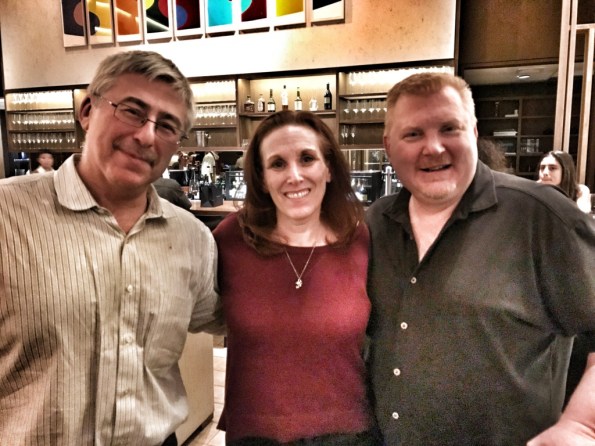 More often than not, when I know what restaurant I’m going to, I like to check the wine list in advance. Aldo Sohm Wine Bar was opened by Aldo Sohm, the Chef Sommelier at Le Bernardine, a world-famous dining destination in New York City. Aldo Sohm is also known for winning numerous Sommelier competitions and was crowned multiple times as “Best Sommelier in Austria”, as well as “Best Sommelier in America” and “Best Sommelier in the World 2008” – you can imagine that the wine list put together by such a wine Pro requires some homework. I don’t know about you but I love and always do my homework, especially if it is connected to wine at least in some way.
In addition a to the substantial wine list, we had another interesting challenge – Donna liked mostly white wines with the nice buttery component to them – but, she was willing to try new wines, which was very helpful, but – the challenge was on.


Being late by 20 minutes had one lucky consequence – the first wine was already chosen and about to be poured by the time I situated myself at the table. We started with 2013 Kuentz-Bas Riesling Cuvée Tradition Alsace ($40) – and it was outstanding. Perfectly bright and intense on the nose, with a whiff of honey and apricot; on the palate, it was live and vibrant, crisp and playful, continuing honey and apricot flavors, supported by clean acidity. An outstanding wine and a great value at a restaurant wine list at $40. Bonus – we got “thumbs up” from Donna – you know how we, wine geeks, feel when someone says about your recommendation “ahh, I like this wine” – the top of the world feeling. Well, kind of, anyway.
As we were pondering at the next wine, it was really hard to decide, especially trying to make everybody happy again. While we were looking at Italian options, feeling “yeah, might be, but really, yeah?”, I took the advantage of my list studying and suggested to try a California Chardonnay. Not just something random, but a very particular Chardonnay – 2012 Sandhi Chardonnay Santa Barbara ($80). Earlier in the year, I had my first experience of Sandhi wines with Sandhi Pinot Noir. Sandhi winery was founded by Rajat Parr, a world-renowned sommelier, a partner at Sandhi winery and one of the founders of IPOB (In Pursuit Of Balance) movement for dialed-down, balanced California wines. The Sandhi Pinot Noir was incredible, which made me really curious about the Chardonnay – and it didn’t disappoint. This 2012 Sandhi Chardonnay had generous, intense, open nose with apples and vanilla, and on the palate, this wine was simply a riot – I experienced similar Chardonnay wines only a few times, mostly from Burgundy, when they get incredible intensity and brightness of golden delicious apples, vanilla and honey, supported by just a hint of butter and clear, vibrant acidity. This was truly a treat. And – yay – we got “thumbs up” from Donna again. Two out of two!


It was the time to move to the reds. While previously looking at the list, I noticed a 2001 Santenay for $77 at the end of the Burgundy section, right after 2001 DRC Romanée St. Vivant for $2650 (need an expense account, anyone got one we can share?). At first I thought there might be a mistake either with the price or a vintage in the online copy (had such experience numerous times), but no – the same Santenay was there on the wine list at the restaurant, for the same $77, so it was not very difficult to convince my partners in crime to go for this wine.
2001 Paul Chapelle 1er Cru Gravière Santenay ($77) was earthy, dry and pretty closed on the nose despite quick decanting. It took the wine a while to start showing some dark fruit, with earthy, minerally notes prevailing at the beginning. I think it took the wine about 45 minutes to give us some dark fruit notes and become a bit brighter. This 16 years old wine still has a lot of life left in it, and it is definitely a food friendly wine. By the way, do you care to guess of Donna liked this wine? Yes, you got that right – no, she didn’t. 2–1.
As our evening was progressing, we got a pleasure of meeting Aldo Sohm in person – he came to our table and introduced himself, so we were able to chat with him for about 10 minutes about all the fun geeky stuff oenophiles enjoy so much – how uneasy it is to find good wines at the good prices, especially when it comes to the Burgundy, with the combination of terrible weather and Burgundy’s love on the upswing around the world. Talking to Aldo was definitely one of the highlights of the evening.
It was getting somewhat late, but the challenge was still in front of us – we managed to score with the white wines for Donna to enjoy, but we had to find the proper red. After going back and force we settled on 2007 La Rioja Alta Viña Ardanza Rioja Reserva ($75). La Rioja Alta doesn’t need much introduction to the wine lovers – one of the very best producers in Rioja, making delicious wine year after year. Of course, this wine was still a baby, but within the reasonable price range, we thought that it would have the best fruit representation, which, again, we were hoping would win Donna’s vote. The wine was every bit as expected – nose of cigar box and vanilla, dense cherries, vanilla and eucalyptus on the palate, touch of sweet oak, full body, noticeable, but well integrated tannins. This was an excellent wine, but … Nope, we didn’t win this one. 2–2. But one super-fun evening.
It was late, and it was the time to go home. But I really hope we are going to do it again. And again. And again. To all the friends – cheers!
Samples Galore – Holiday Edition
 Over the last few months, I had an opportunity to try a number of wines. What I didn’t do in timely fashion, however, is to share the tasting notes with you – and this needs to be corrected, which I’m doing with this post.
While I call this post a “holiday edition”, this is strictly due to the fact that this post is coming out during the most festive time of the year. It might be too late to use any of these wines for the gift giving, but you know what – these wines will be perfect for any day, whether it is cold or warm outside, and whether you need a gift or just want to reward yourself (yep, you always deserve an award for just being you).
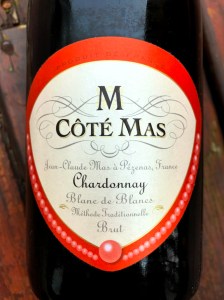
Let’s start with the sparkling wine – I have one to bring to your attention today. This wine comes from the master of “affordable luxury” Paul Mas (I wrote about his wines a few times in the past – you can find those posts here). This Blanc de Blancs from Languedoc is made out of Chardonnay using the traditional method, and it perfectly on par with Paul Mas sparklers I tasted before:
NV Côté Mas Chardonnay Blanc de Blancs Méthode Traditionelle Vin de France (12% ABV, $15.99, 100% Chardonnay)
N: Pleasant nose with touch of yeast and fresh apples
P: Restrained palate, good acidity, clean, touch Of yeast, hint of Granny Smith apples.
V: 7+


Let’s continue with a few of the white wines. First, one of my perennial favorites – Hanna Sauvignon Blanc. I tasted prior vintages of Hanna Sauvignon Blanc, and this is one of my most favorite styles of California Sauvignon Blanc – grassy, fresh and clean:
2015 Hanna Sauvignon Blanc Russian River Valley Sonoma County (13.2% ABV, $20)
C: straw pale
N: intense, fresh-cut grass, touch of lemon, fresh meadows, you can smell this wine forever.
P: nicely restrained, same grassy notes, touch of black currant (distant hint), perfect balance, refreshing
V: 8+
The next white wine comes from the very creative producer in Oregon – Left Coast Cellars, which also not a stranger to this blog – I had a pleasure of speaking (virtually) with Luke McCollom, winemaker for Left Coast Cellars and taste some of the previous vintages of their wines (here are the links to the two-part interview – Part 1 and Part 2). You can’t go wrong with Oregon Pinot Gris – today this is literally a “classic”:
2015 Left Coast Cellars The Orchards Pinot Gris Willamette Valley (13.7% ABV, $18)
C: Straw pale color
Touch of honeysuckle on the nose once warmed up, White stone fruit initially
Closed up while cold, white ripe fruit once warmed up, good balance, medium body, medium-long finish.
V: 7+
Last but not least is Les Dauphins Côté du Rhône. Rhone whites are fun wines, often very dry in the early years, and “ripening up” as they age. This was unquestionably a young wine which most likely would improve with age:
2013 Les Dauphins Côtes du Rhône Réserve Blanc (12.5% ABV, $11, 65% Grenache, 15% Marsanne, 10% Clairette, 10% Viognier)
C: Light golden
N: touch of honey, white stone fruit
P: white stone fruit, herbs, good acidity, quite astringent
V: 7+, will hold well with and without food
Now, time for the reds. The reds today represent a diverse group, from Australia to Italy to the USA. At the beginning of November, I participated in the #winechat with Michael Twelftree, winemaker for Tow Hands Wines out of Australia. We had an opportunity to taste and discuss three wines from Two Hands – two classic Shiraz wines from Barossa and McLaren Vale regions, and a Cabernet Sauvignon:
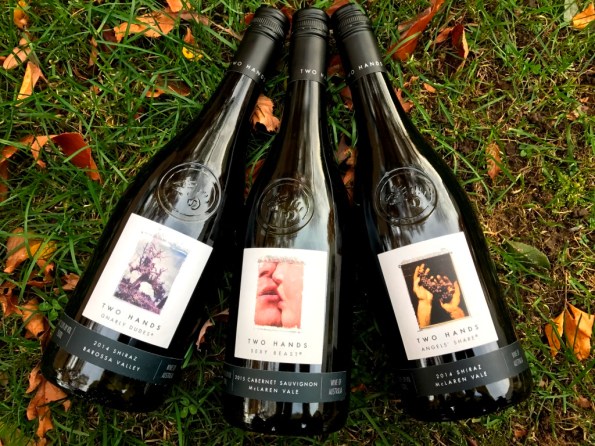 2014 Two Hands Gnarly Dudes Shiraz Barossa Valley (13.5% ABV, $36)
C: Dark garnet, almost black
N: espresso, roasted meat, licorice, blackberries
P: spice, plums, big concentration, touch of salinity, smooth texture, velvety and dusty
V: 8-, good rendition of Shiraz. The wine completely reversed on the Day 2, closed up.
2014 Two Hands Angel’s Share Shiraz McLaren Vale ($14.5% ABV, $36)
C: Dark garnet, almost black
N: intense, powdery, eucalyptus, mocca, licorice, tobacco
P: peppery finish, round, restrained, excellent acidity, bright and crispy red fruit
V: 7+, probably needs time
2015 Two Hands Sexy Beast Cabernet Sauvignon Mclaren Vale (13.8% ABV, $36)
C: Dark garnet, almost black
N: touch of cassis, closed
P: smooth, round, nice cassis backbone, mint, restrained
V: 7/7+, too young, needs time to rest and evolve
Two Italian wines were probably my favorite in this group – Cecchi Chianti and Alta Mora from Sicily:


2014 Cecchi Chianti Classico DOCG (13% ABV, $22, 90% Sangiovese, 10% other grapes)
C: Garnet
N: dark red fruit, dark chocolate, touch of smoke, roasted notes
P: fresh, vibrant, good acidity, touch of pepper, hint of tobacco, crashed raspberries, firm structure
V 8-/8, very enjoyable from get go, will evolve
2014 Cusumano Alta Mora Etna Rosso DOC (14% ABV, $24, 100% Nerello Mascalese)
C: dark garnet
N: playful, open, cherries, mocca,
P: bright, mouthwatering acidity, tart cherries without too much astringency, pronounced minerality, medium body, dry finish
V: 8-
And to finish off, here are two classic grapes – Merlot and Pinot Noir:


2014 Markham Merlot Napa Valley (14.2% ABV, $26, 86% Merlot, 12% Cabernet Sauvignon, 2% Petite Sirah)
C: garnet
N: touch of cassis, mint, alcohol presence is noticeable, dark chocolate
P: round, soft, clean acidity, touch of cassis, underripe raspberries, alcohol and tannins show a bit on their own, peppery finish
V: 7/7+, needs more time? second day definitely showed to wine as more coherent (7+), but it would benefit from more time
2014 Left Coast Cellars Cali’s Cuvée Pinot Noir Willamette Valley (13.5% ABV, $24)
C: Dark garnet
N: Mocca, sage, roasted notes, touch of mushrooms, savory undertones
P: Fresh raspberries, mint, herbs, touch of roasted meat, fresh acidity, mouthwatering finish, medium body, easy to drink
V: 8-, easy to drink, pleasant
We are done here. Have you had any of these wines? What do you think of them? Cheers!
Daily Glass: Ah, Pinot!
Nothing is simple around wine for us, oenophiles, right? We need to meticulously arrange proper experiences – perfectly match wine with food, with the company, with the mood, with the moment. If we don’t, we question ourselves to eternity – what would’ve happened if I would’ve open that other bottle I had in mind; should’ve I just plan it all differently?
But every once in a while, we let our guards down, and let things just happen. When we think about it right after, we realize – wow, totally random, and totally delightful. Yay!
That “random and delightful” was my experience yesterday. My plan was to open a bottle of wine from 1998, and I have a very small selection of those, so the one I picked happened to be a Burgundy. So that one was a special bottle, waiting for the evening and the decanter.
I can’t cook without the wine, so of course, the bottle had to be opened. The “before Thanksgiving” shipment from Field Recordings contained more than one interesting bottle – the one I told you about already was Pét Nat from California. Another bottle I never saw before had a bold Nouveau word printed across shiny, golden label:


I’m an avid fan of the “Beaujolais Nouveau” phenomenon. But I have to admit that a few years back, I tasted few of the attempts by California wineries to join the Nouveau movement, and those were widely unsuccessful.
So how would Field Recordings’ Nouveau rendition fare? Actually, spectacularly. As the label says, the grapes for this wine were hand-harvested only 74 days prior to the bottling. And nevertheless, the wine had all the finesse you expect from the perfectly balanced California Pinot Noir. This 2016 Field Recordings Nouveau California (12.1% ABV, 100% Pinot Noir) had lean, uplifting nose of fresh fruit, but less fruity than typical Nouveau, nothing grapey. On the palate, unmistakably Californian, touch of smoke with fresh plums and a bit of mint. Good acidity, more round than a typical French Nouveau version, perfectly drinkable. 8+. Outstanding, in a word. Would happily drink it again any day.
Remember I told you this was one of the days when things are just happening? I have a good number of bottles in the cellar, but absolute majority of the bottles are in the single amounts – just one bottle of particular wine from particular vintage, and that’s it. Thus sometimes, I spend good 20 minutes trying to select a bottle (in the fear of missing on what it can evolve into) and end up pouring myself a splash of Scotch instead. But yesterday, I had enough courage to grab a bottle of the wine which might be the only bottle in the US – unless someone also has good friends in Switzerland.
This wine was made by the family producer in Vaud region in Switzerland, Henri Cruchon, who I had pleasure meeting about 6 years ago. What makes it special is that this wine, called Nihilo, is not filtered, made from organic grapes, and doesn’t have any added sulfites. To preserve the wine better, the cork is covered in wax. And to be entirely correct, the wine goes beyond organic, as the back label sports Demeter logo, which means that the winery is certified biodynamic.


It is great to know that the wine is non-filtered and organic – but the ultimate verdict is in the glass. This 2015 Henri Cruchon Nihilo La Côte AOC Switzerland (13.5% ABV, blend of Pinot Noir, Gamay and Gamaret) had a spectacular nose, very complex – iodine, anise, crunchy cherries, mint. The palate was equally spectacular with sweet cherries, pepper, roasted notes, peppermint, crispy, fresh blackberries – once you start, you can’t stop. 8+/9-, outstanding wine.
And then there was 1998 Patrick Lesec Gevrey-Chambertin Vieilles Vignes (13% ABV) – an 18 years old Burgundy wine, as Pinot Noir as it can be.
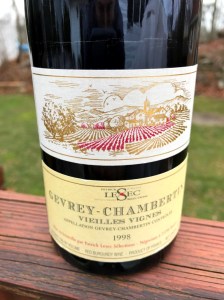 18 years shouldn’t be an age for Burgundy, but I still was a bit concerned. Decided to decant the wine, to avoid sediment and let it breathe a bit, for about an hour. I’m clearly abusing the word “spectacular” in this post, but this is what this wine was. Touch of barnyard on the nose, on the palate – gunflint, smokey cherries, roasted meat, lots of herbs – oregano, mint, sage – every sip was a “wow” experience. By the end of the evening, the wine mellowed out and started showing more of the sweet cherries, still perfectly balanced with acidity. A pure treat for sure. Drinkability: 9.
There you have it, my friends. An accidental and hugely enjoyable Pinot Noir deep immersion – from California to Switzerland to France – very different wines holding one common trait – delivering lots and lots of pleasure. Cheers!
Daily Glass: An [Opportunistic] Bordeaux Discovery and a Case Buy Recommendation
If you read this blog regularly, you might have noticed my claim of “rediscovering Bordeaux” after the Cru Bourgeois virtual tasting. Now, my happy feeling about Bordeaux was reinforced further, after a spontaneous Bordeaux tasting.
After somewhat of an extended break, we got together with the friends for dinner. Before we would eat, we were presented with a difficult task – we needed to taste 5 different Bordeaux wines – I hope you see my attempt at humor here.
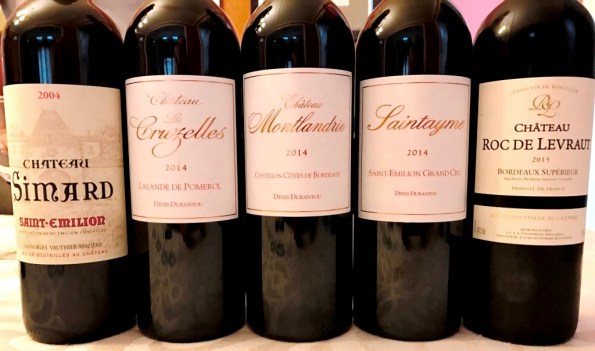
The reason for this “obligatory tasting” was simple. My friend (and our dinner host) frequents a large and well known wine store on Long Island, called Pop’s Wine and Spirit, which routinely offers some legendary deals – I can’t call them any other way as the savings for the wine buyers are quite substantial. So my friend got a recommendation from his trusted sales rep to try few of the Bordeaux wines offering great value, and come back for more if he would like them.
There were 4 Bordeaux wines we needed to try as such – plus one which is my perennial favorite. Three of those Bordeaux wines were coming from the same producer, whose name I never heard before – Denis Durantou, who supposedly is a well known, and the wines we had in front of us were more of the side project for him.
After tasting the wines, which were magnificent and a great value (notes below), I had to do some research and found out that Denis Durnatou is indeed more of a pioneer and the legend, making wines at Chateau l’Eglise-Clinet in Pomerol. Chateau l’Eglise-Clinet is a part of so called “Pomerol Triangle”, which is an area with the best soils in Pomerol, where most of the “Pomerol greats” are located – I hope the names like Le Pin, Vieux Chateau Certan, l’Evangile, Pétrus spell magic for you (yes, all amazing producers). Denis Durantou was the first to start green harvesting in Pomerol (green grapes are removed at the early stages, to allow remaining grapes to concentrate flavor). He was also a big proponent of thermo regulation in the cellar, which is critical when you ferment the grapes. Actually, I can’t do justice to the Denis Durantou’s work in a few sentences – instead, let me refer you to an excellent article which you can find here.
2014 Chateau l’Eglise-Clinet will set you back at around $180, the futures for the 2015 seems to be closer to the $225. At the same time, all 3 of the “other” Denis Durantou wines we had a pleasure of tasting, were in the range of $17 to $24 (all prices come from Pop’s Wine and Spirit).
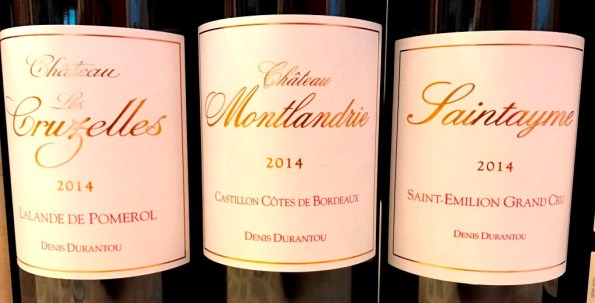
Here are my notes:
2014 Château Montlandrie Castillon Côtes de Bordeaux Denis Durantou (14.5% ABV, $22, 75% Merlot, 20% Cabernet Franc, 5% Cabernet Sauvignon) black currant on the nose, classic, clean, mint, wow; perfect Classic Bordeaux on the palate, beautiful fruit, cassis, firm structure, perfect balance, ready now, will evolve. Drinkability: 8+
2014 Château Les Cruzelles Lalande de Pomerol Denis Durantou (14% ABV, $24, 90% Merlot, 10% Cabernet Franc) green bell peppers on the nose, touch of Cassie , eucalyptus; dusty palate, firm tannins, meaty texture, very round, cherries. Will evolve. Drinkability: 8-
2014 Saintayme Saint-Emilion Grand Cru Denis Durantou (14.5% ABV, $17, 100% Merlot) dusty nose, plums, touch of roasted meat; fresh fruit on the palate, delicious, silky smooth, fresh tannins, well balanced. Drinkability: 8
Let’s talk about two more wines.
What I love about Chateau Simard is that they take great care of us, oenophiles. Chateau Simard wines are aged at the Chateau for 10 years, and only then they are released to the public – all at incredibly reasonable prices, at least so far. As you can tell, this wine was perfectly fitting my comment price-wise, and it was delicious:
2004 Château Simard Saint-Émilion (12.5% ABV, $22, 70% Merlot, 30% Cabernet Franc) – very funky nose, and lotsr of barnyard, mint, truffles ; sweet fruits on, fresh tannins, nice depth, touch of licorice, cured meat, great balance, delicious wine. Drinkability: 8+
Now, for our last wine, you don’t even have to read this post anymore – just run to the store and get a case of this wine – at least one. You can thank me later. And by the way, I’m not the only one who thinks this wine is great – 2014 vintage got 89 points from Wine Enthusiast magazine.

2015 Château Roc de Levraut Bordeaux Superieur ($8, Cabernet Sauvignon, Merlot, Cabernet Franc) – beautiful smoke on the nose, roasted meat, dark fruit; plums and smoke on the palate, good acidity, nice minerality, savory notes, excellent overall. Drinkability: 8, incredible QPR.
Here we are, my friends – few of my “Bordeaux finds” for you. By the way, I need also to mention that my friend, who kept tasting the leftover wines over a few days, said that they all kept on opening up, especially our QPR star, so I’m serious about that case buy recommendation. I also just realized that 4 of these wines are predominantly Merlot wines, so this post is also perfectly fitting for the October being the month of #MerlotMe!
Have you made any exciting Bordeaux discoveries as of late? How is your Merlot? Cheers!
Last Bottle Sign Up ($10 credit)




 Talk-A-Vino