Archive
What a night! Notes from OTBN 2020
 Open That Bottle Night is the best wine holiday out there. It is nice to celebrate all the individual grapes – Chardonnay Day, Albarigño Day and the likes – but that can’t compare with an opportunity to open a special or the most special bottle you have in your possession, and most importantly, share it with fellow oenophiles, the people who appreciate and respect that special bottle.
I’ve been lucky for two years in the row to be invited to someone’s house to celebrate OTBN – last year Jim VanBergen of JvBUncorked fame was our host, and this year John Fodera of the Tuscan Vines hosted of amazing wine night.
John did a great job organizing this memorable night for the group of people most of whom he never met face to face (yours truly included – we had been following each other for close to 10 years, but managed to avoid any face-to-face contact until now) – he developed a loyal group of followers as Italian wines expert, and I’m sure everyone was happy to finally meet him in person.
John managed to come up with a great program. After the round of Lambrusco bubbles (which is the rave nowadays) we started the evening with two blind tastings. We had 2 groups of 3 wines each, trying to identify at least a place and type of wine, and ideally even the producer. We also voted for the group’s favorites. I generally suck at blind tastings, so I did poorly (as expected). I also decided not to use the external factors in the tasting (I.e., John is Italian wine guy, so we should simply expect all the wines to be Italian; another guess would be that as John’s blog is called Tuscan Vines, all the wines will be from Tuscany).
Here are my notes for the first flight:
Wine 1: Touch of mint, full-body, good structure, a touch of black currant – super Tuscan?
Wine 2: great concentration, dark fruit, layered, silky smooth – Montepulciano di Abruzzo?
Wine 3: nice fruit, bright, good structure. Super Tuscan? New World?
Needless to say that I was absolutely wrong with all three. Again, I could’ve used a bit of psychology and figure out that John would be pouring only Tuscan wines, but I deliberately refused to do so. The wines were perfectly polished and complex, all three, without screaming “I’m Chianti” with the appearance of leather, tobacco, or tart cherries. To make a long story short, all three wines happened to be Chianti Classico Gran Selezione from 2016 vintage, provided to John by Chianti Classico Consortium. In the order of appearance, these were the wines:
2016 Fèlsina Chianti Classico Colonia Gran Selezione DOCG ($NA, 100% Sangiovese)
2016 Rocca delle Macìe Riserva di Fizzano Chianti Classico Gran Selezione DOCG ($NA, 95% Sangiovese, 5% Merlot)
2016 Fontodi Vigna Del Sorbo Chianti Classico Gran Selezione DOCG ($NA, 100% Sangiovese)
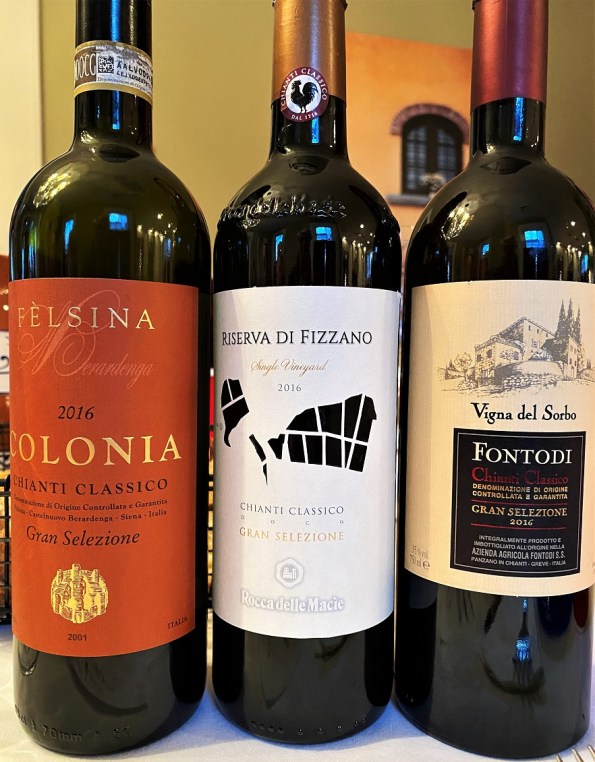


I want to add that the second wine, Rocca delle Macìe Riserva di Fizzano, won a popular vote with 5 votes out of 10 – this was also my favorite wine.
The next flight consisted again of three wines. Here are my notes:
Wine 1: dark fruit, eucalyptus, crushed berries, green tannins – Bordeaux blend, can be from anywhere
Wine 2: Roasted meat, plums, salami, plums on the palate – Grenache/GSM? Can be from anywhere
Wine 3: too aggressive, green tannins, black currant. Bordeaux blend, can be from anywhere.
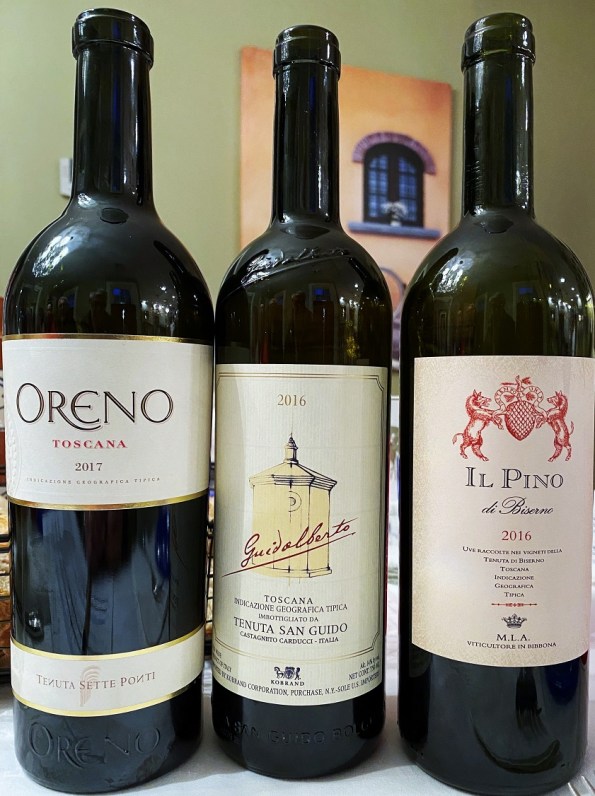
Again, I should’ve expected another line of Italian wines, but I thought John could play some tricks, so I didn’t go with an obvious idea of Super Tuscans. And I was wrong. All three wines were well-known Super Tuscans (these three wines were courtesy of Kobrand Wines):
2017 Tenuta Sette Ponti Oreno Toscana IGP ($75, 50% Merlot, 40% Cabernet Sauvignon, 10% Petit Verdot)
2016 Tenuta San Guido Guidalberto Toscana IGP ($54, 60% Cabernet Sauvignon, 40% Merlot)
2016 Lodovico Antinori Tenuta di Biserno Il Pino di Biserno Toscana IGP ($70, Cabernet Franc with Merlot, Cabernet Sauvignon, and Petit Verdot)
I really didn’t appreciate the tannic nature of wines number one and number three, and those tannins were not only aggressive but literally biting. Oh well. Wine #1, Oreno, was the crowd’s favorite (7 votes out of 10). This time around my vote didn’t match the majority, as I went with the wine #2, Guidalberto, as this was the only drinkable wine for my palate.


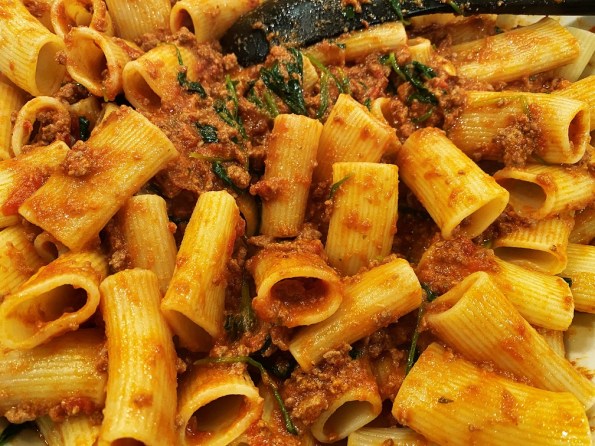
After finishing the tasting and discussing the results, it was time to eat. First, there was pasta bolognese, which John masterfully prepared:
And then there was meat. John decided to spoil the group with 2.5” porterhouse steaks, to make Bistecca Fiorentine:


We went to work the grill which was an interesting adventure, mining the grill to prevent flare-ups on a cold night. We actually had to make two attempts to get the steaks right, as they were still mooing after the first pass. But we managed to produce something delicious in the end and not ruin the amazing steaks.
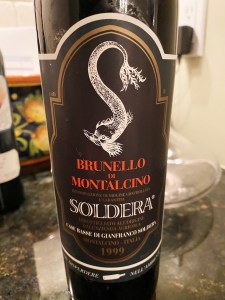
Now, time to meditate. Nope, this was not an organized food prayer session. What happened was that the bottle of Soldera Brunello di Montalcino was poured out of the decanter. Mike Giordano brought a bottle 1999 Soldera Brunello de Montalcino in a completely unassuming, low-key, way. Gianfranco Soldera was a legend, who bought a property called Case Basse in Montalcino in 1972, with an aim to produce the best Brunello wines. By 1990s Soldera wines reached cult status, coupling impeccable quality with small production. Talking about Gianfranco Soldera and his wines would be best suited for a separate dedicated post, as controversy completely surrounded him; I have to say that I never expected to taste his wines – until this memorable OTBN.
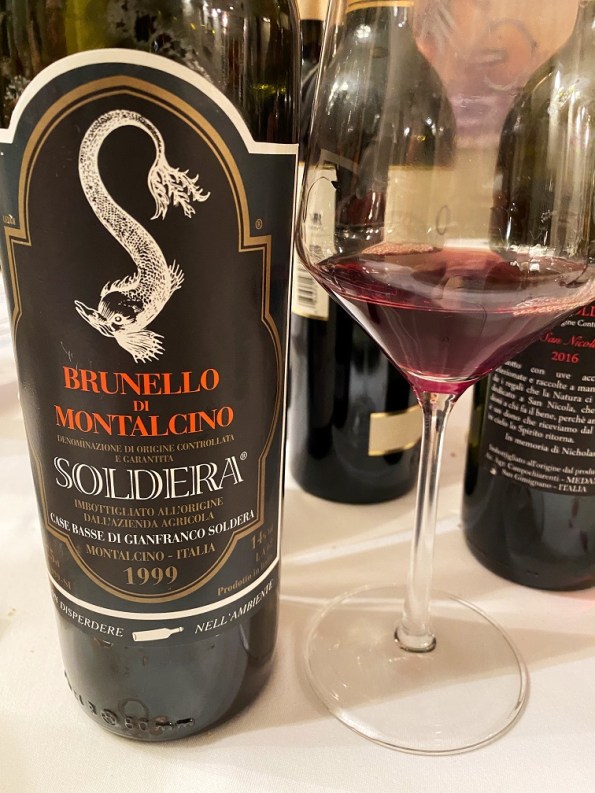
Just look at this color…
1999 Soldera Case Basse Brunello di Montalcino DOCG was truly a meditation wine. “Meditation wine” might not be a simple term to explain in words, but if you like wines, there is a chance that you experienced it at one time or the other. The nose, the aroma, and the bouquet of this wine were simply magical. Taking the whiff from the glass, the time was stopping – no need to try to analyze the amazing palette of flavors to come up with individual descriptors – this wine should be described purely on the sensory level, as every smell was bringing a pure, hedonistic pleasure. I didn’t care for food, I didn’t care for talking – I just wanted to take another smell, and another, and another. When I finally took a sip, the wine was magnificent on the palate too – a perfect balance of plums, cherries, textural layers, structure, sage, and rosemary – a perfect harmony of flavors. It is quite possible that this was my wine of the year 2020 – I know it is only March, but this was an experience that is seriously hard to beat. I don’t feel that I should even try rating this wine, but if I would dare, this would be my second ever 10- (don’t ask me why not 10, I have no idea what my perfect 10 wine should smell and taste like).
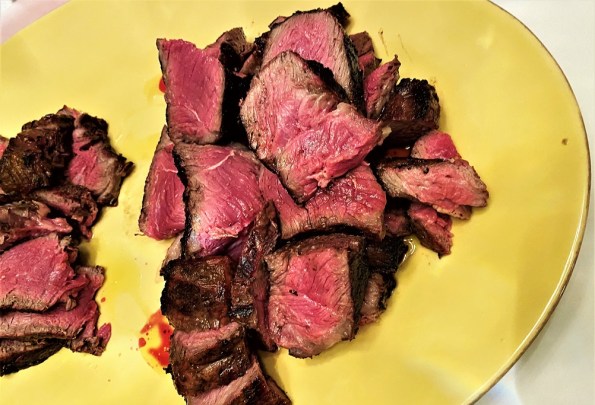
After the meditation session, just a few words on the dinner. In addition to the delicious meat, John made a couple of side dishes – the sautéed white beans were an absolute hit, adored by all literally as much as the beef. John actually promised to share a recipe – you can find the recipe in this post.
This was not the end of our wine program. We also had 2016 Campochiarenti San Nicola Chianti Colli Senesi – Campochiarenti is a producer John is always raving about in his posts, so it was definitely interesting to finally taste this wine (Campochiarenti wines at the moment are not imported into the US, but available directly from the winery). The wine was classic and simple, and for about $12 (if it will be imported into the US, this is the expected retail price) it will be definitely a great value. I brought a bottle of 2010 No Girls Grenache from Walla Walla in Washington, which was very tasty but radically non-Italian, so I don’t think it was well-received. I also brought one of my recent finds – 2016 Pedra Cancela Selecção do Enólogo from Dão, which was an old world and a lot closer to the overall theme, and an amazing QPR at $9 per bottle at the local Bottle King store. 2010 Capanna Brunello Di Montalcino was delicious, but it was a tough call to get everyone excited after experiencing the Soldera. Lastly, we had 1999 Natale Fantino Nepas Nebbiolo Passito Piedmont which was interestingly dry and light, but not necessarily my favorite.


That gives you more or less a full picture. We also had a wonderful spread of Italian desserts, and truth be told, for the first time ever I tasted cannoli which I liked. It appears that the good cannoli should be filled with cream at the moment of purchase and not before – now I will know.
And now we are done. How was your OTBN 2020? Cheers!
Festival of Lights
I like love wine.
But wine has nothing to do with today’s post.
I also love photography.
I had been a photography fan for a long time, much longer than I had been drinking wine. No, I don’t pretend to achieve any amazing greatness in photography, but I still truly enjoy taking the pictures and then sharing my view of the world with the world.
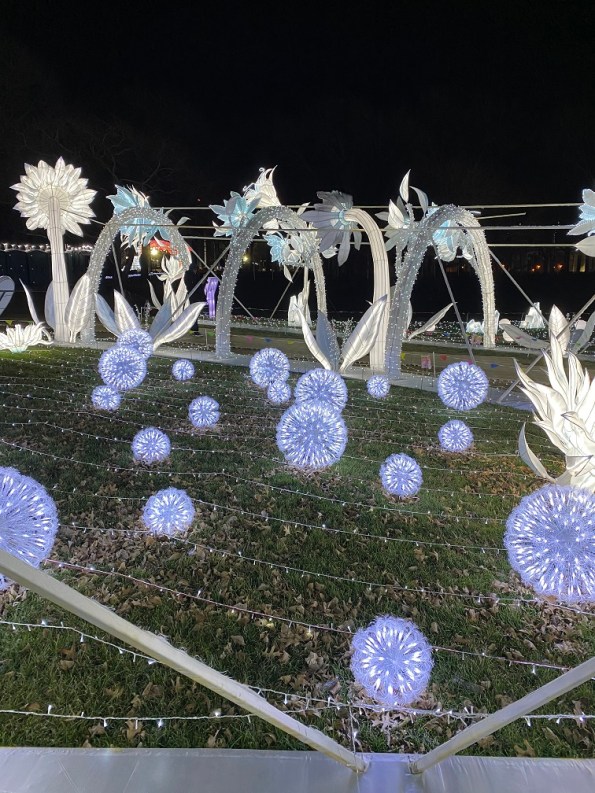
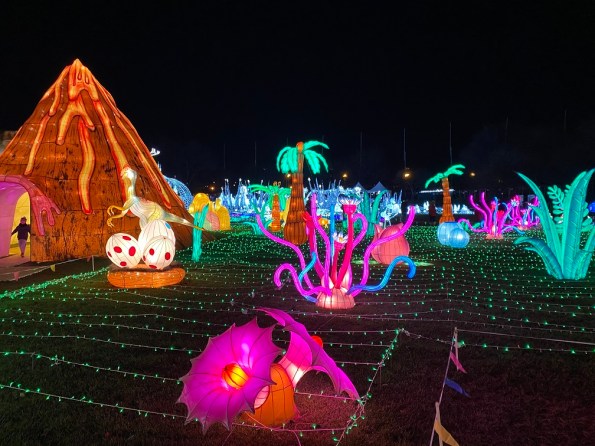
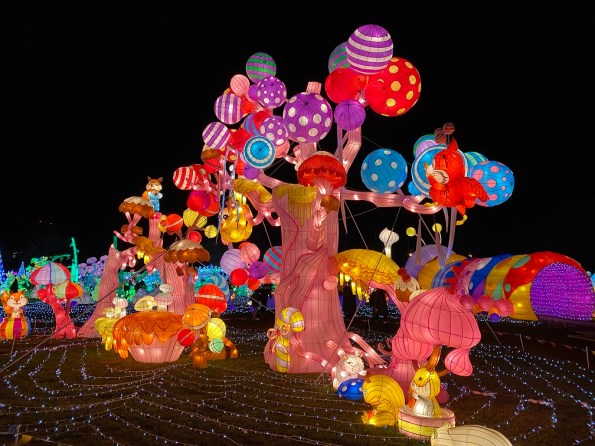
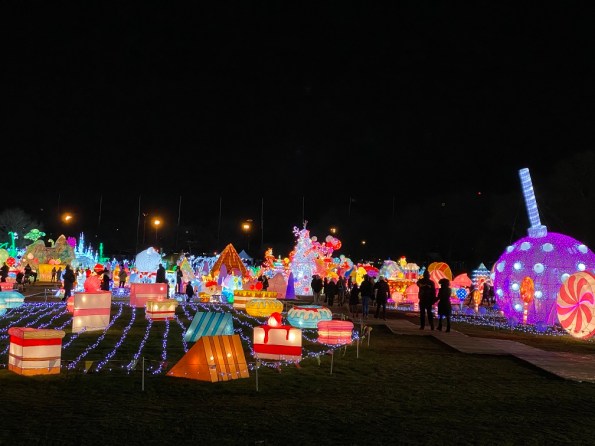
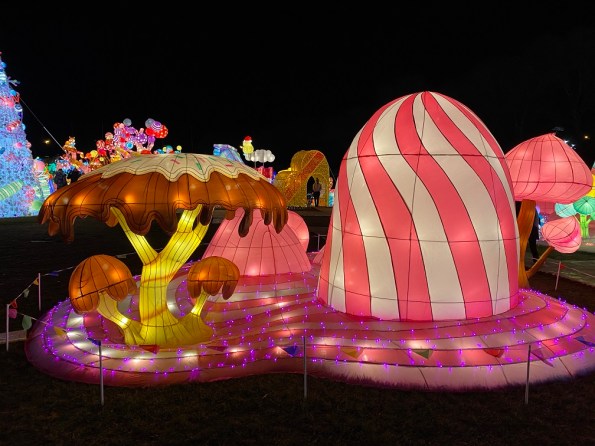
The time around Christmas and New Year celebration offers a lot of great picture taking opportunities – decorations are everywhere. Yesterday we visited LuminoCity Festival in New York City, which was an absolutely delightful spectacle, full of … yes, light, and creativity. Different worlds came together, from the North Pole to Africa, all beautifully set at the Randalls Island in Queens, with no shortage of ingenuity with music, lights and motion providing non-stop entertainment.
Below are a few glimpses of this beautiful world, which I had a lot of fun taking the pictures of with my new toy – iPhone 11 pro. One day I will master a quarter of the features the 11 pro camera offers, and it will be a good day – for now, here are some of my best efforts.
If you are in New York or will be visiting, the Festival is continuing until January 5th – I’m afraid that most of the times are sold out, however. Well, you can still try and see for yourself.
Enjoy!























Magnificent Tempranillo
Let’s start with some definitions:
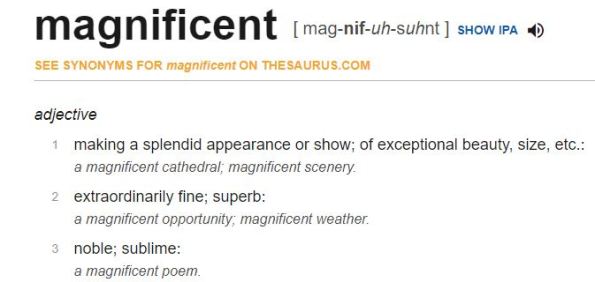
Of course, you know what “magnificent” means. Still, I feel compelled to start with the definition to explain my rather overzealous title. After looking at the Merriam-Webster and Google definitions for “magnificent”, I decided to go with the one from Dictionary.com, as it perfectly underscores the emotions which I tried to express with this title.
Wine is personal. Wine solicit the emotion, but it is personal – the appeal of the liquid in the glass is first and foremost for the person who is taking a sip. Two people can have a sip of exactly the same wine and have completely opposite reactions – one might love it and the other might hate it. Thus calling the wine magnificent is personal – and it is simply the expression of the emotion one had after taking a sip of that wine.
Today Tempranillo is grown around the world. You can find delicious renditions coming from Australia, Napa Valley, Oregon, Lodi. My first Tempranillo love, however, is Rioja, and this is where it still stays. A sip of La Rioja Alta, Lopez de Heredia, CVNE, or El Coto makes everything right with the world. Same as with any other wine, Rioja can’t be taken for granted – you need to know the producer. But in the hands of the right producer, Rioja becomes … magnificent. It is the wine of exceptional beauty, it is extraordinarily fine and superb, and it is noble and sublime – exactly as the definition above says.
Of course, it is not just Rioja which makes Tempranillo a star. Ribera del Duero, located a bit more down south and central, is another source of magnificent Tempranillo wines – if you had a pleasure to try the wines from Emilio Moro, Pesquera, Vega Sicilia you know what I’m talking about. Again, in the hands of the good producers, Ribera del Duero Tempranillo is every drop magnificent.
To make this conversation about magnificent Tempranillo more practical I want to offer you my notes on a few samples of Tempranillo wines I had an opportunity to enjoy recently.


CVNE (Compañía Vinícola del Norte del España) needs no introduction for the Tempranillo fans. Founded in 1879 (yes, this year is the 140th anniversary of CVNE) by two brothers, the CVNE is still run by the family, and today consists of 4 wineries – CVNE, Imperial, Vina Real, and Contino. However, those are the Rioja wineries and today CVNE is taking its 140 years of winemaking experience to the other regions. Here is an example for you – Bela from Ribera del Duero.
The grapes for Bela wine came from 185 acres Tempranillo vineyard, located at the altitude of 2,400 feet in the village of Villalba de Duero and planted in 2002. Here is the story behind the name of the wine and the picture on the label: “Bela’s label is a facsimile of an old CVNE label from the 1910’s. The stars represent each of the children of CVNE’s cofounder, Eusebio Real de Asúa. His brother Raimundo, the other co‐founder, had no descendants. Each star represents one of the children: Sofia, Áurea, and Ramón. Sofia was known as Bela. We descend from her.”
2017 Bela Ribera Del Duero (14% ABV, $18, 100% Tempranillo, 6 months in 1-year-old American and French oak barrels)
Dark garnet, almost black
Roasted meat, coffee, cedar box
Beautifully complex palate, black cherries, blackberries, eucalyptus, fresh, balanced.
8-, excellent wine, built for the long haul, will evolve.
Contino was the first single-vineyard Rioja created by CVNE and the owners of the Contino estate (which takes its history from the 16th century). 150 acres Lacerna vineyard in Rioja Alavesa is the source of grapes for the Contino line of wines. Here is the story behind the name: “The “contino” was the officer in charge of a guard corps of a hundred soldiers who protected the royal family “de contino” (continuously) from the times of the Catholic Monarchs onwards. According to the tradition, Saint Gregory, the patron saint of vineyards, passed through the lands of this same Rioja property, giving rise to the use of his figure in the logo of this winery, and to the use of his name for some of the plots now planted with vines.”
2012 Contino Rioja Reserva Rioja DOC (13.5% ABV, $45, 85% Tempranillo,10% Graciano, 5% Mazuelo and Garnacha, 2 years in used American and French oak plus 2 years in the bottle)
Dark garnet, almost black
Cherries, cigar box
Bright, uplifting dark fruit medley, clean acidity, a touch of minerality, velvety texture with well-integrated tannins, perfect balance
8+, delicious, lots of pleasure in every sip


Bodegas Beronia was founded in 1973 by a group of friends who fell in love with La Rioja while visiting on a holiday. The name Beronia is not random – here is the explanation: “name linked to the history of the land where the winery is found. In the 3rd Century BC the area known as Rioja today was inhabited by a celtic tribe called the ‘Berones’. They inhabited the towns of Tricio, Varea and Leiva, marking the limits of the Berones region, today La Rioja.”
Originally, the wines were produced literally by friends for the friends, without much thought of commercial sales. In 1982, Bodegas Beronia became a part of González Byass family, and at that point wines of Bodegas Beronia started to appear on the international markets.
Bodegas Beronia Rioja wines represent an intersection of tradition and modernity. While “traditional” and “modern” styles of Rioja can be a subject of great debate with a lot of wine consumed to prove the point, I would offer a very simplistic viewpoint. Tempranillo has a great affinity to the oak; the resulting Rioja wine is well influenced by the oak regimen. Traditionally, Rioja is matured in American oak casks. Modern style Rioja often uses French oak. Here is your style distinction – American oak versus French. Bodegas Beronia goes a step further than many. They create their own barrels, using both American and French oak elements in one barrel. Thus the wine is not defined by blending of the separately aged components, but instead, it is aging in the mixed environment.
Here are the notes for the two wines I was able to taste:
2015 Bodegas Beronia Crianza Rioja DOC (13.5% ABV, $14.99, 91% Tempranillo, 8% Graciano, 1% Mazuelo, 12 months in American and French oak barrels)
Dark garnet
Vanilla, plums, cedar box
Fresh dark berries, ripe cherries, tobacco, a touch of sapidity, medium-plus body, clean acidity, a touch of eucalyptus, medium-long finish
8-, the second day was better than the first. 8+ day 2 and 3
2013 Bodegas Beronia Rioja Reserva DOC (13.5% ABV, $19.99, 95% Tempranillo, 4% Graciano, 1% Mazuelo, 3 years in American and French oak barrels and in the bottle)
Dark garnet
Plums, cherries, tobacco
Dark fruit, tar, tobacco, cherries, a touch of cherry pit, bright acidity, firm texture, noticeable minerality, medium finish
8, excellent. Day 3 is more open.


No, we are not done yet. I have one more Rioja to discuss with you – from Bodegas LAN.
Bodegas LAN was founded in 1972. Here is another winery name which is not random: “A name – LAN – composed of the initials of the three provinces that make up the D.O.Ca. Rioja: Logroño (now La Rioja), Álava and Navarra.” Bodegas LAN owns about 170 acres vineyard called Viña Lanciano, which is subdivided into the 22 parcels, each with a unique microclimate. These 22 parcels are growing Tempranillo, Garnacha, Mazuelo, and Graciano, most of them on the 40 -60 years old vines.
Grapes for LAN Xtrème Ecológico wine come from 12.5 acres parcel of 100% organically certified Tempranillo, located at the altitude of 1,200 feet.
2015 Bodegas LAN Xtrème Ecológico Crianza Rioja DOC (14.5% ABV, $15, 100% organically-certified Tempranillo, 14 months in new French oak, 9 months in the bottle)
Dark garnet, practically black
Cherries, cedar box, eucalyptus, tobacco, open and inviting
Gorgeous, layers of dark fruit, soft but present tannins, baking spices, firm and perfectly structured, tart cherries on the finish, tannins taking over.
8+, a long haul wine, will be perfect in 10 years or longer. A total steal at a price.
Culmen is one of the top wines made by Bodegas LAN, produced only in exceptional vintages. The grapes for this wine come from 13 acres El Rincón parcel, located at the 1,500 feet altitude.
2011 Bodegas LAN Culmen Rioja Reserva DOC (13.5% ABV, $55, 88% Tempranillo, 12% Graciano, 26 months in new French oak, 20 months in the bottle)
Dark garnet with a purple hue
Red and black fruit, roasted meat, warm granite, sweet cherries, medium-plus intensity
Fresh tart succulent cherries are popping in your mouth, changing into sour cherry compote with tar, tobacco and cedar box. Delicious long finish. Lots of pleasure in every sip.
8+/9-, outstanding.
Here you go, my friends. Six delicious, or shall we say, magnificent, Tempranillo renditions. I will be happy to drink any of them again, at a moment’s notice. What do you think of Tempranillo wines? Got any favorites to share? Cheers!
It Might Be Gone Already
Oenophiles are strange creatures. We love wine and derive out of it a tremendous amount of happiness, joy, and pleasure. We are also somewhat of a masochistic type. We like to torture ourselves around our beloved beverage. We can spend a lot of time trying to select a bottle of wine for a Monday night – multiply that by 10 if we are talking even about a casual Friday night. We need to take into account everything – the mood, the weather, who are we sharing the wine with, and on, and on.
One of the biggest problems we are always trying to solve is called “is it the time”. Yes, we know that it is a gamble. There is no science to know when the wine is ready to drink. And as we always like to enjoy the wine at its peak, we can take forever to decide on that right moment. And this is where the danger lurks – instead of getting the wine at its peak, we might be facing the wine which is … gone.
There are two types of special bottles we, oenophiles, get nervous around. There are those which we are trying to age to precisely hit the bullseye, the “oh my god” moment when tasting wine at its peak. The second type are those wines which we call “special”. “Special” is personal – a single bottle which reminds us of a wonderful trip or a moment in life, a special present from a dear friend, a super-rare or a super-expensive bottle we want to hold on to for as long as possible. Sometimes, this can be one and the same bottle which hits both characteristics. For the second type of “special” bottles there is the OTBN – ”Open That Bottle Night”, an event celebrated on the last Saturday in February, invented to help people to part with those special bottles. For the bottles we are waiting to become perfect… well, it might be the same OTBN, or maybe we just need to convince ourselves that “the time is now”.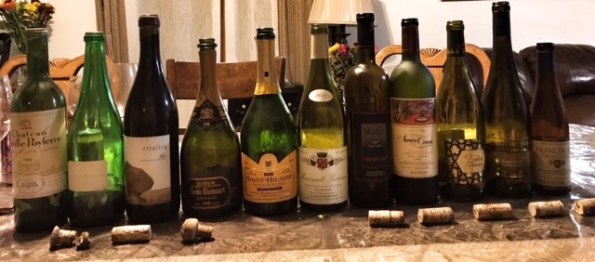
This is what we decided to do, setting the theme for our wine dinner as “It might be gone already”. Usually, we set the rules for our tastings – what wines, what regions, what price ranges, etc. But for this dinner there were no rules – whatever anyone wants to have open, whatever the reason is to believe that the wine might be past prime (or not) – everything goes.
We managed to assemble a lot more wines than we were able to drink, so many of the wonderful bottles will have to wait until the next occasion. However, we still did great, finding lots of great surprises and enjoying the program very much. Here is my account of our tasting.


We started from a very simple wine – 2007 Saint-Hilaire Brut Blanquette de Limoux, a sparkling wine from the Languedoc, from the winery which claims that they were the first to make the Methodé Traditionelle wines, before Champagne ever saw a first bubble in the bottle. This is one of my most favorite sparkling wines – it is inexpensive ($12.99 or so), and tasty. But – 12 years old? That sounds like a little much for a wine like that. Nevertheless, it was perfect – still fresh, still a good amount of bubbles, a touch of yeast – a perfect start for our evening.
We continued our bubbly explorations with something of a truly next level – 1990 Dom Ruinart Ruinart Blanc de Blancs Champagne. Another perfect encounter – crisp, focused, a good amount of yeast and toasted bread – an outstanding vintage Champagne without a sign of age.


Italy is better known in the world as the source of great red wines. However, Italian whites shouldn’t be ignored. Jermann makes some of the very best Italian white wines, and these wines are unquestionably a world class. Vintage Tunina is a flagship wine, made out of a field blend of Sauvignon, Chardonnay, Ribolla Gialla, Malvasia, and a small percentage of a local sweet grape. According to the notes on the Jermann website, Vintage Tunina can age for 7–8 years, 10 in the exceptional vintages. This 2006 Jermann Vintage Tunina Venezia Giulia IGT was 13 years old, and in a word, it was superb. Bright, vibrant, whitestone fruit and a touch of honey, medium+ body – an outstanding wine.
Our next white was 2007 Château St Jean Chardonnay Reserve Sonoma County – it was not as impressive as Vintage Tunina, but still was not over the hill, with a good amount of white apple, a touch of butter, and good acidity. I never had this wine before, and understand from the people who did that the wine was starting its journey down the hill, but it was still quite enjoyable.


I was trying to convince my friends that our next wine was not ready to be opened – 2011 Antica Terra Erratica Rosé from Oregon. I had 2010 last year, and the wine was mind-blowing (ended up being wine #2 on my Top Wines list of 2018). After being ostracized – “what are you talking about, it is 8 years old Rosé ?!?!” – I angrily pulled out the cork. 2011 was equally mind-blowing to the last year’s 2010. Pungent, lip-smacking, full of smoky cranberries and herbs, medium body – delicious. I don’t know for how long this wine can age, but I would definitely love to see it with at least another 5 years of age. Oh well…
Now, we are reaching practically a culmination point of the evening – 1966 Château Leoville Poyferré St. Julien. Well, it was conditionally the culmination point – when I received this bottle 2 years ago, the capsule showed a significant amount of wine stain, which is an indication of the wine potentially slowly sipping through the cork. But – it was 1966, so that alone deserves the utmost respect.
As we expected, the wine was past its prime. It had dark brown color in the glass – a color you expect to see on a well-aged tawny port, but not on Bordeaux at any age. The wine had the tasting profile of a nice hearty stew, but again, not the Bordeaux. To be entirely honest, I enjoyed a few sips of it (my friends refused it almost instantly), but this was definitely not the wine anyone should drink.


I’m not going in the right order, but let’s talk about maybe the biggest disappointment of the evening – 2010 Yves Boyer-Martinot Meursault-Perrier. 9 years old white Burgundy should be way too young to drink. But then the Meursault wines have a known issue – Premature Oxidation, or PremOx as it is often abbreviated. Fear of PremOx was a driving factor behind the decision to open this wine. Unfortunately, the fear was justified – kind of. The wine was not oxidized – but it was literally undrinkable. It showed a little sign of life at first, and we decided to decant it – however, it didn’t help. The wine showed very tired, some stewed plums, no vibrancy of any kind. Definitely not a good surprise.
Let’s get back to the red wines. Our next wine was 1978 Barbera. The label lost practically all of its color, so I don’t know who was the producer. But the bottle had been very important memorabilia – at the age of 9, our friend Stefano was helping to bottle that exact wine, so it clearly had a special meaning. The wine was still drinkable, had good acidity and some dark fruit. Not amazing, but well drinkable.


The next two red wines aptly compensated for all the misgivings of our tasting. 1997 Shafer Firebreak Napa Valley, a blend of Sangiovese and Cabernet Sauvignon, was excellent. The core of the dark fruit and espresso, firm structure, excellent balance, the wine was alive and delicious. It is a pity that this wine is not produced anymore, as Shafer replaced all the plantings of Sangiovese with the other grapes – this was definitely a delicious wine.
And maybe for the biggest surprise of the evening, let me present to you 1995 Navarro Correas Coleccion Privada Cabernet Sauvignon Mendoza. What, you never heard of this wine? Me too! Until our tasting that is. When originally acquired, the wine price was something under $10. So who would expect that 24 years old simple Argentinian Cab would age so beautifully? The wine was fresh, no sign of age, tart cherries on the nose, the same tart cherries, herbs and a touch of sweet oak on the palate – the wine was going and going. A tasty, totally unexpected, surprise.
We had to finish this tasting with a dessert wine, didn’t we? 1988 Franciscan Estate Johannisberg Riesling Napa Valley, as rare and precious as you can find, as this wine is simply not produced anymore. This wine was definitely at its peak – beautiful figs, honey, and a perfect dose of acidity – an excellent finish to our great tasting.
Let’s try to summarize our tasting. Out of 11 wines, 6 can be safely designated as an “amazing experience”. Three wines were “good”. Two wines were a flap. I would take it as a very respectful, and very successful outcome – I’m sure you can think of a lot more tastings with a much lesser degree of success and enjoyment.
Here you are, my friends. Feel free to copy the idea – if you have anything reminiscent of a cellar, I’m sure you got the bottles that might benefit from being open. Open now, before it is too late. Cheers!
Let’s Talk Wine Labels
How are you with the wine labels?
Speaking for myself, I love wine labels a lot more that I would even admit. Everybody knows that we eat with our eyes first – this is why good restaurants go out of their way to present their food in the best possible way.
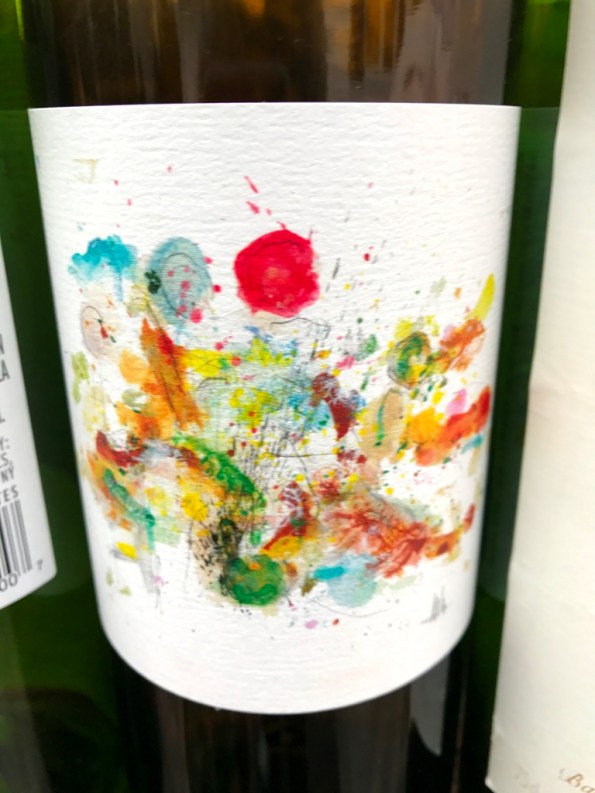
The same is true for the wines – and I’m not talking about the wine in the glass. Let’s leave aside the situation when we are looking for a specific wine. You walk into the wine store and first and foremost you notice the wine labels. I don’t know how this works for you, but speaking strictly for myself, I can’t figure out what makes wine label attractive for me. It is more of magic. Some labels have an elaborate design, and my eye simply skips them. And then there are simple, very simple labels which solicit instant reaction “oh, this is so cool”. Magic.
It appears that the effect of the wine label goes much further than an instant determination of cool/not cool and the desire to quickly grab the bottle. The wine label design also creates expectations about taste, price, quality, and lots more. Don’t take this from me. Folks at Iron Design create product labels for living. They conducted market research, which you can read about here – and summarized all the results in the form of an infographic, one of my favorite ways of presenting the information. Bunch of numbers, facts, and pictures in compact and concise form – isn’t it fun?
For what it worth, the Iron Design team was very kind letting me share the infographic in this blog, which I’m happily presenting below. And for all of you, my friends, what do you think of the impact of the wine labels on your choices and expectations?

What Do I Need To Know To Enjoy A Glass Of Wine
 So you are wondering what do you need to know to enjoy a glass of wine.
This is actually a very simple question. Let me give you a very simple answer.
Nothing.
Nothing at all. You need to know nothing about the wine.
You don’t need to know who made it, where was it made, how was it made, what grapes were used, how much it costs. None of this matters.
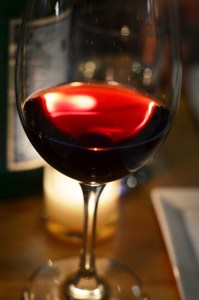
The wine in your glass is binary. You either like it or not. If you are not sure if you like it, then ask yourself another simple question: “do I want a second glass, or not?” If you want a second glass, then it goes into the “I like it category”. If you don’t – well, you got my point.
I’ve not been fictitious or sarcastic here. I’m very serious. Wine is food. No, it is not a necessity, it is rather a luxury, it is a food you can live without. But still, wine is food, with about 100 calories in a standard size glass of dry red wine. When you take a bite of steak, your impression is binary – you either like it or not. The same is with wine – when you take a sip, you either like it or not. End of story.
Now, let’s get things straight. I’m not trying to invalidate here the whole wine ecosystem, where millions of people are studying and make their living around the oldest continuously produced beverage in the world. I’m not saying that wine is a simple subject. Depending on one’s life outlook, nothing is simple in this world, and the wine has unlimited levels of complexity (simple fact – at the moment of this writing, there are only 269 (!) Master Sommeliers (highest distinction of wine knowledge) in the world). Nevertheless, for a casual encounter with a glass of red, white, or pink liquid in the tulip-shaped glass, there are only two possible outcomes – “I like it” and “I don’t like it”.
Yesterday during the wine dinner I asked my neighbor at the table if she enjoys the wine we were drinking. “Well, I don’t know enough about wine”, she started, instead of simply answering the simple question – “yes, I do”, or “no, I don’t”. I heard this answer many times, and I find it instantly annoying. There is nothing you need to know to enjoy the wine in your glass. You don’t have to be a chef or a food critic to say if the omelet in front of you is tasty or not. The same is with wine – it either tastes good to you or not.
There is definitely a lot of intimidation around the wine. There are wine magazines that tell you what you should be drinking today. There are wine ratings – “here is an excellent wine for you – it got 95 points from Robert Parker”. You have no idea who Robert Parker is, but you would never admit it, “ahh, of course”. There are knowledgeable friends who tell you “try this – you are going to love this”. There are sommeliers and wine stewards at the restaurants who tell you that this is the best wine for your dinner tonight (nevermind that this is one of the most expensive wines on the list). All these things are part of the intimidation around the wine, and yes, it is very hard to say “hmmm, I don’t like it” if Robert Parker said that he did. But – you really have to learn to trust yourself. Everyone’s palate is different. There are only 4 basic tastes (sweet, sour, salty, bitter – we can skip the umami for this conversation) – but everyone perceives those tastes differently, has different sensitivity to each one of those (if you ever had to reduce salt consumption, you know that after a month or so of such a low-sodium diet, any restaurant dish comes as oversalted). And so what you taste is completely unique to you, and it is only you who is entitled to state “I like it” or “I don’t like it”, without any regard to any professional opinion in the world.
Again, I want to repeat my statement – you don’t need to know anything about wine to know if you enjoy it or not. But – and it is a major, major, supersized but – you might want to know about the wine as this might simply increase your level of enjoyment of that same wine. But even in this case, you don’t need to become an expert to better enjoy thye wine. You can start simple. When you find the wine you like and enjoy, take notice of the producer and the name of the wine (there are many apps today which can help you simplify this process). This can help you next time at the restaurant, trying to select wine from the list – once you see the wine you already tried and liked, this instantly reduces intimidation. Of course, it will also help you in the wine store, so you will get the wine you know you liked.
Maybe once you recognize some producers, you might start taking notice of the regions the wine is coming from. You might find, for example, that you are usually enjoying white wines from Germany and red wines from Piedmont. This knowledge can help you further in your quest for the enjoyable wine, as even when you have your favorite producer and wine, you might not be able to always find that specific wine at a restaurant or in the store. In this case, you can use that knowledge to select the wine from the different producers but still from the same region, as this still increases your chances of liking the wine.
You don’t have to stop at the producer and region, and you can continue your wine knowledge acquisition literally forever, as the subject of the wine is endless. Vintages, vineyards, single vineyards, blocks and plots, grapes, blends, terroir, climate conditions, winemakers, oak regimen, age of the vines, visits to the wine regions, and on, and on, and on – all of this knowledge might help you enjoy the wine more. I can even take it further and tell you that all this knowledge might change the perceived taste of wine, as, for example, trying the wine made at the winery you visited can trigger happy memories, and definitely make the wine to taste even better – to you. Very important – this knowledge will only change the way the wine tastes to you. If the friend you are sharing dinner with never visited the winery, he or she can’t necessarily share your excitement and wholeheartedly say that they enjoy the wine if they don’t. And that’s okay. Everyone’s palate is different, and tasting and liking of the wine are strictly individual.
Remember this next time you are at a restaurant. If you know about the wines, don’t intimidate your friends. they don’t have to like what you like. At the same time, if you know nothing about the wine, don’t get intimidated by anyone or anything. “The truth is in the eye of the beholder” – if you don’t enjoy the wine, it is your truth, and it is nothing to be ashamed of or to worry about. Everyone’s palate is different. End of the story.
I hope you learned today everything you need to know to enjoy a glass of wine. Which is, literally, nothing. And nothing should be standing in your way of enjoying the wine in your glass. Cheers!
Alie Ammiraglia – The Rosé Experience
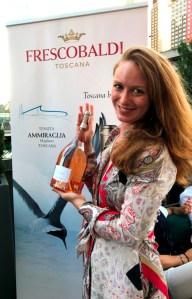
Livia le Divelec introducing Alie Rosé
Rosé Every Day – is that your wine motto?
Okay, that might be a bit much – occasionally, we would like to drink white and red too, don’t we? How about this:
Rosé is For Every Day – would you be able to subscribe to that?
It amazes me that today it still requires courage for an average wine consumer to happily say “I love Rosé” and stop right there without adding any “buts” – “only in the summer”, “only when it is hot outside”.
It is a given for us, wine aficionados and geeks, but an average wine drinker is still afraid that they are simply not supposed to like Rosé, and openly admitting your “Rosé love” in public is akin to loudly proclaiming “ohh, I have no taste in wine, no class”. This is mindboggling as we truly are living through the Rosé wine revolution.
Ten years ago, Rosé was strictly for summer, and the only Rosé you would find available during the winter months was the one from Tavel from the southern Rhône in France – only found in better wine stores or adventurous restaurant wine lists (Rosé is the major, if not the only type of wine produced in Tavel), or whatever ended up in the discount bins as not been sold during the prime season. Today, Rosé can be found at most of the wine stores throughout the whole year, no matter what season it is. It is also not surprising that literally every winery in the world, big and small, added Rosé to their repertoire. Actually, it might be still difficult to find Rosé at the wineries – it is usually produced in the small quantities and thus sold out in no time at all.
As we mentioned before, Rosé often considered an afterthought – while the winery is starting to make the red wine, whatever juice will bleed from the harvested grapes would be good enough to make Rosé – or whatever grapes are not good enough for the main wine still can be used for Rosé.
This, however, was never the case in Provence in France, where Rosé is The Main Product and never an afterthought. In Provence, the grapes were and are purposefully grown for the Rosé, and harvested at its proper ripeness to be made into Rosé – the best possible Rosé. But – “the best Rosé” crown is heavily contested today – literally, the whole wine world is after it.
Let me share with you an encounter with a perfect contender – Alìe Ammiraglia, an Italian Rosé produced by Frescobaldi family in Tuscany.
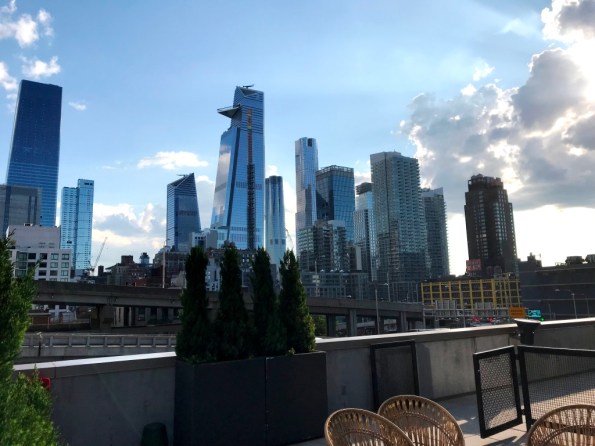
At the end of July, I attended an event in New York City, where the new vintage of Alìe Rosé (in case you are wondering about the name, Alìe is “a figure from Greek mythology, a sea nymph and a symbol of sensuality and beauty”) was presented in style.
Let’s compact the whole experience into one very long sentence, just for fun: Alìe Rosé, made out of Syrah and Vermentino specifically grown for this Rosé wine, was presented at the event in New York City in the hottest setting of a roof-top bar, poured strictly from magnum and double-magnum bottles into the glasses specifically designed to enhance the qualities of the Alìe Rosé, accompanied by delicious bites of Polynesian cuisine on a hot summer day.
How about this long sentence?
Now, let’s repeat it, but a bit slower.


2018 Tenuta Ammiraglia Alìe Rosé Toscana IGT was introduced by Livia le Divelec, Frescobaldi Brand Ambassador and winemaker. 2018 is the fifth vintage of Alìe Rosé. The wine is made out of Syrah and Vermentino grapes grown at Tenuta Ammiraglia vineyards in Maremma, the region best known for the super-Tuscan wines. Maremma is a coastal region in Tuscany, thus the climate, soil, and terroir overall have a lot of maritime influence, hence the name and various sea-life elements of the design – the label, the glass. The bottles for Alìe Rosé are specifically designed in Mediterranean style, again to stress the origins of the wine.


The event took place at The Polynesian, bar and restaurant located at the Pod Times Square hotel and offering a roof-top seating. What can be better than sipping on a glass of beautiful Rosé, overlooking New York’s busy life from above on a warm summer afternoon? Well, let’s cue in delicious appetizers of Polynesian origin, harmoniously supporting the delight of Rosé – and now you got the whole picture.


Oh, wait, let’s not forget about the wine glasses! The wine glasses were specifically designed by German company Rastal for Alìe Rosé to accentuate qualities of the wine, both organoleptic (aroma, taste, …) and visual, with the glasses serving as another reminder of maritime-influenced origins of Alìe.
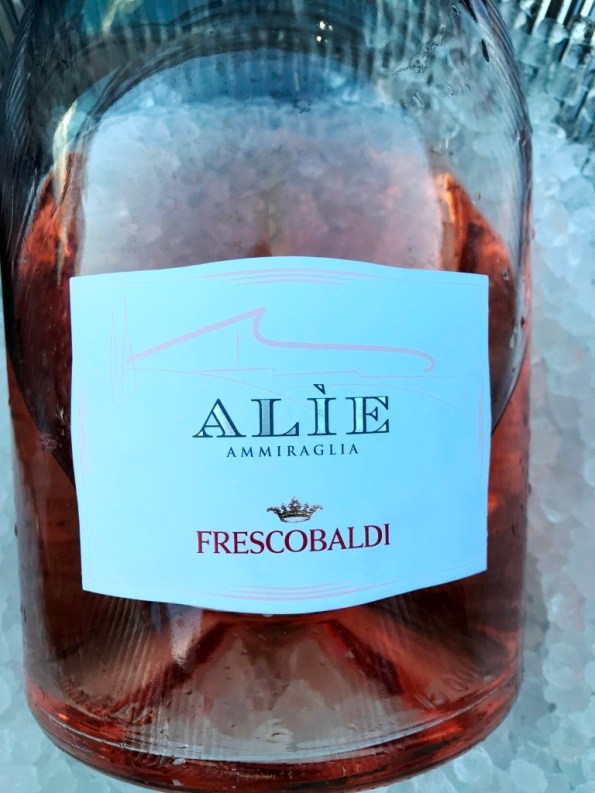
Well, I guess I still didn’t tell you how was the wine – got carried away with a beautiful setting of the roof-top bar, seductive bottles, and designer wine glass. Never mind all these accents – the wine was a real star, otherwise, I wouldn’t be talking about all this. Beautiful fresh strawberries on the nose, strawberries with a hint of Meyer lemon on the palate, crisp and fresh. Delicious cold, and still delicious even at room temperature – my litmus test for a quality white and Rosé. I would drink that wine any day, and any season. Remember, Rosé all day!
That concludes my brief. What is your Rosé of the Year? Cheers!
Mother Nature, Unbound
I love photography. If you flip through the pages of this blog, you will see lots of pictures – I enjoy taking the pictures, and I enjoy sharing them.
Yes, this is a wine blog, and so most of the pictures here are related to either wine and food. Most, but not all – as, for example, will be this post.
I rarely take pictures of people – or even if I do, I rarely share them publicly. Nature, on the other hand, might be my most favorite subject, both for taking the pictures and for sharing them.
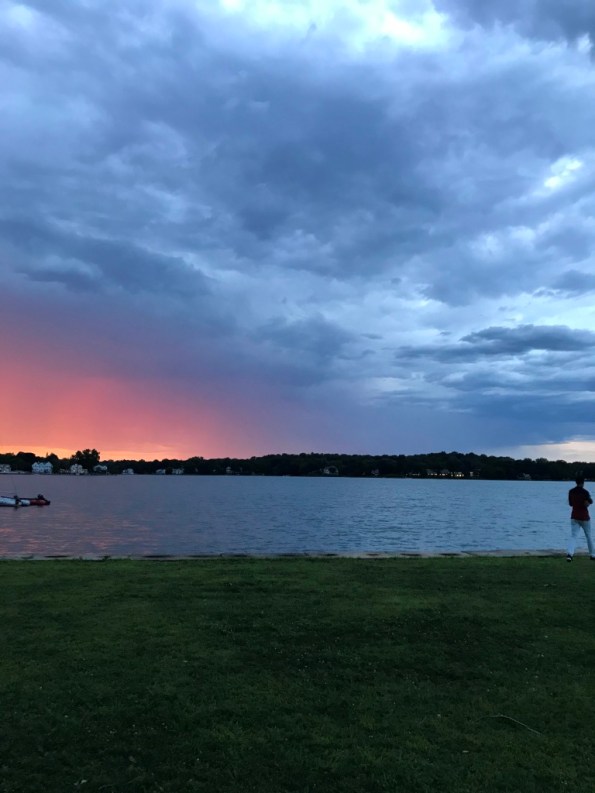
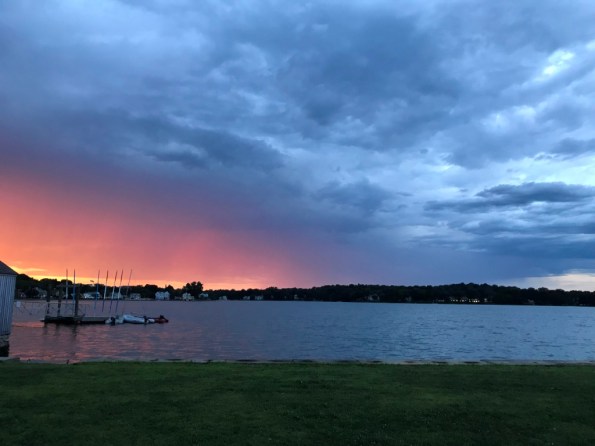
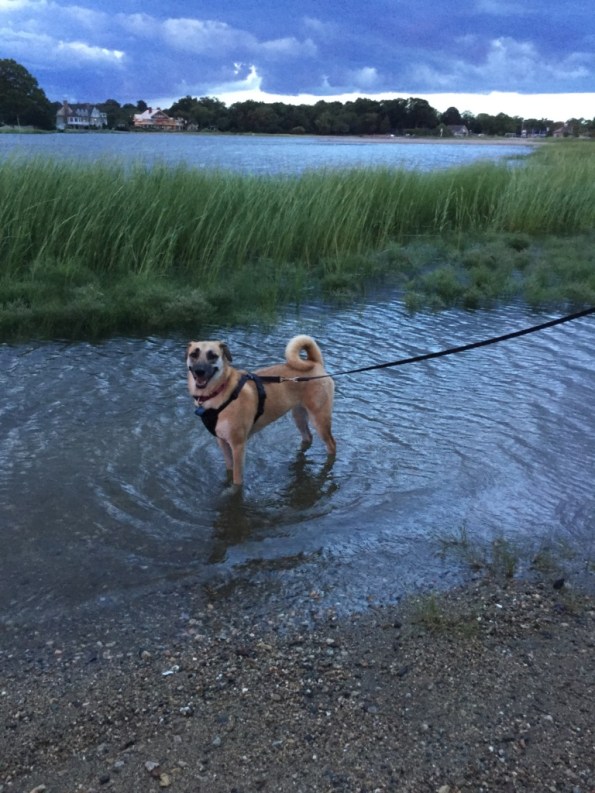
Yesterday we needed to take a trip downtown Stamford in the evening, and then the thought was – why don’t we take the dog down to the beach for a walk?
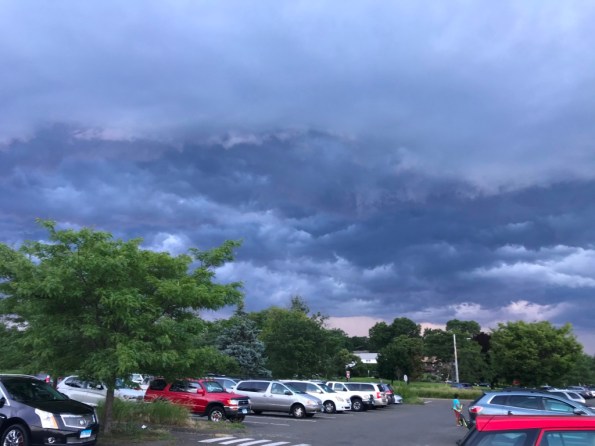
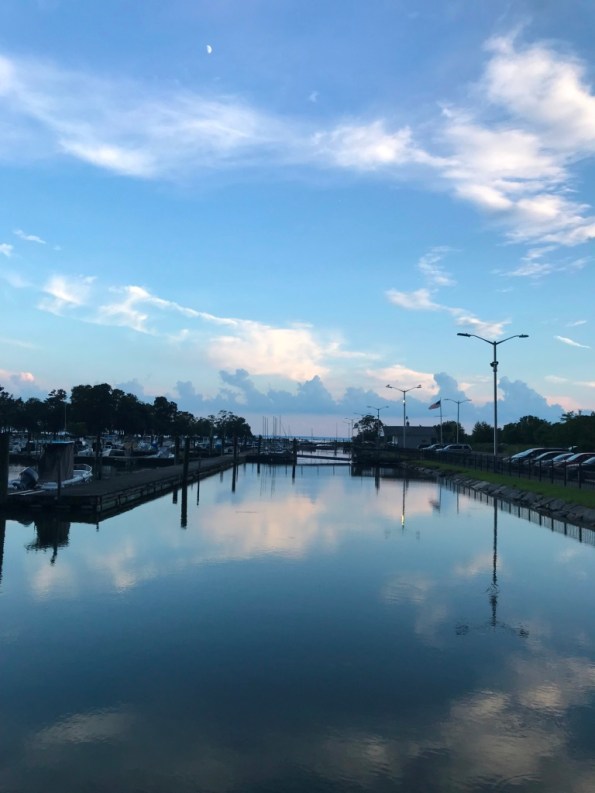
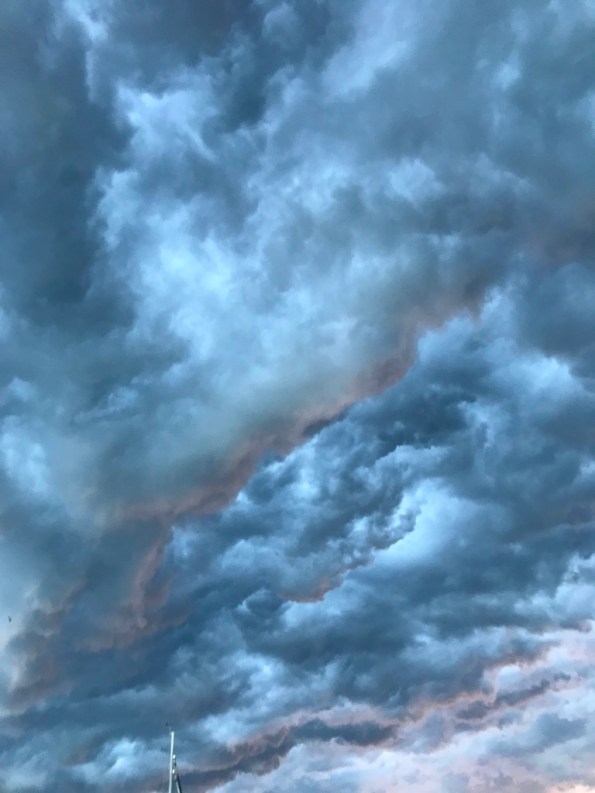
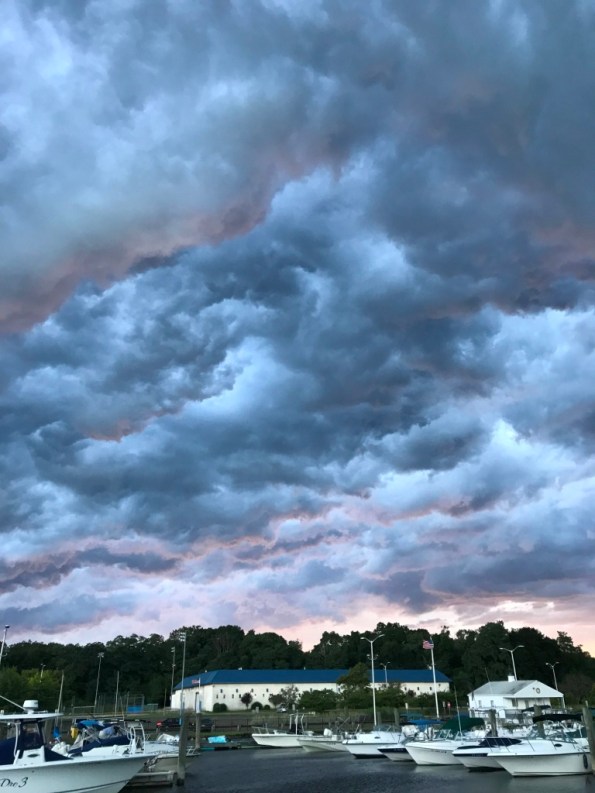
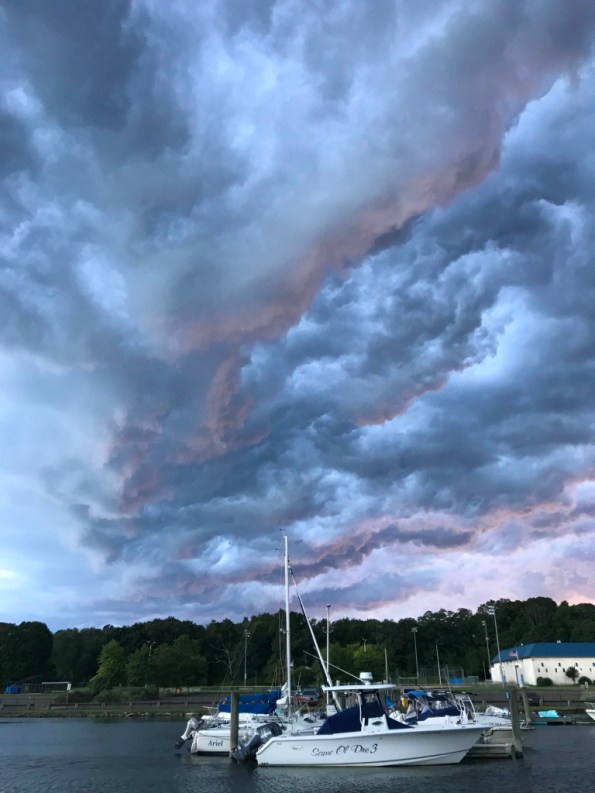
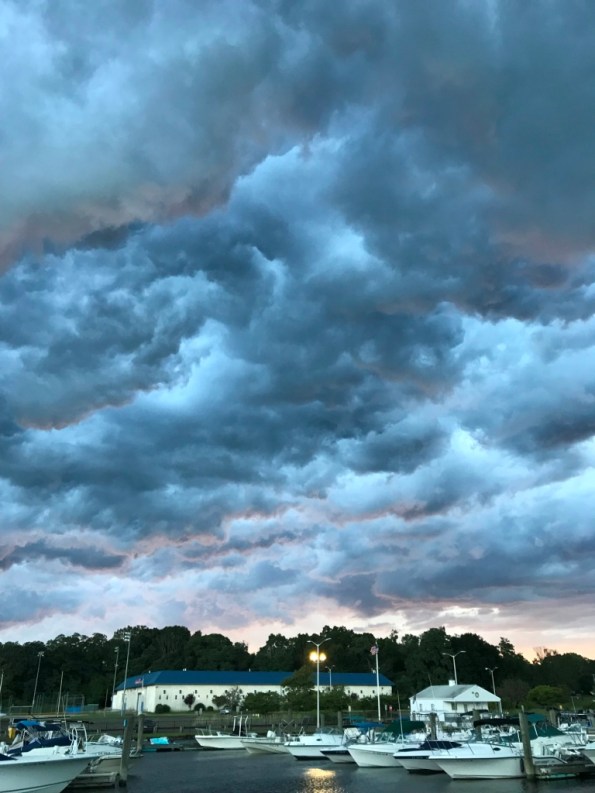
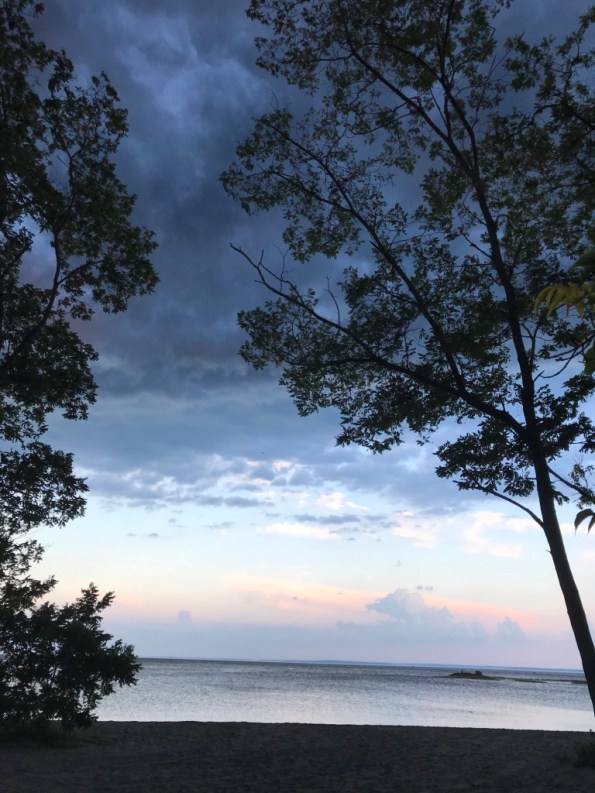
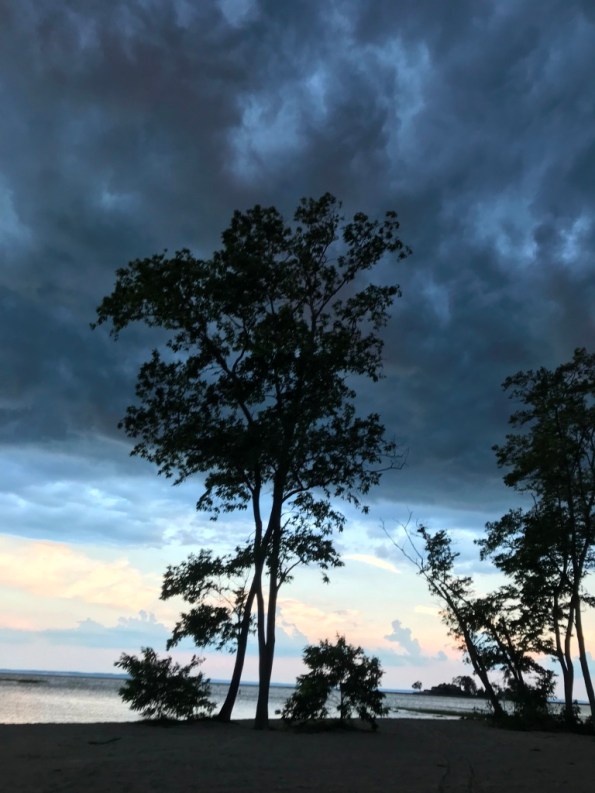
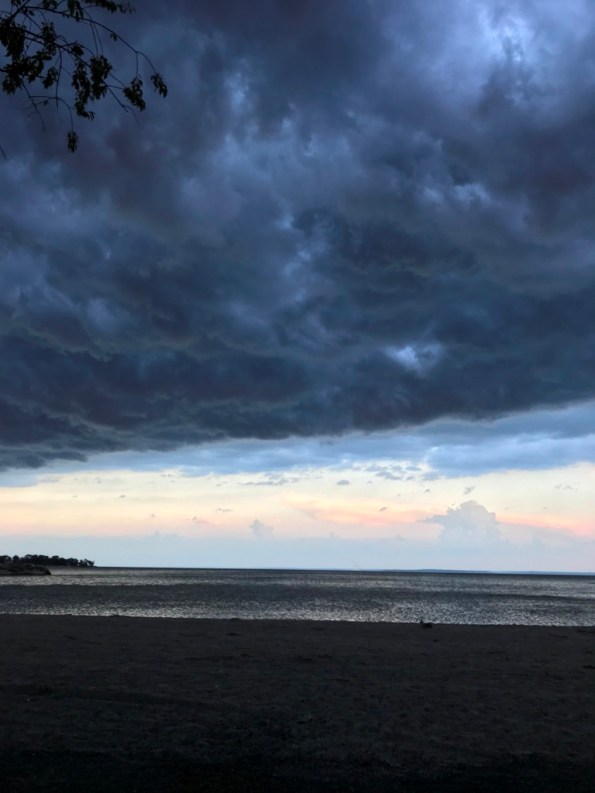
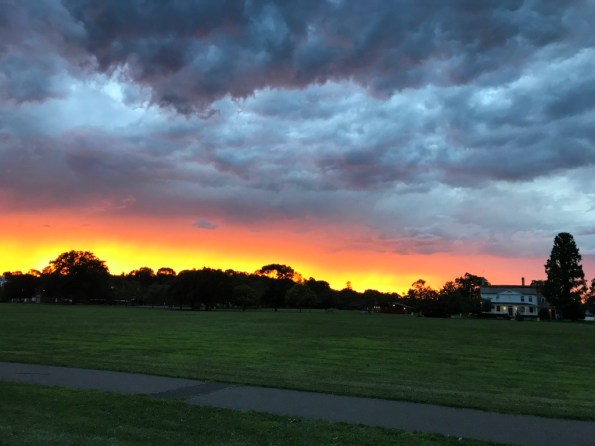
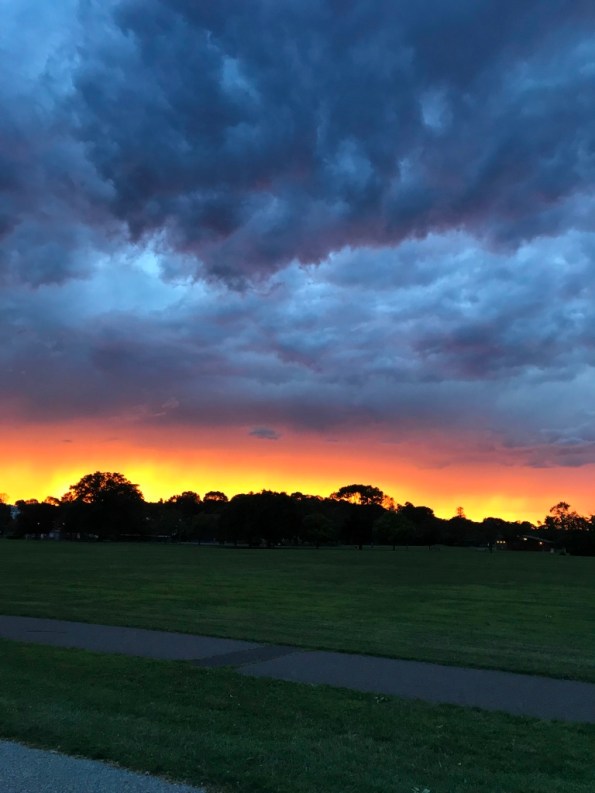
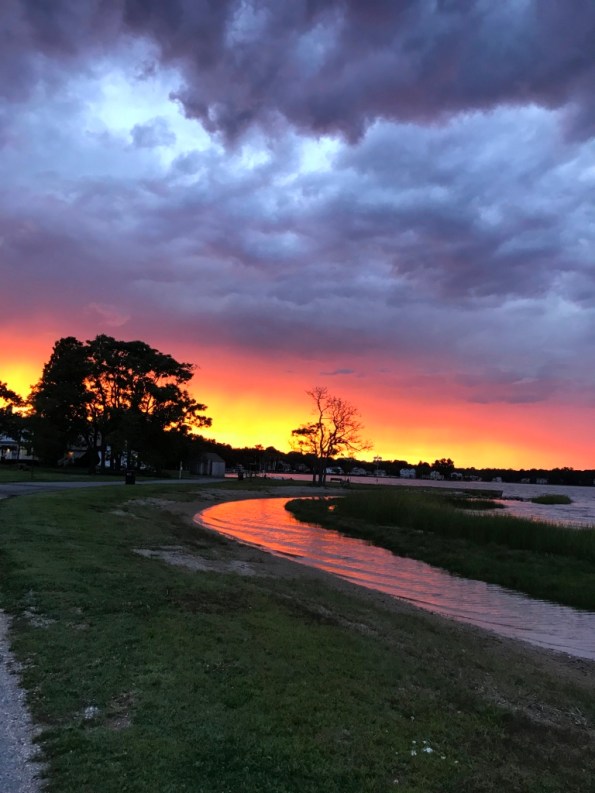
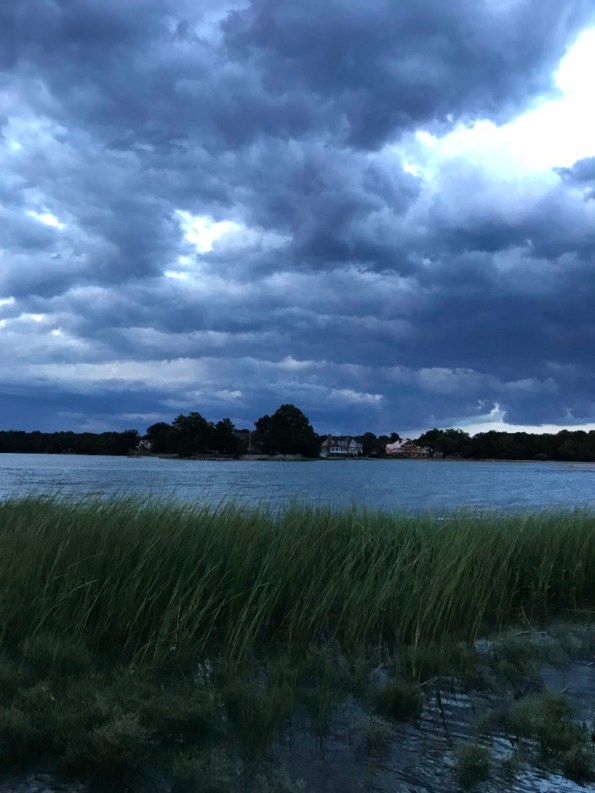
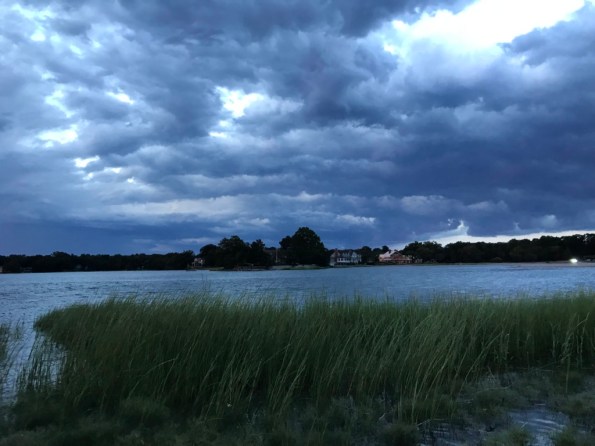
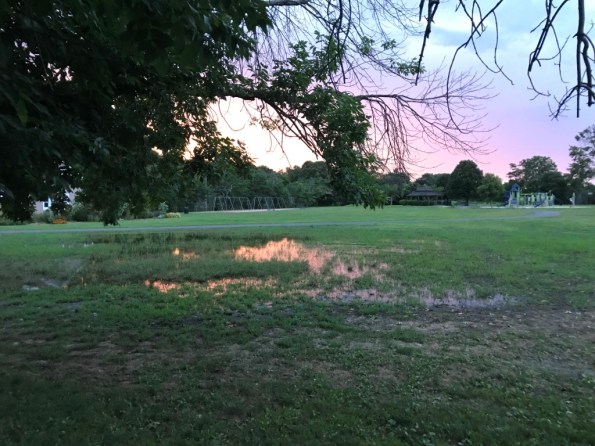
Oh my… Once we arrived at the beach, for the next 30 minutes or so, we couldn’t stop looking and looking around, trying to fully appreciate and take in one of the most magnificent spectacles ever put out by Mother Nature (okay, yes, I’m going too far – she does it every day, non-stop around the world, but still). I often tell people that Mother Nature is a true and original artist, I just try my best to capture her creations and share them with the world.
I usually prefer to convey my own vision of the same Mother Nature’s act in my pictures (read – edit them), but yesterday’s performance was so perfect that I’m just sharing it as is, not edited at all – #nofilter as we like to say.
Enjoy!

How To Buy Wine At Auction
* * * This is a sponsored post * * *
Buying at auction is great for many reasons – it’s sustainable, it’s timely, there’s huge range, and there’s plenty of quality – but beyond the purchasing of artworks, jewelry, furniture and collectibles, auctions are particularly great for acquiring wine.
Though many wine connoisseurs and collectors may not know it, top quality wine is available at a fraction of the cost and in large quantities at auction. Whether it’s the wine of France, Italy or Spain that takes your fancy, or whether the New World (New Zealand, Australia, South Africa, US, South America) is your ultimate preference, you can find wine in all shapes, tastes and forms at auction. The best place to find wine is through the search service Barnebys, where you’ll find thousands of online auctions at any one time and you can actively bid on these auctions from your computer, wherever you may be.
Consider yourself a wine collector? Find out what your collection is worth with ValueMyStuff, where you will receive a valuation of your item(s) within either 24 or 48 hours. If you’re interested in selling your collection at auction, ValueMyStuff can put you in touch with the right house.
Photo: Marco Mornati
There are a few tips you should know before entering the auction room, however, whether it’s online or in person. Here’s our guide to purchasing wine at auction:
Try something new
If you go to a specific vineyard for a tasting, you’re limited to that vineyard’s own range and produce. However, buying at auction provides access to all kinds of variety and wine from across the world. Auctions are the perfect chance to let your tastebuds fly and to try something new, particularly as each bottle comes at a fraction of the cost of that from a wholesaler or retailer. Mix up your usual order with something daring – it may just end up being the perfect component to your next dinner party.
Photo: Scott Warman
Do your research
Particularly if it’s an old wine, make sure you ask about provenance and condition. It’s okay to be nosey, and don’t worry about being a nuisance – it’s your right to ask these kinds of questions. Auctions are the best place to source hard-to-find or niche vintages, and you shouldn’t shy away from older wines, but be sure to understand the condition of the bottles. Other things to consider are not only the age of the wine, but also the label, the cap, the capsule, the origin, how’s it’s been stored, and at what price it’s selling for elsewhere.

Photo: Barnebys/Bukowskis
Expect to pay a buyer’s premium
Remember, the price you bid on at auction – the amount that goes down with the hammer – isn’t the final price as it doesn’t include all costs. You need to factor in the auction house’s buyer’s premium (it’s typically around 20%, but this is at the house’s discretion so be sure to ask beforehand). There may also be charges such as duty or VAT, and, if the auction house isn’t near your home, you’ll need to factor in extra costs such as shipping and transportation.
Photo: Jeff Burrows
Bid
Bidding for wine at auction is exactly like bidding on art, jewelry or antiques, but, as always, it’s best to ask questions as each auction house is unique. You’ll need to register for the auction, place your (maximum) bid, and, if you’re successful, pay any extra costs before collecting your item(s) or arranging transport. Buying at auction may seem intimidating, but it needn’t be: it’s just like online shopping, except you’re purchasing against a few other people and you’re vying for the best price. It’s all about timing: bid early and stake your claim, or wait it out and swoop in at the last minute.
And all this is made easy with Barnebys, where you can search all wines available at auction across the world. Filter by price, location or auction date – and start bidding and adding to your collection today!
June – What a Month, in Wines and Pictures – Part 2
Warning – lots of pictures will be following. And you can find Part 1 post here.
My birthday celebration usually means “party”. This year we decided with my wife instead of cooking and cleaning for 2 days to spend time by ourselves and go to stay somewhere fun. We managed to pack a lot in mere 3 days.
As a collector of experiences, I’m trying to fill my Wines of 50 States map, so as we were driving to Portsmouth, New Hampshire, I decided to visit local New Hampshire winery. Fulchino Vineyard was almost on the way, so this was our first stop (the details are coming in the separate post). Then we arrived at our intended destination for the evening – Wentworth by the Sea, a magnificent property hosting the Marriott hotel.
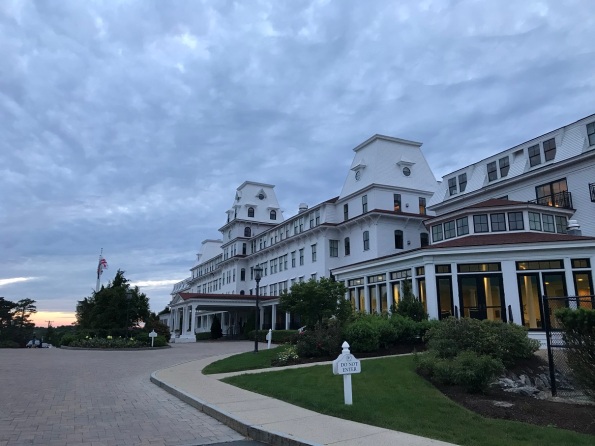
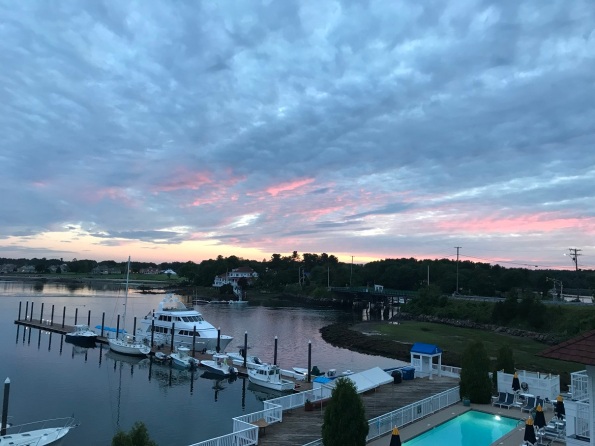
When I drove by that hotel 5–6 years ago, I still remember my admiration of a beautiful structure. It got stuck in my mind and I was waiting for an opportunity to visit – I’m glad it worked out. Beautiful building, beautiful views, beautiful property – we really enjoyed our short stay. And I will let you decide whether this place is beautiful or not take a look at a few pictures below.


While Marriott was a great property in a magnificent setting, our next stop greatly exceeded my expectations. A few months ago I resubscribed to the Yankee magazine – it is a print magazine which is squarely focused on the happenings in New England part of the US, from Connecticut to Maine. As my “bonus”, I got a tiny leaflet called “Best of New England”, where one of the places that caught my attention was Inn at Woodstock Hill in Woodstock, Connecticut, mentioned as “Best Inn for privacy”. The Inn also conveniently hosted a restaurant with raving reviews, which sounded perfect for the birthday dinner.
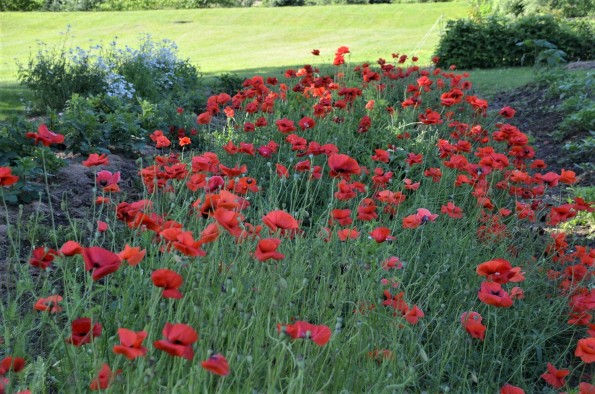
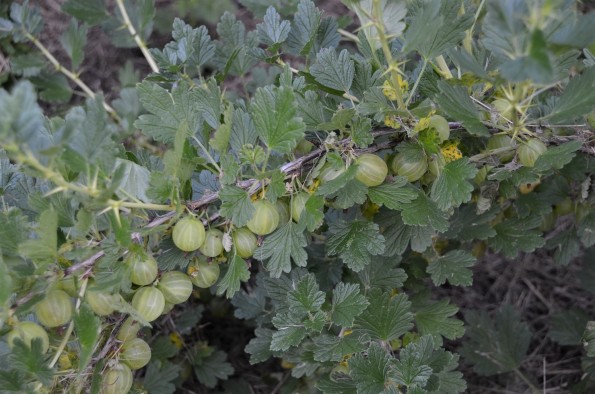
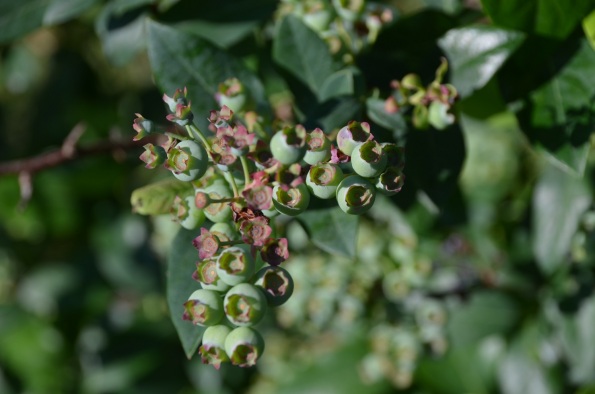
When we arrived at the Inn, we found out that our room was located not at the main building, but at the adjacent cottage, which has a total of three rooms, but we would be the only people to stay there. So we literally had a whole house to ourselves, with the deck and the view of the fields. In addition to the fields which looked perfectly untouched, we had a pleasure of walking around a small garden, where blueberries, black (I’m assuming) currant and gooseberries were all growing, and a small field of poppies was yet another source of great pleasure, as we don’t spend much time around those gentle flowers.



I brought with me a couple of bottles to celebrate the occasion. One of those bottles was 2015 Field Recordings Foeder Old Portero Vineyard Arroyo Grande Valley (14.9% ABV, 50% Syrah, 35% Zinfandel, 15% Mourvèvedre, aged for 12 months in 50 barrel American Oak Foeder). While I generally treat Field Recordings wines as every day delicious wines, good for any day which name ends with a “y”, some of those wines are a bit more special, as they are not produced regularly, and when produced, the quantities are minuscule. This was one of such wines, which I had for a couple of years, but then decided that birthday is a good enough occasion to have it open. This happened to be a mistake, as wine could definitely enjoy another 10 years to fully evolve, but even then, it was a delicious, fresh, acidity-forward concoction of sour cherries and blackberries, with well-defined structure and dense finish.


Our dinner didn’t disappoint either. First, the folks at the restaurant were very kind and let us bring our own wine despite having the full wine list (the corking charge was $15, which was totally fine, of course). The wine which I brought, 1998 Kirkland Ranch Merlot Napa Valley (14% ABV) was on my “to open” list for a while. I got a few of these bottles from Benchmark Wine and was really curious to see how the wine would fare, but the bottle went unopened on a few prior occasions. This time the cork was finally pulled out, and the wine delivered lots of pleasure. It started its journey to the peak but was still far from it – fresh, good acidity, a complex bouquet of roasted meat, coffee, dark fruit (cherries and plums), good balance – very enjoyable. The wine continued to evolve throughout the evening, giving me good hope for a few more bottles I have left.
The food at the Inn at Woodstock Hill (the restaurant doesn’t have its own name, and because of it you can’t find it on Yelp, but it has all information on the web) was delicious. We started with an Escargot, which was enjoyed to the last morsel, and Artichoke Bottoms, which were unique and delicious. Then I had The Wedge salad, which is one of my perennial favorites – you can get any salad off the menu complementary to your main dish, a very nice feature – and The Wedge again was delicious. My main dish was Pork Shank, which was… well, I don’t know if I should declare myself a pork shank connoisseur, but I’ve been through the Czech Republic, where pork is king – this dish was absolutely on par with the best versions I tasted in Prague. Yep, it was a delicious standout or it was standoutously delicious (yeah, I know it is not a word – but this is my blog :)), but I’m sure you got my point.
The morning with that fields view was just perfect. I couldn’t stop myself from taking more and more pictures…


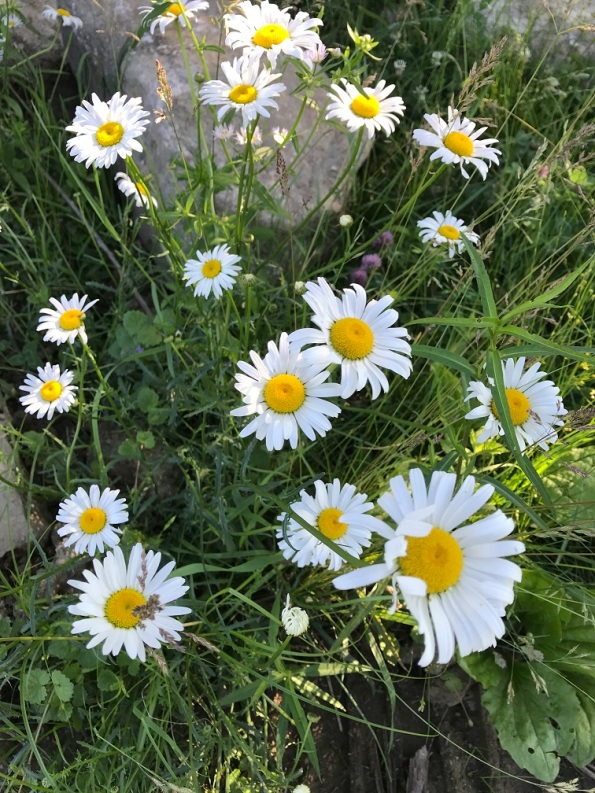


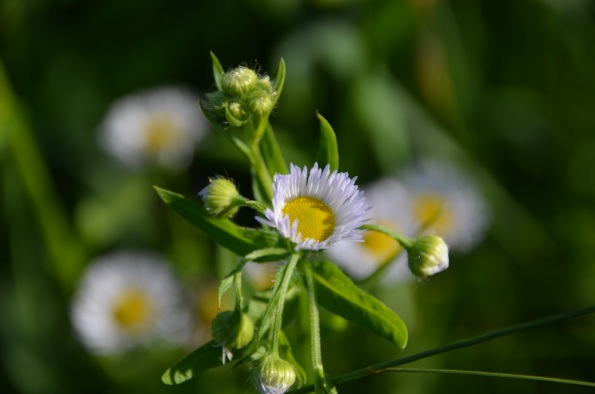


We made two more stops before finally getting home. First, we discovered the Rosewood Cottage, a pink-colored summer residence of Henry and Lucy Bowen, built in 1846, also sporting beautiful garden delimited by 150+ years old shrubs. The Cottage, which now belongs to the Historic New England organization, hosted 4 of the US Presidents visiting Bowen family on various occasions. Over these years, the house was painted 13 times in various shades of pink, has many of the original wall coverings (wallpaper) called lincrusta, and stained glass windows, some of those original since the house was built. It also houses the oldest in the United States indoor bowling alley! Does it worth a special trip? Yep, it does.

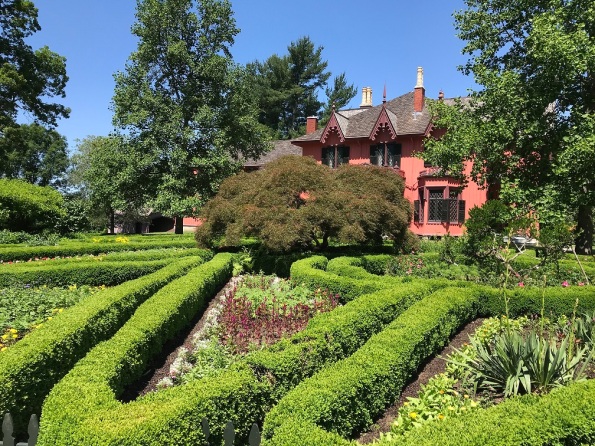


Our last stop was at the Taylor Brooke Winery, also located in Woodstock. Compared to my previous Connecticut wineries experience, this was definitely a better one – but more about it later.
Here you go, my friends – one memorable June of 2019. How was yours? Cheers!
Last Bottle Sign Up ($10 credit)





