Archive
Oh, Grenache
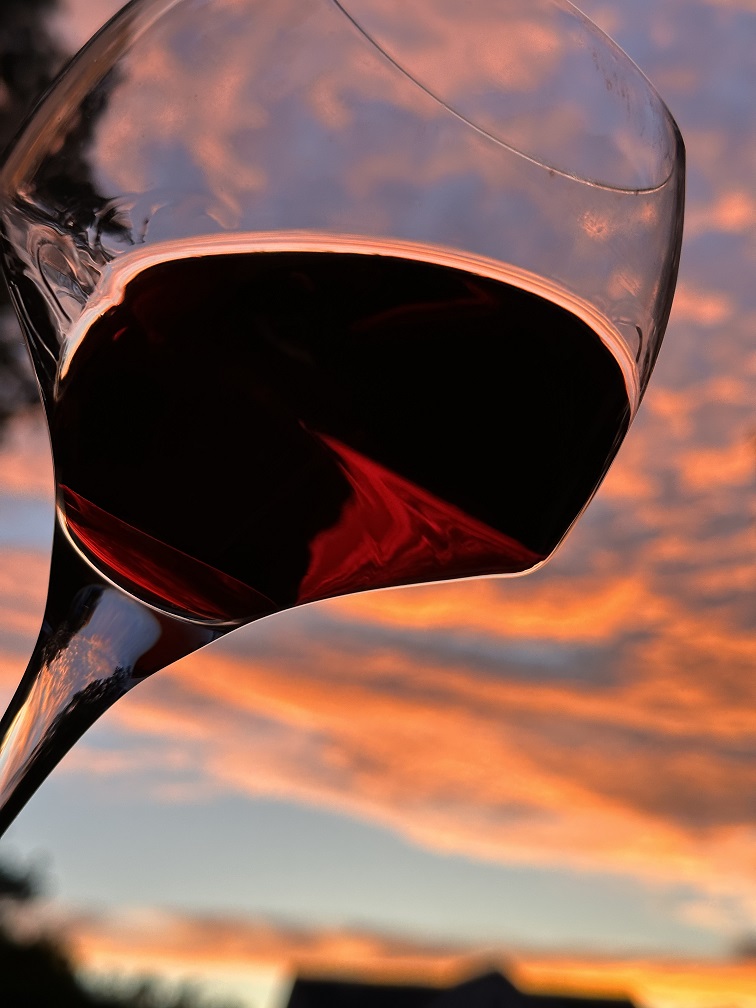 Last Friday, September 15th, we celebrated International Grenache Day. For those rare grape holidays I manage not to miss, I usually write a post on the actual day of celebration. This post didn’t make it on time (obviously), but I managed to open a beautiful bottle, so better late than never…
First, let’s talk about Grenache. Grenache, also known as Garnacha in Spain, is one of the major red wine grapes. Grenache is growing in all major winemaking regions – France, Spain, Italy (under the name of Cannonau), Australia, New Zealand, California, Washington, Israel, and many other places.
I’m sure that when people hear the name Grenache, the instant association is “red wine”. However, close relatives Grenache Blanc and Grenache Gris are also popular grapes, capable of producing delicious white wines – as they do, for example, in Southern Rhône.
Grenache is versatile – it can star on its own, but it is also a great team player. In Spain, Grenache, or rather, Garnacha, is the grape behind some of the most coveted wines of Priorat (Clos Erasmus, anyone?). Campo de Borja in Aragon is another Garnacha’s sacred land – if you have ever experienced the beauty of Alto Moncayo wines, you know what I’m talking about (if you didn’t, it is never too late to rectify). And in some regions, such as Rioja, Garnacha successfully plays a supporting role.
In France, Grenache is the driving force behind the wines of Southern Rhône – Gigondas, Chateauneuf-du-Pape, and everything in between fully relies on Grenache – both solo and as a part of the blend. I’m sure you heard of GSM, which stands for Grenache, Syrah, Mourvèdre – this trio constitutes an absolute majority of Southern Rhône wines, but GSM blends from Australia and the US will give Rhône wines great run for the money.
In the US, Grenache powers many California Rhône Rangers wines – Alban, Saxum, Pax, as well as many of the Washington wines – again, both in solo versions, such as single-vineyard No Girls and Horsepower wines and cult blended renditions such as Sine Qua None.
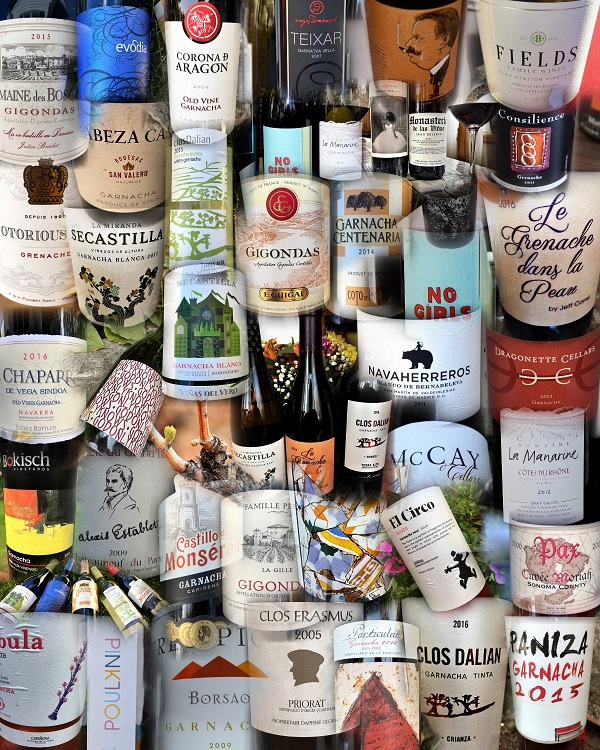
When it comes to the grape holidays, I take pleasure in going through the labels of the wines I had in the past and building a little collage to represent my experiences with the celebrated grape. I realized that even though I wrote about Grenache Day in the past, I never made a collage – fixing this problem was a lot of fun:
Now, let’s talk about the Grenache that put a smile on my face that Friday – 2015 Carlisle Grenache Rossi Ranch Sonoma Valley (15.4% ABV).
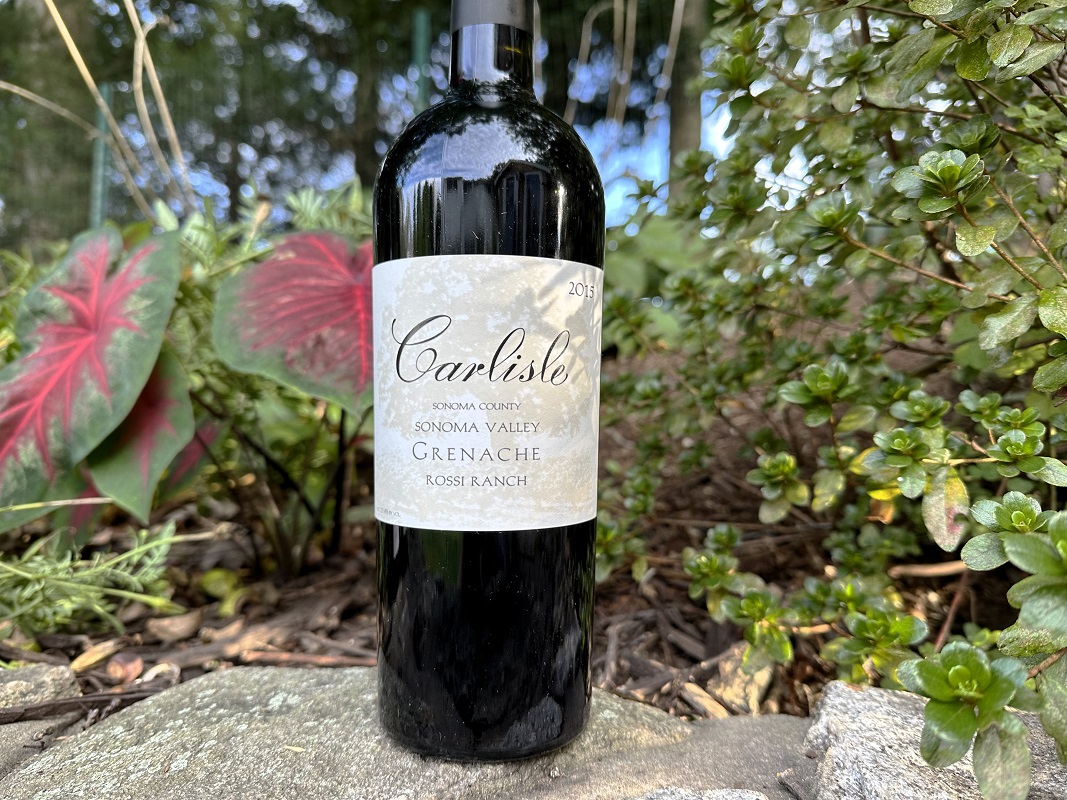
Carlisle is best known for their Zinfandel and Syrah wines. But they also make other wines, such as Grenache, Mourvèdre, Alicante Bouschet, albeit in small quantities and not every year. Carlisle Grenache is a rare animal – I’m not even sure I ever got any other Grenache via the mailing list. It appears that the 2014 vintage was not even bottled, as the wine couldn’t be tamed. However, 2015 worked very well, and Carlisle was able to produce the whooping amount … wait for it … of 77 cases. I don’t even know by what luck I was able to get a bottle, but I’m very happy that I did.
100% Grenache, aged in neutral oak. The wine was stunning – first, the nose, loaded with red berries and herbs, fresh, complex, and vibrant – one of those wines you want to smell indefinitely. When I finally got to sip the wine, it didn’t disappoint – the core of the red fruit, a hint of tobacco and just a tiny splash of dark chocolate, sage, vibrant, full of energy and impeccably balanced. And we got to enjoy the wine over a magnificent sunset – two pleasures at once…
This is my Grenache Day story. What Grenache experiences would you like to share?
Cabernet Sauvignon Reflections on Cabernet Day
Once people realize I’m into wine, 9 times out of 10 someone likes to pop the question – “So, what is your favorite wine”? I really dread this question because I can never answer it, and people think I’m full of pretense.
First, I like wine. Maybe “love” is an even better word. For me, wine is an all-inclusive concept – all types, all regions, all grapes. As long as wine gives pleasure, that is all I need. So it is really hard to pick a favorite. And even if I try, my answer will be different every time – you know how sometimes you are asked to name a favorite book or a favorite movie as an answer to the security question for the new account setup? I always wonder – who can answer that, and then really remember what they said in the first place? I know that it is not me.
But then maybe I had not been honest with myself and I do have a favorite?
It is possible that I’m overthinking such a basic question. But as one of the philosophers said, “Thought spoken is a lie”. In our thoughts, there is a true answer. But every time we try to give it, it is only an approximation – and that’s why the answer to this “favorite” question can be different every time.
Celebration of the International Cabernet Day made me think about this most popular grape in the world and also made me realize – that Cabernet Sauvignon wine might actually be my favorite wine.
How do I mean it?
I’m trying to assess my almost subconscious reaction to hearing about the wine – someone mentions it, I get a promotional email, wine at a restaurant, etc. I believe my brain gives Cabernet Sauvignon preferential treatment, compared to any other wine (interestingly enough, Brunello might be another wine with a similar reaction).
Let me try to explain it better. Let’s say I hear the name Rioja. You know perfectly well that I love Rioja. But just mention of Rioja doesn’t get me excited – I need to know the producer because there is only a handful of producers I trust to offer the wine I will enjoy. A similar story will be with Syrah, Chardonnay, Zinfandel, Riesling, Pinot Noir – I need to know the producer and the region, and then if I hear E. Guigal or M. Chapoutier, the Syrah all of a sudden becomes interesting.
This is not the same with Cabernet Sauvignon. Once I hear about Cabernet Sauvignon, I get instantly excited first, and then wonder about the producer, the region, and so on. I can’t explain this – this might be due to all the wine books I had read in the past. It might be due to the phenomenal encounters such as Vérité, Jordan, Smith-Madrone, Neyers, Kamen, Turley, Chateau Ste. Michelle, Revelry, Neyen, BV, Chateau Margaux and many, many, many others. I don’t know how this works, I’m just doing a bit of the self-searching and it seems to be that this is the case.
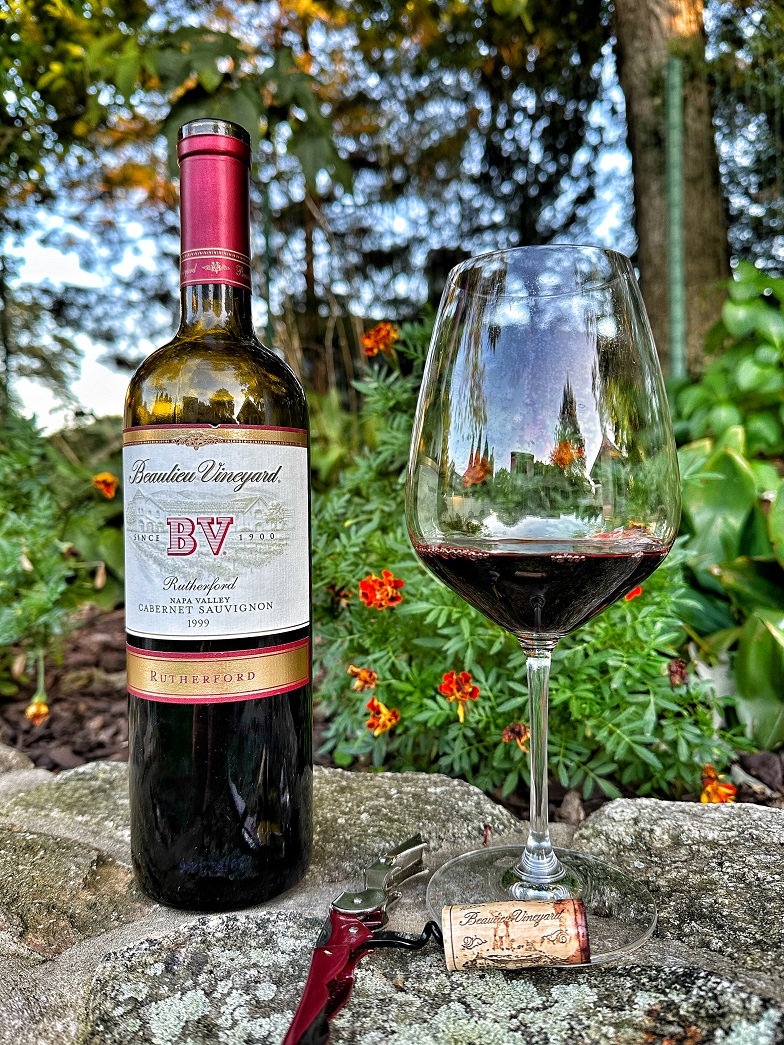
For today’s celebration, I decided to go with the 1999 Beaulieu Vineyards Cabernet Sauvignon Rutherford Napa Valley (13.8% ABV). Drinking this wine brought memories of visiting BV and tasting through the full lineup of wines, including Georges de Latour Private Reserve Cab and Cabernet Sauvignon clonal selections. Despite the 24 years of age, this wine was absolutely youthful and delicious – cassis and eucalyptus on the nose, more of the cassis and eucalyptus on the palate with the addition of cherries. Perfectly present texture, very enjoyable and easily noticeable tannins, perfectly balanced. This is the wine that puts a smile on your face (Drinkability: 8+/9-). Also, as I always maintain that well-made California Cabernet Sauvignon requires between 20 and 30 years of age to be fully enjoyed, and then I find a confirmation to that statement, so that puts another smile on my face.
Here, I said it – Cabernet Sauvignon might be my favorite wine.
But then remember – the thought spoken is a lie.
Restaurant Files: An Ultimate Dining Experience
As a food and wine lover, I know I can’t complain about the lack of great dining experiences. But great doesn’t necessarily mean memorable. I will give you a few minutes to reflect, but seriously, how many dining experiences have stuck in your memory? How many of those experiences were memorable because of the food and wine pairing?
I’m sure you know where I’m heading with this preamble. During my last trip to Sweden, I actually experienced the unique greatness of the food and wine singing together in perfect harmony – and I have to share that with you.
As was going on a business trip to Gothenburg, the second largest city in Sweden, a friend who was already there sent me a restaurant recommendation which he got locally from someone – SK Mat & Människor. I quickly looked at the website, which portrayed a very attractive image, saw that a reservation would be required and quickly made one, as my free time was very limited.
The day before, I decided to check the menu (I like coming to the restaurant prepared if possible) and discovered that the restaurant doesn’t have a menu per se – the restaurant offers two tasting menus with local seasonal ingredients – one with 4 courses and one with 6. The only other information was the required time – a 4-course dinner takes 2 hours, and a 6-course takes at least 2 and a half. Well, it is fun to be surprised, isn’t it?
Upon arrival we were quickly escorted to our table and presented with the printed menus that still didn’t provide much details – 2 tasting menus with available matching wine pairings – that’s it. We decided that 4 courses sounded good enough and let the magic begin.
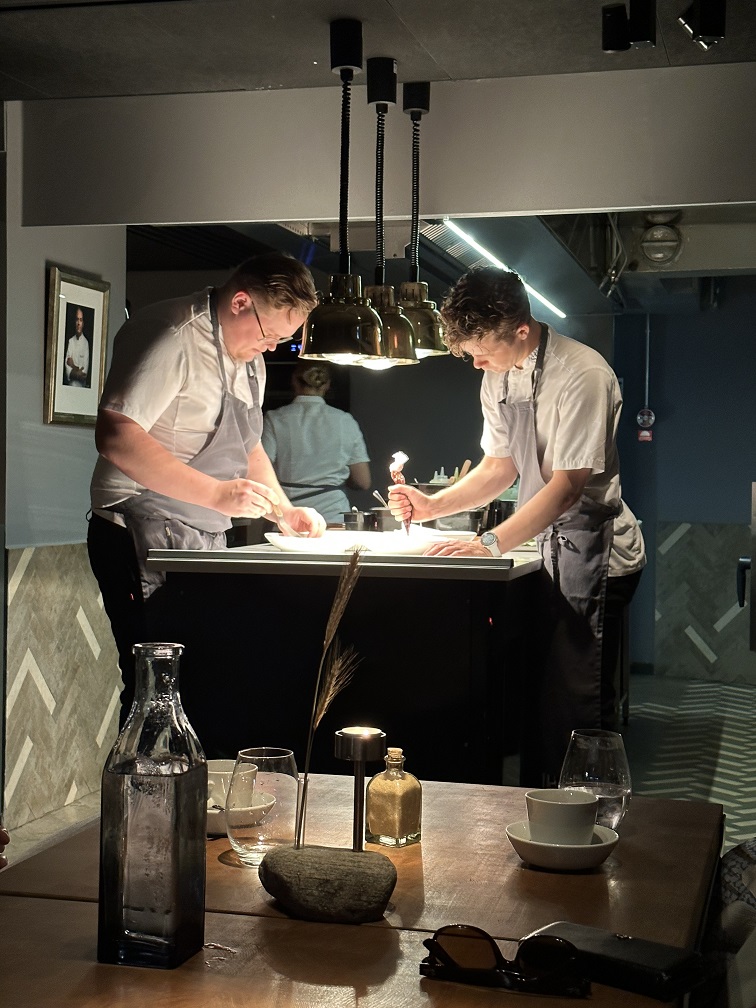
Chefs at work
We were explained that everything at the restaurant is seasonal, locally made and procured. The restaurant has 3 open kitchens, one for cold appetizers, one for warm appetizers and entrees, and one for bread and desserts – yes, fresh bread is made at the restaurant.
The bread arrived first, a little basket with 3 types of bread, and butter which is also made daily at the restaurant, from fresh milk. Also, our first wine was poured – André Lurton Chateau Bonnet Réserve Bordeaux (Sauvignon Blanc/Sémillon), perfectly refreshing as a starter. Next, our first appetizer was presented at a table.


Here lies a problem with how much I can really share with you. The purpose of the dinner was to enjoy it, not to take detailed notes for the blog. I had no printed menu, and each dish was briefly presented by the chef, including all ingredients, spices, and cooking techniques – all within 30 seconds or so. I don’t know about you, but my memory definitely has its limits. Thus my descriptions will be lacking…


The first dish was a fish – I believe haddock (local, of course). I don’t remember any of the spices and condiments, but – the appetizer was brought to the table with a little bowl of grilled tomato broth (yep), and each one of our bowls received two tablespoons of such broth. The appetizer was very tasty and worked well with the wine.
The next wine was the 2020 Leopard’s Leap Culinaria Collection Chenin Blanc Franschhoek Valley South Africa. The wine had a beautiful, concentrated nose, and very good textural presence on the palate, something that good Chenin Blanc can usually deliver.


A warm appetizer was served with this dish – I guess it could be called a confit of artichoke – the artichoke was slowly cooked for a very long time, then deep fried and served with some effervescent cream. The dish was delicious, and pairing with the Chenin Blanc was excellent, with wine complementing and elevating every bite.
The choice of next wine was a bit surprising for me – 2021 Oakridge Over the Shoulder Pinot Noir Yarra Valley Australia. Of course, Australia produces Pinot Noir – but I would definitely look at other regions first if I would want to serve my guests Pinot Noir. The wine was tasty on its own, with a nice nose of smoke, plums, and violets and a firm texture on the palate, definitely on the tart side.


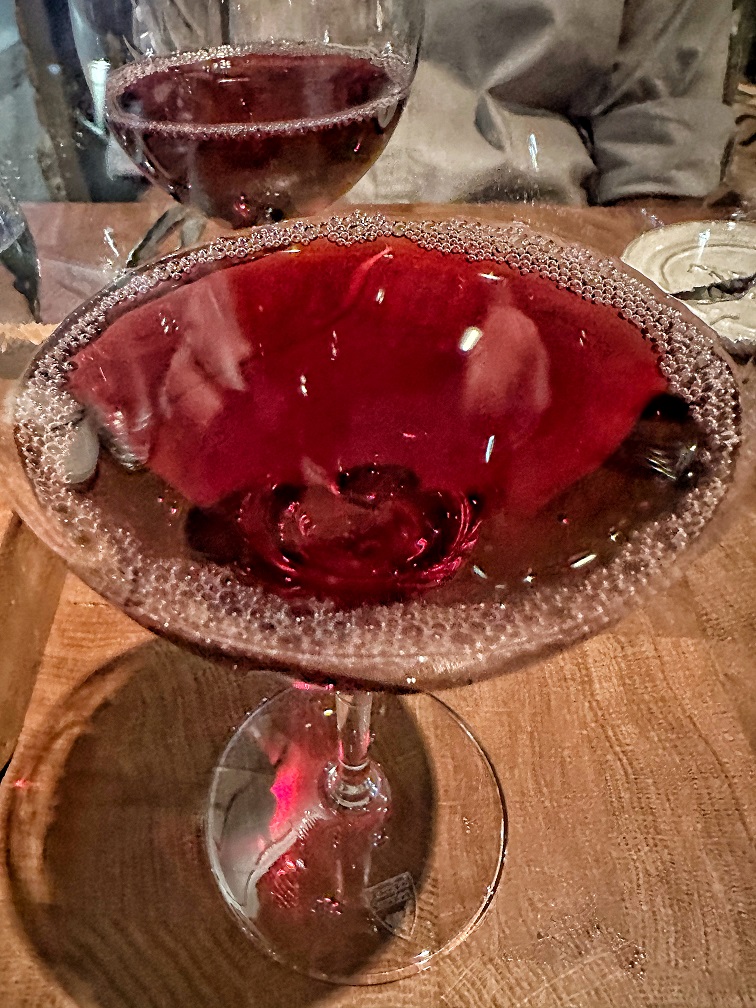
Just look at this color…
Seeing Pinot Noir I was guessing that our main course will be either duck or lamb. To my surprise, we were served local Swedish beef, prepared with celeriac (root of celery) three ways – as a purée, as a spice, and in some other form (sorry, see the note about my memorization skills above), served with the wine reduction sauce. And I don’t know how, but in this dish, taking a bite of food with a sip of that Pinot Noir was akin to some dark magic – remember the restaurant scene in “When Harry Met Sally”? Yeah, that type. Just magic.
Over wine pairing for dessert was essentially a dessert in itself – 2022 Prunotto Asti Spumante DOCG from Italy. The wine was beautiful, pleasantly sweet but with perfect acidity and light fizz, delicious on its own.


Our dessert was a combination of herbal sorbet and local Swedish strawberries. The sorbet was barely sweet and delightful, but taken with a sip of Asti Spumante … OMG (yeah, laugh all you want)… We both agreed that this was truly a “heaven on earth” type of experience… An amazing finish to an amazing meal.
Believe it or not, this dinner took a little bit more than two hours, and the flow of wine and food was such that we didn’t notice how the time had passed. Absolutely different experience compared to an average restaurant visit, where you look at the watch when the bill arrives and realize that you barely spent 50 minutes…
Here you are, my friends. If your travel will take you to Gothenburg, I can’t recommend SK Mat & Människor any higher. Visit, and you will understand.
Stories of Passion and Pinot: Kate Ayres of Penner-Ash Wine Cellars
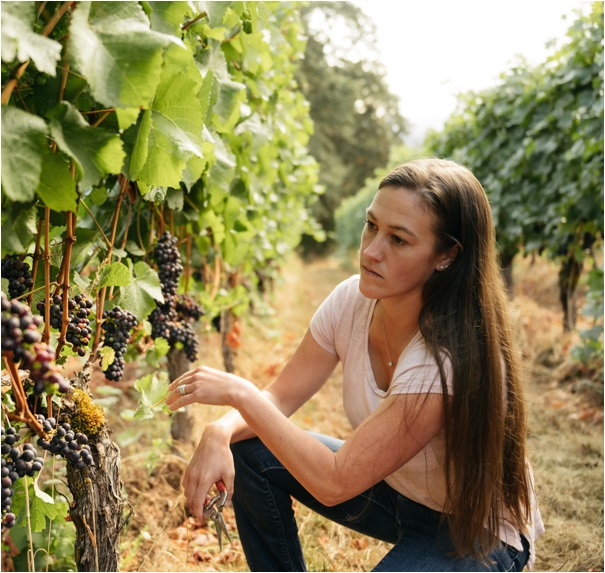
Kate Ayres. Source: Jackson Family Wines
125 cases of Pinot Noir in 1998.
9,000 cases of Pinot Noir, Syrah, Riesling, and Viognier in 2011.
16,000 square-foot winery building designed with human ergonomics in mind.
12 vineyards.
Numerous accolades.
This is a brief “history in numbers” of Penner-Ash Wine Cellars, founded by Lynn and Ron Penner-Ash in Northern Willamette Valley Yamhill-Carlton AVA in 1998. The winery quickly grew to prominence, best known for its lush, layered Pinot Noir. In 2016, Penner-Ash Wine Cellars was acquired by Jackson Family Wines (JFW), joining Gran Moraine, Zena Crown and other Oregon wineries as part of JFW’s “cool-climate” Pinot Noir portfolio.
Kate Ayres had become the Winemaker at Penner-Ash Wine Cellars in the spring of 2018. Continuing traditions is not an easy job, and so I had an opportunity to sit down (virtually) with Kate and ask her a few questions.
Here is what transpired in our conversation.
[TaV]: Reading about the history of the winery, I came across the fact that the winery was designed with “human ergonomics” in mind. Can you expand on this, provide some details for someone who never visited the winery?
[KA]: Lynn and I are both petite female winemakers and that was really a driving factor when creating our gravity flow winery. We tend to ferment in small fermenters (one-, two- and three-ton) that are just short enough that I can smell the tops of each tank at standing height. The tanks are all easily moveable by pallet jack and require very little “heavy lifting.” In addition, because of the tiered nature of the winery, we rarely use pumps and aren’t hauling hoses up and down the winery.
[TaV]: Also in the same historical overview, I found an interesting mention of “unanticipated soil diversity”. Why “unanticipated”, and how is this impactful from the point of view of the Penner-Ash wines overall?
[KA]: I believe this is in respect to our Estate Vineyard. We have 15 acres planted to Pinot Noir in the Yamhill-Carlton AVA, which is typically characterized as sedimentary soil. In the case of our vineyard, we have a volcanic line running down the middle of our upper Pommard and 666 blocks, down through our lower Pommard blocks.
[TaV]: What is your winemaking philosophy – whole cluster fermentation, natural yeast versus inoculated yeast, oak regimen, etc?
[KA]: We love experimentation in the winery and will pivot depending on what the vintage is throwing at us. There are some vineyards that we love to whole cluster ferment, but I wouldn’t consider us a “whole cluster” house. 25-40% in a fermenter is our happy spot. While we have a plethora of inoculated yeast strains we like to use, we are also happy to let tanks head in the native direction when it fits. Our oak regimen has evolved over the years to match our changing environment. We like lower impact barrels that can provide structure and sweetness, but less overt “oaky” aroma. Our basic philosophy at Penner-Ash remains the same as it was on our starting day. We craft beautifully textured and layered wines that are approachable and ageable. This is done with a diversity of vineyard sites, a simple approach to winemaking, and a delicate handling of the wines through their life.
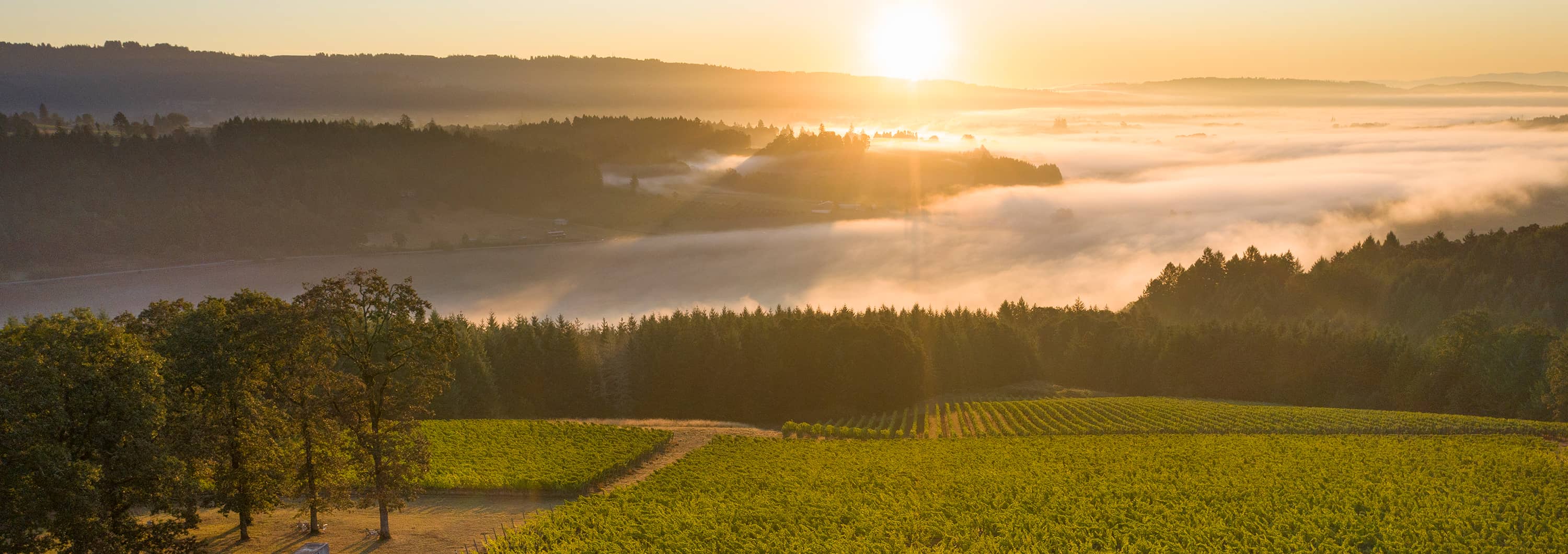
Penner-Ash Cellars. Source: Jackson Family Wines
[TaV]: At Penner-Ash, you get to work with many different vineyards. Do you have a most favorite and most challenging one?
[KA]: How cruel to pit them against each other! Each vineyard is so special to its location, and that is what makes my job so incredibly exciting and invigorating each harvest. For example, there are times when certain weather events just hit a single sub-AVA. So while that particular vineyard might be more difficult for that vintage, other vineyards may remain unaffected.
[TaV]: One question I like to ask all the winemakers I have a chance to speak with – what is your take on biodynamic viticulture?
[KA]: I think this has become such a polarizing question. There are many aspects to biodynamic viticulture which make so much sense to me. Working within the natural balance and diversity of the ecosystem seems like a no-brainer. I find it harder to see the relevance of the spray schedules, mixtures, and decisions based on moon phase.
[TaV]: Based on what I can see on your website, Penner-Ash offers today a large number of white and red wines. Sparkling and Rosé make a notable absence. Do you make any of the sparkling or Rosé? If not, any future plans?
[KA]: We make a rosé, but not a sparkling wine. As you’ve noted, we make many wines. At this point in time, I’d like to keep my focus on those wines that we know and we make well.
[TaV]: Practically all of your wines are vineyard-specific. Have you ever considered producing block-specific wines, from Penner-Ash Estate or any other vineyards?
[KA]: We have dabbled in block specific (clonal specific) wines for fun with the Shea Vineyard and have in the past put together a complete set for the consumer. It was a fun thing to show people, but was a huge labor of love (all hand bottled). They are certainly fun one-off projects to toy with, but harder to consider as a long-term product.
[TaV]: Going back to the wine lineup – the majority of the wines produced by Penner-Ash are Chardonnay and Pinot Noir. And then you have lonely Riesling and Syrah. Any plans for any other grape varieties? Maybe a Pinot Gris? Tempranillo? Something more eclectic?
[KA]: I’d love to dabble in a new red or two and we’ve also done some fun tasting of Chenin Blanc and Sauvignon Blanc from Oregon. I think Sauvignon Blanc coming out of the Willamette Valley is really interesting and fun.
[TaV]: Can you describe your typical day in the vineyards?
[KA]: As the growing season progresses my days usually start in the vineyard for the first couple of hours before returning to the winery to taste/blend/crush samples. We have a lot of vineyards to cover, so I tend to try to visit 2-3 vineyards in a morning if possible.
[TaV]: We can’t ignore climate change – how do you take the effects of it in your day to day operation? How are you taking it into account for the longer period, say the next 10 years?
[KA]: Looking at alternative varieties is certainly high on the list. In the more immediate future I’ve pulled back the amount of cap manipulation the wine sees in its lifetime. There was a time where we would punch down a fermenter three times a day. Now we find ourselves doing one punchdown a day and touching it twice just in the peak of fermentation. Our oak regimen as discussed earlier is also in response to warmer years. Of course it would be remiss of me if I didn’t note that much of the work is done in the vineyard. Whether it be in cover crops, tilling or not tilling between rows, leaf removal (or not), etc. These are all things we are working on for a warmer trend.
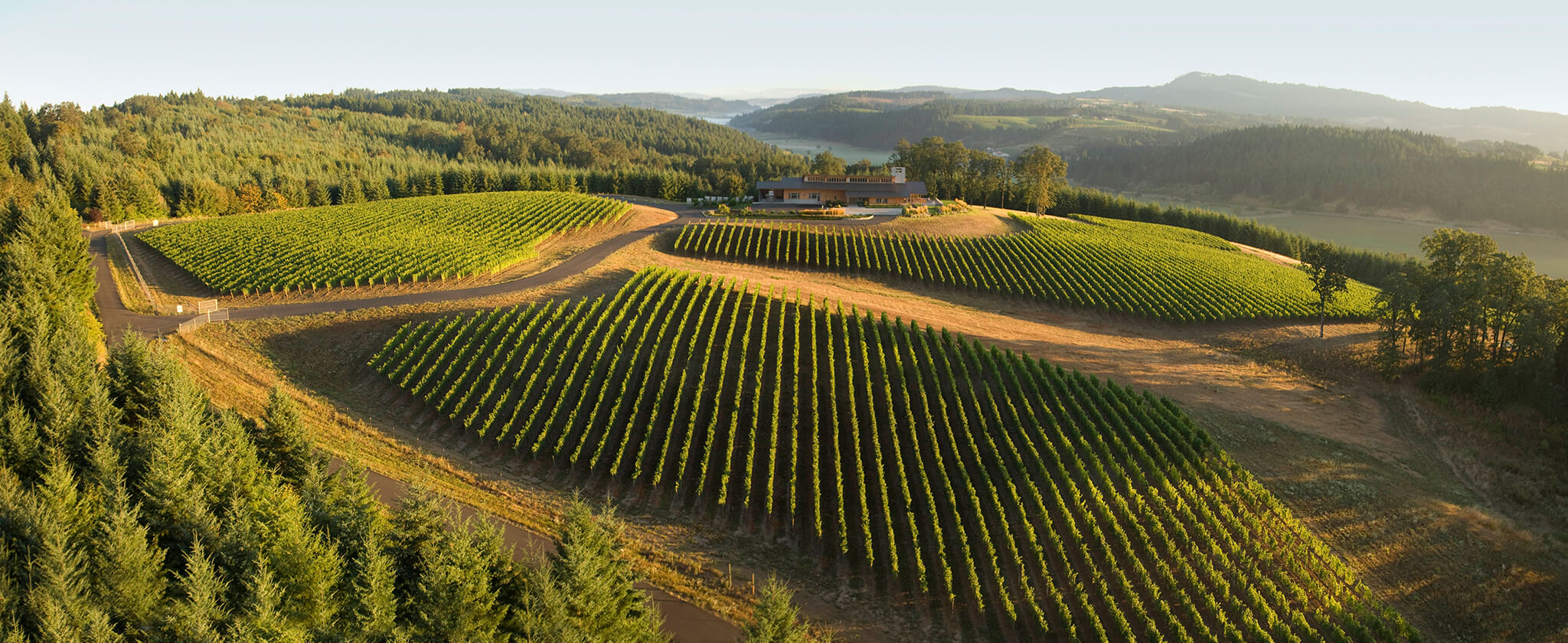
Penner-Ash Cellars. Source: Jackson Family Wines
[TaV]: Given an opportunity to work anywhere in the world, is there a winery or a winemaker you would choose to work at/with?
[KA]: I’ve been lucky enough to work in several winemaking regions in the world, but never in France. Given the relationship with Domaine Drouhin Oregon, I’d love to get a chance to work with Véronique.
[TaV]: Along the same lines – is there a wine you always wanted to make but didn’t get the chance to do it yet?
[KA]: That’s a hard one to answer. There are so many varieties of wine out there that it’s hard to put a finger on what exactly I’d desire to make most. I’m just happy that my early learning years took me to winegrowing areas that broadened my experiences and gave me an opportunity to create many different varieties of wines.
[TaV]: What was it like working with Lynn when you started at Penner-Ash in 2018?
[KA]: I actually started working with Lynn in May of 2016 but was promoted Winemaker in 2018. Working with Lynn has been one of the biggest delights of my career. As we all know, Lynn is a staple in this industry and that in and of itself can be intimidating, but she created such a warm and welcoming environment for me. We really worked in lockstep as she taught me about each of the vineyards we source fruit from; the pillars on which Penner-Ash rests. I can’t begin to recount the funny conversations we shared across the blending table from each other, the barrels we’ve tasted and scored, the fermenters we smelled together each morning. The relationship I was able to form with Lynn over the past nearly seven years has been nothing less than incredible. She was a mentor, but even more she became the most amazing colleague.


As usual, I had an opportunity to try a few wines from the Penner-Ash cellars – here are my notes:
2021 Penner-Ash Chardonnay Willamette Valley (14.6% ABV)
Straw pale
Apples, a touch of vanilla
Clean, crisp, Whitestone fruit and apples on the palate, distant hint of honeysuckle. The fruit quickly dissipated on the finish, with lingering tartness and afterward, acidity.
7+/8-, if you are looking for classic but very lean chardonnay, this is your wine.
2021 Penner-Ash Pinot Noir Willamette Valley (14.1% ABV)
Dark Ruby
Cherries, plums, and violets -classic Pinot nose
Very interesting temperature dependency
At room temperature, the wine appears as classic California Pinot Noir, with sweet cherries, plums, vanilla, borderline flabby
When served chilled, the wine is dark and concentrated, with a core of tart cherries and some espresso notes. Perfectly structured and full of energy.
Room temperature: 7/7+
Fridge temperature: 8-
Here you, my friends. Another story of passion for the finicky grape. Until the next time – cheers!
P.S. For more stories of Passion and Pinot please visit the series’ main page.
A Few Days in Paris
If you have followed this blog for some time, you know what the “a few days” title means. Yes, pictures. Lots and lots of pictures. This post will not be an exception – get ready to scroll.
Pictures have such an important role in our lives. Pictures solicit emotions, bring back memories and moments, and let us re-live those moments. Pictures can also serve as a personal journal, keeping all the dates in perfect order.

Probably my favorite shot of the entire week
Based on the pictures stored on my computer, I was able to figure out that the last time I was in Paris was almost 13 years ago, in October 2010. Of course, even if one is not familiar with Paris from the books, once you visit, that memory will be with you forever. Yes, I knew what I will find in Paris in a general sense, but the particulars, such as navigating this sprawling city, became rather blurred.
Once I arrived, though, it all came back rather quickly. Paris has one of the very best subway systems in the world when it comes to navigation – before every entrance, there is a full list of stations which you will find in a given direction – as long as you know where you are going, getting there is really easy.
This was a trip for work, and I was definitely lucky with the location of the meetings – a stone’s throw from the Eiffel Tower. For 5 days straight, I could look at the Eiffel Tower any time I would want. We even took some pictures from the roof of the building, admiring it from an even closer distance.
We also had a dinner cruise along the Sienne, allowing this photography junky to take a beautiful picture of the well-lit Eiffel Tower during the night – despite the rain which was going on the whole night but conveniently stopped as we were passing the Eiffel Tower, allowing for some magnificent pictures to be taken.
And then there were numerous strolls around the streets of Paris, allowing more magic to be captured. Remember I promised to inundate you with pictures? Here you go – and when you will be done scrolling, we will switch our attention to – yes, you guessed it – food and wine. See you in a minute or so.
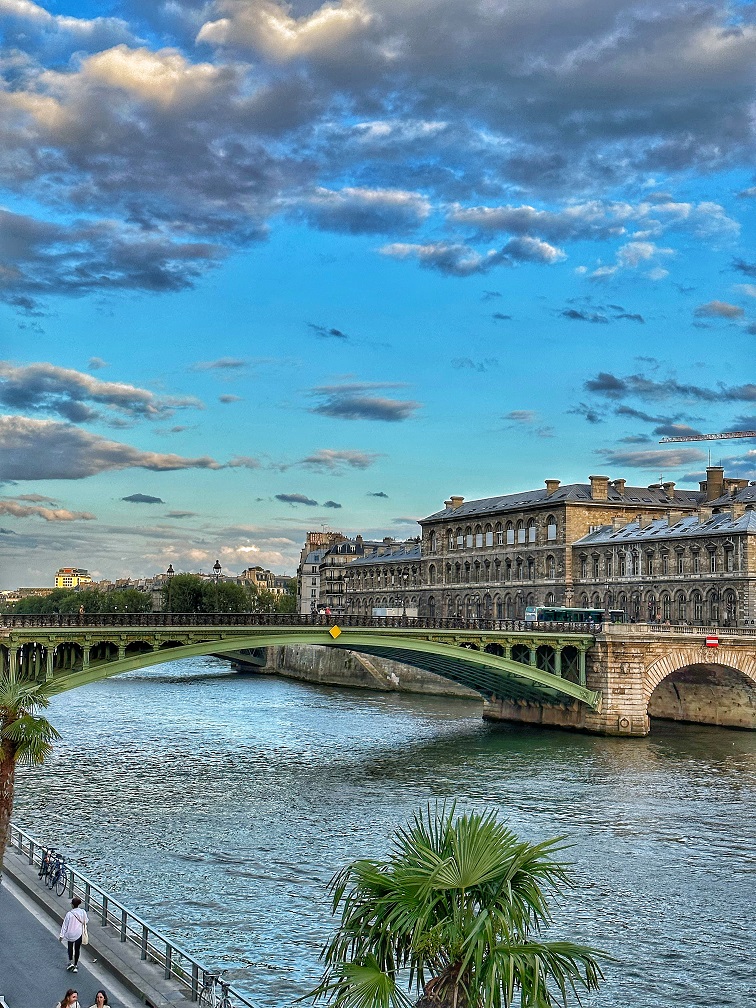
















Now, food and wine, as nobody can talk about Paris without paying attention to food and wine. And wine and food.
Let’s talk about wine first.
First of all, I now did what I usually do during my trips, especially the European ones – visited the supermarket to see the selection of wines. Considering the location in the center of Paris, I think the prices look quite reasonable – good luck finding $3 wines in New York.
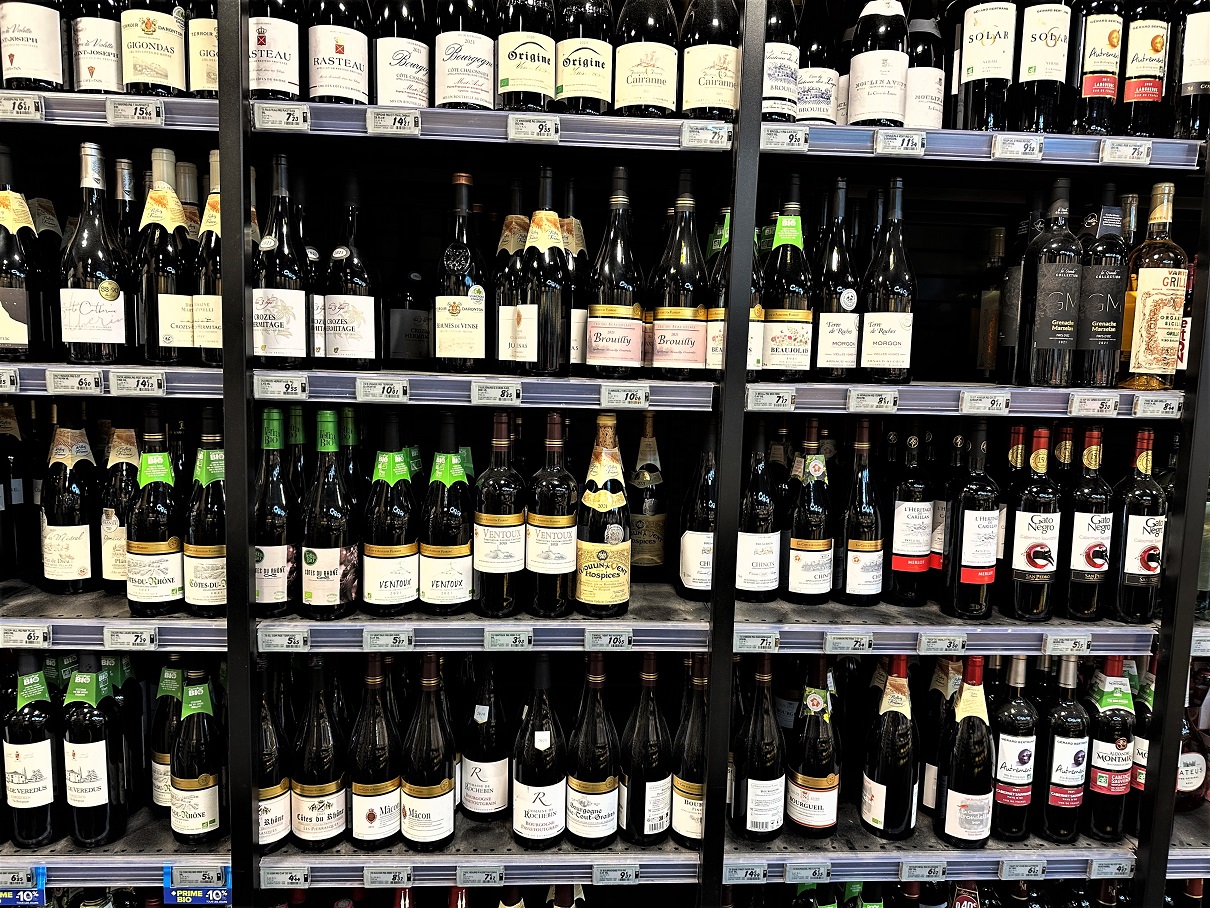


I grabbed two bottles to enjoy in my hotel room during the week. 2020 Rasteau AOP Cru de Cotes du Rhone at €7.23 was a very nice find. The wine needed a bit of time to open, but then offered a smokey, concentrated, powerful mouthfeel with a good amount of dark fruit. My second bottle was a bit more expensive – €9.28. It was 2021 Gérard Bertrand Solar 6 Syrah Cévennes IGP, a certified organic (Bio) and bee-friendly wine from the South of France. Along with Domaines Paul Max, Gérard Bertrand is one of my “safe choices” for situations where I need to pick a decent bottle of wine for a modest amount of money. This Syrah was quite generous, good amount of fruit, a tiny hint of black pepper, round and well-balanced. I run into the Gérard Bertrand wines a few more times during the trip – last time at the airport lounge in the form of the 2021 Gérard Bertrand Crémant de Limoux An 825 Brut, a blend of Chenin Blanc, Chardonnay and Pinot Noir, which was delicious in its own, but also perfect in Mimosa, with its firm structure and consistent bubbles.


I need to mention a few more wines. Of course, when in France, you should drink French wine. Except, maybe, when you are in a kosher restaurant. We visited L’As du Fallafel restaurant twice during the week (one of my colleagues eats Kosher, and then, of course, the food is just tasty), and an Israeli wine was a perfect option in my opinion. 2020 Gamla Cabernet Sauvignon Galilee was well approachable from the get-go, nice amount of dark fruit, good acidity, good structure, well-integrated tannins – a very nice wine overall. Last but not least was Chablis I had at the restaurant called Au Petit Marguery.
2021 Jean-Marc Brocard Chablis Vieilles Vignes de Sainte Claire was excellent. First, there was the nose of sapidity, minerality, and a touch of gunflint. I spent a good few minutes just admiring the aromatics before taking the first sip. The wine continued on the palate offering savory and complex mouthfeel with good acidity and restrained expression of the white-stone fruit. While working on this post, I looked up this wine – turns out that the grapes for this wine are harvested from the 70 years old vineyard with the roots of the vines extending for 25 meters into the Kimmeridgian soil. Now that will guarantee some complexity.
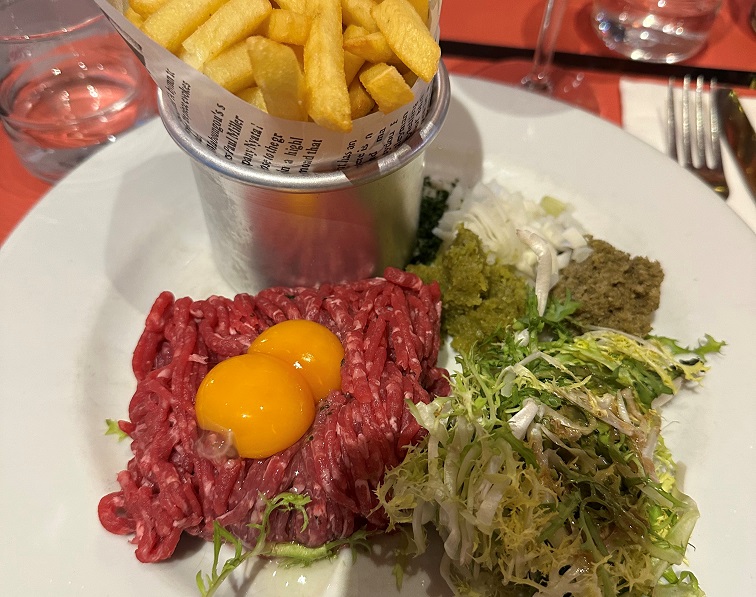
Now, let’s talk about food. There are two restaurants I want to mention. First called Suffren was an accidental find, as we were walking around looking for a place for dinner. I’m glad we stumbled upon it, as the food was outstanding, and the service was even better – happy and friendly. It was fun sitting at the table close to the entrance and observing the people waking in, shaking hands and talking with waiters – truly a neighborhood spot. The steak tartar was my choice of main course, and it was delicious. Everybody also got desserts, and polished their plates – profiteroles, baked Alaska, Crêpes Suzette (made tableside, of course).
 The second restaurant was Au Petit Marguery. I found the restaurant via search as an affordable restaurant offering traditional French cuisine. The food was good even though it didn’t leave me speechless. Foie Gras was good overall, but it was served with some sort of a sweet toast which I didn’t appreciate at all, and I was really expecting more condiments to accompany such a rich dish.


My main course was fish (have no idea which one), which was not bad, but again, not truly memorable. For dessert, I got an oversize profiterole which was not bad but not amazing, but again maybe it was competing with my overinflated expectations.
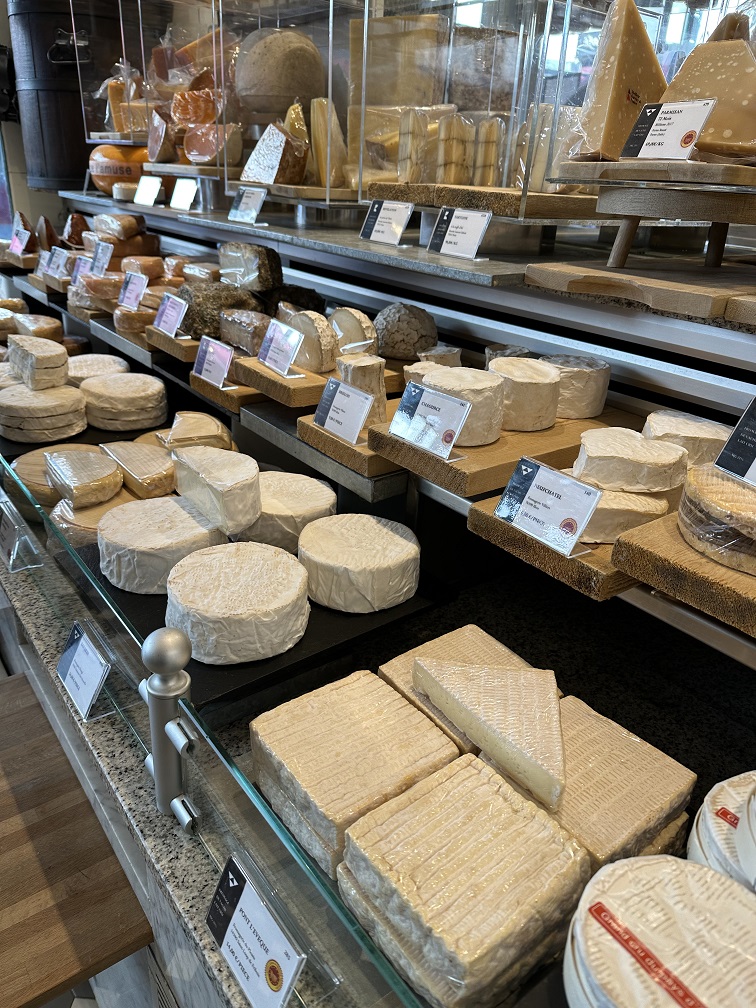
I also stopped by a few of the cheese stores – this is literally a mandatory activity when in France. Tea is something I love, but talk much about tea in this blog. I found my favorite tea store, Mariage Frères, a short walking distance from my hotel, and I got a few teas to bring home. Around the corner from the tea store, I found another one of my favorites – Le Café Lenôtre. I was really hoping for a cup of hot chocolate but was laughed at as nobody else wants to drink hot chocolate in July.


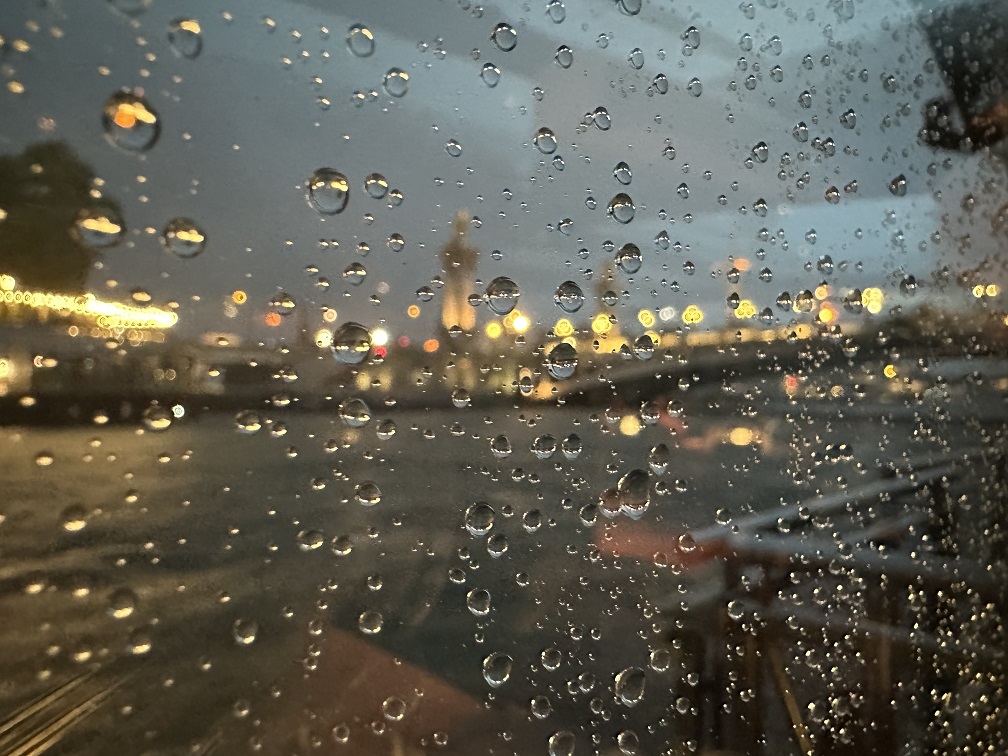
And now you have my full report. It was definitely fun to spend a week in Paris and see how your memories are coming back to you. Before we part, I would like to leave you with one of my favorite pictures, taken during the rainy trip along the Seine. I think it gives you a perfect Paris mood in one shot…
A Weekend In Unique Wines
A unique wine.
A unique concept.
We can take it to the extreme if we want. Wine in the bottle is a living thing. Wine is changing – for the better or worse, but wine is changing – enzymes are breaking, tannins are fading down. We can claim that every bottle of wine is unique, and similarly to “you can not enter the same river twice”, you can not taste the same wine twice.
Okay, let’s move away from such highly esoteric spaces, and let’s talk about personally unique wine happenings – and I will do my best to explain why I designate each encounter as “unique”.

Unique wine case #1 – “I never had it before”
“light golden color, guava, herbs, med-intensity, inviting; vanilla, apples, lemon, crisp, fresh, round, clean med-long finish” – in all modesty, I’m quoting the description of the wine from my own tweet a few days ago. Looking at this description, what wine do you think was in my glass?
Give it a thought for a few minutes. Meanwhile, I continue.
I will not be playing this #inmyglass game here, of course – especially since I actually borrowed this game from Le Bon Vin #inmyglass. The game was played on Twitter, asking people to identify the place and the grape(s) this wine was made from.
Chardonnay. Chennin Blanc. Sauvignon Blanc. Bordeaux Blend. Garganega from Soave. Lugana. Vermentino. Roero Arneis. These were some of the guesses, I’m sure I’m also missing a whole bunch.
Once we established the place – Italy – and after a few strong hints that the wine is a “curveball” and “thinking out of the box required”, we arrived at the correct answer.
Sangiovese in Bianco. A white wine made from red grapes.
It will not be the first – two out of the 3 main grapes in Champagne are red; Pinot Noir Blanco is quite popular in Oregon; I also had white Merlot and even white Cabernet Franc – and it will not be the last, I’m sure, but this was my personal first experience with white Sangiovese wine.
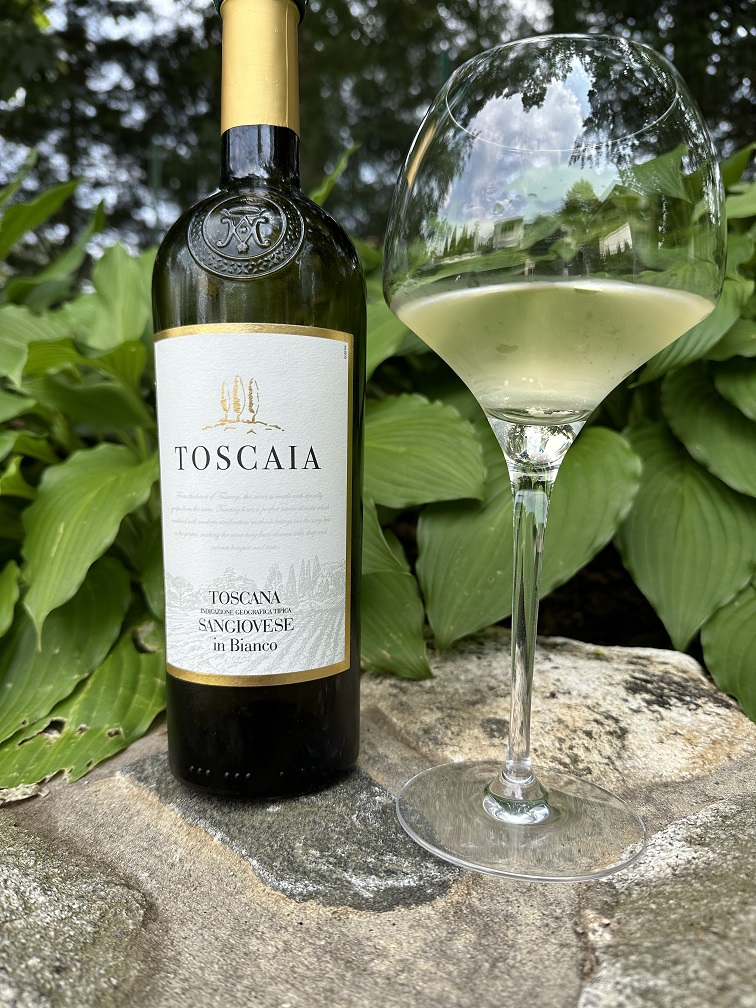
From the very first whiff 2021 La Loggia Toscaia Sangiovese in Bianco Toscana IGT (12.5% ABV) was special. Beautiful aromatics of guava and herbs, followed by a brilliantly balanced presentation on the palate, with lemon, apple and vanilla, crispy, fresh, delicious. If I would try this wine in the blind tasting, I would confidently make my bet on the old world Chardonnay – and yet this wine was made from Sangiovese.
I got this wine from the Last Bottle wines, which means that I might never see the same one again (I have a few more bottles to see how it will age) – but to my delight, I learned that an increasing number of producers offer Sangiovese in Blanco – I just hope the others will be as good as this one.


Unique wine case #2 – I might (will?) never try this again
Every Champagne lover knows Bollinger. A legendary producer whose Champagne was often 007’s wine of choice (yes, it is James Bond I’m talking about). Bollinger even produces one of the Champagnes under the “007” name. But I’m not talking about Champagne here.
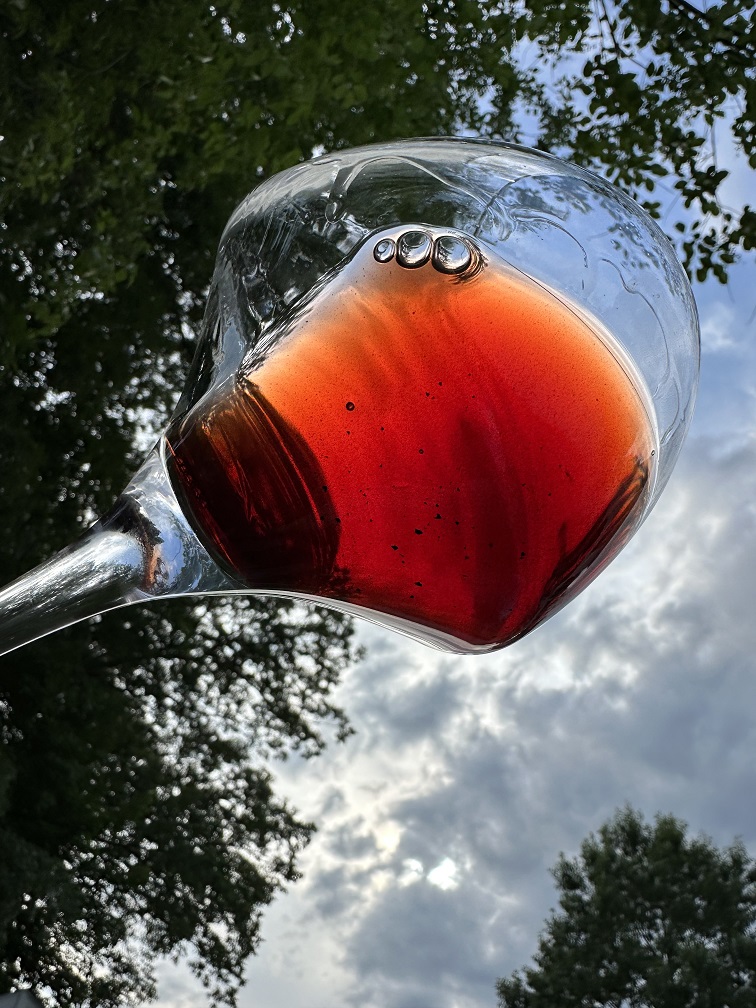
Champagne appellation laws allow production of the still wines. The 2002 Bollinger Ay Rouge La Cote Aux Enfant Coteaux Champenois (12.5% ABV) is red Pinot Noir wine, produced from 2 acres of vineyard called La Cote Aux Enfant located in the heart of Grand Cru Aÿ region and aged in oak casks. This wine is only produced by Bollinger in exceptional years. I had this wine once 9 years ago, and at that time the wine was quite powerful, requiring some time to breathe. This time, the wine was ready to drink from the get-go, offering mostly the tertiary aromas – plums, dried fruit, still having enough acidity and some structure. My daughter offered probably the best descriptor for this wine – she said that the aromatics remind her of an old book – in a good sense. It is the book you lovingly and carefully take into your hands, expecting the magic to happen as you turn the pages. Do I wish I opened this wine 4-5 years ago? You bet. Did I regret my choice of keeping this wine for as long as I did? Not for a split second. A perfect rendition of the mature wine…


Unique wine case #3 – back from the dead and then red with cheese? Surprise!
1998 is one of the special vintages in my book, and I am always on the lookout for 1998 wines for a reasonable price. When I saw 1998 Chateau Saint-Nicolas Fronsac AOC (12.5% ABV) for $19.99 at Wine Exchange, I couldn’t help but grab a few bottles. I opened this bottle right after the 2002 Bollinger. The aromatics were very restrained, and on the palate, the wine just had some glimpses of fruit, but overall the wine gave an impression of the Bordeaux I don’t want to drink. A few hours later, things turned even to the worst – the wine was offering nothing on the nose or on the palate. Of course, it tasted like wine, but it had nothing going I would be able to apply any descriptor to. It was late in the day, so I pumped the air out and decided that I will deal with the wine the next day.
The next day I reopened the wine having literally zero hope for anything even half good happening to this bottle. The smell from the glass offered a glimpse of hope – dark fruit and a hint of eucalyptus showed up. To my delight, the palate completely transformed, offering silky cassis, anis, and lots of herbs. The wine didn’t even give out its age, it was still perfectly fresh with a good amount of acidity.
I had a small cheese board on the table, and without much thought, I took a sip of wine after a cracker with cheese. Combining wine and cheese is a lot more difficult than people like to think, so once again, I didn’t expect much. All of a sudden the taste buds jumped of joy, because the cheese, Bucheron soft-ripened goat cheese from Trader Joe’s, was perfectly complemented by this 21-year-old Bordeaux, creating a new level of hedonistic pleasure. A unique wine transformation and a unique pleasure of elevated food and wine experience – the experience worth remembering.
Here you are – my report on the weekend in unique wines. When was the last time you had a wine which you considered “unique”?
The Land Whispers… You Just Need To Listen
 I love wine dinners. Especially the wine dinners with the winemaker.
I dread wine dinners. Especially the wine dinners with the winemaker.
I know, I don’t make much sense at the moment. Wine dinners are wonderful, and I really do love them. The dreadful part comes from the experience of not being able to write about those wine dinners in a timely fashion. “Timely fashion”, huh – there are wine dinners I never wrote about in 5 years and such memories can hunt you down – they definitely do for me. I don’t know why this is happening on a regular basis – the elation often experienced during open and engaging conversations about wine becomes an ephemeral spirit, woefully resistful and easily escaping the slightest attempt to capture it in the form of words…
Let’s see if I will be able to break my unsettling tradition.
Last week I had a wonderful time and experience tasting the wines of Viñedos Veramonte and speaking with Gonzalo Bertelsen, General Manager and Head Winemaker in a small group of wine lovers, around the dinner table at the Monterey Brasserie in New York. The conversation topics were ranging from low-alcohol wines (is that really a trend? Are people really asking for it or is that just a gimmick?) to the production of organic and biodynamic wines to “why Germans don’t want to drink organic wines from Chile” (I will not tell you why but you are welcome to guess) and to many other far and between. But most importantly we got to enjoy Viñedos Veramonte wines with and without the food.
Viñedos Veramonte was one of the first wineries in the Casablanca region, founded in 1990 by Agustin Huneeus, a Chilean wine pioneer. From the very beginning, the winery embraced organic viticulture – and more recently, the winery spent more than 6 years making estate vineyards officially organic certified, obtaining ECOCERT® organic certification, one of the most respected in the world. The project involved the conversion of more than 1,200 acres of vineyards in Casablanca and Colchagua valleys to organic and biodynamic farming, with the aim to also become fully Demeter’s biodynamic certified – which requires making changes in the winery, not only in the vineyard – plus importers also have to be biodynamic certified.
Viñedos Veramonte produces 4 distinct lines of wines – Veramonte, Ritual, Primus, and Neyen – all from organic grapes, of course. We had an opportunity to taste wines from all 4 lines.


We started with the 2022 Veramonte Sauvignon Blanc Reserva Casablanca Valley ($13.99 SRP). This wine has one of the biggest productions, and it is very important for Veramonte. Preserving freshness is paramount, so special care is taken to prevent any oxidation of the grapes and juice, and the wine is bottled as soon as possible. The wine was herbaceous and crisp, delicious on its own but also nicely supporting our first course – Grande Plateau of seafood containing oysters, clams, tuna tartare, and lobster. The Sauvignon Blanc pairing with the oysters was the best – and the oysters were delicious, probably my favorite component of the Grand Plateau.


Next, we moved on to the 2019 Ritual Chardonnay Casablanca Valley ($20.99 SRP, fermented in oak barrels and concrete tanks). I wrote about Ritual wines many times, last time only a few months ago – the wines are consistently delicious. The wine was paired with a choice of appetizer – crispy artichokes or barbecued prawns. I selected crispy artichokes, forgetting that artichokes are notoriously difficult to be paired with wine. The dish was delicious on its own, and the wine was also good – on its own.
We also tried the 2020 Primus Carmenere Apalta DO ($20.99 SRP) with our appetizer course. The wine was excellent and had a nice profile of cassis supported by the bell peppers, showing off the pyrazines. Some of the winemakers are trying to prevent the pyrazines from showing up by changing growing conditions, harvesting regime and more – but I personally enjoy the pyrazines’ flavor very much, it adds to the authenticity of the wine. While Carmenere was still not a perfect match for the artichokes, it offered a bit better pairing than the Chardonnay.
Now we were ready for the main course, and the new wine arrived.
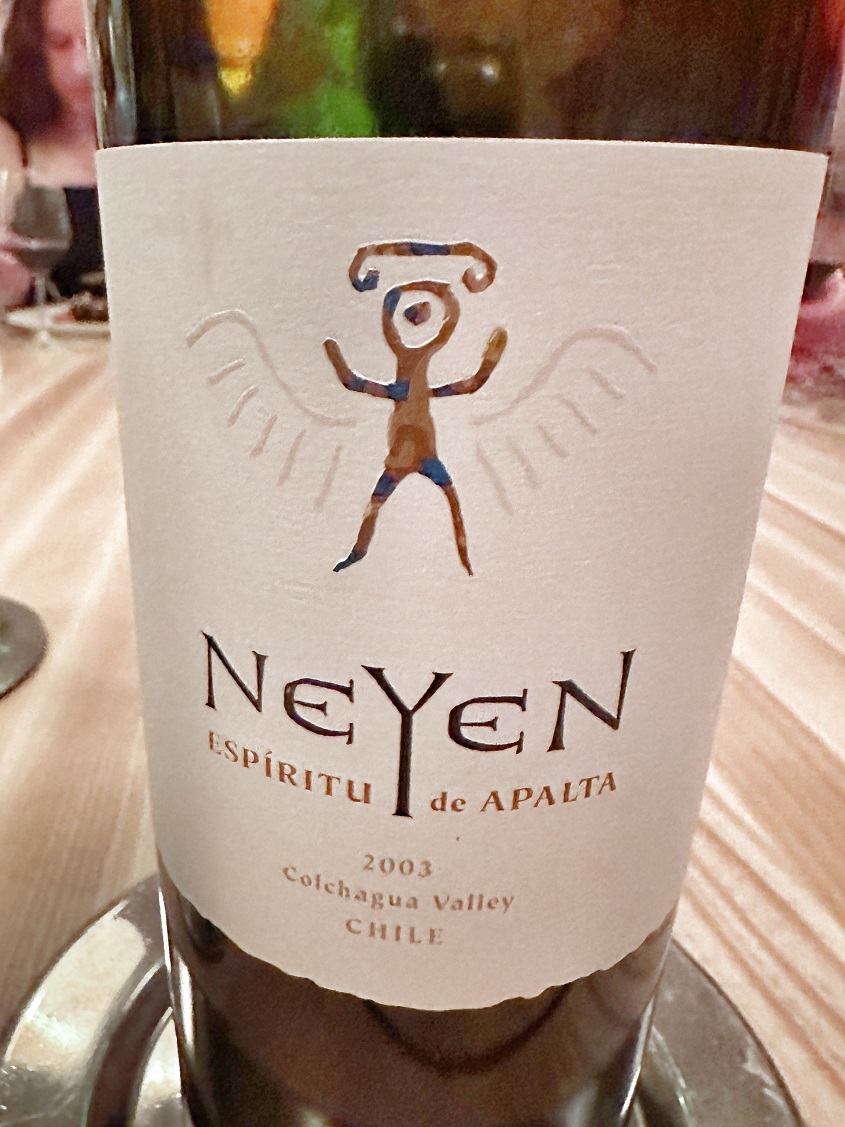


Last December I had an opportunity to try for the first time yet another Veramonte wine called Neyen. Neyen vineyards are located on a small parcel of land situated between the Andes Mountains and the Coastal Range. Neyen wines are literally always a blend of 50% Cabernet Sauvignon and 50% Carmenere, both coming from truly the old vines – Cabernet Sauvignon vines were planted in 1889, joined by Carmenere in 1936, which makes the vines respectively 134 and 87 years old.
In the local dialect, Neyen means “whisper”. The land whispers, you only need to listen to her – low intervention is what the Neyen winemakers practice. And this is the whisper you can taste.
The wine literally stopped me in my tracks. You know that stupid smile that you can’t control when something good is happening? This was my face upon the first whiff of the 2003 Neyen Espíritu de Apalta Apalta DO ($N/A) – the first vintage of Neyen wine ever produced. The time stopped – there was only the endless pleasure of aromatics that only mature wine can bring.
Time, wait. Don’t move. I’m still enjoying it. Please, just a few more moments.
Cassis and eucalyptus on the nose. Cassis and eucalyptus on the palate, silky smooth, perfectly integrated tannins, full body of the mature wine at its absolute peak, pleasure slowly descending layer after layer. This is the case where the words are clearly insufficient to describe the joy of the oenophile, but I hope I offered at least a glimpse.
For the main course, I selected Bluefin Tuna au Poivre with baby beets and citrus sauce – and to my delight, the 2003 Neyen offered a perfect pairing, elevating every bite of the food.
We also had the 2016 Neyen, Espíritu de Apalta Apalta DO ($N/A). Tasting 2016 after 2003 was somewhat of a mistake. 2016 is an excellent wine, but the beautiful core we were able to experience in 2003 was still covered by layers of baby fat, the wine showing a lot richer, almost jammy on the first sip, and in need of time to open up.
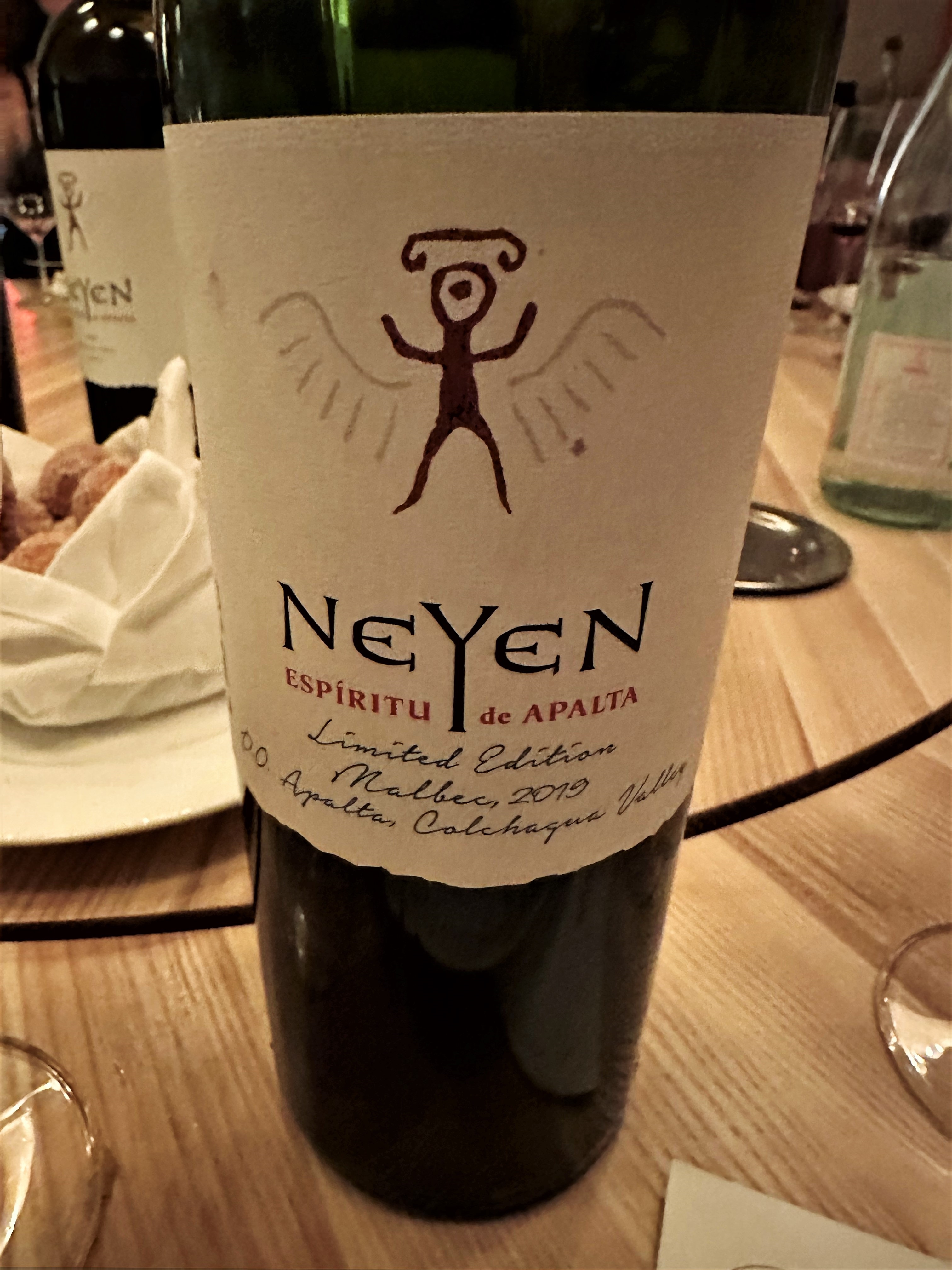
The culmination point of our evening, though, was … a bit unexpectedly, as we are talking about Chilean wines … the Malbec. 2019 Neyen Espíritu de Apalta Malbec Apalta DO ($149.99 SRP). 2016 was the first released vintage of this super low-intervention wine – harvested and destemmed by hand, fermented in small tanks, no machines, no electricity used in the production of this wine, aging only in 3rd and 4th use French oak barrels. This is the crown jewel of the Veramonte Neyen collection – even James Suckling agrees, rating this wine at 100 points. Only 200 cases of the wine were produced in 2019, with the US allocation standing at 40 cases.
The main word I would use to describe this wine would be “elegant”. The wine was showing beautiful eucalyptus notes, a lot leaner than most of the Argentinian Malbecs, begging comparison with old world Malbec, the Cahors. Elegant, layered, delicious.
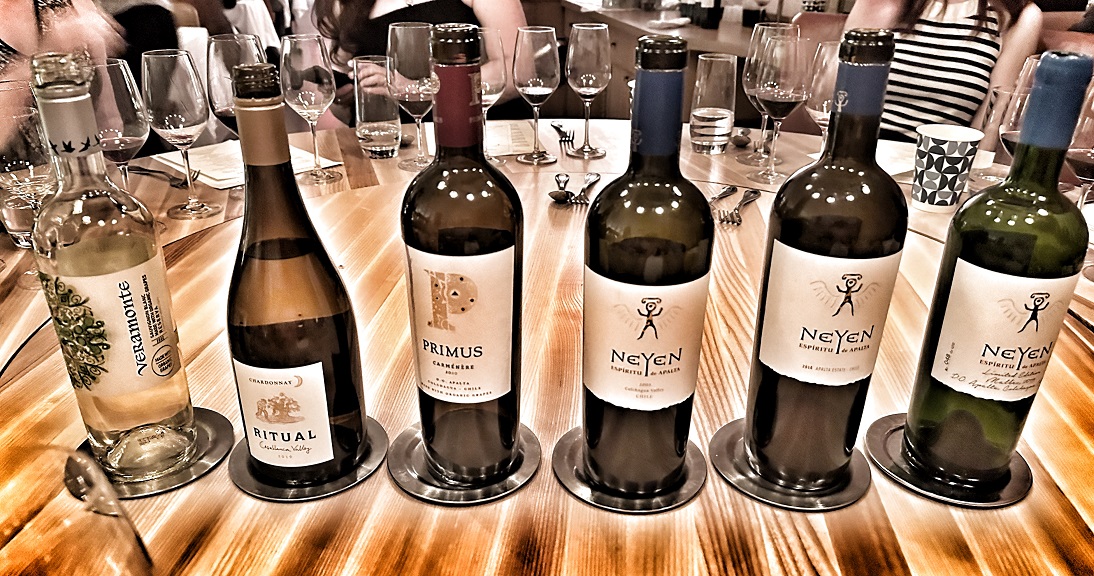
And this, my friends, brings us to the end of the wonderful evening. The company was great, the food was excellent, the wines were amazing.
Mother Nature whispers, and good things happen when we listen. I wish I had a case of this 2003 Neyen Espiritu de Apalta – that would really make me happy. Well, we generally don’t get to have all the things we want – and I’m grateful for the opportunity to experience such wines at least once.
Veramonte wines offer a great selection for every budget and every palate – check them out when you will have a chance. Cheers!
New Releases From Bodegas Beronia
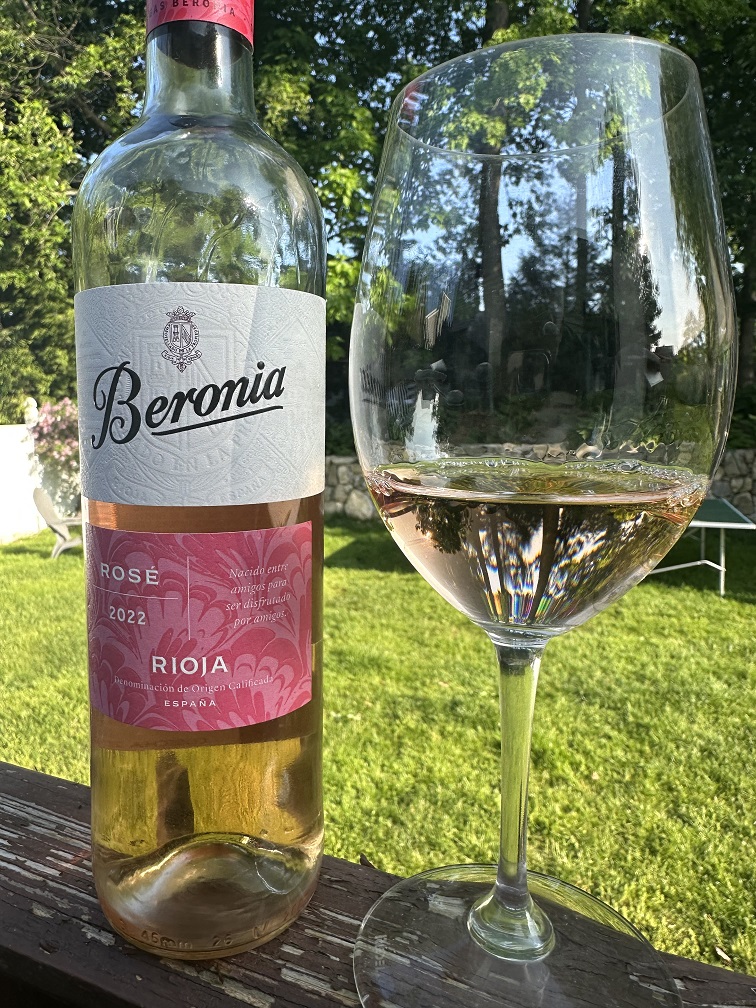 When it comes to Rioja, Bodegas Beronia is a relative newcomer, founded in 1973 by a group of friends who fell in love with La Rioja while visiting on a holiday – compared with many of the Rioja’s finest taking its roots from the 19th century.
I wrote about Beronia wines many times before, so instead of sending you to this link to read about the winery itself, here is simply an excerpt from that post:
The name Beronia is not random – here is the explanation: “name linked to the history of the land where the winery is found. In the 3rd Century BC, the area known as Rioja today was inhabited by a Celtic tribe called the ‘Berones’. They inhabited the towns of Tricio, Varea, and Leiva, marking the limits of the Berones region, today La Rioja.”
Originally, the wines were produced literally by friends for the friends, without much thought of commercial sales. In 1982, Bodegas Beronia became a part of González Byass family, and at that point, wines of Bodegas Beronia started to appear on the international markets.
Beronia style starts in the vineyard, practicing sustainable viticulture. Different vineyards are used for different types of wines – Crianza, Reserva, Gran Reserva. For example, Gran Reserva wines are typically produced from 80-90 years old vineyards. And talking about the style, wines are manipulated as little as possible.
Bodegas Beronia Rioja wines represent an intersection of tradition and modernity. While “traditional” and “modern” styles of Rioja can be a subject of great debate with a lot of wine consumed to prove the point, I would offer a very simplistic viewpoint. Tempranillo has a great affinity to the oak; the resulting Rioja wine is well influenced by the oak regimen. Traditionally, Rioja is matured in American oak casks. Modern-style Rioja often uses French oak. Here is your style distinction – American oak versus French. Bodegas Beronia goes a step further than many. They create their own barrels, using both American and French oak elements in one barrel. Thus the wine is not defined by blending of the separately aged components, but instead, it is aging in a mixed environment.
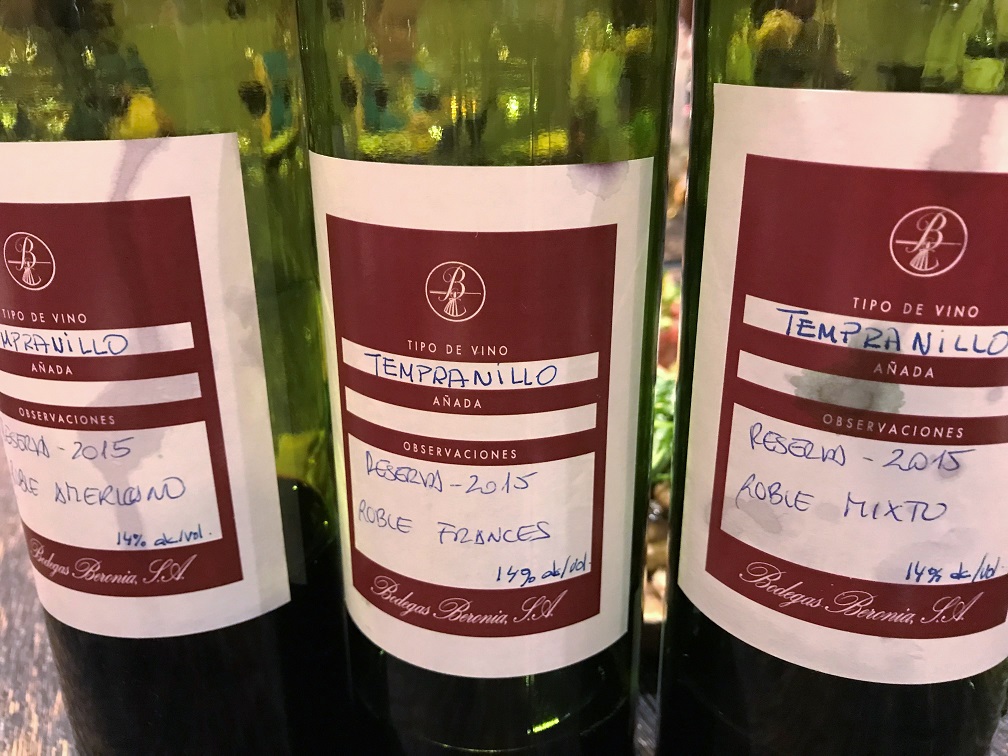
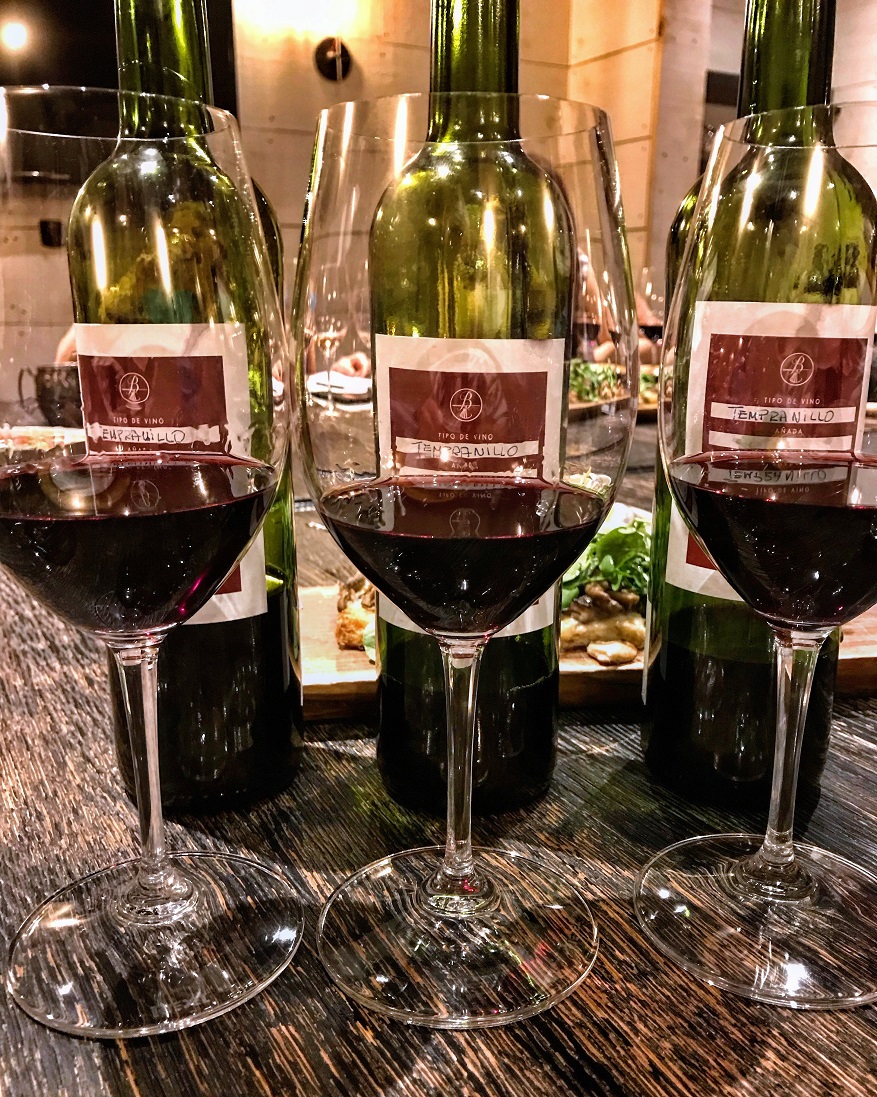
Now, here is something I never shared before. In June of 2018, I had an opportunity to attend a lunch with Bodegas Beronia winemaker, Matias Calleja. During that lunch, we were able to actually taste the differences between the same exact wine, 2015 Tempranillo, aged for 18 months in 3 different types of oak – French, American, and Beronia’s own, mixed.
When we tasted these three wines side by side, the wine aged in the American oak had the brightest fruit. The French oak-aged was more earthy and had a bigger presence on the palate. The wine aged in the mixed barrels provided the most complexity, and fell in the middle, with interesting spicy notes. Pepper, which is not a typical Tempranillo descriptor, was very pronounced on the mixed barrels. The mixed-barrel one was my favorite.

Now, we can talk about the latest release from Bodegas Beronia – pay attention to the notes on the oak regimen:
2022 Bodegas Beronia Rosé Rioja DOC (13.5% ABV, $12.99, 55% Garnacha, 45% Tempranillo)
Very light pink, almost a rose gold
Very restrained, a hint of underripe strawberries
Crisp, tart, very limited fruit, a distant hint of strawberries with a tartness of cranberries, medium finish
8-, Provençal style, clean, refreshing
2019 Bodegas Beronia Rioja Crianza DOC (13.5% ABV, $14.99, 95% Tempranillo, 4% Garnacha, 1% Mazuelo, 12 months in mixed American oak (staves) and French oak (ends) barrels, 3 months in the bottle)
Dark garnet
Cherries, cigar box, a hint of sweet tobacco
On the first day, the wine had a lot of baby fat, too round
Second day – much better, tart cherries with good acidity and earthy undertones.
8-, needs time. The wine is either genuinely too young, or this is a problem with the screwtop enclosure, not allowing the wine to properly breathe, therefore properly mature.
2018 Bodegas Beronia Rioja Reserva DOC (13.5% ABV, $24.99, 95% Tempranillo, 4% Graciano, 1% Mazuelo, 18 months in mixed American and French oak barrels, 18 months in the bottle)
Dark garnet
Earthy, dense, inviting
A hint of barnyard, tart cherries, vanilla, good acidity, good balance
8-/8, elegant and round. Asking for food
2015 Bodegas Beronia Rioja Gran Reserva (14.5% ABV, $29.99, 94% Tempranillo, 5% Graciano, 1% Mazuelo, 28 months in French oak barrels, 36 months in the bottle)
Dark Garnet
A touch of barnyard, dark and earthy, anis appeared on the 3rd day
Cigar box, sapidity, roasted meat, cherries and plums, clean acidity, firm structure, well-integrated tannins. On the third day, a touch of espresso on the finish.
8+, delicious. Will evolve. I would love to taste this wine in 10 years. And then in 20.
Just to summarize this tasting experience – the Rosé was excellent. I really didn’t love the screw top on Crianza – I believe it doesn’t let the wine properly mature in the bottle. And the Gran Reserva for $30 MSRP is the wine to get by the case and let it gracefully mature…
What were your latest Rioja discoveries?
Stories of Passion and Pinot: Eugenia Keegan
Joseph Swan Vineyards. Volnay, Puligny-Montrachet. Hop Kiln Winery in the Russian River Valley, Bouchaine Vineyards in Carneros, Vine Cliff Winery in Oakville.
Keegan Cellars in Russian River Valley, dedicated to single-vineyard Chardonnay and Pinot Noir.
Oregon.
France again, this time Châteauneuf-du-Pape and Roussillon.
And back to Oregon.
This is not a random list – these are some of the places where Eugenia Keegan, born fifth generation to a family with deep roots in the Russian River Valley, worked during more than 45 years of her wine-centered career.
Working in the cellar. Working in the vineyard. Making wines. Managing wineries. Managing wine businesses. Going beyond just a business, Eugenia had been actively involved in Oregon’s wine world at a higher level as chair of the board of directors of the Oregon Wine Board, president of the Oregon Winegrowers Association, president of the Willamette Valley Wineries Association Board, and co-chair of Willamette: The Pinot Noir Auction. And to top it all off, Eugenia was named the 2021 Wine Executive of the Year as part of Wine Enthusiast Magazine’s 2021 Wine Star Awards.
Since 2016, Eugenia is working as a senior vice president of winemaking and business development for Jackson Family Wines’ Oregon properties, overseeing the winemaking programs for Gran Moraine, Penner-Ash Wine Cellars, WillaKenzie Estate, and Zena Crown Vineyard.
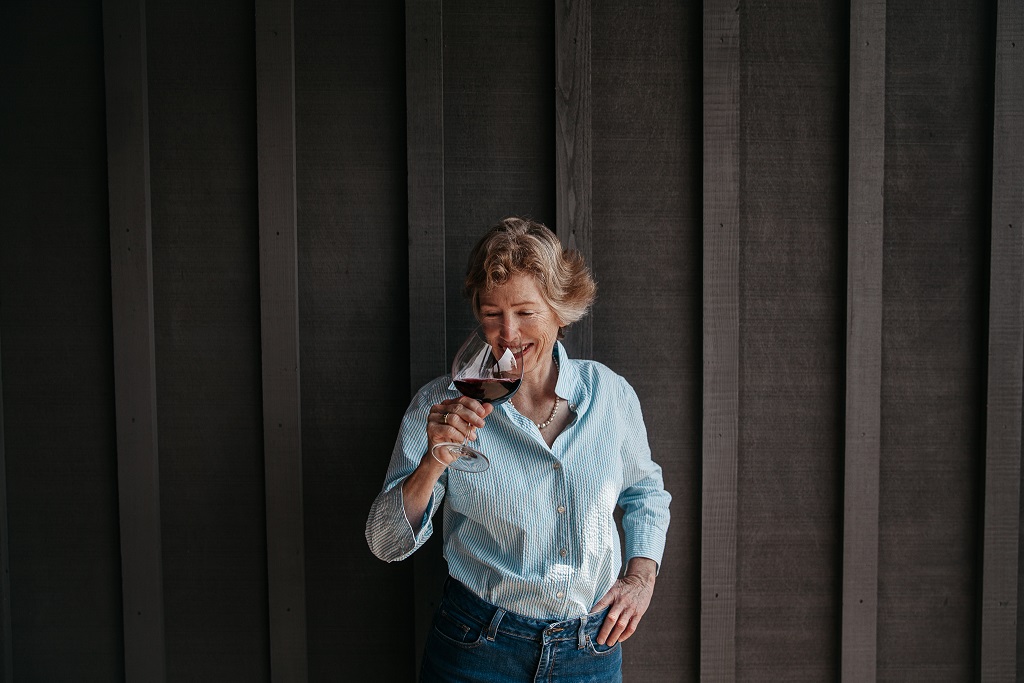
Eugenia Keegan. Source: Jackson Family Wines
A conversation about Oregon’s Willamette Valley wine inexplicably means a conversation about Pinot Noir. As you probably know by now, conversations about Oregon’s Pinot Noir had been one of the longest-running themes on the blog, a collection of winemaker interviews under the Stories of Passion and Pinot. As most of Eugenia’s winemaking career rotated around Pinot Noir, I thought that a conversation with her would be a great addition to the series – and with the help of Carl Giavanti, I managed to sit down (virtually) and talk with Eugenia.
Here is what transpired in our conversation:
[TaV]: How is this managing 4 different wineries with their own established style and following? Do you enforce JFW brand identity or encourage individuality?
[EK]: Individuality is a major part of our success. JFW provides the tools and overarching guidance (safety and quality). Each winery is encouraged to find its own personality based on the estates and people that are key to that brand.
[TaV]: You personally produced Pinot Noir in California and Oregon. If it is at all possible to “average out”, how would you describe the difference between California and Oregon Pinot Noir?
[EK]: Weather and light are the key differentiating factors when comparing these two areas. The long summer evenings allow the grapes to catch up to a warmer area like parts of California that bud out earlier and the cool Septembers allow the Oregon fruit to mature during cooler days, pushing fresh fruit and higher acidities.
[TaV]: You started in the wine early, and you were born in Sonoma, so wine obviously is in your DNA, but nevertheless – did you have a pivotal wine in your life? The one you tasted and said, “now I understand”?
[EK]: Yes indeed! But after I was in the business. I recall with absolute clarity while in Ireland having a 1985 Louis Latour Corton Charlemagne and “knew” that this was the benchmark of great chardonnay and have been in pursuit of that ever since. There were many fabulous Burgundies, both red and white, along the way that continue to provide inspiration years later.
[TaV]: Thinking about your long career in wine, do you have any regrets? Is there anything you would do differently knowing what you know now?
[EK]: I would have stayed in Burgundy longer. After each of my stagiaire I quickly came home excited to apply what I had learned. If I knew then how long a road this would be, I would have stayed longer and probably have tried to work there full time.
[TaV]: What is the sustainability story for Jackson Family Wines in Oregon? Where are you now and what are your plans for the future?
[EK]: Throughout our 40 years in business, the Jackson family has long prioritized natural resource conservation and environmental stewardship. We embrace climate-smart farming and winemaking practices that lower our environmental impacts, including preserving open space to building soil health and reducing our water and energy use. These sustainability values and practices extend to all regions where we grow and make wine, including Oregon. In fact, our Oregon properties have been on the forefront of many initiatives that we’re proud of as a global wine company. Less than 35% of our total acres are planted to vines to protect natural habitats and wildlife. Each year, we generate enough onsite renewable energy to offset the annual consumption of approximately 15 homes in Oregon. It’s also worth pointing out that our WillaKenzie Estate was the first LIVE-certified winery in Oregon, so it has a long history and legacy of sustainability leadership. All of our other Oregon vineyards and wineries are also certified through the LIVE program.
So, whether it’s through sustainability certification, our commitment to protecting natural habitats, or use of renewable energy, Oregon has had a positive impact on our overall Jackson Family Wines Rooted for Good: Roadmap to 2030 sustainability and climate action efforts. And, they will play a major role in our efforts to reach or goals for 2030.
[TaV]: Are there any plans to convert to organic viticulture at any of the JFW properties in Oregon?
[EK]: At this time, there is no plan to convert our estate vineyards towards organic farming in Oregon. As I mentioned all our vineyards are currently LIVE certified and as part of our Rooted for Good: Roadmap 2030 sustainability plan, we made a commitment to transition 100% of our estate vineyards to regenerative farming practices, including in Oregon. We believe this transition to regenerative agriculture is the best approach for maintaining a healthy ecosystem. By using a lighter touch, regenerative farming will leave our lands healthier for future generations so we can continue to craft distinctive, beautiful wines for the next hundred years. For us, we define regenerative farming as a set of farming principles and practices that increases biodiversity, enriches soil heath, improves watersheds and enhances the ecosystem surrounding our vines. Key regenerative farming practices include rebuilding soil organic matter through limited tillage and adding carbon rich compost and other nutrients; increasing biodiversity in and around our vineyard with cover crops and livestock integration (sheep + chickens); and reducing synthetic chemical inputs. Beyond the environmental benefits of regenerative farming, we also believe it’s the best approach for wine quality.
[TaV]: We repeatedly hear that the young generation (Gen Z, I guess) doesn’t want to drink wine. Do you agree with this? If yes, what needs to be done to change that?
[EK]: I think that the approach to wine is very different for younger consumers. My generation grew up with wine as mystical and magical. Everything was done in the ancient European tradition. I think for people growing up in the US now, wine is just another beverage option, not an extension of some old culture. I consider this a huge opportunity to move outside the traditional European varieties and styles and a chance to experiment. And along the way I believe that many will find the same magic and mystery of the ancients.
[TaV]: This might be the only question I like to ask all the winemakers I’m speaking with – what is your take on biodynamic viticulture?
[EK]: There are two things that I love about biodynamics: the whole farm concept and the attention to detail. And the beauty is that these two principles apply to any approach to farming and land stewardship.
[TaV]: What is ahead for the Willamette Valley wine in general? What do you think will happen over the next 10 years?
[EK]: I think that in the traditional world we will see Chardonnay and sparkling wines take their position on the global stage next to our Pinot Noirs. And I think that we will see a lot of new and interesting wines from the younger winemakers.
[TaV]: Are there any plans to add more wineries to the JFW collection in Oregon?
[EK]: We are always looking for the best sites for winegrowing everywhere in the world. Oregon is no exception, but for now we are pretty busy with what we have.
[TaV]: Is there a wine you always wanted to make but still didn’t have a chance?
[EK]: Working with Pinot Noir and Chardonnay for 50 years has been everything that I could ask for. But I would not mind taking a crack at Chenin Blanc and Grenache, two of my favorite wines.
[TaV]: Are there any problems facing Oregon wineries now, or is everything is perfectly clear on the horizon?
[EK]: There is climate change of course. The fascinating thing about climate change is that it is a global challenge. EVERY winegrowing area in the world is facing this same issue. That helps in working toward solutions. But nothing that is existential to Oregon.
[TaV]: Can Oregon ever produce the wine rivaling DRC? Leaving the image aside, maybe a better question is: is there an Oregon Pinot Noir that you know of which can take on DRC in the blind tasting?
[EK]: HA, that is a loaded question! Oregon cannot make Burgundy anymore than Burgundy can make Oregon. Can Oregon wines give one the same pleasure and satisfaction as the great wines of Burgundy? Yes indeed.
[TaV]: Do you have unicorn wine? The wine you always wanted to try? For example, I have two – DRC and Quintarelli Amarone. What would be yours?
[EK]: After several hours of thinking about this, the answer is no. BUT having said that I still have that same thirst for winegrowing knowledge that I had 50 years ago and continue to explore new regions and wines every day.
[TaV]: You and David Adelsheim have been friends and partners for a long time. How did you meet and how would you characterize your relationship? Do you talk business or keep church and state separate?
[EK]: David and I met at the Steamboat Pinot Noir Conference in the early 80’s. We found that we shared a lot of interests in common not just being fully engaged as producers of Pinot Noir (before Sideways) in full throttle pursuit of wine quality and healthy sales. We are still the very best of friends with a dash of romance thrown in. NO, there is no division of church and state. We talk wine ALL the time.
Here you are – another addition to the Stories of Passion and Pinot. I hope you enjoyed this encounter with the winemaker’s passion and maybe even learned something new.
Until the next time…
P.S. For more stories of Passion and Pinot please visit the series’ main page.
Wine Weekend of Ups and Downs
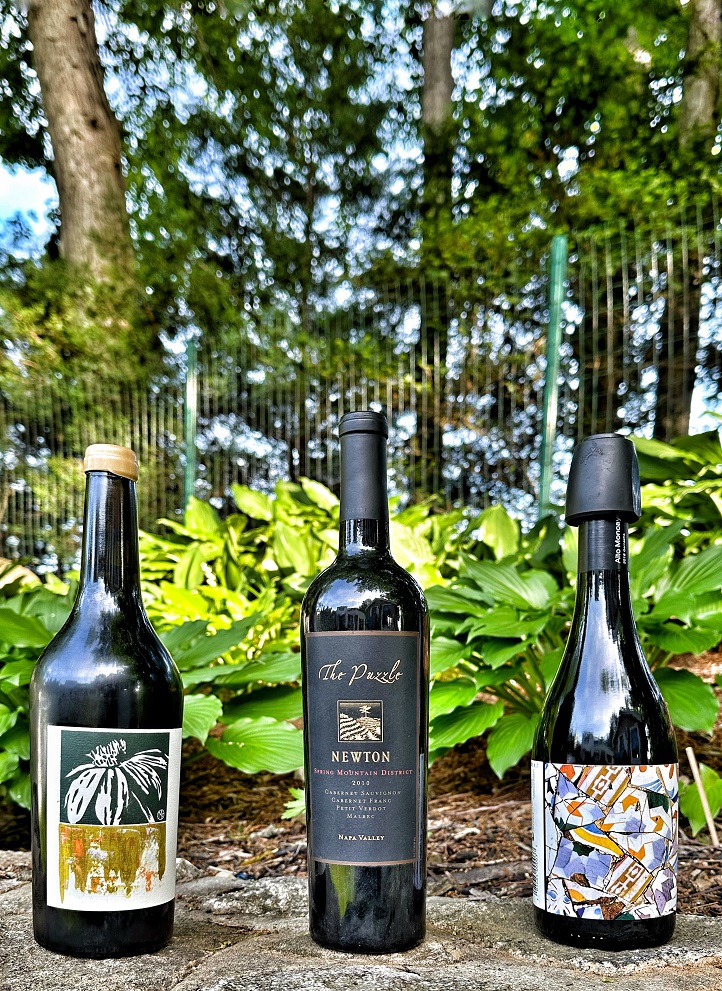 The life of an oenophile is never dull – of course, if an oenophile chooses such.
UP
Let’s talk about “ups” first.
Sine Qua Non. The legendary Sine Qua Non. The Sine Qua Non winery is unique in many ways. First and foremost, Sine Qua Non wines are unique. Of course, every winemaker is sure that his or her wines are unique. But for Sine Qua Non, these are not just bragging words. Every vintage, a different set of wines is produced, and wines do not or rarely repeat year after year. Each wine has a label designed by Manfred Krankl, who owns the winery together with his wife Elaine. And the wines are impossible to get – I had to wait for 10+ years to move from the waiting list to the mailing list.
My sister-in-law and her husband were visiting over the weekend. They both enjoy wine very much – which is a perfect reason to get out a special bottle. Sine Qua Non is better known for its Rhone-style reds, but they produce white wines as well. One of the first wines in my allocation was Sine Qua Non white wine. Communal notes on the internet seem to indicate that SQN white wines shouldn’t be aged for too long, so I decided that 4 years is a good age for this wine, to avoid any possible regrets (who am I kidding – there are always regrets when it comes to wine).


2019 Sine Qua Non Distenta 1 California White Wine (15.3% ABV) is a blend of 41% Roussanne, 26% Chardonnay, 14% Petit Manseng, 12% Viognier and 7% Muskat (Gelber Muskateller), fermented in barrel and matured on its lees, 23 months in 64% new French oak. The sublime nose of whitestone fruit, herbs, and flowers, with a distant hint of tropical fruit. And the palate, the bouquet… As a child, I loved to sing, and I spent some time in the chorus. I was perfectly fine singing in unison, but for the life of me, I could never do the canon, the subtype of polyphonic singing, where each singer has their own melody, and those melodies harmoniously combine together. This wine delivered such a canon singing – beautiful notes of sage, eucalyptus, tobacco, and whitestone fruit were changing into tropical fruit with a touch of bright honey notes. Somehow, it was possible to taste both profiles at the same time. I know I’m not describing it well, but this was the wine I really didn’t want to end… (Drinkability: 9)
By the way, an added bonus – it appears that I never had the Gelber Muskateller grape – and now I can unexpectedly increase my grape count.


DOWN
Over the years, I got two bottles of red wine from Newton Vineyards, a well-respected California winery, as presents, both from the same 2010 vintage, and both identical. I know the producer’s name, but it seems that I only tasted Newton Chardonnay before, and I have no memories of tasting their red wines.
Both bottles were gifted by the sister-in-law and her husband I just mentioned, so I thought their visit was a perfect opportunity to enjoy this wine together.
And so I opened the bottle of 2010 Newton The Puzzle Spring Mountain District Napa Valley (14.5% ABV, 60% Cabernet Sauvignon, 18% Cabernet Franc, 18% Petit Verdot, 4% Malbec).
And the bottle was corked.
I just recently mentioned in one of the social media discussions that I rarely encounter corked California wines. I guess I jinxed it… The cork faint was ever so slightly noticeable on the nose, and the palate kind of seemed okay, so I even decanted it and we even tried drinking it. The decanting made the corked nature of the wine even more apparent, and I pulled the second bottle.
The second bottle was not corked, and it was drinkable. However, it was a bit underwhelming. The fruit was there, it was possible to taste the cassis, but considering that this was a Californian wine, it showed leaner than expected. I would generally consider that Californian wine of such level need at least 20 years to develop, and under normal circumstances I would leave the second bottle alone for another 5-7 years, but oh well. We did enjoy it, of course, I was just hoping we would enjoy it more. (Drinkability: 8- )
STILL DOWN
I’m not going in chronological order here. The Newton red was planned to be the main wine to serve with dinner. As a “pre-gaming”, I gleefully pulled out the 2018 Alto Moncayo Veraton Campo de Borja (15.5% ABV). I opened a bottle of this 100% Garnacha last year, and it was absolutely spectacular from the get-go – succulent cherries and layers of pleasure. I loved the wine so much that it was included in the top two dozen list of 2022 wines as number 13.
Feeling great about myself, I opened the bottle and poured wine into the glasses. At the first tiniest sip, instead of excitement, my instant thought was “ohhh nooo, why is it so sweet???”. I also instantly knew that I’m in trouble with my sister-in-law, as she stopped drinking California Pinot Noirs for being too sweet… And her reaction was exactly what I was afraid of. After the first sip, she raised her head from the glass, looked at me inquisitively, and said with a wry smile “but why is it so sweet?”. This is when we put this bottle aside and proceeded with The Puzzle – and you just read how swimmingly well it went.
Truly, whatever goes up will go down.
AND UP AGAIN
Whatever went down still has a chance to go up.
The very next day, Veraton somewhat solidified at its core, the sweetness subsided, and the structure started to appear. On the third day, the wine was as delicious as I was expecting it to be – succulent ripe cherries, juicy and generous, with crunchy acidity and perfect balance. (Drinkability: 8+).
Here you go, my friends. Another weekend in wine – sometimes you win, sometimes you learn. With the exception of the corked bottle, which is never okay – but as my sales team always said, “it comes with the territory” – it was a great wine weekend, even with all the ups and downs. How was yours?
Last Bottle Sign Up ($10 credit)




 Talk-A-Vino