Happy New Year 2017!
Lots of festivities right around the January 1st prevented this simple post from going out, but – it is still very appropriate to wish all of you and your families happy, healthy and peaceful New Year 2017!
As this blog is about wine, food and life, I wish you lots and lots of amazing experiences – memorable wines, memorable meals, memorable journeys, and most importantly, meeting and spending time with people who truly make you happy.
 I don’t want to spend much time talking about last year, 2016. It was not an easy year for my personal blogging – while there was no shortage in amazing experiences, the writing was not happening as effortlessly and generously as I would want it to be. Oh well, 2016 is a history, no point at pondering at it any longer.
Going into 2017, I don’t think I will be able to reasonably increase the number of posts – I plan, however, to make them more systematic than the last year. I will continue to run the interviews with winemakers – this now is one of my most favorite themes on the blog. I plan to write more regularly about wines we drink during the week. I still have lots to write about from 2016, so yes, you should expect to see those posts from time to time. I would love to bring back the wine quizzes, but I don’t think that would happen. The bottom line is – the fun journey will continue!
 Happy New Year, my friends! Cheers!
Top Twelve of 2016
 And now, the moment you’ve been waiting for … cue in the drum roll… Talk-a-Vino Top 12 wines of 2016. Well, okay. I’m sure you were not really waiting for this moment, but nevertheless, I made up my mind about best of the best wines I experienced this year, and now I’m ready to present you with my list.
The list of top wines of 2016 consists of 2 dozens of wines – here you can find the first half of this list, containing the wines from 13 to 24 – note, the order is not essential, it doesn’t mean that I liked wine #13 more than wine #14. That first post also explains how the wines are selected for this Top Dozen list. In this post, I would like to share the top wines of 2016 (the order is not essential with the exception of the top 3 wines.
Here we go:


12. 2010 Fields Family Wines Tempranillo Lodi ($25) – I’m a Tempranillo buff, a snob, if you will, and this was one of the very first wines I tasted while attending the welcome reception at the Wine Bloggers Conference in Lodi. And I have to honestly say that table of the Fields wines was the closest to the food. Once I had a sip of this Tempranillo, everything changed – Ribera del Duero style, fresh and firm, just outstanding.
11. 2012 Viña Maipo Syrah Limited Edition DO Buin Valle del Maipo ($35) – Here is another great discovery of 2016 – Chile is not only the land of Cabernet, it makes perfect Syrah. This wine was spicy, dark, vibrant but restrained, a classic, classic Syrah. Yum!
10. 2013 McCay Cellars Grenache Abba Vineyard Lodi ($32) – Here is another standout from Lodi – the smoke and roasted meat over the violets. A “dangerous wine”.
9. 2013 Tenuta San Guido Sassicaia Bolgheri Sassicaia ($200) – ahh, the layers. The layers of goodness. Silky smooth, mouth-coating nectar. This is not called “Super” Tuscan for nothing. The most amazing part – this 3 years old wine was ready to drink. Wow.


8. 2013 Viña Maipo Protegido Cabernet Sauvignon Valle del Maipo ($50) – World-class Chilean Cabernet at its best. Fruit, herbs, balance. Smooth, powerful and delicious.
7. 2016 Field Recordings Pét Nat Arroyo Grande Valley ($20?) – I might be just lucky around Field Recordings wines, as I understand that Pét Nat wines can be all over the place – but this wine had a perfect finesse of bubbles in a very simplistic package – a bottle topped with a beer cap, and delicious, classic sparkling goodness of Chardonnay in a glass. A perfection.
6. 2012 Tenuta dell’Ornellaia Bolgheri Superiore Ornellaia ($210) – I now learned my ways at Gambero Rosso, so I know to start from the most “cult” wines first (after missing on Massetto 5 years ago). The Ornellaia was definitely a personal surprise – didn’t expect 4 years old Super Tuscan to be so ready to drink – but it was. Generous fruit, perfect structure, layers of pleasure – this is the wine you finish with “ahh”.


5. 2001 The Lucas Winery Chardonnay Lodi California ($37?) – there are 4 wines from Lodi among the 24, and I had to hold myself from including more. An absolute surprise of the tasting – I couldn’t expect 15 years old California Chardonnay to taste this fresh and vibrant. Yes, the wine was made by Heather Lucas, an owner/winemaker, in Burgundian style – nevertheless, I’ve seen way too many failed California Chardonnay to truly appreciate what was done here.
4. 2005 Domaine des Monts Luisants Les Genavriéres Morey-Saint-Denis Premier Cru ($50) – I.want.to.drink.this.wine.every.day. That’s it.
3. 2015 Vidon Vineyard Chardonnay Estate Chehalem Mountains, Oregon ($35) – Oregon’s supremacy is unquestionable when it comes to Pinot Noir. Pinot Gris from Oregon are also a safe bet anywhere you find them. But Chardonnay? Considering this wine from Vidon Vineyard, the Chardonnay is also a thing in Oregon. Bright, beautiful, vanilla laced golden delicious apples chased by the pure lemon. I wish your white Burgundy would be as good as this wine.
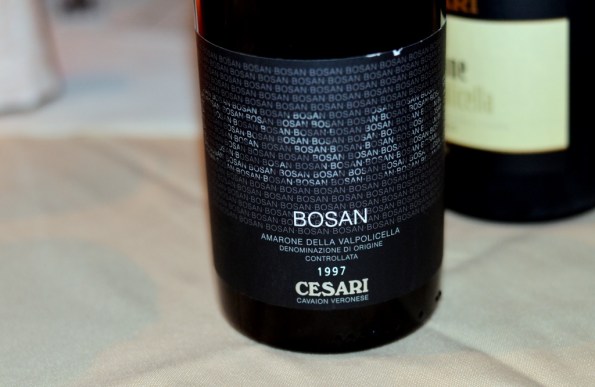
2. 1997 Cesari Bosan Amarone Della Valpolicella DOC, Italy ($85) – Amarone might be my “curse of oenophile”. Ever since trying this wine for the first time and been blow away with the contrast of beautiful nose of dry fruit and perfectly dry, powerful and balanced palate, I had been on the quest to repeat that experience. And I keep failing and failing over that, with Masi single vineyard wines providing an occasional salvation. This Cesari Bosan single vineyard Amarone brought that old memory back – dry fruit on the nose and polished, structured wine on the palate. A pure delight.
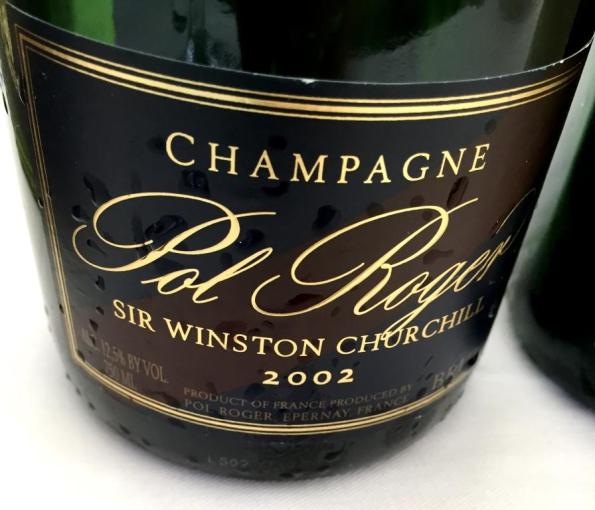
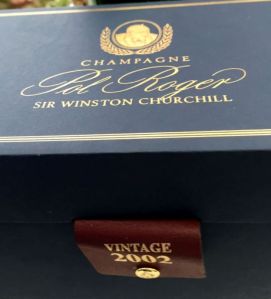
1. 2002 Pol Roger Sir Winston Churchill Champagne ($230) – definitely surprised myself with this choice of the wine #1 of 2016. I had vintage Champagne from the very solid producers before – Krug, Piper-Heidsieck, Dom Perignon, Roederer Cristal; in the same tasting there was ’02 Bollinger RD and ’06 Roederer L’Ermitage, both superb. But this Winston Churchill Champagne… The interplay on the nose, the complexity and richness were stunning. Before you take a sip, you have to smell this wine. And smell. And smell. Reflect. And smell again. Wow. Too emotional? Might be. Find the bottle of this wine, invite me over, let’s smell it together, then talk.
This is it, my friends. Two dozens of most memorable wines of 2016. Can’t wait to see what 2017 will bring. Cheers!
Top Wines of 2016 – Second Dozen
Here we are again – another year is about to become a history, which means it is time for one of my favorite wine aficionado exercises – reliving the best wine moments of the year to create the list of Top Dozen wines of 2016.
Ever since this blog started back in 2010, Top Dozen list was always a feature – here are the links for 2010, 2011, 2012, 2013, 2014, and 2015. Many years I couldn’t even limit myself to one dozen, thus some of the years had two dozens of top wines. It seems that 2016 is one of those years – so I’m really trying hard to stay within that two cases limit (how many of you were successful with limiting yourself at the wine store, raise your hands, please), will see where I will end up.
The way these Top Dozen lists are built is simple. These are the most memorable wines I had throughout the year. As I was preparing for this post, I looked at some of the wines in the past Top Dozen posts and had an immediate “ahh, I remember that…” emotions. Wine creates emotional connections, wine creates and enhances memories – this is what makes the wines “top list”-worthy.
I always try to present the wines randomly – and I’m reasonably successful, with the exception of the wine #1 – that wine is always the most memorable wine of the entire year, and sometimes that internal deliberation takes a while to complete.
I wrote about some of these wines during the year – some, but not all. If there is already a post about the wine in this Top list, the link to such post will be included. I also include the pricing information where available, but not any of the technical details of the wines or my ratings – the idea is to focus on what made those wines memorable.
Without further ado, here we go:


24. 2013 Domaine de la Vallée du Bras OMERTO Vin Apéritif de Tomate Moelleux Québec ($20) – the tomato wine? Yes, please, any time! This was a delicious treat which nobody could believe can be made out of tomatoes. As you can see , this wine has the vintage designation, so it would be fun to taste a flight and try to pickup the differences. In any case, the wine is reminiscent of a nice Riesling or a Muscat, slightly off-dry style. Try it for yourself!
23. 2012 Kaiken Ultra Malbec Uco Valley, Argentina ($25) – sexy is the word. Layered, seductive, silky smooth. Not sure will get you laid, but worth a try!
22. NV Champagne Emile Leclère Cuvèe Du Bicentenaire ($26) – growers champagne at that price? Thank you WTSO! Toasty, rich, voluptuous – lots of delicious Champagne pleasure in every sip.
21. 2016 Field Recordings Nouveau California ($20?) – It is a rare treat to drink the wine that young and that delicious. Outside of the name, there is nothing really “Nouveau” about this wine – it has enough restrain, but still delivers plenty of succulent, balanced fruit with classic California Pinot Noir flair. Would love to get more of this wine, but I think it was a rare treat for the club members – thank you, Andrew Jones.

20. 2011 Masciarelli Marina Cvetić Montepulciano d’Abruzzo Riserva ($28) – “rich and opulent” – describes this wine completely. Dense, smooth, texturally present – drinking this wine is truly a decadent experience.
19. 2014 Maeli Fior d’Arancio DOCG Sweet ($27) – this was a perfect starter to the memorable lunch with Gianluca Bisol. While sweet, the wine was effervescent, elusive and seductive. It would be equally perfect at the end of the meal – albeit if you will be able to find it.
18. 1998 Mauritson Zinfandel Dry Creek Valley California ($31) – love surprises! This was clearly an odd bottle in a tiny liquor shop in Florida, I’m sure forgotten there by some accident. The wine, however, was spectacular – lots of mature fruit, enough freshness and acidity, an abundant pleasure in every sip. Yum!
17. 2014 Attems Pinot Grigio Ramato Venezia Giulia IGT ($18) – it is hard to believe the conversion of somewhat pedestrian Pinot Grigio left in the contact with the skin for 24 hours – onion peel, sapidity, intrigue – definitely the next level of enjoyment.


16. 2013 Borra Vineyards Heritage Field Blend Lodi ($25) – if you love smoke and tar in the wine as much as I do, this is your wine. Spectacular depth, tobacco, tar, dark fruit – this is how delicious power tastes like. I’m so glad about my discovery of the Lodi wines in 2016 – this wine is a great example of what Lodi is capable of.
15. 2015 Henri Cruchon Nihilo La Côte AOC Switzerland (25,00 CHF) – ahh, fresh crunchy fruit, live, succulent, delicious – organic, biodynamic, pure – the wine I would be happy to drink every day.
14. 2013 Carlisle Grüner Veltliner Steiner Vineyard Sonoma Mountain ($30) – if you want summer in the glass, this wine might be it. Perfect balance of fresh fruit and grass, sprinkled with lemon zest. Refreshing and delicious.
13. 1998 Patrick Lesec Gevrey-Chambertin Vieilles Vignes ($NA) – the barnyard hint on the nose is often polarizing for the oenophiles, but I’m squarely in the “love it!” camp. Add to that touch of barnyard smoke and ripe plums, and you will get a delicious, mature adult beverage. Judging by the wine like this, I need to drink Burgundy way more often (I wish I could).
This was not easy, but we are done for now. Cheers!
To be continued…
Celebrate with Ferrari!
Would anyone argue that holidays are better with Ferrari? Both of eponymous Italian hallmarks of quality would greatly enhance one’s holiday, but one of them – the car – is a bit less accessible to the general populace, so let’s talk about the one which is – sparkling wine from a beautiful region in the Italian Alps – Trento.
More than 100 years ago, Guido Ferrari recognized the potential of the green slopes to grow world-class Chardonnay. While Chardonnay is an undisputed star of the still white wine, its swan song might be delivered best with the bubbles. Champagne comes only from Champagne, but Méthode Champenoise is successfully used around the world to produce sparkling wines easily rivaling Champagne in quality.
This is what Guido Ferrari set out to do in 1902 – produce world-class sparkling wines – the task which he completed successfully. As Guido Ferrari had no direct heirs, in 1952 he sold the winery and vineyards to the Bruno Lunelli, a friend and wine merchant. Now in the third generation, Lunelli family proudly continues Ferrari traditions into the 21st century.
Earlier in the year, I had a virtual conversation with Marcello Lunelli, a winemaker at the Ferrari winery – you can find that post here. Then during summer I had an opportunity to meet, talk to and taste the wines together with Camilla Lunelli, Managing Partner at Ferrari, who visited New York on the occasion of attending The World’s 50 Best Restaurants Awards ceremony, where Ferrari was sponsoring The Art of Hospitality Award (it went to Madison Eleven restaurant in New York city). As we combined conversation with the tasting of the wines, I want to share here my brief notes about both the winery and the wines we tasted.
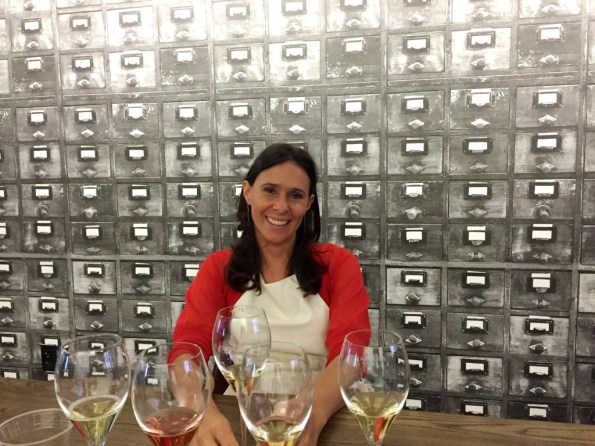
Today Ferrari is producing about 2 million bottles per year. They are working in close cooperation with the network of 500 growers and employ 8 agronomists who work literally around the clock to ensure the quality of the grapes. All Ferrari vineyards are certified organic, which is something not to be taken lightly – think about the work required to convince 500 growers to change their ways, to adapt Best Practices developed by Ferrari and get certified (it took most of the growers between 3 and 5 years to change). Talking about the vineyards, an interesting side note: Trento is a mountainous region, and all Ferrari vineyards are located on the slopes which provide for large temperature shifts between day and night, which is significant for the development of the Chardonnay grapes.
Italy is the biggest market for Ferrari sparkling wines. However, when I asked which market is the next big one after Italy, I got a surprising answer – it is Japan! (Yeah, I knew it is not the US, as Ferrari wines are hard to find in the US stores).
I also asked what would be an interesting food pairing for the Ferrari sparklers, and Camilla recommended Rosé sparkling wine with Pizza (yes, I can see it) and then bubbles with the BBQ, which is something I will need to try.
Okay, let’s get to the wines now, shall we?


NV Ferrari Brut Metodo Classico Trento DOC (SRP $25, 100% Chardonnay) – Delicious. Perfect acidity, lightly yeasty, refreshing, clear acidic finish.
2007 Ferrari Perlé Metodo Classico Trento DOC (SRP $38, 100% Chardonnay) – complex nose, minerality, complex palate with musk undertones, full bodied and refreshing
2009 Ferrari Perlé Metodo Classico Trento DOC (SRP $38, 100% Chardonnay) – we didn’t taste this wine with Camilla – I recently got a sample of 2009, so it was a good opportunity to include it here. On the nose, fine fizz, mostly closed nose with just a touch of an apple. The palate showed toasted bread notes, restrained, good acidity, tart, very clean and austere. Perfectly reminiscent of a good Champagne, however, too astringent for my personal enjoyment. I would definitely prefer 2007.


2008 Ferrari Perlé Rosé Metodo Classico Trento DOC (SRP $59, 80% Pinot Noir, 20% Chardonnay) – Delicious nose, hint of strawberries, yeast, great concentration, complex, toasted bread, refreshing.
2008 Ferrari Perlé Nero Metodo Classico Trento DOC (SRP $79.99, 100% Pinot Nero) – great nose, plump, open, full-bodied, lots of fruit on the nose, fresh baguette, not just yeast or toasted bread, toasted caramel, butterscotch


2006 Ferrari Riserva Lunelli Metodo Classico Trento DOC (SRP $56, 100% Chardonnay) – the grapes for this wine come from the single area around Villa Margon. This wine is aged in neutral Austrian oak casks. Excellent, seriously complex nose, with a touch of tropical fruit; tremendous palate – roasted meat, super-complex, delicious.
2004 Ferrari Riserva del Fondatori Giulio Metodo Classico Trento DOC (SRP $120, 100% Chardonnay) – the grapes for this wine come from a single high altitude vineyard called Maso Panizza. The wine has the classic nose, great acidity, it just screams “classic vintage Champagne” all the way.
Here you are, my friends – a full range of beautiful sparkling wines, worthy of any celebration you will have. I wish they would be a bit easier to find in the US, but these are the wines worth seeking. Cheers!
Samples Galore – Holiday Edition
 Over the last few months, I had an opportunity to try a number of wines. What I didn’t do in timely fashion, however, is to share the tasting notes with you – and this needs to be corrected, which I’m doing with this post.
While I call this post a “holiday edition”, this is strictly due to the fact that this post is coming out during the most festive time of the year. It might be too late to use any of these wines for the gift giving, but you know what – these wines will be perfect for any day, whether it is cold or warm outside, and whether you need a gift or just want to reward yourself (yep, you always deserve an award for just being you).
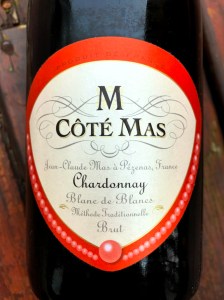
Let’s start with the sparkling wine – I have one to bring to your attention today. This wine comes from the master of “affordable luxury” Paul Mas (I wrote about his wines a few times in the past – you can find those posts here). This Blanc de Blancs from Languedoc is made out of Chardonnay using the traditional method, and it perfectly on par with Paul Mas sparklers I tasted before:
NV Côté Mas Chardonnay Blanc de Blancs Méthode Traditionelle Vin de France (12% ABV, $15.99, 100% Chardonnay)
N: Pleasant nose with touch of yeast and fresh apples
P: Restrained palate, good acidity, clean, touch Of yeast, hint of Granny Smith apples.
V: 7+


Let’s continue with a few of the white wines. First, one of my perennial favorites – Hanna Sauvignon Blanc. I tasted prior vintages of Hanna Sauvignon Blanc, and this is one of my most favorite styles of California Sauvignon Blanc – grassy, fresh and clean:
2015 Hanna Sauvignon Blanc Russian River Valley Sonoma County (13.2% ABV, $20)
C: straw pale
N: intense, fresh-cut grass, touch of lemon, fresh meadows, you can smell this wine forever.
P: nicely restrained, same grassy notes, touch of black currant (distant hint), perfect balance, refreshing
V: 8+
The next white wine comes from the very creative producer in Oregon – Left Coast Cellars, which also not a stranger to this blog – I had a pleasure of speaking (virtually) with Luke McCollom, winemaker for Left Coast Cellars and taste some of the previous vintages of their wines (here are the links to the two-part interview – Part 1 and Part 2). You can’t go wrong with Oregon Pinot Gris – today this is literally a “classic”:
2015 Left Coast Cellars The Orchards Pinot Gris Willamette Valley (13.7% ABV, $18)
C: Straw pale color
Touch of honeysuckle on the nose once warmed up, White stone fruit initially
Closed up while cold, white ripe fruit once warmed up, good balance, medium body, medium-long finish.
V: 7+
Last but not least is Les Dauphins Côté du Rhône. Rhone whites are fun wines, often very dry in the early years, and “ripening up” as they age. This was unquestionably a young wine which most likely would improve with age:
2013 Les Dauphins Côtes du Rhône Réserve Blanc (12.5% ABV, $11, 65% Grenache, 15% Marsanne, 10% Clairette, 10% Viognier)
C: Light golden
N: touch of honey, white stone fruit
P: white stone fruit, herbs, good acidity, quite astringent
V: 7+, will hold well with and without food
Now, time for the reds. The reds today represent a diverse group, from Australia to Italy to the USA. At the beginning of November, I participated in the #winechat with Michael Twelftree, winemaker for Tow Hands Wines out of Australia. We had an opportunity to taste and discuss three wines from Two Hands – two classic Shiraz wines from Barossa and McLaren Vale regions, and a Cabernet Sauvignon:
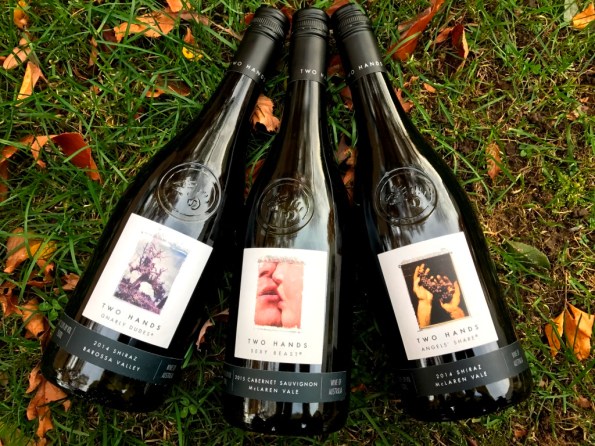 2014 Two Hands Gnarly Dudes Shiraz Barossa Valley (13.5% ABV, $36)
C: Dark garnet, almost black
N: espresso, roasted meat, licorice, blackberries
P: spice, plums, big concentration, touch of salinity, smooth texture, velvety and dusty
V: 8-, good rendition of Shiraz. The wine completely reversed on the Day 2, closed up.
2014 Two Hands Angel’s Share Shiraz McLaren Vale ($14.5% ABV, $36)
C: Dark garnet, almost black
N: intense, powdery, eucalyptus, mocca, licorice, tobacco
P: peppery finish, round, restrained, excellent acidity, bright and crispy red fruit
V: 7+, probably needs time
2015 Two Hands Sexy Beast Cabernet Sauvignon Mclaren Vale (13.8% ABV, $36)
C: Dark garnet, almost black
N: touch of cassis, closed
P: smooth, round, nice cassis backbone, mint, restrained
V: 7/7+, too young, needs time to rest and evolve
Two Italian wines were probably my favorite in this group – Cecchi Chianti and Alta Mora from Sicily:


2014 Cecchi Chianti Classico DOCG (13% ABV, $22, 90% Sangiovese, 10% other grapes)
C: Garnet
N: dark red fruit, dark chocolate, touch of smoke, roasted notes
P: fresh, vibrant, good acidity, touch of pepper, hint of tobacco, crashed raspberries, firm structure
V 8-/8, very enjoyable from get go, will evolve
2014 Cusumano Alta Mora Etna Rosso DOC (14% ABV, $24, 100% Nerello Mascalese)
C: dark garnet
N: playful, open, cherries, mocca,
P: bright, mouthwatering acidity, tart cherries without too much astringency, pronounced minerality, medium body, dry finish
V: 8-
And to finish off, here are two classic grapes – Merlot and Pinot Noir:


2014 Markham Merlot Napa Valley (14.2% ABV, $26, 86% Merlot, 12% Cabernet Sauvignon, 2% Petite Sirah)
C: garnet
N: touch of cassis, mint, alcohol presence is noticeable, dark chocolate
P: round, soft, clean acidity, touch of cassis, underripe raspberries, alcohol and tannins show a bit on their own, peppery finish
V: 7/7+, needs more time? second day definitely showed to wine as more coherent (7+), but it would benefit from more time
2014 Left Coast Cellars Cali’s Cuvée Pinot Noir Willamette Valley (13.5% ABV, $24)
C: Dark garnet
N: Mocca, sage, roasted notes, touch of mushrooms, savory undertones
P: Fresh raspberries, mint, herbs, touch of roasted meat, fresh acidity, mouthwatering finish, medium body, easy to drink
V: 8-, easy to drink, pleasant
We are done here. Have you had any of these wines? What do you think of them? Cheers!
Do You Prefer Montepulciano or Montepulciano?
Nope, no typo in that title. And no, I’m not losing it. Not yet anyway.
Yes, the title is purposefully misleading. But within a reason – and I’m not looking to gain any unjust benefit from the confusion.
As most of you know, Montepulciano happened to be the name of the indigenous Italian grape, popular in central regions of Abruzzo and Marche. Montepulciano is also the name of the small medieval town, right in the heart of Tuscany, where the grape called Sangiovese is a king. The wine produced around the town of Montepulciano, which dates back to the 14th century, is called Vino Nobile di Montepulciano, and to be called Vino Nobile the wine should contain at least 70% of Sangiovese grapes. What is also worth mentioning that Vino Nobile di Montepulciano was the very first DOCG (Denominazione di Origine Controllata e Garantita) in Italy, awarded in 1984 – the emphasis here is on Garantita, denoting highest quality Italian wines.
A picture worth thousand words, so here is an infographic which nicely lines up all the confusing Montepulciano:
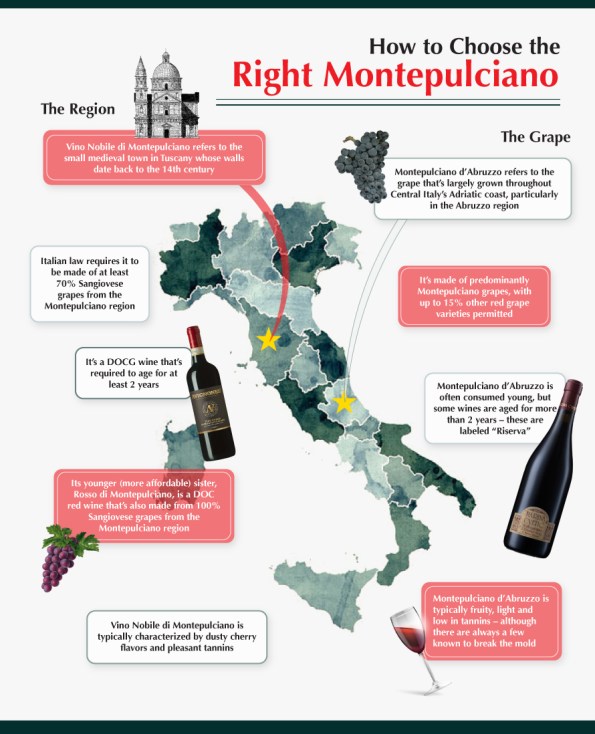
Infographic courtesy of Mosiah Culver
Now, let’s go back to the main question, only let’s ask it in a less controversial way – do you prefer Montepulciano or Vino Nobile di Montepulciano wine? The answer to such a question requires some wine drinking, so let’s fight it off with maybe some of the very best examples of both – Masciarelli Marina Cvetić Montepulciano d’Abruzzo and Avignonesi Vino Nobile di Montepulciano.
Masciarelli Tenute Agricole was established in 1978 by Gianni Masciarelli in San Martino, Chieti Abruzzo. In 1989, Giovanni married Marina Cvetic, who took over winemaking duties. Today Marina overseeing about 750 acres of estate vineyards, producing about 2.5 million bottles a year – of course, not only Montepulciano d’Abruzzo, but many different wines – you can find more information here.
The wine we are tasting today, Masciarelli Marina Cvetić Montepulciano d’Abruzzo Riserva, is a flagship wine, which won numerous accolades from the critics around the world, and it is definitely a beautiful example of how good Montepulciano wine can be.
Avignonesi estate was founded in 1974, and the Avignonesi family was instrumental in helping the regions to obtain DOCG status and promote Vino Nobile wines worldwide. From 2009, the estate, which comprise today 495 acres of vineyards in Montepulciano and Cortona appellations and produces about 750,000 bottles per year, is owned by Virginie Saverys. She works tirelessly to convert the estate to organic and biodynamic winemaking, and Avignonesi is expecting to get its organic certification in 2016. You can learn more about the estate and its wines here.
The wine we are drinking today is Avignonesi Vino Nobile di Montepulciano, which goes way beyond the requirements of the DOCG and made from 100% Sangiovese sourced from 8 best vineyards of the Avignonesi estate. If you will look at the suggested price ($29), in conjunction with the quality, this wine would easily beat many of its famous Brunello neighbors. Many critics also concur, as the wine repeatedly gets high scores and makes to the various “Top” lists.


Here are my notes for these two wines:
2011 Masciarelli Marina Cvetić Montepulciano d’Abruzzo Riserva (14% ABV, $28, 100% Montepulciano, 12/18months in oak barriques, 100% new)
C: dark garnet
N: cherries, tar, roasted meat, undertones of sage
P: sweet cherries, perfume, open, layered, clean, good balance, very approachable and ready to drink from the get go
V: 8/8+, sexy, luscious and delicious
2013 Avignonesi Vino Nobile di Montepulciano DOCG (14% ABV, $29, 100% Sangiovese, 12 months French barriques, 6 months large Slavonian oak casks, 6+ months in the bottle)
C: brilliant ruby
N: herbs, sage, hint of black fruit, restrained
P: sweet and tart cherries, earthy, leather, touch of cherry pits, touch of tannins, good balance. Very long finish with fruit dominating.
V: 8. surprisingly ready to drink (unlike some Vino Nobile which I had before). Classic Italian wine all around, with finesse.
As you can tell, I really liked both wines, probably hedging a bit more towards Montepulciano d’Abruzzo – these are very well made wines, different and excellent in its own right – and by the way, both would perfectly brighten up your holidays :).
What do you think? Which Montepulciano would you prefer, not only from these two wines but in general? Cheers!
Holiday Gifts for Wine Lovers, 2016 Edition
 If there is one overarching theme for my 2016 posts, it can be expressed with one word: “late”. No matter how useful my advice will be, the major present-buying holiday takes place in mere two days, so yes, it is truly late. But – the comforting thought is: if you got a wine lover, an oenophile in your life, wine is always, always an excellent present. Or anything related to the wine for that matter. Except for the 5th identical book – oh well, nothing wrong with re-gifting, right?
Now, when it comes to the presents for the wine lovers, I already covered the subject quite extensively over the past few years. I checked what I wrote before, and was happy to realize that all or practically all of my advice still stands – thus, allow me to simply give you a reference to the older posts – if you are still looking for the present, you might find my suggestions helpful.
Back in 2014, I wrote a series of posts on the subject of wine gifts which I called “Practical and Pragmatic Guide”. It is practical and pragmatic, as I not only tell you what to buy but also provide recommendations for the gifts I wouldn’t buy – definitely practical and pragmatic. The series consisted of 3 parts:
Part 1 – Wine gifts – this post provides a general introduction for “practical and pragmatic”, and it is talking about various wine gifting options.
Part 2 – Wine Accessories – openers, pourers, decanters and lots more – what makes sense, what doesn’t.
Part 3 – Wine Education – books, classes, experiences – everything the wine lover might really appreciate.
Here is also a post on the same subject from 2011 – while it will not give you much new information conceptually, it has more recommendations as to where to buy the wine.
Before we part I want to mention that I created now a collection of useful wine gift items on Amazon. All the books there are personal recommendations and all the accessories are split into different categories to simplify navigation.
That’s all I have for you, my friends. Better late than never, eh? Happy Holidays and happy last minute gift hunting! Cheers!
Restaurant Files: Room 112 in Norwalk, CT – Experiencing The Art Of The Cocktail
 I’m very comfortable around alcohol. In the times of utmost political correctness this statement might be taken wrong in so many ways, but yes, I would still say it. Wine, beer, whiskey, tequila and everything in between – I’m not an expert, but I know my way around different types of alcohol in all of its forms. With one exception – cocktails. I have to openly and honestly admit that I’m intimidated by the cocktails.
While I was growing up, even at the age when I could legally drink, a bar and a cocktail where only a theoretical concept for me, something I learned from the books, and from the books alone. It continued that way even after I came to the States. It is quite possible that my first cocktail drink was during my first vacation in Cancun, as it was very simple there – Mojito was one and only name you needed to know.
When I sit at the bar, I’m at loss. Too many ingredients I can’t relate to, the need to measure, numerous failed attempts to make something tasty at home, despite religiously following the recipe. In most cases, the service starts with “What can I get you”, for which I don’t have a ready answer, and usually the menu wouldn’t help. So I end up with the sheepish “something not too sweet, please?”
Of course, the situation is not as dramatic lately, as a majority of the restaurants now offer concise, easy to choose from and often unique selection of the cocktails, which I’m gladly taking advantage of. Still, sitting at the bar is not something I would readily go for.
And then, there is Room 112 in Norwalk, Connecticut, which is The Bar. I remember in many books coming across the word “saloon”, which now seems to be used interchangeably with the “bar”. In the original meaning, saloon seems to be a “large room with the bar”, so this is what the Room 112 is – a large, creatively appointed room with the bar. Actually, it is two rooms with two bars – as few steps down the stairs will lead you to the game room, with another bar. Maybe we should just call it The Lounge.
What you will see below is few of my notes and mostly a collection of the pictures; I hope they will convey the magic of Room 112 at least to a some degree:


I visited Room 112 with the group of bloggers, so I was happy to sit at the bar to get the best view in the house:


The cocktails at the Room 112 are not just made – they are crafted. Thoughtfully selected drinking vessels, the presentation, the meticulous measurement and execution – sitting there at the bar at the Room 112, you are looking at the work of not just a barmen, but an Artist.
Here is Moët Impérial Champagne to start the evening – just look at that glass:


Look at all the “tools of the trade”:


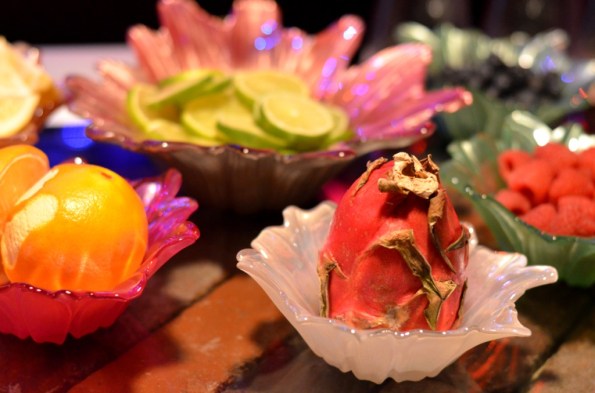
And here are the cocktails in the making – I should’ve recorded the video, only I didn’t:


Here is the final product – cocktail called Casa De Amor (casa amigo tequila, pavan liqueur, fresh lime juice, orange blossom bitters, dragon fruit, pink peppercorns, fresh rosemary sprig):
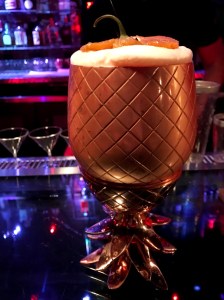
 Here are few of the cocktails which I tried. The Pinacita (absolute elyx vodka, koval chrysanthemum & honey liqueur, st elder liqueur, fresh lime juice, serrano peppers, grilled pineapple, pink peppercorns and a campari foam) was not too sweet, nicely balanced (no, this is not an individual glass – it was served for the whole our group to try):
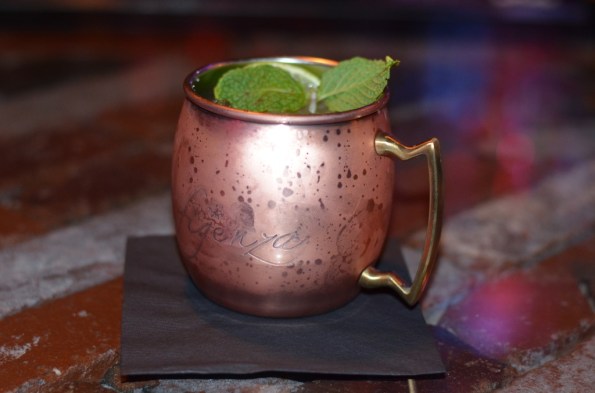
 My absolute favorites were two cocktails. First, Magic Mule (magic moments lemongrass infused vodka, koval ginger liqueur, fresh lime juice, topped with club soda, ginger root, lime, and mint), which was truly magic. I don’t know what was so special about this cocktail, but it was super-delicious – soft and gentle, but with rich flavor profile, soft notes of fresh ginger with herbs – I simply couldn’t get enough of it, most delicious Mule I ever had, pure magic:
 The second standout cocktail was El Nino (Mexican Hot Toddy – azeteca de oro liqueur, koval honey liqueur, fresh lime juice, hot water, dried cranberries and a lemon and orange twist garnish) – it was served warm, in the beautiful sniffer glass, and I would just smell it forever – so much flavor was exuding from this glass, lemon, orange, wow. This is an ultimate cocktail for the cold winter day – grab the glass with two hands, and feel like warmth spreads all over your body:


Room 112 offer food with the help of the farm to table catering company called Harbor Harvest. We didn’t have an opportunity to explore much of the range of the food offerings – only had some antipasti, but they were fresh and tasty:


Here is the peek at the room downstairs:


For the desert I had … yet another drink. I’m sure I mentioned in the prior posts how much I love good Mezcal (close relative of Tequila, but usually a lot smokier). Room 112 offers great selection of Mezcal (and tequila), so I was given an option to try one of my favorites – Del Maguey Mezcal and went with the Del Maguey Vida Mezcal – beautiful smoke over characteristic agave notes with herbal accents. Perfect desert in my book, for sure.


That’s all, my friends – here is your [mostly photo] report on my experience of the Art of the Cocktail. If you are local, or maybe visiting for the holidays – Room 112 should be on your short list.
What was your latest encounter with creative cocktails? Let me know. Cheers!
Room 112
112 Washington St
South Norwalk, CT, 06854
Ph: 203.939.1347
http://room112sono.com/
Holiday Madness! Holiday Madness! Last Bottle Holiday Marathon Madness, December 15th
 It is time to flex your fingers and make sure they are in the perfect shape, as tomorrow you will have to do a lot of clicking. Last Bottle, the purveyors of the fine wines at value prices, in its traditional just-in-time, ready-or-not-here-I-come fashion, announced its widely anticipated Holiday Marathon Madness.
Tomorrow, December 15th, starting at 9 AM Pacific/12 PM Eastern, Last Bottle website will be featuring amazing wines at amazing prices, disappearing faster than you can say “wine”, never mind clicking the “buy” button – this is where you will need that index finger strength and agility, if you want to acquire any of those treasures, instead of just watching them pass by.
No announcements of any kind, no emails, no tweets – just keep clicking that “refresh” browser button to see the new offers. No minimums to buy (single bottles are perfectly fine) to get free shipping. All orders will be combined together and shipped at once in January. That’s it – no more special rules.
Just a little advice – be sure to be logged in into your account before you start great deal hunting – split seconds will separate success and failure of your order. Don’t believe me? Prepare to be disappointed then – I’ve been in that boat way too many times.
Before we part: when I mention Last Bottle, in case you don’t have an account with them already (and you need one if you want to buy the wines), I always offer an opportunity to sign up – if you will sign up using this link, you will get $10 off your first purchase, and yes, I will get $30 after your first purchase. The beauty is that moving forward, you can sign up your friends, and now you will be the one to get $30 after they will buy the wine from the Last Bottle – plus, all of a sudden, you fill find yourself all so much more popular!
Okay, enough reading – go back to that finger exercise, you should be in a perfect shape for tomorrow.
Happy [great value wine] Hunting!
Daily Glass: Ah, Pinot!
Nothing is simple around wine for us, oenophiles, right? We need to meticulously arrange proper experiences – perfectly match wine with food, with the company, with the mood, with the moment. If we don’t, we question ourselves to eternity – what would’ve happened if I would’ve open that other bottle I had in mind; should’ve I just plan it all differently?
But every once in a while, we let our guards down, and let things just happen. When we think about it right after, we realize – wow, totally random, and totally delightful. Yay!
That “random and delightful” was my experience yesterday. My plan was to open a bottle of wine from 1998, and I have a very small selection of those, so the one I picked happened to be a Burgundy. So that one was a special bottle, waiting for the evening and the decanter.
I can’t cook without the wine, so of course, the bottle had to be opened. The “before Thanksgiving” shipment from Field Recordings contained more than one interesting bottle – the one I told you about already was Pét Nat from California. Another bottle I never saw before had a bold Nouveau word printed across shiny, golden label:


I’m an avid fan of the “Beaujolais Nouveau” phenomenon. But I have to admit that a few years back, I tasted few of the attempts by California wineries to join the Nouveau movement, and those were widely unsuccessful.
So how would Field Recordings’ Nouveau rendition fare? Actually, spectacularly. As the label says, the grapes for this wine were hand-harvested only 74 days prior to the bottling. And nevertheless, the wine had all the finesse you expect from the perfectly balanced California Pinot Noir. This 2016 Field Recordings Nouveau California (12.1% ABV, 100% Pinot Noir) had lean, uplifting nose of fresh fruit, but less fruity than typical Nouveau, nothing grapey. On the palate, unmistakably Californian, touch of smoke with fresh plums and a bit of mint. Good acidity, more round than a typical French Nouveau version, perfectly drinkable. 8+. Outstanding, in a word. Would happily drink it again any day.
Remember I told you this was one of the days when things are just happening? I have a good number of bottles in the cellar, but absolute majority of the bottles are in the single amounts – just one bottle of particular wine from particular vintage, and that’s it. Thus sometimes, I spend good 20 minutes trying to select a bottle (in the fear of missing on what it can evolve into) and end up pouring myself a splash of Scotch instead. But yesterday, I had enough courage to grab a bottle of the wine which might be the only bottle in the US – unless someone also has good friends in Switzerland.
This wine was made by the family producer in Vaud region in Switzerland, Henri Cruchon, who I had pleasure meeting about 6 years ago. What makes it special is that this wine, called Nihilo, is not filtered, made from organic grapes, and doesn’t have any added sulfites. To preserve the wine better, the cork is covered in wax. And to be entirely correct, the wine goes beyond organic, as the back label sports Demeter logo, which means that the winery is certified biodynamic.


It is great to know that the wine is non-filtered and organic – but the ultimate verdict is in the glass. This 2015 Henri Cruchon Nihilo La Côte AOC Switzerland (13.5% ABV, blend of Pinot Noir, Gamay and Gamaret) had a spectacular nose, very complex – iodine, anise, crunchy cherries, mint. The palate was equally spectacular with sweet cherries, pepper, roasted notes, peppermint, crispy, fresh blackberries – once you start, you can’t stop. 8+/9-, outstanding wine.
And then there was 1998 Patrick Lesec Gevrey-Chambertin Vieilles Vignes (13% ABV) – an 18 years old Burgundy wine, as Pinot Noir as it can be.
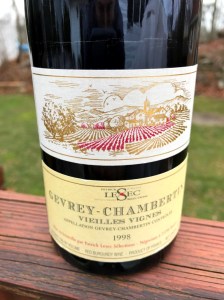 18 years shouldn’t be an age for Burgundy, but I still was a bit concerned. Decided to decant the wine, to avoid sediment and let it breathe a bit, for about an hour. I’m clearly abusing the word “spectacular” in this post, but this is what this wine was. Touch of barnyard on the nose, on the palate – gunflint, smokey cherries, roasted meat, lots of herbs – oregano, mint, sage – every sip was a “wow” experience. By the end of the evening, the wine mellowed out and started showing more of the sweet cherries, still perfectly balanced with acidity. A pure treat for sure. Drinkability: 9.
There you have it, my friends. An accidental and hugely enjoyable Pinot Noir deep immersion – from California to Switzerland to France – very different wines holding one common trait – delivering lots and lots of pleasure. Cheers!
Last Bottle Sign Up ($10 credit)




 Talk-A-Vino