Made With Organic Grapes: Viñedos Veramonte
“Made with organic grapes”. If you see these words on the wine label, are you more inclined to buy it, less inclined, or indifferent? Are you willing to pay more for the organic bottle of wine, as we accustomed now for the meat and produce?
Organic production implies that no synthetic pesticides, fungicides, insecticides were used in farming. It doesn’t mean that no pesticides etc. were used at all – it only bans the use of synthetics, and natural pesticides, etc. can still be used. Truth be told, organic doesn’t automatically mean better for consumers or the environment – even natural pesticides can have bad consequences – you can learn more in this excellent in-depth article.
When talking about organic wines, we need to keep in mind that “organic” is only a part of the story of the “better wines”. Sustainable viticulture, which doesn’t always overlap with organic, and then biodynamics, which again may or may not intersect with the other two, are important to take into account when talking about wines that are better for humans and the environment. Though considering the title – made with organic grapes – let’s stick to that part of the story.
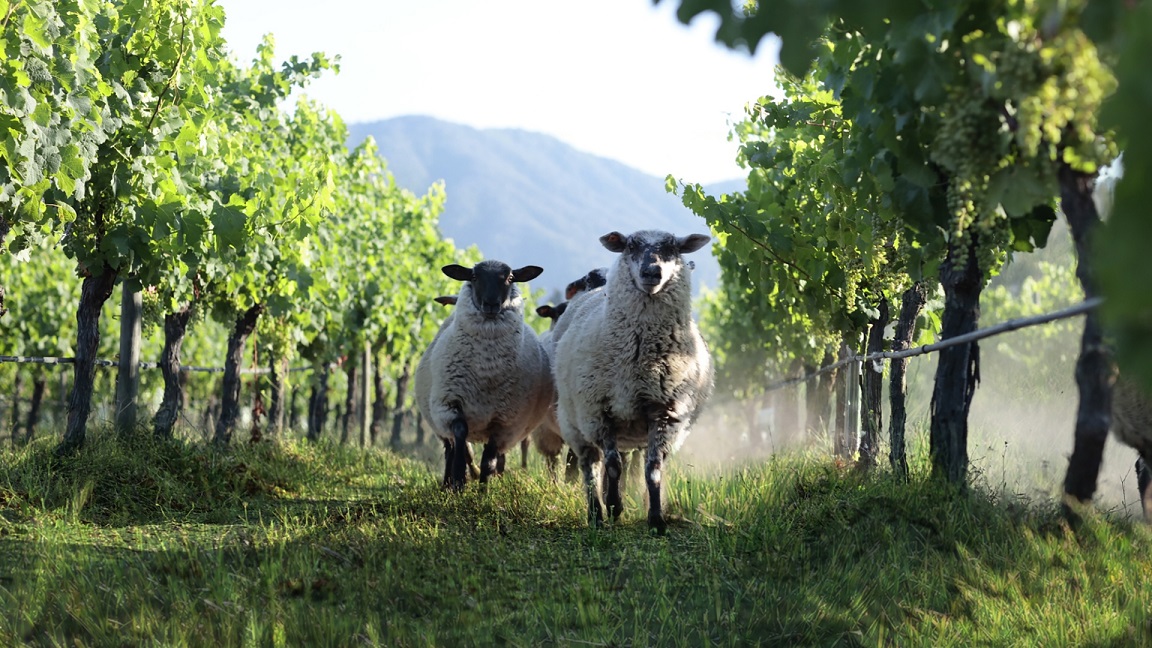
How to convey the organic farming concept in one picture. Source: Viñedos Veramonte
I remember the early days of seeing “organic” on the wine labels. Most of the organic wines I tasted 10-15 years ago were undrinkable. The “Organic” label is a big selling factor in itself, and I can only assume that some of the winemakers decided that good tasting wine is not a necessity if the wine is labeled as organic (I will refrain from putting names on the table, even though it is difficult to resist the urge). Even today, when “organic” designation is not just a marketing gimmick (in most of the cases), wine consumers seek first familiar producers, grapes, and region – the “organic” designation comes to a play only after all other requirements had been satisfied, as a “nice to have”. Of course, in the world of wine, most of the concepts are multidimensional, so I don’t want to oversimplify the “organic wine” – it goes well beyond of choice of pesticides and fertilizers, it also includes “no added sulfites” and other factors – but then again this is not the organic wine 101 post, so let’s leave this discussion for some other time too.
Lately, I tasted quite a few of the organic wines and was pleasantly surprised not only with the taste but also with the QPR (Quality Price Ratio) – while labeled “organic”, most of the wines didn’t command the premiums on the scale of organic apples or meat, and thus offer a great QPR. Here I want to share with you my encounter with delicious organic wines suitable for any budget. Let’s talk about it.
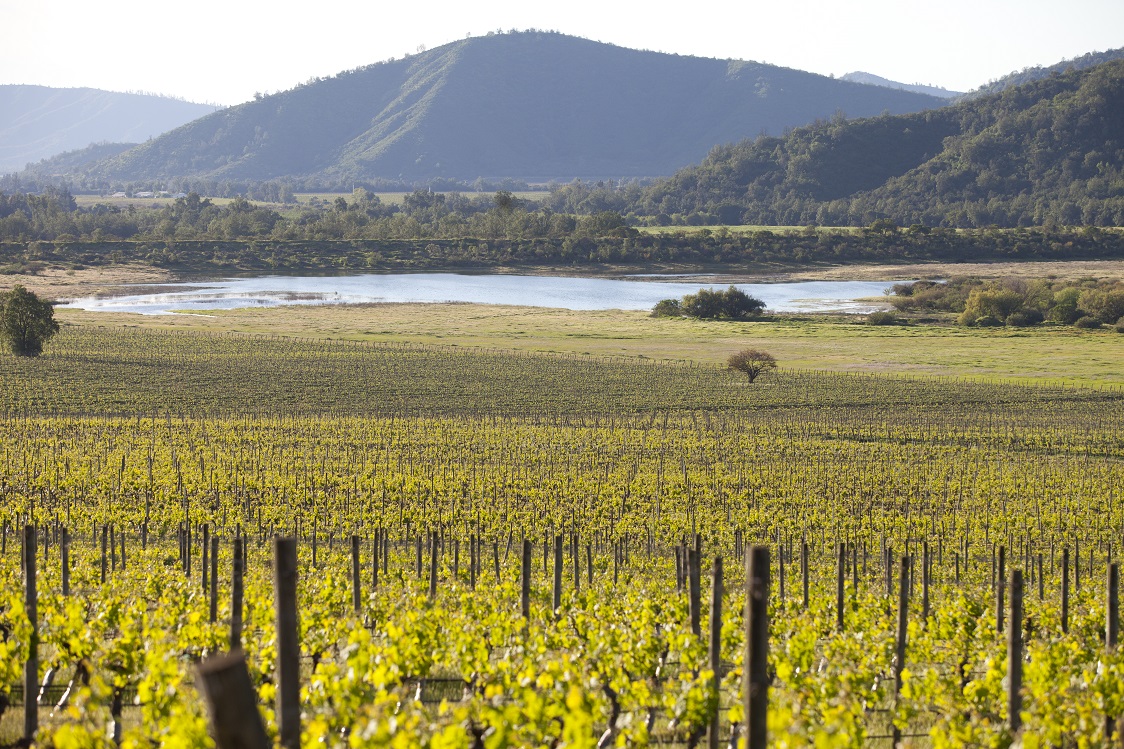
Source: Viñedos Veramonte
Agustin Huneeus, a Chilean wine pioneer, planted 100 acres of Sauvignon Blanc in the northern part of Casablanca valley in the late 1980s. In 1990, he founded Viñedos Veramonte, which became one of the first wineries in the region. From the moment the winery was found, the focus was on growing grapes in harmony with nature. After 6 years of hard work, in 2019, the winery obtained ECOCERT®organic certification, one of the most respected in the world. The project involved the conversion of more than 1,200 acres of vineyards in Casablanca and Colchagua valleys to organic and biodynamic farming, with the aim to also become fully Demeter’s biodynamic certified. The organic practices don’t stop at the vineyard – natural yeast and low intervention methods are used to produce the wine.


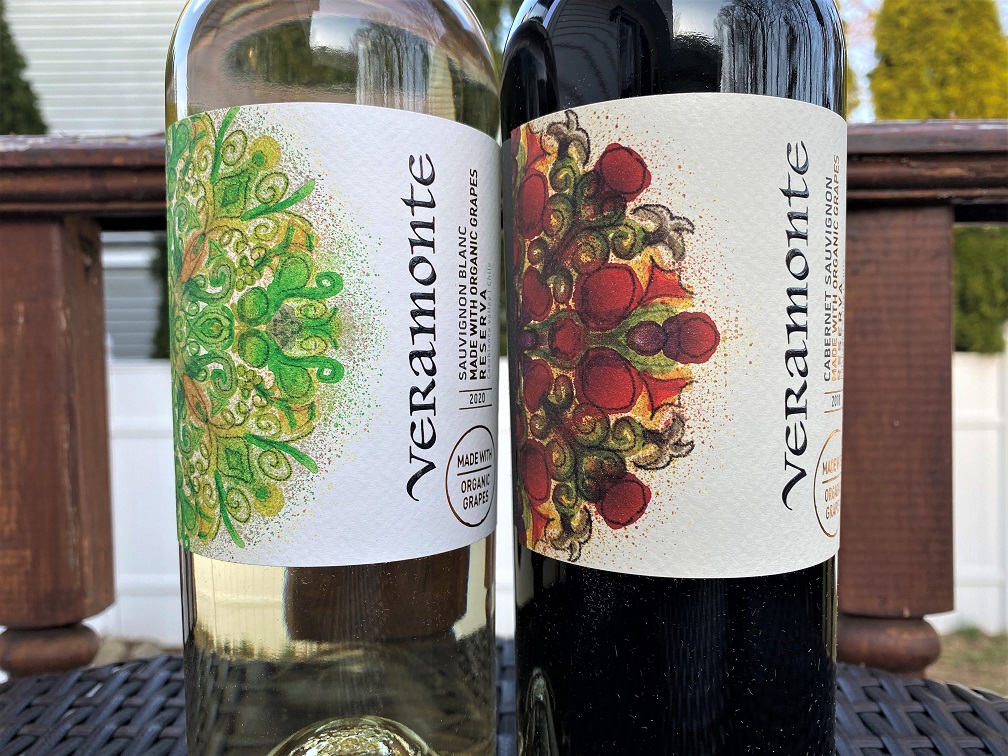
Can you taste all this care and attention in the glass? I think you can. I had the pleasure of trying a number of Veramonte wines (samples), and I think they were consistently delicious while offering an unbeatable QPR – see for yourself:
2019 Veramonte Sauvignon Blanc Reserva Casablanca Valley (13.5% ABV, $11.99, Vegan, organic grapes)
Straw pale
Distant hint of Whitestone fruit, a touch of cassis
Crisp, fresh, creamy, lemon notes, a touch of herbs – excellent
8/8-, perfect for summer, perfect for winter.
2020 Veramonte Sauvignon Blanc Reserva Casablanca Valley (13.5% ABV, $11.99, organic grapes)
Straw pale color
Touch of freshly cut grass, cat pee, medium+ intensity
Creamy and balanced on the palate, lemony acidity, freshly cut grass, elegant, restrained.
8/8+, outstanding.
2018 Veramonte Pinot Noir Reserva Casablanca Valley (14.5% ABV, $12.99, 8 months in oak, organic grapes)
Pale Ruby color
Touch of smoke, earthy undertones, classic Pinot
After about an hour – plums, earthy, medium body, well present sapidity, good acidity, good balance
8-, nicely drinkable
2018 Veramonte Carménere Reserva Casablanca Valley (14% ABV, $11.99, organic grapes)
Dark garnet, practically black.
Mint, black currant leaves
Black currant, coffee, very focused, good acidity, the wine shows tight, like a spring ready to snap.
8-, herbal notes are prevalent. Will see how it will be on the second day.
Second day- very concentrated, espresso, cherry pit. Good balance, but asking for the food to pair.
2019 Veramonte Cabernet Sauvignon Reserva Colchagua Valley (14% ABV, $11.99, 8 months in French oak, organic grapes)
Dark garnet
Cassis, a touch of bell pepper
Cassis and bell pepper on the palate, good balance, good acidity, medium body.
8, very enjoyable.
When it comes to organic wines, Viñedos Veramonte delivers wines you can drink every day and feel good about yourself, nature, and your wallet. Isn’t that a great combo?
What do you think of organic wines? Do you actually seek them out? Do you have any favorites?
Pretty in Pink
I love photography.
You already know that.
Yes, this is a wine blog, and while this analogy might thin-stretched (yeah, really thin), same as wine, photography helps to bring beauty into our lives, so from time to time, you will have to bear with me here.
It is easy to find beauty around us at any time. I love sharing pictures from a short walk around the block where I live. Usually, those pictures are taken in the fall, when the leaves are the most colorful. I also shared the beauty of the snow a few times on these pages. But this year’s spring, while started way too early, was cold enough to afford all of us a long, slow and beautiful transition of colors.
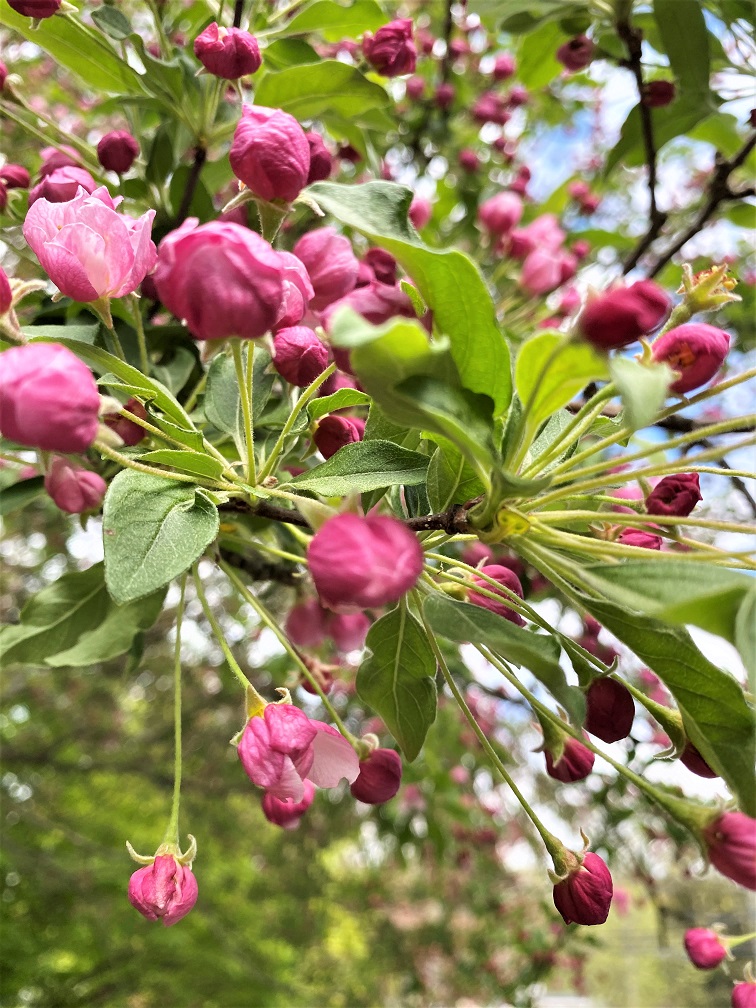
During one of the recent walks, I noticed how many shades and shapes of pink we have on our street. I love all things pink, and thus I decided to share these beautiful colors with you.
Enjoy!
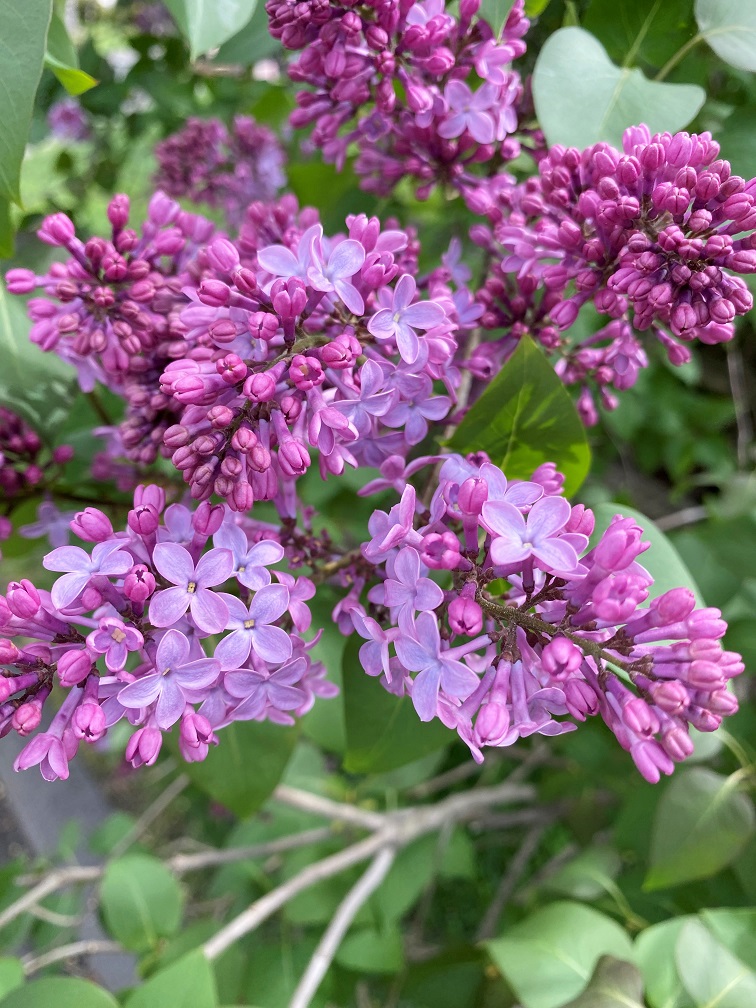 Lilac… I wish you could smell this too…

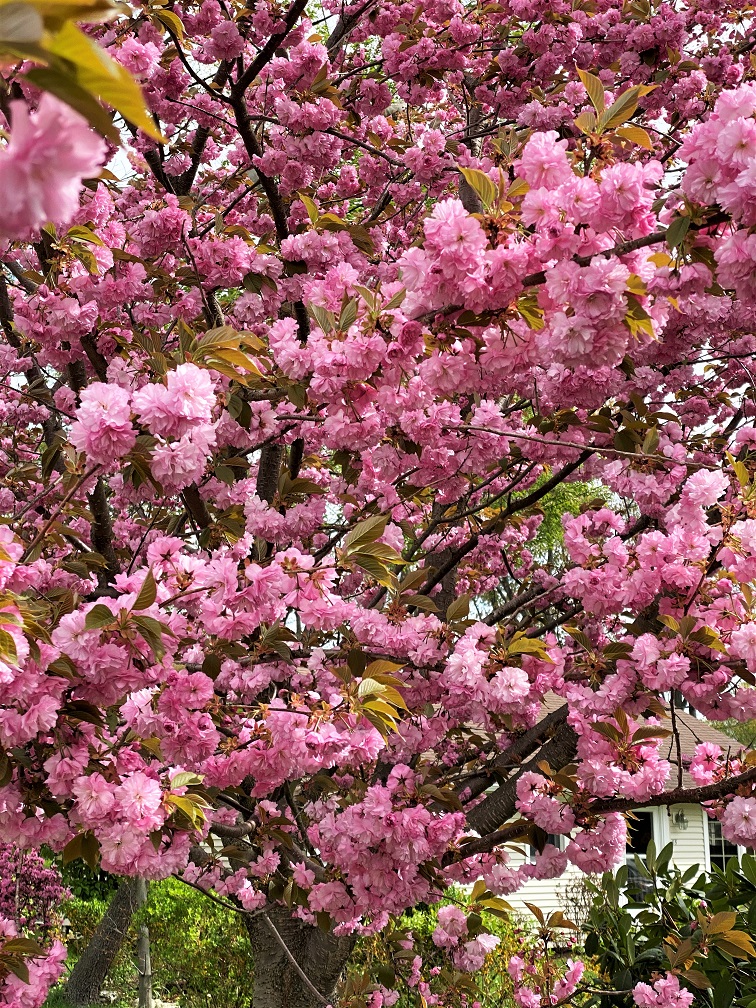
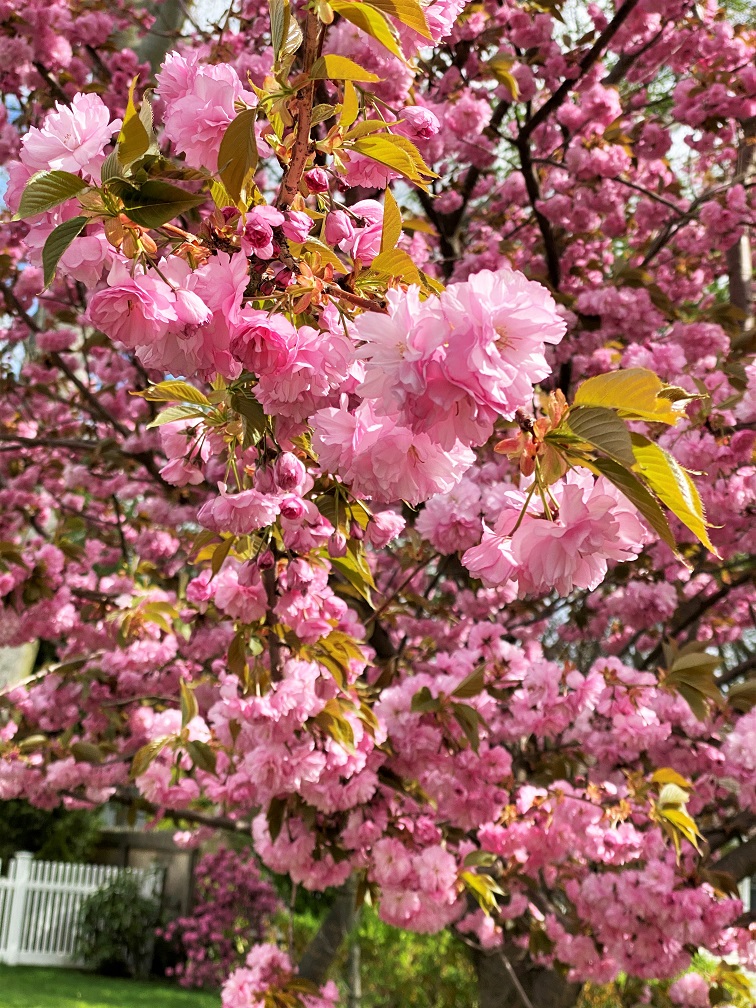


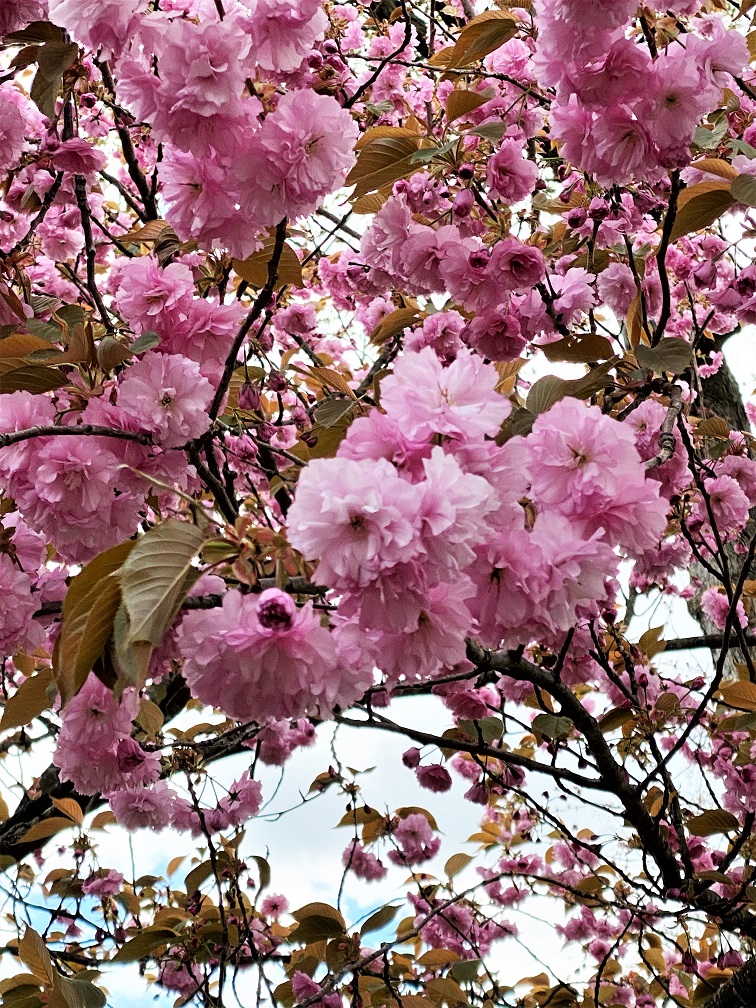
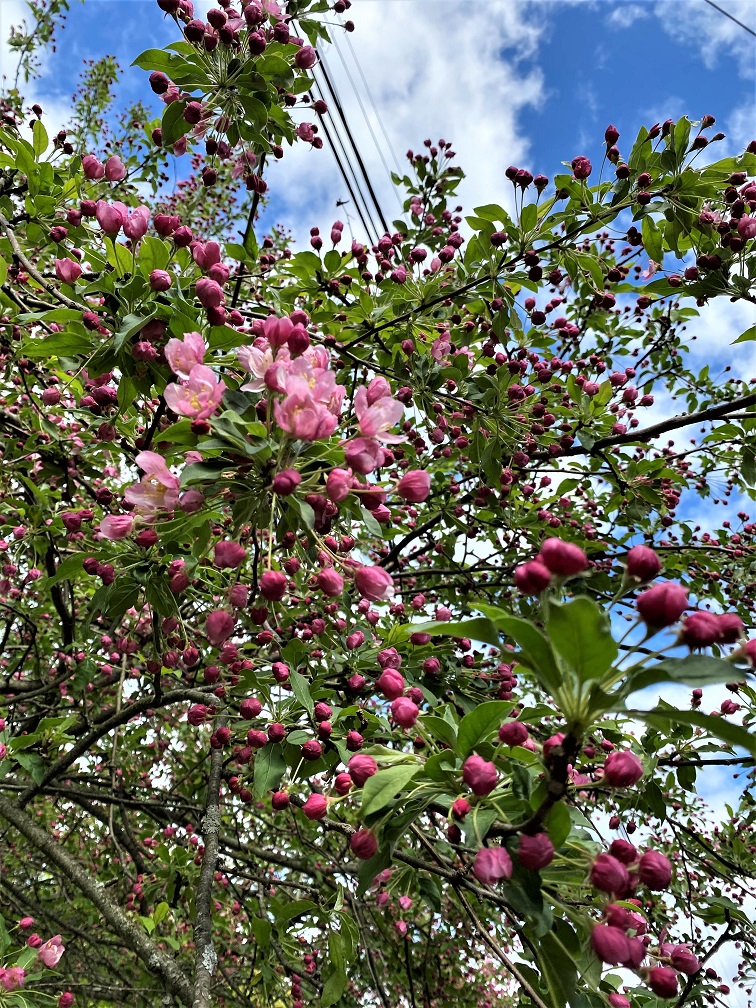
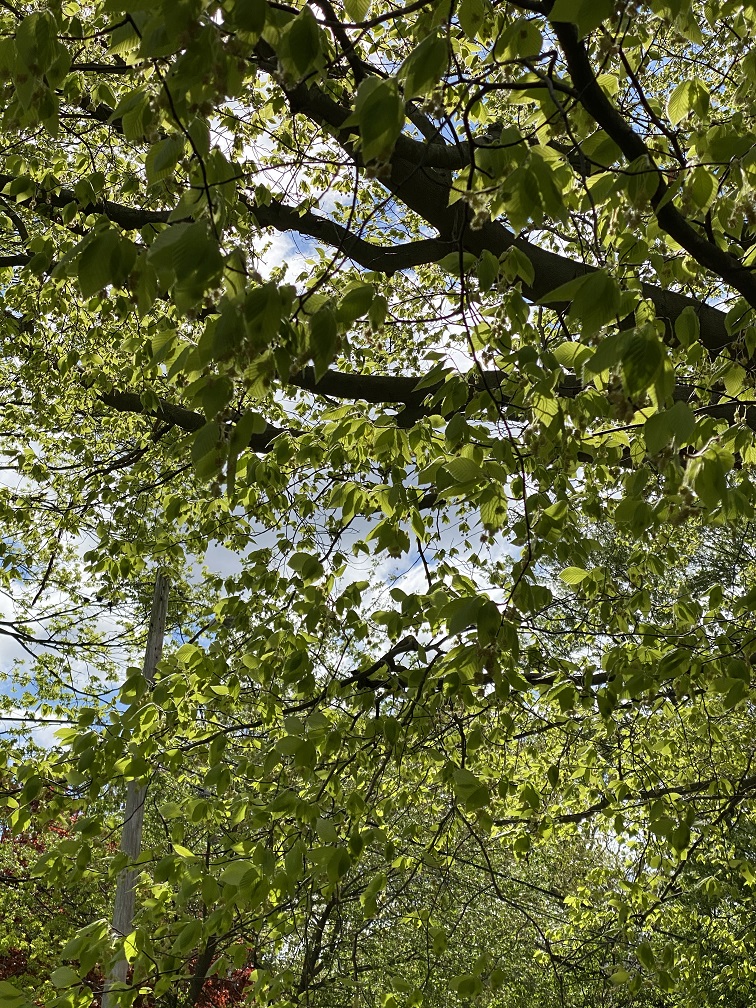
Of course, it is not only pink – young, bright green and pure white are equally beautiful:

Wine Quiz #139 – How Well Do You Know Your Wines?
The Wine Quiz series is not meant to intimidate. The whole idea here is to have fun and learn something new. When answering the questions, it is fully encouraged to use all available sources of information, including Google or any other search engine. There are no embarrassing answers – the most embarrassing thing is not giving it a try…
Welcome to the weekend and your new wine quiz!
Let’s start with the answers to the last quiz #138. Once again, you needed to identify wines (producers) by the fragment of the wine label. Here are the full labels of the wines:


I love each and every wine shown here – but this is not the point, of course. These are all different Rioja wines from Spain, representing 3 iconic producers – CVNE, La Rioja Alta, and R. Lopez de Heredia.
I’m happy to report that Jason Brandt Lewis correctly identified all wines as Rioja, and he got 5 out of 6 wines correctly – thus he gets on honorable mention with distinction (newly minted prize :)). Lynn also was able to figure out that these are all Rioja wines, and she gets honorable mention for correctly identifying 3 out of 6 wines.
Here is a new set of fragments of the wine labels, with the wine producers who should be reasonably familiar, and some even carrying good (excellent?) hints with them:
1. 
2. 
3. 
4. 
5. 
6. 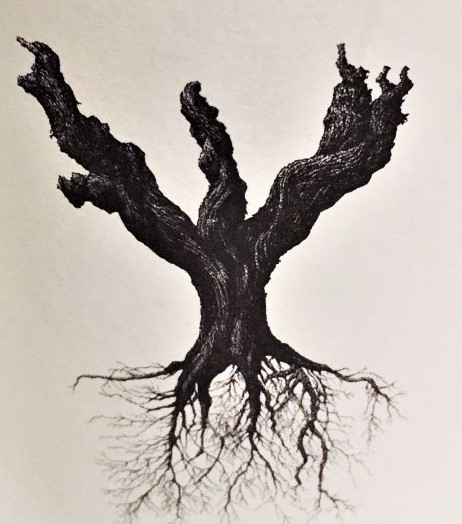
Again, there is a common thread between all of the fragments – once you will figure it out, the rest should be a bit easier.
Good luck, enjoy your weekend and your new quiz! Cheers!
Wine Quiz #138 – How Well Do You Know Your Wines?
The Wine Quiz series is not meant to intimidate. The whole idea here is to have fun and learn something new. When answering the questions, it is fully encouraged to use all available sources of information, including Google or any other search engine. There are no embarrassing answers – the most embarrassing thing is not giving it a try…
Welcome to the weekend and your new wine quiz!
Let’s start with the answers to the last quiz #137. Once again, you needed to identify wines (producers) by the fragment of the wine label. Here are the full labels of the wines:


All of these are well-known producers, all from Australia, and all are mainstream wines.
I’m happy to report that Anthony correctly identified 4 out of 6 wines and he gets on honorable mention – with distinction, shall we say? I need more of the prizes to go around, maybe it will make more people play 🙂
Here is a new set of fragments of the wine labels, with the wine producers who should be reasonably familiar, and some even carrying good (excellent?) hints with them:
1. 
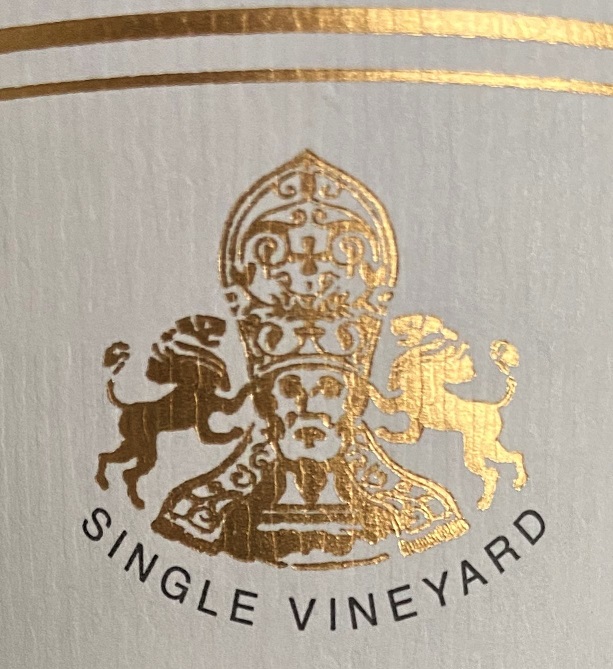
2. 
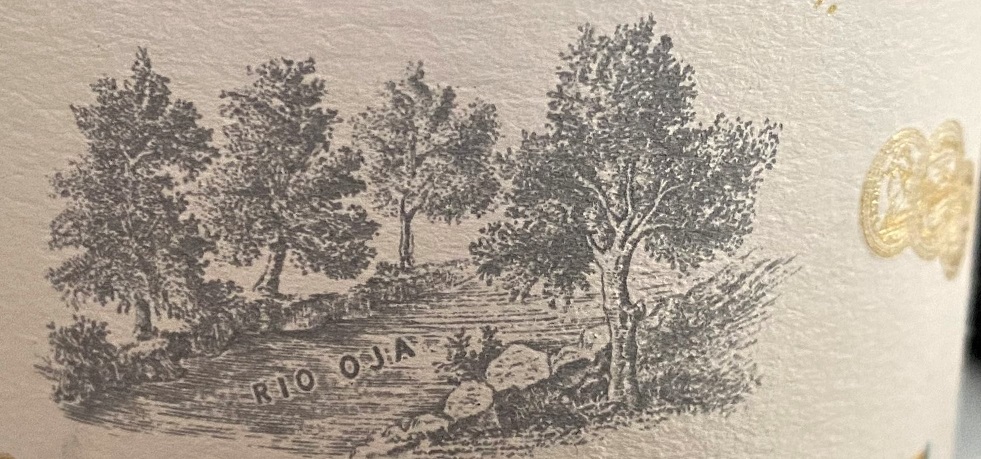
3. 
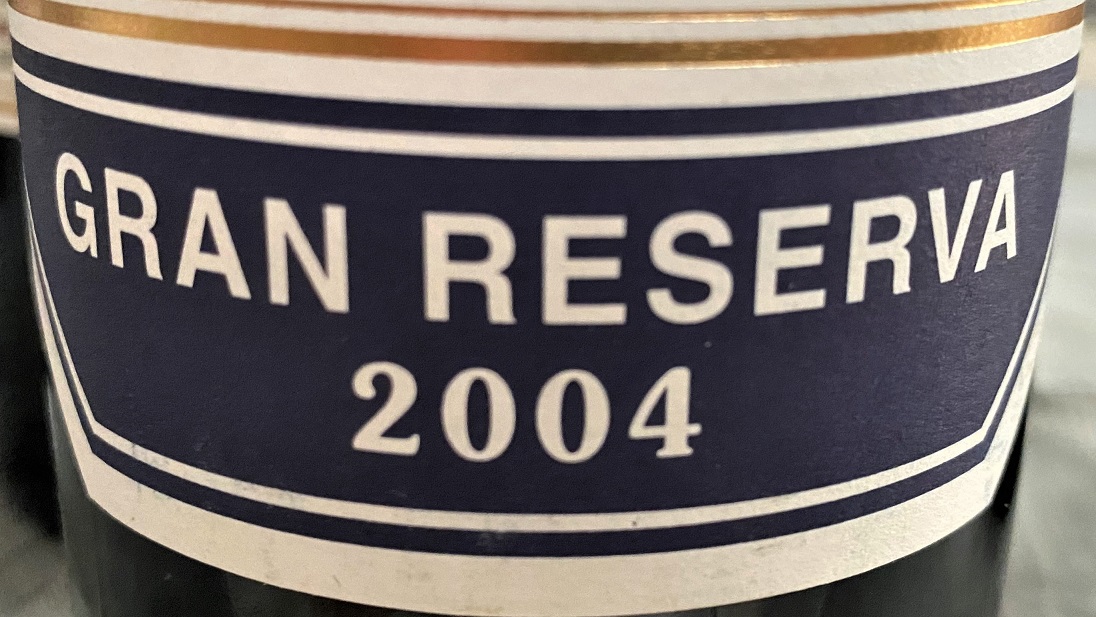
4. 
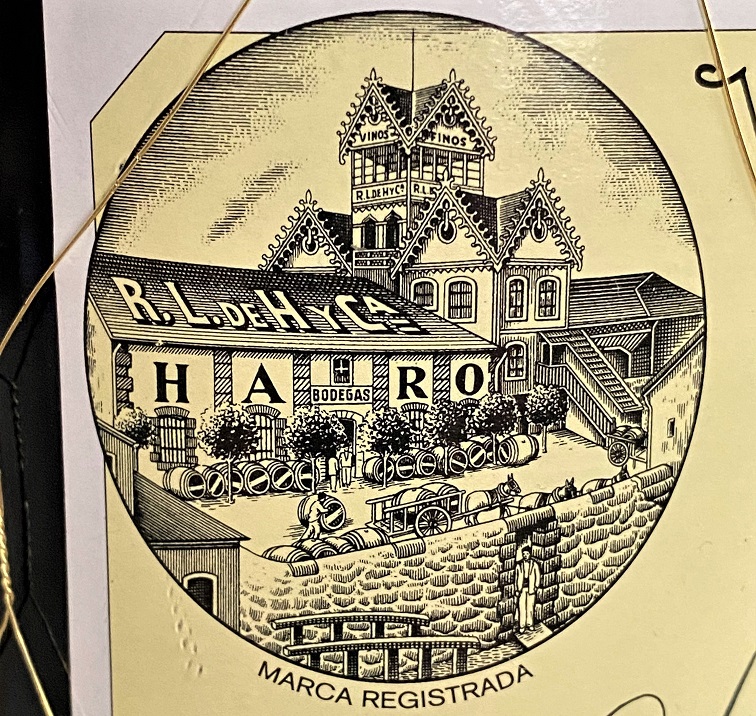
5. 
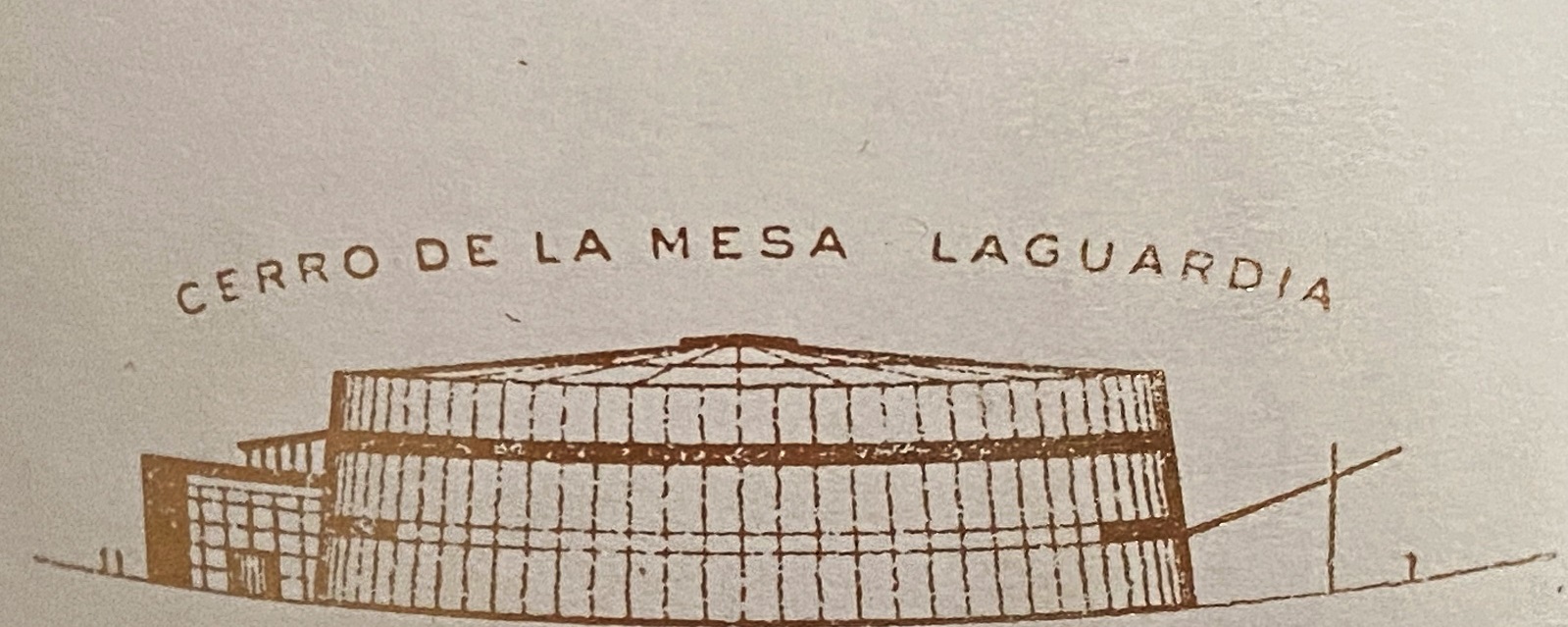
6. 
There is something in common between all of these fragments – once you will figure it out, the rest should be reasonably straightforward.
Good luck, enjoy the week ahead of you and your new quiz! Cheers!
Hey, Rioja, What’s New?
I love Rioja.
But you already know that.
Well-made Rioja, opened in its due time, is one of the ultimate indulgences wine lovers can experience. I can bet this is also nothing new for you.
So what’s new with Rioja?
Every new vintage of any wine is unique and different, true, but talking about new vintages unquestionably banal. How about then Rioja made from organic grapes? What do you think about classic Rioja made from organic grapes – and timely conversation during April, the Earth Month?
CVNE, Compañía Vinícola del Norte del España, one of the oldest producers in Rioja (CVNE celebrated 140th anniversary last year), requires no introduction to any Spanish wine lover. CVNE produces a number of different Rioja lines – Cune, Viña Real, Imperial, Contino are some of the best known. Now, the Cune line has brand new Rioja to brag about – the first Rioja red wine made with organic grapes. The wine is made out of 100% Tempranillo (not very common) from the vineyards which were organically farmed, from the vintage with an Excellent rating (2019 was rated Excellent by Rioja DOC). The wine is also Vegan certified, and even sports the label produced from recycled materials. Most importantly, this is a simple, and tasty wine:
2019 CVNE Cune Rioja DOC (13.5% ABV, $15, 100% Tempranillo, organic grapes, Vegan certified, wild yeast fermentation, 4 months aging in oak)
Dark ruby with purple hues
Dark berries and cedar box
Soft, round, good acidity, soft ripe fruit, medium-long finish mostly acidic.
7+, food-friendly, simple, and easy to drink.
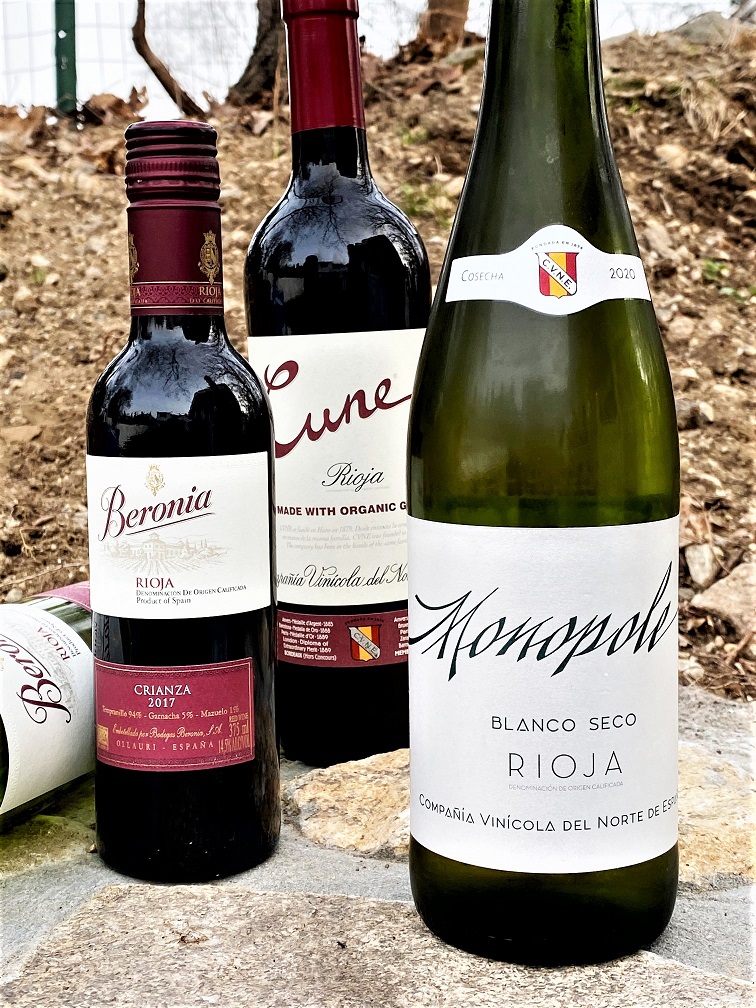
Back in 1915, CVNE produced Rioja’s first white wine – Monopole. It was not only the first white Rioja – this was the first white wine produced in Spain.
I had the pleasure of tasting many vintages of CVNE Monopole, and I have to honestly say that this 2020 was by far my favorite Monopole I tasted – I know I said talking about new vintages is banal, and here I am, yeah. Oh well. The wine needed a bit of time to open, but after 20 minutes in the glass, it was absolutely beautiful.
2020 CVNE Monopole Blanco Seco Rioja DOC (12.5% ABV, $16, 100% Viura, Vegan certified)
Straw pale, literally clear
Explicit minerality, a touch of gunflint
Crisp, tight, lean, hint of whitestone fruit, explicit minerality.
8+, outstanding.
Bodegas Beronia is much younger than CVNE, founded in 1973 by a group of friends from the Basque country. In 1982, Bodegas Beronia became a part of González Byass’s portfolio, and at that point, Bodegas Beronia wines appeared on the international market.
Bodegas Beronia is known for its innovative approach to winemaking. Rioja wines are traditionally aged in American oak, which gave them a rustic, “traditional” taste profile. Recently, many winemakers switched to using the French oak, which gives the Rioja more of the international, “modern” taste profile, making wines also more approachable at a younger age. Bodegas Beronia pioneered the use of specially made barrels, which use both American and French oak in its construction, to create a unique taste profile, an intersection of tradition and modernity.
In this release of 2017 Crianza, Bodegas Beronia recognized the new realities of 2021, where people have to spend more time by themselves, and added the 375 ml, a half bottle to the portfolio, making it easier for the wine lovers to open a bottle for a solo night.
2017 Bodegas Beronia Crianza Rioja DOC (14.5% ABV, $14.99/750ml bottle, $7.99/375ml bottle, 94% Tempranillo, 5% garnacha, 1% Mazuelo)
Ruby red
Freshly crushed red berries, a touch of barnyard, smoke, earthy
Red fruit, eucalyptus, clean acidity, excellent balance.
7+ at the moment, needs time
There you have it, my friends. A brand new organic wine from Rioja, a superb white Rioja, and a thoughtful Rioja, coming in different formats, all reasonably priced, perfectly suited for life at the moment. Cheers!
Guest Post: The Purpose of Oak Barrels in the Wine Making Process
Today, I’m offering to you a guest post by Rachel Moore who works as a Marketing Manager at Rocky Mountain Barrel Company. Rocky Mountain Barrel Company provides used wooden barrels for spirits, like bourbon barrels, whiskey barrels, rum barrels, and wine barrels. Rachel Moore loves her combination of nature, wine, and nerdy friends who appreciate her homemade wines.
The long history of wine and oak is worth exploring, mainly because oak barrels are being used in wine aging literally forever. Oak is used as a flavored seasoning to bring aroma and quality to the wine. Whether French, Hungarian, American, or others, Oak contributions leave a lasting impression on the bottled wine.

What Is the Aim of Aging Wines in Oak Barrels?
Before the invention of glass bottles (the 1600s and earlier), most wines were processed and packaged in wooden barrels. In reality, paintings from this era often depict wine barrels strewn about. Although we’ve outgrown the need for barrels to store and ship wine, we’ve developed a taste for it. Oak Wooden Barrels are an essential feature of the modern winemaking process.
What Benefits Do Oak Barrels Have for Wine?
Oak makes three significant contributions to wine:
- It includes spice compounds such as cocoa, clove, haze, and coconut aromas.
- It allows for the intake of oxygen, making wine taste a lot more complex.
- It produces an optimal condition for metabolic processes to occur, which results in creamier-tasting wines.
Let’s see some other advantages of using an oak barrel for the winemaking process.
1. Superior Aging Capability
In general, wines aged in oak barrels have greater aging capacity than those aged in steel tanks (or with alternatives, such as oak chips or oak staves). For example, if you age your red wine in an oak barrel, you are supplying your consumer with a commodity that can mature much more elegantly than red wine processed in a steel tank.

2. Re-Use Used Oak Barrels
First, used oak barrels can be used for the aging and fermentation process of the wine imparting milder flavors compared with brand new oak barrels. Second, oak wooden barrels can be purchased used at a substantial cost. Though bear in mind that the oak can lose the capacity to infuse after a few “cycles,” so pay particular attention to the aroma/flavor profile of your blend to ensure that the oak is strong enough. Moreover, oak barrels can be reused many times, reducing the initial investment.
3. High-End Brands’ Premium Association
It’s a myth that oak barrels are needed for luxury wines; in reality, many high-end wineries are transitioning to steel tanks for white wines and lighter wines intended to be consumed “fresh.”
However, there is no denying that there is a certain cachet synonymous with the use of oak barrels in the wine industry. Wines fermented in steel tanks are frowned upon in some circles. When deciding whether to use oak barrels or steel tanks, remember to think about your audience and how they will respond.
Two oak varieties are used to produce barrels worldwide: White oak from the United States and European oak from Europe. Of course, European oak barrels are not exclusive to European winemakers and vice versa.
Staves, which are broad pieces of oak wood closely fixed along with metal hoops, are used to make wooden barrels. Over a burn, the barrels are toasted to a normal, medium, or dark toast standard. Fresh barrels with a mild toast will have many vanilla and caramel flavors, while a darker toast will have various smokey, charred aromas.
The amount of oak taste transferred to the wine by oak wine barrels is affected by its age and size. Since they make more interaction between the wood and the wine, smaller barrels impart more oak flavor. Oak barrels lose their distinctive flavor compounds with age, necessitating replacement every few vintages.
Fresh oak aging alters the tannin composition of red wines in addition to incorporating oak flavors. Tannins from the wood leach into the wine, giving it a more robust structure. This helps a wine’s age-ability, just how long it lasts in the bottle. The wood also assists in the stabilization of tannins from grape skin, resulting in a silkier finish.
The Various Kinds of Oak Barrels Used in Winemaking
The American oak barrel and the French oak barrel are the two most popular wooden barrels used in winemaking.
As compared to French oak, American oak barrels are less expensive, have a larger grain, and have lower wood tannins. They also have a more substantial impact on the wine’s taste and aromatic ingredients, often imparting vanilla flavors with a much sweeter palate profile than French oak.
On the other hand, French oak is the wine industry’s “gold standard,” with higher wood tannins and tighter wood grains that have a more negligible effect on the aromatics and taste of the wine.

In a Nutshell
Whatever barrel you choose for the winemaking process, be sure it is of high-quality wood, and don’t forget to clean the barrels after use!
These were some of the purposes and uses of using oak barrels in the winemaking process. I hope this article was helpful to you and you select your oak barrels wisely!
Wednesday’s Meritage #157
Meritage time!
Ohh, it’s been two months since the last Meritage issue – well, let’s get to it.
We have 12 months in the year, right? I’m not trying to keep track, but it seems that April is disappropriately loaded in the world of wine. I will let you be the judge – here is what we are celebrating in April 2021:
April is the 2nd annual Walla Walla Valley Wine Month – I was lucky to already celebrate Walla Walla wines in style with brand new wine from Cayuse – Double Lucky #8, but if you need any tips regarding Walla Walla valley wines you can find them here.
April is Sonoma County Wine Month. For celebration tips, use this link.
April is California Wines – Down To Earth Month. Sustainability is a big thing in California winemaking – you can learn more about it here.
April is Michigan Wine Month. I never tasted a wine from Michigan, so I would happily join this celebration – if I would know how (Michigan wines are not sold in Connecticut).
April is British Columbia Wine Month – another region that is very difficult to celebrate here in Connecticut. If the world of wine has mysteries, a complete absence of Canadian wines in the USA (okay – for sure in Connecticut) is one of them.
I think this sums up wine months celebrations, but let’s not forget the grapes! According to the Traveling Corkscrew wine blog, the following grapes are celebrated in April (are you ready?):
April 14 (today) – Tannat Day
April 17 – Malbec World Day
April 27 – World Marselan Day
To ensure you never miss a grape holiday in 2021, here is the link for you for the Traveling Corkscrew post summarizing all of the grape holidays of 2021.
Wine is the product of the Earth – above and beyond all of the wine months celebration, April is the Earth Month, and April 22nd is celebrated as Earth Day since 1970. Here is you can find the history of the Earth Day celebration. If you need any tips for how to celebrate Earth Month 2021, you might find useful this link.
Do you now see that April 2021 is really a special month?
Before we are done for today, I have one more wine story to share with you. Porch.com, an “everything about home” portal, compiled the list of recommendations from wine folks regarding cellaring and enjoying wines at home (a few words from yours truly are included) – you can find this informative post here.
That’s all I have for you today. The glass is empty, but the refill is on the way. Cheers!
Beautiful Simplicity
Is there a such thing as simple wine?
I really despise controversy. In a world where every word is twisted, turned, analyzed, over-analyzed, then twisted and turned, again and again, I don’t want to be the one to start a new controversy around wine (clean or natural, anyone?).
But really, is “simple” an applicable descriptor for the wine? If I say “simple wine”, can you relate to this as easily as to “tannic”, “acidic”, or “sweet”?
Everything in the wine world is personable. No two palates are the same, no two glasses of wine are the same. And so will be the concept of simple wine – it is highly personal.
There are thought-provoking wines – you take a sip, which triggers an instant process in your brain – analyzing flavors, looking for patterns, digging into memory looking for comparisons. Not every thought-provoking wine equates with pleasure – if we call the wine thought-provoking, it doesn’t always mean that we are craving a second glass. Need an example? How about Frank Cornelissen wines? Nevertheless, we all can relate to the wine we designate as thought-provoking.
Then there are complex wines. The wine presents itself in layers. You don’t need to over-analyze anything, and yet every sip keeps changing, offers you new depth and new impressions every passing moment. Complex is beautiful, wine aficionados love drinking complex wines.
So what is then a simple wine? A lot of people would equate the definition of “simple” with the price. We are trained not to refer to the $10 bottle as “amazing” – even if we enjoy it immensely, we would rather say “it’s just a simple wine”. Leaving the price aside, a simple wine has a very simple effect – take a sip, and your only reaction is “ahh, that’s good”. Simplicity doesn’t affect the enjoyment of the wine – the wine should still give you pleasure, and you should still want a second glass.
Every time you think you know a lot a good bit about your favorite subject, wine, life quickly humbles you, just so you know your place. Ever heard of Mack and Schuhle? I also never have. Meanwhile, they had been in the winemaking and wine distribution business since 1939, and currently have a portfolio of 25 wine brands from around the world – from New Zealand to Italy, Spain, and France to the USA.


When I was offered to review 2 of their wines, Montepulciano and Malbec, I agreed to do that because I was intrigued by the names – Art of Earth and El Tractor. Would you instantly agree to drink something called Art of Earth? For a wine geek like myself, such a name makes the wine simply irresistible. And tasting these wines, which are also very inexpensive, resulted in the diatribe about simple wines. For what it worth, here are my tasting notes:
2019 Art of Earth Montepulciano D’Abruzzo DOC (13.5% ABV, $12, made with organic grapes)
Dark garnet with beautiful ruby hues
Touch of cherries, a hint of funk,
Bright, pure, beautiful, succulent, tart cherries – fresh of the tree.
8+, delicious. This wine doesn’t have the complexity of Masciarelli, and I don’t believe it will age very well – but it is absolutely enjoyable right now.
2017 El Tractor Malbec Reserve Mendoza Argentina (13% ABV, $14, 12 months in French oak)
Dark garnet
Blackberries, cherries, sweet tobacco
Dark fruit, tobacco, cherries, a hint of smoke, nicely restrained, good acidity, good balance.
8, excellent. This wine is not going to rival Catena, but it is perfectly an old-world style, quaffable, and enjoyable Malbec.
Here you are – two simple wines, good for every and any day – or at least I would be happy to drink them any day. What is your definition of simple wine?
Guest Post: Treat Yourself – How to Spend the Best Solo Wine Night
Today, I would like to offer to you a guest post by Raichelle Carpio, retail assistant manager at Txanton Philippines. She obtained her Sommelier license with WSET2 by late 2018 and has been working in the hospitality industry over the past 10 years. Her exceptional skills have driven her to the top and the truth is she has a real passion for premium gastronomy, beverage, and service.
In the past, drinking alone was frowned upon. Somehow, it’s seen as the gateway to substance abuse. After all, everyone agrees that wine, or any other alcoholic beverages, for that matter, is better shared. Drinking wine, for most people, is ideally a social activity.
But that has changed due to the pandemic. To curb the spread of the COVID-19 virus, people had to self-quarantine. No social activities were allowed. As a result, wine-drinking shifted from communal to personal. And no one could be judgy about it. After all, we were all in it together. We were all self-isolating with our precious bottle, constantly reminding ourselves of the health benefits of wine, so we don’t feel guilty about drinking solo.
Still, it’s important to stay level-headed as you push through with your solo wine adventures. Pair it with the activities below, so you do not come off as a potential candidate for alcoholics anonymous.

Experiment with recipes that go well with wine
Even if you’re just a casual wine drinker, surely you know by now that white wine goes with fish or chicken, while red pairs best with red meat. Now, why not take your wine and food pairing knowledge to connoisseur levels?
On your solo wine night, don your apron and experiment in the kitchen. Cook something to pair with whatever bottle you have at hand. If you have a bottle of Barbera, it will go down well with a pasta dish like shrimp puttanesca. Ideally, you have gone grocery shopping before your wine date with your lonesome. Otherwise, you might not successfully pull off the dish simply by relying on makeshift ingredients available in your pantry.
Have around-the-world themed dinners
Take your wine and food pairing to the next level with around-the-world themed dinners. Planning to spend the next six Friday nights at home alone? Come up with a scheduled dinner where you take your palate to different countries with exciting culinary cultures. By the end of your quarantine, you will have traveled across six gustatory destinations.
For example, set the first Friday for Indian food. Curried chicken or vegetables will go well with a Riesling and Pinot Grigio. You may include Mexico, Japan, China, Italy, and Greece in your itinerary too.
Join virtual winery tours
Did you know that wineries host virtual tours? And you might find them enjoyable given your passion for wine. These tours will acquaint you with everything there is to learn about winemaking. From how grapes are harvested to how they are processed and stored, you’ll get up close and personal with your favorite beverage.
Look into brands like Martell, Louis M. Martini, Chateau Montelena, Kendall-Jackson, and Matanzas Creek. They are famous for not just their products but also for hosting virtual tours of their vineyards, production facilities, and cellars.

Photo by Matilda Wormwood from Pexels
Learn winemaking
If you got inspired enough by the virtual winery tours you’ve joined, it’s time to take your passion for wine up a notch. Learn winemaking is what we’re saying. No, you do not need a vineyard to pull this off. You can do this straight from home.
You’ll need some equipment, however. Do not worry because it won’t be expensive. Think fermentation containers and straining bags. You can even improvise.
As for ingredients, that’s where you can splurge. You will need lots of wine grapes, filtered water, granulated sugar, and wine yeast. A quick Google search will clue you in about the relatively graspable process of winemaking.
Wine movies marathon
Maybe you’d rather sit back and relax in front of your laptop instead of stressing yourself out cooking a dish in the kitchen or trying out winemaking. That’s OK too. Consider marathoning movies with lots of wine drinking. That way you won’t feel alone. You’ll see people enjoying the same stuff you’re taking pleasure in at the very moment.
Here you cannot go wrong with the film Sideways by award-winning director Alexander Payne, starring Paul Giamatti and Sandra Oh. Basically, the film’s about self-discovery set along California’s vineyards.
Other movies worth checking out include A Good Year, The Secret of Santa Vittoria, and A Walk in the Clouds.
Look into wine investments
Perhaps while nursing a glass of wine, it dawned on you that it’s time to diversify your financial portfolio. That’s an excellent realization to make while drinking solo. Commit to this realization by looking into potential wine investments.
You need to be a connoisseur to invest in wine successfully. If you have yet to fit the bill, do not fret. You have all the time to learn about all things wine. Once you’re confident with the knowledge you’ve acquired, it’s time to put your money in a, well, bottle. If you play it right, that bottle will earn you a massive profit in a decade or two.
You likely already know that drinking wine has health benefits, whether you’re nursing a glass of Spanish wine, Italian wine, or Costco wine. Wine is rich in antioxidants. It regulates your blood sugar and lowers bad cholesterol. It keeps your memory sharp and your heart healthy. These alone should keep guilt at bay whenever you drink wine solo.
Still, it’s worth noting that you must drink responsibly. Anything in excess is never good for anyone. You do not want to give those naysayers the chance to say, “told you so.”
To keep your wine drinking on the safe side, do it alongside other activities. The ones cited above are notable options you have, but they are by no means exhaustive. Get creative.
Wine Quiz #137 – How Well Do You Know Your Wines?
The Wine Quiz series is not meant to intimidate. The whole idea here is to have fun and learn something new. When answering the questions, it is fully encouraged to use all available sources of information, including Google or any other search engine. There are no embarrassing answers – the most embarrassing thing is not giving it a try…
Welcome to the weekend and your new wine quiz!
Let’s start with the answers to the last quiz #136. Once again, you needed to identify wines (producers) by the fragment of the wine label. Here are the full labels of the wines:


All of these are well-known producers, all from California, and all are mainstream wines.
I’m happy to report that once again, Zak correctly identified all of the wines and he gets the grand prize of unlimited bragging rights. I also want to mention Suzanne who correctly identified The Prisoner. It’s the game that counts – really you have nothing to lose – just give it a try.
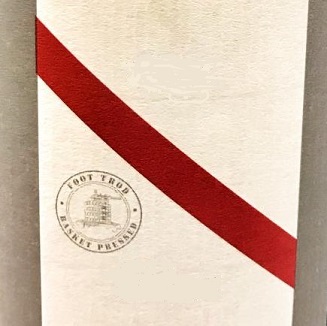
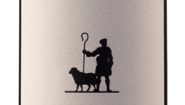
And here is a new set of fragments of the wine labels, with the wine producers who should be reasonably familiar, and some even carrying good hints with them:
1. 
2. 
3. 
4. 
5. 
6. 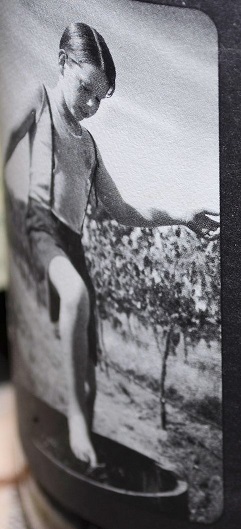
There is something in common between all of these fragments – once you will figure it out, the rest should be reasonably straightforward.
Good luck, enjoy the weekend and your new quiz! Cheers!
Last Bottle Sign Up ($10 credit)




 Talk-A-Vino