Archive
Wednesday’s Meritage – Wine Quiz Answer, Wine Crimes, #MWWC6 Last Chance, Wine Books, New World’s Most Planted Grape
Meritage time!
First, let’s start with the answer for the wine quiz #87, how well do you know your wines.
In the quiz, you were supposed to identify 8 different wines/wineries using the pictures of the top foils of the bottles. Here are the answers:
1. White Cottage Ranch, a winery in Napa Valley (looks like it might be closed now 😦 )
2. Burgess Cellars – winery in Napa Valley, making great Cabernet Sauvignon, Syrah and other wines
3. St. Francis – winery in Sonoma, producing wonderful Zinfandel and other wines
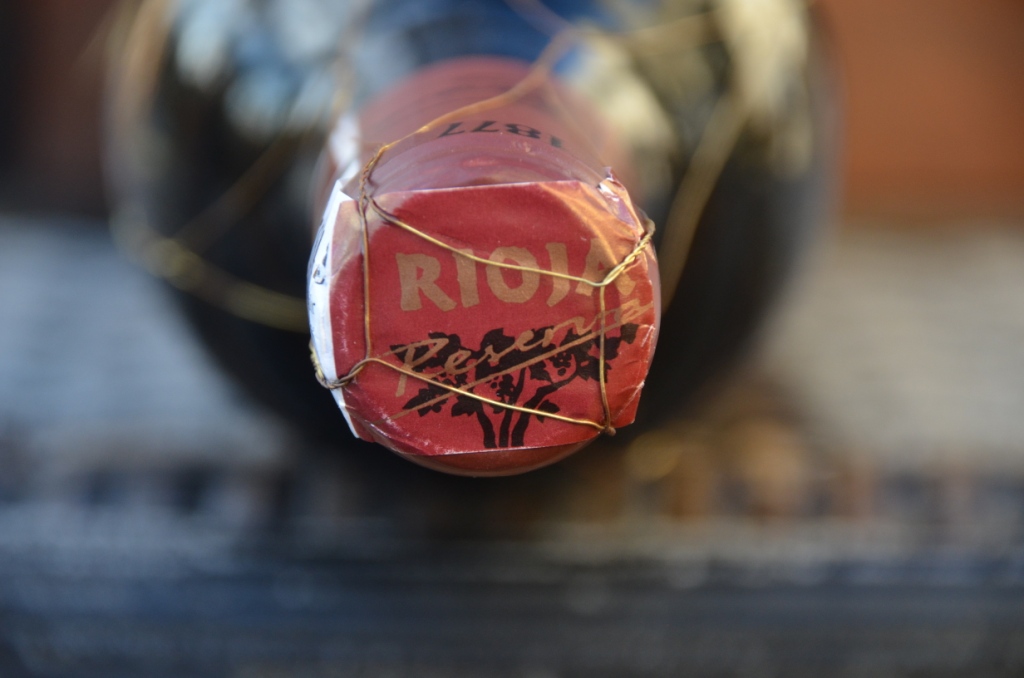
4. Lopez de Heredia, one of the classic Rioja producers from Spain
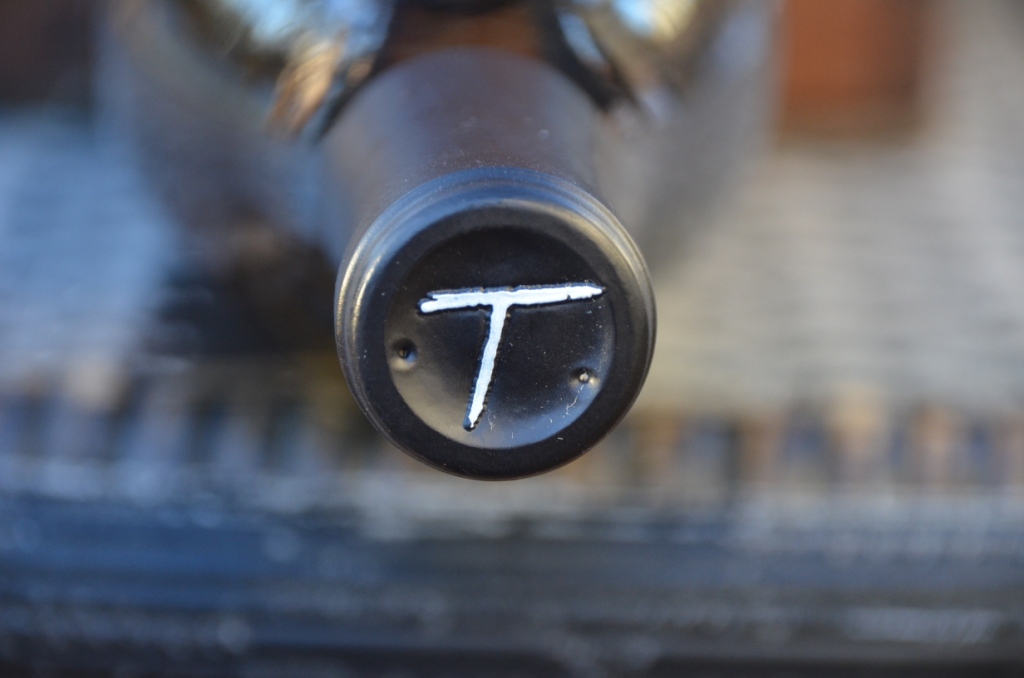
5. Talullah, a boutique winery in Napa
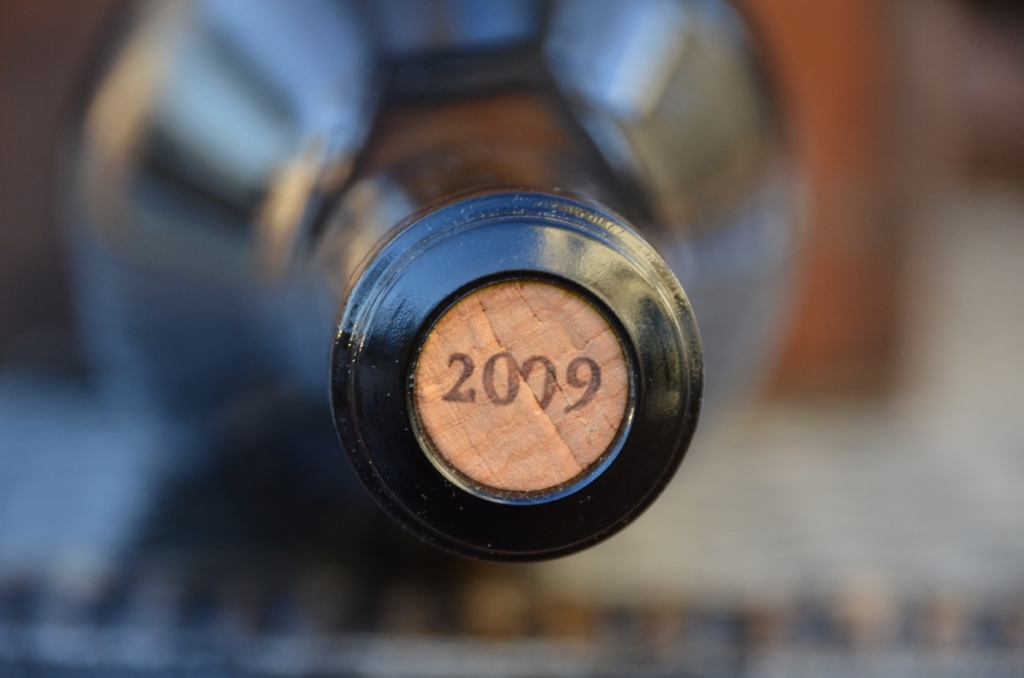
6. No Girls, an extremely limited production of Syrah and Grenache from Walla Walla Valley
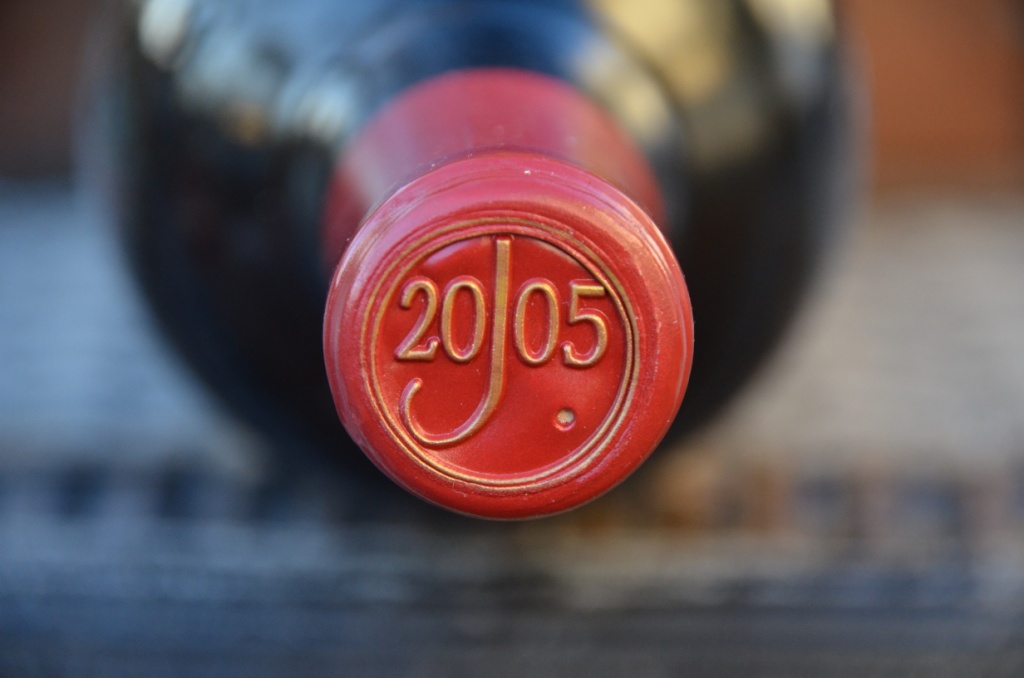
7. Jordan, great producer from Sonoma, probably best known for their Cabernet Sauvignon
Bonus: Casa Burmester, a boutique Port producer from Portugal, also making wonderful dry wines
And here are the same pictures, only now you can see what is what:
-

- 1. White Cottage Ranch
-

- 2. Burgess Cellars
-
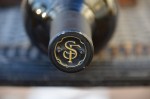
- 3. St. Francis
-
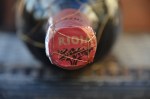
- 4. Lopez de Heredia
-

- 5. Talullah
-

- 6. No Girls
-

- 7. Jordan
-
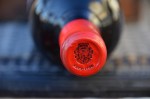
- Bonus: Casa Burmester
As I said many times before, this was a very tough quiz – people generally don’t pay attention to the bottle tops. In this round, Zak correctly identified 6 wines out of 8 ( including the bonus), so he is the winner of this quiz and he gets the distinguished prize of unlimited bragging rights. Well done!
Now, to the interesting stuff around the vine and the web!
As wine keeps growing in popularity, it becomes the subject of crime with much higher frequency. An excellent article from Mike Veseth at Wine Economist is talking about some of the latest wine crimes, where wine was stolen in a very sophisticated fashion. I like the “CSI Fine Wine” designation used for the article – definitely an interesting story to read.
Have you written about the wine mysteries in your life? Mystery is a theme for Monthly Wine Writing Competition #6, hosted by Jeff, a.k.a The Drunken Cyclist. The submission deadline is Monday, January 13th. You can read about all the rules in this post – but don’t delay, there are only few days left!
Do you like wine books? I personally do, but I don’t read them nearly enough – I read more blogs than the books lately. Nevertheless, here is an excellent list from W. Blake Gray, where he is talking about 9 of the latest wine books, all sounding very intriguing and worth reading, like “The Billionaire Vinegar”, which had been on my radar for a while. Did you read any of the books in the list? What do you think?
Last but not least – some wine numbers, for all of you, number junkies out there. The Drinks Business publication just published a very interesting article regarding the most planted grapes in the world. It appears that the most planted grape in the world as of now is nothing less than… (cue drum roll) … Cabernet Sauvignon! And hated/loved Merlot now is a close second – quite a change from Airen and Grenache being in the lead for a while. For more of the interesting interesting data, here is your link to the original article.
That’s all I have for you for today, folks. The glass is empty – but refill is on its way. Until the next time – cheers!
Weekly Wine Quiz #87: How Well Do You Know Your Wines, Part 2
The Wine Quiz series is not meant to intimidate. The whole idea here is to have fun and learn something new. When answering the questions, it is fully encouraged to use all available sources of information, including Google or any other search engine. There are no embarrassing answers – the most embarrassing thing is not giving it a try…
Welcome to the weekend and your new wine quiz!
As I skipped the traditional Meritage, I would like to start with the answer to the wine quiz #86, How well do you know your wines. In the quiz, you were given the pictures of the top of the wine bottles, and you were supposed to name the producer or wine based on that picture of that foil top. Here are the answers (and below are the pictures, now with the producer/wine names):
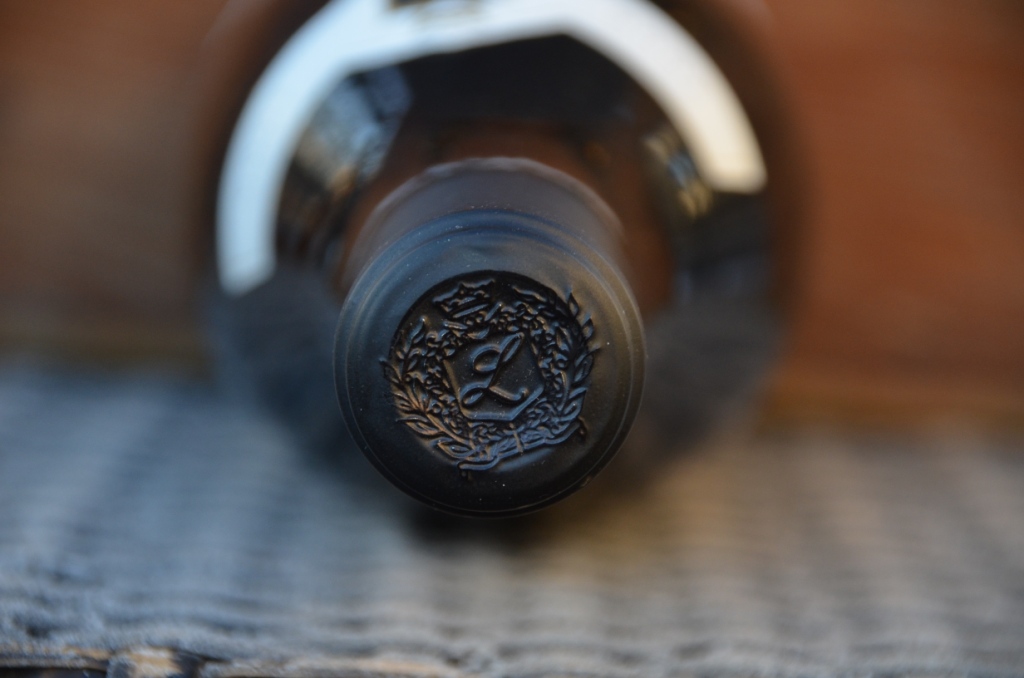
1. Laetitia, the winery in California producing Pinot Noir and Chardonnay wines
2. Cambria, the winery in California, also producing Chardonnay and Pinot Noir wines
3. Wente, large winery in California Livermore valley
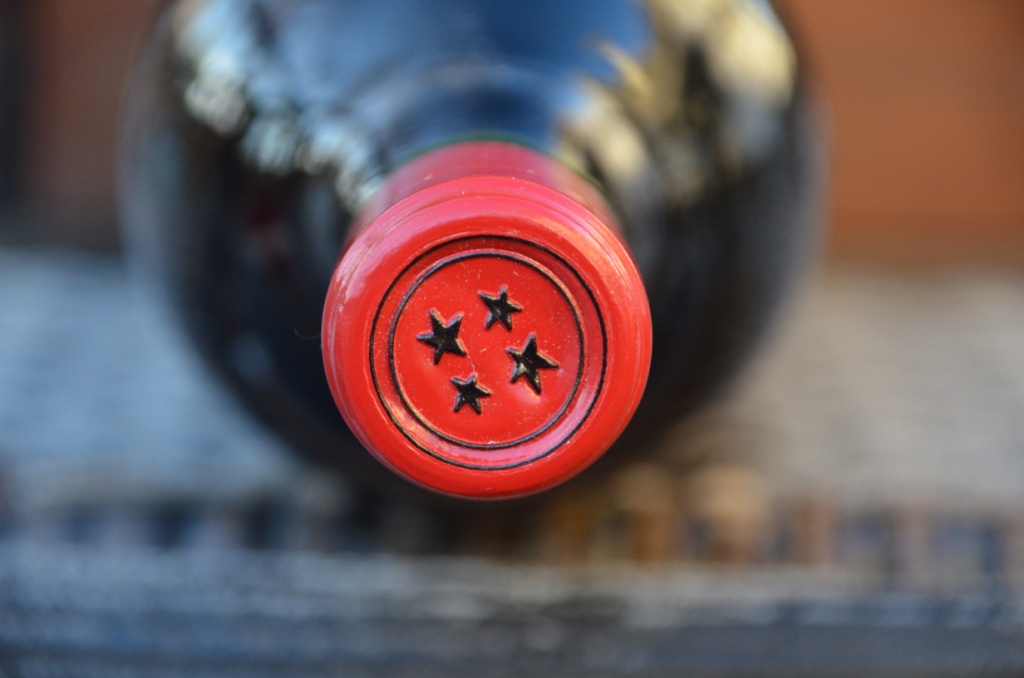
4. Turley, California Zinfandel and Petite Sirah specialist (however, the picture was taken from the bottle of Turley The Label Cabernet Sauvignon)
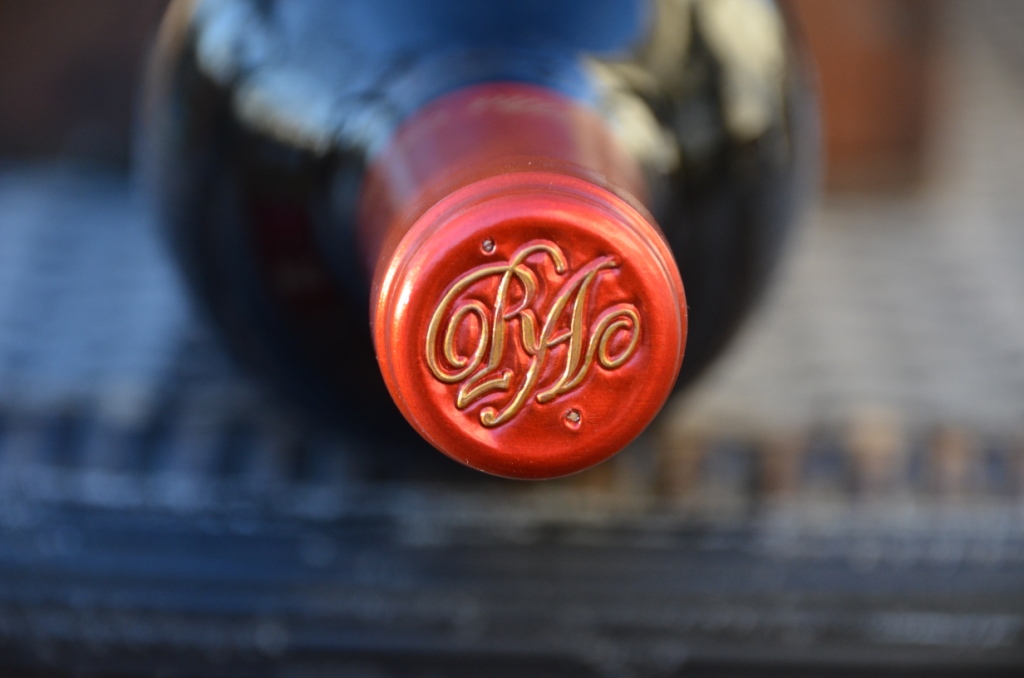
5. La Rioja Alta, one of the best Rioja producers in Spain
6. Peter Michael, California winery producing great Chardonnay, Pinot Noir and Cabernet Sauvignon
Bonus: Satrapezo, a great wine made out of Saperavi grape by Marani winery in Georgia – I understand that this is a very obscure wine for many, this is why it was set as a bonus question.
-
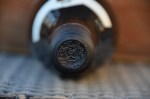
- 1. Laetitia
-

- 2. Cambria
-

- 3. Wente
-

- 4. Turley
-
- 5. La Rioja Alta
-

- 6. Peter Michael
-

- Bonus: Satrapezo
Talking about the results – this was a tough quiz, with a few people being able to properly identify Wente, and then some guesses for the #2 being Cline – this is close, but incorrect. The “C” on the Cline bottles is done slightly in the different style.
I still like this quiz, so here comes round number 2 – hopefully you can do better! Here we go:
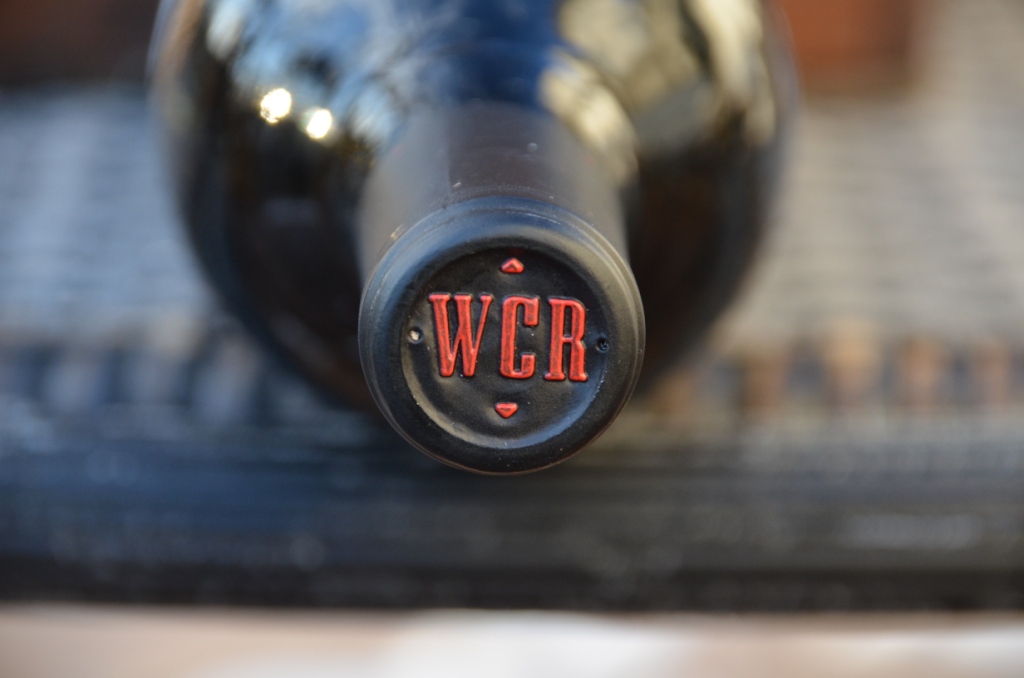
1. 
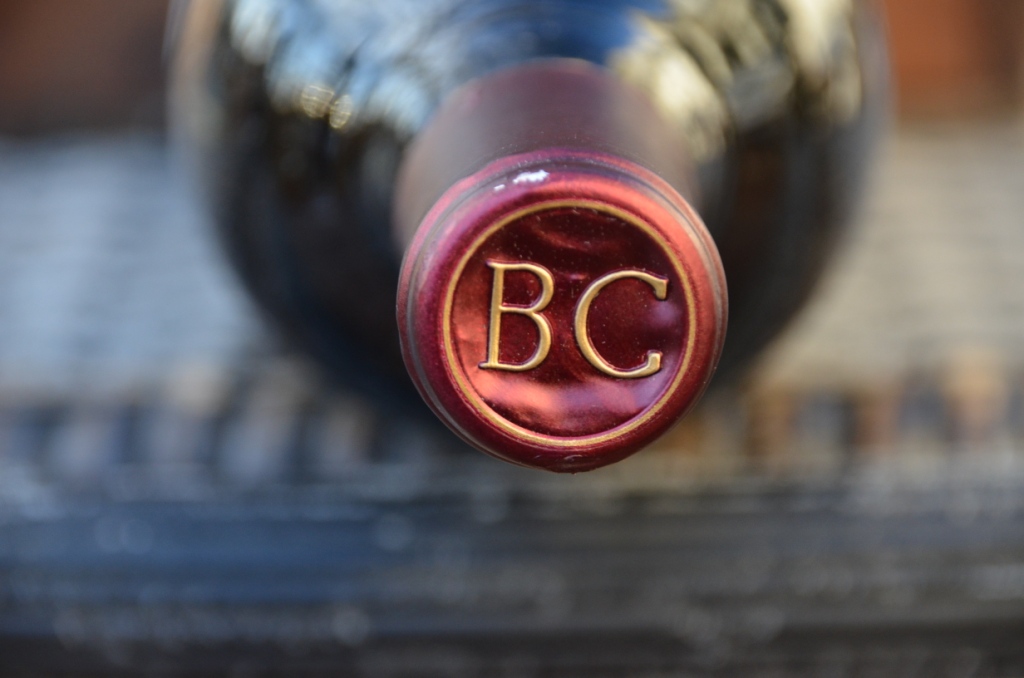
2. 
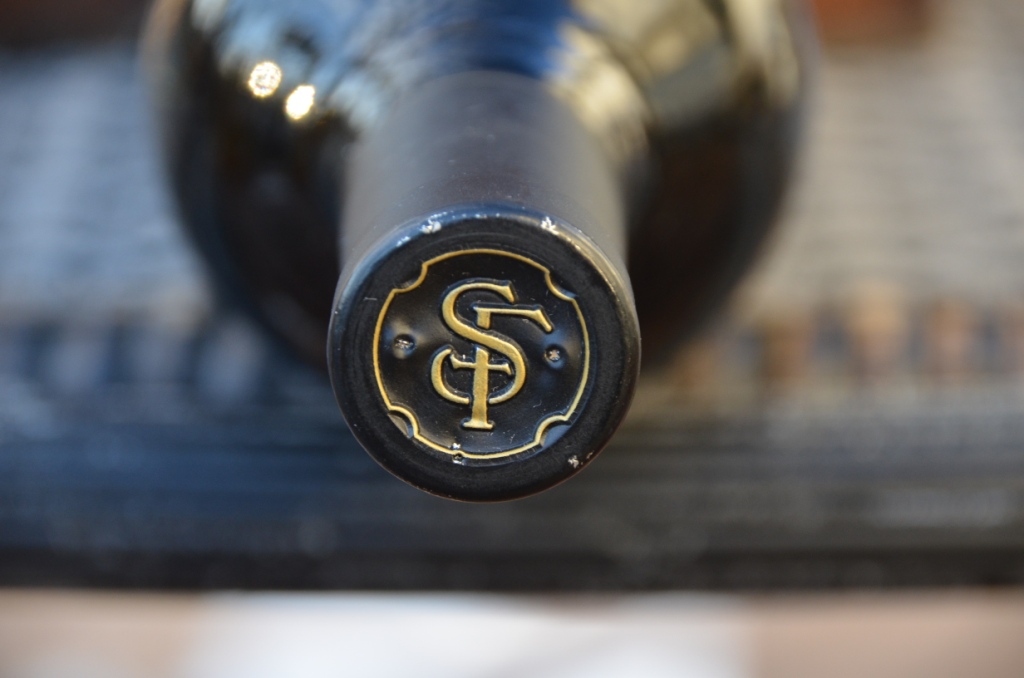
3. 
4. 
5. 
6. 
7. 
And the bonus question:
B. 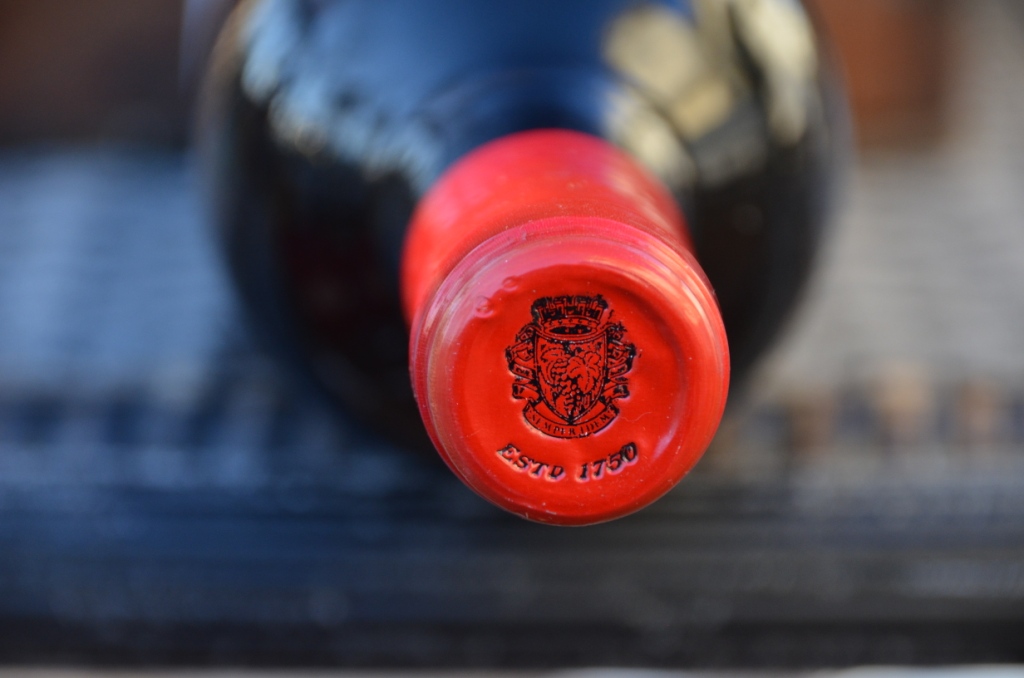
Good luck, enjoy the quiz and your weekend! Cheers!
Weekly Wine Quiz #86: How Well Do You Know Your Wines?
The Wine Quiz series is not meant to intimidate. The whole idea here is to have fun and learn something new. When answering the questions, it is fully encouraged to use all available sources of information, including Google or any other search engine. There are no embarrassing answers – the most embarrassing thing is not giving it a try…
Welcome to the weekend and your new wine quiz!
Similar to the last week, today’s quiz will be visual again. And I have to tell you upfront, that I can’t take the full credit for it – I got the idea from Ryan Sorrell, an artist who is creating pictures from the top foils of the wine bottles (take a look at his web site here). Ryan posted this picture on twitter and asked people to guess what wine it belongs to. I know that many people pay attention to the wine labels – but how many people pay attention to the top of the foil, while they are cutting that foil out? Let’s find out! Below are 6 different foil tops – you will need to identify the wine producer behind each one of those tops (note – click on the pictures to zoom).
1. 
2. 
3. 
4. 
5. 
6. 
And the bonus one (as this one is harder than the others):

Good luck, enjoy the quiz and your weekend! Cheers!
Wednesday’s Meritage – Wine Quiz Answer And A Few Things To Read On This Christmas Day
Meritage Time!
First of all, Merry Christmas!
Let’s start with the answer for the wine quiz #85, What is it? In the quiz (a very difficult one!) you were supposed to guess an object shown in the picture. This was the picture you had:
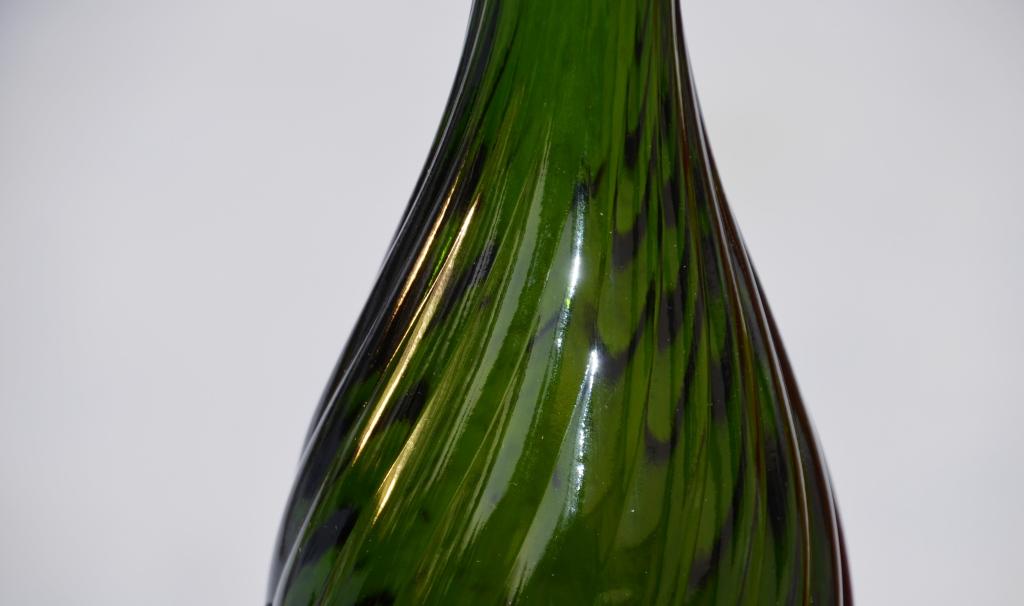
and here is the answer:
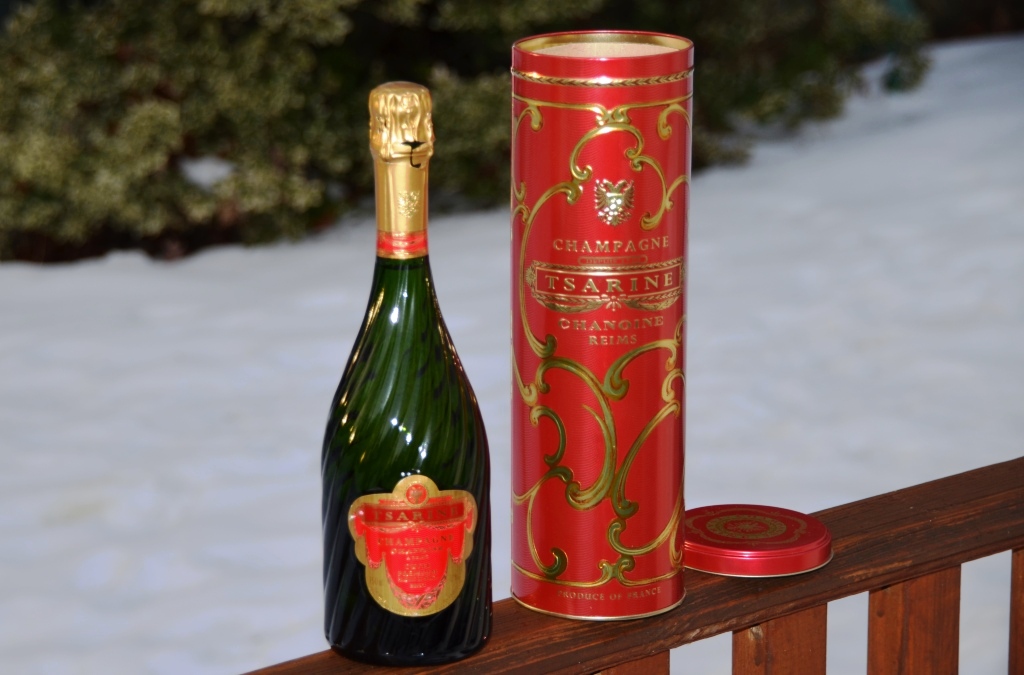
Champagne Tsarine


Until a few days ago, I didn’t even know that Champagne Tsarine exists. When I saw a beautiful case and the bottle, the idea of the quiz was born. It appears that Champagne Tsarine was created in 1730, with the square aim on Russian Tzar (Tzar = Tsar, hence the name “Tsarine”, meaning “belonging to Tzar”) and his royal court, and their insatiable appetite for all things French. You can find more details at the Champagne Tsarine web site. No, I didn’t try this champagne yet, it is in the plans for the New Year celebration.
As I said, this was a very difficult quiz. A number of people suggested that this was a bottle, which was definitely the right direction. I was hoping that all the curves will point in the direction of Russian architecture – this was a purposeful design behind the bottle. In case you will not care going to the Champagne Tsarine web site, so here are few sentence which describe the design: “Its exclusively designed, long, curved bottle bears certain similarities to the architecture of the great Russian monuments. Its emblematic colours, its rounded label and its evocative name are all redolent of the period of the great Russian dynasties.”
Anyway, we don’t have a clear winner today, but I have to give honorable mention to Wine And History, who came in the closest, only suggesting that this was a bottle of Prosecco, and not the Champagne. Well done!
Now, to the interesting stuff around the vine and the web.
I have a few interesting reads to bring to your attention. First, have you ever heard about 27-liter ( 3 cases worth) bottle of the wine called Primat? I personally have not. Here is a link to the article from Mike Veseth, where he is talking about his extreme wines of the year – that Primat bottle sounds very extreme to me, but there is a lot more to read there.
Next I want to bring to your attention a few posts from Dr. Vino, where is covering latest happenings around the counterfeited wines, Rudy Kurniawan trial and more. Just go and read (and watch) them – CBS Sunday Morning episode, Outtakes form the trial, the verdict.
Last but not least – a great collection of Christmas wine cartoons, as presented in the Wine Wankers blog. No other comments needed here.
And we are done! The glass is empty, but the refill is on the way. Open some great bottles tonight! Happy Holidays and Cheers!
Weekly Wine Quiz #85: What Is It?
The Wine Quiz series is not meant to intimidate. The whole idea here is to have fun and learn something new. When answering the questions, it is fully encouraged to use all available sources of information, including Google or any other search engine. There are no embarrassing answers – the most embarrassing thing is not giving it a try…
Welcome to the weekend and your new wine quiz!
As I’m taking the break from the Grape Trivia series, today’s quiz is one of my favorite types – it is a picture quiz. What you see in the picture below is definitely wine-related – you need to identify what it is and provide as many specific details as possible.
This is a difficult quiz, no questions – but you got nothing to lose and there are no bad answers!
Good luck, have fun, enjoy your weekend and cheers!
Wednesday’s Meritage – Wine Quiz Answer, WTSO Magnum Marathon, Globalization!, #MWWC6 and more
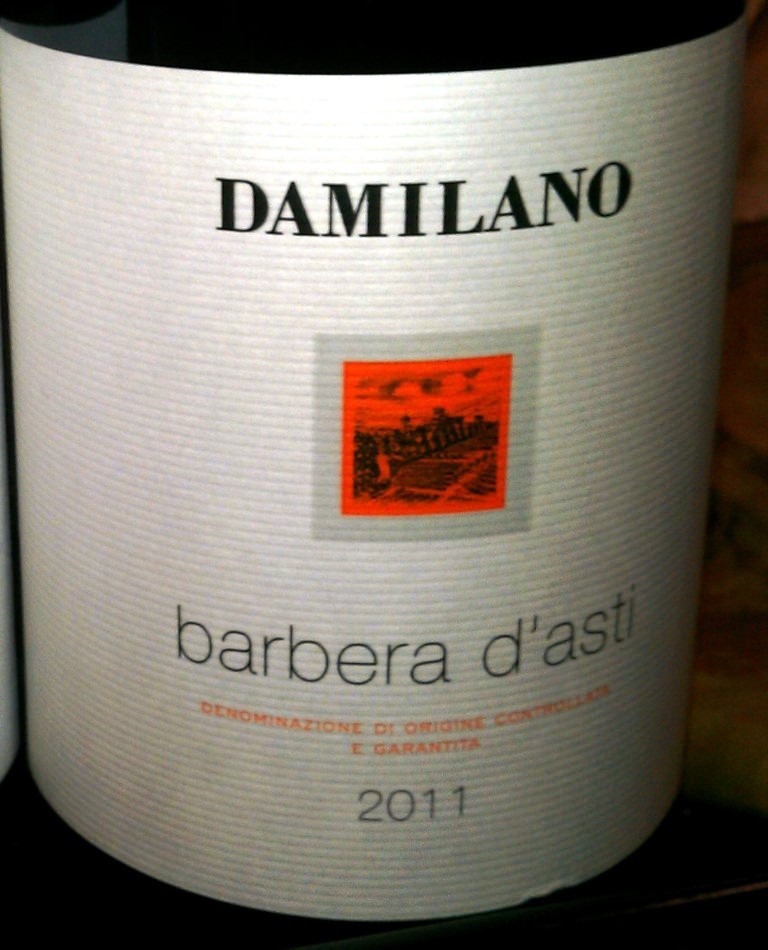 Meritage time!
First, let’s start with the answer for the wine quiz #84, grape trivia – Barbera.
In the quiz, you were supposed to answer 5 questions about red grape called Barbera. Here are the questions, now with the answers:
Q1: Based on the latest DNA analysis, which well known Spanish grape appears to be a close relative of Barbera?
A1: Spanish grape Monastrell (known in France as Mourvèdre) appears to be a close relative of Barbera (but ohh so different).
Q2: What well-known grape became popular blending partner of Barbera as of late?
A2: As of late, Nebbiolo, a close neighbor of Barbera, is often used in the blends with Barbera to round up the resulting wine.
Q3: The new technique was introduced in making the wines out of Barbera in the second half of the 20th century, which helped to improved the quality of the wines. Which one do you think it was:
a. Malolactic fermentation, b. Fermentation and aging in the small oak casks, c. Carbonic maceration, d. Reverse osmosis
A3: b, Fermentation and aging in the small oak casks, seems to be the preferred method to tame the acidity and add some tannins to the resulting wine, making it also age-worthy.
Q4: Wine Spectator calls wines rated in 95-100 range Classic (the highest and the most prestigious category). True or False: there are no Barbera-based wines rated in the Classic category
A4: False. But I have to admit that Barbera is only marginally there, with just 2 wines having 95 rating.
Q5: Fill in the blanks: Barbera typically ripens two weeks later than _____, but at the same time it is two weeks earlier than ____.
A5: Barbera typically ripens two weeks later than Dolcetto, but at the same time it is two weeks earlier than Nebbiolo.
Talking about the results, Jeff, a.k.a. the drunken cyclist, answered all 5 questions correctly so he gets (again) the prize of unlimited bragging rights. Well done! I also would like to mention Alissa, who put the quiz upside down and instead of answering the questions in the quiz, asked me a very interesting question. As a “bonus question”, I would like to pass it on to you: “Outside of Asti is a place which pays homage to a man who helped with the unification of Italy, commercialization of Italy’s wine industry, and houses the first regional enoteca in the Piedmont region. Name it.” If you know the answer, don’t be shy and comment away!
Now, to the interesting stuff around the vine and the web!
First, don’t miss the WTSO Magnum Marathon tomorrow, December 12. Starting at 8 AM Eastern time, WTSO will be offering large format wines, at least 1.5L or more in size. The wines will be priced from $24.99 to $499.99/bottle, and the new wines will be offered every 30 minutes or sooner, if the previous wine will sold out. The new wines will be announced only on Twitter, follow @WTSO so you will not miss out.
Next, I came across a very interesting article by Mike Veseth of The Wine Economist fame, talking about Globalization of wine and food. Actually, his article in itself is already an aggregation of a number of other articles. It is definitely worth a few minutes of your time, so please head to Mike’s blog to read it.
Now, it appears that The Drunken Cyclist is definitely a star of today’s Meritage. In addition to correctly solving the quiz, he is behind two noteworthy events. First, as a winner of the Monthly Wine Writing Challenge #5 (#MWWC5) – Congratulations, Jeff! – he announced the theme for #MWWC6, which is going to be … Mystery. Sharpen your pencils, or may be flex your fingers, get your thinking cap/hat/fedora on and start writing. #MWWC6 Rules and regulations can be found here.
Second event is also a brainchild of TDC, and it is a secret Wine Santa project. The idea is to get all the bloggers (and readers) who is interested in playing a secret wine Santa by sending the wine to the completely unsuspecting recipient (and of course also getting the one him- or herself) to provide their address information back to Jeff, who will then randomly assign the aspiring alcoholics in pairs. All the rules can be found here, and if you are interested in participation, make sure to get back to Jeff not later than this coming Friday 12/13.
That’s all I have for you for today, folks. The glass is empty – but refill is on its way. Until the next time – cheers!
Weekly Wine Quiz #84: Grape Trivia – Barbera
 The Wine Quiz series is not meant to intimidate. The whole idea here is to have fun and learn something new. When answering the questions, it is fully encouraged to use all available sources of information, including Google or any other search engine. There are no embarrassing answers – the most embarrassing thing is not giving it a try…
Welcome to the weekend and your new wine quiz!
We are continuing our grape trivia series, with the focus again on the red grapes, and today’s subject is Barbera.
It is interesting to see the level of difference in the available information for different grapes, especially when it comes to the historical data (not that it is unexpected). When it comes to the grape such as Cabernet Sauvignon, absolute majority of the different sources converge on the 17th century as the time when Cabernet Sauvignon become known as the particular grape. When it comes to Barbera, the range of opinion is rather stunning – some sources say that Barbera was mentioned for the first time only in 18th century, some say it was 13th, and some of them put it even back to the 7th. Therefore, I can’t tell you when Barbera first became known as a grape, but as a fun fact, do you know that Barbera is 3rd most planted grape in Italy, after Sangiovese and Montepulciano? Today, there are about 70,000 acres of Barbera planted throughout the Italy
Barbera is one of the main grapes in Piedmont, where it is often planted right next to its noble neighbour, Nebbiolo. Typically Nebbiolo takes over the best spots on the hills, and Barbera is planted right under. Some of the best Barbera wines are produced in Asti, Alba and Monferrato areas in Piedmont, with Barbera d’Asti and Barbera del Monferrato having the DOCG status (highest quality standing in Italian wine classification). Of course Barbera is planted in many other regions in Italy, such as Lombardy, Emilia-Romagna and others. Barbera spread out all over the world with Italian immigrants, nowadays planted in Australia, United States (California, Texas and others), Argentina, Brazil, Israel and other countries.
Barbera grapes have dark thin skin. Barbera has a well known tendency for overproduction, so the plantings have to be controlled to achieve higher quality of the wines. Barbera typically has high level of acidity and low tannins, which makes winemaking somewhat challenging to produce wines which will be able to age well – of course ageing in the oak barrels helps with that. One of the well known characteristics of Barbera wines is intense berries aroma, and the wines typically have a medium body, at least in the classical Italian versions ( some of the New World Barberas can be quite bombastic). Barbera wines are generally food friendly with their inherent acidity, and they complement quite well a wide range of traditional Italian dishes.
And now, to the quiz!
Q1: Based on the latest DNA analysis, which well known Spanish grape appears to be a close relative of Barbera?
Q2: What well-known grape became popular blending partner of Barbera as of late?
Q3: The new technique was introduced in making the wines out of Barbera in the second half of the 20th century, which helped to improved the quality of the wines. Which one do you think it was:
a. Malolactic fermentation
b. Fermentation and aging in the small oak casks
c. Carbonic maceration
d. Reverse osmosis
Q4: Wine Spectator calls wines rated in 95-100 range Classic (the highest and the most prestigious category). True or False: there are no Barbera-based wines rated in the Classic category
Q5: Fill in the blanks: Barbera typically ripens two weeks later than _____, but at the same time it is two weeks earlier than ____.
Good luck, enjoy the quiz and your weekend! Cheers!
Weekly Wine Quiz: Grape Trivia Anthology!
Welcome to the weekend!
Yep, it is just “welcome to the weekend”, and not your new wine quiz. We are in the middle of the long weekend, and I didn’t have time to work on the new grape trivia quiz – therefore, as I have done in the past, I just want to offer you a little retrospective into the grape trivia series of the wine quizzes.
What do you think is harder – to solve the quiz or to create the quiz? I can attest that it is the latter. When you are creating a quiz, you really want to have a balance of difficulty among all the questions – and the quiz should be entertaining enough for the people to attempt to solve it. Similarly to the cooking, where you might spend 2-3 hours preparing the dish, afterwards consumed in 20 minutes (glad it doesn’t take years as with making of the wine) – sometimes, it might take more than 2 hours to create the quiz, and there is a good chance that you will only spend 10 minutes solving it. But again, same as with cooking, which we do because we like the magic of putting pieces together and creating something new, something of the interest to the others, creation of the quiz is definitely a fun process and great learning opportunity.
Below you will find the list of the grape trivia quizzes included into the series so far. There are links for both quiz and the answer, feel free to play with them any way you want. And as always, any thoughts, comments and suggestions will be most appreciated!
The quizzes will resume next Saturday. Enjoy your weekend and cheers!
Red grapes:
WWQ #53 – Cabernet Sauvignon – Answer
WWQ #55 – Pinot Noir – Answer
WWQ #60 – Sangiovese – Answer
WWQ #61 – Tempranillo – Answer
WWQ #78 – Petit Verdot – Answer
WWQ #79 – Cabernet Franc – Answer
WWQ #81 – Petite Sirah – Answer
White grapes:
WWQ #65 – Sauvignon Blanc – Answer
WWQ #66 – Chardonnay – Answer
WWQ #67 – Pinot Gris – Answer
WWQ #68 – Chenin Blanc – Answer
WWQ #70 – Gewurztraminer – Answer
WWQ #74 – Trebbiano (Ugni Blanc) – Answer
Wednesday’s Meritage – Wine Quiz Answer, #MWWC5 Vote, Peter Mondavi Turns 99, The Oldest Wine Cellar?, and more
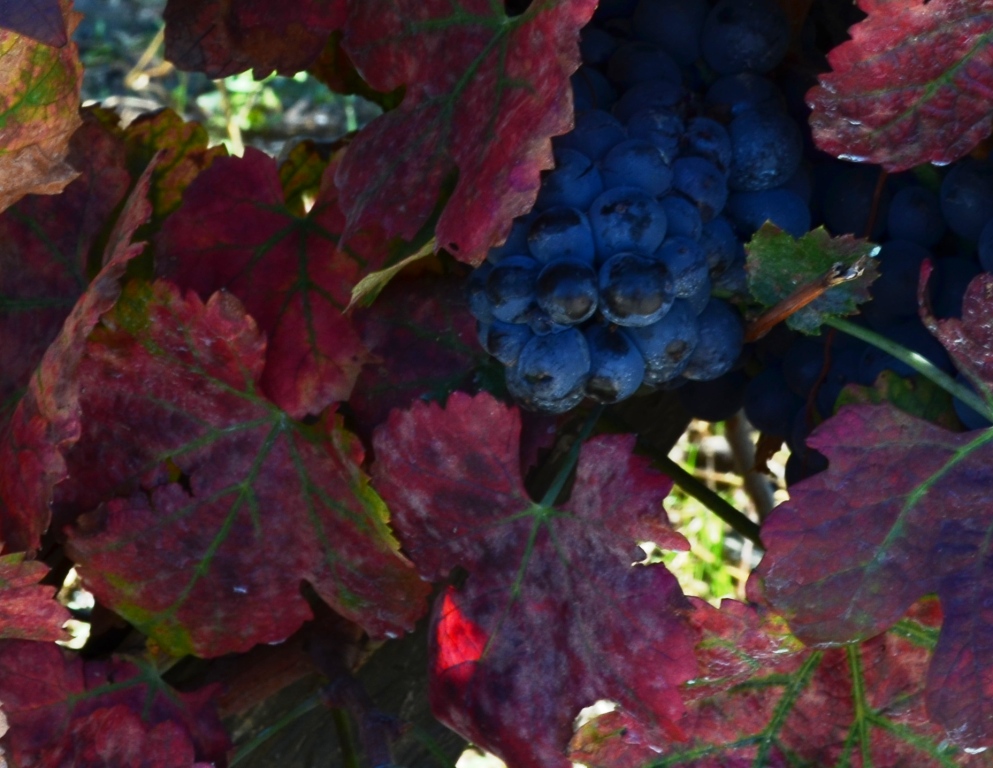
While not Carménère, this gives you an idea of color
Meritage time!
First, let’s start with the answer for the wine quiz #83, grape trivia – Carménère.
In the quiz, you were supposed to answer 5 questions about red grape called Carménère. Here are the questions, now with the answers:
Q1: Explain the name of the grape Carménère
A1: The name Carménère originates from the French word for crimson, carmin – that relates to the fact that the leaves of Carménère turn beautiful crimson color in the fall.
Q2:Similar to Merlot/Carménère confusion in Chile, the discovery was recently made in one of the well known old world wine producing countries – the grape they thought was ___, actually happened to be a Carménère. Name the grape, the country, and the region within this country where confusion took place.
A2: For the long time, winemakers in Friuli-Venezia Giulia in Italy thought that they were making the wines from Cabernet Franc – only to find out that it was actually a Carménère!
Q3: As the sequel to the previous question – the confusion also spread into the New Wolrd winemaking country. Name the grape been mistaken and the country.
A3: New Zealand imported Cabernet Franc vines out of all places, from Italy – oops? Yes, It was actually a Carménère!
Q4: Wine Spectator calls wines rated in 95-100 range Classic (the highest and the most prestigious category). True or False: there are no Carménère-based wines rated in the Classic category
A4: False . A number of Chilean wines from Casa Lapostolle got the 96 rating, and they are a Carménère-based blends
Q5: Name three grapes, often blended together with Carménère.
A5: Cabernet Sauvignon, Merlot and Cabernet Franc are often blended together with Carménère.
“We had rather a low participation in the quiz, but – we do have a winner” – was my opening line here. Now, with the last second entry, we have two winners! Patty from P’s 2013 photo project and Namie from Eat with Namie both correctly answered all 5 questions, and they both get the prize of unlimited bragging rights. Well done!
Now, to the interesting stuff around the vine and the web!
I have a few interesting things for you. First, you can vote now for the winner of the Monthly Wine Writing Challenge #5, with the theme called “Feast”. Here is the link to the blog post where you will find all the contenders’ blog posts and can vote!
The next article I want to bring to your attention is from the Wine Spectator, and it is dedicated to the Peter Mondavi – the older brother of Robert Mondavi. As amazing as it sounds, Peter Mondavi turns 99, and he still actively runs his winery, Charles Krug in Napa Valley. You can find the article here – definitely an interesting read, very relevant to the past and present of California wine.
How old do you think the oldest known wine cellar is and where do you think it is located? An archaelogical excavation in the norther Israel unearthed a cellar, which is estimated to be 3,700 years old. I think this is a very respectful age. No, the wine didn’t survive for that long, but nevertheless, I think this is a fascinating find. Here is the link for the Wall Street Journal article with more details.
Thanksgiving, an American holiday we will celebrate on Thursday, prompts lots of conversations about wine, and American wine in particular. I want to bring to your attention a very interesting article written by Mike Veseth at The Wine Economist blog, where he is talking about American wines. When we say “American Wines”, we actually don’t mean the wines made only in California – the wines are produced in all 50 states, and 12 of those states have more than a 100 wineries each! I find this information very interesting. Also from Mike’s article you can jump to the web site called Wines and Vines, which seems to offer a wealth of data regarding the wine industry – check it out.
Last but no least – don’t forget WTSO Gift Marathon on December 2nd (full details can be found here). WTSO just announced some of the wines which will be a part of the marathon – Beringer, Insignia, Philippe Prie, Caymus – I think it will be a very interesting event, so point your browser to the WTSO on Monday, December 2nd and happy hunting!
Ahh, and before we part – Happy Thanksgiving and Happy Hanukkah!
That’s all I have for you for today, folks. The glass is empty – but refill is on its way. Until the next time – cheers!
Weekly Wine Quiz #83: Grape Trivia – Carménère
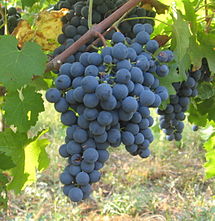
Carménère grapes. Source: Wikipedia
The Wine Quiz series is not meant to intimidate. The whole idea here is to have fun and learn something new. When answering the questions, it is fully encouraged to use all available sources of information, including Google or any other search engine. There are no embarrassing answers – the most embarrassing thing is not giving it a try…
Welcome to your new wine quiz!
We are continuing our grape trivia series, with the focus again on the red grapes, and today’s subject is Carménère.
Let’s start with pre-quiz before the quiz. Class, how many of you heard of the Carménère grape, raise your hands. Ok, now, how many of you tasted the Carménère wines, raise your hands. Okay, those of you who raised their hand twice, can probably skip directly to the main quiz, and for the rest of us, lets talk about Carménère.
When it comes to the Bordeaux, everybody knows five main grapes – Cabernet Sauvignon, Merlot, Cabernet Franc, Malbec and Petit Verdot. Truth of the matter is that it is actually six – and Carménère is that grape number six. Until the Phylloxera epidemic of the 1870s in France, Carménère was probably one of the leading grapes in Bordeaux. Carménère is related to the Cabernet family, it most likely predates both Cabernet Franc and Cabernet Sauvignon, and it was probably the driving force behind power and finesse of Claret of the 1800s and even before. However, Carménère is a difficult grape to work with – it ripens two to three weeks later than Merlot, and it is susceptible to the viticultural hazard called coulure – the condition when in the cold spring the buds will fail to turn into the flowers. It also doesn’t graft on the new rootstock very easily. So the combination these issues lead to the situation that after the Phylloxera epidemic, the grape was practically not replanted back in Bordeaux, and it was literally considered extinct (it exists today in France, but in the extremely low quantities).
During the 1850s, a lot of Cabernet Sauvignon and Merlot cuttings made it to Chile – both in legal and probably illegal ways. For the long time, Chilean winemakers were wondering, why some of their Merlot plantings ripen so late compare to the others, and have a different flavor profile – those grapes where considered to be a specific Chilean Merlot clone. Until in 1994 it was discovered that Chilean Merlot is actually a … Carménère! Carménère made it to Chile in 1850s as part of those Cabernet Sauvignon and Merlot cuttings, and it happened to strive in the warm and dry climate. Today, Chile has almost 9,000 hectares planted with Carménère, and it is widely considered one of the best wines Chile can produce.
When ripen properly, Carménère produces excellent powerful wines with the fruit profile somewhat similar to Cabernet Sauvignon and Merlot, but with very present herbal and spicy component of sage, pepper, eucalyptus and even menthol.
And now, to the quiz!
Q1: Explain the name of the grape Carménère
Q2:Similar to Merlot/Carménère confusion in Chile, the discovery was recently made in one of the well known old world wine producing countries – the grape they thought was ___, actually happened to be a Carménère. Name the grape, the country, and the region within this country where confusion took place.
Q3: As the sequel to the previous question – the confusion also spread into the New Wolrd winemaking country. Name the grape been mistaken and the country.
Q4: Wine Spectator calls wines rated in 95-100 range Classic (the highest and the most prestigious category). True or False: there are no Carménère-based wines rated in the Classic category
Q5: Name three grapes, often blended together with Carménère.
Good luck, enjoy the quiz and your weekend! Cheers!
Last Bottle Sign Up ($10 credit)




 Talk-A-Vino