Archive
Mother’s Day Escapades – 2022 Edition
 Sometimes, the best plan is to have no plans.
When it comes to holidays, I usually start sweating it long in advance. What wine is worthy of a celebration? What should I open to match up the holiday? What will everyone enjoy? This chain of thought usually is followed by a long process of opening wine cabinet doors and pulling shelves back and forth. Yes, I might have a loose idea of what should be available, but I still don’t remember where which wine is, so I have to really search for it. It’s a process, and more often than not I even manage to annoy myself with the “wine selection paralysis” of my own making.
Mother’s Day last Sunday was nothing like the usual. There were only 5 of us. My wife drinks very little wine as of late (or any alcohol for that matter), my mother-in-law prefers tequila, and my kids don’t like wine, so I didn’t have much to worry about in terms of the wine program. Also as spring is settling in here in Connecticut, there were lots to do outside – cleaning, building new raised beds, preparing for the soil and mulch delivery which were taking place the next day.
Coming back into the house after a few hours of work outside I realized that I’m craving a glass of white wine. The first bottle which grabbed my attention was unpretentious 2020 Domaine René Malleron La Vauvelle Sancerre. Sancerre is a rare guest in the house, as it is usually a more expensive version of Sauvignon Blanc than the others, and for my personal preferences, I find that I like a generic Loire Sauvignon more than a typical Sancerre. I’m not even sure how I got this bottle, I’m assuming it was something I found through a WTSO offer.


Never mind this “not liking of Sancerre” – this bottle was superb. Fresh, floral, and a touch grassy on the nose, it delivered exactly the same profile on the palate – bright, elegant, round, crisp, clean, thirst-quenching, and delicious.
I was thinking about opening the bottle of Syrah for dinner. While looking for a particular bottle to open, I came across this 2004 Vaucher Père et Fils Gevrey-Chambertin. Of course, this is Burgundy and not a Syrah, but there is nothing wrong with celebrating with Burgundian Pinot Noir instead of Californian or Washington Syrah, especially considering that I was looking at this bottle for a while.


This happened to be another successful choice for a few reasons – it was at its peak, probably about to start the journey down. While it tasted good at the moment, it was also a timely decision as I’m not sure it would be still enjoyable a few years down the road. The wine had smoked plums and cherries on the nose, and more of the same darker fruit profile on the palate, introducing the notes of dried fruit, but still having enough freshness to be enjoyed. The wine also well complemented the burgers, which were our main dish. Those were good burgers – Peter Luger burgers from our local Darien Butcher Shop (DBS for short), and good burgers are well worthy of a good glass of wine.
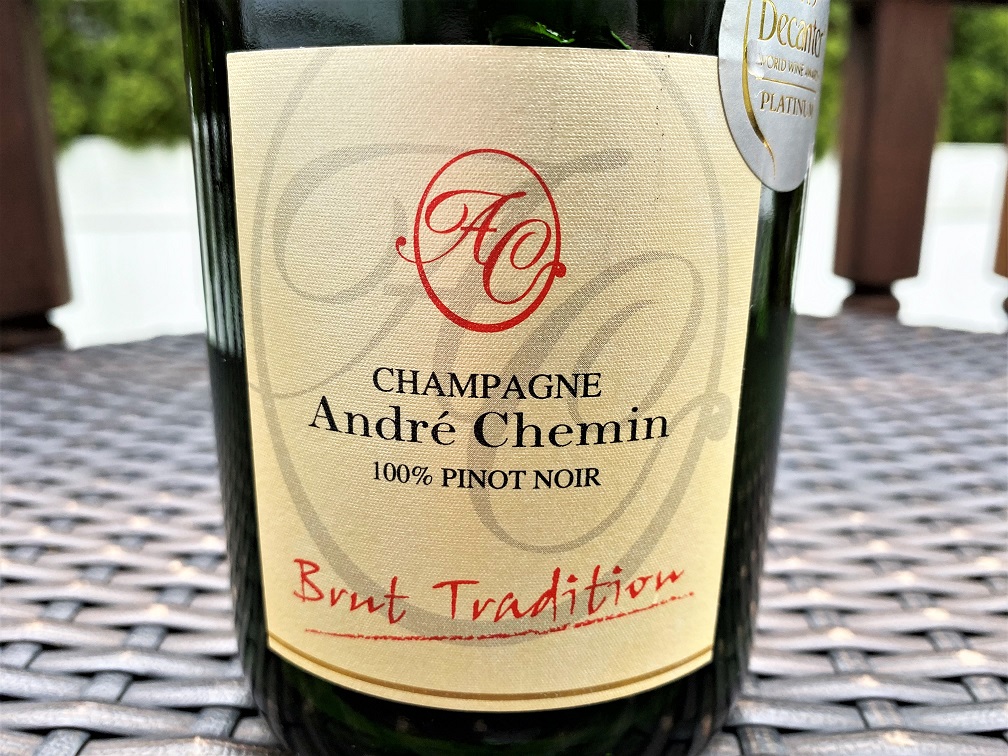
As a surprise, my daughter requested a Mimosa while dinner was in the making. I don’t have a lot of bubbles in the house, so at the moment I didn’t have any Prosecco or a Cava which would be my preferred choice for this purpose. I opened a bottle of one of my favorite everyday Champagne – NV André Chemin Brut Tradition Champagne, which is made with 100% Pinot Noir. While the girls enjoyed their Mimosas, I was happy to have a few glasses of this delicious wine – a perfect combination of freshly toasted bread and yeasty notes, crisp, refreshing, and satisfying.
Here it is, a full account of a celebration in the wine terms. It was definitely unusual for this household to drink only French wines, and also classic French wines – Burgundy, Champagne, and Sancerre – in one sitting. Interestingly enough I believe all three wines were procured through WTSO, which is simply a fun fact I would like to mention.
Father’s Day is coming in about a month – it might be the time to start worrying about my wine choices…
New Zealand Wines – Beyond Pinot Noir and Sauvignon Blanc
 Let’s say we will stop a random wine lover and will ask what is the very first wine which comes to mind if we would talk about California? I guarantee you that Cabernet Sauvignon and maybe Chardonnay would be the first associations. What about Australia? Shiraz, no doubts. Argentina will serve as a reference to Malbec, and most likely the Rioja would be the first association for Spain. Meanwhile, each one of these countries and regions successfully produces wines from literally hundreds of the grapes.
Now, what would be the first wine association for New Zealand? If you said Sauvignon Blanc or Pinot Noir, I would fully agree with you. Meanwhile, the New Zealand wine scene offers so much more than those two grapes which had been farmed successfully for more than 100 years. New Zealand leads the wine world in terms of sustainability and organic winemaking (here is the post from the last year, for example). And, of course, New Zealand Bordeaux blends and Syrah had been on wine lovers’ horizons for many years, but coming fresh from the New Zealand wine tasting in New York, I can’t help it to comment on the diversity of the wines represented in the tasting.
Well beyond the traditional Sauvignon Blanc and Pinot Noir, we had an opportunity to taste Chardonnay, Riesling, red Bordeaux blends, Syrah, sparkling wines, skin-fermented wines, natural wines, and more.
I had about 1.5 hours to taste about 60 wines, walking around and self-pouring – I think I managed to complete this task with some degree of success – whatever you can understand while spending 1.5 minutes per wine on average. While the tasting format and setting were comfortable, I still had a few gripes about it. First, an absolute majority of the white wines were too warm. This was the second tasting in the day, so I don’t know for how long the bottles were standing on the table, but they should’ve been put in the wine chillers at least, even without ice. I’m sure tasting white wines too warm was detrimental for many assessments. My second gripe was with the food – while the food was carried out all the time, most of those little bites had spice/flavor profiles not conducive to tasting subtle wines such as Pinot Noir. I took a few bites at first but quickly stopped paying attention to the food as I understood that it was skewing the palate in the wrong direction.
Before I will leave you with all of my tasting notes (for what it is worth), I want to mention a few favorites.


First, the natural, unfiltered Carrick Winery The Death of von Tempsky Riesling Central Otago was a riot. Yes, it was the wine for the wine geeks, but it invoked association with some of the best natural wine producers, such as Jean-Pierre Robinot and Frank Cornelissen, and every sip was absolutely thought-provoking.
Then there was the Bordeaux blend from Te Mata Estate Winery Coleraine Hawke’s Bay, which was superb – perfectly on point, varietally correct, and delicious. These were my only two 5-rated wines (I didn’t use my traditional rating system, so I stayed with the suggested “5-star” approach, but of course, had to expand it by using “+” and “-“).
Two of the Syrah wines were outstanding, with Bilancia la Collina Syrah Hawke’s Bay offering a purity of the black pepper profile, which was simply superb. And Neudorf Vineyards Neudorf Home Block Moutere Chardonnay Nelson completes the list of top favorites with its perfectly balanced profile of everything which a good Chardonnay should have – apples, vanilla, honey, a hint of butter – everything.
There were lots more absolutely delicious wines, so without further ado, here is the list of wines I tasted, sorted by the regions – with my brief notes.
Auckland
2018 Kumeu River Wines Kumeu River Estate Chardonnay Auckland – Crisp, acidic, tart apples on the finish. Interesting wine. Not the wine we taste. 3
2015 Tantalus Estate Écluse Reserve Auckland ((Cabernets/Merlot/Malbec) – Beautiful Bordeaux blend. Elegant, round, powerful. 4+
Central Otago
2014 Aurum Organic Amber Wine Central Otago – Tasty, but should be colder? Not as impressive as expected. 3
2019 Burn Cottage Burn Cottage Vineyard Pinot Noir Central Otago – Beautiful Pinot nose, plums, lavender, elegant. Tart, cherries, good acidity, good midpalate weight. Elegant. 3+
2020 Carrick Winery The Death of von Tempsky Riesling Central Otago – Wow. Acidity, depth, appearance. Wine for the geeks. Amazing. 5
2016 Domaine Thomson ‘Surveyor Thomson’ Pinot Noir Single Vineyard Central Otago – Super tart. Very lean. 2
2020 Felton Road Calvert Pinot Noir Central Otago – Beautiful Pinot nose. Plums, cherries, inviting and elegant. Round, delicious palate, good balance. 4
2018 Grasshopper Rock Earnscleugh Vineyard Pinot Noir Central Otago – Beautiful nose, touch is smoke. Elegant at first, but the finish is lean and tart. Food wine. 2
NV Quartz Reef Methode Traditionnelle Brut Central Otago – Delicious. Bread, yeast, toasted notes. Superb. 4
2020 Rippon Gewurztraminer Central Otago – Okay (not really). 2-
2020 Te Kano Blanc De Noir Central Otago – Bright floral nose, tropical fruit. Tart fruit on the palate, I would like a bit less sweetness. 3
2020 Te Kano Fume Blanc de Noir Central Otago – Restrained, a hint of fruit. Clean acidity at first, but then super acidic on the finish. Probably good with oysters. 2
2015 Ostler Lakeside Riesling Spatlese Waitaki Central Otago – Excellent. Gunflint, petrol. Good balance of sweetness and acidity. 4+
2019 Valli Waitaki Vineyard Pinot Noir Central Otago – Beautiful smokey nose. Elegant, clean, good presence. One of the best Pinot in the tasting. 4+
2020 Valli Waitaki Vineyard Riesling Central Otago – Not bad. Food friendly. Classic Riesling. 3+


Gisborne
2020 Millton Vineyards & Winery Te Arai Chenin Blanc Gisborne – Sour apples on the nose, lemon tart. Tart lemon on the palate, nice, elegant. 4-
Hawke’s Bay
2019 Alpha Domus The Barnstormer Syrah Bridge Pa Triangle Hawke’s Bay – Superb. A hint of barnyard on the palate and nose, a touch of pepper. Pronounced tannins on the finish. 4+
2019 Bilancia la Collina Syrah Hawke’s Bay – Beautiful nose, rose petals, a hint of pepper. Superb. Black pepper, crisp, light, elegant. 4+
2018 Decibel Wines Malbec Gimblett Gravels Hawke’s Bay – Elegant at first, but could benefit from a bit more body. Tannins are very explicit. Needs time. 3
2017 Smith & Sheth CRU Heretaunga Chardonnay Hawke’s Bay – Delicious. Perfect balance, a hint of gunflint, elegant, restrained. 4+
2018 Te Mata Estate Winery Coleraine Hawke’s Bay (Cabernet Sauvignon/Merlot/Cabernet franc) – Perfectly Bordeaux blend all the way, balanced, cassis, round, delicious. Will improve with time. 5-
Marlboro
2019 Astrolabe Wrekin Chardonnay Marlborough Southern Valleys – Delicious. Round, good fruit, good acidity. Excellent chard rendition. 4
2021 Brancott Estate Classic Sauvignon Blanc Marlborough – A classic NZ Sauvignon Blanc! Cassis, fresh grass, bigger palate than I expected, a little plump. Nose – 5+, palate – 4
2020 Churton Sauvignon Blanc Organic Marlborough – Ok. Superacidic. 2
2020 Clos Henri Vineyard Petit Clos Sauvignon Blanc Marlborough Wairau Valley – Very nice. Sancerre style. Freshly cut grass, flowers, perfect balance. 4
2021 Dashwood Sauvignon Blanc Marlborough – Classic nose with restraint, mostly grass. The palate is too sweet. 2
2021 Deep Down Wines Organic Sauvignon Blanc Marlborough – Sancerre-like elegance. Crisp but a bit too acidic. 3-
2019 Dog Point Vineyard Sauvignon Blanc ‘Section 94’ Marlborough Wairau Valley – Crisp, tart. Tangy. Interesting. 3
2017 Giesen Single Vineyard Clayvin Chardonnay Marlborough Southern Valleys – Excellent. Crisp, well balanced, delicious. 4-
2020 Glover Family Vineyards Zephyr Agent Field Blend Marlborough Wairau Valley (Sauvignon Blanc, Riesling, and Gewürztraminer) – Excellent. Wine for geeks, very tasty. Tart, crispy, tangy. Wine for geeks for sure. 4


2017 Greywacke Vineyards Greywacke Chardonnay Marlborough Wairau Valley – Gunflint, butter, vanilla. Not bad, but need to be a bit more balanced. 3+
2017 Hans Herzog Estate Mistral Marlborough (Viognier/Marsanne/Roussanne)- Interesting. Not my wine. 2
2021 Jules Taylor Sauvignon Blanc Marlborough – Elegant nose, a hint of fresh-cut grass. Nice, elegant, but a bit tart. 3
2020 Jules Taylor OTQ Single Vineyard Sauvignon Blanc Marlborough Southern Valleys – Interesting. Softer than a typical NZ SB, not bad. 3
2021 Tohu Awatere Valley Sauvignon Blanc Marlborough – Elegant, restrained nose, good palate, classic. 4
2021 Loveblock TEE Sauvignon Blanc Marlborough Awatere Valley – Horrible? A nose and palate of spoiled oranges. 1
2019 Mahi Pinot Noir Marlborough Wairau Valley – Lean. A bit underwhelming, but drinkable. 3
2021 Stoneleigh Sauvignon Blanc Marlborough Wairau Valley – Excellent. Classic. Clean, a touch of grass, cassis, a touch of grapefruit. Delicious. 4
2019 Te Whare Ra Single Vineyard Riesling ‘D’ Marlborough Wairau Valley – Beautiful! Crisp, tart apples on the finish. A very apple-forward version. 3+
2021 Vavasour Wines Sauvignon Blanc Marlborough Awatere Valley – Elegant, but the acidity is too much – the wine should be colder. 3
2021 Villa Maria Private Bin Sauvignon Blanc Marlborough – Superb. Delicious. Classic, fresh, crisp. 4
2019 Villa Maria Single Vineyard Taylors Pass Pinot Noir Marlborough Awatere Valley – Nice, elegant, good round fruit. 3
Martinborough
2018 Ata Rangi Pinot Noir Martinborough – Elegant nose with a hint of smoke. Elegant on the palate, but a bit too lean. 3
2019 Dry River Wines Dry River Riesling Martinborough – A riot. Petrol on the nose, nice, elegant, good acidity, good fruit. Delicious Riesling. 4
Nelson
2020 Neudorf Vineyards Neudorf Home Block Moutere Chardonnay Nelson – Outstanding. Perfectly balanced. Lemon, apples, a remote hint of butter. Excellent. 4+
2021 Seifried Estate Grüner Veltliner Nelson – Elegant, classic Gruner. Herbal nose, round grassy feel on the palate with some Meyer lemons in the mix. Great effort. 4
Northland
2020 The Landing Chardonnay Northland – Delicious. Apples, a hint of vanilla, round, very elegant. 4+
Waipapa
2021 Waipara Springs Pinot Gris Canterbury / Waipara – Nice. A bit too sweet. 3
2021 Waipara Springs Sauvignon Blanc Canterbury / Waipara – Ok. 3
2020 Black Estate Home Pinot Noir Canterbury / Waipara – Interesting. Unusual. Tannic. 3
2018 Mountford Koyamo Pinot Noir Canterbury / Waipara – Excellent. Clean, classic, perfectly balanced, elegant. 4
2018 Mt. Beautiful Winery Pinot Noir Canterbury / Waipara – Not bad. Too lean and tannic. 2
2018 Pegasus Bay Sauvignon Semillon Canterbury / Waipara – Interesting nose, gunflint. Crisp palate. 3+
2018 Pyramid Valley North Canterbury Chardonnay Canterbury / Waipara – Not bad. Middle of the road Chardonnay. 3
2018 The Boneline Iridium Canterbury / Waipara (Cabernet Sauvignon, Cabernet Franc & Merlot) – Iodine and rocks on the nose. The palate is a bit underwhelming. 3
Wairarapa
2019 Borthwick Vineyards Paddy Borthwick Right Hand Pinot Noir Wairarapa – Interesting nose – plums with a distant hint of barnyard. Round, powerful, expressive, peppery. More of Oregon style. 4+
There you are, my friends – New Zealand wines beyond Sauvignon Blanc and Pinot Noir. New Zealand wines are not easy to find in the USA but are well worth seeking. Cheers!
Wine News and Updates
When it comes to the wine world, there is never a dull moment – things are happening all the time. Today, the world of wine is indelible from the world of technology, with no shortage of exciting products. Wine is also a business, big and important business, again, with no shortage of exciting developments. Let’s take a look at some of the latest business and technology wine news from around the globe.
Let’s start with something unexpected – cars. Cars and wine should never be mixed together – driving is one of the most dangerous tasks humans routinely perform, and it requires a clear sober head. So what can we talk about here? Let me tell you. last week Elon Musk made an interesting announcement. As Tesla feels the heat of the serious competition from all leading automakers, the electric carmaker decided to differentiate itself with the addition of an (albeit optional) reverse osmosis accessory which can remove alcohol from wine. This option, available exclusively for models S and X, would add about 5 grand to the list price of the vehicle. but the opportunity to enjoy your precious Latour or Harlan during the ride can not be passed on lightly. Open the compartment, pour in the bottle, and the spout on the dashboard will become operational once the alcohol is removed from the wine. Based on preliminary market data, Tesla has a hard time fulfilling all the requests for the accessory. We shall see if the other manufacturers will follow the suit.
The next news is almost a no-brainer. It is the one from the series “how I didn’t think of it before”. Coca-Cola company entered into a partnership agreement with Bacardi USA to produce a range of Rum and Coke products. The product line will include all possible permutations of Coke (Diet, Zero, and the others) with the full line of Bacardi rums – light rum, dark rum, and the others. The new product is expected to hit the store shelves at the end of May, just in time for the grilling season. Retail prices will start at $20 for the 4 pack, with consumers already waiting impatiently for the product. I’m really curious how Pepsi will respond, if ever – is Rum and Pepsi even a thing?
Our next news comes from the wine glassware leader, Riedel, which never stops innovating. As you know, Riedel glasses are developed to enhance the aromas of a specific type of wine – Pinot Noir, Cabernet Sauvignon, Chardonnay, and many other wines have glasses of the specific shape offering the best sensory experience to the wine drinkers. The only disadvantage of the wine-specific glasses is that you need to have them all on hand, as you never know what bottle of wine you will decide to open, and even storing so many different glasses might become a challenge in itself. To address the issue, it appears that for the past 10 years, Riedel was secretly working on a project with the United States Air Force Research laboratory to develop a glass that can change its form based on the request from the smartphone app. The glass is made of some smart material – again, the exact details and fiercely guarded – which responds to the electric impulses from the control module embedded in the stem and changes its shape as needed. The glass will appears soon in the wine catalogs, with the expected price tag of $750 for two – it is expected that the price will drop over the next 2-to 3 years as production will increase.
Can we talk about wine today and not talk about NFTs (Non-fungible tokens)? Of course not. Gallo family company, which had been producing wines in California since 1933, teamed up with Beeple, one of the most famous NFT artists in the world. to produce a series of unique labels, each one of them having its unique value, as is always the case with NFT art. About 14,000 cases of the 2021 Gallo Hearty Burgundy will be adorned with Beeple’s artwork and will be available at select retailers around the USA. Gallo will dictate the initial price for the NFT-labeled bottles, but the retailers will be allowed to sell the wine in the auction-like model, with 25% of the extra money going back to Gallo. These NFT-labeled bottles are expected to be a big hit with consumers, and reportedly many wine producers around the world, such as Torres in Spain, Concha y Toro from Chile, Cavit from Italy are in talks with NFT artists to create their own collections.
Our last news piece might be the most bazaar of them all. As you know, Korbel Champagne Cellars in California produces wine in California under the Champagne brand (California Champagne). Based on the source speaking on condition of anonymity, Bernard Arnault, top executive of the French luxury goods conglomerate LVMH (Louis Vuitton Moet Hennesy), got fed up with Champagne’s name being used outside of the Champagne region in France alongside coveted LVMH brands such as Krug, Dom Perignon, and Ruinart, and announced that LVMH entered into the definitive agreement to acquire Korbel at an undisclosed amount. The deal is subject to the approval of the boards of directors of both companies, expected to be closed in 6 months. Once the deal is complete, Korbel California Champagne will be renamed the Korbel California Sparkling wine.
That’s all the news I wanted to share at the moment. Cheers!
All You Ever Wanted To Know About Wine Education
Wine is an agricultural product.
Wine is clearly a unique agricultural product.
When you buy an apple, pear, cucumber, or eggplant, you really need to know nothing to make your selection – as long as it looks good and fresh, that’s all you need to know.
When you sell an apple, pear, cucumber, or eggplant, you don’t need to impress anyone with information – as long as whatever you sell looks good and fresh, that’s all which is needed.
When you are consuming an apple, pear, cucumber, or eggplant, you still need to know nothing to really enjoy it, as long as it tastes good and fresh.
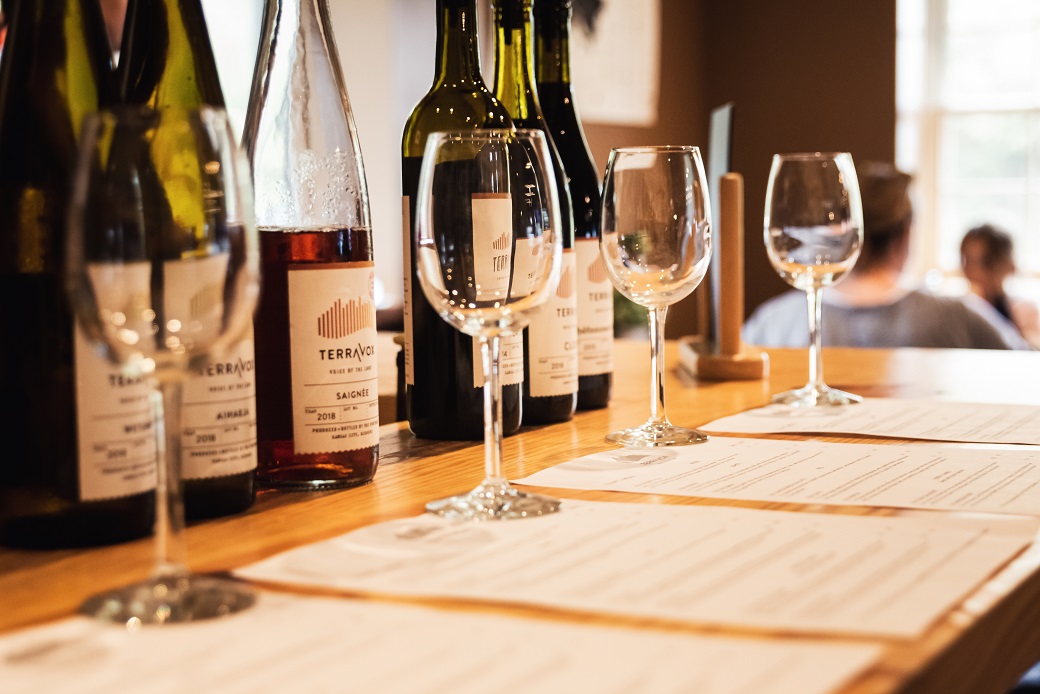
But when it comes to wine, knowledge is power, whether you are buying, selling, or consuming – where this wine is from, how was it made, for how long it can age, what is the best food to pair it with, what is the best way to serve it, and so on. On one side, you really don’t need to know anything about the wine to be able to enjoy it, but the uniqueness of wine is in the fact that the more you know about the wine, the more you might be able to enjoy it.
When it comes to wine education, there are lots and lots of resources – books, podcasts, websites, blogs. And then there is formal wine education.
What prompted this post was an excellent article on the Rack and Return website which provides an in-depth overview of all available formal wine education options. Here is what it covers:
- WSET – Wine and Spirit Education Trust
- WSG – Wine Scholar Guild
- CMS – Court of Master Sommeliers
- IMW – The Institute of Masters of Wine
- SWE – Society of Wine Educators
- ISG – International Sommelier Guild
- Regional Wine Study Centers
- Universities and Colleges
Without further ado, here is the link for you to the original article:
https://rackandreturn.com/the-definitive-guide-to-wine-education/
Enjoy!
Big Game, Big Decisions
I’m sure it is obvious what Big Game we are talking about.
The Super Bowl. One and only entertainment event of the year, almost a national holiday (many say that Monday after the Super Bowl should be made into a national holiday, as sometimes those games end past midnight).
I saw some interesting stats about this Super Bowl LVI (that’s 56 if you are not intimately familiar with Roman numerals). It is expected that 117 million viewers with watch the event – if this will be an actual number of viewers, it would set a new record (the previous one was 114M viewers in 2012), and a substantial increase over last year’s Super Bowl, which only attracted 96.4M of fans. Also, according to CNBC, the American Gaming Association projected that a record 31.4 million Americans would bet $7.6 billion on the Bengals-Rams game. Some staggering numbers, aren’t they?
But forget the numbers – I’m only here for the food 🙂
Source: Terlato Wines
So what are the big decisions we are talking about here? Leaving food aside, there is only one big decision to make – and you know which one it is.
Beer or Wine?
In any Super Bowl viewing party preparation discussion, this is an eternal question – what should you drink while watching the big game? What should you serve with the food?
Food is the right starting point for this discussion. I can’t resist throwing in another interesting data point – The National Chicken Council estimates that Americans will consume 1.42 billion wings while the Cincinnati Bengals play the Los Angeles Rams. Yep – 1.42 billion! Super Bowl is a finger food festival – sandwiches, chicken strips, shrimp, chicken wings, and lots of other usually salty and often spicy indulgences. So beer seems to be the obvious answer to our eternal question.
Except when it is not.
Beer is boring. Yes, I drink beer from time to time, but I’m rarely excited about it unless I’m in a pub in the Czech Republic or some other European countries which have a culture of beer drinking – and the beer is served always fresh. Heck, if I would be watching Super Bowl at some Beer Garden in the US, I would definitely stay with beer. But at home, I unquestionably prefer wine. Wine brings excitement, and even if it wouldn’t perfectly complement the food spread on the table, it will make the game a lot more enjoyable to watch.
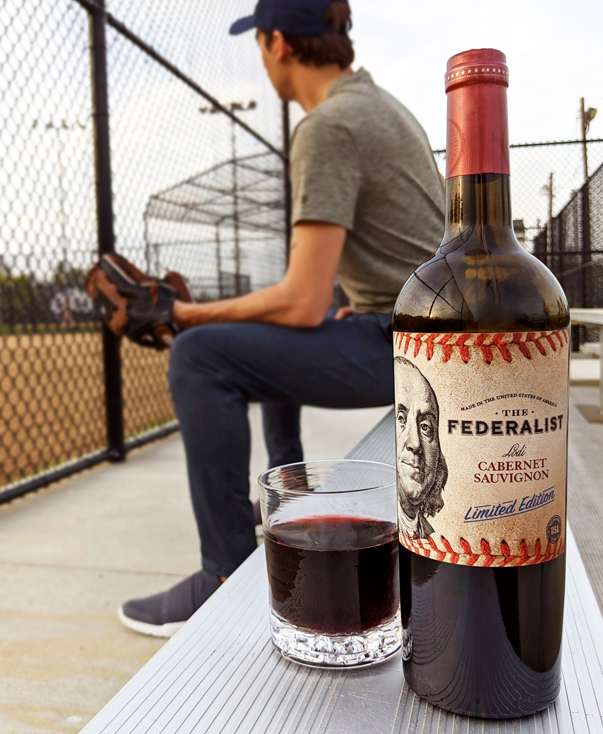
So how about some hard-core American wine? Does American Craft Wine sound good? An American craft wine for the American craft game – that should work together, right? So the wine I would like to bring to your attention is The Federalist, proudly crafted in California.
The Federalist winery was founded in 2009 in Sonoma, California, with an initial focus on producing Zinfandel – it makes perfect sense for an American craft winery to focus on the grape which America considers uniquely its own. Cabernet Sauvignon, Red Blend, and Chardonnay complete the lineup today, also connecting with another uniquely American product – Bourbon. The second line of Cabernet Sauvignon, Red Blend and Zinfandel wines are aged in the Bourbon barrels, uniquely amplifying the power of traditional Californian varieties.
I had an opportunity to taste a few of the Federalist wines latest releases – here are my notes:
2017 Federalist Cabernet Sauvignon Lodi (13.9% ABV, $17.99, 93% Cabernet Sauvignon, 5% Zinfandel, 2% Petite Sirah, Merlot, and Cabernet Franc, 15 months in 35% new oak)
Light garnet
Cassis, dark berries, eucalyptus, open, inviting
Unmistakable Lodi on the palate, cassis, nutmeg, warm spices, a touch of dark chocolate, good balance, well-integrated tannins, medium-long finish.
8-, easy, simple, will work well with a range of foods.
2018 Federalist Chardonnay Mendocino County (14.5% ABV, $17.99, aged in 35% new oak)
Light golden
A hint of vanilla, Whitestone fruit, a touch of gunflint
Restrained on the palate, golden delicious apples, crisp, fresh, good acidity, medium finish with prevailing acidity.
8-, needs food.
2019 Federalist Zinfandel Dry Creek Valley (15% ABV, $24, 100% Zinfandel, 16 months in 20% new oak)
Dark garnet
Raspberries, eucalyptus, earthy notes
Dark fruit, cut through acidity, well present tannins, a touch of raspberries, medium-plus finish with lots of acidity
7+/8-, food wine, needs time
The Federalist wines are well connected to the big game, being an official premiere wine sponsor of the San Francisco 49ers ( who I would much prefer to see in the Super Bowl together with the Kansas City Chiefs), so it would be only appropriate if you will open a bottle of the Federalist Cabernet Sauvignon to celebrate the big game.
And if not the big game, the Federalist wines are perfectly appropriate to celebrate the next official American holiday, The President’s Day, taking place exactly in a week.
Game, ads, half-time show, food, wine – I wish you a great evening.
Wednesday’s Meritage #159
 Meritage Time!
January is almost over, and as many people talked about “dry January”, it was reasonably dry – not in terms of wines, but in terms of wine events. However, February promises to compensate abundantly and offers lots to look forward to.
Let’s start with the grape holidays. Next Tuesday, February 1st, is International Furmint Day. Furmint is one of the most famous Hungarian grapes, best known as the grape behind Tokaji, heavenly nectar. Furmint also can be vinified dry, although much harder to find compared to Tokaji. Either way, you have a holiday to celebrate. Two weeks later, on February 16th, we will celebrate one of my favorite grapes – Syrah, via International Syrah Day. Syrah should be much easier to find, so no excuses. There is also Global Drink Wine Day on February 18th, but for someone who drinks the wine every day, that is not something I can particularly celebrate.
Continuing the theme of celebrations, let’s talk about celebrating not a particular grape, but the whole wine region. Monday, February 7th, will mark the beginning of the New Zealand Wine Week. Two webinars will be offered – one focused on the New Zealand wines on the global wine scene, and the second one diving deep into the world of New Zealand Pinot Noir.
To complete the subject of celebration, the last one for today is the main wine holiday of the year – Open That Botte Night, or OTBN for short. The holiday was created 22 years ago by Dorothy J. Gaiter and John Brecher, writers of the Wall Street Journal’s Tastings column. The goal of the holiday is to help people to happily part with their prized bottles, taste those wines themselves, and share them with friends, hopefully while both wines and people are in their prime. OTBN is always celebrated on the last Saturday in February, which will be February 26th this year. It is time for you to already start thinking about those special bottles you would want to open.
The next event I want to bring to your attention is Oregon Wine Symposium. While this is definitely a technical event, focused on the winegrowers, winemakers, and winery owners, the event offers excellent educational content for any wine lover. This year’s event will consist of two parts. Virtual part with all the educational content will take place February 15-17, and then the Oregon Wine Symposium Live portion will follow on March 8-9. Virtual sessions will cover in-depth Oregon wine industry, looking into the overall state of the industry, the direct-to-consumer market, the management of the supply chain, and lots more. Again, this is a technical event, offering lots to learn for those who want to learn.
Last but not least will be the first trade tasting I plan to attend in person this year – the Tre Bicchieri 2022, taking place on Friday, February 25th. This event is a culmination point of the Gambero Rosso wine publication, offering an opportunity to taste the best of the best Italian wines selected during the prior year, those awarded three glasses rating by the publication. Tre Bicchiery is one of my favorite tastings of the year, usually full of great discoveries – here is the retrospective of the events I attended in the past. Considering that there was no Tre Bicchiery event in 2021, I can only hope that we will see some great wines at the event, and I will actually be able to plan my attendance properly to taste the most coveted wines, instead of finding a table with only empty bottles, as already happened at my first Tre Bicchieri event, and the empty bottles at the table were the legendary Masseto. The event will travel around the USA, with the stops in Los Angeles, San Francisco, Chicago, New York, Boston, and Houston, so hopefully, you will get your chance to attend.
That’s all I have for you for today. The glass is empty, but the refill is on the way. Cheers!
Chilean Wines: Sustainability is a Long Game
 Sustainability is a journey.
Sustainability is a lifestyle.
Sustainability is a long game.
Have you ever dieted in your life? Did you achieve the intended results (let’s say, lose 20 pounds)? Did you go back where you started shortly after you stopped the diet? Of course, you already heard this a million times and you know what I’m going to say – diets don’t work. You need to change your lifestyle if you want those lost pounds to never come back, because the diet is a hack, and as such, it can give you only a quick and non-lasting, non-sustainable result.
Sustainability is a lifestyle.
When I think of sustainability my first thought goes to the vineyard. How vineyard integrates into the environment, how vineyard, land, soil, and everything around can happily co-exist now and in the future. My second obvious thought goes to the winery operation – sustainable energy use, recycling, waste reduction.
In 2011, the Chilean wine industry defined its Sustainability Code, a voluntary certification system aimed to improve sustainable practices in the wine companies in Chile. In 2011, it all started in the vineyard. Today, the Sustainability Code for the Chilean Wine Industry (SCWI) represents a colorful flower, consisting of 4 areas, and featuring 351 individual requirements:
- Viticulture (98 individual requirements /Green)
- Vinification, Bottling, and facility operations (65 individual requirements /Red)
- Social (118 individual requirements /Orange)
- Wine Tourism (70 individual requirements /Purple) — new category added in 2020
In the ten years since its inception, SCWI has been adopted by all the country’s leading wine producers and accounts for 80% of Chile’s bottled wine exports. Wines from certified producers come from 123,550 acres of vineyards, out of 485,000 acres of total vineyard space in Chile, so roughly 25%.
The certification is done by the accredited international bodies (ECOCERT from France, NSF from the USA, and SGS from Switzerland, a few more should be added soon), and it is an ongoing process, as re-certification has to be done every two years. Certification has a substantial cost, so Vinos de Chile has a special program in place to help small and medium producers to achieve certification. To date, 80 wineries achieved full certification – if you will look at the list, you will see a lot of familiar names. Some, such as Casa Lapostole, one of the most famous Chilean wineries, use its own set of sustainability rules.


I had an opportunity last year to taste a number of wines from the certified sustainable Chilean wineries. Let’s talk about them.
Viñedos Emiliana (now known as Emiliana Organic Vineyards) was founded in 1986. However it is interesting that if you will check the history section on Emiliana’s website, the time count starts from 1998 – this is when Emiliana began its journey to convert into a sustainable, organic, and biodynamic winery. In 2001, Emiliana became 1st winery in Chile, and 7th in the world to obtain ISO 14001 certification in environmental management. Two years later, Emiliana produced its first organic wines (Coyam was one of them). In 2006, the winery obtained its Demeter certification and produced its first biodynamic wine, 2003 Gê. Moving forward, Emiliana obtained multiple certifications in social responsibility, fair trade, carbon neutrality, and more. As a fun fact, with 2,760 acres in size, Emiliana is the largest biodynamic, sustainable, and organic vineyard in the world.
The wine I tasted for this post was 2018 Coyam. Back in 2015, the 2011 Coyam was my wine of the year. The 2018 Coyam was good, but really needed lots of time to open up.
2018 Emeliana Coyam Colchagua Valley DO (14.4% ABV, $35, 42% Syrah, 39% Carmenere, 6% Cabernet Sauvignon, 5% Garnacha, 3% Malbec, 3% Carignan, 1% Tempranillo, 1% Mourvedre, organic vineyards, vegan)
Dark garnet
Bell pepper, cherries, cassis
Beautiful, cassis, mint, medium-plus body, good balance, good acidity
8, these are the 3rd day notes, this wine needs time.
Viu Manent‘s history began in 1935, when Catalonian immigrant Miguel Viu-García and his two sons founded Bodegas Viu, bottling and selling their own wines. In 1966, Miguel Viu-Manent, one of the sons, acquired an estate in Colchagua Valley which also included 375 acres of vineyards, planted with pre-phylloxera vines. In 1993, Viu Manent became the first Chilean winery to produce, bottle, and label Malbec under its name. In 2001, as a tribute to the founder, Miguel Viu-Manent, Viu Manent produced its single-block Malbec from approximately 100 years old vines. In 2003, the winery started producing its Secreto de Viu Manent line of wines. In 2007, Viu Manent joined the environmental biodiversity program run in Chile by the University Austral of Chile’s Ecology & Biodiversity Institute. In 2018, 3 solar panel energy plants were put into production at the winery and in the vineyards. The winery also participates in wastewater and solid waste management programs and other environmentally-friendly initiatives.
2019 Viu Manent Secreto Malbec Valle de Colchagua (13.5% ABV, $15, Malbec 85%, 15% “Secret”)
Dark garnet, almost black
Raspberries, blackberries, cigar box
Fresh raspberries on the palate, fresh, open, good minerality, a bit astringent on the finish even on the second day. Needs time.
7+ On the second day
8- on the third day
Viña Maquis, an estate located between two rivers, the Tinguiririca River and the Chimbarongo Creek, traces its roots to the 18th century when Jesuit priests were producing noble wines on the property. In the 19th century, the property belonged to the two Chilean presidents who even hosted cabinet meetings at that location. In 1916, the property was acquired by the Hurtado family with the goal of producing fine wines. Viña Maquis was one of the first wineries to obtain sustainability certification. They use in the vineyard energy recovery system based on geothermal heat pump technology for which the winery won the 2013 Innovation Prize for energy saving and carbon footprint reduction awarded by the British-Chilean Chamber of Commerce. They also use biological corridors which host beneficial insects, birds, and animals, and more than 2,600 sheep help control the weeds and fertilize the vineyards.
2018 Viña Maquis Cabernet Franc Gran Reserva Colchagua Valley (14% ABV, $24, 90% Cabernet Franc, 7% Carménère, 3% Petit Verdot)
Dark garnet
Cassis, cassis leaves, a touch of bell pepper
Cassis, blackberries, good acidity, fresh, crisp, medium body.
7+/8-


Concha y Toro is one of the oldest wineries in Chile, founded in 1883 by Melchor Concha y Toro with a dream of producing the best wines. He brought in vines from the Bordeaux and built the winery with all the best equipment at a time. As Concha y Toro was transitioning from a family business to a corporation, 50 years later the wine export started, the Netherlands being a first international destination. In 1987, Concha y Toro released the first vintage of its iconic Cabernet Sauvignon, Don Melchor, named in the honor of the founder. In 2020, James Suckling awarded 2018 Don Melchor a perfect 100 score.
In 2021, Concha y Toro received B Corporation Certification, which recognizes companies around the world that meet the highest standards of environmental management, governance, and social performance. This B Corporation certification included metrics such as 100% drip irrigation, 97% of waste reused/ recycled, 24% reduction of waste over 2018, 83% of energy coming from renewable sources. Concha y Toro also works with the scientific community and Wines of Chile to develop a measurable roadmap for carbon footprint reduction.
2019 Concha y Toro Cabernet Sauvignon Serie Riberas Gran Riserva DO Marchigue (13.5% ABV, $17, 94.5% Cabernet Sauvignon, 3% Carmenere, 2.5% Syrah)
Dark garnet, practically black
Summer meadows, a touch of cassis, hint of mint
Open, fresh with happily gripping tannins (French oak), firm structure, fresh fruit, needs time
8-, will be great with the steak.
8+ second/ third day – wine became more integrated, polished, layered, perfect balance, pleasure in every sip.
In 1885, Francisco Undurraga imported vines from France and Germany and founded the Viña Undurraga winery. In 1903, Viña Undurraga became the first Chilean winery to export its wines to the USA. In 1942, under the management of Pedro Undurraga Fernández, the winery becomes a pioneer in exporting Chilean wines, reaching more than 60 countries. In 2006, the Los Lingues far was acquired, giving a start to Viña Koyle, which in 2009 started the transition to Demeter-certified biodynamic viticulture.
2019 Viña Koyle Carmenere Gran Reserva Alto Colchagua (13.5% ABV, $17, 85% Carmenere, 9% Tempranillo, 6% Petit Verdot)
Dark garnet, practically black
Cassis, a hint of underbrush, fresh dark fruit, inviting
Fresh berries, dark chocolate, a hint of sweet tobacco, round, succulent, excellent t balance, medium-long finish
8, excellent
In 1874, the winemaker Don Franciso de Rojas founded the winery in Maipo Valley which he called Viña de Rojas. In 1876, one of his wines received Silver Medal at a competition in Philadelphia in the USA. Now here is the rare happenstance with the transition of the name from Viña de Rojas to Viña Tarapacá. In 1892, the winery was acquired by Don Antonio Zavala and it became Viña Zavala. After the divorce, the winery became alimony assigned to his wife, who renamed the winery Viña Tarapacá ex Zavala to express her gratitude to her divorce lawyer Don Arturo Alessandri who had a nickname “The Lion of Tarapacá”. In 1992, the winery was acquired by the holding company with a focus on international expansion. In the same year, the winery acquired El Rosario Estate, 6,500 acres parcel, out of which 1530 acres are planted with vines, right in the heart of Maipo Valley. In 2008, Viña Tarapacá became a part of VSPT Group, the second-largest exporter of Chilean wines.
The winery holds a large number of environmental and sustainability certifications, and in 2016 it also became the Chilean winery to build a hydroelectric plant, capable of supplying 60% of all winery’s energy needs.
2018 Viña Tarapacá Red Wine Blend Gran Reserva Maipo Valley (14% ABV, $20, 31% Cabernet Franc, 26% Syrah, 22% Carmenere, 11% Merlot, 10% Cabernet Sauvignon, organic wine)
Dark garnet, almost black
Delicious nose of mint, currant, a touch of sweet basil and thyme
Ripe berries, firm structure, gripping tannins, a touch of cherries and black pepper, good acidity, excellent balance.
8+, delicious, but will be amazing in 10-15 years.
Here you go, my friends. Chilean wineries take sustainability seriously and show the world how it should be done. And they also support it with delicious wines. Sustainability is a lifestyle.
Daily Glass: A Rare Turley, And a Question of Wait
 I love Turley wines.
My first encounter with Turley was way back, maybe 20 years ago, when my friend and I were having dinner at a restaurant in Manhattan, and we saw a bottle of Turley on the wine list, probably a Juvenile Zinfandel or the Old Vines Zin, and it was one of the most affordable wines on the list, so we decided to try it. Right after the first sip, I remember we looked at each other and said ‘wow”. Turley became the love from the first sight sip for both of us, and when I go visit him, I always bring a bottle of Turley, which makes him very happy.
If you will ask a wine lover about Turley, most likely you will get an instant reaction “ahh, Zinfandel”. More advanced wine lovers might also add “oh yes, and Petite Sirah”. First and foremost, Turley Wine Cellars is known for its Zinfandels, and yes, the Petite Sirah. Altogether, Turley produces 50 wines from 50 different vineyards. And while an absolute majority of those wines are Zinfandels, there are few exceptions – two white wines, Sauvignon Blanc and the White Coat, Cinsault from 135 years old Bechthold Vineyard in Lodi, Casa Nuestra and Tecolote red blends, two Cabernet Sauvignon wines, and one Zinfandel Rosé, which sometimes is playfully identified as White Zinfandel (believe me, it is a proper Rosé, not a sweet plonk). With the exception of the Estate Cabernet, it is pure luck when any of these non-Zin, non-Petite Sirah wines are included in your allocation – doesn’t happen often.
Another question we can ask wine lovers – should Zinfandel wines be aged or consumed upon release? I don’t want to get too far into the woods by presenting such a broad question, but for the sake of simplicity here we are talking only about well-made wines from producers such as Turley, Carlisle, Robert Biale, Ridge, and similar. Again, posing this question to the wine lovers I heard the same answer from a number of well-qualified individuums: “I like my Zinfandel with some age on it”.
From my personal experience, mostly with Turley and Carlisle, I definitely appreciate the age on my Zins, but it also depends on the style of the wine. Turley Juvenile and Old Vines Zins are built to be enjoyed young, however, they are also perfectly capable of aging for 8-10 years with no issues. The majority of single-vineyard Zinfandels definitely benefit from aging, and best not being touched for the first 5-7 years upon release. The same applies to the Petite Sirah, probably even in the higher degree – it is better to wait for about 8-10 years to enjoy a bottle of Turley Petite Sirah.
Okay, so this is all nice, cool, and theoretical, but then, in reality, we don’t always follow our own best advice, don’t we?
I generally don’t open a new bottle of wine late in the evening. Yesterday, coming home after Taekwondo training, I realized that I crave a glass of wine. This is really a bad thought at around 9 pm because the process of selecting the bottle to open can take another 30 minutes or so. I have a lot of Turley bottles stored in the simple wine cage, which makes the selection process a lot easier as I don’t need to move the wine fridge shelves back and forth, so this is where I decided to look. I looked past most of the younger Zins – as you remember, I also like them with some age, and then I saw a bottle of 2018 Tecolote. It was pure luck that I had it, as it came via the special offer for the 2020 holiday season – this wine is typically available only in the tasting room. I never had this wine before, which provided a legitimate opportunity to ignore my own aging rules and simply open the bottle, which is exactly what I did.
Tecolote is a blend of 60% Grenache and 40% Carignane, both grapes harvested from dry-farmed Pesenti Vineyard in Paso Robles, from the vines planted in the 1920s. As this is a Catalon-inspired blend, and the grapes come from the specific plot in Pesenti vineyard which looks like an owl, the wine was called Tecolote, which is the Spanish word for “owl”.
Boy, was I happy with my decision… The first sniff of the 2018 Turley Tecolote Red Wine Paso Robles (15.9% ABV) was pure heaven – barnyard, forest underbrush, and spices. I know that the “barnyard” descriptor is polarizing, and deeply hated by some – I always love it, for sure on the red wines (never had it on the white), so I really enjoyed that aroma. On the palate, the wine had pure tart cherries, acidic, juicy, and succulent, fully supporting and continuing the initial enjoyment of the smell. I literally couldn’t stop refilling the glass until only about a third of the bottle was left.
And again I have to state that I’m happy that I left some of the wine for the second day, as the wine transformed. I usually preserve the wines by pumping the air out of the bottle. Sometimes I preserve the wines like that for 2,3,4,5 days, tasting the wine, pumping the air out, and leaving it until the next day. From my experience, I consider that each next day the wine still tastes good or even better than the day before is equivalent to the 5 years of aging. So if you don’t like the barnyard smell, don’t touch your Tecolote for another 5 years. When I opened the wine today, the barnyard smell was gone, and it was replaced by cherries and a telltale sign of Grenache in my book – dark chocolate. The wine also had cherries and dark chocolate on the palate and it was perfectly balanced and absolutely delicious (Drinkability: 9-). What is even more interesting, the wine paired very well with dark chocolate-covered raisins from Trader Joe’s and Italian truffled cheese. Go figure…
Here you are, my friends – a delicious wine, good when young, and perfectly capable of aging. If you can, go find your bottle…
Wednesday’s Meritage #158
Meritage Time!
I’m back with the Meritage post, but without any promises to keep them going. 2022 will be a year of opportunism – if it happens – great, if it doesn’t – c’est la vie.
Most of the news in this Meritage issue will be self-centered – it will be all local, very local news about happenings in this blog. But first, let me start with the
Grape Holidays
Very important subject – we always need a reason to open a bottle, so grape days – or grape holidays, whatever you prefer – greatly help with that. WSET compiled a list of grape holidays for 2022 – this is an excellent reference for us all. At some point I will add such a list to the top menu, so you will never miss an important day. It seems that January is actually a dry month, and the very first grape holiday of 2022 will be International Furmint Day on February 1st. This will be challenging to celebrate, as Furmint is a star grape of Hungary and Hungarian wines are hard to find unless you are willing to celebrate with Tokaji. But if you think that Furmint might be difficult to celebrate, wait until October 14th to celebrate Prokupac Day, October 26th for the International Mavrud Day, and to top them all off, until the first of December to celebrate Maratheftiko Day – use google, I’m not here to make your life easy.
Vintage Charts
Vintage charts offer a great reference, giving you an idea for how long to keep a bottle or when you should consider drinking your special bottle. I have a Vintage Charts page on this site which I recently updated to make sure all the links are current and working. You can find the Vintage Chart collection here.
Stories of Passion and Pinot
If you ever looked at the top menu of this site, you possibly noticed a recently added menu item, Interviews. Under that menu, you will find a collection of winemaker interviews from around the world. One of the regions clearly stands out in the number of interviews – the Oregon section contains interviews with 13 winemakers. After spending a week in Oregon last summer and meeting with many winemakers face to face, I created a series of updates which are all published now. Here is the top link to the whole Stories of Passion and Pinot series – check out the post to read the original interviews and updates.
Top Wines
Before 2021 ended, just on time, I published my two-part list of top wines of 2021 – you can find all the lists via the Top Wine Ratings menu, or you can click here.
Year in Review
I also wrote somewhat of a reflection post, looking back at the happenings of 2021 – the good, the bad, and the ugly of that year. In that post I also made a detailed analysis of my Top Wines list, so you should look at the Top Wines list first before reading the year in review post.
Happening Now
I’m currently in a middle of an interesting experiment. This post, once published, will become the eighteenth consecutive post on this blog. So for the past 18 days, I published a post every day (well, the night would be more appropriate). Those are not “one picture, two words” posts. Those posts have 900 words on average (well, this one will be shorter), so they are posts with the substance (or at least I hope they are). To be entirely honest, it is not just an exercise in let’s-see-how-long-can-I-last – I have a huge backlog of posts that were supposed to be written last year and even the year before, so at the moment I’m simply forcing myself to complete the post before going to sleep, and though the body says “c’mon, let’s just go to sleep”, the brain says “you are not going anywhere until the publish button is pressed”. Sadly, this will not last much longer – we are going to visit friends in Florida (that’s good, not sad), and my work laptop, which I usually carry with me and use for all the writing on the road etc., didn’t survive the latest encounter with Microsoft update (using PG-13 language, I really despise Microsoft with a passion), and now I don’t have a computer to do the writing on the road. Oh well…
That’s all I have for you today. The glass is empty, but the refill is on the way. Cheers!
American Pleasures #6: A Tale of Two Cabs
Wine should give you pleasure – there is no point in drinking the wine if it does not. Lately, I had a number of samples of American wines, that were the delicious standouts – one after another, making me even wonder if someone cursed my palate. I enjoyed all of those wines so much that I decided to designate a new series to them – the American Pleasures.
California Cabernet Sauvignon.
Magical words for any wine connoisseur. Out of more than 100 grape varieties used in wine production in California, I would safely bet that Cabernet Sauvignon clout exceeds that of Chardonnay, Merlot, and Pinot Noir, and even including Pinot Noir in this list is a stretch. Cabernet Sauvignon is The One of California wines (if you are willing to disprove this with actual numbers, I will be happy to publish a correction, but until someone will step forward, this stands as unquestionable truth).
While we can agree that California Cabernet Sauvignon is an object of craving for uncounted many, it also should be recognized as an object of controversy. How do I mean it? Easy. There are probably 50 or so producers whose wines are impossible to get, due to both availability and pricing – you have to be on the mailing list with a waiting list stretching for 20 years or so, and once you get there you should be willing to pay $500++ per bottle of wine you will need to wait for another 10-15 years to enjoy. Alternatively, you need to be prepared to pay an upward of $500 per bottle and scour the internet daily looking for those special bottles.
On the flip side, you can join most of us walking into the wine store asking (begging?) for a good bottle of Cabernet Sauvignon under $20, trying not to notice the poorly hidden smirk on the face of the salesperson, who knows that we are on the quest for the impossible. If you like Cabernet Sauvignon and not buying those wines from your expense account, I’m sure you can relate to the experience firsthand. Even $50 per bottle doesn’t come with any guarantees. But – that number gives us hope. Yes, folks, it is possible to find a good bottle of Cabernet Sauvignon under $50. Let’s talk about it.


Lots of my wine learning and discoveries are linked to unimitable wine educator Kevin Zraly and his Windows on the World Wine School. I remember one of the lessons where we were talking about California Cabernet Sauvignon. One of the wines was particularly good, and I remember Kevin remarking that the wine was produced by Louis M Martini, who doesn’t charge nearly enough for the quality of the wines they produce. That reference got engraved in my memory literally forever, and Louis M Martini became somewhat of the safe bet when looking for reasonably priced and consistent California Cabernet Sauvignon.
Louis M Martiny winery was founded in 1922 when Prohibition was already in full swing. It was actually known as L.M. Martini Grape Products Company and was focused on the production of sacramental wines and concentrate for home winemaking. In 1933, expecting that Prohibition will end, the new winery building was constructed north of the town of Napa. This was the actual beginning of the Louis M Martini winery and pioneering role of the Martini family in the Californian wine industry, helping to establish Napa Valley Vintners Association in 1943, being one of the first to use wind machines to prevent frost in the vineyards, and being one of the first to bottle varietal Merlot in 1970.
Louis M Martini offers a substantial range of wines today, going way beyond standard Sonoma and Napa Cabernet Sauvignon offerings, including Cabernet Sauvignon from some of the best regions in Napa Valley such as Stagecoach Vineyard and Howell Mountain, as well as a number of Merlot, Malbec, Petite Sirah, and Zinfandel wines – unfortunately, most of those are priced well beyond the $50 we are talking about today. Sill, there is Sonoma Valley Cabernet Sauvignon which can be found at around $15, and Napa Valley Cabernet Sauvignon around $35. The Napa Valley bottling I tasted was simply outstanding with or without any regard to the price:
2016 Louis M Martini Cabernet Sauvignon Napa Valley (15.1% ABV, $40)
Garnet
Cassis, eucalyptus, baking spices
Roll of your tongue smooth, velvety, fresh cassis, perfectly ripe fruit but over, firm structure, long finish.
8+/9-, excellent, classic California Cabernet Sauvignon
If Louis M Martini can be called an iconic winery, then our next winery can be only referred to as the most iconic winery in Napa Valley. Charles Krug winery, established in 1861 in Napa Valley by Prussian immigrant Charles Krug was the very first winery in Napa Valley, the 540 acres estate which Charles Krug received via marriage. In 1943, an immigrant family from Italy, Mondavi, purchased the Charles Krug estate which had been run by the family now in 4th generation.
Charles Krug winery also offers a good number of wines, including Chardonnay, Malbec, Merlot, Zinfandel, and others, with Cabernet Sauvignon still being a flagship offering, including clonal selections (one of the Charles Krug Cabernet Sauvignon wines is called X Clone as it is produced as a blend of 10 Cabernet Sauvignon clones). I always wanted to try the Charles Krug wines, and finally, I was able to do so:
2017 Charles Krug Cabernet Sauvignon Napa Valley (14.1% ABV, $39, 87% Cabernet Sauvignon, 5% Merlot, 5% Petit Verdot, 3% Petite Sirah)
Dark garnet
Blueberry, blueberry jam, dark chocolate, pipe tobacco
A touch of nutmeg and cloves, much crispier on the second day, firm tannins, firm structure, good acidity.
8-/8, definite improvement on the second day.
Comparing these two Cabernet Sauvignon wines, Louis M Martini was a perfect pop and pour example, which is ultra rare among California Cabernet Sauvignon, where Charles Krug bottling definitely needed time.
Here you are, my friends. If you are looking for a good bottle of Cabernet Sauvignon under $50, there is still hope!
Last Bottle Sign Up ($10 credit)




 Talk-A-Vino