Archive
One on One With Winemakers: Tasting The Stars
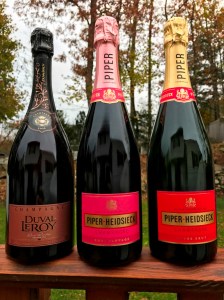 “Come quickly, I am tasting the stars!” – whether Dom Perignon said these words or not is not really important – but if you thought that we will be talking about the Champagne, you got it right! Also, plural mention of “winemakers” in the title is not a mistake – today’s “one on one” post is actually a double-feature.
The story of Duval-Leroy Champagne goes almost 160 years back, to 1859, when Edouard Leroy, wine négociant, met Jules Duval, grape grower – the rest is a history which you can read for yourself here. Today Duval-Leroy farms 200 hectares (about 500 acres) of vines, mostly in Premier and Grand Cru appellations, also using sustainable viticulture – Duval-Leroy is known as a pioneer of the sustainable grapegrowing in Champagne.
In 1785, “Heidsieck & Cie” company was founded with one dream – to create a Champagne worthy of a queen. After tasting the stars, Queen Marie Antoinette became the first “brand ambassador” for the Heidsieck Champagne. I don’t want to try to regurgitate here the rich history of Piper-Heidsieck Champagne, you would be far better of reading it for yourself, but for all these years, Piper-Heidsieck story always included royal families, fashion designers, and movies. The bottle of Piper-Heidsieck was the first Champagne to ever appear in the movie in 1933. Since 1993, Piper-Heidsieck is an official supplier of Cannes Film Festival, and many actors and producers were recognized with the special Piper-Heidsieck Award at film festivals around the world.
Now, let’s get to that double-feature interview I promised. I’m running this “one-on-one” series of the interviews for about 3 years now. Until now, there was always a unique set of questions, prepared specifically for the particular winery and the winemaker. This time, I decided to play it a bit differently – ask the same set of questions of two winemakers – however, in this case, there is a great “common space” between the subjects of the interview – they both make Champagne!
I had an opportunity to [yes, virtually] sit down with Sandrine Logette, Cellar Master of Champagne Duval-Leroy, and Séverine Frerson, Chef de Caves at Piper-Heidsieck, and here is what transpired:
[TaV]: What is your approach to the blending of Vins Clairs? How many Vins Clairs are typically comprising your most standard NV house blend?
[DL]: It is necessary to first think about the flavor profile you would like to achieve: the aromatic notes with its intensity and its descriptors, its mouthfeel, its volume, its angles, its power and persistence as well as the volume: number of bottles to produce, volume of reserve wines to use and volume of wine to save for future ‘liqueur d’expédition’. The vins clairs are tasted several times (at least twice) after the malolactic fermentation to familiarize ourselves with their characteristics. The first approach to blending is always a minimal concept; which is what I call it my ‘accounting idea’. It is tasted, assessed and compared to our first and last blends of this wine made in previous years. The vins clairs are then improved by modifying only one character at a time. The same improvement is repeated as many times as necessary to achieve the best result. We use about 45 to 55 vins clairs to produce our Champagne Duval-Leroy Brut Réserve.
[PH]: We blend over 100 crus to make Piper-Heidsieck’s NV cuvée: the Cuvée Brut. I think of the vins clairs (base wines) as spices stored in little boxes in her mind and I know exactly which boxes/spices (and proportions) I need to add to create the same taste every year.
[TaV]: Can you describe your “house style”?
[DL]: Our goal is to maintain the quality of our Brut Réserve NV vintage after vintage:
- A complex aromatic profile showing fruity notes of yellow peach, damson and subtle red berries along with notes of cocoa powder and toasted bread
- An integrated, round and generous mouthfeel but yet elegant and fresh.
[PH]: Piper-Heidsieck’s wine style is fruity, structured and complex, with lots of deepness. It’s a champagne to treat yourself and to share with your loved ones. Champagne serves as a bridge between people. It triggers and enhances moments of sharing, complicity and joy. And we are the ones who strive to create memorable experiences. It is all truly wonderful!
[TaV]: Somewhat of a continuation of the previous question: I don’t know if you ever experimented with this, but I wonder if a panel of wine consumers (non-experts) would be able to identify your standard NV offering in a blind tasting?
[DL]: We have worked with a panel of French consumers who tasted our Brut Réserve NV. This panel was able to detect the fruity nose without going into details and recognize the roundness of the mouthfeel and the integrated acidity.
[PH]: The goal of our Cellar Masters is to maintain Piper-Heidsieck’s style, and make it recognizable. Our wines are fruity, structured and profound but also well balanced, straight and bright. In the case of the Cuvée Brut, it’s a seductive champagne that you can recognize on your palate right away. What gives it away is its notes of almond and fresh hazelnut that are very lively, subtle and light. It’s a very smooth an pure champagne with notes of fresh pear and apple with a delicate hint of citrus fruits (pomelo). You can also taste the blonde grapes and juicy white fruits that create the lightness of the champagne.


[TaV]: Similar question to the second one, only now for the vintage Champagne – can you describe your house style?
[DL]: Our vintage “house style” is given by the characteristics of that specific year which varies according to the weather, therefore, the quality of the grapes (acid-sugar balance – fruit richness). We do not look for our vintage cuvées to be identical year after year. We make the best vintage with what nature has to offer.
[PH]: The Cellar Masters’ goal when creating a vintage champagne is to put a special year in a bottle. They want to take a snapshot of this particularly great year to keep it as a memory and reward the hard work of our vineyard team without forgetting about the Piper-Heidsieck style. Every vintage is different but they all answer to the Piper-Heidsieck style: wines that are fruity, structured with great depth. Our Cellar Masters took the best grapes from 2008 to put it in our current vintage: Vintage 2008 is a precise, elegant and free-spirit wine that showcases the greatest wines 2008 had to offer.
[TaV]: I would assume all (many?) of the Champagne houses have their “secret stash” of Champagnes which had not been disgorged yet – and the wines are disgorged on one by one basis, maybe for the special clients. Do you have such a “secret stash”? What are the oldest, not yet disgorged wines you have in your cellars?
[DL]: Of course, Duval-Leroy has its secret reserve Champagnes that are not disgorged and waiting in the cellar for that special request. Vintages such as 1979, 1982, 1986, 1988, 1990 … are kept in bottles and magnums (not systematically in each cuvée).
[PH]: We do have old cuvées in our Cellars, our “secret library” contains old NV from 1980 to now and different vintages from 1982 and on.
[TaV]: Are the Champagne styles changing to address the consumer demand? For instance, I would expect that people would like to drink more of Brut Nature/zero dosage and Rosé Champagne. What do you think?
[DL]: The Champagnes’ style may slightly vary depending on consumers demand, but not fundamentally change. Champagne is an Appellation d’Origine Contrôlée which defines production rules and style objectives of quality.
We have seen a greater demand for Champagne Rosé and 5 to 10% sales increase over the past 10 years.
Rosé Champagne is an accessible Champagne, more obvious in terms of taste, festive by its color and more enticing.
The growing demand is also linked to the fact that Rosé Champagne has more personality and a specific identity. It is definitely easier to produce due to warmer weather in recent years.
We find an equally interesting demand for low dosage Champagnes. These low dosages are made possible because of a better integrated acidity naturally due to the wines richness and roundness.
[PH]: We do see some trends in the industry, people tend to be more knowledgeable about what they consume and younger generations like to be more informed. They become more and more wine experts so they ask to question about dosage, disgorgement dates … We have our cuvée Essentiel that works really well with wine experts since they have all the information they need on the label (disgorgement date, bottling date, lot number…) and it’s an extra brut. At Piper-Heidsieck we have a wide range of champagnes to please everyone, we have Rosé Sauvage, Essentiel (extra brut) for wine experts and connoisseurs, our Cuvée Brut, a vintage and Cuvée Sublime (a demi-sec). Our range satisfies all consumers, from non-experts to wine lovers and our entire range has complimentary food pairings.
[TaV]: Champagne seems to enjoy higher popularity overall over the last few years. Do you expect that trend to continue? Are the challenges for Champagne which need to be overcome?
[DL]: Of course we want this trend to continue and Champagne to remain the leader sparkling wine out there. In order to overcome any challenges, the Champagne region needs to continue improving.
[PH]: This trend will continue for sure. As mentioned before, the younger generation tends to be more and more knowledgeable about what they consume, especially for wines. They gain interest and want to develop their palate and their knowledge about wine. With more educated consumers that know the quality of champagne and tend to pair champagne with food more and more often we will keep seeing an increasing popularity in champagne consumption in the upcoming years.
The biggest challenge we will be facing is climate change. The Earth is getting warmer and the climate is changing making it even more difficult for us to ensure the quality of grapes as the years go on. With the unpredictable weather, our vineyard team will have to work even harder to protect our vines and ensure a high quality. At Piper-Heidsieck we already took measures to protect the environment as much as we can with recycling measures, reducing our water consumption and gas emissions. It’s a global concern and a challenge that will affect all industries in one way or another.
Another challenge would be the increasing sales of other sparkling wine, but it’s not too concerning as sparkling wines and champagne are very different products consumed for different reasons. As the consumers are getting more knowledgeable they can tell the difference between sparkling wines and champagne and they consume one of the other at different occasions.
[TaV]: What is your most favorite Champagne you personally or your house overall ever produced and why?
[DL]: My favorite is our Femme de Champagne tête de cuvée and specifically the 1995 and 1996 vintages. Very great vintages with beautiful and precise balance and a great aging potential.
[PH]: I actually don’t have a favorite champagne! It all depends on the moment, when I will open it and with whom! I will choose the Cuvée Brut for a festive aperitif with friends. I love the Vintage 2008 for an intimate dinner and the Rosé Sauvage in the summer with a barbecue.
[TaV]: Champagne rules allow using 7 different grape varieties, yet absolute majority only uses 3 from that list. Have you ever experimented with using any of those 4 leftover grapes? If yes, did you get any interesting results?
[DL]: Since 1998, we regularly vinify one of the old grape varietal of Champagne called ‘petit meslier and produce a specific cuvée: Précieuses Parcelles. Petit Meslier is a white grape varietal that grows well in soils rich in clay (a natural cross between Gouais and Savagnin) in the right bank of Vallée de la Marne.
It is a varietal that struggles to ripen, therefore has a mouthfeel marked by sharp acidity and aromatic notes of rhubarb.
I chose to vinify it in barrels to add some fine oak and spicy notes. Currently, we are working on the 2007 vintage with a low dosage of 4 g / l.
It is a cuvée of curiosity, interesting for its rusticity and for an unusual “Taste” of Champagne.
[PH]: Piper-Heidsieck’s Cellar Masters never experienced with the other grapes, because they only focused on those 3 grapes and developed an expertise in those grapes.
[TaV]: Sparkling wines are produced absolutely everywhere in the world today. Have you tried any of the Methode Classique sparkling wines produced outside of France (Italy, Spain, South Africa, USA,…), and if yes, did you find anything you liked? You don’t have to love them, but maybe you liked just a little, tiny bit? 🙂
[DL]: Fifteen years ago, the Duval-Leroy family contemplated purchasing vineyards in England but decided otherwise. They’d rather stay focused on the terroirs of Champagne.
[PH]: Today sparkling wines are developing, but Champagne stays the luxurious sparkling wine of reference.
It’s always interesting to discover other regions – for example, I tasted high quality sparkling wines from Italy, Spain and Hungary and even if we are in the sparkling wine category they all had they own style and authenticity!
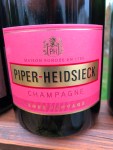
Time top drink some Champagne, isn’t it?
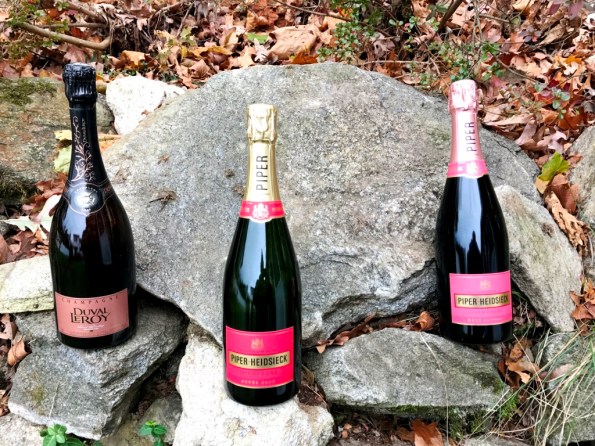
First, I wanted to try NV Duval-Leroy Rosé Prestige Premier Cru (Chardonnay/Pinot Noir blend) and NV Piper-Heidsieck Rosé Sauvage (50-55% Pinot Noir, 30-35% Meunier, 15-20% Chardonnay) side by side, as both are Rosé Champagne. There was a dramatic difference in appearance and taste profile. Duval-Leroy, in a word, was sublime. Delicate pinkish color, just a light salmon pink, whiff of the toasted bread, vibrant acidity on the palate, touch of lemon – seductive, and yes, sublime. Sauvage, on another hand, means “wild” in French – and that exactly how the Piper-Heidsieck was. Strawberry pink in the glass, fresh tart strawberries and a touch of yeast on the nose, and then generous toasted bread, granny smith apples and strawberries on the palate. Truly different and delicious in its own right.
NV Piper-Heidsieck Cuvée Brut (50-55% Pinot Noir, 30-35% Meunier, 15-20% Chardonnay, 10-20% reserve wines) was, in a word, classic – generous, voluptuous, touch of toasted bread and yeast, full mouthfeel, golden delicious apple sweetness, good minerality, very present and excellent overall.
Three Champagnes, three different wines, each delicious in its own right, each worthy to be a star of a special celebratory dinner or a quiet evening for two. And two conversations about the wines, the passion, the style, the stars. We spoke enough today; if you are still reading this, thank you and cheers!
Top Wines of 2017 – Second Dozen
? It’s that time again! The year is ending, and it is always fun to look back and reflect on the things which are now becoming the past. Of course, there all sorts of memories linked to the year which is about to depart, the bad, the good (hopefully none of the “ugly”, right?). It’s the good things we want to carry with us, and so this is the primary purpose of this post – well, just a reminder – it is the wine we are talking about here.
The “Top Dozen” posts are a tradition here, ever since the blog has started – here are the links for all the past “Top” lists: 2010, 2011, 2012, 2013, 2014, 2015, and 2016. To build these top lists I usually go through my posts and label journals, as the idea is simple – the lists represent the most memorable wines I came across during the year. Some of the wines were written about, in this case I will offer you a link to the original post. Some of the wines never made it into the posts, but they are still well worthy of being on this list. Also, I can rarely contain myself to the one dozen of wines – in most of the cases, I have to split the wines into the first and second dozen and have two separate posts.
The year 2017 was very happening wine year, full of great discoveries, and thus warranting the two posts. We will start with the second dozen, and then the top dozen post will be coming out shortly. The order of the wines on the list is somewhat random, with the exception of the Top Wine. And yes, building up such a list is never easy – but you derive lots of pleasure along the way. Okay, enough of the introductions – let’s talk about the wines now.


25. 2016 Terlato Vineyards Pinot Grigio Friuli Colli Orientali DOC ($22.99) – I don’t know if “typical” Pinot Grigio exists anymore – you know, the one which resembles more water than wine – but this is not your typical Pinot Grigio. This wine had excellent aromatics and lots of depth on the palate. I also managed to pleasantly surprise some people at a dinner in a restaurant when I ordered this wine. A perfect all occasion white.
24. 2011 Quinta dos Murças Reserva Douro Valley, Portugal ($45) – when it comes to Portuguese red, my preference is at the Reserva level – this is not a random word on the label. The reservas typically offer a much higher concentration of the flavor, and this wine was not an exception – lots and lots of layers on the palate, delicious now, and can age for a long, long time.
23. 2014 Thelema Sutherland Sauvignon Blanc WO Elgin South Africa ($20) – fresh grass with lots of complexity. This wine is not “in your face”, it opens up slowly in the glass (and can stay for a while in a bottle), and it offers way more than just grass and grapefruit. Classic Sancerre level of complexity, perfect on the sunny deck or by a cozy fireplace.


22. 2013 Valdivieso Caballo Loco Grand Cru Apalta, Colchagua Valley, Chile ($35) – cassis berries and leaves combined – does it get any better? Carmenere and Cabernet Sauvignon are relatives, having a common parent, Cabernet Franc. In this wine, which is a blend of these two grapes, both perfectly contribute their best varietal characteristics, resulting in layered, luscious, velvety smooth wine. Most highly recommended – if you can find it.
21. 2016 Paul Mas Rosé Aurore Pays d’Oc ($8) – Best Rosé ever, eh? For sure when it comes to the QPR, as for measly $8 you get a 1L of a delicious wine, which can brighten up any day, summer or not. Simply delicious – let me leave it at that.
20. 1994 Chateau Lilian Ladouys Saint-Estéphe ($15) – This wine keeps surprising me. It is 23 years old, it doesn’t come from any of the ” x growth” chateaus, and it is simply delicious Bordeaux which still can age for longer – it shows fresh and delicious, literally no sign of tertiary aromas yet. Outstanding.


19. 2016 Troon Riesling Whole Grape Ferment, Applegate Valley, Oregon ($20) – Craig Camp keeps on making unique and different wines. His whole line of wines at Troon Vineyards in Oregon deserves another post, but for now, I want to single out this Riesling which I tried at wine bloggers conference this year. This is what technically people call an “orange” wine, considering the color the white wine would obtain if left in contact with the skin for an extended period of time. “Whole Grape Ferment” in the name of the wine signifies exactly that – and the wine is totally unique. It is a bit closer to sherry than to the regular wine, but at the same time, it still has the bright fruit and perfect acidity. I would happily pair this wine with the steak (I didn’t have the pleasure), as I’m sure it will be delicious. And it will beat most of the wines next to cheese. Find it, let’s talk later.
18. 2007 Salabka Le Diamant Praha Czech Republic (€25) – talk about surprises. Very small vineyard and winery, right in Prague – and a world-class sparkling wine, méthode classique? Yes! I never wrote a post about that visit (which I’m not happy about), but the wine was a pure standout. Vanilla, toasted bread, apples, generous, voluptuous, fresh, and crispy. Outstanding. No chances of finding this wine in the US, but if Prague, which is a beautiful city, is part of the travel destination, don’t miss unique experience at Salabka vineyards and winery.
17. 2015 The Infinite Monkey Theorem Cabernet Franc, Colorado ($21) – my Colorado wine experience was not going great – and then I found this wine, and everything was right with the world. Blackcurrant all the way, excellent acidity, clean, lip-smacking – just an excellent example of the Cabernet Franc capabilities and good winemaking. And that label…


16. 2016 Bodega Javier Sanz V Malcorta Rueda D.O. ($26) – discovered during the Rueda wines seminar at Spain’s Great Match event this year. I couldn’t stop smelling this wine while others already finished drinking it. It had great complexity, the herbs, the flowers, the fruit and the spices (ahh, nutmeg) – this was a type of wine I can smell literally forever. Clean and delicious on the palate too – outstanding.
15. 2011 Turley The Label Cabernet Sauvignon Napa Valley ($50) – this is not the first time Turley The Label makes the top list. I had a few bottles of 2011 throughout the years, and it continues to evolve, literally getting better and better. This year, the wine was a textbook Cabernet Sauvignon – cassis, mint, eucalyptus – in a perfect, velvety envelope. Delicious and perfectly on par with the very best wines Turley produces.
14. 2014 Shiloh Mosaic Israel ($55) – was literally blown away by the first sip. Israeli wines are unquestionably world class – but this wine was also Mevushal, which means it was pasteurized one way or the other. Typically, you would expect pasteurization to affect the flavor one way or the other, but this was not the case here. Spectacular Bordeaux blend – this is when after the first sip you say “mmmm!” and you don’t put down the glass until it is empty. Then quickly ask for a refill. Superb is the word.
13. 2012 Sandhi Chardonnay Santa Barbara County ($35) – let me be brief – this is the wine to be experienced. I discovered Sandhi wines this year, and while I was initially skeptical because of the whole IPOB juggernaut (I believe the balance can be found equally in wine at 11% and at 17% ABV), this wine was real – sublime interplay of Chardonnay flavors, with vanilla, apple and a touch of butter been in a perfect harmony. Delicious – definitely look for it.
I don’t try to “engineer” my lists in any way (this is not a paid publication, and I have zero vested interest in promoting any of the wines above) – but just take a look at the happenstance diversity here. The wines represent 9 different countries (Italy, Spain, France, USA, South Africa, Czech Republic, Chile, Israel, Portugal), 13 different regions, a bunch of different grapes and the price range from $8 to $55. Can’t wait to see how the top dozen will fare – and that list is coming up soon. Stay tuned…
Usual Grapes, Unusual Places – The Oenophile Games
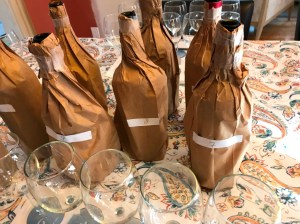 I love blind tastings. I’m talking about totally non-intimidating blind tasting, done in the relaxed atmosphere, where the goal is only to have fun – in other words, not when it is part of the test. The blind tasting as part of the test is really not fun – as Kirsten the Armchair Sommelier eloquently put it in a tweet “Nothing intimidates quite like a brown paper bag!!” – as a WSET diploma candidate, I’m sure she knows what she is talking about first hand.
So I’m talking about fun blind tasting here. Blind tasting removes all sources of bias, as only minimal information is available about the wine you are about to taste, depending on the theme of the tasting, and you can’t be influenced by the pretty label, by the big name or by the well-known place (ahh, this is the wine from Napa, it is definitely better than this one from New Jersey, right?). You are one on one with the liquid in the wine glass, and your only goal is to decide whether you like the wine or not and whether you like it more than the one you had before, or if you still like it more than the one which you had after. Of course, you can make things a lot more interesting by trying to guess the grape, the origin, the vintage and whatever else you would desire, but the beauty of the informal blind tasting is that you free to do as much or as little as you want.
The best accompaniments for the wine are good food and a good company. We started wine dinners with the blind tastings with friends more than 7 years ago. Our first blind tasting was about Pinot Noir, then we had one about Sparkling wines (the thought of this one still gives me shivers as it was utterly confusing), also Chardonnay, Mourvedre, Barolo and many, many others. We decide on the theme, set the rules (how many bottles, price limits or not, what wines can be considered, what wines will not fit and so on). The bottles are put in the brown bags, the numbers are randomly assigned to the bags, the wines are poured and off we go. We usually try to figure out group’s favorite, which sometimes easy, and sometimes it is not. The results are always most unexpected, and everybody gets a chance to say “I can’t believe it”.


The theme for this tasting was “usual grapes, unusual places“. Today, the mainstream grapes are totally international. Cabernet Sauvignon wines are produced in Bordeaux, in Napa Valley, in New York, in Argentina, Virginia, South Africa, Chile, Italy, Czech Republic and other hundreds of places. Same is true about Chardonnay, Merlot, Pinot Noir and Grenache – and even Tempranillo and Sangiovese are not an exception. Now the question is – can we still recognize Cabernet Sauvignon from Uruguay as Cabernet Sauvignon or Pinot Noir from the Czech Republic as Pinot Noir?
To play the game, the group of 10 wines was assembled. I couldn’t make up my mind on what to bring literally until the day before the tasting – kept changing my preferences. Nevertheless, we got together, the table was set and the wines were poured. As everybody was set on bringing the red wines, I decided to make things more interesting and brought two of the white wines to start the tasting with. Here are my notes and guesses on the 10 wines we tasted (obviously I knew what I’m tasting in the first two whites):
Wine 1 – beautiful nose, honeysuckle, tropical fruit, restrained palate, green, touch of pepper, contrast with the nose, interesting
Wine 2 – beautiful nose, plump, velvety, beautifully soft, silky smooth, outstanding, vanilla, delicious.
Wine 3 – typical Bordeaux blend on the nose. Tremendous salinity on the palate. Then acidity. Bordeaux blend from NJ. After 30 minutes – Barbera?
Wine 4 – Grenache nose, smoke and tobacco on the palate. My guess is Rhone varietal, but most likely Grenache
Wine 5 – Rutherford dust on the nose, touch of black currant, chipotle on the palate, herbal, unusual, very nice. Bordeaux varietal. Going for Carmenere.
Wine 6 – beautiful nose, Bordeaux-style, lots of smoke on the nose. Somewhat sweet on the palate. Core Bordeaux? or Syrah blend? Cab Franc dominant blend.
Wine 7 – smoke, dark fruit, beautiful tannins, cherries, beautiful. Bordeaux blend? Somewhat of extreme tannins.
Wine 8 – muted nose, mint, anise, Rutherford dust. Good acidity, soft, round. Bordeaux varietal?
Wine 9 – fresh, open, clean vanilla, dark fruit, excellent. Bordeaux varietal?
Wine 10 – beautiful nose, but a bit astringent. Interesting. Bordeaux varietal?
Before the wines can be revealed, we had to figure out group’s favorite. Everybody was allowed to vote for one of the two white wines, and then two votes for the favorites among 8 reds. Here are our votes (out of 8 people):
Wine 1 – 4
Wine 2 – 4
Wine 3 – 2
Wine 4 – 0
Wine 5 – 0
Wine 6 – 6
Wine 7 – 5
Wine 8 – 2
Wine 9 – 0
Wine 10 – 1
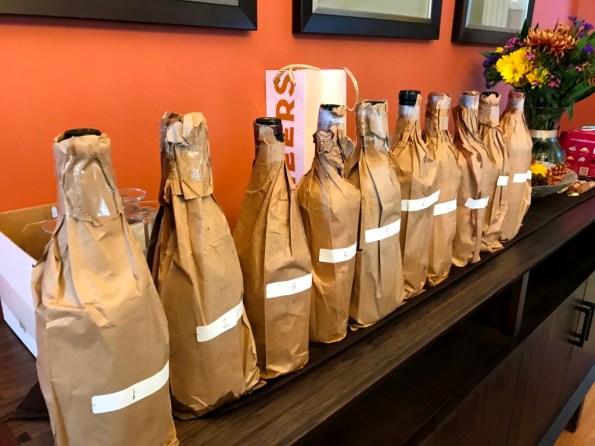

As you can tell, both whites fared equally well with the group clearly splitting the decision. Also for the reds, there was a clear winner and a clear runner-up, with the rest of the wines not faring that well – wine number 6 was preferred by the most, and wine number 7 was the second favorite. Now, the most anticipated part of the blind tasting – the reveal:
Wine 1: 2016 Onward Petillant Naturel Malvasia Blanca Suisun Valley, CA (12.6% ABV)
Wine 2: 2007 Krupp Brothers Black Bart Marsanne Stagecoach Vineyard Napa Valley (14% ABV)
Wine 3: 2004 Bodegas Carrau Vilasar Nebbiolo Uruguay (13.5% ABV, 100% Nebbiolo)
Wine 4: 2014 Chateau Famaey Malbec Cahors AOC (12.5% ABV, 100% Malbec)
Wine 5: Changyu Cabernet Sauvignon China (Cabernet Sauvignon?)
Wine 6: 2012 Caduceus La Corgtigiane Oneste New Mexico (13.5% ABV, 50% Barbera, 50% Merlot)
Wine 7: 2014 McManis Barbera Jamie Lynn Vineyard California (13.5% ABV, 100% Barbera)
Wine 8: 2015 Cantele Primitivo Salento IGT (13.5% ABV, 100% Primitivo)
Wine 9: 2014 Macedon Pinot Noir Macedonia (13.5% ABV, 100% Pinot Noir)
Wine 10: 2014 Agnus Merlot Serra Gaúcha Brazil (14% ABV, 100% Merlot)
Let’s look at these results. First, let me talk about the wines I contributed for the tasting. For the whites, they were both excellent – I got this Onward Petillant Naturel Malvasia Blanca from Jeff The Drunken Cyclist as part of our Secret Santa fun, and the wine was delicious. The second white, Krupp Brothers Marsanne was a rare closeout score a few years back. Sadly, it was my last bottle, but the wine needs to be drunk, so I’m glad I had it in a good company – I consider that to be one of the best California white wines, for sure for my palate. Now, the red which I brought was another story – it was the Changyu from China, for which I terrorized my Chinese-speaking friend trying to ensure that it was Cabernet Sauvignon and trying to figure out the vintage or ABV (fail). Well, the worst part was that many people not just disliked it, they literally hated it – and I had other reds from Changyu while in China with much higher success. Oh well.
The winning wine Caduceus La Corgtigiane Oneste was made out of the New Mexico grapes by the winery located in Arizona, with one of the grapes being Barbera – talk about rare and unusual. McManis Barbera, second favorite, was also quite unexpected – but looking at my notes and having tasted few of the California Barbera wines, I made a wrong guess with somewhat right descriptors. As you can tell, almost everything tasted to me like a Bordeaux blend – clearly, I don’t do well in the blind tastings, but one way or the other, this was lots of fun! And just think of the range of wines we tasted – Malvasia Blanca, Marsanne and Barbera from California, Nebbiolo from Uruguay, Merlot from Brazil, Pinot Noir from Macedonia, Cabernet Sauvignon from China, Merlot and Barbera from New Mexico – wow. The Malbec and Primitivo didn’t really belong on one side – but then on another side they kind of fit the bill too as Malbec from France is literally unknown to the wine consumers, and Primitivo is pretty much in the same boat, for sure in the USA. All in all, we clearly accomplished our goal of tasting usual grapes from unusual places.
Then, of course, there was food – lots and lots of delicious food, which everybody contributed to – I will just give you a quick overview in pictures, and that really only a fraction of what we had (at some point you get tired of constantly taking pictures of food…


We also drunk more wine, and this one was a standout. An unassuming California blend from Marietta in Sonoma – NV Marietta California Old Vine Red Lot Number Twenty. This is non-vintage, field blend of Zinfandel, Petite Sirah, Carignane, and Gamay, now, wait for it … which should be about 40 years old??? Current wine is called Lot Number 66, so if this was the Lot number 20, then we are simply making an assumption here… The wine was delicious – yes, it was mature, so showed the layer of delicious dried fruit and ripe plums – but it still had a perfect amount of acidity for everyone to say “wow”. I plan to write to the winery, so hopefully will be able to figure out the age of this wine, but this was clearly another amazing example of California wines which can age – and patience well rewarded.


Great fun and great learning experience, hands down. For anyone who is into the wine, the blind tasting is an endless source of enjoyment. If you love wine and never participated in the blind tasting, you really should fix it – get your friends together and have fun! If you need any “logistical support”, please reach out – will be very happy to help.
Ahh, and by the way, there is something even more intimidating than a paper bag – a black glass. But then your friends may start hating you, so tread gently. Have fun, my friends. Cheers!
Drink Local, North Carolina Edition – Chatham Hill Winery
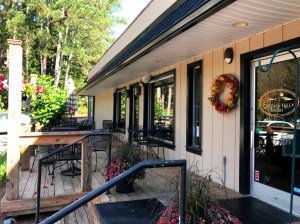 Once again, I was on the road. And as you know, if I have the slightest chance, I will look for the local wine. If I can also throw in a winery visit – that becomes a double pleasure.
In these terms, this time around, it was exactly a double pleasure. While visiting Raleigh in North Carolina I managed to squeeze in a short visit to the North Carolina winery call Chatham Hill, located in the town of Cary (about 20 minutes from Raleigh-Durham airport).
I had an opportunity to try North Carolina wines for the first time a few years ago while connecting through the Charlotte airport. I had favorable impressions after the first experience, thus was definitely looking forward to the opportunity to expand my “wine map” of the 50 United States.
The Chatham Hill Winery was founded in 1998. When Chatham Hill Winery opened, it was the 14th winery in the state of North Carolina – today, there are more than 185 wineries and 525 vineyards there. Chatham Hill was also the first urban winery in the North Carolina – they don’t own any vineyards. The absolute majority of the wines at Chatham Hill are made either from the North Carolina grapes, coming primarily from the Yadkin Valley AVA, or from the grapes shipped from California (Lodi).


Chatham Hill winery produces a good number of different wines, both dry and sweet, with the total production of about 5,000 cases per year. With this production, it is considered a “medium size” winery by the North Carolina standards. I tasted through many wines the winery offers, but took rather scarce notes, so for what it worth, here is a roundup:
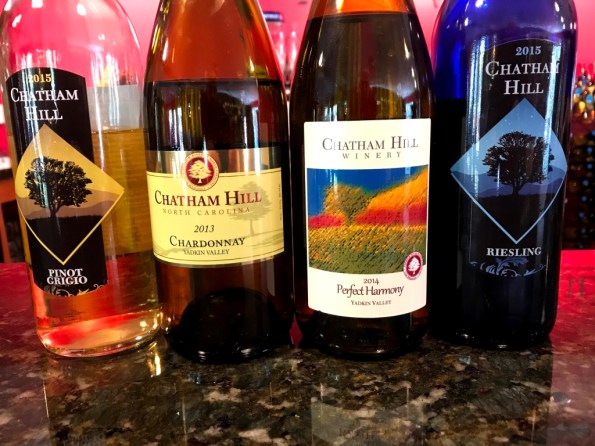
2013 Chatham Hill Winery Chardonnay Yadkin Valley North Carolina ($18) – a bit unusual, big body, good balance, nice overall
2015 Chatham Hill Winery Riesling Lodi California ($16) – not a traditional style, doesn’t speak Riesling to me, but still quite drinkable
2014 Chatham Hill Winery Perfect Harmony Yadkin Valley North Carolina ($25, unoaked, 70% Chardonnay, 30% Viognier) – dry, playful, tropical fruit notes
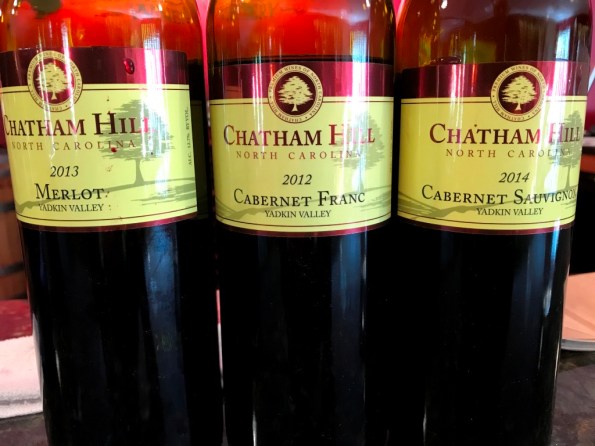
2012 Chatham Hill Winery Cabernet Franc Yadkin Valley North Carolina ($20) – soft, round, very pleasant
2014 Chatham Hill Winery Cabernet Sauvignon Yadkin Valley North Carolina ($20) – beautiful, smooth, blackcurrant on the nose and the palate, layered, great extraction, excellent wine overall and lots of wine for the money. Clearly my favorite wine from the tasting.
2013 Chatham Hill Winery Merlot Yadkin Valley North Carolina ($16) – excellent balance of fruit and acidity, dark fruit on the palate, very good overall


2015 Chatham Hill Winery Malbec ($18) – a bit sweeter than previous few wines, but refreshingly light for the Malbec and very pleasant overall.
2015 Chatham Hill Winery Petite Sirah ($22) – good fruit, good acidity
Chatham Hill Winery Muscadine Yadkin Valley North Carolina (11.5% ABV, $15) – Not sure what the vintage was, the wine was just released and not available yet for the public – raisins and dry fruit medley on the nose, touch of Isabella grapey profile on palate, clean acidity – very nice effort
I find trying local wines to be truly a humbling experience, always bringing out great surprises – that Cabernet Sauvignon was just a pure, varietally correct, stand out – would happily drink it again in a heartbeat.
The wine is simply an expression of passion and art, and there are truly no limits to the creativity and obsession wine lovers share, anywhere you go. Drink local, my friends!
Parent, Secret Power, Unsung Hero
You just read the title of this post. What do you think we will be talking about? Of course, it can be a story about a person who had all those great qualities – but this is the wine blog, right? Can all those qualities belong to a grape?
Let’s see. Parent – this is simple. When two grapes are crossed, they will give birth to the new grapes, and, of course, we can call both of the original grapes parents. Unsung hero? This is typically someone who can quietly come to the help of others and solve the big problem or save a life. Apart from saving a life, a grape can be very instrumental in assisting others to do their best, bringing out their best qualities while remaining literally unknown. For example, helping to make delicious wine as part of the blend. Now, the secret power? Every once in a while a person can be on a secret mission and save the world, all alone, “solo” – James Bond meets Wonder Woman, anyone? Okay, okay, I’m only talking about making delicious wines, all by itself, solo.
Now, as we are talking about the grape, can you think of one which would fit this description? There are thousands of grapes used in winemaking, so theoretically, there is more than one grape that will fit this profile, but I would dare to say that one grape might stand above others in all these roles. Know what I’m about to say? There is a good chance you do – you probably guessed it already – I’m talking about Cabernet Franc.
Cabernet Franc grapes, as shown in Wikipedia
It is hard to tell when Cabernet Franc became known as a grape variety. It is definitely old, probably not as old as Chardonnay, which can trace its history all the way to the 11th century, but still older than most other grapes. While Cabernet Franc is typically associated with Bordeaux and Loire, it appears that it originated from the Basque Country in Spain, from where it spread through the south of France and reached Bordeaux.
How Cabernet Franc is a Parent? Based on DNA research, Cabernet Franc was a parent of Cabernet Sauvignon, Merlot, and Carménère – a good group of kids, isn’t it?
How is it an unsung hero? Cabernet Franc ripens at least one week earlier than Cabernet Sauvignon. It can reach phenolic ripeness in the years when Cabernet Sauvignon will not, and thus in the blend, it will be a savior – this is why it was always so loved in Bordeaux, an insurance policy of sorts. While the tasting profile of Cabernet Franc is somewhat similar to Cabernet Sauvignon, it is typically softer and less tannic than its more famous offspring, so it makes the blend more approachable.
The Secret Power? When used in European wines, it is often unknown that the wine is made out of Cabernet Franc. For instance, Chateau Cheval Blanc, one of the most famous Bordeaux wines, is made predominantly out of the Cabernet Franc – but this is not widely known outside of the circle of wine aficionados. How about Olga Raffault Chinon? Chinon, a region in the Loire, is one of the best sources of delicious Cabernet Franc wines, but you have to simply know that. Coming to the new world, Cabernet Franc is not so secret anymore, as you can see it on the label, but I still can let you in on one little secret – this is one of the most versatile red grapes you can find. Talking about the United States, for instance, it is practically the only red grape which can consistently deliver delicious red wines both in California and in New York – and we don’t need to be so confined – Washington and Oregon are doing quite well with the Cabernet Franc, and so do Massachusets, New Jersey, and even Rhode Island. And let’s not forget Canada, where the grape goes beyond dry reds and offers some of the most stunning dessert wines – Cabernet Franc Ice Wine.
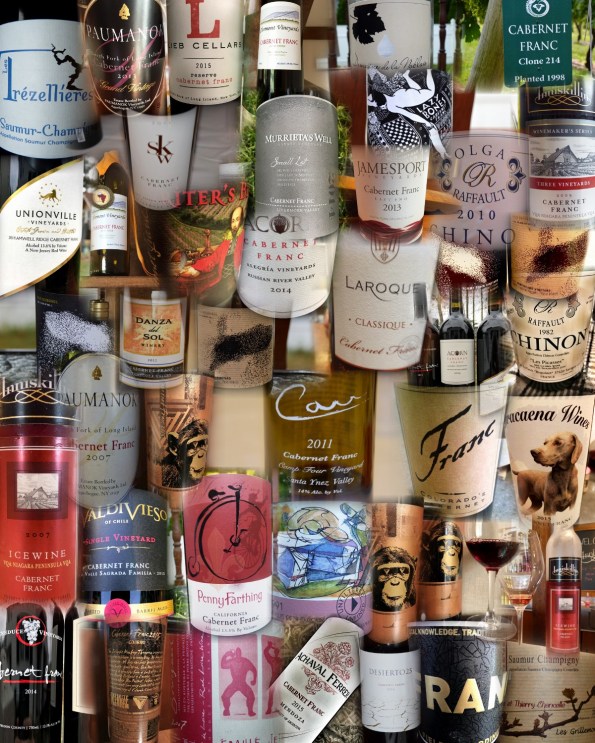
December 4th is when we celebrate this unique variety with the #CabFrancDay. The whole Cabernet Franc extravaganza is a product of the obsession of one person – Lori Budd, who singlehandedly started this grape holiday in 2015. Lori expresses her love for the grape not just by talking about it – she also makes her own Cabernet Franc wine in Paso Robles under the Dracaena Wines label. This year I was able to try the Dracaena Wines Cabernet Franc at the wine bloggers conference, and I can tell you that while I’m very particular about Cabernet Franc wines (prefer more old-world style than new), I really enjoyed Lori’s rendition.
Grape holidays are always fun – you have a good reason to open a special bottle that was stashed in the corner, and share your love for the grape with the world. Cabernet Franc’s celebration is important beyond that simple joy. Take a look at the Wikipedia article – it says that Cabernet Franc is “principally grown for blending with Cabernet Sauvignon and Merlot in the Bordeaux style, but can also be vinified alone”. The Vins de Bordeaux website says that Cabernet Franc “is the ultimate complimentary grape variety”. While this is true, Cabernet Franc is great for blending, this is also the grape which is excellent by itself, and we should recognize and acknowledge that, and change that perception of a “blending grape”.
This year, I had a great experience with beautiful Cabernet Franc wines from all over the world – 1982 Olga Raffault Chinon, Achaval-Ferrer Cabernet Franc from Argentina, Lieb Cabernet Franc from Long Island, New York, Dracaena Cabernet Franc from Paso Robles, and many others. But to celebrate Cabernet Franc Day in style, I had an opportunity to open 3 more wines especially for the holiday – for one, representing both coasts of the USA – and, surprisingly enough, representing both styles of Cabernet Franc, the old world and the new world.


2014 ACORN Alegría Vineyards Cabernet Franc Russian River Valley (12.5% ABV, $38, 93% Cabernet Franc, 2% Malbec, 2% Merlot, 2% Petit Verdot, 1% Cabernet Sauvignon and Tannat, 18 months in barrel) was uniquely Californian in style – in many ways. Alegría Vineyards are Certified Sustainable, which is really the way now for many vineyards in California, with a lot of manual labor-intensive effort going into helping grapes to achieve their best potential. All the wines ACORN produces are made as field blends, where different grapes are co-fermented together, according to the century-old field-blend vineyard traditions. The result was beautifully balanced, fruit-forward wine, boasting pure cassis flavors, supported by the medley of the red fruit and perfect acidity. The wine was clean and delicious.
Two more wines were a total surprise for me. These two Cabernet Franc wines were both made in New Jersey. I have very little experience with New Jersey wines, and that experience was not necessarily all positive, so yes, I didn’t have much expectation as I was pulling the corks, just a hope that the wines would be at least palatable.


While Unionville Vineyards were planted only in 1987 and the winery opened its doors to the public in 1993, the land where the vineyards a located was farmland even before the 1850s. As farmland, it went through many different plantings and such – peach orchard, apple orchard, dairy farm, grains, and horses – but returned to the fruits with the first grapevine plantings in 1987 – this is when the story of Unionville Vineyards started.


Beneduce Vineyards is located in the same Hunterdon County as Unionville Vineyards. Chardonnay, Riesling, and Gewurztraminer are the main white grape varieties at Beneduce Vineyards, and the list of reds includes Pinot Noir, Blaufränkisch and, of course, Cabernet Franc.
Thanksgiving Day Experiences
Thanksgiving is one of my most favorite holidays. It revolves around food. Before you beat me up, of course, it is about family, friends and lots and lots of good reason to be thankful – but still, the food is at the core of this family gathering. This makes me double-happy – I get to spend time with the family and cook my heart out – and let’s not forget the extra bonus – I have a reason to chose special wines.
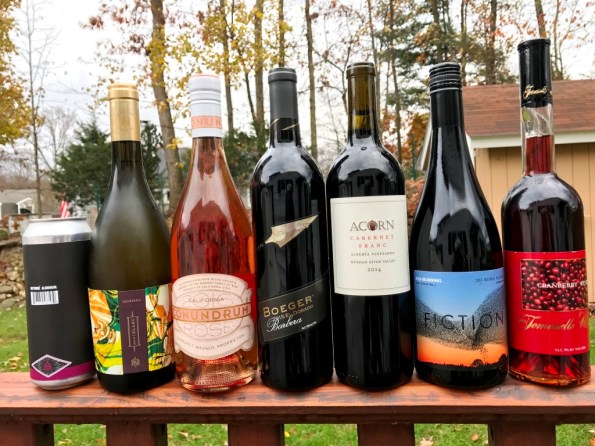
Since this blog started, there was only one year when I didn’t post about Thanksgiving. Otherwise, I did my best to talk about food and wine experience of this special day, sometimes even with few posts on the subject (you can find those posts here). This year, I had two resolutions for my Thanksgiving dinner. First, it will be simple – which means no Turducken, for instance. Second, I will serve only an American wines – to be more precise, only the wines from California. As Napa and Sonoma greatly suffered from the recent fires, this was only logical to embrace Californian wines to support the people there.
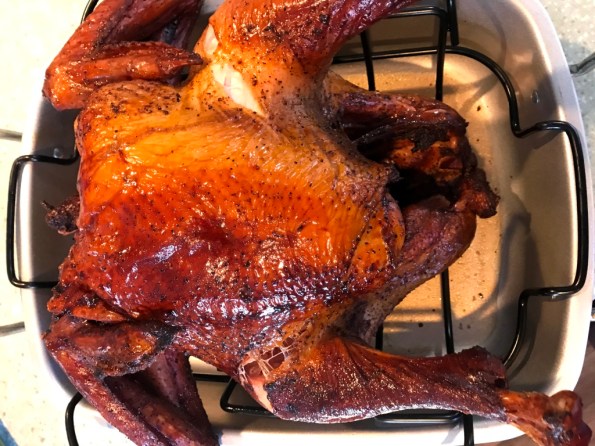
First, let me say a few words about the food. Turkey is a cornerstone of Thanksgiving – at the same time, it is hard to cook a whole turkey in really an exciting way. Over the years, we tried lots and lots of different recipes – with stuffing and without, turducken, smoked, deep fried, deboned… Some were definitely better than the others (turducken is typically a standout), and some of those preparations can be very laborious. Thus this year, I decided the smoked turkey is the way to go.
This was not a random decision – earlier this year I discovered so-called PBC (Pit Barrel Cooker), which I absolutely fell in love with. In the past, I had to spend literally a whole day, dancing around my simple smoker, trying to maintain the temperature and still ending up cooking all the food in the oven. PBC changed that dramatically – no need to precook ribs anymore, just start the fire, hang your piece of meat and come back in a few hours to enjoy. Based on all the prior success, smoking the turkey was simply a done deal.
This might be the simplest turkey I ever have done. Buy already brined turkey (many stores sell pre-brined turkey, which greatly simplifies your life), rub it generously with PBC All-purpose rub, start the fire and just hang it inside the PBC – you can estimate the cooking time based on the size, and of course, use the meat thermometer to make sure the turkey is cooked through.


Another dish I want to mention is the dessert. I got a recipe from a friend, many years ago – however, it was also a while since I made this dessert. I wanted to find a similar recipe online, just to use it as a reference – but failed. So here is the recipe without the usual ingredients and measurements, as here you can make everything approximately. Let’s call this dessert
Crepes Napoleon with Wine-poached Pears and Cranberry sauce
You will need the following:
- 4 firm pears, I recommend Anjou, carefully peeled, halved and cored
- 10-12 crepes (can be more, can be less, depending on how many layers do you want)
- 1 lb cranberry sauce (canned is fine, fresh is better)
- 1 bottle of port – you can use red wine too, but then you would need to add sugar.
- 1 cinnamon stick
- 1/4 teaspoon nutmeg
Put peeled, halved and cored pears into the large pot, cover it with wine, add cinnamon stick and nutmeg, and put it on the stove. Once liquid started boiling, reduce heat and let it simmer for about 30 minutes. Remove from heat, cover and let peras to cool off completely in the wine, preferably overnight (when cool enough, put the whole pot into the refrigerator). Next day, thinly slice pears and put aside. You can also reduce the wine for a later use – it is quite delicious.
You can buy crepes or you can make crepes. If you will decide to make them, Alton Brown has an excellent recipe – this is what I used.


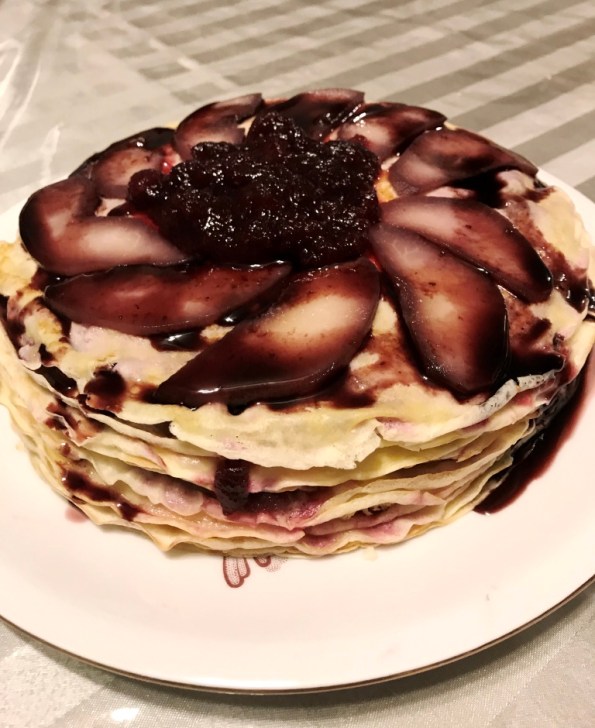
Once crepes are made and cooled off, you are ready to start making the Napoleon! Take a plate you will serve the dessert on. Put the first crepe on the bottom. Thinly spread cranberry sauce. Cover with another crepe. Now take slices of pear and put them around the crepe in a single layer. Cover with another crepe, spread cranberry sauce, cover, put pears and continue the process until you will be satisfied with the overall height of the Napoleon. I recommend a round of pear slices on top with cranberry sauce in the center, but of course, you can make your own decoration. Cover (plastic wrap will do) and put it in the cool place for the flavors to be absorbed into the crepes. Later on, slice and enjoy!
Time to talk wines!


Holiday celebration should start with the sparkling, isn’t it? Finding tasty California sparkling wine is really not a problem. One of my favorite California producers, Field Recordings, offers an interesting selection of the sparkling wines, with most of them packaged in the cans (yes, cans). I had a can of NV Field Recordings Methodé Aluminum Edna Valley (11.9% ABV, 100% Pinot Noir), and it provided a perfect start for the evening – fresh, supple, with good body weight and a nice touch of a fresh bread – definitely was a crowd pleaser.
I wanted to have a full California wine experience, so next, we moved on to Rosé – 2016 Conundrum Rosé California (13.1% ABV). Truth be told, I’m not a fun of Wagner family wines – Conundrum, Meiomi, Caymus – doesn’t matter, they generally don’t work for my palate. So I threw in the bottle of this Conundrum Rosé simply because it was available – I thought we will open it, taste it and move on. Boy, was I wrong. This wine had beautiful strawberries all the way on the nose and the palate, supported by tons of herbs – lavender, mint, basil. Perfect mouthfeel with very good presence, but not overwhelming and with good acidity – this wine was enjoyed to the fullest.
We drink with our eyes first – thus the label on the 2014 Durant and Booth Blanc California (14.6% ABV, $36, blend of Chardonnay, Grenache Blanc, Ribolla Gialla, Roussanne, Greco di Tufo) was extremely drinkable and very promising (the label represents the art technique called water marbling – you can read more here if you are as intrigued as I was). I brought this wine from California after attending Wine Bloggers Conference 2017, where this wine was presented to us at the Napa Valley Vintners lunch – I plan to write a separate post about this event).
As you can tell, this wine is made from quite a few grapes, and I’m typically a bit concerned if the chorus will sing harmoniously. Oh yes, it was – starting from the beautiful touch of butter and vanilla on the nose and the palate, then immediately offering silky plumpness of Roussanne with a gentle touch of butter and tropical fruit on the palate – this delicious wine was gone in no time.


Next, it was the time to move on to the red wines. We started with 2014 Acorn Alegria Vineyards Cabernet Franc Russian River Valley (12.5% ABV, $38, 93% Cabernet Franc, 2% Malbec, 2% Merlot, 2% Petite Verdot, 1% Cabernet Sauvignon and Tannat). All Acorn wines are made from a co-fermented blend of grape varieties which are growing at Acorn’s Alegria Vineyard. This Cabernet Franc had a beautiful open nose with a touch of mint and cassis – the same continued on the palate with more cassis in a smooth, round package, supported by some herbal notes and perfect acidity. It was unmistakably Cabernet Franc, but also unmistakably California Cab Franc, without much of the green bell pepper presence and fruit dominant, but perfectly balanced.
Our last red was coming from the California region I was not really familiar with until now – El Dorado County (it is not only gold you find there, yep). 2015 Boeger Barbera El Dorado (15% ABV) was another wine I brought back from California after the same wine bloggers conference. I tried few of the El Dorado wines at the conference and was not very impressed, so I looked at it as an interesting experiment. Another score! This wine was dense and brooding, with tar and tobacco on the nose, and surprisingly polished dark fruit on the palate with sweet tobacco undertones. To make things even more interesting, I can tell you that we didn’t finish the wine during dinner, so I pumped the air out using the usual Vacuvin, and put the bottle aside almost for 10 days. After 10 days, the wine was still perfectly fresh and enjoyable, which makes me wonder how long this wine can actually age.
Time to finish our Thanksgiving dinner with the dessert. As our planned dessert had cranberry sauce in it, I decided to go with Cranberry wine for dessert. Tomasello Cranberry Wine New Jersey (9% ABV) was a perfect pick for it – good acidity, tart cranberry profile, it played perfectly with our dessert – while the wine was not from California, it still provided a perfect finish for our celebration.
Here we are, my friends. How was your Thanksgiving? Did you enjoy more the turkey, the wines or the company? Cheers!
Environments of Wine
We all love to wax-poetic about the wine – about the magic in the glass, about the liquid which can transport us through time, bring back memories, change our mood, brighten up any happy moments in our life and put smiles on our collective oenophile faces in the myriad of mysterious ways.
With all that magic, it is easy to forget that first and foremost, the wine is an agricultural product. The grapes are grown in exactly same way as tomatoes, cucumbers, cabbage, wheat, apples, and potatoes. Same as with any agricultural product, the success of growing the grapes depends on many conditions which we collectively call “the environment” – condition of the soil, conditions of the plants, climate/weather conditions, availability and quality of the water, avoidance of diseases and pests, ability to protect plants and fruits from animals and birds and many other factors.

Once the grapes are successfully grown and harvested, this is where similarities with most (not all) of the rest of the agricultural products end, and grapes start their transformation to become that magic in your glass. But let’s leave that aside for now, and let’s get back to the grape growing environment.
Every year, the same process starts anew – with the first warm weather, the dormant plants come alive. The branches which looked completely dead just a day ago, are breaking with the tiny green leaves, and then at some point, a tiny clusters of future goodness show up, taking all the nutrients from the soil and the air, getting bigger and changing color from young green to golden and purple, until the time comes to collect them all and start creating the magic.
Every year, to get from the naked branches to the beautiful, sun-filled clusters, the vines have to be taken care of. They need enough water, they need enough sun, they need enough nutrients in the soil, they need to be protected from frost, excessive sun, mildew, and rabbits. The grape grower has to decide how to provide all of this. You can water the plants when you think you need to. You can bring in synthetic fertilizers. You can spray your vines with pesticides which will kill bugs and mildew. For many years, this is how the grapes were often produced, especially when they were produced in the large commercial quantities.
Little by little, grower by grower, winemaker by winemaker, the realization started that this might not be the right way to go. The chemicals and pesticides often bred resistance. Overfertilized and overwatered grapes simply lack the flavor and can never become the magnificent wines. With this realization, wine industry started changing its ways – the wines became “organic”, “biodynamic”, “sustainable” and even “natural”. All of these terms relate to the environment where the grapes are grown, but they are not interchangeable – organic is not always sustainable, and sustainable doesn’t equate organic. Let’s take a deeper look.
Sustainable might be my favorite term. There are many wine regions which define their own so-called “sustainable practices” – Australia, New Zealand, California, Oregon, Canada – all have their own sustainable practices defined, and for all I know, all those practices might be slightly different, but I’m sure they are all pursue the long-term relationship with the Mother Nature. Sustainability means that whatever we do to grow grapes successfully today, should ensure that the future generations will be able to continue to do the same with equal success. While we tend to the vines, we shouldn’t harm that environment, that habitat – use natural deterrents for the pests, use only natural fertilizers, ideally, generate our own power (think solar, for instance), be very cognizant about discarding the waste, or maybe have no waste at all, allowing land to rest and recuperate – the list can go on and on and on. At the same time, sustainable doesn’t mean organic – for instance, if you believe that one time use of the pesticide is warranted as the best way to deal with the problem (before it spreads or worsens), the sustainable rules will generally allow for it – but not the organic. All in all, the goal of sustainability is to leave the environment a little bit better than it was before – and I definitely like this approach.
We all know what “organic” means – only all natural elements are allowed in the whole entire process of getting from the first leaf to the harvested grapes – all organic fertilizers, all organic pesticides and so on. Do organic means better grapes? Yes, but only in the sense of absence of any harmful, bad elements. Organic doesn’t necessarily mean you would maximize grapes’ potential by utilizing dry farming. Organic doesn’t mean you will discard the waste in the ways least harmful to the environment. Organic doesn’t mean your power was generated in the sustainable ways. Don’t get me wrong – I’m all for organic, but… I guess you understand where my preferences are.
Biodynamic? First, taking about biodynamic winemaking can be an endless endeavor – if we are talking about the magic of the glass of wine, biodynamic principles might be the most in tune with the subject of magic. Are the biodynamic methods sustainable? I believe they are to the largest degree as the end goal here is to create harmonious habitat, the best possible environment for the grapes and all other living beings to grow happily and successfully. Is biodynamic the same as sustainable? Probably not, as sustainable methods still cover more elements, such as power which we mentioned. But all the kudos to the biodynamic practitioners and their perseverance with magic.
And now, let’s touch on the most controversial “environmental affiliation” of them all – natural wines. It is interesting to see the first reaction of many people when they hear the term for the first time – “natural wines”???? “All wines are made from the grapes, aren’t they all natural”? The idea behind natural wines is low intervention. During the grape growing part of winemaking, the process is somewhat similar to the sustained/biodynamic principals with the exception that some of the rules are made absolute, like no irrigation under any circumstances – but unlike all other methods, where there are external bodies which certify and enforce the rules, the natural wines are the truth in the eye of the beholder – the winemaker, in this case – whatever the winemaker believe “natural” means, that is what she will be practicing.
The wine was first made about 8,000 years ago. Nobody would ever tell if it was sustainable, organic, biodynamic or natural – we can only guess that it was made from grapes. But if we want the wines to be made for the next 8,000 years, we need to take care of the environment. Sustainable, organic, biodynamic – let’s leave this place a little bit better than we found it, for all of those who will come after us.
This post is an entry for the 36th Monthly Wine Writing Challenge (#MWWC36), with the theme of “Environment”. Previous themes in the order of appearance were: Transportation, Trouble, Possession, Oops, Feast, Mystery, Devotion, Luck, Fear, Value, Friend, Local, Serendipity, Tradition, Success, Finish, Epiphany, Crisis, Choice, Variety, Pairing, Second Chance, New, Pleasure, Travel, Solitude, Bubbles, Smile, Winestory, Obscure, Faith, Translation, Once Upon A Time, Memory, Eclipse
And if you really like this post, please vote for it here: #MWWC36
Behind The Label
We eat with our eyes first – everybody knows that. We drink in exactly same way. While looking for the wine to buy, we always start from the label. Of course, sometimes we might be looking just for the specific producer’s name – but way more often than not, wine consumer is lured by the appearance of the bottle before anything else. We let the bottle speak to us.
Wine producers always knew the effect of the bottle appearance, and always tried to design attractive and appealing labels – think about Château Mouton Rothschild, for example, which started their “Artist” wine label series back in 1945. 20-25 years ago, the design, and most importantly, production capabilities were limited both in style and the cost. But not today- there are literally no limits to how creative the wine bottle design can get in today’s world. It is hard to tell what exactly makes the wine label instantly attractive, but we all can recognize that special label when we see it. I shared my fascination with the creativity of the wine labels on the multiple occasions in this blog – here is one example for you.
You don’t have to agree with me, but I see creative wine labels as objects of art. Art at large is a form of the human expression. Art takes lots and lots of different forms – beautiful building, successful surgery, a sublime glass of wine, a flower, a painting. I’m sure there are countless studies written on the subject, and I will not even try for the slightest bit to delve into it, but I’m convinced that art as a final expression always has its source, the origin, it is inspired – and this leads to the fundamental question – what inspires the art? I will leave you to ponder at that, and meanwhile, let me turn our conversation towards the … wine, of course.
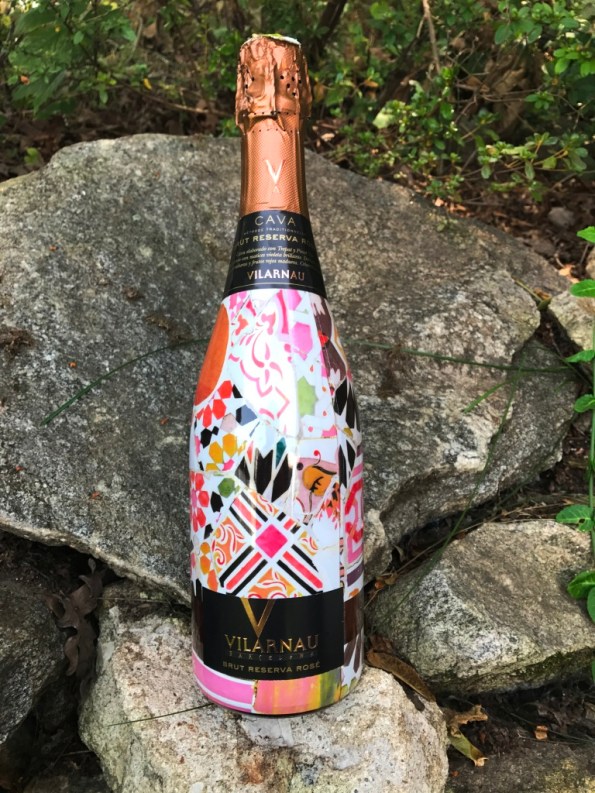 When I saw the label of Vilarnau Brut Reserva Rosé, my first reaction was “wow, this is a beautiful bottle”. The next question was – what does it mean? Yes, I read the description connecting Vilarnau Trencadís Edition cavas to the work of famous architect Antoni Gaudí, but I still wanted to understand the true inspiration behind this label. I reached out to the winery, and asked a few questions – here is our short conversation:
[TaV]: Vilarnau produces Cava since 1949. When Trencadís labels were used on Vilarnau Cava for the first time?
[V]: We launched the Trencadis labels at the end of 2014.
[TaV]: What was the inspiration behind the Trencadís labels?
[V]: This form of mosaic is very famous in Catalunya, Spain. Inspired by the Park Guëll in Barcelona and the famous artist Gaudí. Vilarnau is the “Barcelona Cava” and we felt it was fitting to use such an iconic design to decorate the bottles.
‘Trencadís’ is a type of mosaic used in Catalan modernism, created from broken tile shards. The technique is also called ‘pique assiette’. The mosaic is done using broken pieces of ceramic, like tiles and dinnerware. The Catalan architects Antoni Gaudí and Josep Maria Pujol used trencadís in many projects, among which Barcelona’s Parc Güell is probably the most famous. Vilarnau being so close to Barcelona (not only geographically, but also with heart and soul), it was natural to pick up this typical artistic theme for our winery.
[TaV]: Are the Trencadís Cava target the specific market, or do they sell equally well world-wide?
[V:]: We are currently exporting this label to almost 30 markets (principle markets being the USA, UK, Germany, and Belgium) and the number is growing as consumers love the design and the wine.


[TaV]: Do you have plans to add any new wines to the Trencadís series?
[V]: When we first launched we only had the Brut Reserva NV in the trencadis design but we have added the Rosado Reserva to the range two years and the Brut Nature Vintage and Demi-Sec last year
[TaV]; Do you have plans for any other “creative label” designs under Vilarnau name?
[V]: Barcelona is a constant inspiration to us and we are full of ideas, however, we have so much to do with the Trencadis design that we probably won’t launch anything new for the next 2 years or so.
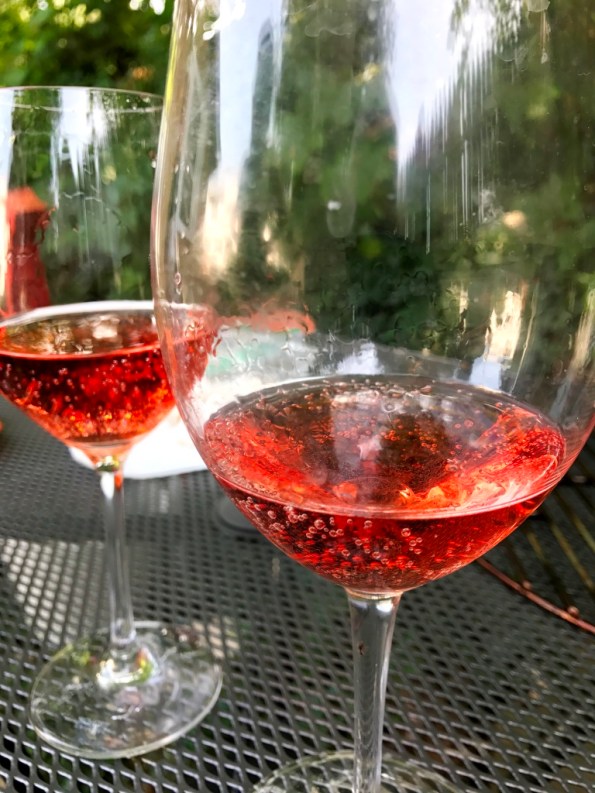
The beautiful label is very important, it sets the expectations and makes you anticipate more from the wine. But – the content of the bottle is better to support the beauty of the label, or the joy of wine drinking will quickly dissipate.
I’m happy to say that the NV Vilarnau Brut Reserva Trencadís Edition Rosé D.O. Cava (12% ABV, SRP: $15, 90% Trepat and 10% Pinot Noir, 15+ month in the bottle) didn’t disappoint. Beautiful intense pink color, classic Sparkling nose, with a touch of yeast and toasted bread on the nose, supported by fresh tart strawberries and lemon notes on the palate, crisp, succulent and invigorating. A perfect sparkling wine by itself, and at a price – almost an unbeatable value. (Drinkability: 8-/8).
What do you think of Art of the [wine] Labels? Do you have some favorites? Cheers!
Guest Post: 5 Wonderful Reasons Why Should Go a Culinary and Wine Vacation for Your Next Travel Getaway
Today I want to offer to your attention a guest post by Lystia Putranto, a personal & professional development blogger for BookCulinaryVacations.com. Lystia is a lover of travel, a self-professed foodie, and an amateur cook who admittedly spends way too much time surfing the web.
As the last quarter of the year is around the corner, many of us are taking advantage of this time to plan our next great adventure. If you happen to be a food and wine lover and you’re on the hunt for travel ideas, there’s no better way to indulge in your passions than by going on a culinary and wine focused vacation!
For starters, did you know that by 2015, 77% of leisure travelers can already be classified as culinary travelers? This trend has continued to rise and is predicted to rise even higher in the coming year. So, if you have yet to join in this exciting (and not to mention delectable) bandwagon, it’s about time that you do so.
As a lover of travel, food, and wine, I can personally attest that there’s much to gain and experience through this unique type of holidays. But if you’re not yet convinced, on this post, I’m sharing with you five of the many wonderful reasons why you should sign up for a culinary vacation too:
1. You’ll Discover New & Exciting Flavors

In order to truly make the most of our travels, keep in mind that we can only grow and enrich our lives by doing something we have yet to try. So instead of setting yourself up for yet another touristy sight-seeing trip, why not try (and taste) something different for a change?
With a new destination comes plenty of delicious local eats & drinks. Through culinary holidays, you’ll get an amazing opportunity to explore a variety of new and exciting flavors through its delicacies and locally produced beverages – and yes, in many sought after destinations such as France, South Africa, Chile, and California, this certainly includes a whole lot of wine!
As you already know, food is almost always much more delicious and authentic when we enjoy it in the country or place of origin. You’d also be interested to know that some local dishes and ingredients are extremely rare and would not be easily found anywhere else in the world so this the time to take full advantage of it.
2. You’ll Expand Your Knowledge

Looking to deepen your culinary and/or wine knowledge? During a wine vacation, for example, you won’t only be tasting the various wine that the winery produces, you’ll get to learn all about wine far beyond what you would learn in a wine tasting event such as how to harvest grapes as well as the steps of the entire wine production right up to its bottling process.
3. You’ll Learn How to Prepare Authentic Delicacies

Image credit: Alila Manggis Bali
What makes culinary vacations stand out from the usual “run-of-the-mill” vacations or food tours is that you also get the opportunity to prepare them from scratch yourself! This way, you can learn to recreate them back home. That is the simple yet powerful beauty of a hands-on cooking experience.
As a self-professed foodie, I adore all type of cuisines – but I must admit that Thai food is amongst my top 3 favorites. So, on my last trip to Thailand, I decided to sign up for a cooking class in Bangkok to learn how to prepare authentic Thai dishes such as Tom Yum Goong and Pad Thai.
In the end, not only did I thoroughly enjoyed the experience, thanks to the warm guidance of the school’s professional instructors, I was also genuinely impressed how fun and easy it all was!
As an added bonus, some cooking vacations may include visits to the local markets where you get to purchase the ingredients for your meal or even pick your own fresh produce straight from their own farm. In this case, it’s not uncommon that everything you make is farm-to-table ready, making your holiday that much more special.
4. You’ll Make New Friends

Image credit: Porto Club Travel Services
Whether you prefer traveling solo, with a partner or in a group, through a cooking vacation, you are bound to meet plenty of new people. This includes both locals as well as other travelers from all corners of the globe. This is your chance to cultivate a better understanding of the diverse culture and languages of the world. Who knows? Perhaps some of the people you meet on your trip may just end up becoming (new) lifelong friends!
5. You’ll Immerse Yourself in the Local Culture

Image credit: Cris Puscas
They say that travel is the only thing that one can buy that makes us richer. I personally believe this to be true. It allows us to learn more about what our beautiful world has to offer. And there’s no better group of people that will be able to teach us a destination’s local culture than the locals themselves.
Culinary travel allows you to center your trip on cultural immersion – meeting the locals, sampling local cuisines and beverages, and indulging yourself in the local ways of life. It’s an experience that will not only tantalize your taste buds but also one that will open your eyes and mind to a whole new perspective of seeing the world.
Drink Local, Colorado Edition (and Don’t Lose Hope)
I’m an eternal optimist. Even when I’m worrying about something, deep inside, I still believe that everything will be okay – one way or the other (sometimes we really have to look for this “okay”, but this is a subject for the whole other post).
This “life’s attitude”, of course, reflects on my approach to wines. Particularly, a belief that in today’s world, good wines can be made everywhere and anywhere – not only in a few places we know can produce the good wines. And anywhere I travel, I’m always looking to prove myself right – which I call “drink local”.
This time, my travel took me to Denver, Colorado. Colorado sounds as good as any other state in the US to be able to produce wines, so once I situated at my hotel in downtown of Denver, off I went to the closest liquor store in Denver.
While walking to the store, literally few steps before it, I saw a sign for the “Wild Women Winery” – I couldn’t even believe my luck, to find a city winery short walking distance from the hotel, also with a very cool sounding name. So I walked in and situated at a bar table, looking at the bottles with super-creative, super-colorful labels.
Talking to the bartender, I learned that while the winery is located in the Colorado (downtown Denver, to be precise), they make wines from the grape juice which they get from California Central Valley, as the winemaker believes that local Colorado grapes are too young to produce a good wine. Fine – the proof is always in the glass, right?
I decided to try 3 wines for $5 (happened to be an extremely wise decision, as opposed to trying 7 for $10, you will understand why in a minute).


The first wine was Viognier – a touch of overripe Apple with sage on the nose. Good fruity palate nice acidity, golden delicious apples. Not my favorite, but not bad. Not amazing, but drinkable.
My next choice was Cab/Merlot blend and that wine really threw me off – too sweet all around, no balance, no acidity, just a sweet fruit. Don’t remember when was the last time I disliked the wine so intently.
At that point I realized that all of the wines the winery offers are non-vintage wines, so I tried to discuss it with the bartender, but unfortunately, she didn’t know what “vintage” means, and I had to face the issue that certain basic concepts we, oenophiles, take for granted, are not so easy to explain in the simple terms. Nevermind.
The last wine, Petite Sirah, had a sweet chocolate nose, bitter-sweet type. Sweet fruit compote on the palate, definitely too sweet, but more acidity than the previous wine. Mostly plum notes with the equivalent acidity of just ripe, but not overripe plum. A marginal improvement.
This visit really left me at the feeling of deep disconcert – I see a lot of passion on the labels, but the soulless concoctions inside the bottles were really conflicting with the bright images.
I gladly left the winery and headed over to the liquor store. Here I had another surprise – a sticker shock. I understand that the wine store is located in the downtown of Denver. But Colorado wines aren’t that well-known, aren’t they? There was a good selection of the local Colorado wines present, none of them cheaper than $20 (okay, $19.99 if it makes you feel any better). Really? On my recent trip to Canada, I had a phenomenal selection of tasty wines under $15. Now, especially after the first tasting fiasco, I had to spend $20+ for a bottle which I might just have to pour down the drain?


After going back and forth and trying (unsuccessfully) to obtain an advice of the store clerk (”I tasted only this one wine”, “yeah, yeah”, “huh, you don’t like sweet wines? Really?”), I settled on the bottle which looked the most Colorado-authentic while still staying in the low $20s- Two Rivers Syrah – at least the information on the back label suggested that the grapes were harvested in Colorado.


The wine was definitely an upgrade over the previous experience, but still no cigars. As this was nevertheless a better wine, here are my typical-style notes:
2015 Two Rivers Château Deux Fleuves Vineyards Syrah Mesa County, Colorado (14.1% ABV, $22.95)
C: dark garnet, nice visible legs
N: blackberries, tar, tobacco, sage, medium to high intensity
P: sweet berries, tobacco, good acidity
V: 7-, it is drinkable, but sweetness too prevalent.
7 on my the second day – sweetness subsided a bit, and roasted meat notes showed up. Still, the finish is mostly sweet fruit with a touch of tobacco.
On the last day before leaving Denver, I still had a bit of the free time and decided to give Colorado wines one more try. I found another wine store, still within short walking distance from the hotel, with good reviews on Google, and took 20 minutes walk. This store had a much smaller selection of Colorado wines, but a little bit better prices (by a few dollars, nothing major), and incomparably better, knowledgeable service. I left with the bottle of The Infinite Monkey Theorem Cabernet Franc – The Infinite Monkey Theorem is another city winery – but unlike Wile Women Winery, this one I would be happy to visit if I had more time.


Remember I told you about eternal optimism? It finally worked, as this Cabernet Franc was well worth of writing home about:
2015 The Infinite Monkey Theorem Cabernet Franc, Colorado (12.9% ABV, $21)
C: dark ruby
N: tobacco, sweet bell peppers, freshly crushed blackberries
P: bright, fresh, freshly crushed berries, intense sweet tobacco, a touch of pepper, clean acidity, vibrant.
V: 8, outstanding. Would gladly drink that every day.
There you have it, my friends – my first real encounter with Colorado wines. I was happy to prove myself right and find a good wine made in Colorado. As a collector of experiences, I was also happy to add another checkmark to the list of states I tried the wines from – if you are like me, feel free to compare your records 🙂 Have you had the wines from Colorado? Express yourself in the comments section below. Cheers!
Last Bottle Sign Up ($10 credit)




 Talk-A-Vino