Archive
One on One With Winemaker: Brett Jackson of Viña Valdivieso, Chile
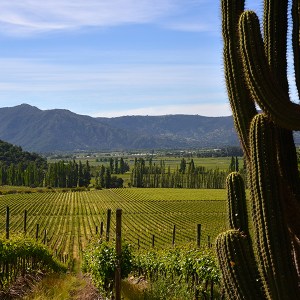
Source: Viña Valdivieso
Today, sparkling wines are produced everywhere, and we are getting quite used to it. Sometimes, it comes almost to a surprise when we hear that particular producer doesn’t offer any sparkling, at least as part of the “winery special”. But this was not the case even 10 years ago, when the sources of the sparkling wine were much more limited.
When you are thinking about Chilean wines, well respected worldwide, what kind of wines come to mind first? I would bet you are thinking about Cabernet Sauvignon, Merlot, Carmenere, Sauvignon Blanc and may be some Chardonnay. I would also safely bet that you don’t think of Chile as a producer of the sparkling wines, right? So without asking google or reading ahead, can you pause for a second and think when could Sparkling wines be commercially made in Chile?
While spending time in France, Don Alberto Valdivieso fell in love with Champagne. As a matter of fact, he loved it so much that upon his return to Chile in 1879, he founded Champagne Valdivieso and became the first producer of the sparkling wines in Chile and the whole of South America.
Fast forward to today and Viña Valdivieso produces the full range of sparkling wines, including both Viña Valdivieso produces the full range of sparkling wines, including both méthode champenoise and Charmat, and the extensive line of still wines which includes a unique solera-method dry red called Caballo Loco. I had an opportunity to sit down (albeit, virtually) with the Viña Valdivieso Winemaker, Brett Jackson, and ask him a few bunch of questions – here is what transpired from our conversation:
[TaV]: I would guess that Viña Valdivieso first sparkling wines were made with the Traditional Method. When did the Viña Valdivieso start producing sparkling wines using Charmat method?
[VV]: Valdivieso started making sparkling wines from 1879, all the bottles in traditional method. Only from the eighties began the elaboration by Method Charmat
[TaV]: What is the oldest sparkling wine which can be found in your cellars? What was the oldest Viña Valdivieso sparkling wine you ever tried?
[VV]: For the earthquakes of 1985 and 2010, that affected our underground cava, we lost bottles from the early fifties to the present. We only recovered some bottles from 1996 onwards that are still preserved in our cellar.
[TaV]: Do you make any single vineyard sparkling wines? What about vintage sparklers?
[VV]: For Traditional method, we have single vineyard Valdivieso Blanc du Blanc made of 100 % Chardonnay and Valdivieso Blanc du Noir with 100% Pinot Noir
Since 2013, we started using the label vintage in Valdivieso Blanc du Blanc. Actually, the new portfolio sparkling for Champenoise Caballo Loco Grand Cru 2014 uses an exceptional vintage.
[TaV]: When you produce Traditional Method sparkling wines, do you follow the path of the French Champagne and try to achieve consistent “Chateau” taste profile? How many Vin Clairs your typical blend include? Do you use also reserve wines, and what would be the oldest you would use?
[VV]: We use different vintages to give consistency to our portfolio. Charmat Limited include 2 years at least in different percentage of varieties, blending, Traditional method we use Both of 1 vintage as well as several in blending. Currently, the use of expedition liquor for some 2014 bottles of traditional method is from 2011 vintage.
[TaV]: Do you use sustainable farming methods? What about organic – you do it now or have any plans?
[VV]: Our farming methods are sustainable, being certified with the Wines of Chile Sustainable code. We are working with a 15Ha organic vineyard in the south of Chile with some very exciting red varieties. Grenache, Tempranillo, Mourvedre, Carmenere, Tannat, Carignan, Syrah, and Petit Syrah. The first wines from this vineyard should be appearing late 2018.
[TaV]: What was your most challenging vintage for the sparkling wines and why?
[VV]: 2012 and 2013 the most difficult, extremely challenging because of the huge amount quantity per hectare. We don´t have Traditional method these years, except Blanc du Blanc 2013, 100% chardonnay. The Chardonnay variety was the only one that excelled to maintain consistency in quality and longevity for its storage in bottles.
[TaV]: What was your most difficult vintage for the still wines and why?
[VV}: 2016, the most difficult, lots of rain during April. Chile lost around 30% of the harvest due to these rains. Extremely challenging conditions.
[TaV]: What were you favorite vintages for the still and sparkling wines?
[VV]: For still wines 2000 through to 2010 were exceptional with a string of outstanding vintages, 2001, 2005, 2007, 2009, 2010. I would give the edge to the 2005 vintage, great balance in the wines, maturity, acidity, and exceptional flavor.
For sparkling wines 2010, 2014, 2015, 2016. because of the balance of fresh maturity, big natural acidity, fresh fruity character . 2014 was the best, with the fruit from consolidated new areas for traditional method such as Biobio, Limarí, Itata, and new improves for charmat with vines so close to Andes mountains and Coastal range. 2014 is the first vintage for a new sparkling label called Caballo Loco Grand Cru Biobio Valley , Brut Nature and Blanc du Noir, currently available.
[TaV]: Today you produce still white wines from Chardonnay and Sauvignon Blanc. Have you ever experimented with any other white varietals? Any plans to introduce any new Viña Valdivieso white wines?
[VV]: We do a small amount of Viognier. In the near future we will be launching Rousanne and Marsanne. Both look very promising with great potential.
[TaV]: What is the “Next Big White Grape” for Chile? Is there one?
[VV]: The “next big” is white wine. It is not easy to see as on an international scale, Sauvignon Blanc and Chardonnay dominate to such an incredible extent.
[TaV]: Same question for the reds – is there “Next Big Red Grape” for the Chilean wines?
[VV]: For individuality and exceptional quality, the old vine Carignan from the Maule Valley is making a substantial mark. Also, Syrah has the potential to produce exceptional wines from many different areas of Chile.
[TaV]: For how long do you produce your Syrah wines? What is your inspiration for the Syrah? Is there an international style you would compare Viña Valdivieso Syrah to?
[VV]: We have been producing Syrah for around 10 years. When looking at what we try and achieve, I really look to the northern Rhone, trying to capture spice, black and white pepper. Our style has evolved over the years, initially being more of a new world dark rich style, whereas now I would compare more to soft spicy Rhone style. However Syrah is so unique in that as a red wine every area it is grown in, it produces a wine which is unique to that area.
[TaV]: What is the story behind Caballo Loco? Why all of a sudden to produce Solera-style red wine? Do you produce this wine every year? How do you say it is changing year over year?
[VV]: Caballo Loco, has a long history in Chile, the first edition being released in the early nineties. It was created through a series of events between the winemaking team, sales team, and owners. It is a reflection of the innovative nature of Valdivieso, and not being afraid to try new While it is based on our solera Sistema, each bottling is unique and such receives an individual edition number. The current edition on the market is the N°16, which contains 20 different vintages. The new edition N°17 will contain 50% of the previous edition (in this case N°16), and 50% of the new vintage wine. This method allows us to evolve the nuances of the wine over time. Over the years new vineyards, areas, varieties, and techniques have been incorporated into the wine. Each new edition is released when it is ready, which is not necessarily on an annual basis. Roughly every 18 months a new edition is released. The subtle changes over the years for me is principally increasing complexity and depth as we have come to better understand the vineyards of Chile and the opening of new areas.
[TaV]: It seems that Valdivieso ÉCLAT was produced only once in 2011, with an unusual for Chile blend of grapes. As there a story behind this wine? Any plans to produce a new vintage?
[VV]: Eclat VIGNO, is a blend of Old vine Carignan and Mourvedre. We are part of the VIGNO, a group of 13 wineries which has created this label VIGNO. It is an aggrupation which has been lead by winemakers with the objective to highlight the exceptional quality of these old vine vineyards in the Maule Valley. To place VIGNO on the label the wine must contain 100% of old vine from the Maule Valley. Of this, a minimum of 65% must be old vine Carignan. This is also intended to improve the situation of the small growers in the area, an area with many small growers which had in the past been obliged to sell there Carignan grapes for generic red blends, in which they were diluted away. Now with this initiative, the fruit is sought by many wineries for its quality potential resulting in substantially better prices for the growers. There will definitely be another vintage when the wine is ready.
[TaV]: What’s ahead for the Viña Valdivieso – new markets, new wines – what makes you excited?
[VV]: New wines to come, we have some really fun projects coming on. From the Maule Valley, we will shortly have some wines from an organic vineyard, being from an exciting range of varieties. Grenache, Syrah, Petit Syrah, Tempranillo, Tannat, Carignan, Carmenere, and Mouvedre. We still do not have a name for the range, but the quality of wine from these low yielding vineyards is exceptional.
Late this year we will be launching in the Eclat range 3 new wines under the Curiosity label. Cinsault from the Itata Valley, on the coast, old vines being cultivated in the traditional methods they have been using since vines were first introduced into Chile. There are records of wine being produced in this area since the 17th century. Also, a Rousanne, and a Marsane. These two whites look great, and for me show the potential for these Mediterranean varieties in Chiles conditions.
In the markets around the world it is a very exciting time for Chile, after years as been considered the supplier of good easy drinking wines, Chile has now become a very respected wine producer where people are respecting and expecting wines of the highest world class level. As a foreigner who has accepted into the industry I feel very privileged and lucky to have been able to play a small part in what has been this transformation of the wines from Chile.


I hope you are still here and reading this – I really love these conversations – while virtual, they still share the passion and even the obsession those little grapes bestow on us.
I’m sure you are thirsty by now, so pour yourself a glass, and let me share my impressions from tasting of the few of the Viña Valdivieso wines:
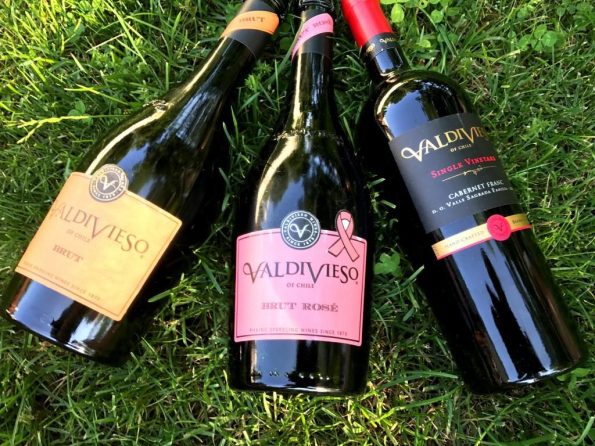
NV Viña Valdivieso Brut Chile (12% ABV, Chardonnay 60%, Semillon 40%, Charmat method)
white stone fruit, distant note, light mousse, good acidity on the palate, touch of grapefruit notes. Drinkability: 7+
NV Viña Valdivieso Rosé Chile (12% ABV, Pinot Noir 70%, Chardonnay 30%, Charmat method)
beautiful color, inviting nose of fresh berries with touch of herbs, light, round, touch of fresh fruit, excellent balance, refreshing. Drinkability: 7+/8-


2015 Viña Valdivieso Sauvignon Blanc Gran Reserva DO Valley de Leyda Chile (12% ABV)
straw color, very intense nose of blackcurrant and black currant leaves, same on the palate but with restraint, nice acidity, black currant, excellent. Drinkability: 8
2013 Viña Valdivieso Cabernet Franc Single Vineyard DO Valle Sagrada Familia Chile (14% ABV, Punta de Rosa Vineyard)
dark ruby color, touch of bell pepper, berries and leaves of the cassis, mint, touch of roasted meat. Palate follows the nose – medium body, good acidity, fresh red berries, touch of cassis, nice savory notes. Enjoyable by itself, but will work well with food. Drinkability: 8
Here we are, my friends. Sparkling from Chile? Yes, please! Cheers!
Rosé Showdown – California Versus Spain
A glass of wine as an “adult beverage of choice” continues its growth in popularity. If we will take a closer look at that world of wine, we will discover that there are two types of wine which are leading that growth pattern – those two types would be Sparkling and Rosé. I’m not talking about the growth in the dollar amounts or number of bottles produced, but rather a growth in attention and demand. Today, you will be pressed hard to find a winery around the world which doesn’t produce at least one type of Rosé and one type of sparkling wine – for sure this is the case with Rosé. The production might be tiny (few hundreds of cases or even less) and far less than the demand is – but it is the wine which commands lots of attention.
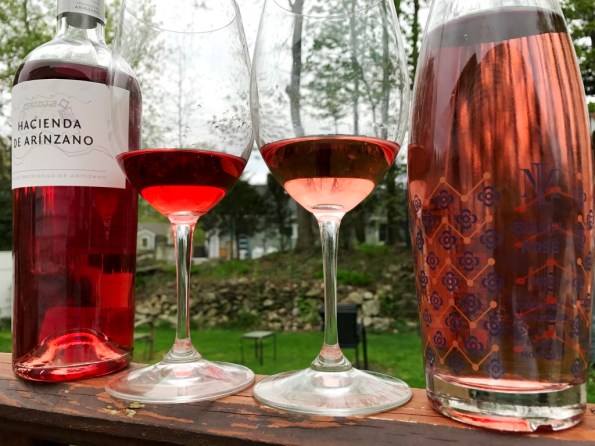
Another “phenomenon” makes me happy about the Rosé – it is slowly losing its “Rosé is only for a summer” connotation and becomes more and more acceptable and requested as a year-round drink. Rosé is a serious wine, with its own unique taste profile and capability to showcase terroir and grape variety, same as any other red or white, with two additional benefits. For one, I would dare to say that in general terms, Rosé’s versatility around food surpasses the white and the red wines – oh well, this might be only me. And the second one is pure aesthetics – the pink palette of Rosé, with possibly more shades than the proverbial 50, looks gorgeous, sexy and inviting – just take a look above and see if you are agreeing with me.
When I was offered to try two Rosé samples, of course, I couldn’t say no. The first wine was familiar to me, as I had a pleasure of trying 2015 vintage of Hacienda de Arinzano Rosé last year. The second one was the wine which I never saw before – Isabel Rosé from California. Thus it became an interesting experiment to see how the two wines would fare side by side.
If anything, putting Rosé from Spain and California on the “same page” makes sense as Rosé is clearly a “new phenomenon” for both regions, growing to prominence over the last 3-4 years at the most. Of course, Rosé was produced in Spain and California in much earlier days – but it was rather an exception and not the norm – unless we want to count white Zinfandel as a Rosé which I personally refuse to do. Until a few years ago, the only Spanish Rosé I knew about was the one from Lopez de Heredia ( which was outstanding). For the American Rosé, even if they were produced, they were really not that good (take a look at the blog post on Vinography called “Why Does American Rosé Suck” – no further comments needed?). Fast forward to today, and you can find lots of beautiful Rosé wines coming from Spain; American Rosé became a standout, as proven in the virtual tasting last year at the #winestudio.
Our first contender today comes from the first Pago estate in Northern Spain – Pago denomination signifies the highest quality of wines, this coveted level is not easy to achieve. Hacienda de Arinzano Rosé is made out of the 100% Tempranillo, in the “proper” way – by macerating the juice with the skins for 6-8 hours. Don’t you love the color of this wine?
The California’s Isabel Rosé is definitely a formidable opponent, as you can see starting from the bottle itself. Glass enclosure, beautiful shape and painted bottle – really curious how many people dare to discard the bottle once they finish the wine instead of keeping it (all I can tell you that I kept mine). A different but equally beautiful color on the mostly Cabernet Sauvignon wine, again produced in the classic style from one of the very best vintages in California (2016 had almost ideal growing conditions, watch out for those Cab prices) – and at one of the well-respected wineries, Michael Mondavi family estates.


As you can tell, it is definitely a game of equals, and for what it worth, my tasting notes are below:
2016 Hacienda de Arínzano Rosé Tempranillo (14% ABV, $20, 100% Tempranillo)
C: bright concentrated pink
N: onion peel, fresh crunchy berries
P: intense, red fruit, plums, crisp, good acidity, medium body, will stand to wide variety of dishes
V: 8-, excellent
2016 Isabel Rosé by Michael Mondavi Family Estate California (13.5% ABV, $15, 75% Cabernet Sauvignon, 23.5% Barbera, 1.5% Muscat)
C: light pink
N: intense fresh strawberries, herbal undertones
P: strawberries, good acidity, very dry – not bone dry, but quite dry, refreshing
V: 8-/8, light but affirmative, don’t overchill – needs to warm up a bit to become richer
Well, here we are, my friends. There was only one winner in this competition – me. Yes, I got to enjoy two outstanding wines, which will perfectly fit any table at any occasion, and at the price, an absolute majority of the budgets. Both will be great on a summer day, a winter day, with food or without it. Grab one or both, chill and enjoy! And if you had any one of these wines, I would be really interested in your opinion. Cheers!
New and Noteworthy: Few Spanish Wine Recommendations
I’m an eternal optimist, for sure – I keep creating new “series” of the posts (like the one you now see in the title – New and Noteworthy) in the hope that I will remember to use it all the time. Well, I had or still have a number of series in this blog, but very few of them are current ongoing. Will see what will happen with this one. Here is the idea behind this series: I do get to taste many of the newly released wines, some of them are samples, some are not; the wines which I like I intend to share with you in this series of posts. ‘Nuf said, let’s go.
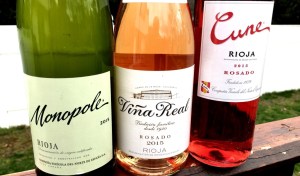 My love affair with Rioja started after tasting of the beautiful line up of Viña Real, CVNE and Imperial Rioja (all essentially produced by CVNE), all the way up to the 1964. They were all delicious red wines. For the long time Rioja associated for me only with the red wines, until I tasted Lopez de Heredia Blanco and Rosato, both being about 15 years old and delicious. This is how I discovered that Rioja actually is not only red wines. My next discovery of Rioja white wines was Rioja Monopole (100% Viura), which (to my shame) is produced since 1915 – well, “live and learn” (or “better late than never”, whatever you prefer to comfort yourself). And few years ago I also encountered the Rioja Rosato – so now I definitely know that Rioja is a lot more than just delicious reds.
Recently I had an opportunity to taste the latest releases of few of the white and Rosé wines from Spain, not only from Rioja but also from few other regions, and I want to share those wines with you. I don’t know if this is luck, or if I lost all of my taste buds already, but I liked all the wines I tasted – below you will see my tasting notes on the 6 wines, and I would gladly recommend all 6 to you. As a bonus, all 6 are also a great value (under $20). Well, you will be the judge once you will have an opportunity to taste these wines.
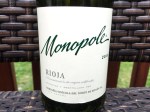 2015 CVNE Monopole Rioja (13% ABV, SRP: $13, 100% Viura) – the oldest continuously produced white wine in Rioja, starting from 1915. I didn’t realize this was a 100th vintage (assuming there was no break in production years).
C: straw pale
N: beautiful white fruit with tropical fruit nuances, lemon, intense
P: clean, crisp and round at the same time – is it possible?, white stone fruit, medium to full body, refreshing, nice acidity on the finish
V: 8-, this wine would brighten up any summer day
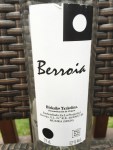 2014 Bodega Berroia Bizkaiko Txakolina DO (12% ABV, $19, 85% Hondarrabi Zuri, 10% Riesling, 5% Folle Blanche, Vegan) – Txakoli is dangerously looking but actually easy to pronounce (just say “Cha-Coh-Lee”) wine coming from the Basque country in Spain. My first encounter with Txakoli was about 8 years ago – it is a clean and refreshing wine, perfect all year around and especially in summer. Similar to many other Spanish whites, it didn’t make it in the US in any major way, but you can still find some of the Txakoli wines in the wine stores – and they well worth your attention.
C: Straw pale
N: concentrated, intense, inviting, touch of peach, candied fruit
P: fresh, undertones of candied fruit but with dry core. Somehow reminiscent of grapefruit, but without much sweetness of bitterness. Medium body and intriguing, leaves you with a sense of mystery which is hard to grasp.
V: 8-/8, excellent and dangerous. Once you start drinking it, it is hard to stop.
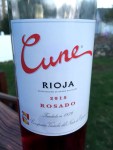 2015 CVNE Rosado Rioja (13.3% ABV, SRP: $13, 100% Tempranillo) – shhh, don’t tell anyone, this was my favorite wine out of the group – but it is a secret.
C: Dark, concentrated pink, bright fresh cranberry juice level
N: intense, floral, with fresh berries and the leaves – imagine smelling the raspberries right on the brunch with leaves on a hot summer day
P: wow, crunchy strawberries and cranberries which just plop in your mouth as you bite them. Clean acidity, super refreshing and every sip is asking for the next.
V: 8+/9-, outstanding, one of the very best Rosé I ever tasted.
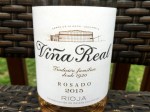 2015 Viña Real Rosado Rioja (13% ABV, SRP: $15, 85% Viura, 15% Tempranillo) – you don’t need my comments here – Viña Real needs no introduction to Rioja wine lovers.
C: orange onion peel
N: very restrained, hint of herbs
P: ripe strawberries, good acidity, medium body, unusual. Second day: delicious, round, refreshing, cohesive. Just needed to let it breeze
V: 7+, need to try again to make up my mind. Second day: 8-, excellent, clean, good fruit presence and perfectly refreshing
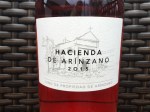 2015 Hacienda de Arínzano Rosè Tempranillo Pago de Arínzano (13.5% ABV, SRP $19.99, 100% Tempranillo) – Pago is the highest denomination for wine quality in Spain, above DOC, and it is not easy to achieve it. You can think of Pago as single winery becoming its own appellation – as Arínzano is in our case. What is also interesting about this wine is that it comes from the Tempranillo vineyard which is designated for the production of the Rosé wine, so Rosé here is the goal, not an afterthought.
C: bright pink, beautiful
N: inviting, herbal notes, strawberries, fresh
P: outstanding. Soft, polished, fresh strawberries, excellent balance, lip smacking delicious, medium body.
V: 8, excellent wine, easy to drink with perfect balance.
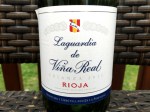 2012 Laguardia de Viña Real Crianza Rioja (13.5% ABV, $12.99, 100% Tempranillo) – can’t leave you without a red, can’t I? Viña Real Rioja Crianza is one of my favorite wines, and it is also one of the best value wines for about $15 or under (depending on where you shop). I never had, however, Laguardia de Viña Real, so was definitely interested in trying this wine when I saw it in the store.
Once I poured it in the glass and took sip, I was not happy. The wine was rather lean and biting, not what Viña Real usually offers in the glass. I decided to decant it, and then after about two and a half hours, the magical Rioja showed up.
C: dark garnet
N: eucalyptus, cigar box, cherries
P: fresh fruit, herbs, sweet oak, medium to full body, well noticeable acidity
V: 8- (after decanting), very nice wine, but give it 5 years or so.
We are done here – let me know if you tried any of the wines I mentioned above and what you think of them. Cheers!
Few World Class Wines, Kosher Too
 What is world class wine, you ask? Well, this question has multiple answers – there is a good chance that every responder will give you a different answer. Heck, I will give you different answer every time you will ask this question. So for today, how about this one: in a blind tasting, world-class wine can be easily mistaken for a wine coming from the well established and world famous wine region. For instance, a sparkling wine which tastes like Champagne. Or Chardonnay which resembles classic white Burgundy. Or a Rosé which tastes like… you know, how about just “delicious”?
How often do you drink Israeli wines? Hmmm, that would actually make it for an interesting “unknown wine regions” survey – note to self. Okay, back to the question, what do you say? I would bet that 9 out of 10 people never had an Israeli wine, and 9.5 out of 10 didn’t even know that Israel produces wine. Which is a shame, as even modern winemaking history (never mind the biblical times) in Israel goes back to 1880s. But of course with ups and downs, Israeli “wines of notice” started to appear in the late 1980s.
Today Israel has more than 250 wineries (depends on who counts, I guess), which includes both large commercial wineries and garage-level productions; israel even sports some “cult wines” – the wines which lots of people want, but can’t get (do the search for the wines produced by Lewinsohn, for instance). About 25% of the Israeli wines are exported, out of which amount about 60% go to the United States, and the rest to Europe and Asia. Most (but not all) wines produced in Israel are kosher – which, by the way, doesn’t take away from the quality of the wines even the tiniest bit – scratch that Manischewitz image and taste from your head, once and for all. While in general Israel might have a very long wine history, the vineyards were never continuously preserved – as the result, absolute majority of the grapes grown in Israel are of international varieties (Cabernet Sauvignon, Chardonnay, Merlot, Syrah, Grenache, etc.), with Emerald Riesling being one of the rare exceptions. Otherwise, Israel produces full range of wines, from Sparkling, Rosé and whites to the Bordeaux and GSM blends and single varietal masterpieces.
Golan Heights Winery was founded in 1983, and the first wine was released in 1984 (well, they vineyards were planted in 1976, so it all makes sense); it might be considered a foundation of renaissance of Israeli wine industry. Today the Golan Heights Winery farms 600 hectares (1500 acres) of vines, which subsequently consist of 28 vineyards and 400 unique parcels within those vineyards. Vineyards are spanning for about 65 km (40 miles), and elevations are ranging from 400 meters (about 1300 feet) to 1200 meters (about 3900 feet). The fruit from each parcel is tended to individually, as you can imagine that growing conditions would be different in such a stretch of the land and with such a difference in altitude. Of course you can imagine that winery makes quite a range of wines.


I had an opportunity to taste a three wines from the Golan Heights Winery and its sister winery called Galil Mountain, which impressed me enough to come up with this “world-class” title for the post. Don’t get me wrong – I had absolutely mind-blowing Israeli wines before, but somehow this Blanc de Blancs put the experience for me to the next level. Here are the notes:
2008 Yarden Blanc de Blancs Brut Sparkling White Wine Golan Heights Israel (12% ABV, SRP $32, 100% Chardonnay, 5 years on the lees, kosher, non-mevushal)
C: pale straw
N: Classic sparkling wine – touch of yeast, hint of Apple, touch of fresh baked bread
P: creamy mouthfeel, fresh acidity, hint of yeast, fresh lemon, fine mousse, perfect balance
V: 8/8+, outstanding, world class sparkler
2014 Yarden Galilee Chardonnay Odem Vineyard Golan Heights Israel (13.9% ABV, SRP $22, 100% Chardonnay, 7 month barrel aging, kosher, non-mevushal)
C: light golden
N: white stone fruit, hay, touch of lemon, candied fruit as wine was warming up
P: plump, full body, vanilla, creamy round mouthfeel, touch of butter, good acidity, fresh.
V: 8-/8, full bodied without heavy butter or oak, more reminiscent of Marsanne/Roussane. What I loved about the wine that it stayed perfectly delicious at the room temperature, which is not an easy fit for many white wines.
2014 Galil Mountain Rosé Upper Galilee, Israel (12.5% ABV, SRP $12, 74% Sangiovese, 23% Pinot Noir, 3% Grnache, kosher, non-mevushal)
C: beautiful, concentrated pink
N: strawberries, minerality, very promising, touch of lemon
P: fresh strawberries, herbs, clean balancing acidity, soft, medium body, very round.
V: 8-, an excellent summer day (or all year around) treat, very easy to drink
Have you had Israeli wines? What do you think of them? Cheers!
Wine and Beer Lovers, Unite, or Marrying Hops and Grapes
Sacrilege? Possible. Should I be ostracized by beer and wine aficionados alike, and this very blog been banned forever from their reading lists? I will leave it to aficionados to decide. I’m merely doing what I’ve always done in this blog – sharing my experiences, those which I deem worth sharing. That’s all there is to it.
When I got email from Andrew Jones, the winemaker behind one of my favorite labels, Field Recordings, advertising something called “Can Club”, the decision was quick – “yada, yada, yada – I have to do it” (the “yada” part is here to explain how much attention I was paying to the exact email content). Then I glanced over the following: “ Pure, free-run rose from a pair of our westside Paso Robles vineyard partners, mostly Grenache. 100% whole cone citra hops [sic] were added prior to canning. The results, a super refreshing elixir, combining your love of Provence with a touch of Belgian brew. I have a tough time explaining it because it isn’t like anything I have tried before. It’s impossible for me to properly analyze. I just want to drink it.“, and the next thought was “whatever. I have no idea what he is talking about, and I don’t care”. So yes, I signed up.
Few days ago, the door bell rung, and FedEx guy asked me to sign for something which rather resembled the set of engineering drawings – “hmmm, what is it” was my first thought. And then it downed on me (“this box contains alcohol” sign was a good cue) – aha, the can club?! I liked the unorthodox presentation so much that I even shared the puzzle on twitter, asking people to guess how the object in the picture can relate to the wine:
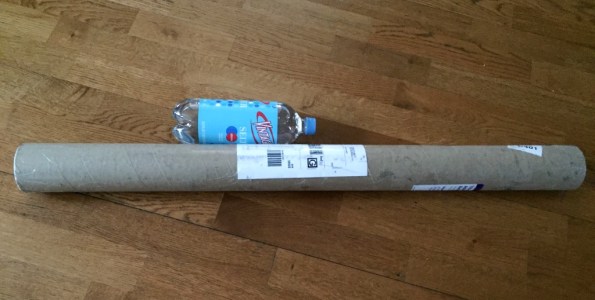 The most prevalent idea was “poster”, so I had to share an answer a few hours after:
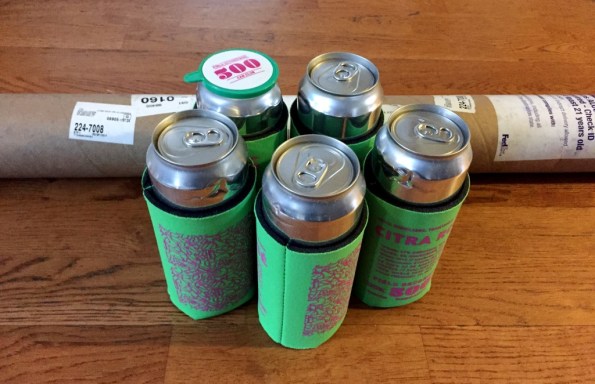 And then I opened the can. The liquid in the glass had an appeal of a perfect Rosé. Classic salmon pink color. On the nose, it was perfectly Provençal Rosé – touch of strawberries, hint of onion peel, refreshing minerality, touch of lemon. And the palate was, once again, perfectly Provençal – strawberries, touch of lemon, fresh, crispy. With the tiny beer bite on the finish. You know, the one which you get from the fruity, light Belgium beer. You don’t have to believe me, but I only read Andrew’s exact words when I sat down to write this post. “love of Provence with a touch of Belgian brew” – wow. It would be rare, very rare case that my take on the wine would match its description with such a precision . And then I have to fully agree with Andrew on one other thing – “ I just want to drink it“.
![Field Recordings Citra Rosé can sleeve [label]](https://i0.wp.com/talk-a-vino.com/wp-content/uploads/2016/04/citra-rosc3a9-can-sleeve-label.jpg?w=186&h=248&ssl=1 "Citra Rosé can sleeve [label]")

![Field Recordings Citra Rosé can sleeve [label]](https://i0.wp.com/talk-a-vino.com/wp-content/uploads/2016/04/citra-rosc3a9-label.jpg?w=212&h=248&ssl=1 "Citra Rosé [label]")
What can I tell you about this 2015 Field Recordings Citra Rosé Paso Robles (13.1% ABV, $14 retail/$10 club – 500ml can, 67% Grenache, 22% Picpoul Blanc, 8% Mourvédre, 3% Syrah)? It was delicious, perfectly combining the best of both beer and wine worlds – crisp, fresh, bright, thoughts provoking. Dangerous as well – as the wine comes in the can, you pretty much treat it as a single serving – while it actually contains more than 3 standard glasses of wine. But I think the taste is well worth that danger. And until you will get your hands on one of those cans, my words are all you got, so yes, take my word for it.
I want to raise my glass to never ending creativity and courage. Beer and wine lovers, rejoice! Cheers!
Rosé! It’s Good For Summer, And All Year Around
 So tell me, dear reader – do you think Rosé is for summer, or is it a year-around wine? In January, when it is –10 outside, would you still reach for Rosè to drink with your dinner? No, you only need heavy reds, you say? But why? Your dinner menu doesn’t consist of 5 variations of the hearty beef stew, and so the wines you drink shouldn’t be just Cabernet Sauvignon from 5 different glasses.
Well, I think the real picture is not as bad as I’m hinting above. The same way as now literally every winery in the world added Rosé to their repertoire, wine drinkers developed better appreciation for Rosé, its light and playful character, and ability to complement wide variety of dishes.
And which region makes the most versatile Rosé? Provence, of course! Yes, Rosé is made everywhere nowadays, but when it comes to finesse and character, Provence Rosé is hard to beat.
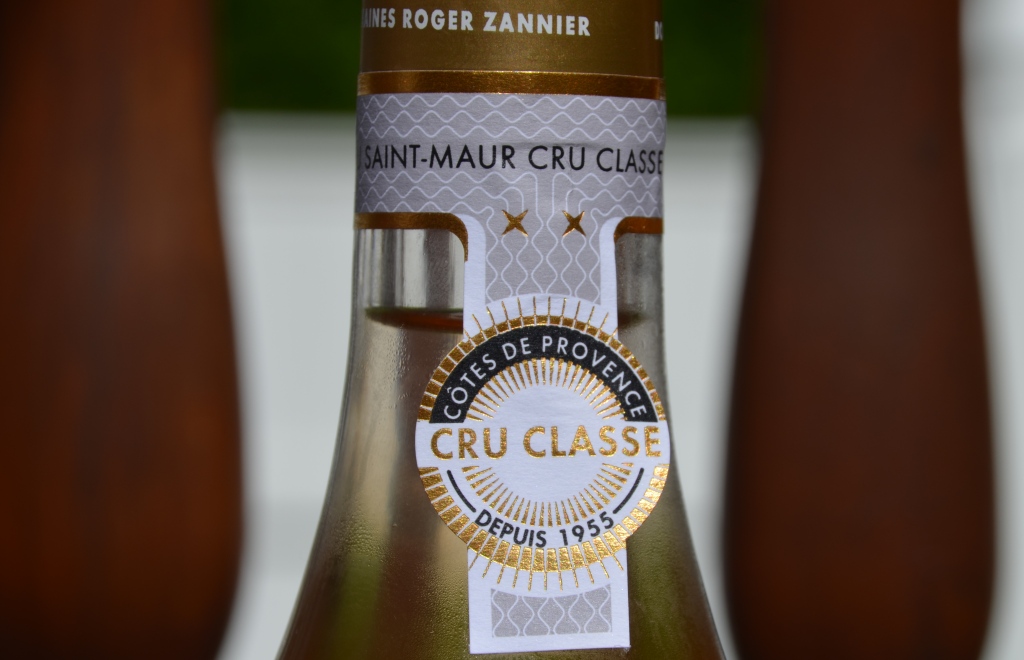
I recently had an opportunity to taste the line of Rosé wines from Domains Roger Zannier, and it happened to be a great lesson in diversity of Provence Rosé.
Domains Roger Zannier Rosé line up consisted of three different wine, each one having its own unique personality. In a blind tasting I would never tell that the wines were made by the same producer. And the main quality – while extremely quaffable, these wines offer food for thoughts, they are asking you to focus and to figure out what you taste.
For what it worth, below you will find tasting notes for the Domains Roger Zannier wines – I hope the notes will illustrate my point:
2014 Domaines Roger Zannier Château Saint-Maur Cuveé M Rosé Côtes de Provence AOP ($25, 25% Grenache, 25% Tibouren, 25% Cinsault, 25% Syrah)
C: darkest of the 3, pink and nice
N:strawberries, fresh
P: very refreshing, good acidity, touch of strawberries, nice intensity
V: 8-
2014 Domaines Roger Zannier Château Saint-Maur L’Excellence Rosé Côtes de Provence AOP ($45, 30% Grenache, 30% Cinsault, 30% Mourvédre, 10% Rolle)
C: beautiful light pink
N: touch of red fruit, intense with finesse
P: perfect acidity, touch of lemon, and lemon zest, lots of strawberries, overall delicious
V: 8
2014 Domaines Roger Zannier Château Saint-Maur Clos de Capelune Rosé Côtes de Provence AOP ($65, 35% Grenache, 30% Cinsault, 20% Mourvédre, 15% Rolle)
C: salmon pink
N: clearly a red wine on the nose, cured meat, onion peel
P: savory, complex, but light. Definitely thought provoking
V: 8, different and intriguing. Try it for yourself.
Three wines, three unique and different taste profiles. And an important message – first of all, these are excellent, versatile wines. And then yes, they are pink (or mostly pink) in color.
Don’t let Rosé to hibernate away from your dinner table during fall and winter – no matter what temperature is outside, there is always place for a little Rosé in your glass. Cheers!
Daily Glass: Summer Perfect
Is there a such thing as “summer wines”? When I think about this subject, I’m always torn. I don’t have any problems drinking Provençal Rosé or crisp light white wine in the winter, and I would never refuse a glass of heavy and hedonistic California Cabernet in the summer. But is it only in my mind that I’m so open-minded (hmmm, was that a pun, and was that intended?) – in reality, I would usually gravitate towards reds in the winter, and Rosé and white wines as the temperatures starts rising. After all, there might some merit to the summer wines concept. Anyway, let’s proceed.
Today I want to bring to your attention a summer-perfect collection of White and Rosé wines – they were all samples I got recently (some are even not so recently), but most importantly, they will perfectly brighten up your summer day.


Let’s start with the two of the excellent Rosé wines from France – Domaines Paul Mas. Last year, I was lucky to taste through the Paul Mas portfolio of red wines, and after tasting Rosé wines this year, I can only say that it is not for nothing Paul Mas is considered a specialist in “Affordable Luxury”. The first wine was 2014 Côté Mas Rosé Aurore Sud De France Pays d’Oc IGP (13% ABV, 30% Cinsault, 20% Syrah, 50% Grenache, $12.99 SRP, 1L bottle) beautiful concentrated pink color. Fresh strawberries, lemon zest and limestone on the nose, fresh strawberries and lemon zest on the palate, vibrant acidity, very balanced, medium finish – a perfectly refreshing wine for the hot summer day. This wine creates a feeling of a calm and relaxation, it is like a lazy summer day (Saturday!) distilled in the glass. (Drinkability: 8-/8) I have to add that I love the festive label, and of course the wine has an amazing QPR at $12.99/1L bottle.
The second wine was even more interesting – NV Paul Mas Cote Mas Cremant de Limoux Brut Rose, Languedoc-Roussillon, France ($18.99 SRP, 12% ABV, 70% Chardonnay, 20% Chenin, 10% Pinot Noir). This sparkling wine comes form the cradle of the sparkling wines winemaking – St. Hilaire, which claims to start production of sparkling wines in 1531. Well, this is not a subject of this post – the wine itself was outstanding though. Beautiful salmon pink color, touch of yeast and toasty bread on the nose. Perfectly present toasty bread on the palate, clean acidity, light creaminess. Right from the fridge shows very astringent. As the wine breathes and warms up in the glass, it shows more minerality while staying very dry. Drinkability: 8-


From France, let’s move two Italy – here I have two summer wines from the Banfi selection. First, NV Maschio Prosecco Brut Treviso DOC (SRP $13, 11% ABV, 100% Glera)- nice, clean nose of white peach. Palate restrained and quite dry, with touch of peach, light creaminess, very refreshing overall. The wine complemented well spicy food as well as chocolate dessert. Drinkability: 7+
Next wine – 2013 Fontana Candida Terre dei Grifi Frascati DOC (SRP $13, 13% ABV, 50% Malvasia Bianca di Candia, 30% Trebbiano Toscano, 10% Greco, 10% Malvasia del Lazio) – on the nose, touch of candied fruit, white flowers, touch of lemon, overall very pleasant. On the palate, lemon, candied lemon peel, touch of tropical fruit, good acidity, medium-long finish. Drinkability: 7


Continuing our European tour, we are now arriving to Spain. First up – delicious sparkling wine – NV Anna de Codorniu Brut Rosé Penedes DO (SRP $14.99, 12% ABV, 70% Pinot Noir, 30% Chardonnay). This Cava, a Spanish sparkling wine produced by the same method as Champagne, has very interesting story behind it. Anna was a name of the heiress of the Codorniu winemaking family which started making wines in 1551. In 1659 Anna married winemaker Miguel Raventós, and their direct descendant José Raventós was the first to commercially produce Cava in 1872 using méthode traditionelle. The wine itself was excellent – fresh, slightly yeasty nose, fine mousse, firm on the palate with crisp acidity and touch of strawberries. This wine would make a perfect sip any time, summer day or not. Drinkability: 8-
Next wine is another Spanish classic – 2014 CVNE Monopole Rioja (SRP $14.99, 12.5% ABV, 100% Viura). Monopole was the oldest white wine from Rioja, starting from 1915. The wine has dry and pleasant nose, with a hint of white fruit. On the palate – touch of the white stone fruit, lemon, and crisp and bright acidity. This wine needs time to fully develop in the bottle, so if you have some space in the cellar, throw a few bottles in and forget it for the next 5 years or even longer. Drinkability: 7+
Another wine from CVNE, which was a first time experience for me – 2014 CVNE Viña Real Rosado Rioja (SRP $13.99, 12.5% ABV, 85% Viura, 15% Tempranillo). The wine was perfectly Provençal in style – hint of strawberries on the nose, dry, crisp and restrained on the palate, steely acidity combined with firm structure, light but noticeably present wine. The wine would perfectly fit any hot summer day (and not so hot too). Drinkability: 7+/8-
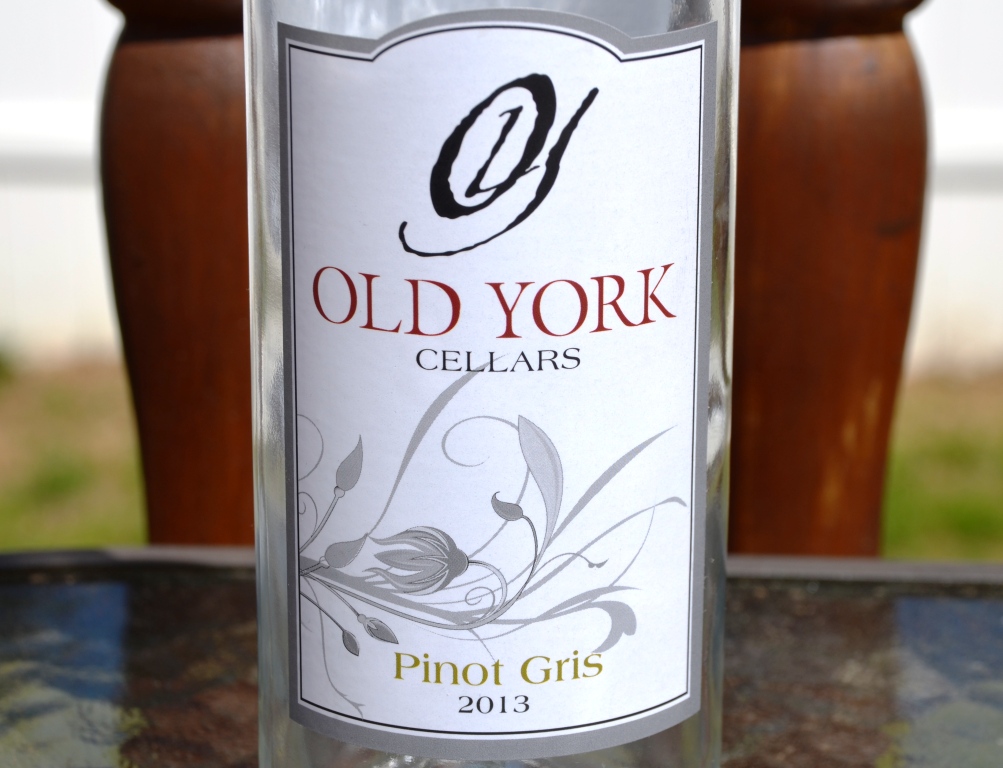 I have one last wine to present to you. This time, we are crossing Atlantic ocean and arriving at New Jersey. Yes, New Jersey makes wines, and I wrote about them before. Today I’m bringing to your attention an excellent summer wine from the same winery – 2013 Old York Cellars Pinot Gris American Table wine, New Jersey (SRP $18, 12% ABV) – clean and crisp nose, touch of Chablis-like minerality. On the palate – restrained white fruit, crisp acidity, touch of minerality. Overall very refreshing. Drinkability: 7+/8-
And we are done here. Enjoy the summer with the glass in your hand. Cheers!
Seeing The World Through The Pink Glasses
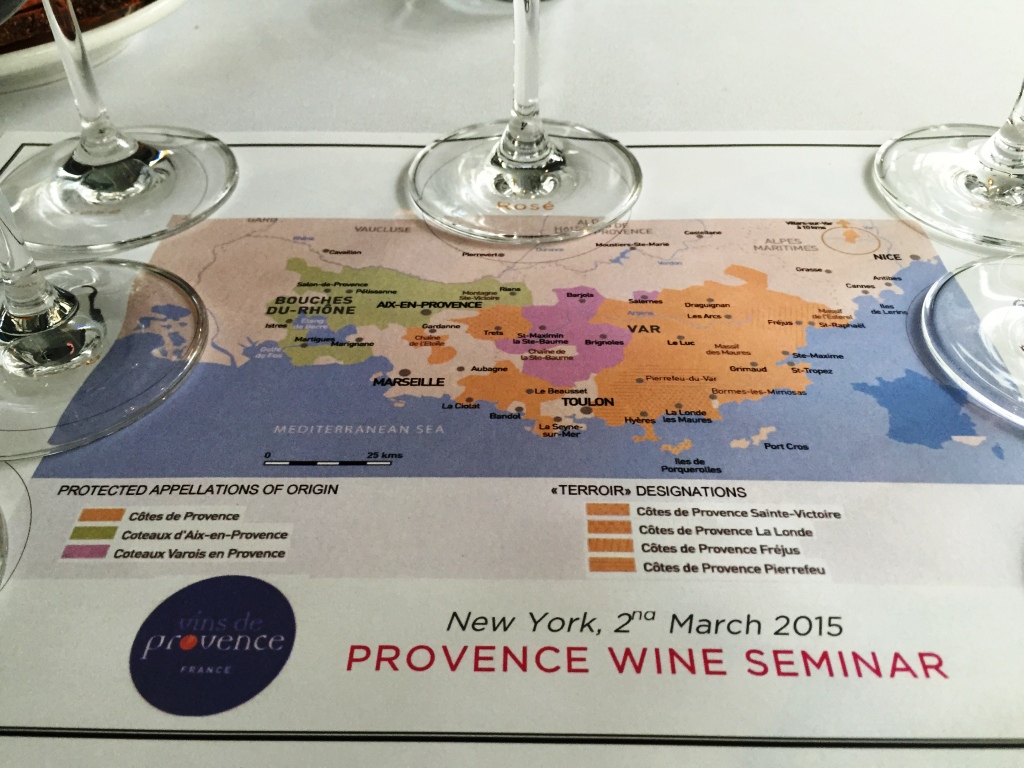 What do you think we will be talking about today? Typically the “pink glasses” is just an expression, an allegory; we use it to say that all is good in the world. But sometimes those allegories can materialize, for instance, in the form of Rosé tasting.
Rosé is Rosé is Rosé. Rosé wines became extremely popular over the last 3–4 years. Nowadays, almost every winery I know of added at least one Rosé to their repertoire, if anything, to be available at least in the tasting room. But then there are those who started it all, for whom Rosé is a way of life and not just following the fashion and consumer demand. I’m sure that by now you figured that I’m talking about Rosé wines from Provence in France.
The Provence wine tasting I attended a few weeks more than two month ago was dedicated to all of the wines made in Provence, not just Rosé. However, if we will look at the stats of wine production in Provence, 89% of those wines are Rosé, 7.5% are red, and 3.5% are white, so it is no wonder that Provence is typically associated with Rosé. Total wine production in Provence in 2014 was about 177 million bottles. To give you more numbers, there are about 600 producers and 40 negociants in Provence. Overall, 9% of the wines produced in the world are Rosé, with the general trend of producing drier wines (particularly Provence Rosé has less than 4g of residual sugar per liter of wine). Provence is the largest region in the world dedicated to production of the Rosé wines. Also, France is the biggest producer and consumer of the Rosé wines, and U.S. is the biggest consumer of Rosé outside of France.
Provence was a cradle of winemaking in France, starting from the 600 B.C. in the area around Marseille. It is easy to understand why the wines were “rosé” in its style – maceration in contact with skin was simply not used, so the wine was produced from the juice which the grapes were “bleeding” after harvest, which would have a pinkish color. Today, the Rosé is produced in the very similar way as for the thousands of years, allowing only brief period of the skin contact. Most of the Provence Rosé are produced from Grenache, Cinsault, Mourvèdre, Tibouren, Carignan and Cabernet Sauvignon.
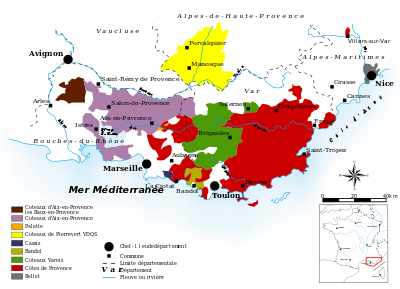
Provence Appellations. Source: Wikipedia
There are three main appellations in Provence, and one of those main appellations has four sub-appellations (you can see them on the map):
- Côtes de Provence AOP
- Côtes de Provence Sainte-Victoire AOP
- Côtes de Provence Fréus AOP
- Côtes de Provence La Londe AOP
- Côtes de Provence Pierrefeu AOP (First vintage in 2013)
- Coteaux d’Aix-en-Provence AOP
- Coteaux Varois en Provence AOP
Now, let’s talk about the seminar and tasting. In the seminar, we tasted 5 different Rosé wines from the different sub-appellations, as well as two reds. To be entirely honest, I didn’t find the dramatic differences between the wines from the different appellations – they were all Rosé wines, and I liked most of them (I’m a sucker for a good Rosé).
Here are my notes, which will give you some level of details:
2014 Château Trains Organic Côtes Varois de Provence (SRP $15, Grenache, Cinsault, Syrah)
C: Pink
N: hint of sweetness, strawberries, intense
P: Dry, tart strawberries, lemon, acidity
V: Pleasant, round, Drinkability: 8-
2014 Château Coussin Cuvée César Côtes de Provence Sainte-Victoire (SRP $45, 75% Grenache, 25% Syrah)
C: Pink
N: Gentle, savory, minerality, onion peel after intense swirl
P: Dry, intense acidity, very clean, beautiful fruit, perfect balance.
V: Nice, clean, very elegant. Drinkability: 8
2014 Château Pas du Cerf (SRP $13.99, Grenache, Syrah, Tibouren)
C: intense pink
N: touch of strawberries, onion peel
P: refreshing, good amount of fruit, ripe strawberries, good balance, full body ( for rose), minerality
V: Very good, Drinkability: 8-
2014 Château Pigoudet Classic Coteaux d’Aix-en-Provence (SRP $17, Grenache, Cinsault, Ugni Blanc)
C: almost white
N: delicious, intense, white flowers, fresh
P: clean, crisp, vibrant, good finish, very pleasant aftertaste
V: Drinkability: 8-
2014 Château Roubine Cru Classé Cuvée Premium (Cinsault, Grenache, Cabernet Sauvignon, Carignan, Tibouren, Syrah, Mourvedre)
C: intense pink
N: strawberries, minerality, onion peel
P: lots of fruit, ripe strawberries, full body, excellent finish
V: Drinkability: 8
2011 Château La Mascaronne Rouge Faziole Côtes de Provence (SRP $25, Syrah, Mourvedre)
C: garnet
N: pepper, spices, herbs, tobacco – beautiful
P: same profile as on the nose – intense pepper, sage, herbs and mineral dominated, has lightness and leaves you desiring another glass. Might not be for everyone
V: Drinkability: 8+
2001 Château de Pourcieux Grand Millésime Côtes de Provence (Syrah, Grenache)
C: garnet
N: soft, touch of plume
P: subtle flavors meld well together, nice package overall
V: Drinkability: 7+/8-
The tasting consisted of 65 different wines, out of which one was white, 7 were red, the the rest (57) were Rosé. What I really liked about this tasting was a very unique format. Nobody was pouring the wines for you. All the wines were standing on the tables in the middle of the room, each wine having a sticker with the number on it. All the numbers were corresponding to the wine descriptions in the tasting booklet. Everybody were walking around and pouring the wines for themselves. The winery representative were all on hand, available to answer any questions. However, because of self pour, there was no need to wait for anyone to pour the wine for you, no need to stand there for 2 minutes, patiently waiting until the person pouring wine would finally notice you – here you could go at your own pace, and it was really convenient. I like this system a lot more than a traditional tasting.


For what it worth, below are my notes. I didn’t taste all 65 wines, but it was something close to it. I used my traditional tasting event rating system with the “+” signs, where “+++” means an excellent and highly recommended wine. All the wines listed below have at least “+++” rating, with the few even exceeding that. I also included additional comments where I had them. Grape composition is provided for all the wines, and suggested retail prices are indicated were available. Lastly, all the wines which don’t specify AOP come from the Côtes de Provence – all other appellations are included as part of the names. Here we go:
Rosé:
2014 Château du Galoupet Cru Classé (Cinsault, Grenache, Syrah, Mourvedre, Tibouren) – +++, very good, balanced
2014 Château de Landue (Cinsault, Grenache, Syrah) – +++
2014 Château La Jeanette Fleurs Côtes de Provence La Londe (Chnsault, Grenache, Syrah) – +++. excellent, round
2014 Château Saint Maur Cru Classé Clos de Capeluine (Grenache, Cinsault, Mourvedre, Rolle) – +++, complex
2014 Château Saint Maur Cru Classé L’Excellence (Grenache, Cinsault, Mourvedre, Rolle) – +++, clean, crisp
2014 Château Les Valentines Organic (SRP $26, Grenache, Cinsault) – +++, beautiful finish
2014 Château Les Valentines Le Caprice de Clémentine (SRP $18, Grenache, Cinsault) – +++1/2, excellent!
2014 Château Des Bormettes Les Vins Bréban (Cinsault, Grenache, Syrah) – +++
2014 Château de Pampelonne Maitres Vignerons de Saint Tropez (SRP $20, Grenache, Cinsault, Syrah, Tibouren) – +++, excellent!
2013 Domaines Sacha Lichine Château D’Esclans Garrus (Grenache, Rolle) – 8+, very interesting, delicious complexity
2014 Château de Brigue (SRP $13.50, 35% Mourvedre, 15% Cinsault, 30% Grenache) – +++
2014 Château de Brigue Signature (SRP $17.50% Grenache, 30% Syrah, 20% Tibouren) – +++
2014 Château de Saint Martin Eternelle Favorite Cru Classé (SRP $25, Cinsault, Grenache, Tibouren) – +++, excellent, crisp
2014 Château de Saint Martin Grande Réserve Cru Classé (SRP $20, Cinsault, Grenache, Tibouren, Syrah, Carignan) – +++, dry, fresh
2014 Domaine de L’Amaurigue (Grenache, Cinsault, Syrah) – +++
2014 Domaine de L’Amaurigue Fleur de L’Amaurigue (Grenache, Cinsault) – +++
2014 Estandon Vignerons Estandon (SRP $13, Grenache, Cinsault, Syrah) – +++, nice balance
2014 Château L’Arnaude Nuit Blanche (50% Cinsault, 35% Grenache, 10% Carignan, 5% Rolle) – +++
2014 Château Roubine Cru Classé Cuvée “R” (Grenache, Syrah, Cinsault) – +++
2014 Domaine Clos de L’ours Grizzly Rosé (Syrah, Grenache, Cinsault, Carignan, Mourvedre, Rolle) – +++
2014 Estadon Vignerons Terres de Saint Louis Côtes Varois de Provence (SRP $12, Grenache, Cinsault, Syrah) – +++
2014 Famille Quiot Domaine Houchart (SRP $15, Grenache, Cinsault, Syrah, Cabernet Sauvignon) – +++
2014 Famille Quiot Domaine Houchart Côtes de Provence Sainte-Victoire (SRP $20, Grenache, Syrah, Mourvedre) – +++1/2, excellent, round
2014 Château Pigoudet Premiére Coteaux d’Aix-en-Provence (SRP $13, Grenache, Cinsault, Cabernet Sauvignon, Syrah) – +++
2014 Château Vignelaure Coteaux d’Aix-en-Provence (Grenache, Syrah, Cabernet Sauvignon) – +++
2014 Château Vignelaure Source de Vignelaure Coteaux d’Aix-en-Provence (Grenache, Cinsault, Syrah, Cabernet Sauvignon) – +++
2014 Château Beaulieu Gassier en Provence Coteaux d’Aix-en-Provence (SRP $16.99, Grenache, Cabernet Sauvignon, Syrah, Cinsault) – +++
2014 Les Quatre Tours “Classique” Coteaux d’Aix-en-Provence (SRP $17, 50% Grenache, 25% Syrah, 15% Cabernet Sauvignon, 10% Rolle) – +++
2014 Maison Saint Aix Coteaux d’Aix-en-Provence (SRP $18-$20, Grenache, Syrah, Cinsault) – +++


White:
2014 Domaine Terre de Mistral Anna Côtes de Provence (Rolle) – +++, nice complexity
Red:
2012 Château Réal d’Or (Cabernet Sauvignon, Grenache, Syrah) – +++, perfect Cab!
2013 Domaine Clos de L’ours Grizzly Red Côtes de Provence (Syrah, Grenache, Mourvedre) – +++, yummy, open, pepper!
2012 Domaine Longue Tubi Red (Syrah, Cabernet Sauvignon) – +++, delicious
All in all, this was an excellent tasting. I don’t know if there is ever a bad year in Provence, but I definitely liked lots of 2014 Rosé, and I think you will too. Also, if you will have an opportunity to try a Provence Red – don’t miss it, those wines are definitely worth your attention. Happy Provence Rosé (and red) hunting! Cheers!
Month in Wines – June 2014
Quite expectedly, with the arrival of the consistently warm weather, June saw an increase in the Rosé wine appearances – luckily, those were good Rosé. There were also a number of great Cabernet Sauvignon wines worth mentioning, including some candidates for the Top Dozen list of 2014. And some Syrah – rather magnificent. And other great wines. Anyway, for what it worth, the list is below. As usual, most of the wines were rated at 8- or higher, with some exceptions (and explanations) for the lower ratings.
Here we go:
2013 Rocher de La Garde Cinsault Vin de France (12.5% ABV, $9.99) – beautiful light pink color, inviting nose of fresh strawberries, more strawberries on the palate. Well balanced with nice acidity, refreshing, easy to drink and very pleasant. A perfect summer day quaff. 8
2013 Temperamento Bobal Rosé Utiel-Requena DOP (12% ABV) – Beautiful in and out. Perfectly pink in the glass. Strawberries on the nose, ripe strawberries on the palate. Round, balanced, together, very good overall. 8-
2012 Albero Bobal Rosé Utiel-Requena DOP (12.5% ABV, $5.99 at Trader Joe’s) – simple and delicious. Beautiful pink color, refreshing, good acidity, strawberries profile. Unbeatable QPR. 8-
2013 14-18h Dry Rosé Wine Agiorgitico, Peloponnisos PGI, Greece (13% ABV) – beautiful intense pink color. Delicious, concentrated, cranberry laden wine. My perennial favorite for the past 7 -8 years. Never disappoints. 8
2013 La Gordonne Billette Bouquet de Provence Cuvée Tradition, Côtes de Provence (13.5% ABV) – it’s no wonder this wine is one of the best selling Rosé in France – light, clean, refreshing, each sip having enough substance to hold on to, and perfectly balanced at the same time. 8
2013 Les Lauzeraies Tavel, France (13.5% ABV) – I love Tavel wines any time of year – but they feel especially appropriate during summer. Beautiful, concentrated pink color. Nose of cranberries and rose petals. Cranberries and herbs on the palate, medium bodyu, concentrated, excellent balance. 8-
2006 Selbach-Oster Schmitt Zeltinger Schlossberg Riesling Auslese Mosel Saar Ruwer QmP, Germany (8.5% ABV) – Delicious. Slightly viscous, layers of sweet fruit (apricots, peaches), honeysuckle. Perfect acidity. 8-
2013 Bodegas Shaya “Shaya” Old Vines Verdejo, Rueda, Spain – one of my all times favorite white wines. Delicious complexity in the plump, mouth-coating, round package – this wine can rival any Chardonnay any day. If you never had it, make it your next wine. 8+
2011 Org de Rac Cuvée La Verne Blanc de Blancs Brut, Swartland, South Africa (12.5% ABV) – classic and delicious. Hint of yeast and bread on the nose, fine mousse on the palate, clean and crisp acidity, perfect body weight mid-palate. Excellent sparkling wine overall. 8-
2010 St. Clement Oroppas Cabernet Sauvignon Napa Valley (14.6% ABV) – amazing Cabernet Sauvignon, from nose to the palate. On the nose, the wine showed cassis, a hint of blueberries and a touch of espresso. On the palate, this wine was powerful and dense. Dark fruit, perfectly restrained, thick, practically chewy mouthfeel, perfectly structured and dry, layered and silky smooth at the same time. 9-
2003 Neyers Cabernet Sauvignon Neyers Ranch Conn Valley, Napa Valley (14.5% ABV) – Sheer exuberance. On the nose, beautiful dark fruit, fresh berries and the touch of barnyard. The palate was even better than the nose – lots of stuff happening, eucalyptus, herbs, sage, bell peppers, cassis, blueberries, truffles, dark chocolate, espresso – just beautiful, beautiful wine. 9
2011 Michel Chapoutier Marius Red, France IGP (13.5% ABV) – Touch of barnyard on the nose. Nicely restrained on the palate. Touch of spiciness, black pepper, dark fruit, good balance. Very pleasant overall. 8-
2008 Alban Vineyards Patrina Estate Syrah Edna Valley (14.7% ABV) – My first taste of Alban wines, a cult Rhone-style wine producer in California. Beautiful dark fruit, dense, earthy, plums, velvety texture, perfect balance. Every sip was a pleasure. 9-
2011 Abacela Fiesta Tempranillo Umpqua Valley, Oregon (13.6% ABV) – very respectful rendition of Tempranillo – savory, well structured, with good amount of power typical for Ribero del Duero wines. 8-
2009 Bodegas Ochoa Finca Santa Cruz Tempranillo Crianza Limited Edition, Navarra, Spain (13.5% ABV) – another excellent Tempranillo, this time from Spain – round, ripe, deliciously layered with incredible textural complexity, tobacco, smoke, perfect balance. 8
NV Molo 8 Lambrusco Mantovano DOC (8.5% ABV) – simple and delicious! Perfectly in check, balanced, good acidity, fresh red fruit on the palate, pleasant fizz. 8-
2007 Burgess Cellars Merlot, Napa Valley – dark fruit on the nose and the palate, hint of dark chocolate, cassis, raspberry and sweet blueberry undertones on the palate, good balance. 8-
2004 Club de Sommeliers Chateauneauf-du-Pape Red, Chateauneuf-du-Pape AOC , France (14.5% ABV) – a very solid effort for the France supermarket wine – it aged nicely, good open red fruit, touch of spices, good balance. 7+
2010 Celler de Capcanes Costers del Gravet Red Wine, Montsant DO (14.5% ABV, 50% Cabernet Sauvignon, 30% Garnacha, 20% Samso) – dark power, focused, concentrated, starts from the classic Cabernet profile with layered and open support from Grenache. Full body, yet perfectly balanced between fruit, tannins and acidity. Delicious wine. 8+
That completes the report on the June wine highlights. Did you have any of these wines? What were your best wine discoveries of the last month? Cheers!
Another “How Do They Do It?” Set of Trader Joe’s Wines
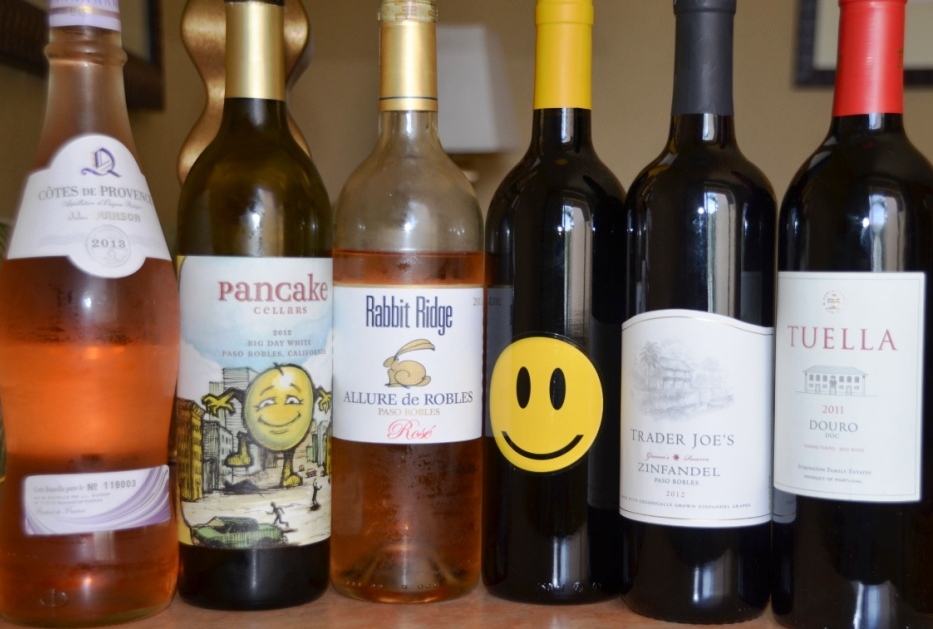 On the multiple occasions, I wrote about Trader Joe’s wines in this blog. I generally only can taste them when I travel, as Trader Joe’s stores in Connecticut can’t sell wine. Thus if I’m in the close proximity of the Trader Joe’s store, and schedule allows, I always make an effort to taste something new.
While Trader Joe’s wine selection generally includes wines at the different price levels, my focus is always on the most inexpensive wines. The rationale is simple – at $9.99 and above, there is a great selection of wines in my neighborhood wine store. At the same time, there is practically nothing in the $4.99 – $6.99 price range, thus it is very interesting how good (or how bad) such wines can be.
In general, I can’t complain about Trader Joe’s wines. My typical “success rate” is somewhat of the 3 out of 4 ratio – if I would taste 4 wines, at least 3 of them would be at “I want to drink it again” level. But this time, while in San Diego, California, I was simply blown away – 6 out of 6, 3 wines at $4.99 and 3 at $5.99, where perfectly drinkable wines which I would gladly drink again on any day! This was definitely a “how do they do it???” moment, as I would never expect, for instance, Rosé or Zinfandel from California to have such a QPR, to taste as good as they did considering the amount of money I had to pay for them.
Without further ado, let me present to you my 6 out of 6 set of “how do they do it?” wines from Trader Joe’s.
2012 Pancake Cellars Big Day White Paso Robles, California (13.5% ABV, $4.99, 37% Chardonnay, 23% Sauvignon Blanc, 15% Viognier, 15% Pinot Blanc, 10% Muscat Canelli) – I can only guess this is modeled after the Conundrum, only this wine I actually enjoyed (and it costs 1/4 of the Conundrum)! Very nice and refreshing nose of white fruit with herbal undertones. On the palate, nice, round, good acidity, white fruit, white apples, very good balance. While not the most complex, definitely very enjoyable! Drinkability: 7+/8-
2013 Rabbit Ridge Allure de Robles Rosé Paso Robles, California (13.5% ABV, $4.99, Mourvedre 49%, Grenache 26%, Syrah 25%) – you can safely assume that I had zero expectations opening a bottle of Rhone-style Rosé from California which cost $4.99. Boy, was I wrong. The wine was simply outstanding – bright, cheerful, full of strawberries and cranberries, perfect acidity – get it by the case to make your summer days super enjoyable. Drinkability: 8-
2013 J.L. Quinson Cotes de Provence AOP (12.5% ABV, $5.99) – same as the one above, zero expectations for Provence Rosé for $5.99 – sorry, the internal snob is speaking. First sniff and sip – wow, I’m convinced. Perfectly restrained, mineral, light, refreshing acidity – as classic as Provençal Rosé gets, only at half price or even less, depending on the bottle. Another case buy for the summer, in case you need my recommendation. Drinkability: 7+
2012 Oreana Wines Project Happiness Syrah California (13.5% ABV, $5.99) – see the happy face on the label? This is what this wine is – happy. No, this is not the most thought provoking Syrah you can drink, but it is simple, easy to drink, round and balanced, good fruit on the palate, a tiny bit of pepper. Throw in a little barbequed meat – and your face might look exactly as the one on the label. Drinkability: 7
2011 Symington Family Estate Tuella Douro DOC, Portugal (13.5% ABV, $5.99) – Douro wines are slowly but surely gaining their international reputation, so this is definitely a good deal of a very solid wine which you can also age. It was showing a little tight, with reserved fruit expression, but good overall balance and acidity. At this price, if you got some space in the cellar, forget a few bottles there – you might thank me in a 3-4 years. Drinkability: 7
2012 Trader Joe’s Grower’s Reserve Zinfandel Paso Robles (13.5% ABV, %4.99) – the first smell exhorts the “wow”. Good Zinfandel at $4.99 didn’t sound to me even as a remote possibility. And then this Grower’s reserve comes in – perfectly open, with clean smokey raspberries and blackberries, very round fruit expression on the palate, with the same smokey berries being very present and well matching the nose – the QPR on this wine simply goes through the roof. No, this wine doesn’t have the richness of Turley or Carlisle, but then you don’t need to cellar it for 10 years before you can really enjoy it. If you like Zinfandel – this is definitely the wine you have to experience. Drinkability: 7+/8-
I tip my hat to whomever is responsible for sourcing the wines for Trader Joe’s stores – to say “well done” is almost to say nothing – great job, and please keep doing it over and over again, to the delight of all the wine lovers out there. Cheers!
Last Bottle Sign Up ($10 credit)




 Talk-A-Vino