Archive
The Art of Tempranillo
Source: Vintae.com
I love Tempranillo wines. I wouldn’t call myself an expert, but I had a wide range of Tempranillo – with the exception of Australia, I believe I tried most of the major renditions – Rioja, Ribera Del Duero, Toro, most everywhere else in Spain, Texas, California, Oregon, Washington (am I missing something? do tell!). With all the love and respect to all the regions, if I have to put an order of priorities in that “list”, I would put Rioja first, Ribera del Duero very close second, but the competition for the 3rd place would be severe – in my world, of course.
I like wines of Toro, the closest sibling to the Rioja and Ribera del Duero, but it would be hard for me to place them higher than some of the beautiful Tempranillo renditions from Irwin Family Vineyards, Duchman, or Fields – considering the Toro wines I had in the past. Compared to Rioja and Ribera del Duero, Toro is … well, maybe I need to explain why I keep mentioning Rioja, Ribera del Duero, and Toro together all the time. These are the only three regions in the world where the absolute majority of the red wines is made out of the Tempranillo grapes. Yes, there are Garnacha and Graciano in Rioja, Cabernet Sauvignon and Merlot in Ribera del Duero, but still – most of the red wines in these three regions are made out of the Tempranillo, hence the constant comparison.
Out of the three regions, Toro is south-most one, with an expressly continental climate, low annual rainfall amounts, and significant range of day-night temperatures – which typically translates well into the flavor. Tempranillo is the grape of Toro, but similarly to Tuscany/Brunello, where you have Sangiovese and Sangiovese Grosso, Tempranillo in Toro is known as Tinta de Toro, a.k.a Tempranillo de Castilla, a.k.a. Ink of Toro. The grape is a bit smaller, with thicker skin, which coupled with growing conditions typically results, in massive, concentrated wines requiring extensive aging to become drinkable – I still have a memory of trying Alabaster made by Sierra Cantabria, one of the well-known producers in Toro, which was one of the most massive wines I ever experienced. Nevertheless, as I said at the beginning, Tempranillo is one of the favorites, so when the opportunity called to try 3 wines from Toro, I was definitely curious – and a bit cautious at the same time.
To ease things up, together with the 3 Toro wines from Bodega Matsu came a bottle of Rioja Reserva from Bodega Classica. While coming from unrelated producers, there is a common link between them – this link is called Vintae – a young company with a serious passion for the Spanish wine for the modern world. Vintae, started in 1999 by the Arambarri family, set on changing world’s perception of the Spanish wine as “boring”. To the date, Vintae unifies a collection of 11 different “projects”, all focused on showcasing the regions and the grapes.
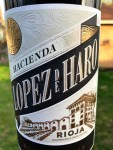
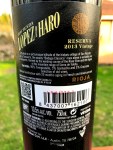
Going back to the wines at hand, let’s talk about Rioja first. The wine comes from Bodega Classica, located in the heart of Rioja Alta. Rioja Alta offers a unique high-altitude setting to produce arguably the best Tempranillo of the whole of Rioja region. Couple that with more than 100 years old vineyards, and you are looking at some tasty opportunities in the bottle, as this Bodega Classica Hacienda López de Haro Rioja Reserva was. Here are my notes:
2013 Bodega Classica Hacienda López de Haro Rioja Reserva DOCa (13.5% ABV, $16.99, 90% Tempranillo, 5% Garnacha, 5% Graciano, 20 months in French and American oak)
Dark garnet color
Pepper, vanilla, raspberries, mushrooms, nice minerality
Medium body, good acidity, noticeable alcohol burn initially, went away in about 15 minutes, good fruit showed up, characteristic cedar notes, good acidity, round, soft.
8-, nice, just give it a bit of time to soften up at the beginning. The second day continued without changes. Good life expectancy, as expected of Rioja Reserva. And an excellent QPR.
Now, let’s go back to Toro. As I already said, in my prior experience, Toro wines were massive and concentrated, requiring long aging to soften and really show a beautiful expression of Tempranillo. And then there were wines called Matsu.
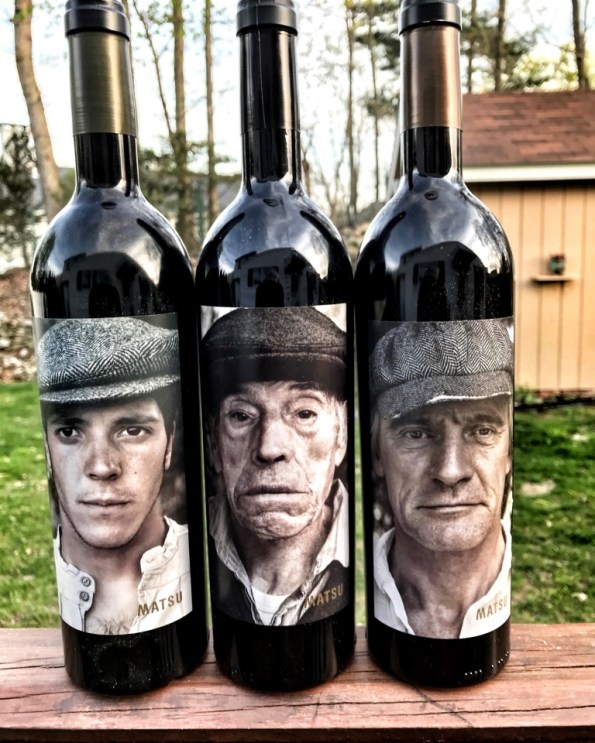
Matsu in means “wait” in Japanese. As we all know, waiting is one of the favorite games of oenophiles. When it comes to the three Matsu wines I had an opportunity to taste, there are many different levels of “waiting”. The wines had been progressively aged for the longer times before the release – 3 months for El Picaro, 14 months for El Recio, 16 months for El Viejo. The grapes were harvested from the vines of different age (again, progressively) – 50-70 years old for El Picaro, 90-100 years old for El Recio, more than 100 years old for El Viejo. See, waiting here is clearly a part of the equation.
And then there are those ultra-creative labels. Not only labels commemorate people who actually worked to create the wines, they clearly identify what you should expect from the wines – in age, in style, and even in price. I conducted a little experiment, first with my kids, and then with the people on Instagram, asking them to identify the most expensive wine – nobody made a mistake, the labels speak very clearly to us.


How were the wines? Surprising. Probably the best Toro wines I ever had – without any regard to the pricing category. Here are my notes, so you can see for yourself:
2016 Bodega Matsu El Picaro Toro DO (14.5% ABV, $13.99, 100% Tinta de Toro, 50 – 70 years old vines, 3 months minimum aging on the lees, concrete tanks)
Bright ruby color, noticeable legs, minimal rim variation
Young fresh berries, medium+ intensity, a touch of vanilla
Surprisingly light on the palate, pleasant tannins, fresh berries, very quaffable.
8-, might be the lightest rendition of Toro I ever had. The smell is a bit more complex on the second day. Palate nicely evolved, good balance, raspberries, no more impression of the young wine, lots of minerality.
2015 Bodega Matsu El Recio Toro DO (14.5% ABV, $21.99, 100% Tinta de Toro, 90 – 100 years old vines, 14 months aging in second use oak barrels)
Garnet color, noticeable legs, minimal rim variation too
Sage, fresh raspberries, quite fruity, roasted notes, minerality, distant hint of cinnamon
Underripe plums, blueberries, thyme, nice herbal component, surprisingly light, still noticeable alcohol, needs more time
8-, needs time. Second day: 8/8+, velvety texture, well integrated, excellent balance, a touch of tobacco and espresso on the palate and ripe plums. Outstanding.
2015 Bodega Matsu El Viejo Toro DO (15% ABV, $46.99, 100% Tinta de Toro, 100+ years old vines, 16 months in new French oak barrels)
Garnet Color, noticeable legs, rim variation is not extensive, but present
Sweet blueberries and raspberries on the nose, sage, sweet oak
8- first day, waiting for more.
Second day: 8, much evolved, more integrated, velvety texture, dark fruit, round, smooth. Will evolve further.
Here you are, my friends – the Art of Wine, from the label to the glass. Very impressive and thought-provoking wines, definitely worth seeking. Have you had any of these wines? Have you had Toro wines before? Do you have any Tempranillo favorites? Cheers!
Rioja Versus Rioja – Will One Tempranillo More?
The time has come for a battle, where the brother will go against the brother and the blood will spill … – oops, let’s cull the drama before it sets in – it is the wine we are talking about, and if anything will be spilled, it will be the wine – but I promise to be very careful, as red wine is not easy to get off the clothes.
Today, in honor of the International Tempranillo Day, we will put glass to glass some of the best of the best in Rioja’s World. These wines are truly the siblings (brothers or not), as both wines are produced by Compañía Vinícola del Norte del España (the Northern Spanish Wine Company), also known as CVNE, and also sometimes referred to as Cune, due to an interesting style of writing used on the labels.
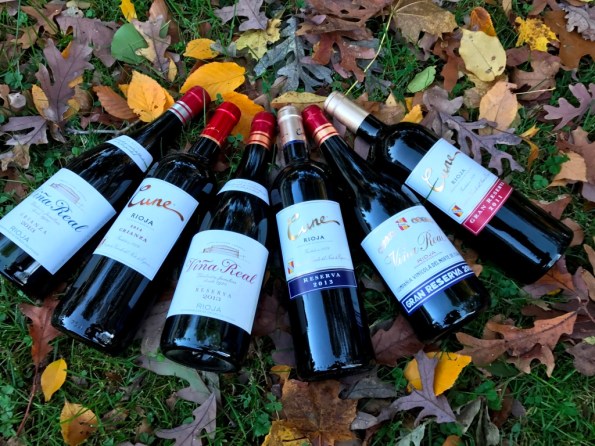
Wines were produced in Spain forever. However, the story of Rioja as we know it, started in the late 19th century, after phylloxera epidemic wiped out most of the vines in Bordeaux, but England’s thirst for Claret Bordeaux was so famous for, was at its pick. Producers in Rioja wanted to become a new source of Claret, and some of the most ambitious producers even set up their new operations right by the train station in Haro, to ensure the best transport for their wines (you can read more here).
CVNE was created by two brothers in 1879, and the ownership stays in the family even today. In 1920, Viña Real line of wines was started to produce Rioja in new, modern style. CVNE owns about 1360 acres of vineyards, located in Rioja Alavesa and Rioja Alta. Both appellations have similar soils and Atlantic coastal climate exposure, however, Rioja Alta vineyards are located at the higher altitudes than Rioja Alavesa, which shows in the resulting fruit.
Before we will enter the battle, we need to establish some ground rules, to make sure that our fighters are in the same “weight category”. The rules are not difficult: there are 4 main varieties which can be used in Rioja – Tempranillo, Garnacha, Graciano and Mazuelo (Carignan). Together, these 4 varieties should represent at least 85% of the blend or 95% of grapes are destemmed; there are few other grapes allowed to be used in the leftover percentage. Crianza wines should be aged for at least 2 years ( 6 months in the cask); Reserva – 3 years (12 months in the cask); Gran Reserva – 5 years (18 months in the cask).
Okay, now that we set the rules, let the fight begin.
Battle Crianza:


2014 Cune Crianza Rioja DOCa (13.5% ABV, $13, 85% Tempranillo, 15% Garnacha and Mazuello, appellation Rioja Alta)
C: Garnet
N: earthy smell, freshly crushed blackberries, acidity, cedar box,
P: medium body, pronounced minerality, restrained fruit, clear acidity, tart cherries, soft, round, hint of tobacco, asking for food
V: 8-, restrained and tart, definitely improved after a few hours of breathing
2013 Viña Real Crianza Rioja DOCa (13.5% ABV, $15, 90% Tempranillo, 10% Garnacha, Graciano and Mazuello, appellation Rioja Alavesa)
C: Garnet
N: surprisingly different, dark fruit, touch of tobacco, touch of sweetness
P: medium+ body, firm structure, cherries and tart of cherries pit, even brighter acidity than a previous wine, more present mouthfeel
V: 8-, a touch fruitier and more round than previous wine. Different but equally good.
Conclusion: Tie. You can definitely taste the difference – Cune Crianza is more restrained and tight, and Viña Real is more round and fruity from the get-go. Slight difference in age and vintage might play a role. The wines would ask for a different food, but otherwise, they are equally good wines.
Battle Reserva:


The Reservas match fair and square – same vintage, same age in barrel, very similar grape composition
2013 Cune Reserva Rioja DOCa (13.5% ABV, $28, 85% Tempranillo, 15% Garnacha, Graciano and Mazuello, appellation Rioja Alta)
C: dark garnet
N: medium+ intensity, leather, touch of sweet plum, cedar box, very inviting
P: medium weight, tart, acidic, a bit of sour cherries, explicit tannins. Needs time.
V: started opening after one hour in the open bottle. More fruit showed up, perfect structure, very pleasant. Excellent overall. 8+/9-
2013 Viña Real Reserva Rioja DOCa (13.5% ABV, $32, 90% Tempranillo, 10% Garnacha, Graciano and Mazuello, appellation Rioja Alavesa)
C: dark garnet
N: medium- intensity, touch of the forest floor, mushrooms, tobacco, eucalyptus
P: cherries, cigar box, medium+ presence on the palate, crisp acidity, very pronounced French oak tannins, needs a lot of time
V: more approachable than the previous one, but still should improve with time – get a case and forget it. Also a great improvement after an hour. Wow. Superb. 8+/9-
Conclusion: Advantage Viña Real. The wines are clearly stylistically different. Appellation might play a role, and the winemaking technique, of course. I slightly preferred Viña Real, as it was a bit more round versus more austere Cune.
Battle Gran Reserva:


Here we have different vintages (both considered excellent, but I think 2010 has a slight edge up over 2011), different appellations and different grape compositions.
2011 Cune Gran Reserva Rioja DOCa (13.5% ABV, $47, 85% Tempranillo, 10% Graciano, 5% Mazuello, appellation Rioja Alta)
C: dark garnet, practically black, with Ruby rim
N: dark fruit, roasted meat notes, sage, eucalyptus
P: forthcoming tannins, tar, cherry, tart, with lip-smacking acidity, really long finish.
V: 8+, within 20 minutes of opening, not ready even remotely. After about 3 hours in the open bottle, the wine became opened up enough to become delicious.
2010 Viña Real Gran Reserva Rioja DOCa (13.5% ABV, $47, 95% Tempranillo, 5% Graciano, appellation Rioja Alavesa)
C: dark garnet, just a shade lighter than the previous wine
N: more open than previous wine – blackberries, graphite, pencil shavings, cedar box, iodine
P: incomparably more drinkable, fresh cherries, open, bright, perfect structure, eucalyptus, nicely integrated tannins
V: 8/8+, you feel the need for time, but the wine is a lot more approachable
Conclusion: Advantage Cune. First, nobody should drink 2010 Gran Reserva now. It is simply a waste. Buy it at a great price, and put it aside for another 15-20 years, especially from the outstanding vintage such as 2010. Just to explain the result here, I slightly preferred the firm structure of Cune versus fruity appeal of Viña Real.
As you can see, we didn’t find a winner of our Tempranillo battle – all 6 wines Tempranillo perfectly, as one would expect from such a great producer as CVNE.
I wish wine would be the only real battle we ever have to fight – wouldn’t that be great? Enjoy your glass of Tempranillo, no matter where it came from and celebrate the noble grape of Spain! Cheers!
Samples Galore: Few Wines For The Fall
Are there different wines for the different seasons? In general, the answer is no. And for sure, in theory, the answer is no. The wines should be paired with food, with mood, with the company, and the actual season should have no effect on your desire to drink Champagne, or Rosé, or ice cold, acidic white or a full-bodied, massive red. Nevertheless, as the temperatures are sliding down, our desire to drink bigger wines proportionally increases. Thus, instead of fighting the trend let’s talk about few wines which would perfectly embellish any cooler autumn night.


So you think we will be only talking about red wines? Nope, we are going to start with the white. Cune Rioja Monopole requires no introduction to the wine lovers – one of the pioneering white Riojas, produced in 1914 for the first time. If you tasted Cune Monopole recently, I’m sure you found it fresh and crips. Turns out, this was not always the style. The traditional, “old school” Monopole was produced as a blend of white grapes (not just 100% Viura), with the addition of a dollop of Sherry (yep, you read it right), and was aged in the oak (read more here). To commemorate 100 years since the inaugural release, Cune produced 2014 Cune Monopole Clásico Blanco Seco (13.2% ABV, $20 ) which is a blend of Viura and other white grapes. After fermentation, a small amount of Manzanilla Sherry from the Hidalgo Sanlúcar de Barrameda was added, and the wine aged in the used Sherry casks for about 8 months. This wine had a great added complexity while remaining fresh and vibrant. Drinkability: 8. You should definitely try it for yourself – if you can find it.
Let’s stay in Spain now for the red. What do you think of the wines from Castilla y León? Castilla y León region is home to some of best of the best in Spain, such as Vega Sicilia and Pingus, both located in Ribera del Duero sub-region. But there are plenty of outstanding wines which are simply designated as Vino de la Tierra de Castilla y León. Vino de la Tierra is considered a lower quality tier than DO or DOC – but some of the winemakers prefer VdT designation as it gives them a lot more freedom to experiment with the wines.


Case in point – Abadia Retuerta winery. Historical roots of Abadia Retuerta go back almost thousand years when Santa María de Retuerta monastery was built on the banks of Duero River, and the first vines were planted. Today, Abadia Retuerta exercises modern approach to winemaking, which they call “plot by plot” – the winery identifies 54 unique parcels of land, each one with its own terroir – no wonder they find DO rules too limiting for the wines they are creating. Here are my [more formal] notes for 2013 Abadia Retuerta Sardon De Duero Selección Especial Vino de la Tierra de Castilla y León – Sardon De Duero (13.5% ABV, $30, 75% Tempranillo, 15% Cabernet Sauvignon, 10% Syrah and other red varieties such as Merlot and Petit Verdot):
C: dark garnet
N: inviting, bright, ripe cherries, mint, roasted meat, very promising, cedar box
P: wow, smooth, layered, luscious, fresh fruit, ripe, cherries, sweet oak, excellent balance
V: 8, lots of pleasure


Now, let’s quickly jump to the other side of the Earth – to Australia, it is. If we are talking about Australia, you probably expect the subject of the discussion will be Shiraz – and this is a perfect guess. The story of Two Hands winery started in 1999 when two friends decided to start making world-class wines showcasing capabilities of different Australian regions, starting with Barossa. Gnarly Dude is one of the wines made by Two Hands, and the name here comes from the way the old Shiraz vines look like. Here are my notes for the 2016 Two Hands Gnarly Dudes Shiraz Barossa Valley (13.8% ABV, $35, 100% Shiraz)
C: dark ruby
N: fresh blackberries, baking spice, tobacco
P: more blackberries, pepper, save, savory notes, medium to full body, good acidity, good balance
V: 7+, very nice overall
Let’s go back to Europe – to Italy to be more precise. Italy is home to lots and lots of world-famous producers, but there are still a few which have more of a “legend” status. One of such producers is Gaja – anyone who is into the wine would immediately jump off the chair at the slightest opportunity to drink Gaja wines.
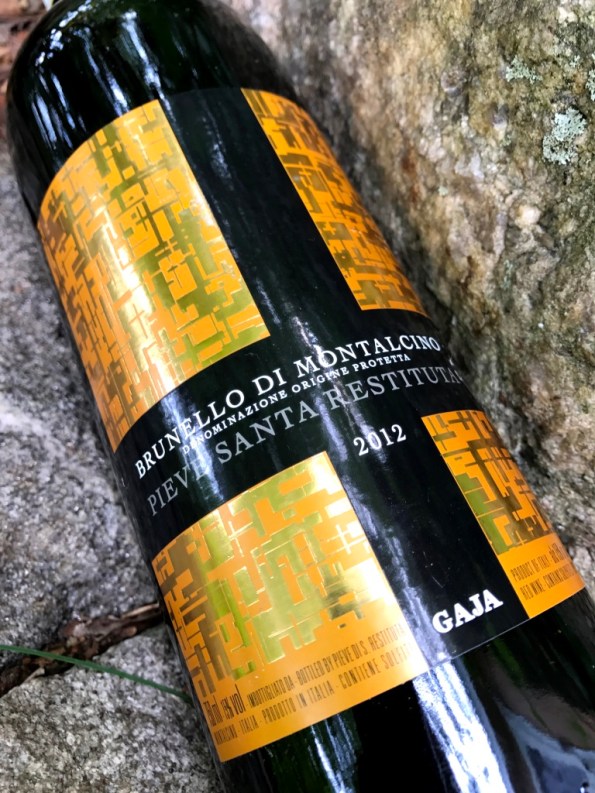 Gaja is most famous for their Piedmont reds – Barolo and Barbaresco. It appears that in addition to the first two Bs (Barolo and Barbaresco), the third “B” group of wines is not foreign to Gaja – if you thought “Brunello”, you were right. Gaja acquired Pieve Santa Restituta estate in Montalcino in 1994, its first venture outside of Piedmont. A “Pieve” is a parish church, and the estate was named after the church which is still present on site – the winemaking history of the estate can be traced all the way back to the 12th century.
In 2005, Gaja produced the first vintage of non-vineyard designated Brunello di Montalcino wine from Pieve Santa Restituta estate – the wine is a blend of Sangiovese Grosso grapes from 4 different vineyards. I had an opportunity to taste 2012 Gaja Pieve Santa Restituta Brunello di Montalcino DOCG (15% ABV, $75, 100% Sangiovese Grosso, 12 months in barrel, 12 months in Botti). I have one single word which would be enough to describe the experience – and the word is “Superb”. The wine had an intense welcoming nose which was unmistakably Italian – ripe cherries and leather. The palate? Where do I start… velvety, perfectly extracted, dense, firmly structured, ripe cherries, lavender, sweet oak, impeccable balance. And dangerous, very dangerous – once you start, you can’t stop (nevermind the 15% ABV). Drinkability: 9
What are your favorite wines to enjoy in the Fall? Cheers!
Spain’s Great Match – Rare Grapes, Delicious Wines, Great Values
Source: Wines from Spain USA
I discovered the real greatness of the Spanish wines about 10 years ago, thanks to the wonderful seminar at maybe the best source of the Spanish wines in New York – the PJ Wine store. I had an occasional Rioja here and there before, but tasting through the full line of best of the best in Rioja, starting from the legendary 1964 vintage, was a true eye opener, and ever since, Spanish wines hold a special place in my winelover’s heart. If I need an ultimate solace in the wine glass, yes, 9 out of 10, it will be a Rioja.
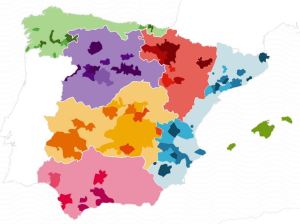
Spain has the biggest vineyard area plantings in the world, so no matter how great Rioja is, Spain is so much more than just the Rioja. As I became a big fan of the Spanish wines (search this blog under the “Spanish wine” category), it became truly fascinating to follow all the changes and see the appearance of the totally new regions and reincarnation of the ancient, authentic grapes – Spain is home to about 400 grape varieties, out of which only about 20 can be considered “mainstream”.
What is the better way to learn about new wines if not the [big] wine tasting? Thanks to the Wines from Spain USA, the 24th annual “Spain’s Great Match – Wine, Food, Design” event offered exactly that – a big wine tasting (more than 300 wines), educational wine seminars and authentic Spanish food.
I had a pleasure of attending these events for the last few years, including the special 30th Anniversary of Spanish wines in the USA, where the incredible tasting in the main seminar included once-in-a-lifetime wines such as 2005 Clos Erasmus from Priorat, a Robert Parker 100-points rated wine. Every year’s event offered unique and different educational opportunities as well as the tasting of the latest and greatest wine releases from all major Spanish regions.
The first seminar offered during this year’s event was focused on the Spain’s rare grapes. Ask a winelover to come up with the list of the commonly used Spanish grapes – I’m sure that going beyond Tempranillo, Garnacha (Grenache) and Albariño will be challenging. Some of the adventurous wine geeks might add Graciano, Viura, and Verdejo. Meanwhile, remember – 400 varieties – versus 6 which we just mentioned. Spanish winemakers definitely got some options.
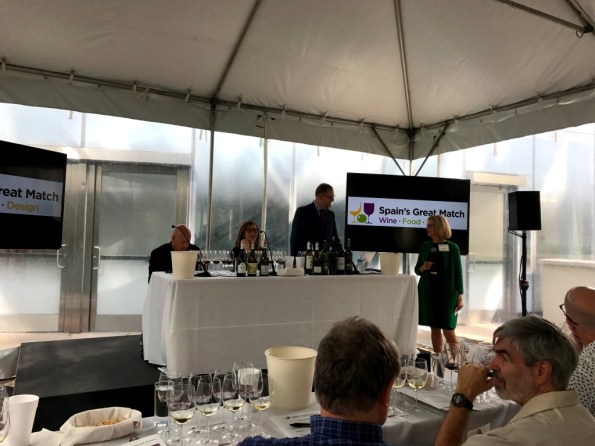
So the first seminar, led by Doug Frost, one of the only 4 people in the world who are both Master Sommelier and Master of Wine, Gretchen Thomson, Wine Director for Barteca Restaurant Group, overseeing the largest in the country portfolio of Spanish wines, and Michael Schachner, Spanish and South American Editor for Wine Enthusiast Magazine, addressed exactly this issue. We had an opportunity to taste and discuss 10 wines made from the little known Spanish grapes.
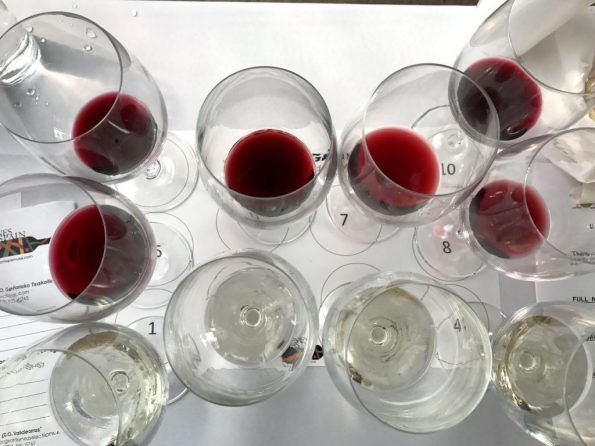
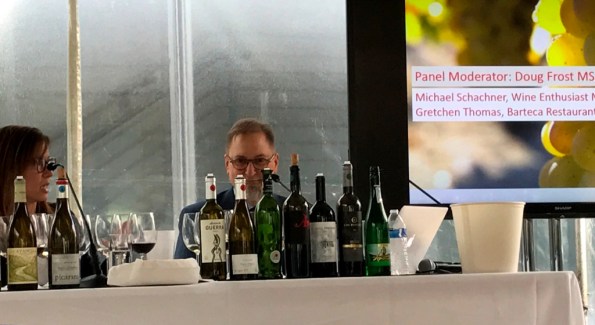
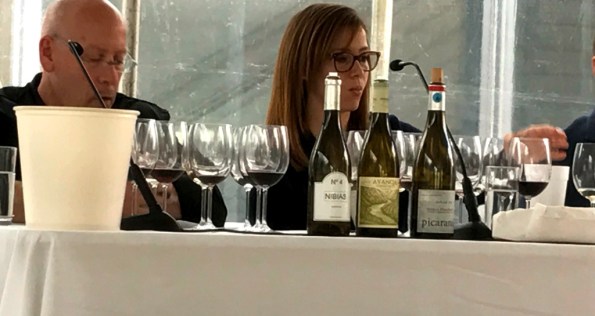 As some of you might know, I’m a grape geek myself. The little box in the upper section of the Talk-a-Vino web page shows a counter for the number of grapes I had an opportunity to taste, so from the 10 grapes we tasted, I found only one I didn’t have before. The wines were interesting, however, I would not necessarily agree with the choice of wines to showcase particular grapes – but I wouldn’t stand a chance against such a distinguished panel of experts, so you can dismiss this statement. 🙂
Anyway, for what it worth, below are my tasting notes. Don’t have any good pictures for you, as I had no opportunity to take pictures of these wines in between the different events. Here we go:
2016 Ameztoi Txakolina D.O. Getariako Txakolina (Grape – Hondarrabi Zuri)
Beautiful nose, fresh, lemon notes, herbs, inviting. Crisp, cut through acidity, touch of fizz, would perfectly match oysters, seafood, most reminiscent of Mucadet.
2014 Bodega Chacón Buelta D.O. Cangas (grape: Albarín Blanco, new grape for me)
Off-putting nose – strong gasoline, aggressive herbal notes. The palate is interesting – lychees, pear, appears almost oxidative/”orange”.
2016 Avancia Cuvée de O D.O. Valdeorras (grape: Godello)
Intense nose, white stone fruit, nicely restrained, peaches undertones with clean acidity on the palate with clean acidity – excellent
2014 Bodegas Maranones Picarana D.O. Viños de Madrid (grape: Albillo Blanco, high altitude vineyards, 2000–2500 feet, barrel fermented)
Open, intense, touch of gunflint, reminiscent of Chardonnay, apples, vanilla – excellent. Plump, Marsanne-like on the palate, touch of tannins, very nice overall
2016 Armas de Guerra Tinta D.O. Bierso (grape: Mencía)
Intense, freshly crushed berries on the nose. Outstanding on the palate, tannins, burst of pepper, crisp, dry, very little fruit, medium body. Very interesting and different expression of Mencía.
2011 Raúl Pérez Prieto Picudo V.T. Castilla y Léon (grape: Prieto Picudo)
Delicious nose, open berries, sweet oak, overall on the nose – classic California. Lots going on on the palate – touch of sweetness, blackberries, nice swing of tannins, medium+ body.
2015 Bermejo Listán Negro D.O. Lanzarote (grape: Listán Negro, 13% ABV)
Smelling a cement truck – just fresh cement, plus intense herbal notes. Chipotle, poblano peppers dominate noticeably dusty palate – unique and different. (Too unique?)
2015 Ànima Negra ÀN V.T. Mallorca (grape: Callet)
Fresh open nose, fresh blueberries, and strawberries. Funky undertones on the palate, aggressive tannins (French oak), limited fruit. Interesting food wine
2014 Mustiguillo Finca Terrerazo Pago El Terrerazo (grape: Bobal)
Closed nose. A tiny hint of fruit, more perceived than real. Tight palate, noticeable oak, touch of cherries, good balance of fruit and acidity. Needs time. Want to try again in 10–15 years.
2013 Torres Cos Perpetual D.O.Ca. Priorat (grape: Cariñena)
Nice nose, cherries, dark chocolate, fresh leaves undertones. Aggressive tannins, green notes (tree branches), initial sweet notes immediately followed by astringent profile.
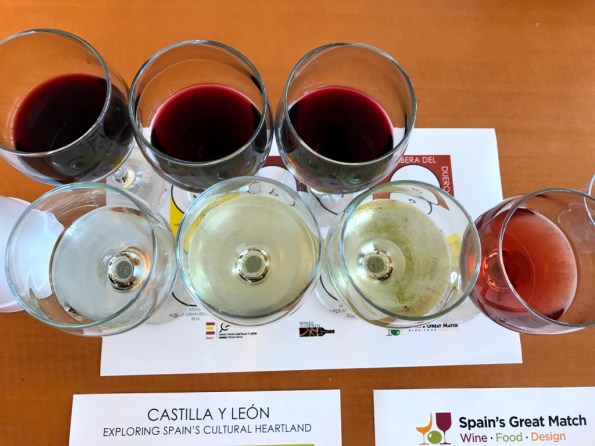
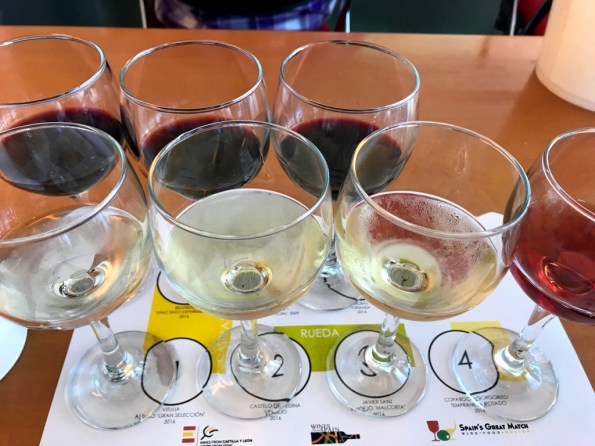
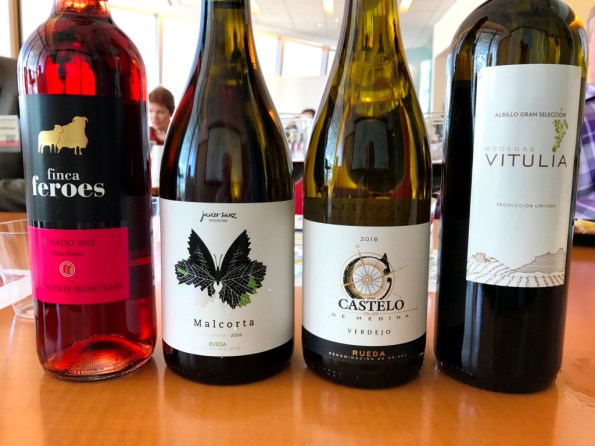
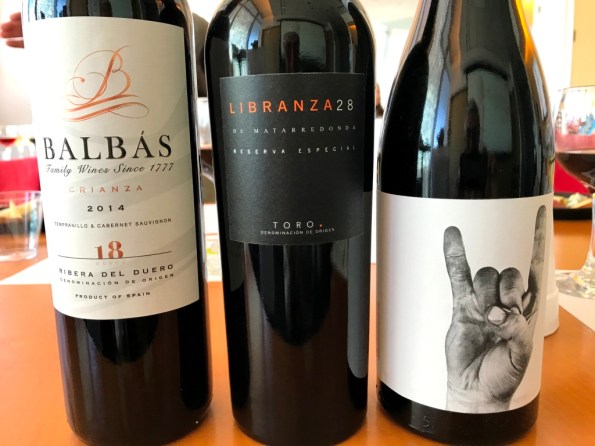
Our next seminar was dedicated to the wines and culture of the Castilla y León, an administrative region in the Northern part of Spain. Castilla y León includes a number of winemaking regions – some of the best, essentially – Ribera del Duero, Toro, Rueda among others. The seminar was led by charismatic Marnie Old – I have to honestly say that this was one of the very best wine seminars I ever attended – great delivery, lots of energy, excellent presentation.
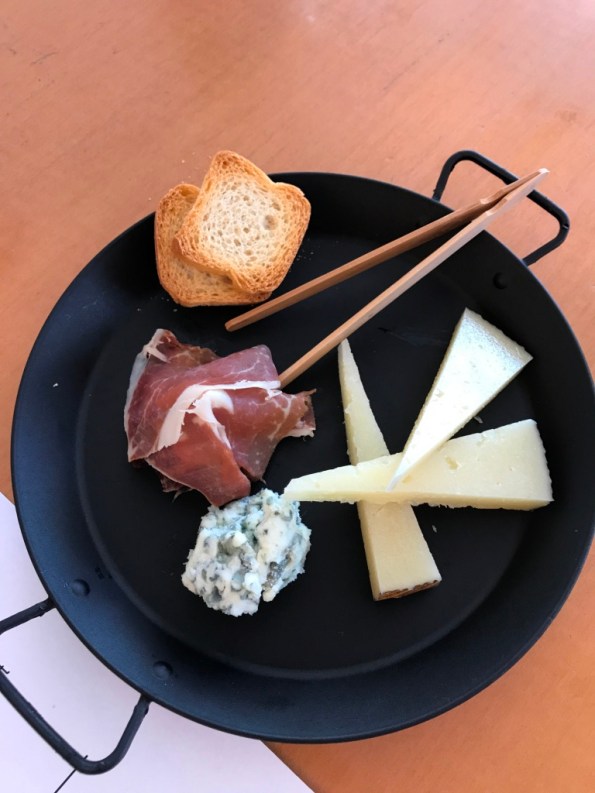
We had an opportunity to taste 7 different wines and also try some of the Castilla y León authentic foods – a few kinds of cheese (Valdeon, a blue cheese, was my favorite), Jamon (Jamón Guijuelo, to be precise) and more. I really didn’t care for the Rosé, so below you will find the notes for the wines we tasted:
2016 Bodegas Vitulia Albillo Gran Selección Vino de la Tierra de Castilla y León ($18, 12.5% ABV, 100% Albillo Mayor)
Simple, crisp, acidic, refreshing. Plus another new grape.
2016 Bodega Castelo de Medina Verdejo Rueda D.O. ($19.95, 13.5% ABV, 100% Verdejo)
White stone fruit, intense, fresh, floral fruit on the nose. Palate is dominated by the herbs, similar to Sancerre, lemon, medium body, very nice
2016 Bodega Javier Sanz V Malcorta Rueda D.O. (13% ABV, $26, 100% Verdejo Malcorta)
Javier Sanz’s effort is dedicated to restoring pre-phylloxera vineyards – this is where the fruit for this wine came from. The nose is a pure wow – intense, camphor oil, sandalwood, rosemary. Palate is delicious, perfectly balanced, candied lemon, nutmeg, medium+ body, clean acidity, an excellent wine. Yes, and another new grape.
2016 Vino Bigardo Tinto Experimental (100% Tinta de Toro) – an interesting wine. Made by a rebel winemaker, who doesn’t want to make the wine according to the appellation laws, so the wine is unclassified. 20–100 years old wine, 45 passes during the harvest, micro-fermentation. Nose has lots of young, bright fruit, freshly crushed berries, reminiscent of Monastrell, unusual. Young fruit on the palate, but with undertones of stewed fruit, hint of the roasted meat. This is experimental wine all right, but this is not a successful wine in my book.
2009 Bodegas Matarredonda Libranza 28 Reserva Especial DO Toro ($45, 100% Tinta de Toro, ungrafted vines, on average 70 years old)
Spicy nose with a whiff of cinnamon, sweet oak, classic Cabernet nose overall. On the palate very tight, the real Toro, powerful, dark fruit, nice – but needs time. Pairs surprisingly outstanding with the local Valdeon Blue Cheese.
2014 Bodegas Balbás Crianza Ribera Del Duero D.O. ($27.99, 90% Tempranillo, 10% Cabernet Sauvignon, 18 months in French oak barrels)
This wine comes from one of the founding estates in the region, established in 1777.
Dusty nose, muted fruit, distant hint of dried cherries. On the palate – cherries, cherry pit, roasted meat, coffee, great concentration, fresh, clean – very good wine overall.
I was registered for two more seminars, but then there were lots of wines to taste, so I decided to proceed with the tasting. Below are mentions of the wines I liked. I have separated the wines into my top choices (both white and red), and then separately sparkling (Cava), white and red wines I feel comfortably happy to recommend. For what it worth, here we go:


Top wines:
2016 Bodega Javier Sanz V Malcorta Rueda DO ($26) – see my notes above, definitely was the star
2014 CVNE Monopole Blanco Seco Rioja ($22) – Monopole is one of my favorite white Rioja in general, but this wine is taken to the next level by spending some time in oak – lots of increased complexity. Delicious.
2013 Bodegas Prineos Garnacha DO Somontano ($12.99) – round and delicious. Great value
2011 Bodegas Beronia III a.C. Beronia DOCa Rioja ($79.99) – 70 years old vines. Unique and beautiful, produced only in exceptional vintages. standout.
2015 Bodegas Garcia Carrión Mayoral Reservado DOP Jumilla ($12.99, Syrah/Cabernet Sauvignon/Petit Verdot) – a standout. Perfectly balanced, great flavor profile and QPR which can’t be beat.
2014 El Coto Crianza DOCa Rioja ($13) – an incredible value, perfectly soft and round
2008 El Coto de Imaz Gran Reserva DOCa Rioja ($44) – perfectly drinkable, but can still age. Delicious and a great value.
2010 Gratavinum GV5 DOCa Priorat ($80) – excellent wine
Also very good:


Cava:
NV Anna de Codorniu Blanc de Blancs Brut Reserva DO Cava ($14.99) – never disappoints. Great value.
NV Anna de Codorniu Brut Rosé DO Cava ($14.99) – one of my perennial favorites.
2010 Parés Baltà Cava Blanca Cusiné DO Cava ($40) – very good quality, comparable to vintage Champagne.
NV Segura Viudos Reserva Heredad DO Cava ($25) – another one of my favorites. Delicious.
2010 Torelló 225 Brut Nature Gran Reserva DO Cava ($35) – very good


White:
2016 Bodegas Sommos Las Bas Gewürztraminer DO Somontano ($25.99) – Gewurtztraminer is a tough grape for making a round, balanced wine – and this one was exactly that.
2015 Baigorri Barrel Fermented White DOCa Rioja ($30) – very nice
2016 Bodegas Beronia Viura DOCa Rioja ($14.99) – clean, refreshing
2016 El Coto Blanco DOCa Rioja ($11) – outstanding and an excellent value
2013 Bodegas Enate “Chardonnay 234” Enate DO Somontano ($12.99) – classic, very good.


Rioja:
2013 Bodegas Muga Reserva DOCa Rioja ($28) – one of the iconic producers, very good wine.
2011 Marqués de Riscal Reserva DOCa Rioja ($18) – excellent value
2005 Marqués de Riscal Gran Reserva DOCa Rioja ($48) – very good
2010 Marqués de Riscal Baron de Chirel Reserva DOCa Rioja ($79) – very good
2011 Bodegas Faustino V Rioja Reserva DOCa Rioja ($15) – very good value
2005 Bodegas Faustino I Rioja Gran Reserva DOCa Rioja ($35) – another very good QPR example
2012 Bodegas Beronia Reserva DOCa Rioja ($19.99) – excellent
2008 Bodegas Beronia Gran Reserva DOCa Rioja ($31.99) – excellent, and great value
2012 El Coto de Imaz Reserva DOCa Rioja ($24)
2008 Viñedos y Bodegas Sierra Cantabria Finca El Bosque DOCa Rioha ($95) – probably the most expensive wine in the tasting, and it is not ready to drink. Needs time, lots of time.
2007 Señorio de San Vicente San Vicente DOCa Rioja ($52, new grape – Tempranillo peluda)


Other red:
2016 Bodegas Sommos Merlot DO Somontano ($25.99)
2012 Bodegas Viñas Del Vero Secastilla DO Somontano ($44.95)
2009 Bodegas Paniza Artigazo Edición Limitada DOP Cariñena ($24..99)
2010 Bodegas Corral Don Jacobo Rioja Reserva DOCa Rioja ($22) – delicious and a great value
2014 Bodegas Volver DO LaMancha ($16) – one of my perennial favorites, big and powerful
2012 Finca Villacreces Ribera del Duero DO ($35) – this wine never disappoints – perfect example of what Ribera del Duero is capable of
2013 Bodegas Hacienda Monasterio, Ribera del Duero DO ($40) – delicious
2015 Bodegas Garcia Carrión Mayoral Chester DOP Jumilla ($12.99, Monastrell/Petite Verdot)
2014 Bodegas Garcia Carrión Pata Negra Apasionado ($12.99, Monastrell/Petit Verdot/Cabernet Sauvignon/Syrah)
2014 Torres Salmos DOCa Priorat ($35) – very good
2015 Teso La Monja Almirez DO Toro ($52) – still needs time
2007 Teso La Monja DO Toro ($25) – nice, but definitely needs time
And then, of course, there was food. Cheese and olives were a staple, and many other dishes were carried out all the time. I also discovered my new favorite sparkling mineral water – Vichy Catalan. It is sold at some of the stores, such as Fairway Market, so if you like sparkling water, you might want to give it a try.


That’s all I have for you, my friends. Spain’s Great Match is an annual event, so even if you missed this year, you should definitely plan to attend the next – you can see a full schedule here. Also, if you live in or will visit Chicago, you can still attend it on November 2nd. Either way – drink more Spanish wines, my friends! Cheers!
New and Noteworthy: Few Spanish Wine Samples
If you read this blog for any period of time, you know that Spanish wines have my unquestionable love. From Rioja to Rias Biaxas to Priorat to La Mancha – Spain offers lots of tasty wines, often at an unbeatable value.
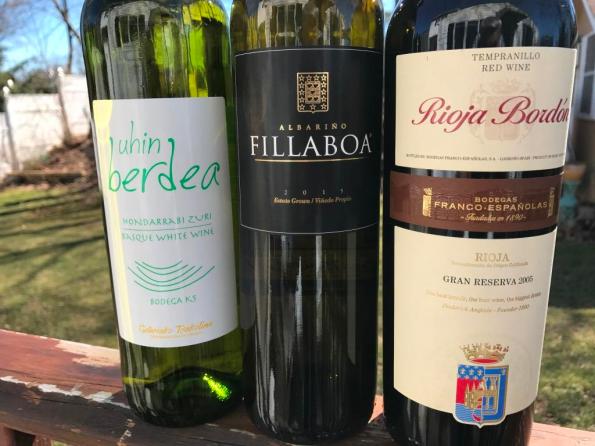
I would rarely refuse a sample of Spanish wines, as this is the best opportunity to try new vintages and share my thoughts. What you can see below are few of the samples I got during February and March – all new vintages and all should be available right now at your favorite wine store.
Bodegas Beronia well known for its Rioja wines, but this time it is a white wine from Rueda we are talking about, made from 100% Verdejo. I love Verdejo wines when they have enough of the crisp acidity but don’t go too far into the grassy notes to become Sancerre twin. This wine was excellent, and a great value:
2015 Bodegas Beronia Rueda DO (13% ABV, $12, 100% Verdejo)
C: Light Golden
N: bright, inviting, invigorating, white stone fruit, ripe peach, touch of tropical fruit with a distant herbal underpinning
P: fresh, perfect acidity, touch of fresh cut grass (tiny), sweet lemon notes, refreshing
V: 8-/8, excellent wine, lots of pleasure, and a great QPR
Bodegas Torres might not be a household name in the USA, however, Torres Family is the biggest wine producer in Spain – which, luckily, doesn’t affect the quality of the wines. I had many different Torres wines from many different Spanish regions, and those wines rarely disappoint:
2013 Torres Celeste Crianza Ribera Del Duero (14% ABV, $20, 100% Tempranillo)
C: dark garnet
N: muted nose of baking spices, lavender, touch of roasted meat
P: dark fruit, good acidity, refreshing, open, plums
V: 7+, fresh, simple, easy to drink
Rioja Gran Reserva for $25? Yes, please, but let me taste it first? Gran Reserva is expensive to make – think about all the cellaring time the wine requires (5 years total) to be officially marked as Gran Reserva. So $25 is a great price for the Gran Reserva if it tastes good – and this wine was outstanding:
2005 Rioja Bordon Gran Reserva Rioja DOC (14% ABV, $25, 80% Tempranillo, 10% Garnacha, 5% Mazuelo, 5% Graciano)
C: garnet
N: delicious, touch of barnyard, ripe black fruit, intense
P: black fruit, cedar box, sweet tobacco, succulent, fresh clean acidity, delicious.
V: 8/8+, outstanding, great example of Rioja potential, no sign of age, great QPR


Txakolina still can be considered a rare wine in the US – those wines are trickling in, but can’t compete for attention in any way compared to Albariño, Verdejo or even Godello (yes, I’m mixing grapes and places – Txakolina is a region in the Basque area, where the white wines are typically made form the grape called Hondarrabi Zuri – the rest of them are grapes). Txakolina wines are usually “unique and different”, as was this particular wine:
2014 K5 Arginano Uhin Berdea Hondarrabi Zuri Getariako Txakolina DO (11% ABV, $22, 100% Hondarrabi Zuri)
C: golden
N: touch of vanilla, ripe white fruit
P: very interesting, cut through acidity of Muscadet, but plump body and mouthfeel of Marsanne. Outstanding pairing with herb-crusted goat cheese – might be the best cheese pairing I ever experienced.
V: 7+, worth trying, especially with the food
Let’s finish today’s line with practically a classic – Albariño from Rias Baixas area in Galicia. Albariño typically is a seafood friendly wine – and the one below was a perfect example:
2015 Fillaboa Albariño Rias Baixas DO (12.5% ABV, $20, 100% Albariño)
C: light golden
N: fresh white fruit, tropical, guava, inviting
P: clean, medium body, good acidity, lemon, refreshing, very quaffable, medium lemon zest finish
V: 8-, very good rendition of Albariño
That’s all I have for you today, my friends. What were your new and noteworthy discoveries? Cheers!
Evening With Friends
I confessed it many times, and I’m glad to do it again – one of my most favorite parts of blogging, and essentially the most important one, is people. Interacting with people is the most prized element of any published blog post; meeting fellow bloggers and finding new friends is a huge cherry on top. I don’t know if the wine has any special qualities, but I have a great personal experience with meeting fellow bloggers face to face for the first time and feeling like I knew them for my whole life.
When I got an email from Jim, an author of JvbUncorked blog, offering to get together a few weeks ago, I knew I had to make it work. When I arrived 20 minutes late to Aldo Sohm Wine Bar in midtown in New York, Jim, Lori (a blogger and the winemaker behind Dracaena Wines) and Lori’s friend, Donna, were already there.
 More often than not, when I know what restaurant I’m going to, I like to check the wine list in advance. Aldo Sohm Wine Bar was opened by Aldo Sohm, the Chef Sommelier at Le Bernardine, a world-famous dining destination in New York City. Aldo Sohm is also known for winning numerous Sommelier competitions and was crowned multiple times as “Best Sommelier in Austria”, as well as “Best Sommelier in America” and “Best Sommelier in the World 2008” – you can imagine that the wine list put together by such a wine Pro requires some homework. I don’t know about you but I love and always do my homework, especially if it is connected to wine at least in some way.
In addition a to the substantial wine list, we had another interesting challenge – Donna liked mostly white wines with the nice buttery component to them – but, she was willing to try new wines, which was very helpful, but – the challenge was on.


Being late by 20 minutes had one lucky consequence – the first wine was already chosen and about to be poured by the time I situated myself at the table. We started with 2013 Kuentz-Bas Riesling Cuvée Tradition Alsace ($40) – and it was outstanding. Perfectly bright and intense on the nose, with a whiff of honey and apricot; on the palate, it was live and vibrant, crisp and playful, continuing honey and apricot flavors, supported by clean acidity. An outstanding wine and a great value at a restaurant wine list at $40. Bonus – we got “thumbs up” from Donna – you know how we, wine geeks, feel when someone says about your recommendation “ahh, I like this wine” – the top of the world feeling. Well, kind of, anyway.
As we were pondering at the next wine, it was really hard to decide, especially trying to make everybody happy again. While we were looking at Italian options, feeling “yeah, might be, but really, yeah?”, I took the advantage of my list studying and suggested to try a California Chardonnay. Not just something random, but a very particular Chardonnay – 2012 Sandhi Chardonnay Santa Barbara ($80). Earlier in the year, I had my first experience of Sandhi wines with Sandhi Pinot Noir. Sandhi winery was founded by Rajat Parr, a world-renowned sommelier, a partner at Sandhi winery and one of the founders of IPOB (In Pursuit Of Balance) movement for dialed-down, balanced California wines. The Sandhi Pinot Noir was incredible, which made me really curious about the Chardonnay – and it didn’t disappoint. This 2012 Sandhi Chardonnay had generous, intense, open nose with apples and vanilla, and on the palate, this wine was simply a riot – I experienced similar Chardonnay wines only a few times, mostly from Burgundy, when they get incredible intensity and brightness of golden delicious apples, vanilla and honey, supported by just a hint of butter and clear, vibrant acidity. This was truly a treat. And – yay – we got “thumbs up” from Donna again. Two out of two!


It was the time to move to the reds. While previously looking at the list, I noticed a 2001 Santenay for $77 at the end of the Burgundy section, right after 2001 DRC Romanée St. Vivant for $2650 (need an expense account, anyone got one we can share?). At first I thought there might be a mistake either with the price or a vintage in the online copy (had such experience numerous times), but no – the same Santenay was there on the wine list at the restaurant, for the same $77, so it was not very difficult to convince my partners in crime to go for this wine.
2001 Paul Chapelle 1er Cru Gravière Santenay ($77) was earthy, dry and pretty closed on the nose despite quick decanting. It took the wine a while to start showing some dark fruit, with earthy, minerally notes prevailing at the beginning. I think it took the wine about 45 minutes to give us some dark fruit notes and become a bit brighter. This 16 years old wine still has a lot of life left in it, and it is definitely a food friendly wine. By the way, do you care to guess of Donna liked this wine? Yes, you got that right – no, she didn’t. 2–1.
As our evening was progressing, we got a pleasure of meeting Aldo Sohm in person – he came to our table and introduced himself, so we were able to chat with him for about 10 minutes about all the fun geeky stuff oenophiles enjoy so much – how uneasy it is to find good wines at the good prices, especially when it comes to the Burgundy, with the combination of terrible weather and Burgundy’s love on the upswing around the world. Talking to Aldo was definitely one of the highlights of the evening.
It was getting somewhat late, but the challenge was still in front of us – we managed to score with the white wines for Donna to enjoy, but we had to find the proper red. After going back and force we settled on 2007 La Rioja Alta Viña Ardanza Rioja Reserva ($75). La Rioja Alta doesn’t need much introduction to the wine lovers – one of the very best producers in Rioja, making delicious wine year after year. Of course, this wine was still a baby, but within the reasonable price range, we thought that it would have the best fruit representation, which, again, we were hoping would win Donna’s vote. The wine was every bit as expected – nose of cigar box and vanilla, dense cherries, vanilla and eucalyptus on the palate, touch of sweet oak, full body, noticeable, but well integrated tannins. This was an excellent wine, but … Nope, we didn’t win this one. 2–2. But one super-fun evening.
It was late, and it was the time to go home. But I really hope we are going to do it again. And again. And again. To all the friends – cheers!
And This Is Why I Love Spanish Wines
Yes. Confessed uncountable number of times, in this blog and everywhere (want proof? Click here, here, here, here or here).
I love Spanish wines. Never tried to hide it, so no, there is nothing to look for in the closet.
Spain is one of the so called “Old World” wine countries, with biggest grape area plantings in the world and one of the highest volumes of the wine production. But of course this is not the reason for my high sentiment towards Spanish wines. What is important, however, that if we will take 10 random wines produced in any country, in about the same price range, I will find the most of the wines to my liking out of those hypothetical 10 among Spanish wines – compare to any other region. Another equally important point for me is the value – Spanish wines offer one of the best values in the world; not only that – they are possibly the best QPR wines in the world. For example, if you will compare 1964 Rioja, which is still perfectly drinkable today and still can be found for less than $150, to majority of the wines of the similar age but from the other regions, most of them will not come anywhere close in the amount of pleasure they deliver, never mind the cost.
And then we have to talk about innovation and drive forward. Spanish wines are not standing still. Styles are changing, wine quality is improving, new and unexpected grapes are made into delicious wines. To make this conversation more practical, let me share with you some of my recent Spanish wine encounters.
Today, Albariño needs no introduction. The star white grape of the Rias Baixas region in Northern Spain is known to produce wines with explosive acidity and profile of salinity, which makes them an ideal companion to oysters and anything seafood for that matter. While Albariño wines are generally very good, there is one word I would rarely associate with them – finesse. Or at least I was not, until I had an opportunity to try these two Albariño.


2014 Bodegas LA VAL Albariño Rias Baixas D.O. (12% ABV, SRP $17, 2 month sur lie) had greenish/straw pale color; intense and open nose of minerals, wet stone and lemon. On the palate, the wine was plump with invigorating acidity, intense lemon finish, crisp, fresh – excellent overall (Drinkability: 8).
2014 Viña Moraima Albariño Rias Baixas D.O. (12.5% ABV, SRP $19, 7 month sur lie) had light golden color. Nose was very unusual, with candied lemon, intense, tropical, guava notes. On the palate, the wine showed remote hint of sweetness, full body, round and layered with hint of salinity, good acidity. This was definitely the next level of Albariño, thought provoking and different. (Drinkability: 8)
As you can see, Albariño is really starting to deliver on the next level, and I can’t wait to see how far it can go. What is interesting, however, is that all of the best Spanish white wines – to my knowledge, of course – are made from the indigenous varieties – Albariño, Godello, Verdejo and Viura would be the “major four”. The situation is slightly different for the reds, where the local stars, Tempranillo and Garnacha, are joined by the international best, such as Cabernet Sauvignon and Merlot. Going back to the whites, outside of some experimental plantings, Riesling, Sauvignon Blanc and Chardonnay are nowhere to be found in Spain, yes? Well, that would be my statement as of the month ago, but not anymore.


Enters Hacienda de Arínzano. Having tasted recently Hacienda de Arínzano Rosé, which was outstanding, I know that Pago de Arínzano, first Pago (highest denomination of quality in Spain) in Northern Spain, can produce excellent wines. Still, this 2014 Hacienda de Arínzano Chardonnay Pago de Arínzano DOP (13.5% ABV, SRP $19.99, 100% Chardonnay. 12 month French oak barrels – 30% new) far exceeded my expectations. From the first smell the wine in the glass was screaming “Chardonnay” – touch of vanilla, hint of golden delicious apples, just classic Chardonnay. The palate reaffirmed the “classic Chardonnay” impression – fresh, open, creamy, with perfectly balanced white fruit, vanilla, distant hint of butter, perfect amount of acidity – a delicious world-class Chardonnay which I would be glad to drink at any time – and almost a steal at this price. Drinkability: 8+.
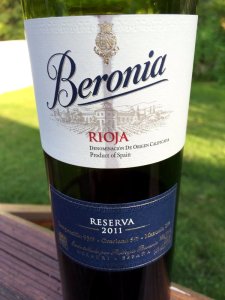 We talked about new wines and new styles. Let’s talk about quality now – well, not the quality per se, but let’s talk about changing mindset. If you would ask me “should I open 5 years old Rioja Reserva”, my immediate answer would be “absolutely not – give it at least another 5 years to enjoy it fully”. By law, Rioja Reserva has to spend at least 1 year aging in the barrel, and most of the producers age it for much longer, so the resulting wines typically should be given ample time in the bottle to evolve. But once again I was proven wrong. I opened the bottle of 2011 Bodegas Beronia Rioja Reserva (14% ABV, SRP $21, 94% Tempranillo, 4% Graciano, 2% Mazuelo, 18 month in barrel, 20 month in the bottle) and was absolutely blown away. Concentrated nose of dark fruit, cigar box and eucalyptus was supported by bright, dense, perfectly structured palate, with dark fruit and touch of sweet oak. This was definitely one of the best PnP (Pop ‘n Pour) wines I ever experienced, and a nice surprise. Drinkability: 8+
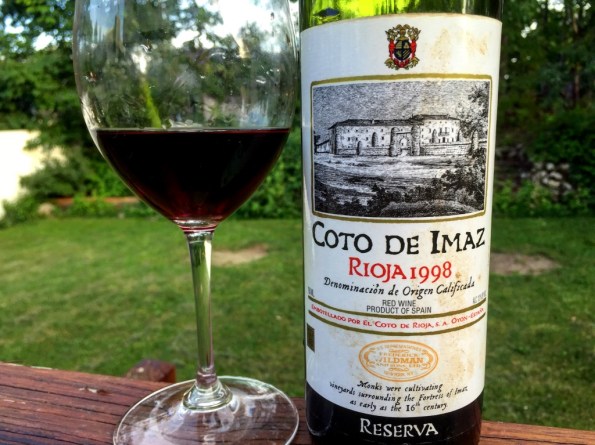
I want to mention one more beautiful Rioja wine – this one with a bit more age on it. I like it when I have a reason to open a nice bottle of wine, which otherwise would be still laying down and waiting for the “perfect moment”. The special reason was my son’s high school graduation, and as he was born in 1998, this was the first 1998 bottle I pulled out of the wine fridge (well, I’m not telling all the truth – this was the one I knew the exact location of).
To begin with, I was impressed with the state of the cork on this 18 years old wine – it was perfect, showing literally no age on it whatsoever. 1998 Coto de Imaz Rioja Reserva (13% ABV, 100% Tempranillo) still had enough freshness on the nose, with the notes of ripe plum, and the palate had ripe fruit with the distant hint of sweetness without any tertiary aromas, good acidity, medium to full body and excellent balance. I’m sure this wine would go on happily for many years. Drinkability: 8+
Okay, we are done here. Do you think I explained my passion for Spanish wines well enough? Great wines, great values, great QPRs, and lots and lots of pleasure – what is not to love? If you had any of the wines I mentioned here, I would love to know your opinion. Until the next time – cheers!
New and Noteworthy: Few Spanish Wine Recommendations
I’m an eternal optimist, for sure – I keep creating new “series” of the posts (like the one you now see in the title – New and Noteworthy) in the hope that I will remember to use it all the time. Well, I had or still have a number of series in this blog, but very few of them are current ongoing. Will see what will happen with this one. Here is the idea behind this series: I do get to taste many of the newly released wines, some of them are samples, some are not; the wines which I like I intend to share with you in this series of posts. ‘Nuf said, let’s go.
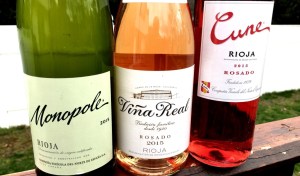 My love affair with Rioja started after tasting of the beautiful line up of Viña Real, CVNE and Imperial Rioja (all essentially produced by CVNE), all the way up to the 1964. They were all delicious red wines. For the long time Rioja associated for me only with the red wines, until I tasted Lopez de Heredia Blanco and Rosato, both being about 15 years old and delicious. This is how I discovered that Rioja actually is not only red wines. My next discovery of Rioja white wines was Rioja Monopole (100% Viura), which (to my shame) is produced since 1915 – well, “live and learn” (or “better late than never”, whatever you prefer to comfort yourself). And few years ago I also encountered the Rioja Rosato – so now I definitely know that Rioja is a lot more than just delicious reds.
Recently I had an opportunity to taste the latest releases of few of the white and Rosé wines from Spain, not only from Rioja but also from few other regions, and I want to share those wines with you. I don’t know if this is luck, or if I lost all of my taste buds already, but I liked all the wines I tasted – below you will see my tasting notes on the 6 wines, and I would gladly recommend all 6 to you. As a bonus, all 6 are also a great value (under $20). Well, you will be the judge once you will have an opportunity to taste these wines.
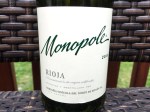 2015 CVNE Monopole Rioja (13% ABV, SRP: $13, 100% Viura) – the oldest continuously produced white wine in Rioja, starting from 1915. I didn’t realize this was a 100th vintage (assuming there was no break in production years).
C: straw pale
N: beautiful white fruit with tropical fruit nuances, lemon, intense
P: clean, crisp and round at the same time – is it possible?, white stone fruit, medium to full body, refreshing, nice acidity on the finish
V: 8-, this wine would brighten up any summer day
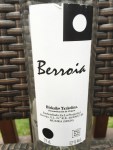 2014 Bodega Berroia Bizkaiko Txakolina DO (12% ABV, $19, 85% Hondarrabi Zuri, 10% Riesling, 5% Folle Blanche, Vegan) – Txakoli is dangerously looking but actually easy to pronounce (just say “Cha-Coh-Lee”) wine coming from the Basque country in Spain. My first encounter with Txakoli was about 8 years ago – it is a clean and refreshing wine, perfect all year around and especially in summer. Similar to many other Spanish whites, it didn’t make it in the US in any major way, but you can still find some of the Txakoli wines in the wine stores – and they well worth your attention.
C: Straw pale
N: concentrated, intense, inviting, touch of peach, candied fruit
P: fresh, undertones of candied fruit but with dry core. Somehow reminiscent of grapefruit, but without much sweetness of bitterness. Medium body and intriguing, leaves you with a sense of mystery which is hard to grasp.
V: 8-/8, excellent and dangerous. Once you start drinking it, it is hard to stop.
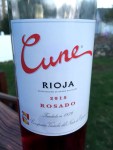 2015 CVNE Rosado Rioja (13.3% ABV, SRP: $13, 100% Tempranillo) – shhh, don’t tell anyone, this was my favorite wine out of the group – but it is a secret.
C: Dark, concentrated pink, bright fresh cranberry juice level
N: intense, floral, with fresh berries and the leaves – imagine smelling the raspberries right on the brunch with leaves on a hot summer day
P: wow, crunchy strawberries and cranberries which just plop in your mouth as you bite them. Clean acidity, super refreshing and every sip is asking for the next.
V: 8+/9-, outstanding, one of the very best Rosé I ever tasted.
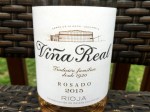 2015 Viña Real Rosado Rioja (13% ABV, SRP: $15, 85% Viura, 15% Tempranillo) – you don’t need my comments here – Viña Real needs no introduction to Rioja wine lovers.
C: orange onion peel
N: very restrained, hint of herbs
P: ripe strawberries, good acidity, medium body, unusual. Second day: delicious, round, refreshing, cohesive. Just needed to let it breeze
V: 7+, need to try again to make up my mind. Second day: 8-, excellent, clean, good fruit presence and perfectly refreshing
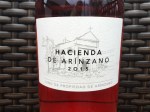 2015 Hacienda de Arínzano Rosè Tempranillo Pago de Arínzano (13.5% ABV, SRP $19.99, 100% Tempranillo) – Pago is the highest denomination for wine quality in Spain, above DOC, and it is not easy to achieve it. You can think of Pago as single winery becoming its own appellation – as Arínzano is in our case. What is also interesting about this wine is that it comes from the Tempranillo vineyard which is designated for the production of the Rosé wine, so Rosé here is the goal, not an afterthought.
C: bright pink, beautiful
N: inviting, herbal notes, strawberries, fresh
P: outstanding. Soft, polished, fresh strawberries, excellent balance, lip smacking delicious, medium body.
V: 8, excellent wine, easy to drink with perfect balance.
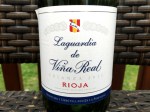 2012 Laguardia de Viña Real Crianza Rioja (13.5% ABV, $12.99, 100% Tempranillo) – can’t leave you without a red, can’t I? Viña Real Rioja Crianza is one of my favorite wines, and it is also one of the best value wines for about $15 or under (depending on where you shop). I never had, however, Laguardia de Viña Real, so was definitely interested in trying this wine when I saw it in the store.
Once I poured it in the glass and took sip, I was not happy. The wine was rather lean and biting, not what Viña Real usually offers in the glass. I decided to decant it, and then after about two and a half hours, the magical Rioja showed up.
C: dark garnet
N: eucalyptus, cigar box, cherries
P: fresh fruit, herbs, sweet oak, medium to full body, well noticeable acidity
V: 8- (after decanting), very nice wine, but give it 5 years or so.
We are done here – let me know if you tried any of the wines I mentioned above and what you think of them. Cheers!
Wednesday’s Meritage – #MWWC16 Vote, #SauvBlanc Day, WTSO Marathon, Chianti in New York
Meritage Time!
Don’t have a lot today – but a few things are worth mentioning.
First – Monthly Wine Writing Challenge #MWWC16, “Finish” concluded with a very modest 7 entrees. All of you, who were busy (or lazy) – and you know who you are – think about it, this is not cool. I really hope you will eagerly fix that behavior for the next time around, or the whole MWWC will be finished. Nevertheless, it is time to vote note – you can do it here.
Last time I reminded you about whole bunch of coming and going wine and grape holidays, so here I will focus only on one – Sauvignon Blanc Day (known in the social media as #SauvBlanc Day), which will be celebrated this coming Friday, April 24th, [hopefully] right in your glass. Sauvignon Blanc is one of the most delicious wines, showing a great range of expression from Sancerre in France to Marlboro in New Zealand to Chile and on to California – it is somewhat similar and ohh so different. One thing in common, no matter where the wine would come from – Sauvignon Blanc always means fun! Festivities will take place all over the world, both on April 24th and onward. On April 30th, New Zealand Sauvignon Blanc will be celebrated in New York – information about this event can be found on the New Zealand Wine web site. If you will scroll down, on the same page to the right you will see information about various events taking place on April 24th in New Zealand, Australia, UK and Canada. You should check Twitter and Facebook (look for #SauvBlanc tag) – I’m sure there will be celebrations all over the world, no matter where you are. Most importantly – pour yourself a glass of delicious Sauvignon Blanc – this is all you need to join the festivities.
Wine Til Sold Out (WTSO), one of the finest purveyors on the great wines at the value prices, is doing “it” again. What “it”? Of course the Marathon! This time it is Magnum Marathon, which will take place on Tuesday, April 28th. WTSO went extra step and created a great information page about all of their Marathons, so now it is easy to learn about what, when and how (and I don’t need to repeat the rules every time) – here is the link.
The last one for today – Chianti anyone? If you like Chianti, and live in a close proximity to New York, you are in luck, as Consorzio Vino Chianti will be hosting Taste of Italy Chianti tasting event in New York on Monday, April 27th at the High Line Hotel. The event will be open to the public – you can find all the information here.
And we are done here. The glass is empty, but the refill is on the way. Cheers!
Wednesday’s Meritage – #MWWC16, Grape and Wine Holidays, Spirits Talk on the Radio, M. Chapoutier Tasting, LBW Marathon
Meritage Time!
Today’s news are a very eclectic mix – from big international grape celebrations to the interesting, but very local updates. Nevertheless – let’s get to it!
First – this is the last reminder for Monthly Wine Writing Challenge #MWWC16, “Finish” – the deadline to submit your entry is Monday, April 20th. I don’t think I saw a single entry so far, which is sad, as I think the theme is great. Come on – I know you can do it (addressing myself as well as part of the group) – so let’s just do it!
Grape and wine holidays, anyone? I don’t know who, where and how comes up with all of those holidays, but still, as oenophiles, we must support them, aren’t we? First of all, April is the Michigan Wine Month. Well, this might be a tough celebration for those who don’t live in Michigan – don’t know about your state, but Michigan wines are nowhere to be found in the state of Connecticut. If you don’t have an access to the Michigan wine, at least you can read about it – here is the link to the Michigan Wine web site.
Up and coming in the glass next to you is… Malbec! Friday, April 17th is a Malbec World Day. Unquestionably associated with Argentina today, but really one of the core Bordeaux varietals, Malbec often creates soft, luscious and approachable wines well appreciated by the wine lovers everywhere. Your celebration instructions are simple – open a bottle of Malbec, pour, smell, sip and savor. Don’t forget to say “ahhh” if you really enjoy it, and tell the world about it #MalbecWorldDay.
Next holiday is a Sauvignon Blanc Day (#SauvBlancDay), which will be celebrated on April 24th, less than 10 days from now. Actually, when it comes to this holiday, we know where and when – it was created by the folks at the St. Supéry winery in California 6 years ago, to celebrate one of the most popular white grapes in the world, Sauvignon Blanc. If should be easy for you to join the festivities by opening the bottle of Sauvignon Blanc, and then sharing your impressions in the social media.
The last wine holiday for today is a 2nd annual Rioja Week, which will start on May 2nd with the Wine and Tapas Festival taking place in Chicago. Again, easy to celebrate – get a bottle of Rioja and drink it with friends!
How familiar are you with the wines of Michel Chapoutier, one of the oldest producers in France (established in 1808), best known for his Rhône wines? Whether you are well familiar or not, you are not going to miss out on a tasting of a few of Chapoutier’s Hermitage wines, wouldn’t you? On April 19th, Total Wines & More, one of the largest wine retailers in US, will be conducting a virtual tasting event, where you will have an opportunity to taste (for real) some of the great wines made by Michel Chapoutier. The tasting will take place at the Total Wines stores near you – for more information and to get tickets (priced at $25) please use this link.
Be forewarned – the madness is coming! Nope, not the apocalypse type. Just a simple wine madness. Last Bottle Wines, purveyor of great wines at value prices, will conduct their Madness Marathon tomorrow (04/16), starting at 12 PM Eastern/9 AM Pacific time, and continuing for the next 48 hours, or until the Last Bottle cellar will be empty.
During the Madness Marathon, all the wines will be offered in the rapid succession, without any notifications – no twitter, no e-mails, no text messages. The only way to follow the madness is by constantly refreshing your browser window. There are no minimum purchases to get a free shipping – you can buy 1 bottle at a time, it is fine. All the wines you will buy will ship together after April 27th.
You will need to have an account with Last Bottle Wines, and all account information should be pre-filled – speaking from the experience, the wine you want might be well gone by the time you will finish putting in an expiration date for your credit card. In case you don’t have a Last Bottle account already, I will be glad to be your reference – not that you need a reference, but if you will sign up using this link, you will get $5 credit on your first order – and yes, I will get $20 credit after your first purchase – but once you are in, you will be the one who will tell your friends about it. In case the link doesn’t work, feel free to send me an e-mail to talkavino-info (at) yahoo (dot) com.
Lastly, two updates more of a local nature. First, last Friday I had an opportunity once again to talk (yep, that is something I like to do) about my favorite subject. Well, with a slight twist – the conversation was about liquid pleasures outside of wine – Vodka, Scotch, Bourbon and the others. Once again, I was a guest at the Off the Vine Radio Show with Benita Johnson – and you can listen to that show here. Next time, you should call in and ask questions – will make it more fun!
Before we part, I want to mention that I finally produced a post #4 in a series of the Spanish Wine Recommendations – this post is focused on the places where you can buy Spanish wines around the world. The reason I’m mentioning it here is because after I published the post, I got very useful comments extending the coverage of the good places to get Spanish wines around the world. I updated the post with those comments, so if you read the post already, you might want to check it out again. Here is the link for you to make it easier. If you also got any suggestions or comments, please make sure to share them.
And we are done here. The glass is empty, but the refill is on the way. Cheers!
Last Bottle Sign Up ($10 credit)




 Talk-A-Vino