Archive
#WineChat, #WineChat, #WineChat, #WineChat!
I guess you are thinking that I accidentally fell asleep at the keyboard, and the same word was repeated multiple times in the title. Or may be I’m working on the new wine riddle. Well, no, I’m not asleep and I’m not good at creating riddles. But over the next few days, there will be 4 different #WineChats or #WineChat style events which I would like to bring to your attention.
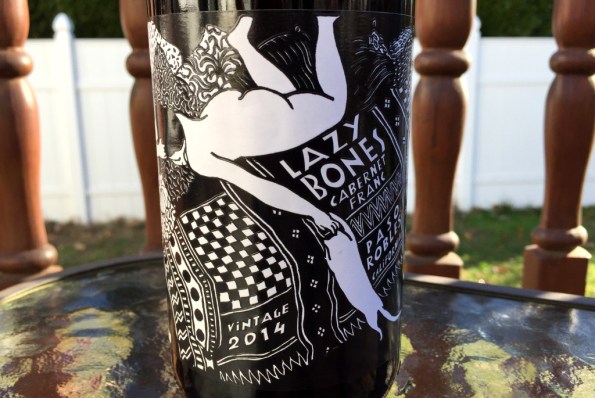
First, on Friday, December 4th (which is today!), we will be celebrating Cabernet Franc, one of the noble grape varietals and one of the “parents” of the Cabernet Sauvignon. This #CabFrancDay celebration is started by Lori and Michael of Dracaena Wines, and the culmination point of the celebration will be a live #WineChat on Twitter, starting at 8 PM Eastern time. The celebration is easy to join – pour yourself a glass of Cabernet Franc (you got lots of choices – Bordeaux, Loire, Languedoc, California, Australia, New York state, Oregon, Argentina and many other regions), open Twitter and chat away.
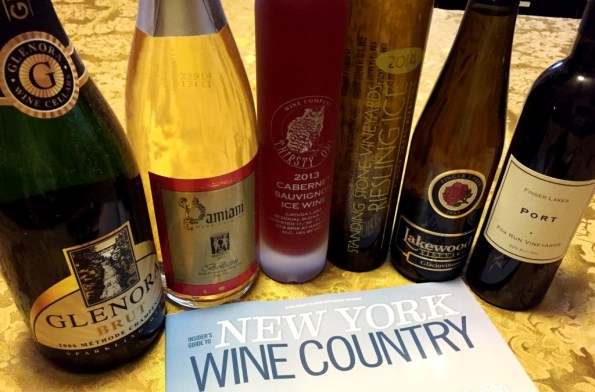
Next virtual event will take place on Wednesday, December 9th, 7 – 8 PM Eastern – Finger Lakes Wine Alliance will conduct its traditional Sparkling and Dessert Wines tasting. The event will take place on Twitter using hash tag #FLXwineVT, together with the live broadcast on UStream. 6 wineries will participate in the tasting – Damiani Wine Cellars, Fox Run Vineyards, Glenora Wine Cellars, Lakewood Vineyards, Standing Stone Vineyards and Thirsty Owl Wine Company.
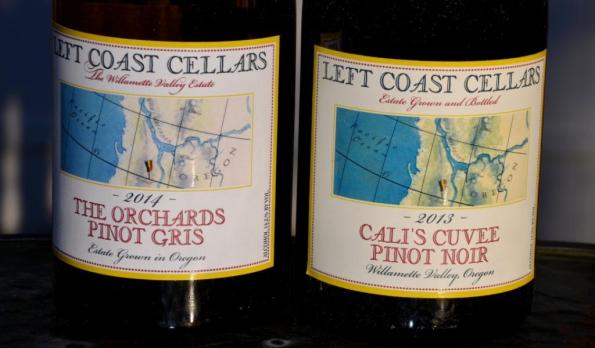
After you and your fingers will take one hour break, it will be a time to join a #WineChat! At 9 PM Eastern, Luke McCollom, General Manager, Viticulturist and Founding Wine Maker of Left Coast Cellars from Oregon will be discussing “the advantages of a single vineyard estate”. All you need to do to join the conversation, which I’m sure will be very interesting (I published a two-part interview with Luke McCollom a short while ago – part 1 and part 2), is to open Twitter and join the conversation with the hash tag #WineChat.
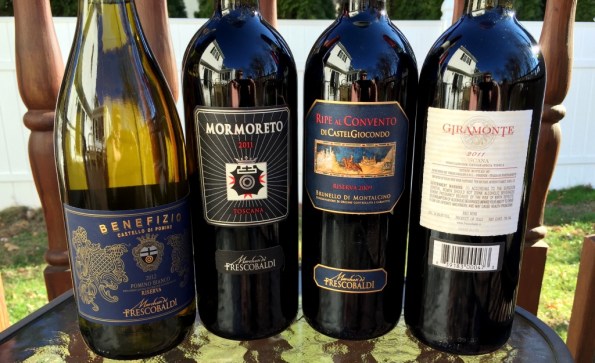
Last but not least, on Thursday, December 10th, there will be a virtual tasting of 700 year old Marchesi de’ Frescobaldi’s “CRU wines from its signature estates (Castello di Nipozzano, Castello di Pomino, Tenuta di Castelgiocondo, Tenuta di Castiglioni)”. The tasting will start at 1 PM Eastern (was originally scheduled for 2 PM), and it will be done as a live broadcast over UStream. Tasting will be conducted by Lamberto Frescobaldi, President and 30th generation of Marchesi de’ Frescobaldi. Join in!
I hope you will find time to join at least one tasting – the conversations at those events are always live and entertaining. Until the next time – cheers!
One on One with the Winemaker: Luke McCollom of Left Coast Cellars, Oregon – Part 2
 Welcome back to Oregon – we are continuing the conversation with Luke McCollom, Founding winemaker, Viticulturist and General Manager of one of the largest estates in Oregon, Left Coast Cellars. First part of our conversation was focused on the history of the estate, its name, its logo, and selection of the grapes which comprise 150 acres of the vineyards. Now we are going to talk about growing the grapes, sustainable viticulture, mother nature and some of the personal favorites. Here we go:
Can you elaborate a bit on the sustainable viticulture you are practicing in your vineyards?
We are certified by a third party Audit as LIVE Sustainable. This is a whole farm approach which uses scientifically proven methods to reduce inputs into the vineyard and reduce impact on our land and environment. LIVE also monitors the treatment of people, carbon footprint, energy, and water usage.
Both the Vineyards and Winery are certified LIVE sustainable For example: we are also certified Salmon Safe…this means we do not spray or use any chemicals which are toxic to or can harm fish. We do not use chemicals that can run off or enter water ways. We use a permanent, no-till, cover cropping system in the vineyards which great reduces dust, sediment, and run-off that pollutes our water ways.
We of course are mostly Solar Powered…100% of our irrigation system is powered by Solar. The irrigation system is also gravity fed with a pond located on top of one of our highest hills. So, water is pumped up via solar and runs down into the vineyard drip irrigation systems via gravity. We also collect our winery rinse water into tanks where we can re-use the water for irrigating landscaping. All of the “grape waste” from the winery is composted on-site and returned to vineyards and gardens. Our property is shaped like a bowl, so there are no other source of outside contaminates or pollution entering the property. All of the water in our Lakes comes from our property only. We also have steelhead and trout in these lakes…so anything we do can and will directly affect our own water source.
Do your sustainable practices also include dry farming and natural yeasts?
All of our vineyards have the ability to be irrigated with their drip systems if needed!? Of course, we only irrigate vines if and when they need water. We believe with future changes in our climate that water is one of the most important factors in the quality of our wines. Our water is sustainably collected in the wintertime from rainfall runoff. Our 100 acre foot lake is the life blood of the Estate. With our sustainable methods of using this water our combined peak usage of water and electricity costs $11.70/mo a typical water and electric bill on an Estate our size would be anywhere from $10,000-$15,000/mo. This gives an idea of the power of Sustainability and the power of harnessing the sun. Yes, we use natural yeast and we also use commercially available yeasts to make wine.
Do you have any plans to go beyond sustainable into full organic or may be even biodynamic?
Yes, we would like to eventually have wines bottled as sustainable, organic, and biodynamic so people can taste the comparisons. We currently spray almost exclusively organic sprays and utilize many biodynamic practices although do not have certifications in either.
I’m sure that some of the hard core Oregon Pinot fans are familiar with Van Duzer effect, but can you give a short explanation of it to those who don’t?
The Van Duzer Corridor is the main path by which cool Pacific Ocean breezes enter the Willamette Valley. We are in the Heart of where the corridor opens into the Center of the Valley. We are currently involved with a group working on a “Van Duzer Corridor AVA”. The effects of these ocean breezes are critical in producing the highest quality Pinot Noir. On a warm summer day at the Estate, our day time temperatures will reach 90 degrees. In the evening, the Corridor ushers in the cool ocean breezes and our night time temperatures fall to 40 or 50 degrees! A huge temperature swing! The result is sort of like a refrigerator…at night, when the vines are not producing sugars, the Pinot grapes are preserved with the cool outside temperatures. What this means is…the grapes will retain freshness, acidity, and increased wine ageability because they respire less and are preserved with the cool night air.
Out of all Pinot Noir which you produced so far, do you have the most favorite wine from the favorite vintage?
My favorite Left Coast wine is the 2010 Suzanne’s Estate. This is the first vintage Luke and Joe Wright worked together making wine. We hand selected small lots of grapes from the vineyards and made them in small batches with minimal influence and impact from Winemaking. The result is a very cool vintage Pinot with minimal manipulation in the Winery and a 92pts. Wine Spectator rating. It was very rewarding for me to receive an outstanding rating when the wine was selected in the field and winemaking was at a minimum.
When you are not drinking your own wines, what are the other Oregon producers you would be happy to drink wines from?
We enjoy drinking many of our Neighbors wines including Bethel Heights, Cristom, and Witness Tree just to name a few…
And the same question, only going outside of the Oregon – any favorite wines and producers?
Reaching in and out of Oregon we have always kept an eye on Maison Joseph Drouhin. Locally, Drouhin of course makes Domaine Drouhin Oregon Pinot, but from Burgundy continues to offer an incredible range of wines from very affordable negociant blends to very expensive premier and grand crus from individual Domaines. We believe Drouhin continues to make and blend wines which celebrate classic Burgundy. Of course this is what intrigued us to try and grow World Class Pinot Noir in Oregon…it was Burgundy! We wanted to try and replicate the classic Terroirs of Burgundy and now we are trying to beat Burgundy with our classic Terroirs of Oregon and the Willamette Valley! Viva The Left Coast!
I don’t know about your take, but I think Luke McCollom did an excellent job answering my questions – I had a real feeling of being in the same room with him and looking out at the same vineyard. It is definitely very interesting to learn about sustainable viticulture and how it is done at the Left Coast Cellars – the example with $11.70 monthly electric bill versus potential $10,000+ was extremely impressive.
Of course the proof is in the glass, right? In the previous post, I shared my thoughts on estate’s The Orchards Pinot Gris and Cali’s Pinot Noir. To round up this portion of the interview, I had an opportunity to taste Chardonnay and another Pinot Noir. Before I will talk about the wines, I have to mention the bottles – as the saying goes for the food world “we eat with our eyes first”, same holds true for the wine. Talking about Left Coast Cellar wines, I really enjoyed holding the bottles in my hands – somehow they felt very promising in terms of their content. All four bottles had very nice punt, which would make elegant pouring of the wines an easy job. And the labels are perfectly design and spell “quality” with their look and feel.
Okay, okay – I’m sure you are ready to drink something – here are my notes on the two wines:
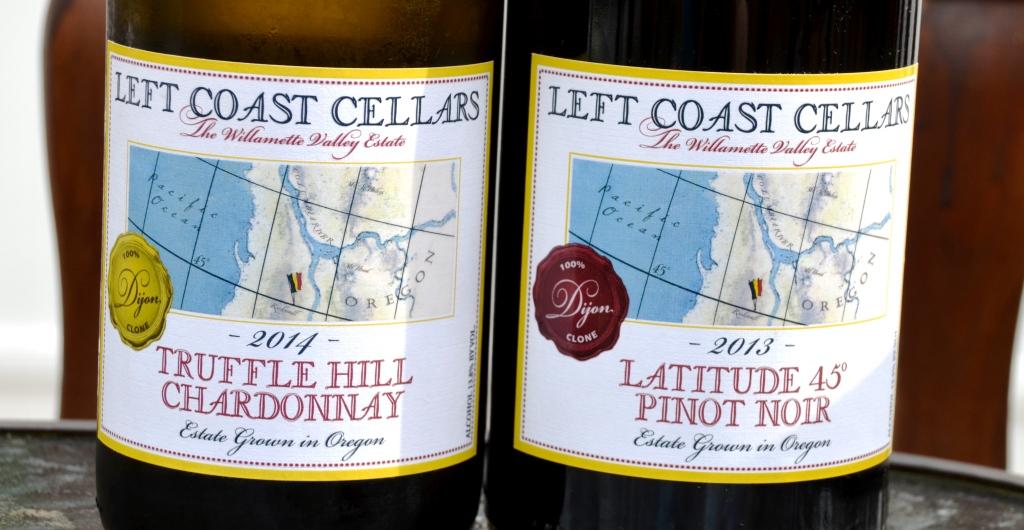 2014 Left Coast Cellars Truffle Hill Chardonnay Willamette Valley, Oregon (13.5% ABV, $24)
C: light golden
N: white ripe fruit, intense, touch of vanilla, caramel, touch of flowers
P: unusual, plump, medium to full body, hint of white peach, pear, supporting acidity, Burgundian elegance
V: 8, very unusual Chardonnay, with a style of its own, and overall delicious wine
2013 Left Coast Cellars Latitude 45 Pinot Noir Willamette Valley, Oregon (13.5% ABV, $50)
C: garnet
N: intense, crushed red berries, lavender, sweet plums, vanilla, hint of chocolate, Bing cherries
P: wow, very unusual. Herbal profile with some fruit, initial tannin attack, almost light and effervescent on the palate, but tannins are very assertive. As I don’t have enough experience with red burgundies, my best analogy is wines of ArPePe, which are some of the most elegant Nebbiolo wines in existence. Clean, pure and unadulterated Pinot Noir. Just wow.
V: 9-, truly unique and different
Sustainable viticulture. Passion. Unique and different wines. Simple recipe for success, isn’t it? I can let you in on a secret. Quite often, I don’t finish a bottle of wine on the same day. Especially if I have a few open at the same time. So I happened to drink Cali’s Pinot Noir I mentioned in the previous post over 4 days. Just closing with the same screw top every night. And the wine was delicious, every day. I think folks at the Left Coast Cellars know what they are doing, and their wines are well worth seeking. Follow the passion, my friends. Cheers!
One on One with the Winemaker: Luke McCollom of Left Coast Cellars, Oregon
 Let me tell you something – I really liked the concept of my first “one on one” post. Which means that I will try to make it into a feature and a series in this blog. And today I invite you to travel with me to the Oregon, third largest grape-producing state in the US. Our destination is Left Coast Cellars estate, home to one of the largest contiguous vineyards in Oregon, focused on sustainable viticulture and precisely focused wines. I had an opportunity to “sit down” (yes – virtually) with Luke McCollom, Founding Winemaker, Viticulturist and General Manager of the Left Coast Cellars, and ask him whole bunch of questions. I really asked lots of questions – and I got lots of great answers. I actually will have to split our conversation into two parts, just not to overwhelm you, my reader.
Without further ado, please pour yourself a glass of (Oregon, of course!) wine – here is our conversation with Luke McCollom:
Why “Left Coast Cellars”?
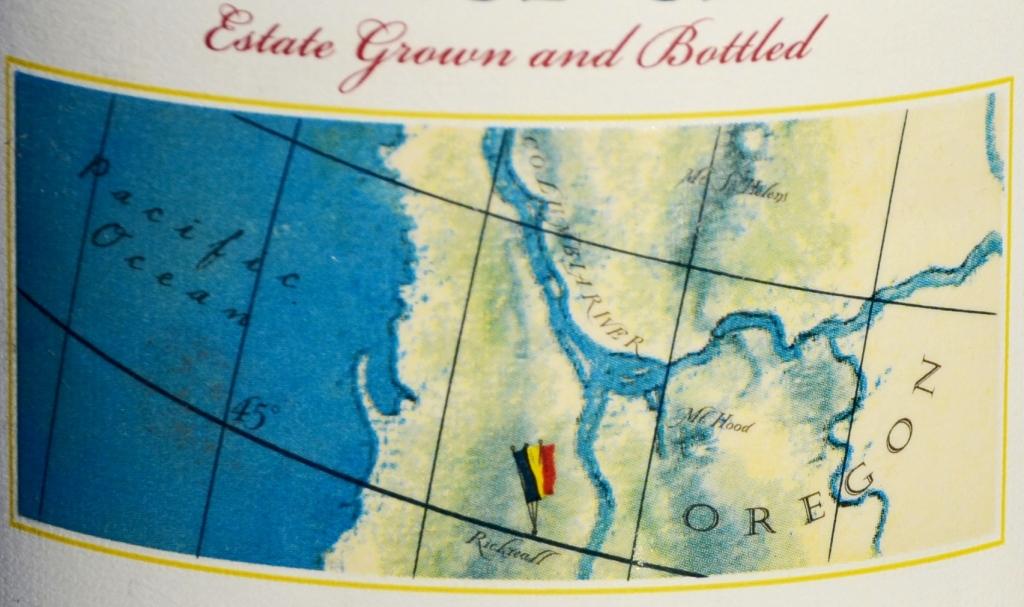
Well, we want to represent and paint a picture of our sense of place. The “Left Coast” can be seen on our Lewis and Clark Map rendered Labels. When you’re looking at a Map of the United States… we are on the Left Side! Also, of course… Left Coast is Family owned and 3 of the Family members running the Estate are Left Handed. When visiting Left Coast, coming from the closest Major city….The State Capitol Salem, you need to make Left Hand turns to get to the Winery. The Winery and Tasting room are both on the Left Side of the Drive. The term Left Coast not only describes our location, but our wholesome, casual style, and creative ability to artistically craft… unique, exquisite, Estate Grown handmade wines. Not to mention, the heavy “Coast” Influence brought in daily by the Van Duzer Corridor.
[TaV comment: I asked this question rather matter-of-factly, expecting the explanation about Left Coast, but it appears that there is so much more to this name]
Your logo looks very interesting. Is there a story behind it?
The “Sun” Logo is from a large Copper Sculpture which can be seen as you enter the property. The Sculpture was a gift given to Suzanne by husband Robert for an Anniversary. It is a beautiful, unique piece created by a Hawaiian artist named Abe Santoro. Santoro’s work can be seen at places like the Smithsonian. I believe Santoro is nearly 90 years old and is referred to as a Treasure of Hawaii.
For us it represents the Founders love for each other and the commitment of life partnership which led to a beautiful family, with passion for food, and wine. The logo is a symbol of the vision created together to Build an amazing Estate in The Willamette Valley. This “Circle of Life” logo also represents their commitment to Sustainability, the Earth, the Sun and the cycle of every vintage of wine.
When you started the winery in 2003 and purchased the land, were there any vines planted already or did you have to start from scratch?
When the Family purchased the property there were 25 acres of Pinot Noir. The first vintage crafted from these young Latitude 45 Vines received an 88pts. in Wine Spectator. This was very exciting because the vines where only 3 years old! Other than that, there was a large spring fed lake and most of the property was overgrown with poison oak and black berry bushes. All of the extensive gardens, landscaping, buildings, infrastructure, and design were created by the Family from scratch. Since then we have also planted another 115 acres of vineyards including 11 different types of Pinot Noir as well as some of the most extensive white wine grape plantings in Oregon.
According to the information on your web site, there are 8 distinct microclimates across your vineyards. Do your wines today already showcase the different microclimates or do you plan to expand on that in the future?
Yes, we constantly strive to showcase our different micro climates and to bottle distinct unique wines. Probably the best example of this is in the Vineyard Designate Pinot Noirs…(Right Bank Pommard, Truffle Hill Wadenswil, and Latitude 45 Dijon Bottlings). These Pinot Noirs are planted in locations best suited for their type of micro climate. Each Vineyard Designate Pinot is hand made in small, open top, French Oak Wine Vats. Each wine is made using different yeast and different dedicated barrel coopers selected to exemplify the Clone and Micro climate of each wine. For example, the Truffle Hill is a Swiss type of Pinot Noir, grown on one of our cooler sites (sort of like Switzerland) We use only Swiss Yeast in making the wine to showcase the tradition of the clonal selection and create distinct style and flavor. The Truffle Hill is aged using specific barrel cooperage which does not dominate the complex nuances of the Wadenswil Selection Pinot Noir. In the future, we would like to expand our showcasing of different soil types from the property comparing Sedimentary Soils to Our Volcanic Soils.
You grow Pinot Meunier, Syrah and Viognier – how do you use those grapes?
Pinot Meunier is used as a base in our Sparkling wines and is also made into a Field of Dreams Pinot Meunier still red wine. This year the Meunier was crafted into a sparkling Brut Rose and a couple hundred cases of still red wine. Meunier of course means “miller” in French like flour miller…because the vines are covered with white fuzz that makes them look like they were dusted with flour. Meunier is a mutation of Pinot Noir and loks like a “wild” Pinot Noir vine. The Meunier still wine sort of tastes like a wild pinot noir with it’s firm structure tannins and distinct brambly and pomegranate flavors.
Syrah and Viognier are also made into Field of Dreams Varietal wines for Wine Club and Tasting Room. The warm 2014 and 2015 vintages are good vintages for perfectly ripe Rhone Varietals in our climate. These vintages also make good quantity of these varietals for potential availability in the National Market. For 2015 Look for Left Coasts’ own Left Cote du Rotie…this is a Syrah co-fermented with up to 25% of Viognier. The Viognier has an enzyme in the skins which creates more extraction of color and flavor in the Syrah fermentation. Very Cool! Northern Rhone style wines which pair beautiful with food. We are a Pinot House, but the 45th parallel where we sit aligns exactly with Northern Rhone…this is why we grow small amounts of these varieties on the Estate. Another small celebration of Terroir, Microclimate, and Unique sense of place.
[TaV comment: this was a really a “duh” moment for me – and a clear showcase of deficiency of the virtual conversation – I forgot that many wines can be made in such a small quantities that they will be available at the winery only and never show on the web site, duh…]
to continue previous question – do you have any plans for single varietal Syrah wine?
Our first varietal vintage of Syrah was 2008…we recently opened a bottle to taste and the wine is incredible… still very youthful!
[TaV comment: “duh” moment didn’t stop with the previous question, right?]
It seems that Chardonnay is a rising star in Oregon – I see that you now offer Chardonnay wines for the past few vintages. What do you think of Oregon Chardonnays? What makes them unique? What is your chardonnay style?
Yes, we have committed some of our best land to growing Chardonnay. We have some of the largest modern plantings of Chardonnay in Oregon. The reason being, most people were ripping out Chardonnay when we were developing the vineyards, while we were planting it. We see Chardonnay as going hand in hand with Pinot Noir. Our 2005 Chardonnay was selected by the Oregon Wine Industry in 2010 as a “World Class Ageable White Wine” by our peers at the Oregon Wine Symposium.
We think this shows the potential of Chardonnay in Oregon and the potential of the Left Coast Estate. We strive to create a balanced Chardonnay with equal parts acidity, minerality, fruit, and oak. We believe we hand craft a Chardonnay which is very Oregonian in style meaning a wine which is clean, not oak dominated, will please non-chardonnay drinkers, and of course pairs well with Northwest Cuisine. For lack of description we try to craft Oregon Chardonnay as somewhere halfway between California and Burgundy. We love Oregon Chardonnay!!! and often ferment ours half in Stainless Steel Vats and Half in French Oak barrels. We believe the stainless portion of the fermentation preserves the fruit and acidty and the French Oak fermented portion provides subtle oak flavors with round mouth feel and volume. These wines are blended, married, and bottled together as one. We also have an extremely distinct Musque Clone Chardonnay that is concrete fermented and bottled for Wine Club.
I don’t know about you, but I definitely need a glass at this point, so here are two of the Left Coast Cellars wines I had an opportunity to try (as samples, courtesy of Donna White PR):
2014 Left Coast Cellars The Orchards Pinot Gris Willamette Valley, Oregon (14.2% ABV, $18)
C: straw golden
N: fresh flowers, fresh white fruit, candy, bright, exciting
P: nicely restrained of the palate, quite a contrast with the nose. Lemon zest, touch of grass, medium body with nice mid-palate weight, wine is nicely present, tart finish
V: 8-, should develop interestingly with time
2013 Left Coast Cellars Cali’s Cuvée Pinot Noir Willamette Valley, Oregon (13.5% ABV, $24)
C: garnet
N: typical Pinot Noir, sweet plum, violet, touch of licorice and vanilla
P: delicious. Sweet cherries, touch of eucalyptus, medium body, firm, touch of smoke, good acidity, good balance, very (very) long mouthwatering finish
V: 8, dangerous wine – once you start, it is very difficult to stop
That’s all I have for you for today. To be continued…
Daily Glass: France, New Jersey, Oregon
 Glass of wine (or two, but who’s counting) is a standard daily routine at our house (most of the time anyway). Hence these “Daily Glass” posts, where I talk about those “everyday” wines. What I’m trying to stress here that it is really an “everyday” wine phenomenon, as opposed to the wine dinners, birthday, holidays and other special occasions.
In today’s post I want to talk about my recent “everyday” wine experiences, which included wines from France, New Jersey and Oregon. I’m sorry, what are you saying? You never heard of the New Jersey wines? Really? Okay, fine, you got me. New Jersey wines are not my everyday wines either. But the wines are made in New Jersey, and some of them are pretty good wines, I have to admit.
Anyway, let’s talk about those recent “everyday” wines – shall we?
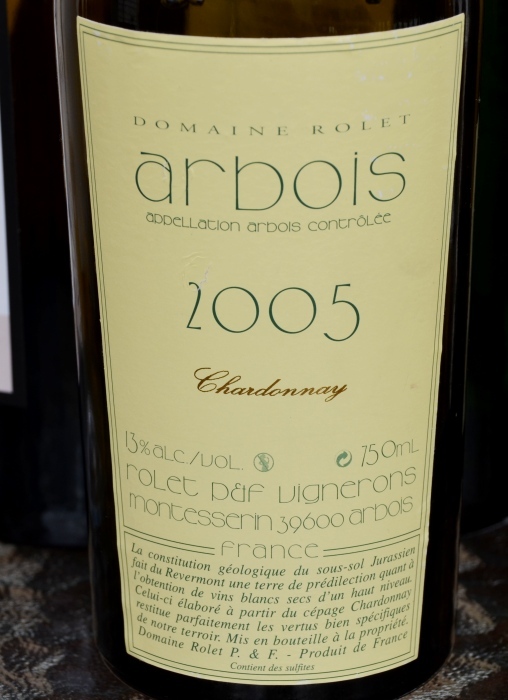 Let’s start with the two wines from France. First, 2005 Domaine Rolet Chardonnay Arbois AOC, Jura (13.5% ABV, $20?) – yes, a pretty rare bird – the wine from Jura. I got two bottles few years ago at the store in Massachusetts. This was my second bottle, and while I’m sure the wine would still can go on and on, I thought that 10 years should be good enough to open it. After initial whiff of oxidation on the nose (quite typical for Jura), the wine opened into delicious, balanced Chardonnay. White fruit on the nose, touch of vanilla. Clean acidity, Chablis-like minerality, touch of lemon and Granny Smith apples, perfectly fresh and balanced. Drinkability: 8-
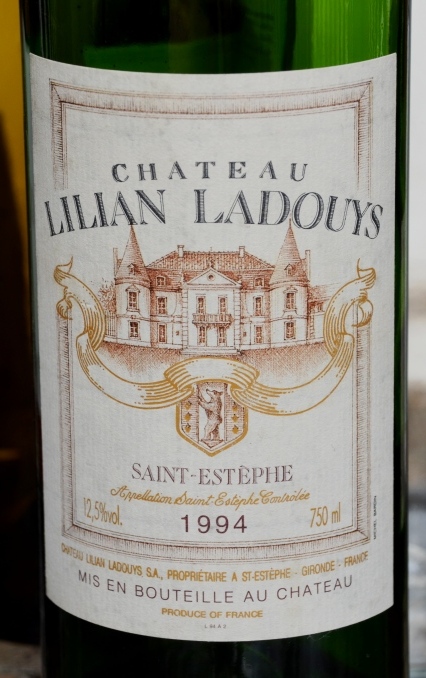 Next wine was really an unexpected treat. I have to admit – I rarely drink Bordeaux. Inexpensive Bordeaux often under-delivers. And I really don’t want to experiment with $50 wines; $120+ wines are out of my league for the everyday consumption. But with this particular wine, the story was much simpler – “try before buy” is the best thing since the sliced bread, people! Stopped by my local favorite wine store, Cost Less Wines, for the traditional Saturday tasting. Lester, who usually runs the tastings, poured the wine from the decanter and warned me – “you might not like it”. 1994 Chateau Lilian Ladouys Saint-Estéphe (12.5% ABV, $15) – this is just a tasting, how bad can it be? First smell – amazing, mature wine with complex, fragrant bouquet. First sip – wow, dried fruit, hazelnut, spices, distant hint of cinnamon, fresh acidity – a perfect package. Turns out that the first bottle opened for the tasting was somewhat off, this is what prompted Lester’s warning. This wine was decanted for 2 hours, and it was perfect – I don’t know how much life it still has, but considering the way it was drinking, it definitely has a few more years to enjoy it. Drinkability: 9
And now, the moment you’ve been waiting for – New Jersey wines. Let me ask you something – what would be your expectations of the New Jersey wines? Yes, New Jersey is better known for its humongous malls, Jersey Shore or evenly spaced, monotonically numbered highway exits. Wines? Not something people would readily associate with the Garden State. I also had sad prior experience with one of the New Jersey wines, which I simply deemed “undrinkable”, so when I was asked if I want to participate in the virtual tasting of New Jersey wines, my first inclination was “thank you, but no”. After a second (or a fifth) thought, there was “well, may be?” moment, so I said – sure, will be glad to.
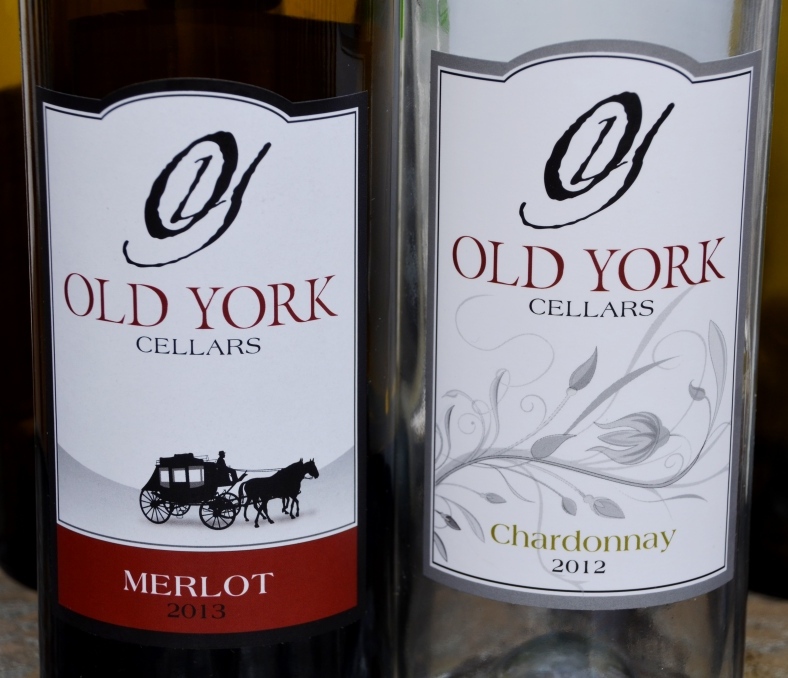
You would understand my skepticism even better if I will tell you that the wines offered for the tasting were not anything less than the classic varietals – Chardonnay and Merlot. I’m very particular with the flavor profile of both, as from my experience, it is very easy to screw up the respective wines. Okay, so the winery in point – Old York Cellars. Vineyards at Old York Cellars were planted in 1979, and the winery was first to produce commercial wines in New Jersey in 1981. Today winery produces about 6,200 cases from the 18 different grape varieties with Vidal Blanc, Cabernet Sauvignon and Marechal Foch been most popular among the customers. We learned these and many other interesting facts during the #VirtualVines twitter session with winemaker Scott Gares, who had been making wines for more than 20 years – “it’s the family business” he twitted.
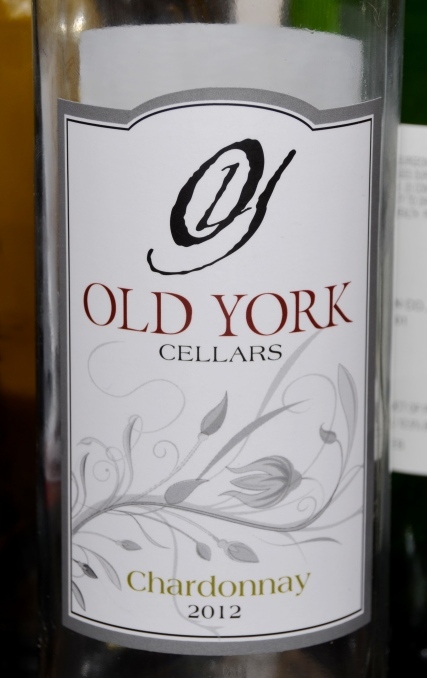 Now, let’s talk about the wines. First, 2012 Old York Cellars Chardonnay (under 12% ABV, $18). When I just pulled the cork and poured wine into the glass, the first sip was simply not good. There was lots of salinity and soap, so my first thought was “here we go again” (referring to my prior experience with NJ wine). Oh well, let’s see what will happen. 30 minutes later, it was totally different wine. Touch of vanilla showed up on the nose. On the palate, the wine opened up into a clean, classic Chardonnay, plump, medium to full body, vanilla, apples and touch of butter on the palate, excellent balance. Don’t know why the wine started like it did, but the transformation was very impressive. I was upset when the bottle was finished, would love to have another sip. Drinkability: 8
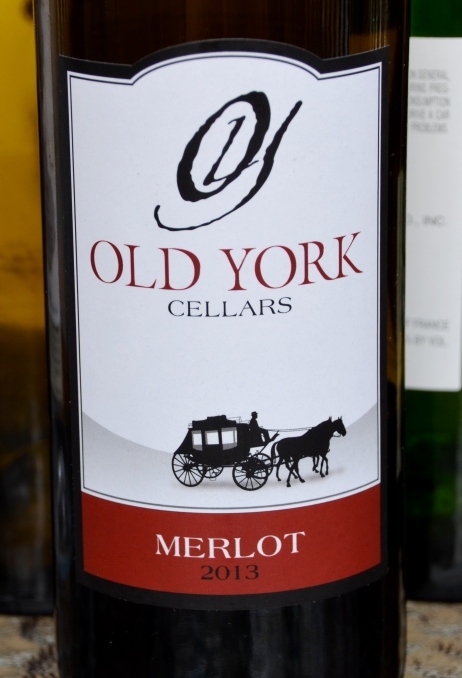 Next wine was 2013 Old York Cellars Merlot (15.5% ABV, $18). From get go, this was one tasty wine. Dark fruit on the nose (without characteristic cassis though). On the palate, very interesting smoke and spice, with undertones of mudrooms and forest floor, and well present sapidity. A thought provoking red wine. Full bodied and concentrated, with excellent balance. What was also very interesting is that at 15.5% ABV, the alcohol was extremely well integrated – it was not showing on the nose or on the palate. Drinkability: 8-
So here are two wines which greatly exceeded my expectations – you know, it is the sip of the wine which becomes an ultimate truth. Perception holds a lot of power in the world of wine – but more on this later in the separate post. For now I can only recommend that if you will have an opportunity, try the Old York Cellar wines – at least I plan to continue doing that.
 The last wine for today – 2011 Brick House Vineyards ‘Cuvée du Tonnelier’ Pinot Noir, Ribbon Ridge, Oregon (13% ABV, $45). Lately, I come across many wines made with biodynamic grapes – most of them are really good wines, but I’m still trying to form an opinion if those are just lucky accidents or a trend. Also, label specifically says that the wine is made with Biodynamic® grapes – Biodynamic with upper case and registered trademark symbol next to it – is “Biodynamic” like “Champagne” now? Anyway, the wine was delicious – a classic Pinot Noir nose with smoke and mushrooms, bright fresh fruit on the palate, very clean, round, perfectly balanced – a new world wine, yes, but perfect finesse and elegance. Biodynamic or what, but it was one tasty wine. Drinkability: 8
And we are done here. Have you had any of these wines? Have you ever had wines from New Jersey? What do you think of Biodynamic wines? If you are willing to talk, I’m ready 🙂 Cheers!
Note: Old York Cellars wines where supplied as a media sample. All opinions are my own.
Daily Glass: First, There Was A Smell
Drinking wine is a sensual experience. Okay, I can’t speak here for all the people who drink wine at one time or the other – but I’m sure that this selectively crazy passionate group, oenophiles, would wholeheartedly agree. Once the wine goes into the glass, of course the color matters first – but color is mostly a technical characteristic. The color can tell you what to expect – for instance, if a Chardonnay has rich golden, yellow color in the glass, you should prepare for the worst (the wine which will be well past prime). Or if a red wine looks almost black in the glass, get ready for the tannins encounter. Still, the most pleasure you can get from the color alone is to get excited – “look at this beautiful color!” type excited.
Your hedonistic pleasure starts with the smell. Technically, it starts and ends with the smell, as our taste buds don’t go beyond 4 (or 5) basic tastes, and even when you take a sip of the wine, it is still the sense of smell which leads you to the strawberries in that sip – but let’s not get technical here, we are talking about the pleasure. Yes, you start with the smell – it is the smell which takes you away and makes you go “wow”. It is the smell which grabs your attention and captivates you, and forces you to smell that wine again, and again and again. It is the smell which builds up the excitement and expectations of the first sip.
The first sip afterwards is a moment of truth – if you are lucky, the taste will match the smell and will take you to the oenophile’s heaven, at least for a moment. It doesn’t always work like that – more often than not, the excitement built by impeccable aromatics instantly dissipates after the first sip. But when you are in luck, this is how the wine memories are created.


What prompted this post was my undoubtedly lucky experience few days ago with two wines in the row, delivering that incredible combination of aromatics and taste. Sorry, I’m getting overly excited here, but the smell of the 2013 Hanna Sauvignon Blanc Russian River Valley ($15) was, in a word, spectacular. In the New World renditions, Sauvignon Blanc is very aromatic more often than not – but it would be typically aromatics of grapefruit and lemon, Here, from the get go, the glass was exuding with the aromas of the fresh cut grass and cat pee. Yes, I know that many people jump when the cat pee descriptor is used, but anyone who had owned a cat would perfectly understand what I’m talking about. And yes, cat pee is a known classic profile of Sancerre, the most classic Sauvignon Blanc of all. So this wine had it all, clean, bright and present on the nose – and the palate was beautiful, medium to full body, with fresh cut grass and touch of lemon peel. Definitely an outstanding example of California Sauvignon Blanc, now squarely engraved in my memory, right next to the Honig and Mara White Grass, which are always California Sauvignon Blanc staples for me. Drinkability: 8+
And then there was 2011 Antica Terra Ceras Pinot Noir Willamette Valley ($75). I’m not going to spend a lot of time talking about the winery – you can should read interesting stories on Antica Terra web site on your own. But this wine… Talking about attractive color, the wine was ruby with the light pinkish hue in the glass. And then the first smell… It was surreal. Here is where I fail as a wine writer, as I can’t give you the right set of words to describe the impressions from this wine. The smell had everything in it – the cranberries, forest floor, herbs and mushrooms – light, delicate and seductive, saying “and now, let’s take a sip…”. The palate was a natural, precisely fitted extension of the smell – all the same component, now packaged together. More cranberries, shallots and truffles, sage and lavender, minerality and whiff of the forest floor, effortlessly rolling off your tongue, delicate and present, with perfectly noticeable, silky texture and needless to say, perfect balance. This was for sure one of the most sensual wines I ever had. And yes, if you want to take this tasting note as an example “look at another moronic wine review” – I will still stand behind it, as this wine delivered lots and lots of pleasure. Drinkability: 9/9+
There you have it, my friends – two wines which will be etched in the memory for the very, very long time. I wish you all to have lots of sensual wine experiences and memorable wines. Cheers!
International Tempranillo Face Off – USA Fares Well
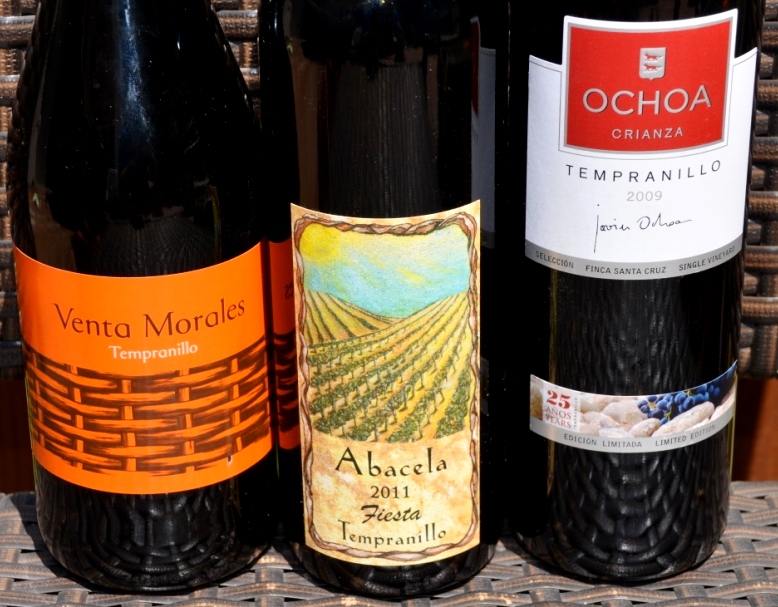 Thinking about Tempranillo, what wines come to mind first? Rioja is an unquestionable champion, with its bright fruit expressions packaged into eucalyptus laden cigar box. Ribera del Duero is definitely next, with its perfect, firm structure, and then Toro, with layers upon layers of power. Tempranillo has one of the most synonyms, most of which point back to the different areas in Spain, so it is given that outside of three regions we just mentioned, the grape is very popular all around Spain. And then… well, there is not much outside of Spain. Portugal, where Tempranillo is known under the names of Aragonez and Tinta Roriz, is the only internationally renown source of Tempranillo wines outside of Spain – even then mostly using Tempranillo as a part of the blend. Australia and a few other countries also experiment with the grape – but I’m not sure they produce something worth bragging about.
And then, of course, there is the USA. Tempranillo made it into the California at the beginning of the 20th century, but really didn’t find much success there as a single varietal wine. You can find some of the Tempranillo made in the southern California, in places like Temecula Valley, but those wines are little known outside of the wineries which produce them. On a big scale, Texas probably is having the biggest success with Tempranillo in USA, where the grape is considered a signature state grape, and Tempranillo wines produced by many wineries. But our conversation today will not be about Texas Tempranillo – we are going a lot further North on the map, to the state of Oregon.
No, Oregon is not an internationally renowned source of Tempranillo wines, not yet anyway. However, while I was recently participating in the #winechat about Oregon Pinot Noir, someone mentioned Tempranillo as one of the grapes in Oregon which might have a bright future. As I’m very partial to the Tempranillo wines with the great love of Rioja, that piqued my interest. Tempranillo? From Oregon? Really? How good can that be? I was told that Abacela winery in Oregon produces excellent Tempranillo wine. I reached out to the winery, and – got the bottle to taste. But – I didn’t want to taste this wine on its own – I wanted to create some frame of reference. Yes, I would love to get the Texas Tempranillo, but – that would take a lot of time. Of course the best available source of Tempranillo wines is Spain, so I decided to get a few different wines from Spain. I purposefully avoided Rioja – those wines are rarely 100% pure Tempranillo, and the winemaking style is very specific to Rioja, so it wouldn’t be a good reference. Ribera del Duero wines also might be a bit too specific for this exercise, and Toro wines pack way too much power. I looked for generic Tempranillo renditions in my local wine store, and came up with two bottles from Spain – one from Navarra and one from La Mancha.
Before we talk about our “face off”, let me say a few words about our competitor from USA – Abacela winery. According to the winery’s web site, Abacela name comes from “an ancient and now almost obsolete verb, ‘abacelar’ common to three Iberian languages-Spanish, Galician and Portuguese-and which means “to plant a grape vine.”” Abacela winery started in 1992, when Earl and Hilda Jones purchased a 19th century property in Umpqua Valley in Southern Oregon. This purchase was the result of a very long and intense research on the climate, soil and landscape, to find the place ideally suited to produce a Tempranillo wine on par with the best Spanish Tempranillo. If you are interested to see how the pursuit of passion looks like, read the section called Story on Abacela web site – I wish the other wineries will give you even half of the information about their wines and vineyards.
Our tasting, which I proudly called Face Off, was very simple – I sat down with my wife to try these three wines. We tried the wines in the exact order as you will see it below.


Here are the detailed notes:
2010 Venta Morales Tempranillo La Mancha, Spain (13.5% ABV, $7.99)
Color/visual: Dark garnet, almost black. Very substantial legs
Nose: Baking spices, ripe plums, touch of earthiness
Palate: Prunes, touch of figs, nice acidity, slight imbalance at midpalate
Verdict: Shows slightly “overboard”. Drinkability: 7
2011 Abacela Fiesta Tempranillo Umpqua Valley, Oregon (13.6% ABV, 17 months in barrel, $23)
Color/visual: Garnet, noticeable rim variation as well as legs
Nose: dark chocolate, herbs
Palate: Very elegant, nice fresh fruit, good acidity, very noticeable cherries, present tannins, medium to long finish
Verdict: overall very nice wine. Should be able to stand up against Ribera del Duero. Drinkability: 8-
2009 Bodegas Ochoa Finca Santa Cruz Tempranillo Crianza Limited Edition, Navarra, Spain (13.5% ABV, aged 1 year in American oak, $15.99)
Color/visual: Garnet color, very slight rim variation, noticeable legs
Nose: Touch of sweet fruit, sweet cherries, eucalyptus
Palate:Elegant, perfectly balanced, soft sweet fruit, tobacco, smoke, incredible textural complexity, touch of dust
Verdict: An outstanding Tempranillo, one of the very best I ever tried. Drinkability: 8
As you can see, Abacela Tempranillo definitely worth its salt soil, and I would highly recommend it (if you can find it). I also want to note that Abacela Fiesta is only an introductory Tempranillo – they produce another 3 wines out of Tempranillo, plus a full range of very unusual for the Oregon (or even USA) wines, such as Tannat, Dolcetto and Tinta Amarela – full list looks very impressive and tempting.
As for my little Tempranillo competition, we are done here. Have you ever had an “unusual” Tempranillo wine? Have you ever tried Abacela Tempranillo or any of their wines? What do you think? Cheers!
J Wrigley #WineChat – Continuing Oregon Pinot Noir Deep Immersion
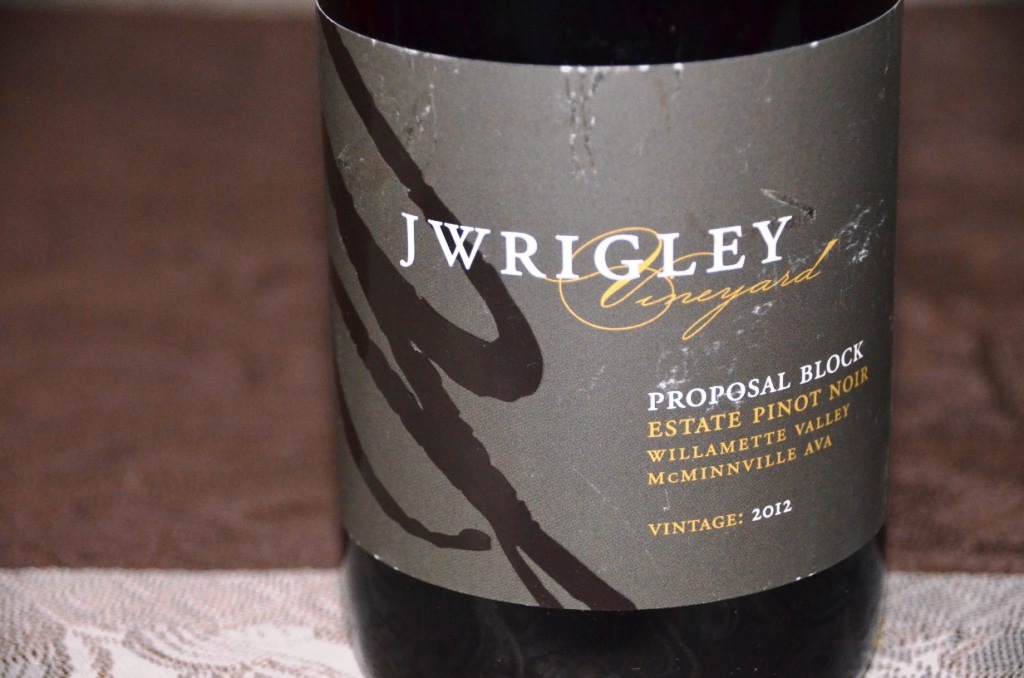 Last Wednesday, April 23, the virtual tasting room opened its #winechat doors to discuss for the third time in the row the endless subject of Oregon Pinot Noir. Presiding over in the hot seat was John Wrigley, the grape grower and winemaker at the J Wrigley Estate in McMinnville AVA in Oregon.
Let me start from the conclusion and tell you what I learned. The terroir, the soil, the elevation, and the winemaker are all matter. Duh, you wanna say? Well, yes, this sounds very pedestrian for the oenophile, like teaching an alphabet to the fifth-grader. However, when you drink the wine made with the soul, when you drink a thought-provoking wine, and when you also get a chance to discuss that thought-provoking wine with the someone who actually made it, and the group of like-minded people, the concept of soil and terroir stops being abstract, and rather becomes something you can…put in your mouth and taste!
We learned a lot during this #winechat. Once again we heard about the peavine soils, which make vines work really hard. We also heard about volcanic rocks and marine sediment soils. You can learn about the soils too – here is the link to the very interesting article about J Wrigley wines, which also includes the video of John Wrigley talking … dirt (not as a matter of speech, but as a substance).
We learned about something called Van Duzer effect. Ever heard of it? A narrow stretch of open land, called Van Duzer corridor, connects Willamette valley to the ocean. Every evening, the cold ocean air runs through that open space to cool off everything in the valley, especially all the grapes growing on elevations. The temperature drop can be in the range of 20°-30°, making grapes to ripen slowly, to retain acidity and concentrate sugars, which in turn means … better wines for us! Here is an article where you can read about Van Duzer effect in far more details.
We also learned about very interesting experiment, called the Cube Project. 3 wineries, 3 winemakers, 9 wines. 3 wineries – Anne Amie from Oregon, Bouchaine from Carneros and Lincourt from Sta. Rita Hills, each took their best Pinot Noir plots, capable of producing at least 6 tons of grapes each, and divided it into 3 equal parcels. Each winemaker had an opportunity to make wines from all three parcels, thus producing 9 different wines. When the wines were tasted by the group of professionals, it was concluded that winemaker style prevails over the terroir – the wines from different plots made by the same winemakers tasted closer than the wines made within the same parcels. I would really love to try all those wines by myself, or at least learn more about how the tasting was conducted – were the wines tasted blind, how many people tasted the wines and the number of other factors would all matter to me. But – as I can’t report first hand, here is a link to the article which explains the experiment in lots of details.
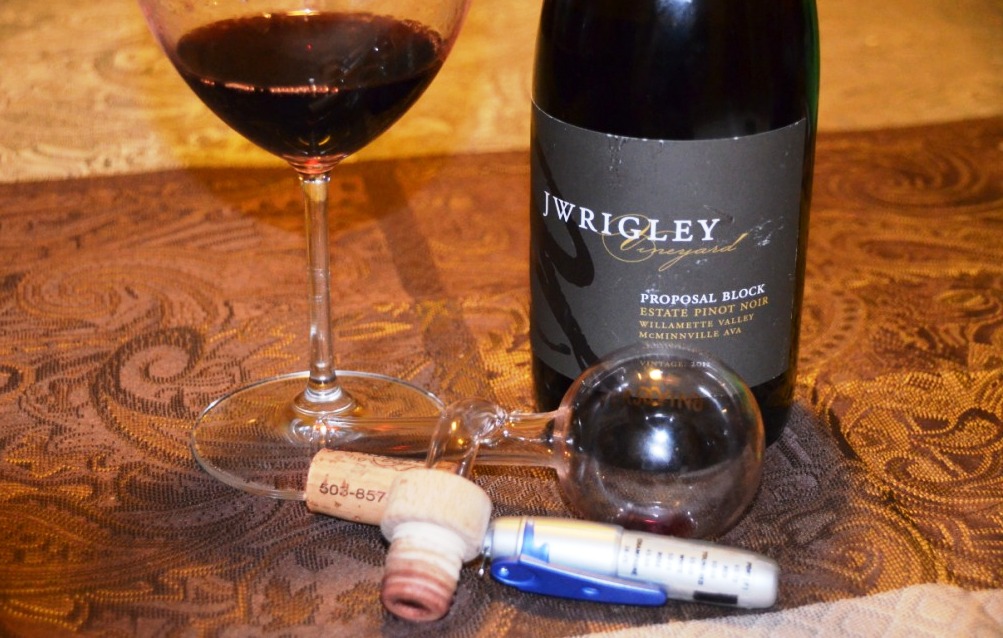
J Wrigley Pinot Noir and tools of the trade
Yes, we learned a lot, but how was the wine, you are probably wondering? This time around, I didn’t play with the temperature, I only measured it once – it was at 22.3°C/72°F. I played a bit with rapid decanting using VersoVino. This 2012 J Wrigley Estate Pinot Noir Proposal Block McMinnville AVA (14% ABV, aged 10 Month in French oak, 250 cases produced. $45 SRP) was very supportive of our conversation. Oh, by the way, can you guess where the name “Proposal Block” comes from? There is a good chance that you guessed it – this was the very first Pinot Noir planted vineyard at the estate, where John Wrigley proposed to his wife (wine and romantics – unbeatable!).
Now, here are some notes regarding the wine:
Color: Garnet
Nose: Fresh, ripe raspberries, floral notes, chocolate, mocha. Smokiness showed up later on.
Palate: Soft, round, good acidity. nice earhiness, dark fruit, very balanced. After a while, smokiness showed up in the back, and the the roasted notes.
Verdict: powerful and balanced Pinot Noir. Will drink well by itself, and can be well paired with food. For the full enjoyment, about one hour decanting is recommended. Will also age well for the next 10-12 years (or may be more, my crystal ball is broken, so I can’t be more precise). Drinkability: 8-
That conclude my report about J Wrigley #winechat and it also concludes the overall Oregon Pinot Noir series – definitely was learning, fun and entertaining experience for me. Don’t be shy – you should really try the #winechat for yourself (every Wednesday, at 9 PM Eastern/6PM Pacific) . Until then – cheers!
When The Vines Work Hard – #WineChat with Lenné Estate
 “You’ve got to work hard, you’ve got to work hard if you want anything at all” – one of my favorite lines from the song by Depeche Mode, a popular electronic music band from the 80s. Yes, the notion of ‘working hard” is half banal, half extreme, and half misunderstood (I’m sure you are admiring my math skills here with three halves, aren’t you). People often (mostly?) achieve the best results when faced with adversity, when they need to overcome something, work against difficult circumstances, work hard. Give people everything they want – and they stop growing. Vines are like people. When water and sun are plentiful, the vines can produce a lot of grapes – but those individual grapes can be pretty dull. When the vines need to fight for survival, those much fewer grapes the vines will bear, will have the flavor and finesse almost unachievable in the “nice and easy” setting.
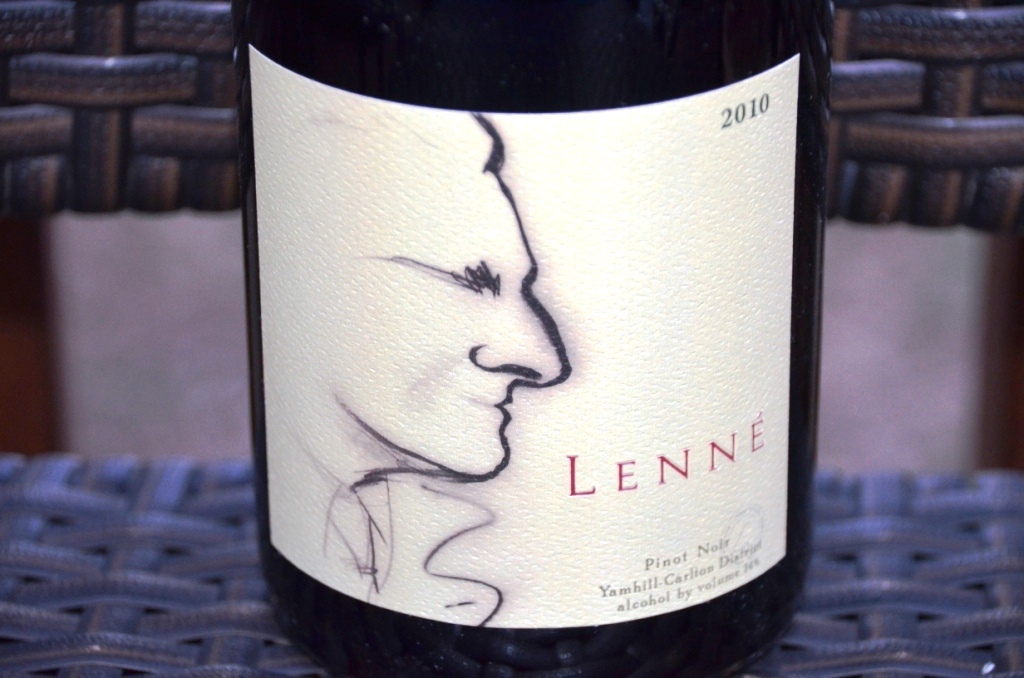
When Steve Lutz, the proprietor and winemaker at Lenné Estate in Yamhill-Carlton district in Willamette Valley in Oregon, planted the Pinot Noir vines for the first time back in 2001, 35% of those vines died. Ever heard of Peavine soils? In today’s age of the internet, you can easily learn anything you want – so if you want the exact definition of Peavine, you can find it here. But, in simple terms, Peavine is a mixture of clay and rocks – yeah, not your ideal agricultural setting. So the vines had to work hard to survive, go deep into the soil to find water and nutrients. The payback for all the hard work? A great fruit, the grapes which render themselves to the complex and intriguing wines.
Last Wednesday, April 9th, I participated in my second #winechat – a guided virtual tasting that takes place most of the Wednesdays at 6 PM Pacific/9 PM Eastern, in the Twittersphere next to you. The theme of the wine chat was, as I’m sure you guessed already, the wines of Leniné Estate. Steve Lutz was participating in the #winechat, explaining about Peavine soils, talking about his Pinot Noir wine and answering numerous questions (#winechat conversations get generally quite active, with #winechat being among top trending topics on Twitter).
In addition to being able to talk to passionate people with vast knowledge of the subject, what I personally like about the #winechat is that I get to spend dedicated time in my grape geek setting, my grape laboratory. I get to play with the wine and take detailed notes. Coming to the Lenné Pinot Noir tasting, I read in the technical notes that the wine is expected to age well for the next 8-12 years. To me, the immediate thought was – let’s decant!
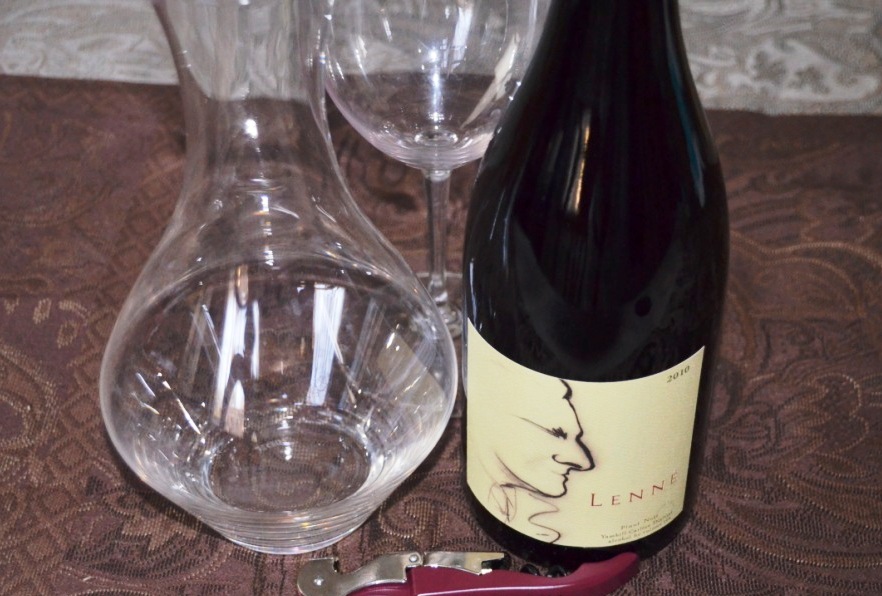 I decanted a small amount of wine about 2 hours before the tasting and put cork stopper into the bottle.
2 hours later, we started the #winechat – 2010 Lenné Estate Pinot Noir Yamhill-Carlton AVA, Oregon (14% ABV, $45). I started with the wine in the bottle, which was at 21°C/70°F.
Color: Dark Ruby
Nose: Smoke, raspberries, a touch of mint, nice, open
Palate: Beautiful sweet fruit in the back, a touch of dark chocolate.
Next, I made a big mistake. I decided that I need to chill my Pinot Noir slightly, so I put the wine chiller on. Of course, I got carried away with the chat twitter stream, so when I said “oh, crap” and removed the chiller, after about 5 minutes on the bottle, it was already too late. At 12°C/53.6°F, the nose became completely muted, and wine became mostly sweet with some acidity, but the complexity was gone. For the rest of the chat, I kept waiting for the wine to come back to me – chilling is easy, but you can’t play any tricks with warming the wine up, you just have to let the air do its [slow] magic. At 16.2°C/61.1°F, the classic nose came back, together with the palate of cherries and ripe strawberries. Meanwhile, the decanted wine also played in somewhat of a strange way – the wine was showing smooth and elegant – but every sip was leaving me wanting more acidity.
The #winechat was over, so I pumped the air out with VacuVin (my standard routine), and put the bottle aside, to be continued the next day. And the next day – without decanting or any temperature games – the wine was shining! Beautiful nose of cranberries and cherries, with a touch of smoke and barnyard – call it funkiness or earthiness, I call it barnyard – just a touch. Beautiful palate with acidity, strawberries, and cranberries in the front, then soft, but very present tannins started to gently grip the front of the mouth, and mocha and sweet cherries showed in the back, with pleasant minerality. The finish was lasting almost a minute. Overall this was the perfect example of balance and finesse which may be only Pinot Noir is capable of.
Verdict: This was a beautiful wine, which can be enjoyed now (just don’t do anything stupid with the temperature), but will deliver even more pleasure with time. Drinkability: 8+
That’s all I have for you for today. Now you know – Wine Wednesday is always better with #winechat – join the conversation! Cheers!
Last Bottle Sign Up ($10 credit)




 Talk-A-Vino