Archive
Passion and Pinot Updates: Youngberg Hill Vineyard
I virtually met with Wayne Bailey of Youngberg Hill Vineyards in September of 2016. Now, 5 years later, I was able to actually shake his hand, listen to the stories face to face and taste the latest wines.
We arrived at the winery in the morning and went on to meet Wayne at the winery building, which also serves as Bed and Breakfast. The views from the terrace of that building were simply incredible – I walked around trying to snap as many pictures as I could.
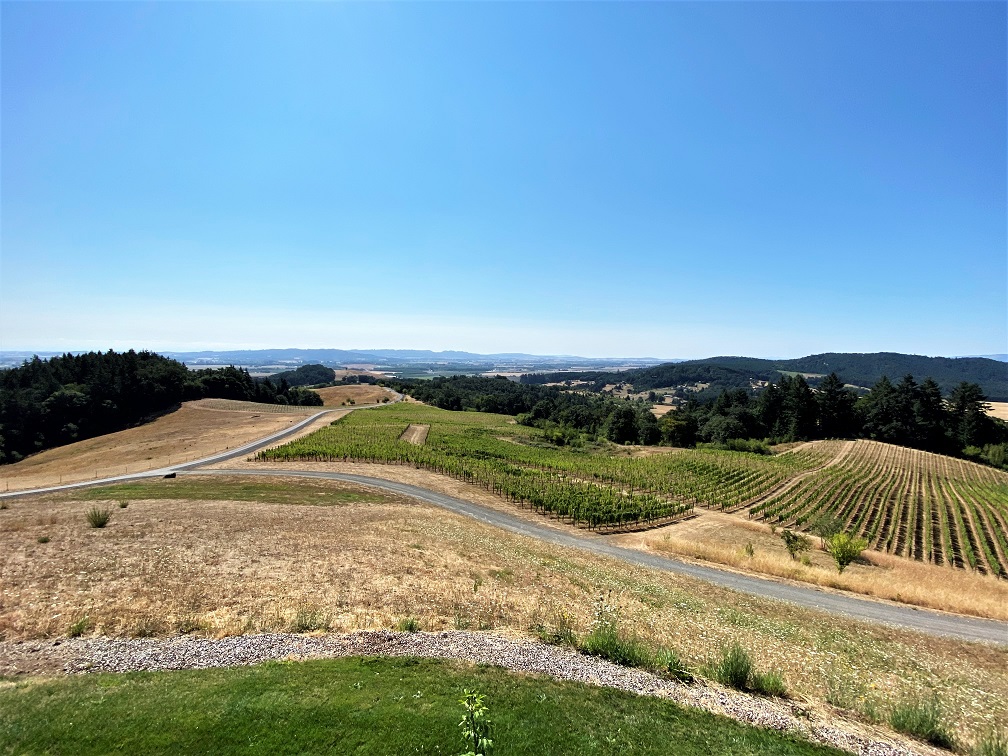
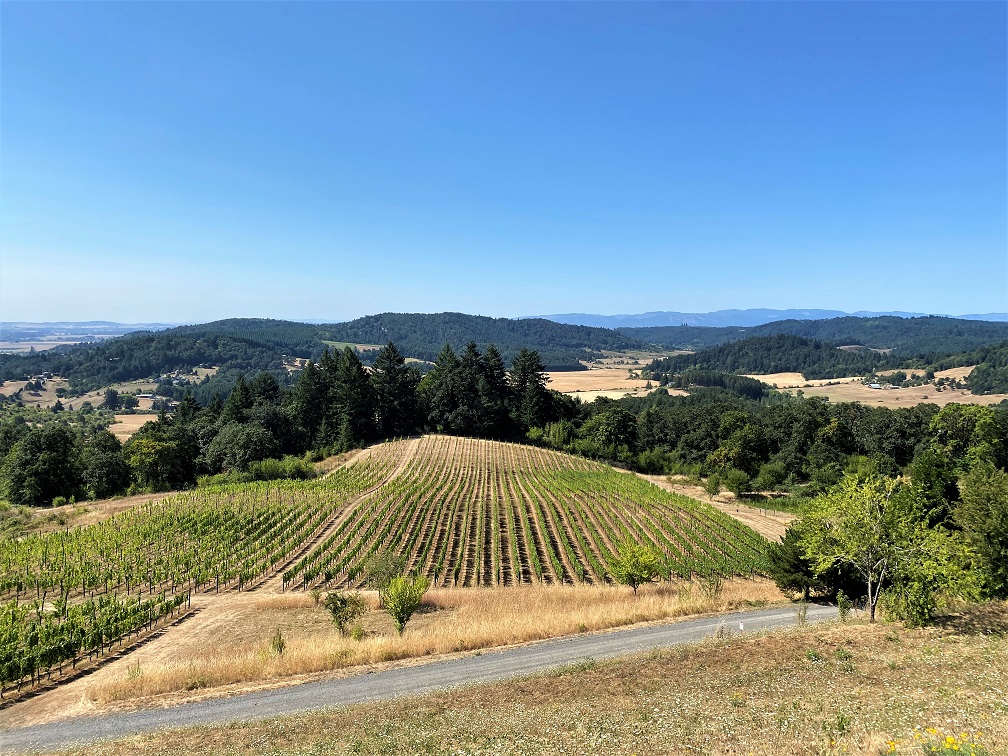
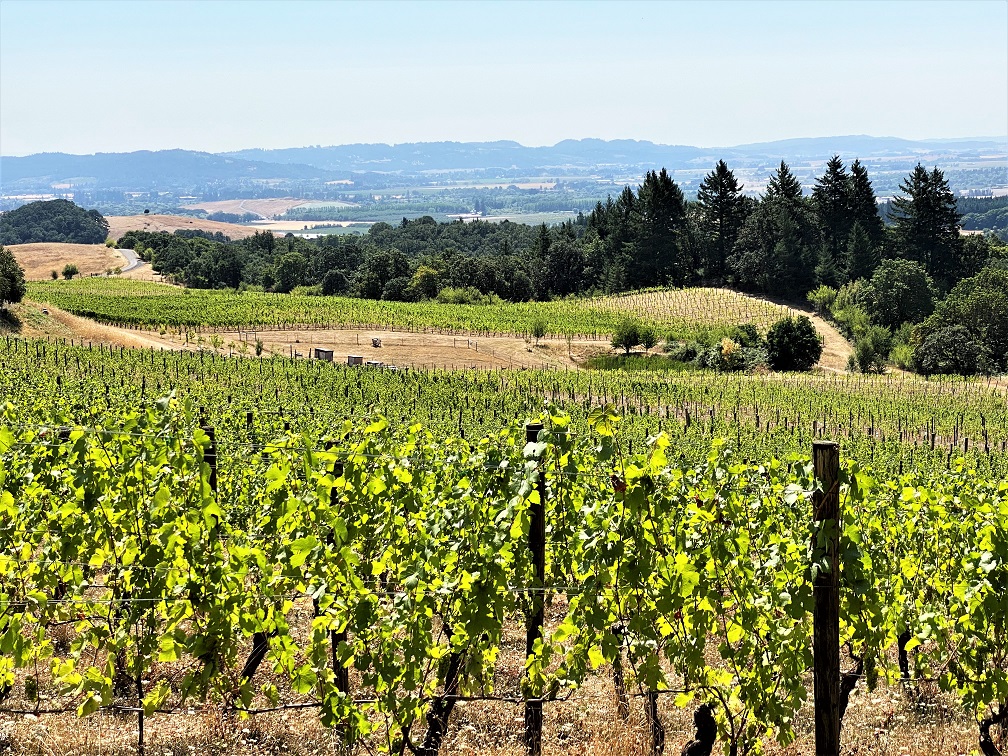
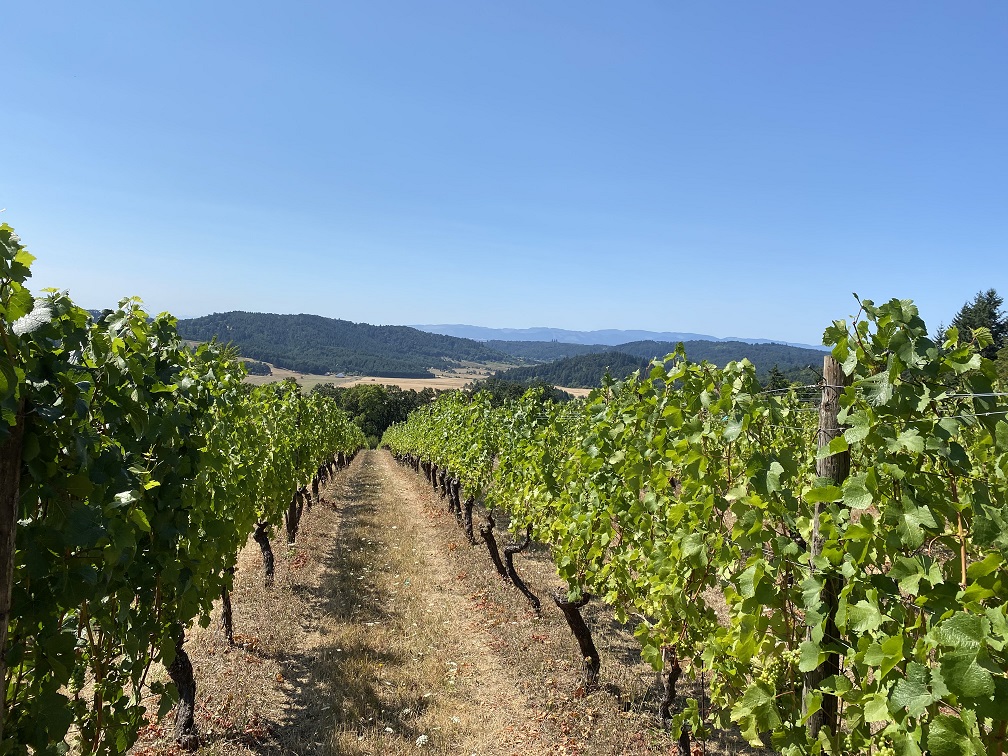
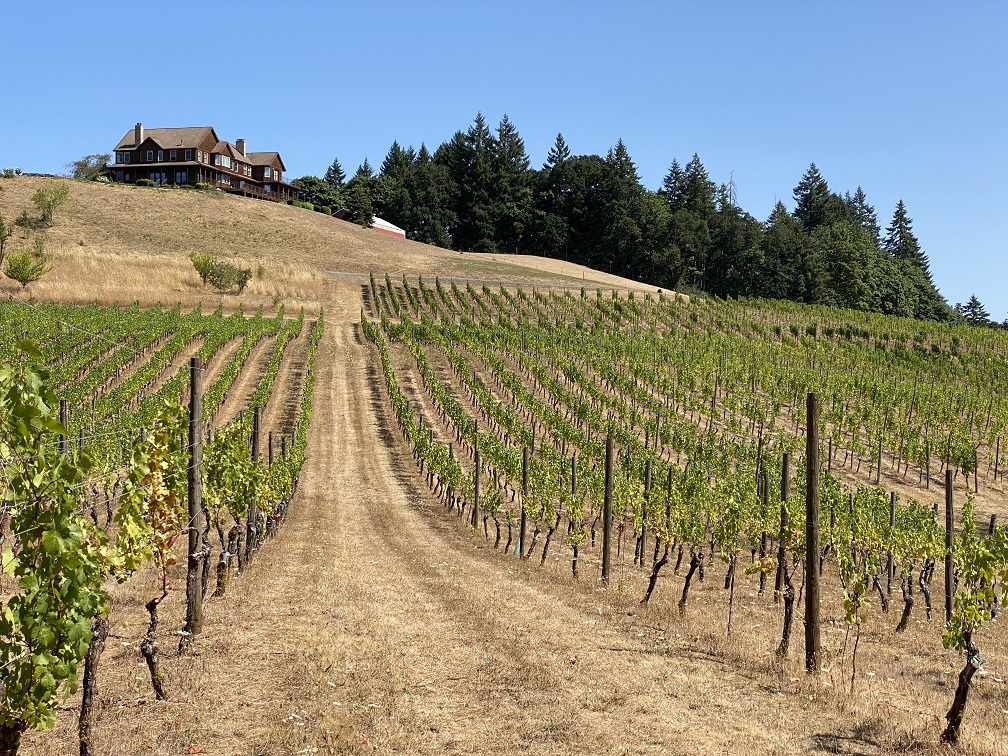


After meeting Wayne, we went on a tour of the estate. Actually, we drove around the vineyards in the baggie which Wayne was driving. Again, more of the beautiful views all around. We also got to meet a few of the cute animals which call Youngberg Hill home.


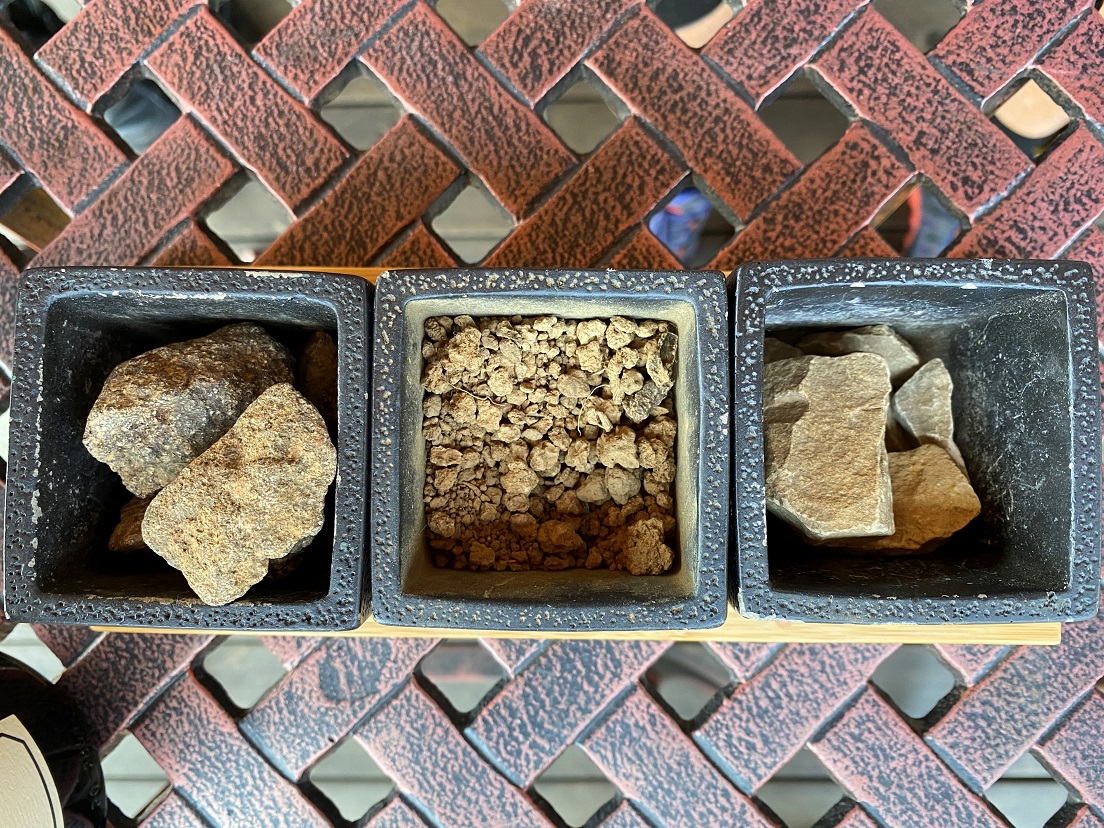
At the Youngberg Hill estate, it is all about the Bailey family – Wayne, his wife Nicolette, and daughters Natasha, Jordan, and Aspen. The Youngberg Hill vineyards were first planted in 1989 when the estate was founded, 12 acres of Pinot Noir vines. These 12 acres are divided into two blocks – 7 acres of Natasha block at the altitude of 600 feet on marine sediment soils, and 5 acres of Jordan block on volcanic soils at the altitude of 800 feet. There is 2 degrees difference in average temperatures between these two blocks, and as the Jordan block is a little bit cooler, the grapes usually ripen later than the ones on Natasha Block, with about 10 days difference in pick time.


Aspen block was first planted in 2006 with 5 acres of Pinot Gris. In 2014, half of the block (2.5 acres) was grafted over to Chardonnay. In 2008, Bailey’s block was planted with 3 acres of Pinot Noir, at 700 feet altitude and predominantly volcanic soils.
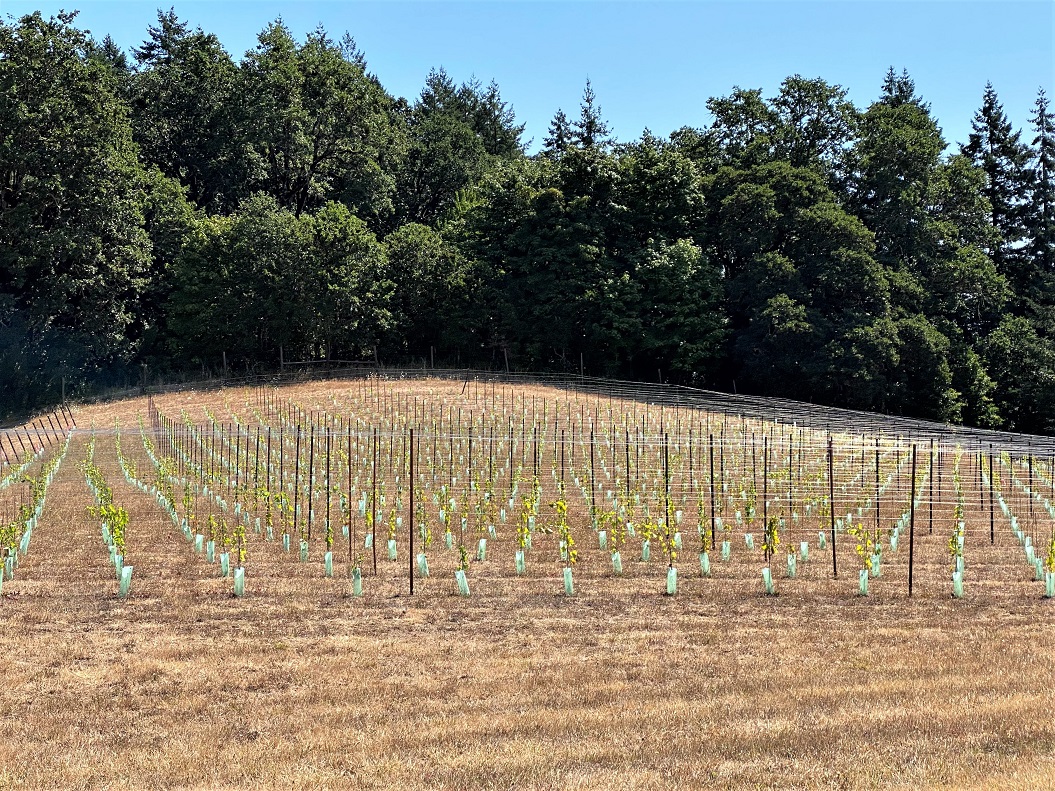
When we spoke back in 2016, 20 acres of vineyards were planted on the 50 acres estate. I asked Wayne if he has any plans to add additional plantings, and got a simple “no” answer. Well, I guess the old adage of “never say never” is perfectly at play here, as in 2018, 3 acres of Wayne’s World block was planted with two more clones of Pinot Noir, bringing a total to 5 clones, if I’m not mistaken. This block was planted mostly on marine sediment soils at an altitude between 500 and 600 feet.
 Here you can see a sample of the soils at Youngberg Hill Vineyards.
After we finished the tour, it was time to taste the wines.


I was happy that we started our tasting with the sparkling wine – this is almost something you now expect from Oregon wineries. Similar to the sparkling wine we had at Le Cadeau, this wine was also made with first-pass grapes. The wine spent 2.5 years on the lees, so it is called the Extended Tirage sparkling.
2018 Youngberg Hill Vineyards Extended Tirage Sparkling Eola-Amity AVA (12.5% ABV, $55)
A touch of apple and vanilla
Crisp apple notes, fresh, good acidity, good body, delicious. Lingering acidity on the finish
8, excellent


Next, again to my delight, we had a couple of Chardonnays:
2019 Youngberg Hill Vineyards Aspen Chardonnay McMinnville AVA (12% ABV, $45)
Beautiful nose of apples, vanilla, and a touch of honey
Crisp, clean, great acidity, wow.
8, it would be amazing with age
Another change at the Youngberg Hill Vineyards since we last spoke was the new wine label introduced in 2019 – Bailey Family Wines. Bailey Family wines comprise a selection of the best plots and barrels. In addition to sparkling, Chardonnay, and Pinot Noir, the Bailey Family wines range also includes Grenache sourced from the Rogue Valley. We tasted the latest vintage of Bailey Family Chardonnay which was superb:
2018 Bailey Family Chardonnay McMinnville AVA Willamette Valley (13.4% ABV, $85)
Herbal notes, a touch of butter, honey, minerality
Great complexity, mouthwatering acidity, lean, green apples, a touch of sage. Perfect balance
8/8+


Next, we had the pleasure of going through the selection of the Pinot Noir wines, both current vintages from Natasha and Jordan blocks, as well as reserve wine, Nicolette’s Select:
2018 Youngberg Hill Vineyards Natasha Block Pinot Noir McMinnville AVA (14% ABV, $60)
Ripe cherries and cranberries
Restrained, tart cherries, firm structure, dusty palate, excellent balance.
8+
2018 Youngberg Hill Vineyards Jordan’s Block Pinot Noir McMinnville AVA (13.8% ABV, $60)
Cherries and violets
Bright popping ripe cherries, good acidity, perfect balance.
Both [Natasha Block and Jordan Block] are built for the long haul.
8+
2015 Youngberg Hill Vineyards Nicolette’s Select Pinot Noir McMinnville AVA (14.1% ABV, $85)
Great bouquet on the nose, cherries, pencil shavings, underbrush
Wow, an interplay of cherries, cranberries, mushrooms, dusty palate, layered, balanced
9-, superb.
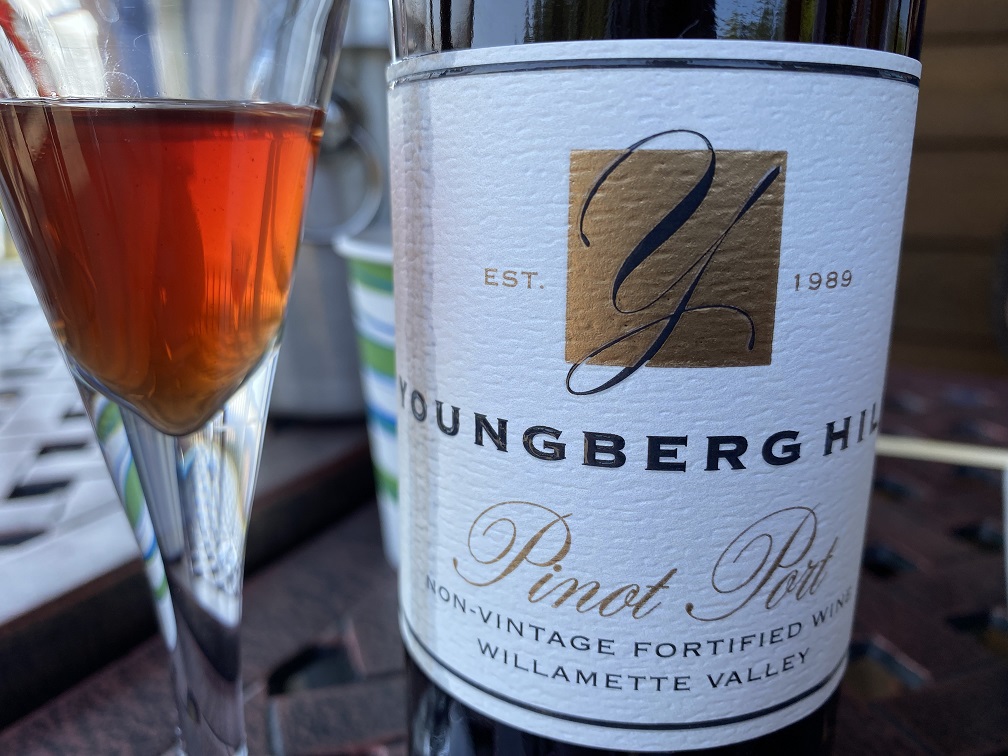
I keep going back to our 2016 conversation with Wayne. While preparing the interview questions I learned that Youngberg Hill produces a really unique wine – Pinot Port, as it was called – a Port-style wine made out of Pinot Noir grapes, something which I never heard of before. So now, being at the winery, I couldn’t miss the opportunity to taste the Pinot Port. Wayne was somewhat hesitant about it, as I don’t believe he is making this wine anymore, but I had my wish granted and had a sip of this delicious beverage:
NV Youngberg Hill Vineyards Pinot Port (19% ABV, $NA, 25 cases produced)
Nicely aged wine, dried fruit, good balance, very pleasant
There you are, my friends. Another story of Passion and Pinot, with the Pinot Noir (and Chardonnay, and bubbles) of truly a world-class, and in its own, Oregon style. These wines are worth seeking, and if you want to spend a few days in the wine country, surrounded by incredible views and delicious wines, that Inn at the Youngberg Hill sounds really, really attractive.
I got more of the Passion and Pinot updates to share with you, so until the next time…
This post is a part of the Stories of Passion and Pinot series – click the link for more stories…
American Pleasures #5: Burgundy in California, or the Wonders of Pop’n’Pour
Wine should give you pleasure – there is no point in drinking the wine if it does not. Lately, I had a number of samples of American wines, that were the delicious standouts – one after another, making me even wonder if someone cursed my palate. I enjoyed all of those wines so much that I decided to designate a new series to them – the American Pleasures.
Burgundy in California. Nonsense, right? Burgundy is located in France, and the last thing you want to hear is a review of Hearty Burgundy, proudly produced by Gallo (believe it or not, but you can still buy this wine at about $9 for 1.5L – a great deal, huh?). Rest assured – Gallo is the last wine I want to ever discuss on this blog. I would like, however, to talk about Burgundy’s star grape varieties, which are also working amazingly well in California – yes, you got it – Chardonnay and Pinot Noir.
California produces a lot of wine (#4 in the world, with 248 million cases in 2018), using a lot of different grapes – no matter where those grapes are typically from – from Clairette Blanc to Viura to Nebbiolo to Grenache to Tempranillo, you should expect to find them all in Californian wines. Aside from all of the abundance, there are some grapes that can be called California superstars.
With the white grapes, it is easy – Chardonnay clearly steals the show. California made Chardonnay its own way back, with Chateau Montelena already proving its prowess to the whole world by winning Judgement of Paris in 1976. Chardonnay’s style changed and changed again since those early days of success, and when you are opening a bottle of California Chardonnay today, very often you don’t know what to expect – too much butter, too little butter, too much oak, no oak. Most importantly, you have no guarantees that you will enjoy that bottle.
Speaking about red grapes, ask a wine lover to name the most famous California red grape, and I’m sure 9 out of 10 will say Cabernet Sauvignon. I love California Cabernet Sauvignon as much as every one of those 9 out of 10 people. But based on my experience, the majority of the California Cabernet Sauvignon need time and time again to mellow down, to transform, to become truly enjoyable, and not just “drink the label and keep smiling” type of beverages. California Pinot Noir typically give you a lot more hope for finding the delicious Pop’n’Pour wines. And don’t forget – Pinot Noir, Chardonnay – it is the pleasure we are looking for here, so “pop, pour, drink, and ask for a second glass” is a sequence of events we are hoping for in here.
Here is a collection of the well-known wines I had the pleasure of enjoying – and have been blown away by the Pop’n’Pour quality, truly.
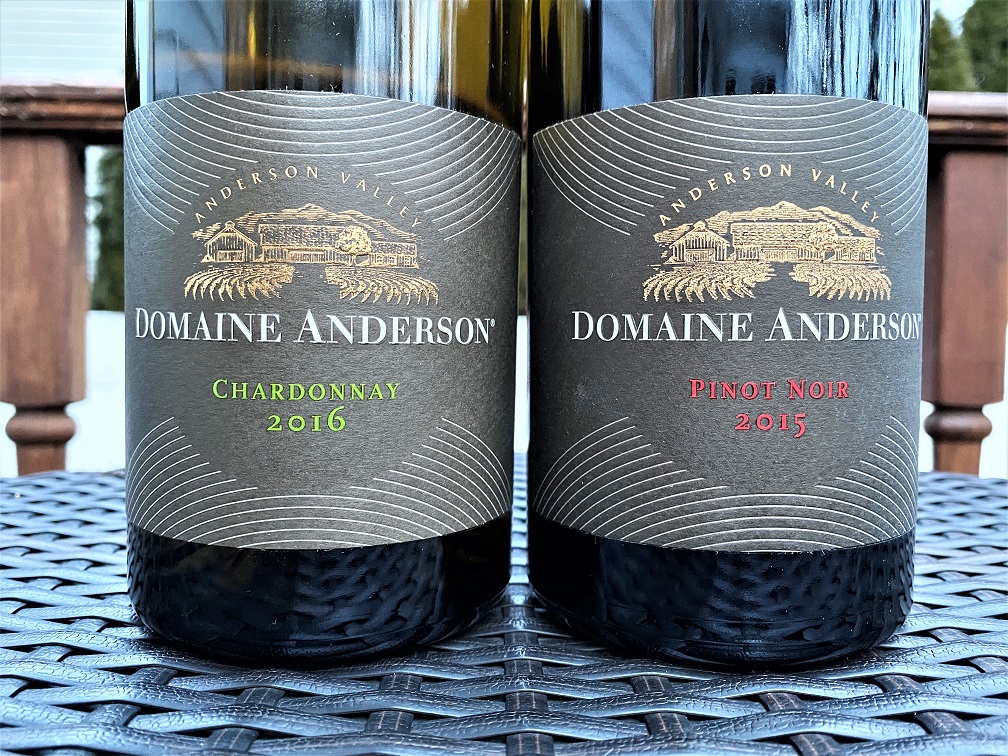
Domaine Anderson takes its roots from 1981, when Jean-Claude Rouzaud, patriarch of the Louis Roederer family came across Anderson Valley along the Mendocino coast in California, in search of the perfect spot to grow Chardonnay and Pinot Noir. Today, Domaine Anderson continues to be run by the Roederer family, farming organically and biodynamically 50 acres of Chardonnay and Pinot Noir vineyards. Here are 3 wines I had an opportunity to taste which were all just a perfection from the moment they were poured into the glass:
2017 Domaine Anderson Chardonnay (13.5% ABV, $30)
Light golden
Touch of honey, a hint of smoke, minerality
Clean acidity, tart lemon, a touch of smoke, texturally present, medium-plus body, earthy underpinning.
8/8+, this wine screams Chablis to me. Superb.
2015 Domain Anderson Pinot Noir Anderson Valley (13.8% ABV, $39.99, 15 months in French oak barrels, 19% new)
Dark ruby
Smoke, violets, earthy notes
Nicely restrained, good minerality, a touch of tart cherries
8, delicious
2017 Domaine Anderson Pinot Noir Anderson Valley (13.6% ABV, $45, 15 months in French oak barrels, 8% new)
Dark Ruby
Stewed plums, smoke, earthy undertones
Plums, cherries, lavender, tar, smoke, sweet tobacco, crisp, fresh, clean acidity, excellent balance
8, nicely restrained Pinot Noir, not over the board.
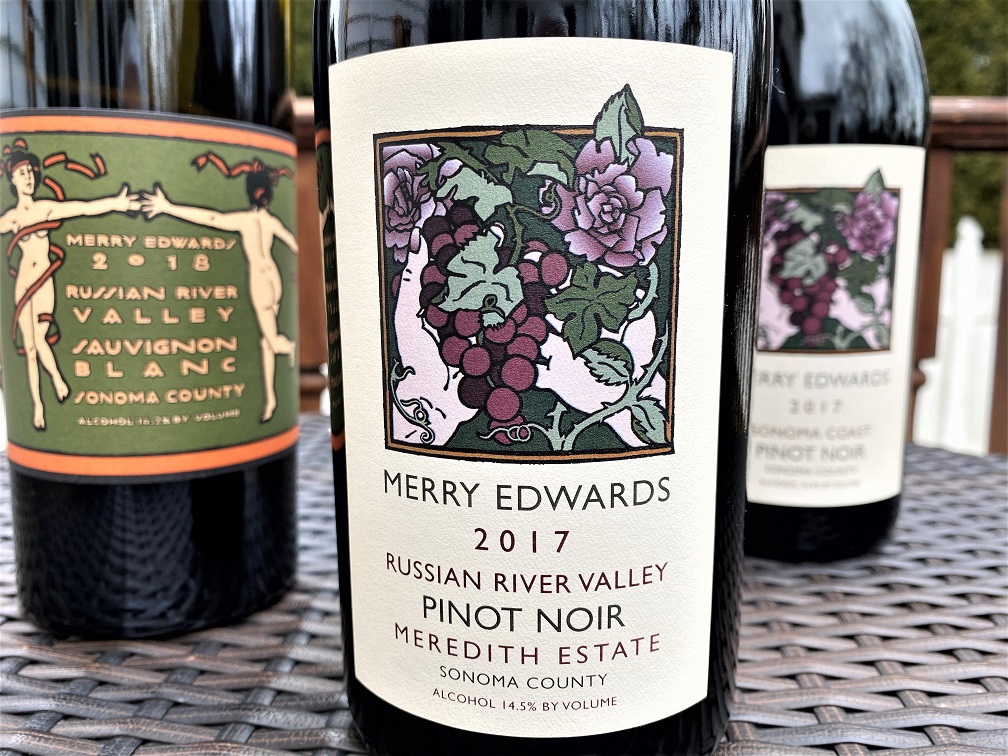
Merry Edwards Winery needs no introduction to wine lovers. Bright and noticeable labels always stand out on the shelf, it is hard to miss them. Merry Edwards’s sole focus is on the Russian River Valley Pinot Noir, which was first produced in 1999 (vintage 1997) – but she is also well known for her Sauvignon Blanc which was first produced in 2001. In addition to the passionate pursuit of Pinot Noir, Merry Edwards is also very passionate about sustainability, which is fully embraced at the winery and in the vineyards – you can read more about sustainability philosophy here.
2017 Merry Edwards Pinot Noir Meredith Estate Russian River Valley Sonoma County (14.5% ABV, $68)
Dark Garnet
Sage, tar, coffee, eucalyptus, freshly crushed dark berries
Tart, fresh cherries, crisp acidity, bright, invigorating
8, very uncalifornian, more Italian than anything else.
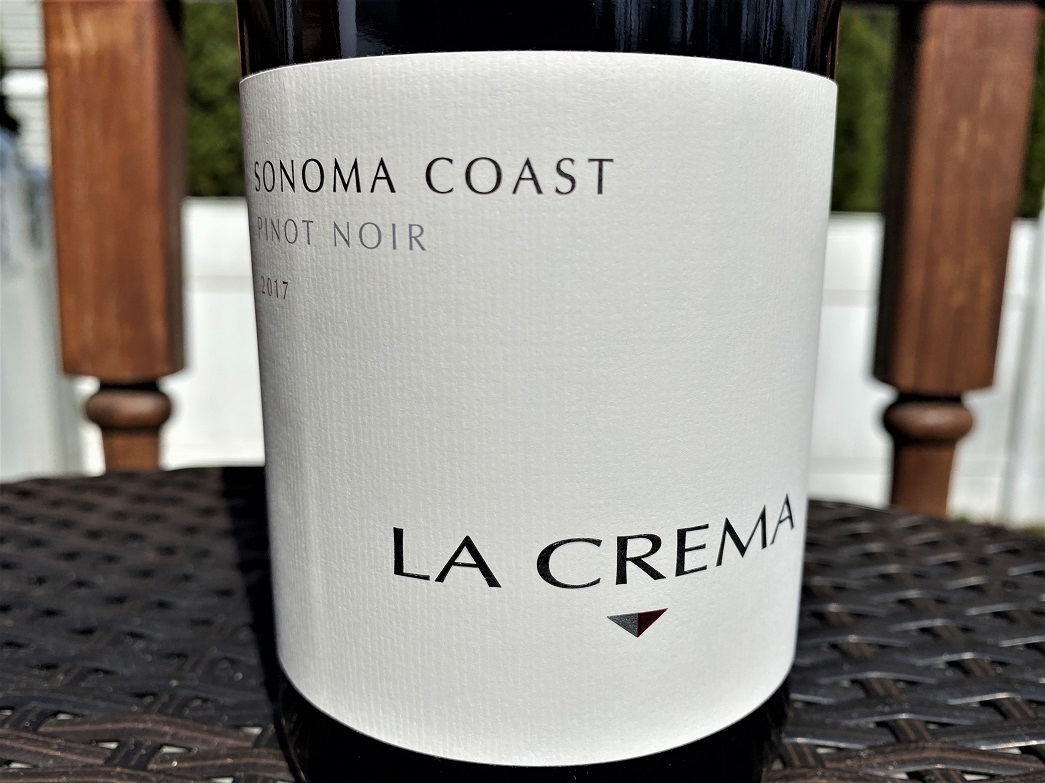
Considering how widely available La Crema wines are, I always made an effort to avoid them as “mass-produced”. After I tasted the wine, I completely changed my opinion – the wines might be produced in large quantities, but these are well-made wines. Also, the winery website has lots of good and well-presented information.
2017 La Crema Pinot Noir Sonoma Coast (13.5% ABV, $25)
Dark intense Ruby
Plums, fresh herbs, mineral undertones
Ripe fresh plums, mint, a touch of stewed strawberries, good acidity, good balance. Interestingly spicy finish.
8-, nice
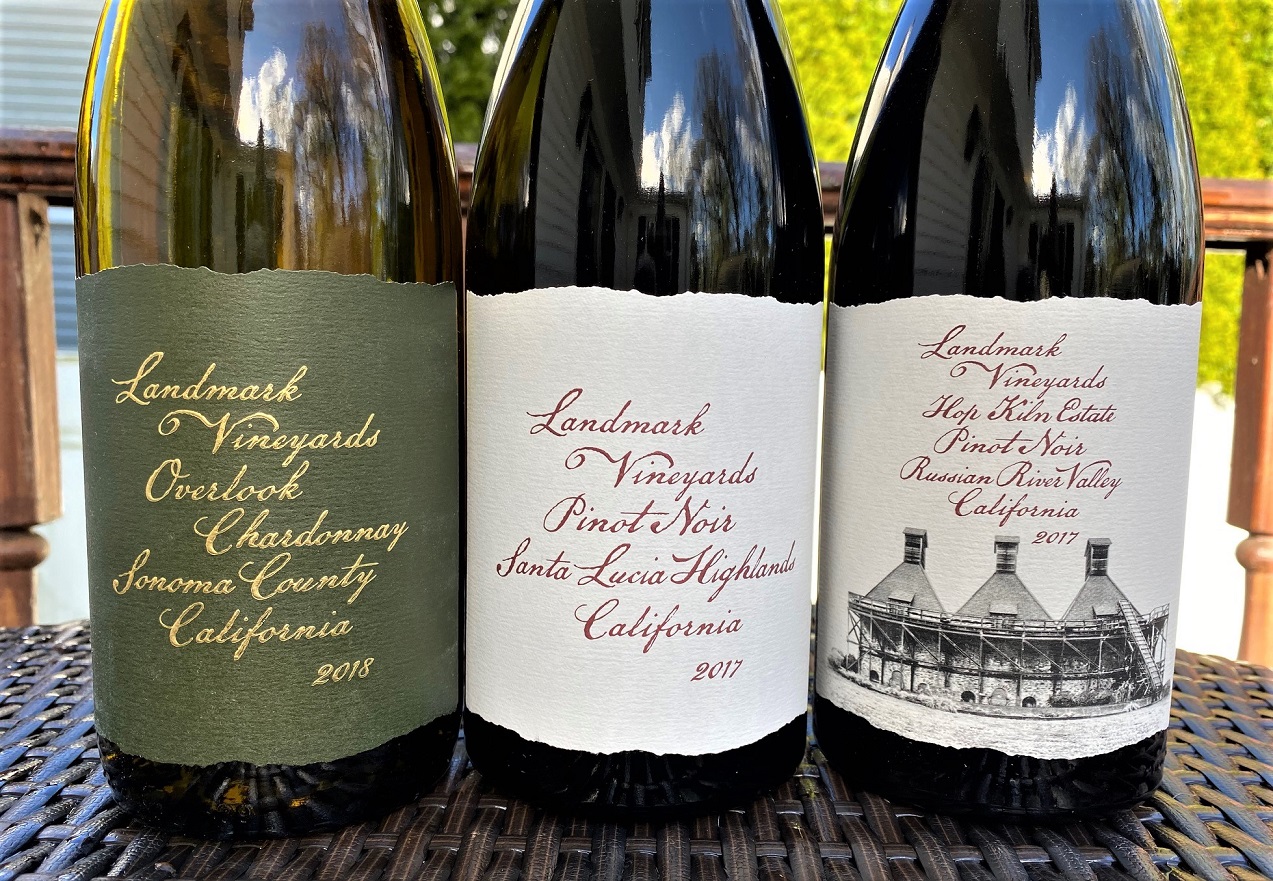


Landmark Vineyards was founded in 1974 by a group of people that included Damaris Deere Ford, the great-great-granddaughter of John Deere. In 1991, Damaris Deere Ford, now a sole proprietor of the Landmark Vineyards, focused exclusively on the production of Chardonnay and released the first vintage of the flagship Overlook Chardonnay. In 1993, Helen Turley started working as a consulting winemaker helping to create the Landmark’s signature style. Two years later, Landmark released the first vintage of its Pinot Noir under the name of Great Detour. In 2016, Landmark Vineyards extended into the Russian River Valley via the acquisition of the Hop Kiln Estate – and this was one of the wines I had an opportunity to taste.
2018 Landmark Vineyards Overlook Chardonnay Sonoma County (14.3% ABV, $27)
Light golden
Vanilla, apple, lemon
Vanilla, a touch of butter, golden delicious apples, citrus profile, roll-off-your-tongue round, excellent balance, delicious
8/8+, excellent
2017 Landmark Vineyards Pinot Noir Santa Lucia Highlands (14.3% ABV, $45, 14 months in French oak, 35% new)
Dark ruby
Plums, dirt, forest floor
Plums, cherries, tobacco, iodine, short finish, good acidity, good balance.
8-, excellent and classic
2017 Landmark Vineyards Pinot Noir Hop Kiln Vineyard Russian River Valley (14.5% ABV, $40, aged in 40% new French oak)
Intense ruby
Cherries, underbrush, the nose says Oregon with dark intensity
Tart cherries, dark chocolate, tobacco, complex bouquet
8/8+, superb.
Here are you – a collection of delicious Pop’n’Pour American Pleasures. And don’t worry, I have a lot more wines to share with you. Cheers!
A Quick Trip To California With Chalk Hill Estates
Have wine, will travel!
Let’s start with the question – equally eternal and pointless, but always fun – does size matter? Yes, of course, it does.
Now, a follow-up question – is bigger always better? Remember, this is still a wine blog, so please have the right perspective here.
While you are thinking about it, let me share what I learned from one and only Kevin Zraly during his Windows on the World Wine School class.
Kevin asked everyone to imagine a circle – let’s say, it would be California. Now let’s imagine a smaller circle inside of this one – let’s say, now it is Napa Valley. The wines from Napa Valley are better than the wines from the whole of California (I’m not doing any particular comparisons, just a general bottle of California appellation wine versus a general bottle of Napa Valley wine – there always will be exceptions, but this is not what we are concerned with right now).
Next, let’s place even a smaller circle inside of the Napa Valley – how about Oakville, one of the best appellations in Napa. Oakville designated wines should be (on average) better than Napa Valley designated wines, would you agree? But how about nesting next smaller circle inside – To-Kalon Vineyard, one of the most coveted vineyards in the whole of California? To-Kalon designated wines are some of the most sought-after wines in California, so the tendency is clear – the smaller circles get, the better wine should become. We don’t even have to stop at the vineyard level – we can continue to the blocks and plots, but I think you got the point.
So now, what is your answer to the question? Yes, when it comes to the wine appellations, smaller is usually better – but of course, don’t apply this logic when someone is asking if you would prefer a standard bottle of Screaming Eagle as your present, or if you would prefer a Jeroboam.
The Chalk Hill AVA (AVA is an abbreviation for the American Viticultural Area) is a tiny sliver of land located in the northeast corner of Russian River Valley AVA on the border with Alexander Valley AVA. The area is so small that it was first discovered by Fred Furth from his plane, while he was flying over the Russian River. Fred started the Chalk Hill Estates winery in 1972, and in 1983, the Chalk Hill area received the status of the AVA.
Chalk Hill’s name comes from the white chalk volcanic soils prevalent in the area. While Chalk Hill is a sub-appellation of the Rissian River Valley, it is warmer and has a lesser amount of fog, but more of the cooling breeze. Chalk Hill AVA is best known for its classically Californian grapes – Chardonnay, Sauvignon Blanc, Cabernet Sauvignon, Cabernet Franc, and Merlot. Malbec, Syrah, Sangiovese, and Zinfandel are also successfully growing there.
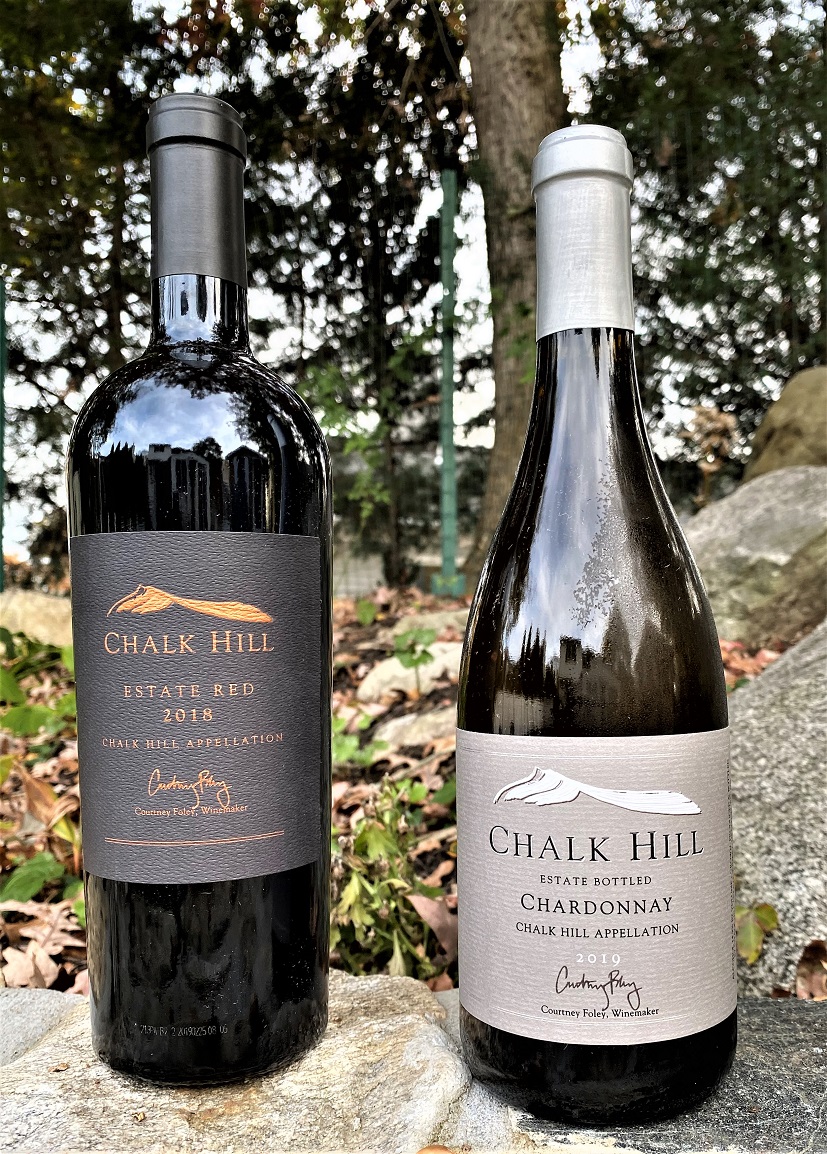
Chalk Hill Estate is a 1,300 acres property, with 350 acres of vineyards, planted vertically on the valley slopes. Chalk Hill Estate was acquired in 2010 from its original owner, Fred Furth, by Bill Foley, a successful financier turned vigneron, who smartly and successfully amassed a good number of famous California wineries under his Foley Family Wines brand. Actually, after the acquisition, Chalk Hill became home for the Foley family. Courtney Foley, the youngest daughter of Bill and Carol Foley, grew up surrounded by the beauty of Chalk Hill Estate, where now she became a winemaker working together with her dad.
Chalk Hill Estate vineyards are sustainably farmed, with a focus on soil and water conservation. Lots of work had been done in the vineyards to research how well different clones grow in the different sections of the vineyards, with particular emphasis on Chardonnay clones. To demonstrate the results of the study, Chalk Hill even produces a special Chalk Hill Clonal Collection set of wines.
I had an opportunity to try two of the Chalk Hill Estate latest release wines:
2019 Chalk Hill Estate Chardonnay Chalk Hill AVA (14.9% ABV, $45, 11 months in French oak, 40% new)
Light golden
A hint of gunflint, lemon, herbs
Butter, vanilla, good acidity, bitter undertones
7+, over-extracted for me, but I’m sure someone might like the raw power
2018 Chalk Hill Estate Red Chalk Hill AVA (15.5% ABV, $70, 54% Cabernet Sauvignon, 34% Malbec, 10% Petit Verdot, 2% Carménère, 21 months in French oak, 61% new)
Dark garnet
Cassis, pure cassis
Beautiful crunchy cassis, cherries, eucalyptus, a hint of espresso, well noticeable but not overbearing tannins, good balance, full-body, long finish.
8+, excellent
Somehow, the Chalk Hill Chardonnay is not made for me (this is not my first encounter with the wine, but the results are identical every time). The Estate Red was a pure delight, though.
And now it is time to conclude our trip. I hope you enjoyed a brief visit to the beautiful Chalk Hill Estate – next time, I’m sure it is worth a hands-on experience. Cheers!
Tempranillo, Transposed
How do you transpose a grape, any grape?
What does this title even mean? You transpose matrices (in algebra), or, at the very least, the notes of music. But Tempranillo???
Let me put my geek’s hat on, and let’s look at the definition of the “transpose” as the infinitely wise internet presents it:
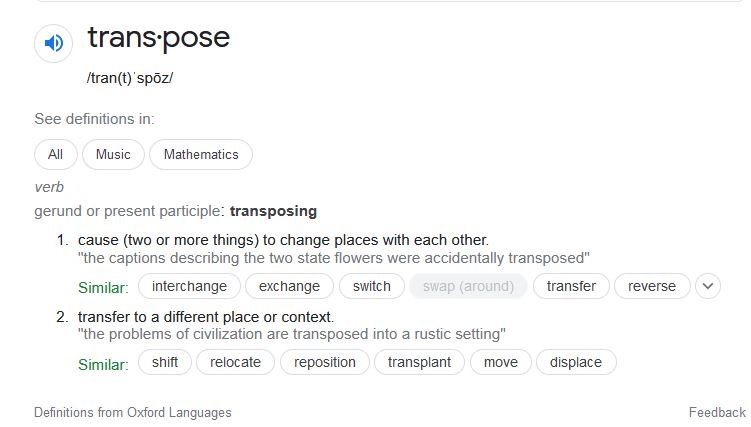
“transfer to a different place or context”
The legendary CVNE had been producing Tempranillo wines in Rioja since 1879. Step by step, new vineyards were planted, and new styles of Rioja were going into production, each one with its own unique style and character – CVNE, the original earthy Rioja; softer and gentler Viña Real, powerful and concentrated Imperial, elegant and modern Contino. These are all Rioja wines, a blend of Tempranillo and a few other varieties, each one with its own personality and its own following.
Achieving success, some of us can just sit quietly and enjoy it. And some of us just want to say “I’m here now, and this is great, but I can’t stop. Let’s go further”. And down south CVNE decided to go, into the Ribera del Duero area.
Rioja is unquestionably famous with its Tempranillo wines, with producer such as CVNE, Muga, La Rioja Alta, Lopez de Heredia, and Contador. Ribera del Duero, down south from Rioja, got Vega Sicilia, Pingus, Pesquera, Emilio Moro – all amazing Tempranillo renditions as well. Now, the question is – why would a famous Rioja producer expand into a different region? Well, this is somewhat of a “why did the chicken cross the road” type of question – simply to get to the other side. CVNE doesn’t want to stop. CVNE goes beyond Rioja, into Ribera del Duero, the land of 100% Tempranillo wines – and the folks in Rioja know a thing or two about Tempranillo…
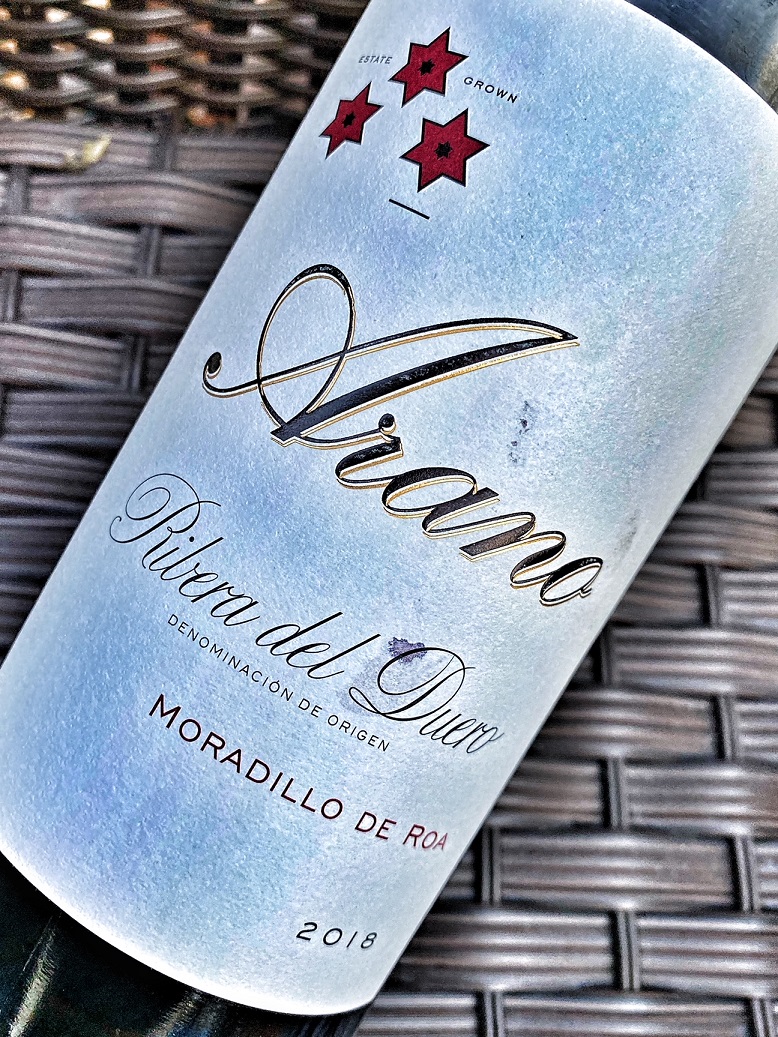
This is how the new brand of CVNE wines from Ribera del Duero was born – and it is called Arano. I had a few questions about this new adventure for CVNE, and so I asked those questions of Victor Urrutia, CEO of CVNE, to understand why the Arano name, why Tempranillo from Ribera del Duero, and what does the future hold. Victor graciously agreed to answer my questions – here is our conversation:
[TaV]: Why Arano label? What is the relationship between Arano and CVNE?
[Victor Urrutia]: CVNE is the owner and founder of Bela and Arano. The Bela and Arano labels are facsimiles of a label of ours, that is to say from CVNE in Rioja, from 1910. It is a simple and beautiful label from our archives. When we try and invent things we realise that we’re not very good at it, and that in fact, what our forefathers did is far better. CVNE is a family company and has been since it was founded in 1879. The 3 stars on the label represent the 3 children of CVNE’s cofounder, Eusebio Real de Asúa. He had 2 daughters and one son. Their names were Sofia, Ramon, and Aurea Minerva. The eldest, Sofia, was known as Bela. That is the name we have given to this winery, and it is also the first estate wine that we have made in Ribera del Duero. It’s the first star. The second star is for Arano. The only son was called Ramon and his mothers’ maiden name was Arano. We chose this name for the second estate wine to be released from the winery.
Bela is Tempranillo from our vineyard in the village of Villalba, on clay soils. Aged for 9 to 12 months in barrel. The vineyard is around 70 hectares. Arano is Tempranillo from our vineyard in the village of Moradillo de Roa, on limestone and pebbled soils. Aged over 12 months in barrel. The vineyard is around 9 hectares.
[TaV]: Why Ribera del Duero? What was the inspiration for CVNE to expand into Ribera del Duero?
[Victor Urrutia]: We want to bring our take on rioja’s elegance to rugged Ribera del Duero. The latter makes excellent wines and is a historic region. As ambassadors for Spain across the world, we felt it was our obligation to own vineyards and make wine in Ribera del Duero; and to make these known everywhere.
[TaV]: What is the future hold for Arano Ribera del Duero wines? Do you plan to produce Reserva and Gran Reserva?
[Victor Urrutia]: In Ribera del Duero we are making wines that express the vineyards that we own in this appellation. We label some of these as Crianza, for instance, because some consumers find it helpful; but it is not an important consideration for us when we conceive the wine. As we get to work and know our vineyards better, we will consider releasing new wines from this winery. After all, there is another star in the label, that we need to make a wine for. We haven’t yet found this vineyard. Or rather, haven’t found the way to express what must be our grand cru in this region. But we are working on it.
[TaV]: Any future plans for CVNE to expand further south, maybe into the Toro region?
[Victor Urrutia] There are some great producers in Toro, like the García family behind Mauro. But in general, we find the wines of Toro to be very dense and powerful, and I’m not sure we know how to make wines in that style. Our future lies in continuing to make wines of elegance and age-worthiness.
We need to continue looking for vineyards that will allow us to make those kinds of wines. They’re probably in higher elevations and northern exposures. There’s much to continue doing in Rioja, Ribera and of course, Galicia, where our Virgen del Galir winery has started to make wines of great depth from the vineyards that we bought as well those we’ve planted there. We bottle Godello, Mencia as well as Merenzao, varieties that we hardly knew about some years ago and the wines are phenomenal. We even have Palomino (locals call it Jerez, or sherry) that, arguably, expresses the terroir better than anything, given its neutral profile as a grape variety. Is it perfect? No, but it’s honest. And also quite interesting. Like everything that we try to do.
Now let’s talk about CVNE’s latest and greatest – 2018 Arano Crianza. As Victor mentioned, the grapes for this wine are coming from 4 different plots in the Moradillo de Roa vineyard, located at an altitude of about 3,000 feet above sea level. I had an opportunity to taste this wine, and it was unquestionably Ribera del Duero in style, much leaner and tighter than a typical Rioja wine. Here are my notes:
2018 Arano Crianza Ribera del Duero DO (14.5% ABV, $30, 15 months in French oak barrels, Vegan)
Dark garnet
Aromas of roasted meat and earth jump out of the glass at least a foot away from it. Espresso and herbs come at you at high intensity.
The palate is somewhat unexpectedly mellow, with dark fruit and herbs, good acidity, long and supple finish.
Better concentration on the second and third day, the wine feels tighter with more energy.
Drinkability: 8-. Enjoyable now, built for the long haul
The journey is getting more and more exciting by the minute. This is not algebra, but we are definitely looking at the case of the successful transposition of a grape – go find the results of this Tempranillo transposition, and we can compare notes. Cheers!
Cabernet Franc – Well Worthy of a Celebration
Cabernet Franc.
Let’s talk about it.
Cabernet Franc is a parent. Like most parents, Cabernet Franc is often overshadowed by the achievements of its kids – especially when its kids are none less than Cabernet Sauvignon and Merlot, some of the most famous in the wine world. It is interesting that Cabernet Franc is often described as “blending grape” – while it is true that Cabernet Franc is a popular choice in Bordeaux blends around the world (it typically ripens at a week earlier than Cabernet Sauvignon, so it offers winemakers an “insurance policy” of sorts), it also excels just by itself. As a blending grape, Cabernet Franc is typically used with Cabernet Sauvignon or Merlot, adding something important to the resulting wine. Meanwhile, the majority of single-grape Cabernet Franc wines have nothing else in the blend – just pure, unadulterated Cabernet Franc.
Today, we are talking about this pure Cabernet Franc. It grows successfully in the absolute majority of the winemaking regions – Bordeaux and Loire Valley in France, Italy, Argentina, Australia, Chile, Eastern Europe, Canada, New York, Virginia, New Jersey, California, Washington, Oregon, …. Pure Cabernet Franc wines typically happen to convey the terroir much better than Cabernet Sauvignon or Merlot. With Cabernet Sauvignon, no matter where it is coming from, everyone is trying to achieve the “golden standard” of Bordeaux or Napa Valley expression, even if the wine is made in Italy, Argentina, or Long Island, New York. Cabernet Franc typically conveys a sense of place first and foremost – lean, clean, and minerally driven from Chinon, tart and herbaceous from New York, round and luscious from California. Same grape, unlimited number of expressions.


Celebrating the range of expressions of Cabernet Franc I can simply offer you a few of my experiences from this year. Back in April, I had 2017 Hawk and Horse Vineyards Cabernet Franc Red Hills Lake County California, a biodynamically produced rendition that offered pristine beauty of cassis elegantly framed with the core of the well-integrated tannins. And then there was 2019 Domaine Bousquet Gaia Cabernet Franc Gualtallary Vineyards, minerally driven Cabernet Franc from the Argentinian dessert. Then there was the 2018 Terra Pacem Cabernet Franc Columbia Valley experience in Eugene, Oregon, offering pure Chinon-inspired, bell pepper and cassis rendition. And I can’t forget the 2011 Gran Enemigo Cabernet Franc Single Vineyard Gualtallary Argentina, again a high elevation desert beauty, which after the unimpressive start, opened up into an intricate interplay of iodine, cherries, cassis, and herbs (this one will definitely be on my 2021 top dozen list).
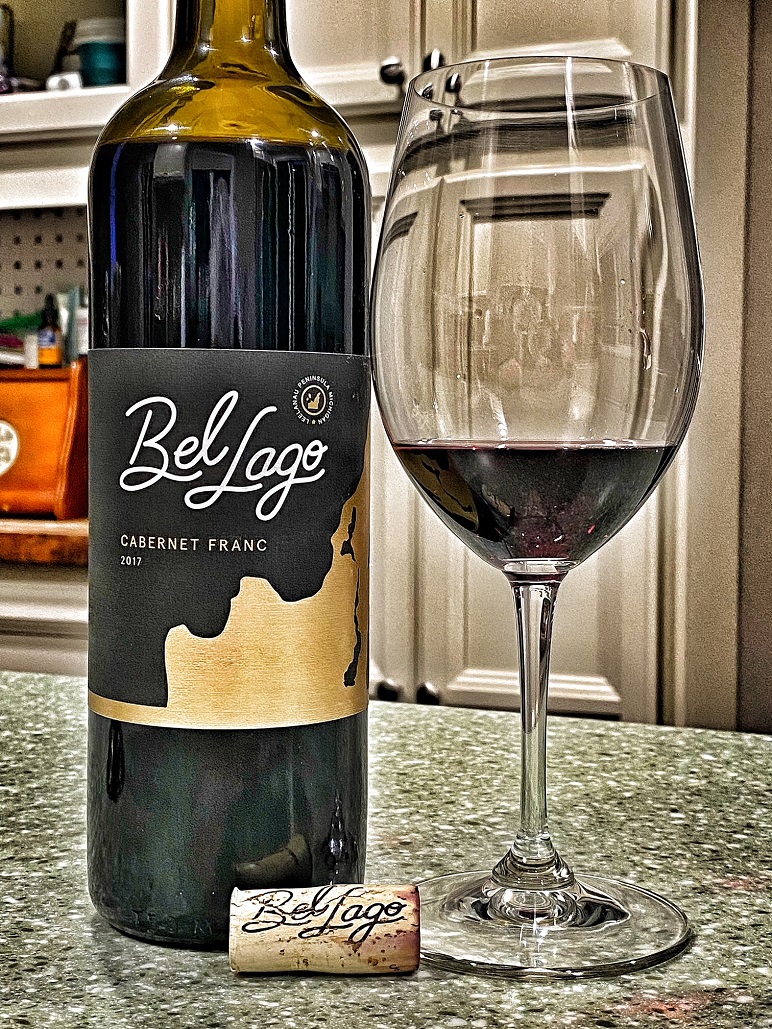 My most interesting Cabernet Franc wine discovery of this year came in the form of the bottle of Cabernet Franc from Bel Lago winery in … Michigan! My excitement comes from the fact that not only I got to taste the wine I never had before, but it also came from the region I had no prior experience with (so I got to update my Wines of 50 United States table the second time this year). And I also got to learn about winemaking in the new state.
2021 is an important year for the Michigan wine industry, as its oldest winery, St. Julian Winery, celebrates 100 years. Today, Michigan has 5 viticultural areas – Fennville, Lake Michigan Shore, Leelanau Peninsula, Old Mission Peninsula, and Tip of the Mitt. About 200 wineries operate in Michigan today, most of them located within 25 miles radius of Lake Michigan.
The Vitis Vinifera grapes were introduced in Michigan about 45 years ago, and today traditional cool-climate varieties, such as Gruner Veltliner, Pinot Blanc, Riesling, Cabernet Franc are doing very well there, and even Cabernet Sauvignon, Pinot, Merlot, Syrah, and Chardonnay had been successfully introduced. Michigan is particularly proud of its Cabernet Franc and even held its first Cabernet Franc Challenge in 2009, where 18 Michigan wineries and one of the French wineries from Chinon competed for the top prize (no, Chinon didn’t win it).
Bel Lago Winery (Bel Lago means Beautiful Lake in Italian) was founded in 1992 and opened its tasting room in 1999. The winery cultivates 100 grape varieties on 37 acres of land and produces between 17,000 and 20,000 cases per year. Bel Lago also produces fruit wines (Cherry wine is very popular) and a number of ciders.
2017 Bel Lago Cabernet Franc Leelanau Peninsula Michigan (13.5% ABV, $48, 87.5% Cabernet Franc, 12.5% Merlot, 34 months in French and American oak barrels) was a beautiful wine – currant leaves and anis on the nose, with a touch of tobacco. Restrained with good cassis expression and herbal notes on the palate with cut-through acidity. Definitely an enjoyable Cabernet Franc rendition, again with its own character, easy to drink, and delicious.
Here it is – new winemaking region and new Cabernet Franc experience. How was your #CabFrancDay experience? Did you learn something new or find a new Cabernet Franc wine that you like?
Beaujolais Nouveau Est Arrivé! 2021 Edition
Beaujolais Nouveau Est Arrivé!
It is the third Thursday in November, and that means that the time has come to celebrate this year’s harvest – Beaujolais Nouveau has arrived at the wine store next to you (at least I hope it did, but if you want to get it, you might have to hurry as there is a good chance there is not much of it available).
I had been proactively keeping track of this celebration since this blog has started in 2010 – you can find the full retrospective here, mostly in chronological order. I keep saying that every year Beaujolais Nouveau gets better and better – and this year was no exception – I really enjoyed the 2021 Beaujolais in my glass.

Nevertheless, this year was an exception. Ever since I started writing about Beaujolais Nouveau, there was never a year when I only had one Beaujolais Nouveau wine – for example, last year I had 3 Beaujolais Nouveau wines and one Nouveau from Oregon. Most of the years I had at least 3, and a few years there were only two. But this year there was only one, and even that has limited availability and most likely will not last even until Thanksgiving, at least at the store where I bought it. Yep, you knew this already – supply chain issues. There might be more of the Beaujolais Nouveau showing up later on, but it is not very clear what and when.
Few more interesting Beaujolais Nouveau-related tidbits I never thought of before. First, according to the Burgundy Report, this year there were only 100 different Beaujolais Nouveau wines produced in France, which is significantly down from the last year’s number of 160. I was sure that there are many Beaujolais Nouveau wines produced in France, but I didn’t expect the number to be that high.


While searching for the information online, I came across the article where I learned about the Georges Duboeuf First Wine of the Harvest sweepstakes! Each cork of Georges Duboeuf Beaujolais Nouveau wine carries a unique number (who knew!), which can be entered on the First Wine of the Harvest website, and you will be instantly notified if you won something (I have no idea what you can win, and I won nothing). Apparently, this is not the first the sweepstakes are played, but if I wouldn’t read about it online I would still have no idea it existed.
Finally, let’s talk about the wine. According to the same Burgundy Report I mentioned before, Beaujolais regional Marketing board defined the vintage as “combative” – frost in April, and summer of rain and hail are not exactly the ideal grape-growing conditions. Relatively calm and cool September offer some relief, and while overall yield was significantly down, it was possible to preserve the quality of the harvest.
2021 Georges Duboeuf Beaujolais Nouveau AOP (12.5% ABV, $12.99) has a bright ruby color, a restrained nose of the freshly crushed fruit, and copious amounts of fresh raspberries and cherries on the palate with good acidity on the finish. While the wine is perfectly drinkable at room temperature (68°F), it is showing the best slightly chilled at around 58°F – 60°F.
Back in 2017, Georges Duboeuf started the “Artist Collector Series” of the Beaujolais Nouveau wine labels, where the public is given an opportunity to vote for the favorite design which will be then printed on the label. This year’s Beaujolais Nouveau label features work by the artist Felice Kite called “For The Love Of Flowers”.
Before I conclude my Beaujolais Nouveau 2021 report, I want to offer you a fun exercise – below is the collection of the Beaujolais Nouveau labels from 2010 until 2021 (note that I came across two distinct labels in 2015). I want you to choose a favorite (or 3, or 5) and share your opinion in the comments. I guarantee you that you will get no prize for participation in this exercise, but hopefully, it will be fun.


Beaujolais Nouveau 2021 has arrived, it is definitely worth your attention, it will be perfect with Thanksgiving turkey if you will be so inclined – but you can’t procrastinate if you want to try it. Cheers!
Expect the Unexpected?
Wine is meant to go with food.
Food is meant to go with wine.
Together, food and wine are supposed to give you a much better experience than two individually.
You already know all of this.
And yet this is theory. When met at the table, sometimes food and wine actually work together and deliver a heavenly, memorable experience. Sometimes, food and wine just coexist without interfering. And sometimes they clash, ruining the experience completely.
The food and wine pairings typically work in one of two cases:
- Food and wine are professionally paired. The chef and sommelier work together, adjusting the flavors of the dish to work with the wine which was selected as a pairing.
- Food and wine come from the same place and had been playing together nicely for centuries. Think about Beef Bourgogne paired with Bourgogne wine – I think we can trust this combination, don’t we? Or would you ever question Chianti with the pasta with nice red sauce?
Now, for most of the time, we are not traveling and we are not eating at the high-end restaurant, yet we still should be able to enjoy the elevated food and wine experience at home – the rules are simple, right?
Maybe the rules are simple indeed, but we need to tread carefully. Beef Bourgogne is made with Bourgogne wine, and all Bourgogne reds are made from Pinot Noir. So what would happen if we will make the dish with actual Bourgogne, and then try pairing it with a nice big Pinot from California? There is a good chance that you will not enjoy that combination, not at all.
Chianti is made out of the Sangiovese grape (predominantly) – but don’t try to pair your pasta with the Sangiovese from California – again, there lies a great opportunity for disappointment.
I’m not saying that Beef Bourgogne will never work with the California Pinot – find a more restrained version, such as Sanford Pinot Noir, for example, and you might be fine – or better yet, simply cook the dish using the same wine you want to drink. Similarly, there are some California Sangiovese that might perfectly complement and elevate your favorite spaghetti dish, such as Castello di Amorosa Sangiovese – but you should expect some trial and error on the road to perfection.
I love Georgian wines. I would gladly drink Georgian Saperavi on any day. I love Georgian cuisine – properly made, the flavors are incredible and so is the pleasure you will derive out of each and every dish. And considering that wine is an indelible part of the Georgian lifestyle literally for thousands of years, it is rather logical to assume that Georgian wines should work perfectly with Georgian dishes.
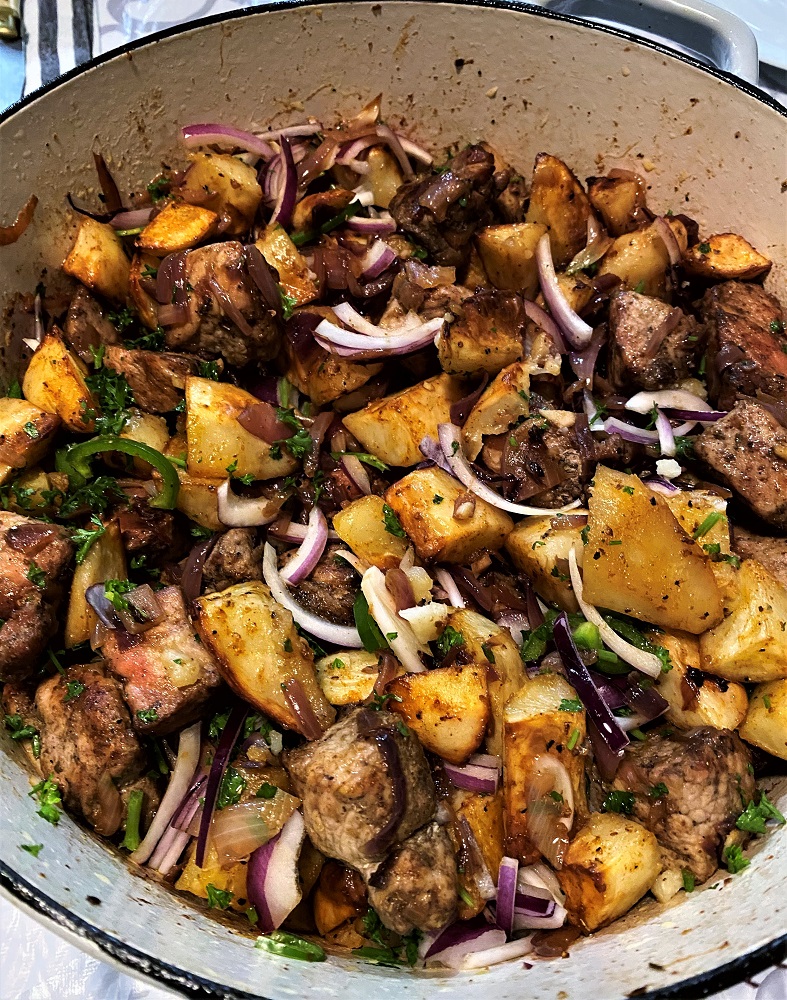
While I love Georgian cuisine, this is not the food I would generally try to make on my own, I prefer to defer the cooking to a few of the Georgian restaurants which we have in reasonable proximity, even though the experience is typically a mix of hit and miss. However, when my sister in law sent me the video with the recipe of the Georgian dish called Odjakhuri, the video looked so good that I decided that I must make the dish as soon as possible, considering that the main ingredients are near and dear to me from the childhood – meat and potatoes.
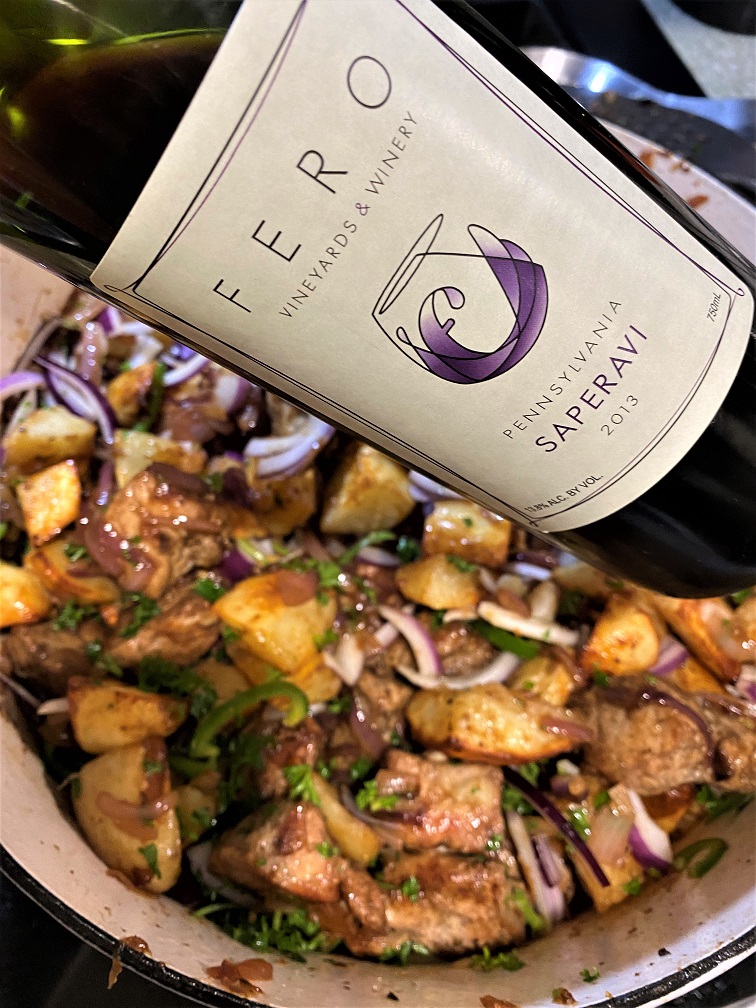
Back in 2015, we visited a winery in Pennsylvania called Fero Vineyards. In addition to all of the traditional east coast wines, the winery also was making the wine out of my beloved Georgian grape, Saperavi. I tried the wine during our visit, liked it very much (Fero Saperavi made it to the 2015 edition of my annual Top Dozen wines of the year list as #12), and brought home a bottle. After I decided that I will make an Odjakhuri for the Friday night dinner, I realized that I have no Georgian wines on hand – but then I remembered that I had a bottle of Fero Saperavi which I had been looking for a good reason to open for quite some time – and what can I be a better reason than trying it at a family dinner with Georgian dish?
To tell you the truth, I had no idea how it is going to work. First, the bottle I had was the 2013 Fero Saperavi. Who knows if the wine from Pennsylvania can age for 8 years? The wine might be gone already, way gone. But even if the wine is not gone, would Saperavi from Pennsylvania work with the flavors of the dish? Local wines work with local dishes because they went through a slow process of alignment over hundreds of years – well, maybe that is one of the reasons. And here we have a dish with the supposedly proper flavor profile, and proper grape from totally different terroir – everything is possible…
When I was opening the bottle of Fero, I had no expectations. Let me take that back. When I was opening the bottle of Fero, I was expecting that the wine will be past prime. And even if it will be still drinkable, that it will not work with the dish, not for a second. And I’m glad I didn’t make any bets with anyone because I lost on both counts.
The wine was perfectly fresh. It had a ruby color, not hinting at any age. On the nose, there were cherries and herbs, nicely restrained. On the palate, the wine showed a hint of cherries, sage, gamey undertones, tobacco. Perfectly live, perfectly fresh, excellent acidity, medium-plus finish.
The wine also perfectly complemented the dish, enhancing and elevating the flavors and creating a better experience.
Was this pure luck on both counts? The wine was perfectly drinkable and it complimented the dish very well? I don’t have an answer, I’m just reporting on the experience, and raising the question – where are the wine and food pairings created?
This pretty much ends my story about expecting the unexpected, but before we part, I want to leave you with the recipe for this simple and delicious dish.
Disclaimer: Odjakhuri in translation from Georgian means “family”. So as a family meal, I’m sure there are tons of “correct” recipes for this dish. The recipe which I’m sharing is exactly the one we made, thus this is the one I recommend.
Apology: I would love to share a video with you, but an actual video that I have is in the Russian language. Still, I believe it will be useful even without understanding the language, so here it is:
Odjakhuri – Georgian meat and potatoes family dish
Ingredients:
- Meat (pork, beef, chicken) – 2 lb
- Potatoes (Russet would work the best) – 4 lb
- Red onion, medium size, sliced – 4
- Garlic, chopped – 4 cloves
- Cilantro (can be replaced with parsley), chopped – 2 tbsp
- Hot pepper, sliced – 1
- Coriander, ground – 1 tsp
- Sweet paprika – 1 tsp
- Cayenne pepper – 1/2 tsp
- Dill (dried) – 1/2 tsp, optional
- Black pepper, ground – 1/2 tsp
- Salt, by taste
- Olive oil
Steps:
- Potatoes: Preheat oven to 375F. Peel potatoes and slice them into the pieces about 1 inch in size. Put into a large bowl. Add olive oil (you can use any oil you like for roasting), coriander, black pepper, cayenne, paprika, dill (if using), and 2 tbsp of salt (I prefer kosher salt). Mix everything together. Line roasting pan with parchment paper and arrange potatoes preferably in a single layer. Roast for 45-50 minutes – check readiness, potatoes should be crispy but shouldn’t be overlooked. Once ready, get it out of the oven and put it aside.
- Meat. Meat should be prepared as it would be for a kebab. Ideally, it should be sliced into 1-inch cubes and marinated overnight. You can, of course, just roast the meat without marinating it, but marination will add to the flavor of the dish. In our dish, we used bone-in pork loin, I just cut the meat off the bone. If you will be using pork, look for darker meat, it is less prone to drying up while frying.
- Once you put potatoes in the oven, you can start on the meat. Heat a small amount of oil on medium-high heat in the cast iron dutch oven, and fry the meat until ready. If meat is not marinated, use salt, pepper, and any other spices you would like. When ready, get the meat out of the pan. make an effort not to overcook the meat.
- Reduce heat to medium-low, add 3 sliced onions and sauté them slowly, pay attention not to burn them. When almost ready, in about 12 minutes, add garlic and let it cook for another 3 minutes. Now it is time to assemble the dish.
- Reduce heat to low. Return meat to the dutch oven, add roasted potatoes. Add fresh cilantro (or parsley), sliced hot pepper, and last sliced onion, mix everything lightly (try not to crush the potatoes). Let the dish heat up, uncovered, for about 10 minutes, to let the flavors meld. In 10 minutes, turn off the heat, serve and enjoy!
There you have it, my friends. If you don’t have Saperavi on hand, try it with any wine you’d like, and expect the unexpected. Cheers!
So Long, Catarratto. Welcome, Lucido
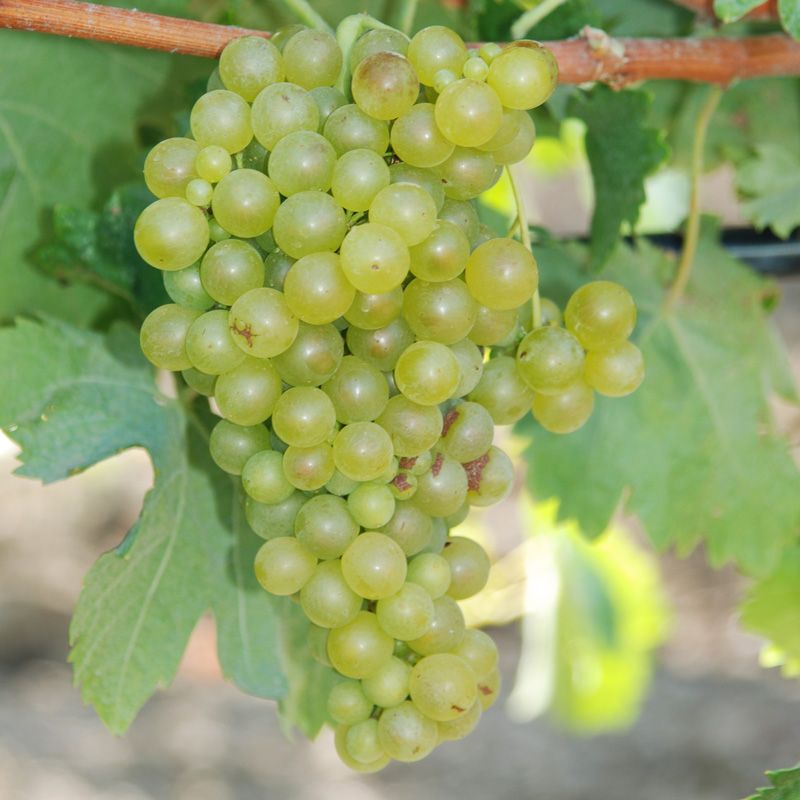
Catarratto grapes. Source: Sicily DOC website
It is a mouthful of the title, isn’t it?
“So long, Catarratto, welcome Lucido” – a bunch of strange words lumped together seemingly without any purpose, right?
Okay, I get it – some explaining is due.
Catarratto is the most planted white grape in Sicily and the second most planted white grape in Italy. Sicily has about 75 acres of Catarratto vines between two of its clones, Catarratto Bianco Comune and Catarratto Bianco Lucido, which represents 30% of the whole vineyard area in Sicily. Catarratto production increased from 17,300 bottles in 2012 to 730,000 bottles in 2020. And it is one of the historical varieties, growing forever on the island, producing fresh, round, and well-balanced wines. Sounds great, right? I would assume that you sense that the “but” is coming. So what is the problem with this picture? The name, Catarratto, is the problem.
Catarratto – pronounced “kah-tahr-rat-to”. Say it a few times, just for fun. Think if you will be comfortable ordering it in the restaurant, while just calling it by name instead of pointing with your finger on the line in the wine list saying “this”, “I want this”.
As Catarratto was growing in popularity, its name became a barrier. People don’t want to be embarrassed. And saying the word you don’t know how to pronounce requires a lot of courage. When Sicilian wines were presented at the seminar in China 10 years ago, there was enough of the anecdotal evidence collected in the form of videos with attendees struggling greatly while trying to pronounce the word Catarratto. And so it was well understood by the Sicilian winemakers that if they want to be successful with the wine which actually well deserves such success, something needs to be done.
Lucido is the name of one of the clones of Catarratto, and it is the name that often was used in ancient times. While Catarratto Bianco Lucido has a slightly different appearance compared with Catarratto Bianco Comune with Lucido grapes being shiny (hence the name), genetic research showed that both grapes are completely identical (speaking of genetics – another Italian grape, Garganega, is considered to be one of the parents of Catarratto, but then nobody knows where Garganega came from… ).
Sicilian DOC Consortium took this grape renaming task to the heart and after 2 years of lobbying, on November 21, 2018, the national Ministry issued a decree allowing the name Lucido to be used for any of the Catarratto wines produced in Sicily.
There are about 530 native grape varieties in existence in Italy, so it is obvious that setting up the precedent with renaming the grape variety was not taken lightly. But in the case of Catarratto/Lucido, it became very clear that considering the volume of production and possibilities of increased international demand, the hard-pronounced name of the grape variety became a gating issue of the wine’s success, and the right decision was made.
While Sicilian winemakers definitely appreciated the opportunity to change the name, it doesn’t mean that in mere 3 years you will see the name Lucido appear on all the wine labels. While we might think that the picture should look like this:


the 3 samples which I received looked like this:
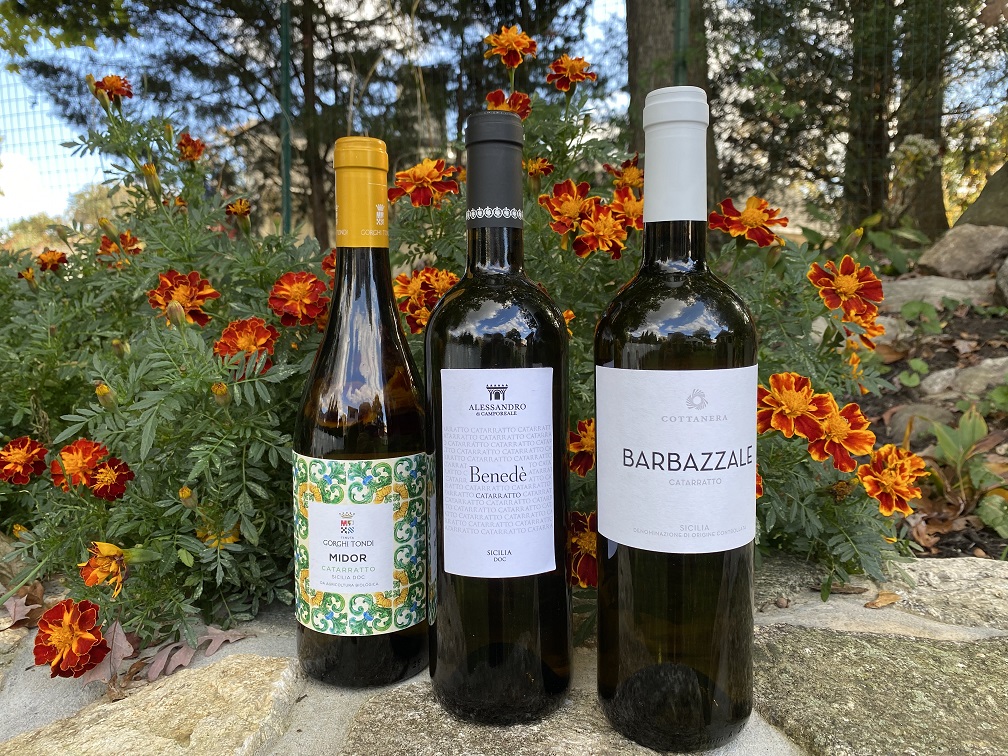
Well, whether Catarratto is difficult to pronounce or not had no bearing on the wines, as I loved all three of them:
2020 Cottanera Barbazzale Catarratto Sicilia DOC (12.5% ABV)
Straw pale
A hint of tropical fruit, lemon, herbs
Round, beautiful, Golden delicious apples, lemon, good acidity, clean and fresh.
8/8+, outstanding.
2020 Tenuta Gorghi Tondi Midor Catarratto Sicilia DOC (12.5% ABV, organic grapes)
Straw pale
Generous nose with a hint of vanilla, honey, and gunflint
Crisp, clear, precise, elegant, beautiful acidity, lemon, more gunflint, and Granny Smith apples.
8+, can be easily confused for a Chardonnay. Wine with finesse.
2019 Alessandro di Camporeale Benedè Catarratto Sicilia DOC (13% ABV)
Straw pale
Lemon, steely minerality
Crisp, tart, lemon, expressive minerality, clean acidity. Very refreshing
8, excellent food-friendly wine
I wouldn’t lie to you – Midor Catarratto was my most favorite wine, and I really admire its tile-styled label.
Catarratto’s name served the eponymous grape well, but the change is coming. It is a slow change, but as long as it is just the change of the name, and we will still get to enjoy the wine inside the bottle, it is the change that will help this wine to deliver pleasure to more wine lovers around the world.
And for you, my wine friends, Catarratto or Lucido – go find this wine and expand your wine vocabulary.
Welcome, Lucido.
P.S. For the grape geeks out there: as I was working on this post, I came across this article, which identifies Mantonico Bianco as the second parent (along with Garganega) of Catarratto. The article is from 2017, so it should be old news, but at least the Wikipedia article on Catarratto has no mention of it…
Daily Glass: Two Wines and The Sunset
Oenophiles are mysterious and easily influenced.
There.
Prove me wrong.
Here is the story of my weekend.
First, the “easily influenced” part, taking place on Saturday. My twitter wine friend Le Bov Vin #inmyglass likes to play a game – post a picture of a glass of wine with the description, asking everybody to guess the wine in the glass. Saturday’s post described the wine as “Redcherry.Blackfruit n strawberry,vanilla,licorice,hints of wood,smokedmeat Veryfresh,wellbalanced, polishedtannins,lingering finish“. My first guess was Pinotage, the second guess was leading to Washington Syrah/Grenache, but something here was also suggesting Spain, so I put all of these guesses into a tweet. After getting a confirmation that Spain is the right place, my first inclination was Ribera del Duero or Toro, as Rioja rarely would offer smoked meat notes – could’ve been something from Priorat, of course, but I decided to go with the first idea – and somehow I managed to hit it – the actual wine in the glass was Bodega Tinto Pesquera, one of the most classic producers from Ribera del Duero.
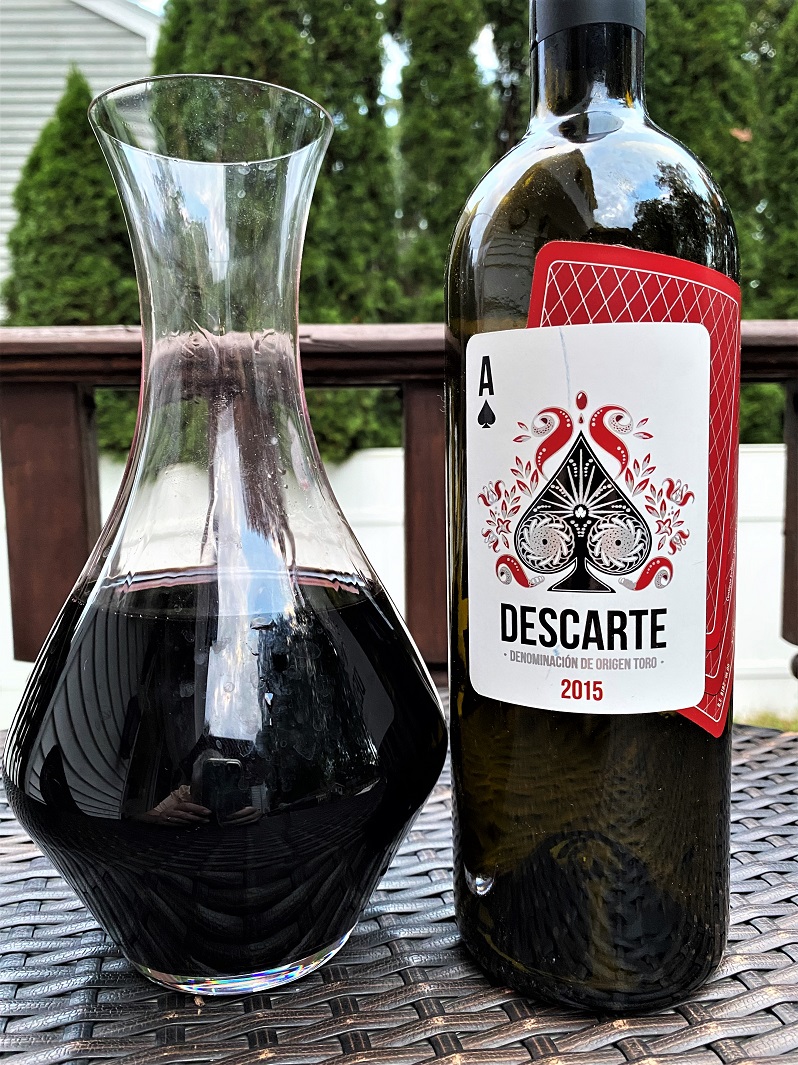
That made me crave Ribera del Duero wine, but somehow, while I always have a good amount of Rioja on hand, Ribera del Duero is a rare bird in my cellar. At this particular moment, it was as rare as none – but I recalled that I have a few bottles from Toro, the area down south from Ribera del Duero, producing densely concentrated and powerful renditions of Tempranillo, so I decided to obey my crave with 2015 Elias Mora Descarte Toro DO.
I wrote about this wine at the beginning of the year, when I called it Vinous Vino. Unlike the last time, I decided not to wait for the wine to come around slowly, and the wine went directly into the decanter upon opening. This definitely worked, as after about an hour in the decanter the wine showed massive and powerful, but also approachable enough to be enjoyed already, with dark cherries, espresso, and herbs-loaded profile.
Then there was Sunday, and the weather was noticeably cooler, one of the first cold days this fall so far. I wanted to sit down outside with a glass of wine, which obviously begged the question “what to open”. While going through the options inside my head, my inner voice insistingly proclaimed “Chardonnay”. I tried to argue – why Chardonnay, we can do Albarino, Chenin, Viognier, Riesling – but most importantly – why should it even be the white wine? It is cold enough to crave red! But the inner voice was unyielding – it has to be Chardonnay, there is nothing to discuss.
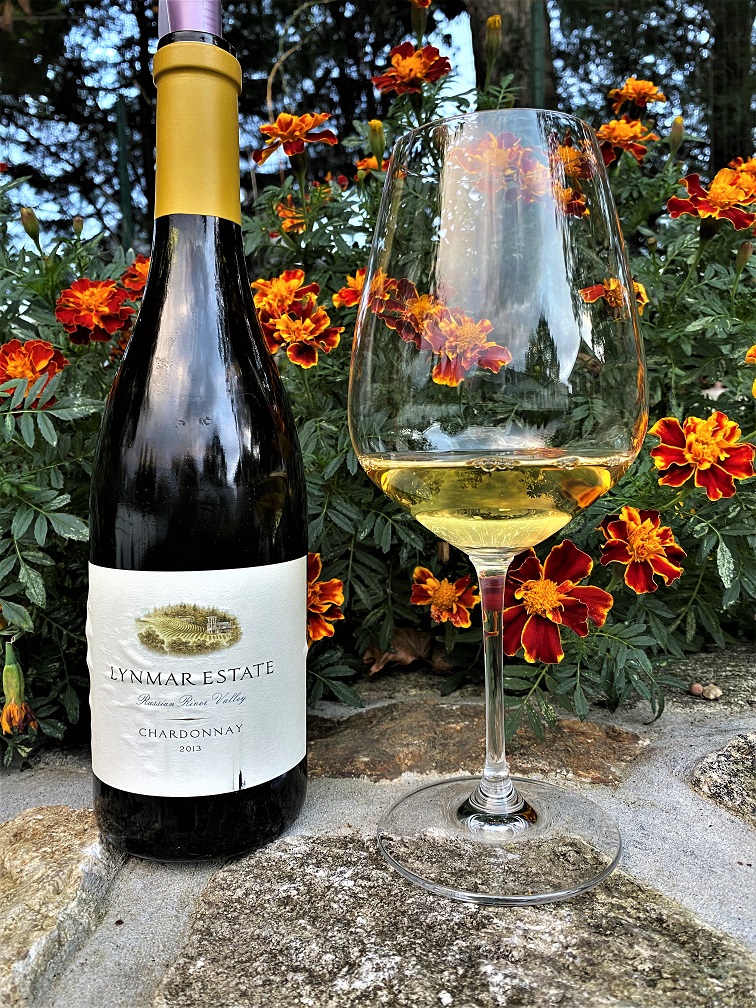
I don’t have a huge selection of Chardonnay, so the 2013 Lynmar Estate Chardonnay Russian River Valley (14.5% ABV) was almost the easiest choice. Boy, what a good choice it was… After a few minutes in the glass, the wine was singing with a core of vanilla with supporting voices of butter and green apples, all in perfect harmony. I don’t know if the wine was at its peak, or if it had another 10 years of life left – but it was perfect at the moment, no matter what mystery possessed me to open the bottle of Chardonnay.
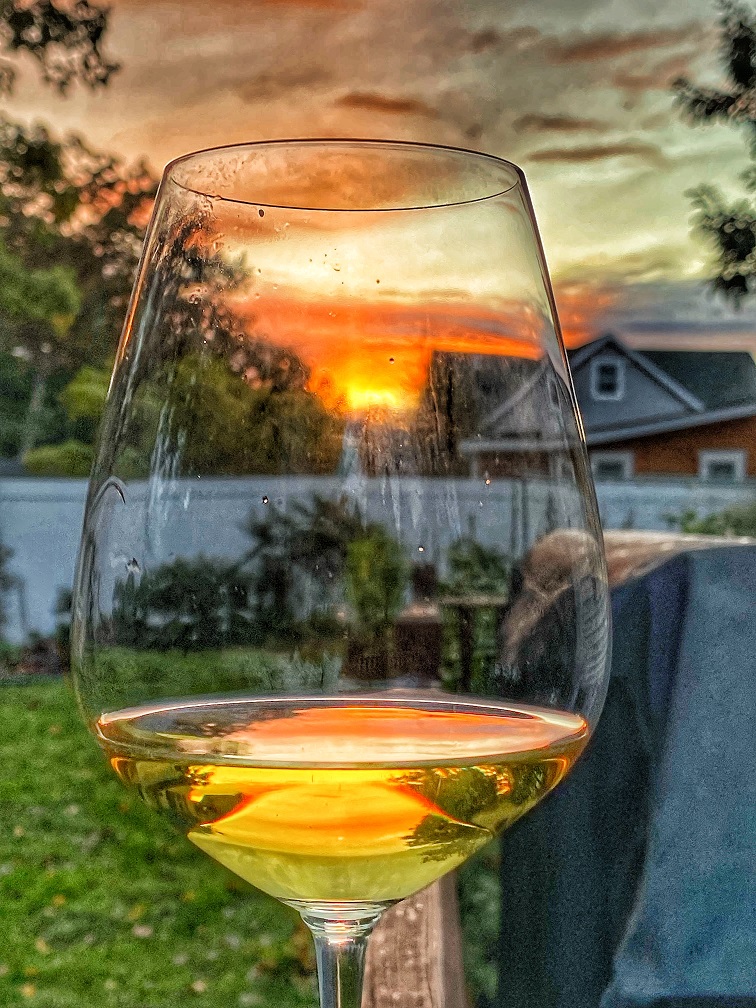
And then there was the sunset. I love taking pictures of the sunset, one of my most favorite types of photography. I often can take a decent picture of sunset right from my backyard – not all of those worth sharing though. But this Sunday sunset happened to be really special. A little rain started all of a sudden in the evening, forcing me to seek cover under the umbrella on the deck. The rain was very short, maybe 5 minutes or less. Once the rain didn’t look bothersome anymore, I stepped out from under the umbrella to go sit in the chair in the backyard – and then I saw THIS:

It appears that rain before the sunset creates some truly magical conditions for the sunset – some of the most memorable sunset experiences all took place after the rain. Once I saw this sunset, I spent the next 15 minutes taking pictures, with the glass and without, every moment being special and really worth capturing. Below are some of those pictures, I hope you will enjoy them as much as I did while talking them:

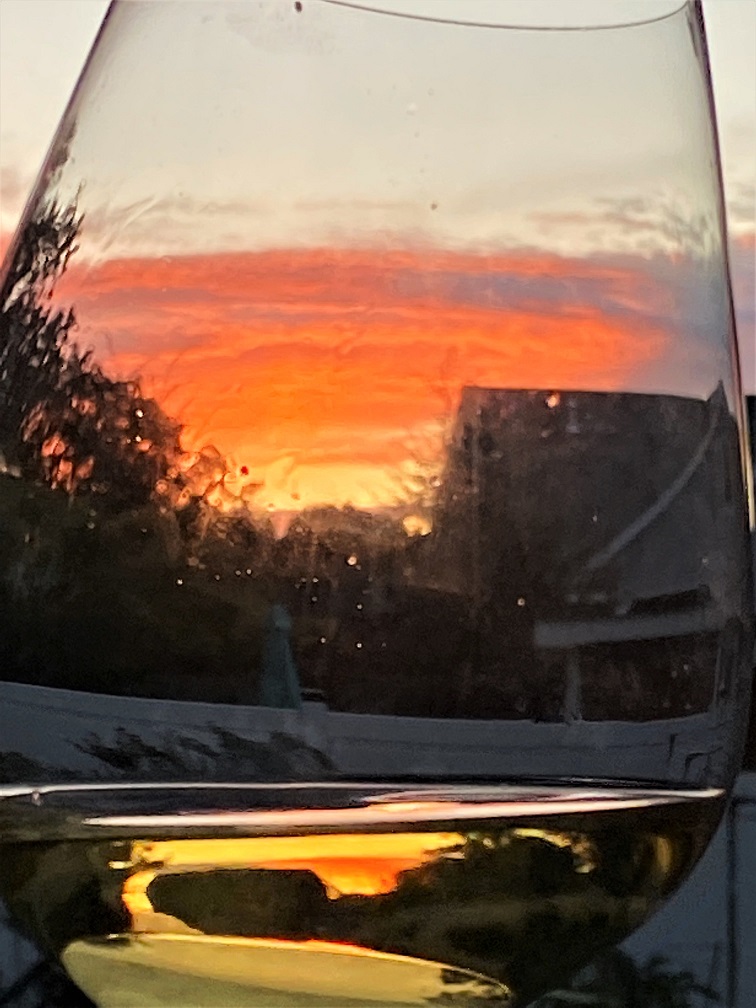
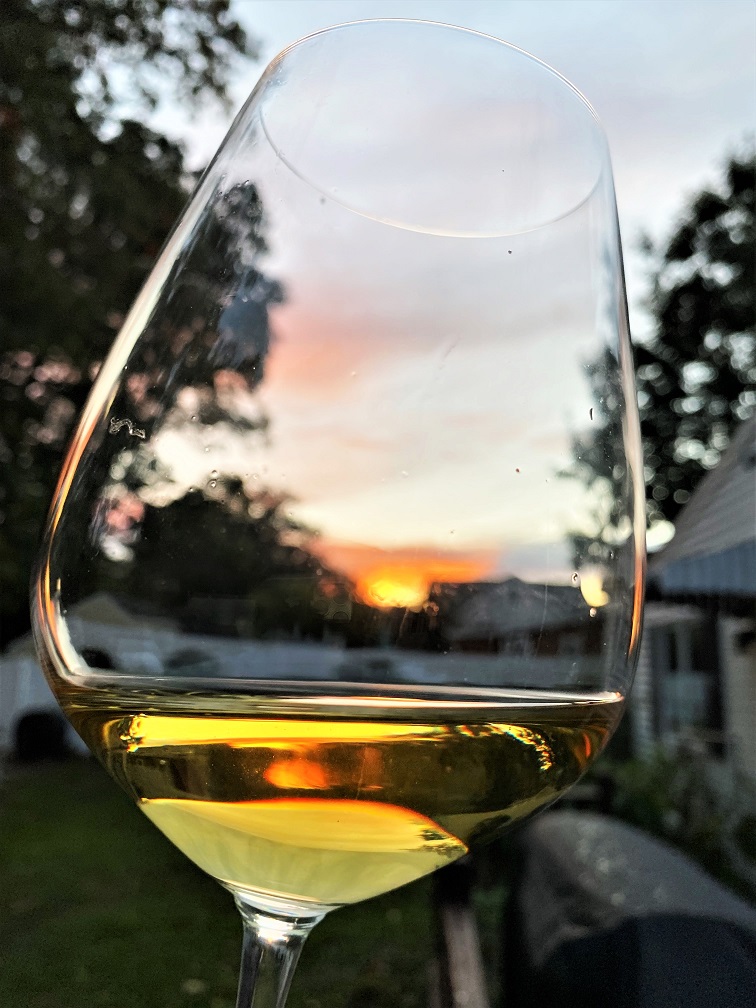
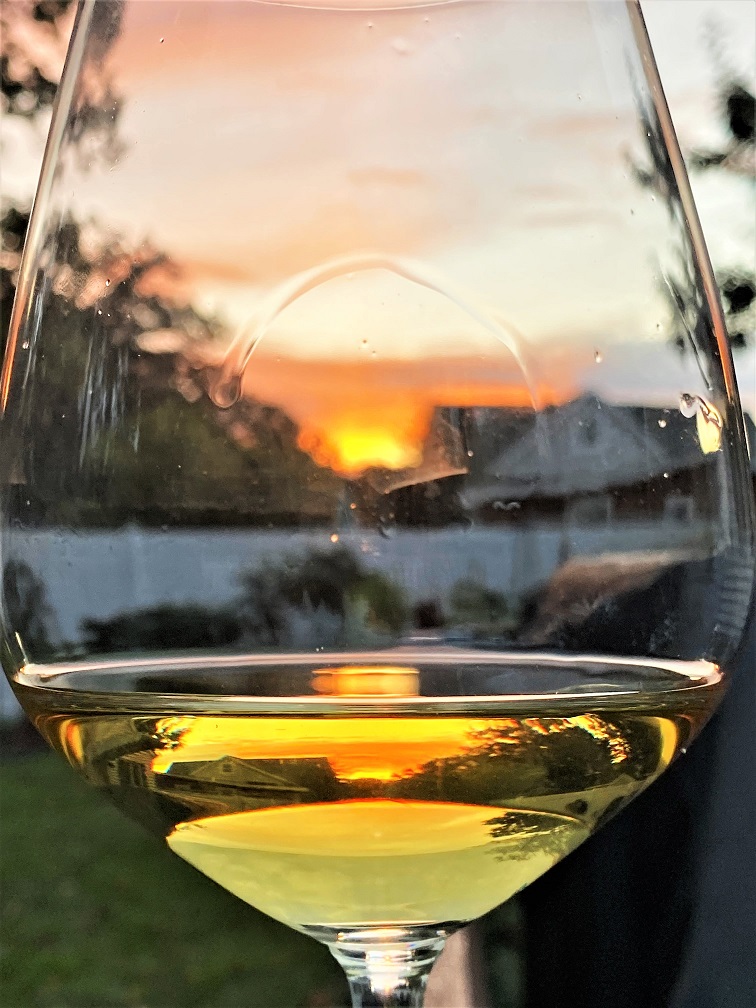

My failed attempt to catch the reflection of the sunset on the glass

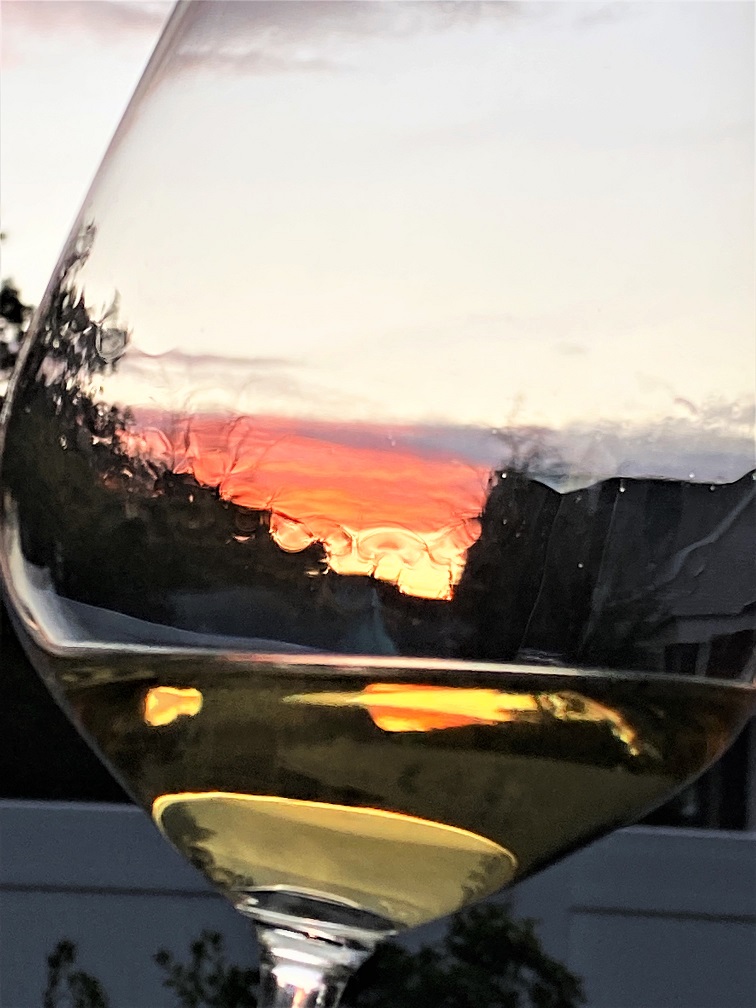
That’s all I have to share for now. How was your weekend?
Daily Glass: Uncomfortable Wine
 “Uncomfortable wine”??? What utter nonsense, right? Did the author had one too many glasses while writing this post?
The wine can be spoiled. The wine can taste bad. We can call it plonk, we can pour it out. But uncomfortable?
Shoes can be uncomfortable. The dress can be uncomfortable. The shirt’s collar might be too tight. Not knowing how to start a conversation with an attractive stranger might be uncomfortable. Not knowing how to answer a live interview question for the position you dreamed of your entire life is uncomfortable. Many, many things can be uncomfortable. But wine?
When I refer to wine as an art, the typical association in my mind is painting. As an art form, I imply that there are similarities between the bottle of wine and the painting on the wall. But maybe a book would be a better art form to compare?
Reaction to painting is instantaneous – you can, of course, spend hours looking at elaborate details and discovering new elements even if you saw the painting a thousand times before – but your first impression is unlikely to change, it might only deepen as time goes on. But with the book, first we see the cover, then we start reading, and if we found the book which speaks to us, by the time we reach the second page, nobody cares about that cover anymore.
When it comes to the wine, the bottle and the label matter – until we take the first sip. If we found “our wine”, the same as 300 pages book can be obsessively consumed within a few hours, a good bottle of wine will be gone in no time. And while you will be enjoying it, most likely you wouldn’t even remember how the label looked like.
What’s with this interlude and our comfort/uncomfort discussion you ask? Don’t worry, this is all connected.
So what can be uncomfortable about wine? Actually, many things. Remember – in the wine world, it is all about perception – except the taste, the pleasure, and your desire to have a second glass – of course, if you chose to be honest with yourself. Otherwise, perception is everything. Enjoying a glass of 2 buck chuck is uncomfortable. Bringing a $5 bottle of wine to your friends’ house is uncomfortable – knowing that it is an amazing bottle of wine without any regard for a price doesn’t make it less uncomfortable. Enjoying the glass of wine while your best friend hates it is uncomfortable. And then there are labels.
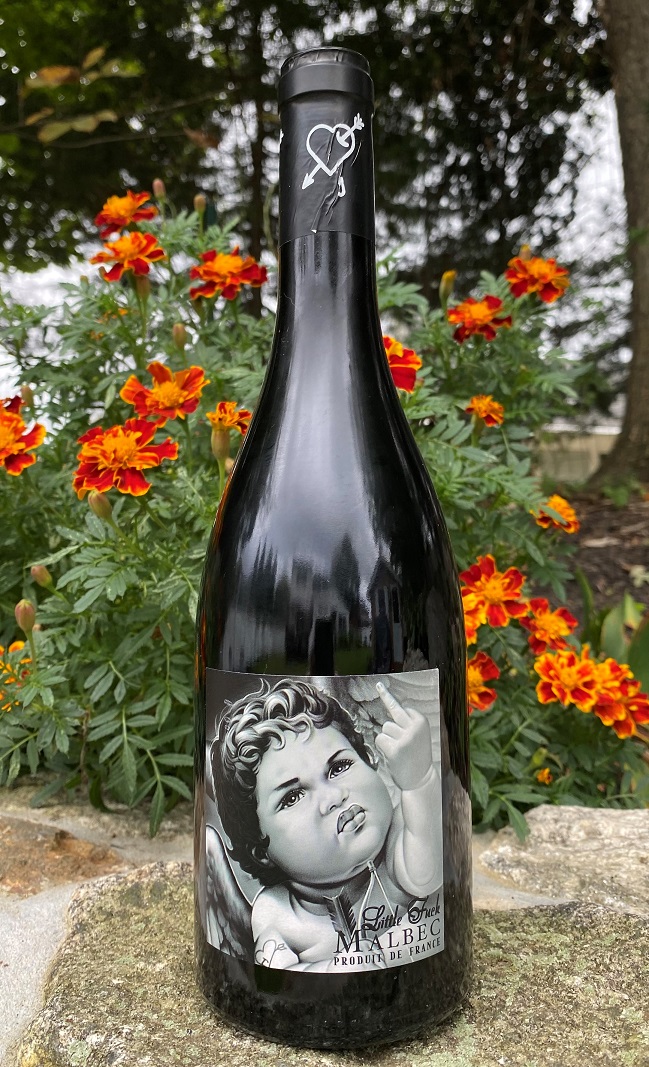
Okay, call me “captain obvious”, but this is where I was leading you all the way – the label can make you uncomfortable. There are enough wines in this world that have, for example, sexually suggestive or simply offensive words or images on the label. Ever saw the bottle of If You See Kay? This is a perfect example of suggestive language on the label – the book cover – for a perfectly delicious wine produced by Jayson Woodbridge. And there are wines that don’t even use suggestive language anymore – like the Little Fuck Malbec from Cahors.


When a friend sent me a picture of this label a few days ago, my first reaction was literally WTF – how can such a label be even approved (Jayson Woodbridge had lots of trouble getting his If You See Kay label approved 9 years ago)? But as the wine was available, I decided that I would not judge the book by its cover, and actually try reading it – and so I got the bottle.
I have to say that as soon as I got a hold of the bottle my negative impressions instantly started to diminish. This is hard to explain, as I don’t know if all the oenophiles feel the same way, but there are bottles that express “comfort” with its shape, weight, and overall feel in your hands. Once you take such a bottle in your hands, you can’t help yourself but say “oh, this is nice”. This was precisely the bottle. Outside of the wine name and the image on the label, the bottle was very comfortable and really created the anticipation – “oh yeah, I do want to open that bottle”. Even the label looked well designed in its shape and size and added the overall “comfort” feeling.
The wine didn’t disappoint – 2020 Vellas Père Et Fils Little Fuck Malbec Cahors AOP (14% ABV) was unapologetically a New World Malbec – big and brooding – and in a blind tasting I would confidently place it into Argentina, but never into the old world. The wine was full of raspberries, smoke, and sweet tobacco – on the nose and on the palate. Big, full-bodied, and powerful, but also well balanced and delicious – a very unapologetic Malbec I might be ashamed to bring to the acquaintance’s house but would be happy to drink at home or with close friends.
I’m really curious about the backstory of this wine. I don’t believe the name and images are random. Nicolas Vellas is a vigneron in the 4th generation at Vignobles Vellas, farming 300 acres of vines and producing a wide range of wines in the South of France. If this would be the only wine produced at the winery, yes, we could dismiss it as a gimmick. But this is simply one of many and the only one with such a unique label, so I truly believe there is a story for this wine, which is not easy to figure out – I even sent a message to the winery asking them to share the story if they can, but I’m not very hopeful. Well, actually lots of Vignoble Vellas wines have very creative labels – you can see them here, but I don’t know if there are any more of the “uncomfortable” ones.
Here you go, my friends. Uncomfortable wine which also happened to be delicious. Yeah, I’m okay with that. I’ll take delicious any day. And comfort? It comes after delicious.
Last Bottle Sign Up ($10 credit)




 Talk-A-Vino