Month in Wines – January 2024
Ahh, the difference between the picture in your head and the reality. I know that I’ve written “Month in Wines” posts in the past, to discuss the wines I had during a given month. What I didn’t realize was that the last “Month in Wines” post was written 9 years ago, in 2015. Oh well, such is life. Let’s get to our subject – the wines I had during January of this year.
I would say that January, and December for that matter, are usually a bit more special, as both months are centered around holidays and celebrations. For a variety of reasons, we got to celebrate New Year, our most favorite holiday, on 3 separate occasions, and every one of those celebrations involved bubbles and special wines. Here are my brief notes on what transpired in January 2024, sorted by the type of wines.
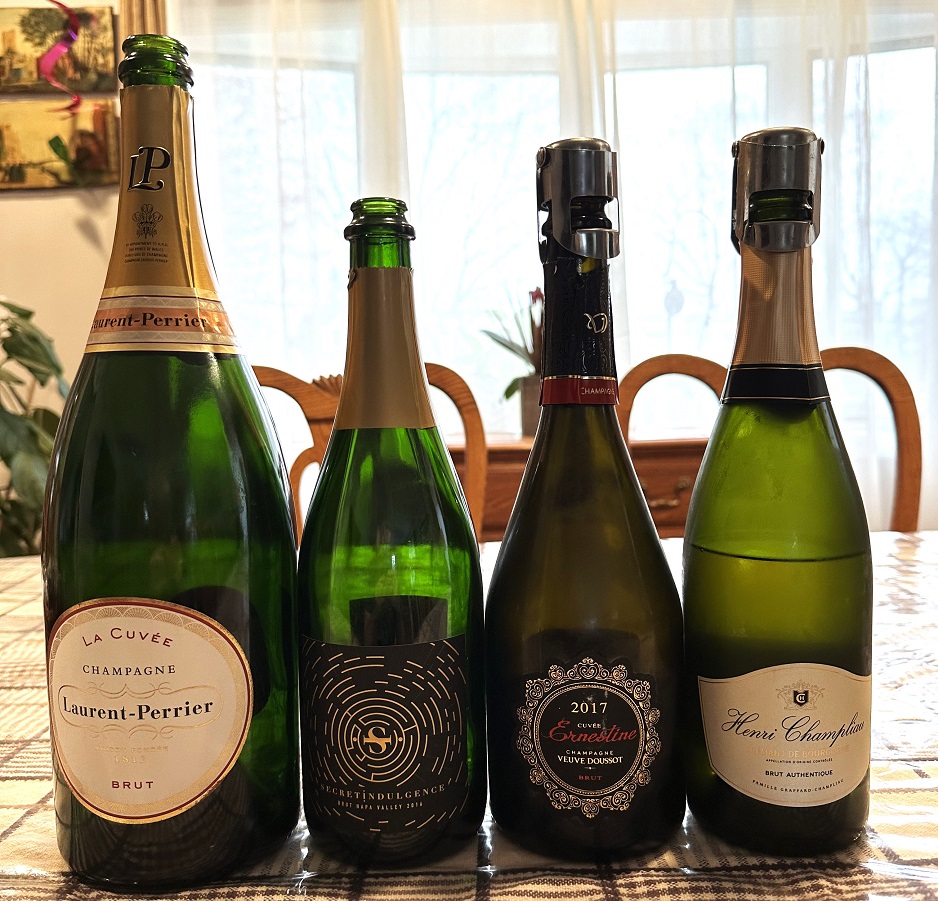
Some of the sparkling wines
Sparkling:
NV Veuve Clicquot Brut Champagne (12% ABV) – of course, no introduction is needed. As the most marketed Champagne brand, I find it annoying and thus drink rarely. We had a few bottles that my wife received as a present at work a few years back, so I decided to open one of them. The wine was not bad, I guess better than I expected. Not anything that would blow your mind off, but solid and drinkable (but not craveable if this is even a word).
NV André Chemin Brut Tradition Blanc de Noirs Champagne (12% ABV) – my favorite Champagne available from WTSO (or at least it used to be, great value at $26.99). Round, playful, beautiful toasty notes and perfectly balanced.
NV Laurent-Perrier La Cuvée Brut Champagne (12% ABV) – everything is better from the magnum right? Nice, clean, classic.
2016 Secret Indulgence Brut Blanc de Blancs Sparkling Wine Napa Valley (12.5% ABV) – a bit more substance than a typical Champagne. Just a touch more body, a bit more fruit, but overall perfectly restrained.
NV Maison Laudacius Cuvée Réservée Brut Méthode Traditionnelle Montlouis-sur-Loire AOP (12% ABV) – I grabbed this Cremant from the WTSO selection right before the holidays. This was nice and round, with clean acidity and just a touch of the fruit.
2017 Veuve Doussot Brut Cuvée Ernestine Champagne (12.5% ABV, 70% Pinot Noir, 30% Chardonnay, disgorged January 2022) – this one was just okay. Bubbles, but not much else to report.
NV Duval-Leroy Brut Reserve Champagne (12% ABV) – nice, round, clean, classic. A hint of apple, perfect acidity.
2011 Castello Bonomi Cru Perdu Millisimato Franciacorta (12.5% ABV) – excellent. Very generous, round, refreshing, a clean profile with a touch of fruit and a great substance.
2012 Charles Clément Brut Champagne (12% ABV, 60% Chardonnay, 20% Pinot Noir, 20% Pinot Meunier) – excellent specimen of a vintage Champagne. Toasted notes, brioche, fine mousse, all around delicious.
NV Henri Champliau Brut Authentique Crémeant de Bourgogne AOC (12.5% ABV, 85% Pinot Noir, 15% Chardonnay) – Zak, who brought this wine, mentioned that a “tik-tok sommelier” compared this wine with Veuve Clicquot and said that they are literally identical in the taste profile with this Cremant only costing a fraction of the Veuve. Upon first taste, we found no similarities, and the wine overall was kind of subpar, so we had to put it aside enclosed with the Champagne bottle sealer. The next day the wine was still not interesting. On the third day, it showed a much bigger body and became much more round and pleasant. I still don’t think the comparison with Veuve stands, but go figure…
NV Giacomo Scagliola SiFaSol Moscato d’Asti DOCG (5.5% ABV) – of course, this is a lightly fizzed sweet wine, but we had it as an aperitif, hence is it listed with other sparkling wines. When it comes to Asti wines, it is all about balance and acidity – and succulent white peaches in this wine were perfectly balanced by the lemony acidity, so overall the experience was light and refreshing.
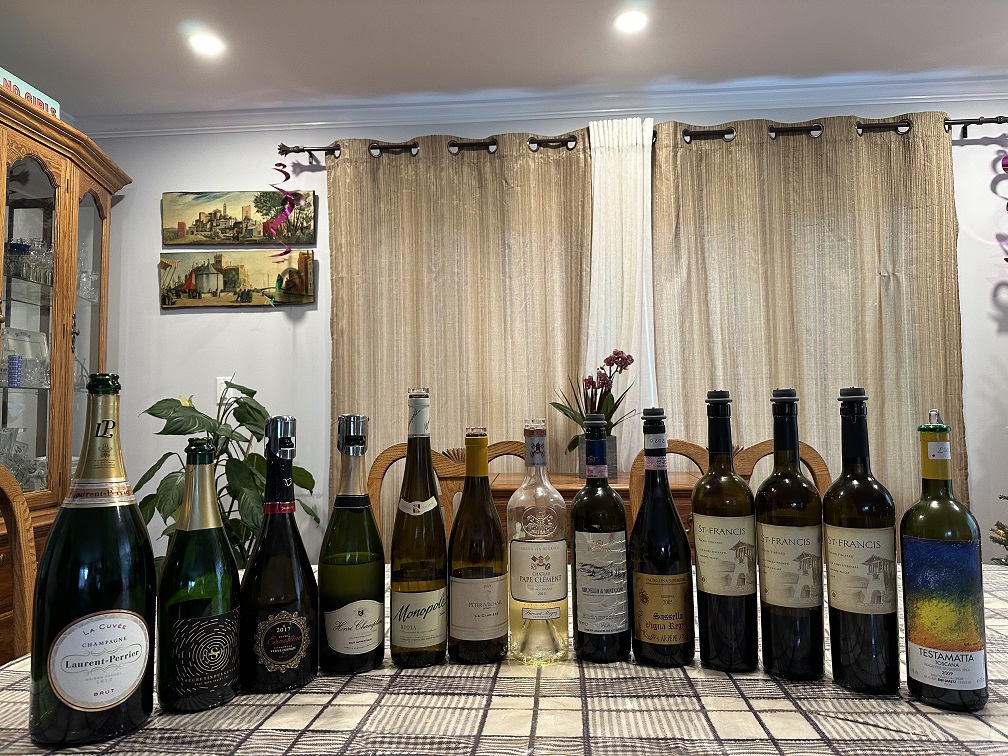
Final group
Whites:
2010 CVNE Monopole Rioja White Wine (13% ABV, 100% Viura) – I love unexpected [good] surprises, and this was definitely the one. I always enjoyed Monopole, the oldest white wine produced in Rioja (the first vintage was produced 110 years ago – in 2014) – but typically as a fresh, young wine. I kept one bottle as an experiment, not expecting anything special. The wine was excellent – not at the level of mature Riesling or a well-made white Burgundy, but it was good in its own class, with white-stone fruit, white plum, and lemon on the palate, and a tiny hint of oxidative/sherry notes, still with freshness and well noticeable acidity. Don’t know if it would age for much longer, and I was happy that I opened it now.
2015 Château Pape Clément Grand Cru Pessac-Leognan (14.5% ABV) – unlike the previous wine, this was not a good surprise. A very strange palate which I can’t even describe – kind of medicinal profile with basil and currant leaves, rather overwhelming. “Strange” would be the best descriptor.
2011 Peter Michael La Carrière Chardonnay Knights Valley Sonoma County (15.2% ABV) – another disappointing wine. 2011 was not a good year in California, and this wine was simply bitter and lacked any sort of balance.
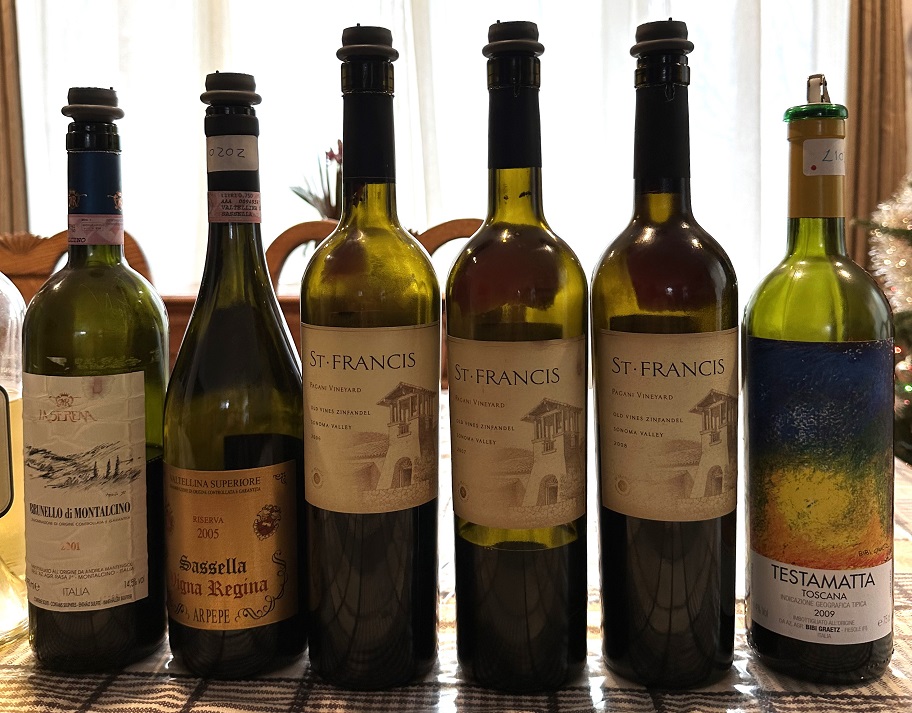
Reds
Reds:
2006 St. Francis Old Vines Zinfandel Pagani Vineyard Sonoma Valley (15.6% ABV) – I kept this trio for a while but decided that the time had come to drink them. All 3 wines were very similar, focusing on blackberries, a hint of cherries and fresh herbs, round and delicious. I can’t complain about either one – they were all gone very quickly.
2007 St. Francis Old Vines Zinfandel Pagani Vineyard Sonoma Valley (15.4% ABV) – 2007 was the biggest wine of the 3, still retaining the same core of the fruit and herbs, but more assertive in its expression on the palate.
2008 St. Francis Old Vines Zinfandel Pagani Vineyard Sonoma Valley (15.4% ABV) – possibly the most elegant of the 3. Again, same profile, but with more finesse and restraint, focused on elegance.
2009 Bibi Graetz Testamatta Toscana IGT (14% ABV) – I was hoping it would be great, and it was not. Another disappointment of the tasting.
2005 ArPePe Sassella Vigna Regina Riserva Valtellina Superiore DOCG (13% ABV) – I have a lot of respect for ArPePe wines, but for whatever reason, this was far from amazing. I would describe it as “lean”. It is possible that the wine was open during its “sleeping” phase, but I would never be able to find out now.
2001 La Serena Brunello di Montalcino DOCG (14.5% ABV) – this was an interesting experience. From the get-go, the wine was not bad, with a pleasant dark cherries profile and good acidity. It was lacking a body a bit, so we decided to decant it. The decanter didn’t make much of a difference, with the wine remaining pleasant but not exciting. During the next two days, the wine transformed, showing a powerful structure and becoming more assertive. This wine could probably wait for another 5-10 years. Oh well…
2016 Carlisle Two Acres Russian River Valley Sonoma County (14.9% ABV, Mourvèdre, Petite Sirah, Syrah, Pelourcin, Carignane, Alicante Bouschet) – a rare case of Carlisle missing the mark. I can only assume I opened the wine while it was in its “sleeping” phase – at the moment it was simply lacking balance, and it didn’t improve even over the next few days. Strange, but happens.
2010 Clarendon Hills Brookman Merlot Wine of Australia (14.5% ABV) – I saw a very discouraging review of this wine somewhere online (might be Vivino), but somehow was convinced that my experience would be very different. No such luck. If I would ever decide to present the list of the worst wines of the year, this would be definitely one of the top contenders. This was a wine that showed nothing – not on the nose, not on the palate. Not good…
2017 Quinta do Vale Dão DOP (13% ABV, 40% Touriga Nacional, 40% Tinta Roriz, 20% Alfrocheiro) – Portuguese wines represent amazing value, and this was a simple proof of that. For under $10, this wine was singing – fresh, succulent berries, perfectly integrated tannins, playful, delicious.


2009 Sauvella Luscinia Canta Costers del Segre DO (14.1% ABV, Syrah, Cabernet Sauvignon, Grenache) – Spain never ceases to amaze. An eclectic mix of grapes (who blends Cabernet Sauvignon with Syrah and Grenache?) delivering outstanding wine – fragrant, playful, full of fresh succulent dark fruit and herbs, well-integrated tannins and long finish. By the way, 2009 is a current release (available in the stores now) and thought-provoking.
2017 Campochiarenti San Nicola Riserva Chianti Colli Senesi DOCG (14.5% ABV) – classic and precise. Beautiful, layered Chianti with all the attributes – succulent dark cherries, sweet tobacco, leather, perfect minerality, wonderful bouquet and overall just a quintessential Italian wine.
2008 Achaval-Ferrer Quimera Mendoza Argentina (14% ABV, Malbec, Merlot, Cabernet Sauvignon, Cabernet Franc, Petit Verdot, 12 months in 40% new and 60% old French oak barrels) – my last bottle. I can’t recall why but I was not happy about the previous bottle opened a few years back, so I had a bit of trepidation opening this one on the last day of the month. The wine was just perfect. Roll-off-your-tongue smooth, velvety tannins, succulent cherries surrounded by the black fruit. Perfectly balanced and supremely delicious.
This concludes the story of January month in wines. As you can tell, there were clear highs and there were clear lows. How was your January in wines?
The work on a sequel has already started.
Cheers!
2021 UGCB Vintage Preview
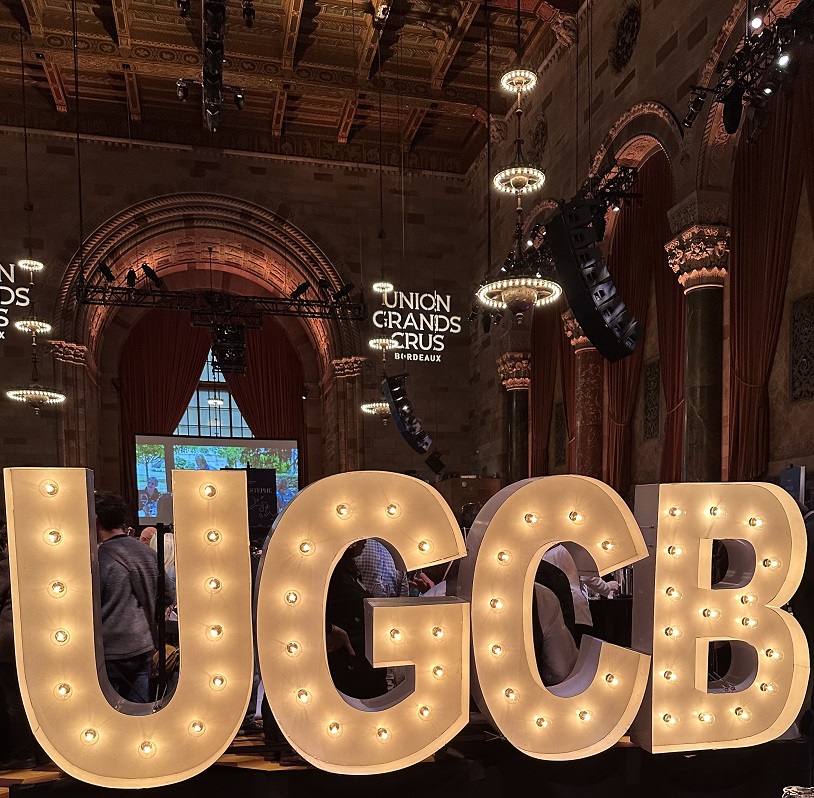 Do you ever get the feeling that you already did something, and then, after spending a good half an hour looking for it you realize that you only thought about doing that but actually you never have?
This is my story with the Union des Grands Crus de Bordeaux tasting – I already had 3 opportunities to write about this Bordeaux Grand Crus tasting, and have not done that – and was sure that I did – but only in my mind. Thus finally I want to correct the situation so I will have an actual record.
Let’s start with a short explanation of UGCB, the Union des Grands Crus de Bordeaux. UGCB was founded in 1970s by a group of Bordeaux winemakers to help promote Bordeaux wines in Japan. From that day onward, the promotion of the best Bordeaux wines around the world is what the UGCB has been doing. To give you the current set of numbers (as presented on the UGCB website in January 2024), UGCB has 131 members, all of them Grand Crus throughout the Bordeaux territory. UGCB organizes 80 events per year throughout 15 countries and 65 cities, bringing together 50,000 professionals and wine enthusiasts to taste Bordeaux wines.
For many years, the UGCB tasting has taken place in January in New York City, and all of the events I attended through the years have been at Cipriani restaurant in midtown Manhattan. The 2024 event showcased the 2021 vintage, with about 80 wineries participating, pouring about 90 wines during the 3.5-hour trade tasting event (consumer tasting was a separate event taking place in the evening).
When it comes to events like this, busy and crowded, when you have to try to extend your hand holding the glass between the people’s backs, I’m not good at taking notes – handling the glass, the phone, notebook, and pen is just too much. So I primarily was taking pictures of the wines I liked and was trying to obtain an overall impression about the vintage in general and specific sub-regions in particular. For what it is worth, this is what I’m sharing with you here.
2021 Bordeaux vintage
While tasting wines, I asked many winemakers how they would assess the 2021 vintage. Based on what I heard, I got a mixed feeling, so here is how I see it. The 2021 was good overall, not great. Rain presented somewhat of a challenge, bringing powder mildew as a consequence. 2021 was also cooler than let’s say, 2020. 2021 also resulted in a lesser yield than 2020. Overall wines are leaner than 2020 but well structured. And my impression was also that winemakers had to work harder to achieve good results. To put things into perspective, the Bordeaux 2020 was outstanding, with pretty much ideal weather conditions throughout the whole season (still regret not writing about it on time). And I was told that 2022 was even better than 2020, which would, I guess, make it a proverbial “vintage of the century” – we just need to wait for a year and see.
Below are my bit more detailed impressions, primarily on the appellation level. These are all the wines that I liked to various degrees, with the top favorites shown in bold. As a general observation, I was surprised by the amount of the new oak used across the board.
Note – all of the wines below are Grand Cru wines, hence I didn’t add “Grand Cru” to every wine name below.


Pessac-Léognan – this is the only appellation in Bordeaux that produces both white and red wines at the Grand Cru level. I definitely enjoyed 2021 whites less than 2020. Most of the reds were just okay, nothing special.
2021 Château Smith Haut Lafitte Blanc Pessac-Léognan
2021 Domaine de Chevalier Blanc Pessac-Léognan
2021 Domaine de Chevalier Rouge Pessac-Léognan
2021 Château de Fiuzal Blanc Pessac-Léognan
2021 Château Malartic-Lagravière Blanc Pessac-Léognan
2021 Château Malartic-Lagravière Rouge Pessac-Léognan
2021 Château Olivier Blanc Pessac-Léognan
Margaux – It was hard to find anything I liked in Margaux – I don’t know why, but literally all the wines I tried were incredibly tannic, instantly shutting down the palate.
2021 Château Brane-Cantenac Margaux
2021 Château Rauzan-Ségla Margaux
Pauillac – no specific impressions, but I liked comparatively more wines from this appellation.
2021 Château d’Armailhac Pauillac
2021 Château Clerc Milon Pauillac
2021 Château Duhart-Milon Pauillac
2021 Château Grand-Puy Ducasse Pauillac
2021 Château Lynch-Bages Pauillac
2021 Château Haut-Batailley Pauillac
2021 Château Batailley Pauillac
Pomerol – these Merlot-based wines overall were softer and more approachable than Cabernet-based ones.
2021 Château Petit-Village Pomerol
2021 Château Le Gay Pomerol
2021 Château Le Bon Pasteur Pomerol
Saint-Émilion – I thought that Merlot might be a saving grace in the 2021 vintage, but apparently it is not as I only liked a few wines from this Merlot-driven appellation.
2021 Chateau Valandraud Saint-Émilion
2021 Château Villemaurine Saint-Émilion
Saint-Estèphe – no general impressions, very few wines were present
2021 Château Phélan Ségur Saint-Estèphe – might be my second-most favorite in the tasting.
Saint-Julien – same as with Pauillac, I liked quite a few wines here.
2021 Château Beychevelle Saint-Julien
2021 Château Langoa Barton Saint-Julien – this wine was tasty and had a standout, playful label.
2021 Château Léoville Barton Saint-Julien
2021 Château Léoville Poyferré Saint-Julien
2021 Château Gloria Saint-Julien
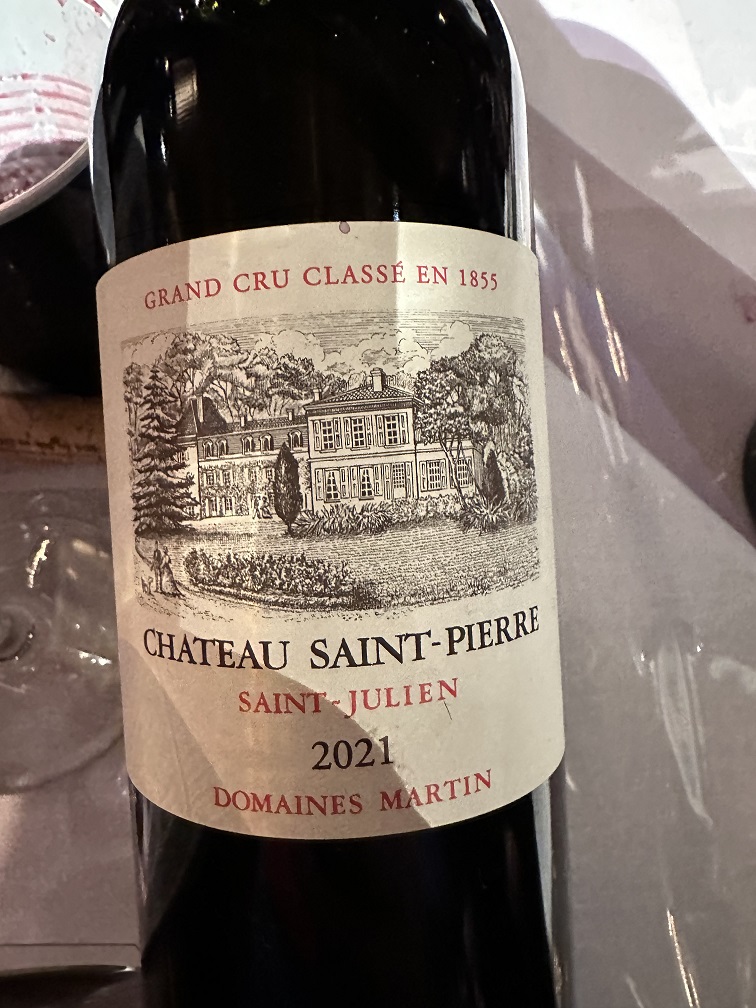
2021 Château Saint-Pierre Saint-Julien – this was probably my favorite wine of the tasting.
Sauternes – I had bad luck with Sauternes during UGCB tastings in the earlier years, as many wines were simply not balanced, with pronounced bitter notes. At this tasting, I literally liked them all. Note that the wines were presented from the different vintages.
2021 Château Rainey Vigneau Sauternes
2016 Château Sigalas Rabaud Sauternes
2016 Château Guiraud Sauternes
2018 Château Doisy-Védrines Sauternes
2016 Château Bastor-Lamontagne Sauternes
There were more appellations in the tasting (Haut-Médoc, Listrac-Médoc, Moulis-en-Médoc), but I didn’t like any particular wines from those so they are not covered here.

Here you are my friends – my report from the 2024 Union des Grands Crus de Bordeaux tasting. I finally did it.
And I’m already looking forward to the 2025 tasting of the 2022 vintage. Will see if reality will match my expectations. Cheers!
The Art Of Italian Wine: Masciarelli
Italian wines are special.
Well, this statement says a lot and nothing at the same time.
Remember, wine is personable and subjective. Everyone has a right to have their own opinion, and that opinion can only be subjective.
What makes Italian wines special? I will allow myself to make a bold claim – Italian wines are distinguishable. At least the well-made Italian wines produced from the core Italian grape varieties. What I’m saying is that when you taste Chianti, Brunello, Nero d’Avola, Montepulciano, Barolo and others, you might not identify the exact wine and the exact producer, but you would be reasonably sure you are drinking an Italian wine.
When you drink wine made from Cabernet Sauvignon or Chardonnay, you might be well able to identify the grape, but the origin of the wine can be equally anywhere in the world – Bordeaux, California, Italy, Spain, Washington, Australia, Chile and everywhere in between can be a source of a great Cabernet Sauvignon. This would be also true for the absolute majority of the so-called international grape varieties – Cabernet Sauvignon, Merlot, Pinot Noir, Grenache, Syrah, Chardonnay, Sauvignon Blanc. But when you taste Sangiovese made in Italy, you might be easily mistaken about the exact region, but you would be reasonably certain you are drinking an Italian wine. An important disclaimer – it would definitely help if this would be a well-made Italian wine.
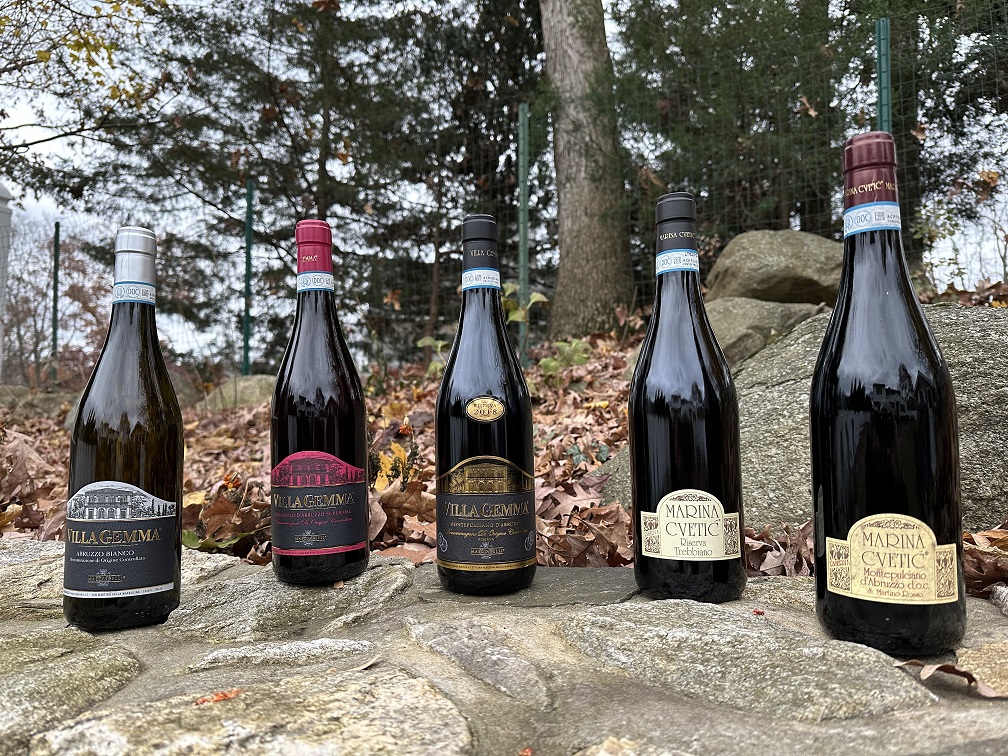
Here is a great example of the well-made, and thus easily recognizable Italian wine – or, rather, wines – Tenute Masciarelli in Abruzzo in Italy.
In terms of “wine time”, Masciarelli is a very young winery, founded in 1981 by Gianni Masciarelli. However, the impact in the wine world is not directly a function of time. Wine has been continuously produced throughout Italy for a few thousand years. In Abruzzo, a province located in central Italy along the Adriatic Sea, Montepulciano is the king. Simple Montepulciano red wines were produced forever in the region, perfectly quaffable, but not really comparable, for example, to the wines of Tuscany. Gianni Masciarelli spearheaded the change in the region, both in grape growing (he introduced the French Guyot training system for vines in the region) and production – he was the first to start using French oak barrels for aging the Montepulciano Abruzzo and Trebbiano d’Abruzzo wines. 1984 saw the first vintage of the Villa Gemma Montepulciano d’Abruzzo, the first of its kind single-vineyard Montepulciano d’Abruzzo wine, which will be celebrating 40 years of production this year.
Today, Masciarelly sustainably produces wines from all 4 provinces in Abruzzo. Annual wine production exceeds 1 million bottles across 7 different lines and 22 wine labels. A few months back, I had an opportunity to review Masciarelli’s introductory Linea Classica – 3 very well-made wines that were not only tasty but easily lasted for 5 days after being open – a testament to quality. Now, I had the pleasure of reviewing the latest releases from two more wine lines – Marina Cvetic and Villa Gemma.
Marina Cvetic line includes 2 of the classics – Trebbiano d’Abruzzo Riserva and Montepulciano d’Abruzzo – the second one is my perrenial favorite, I’m always happy to drink it. Additionally, the Marina Cvetic line includes four of international grape varieties (Chardonnay, Cabernet Sauvignon, Syrah, and Merlot) – however, I don’t think those are available in the US.
Villa Gemma, the winery’s flagship and the oldest produced line, includes three of the Abruzzo’s classics – white blend, Rosé, and Montepulciano d’Abruzzo Riserva.


Here are my notes:
2020 Masciarelli Marina Cvetić Trebbiano D’Abruzzo Riserva DOC (14% ABV, $60, 100% Trebbiano Abruzzese, 20-50 yo vines)
Light golden
A hint of tropical fruit, Whitestone fruit, honeysuckle
Round, clean, fresh, a hint of butter, soft and creamy texture with Meyer lemon finish
8, the wine is a bit aggressive when just opened, don’t over-chill it (I would serve it around 50F) and let it breathe, maybe 30 minutes in a decanter. Will stay fresh in the fridge for a few weeks.
2022 Masciarelli Villa Gemma Abruzzo Bianco DOC (14% ABV, $24, 50% Trebbiano, 30% Pecorino, 20% Cococciola)
Straw pale
whitestone fruit, lemon, clean, inviting
Crisp, clean, good acidity, lemon, expressive minerality, good balance
8, excellent
2022 Masciarelli Villa Gemma Cerasuolo D’Abruzzo Superiore DOC (14% ABV, $24, 100% Montepulciano)
Beautiful cranberry pink
Restrained nose of fresh strawberries, pleasant
Strawberries, cranberries, fresh, bright, excellent acidity, good balance, delicious
8
2019 Masciarelli Marina Cvetić Montepulciano d’Abruzzo Reserva DOC (14.6% ABV, $38, 100% Montepulciano, 15-30 yo vines, 12 months in French oak barrels)
Dark garnet, almost black
Dark cherries, espresso, tar, mocha, medium intensity
Dark cherries, silky smooth with beautifully present tannins, layered, round, well present, delicious.
8+, these are day 2 and day 6 notes, this wine is made of the long haul, was not very enjoyable upon opening, you need to decant it for 2-3 hours or forget it in the cellar for 10-15 years as the least.
2018 Masciarelli Villa Gemma Riserva Montepulciano D’Abruzzo DOC (15% ABV, $98, 100% Montepulciano, 35 yo vines, 12 months in French oak barrels)
Dark garnet, practically black
Black cherries, a hint of a barnyard
Black cherries, cherry pits, silky smooth roll-of-the-tongue texture, good acidity, excellent balance
8+, this is a big wine. It is surprisingly pop’n’pour, but will improve with the cellaring.
Here you are, my friends – wine, a liquid art form, made in Italy.
Do you think that Italian wines are easily distinguishable? What are your favorite Italian wine producers?
2023 Uncovered
“Uncovered” is an interesting word. On one side, it means that something is simply not covered, like a grill left uncovered for the night. Uncovered also means that a discovery will be made, a secret will be revealed, something will “lose its cover”.
I intend to talk about both meanings.
Let’s talk about revealing.
I have a secret closet – compartment, shelf, what have you. I don’t like it. It bothers me. I always remember it exists, and it is daunting and depressing. This closet contains posts that should’ve been written and never were. I’m not talking about just some interesting post ideas which never materialized. I’m talking about winemaker dinners, exciting, insightful, delicious – but not written about. Happening 5 years ago – and still hurtful to think about. Wine tastings – too many to remember. Some are reasonably recent, such as the 2020 Bordeaux Cru Bourgeois tasting (by the way, if you like Bordeaux, 2020 is the vintage to get by the caseload) – and some going back to much earlier. And even samples – I have some samples I didn’t get to in ages… I’m telling you, this closet is not a happy place…
Sad closet aside, let’s talk about some of the things that were not covered in 2023.
Wines
Many wonderful wine experiences of 2023 were never discussed in this blog. I don’t have any notes, so I can’t recover from it – but I can still share some memories – with the help of photographs, of course. Let’s take a quick trip back to 2023.


I had a good reason to open these two 21 years old (young?) Rioja wines from Lopez de Heredia. Just look at the state of these corks… and the color of this red wine. Both were superb, but I will not tell you anything more than that.
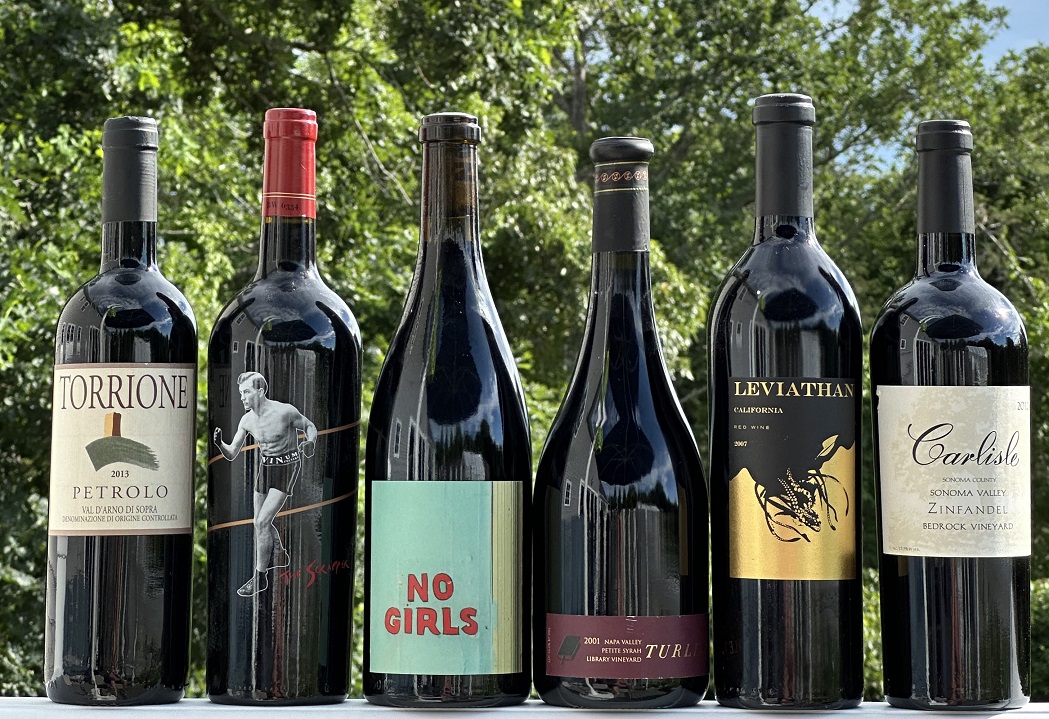 Then there were a couple of trips to Cape Cod, where we always drink well. In this set, there were good and bad memories at once. 2013 Torrione Petrolo was quite underwhelming, and 2001 Turley Petite Sirah was surprisingly not great – as I said, I don’t have any detailed notes, only remember my disappointment with these two wines. 2007 Leviathan was superb, though, and it made it into the top 23 of the 2023 list.
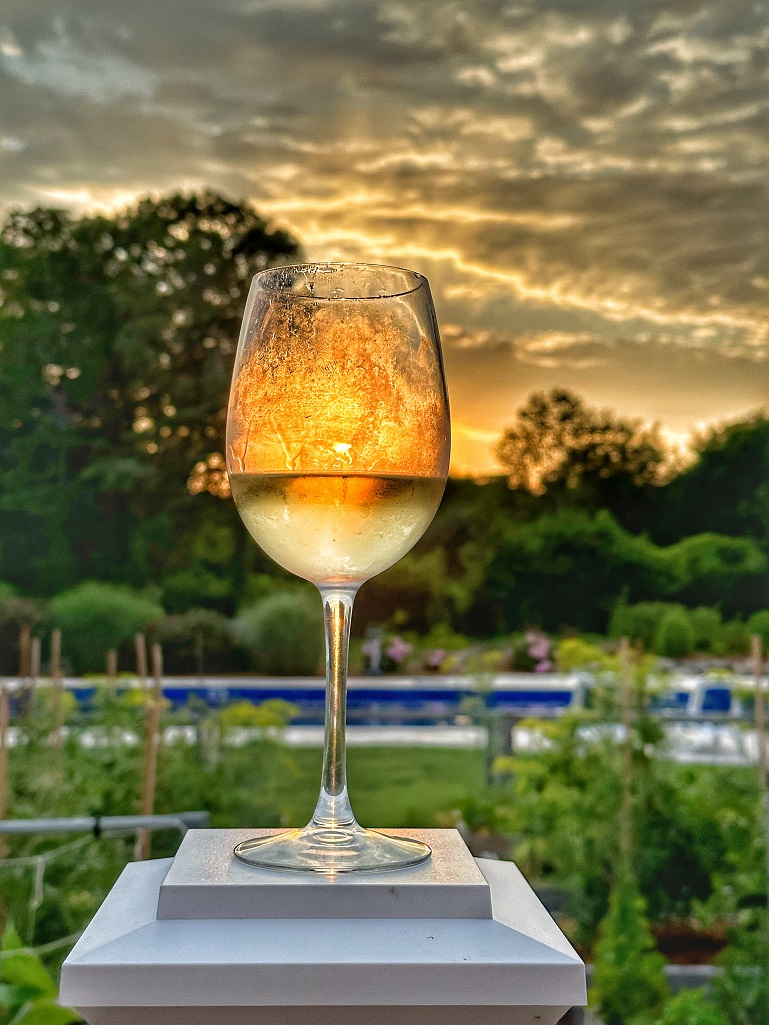
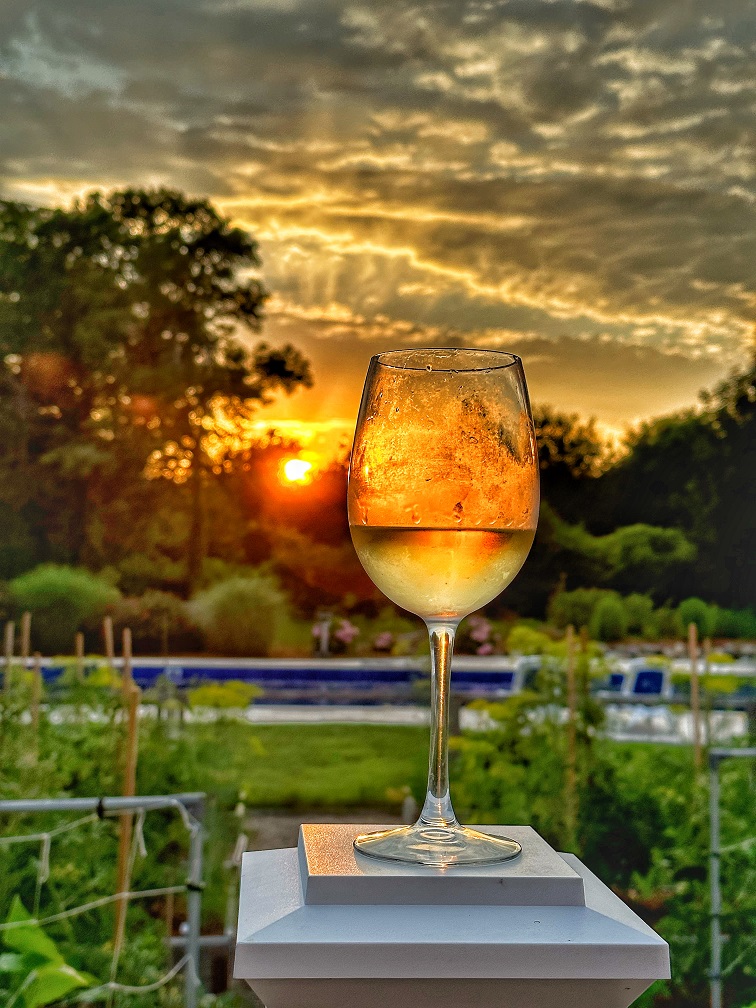
The sunset through the glass was unbeatable:
 Next, I tasted a delicious Cabernet Sauvignon from Napa Valley:
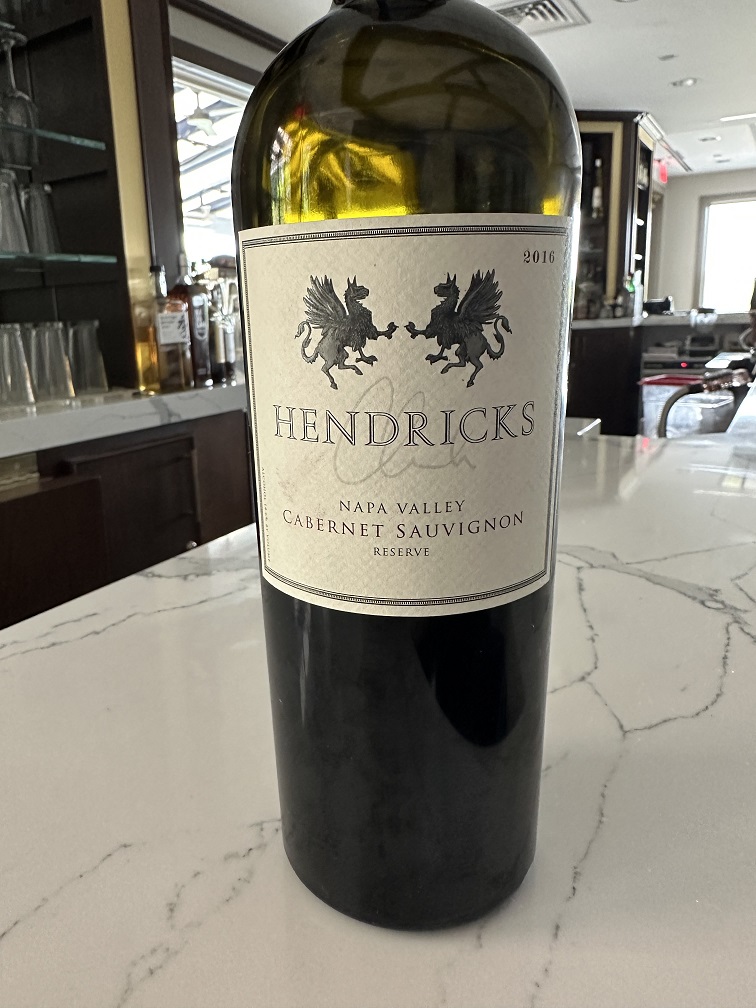 This 2016 Hendricks Cabernet Sauvignon Reserve Napa Valley was perfectly on point in its Cabernet sauvignon expression, with just enough of everything (cassis, eucalyptus, tannins, acidity).
Another trip to the Cape:


Both 2020 and 2021 Campochiarenti Chianti Colli Senesi were outstanding, one better than the other – this is why they were included in the top list. San Nicolas is always perfect. 2013 Campochiarenti Passione Divina Vini Storiche was excellent, but so was 2013 Stolpman Sangiovese, and literally surprising myself, I preferred Stolpman Sangiovese over the classic Italian version (#5 on the Top 23 of 23). 2016 The Family Barrel Shiraz from Barossa was also very tasty and perfectly restrained.
The last set was from a get-together with the wine friends:
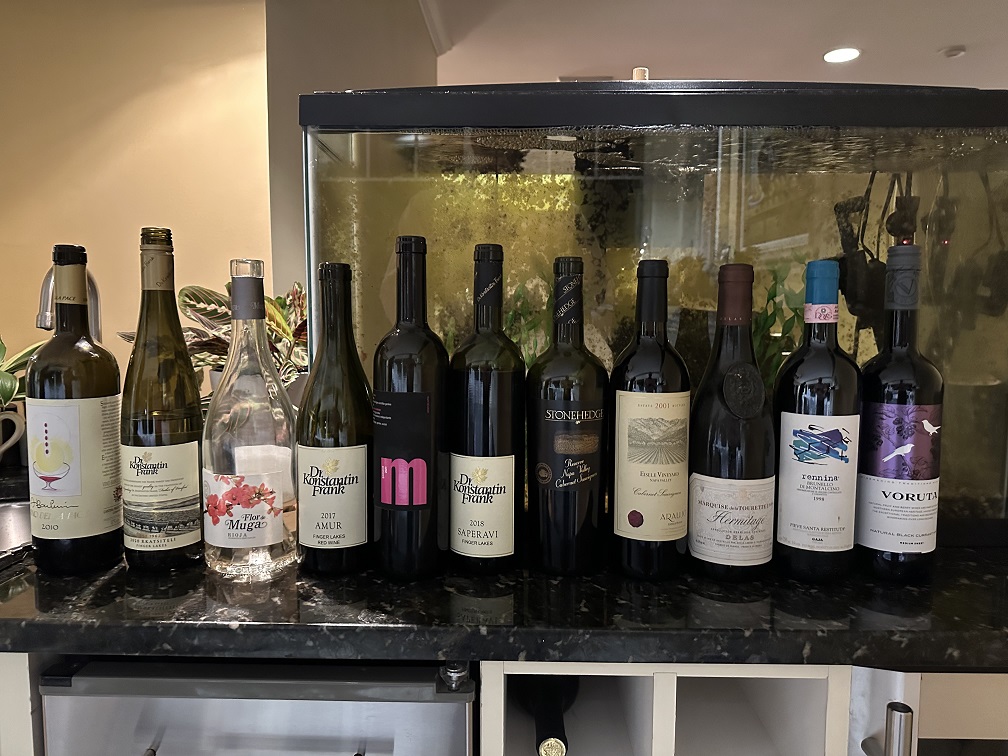


This was an interesting set of wines. Nothing was mind-blowing probably with the exception of 1998 Gaja Rennina Brunello di Montalcino, which was simply superb. But overall, most of the wines were good. 2017 Dr. Konstantin Frank Amur was tasty, and a new rare grape (Amur) for my collection; 2018 Dr. Konstantin Frank Saperavi and 2020 Dr. Konstantin Frank Rkatsiteli were nice and tasty. Voruta Black Currant from Lithuania was also nice, with a delicious Cassis profile, and allowed me to add another checkmark to the Wine of the World collection. 2010 Vino Della Pace was simply surprising, as I didn’t expect the wine made from 855 grape varieties to last 13 years, but nevertheless, it was quite drinkable. 2021 Domaine de Chafalet Le Méphisto Gamaret from Switzerland was a touch gamey, crisp and fresh, easy to drink. Flor de Muga Rioja Rosé was excellent, more of a Provençal style, lean and crisp. Lastly, Capetta Dolce Asti DOCG was a perfect accompaniment for dessert with its cut-through acidity (#12 on the Top 23 of 23).
These wine experiences should’ve been covered better, but at least now these wines have some presence on this blog.
Wine tastings and events
I already mentioned the Bordeaux tasting which was not covered, and it will not be, as the 2021 Cru Bourgeois tasting is taking place merely in a week. Few other events still have a hope of coverage – Benvenuto Brunello and Chile Site Matters were two of the tastings that I still hope to write about. The same goes for the virtual tasting of the wines of Alentejo – I will make an effort to have all of them covered.
Travel
While I wrote last year about my trips to Nashville and Sweden, there were two trips to Belgium and another one to Greece that never made it to the blog – and you know how much I love inundating everyone with tons of pictures. The Belgium trip was also interesting because I accidentally came across Belgium wine which I didn’t even know Belgium produces, thus needing to add Belgium to the list of countries in the Wines of the World table. I still have a hope of correcting this, and at least writing about the Belgium trip, but we will see.
Why did I write this post?
This might be a reasonable question to ask. What is the point of this sort of self-pitying talk? When I only started writing this blog, I read many posts from others talking about blogging in general, their motivation and goals for blogging, and so on. One idea got stuck with me: we (writers) write this blog first and foremost for ourselves. This is the only reason to stay true to what you are doing. As soon as you start writing for “someone else”, you lose the core of your writing. So I needed this self-talk, I needed to get this pain and pressure out of the system – and now I feel better.
Mission accomplished.
Let’s get some wine writing done.
As Expected
Is “expectation” a wine term?
In a direct sense it is not, of course – “expectation” is not the name of the grape, not a wine descriptor, and not the name of the winemaking process. And nevertheless, for anyone who proclaims “serious affection, a.k.a love, a.k.a obsession” to the simple beverage produced from the grape juice, I would argue that “expectation” is a wine term, or at least, a wine-related term.
Expectations start from the very first look at the bottle – even before we see the label, the bottle’s shape and overall appearance initiate a thought process regarding the bottle’s content. Obviously, once we carefully look at the label, our expectations are enhanced further. Okay, young Barolo, I need to get the decanter ready. Ohh, this Sauvignon Blanc is too warm – I need to chill it before the guests arrive.
But then these are not even real expectations. Once you recognize the region, the grape, the producer – this is when the mind games of expectations start. Looking at the bottle of Opus One, Petrus, Penfolds Grange, or Dom Perignon, I’m sure that the mind of an average wine lover goes ballistic – “this is going to be amazing”. The brain would not accept anything less. Even after you try the wine, the brain will interject into the message from your palate if it is anything less than “oh my god, I love this”. But before I mount my favorite horse it appears that there is an idiom “to mount a hobbyhorse” (I hope there is a saying like this in English, as there is one in Russian), let me change the direction to where I’m actually trying to arrive.
As we are discussing the meaning of the wine term “expectations”, it is interesting to see how your expectations are built. Let’s say you tried a bottle of wine from an unknown producer, and you liked it. Then you tried another one. And another one – and I don’t mean in one sitting – slowly over time. As you keep liking the wines, your expectations are being built. You try new vintages, new wines from the same producer and your expectations keep growing. Once you become really familiar with the producer, you take a bottle you never had before, and before even opening it, you are confident that this will be a good wine – you expect nothing less. You might not love each and every wine from a given producer after you try them, but at least in terms of expectations, your ways are set. Just to give you an example, I expect excellent wines from La Rioja Alta, Lopez de Heredia, Field Recordings, Turley, Carlisle, Masciarelli, and lots of others – and yet while I’m writing this post, I’m drinking the wine from Carlisle that I don’t really enjoy at this moment (just opened the bottle, the wine needs to breathe). The fact that I don’t enjoy one particular wine doesn’t affect my general expectations – next time, holding a bottle of Carlisls in my hands, I would fully expect that I will like the wine “at hands”.
A “circle of expectations” is not cast in stone. As we taste wines from the new producer, we build confidence and our expectations are growing to the point of this unconditional trust. Today, I want to share with you one of my latest additions – Domaine Bousquet from Argentina.
 Domain Bousquet is not even 30 years old – it was founded in 1997, so in the wine world this is a very short period of time – but take a look at this simple picture above, which perfectly summarises Domain Bousquet’s achievements – Certified Organic with multiple designations, biodynamic Demeter certified, 1st in Argentina and 4 th in the world regenerative organic winery – you can continue researching this very impressive list on your own. But this is the wine we are talking about, so all of the certifications take a back seat to the content of the glass. What’s inside of glass matters – does it give you pleasure or not. And Domaine Bousquet produces damn impressive wines.
I was introduced to the wines of Domaine Bousquet exactly 3 years ago, and that introduction started with their Charmat method sparkling wines – organic, delicious, and inexpensive. Next, in August of the same year, 2021, I had an opportunity to taste an extended lineup of Domaine Bousquet wines, that were also excellent. Earlier this year I was blown away by their unoaked organic wines containing no added SO2, and then one more time in December when I tasted their Classic method sparkling wines which were world-class superb and an absolute steal at $18.
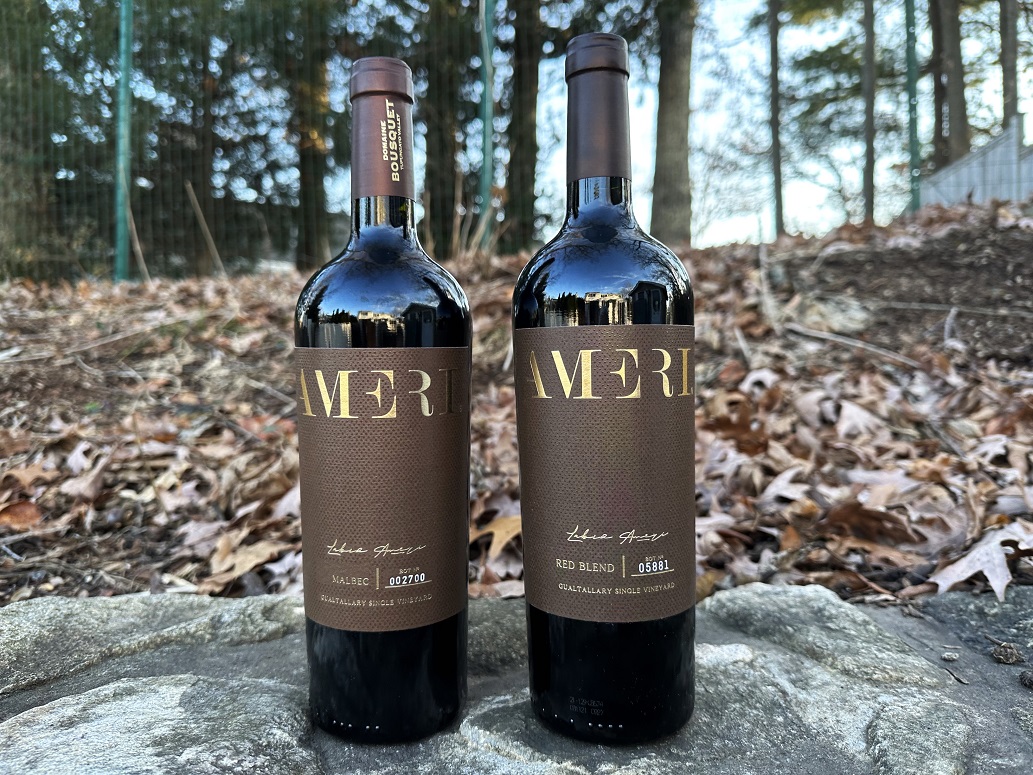 Now, I had an opportunity to taste some of their very best wines. These wines perfectly speak to my obsessed oenophile mind, as they are not even single-vineyard, but rather single-plot wines – and they are produced only in exceptional years. You know that I don’t like quoting the original winery notes, but I feel that in this case it is appropriate:
“Named for Domaine Bousquet co-owner Labid al Ameri, Ameri is not just“single vineyard” but “specific cluster,” and made only in exceptional years. At 1,257m/4,125 ft, the highest of the estate, the certified-organic vineyard, located in Gualtallary in the Andean foothills, gets a perfect combination of near constant intense daytime sunlight and huge day/night temperature differentials. The result is fruit with increased levels of sugar AND acid, flavor, and aromatics.”
Yes, I had expectations regarding these wines. I expected these wines to be well-made and tasty. And my expectations were met. Fully.
Here are my notes:
2020 Domaine Bousquet Ameri Malbec Gualtallary Mendoza Argentina (14.5% ABV, $37, 100% Malbec, 12 months in French oak)
Dark garnet, almost black
Cherries, plums, eucalyptus
Cherries, espresso, firm structure, good acidity, good balance
8, excellent
2020 Domaine Bousquet Ameri Red Blend Gualtallary Mendoza Argentina (14.5% ABV, $37, 60% Malbec, 20% Cabernet Sauvignon,10% Syrah, 10% Merlot, 12 months in French oak)
Dark garnet, almost black
Plums, fresh raspberries, mocha
Cherries, a hint of cassis, eucalyptus, sweet oak, perfectly integrated tannins, firm structure, excellent balance
8, delicious.
Both wines were just perfect from the get-go, but both also lasted for at least 5 days on the counter with the air being pumped out – a testament to the quality.
Here you are, my friends – all-organic, delicious, top-shelf wines from Argentina – delivering the pleasure.
As expected.
Top 23 of 2023
 2023 is
 almost over, which means that the time has come for the hotly anticipated perennial Talk-a-Vino feature – the list of top wine experiences of the year.
2023 was an interesting year for a variety of reasons, some of which are obvious, and some of which are not, but this is not the time and not the place to discuss it. We are here to dreadfully decide on the list of 24 23 best wines of the year – and share that list with you, my readers.
To explain how this top list is created, instead of re-writing the same explanation every year using barely different words, let me just quote what I explained before:
If you are a regular here on these pages, you know the story. Every year ever since this blog started in 2010, I come up with a list of the most memorable, most interesting/unique/unusual/stunning wines I tasted throughout the year. When I started these Top Wine lists, the goal was to identify a dozen (12) top wines. I was rarely successful with such limitation, and most of the Top wine lists consist of two dozen, a few times there were even two dozen plus a few.
As the year already ended, I will not try to separate the first and second dozens of the top wines – without further ado, here is the full list of the 23 most memorable wines of 2023 – and yes, the pun is intended:


23. 2021 Stolpman Vineyard Combe Trousseau Ballard Canyon ($24) – I had no idea Trousseau, a classic red grape from Jura in France is even grown in California, never mind by the Syrah specialist such as Stolpman Vineyard. I ordered this wine at a restaurant in New York as it seemed to be one of a very few somewhat affordable options. The wine was surprisingly brilliant, fresh, light, and uplifting – it was definitely a great find.
22. 2007 Leviathan California Red ($40) – this was my last bottle of the 2007 vintage of this legendary wine, an unofficial second label of Screaming Eagle. Beautiful California Cab that probably has another 20-25 years to go on. No, I wouldn’t want to wait that long.
21. 2019 Le Morette Riserva Lugana DOC ($NA) – this wine was probably my favorite from the Lugana wine tasting events, beautiful white wine with a substance. Going beyond just a specific bottle, consider this entry more a node to the Lugana wines of Northern Italy that represent an outstanding QPR and just a bunch of delicious wines.
20. 2018 Vino Vasai Pinot Noir Estate Reserve Chehalem Mountains ($58) – superbly balanced Oregon Pinot Noir – powerful and delicious, with a label to adore.
19. 2019 Plantaže Crnogorski Krstač Montenegro ($10) – love pleasant surprises. This wine was acquired strictly for being made from the unique grape I have not had before – it also happened to be simple and delicious – I’ll take this bonus any time.
18. 2016 Alban Patrina Estate Syrah Edna Valley ($58) – I don’t believe I ever I had a wine from Alban that I didn’t like – this Syrah was unctuous and delicious.
17. 2015 Carlisle Grenache Rossi Ranch Sonoma Valley ($39) – another favorite producer, Carlisle, with an absolutely delicious wine – beautiful nose and dark fruit intermingling with dark chocolate on the palate.


16. 2022 La Torre Girgentina Maltese Islands IGT ($15) – Similar to wine #19, this wine was acquired strictly to add to the rare grapes collection and to add another winemaking region to the Wines of the World page. The more interesting part was the bright, refreshing, round white wine, simply world-class delicious.
15. 2017 Etude Fiddlestix Vineyard Pinot Noir Santa Rita Hills ($NA) – Never paid much attention to Etude Pinot Noir – this wine was presented as a gift. The wine was definitely bigger than a typical Californian Pinot Noir – it was also better than the typical, with layers of dark fruit and cocoa. A tasty encounter.
14. 2018 Amichai by Shiloh Micah Judean Hills Israel ($57) – Shiloh is one of my favorite Israeli producers, but this is not the reason why this wine is listed among the top wines of the year. It is a perfect rendition of Cabernet Sauvignon, round and delicious.
13. 2018 El Coto Coto De Imaz Blanco Reserva Rioja DOC ($24.99) – this wine belongs to the “surprise” group, as I never had a Chardonnay from Rioja. Never mind the surprise part, this was simply delicious Chardonnay, bright and perfectly varietally correct. Pleasure in the glass.
12. NV Capetta Dolce Asti DOCG ($NA) – Asti wines are sooo underappreciated… They are often dismissed as light and sweet, but the whole point is in the balance. Yes, this wine was sweet, and nevertheless, cleansing acidity was making it impossible to put the glass down until the bottle was empty. Similar to the Lugana wines mentioned above, this wine is a nod to Asti wines as a category that is well worth everyone’s attention.
11. 2021 Domaine Bousquet Virgen Natural Malbec Tupungato Uco Valley Mendoza Argentina ($13) – Domain Bousquet makes excellent wines, for sure. But this unoaked organic malbec, made without any additional SO2 was unexpectedly delicious. Try it for yourself.
10. 2020/2021 Campochiarenti Sant’ Ambrogio Chianti Colli Senesi DOCG (€10) – I had both 2020 and 2021 wines, and couldn’t make up my mind which one do I like more. With or without taking into account an excellent price, this wine offers tremendous value for the money, as I often wish that the wines that cost 10 times more would taste as good as this wine. Another case of pure pleasure in the glass.


9. 1998 Chateau Saint-Nicolas Fronsac AOC ($19.99) – a perfect example of “wine is a living thing”. The wine which tasted like nothing on the first day, evolved into a beauty on the second day. It doesn’t happen always, but hey, give your wine a chance.
8. 2021 La Loggia Toscaia Sangiovese in Bianco Toscana IGT ($14) – I had before white Merlot and white Pinot Noir, but never a white Sangiovese – and this wine didn’t disappoint. It was masquerading a nice Chardonnay – and yet it was delicious in its own unique right.
7. 2019 Sine Qua Non Distenta 1 California White Wine ($150) – big, voluptuous, expressive, delicious. A perfect first experience with the wines of Sine Qua Non.
6. 1999 Beaulieu Vineyards Cabernet Sauvignon Rutherford Napa Valley ($30) – delicious wine from a legendary producer. A perfect rendition of the nicely aged Californian Cabernet Sauvignon which will continue to delight for many years, if someone would have enough patience, of course.
5. 2013 Stolpman Vineyards Sangiovese Ballad Canion ($30) – besides the total surprise factor that Stolpman even ever made Sangiovese, this wine tasted perfectly on par with outstanding Chianti that was opened at the same time, just adding a Californian touch to the cherry/leather/tobacco profile. Superb.
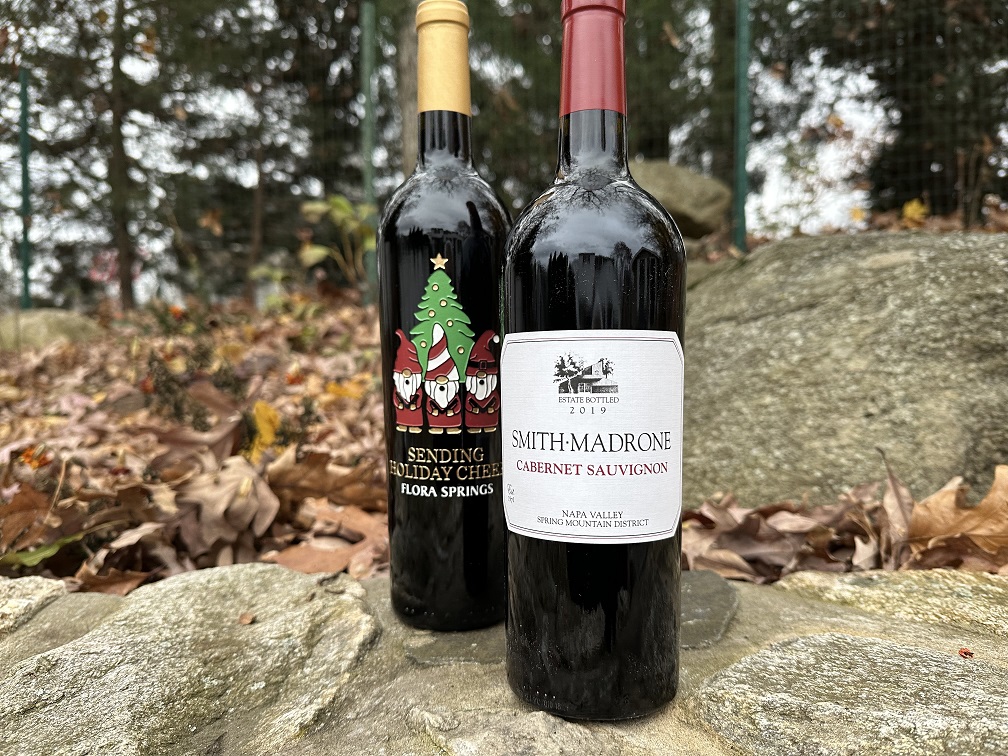
4. 2019 Flora Springs Red Wine Blend Napa Valley ($95) – a quintessential Napa Cabernet Sauvignon. Bold, voluptuous, unashamed, but impeccably balanced with all components in perfect harmony. A definition of hedonistic pleasure.
3. 2019 Smith-Madrone Cabernet Sauvignon Spring Mountain District Napa Valley ($65) – wines of Smith-Madrone are often featured in this blog. Smith-Madrone Cook’s Flat was the wine of the year in 2019. This 2019 Smith-Madrone Cabernet Sauvignon has such impeccable precision of a beautiful Cabernet Sauvignon, varietally correct and incredibly enticing, even coercing you into the nirvana state – yes, this is how good this wine is.


2. 2003 Neyen Espíritu de Apalta Apalta DO Chile ($N/A) – when poured at a table, this is the wine that has the power to stop everyone in their tracks, force them to forget that reality exists, and for a few minutes make everyone to communicate only using nods and smiles. The words are not needed in the presence of such greatness. Tasting this wine was one of the absolutely best experiences of 2023.
1. 2021 Balverne Chardonnay Russian River Valley AVA ($35) – when I tasted this wine for the first time, not only I was blown away, but my first thought was “this will be the wine of the year”. Don’t get me wrong – each and every wine in the top ten of this list would easily qualify for the Talk-a-Vino Wine of the Year position, but still, this wine will stay in my memory for a long time. This wine had a brilliant precision of Chardonnay which doesn’t even let you put your glass down. Truly, you need to experience this wine to share the feeling.
Here you are, my friends. 23 most memorable wines of 2023. Cheers to the new wine discoveries of 2024!
Happy New Year 2024!
And just like that another year became history.
I wish you a healthy and peaceful New Year 2024, filled with smiles, love, laughter, great wines, and memorable experiences!
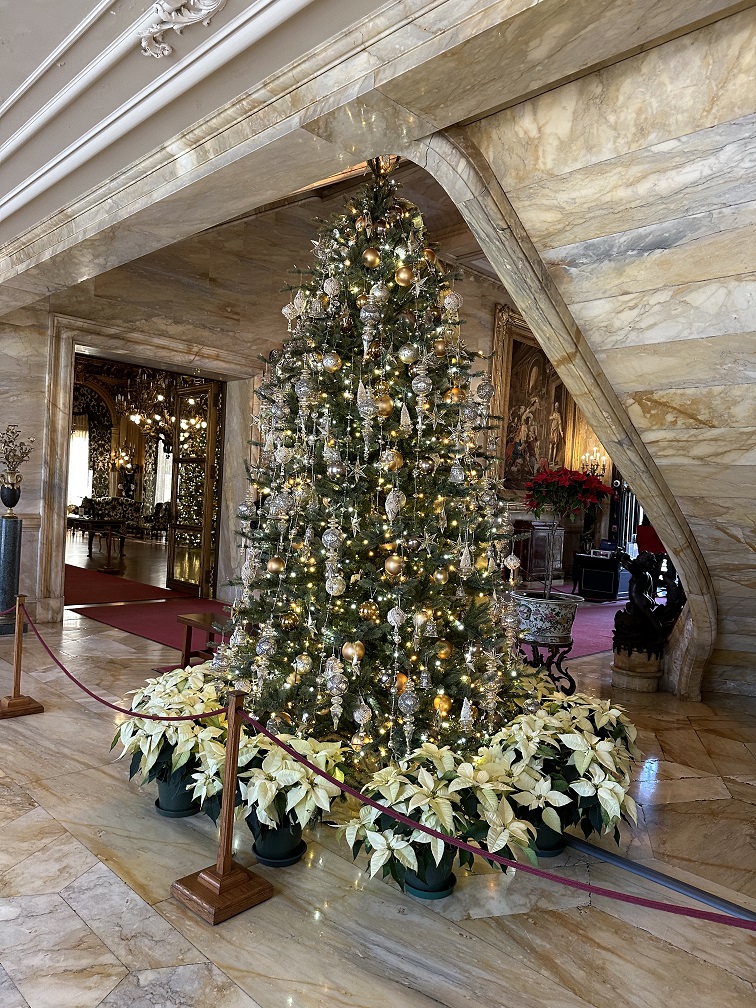
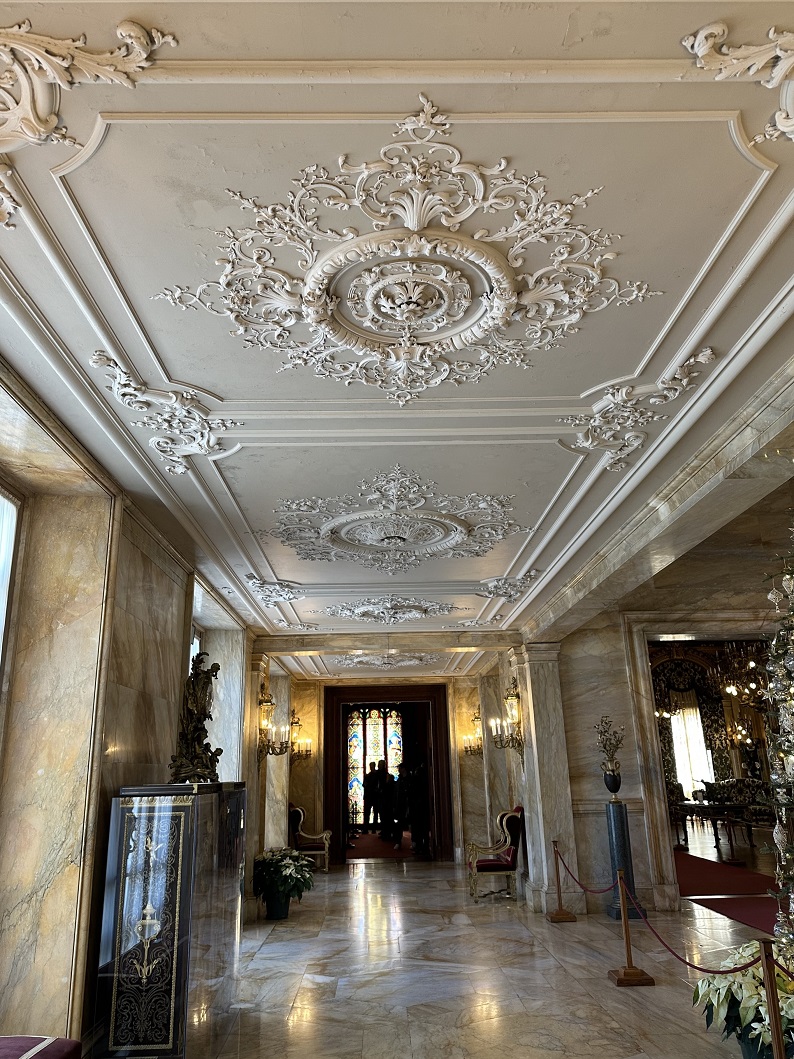
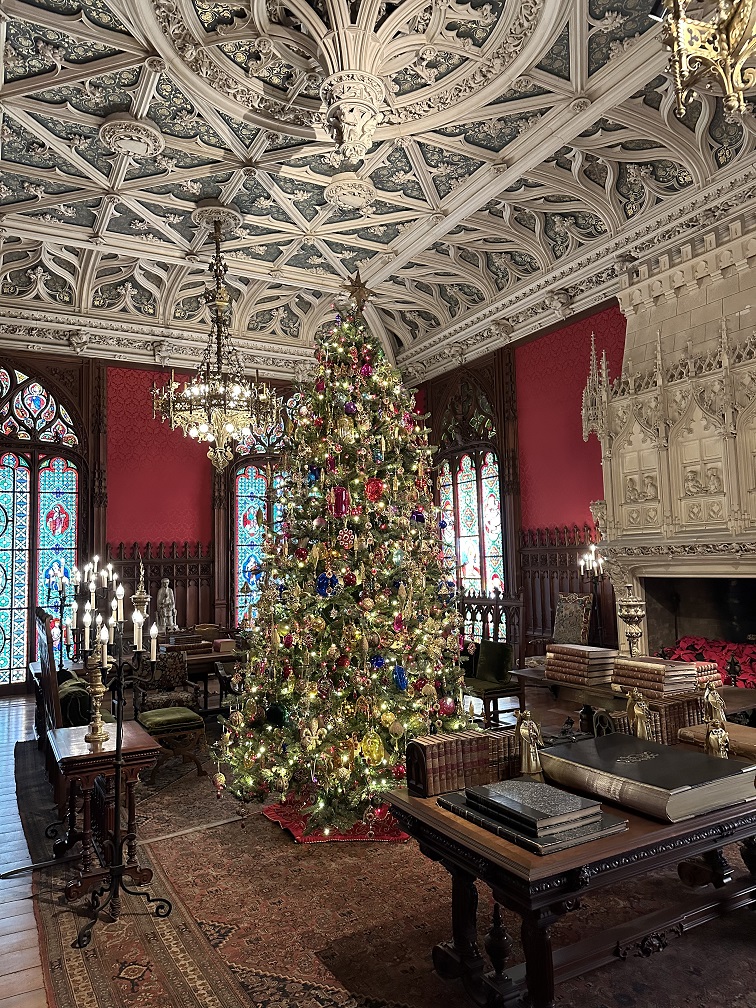
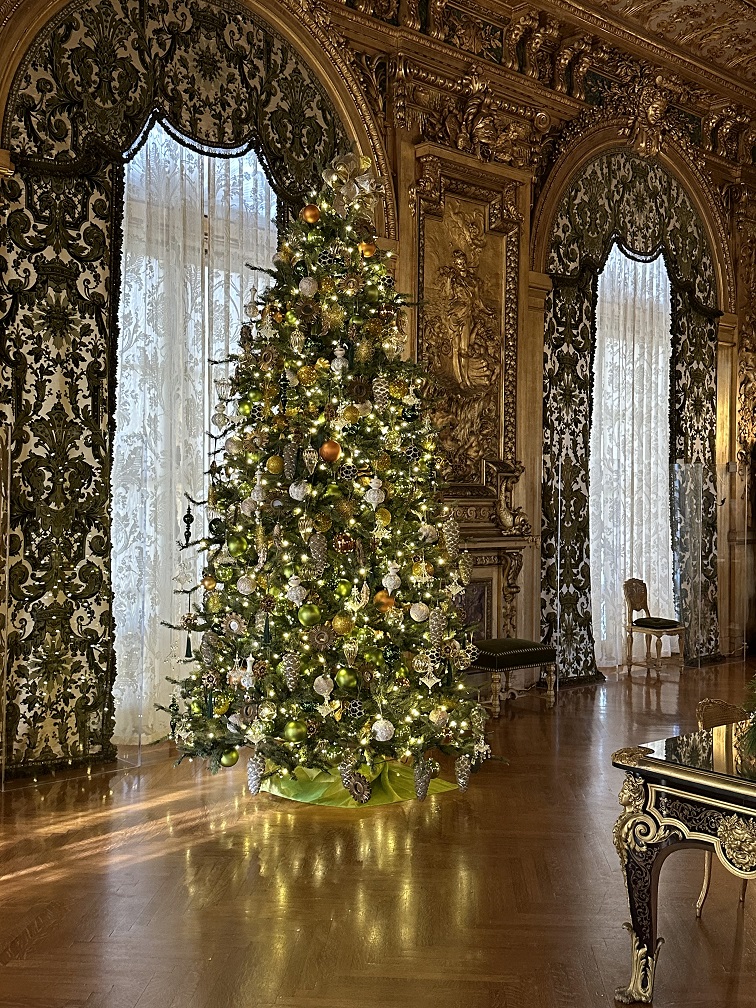
Beautiful Lights, 2023 Edition
While I don’t celebrate Christmas, I still love the lights. I grew up celebrating the arrival of the New Year, and while this was borrowed from the Christmas traditions, there was always a tree for the New Year, ornaments, and lights.
It might be just me, but it seems that the holiday light displays are becoming more widespread, for sure when made as attractions. Or maybe it was always around and I just never took my time to notice them – but I definitely do now.
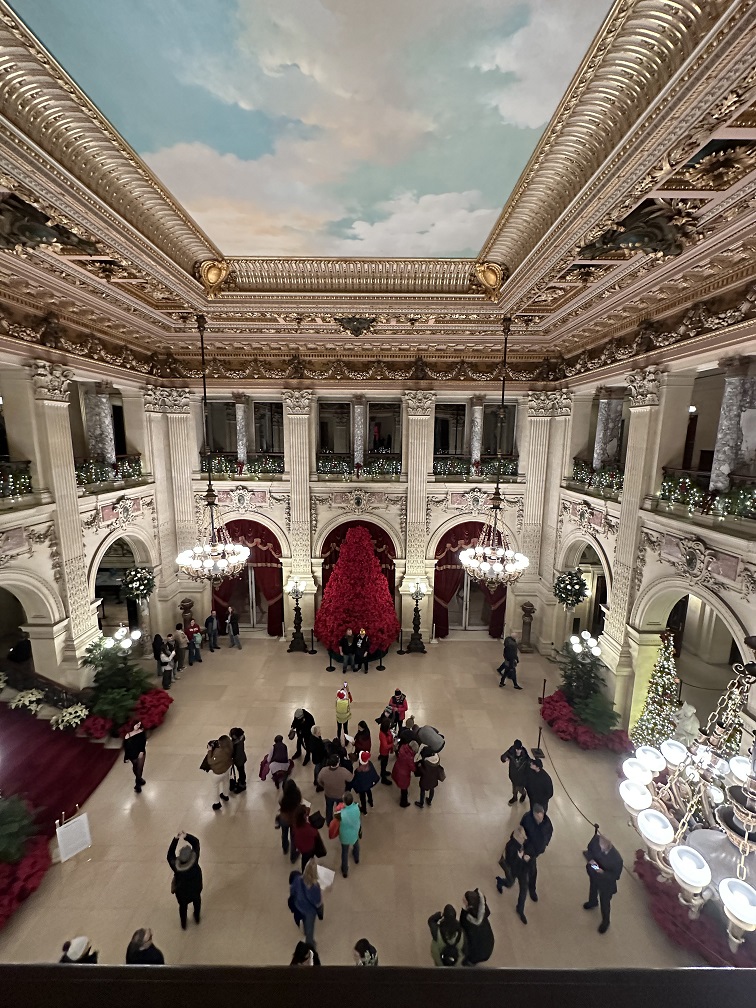
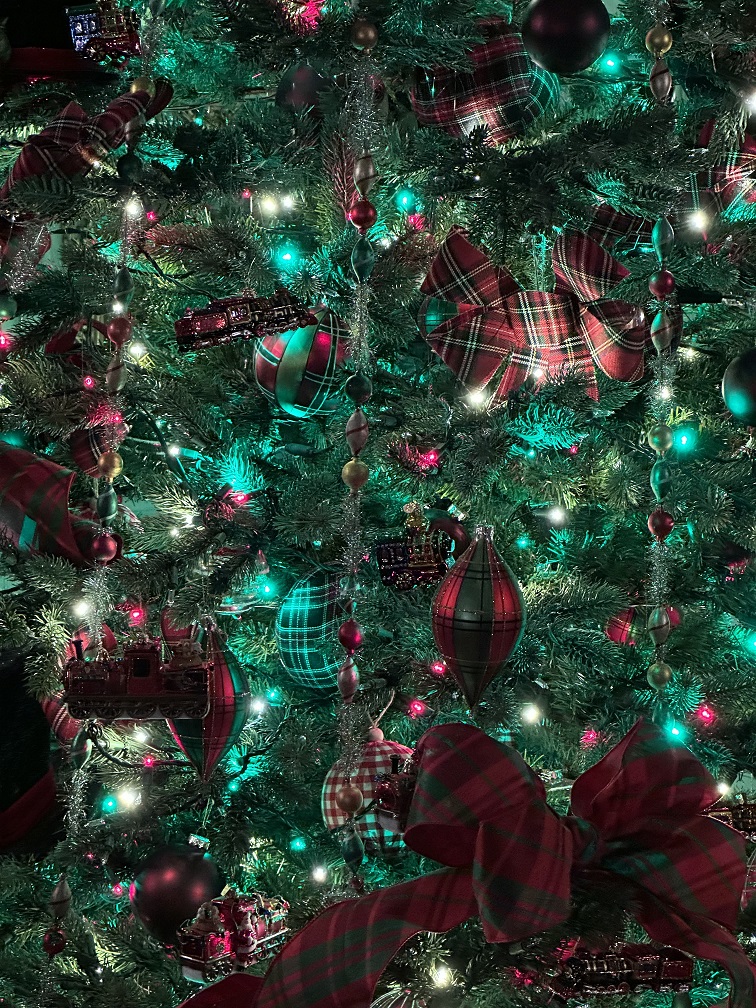
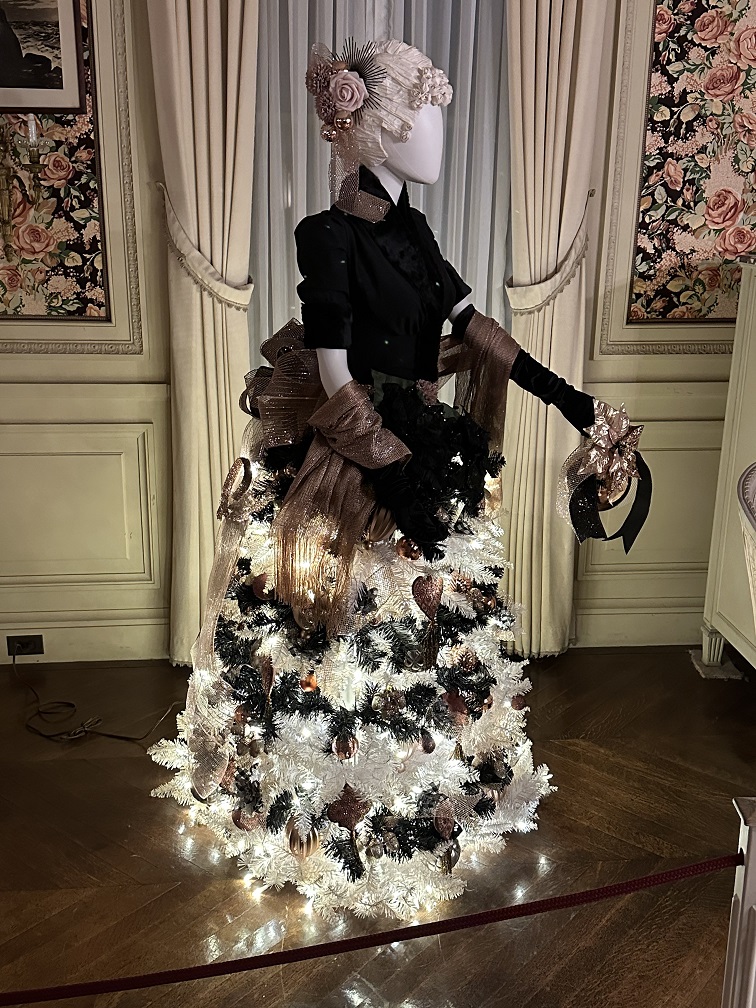
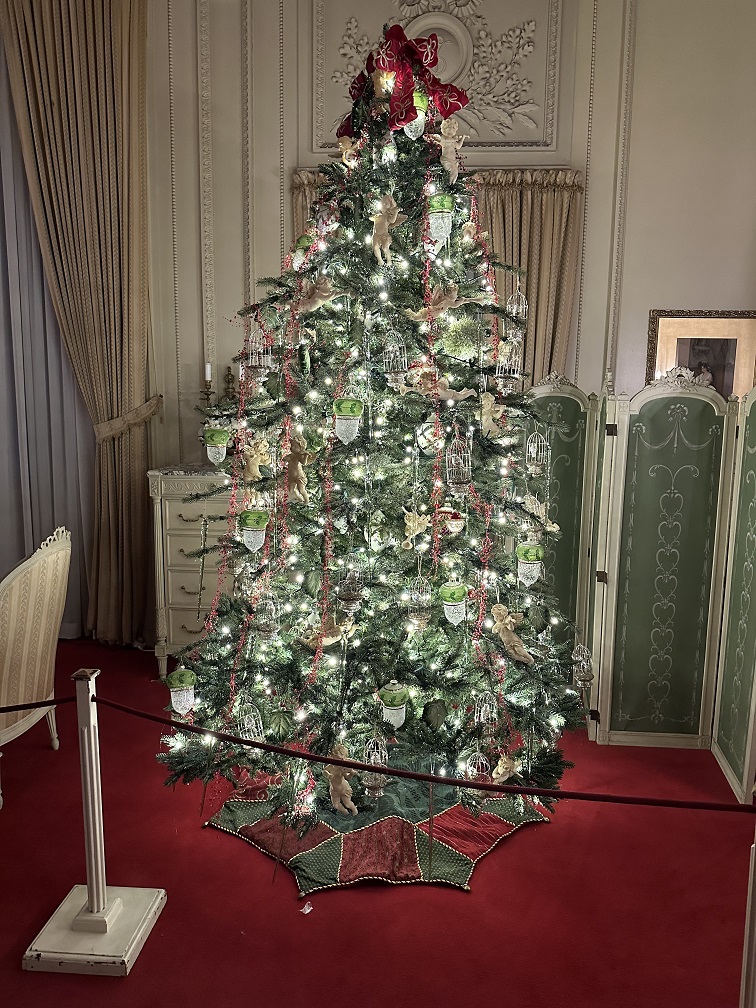
Newport Rhode Island is one of our favorite travel destinations in general, and particularly during Christmas. We visited Newport back in 2017 to see Christmas decorations, and thinking about that visit, I couldn’t believe that that visit took place 6 years ago. This year, we also decided to visit the Sparkling Lights display which was shown in the evening at the Breakers. As you can imagine, I have a bunch of pictures to share with you. But before we visit Newport, I would like to mention my hometown – Stamford, Connecticut.
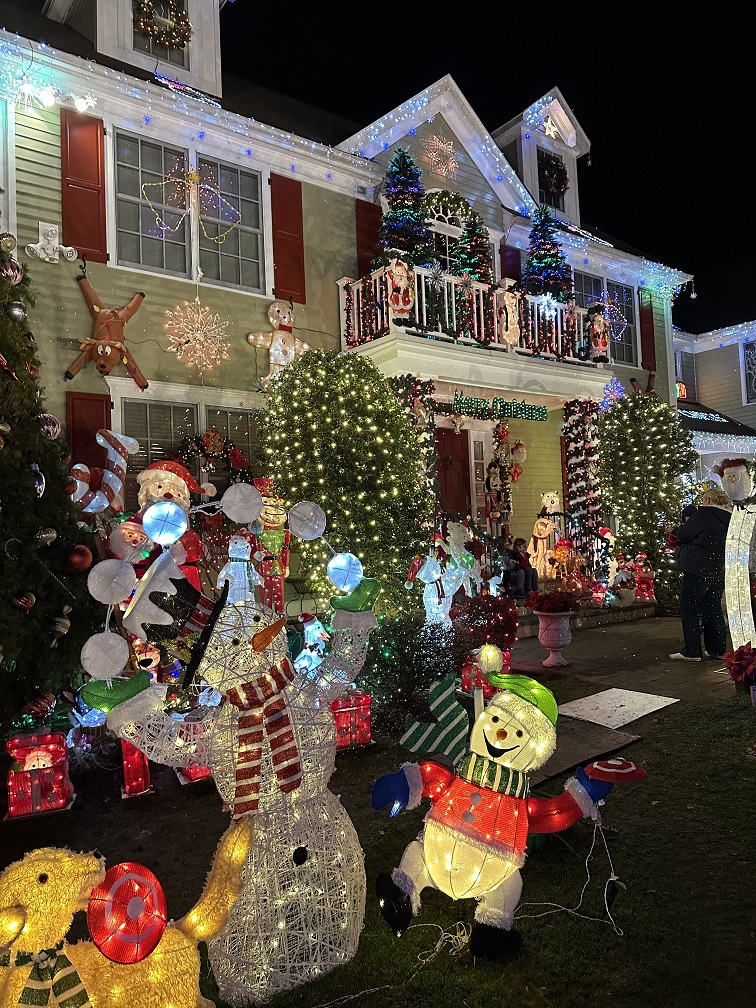
Stamford always has some beautifully decorated houses we loved to visit over the years. But this year, we had a “notch up” experience. Driving back from our local supermarket, my wife said “hey, wait, I want you to turn around”. When I asked why, she said that she saw a glimpse of a nicely decorated house on a parallel street, and we should go see it. When we got there 2 minutes later, the view greatly exceeded my expectations – might be the best Christmas lights display I ever saw at a private house – and the best part was that we could park the car and just walk around the decorations. So let me start my inundating display with these pictures:





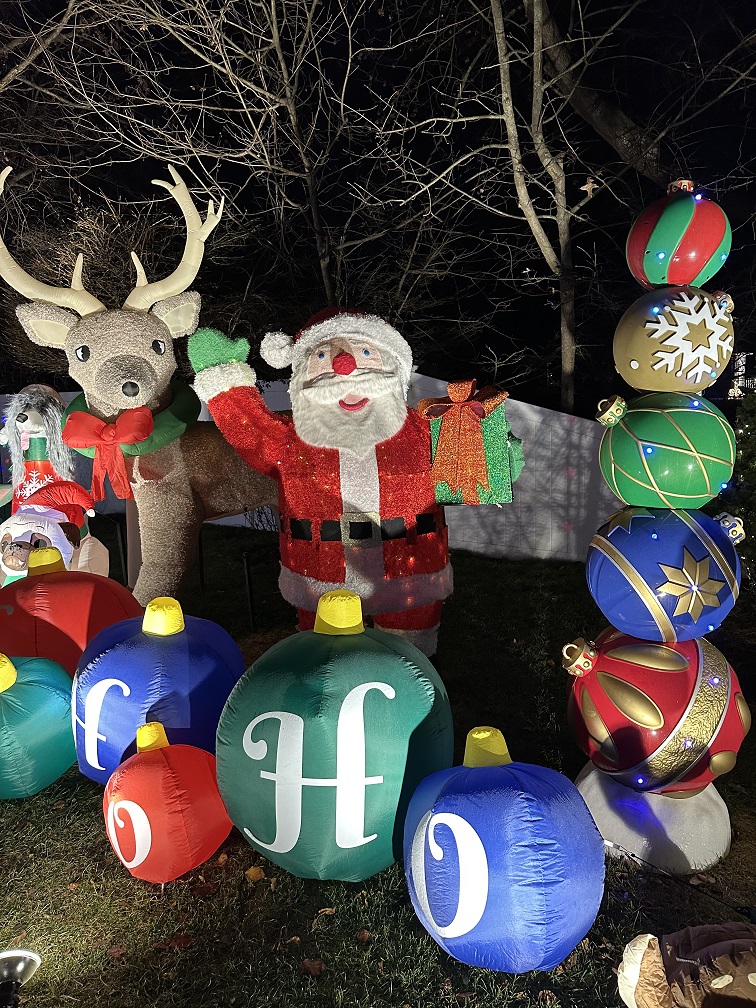

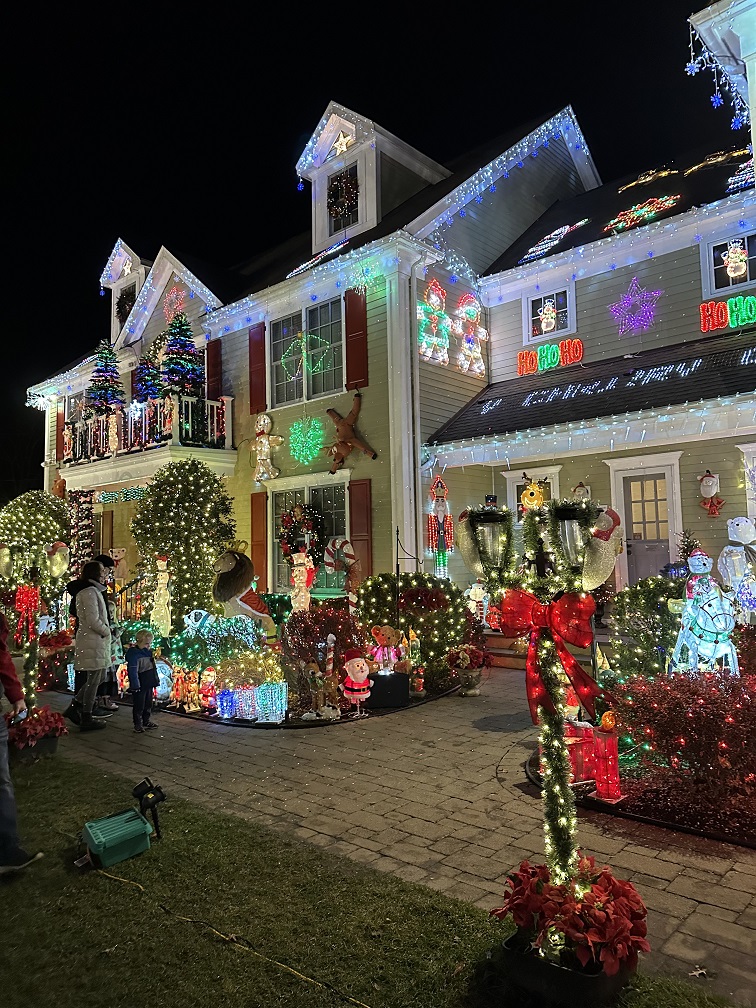

And now, here are the pictures from the Breakers, the Sparkling Lights display:
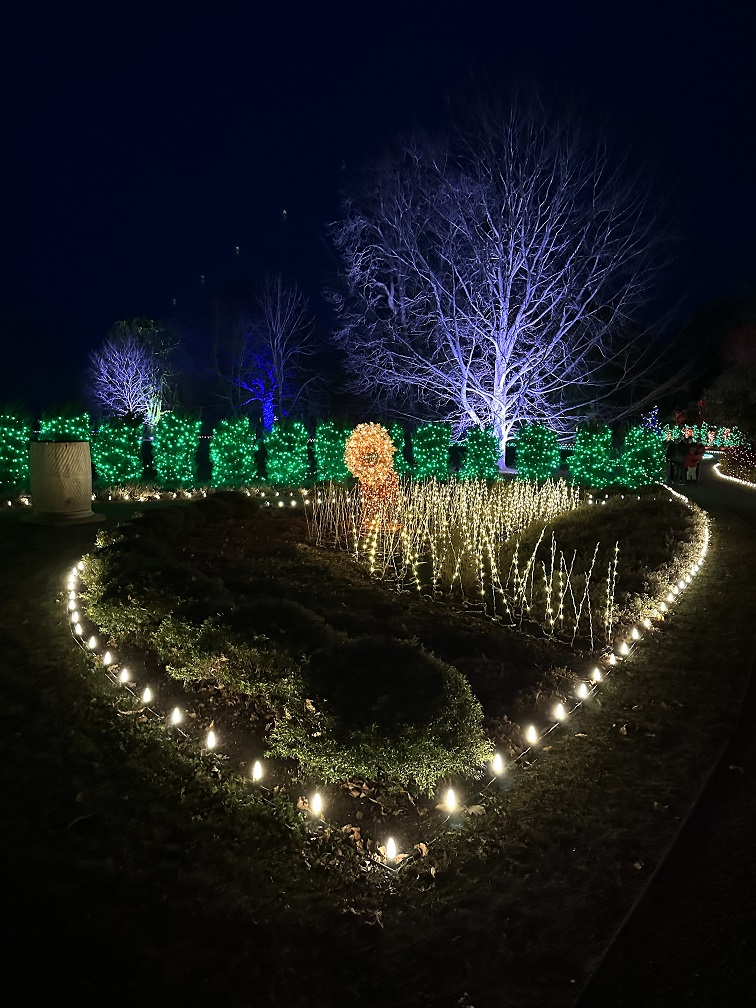


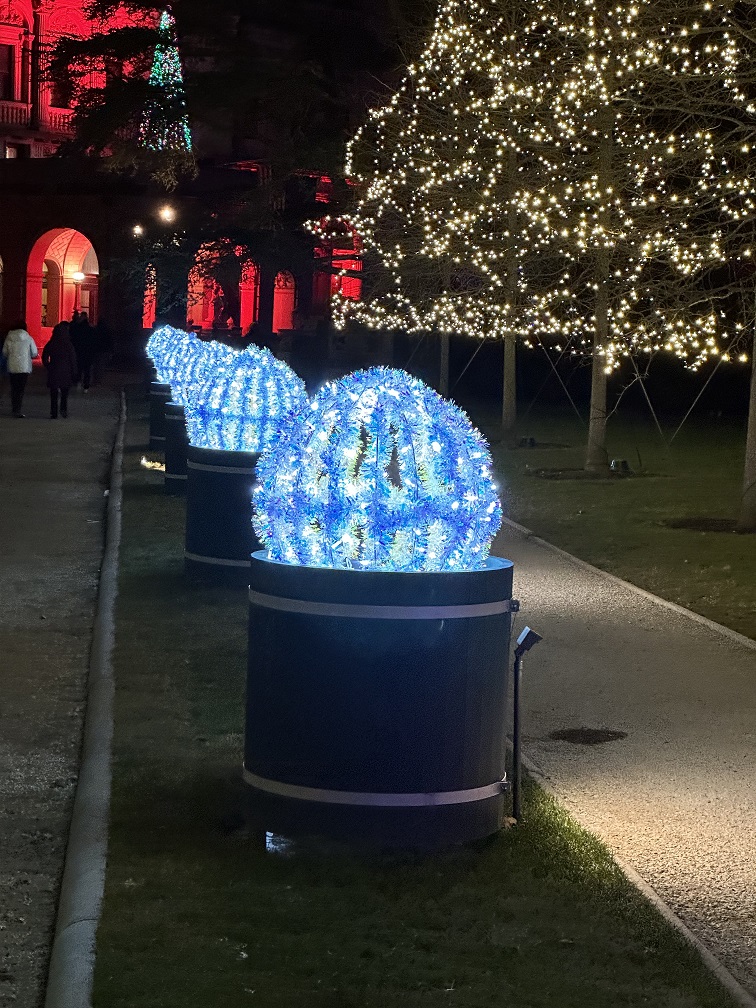

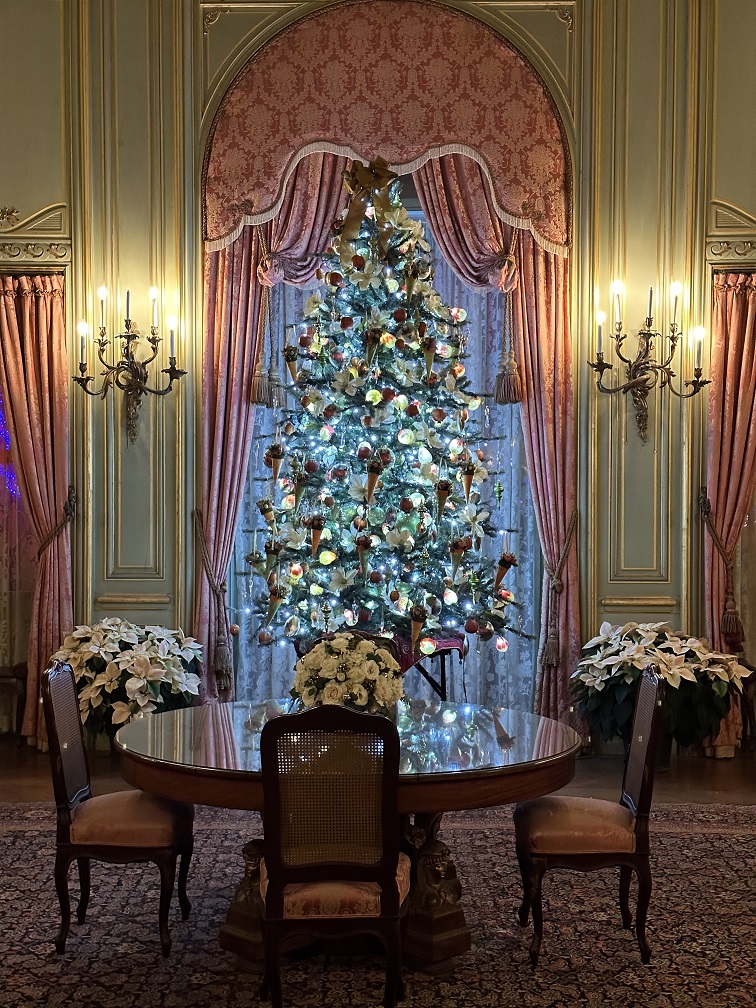
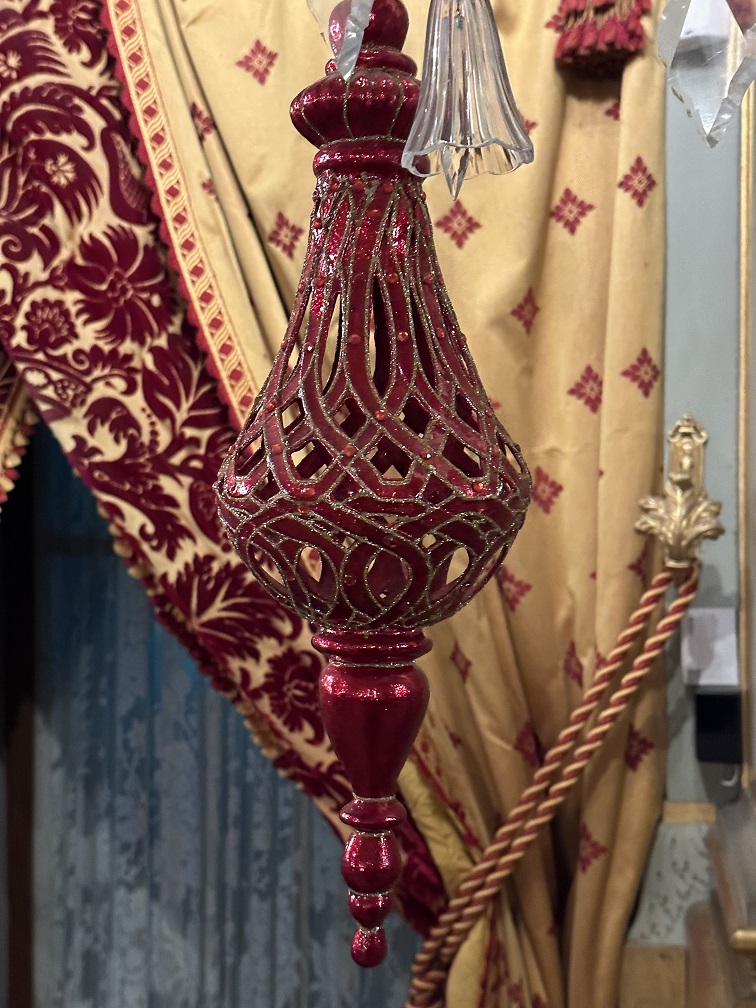
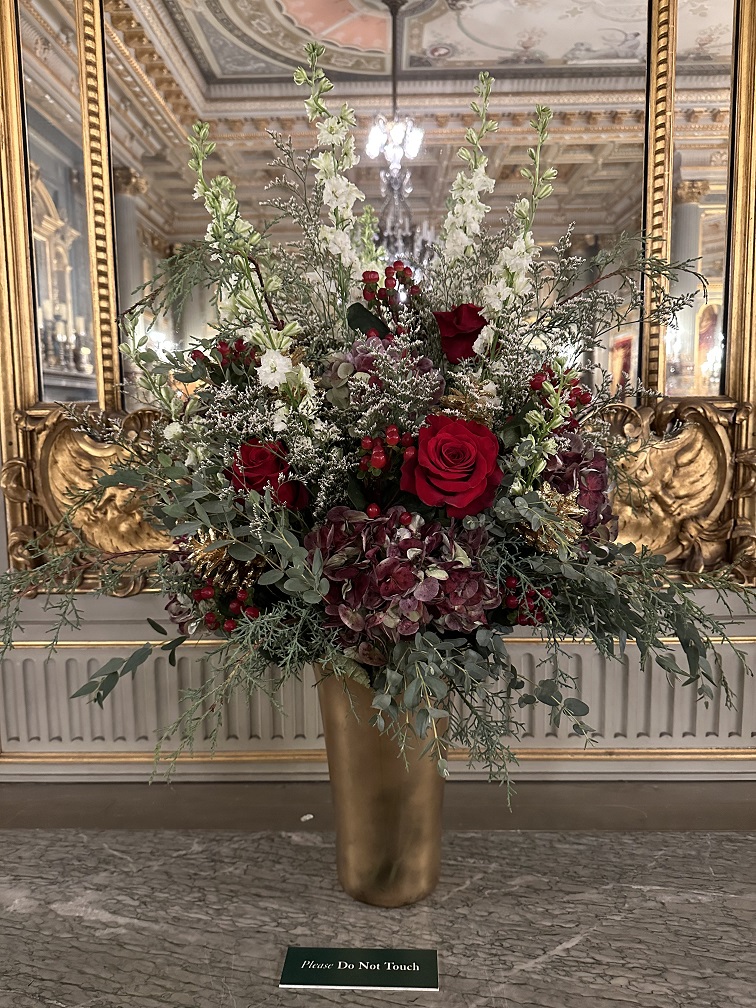
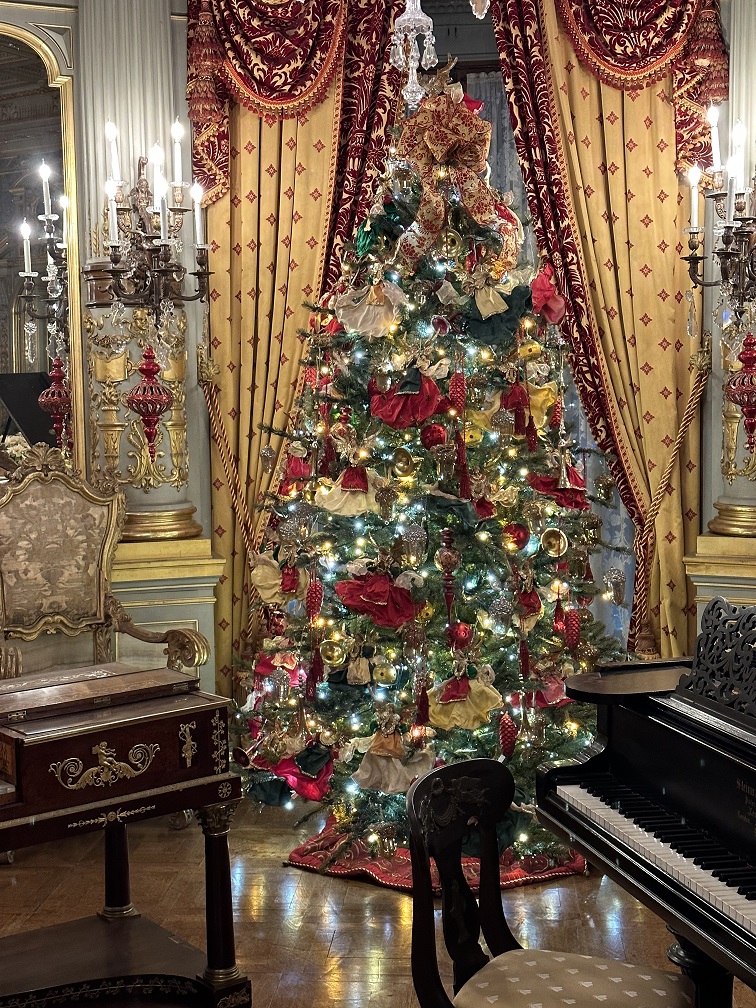

Here are a few pictures from the Elms:
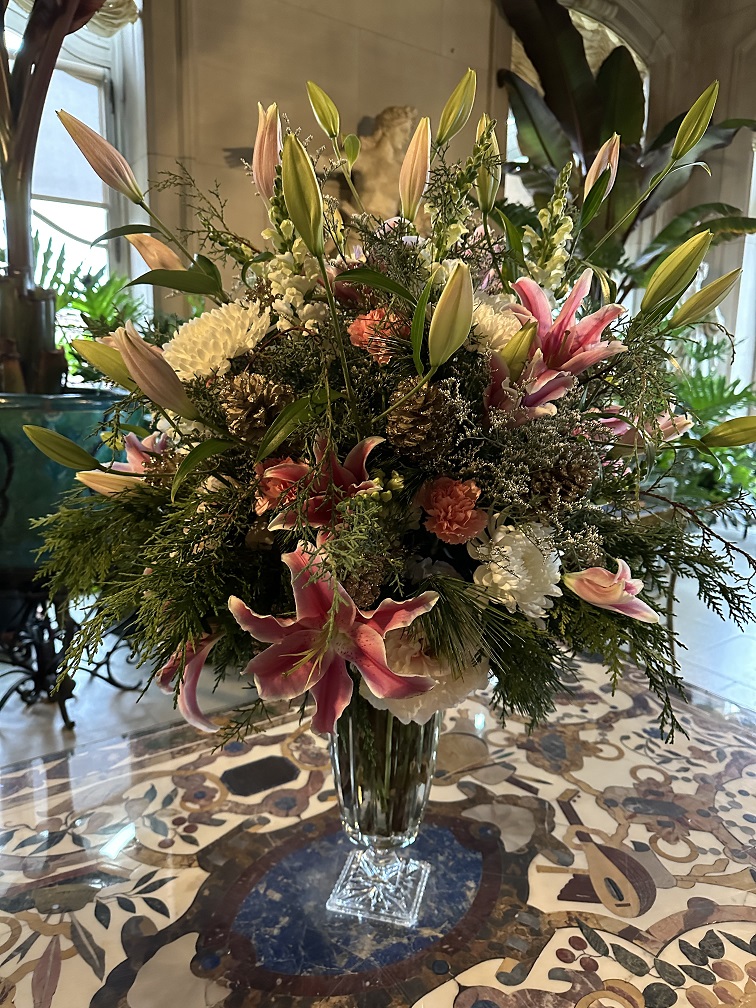
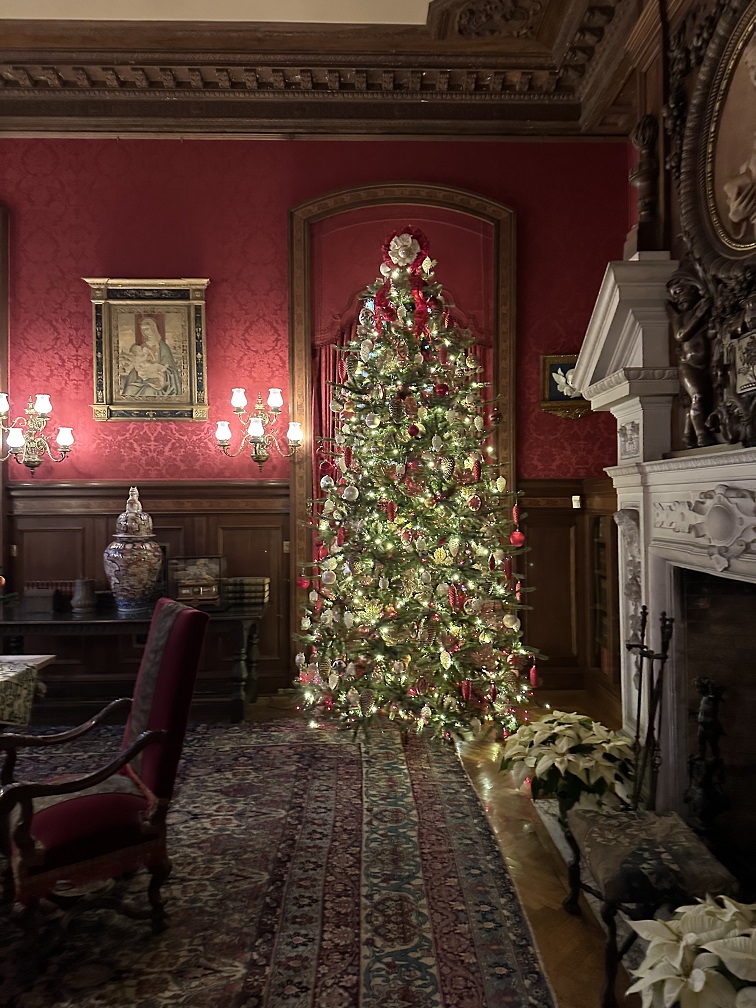
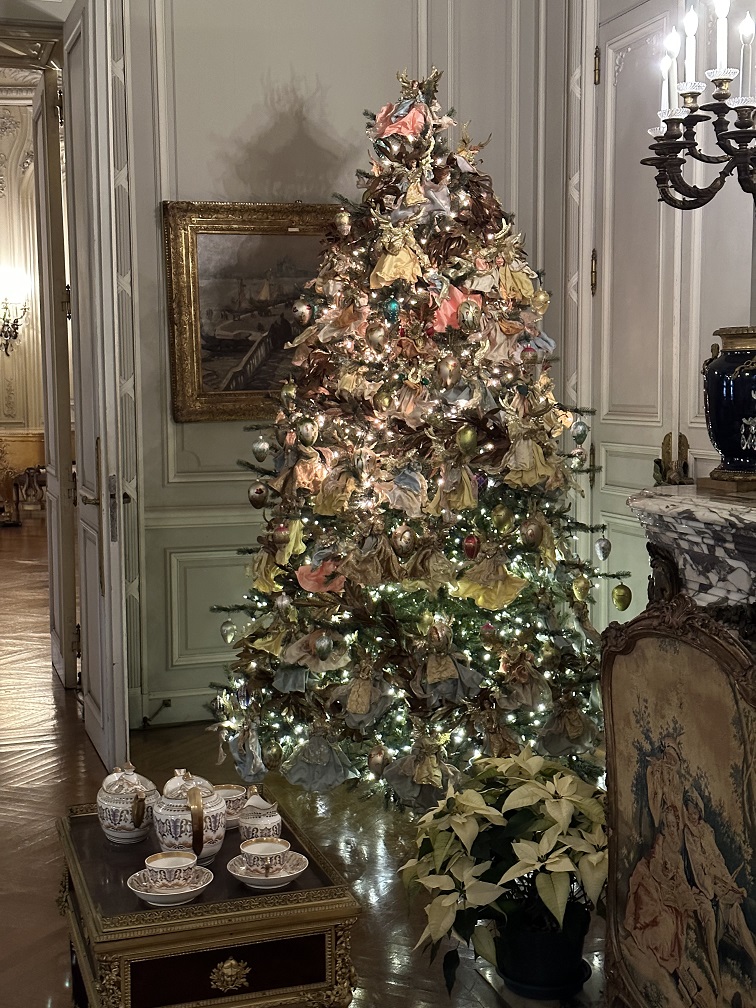
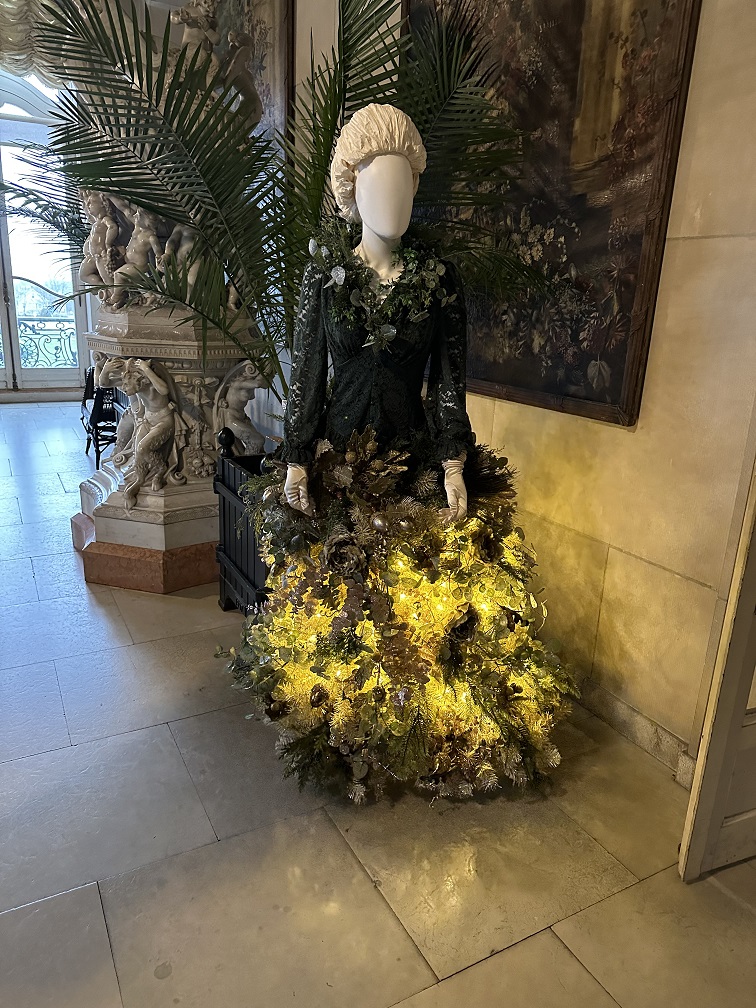
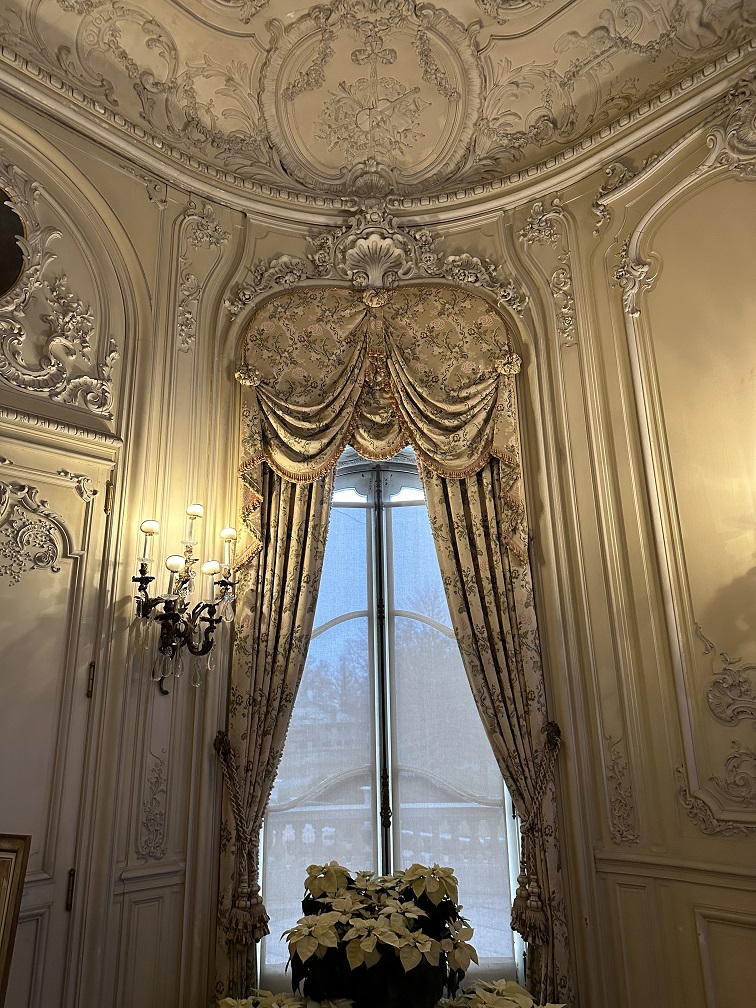
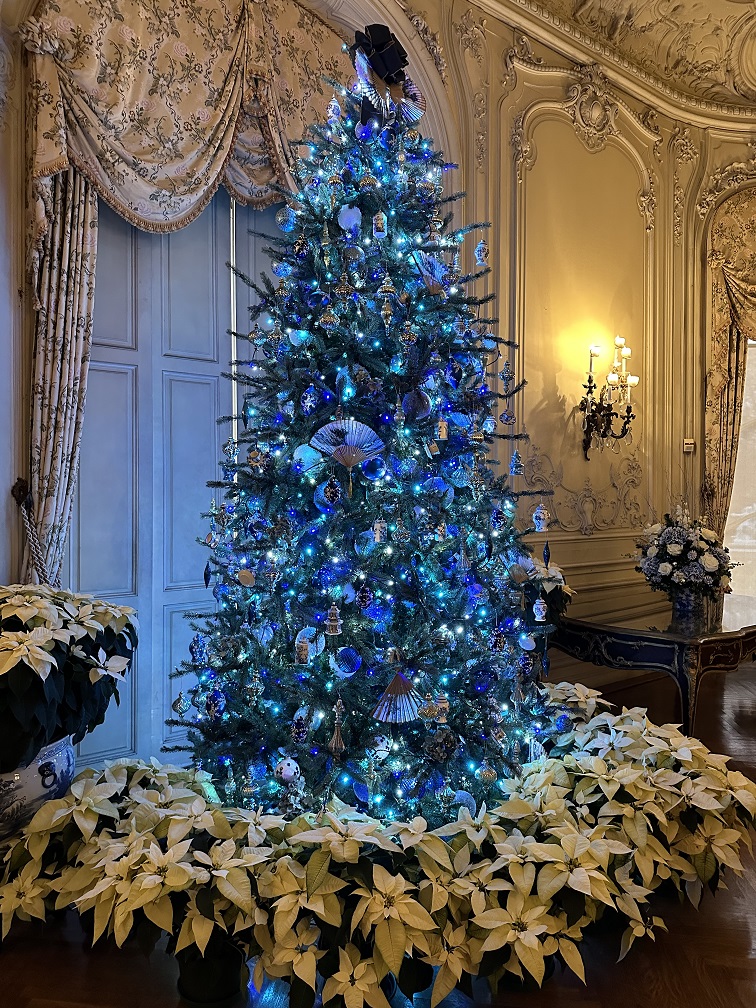
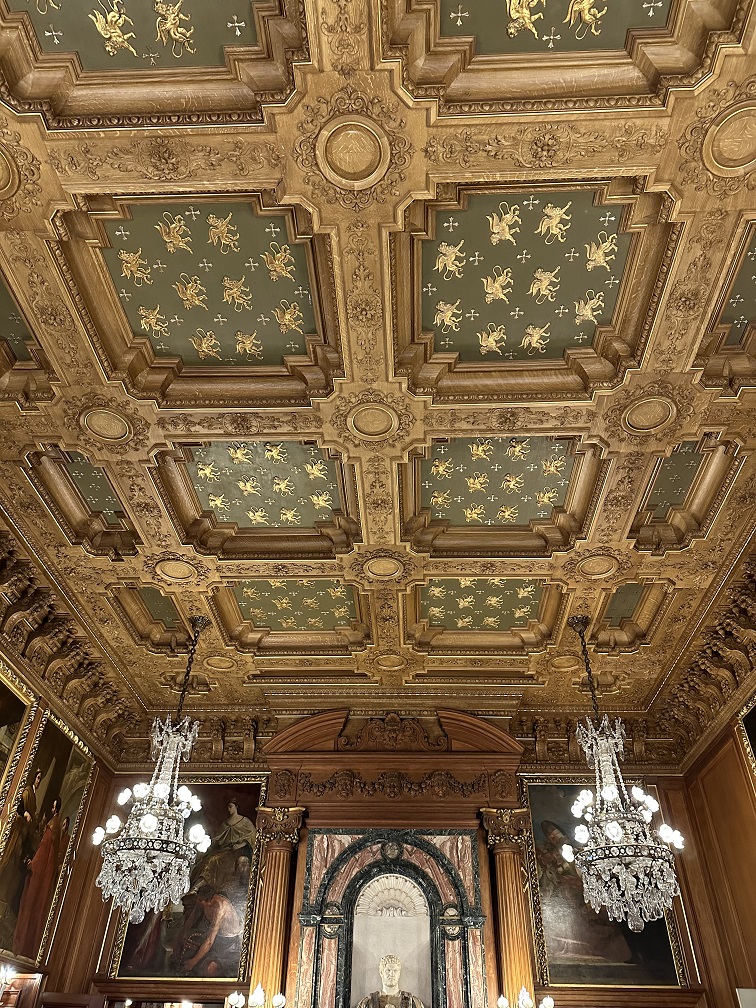
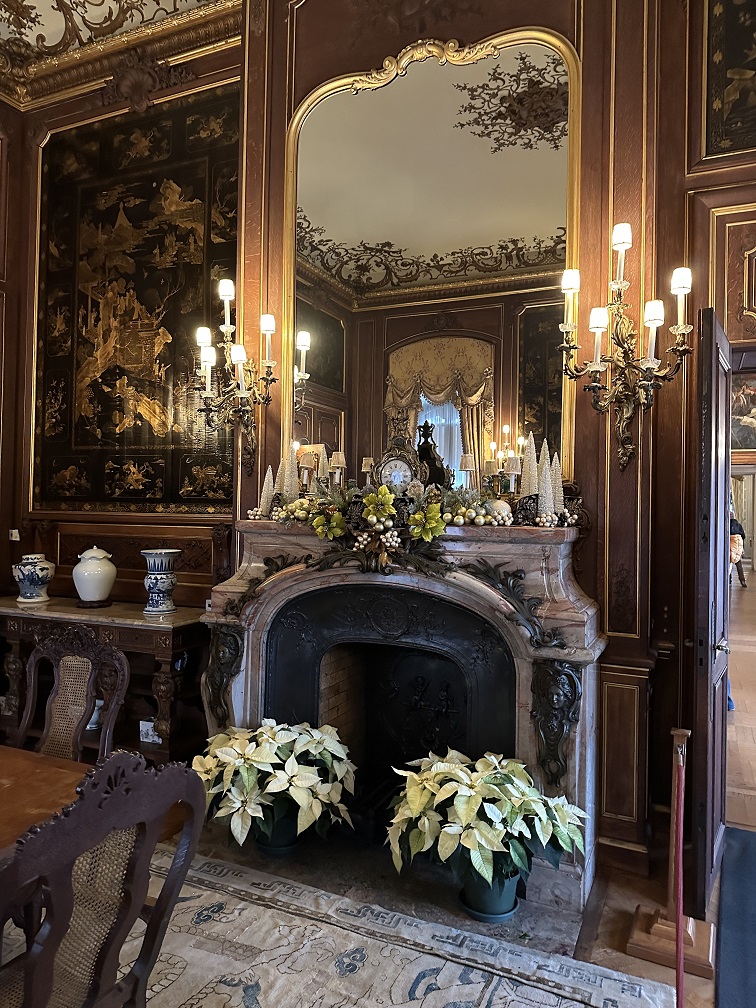
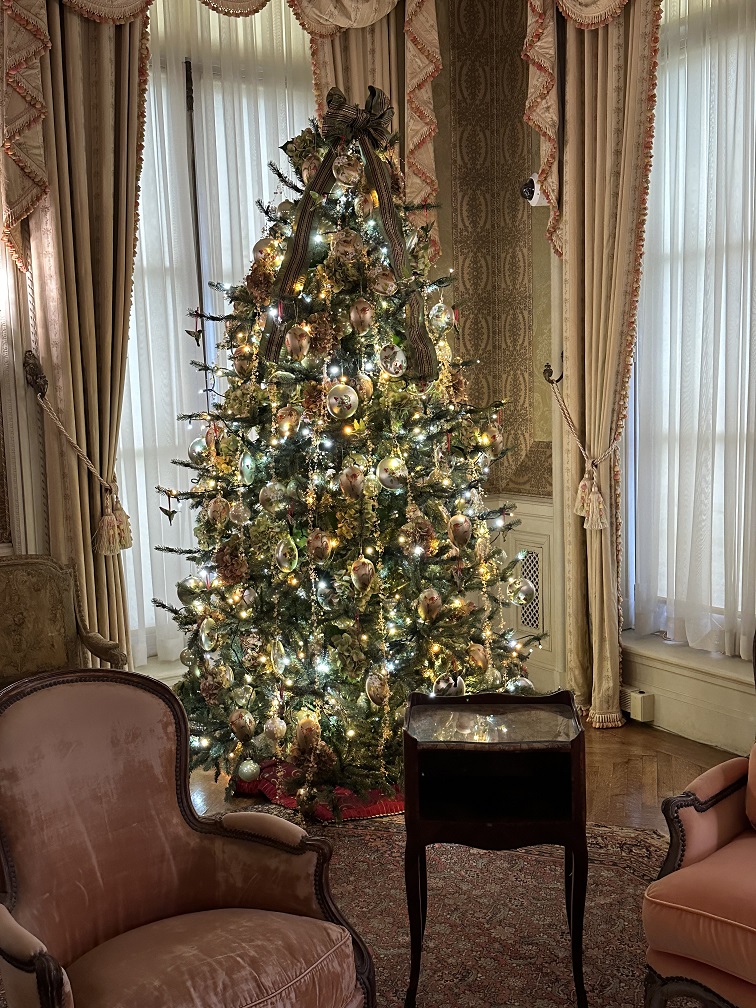
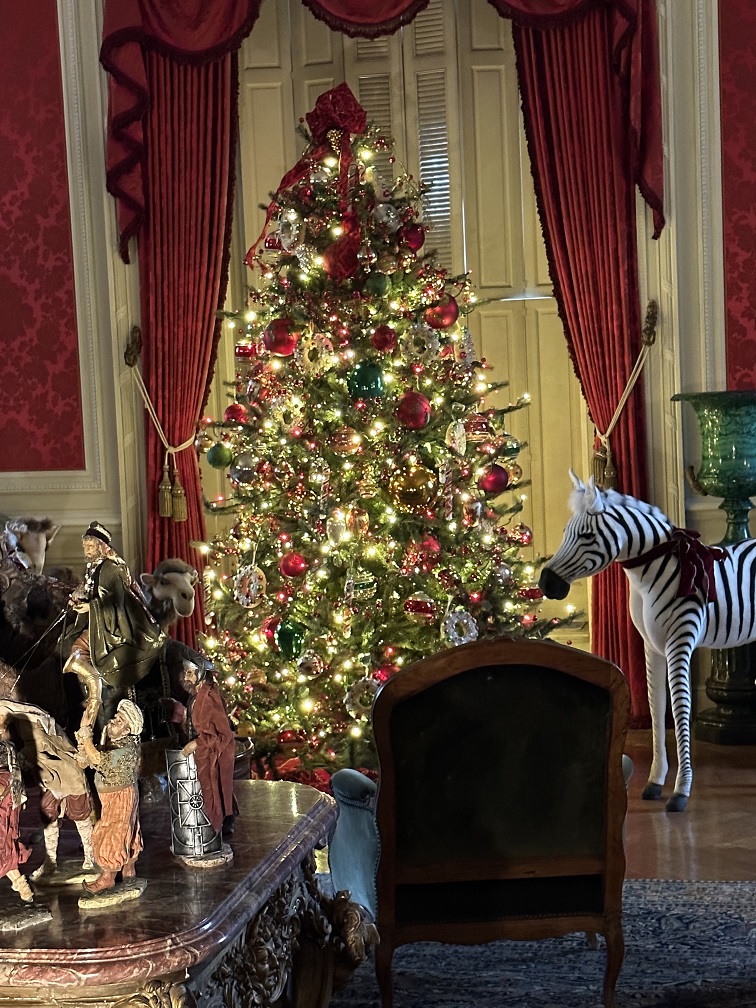
And probably my favorite of the whole Newport trip – the Marble House:
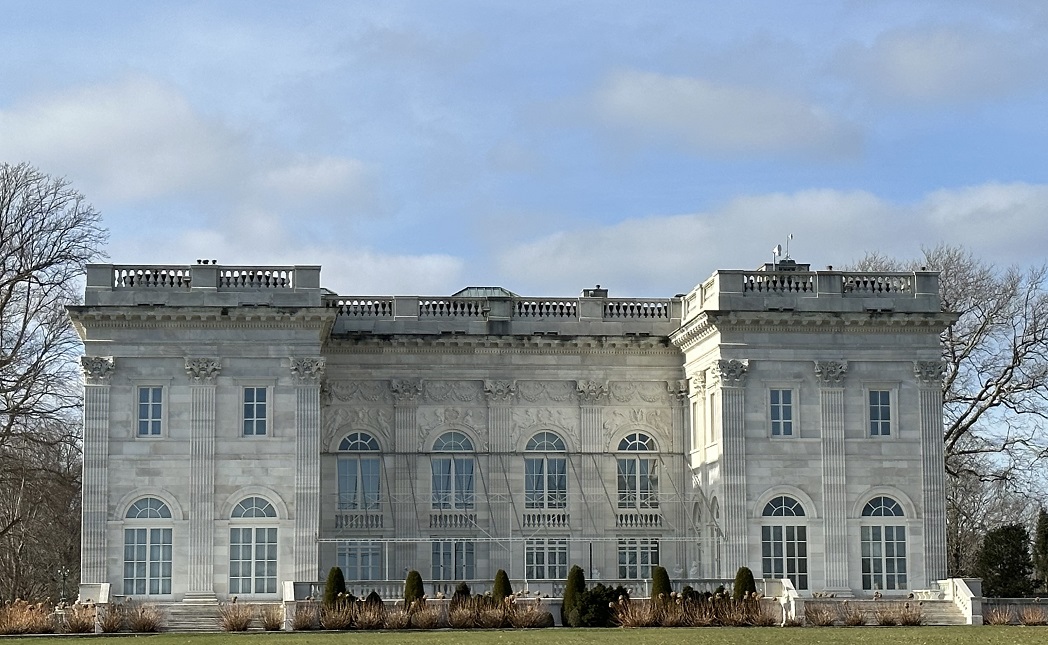
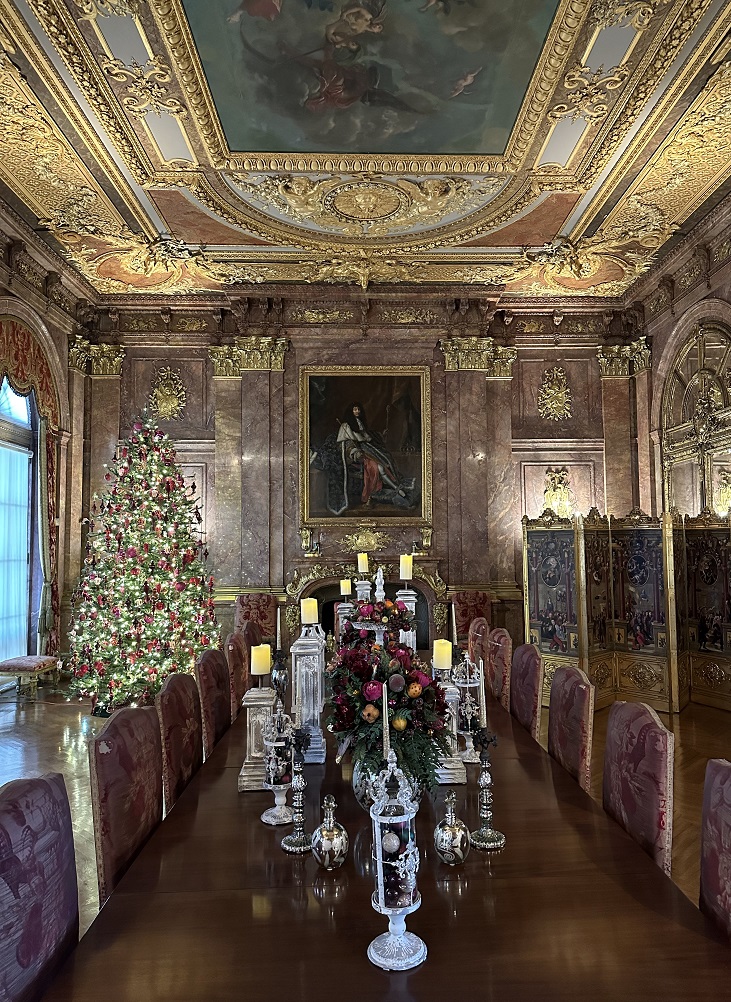

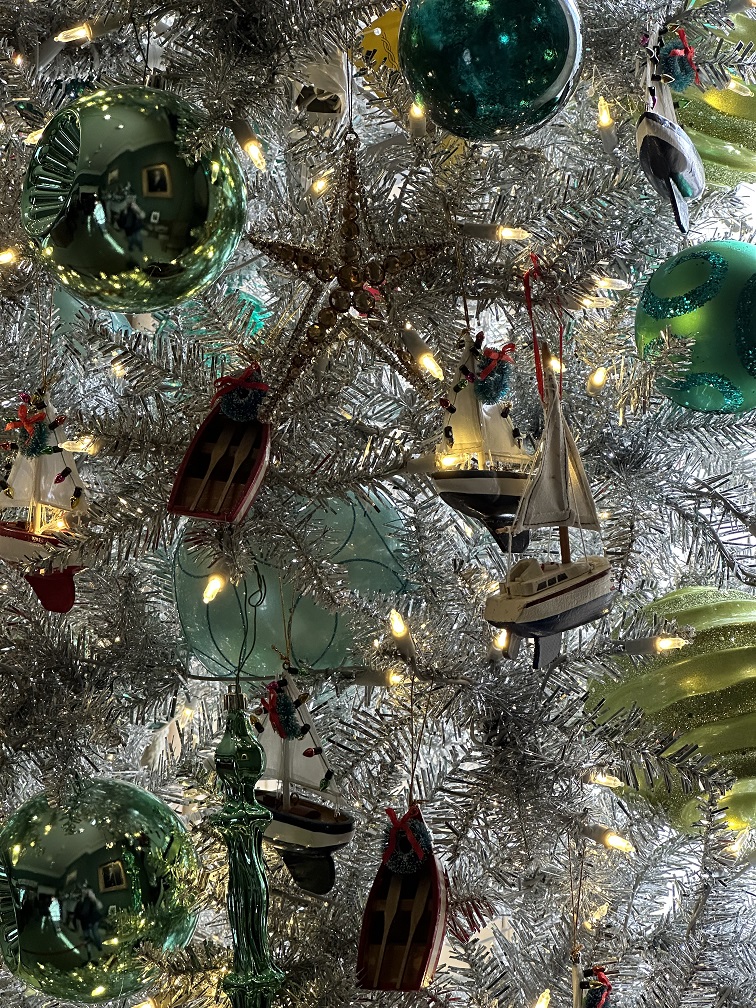
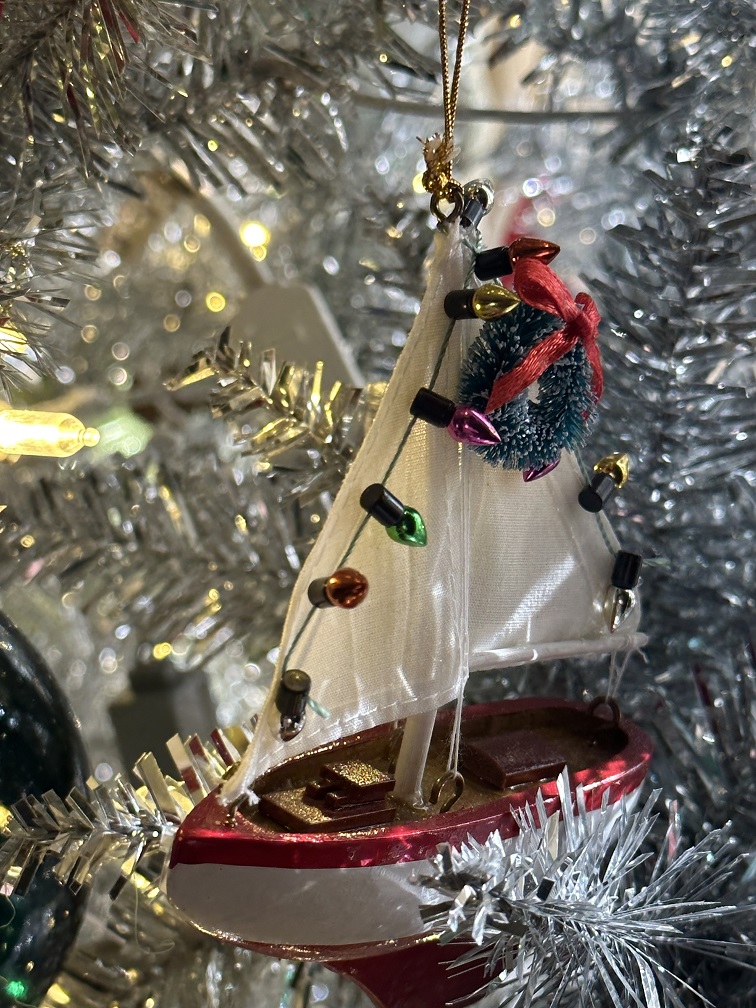
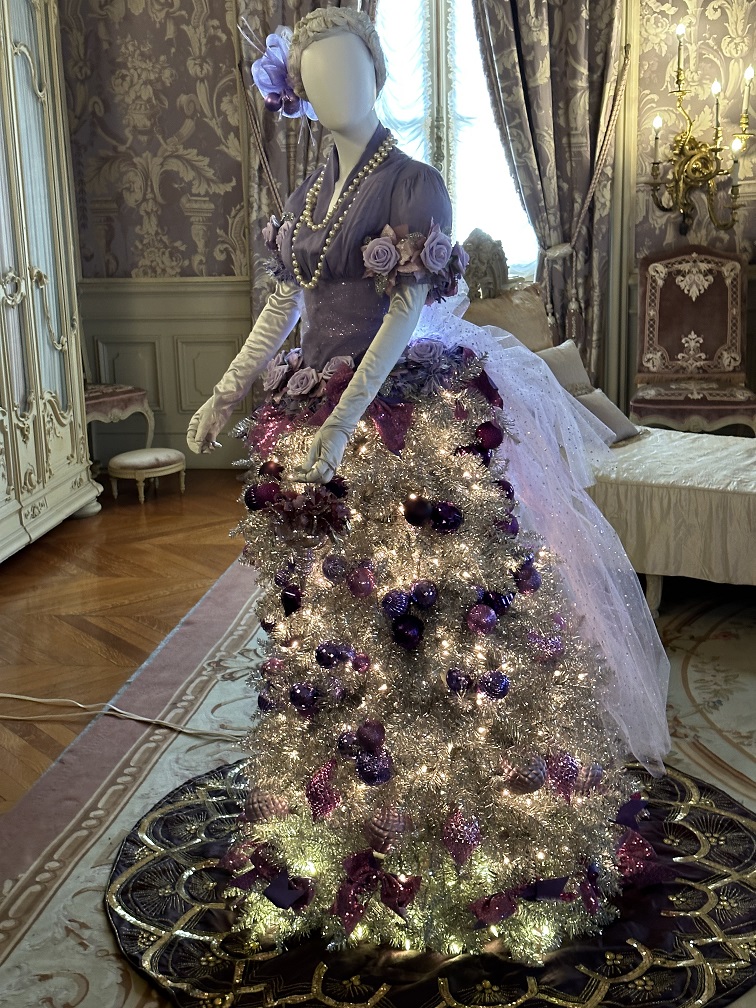
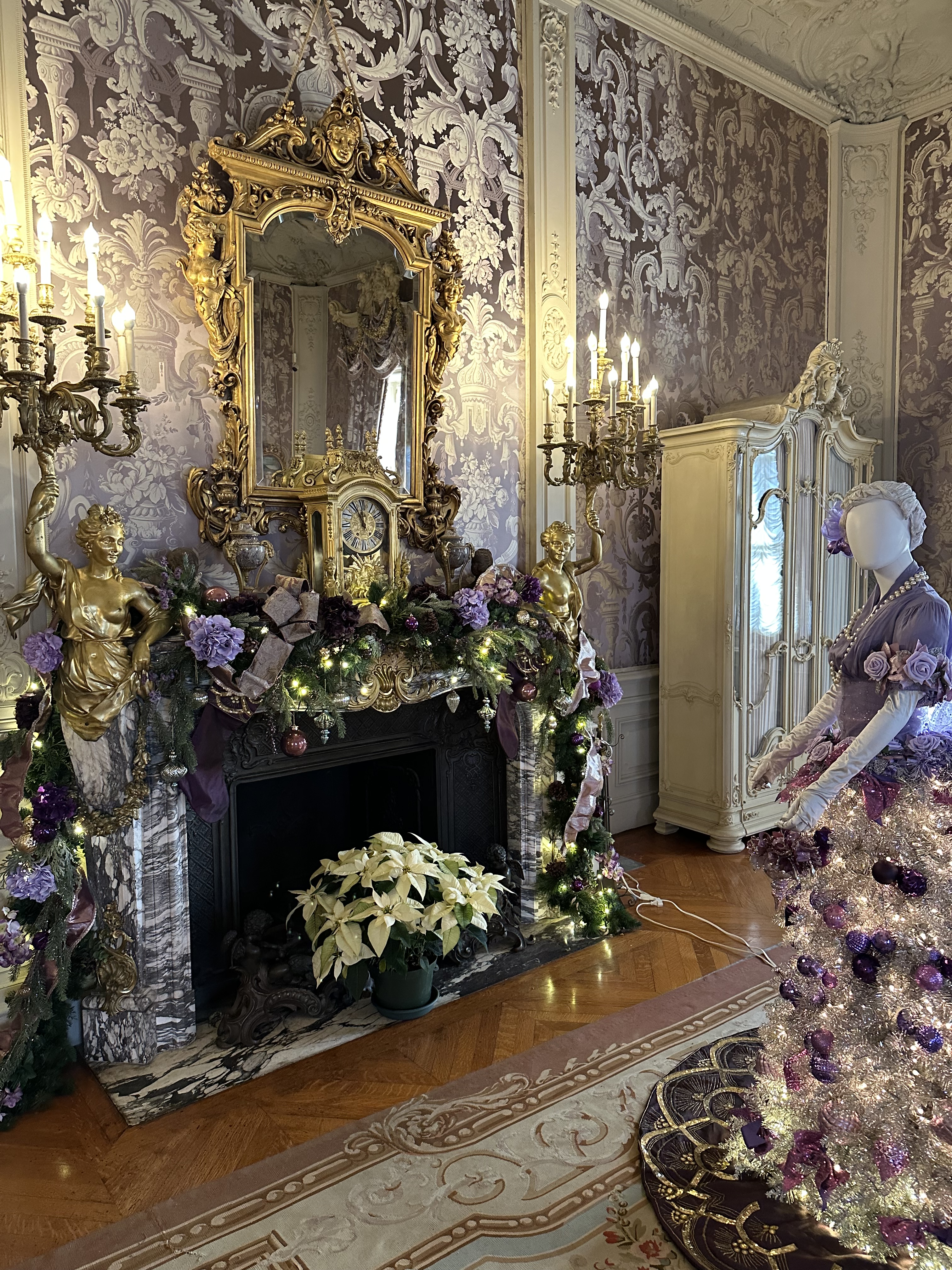
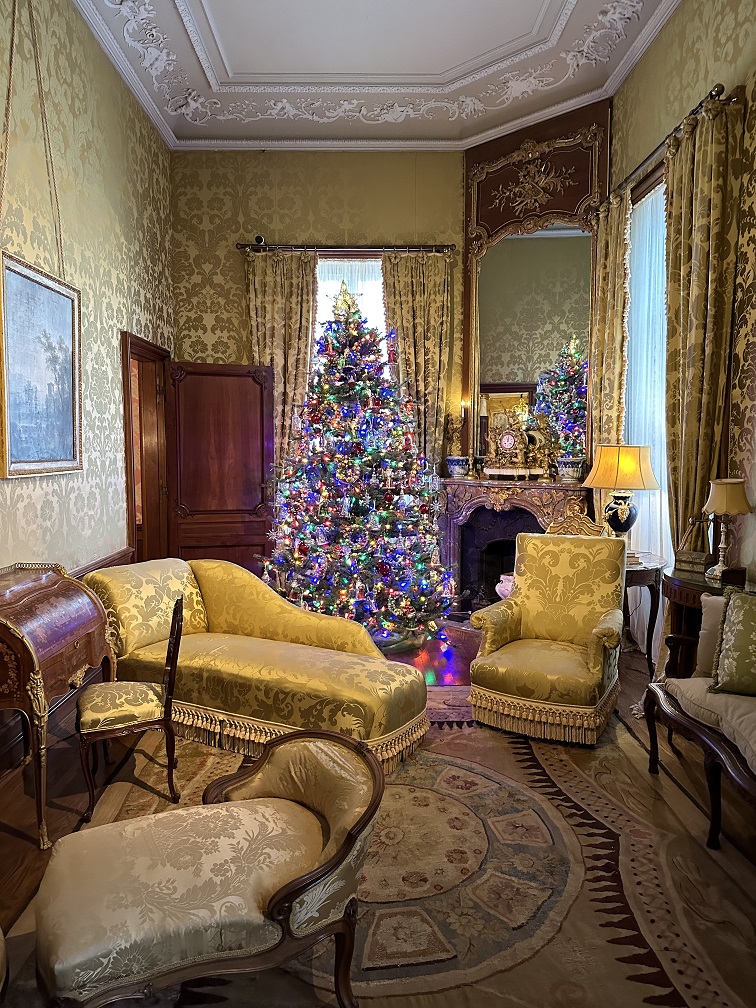
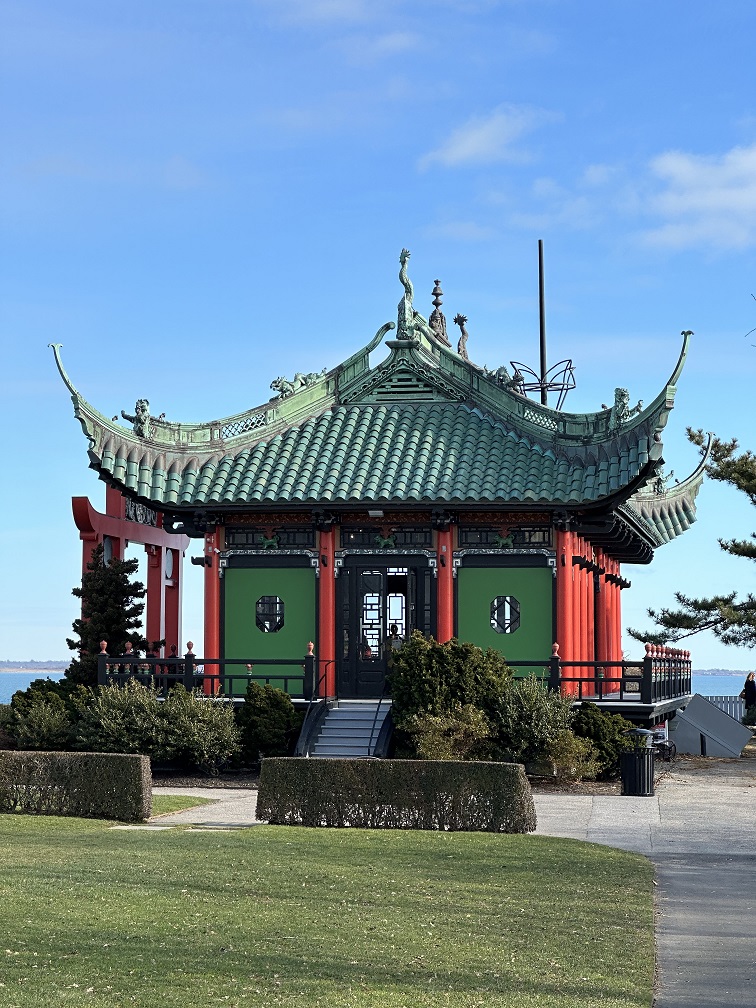
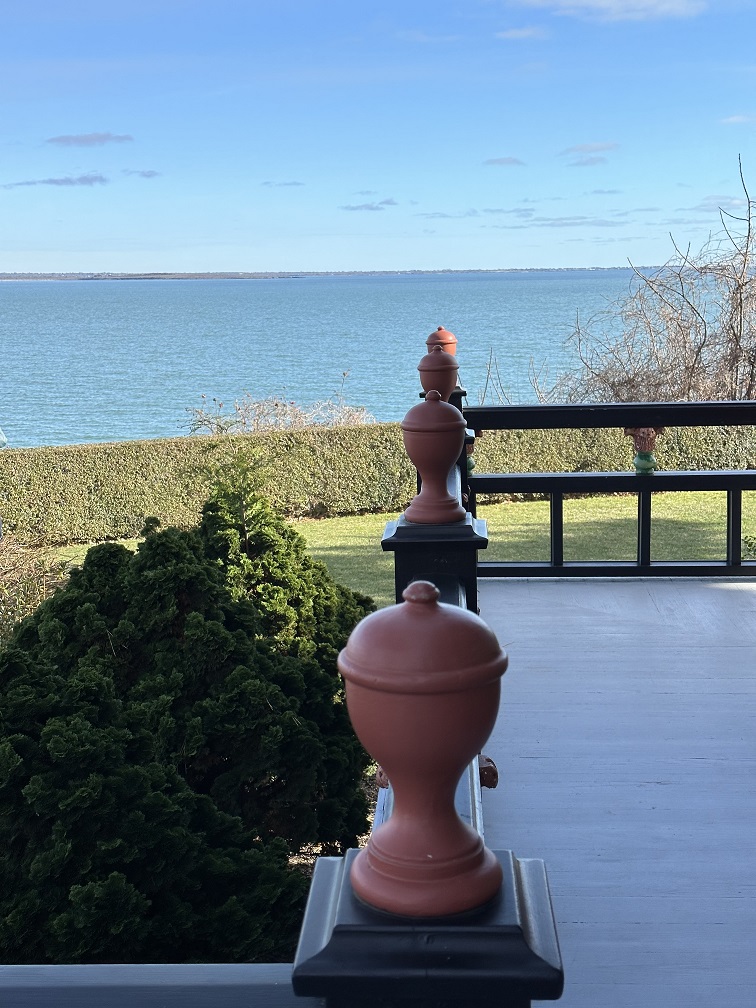
Hope you enjoyed!
Happy Wines of Barra
What are happy wines you may ask? Can the wine be happy? Can the wine be unhappy? Can the wine actually express emotion?
The first two questions probably don’t have an answer. But can the wine express emotion? You bet. That’s the whole point of wine appreciation. The wine that gives you joy. The wine that brings back happy memories. The wine that gives you happiness. The wine that gives you pleasure. The wine that doesn’t leave you indifferent. Not every wine in your glass will do that for you – but some will. I think it will be fair to call them Happy Wines.
Happy wines are those that put a smile on your face. You open a bottle, put the liquid into the glass, swirl, sniff, sip – and smile, because the wine is actually that good. It doesn’t have to be the best wine you ever tasted. It doesn’t have to be expensive or inexpensive. As long as the wine puts a smile on your face and makes you happy, you can call it a Happy Wine.
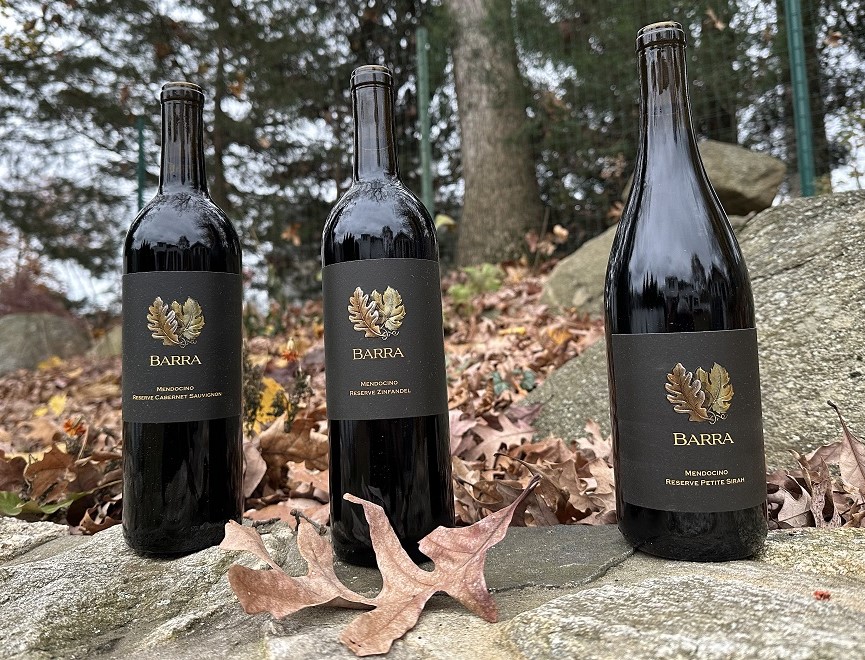
My latest happy wine discovery was the latest release of red wines from Barra of Mendocino. I already wrote about the winery before – you can find the complete two-part story here (part 1 and part 2) with all the details about this 50-year-old, 350-acre organically farmed estate located in Northern California, in Mendocino. Everything I tasted so far from Barra was outstanding, and this latest release of the 3 reserve red wines made from organic grapes didn’t disappoint either.
2020 Barra Reserve Petite Sirah Mendocino County (14.5% ABV, $28, 18 months / 30% new French oak, balance in neutral barrels, organic grapes)
Dark Garnet, practically black
Beautiful nose of red and black fruit
Sweet cherries, perfect acidity, well-integrated luscious tannins, layered, delicious.
8+, outstanding, and a unique rendition of PS which doesn’t require waiting.
2020 Barra Reserve Zinfandel Mendocino County (14.5% ABV, $26, 16 months / 25% new French oak, balance in neutral barrels, organic grapes)
Bright Ruby
Dark fruit and herbs on the nose, a hint of fresh coffee, tobacco
Tobacco, cherries, luscious texture, round, pleasant, with long finish.
8, excellent
I just wrote about Barra Cabernet Sauvignon in the previous post where I tasted it alongside two superb Napa Valley Cabs – but I’m happy to talk about this wine twice in a row 🙂
2021 Barra Reserve Cabernet Sauvignon Mendocino County (14.5% ABV, $28, 18 months / 30% new French oak, balance in neutral barrels, organic grapes)
Garnet
Eucalyptus, cherries, a hint of cassis
Eucalyptus, dark berries, cherries, cassis, well-integrated tannins, perfect balance, medium-long finish.
8, delicious
All three were happy wines – ready to drink from the moment the bottle was open, and thoroughly delicious, putting a smile on your face. I can also tell you that all three of these wines lasted for almost 7 days after being first opened, standing on the counter, with the air being pumped out – this is definitely a testament to the quality and to the longevity of these wines – while these wines will not set you back by anything comparable to any cult Californian wines, I guarantee you that they will age equally well or possibly even better.
Have you tried Barra of Mendocino wines? I would love to see the smile on your face once you do. Cheers!
Ode to Cab
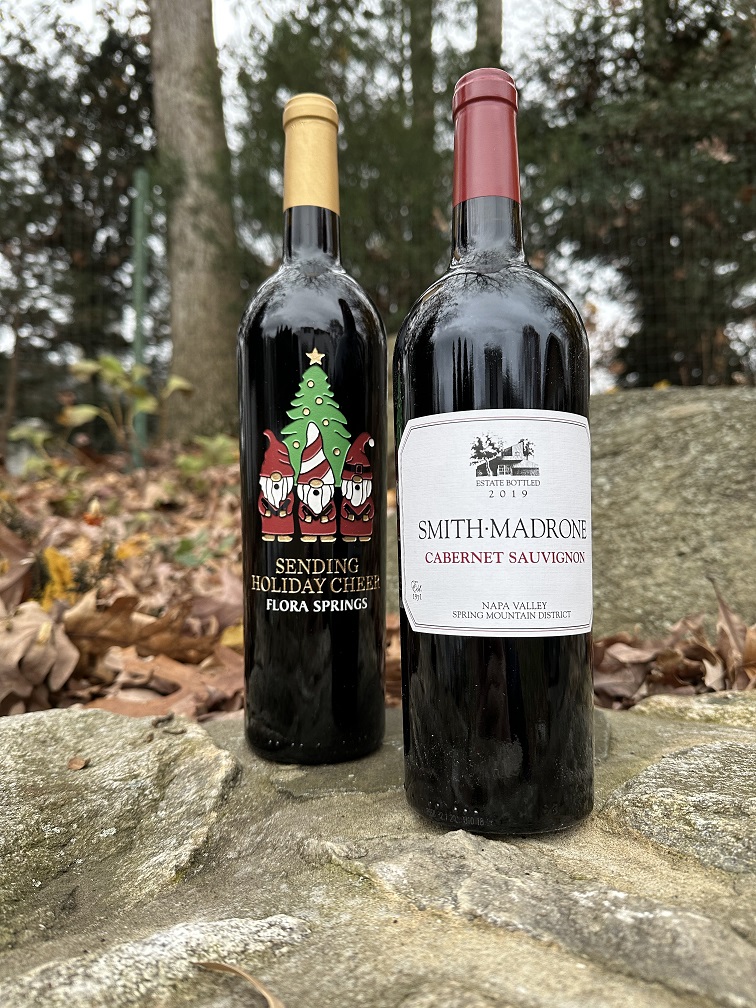 Ode to Cab.
Or we can just call it a Love Letter to Cabernet Sauvignon.
As an oenophile, I always try to maintain my “grape neutrality”. I can never name my favorite type of wine, never mind favorite wine. If you will hard press me against the wall with this question, I might say that it is Rioja, but the reality is a lot more complex than that.
If you search through articles in this blog, you will find a full range of wine styles and grapes. There are many blogs out there that cover specific region(s) or specific types of wine – but when I started writing close to 15 years ago, I knew that I would not be able to do that. This blog is about wine appreciation – any wine. “Wine should give you pleasure” – and so this is what my writing is primarily after – sharing the joy, the pleasure of wine, no matter what is the pedigree. Wines made from little-known grapes – Bobal, Trepat, Kekfrankos, Romorantin by tiny producers can give you as much pleasure as first growth Bordeaux, cult California, or best super-Tuscans. The liquid in the glass matters, and the only opinion that matters is yours and only yours – you can not enjoy the critic’s 100 points in your mouth.
This is my approach – try any wine with an open mind, and always be ready to be pleasantly surprised – or even blown away for that matter. And yet there is something about Cabernet Sauvignon that makes my heart race, especially coming from the producer I know or have heard of. Listen, I’m doing my best to tell you the truth, even though the “thought spoken is a lie”. But the brain gets all excited when I’m opening a bottle of the familiar Cabernet Sauvignon because I already know how good it can be. Very different from the excitement of the possible taste of DRC, Petrus, or Quintarelly (I’m yet to taste either) – because with those I wouldn’t know what to expect. But I do know what to expect from the well-made Cabernet Sauvignon that is ready to drink.
Even with the wines I happily call the favorites, I can’t tell you what I’m expecting to taste. I can’t describe my expectations when tasting La Rioja Alta, Ken Wright Pinot Noir, or Loacker Corte Pavone Brunello di Montalcino. I expect that I will like those wines as I know the producers and had their wines many times before – but I can’t tell you my exact expectations of the aroma or the taste of the wine. With Cabernet Sauvignon, I have very precise expectations of the aroma and the taste for me to like the wine. If I do not find the cassis (black currant) on both nose and palate when the bottle says “Cabernet Sauvignon” on it, there is no way I will like the wine, no matter how good the wine is for anyone else. Eucalyptus, mint, and a good structure are also expected, but with this some variations are possible. But when the expectations are met… the Cabernet Sauvignon is nothing but a pure, hedonistic pleasure.
So yes, deep down, Cabernet Sauvignon might be the most favorite wine of all – I just hope I will remember it next time I’m asked about my favorite wine.
Now, truth be told, I had a good reason for all this rambling about the beauty of Cabernet Sauvignon. A few weeks ago, I had an opportunity to conduct an accidental side-by-side tasting of the California Cabernet Sauvignon and the results were simply amazing.
With this tasting, we are taking a little trip. We will start in Northern California, where Barra of Mendocino is located. I wrote about their wines before, and now I have a few of the latest releases and I thought that Cabernet Sauvignon would be quite appropriate for the tasting.
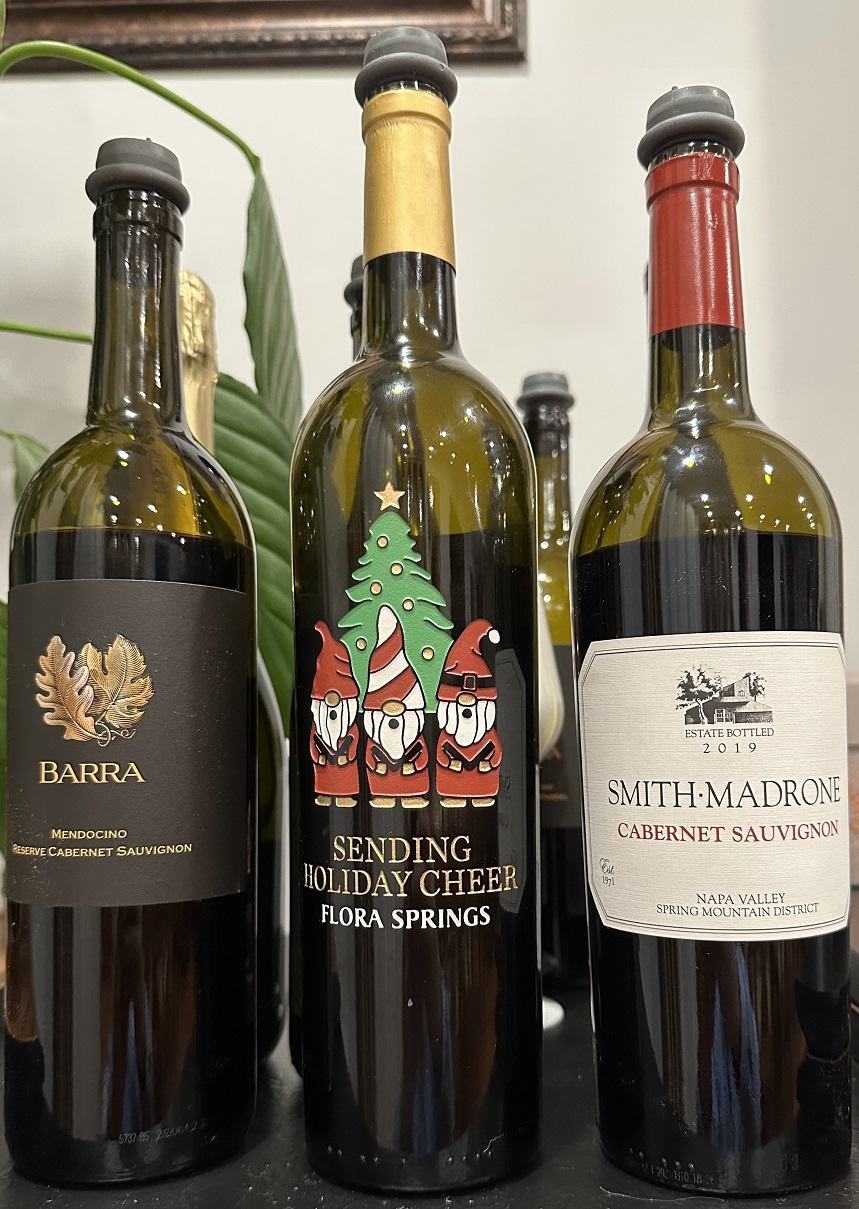
Barra Cabernet Sauvignon was the leanest of 3, but still had a perfectly recognizable Cabernet Sauvignon profile:
2021 Barra Reserve Cabernet Sauvignon Mendocino (14.5% ABV, $28, 18 months 30% new French oak, balance in neutral barrels)
Garnet
Eucalyptus, cherries, a hint of cassis
Eucalyptus, dark berries, cherries, cassis, well integrated tannins, perfect balance, medium-long finish.
8
Moving 80 miles southeast, we now arrive at the Flora Springs winery, located in the heart of the Napa Valley. Again, one of my favorite wineries in California, I wrote about their wines on multiple occasions.
The wine I had an opportunity to taste was a special holiday release. Flora Springs is big on the holiday celebration, so this bottle features etched gnomes, perfectly appropriate for the holidays. But it is what’s inside that counts, and this wine was nothing short of spectacular.
2019 Flora Springs Red Wine Blend Napa Valley (14.5% ABV, $95, predominantly Cabernet Sauvignon, 18 months in 70% French and 30% American oak barrels)
Dark garnet
Cassis, mint, black tea, cassis is playing in and out – you can smell this wine forever. Cassis is prevalent, wow.
Burst of cassis at first, then tannins come in, offering some bitter notes around the otherwise perfect Cabernet core. A very powerful, delicious wine that needs time to soften up. Either decant for a few hours, or lose it in the cellar for 10 years. The winery says you can enjoy it through 2036 – I’m sure you can easily add another 20 years on top of that.
8/8+
Going back about 8 miles northwest, we now arrive at the Smith-Madrone, the winery located in the Spring Mountain district of Napa Valley. Smith-Madrone is yet another one of my favorite wineries, and the one I feel a bit guilty about as a writer. I wrote about Smith-Madrone wines on many occasions in this blog – 5 years ago, Smith-Madrone were my wines of choice to celebrate Thanksgiving; in 2019, Smith-Madrone Cabernet Sauvignon was my wine of the year. And I’m still yearning to write a post fully designated to the winery…
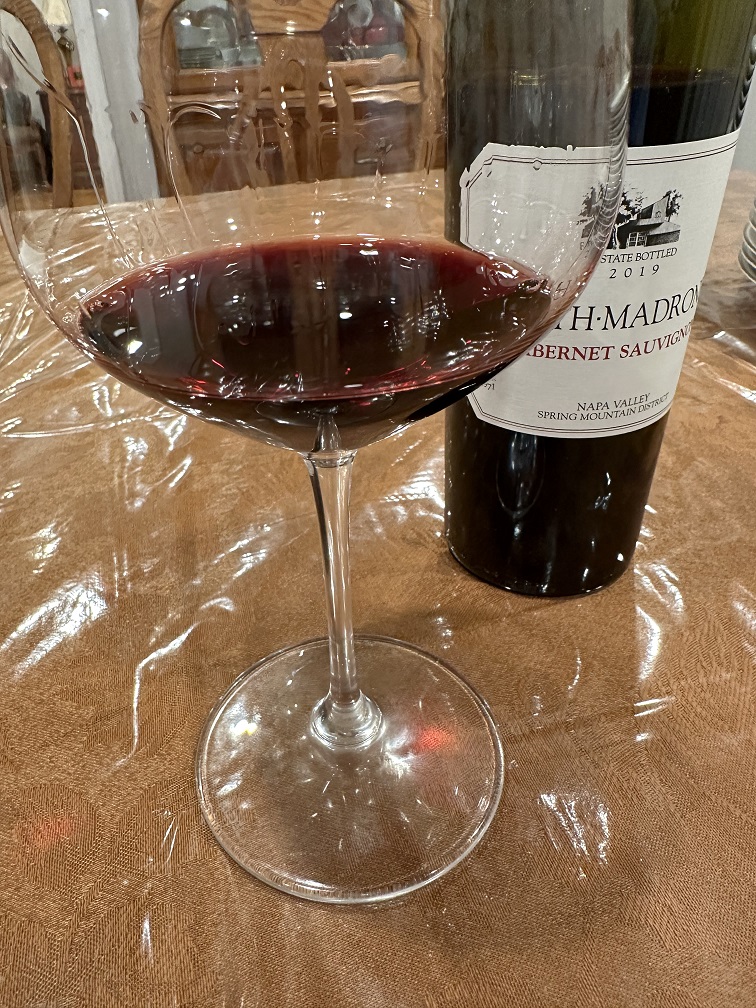
Nevertheless, Smith-Madrone Cabernet Sauvignon to me is one of the most textbook-proper, pure Cabernet Sauvignon wines there is. Not everyone would share my opinion – my sister-in-law with whom I was tasting these 3 Cabs, was preferring Flora Springs Cab, just for the sheer, unashamed beauty. But to me, a more subtle but very confident representation of the Cabernet Sauvignon by Smith-Madrone was just a perfection:
2019 Smith-Madrone Cabernet Sauvignon Spring Mountain District Napa Valley (14.3% ABV, $65, 83% Cabernet Sauvignon, 5% Merlot, 12% Cabernet Franc, 18 months in 55% new French oak)
Brilliant dark ruby
A perfection. A textbook Cabernet Sauvignon cassis, pure, perfectly precise cassis. You can think of a bell pepper – I’m not sure it is there, but it comes to mind.
The palate is amazing – cassis, eucalyptus, perfect minerality, a touch of the pencil shavings, salivating acidity. This is an impeccably balanced wine built for aging. In 10 years, it will be insanely good. In 20 – … well, I don’t want to even think about waiting that long…
9-, pure and superb.
If you like Cabernet Sauvignon, either one of these 3 wines will make you happy – each one perfectly representing their terroir and the vision of the winemaker, and yet unquestionably perfectly representing maybe the most noble grape of all.
So now you know what my secret passion, secret true wine love is. What’s yours?
Last Bottle Sign Up ($10 credit)




 Talk-A-Vino