Fall Colors 2024: Early and Extended
As I love photography, it always gives me great pleasure to share a few pictures on these pages. Fall colors are no strangers here with many posts over the years, so this is what this will be all about.
Continuing the tradition, a few words about Fall 2024. I don’t think I remember the fall so dry – starting from mid-September, we maybe had one day of rain here in New England and surrounding areas. The fall colors started gently arriving at the end of September, but even now (the second half of November) some of the trees are still standing in full beauty.
We had an opportunity to visit a few places in Pennsylvania and New York, so here is a collection of autumn 2024 moments for you:
Beautiful views at Pound Ridge town park in New York:


Next, a few pictures from the Grey Towers in Pocono Mountains and our walk along the Delaware River, all in Pennsylvania:
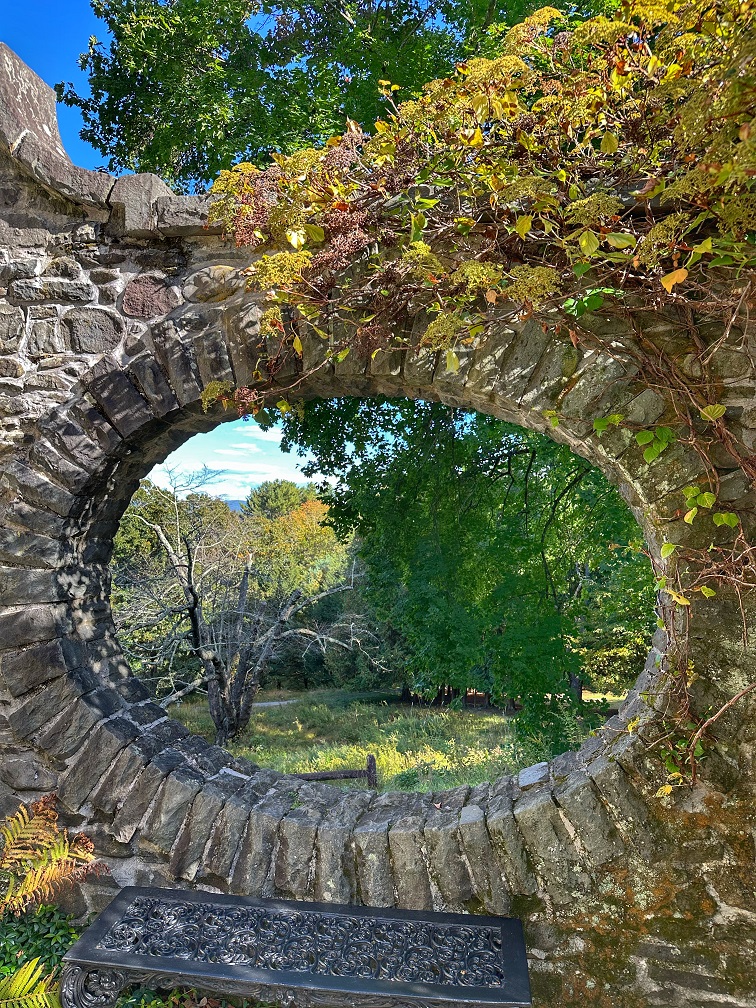
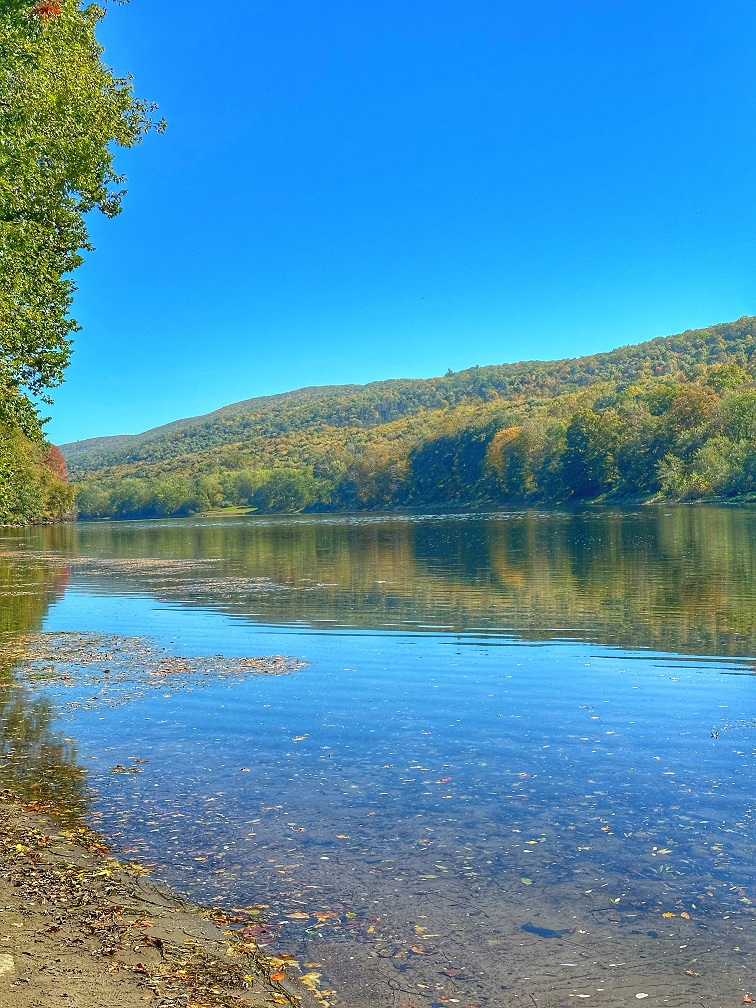
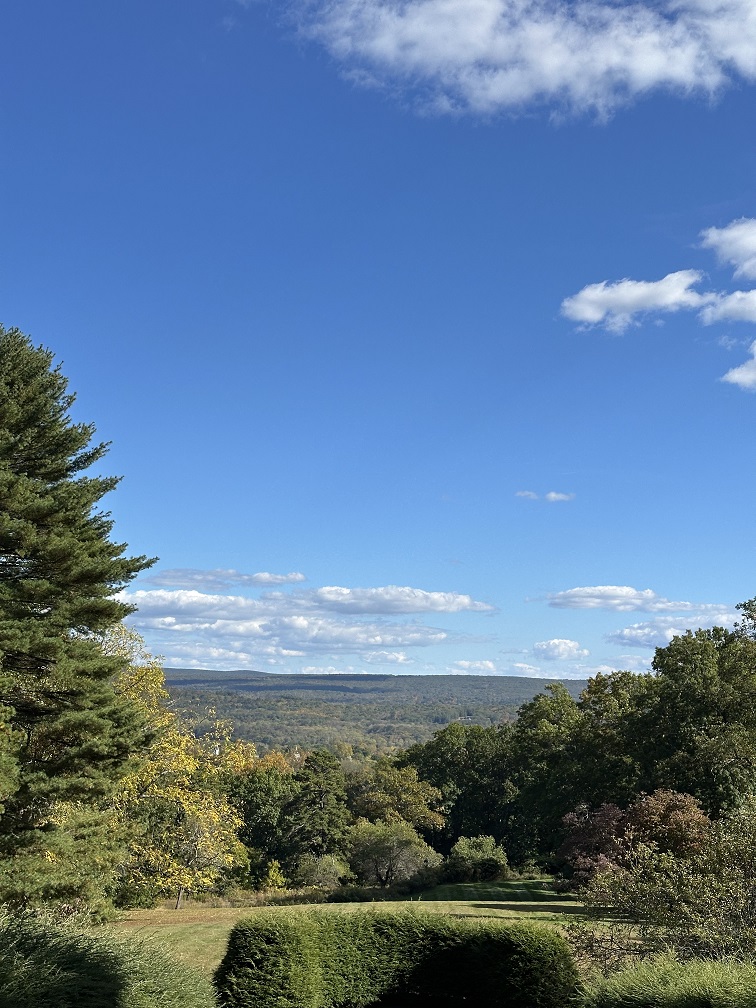
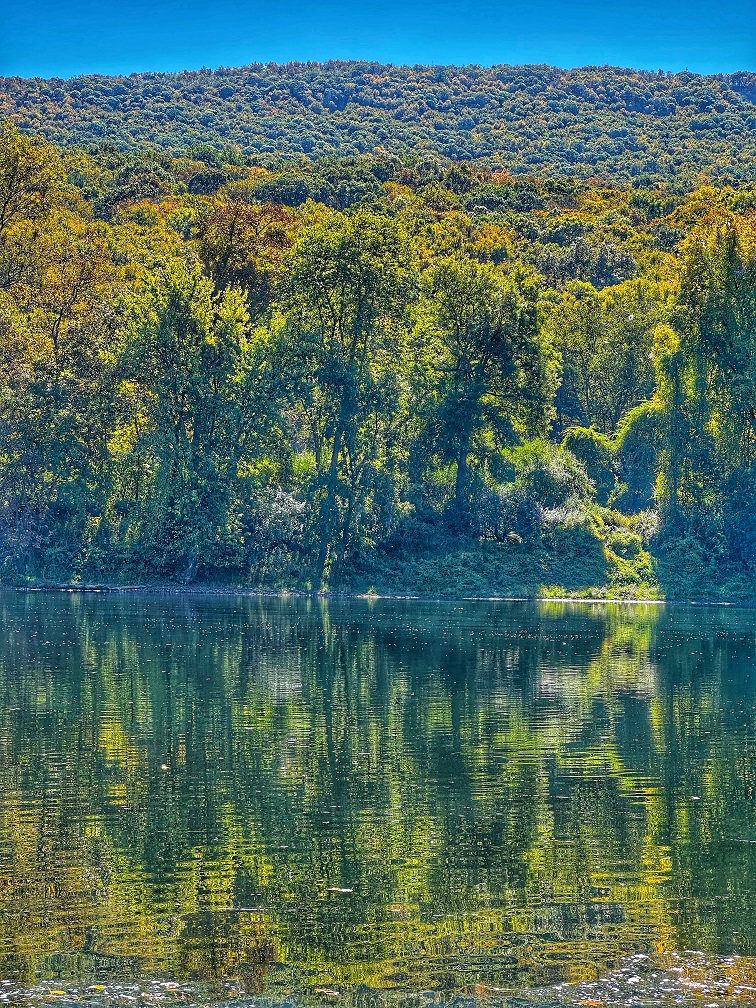
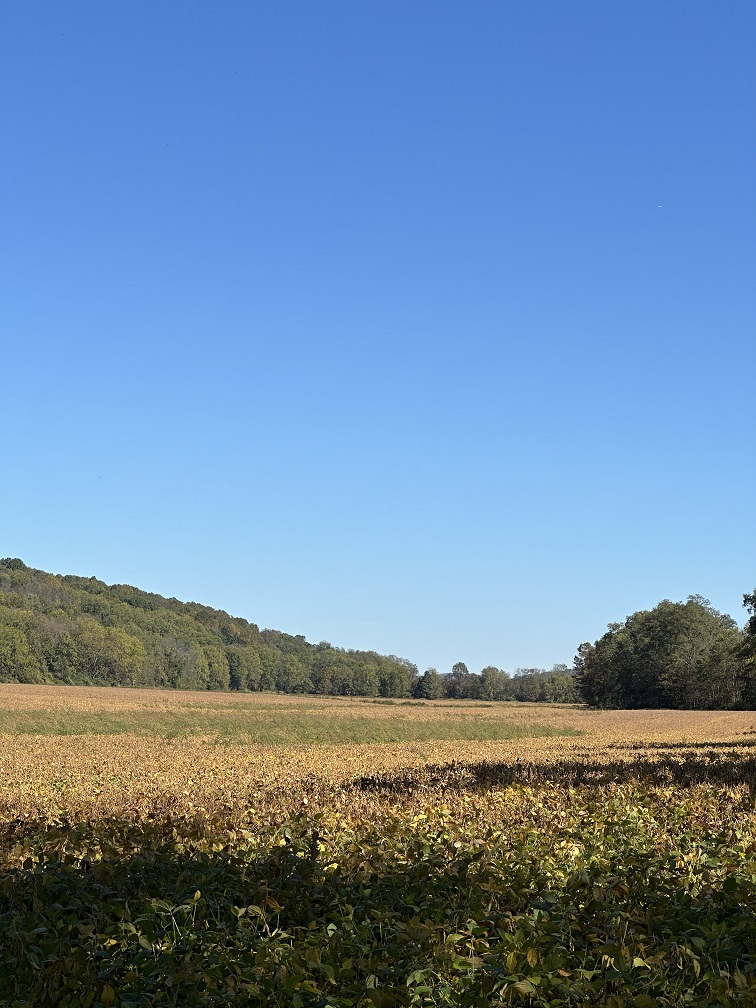
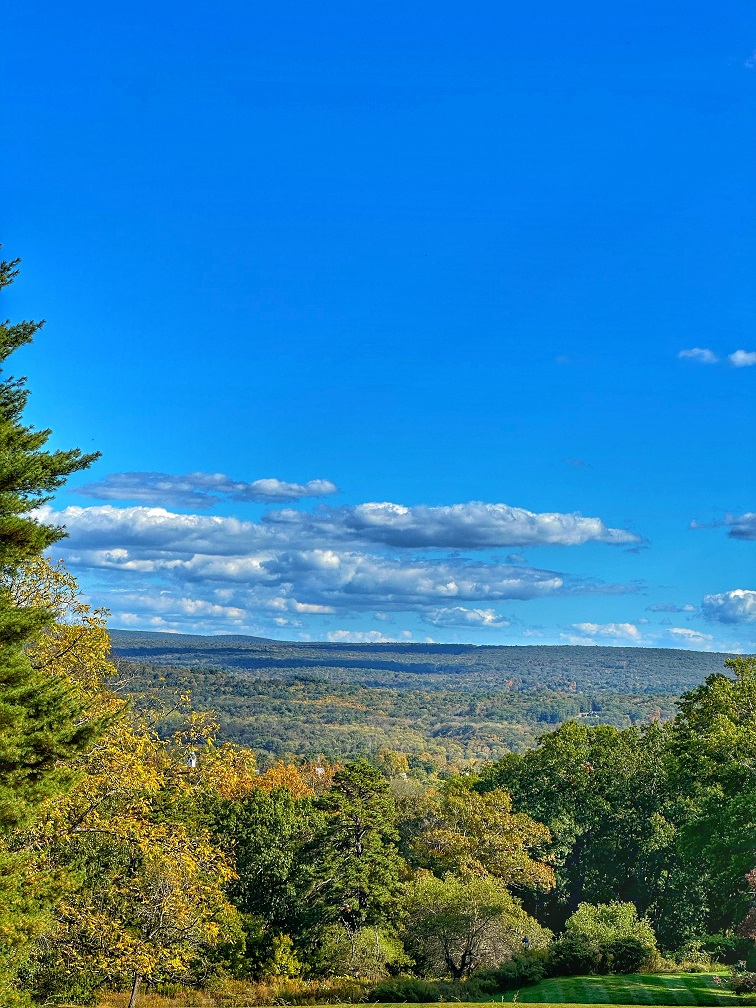
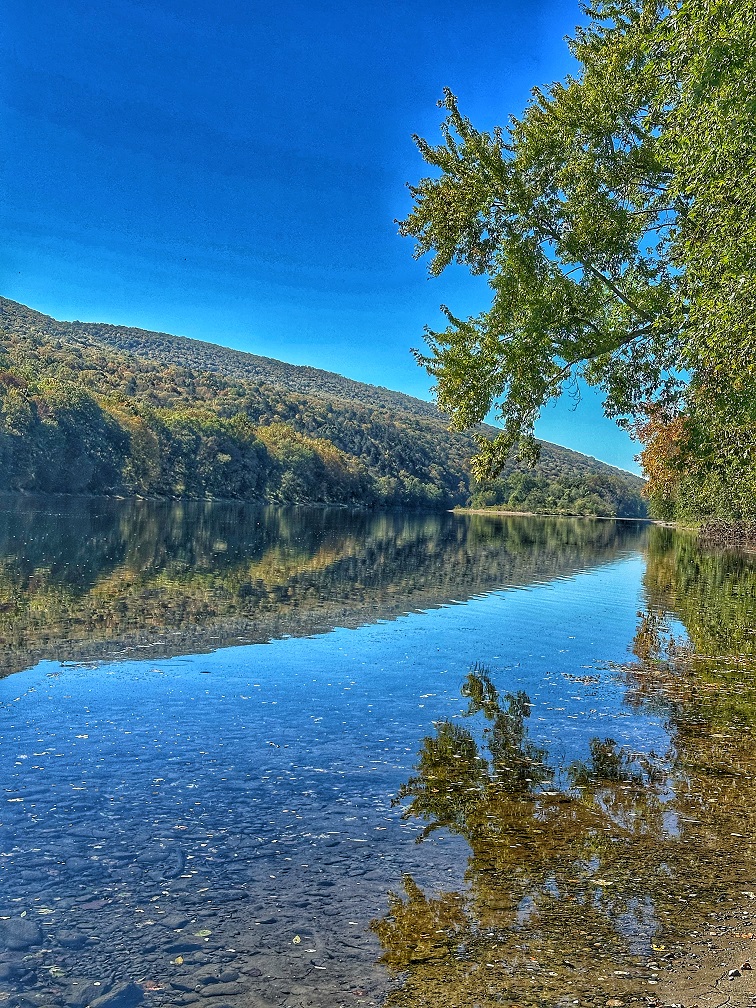
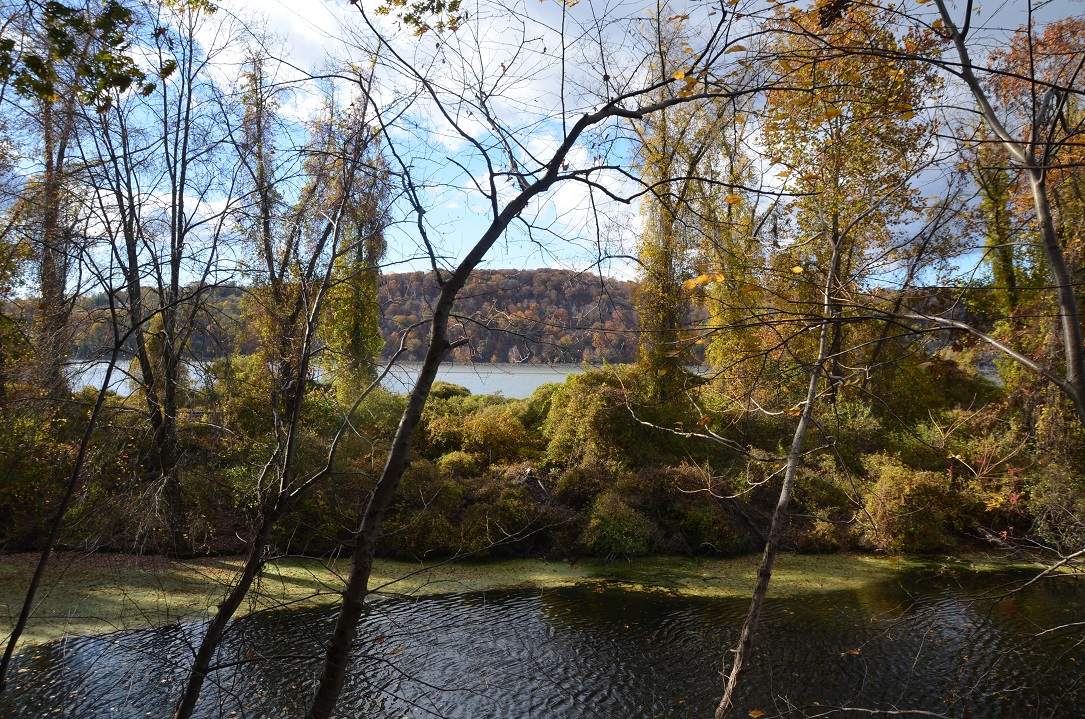
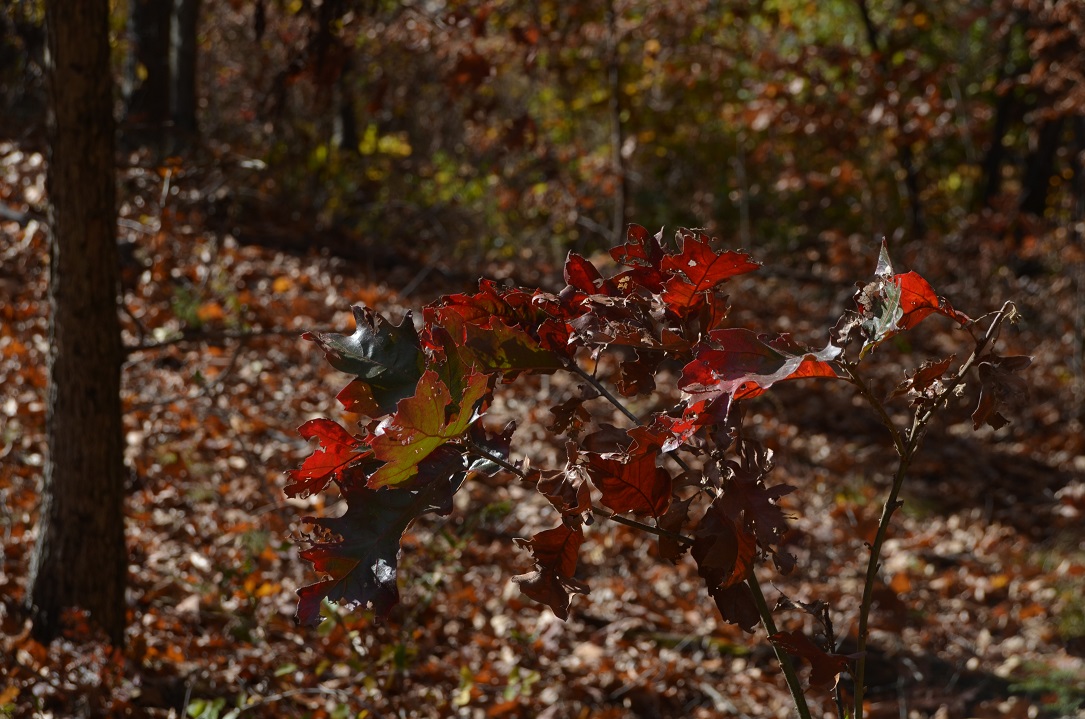
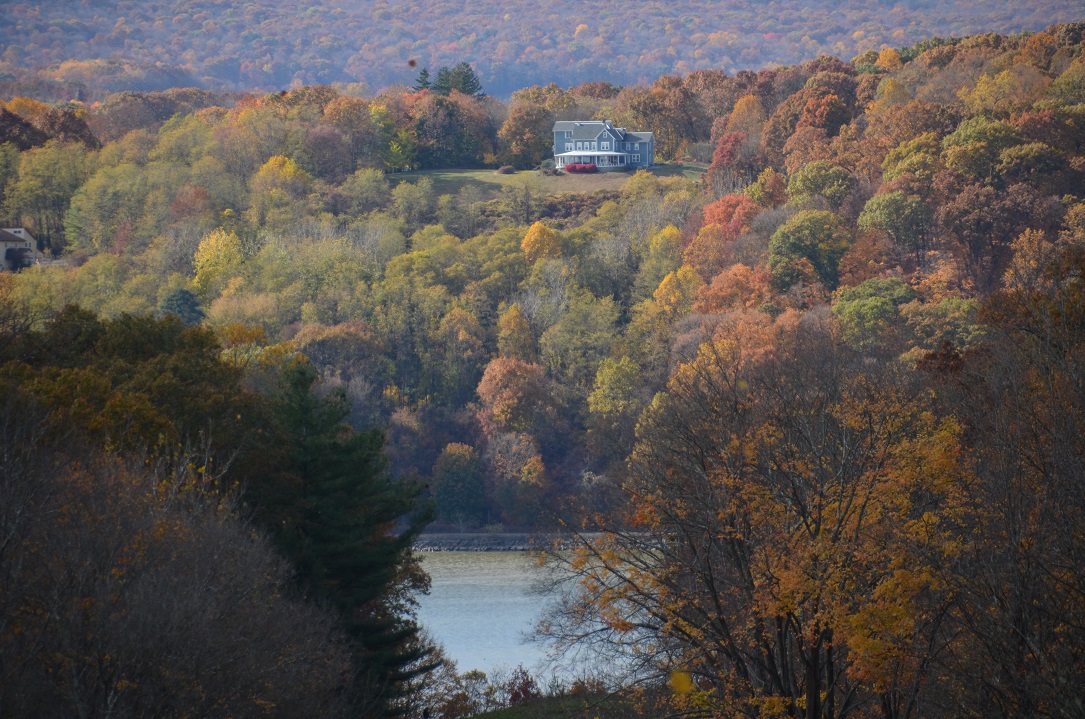
Here are late October impressions from the Locust Grove Estate in Poughkeepsie in New York, and beautiful Hudson River scenery from the Walkaway over Hudson. By the way, if you are ever in the area, I highly recommend visiting both:
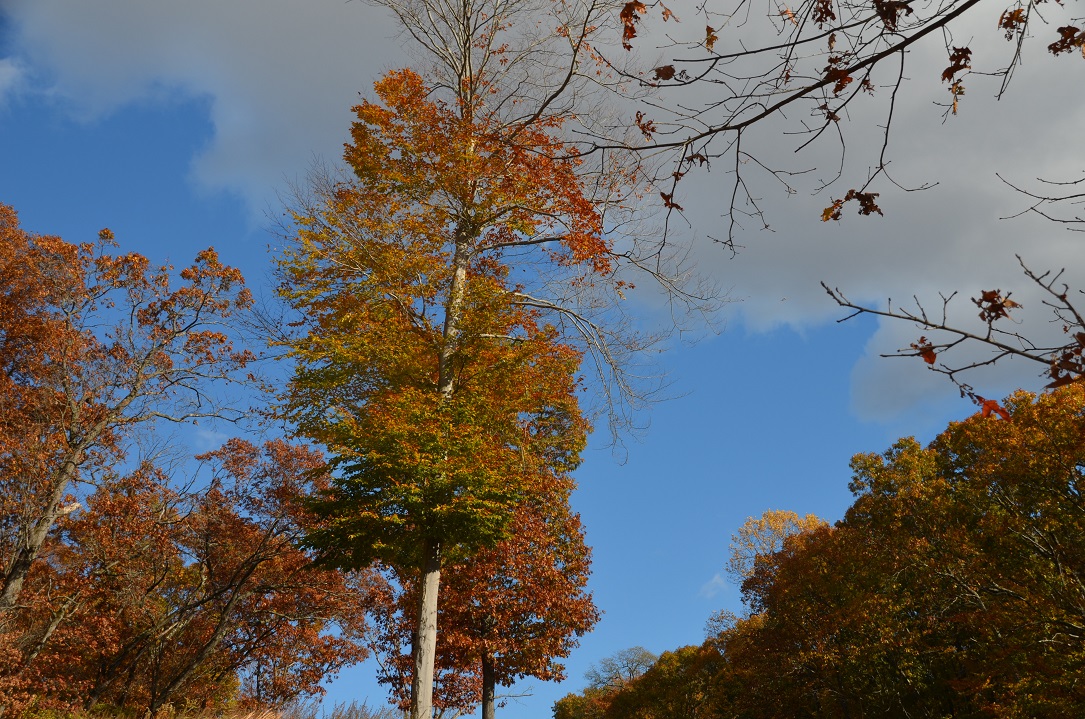
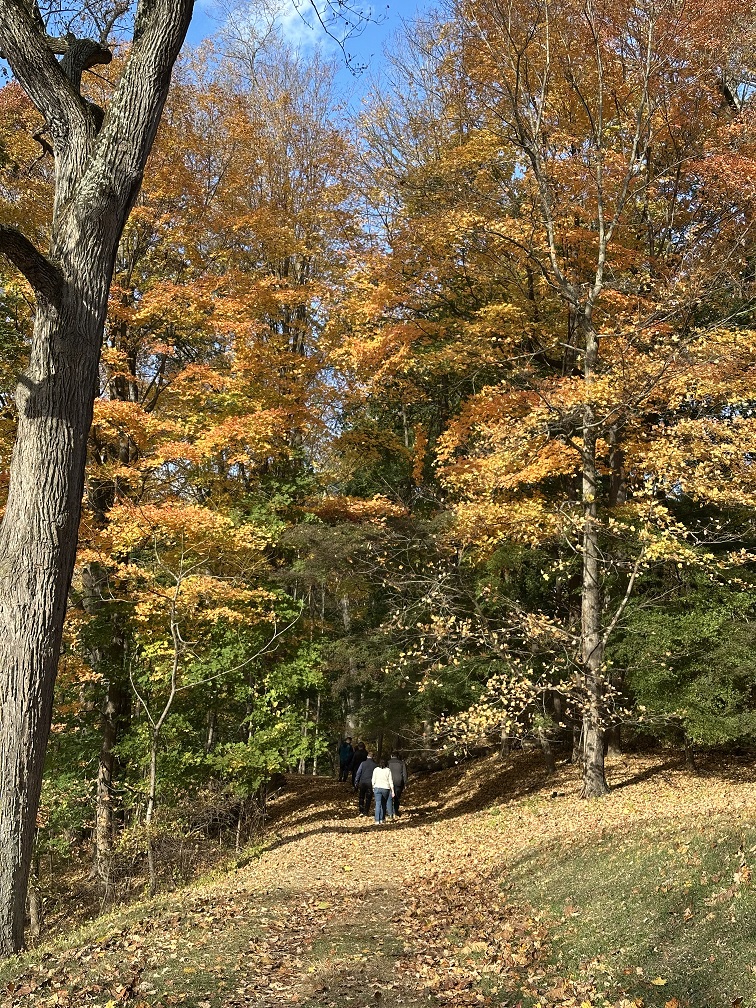
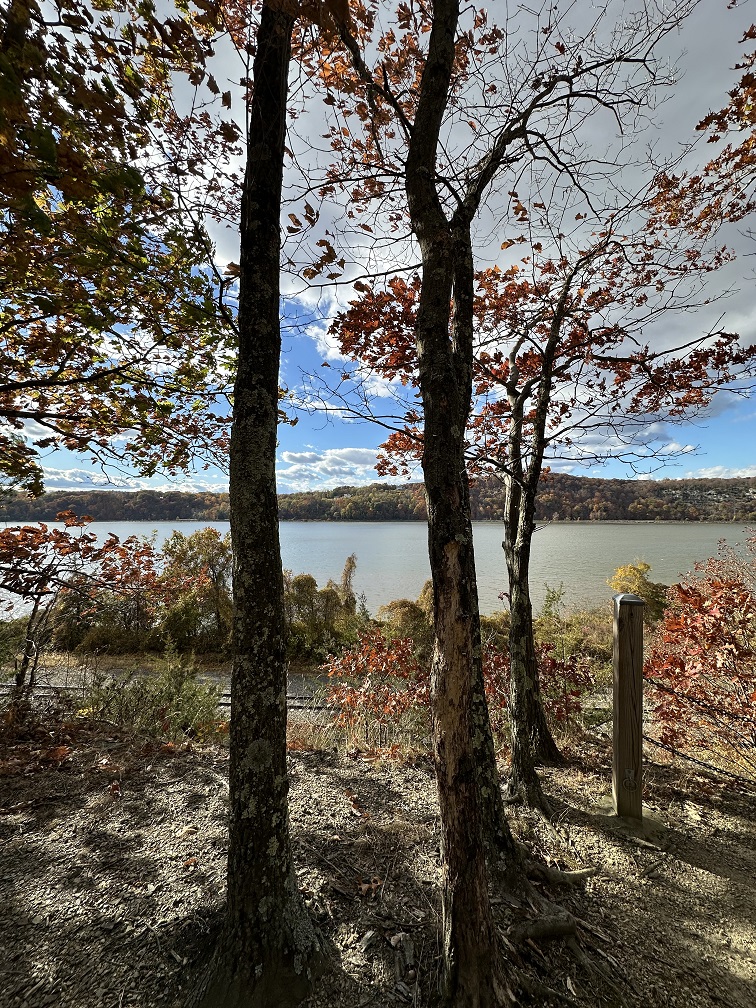
Lastly, a few “home” impressions from Stamford, right from our neighborhood:
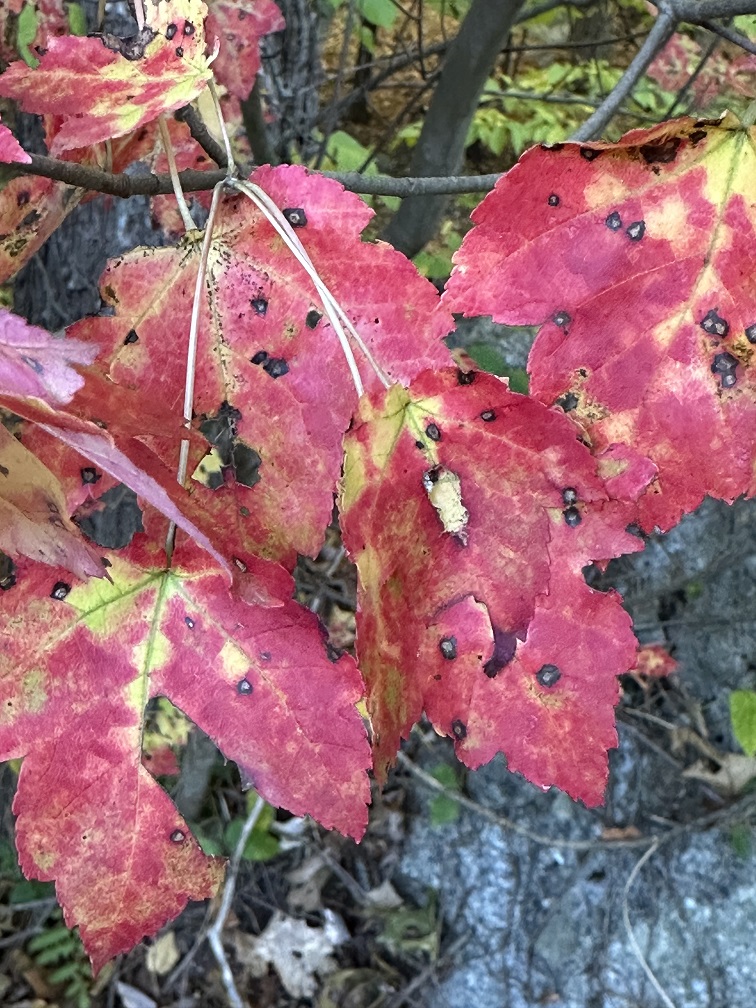
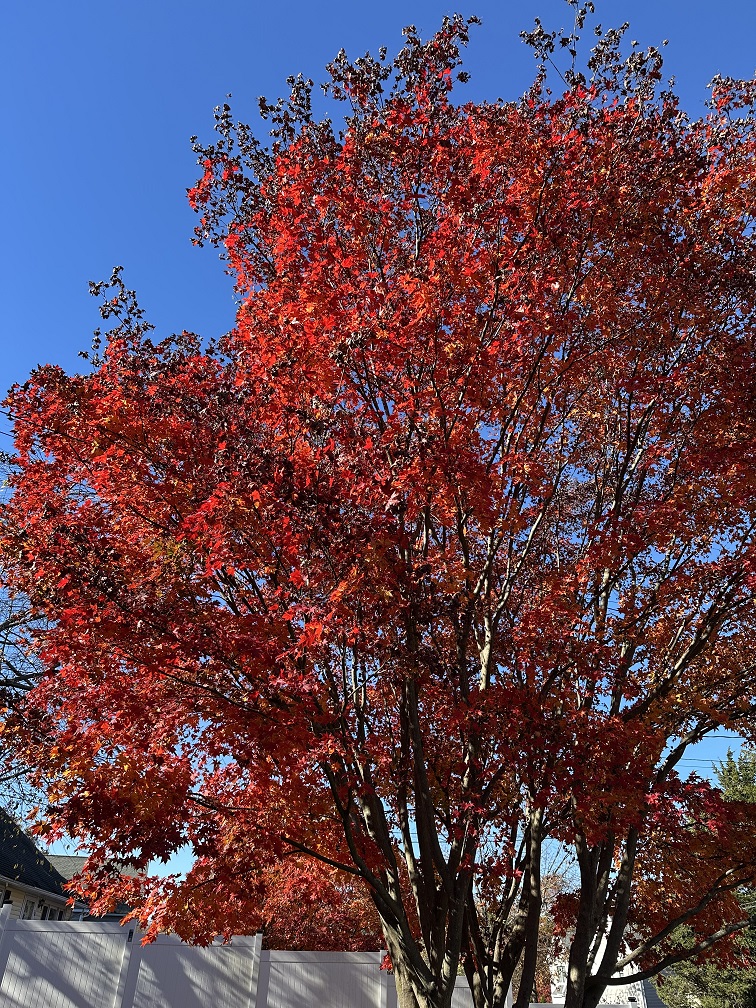
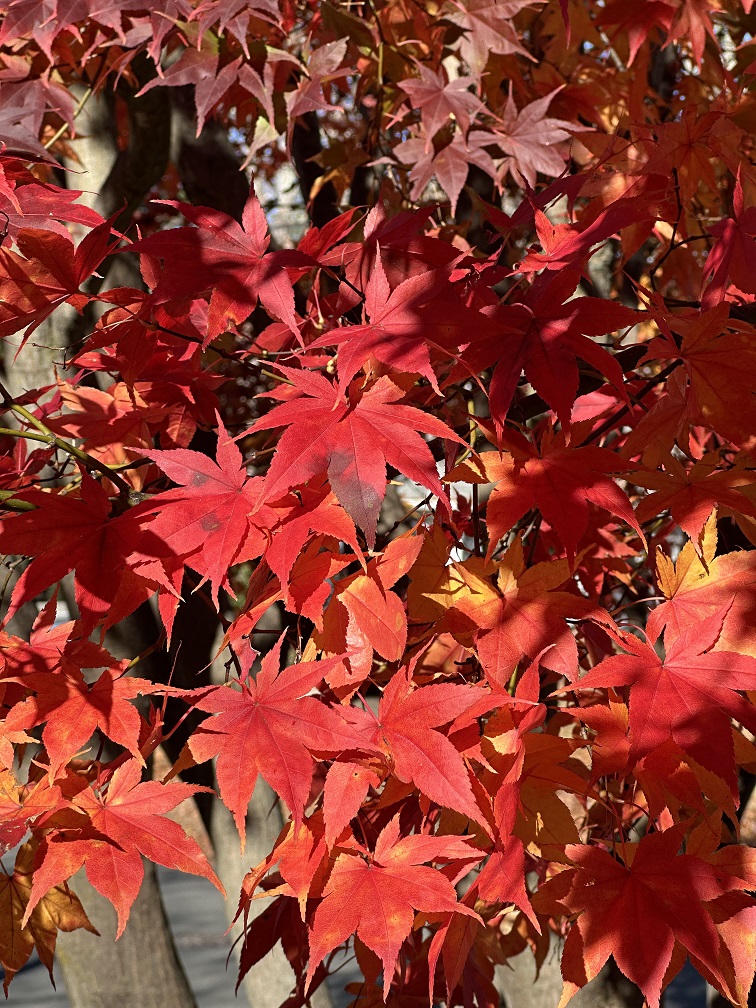 Last but not least, I need to mention a couple of wines:


2018 Anaperenna by Ben Glaetzer Barossa Valley (14.5% ABV, 82% Shiraz, 18% Cabernet Sauvignon, unfiltered) was superb – layers of dark fruit on the nose and on the palate, peppery undertones, eucalyptus, impeccably balanced, round and polished. I’m definitely not drinking enough of the Australian wines of this level, and I would be happy to fix that.
2021 Le Clos du Caillou Cotes du Rhone Cuvee Unique Vieilles Vignes (14% ABV) was beautiful – earthy black fruit on the nose, round and polished with good structure on the palate, with gobs of cherries, perfect acidity and perfect balance. I’m generally not a big fan of Cote du Rhone as many of the wines from this region are quite underwhelming – but Caillou is a good producer, and I’m glad I grabbed 6 pack from the Last Bottle wines to enjoy this simple but classy red over the next few years.
That’s all I have for you, my friends. How is your fall going?
Travel Diaries: Cote d’Azur, Pink Sunsets and Rare Grapes
Cote d’Azur.
French Riviera.
One of the most coveted vacation destinations in the world. I didn’t know that, but according to Wikipedia, “Riviera is an Italian word that originates from the ancient Ligurian territory of Italy, wedged between the Var and Magra rivers. Côte d’Azur is originally a nickname given by France to the County of Nice after its annexation in 1860, because the climate was similar to that of the north of Italy, even in winter, with “a sky as blue as its sea”.” I know it is summer, but here is my illustration of the point above:


An evening in Antibes
Over the past 10 years, I had to travel to Nice a good number of times, and always for business. As a business traveler, I always held a grudge against these trips to the South of France – I don’t like Nice airport, it is one of the most uncomfortable ones, and I had my share of bad experiences in Nice. But the last trip was admittedly better perceived – I stayed at a brand new Marriott property, Moxy in Sophia-Antipolis, which was very nice. And we spent most of our free evenings in Antibes, which is a beautiful small town – still with lots of tourists, but overall incomparable to the crowds of Nice itself.
As you already know, I’m here to inundate you with pictures. As we visited Antibes (and Nice once) only in the evening, the majority of the pictures are related to the sunset. Here you go:


It is not only the sunsets that provided a source of enjoyment during our walks. Thought-provoking, creative statues by Nicolas Lavarenne were another great entertaining element of the Antibes boardwalk – I have to say that I really enjoyed them. Here are a few of the highlights:


Here are more of the sunset pictures:


And now my most favorite, the one I promised you in the title of this post – pink sunset:

Before we part, a few words about the wine. I had a few of the decent wines during the week, some local, some not. 2023 Estandon Brise Marine Blanc Méditerranée IGP (Clairette, Ugni Blanc) and 2023 Estandon Brise Marine Rosé Méditerranée IGP (Cinsault, Grenache, Syrah) were both on point, crisp, refreshing and light. 2020 Caves de Rauzan Mascottes Olga Cabernet Sauvignon Merlot Bordeaux AOC (13.5% ABV) was also very good, on par with the excellent 2020 vintage, and overall very generous and supple.


My personal highlight was the 2020 Château de Bellet Rouge Bellet AOP (14.5% ABV, 35% Folle Noire, 25% Braquet, 40% Grenache). This was a super-local wine, with the vineyards and winery located in the Nice area. The wine had a nice core of dark fruit, a hint of my beloved barnyard and a silky-smooth texture. Not only the wine was delicious, but it also added two new rare grapes to my collection, inching closer to the coveted Hexavin goal.
That’s all I have for you today. Hope you enjoyed looking at the pictures as much as I had fun taking them.
A Perfect Monday Wine?
Is there such a thing as the perfect wine for Monday?
Or, can there be a specific perfect wine for every day of the week?
Yes and no.
The answer is yes if you feel like it. You can create your own tradition – for example, “every Friday I drink Cabernet Sauvignon”, or “every Sunday I drink Chardonnay”. Sure, you can create such a tradition, but why?
A better answer is “no, there is no specific wine for every day of the week”, there is only wine you want to drink today.
On second thought, maybe? Just for Monday?
There is an abundance of jokes about Monday – purportedly the most difficult day of the week. Arrival of Monday means the weekend is over – and there is a whole work week ahead. But then Monday night means the first day of the week is over – and the weekend just got a little bit closer – isn’t that a reason to celebrate?
And yet, even if Monday deserves its own special wine, what that can be?
Ha! The answer is simple. It is what you crave. Your idea of special Monday wine doesn’t have to be the same as my idea, or anyone else’s idea. Whatever you decide to drink on Monday will be your special Monday wine. For this one Monday, of course.
For whatever reason, today I was craving power. “Power” is not your typical wine descriptor, no doubt every wine lover would have a personal definition of this term. To me “power” means big wine which gives you a lot to “chew on”, but I don’t mean it in the sense of the new French oak tannins literally numbing your taste buds for the next 5 hours. I’m talking more about the massive presence of the wine on your palate, full-bodied, with dark fruit and a variety of spices. My power wines are Petite Sirah, Montefalco Sagrantino, wines made from the Eastern European grape Vranec, maybe some of the renditions of Alicante Bouschet (this is not universal).
In the majority of the cases, the “power” wine should also have some age on it, to make it drinkable. Anyone who tried young California Petite Sirah or Montefalco Sagrantino will understand what I’m talking about.

My choice of the power wine with age – the 2014 Turley Petite Syrah Pesenti Vineyard Paso Robles (14.4% ABV). Turley is best known for its Zinfandel wines, but it also produces a number of Petite Sirah wines, which are equally outstanding.
The wine had the perfect amount of power I was looking for. Abundant red and black fruit, cherries and cherry pits, firm structure, full body, espresso and pepper showing up at random, perfect acidity, impeccable balance. Answering Kevin Zraly’s question – “does this wine give you pleasure” I can only say that this wine was definitely giving the pleasure and lots of it, as I’m looking at an empty bottle right now.
What would be your Monday wine choice?
Travel Diaries: A Few Days in Chicago With A Few Wine Tidbits
Chicago might be my second favorite big American city after New York. Of course, this is a business traveler’s opinion (planned many times to visit the city of Chicago as a tourist, but this never happened so far). Situated largely around the Chicago River, the city offers magnificent views all around (just scroll down :)). The city also played a cornerstone role in American history, so you can’t help but think about all that was happening on those streets…
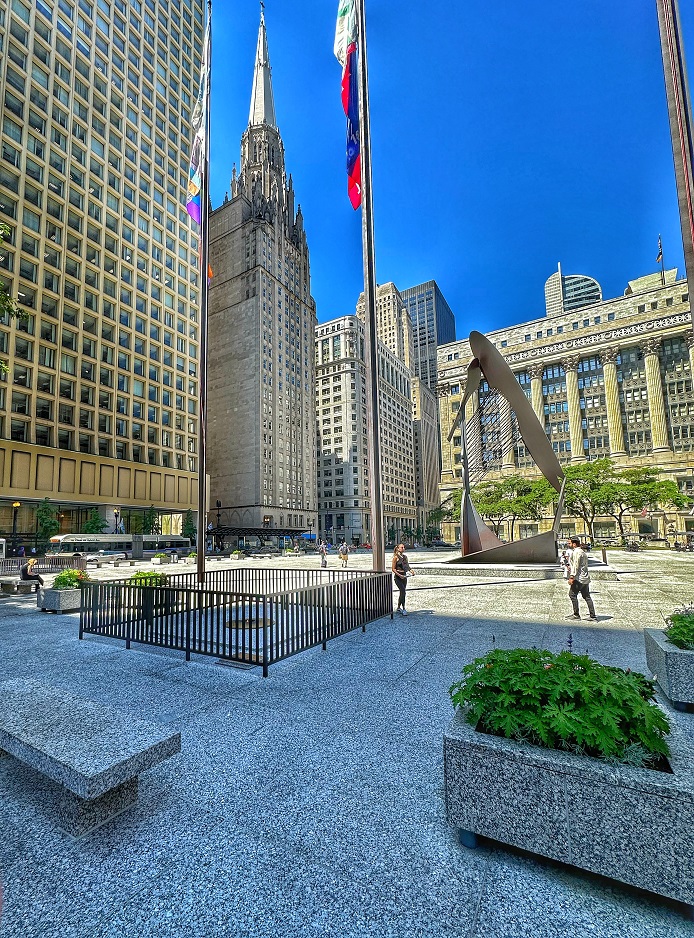



I spent pretty much an entire [work] week in the city, and had an opportunity to walk around a bit (mostly in the evenings). I stayed at the Fairmont Hotel, so most of my pictures, obviously, are taken in the proximity of that hotel (and some are just from the room). The hotel was very nice, no complaints. However, last year I stayed at the Palmer House Hotel, and being a historic hotel (the Palmer House was built in 1871/1875, while Fairmont was built in 1987), it offered a lot more charm – to my taste, of course. Okay, now you will have to scroll for a bit to get the wine portion.


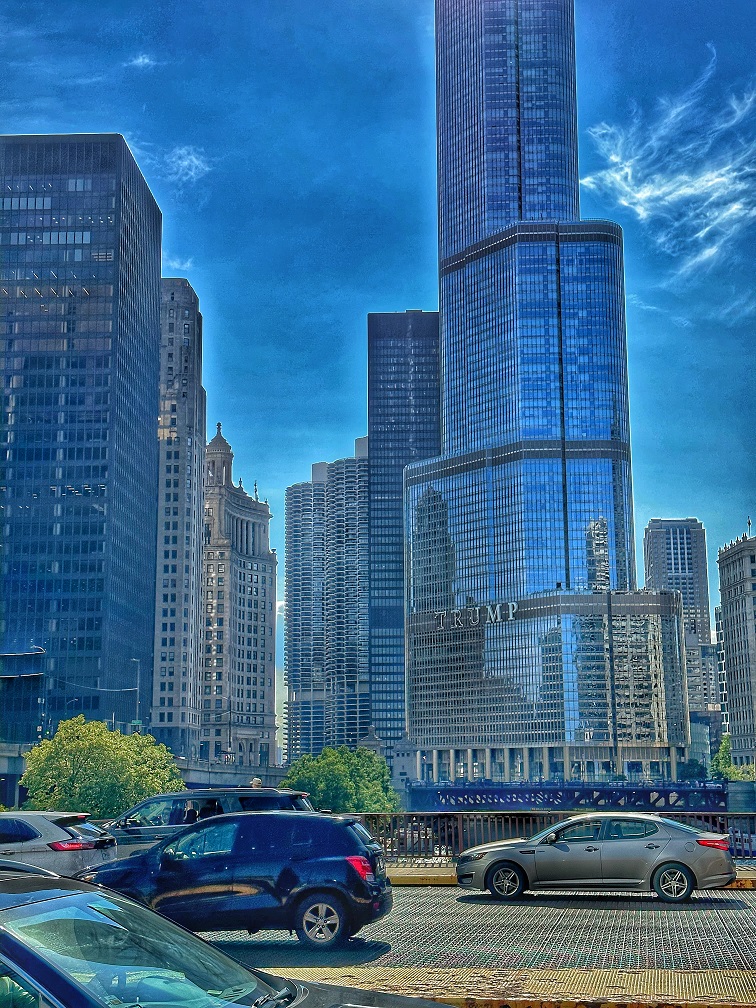
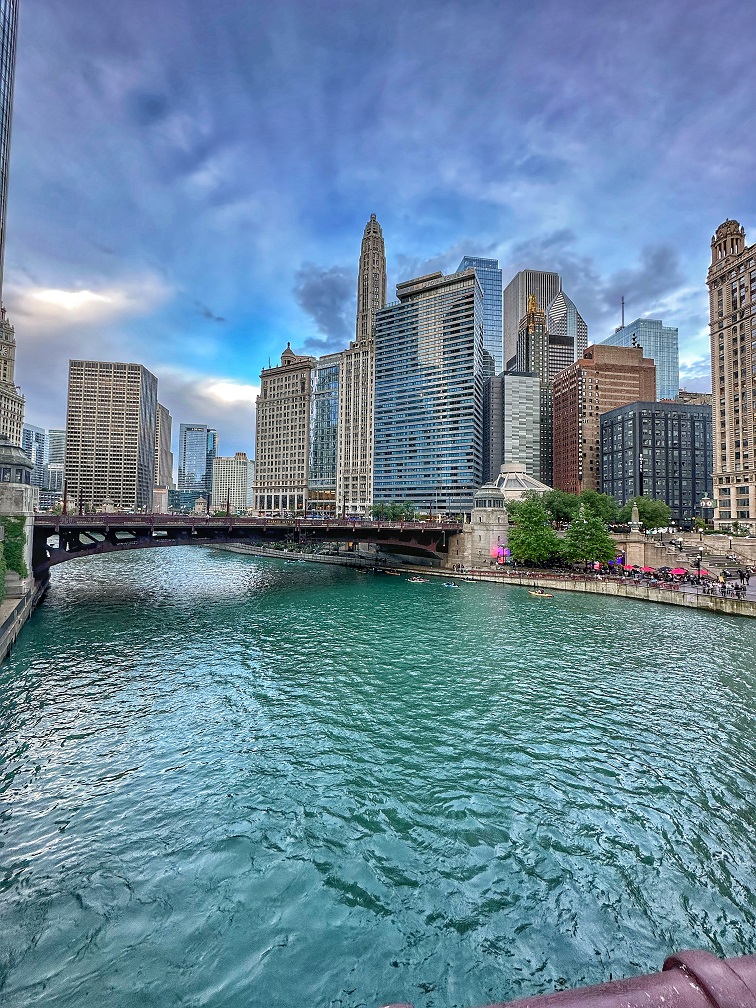
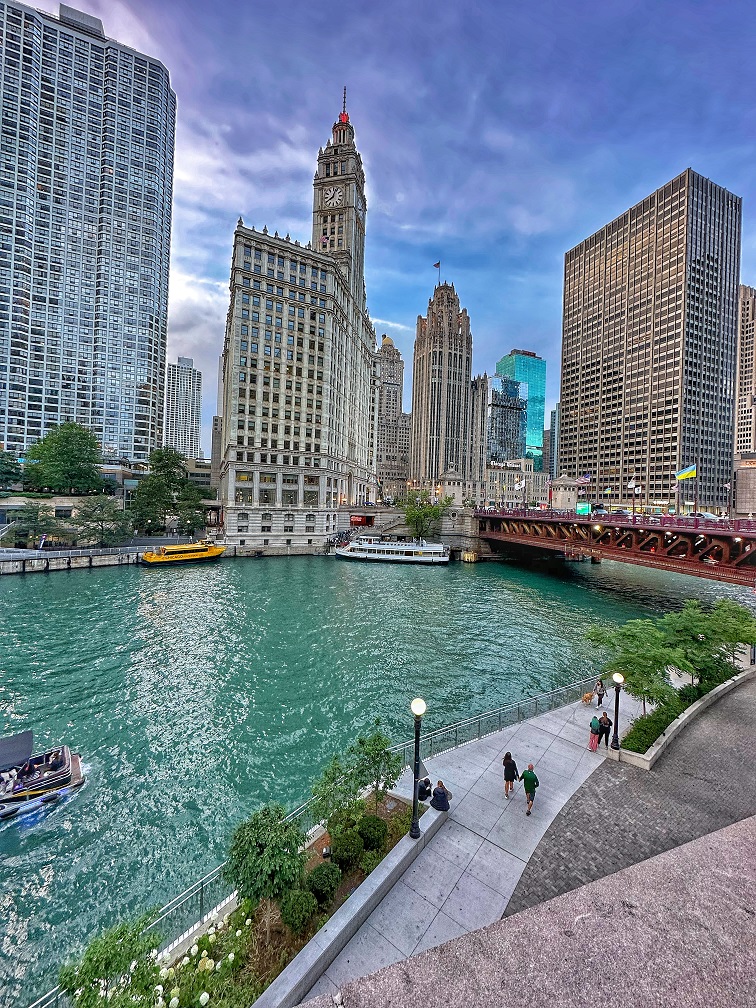 I hope these pictures give you an idea about the beautiful city of Chicago – of course, nothing can replace first-hand experience so you might want to add Chicago to your “to visit” list. Now, a few thoughts about wine.
As I’m sure you know my habits by now – when I travel, if convenient, I like to buy wine in the local supermarkets and grocery stores, just to see what is going on with the local wine scene. In Chicago, I visited Whole Foods and a large supermarket called Mariano’s, and I bought a bottle of wine at each place. Before we talk about particular wines, I just want to make a more generic comment, about the state of the wine market overall.
Media loves to talk about how wine is losing its popularity – not all of the alcohol categories, as wine stores can’t keep enough of the High Noons on the shelves, but specifically wine. People are buying less wine, people don’t drink wine, especially young people, and yada yada yada. I visited two large supermarkets, and both of them had shelves and shelves full of wine from around the world. These supermarkets are located in downtown Chicago, where real estate, I’m sure, is at a premium. If wine didn’t sell, these supermarkets wouldn’t keep such a supply on the shelves and give it so much space in the store. So I think the wine market is doing just fine…


Now, let’s talk about a few of my wine experiences in Chicago. First, I got this 2020 Famille Perrin Nature Côtes-du-Rhône Rouge (14.5% ABV, Grenache, Syrah, aged in stainless steel/oak barrels for 1 year, organic grapes) at Whole Foods. Perrin is a well-known name in French winemaking, and specifically in the Rhone – the family owns one of the most famous Rhone estates, Chateau de Beaucastel. When I saw this wine on the shelf for $15.99 (it was also on sale and cost $14 and a change), it was a perfect combination of a good name and a good price. Perrin family had been farmed organically for more than 40 years, and now this wine comes from a certified organic vineyard. I’m always a bit afraid that generic Côtes-du-Rhône red would be a little wimpy – the fear was unjustified with this wine, which delivered a perfect core of the dark fruit, good energy, perfect balance of acidity with well-integrated tannins. Definitely try this wine if you will see it.


My visit to Mariano’s yielded this NV Locations F French Wine Release 7 France (15.5% ABV, a blend of Grenache, Syrah, and assorted Bordeaux varietals, barrel-aged for 10 months). The wine selection at Mariano’s was large, but not interesting. I didn’t want to spend too much, so the Locations F at $19.99 was not the best value, but the most reasonable value/interesting wine compromise I could come up with.
Location wines are produced by well-known California winemaker, Dave Phinney, of Orin Swift Cellars fame (Prisoner, Machete, …). Location wines are typically non-vintage, and produced from the variety of grapes in the country of origin which is depicted on the label – F and FR for France, I and IT for Italy, CA for California, ES for Spain, and so on – you can learn more here. While the wines are not vintage-specific, there are different release numbers and each release might have an entirely different grape composition. For example, the Location F I had in 2015 was a Cabernet Sauvignon wine from France, while this release 7 is a blend of Grenache, Syrah, and other varieties.
The wine had a nice core of dark fruit, good acidity, and good overall balance. If I hadn’t looked at the label, I would never tell that it had 15.5% ABV – the alcohol was very well integrated and didn’t affect an overall balance. Not sure this would be my go-to wine at $20, but at the same time it was not the worst value either.


There is one more wine I would like to talk about here – 2021 Foradori Teroldego Vigneti delle Dolomiti IGT (12% ABV, cement tanks and used 20 to 40 hectoliters foudres for about 12 months, certified biodynamic). I had this wine at the Siena Tavern restaurant. To be entirely honest, this was almost the cheapest wine at $78. If there is one thing I despise with passion, it is ridiculously priced wine lists at restaurants. This same wine can be found in retail for about $25, so it was priced at triple retail. Definitely not the worst, as I’m sure the obscure nature of Teroldego played a role here – baby Ornellaia, Le Volte dell’Ornellaia, was priced at $89 on the same list, which makes it 4 (four!) times retail. I know a restaurant is a business, but come on… have common sense. I have to say that I didn’t see too many people with wine bottles on the tables, maybe that wine list requires some thought…
The wine itself was excellent. A touch gamey, both on the nose and the palate, dark fruit, roasted meat notes, crisp acidity – it was drinking very well… I looked up Fordari wines, and frankly, I would like to try other wines in the portfolio, especially the single vineyard Teroldegos.
Here you are, my friends – my Chicago trip with a few wines attached.
Guest Post: Want to Make Your 2024 Special Occasions Memorable? Consider these 10 Wines for Toasting
Today, I’m offering you a guest post by Kevin Fagan, a food & travel writer, based in New England with experience in the catering industry. Kevin is always on the lookout for the trendiest food spots and bars on his travels and also likes to keep his finger on the pulse of the latest news in the world of catering & restaurants.
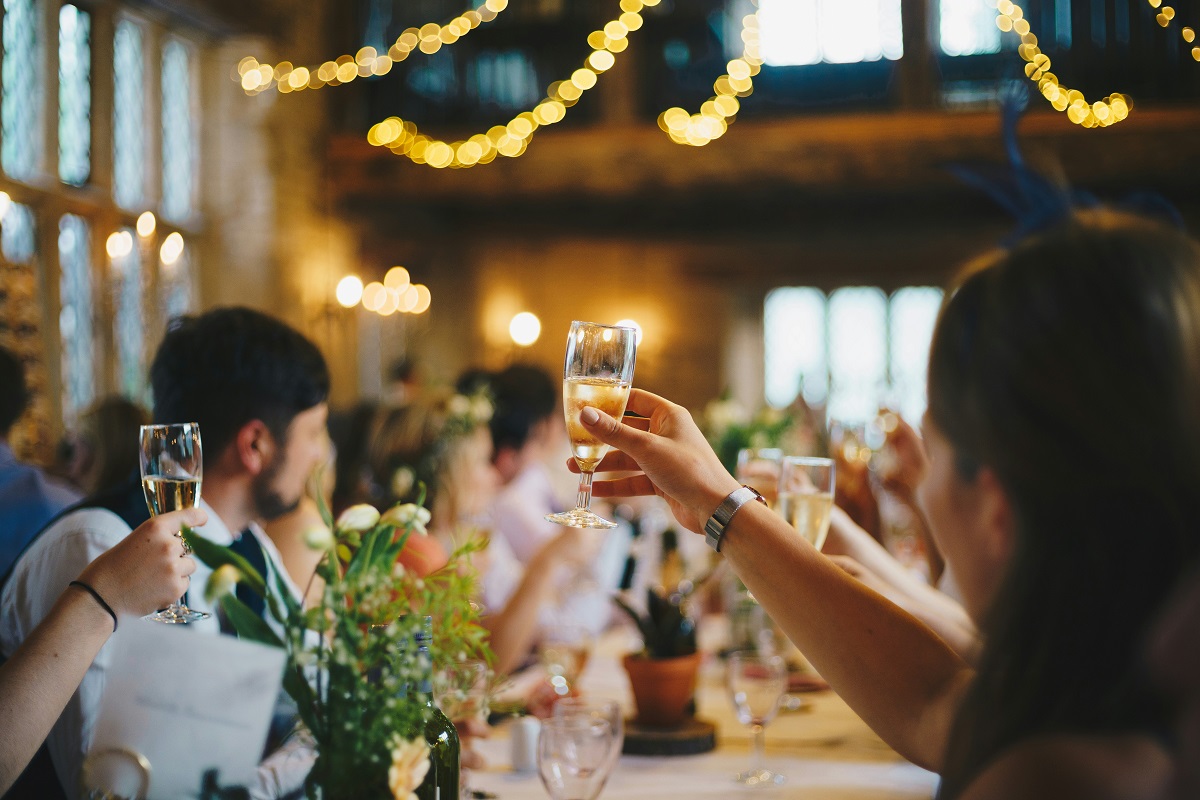
Whether it’s a Thanksgiving party or a wedding reception, giving a toast and having all your guests raise their glasses in unison is one of the most awaited moments of a celebration.
What matters most is not just any wine but the right wine, one that can elevate every sip and enhance the overall experience of the occasion. With the myriad of varieties in the market, selecting the perfect one for the toast may seem daunting.
This article is here to guide you through the top ten wines for a perfect toast. Consider the styles and flavors to ensure you make the right choice for your special occasion!
Prosecco
Originally from the Veneto region of Italy, this sparkling wine is a classic favorite for a joyful experience. Its light feel and refreshing bubbliness make it the perfect choice for toasting at a luxurious celebration. For example, a wedding reception at an elegant ballroom in Los Angeles certainly calls for a prosecco toast.
Prosecco to try: Bisol Jeio Valdobbiadene Prosecco Superiore DOCG
Cava
Magnificence meets excellence with this Catalan sparkling wine, made with Macabeo, Parellada, and Xarel-lo grape varieties. You don’t have to limit cava to toasting; you can use it for any occasion. Serve it with aperitifs and desserts or throughout a meal because it pairs well with almost anything.
Cava to try: Sigura Viudas Brut Reserva Heredad Cava DO
Port
With sweet notes and a luscious mouthfeel, this fortified wine is famous for its intensely rich flavor profile, which includes hints of dried fruits and spices. Apart from being a unique toasting choice, Port Wine pairs perfectly with desserts, especially chocolate-based ones and charcuterie platters, which is why it’s a great choice for savoring and sipping for your guests.
Port to try: Graham’s Six Grapes Reserve Port
Grenache
A blend of red berry flavors and mild spiciness makes Grenache a perfect match not just for giving a toast but also for serving with many dishes. Its Spanish and overall Mediterranean influences make it a perfect wine for holiday celebrations, especially those with dishes like roasted lamb, stews, and braised meats.
Grenache to try: Carlisle Grenache Rossi Ranch Sonoma Valley
Sauvignon Blanc
With crispy acidity and hints of soft herbs, jasmine, and honeysuckle aromas that lead to and reveal layers of citrus and melon, this complex wine will make for a great toast. Plus, Sauvignon Blanc is a great choice to contrast the heavy richness of celebration meals. If you like the zestier varieties, look for French bottlings or ones from New Zealand’s Marlborough region.
Sauvignon Blanc to try: Montes Sauvignon Blanc Limited Selection Leyda Valley DO
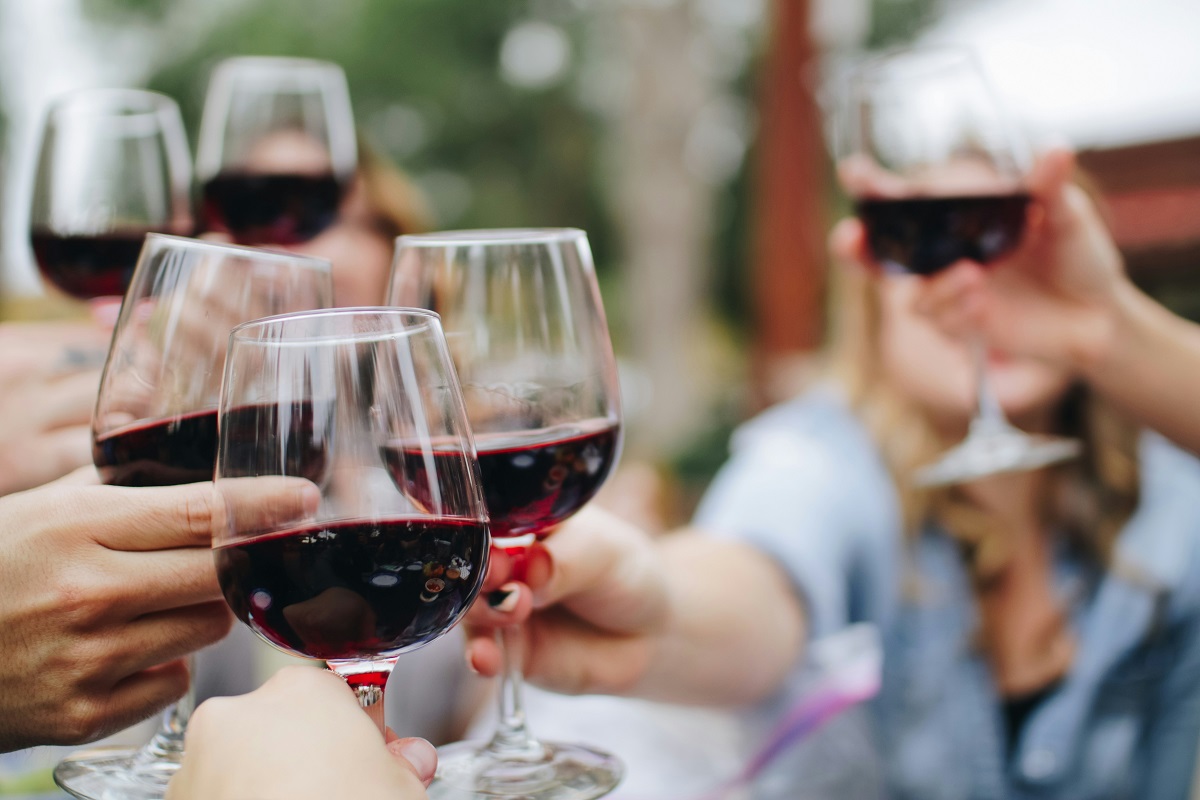
Riesling
Riesling’s sweet, fruity notes make it a versatile choice for toasting and having your guests enjoy it with their meal. Its electric crackle of acidity and subtle sweetness give Rielsing a very distinct flavor profile, making it a highly cherished option among wine lovers. It is also a good alternative to the traditional varieties from France’s Alsace and New York’s Finger Lakes regions.
Reisling to try: Brooks Ara Riesling Willamette Valley
Chardonnay
Known to be among the most crowd-pleasing options, Chardonnay’s versatility and smooth finish make it one way to give an amazing toast while also pleasing your guests. This white wine also pairs well with many foods, including poultry, vegetables, and seafood, making it an excellent choice no matter what your palate desires.
Chardonnay to try: Balverne Chardonnay Russian River Valley AVA
Pinot Noir
Any holiday celebration means delicious meals. Whether it’s turkey with cranberry sauce or glazed ham, Pinot Noir’s bright acidity and red fruit flavors make it the perfect wine to enhance the flavors of a rich meal. So, it goes without saying that you can give a heartfelt toast while also leaving your guests’ tastebuds in awe.
Pinot Noir to try: Vino Vasai Pinot Noir Estate Reserve Chehalem Mountains
Beaujolais Nouveau
Made from the Gamay grape south of Burgundy, Beaujolais Nouveau is all things fresh, fruity, and festive. Since it was originally produced to toast the end of the harvest season, toasting couldn’t get any better than with this young and easy style of wine. This one, too, is a crowd favorite and pairs perfectly with a variety of dishes.
Beaujolais Nouveau to try: Georges Duboeuf Beaujolais Nouveau AOP

Champagne
We saved the best for last because Champagne is perhaps the most widely used sparkling wine for toasts. Filled with luxe and elegance, Champagne is a drink you would have to use for celebrations like lavish wedding receptions in a beach club, castle, theater, etc. Plus, it’s amazingly compatible with fish, poultry, red meats, shellfish, desserts, and more.
Champagne to try: Bruno Paillard Premiere Cuvée Champagne
Parting Thoughts
We hope this article has enlightened you about the various options available for giving the perfect toast. You don’t have to do what everyone else does and stick to champagne, although a classic will always remain a classic. Here’s to creating unforgettable memories while sipping on an exquisite selection of wines!
Low Calories, Low Alcohol Wines – Second Encounter
About a year ago, I tried for the first time the wine deliberately produced to be in the “low calorie, low alcohol” category – you can find the story here. You might want to refer to that article as I made an effort there to explain how calories are calculated in wine, which I’m not planning to repeat today.
Back in April, I was offered to taste two of the low-calorie, low-alcohol wines – and this is where the story started. To put things in perspective – the “low calories, low alcohol” Pinot Noir I tasted a year ago had 124 calories per standard glass – versus 154 calories in the glass of full-bodied Cabernet Sauvignon – with 30 calories difference, you make your own conclusions. To be clear, I relegate the “low calories” sentiment to pure marketing – therefore when I got an email with an offer to review two low-calorie wines, my first inclination was to respectfully decline. Also, the wine labels in the picture had a clear message depicted with the standout letters LO CA – I attributed CA to California which was also kind of a letdown as I prefer Californian wines to be unmanipulated.
After skimming (sic!) through the email I wrote back a reply (tirade, rather) explaining how I would only write about wines if I like them, and I wouldn’t write about them if I don’t like them – of course, this was obvious, but nevertheless, I decided for some reason to stress it and then agreed to try the wines.
A few days later I got the wines and then it was time to taste them. I took pictures of the bottles and studied the labels of the wines I was about to open. The wines are from California, so it is given that the white wine is Chardonnay, and the red should be Cabernet Sauvignon… Malbec? Why does it say Malbec? Malbec from California? What an unusual choice for the low-calorie wine!
oohhh…
Why does it say “Argentina” on the label?
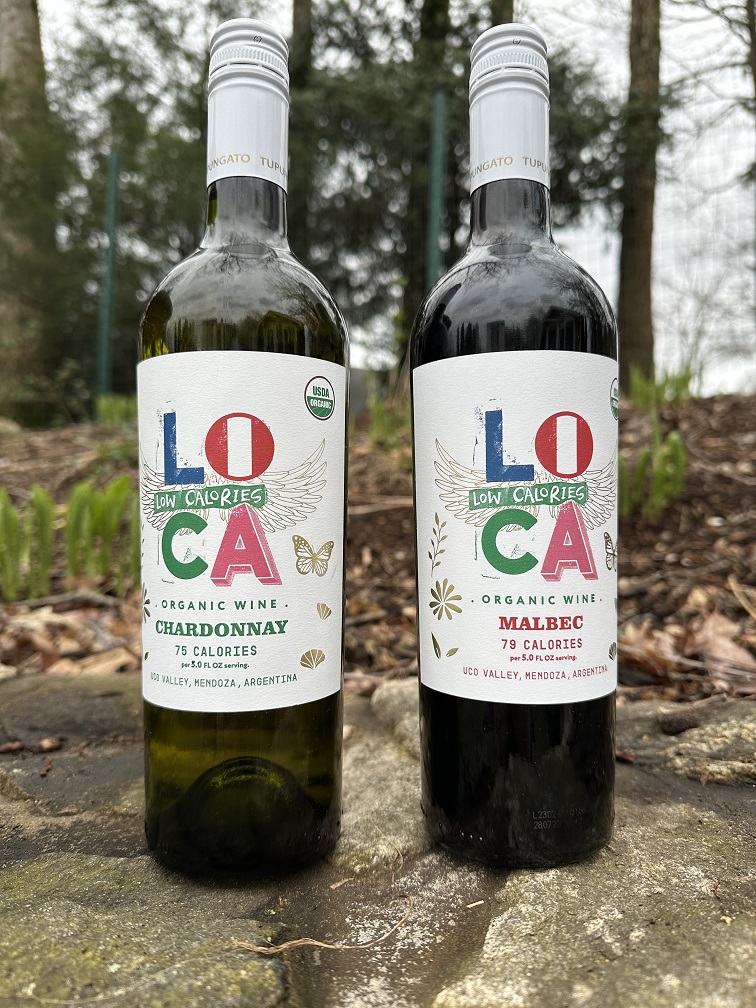
Ah, the wines are from Argentina! LO CA simply stands for LOw CAlories, that CA has nothing to do with California (also “loca” means “crazy” in Spanish, but this is probably unrelated?). And the wines are produced not by some unknown little winery but by Domaine Bousquet, possibly the best organic wine producer from Argentina and one of my favorite producers overall as so far I haven’t had a bottle of wine from Domaine Bousquet that I didn’t like. And now I feel embarrassed.
Remember I told you that I skimmed through the email instead of actually reading it (horrible habit, I know)? If would carefully read the email this embarrassing situation would’ve been avoided, as I would just gladly accept the wines from Domaine Bousquet – I quickly rushed to write an apologetic email explaining my error in judgment.
From here on I was a lot more encouraged to taste the wines, and now was really looking forward to the first sip.
In almost 35 years of its existence (while vacationing in Argentina, Frenchman Jean Bousquet purchased 1,000 acres of arid desert in Gualtallary Valley in Uco Valley in 1990, the beginning), the folks at Domaine Bousquet accomplished truly a lot – a lot more than thousands and thousands of other wineries accomplished in their lifetime. Domaine Bousquet produces 4 million liters (the equivalent of 5.3 million bottles) of wine 95% of which is exported to 50 countries. More importantly, the winery started practicing organic viticulture in 1997, and today it is USDA-certified organic, Ecocert-approved, and Regenerative Organic Certified™. To make sure you can fully appreciate it, there are only 21 regenerative organic certified wineries in the world at the moment of this writing and Domaine Bousquet was the first winery in Argentina to obtain this certification.
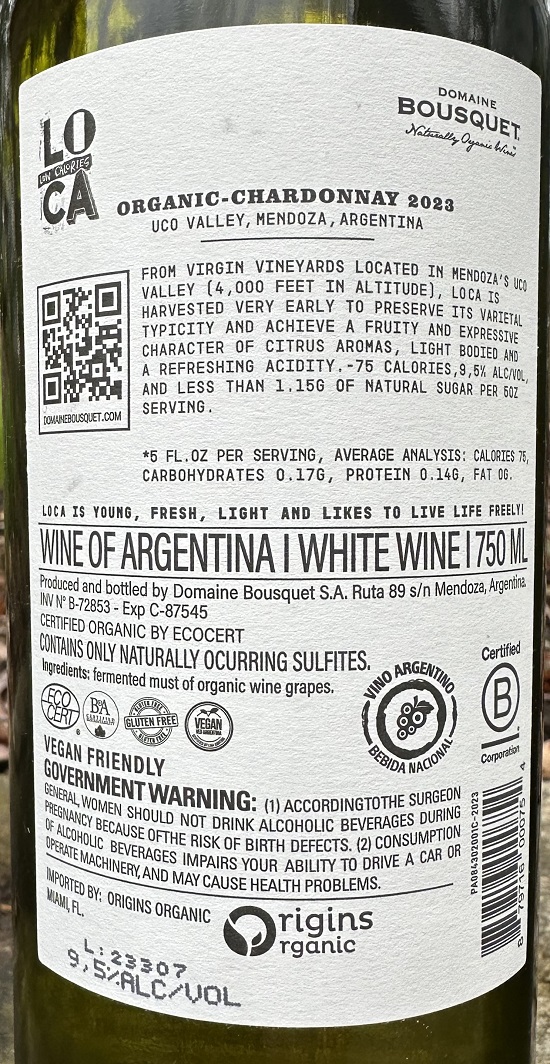 How do you make your wines low calorie, low alcohol without any manipulation? I didn’t think of it, but as I started working on this post I had to read a bit about the wines I was tasting, and it appears that it is easy 😀you just harvest early.
Here is the information from the winery notes for these two wines:
“Grapes were harvested in the early summer, between late January and early February, about two months earlier than for standard bottlings. To guarantee optimum quality, different parcels were picked at different times. The grapes were then fermented in stainless steel tanks for 12-17 days. Bottling followed shortly after to ensure peak freshness, preserve its varietal typicity, and achieve a fruity and expressive character.”
Now, the culmination point – my impressions after tasting the wines.
2023 Domaine Bouquet LO CA USDA Organic Chardonnay Uco Valley (9.5% ABV, $14, Residual Sugar: 1,21; Acidity / PH: 7.72/3.21; 75 Calories):
This was an interesting experience. The nose was muted, and on the palate, there was still not much except the acidity. The wine had nothing but the acidity. Dont’ get me wrong – it was drinkable, but it was truly competing with Muscadet for the title of “Best oyster wine”. I would be more receptive to this wine if the label wouldn’t say Chardonnay, but instead simply said “white wine”, as I have certain varietal expectations for Chardonnay wines. Over the next few days, the wine continued to be drinkable and complexity increased a bit, but still the acidity was the key element.
Verdict: Food wine. I would love it with oysters, and I’m sure you would too. You can probably have a glass on its own on a hot summer day, but better have the food ready.
2023 Domaine Bouquet LO CA USDA Organic Malbec Uco Valley (9.5% ABV, $14, Residual Sugar: 1,21; Acidity / PH: 5.62/3.62; 79 Calories)
This wine was even more interesting than the Chardonnay. Beautiful ruby color. Nose of the fresh, just harvested wild berries, delightful. The palate offered the same berry medley, fresh wild berries all the way but without structural support, and of course acidity driven. This wine reminded me of how Beaujolais Nouveau was 10 years ago, just fresh berries and nothing else. The wine lasted for a few days, gaining a bit more complexity (a welcomed development). I wouldn’t say it is my wine, but if you are looking for a refreshing wine for a hot summer day, this might do it. And I only realized now, when I’m writing this, that I should’ve chilled the wine and it probably would make it more interesting.
Verdict: It is drinkable, and if you are really looking to cut some calories, this might be the wine you need – just don’t overdo it, because an extra glass with low calories will instantly negate all your “low-calorie” achievements. Serve chilled.
Here you go, my friends. Two organic wines, low calorie, low alcohol – perfect to serve at your next summer party. Just have the food ready.
Travel Diaries: Europe 2024: Paris
And now it is the time for pictures – lots and lots of pictures – from our European adventure 2024, starting from our first stop – Paris.

Paris needs no introduction – an eternal city of love, a source of inspiration for all things art, a coveted destination for millions every year.
So what did we do in Paris? First, I have to mention the hotel where we were staying. Whenever possible, I’m the Marriott guy. During this trip, I used a serious number of points to pay for our stays in Paris and Rome. In Paris, we stayed at the Marriott Ambassador Opera Hotel, and I have to say that this was one of the best hotel experiences ever. Spacious rooms, the whole hotel appointed with pictures of the fragments of the sheet music, elements of ballet and dance. Just beautiful. The concierge lounge on the top floor offered great views of the city, excellent food, lots of comfortable sitting. If you are planning a trip to Paris and can figure out the way to stay there, this is an excellent hotel.
Our sightseeing included all of the usual suspects – Père Lachaise cemetery (we went there in the morning – an interesting way to start your day, but definitely worth a walk through); Louvre (no we didn’t try going inside while having only 2 full days in Paris); Montmartre with an insane amount of people – I wanted to walk around to see the painters, but it was physically impossible to get through the crowd – well, at least we saw the basilica.


We also managed to visit the Rodin Museum and Gardens on the first day (Thursday), and again we had to work our way through a significant crowd – but at least walking through the gardens was quite pleasant.


Eiffel Tower (I’m guessing freshly painted for the Olympics but I might be wrong) was, of course, an important destination – we walked around and also took a cruise to see the sunset and the Eiffel Tower brightly lit at night. A short stroll through Champs-Élysées through the scaffolding of some construction for the Olympic Games completed the experience. In the evening, we took a cruise on the Seine – just a cruise without dinner (I had a dinner cruise last year, and it was not worth it in my opinion), and I captured some beautiful sunset moments.


The next day we went to Versailles, but before we talk about it I need to lament about Paris Metro. On one hand, I believe the Paris subway is literally one of the best in the world, for sure for the tourists. At each track, there is a full list of all the stations for a given direction – as long as you know the name of the station of your destination, you have no problems orienting yourself. However, everything has two sides. To enter the subway station, you need to use a ticket which is a tiny piece of paper with a magnetic strip. Even if you buy a day pass, it still comes in the same format. Now, if this little piece of paper gets anywhere near your phone, it gets doomed. And it is doomed in a funny way – you can’t enter the station, but when you ask an agent to check it, they run it through their machine and tell you that there are no issues. I ended up storing all the tickets in my wallet and this was the only way to get those tickets to last throughout the day.
Now, Versailles. I bought timed tickets with an audio guide a few months before the trip (we had only one day available for the visit, so I couldn’t take any chances), so we had no problems getting in.


Honestly, I was reasonably unimpressed with the palace (feel free to ostracize me, but the palace was very similar to the Newport mansions). However, the gardens were absolutely beautiful – except literally none of the fountains were working, so it definitely took away from the experience.


Just to touch on food and wine – we visited a few restaurants, but didn’t have any standout experiences, so below is just a quick summary as it simply feels wrong to talk about France and not to include any pictures of the food.


Then it was Sunday, and time to go to Orly airport…
Reminiscing About Chardonnay
It’s been two weeks since the Chardonnay Day (May 23rd). So far I missed all the grape holidays this year, so why bother bringing it up, right?
Well, there are a few reasons. First, after carefully checking the blog, I realized that I never wrote about Chardonnay Day, which is a pity, because…
And here is the next reason – Chardonnay is one of my most favorite grapes. Of course, as a wine lover, you can say that I share this sentiment about every grape. Somewhat true, and yet in my book Chardonnay is different than most other white grapes.
While considered to originate in France, Chardonnay today is growing everywhere. I’m not sure if there is any well-known winemaking country that doesn’t produce Chardonnay – France, Italy, Australia, New Zealand, USA (everywhere – New York, Pennsylvania, California, Washington, Oregon, Virginia, Texas…), Chile, Argentina, South Africa and literally everywhere else.
Chardonnay can be produced in all wine “forms” – still, sparkling, dessert. In still wines, Chardonnay is best known as a solo player, even though sometimes it can be added to the blend. In sparkling wines, Chardonnay can be used just by itself, producing Blanc de Blancs sparklers, but it also plays very well with others, such as Pinot Noir and Pinot Meunier in the case of classic French Champagne. But even in the still format, the range of Chardonnay’s expressions is endless, from steely, razor-sharp cut-through acidity in the young Chablis or some of the unoaked Chardonnay wines from the new world to the big, buttery, “love my every curve” wines that almost are not made anymore in California. And speaking about dessert, let’s not forget “stickies” from Australia.
Another important characteristic of Chardonnay – properly made wines can age. There are very few aging-capable white wines. Riesling probably holds a crown there, but anyone who tried well-aged Chablis or Burgundy knows the joy of the heavenly, honey-and-lemon liquid which forces you to meditate over a glass of wine, not just drink it.

To prove my “special affinity” to Chardonnay, I decided to enlist the help of my Top Wine of the Year lists. At the end of every year, I publish the list of the most memorable wines of the year – what can be a better proof of recognition? I analyzed all of the lists from 2010 to 2023 to see how often Chardonnay was included, and only in its pure form, not as a part of the blend – and it appears that Chardonnay wines were a part of the Top Wines lists in 12 out of 14 years. For comparison, my beloved Rioja only made it into the 8 Top lists out of 14.
For what it is worth, in addition to my favorite collage picture of the Chardonnay wine labels over the years, I’m including here the list of my favorite Chardonnays of all time. I’m sure there are other wonderful Chardonnay wines that simply didn’t make it to the top list, but the list of wines below is still well-representative, Let’s take a look, in chronological order:
2010, #11 – Cambria Bench Break Chardonnay 2006, Santa Maria
2011, #4 – 2009 Peter Michael “Belle Cote” Estate Chardonnay
2012, #13 – 2008 Kovacs Nimrod Battonage Chardonnay, Eger Winery, Hungary
2013, a double entry
#12 – 2008 Seresin Chardonnay Reserve Marlboro New Zealand
#2 – 2005 Frédéric Gueguen Chablis Les Grandes Vignes
2015, #14 – 2012 Marchesi de’ Frescobaldi Pomino Bianco Benefizio Riserva DOC
2016, again a double-entry
#17 – 2001 The Lucas Winery Chardonnay Lodi California
#9 – 2015 Vidon Vineyard Chardonnay Estate Chehalem Mountains, Oregon
2017, yet another double
#13 – 2012 Sandhi Chardonnay Santa Barbara County
#12 – 2016 Salabka LA COQUINE Chardonnay Praha Czech Republic
2018, #6 – 2015 Domaine Jean-Noel Gagnard Chassagne-Montrachet Blanc 1er Cru Les Caillerets
2019, a triple!
#17 – 2017 Oceano Chardonnay Spanish Springs Vineyard San Luis Obispo County
#16 – 1990 Dom Ruinart Ruinart Blanc de Blancs Champagne
#9 – 2005 Giulio Ferrari Riserva del Fondatory Metodo Classico Trento
2020, a double
#10 – 2016 Domaine Anderson Estate Chardonnay Anderson Valley California
#8 – 2018 Landmark Vineyards Overlook Chardonnay Sonoma County
2021, a double again
#9 – 2013 Lynmar Estate Chardonnay Russian River Valley
#4 – 2018 Le Cadeau Vineyard Chardonnay Willamette Valley
2023, #1 – 2021 Balverne Chardonnay Russian River Valley AVA
Just to give you another bit of information, among the 19 wines listed above (creme de la creme of Talk-a-Vino Chardonnay experiences) there are 2 sparkling wines, the rest are still wines from 7 different countries and winemaking regions – France, Italy, California, Oregon, New Zealand, Hungary, Czech Republic.
Here you are, my friends. I already feel better – two weeks later, but I acknowledged one of my most favorite grapes.
What are your most memorable Chardonnay wines?
Travel Diaries: Europe 2024
The European family trip was fully planned – Paris, Milan, Tuscany, Rome. Hotels and airline tickets were booked, and only train tickets remained to be put in place. This will be a great trip. July 2020 was shaping up to be a great time.
Yes, you read it correctly. July 2020. The month that never happened. along a few years. But the desire to have the family trip to Europe never went away. The original idea behind the trip was to celebrate two important events in the youngest kids’ lives – graduation from university and high school. 4 years later, that was the time to celebrate another university graduation – and as Covid became history, we could get back to planning the European trip again.

Everything in life has its silver lining, sometimes we just can’t see it. With our trip, there were a few advantages. First, the trip was moved to May instead of July. I’m sure both Paris and Rome are beautiful in July, but July is a very hot month for both cities. Going in May saved us from the heat torture. The second advantage was that my original plan (Paris-Milan-Tuscany-Rome) over the 10-day period would create way too much stress. Going directly from Paris to Tuscany evened out the whole experience, making it more relaxing.
So what is this all about? I’m writing this post while sitting on the plane flying back from Rome. We had a great trip – we saw a lot, ate a lot of tasty food, drank delicious wines, and were able to relax at the same time. I want to share this experience with you including a few of the good learning points in the hope of simply helping and encouraging someone to take that trip you’ve always wanted to take and feel good about it. Here I plan to share some general thoughts about the trip – the things we either did right or learned. Then I will inundate you with lots and lots of pictures and details about food and wine in the subsequent posts.
Few of rationales behind this trip planning. The kids (grown-up, yes, but still) had never been to France and Italy. They have never experienced European trains. My wife and I have never been to Tuscany. These were important points that I wanted to cover in my trip planning.
We started our trip in Paris, where we spent 3 nights. Then we flew from Paris (Orly, nice and easy) to Florence on Sunday morning, using one of the budget European airlines, Vueling. Got to Florence, got our rental car, and drove about 1.5 hours down south to stay at the agro farm for four nights. After that we drove back to Florence, but now to the train station, and took a high-speed train from Florence to Rome. Three nights in Rome and back to where we started, New York.
While in Tuscany, we visited Siena, where we had a walking tour with the guide. Same in Rome – we had guided tours of the Vatican, the Colosseum, and a bit of Rome itself.
In retrospect, the whole schedule and trip logistics turned out quite well, allowing us enough time for sightseeing and relaxation. Here are a few learning points and suggestions based on our experience.
Plan ahead
I started the planning at least 9 months out. Of course, not everything can or needs to be done so far in advance, but if you want to have specific flights (schedule/stops/airline), and specific hotels, do start as early as you your made the decision to go. Double that effort if you plan to use award points and miles.
Book your tours to the popular attractions online/as early as possible
I don’t know about you, but lines are one of my most hated things – and you should’ve seen the line going round and around the Vatican with all the people who want to see it – this was one long line. So timed tickets are the way to go, whenever they are available. Here are the links for booking the timed tickets (these are the current links at the time of this writing – I can’t guarantee you they will not change.)
Booking a timed tour of the Vatican (60 days in advance)
Booking a timed tour of the Colosseum (30 days in advance)
Use tour guides!
I know, the tour guides cost money. But they also help you to create deeper, longer-lasting memories, and they make your “walking around” interesting and worthwhile. I also believe that it is best to get references for the tour guides, as I’m sure they are not all the same. Both of our tour guides in Siena and in Rome were incredible and if you are interested, I will be happy to facilitate the connection.
Remember, people live there
This might sound banal and “duh”, but remember, while you are a tourist, not everyone is around you – especially when it comes to the cities. You will be competing for the same attractions and especially, the restaurants, with the people who actually live in those “tourist attractions”, so when you are out and about Friday night or Saturday, so are the locals. Plan accordingly.
Reserve ahead
I already suggested that you should reserve your attraction tickets as early as possible. But you have to also do the same with the restaurants. Of course, you will always find a place to eat. But if there are any specific restaurants you want to try, start making reservations 30 days in advance, and possibly even earlier. Trust someone who’s spent lots and lots of time trying to find a reservation at one of the recommended restaurants about 3 weeks before our trip – with literally no availability in sight.
Trains in Europe are not what they used to be
Sure, it is my age talking, but about 20 years ago, you could rely on the schedule of the trains in Europe to be rock solid. Now, there are strikes, and your trains can be delayed or canceled, the same as airline flights. When we came to the Florence train station, my heart literally sank – two of the earlier trains to Rome were delayed by 100 and 70 minutes and I heard the word “strike” over in the announcement. At that moment, I regretted not driving directly to Rome from the place where we stayed instead of going in the opposite direction just because I wanted to provide a European train experience to the kids. We got lucky and our train was delayed by only 5 minutes, but keep the possibility of a strike in mind.
Don’t overextend
I can’t speak for Europeans who often have 6 weeks of vacation. When your typical vacation is only 7 to 10 days, obviously you try to do as much as possible, see as much as possible, and experience as much as possible. But converting your vacation into a race is a mistake. Accept that you will not see everything you want at once. Allow for a slow time. Let life happen around you without hurrying it up. Spending 4 lazy days in Tuscany after 3 full days in Paris and before fully embracing Rome worked absolutely the best and in my opinion, made a very good vacation into a great one.


Lastly, keep in mind that planning is great but you also need a little bit of luck. We were lucky with the weather (not too hot, not too cold, and not a day of rain), we were lucky with our flights, we were lucky with our train ride. Just remember that things might happen, whether you want that or not.
That’s the end of my uninvited advice. Now, get ready to be inundated by lots of pictures and tidbits of our travel escapades.
Latest Wine News and Updates
There is never a dull moment in the world of wine – and there is not enough time in the day to track all the latest happenings. Here is a collection of recent and most notable wine news and updates.
Mars – wine’s next frontier
Yes, it is Mars, the fourth planet from the Sun. What Mars has to do with wine? If you ask Elon Musk, a lot. A relentless entrepreneur now has his sights on the world of wine, and apparently, he found a way to connect wine with another one of his passions – space. It appears that the 4 years long study conducted at UC Davis demonstrated that grown in space, the grapes had shown great potential for developing unparalleled taste profile while offering a substantial yield per vine, enabling the production of top-level wines at somewhat reasonable prices. Elon Musk teamed up with Paul Hobbs who was a consulting winemaker on the UC Davis project, and now he is building a fully enclosed vineyard set that will be delivered to Mars using a Space XM rocket. The vineyard will be installed and managed by the robotic staff, and the first harvest is expected to take place in 2030. The wine will be fully processed on Mars up to the bottling stage and will be delivered to Earth by the same Space XM rocket. No other details are available at the moment.
Screaming Eagle is going to produce what?
Screaming Eagle, the most iconic of all California wineries is secretly working on a new project, and it is not wine. Starting in 2028, the top 10% of the Screaming Eagle mailing list customers will have an opportunity to purchase the Marijuana extract, dissolved in neutral spirit and packaged into 175 ml bottles. The Marijuana plants are growing right between the Cabernet Sauvignon vines at Screaming Eagle vineyards. The plants are harvested by hand and processed within 3 hours of arrival to the winery, to retain absolute freshness. By growing in such symbiotic conditions with grape vines, marijuana plants acquire unique tasting characteristics and the elixir earned lots of praise from the focus group involved in the testing of this new product. The availability will be extremely limited. The pricing had not been publicly disclosed yet.
Coravin + AI =
Coravin, the utmost innovator and maker of wine tech gadgets teamed up with Google and Nvidia to add AI technology to the new top-tier A+W wine preservation systems. Each A+W device will be equipped with a Nvidia chip and connected to the Google AI cloud. The A+W device will be conducting real-time organoleptic analysis of the wine and the results will be further processed by the AI cloud to be able to assess the aging of the wine and drinking habits of the Coravin customers. All collected data will be also shared with the producers. It is expected that the next model of A+W will be able to detect non-ideal serving conditions of the wine and heat, cool, or filter the wine as needed for the optimum taste while the wine is being poured. Coravin’s chief scientist also predicts that at some point the Coravin devices will become smart enough to talk to each other and share their owner’s stories.
Amazon wine
Amazon finally decided to join the wine fray and start producing its own wines. Well, it is too early to talk about Amazon vineyards – for now, Amazon teamed up with Washington’s hallmark producer, Chateau St. Michelle to produce wine under Amazon labels. Amazon decided to use creative names for their wines, so the inaugural release will see “Mine is Better” Merlot, “Mine is Bigger” Cabernet Sauvignon, “Bottoms Up” Chardonnay, and “Sugar Rush” dessert wine.
Also taking the wine story even further, all the wine mentions in the Kindle books will become clickable in the text and readers will be able to order wines mentioned in the books with one click directly from their Kindle device. Inadvertent orders might be a concern here, so 007 readers, beware – Bollinger Champagne recently increased in price…
Wine G to Z
A concern about Gen Z not being interested in wine had been widely circulated throughout wine industry publications. E & J Gallo Winery, the biggest wine producer in the US, decided not to leave the wine story of Gen Z to a chance. E&J Gallo developed a special application called WineGZ to allow Gen Zs to fully customize their wine experience. As project director, Lotta Drinkin, explained “Gen Zs of the verified drinking age based on their country of residence will be able to fully customize their wine experience by selecting grapes, type, material and shape of the bottles, and many other characteristics to their exact liking”. For example, the grapes can be chosen strictly based on the carbon footprint of the vineyards, the ESG rating of the country of origin, and the social score of the winemaker. There is a choice of material for the bottle from glass to plastic to cardboard to metal to clay, and the shape of the bottle can be round, rectangular, or even “upload your own design” shapes. Based on the initial raving feedback, this project is expected to revolutionize the relationship between Gen Zs and the wine industry.
That’s all I have for you for today, but more news is coming. Cheers to the wine news and updates!
Last Bottle Sign Up ($10 credit)




 Talk-A-Vino