Archive
Wine Under Lockdown
It feels strange to admit that our invisible enemy still holding most of the world hostage. When all of the lockdowns started in Europe at the beginning of March, I was still holding on to our airline tickets and hotel reservations for the long-anticipated, lovingly-planned family trip to Italy at the beginning of July, thinking (not hoping!) that the world will get back to normal in the mere 4 months. The depth of my shortsightedness might be staggering, but let’s leave that discussion for another time.
The House of Townend is one of the oldest wine stores in the UK, tracing its history since 1906. As the wine sellers, the folks at the House of Townend know very well what is hot and what is not during the pandemic, in the UK and in Europe overall. Their recent press release from about a month ago offers the following tidbit:
“In the 2019 March-June period, the most popular drinks sold by the wine merchant were Prosecco and white wines. The spring period normally brings a taste for fizzy, lighter wines. This was also reflected in 2018.
In the same period in 2020, lockdown caused a considerable shift in drinking habits. House of Townend’s top 10 wines included 6 red wines – the top products being Pinot Noir and Malbec. Malbec, in particular, has been popular in both Google Search history and House of Townend’s sales data, rising over 2570% in unique sale purchases in the lockdown period (23rd March-July 5th 2020) in comparison to the same time last year. ”
Two thousand five hundred seventy percent increase in sales of Malbec during the lockdown – how about that? I wonder if this phenomenon has an explanation (specifically such an increased interest to Malbec) – for sure I can’t offer you one.
As controlling spending during lockdown is also essential, House of Townend came up with interesting infographics, showing how much wine £10 can buy:
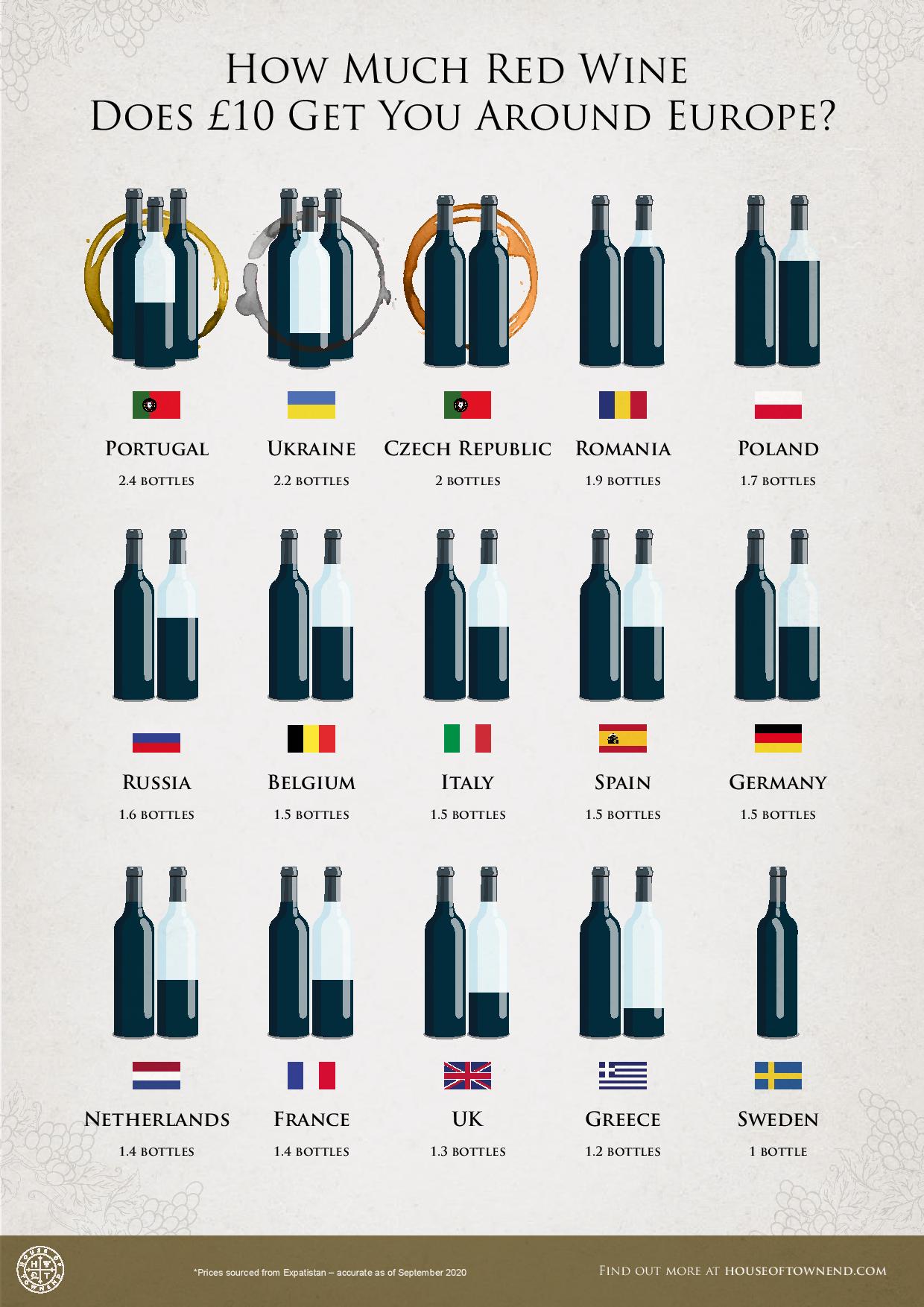 As you can see, the same £10 would allow you to drink in Portugal twice as much red wine as in Sweden.
I saw a fun poster somewhere on social media, saying that “wine is the glue which holds this sh!tshow together” – that might well be the case?
Cheers, my friends!
Wine Quiz #125: More Numbers In Wine
The Wine Quiz series is not meant to intimidate. The whole idea here is to have fun and learn something new. When answering the questions, it is fully encouraged to use all available sources of information, including Google or any other search engine. There are no embarrassing answers – the most embarrassing thing is not giving it a try…
Welcome to the weekend and your new wine quiz!
Our last quiz was about numbers in wine. You were given a series of numbers and asked to figure out what do they mean. I gave you a few hints in the accompanying text, from which I was hoping that you would be able to figure out that all these numbers are related to appellations. Here is the answer – as numbers, unfortunately, are just numbers, and it all depends on your source, I’m also including links for my sources of information:
- 250 – Number of AVAs in the USA – https://www.ttb.gov/wine/established-avas. Interestingly enough, this number is already incorrect – one more new AVA was approved, so the new count stands at 251.
- 1908 – The year second oldest appellation in the world, Dão in Portugal, was established – https://en.wikipedia.org/wiki/D%C3%A3o_DOC
- 360 – Number of AOCs in France – https://winefolly.com/deep-dive/looking-for-good-wine-start-with-the-appellation/
- 1 – the size of the smallest grand cru appellation in France – https://www.winemag.com/gallery/10-small-appellations/#gallery-carousel-2
- 1963 – The year DOC system was established in Italy – https://www.wine-searcher.com/wine-label-italy
Sadly, nobody even attempted to solve this quiz, so once again I’m keeping all the lofty prizes to myself.
This week’s quiz will be about … numbers again! I’m asking you to sort some data based on the underlying numbers. You will need to figure out what connects this data, and then sorting will be reasonably easy. Here we go:
Q1: Sort the following in the ascending order:
Arbois, Augusta, Douro, Rioja, Vernaccia di San Gimignano
Q2: Sort the following in the ascending order:
Balthazar, Goliath, Jeroboam, Magnum, Marie Jeanne, Melchizedek, Methuselah, Nebuchadnezzar, Rehoboam, Salmanazar, Solomon, Sovereign
Q3: From January to June 2020, Italy exported the highest amount of wine among all major wine-producing countries, at 577M liters (769M bottles). Sort this list of wine exports per country for the same period of time in descending order:
Argentina, Australia, Chile, France, Germany, Italy, New Zealand, South Africa, Spain, USA
Good luck, enjoy the quiz and your weekend! Cheers!
Wednesday’s Meritage #148
Meritage Time!
I have an eclectic mix for you today. How eclectic? You be the judge.
Let’s start with Wine & Spirits Magazine Top 100 list of 2020. Every year, Wine & Spirits magazine comes up with the list of top 100 wineries of the year, which are all celebrated at the grand tasting event in San Francisco. This year the celebration will be virtual, and multi-staged. First, there will be Top 100 Sessions with the winemakers on that Top 100 list, taking place October 14-23. Then, as Top 100 wineries list of 2020 is already announced, there will be a celebratory event in November. Check any of the links above for more details.
I have to present the next update as oddly peculiar, but hopefully, some of you will find it fun. Do you like Oreos? Yes, the cookies. Well, whether you are a fan or not is not essential, but I’m sure you can appreciate an effort of tasting and rating 119 (yes, one hundred and nineteen) different types of Oreo cookies. Courtesy of my friend Emil, here is your full list. I’m not an Oreo connoisseur, but this was a fun reading nevertheless. Some of the tasting notes are nothing short of hilarious – “I’m not a big matcha guy, but I think these Oreos would be a lot better if they didn’t exist“.
Our next piece is not really the “news”, as this article is 16 years old (again, courtesy of Emil). Nevertheless, I feel compelled to share this article from New Yorker magazine, called The Ketchup Conundrum. This is a long read, so maybe bookmark it for the weekend, but it helps one to appreciate the depth and intricacies of the food marketing, even when you are talking about such basics as mustard and ketchup. Give it a try and tell me if you think it was worth sharing here or not.
Now, let’s move to the subject of sex and garlic. Worrying already? Don’t be! This article from Wine Spectator, “Sex and Garlic: New Weapons Against the Most Notorious Vineyard Diseases?”, talks about new experimental methods of protecting vineyards from powdery and downy mildews, some of the worst enemies of the grapevines. I don’t want to regurgitate the article here (it is also reasonable technical), but it is somewhat of a short read. The interesting part of the story that it took me a while to figure out what the “sex” part had to do with anything, as the word “sex” can be found in this article only once – in the title. Instead of telling you what sex has to do with the protection of the vineyards, I will let you figure it out on your own.
The last piece for today is about wine writing. Jancis Robinson, one of the best and most famous wine writers in the world, hosts an annual wine writing competition. The 2020 theme was “sustainability”. According to this short summary, 85 articles were submitted for the 2020 competition, out of which 75 were good enough to be published on the Jancis Robinson website. 18 articles were selected for the final round, out of which 2, not 1, were declared the winners. You can see all of the published entries here. Happy reading!
That’s all I have for you today. The glass is empty, but the refill is on the way. Cheers!
Wednesday’s Meritage #147
Meritage Time!
Let’s start with some interesting developments in the world of celebrity wines. We just recently pondered at the topic with the fellow wine writers (you can watch it here), and I mentioned Château Miraval as one of the celebrity wines (Brad Pitt and Angelina Jolie) done right – with celebrities themselves very much involved in the process and website talking about wine passion instead of just trying to promote some irrelevant “merchandise”. It appears that the celebrity couple had ambitions going far beyond Provençal Rosé – after diligently working for 5 years, Fleur de Miraval Rosé Champagne is released to the market – at a hefty £290, according to The Drinks Business. This is a grower Champagne, produced by an apparent superstar Rodolphe Péters of the Pierre Péters estate in Le Mesnil-sur-Oger. I would love to try that Champagne, but at around $370, I can only hope someone wants to surprise me – holidays are coming? While still talking about the same celebrity couple, I also want to mention that I just learned about new wine on the completely opposite side of the spectrum – a new Rosé called Studio by Miraval, which can be found for a mere $15.
Moving along, let’s now touch on the subject of wine numbers. I don’t know about you, but I love numbers. What are the total plantings of Cabernet Sauvignon in the world? Are the plantings of Pinot Noir are rising or declining? Does anyone still plant Merlot? Which country has the biggest plantings of Syrah? Of course, this information is far less valuable compared to knowing which stock will double in the value tomorrow, but these are still the numbers I’m happy to ponder at. If you are sharing my excitement about wine numbers, a book called “Which Winegrape Varieties are Grown Where? A Global Empirical Picture” (2nd Ed) by Kym Anderson and Signe Nelgen, is published by the University of Adelaide Press in Australia, and it is freely available on the publisher’s website. What might be even more interesting, on the same website, you can find a collection of the wine-related datasets, including, for example, the Annual Database of Global Wine Markets, 1835 (!) to 2018, freshly updated in January of this year. Love the numbers? Hit those links!
Now, let’s talk about our new reality – the virtual one, where you can see, but can’t touch. It works well if you need to solve a business problem or debug a complex algorithm, but virtual wine doesn’t offer a satisfying experience (whatever way you want to twist that word). I don’t know if the folks at Taste The World were expecting the pandemic to be besieged upon us, or just had a good business hunch, but the idea behind this operation sounds really good. You have an opportunity to get a set of wines for the blind tasting, hand-selected by the group of Master Sommeliers, with the promise of perfectly representative wines for the different categories. Each set includes 6 different wines, and you can get it once for $90, which I believe is reasonable for this offering, or as a subscription. Whether you are looking for a cool gift for the wine lover in your circle, or study for WSET, this sounds like a great help. Don’t get me the Fleur de Miraval, I would be quite content with Taste The World set.
Last one for today – how about some wine videos? Wine Spectator just completed the voting for their annual Video Contest, and here you can find all the videos selected for the final round. With the pandemic-appropriate theme of “Wine at Home”, you will find some truly creative videos – well worth a few minutes of your time.
That’s all I have for you today. The glass is empty, but the refill is on the way. Cheers!
[Almost Weekly] Wine Quiz #124: Numbers in Wine
The Wine Quiz series is not meant to intimidate. The whole idea here is to have fun and learn something new. When answering the questions, it is fully encouraged to use all available sources of information, including Google or any other search engine. There are no embarrassing answers – the most embarrassing thing is not giving it a try…
Welcome to the weekend and your new wine quiz!
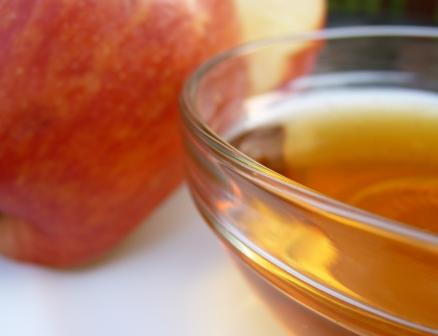
Before we will start with the quiz, I want to take a moment and say Shana Tova to all who celebrate Rosh Hashanah, the Jewish New Year. I wish everybody a healthy, sweet, and happy New Year 5781!
Now, back to the quiz.
Let’s start with the answers to the Wine Quiz #123. In that quiz, you were supposed to identify 7 wines by the image showing on the top of the foil capsule (or a screwtop). Below are the answers:
-

- Etude Winery, Carneros
-
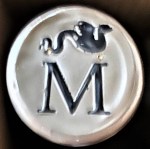
- MYTHIC, Argentina
-
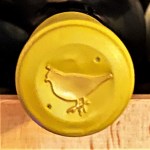
- Lynmar Estate, Russian River Valley
-
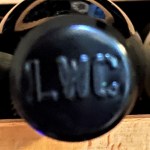
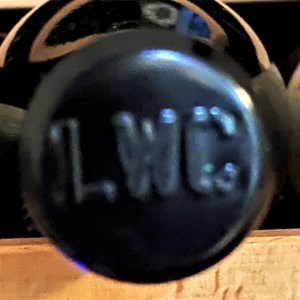
- Loring Wine Company, California
-

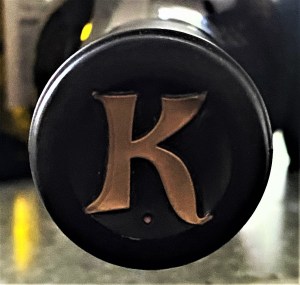
- Kongsgaard, Napa Valley
-

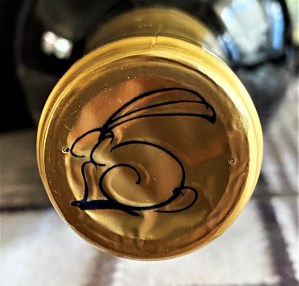
- Rabbit Ridge Winery, Paso Robles
-

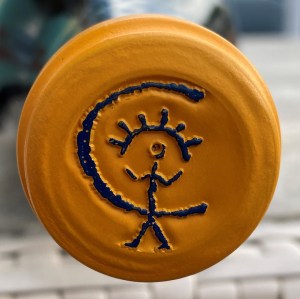
- Cayuse Vineyards, Washington
Sadly, nobody attempted to answer this quiz, so I will have to keep the prize.
Now, let’s talk about today’s quiz – it will be all about numbers.
Numbers are an indelible part of the wine world. How many tons of grapes were harvested? How many appellations are in China? How many bottles were produced? How many years Rioja Gran Reserva has to spend in the bottle before release? How many acres are in this vineyard? Numbers, numbers, numbers… So today’s quiz will be about numbers. Below is the set of numbers, which are all related to a particular aspect of viticulture. See if you can figure out what these numbers mean:
- 250
- 1908
- 360
- 2.1
- 1963
As I said, all of these numbers are related in some ways. Also, depending on the source, you might see a slightly different version of these numbers, but the deviation should be minor. Ahh, and by the way, one of the questions above has a clue. Oops – I’m wrong. Actually, there are two questions above with the clues, so you have two clues to solve this quiz.
Good luck, enjoy the quiz and your weekend! Cheers!
Wednesday’s Meritage #146
Meritage Time!
First, I’m sure I have some explaining to do – all of a sudden here is Meritage #146, while you can’t find #1, #50, or #145. I know I had not been contributing on the regular basis to this blog, and I would like to see how I can change that. Meritage posts were always an aggregation (Meritage) of interesting wine and food news, which were published on Wednesdays, hence the title. I counted all the Meritage posts in this blog during the 10+ years and found out that there were 145 of them published before. Previously, I would give you the synopsis of the post right in the title – going forward, I will substitute that with simply a number. Hope I managed to explain my logic, so now let’s proceed with the news.
Let’s start with some interesting developments in the world of Spanish wines. Classification of the Spanish wines appears to be simple – most of the wines are designated under a certain DO, which stands for Denominación de Origen, and then there are few other categories, such as the highest quality category in Rioja and Priorat, which are interesting enough are written differently but signify the same – it is DOCa for Rioja (Denominación de Origen Calificada) and DOQ (Denominació d’Origen Qualificada) in Priorat. Then you also have Vino de Pago, which signifies a single vineyard and a few other categories. It appears, however, that the simplicity is somewhat crumbling and more classifications had been sought to address different quality levels in Spanish wines. For example, you now have Corpinnat in Penedes, designating Cava made with organic grapes plus few other restrictions, or Vino de Villa and Vino de Paraje classifications which just had been launched in DO Bierzo. If you want to learn more, I would like to offer you this article on the Guild of Sommeliers website – it is definitely technical but well worth the effort of understanding the latest dynamics in the world of Spanish wines.
Ever heard of Tour de France, probably the greatest annual cycling race in existence? I’m sure you have, and if you need any technical details about the 2020 race, you can find it here. Many wine writers use this event simply as a canvas to talk about French wines from all the different regions, as cyclists race through them in the quest for glory. I want to offer you two of the Tour de France wine tours – one which is covering the whole race in one sitting, and another wine which is a series of posts. I don’t know if you are a cycling fan or not, but this is definitely an interesting way of exploring the world of French wines.
The year 2020 is absolutely unique in thousands of ways. Not for the things which happened during 2020, but maybe even to a larger extent, for the things which didn’t happen. Chowdafest 2020 would be one of such “things”. Chowdafest is one of my favorite culinary events in New England, usually taking place at the beginning of October, where thousands of Chowder lovers get together to taste and rate a large offering of the hearty soups, also known as “chowder”. With all of the fun of 2020, getting about 20,000 people together on the beach for a few hours doesn’t sound like a smart idea. But – it doesn’t mean that chowder lovers have to be deprived of their favorite treat. How? Easy. Please meet the brand new initiative of the Chowdafest – the Chowder Club. You can join the club for only $10 (not per month, just a one time $10). 24 restaurants in the program will supply their original chowder recipes and a professional chef will prepare them. You will have an opportunity to buy two different types of Chowder every month, at the $20 per quart of the chowder – if you don’t like the particular offering, you don’t have to buy anything. Initially, the chowders will be shipped only within the New England, but hopefully, they will expand nationwide. Make sure to read the FAQ section on the Chowder Club’s website as it provides additional information to what is listed on the Join Club page. I already signed up, so now I will have an opportunity to write about chowders 12 times a year instead of only once :).
Whatever happens, is for the better, right? Not always, yes – but sometimes it works. I wanted to get this post out last week, but that didn’t happen. On the flip side, however, I got a notification about the first Chowda Club offering, which will consist of two soups that won the Chowdafest in their respective categories for 5 years in the row – Pike’s Place from Seattle with its Classic New England Chowder and Our House Bistro from Winooski in Vermont with their Drunken Pumpkin Seafood Chowder. At the moment these chowders can be shipped only within New England – if you want to get yours, all the details can be found here – but hurry up, you can only order your chowder until September 18th.
One last news, more of a local kind – about this blog. Yesterday, I got a totally unexpected email from Corked Wines in the UK, informing me that I made it to their Top 101 wine writers list of 2020, and thus I can proudly display this logo:

I’m very humbled by this honor, but I wouldn’t lie to you, it was definitely a pleasant surprise. In case you would like to see the full list of awardees, you can find it here.
That’s all I have for you today. The glass is empty, but the refill is on the way. Cheers!
[Not Weekly At All] Wine Quiz #123: How Well Do You Know Your Wines?
The Wine Quiz series is not meant to intimidate. The whole idea here is to have fun and learn something new. When answering the questions, it is fully encouraged to use all available sources of information, including Google or any other search engine. There are no embarrassing answers – the most embarrassing thing is not giving it a try…
Welcome to the weekend and your new wine quiz!
Yes, the wine quizzes used to be a regular (weekly) feature on these pages – however, the last one was published more than 3 years ago, so it is clearly not. Still, let’s have some fun.
The subject of today’s quiz is about the element of the wine experience which is often overlooked – the top of the bottle. Of course, we are eager to get to the content of the bottle, so who would be paying attention to the element which typically stands between you and the delicious liquid in the glass. Meanwhile, you can often instantly identify the producer just by a quick glance at the top of the bottle. Below you will find pictures of the tops of the bottles – and your task is to identify the producers of these wines. As a hint, I can tell you that majority of the wines are produced in the US, and few of the producers are quite famous. Here we go:
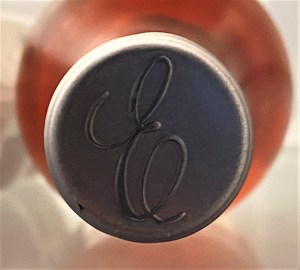
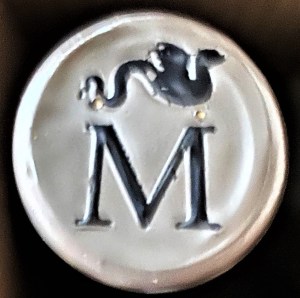
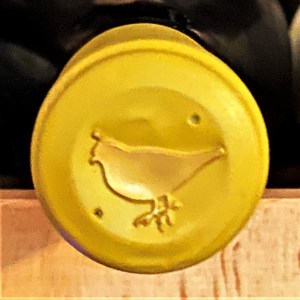
Good luck, enjoy the quiz and your weekend! Cheers!
Zoom Rhymes With Wine
Zoom rhymes with wine. Nonsense, you said? Of course, silly, they don’t. Not in a traditional poetic sense for sure. Maybe only in a haiku?
Sun setting down
Zoom glimmers seductively
Pour the wine
Well, if this was the worst thing you ever read, feel free to disavow me. But for those who want to talk, let’s have a conversation about wine and technology? Or maybe just today’s life?
While wine is my passion, it is my hobby. Obsessive? Maybe. But still a hobby. My daytime job is in the computers and technology field, and if you will allow me to be even more precise, it is IP communications technologies, which cover almost everything from the internet to videoconferencing and to your toaster conspiring against you with your microwave (don’t worry, it is early and they still can be stopped). In this technology space, I was lucky to meet Jeff Pulver, who was a pioneer and a visionary, and not only in the space of technology but also in social media.
Before Twitter was even a concept, Jeff came up with a concept of a social breakfast. You see, many of the technologists are socially very conservative, and when those people get together, the hardest thing is to start a conversation. Every attendee of Jeff’s breakfast was given a few stickers to either tag oneself or a person they were talking to with random “identifiers” you would come up with during conversation, such as “wine”, “music”, “VC”, “video” – as you move around the room, those tags were easy conversation starters. If someone has a tag “garden”, you don’t need to think about what to ask that person, you can simply ask about that tag.
The attendees also had to come up with the tagline which would describe them in a short sentence. Mine was “I like wine and technology that works” – again, you don’t need to think hard about your first question when presented with an opener like this.
Believe it or not, but the technology part in my tagline above is more relevant to today’s world than the wine. How so? The company I was working for was in the videoconferencing space. And in those days (the early 2000s), the technology was subpar at the best – typical video conferencing call inflicted a lot of pain and suffering on all the participants, and every 10-15 minutes you could talk without significant quality degradation or a call simply dropping, was almost a reason to celebrate. And all that technology was really expensive and available only to businesses with deep pockets.
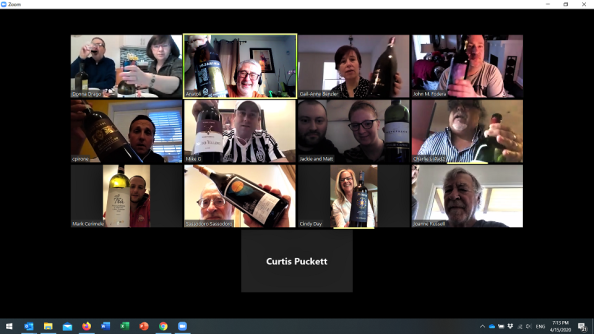
The situation is dramatically different today. There is a gazillion of platforms offering video communication capabilities, either streaming (Facebook live, Instagram live, Youtube live, …) or interactive video for two or more people (skype, Facebook messenger, WhatsApp, Google hangouts and then serious commercial ones such as Zoom and Microsoft teams) – and nevertheless, the video was not really a tool in the wine world.
Even in the early days, the wine industry realized the value of social media and the “word of mouth” opportunity it offered to educate wine consumers and promote wine producers, wine brands, and individual wines. As the internet was becoming more accessible and easier to use, at first there were the wine blogs. Twitter quickly became a social media darling of the wine world, offering not only the ability to reach anyone with the twitter handle, no matter how famous those people were, but also becoming an enabler of the group conversations, better known as the twitter chats.
Over the years, I participated in lots of different twitter chats, run under #winechat, #winestudio, #WiningHourChat, and the others. Twitter chats were always fun exercises that were difficult to follow – try to have 10 conversations at once, all with your hands, also trying to taste wine at the same time – not that easy. There were also a few of the video wine presentations, where winemakers would get together and present their wines (Montefalco Sagrantino presentation was one of the most memorable for me), with the audience running the discussion via chat – Snooth also conducted quite a few of those. But through all the years, I attended only one or maybe two tastings at the most which were done in the interactive video format, where all the participants were able to discuss the wines among themselves and talk to the winemakers and presenters – winemaker lunches and dinners were unquestionably much better venues. Until the virus happened.
The appearance of the COVID-19 has put everyone’s world upside down. With all the people stuck in homes, video communication became a lifesaver. Literally. It allowed people to reduce the pain of isolation. It gave us the ability to share our experiences, even if we were drinking different wines – but we were still able to do it together. Many winemakers embraced the opportunity which new world order had offered to meet their customers face to face – the tasting rooms became virtual, but luckily, the wines were not. Remember my tagline – “technology that works”? Zoom is a perfect example of that – it simply works. The level of communication experience which Zoom provides was not yet possible even 5-6 years ago. And today, we can have as many live video conversations as we want – for as long as we want them. I’ve been myself on the few calls which were not expected to last even for an hour, and instead, they lasted for 3 – all of it without a glitch. Yes, color me impressed. very impressed. And do you see now my point that zoom rhymes with wine?
The most interesting question for me if this newly found love between wine and video communications is here to stay. Once the world goes back to normal (yes, it will), will we have the time for 3 hours zoom call on a moment’s notice? I would argue that yes, the video-enabled virtual tasting room will become a newfound convenience – but it will not replace the actual clinking of the glasses around the table.
What do you say? Does zoom rhymes with wine for you? Cheers!
Latest Wine News and Updates
Of course, it would be too much to say that wine is in the center of everyone’s attention – but it is a beloved beverage for hundreds of millions, and some tens of millions are involved in wine industry one way or the other, so the wine news definitely gathers some attention.
From time to time, I share in this blog some of the interesting tidbits of what’s going on in the wine world, so here is the latest round of newsworthy happenings around the globe.
When you hear Chateau d’Yquem, what do you think of first? Of course, the quintessential Sauternes, the magical elixir not even produced in all the years. But – do you know that Chateau d’Yquem also produces dry white wine? It is called “Y”, and it is a tasty blend of Sauvignon Blanc and Semillon. Last month, Chateau d’Yquem announced that they will be expanding their portfolio and adding … wait for it … a red wine which will be called Y Not. It appears that 5 years ago, Chateau d’Yquem replaced some of their Sauvignon Blanc plantings with the Cabernet Franc, Merlot, and Petit Verdot, and now it is ready to produce the first vintage. The 2019 Y Not will be released in 2022. The price had not been disclosed at the moment, but considering the total production of 300 cases, you can imagine that it will not be inexpensive.
We are not done with Chateau d’Yquem yet. It leaked to the press that venerable Harlan Estate from Napa Valley, one of the topmost cult wine producers in the USA, enlisted the help of Chateau d’Yquem to start production of the dessert wine! The wine will be produced from the late harvest Cabernet Sauvignon. It is expected that the wine will be aged for at least 2 years in the mix of old and new French oak barriques, and probably 1 year in the bottle. The wine will be called Sweet Baby Harlan, and the 2020 vintage will be offered to the mailing list members at one 375 ml bottle per customer with the starting price of $1,100. Considering the tiny production, this wine will be impossible to get for a while.
Our next news is really bazaar. It’s been reported in The Eagle-Tribune in North Andover, Massachusetts that a number of Market Basket supermarkets experienced a little mayhem in the bottled juice section of the stores – the juice bottles (narrowed down to the grape juice bottles only after the few incidents) started to blow up at random, covering customers in sweet and sticky liquid. The culprit was traced to the popular brand of grape juice – Welch’s. Welch’s recalled all of the grape juice bottles sold in Massachusetts supermarket and opened the investigation into the incident. Based on the initial analysis, it appears that the yeast was added to the bottles at the final steps of the production, and as you know, the combination of yeast and sugar is how the wine is made, so blown up bottles come at no surprise. Apparently, some of the customers who managed to get the unexploded bottle to the homes were pleasantly surprised with the bubbly version of the popular grape juice, and some are even planning to start a petition to Welch’s to make this new type of grape juice a new product, possibly using some reinforced bottles.
It is not a secret that Australian winemakers are always eager and willing to step away from traditions and try the pioneering technologies, no matter how unorthodox they are. A simple example is a so-called screw cap, also known as Stelvin, which was developed in the late 1960s, and Yalumba winery in Australia become one of the early adopters introducing new bottle closure in 1973. Now another Australian wine producer, Penfolds, maker of the legendary Grange, decided to step in with a brand new solution for reducing the carbon footprint of the wine, which the wine industry is constantly grilled for. With the help of scientists at The University of Adelaide, Penfolds developed a brand new plastic bottle that is completely safe for storing the wine. Not only it is lightweight, but it is also made from the recycled materials and – get this – biodegradable. The bottle is guaranteed to fully disintegrate in 5 years’ time. The only culprit? The bottle will disintegrate in 5 years no matter what, so it will not be any time soon that we will see Penfolds Grange offered in this form of packaging. But for all the regular wines, which should be consumed as they are acquired, this will be a perfect vessel. Just don’t “leave and forget” such a bottle in your cellar – or you will remember it for a long time…
While the wine industry is squarely rooted in traditions, it is never shy to enlist the latest technology to help to advance its cause – helping people to enjoy their life a little bit more. Knowing when to open the bottle of wine to ensure the best possible experience is one of the most difficult problems of any oenophile, whether he or she is a Master Sommelier or an occasional drinker consuming two bottles of wine a year. Some of the most technologically advanced companies in the wine industry, world-famous specialty glass producer, Riedel, and Coravin Wine Systems, maker of the popular wine dispensing solution, teamed up to create a product which they called Smart Bottle. Seemingly indistinguishable from the regular glass bottle, the Smart Bottle is equipped with the array of sensors which constantly monitor the state of the wine inside the bottle, and will inform the owner when the bottle reached the ideal consumption phase via embedded Wi-Fi transmitter directly to the owner’s phone. While working on the design of the Smart Bottle, both companies filed about 25 patents. Apparently all leading wine producers in the world – DRC, Petrus, Chateau Latour, Screaming Eagle, Sine Qua Non and many, many others already lined up to get the Smart Bottle as soon as it will be released. An important and attractive feature of the Smart Bottle is the ability for producers to set up the proper aging profile specific to their particular wine, as it is clear that ideal indications, let’s say for DRC and Sine Qua Non will be quite different. Riedel and Coravin reported that they are finishing field trials and the production is slated to start in 2021.
That’s all the latest news I have for you, my friends. Until the next time – cheers!
Last Bottle Sign Up ($10 credit)




 Talk-A-Vino