Archive
Spanish Wine Recommendations, Part 3 – From $50 to Infinity
In the first two posts I shared my recommendations for the Spanish wines under $20, and then between $20 and $50. In today’s post, we will drop all the limits and talk about the wines which will cost more than $50. Heck, most of them will cost way above $50. So let’s explore what the money can buy in the world of the Spanish wines.
Few notes before we dive in. First of all, there will be no white wines in this price category. There might be Spanish white wines which cost more than $50 – I simply not aware of them, hence they will not appear in this post. Now, it is important to explain my basis for the recommendations. No, I didn’t personally taste each and every wine I will recommend to you below. But – I was lucky enough to taste a lot of them – at various events and seminars, I was able to experience some of the best Rioja from the legendary 1964 vintage, Vega Sicilia Unico and even the untouchable 2005 Clos Erasmus. No, my point is not bragging, not at all. In the wine world, price can’t be equated with the quality. Not every $100 or $300 bottle of wine is worth paying for and drinking. There are no guarantees that you will get 10 times more pleasure from the $300 bottle of wine versus the $30 bottle of wine. But the wines I will be talking about below are special. If you like wine, if you consider yourself an oenophile, most of the wines I’m recommending here have a soul and worth experiencing, at least once. This is the rationale behind this list.
As you will see below, the list will be still dominated by Tempranillo, but the focus will somewhat shift down south, from Rioja to Ribera del Duero and Toro. And the wines of Priorat have much bigger play in this price category. Also, in this list, if the vintage is mentioned, it is a part of the essential information. This is different from the two previous lists, where prices were provided for currently available vintages. But here, a 1968 Rioja most likely will not taste as good 1964, and what is worth paying paying for 1964, might not be for the 1968. And the last note – availability of the wines. General availability was one of the factors I took into account when recommending the wine – the wines have to be available, at least online, in order to be included in the under $20 and $20-$50 categories. When it comes to this list, this will not be the case anymore. If you love Spanish wines, make it your dream list, this is your call – but many of the wines I will mention will have very scarce availability. Sorry about that, but this simply the way it is.
Well, pour yourself a glass of Rioja, and let’s talk about Spanish wine “best of the best”.
Tempranillo and Tempranillo-based:
Rioja:
CVNE Imperial Gran Reserva Rioja – powerful and always age-worthy – well, I will have to say this about most or even all. Around $70, but sometimes can be found on sale at around $50.
CVNE Pagos de Viña Real Rioja – 100% Tempranillo fruit for this wine is selected from the best plots of the vineyard. One of the very best wines CVNE makes, and scarcely available. About $90 in current releases?
La Rioja Alta Viña 904 Gran Reserva Rioja – balanced and delicious. Generally this wine costs above $50, but at the moment of the writing of this post, it seems to be widely available for about $45 – this is a steal for this quality.
La Rioja Alta Viña 890 Gran Reserva Rioja – La Rioja Alta flagship, the 890 commemorates the year (1890) when La Rioja Alta came into being. Restrained, earthy and extremely long living. I had a pleasure of tasting both 890 and 904 on multiple occasions (here is one of the posts), and this wine never ceases to amaze. Around $120, but price will vary from vintage to vintage.


R. López de Heredia Viña Tondonia Gran Reserva Rioja – restrained, balanced, delicious. Prices vary based on vintage, but you will probably pay more than $150.
R. López de Heredia Viña Bosconia Gran Reserva Rioja – never tasted this one. Expect it to be spectacular. Expect to pay around $300, but again, the price will depend on the vintage.
1964 Rioja – anything you can find from the legendary 1964 vintage is worth trying, if you are willing to pay – expect to pay at least $300 for anything in this group. Prepare to be awe-stricken after you will taste these 50+ years old wines. Of course there were other spectacular vintages – 1922, 1947, 1978, 1994, 1995 and so on – you can consult the Rioja vintage chart for more details.
Ribera del Duero:
While there are plenty of Rioja wines in this price category, their prices are vintage driven. The consistent lead in this price category belongs to Ribera del Duero wines, which are very expensive based even on their release prices.
Bodegas Emilio Moro Malleolus de Valderramiro Ribera Del Duero – Full throttle delicious expression of Tempranillo. Around $140.
Bodegas Emilio Moro Malleolus de Sanchomartin Ribera Del Duero – Luscious and spectacular. Around $170.
Bodegas Vega Sicilia – a legendary wine producer from Spain. Many countries have a producer, whose name is considered to be a legend, and alone is enough to solicit a dreamy and understanding “ahh” from the group of oenophiles, the people who loves wines, not necessarily the sommeliers and other wine pros. France might be an exception with multiple names capable of causing this reaction (Bordeaux first growth, DRC, Petrus, Chateau d’Yquem), but most other countries have one or very few, like Penfolds in Australia, Cloudy Bay in New Zealand, Screaming Eagle (may be) in US. Vega Sicilia is the one for Spain, a quintessence of creme of the crop. Here are three Vega Sicilia wines for you, oenophiles:
Bodegas Vega Sicilia Valbuena 5° – mostly Tempranillo with some addition of Cabernet Sauvignon and Merlot. Pretty much an introductory Vega Sicilia wine, perfectly balanced and delicious. Around $140
Bodegas Vega Sicilia Unico Gran Reserva – mostly Tempranillo with addition of Cabernet Sauvignon. This wine is produced only in the best years, and it is only released 10 years after the vintage. Beauty and finesse. $500+
Bodegas Vega Sicilia Unico Reserva Especial – I never had this wine – this is a non-vintage blend of different Unico wines. I’m sure it is spectacular, and practically unavailable. I would guess that the price will be roughly the same as Unico, around $500


Dominio de Pingus Ribera del Duero – this might be the most cult wine coming from Spain. Tiny production, practically unavailable. I never tried that wine. If you will come across this wine and can afford it – I’m sure it should be spectacular. $700+
Toro:
Two more wines from Eguren Family Teso La Monja:
Teso La Monja Victorino Toro – powerful, but with nice herbal undertones. Around $55
Teso la Monja Alabaster Toro – if there is one single wine which should identified with “power”, this is the one. I tried this wine a few times – it was always a young wine though – and within a second this wine takes all over your mouth and locks it completely for next 60 seconds or so – there is simply no other sensory elements except tannins. But – definitely the wine worth experiencing, just with an age on it. Around $180
Garnacha and Garnacha-based (yep, a.k.a Grenache):
In this price range, this is squarely a Priorat territory. Garnacha is a star there, but international varieties are used quite often as well. Before we get to Priorat, one beautiful wine from Campo de Borja:
Bodegas Alto Moncayo ‘Aquilon” Garnacha Campo de Borja – dark chocolate on the firm and powerful structure. Delicious. Around $110
Coming from Priorat:
René Barbier Clos Mogador, Priorat DOCa – a blend of Garnacha with Carignan, Syrah, Cabernet Sauvignon. An excellent wine. Around $80
Clos i Terrasses Clos Erasmus, Priorat DOCa – one of the very few Spanish wines to ever get a perfect score (100 points) from the wine critic (Robert Parker). As I mentioned before, I was lucky enough to try this specific vintage, and it was spectacular wine. New releases are about $200. The 2005 (this is the one with the perfect score) is about a $1000 and practically unavailable.


Alvaro Palacios L’Ermita Velles Vinyes, Priorat DOCa – this wine might be even more iconic that Vega Sicilia. Alvaro Palacios is an extremely important figure in the Spanish winemaking, well outside of Priorat, influencing lots of winemakers to do their best. Never had a pleasure of trying this wine, but it should be spectacular. It is hard to figure out the pricing, as this wine is practically not available anywhere. I guess you would pay $700+, but this is an extremely rough estimate.
Monastrell and Monastrell-based (a.k.a. Mourvedre)
Not the whole lot to present to you here – but this wine is typically big and delicious:
Bodegas Juan Gil El Nido D.O. Jumilla – 30% Monastrell, 70% Cabernet Sauvignon. Of course this is more of a Cabernet Sauvignon than a Monastrell wine. So here you get the power of Cabernet Sauvignon with playfulness of Monastrell. Lots of power. Around $140


And we are done here. This list is not all encompassing by all means, but it is based on what I know and/or have experienced. Yes, these wines are expensive. Do they worth it? I can’t answer this question for you, my mission is to enable you to make the right decision when the moment comes…
No, we are not done with the series – so far we talked about “what”, but we still have to talk about “where” and “how”.
To be continued…
Spanish Wine Recommendations, Part 2 – Wines under $50
Here we are again, talking about Spanish wines recommendations. My previous post was dedicated to the wines under $20, and now we are moving up and will look at what few extra dollars can buy you. And I actually mean it – despite the fact that our prices can go to the $50, there are still plenty of amazing Spanish wines at the lower end of the price range, mostly under $30.
Another interesting note is that in this price category transition we will mostly see all the new producer names – this will not be so much the case when we will jump the $50 limit, but – you will have to wait until we get there. I also want to remind you of the same basic concepts we discussed last time – 1) this list is mostly based on my experience with particular producers throughout the years; 2) I’m recommending producers and some specific wines, but not the vintages – with these producers, you stand an excellent chance of been happy no matter what the vintage rating was; 3) The list will include mostly red wines – there are really very few Spanish white wines in that price category which I have the long-term experience with and feel comfortable to recommend.
Ahh, before I will forget – note that absolute majority wines in this list (with the exception of the first white wine), will age extremely well. If you will age these wines, you might want to pay some attention to the vintage charts, but you will be fine even without it.
And the last (I promise!) generic note. Rioja wines are a very big part of my love of Spanish wines. When it comes to Rioja, I’m somewhat conservative, and I might be missing on some of the modern experimental concoctions. By “conservative” I also mean that there are some producers I trust completely, which means that I will gladly drink any wines from those producers, whatever I can acquire or be offered to drink. There are only 3 producers like that – La Rioja Alta, La Compañía Vinícola del Norte de España (CVNE) and R. López de Heredia. While it is only 3 producers, all started in the late 1800s (if you are interested in a bit of a history, here is one of my older posts on the subject), each of the producers offers multiple lines of wines – 4 or 5 different lines. The reason I bring it up? While I’m familiar with many of their wines, I obviously didn’t taste each and every one of them. But – and this is why I wanted to mention them before we get to the exact recommendations – if you see the name of any one of these 3 producers on the bottle – go for it. There are a few reasons for such a blunt recommendation. First, a lot of their wines are produced only in a good years – for instance, you would never see a Gran Reserva from La Rioja Alta from the average vintage. Another good thing is that generally these producers release their wines when they are ready to drink, which is not based on the minimum aging requirements, so you will always stand a good chance to enjoy their wines once they get in your glass.
Finally, done with introductions – let’s talk wine now.
White Wines:
NV Segura Viudas Reserva Heredad – one of my favorite Sparkling wines, has medium body with a good weight for the Sparkling wine, and lots of complexity on the palate. As an added bonus, beautiful bottle makes it a nice conversation piece. Around $22.
R. López de Heredia – as I already mentioned, one of my absolute favorites. Here are two white wines from López de Heredia:
R. López de Heredia Viña Gravonia Rioja – an interestingly complex white wine. Around $25.
R. López de Heredia Viña Tondonia Blanco Reserva Rioja – usually has very nice age on it by the time of the release. Combination of incredible complexity and freshness. Around $40 (I put is at $35 initially, but it seems that $40 is more realistic).


Red Wines:
Tempranillo and Tempranillo-based:
Rioja:
Multiple wines under CVNE brand:
CVNE Viña Real Reserva Rioja – usually bright with a good fruit presence. Around $25
CVNE Viña Real Gran Reserva Rioja – usually has more powerful structure compare to the regular Reserva. Around $35
CVNE Cune Reserva Rioja – similar to Viña Real Reserva in style. Actually, in price as well – around $25
CVNE Imperial Reserva Rioja – in the old days, this wine was specifically created for the England markets to compete with Claret. Good structure and complexity. Around $40

R. López de Heredia Viña Tondonia Reserva Rioja – very complex, earthy, usually more restrained than the others in the similar category. Around $40
R. López de Heredia Viña Bosconia Reserva Rioja – nice and classic. Around $32
La Rioja Alta Viña Ardanza Reserva Rioja – bright and dangerous – once you open a bottle, you can’t stop. Around $30
La Rioja Alta Viña Arana Reserva Rioja – a bit more restrained than the Viña Ardanza, but typically round and polished. Around $30
La Rioja Alta Viña Alberdi Reserva Rioja – Most structured out of 3 Reservas. Typically 100% Tempranillo. Around $25


Ribera del Duero:
I’m sure there are many worthy wines from Ribera del Duero in this price range – but I don’t have lots of consistent experiences there, hence only two recommendations:
Bodegas Alejandro Fernandez Tinto Pesquera Crianza Ribera Del Duero – soft and approachable, very round Tempranillo rendering with herbal undertones. Generally under $30.
Bodegas Emilio Moro Malleolus Ribera Del Duero – this is an “introductory” wine from the magnificent Malleolus wines. A beautiful expression of Tempranillo, full of fragrant power. Around $45.
Toro:
I probably should’ve mentioned Toro in the previous post. This is the third Tempranillo-based region in Spain, after Rioja and Ribera del Duero. Tempranillo is known here under the name of “Ink of Toro”, and typically has the most powerful expression compare to any other wines. I don’t have a consistent experience with any of the Toro wines in “under $20” range, but there is one I can recommend here:
Teso La Monja Almirez Toro – dark and dense, very powerful wine. Around $25
Garnacha and Garnacha-based (yep, a.k.a Grenache):
Again, I have a limited experience with the Garnacha wines in this price range, unfortunately. I’m sure there should be some excellent Garnacha wines from Priorat, but most of the Priorat wines I know of are in the next price range up. Therefore, just two recommendations from the same producer – Alto Moncayo:
Bodegas Alto Moncayo Veraton Campo de Borja – fruit forward, with excellent balance. Around $25
Bodegas Alto Moncayo Alto Moncayo Grenache Campo de Borja– shows more power than Veraton, but still has an excellent balance. Around $40
Monastrell and Monastrell-based (a.k.a. Mourvedre)
Again, not the whole lot to present to you here – but this wine is typically big and delicious:
Bodegas Juan Gil Clio D.O. Jumilla – 70% Monastrell, 30% Cabernet Sauvignon. Bodegas Juan Gil produces a lot of wines in a lot of different regions in Spain. However, I’m only including one wine here, which I happened to like more often than not. Bright, fresh and lip smacking. Around $40
And that concludes our list. If you had any of these wines, I would be curious to know what do you think of them. In any case, stay tuned for the part 3, as it will include a lot of drool-worthy wines.
To be continued…
Spanish Wine Recommendations, Part 1 – Wines under $20
List, list, list – who doesn’t like to make lists? Especially the lists of your favorites, where you basically regurgitate something familiar, and you can happily stumble on each and every entry, basking in the happy memories for a moment or three. Yep. That’s the wine list I’m talking about, people. Nope, not the restaurant wine list (that one more often than not is only a source of frustration) – the list of your favorite wines it is.
A short while ago, I was asked by one of the readers for some Spanish wine recommendations. Spanish wines as a group are probably my most favorite, so I happily engaged in the e-mail conversations. After few e-mail exchanges, I got the idea – how about I would simply create a list – a list of Spanish wines I would gladly recommend? Yep, I liked the idea, hence the post which I’m presenting to you.
Before we start, let me clarify a few things. First, I will split this list into the 3 parts – wines under $20, wines from $20 to $50, and the last one will be from $50 onward, with no limitations – no, Spanish wines can’t really compete with Petrus or DRC, but there are some wines there which would clearly require an expense account or lots and lots of passion. Another important note is that I will bring to your attention particular wines from the particular wineries – but for the most cases, without specifying the particular vintages – I tried absolute majority of recommended wines throughout the years, and wines had been always consistent, hence they are on the list. Ahh, and one more thing – I will not be trying to make balanced recommendation – the wines will be heavily skewed towards the reds – sorry about it. Okay, let’s get to it.
While I promised to focus on the reds, I have a few perennial favorites among Spanish whites which I have to mention.
White Wines:
Bodegas La Cana Albariño – the wine is more round than a typical Albariño, with lesser acidity, but it is nevertheless delicious. Typically around $15.
Botani Moscatel Seco DO Sierras de Malaga – incredible aromatics followed by the dry, perfectly balanced body. One of my favorite summer wines. Around $16
Bodegas Angel Rodriguez Martinsancho Verdejo Rueda – might be the best Verdejo in Spain from a small artisan producer. Wonderfully complex. Around $16


Red Wines:
Let’s start with Rioja. Believe it or not, but good Rioja is hard to find in this price category, so here are few names which I know are consistent:
Bodegas LAN Rioja – one of the best values in Rioja, typically at $12 or less. Consistent, round, balanced. Not going to blow your mind – but not going to disappoint either. A perfect party wine too – often available in magnums.
CVNE Vina Real Rioja Crianza – outstanding introductory level Rioja from one of the best Rioja producers. Once you try it, you wouldn’t want to drink anything else. Typically around $15.
Grupo Olarra Bodegas Ondarre Reserva Rioja – soft and round, with nice brightness and acidity. A great introduction into the Rioja wines. Around $15.
Continuing with Tempranillo, here are a few more recommendations:
Bodegas Emilio Moro Ribera del Duero DO – Ribera del Duero is a source of powerful, clean 100% Tempranillo wines – but there are practically none available for under $20. Emilio Moro is a happy exception at around $18. Layered wine with broad shoulders. Great introduction into the Ribera del Duero region.
Viña Mayor Reserva Ribera del Duero DO – another excellent Tempranillo rendition from Ribera del Duero – dark, concentrated and polished. Can be found under $20.
Bodegas Ochoa Tempranillo Crianza Navarra – Tempranillo is the most planted red grape in Spain, so of course the wines are made everywhere. This wine is an excellent rendition of Tempranillo – round, polished, with nice fruit and traditional tobacco notes. Around $16.
Bodegas Volver Volver Red Wine DO La Mancha – another Tempranillo rendition, this one simply bursting with raw power. Powerful, brooding, very muscular wine – which is a great pleasure to drink at the same time. Around $16.


Here comes another darling of the Spanish red wine grapes – Garnacha, a.k.a. Grenache in the rest of the world.
Bodegas Borsao Tres Picos Garnacha DO Campo de Borja – one of the best red wines you can buy overall for $12. Simple and delicious.
Alvaro Palacios Camins del Priorat, Priorat DOCa – okay, this is a Garnacha blend, but considering that this wine comes from Priorat, one of the most exclusive winemaking regions in Spain, you should hardly complain. An excellent introduction into the region – dialed back red fruit and mineral complexity. Around $15.
And the last from the best known traditional Spanish varietals – Monastrell, a.k.a. Mourevdre in the rest of the world.
Bodegas Luzón Luzón Red Wine, DO Jumilla – simple, fruity, approachable, and nicely balanced. Almost an exception in this list at about $10.
Bodegas Carchelo Carchelo “C” Red Wine, DO Jumilla – a blend of Monastrell, Tempranillo and Cabernet Sauvignon. After my first encounter with this wine I coined the term “dangerous wine” (or at least I think this was the wine) – what makes this wine dangerous is the fact that after the very first sip you can’t stop until the bottle is empty. Perfect balance of fruit and power. Around $15.
Torres Atrium Merlot, Penedes – as a fun fact, did you know that Torres is the biggest wine producer in Spain? Well, this might not be a fair recommendation, but still. I had this wine only once, but it was extremely memorable. The recommendation might be not fair as I’m not sure you can get it in the store – in Connecticut, it reserved for the restaurants only. I had it in Florida in a restaurant for $26, and if you will be able to buy it in the store, it would be around $12. If you can find it anywhere – go for it, as the wine is simply stunning, with or without taking the price into account.
Before we part, one more note. Outside of well-known grape varieties, such as Tempranillo, Garnacha and Monastrell, don’t be afraid to take the risk with lesser known Spanish varietals in the under $20 range. Look for the white wines made from Godello, or the reds made from Mencia, Bobal, Trepat and the others – there is a good chance you will not be disappointed.
And we are done! I was not trying to give you a comprehensive list – theses are all my favorites, you can just print this post and go to your local wine store, if you feel inclined, and then we can compare notes. The next post will cover wines in the $20 – $50 range – there are lots of treats there, my mouth starts watering as soon as I start thinking about those.
To be continued…
From Value to World-Class – Celebrating 30 Years of Spanish Wines in USA
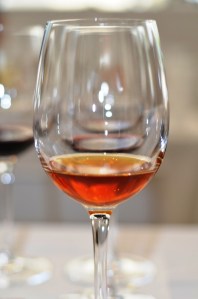 I’m sure that any proud oenophile and wine aficionado is acutely aware of the high class, delicious Spanish wines. Considering that Spain has the biggest planted area under vines in the world, and that wines had been made there for thousand of years, it is a no-brainer that Spanish wines are so well known and well recognized. Right? Well, the interesting fact is that for many casual wine drinkers, Spanish wines are still largely unknown. And, to top it of, you also need to understand that measly 30 years back, the only way to talk about Spanish wines, at least in the US, was by presenting them strictly as “value wines”.
30 years doesn’t sound like a lot – but the notion of time is relative, it fully depends on what is happening during that time. Wines from Spain mission was established in New York in 1984 to increase awareness of the Spanish wines in USA. Spanish quality control system, D.O., was established in 1986. Modern Priorat wines started in 1989. The pace of success and recognition only accelerated from there, with Parker awarding 100 points ratings to 5 Spanish wines in 2007 and Rioja named “Wine Region of the Year” by the Wine Enthusiast magazine in 2007. In 2012 Ribera del Duero became Wine Enthusiast magazine’s “Wine Region of the Year” and 2004 Cune Imperial Gram Reserva became Wine Spectator’s wine of the year in 2013.
To celebrate all the success of the Spanish wines in the USA, Wines from Spain recently conducted special tasting event in New York, called “Spain’s Great Match – wine food design”. The tasting consisted of a number of seminars and traditional walk-around tasting which included both wine and the food. The seminars were hard to get into, I only managed to attend one out of 4 (there rest was sold out almost before they were offered) – but boy, what a seminar it was!
The seminar was led by the wine educator Steve Olson, who was one of the early proponents of the Spanish wines and who was instrumental in helping Spanish wines to gain market recognition in the US.
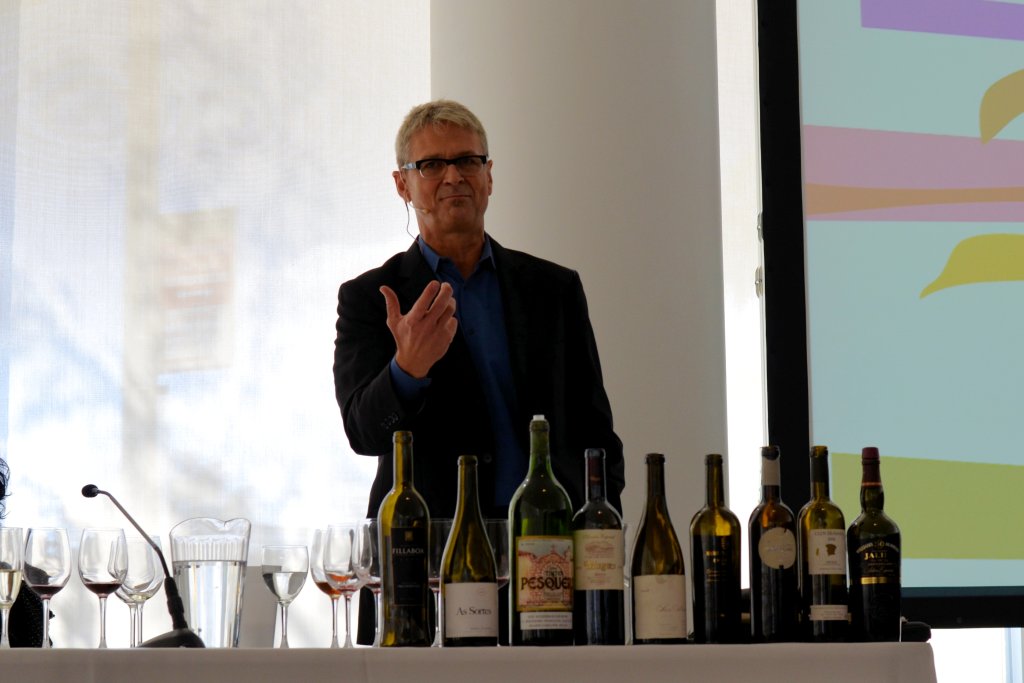 We started tasting from the toast of NV Freixenet Cordón Negro DO Cava, which was surprisingly (yes, please pardon my inner snob) nice, with some toasty notes and good mousse. It turns out that Freixenet was one of the very first importers of the Spanish wines in US, starting from 1974.
Next we had two beautiful whites:
2012 Bodegas Fillaboa Selección Finca Monte Alto Albariño DO Rias Baixas ($30) – Single vineyard, hand-harvested and sorted, made to age. Beautiful complex nose, white fruit, herbal nose. On the palate – pronounced minerality and acidity, literally devoid of fruit – will be interesting to see how this wine will evolve. Extremely long finish. Needs food.
2012 Rafael Palaciós As Sortes Valdeorras DO ($30, 100% Godello) – beautiful nose, white fruit, spices, a good Burgundy-rivaling complexity. On the palate -great acidity, white fruit, perfect balance – excellent texture, minerality and finish. The wine was double decanted before serving.
And then there were [spectacular] reds. All the red wines with the exception of 1984 were double-decanted to help them open up.
1984 Bodegas Alejandro Fernandez Tinto Pesquera DO Ribera del Duero ($30/current release, 100% Tempranillo) – 1984 was very unusual year – grapes were harvested in December(!). Nose – wow! Everything you want in the red wine – cedar box, red fruit, spice cabinet – warm, inviting. Palate – young, astringent, with very present tannins, blackberries – outstanding wine.
2010 Bodegas Muga Reserva Especial DOCa Rioja ($40) – Beautiful, warm nose, complex, touch of rhubarb, ripe fruit. Dry, perfect acidity, blackberries, restrained, great balance, dust on the palate, firm structure.
2005 Descendientes de José Palacio Corullón San Martin, Bierzo DO ($75, 100% Mencia) – this wine was produced for the first time in 1998 at the biodynamically farmed estate. Production is tiny, about 120 cases. Ripe fruit on the nose, eucalyptus, herbs. On the palate – firm structure, great minerality and acidity, spices, great depth, textural dust.
2007 Pago Marqués de Griñon Emeritus, DO Dominio de Valdepusa ($75, 66% Cabernet Sauvignon, 17% Syrah, 17% Petite Verdot) – wow! Amazing – would beat any California Cabernet. Green bell pepper, touch of cassis, great concentration, firm structure, great balance. Drinkability: 9
2004 Bodegas Mauduros San Román, Toro DO ($150, 100% Ink of Toro) – baking spices, concentrated dark fruit, tar, hazelnut. On the palate – delicious, complex, starts from sweetness and evolves almost to astringency. General Tempranillo traits with tremendous concentration.
2005 Clos Terrasses Clos Erasmus Priorat DOCa (~$1,000 for 2005 vintage, about $300 current vintage, 85% Garnacha, 15% Syrah, 100 points Parker) – elegant, open nose, sage, cherries, incredible palate, sweet fruit, spices, blackberries, blueberries, tight frame, impeccable balance, just beautiful. Drinkability: 9
Williams & Humbert Jalifa Amontillado VORS Jerez DO ($35) – this wine is about 50 years old. Very complex nose with anchovy, almonds, hazelnuts. Wow – incredible complexity on the palate – leather, spices, truffle oil – wow! Craves food – and will work with variety of foods.
To say that this was a great tasting would be an understatement – I also like the fact that the wines were selected to showcase major regions and capabilities of the Spanish winemaking.
Yes, this was one and only seminar I was able to attend – but the tasting continued with the extravaganza of other Spanish wines and food. One interesting observation from the tasting was the fact that most of the big name in Spanish wines were absent in the tasting itself – La Rioja Alta, Cvne, Lopez de Heredia, Vega Sicilia, none of the great Grenache wines, like Alto Moncayo, Bodegas Gil – the list can go on and on – none of them were represented. Yes, I understand that for the most part the tasting is run through the distributors and not directly by the wineries, but still. This was the only peculiar observation I made.
And here are two more interesting observations for you (here interesting = positive). First, Godello is coming! Godello is a white grape, indigenous to Spain, which is capable of producing Chardonnay-comparable wines. There were a lot of Godello wines presented at the tasting, most of them of a very good quality. I can definitely say that Godello is squarely joining the ranks of Albariño, Viura and Verdejo, the best known Spanish white grapes. You should definitely look for Godello wines in the store if you want to try something unique and different.
And the second point: in the “inexpensive wines” category, Spain clearly kicks butt! Some of the wines priced at $10 or less were simply outstanding, but even outside of that price range, it is almost impossible to beat Spanish wines in the QPR category.
Before we we will talk about the wines, a few words about the food. There was a lot of delicious Spanish food presented at the event. First of all, there was cheese. For anyone who likes Spanish cheese, that was simply a heaven – lots of different Manchego, Iberico and other cheeses – different age, different pasteurization – a lot more options than you can find at the average store. There were also anchovy, called boquerones in Spain – white boquerones were simply delicious (yes, of course it is a personal opinion). And there was lots of tapas, masterfully prepared right in front of the desiring crowd. The tapas were made periodically, and every time that process would create a crowd of people, all hoping not to miss the new and interesting dish. Food at this event definitely commanded as much attention as the wine had. Here are a few pictures, just to attest to what I just said.


And of course, for what it worth, here are the notes from the rest of the tasting. I have to say that the tasting was organized in a bit of a strange way. My major complaint was the fact that there was no reasonable handout of any sort, so taking any notes of essence was simply impossible. Also the whole tasting was not logically organized, with packets of regional wines mixed with individual wineries and also distributors – the was no system of any sort, which made the overall tasting experience frustrating rather than productive. Anyway, below are my notes, in the usual tasting style, using “+” signs. You will not see any “+” wines, “++” only if really deserve mentioning, so most of the wines should be above “++”. On a positive side, I picked up again a few grapes, which I will mention in the notes. Here we go:
2005 Agricultura y Bodega Renacimento de Olivares Rento, Ribera del Duero ($55) – ++-|, overextracted
2011 Alejandro Fernández Tinto Pesquera, Ribera del Duero ($40) – +++, excellent
2009 Bodega Matarromera Matarromera Crianza, Ribera del Duero ($30) – +++, restrained, nice, ready
2011 Bodegas Emilio Moro Ribera del Duero ($25) – +++, delicious, round
2010 Condado de Haza, Ribera del Duero ($28) – +++, beautiful
2011 Legaris Crianza, Ribera del Duero ($27) – ++-|, not ready
2010 Bodegas Reyes Teofilo Reyes Crianza, Ribera del Duero DO ($31.50) – +++
2013 Bodegas Marqués de Vizhoja Torre La Moreira Albariño, Rias Baixas DO ($19.99) – ++
2012 Condes de Albarei Albariño, Rias Baixas DO ($15) – ++-|, nice, clean
2013 Adegas Morgadio Albariño, Risa Baixas DO ($22) – +++-|, wow! fruit, great! delicious!
2009 Bodega Prado Rey PR3 Barricas Verdejo Rueda DO ($22) – ++-|
2013 Bodegas Angel Rodriguez Martinsancho Verdejo Rueda DO ($22) – +++
NV Finca Hispana Fino DO Montilla Moriles ($8.99)- +++, unbeatable QPR!
2013 Finca Hispana Xarel.lo DO Penedés ($8.99)- +++, unbeatable QPR!
NV Finca Hispana Cava Brut Imperial Reserva Cava DO ($14.99)- +++
2013 Vitivinícola do Ribeiro Viña Costeira Ribeiro DO – +++, clean!
2013 Moure Vinos Artesans Moure Tradicion Blanco, DO Ribeira Sacra ($40) – ++-|
2013 Nivarius Rioja DOCa ($24.99, Tempranillo Blanco and Viura) – ++-| new grape!
2011 Quinta de Muradella Alanda Blanco, DO Monterrei ($35, 30% Dona Blanca, 30% Treixadura, 30% Verdello, 10% Monstruosa de Monterrei) – ++-|, new grapes!
2013 Bodegas Nivarius Nivei Rioja DOCa ($11.99) – ++-|
2011 Losada Vinos de Finca Bierzo DO ($22) – +++, great!
2013 2013 Finca Hispana Garnacha Terra Alta DO ($8.99)- +++, unbeatable QPR
2009 Martinez Lacuesta Crianza, Rioja DOCa ($17.50) – +++
2005 Bodega de Sarria Reserva, Navarra DO ($16.95) – +++
2011 Terra de Falanis Muac! DO Montsant ($16.95) – +++, delicious, spicy!
2012 Pagos Los Balancines Crash, VT Extremadura ($10.50) – ++, mnice!
2012 Moure Vinos Artesans Moure Tradicion Barrica, DO Ribeira Sacra ($29, Merenzao) – ++-| new grape!
Here we are, my friends – a delicious Spanish wine experience with many personal discoveries (like Marqués de Griñon Emeritus – you have to taste it believe it) and the new grapes. Let me finish this post with the question – are the Spanish wines part of your regular “wine lifestyle”? Do you look at the Spanish wines only as a source of value, or do you consider them world-class and the best hidden secret of the wine world? Let me know and cheers!
International Tempranillo Face Off – USA Fares Well
 Thinking about Tempranillo, what wines come to mind first? Rioja is an unquestionable champion, with its bright fruit expressions packaged into eucalyptus laden cigar box. Ribera del Duero is definitely next, with its perfect, firm structure, and then Toro, with layers upon layers of power. Tempranillo has one of the most synonyms, most of which point back to the different areas in Spain, so it is given that outside of three regions we just mentioned, the grape is very popular all around Spain. And then… well, there is not much outside of Spain. Portugal, where Tempranillo is known under the names of Aragonez and Tinta Roriz, is the only internationally renown source of Tempranillo wines outside of Spain – even then mostly using Tempranillo as a part of the blend. Australia and a few other countries also experiment with the grape – but I’m not sure they produce something worth bragging about.
And then, of course, there is the USA. Tempranillo made it into the California at the beginning of the 20th century, but really didn’t find much success there as a single varietal wine. You can find some of the Tempranillo made in the southern California, in places like Temecula Valley, but those wines are little known outside of the wineries which produce them. On a big scale, Texas probably is having the biggest success with Tempranillo in USA, where the grape is considered a signature state grape, and Tempranillo wines produced by many wineries. But our conversation today will not be about Texas Tempranillo – we are going a lot further North on the map, to the state of Oregon.
No, Oregon is not an internationally renowned source of Tempranillo wines, not yet anyway. However, while I was recently participating in the #winechat about Oregon Pinot Noir, someone mentioned Tempranillo as one of the grapes in Oregon which might have a bright future. As I’m very partial to the Tempranillo wines with the great love of Rioja, that piqued my interest. Tempranillo? From Oregon? Really? How good can that be? I was told that Abacela winery in Oregon produces excellent Tempranillo wine. I reached out to the winery, and – got the bottle to taste. But – I didn’t want to taste this wine on its own – I wanted to create some frame of reference. Yes, I would love to get the Texas Tempranillo, but – that would take a lot of time. Of course the best available source of Tempranillo wines is Spain, so I decided to get a few different wines from Spain. I purposefully avoided Rioja – those wines are rarely 100% pure Tempranillo, and the winemaking style is very specific to Rioja, so it wouldn’t be a good reference. Ribera del Duero wines also might be a bit too specific for this exercise, and Toro wines pack way too much power. I looked for generic Tempranillo renditions in my local wine store, and came up with two bottles from Spain – one from Navarra and one from La Mancha.
Before we talk about our “face off”, let me say a few words about our competitor from USA – Abacela winery. According to the winery’s web site, Abacela name comes from “an ancient and now almost obsolete verb, ‘abacelar’ common to three Iberian languages-Spanish, Galician and Portuguese-and which means “to plant a grape vine.”” Abacela winery started in 1992, when Earl and Hilda Jones purchased a 19th century property in Umpqua Valley in Southern Oregon. This purchase was the result of a very long and intense research on the climate, soil and landscape, to find the place ideally suited to produce a Tempranillo wine on par with the best Spanish Tempranillo. If you are interested to see how the pursuit of passion looks like, read the section called Story on Abacela web site – I wish the other wineries will give you even half of the information about their wines and vineyards.
Our tasting, which I proudly called Face Off, was very simple – I sat down with my wife to try these three wines. We tried the wines in the exact order as you will see it below.


Here are the detailed notes:
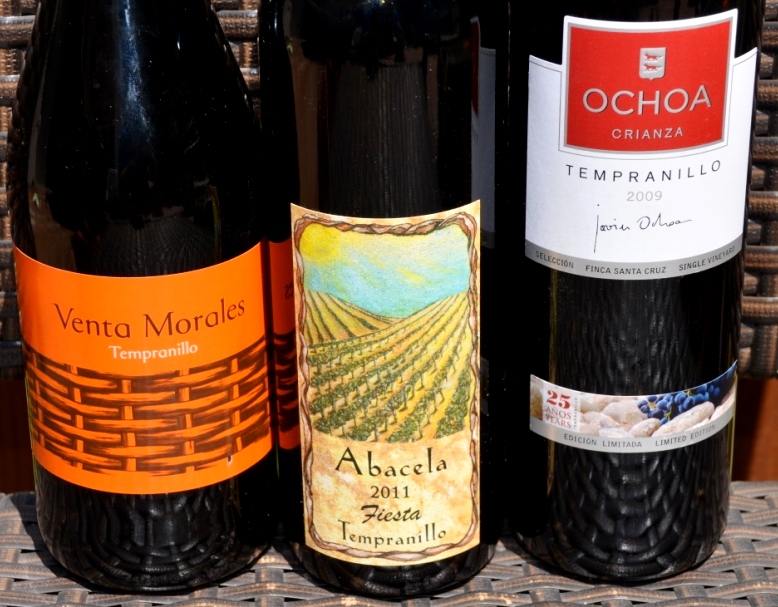
2010 Venta Morales Tempranillo La Mancha, Spain (13.5% ABV, $7.99)
Color/visual: Dark garnet, almost black. Very substantial legs
Nose: Baking spices, ripe plums, touch of earthiness
Palate: Prunes, touch of figs, nice acidity, slight imbalance at midpalate
Verdict: Shows slightly “overboard”. Drinkability: 7
2011 Abacela Fiesta Tempranillo Umpqua Valley, Oregon (13.6% ABV, 17 months in barrel, $23)
Color/visual: Garnet, noticeable rim variation as well as legs
Nose: dark chocolate, herbs
Palate: Very elegant, nice fresh fruit, good acidity, very noticeable cherries, present tannins, medium to long finish
Verdict: overall very nice wine. Should be able to stand up against Ribera del Duero. Drinkability: 8-
2009 Bodegas Ochoa Finca Santa Cruz Tempranillo Crianza Limited Edition, Navarra, Spain (13.5% ABV, aged 1 year in American oak, $15.99)
Color/visual: Garnet color, very slight rim variation, noticeable legs
Nose: Touch of sweet fruit, sweet cherries, eucalyptus
Palate:Elegant, perfectly balanced, soft sweet fruit, tobacco, smoke, incredible textural complexity, touch of dust
Verdict: An outstanding Tempranillo, one of the very best I ever tried. Drinkability: 8
As you can see, Abacela Tempranillo definitely worth its salt soil, and I would highly recommend it (if you can find it). I also want to note that Abacela Fiesta is only an introductory Tempranillo – they produce another 3 wines out of Tempranillo, plus a full range of very unusual for the Oregon (or even USA) wines, such as Tannat, Dolcetto and Tinta Amarela – full list looks very impressive and tempting.
As for my little Tempranillo competition, we are done here. Have you ever had an “unusual” Tempranillo wine? Have you ever tried Abacela Tempranillo or any of their wines? What do you think? Cheers!
Celebrate #VerdejoDay on June 12th – And Discover Great White Wines!
 Here I come again with my rhetorical question – how many of you tasted Spanish white wine made from Verdejo grape – raise your hands? Yes, this was quite expected. Meanwhile, Verdejo wines are well worth your attention. Depending on the winemaking style, Verdejo wines can take on the full range of the expression, from light and refreshing to full bodied, complex and thought-provoking. I talked about my favorite Verdejo wines from Bodegas Shaya many times in this blog. 2009 Bodegas Shaya Habis Verdejo, (made from the grapes harvested from 100+ years old vines) was my wine #9 in the Top Dozen Wines of 2011, and 2008 Bodegas Shaya Old Vines Verdejo was one of the wine highlights in February of this year.
Another great example of Verdejo wine is Martinsancho Verdejo, which is produced in the quantity of less than 4,000 cases a year from the Martinsancho vineyard. Verdejo is a star indigenous white grape of Rueda region in Spain, tracing its history hundreds of years back, which became nearly extinct in the 1970s. These were the efforts of Angel Rodríguez of Martinsancho, who used the cuttings of Verdejo vines from the Martinsancho vineyard, to help bring the Verdejo wines back to the mainstream.
Now, what I want to bring to your attention is that instead of listening to me, you can actually go and experience the Verdejo wines on your own! Next Thursday, June 12th, is the #VerdejoDay, which will be celebrated both virtually and in the actual live events. If you live in a close proximity to New York, Chicago, Miami or Los Angeles, you can attend the Verdejo celebration in person. In all four cities, the parties will take place in the restaurants, where you will be able to taste various Verdejo wines (there will be 12 different wines served in NYC), experience Rueda regional cooking and have fun!
To read more about #VerdejoDay celebrations and Verdejo wines, please click here. To register to attend a #VerdejoDay celebration in one of the four cities, please use this link to EventBrite site.

Shaya
Even if you can’t attend one of the events, go find a bottle of Verdejo in your local wine store – and you can thank me later. Cheers!
A Trip to Spain – at Barcelona Restaurant in Greenwich, CT
 About a month ago I got a note, which I shared with all my readers – Barcelona Restaurant in Greenwich is offering a special wine education program, called Passport Through Spain – 4 evenings of exploring the wines of the different regions in Spain, of course accompanied by the food. I didn’t have a chance to attend the classes until the very last one – but boy, am I happy I was able to attend at least one class!
The last class was focused on the region called Valencia. Valencia is more known for its paella and oranges than for its wines – but this is probably what made it more fun for me. The previous three classes were focused on Rioja, Galicia and Priorat, and I’m somewhat familiar with the wines of those three regions – but Valencia is quite unknown to me, and thus intriguing.
Region of Valencia is located on the east coast of Spain, along the Mediterranean sea line. There is a number of winemaking areas in Valencia, with Jumilla probably being the most known. There is a mix of climate zones in the region, some been more Mediterranean, and some more continental, but the very hot temperatures are quite common throughout the summer. However, in the areas with the continental climate the temperatures can drop very low in the evening, so the grapes can achieve great flavor concentration and depth. Similar to all other regions in Spain, the quality of wines in Valencia is steadily increasing, with the regions such as Valencia, Utiel-Requena and Alicante taking their place on the wine map. There is a mix of indigenous and international varieties growing in the region, with probably Malvasia and Moscatel being stars among the whites, and Monstrell, Bobal, Garnacha Tintorera and Garnacha Tinto among the reds.


The Valencia wine class was conducted by Jose Valverde, the Sommelier at Barcelona Greenwich, who is the wealth of knowledge and just a pleasure to listen to. We started with the wine called 2010 Bodegas Rafael Cambra Soplo Valencia DO (14% ABV, 100% Alicante Bouschet/Garnacha Tintorera, 3 month aging in oak) – it was this wine, made out of the Alicante Bouschet, known in Spain as Garnacha Tintorera, which prompted my last wine quiz – so here you can read some interesting facts about that grape.
Here are my notes about the wine:
Color: Dark ruby, concentrated
Nose: Earthy, warm, inviting, with touch of espresso, cherries and pencil shavings, very intense
Palate: Perfect acidity, cassis, almost a Cabernet Sauvignon/Cabernet Franc profile, espresso, touch of bell peppers, very restrained.
Verdict: Beautiful wine, you just can’t put your glass down. Drinkability: 8+
Barcelona is actually a restaurant group, and they have a number of restaurants in Connecticut and even outside, all focused, of course, on Spanish food and wine. It was very interesting for me to learn that Barcelona takes the idea of cultural heritage very seriously – yes, I’m talking here firstly about food, cooking and overall Spanish cuisine traditions. Every year the group of chefs and other people who make your restaurant experience special, travel to Spain to immerse into, to embrace the cuisine, the food, the wines, to learn the ways Spanish restaurants operate. Best of the best is brought back home and then shared with us, lucky customers, in the form of special food and special experiences. The very first dish which was served to us, lucky customers, was the Toast with Bacalao Spread. Executive Chef Michael Lucente tasted that dish at one of the restaurants in Spain while being on educational trip. He loved the dish, and he asked for the recipe. Guess what – he didn’t get it, as the chef outright refused to share it. Chef Michael spent a year (!) perfecting that recipe, but as a foodie I think it was totally worth it. Incredible balance of flavors, and texturally interesting – this was one delicious tapas.

We continued our journey through Valencia with 2010 Bodegas Sierra Norte Pasión de Bobal Utiel-Requena DO (13.5% ABV, 100% Bobal). Bobal is a unique Spanish grape, which doesn’t grow anywhere else – however. there is plenty of it growing in Spain, with more than 80,000 acres, which makes it one of the most planted red grapes in the world. The climate in Utiel-Requena is one of the harshest in Spain, with very hot summers and cold winters with frost and hail, but still, the grapes persevere!
Here are the notes for this wine:
Color: Ruby
Nose: Freshly crushed grapes, but restrained. Brighter nose than the previous wine, with some black cherries, herbs and tobacco.
Palate: Noticeable tannins, but overall light, open and clean, should be very food friendly. I crave the complexity of the first wine!
Verdict: Nice, simple and very food friendly – will complement wide range of foods! Drinkability: 7+
The dish which was served with dish was Roasted Hen with pimento, fried chick peas and cilantro. The dish itself was very tasty, with all the flavors perfectly melding together – and it also worked perfectly with the wine! All those mild flavors of the wine very complementing bold flavors of Mediterranean cuisine, so this was definitely an excellent match.


Our last wine of the evening was 2009 Pedro Luis Martínez Arriba Término de Hilanda Monastrell, Jumilla DO (14.5%ABV, 100% Monastrell, 14 month aging in new American and French oak) – Monastrell, which is a lot more international grape than the previous one (it is known as Mourvedre in France and Mataro in Australia), is definitely the best known grape in this tasting group. One problem I often have with Monastrell wines is that they are made overly jammy, with lots of in-your-face overcooked fruit. Luckily, not this wine!
Here are the notes:
Color: Dark ruby, concentrated, almost black
Nose: Closed
Palate: Powerful, coffee, dark chocolate, espresso, black plums, firm structure with spicy undertones, tar. Thought provoking, with excellent balance.
Verdict: Excellent wine, one of the best Monastrell wines I ever tasted. Drinkability: 8-
Care to guess what our last dish was? Yes, Paella! You can’t have a class on Valencia wine and not experience the classic of the cuisine. It was not even one paella, but two – both seafood and meat (rabbit and sausages) paella were served, and they both were absolutely delicious! No, I’m not going to describe them to you – just get to the restaurant and taste it for yourself.


That was definitely an evening of fun learning, great food, great wine and great conversations. There are only a few things are left for me to do here. First of all, I want to thank Barcelona Greenwich Sommelier Jose Valverde, Executive Chef Michael Lucente and PR Director Ria Rueda for the excellent program and great experience of Spanish wines and Spanish cuisine. Also, I want to bring to your attention the fact that Barcelona Restaurant group does a lot of work to educate the customers on both food and wines of Spain, so you will do yourself a lot of good if you will check their calendar and sign up for updates – there are great events happening literally every week! You can find Barcelona Restaurant and Wine Bar calendar right here – it covers all of the Barcelona locations and even more general events where Barcelona restaurants participate, so don’t think you should live in a close proximity of Greenwich to take an advantage of these special events.

Sommelier Jose Valverde and Executive Chef Michael Lucente
And we are done here. If you are looking for the great Spanish food and wine experience – there might be a Barcelona restaurant near you! Cheers!
Barcelona Greenwich
18 West Putnam Ave.
Greenwich, CT 06830
Tel: 203.983.6400 203.983.6400

Weekly Wine Quiz #96: Grape Trivia – Alicante Bouschet
The Wine Quiz series is not meant to intimidate. The whole idea here is to have fun and learn something new. When answering the questions, it is fully encouraged to use all available sources of information, including Google or any other search engine. There are no embarrassing answers – the most embarrassing thing is not giving it a try…
Welcome to the weekend and your new wine quiz!
We are continuing our grape trivia series, still focusing on the red grapes, and today’s subject is Alicante Bouschet, or Alicante Henri Bouschet, if we want to use the full and official name.
How many of you ever heard of Alicante Bouschet, let alone tasted the wines made from that grape? How about Garnacha Tintorera? Still nada? Yes, I know – at this point, I’m reaching into the obscure grapes territory, the dark side of the wine world. But this grape, Alicante Bouschet, is so unique and different, in its past and present, that I can’t pass an opportunity to learn about it together with you.
Alicante Bouschet grape was created in 1866 by Henri Bouschet as a cross between Petit Bouschet and Grenache. To make things a bit more interesting, it is worth noting that Petit Bouschet was created by Louis Bouschet, the father of Henri Bouschet, this time as a cross between two ancient varietals, Teinturier du Cher and Aramon. Talking about unique – Alicante Bouschet is one of the very few red grapes in the world which are classified as teinturier – the grape which makes the juice of red color. Take any of the well known red grapes – Cabernet Sauvignon, Pinot Noir, Merlot, most anything – and break it apart. The juice which will be coming out will be clear. It is the skin which gives the color to majority of the red wines. When it comes to Alicante Bouschet (and other teinturier grapes, which are very few), the juice will be coming out as red.
After being created in 1866, Alicante Bouschet somewhat rapidly spread out all over the world. It was used in France to replant vineyards after the phylloxera devastation. It made it to Portugal and Spain, where it is known under the name of Garnacha Tintorera, and continued its successful journey further into Italy, Australia, Chile, United States and the number of other countries.
Alicante Bouschet is known to produce not even large, but rather huge crop. It is also an early ripening grape, which creates somewhat of a problem, as it doesn’t accumulate enough flavor depth and enough sugar to make it into the single-varietal wine. As the result, it is often used as part of the blend just with the purpose of adding the color (and the color it got!). Another important characteristic of the grape is a very thick skin, which helps it to withstand the long distance transportation. This quality of Alicante Bouschet made it extremely popular grape during prohibition times in the US, as it could sustain the long railroad voyage from west coast to the east. In addition to handling the long distance transportation quite well, Alicante Bouschet think skin and juicy flesh was allowing for it to be pressed three times (most of the common grapes will allow for one, or an absolute maximum of two pressings), thus one could get more decently colored wine from much lesser amount of grapes.
Today, the plantings of Alicante Bouschet decreased in the countries like France and United States, where it is used mostly for blending. However, the grape is increasingly popular in Portugal, where it makes wonderful concentrated wines in the Alentejo region. Southern Spain also has very substantial plantings of Garnacha Tintorera, and with controlled yield produces outstanding single-varietal wines.
And now, to the quiz!
Q1: True or False: according to the 2010 data, Alicante Bouschet is one of the 15 most planted red grapes in the world?
Q2: Wine Spectator calls wines with 90-94 ratings “Outstanding: a wine of superior character and style”. True or False: There are no Alicante Bouschet-based wines rated as Outstanding by Wine Spectator.
Q3: Alicante Bouschet makes a very popular addition (albeit in miniscule quantities, about 5% or less) to some of the very well known and popular California varietal wines. Can you name two of those popular California grape varieties?
Q4: Below is the list of countries growing Alicante Bouschet/ Garnacha Tintorera. Based on 2010 data, sort that list from the biggest area plantings to the smallest:
a. Chile
b. France
c. Italy
d. Portugal
e. Spain
Q5: Which one doesn’t belong and why?
a. Carlisle
b. Francis Ford Coppola
c. Ridge
d. Turley
Good luck, enjoy the quiz and your weekend! Cheers!
Admit It – You Always Wanted To Learn More About Spanish Wines – Here Is Your Chance
 When it comes to wine, I never admit that I have favorites – I always say that I like them all. But deep, deep inside, I know that this is a little bit of a lie (just a tiny one, seriously) – it is Spanish wines I’m very particular to in many cases. Spain has the biggest area of the vineyards planted, and it is third wine producing country in the world, so you can imagine that there is quite a bit to learn about Spanish wines.
So, what I’m trying to tell you is this. If you are interested in learning about Spanish wines, and you live in a close proximity of Greenwich, CT, you are in luck! Barcelona Wine Bar and Restaurant in Greenwich, CT is offering to take you on the tour of four different regions in Spain, during the course of four evenings in March. Here is the description of the Passport Through Spain program from the Barcelona’s press release:
“Jet set through Spain in the best way imaginable with a glass (or several) of wine, expertly prepped tapas and the rustic, and warm environment of Barcelona Wine Bar & Restaurant in Greenwich, CT. Each one hour class in the series (there are four in total) will focus on a particular Spanish region, history behind the wines and the food that best accompanies them prepared by Chef Michael Lucente. These wine classes are designed to enlighten and inspire both the novice and enthusiast. Wine Steward, Jose Valverde will guide you along the way, with tips and tricks for successfully pairing your wines with local food.
The series will take place each Wednesday during the month of March beginning on March 5th at 7:00pm. The first wine-pairing class covers the Rioja region best known for its Old World style and their well-aged red wines. The second covers Galicia (March 12th), a seaside region. The third class on March 19th covers Montsant/Priorat, known for its powerful, elegant and complex wines and the last class on March 26th will focus on the Valencia region.
Attend one class or attend them all. With the first class you attend, you’ll receive a Barcelona Wine Bar & Restaurant passport. Each time you attend a class, your passport will be “stamped” and you receive a complimentary tapa token to redeem on your next visit. Attend all four classes in the series and receive a [$100] gift certificate for two people. Each class is $35 per person (plus tax and gratuity) with a maximum of 20 people attending. Reservations can be made by contacting rsvp@barteca.com.”


If you think about it, you will pay $140 for the four classes, and you will get four tapas tokens plus a gift certificate for $100 – which means that you will have great fun education basically… for free. Remember – there are only 20 seats available for each class, so don’t delay! Also, as Valentine’s Day is rapidly approaching, in case you are still thinking about the present, the gift of wine education might be just it! ¡Salud!
Celebrate Tempranillo!
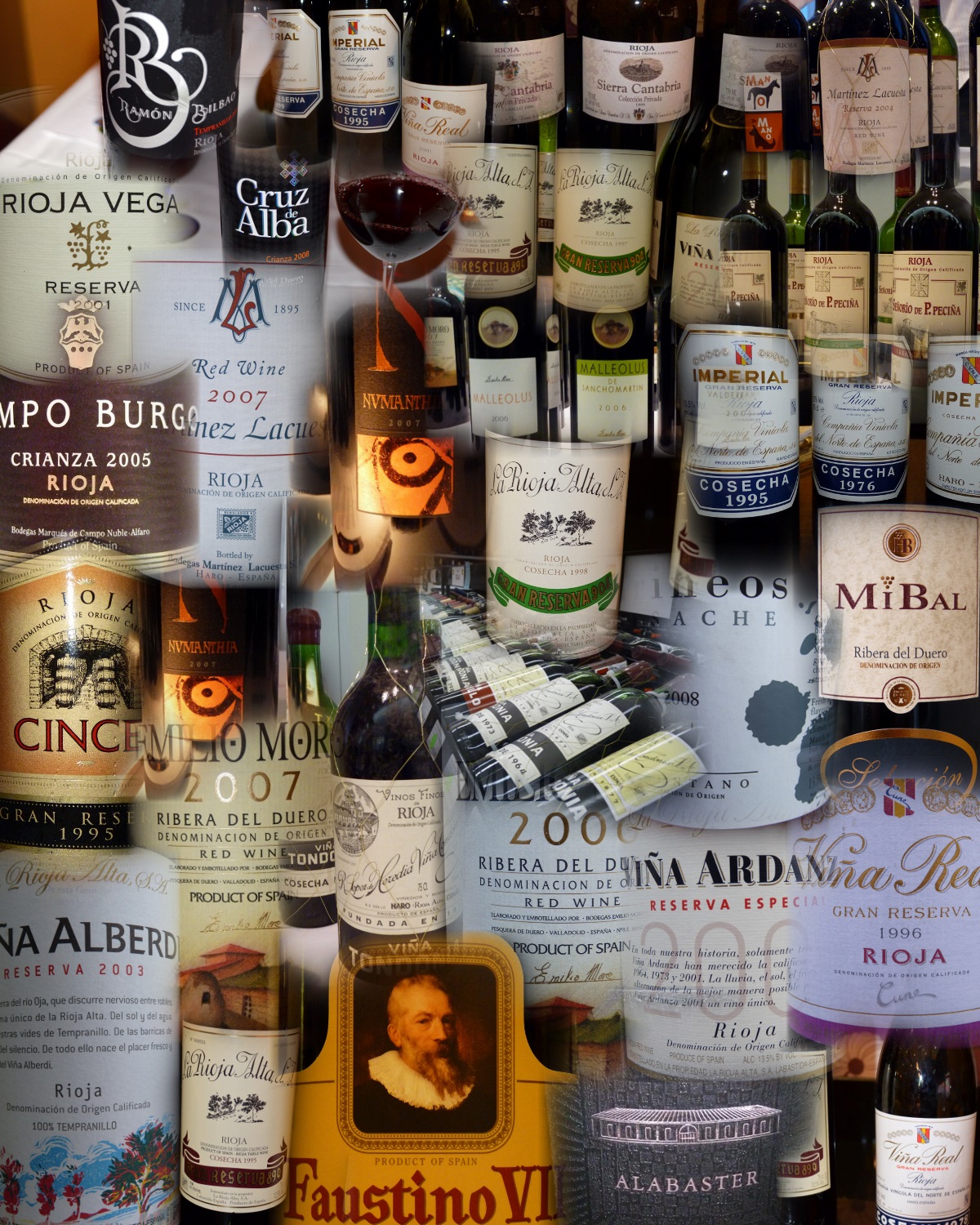 Today is an International Tempranillo Day 2013!
Tempranillo is an indigenous grape originated in Spain (by the way, do you know that Spain has the biggest area of grape plantings in the world?), with more than 2000 years of history. It is black, thick-skinned grape, capable of surviving temperature swings of Mediterranean climate, with very hot days and cool nights. Name Tempranillo comes from Spanish word temprano, which means “early”. Tempranillo typically ripens two weeks earlier compare to many other grapes. Tempranillo also one of the most widely planted red grapes in the world, with about 500,000 acres planted world-wide.
Tempranillo grapes are naturally low in acid and sugar content, so they often rely on blending partners to complement on both. Flavor profile of Tempranillo typically includes berries, leather (so famous in Rioja wines) and tobacco. Most famous Tempranillo wines come from Spain, from Rioja and Ribera del Duero regions, but Tempranillo is successfully growing in many other regions, including Portugal, California, Texas (up and coming star), South Africa, Australia and others. It is also interesting to note that Tempranillo is known under lots of different names (and as such, can throw some curve balls to The Wine Century club aficionados) – it is known in Spain as Tempranillo, Tinto Fino, Ull de Llebre, Tinto de Toro (this grape actually has clonal differences, similar to Sangiovese/Sangiovese Grosso), Cencibel and many others. It is known in Portugal as Tinta Roriz, Aragonez and Tinta Aragonez. But for the rest of the world it is simply known as Tempranillo.
So what is so great about Tempranillo? It has a few qualities which squarely set it on the line with the bets of the best in the wine world.
First, it has a great affinity for oak – Tempranillo wines can age and improve for the very long time in the oak barrels, and the resulting wine will pick up subtle nuances and complexity from that oak.
Tempranillo wines are very good at ageing. Best Tempranillo wines will rival best Bordeaux and Burgundy when it comes to improving with age and maintaining its youthful character. I have a first-hand account I can share with you – here is my experience with 1947 Rioja Imperial.
Last but absolutely not least in my book – Tempranillo wines are affordable! You can drink absolutely fabulous wines in the price range of $20 to $50, occasionally going into the $80+ – can you say the same about California Cabernet, or Burgundy, or Bordeaux? Not really… But with Tempranillo wines you do have this luxury. Of course there are Tempranillo wines which will cost $600+, but those are the exception, not the norm.
So what Tempranillo wines should you be drinking today, or any other day for that matter? I would love to give you a variety of recommendations, but come to think of it, I can only mention a few names coming strictly from Spain. There is nothing I can tell you about about Portuguese Tempranillo wines, as Tinta Roriz is typically blended with other grapes to produce Port. And while Tempranillo wines are made in Texas, California, Oregon, Washington and probably other states in US, most of those wines are available only at the wineries and rarely leave state limits.
But – when it comes to Tempranillo from Spain, I got favorites! Let me give you a few names of the producers – all the recommendations are personal, as I tasted many of their wines.
Rioja: La Rioja Alta, Bodegas Muga, Vina Real, Lopez de Heredia, Cune Imperial
Ribero del Duero: Emilio Moro, Vega Sicilia, Hasienda el Monsterio, Bodegas Alion
Toro: Teso La Monja, Numanthia
DO La Mancha: Bodegas Volver (one of the singularly best wines money can buy for around $15)
So I think it is the time to have a glass wine. Before we part let me leave you with a few interesting resources:
A vintage chart of Rioja wines, going all the way back to the 1925
A general vintage chart of Spanish wines, starting from 1992
A map of Spanish wine regions
And we are done here. Ahh, before I forget – Tempranillo Day now has a permanent spot in the calendar! It will be celebrated every second Thursday in November. Have a great Tempranillo Day and cheers!
Last Bottle Sign Up ($10 credit)




 Talk-A-Vino