Archive
Portuguese Wines: Pleasures Worth Seeking, And Waiting For
Once again, I want to start with the question.
What is the most frustrating question you can ask a wine lover?
I get it – we are all different, and so are our sources of frustration. Of course, I get it. And nevertheless, give it a thought, please. If you consider yourself a wine lover (not a collector, not a snob, just someone who really appreciates the glass of that special grape juice) – what is the question you don’t like to hear the most?
Okay, fine, I will go first.
“What is your favorite wine?”
This is the most innocent question one might expect, isn’t it? Once you show your love of wine one way or another, people love to ask that question – ahh, so what is your favorite wine? I literally cringe every time when I hear that question, because it is very hard to explain how such a simple and innocent question can’t get a good, simple answer – and yet I can’t answer that question.
Every time I answer this question, I lie. When I say “I have no preference, I love them all” I lie because I have preferences. Lots and lots of preferences, and yes, I love them all, but then… Yeah. And when I say “I love Spanish Rioja” it is a lie, because I love Rioja from very particular producers, and not just any Rioja. Moreover, depending on the day, food, and company, there will be other wines that I love as much as I love Rioja. See, there is no escape from the lies.
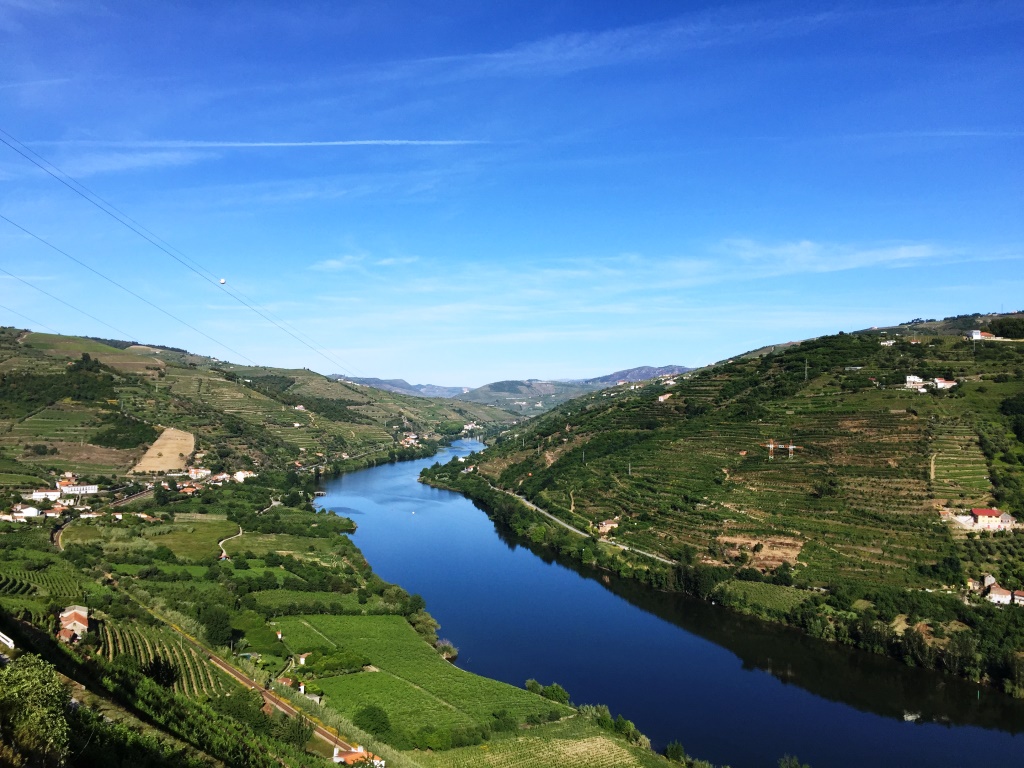
So when I say “I love Portuguese wines” it is one of those statements. Yes, I love Portuguese wines, but not all of them – I have preferences.
Portuguese wines became somewhat of an obsession to me about 15 years ago, but I don’t believe you would easily guess the reason why. It was not just because they were really, really inexpensive at the local Bottle King wine store in New Jersey ($5 per bottle was a pretty normal price, with occasional $4 showing up), but because they were made out of obscure grapes, and I was hunting down the obscure grapes to advance to the next levels of The Wine Century Club. Enjoying the wines was secondary, but spending countless hours with the search engine, trying to figure grape composition, grape synonyms – ohh, what a fun journey it was.
Based on what I just described, I wasn’t ready to claim my love for the Portuguese wines overall. In 2013, I was lucky enough to visit Porto, Portugal for work, and this is where it became literally love from first sight. At the restaurant, I just pointed to the bottle on the list. I had no idea what I’m ordering, but at €14 it didn’t seem like a big risk. The first sip made my eyes pop, and Portugal’s status was instantly elevated to the “oh my god” level. That wine was from Quinta do Cardo, a blend of Touriga Nacional, Touriga Franca, and a few other varieties – here is the original post.
A few more days into that same trip I had another wine which completely solidified my love for the Portuguese wines – Casa Burmester Reserva Douro – again, pure indulgence. There were lots more wines during that and two other trips to the Douro which made me form the opinion that Touriga Nacional is very similar to Cabernet Sauvignon in its ability to be grandstanding, to create the wine with a perfect flavor profile, perfect ripeness, perfect level of extraction and impeccable, sexiest mouthfeel. If you ever had Kamen Cabernet Sauvignon or Vérité La Joia, you would know what I’m talking about. Yes, I love Portuguese wines.
And one more thing about Portuguese wines. Similar to well-made California Cabernet Sauvignon, well-made Portuguese wines need time. Way too many times I had Portuguese wines which were not ready. I don’t know if analogies with Port are appropriate here (same grapes?), but Vintage Ports can easily age for 50+ years. I never had 50-years old wines from Portugal, but I have first-hand experience with, for example, 24 years old wine which was not ready to drink, not for a minute (you can read about it here).
When I was offered to try two Portuguese wines from the Douro, made by Prats and Symington, I quickly agreed – I told you already that I love Portuguese wines, remember?
I always like to talk first about the producer before discussing the wines. Only a few days ago I wrote at length about a number of Port wines produced by the Symington Family Estates, so this is the part of the story I don’t need to repeat – you can read it here. But understanding the “Prats” was a bit more challenging. The website section for Prats and Symington, or P+S how it is abbreviated provides rather limited information. I was only able to learn that “In 1999 our family formed a partnership to make top Douro wines with the Prats family of Bordeaux”, and that “the first Prats & Symington wine was Chryseia 2000 which received widespread national and international acclaim”. I felt as in my early days of combing Portuguese wine labels and information tidbits for the grape names, so I had to do a bit of research.
I was able to figure that Prats in P+S is actually Bruno Prats, former owner of Château Cos d’Estournel and experienced winemaker, who applied Bordeaux winemaking philosophy, especially around blending, to the production of the P+S wines, which resulted in the wines with the highest critic ratings in the history of Portuguese unfortified wines. This article in the Dinks Business online magazine explains Bruno’s winemaking philosophy very well.


The two wines we are talking about here are 2018 P+S Prazo de Roriz Douro (14.5% ABV, $17, 35% Touriga Franca, 20% Touriga Nacional, 20% Mixed varieties, 15% Tinta Roriz, 10% Tinta Barroca, 6 months in 400L neutral French oak Barrels) and 2019 P+S Post Scriptum de Chryseia Douro Red (14.2%, $27, 56% Touriga Franca, 33% Touriga Nacional, 7% Tinta Roriz, 4% Tinta Barroca).
There are two main vineyards used in the production of these two wines – Quinto de Roriz, one of the oldest and best vineyards in Portugal, already famous for its single-vineyard wines in the 18th century, and Quinta de Pedriz, a newly acquired vineyard in Rio Torta and specifically planted with Touriga Nacional and Touriga Franca grapes.
As these were two sample wines, I also got technical notes for both, which I typically like to glance over. Two items attracted my attention in the notes. First, there was a line there saying “Decanting: Not required”. Second, the “Storage and Serving” section stated ” Ready for immediate consumption”. Leaving decanting aside, “ready for immediate consumption” somehow bothered me.
Prazo de Roriz was actually as promised – from the moment the wine made it into the glass, the wild strawberries on the nose and palate, which I tend to believe are signature flavors of Touriga Nacional, were prominent, and the wine was perfectly extracted, round, concentrated, and overall delicious (Drinkability: 8). It was also “dangerous wine” as I like to call them – once opened, they tend to disappear without second notice.
The first sip of Post Scriptum, made me say “hmmm” and reach for the decanter. Decanter didn’t really help – two hours later, the wine was still ultra-dense and literally devoid of fruit. I don’t give up on the wines easily, so back into the bottle the wine went. Next 4 days, I would pull out a stopper, pour a sip, and put the stopper immediately back. On day number 5, the magic transformation completed – the wine all of a sudden opened with the same wild berries profile, perfect extraction, round and layered, and ready to be admired. (Drinkability: 8+).
Here you are, my friends. Portuguese wines are easy to love – you just need to find the right wines and have a bit of patience. But seriously, the rewards are handsome – these are some of the best wines in the world which you can still afford without an expense account. Happy [wine] hunting!
Perfect Pairing for a Quiet Night
 Quick: can you name the wine (a type of wine) which would help you to enjoy your quiet evening? Winter evenings often bring out this “quiet night” analogy, as it gets dark really early, and you might find more time available to yourself. But of course, there are plenty of quiet nights during spring, summer, and fall. When all the daily chores are done, the house is getting quiet, you can pour yourself a glass of something, sit in your favorite chair with your favorite book (maybe), and just feel at ease. So what would that “something” in your glass be?
If you said Scotch (neat!), we are totally intuned, but this we will discuss other time.
If you said Port, then we really understand each other, because it is Port I want to talk about today.
What do you think of Port? Not the port-style, but actual, classic Port from Portugal – 10, 20, 30, 40 years old, vintage, late bottled vintage, colheita – doesn’t matter what type and age, but classic Port?
Port used to command the wine world. It was born out of need more than anything else – in the 17th century, the war between England and France forced Englishman to seek a replacement to the French Claret. Portuguese wines were not great, tart and austere, and had a tendency to spoil in transit, until someone discovered that the addition of Brandy can prevent the spoilage – and additional of Brandy during fermentation made wines to retain a lot more of the sugar, thus making them even more palatable.
In the middle of the 18th century, in 1756, the Douro region of Portugal (this is the region where Port is produced) became the first identified and protected wine-growing area in the world (take a note – this is a perfect fact to know for the next wine trivia night with friends). Another interesting trivia fact is that the first time Vintage port terminology was used in the wine auction catalog in 1773, to identify a bottle of an excellent 1765 Vintage Port. However, I don’t want to take you too far into Port types and styles – I wrote about it in the past so please refer to this article if you want to learn more.
Everything was going right for Port in the 18th and a good half of the 19th century until Douro vineyards received a “perfect” one-two punch – first, powdery mildew epidemic which started in 1848, followed by … yes, I’m sure you guessed it – the phylloxera hitting the vineyards in 1870. It was not until 1896 that the Douro vines were consistently grafted on phylloxera-resistant rootstock. From there on, Port started working on the comeback, but never reached its glory days of demand and appreciation.
Just to get a bit philosophical for a minute – you got time, you don’t mind, do you? I would say that there are three reasons why Port doesn’t have the attention it deserves nowadays.
First, the way we eat changed. One of the best “classic” pairings of Port is Port and stilton, the stinky, sharp cheese. Now, we lost the art of dinner where cheese is offered as a dessert course (by the way, forget traditions – there is a scientific explanation of why it makes perfect sense). At the best, cheese is considered an appetizer, often offered as part of the charcuterie board together with smoked and cured meats – but heavy and powerful Port is anything but an aperitive type beverage (I’m not talking about white Port – this is a separate category we are not discussing today).
Second, sweet = shame. We became extremely cautious about other people’s opinions towards us. Port is sweet. It is commonly appropriate to publicly despise sweet things, while secretly craving them. We are born with a love of sugar, and we need sugar as a source of energy – everything in moderation, of course. But outside of enjoying an actual dessert, and especially when it comes to the wine, we are trained to state how much we don’t like sweet, and we don’t enjoy sweet wines at all. “Oh no, I don’t drink sweet wines, no”. The pleasure of the wine is in the balance of the elements – sugar-loaded Sauternes, BA/TBA Rieslings, PX Sherries, Port – as long as the wine has enough acidity, it becomes an absolute pleasure, but we are too afraid to admit publicly that this is something we might be suspected of enjoying.
Third, we lost our ability to relax. You want to take your time with a glass of Port. The time stopped. You can just be, taking tiny sips from a glass, looking at the fire, flowers, or slow-rolling waves. Just be. But we can’t. There is always something new on the phone we need to attend to. We can’t just lose time relaxing. There is a new post to like, what relaxing are you talking about?
It is hard to properly introduce Symington Family Estates and explain its role in the Portuguese wine industry and the world of Port in particular. Symington Family Estates story started more than 130 years ago when Andrew James Symington arrived in Portugal at the age of 19. After spending some time at Graham’s Port, he started a Port shipping company under his name, which was the beginning of the family business.
It is impossible to represent the history of 5 generations of the Symington Family in a few sentences here – here is the link to the Symington Family Estates website where the history is presented in all the finest details. Over the years, Symington Family Estates acquired four of the Port producers – Graham’s, Dow’s, Warre’s, and Cockburn’s, as well as a number of wineries in the Douro Valley. Symington Family Estates owns 26 vineyards (Quintas) in the Douro Valley, a total of 2,255 ha (5,600 acres) of which 1,024 ha (2,560 acres) are under vine. All the vineyards are managed under a strict minimal intervention policy, and 260 acres are certified organic. Symington Family Estates is also a registered B Corporation, the first wine business in Portugal to receive such certification.
Enough about the business – let’s talk about the Port. I want to offer to you a choice of Port for all those quiet moments your heart desires.

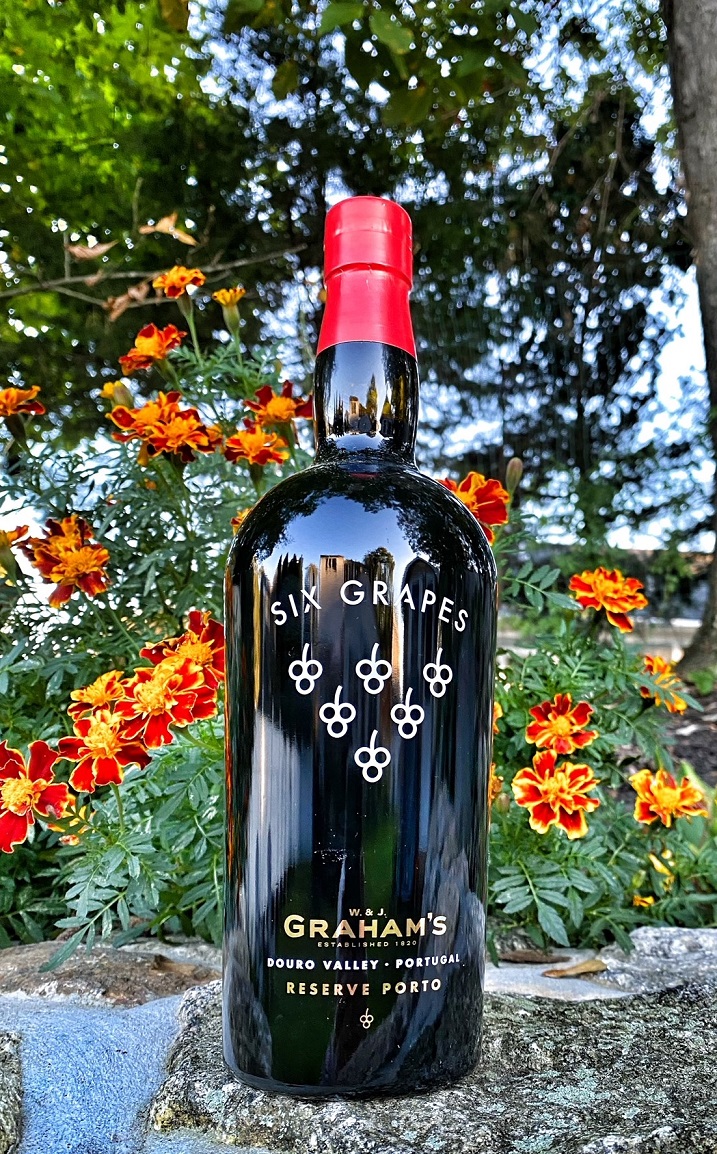
First, the Graham’s Six Grapes Reserve Port (20% ABV, $26, Touriga Nacional, Touriga Franca, Tinta Roriz, Tinta Barroca – with the addition of Tinta Amarella, Tinta Cão, Souzão, and Tinta Francisca from the mixed plantings). I had this port many times before but never paid attention to its story. It appears that in the old days, the grape symbols were used to represent the quality of wine in the individual barrels, from 1 to 6. Six grapes implied that the wine in the barrel had Vintage port potential, or effectively was of the highest quality. In the early 1900s, Graham’s started bottling such wines under its own “Six Grapes” label, and it continues to do so to this day.
This bottle had a recent redesign, now adorned with the red top, slick and beautiful. The Port was excellent – dark cherries and blackberries on the nose, blackberries, blueberries, and more of the dark cherries on the palate, with nice tannins in the finish. This wine ages in the oak barrels between one and two years, so the tannins overall are noticeable – and contrary to the general recommendation of chilling the Port slightly before serving, I don’t recommend it – the tannins on this wine become too pronounced and bitter. (Drinkability: 8).
Now, three more Ports from Dow’s, one of the original Symington holdings. The grapes for Dow’s Ports are harvested from some of the finest Quintas in Douro – Senhora da Ribeira and Bonfim, both supplying grapes for the Dow’s port for more than a century. Two of the Ports below are so-called Old Towny Ports, which means that the wines were undergoing a special wood aging regimen to reach their specific character. And another interesting tidbit – over the 10 years of aging, the Port barrel loses 25% of its original content. For the 20 years old Port, this number reaches 35% – while these Ports might seem to be pricey, you really need to appreciate the amount of labor and effort going into the creation of such a bottle.


Dow’s 10 Year Old Tawny Port (20% ABV, $39) – dry fruit and candy notes on the nose, a touch of mint. Hazelnuts and dried figs on the palate, good acidity, overall delicious (Drinkability: 8)
Dow’s 20 Year Old Tawny Port (20% ABV, $67) – Powerful and complex nose – dried herbs, dried fruit, present but not overpowering, inviting and seductive. On the palate, beautifully integrated, with perfect acidity, dried fruit harmoniously balanced and intertwined. (Drinkability: 8+).
And the last wine for you for today – Late Bottled Vintage Port. Late Bottled Vintage, or LBV for short, is a very special category of Port. You see, in Portugal, each and every type of wine should be approved to be released in its category by the IVDP, the regulatory body. If a company wants to declare a vintage year for a Port, it needs to request approval for that from IVDP. If such approval is not granted, the company can proceed with such a Port either in the path of the Old Tawny (the Ports we just discussed) or it might age it for some time and then declare it an LBV.
2016 Dow’s Late Bottled Vintage Port (20% ABV, $26, Touriga Franca, Touriga Nacional, Souzão, Tinta Barroca, Tinta Roriz, 4-6 years in seasoned oak before release) comes from a difficult vintage – warm winter, cold spring, one of the hottest and rainiest summers on record. Dry, sunny weather before harvest helped quite a bit, and the result was tasty and powerful Port – tart and sweet cherries on the nose, a hint of dried figs on the palate, cherries, good acidity, nicely present tannins on the finish. (Drinkability: 8).
Here you are, my friends. You can be honest with yourself – it is okay to enjoy well-made, sweet, but balanced, harmonious wines. And one way or the other, we all need our quiet moments. So get a bottle of Port, get comfy, and just enjoy your being. At least for a few moments.
Re-Discovering Oregon
It’s been more than 20 years since my first visit to Oregon. It’s been more than 20 years since I tried Oregon Pinot Noir for the first time. More than 150 posts in this very blog mention Oregon one way or the other, including 14 interviews with Oregon winemakers. And nevertheless, this year 2021 was the one when I really discovered Oregon as a winemaking region.
A picture worth a thousand words. When it comes to creating memories, a picture is definitely stronger than just words. What would be even better at creating memories than a picture? An experience. Seeing something with your own eyes, touching, smelling – a full sensory experience would certainly create the most lasting impressions.
In August of 2021, I attended the Wine Media Conference in Eugene, Oregon. Three days of the conference were so filled with wines, conversations, and more wines that these 3 days really became more like just one. One long, very eventful day. It was only after the conference was over, and I stayed behind for another 3 days to meet with winemakers and yes, drink more wine, that I finally had a moment to reflect and create an actual new impression.
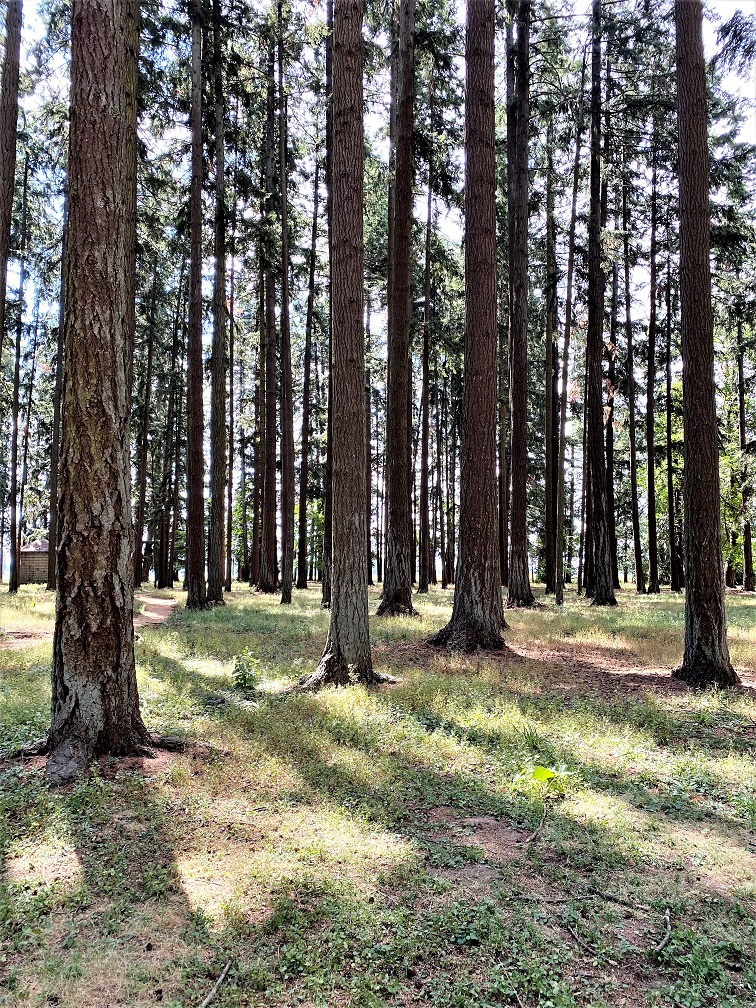
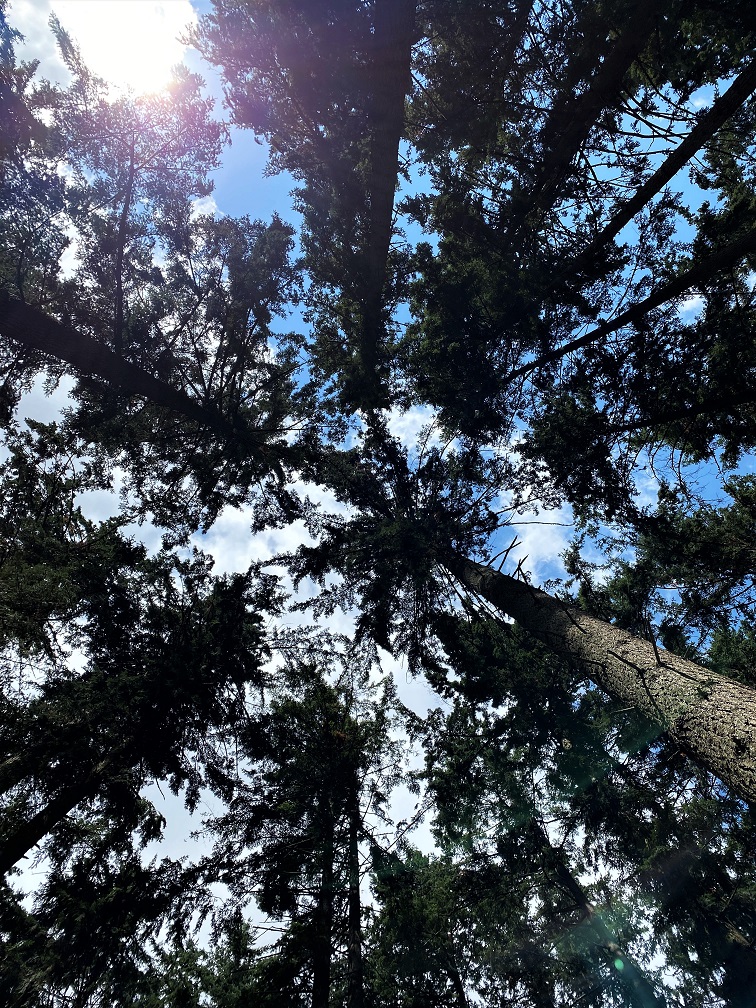 We stopped at the rest area off the highway while driving to the first appointment at Le Cadeau with Carl Giavanti, and I found myself surrounded by the beautiful, tall, straight pine trees, standing magnificently over the clean forest floor. This view instantly transported me to my childhood – growing up in Belarus, this was the forest I was used to, full of tall, magnificent trees, perfectly suitable to become ship masts. And the air, the air – you breathe differently in a forest like that. This was a great beginning for my deep dive into Oregon.
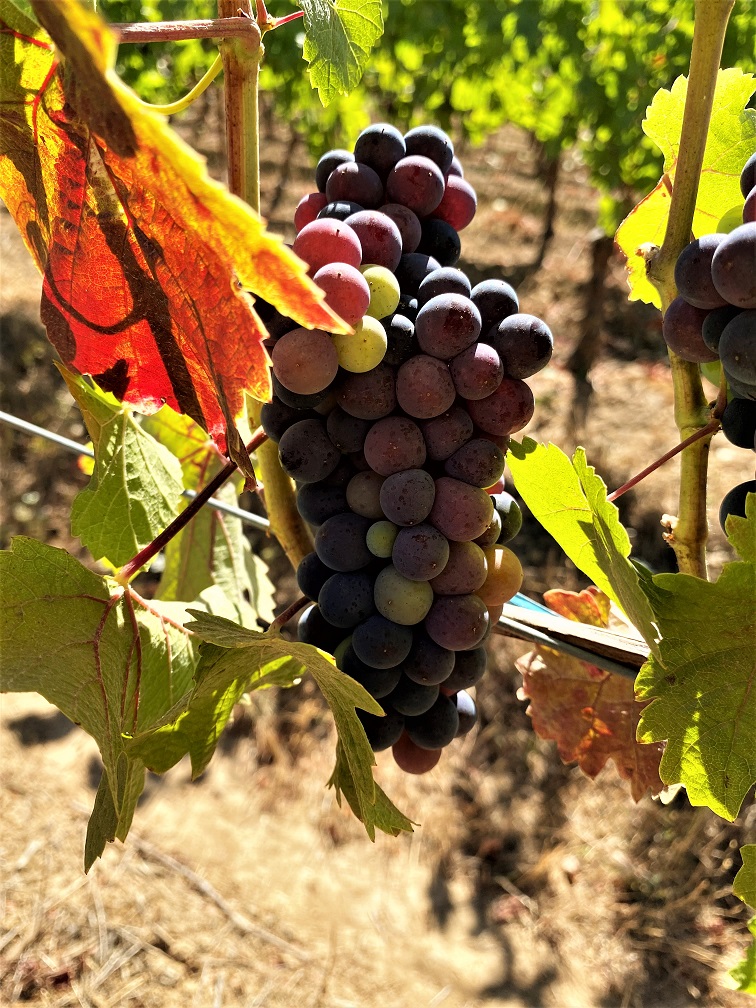
And then, of course, seeing the vineyards, seeing the Kill Hill at Lenné and absorbing magnificent views from the vineyard, seeing and touching the rocks at Le Cadeau, and tasting the wines surrounded by the grapes – all of it guaranteed the creation of the long-lasting impressions. Even more, for the first time ever seeing the vines while they are going through veraison, the magnificent promise of the vintage was also a great way to create a strong proverbial “memory knot”.
During these 3 days, I met with winemakers I already virtually talked to before (Bells Up, Le Cadeau, Lenné, Utopia, Youngberg Hill, as well as winemakers I met for the first time, and I plan to talk about those experiences later on. But based on my leanings during the conference, and conversations with the winemakers, let me summarize my realizations about Oregon wines.
One important idea to keep in mind – when it comes to wine, Oregon is not just a Willamette Valley, and Oregon is not just Pinot Noir. Yes, winemaking in Willamette Valley got its initial boost in the early 1970s when winemakers from California started moving up north in search of locations to grow cool-climate Pinot Noir, hoping that cooler weather will push vines to produce less fruit of a higher quality. Considering the quality of the Oregon Pinot Noir, this plan definitely worked – however, as we were visiting the McMinnville area of Oregon, the temperatures during the day were pushing 95F, which is not the idea of a cool climate of course. Leaving that aside, yes, the Pinot Noir is a king of Willamette Valley, but we shouldn’t discount Riesling, Merlot, Cabernet Franc, Cabernet Sauvignon, Tannat, and many, many other grape varieties successfully growing around the state. But as I spent all of my time in the McMinnville area, let me share with you my observations for this Pinot Kingdom.
Pinot Noir is a King, but Chardonnay is a Queen.
Not letting Burgundian parallels stop at the Pinot Noir only, Oregon producers now fully embrace Chardonnay. And this Chardonnay is stunning. I tasted lots of Chardonnays during the three days, and I don’t think I had a single one I didn’t like. And the best Chardonnays were showing purely Burgundian, with vanilla, apples, and honey, my absolute favorite Chardonnay profile.


It’s all about the rocks.
Rocks. Seemingly nutrient-devoid soils. You just need to see this land to simply ask yourself – how is that even possible? The vine needs so much strength to reach the nutrients through the rocks and basalt – no wonder Steve Lutz at Lenné was ready to give up on his work as the vines couldn’t establish year over year. You need lots of patience. And you need to believe that one day, the vine will fully establish, and the fruit will be worth it. And it does.
Clones Rule!
It is the clonal game here in the Pinot Kingdom. Le Cadeau grows 18 different clones of Pinot Noir, all of which are used in the production of the wines. At Utopia, there are 12 clones of Pinot Noir growing there, and one of the Utopia Pinot Noir wines uses all 12 clones. The same Utopia is growing 3 clones of Chardonnay, all 3 are used in the estate wines.
The grape juice is clear
I don’t know how much of the trend is this, but as you know, the juice of most of the red grapes is clear – and thus you can produce white wines from the red fruit, which many of the producers already do quite successfully. Will this become a big deal? Maybe. Either way, creativity is always great.
The bubbles are everywhere
Almost everyone we talked to produces already sparkling wines. Whatever way it is done – either by harvesting some of the grapes earlier to preserve acidity, or growing the grapes specifically for the sparkling wines, but the sparkling wines make perfect sense as been based on the same Pinot Noir and Chardonnay. The bottling is easily done with the mobile bottling line, so adding bubbles to the repertoire is easy and makes sense, especially as an important addition to the wine club inventories.
Oh yes, the wine clubs!
The wine clubs are the key model. While it is great to have nationwide distribution and demand, selling directly to consumers is a lot less involved, and offers much better margins. You don’t have to deal with the three-tier system, you don’t need to deal with extensive marketing – just create a loyal following, make sure members are happy, interested, and get the royal treatment, and you can achieve your financial goals right there and then.
Don’t hope for Rosé
While it seems that producing Rosé is a no-brainer, and it theoretically makes as much sense as sparkling wines in terms of extending the offerings, it doesn’t make much economic sense. When you harvest grapes for the sparkling wines, you are either using the fruit which will never ripen enough to go into the estate wines, or you will do a first pass collecting fruit for the sparkling wines and thus directing all the strength of the vines to the remaining grapes, making your estate wines even better. To make good Rosé, you need to use exactly the same fruit as you would use for the estate wines – only you can’t charge for Rosé as much as you can charge for the estate wines. So yes, while it sounds fashionable and proper to us, consumers, it doesn’t make much business sense.
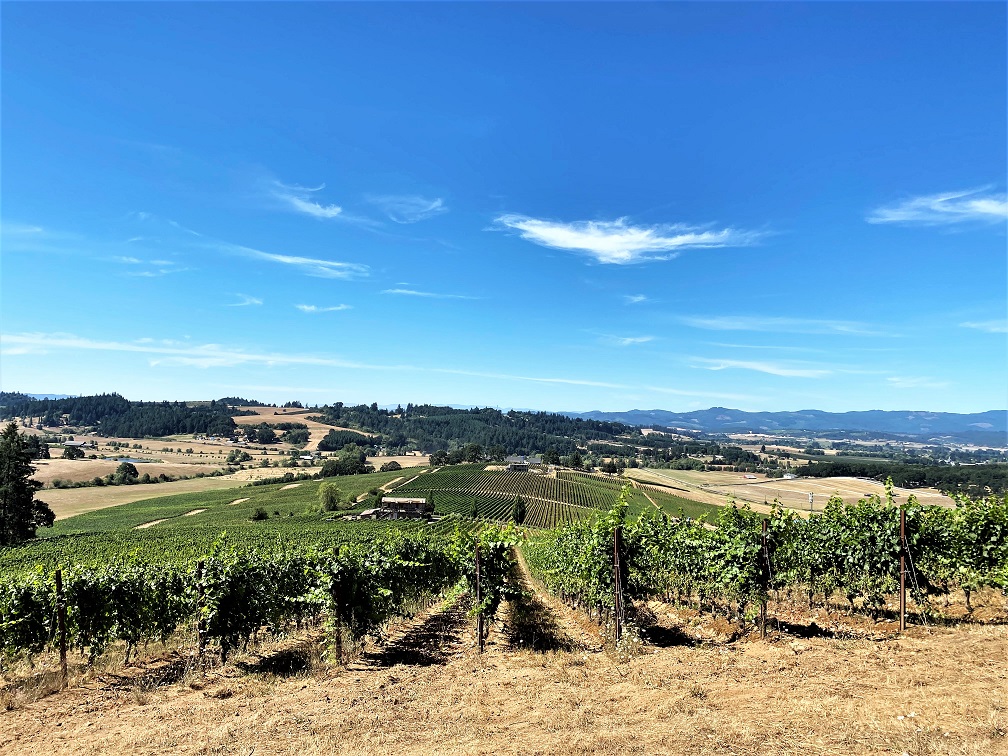
The view from Lenné vineyards
This is where I can stop this little summary. The rest of this story is really in the wines, delicious wines I had an opportunity to taste. There will be updates to the stories of Passion and Pinot, and there will be new conversations to share. Until then – cheers!
How Art The Wine Is?
 <rant>
Wine is Art.
I always say this, and I’m willing to fight anyone who disagrees.
Same as a painting, a classical music piece, a sculpture, an architectural masterpiece, or an elaborate flower garden, well-made wine solicits the emotional response, hence it is an art form. Defining this art, there is one key difference between, let’s say, a painting and a bottle of wine – we only need to look at the painting to trigger an emotion – but we need to drink the wine to make it an ultimate art form.
A few months ago, a friend told me “I have a wine question for you”. He is a wonderful friend, but he typically drinks Bartenura Moscato, so the wine question? Okay, let’s hear it. So the question was about the wine and NFTs. NFT, which stands for Non-Fungible Token is a form of cryptocurrency, typically used to guarantee authenticity and ownership of unique forms of art or objects – this article might help if you want to learn more. So the friend was asking if he should buy NFTs of some obscure wine (there was a choice in the catalog) – and if not this wine, then maybe that wine.
Literally the next day I got a call from another friend who was asking if he should invest a good amount of money in the fund which invests in fine wines. Technically, you pay for the case (or 5, it depends on availability and demand) of unreleased wine (futures). The fund company will take ownership of that case, will store it in the proper conditions, and will report back to you a current market value of your case, so you can sell it when you think it is time – with a very large profit, of course.
It seems that these investments are flying out faster than hot potatoes in the hands of an amateur chef. That same friend called me to complain that because I didn’t give him good advice right away, the wine he was asking about was already sold out and he had to get on the waiting list for the wine of supposedly a lesser pedigree.
During last month I also heard about the same offerings from yet another friend, and then even received a direct ad in the Instagram stories, to invest in wine with a guaranteed incredible return.
Now, my question to you – a collective “you”, anyone who would spend time – is this how it should be? Yes, I get it, it is capitalism, supply and demand, of course, but the wine is made to be drunk, consumed, mesmerized upon, start crying, laughing, grabbing someone excitedly on the shoulder – but not just to be another form of the stock certificate?
Of course, there is wine collecting. There are people with access, who accumulate lots and lots of bottles, many of them very expensive and very limited, but I would assume that even the wine collectors acquire the wine to be consumed and enjoyed – not all of it, but at least some of it? This wine investment fund idea relegates wine simply to the form of another agricultural commodity – corn, wheat, cattle. Commodity trading had been around forever – nobody owns 100 bushels of rice, but anyone can make (or lose) money on it. But rice is not art – rice is simply a necessity, and yes, if you are hungry, it will solicit the emotion, but it will not be the same as when you are truly enjoying a glass of wine.
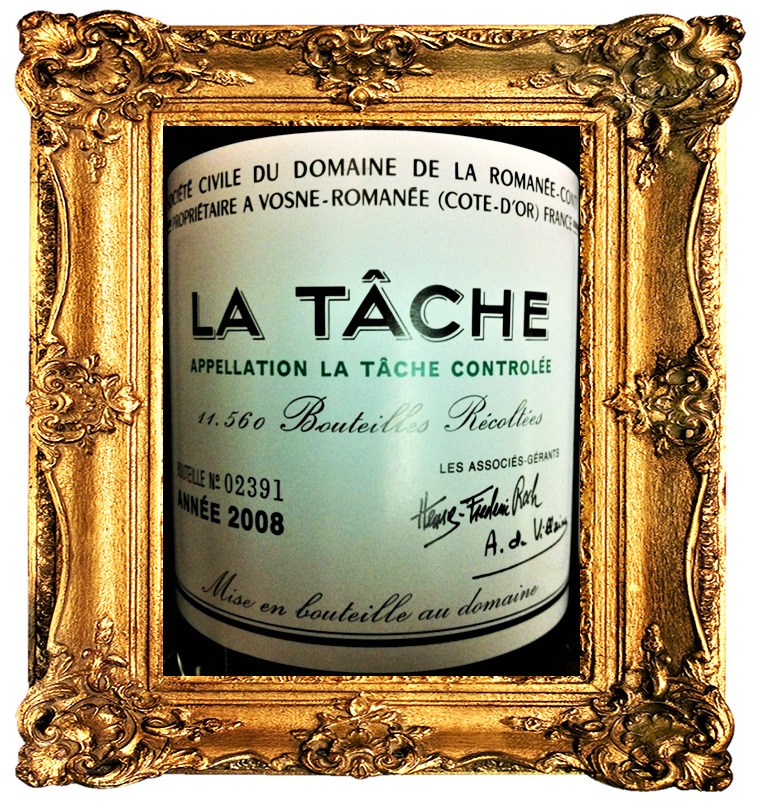
The latest entrant into the NFT craze – Robert Mondavi winery. Three of the star winemakers produced 1966 magnums of wine called MCMLXVI (that is 1966 in Roman numerals – 1966 is the year when Robert Mondavi winery was founded), Cabernet Sauvignon and Cabernet Sauvignon blends from 2019 vintage. This wine will be packaged into specially designed porcelain bottles by the French porcelain designer Bernardaud, with each bottle having a unique QR code, and sold at $3,500. Now, when you will buy the bottle, you will get an NFT, which will assure your ownership, and there will be a connection between an NFT and that QR code on the bottle. In addition to the bottle of wine, each purchase will somehow include the generative artwork (you look it up – I guess it means a visual object/ painting generated by computer algorithm) by the artist Clay Heaton. Also, the QR code with NFT will serve as protection against counterfeiting – like the porcelain magnum bottle by itself is not enough.
So I wrote all of this, then took a pause and had to ask myself – what is your problem, dude? Everything sounds great in this picture – great winemakers, perfectly artful presentation of the perfect wine, guaranteed authenticity, and even a bonus in the form of the hot piece of art. What is my problem, really?
This wine is not created to be enjoyed as wine. This product is strictly a financial instrument. Star winemakers will attract attention. Unique packaging will attract attention. But then this is strictly sold as a financial instrument. NFTs are typically sold through an auction-like mechanism, so there clearly will be open bidding, with $3,500 being an initial price. There is also an opportunity to resell that piece of digital art, so all in all, this is strictly a money transaction. I wonder if any of these bottles will be ever open, or they will strictly exist for their monetary value.
Yes, wine is business. Yes, I’m naive. Yes, I’m romanticizing wine. Yes, you can call me old and stupid. That’s all fine. But the only way to enjoy wine is by drinking it. I love money as much as anyone else here, but still, if someone is buying wine only for its resale value, they don’t love wine, they only love money. Connecting NFTs to wine only amplifies the conversion of the wine into a financial instrument. And if wine is becoming only an abstract monetary instrument, one day someone will realize that it doesn’t matter what is in the bottle – any plonk will do. And then another day, someone will open that bottle… and… I really have no idea what will happen then. Or what will happen if one day, unhackable blockchain will be hacked, and all the NFTs will disappear – will someone then decide to drink that wine?
Wine is art. To be more precise, the wine in the closed bottle is only a potential art – or just another monetary instrument. Wine becomes art the moment it is poured into your glass. And that is the only reason for wine to exist.
</rant>
Am I missing something? Do NFTs have anything to do with enjoying the wine? Are NFTs really connected to the future of wine? Am I just jealous of the people with unlimited monetary resources? I’m ready to discuss…
New England’s Fall Colors, 2021 Edition
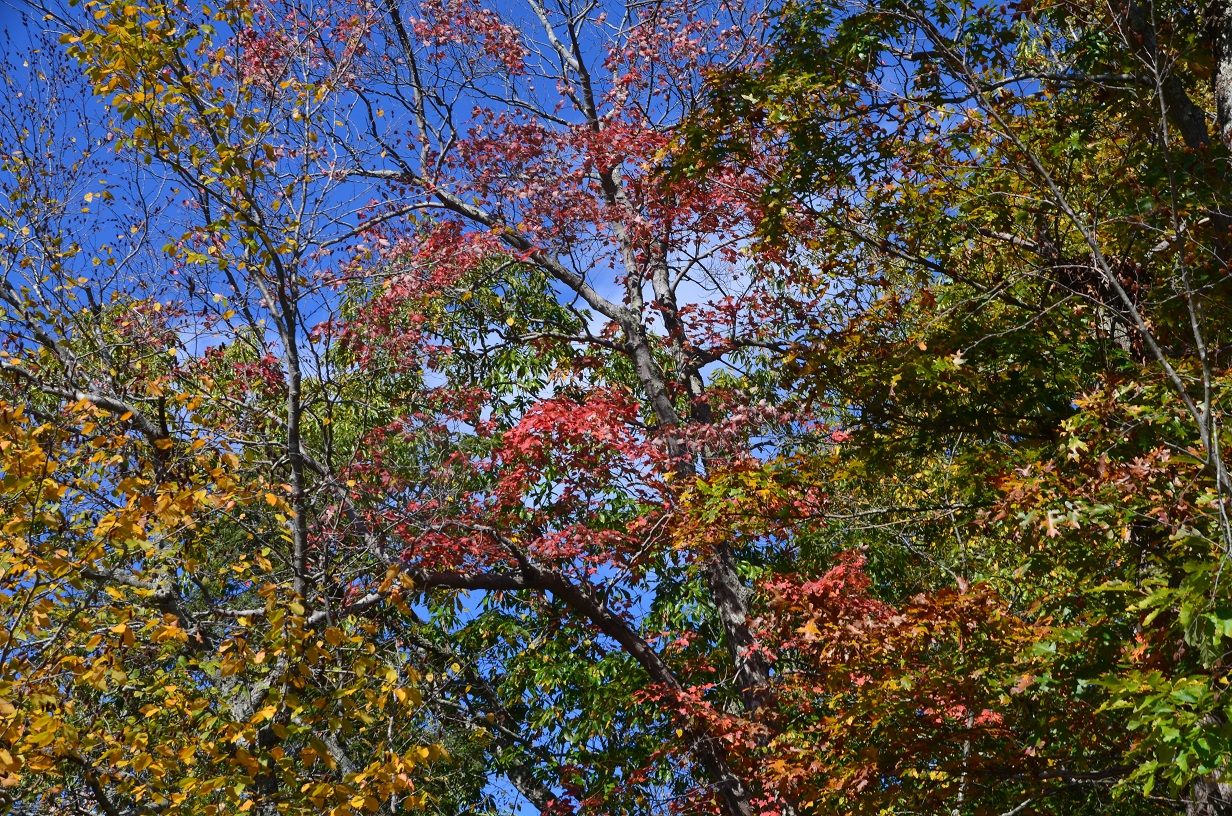
And here we are again in my favorite season – fall. It is still warm enough to enjoy the outdoors lightly clothed; running the air conditioning is no longer a necessity to survive indoors. And the colors, the abundance of colors – every season has its beauty, but fall offers the most profound expression of it.

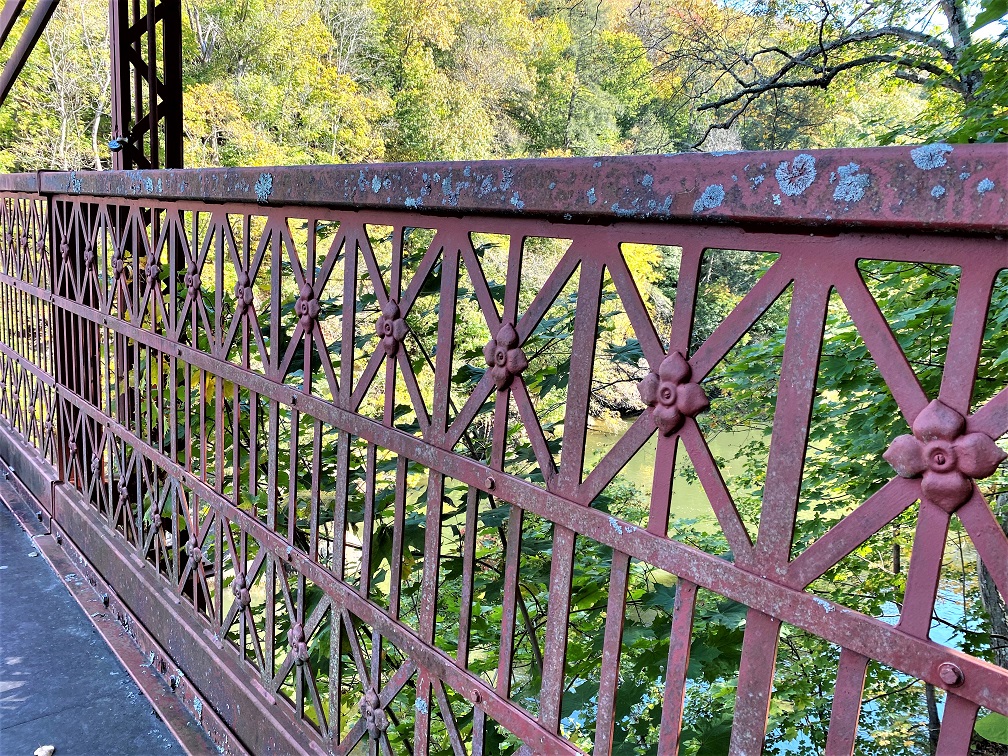
This 2021 fall season is interesting (it is not over yet). It is still continuously warm, and so the leaves are still mostly green – it is occasional branches and individual leaves which all of a sudden offer a full brilliant display of red, golden, and orange. In this traditional New England fall post, I usually share pictures from my neighborhood walks, a tiny circle of two streets next to the house. Yesterday we wanted to get out of the house, and so we took about an hour drive to New Milford up north in Connecticut to visit Lover’s Leap State Park. We spent there about an hour, slowly walking the narrow path covered with fallen leaves, and admiring, or rather indulging, on absolute silence, crisp fall air, and views of the Housatonic River.
Absolute silence is a rare treasure – somehow, in the middle of the park you are far enough from the road, and maybe we just got lucky, but it was really an amazing feeling – not being disturbed by anything. It is hard to convey the silence and the smell of the autumn leaves through the words – so I have pictures for you – many, many pictures. Yes, pictures also don’t do justice to the perfect fall day outdoors but let me at least try…
Without further ado, here they are for your viewing enjoyment:



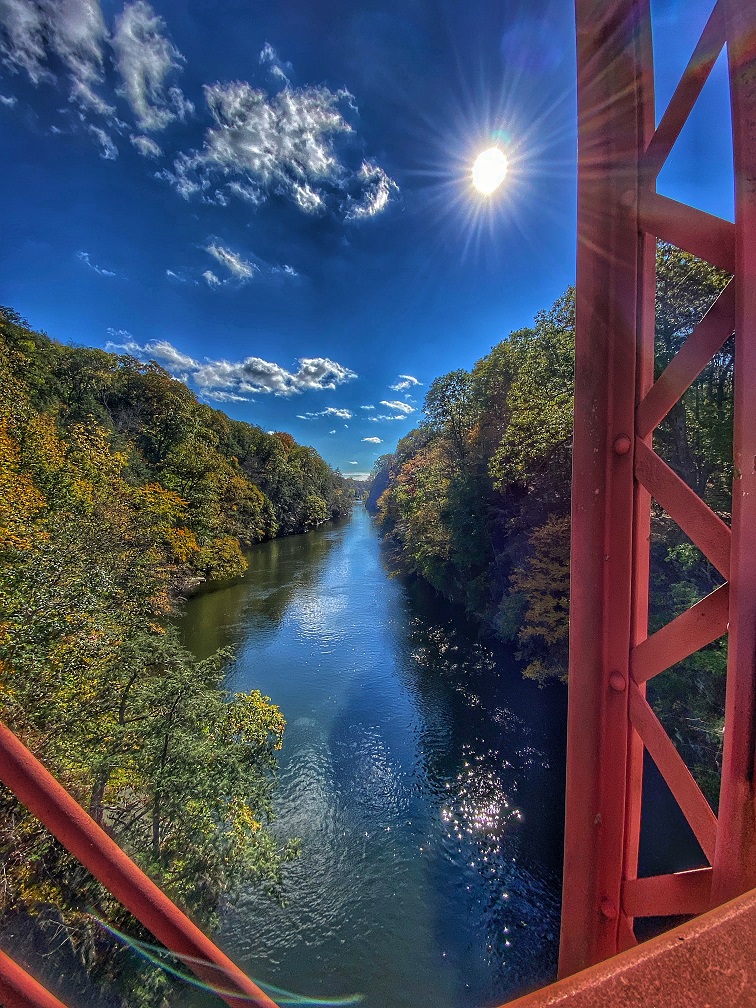
Here are more of the river views:


 The trail:


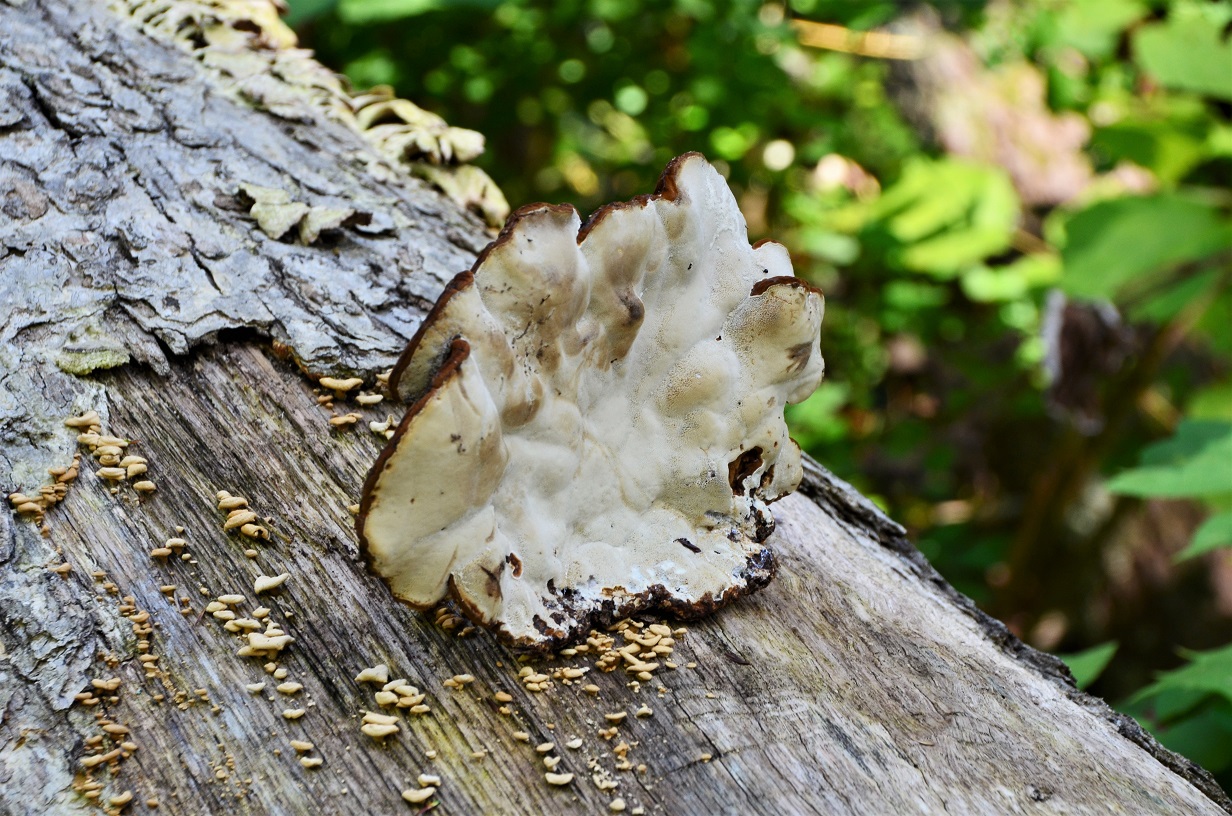
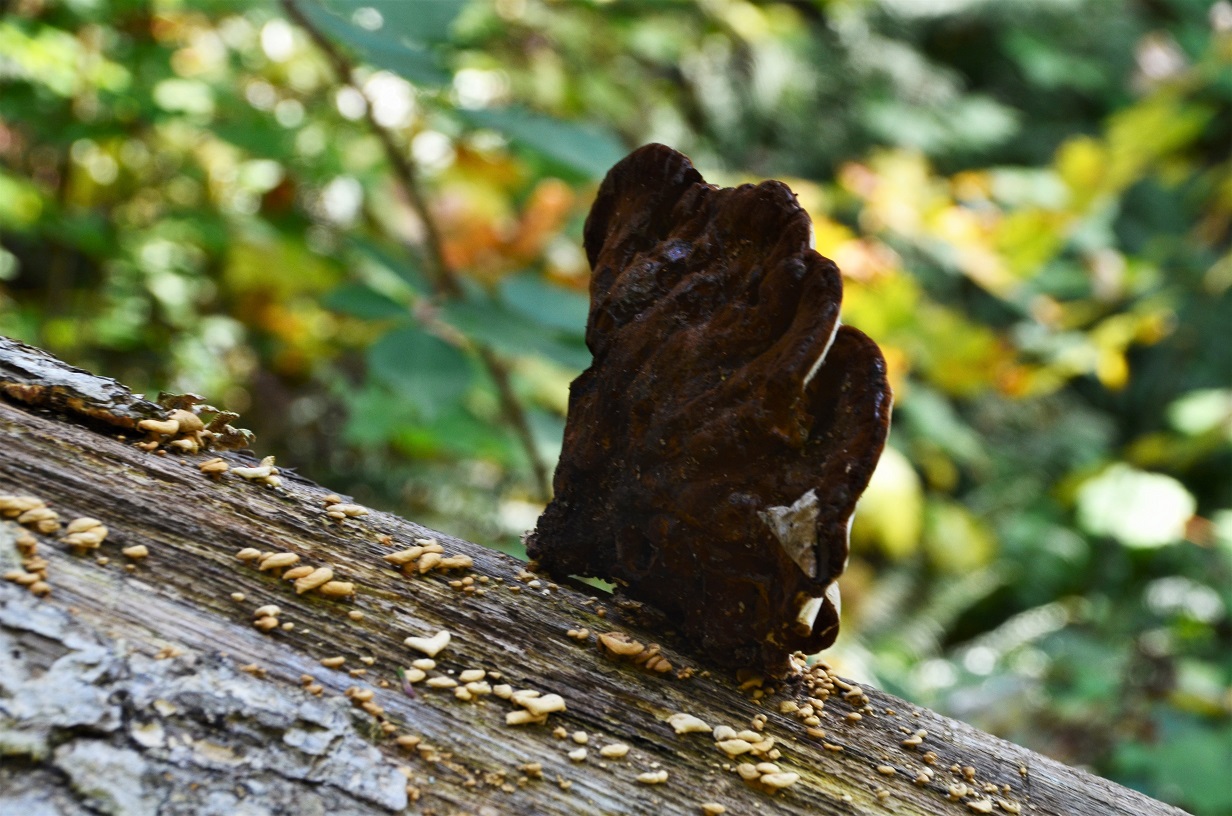
Few of the random tree mushrooms:

And now, the color display:

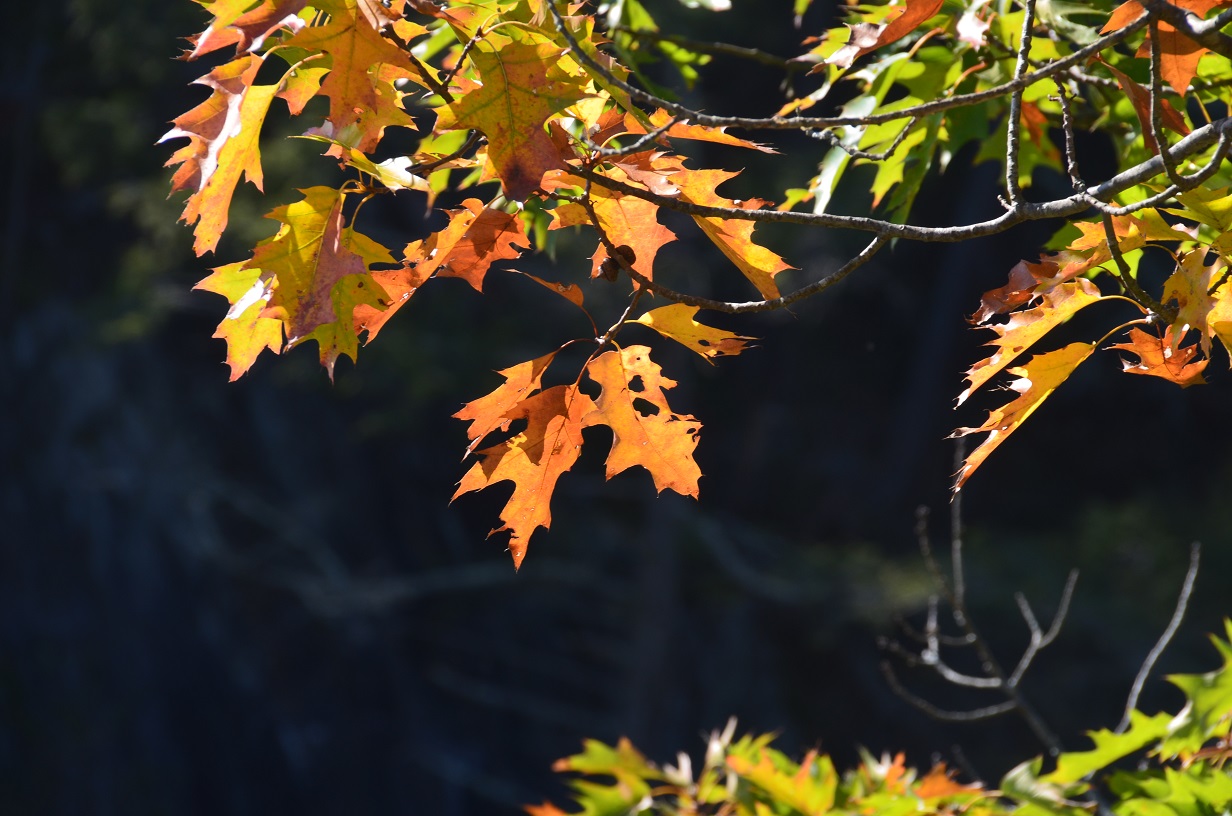
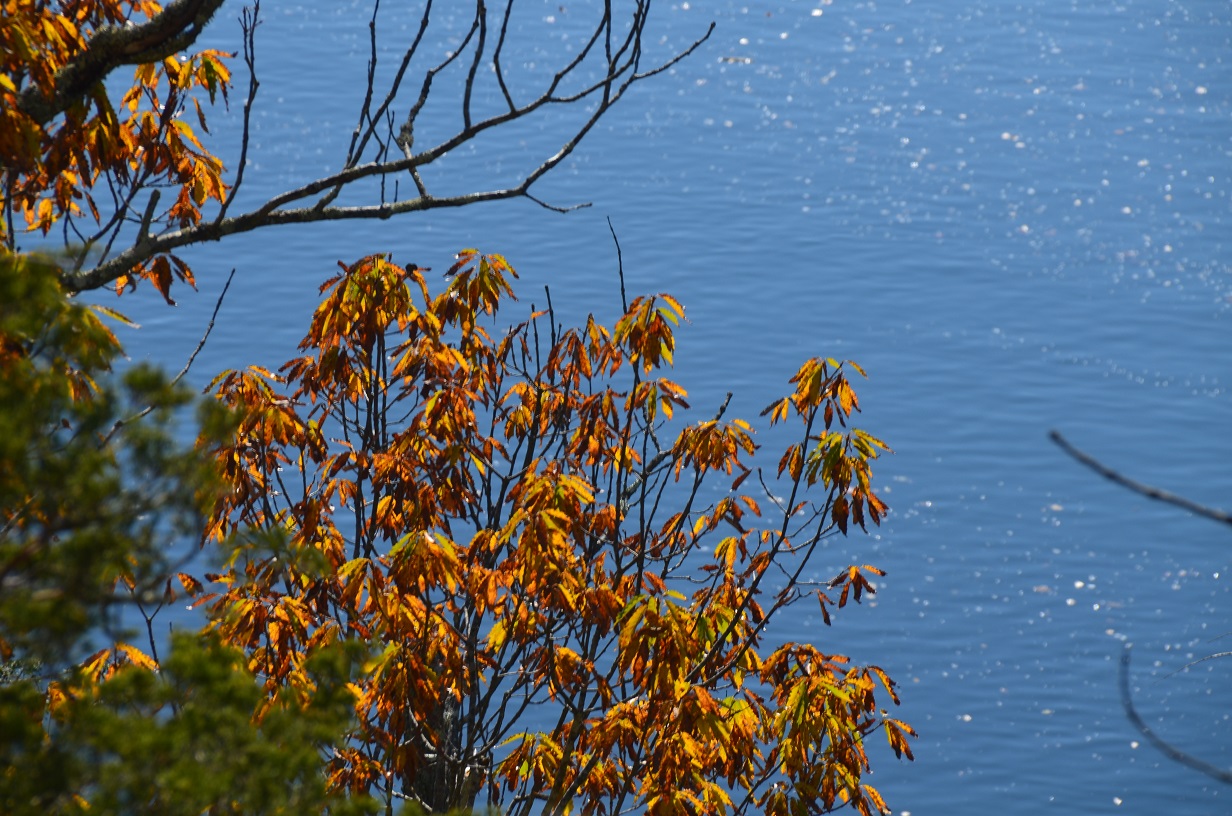
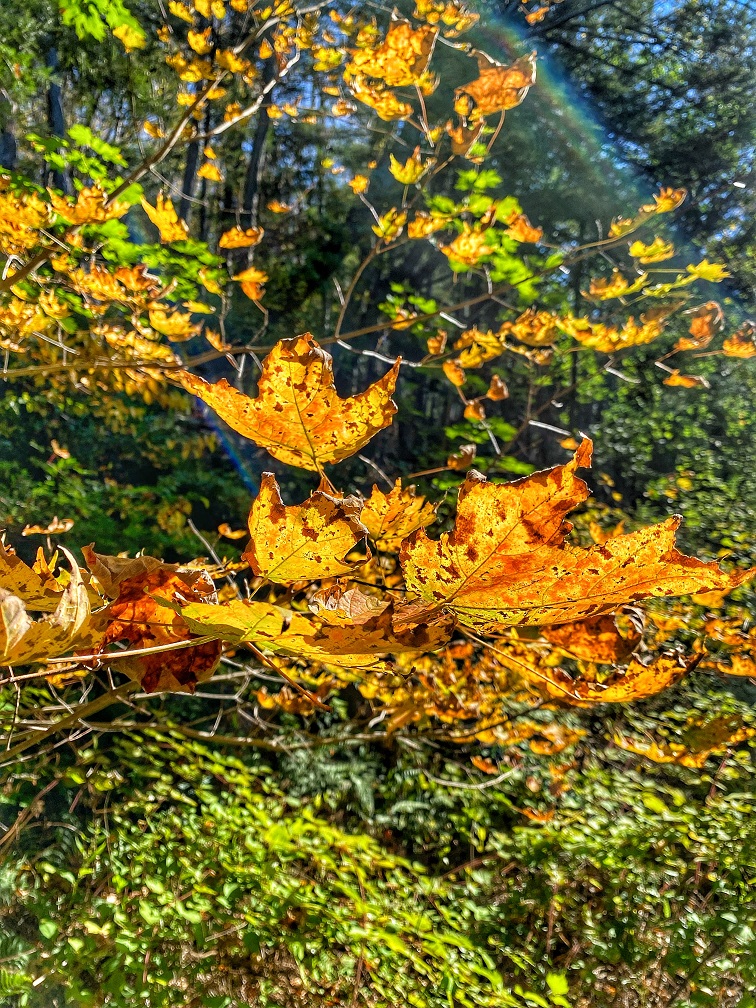
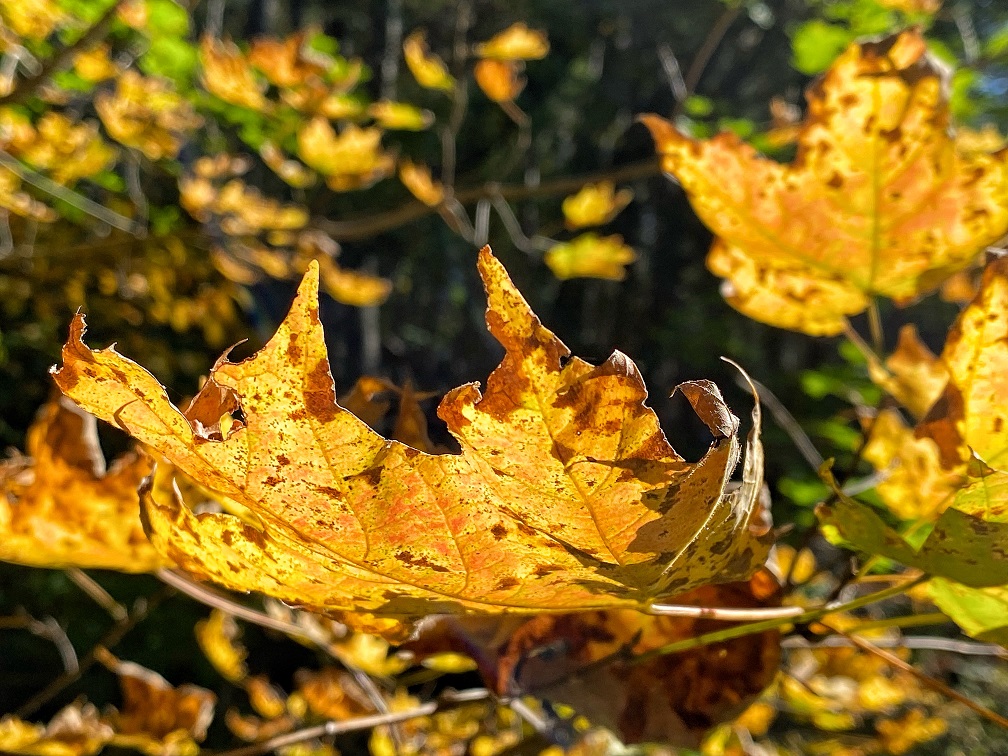
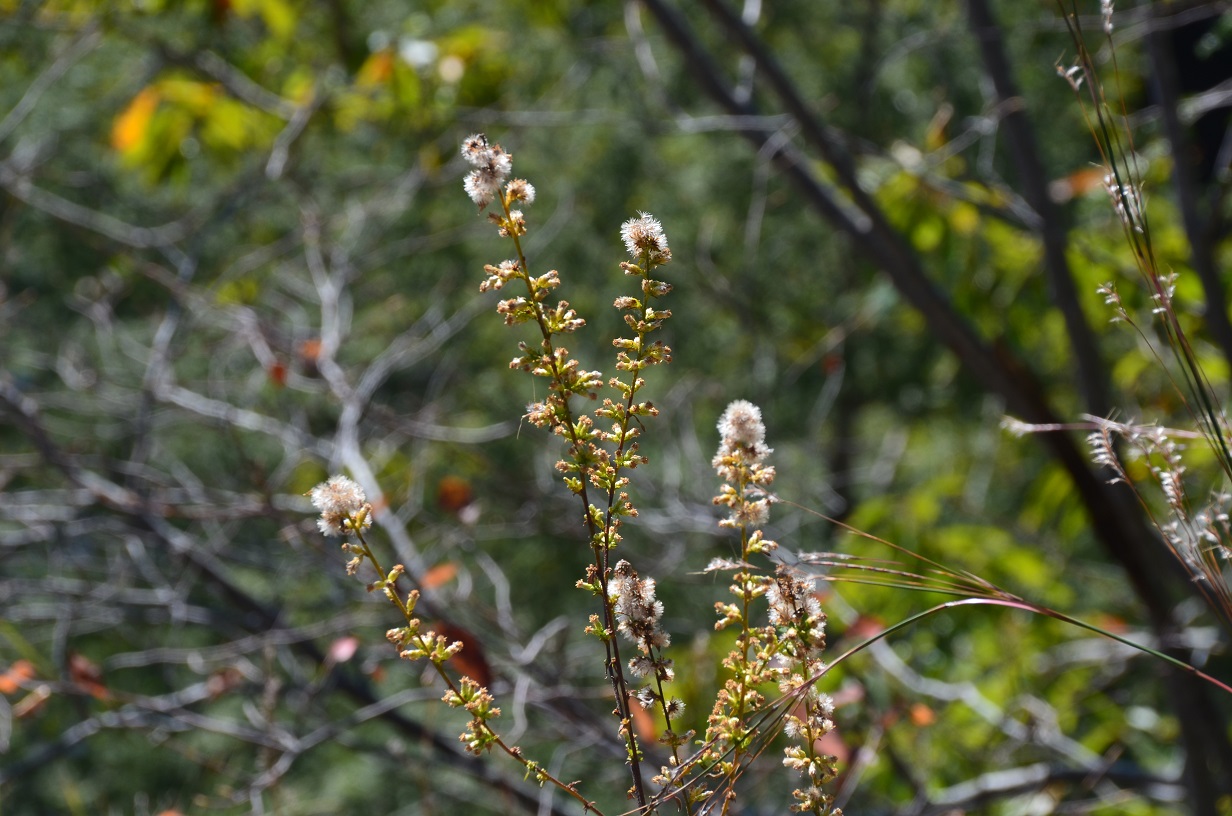
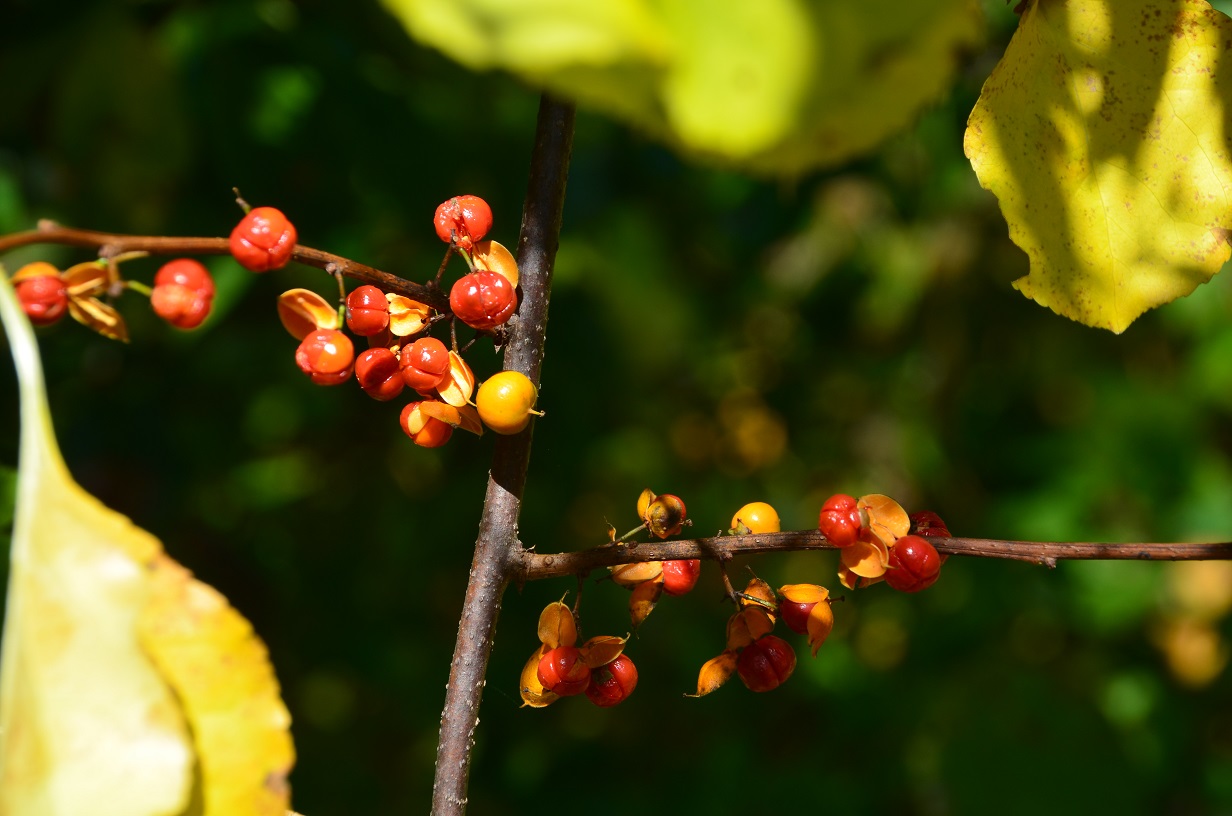
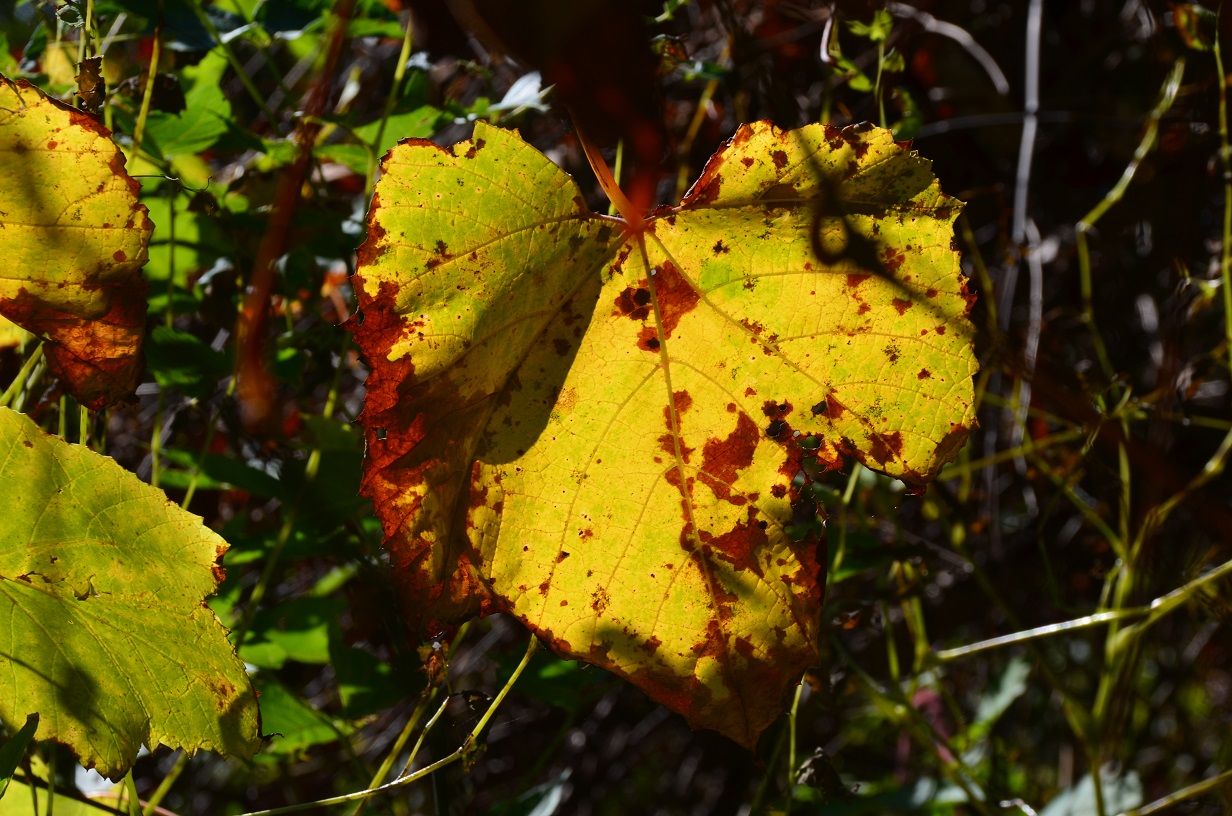

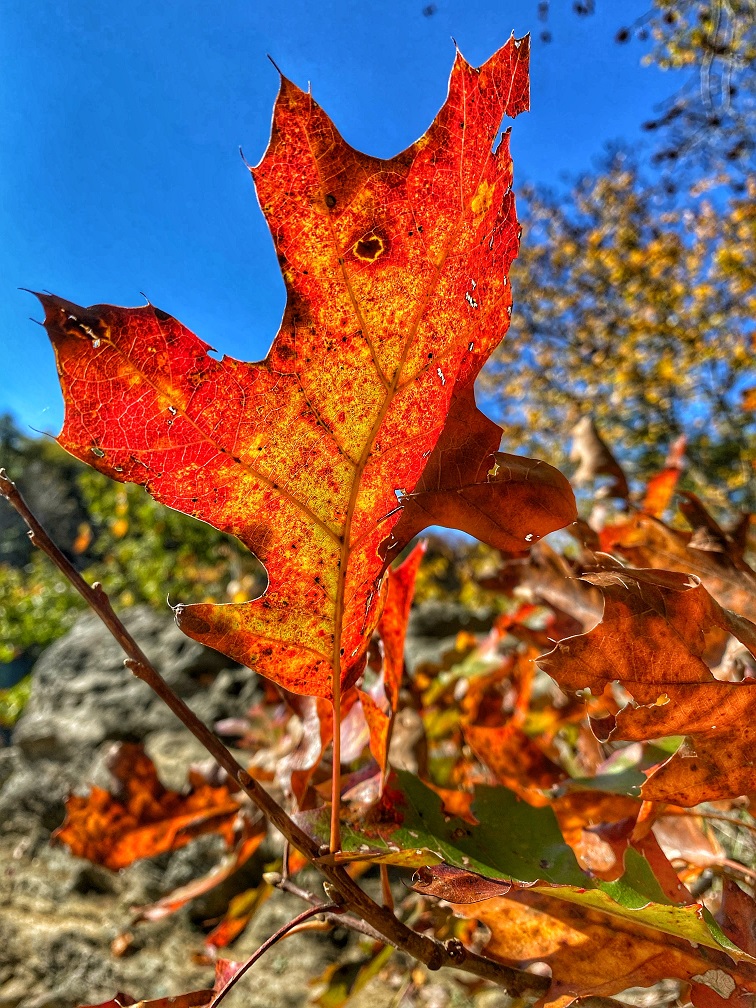
Celebrate Life! Celebrate Champagne!
Is it only me or did the time accelerate for everyone? How come the store shelves are full of baking supplies and turkey condiments? It is still really warm here in Connecticut – did the summer end already? Does it mean that the holidays are coming?
Oh yes, the holidays!
I’m ashamed to admit but I believe I missed all or most of the wine holidays this year. Surprised with a large number of references to Champagne on social media, I decided to check the calendar, and yes – I almost missed yet another wine holiday – Champagne Day!
In victory you deserve it, in defeat you need it
It doesn’t matter who really said that (Napoleon, Churchill, or anyone else), but whoever said it, was right – in life, there is always a place for a glass of Champagne.
There are lots and lots of praise-worthy bubbles produced around the world – the rest of France outside of Champagne, Italy, Spain, Australia, California, Oregon, Georgia, and every place in between – but today it is all about Champagne.
Champagne had a tough time with the pandemic and other events, such as absolutely moronic labeling laws introduced in Russia, but nevertheless, people around the world are ready to celebrate, and Champagne sales are getting back to the pre-pandemic levels.
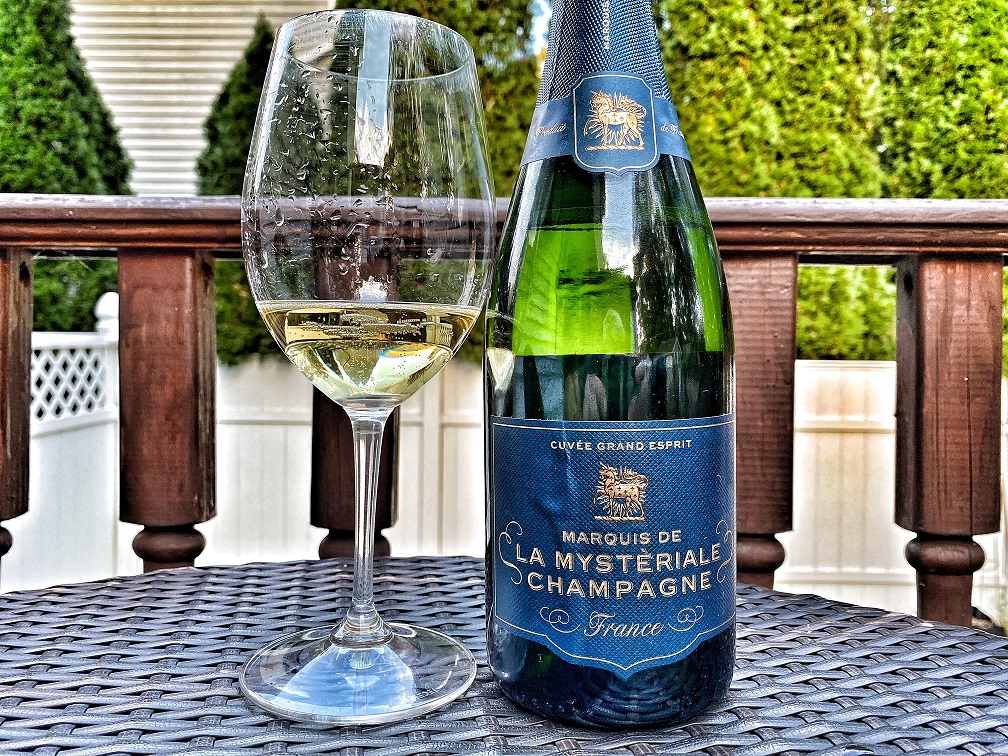
My celebratory Champagne of choice today is NV Marquis de la Mysteriale Brut Cuvée Grand Espirit (12.5% ABV) – perfectly suitable for every day, showing toasted bread notes on the nose, and crisp and refreshing on the palate. There is nothing spectacular about this wine, but for $20 (WTSO price), it is perfectly “good enough” to simply celebrate life, one day at a time. This was also the first time (I think) I had Champagne designated as MA – “Marque d’ Acheteur – A brand name owned by the purchaser, such as a restaurant, supermarket or wine merchant.”
A big part of Champagne fun is the process of opening the bottle using typically a special sword – so-called sabrage. Last year, I shared with you a little compilation of the sabrage gone wrong – very wrong. This year, I have a video collection of the amazing success of sabrage done with absolutely random objects, including tablespoon, iPhone, teaspoon, and even the high-heel shoe (and many others – see for yourself):
Here you are, my friends. Open a bottle of Champagne and celebrate life! Cheers!
Daily Glass: Two Wines and The Sunset
Oenophiles are mysterious and easily influenced.
There.
Prove me wrong.
Here is the story of my weekend.
First, the “easily influenced” part, taking place on Saturday. My twitter wine friend Le Bov Vin #inmyglass likes to play a game – post a picture of a glass of wine with the description, asking everybody to guess the wine in the glass. Saturday’s post described the wine as “Redcherry.Blackfruit n strawberry,vanilla,licorice,hints of wood,smokedmeat Veryfresh,wellbalanced, polishedtannins,lingering finish“. My first guess was Pinotage, the second guess was leading to Washington Syrah/Grenache, but something here was also suggesting Spain, so I put all of these guesses into a tweet. After getting a confirmation that Spain is the right place, my first inclination was Ribera del Duero or Toro, as Rioja rarely would offer smoked meat notes – could’ve been something from Priorat, of course, but I decided to go with the first idea – and somehow I managed to hit it – the actual wine in the glass was Bodega Tinto Pesquera, one of the most classic producers from Ribera del Duero.
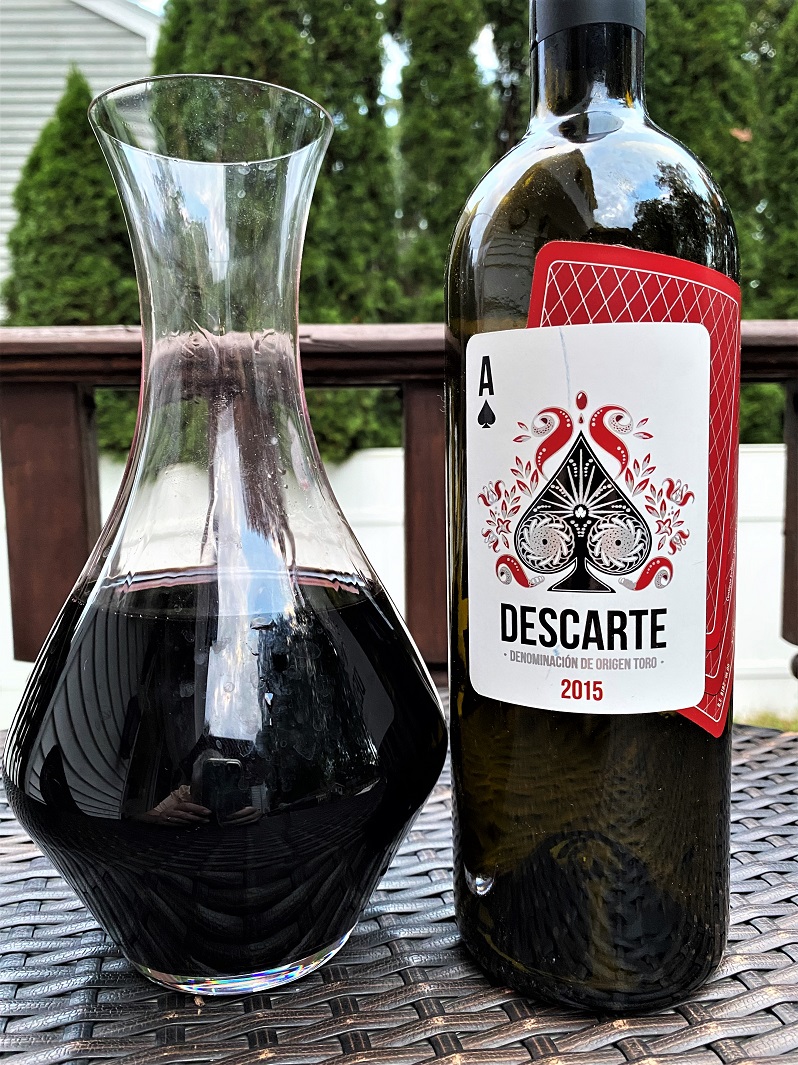
That made me crave Ribera del Duero wine, but somehow, while I always have a good amount of Rioja on hand, Ribera del Duero is a rare bird in my cellar. At this particular moment, it was as rare as none – but I recalled that I have a few bottles from Toro, the area down south from Ribera del Duero, producing densely concentrated and powerful renditions of Tempranillo, so I decided to obey my crave with 2015 Elias Mora Descarte Toro DO.
I wrote about this wine at the beginning of the year, when I called it Vinous Vino. Unlike the last time, I decided not to wait for the wine to come around slowly, and the wine went directly into the decanter upon opening. This definitely worked, as after about an hour in the decanter the wine showed massive and powerful, but also approachable enough to be enjoyed already, with dark cherries, espresso, and herbs-loaded profile.
Then there was Sunday, and the weather was noticeably cooler, one of the first cold days this fall so far. I wanted to sit down outside with a glass of wine, which obviously begged the question “what to open”. While going through the options inside my head, my inner voice insistingly proclaimed “Chardonnay”. I tried to argue – why Chardonnay, we can do Albarino, Chenin, Viognier, Riesling – but most importantly – why should it even be the white wine? It is cold enough to crave red! But the inner voice was unyielding – it has to be Chardonnay, there is nothing to discuss.
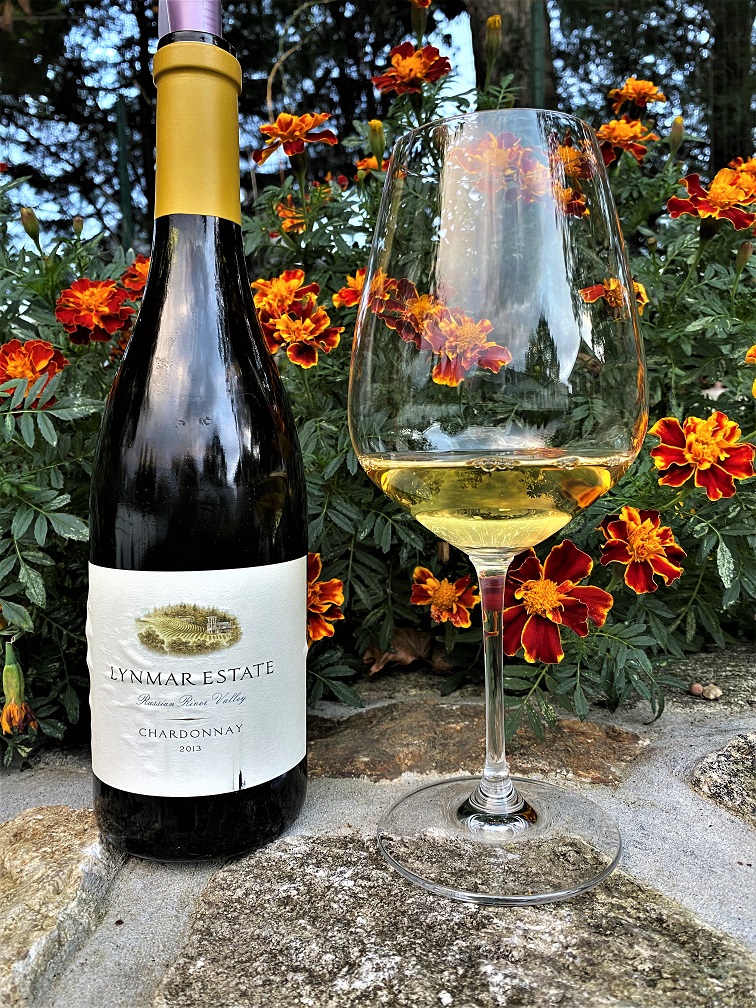
I don’t have a huge selection of Chardonnay, so the 2013 Lynmar Estate Chardonnay Russian River Valley (14.5% ABV) was almost the easiest choice. Boy, what a good choice it was… After a few minutes in the glass, the wine was singing with a core of vanilla with supporting voices of butter and green apples, all in perfect harmony. I don’t know if the wine was at its peak, or if it had another 10 years of life left – but it was perfect at the moment, no matter what mystery possessed me to open the bottle of Chardonnay.
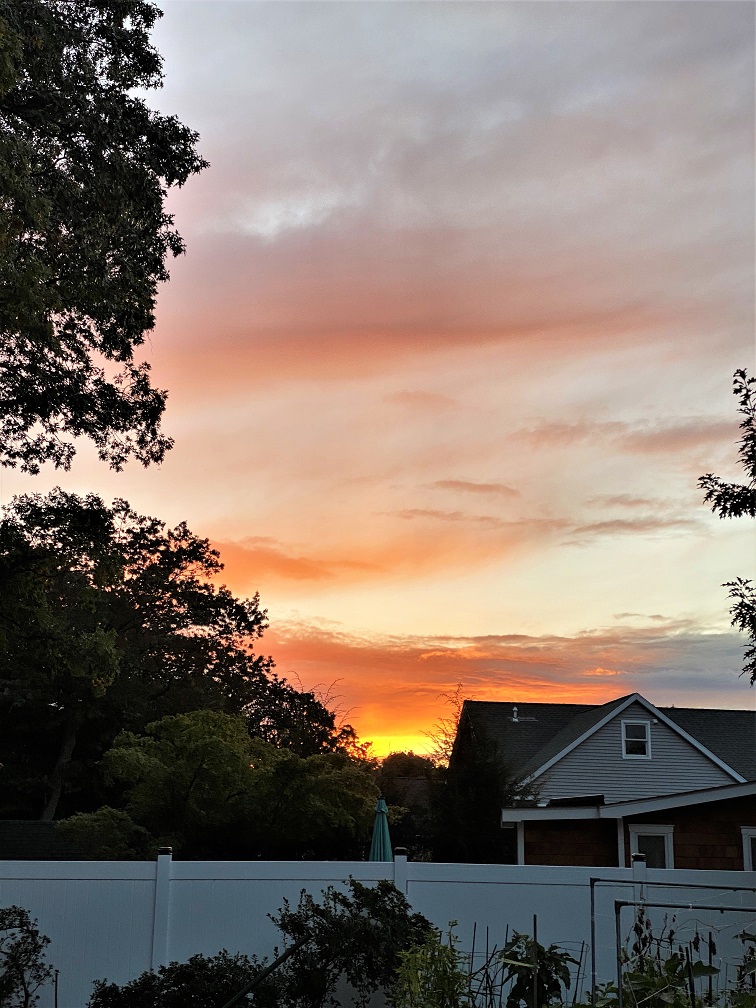
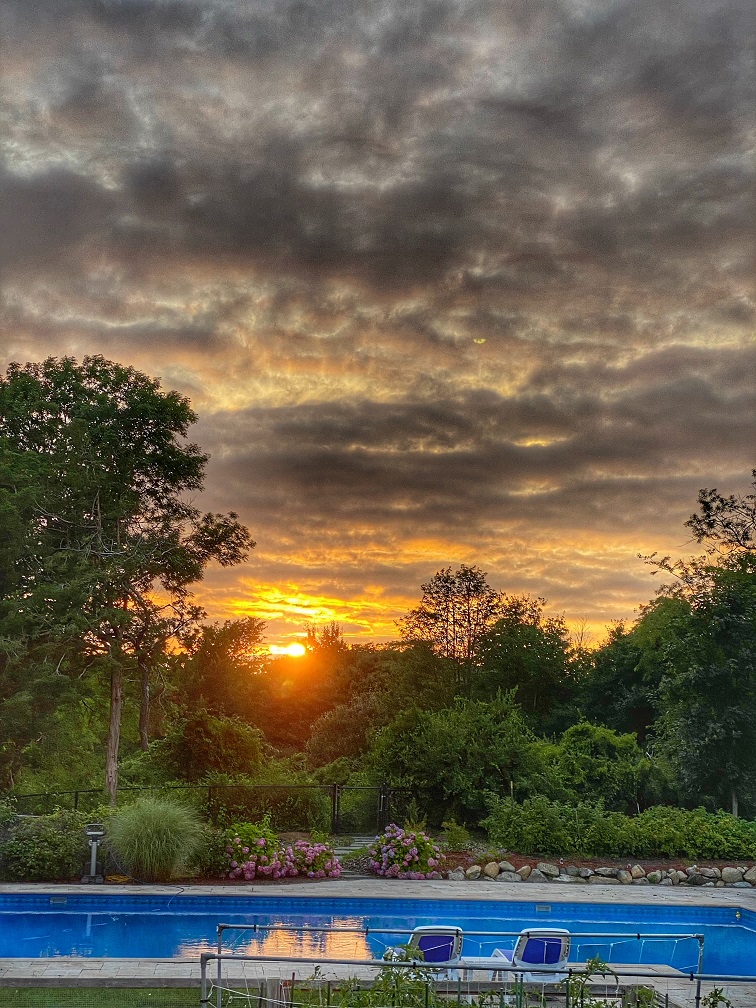
And then there was the sunset. I love taking pictures of the sunset, one of my most favorite types of photography. I often can take a decent picture of sunset right from my backyard – not all of those worth sharing though. But this Sunday sunset happened to be really special. A little rain started all of a sudden in the evening, forcing me to seek cover under the umbrella on the deck. The rain was very short, maybe 5 minutes or less. Once the rain didn’t look bothersome anymore, I stepped out from under the umbrella to go sit in the chair in the backyard – and then I saw THIS:

It appears that rain before the sunset creates some truly magical conditions for the sunset – some of the most memorable sunset experiences all took place after the rain. Once I saw this sunset, I spent the next 15 minutes taking pictures, with the glass and without, every moment being special and really worth capturing. Below are some of those pictures, I hope you will enjoy them as much as I did while talking them:
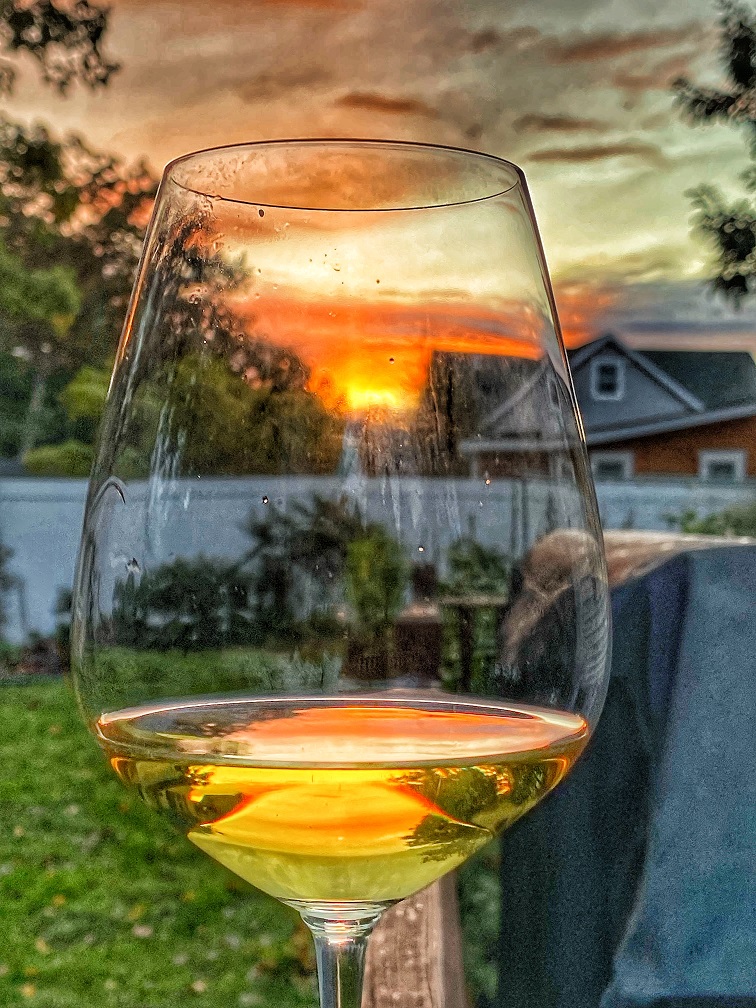
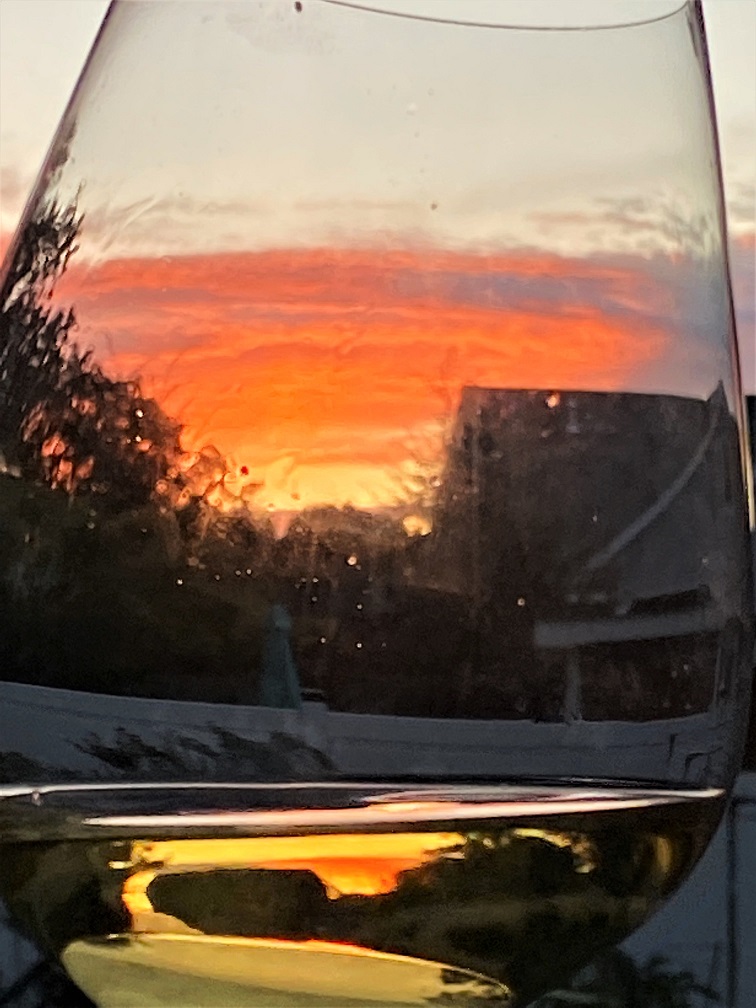
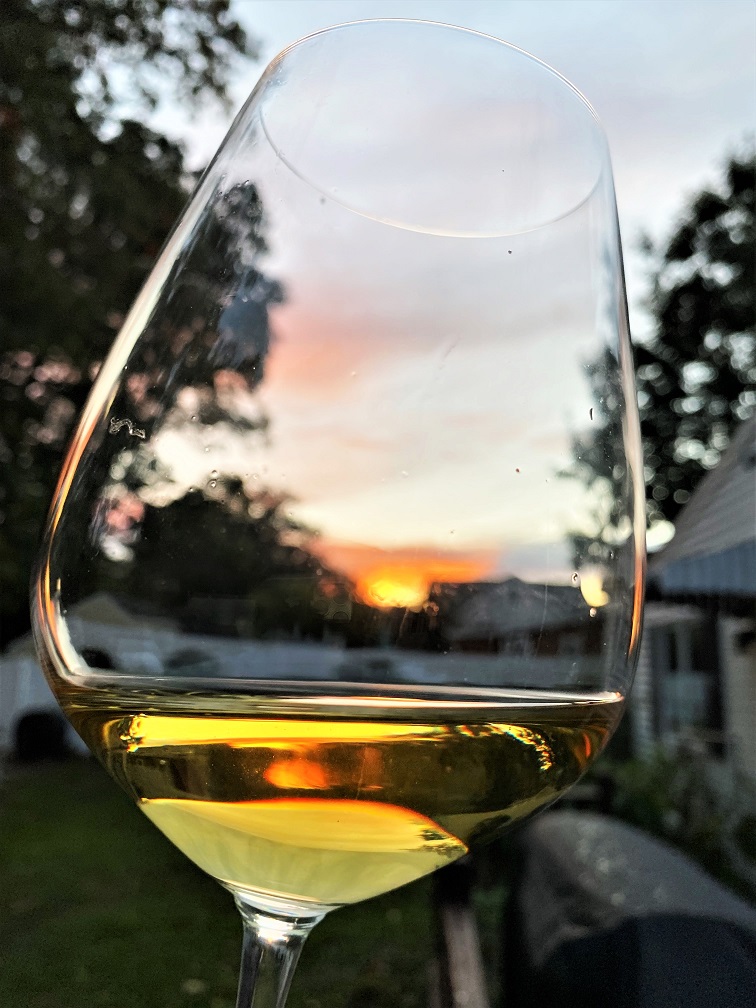
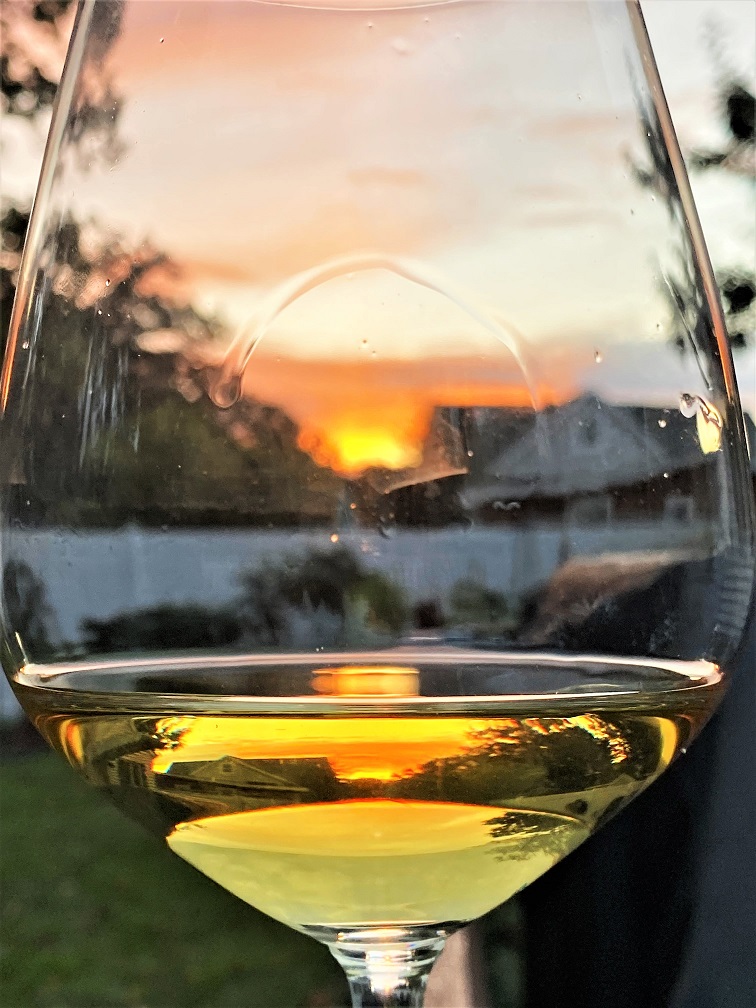

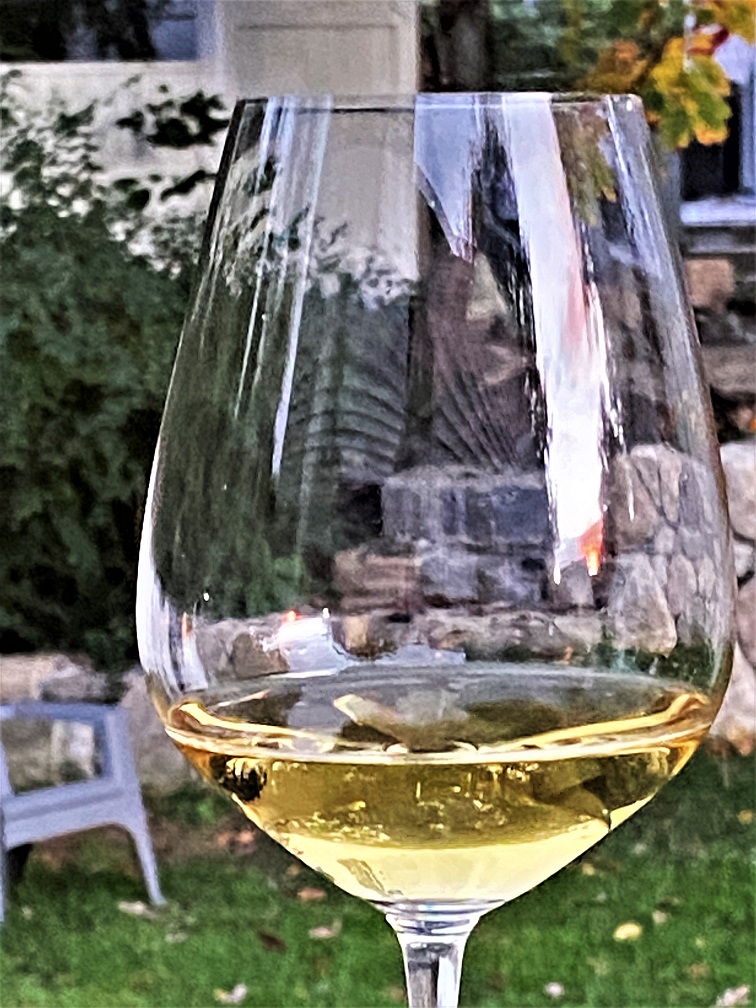
My failed attempt to catch the reflection of the sunset on the glass
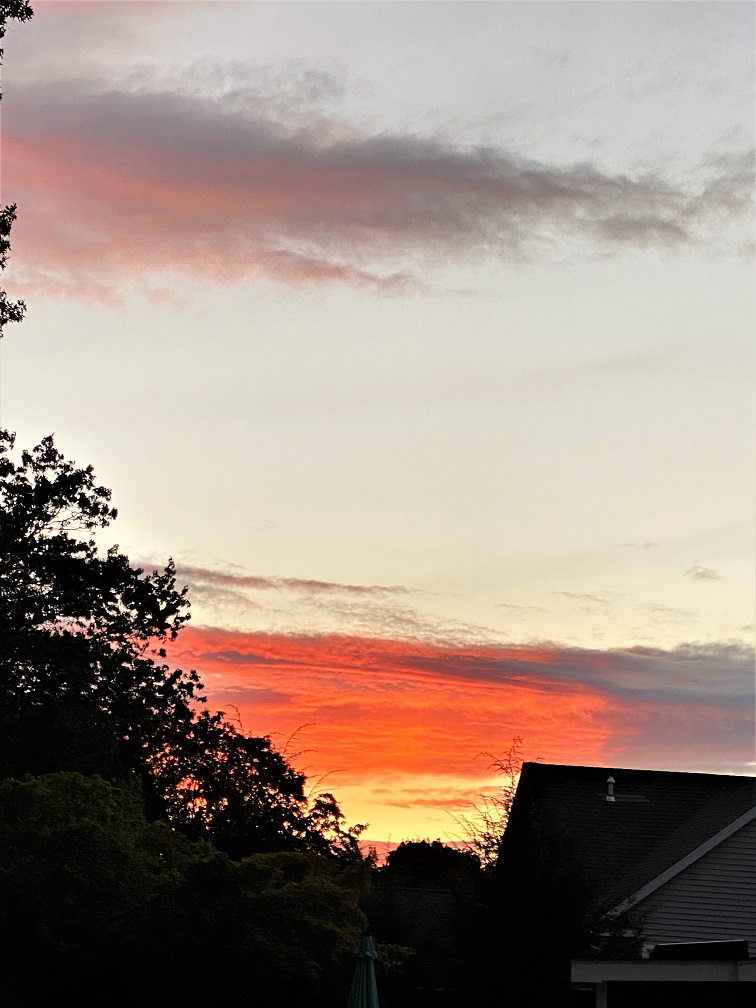
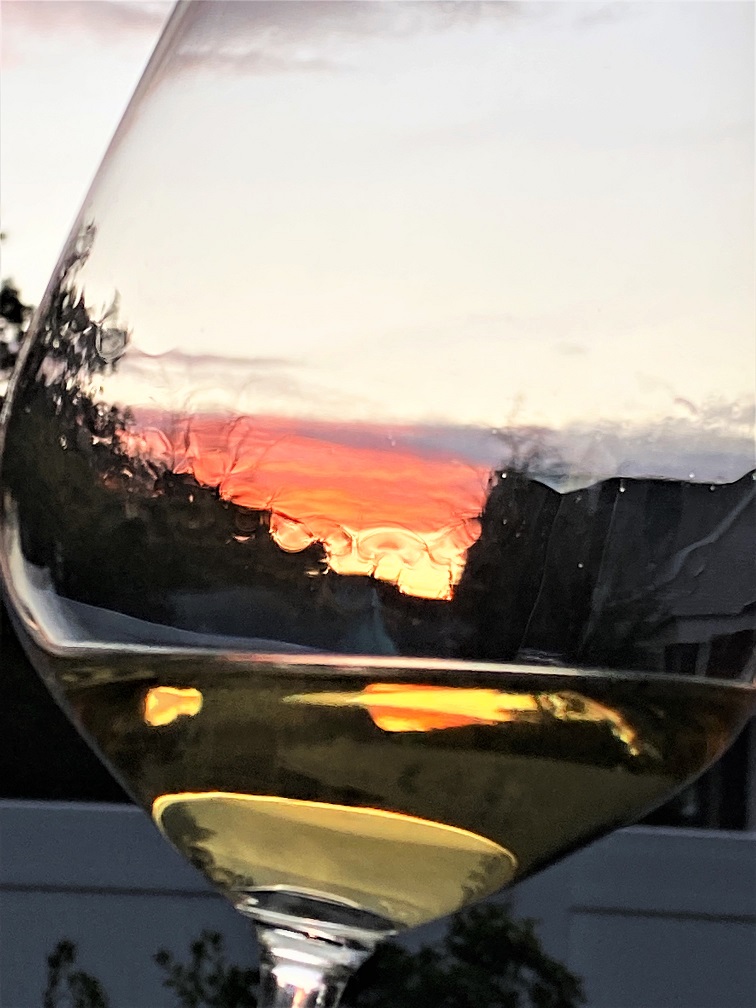
That’s all I have to share for now. How was your weekend?
A Weekend With Friends
Here I am, going over the options in my head. I can just start this post like everything is cool. Or I can start it with a little whining about the past. Like the life as we knew it before 2020. The year which didn’t exist. Which continues “not existing” well into this very 2021. Anyone has a time machine to go and fix it all? We don’t need to go far…
Yes, I strive normal. The life as it was. And this past weekend, this is exactly what I had.
For the past 10 years, we have had a tradition with friends – adults’ getaway. It was born out of the need to get away from the kids, to feel ourselves the adults without the need to constantly taking care of someone. Visit a winery, have a great dinner, play some games until everyone is really tired, have more fun the next day, come home recharged. Simple.
Last year was the first time in 10 years when we felt that adults’ getaway was not in the cards. But this year, the spontaneous decision was made not to lose another year to the stupid crap, and the getaway was planned.
We always go to the small towns around the east coast, trying to stay within 3 hours of driving distance from Stamford, CT. As I started writing this post, I decided to check what places we visited over this years. It turns out that this was our 10th trip, skipping 2011 (if 2011 was not skipped, I have zero records of that), and 2020. In 2010, this all started in Milford, Pennsylvania. In 2012, we continued to Grafton, Vermont. In 2013, we stayed in Palenville, New York, with the visit to Hudson Distillery being an absolute highlight. In 2014, it was Norfolk, Connecticut, and then we continued on to Cooperstown, New York in 2015, Greenville, New York in 2016, Lenox, Massachusetts in 2017, then Kenneth Square, Pennsylvania in 2018, and West Yarmouth on Cape Cod in Massachusetts in 2019 (as you can tell by the absence of the links, I failed to properly document some of our adventures).
That brings us to the year 2021, where our spontaneously decided destination was once again the Berkshire mountains region of Massachusetts, and our home base for the weekend been at Harbour House Inn and B&B in Cheshire, Massachusetts. But our first stop on the way was at the Balderdash Cellars winery in Richmond, Massachusetts. It was a random pick – the winery was conveniently located along the way, about 30 minutes away from our final destination, but then it was definitely a lucky strike.
The note on Balderdash Cellars website said that reservations are unnecessary and not taken – this sounded really good especially with the latest trend where you can’t just walk into the winery for a tasting (I get the business side of it, but I’m not a fan). Another interesting thing about the winery is that Balderdash Cellars brings the grapes from California (grapes, not juice), and then they make their wines right on premises, including all of the aging (some of the reds age for 2 years).
We arrived pretty much by the time the winery just opened its tasting room (at noon), and we were the first there. You can get a tasting flight of 5 wines, a glass of wine, or a bottle, all from the current selection. The tasting flight is prepared for you in the neat tiny vessels, and then you can seat anywhere you like and taste at your own speed.
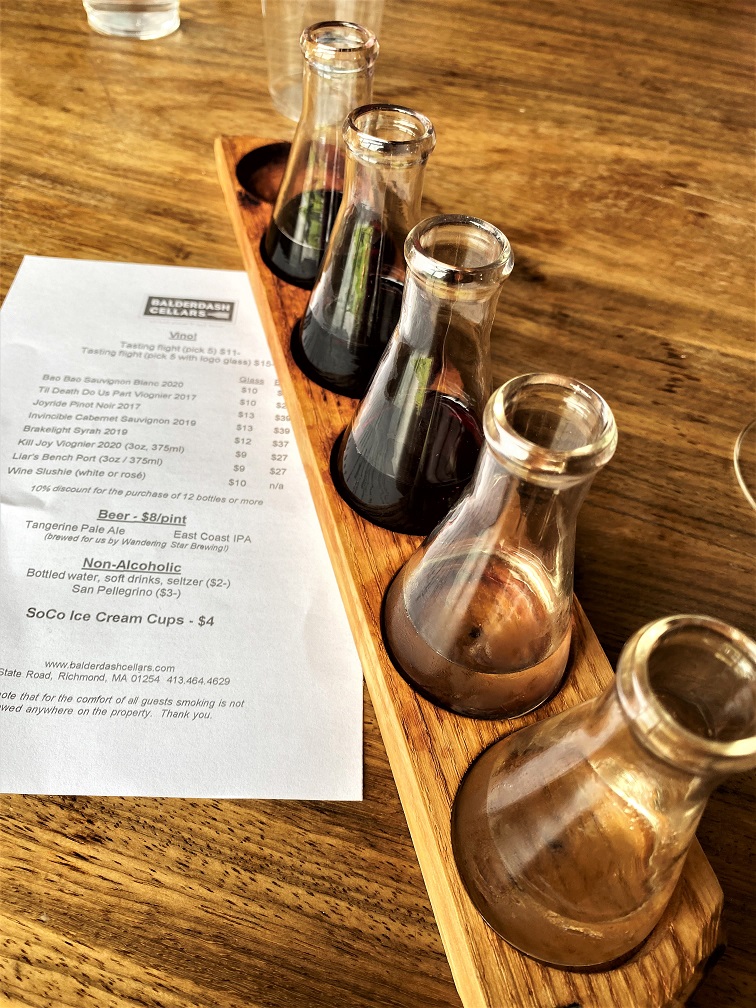


All the wines we tasted greatly exceeded my expectations. 2020 Balderdash Cellars Bao Bao Sauvignon Blanc (13.6% ABV, $29, 100% Stainless steel for 5 months, Napa Valley fruit) was perfectly on point – a touch of freshly cut grass, bright acidity, lemon notes, perfectly refreshing and delicious. 2017 Balderdash Cellars Til Death Do Us Part Viognier (14.3% ABV, $29, 75% French Oak, 25% stainless steel for 8 months, Paso Robles fruit) was possibly even more surprising. Viognier is a very tricky grape, you really need to do it right, especially when it comes from the warm climates. This wine was outstanding – beautiful perfume on the nose, tropical fruit, nicely plump and balanced palate.


2017 Balderdash Cellars Joyride Pinot Noir (14.4% ABV, $39, 100% French Oak aging for 18 months, Edna Valley fruit) was good, maybe a bit too sweet for my palate. However, 2019 Balderdash Cellars Invincible Cabernet Sauvignon (13.7% ABV, $37, 100% French Oak aging for 2 years, Napa Valley fruit) was simply outstanding – cassis and bell peppers on the nose, classic, unmistakable Cab with a lot of restraint, continuing with the same finesse on the palate – more cassis and bell peppers, all well balanced and harmonious. I would be happy to drink this wine at any time. Last but not least in the flight was 2019 Balderdash Cellars Brakelight Syrah (13.7% ABV, $37, 100% French Oak aging for 18 months, Sonoma fruit), which was also perfectly classic – beautiful black pepper all around, on the nose and on the palate, the nice core of the black and red fruit, delicious.
We also had a bonus taste of the 2020 Balderdash Cellars Kill Joy Late Harvest Viognier (12% ABV, $27, 100% neutral French oak, Edna Valley fruit) which was just outstanding – fresh ripe tropical fruit supported by clean lemon acidity, the element which makes or breaks any dessert wine, and this one was definitely made right.
I really wanted to try Truth Serum Petite Sirah as just the name sounds soooo intriguing, but the wine was sold out, unfortunately.


After tasting we moved from inside of the tasting room to find a nice sitting outside. The winery has stacks and stacks of red Adirondack chairs, my favorite type of chair, and we had no problems assembling a very comfortable sitting. We got a bottle of Sauvignon Blanc and Cabernet Sauvignon to continue, while we were waiting for the food truck to arrive at 1 pm (the winery offers different food options on the weekends). I also want to mention how professional the staff was at the winery – water was added to the ice in the bucket to chill our Sauvignon Blanc better. The foil was cut completely from the bottle before pulling out the cork – these are the little things that make your wine experience simply more enjoyable.
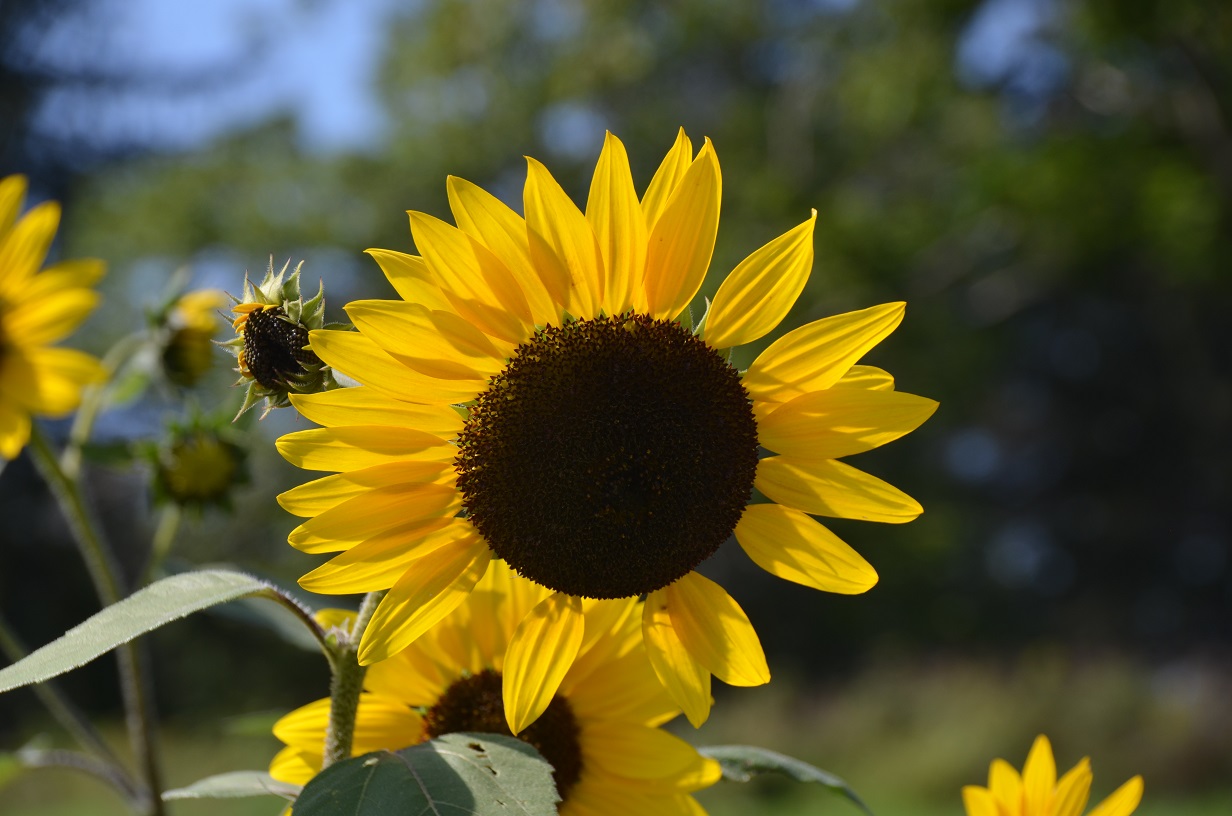
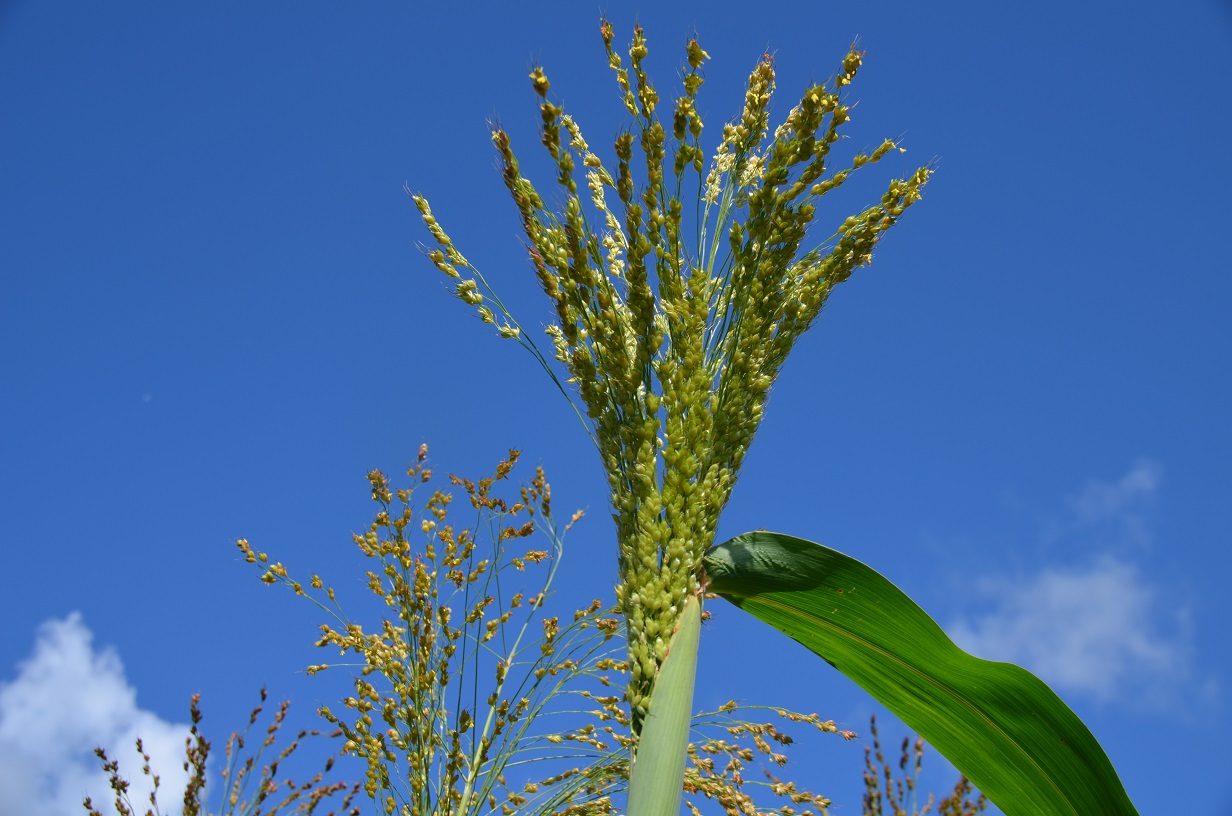
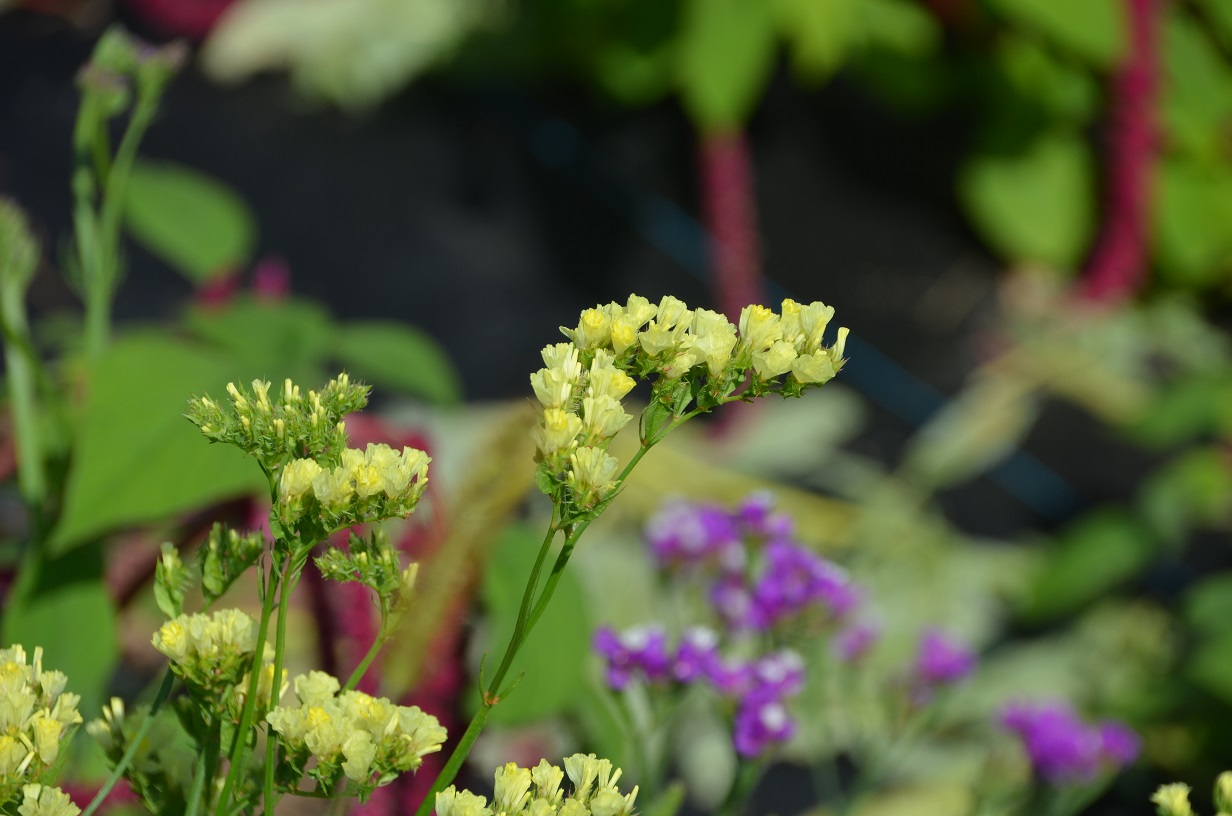
While the winery doesn’t offer vineyard views, they have rows of flowers instead. I love seeing all of the pictures of sunflowers from all the people around, but never really had an opportunity to take sunflower pictures before – until now. This flower field was boasting the sunflowers of more colors ever thought are possible in the sunflowers. Hence let me inundate you a bit here with these beauties:

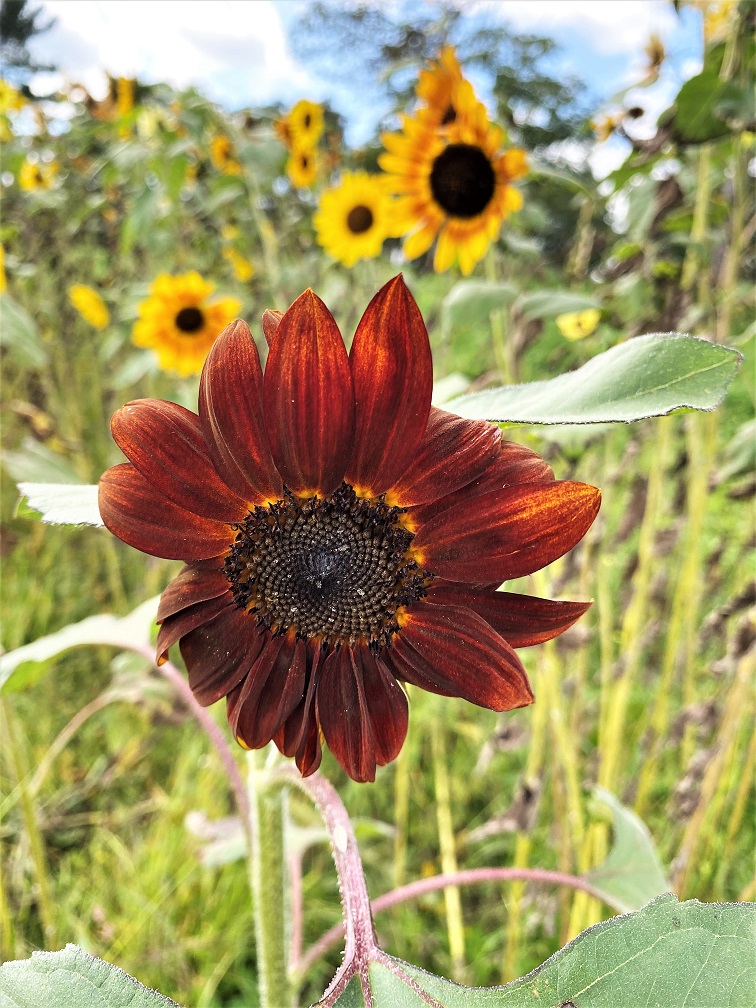
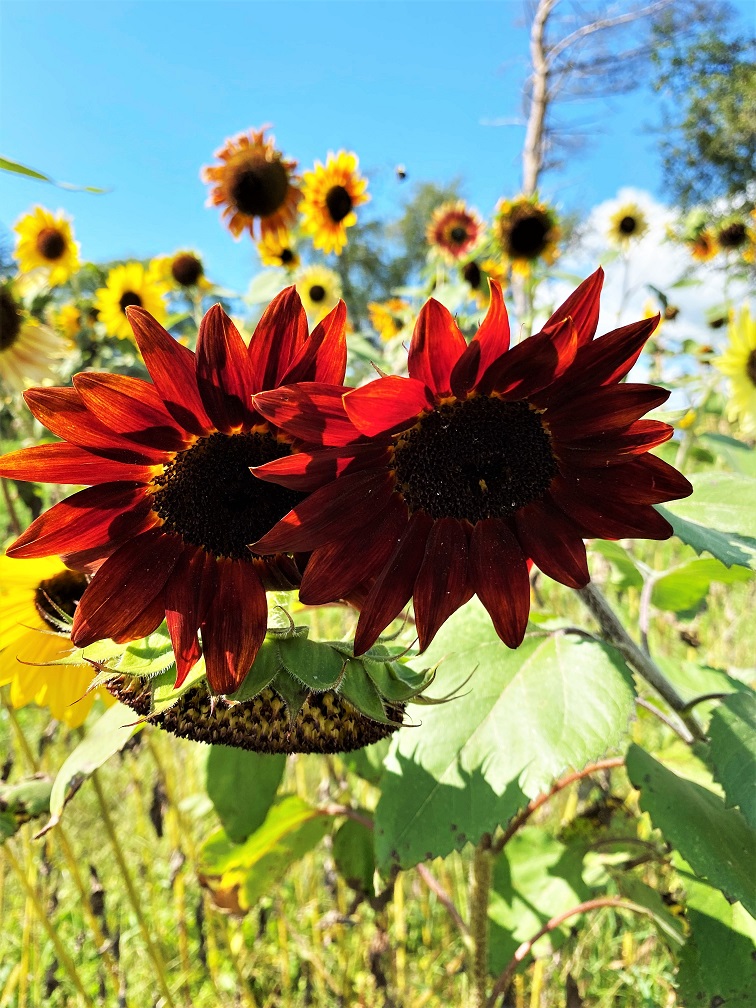

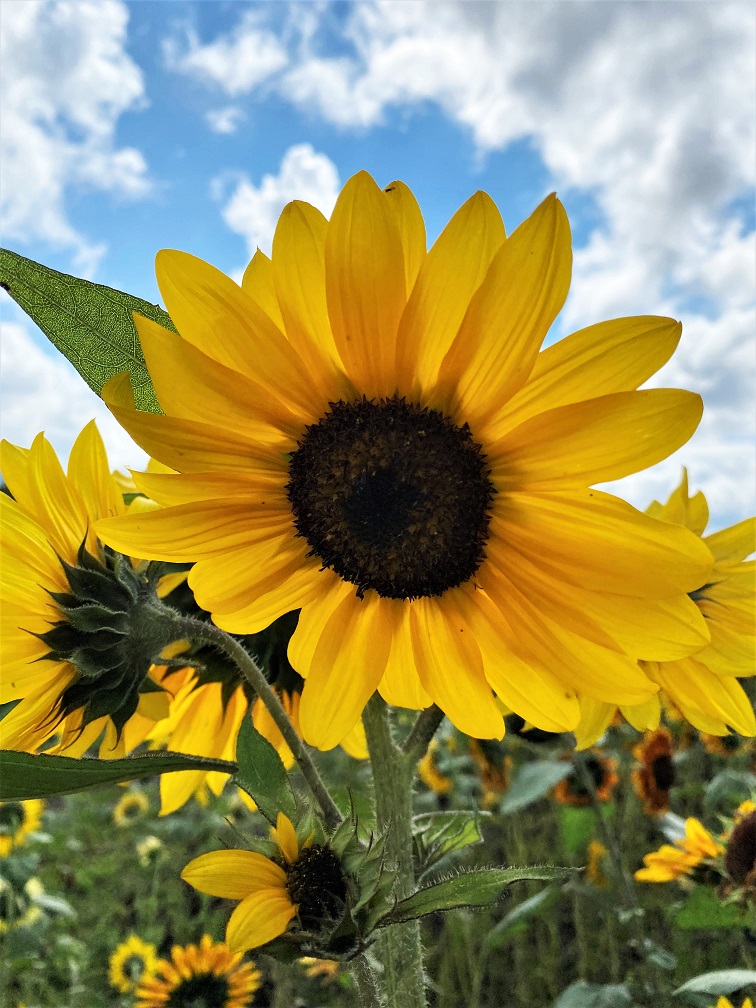
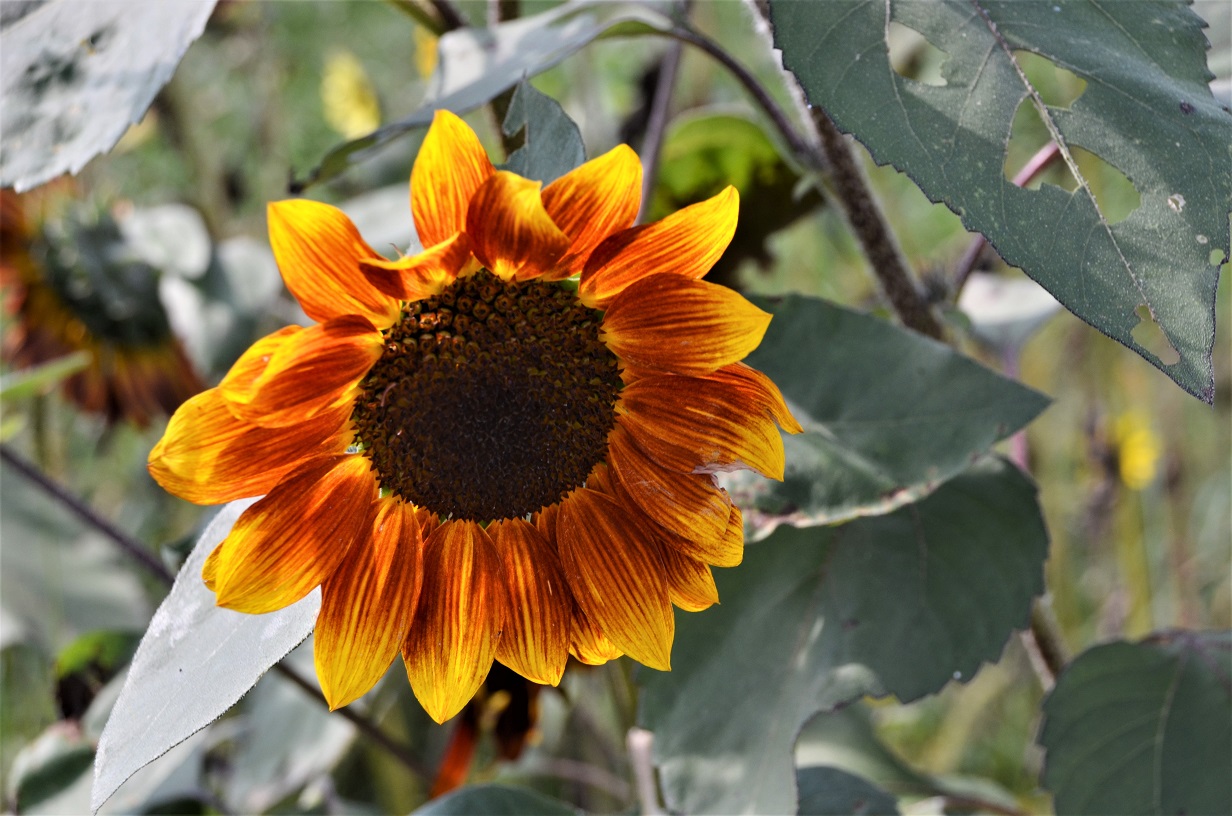

Three hours later, we left now a very crowded winery to get to our destination – Harbour House Inn B&B. If I would have to describe Harbour House Inn in a few words, that would be “clean, large, spacious, and hospitable”. Hospitable is truly a keyword here – let me explain.
Saturday night dinner is the major attraction for our adults’ getaways, pièce de résistance if you will. We always put a lot of care into finding a restaurant that would be willing to accommodate our group and create a special tasting menu which we would pair with our own wines. On most of the trips we were able to create the arrangements like this, and a few times we were unable to bring our own wines and had the tasting dinner fully arranged by the restaurant. This time around, we couldn’t find a restaurant that would be willing to work with us in creating a tasting menu, and not everybody was even willing to accommodate our whole group for dinner. This is where our hosts, Brandi, Darrell, and Billie came to the rescue, allowing us to get the take-out from the restaurant, set up the dinner table with all the plates and glasses, and thus still have an experience of our traditional wine dinner.
When we arrived, the table was already set with the wines glasses and plates, and there was a fridge where we could stuff all of our white wines.

And here is the same table all set to start the dinner:
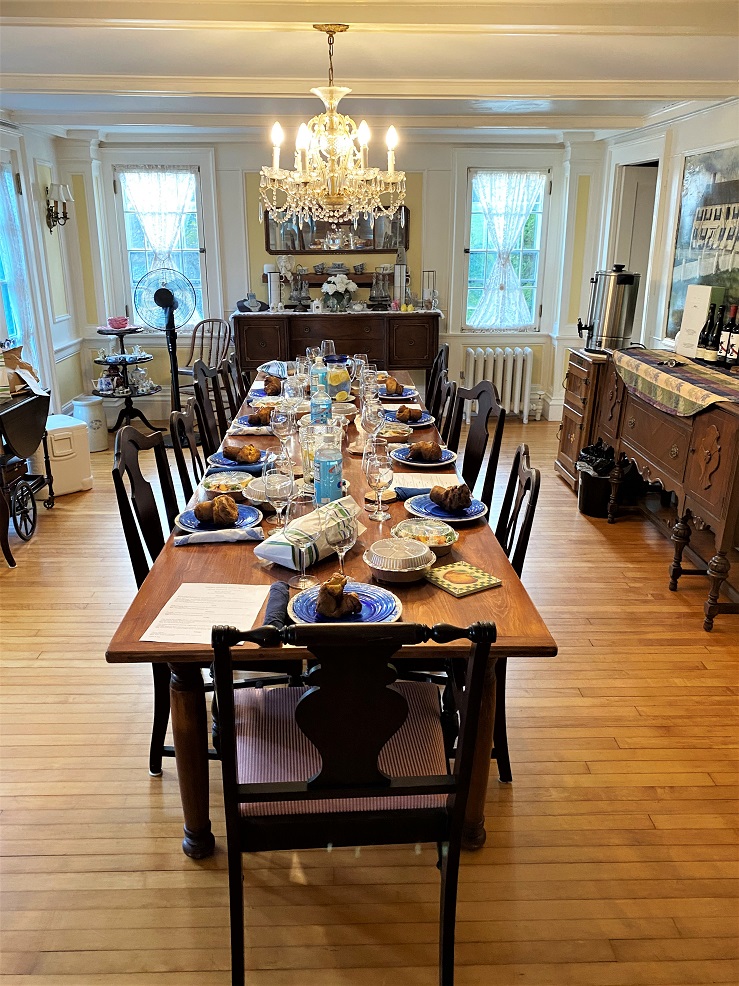
Those popocers… Yummmm!
We brought our dinner from the Mario’s Restaurant in New Lebanon, New York (about 30 minutes drive) which also exceeded our expectations. We arrived at 5 PM to pick up all the food. Everything was ready to go, no waiting at all, and all the food was piping hot, just made. The restaurant even included lots of delicious bread and top it all off, popovers, which were simply spectacular – I’m not a big fan of the popovers in general, but this was just something else – I would eat 5 of those by myself and have no regrets.


Now, let’s talk about wine and food. Our first dish was Prince Edward Isle Mussels (Pancetta, leek, roasted garlic, white wine, EVOO, crostini) which we paired with 2020 Bisol Jeio Millesimato Prosecco Rosé DOC. Prosecco Rosé is a hot category right now. As I’m mostly ambivalent to the Prosecco, this new category is also lost on me. However, when I was looking for the wines to pair with the dinner, and I wanted to start our dinner with bubbles, that bottle of Jeio Rosé looked very good – an opportunity to try a new (hot!) type of wine made by the reputable producer (I’m not ambivalent to Bisol wines – these are Prosecco wines in its own category). The Rosé didn’t disappoint – crisp, clean, tart, fresh – anything else you want from the sparkling wine? Yep, I thought so. It paired very well with the mussels which were a riot – lots and lots of flavor, delicious broth – I lost count to the amount of bread I consumed with the mussels.
Next, we had Rustic Beef and Veal Grande Meatballs (San Marzano sauce, pesto, crostini) and Mushroom Beignet (Caps stuffed with garlic butter, dipped in a beignet batter, baked and topped with hollandaise sauce) which we paired with 2020 Notorious Pink Grenache Rosé Vin de France (100% Grenache). The meatballs were absolutely delicious, as well as the mushroom beignet. As far as the wine is concerned, we already had this Rosé at one of the previous dinners, and looking into my past notes I was equally unimpressed.
Next, we had Baby Arugula Salad (Farm fresh peaches, garden tomatoes, burrata, toasted pistachios, white balsamic vinaigrette) paired with 2019 Ninety Plus Cellars Aligoté Bourgogne AOC. Aligoté is yet another rave of the moment, gaining in popularity as an affordable white Burgundy. The wine was round and creamy and worked quite well with the salad.


For our “intermezzo” we decided to try something new and different – a “pasta” of zucchini – Zucchini “Noodles” (Roasted wild mushrooms and tomatoes, sweet corn, burrata, cheese, white wine, and garlic) paired with 2019 Thevenet & fils Les Clos Bourgogne AOC. The zucchini “noodles” were an absolute standout – amazing flavor and texture, delicious. The red Burgundy was very tart and light – while it was kind of okay with the dish, the pairing was not anything to write home about.
Then there were the entrées. First, we paired Pan Seared Sea Scallops (Risotto alla Milanese, sweet corn, chive beurre blanc) and Grilled Faroe Island Salmon (Maple and mustard glaze, hash of roasted potatoes, English peas, carrots, and scallions, fresh horseradish) with 2013 Montecillo Rioja Reserva DOC. Scallops and salmon were delicious in their own right, each dish being succulent and flavorful. The Rioja was simply superb – dark fruit, cedar box, herbs, perfectly balanced, round and velvety in the mouth – this was another most favorite wine of the dinner (the first one was Prosecco Rosé).
Last we had Pan Seared Duck Breast and Leg Confit (Chive mashed, cherry & port wine reduction, grilled asparagus) – melt in your mouth delicious, and succulent, generous, flavorful Red Wine Braised Short Rib (Roasted summer vegetables, chive mashed, red wine jus). These two dishes were paired with 2015 d’Arenberg The Laughing Magpie Shiraz Viognier McLaren Vale, which didn’t meet my expectations. Maybe the wine needed some time, but it really didn’t do anything for me.
The dessert was good, but after all of the food, nobody really cared about the dessert…
My next day started from the quiet early walk in the fog. Fog has a special ability to underscore the silence. And there is no better time of the day than a cool and quiet morning with a cup of hot coffee in your hand and the knowledge that the whole day is fully ahead of you.
Our breakfast (it is a B&B, remember?) consisted of freshly baked blueberry muffin, fresh fruit, and eggs Benedict casserole – an unusually creative dish, resembling the eggs Benedict without the need to properly poach the eggs for the large group of hungry guests.
We always like to include at least a bit of the hiking into our trips, so our first stop after we left the Inn was at the old marble quarry repurposed into the nature park. Lots of steps and some beautiful views:




We then went to the cheese shop along Berkshire cheese trail where we were hoping to taste some cheese – unfortunately, this was a cheese shop at the functional dairy farm, but no cheese to taste, only to buy.
We ended our day with a late lunch at Pera Mediterranean Bistro in Williamstown before starting the drive home.
Here we are – another adults’ getaway became history, but I’m already craving the next one.
Oregon Wine Reflections – On The Way To The Wine Media Conference 2021
 I like flying. And it is not only the excitement of travel, arriving at the new place, meeting new people, having new experiences. The plane itself, the cabin, offers one of the rare sanctuaries, an opportunity to do some undisturbed work and reflect. Yes, the economy plane seat is not the most relaxing accommodation in the world, but if I chose to do something useful (oh so many times I ended up binge-watching movies instead of doing anything productive), comfort is not the most important thing.
Right now I’m on the small plane, connecting from Denver, Colorado to Eugene, Oregon – the location of the Wine Media Conference (previously know as Wine Bloggers Conference) 2021, WMC21 for short. It could’ve been equally called WMC20, as you can imagine that WMC 2020 never took place, but hey, at least we are getting together in 2021.
This will be my 5th WMC (I started in 2014, skipped 2015, and attended 2016, 2017, and 2018), and I’m really excited to visit Oregon for that.
As I was thinking about the location, I also tried to recall how did I discover Oregonian wines – you know, wine solicit the emotion, makes you dig into your memory.
I have no way of tracing it back to the exact year, but I believe the very first Oregonian wine which made me say “wow” was Archery Summit Pinot Noir, and I would think it happened 15–16 years ago. I probably had some wines from Oregon before and after which were just “meh”, but Archery Summit was definitely a pivotal wine. I think the next super-impressive Oregon wine was the Evening Land Pinot Noir, followed by Ken Wright (I was blown away by the massive power that wine was packing), followed by some of the high-end Adelsheim Pinot Noir wines when I wished for an expense account. And let me not forget Antica Terra, with absolutely spectacular Pinot Noir and Pinot Noir Rosé wines (among many others).
This was ancient history. The modern history (ha!) of my Oregonian wine embrace is closely associated with Carl Giavanti, the winery publicist out of Portland, Oregon. We met with Carl at WBC14 and maintained contact from thereon. At some point, I started doing winemaker interviews in the blog, and Carl asked if I would be interested to create a series of interviews of the Oregonian winemakers – this is how the Stories of Passion and Pinot series was born 5 years ago. Working on those interviews afforded me to discover amazing wines – and amazing passion behind them. Vidon, Lenné, Youngberg Hill, Ghost Hill Cellars, Le Cadeau, Alloro, Iris, Utopia, Bell’s Up – each one had a unique story and unique wines. As part of the series I also interviewed Ken Wright, and I always remember that when I asked him how Oregon Pinot Noir compares to Burgundy, he said that for the long time, Oregon sees Burgundy in the rearview mirror, having found its own unique style.
While Pinot Noir is a king of Oregon, it is not the only wine produced here. Riesling, Chardonnay, Pinot Gris, Tempranillo, Tannat, Vermentino, and many others also call Oregon home, and if you ever had wines from, for example, Troon Vineyards, you would know how good those wines can be.
Yes, color me excited – I finally get to meet the people and visit the wineries I’m already so [virtually] familiar with – and now it will be real.
Wine Media Conference 2021 – here we go!
Of Hydrangeas, Ocean, Sunsets, and Wine
I’m sure this cryptic title leaves you wondering what are we going to talk about in this post, right?
Yeah, a lame attempt at self-humor.
And as you can see I want to talk about some of my most favorite things – flowers, waves and sand, sunsets, and, of course, wine. Mostly in pictures – except the wine part.
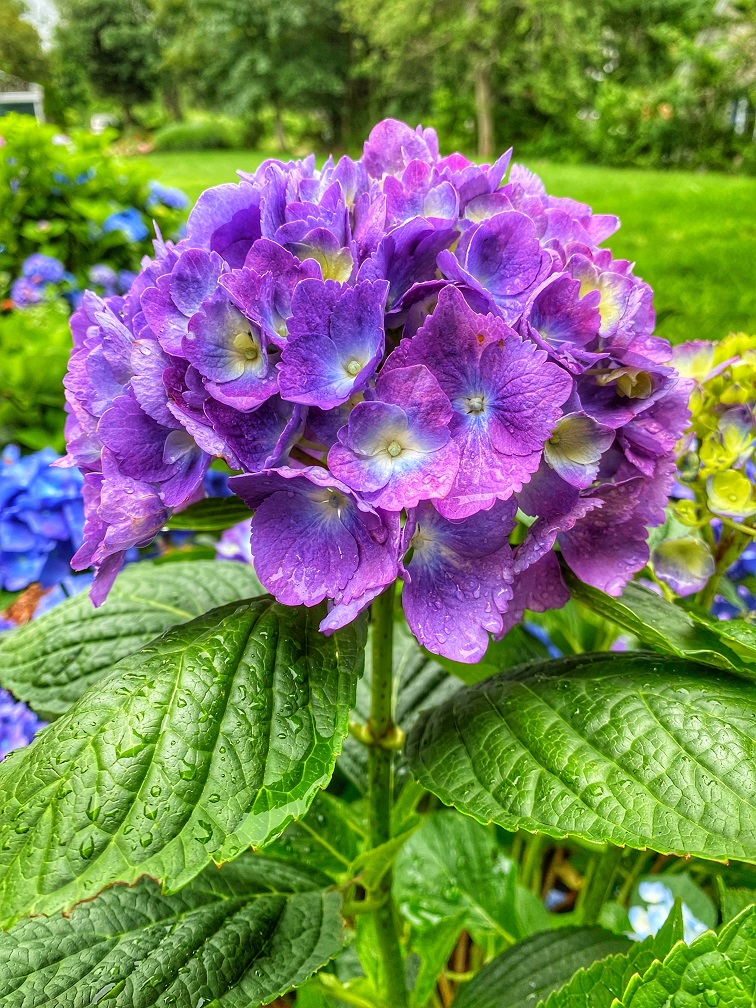
We just came home after a weekend in Cape Cod, and if you ever visited The Cape as it is typically called, I’m sure you noticed the abundance of hydrangeas. There is rarely a house that doesn’t sport a beautiful hydrangeas display.
Hydrangeas come in many colors, which can be also influenced by what you feed the flowers. They typically bloom the whole summer and deliver non-stop pleasure – at least in my world. Let me share some of my favorites with you:


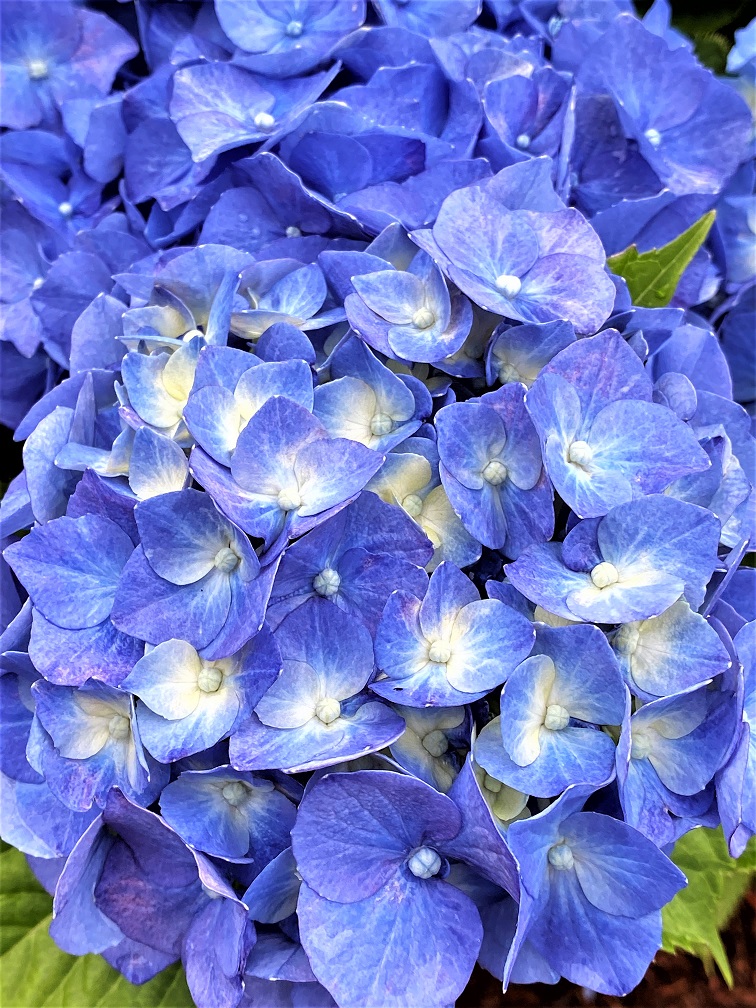
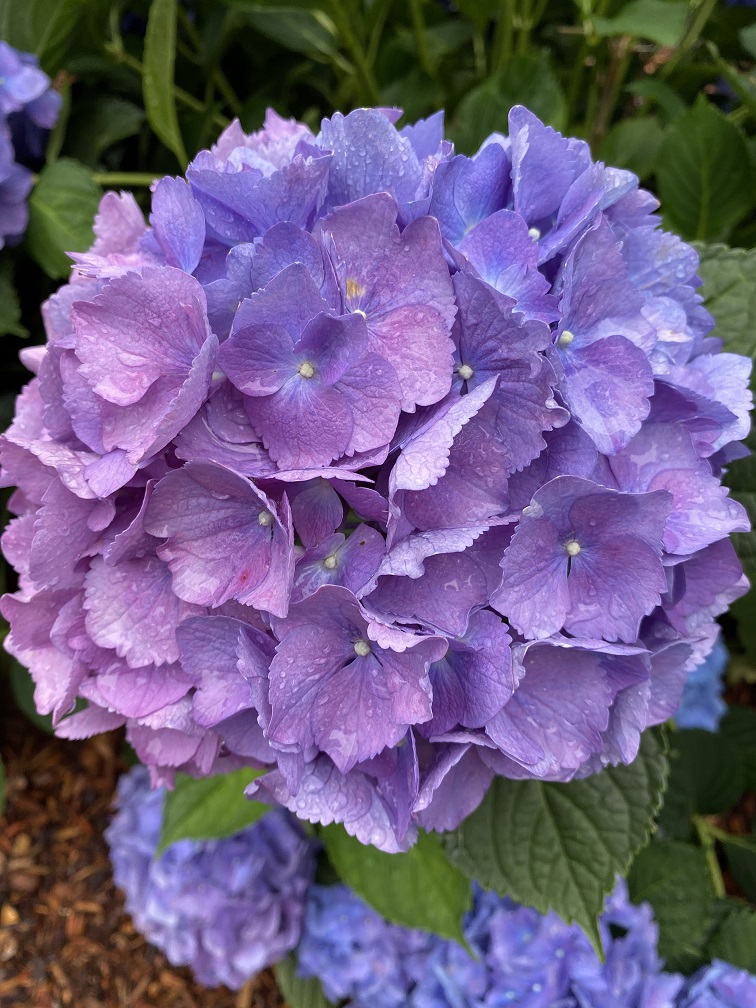
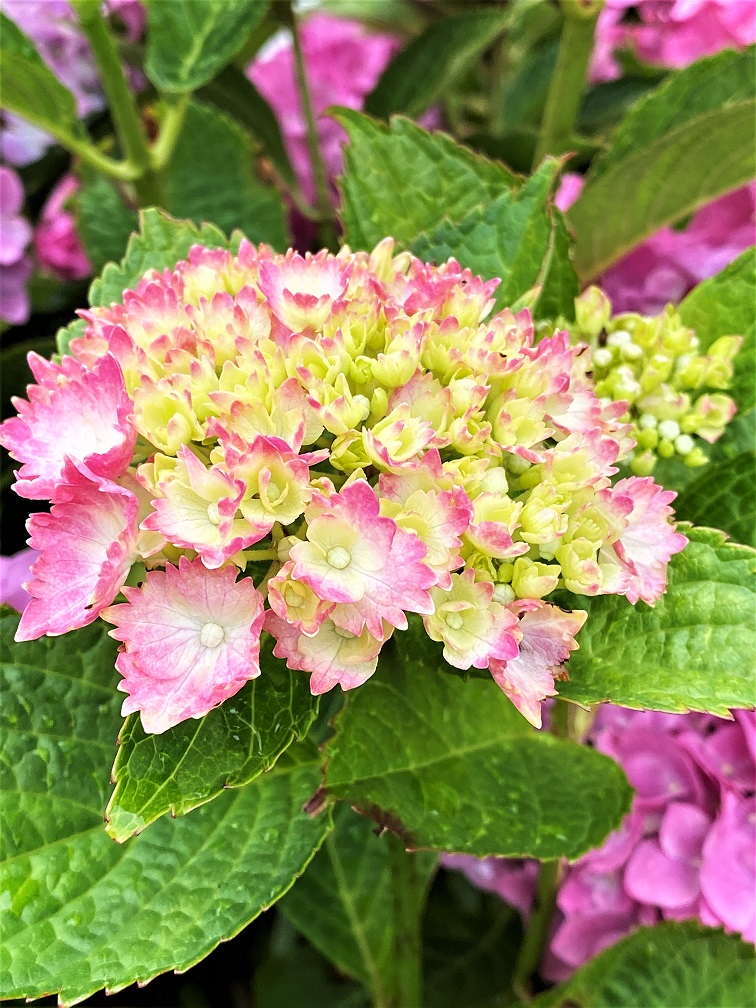

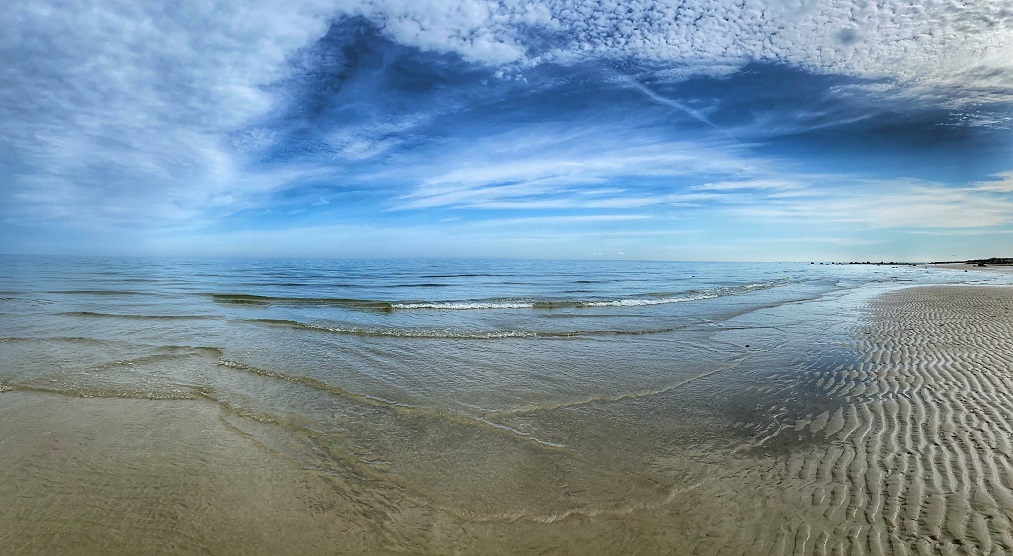
Our next subject is the ocean. Cape Cod is a special place, where you can find huge swathes of water only a few inches deep, or simply a wet send that goes for miles and miles during low tide. The water and the sky magically connect, creating an ultimate rhapsody in blue – see for yourself:
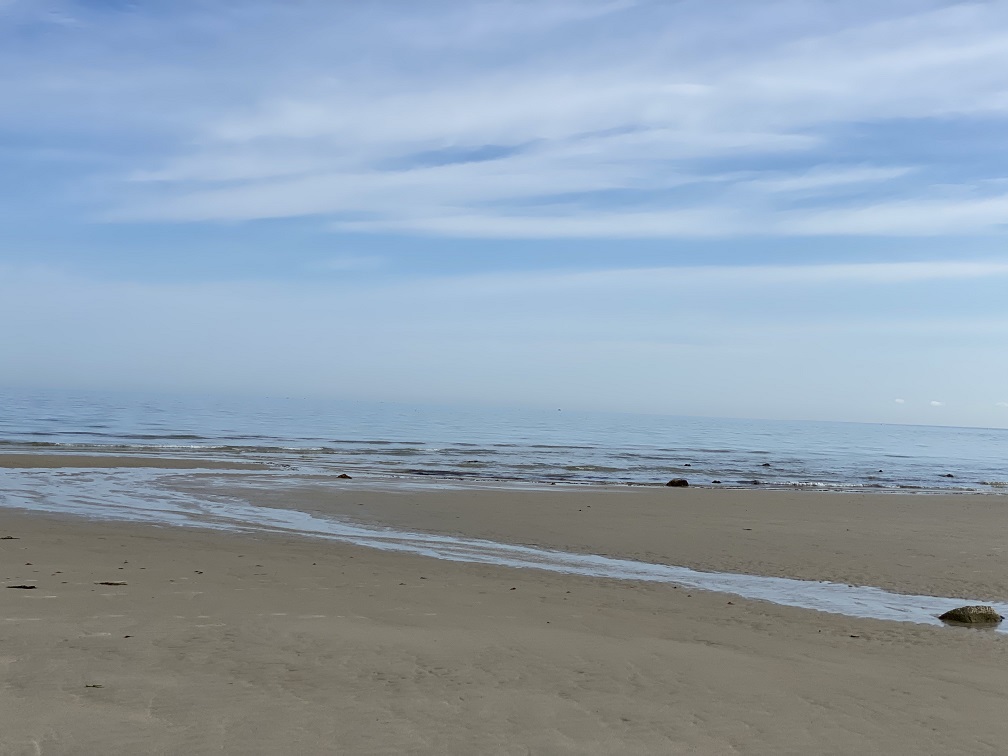
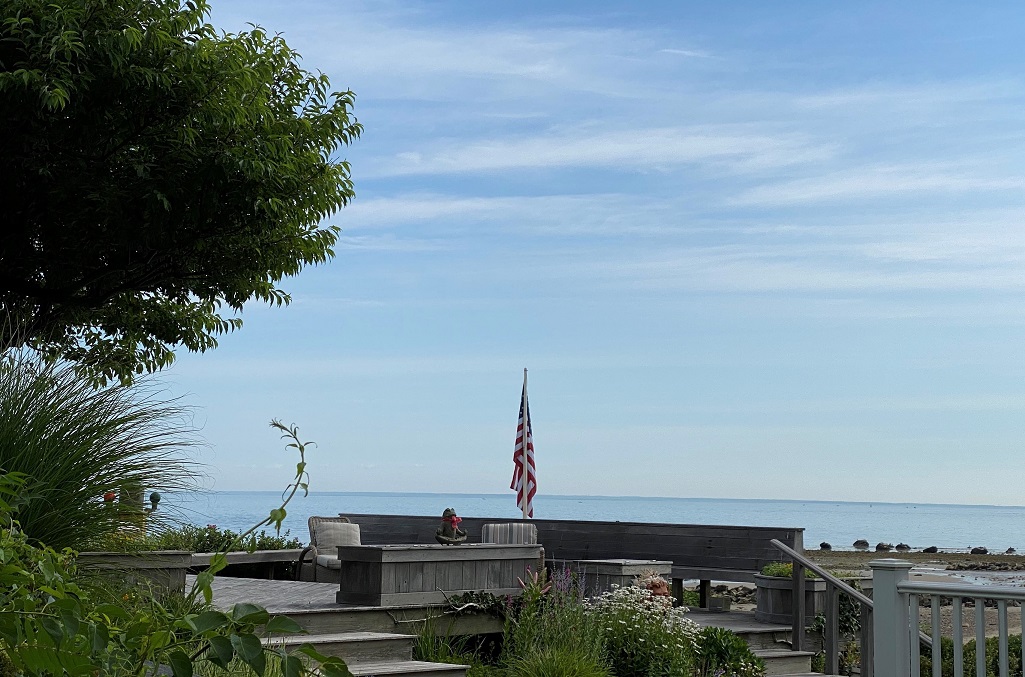


 The sunsets were challenging this time around. Two days out of three that we spent on The Cape, the weather was not good at all – rain, wind, and more of the rain and wind. Nevertheless, the weather was taking a break in the evening to present a beautiful sun setting imagery, which we enjoyed from the comfort of the deck – with a glass of wine in hand:
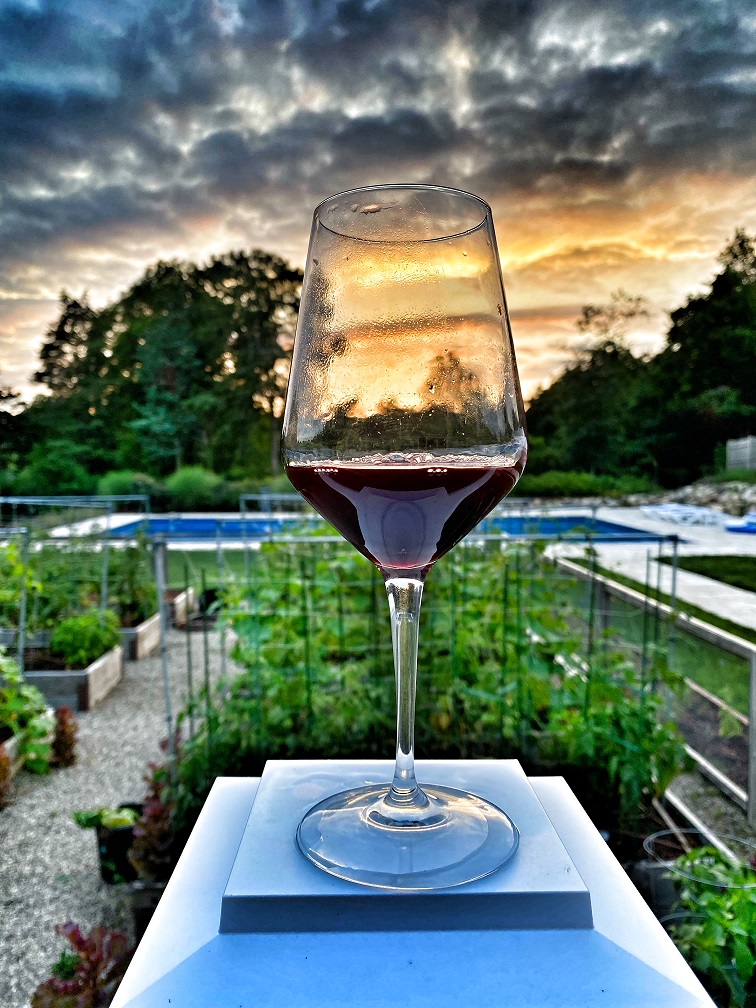
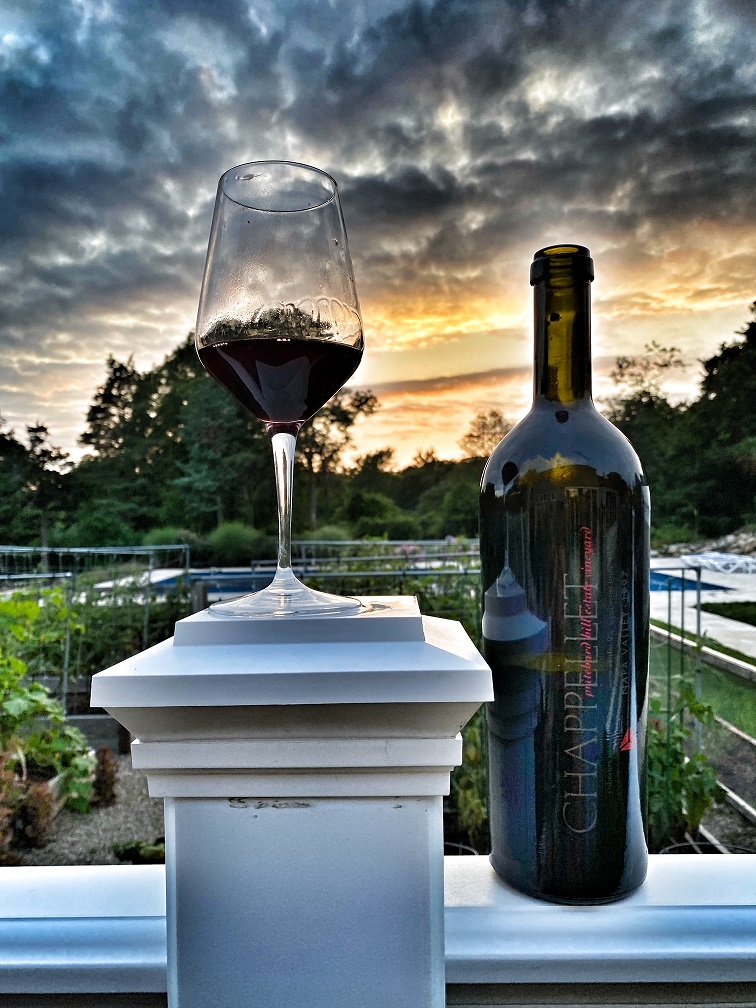 And this brings us to the last subject of today’s post – the wine. This was a vacation, and I was absolutely not interested in taking any sort of formal notes. But somehow, the majority of the wines we had were so good (with the exception of some sort of homemade wine from Moldova, which we had to pour out) that I can’t help it not to share the pleasure. Here are my brief notes.
We started with 2020 Hugues de Beauvignac Picpoul de Pinet AOP (14.1% ABV) – fresh, clean, well balanced. The wine offered a touch of the whitestone fruit and was a perfect welcome drink after 4 hours of driving. It is also very well priced at about $12 at Total Wines in Boston, which is almost a steal at that level of quality.
2019 Golan Heights Winery Yarden Sauvignon Blanc Galilee (13.5% ABV) offered a beautiful Sauvignon Blanc rendition with a hint of freshly cut grass and beautiful creaminess. This wine was more reminiscent of Sancerre than anything else – an excellent effort out of Israel.
2016 Sonoma Mountain Steiner Vineyard Grüner Veltliner (14.1% ABV) – one of the perennial favorites (I’m very disappointed when my Carlisle allocation doesn’t include Gruner Veltliner). Beautiful fresh Meyer lemon, grass, clean acidity – in a word, delicious.


The last white wine we had was 2016 Château de Tracy Pouilly-Fumé AOP (13% ABV). Another Sauvignon Blanc – plump, creamy, delicious. Nicely restrained and round. It is definitely a fun wine as long as the price is not taken into the consideration – otherwise, at about $40, both Yarden (under $20) and Picpoul wines would give it a great run for the money.
Our Rosé was fun 2020 Samuel Robert Winery Pinot Noir Rosé Vineyard Reserve Willamette Valley (13% ABV) – the Oregon Rosé is just not very common. This wine had nice strawberries all around – on the nose and on the palate. I would probably want it to be a tiny bit less sweet, but the wine was still quite enjoyable.
2017 Campochiarenti San Nicola Chianti Colli Senesi (14.5% ABV) is one of my favorite wines to surprise friends and even myself with. It starts as a solid Chianti would – cherries, tobacco, leather, iodine. But in a few minutes of breathing, it magically evolves to add sandalwood, nutmeg, and exotic spices. An incredibly heart-welcoming sip.
And to top of everything else, the 1997 Chappellet Pritchard Hill Estate Cabernet Sauvignon Napa Valey (87% Cabernet Sauvignon, 9% Petite Sirah, 4% Cabernet Franc) was thrown into the mix by my brother-in-law. This wine was a testament to California Cabernet Sauvignon; a simple proof that well made California Cab might be the best wine on Earth. This wine had no – none – signs of aging. Fresh, young, concentrated, cassis and cherries with a touch of mint and coffee, beautifully layered and well structured. This wine was not yet at its peak – I wonder how many more years it would require to reach the top…
And now, an absolute surprise – 2000 EOS Tears of Dew Late Harvest Moscato Paso Robles (10.5% ABV) – a late harvest wine from Paso. Beautiful orange color, and nose and palate loaded with ripe apricots – a hedonistic pleasure on multiple levels.
Now that is the whole story I wanted to share. What is your favorite flower? Have you tasted any amazing wines lately? Cheers!
Last Bottle Sign Up ($10 credit)




 Talk-A-Vino