Archive
Travel Diaries: Beautiful Prague
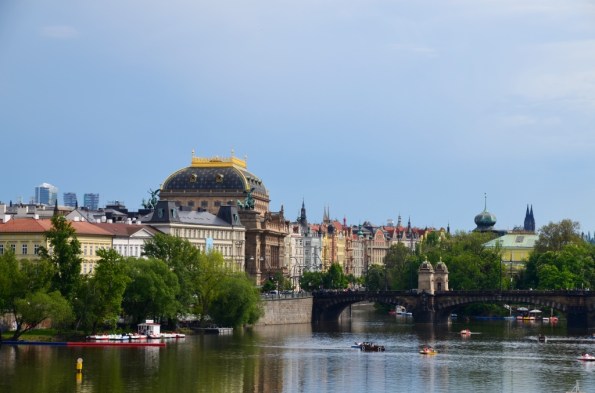
For the first time I visited Prague in 1990 (if memory serves me right, of course). I have some scarce memories of that trip – Charles Bridge, Clock Tower, Gothic architecture and a street the food in form of the waffle with whipped cream and chocolate sauce. I always wanted to come back and experience Prague once again – and finally opportunity presented as one of my business meetings took me there.
You know how it can be dangerous to rely on the past experiences while setting the expectations? Everything changes – we change, everything around us changes as well – “you can’t enter the same river twice”. And the best moment in any experience is when you say – ahh, it is even better than I expected.
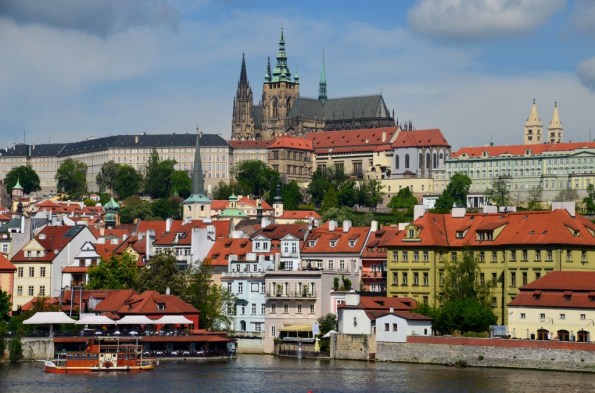
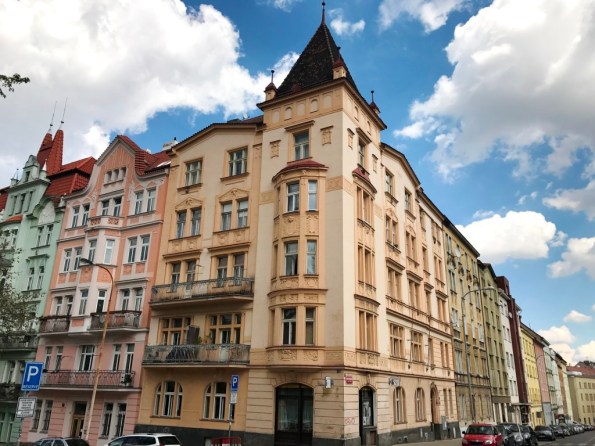
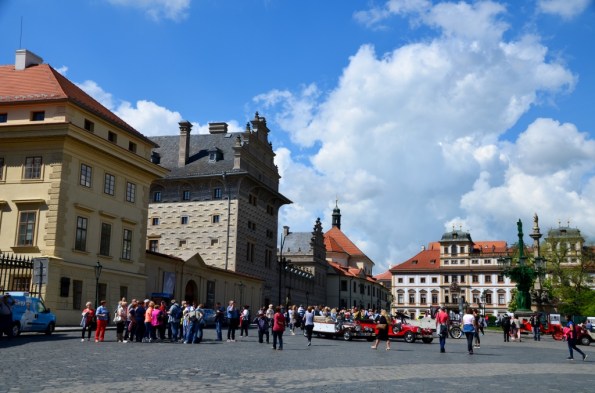
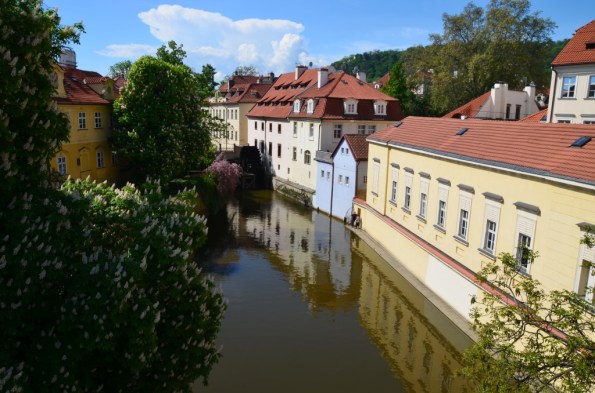
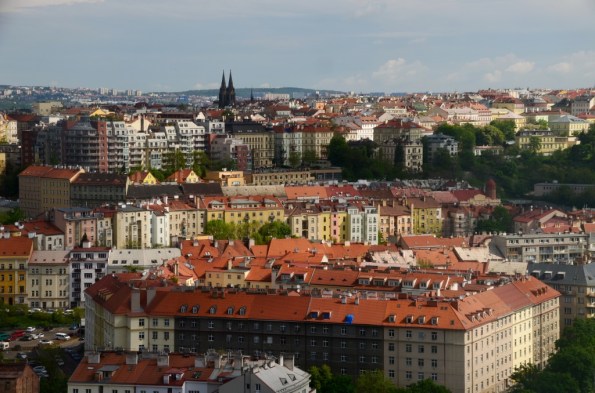
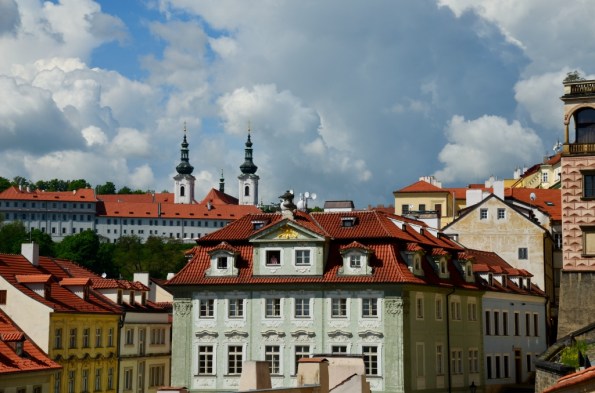
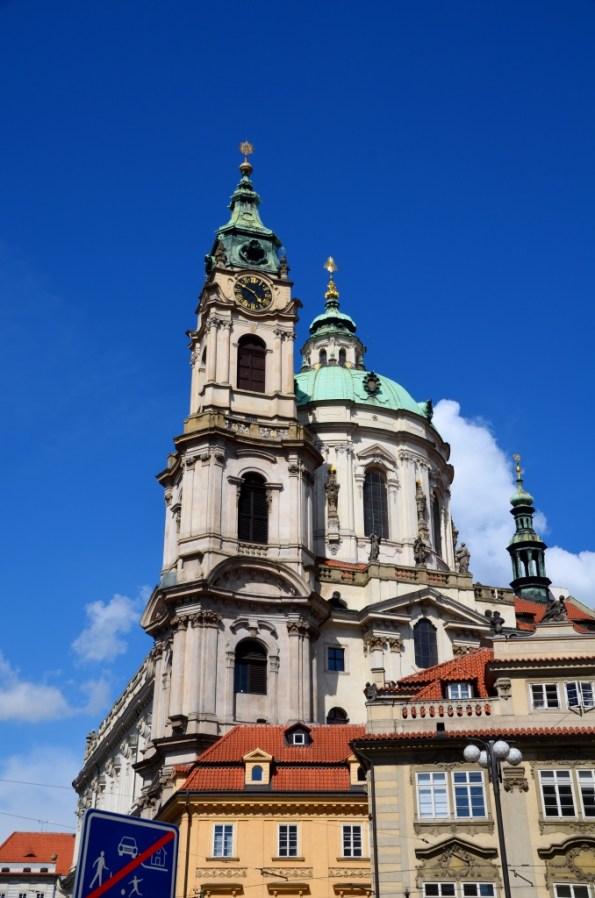
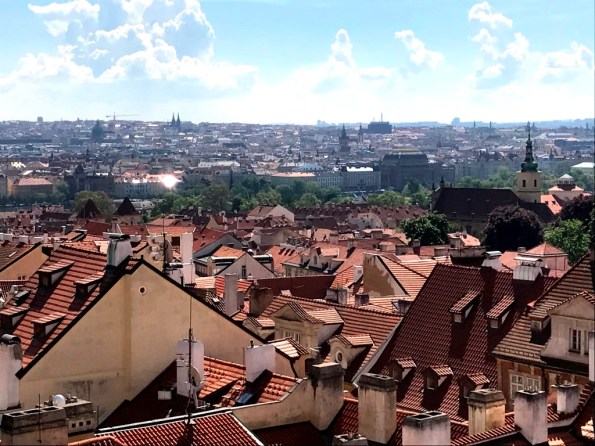
That is my feeling about the Prague. Beautiful city, all covered with the red roofs (somehow, red roofs have a magical effect on me), beautifully colorful buildings, castles and cathedrals everywhere – you derive the pleasure from anywhere you look (well, sadly, once you step a little away from the old town, you see lots of graffiti and simply start dreaming about all the pain which should be inflicted on the people who do that, but this is way outside of the subject of this post).
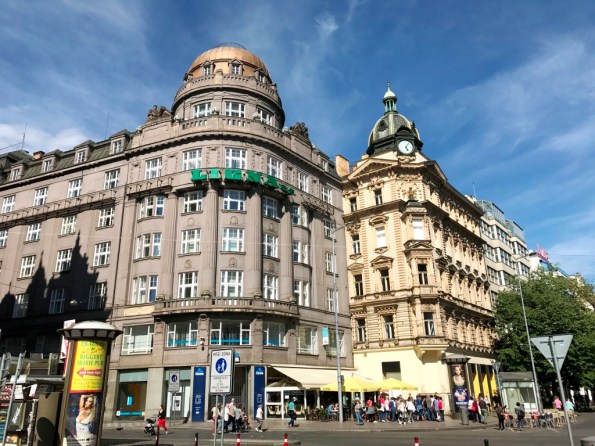
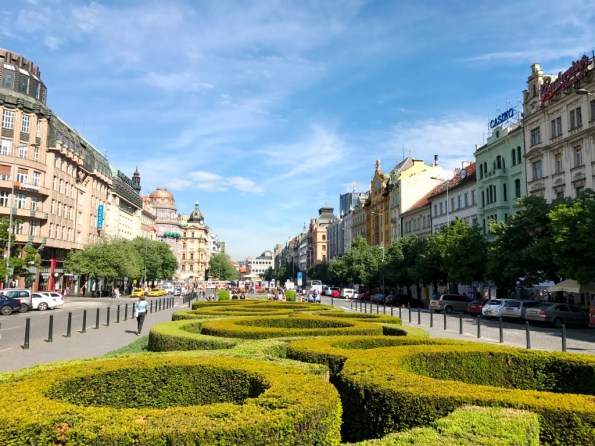
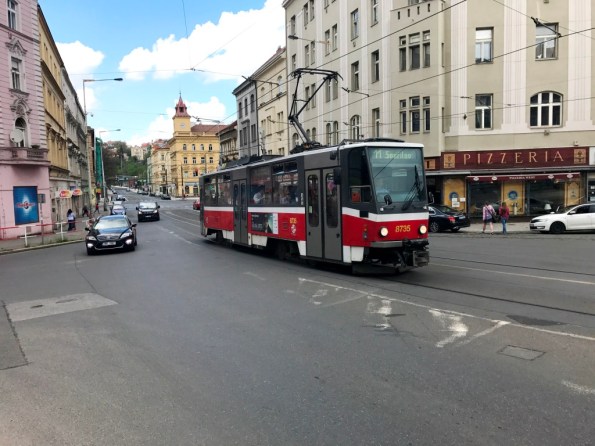
I’m not going to try to describe my impressions in words – instead, let me inundate you with pictures – lots and lots of pictures of the beautiful town of Prague. And when I say lots and lots, I actually mean it…





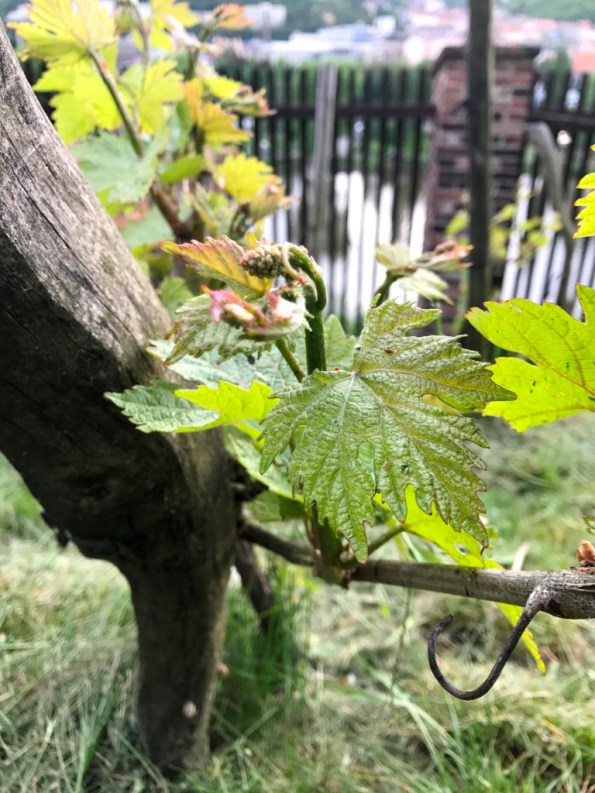
Don’t think you will find vine grapes growing in New York’s Central Park, but you do in Prague!









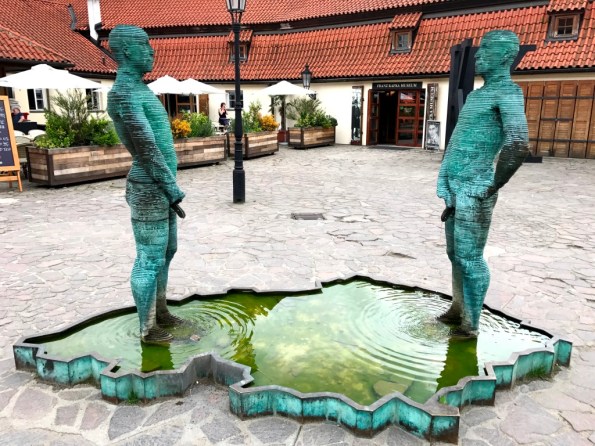
These two peeing man (the parts of their bodies which attract the most attention are not only releasing the water, but also moving – heard quite a range of comments from the spectators:

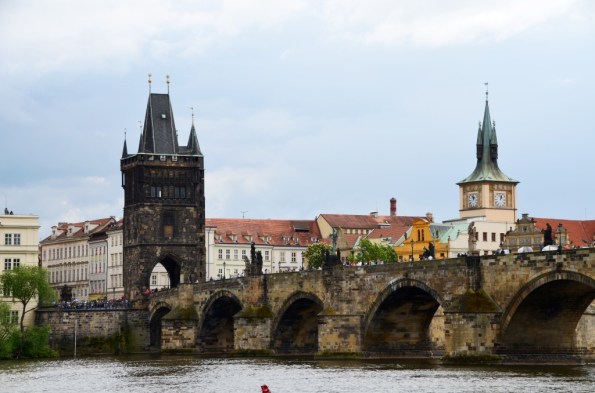

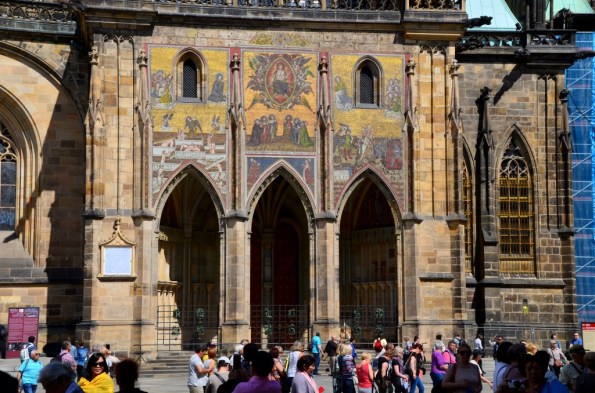

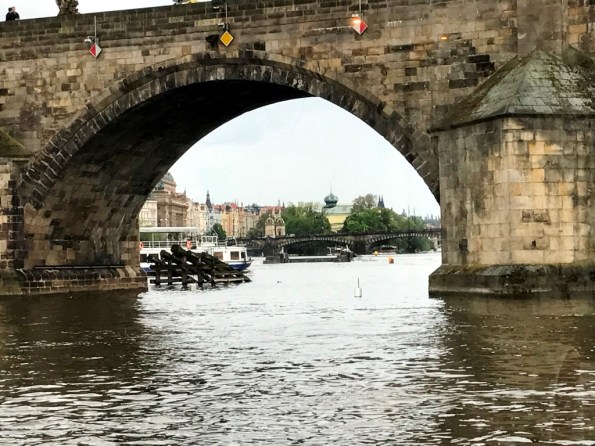
The legend has it that St. John of Nepomuk was executed for refusing to give the details of queen’s confession to the king. The St. John is honored with his own statue on the Charles Bridge. The legend also has it that if you will touch two of the fragments on the bottom of the statue, you wish will b granted. However, it seems that the legend might not get it exactly right – take a look at this blog post to learn what exactly do you need to touch:


Let me leave you with the love locks at the Charles Bridge – Prague is a beautiful city which is easy to fall in love with. Cheers!

Evening With Friends
I confessed it many times, and I’m glad to do it again – one of my most favorite parts of blogging, and essentially the most important one, is people. Interacting with people is the most prized element of any published blog post; meeting fellow bloggers and finding new friends is a huge cherry on top. I don’t know if the wine has any special qualities, but I have a great personal experience with meeting fellow bloggers face to face for the first time and feeling like I knew them for my whole life.
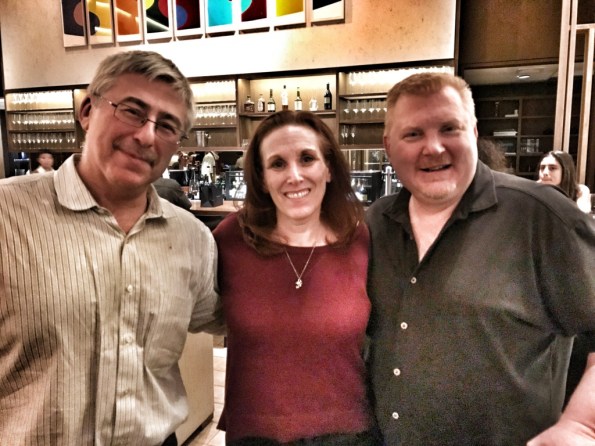
When I got an email from Jim, an author of JvbUncorked blog, offering to get together a few weeks ago, I knew I had to make it work. When I arrived 20 minutes late to Aldo Sohm Wine Bar in midtown in New York, Jim, Lori (a blogger and the winemaker behind Dracaena Wines) and Lori’s friend, Donna, were already there.
 More often than not, when I know what restaurant I’m going to, I like to check the wine list in advance. Aldo Sohm Wine Bar was opened by Aldo Sohm, the Chef Sommelier at Le Bernardine, a world-famous dining destination in New York City. Aldo Sohm is also known for winning numerous Sommelier competitions and was crowned multiple times as “Best Sommelier in Austria”, as well as “Best Sommelier in America” and “Best Sommelier in the World 2008” – you can imagine that the wine list put together by such a wine Pro requires some homework. I don’t know about you but I love and always do my homework, especially if it is connected to wine at least in some way.
In addition a to the substantial wine list, we had another interesting challenge – Donna liked mostly white wines with the nice buttery component to them – but, she was willing to try new wines, which was very helpful, but – the challenge was on.


Being late by 20 minutes had one lucky consequence – the first wine was already chosen and about to be poured by the time I situated myself at the table. We started with 2013 Kuentz-Bas Riesling Cuvée Tradition Alsace ($40) – and it was outstanding. Perfectly bright and intense on the nose, with a whiff of honey and apricot; on the palate, it was live and vibrant, crisp and playful, continuing honey and apricot flavors, supported by clean acidity. An outstanding wine and a great value at a restaurant wine list at $40. Bonus – we got “thumbs up” from Donna – you know how we, wine geeks, feel when someone says about your recommendation “ahh, I like this wine” – the top of the world feeling. Well, kind of, anyway.
As we were pondering at the next wine, it was really hard to decide, especially trying to make everybody happy again. While we were looking at Italian options, feeling “yeah, might be, but really, yeah?”, I took the advantage of my list studying and suggested to try a California Chardonnay. Not just something random, but a very particular Chardonnay – 2012 Sandhi Chardonnay Santa Barbara ($80). Earlier in the year, I had my first experience of Sandhi wines with Sandhi Pinot Noir. Sandhi winery was founded by Rajat Parr, a world-renowned sommelier, a partner at Sandhi winery and one of the founders of IPOB (In Pursuit Of Balance) movement for dialed-down, balanced California wines. The Sandhi Pinot Noir was incredible, which made me really curious about the Chardonnay – and it didn’t disappoint. This 2012 Sandhi Chardonnay had generous, intense, open nose with apples and vanilla, and on the palate, this wine was simply a riot – I experienced similar Chardonnay wines only a few times, mostly from Burgundy, when they get incredible intensity and brightness of golden delicious apples, vanilla and honey, supported by just a hint of butter and clear, vibrant acidity. This was truly a treat. And – yay – we got “thumbs up” from Donna again. Two out of two!


It was the time to move to the reds. While previously looking at the list, I noticed a 2001 Santenay for $77 at the end of the Burgundy section, right after 2001 DRC Romanée St. Vivant for $2650 (need an expense account, anyone got one we can share?). At first I thought there might be a mistake either with the price or a vintage in the online copy (had such experience numerous times), but no – the same Santenay was there on the wine list at the restaurant, for the same $77, so it was not very difficult to convince my partners in crime to go for this wine.
2001 Paul Chapelle 1er Cru Gravière Santenay ($77) was earthy, dry and pretty closed on the nose despite quick decanting. It took the wine a while to start showing some dark fruit, with earthy, minerally notes prevailing at the beginning. I think it took the wine about 45 minutes to give us some dark fruit notes and become a bit brighter. This 16 years old wine still has a lot of life left in it, and it is definitely a food friendly wine. By the way, do you care to guess of Donna liked this wine? Yes, you got that right – no, she didn’t. 2–1.
As our evening was progressing, we got a pleasure of meeting Aldo Sohm in person – he came to our table and introduced himself, so we were able to chat with him for about 10 minutes about all the fun geeky stuff oenophiles enjoy so much – how uneasy it is to find good wines at the good prices, especially when it comes to the Burgundy, with the combination of terrible weather and Burgundy’s love on the upswing around the world. Talking to Aldo was definitely one of the highlights of the evening.
It was getting somewhat late, but the challenge was still in front of us – we managed to score with the white wines for Donna to enjoy, but we had to find the proper red. After going back and force we settled on 2007 La Rioja Alta Viña Ardanza Rioja Reserva ($75). La Rioja Alta doesn’t need much introduction to the wine lovers – one of the very best producers in Rioja, making delicious wine year after year. Of course, this wine was still a baby, but within the reasonable price range, we thought that it would have the best fruit representation, which, again, we were hoping would win Donna’s vote. The wine was every bit as expected – nose of cigar box and vanilla, dense cherries, vanilla and eucalyptus on the palate, touch of sweet oak, full body, noticeable, but well integrated tannins. This was an excellent wine, but … Nope, we didn’t win this one. 2–2. But one super-fun evening.
It was late, and it was the time to go home. But I really hope we are going to do it again. And again. And again. To all the friends – cheers!
Geekiest Way to Celebrate #MalbecWorldDay – #WineStudio Blind Tasting with Achaval-Ferrer
 Starting in 2011, April 17th is the day when we celebrate Malbec – one of the noble French grapes, which almost disappeared in France, but found its new life in Argentina, where it became a star. I don’t want to bore you with the Malbec history – you can read it on your own in many places, including few posts in this very blog (here is a bit about the history of the Malbec grape, and here you can take a Malbec quiz).
Typical “grape holiday” celebration usually includes an opening of an upscale (high end, memorable, etc) varietally correct bottle. Our today’s celebration was a bit different, as it was based on the concept of pure, unadulterated, geeky wine lovers’ fun – a blind tasting, and, of course, guessing.
This blind tasting was a part of the educational program run by the WineStudio during the month of April. In case you are not aware of the Wine Studio, it is a brainchild of Tina Morey, and it is wine education and marketing program which helps to expand people’s wine horizon and help them discover new regions, new grapes and new wines. April program, quite appropriately (April is designated as a Malbec wine month), was focused on the wines of Achaval-Ferrer, one of the very best wine producers from Argentina.
To facilitate the blind tasting, all the participants received a set of two bottles, some wrapped in colorful foil, and some in the black plastic – mine were the second type:


About an hour before the session I opened the bottles to let the wines breathe a little, as it was suggested by the organizers. And then the session started.
Of course, this was not the usual blind tasting. There are many ways to run the blind tasting, some of them quite extreme – for instance, tasting the wine without any known information from the black glass – an extreme sensual challenge. Going less extreme, in a typical blind tasting you will have at least some kind of limits installed – Pinot Noir grape, for instance, or wines of Pauillac. Our #winestudio blind tasting was on one side a lot less challenging, as we knew that the wines were made by Achaval-Ferrer, so we didn’t expect to find Petite Sirah in any of those bottles, and we even knew the vintage years, 2013 and 2012. At the same time, for sure for me, it was almost more challenging, as I was trying to guess the wines based on what I knew about Achaval-Ferrer and thinking about what they might want to showcase in the tasting, instead of focusing on the actual wines.
 We were asked to evaluate wines using WSET Level 3 tasting grid (you can find it here if you are curious). Here is a summary of my tasting notes – I’m distinguishing the wines by their vintage:
Wine 2013
APPEARANCE
Clarity: clear
Intensity: deep
Colour: garnet
NOSE
Condition: clean
Intensity: medium
Aroma characteristics: touch of funk, mint, underbrush, blackberries
Development: youthful
PALATE
Sweetness: off-dry
Acidity: medium+
Tannin: medium
Alcohol: medium
Body: medium+
Flavour intensity: medium+
Flavour Characteristics: cassis, eucalyptus, mint, blackberries
Finish: medium-
CONCLUSIONS
Quality level: outstanding
Level of readiness for drinking/potential for ageing: can drink now, but has potential for ageing
Wine 2012
APPEARANCE
Clarity: clear
Intensity: deep
Colour: garnet
NOSE
Condition: clean
Intensity: medium+
Aroma characteristics: tar, tobacco
Development: developing
PALATE
Sweetness: off-dry
Acidity: medium+
Tannin: medium
Alcohol: medium
Body: medium+
Flavour intensity: medium+
Flavour Characteristics: red and black fruit, salinity, raspberries, anis
Finish: medium
CONCLUSIONS
Quality level: outstanding
Level of readiness for drinking/potential for ageing: can drink now, but has potential for ageing
As it is usually the case with the blind tastings, I didn’t do well. I really wanted the wines to be pure Malbec and Cab Franc, and this is what I included into my final guess:
then, of course, I second guessed myself and changed the answer:
When the bottles were finally unwrapped, we found this beautiful Bordeaux blend called Quimera been our Quimera for the night – it is no wonder every back label of Quimera explains the name: “Quimera. The Perfection we dream of and strive for. The search for an ideal wine”.


The wines were 2013 and 2012 Quimera, both classic Bordeaux blends, but with a high amount of Argentinian star variety – Malbec. Both vintages had the same composition: 50% Malbec, 24% Cab Franc, 16% Merlot, 8% Cab Sauv and 2% Petit Verdot. Just as a point of reference, I still have a few bottles of 2008 Quimera, and that wine has 40% of Malbec. Both wines were beautiful, but very different in its own right – and they will for sure age quite nicely. This was definitely a treat and yet another testament to the great wines Argentina is capable of producing.
Here you go, my friends. Another great night at #winestudio, celebrating the grape well worth a celebration. Next Tuesday, April 25, we will be tasting Achaval-Ferrer Cabernet Franc, their new single-varietal bottling – been Cab Franc aficionado, I can’t tell you how excited I am. Join the fun – see you at 9 pm! Cheers!
Restaurant Files: The Art of Southern Cuisine at Peaches in Norwalk, CT
 Let me make a bold claim – Southern Cuisine might be the only authentic cuisine in the United States. Yes, New England got lobster and clam chowder, Maryland got blue crab and crab cakes, but it hardly constitutes a “cuisine”. Even barbeque is more of a cult or a culture if you will, but more often than not, the word “barbeque” would simply associate with the specific method of cooking rather than a cuisine in general.
Say “Southern cuisine”, and immediately the words and images for “shrimp and grits”, “chicken and waffles”, or ‘fried green tomatoes” pop in one’s head. Same as Thai, Japanese, or Mexican, Southern cuisine is something we can easily identify with.
While the Southern cuisine is, of course, better experienced in the South, over the last few years we were lucky here on the East Coast of the USA with a number of restaurants representing the cuisine very well. Today I want to offer you a perfect example – Peaches Restaurant in Norwalk, Connecticut, officially known as Peaches Southern Pub & Juke Joint. Peaches is the newest endeavor of the serial entrepreneur Greer Frederick, who is deeply involved in Connecticut restaurant scene for many years.
I love the rustic decor at Peaches, very homey and calming, but very modern at the same time:


Of course the restaurant visit started at the bar. Spicy Okratini (Oola Aloo Vodka, dirty okra juice, pickled okra) had a nice bite and literally no sweetness, which I really appreciate. Bee’s Knees (Bar Hill gin, fresh lemon, Mad Hatter honey) was made with an artisan Mad Hatter honey, which we also had an opportunity to taste. Again, despite the honey base, the cocktal was perfectly balanced with right amount of acidity and sweetness. Peaches’ Old Fashion (Rittenhouse Rye, Damerara sugar, Angostura bitters, Fee Brothers Peach bitters), was very tasty, but also a bit too generous with alcohol.


Once we got to our tables, the little bowl with various pickles was the very first plate arriving in front of us – not overly sour, quite tasty. Then our first appetizer showed up – Devilled Eggs (beet brined eggs, braised bacon, pickled okra). Definitely a very creative dish, an unexpected color of the eggs, nice touch with the bacon crumble on top, creamy. Devilled eggs are very popular in Russian cuisine, so I’m more accustomed to a different style, but this was still a tasty dish.


The Chopped Kale (charred corn, pickled beets, green goddess dressing, cotija cheese) was one of the best kale salads I ever had. Additional of charred corn worked very well, and creamy dressing was outstanding, very flavorful. The Fried Green Tomatoes (tomato jam, country ham, buttermilk ranch), a timeless Southern classic was excellent as well – great interplay of textures, and I would eat that tomato jam by the bowlful. Our last appetizer, the Country Fair Bacon (funnel cake batter, braised bacon, black pepper maple) was good, but maybe a bit too simple to my taste.


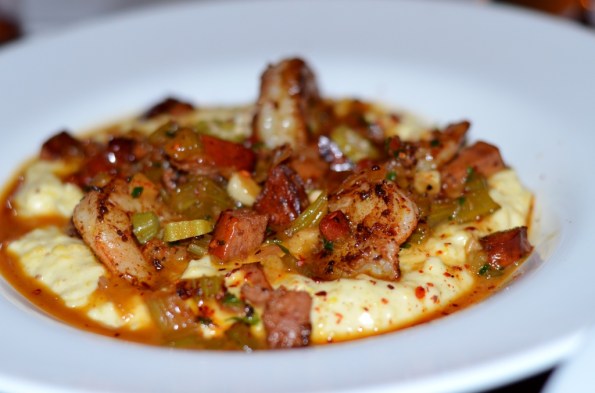
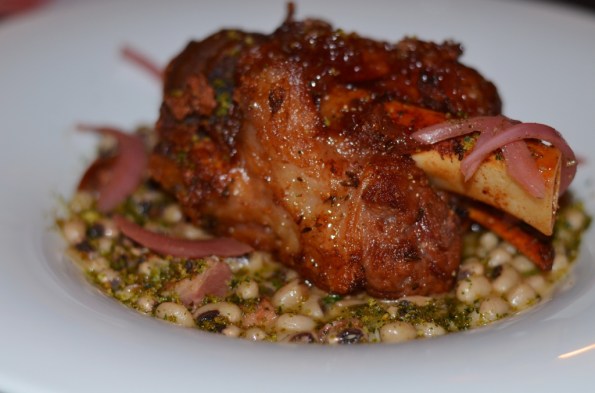
We started our entree round with another Southern classic – Shrimp and Grits (andouille, smoked shrimp broth, pickled okra, heirloom grits) – the grits were creamy and super-flavorful, one of the best ever, and the shrimp had a perfect amount of spice and cooked very well – that was one delicious experience. The Pork Shank (black eyed peas cassoulet, pickled veg, onion jam) was a standout. It was a huge hulk of meat on the bone, marinated for 36 hours and cooked at 275F for 3.5 hours – I can’t even describe how comforting this dish was. The meat was falling apart, and all you needed to do was just to savor ever little bite. Outstanding.
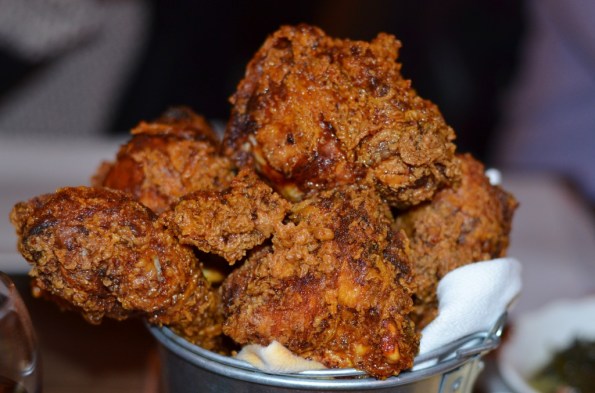
And then there was Bucket O’ Chicken (pickle-brined fried chicken + Nashville style cornbread, coleslaw, collard greens, mac ‘n’ cheese). Do you like properly made Southern style fried chicken? Then get away from the screen and head over to the Peaches right now – that dish was a quintessential Art of Southern Cuisine right on the table. We had both regular and Nashville Hot style – in both cases chicken is brined before cooking, but the Nashville Hot style has the addition of a hot sauce (smoked paprika, brown sugar, cayenne, oil) brushed on after the chicken is fried. It was also served with lots of different side dishes – cole slaw, collard greens, mac ‘n’ cheese and delicious corn bread – every bite of chicken was tender and bristling with flavor. It was also served with apple cider vinegar on a side, which, as Greer explained, is considered a Ketchup of the South. Great experience all in all.


Peaches is not called the “Pub and Juke Joint” for nothing. The restaurant has a second floor with another bar, perfectly suitable for dancing or as an event space, as well as an outdoor patio – definitely the space with a lot of potential.


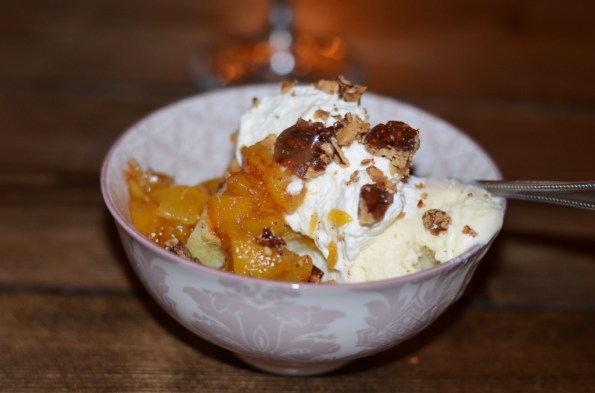
We finished this outstanding meal in style with Old Fashioned Southern Peach Cobbler (brown sugar peaches, vanilla ice cream) – delicious dessert, candied pecans packed a lot of flavor.
 I hope that the pictures and my notes explain my point about the Art of Southern Cuisine – this was truly a soulful cooking, and we experienced the tasty food with unmistakable personality – like the familiar face we are always happy to see in the crowd, the Southern Cuisine is something we can now spot anywhere we go.
Hope I didn’t make you too hungry. And if I did – oh well, I’m not going to apologise. Cheers!
Peaches Southern Pub & Juke Joint
7 Wall St
Norwalk, CT 06850
Phone number (203) 831-0399
http://www.peachesnorwalk.com
Obscure: Oenophile’s Pleasure
Today, class, we will be talking about things obscure. Yes, things obscure, but not in the whole entire world, of course, but in the world of wine.
In your opinion, if we use the word “obscure” in conjunction with the word “wine”, would that be a good thing or a bad thing? For starters, let’s think about the meaning of the word itself. Here is how New Oxford American Dictionary defines “obscure”:
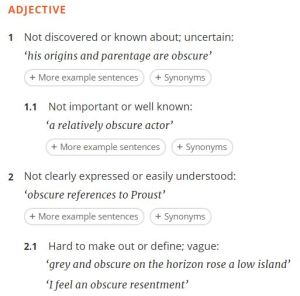
Well, yes, we could’ve done without the dictionary, as the word is simple enough – but dictionaries exist for something, so why not use one.
Now that we are clear on the meaning, let’s go back to our original question: “obscure + wine” – is it good or bad?
Reading wine’s description, have you ever come across the words “obscure grapes”? I’m not talking about the stuff you read on the back label, as there you will rather find the words “indigenous grapes”, “traditional grapes”, or maybe, “local grapes”. But if are reading blogs, or any of the “peer reviews”, I’m sure you’ve encountered the “obscure grapes”. I get it – “obscure” often implies that we got something to hide in a bad way – but not in this case. Referring to the definition we just saw, “obscure” here simply means “not discovered or known about”. Need examples? How about Trepat, Bobal, Gros Manseng, Khikhvi – heard of those grapes?
 My favorite part is that obscure often translates into pleasure – lots of pleasure for the oenophile. Unlike most of the other food and drinks humans consume, wine taste is largely perceived. We have expectations for how Cabernet Sauvignon or Chardonnay should taste, and when we don’t find that taste while drinking one of the “well known” wines, we often get disappointed. But when presented with the “obscure bottle”, all those preconceived notions are largely thrown out of the window, and we take wine for what it actually is – which gives us a great chance to enjoy something we wouldn’t otherwise.
It is not only wine drinkers who get more pleasure from the obscure grapes – when using those little-known grapes, winemakers are also not bound by any “customer expectations”, which gives them more freedom to express themselves. From the personal experience, I found that more often than not, I truly enjoy those obscure wines, and quite honestly, I like hunting down those unknown wines and grapes because of the pure mystery in the glass.
By the same token, lesser known wine regions (read: obscure) have the same advantage for both oenophiles and winemakers. What do you expect when you see Czech Republic, Georgian Republic, Mallorca or Valle d’Aosta written on the bottle? Most likely, you wouldn’t know what to expect, and thus you would take the wine for what it is. However, when you drink Napa Valley Cabernet Sauvignon or Spanish Rioja, you have a set of expectations in your head, and you always are ready to say “ahh, this doesn’t taste anything like Napa Cab”. Presented with the Czech Pinot Noir or Chinese Cabernet Sauvignon, you have no choice but to try it and decide whether you like it or not. Same as in the case of the obscure grapes, winemakers get an opportunity to freely create without the need to comply with a given set of expectations.
What we need to keep in mind though that the concept of “obscure” is very personal. For someone who lives in the Republic of Georgia, Georgian wines are very far from obscure. For someone who grew up in Conca de Barberà region in Catalonia in Spain, Trepat might be a perfectly familiar grape. But looking at the big picture, all of us, wine lovers, have our own, personal obscure territories – and this is where we might discover great pleasure. What makes it even more interesting is that the more we learn about the wine world, the more we understand how still little we know. And so we can keep on that road, shedding the light on obscure and making it (if we are lucky) dear and familiar, one discovery at a time.
I wish you all, oenophiles, lots of pleasant encounters with obscure sides of the wine world – as this is where the pleasure is hiding. Cheers!
This post is an entry for the 27th Monthly Wine Writing Challenge (#MWWC30), with the theme of “Obscure”. Previous themes in the order of appearance were: Transportation, Trouble, Possession, Oops, Feast, Mystery, Devotion, Luck, Fear, Value, Friend, Local, Serendipity, Tradition, Success, Finish, Epiphany, Crisis, Choice, Variety, Pairing, Second Chance, New, Pleasure, Travel, Solitude, Bubbles, Smile, Winestory
Daily Glass: Ah, Pinot!
Nothing is simple around wine for us, oenophiles, right? We need to meticulously arrange proper experiences – perfectly match wine with food, with the company, with the mood, with the moment. If we don’t, we question ourselves to eternity – what would’ve happened if I would’ve open that other bottle I had in mind; should’ve I just plan it all differently?
But every once in a while, we let our guards down, and let things just happen. When we think about it right after, we realize – wow, totally random, and totally delightful. Yay!
That “random and delightful” was my experience yesterday. My plan was to open a bottle of wine from 1998, and I have a very small selection of those, so the one I picked happened to be a Burgundy. So that one was a special bottle, waiting for the evening and the decanter.
I can’t cook without the wine, so of course, the bottle had to be opened. The “before Thanksgiving” shipment from Field Recordings contained more than one interesting bottle – the one I told you about already was Pét Nat from California. Another bottle I never saw before had a bold Nouveau word printed across shiny, golden label:


I’m an avid fan of the “Beaujolais Nouveau” phenomenon. But I have to admit that a few years back, I tasted few of the attempts by California wineries to join the Nouveau movement, and those were widely unsuccessful.
So how would Field Recordings’ Nouveau rendition fare? Actually, spectacularly. As the label says, the grapes for this wine were hand-harvested only 74 days prior to the bottling. And nevertheless, the wine had all the finesse you expect from the perfectly balanced California Pinot Noir. This 2016 Field Recordings Nouveau California (12.1% ABV, 100% Pinot Noir) had lean, uplifting nose of fresh fruit, but less fruity than typical Nouveau, nothing grapey. On the palate, unmistakably Californian, touch of smoke with fresh plums and a bit of mint. Good acidity, more round than a typical French Nouveau version, perfectly drinkable. 8+. Outstanding, in a word. Would happily drink it again any day.
Remember I told you this was one of the days when things are just happening? I have a good number of bottles in the cellar, but absolute majority of the bottles are in the single amounts – just one bottle of particular wine from particular vintage, and that’s it. Thus sometimes, I spend good 20 minutes trying to select a bottle (in the fear of missing on what it can evolve into) and end up pouring myself a splash of Scotch instead. But yesterday, I had enough courage to grab a bottle of the wine which might be the only bottle in the US – unless someone also has good friends in Switzerland.
This wine was made by the family producer in Vaud region in Switzerland, Henri Cruchon, who I had pleasure meeting about 6 years ago. What makes it special is that this wine, called Nihilo, is not filtered, made from organic grapes, and doesn’t have any added sulfites. To preserve the wine better, the cork is covered in wax. And to be entirely correct, the wine goes beyond organic, as the back label sports Demeter logo, which means that the winery is certified biodynamic.


It is great to know that the wine is non-filtered and organic – but the ultimate verdict is in the glass. This 2015 Henri Cruchon Nihilo La Côte AOC Switzerland (13.5% ABV, blend of Pinot Noir, Gamay and Gamaret) had a spectacular nose, very complex – iodine, anise, crunchy cherries, mint. The palate was equally spectacular with sweet cherries, pepper, roasted notes, peppermint, crispy, fresh blackberries – once you start, you can’t stop. 8+/9-, outstanding wine.
And then there was 1998 Patrick Lesec Gevrey-Chambertin Vieilles Vignes (13% ABV) – an 18 years old Burgundy wine, as Pinot Noir as it can be.
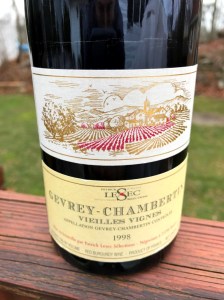 18 years shouldn’t be an age for Burgundy, but I still was a bit concerned. Decided to decant the wine, to avoid sediment and let it breathe a bit, for about an hour. I’m clearly abusing the word “spectacular” in this post, but this is what this wine was. Touch of barnyard on the nose, on the palate – gunflint, smokey cherries, roasted meat, lots of herbs – oregano, mint, sage – every sip was a “wow” experience. By the end of the evening, the wine mellowed out and started showing more of the sweet cherries, still perfectly balanced with acidity. A pure treat for sure. Drinkability: 9.
There you have it, my friends. An accidental and hugely enjoyable Pinot Noir deep immersion – from California to Switzerland to France – very different wines holding one common trait – delivering lots and lots of pleasure. Cheers!
Restaurant Files: Tablao in Norwalk, CT – Wine or Cocktail, You Decide
Translated from Spanish, the word “Tabla” has a few different meanings, but the one of interest for us here is a “board” or a “plank”. If you stop by the recently opened Tablao restaurant in SoNo district or Norwalk, Connecticut, the wooden planks on the walls will definitely attract your attention – and if you are a oenophile, you can’t help but to keep looking for all the familiar and coveted names (uncontrollable drooling will be excused, but please behave):


For sure I was very happy to observe all those wooden boards when I visited the restaurant for the bloggers dinner a few month ago. This time around, I arrived even a bit early, so I had an opportunity to snap a few pictures of decor and ambiance:
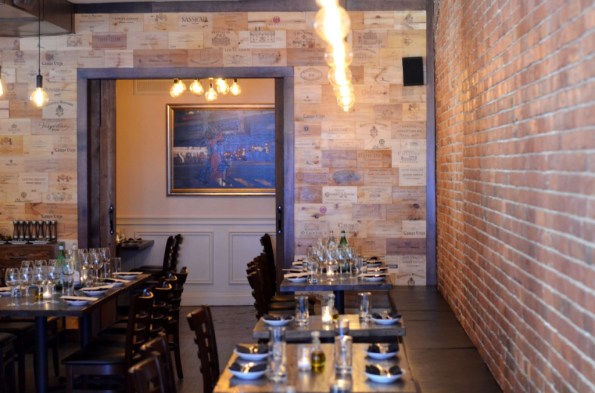
 While I love wine, I would never skip the bar – after all, nice cocktail is a nice cocktail, a great way to start the evening. The bar at Tablao didn’t disappoint. To be entirely honest, it even exceeded my expectations, as soon as I saw a bottle of Del Maguey Mezcal. Del Maguey makes absolutely spectacular Mezcal, which is rare and almost impossible to find. If the restaurant carries it, it gives me a good pointer for what to expect.


Tablao offers a nice selection of cocktails and wines by the glass:
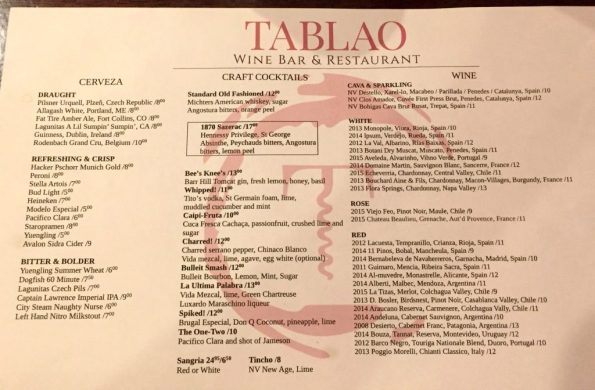 We had a few of the cocktails, and the wines were prepared for our dinner in advance. I really liked the cocktail called Charred! (charred Serrano pepper, Chinaco Blanco – another sign of high-class – rare and beautiful tequila, Vida Mezcal, lime, agave, optional egg white) – nice balance, good spicy bite. From the wines, my favorites were 2011 Guimaro Mencia Ribera Sacra which was earthy and showing nice ripe fruit, and 2014 Desierto25 Cabernet Franc Patagonia, Argentina, which was unexpected (Cab Franc from Argentina? wow) and stunning – smooth, balanced, with an excellent fruit profile:


While we were mingling, the food started to appear:


Cheese Croquettes were very tasty, with nice amount of spice. Potato Croquettes were my favorite, again, well cooked and very tasty, with good amount of seasoning, and then Grilled Chorizo – who can argue with Chorizo?
The first dish to arrive at the table Charcuteria, which is offered with a very nice selection of meats and cheeses at Tablao:


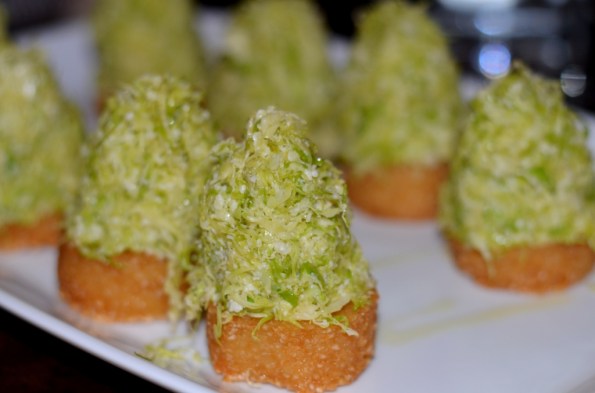
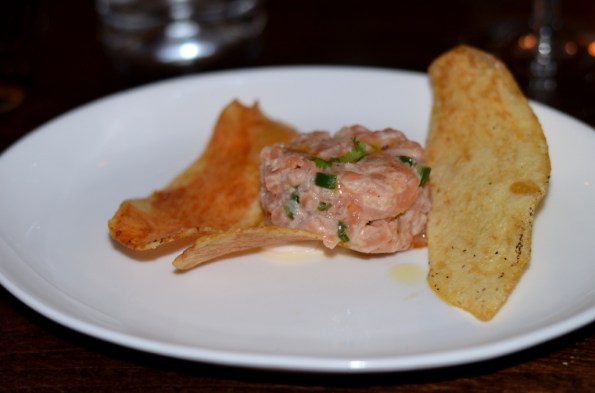
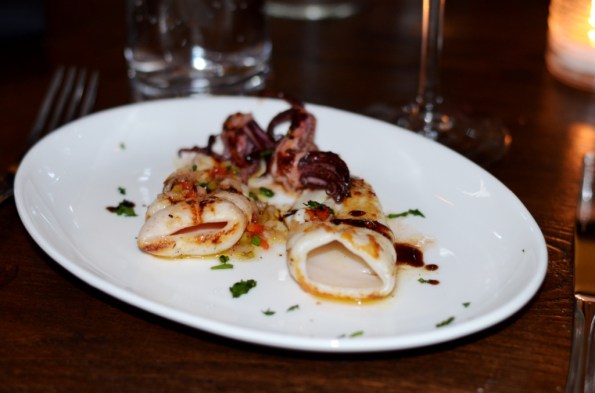
Our first course consisted of three different Tapas: Brussels Sprouts Salad (Fontina risotto cake, black truffle shavings, truffle olive oil, lemon, parmesan cheese) – memorable presentation, the salad itself was tasty, but the risotto cake was a touch too dense to my taste. Next up was Salmon Tartare (Jalapeños, red onion, ginger, lemon juice served with house-made potato crisps) – nicely made, good flavor and then Calamari a la Plancha (Vinaigrette of vegetables and salad) with a good char on the octopus.
The second course brought in Hanger Steak (Green chimichurri), Asparagus (Parmesan, red pepper vinaigrette, balsamic reduction) and Chorizo Español (figs, beans), all nicely prepared:


And then, of course, showing all the Spanish cooking heritage, the Classic Paella (Chorizo, Chicken, Port, Clams, Mussels, Shrimp). Let me explain how good this paella is: you know how every once in a while you are setting next to the dish, you are full – I mean, completely full – and you still are going “let me just get another bite, just one more, please, I promise” – yes, that was the Paella experience at Tablao.


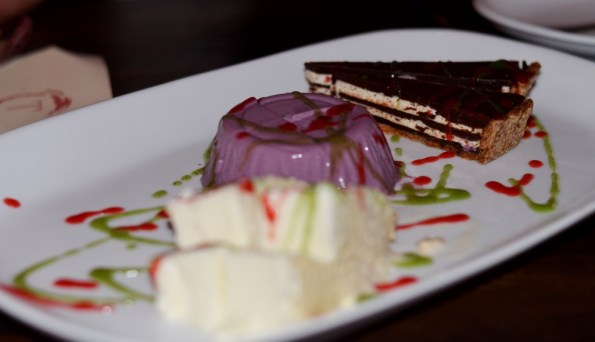
To finish our night in style, we got the trio of the deserts – Tres-Leches (Dense 3 milk cake), Strawberry Panna Cotta (Served with coconut ice cream) and Housemade Chocolate Tart (Chocolate & Goat Cheese) – all very tasty.
 That’s all I have for you, my friends. If you are looking for a tasty (and different!) drink, a glass of good wine and a tasty bite of food, Tablao in SoNo can provide them all – with a bonus of a perfect ambiance. Cheers!
Tablao Wine Bar and Restaurant
86 Washington St
Norwalk, CT 06854
Ph: (203) 939-9602
tablaosono.com
Fall in Montefalco: Revisiting Beauty of Montefalco Rosso and Power of Sagrantino
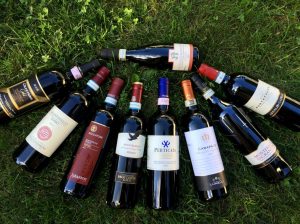 History of the grapes is full of mistaken identity cases, survival fights, global dominance going nearly extinct – yes, these are the grapes I’m talking about, not people. There are also “lost and found” stories, as in the case of Sagrantino, the Italian grape from Umbria. Sagrantino was a very popular grape for more than 500 years – until it practically disappeared in the 1960s, and made almost miraculous comeback due to the effort of the few passionate winegrowers.
My first meaningful encounter with Sagrantino wines took place 3 years ago, when I participated in the virtual tasting of the wines from Montefalco – Sagrantino’s growing region in Umbria. I don’t want to repeat everything I learned about Sagrantino the last time, so please take a look here for some interesting fun facts about Sagrantino (for instance – did you know that Sagrantino has the highest polyphenol concentration among all commonly used red grapes?).
Two groups of red wines produced in Montefalco. One is Montefalco Rosso DOC, where it is required that the wine would have at least 70% of Sangiovese, up to 15% of Sagrantino and up to 15% of the other red grapes (however, these percentages are changing). The second one is Montefalco Sagrantino DOCG, with the wines made out of 100% Sagrantino grapes. Montefalco Sagrantino DOCG also includes production of the sweet Passito wines – as you would expect, after harvest, the grape bunches are left to dry on the mats for at least 2 month, before pressing and fermenting together with the skins. High tannin content helps to alleviate the sweetness of the wines.
Our tasting, very appropriately called “Fall in Montefalco”, was conducted in the virtual format, with the group of 9 winemakers presenting their wines remotely from Italy. Live Q&A discussion was accompanying the tasting via the Ustream channel (take a look at the live feed to the right).
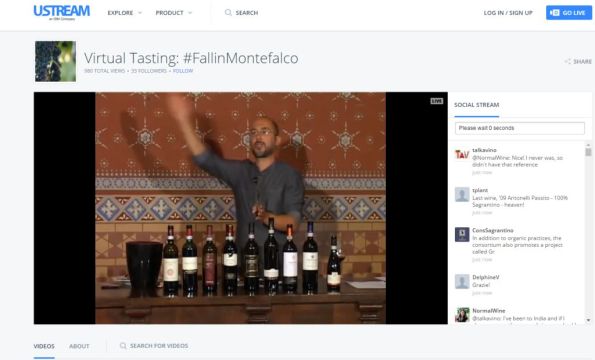
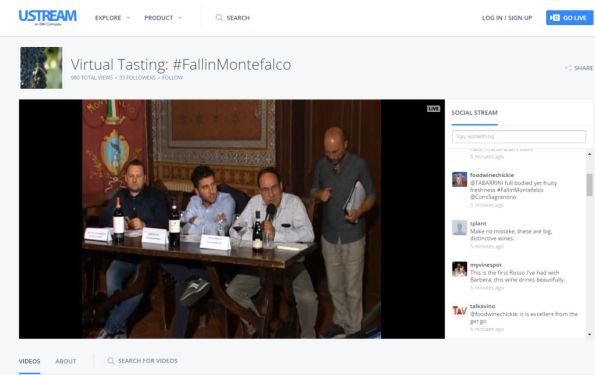
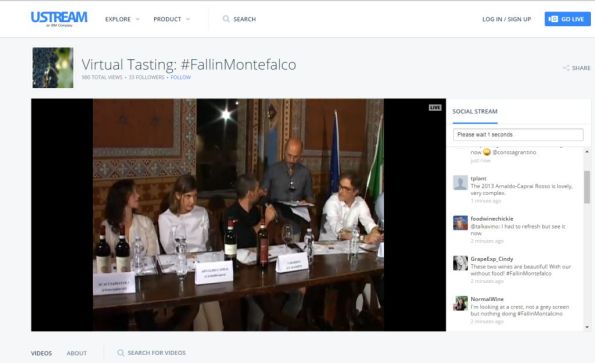
Few interesting facts from this presentation: There are currently 700 hectares (1750 acres) of Sagrantino planted in Montefalco, and there are 70 wine producers in the region. Current production of Montefalco Sagrantino is about 1.3M bottles, and Montefalco Rosso is about 2.2M. Someone asked one of my favorite questions of all the producers in the studio – what is the oldest vintage of Sagrantino you have in your cellars? Going around the room, this is what I was able to capture (as usual, it is hard to follow presentation and chat with people at the same time) – the oldest vintage Custodia has in the cellar is 2003, Arnaldo Caprai still has 1979 Sagrantino; Tabarrini’s oldest is 1996 and then 1999.
Before I leave you with my tasting notes I can say that overall, the wines in the tasting showed nice improvement, comparing with the wines we were drinking 3 years ago – you will also see it in my ratings, which are also higher across the board. Also as you will see from the notes, I have a sweet tooth – and not afraid to show it – Passito was my favorite wine in the tasting. Don’t get me wrong – again, all the wines were excellent, and if I have to use one word common description, the word would be “elegant”.
Here are my tasting notes:
2013 Broccatelli Galli Montefalco Rosso DOC (13.5% ABV, $19, Sagrantino/Sangiovese blend)
C: dark Ruby
N: cherries, herbs, touch of minerality
P: bright tart cherry, leather, tobacco, cherry pit, medium body, easy to drink
V: 7+/8-, simple and nice, would work well with food
2013 Arnaldo Caprai Montefalco Rosso (14% ABV, $21, 70% Sangiovese, 15% sagrantino, 15% Merlot)
C: dark garnet
N: beautiful, open, inviting, red fruit
P: warm, spicy, velvety, medium body, front tannins on the finish, leaves surprisingly light perception. Touch of characteristic leather.
V: 8/8+ (definitely 8+ on a second day, very round and elevated)
2012 Scacciadiavoli Montefalco Rosso DOC (14.5% ABV, $20)
C: Dark garnet
N: herbs, sage, touch of cherries, restrained
P: medium body, good acidity, leather, cherries and cherries pit, soft, polished, easy to drink, soft tannins, very round overall, medium finish
V: 8, was perfect PnP wine, delicious and makes you crave for more
2013 Tabarrini Boccatone Montefalco Rosso DOC (14.5% ABV, SRP $28)
C: dark garnet
N: intense, sweet plums and cherries, sandalwood, complex
P: complex flavors, lots going on, cherries, earth, nice tart, soft, supple, layered, spicy notes
V: 8/8+, will evolve with time
2011 Perticaia Montefalco Sagrantino DOCG (14.5% ABV, $55)
C: dark garnet, practically black
N: ripe red fruit (restrained), baking spices
P: tart cherries, velvety, firm structure, full weight in the mouth, full bodied, very present, “Rutherford dust”, cherry pit mid palate
V: 8+, delicious powerful wine – if you like powerful wines
2006 Tenute Del Cerro Còlpertone Gold Montefalco Sagrantino DOCG (15% ABV, $50)
C: garnet with brick hue
N: cherries, eucalyptus, oregano, intense, balsamic
P: round, layered, earthy, cherries, medium to long finish, powerful, excellent balance, another 10 years to evolve
V: 8/8+, delicious
2010 Tenute Lunelli Carapace Montefalco Sagrantino DOCG (15% ABV, $35)
C: garnet
N: earthy, herbaceous, touch of cherries, medium intensity
P: round, fresh, open, cherries, tartness gets a bit in the way, but wine is very enjoyable from the first pour and sip. Long finish.
V: 8+, excellent
2010 Terre De la Custodia Montefalco Sagrantino DOCG (14.5% ABV, $45)
C: bright garnet
N: barnyard, medium intensity, ripe plums, roasted meat
P: crushed berries, acidity, tannins jump in quickly, very enjoyable but needs time
V: 8/8+, delicious Italian wine, will open up in about 10 years…
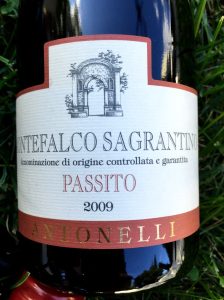
2009 Antonelli Passito Montefalco Sagrantino DOCG (14% ABV, $49)
C: dark garnet, almost black
N: dried fruit, figs, raisins, delicate – not overpowering
P: wow. And another wow. Dried fruit, but perfectly restrained. Cherry pit, tannins, acidity, tartness. Perfect balance, and very try finish.
V: 9, needs time, superbly delicious and enjoyable as it is, but will evolve amazingly…
That was an excellent tasting, I’m glad to be a part of the Fall in Montefalco.
What is your experience and opinion of Sagrantino wines? Cheers!
Color of the Bubbles – Mine Were White, Grey and Black
 More than 3 years ago, an interesting tradition was born in the world of wine blogging (a brainchild of The Drunken Cyclist, with the help of the supporting cast of characters) – the Monthly Wine Writing Challenge. Every month or so, wine bloggers en mass subject themselves to the masochistic practice of taking a random word and creating a soulful connection from that word to the beloved world of wine – all of it on a tight deadline.
Writing a post for the Monthly Wine Writing Challenge (MWWC for short), I always want to put out a regular post, and then at the end, simply state “and by the way, this was written for the MWWC, ha”- just to show how easy it was. Of course, this practically never happens – like today, with the theme of our epistolary exercise been “Bubbles“, and my writing taking place during the very last hour (sigh).
When oenophile hears the word “bubbles”, the first reaction it triggers is “Champagne!”. It gives us such a pleasure to write about the world of “Sparklers” – the ingenuity of Dom Perignon, the resourcefulness of Widow Cliquot, the battles of I-was-the-first-to-make-my-wine-sparkle.
There are many other connections of the bubbles to the world of wines – think about bubbles you see on the surface of the juice during fermentation – those are some bubbles! Or think about simple, tiny bubbles of oxygen, making it through the cork and allowing the wines to age gently and gracefully – these bubbles are critical. And then there are maybe bubble issues for the wine collectors? Will that price of DRC or Petrus ever come down?
Yes, I will take my own, different course, and will not write about Champagne or Sparkling wines. For sure.
Do you believe me? Who said “no”? How did you guess?
Banal or not, but I have a good reason to write about sparkling wines – Prosecco, to be more precise. A few weeks ago, I was offered to review some Prosecco wines. At first, my reaction was “I’ll pass”. But reading the email more carefully, my interest piqued. I always thought of Prosecco wines made from 100% of grape called Glera (yes, there are few exceptions, like Bisol, but just a few). These three Prosecco wines were all blended – Processo DOC rules allow up to 15% of other grapes in the blend – and the blends were all unusual, so the intrigued brain said “why not”?
As we are talking about Prosecco, I need to share some fun facts with you – who doesn’t like statistics, right?
French Sparkling wine and then Champagne had been around for a bit less than 500 years. Prosecco’s history is only a bit longer than 100 years, and only in 1989 (27 years ago!) Prosecco made it for real outside of the Italy (here is the link to my post about it, in case you are interested in history). However, according to Nielsen report, Prosecco sales in US in 2015 grew by 36% (Champagne – 8%). In 2015, Italy produced its largest Prosecco crop ever with 467 million bottles – that is triple of only 7 years ago; out of this amount, 48 million bottles were exported to the US – and still US is only #3 importer of Prosecco behind UK and Germany.
Moving right along, let me decipher a cryptic title of this post for you (not that you cared much, right?).
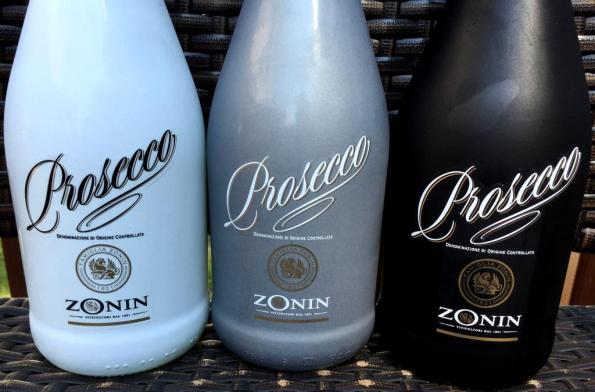
Zonin family got into the wine business in 1821, almost 200 years ago. Now in the 7th generation, the family manages about 5,000 acres of vineyards, mostly in Italy. Zonin had been making Prosecco for the very long time, but considering the ever growing interest, they decided to offer a new line of Prosecco wines, called “Dress Code”, suitable for different mood and a company. The “Dress Code” colors include white, grey and black, so you can wear a different color every day. Of course, these are only colors of the bottles, nobody added squid ink to the wines… yet? Hmmm, note to self…
Here are the notes for the wines I tasted:
Zonin Prosecco White Edition Prosecco DOC (11% ABV, SRP $16.90, 91% Glera and 9% Pinot Bianco cuvée): simple overall. On the nose, touch of white fruit. Good creaminess on the palate, touch of white fruit, very restrained, good acidity, but again, overall is a very muted expression. 7/7+, Decent everyday glass of bubbly.
Zonin Prosecco Grey Edition Prosecco DOC (11% ABV, SRP $16.90, 87% Glera and 13% Pinot Grigio cuvée): white stone fruit on the nose, white flowers. Palate: light, creamy, effervescent, refreshing, distant hint of sweetness, round, good acidity. 8-, nice upgrade from the “white”.
Zonin Prosecco Black Edition Prosecco DOC (11% ABV, SRP $16.90, 90% Glera and 10% Pinot Noir cuvée): promising touch of fruit with lemon and rocky minerality on the nose. Perfect acidity, elegance, finesse on the palate, touch of white stone fruit, lime and noticeable nutmeg. Most elegant out of three, a “little black dress” if you will. 8/8+, one of the most elegant Prosecco I ever had.
So, what color are your bubbles? My favorite was black. Cheers!
This post is an entry for the 27th Monthly Wine Writing Challenge (#MWWC27), with the theme of “Bubbles”. Previous themes in the order of appearance were: Transportation, Trouble, Possession, Oops, Feast, Mystery, Devotion, Luck, Fear, Value, Friend, Local, Serendipity, Tradition, Success, Finish, Epiphany, Crisis, Choice, Variety, Pairing, Second Chance, New, Pleasure, Travel, Solitude
Restaurant Files: Mountain View Brasserie in Greenville, NY
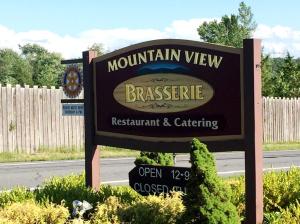 We already talked about our day in the Hudson Valley during traditional adults getaway trip (you can read about it here). Culmination point of the Saturday night was a special dinner. I call it “special” as this is something we always spend time preparing for as part of our getaway. Our ideal scenario is to find a restaurant which would do a special tasting menu for our group, and would allow us to bring our own wines which we would pair with the dishes. More often than not we are successful in this plan – this year was no exception.
The Mountain View Brasserie restaurant in Greenville, New York agreed to create for us a special tasting menu, and we came up with the wine pairings for all the dishes. Of course, the challenging part is doing the “blind” pairing if you will – all we have is the list of ingredients in the dish, and the pairing is solely based on our imagination. The good thing is that we usually do this “hard work” together with my friend Zak, who owns the wine store, so we have a good number of wine options. We always make an effort to keep the cost reasonable – talking about this dinner, only one of the wines was $25 retail, the rest were $20 or less.
For what it worth, here is our dinner menu, with the wine and pairing notes, and addition of the pictures. As the idea here was a relaxing dinner with friends and not a blogger’s dinner, all the pictures are taken with the iPhone and, well, it is what it is…


We started dinner with NV Rivarose Brut Rosé, Provence, France (Syrah/Grenache blend) which was nice, round and simple, well supporting the conversation.


Our first dish was Maryland Crab Cakes served with Lobster Sauce, which was delicious and very generous in size. We paired it with 2014 Templar Cellars Komtur Ekko Pinot Gris, Czech Republic (100% Pinot Gris) – I wrote about this wine before, and while the wine was excellent on its own, the pairing was simply outstanding, with the wine nicely complementing the dish.


Our next dish was House-smoked Salmon Napoleon with horseradish cream and gaufrettes garnished with capers and red onion – the dish was interesting, quite tasty, but rather unexpected under the category of “Napoleon”. Our wine pairing was 2015 Notorious Pink Grenache Rosé, Vin de France (100% Grenache), which was medium bodied Rosé, and the pairing was okay, but not mind-blowing (the flavors didn’t fight, but were not enhancing each other either).
Warm Hazelnut Crusted Goat Cheese with Market Greens was more successful as a dish, nice crunch on outside contrasting with the goat cheese acidic profile. We used the same wine for the pairing and it worked perfectly, complementing the dish very well.


You can’t have dinner without salad, right? We had Grilled Portobello Salad with Roasted Peppers, Fresh Mozzarella Cheese, Tomatoes, Spicy Walnuts, Market Greens with Balsamic Vinaigrette which was very tasty, but most importantly, it paired deliciously with 2014 Sangiovanni Kiara Pecorino Offida DOCG, Marche, Italy (100% Pecorino). Yet another wine I tasted before and loved, and it was perfectly complementing the salad flavors.
Vegetable Risotto with Parmigiano-Reggiano Cheese served with Roasted Sea Scallop was one of the absolute favorite dishes – perfectly seared scallop, working nicely with sweet flavors of corn risotto. Interestingly enough, we missed the sweetness as dominant taste element in this dish (just one word in our defense – corn was not listed among ingredients), and the same wine, Pecorino, didn’t work that well – it was just an okay pairing.


Our next dish was Baked Salmon Fillet with Orange and Olive Butter – again, perfect execution, moist and flavorful fish. The wine, 2011 Portal del Priorat Trossos Tros Blanc, Montsant, Spain (100% Grenache Blanc) was full-bodied, plump and delicious, working very well with the dish.


We were definitely looking forward to the Sautéed Wiener Schnitzel with Spaetzle, and the dish didn’t disappoint – very tasty, perfectly seasoned, delicious sauce. The pairing choice was 2013 Templar Cellars Komtur Ekko Pinot Noir, Czech Republic (100% Pinot Noir), yet again the wine I was familiar with – and I’m glad to admit that the pairing was spot on, with the perfect melding of flavors.


We finished our main course with Roasted Herb Crusted Rack of Lamb Provencal – I’m sure that even from the quick glance at the picture, you would expect that this was a tasty dish, as you can tell that meat was properly cooked – and you would be right, as it tasted appropriately delicious. Equally appropriate was our choice of wine pairing – succulent 2012 Seigneurs d’Aiguilhe, Côtes de Castillon, Bordeaux (Merlot/Cabernet Franc blend) Bordeaux, classic cassis and mint taste profile and classic complement to the lamb – outstanding pairing.
This concluded main portion of our dinner – and before we talk about dessert, I would like to commend restaurant on the smart way to present the tea. Take a look below:
 If you look in the middle of the picture on top, you will see a sand clock – what a great and simple way to help you steep that perfect cup of tea? Very thoughtful!


Our first dessert was Warm Apple Tart with Vanilla Bean Ice Cream and Caramel Bourbon Sauce – I’m sure you don’t need my lame description here, it was simply indulgent. And for the pairing – you can’t beat one of the best and most universal dessert wine pairings – Moscato d’Asti. We had 2015 Cascinetta Vietti Moscato D’Asti DOCG, Italy (100% Moscato d’Asti) – light, effervescent and clean.


Our last dish was Grand Marnier Chocolate Mousse with Fresh Orange Sections – excellent by itself, and pairing very well with 2014 Quady Essencia, California (100% Orange Muscat).
I think this was one of the most successful tasting dinners we put together, so for the next year, we have a very difficult task at hand – but we are up for the challenge. Cheers!
Mountain View Brasserie
10697 State Route 32
Greenville, NY 12083
Ph: (518) 966-5522
Last Bottle Sign Up ($10 credit)




 Talk-A-Vino