Archive
Christmas at Newport Mansions
New England has no shortage of beautiful places, full of history and character. One of such beautiful places is the town of Newport in Rhode Island. For as long as I live in Connecticut, Newport is always a “goto” place to visit, at least once a year. While Newport’s history generally aligned with the one of New England, with first inhabitants appearing there in early 1600, it shot up to prominence in the late 1800s, when the town became The Destination for the summer residences for all of the wealthiest families in the USA (you can read about history of Newport here).
While those summer residences were called “cottages”, they are typically known today as Newport Mansions. Just to give you a frame of reference – the biggest “cottage” in Newport, The Breakers, has 125K sq. ft. of total space, out of which about 62.5K sq. ft. are livable – yep, that’s one summer cottage. Each mansion is built in its own, unique style – the architecture, the features, everything was done in the unique fashion with lots of attention to the details.
We always visited Newport during spring, summer or early fall, exploring mansions, walking along the coastline and enjoying delicious fresh seafood. All along those many visits, I always saw the ads for Christmas at Newport Mansions, but somehow, the plans never worked out to go and see it – until this year.
We were planning to visit our friend in California, leaving before Chrismas and coming back shortly before the New Year. But my wife couldn’t take the time off, so we decided to split the vacation into two parts, and first spend a few days in Newport, to finally see the Christmas decorations.
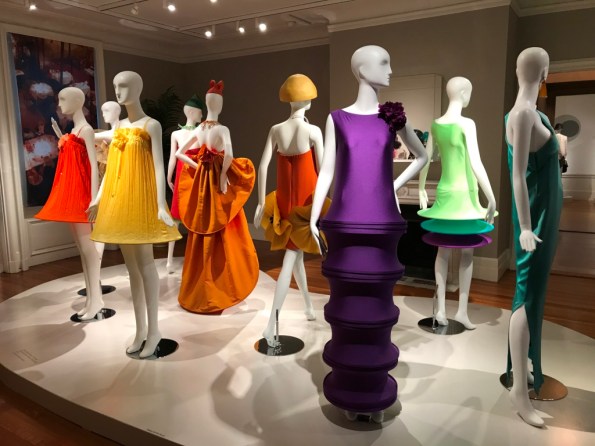
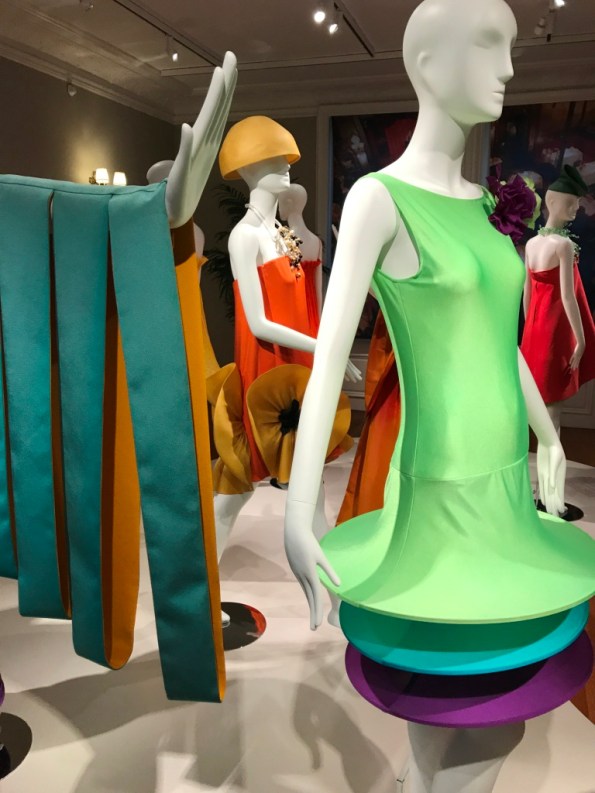
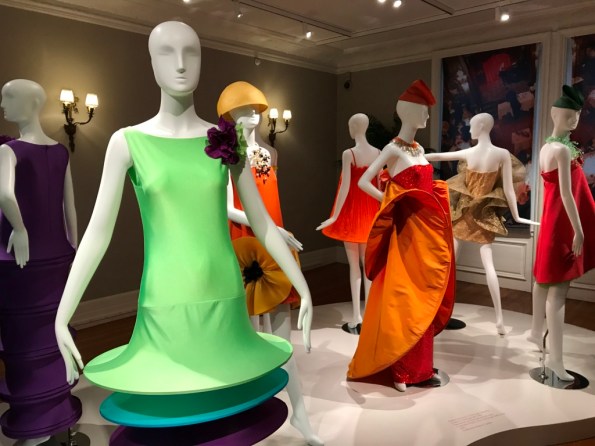
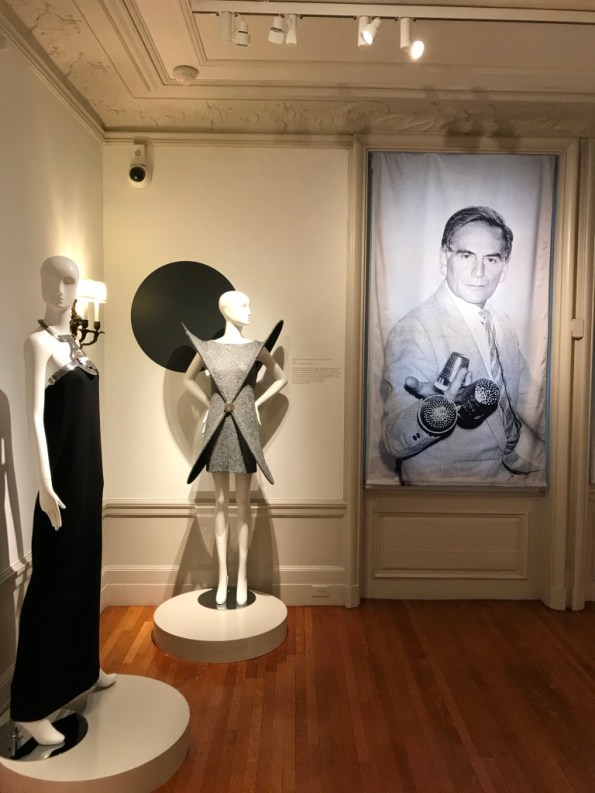
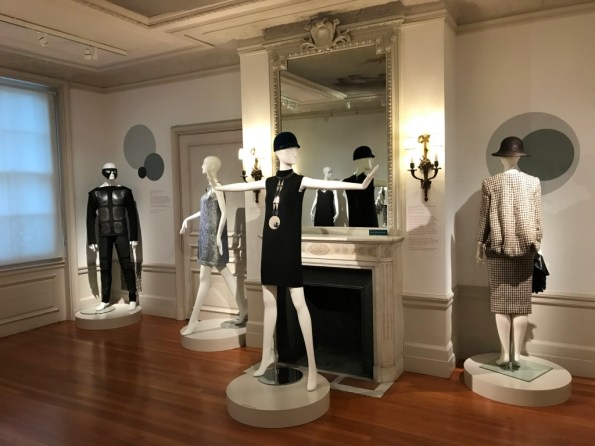
Similar to the visit to Copenhagen earlier this year, the weather didn’t cooperate – almost freezing rain on the way to Newport, and then the rain for the whole Saturday. Well, that didn’t stop us from getting tons of pleasure from the stunningly beautiful mansions. We visited The Breakers, Rosecliff and Marble House – out of these three, The Breakers and Marble House were specially decorated for Christmas; Rosecliff didn’t have any special decorations but was hosting an exhibit of the works of the Pierre Cardin, which was an interesting addition to our program.
From here on, let me simply inundate you with the pictures of beautiful Christmas at the Newport Mansions. And yes, put it on your bucket list – you will not regret it.
Our Saturday morning view:

The Breakers fully compensated for this:
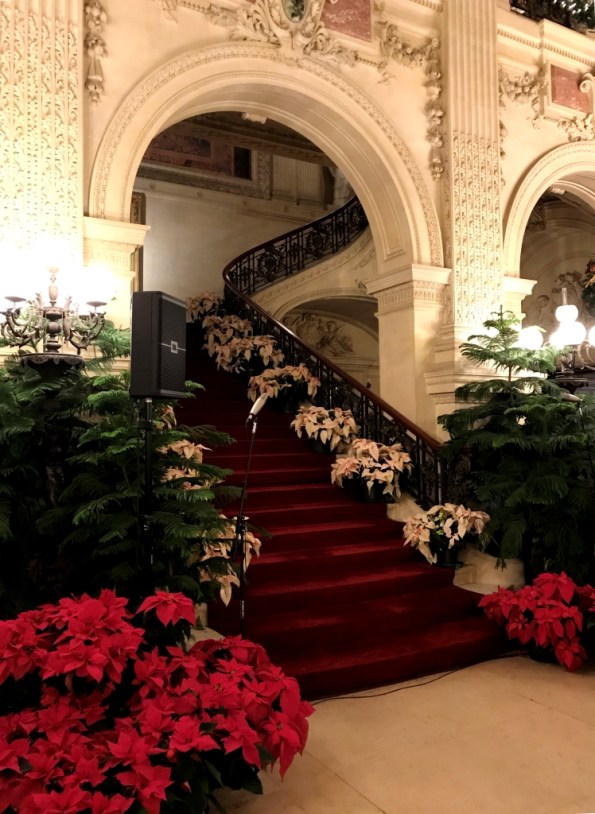
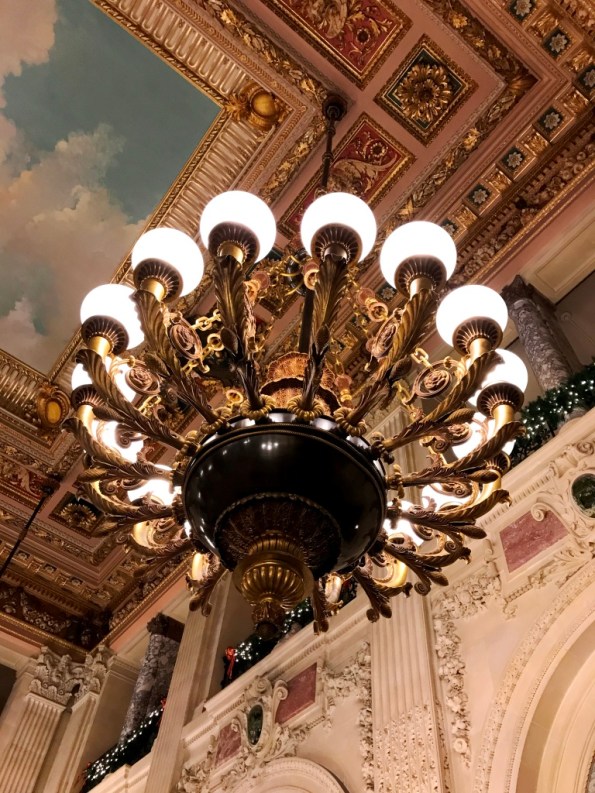


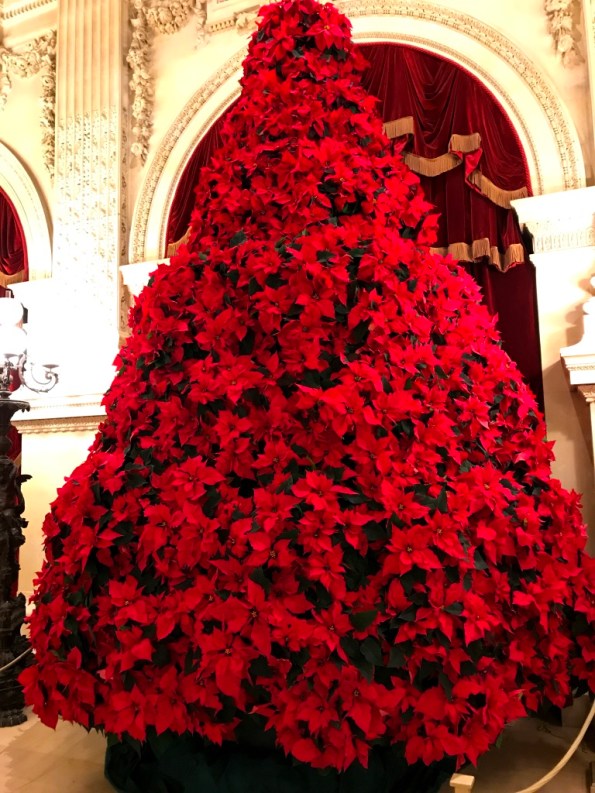
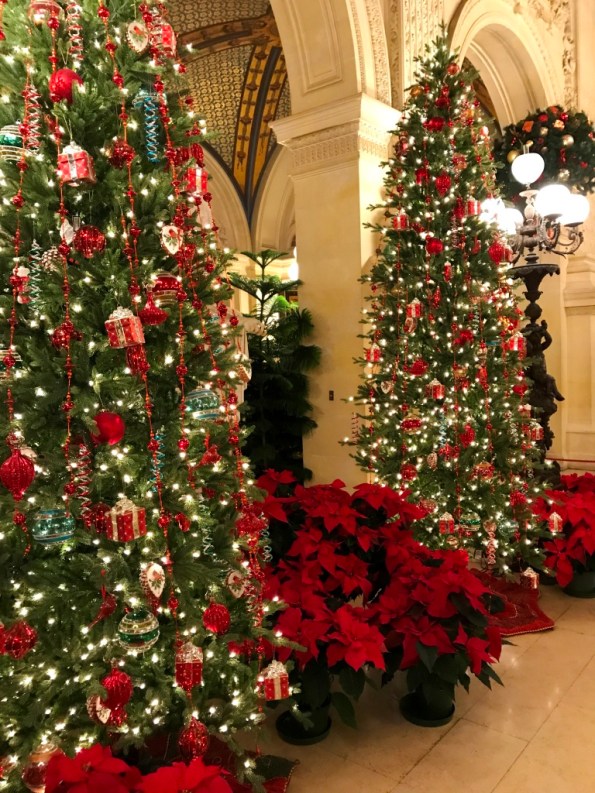
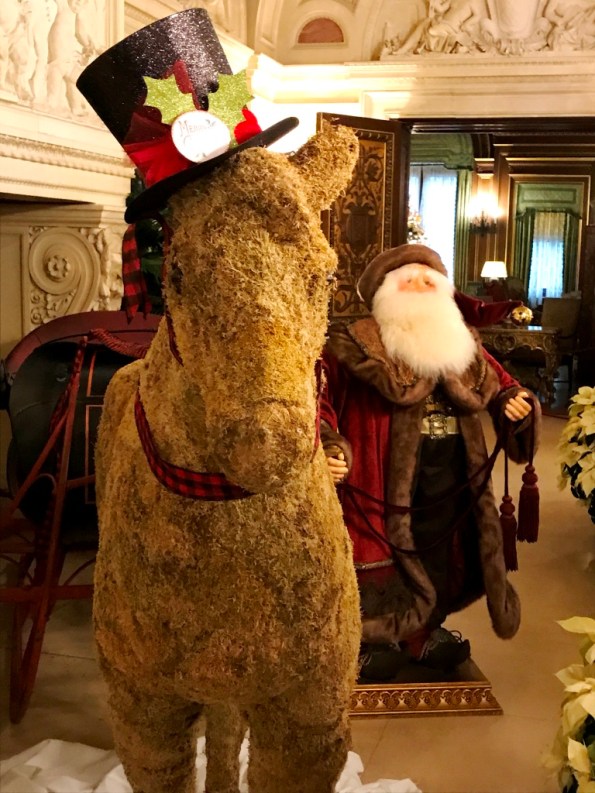


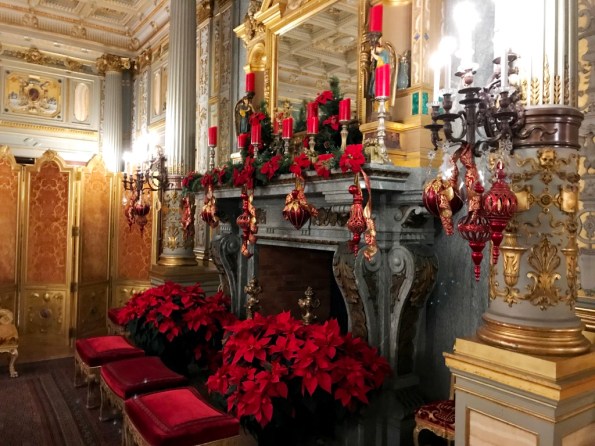


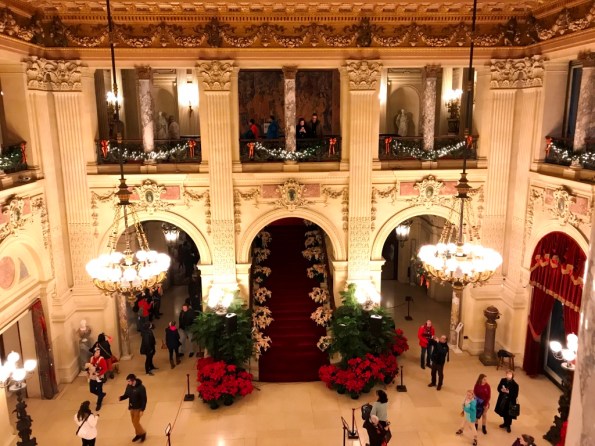
The view from the window at The Breakers, usually magnificent, was rather gloomy:
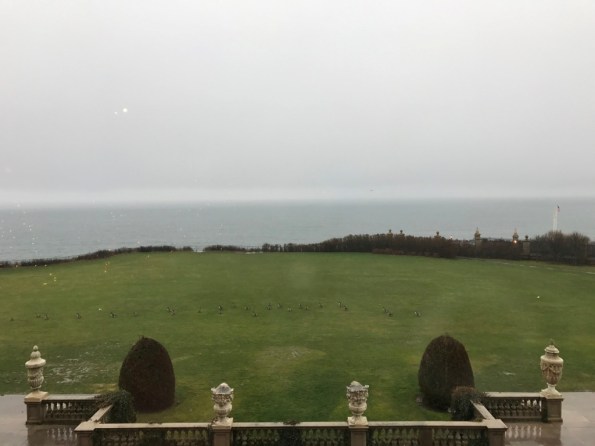

But still, the decor was there:
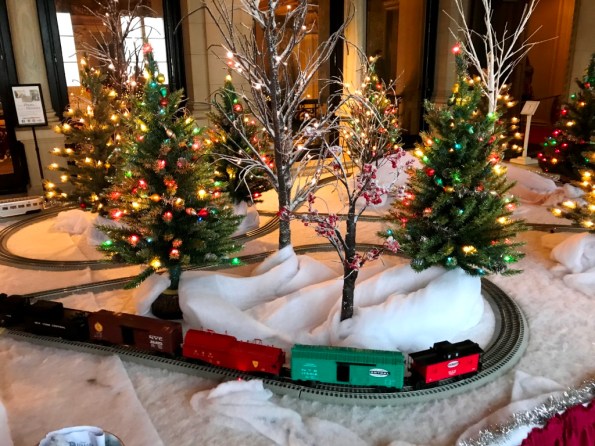
The Breakers were the home for Cornelius Vanderbilt, railroad magnate – of course a little train exhibit is the most appropriate – and fun!
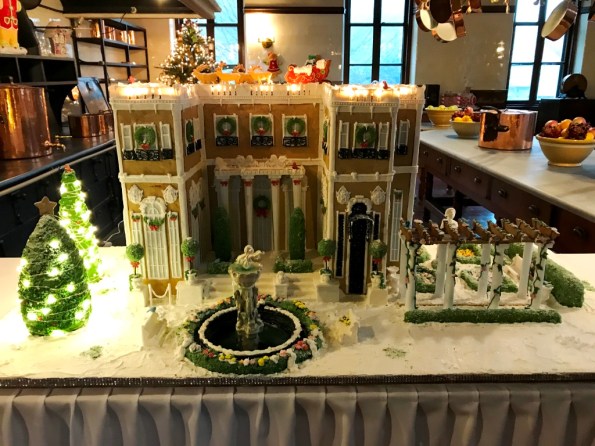
Rosecliff – in the cake

The Breakers – cake version
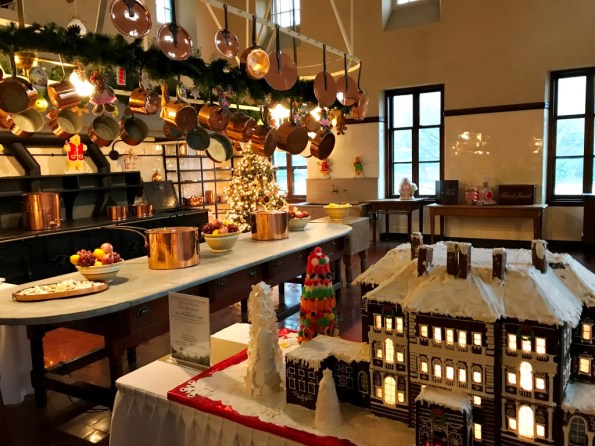


Next, the Rosecliff:


The biggest dancing floor in all of Newport Mansions

 And Pierre Cardin’s Exhibit:
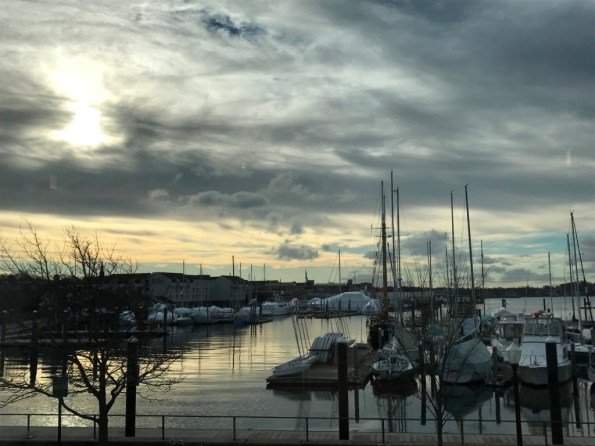
Sunday morning looked a lot better:
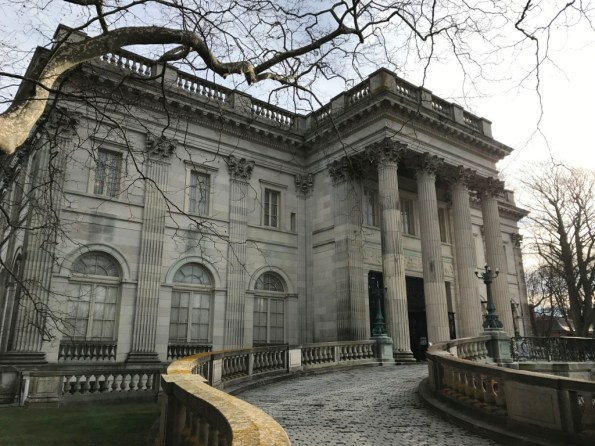
Visit to the Marble house provided a beautiful ending to the trip:
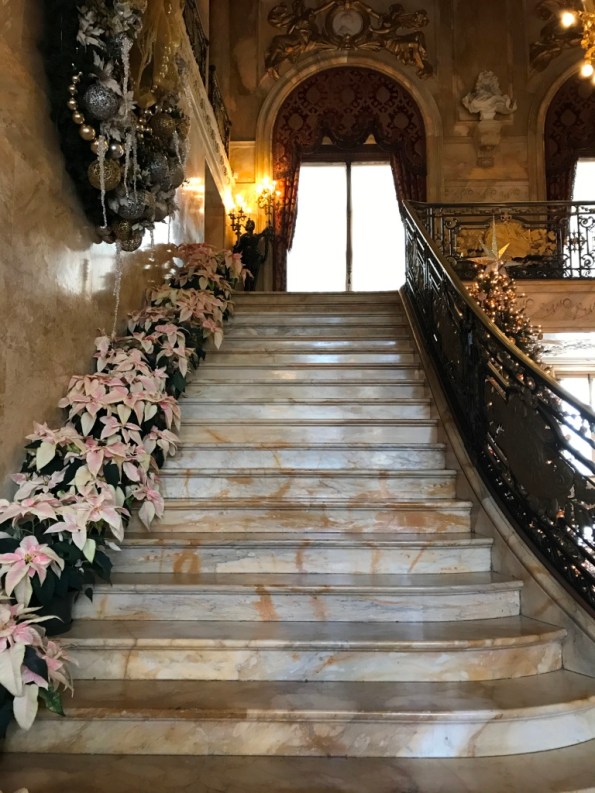
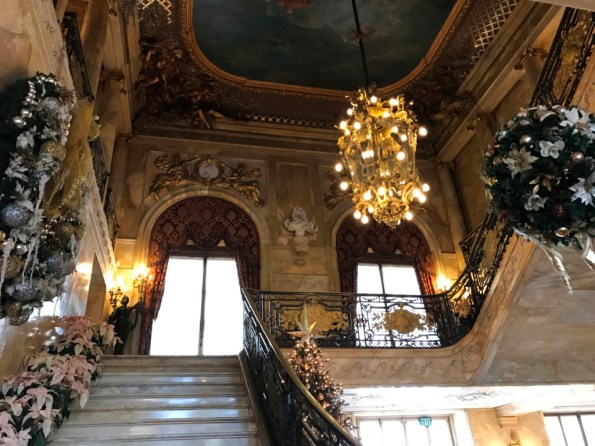
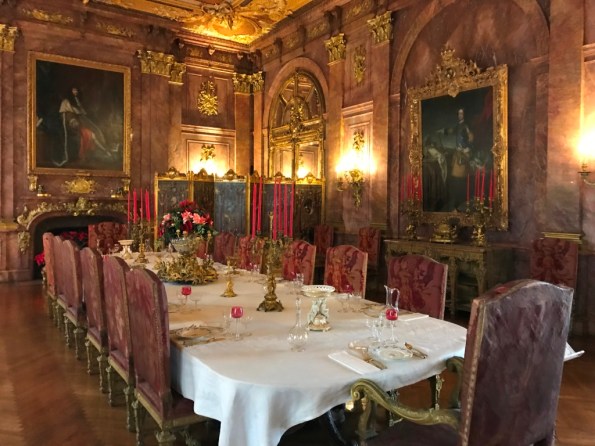
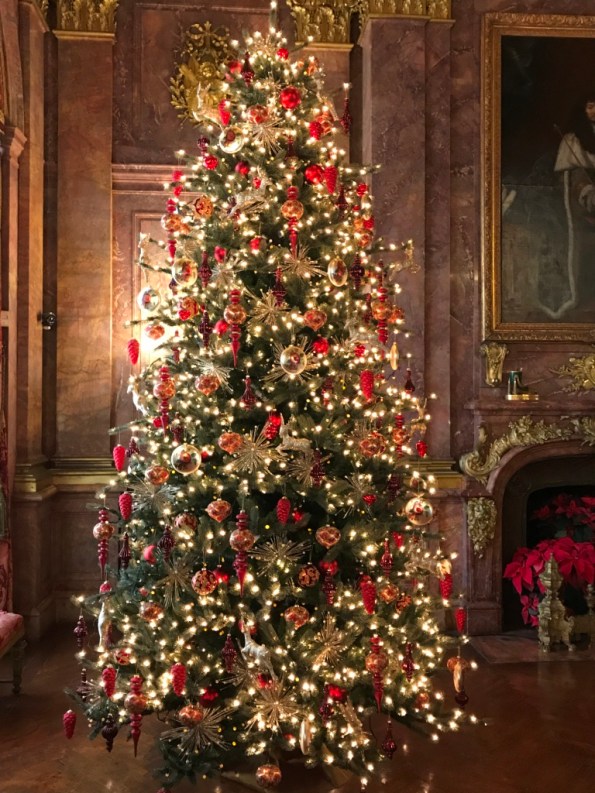
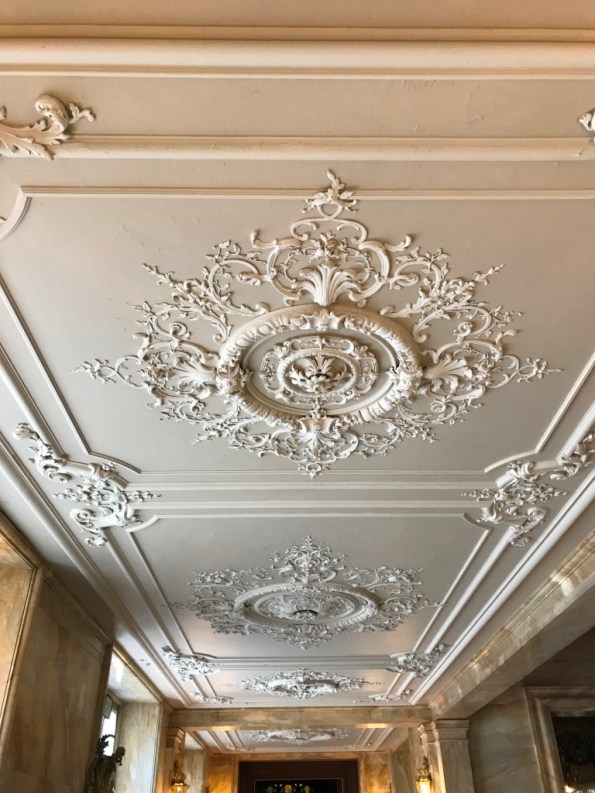
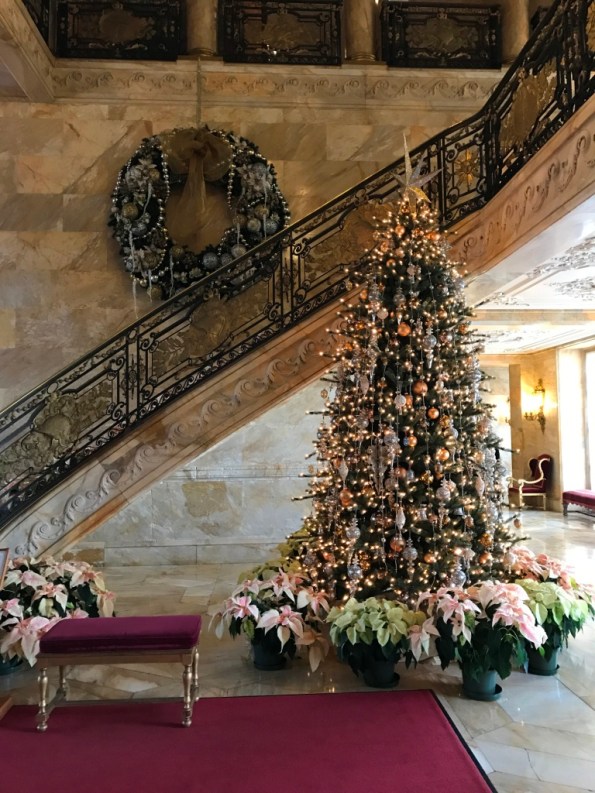
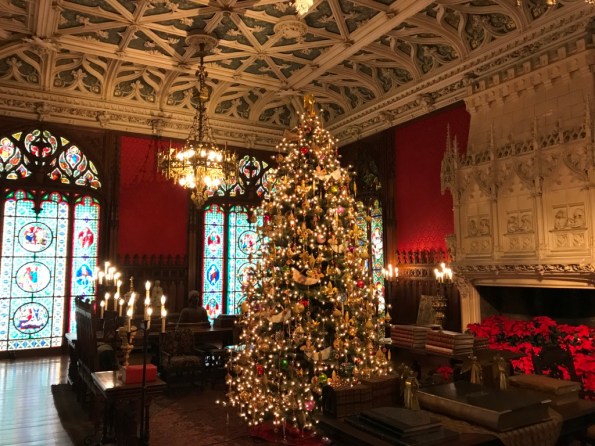
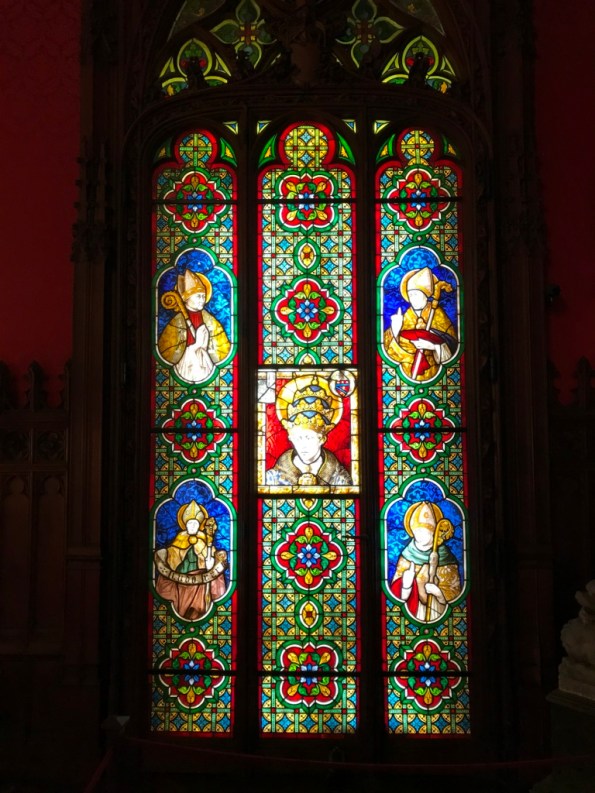
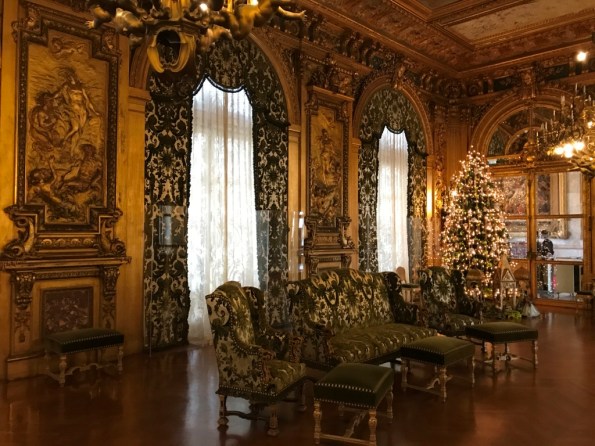
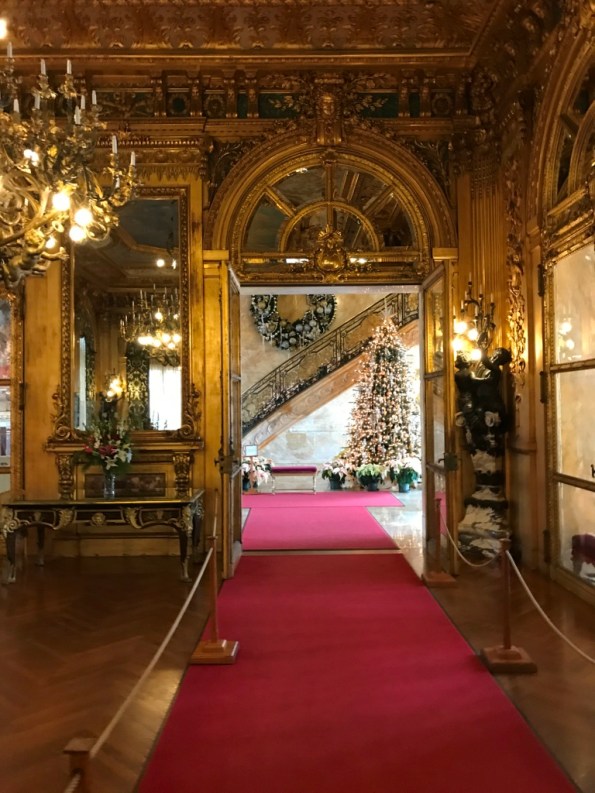
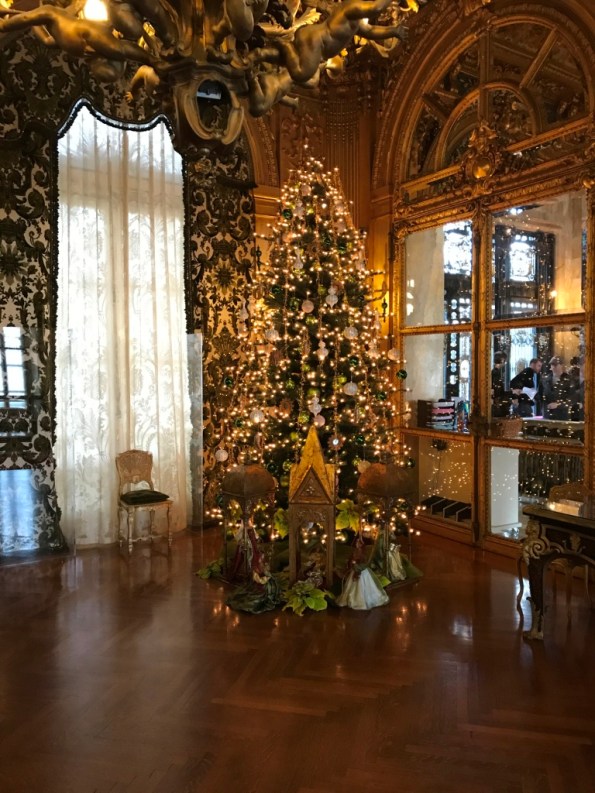
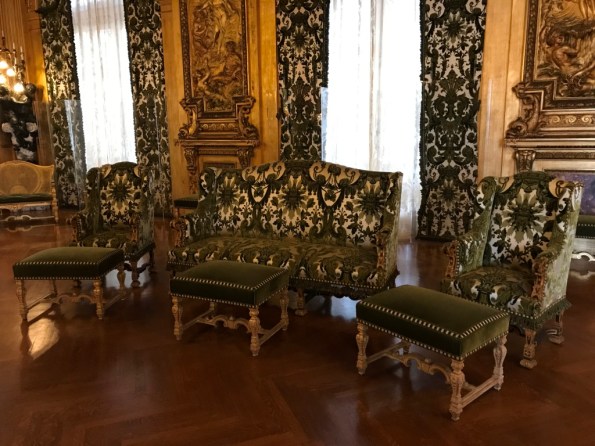
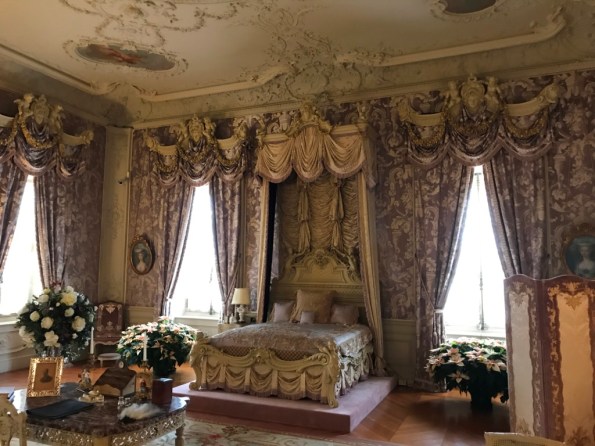
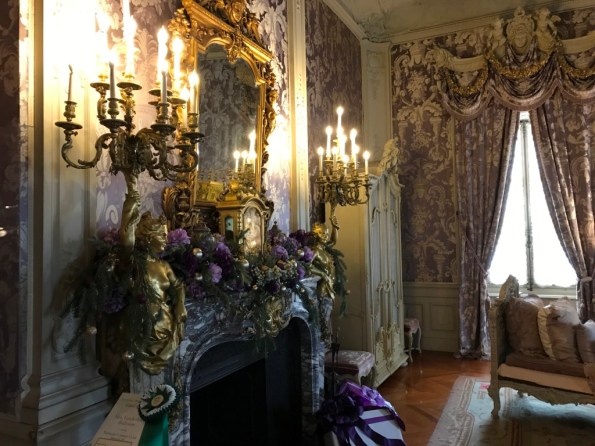
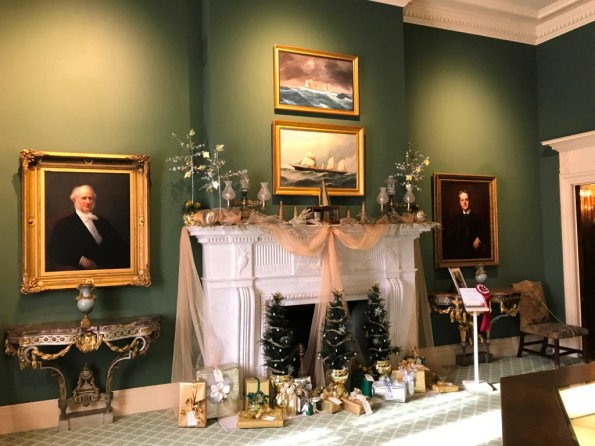
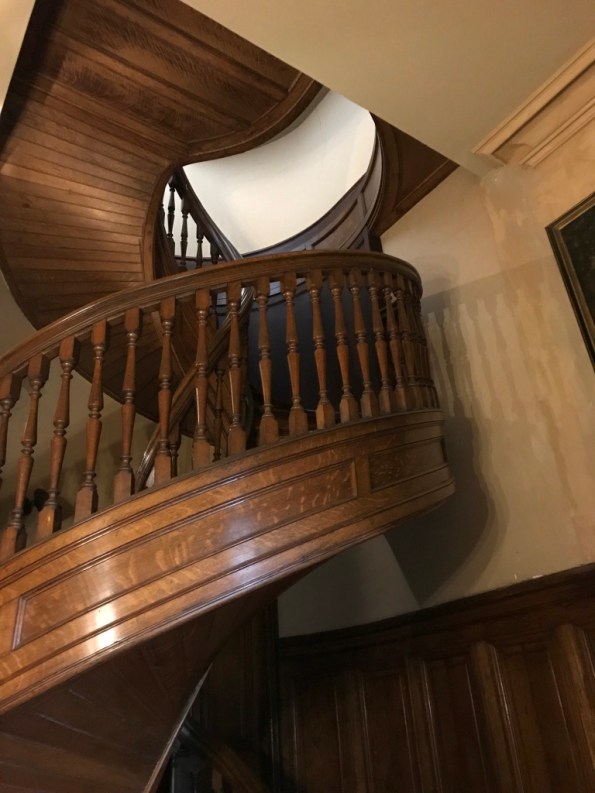
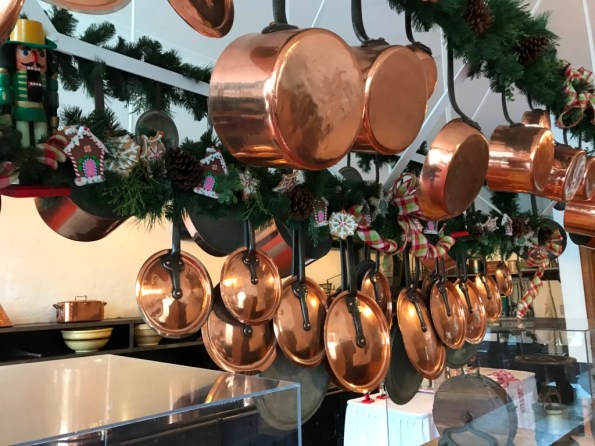
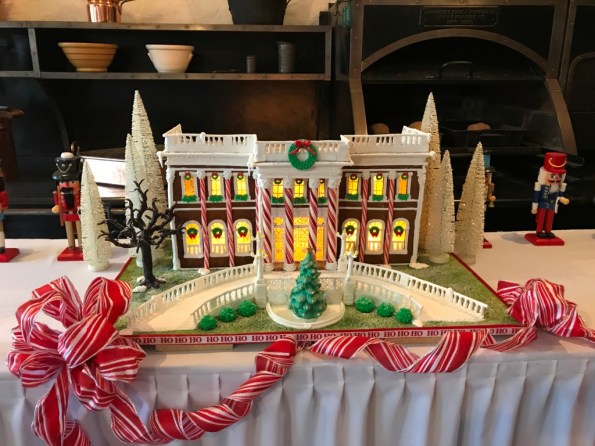
Marble House, Cake edition
That’s all I have for you, my friends. Merry Christmas!
Usual Grapes, Unusual Places – The Oenophile Games
 I love blind tastings. I’m talking about totally non-intimidating blind tasting, done in the relaxed atmosphere, where the goal is only to have fun – in other words, not when it is part of the test. The blind tasting as part of the test is really not fun – as Kirsten the Armchair Sommelier eloquently put it in a tweet “Nothing intimidates quite like a brown paper bag!!” – as a WSET diploma candidate, I’m sure she knows what she is talking about first hand.
So I’m talking about fun blind tasting here. Blind tasting removes all sources of bias, as only minimal information is available about the wine you are about to taste, depending on the theme of the tasting, and you can’t be influenced by the pretty label, by the big name or by the well-known place (ahh, this is the wine from Napa, it is definitely better than this one from New Jersey, right?). You are one on one with the liquid in the wine glass, and your only goal is to decide whether you like the wine or not and whether you like it more than the one you had before, or if you still like it more than the one which you had after. Of course, you can make things a lot more interesting by trying to guess the grape, the origin, the vintage and whatever else you would desire, but the beauty of the informal blind tasting is that you free to do as much or as little as you want.
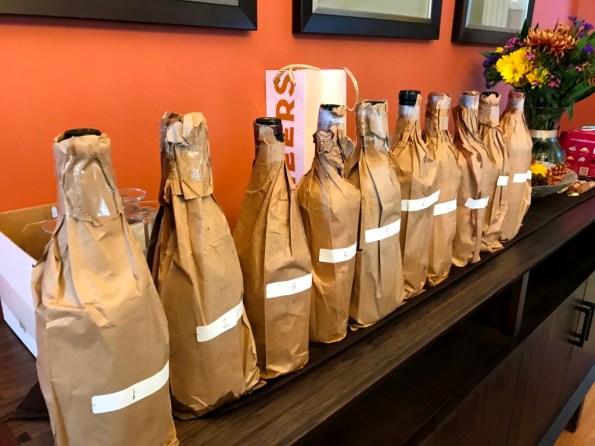
The best accompaniments for the wine are good food and a good company. We started wine dinners with the blind tastings with friends more than 7 years ago. Our first blind tasting was about Pinot Noir, then we had one about Sparkling wines (the thought of this one still gives me shivers as it was utterly confusing), also Chardonnay, Mourvedre, Barolo and many, many others. We decide on the theme, set the rules (how many bottles, price limits or not, what wines can be considered, what wines will not fit and so on). The bottles are put in the brown bags, the numbers are randomly assigned to the bags, the wines are poured and off we go. We usually try to figure out group’s favorite, which sometimes easy, and sometimes it is not. The results are always most unexpected, and everybody gets a chance to say “I can’t believe it”.


The theme for this tasting was “usual grapes, unusual places“. Today, the mainstream grapes are totally international. Cabernet Sauvignon wines are produced in Bordeaux, in Napa Valley, in New York, in Argentina, Virginia, South Africa, Chile, Italy, Czech Republic and other hundreds of places. Same is true about Chardonnay, Merlot, Pinot Noir and Grenache – and even Tempranillo and Sangiovese are not an exception. Now the question is – can we still recognize Cabernet Sauvignon from Uruguay as Cabernet Sauvignon or Pinot Noir from the Czech Republic as Pinot Noir?
To play the game, the group of 10 wines was assembled. I couldn’t make up my mind on what to bring literally until the day before the tasting – kept changing my preferences. Nevertheless, we got together, the table was set and the wines were poured. As everybody was set on bringing the red wines, I decided to make things more interesting and brought two of the white wines to start the tasting with. Here are my notes and guesses on the 10 wines we tasted (obviously I knew what I’m tasting in the first two whites):
Wine 1 – beautiful nose, honeysuckle, tropical fruit, restrained palate, green, touch of pepper, contrast with the nose, interesting
Wine 2 – beautiful nose, plump, velvety, beautifully soft, silky smooth, outstanding, vanilla, delicious.
Wine 3 – typical Bordeaux blend on the nose. Tremendous salinity on the palate. Then acidity. Bordeaux blend from NJ. After 30 minutes – Barbera?
Wine 4 – Grenache nose, smoke and tobacco on the palate. My guess is Rhone varietal, but most likely Grenache
Wine 5 – Rutherford dust on the nose, touch of black currant, chipotle on the palate, herbal, unusual, very nice. Bordeaux varietal. Going for Carmenere.
Wine 6 – beautiful nose, Bordeaux-style, lots of smoke on the nose. Somewhat sweet on the palate. Core Bordeaux? or Syrah blend? Cab Franc dominant blend.
Wine 7 – smoke, dark fruit, beautiful tannins, cherries, beautiful. Bordeaux blend? Somewhat of extreme tannins.
Wine 8 – muted nose, mint, anise, Rutherford dust. Good acidity, soft, round. Bordeaux varietal?
Wine 9 – fresh, open, clean vanilla, dark fruit, excellent. Bordeaux varietal?
Wine 10 – beautiful nose, but a bit astringent. Interesting. Bordeaux varietal?
Before the wines can be revealed, we had to figure out group’s favorite. Everybody was allowed to vote for one of the two white wines, and then two votes for the favorites among 8 reds. Here are our votes (out of 8 people):
Wine 1 – 4
Wine 2 – 4
Wine 3 – 2
Wine 4 – 0
Wine 5 – 0
Wine 6 – 6
Wine 7 – 5
Wine 8 – 2
Wine 9 – 0
Wine 10 – 1

As you can tell, both whites fared equally well with the group clearly splitting the decision. Also for the reds, there was a clear winner and a clear runner-up, with the rest of the wines not faring that well – wine number 6 was preferred by the most, and wine number 7 was the second favorite. Now, the most anticipated part of the blind tasting – the reveal:
Wine 1: 2016 Onward Petillant Naturel Malvasia Blanca Suisun Valley, CA (12.6% ABV)
Wine 2: 2007 Krupp Brothers Black Bart Marsanne Stagecoach Vineyard Napa Valley (14% ABV)
Wine 3: 2004 Bodegas Carrau Vilasar Nebbiolo Uruguay (13.5% ABV, 100% Nebbiolo)
Wine 4: 2014 Chateau Famaey Malbec Cahors AOC (12.5% ABV, 100% Malbec)
Wine 5: Changyu Cabernet Sauvignon China (Cabernet Sauvignon?)
Wine 6: 2012 Caduceus La Corgtigiane Oneste New Mexico (13.5% ABV, 50% Barbera, 50% Merlot)
Wine 7: 2014 McManis Barbera Jamie Lynn Vineyard California (13.5% ABV, 100% Barbera)
Wine 8: 2015 Cantele Primitivo Salento IGT (13.5% ABV, 100% Primitivo)
Wine 9: 2014 Macedon Pinot Noir Macedonia (13.5% ABV, 100% Pinot Noir)
Wine 10: 2014 Agnus Merlot Serra Gaúcha Brazil (14% ABV, 100% Merlot)
Let’s look at these results. First, let me talk about the wines I contributed for the tasting. For the whites, they were both excellent – I got this Onward Petillant Naturel Malvasia Blanca from Jeff The Drunken Cyclist as part of our Secret Santa fun, and the wine was delicious. The second white, Krupp Brothers Marsanne was a rare closeout score a few years back. Sadly, it was my last bottle, but the wine needs to be drunk, so I’m glad I had it in a good company – I consider that to be one of the best California white wines, for sure for my palate. Now, the red which I brought was another story – it was the Changyu from China, for which I terrorized my Chinese-speaking friend trying to ensure that it was Cabernet Sauvignon and trying to figure out the vintage or ABV (fail). Well, the worst part was that many people not just disliked it, they literally hated it – and I had other reds from Changyu while in China with much higher success. Oh well.
The winning wine Caduceus La Corgtigiane Oneste was made out of the New Mexico grapes by the winery located in Arizona, with one of the grapes being Barbera – talk about rare and unusual. McManis Barbera, second favorite, was also quite unexpected – but looking at my notes and having tasted few of the California Barbera wines, I made a wrong guess with somewhat right descriptors. As you can tell, almost everything tasted to me like a Bordeaux blend – clearly, I don’t do well in the blind tastings, but one way or the other, this was lots of fun! And just think of the range of wines we tasted – Malvasia Blanca, Marsanne and Barbera from California, Nebbiolo from Uruguay, Merlot from Brazil, Pinot Noir from Macedonia, Cabernet Sauvignon from China, Merlot and Barbera from New Mexico – wow. The Malbec and Primitivo didn’t really belong on one side – but then on another side they kind of fit the bill too as Malbec from France is literally unknown to the wine consumers, and Primitivo is pretty much in the same boat, for sure in the USA. All in all, we clearly accomplished our goal of tasting usual grapes from unusual places.
Then, of course, there was food – lots and lots of delicious food, which everybody contributed to – I will just give you a quick overview in pictures, and that really only a fraction of what we had (at some point you get tired of constantly taking pictures of food…


We also drunk more wine, and this one was a standout. An unassuming California blend from Marietta in Sonoma – NV Marietta California Old Vine Red Lot Number Twenty. This is non-vintage, field blend of Zinfandel, Petite Sirah, Carignane, and Gamay, now, wait for it … which should be about 40 years old??? Current wine is called Lot Number 66, so if this was the Lot number 20, then we are simply making an assumption here… The wine was delicious – yes, it was mature, so showed the layer of delicious dried fruit and ripe plums – but it still had a perfect amount of acidity for everyone to say “wow”. I plan to write to the winery, so hopefully will be able to figure out the age of this wine, but this was clearly another amazing example of California wines which can age – and patience well rewarded.


Great fun and great learning experience, hands down. For anyone who is into the wine, the blind tasting is an endless source of enjoyment. If you love wine and never participated in the blind tasting, you really should fix it – get your friends together and have fun! If you need any “logistical support”, please reach out – will be very happy to help.
Ahh, and by the way, there is something even more intimidating than a paper bag – a black glass. But then your friends may start hating you, so tread gently. Have fun, my friends. Cheers!
Drink Local, North Carolina Edition – Chatham Hill Winery
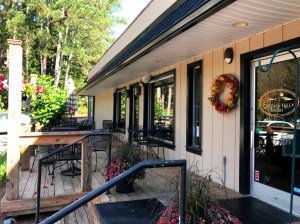 Once again, I was on the road. And as you know, if I have the slightest chance, I will look for the local wine. If I can also throw in a winery visit – that becomes a double pleasure.
In these terms, this time around, it was exactly a double pleasure. While visiting Raleigh in North Carolina I managed to squeeze in a short visit to the North Carolina winery call Chatham Hill, located in the town of Cary (about 20 minutes from Raleigh-Durham airport).
I had an opportunity to try North Carolina wines for the first time a few years ago while connecting through the Charlotte airport. I had favorable impressions after the first experience, thus was definitely looking forward to the opportunity to expand my “wine map” of the 50 United States.
The Chatham Hill Winery was founded in 1998. When Chatham Hill Winery opened, it was the 14th winery in the state of North Carolina – today, there are more than 185 wineries and 525 vineyards there. Chatham Hill was also the first urban winery in the North Carolina – they don’t own any vineyards. The absolute majority of the wines at Chatham Hill are made either from the North Carolina grapes, coming primarily from the Yadkin Valley AVA, or from the grapes shipped from California (Lodi).


Chatham Hill winery produces a good number of different wines, both dry and sweet, with the total production of about 5,000 cases per year. With this production, it is considered a “medium size” winery by the North Carolina standards. I tasted through many wines the winery offers, but took rather scarce notes, so for what it worth, here is a roundup:
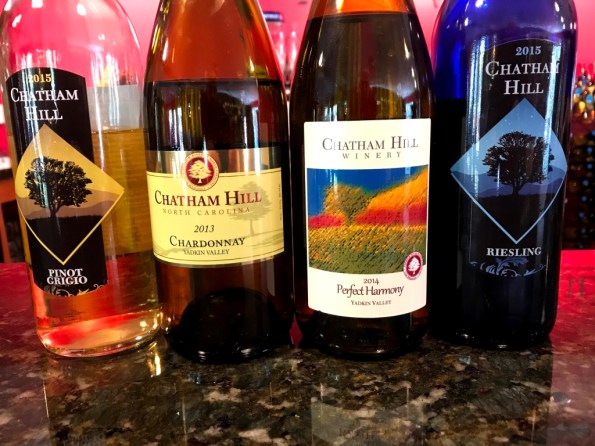
2013 Chatham Hill Winery Chardonnay Yadkin Valley North Carolina ($18) – a bit unusual, big body, good balance, nice overall
2015 Chatham Hill Winery Riesling Lodi California ($16) – not a traditional style, doesn’t speak Riesling to me, but still quite drinkable
2014 Chatham Hill Winery Perfect Harmony Yadkin Valley North Carolina ($25, unoaked, 70% Chardonnay, 30% Viognier) – dry, playful, tropical fruit notes
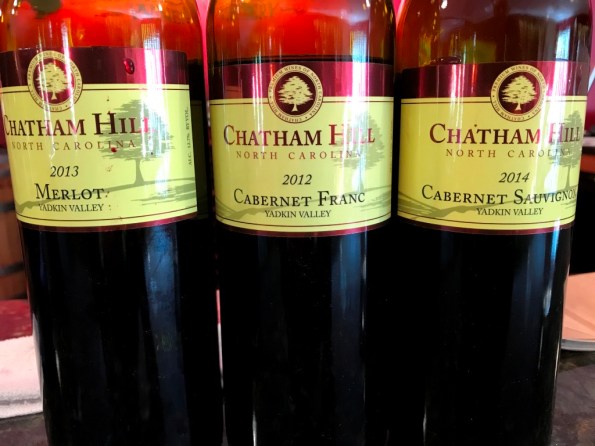
2012 Chatham Hill Winery Cabernet Franc Yadkin Valley North Carolina ($20) – soft, round, very pleasant
2014 Chatham Hill Winery Cabernet Sauvignon Yadkin Valley North Carolina ($20) – beautiful, smooth, blackcurrant on the nose and the palate, layered, great extraction, excellent wine overall and lots of wine for the money. Clearly my favorite wine from the tasting.
2013 Chatham Hill Winery Merlot Yadkin Valley North Carolina ($16) – excellent balance of fruit and acidity, dark fruit on the palate, very good overall


2015 Chatham Hill Winery Malbec ($18) – a bit sweeter than previous few wines, but refreshingly light for the Malbec and very pleasant overall.
2015 Chatham Hill Winery Petite Sirah ($22) – good fruit, good acidity
Chatham Hill Winery Muscadine Yadkin Valley North Carolina (11.5% ABV, $15) – Not sure what the vintage was, the wine was just released and not available yet for the public – raisins and dry fruit medley on the nose, touch of Isabella grapey profile on palate, clean acidity – very nice effort
I find trying local wines to be truly a humbling experience, always bringing out great surprises – that Cabernet Sauvignon was just a pure, varietally correct, stand out – would happily drink it again in a heartbeat.
The wine is simply an expression of passion and art, and there are truly no limits to the creativity and obsession wine lovers share, anywhere you go. Drink local, my friends!
Hot Off The Press – Last Bottle 21st Amendment Marathon Madness, December 15th
 If you know what the Last Bottle is and does, the title already gave you all the information you need. In the unlikely case that you are new to the value wine world, please see below – you will thank me later.
It is time to flex your fingers and make sure they are in the perfect shape, as tomorrow and on Friday you will have to do a lot of clicking. Last Bottle, the purveyors of the fine wines at value prices, in its traditional just-in-time, ready-or-not-here-I-come fashion, announced its widely anticipated holiday Marathon Madness, this time called after the 21st Amendment, which actually became effective on December 15th, 1933.
Tomorrow, December 15th, starting at 9 AM Pacific/12 PM Eastern, Last Bottle website will be featuring amazing wines at amazing prices, disappearing faster than you can say “wine”, never mind clicking the “buy” button – this is where you will need that index finger strength and agility, if you want to acquire any of those treasures, instead of just watching them pass by.
No announcements of any kind, no emails, no tweets – just keep clicking that “refresh” browser button to see the new offers. No minimums to buy (single bottles are perfectly fine) to get free shipping. All orders will be combined together and shipped at once in January. That’s it – no more special rules.
In case you are curious about the wines, I would like to quote from the Last Bottle announcement: “… get ready to experience the most outrageous, sensationally deal-filled Marathon EVER! CABERNET, BORDEAUX, BRUNELLO, CHAMPAGNE, BURGUNDY (PLUS A SPECIAL BURGUNDY hardcore “HOUR OF POWER” at 1PM Napa time with over 3,000 bottles of CHAMBERTIN, CHEVALIER, BATARD, CHAMBOLLE and more), you name it, we’ll have it at UP TO 70% OFF….!”
Just a little advice – be sure to be logged in into your account before you start great deal hunting – split seconds will separate success and failure of your order. Don’t believe me? Prepare to be disappointed then – I’ve been in that boat way too many times.
Before we part: when I mention the Last Bottle, in case you don’t have an account with them already (and you need one if you want to buy the wines), I always offer an opportunity to sign up – if you will sign up using this link, you will get $10 off your first purchase, and yes, I will get $30 after your first purchase. The beauty is that moving forward, you can sign up your friends, and now you will be the one to get $30 after they will buy the wine from the Last Bottle – plus, all of a sudden, you will find yourself all so much more popular!
Okay, enough reading – go back to that finger exercise, you should be in a perfect shape for tomorrow.
Happy [great value wine] Hunting!
And Winter Gracefully Arrived
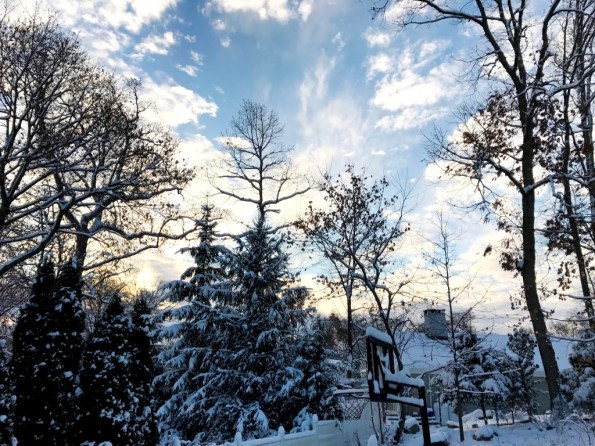
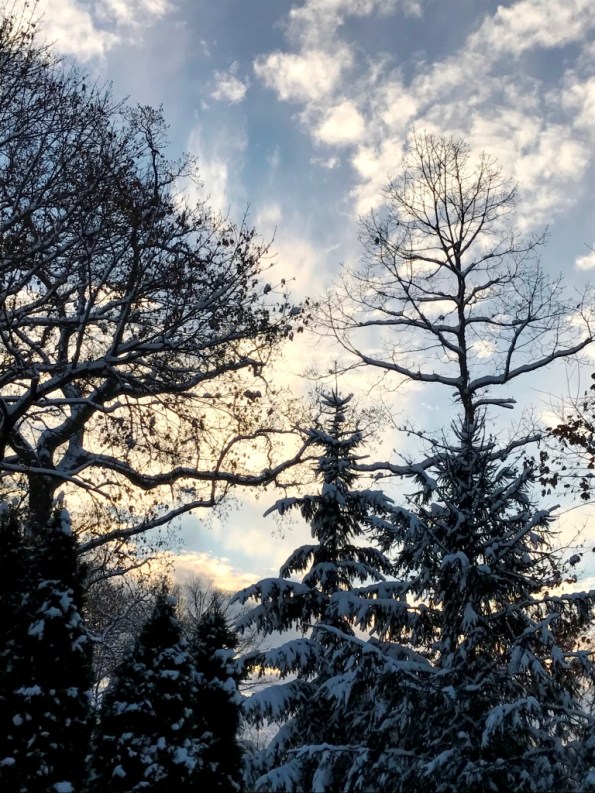
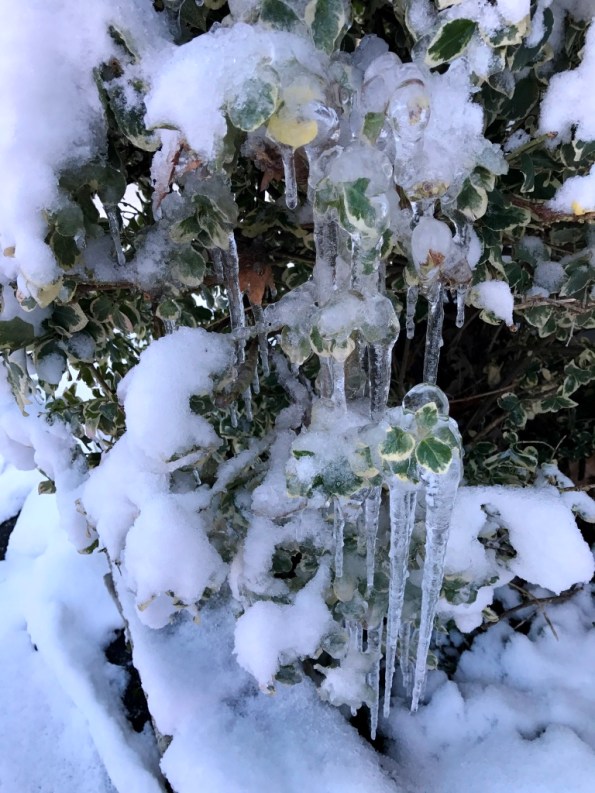
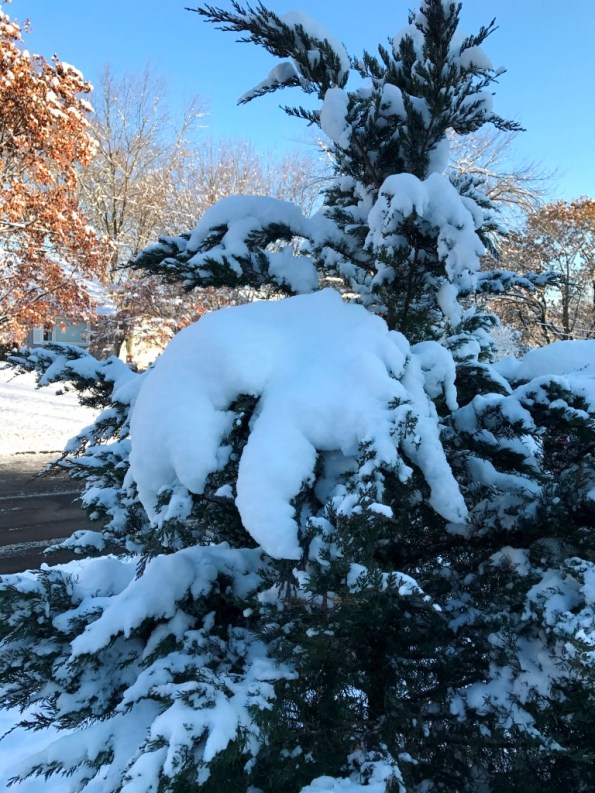
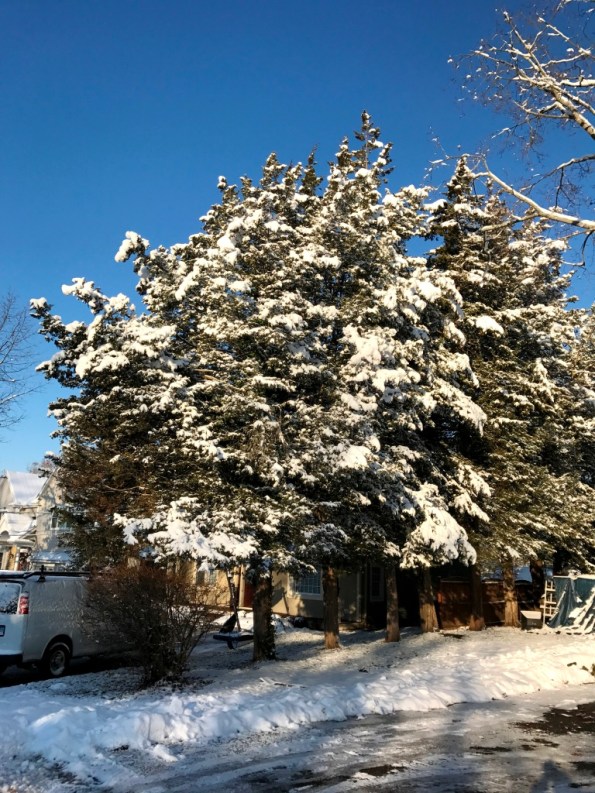
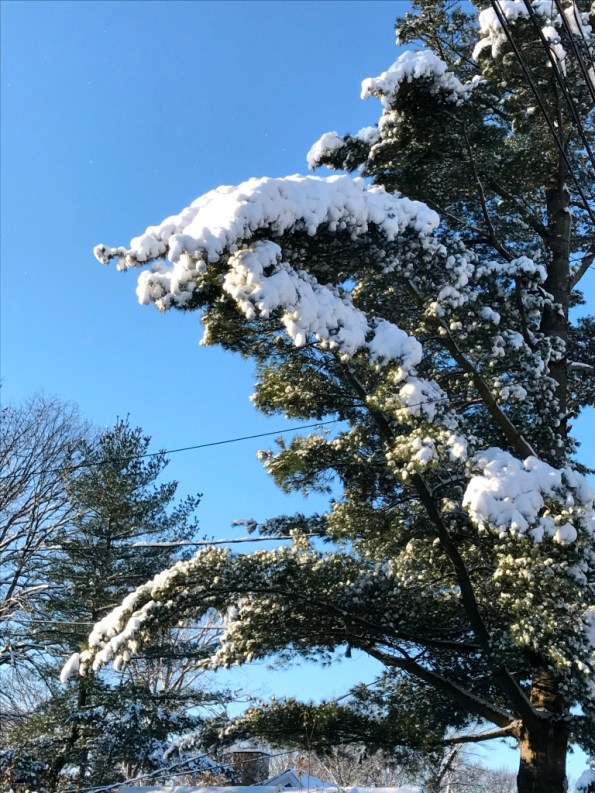
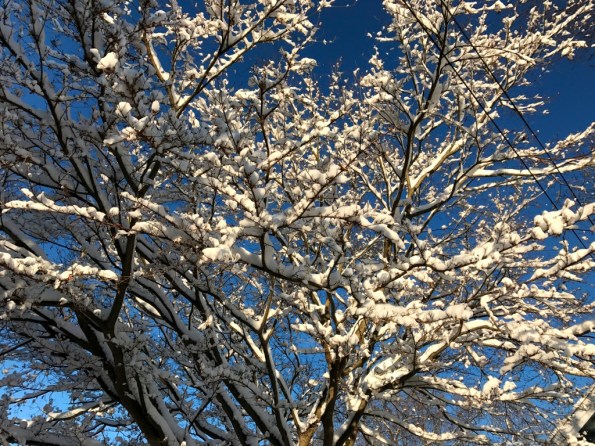
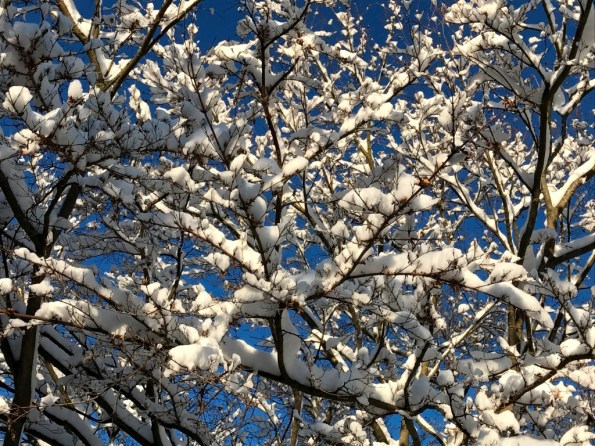
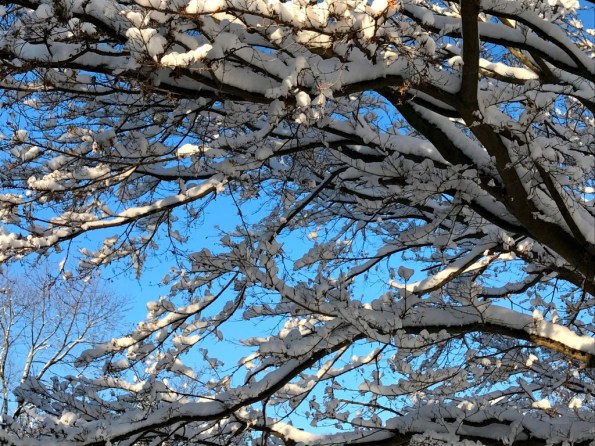
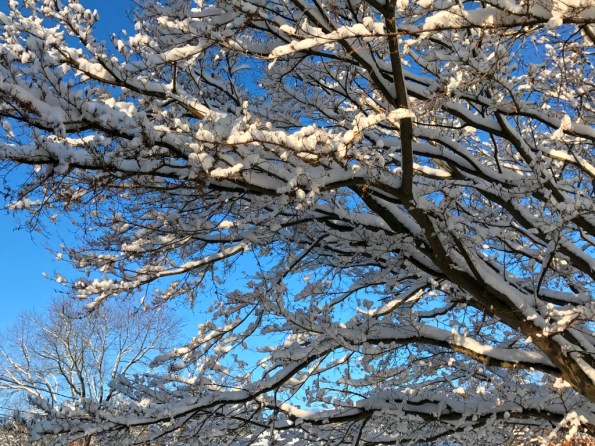
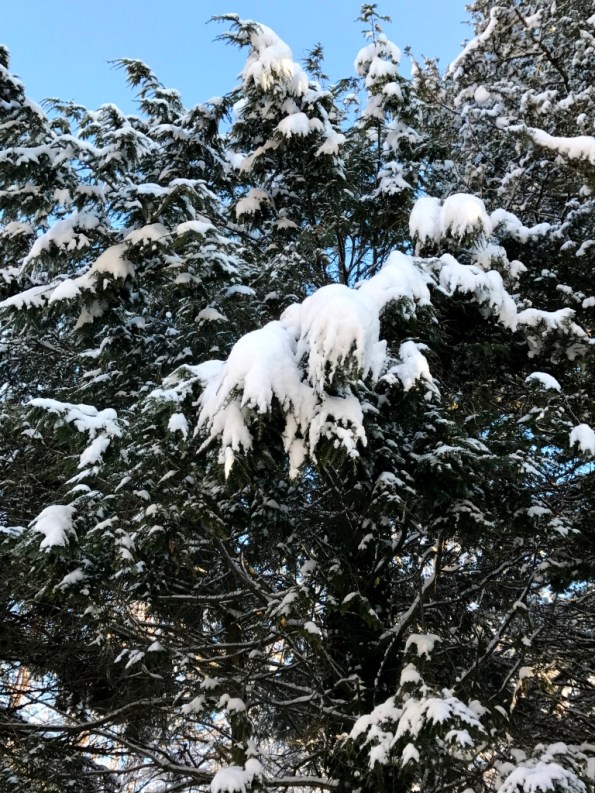
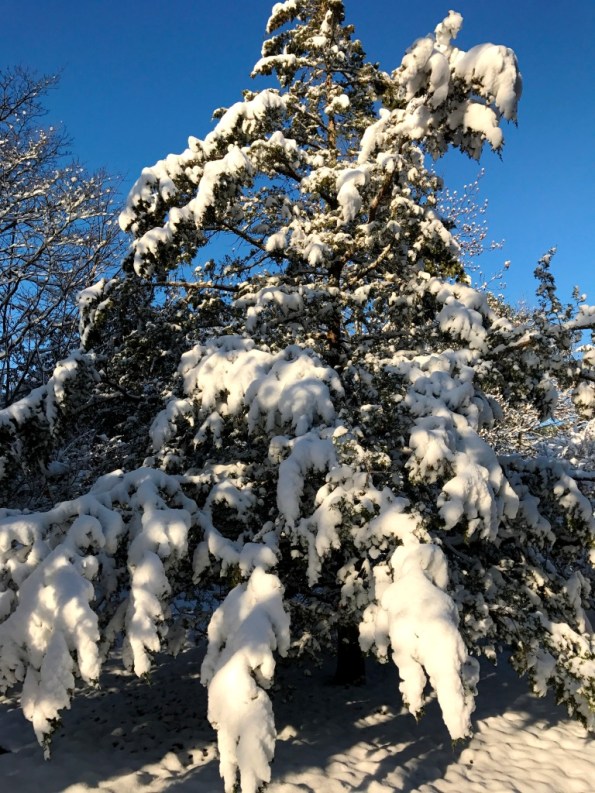
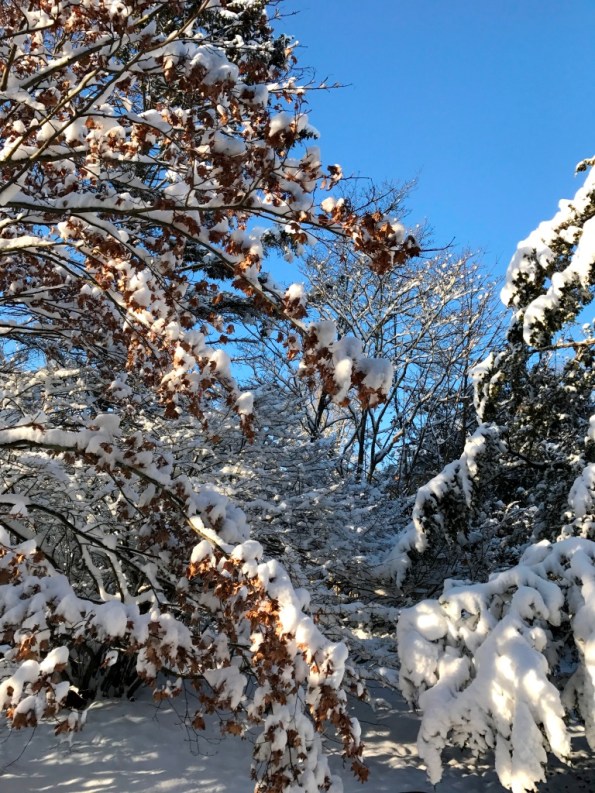
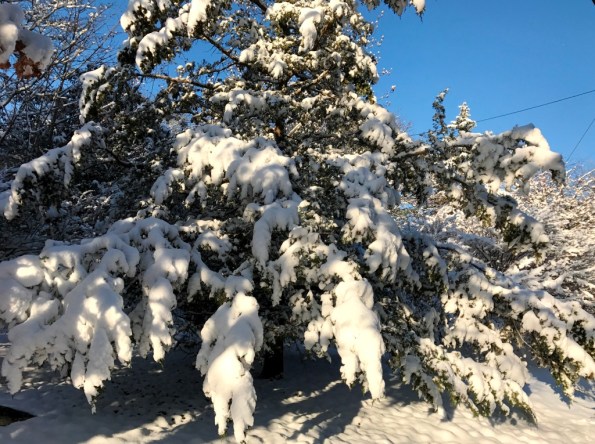
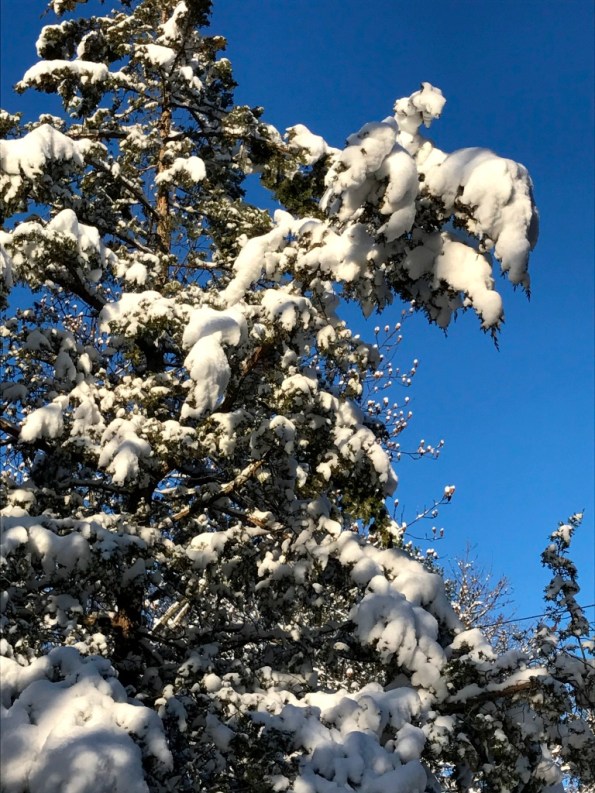
The winter arrived in Connecticut, and arrived in a very graceful way – the snow was coming down on Saturday – not too hard, just right. We probably got about 6 inches, and that snowy Saturday followed by a beautiful, sunny Sunday, with the beauty of the first snow, crisp, fresh, white. No work commute was affected, no schools closed – the very graceful arrival of the winter.
What you see here are a few pictures, from my walk around the neighborhood, all captured with the trusted iPhone. Enjoy!


Parent, Secret Power, Unsung Hero
You just read the title of this post. What do you think we will be talking about? Of course, it can be a story about a person who had all those great qualities – but this is the wine blog, right? Can all those qualities belong to a grape?
Let’s see. Parent – this is simple. When two grapes are crossed, they will give birth to the new grapes, and, of course, we can call both of the original grapes parents. Unsung hero? This is typically someone who can quietly come to the help of others and solve the big problem or save a life. Apart from saving a life, a grape can be very instrumental in assisting others to do their best, bringing out their best qualities while remaining literally unknown. For example, helping to make delicious wine as part of the blend. Now, the secret power? Every once in a while a person can be on a secret mission and save the world, all alone, “solo” – James Bond meets Wonder Woman, anyone? Okay, okay, I’m only talking about making delicious wines, all by itself, solo.
Now, as we are talking about the grape, can you think of one which would fit this description? There are thousands of grapes used in winemaking, so theoretically, there is more than one grape that will fit this profile, but I would dare to say that one grape might stand above others in all these roles. Know what I’m about to say? There is a good chance you do – you probably guessed it already – I’m talking about Cabernet Franc.
Cabernet Franc grapes, as shown in Wikipedia
It is hard to tell when Cabernet Franc became known as a grape variety. It is definitely old, probably not as old as Chardonnay, which can trace its history all the way to the 11th century, but still older than most other grapes. While Cabernet Franc is typically associated with Bordeaux and Loire, it appears that it originated from the Basque Country in Spain, from where it spread through the south of France and reached Bordeaux.
How Cabernet Franc is a Parent? Based on DNA research, Cabernet Franc was a parent of Cabernet Sauvignon, Merlot, and Carménère – a good group of kids, isn’t it?
How is it an unsung hero? Cabernet Franc ripens at least one week earlier than Cabernet Sauvignon. It can reach phenolic ripeness in the years when Cabernet Sauvignon will not, and thus in the blend, it will be a savior – this is why it was always so loved in Bordeaux, an insurance policy of sorts. While the tasting profile of Cabernet Franc is somewhat similar to Cabernet Sauvignon, it is typically softer and less tannic than its more famous offspring, so it makes the blend more approachable.
The Secret Power? When used in European wines, it is often unknown that the wine is made out of Cabernet Franc. For instance, Chateau Cheval Blanc, one of the most famous Bordeaux wines, is made predominantly out of the Cabernet Franc – but this is not widely known outside of the circle of wine aficionados. How about Olga Raffault Chinon? Chinon, a region in the Loire, is one of the best sources of delicious Cabernet Franc wines, but you have to simply know that. Coming to the new world, Cabernet Franc is not so secret anymore, as you can see it on the label, but I still can let you in on one little secret – this is one of the most versatile red grapes you can find. Talking about the United States, for instance, it is practically the only red grape which can consistently deliver delicious red wines both in California and in New York – and we don’t need to be so confined – Washington and Oregon are doing quite well with the Cabernet Franc, and so do Massachusets, New Jersey, and even Rhode Island. And let’s not forget Canada, where the grape goes beyond dry reds and offers some of the most stunning dessert wines – Cabernet Franc Ice Wine.
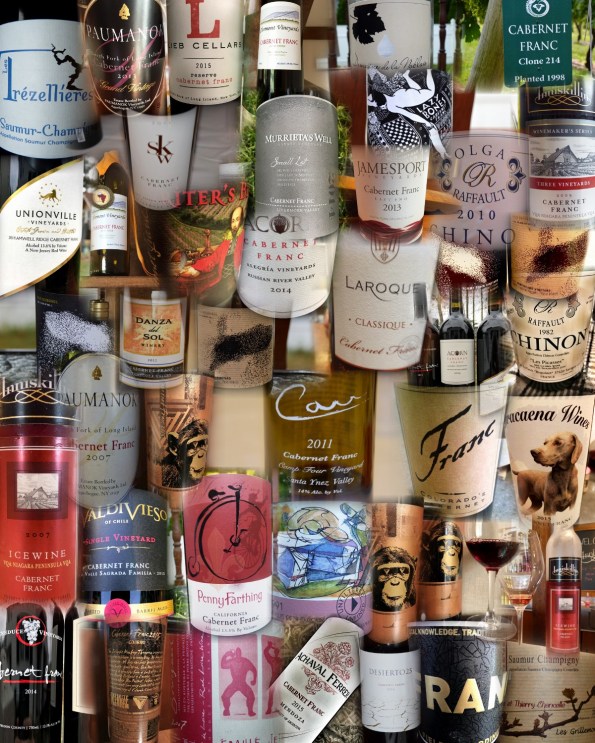
December 4th is when we celebrate this unique variety with the #CabFrancDay. The whole Cabernet Franc extravaganza is a product of the obsession of one person – Lori Budd, who singlehandedly started this grape holiday in 2015. Lori expresses her love for the grape not just by talking about it – she also makes her own Cabernet Franc wine in Paso Robles under the Dracaena Wines label. This year I was able to try the Dracaena Wines Cabernet Franc at the wine bloggers conference, and I can tell you that while I’m very particular about Cabernet Franc wines (prefer more old-world style than new), I really enjoyed Lori’s rendition.
Grape holidays are always fun – you have a good reason to open a special bottle that was stashed in the corner, and share your love for the grape with the world. Cabernet Franc’s celebration is important beyond that simple joy. Take a look at the Wikipedia article – it says that Cabernet Franc is “principally grown for blending with Cabernet Sauvignon and Merlot in the Bordeaux style, but can also be vinified alone”. The Vins de Bordeaux website says that Cabernet Franc “is the ultimate complimentary grape variety”. While this is true, Cabernet Franc is great for blending, this is also the grape which is excellent by itself, and we should recognize and acknowledge that, and change that perception of a “blending grape”.
This year, I had a great experience with beautiful Cabernet Franc wines from all over the world – 1982 Olga Raffault Chinon, Achaval-Ferrer Cabernet Franc from Argentina, Lieb Cabernet Franc from Long Island, New York, Dracaena Cabernet Franc from Paso Robles, and many others. But to celebrate Cabernet Franc Day in style, I had an opportunity to open 3 more wines especially for the holiday – for one, representing both coasts of the USA – and, surprisingly enough, representing both styles of Cabernet Franc, the old world and the new world.


2014 ACORN Alegría Vineyards Cabernet Franc Russian River Valley (12.5% ABV, $38, 93% Cabernet Franc, 2% Malbec, 2% Merlot, 2% Petit Verdot, 1% Cabernet Sauvignon and Tannat, 18 months in barrel) was uniquely Californian in style – in many ways. Alegría Vineyards are Certified Sustainable, which is really the way now for many vineyards in California, with a lot of manual labor-intensive effort going into helping grapes to achieve their best potential. All the wines ACORN produces are made as field blends, where different grapes are co-fermented together, according to the century-old field-blend vineyard traditions. The result was beautifully balanced, fruit-forward wine, boasting pure cassis flavors, supported by the medley of the red fruit and perfect acidity. The wine was clean and delicious.
Two more wines were a total surprise for me. These two Cabernet Franc wines were both made in New Jersey. I have very little experience with New Jersey wines, and that experience was not necessarily all positive, so yes, I didn’t have much expectation as I was pulling the corks, just a hope that the wines would be at least palatable.


While Unionville Vineyards were planted only in 1987 and the winery opened its doors to the public in 1993, the land where the vineyards a located was farmland even before the 1850s. As farmland, it went through many different plantings and such – peach orchard, apple orchard, dairy farm, grains, and horses – but returned to the fruits with the first grapevine plantings in 1987 – this is when the story of Unionville Vineyards started.


Beneduce Vineyards is located in the same Hunterdon County as Unionville Vineyards. Chardonnay, Riesling, and Gewurztraminer are the main white grape varieties at Beneduce Vineyards, and the list of reds includes Pinot Noir, Blaufränkisch and, of course, Cabernet Franc.
Thanksgiving Day Experiences
Thanksgiving is one of my most favorite holidays. It revolves around food. Before you beat me up, of course, it is about family, friends and lots and lots of good reason to be thankful – but still, the food is at the core of this family gathering. This makes me double-happy – I get to spend time with the family and cook my heart out – and let’s not forget the extra bonus – I have a reason to chose special wines.
Since this blog started, there was only one year when I didn’t post about Thanksgiving. Otherwise, I did my best to talk about food and wine experience of this special day, sometimes even with few posts on the subject (you can find those posts here). This year, I had two resolutions for my Thanksgiving dinner. First, it will be simple – which means no Turducken, for instance. Second, I will serve only an American wines – to be more precise, only the wines from California. As Napa and Sonoma greatly suffered from the recent fires, this was only logical to embrace Californian wines to support the people there.
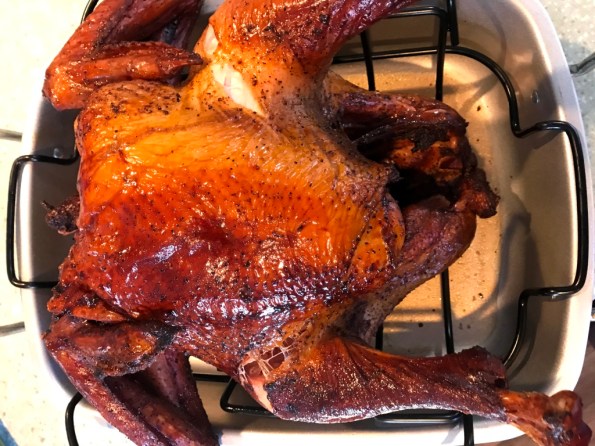
First, let me say a few words about the food. Turkey is a cornerstone of Thanksgiving – at the same time, it is hard to cook a whole turkey in really an exciting way. Over the years, we tried lots and lots of different recipes – with stuffing and without, turducken, smoked, deep fried, deboned… Some were definitely better than the others (turducken is typically a standout), and some of those preparations can be very laborious. Thus this year, I decided the smoked turkey is the way to go.
This was not a random decision – earlier this year I discovered so-called PBC (Pit Barrel Cooker), which I absolutely fell in love with. In the past, I had to spend literally a whole day, dancing around my simple smoker, trying to maintain the temperature and still ending up cooking all the food in the oven. PBC changed that dramatically – no need to precook ribs anymore, just start the fire, hang your piece of meat and come back in a few hours to enjoy. Based on all the prior success, smoking the turkey was simply a done deal.
This might be the simplest turkey I ever have done. Buy already brined turkey (many stores sell pre-brined turkey, which greatly simplifies your life), rub it generously with PBC All-purpose rub, start the fire and just hang it inside the PBC – you can estimate the cooking time based on the size, and of course, use the meat thermometer to make sure the turkey is cooked through.


Another dish I want to mention is the dessert. I got a recipe from a friend, many years ago – however, it was also a while since I made this dessert. I wanted to find a similar recipe online, just to use it as a reference – but failed. So here is the recipe without the usual ingredients and measurements, as here you can make everything approximately. Let’s call this dessert
Crepes Napoleon with Wine-poached Pears and Cranberry sauce
You will need the following:
- 4 firm pears, I recommend Anjou, carefully peeled, halved and cored
- 10-12 crepes (can be more, can be less, depending on how many layers do you want)
- 1 lb cranberry sauce (canned is fine, fresh is better)
- 1 bottle of port – you can use red wine too, but then you would need to add sugar.
- 1 cinnamon stick
- 1/4 teaspoon nutmeg
Put peeled, halved and cored pears into the large pot, cover it with wine, add cinnamon stick and nutmeg, and put it on the stove. Once liquid started boiling, reduce heat and let it simmer for about 30 minutes. Remove from heat, cover and let peras to cool off completely in the wine, preferably overnight (when cool enough, put the whole pot into the refrigerator). Next day, thinly slice pears and put aside. You can also reduce the wine for a later use – it is quite delicious.
You can buy crepes or you can make crepes. If you will decide to make them, Alton Brown has an excellent recipe – this is what I used.


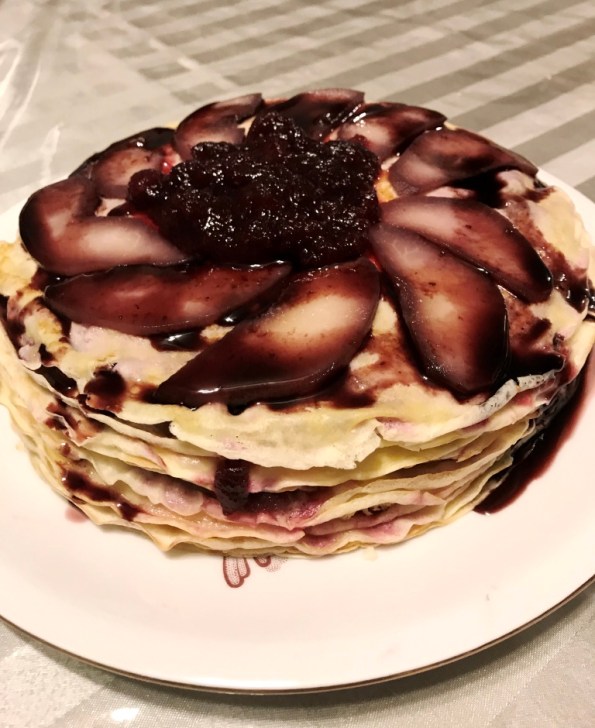
Once crepes are made and cooled off, you are ready to start making the Napoleon! Take a plate you will serve the dessert on. Put the first crepe on the bottom. Thinly spread cranberry sauce. Cover with another crepe. Now take slices of pear and put them around the crepe in a single layer. Cover with another crepe, spread cranberry sauce, cover, put pears and continue the process until you will be satisfied with the overall height of the Napoleon. I recommend a round of pear slices on top with cranberry sauce in the center, but of course, you can make your own decoration. Cover (plastic wrap will do) and put it in the cool place for the flavors to be absorbed into the crepes. Later on, slice and enjoy!
Time to talk wines!


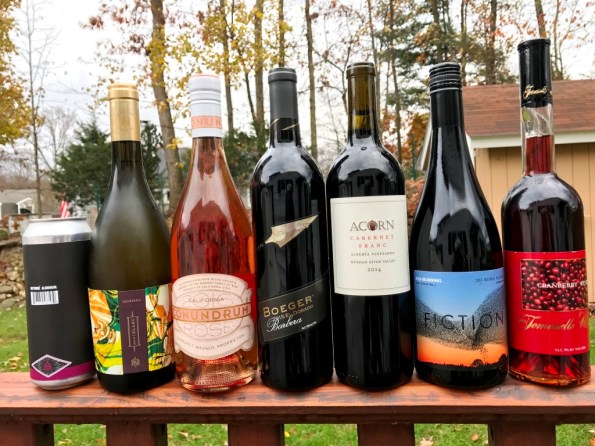
Holiday celebration should start with the sparkling, isn’t it? Finding tasty California sparkling wine is really not a problem. One of my favorite California producers, Field Recordings, offers an interesting selection of the sparkling wines, with most of them packaged in the cans (yes, cans). I had a can of NV Field Recordings Methodé Aluminum Edna Valley (11.9% ABV, 100% Pinot Noir), and it provided a perfect start for the evening – fresh, supple, with good body weight and a nice touch of a fresh bread – definitely was a crowd pleaser.
I wanted to have a full California wine experience, so next, we moved on to Rosé – 2016 Conundrum Rosé California (13.1% ABV). Truth be told, I’m not a fun of Wagner family wines – Conundrum, Meiomi, Caymus – doesn’t matter, they generally don’t work for my palate. So I threw in the bottle of this Conundrum Rosé simply because it was available – I thought we will open it, taste it and move on. Boy, was I wrong. This wine had beautiful strawberries all the way on the nose and the palate, supported by tons of herbs – lavender, mint, basil. Perfect mouthfeel with very good presence, but not overwhelming and with good acidity – this wine was enjoyed to the fullest.
We drink with our eyes first – thus the label on the 2014 Durant and Booth Blanc California (14.6% ABV, $36, blend of Chardonnay, Grenache Blanc, Ribolla Gialla, Roussanne, Greco di Tufo) was extremely drinkable and very promising (the label represents the art technique called water marbling – you can read more here if you are as intrigued as I was). I brought this wine from California after attending Wine Bloggers Conference 2017, where this wine was presented to us at the Napa Valley Vintners lunch – I plan to write a separate post about this event).
As you can tell, this wine is made from quite a few grapes, and I’m typically a bit concerned if the chorus will sing harmoniously. Oh yes, it was – starting from the beautiful touch of butter and vanilla on the nose and the palate, then immediately offering silky plumpness of Roussanne with a gentle touch of butter and tropical fruit on the palate – this delicious wine was gone in no time.


Next, it was the time to move on to the red wines. We started with 2014 Acorn Alegria Vineyards Cabernet Franc Russian River Valley (12.5% ABV, $38, 93% Cabernet Franc, 2% Malbec, 2% Merlot, 2% Petite Verdot, 1% Cabernet Sauvignon and Tannat). All Acorn wines are made from a co-fermented blend of grape varieties which are growing at Acorn’s Alegria Vineyard. This Cabernet Franc had a beautiful open nose with a touch of mint and cassis – the same continued on the palate with more cassis in a smooth, round package, supported by some herbal notes and perfect acidity. It was unmistakably Cabernet Franc, but also unmistakably California Cab Franc, without much of the green bell pepper presence and fruit dominant, but perfectly balanced.
Our last red was coming from the California region I was not really familiar with until now – El Dorado County (it is not only gold you find there, yep). 2015 Boeger Barbera El Dorado (15% ABV) was another wine I brought back from California after the same wine bloggers conference. I tried few of the El Dorado wines at the conference and was not very impressed, so I looked at it as an interesting experiment. Another score! This wine was dense and brooding, with tar and tobacco on the nose, and surprisingly polished dark fruit on the palate with sweet tobacco undertones. To make things even more interesting, I can tell you that we didn’t finish the wine during dinner, so I pumped the air out using the usual Vacuvin, and put the bottle aside almost for 10 days. After 10 days, the wine was still perfectly fresh and enjoyable, which makes me wonder how long this wine can actually age.
Time to finish our Thanksgiving dinner with the dessert. As our planned dessert had cranberry sauce in it, I decided to go with Cranberry wine for dessert. Tomasello Cranberry Wine New Jersey (9% ABV) was a perfect pick for it – good acidity, tart cranberry profile, it played perfectly with our dessert – while the wine was not from California, it still provided a perfect finish for our celebration.
Here we are, my friends. How was your Thanksgiving? Did you enjoy more the turkey, the wines or the company? Cheers!
Discover Wines of South Africa
 Let me start with a question: when was the last time you had South African wine? You can take a few minutes to ponder at it – but I would bet that if you are a wine consumer in the USA, there is a very good chance that the answer will be “hmmm, never”. But if “never” or “many years ago” is your answer, we need to change that.
The winemaking history in South Africa goes back to the 17th century, when immigrants from Europe brought the vine cuttings with them, as they’ve done in all other places. South African wine story somewhat resembles most of the Europe, as it also includes the phylloxera epidemic and replanting of the vineyards. Unfortunately for South African winemakers and the rest of us, the wine story of South Africa also had heavy political influence, with apartheid, KWV monopoly, and resulting boycott from most of the countries for the majority of the 20th century (here is an article on Wikipedia if you want to learn more). The new chapter for South African wines opened up in the 1990s, with the end of apartheid and subsequent changes in all areas of life, winemaking included.
In the past, South Africa was best known for its Chenin Blanc wines, which was also called Steen. Another grape South Africa was famous for was Pinotage – dinking of the Pinotage wines was likened by some wine critics to the drinking of the “liquified rusty nails”. On much brighter note, while talking about the past, I want to mention Klein Constantia Vin de Constance – the nectar of gods (don’t take my word for it – find it and try it), made from Muscat de Frontignan grapes and favorite wine of the French emperor Napoleon Bonaparte, who was buying it by the barrel (legend has it that it was Napoleon’s deathbed wish wine).
Today South Africa offers lots more than a typical wine consumer would expect. The South African wines are often described as “old world wines masquerading as new world wines”, and this is perfectly showing in the wide range of the wines. You really need to try for yourself South African Chardonnay, Sauvignon Blanc, Pinot Noir, Cabernet Sauvignon, Merlot, Shiraz, and don’t skip the Chenin Blanc, especially if it is an FMC by Ken Forrester. You shouldn’t skip even Pinotage, as it dramatically evolved compared to the old days. The old world winemaking foundation really shows through many of the South African wines today, and they are always ready to surprise a curious wine drinker.
Case in point – our recent virtual tasting on Snooth. We had an opportunity to taste 6 white wines, well representing South African grapes, styles and regions. The tasting included 3 out of the 4 most popular white grapes in South Africa (Chenin Blanc, Chardonnay, and Sauvignon Blanc) – the second most planted grape, Colombard, is used primarily in the brandy production. Another interesting fact for you – until 1981, there was no Chardonnay planted in South Africa, which makes it all more impressive (read my notes below). Two of the Chardonnays and Sauvignon Blanc from the tasting were simply stunning, and the rest of the wines were perfectly suitable for the everyday drinking. What is even better is that you don’t need to rely on my notes if you want to discover what South Africa is capable of – Snooth offers that exact set of 6 wines for purchase, at a very reasonable price of $79.99 for the whole set.
Here are my notes from the tasting:


2016 Glenelly Glass Collection Unoaked Chardonnay WO Stellenbosch (13.5% ABV, $20, 100% Chardonnay)
C: straw pale
N: Beautiful, vanilla, touch of guava, fresh, medium+
P: good acidity, granny smith apple, crisp, maybe a bit too restrained now, lemony acidity on the finish
V: 8, excellent now, but I definitely want to see it evolve.
2016 De Wetshof Estate Limestone Hill Chardonnay WO Robertson (14% ABV, $16, 100% Chardonnay)
C: light golden
N: complex, vanilla, popcorn, medium intensity. Nose clears up as the wine breathes. Golden delicious and honeysuckle appeared. Delicious nose.
P: quite restrained, touch of Granny Smith apples as opposed to the golden delicious. Perfect acidity, vanilla, fresh.
V: 8, will evolve. Definitely an interesting wine.
2016 Badenhorst Family Wines Secateurs Chenin Blanc Swartland WO Steen (12.5% ABV, $15, Chenin Blanc with a sprinkling of Palomino and another secret grape)
C: straw pale
N: interesting, yeast, touch of white stone fruit
P: crisp, restrained, mostly lemony, acidic notes
V: 7, too simple and single-dimensional


2016 Raats Original Chenin Blanc Unwooded WO Stellenbosch (12.5% ABV, $16, 100% Chenin Blanc)
C: straw pale+
N: inviting, medium plus, minerality, hint of peach
P: clean acidity, interesting touch of pear and white plum with acidic finish
V: 7+, interesting wine, by itself and with food.
2014 Thelema Sutherland Sauvignon Blanc WO Elgin (13% ABV, $20)
C: light golden
N: lots of minerality, touch of gunflint, touch of grass (distant hint), white stone fruit as the wine is opening up – doesn’t resemble SB at all
P: crisp, clean, lemon acidity, very restrained, mineral-driven, limestone. Almost astringent. Needs food.
V: rated it first 7+/8-, noting “will be interesting to see how the wine will open up”. More playful after 30 min in the open bottle. Interesting. After two days, this clearly became 8/8+ wine
2016 The Wolftrap White WO Western Cape (13.5% ABV, $12, Viognier 42%; Chenin Blanc 37%; Grenache Blanc 21%)
C: light golden
N: lemony notes, grass
P: a little too simplistic, mostly lemony notes. Drinkable, not great
V: 7, too simple, might work better with food
South African wines are definitely here, at the world-class level. If you pride yourself as a wine lover, they are all ready for your undivided attention.
Environments of Wine
We all love to wax-poetic about the wine – about the magic in the glass, about the liquid which can transport us through time, bring back memories, change our mood, brighten up any happy moments in our life and put smiles on our collective oenophile faces in the myriad of mysterious ways.
With all that magic, it is easy to forget that first and foremost, the wine is an agricultural product. The grapes are grown in exactly same way as tomatoes, cucumbers, cabbage, wheat, apples, and potatoes. Same as with any agricultural product, the success of growing the grapes depends on many conditions which we collectively call “the environment” – condition of the soil, conditions of the plants, climate/weather conditions, availability and quality of the water, avoidance of diseases and pests, ability to protect plants and fruits from animals and birds and many other factors.

Once the grapes are successfully grown and harvested, this is where similarities with most (not all) of the rest of the agricultural products end, and grapes start their transformation to become that magic in your glass. But let’s leave that aside for now, and let’s get back to the grape growing environment.
Every year, the same process starts anew – with the first warm weather, the dormant plants come alive. The branches which looked completely dead just a day ago, are breaking with the tiny green leaves, and then at some point, a tiny clusters of future goodness show up, taking all the nutrients from the soil and the air, getting bigger and changing color from young green to golden and purple, until the time comes to collect them all and start creating the magic.
Every year, to get from the naked branches to the beautiful, sun-filled clusters, the vines have to be taken care of. They need enough water, they need enough sun, they need enough nutrients in the soil, they need to be protected from frost, excessive sun, mildew, and rabbits. The grape grower has to decide how to provide all of this. You can water the plants when you think you need to. You can bring in synthetic fertilizers. You can spray your vines with pesticides which will kill bugs and mildew. For many years, this is how the grapes were often produced, especially when they were produced in the large commercial quantities.
Little by little, grower by grower, winemaker by winemaker, the realization started that this might not be the right way to go. The chemicals and pesticides often bred resistance. Overfertilized and overwatered grapes simply lack the flavor and can never become the magnificent wines. With this realization, wine industry started changing its ways – the wines became “organic”, “biodynamic”, “sustainable” and even “natural”. All of these terms relate to the environment where the grapes are grown, but they are not interchangeable – organic is not always sustainable, and sustainable doesn’t equate organic. Let’s take a deeper look.
Sustainable might be my favorite term. There are many wine regions which define their own so-called “sustainable practices” – Australia, New Zealand, California, Oregon, Canada – all have their own sustainable practices defined, and for all I know, all those practices might be slightly different, but I’m sure they are all pursue the long-term relationship with the Mother Nature. Sustainability means that whatever we do to grow grapes successfully today, should ensure that the future generations will be able to continue to do the same with equal success. While we tend to the vines, we shouldn’t harm that environment, that habitat – use natural deterrents for the pests, use only natural fertilizers, ideally, generate our own power (think solar, for instance), be very cognizant about discarding the waste, or maybe have no waste at all, allowing land to rest and recuperate – the list can go on and on and on. At the same time, sustainable doesn’t mean organic – for instance, if you believe that one time use of the pesticide is warranted as the best way to deal with the problem (before it spreads or worsens), the sustainable rules will generally allow for it – but not the organic. All in all, the goal of sustainability is to leave the environment a little bit better than it was before – and I definitely like this approach.
We all know what “organic” means – only all natural elements are allowed in the whole entire process of getting from the first leaf to the harvested grapes – all organic fertilizers, all organic pesticides and so on. Do organic means better grapes? Yes, but only in the sense of absence of any harmful, bad elements. Organic doesn’t necessarily mean you would maximize grapes’ potential by utilizing dry farming. Organic doesn’t mean you will discard the waste in the ways least harmful to the environment. Organic doesn’t mean your power was generated in the sustainable ways. Don’t get me wrong – I’m all for organic, but… I guess you understand where my preferences are.
Biodynamic? First, taking about biodynamic winemaking can be an endless endeavor – if we are talking about the magic of the glass of wine, biodynamic principles might be the most in tune with the subject of magic. Are the biodynamic methods sustainable? I believe they are to the largest degree as the end goal here is to create harmonious habitat, the best possible environment for the grapes and all other living beings to grow happily and successfully. Is biodynamic the same as sustainable? Probably not, as sustainable methods still cover more elements, such as power which we mentioned. But all the kudos to the biodynamic practitioners and their perseverance with magic.
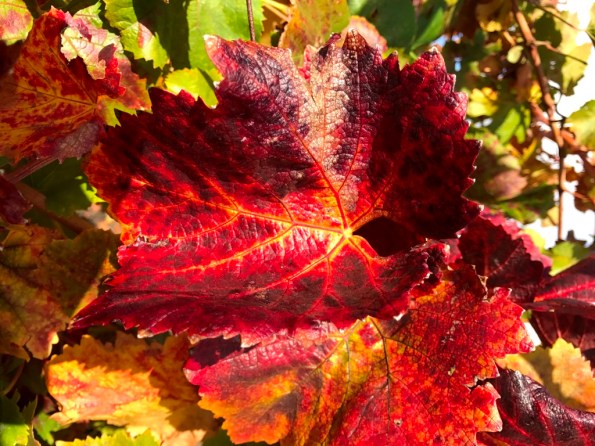
And now, let’s touch on the most controversial “environmental affiliation” of them all – natural wines. It is interesting to see the first reaction of many people when they hear the term for the first time – “natural wines”???? “All wines are made from the grapes, aren’t they all natural”? The idea behind natural wines is low intervention. During the grape growing part of winemaking, the process is somewhat similar to the sustained/biodynamic principals with the exception that some of the rules are made absolute, like no irrigation under any circumstances – but unlike all other methods, where there are external bodies which certify and enforce the rules, the natural wines are the truth in the eye of the beholder – the winemaker, in this case – whatever the winemaker believe “natural” means, that is what she will be practicing.
The wine was first made about 8,000 years ago. Nobody would ever tell if it was sustainable, organic, biodynamic or natural – we can only guess that it was made from grapes. But if we want the wines to be made for the next 8,000 years, we need to take care of the environment. Sustainable, organic, biodynamic – let’s leave this place a little bit better than we found it, for all of those who will come after us.
This post is an entry for the 36th Monthly Wine Writing Challenge (#MWWC36), with the theme of “Environment”. Previous themes in the order of appearance were: Transportation, Trouble, Possession, Oops, Feast, Mystery, Devotion, Luck, Fear, Value, Friend, Local, Serendipity, Tradition, Success, Finish, Epiphany, Crisis, Choice, Variety, Pairing, Second Chance, New, Pleasure, Travel, Solitude, Bubbles, Smile, Winestory, Obscure, Faith, Translation, Once Upon A Time, Memory, Eclipse
And if you really like this post, please vote for it here: #MWWC36
Beaujolais Nouveau Est Arrivé! 2017 Edition
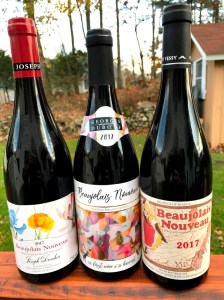 I know, it’s been [more than] a few days since the coveted words “Beaujolais Nouveau Est Arrivé” had been heard again, now in 2017 – but my posting desires don’t always match the real life, hence my Beaujolaies Nouveu notes are arriving a bit late this year.
I definitely like Beaujolais Nouveau – not always the wine itself, but for sure, the idea. It is fun to celebrate new harvest, and that’s what Beaujolais Nouveau does – the wines are made from the freshly harvested grapes, and as such, Beaujolais Nouveau wines are not polished – they are fresh, they are rasp, they want to play and don’t want to have any bounds – the babies, what can you do.
Ever since this blog started, I made an effort to share my notes and thoughts about Beaujolais Nouveau wines – here you can find the posts from 2010, 2011, 2012, 2013, 2014, 2015 and 2016. The 2012 post has a bit more information about the history of the Beaujolais Nouveau and the celebration overall.
Thinking about the year 2017, I wonder if the Beaujolais Nouveau celebration is getting a little smaller? In the past years, many of the wineries around the world (California etc.) also produced their version of the Nouveau wines – I had not seen those in a few years. I didn’t see much of the promotion and event advertisement for the Beaujolais Nouveau celebration in the USA and around the world. It also seems that the wines were priced at a little less – I have a frame of reference as I always buy my Beaujolais Nouveau wines at one and the same store, so it seems that the prices were less by a dollar for all the different brands.
Over the past few years, I noticed that Georges Duboeuf wines are produced with different labels within the same vintage. 2017 was not an exception – I saw different labels on Internet, and I also saw different types of enclosures in the different markets. All 3 wines I tried were enclosed with some type of cork, natural or synthetic. But then I saw Georges Duboeuf wines enclosed with a screwtop, for instance, in Helsinki – you can see it here.
How were the wines, you ask? It seems that modern Beaujolais Nouveau wines keep increasing their extraction and overall mouthfeel – they really don’t feel all that “Nouveau”, except the nose of the freshly crushed berries which is unmistakably present, but even that is getting more restrained and balanced. Definitely interesting wines, definitely drinkable, and dare I say it, possibly ageable past the traditional 9 months? Not that you need to age Beaujolais Nouveau, but it can be an interesting experiment.
Anyway, here are my notes:


Last Bottle Sign Up ($10 credit)




 Talk-A-Vino