Wineries of New England: Connecticut Winery Trail
 I was back and forth on this post for a while. One one side, an experience is an experience, and it is worth sharing in the blog, as this is what it is for. On another side, what if the experience was not on par? Not on par with your expectations, not on par with what you thought it should’ve been – is that something worth sharing? Or is it not? I’m talking about an experience which was not bad – in general, bad experiences are worth sharing as you might help others to avoid repeating them, or at least you can shout to the world and feel better. The tough case is when the experience was simply mediocre, just an okay type – what do you do then?
Well, I only have two options here – keep the internal debate going, or write the post and share the experience for what it was. Considering that you are reading this post, you already know what route I took, so let’s get to it.
I live in Connecticut for more than 20 years. I’ve caught the wine bug at least 12 years ago. All these years, while I knew that wines are made in Connecticut, I never visited a Connecticut winery – and was actually kind of ashamed of it. During the summer of 2014, the opportunity presented itself, and I was very happy to finally get acquainted with the Connecticut wines at the source.
It appears that modern winemaking started in Connecticut in 1975. Haight Vineyards, now known as Haight-Brown Vineyards, was the first winery to open, and the first vineyard in Connecticut to successfully grow Chardonnay and Riesling. From there, the industry had grown to about 37 wineries in the state in 2014. While Connecticut is not a large state by all means, the wineries are located all over it, so you can only visit a handful of wineries in one day.
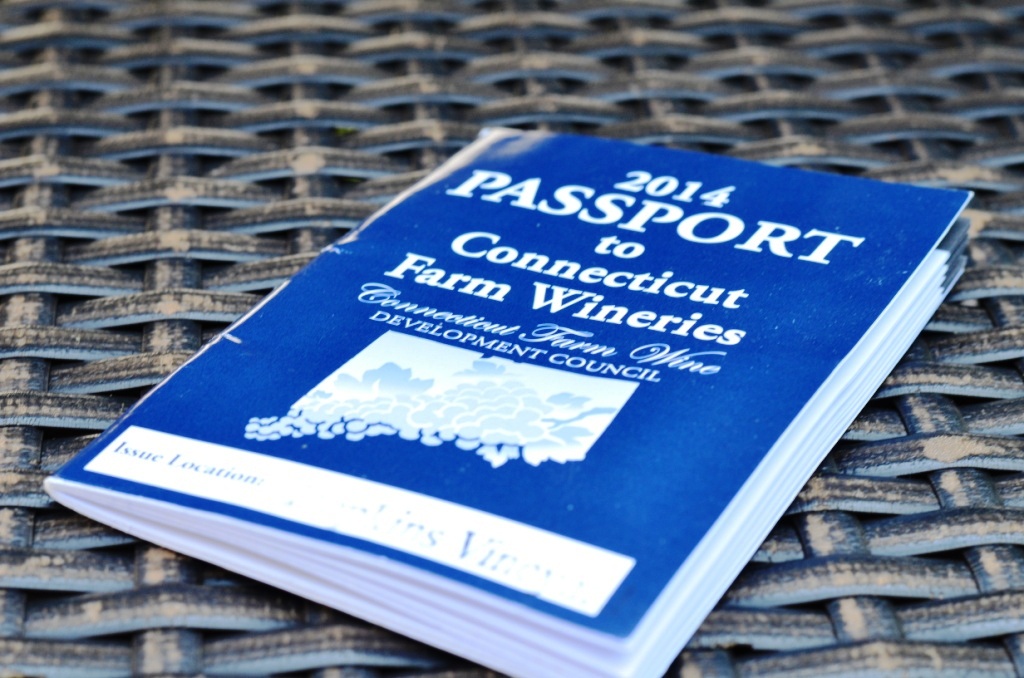
Before we talk about wines and wineries, I want to mention an interesting program, called “Passport to Connecticut Farm Wineries”, which is a very smart way to get people interested in visiting more wineries than they otherwise would. The Passport is a small booklet which lists participating Connecticut wineries and allows you to collect special stamps from all the wineries you visited. In case you are wondering, this Passport booklet can be picked up at any participating winery. New “Passport” is issued every year, and it is sponsored by the Connecticut Department of Agriculture. However, it is worth noting that to be listed in the Passport, each winery have to pay an X amount of money ($2,400 in 2014), and some of the wineries simply skip on participation as they don’t find that worthwhile.
As you collect the stamps at the wineries you visit, you have an option to turn the Passport in by the certain date (it was November 16th in 2014). If you happened to collect all the stamps in the Passport booklet (i.e., visited all the wineries listed, 33 of them in 2014), you will be entered into a drawing to win a two week long trip for two to Spain. With less than a hundred people accomplishing it every year, your chances of winning are quite high. Also, if you will visit 16-32 wineries, you can still participate in the drawing for many interesting prizes. Prizes are good, of course, but even the sheer idea of collecting the stamps makes people to visit more wineries (works on yours truly as a charm).
Okay, now – let’s talk wineries. We only explored 4 wineries during our trip in August, all located in the north-west corner of the state. As a generic note, most of the wineries in the Northeast grow mostly an American hybrid grapes (Vidal Blanc, Cayuga, Marechal Foch, Chambourcin and so on), with the addition of the traditional staples such as Chardonnay, Riesling, Cabernet Franc and Cabernet Sauvignon. Also, most of the wineries we visited charge $10 – $12 for the tasting ($12 tasting also includes the winery logo glass), which is not that bad.
Our first stop was Hopkins Vineyard, one of the oldest in the state – it was founded in 1979, as the result of conversion from the dairy farm to the vineyard. I was very excited to start my discovery of the Connecticut vineyards – but somehow, that enthusiasm was quickly extinguished with the cold and indifferent demeanor of our host. The guy who was running the tasting for us, couldn’t care less about the group. He was not interested in conversation. He barely answered questions, with his whole attitude been “I’m so tired of you people”. And the wines themselves were not helping. For what is worth, below are my brief notes:
2011 Hopkins Vineyard Duet Estate Bottled ($14.99, Chardonnay/Vidal Blanc) – nice acidity, good white fruit, medium-long finish. Drinkability: 7
2012 Hopkins Vineyard Vineyard Reserve Estate Bottled ($14.99, Seyval Blanc/Traminette) – nice nose, flat palate. Not recommended.
2013 Hopkins Vineyard Lady Rosé Estate Bottled ($15.99, Dornfelder/Lemberger/Pinot Noir) – nice, strawberries on the nose, crisp, but acidity is overbearing. Not recommended.
2010 Hopkins Vineyard Cabernet Franc Estate Bottled ($21.99) – excellent nose, green bell pepper, nice earthiness, good earthy palate. Drinkability: 7+


NV Hopkins Vineyard Red Bard Red ($14.50, Corette Noir and other hybrid grapes) – nice, young, simple, fresh fruit, touch of spices, raspberries and blackberries. In addition to the fact that this was one of the better wines in the tasting, Corette Noir was also a new grape! Drinkability: 7+
NV Hopkins Vineyard Sachem’s Picnic ($14.50, Boca Noir, Dechaunoc) – touch of sweetness, nice for Sangria. Drinkability: 6+
As you can see, this was not a very exciting beginning of the discovery of Connecticut wineries. The actual highlights of this first stop were found outside of the winery in the form of the beautiful sunflowers:


Our next stop was a Haight-Brown Vineyards – the winery I already mentioned as the very first in Connecticut, opening its doors in 1975. The winery was known as the Haight Vineyards until 2007, when it was acquired and renamed into the Haight-Brown Vineyards.
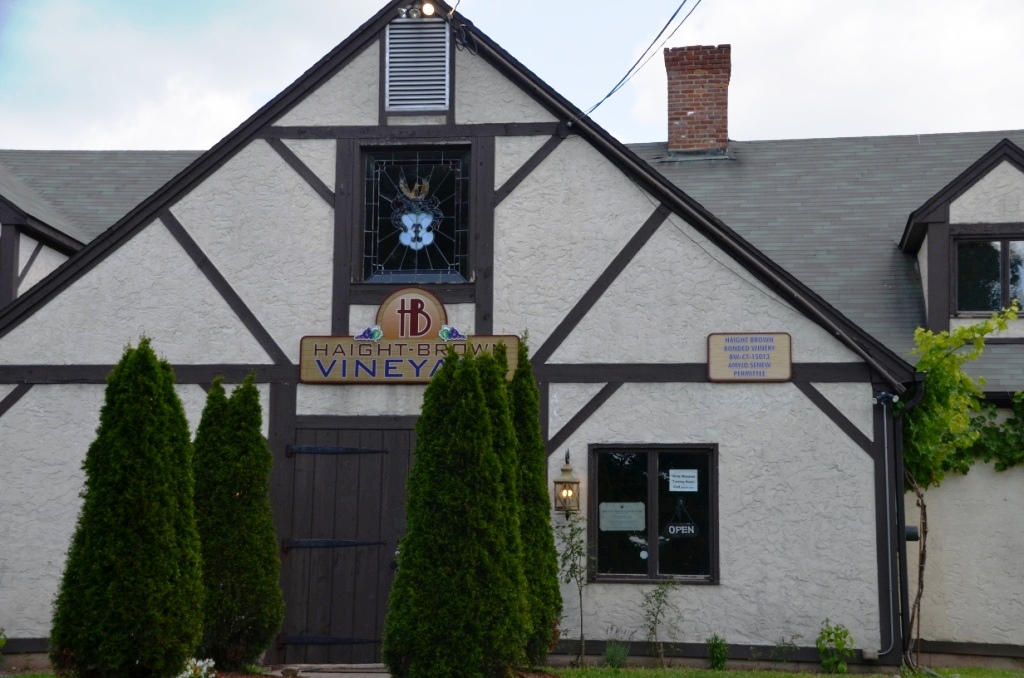 Here we received a better reception, and things started to look up a bit compare to the first visit. Still, no revelations and really no wines which would leave any memory marks. I’m also curious why none of the tasting notes list any vintages for any of the wines. You would think that the notes are reprinted for every new wine, so it shouldn’t be very difficult to add the vintage there – however, none of the wineries we visited had this information on. Another interesting note was a proud mention of the 15% ABV for the Big Red wine (none of the other notes have ABV listed) – it was almost shown as a point of achievement, which was really mind boggling to me. In addition to the wines, you can buy different olive oils at the Haight-Brown tasting room. And, most importantly, Haight-Brown offers meat and cheese boards, which came in very handy as the group was ready to eat. For what it worth, below are the wine notes:
Haight-Brown Vineyards Chardonnay ($16.98) – Chablis nose, restrained, green apple, good acidity. Drinkability: 7+
Haight-Brown Vineyards Railway White ($14.98, Seyval Blanc) – tropical fruit and lychees on the nose, nice creaminess on the palate, ripe golden delicious, good acidity. Drinkability: 7-
Haight-Brown Vineyards Riesling ($16.98) – Finger Lakes fruit. Nice nose, but needs more acidity. Drinkability: 7-
Haight-Brown Vineyards Picnic Red ($15.98, Foch/Dechaunoc) – simple, nice, open grapey nose, the same on the palate. Drinkability: 7
Haight-Brown Vineyards Morning Harvest ($19.98, Ruby Red Cabernet) – green bell pepper nose, classic, light and balanced Cabernet palate with a touch of sweet oak. Drinkability: 7+
Haight-Brown Vineyards Big Red ($19.98, 15% ABV, California Cabernet Sauvignon) – Classic, big flavors, nice green notes, okay balance. Drinkability: 7-


Our next stop was at the Sunset Meadow Vineyards, which probably was the highlight of the day – for sure in the terms of very friendly service. And then the wines were a bit better than at the previous two wineries. Interestingly enough, the Shades of Risqué Sparkling Wine, simple and unassuming, was my personal favorite. Here is what we tasted, with the notes:
Sunset Meadow Vineyards Riesling ($21.99) – interesting, acidic, light. Drinkability: 7
Sunset Meadow Vineyards Cayuga White ($16.99) – beautiful nose of pear and apple, good acidity, good balance. Drinkability: 7+
Sunset Meadow Vineyards Vidal Blanc ($18.99) – nice residual sweetness, good balance. Drinkability: 7+
Sunset Meadow Vineyards Blustery Blend ($16.99, Cayuga/Seyval Blanc/Chardonel) – nice nose, palate too sweet. And new grape – Chardonel! Drinkability: 7
Sunset Meadow Vineyards St. Croix ($24.99, 24 mo in oak) – nice earthy nose, a bit astringent on the palate with some salinity. Drinkability: 7-
Sunset Meadow Vineyards Merlot ($18.99, 24 mo in French oak) – tobacco and green pepper on the palate, overall missing the balance. Drinkability: 6+
2012 Sunset Meadow Vineyards New Dawn ($22.00, Landot Noir/Frontenac/Petit Verdot/Merlot) – astringent, sharp, spicy. Drinkability: 7-
Sunset Meadow Vineyards Shades of Risqué Sparkling Wine ($16.99) – round, simple, good balance. Drinkability: 7+
Sunset Meadow Vineyards Root 63 ($16.99) – nice and round, good balance. Drinkability: 7+
To be entirely honest, we also stopped at the Miranda Vineyards, but – I don’t have any notes to share. I remember tasting the wines (no standouts), and I remember taking the pictures – I even have a stamp in the Passport book – but no notes. So here are a few pictures for you:


There you have it, my friends – my first encounter with the Connecticut wineries. Not a great experience – but still an experience, which will leave a memory mark. I would think that 40 years should be a good time period to figure out what works, what doesn’t, what grows well, and then make interesting wines – but it was not really the case. Yes, there are more wineries in Connecticut, and so there is a hope for the memorable wines to be found close to home. And by the way, if you visited wineries I mentioned, and had a different experience – let me know – may be it was a root day after all. Cheers!
Daily Glass: A Super-Local Pinot
 While talking to a friend on Facebook, she asked: “would like to try a local Pinot Noir”? Care to guess my response? Yeah, a dumb question, you know what I said – “of course” and “yes, please” (insert an appropriate number of exclamation points on your own). Mentioning that she will be sending the wine in a few days, she reiterated again – it will be a local Pinot Noir, or may be even rather a super-local.
As my friend lives in Silicon Valley in California, my thought was – okay, of course it will be a California Pinot Noir, so “local” means produced locally in California. I was of course curios what exact Pinot Noir it will be, but hey, patience is a virtue of a oenophile, isn’t it?
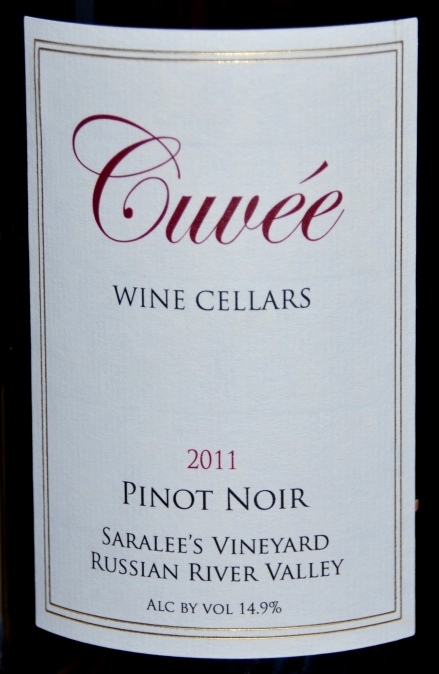
The package arrived, with the bottle of California Pinot Noir in it. 2012 Cuveé Wine Cellars Pinot Noir Saralee’s Vineyard Russian River Valley (14.9% ABV). Okay, so I’m sure that most of you never heard of Cuveé Wine Cellars – but the wine has Russian River Valley designation, so that’s the whole “local California” story, you ask?
Well, the wine actually is super-local. While the grapes were harvested in Russian River Valley, the wine was made locally in Silicon Valley, in the town of San Carlos, a small town near San Jose, where Cuveé Wine Cellars is located. As it often happens, especially with the urban wineries, the driving force behind Cuveé Wine Cellars is passion – and you can check their story on the Cuveé Wine Cellars web site.
How was the wine? In a few words – delicious with a great aging potential. When I opened it on the first day, the aromatics of Pinot Noir were incredible, one of the most pronounced California Pinot I ever had a pleasure to smell – forest floor, smoke, mushrooms, licorice – all very concentrated. The palate was well supporting the aroma, with silky-smooth, rich texture. Very concentrated (using the word again, sorry), with lots of fruit, chocolate, the same mushroom undertones and good acidity. But honestly, it was a bit too much. Don’t get me wrong – there was no jammy fruit or sharp biting alcohol in this wine – but you know how sometimes you are looking for the subtlety of the favors, for a bit more grace and mystery? My wish was granted on the day 3, when wine still had all the aromatics, but the palate became more mellow and intricate. Drinkability: 8+
That’s my story of the super-local Pinot – and an ode to the great friends. Cheers!
Daily Glass: The Wine That Begs The Eternal Question
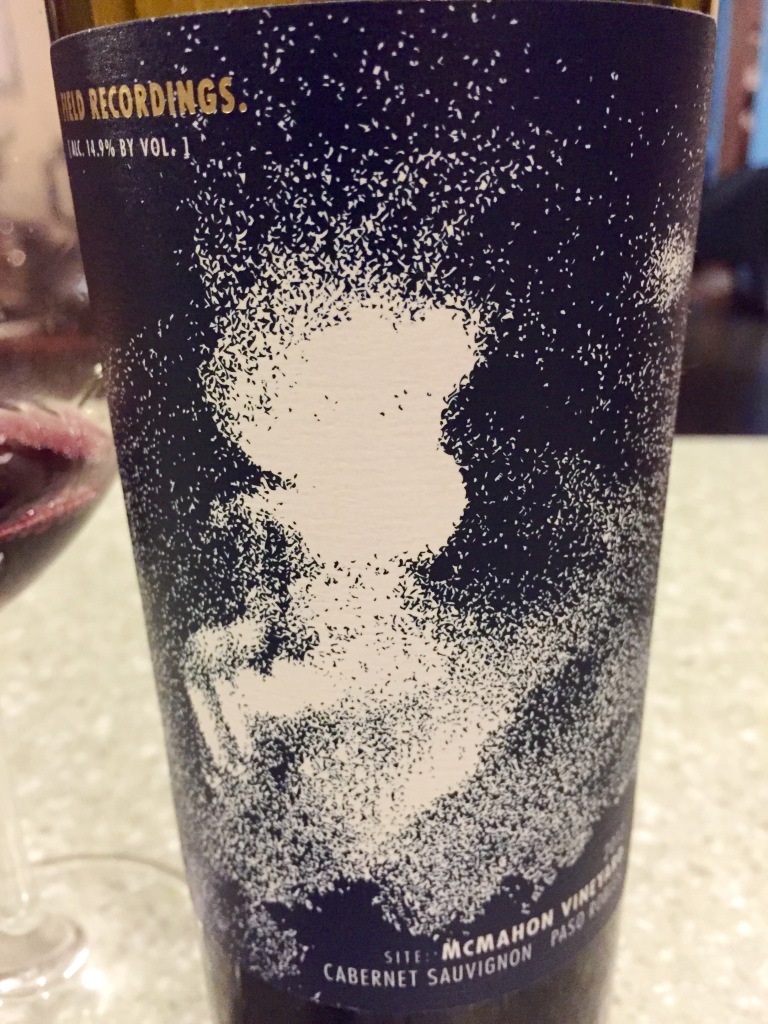 Eternal question, you say? Which one of them? Wine is a well known suitor of the Eternal, so yeah, a few questions are lurking for a while…
The one I’m talking about is akin “chicken and egg” case, with a spin. Is the wine made in the vineyard or at the winery? Is it winemaker or the grape? Well, rest assured – I’m not trying to jump on this subject just for the sake of conversation. It just happened that the wine I opened yesterday made me ponder at that exact question.
What wine? 2012 Field Recordings Cabernet Sauvignon McMahon Vineyard Paso Robles (14.9% ABV, $29, 83% Cabernet Sauvignon, 17% Tempranillo, 16 month in 89% new French oak, 11% new American oak). What made me to think of the terroir versus winemaker? The aromatics. The wine had not a glimpse of Cabernet Sauvignon characteristic aromas – no cassis, no bell peppers, no eucalyptus. But on the nose there were plenty of spices. There was a hint of a forest floor, mushrooms, a touch of barnyard. There was also a smoke, and plenty of it. There was pepper. And there was tar and pencil shavings. So, what do you say – was that a winemaker talking, or the vineyard?
The palate, unfortunately, didn’t fully support the excitement. There was lots happening (still no cassis or anything else reminiscent of Cabernet Sauvignon), but there was lots of fruit, and vibrant acidity. At times, the wine was borderline jammy, only to be cleansed with the subsequent punch of acidity. I was looking for more balance, and it didn’t happen. Drinkability: 7
So in the end, I got no answers and more questions. Was that a bad wine? I don’t think so, as aromatics brought in lots of pleasure, and it was thought provoking on the palate. Did I open this wine too early? Yep, I’m quite convinced I did. Was that wine made in the vineyard or in the winery? I have no idea, so yes, the floor is yours… Cheers!
Month in Wines – December 2014
Feels a bit strange when we are already in 2015, and I’m writing about the wine highlights from the month which belongs to the last year. Well, but then it is just a calendar, after all, and another month is just another month.
December 2014 was not super-eventful when it came to wines – but some of the wines stood out. Here are the most interesting wines of the December 2014:
2007 Ferrari Perlé Trento DOC, Italy (12.5% ABV, $35, 100% Chardonnay) – Delicious. Perfectly round, with all the undertones of a great sparkling wine. 8+
NV Rivarose Brut Rosé Provence – Unexpectedly delicious. Never had Provence Sparkling until now, and this was an excellent wine, clearly reminiscent of Provence Rosé, but with the addition of toasted bread and yeast. 8
2011 Bodegas Volver Volver La Mancha DO (15% ABV, $27/Magnum) – One of my all times favorite Spanish wines. Dark, dense and powerful – good amount of fruit, but also lots of spices, espresso and pencil shavings in every sip. Also pretty much an unbeatable value. 8-
1998 Ceretto Monsordo Langhe DOC (13% ABV, $NA) – This was my last bottle. Sigh… It doesn’t show as a young wine, but at the same time the fruit is well present, coupled with excellent tannins and acidity. 8+
2010 Chateau Saint-Pierre Tradition Cotes de Provence, France – While Provence is famous for their Rosé, this was an excellent red wine. An old world profile, blackberries, spices, touch of pepper, very elegant and restrained. 8
2004 Tenuta Friggiali Rosso di Montalcino DOC, Italy (13.5% ABV, $30?) – Unmistakably Italian. Fresh acidity, leather, earthiness, well present tannins with good astringency, kitchen spices, tart cherries, medium to long finish. Needs food. 8-
2011 Barton & Guestier Bistro Pinot Noir 2011 Pays d’Oc IGP (12% ABV, $9) – Simple, but without any flaws, which makes it a great every day wine (look at the price). Fresh fruit, good acidity, touch of lavender. 7+
2009 Chateau Roland La Garde Blaye-Cotes de Bordeaux AOC (14% ABV, $17) – Good Bordeaux, especially at a price. Warm, inviting, touch of cassis and bell peppers, eucalyptus, blackberries, good acidity and good balance. 7+
2007 Erba Mountainside Vineyards Proprietary Red Wine Napa Valley (14.8% ABV, $55) – Delicious, textbook quality Bordeaux blend from California. Perfectly round, supple, luscious, heart-warming with every sip. 9-
2011 Cuveé Wine Cellars Pinot Noir Saralee’s Vineyard Russian River Valley (14.9% ABV, $28) – Another textbook classic from California, this time – a textbook California Pinot Noir – warm, dense and concentrated. Let me leave it at that. 8+
Graham’s 20 Years Old Tawny ($45.99) – delicious complexity of the aged Port – dried fruits, nuts, good amount of sweetness and fragrant lightness which shows in a well made, well aged Port. 8
Blandy’s Malmsey 10 Years old Madeira ($23.99) – A depth of flavor only Madeira can show – lots of dried fruits and nuts with a dash of salinity. Very elegant, good acidity makes it quite refreshing. 8
And we are done here. If you had any of these wine, let me know what do you think. If you tasted any great wines in December – please share. Cheers!
Happy New Year 2015! Also Wine Quiz Answer and #MWWC14 Theme
 Happy New Year 2015! I wish you all Happy, Healthy and Peaceful year! I think if we can have just these three elements (our own and ours happiness, our own and ours health and peace in this fragile world), everything else will just fall in place.
While I’m a bit tempted to analyze the past year and to talk about the plans for the this year, I will not go there. 2014 was a very good year with lots of great experiences, and I can only wish for 2015 to be at least as good as the previous year. But what I actually plan to do over the next few weeks is to create a number of posts which will be still talking about the events of 2014 – the events which still hold personal relevance and cause a burning feeling of incompleteness as they were thought through probably a thousand times. So yes, this is something which you should expect.
Now, let me give you the answers for the last wine quiz #117, where you were supposed to guess the names of the wines based on the pictures of the top foil. Here are the pictures, now with the names of the wines:
-

- 1. Hess
-
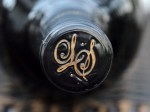
- 2. La Storia by Trentadue
-
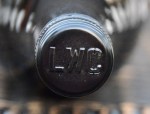
- 3. Loring Wine Company
-
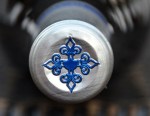
- 4. Guardian Cellars
-
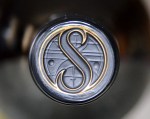
- 5. Steele
When it comes to the answers, a number of people were able to properly name one of the wines. I would like to acknowledge Zak (no web site) who properly named 3 wines out of 5. And I saw a number of comments promising to pay more attention to the bottle foils, which I’m glad to hear. There will be more of the quizzes like this, but I need to come across some new wines first.
Next up I want to bring to your attention that Monthly Wine Writing Challenge #14 ( dubbed #MWWC14) is in the full swing with the theme “Tradition“, as announced by the winner of the last round Bill of Duff’s Wines. You can find all the rules and regulations in this post, but the most important date you need to know is the submission deadline date, which will be Monday, January 26th. Get out of the holiday food coma and get your creative juices flowing!
The last note for today. For those of us who writes the blogs, we want our content to be found. At the same time, there is lots of content created everyday, so to be found, the content have to stand out. I recently came across an interesting article called How To Make User-Friendly (And Search-Engine Friendly) Scannable Content which I want to share with you, as it offers some of the good advice to all the writers. I also added this link to my Best Blogging Tips page so it will be easy to find in the future.
And that’s all I have for today. Enjoy your first weekend of 2015 and cheers!
Top Twelve of 2014
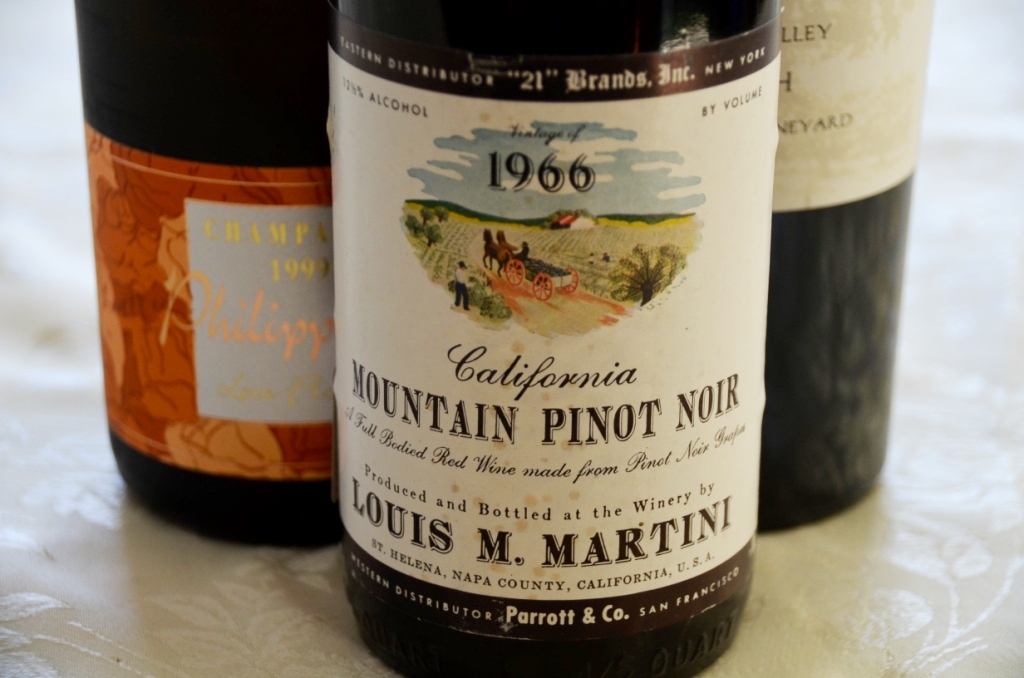
1966 Louis M. Martini Pinot Noir
And here we are – Talk-a-Vino Top Dozen of [most memorable] wines from 2014. I already presented to you the second half of the top list (here is the link), together with all the explanations regarding rationale and all the dos and don’ts, so instead of repeating myself, let me jump directly to the wines. If you still need explanations, use the link above.
12. 2005 Domaine Philippe Bornard Arbois Pupillin La Chamade Ploussard, Jura, France ($50) – To a degree, this wine was representative of a great Jura tasting I attended. As most of Jura reds, it had an impression of lightness masking a great level of complexity – fruit, herbs, minerality, sapidity – a very impressive package. It is not easy to find, but worth looking for.
11. NV Ayala Champagne Brut Majeur ($32) – one of my very favorite Champagnes. It has everything I want in the Champagne – yeastiness, toasted bread, apples, clean and vibrant acidity – with all the elements coming in the “just enough” amount. A perfect Champagne sip every time – try it for yourself.
10. 2012 Centanni Rosso Di Forca Rosso Piceno DOP, Italy ($19) – I was familiar with the wines of Marche region in Italy for a while – but my preference was always with the Marche whites – until I tasted this wine. Luscious, layered, with impeccable aromatics and complexity – delizioso!
9. 2010 Marco Sambin Marcus Veneto IGT ($NA) – A soulful wine – is that a good enough description?
8. 2010 Vineyard 511 Cabernet Sauvignon Diamond Mountain ($125) – Stunning California Cabernet Sauvignon – restrained and tightly weaved, as you would expect from the mountain – side fruit, and then balance, balance, balance.
7. NV Foggy Ridge Serious Cider, Virginia ($16) – discoveries, discoveries, discoveries – 2014 was anything but short on those. Who knew that cider (just think about the word – somehow, the mental picture doesn’t equate to “greatness”) can be so amazing? Phenomenal acidity, coupled with such a firm structure and effervescent lightness that you say “wow” and pour yourself another glass. Seek hard cider, people, as it has greatness!
6. 2012 Mark Ryan The Dissident Columbia Valley ($34) – yet another wine chosen to represent a great discovery of 2014 – wines of Washington state. This wine was a quintessential representation of Cabernet Sauvignon blends I tasted during the visit, with a pure cassis expression and impeccable balance. Yes, I’m abusing the “balance” descriptor, nevertheless – a beautiful wine.
5. 2011 Fekete Béla Olaszrizling, Somló, Hungary ($25) – yet another discovery: there is lots more to the Hungarian wines than Tokaji and Egri Bikavér (red wine also called Bull’s Blood). It appears that Hungary has lots of volcanic soils, and the winemakers there can bring it on (yep, the famed “terroir”) to the forefront of your glass. This wine was complex, mineral driven with the pure gunflint notes, and simply delicious.
4. 2011 Michel Chapoutier Tournon Mathilda Shiraz Victoria, Australia ($14.99) – you could see my raving mentions of this wine in a many posts throughout the year. Sorry, but I can’t help it – this wine is so unique and different, with such a purity of the peppery expression of Syrah – you can’t help it but to say “wow” with every sip.
3. 2012 Willis Hall Viognier Columbia Valley ($22.99) – may be the best Viognier I ever had. If not The Best (this is a very hard nomenclature when it comes to wines), but definitely one of the very best. Perfumy nose and elegant, silky smooth body. Simply delicious.
2. 2007 Pago Marqués de Griñon Emeritus, DO Dominio de Valdepusa ($75) – until I tasted this wine, yes, I knew that Spain produces good wines from the international grape varieties, such as Cabernet Sauvignon. But at such level? This wine was a true revelation – classic Cabernet Sauvignon with cassis, mint, eucalyptus and finesse.
1. 1966 Louis M. Martini California Mountain Pinot Noir ($NA) – I had no expectations when I opened the bottle of the 48 (!) years old wine. To be more precise, I was not expecting anything good. What I found in my glass was simply mind blowing – still fresh, still elegant, perfectly recognizable as Pinot Noir and delicious! This was the first wine ever to receive a 10 rating from me – I hope it tells you something.
And we are done here, my friends – the last post of 2014! I wish you happy, healthy, joyous and peaceful 2015, full of amazing discoveries!
Happy New Year 2015!
Top Wines of 2014 – Second Dozen
 Here we go again – another year is winding down in a mere 2 days. Thus the time has come to summarize all the great wine experiences of the 2014. It is always fun, and it is always a challenge – was that wine worthy of the “Top Wines” list? Or may be the other one? You know, this is my personal list, so trying to conduct a voting wouldn’t really help, it still will be up to me to decide. But at this point this is a tradition (no, I’m not looking for an easy play on the Monthly Wine Writing Challenge, where “Tradition” is an actual theme of the challenge #14) – I created the Top Wines lists in all the years this blog existed – here are are links for 2010, 2011, 2012 second dozen, 2012, 2013 second dozen and 2013 top – so 2014 will not be an exception.
Let’s make things clear. This list doesn’t have any technical merit. It doesn’t have any price merit. I’m not trying to be fair to all regions. The wines included into this “Top” list created an emotional connection. They were thought provoking. They made me to say “wow”, may be multiple times. And they created memories, they didn’t leave me indifferent. So in reality, this is the list of most memorable wines of 2014 – here, I said it.
For the past two years instead of being a “top dozen” list, the list rather includes two dozen of wines, and sometimes even a few more. I do get to taste a lot of wines throughout the year, so I don’t feel that I have to constrain the list to the 12 wines only – hence the two separate posts. Well, and I have to say that even for the memorable wines, the list is not all encompassing by any means. Lots and lots of very worthy wines were left outside of this list – but they all live on the pages of this blog. And the last few words about the information you will see below. If I wrote about the wine in the past, you will see a link. Also, in the past, I was requested a few times to provide the retail prices for the wine. I will gladly comply, where possible, however, there might be some unavoidable omissions.
Here we go:
24. 2012 Villa Bellangelo 1866 Reserve Riesling Finger Lakes ($32) – this probably was the best one out of the group of excellent wines from Villa Bellangelo and a number of other wineries from Finger Lakes. To be entirely honest, I chose this wine to rather represent my discovery of the Finger Lakes wine region as world-class wine producing area. I had a number of Finger Lakes wines in 2014, and they were simply one better than the other. This particular wine had a beauty of Riesling with all the restrained white fruit notes, supported by excellent minerality and acidity – just the wine you want to drink all the time.
23. 2010 Bodegas Rafael Cambra Soplo Valencia DO ($11, 100% Alicante Bouschet) – beautiful, powerful and playful. A unique grape, often used only for the blending, as it adds color, produced powerful and delicious wine.
22. 2007 Ferrari Perlé Trento DOC, Italy ($35) – simply delicious sparkling wine. If I would drink sparkling every day, Perlé would be one of the top contenders. Round and perfectly balanced in every drop.
21. 2010 Le Tourmentin Valais AOC, Switzerland ($NA, blend of Pinot Noir, Cornalin, Humagne Rouge, Syrah) – delicious old world wine – bright fruit and the wine cellar aromatics. Outstanding. Wish it would be available in US…
20. 2011 Navaherreros Blanco de Bernabeleva Vinos de Madrid DO ($14.99, 50% Roussanne, Albillo, Macabeo) – big, plump and balanced – ripe white fruit in the firm package, with minerality and baking spices complexity.
19. 2013 La Garagista Coup de Foudre White Pétillant Naturel, Vermont ($NA, 100% Brianna) – this was my first experience with Pétillant Naturel wines – sparkling wines where the first fermentation is finishing in the bottle. The wine was refreshing, with perfect minerality, and thought provoking, with each sip begging to take another. A great discovery of 2014.
18. 2011 Adega Pedralonga Albariño, Rias Baixas, Spain ($22) – an incredibly sophisticated Albariño – lots of minerality, a fresh sea breeze, delicious fruit and perfectly balancing acidity – a beautiful and unique wine. You really have to try it for yourself – if you can find it.
17. 2010 Lenné Estate Pinot Noir Yamhill-Carlton AVA, Oregon ($45) – I had a number of delicious Oregon Pinot Noir wines, all of a great power and finesse, so it was really a learning experience. I chose Lenné to represent this discovery, as the wine was outstanding – different, dark, concentrated, with explicit minerality, herbs and perfect balance.
16. NV Mumm Napa Brut Prestige, California ($20) – a Champagne precision – acidity, elegance, touch of fresh apple, perfectly balanced. California Sparkling wines give a great run to Champagne for the money, and this Mumm sparkler is one of the best examples. Whatever you are celebrating, this wine will perfectly complement it.
15. 2010 St. Clement Oroppas Cabernet Sauvignon Napa Valley ($45) – Delicious Cabernet Sauvignon, classic Napa Valley rendition – fruit forward but restrained enough to let the balance shine – tannins, acidity, fruit – everything in a perfect harmony.
14. 2007 Teixar Garnatxa Vella Montsant DO ($75) – a textbook Grenache. Dark chocolate, ripe fruit – all tightly put together on the firm, muscular body. A hedonistic pleasure.
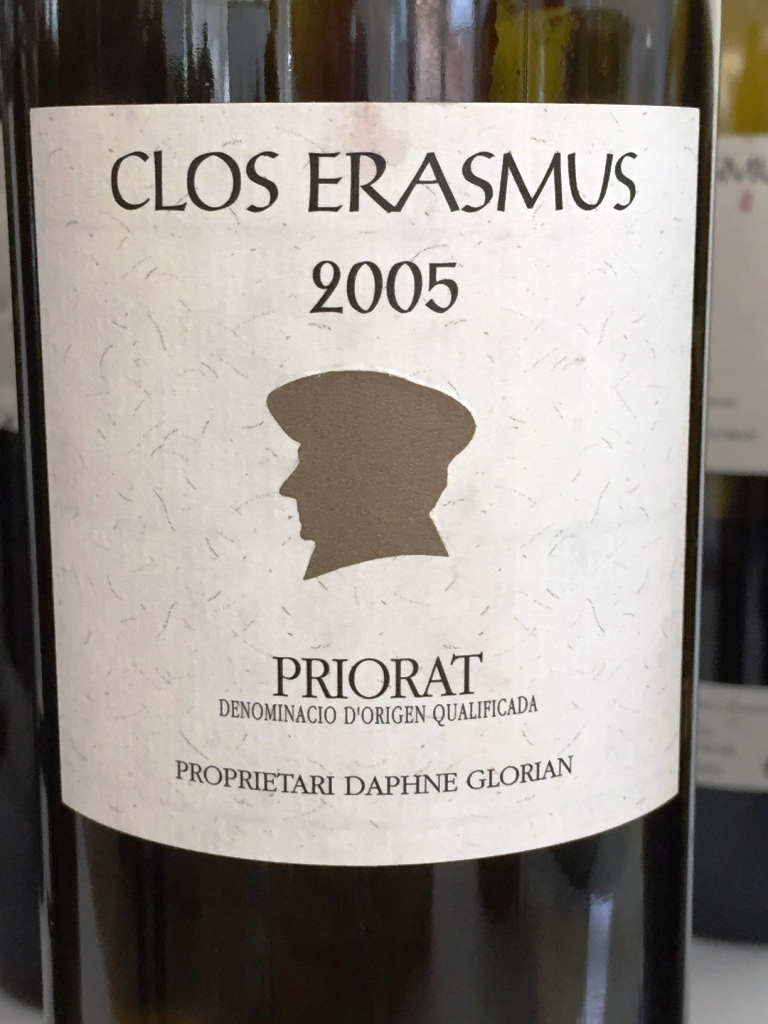
13. 2005 Clos Terrasses Clos Erasmus Priorat DOCa ($1,000) – elegant, beautiful, tremendously complex – what else can I tell you? A delicious wine! I don’t get to drink Priorat wines too often, and much more rarely I drink the wines at this price level. However – and you don’t have to believe me – I was first simply blown away by the taste of this wine, and only then I learned about the cost, which is a result of 100 points Parker rating and practically an absence of this specific vintage on the market. Either way, I’m glad I got to taste it.
Before we part, one more note – the wines are numbered, but only for the purposes of the count itself – outside of the wine #1, which is the most memorable wine of the year, the number in the list doesn’t mean much. In other words, it doesn’t mean that I like wine #15 more than wine #20 – I’m sure you got my point.
Have you had any of these wines? What do you think of them?
To be continued…
From Value to World-Class – Celebrating 30 Years of Spanish Wines in USA
 I’m sure that any proud oenophile and wine aficionado is acutely aware of the high class, delicious Spanish wines. Considering that Spain has the biggest planted area under vines in the world, and that wines had been made there for thousand of years, it is a no-brainer that Spanish wines are so well known and well recognized. Right? Well, the interesting fact is that for many casual wine drinkers, Spanish wines are still largely unknown. And, to top it of, you also need to understand that measly 30 years back, the only way to talk about Spanish wines, at least in the US, was by presenting them strictly as “value wines”.
30 years doesn’t sound like a lot – but the notion of time is relative, it fully depends on what is happening during that time. Wines from Spain mission was established in New York in 1984 to increase awareness of the Spanish wines in USA. Spanish quality control system, D.O., was established in 1986. Modern Priorat wines started in 1989. The pace of success and recognition only accelerated from there, with Parker awarding 100 points ratings to 5 Spanish wines in 2007 and Rioja named “Wine Region of the Year” by the Wine Enthusiast magazine in 2007. In 2012 Ribera del Duero became Wine Enthusiast magazine’s “Wine Region of the Year” and 2004 Cune Imperial Gram Reserva became Wine Spectator’s wine of the year in 2013.
To celebrate all the success of the Spanish wines in the USA, Wines from Spain recently conducted special tasting event in New York, called “Spain’s Great Match – wine food design”. The tasting consisted of a number of seminars and traditional walk-around tasting which included both wine and the food. The seminars were hard to get into, I only managed to attend one out of 4 (there rest was sold out almost before they were offered) – but boy, what a seminar it was!
The seminar was led by the wine educator Steve Olson, who was one of the early proponents of the Spanish wines and who was instrumental in helping Spanish wines to gain market recognition in the US.
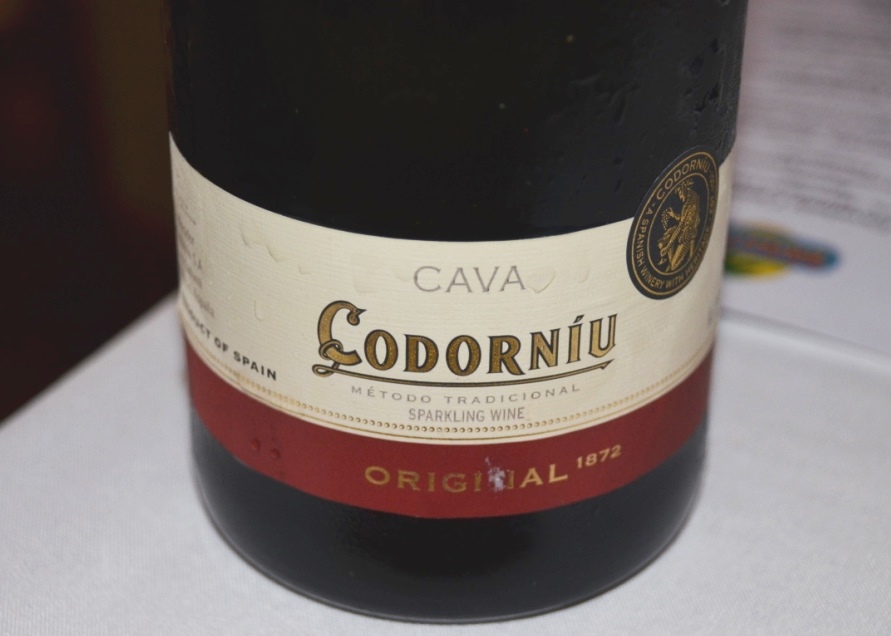
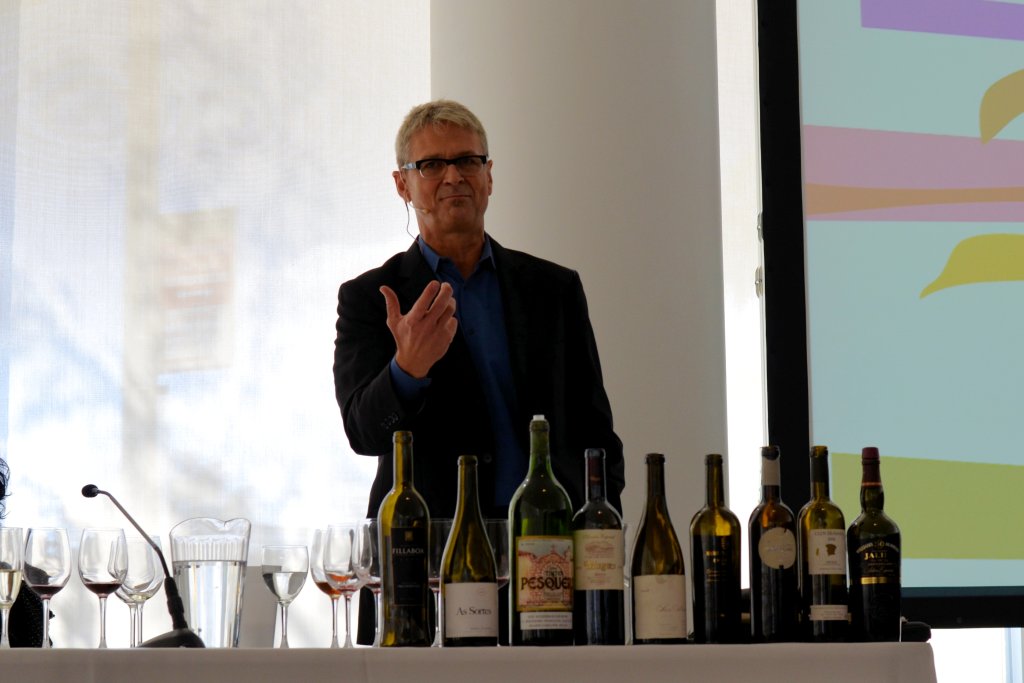 We started tasting from the toast of NV Freixenet Cordón Negro DO Cava, which was surprisingly (yes, please pardon my inner snob) nice, with some toasty notes and good mousse. It turns out that Freixenet was one of the very first importers of the Spanish wines in US, starting from 1974.
Next we had two beautiful whites:
2012 Bodegas Fillaboa Selección Finca Monte Alto Albariño DO Rias Baixas ($30) – Single vineyard, hand-harvested and sorted, made to age. Beautiful complex nose, white fruit, herbal nose. On the palate – pronounced minerality and acidity, literally devoid of fruit – will be interesting to see how this wine will evolve. Extremely long finish. Needs food.
2012 Rafael Palaciós As Sortes Valdeorras DO ($30, 100% Godello) – beautiful nose, white fruit, spices, a good Burgundy-rivaling complexity. On the palate -great acidity, white fruit, perfect balance – excellent texture, minerality and finish. The wine was double decanted before serving.
And then there were [spectacular] reds. All the red wines with the exception of 1984 were double-decanted to help them open up.
1984 Bodegas Alejandro Fernandez Tinto Pesquera DO Ribera del Duero ($30/current release, 100% Tempranillo) – 1984 was very unusual year – grapes were harvested in December(!). Nose – wow! Everything you want in the red wine – cedar box, red fruit, spice cabinet – warm, inviting. Palate – young, astringent, with very present tannins, blackberries – outstanding wine.
2010 Bodegas Muga Reserva Especial DOCa Rioja ($40) – Beautiful, warm nose, complex, touch of rhubarb, ripe fruit. Dry, perfect acidity, blackberries, restrained, great balance, dust on the palate, firm structure.
2005 Descendientes de José Palacio Corullón San Martin, Bierzo DO ($75, 100% Mencia) – this wine was produced for the first time in 1998 at the biodynamically farmed estate. Production is tiny, about 120 cases. Ripe fruit on the nose, eucalyptus, herbs. On the palate – firm structure, great minerality and acidity, spices, great depth, textural dust.
2007 Pago Marqués de Griñon Emeritus, DO Dominio de Valdepusa ($75, 66% Cabernet Sauvignon, 17% Syrah, 17% Petite Verdot) – wow! Amazing – would beat any California Cabernet. Green bell pepper, touch of cassis, great concentration, firm structure, great balance. Drinkability: 9
2004 Bodegas Mauduros San Román, Toro DO ($150, 100% Ink of Toro) – baking spices, concentrated dark fruit, tar, hazelnut. On the palate – delicious, complex, starts from sweetness and evolves almost to astringency. General Tempranillo traits with tremendous concentration.
2005 Clos Terrasses Clos Erasmus Priorat DOCa (~$1,000 for 2005 vintage, about $300 current vintage, 85% Garnacha, 15% Syrah, 100 points Parker) – elegant, open nose, sage, cherries, incredible palate, sweet fruit, spices, blackberries, blueberries, tight frame, impeccable balance, just beautiful. Drinkability: 9
Williams & Humbert Jalifa Amontillado VORS Jerez DO ($35) – this wine is about 50 years old. Very complex nose with anchovy, almonds, hazelnuts. Wow – incredible complexity on the palate – leather, spices, truffle oil – wow! Craves food – and will work with variety of foods.
To say that this was a great tasting would be an understatement – I also like the fact that the wines were selected to showcase major regions and capabilities of the Spanish winemaking.
Yes, this was one and only seminar I was able to attend – but the tasting continued with the extravaganza of other Spanish wines and food. One interesting observation from the tasting was the fact that most of the big name in Spanish wines were absent in the tasting itself – La Rioja Alta, Cvne, Lopez de Heredia, Vega Sicilia, none of the great Grenache wines, like Alto Moncayo, Bodegas Gil – the list can go on and on – none of them were represented. Yes, I understand that for the most part the tasting is run through the distributors and not directly by the wineries, but still. This was the only peculiar observation I made.
And here are two more interesting observations for you (here interesting = positive). First, Godello is coming! Godello is a white grape, indigenous to Spain, which is capable of producing Chardonnay-comparable wines. There were a lot of Godello wines presented at the tasting, most of them of a very good quality. I can definitely say that Godello is squarely joining the ranks of Albariño, Viura and Verdejo, the best known Spanish white grapes. You should definitely look for Godello wines in the store if you want to try something unique and different.
And the second point: in the “inexpensive wines” category, Spain clearly kicks butt! Some of the wines priced at $10 or less were simply outstanding, but even outside of that price range, it is almost impossible to beat Spanish wines in the QPR category.
Before we we will talk about the wines, a few words about the food. There was a lot of delicious Spanish food presented at the event. First of all, there was cheese. For anyone who likes Spanish cheese, that was simply a heaven – lots of different Manchego, Iberico and other cheeses – different age, different pasteurization – a lot more options than you can find at the average store. There were also anchovy, called boquerones in Spain – white boquerones were simply delicious (yes, of course it is a personal opinion). And there was lots of tapas, masterfully prepared right in front of the desiring crowd. The tapas were made periodically, and every time that process would create a crowd of people, all hoping not to miss the new and interesting dish. Food at this event definitely commanded as much attention as the wine had. Here are a few pictures, just to attest to what I just said.


And of course, for what it worth, here are the notes from the rest of the tasting. I have to say that the tasting was organized in a bit of a strange way. My major complaint was the fact that there was no reasonable handout of any sort, so taking any notes of essence was simply impossible. Also the whole tasting was not logically organized, with packets of regional wines mixed with individual wineries and also distributors – the was no system of any sort, which made the overall tasting experience frustrating rather than productive. Anyway, below are my notes, in the usual tasting style, using “+” signs. You will not see any “+” wines, “++” only if really deserve mentioning, so most of the wines should be above “++”. On a positive side, I picked up again a few grapes, which I will mention in the notes. Here we go:
2005 Agricultura y Bodega Renacimento de Olivares Rento, Ribera del Duero ($55) – ++-|, overextracted
2011 Alejandro Fernández Tinto Pesquera, Ribera del Duero ($40) – +++, excellent
2009 Bodega Matarromera Matarromera Crianza, Ribera del Duero ($30) – +++, restrained, nice, ready
2011 Bodegas Emilio Moro Ribera del Duero ($25) – +++, delicious, round
2010 Condado de Haza, Ribera del Duero ($28) – +++, beautiful
2011 Legaris Crianza, Ribera del Duero ($27) – ++-|, not ready
2010 Bodegas Reyes Teofilo Reyes Crianza, Ribera del Duero DO ($31.50) – +++
2013 Bodegas Marqués de Vizhoja Torre La Moreira Albariño, Rias Baixas DO ($19.99) – ++
2012 Condes de Albarei Albariño, Rias Baixas DO ($15) – ++-|, nice, clean
2013 Adegas Morgadio Albariño, Risa Baixas DO ($22) – +++-|, wow! fruit, great! delicious!
2009 Bodega Prado Rey PR3 Barricas Verdejo Rueda DO ($22) – ++-|
2013 Bodegas Angel Rodriguez Martinsancho Verdejo Rueda DO ($22) – +++
NV Finca Hispana Fino DO Montilla Moriles ($8.99)- +++, unbeatable QPR!
2013 Finca Hispana Xarel.lo DO Penedés ($8.99)- +++, unbeatable QPR!
NV Finca Hispana Cava Brut Imperial Reserva Cava DO ($14.99)- +++
2013 Vitivinícola do Ribeiro Viña Costeira Ribeiro DO – +++, clean!
2013 Moure Vinos Artesans Moure Tradicion Blanco, DO Ribeira Sacra ($40) – ++-|
2013 Nivarius Rioja DOCa ($24.99, Tempranillo Blanco and Viura) – ++-| new grape!
2011 Quinta de Muradella Alanda Blanco, DO Monterrei ($35, 30% Dona Blanca, 30% Treixadura, 30% Verdello, 10% Monstruosa de Monterrei) – ++-|, new grapes!
2013 Bodegas Nivarius Nivei Rioja DOCa ($11.99) – ++-|
2011 Losada Vinos de Finca Bierzo DO ($22) – +++, great!
2013 2013 Finca Hispana Garnacha Terra Alta DO ($8.99)- +++, unbeatable QPR
2009 Martinez Lacuesta Crianza, Rioja DOCa ($17.50) – +++
2005 Bodega de Sarria Reserva, Navarra DO ($16.95) – +++
2011 Terra de Falanis Muac! DO Montsant ($16.95) – +++, delicious, spicy!
2012 Pagos Los Balancines Crash, VT Extremadura ($10.50) – ++, mnice!
2012 Moure Vinos Artesans Moure Tradicion Barrica, DO Ribeira Sacra ($29, Merenzao) – ++-| new grape!
Here we are, my friends – a delicious Spanish wine experience with many personal discoveries (like Marqués de Griñon Emeritus – you have to taste it believe it) and the new grapes. Let me finish this post with the question – are the Spanish wines part of your regular “wine lifestyle”? Do you look at the Spanish wines only as a source of value, or do you consider them world-class and the best hidden secret of the wine world? Let me know and cheers!
Weekly Wine Quiz #117: How Well Do You Know Your Wines?
The Wine Quiz series is not meant to intimidate. The whole idea here is to have fun and learn something new. When answering the questions, it is fully encouraged to use all available sources of information, including Google or any other search engine. There are no embarrassing answers – the most embarrassing thing is not giving it a try…
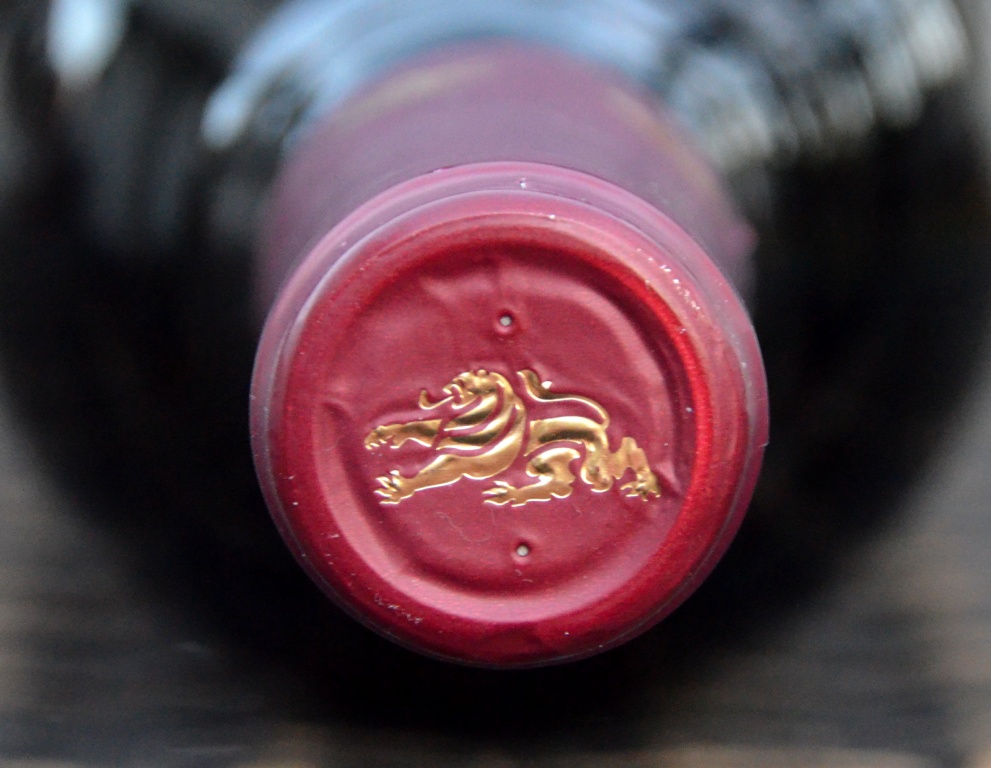
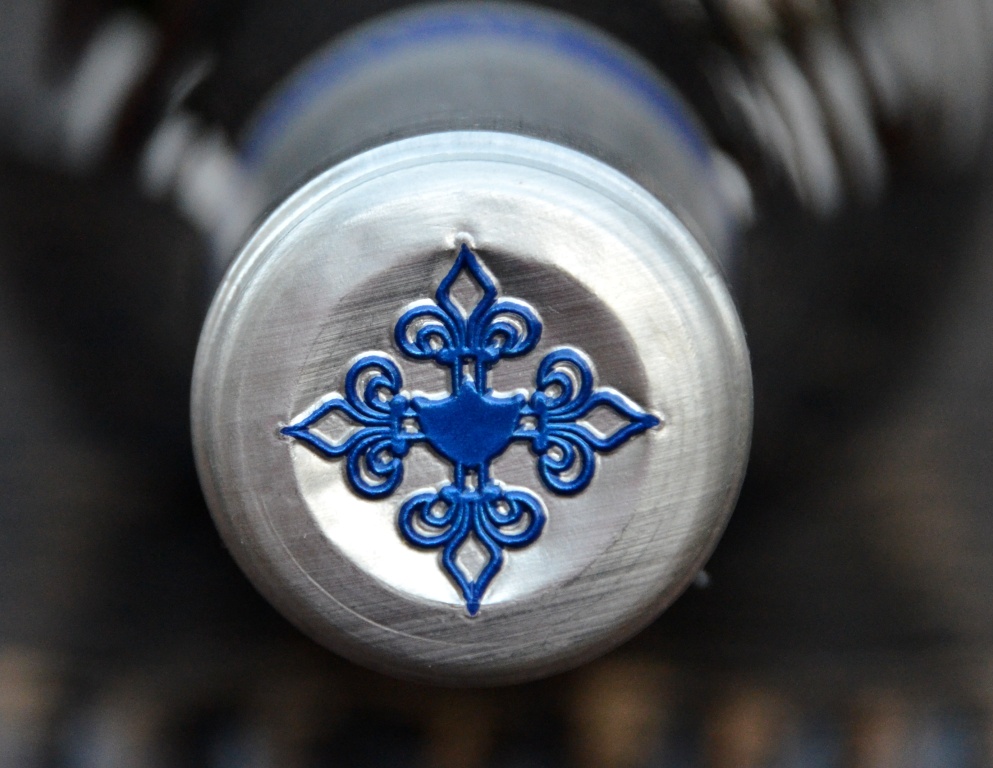
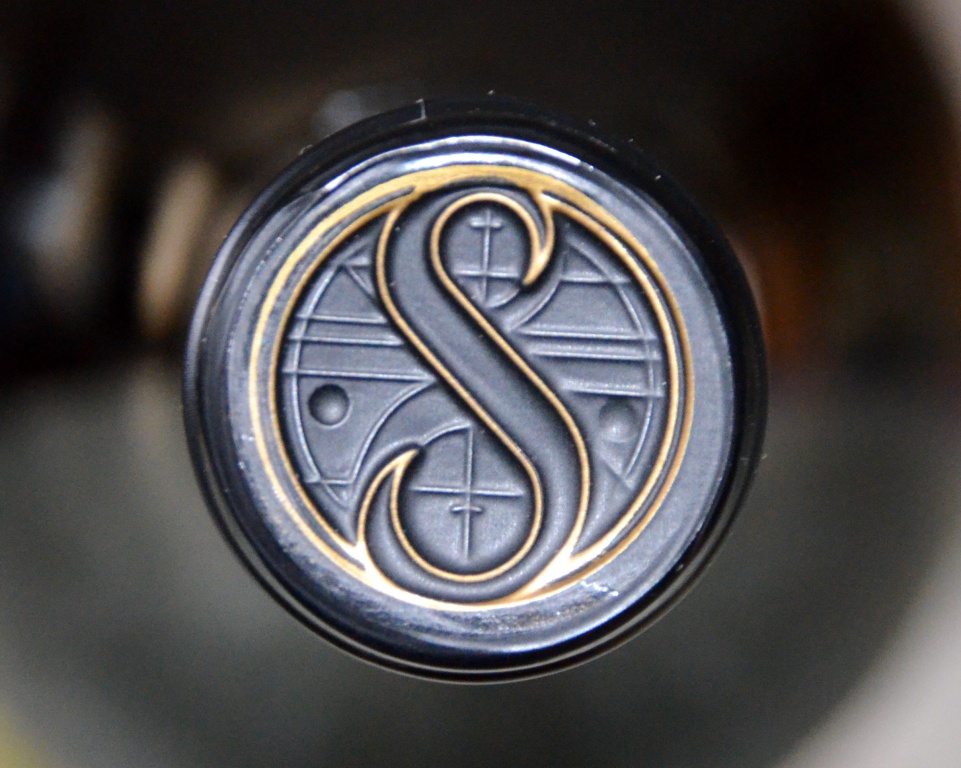
Yes, I know – it’s been a while since the last wine quiz in these pages. And I can’t promise that this feature is back again on a regular basis. But – as you might judge from the title of the quiz, I have a few more “bottle tops” to quiz you on. Below are the pictures of the bottle tops – and you need to guess which wines (producer for the most part) they belong.
Here we go:
1. 
2. 
3. 
4. 
5. 
All of the wines are from the USA – some are better known, some are less, so have fun with it!
Good luck, enjoy the quiz and your weekend! Cheers!
The answer to this quiz can be found here.
Last Bottle Sign Up ($10 credit)




 Talk-A-Vino