The Dinner Party Collective – Full Summer Menu and Detailed Wine Notes
 As you might be aware, I was recently invited to join a group of food and wine bloggers to create full seasonal dinner menus with suggested wine pairings, to make it easy for the people to bring their friends and families together to have a great time, great meal and great conversation. The project was called The Dinner Party Collective, and after a few month of the hard work, we finally published the first menu, which we simply call a Summer Menu. As you can judge from the name, this is the suggested menu for the Northern Hemisphere, for those of us who are lucky (or not, if it is 90F and humid) to live through our summer season. The Winter menu will be published shortly.
I had a pleasure of pairing the Summer menu dishes with the wines. I don’t know how successful was that pairing, only you, dear readers, will be able to figure that out, hopefully after you will have the dinner based on those delicious recipes. I essentially created a long post, explaining the logic behind each suggested dish pairing, so I will not be repeating it here – I will provide all the links for the Summer Menu at the end of this post, including the one on the pairing details. However, I still have a few wines to talk about here.
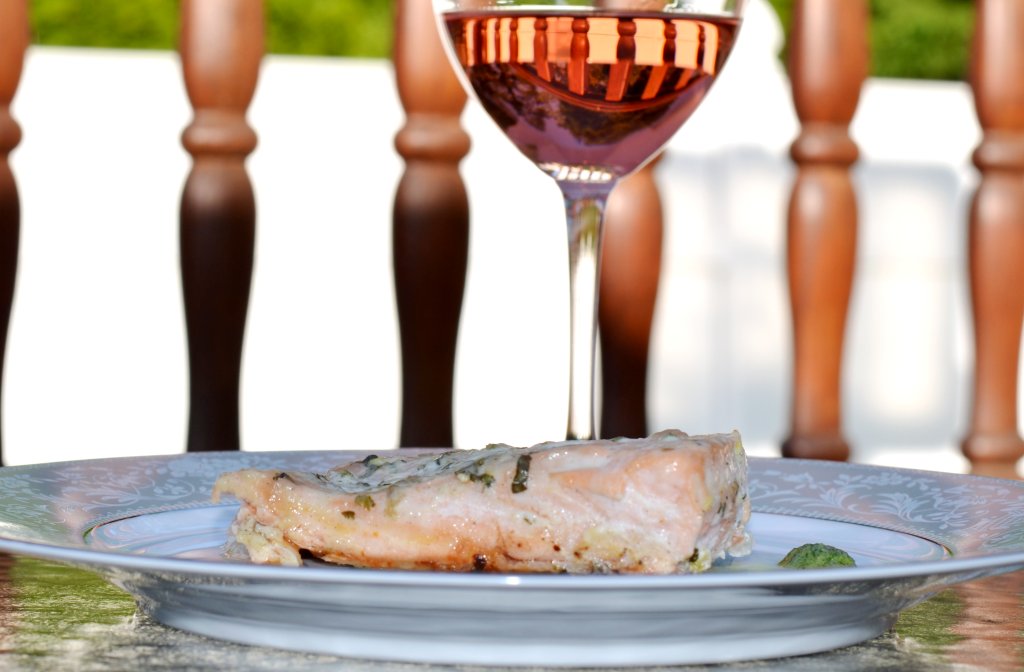
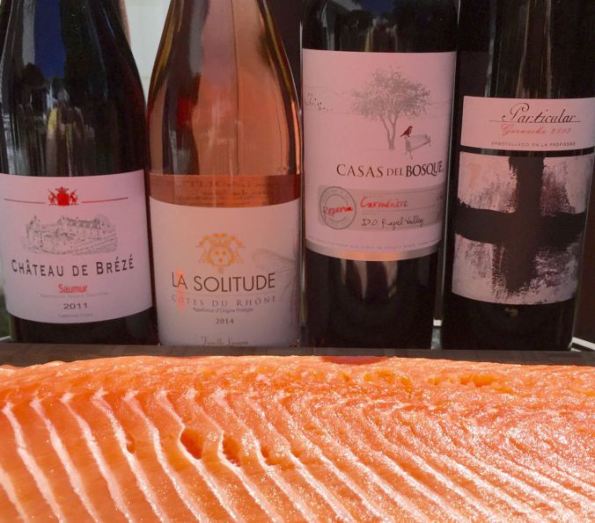
The main dish of the Summer Menu, Salmon Tikka, was not trivial for me to pair, due to the wide range of spices and the cooking method. I ended up cooking the dish, religiously following the recipe, and then invited a few friends to taste those potential pairings together, to find out what works and what doesn’t. Here are the wines which we tried, with the tasting notes:
2014 Famille Lançon La Solitude Côtes du Rhône, France (13% ABV, $14.99, 70% Grnache, 30% Syrah)
C: bright pink
N: strawberries, touch of lime
P: strawberries, good acidity, soft, delicate, medium-long finish
V: 7+
With Food: nicely complemented the fish, provided delicate backbone.
2013 Casas del Bosque Carménère Reserva DO Rapel Valley, Chile (14% ABV, $11.99, 100% Carménère)
C: Dark Garnet
N: Floral, mint, touch of chocolate, vegetative, hint of dark berries
P: dark spices, mint, smoke, tar, good acidity
V: 8-
With Food: was not universally good for all. The spices had a bit of a mismatch on the finish, but overall was not bad.
2011 Château de Brézé Saumur AOC, France (13% ABV, $17.99, 100% Cabernet Franc)
C: Dark ruby
N: Tobacco, blueberry, good intensity
P: minty, complex, layered, luscious, delicious overall
V: 8
With Food: excellent. Very good match with the wine been just a touch bigger than the food, adding nice sweet profile when consumed together.
2013 Bodegas San Valero Particular Garnacha Cariñena DO, Spain (13.5% ABV, $14.99, 100% Garnacha)
C: Dark Ruby
N: minty, herbal nose, green bell pepper
P: herbal dominated profile, but with a lot of fruit, dark chocolate, tobacco, earthy complexity
V: 8
With Food: worked very well, with wine adding some powerful notes to the combination of food and wine.
The Château de Brézé Saumur was the favorite of all the wines and probably the best pairing – problem is that this was a unique shot, as it was absolutely atypical of Loire Cabernet Franc, hence the absence of the generic recommendation. Yes, I know that suggestion of the Grenache pairing with fish raises more than a few eyebrows, but based on the flavor profile of that dish, I stand by my recommendation.
That’s all I wanted to share with you today. I think we came up with a beautiful menu for a great family and friends dinner, so I hope you will feel inclined to make it – and then I really want to hear your feedback on the wine pairings (and the menu itself).
Here are all the links for the Summer Menu:
The Summer Menu | June 2015 – The menu itself, as you would expect it at a restaurant
Wine Pairings | Summer Menu | Northern Hemisphere | June 2015 – detailed explanation as to why and how the wines were chosen
Fresh Summer Salad with Tangy Buttermilk Lime Herb Dressing | Summer Menu | Appetizer
Salmon Tikka with Mint Chutney | Summer Menu | Main Course
Mango Tarte Tatin with Spiced Syrup| Summer Menu | Dessert
That’s all I have for you for today. I hope you are already following The Dinner Party Collective – if not, you need to fix it right away, so you will not miss on lots of great recipes and lots of fun. Until the next time – cheers!
Wine Pairings | Summer Menu | Northern Hemisphere | June 2015
Yesterday the full summer menu was published, and here are the detailed notes on the pairing of the summer menu dishes with wines. Let me know what do you think!
World-class American Tempranillo
If you will ask me “what is your favorite wine”, I would always honestly tell you that I don’t have one. Which is generally a true statement. With may be an exception of the Spanish wines – and Tempranillo wines in particular. Deep, deep down, I know that I have a tiny bias towards Tempranillo. Or at least if you will ask about the most memorable wine experiences, Tempranillo wines would be definitely at the forefront.
The “world-class” is not necessarily a generic term when it comes to wines – but this is how I like to refer to the wines which are best of the best in my opinion. The “world-class” in my vocabulary is reserved to the wines which don’t leave you indifferent; these wines solicit emotional response from the person drinking them, and for the most cases that response is a simple three letter “word” – wow (is this actually a word? Not so sure…).
Tempranillo is a great grape of Spain. Rioja, Ribera del Duero and Toro are close to any oenophile’s heart, with lots of unquestionably world-class wines, with hundreds years of winemaking history. Tempranillo made it to the California at the beginning of the 20th century, but was planted in the wrong places too many times (Tempranillo does the best on higher appellations and in the cooler climates), and was mostly used in the blends. In the 1990s, it made it to Oregon, Washington and then Texas, where it started showing excellent results in the single-varietal wines. I had an opportunity to taste single-varietal Tempranillo from Abacela winery in Oregon, and few of the Tempranillo wines from Texas, and they all were good and promising wines.
Couple of days after I published my Spanish Wine Recommendations posts, I got an email from Danielle Irwin, who I knew as a blogger at Naggiar Vineyards, the winery in the Sierra Foothills region in California, where her husband Derek works as a winemaker. Danielle offered to send me a sample of their Tempranillo wine, bottled under their own label as Irwin Family Vineyards. As you can imagine, I gleefully agreed (I rarely refuse a sample, never mind a bottle of Tempranillo), and in a few days the package arrived with two bottles and a letter from Derek inside. The letter included all the technical details regarding the Tempranillo bottle, as to where the grapes were growing (specific plot of the estate vineyard at 1,500 ft elevation), when the grapes were picked (in October 2010), how grapes were fermented (stainless steel and large format French oak barrels) and then how the wine was aged. I let the wine rest for a few days after the trip (to try to avoid “bottle shock”), but then patience worn out, and I opened that bottle…
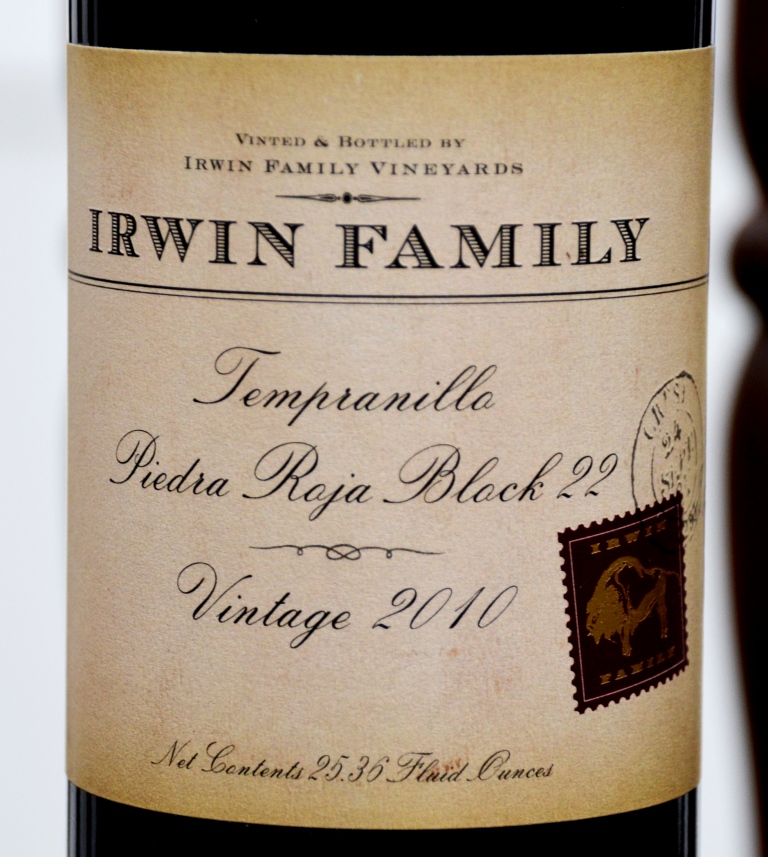
2010 Irwin Family Tempranillo Piedra Roja Block 22 Sierra Foothills ($36, 13.5% ABV, 90% French Oak, 10% American Oak, 28 month)
Color: Dark garnet
Nose: Cherries, cedar box, spices
Palate: Dense, chewy, layered, blackberries, dusty texture (reminiscent of the famous Rutherford Dust). Great complementing tannins, soft but well supporting the structure. Perfect balance. Coffee and mocha in the long lingering finish.
Verdict: outright delicious, world-class wine. Drinkability: 8+. I would drink this wine in a heartbeat at any time. As an interesting side note, the wine paired amazingly well with the Comte cheese.
Derek mentioned in his note that this wine was inspired by the wines of Toro region, which typically are the most concentrated renditions of the Tempranillo, and I definitely see that parallel.
The second bottle was a Tempranillo blend:
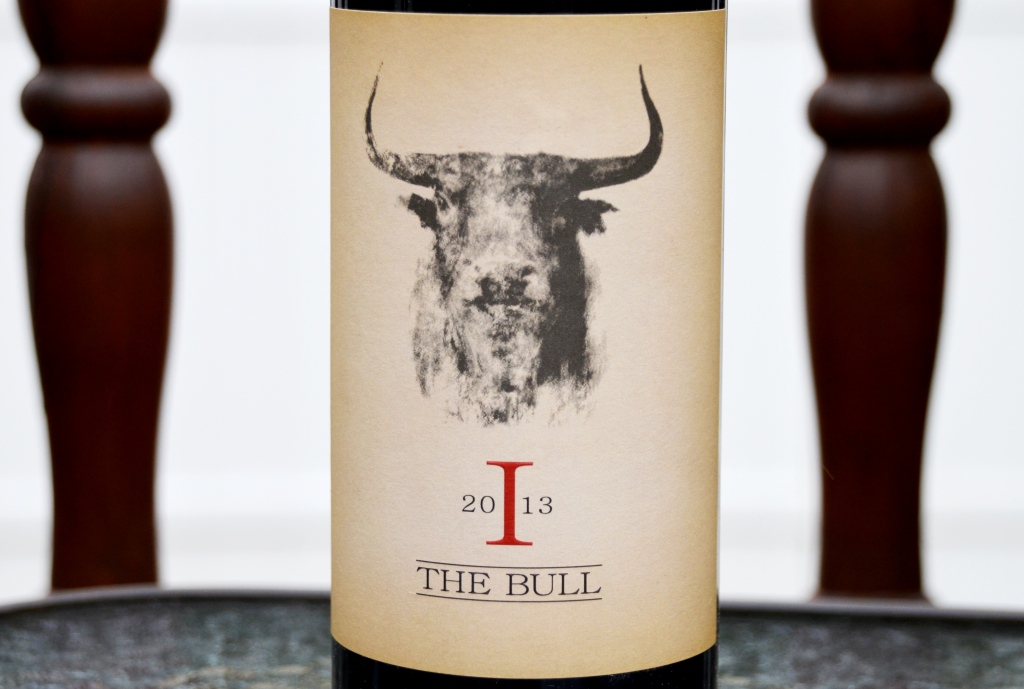
2013 Irwin Family Vineyards The Bull Sierra Foothills ($24, 13.8% ABV, 44% Tempranillo, 28% Malbec, 28% Petite Sirah)
Color: Dark Garnet
Nose: sweet plums, vanilla, nutmeg, dark chocolate
Palate: medium body, touch of spices, perfect acidity, nice textural presence, nutmeg, impeccable balance, lots of dark chocolate both on the palate and in the medium-long finish
Verdict: Delicious! Drinkability: 8. Bonus: works very well with food, especially charcuterie (meat and cheese).
There you go, my friends – two delicious wines from the region which I really want to explore in depth (Sierra Foothills), and the world-class American Tempranillo. You don’t have to believe me – head over to the Napa and taste it at Irwin Family Vineyards, or sign up for their wine club (Tempranillo is only available for the club members). Cheers!
[May Not Be The Best In The World But] Great Gifts For Dad
During 2011 I wrote a number of posts for the project called The Art Of Life Magazine – of course talking about my favorite subject, wine. The project was closed and even the web site is down, but as I still like the posts I wrote, I decided to re-post them in this blog. To tell you the truth, if I would write such a “Father’s Day Gifts” post today, I would write it differently. But I can always write it differently some other time, and for now – here is the original.
Note that the series was written for a slightly different audience – I hope none of my readers will take offense in the fact that sometimes I’m stating the obvious…
Considering that Father’s Day is rapidly approaching, let’s talk about gifts for Dad. Even if Father’s Day is not celebrated in your country, remember – any day is a great day to get a present for your hard-working Dad.
This is the wine blog, so of course our gift suggestions will be related to the wine. And while I’m sure everybody wants to buy the best gift ever, not all of us can afford that ideal present, so let’s look for a few options in different price categories. Let’s start.
Under $15:
You think it is impossible to get a great bottle of wine under $15? Think again. Here are two suggestions:
What: Bodegas Volver La Mancha DO, Spain
Why: This is a serious man’s wine. There is nothing wimpy about this wine. It has super-broad shoulders, it is bone dry, and it has strong tannins grip, strong as dad’s handshake. At the same time, it is very balanced and elegant, and if you will try it with a mildly sharp cheese with some fig jam on top of it, you might find heaven on earth.
What: Le Petit Chambord Cour-Cheverny, Loire, France
Why: Same as the one before, this is the wine for a real man. Brighter than sun acidity, supported by good fruit, very balanced. Another trait which many dads possess – it needs patience, as it will greatly improve with age. Give it 10-15 years and prepare to be amazed.

Under $100:
A different game, seems to be lots of choices, but it is not always the case. Let’s look at some suggestions.
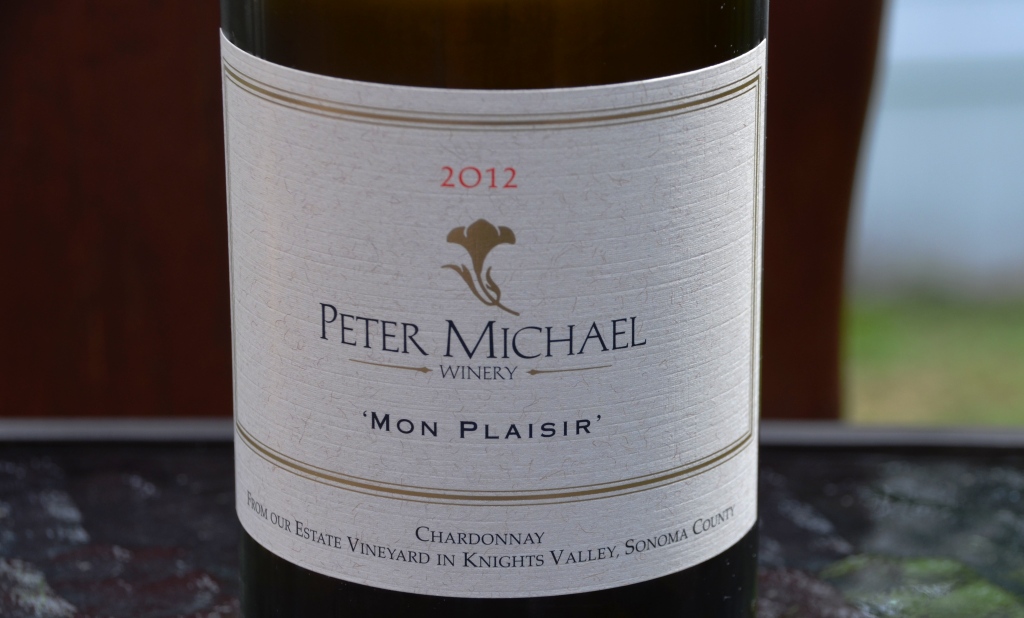
What: Peter Michael Chardonnay (there are many options, but either one will do).
Why: When Dad will try this wine, he will experience [very strong] emotions. Who knows, he might even cry. This wine will remind him of his true love – wife, if he is happily married, and his dreams – if he is not. Incredibly balanced, with all components (fruit, acidity, vanilla, toasted oak, tannins) being in perfect harmony. Once Dad will experience this wine, it will be one and only Chardonnay he will be willing to drink.
What: Adrien Camut Calvados 6 years old
Why: It is reminiscent of a Dad in a tuxedo. Calvados is a cognac’s relative, only made out of apples. Calvados has the same alcohol content as cognac, but it is not aggressive at all compare to many cognacs which are. It is pure elegance and class, exactly as a man in tuxedo feels like.

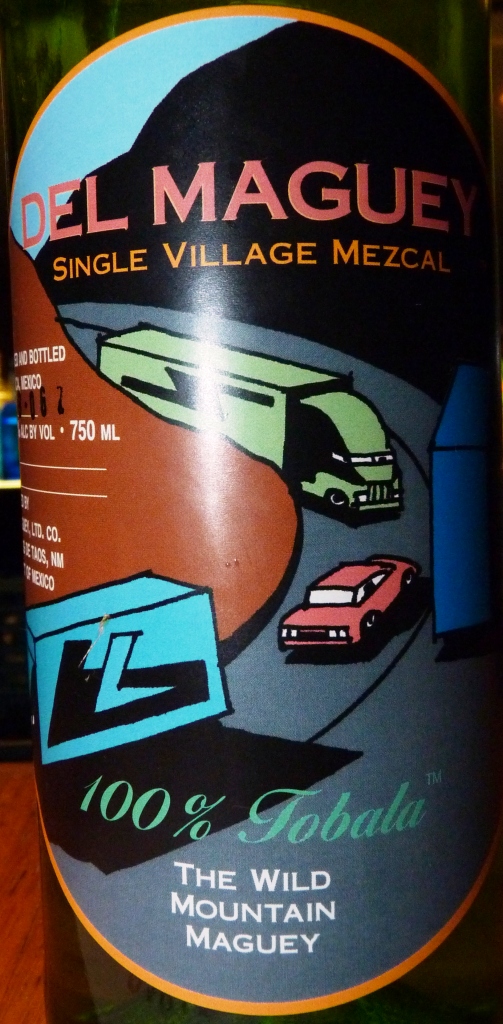
What: Del Maguey Single Village Mezcal
Why: Because it will make Dad to think of adventure. May be he will finally go to safari, after dreaming about it for more than 20 years. May be Dad will recall the warmth of campfire under an open starry sky. Pleasant roughness paired with deep smoke flavor – it will make dad’s heart to pump faster and happier.
Unlimited, or at least above $3000
This is the category for those who has everything – but even when you have everything, something is probably still missing… Let’s look for some options – and I guarantee you, it will not be easy to find.
What: Taylor-Fladgate Scion Very Old Port
Why: Because I want one for myself? Okay, but on a more serious note, this port is made out of the pre-Phylloxera grapes in approximately 1855, so this wine is about 160 years old! It is awe-inspiring for any wine lover, and to say it has limited availability would be an understatement. But – if you can afford it, make an effort, find it – and Dad will thank you profusely.


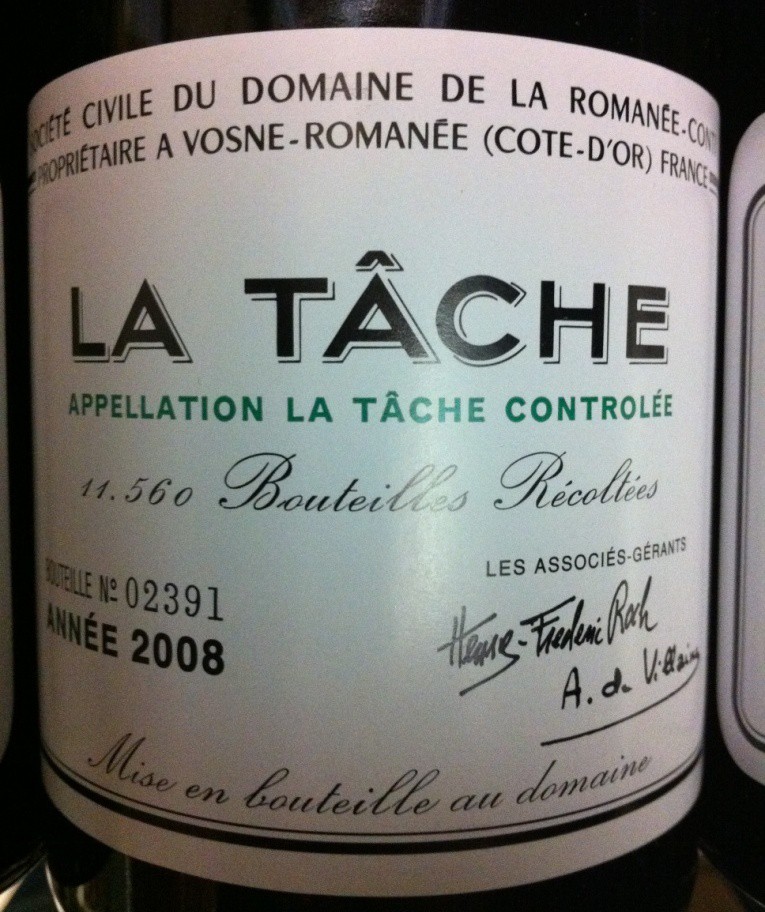
What: Domaine De La Romanee-Conti La Tache, Burgundy, France
Why: Because I want this one too? Domaine De La Romanee-Conti, or DRC for short, makes literally the most amazing wines in the world. These wines are literally impossible to find, so it you will present such a bottle to Dad, I’m sure he will really appreciate the sacrifice(s) you had to make to get it for him.
Our session is over – hope I was able to help! Good luck with all the presents, and Happy Father’s Day to all the Dads out there!
Thoughts on ‘Pairing Wine and Food’
Here is the post which I wrote for the new interesting project I’m involved in. We (The Dinner Party Collective crowd) want to recreate the Art of “food together” by offering complete seasonal menus which people around the world can use to bring friends and families around the dinner table. Where there is food, there should be wine, and the wine should “work” with food. Here are some thoughts on making food and wine work together. Enjoy (and share your thoughts)!

Written by Anatoli (of Talk-a-Vino)
The Dinner Party Collective started a few months ago by Margot (of Gather and Graze), as an attempt to reinforce the Art of Food Together as one of the best forms of human interaction. The result is a complete menu which you can enjoy cooking and serving to your guests and family – but in essence, there is a lot more here. We (TDPC crowd) want to offer you more than just a menu you can cook. We want to make your meal an experience. How? By going to the next step and pairing food with wine. Food is definitely a centerpiece of a meal experience, but the addition of wine takes it to the next level. Something which we call a “food and wine pairing”, when done successfully, creates a heavenly combination out of the bite of food in your mouth and a…
View original post 700 more words
Daily Glass: Summer Perfect
Is there a such thing as “summer wines”? When I think about this subject, I’m always torn. I don’t have any problems drinking Provençal Rosé or crisp light white wine in the winter, and I would never refuse a glass of heavy and hedonistic California Cabernet in the summer. But is it only in my mind that I’m so open-minded (hmmm, was that a pun, and was that intended?) – in reality, I would usually gravitate towards reds in the winter, and Rosé and white wines as the temperatures starts rising. After all, there might some merit to the summer wines concept. Anyway, let’s proceed.
Today I want to bring to your attention a summer-perfect collection of White and Rosé wines – they were all samples I got recently (some are even not so recently), but most importantly, they will perfectly brighten up your summer day.


Let’s start with the two of the excellent Rosé wines from France – Domaines Paul Mas. Last year, I was lucky to taste through the Paul Mas portfolio of red wines, and after tasting Rosé wines this year, I can only say that it is not for nothing Paul Mas is considered a specialist in “Affordable Luxury”. The first wine was 2014 Côté Mas Rosé Aurore Sud De France Pays d’Oc IGP (13% ABV, 30% Cinsault, 20% Syrah, 50% Grenache, $12.99 SRP, 1L bottle) beautiful concentrated pink color. Fresh strawberries, lemon zest and limestone on the nose, fresh strawberries and lemon zest on the palate, vibrant acidity, very balanced, medium finish – a perfectly refreshing wine for the hot summer day. This wine creates a feeling of a calm and relaxation, it is like a lazy summer day (Saturday!) distilled in the glass. (Drinkability: 8-/8) I have to add that I love the festive label, and of course the wine has an amazing QPR at $12.99/1L bottle.
The second wine was even more interesting – NV Paul Mas Cote Mas Cremant de Limoux Brut Rose, Languedoc-Roussillon, France ($18.99 SRP, 12% ABV, 70% Chardonnay, 20% Chenin, 10% Pinot Noir). This sparkling wine comes form the cradle of the sparkling wines winemaking – St. Hilaire, which claims to start production of sparkling wines in 1531. Well, this is not a subject of this post – the wine itself was outstanding though. Beautiful salmon pink color, touch of yeast and toasty bread on the nose. Perfectly present toasty bread on the palate, clean acidity, light creaminess. Right from the fridge shows very astringent. As the wine breathes and warms up in the glass, it shows more minerality while staying very dry. Drinkability: 8-


From France, let’s move two Italy – here I have two summer wines from the Banfi selection. First, NV Maschio Prosecco Brut Treviso DOC (SRP $13, 11% ABV, 100% Glera)- nice, clean nose of white peach. Palate restrained and quite dry, with touch of peach, light creaminess, very refreshing overall. The wine complemented well spicy food as well as chocolate dessert. Drinkability: 7+
Next wine – 2013 Fontana Candida Terre dei Grifi Frascati DOC (SRP $13, 13% ABV, 50% Malvasia Bianca di Candia, 30% Trebbiano Toscano, 10% Greco, 10% Malvasia del Lazio) – on the nose, touch of candied fruit, white flowers, touch of lemon, overall very pleasant. On the palate, lemon, candied lemon peel, touch of tropical fruit, good acidity, medium-long finish. Drinkability: 7


Continuing our European tour, we are now arriving to Spain. First up – delicious sparkling wine – NV Anna de Codorniu Brut Rosé Penedes DO (SRP $14.99, 12% ABV, 70% Pinot Noir, 30% Chardonnay). This Cava, a Spanish sparkling wine produced by the same method as Champagne, has very interesting story behind it. Anna was a name of the heiress of the Codorniu winemaking family which started making wines in 1551. In 1659 Anna married winemaker Miguel Raventós, and their direct descendant José Raventós was the first to commercially produce Cava in 1872 using méthode traditionelle. The wine itself was excellent – fresh, slightly yeasty nose, fine mousse, firm on the palate with crisp acidity and touch of strawberries. This wine would make a perfect sip any time, summer day or not. Drinkability: 8-
Next wine is another Spanish classic – 2014 CVNE Monopole Rioja (SRP $14.99, 12.5% ABV, 100% Viura). Monopole was the oldest white wine from Rioja, starting from 1915. The wine has dry and pleasant nose, with a hint of white fruit. On the palate – touch of the white stone fruit, lemon, and crisp and bright acidity. This wine needs time to fully develop in the bottle, so if you have some space in the cellar, throw a few bottles in and forget it for the next 5 years or even longer. Drinkability: 7+
Another wine from CVNE, which was a first time experience for me – 2014 CVNE Viña Real Rosado Rioja (SRP $13.99, 12.5% ABV, 85% Viura, 15% Tempranillo). The wine was perfectly Provençal in style – hint of strawberries on the nose, dry, crisp and restrained on the palate, steely acidity combined with firm structure, light but noticeably present wine. The wine would perfectly fit any hot summer day (and not so hot too). Drinkability: 7+/8-
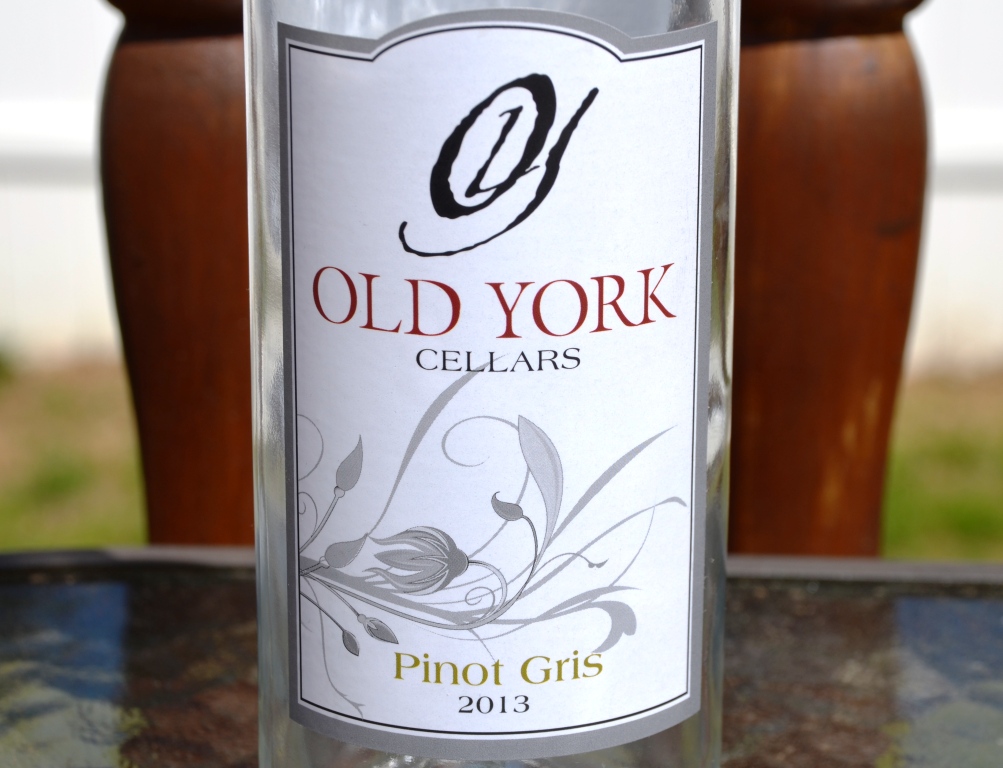 I have one last wine to present to you. This time, we are crossing Atlantic ocean and arriving at New Jersey. Yes, New Jersey makes wines, and I wrote about them before. Today I’m bringing to your attention an excellent summer wine from the same winery – 2013 Old York Cellars Pinot Gris American Table wine, New Jersey (SRP $18, 12% ABV) – clean and crisp nose, touch of Chablis-like minerality. On the palate – restrained white fruit, crisp acidity, touch of minerality. Overall very refreshing. Drinkability: 7+/8-
And we are done here. Enjoy the summer with the glass in your hand. Cheers!
Notes To Self – Portuguese Wines
Well, yes, you got me – if I would really try to write a note for myself to remember, I could easily write it in my paper journal and keep it to myself. Thus it is pointless to pretend that these are really the “notes to self”, which are typically starting with “next time, remember that …”. Nevertheless, what I would like to stress that this post is simply an attempt to share my understanding of a few elements of the Portuguese wines, based on the trips to Portugal, drinking Portuguese wines and talking to both people who make them and people who serve them. I will not be producing the map and talking about all the Portuguese wine regions and all the styles of wines; I will not be talking about terroir, soils or climate – there are many sources for that. You can simply look at this writing as a collection of facts and thoughts about Portuguese wines, heavily slated towards the wines of Douro – some are just for fun, and some that might have a practical value.
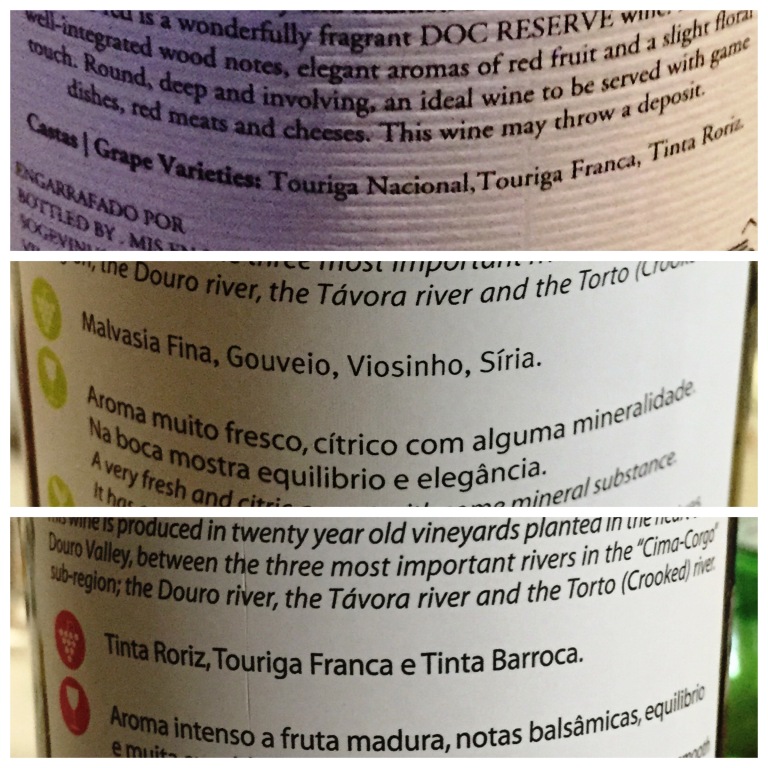 Most of the Portuguese wines (white, red, Port) are blends. Moreover, they are not the traditional blends, but instead they are the field blends. If you will look at the bottle of Bordeaux or California wine, there is a good chance you will see the exact proportions of the different grapes in that wine – 35% Grenache, 25% Syrah, etc. What you would typically see on the bottle of Portuguese wine are the names of the grapes (Touriga Nacional, Touriga Franca, etc), but not the associated percentages. This is due to the fact that the different grapes are growing together in the vineyard, they are harvested together and vinified together, without any ability to identify the amount of the particular grape in the blend. In some cases even the exact grapes in the vineyard are unknown. and you might see on the label “and other local grapes”. This information is more of a fun fact – there is nothing for you to deduce about taste, quality or age-worthiness of the wine – but it is something which is “interesting to know”. Besides, nowadays people became obsessed with wine factoids, so somehow when wine consumers see that wine contains 25% of Grenache and not 35% of Grenache, they feel better. And they definitely feel a lot better when they see a percentage of that Grenache listed instead just the name of the grape. But when it comes to the traditional Portuguese wines, those percentages are impossible to obtain, so you can simply save yourself time and just accept it for what it is.
 Now, here is more practical tidbit of information for you. The word “Reserva” matters on the label of the wine from Douro. You are laughing and having a “duh moment”? Totally fine with me, but let me proceed here anyway. I remember a very interesting experience from my previous trip to Portugal. We ordered a wine in the restaurant, and it was outstanding – deep, concentrated, absolutely delicious. I loved it so much that I even bought a few bottles for home, right there at the restaurant. I came back to exact same restaurant and ordered exact same wine a few days later – and couldn’t believe I liked it last time so much. No, it was not bad, but it was very simplistic, drinkable but quite average. Later on I realized that the only difference between the wines was the word Reserva on the label. Similar story took place in conversation with our waiter at the hotel. During the first visit, we had one of most stunning red wines ever, Casa Burmester Red from Douro (it was a #3 wine in my Top List from 2013). During the last visit, when I asked our waiter about the Casa Burmester red, he made face and pretty much asked me “why do you want to drink that? that is not a good wine”. Only after I added the word Reserva I was able to get an agreeing nod “ah, Reserva, sure”.
Yes, the word Reserva is regulated and appears on many of the wine bottles from the different regions. However, from the wines I tasted, it makes the biggest difference in the wines of Douro, by a wide margin. Talking about the same producers, Chianti Reserva would be a bit more concentrated than a regular Chianti, the same would be true for Brunello Reserva versus regular Brunello. Rioja Reserva would appear quite different from the Crianza, but typically both wines would be delicious in their own right and will share common traits. At the same time, if you will taste both regular and Reserva wines from the same producer in Douro, you would think there is no relationship between the wines whatsoever, and the regular wines will show as quite simplistic, at the best qualified as so called “BBQ reds”. The word Reserva puts those same wines on the world stage and immediately lines them up with the best of the best, usually at a fraction of a price (a $30 Reserva from Douro would easily beat lots of $100+ wines – of course I’m speaking for myself).
Whats makes such a huge difference? I don’t know (and if you do, I would greatly appreciate the comment). The only regulated difference I’m aware of between regular and Reserva wines in Douro is that Reserva wines have to spend at least 1 year in the oak. Could it be that better grapes are going into Reserva? Of course. Another interesting factor might be Douro Institute (IVDP), the governing body of the Douro wines. What is important to understand is that IVDP not only regulates the yield, the grapes, the irrigation and so on – all the wines (pay attention here – ALL the wines) are sent to and blind tasted by IVDP to approve or deny the winery designation for the particular wine. The rejection rate at IVDP is quite high at 17% – thus it is well possible that IVDP becomes a significant factor in making the Reserva wines so different. Bottom line is simple – if you can find a Reserva wine from Douro, go for it, there is a good chance you might really like it.
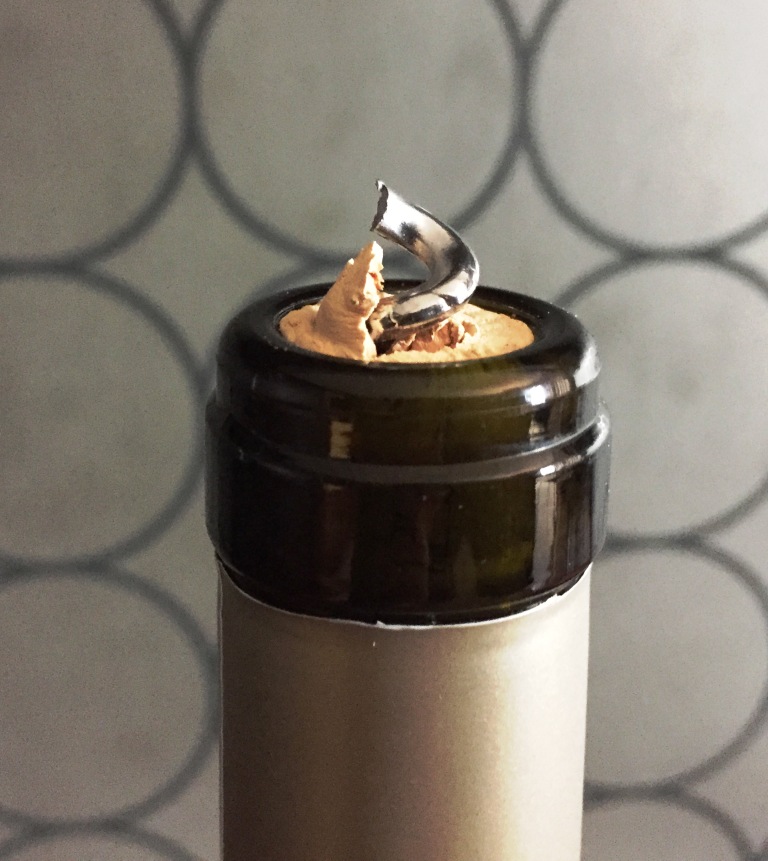 The realization of the dare importance of Reserva was probably my most significant wine discovery of the last trip. I was actually planning to mention a few more things, but I’m not sure how important those are. Here is one – which is rather a curious observation. Don’t know about you, but as I live in the US, I’m used to seeing many wines, especially the simple ones, to be closed with the screw top rather than the cork. This is not the case in the Portugal, the land of the cork trees – even the simplest, 80 cents wines from the supermarket, are still closed with the nice cork. Remember that if you will get thirsty all of a sudden in Portugal, there is no such thing as “twist and pour”. This can lead to the curious moment – see the wine opener in my hotel room been broken … by the cork.
I’m almost done here, I promise – just one more note. Vintage Port is definitely a flagship of the Portuguese wine industry, and of course we would love to drink that whenever possible. As a flagship, the Vintage Port is also costs appropriately (pushing a $70/bottle boundary across many producers). What you need to remember is that Vintage Port is essentially a regular wine – fortified, yes, but still a regular wine, which didn’t go through all the barrel ageing and oxidation – therefore, you should treat it exactly as a regular bottle of wine. Slightly chill before serving, and most importantly, consume within 2-3 days. Unlike Tawny Port, which can be kept around for a month or so after opening, Vintage Port will lose all of its beauty in 2-3 days. Also, considering the price of the Vintage Port, don’t ignore the LBV, Late Bottled Vintage port – it has the same vintage designation as a Vintage port, but will cost a lot less (typically under $30), and will last a little longer once opened, compare to the Vintage Port. You can look at LBV as the second label of the Vintage Port, if you will.
And we are done here. I hope you will find my notes to self (and to you) useful. Enjoy your weekend and cheers!
Introducing Wine Apps: Cork Sharing
This post is a part of the Wine Apps series, introducing different wine apps available on the market. In this series, I offer all the interested Wine App makers an opportunity to present their applications to the readers of this blog in a short and concise way. Today I would like to introduce to you the wine app called CorkSharing. This blog post is written by Bryan Petro, CEO & Founder of CorkSharing. Please note that this post is provided as is, strictly as a service to my readers and it doesn’t constitute my endorsement of the app.
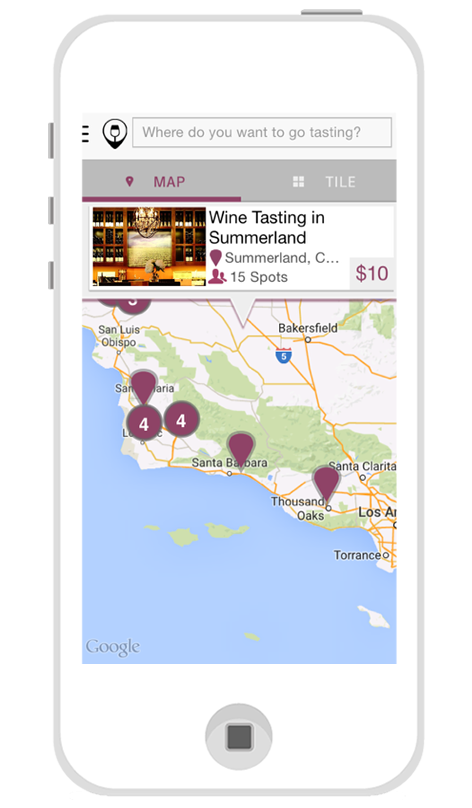 CorkSharing is one of the world’s first marketplaces for wine enthusiasts to schedule and book wine tastings, winery tours, and wine events from wineries around the world. In addition to its online platform, CorkSharing now has a mobile application available for Android and iOS users, making it easy for wine lovers to book on the go.
The CorkSharing app was designed with ease-of-use in mind. Built-in geolocation functionality makes finding nearby wineries and wine tasting events a breeze. With wine tourism on the rise, this feature is particularly useful for wine tourists that are exploring new wine regions. Additionally, the search capabilities allow users to search for events based on a number of criteria (city, date, price, varietals). Currently, 450 wineries in 32 US states and 19 countries are registered with CorkSharing, making CorkSharing’s app the best friend of any wine tourist. Once the right experience is found, the user can reserve and pay for a tasting using CorkSharing’s secure mobile payment platform, and manage their bookings through the CorkSharing itinerary tool. Users even receive an electronic ticket which can be used for admittance to the event.
Wine tourists aren’t the only ones benefiting from CorkSharing’s innovative new app. Wineries and hosts are also embracing the technology as a means to generate additional revenue. The app allows wineries and hosts the ability to manage reservations directly from the mobile interface. Wineries can receive reservation requests and approve guests from anywhere they have coverage. Additionally, CorkSharing empowers wineries by providing them with more on-the-go control over reservations. While other reservation platforms make it so that once a user books a session, the winery or host has no choice but to accept the booking, CorkSharing’s two-step validation process gives wineries the power to approve or decline a reservation should scheduling conflicts, private events, insufficient staffing, or other issues arise. To help wineries manage their incoming CorkSharing reservations, a ticketing tool has been built into the app. Guests can simply show the host their printed or electronic ticket and the host can use the app to scan the ticket and confirm validity.
With its mobile app, CorkSharing is making the wine industry more accessible, particularly to members of the younger demographic who are increasingly reliant on mobile reservation platforms. By bringing together wine lovers and wineries through mobile technologies, all parties benefit and the wine industry is made a little more innovative every day.
CorkSharing mobile app can be downloaded today at CorkSharing.com/Mobile.
Magnificent Portugal
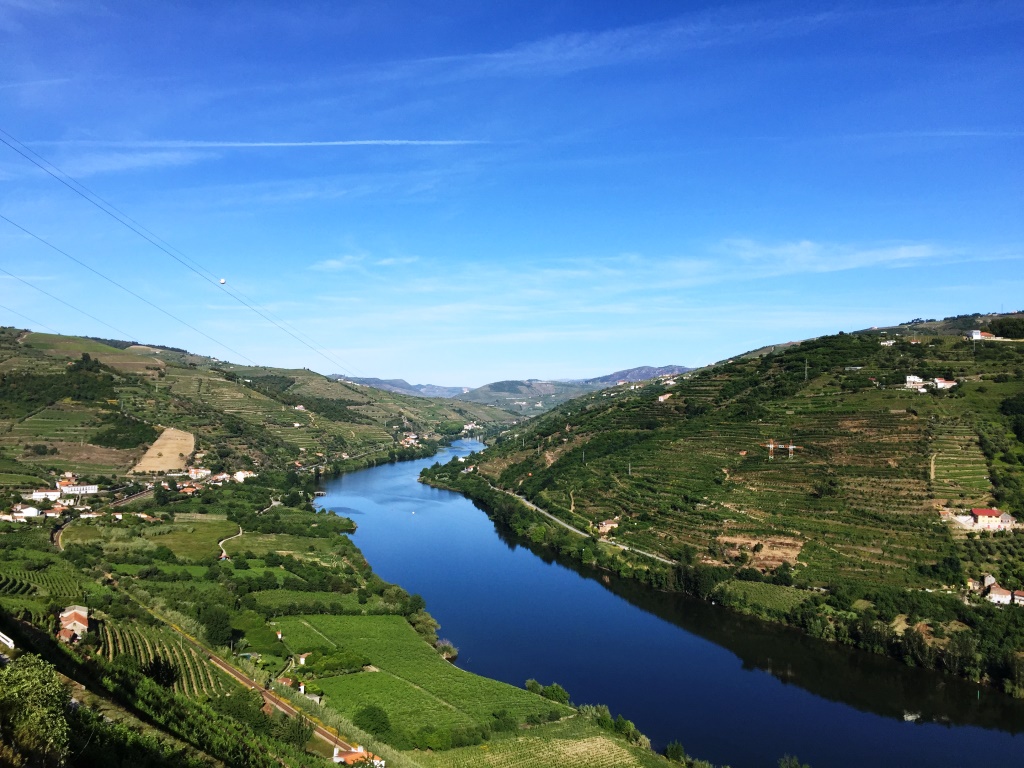 Two years ago I was lucky to discover the Portugal. A beautiful country with wonderful people, great wines and delicious food. This year, I had an opportunity to experience the Portugal again, and once again I want to share my experiences with you as much as possible. There will be a few posts, as there is absolutely no way to squeeze all the impressions into one (nothing is impossible, yes, but I’m sure none of you are interested in a post with a hundred+ pictures and ten thousand words), but still please prepare to be inundated with the pictures. Let’s go.
I want to start from the wonderful trip we had on Sunday. I’m subscribed to the updates from the wine travel web site called Winerist. An email I received from the Winerist about a week before my scheduled departure contained a section about wine trips in … Douro, Portugal! How could they know, huh? This was my very first time using the service, so not without trepidation I filled up booking form for the tour called “Wine Tasting & Sightseeing in the Douro Valley” (€95 per person), requesting the specific date – actually, the only free day I had during the trip. I was informed that my credit card will be charged only after the trip availability will be confirmed with the local provider. Two days later the confirmation arrived with all the tour provider information and pickup time (the pickup is arranged at any of the hotels in Porto). The day before the trip, I got a call in my hotel room from JoÃo, who informed me that the pickup will take place next day at 9:10 am in front of the hotel’s lobby.
The next day, a red minivan showed up exactly at 9:10 am (at least according to my watch), however the first thing JoÃo did after introducing himself in person, was to apologize for arriving at 9:12 instead of 9:10 – from which I figured that we will have fun in our tour. This is exactly what happened – after picking up two more people for the total of 8 passengers, off we went to immerse into the beauty of Portuguese nature, culture, food and wine. I will not give you a detailed account of everything we heard during of almost 11 hours of out trip (we were supposed to come back at 6:30 pm, but nobody was in a hurry, so we came back very close to 8 pm) – that would make it for a long and boring post. But I will do my best to give you a good idea of what we saw and experienced.
Our first stop was at a small town called Amarante. On the way there, our guide and driver had to really work hard – out of our group of 8 people, 2 of us needed all explanations in English, and the rest of the group was from Brazil, so JoÃo had to alternate between Portuguese and English – have to say he had no issues doing that for the duration of the trip. The second problem JoÃo had to deal with was … a marathon, which forced closure of many roads, so he had to find his way around. Well, that was also a non-issue, so we successfully arrived to Amarante. Our intended destination was the church of São Gonçalo (St. Gonçalo), which had an interesting story of the saint whose name is associated with male fertility. I had to admit that I missed some parts of the explanation regarding the origins of this belief, but the bottom line is very simple. Inside of the church, there is a statue of St. Gonçalo, with the hanging rope. Any male who needs help with the fertility, have to pull that rope twice, but not more (don’t know if it would be equivalent to the Viagra overdose?). Besides, the Priest gets very unhappy when people get crazy with that rope, so all the pulling should be done quietly and without attracting unnecessary attention. I guess that same fertility power led to the appearance of so called St. Gonçalo cakes, which you will see below – I’m assuming the picture is self-explanatory. No, I didn’t try one, nor did anyone from our group, so can’t tell you how it tastes. After leaving the church, we had around 20 minutes to walk around the town, before we had to leave to our next destination.


Our next stop was the town of Lamego, which is one of the biggest in the Douro valley. As food was an essential part of our tour, first we visited a place called A Presunteca. I would probably characterize it as a food and wine store, somewhat geared towards tourists. No, “tourist trap” would be rather diminutive, as the food and wine were genuinely good and prices were absolutely on par with any other store. We had a taste few of the local sausages and cured meets, as well as cheese. We also had an opportunity to taste some of Porto and dry wines, as well as sparkling – the Peerless sparkling wine was excellent, on par with any good Cava or Cremant. I also really liked a Niepoort Dry White Port. If we wouldn’t have to spend the next half of the day in the hot car, I don’t think I would’ve left without a nice chunk of a cured meet, but oh well…


Next we got into a race with a long (very long!) line of honking old Minis, and we lost the race despite creative local street navigation by JoÃo. We still successfully arrived to our next destination – Cathedral of Santa Maria, Lady of Remedy. According to the explanations, the beautiful structure was erected as promised by the Bishop to show a gratitude for sparring the city of Lamego from the Black Plague. There are more than 600 steps which lead to the Cathedral on top of the hill, which people seeking the cure for the illnesses often concur on their knees. We walked around the cathedral and then used the steps to get down to the town level, admiring the beautiful view and exquisite architectural elements, also with the great use of traditional Portuguese painted ceramic tiles. This place needs some serious restoration work, but it is still absolutely magnificent.
Our next stop was for lunch. The restaurant called Manjar do Douro was located very close to the bottom of the staircase we ascended from. It was somewhat resembling a big dining hall, with many groups occupying communal style tables. The bread, cheese and cold cuts were outstanding. For the entree I’ve chosen veal, as still was suffering from the fish overload from the night before (more about it in another post). This was rather a mistake, as the meat was really chewy (well, the sautéed vegetables were excellent). We had a few wines with the meal. 2014 Incantum Vinho Branco had inviting nose of a white fruit, a bit more tamed fruit on the palate, overall very enjoyable (and added another grape to my collection, Sìria). The 2013 Incantum Douro Tinto was nice, but a bit simplistic. As JoÃo learned from our conversation that I was all into wines, he showed me a few of his favorite wines, one of them you can see below in the picture (no, we didn’t try it).


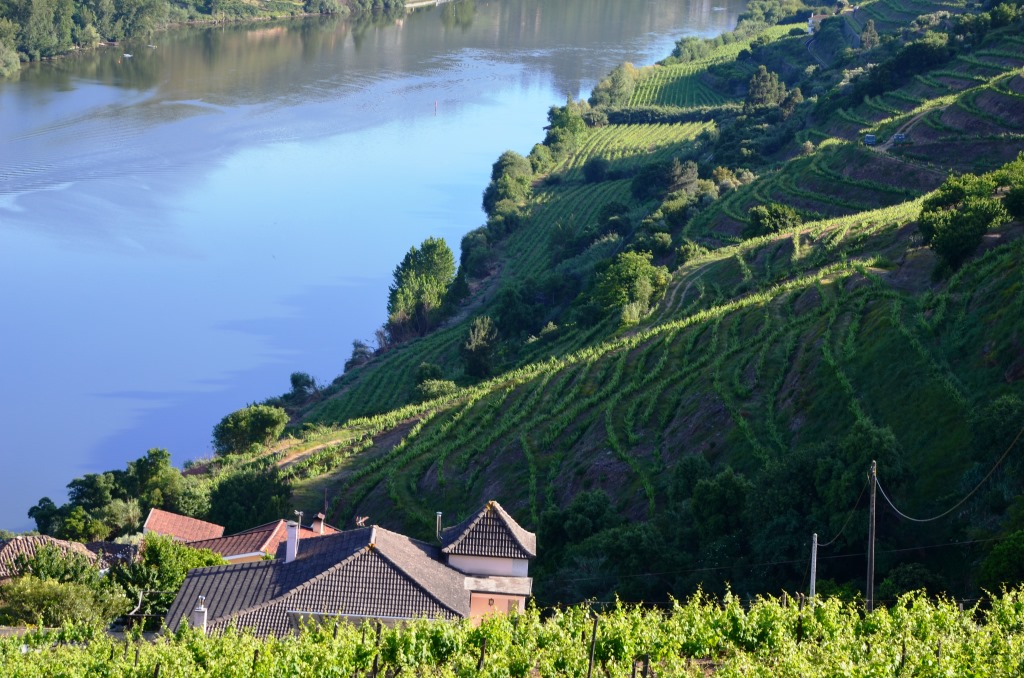
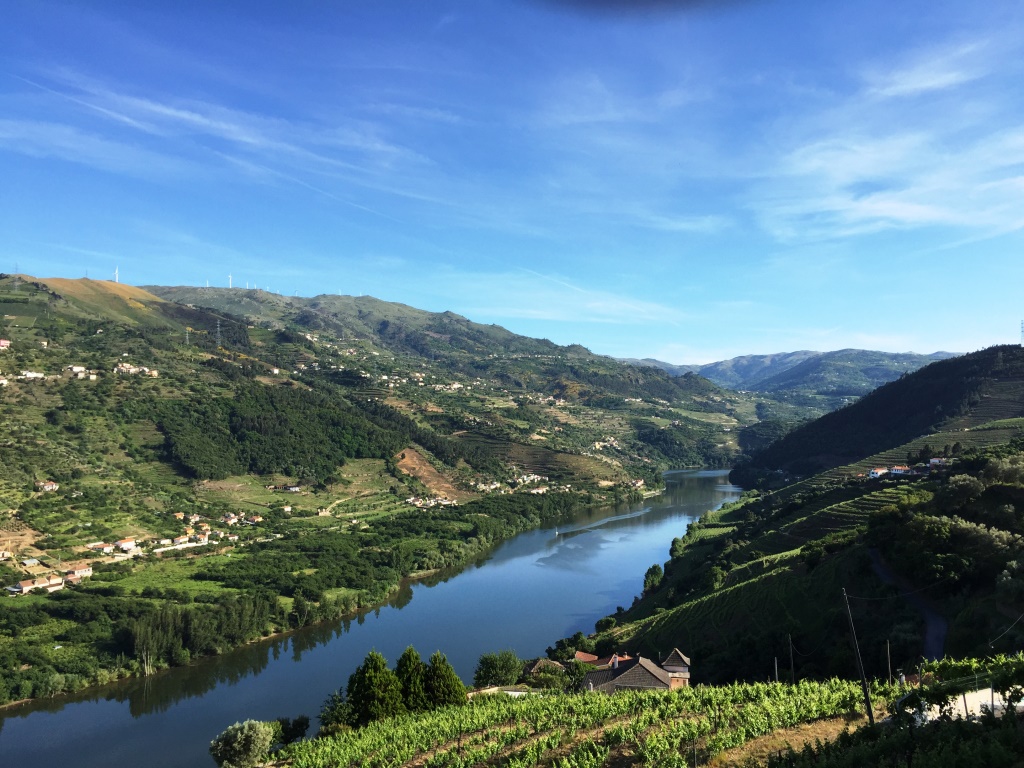
Our next stop was finally a full immersion into the wine world of Douro. After about an hour driving, we arrived at Quinta do Tedo. Vincent Bouchard of the Bouchard Père & Fils fame from Burgundy, fell in love with the Quinta do Tedo vineyards (can you blame him? take a look at the pictures), located at a crossing of River Douro and River Tedo, and he bought the vineyard in the early 1990s. 1992 was the first vintage produced by the Quinta do Tedo. The vineyards, located on the hilly slopes around the picturesque River Tedo, consist of the vines of 30 to 70 years old. Quinta do Tedo makes only red wines, but they make both dry wines and number of Port styles. Winery’s logo has a picture of the bird on it – according to the local traditions, the birds would show up to eat the grapes when they are perfectly ripe, so that bird on the label signifies perfectly ripe grapes.
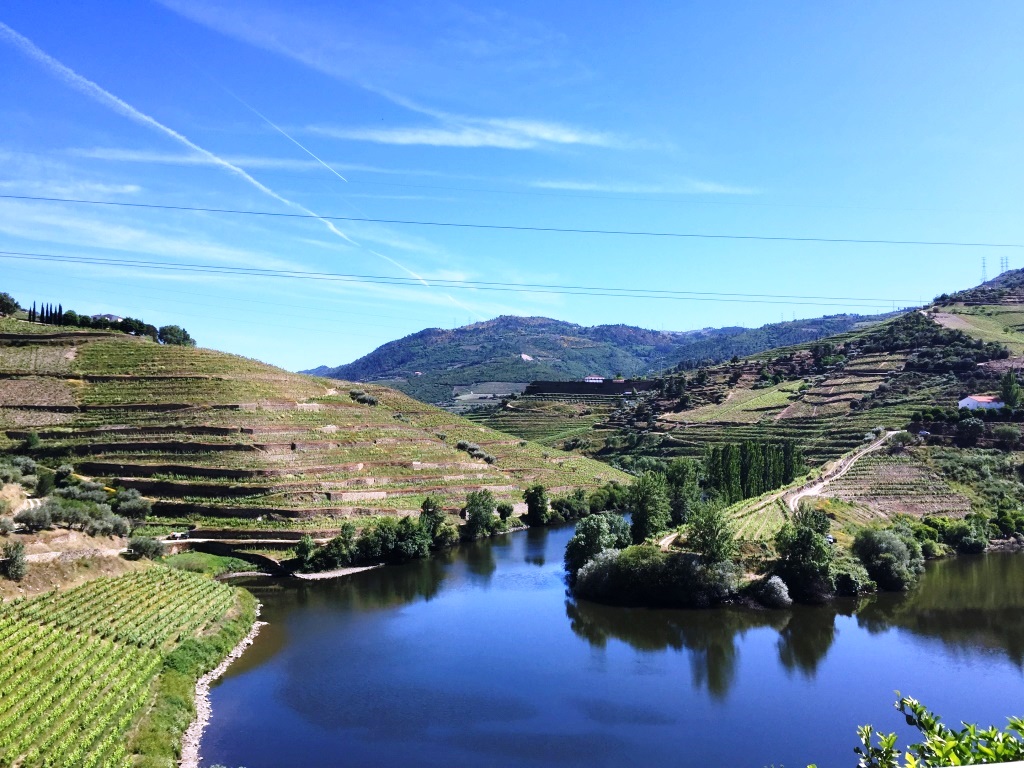

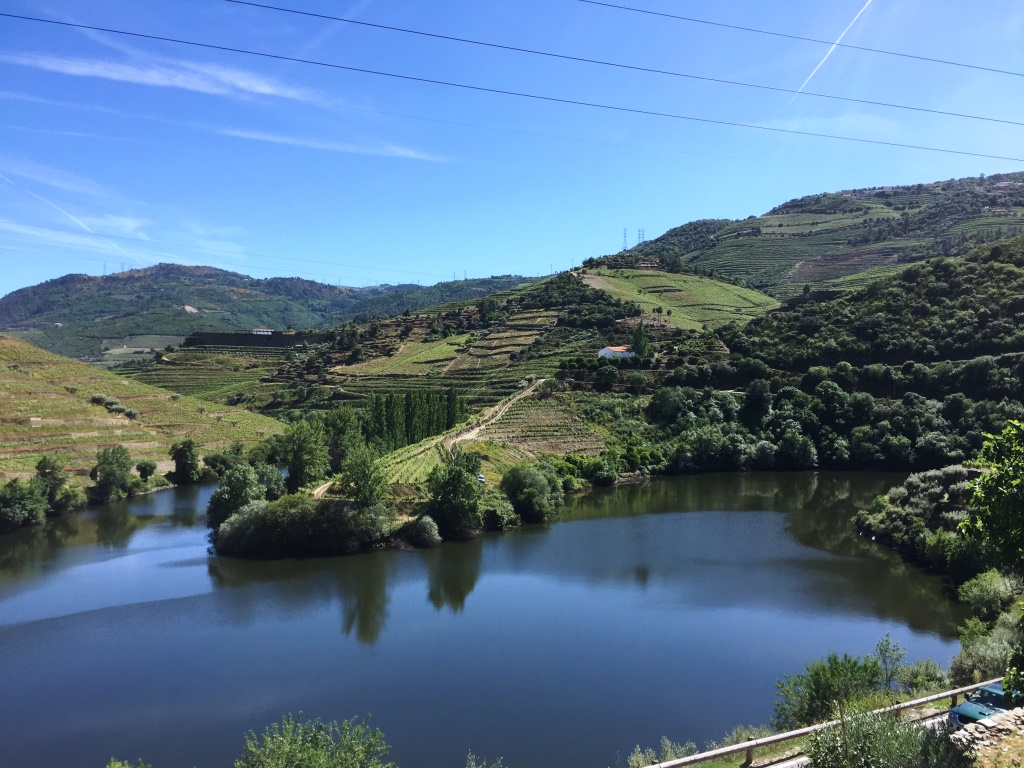 The winery still uses all of the old traditions of winemaking – the grapes are harvested by hand, into the small baskets to prevent them crushing under its own weight. The grapes are fully destemmed, and then are crushed using the … feet, yes, exactly as you expected. Grapes are stomped over the course of a few days by the men. The juice flows into the tanks (no pumping), where it is fermented for two days (in case of port production) or longer, and from there on the wines are made according to the style. Ahh, and I need to mention that the vineyards of Quinta do Tedo are certified organic. Also note that it is illegal to irrigate vines in Douro, so you can say that all of the producers in Douro are using dry farming methods.


I love the fact that wine offers endless learning opportunities – every time you talk to someone passionate, you learn something new. Let me tell you why I’m talking about it. As you might know, all the wine production in Douro is regulated by so called Douro Institute (IVDP). This is a very powerful organization, which assess all the wines made in Douro, both Port and regular dry wines, to make sure that winery’s declaration is up to the right level. I was always under impression that it is IVDP then which declares vintage year for Port. Turns out I was wrong – it is actually up to the winery to declare a vintage year (however it would be an IVDP will confirm or reject the designation). 2010 was an excellent year, and many Port houses produced Vintage Port. Then there was 2011, which was not just good, but simply spectacular. But if you mention 2009, people raise their arms defensively – it was not a good year. Nevertheless, it didn’t stop Quinta do Tedo from producing delicious 2009 Vintage Port, including their single vineyard flagship, Savedra.
The learning didn’t stop there. Our guide very simply explained concept of the so called LBV, or Late Bottled Vintage Port, which has the year designation similar to the vintage port, but typically costs a fraction of price (and something which I couldn’t figure out for a while). It appears that concept of LBV is as follows. The wine is first made with the intent of becoming a Vintage Port – 2 days fermentation which is stopped with neutral brandy, then about 2 years of aging in stainless steel or neutral oak tanks. After that the port is sent to the IVDP to get the vintage approval – and if it fails to get the approval, it is aged for another 2 years or so, and then bottled as LBV. Simple, right?
Of course it was not all talking – there was also tasting. Technically our official tasting included only two types of port, but you know how that works – once the passion starts talking, the tasting becomes “no holds barred” event.
We started with two of the dry wines. The 2011 Quinta do Tedo Tinto Douro was what can be called a “BBQ Wine” – nice fresh fruit profile, with some depth, but limited power, allowing for easy sipping. But the second wine was the whole different story. 2011 was so good that the winery simply decided to skip the Reserva level, and to make Grand Reserva only. Wine spent 22 month in French oak. The level of finesse on that 2011 Quinta do Tedo Grand Reserva Savedra Douro was unparalleled, something which you really have to experience for yourself – elegant dark fruit, spices and touch of fresh herbs on the nose (you can smell the wine for the very, very long time). On the palate, the wine is multilayered, dark, full-bodied and powerful, and it combined firm structure with silky smooth goodness. At €25, it can be only classified as a steal – or definitely a tremendous value, if you prefer that definition.
We also tasted 2010 Quinta do Tedo LBV, which was absolutely delicious, with good amount of sweetness and fresh acidity, making it perfectly balanced; Quinta do Tedo 20 Years Old Tawny had beautiful complexity with hazelnut and almonds, and dry fruit sweetness. Elegance of 2009 Quinta do Tedo 2009 Vintage was simply outstanding – fragrant nose and very balanced palate. That was one delicious tasting, that is all I can tell.


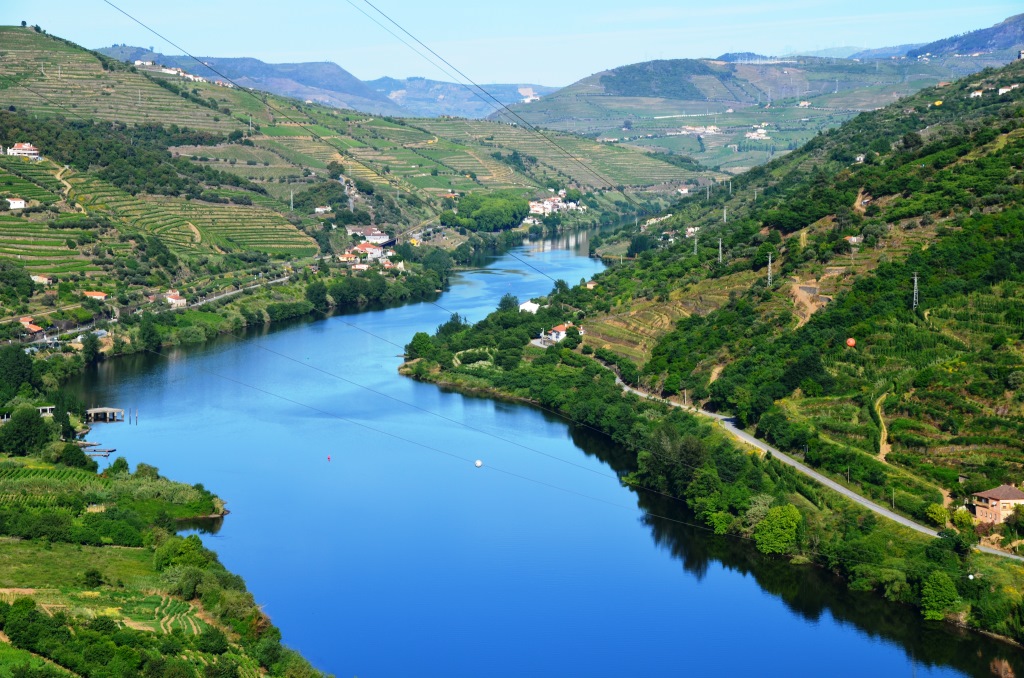
We need to round up here – and I thank you if you are still reading this. Good news is that after that tasting where I think we spent double the time versus the original plan we went back to the hotel, with one last stop to suck in the greatness of the Douro River – so no more words here, just a few pictures.
And we are done (can you believe it?). If your travel will take you to Portugal, I would highly recommend that you will give the LivingTours a try – I think this is the best way to explore that magnificent country. Also keep in mind that Winerist offers a variety of the wine tours in many regions, so do check them out.
As for my Portugal escapades – I’m only getting warmed up. Prepare to be inundated further. Until the next time – cheers!
Introducing Wine Apps: Winery Passport
This post is a part of the Wine Apps series, introducing different wine apps available on the market. In this series, I offer all the interested Wine App makers an opportunity to present their applications to the readers of this blog in a short and concise way. Today I would like to introduce to you the wine app called Winery Passport. This blog post is written by Scott Stanchak, Creator of the Winery Passport application (you can follow Scott on twitter @ScottStanchak). Please note that this post is provided as is, strictly as a service to my readers and it doesn’t constitute my endorsement of the app.
 Winery Passport has been helping users discover tasting rooms at the wineries for almost two years. The mobile app, available for iOS and Android, came about when creator Scott Stanchak was at a wine tasting, but had forgotten his paper passport book. Instead of asking for a second one, he knew the passport should live on his most personal device.
Winery Passport assists users in finding wineries (more than 5,000 of them) from across the United States and Canada. Users can view details about each winery and stamp their passport once they complete a visit, or add it to their wish list. Once a stamp is made, users can share the trip on Facebook and Twitter, to brag a little bit, of course.
 Users can store details about each tasting, including a winery rating, photo and favorite wines, in their winery journal. Then, if they connect with friends and family, they can share those journal details, or see the details from the others. This social component helps in the winery visit decision-making process – since there are so many to choose from.
A user’s app experience doesn’t end once they’ve left the tasting room. Wineries they’ve stamped at, or have on their wish list, can send messages that land in the user’s inbox. These messages contain wine and tasting offers. A push notification lets users know when new messages are received.
Winery Passport is currently available for free to download on iTunes and Google Play.
Here are some useful links:
Winery Passport website – http://www.winerypassportapp.com
iOS Download – http://www.winerypassportapp.com/download
Android Download – http://www.winerypassportapp.com/android
Last Bottle Sign Up ($10 credit)




 Talk-A-Vino