Impromptu Evening With Friends? A Bottle of Golden Bordeaux is All You Need
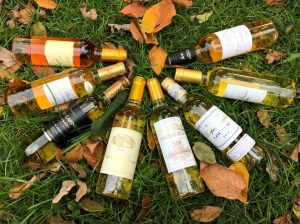 You just came home from work. It was a hard day. The boss [again] didn’t get your idea, and you didn’t get much support from your coworkers either. All you want to do is to crawl into the old trusted chair with your feet, open the book, and get lost in its pages. Tomorrow will be another day, and all the problems will magically solve themselves. Or you will force them to solve themselves. No matter what, but “me evening” is about to begin.
The doorbell rings. Really? The doorbell? What the heck? You sure didn’t invite anyone over. Get the sleepers on, let’s see, maybe it is just a late package. Ahh, it is not a package. It is your friend. And she just had a rough day at work, and she needs at least an ear, and hopefully not a shoulder.
Walk her in, get her situated on the couch. Then you get this burning feeling – something is amiss. Oh yeah, of course – there is nothing on the coffee table, and your friend sheepishly confirms that she is really “not that hungry”, and your perfectly know what it means – while nobody is looking for a 5-course meal, a little something would be great.
You didn’t shop for a while, and all you got is some crackers, some chips, salami and a bit of cheese. And of course, you need to bring a bottle of wine, which is a must for the free-flowing conversation, but what wine would pair well with such an eclectic spread of crackers and salami?
So let’s stop here, as I’m not writing a fiction novel, and let’s analyze the situation. We got chips, crackers, cheese, and salami – what would pair well with it? I’m sure you have your own take on this, but let me give you mine – how about some Golden Bordeaux to pair with this eclectic mix?
If you are curious what Golden Bordeaux is, I’m sure you can easily guess it – heard of Sauternes? Have you ever seen a bottle of Sauternes? Yes, it typically looks like a liquid gold, hence the reference to the Golden Bordeaux.
The term “Sauternes” here is used rather generically, and Golden Bordeaux might be more suitable than just Sauternes – however, while the Golden Bordeaux makes sense, I’m not sure how common the term is.
Of course, first and foremost, Bordeaux is known for its reds (anyone who experienced Bordeaux whites from Pessac-Léognan would easily disagree, but still). However, Bordeaux is a lot more than just the reds. On the left bank of the Gironde river, which splits Bordeaux in half, lies the region called Graves. Inside of Graves resides the small region of Sauternes with its neighbors Monbazillac, Cérons, Loupiac and Cadillac, as well as Barsac which is a sub-region of Sauternes. Together, all these regions are the source of the Golden Bordeaux, the unique white wine made from the partially raisined grapes due to their contact with so-called Noble Rot. It is common to describe Sauternes as sweet, dessert wines – but the flavor profile of these wines goes way beyond just sweet, offering layers of complexity, and therefore suitable for a lot more than just a dessert course.


A few weeks ago, a group of wine aficionados got together for the virtual tasting of the Golden Bordeaux, hosted and guided by the kind folks from Snooth. This tasting went beyond just a standard format of tasting and discussing the wines – we also had an opportunity to experiment with the variety of savory and spicy snacks, which included Sweet Potato and Beet Crackers from Trader Joe’s, Sriracha Cashews, Jalapeno Chicken Chips, Gusto by Olli Calabrese Spicy Salami, and Jack Link Sweet & Hot Jerky. Spicy and sweet, as well as sweet and salty are well-known combinations for anyone who likes pairing wine and food. However, these Golden Bordeaux wines go beyond just sweet, often adding a layer of forest mushrooms and herbs to their taste profile, which helps to complement the ranges of savory dishes.
I had a few surprises and personal learnings in this tasting. I never paid attention to the mushroom undertones in the Golden Bordeaux, so this was definitely an exciting discovery. I also never thought that those wines need some breathing time – and I was wrong, as you can see in the notes below – another little memory knot is in order. I also found out that not all food can be good for the tasting – the Chicken Jalapeño crackers were so spicy for me, that I had my lips burning for an hour in the tasting. It would be fine if this was a pairing and conversation with a friend, but for the next time around, I plan to taste the wines first, and only then try it again with spicy food.
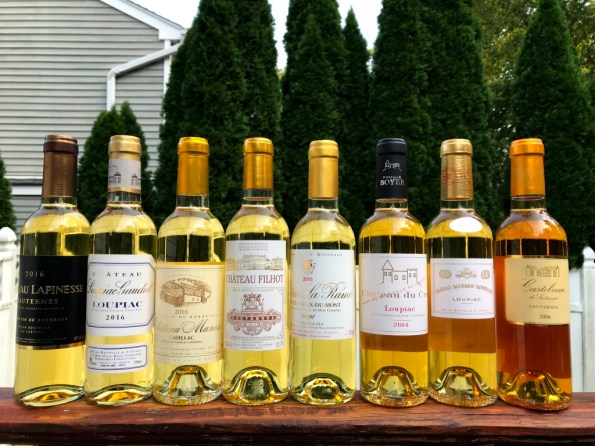
Now, here are my notes from the tasting:
2016 Château Manos Cadillac (13.5% ABV, $12.99, 95% Semillon, 2.5% Sauvignon Blanc, 2.5% Muscadelle)
Light golden color
Peach, honey, beautiful nose, very inviting
Delicious palate, peach, candied peach, caramel, good acidity 8/8-
Very nice with beets crackers from Trader Joe’s
2014 Château du Cros Loupiac (13% ABV, $12, 90% Semillon, Sauvignon Blanc, Muscadelle
Golden color
Complex nose of caramel and herbs, a touch of spicy notes, great complexity
Beautiful concentration on the palate, candied fruit, golden raisins, perfect balance. 8+
Amazingly elevates sweet and hot beef jerky, wow
2016 Château Loupiac-Gaudiet Loupiac (13% ABV, $17, 90% Sémillon, 10% Sauvignon Blanc)
Light golden color
Sweet apples, herbs. Later on: truffles!
First reaction: Sweet apples on the palate – need more acidity
After 20 minutes: good acidity, mushroom, forest floor. 8-
Excellent with hot beef jerky
2011 Château Dauphiné Rondillon Loupiac (13.5% ABV, $28, 80% Semillon, 20% Sauvignon Blanc)
Golden color
Honey, plums, candied plums
First reaction: Burned sugar, then medicinal. Ouch
After 20 minutes been open: sugar plums, white plums, good acidity showed up. 7+/8-
Later on – mushrooms on the nose (really a discovery for me), caramel. Savory caramel on the palate. Interesting – definitely a food wine.
Very good with salami and sweet potatoes crackers
2015 Château La Rame Sainte-Croix-du-Mont (13% ABV, $22, 100% Sémillon)
Golden color
Very restrained, a touch of tropical fruit, distant hint of honey, gasoline added after 20 minutes
First reaction: Candied fruit, really sweet, can use more acidity. 7
After 20 minutes: vanilla, cookies’n’cream, light, good acidity. 8-/8
Tried with hot beef Jerky – not bad
2016 Château Lapinesse Sauternes Grand Vin de Bordeaux (14% ABV, $20, 100% Sémillon)
Golden color
Lemon, lemongrass, touch of honey, white plums
Candied fruit, apples, good acidity. 8
Didn’t make much difference with spicy salami
2006 Castelnau de Suduiraut Sauternes (14% ABV, $90, 99% Semillon, 1% Sauvignon Blanc)
Dark gold color
Honey, candied lemon, touch of caramel
Beautiful palate, fresh caramel, butterscotch cookie, good acidity. Very rich. 8-
Very good with beef jerky, also with jalapeño chicken strips
Here you are, my friends – Golden Bordeaux and eclectic snacks. Get a few bottles on hand – the wines are versatile, and can be enjoyed in many ways – especially when the late night friend pops in.
The Golden Bordeaux wines are definitely underrated – here is the great opportunity to surprise yourself and your friends. And you can thank me later. Cheers!
Sent with Writer
Beaujolais Nouveau Est Arrivé! 2018 Edition
 I find myself lately talking a lot about traditions. These are not cultural or societal traditions, of course not. Much simpler. These are only the traditions of this very blog. One needs time to claim something a “tradition”. This blog had been around continuously for more than 9 years, so I hope I get the right to call some of the permanent, repeated year after year, themes a “tradition”. A tradition such as the yearly Beaujolais Nouveau post.
I’m sure hope the majority of the wine drinkers are familiar with the Beaujolais Nouveau phenomenon. Every year we celebrate the new vintage by drinking the young, simple wine just made a few months after the harvest. As the tradition of celebrating the new – Nouveau in French – vintage originated in the Beaujolais region in France, we call this celebration the Beaujolais Nouveau. And to set the expectations right, the Beaujolais Nouveau is always celebrated on the third Thursday in November – this is when the Beaujolais Nouveau wines officially hit the shelves of the wine stores around the world.
Every “new” Beaujolais Nouveau celebration brings something new and unique with it. I remember huge celebrations held a few years in the row. Then there was a period when the “Nouveau” movement was joined by the number of US producers. Last few years, however, were rather uneventful – it is, of course, possible that I missed something.
This year 2018 brought in quite a few things which might not be designated as “new”, necessarily, but for sure they were different. First, I almost missed the whole Beaujolais Nouveau celebration, as it came up quite unexpectedly – the earliest possible celebration overall. Beaujolais Nouveau can only be released on the 3rd Thursday of November, which fell this year on November 15th – can’t happen any earlier than that. Okay, I know this is insignificant. Next interesting fact was … the snow. Yep, we got 5 inches in Connecticut right in the middle of November – this is something which generally doesn’t happen. But I was able to take the pictures of the bottles in the snow.
The last “new” was truly a Nouveau event – Georges Duboeuf released Beaujolais Nouveau Rosé. Rosé was never a part of the Beaujolais Nouveau celebration – until now, that is. Not only it was a beautiful looking wine, but it was also a tasty one too!
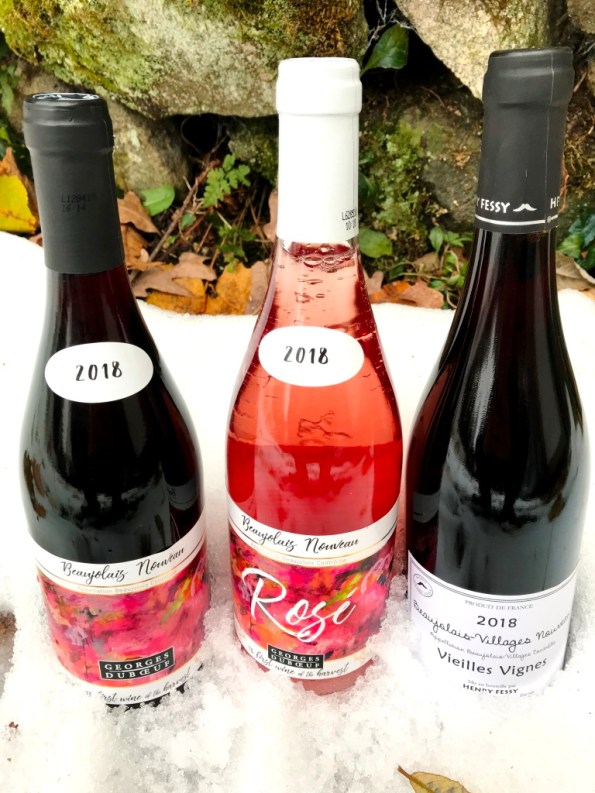
I know that bashing of the Beaujolais Nouveau as only a marketing stunt is quite popular among wine professionals and consumers alike – and I honestly don’t support it. Even this year, I saw someone asking in one of the wine forums on Facebook “does anyone drinks Beaujolais Nouveau wines”. I didn’t want to get into that conversation, but I can, of course, answer here – I do! The Rosé I would actually gladly drink at any time at all. And I would never refuse the second glass of either one of the reds, so there, you have my answer.
Here are a bit more detailed notes:
2018 Henry Fessy Beaujolais-Villages Nouveau Vieilles Vignes (13% ABV, $12.99)
Dark ruby color
Fresh raspberries with the characteristic Beaujolais Nouveau acidity, mineral notes
Fresh tart raspberries, good structure, good balance, overall quite pleasant. 7+/8-
2018 Georges Buboeuf Beaujolais Nouveau Rosé (12.5% ABV, $9.99)
Beautiful light pink color, very inviting.
Beautiful fresh strawberries on the nose. Strawberries and cranberries on the palate, clean acidity, excellent balance. There is nothing “Nouveau” about this wine – it is just an excellent Rosé. 8
2018 Georges Buboeuf Beaujolais Nouveau (12.5% ABV, $9.99)
Garnet color
Raspberries and violets on the nose
Raspberries and strawberries on the palate, interesting minerality, some baking spices, good concentration, medium plus body, well integrated mouth-plucking acidity. A very solid wine. 8-/8, one of the very best Beaujolais Nouveau.
What do you think of Beaujolais Nouveau phenomenon? Did you taste the 2018 wines? If you did, what do you think of them? Cheers!
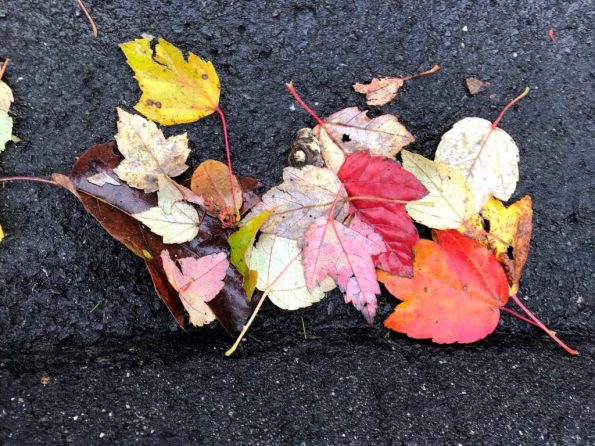
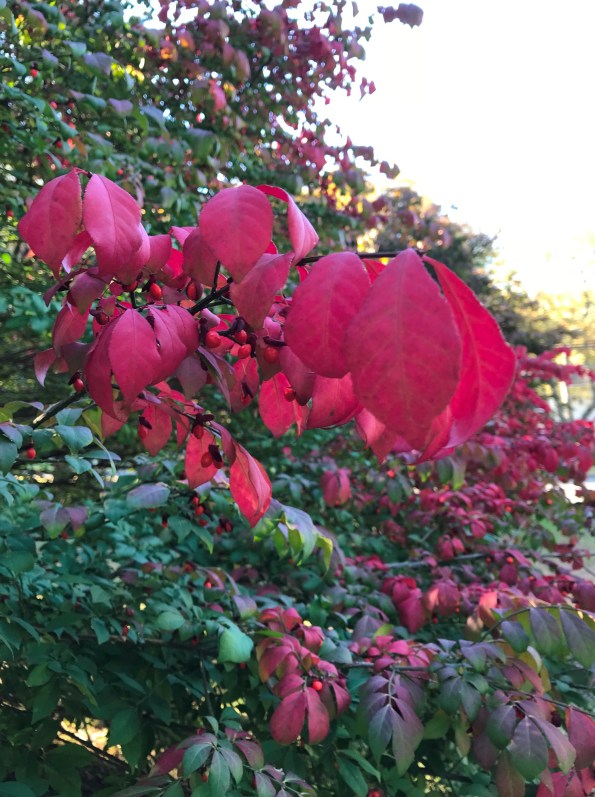
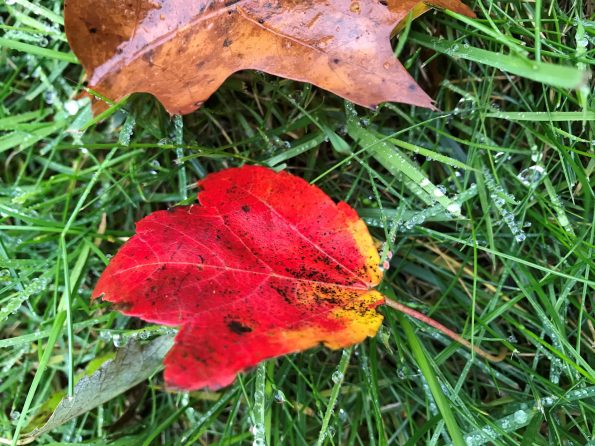
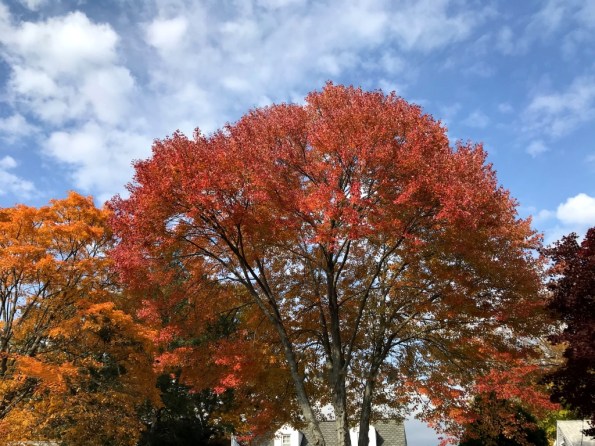
Full Force of Colors – New England Fall 2018
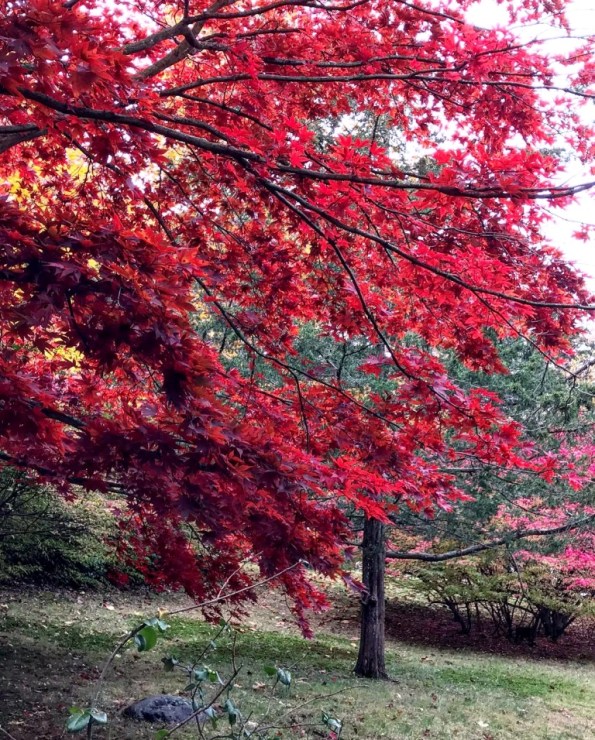
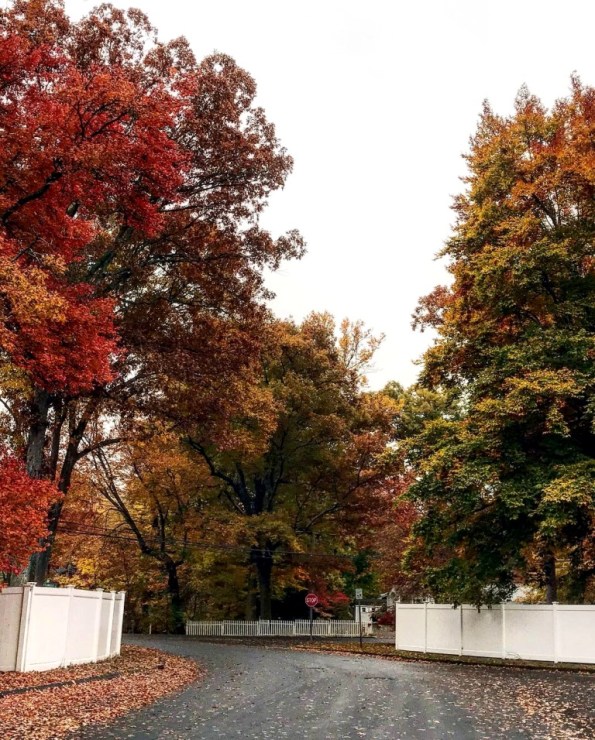
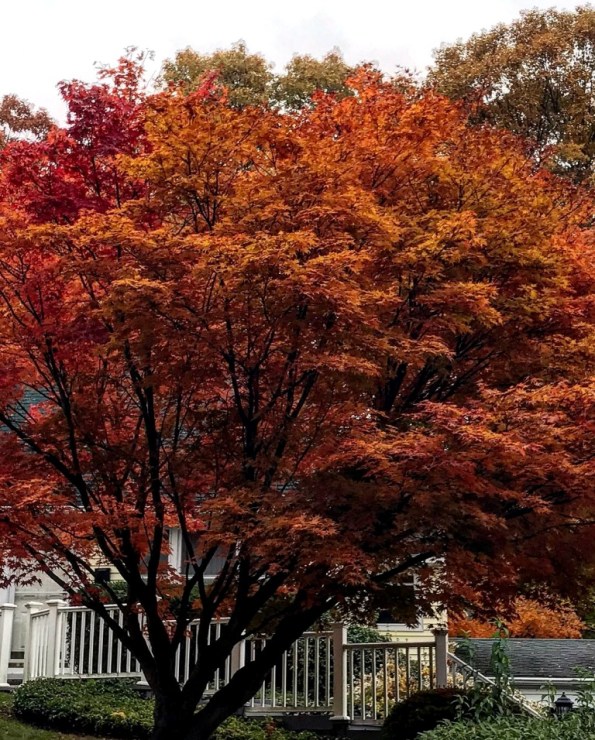
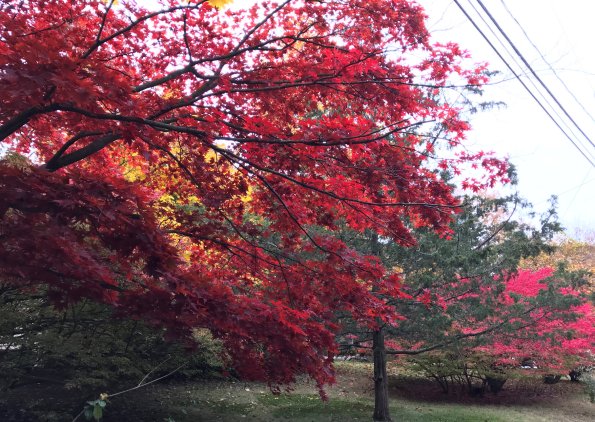
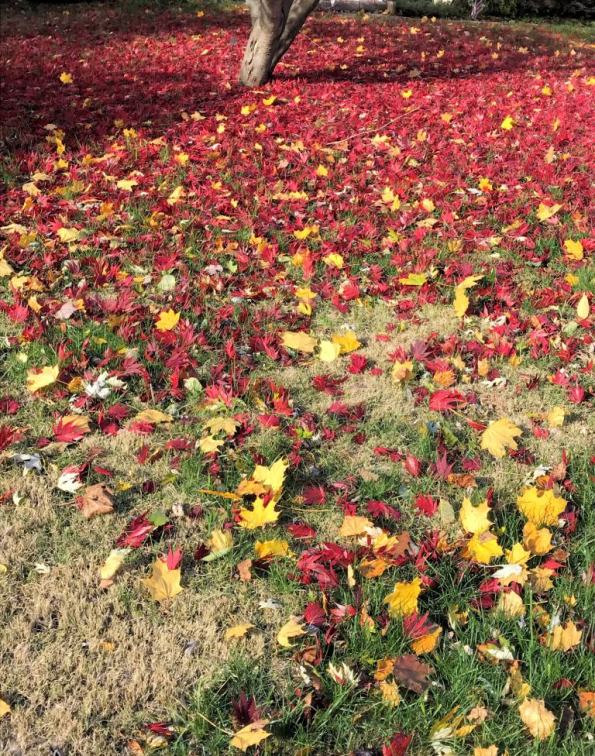
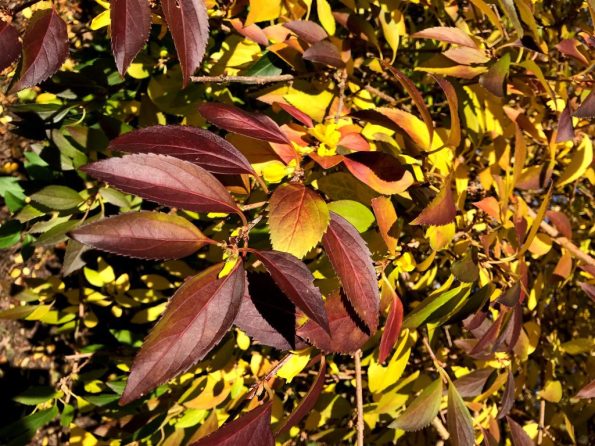
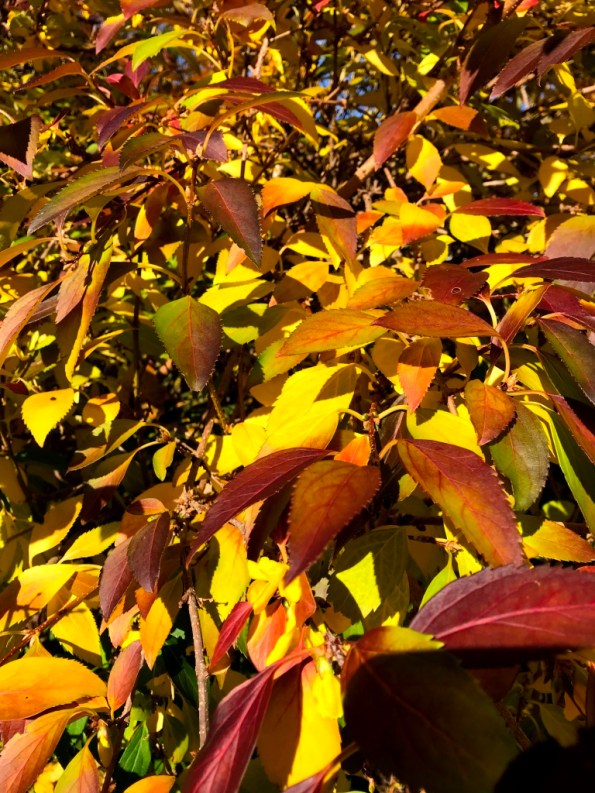
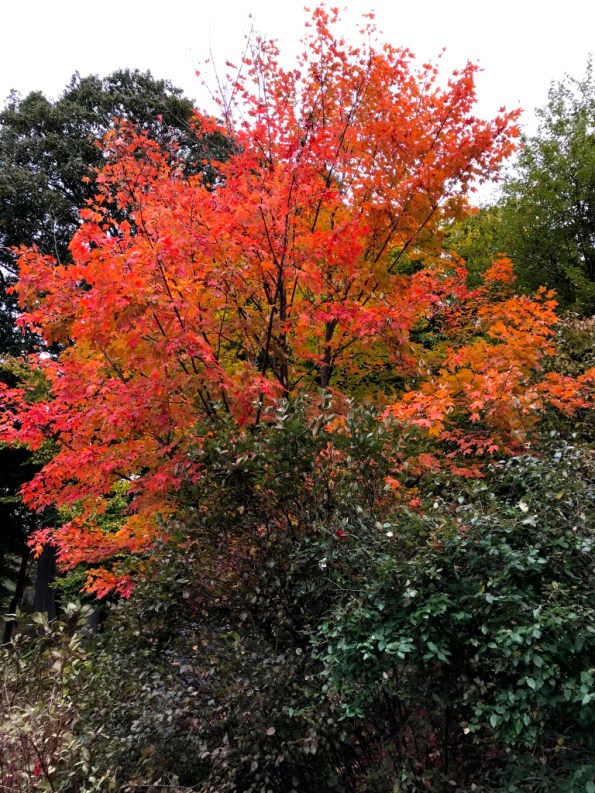
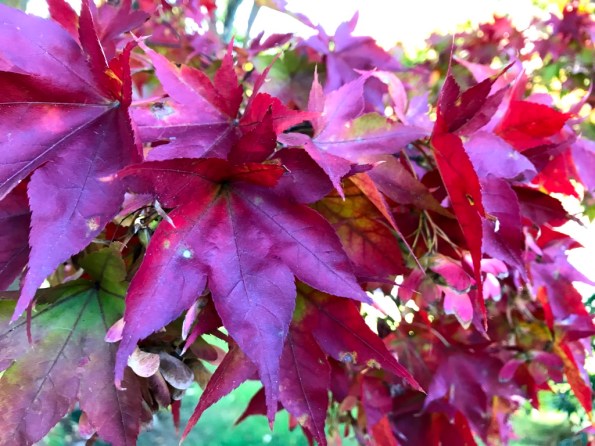
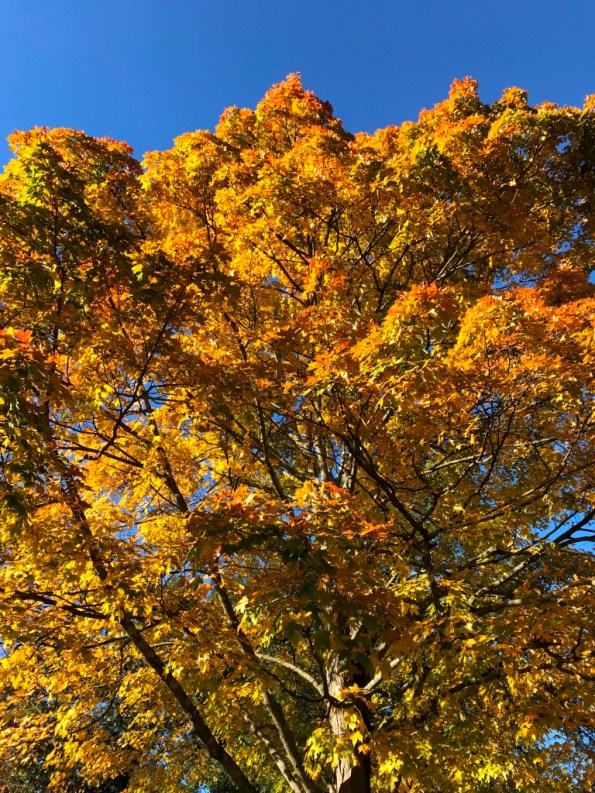
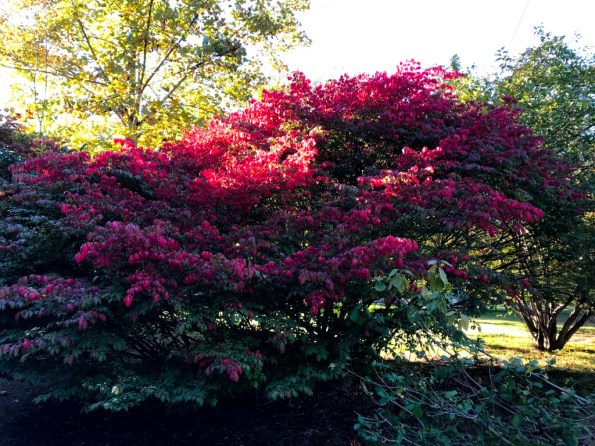
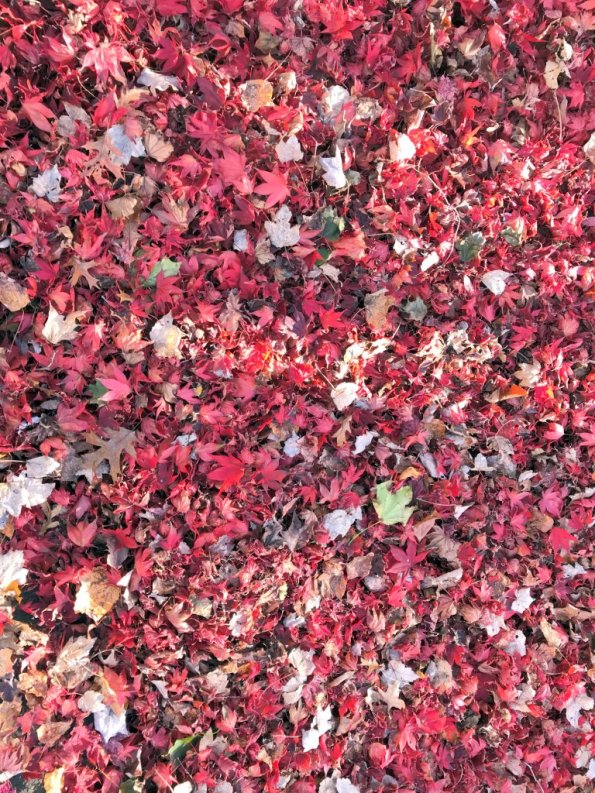
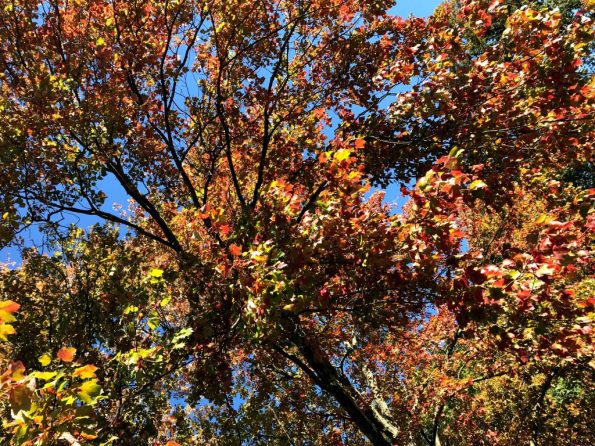
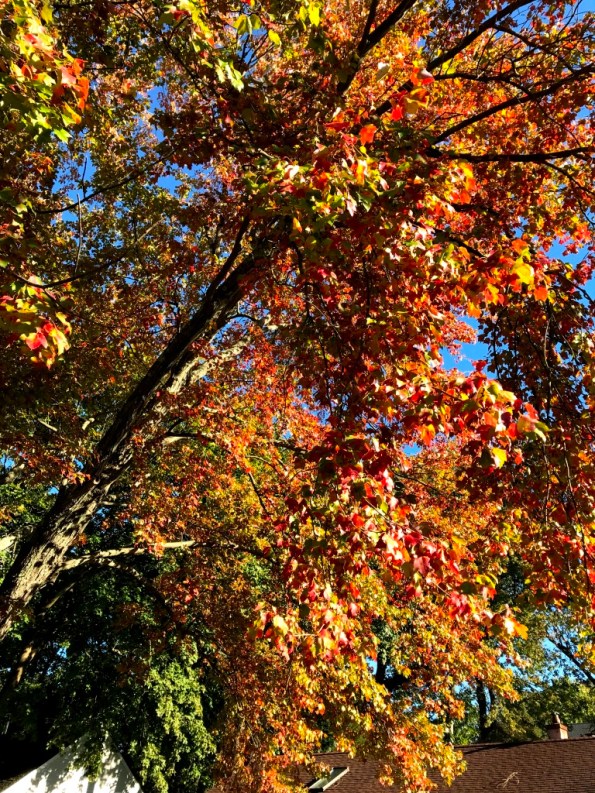
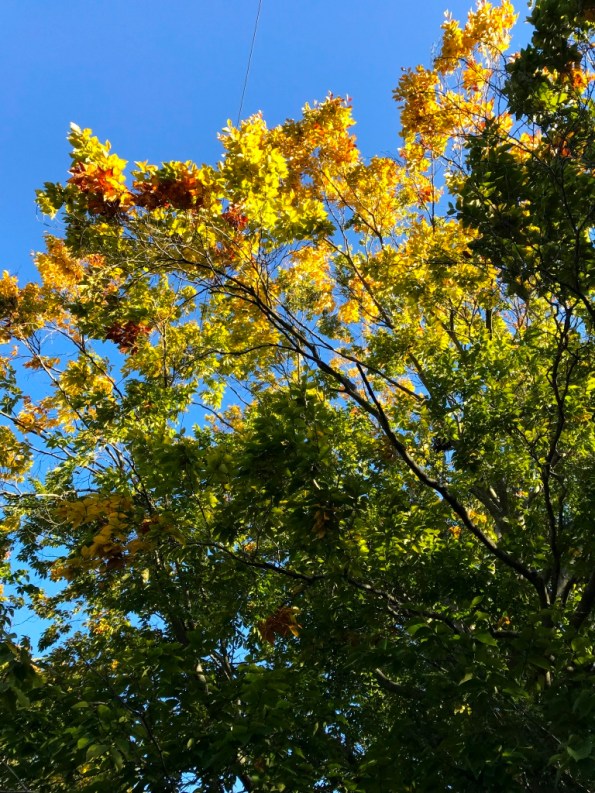
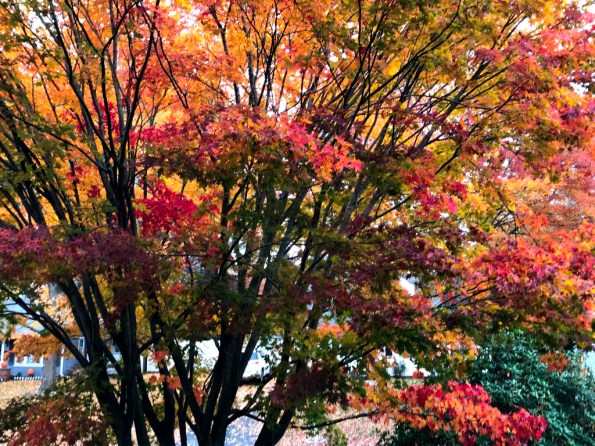
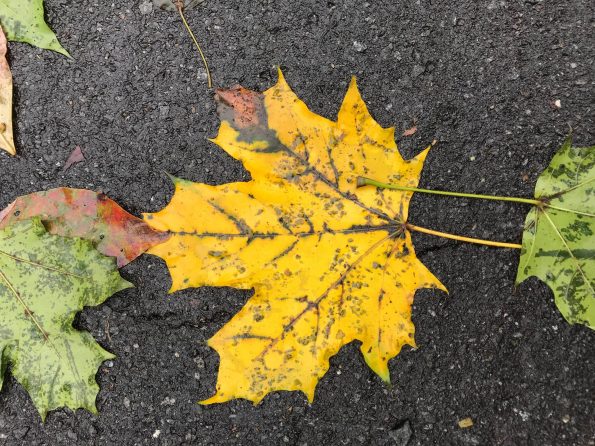
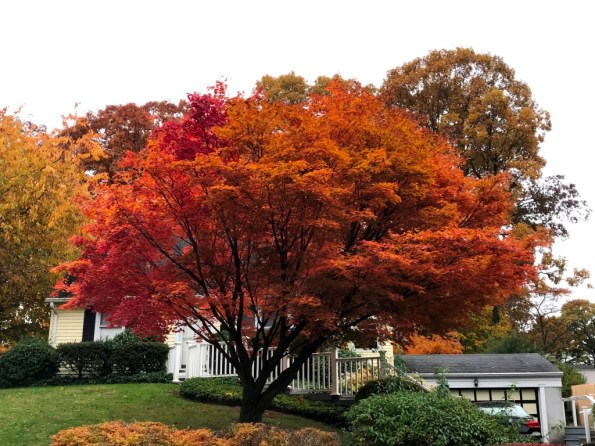
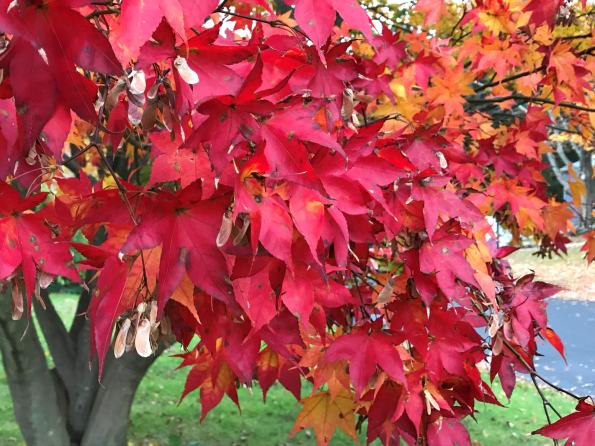
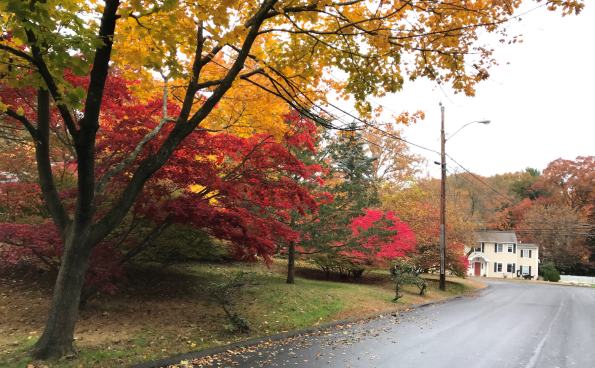
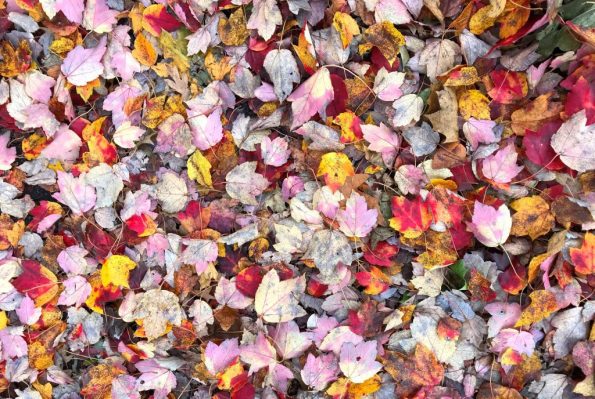
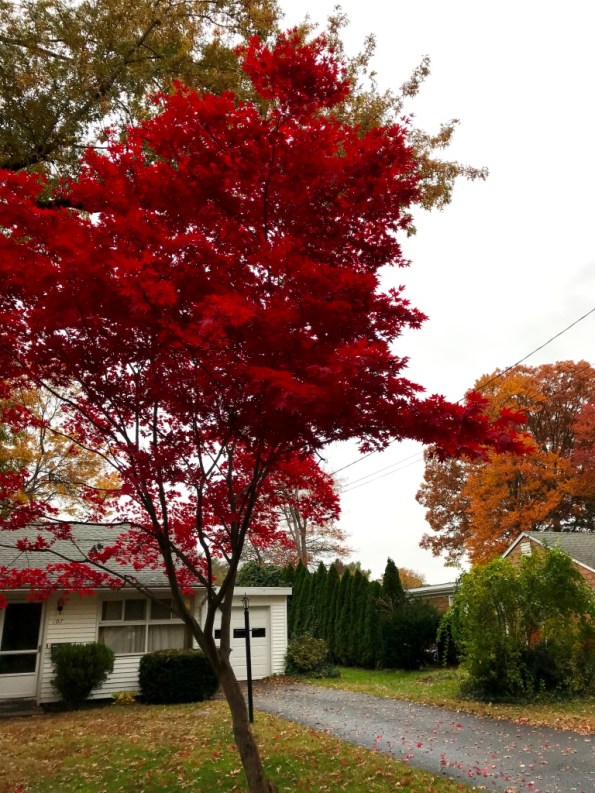
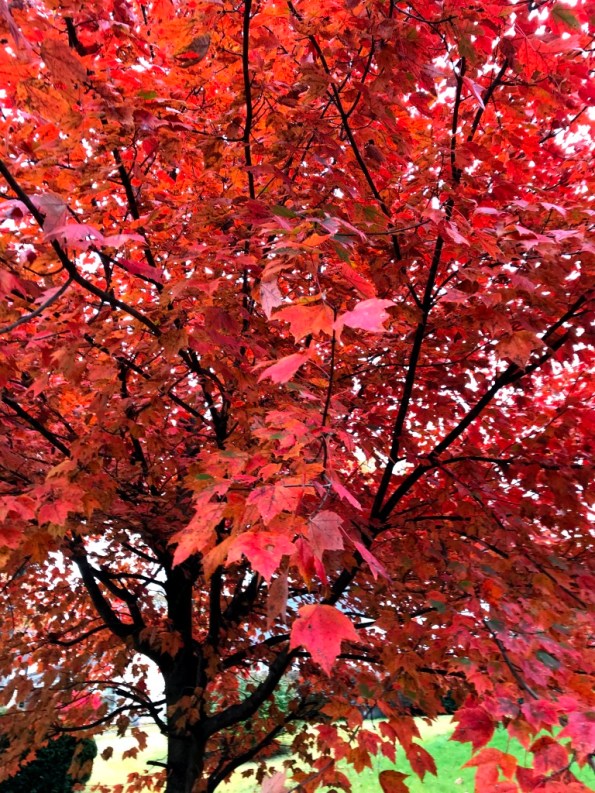
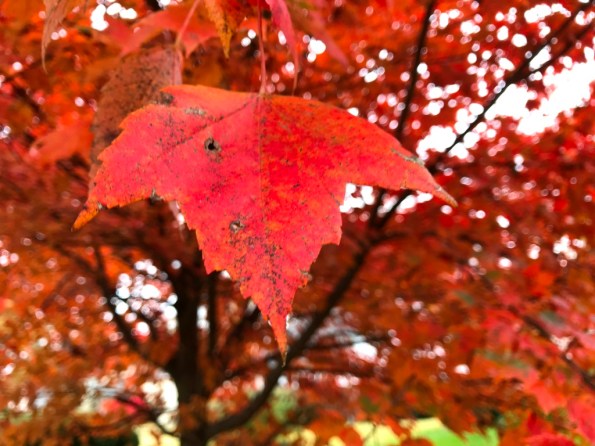
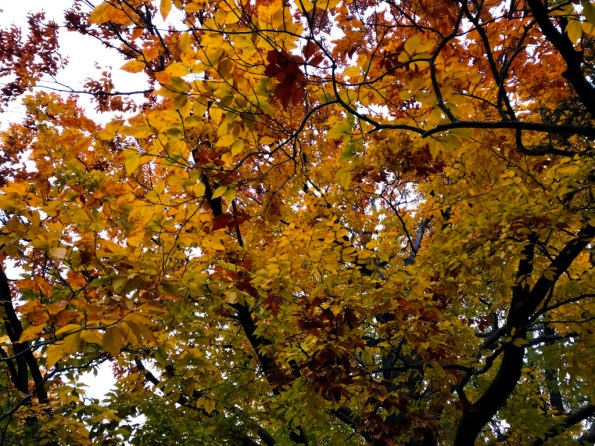
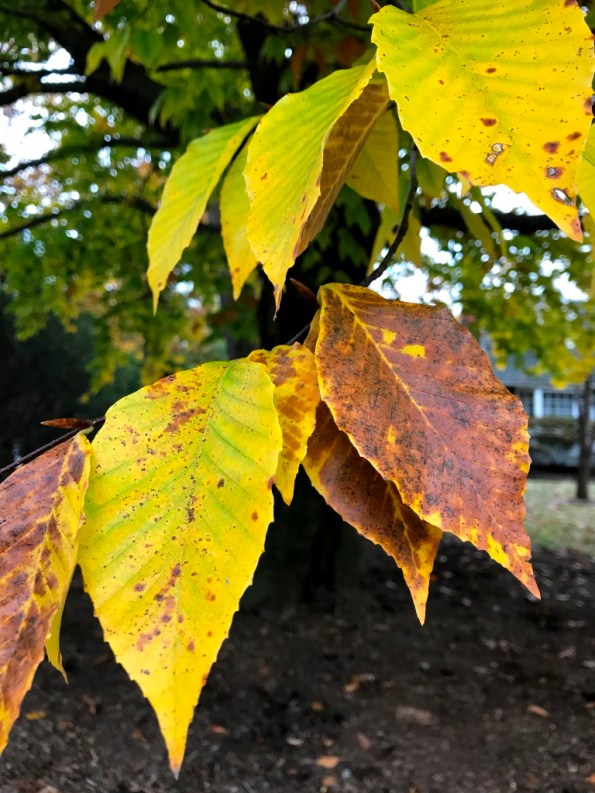
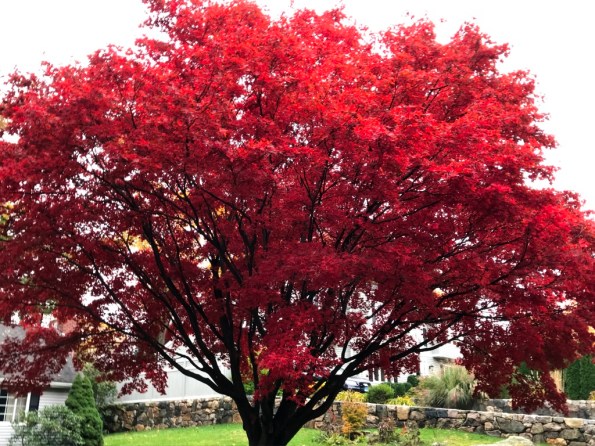
Everything has its silver lining – at least this is what we, optimists, think. The “Fall Foliage” is one of the most famous attractions of New England – travel agencies offer special tours and people literally from around the world are happy to come to experience the abundance of color, which typically takes place during the month of October. Only last year (2017), the real abundance of colors never really arrived – of course, trees changed colors and leaves fell down – but it was rather a boring fall instead of a typical color festival.
The 2018 overall was one of the wettest years I remember. It rained non-stop the whole summer, and it was hot. The fall was simply a continuation of the same – we still had to run the A/C in October, and it was raining every couple of days. All the trees were still practically summer-green well into the second half of October. And then the silver lining showed up – Mother Nature magically turned on the color, and the streets and roads became anything but boring – amazing, amazing sight anywhere you look, every day bringing more colors and more joy with it.
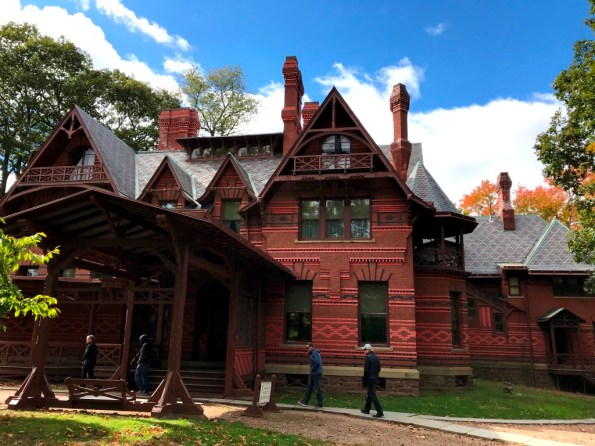
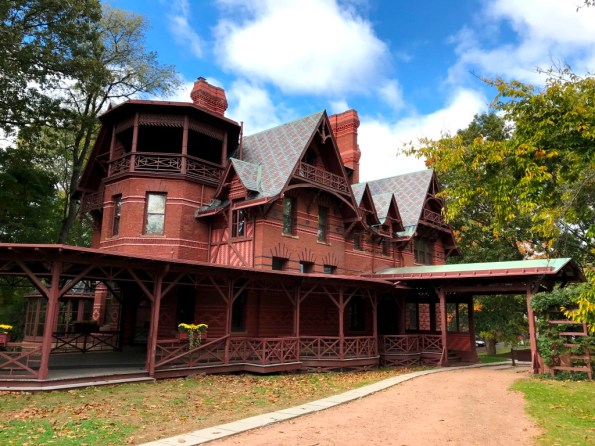
As I had done it many times in the past (here are a few posts: 2012, 2013, 2015), I took a few pictures while walking around my neighborhood – with iPhone in your pocket, taking pictures had never been that easy – and now I want to share these beautiful New England fall colors with you. This year we visited for the first time Mark Twain’s museum (mansion) in Hartford, so I included a few pictures here as well.
Hope you will enjoy the beautiful colors as much as I do. Cheers!
Wine, Wine, Wine – Notes from Martin Scott 2018 Grand Portfolio Tasting
 Martin-Scott is one of the largest wine wholesalers (distributors) in New York, New Jersey, and Connecticut, with a very extensive portfolio well representing all major winemaking countries of the world. I had a pleasure to attend Martin-Scott portfolio tastings in the past, and they were always great with a lot of delicious discoveries. When I had an opportunity to attend the portfolio tasting about a month ago, I was very happy to be able to include it into my schedule.
I wrote about trade portfolio tastings many times in the past. They might seem a bit overwhelming, as you are presented with about 1000 wines and only 4-5 hours of time to taste them. At the same time, the range is incredible and you get an opportunity to expand your wine horizon and always find new favorites.
Here are my general impressions from the tasting:
- I know this is my pet peeve, and I keep talking about it at every occasion, but I have to say it again – new vintages of California reds are using way too much oak. There were lots of California reds from the 2015-2017 vintages which were literally not drinkable due to very high tannins content, to the point of your whole mouth getting numb. Unfortunately, some of the bigger Washington producers follow suit and also make over-oaked red wines. I really don’t understand this trend. Yes, using lots of new oak makes wine more expensive. But it doesn’t make it more enjoyable, for sure when it is young.
- White Burgundies are amazing. I rarely get to drink those wines for the variety of reasons, so I was literally blown away by the beauty and finesse of most everything I tasted. You will see this love expressed in the ratings below.
- South Africa produces some spectacular wines. Check the full list below to see what I really enjoyed.
- There are some excellent spirits made in … Sweden. You really need to taste them to believe them.
- I was able to add one more new (rare) grape to the collection – the grape called Souvignier-Muscaris from France.
Before I will inundate you with my brief notes, just a reminder for the trade tasting ratings I use. Considering the amount of time versus amount of wines, there is no way I can do much of the thoughtful analysis for a hundred plus wines I manage to taste. Thus I use the “+” signs, with “+++” meaning excellent. When I came up with this system, I really didn’t plan to go beyond “+++”, but you will see now “++++” and even “+++++” (very rarely – maybe one in the whole tasting) – you understand what it means. I also use “-|” as a half-point. The list below only includes wines with at least “+++” rating. As these are all new releases just coming into the stores, essentially all the wines on the list represent a “buy” recommendation – whatever you can find and afford. All prices below are an approximation of the suggested retail prices. I’m sure that the actual store price might be lower for many of those wines.
Now, I will leave you to it. Cheers!
Embracing Inner Dude At Halloween
I like action movies. Well made action movies it is – those which have a plot and intrigue, and especially those which might keep you on the edge of your seat. Oh yes, and they better be American made movies. Nope, this is not a patriotic statement – Japanese action movies are beautiful (I love Martial Arts), but in 99 out of a 100, the main character dies at the end. In our, American made action movies, the good always wins – yep, the proverbial “happy end” is literally warranted.
And then there are those American movies where the plot is based on pure absurd, and the only supposedly entertaining element is unstoppable, relentless use of the F-word by everyone, including kids and animals – I guess the endless F-word variations are supposed to create serious drama around, well, pretty much nothing.
Okay, okay, you are still reading (if you are actually reading – and I want to thank you for that) the Talk-a-Vino blog so we will be actually talking wine – I’m not turning into a movie critic all of a sudden.


Sometimes I know that the wine sample had been shipped to me only through a UPS or FedEx notification, without any prior conversations with “the source”. So when the box arrived a few weeks ago from Donna White, I got really curious about what is inside, as the box looked quite big – however, its weight really didn’t support the size, so yes, color me very curious. Inside the box, I found the Halloween costume, the bottle of wine, and the note. From the note, I found out that I’m a Lebowski (and everyone I know is also a Lebowski). Which instantly triggered “The Big Dude Lebowski” to come to my mind – without much of the basis, as I knew the phrase but had no idea it came from the movie.
Now you have the movie connection. I found some movie clips on YouTube, and whatever I watched, didn’t give me an encouragement to sit down and spend time watching the whole movie (hence my opening thoughts in this post). The strong association of the word Dude and “The Big Lebowski”, which is an actual title of the movie, even prompted me to do a bit of the research on the meaning of “Dude” – I was happy to see that the word itself has a much longer history and somewhat easy to relate to (from Wikipedia): “Dude is American English slang for an individual, typically male. From the 1870s to the 1960s, dude primarily meant a person who dressed in an extremely fashionable manner (a dandy) or a conspicuous citified person who was visiting a rural location, a “city slicker”. In the 1960s, dude evolved to mean any male person, a meaning that slipped into mainstream American slang in the 1970s. Current slang retains at least some use of all three of these common meanings.” So “The Dude” can exist on its own, without the “The Big Lebowski” parallels.
Okay, so I explained the movie opening of this post, but we still didn’t get to wine – and it is the time to do it. The Dude actually plays an important world in the wine world – as the name of the Australian Shiraz. Two Hands winery from Barossa Valley in Australia produces the wine called Gnarly Dudes, which has the picture of the old Shiraz vines on the label – which looks like, well, gnarly dudes – hence the name and this whole connection between the Dudes and the wine.
I mentioned the Halloween costume in the box, didn’t I? Can you guess what the costume was? Yep, of course, it was the outfit of The Dude himself, exactly as they show it in the movie. My first reaction was: no. Just no. I will not wear this. A few days later, after the initial desire to reject slowly dissipated, the next thought was “well, this is Halloween after all. Why not?
The end result was simple. I wore The Dude’s costume and I opened the bottle of The Dude wine, just as it was envisioned by whoever put this package together. Below, you can see a proof – lame, but my best version of The Dude. By the way, when I was giving out candies in this outfit, nobody complained – and one person even managed to correctly identify the character I was impersonating.


For the longest time, our family tradition is to carve pumpkins for the Halloween. None of us has any carving skills, but once we finally acquired a good pumpkin carving set from the Williams-Sonoma, we managed to achieve the level of the personal content with the results of our carving efforts.
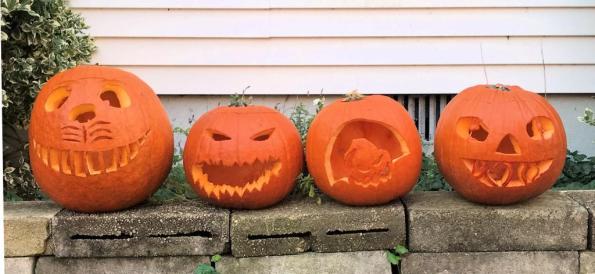
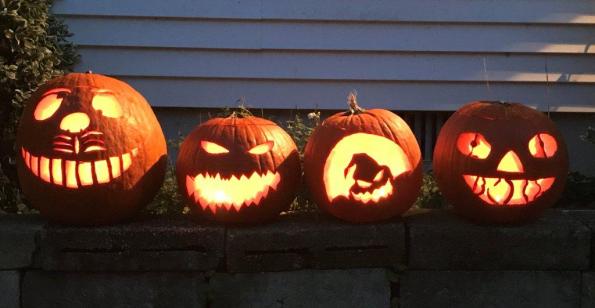
And now, let’s finally talk wine – 2017 Two Hands Gnarly Dudes Shiraz Barossa Valley (13.8% ABV, $30, 100% Shiraz, 12 months in French Oak). The wine perfectly demonstrated its “dudiness”. Upon opening and for the most of the evening, it was simply an okay wine. Here are the notes:
Roasted meats on the nose, quite dominant
Dark, earthy fruit, blackberries, a touch of pepper, noticeable sapidity, overall earthy notes, good balance. This is a food friendly wine.
So in terms of drinkability, it was a 7/7+ wine at the best on the first day. The second day (without pumping the air out, just putting the screwtop back on) brought far more enjoyable wine – blackberries appeared on the nose, and on the palate, the wine clearly added multiple dimensions – velvety texture, round dark fruit, both blackberries and blueberries, sage and violets joined the chorus – absolutely next level wine compare to the first day, definitely an 8 wine (my own 1-10 Drinkability scale, yes). I want to mention that the wine remained equally beautiful even on the 3rd day, and showed a touch “over the hill” signs on day 4. An excellent wine, but you have it either give it some time or look for the one which has some age on it. And yes, forget a few bottles in the cellar for the next 10 years – somehow, I expect you to be handsomely rewarded.
Here is my Dude story for you. How was your Halloween? Cheers!
For The Love of Chowder – 2018 Edition
Blogging is all (mostly?) about traditions, isn’t it? I’m talking about topics, things or experiences we like to write about. If you blog for a while, you have a number of posts which can be called traditional, as they cover the same subject – yearly, monthly, weekly, daily? (ouch!). For sure it works this way for me – there is a number of experiences I like to talk about on the regular basis – as those experiences take place.
One of such experiences is the Chowdafest, a fall event dedicated to the humble (or not) soup, generally known as Chowder – if you want a bit of an education on what the chowder is, I can offer you the post I wrote after attending my first Chowdafest back in 2015, which provides a few details on the different types of chowders.
The 2018 event took place at around the usual time (Sunday, September 30th), at the usual place – Sherwood Island State Park in Westport, Connecticut. Even the weather was the usual – sunny, bright and not too cold. However, the summer and early fall in New England saw an incredible amount of rain, so the grounds were unusually wet and people had to be careful walking around.
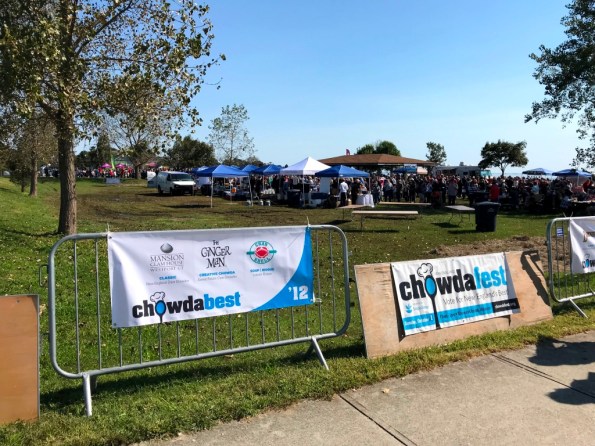

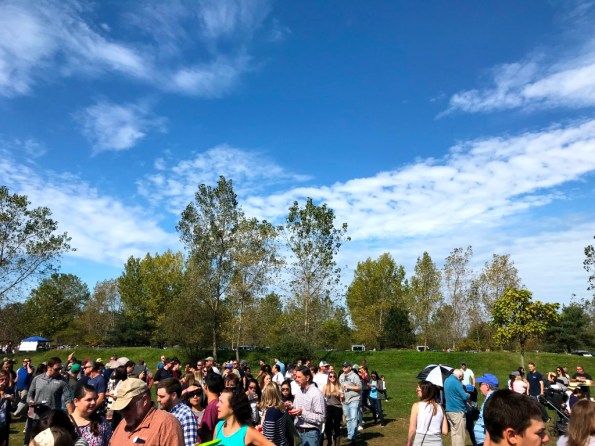
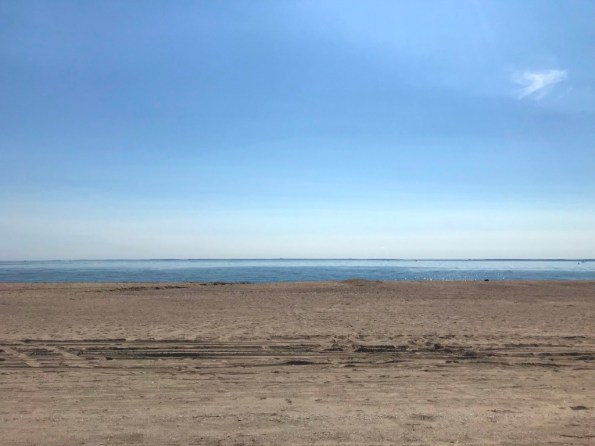
As we entered, all visitors were given a ballot and a pencil, to mark down their favorites. The back side of the ballot had a map of the event, as in addition to all the competitors, there were lots of vendors (sponsors) offering other tasty treats, so one didn’t have to survive on the chowder alone. Cabot Creamery, Harney & Sons Tea, Ocean Spray, Stop & Shop, Polar Beverages, and many others were serving Mexican and Italian food, ice cream, juice, tea, coffee, sparkling water – you had a lot of fun food options beyond chowder.


Same as last year, there were 5 categories were participants were competing for the title of “the best” – Classic New England Clam Chowder, Traditional Chowders (Manhattan/Rhode Island’s), Creative Chowder, Soup/Bisque, and Vegetarian. The participating restaurants this year represented states of Connecticut, Massachusetts, New Hampshire, New York, Rhode Island, Vermont, and Washington.


Obviously, I’m not going to give you much of a detailed report here about all the chowders I tasted, so here are my overall impressions:
- For the 4 years that I’m attending the event, I’m happy with the overall quality and variety. It is not boring and once I get out of the food coma at the end of the event, I’m instantly happy to think about next year’s Chowdafest.
- The overall level of booth decorations in 2018 was less than in the previous years. Many places would just have a serving station and maybe a recipe. It takes away a bit from the “Fest[ival]” experience. Hopefully, in 2019, we can go back to more festive booth settings.
- A few vendors run out of chowder/soup in the middle of the day. I saw one just pack up and leave, and another one saying “more soup is coming in 30 minutes” – not good for visitors, and really a bad plan for competitors – you can’t win by serving only half of the visitors.


- I’m still puzzled how Pike’s Place from Seattle always wins the New England Clam Chowder category – I think it is a combination of service – they carry their chowder around so people don’t have to wait in line, and intimidation – they display all their trophies from the past years, and people automatically think “ahh, they must be the best with so many awards” (works the same way as multiple medal pictures on the wine bottles). To me, their chowder is not bad, but for instance, I preferred the one from 250 Market far more than Pike’s Place. Oh well, the people have spoken…
- I’m happy that at least in one category – Vegetarian – my top choice matched the people’s choice. Truffle Mushroom Bisque from Old Post Tavern in Fairfield, CT was delicious, and it won the category.
- I’m also happy that Drunkin Pumpkin Seafood Chowder from Our House Bistro in Winooski VT took the top spot in Creative Chowder category – their soups are always good, the presentation is excellent with lots of “self-serve” condiments, and the booth is always a pleasure to look at.


- For the first time, I saw the competition trophies. At first, I didn’t understand the collection of the old ship memorabilia in a middle of the field – until the later when I saw the plaques and realized that those were actually the trophies.
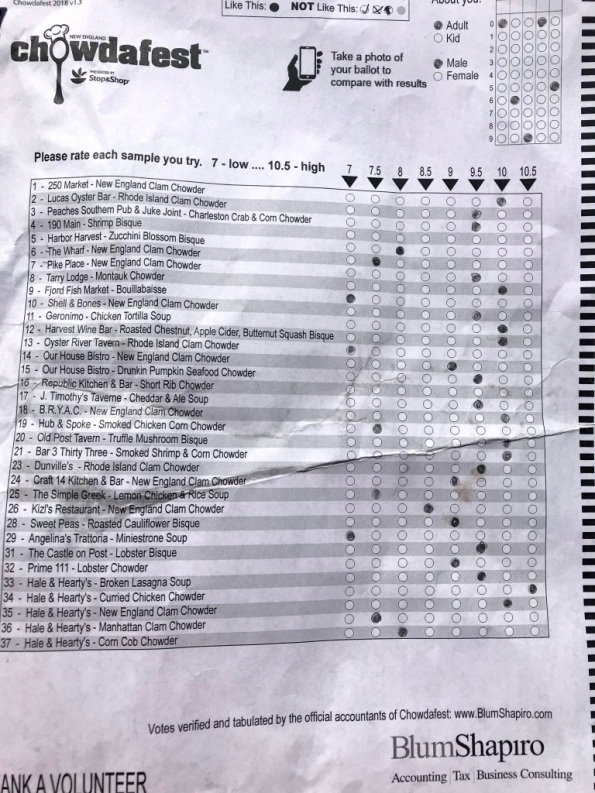
- Believe it or not, but in the Chowdafest 2018, my favorite soup was not really a chowder at all – it was a Curried Chicken Chowder from Hale & Hearty from Boston, MA – the only soup I gave the top 10.5 rating.


Here is the list of winners in the 5 categories we mentioned before (Classic New England Clam Chowder, Traditional Chowders (Manhattan/Rhode Island’s), Creative Chowder, Soup/Bisque, Vegetarian). For the more detailed list, which includes 2nd and 3rd place winners, please use this link.
Pike Place Chowder
Our House Bistro
Geronimo Tequila Bar & Southwest Grill
Dunville’s
Old Post Tavern
As usual, let me leave you with a copy of my ballot – just to prove that I take the Chowdafest competition very seriously 🙂
 You can already mark your calendars for Sunday, October 6th, 2019 – the 12th annual Chowdafest competition.
Before we part, you might want to check out Chowdafest’s sister event – the Great Mac & Chili Challenge, taking place this Sunday, November 4th at 11 AM at the same Sherwood Island State Park in Westport, CT. The weather should be great! Cheers!
WBC18: Speed (Live) Tasting – White and Rosé
In the previous post, I told you about our speed tasting session of red wines at the Wine Bloggers Conference 2018. During the second full conference day, we had a session for white and Rosé – only we didn’t get any Rosé at our table, so it was all for us (it is still 20+ different wines been presented around, but you only can taste just 10 during the allotted time.
If you read any of the previous posts or maybe attended the event, you know the drill. Snap, swirl, smell, sip, spit, share. Hmmm, next time I will call it a 6S exercise. You (1) snap a photo of a bottle. You (2) swirl the wine in your glass. You (3) smell it. Then you (4) sip it. Then you (5) spit it (well, there might be an exception to this rule, but you have to tread carefully here – if you can’t spit the wine, the wine bloggers conference is not for you). Lastly, you (6) share your notes with the world. All in 5 minutes. All repeated 10 times. There you have it.
Before I share the WBC18 wines with you now in this summary post, I will give you links to the WBC14, WBC16, and WBC17 I attended in the past, just in case you want to see what was happening there.
WBC18 speed tasting whites, here we go:
Wine 1: 2017 Desert Wind Chardonnay Heritage Series Wahluke Scope Washington (12.7% ABV, $28)
Wine 2: 2017 Bodega Bouza Albariño Montevideo Uruguay (13.5% ABV, $20)
Wine 3: 2016 Baroness Cellars Riesling Red Mountains (12.4% ABV, $25)
Wine 4: 2016 Rodney Strong Chardonnay Chalk Hill AVA (14.5% ABV, $22) – classic California Chardonnay, good wine at a good QPR.
Wine 5: 2016 Cadaretta SBS Columbia Valley (13.5% ABV, $23, 67% Sauvignon Blanc, 33% Semillon) – SBS stands exactly for Sauvignon Blanc Semillon. An excellent wine for a summer day? Well, I think I can drink it on a winter day too…
Wine 6: 2016 Frank Family Vineyards Chardonnay Carneros (14.4% ABV, $30)
Wine 7: 2016 J. Bookwalter Double Plot Chardonnay Conner-Lee Vineyard Columbia Valley (13.8% ABV, $40)
The next wine was presented with the statement to all of the Riesling haters – as shown here by Clifford Robben:
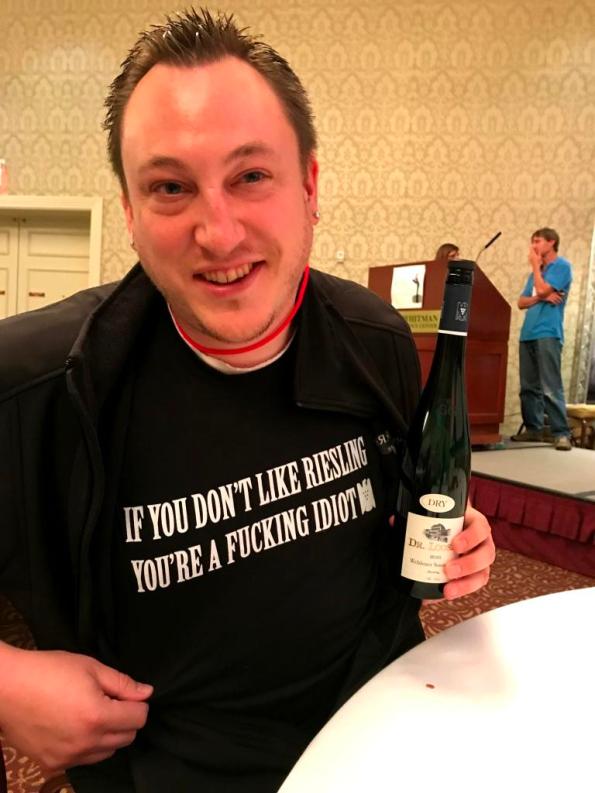
Wine 8: 2016 Dr. Loosen Wehlener Sonnenuhr Riesling GG Alte Reben Mosel (12.5% ABV, $56) – you can’t argue with greatness – this was one delicious Riesling
Wine 9: 2015 Brokenwood Semillon Hunter Valley (10.5% ABV, $22) – Hunter Valley Semillon might be one of the biggest secrets lucky attendees of WBC19 will discover. The wine might show as overly acidic when young, but with some age on it, it becomes an impeccable thing of beauty…
Wine 10: 2016 Brooks Ara Riesling Willamette Valley (12.8% ABV, $38) – another beautiful wine from the Brooks winery. From the tasting of the reds, Borrks Rastaban was my favorite wine. Now this Ara Riesling was equally impressive – and I didn’t know that Riesling was even made in Oregon. A delicious surprise.
There you go, my friends – the summary of one of my favorite exercises at the wine bloggers conference. Sorry, Chardonnay – the Riesling totally stole the crown this time. Cheers!
Daily Glass: Farmhouse Wines – The Wines You Knew California Can Produce
Memories are often unpredictable and illogical when you try to understand by what rhyme of reason a certain event, situation or circumstances get remembered. Sometimes, I can remember tiny and totally irrelevant details, I guess in lieu of something really important. Moving along.
California had been the major wine superpower for more than 40 years (if we would count starting from the 1976 Judgement of Paris events), so I’m sure many of you are puzzled about the title. California wines are unquestionably amazing, no matter which of more than 4600 wineries would produce them. California wines come in a tremendous range of styles and grape varieties, producing delicious wines from the grapes you wouldn’t even think are growing in California (Palomino, Corvina, Nebbiolo, Tinta Cão anyone?), and have a cult following, with wine lovers casually waiting for 8-10 years on the waiting list for the mailing list. Yes, California is well known for its incredible wines.
What California is not known for today is inexpensive wines. If you are willing to spend at least $20 per bottle, or better yet, you are willing to spend at least 5 times that or just add a zero to that number, that is an easy game. Almost an easy game, I should say, as you would also need to wait for at least 5 or 10 years to fully enjoy that $200 bottle. However, naming a California wine under $12 (somehow I think $12 is a good number for anyone looking for a good value wine for any night, not just for a Tuesday night), which consistently delivers, is not an easy task. My mind can’t go much past Bogle Petite Sirah, which is consistently good and usually priced in $9.99 – $11.99 range – but I’m failing to readily name another California wine in the same value category.
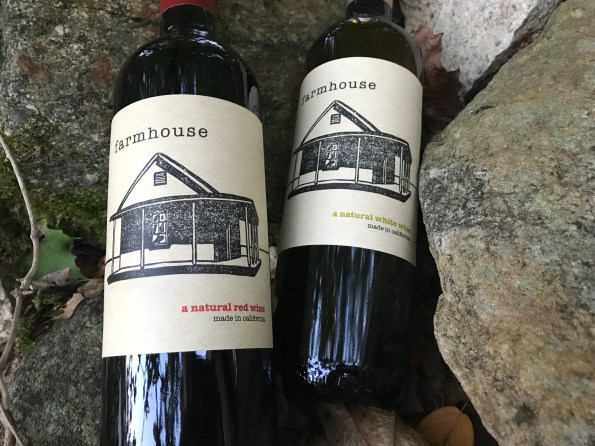
When I was offered to try two of the Farmhouse wines, I hesitated for a brief moment. As a matter of policy, I never write reviews for the samples I don’t like, and $10.99 bottle of wine from California sounded suspicious. The fact that it was produced by the Cline Cellars, who I respect very much, and that the wines were made using sustainable viticulture, tipped the scale towards accepting the offer.
The very first smell and sip of the Farmhouse Red extorted a “wow” and instantly triggered an obscure memory – absolutely not related to the wine. I don’t exactly know you, my reader at the moment, but it is quite possible you were only learning to walk when one of the big 3 struggling at a time Detroit automakers, Chevrolet, released newly redesigned Chevy Malibu sedan. At that time, back in 1997, Japanese cars really swept clean the mainstream family car category. Chevrolet was so proud to release a competitive car that they came up with the slogan for that new release of Malibu: “The Car You Knew America Could Build“. I have no memories of that car, of course, but the slogan got stuck in my head – and it instantly popped up after the first sip of the Farmhouse wine, remembering that the wine is only priced at the suggested retail of $10.99. This is a lot, a lot of wine for the money – especially the California wine.
There is even better spin to the Farmhouse wines – the wines are produced using sustainable farming methods, a farming discipline called Green String Farming, which is defined as “”natural process agriculture”. It’s about keeping the soil and plants healthy and free from pesticides and artificial chemicals. Overall, it’s about producing the highest quality grapes with the healthiest vines.” Delicious, sustainably farmed, extremely reasonably priced California wine – I’ll just rest my case.


Here are my more detailed tasting notes:
2017 Farmhouse Natural White Wine California (12.5% ABV, $10.99, 41% Palomino, 25% Muscat Canelli, 22% Roussanne, 6% Viognier, 1% Riesling)
Light Rosé gold color
Whitestone fruit, guava, a touch of honey.
Peach, white plum, lemon, touch of minerality, fresh, vibrant, excellent acidity, lots (lots!) of wine for the money. 8-/8
2017 Farmhouse Natural Red Wine California (14% ABV, $10.99, blend of Zinfandel, Syrah, Carignane, Mourvèdre, Petit Sirah)
Dark garnet
Dark chocolate, fresh raspberries, sage
Cloves, a tiny bit of cinnamon, pepper, ripe plums, excellent acidity, excellent balance. 8-/8
Two California wines, perfect for every day, easy to drink and afford – what else can you ask for? Cheers!
WBC18: Speed (Live) Tasting – Reds
Rapid fire. Lightning talks. Speed dating. We like to create extra-pressure situations for ourselves, I guess we think that we are functioning better when we have no option to prolong whatever it is we need to do or decide upon. Wine tasting is typically not a speed exercise – unless you are attending a live tasting session at the Wine Bloggers Conference.
50 minutes. 10 winemakers. 5 minutes to present the winery and the wine and answer questions – for winemakers. 5 minutes for bloggers to take pictures, smell and taste, ask questions, take notes, and ideally, post on social media about the wine – for 50 minutes in the row. Some people simply refuse to do it. And for me, this is one of the favorite sessions of the conference – and the one I get to consistently post about afterward, collecting all my individual tweets from the live session into one post – as it was done at WBC14, WBC16, and WBC17 – the three I attended in the past.
Unlike previous years, the first live wine blogging session at WBC18 was for the red wines (we always started with White and Rosé before). I guess it makes sense, as reds is what Washington is first and foremost known for. This time, I also tried to include some picture processing into the same 5 minutes – that makes the whole process even more challenging. Oh well. For what it worth, here are the wines and my notes, mostly in the form of the tweets:
Wine 1: 2013 g. Cuneo Cellars Ripasso Walla Walla Valley ($45) – Everything is possible in Washington – even the classic Italian wines.
Wine 2: 2017 De Lucca Tannat Reserve Canelones Uruguay ($15)
Wine 3: 2016 Fullerton Pinot Noir Bella Vide Vineyards Dundee Hills Oregon (13.5% ABV, $65) – great Oregon Pinot
Wine 4: 2016 Rodney Strong Vineyards Upshot Red Sonoma County (14.5% ABV, $28, 37% Zinfandel, 30% Malbec, 27% Merlot, 3% Petit Verdot, 3% Riesling) – I love this unorthodox blend, an excellent wine for any special occasion, like Tuesday, for example. I also love the label. Forgot to include the picture in the tweet, so it is attached on its own here.
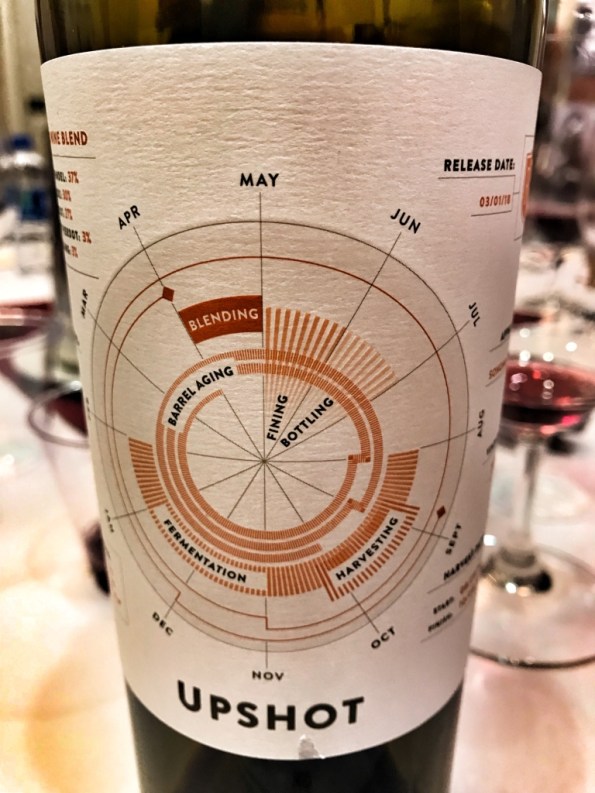
Wine 5: 2015 Browne Family Vineyards Cabernet Franc Columbia Valley (13.7% ABV, $35, 22 months in French oak) – beautiful Cab Franc specimen.
Wine 6: 2014 Dama Wines Collage Walla Walla Valley (14.7% ABV, $55, 69% Merlot, 26% Cabernet Sauvignon, 5% Cabernet Franc) – beautiful wine, beautiful label.
Wine 7: 2014 Dunham Cellars XX Cabernet Sauvignon Walla Walla Valley (13.8% ABV, $45, 100% Cabernet Sauvignon) – 9th winery in Walla Walla, 20th vintage (hence XX), and one of my most favorite from the tasting. Would be happy to drink every day.
Wine 8: 2015 Mansion Creek Cellars Red Dog Red Mountain AVA ($46, 70% Tinta Cão, 28% Cabernet Sauvignon, 2% Grenache-Syrah) – it is not every day you can taste a beautifully done Portuguese wine – made in the USA.
Wine 9: 2015 Brooks Rastaban Pinot Noir Eola-Amity Hills Oregon (14% ABV, $60) – stunningly different expression of the Pinot Noir. It evokes the same magic as tasting Cloudy Bay Sauvignon Blanc and thinking “this can’t be New Zealand Sauv Blanc”. Same is here. It is simply unique and different and in a class of its own. Probably my favorite wine of the session.
Wine 10: 2016 Troon Vineyard Cuvée Pyrénées, Estate Tannat/Malbec, Kubli Bench, Applegate Valley Oregon ($60, 62% Tannat, 38% Malbec) – organic, biodynamic, minimal intervention wine. Craig Camp lets the grapes speak, offering us a beautifully balanced wine.
There you go, my friends – the summary of one of my favorite exercises at the wine bloggers conference. This was definitely fun, and I will be delighted to do it again and again. Do you think 5 minutes is enough to learn about the wine and fall in love with it? Cheers!
WBC18: Merlot Deep Dive with Masters of Merlot
I remember my first “deep dive” into the Washington wines at the Chateau Ste. Michelle winery a few years ago, where I was told about the power of Washington Merlot. The explanation was given on the example of a group visiting Chateau Ste. Michelle from California, who were complaining that Washington Cabernet Sauvignon was too soft and mild as opposed to the Cabernet Sauvignon from California. The group was offered to taste the Washington Merlot wines next, and this is where they found the right amount of “power” they were looking for (or maybe even a bit more).
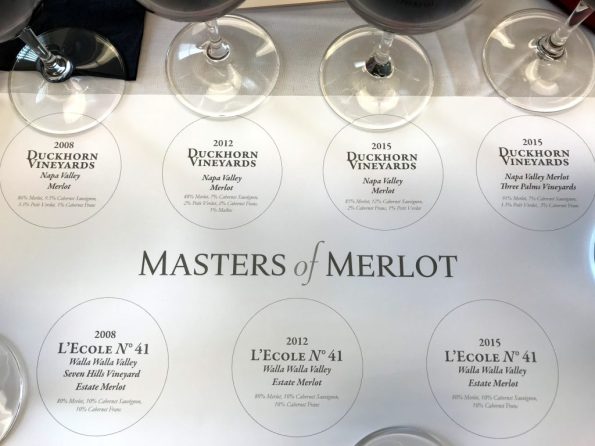
While attending Wine Bloggers Conference 2017, I was able to start the conference experience on a very high note with the deep dive pre-conference session on the California Cabernet Sauvignon, where we learned about one of the most classic California Cabs you can find – Beringer Cabernet Sauvignon. This year, at WBC18, we started on the equal, or maybe even higher note with the pre-conference session on Merlot. Very appropriately for being in Washington, and for the October being the #MerlotMe month, we were able not only taste a line of Merlot wines but to compare side by side the wines made by two of the Merlot pioneers and, unquestionably, the Masters – Duckhorn Vineyards from Napa Valley and L’Ecole No 41 from Walla Walla Valley.
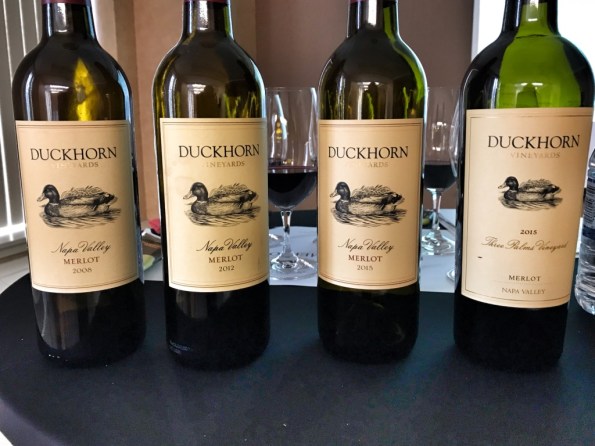
Dan and Margaret Duckhorn started Duckhorn Vineyards back in 1976, becoming one of the first 40 Napa Valley wineries. Even in those early days, it was clear that Cabernet Sauvignon was The Grape everybody wanted to work with. At that time, Dan and Margaret decided to proceed in their own way, and instead of joining the Cabernet Sauvignon movement, be unique and different and embrace the Merlot. Ever since their inaugural vintage in 1978, they never looked back and became known as Napa Valley Merlot pioneers and one of the best Merlot producers in the world, starting with their first release of Napa Valley Merlot in 1979. Today, Duckhorn Vineyards expanded dramatically and now comprise multiple wineries and brands around the USA – however, Merlot is the heart and soul of Duckhorn wines, and it is not surprising that 2014 Duckhorn Vineyards Three Palms Vineyard Merlot was the Wine Spectator’s 2017 Top 100 Wine of the Year.
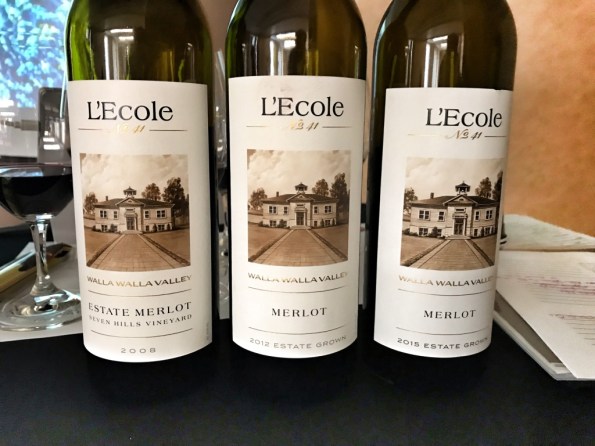
L’Ecole No 41 was founded by Baker and Jean Ferguson in 1983 when it became 3rd winery in Walla Walla, and 20th winery in the Washington state. Today the winery is run by the 3rd generation of the family, and sustainably farms estate Seven Hills and Ferguson vineyards. Merlot is the king in Washington, so it is not surprising that the L’Ecole crafts some of the best Merlot wines in Washington – however, their Cabernet Sauvignon, Syrah, and Bordeaux-style blends are equally world-famous.
Now that you know the bit of the history, let’s talk about our tasting. In our Masters of Merlot session, we had an opportunity to taste side by side Duckhorn Vineyards and L’Ecole No 41 Merlot from 2008, 2012 and 2015 vintages, plus a cherry on top (thank you, Duckhorn Vineyards) – 2015 Three Palms Merlot. Before I will leave you with the tasting notes for these beautiful Merlot wines, I just want to share some general observations. The three vintages of Duckhorn Merlot we were comparing had a different grape composition between the vintages while maintaining the same oak treatment for all the wines. As I mentioned in my summary post about WBC18 experiences, Washington weather is very consistent, so L’Ecole No 41 maintained the same grape percentages between the vintages and the same oak regimen – the changing parameters were only harvest dates and the vineyard source composition, which gradually shifted from solely a Seven Hills vineyard in 2008 to the 50/50 share between Seven Hills and Ferguson vineyards in 2015 (L’Ecole folks are ecstatic about the potential of the Ferguson Vineyard, now introducing more and more single vineyard wines from it).
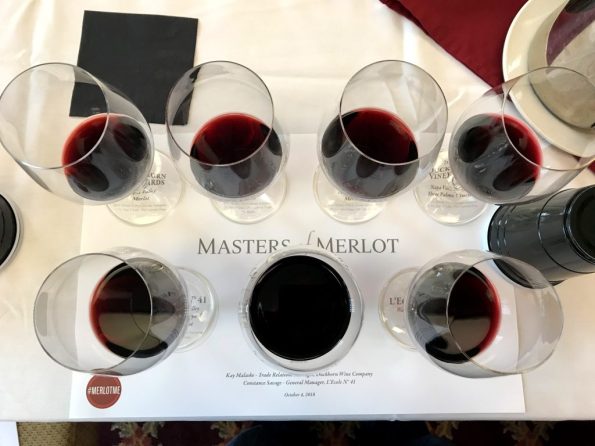
Now, it is (finally!) time to talk about the wines. Here we go, in the tasting order:
2008 L’Ecole No 41 Estate Merlot Seven Hills Vineyard Walla Walla Valley (14.5% ABV, $?, 80% Merlot, 10% Cabernet Sauvignon, 10% Cabernet Franc, 18 months in French oak)
Rutherford dust on the nose, chewy, dense, tart cherries, needs time! I want more fruit! Would love to try it in 5-8 years.
2008 Duckhorn Vineyards Merlot Napa Valley (14.5% ABV, $70, 86% Merlot, 9.5% Cabernet Sauvignon, 3.5% Petit Verdot, 1% Cabernet Franc, 16 months in French oak)
Raisins on the nose, very explicit, beautifully dry on the palate, sage, anise, tart, showed a bit of Rutherford dust after swirling, great acidity. Amarone! I want to drink it NOW!
2012 L’Ecole No 41 Estate Merlot Walla Walla Valley (14.5% ABV, $30, 80% Merlot, 10% Cabernet Sauvignon, 10% Cabernet Franc, 76% Seven Hills Vineyard, 24% Ferguson Vineyard, 18 months in French oak)
Espresso, Rutherford dust (a bit less explicit than 2008). More fruit on the palate, bright, beautiful.
2012 Duckhorn Vineyards Merlot Napa Valley (14.5% ABV, $65, 88% Merlot, 7% Cabernet Sauvignon, 2% Petit Verdot, 2% Cabernet Franc, 1% Malbec, 16 months in French oak)
Delicate, fresh plums, a touch of truffle notes, plums and lavender on the palate, delicate, fresh, round.
2015 L’Ecole No 41 Estate Merlot Walla Walla Valley (14.5% ABV, $36, 80% Merlot, 10% Cabernet Sauvignon, 10% Cabernet Franc, 50% Seven Hills Vineyard, 50% Ferguson Vineyard, 18 months in French oak)
Dark fruit, Rutherford dust, dark berries, a bit of bell pepper on the palate, plums, sapidity, interesting minerality. Needs time.
2015 Duckhorn Vineyards Merlot Napa Valley (14.5% ABV, $56, 85% Merlot, 12% Cabernet Sauvignon, 2% Cabernet Franc, 1% Petit Verdot, 16 months in French Oak)
Closed nose, a touch of mint, however – palate is beautifully ripe, open, clean, fresh fruit.
2015 Duckhorn Vineyards Merlot Three Palms Vineyard Napa Valley (14.7% ABV, $98, 91% Merlot, 7% Cabernet Sauvignon, 1.5% Petit Verdot, 0.5% Cabernet Franc, 18 months in French Oak)
Rich, opulent, caramel, anise, sage, on the palate coffee, ripe fruit, mocha, dark chocolate. Big and delicious.
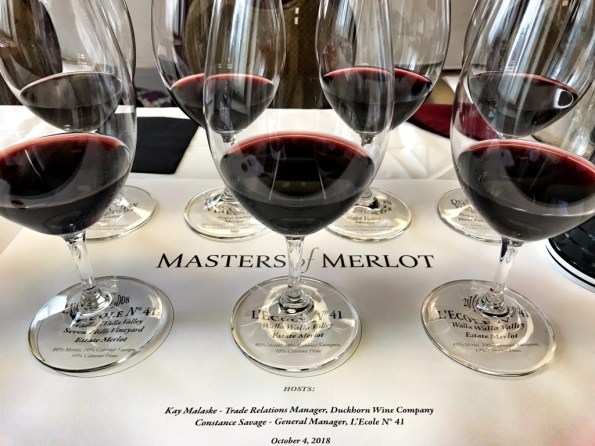
Were these wines similar, even between the different wineries? Of course. I love the presence of the Rutherford dust on many of the wines we tasted – after tasting best of the best in Rutherford in Napa Valley – the BV wines, I picked up that term and I always use it describe the perceived dusty impression of the wine’s aroma. L’Ecole Merlot was a lot more structured and minerally-driven. I would safely say that 2-3 hours in the decanter would help those wines a lot. The Duckhorn Merlot were a lot more fruit driven but offered an impeccable balance with that fruit. If I have to pick the favorite, it would be between 2008 Duckhorn (ahh, that Amarone-like beauty) and 2015 Duckhorn Three Palms, but there were really no bad wines in this tasting.
There you have it, my friends. Beautiful Merlot wines, easy to love and appreciate, and most importantly, offering lots of pleasure. How is your Merlot Me month going? What are your discoveries or the old favorites?
I have to say special thank you to Constance Savage of L’Ecole No 41 and Kay Malaske of Duckhorn Vineyards for offering this special tasting to the wine bloggers! Cheers!
Last Bottle Sign Up ($10 credit)




 Talk-A-Vino