Of Beautiful Things
Beauty is an interesting concept. It seems to be simple and universal. And nevertheless, the declaration of beauty might dramatically differ, even for the people going through the same experience. Take flowers, for example – if someone doesn’t like daisies, looking at the field of daisies will solicit no emotional response, but the same person might spend an hour admiring an orchid.
Whatever we see as “beautiful” solicit emotion, it gives us a tiny burst of positive energy, it makes us happy. But the proverbial “truth in the eye of the beholder” is fully in control – everyone decides on their own concept of beauty.
Photography is one of the best and simplest tools to capture the beauty of the moment and convert it into a tangible memory, something you can get back to. For sure I’m the one who heavily relies on photography for doing so. If you look at the pictures on my phone, you will have no problems figuring out that I consider wine, flowers, and sunsets as the most beautiful things in this life – well, this is not an absolute truth, but we can go with it for this post. Of course, sunsets and flowers are exactly what they are, but the wine bottles in the pictures simply represent the memory knots, the real beauty is inside the bottle, no matter how pretty the labels are.
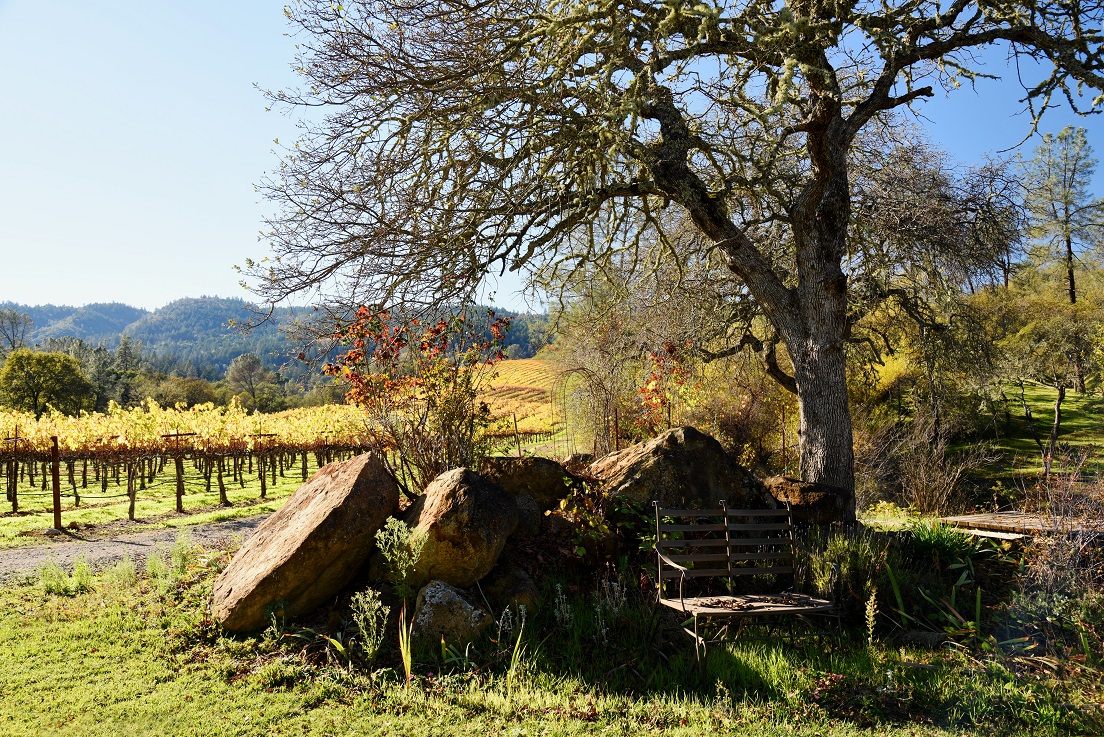
Garden at Calla Lily. Source: Calla Lily Winery
Calla Lily Estate & Winery is a project of renowned California winemaker, Cary Gott, and a group of business partners out of Hong Kong, who together started Calla Lily in 2013. Calla Lily is 95 acres of the estate in the Pope Valley section of Napa Valley, with the first vines planted in 1995. The estate’s vineyards comprise 12 acres of Cabernet Sauvignon, 5 acres of Petite Sirah, and 1 acre each of Merlot, Cabernet Franc, Malbec, and Petit Verdot.
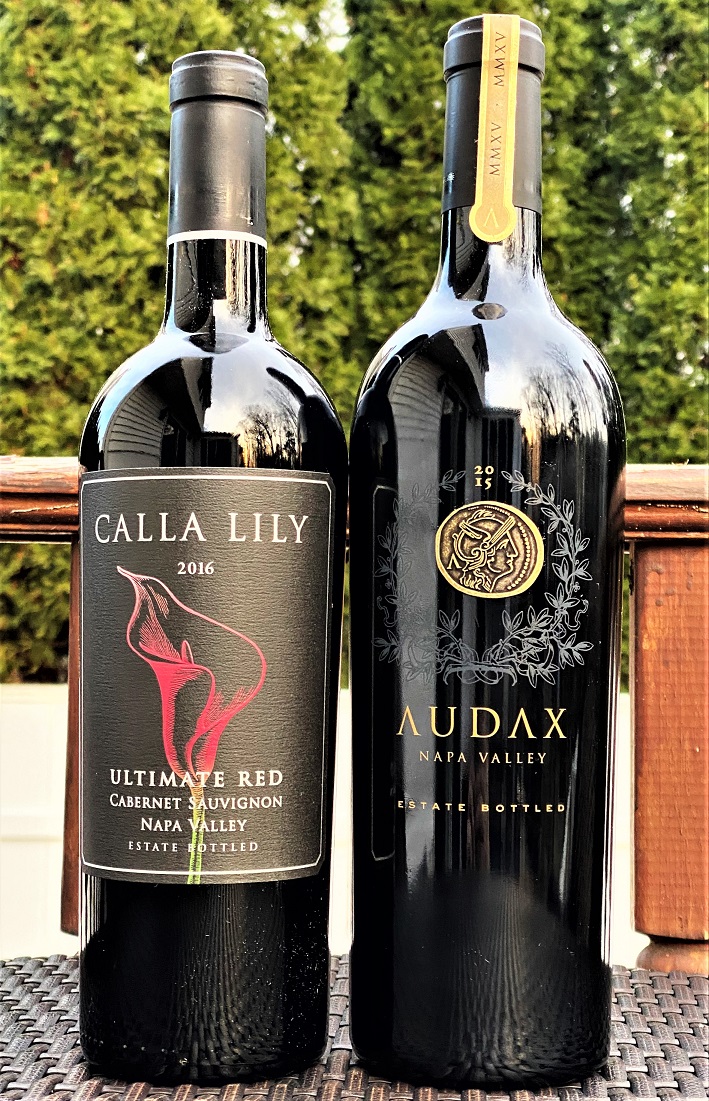
Calla Lily is not a random name. You can see the beautiful flower appear on the label of Cabernet Sauvignon, and it is both the name and the symbol. Calla is a type of lily flower, which takes its name from the ancient Greek word “Kallos” which means “beauty”. Calla Lily had been around a few thousand years and has a lot of symbolism associated with the flower in Greek, Roman, and Egyptian cultures, as well as in Christianity overall. You can read about Calla Lily symbolism further here, but I also can’t resist quoting the same source in regards to the meaning of the color of the Calla Lily flowers: ”
- White Calla Lilies: Purity and innocence.
- Yellow Calla Lilies: Joy and growth.
- Pink Calla Lilies: Appreciation and admiration.
- Red Calla Lilies: Intense passion.
- Blue Calla Lilies: Femininity and refined beauty.”
As you can see, red Calla Lily is depicted on the label of the Calla Lily wine, and after tasting the wine, I have to agree to the “intense passion” suggestion.
After talking about beautiful flowers, let’s talk about beautiful wines, as I had an opportunity to sample two of the Calla Lily wines.
2016 Calla Lily Ultimate Red Cabernet Sauvignon Napa Valley (14.5% ABV, $65, 84% Cabernet Sauvignon, 6% Cabernet Franc, 6% Merlot, 4% Petit Verdot, 26 months in 40% new French oak) was an interesting experience. While the nose was intense with red and black fruit, the wine on the palate was way too powerful for me to really enjoy it as “pop and pour”. The wine kept gradually improving over the next 4 days, finally offering soft rounds of cassis and mint, over the velvety texture. You need to wait for some beautiful things in life – for example, for a flower to fully open up from a tiny bud – this wine is beautiful, but you might need to wait for it – or decant it well in advance (Drinkability: 8- )
2015 Calla Lily Audax Cabernet Sauvignon Napa Valley (14.1% ABV, $120, 92% Cabernet Sauvignon, 4% Merlot, 3% Cabernet Franc, 1% Malbec, 27 months in 50% new French oak) is yet another interesting wine. “Audax” in Latin means “bold”, and this barrel-reserve wine is a tribute to the audacity of the pioneer winemakers, many of whom settled in the Pope Valley. Somewhat unexpectedly, the wine was more approachable from the get-go than the previous one – beautiful nose of cassis, and more cassis on the palate, accompanied by mint, pencil shavings, espresso, and cherry pit. Lots of beautifully balanced power with a firm, dense structure. (Drinkability: 8)
Here is the story of the two beautiful things in life – flowers and wine. Beautiful things are well worth seeking. What brings beauty into your world?
Everyday Bubbles – Domaine Bousquet
In my wine lover’s journey, bubbles were never essential. I grew up with only sweet sparkling wines available, and I still have no idea if those wines were even made out of grapes. Plus, the bubbles were strictly associated with only a celebration – New Year, maybe a big birthday, and a wedding. I have no idea what was the first Champagne I ever tasted, but the first Champagne I actually appreciated was vintage Krug, and ever since I have a full appreciation for a tasty glass of bubbles – and no, I didn’t become “Krug or nothing” zealot.
I can imagine drinking Champagne every day. No, let me take that back. I can imagine drinking Champagne on any day I crave bubbles – yes, this is a better way to put it, as drinking Champagne every day would quickly become really boring. However, while I have no issues with the imagination, drinking Champagne at will is hardly practical. I can find a tasty bottle of still wine for around $10 – no matter what “premiumization” trend dictates – but most of the drinkable Champagne today pushes the $40-$45 boundary (unless you find your success on WTSO) – and this is hardly an “at will” range for me. If you are craving bubbles but want them to be reasonably priced, you can find better luck with Prosecco or a Cava, but you better know producers by name.
And here I come, extending my helpful hand, to bring to your attention delicious bubbles which you really – and I mean it, really – can afford to drink on any day. And not only to afford but also to enjoy. Cue in Domaine Bousquet Charmat-method sparkling wines from Argentina, made from organic grapes and priced at a whopping $13 – and this is the suggested retail price, which means you can probably even find them in the stores for less.
Before I will share my impressions of the wines, let’s take a quick look at the Domaine Bousquet, the product of vision, obsession, and dedication. “Vision, obsession, and dedication” are not just words. In 1990, during his vacation, Jean Bousquet, a French third-generation winemaker, fell in love at a first sight with the high altitude remote area in Argentina – Gualtallary Valley in the Tupungato district of the Uco Valley in Mendoza. You really need to have vision and dedication to leave your country and buy 1,000 acres of essentially a desert (real estate broker told Jean Bousquet that he is making a mistake of his life) – you would probably think so too if you will look at the picture below:
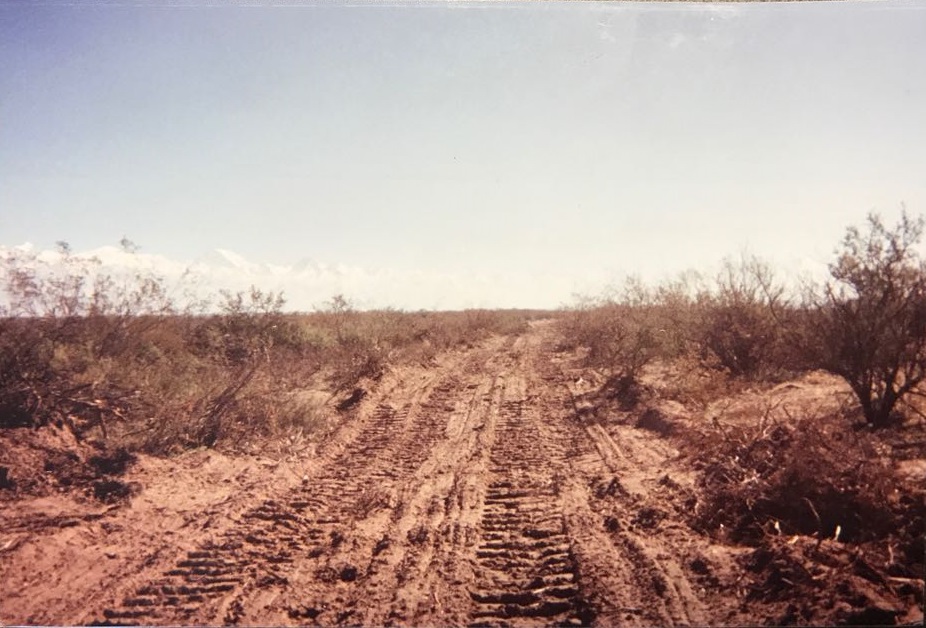
Source: Domaine Bousquet
Jean Bousquet had a vision and dedication, and most importantly, he knew what he is doing, he knew the importance of water and proper irrigation. You would never tell that the picture below represents the same land today (also note that today Gualtallary Valley represents one of the most expensive farmlands in all of the Mendoza):
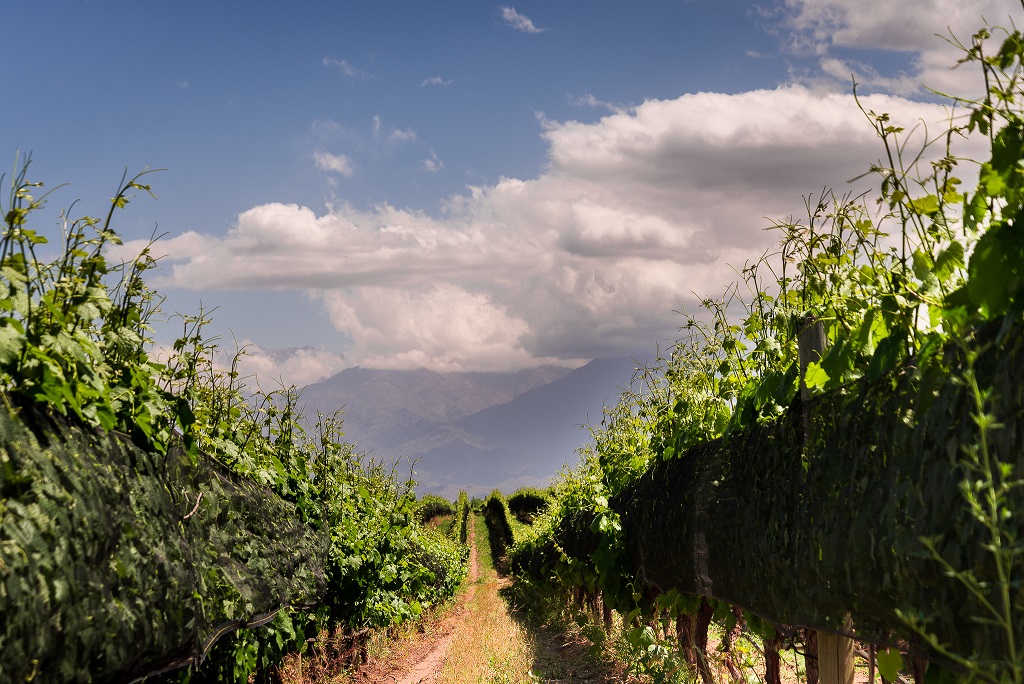
Source: Domaine Bousquet
Fast forward to today, Domaine Bousquet sustainably and organically farms 667 acres of land, produces 50 million liters of wine, 95% of which is exported to 50 countries around the world, and ranks among the top 20 Argentinian wineries in terms of export and a leader in the organic wine.
The winery produces a large range of still wines from traditional Argentinian varieties – Chardonnay, Malbec, Cabernet Sauvignon, etc, and it also offers a series of sparkling wines, both traditional method and Charmat. I got samples of Charmat-method wines, both white and Rosé, made from the Chardonnay and Pinot Noir in different proportions.


NV Domaine Bousquet Brut Tupungato Uco Valley Mendoza (12.5% ABV, SRP $13, 75% Chardonnay, 25% Pinot Noir, certified organic, vegan friendly) offers a nice fresh nose of golden delicious apple, crisp, fresh, energetic on the palate with cut-through lemony acidity. It is definitely enjoyable by itself and will play nicely with a wide range of dishes (Drinkability: 7+).
NV Domaine Bousquet Brut Rosé Tupungato Uco Valley Mendoza (12.5% ABV, SRP $13, 75% Pinot Noir, 25% Chardonnay, certified organic, vegan friendly) is a beautiful Rosé in its own right. It is not only the color, but it is also the wine which presents itself as a classic still Rosé would, with a nose of fresh strawberries and a full range of strawberry flavors on the palate, from tart to candied, perfectly balanced, fresh, vibrant, and full of life (Drinkability: 8-/8). Out of the two, Rosé was definitely my favorite.
At $13, these are the bubbles that you can consume any day without feeling guilty. You should, actually, feel guilty while drinking these wines, as the amount of pleasure you will derive is unproportionally more than what you are paying for them. But I will let you deal with your conscience, while I’m off to look for more values. Cheers!
Wednesday’s Meritage #154
Meritage time!
Today’s issue might be a bit geeky, but let’s roll with the punches, shall we?
First, an interesting ruling from the TTB in regards to the allowed bottle sizes. Until now, the only approved (standard) wine bottle size was 750 ml. Yes, you could go to half (375 ml), or a quarter (187 ml), or up to a liter (1000 ml), and also 500 ml were permitted, but that was about it – for the “standard” bottles, of course, because there are many large formats, such as 1.5L, 2.25L, 3L and so on, which we are not discussing here. Now, to accommodate a fast-growing category of wine in the can, new sizes were introduced – 355ml, 250ml, and 200ml. However, the ruling allows new wine packaging sizes without restricting them to bottles or cans. So now it would be possible to see a 355 ml bottle of wine. While it is only 20 ml less than a standard 375 ml, it is still an option to give you a smaller bottle and keep the price. The level, of course, is not the same as for the typical orange juice cartons, which went from 64 oz to 52 oz while keeping the same price, but still, there is an option for an implicit price increase and some of those “half-bottles” can go into the hundreds of dollars…
Next, I found a few interesting articles in the Wine Spectator. The first one is the story of the Witch’s Wine, which I don’t want to regurgitate just to give an opportunity to read it in its entirety. Then there are a couple of good news in regards to the health benefits of wine.
First, it appears that the consumption of wine and cheese can prevent the onset of Alzheimer’s. The study seems to be reasonably founded: “Analyzing data from the UK Biobank, a biomedical research database, the study followed more than 1,700 participants, ages 46 to 77, over the course of 10 years.” This sounds to me like a good number of subjects and the duration of the study, so I’m sure no wine lover will be upset at the prospect to consume wine with cheese on more occasions. The second study once again looks at the anti-aging effects of resveratrol, an anti-oxidant usually found in red wine. While establishing the long-term benefits of consuming a glass of red wine every day, the study also suggests that consumption of higher amounts of wine doesn’t increase the health benefits of resveratrol, but quite on the contrary can lead to negative consequences.
And the last one for today is all about wine games. Wine Enthusiast summarized 6 games available to wine lovers with different levels of skills and expertise. I only played one of those, Wine Wars, and it was somewhat interesting, depending on the level of the audience. SOMM Blinders sounds really interesting, and I would love to play a Wine-opoly, however, I’m sure I would never win as I can’t take the risk, and thus my son always beats me in Monopoly. Oh well, we need to be able at least to see each other to play any of these, so I’m definitely looking forward to that happy moment…
That’s all I have for you today. The glass is empty, but the refill is on the way. Cheers!
A Quick Trip To Switzerland
Switzerland might be one of my most favorite countries in the world. Considering the travel-deprived state of mind I could, of course, say this about almost any place – but here my logic is very simple. I’m going by the number of happy memories just a mention of the place induces – and Switzerland is definitely on top of that list.
I don’t even need to close my eyes to imagine a slow walk around Lake Geneva, wandering around the streets of Zurich looking for a place for an authentic meal, or 3 hours lunch ending in the grappa shots with an owner.
How do you travel to Switzerland when travel is not a thing? On this blog, it is easy. You have three quick travel options – 1. wine, 2. food, and 3. combination of both. For today’s trip, I’m going with #3 – food and wine.
What food would you typically associate with Switzerland? This is not even a fair question, as Swiss food differs depending on where you are – around Geneva, you will mostly find French influence, Zurick – German, and Lausanne – Italian. While my idea of quintessential Swiss food can be regarded as cliche, it is nevertheless my first association – Fondue. I’m talking about classic cheese fondue, which to me is not so much food, but more of the lifestyle element. I have no idea how fondue is regarded in Switzerland and if it is relegated to the level of tourist attraction only, but for me, fondue equals a pleasant evening with friends, a slow conversation about nothing next to the gently crackling fireplace.
For the new year’s present, I got a classic fondue pot, courtesy of the kids. We followed the recipe enclosed with our SwissMar fondue set – I used California Pinot Gris from Field Recordings as a wine base and a mix of freshly grated Emmentaler and Gruyere cheeses. The result was not amazing, but good enough – however, I think we will look for different cheeses for the next time.


To call Fondue an experience, it must be accompanied by wine. When I discovered fondue first in the US, ways before my first trip to Switzerland, our choice of wine pairing was Sherry with some nice residual sweetness. I later learned that typically Fondue is served with local dry white wine, often made out of Chasselas grape.
Switzerland makes lots of great wines, but those are practically unknown outside of the country, as the majority of the wines are consumed locally (only about 1% of the total wine production is exported). While some of the grape varieties in Switzerland are generic, such as Pinot Noir and Gamay, there are many grapes that are quite unique in their popularity and origin, such as Chasselas, Arvine Grosso, Petitte Arvine, and many others.
One of my best memories of Switzerland is a dinner in the winemaker’s cave at the winery in Bursinel. We were served local ham, which had a superbly delicious garlicky crust. I still remember (10 years after) that it was melting in the mouth and disappearing faster than the refill was able to arrive. Accompanying that ham was Chasselas, roughly 30 years old, which showed some oxidative notes but otherwise was fresh, round, and delicious. After that dinner I got a bottle of Chasselas to bring home – 2008 Au Grand Clos Le Coeur de le Cote Bursinel AOC (12.1% ABV).
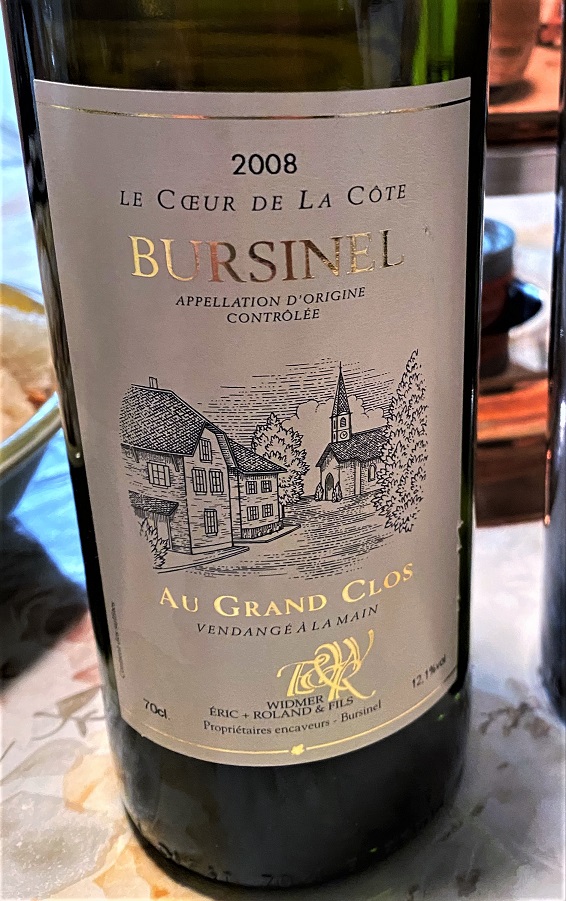
When you have only one bottle of wine, deciding when to open it is missing impossible, especially for the undecisive oenophile like myself. But I was really craving Fondue for a while, and this Chasselas was a perfect choice to maximize the authenticity of the experience and have an overflow of memories and positive emotions, so the cork was pulled – well, actually, I’m lying – the wine had a screwtop.
I was expecting oxidative notes to show up, but they didn’t (screwtop?). The wine was perfectly fresh, crisp, clean, with a good minerally-driven nose, and good creaminess on the palate to perfectly compliment the cheese. I didn’t even need to close my eyes to imagine myself in Switzerland. A superb experience. And the usual regret of bringing home just one bottle instead of a case.
My quick trip was a definite success, so now I need to decide where I’m going next. How about you? What were your successful [virtual] travels lately?
New Year’s Escapades – 2021 Edition
New Year is my favorite holiday. It revolves around food, wine, friends, and a good time. New Year’s Eve is always special, and then on New Year’s Day we usually get together with friends, to talk and open some special bottles.
Yes, that how it always was. But not this time – no friends in the house, except via FaceTime or zoom. Better than nothing, but all the food and wine sharing is completely virtual, and therefore, not endorphins-producing.
Obviously, this New Year’s celebration was scaled down. In terms of wines, I mean. Our family can’t scale down food, this is not in our genes, so cooking was mostly as usual, with all the appropriate holiday favorites. But the wine I had to scale down – my mother-in-law prefers tequila, my wife would only have a glass of red for the evening, and kids, while grown up, don’t care much about alcohol. So I had to mostly count on yours truly for any wine adventures.
Here is what I decided to open for the New Year’s celebration:

Let’s talk about these wines.
At first, I thought that Mailly Grand Cru would be the only bubbles I would open for the night, to drink with dinner and celebrate the arrival of 2021, as I was the primary consumer of bubbles. Then I decided last minute that I will leave that Mailly Champagne just for the midnight toast, and instead would have NV André Chemin Champagne Brut Tradition Blanc de Noir Premier Cru (12% ABV, $26.99 WTSO, RC) with dinner. I’m always curious who makes the Champagne – you know, those little letters and numbers which you can find practically on any Champagne label. Is it NM (Négociant-Manipulant, majority of the big Champagne names are in this category), or the RM (Récoltant-Manipulant), which signifies grower’s Champagne? I found the letters RC on the bottle of the André Chemin Brut, which I never saw before. With the help of this website, I was able to figure out that RC stands for Récoltant-Coopérateur – grapes are provided by the grower to Coopérative-Manipulant who makes wine on the grower’s behalf and under grower’s label but without grower’s involvement.
The André Chemin Brut happened to be an excellent addition to the group – the wine was superb, offering warm notes of the toasted bread and fresh apple, perfect acidity, round, fresh, and delicious – pretty much the way I prefer my Champagne.
2012 Mailly L’Intemporelle Champagne Brut Grand Cru (12% ABV, $115, CM) was also a learning experience. I found letters CM on the label, which stands for Coopérative-Manipulant – this is when a group of small growers blend grapes collectively and make wine under one or more brands – with growers involved in grape growing and winemaking. I poured this wine to toast 2021, and unfortunately, it didn’t do anything for me ( my son said that he enjoyed it quite a bit). The wine had mostly Granny Smith apples without much of the roundness and creaminess – I definitely expect a lot more from the vintage Champagne and this wine didn’t deliver.
I also opened the 2014 Tiefenbrunner Turnhof Sauvignon Südtirol Alto Adige AOC (14% ABV) “just in case”. I had this wine before, and it was quite delicious and elevated. On the first night as the wine was opened, it didn’t offer much of anything, it was closed. It opened up, however, over the next few days, offering whitestone fruit, a touch of honeysuckle, and good acidity.
My choice of red wine was the 2007 Waterstone Cabernet Sauvignon Napa Valley (14.5% ABV) – it happened to be another perfect choice. There was a rumor (never confirmed) that this wine had some grapes coming from Harlan vineyards. Harlan or not, but this was a perfect California Cabernet – cassis all the way, mint, eucalyptus, round tannins, big but perfectly balanced body with well-integrated, smooth tannins – lots of pleasure.
 Then, of course, there was food. As I said, scaling down the food is not an option in this house. The majority of dishes were the ones you would expect to find at the Russian New Year’s table, such as “shuba” (herring under the fur coat), Olivie salad, deviled eggs, and cod liver salad. We even managed to find reasonably priced black caviar – which was really a black caviar imitation, but a very tasty one.


Our entree was just one dish, stuffed chicken rolls, but it was definitely a tasty dish:


Most of these dishes are quite simple to make but really tasty – a note to self to add recipes to my food collection here – food, same as wine, is the best when you can share it.
That’s all for my New Year 2021 celebration notes. Yes, this was all scaled-down – but we still had a delightful evening to end an interesting year on a high note.
How was your 2021 celebration?
2020 – A Year in Blogging
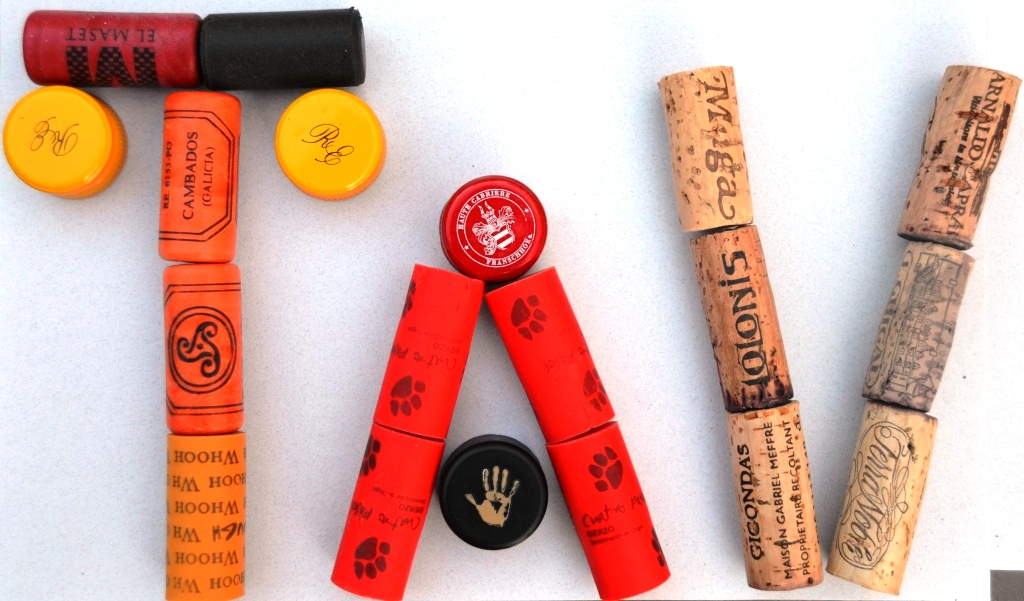 2020 was a unique year – don’t think anyone would try to dispute that. Let me acknowledge this by doing something I have never done before – a look back at what happened here on the Talk-a-Vino pages during the past year.
It is interesting that in terms of the number of posts, 2020 was about the same as the prior 3 years – I averaged about 70 posts throughout the whole year or about 6 posts per month on average. Might be a decent amount, but in my most active years, such as 2014, for example, I had about 200 posts in the year, which would average close to 17 per month. Yes, the numbers are a stubborn thing.
Leaving stats aside, a couple of things happened for this blog for the first time. This blog made it to the two of the Top 100 wine blog lists – Top 101 wine writers of 2020 at Corked Wines, and Top 100 wine blogs at Feedspot. Unique and quite happy developments, I have to say – it is nice to be recognized even in the 11th year of blogging.
Many things were “much less” during 2020 – for example, I attended only 3 wine tasting events in person – Union des Grand Crus de Bordeaux, Georgian Wine tasting, and Tre Bicchieri. Since the beginning of March, there were, obviously, no trade tastings of any kind. The samples still kept coming, albeit in much smaller amounts compared to the previous years. Delicious discoveries were still made such as wines of Casarena and Mythic from Argentina, amazingly drinkable California Pinot Noirs and Chardonnays, superb Oregon finds from Alit and Utopia Vineyard.
Then, of course, there were zooms. “To Zoom” became a new verb, meaning to “see each other in the videoconference”. In the old days, “to Skype” was the thing, but 2020 was the year of Zoom. Zooms with wine lovers stuck in their houses, zooms with winemakers equally desperate for the conversation, zooms with friends. A very unique year. There will be more zooms in 2021, at least in the first half of the year, whether we want it or not.
I decided to bring back some of the old series, trying to instill some timing and order into my blogging – I’m talking about continuing Wine Quiz and Wednesday’s Meritage series. Wine Quiz was exactly as the name says, posts with a set of wine-related questions. when the series was active, those were weekly posts on Saturdays. I now realized that I can’t run those on the weekly basis, however, once every two weeks or so should be possible, so the series is back. I used to have a good number of responders for all the quizzes, which is not the case now, but hey, I still have fun writing those posts, so the series will continue.
Wednesday’s Meritage posts were born without any connection with #WineWednesday – the idea was simply to compile interesting wine news and articles and offer it in a concise format to my readers, keeping them informed of interesting happenings in the wine world. Again, by design, those were supposed to be weekly posts – now they are “best effort” – once I accumulate enough of the good newsworthy content, the post is coming out – but the series is back.
I still managed to produce traditional posts such as April 1st Wine News and Updates, a summary of my best wine experience of 2020, and even snuck one of the most memorable tastings ever before the quarantine was besieged upon us – the OTBN 2020.
That about sums up the year 2020 here at Talk-a-Vino. There were lots of great wines back in 2020 which didn’t make it – yet! – to the blog posts – I will do my best to rectify that, as good wines are always worth a conversation.
That’s all I have for you, my friends. How was your 2020? Cheers!
Wine Quiz #132 – How Well Do You Know Your Wines?
The Wine Quiz series is not meant to intimidate. The whole idea here is to have fun and learn something new. When answering the questions, it is fully encouraged to use all available sources of information, including Google or any other search engine. There are no embarrassing answers – the most embarrassing thing is not giving it a try…
Welcome your new wine quiz!
Let’s start with the answers to the last quiz #131. In that quiz, you were given a series of questions related to our favorite festive beverage – Champagne.
Here are the questions, now with the answers:
Question 1: A typical pressure inside of the Champagne, and for that matter, most of the Méthode Traditionnelle sparkling wine bottles, is 6 atmospheres (this is why you need to take special care while opening the bottle of Champagne). However, some of the wines produced under the same Méthode Traditionnelle are deliberately made to have a lower pressure of 5 atmospheres – can you find this wine in the list below?
- Trentodoc
- Cava
- Cremant de Jura
- Franciacorta Satèn
- Méthode Cap Classique
Answer 1: Franciacorta Satèn (Satèn means “silk” in Italian, and it is a trademarked term), while made using Méthode Traditionnelle, were created to offer silkier (pun intended) mouthfeel compared to traditional Champagne/sparkling wine, so they are bottled at 5 atmospheres to achieve that gentler experience.
Question 2: You know that to remove the cork from a Champagne bottle, you need to untwist the wire (which is called Muselet). While untwisting, how many turns do you have to make:
- 3
- 4
- 5
- 6
- 7
Answer 2: You always have to make 6 twists, no matter where this Méthode Traditionnelle sparkling wine is coming from. For more info, click here.
Question 3: Riddling (remuage) is a process where the bottles of Champagne are turned little by little, also with the change of an angle, while inserted upside down into the vertical “table” called Pupitre, to gradually force the sediment to concentrate in the neck of the bottle for easy removal. Do you know who is credited with the invention of the Pupitre?
- Dom Perignon
- Dom Ruinart
- Madame Clicquot
- Claude Moët
Answer 3: Madame Clicquot. For more information, please click here.
Question 4: The foil covering the top of the Champagne bottles was originally intended to:
- Hold cork in its place
- Just for looks and marketing
- To protect the cork from a variety of insects and rodents while wine is in storage
- To cover wire cage imperfections
Answer 4: To protect the cork from a variety of insects and rodents while wine is in storage. Here is a Wine Spectator article offering some insight.
Once again, we didn’t have a lot of players, but Lynn answered all 4 questions correctly, so she gets the prize of unlimited bragging rights! Well done!
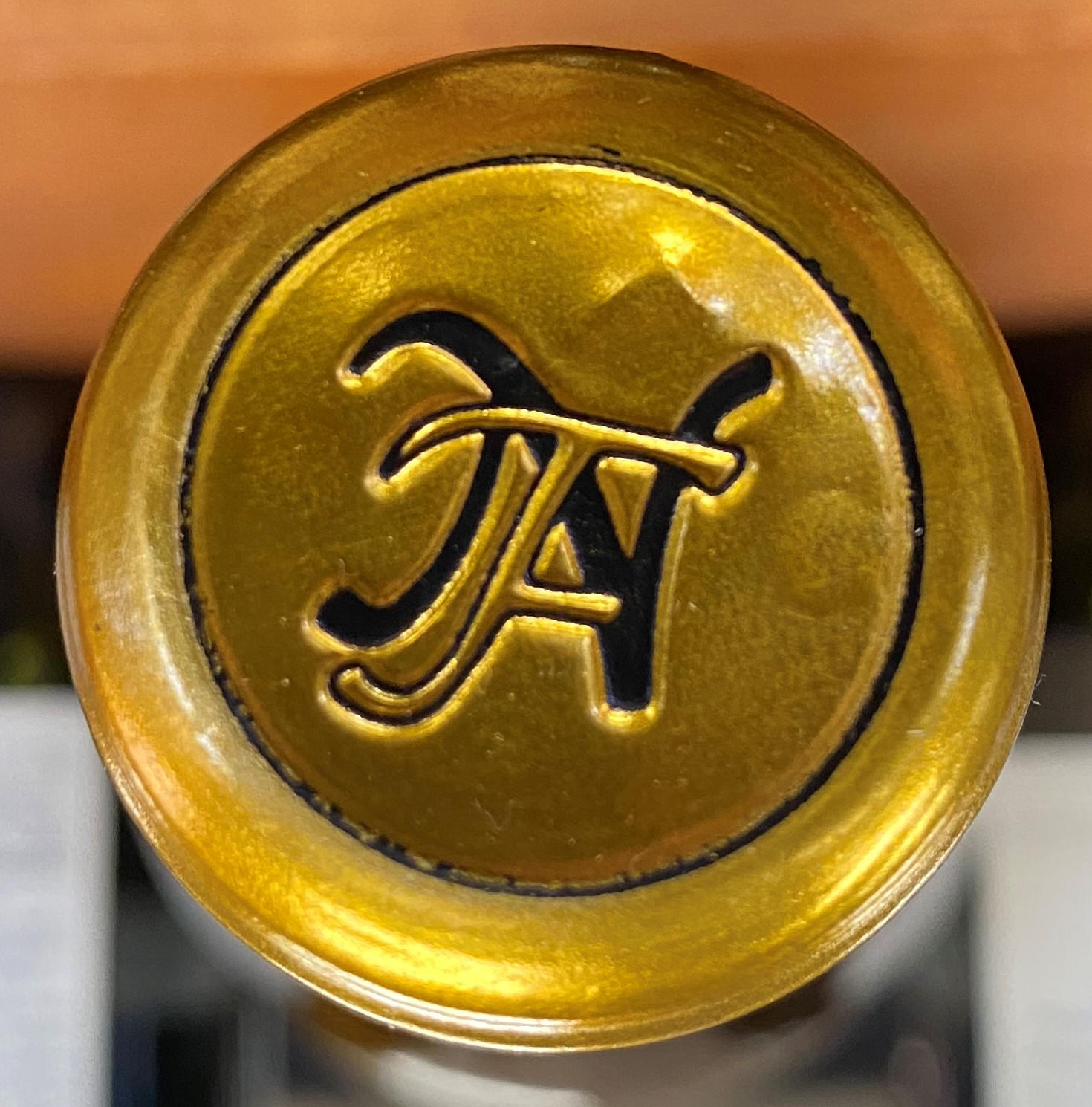
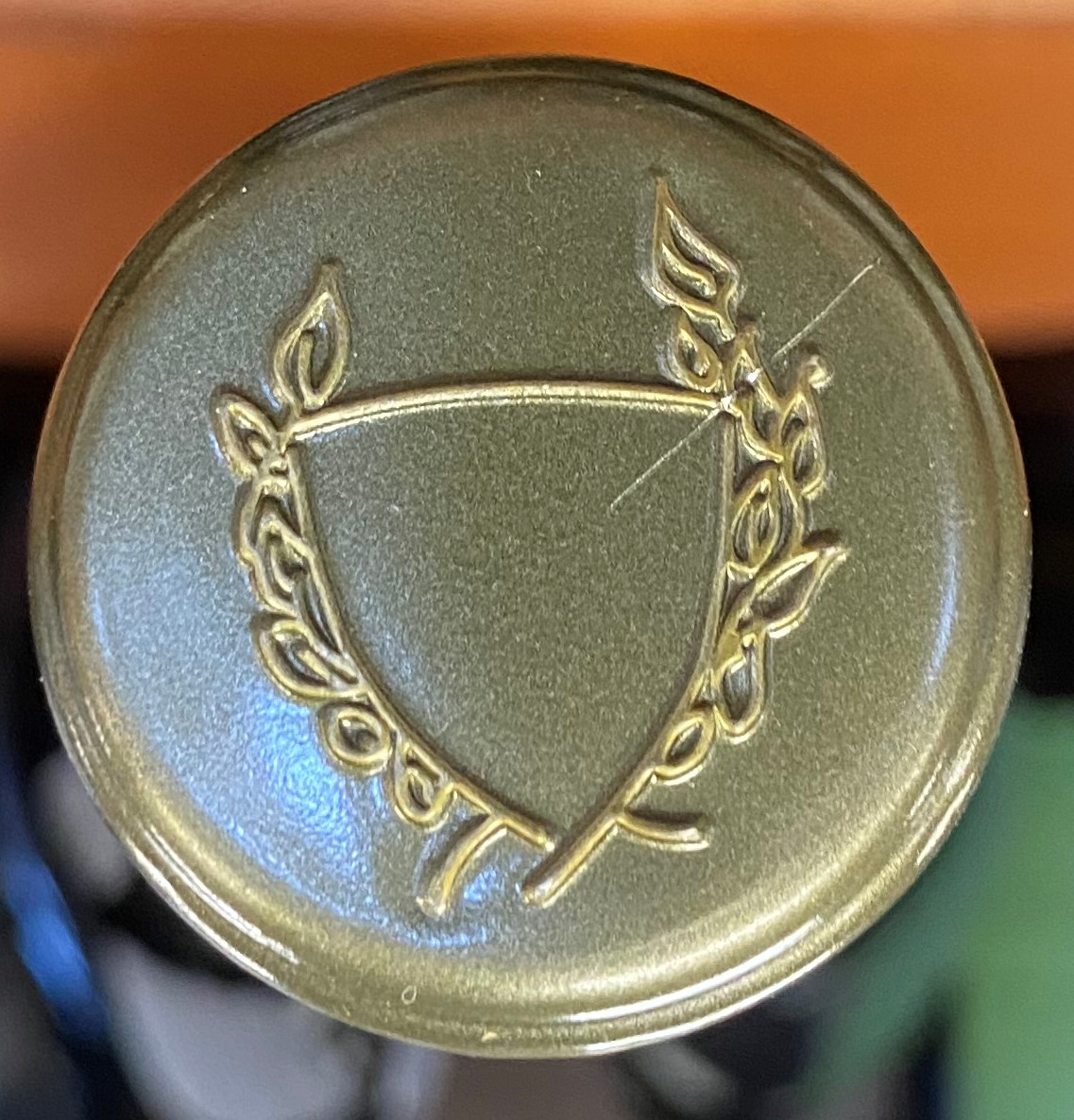
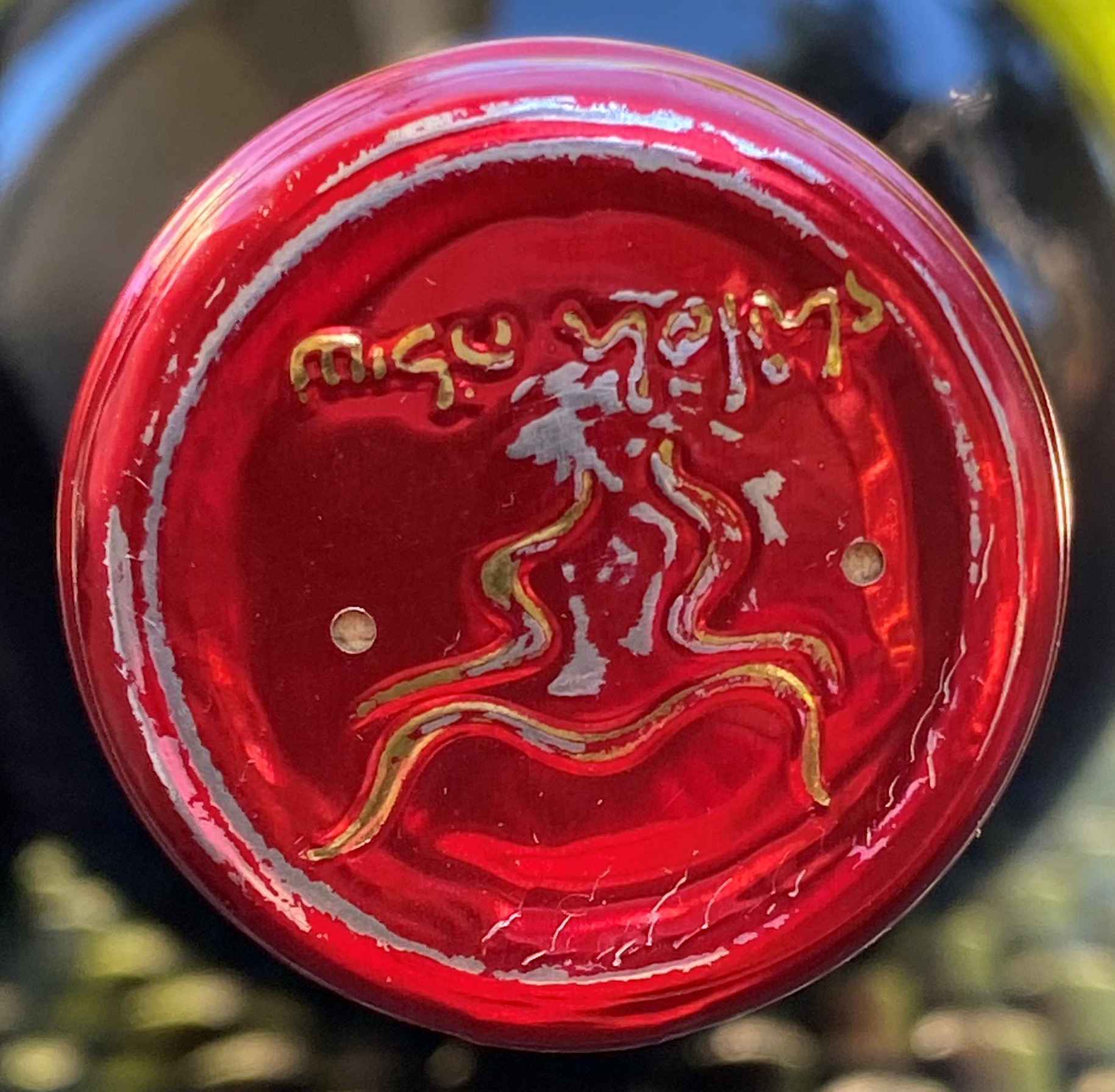
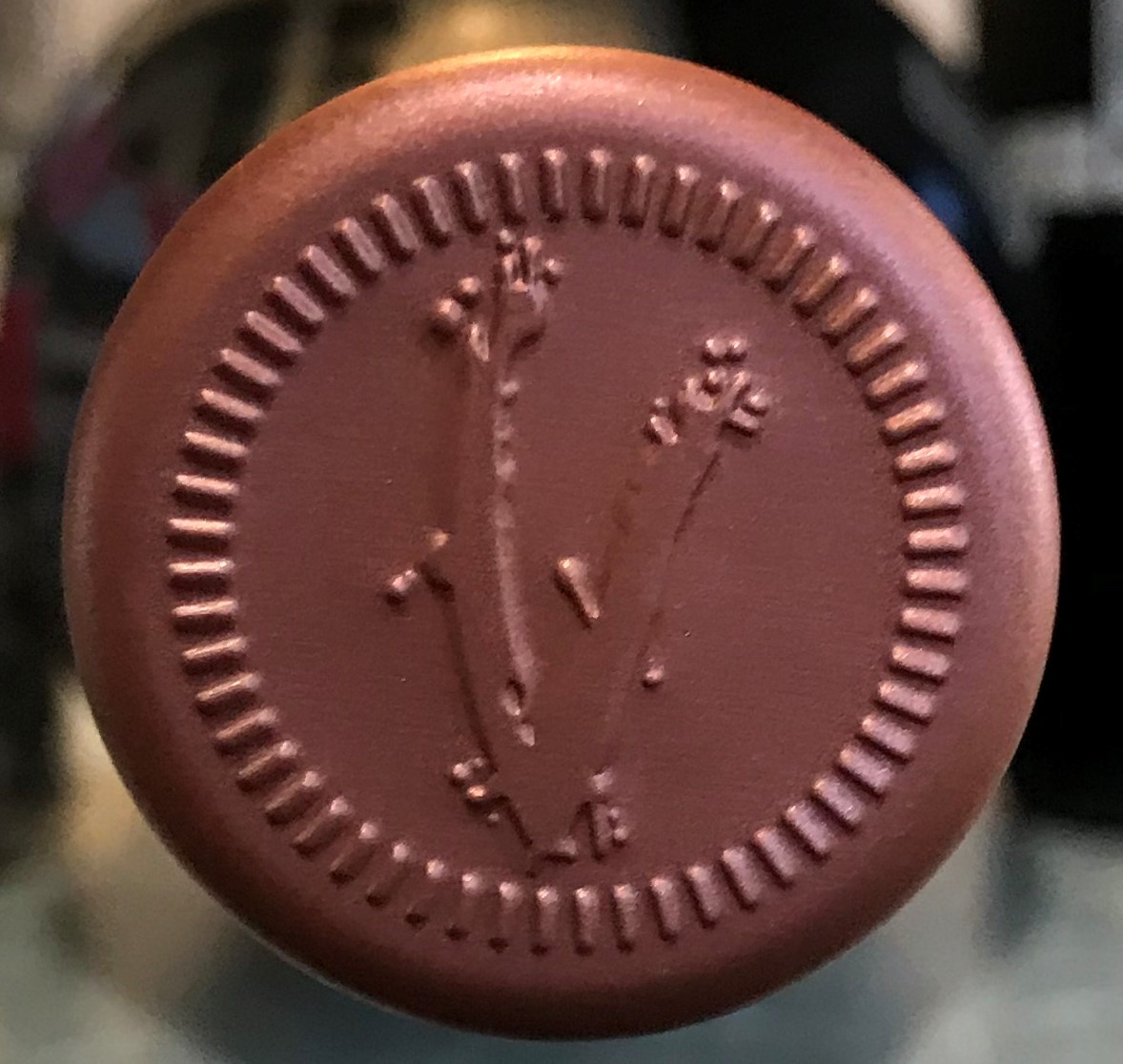
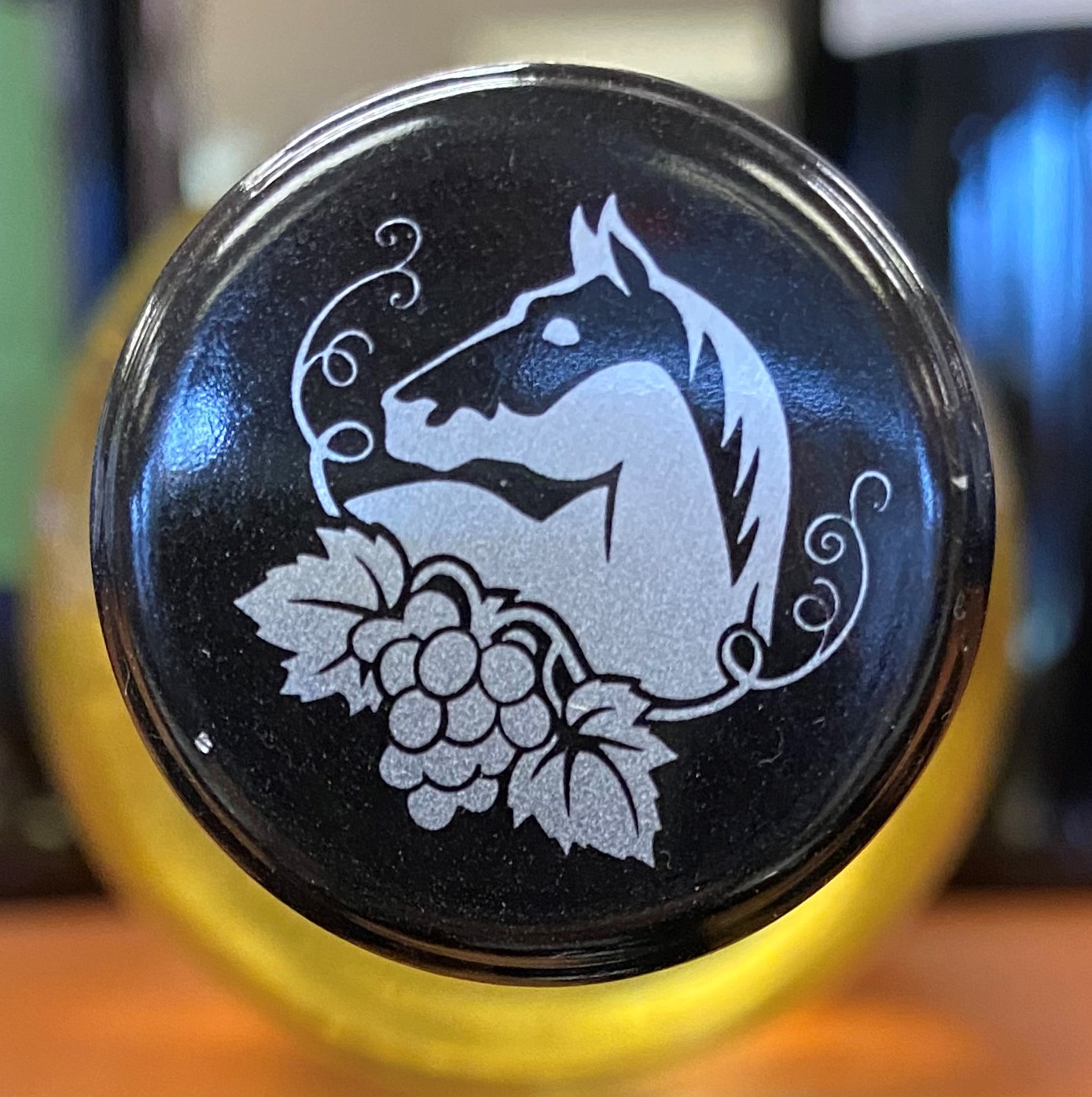
Our today’s quiz is one of the “classic” ones here. Below you will find the pictures of the tops of the bottles (foil capsules for most of the cases). You need to identify the producer based on those images.
Let’s go:
1.
2.
3.
4.
5.
6.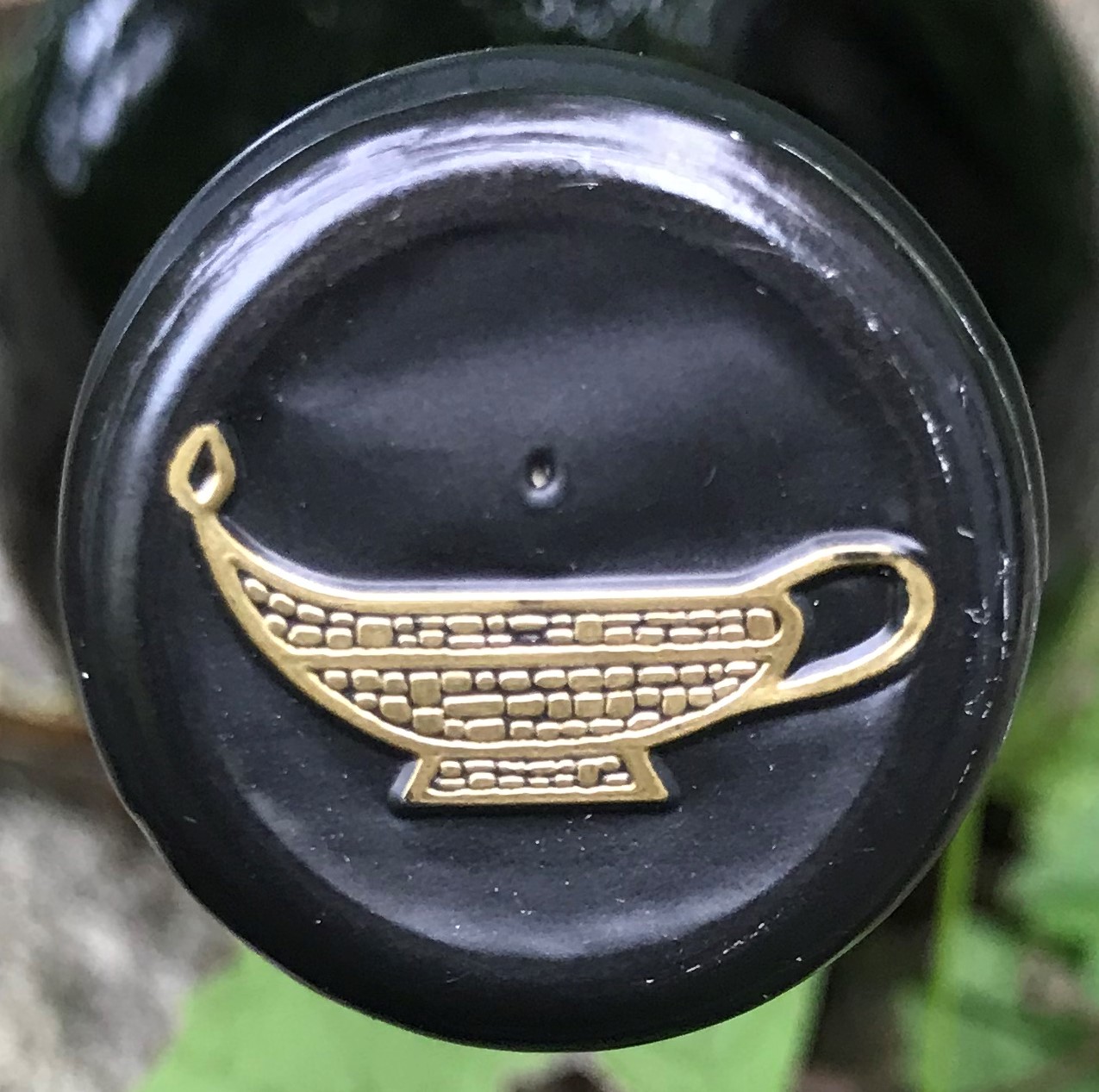
These are reasonably well-known producers from around the world, with maybe some exceptions – not sure I can give you more of the hint.
Good luck, enjoy the quiz and enjoy your weekend! Cheers!
Retrospective: 11 Years of Top Wines
 While I was working on the Top Wines list of 2020, it almost hit me – 2020 was the 11th year the list of the top wine experiences of the year was produced.
In every Top Wines post, I make an effort to explain my approach to the creation of the top wines list – it is all based on emotions solicited by the wine. The easier it is to recall the wine and relive the moment, the better it is.
I often state that the order of the wines is not so important (this is how I want it to be, but it is usually not the case – the order has meaning) – with the exception of wine #1. Wine #1, the Top Wine of the Year, is always the most memorable. For a few years, I even had difficulties deciding on just one top wine, so I had multiples of wine #1. Strange, I know – but I always have a simple excuse – this is my blog…
All of the Top Wines lists can be found via the Top Wine Ratings menu on the top of this page. However, what do you think of taking a look at the top wines from these past 11 years, just for fun? I would like to enjoy those memories again – and see if I still have them as vivid as I like to think. Let’s see:
2010:
2007 Mara Laughlin Road Ranch Pinot Noir Russian River Valley ($45) – I can attest that this was one of the best California Pinot Noirs I ever tasted. I still have a bottle each of Mara Pinot Noir 2007 and 2008 (2008 was a complete opposite to 2007, very lean and green) – should make it for an interesting evening one day.
2011:
2010 Fiction Red Wine Paso Robles by Field Recordings ($20) – this was my first discovery of the Field Recordings wines, and that Fiction was unbeatable, it offered an incredible experience. I also loved the label and the story on the back label of that wine, which, unfortunately, disappeared in the later vintages.
2012:
2010 Antica Terra Phantasi Oregon White Wine ($100, Magnum price in the restaurant) – Definitely a memorable wine, a blend of Rhone varieties – I can close my eyes and imagine the taste of this wine in my mouth. While this is one of the most memorable Top wines, the wine in the second place was not any less memorable – 1947 Rioja Imperial. Also, it appears that I didn’t even include another wine from the same dinner when we experienced the Phantasi, 1998 Dunn Howell Mountain Cabernet Sauvignon in the Top Dozen list, which is a huge oversight…
2013:
1970 Quevedo White Port – tasting 43 years old elixir together with the winemaker, in the old cellar, directly from the barrel? It rarely gets any more memorable than that.
2014:
1966 Louis M. Martini California Mountain Pinot Noir ($NA) – I found this bottle at the store in Chicago. As this is my birth year, I couldn’t resist getting this bottle for a whopping $25. To my absolute surprise, the wine was perfectly drinkable and delicious. And the label is just purely nostalgic…
2015:
2011 Emiliana Coyam Colchagua Valley Chile ($35) – ordered this wine at the restaurant without any knowledge, mostly going by the price – OMG. This is one delicious wine.
2016:
2002 Pol Roger Sir Winston Churchill Champagne ($230) – one of the most memorable top wines. While I loved the taste, I could smell this wine indefinitely. Really, I have no need in drinking it, but I can’t let go of the aroma…
2017:
1982 Olga Raffault “Les Picasses” Chinon Loire ($85?) – this was unquestionably great – one of my most favorite grape varieties (Cab Franc), legendary vintage (at least in Bordeaux), great producer. The sad part? This is one of the few “Wine of the Year” wines I can’t recall the sensation of taste, smell, or the setting …
2018:
2008 Zenato “Sergio Zenato” Amarone della Valpolicella Classico DOCG ($100) – Amarone is one of my most favorite wines in general – but I have exactly the same issue here as with the Olga Raffault – no detailed memories. I’m sure it was a good wine as it made it to the alternative #1 winner.
2013 Three Wine Company Suscol Creek Cabernet Sauvignon Block 5 Napa Valley ($60) – One of the very best Cabernet Sauvignon I ever tasted. We had this wine during tasting dinner at the restaurant during one of our traditional “adult getaways”. This was round and supremely delicious.
2019:
2013 Smith-Madrone Cook’s Flat Reserve Spring Mountain ($225) – Smith-Madrone makes beautiful wines. This wine can be described in one word – Pure. Pure indulgence, and pure, unadulterated pleasure.
2016 Tara Red Wine 2 Syrah Atacama Chile ($40) – I have a sad habit of not being able to write a post after a great winemaker dinner, as was the case with Tara wines. Magnificent Syrah, coming from the vineyards which in reality shouldn’t have existed because of the incredible salinity of the soil. As I say in such cases, this is the wine to be experienced.
2017 Peju Province Winery The Experiment Napa Valley ($100) – a prolific Napa Valley jewel. Power and balance, or balance and power – whatever description suits you more.
2020:
1999 Soldera Case Basse Brunello di Montalcino DOCG ($NA) – Meditazione vino. The whole group meditated over this wine, as it was simply a gift from gods. Incredible. If wine is not “just another beverage” to you, you would understand. And I wish for you to experience meditazione vino at least once in your life…
Here we are – 11 years of top wines. This was definitely an interesting exercise – while I enjoyed recalling each and every one of these wines, this was also a great opportunity to think about my Top Wines process. I’m reasonably pleased with top wine selections during these years, but ideally, I would like to do better – every wine on such a list should solicit a memory and an emotion. Oh well, we should call this “the room for improvement”, right? Cheers, my friends!
Wine Quiz #131 – Champagne!
 The Wine Quiz series is not meant to intimidate. The whole idea here is to have fun and learn something new. When answering the questions, it is fully encouraged to use all available sources of information, including Google or any other search engine. There are no embarrassing answers – the most embarrassing thing is not giving it a try…
Welcome to the New Year 2021 and your new wine quiz!
Let’s start with the answers to the last quiz #130. In that quiz, you were given a series of questions where you were supposed to figure out what connects the items on the list and which one of the items doesn’t belong.
Here are the questions, now with the answers:
Question 1: Below is a list of wines. One of those wines shouldn’t be listed, but to find out which one doesn’t belong, you will need to understand first what connects all those wines:
A. 2014 Duckhorn Vineyards Three Palms Vineyard Merlot
B. 2016 Chateau Leoville Barton
C. 2012 Mollydooker Carnival of Love Shiraz
D. 2012 Peter Michael ‘Au Paradis’ Cabernet Sauvignon
E. 2015 Tenuta San Guido Sassicaia
F. 2013 Lewis Cellars Cabernet Sauvignon
Answer 1: This was definitely a difficult question. The correct answer is C, 2012 Mollydooker Carnival of Love Shiraz. All wines on this list are Wine Spectator top wines of the year throughout the different years, with the exception of 2012 Mollydooker Carnival of Love Shiraz, which was wine #2 in 2014.
Question 2: Below is the list of names – one of them doesn’t belong to the list. Can you find out which one:
A. Cayuse
B. No Girls
C. Andremily
D. Horsepower
E. Hors Categorie
Answer 2: C, Andremily. All of these wines are produced by or closely affiliated with Christophe Baron, the famous Washington Walla Walla winemaker – with the exception of Andremily, which is also a highly allocated wine produced by former Sine Qua Non assistant winemaker Jim Binns.
Question 3: Below is the list of vintages. One of them shouldn’t be on the list. Do you know which one?
A. 2011
B. 2010
C. 2005
D. 2004
E. 2001
F. 2000
Answer 3: The correct answer is F, 2000. All other years achieved a perfect rating for Rioja wines by Rioja Consejo Regulador, Excellent, but year 2000 was rated only Good, which is the 3rd rating from the top.
Sadly, we had no takers for this quiz, so I will have to keep all the lucrative prizes to myself.
Now, to the new quiz. It is the beginning of the year, and I definitely still in Champagne mood, so this is the subject for our new quiz.
Here we go:
Question 1: A typical pressure inside of the Champagne, and for that matter, most of the Méthode Traditionnelle sparkling wine bottles, is 6 atmospheres (this is why you need to take special care while opening the bottle of Champagne). However, some of the wines produced under the same Méthode Traditionnelle are deliberately made to have a lower pressure of 5 atmospheres – can you find this wine in the list below?
- Trentodoc
- Cava
- Cremant de Jura
- Franciacorta Satèn
- Méthode Cap Classique
Question 2: You know that to remove the cork from a Champagne bottle, you need to untwist the wire (which is called Muselet). While untwisting, how many turns do you have to make:
- 3
- 4
- 5
- 6
- 7
Question 3: Riddling (remuage) is a process where the bottles of Champagne are turned little by little, also with the change of an angle, while inserted upside down into the vertical “table” called Pupitre, to gradually force the sediment to concentrate in the neck of the bottle for easy removal. Do you know who is credited with the invention of the Pupitre?
- Dom Perignon
- Dom Ruinart
- Madame Clicquot
- Claude Moët
Question 4: The foil covering the top of the Champagne bottles was originally intended to:
- Hold cork in its place
- Just for looks and marketing
- To protect the cork from a variety of insects and rodents while wine is in storage
- To cover wire cage imperfections
Good luck, enjoy the quiz and enjoy your weekend! Cheers!
Happy New Year 2021!

Whatever doesn’t break you makes you stronger. 2020 became an ultimate test for humankind, and I hope we will all emerge in 2021 stronger and a little bit wiser.
I really appreciate each and every one of you, my readers – and I want to take a moment to wish you and your loved ones a healthy, happy, and peaceful New Year 2021!
And … needless to say … lots and lots of exciting wine discoveries.
To the new beginnings! Cheers!

Last Bottle Sign Up ($10 credit)




 Talk-A-Vino