Archive
International Tempranillo Face Off – USA Fares Well
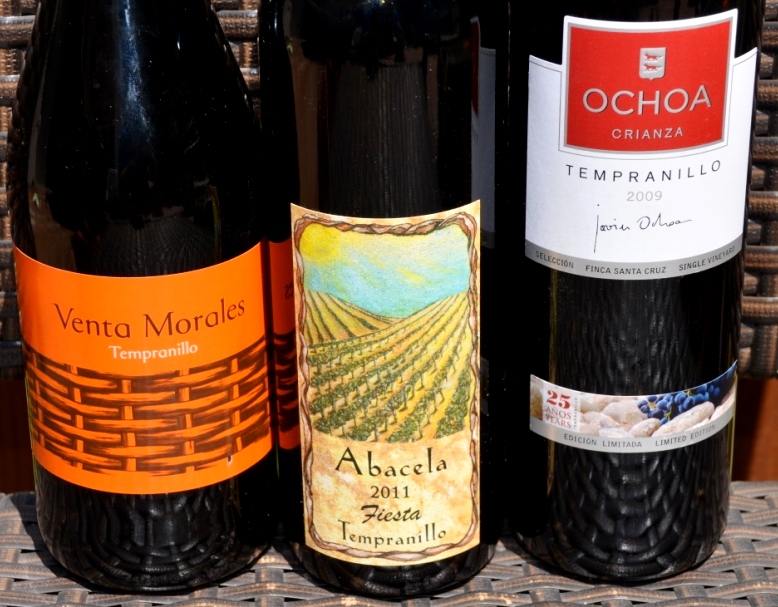 Thinking about Tempranillo, what wines come to mind first? Rioja is an unquestionable champion, with its bright fruit expressions packaged into eucalyptus laden cigar box. Ribera del Duero is definitely next, with its perfect, firm structure, and then Toro, with layers upon layers of power. Tempranillo has one of the most synonyms, most of which point back to the different areas in Spain, so it is given that outside of three regions we just mentioned, the grape is very popular all around Spain. And then… well, there is not much outside of Spain. Portugal, where Tempranillo is known under the names of Aragonez and Tinta Roriz, is the only internationally renown source of Tempranillo wines outside of Spain – even then mostly using Tempranillo as a part of the blend. Australia and a few other countries also experiment with the grape – but I’m not sure they produce something worth bragging about.
And then, of course, there is the USA. Tempranillo made it into the California at the beginning of the 20th century, but really didn’t find much success there as a single varietal wine. You can find some of the Tempranillo made in the southern California, in places like Temecula Valley, but those wines are little known outside of the wineries which produce them. On a big scale, Texas probably is having the biggest success with Tempranillo in USA, where the grape is considered a signature state grape, and Tempranillo wines produced by many wineries. But our conversation today will not be about Texas Tempranillo – we are going a lot further North on the map, to the state of Oregon.
No, Oregon is not an internationally renowned source of Tempranillo wines, not yet anyway. However, while I was recently participating in the #winechat about Oregon Pinot Noir, someone mentioned Tempranillo as one of the grapes in Oregon which might have a bright future. As I’m very partial to the Tempranillo wines with the great love of Rioja, that piqued my interest. Tempranillo? From Oregon? Really? How good can that be? I was told that Abacela winery in Oregon produces excellent Tempranillo wine. I reached out to the winery, and – got the bottle to taste. But – I didn’t want to taste this wine on its own – I wanted to create some frame of reference. Yes, I would love to get the Texas Tempranillo, but – that would take a lot of time. Of course the best available source of Tempranillo wines is Spain, so I decided to get a few different wines from Spain. I purposefully avoided Rioja – those wines are rarely 100% pure Tempranillo, and the winemaking style is very specific to Rioja, so it wouldn’t be a good reference. Ribera del Duero wines also might be a bit too specific for this exercise, and Toro wines pack way too much power. I looked for generic Tempranillo renditions in my local wine store, and came up with two bottles from Spain – one from Navarra and one from La Mancha.
Before we talk about our “face off”, let me say a few words about our competitor from USA – Abacela winery. According to the winery’s web site, Abacela name comes from “an ancient and now almost obsolete verb, ‘abacelar’ common to three Iberian languages-Spanish, Galician and Portuguese-and which means “to plant a grape vine.”” Abacela winery started in 1992, when Earl and Hilda Jones purchased a 19th century property in Umpqua Valley in Southern Oregon. This purchase was the result of a very long and intense research on the climate, soil and landscape, to find the place ideally suited to produce a Tempranillo wine on par with the best Spanish Tempranillo. If you are interested to see how the pursuit of passion looks like, read the section called Story on Abacela web site – I wish the other wineries will give you even half of the information about their wines and vineyards.
Our tasting, which I proudly called Face Off, was very simple – I sat down with my wife to try these three wines. We tried the wines in the exact order as you will see it below.


Here are the detailed notes:
2010 Venta Morales Tempranillo La Mancha, Spain (13.5% ABV, $7.99)
Color/visual: Dark garnet, almost black. Very substantial legs
Nose: Baking spices, ripe plums, touch of earthiness
Palate: Prunes, touch of figs, nice acidity, slight imbalance at midpalate
Verdict: Shows slightly “overboard”. Drinkability: 7
2011 Abacela Fiesta Tempranillo Umpqua Valley, Oregon (13.6% ABV, 17 months in barrel, $23)
Color/visual: Garnet, noticeable rim variation as well as legs
Nose: dark chocolate, herbs
Palate: Very elegant, nice fresh fruit, good acidity, very noticeable cherries, present tannins, medium to long finish
Verdict: overall very nice wine. Should be able to stand up against Ribera del Duero. Drinkability: 8-
2009 Bodegas Ochoa Finca Santa Cruz Tempranillo Crianza Limited Edition, Navarra, Spain (13.5% ABV, aged 1 year in American oak, $15.99)
Color/visual: Garnet color, very slight rim variation, noticeable legs
Nose: Touch of sweet fruit, sweet cherries, eucalyptus
Palate:Elegant, perfectly balanced, soft sweet fruit, tobacco, smoke, incredible textural complexity, touch of dust
Verdict: An outstanding Tempranillo, one of the very best I ever tried. Drinkability: 8
As you can see, Abacela Tempranillo definitely worth its salt soil, and I would highly recommend it (if you can find it). I also want to note that Abacela Fiesta is only an introductory Tempranillo – they produce another 3 wines out of Tempranillo, plus a full range of very unusual for the Oregon (or even USA) wines, such as Tannat, Dolcetto and Tinta Amarela – full list looks very impressive and tempting.
As for my little Tempranillo competition, we are done here. Have you ever had an “unusual” Tempranillo wine? Have you ever tried Abacela Tempranillo or any of their wines? What do you think? Cheers!
Beauty of Chardonnay and The Game of the Blind Tasting
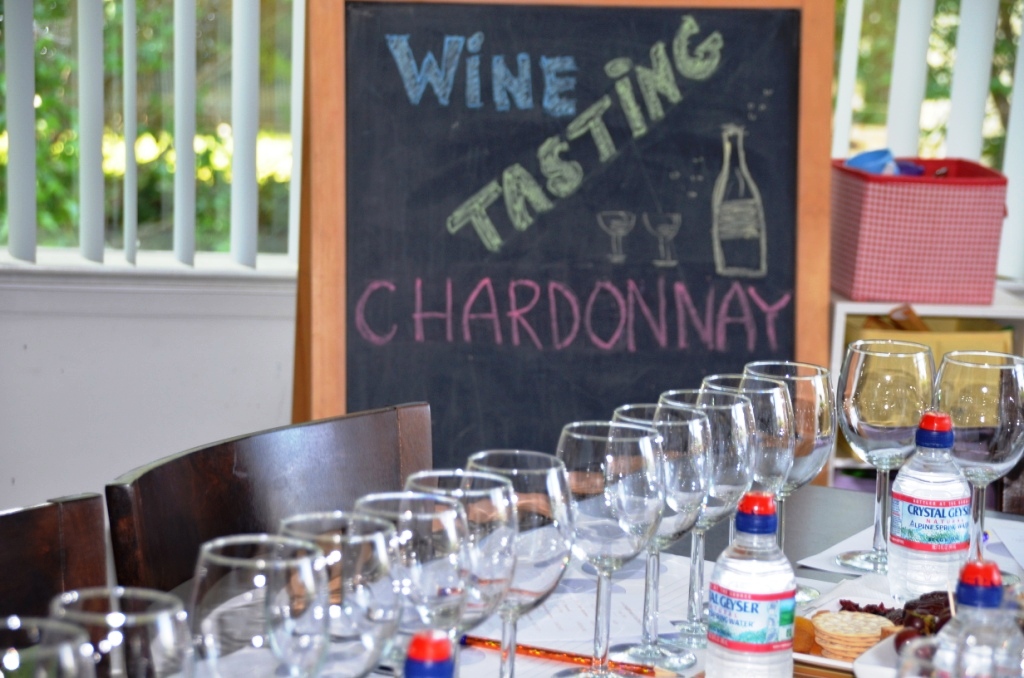 Blind tasting is probably one of the most favorite pastimes of any oenophile – especially when it is done in the non-competitive and non-intimidating manner, let’s say as a part of the fun evening with friends. While the words “blind tasting” sound simplistic, there are actually multiple options of it, all with the varying levels of difficulty. The most difficult type is a double blind tasting – you are just given a random glass of wine, and you have to identify the grape(s), the place, the vintage and possibly even the producer – this is the level at which the Court of Master Sommeliers plays, the ultimate challenge so to speak. The next level down would be a regular blind tasting – there would be at least one common factor between all the wines – let’s say, they all will be made out of Cabernet Sauvignon grape. Or they all might be the Bordeaux wines. While the level of a challenge is unquestionably lower that in the previous case, this type of tasting is great for assessment of the wine without an influence of the external factors, such as producer, label, region, etc. I also call it “an ultimate wine snobbery squasher”, as looking at the bottle of your supposedly favorite wine and realizing you just thought it was terrible (while you had no idea what was in your glass), is really a humbling experience.
My recent blind tasting experience was yet different. It was mostly the regular blind tasting, as it had a theme – Chardonnay, but it was also more limited, may be even “framed” is the right word – we knew all 10 Chardonnay wines which were present in the tasting, so it was not really wide open. And to make it more fun, we tried to identify each wine we tasted, and of course, look for the group’s favorite. To avoid crowding the table too much, we split the tasting into two sets of 5, and then we went over our notes to come up with our guesses – and then, of course, there was the moment of truth – when the bottles were revealed.


Chardonnay needs no introduction, of course. One of the most popular white grapes in the world, with literally every wine producing country having its stake in satisfying the thirst of Chardonnay lovers around the globe. I would dare to say that left alone, Chardonnay is great at expressing the terroir, the soil and climate of the area where it was growing, may be better than most of the other white grapes (may be Riesling can contest that). From the gravely soils of New Zealand to the expressive ‘gunflint” minerality of Chablis, biting acidity of Champagne, the round goodness of the mature Burgundy, to the warm and toasty expressions (sigh – hard to find it anymore) of California – Chardonnay rules them all. Our tasting was extremely representative of this world-wide phenomena – California, Long Island, Burgundy, Italy, Hungary, New Zealand and Australia were all present! Not a bad line up, huh?!
Okay so let me tell you about the wines. First, I will give you my notes, together with the guesses I made as we were going along. Once we completed the tasting of all 10 wines, we had a bit of time to think through and to complete our tasting cards to say what was what. And then of course, we unwrapped the bottles for the “moment of truth”.
Here are my notes as we went along with the tasting:
#1: Touch of butter, green apples, a bit harsh, tannins, young, lots of tannins. 7+/8-. Not sure what it can be.
#2: Minerality (gunflint) on the nose, green apple, great acidity, good balance. Classic. 8. Positive it is a Burgundy
#3: Fresh flowers on the nose, caramel, butterscotch, fig, pears, unusual, apples. 7/7+. I’m sure this is Long Island, no questions.
#4: Savory nose, oxidized, past prime, lost fruit. N/R. Considering the group, must be the Mersault (it is a well known and very unfortunate problem for the producers in Mersault – starting from some time in 2000, their wines lost ability to age and oxidize very quickly).
#5: Mint, rosemary, thyme on the nose, touch of oak, apples, very delicate profile, nice tannins, slightly off balance. 7+/8-. Australia?
#6: Butterscotch on the nose! Vanilla, amazing, very balanced, apples, vanilla, beautiful! 8. I’m quite convinced it is Hungary – I had this wine before and I believe this is the one.
#7: Beautiful nose! White fruit, lychee, spiciness on the palate, apples, delicate fruit. 8+. Not sure what it can be.
#8: Minerality, very unusual, herbs, – sorry for possibly putting some people off, but – a dog poop! (Yeah, I know, sounds crazy – but I’m speaking from experience as a dog owner), salty, herbal, acidic profile, more minerality on the palate. 8-. Again, not sure. Need to think about it.
#9: Candy on the nose, noticeable malolactic fermentation on the palate, and then acidity, acidity, acidity. 7. Not sure.
#10: Minerality, hint of butter, a bit too sweet, not enough acidity, not balanced. 6. No idea.
That was the end of the tasting. Now, we took a bit of time to compose our thoughts and come up with our “final answer”. As this was not a competition, it was also okay to consult each other. I was quite convinced about wines #3, #4 and #6, so it was making my task easier. Also my friend Zak was positive about #7 being Jermann, as he recently tasted that wine. The rest had to fall in place after some thinking. Now, the drum roll, please…
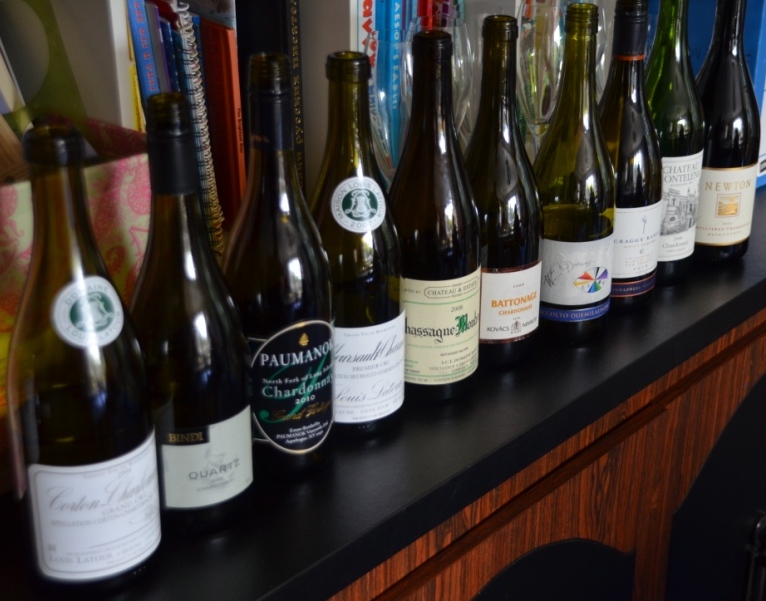 And the wines were:
1. 2006 Louis Latour Cortone-Charlemane, Burgundy
2. 2009 Bindi Quartz, Australia
3. 2010 Paumanok Grand Vintage Estate Chardonnay, Long Island, NY
4. 2007 Louis Latour Mersault-Charmes, Burgundy
5. 2008 S.C.E. Domaine Ramonet Chassagne-Montrachet, Burgundy
6. 2008 Kovács Nimród Winery Battonage Chardonnay, Hungary
7. 2011 Jermann W… Dreams … Chardonnay, Italy
8. 2008 Craggy Range Kidnappers Vineyard Hawkes Bay, New Zealand
9. 2008 Chateau Montelena Chardonnay, Napa Valley
10. 2008 Newton Unfiltered Chardonnay, Napa Valley
With a bit of knowledge and a bit of luck, I managed to get all the wines correctly with the exception of Bindi and Chassagne-Montrachet, which I got in reverse – it is interesting how I thought that #2 was a classic Burgundy, and it turned out to be an Australian wine. We also did a popularity vote, which was won by the Newton Chardonnay – quite awkward, as this was my least favorite wine. My favorite was probably the Jermann, but it is hard to pick a favorite from such a group of outstanding wines. It is also very interesting how different and unique the wines tasted, greatly demonstrating their terroir- and winemaking style-driven differences. Here are all the wines we tasted again, now in more detail for the labels:
And then, of course, there was food – lots of wonderful, home made dishes. It will take too much time to describe it all, so I will just leave you with the few pictures.


Now, I have a bit of the strangely sad part to share (nothing terrible, don’t worry). To complement all the wonderful Chardonnays, I brought a bottle of Sherry to add to our dessert list. 2011 Bodegas Alvear Pedro Ximemez de Añada Montilla-Moriles DO – the wine was excellent, more or less along the lines of what I would expect from Pedro Ximenez – considering the age, it was young and nicely balanced, both with sweetness and acidity. Where is the sad part? Take a look at the picture of that bottle:
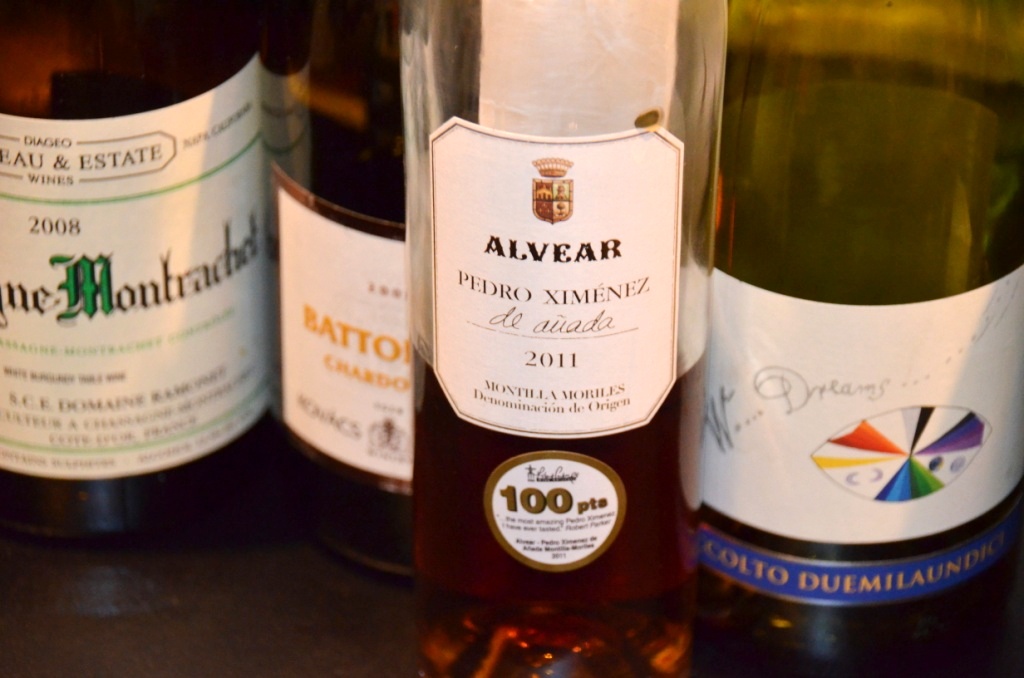
Bodegas Alvear PX de Añada
See that sticker “RobertParker 100 pts”? Yes, this was the 100 points rated wine from Robert Parker!!!!! First time I tried anything rated 100 points by one of the biggest wine critics in the world!!! And I have nothing to write home about it. The wine was good – but I don’t remember it as being earth-shattering. Not sure what to take out of it, but surely feels strange. My only consolation is that I have another bottle of the same wine – and I will keep it for as long as I can before drinking it again – may be then I will be able to see what Robert Parker found in this wine.
That concludes my report on the wonderful game of Chardonnay tasting. We had a great time, and I think restricting the level of “blindness” in this tasting was a very interesting twist, making that blind tasting exercise even more enjoyable. Until the next time – cheers!
Beautiful Land, Beautiful Wines, and Pursuit of Passion – #WineStuidio Experience with ZGR Imports
Once again, I’m starting the blog post with rhetorical and repetitious opening: have you ever had… (I can imagine some of you rolling your eyes and may be even clicking away… but let me finish, nevertheless) the wines from the region called Le Marche in Italy? With high degree of confidence, I would guess that many of you would say “no” – while better known in Italy and in Europe, wines of the Region Marche are not all that familiar to the wine consumers in US – but it is what we will be talking about here.
Region Marche is located in the Central Italy, up on the Adriatic Sea. As many other areas in Italy, Marche boasts beautiful hills, serene beaches and old city citadels, the towers and the walls which you can see when you drive along any of the highways and the roads. And of course, you can find wine and olive oil pretty much everywhere.


When I visited Marche for the first time about 9 years ago, the area was known best for its white wine called Verdicchio. Verdicchio is actually a white grape, which is known to produce slightly perfumed, brightly acidic, medium bodied wines. Two of the best production areas for Verdicchio are Verdicchio de Castelli di Jesi DOC and Verdicchio di Matelica DOC. When it comes to the reds of Le Marche, I was not all that impressed at that time. Rosso Piceno, one of the most popular red wines in Marche, a blend of Montepulciano and Sangiovese, which I tasted during my visit, was rather simplistic. Lacrima di Morro d’Alba, one of the indigenous red grapes of Le Marche, was also rather unimpressive, with the wines coming through as too acidic and too light. All in all, my first encounter with the wines of Le Marche left me with great impression of Marche’s whites, and so-so opinion of the reds. Another conclusion we can make that I simply was not very lucky with my selection of red wines.
It was then. Now, a bit more than a month ago, I participated in the virtual educational event on twitter called #WineStudio. In the past, I wrote a number of times about #WineChat events, where people get together for the virtual wine tasting on Wednesday night. The difference between #winechat and #WineStudio is that #WineChat events are usually a single-time events (one hour on Wednesday night starting at 6 PM Pacific/9 Eastern), but #WineStudio events usually span the period of three weeks, with one hour long sessions every Tuesday nights at 6 PM Pacific/ 9PM Eastern. And another (most important) difference between two events is #WineStudio’s focus on education, on presentation of the wine region and the host itself, where the host can be wine importer or a distributor.
While I definitely had a delay with this post (this time it was not really a procrastination – life was simply getting in the way), as it often happens, the delay was helpful. Last week Matt Kramer published a wonderful article in the Wine Spectator, called “The Most Powerful Force in Fine Wine Today“, where he was explaining the role and importance of the wine importers in educating wine consumers and creating the appreciation, demand and overall market for the fine wine. One of the major traits all of the successful wine importers have in common is passion. It is the passion for the wine region, passion for the winemakers, passion for the wines what makes them successful. And passion for the Le Marche – the land, the people, the wines – was clearly showing in conversation with Jonathan Zeiger, the principal at ZGR Imports, our host for the Le Marche #winestudio event.
Jonathan’s company solely focuses on the wines of Le Marche, and I can tell you, that focus and the passion were clearly showing in the wines. Jonathan explained that while Verdicchio is well known and well established, the rising star in the region is the white grape called Pecorino (yes, it is the grape and not the cheese). The wine which we tasted, clearly supported that claim. 2012 Centanni Pecorino Offida DOCG, Italy (14.5% ABV) – the wine started as acidic and grassy, and when warmed up a bit, became creamy and round. It became a a supple white, with lots of big flavors, very concentrated, but still refreshing, and quite unique and different. Drinkability: 8-
And the reds… Both red wines were designated as Rocco Piceno, and both were the blends of Sangiovese and Montepulciano – but this is where the similarities end. To say that I was blown away by the first taste of Centanni Rosso di Forca would be an understatement. 2012 Centanni Rosso Di Forca Rosso Piceno DOP, Italy (13.5% ABV) – one of the best Pop-and-Pour wines I ever had. From the moment the glass “cork” was pulled out, it was a luscious, luxurious, round and delicious wine, one sip after another. Loads of fruit, silky smooth tannins, perfectly present texture, velvety mouthcoat (are you salivating by now?), perfect balance. Drinkability: 9-.
During the last session of the event we tasted 2010 Rio Maggio Rosso Piceno DOC (13.5% ABV) – excellent wine, but very different from the previous one – dark restrained fruit, a touch of cherry pit, perfect acidity. The wine was very restrained, but equally elegant at the same time – it was very vinous, if that makes sense to you as a descriptor, and thought provoking. Drinkability: 8-
There you have it, my friends. You should really follow the passion – the passion of the people who make the wine, and the passion of the people who go out of their way to bring those wines to you – and that quest for passion will never fail you. Discover the passion – and you will drink well. Cheers!
From Languedoc, With Love and Pride – Wines of Paul Mas
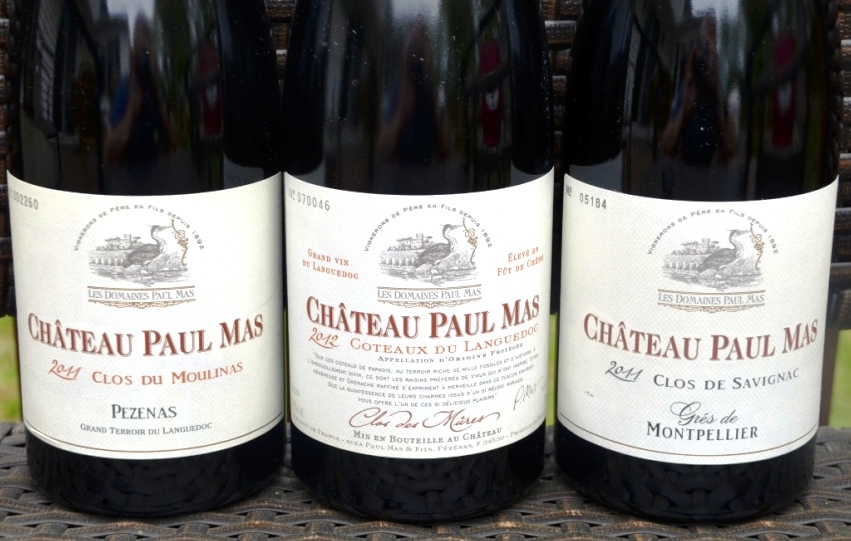 Talking about wines of Languedoc, with the risk of being boring, let me mention a few of the basic facts about the region. Languedoc is the biggest single wine-producing region not only in France, but also in the world. According to Wikipedia, only 13 years ago (in 2001), Languedoc was producing more wine than entire United States. Another important distinction of Languedoc is the fact that it practically has no restrictions on the type of grapes which can be grown there. While Mourvedre, Syrah, Cinsault and Grenache might be main red varietals, pretty much any of the international varietals are also permitted and grown in Languedoc. While such a liberal approach encourages winemaking, its flip side is that a lot of wines are produced under the designation of Vin de Pays d’Oc, which technically stands for “country wines”, a step below in classification compare appellation-specific wines (AOC wines such as Bordeaux, Pomerol, Medoc, etc.).
What this all means to the wine consumer? Value. For the long time, Languedoc had being known as a hidden gem, a secret source of excellent wines which you can enjoy every day, without the need for the special occasion (I actually wrote a post about Languedoc as one of the wine world hidden secrets – you can find it here).
Let me explain why we are talking now about Languedoc wines. A short while ago, I was invited to participate in the virtual tasting of the wines of Chateau Paul Mas. Paul Mas family had been making wines in Languedoc since 1892. Jean-Claude Mas, the 4th generation winemaker, set out to expand farther the family vineyards and winemaking business overall. Starting in 2000, Domaines Paul Mas plantings increased from about 86 acres to 440 acres of vineyards, and it has another 2000 acres under the contract. Just to give you few more facts, in 2006 Jean-Claude was awarded the title of International Mediterranean Entrepreneur of the Year by Ernst and Young; in 2008, he was named one of the Top 30 Winemakers of Tomorrow by L’Express magazine in France.
Domaines Paul Mas vineyards are planted with more than 25 varieties including Syrah, Grenache, Cabernet Sauvignon, Merlot, Viognier and Chardonnay. Obviously, there is a wide range of wines produced under the Domaines Paul Mas label, including some of the widely successful everyday wines such as Arrogant Frog.
The focus of our tasting was on the single vineyard wines of Chateau Paul Mas. Guillaume Borrot, the winemaker of the Chateau Paul Mas, who was presenting the wines during the virtual tasting, touted them as “affordable luxury”. And the wines were actually made to support this claim. Even the bottle itself, Burgundian in shape and very heavy, was supporting the “luxury” claim. And the fact that all three wines we tasted are available in retail for less than $25 each, definitely makes them affordable.
Well, it is not the look and weight of the wine bottle which will determine the “luxurious” designation. It is the wine itself which should support that claim – and all three wines perfectly delivered. Dense, concentrated and balanced, all well made and ready to be consumed now, or 5-10 years down the road – if you have enough patience though. Here are the more detailed notes on the 3 wines we tasted:
2012 Château Paul Mas Clos des Mures Coteaux du Languedoc AOP (14.5% ABV, 85% Syrah, 10% Grenache, 5% Mourvedre, 10 month aged in oak)
Color: Dark Garnet
Nose: Dark fruit, touch of spices, earthiness
Palate: Spicy cherries, touch of pepper, earthy profile, espresso, soft tannins, medium-long finish.
Verdict: Needs time, should develop nicely. Drinkability: 8-
2011 Château Paul Mas Grés de Montpellier Clos des Savignac Coteaux du Languedoc AOP (14.5% ABV, 50% Mourvedre, 30% Syrah, 20% Grenache, 2 month aged in oak barrels)
Color: Practically black
Nose: Rich, dark chocolate, ripe blueberries, spices
Palate: Loads of pepper, dark ripe fruit, blueberries, perfect balance.
Verdict: Delicious! Drinkability: 8
2011 Château Paul Mas Pezenas Clos du Moulinas Coteaux du Languedoc AOP (14.5% ABV, 55% Syrah, 45% Grenache, 12 month aged in oak barrels, 3,500 cases produced)
Color: Very dark garnet, almost black
Nose: Loads of fruit, nice, open, touch of earthiness
Palate: Earth, hint of sweet fruit, loads of complexity, leather, tobacco, pepper, perfect balance, wow!
Verdict: My favorite wine of the tasting, Has great potential. Drinkability: 9-
There you have it – an encounter with everyday luxury wines, made with love and pride in Languedoc. Some of these wines should be available in US, so make sure to look for them.
Have you had Domaines Paul Mas wines before? Do you have any favorites? What do you think about Languedoc wines in general? Cheers!
Month in Wines – May 2014
There was no shortage of the good and even great wines in May, including some potential candidates for the Top Dozen list. The spread of wines origin-wise was mostly even, from New Zealand to Italy to Spain, France and California. As usual, the list includes only the wines rated 8- or higher, with some lower rated wines included on the exception basis. Let’s take a look.
2011 Sueño Tempranillo Ribera Del Jucar DO, Spain (14% ABV, $19,99) – a classic, round Tempranillo – eucalyptus, cigar box, perfect balance. 8-
2012 Centanni Pecorino Offida DOCG, Italy (14.5% ABV) – a supple white, with lots of big flavors, very concentrated, but still refreshing. Quite unique and different. 8-
2012 Centanni Rosso Di Forca Rosso Piceno DOP, Italy (13.5% ABV) – One of the best Pop-and-Pour wines I ever had. From the moment the glass “cork” was pulled off, a luscious, luxurious, round and delicious wine, one sip after another. It was gone in no time… 9-
2010 Rio Maggio Rosso Piceno DOC (13.5% ABV) – Another excellent Rosso Piceno wine, but very different from the previous one – dark restrained fruit, a touch of cherry pit, excellent acidity. 8-
2012 Borell-Diehl Pinot Noir Estate, Germany – probably the first German Pinot Noir I liked. While not super-sophisticated, it was simple enough and food food friendly. 7+
2011 Stephen Ross Pinot Noir, Santa Lucia Highlands, California – Classic California Pinot, dark chocolate, pencil shavings, smoke, excellent balance. 8
2009 Maysara Pinot Noir, McMinniville AVA, Oregon – herbal profile on the nose, dark fruit, earthiness, balancing acidity. I can drink that every day. 8-
2012 Château Paul Mas Coteaux du Languedoc AOP (14,5% ABV, Syrah 85%, Grenache 10%, Mourvedre 5%) – dark fruit, earthiness, spicy cherries, pepper, espresso – lots of things going. Need time. 8-
2011 Château Paul Mas Clos de Savignac Grés de Montpellier (14.5% ABV, Mourvedre 50%, Syrah 30%, Grenache 20%) – Dark chocolate, loads of pepper, blueberries, perfectly balanced. 8
2012 Château Paul Mas Clos du Moulinas Pezenas Grand Terroir du Languedoc (14.5% ABV, 55% Syrah, 45% Grenache) – extremely complex, leather, tobacco, pepper, perfect balance, simply a wow. 9-
-

- Chateau Paul Mas Pizenas
-

- Chateau Paul Mas Clos de Montepelier
-
- Chateau Paul Mas Coteaux de Languedoc
-
- Rio Maggio Rosso Piceno
-

- Centanni Pecorino
-
- Centanni Rosso di Forca
2012 Swedish Hill Reserve Chardonnay Finger lakes, New York (13% ABV) – Chablis-like personality, with the hint of gunflint on the nose, also showing of as nice restrained California wine, with vanilla and oak, and everything in balance. 8-
2012 Dr. Konstantin Frank Gewurztraminer Finger Lakes, New York (12.5% ABV) – beautiful honeysuckle and white peaches nose, coupled with exotic fruit and spices the palate, and most importantly, all nicely balanced. 8-
2013 Rabbit Ridge Allure de Robles Rosé Paso Robles, California (13.5% ABV, $4.99 at Trader Joe’s , Mourvedre 49%, Grenache 26%, Syrah 25%) – simple, balanced, delicious, surprising. Yes, this was a perfect summer wine from Trader Joe’s – get it by the case. 8-
2010 Cairdean Vineyards Malbec Nape Valley (14.2% ABV) – My first experience with California Malbec. Very unusual – socks (yep, you can think whatever you want of me), baking spices, lavender, fresh cookies, very elegant. 8
2010 Cairdean Vineyards Chardonnay Russian River Valley (13.9% ABV) – touch of vanilla and butter, toasted bread, soft and round. 8-
2012 Matua Pinot Noir Marlboro New Zealand (13% ABV) – this wine screams “classic Marlboro” all the way – smokey nose, cherry on the palate, light and at the same time savory profile with cut-through acidity. 8-
2005 Dama de Toro Crianza Toro DO (13.5% ABV) – wonderful complexity, makes you smell this wine indefinitely, and then you can spend eternity analyzing each sip – herbs, lavender, sage, nutmeg, red and black fruit – just a wonderful example of the wine [probably] at its peak. 9-
-

- Allure de Robles rose
-
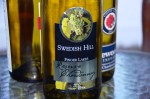
- Swedish Hill Chardonnay
-

- Dr, Konstantin Frank Gewurztraminer
-
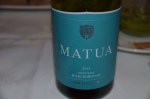
- Matua Pinot Noir
-

- Cairdean Vineyards Malbec
-
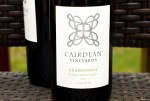
- Cairdean Vineyards Chardonnay
-
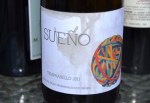
- Sueno Tempranillo
-
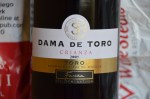
- Dama de Toro
2010 Freemark Abbey Cabernet Sauvignon Napa Valley (14.5% ABV) – great open Cabernet Sauvignon nose, bell peppers, black currants, very classic. Medium to full body on the palate, perfectly restrained, excellent balance. 8
2008 Tamaya Syrah Reserva Limari Valley, Chile (13.5% ABV) – this wine would perfectly impersonate a classic Northern Rhone Syrah – very restrained, dense, concentrates, pepper and spices on the palate, savory herbs. A Thought provoking wine. 8-
That completes my wine highlights report for May. Did you make any interesting discoveries in the last month? Did you have any of the wines I mentioned here? Cheers!
#winechat Finger Lakes Wine Tasting – An Interesting Experience with Happy Ending
Here we go again – another #winechat experience. Lots of wines and lots of talking – with your fingers. The subject of this #winechat – wines of Finger Lakes region in New York.

Finger Lakes is a picturesque area in the upstate New York, very close to Canada, consisting of multiple lakes – technically, Finger Lakes consists of 11 lakes, but most of the people will be able to name only 3 or 4. Outside of being a popular tourist destination, Finger Lakes is actually one of the very first wine making areas in the US – the first winery was established in 1836, and by now the region has well over a hundred wineries.
Despite such a long history, the wines of the Finger Lakes region are still considered up and coming. For the most of the cases, consumers might be familiar with Finger Lakes Riesling, a bit of Gewurztraminer and some of the Icewine, with the Finger Lakes wines mostly available only in New York and some of the neighboring states. As of late ( last 2-3 years) the situation is slowly changing for the better, both in regards to quality and availability of the Finger Lakes wines. It is also important to note that the improvements I’m talking about concern both white and red wines, with the wineries such as Fox Run, Ravines and Charles Fournier delivering full spectrum of wines worth drinking and talking about.
When I got a note about #winechat dedicated to the Finger Lakes wines, I was hesitant at first regarding my participation. The reason was simple. Yes, the quality of the Finger Lakes wines is improving. However, about 4 years ago, when my daughter was going to Ithaca college, located right by the Seneca lake, I visited few of the nearby wineries, and was quite disappointed with the wines I tasted. Therefore, the prospective of tasting bunch of wines and not being able to write anything about them, was rather daunting. After the internal back and forth, I decided okay, let’s give it a try, and signed up for the #winechat. A few weeks later, the box arrived, containing the 8 bottles – 3 different Rieslings, 3 Chardonnays and 2 Gewurztraminer. From the whole set, I only recognized the name of Dr. Konstantin Frank as a producer I heard of before ( I never tried Gewurztraminer which was included in the tasting set).
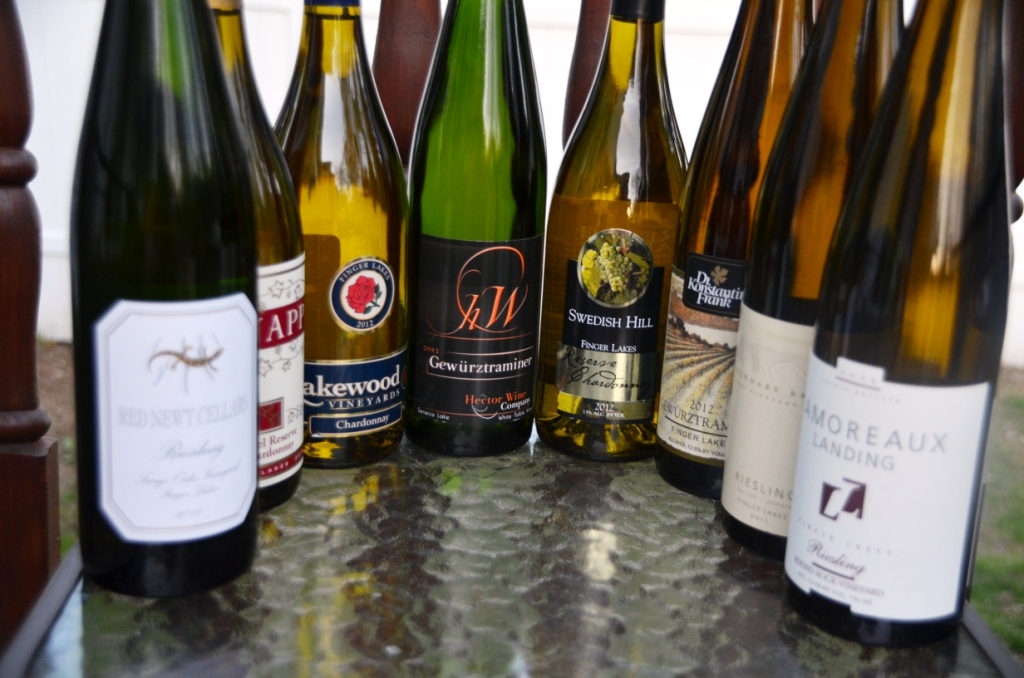
About a week later, it was the time to taste the wines. I freed up the space in the fridge and put all the bottles in to get them ready.
Talking about an “interesting experience”, let me explain what I mean (yes, I know – somehow, when you read “interesting”, you don’t expect anything good). The #winechat usually starts at 9 PM. But of course it would be quite challenging to taste 8 wines in the real time, take notes, and support many simultaneous “finger” conversations at the same time. Therefore, I decided to start an hour before, so I would have enough time to taste all the wines in the thoughtful fashion. I invited my friend Zak to share the tasting with me. We started from the Rieslings, then moved on to Chardonnays, and finished with Gewurztraminers. The first Riesling was okay, but then everything went downhill – the wines were simply from the series “nothing to write home about”, with the exception of Dr. Konstantin Frank Gewurztraminer – that was one and only highlight of the tasting. We kept looking at each other with Zak in disbelief, as this was definitely not expected from the set specially selected for the tasting. Needless to say, at the end of the tasting (I managed to participate in the chat, albeit not as enthusiastically as I normally would), I was rather disappointed. And I had 8 wines to finish or dump. What I decided to do, is to put them aside, and give them another chance, one by one. I used the gas canister (not sure I had much gas left though) to replace the air in all the bottles and put the corks back. One bottle went into the fridge, and the rest were standing, waiting for their term.
Now, for the really interesting part. The next day or a few days later, all, yes all the wines (okay, exclude Dr. Konstantin Frank from here, as it was good from the beginning) tasted better! I couldn’t believe it, and I couldn’t understand it – but they did. Better fruit, better balance, softer, smoother – all of them. Well, thinking about it, the Rieslings only improved a little bit or not at all, but the improvement was very noticeable for all Chardonnay wines. Giving it another thought, I think I’m finally starting to “get it”. When I open a bottle of wine, taste it and decide that it is not ready because it is too tight and closed, I’m generally not surprised, I ofthen expect it, and I put it aside to give a day or a few to open up without any commotion. In case of this Finger Lakes tasting, I had multiple wines opened at the same time, and especially all of the Chardonnays had the nice oak treatment, thus required time to open up – this is not my typical case, hence the issues I had. So bottom line is that I was [again] humbled around wine, and still have lots to learn. Well, not the worst problem to have in life, isn’t it?
I will let you decide how “interesting” my experience was. Below you will find tasting notes, both the initial ones, and those I added after re-tasting the wines in a few days.
Here we go:


2012 Red Newt Cellars Tango Oaks Vineyard Riesling (11.5% ABV)
C: practically clear
N: Initially: golden delicious apples, a bit grassy; 2/3 days later: white fruit
P: Initially: high acidity, not enough fruit, tropical fruit, mango; 2/3 days later: white flowers, hint of sweetness on the palate with nice acidity and addition of minerality.
V:nice, simple, 7/7+; Final: 7+/8-
2012 Lamoreaux Landing Wine Cellars Round Rock Riesling (12.7% ABV)
C: practically clear
N: Initial: candied walnuts, Later on: light, delicate, good white fruit
P: Initial: white fruit with grassy notes, minerality; Later on: a distant hint of Petrol, clean and fresh acidity, elegant, well balanced.
V: Initial: 7+, Final: 7+/8-
2011 Boundary Breaks Riesling Reserve #198 (8.9% ABV)
C: practically clear, almost transparent
N: Petrol (hint of)! white fruit, apricot, honeysuckle.
P: sweet (spatlese or may be even auslese level), needs more acidity, but not bad
V: needs savory food, 7/7+


2012 Knapp Barrel Reserve Chardonnay (13% ABV)
C: straw pale
N: Initially: closed, practically nothing. Later on: nice apple notes, touch of vanilla, pleasant and inviting.
P: Initially: touch of pineapple, white apples, neutral – drinkable, but not fully enjoyable. Later on: nice, cutting acidity, backbone of white fruit, touch of herbal bitterness, but quite round and refreshing. Minerality on the palate, like a limestone. Medium finish,
V: 7, Final: 7+/8-
2012 Lakewood Vineyards Chardonnay (13,9% ABV, 617 cases produced)
C: straw pale
N: Initially: minerality, pretty closed otherwise. 3 days later: very classic nose, with vanilla and toasted oak, nice and clean.
P: Initially: flat, malolactic obvious, touch of vanilla. After 3 days: excellent flavor concentration, good acidity, butter and vanilla, medium to full body, good balance.
V: initially: 6-, final: 7+/8-
2012 Swedish Hill Winery Reserve Chardonnay (13% ABV)
C: straw pale
N: Initial: hint of gunflint, minerality, white fruit. Later: Vanilla and oak, very inviting, with Chablis-like gunflint
P: Initial: oak, vanilla, flat, needs more acidity fruit, opened up reasonably , improved with time, butterscotch, still needs more acidity; 3 days later: great concentration of vanilla, apple and butter, nicely balanced with very persistent depth.
V: 7+, Final: 8-


2012 Hector Wine Company Gewurztraminer
C: Golden color
N: Initial: Beautiful, concentrated fruit; Later: Very pleasant nose of tropical fruit with some spiciness – guava, mango.
P: Initial: Lots of green notes, bitter, biting, not balanced. After 3 days: bitterness subsided, with only a hint left.
V: 6, Final: 7-
2012 Dr. Konstantin Frank Vinifera Wine Cellars Dr. Frank Gewurztraminer (12.5% ABV)
C: golden
N: beautiful fruit, inviting
P: perfect balance, fresh fruit, touch of spiciness, best of tasting
V: 8-
There you have it, my friends. To tell you the truth, I had a different take on the events in the tasting initially, but I’m glad I was able to figure it all out. And this story did have happy ending, as practically all the wines showed very well. Lessons learned – be humble, and give your wines a chance [to breathe].
Before we part, I would like to thank Finger Lakes Wine Alliance for providing the sample for review. Cheers!
Another “How Do They Do It?” Set of Trader Joe’s Wines
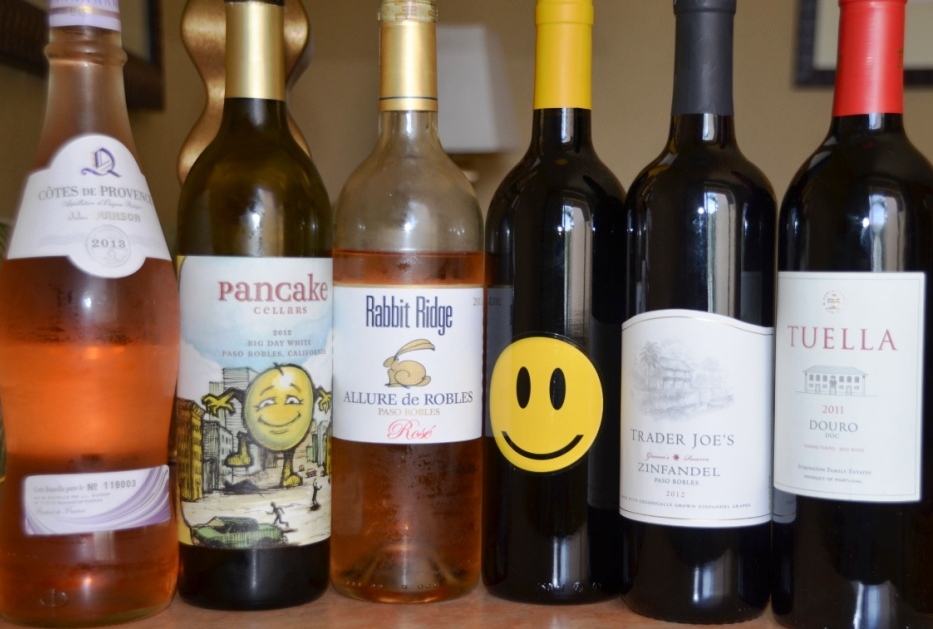 On the multiple occasions, I wrote about Trader Joe’s wines in this blog. I generally only can taste them when I travel, as Trader Joe’s stores in Connecticut can’t sell wine. Thus if I’m in the close proximity of the Trader Joe’s store, and schedule allows, I always make an effort to taste something new.
While Trader Joe’s wine selection generally includes wines at the different price levels, my focus is always on the most inexpensive wines. The rationale is simple – at $9.99 and above, there is a great selection of wines in my neighborhood wine store. At the same time, there is practically nothing in the $4.99 – $6.99 price range, thus it is very interesting how good (or how bad) such wines can be.
In general, I can’t complain about Trader Joe’s wines. My typical “success rate” is somewhat of the 3 out of 4 ratio – if I would taste 4 wines, at least 3 of them would be at “I want to drink it again” level. But this time, while in San Diego, California, I was simply blown away – 6 out of 6, 3 wines at $4.99 and 3 at $5.99, where perfectly drinkable wines which I would gladly drink again on any day! This was definitely a “how do they do it???” moment, as I would never expect, for instance, Rosé or Zinfandel from California to have such a QPR, to taste as good as they did considering the amount of money I had to pay for them.
Without further ado, let me present to you my 6 out of 6 set of “how do they do it?” wines from Trader Joe’s.
2012 Pancake Cellars Big Day White Paso Robles, California (13.5% ABV, $4.99, 37% Chardonnay, 23% Sauvignon Blanc, 15% Viognier, 15% Pinot Blanc, 10% Muscat Canelli) – I can only guess this is modeled after the Conundrum, only this wine I actually enjoyed (and it costs 1/4 of the Conundrum)! Very nice and refreshing nose of white fruit with herbal undertones. On the palate, nice, round, good acidity, white fruit, white apples, very good balance. While not the most complex, definitely very enjoyable! Drinkability: 7+/8-
2013 Rabbit Ridge Allure de Robles Rosé Paso Robles, California (13.5% ABV, $4.99, Mourvedre 49%, Grenache 26%, Syrah 25%) – you can safely assume that I had zero expectations opening a bottle of Rhone-style Rosé from California which cost $4.99. Boy, was I wrong. The wine was simply outstanding – bright, cheerful, full of strawberries and cranberries, perfect acidity – get it by the case to make your summer days super enjoyable. Drinkability: 8-
2013 J.L. Quinson Cotes de Provence AOP (12.5% ABV, $5.99) – same as the one above, zero expectations for Provence Rosé for $5.99 – sorry, the internal snob is speaking. First sniff and sip – wow, I’m convinced. Perfectly restrained, mineral, light, refreshing acidity – as classic as Provençal Rosé gets, only at half price or even less, depending on the bottle. Another case buy for the summer, in case you need my recommendation. Drinkability: 7+
2012 Oreana Wines Project Happiness Syrah California (13.5% ABV, $5.99) – see the happy face on the label? This is what this wine is – happy. No, this is not the most thought provoking Syrah you can drink, but it is simple, easy to drink, round and balanced, good fruit on the palate, a tiny bit of pepper. Throw in a little barbequed meat – and your face might look exactly as the one on the label. Drinkability: 7
2011 Symington Family Estate Tuella Douro DOC, Portugal (13.5% ABV, $5.99) – Douro wines are slowly but surely gaining their international reputation, so this is definitely a good deal of a very solid wine which you can also age. It was showing a little tight, with reserved fruit expression, but good overall balance and acidity. At this price, if you got some space in the cellar, forget a few bottles there – you might thank me in a 3-4 years. Drinkability: 7
2012 Trader Joe’s Grower’s Reserve Zinfandel Paso Robles (13.5% ABV, %4.99) – the first smell exhorts the “wow”. Good Zinfandel at $4.99 didn’t sound to me even as a remote possibility. And then this Grower’s reserve comes in – perfectly open, with clean smokey raspberries and blackberries, very round fruit expression on the palate, with the same smokey berries being very present and well matching the nose – the QPR on this wine simply goes through the roof. No, this wine doesn’t have the richness of Turley or Carlisle, but then you don’t need to cellar it for 10 years before you can really enjoy it. If you like Zinfandel – this is definitely the wine you have to experience. Drinkability: 7+/8-
I tip my hat to whomever is responsible for sourcing the wines for Trader Joe’s stores – to say “well done” is almost to say nothing – great job, and please keep doing it over and over again, to the delight of all the wine lovers out there. Cheers!
Lots of Wines, Zero Pretense – Enjoying Wine at Wine Steals in San Diego
 I love restaurants and wine bars, no questions (well, who doesn’t?). Yet every time I go to the restaurant where I expect to be ordering wine, I go out of my way to find the wine list beforehand and see what is there. No, it is not because I need to play the wine snob and see that a restaurant carries the wines worthy of my exquisite taste. Fine, I’m lying – I will give you 10% on that reason. But the rest of the 90%? I want to see if there is a wine which I can afford and still enjoy drinking at the same time. Yes, I’m a cheap bastard, and no, I’m not willing to pay any price to get what I want. If worst comes to worst, I have enough wine at home – I can just drink water at the restaurant. Considering that restaurants in many cases want to charge triple or more versus retail, I find this atrocious and not wiling to support it. So if I can see the wine list ahead of time, at least I know what to expect.
But – wouldn’t it be nice if the wines would be reasonably priced at the restaurant? Let’s say, the retail plus the fixed markup? I read about some of the restaurants which have this model, but I never been to one. Until now.
Enters Wine Steals San Diego (cue in happy music). No, this is not the place where you can learn how to steal wine or buy the illegal Screaming Eagle for 5 on the dollar. Wine Steals is actually a wine retail store, slash the wine bar. And quite honestly, I want to call them a “concept bar”, as for the sake of all of the oenophiles who don’t get to enjoy the wine in the restaurant because they can’t afford it, I really hope that the concept of Wine Steal will catch like a wild fire and the Wine Steals outlets will pop up all over the country. What is the concept, you ask? In a few words – honest, simple and perfectly reasonable pricing of the wine in the bar/restaurant setting. You can get the wine by the glass – okay, this is not unique, agreed. But you can also buy a bottle of wine at a very reasonable price (how about a bottle of 2005 Toro for less than $16), and have it served to you right at the restaurant for only $6? Yep – buy any bottle at a very reasonable and competitive retail price, and pay only $6 extra to have it served to you. And of course, whatever you will not finish, you can take home with you. So that almost feels like a steal to me – in the best possible sense of the word. How about that for the concept? Would you welcome Wine Steals in your neighborhood? I know I would, gladly and giddily.


While the most fun part (which you don’t get to do in a restaurant) is simply walking around the floor and simply choosing your bottle, we started from the two glasses of wine. Manorossa Negroamaro Lizzano DOP was definitely a fun wine, with perfect acidity, good fruit and enough depth to support the conversation. And then 2005 Dama de Toro Crianza Toro DO was simply spectacular – herbs and spices on the nose, nutmeg, lavender, sage, red and black fruit on the palate, more herbs, soft tannins and perfect balance – this was once delicious glass of wine (I liked it so much that I had to grab a few bottles to take them back home with me – as I said before, at around $17 with the tax, simply a [Wine] Steal). We also had 2010 Mahoney Vineyard Pinot Noir Carneros (about $20 for the bottle), which was just what you expect from the California Pinot Noir – hint of the smoke on the nose, nice dense dark fruit on the palate, concentrated and well balanced. And we finished the evening with Hidalgo Pedro Ximenez, a great value at $17.49 for the bottle – sweet plums on the palate, hint of dried figs, not overly sweet with nice balancing acidity.


Wine Steals also offers a very nice food menu, with various dips, cheese and meat boards, sandwiches, salads and pizzas. We had a cheese board and trio of the deeps which were simple but very tasty.
That concludes my exciting report. I hope the Wine Steals will become a concept, and will catch on everywhere. I think this is really a great way to enjoy wine worry-free in the bar setting, also knowing that you are getting a great deal. What do you think? Would you want to see a Wine Steals store open up around the corner? Comment away! Cheers!

Of Ancient Vines and Rhone Varietals – #winechat with Cline Cellars
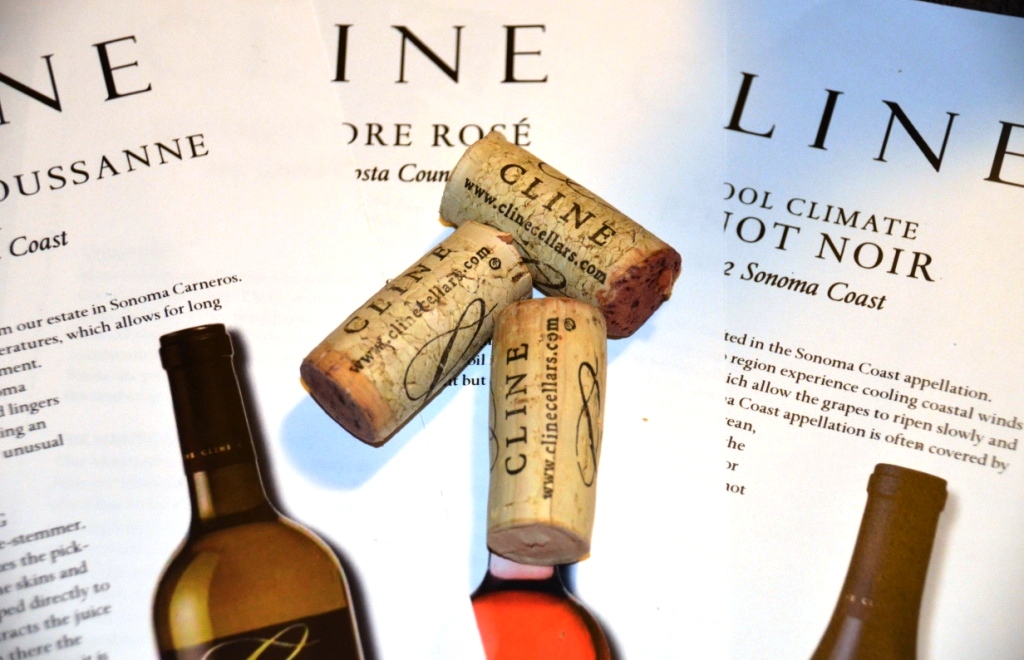 Think California wines, think California grapes – what is the first grape which comes to mind? I would guess that Cabernet Sauvignon would be the first. Zinfandel, Merlot, Pinot Noir and Chardonnay will trail near by (not in this exact order, of course). Are those the best grapes making the best California wines? Yes, before you beat me up, “best wine” is highly subjective, so let’s not drill on that. But – what else is there in California? Ever heard of Rhone Rangers? In the 1980s, a group of California winemakers made a significant effort to popularize Rhone varietals – Syrah, Grenache, Mourvèdre, Roussanne, Marsanne and many others. While this group of winemakers didn’t have any set structure, they became collectively known as Rhone Rangers. As the result of the work of this group, Syrah and Grenache became prominent players on the California wine landscape, with the other traditional Rhone varietals taking more on the supporting roles.
Fred Cline, the founder of the Cline Cellars winery in Contra Costa County, was one of the original Rhone Rangers. While Cline Cellars is most famous for their Zinfandel wines (7 different bottlings are produced), it also makes a number of wines from the traditional Rhone varietals. On Wednesday, April 30th, the worldly virtual tasting room, called #winechat, opened its doors to all the wine lovers, coming in to experience and to talk about the Cline Cellars Rhone-style wines. While Cline Cellars winery was officially founded in 1982, the family owned the vineyards since 1800s. After founding the winery, Fred Cline spent a lot of time and efforts to preserve and where necessary, to restore the ancient vines (some of the vines are 80 – 120 years old), hence the name “Ancient Vines” which you can see on the labels of many Cline Cellars wines. Today, Cline Cellars uses sustainable farming methods and it is Green String Certified winery. Wonder what it means? As explained by the @ClineCellars during the #winechat: “Since 2000, Cline Cellars farms the Green String way: naturally & sustainably &avoid chemical pesticides, fungicides & fertilizers”

So, how were the wines, you ask? During the #winechat, we had an opportunity to try 3 different wines. We started with 2012 Cline Marsanne Roussanne Sonoma Coast (14.5% ABV, 66% Marsanne, 34% Roussanne). Every time I say “these are some of my favorite grapes/wines/etc.”, I feel a bit uneasy. The reason is simple – when it comes to the wines, I like them all. Every time I talk about the subject, I can come up with the new list of favorites, so using that “some of my favorites” moniker feels almost like lying, just a tiny bit. Oh well. So yes, Marsanne and Roussanne are some of my favorite white grapes – the wines from Marsanne and Roussanne, both are core Rhone white grape varietals, are quite rare, no matter where they come from, so every opportunity to taste such wines is always very exciting.
When it comes to Marsanne and Roussanne wines, the interesting thing is that those wines should be consumed at the room temperature. I tried chilling various Marsanne/Roussanne wines, and it never worked for me. This wines works the best at the 18°C – 20°C/64°F – 68°F. Here are the notes:
Color: Light golden
Nose: Minerality, white flowers, touch of honey, touch of white peach, white grape aroma as the wine opened up.
Palate: Touch of sweetness, caramelized sugar, minerality, very complex.
Verdict: This is one delicious wine, which you can enjoy on its own or with some chicken and mushrooms dish, for instance. Drinkability: 7+
Our next wine was 2013 Cline Mourvèdre Rosé Contra Costa County (13.5% ABV, ~100 years old vines), another traditional Rhone varietal. I tried to play with the temperature on this wine, but it really didn’t work – this wine should be only served well chilled.
Color: Intense pink
Nose: Fruit forward, with lots of ripe strawberries
Palate: Strawberries, cranberries, nice acidity (when well chilled!). Very classic and supple Rosé.
Verdict: Ahh, it pairs so well with the strawberries! Serve either as an Aperitif, or with the fresh light salad (like kale and strawberries), or with the fresh fruit after a meal. Very refreshing. Drinkability: 7+


Last, but not least was 2012 Cline Cool Climate Pinot Noir Sonoma Coast (14.5% ABV, aged for 9 month in oak) – yes, not a Rhone varietal, but a California classic, coming from the classic area as well. The climate conditions of Sonoma Coast, with the fog settling down and cooling off the grapes every evening, allow grapes to ripen slowly and to build up a structure and nice acidic core. This wine was very much on par with the good California Pinot Noir expectations:
Color: Dark garnet
Nose: Smoke, minerals, touch of cherries, mushrooms, forest floor, roasted notes
Palate: Minerality, plums, nice acidity, well balanced.
Verdict: Very versatile wine. Perfectly enjoyable on its own, also paired well with wide variety of foods – fresh strawberries (!), roasted chicken, and believe it or not, but bacon cheddar (cheddar cheese with pieces of bacon) was the best pairing! Drinkability: 7+
As an added bonus, this wine even comes with the recipe attached to the back label – very clever idea!


That concludes yet another #winechat report. What is left to say is Thank You. First of all, thank you to the @ClineCellars for providing the excellent wines and enduring the barrage of questions during the intense one hour conversation. And of course, thank you to the Protocol Wine Studio, spearheading the whole #winechat program. And for you, my dear readers? Thank you for reading and come on over! See you next Wednesday on Twitter in the #winechat room. Cheers!
Taste Of Wine – Engineering Approach
This was one of my early blog posts – almost 4 years ago, I was blogging only for about 4 month, and had probably 1.5 readers (okay, fine, may be 1.7). This is one of my most favorite blog posts in this blog, which I think is still very relevant. Therefore, as I’m incredibly behind my publishing plans, I would like to share it with you on this rainy [in Connecticut] Thursday – and of course I would love to hear your comments. Cheers!
Last Bottle Sign Up ($10 credit)




 Talk-A-Vino