Archive
Kosher Wines: Trader Joe’s Overdelivers, And More
 I don’t know if there is a single “group” of wines out there, which can brag about such an incredible improvement over the past 10-15 years, as kosher wines. This, of course, is a US-centered opinion, but from my personal experience, 15 years ago, I had to cringe at the thought of Manishewitz cloying concoction as a mandatory element of celebration. About 5-7 years ago, the availability of the dry table kosher wines greatly increased, but for the real wine experience, you had to either pay a lot for the Israeli wines (or have good friends who would take care of you), or resort to the insipid, cooked, unbalanced international wines, proudly advertizing that they are appropriately kosher.
To be kosher, the wine should be made only by the fully observant Jewish people – similarly to any other kosher foods, there are many rules to be followed to make sure the wines will qualify as kosher wines. This is not necessarily a difficult part. The challenging part is related to the special word which appears on some of the wine labels next to the word “kosher” – this special word is “mevushal”. I will not give you the whole history behind the need for the wine to be mevushal (here is the link where you can learn in detail if curious), but here is a quick explanation. Even if the wine is made kosher, it will become “non-kosher” is handled by non-observing people at any moment – pouring etc. However, if the wine is heated to 180F for some time, it becomes “mevushal” – and no matter who will handle mevushal wine, it will still qualify as “kosher”.
Yes – making the wine “mevushal”, which means “cooked” in Hebrew, is an issue, and that explains the problem with the taste – “cooked” wine is one of the well known wine faults (with the exception of Madeira), and no oenophile would be happy faced with the cooked wine. But – the flash pasteurization (rapid heat up for 2-3 seconds), which is known to least alter the real taste of the product, became the tool of choice in making the wine “mevushal” as of late, and the resulting wines improved dramatically.
Now you know everything you need to know about kosher and mevushal wines – let’s move from the theory to practice. Once again, today’s wines are (primarily – I have also a bonus for you) the Trader Joe’s wines, and yes, they are value priced. To be entirely honest, this was not my idea to look for the kosher wines at Trader Joe’s. This post could’ve been easily titled “from your letters” – over the past few month, I got a few of the e-mails from different people, asking for my opinion about few of the Trader Joe’s kosher wines (yes, I was flattered, no questions). My general problem with Trader Joe’s wines is simple – in Connecticut, where I live, Trader Joe’s doesn’t sell the wine. So I had to wait for the opportunity to visit my friends in Boston, where Trader Joe’s sells the wines, and voila – got four different kosher wines (for the whooping $22 for all four). That’s all – now you have the full story, and we can (finally!) talk about the wines.
I had 3 wines made by the same producer, Terrenal – Cabernet Sauvignon, Chardonnay and Malbec. The first two are from Spain (not a typical location for the Cabernet and Chardonnay wines, huh?), and the last one is from Argentina (of course). All three wines are designated as kosher, but only the last one (Malbec) is also a mevushal wine. And the last wine I tried from Trader Joe’s was SaraBee Moscato.
2012 Terrenal Cabernet Sauvignon Yecla, Spain (13.5% ABV, $4.99, kosher, not mevushal) – this was the most unusual experience. On the nose, the wine showed tobacco, coffee, cherries and herbs. On the palate, the wine kept changing, showing green tannins, touch of cherries and cherry pit. After two days (you know me 🙂 ), the green tannins were replaced by the powdery tannins, and wine became more open and balanced. I still have an issue with this wine, as it didn’t show a tiniest trait of Cabernet Sauvignon – but it would be perfectly fitting as Grenache. So either this wine has a good portion of Grenache as part of the blend, or the soil/terroir trumpets the grape tremendously. Drinkability: 7-
2012 Terrenal Chardonnay, Spain (12.5% ABV, $4.99, kosher, not mevushal) – totally different experience compared to the previous wine. As a side note, I don’t remember ever having a Chardonnay from Spain – now I have. On the nose – nice, clean fruit, white apple, hint of tropical fruit, vanilla. Similarly clean package on the palate – nice acidity, apple, vanilla, white stone fruit. Good balance. This was not mind-blowing, but perfectly drinkable and pleasant wine. If you are looking for the white kosher wine, this is definitely recommended. Drinkability: 7/7+
2013 Terrenal Malbec I.P. Mendoza, Argentina (13% ABV, $4.99, kosher, mevushal) – in a word, excellent. On the nose, ripe blackberries, tobacco, baking spice. On the palate, delicious fresh berries without much of sweetness, round, balanced, good acidity, touch of ripe plum, gentle tannins. Again, I would highly recommend it if you are looking for the red kosher mevushal (!) wine. Drinkability: 7+
NV SaraBee Moscato Puglia IGT, Italy (5.5%ABV, $6.99, kosher, mevushal) – sweet, very sweet. Sweetness on the nose, and the same on the palate. Well, this wine is designated on the label as “sweet white wine”, and that is exactly what it is. Very light effervescence, almost unnoticeable. I wouldn’t drink this wine by itself, but – it would be a perfect accompaniment for any dessert dish – an apple strudel, sponge cake, cookies – it will universally fit any non-chocolate dessert. The interesting fact is that while this wine was lacking acidity, it was not perceived a cloying, still had a lightness in it. It also represents a great value as a kosher mevushal wine at $6.99. Drinkability: by itself – 6, with dessert – 7/7+.
There is one more wine I want to mention – 2010 Shiloh Secret Reserve Shiraz Judean Hills, Israel (14.8% ABV, $38, kosher, mevushal). This might not be even fair to mention this wine matter-of-factly at the end of the post, but just in case you are looking for an upscale wine which still should be kosher, this might be your perfect choice (it is available in US). On the nose, dark concentrated fruit and a touch of savory herbs, sage and lavender. On the palate, great concentration of dark berries, blackberries, pepper undertones, brooding, powerful, firm structure and perfectly dense mouthfeel, supple tannins, and balancing acidity. A pleasure in every sip. Drinkability: 8
So here are some of the kosher wines you might enjoy in time of the Jewish high holidays, or just at any time. I do think that Terrenal wines from Trader Joe’s simply over-deliver at the price point of $4.99, so Trader Joe’s has done it again – whomever is responsible for Trader Joe’s wine portfolio can definitely give themselves a pat on the back.
And we are done here. If you ever had any of the wines I mentioned, I would love to know what you think about them. If you have any comments about kosher wines in general, please don’t be shy. Cheers!
Riesling, Oh Riesling – Finger Lakes Riesling Deep Immersion with #WineChat
 There is nothing obscure about Riesling. Unquestionably one of the “big three” white grapes (Chardonnay, Sauvignon Blanc and Riesling). Celebrated through various social media events – “The Summer of Riesling”, “Riesling Month”. An established, de-facto pairing for the Asian or any spicy cuisine for that matter. “Fastest growing white wine in America”. And nevertheless, one of the most unknown, under-appreciated and misunderstood wines, if you ask me.
Walk into any general wine store, and try to find Riesling wines. Are they right in the first aisle, next to the California Chardonnay and Sauvignon Blanc? Nope. Oh yes, a lot of Rieslings come from Europe, so they definitely will be right next to the Burgundy and Loire. Oops – not here again? Here they are – in the back of the back, a side aisle, a small section, ask the sales guy, he will show you. And this is not limited to the wine stores only – most of the restaurant wine lists have one or two Riesling wines, usually in the cheapest group. Similar story in most of our cellars – how many bottles of Riesling do you have on your shelves? A few? And this is despite the fact that Riesling is one of the most age-worthy wines in the world…
So how do these two realities of “one of the fastest growing” and “last row seat” co-exist? I think perception has a lot to do with this. Since Riesling can be sweet, and often it is praised for its sweetness, consumers are stuck in the notion Riesling = Sweet. Take a look at the Wine Spectator ratings – highest rated Kabinett Riesling (typically showing only a hint of sweetness) got 93 points; and then 8 (eight!) Rieslings got 100 points (the absolute top) rating – by the way, it is 8 of only 75 wines which got 100 points from Wine Spectator – and all 8 are Trockenbeerenauslese, the highest sweetness designation. Thus for lots and lots of wine drinkers, Riesling is a dessert wine, and while we love dessert wines a lot more than we are willing to admit, the dessert wine designation means “only for the special moments”.
Can this perception be changed? Of course. How? By educating people. This was one of the reasons for the International Riesling Foundation (IRF) to be created in 2007. The idea behind foundation was exactly this – to make people aware of what Riesling has to offer, and to help people better understand Riesling wines. One of the outcomes of the IRF efforts became the Riesling Taste Profile. According the the specification of that profile, four taste categories are defined – Dry, Medium Dry, Medium Sweet and Sweet. Based on the given set of parameters (sugar, acid and pH), the IRF developed a technical chart which allows winery to estimate how the consumers will likely perceive the wine across the 4 defined taste categories. After that, the winery can print that taste profile on the label (you can see an example at the very beginning of this post) – and then the consumer can quickly set the expectations just by glancing at the label.
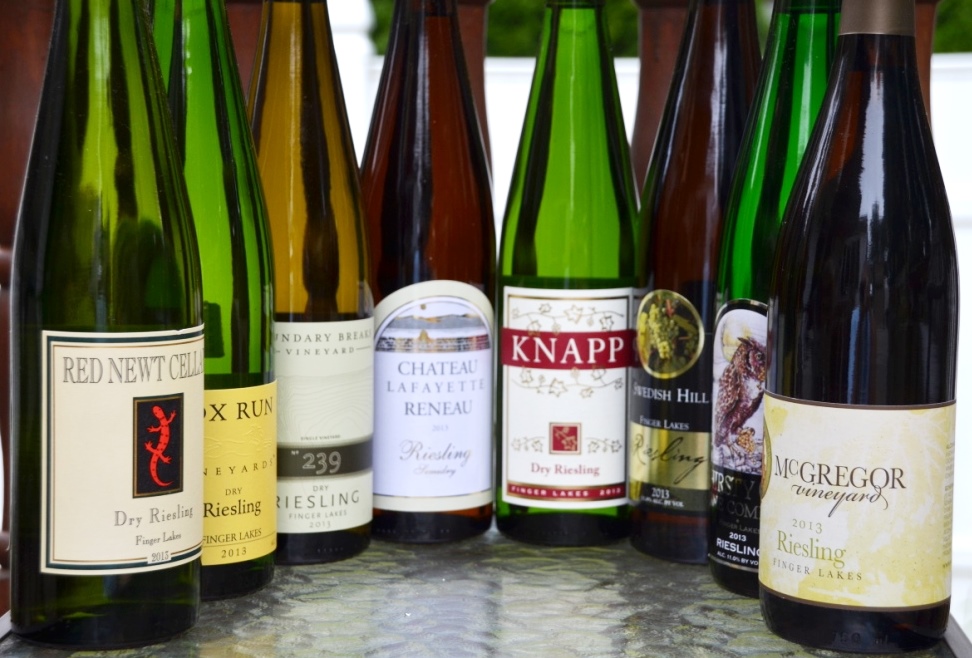
Well, it is good to have an informative label, but when it comes to the wine world, seeing doesn’t really equates to believing. But tasting does. This is where the #winechat comes to the rescue. Last week, a group of enthusiastic oenophiles had a chance to dive deeply into the world of 2013 Finger Lakes Riesling, by tasting through the 8 different wines and sharing the excitement with each other. And the wines were definitely very exciting, full of pleasure in every sip. Finger Lakes region in New York deserves all of your attention – but I already shared my thought about the region at length in the two earlier posts this year, so I will have to refer you to those (first Finger Lakes #winechat and the post about Bellangelo wines).
Below are my notes regarding the individual wines. These notes are based on the longer evaluation of the wines than we would otherwise have during the 60 short minutes of the #winechat, so if you are talking part in another #winechat session on that subject, I suggest you will start tasting your wines now. One last note regarding the wines. As this is my third encounter with the Finger Lakes wines this year, I would like to offer two “bits of wisdom” based on that experience:
- Don’t over-chill.
- Let ’em breathe.
Terroir, minerality are important components of Finger Lakes wines – by serving the wines a bit warmer than you normally would, say at around 50F, and letting them breathe for may be an hour, you will do yourself a big favor and will find a lot more pleasure in every sip. At least I did. Without further ado, here are the 8 beautiful wines:
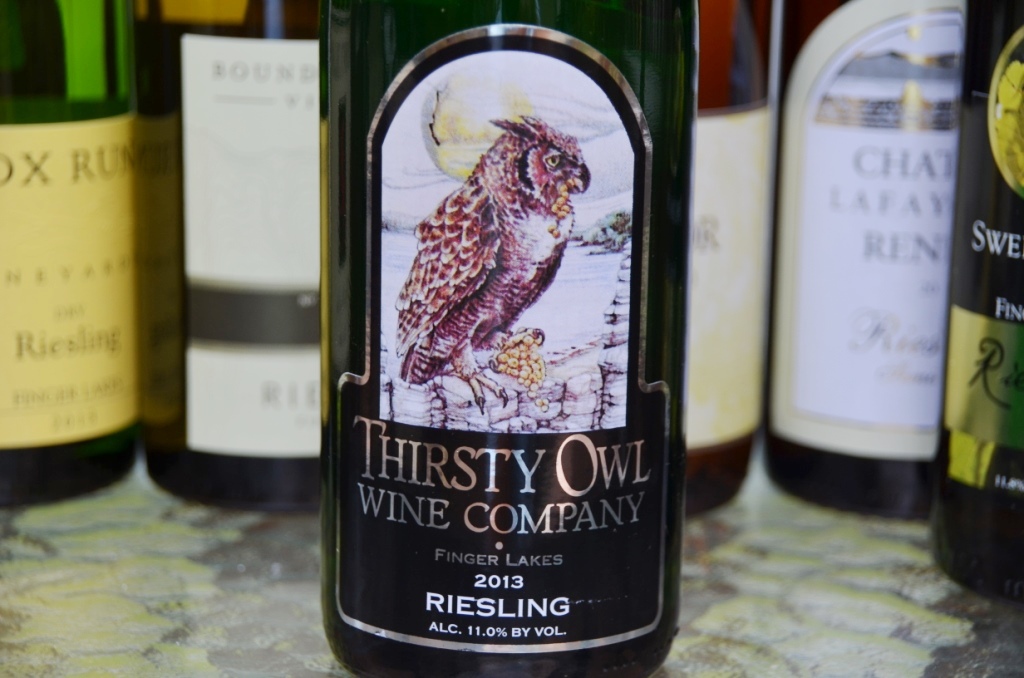 2013 Thirsty Owl Wine Company Riesling Finger Lakes (11.0% ABV, $14.95). IRF scale not shown. On the nose, touch of minerality (gunflint), apricot. Overall nice and restrained. Palate: Clean , crisp acidity, touch of honeysuckle, golden delicious apple. Medium finish, overall very refreshing. Drinkability: 8-
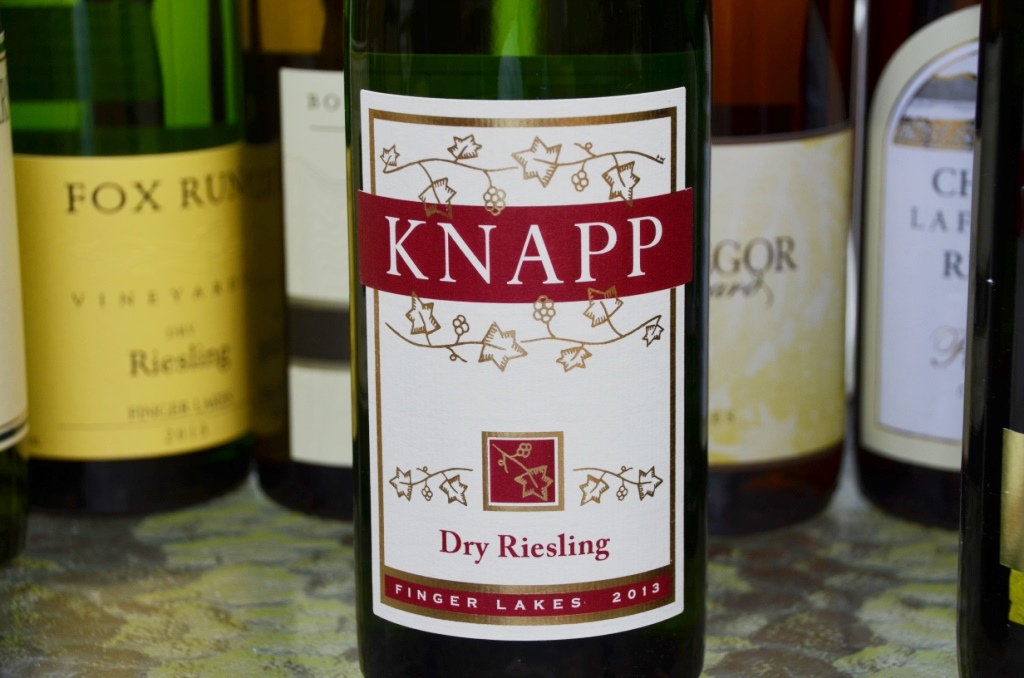 2013 Knapp Dry Riesling Finger Lakes (12%ABV, $15.95) – On the IRF scale, this wine is at the lower part of the Medium Dry style. White apples, honey and lemon on the nose. On the palate, candied lemon peel with fresh lemon juice, complemented by the cut-through acidity. Medium finish, overall a nicely balanced wine. Drinkability: 7+
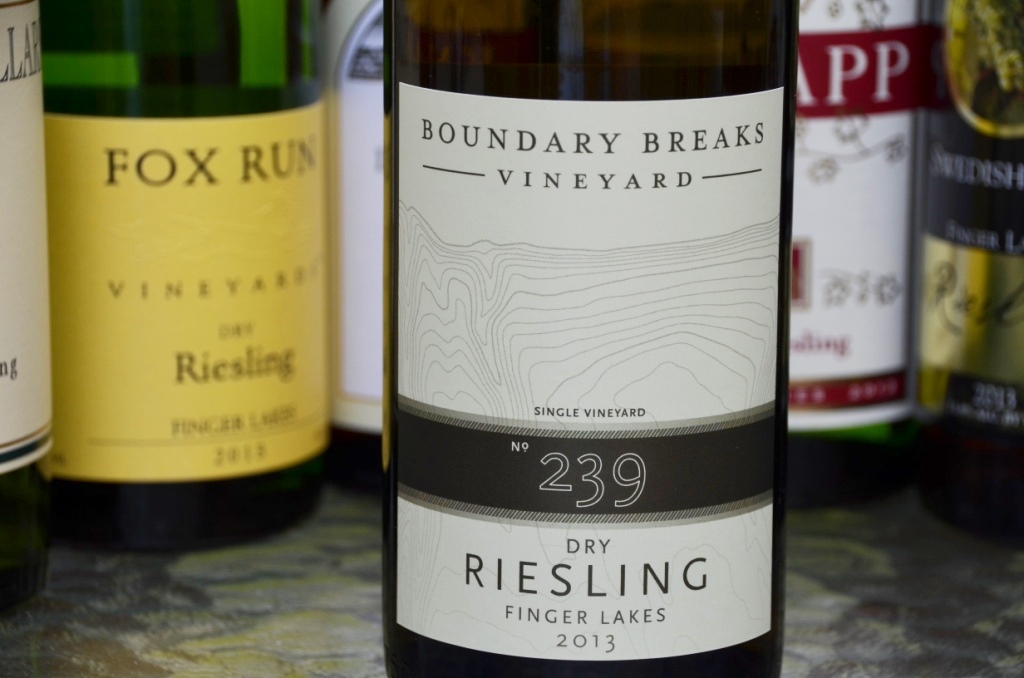 2013 Boundary Breaks Vineyard #239 Dry Finger Lakes (11.6% ABV, $19.95) – right in the middle of “dry” on the IRF scale. This is my second encounter with Boundary Breaks Riesling, and I find that this wine needs breathing time to show itself. Initially, closed on the nose, then opening to show distant hint of lemon, touch of minerality. On the palate – wave of sweetness first, with cut through acidity, lingering for a bit and then finishing dry. Tasting at a later time adds some fresh apple and more minerally undertones. Drinkability: 7+
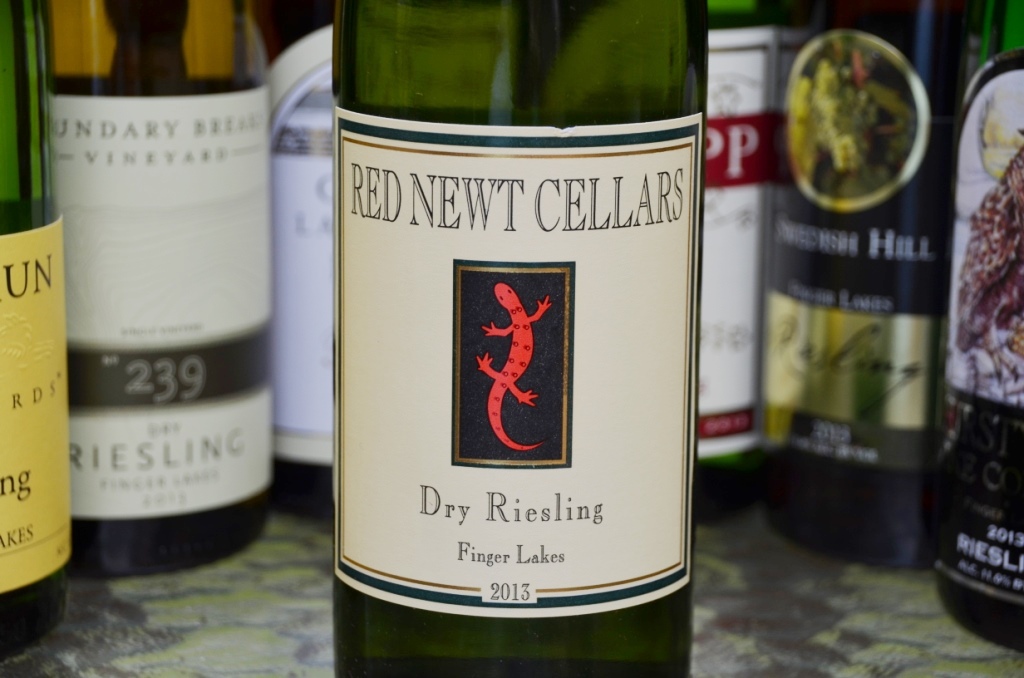 2013 Red Newt Cellars Dry Riesling Finger Lakes (11.8% ABV, $17.00) – right in the middle of “dry” on the IRF scale. On the nose, shows minerality, touch of fresh grass. hint of fresh lime, overall very intense. On the palate – nutmeg, hint of mango, fresh herbs and lemon, crisp, dry. Excellent balance and overall very pleasant. One of my very favorites from the tasting. Drinkability: 8
 2013 Swedish Hill Riesling Finger Lakes (11.8% ABV, $15.99) – IRF scale not shown. Fresh white fruit on the nose, touch of candied lemon. Nose quite intense. On the palate – rich, velvety, ripe peach with touch of fresh lemon, clean acidity, excellent finish (medium plus). Texturally quite unique. Drinkability: 8-
 2013 Fox Run Vineyards Dry Riesling Finger Lakes (11% ABV, $17.99) – According to IRF scale, the wine is right on the border between Dry and Medium Dry. On the nose, subdued notes of peach and honey, touch of lemon, intense. Palate is elegant, mineral-driven, with green apple, touch of Meyer lemon, overall dry and very balanced. Drinkability: 8
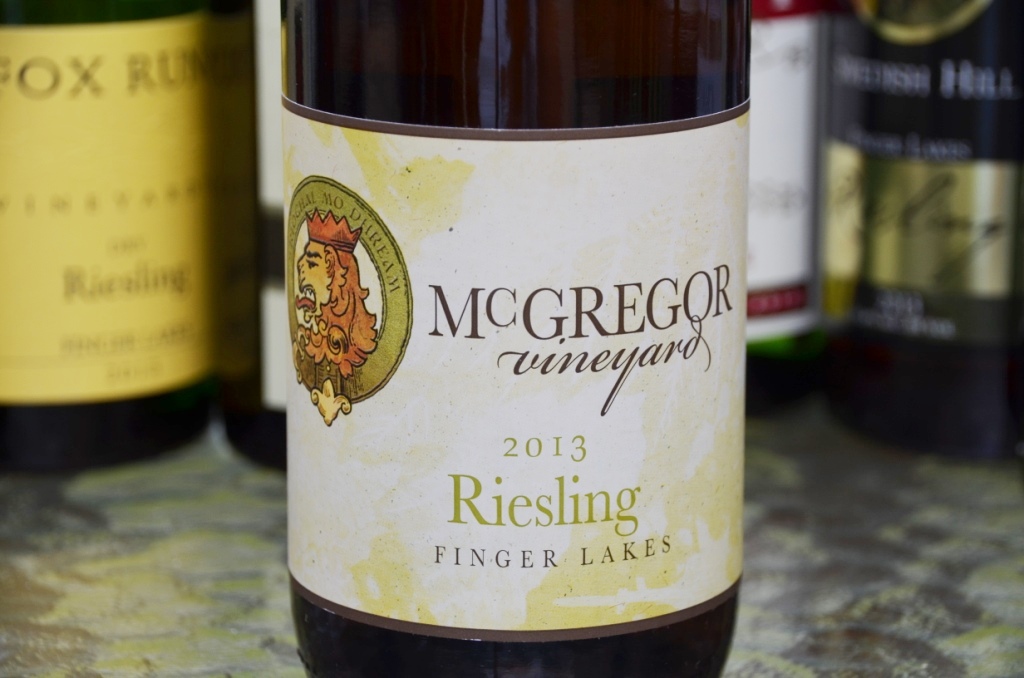 2013 McGregor Vineyard Riesling Finger Lakes (10.5% ABV, $19.99) – IRF scale is not used. A lot is happening on the nose – cantaloupe, honeysuckle, candied orange, openly sweet and intense. On the palate – ripe apricot, honey, ripe white apple, elegant acidity, perfectly refreshing, very good balance. Drinkability: 8-
 2013 Chateau Lafayette Reneau Riesling Semidry Finger Lakes (11.5% ABV, $14.99) – IRF scale is not used. On the nose – rhubarb, floral, touch of grass, white apple. On the palate – honeysuckle, ripe peach, touch of minerality and grass, lemon zest, clean acidity, excellent balance, soft and round mouthfeel. Another top favorite from the tasting. Drinkability: 8
Here we go – 8 great wines, and the region for you waiting to be discovered. September is still on, and it is an official Finger Lakes Riesling month – make an effort to find your new love – a versatile ( and affordable!) wine which you can drink now or put away to enjoy in a few years (or 10 or 20, this is entirely up to you). Cheers!
Wineries of New England: Newport Vineyards
 Have you heard the term “tourist winery” before? I didn’t, but now I have. Follow along, I will explain.
Recently, the subject of the wines of 50 states came back into my focus – after tasting wines from Vermont, Colorado, Texas and Connecticut, it was kind of easy to get carried away, right? When we arranged a short weekend getaway with family in Newport, Rhode Island, I decided to check on the wineries on Rhode Island. Yes, the almighty google said, there are a few on Rhode Island, and one of them, called Newport Vineyards, is about 20 minutes away from the downtown Newport. My wife likes to visit wineries, and kids are old enough to sustain at least one winery visit, giving me only a reasonable amount of hard time, so our first destination of the trip was set.
Finding our destination was easy – a long building with clear sign, adjacent vineyards and very substantial parking lot ( I understand they got land, but still). Walked in, waited a bit in the lane and bought a ticket for the tasting ($12 allows you to taste 5 wines, or you can pay $15 if you want a logo glass). The tastings were happening in the multiple locations, both inside and outside. We settled for the tasting bar on the second floor, as the crowd appeared to be smaller than in the other places.
We looked at the list of available wines, and it contained 32(!) selections – white, rose, red, sweet – a substantial number of wines, as you see. When I handed the ticket to the gentleman at the bar, I told him that I have a wine blog and would like to try a few more wines if I can. That solicit really no interest, rather a surprise that I asked to taste more wines, and the answer came “okay, may be one or two, but no more”. The next uncomfortable moment came when after the taste of the first wine I did what I usually do at the wine tasting – I used the spittoon for its intended purpose – and the gentleman almost run over to me from another side of the large bar and said that it is fine to use the spittoon to pour over the leftovers of wine if I don’t want to finish it, but I should use it only for that (he didn’t say directly “don’t spit!”, but my wife helped to translate his rather long tirade about usage of the spittoon into the simple instruction). I would guess that seeing someone spit the wine will make the other guests uneasy (and he also said something about “sanitary”). Anyway, moving along…
Before I will talk about the wines, let me tell you a few things about the winery which I picked up from the back and forth conversation with our pourer (it was back and forth as we couldn’t just stand and talk – he had to serve the other guests as well). The winery was founded in 1988. 70% production are the white wines. Winery makes about 22,000 cases a year, primarily from the estate grapes. The mix of grapes is somewhat eclectic, at least judging by the wines of neighboring Connecticut and Massachusetts – for the whites, in addition to Chardonnay, Riesling, Vidal, Cayuga and Seyval Blanc, the winery also grows Sauvignon Blanc and Pinot Gris. The red grapes include Merlot and Cabernet Franc, which are both pretty standard for New England, but Cabernet Sauvignon and Pinot Noir are not so much. Additionally, Newport Vineyards makes single varietal wine from the hybrid grape called Landot Noir – will talk about this wine later. The soils are heavy clay loam (just as a statement of fact – I can’t tell you how does it affect the taste of the wine).
Here is the part of our conversation which I found most interesting. As you know, I’m a big fan of the aged, older wines, and I’m always looking for an opportunity to taste them. If I can’t taste the older wines myself, at least I would like to hear what the winery staff thinks about aging of their own wines, what was was the oldest vintage they ever tasted, what do they think about aging of the current release. Any and all of my inquiries were met with the stern “we don’t do do it”, “no, I have not”, “I never had”, etc, until the phrase came “we are a tourist winery. We have 50,000 people visiting winery every year, and all of our current releases sell out”. This was definitely a revelation for me. I always associate winery existence with utmost passion, borderline obsession to create great wines just for the art of creation (I understand that winery is a business – wines should be created and sold – don’t grab on this, please) – and I always thought that tourists were an afterthought to the winery’s existence. Now, having heard the term almost as an official statement (of course this is not a statement from the winery), that makes me think – yes, I can come up with more examples of the “tourist wineries”, based on my experiences in Temecula Valley and Connecticut. With that concept in mind, I can now better understand the logic of some of the winery decisions which appear puzzling otherwise.
Talking about learning new things, I also learned about new AVA – Southern New England AVA (SENE AVA), which stretches along the Eastern coast of US from Coastal Connecticut through Coastal Rhode Island, South Coast of Massachusetts and into the Cape Cod and the islands. SENE AVA was defined in 1984, so it celebrates 30 years this year. All together, the wineries form the Coastal Wine Trail (here is the link to the web site).


Let’s finally talk about the wines, shall we? I can tell you that the attitude of our pourer changed as we were talking, so we ended up trying way more than the intended 5+1. One general note about most of the wines we tasted – they all had clear cut, vibrant acidity. I don’t know if this is the result of the “heavy clay loam” soils, but the acidity was very present. Here is what we tasted:
2013 Newport Vineyards Newport Chardonnay SENE AVA ($18) – touch of gunflint, apple and tropical fruit on the nose, vibrant cutting-through acidity, apple on the palate. Drinkability: 7+
2013 Newport Vineyards Vintner’s Select Pinot Gris SENE AVA ($22) -very perfumy, pear, substantial sweetness on the nose, fruit forward on the palate, needs acidity. Drinkability: 7
2013 Newport Vineyards Dry Riesling SENE AVA ($23) – traditional east coast Riesling, touch of honeysuckle on the nose, lucks minerality and complexity on the palate, extremely acidic. Drinkability: 7
2013 Newport Vineyards Vidal Blanc SENE AVA ($15) – nice summer wine. Perfumed nose and shellfish-craving acidity on the palate (Muscadet style). Drinkability: 7
2013 Newport Vineyards Rosé White Merlot SENE AVA ($14) – touch of strawberries on the nose. Very light wine with very strong acidity. Drinkability: 7
2012 Newport Vineyards Rochabeau SENE AVA ($19, blend of Merlot, Cabernet Franc, Cabernet Sauvignon and Landot Noir) – fresh fruit nose, nice acidity, old world style. Drinkability: 7
2011 Newport Vineyards Cabernet Franc SENE AVA ($18) – touch of smoke , green bell pepper nose, touch of cassis on the palate, strong acidity. Drinkability: 7
2012 Newport Vineyards Cabernet Sauvignon SENE AVA ($18) -varietally correct profile on the nose and palate (green bell peppers and cassis). Drinkability: 7
2013 Newport Vineyards Landot Noir SENE AVA ($18) -barnyard on the nose, freshly crushed berries on the nose and palate, very unusual. An extra bonus – a new grape. Drinkability: 7+
NV Newport Vineyards Port SENE AVA ($18) -Nice and elegant, clearly a classic Portuguese style, good berry profile, elegant. Drinkability: 7
There you have it, my friends. Definitely an interesting and learning experience. If Newport is in your travel plans, stop by the Newport Vineyards, I’m sure it will worth your time. Cheers!
Finally, I’m a Convert
Yes, this will be a post about the wine – what did you think I will be writing about? I completely changed my perception of one wine region, so convert or not, but this is what this post is all about.
Don’t know about you, but when I visit the wine region and wineries in it, I generally come with certain set of expectations, a perceived notion if you will. These perceived notions usually are very opposite and have no middle ground. Perceived notion number one – visiting many wineries, I generally expect to find a lot of wines which I will like, and a few which I will not care for. This would be true for many wine regions in California – Napa, Sonoma, Santa Barbara – but not all of them (for instance, Temecula is not included in that list). Perceived notion number two – I will not care for the most wines I will be tasting, but if I’m lucky, there might be a few wines which I will like. Connecticut wine region would be a good example of this second group – but we will talk about it later in a separate post.
Of course both of this perceived notions are founded based on the prior experience with the wines of the region, both at the winery and outside. It is easy to build – just visit a few wineries, where you don’t like the wines, or buy a few bottles in the store which you will not care for, and that’s enough to label the whole region as “not my thing”. Once the perceived notion is born, it is very hard to overcome and change. I agree that this sounds very shortsighted, but this is how we are [very commonly] wired – try something once, don’t like it (think about first time your mom forced you to eat broccoli), and you might be set in your “unlove” for life. This “tried this, didn’t like it, never again” type of attitude is never practically helpful around food and wine, as it prevents us from having great experiences. This perceived notion is hard to get rid of – but not impossible if you are willing to take an “open mind” approach – try and try again, until a specific experience will trigger the change.
Okay, done with the philosophical intro, let’s get to the conversion details. The region I finally changed my view on is Finger Lakes. During multiple visits over the few years, I kept trying and trying new wineries, only to come up to the same resolution every time – “nope, not my wine” – and that included even Riesling, which is considered the signature wine of the Finger Lakes region. Then I discovered wines of Fox Run and Dr. Konstantin Frank, which created a crack in my preconceived notion. The Finger Lakes #winechat I took part of in May, made the crack wider. But what made me to change the whole perception were the wines of Villa Bellangelo.
Villa Bellangelo is a small producer, located in a close proximity to the Seneca Lake. The family owned winery produces a number of different Rieslings, as well as Chardonnay, Gewurztraminer, Merlot and other wines. About two month ago, I received a sample set of wines form the Villa Bellangelo, 5 bottles of Riesling and a bottle of Chardonnay. As I mentioned in some other posts, while samples sound great (“yay, free wine!”), to me they are more challenging to deal with than the regular wines I buy. I would not crack a sample bottle just casually in the evening – I need to make sure I can give it my undivided attention and spend time with the wine – thus it often takes me quite some time to find the right opportunity. Finally, the moment presented itself and I opened the first bottle of Riesling. Pour, sniff – delicious, take a sip – wow. Clean and beautiful Riesling, perfectly fitting my definition of “classic Riesling”. Next bottle, then next – all 5 Rieslings and the Chardonnay delivered lots of pleasure, sip after sip, bottle after bottle. 6 out of 6? I think this is very convincing performance, hence the title of this post and yes, the change in the perceived notion.


For what it worth, here are the notes on all 6 wines:
2012 Villa Bellangelo Dry Riesling Finger Lakes (12.3% ABV, $19) – Color is lighter than straw pale. On the nose, great Riesling aromatics, classic, honeysuckle, pear, fresh apple. palate is dry, clean, great acidity, very light, green apple, super-refreshing, present minerality, short finish. A wine of a great quality. Drinkability: 8-/8
2013 Villa Bellangelo Dry Riesling Seneca Lake Finger Lakes (11.3% ABV, $19) – Beautiful nose of the white stone fruit, hint of honeydew sweetness. Perfectly balanced on the palate, crisp acidity, minerality, touch of green apple. Excellent overall. Drinkability: 8
2012 Villa Bellangelo Semi-Dry Riesling Finger Lakes (11% ABV, $19) – Nice straw color. Pleasant nose of white apples and touch of apricot. Palate exhibits good acidity, good balance, hint of sweetness and white stone fruit. This wine is showing better once it warms up a bit (not straight from the fridge), which I find interesting. Drinkability: 8-
2013 Villa Bellangelo Semi-Dry Riesling Finger Lakes (10.8% ABV, $N/A) – Open nose of apricot and white peaches. Palate has nice level of sweetness, supported by good acidity. Very refreshing and a pleasure to drink. Drinkability: 8-/8
2012 Villa Bellangelo 1866 Reserve Riesling Finger Lakes (11% ABV, $32) – This wine is a dedication to the Dr. Byron Spence, who in 1866 planted 20 acres of the sloping western hills of Seneca Lake with the wine grapes. This vineyard is where the Villa Bellangelo makes their best wines from, hence the 1866 in the name of the wine.
The wine had a beautiful light golden color. Classic Riesling nose, with honeysuckle, white peach, apricot, all very subdued and delicate; touch of minerality. On the palate, apricot notes together with a touch of the apricot pit bite, touch of white apple, clean and vibrant acidity, present minerality, perfect balanced and nice complexity on the finish. Drinkability: 8/8+
2012 Villa Bellangelo Chardonnay Finger Lakes (13.8% ABV, $20) – Outstanding. Perfect Chablis-like, complex nose – minerality, distant hint of gunflint, touch of fresh apple. Palate is clean, balanced, with white apple and vanilla notes, vibrant acidity. Drinkability: 8
There you have it, my friends. One winery, which finally did it for me. Now Finger Lakes is squarely on my “yes, I love those wines” list. I don’t know what is your opinion about Finger Lakes wines, but if you were like me, find some Bellangelo wines and see if they will make you a convert. Cheers to the great wine discoveries!
The Wine I’m Willing To Drink For The Next Ten Days – Marcus by Marco Sambin
Yes, you read it right, and it is a pretty bold [personal] statement. “I will be glad to drink this wine over the next 10 days” was the first emotional reaction as I took a sip of this wine. The reason for this bold statement? Simple. The wine was ready to drink from the get go. You know how often you take a sip of wine and say “well, I think it needs to breathe a little”, or “nice, but let me give it some time”? This wine didn’t need time. Fruit, body, acidity, tannins – all present in a cohesive, as I often call it, “together” package. Instantly available. Instantly delicious.
What makes this “bold personal statement”? My reaction to the first sip was “ahh, I will be glad to drink this every day. Period”. I never experienced this before – with the best wines I had, I would still pick something else to drink the next day, even if that “best wine” was still available. With this wine – yes, I would gladly keep opening the same bottles day after day. Well, possibly that was a reaction to the fact that this was my one and only bottle.
This bottle was actually a sample, and before I will continue talking about the wine, I want to share my frustration with samples. I don’t actively solicit samples (as a general rule – but yes, with exceptions), but then I don’t refuse samples either; I always warn the submitters that the review will be posted only if I happen to like the wine. When the sample arrives, especially if it is a red wine, the frustrating cycle starts. On one hand, I need to open it sooner rather than later, as the sender is awaiting my feedback. On another hand, I treat samples same as the regular wines – I wouldn’t open wine just to take a sip and dump the rest, even if it is only a sample. And I would also make an effort to involve my wife into the tasting, and as she generally prefers the red wines, it becomes difficult to find the right time to open the bottle. All in all, I’m getting torn between the need to open the bottle and the desire to still find the right time for it. There, I let it out.
Now, this particular sample has its own story. Back in April I was contacted by the winery called Marco Sambin from Italy, inviting me to come and taste their flagship wine, called Marcus, at the Vinitaly expo in Verona. When I mentioned that I will not be attending the Vinitaly, they offered to send me a sample – however, they could deliver it only inside Italy. You know, I already said it many times in this blog – having good friends is one of the most important things in life. My dear friend Stefano, who is constantly in between US and Italy, was able to get this bottle for me (it took only about two month for the bottle to get from the Italy into my hands). It then also took me about 6 additional weeks for find the right moment to open the bottle – hence my rant about samples (see above).
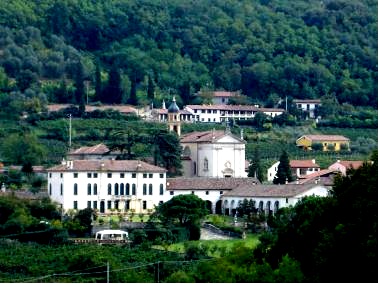
Villa Contarini in Valnogaredo, from the Marco Sambin presentation
Never mind all of that. What important is that I was able to experience a great bottle of wine. Marco Sambin winery (Azienda Agricola Marco Sambin), a small 10 acres estate, was founded in 2002 in Euganean Hills area in Veneto by Marco Sambin, Full Professor of Psychology at the University of Padova. I don’t want to recite all the information from the web site – you can read it for yourself here, and these are just some of the interesting facts. Cabernet Sauvignon, Merlot, Cabernet Franc and Syrah are all growing at the estate. The estate is farmed using organic and biodynamic principles. All the harvest is done by hand, and once the grapes are sorted and destemmed , they are gently crushed and fermentation process starts using only natural yeast, each grape variety fermented on its own. After the fermentation, which lasts for about 15 days, the wine is pressed and goes into the French oak barrels (both new and used), still each variety on its own; the wine will age in oak for the next 12 month. Only then the final cuvée is blended and bottled. Once bottled, the wine will still spend 6 -12 month before it can be released. On average, only 6,000 bottles are produced every year.


And now, here are my notes about the wine itself. The 2010 Marco Sambin Marcus Veneto IGT (14% ABV, Cabernet Sauvignon 45%, Merlot 40%, Cabernet Franc 10%, Syrah 5%) had very dark garnet color in the glass. On the nose, it showed concentrated red fruit, cassis, pencil shavings, baking spices and lavender, very complex and inviting. The palate delivered delicious fruit, perfectly present but not over the top, clean acidity, supple tannins and impeccable balance. Long finish, and every sip was leaving you craving another one. Drinkability: 9
Here you have it – the wine I’m willing to drink for the next ten days. Except it was my one and only bottle, and this wine is not available in US (if you are an importer who is reading this by any chance, the winery is looking for representation in the US – you can contact them using the information on the web site, or drop me a note, I will be glad to connect you). Is there a wine you will be glad to drink day after day after day? Cheers!
Wines of 50 United States – A Challenge
Let’s start with the simple fact – today (and for more than past 10 years), the wine is produced in all 50 United States. Yes, that includes Alaska, North Dakota and all other states you would never associate with winemaking. There are more than 8,000 wineries in the United States. I found interesting web site, called the Wine Web, which lists 8,229 wineries across the US (as of today, August 14 2014). Here is the winery map across US which was created using this web site:
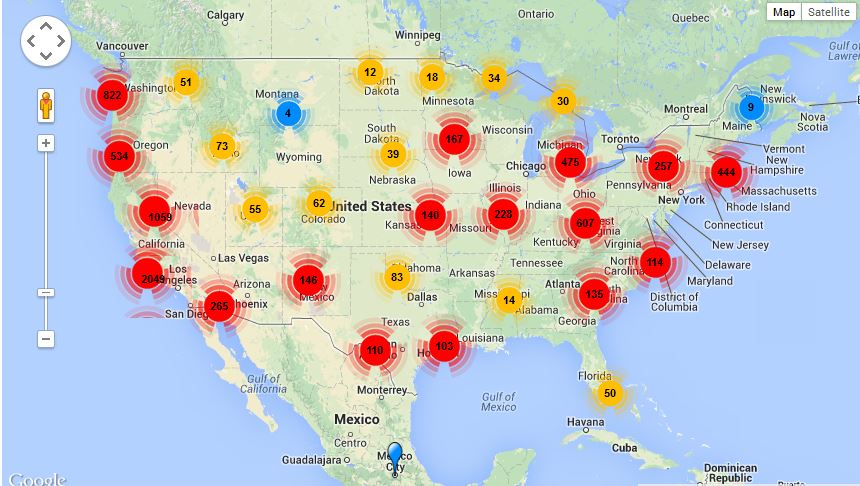 Recently, I tried wines from Vermont and Colorado, and I finally visited for the first time (!), despite the fact that I live here for more than 20 years, the wineries in Connecticut (of course this will be a subject of a separate post). That prompted me to look up my old post about wines of the United States, which had a table with all the states and check marks for the wines tasted and wineries visited, and to update that table.
I know that all of you like wines (if you don’t, you are most likely not reading this). And people generally like challenges, especially those which are fun, can be done at the personal pace and don’t fight back – contrast that with the challenge of losing 10 pounds by the end of the month and I’m sure you will see my point. So the challenge, which will be only your personal, as there are no judges and no competition, is: wines of how many states did you try, and wineries in how many states did you visit? To simplify tracking, here is the word document with the table I created for this challenge – download and fill it up (note – you will need to calculate your totals manually, as this is word document and not an excel spreadsheet). I also added a new page where you can see my current progress.
So, do you accept the challenge? Currently, I tried the wines from 17 states, and visited wineries in 8 – where do you stand? Cheers!
Wine Bloggers Conference (#WBC14), Day 3
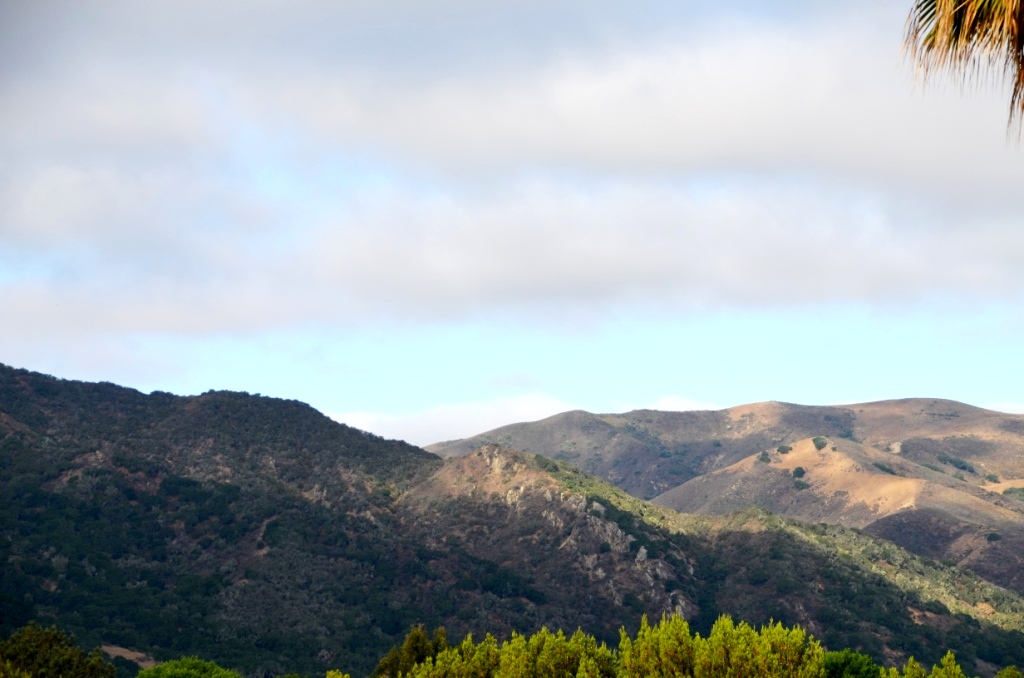 A month after, but we are on the finishing stretch! Don’t know if it makes sense to provide such a detailed account of the day’s events now – but, I feel compelled to complete this self-appointed assignment. Here is what was happening during the Day3, technically the last day of the Wine Bloggers Conference (here are my notes from the Day 1 and Day 2).
We started our morning a bit earlier than the day before, and with the breakout session, not with the brunch (yeah, I was getting very comfortable starting to drink the wine at 10 am, but no…). From the group of offered breakout sessions I chose the one called Business of Blogging. Considering the amount of time, hard work and obsession going into all of the blogs, it is only reasonable to expect that bloggers would be interested in learning about the ways their passion can bear some tangible fruit (yep, I’m talking about money here).
The session was presented by the twin sisters, Alexandra and Kymberly Williams, who run popular fitness blog called Fun and Fit. Their blog is also a successful business, thus they definitely have a lot of good advice to offer. Here are few of the basic takeaways from that session:
- Ethics – your reputation is all you got. Make sure you have the business ethics rules, and follow them.
- Referrals! (Cooperate, don’t compete) – help the others, and they will help you.
- Say no when necessary – don’t take upon every project which might be coming your way – sometimes, “no” is the best answer.
- Ask what you want (people can’t read your mind) – I think this is quite clear
- Clarify and define – work on your offerings!
- Negotiate – find the way to get what you want!
- Work with brand partners, help them to make money, and build relationships – I think you got this one
- Know your readers and service to their lifestyle – know your followers and give them what they want
Second breakout session was about Search Engine Optimization (SEO), and still no wine…. SEO is literally one and only tool bloggers have to be found and to build the listening audience. The session was presented by Timothy Resnik from the company called Moz, which provides set of tools for search optimization and web site analytics. Timothy’s presentation was excellent and very detailed – unfortunately, I can’t take an advantage of most of his suggestions, as it requires a self-hosted blog web site, such as WordPress.org, and I’m using here WordPress.com, where I pretty much have no control over analytics data. Just in case this information might help you, Timothy’s presentation is available on SlideShare – here is the link.
Next – yes, we got to drink wine, as this was the lunch time! It was the lunch with with the Santa Barbara County winemakers, and there were many of them present, pouring and explaining at the same time. I have to admit that the choice of food for the lunch with wine was very strange – technically, the only choice was green salad with grilled chicken, made in three slight variations of flavor – this is not the food to serve if you expect people to drink the wine. Well, anyway, the were many good wines, and here are just a very few highlights:
2013 Baehner Fournier Rosé de Merlot, Santa Ynez Valley – very impressive, clean strawberries profile on the nose and the palate, supple, plump, with substantial body and overall delicious. Drinkability: 8
2011 Consilience Grenache Santa Barbara County – restrained fruit on the nose, round, well balanced, smokey fruit in the back. Drinkability: 8-
2010 Bedford Archive Syrah Santa Barbara County – elegant dark fruit on the nose and palate, dark and dense. Drinkability: 8-
2012 Stolpman Vineyards Estate Syrah Ballard Canyon – dark roasted fruit, touch of spices, good balance. Drinkability: 8-


We started afternoon again with the breakout sessions. This time all the sessions were dedicated to wine and of course, included the tasting (Theme: Wine Discovery Breakout Sessions). Out of the 3 available, I picked Ballard Canyon Syrah session (two others were Sanford Winery Sta. Rita Hills and Wines of Greece) – I love Syrah in all forms, and I never heard of Ballard Canyon, so it was an easy choice for me.
Let me say a few words about Ballard Canyon appellation first. Ballard Canyon AVA is not even one year old – it was approved in October of 2013. Syrah is the primary grape in this small appellation located right in the middle of the Santa Barbara County:
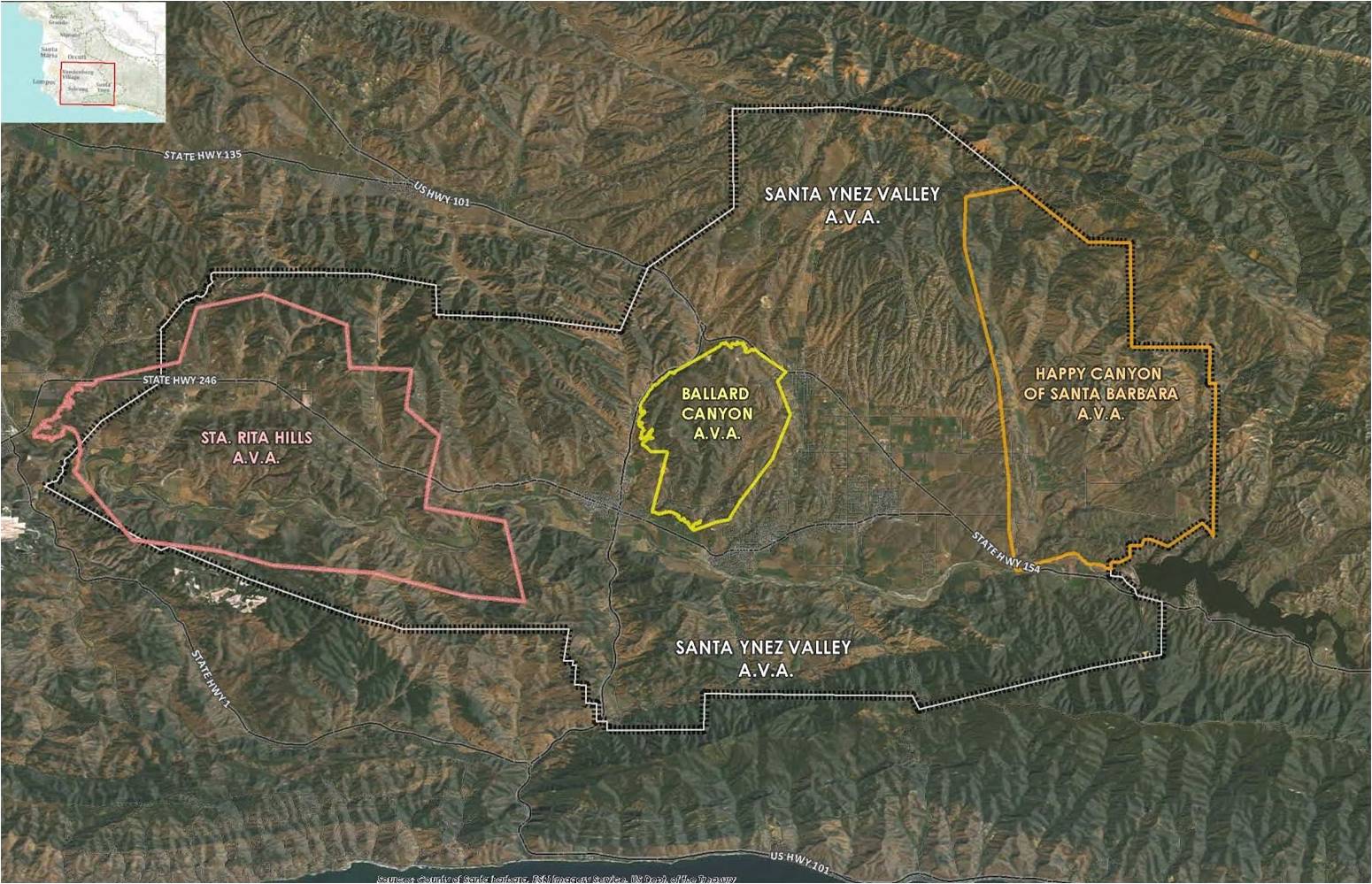 Ballard Canyon AVA was created to capture the essence of soil and climate through the noble grape, Syrah, which is significant enough for this AVA to be known as “Syrah Territory”. Well, yes, Syrah is not the only grape growing in Ballard Canyon AVA, but Syrah plantings exceed plantings of all other grapes, red and white, combined.
The session was presented as a panel discussion, with Patrick Comiskey, Senior Editor for the Wine & Spirits Magazine starting it off with introduction into the state of Syrah in the US. Patrick is one of the leading authorities on the Rhone varieties (and Syrah is squarely one of them), and he is also writing the book on American Rhône movement. I was surprised to hear from Patrick that Syrah is not doing well in US, that it is very difficult to sell and it doesn’t get much recognition. Leaving Shiraz aside for a moment, best known Syrah wines in the world are coming from France. If we will compare Syrah with Cabernet, Merlot and Pinot Noir based on the French wines, and then will look at the US, the proportions of popularity/demand are about the same. And thinking about all the cult and impossible to get wines such as Sin Qua None, Alban, Saxum, Cayuse, No Girls and many others, I think Syrah is doing not that bad… Oh well, I would love to debate it with Patrick over a glass of 1999 La Landonne, but let’s get back to our Ballard Canyon session.


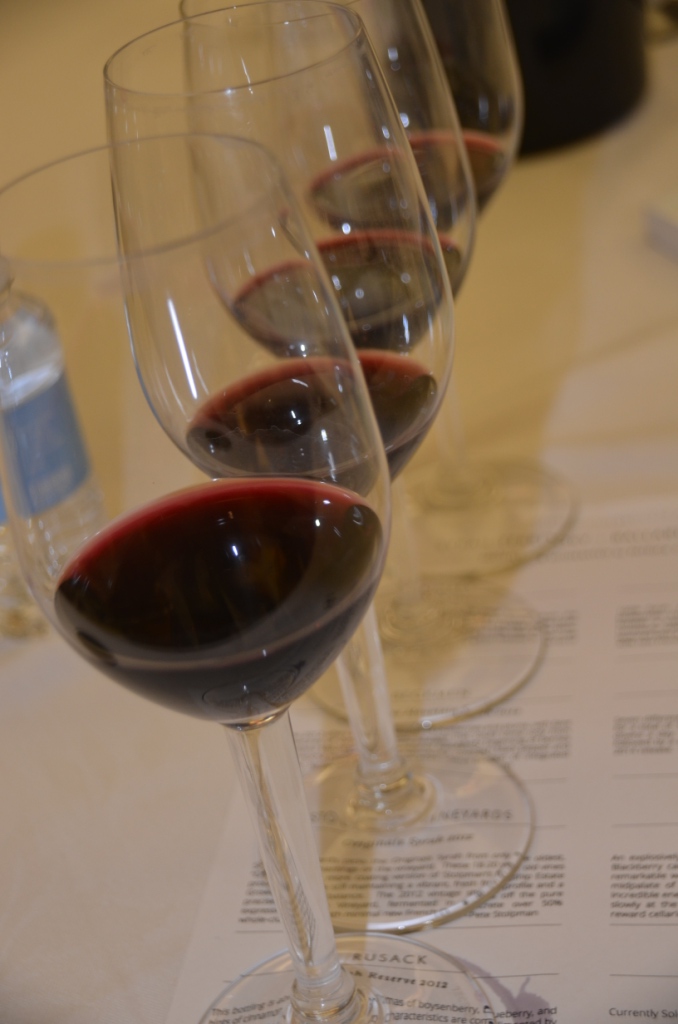 Eight Ballard Canyon winemakers presented at our session (which is a half of total of 16 wineries in the Ballard Canyon AVA), and we had an opportunity to try 7 different wines (the Saarloos + Sons was completely sold out). Here are my notes from the tasting:
2012 Kimsey Syrah
Southwest corner of the appellation. Soft fruit on the nose, dark roasted notes. Spicy, mineral, strong acidity. Young vineyard. Drinkability: 7
2012 Beckmen Purisma Mountain Syrah
BiodynamicLly farmed since 2006, certified since 2009. Tobacco on the nose, nice dark fruit, inviting. Nice, soft fruit, perfect acidity, dark chocolate. Drinkability: 8-/8
2012 Stolpman Original Syrah
Nice, open nose, fresh red fruit,blueberries, a bit sharp on the palate, cherries, espresso. Drinkability: 7+
2012 Rusack Syrah Reserve
Nice, concentrated nose, hint of fresh berries – blueberries, raspberries, touch of roasted flavors. Beautiful fruit on the palate, fresh berries, but supported by fresh tannins. Needs time as tannins are overpowering. Drinkability: 7+
2010 Harrison Clarke Cuvée Charlotte Syrah (15.2% ABV)
Hint of barnyard! dark fruit, baking spices. Cherries on the palate, tannins explicit. Drinkability: 8-
2010 Larner Estate Syrah
Bright Fresh berries, touch medicinal smell on the nose (iodine?), inviting. Beautiful palate, a touch of pepper, enveloping tannins, fresh and open berries, lavender. Drinkability: 8
2010 Jonata Sangre de Jonata Syrah
Bright nose of your fruit, touch of blueberries. More bright fruit on the palate, but then green branches and strong tannins, lacking pleasure. Drinkability: 7
Our day continued with the Panel of Professional Print Wine Writers. Steve Heimoff, James Conaway and Mike Dunne, professional journalists, wine writers and authors of a number of wine books, talked about various aspects of the wine writing. This happened to be one of the most controversial panels of the WBC14, which generated multiple blog posts and whirlwind of opinionated exchanges among the participants. I would have to agree with the Messrs. Heimoff, Conaway and Dunne that in a big schema of things, the quality of writing in the wine blogs can be greatly improved (this very blog you are reading is definitely the subject of such criticism). For the rest of it, just google “Panel of Professional Print Wine Writers wbc14”, and you will get tons of reading material blasting this session, presenters and content – though I have to say that I disagree with a lot of popular criticism. When presented with information, often it is our personal choice whether we will see it as positive or negative, so let’s leave it at that (yes, I do think it was a useful session overall).
Moving on, our next session was the Live Wine Blogging – The Reds, the speed tasting of the red wines, which I already covered in the full detail here. Well, it was actually the last organized session for the day. We still had more wine to drink events in the agenda, but from point of view of the organized sessions we were done.
Our next event was Wines of the World Reception, where we had an opportunity to taste wines from Greece, Italy, Portugal and other countries. At this point in time, I lost an ability to take any kind of reasonable tasting notes, so I had to go simply by “aha, this is good” or “ouch, moving on”. I have to mention that wines of Greece helped me to make a good progress with my Wine Century Club journey towards the coveted Pentavini (500 grapes tasted level) – I added 5 new grapes:
Liatico – 2011 Domaine Douloufakis “Dafnios” Liatiko Crete (red)
Krassato – 2007 Tsantali Rapsani reserve Rapsani AOP Greece (red)
Stavroto – 2007 Tsantali Rapsani reserve Rapsani AOP Greece (red)
Avgoustiatis – 2013 Mercouri Estate Lampadias Rose, Greece (red)
Savatiano – 2013 Papagiannakos Savatiano Greece (white)
Last two events of the day – Wine Blog Awards Presentation and Dinner. To me, Wine Blog Awards feels like a coveted achievement. However, for the last three years, watching the process of nomination, then selection of the finalists and then, for the first time, presentation of the awards, gives me only a thought of diminishing returns. The duration of the time for nomination is literally reducing from a year to a year, and nomination period is open out of blue (I don’t know if this is the attempt to reduce the number of nominations?). This year, we didn’t even know who the judges were. Selection of the wine blogs for the finalists is very strange, as many of the same blogs are nominated for the different categories, and moreover, the blogs are nominated year after year after year. And finally, out of the 9 awards, only two winners were present at the WBC to pick up their awards… It is funny that if you go to the Wine Blog Awards web site now, instead of finding information about the 2014 winners, you can finally find out who the judges were… The whole wine blog awards process needs a revamp and a fresh start, it is way too disorganized as it is.
You know what – this blog post is becoming one of the longest I ever written, so I need to round it up. The food at the dinner was okay, the wines were very good – there was a good selection of the Santa Barbara County wines present at every table, and the selection was different from the table to a table. After dinner, there was more wine – not only parties continued in the number of rooms and suites, but also a number of people brought the wines with them to share, and it was really the last night to drink them. I tried for the first time Horton Norton from Virginia – I had Norton wines before, but this was the first time I tried any of the Horton wines, which is considered one of the best wineries in Virginia (the wine was excellent). Then there were Texas wines, courtesy of SAHMMelier. She brought 2012 Brennan Vineyards Viognier (perfumy and delicious) and 2011 Bending Branch Winery Tannat (powerful and sophisticated). We also tasted 2001 Cottonwood Canyon Pinot Noir Santa Maria Valley (fragrant and beautiful for the 13 years old wine), and 2011 Kalyra MC2 Santa Ynez Valley (restrained and balanced). For some reason, I’m under impression that there was also a wine from Oklahoma (!), but – no picture and no notes, so yeah, it is my loss.


And we are done, done, done here! Sometimes procrastination has its rewards – only yesterday I got the email from organizers of WBC14, Zephyr Adventures, which also included the link to the blog post with all presentations from the WBC14 – here it is if you would like to look at them. And (almost) last but not least – Wine Bloggers Conference 2015 will take place in the beautiful town of Corning in the Finger Lakes region in New York, August 13-16, 2015 – if you are into the wine blogging, you definitely have to be there, you have to experience WBC to yourself. The registration is open now, and (this is what they say) availability is limited, so you might want to think about putting the stake into the ground now…
Last thing (I promise) before we are done – I would like to thank Zephyr Adventures and Santa Barbara Vintners for the great event they put together for all the wine bloggers. I know firsthand how hard it is to organize a great conference, and especially considering the size and diversity of the wine bloggers group, I can only say wholeheartedly “Thank you very much!!” for all the hard work put into bringing together such a great event.
Yes, we are done. If you are still with me, thank you very much for reading. Cheers!
Albariño Day’s Pleasures – Albariño Pedralonga, a Glass Of Ocean Air
 Yesterday was yet another wine day holiday – Albariño Day. As mentioned many times in this blog, yes, I do like the specific “wine days”. Reason is simple – it removes the headache of deciding what bottle of wine should be opened. By the way, this might also explain why I’m very indifferent to the “National Drink Wine Day” – thank you very much, I drink wine every day anyway, and this faceless holiday doesn’t really help with the decision.
Albariño is one of the best known Spanish white grapes and a star of the small region of Rias Baixas, located in the norther part of the country in Galicia. Rias Baixas has a lot of maritime influence, both in the types of soil and in the overall climate. Albariño are some of my favorite summer wines, generally very bright, medium to full body, with explicit white stone fruit (peaches, apricots) notes and excellent acidity. But of course one shouldn’t generalize too much, as all the wines are made different. This Albariño would be a great example of the “don’t generalize” rule.
The very first sniff of 2011 Adega Pedralonga Albariño, Rias Baixas, Spain (13% ABV, $22) was saying “ocean” to me. I don’t know how it is possible, and I didn’t read anything about this wine before I tasted it, but that very first smell was just full of the fresh ocean air; breezy, friendly, unmistakably ocean, when you stand by the water, mesmerized by its royal endlessness. This wine didn’t have a lot of bright fruit – but it had a lot of minerality, it was genuinely complex, with the granite coming off both in the smell and on the palate. I had it first at the wine fridge temperature, at around 53°F. I chilled it a bit more, and the wine showed those bright apricot notes, but more as an afterthought, carrying over its minerality. I would compare it to Chablis, but only in the mineral-driven quality, as it had the granite, but not the gunflint of Chablis.
Just to give you reference, here is how this wine is described on the winery site: “Pure distilled granite, bathed by the atlantic rain and the characteristic sun of a south facing vineyard, tuned by it’s malolactic fermentation”. Yep, a pure distilled granite – I completely agree with that. I just have to add the word “delicious”. Delicious pure distilled granite sounds about right. And let’s not forget “thought provoking”. Drinkability: 8+
Do you want a glass of fresh ocean air on your table? Go find this wine. And you don’t have to thank me. Thank the people at Adega Pedralonga who made this wine – they well deserve it. Cheers!
Wine Bloggers Conference 2014: Mystery Bus Trip, or The Ode to Solvang
 “I’m waiting for a call”, said one of the attendees at Wine Bloggers Conference, “or a text”.
“About what?”, I asked.
“About the right bus for the today’s winery excursion”.
One of the main staples of the Wine Bloggers Conference program is so-called Excursion. The agenda item, titled at WBC14 simply as “Excursions into Santa Barbara County Wine Country”, was an object of discussion, agitation, frustration, and many other “-tions”. The whisper in the air was insisting “you have to get on the right bus”, or else. Supposedly a few attendees, mostly veterans, such as 1WineDude, knew what bus was the right one. So the task was to follow the people who were “in the know”, and get on the right bus with them. And there was also fear. A fear to get on the wrong bus. Yes, you can laugh all you want, but you know how most of us are afraid to miss out on something special and be left (ahh, horrors!) out of the supposedly exceptional experience – in this case, we could get on the wrong bus and end up at the winery, which wouldn’t be “the right one”.
When I came out shortly before the excursion time at 5 o’clock, I only caught a glimpse of 1WineDude, disappearing in the “right bus”. I should’ve taken a picture of the crowd, waiting to get on the “right bus” – probably all of the 400+ conference attendees were standing outside, creating a large, impatient crowd. The next person who seemed to know what he is doing was TheDrunkenCyclist. As he was getting on the “right bus”, the only way for me to join him would be if I would have a practical experience of dealing with Japanese subway at the peak hour, which I don’t have. Thus the next “right bus” was missed again. At this point, my only desire was to get on any bus, but at least with someone, I knew (SAHMMelier). When we got on the bus as part of a group of 20 people, I was relieved – at least we are going somewhere.
As the bus started moving, two very excited ladies (our guides) told us the name of our destination – Solvang. Solvang? What the heck is Solvang? A winery? Ahh, it is the town related to the movies Sideways. As a matter of fact, it is the 10th anniversary of the “Sideways”. which came out in 2004, and Solvang was mentioned in that movie (nice, but I had no idea). We even were asked to answer 10 questions about the movie Sideways, and the person with the fastest and best response would get a special prize. I dribbled something just to be a team player, but my enthusiasm was not moving.
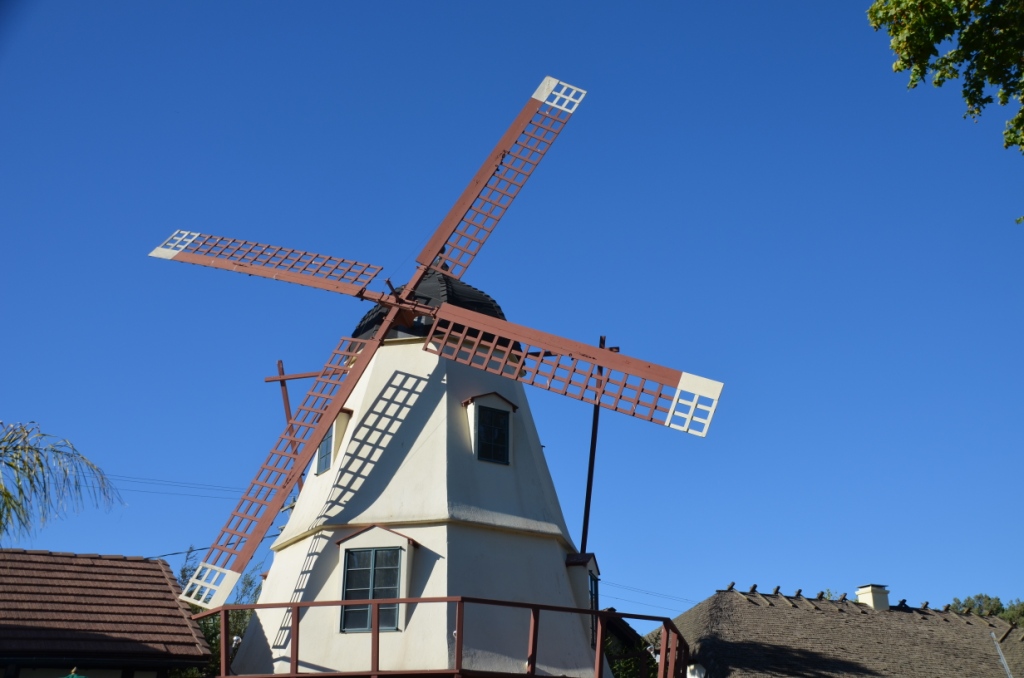
It turns out that Solvang is a small town in the Santa Barbara County which was established about 100 years ago by the group of Danish immigrants (“Solvang” in Danish means “sunny fields”). The town itself looks very different from the most of the typical American towns of the same size of population (about 5,245 people live there based on 2010 data) – it looks like someone simply transposed a tiny piece of Europe in a middle of the Santa Ynez Valley. Colorful roofs, windmill and overall setting more suitable for Medieval Times than for a small modern American town are all the part of Solvang downtown.
Going back to the bus ride, the statement from our very enthusiastic guides that we will be visiting tasting rooms was not registering with me. I’m not very familiar with the concept of the tasting rooms outside of wineries, so I’m not expecting anything mind blowing. The bus stops. We are split into two groups and off we go – visiting tasting rooms first, with the dinner following right after.
As we started walking, our first stop is the wine bar called Sevtap. We get around the bar counter, the first wine is poured, it is a very nice Sauvignon Blanc. And the gentleman who is pouring the wine is actually a … winemaker! He pours more of his wines, including some which are not even bottled yet, and all the wines are excellent. What I thought to be just a wine bar, in reality, was a winery – and so was the story at all other “bars” we stopped at. Solvang has 18 so-called tasting rooms – each one of them is the winery, with its own winemaker, its own history, and – its own wine. Considering what we had an opportunity to taste, a lot of those wines were outstanding – but, as you can imagine, mostly not available anywhere else outside of that tasting room/winery. Sigh.
Now I’m going to share some notes which I managed to scribble during our visits to the 5 different wineries/tasting rooms, plus more wines which were poured during dinner. Here we go.
Sevtap Winery. Art Sevtap, who came over from Turkey 22 years ago, changed a number of professions, fell in love with wine and now makes wines and entertains people at his Sevtap Winery tasting room. The tasting room itself is very unusually decorated, with the chalkboard-type walls, all covered in the notes and names of the guests (take a look at the pictures below). We tried a number of wines, including two wines which had not been even bottled yet, and all the wines were excellent. I also love the unique and different names of the wines as well as the unique label design. Here is what we tried:
2012 Sevtap Istanbul Sauvignon Blanc Santa Ynez Valley (12.4% ABV) – unusual nose, beautiful concentrated fruit, refreshing. Drinkability: 8-
2012 Sevtap Zig-a-zig-ah Cabernet Sauvignon Santa Ynez Valley (tasted from the “barrel”) – notes of eucalyptus, pure, beautiful, dark fruit, cherries, overall an excellent wine. Drinkability: 8-
2012 Sevtap Pillow Talk Petit Verdot Santa Ynez Valley (14.25% ABV, again from the “barrel”) – concentrated, earthy, almost black color, notes of barnyard. Very balanced overall. Drinkability: 8-
2012 Sevtap Wish You Were Here Sangiovese Santa Ynez Valley (13% ABV) – Tobacco and earthiness on the nose, clean tobacco and coffee flavor profile on the palate, an excellent balance. Drinkability: 8-


A short walk along the streets of a beautiful replica of Europe, and we enter the Wandering Dog Wine Bar. We were greeted with the glass of 2011 Wandering Dog Bentley’s Bubbles Blanc de Blancs – perfectly classic, with a fine mousse, touch of toasted apples and minerality on the nose, perfectly balanced – an excellent Champagne-rivaling California sparkler (Drinkability: 8). We also had the Wandering Dog Petite Sirah which was simply spectacular – luscious, layered, perfectly balanced and just a joy in the glass – but I didn’t even have a chance to take a picture as we had to run to our next destination…


Lions Peak Vineyards. One of the oldest wineries on Central Coast, founded in 1992. Jennifer Arant, the winemaker, was born and raised in Texas, learned classical French ways of making the wine, traveled the world and now is crafting excellent wines under the Lions Peak label (the pictures below might not be great, but still should give you an idea of the artfully designed labels). I only wish I would be paying more attention tot he Jennifer’s story and take notes, but I didn’t 😦 Here is what we tasted:
2011 Lions Peak Vineyards Zinfandel Paso Robles – restrained smokey nose, dusty palate, dry, perfect balance. Drinkability: 7+
2010 Lions Peak Vineyards Lionesse Central Coast (40% Cabernet Sauvignon, 40% Merlot, 20% Cabernet Franc) – beautiful Bordeaux nose, the palate is slightly sharp, restrained, needs more fruit. Drinkability: 7
2010 Lions Peak Vineyards Roaring Lion Cabernet Sauvignon (100% Cabernet Sauvignon) – classic Cab, cassis, green bell pepper, soft, round, supple, good open fruit. Drinkability: 8-


Our next stop is Presidio Winery tasting room. Presidio Winery is Certified Biodynamic winery ( Demeter) since 1994. We had two wines at the Presidio Winery. 2011 Presidio Vineyard Syrah Rose Santa Barbara County (12% ABV) was nice, light, with some strawberry notes and good acidity. Drinkability: 7
2011 Presidio Vineyard Pinot Gris Estate Grown Santa Barbara County – earthy nose, apples, butter, popcorn. Butter on the palate, then just acidity. Drinkability: 7-
I also learned about the usage of Pinot Gris versus Pinot Grigio name. Grapes for Pinot Gris wines are usually picked up earlier, and then generally fermented and aged in the oak barrels (neutral oak). Grapes for the Pinot Grigio wines are picked up later and fermented and aged in the stainless steel.


Our last stop before dinner was Dascomb Cellars. Dascomb family had been growing grapes in Santa Ynez Valley since 1974, which makes it one of the oldest vineyards in the region. The wines had been commercially produced for the first time in 1999, and the Dascomb label was started in 2008. The tasting room at the Dascomb Cellars is decorated with the paintings by renown wine artist, Leanne Laine – the two well visible paintings are called “Rubylicious” and “The Wine Collector”. And now, here are some tasting notes:
2011 Dascomb Cellars Melange Central Coast Santa Barbara County (35% Grenache, 10% Syrah, 55% Mourvedre) – earthy nose, good balance, clean, spicy, peppery. Drinkability: 7+
2011 Dascomb Cellars White Hawk Vineyard Sangiovese Santa Barbara County – interesting nose, a bit too sweet on the palate but clean and balanced overall. Drinkability: 7+
2010 Dascomb Cellars Riserva Santa Barbara County (Cabernet Sauvignon/Sangiovese blend) – open nose, some barnyard and fresh fruit. On the palate – tobacco, cassis, green bell pepper, perfectly elegant. Drinkability: 8


And … we are still not done here. After visiting all these tasting rooms, our last stop was the Cecco Ristorante for dinner – with more wines. At the restaurant, we had most of the winemakers we just met waiting for us with more wines to pour – we also met more winemakers with more wines. All the dishes, which were served buffet style, were outstanding. Sliders were just melting in your mouth; two different kinds of pizza were delicious; beets salad, always my favorite, had big chunks of delicious red and yellow beets with arugula and mozzarella.
Among the wines we tasted, I have to mention the wines from Lucas and Lewellen. Everything we tasted – the Rose, Pinot Noir, Cabernet Sauvignon – were delicious. But – I hope you can forgive me, considering the late hour – I got no detailed notes whatsoever on these wines.


And I can finally conclude this long post about our excursion to Solvang. I’m really glad I missed all the “special” buses and got an opportunity to discover Solvang. We had a great time, met great people and tasted wonderful wines. If your travel will take you anywhere near Solvang, I hope you understand that not visiting it would be the loss you can not afford. Proost!
Last Bottle Sign Up ($10 credit)





