Archive
Full Force of Colors – New England Fall 2018
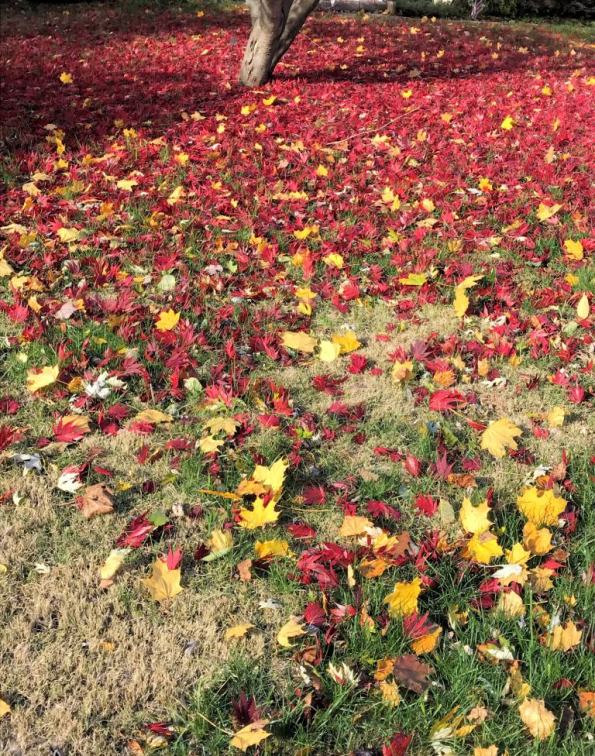
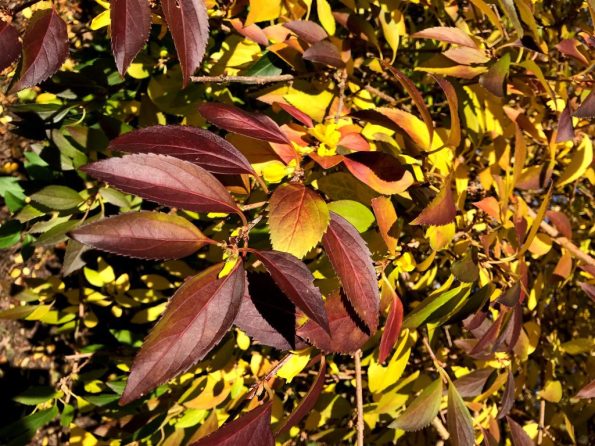
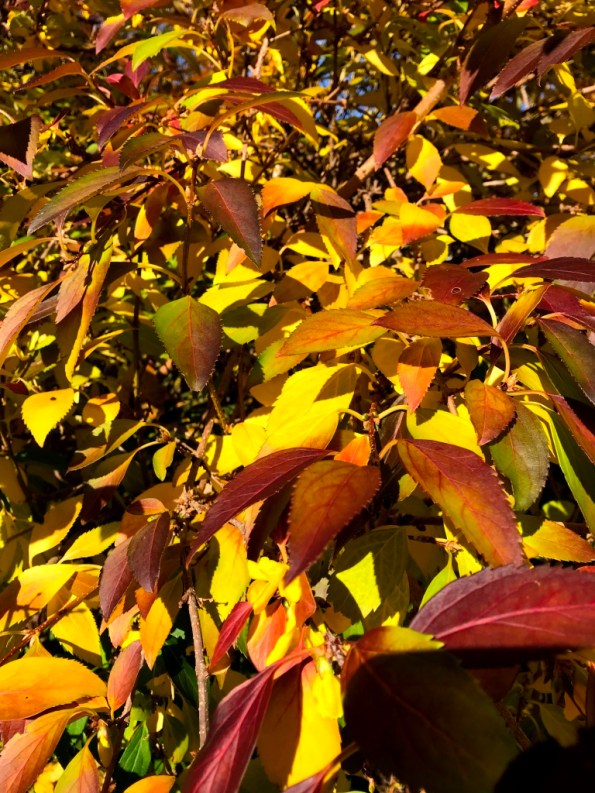
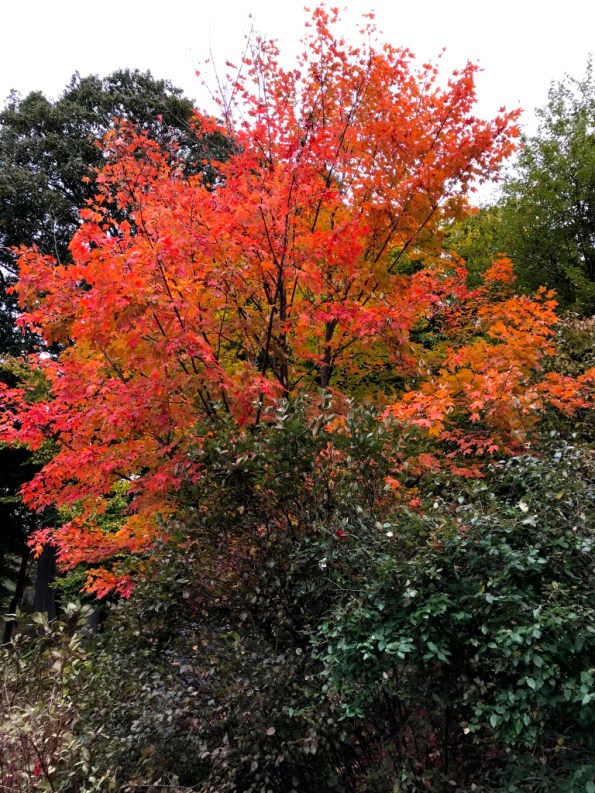
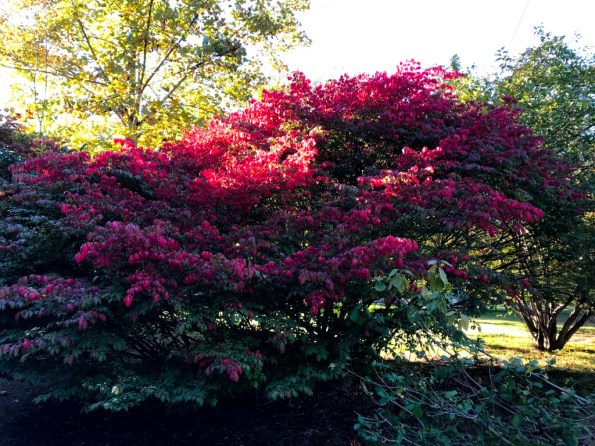
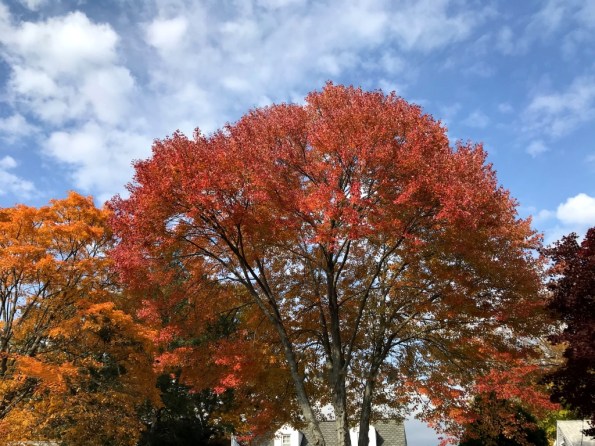
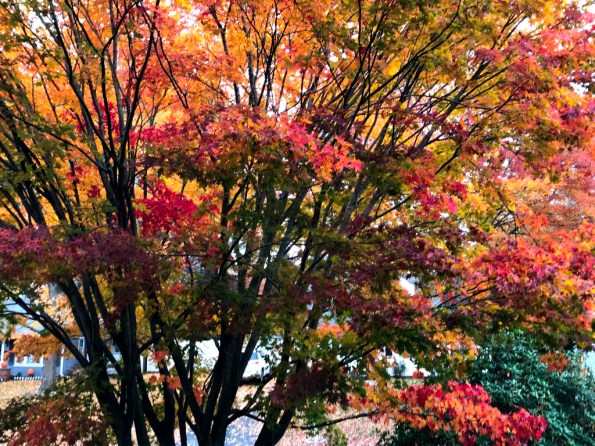
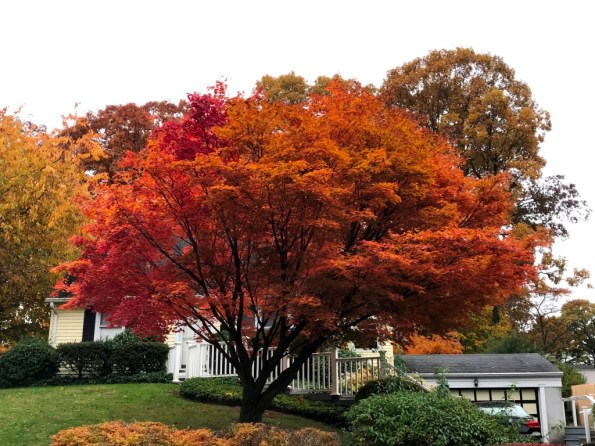
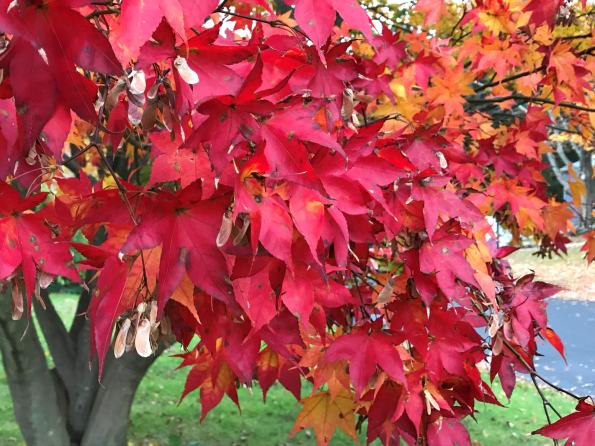
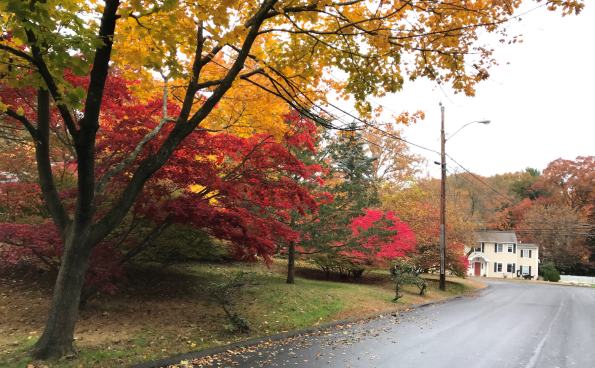
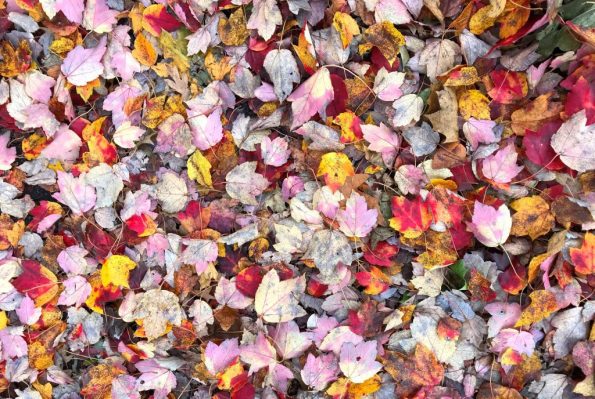
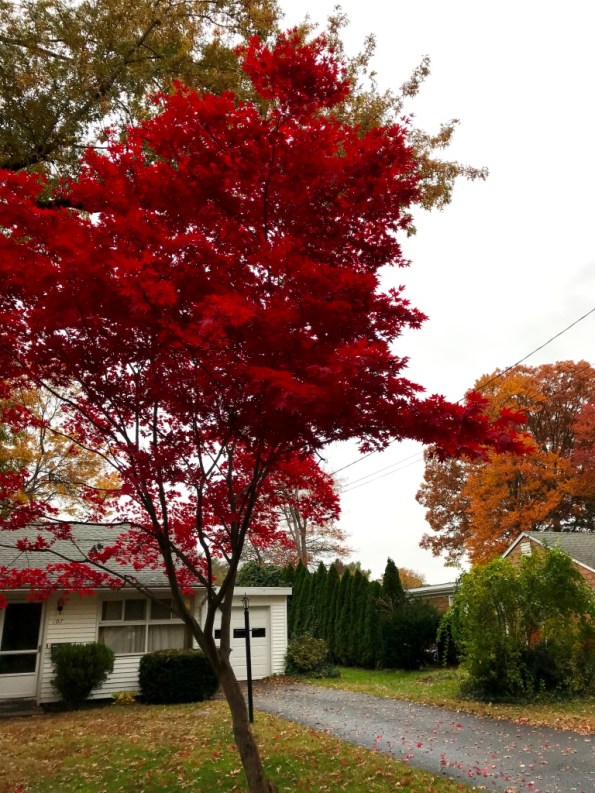
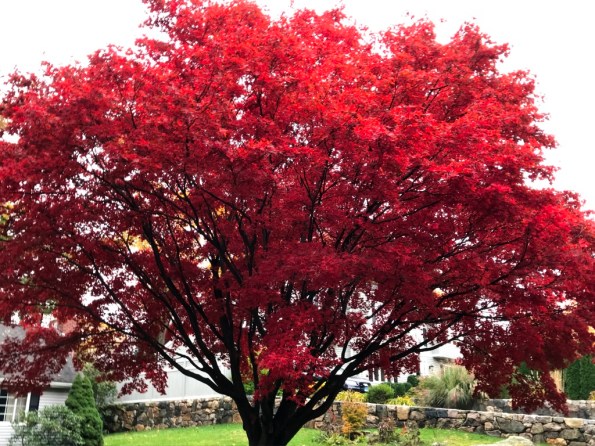
Everything has its silver lining – at least this is what we, optimists, think. The “Fall Foliage” is one of the most famous attractions of New England – travel agencies offer special tours and people literally from around the world are happy to come to experience the abundance of color, which typically takes place during the month of October. Only last year (2017), the real abundance of colors never really arrived – of course, trees changed colors and leaves fell down – but it was rather a boring fall instead of a typical color festival.
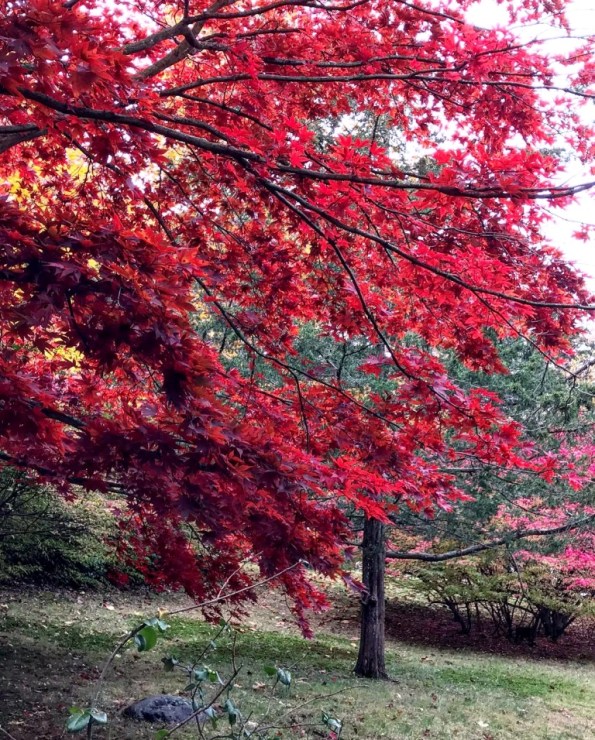
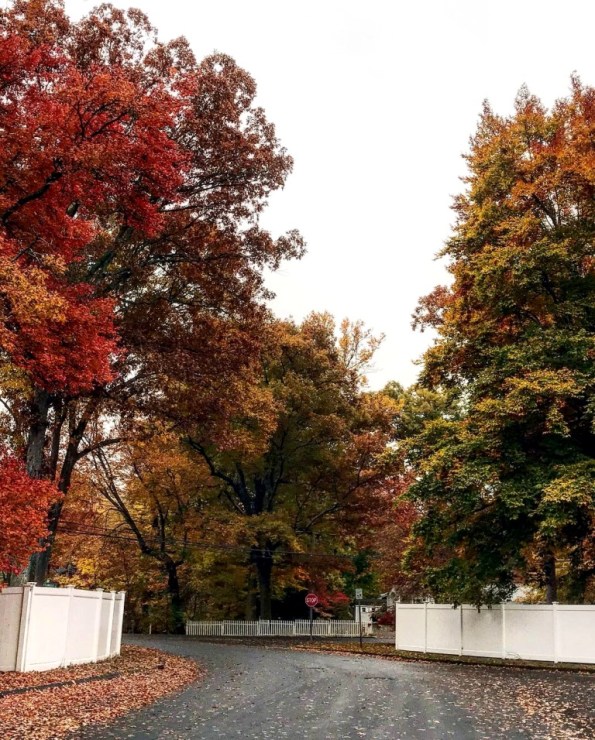
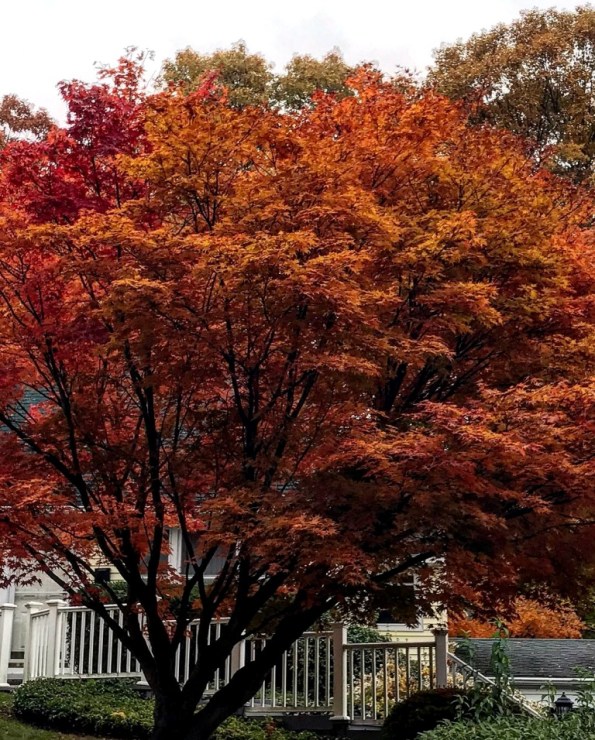
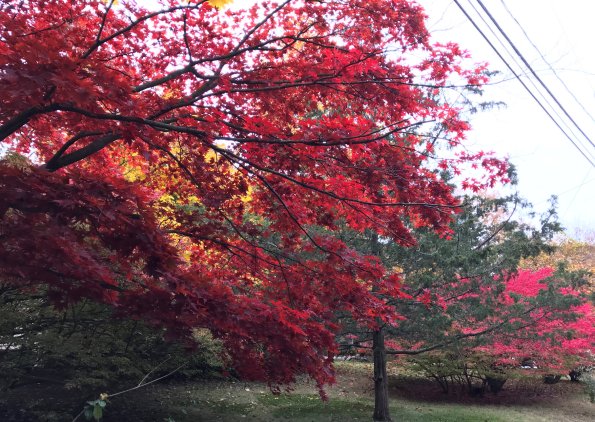
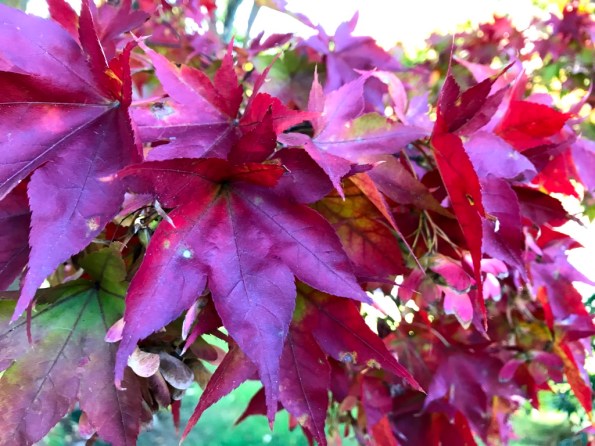
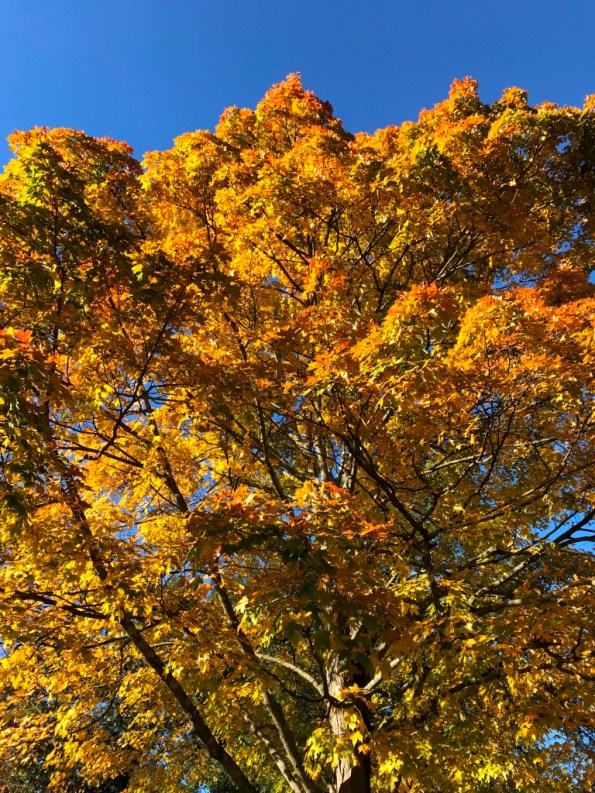
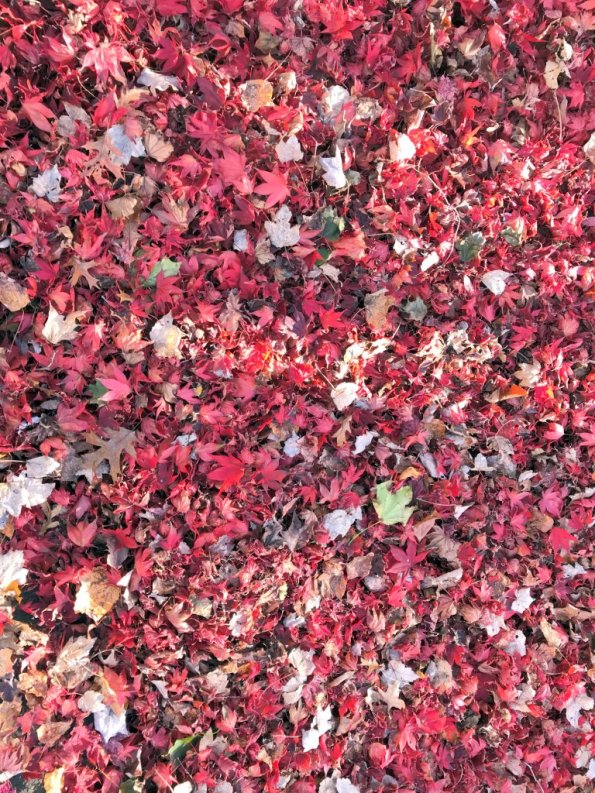
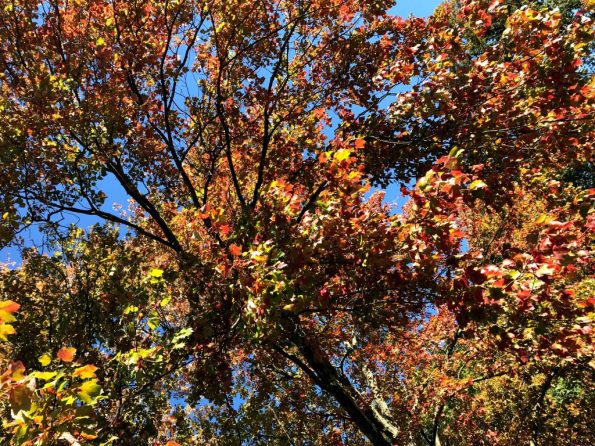
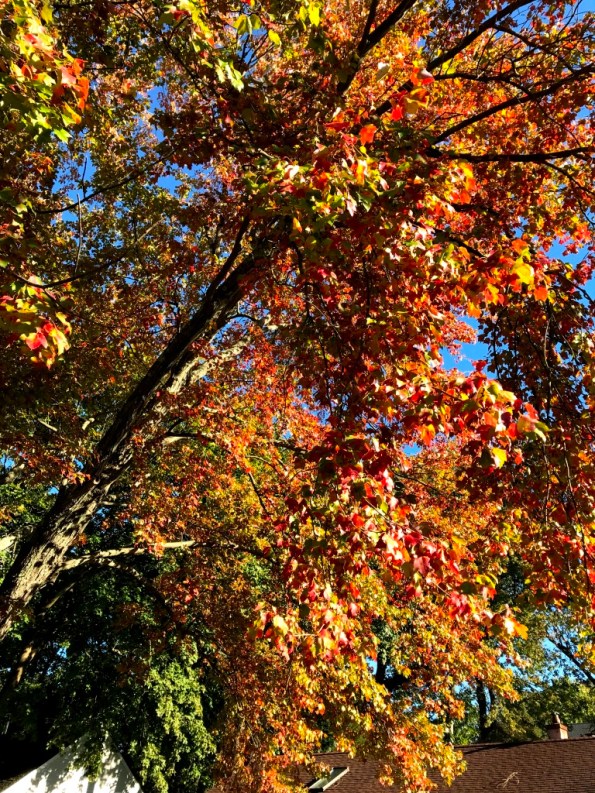
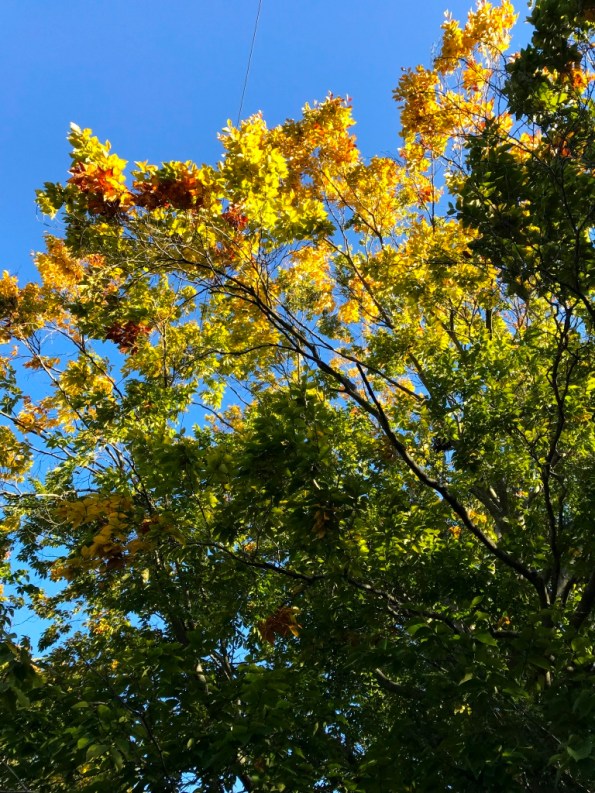
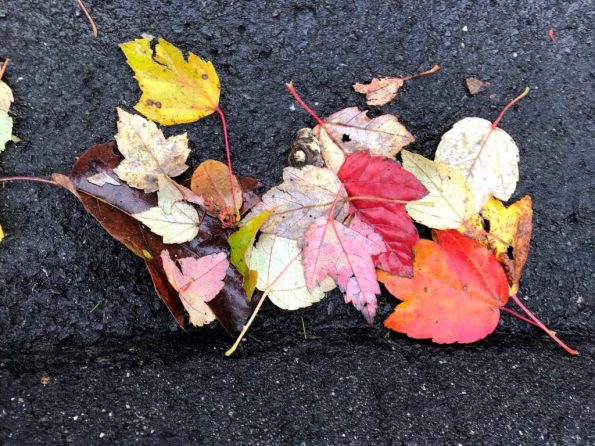
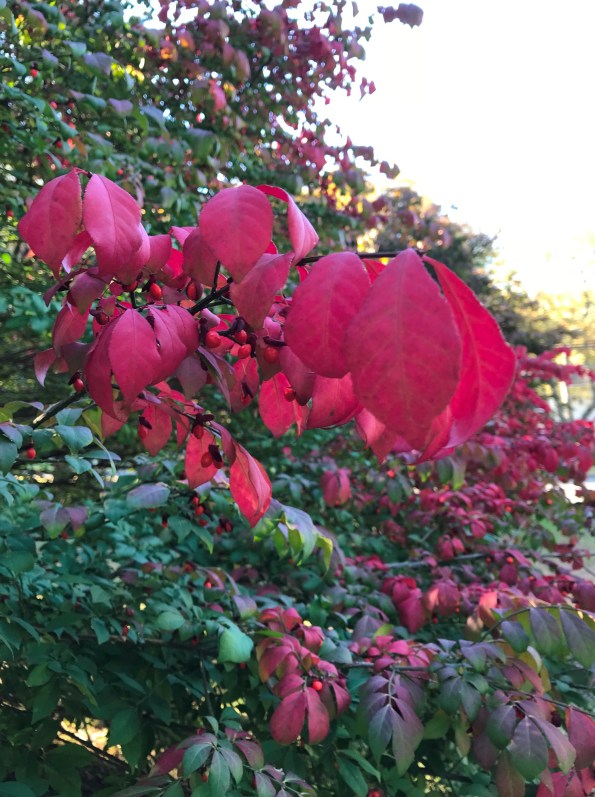
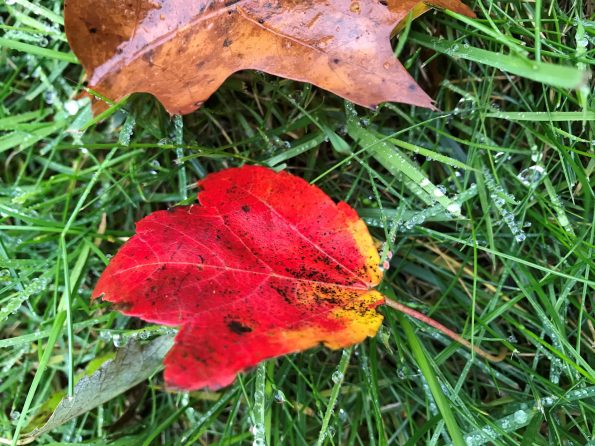
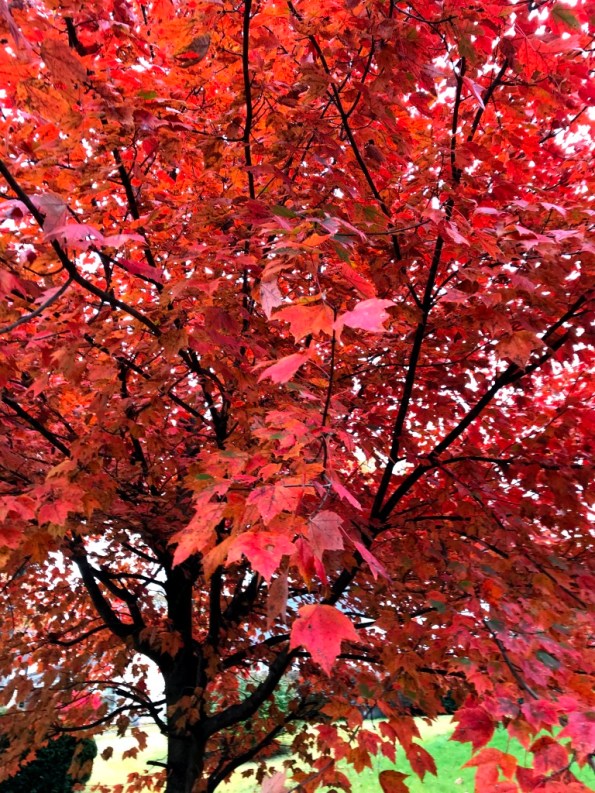
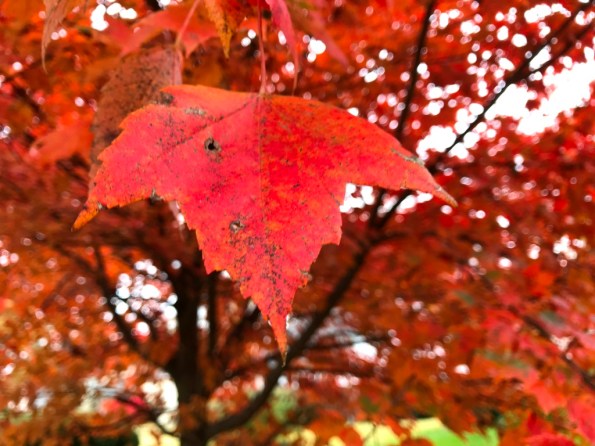
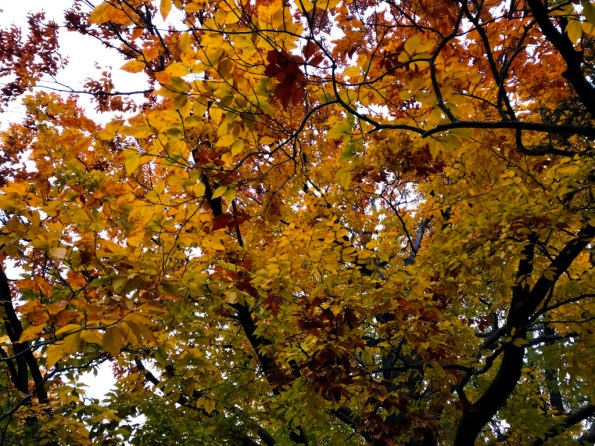
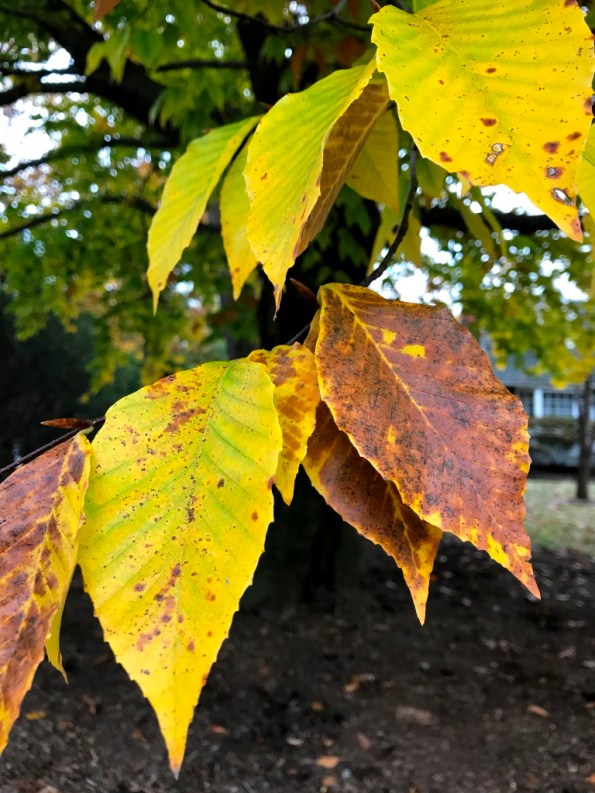
The 2018 overall was one of the wettest years I remember. It rained non-stop the whole summer, and it was hot. The fall was simply a continuation of the same – we still had to run the A/C in October, and it was raining every couple of days. All the trees were still practically summer-green well into the second half of October. And then the silver lining showed up – Mother Nature magically turned on the color, and the streets and roads became anything but boring – amazing, amazing sight anywhere you look, every day bringing more colors and more joy with it.
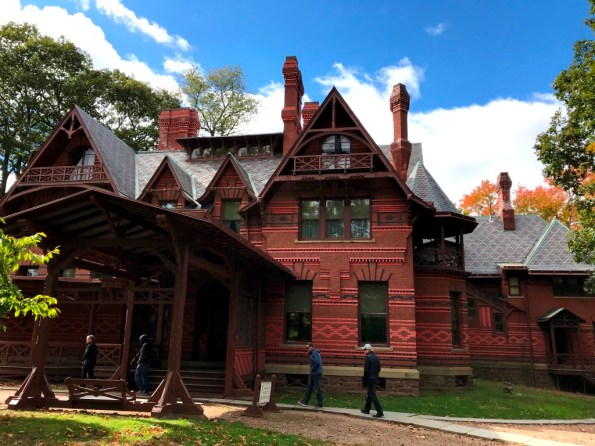
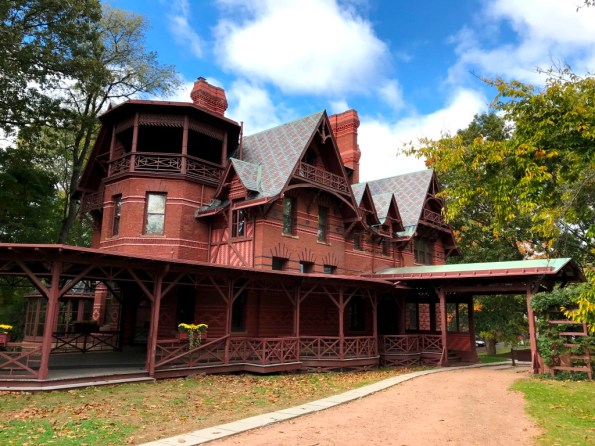
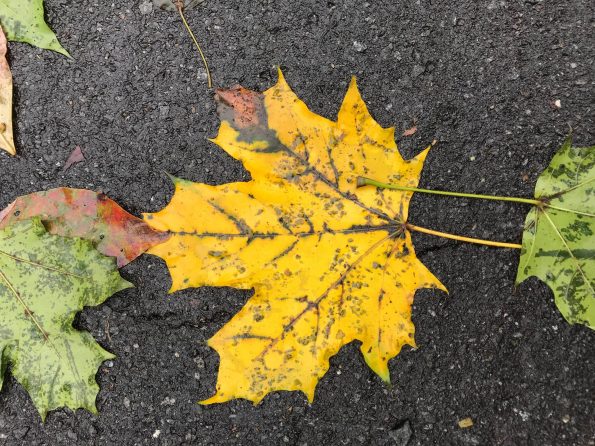
As I had done it many times in the past (here are a few posts: 2012, 2013, 2015), I took a few pictures while walking around my neighborhood – with iPhone in your pocket, taking pictures had never been that easy – and now I want to share these beautiful New England fall colors with you. This year we visited for the first time Mark Twain’s museum (mansion) in Hartford, so I included a few pictures here as well.
Hope you will enjoy the beautiful colors as much as I do. Cheers!
An Evening With Friends – In Singapore
For years I had been following the Oz’s Travels blog, commenting from time to time on the great wine (and food) experiences described there. Over these years, we built a virtual friendship with Oz (Anthony), the author of that blog, with one recurrent theme “one day you will make it to Singapore, and then…”. As amazing as the life is, that “one day” actually happened about two months ago when my business travel finally brought me to Singapore.
Maybe you saw my very excited post about Gardens of Singapore – but the evening before I experienced all the gardens, I was able to meet, shake hands, and share a few (okay, more than a few) bottles with Oz and his friends.
Oz picked me up from the hotel with his friend Rob and we proceeded to the restaurant, where another Oz’s friend (also Rob), was already waiting for us. Then, there was food, wine, and scotch – but let’s take it all in steps.
First, the restaurant – newly open Garang Grill (a sequel to the already successful Garang Grill at another location). The restaurant allows guests to bring their own alcohol, which we took an advantage of – while restaurant provided glasses and decanters. During the course of our dinner, I had an opportunity to experience a variety of creative dishes. Skewers of sauteed foie gras were melt-in-your-mouth delicious. Luncheon meat fries (yes! talk about creative!) were superb with delicious dipping sauce. I since made the same dish at home and everyone loved it. Crab rillette, steak – everything was delicious and tasty. Here is an account of our dinner – in pictures.


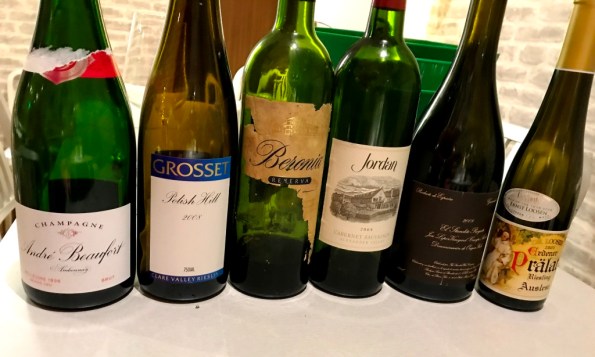
And then there was wine. What I love about Oz’s parties is the abundance of wine, and not just any wine, but nicely aged wine – and you know how much I admire the wine with a little (or not so little) age on it. Here is what went down:


1996 André Beaufort Champagne Grand Cru Ambonnay. Never had it and never heard of André Beaufort Champagne before. Meanwhile, this happens to be one of the oldest all-organic grape growers in Champagne. This 1996 was disgorged in 2014. The wine had great acidity, green apples, still perfect fizz, candied apples with a hint of cinnamon showing on the nose. Yeast showed up later. Excellent. That was a real treat.
2008 Grosset Polish Hill Riesling Clare Valley. Australian Riesling is not a simple wine. I remember trying young Australian Rieslings many years ago, and putting them into the category of “I never want to drink this again”. It takes a bit of time to understand the beauty of the wine devoid of any sweetness and instead offering in-your-face acidity and minerality. But once you turn the corner, this becomes the style you crave. This particular wine at hand was, in many ways, an encounter with the legend. You see, Clare Valley is one of the best regions for Australian Riesling. Polish Hill is one of the very best vineyards. And Jeffrey Grosset is a legendary producer, one of the best winemakers in the world. Now you add a bit of age, say, 10 years – and you almost get heaven on Earth – petrol on the nose, restrained palate, minerality through the roof, great acidity, just a pure delight in every sip.


1994 Bodegas Beronia Rioja Reserva. Behind damaged label was an excellent wine – still fresh, good fruit, good acidity, excellent. Still has time to evolve. Based on the color also still young – just starts showing age.
2005 Jordan Cabernet Sauvignon Alexander Valley. This was my contribution to our lineup. Jordan needs no introduction to the Cabernet Sauvignon wine lovers. This wine was very good, typical California Cab. The wine had an interesting amount of sweetness, more than I expected – as it showed no age, I would assume it still needs more time to evolve. I have one more bottle from the same vintage – will have to wait with that one for a bit.
2008 Standish Wine Company El Standito Proyecto Garnacha Tintorera Yecla DO. This is a Spanish wine, of course – produced by Standish Wines from Australia. Yecla is the best known for their Monastrell wines – this wine, however, was made from the grape called Garnacha Tintorera, which is also known as Alicante Bouschet, which can produce massive, dense wines. This wine was no exception – excellent, restrained, good balance, good fruit, good acidity – and still in need 0f at least another 20 years to evolve.


2005 Dr. Loosen Erdner Prälat Riesling Auslese Mosel-Saar-Ruwer. You can’t finish such an evening without a dessert wine, can’t you? 13 years old Auslese by Dr. Losen – need I say more? The wine was amazing, great balance, a touch of candied plum, great acidity, fresh, simply superb.
This was the end of our dinner, but not the end of our evening. A short taxi ride took us to the unassuming building (well, it was dark, so maybe it is not as unassuming during the day) which happened to be a Rendezvous Hotel, one of the oldest in Singapore. After taking a flight of stairs up, we entered the room where my jaw literally hit the floor. The “room” was called The Auld Alliance – the scotch and whiskey bar (primarily) with more than 1,600 (!) different whiskeys available to taste and purchase. I never saw anything like that in my life, and the selection there was simply beyond words:
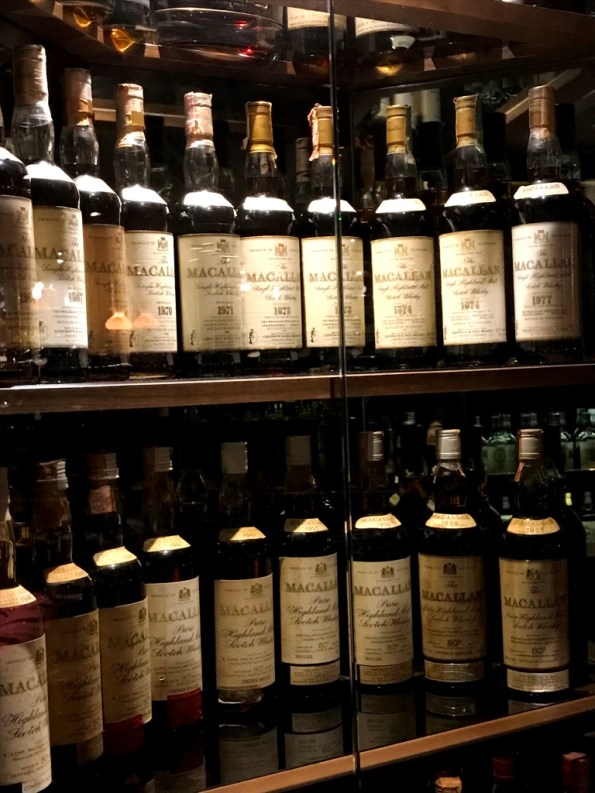


In addition to many whiskeys available by the glass, The Auld Association also offers a number of tasting flights – I had the one called “Smoke around the world” and it was definitely fun (I hope you don’t expect my tasting notes after 18 hours of non-stop travel and prior dinner with all the wines).


So this is my account of an amazing evening in Singapore. It was definitely a pleasure meeting Oz and his friends, and the whole evening was simply beyond expectations. Cheers!
Gardens of Singapore
I don’t really have a “bucket list” (thinking about the etymology of the expression, it doesn’t even sound all that appealing). Instead, I have a “dream list” – places I truly want to visit and things I want to experience.
Believe it or not, but I can’t tell you how my “dream list” is formed. It is usually an article or pictures, which get stuck in the head, and then all of a sudden show up on that list. Such is the case with Singapore, and I can’t even tell you if it was any particular article or any pictures – all I know is that Singapore was definitely a dream destination for me for a long time. And then finally, the dream was realized – a business meeting brought me down to Singapore, with an open day for the sightseeing.
Singapore was definitely a place I wanted to visit – but I really didn’t know what to expect. So I’m not sure I can say that Singapore exceeded my expectations, but instead, I would have to say that I was blown away by what I saw. I felt that was living through the movie which was part beautiful science fiction, part thriller taking place in the Asian city (with all the little spots you really have to know about) – surreal is the word. No, I didn’t experience anything adverse, but the overall feeling was surreal.
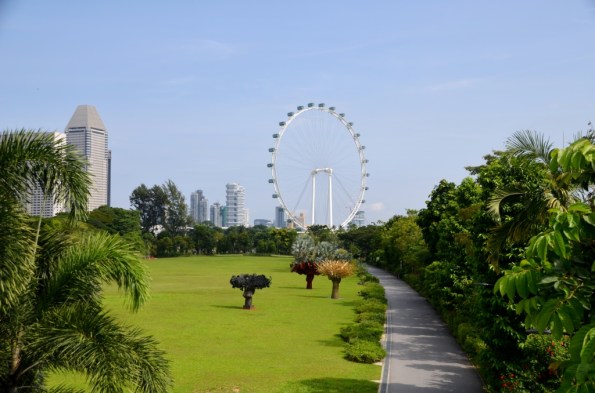
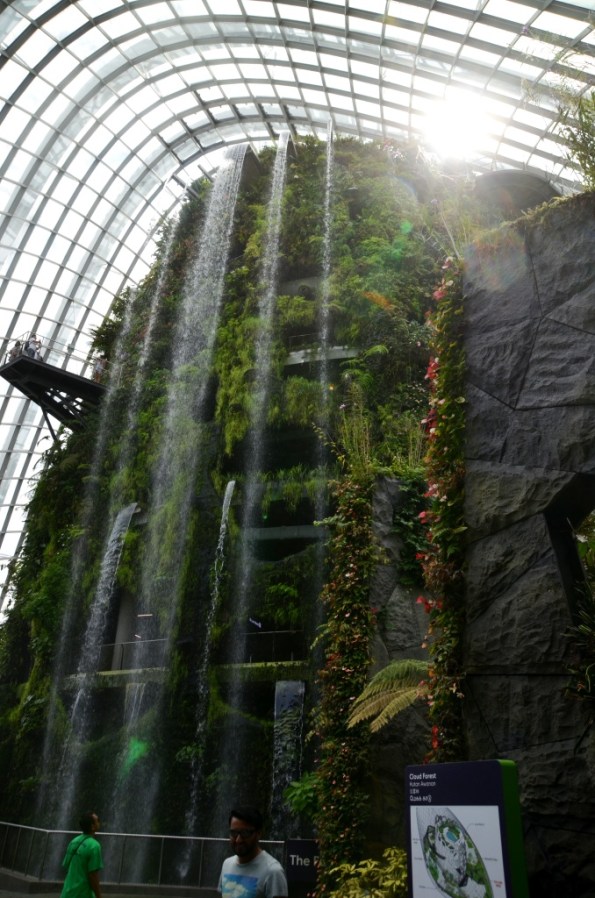
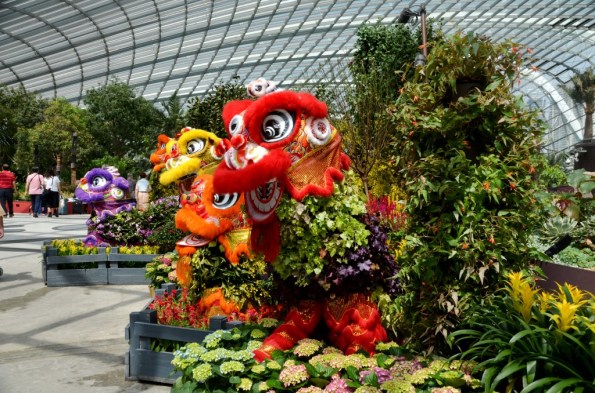
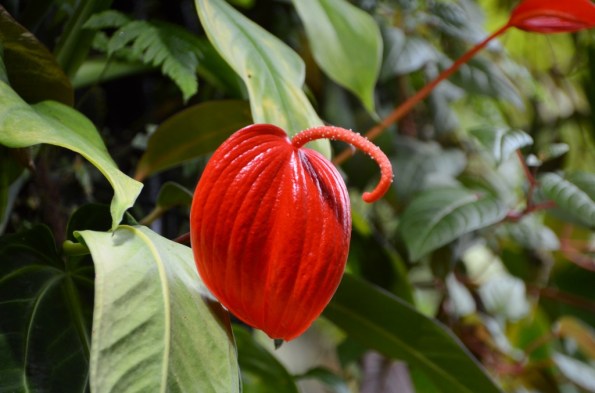
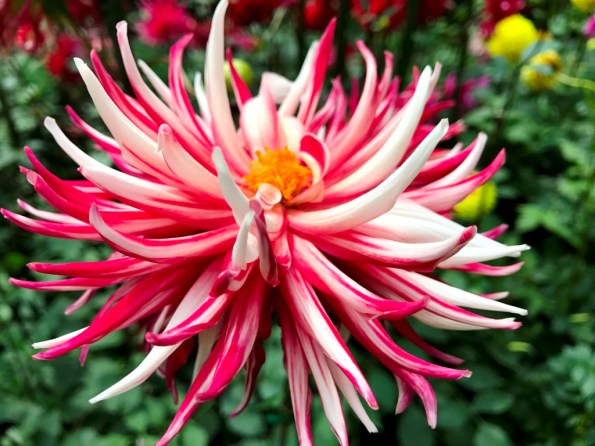
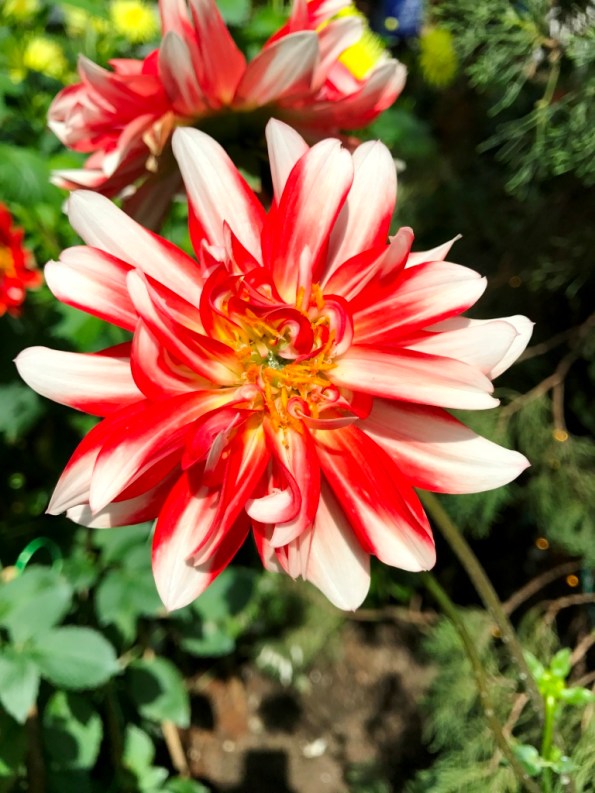
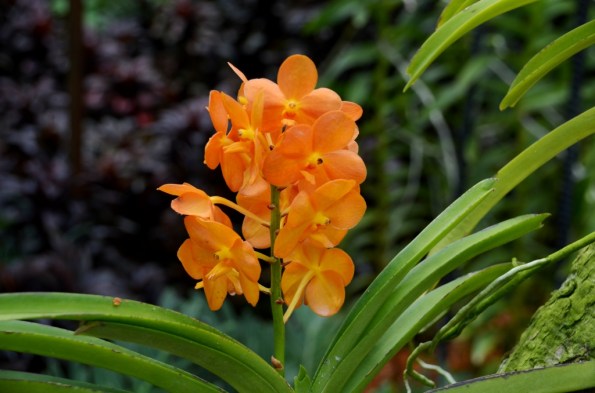
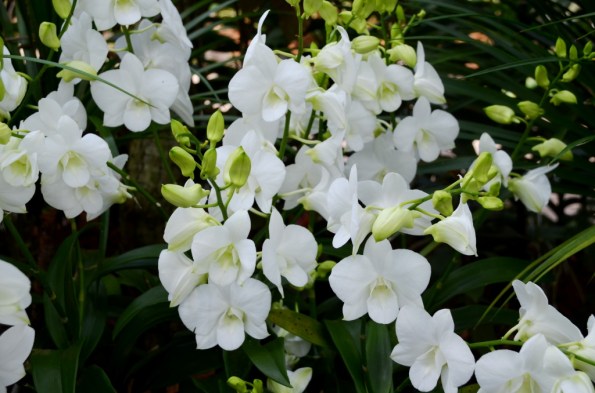
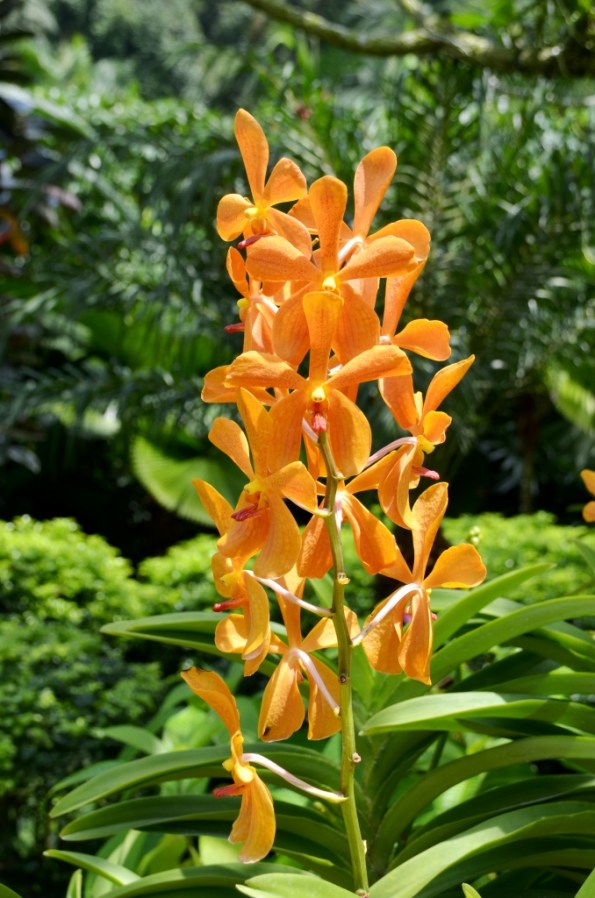
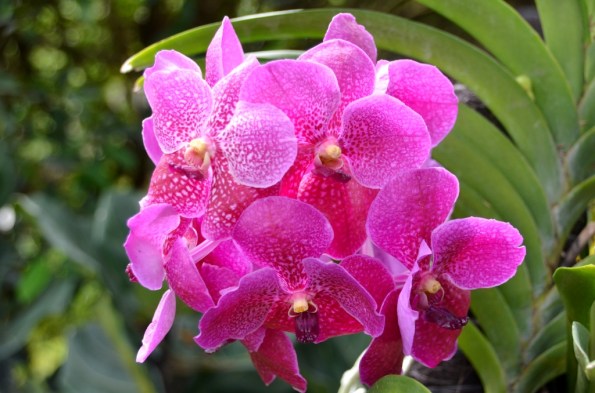
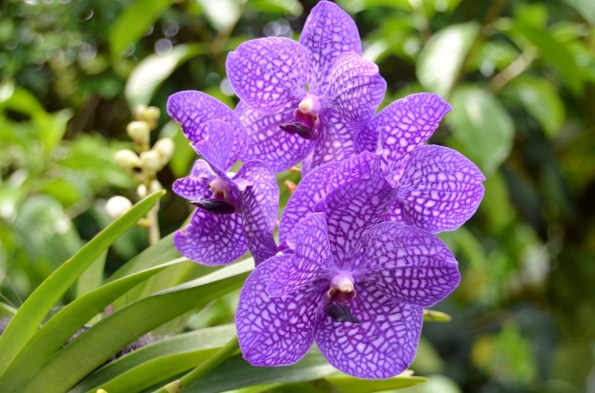
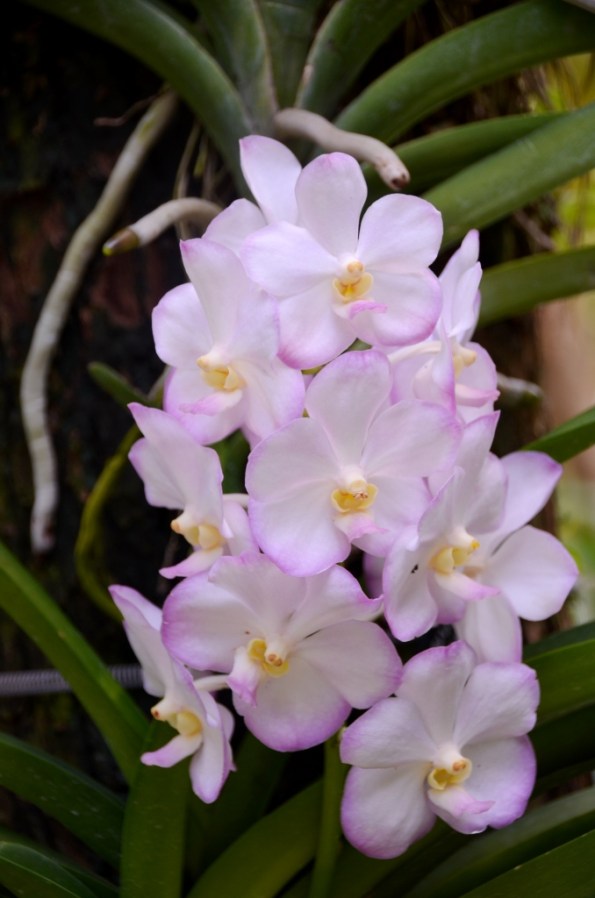
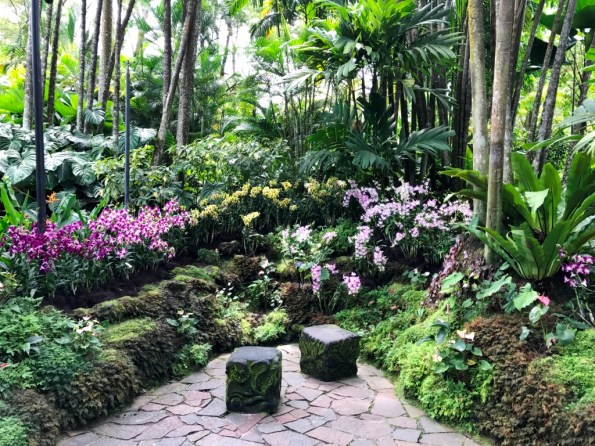
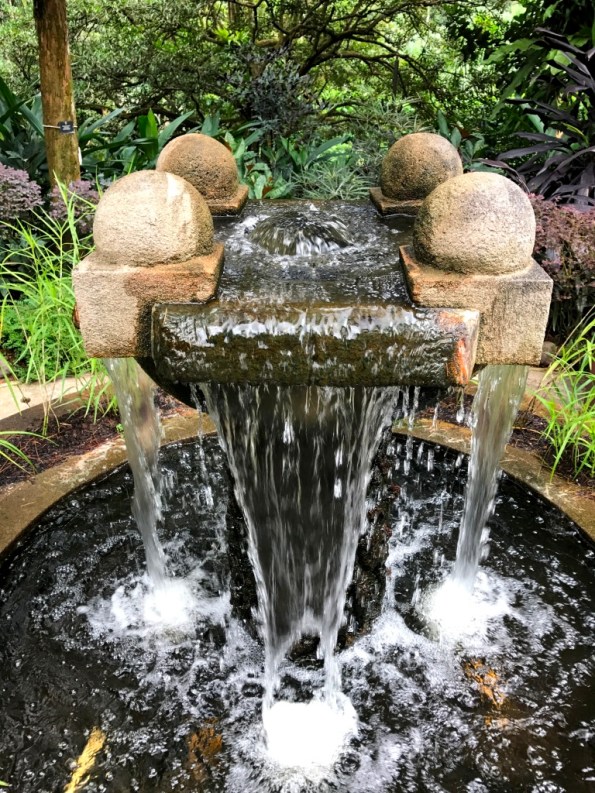
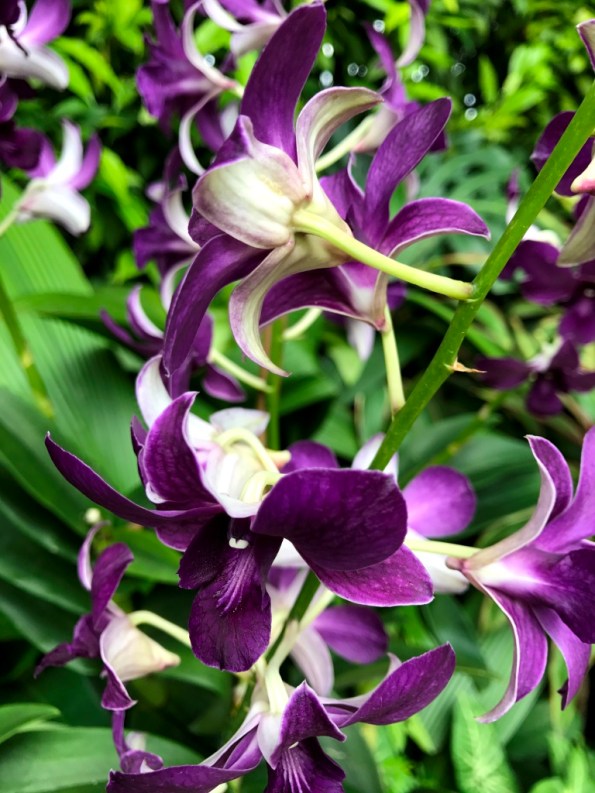
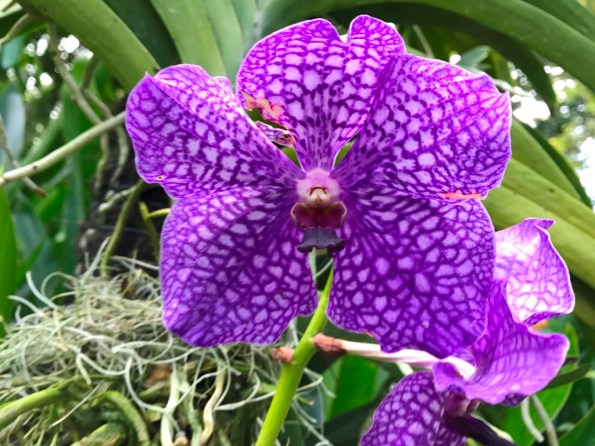
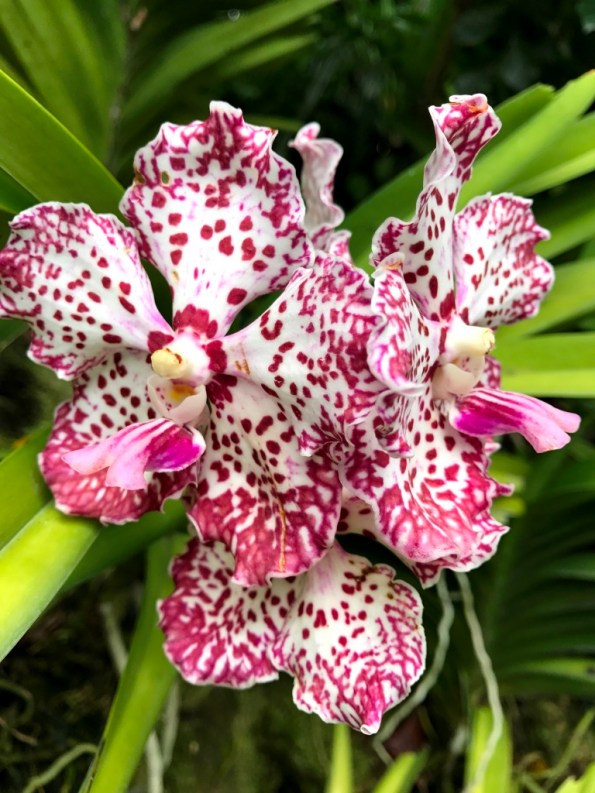
 Singapore is located 1 degree north of the equator – yes, that would definitely place it in the tropics. In turn, that also means that Singapore is really green – and it is happy to show it. On one side of the city-state, you can find Singapore Botanical Gardens, 159 years old tropical gardens, spanning 185 acres with many thousands of plants. It also hosts a National Orchid Garden with about a 1000 different orchard species. On another side of the town, you can find Gardens by the Bay, a $650 million project – 250 acres of land, hosting more than 250,000 different plants. Gardens by the Bay look nothing short of alien site landing, worthy of any science fiction movie – an absolutely stunning testament to human creativity.
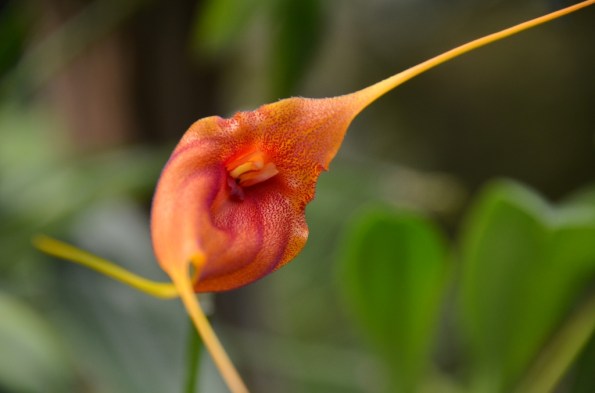
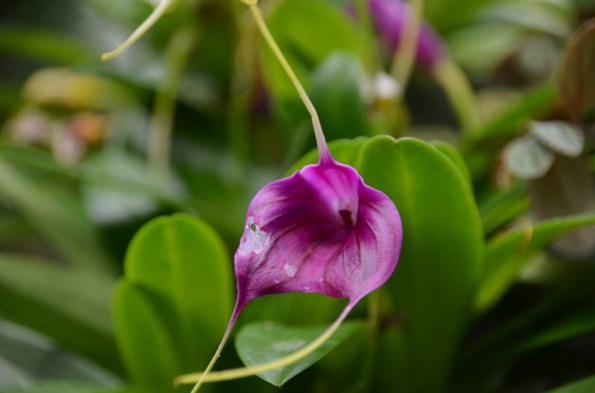
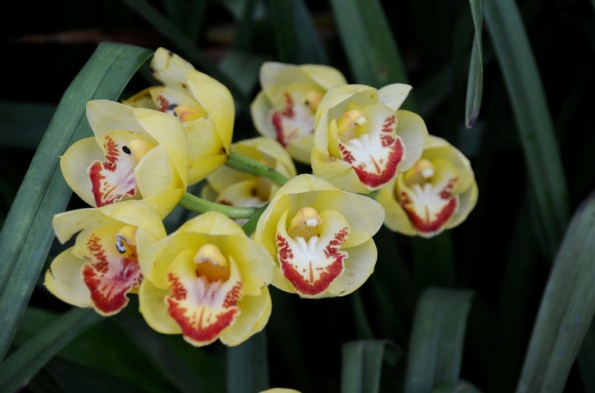
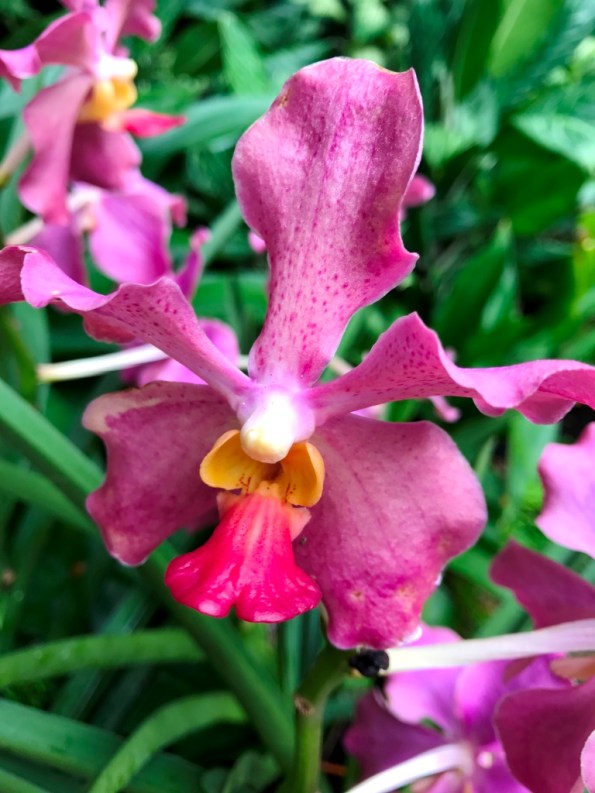
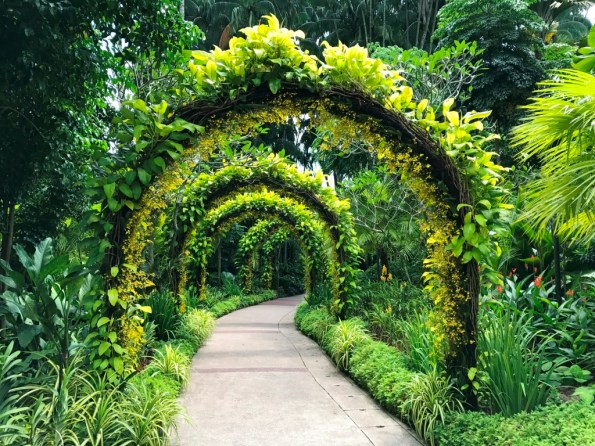
This is the wine blog, yes – but I love photography, and flowers are some of my most favorite subjects. Hence let me inundate you with the beauty I was able to embrace last week. Hope you will enjoy it as much as I did. Cheers!


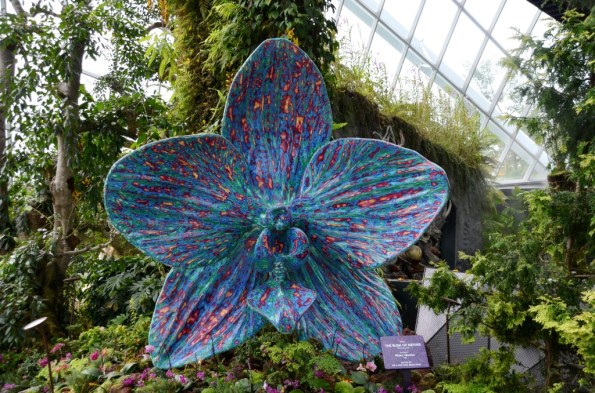

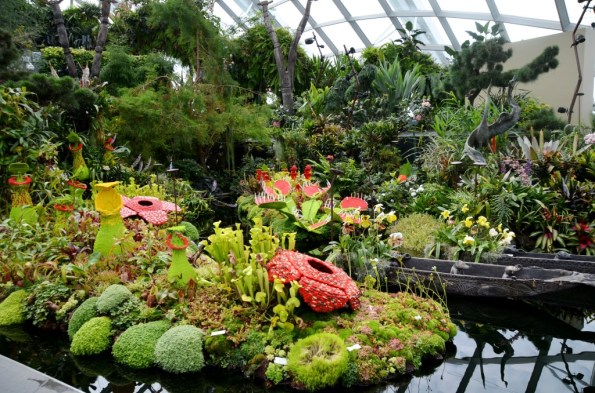
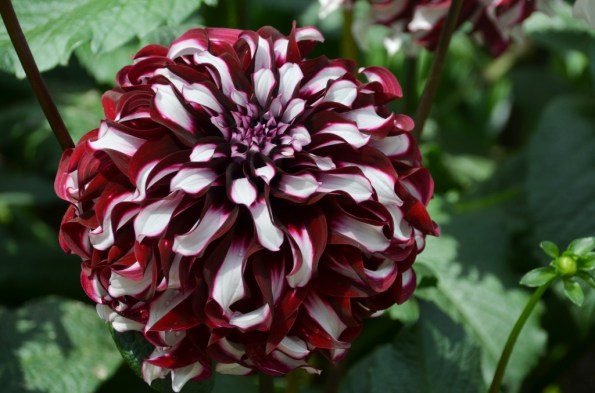
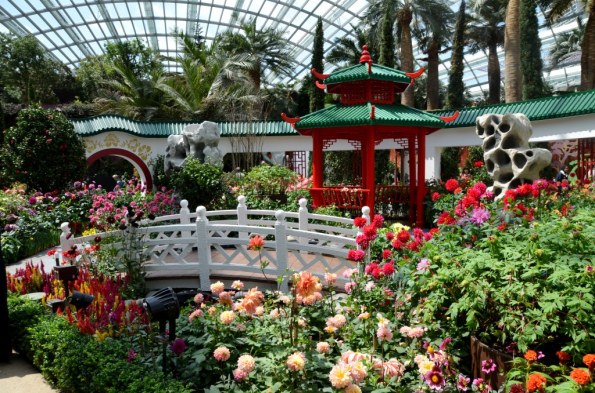
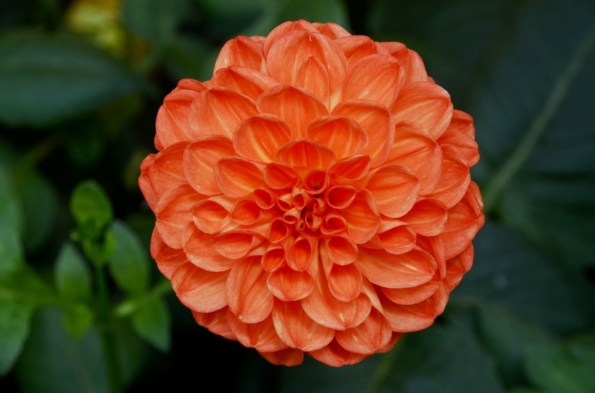
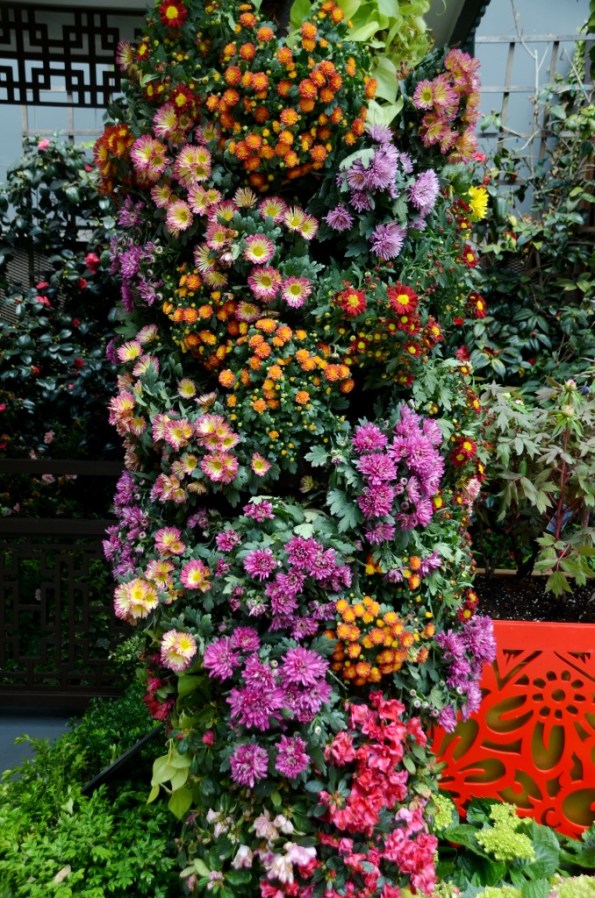
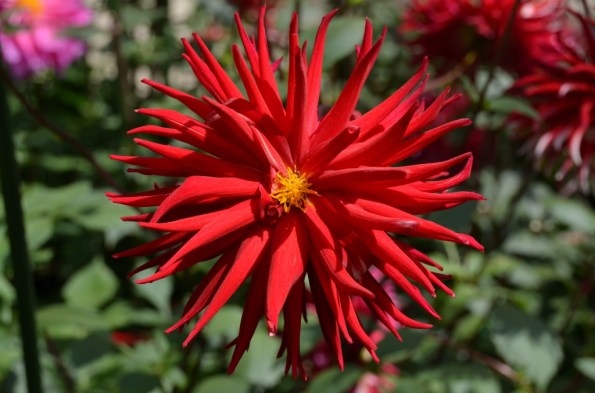

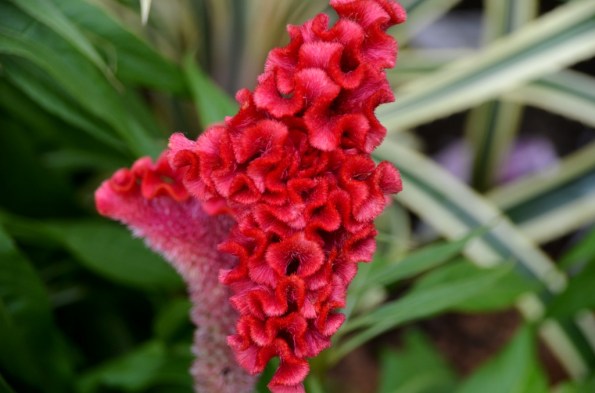

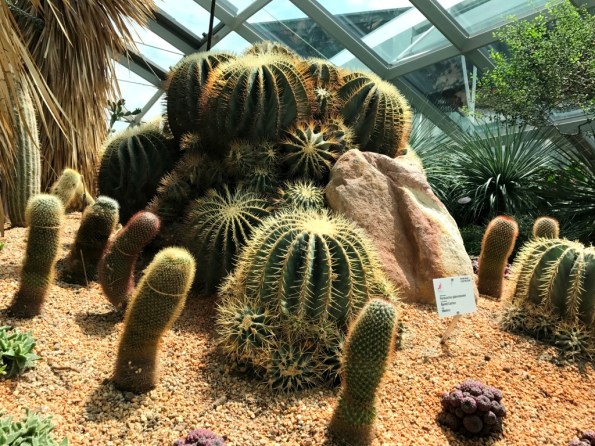
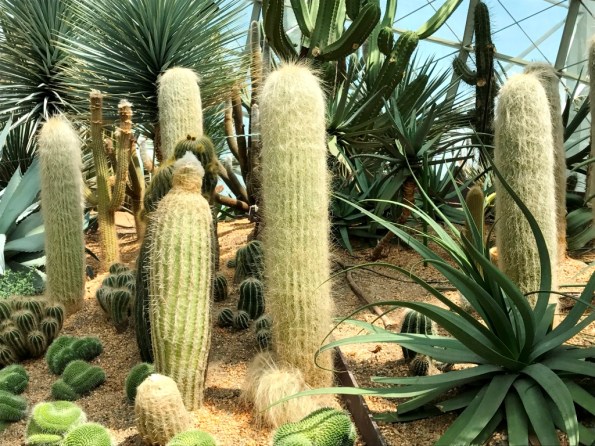
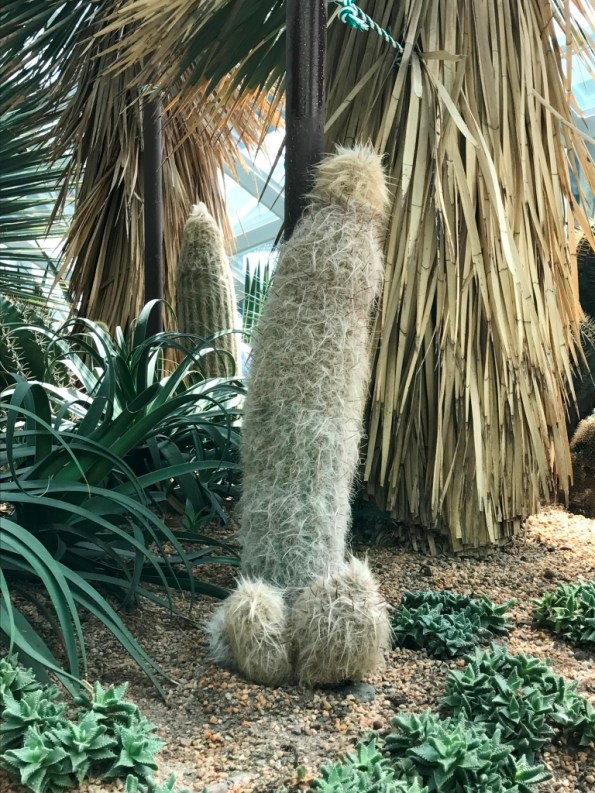
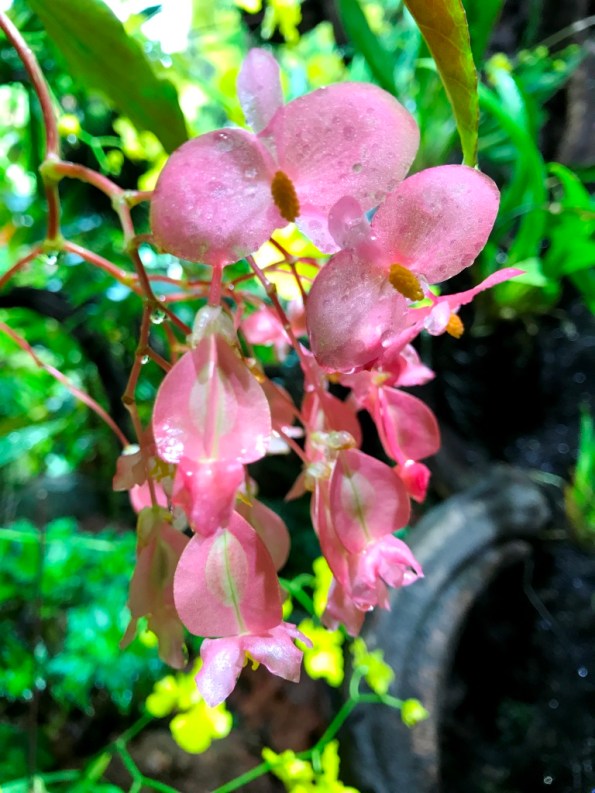

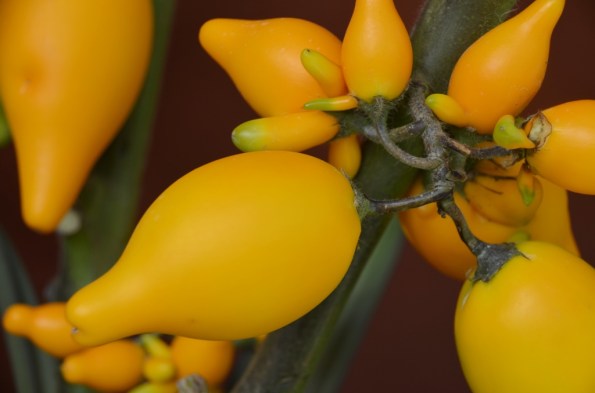

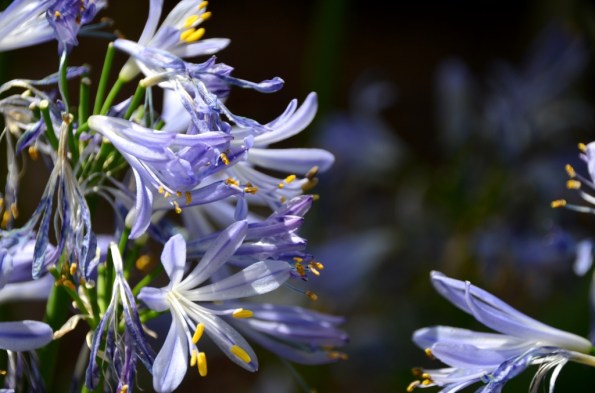
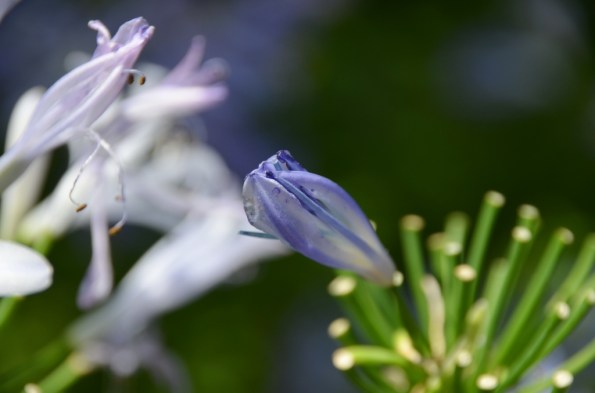
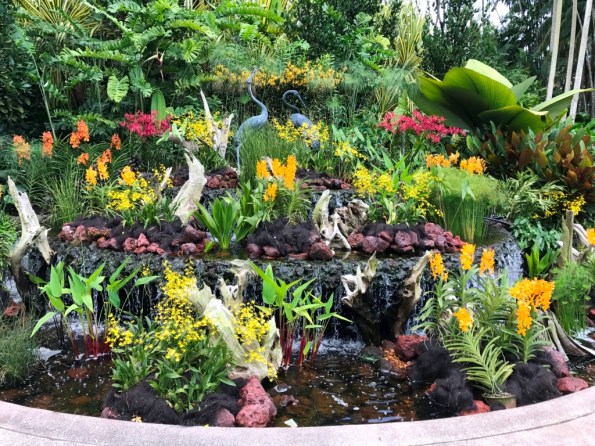


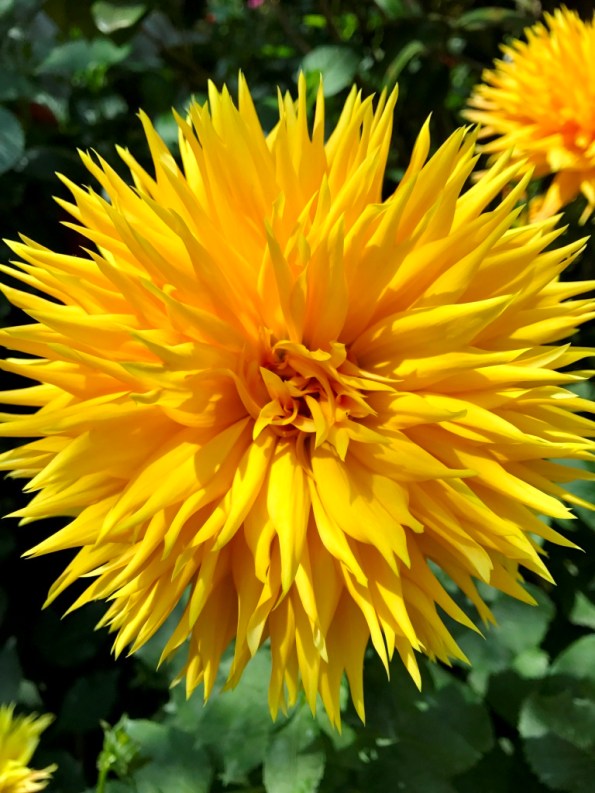
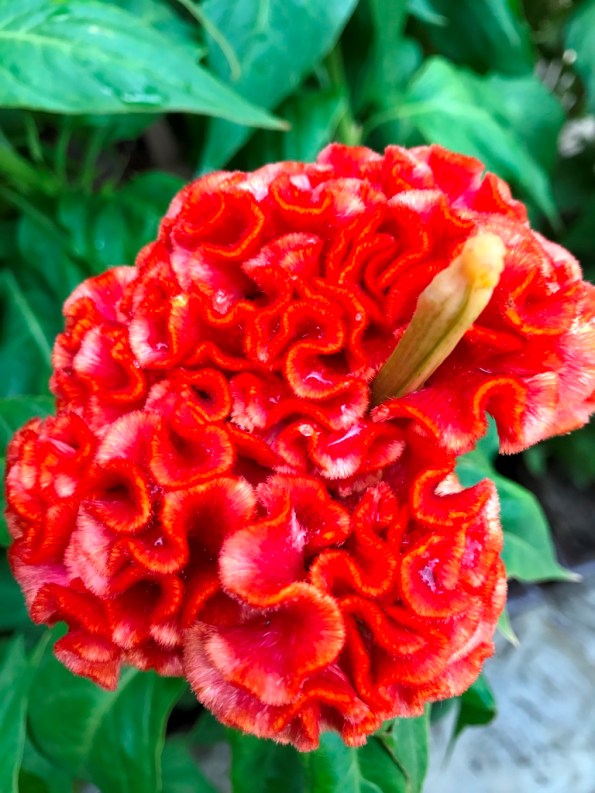
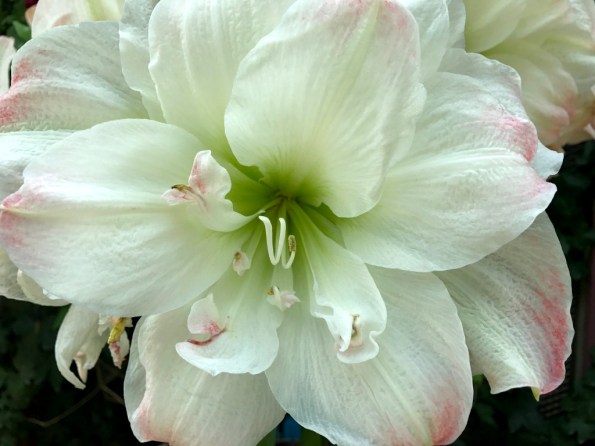
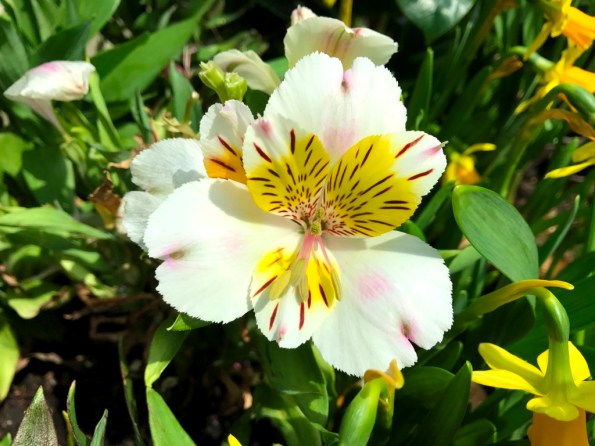
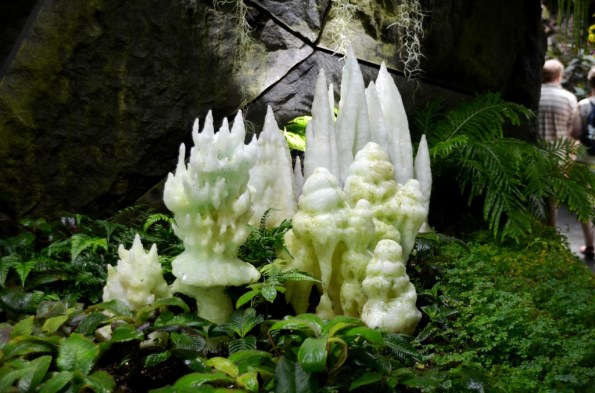
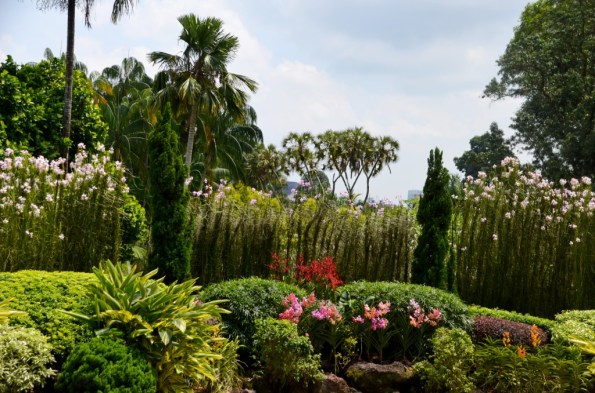
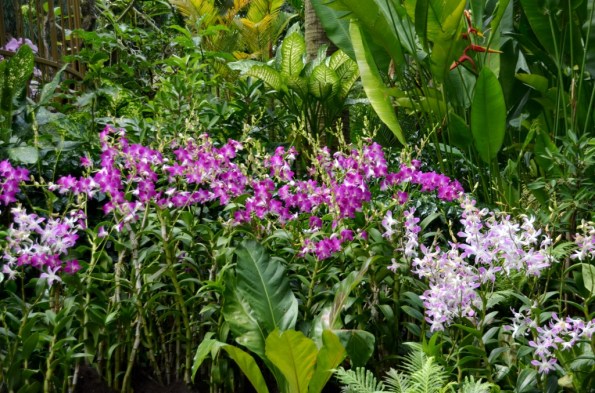
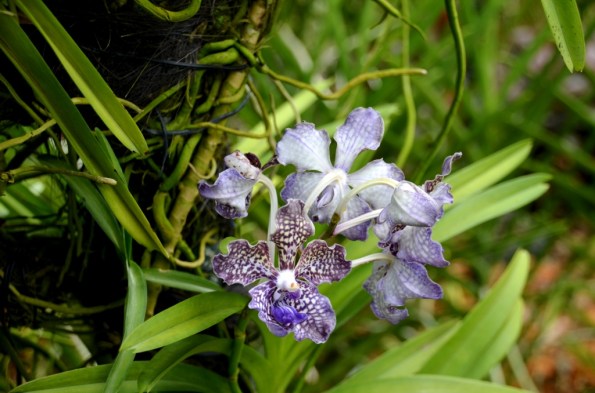
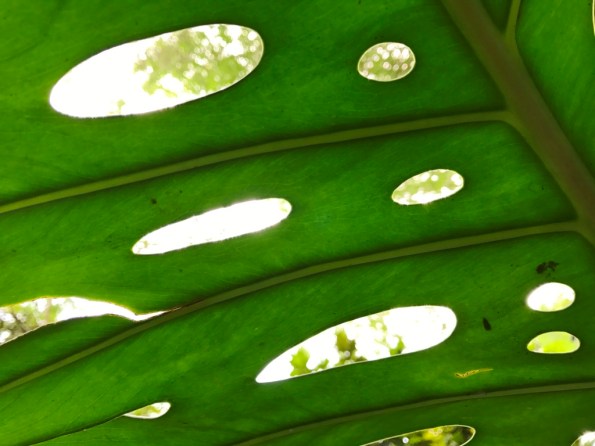
under the leaf…
Happy New Year 2018!
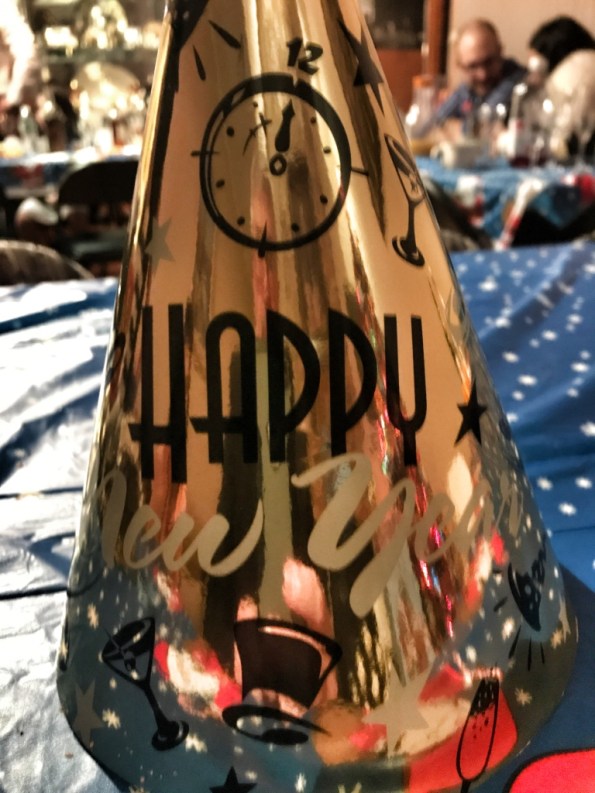
Want to wish my readers and their families happy, healthy and peaceful New Year 2018, with lots of great experiences, new discoveries, exciting moments, love and laughter with family and friends, and lots and lots of delicious, memorable wines!
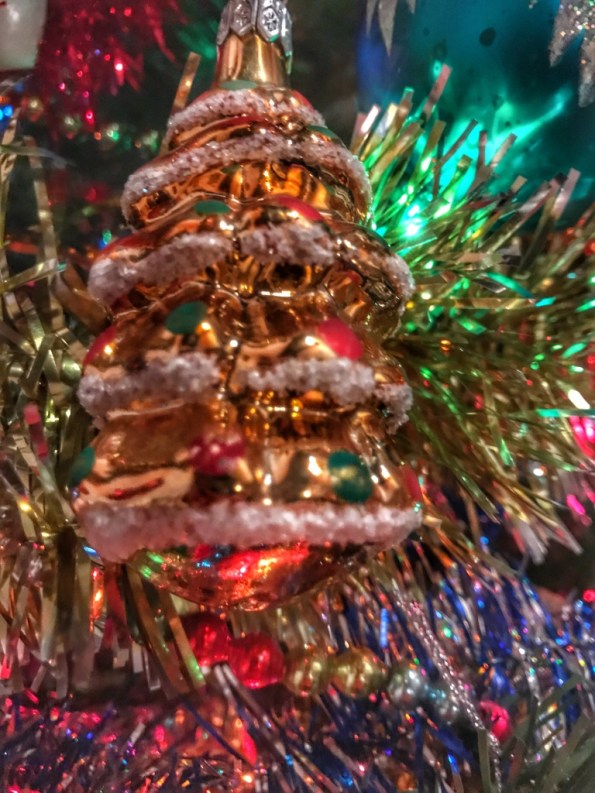
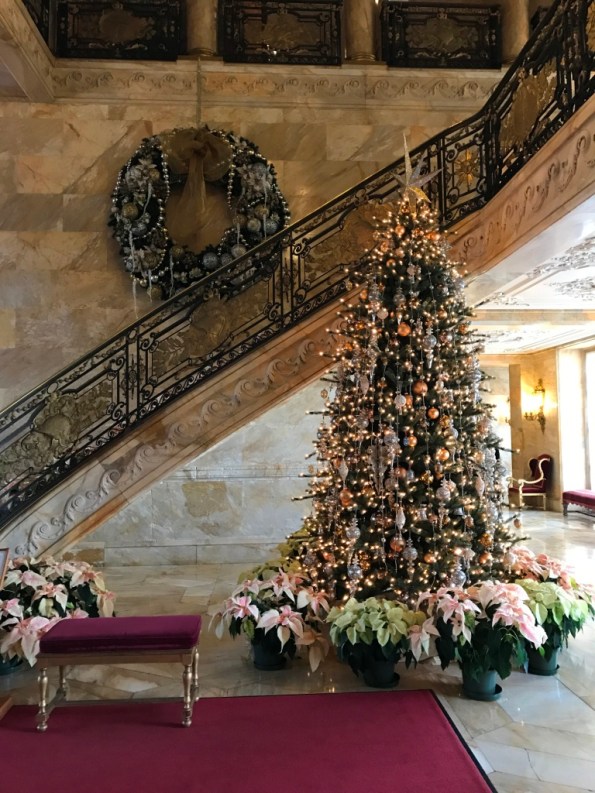
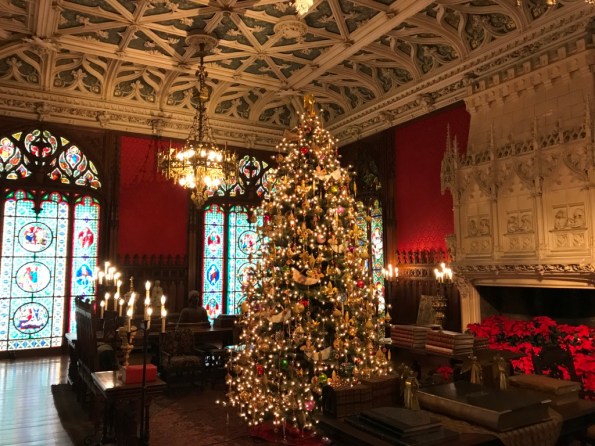
Christmas at Newport Mansions
New England has no shortage of beautiful places, full of history and character. One of such beautiful places is the town of Newport in Rhode Island. For as long as I live in Connecticut, Newport is always a “goto” place to visit, at least once a year. While Newport’s history generally aligned with the one of New England, with first inhabitants appearing there in early 1600, it shot up to prominence in the late 1800s, when the town became The Destination for the summer residences for all of the wealthiest families in the USA (you can read about history of Newport here).
While those summer residences were called “cottages”, they are typically known today as Newport Mansions. Just to give you a frame of reference – the biggest “cottage” in Newport, The Breakers, has 125K sq. ft. of total space, out of which about 62.5K sq. ft. are livable – yep, that’s one summer cottage. Each mansion is built in its own, unique style – the architecture, the features, everything was done in the unique fashion with lots of attention to the details.
We always visited Newport during spring, summer or early fall, exploring mansions, walking along the coastline and enjoying delicious fresh seafood. All along those many visits, I always saw the ads for Christmas at Newport Mansions, but somehow, the plans never worked out to go and see it – until this year.
We were planning to visit our friend in California, leaving before Chrismas and coming back shortly before the New Year. But my wife couldn’t take the time off, so we decided to split the vacation into two parts, and first spend a few days in Newport, to finally see the Christmas decorations.
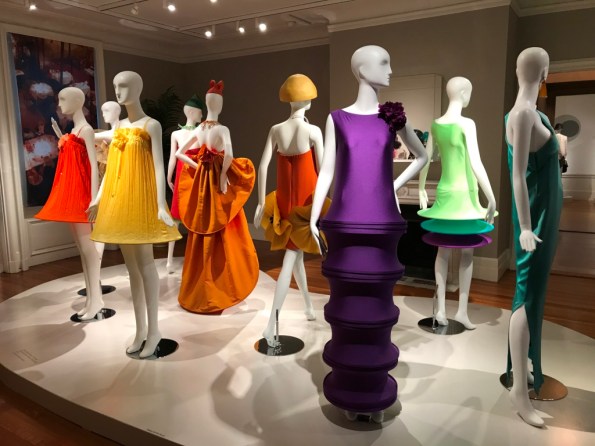
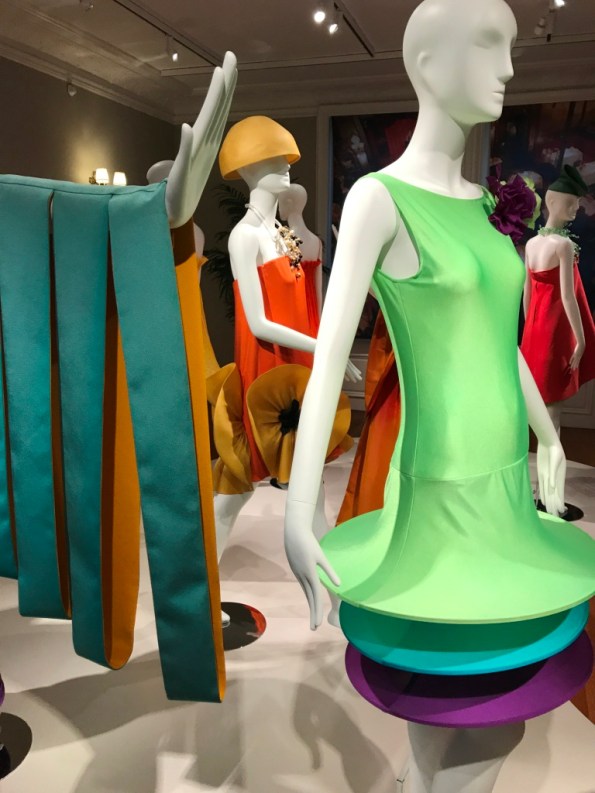
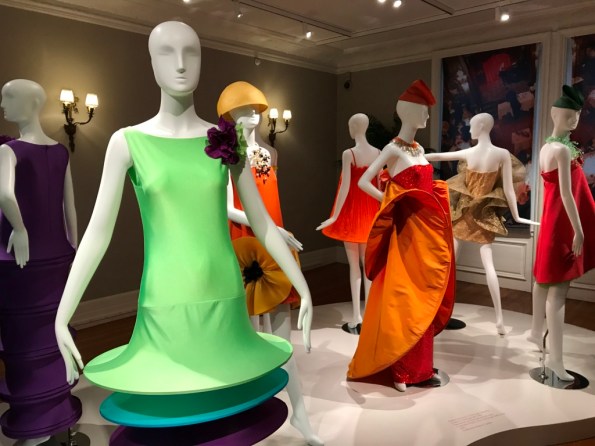
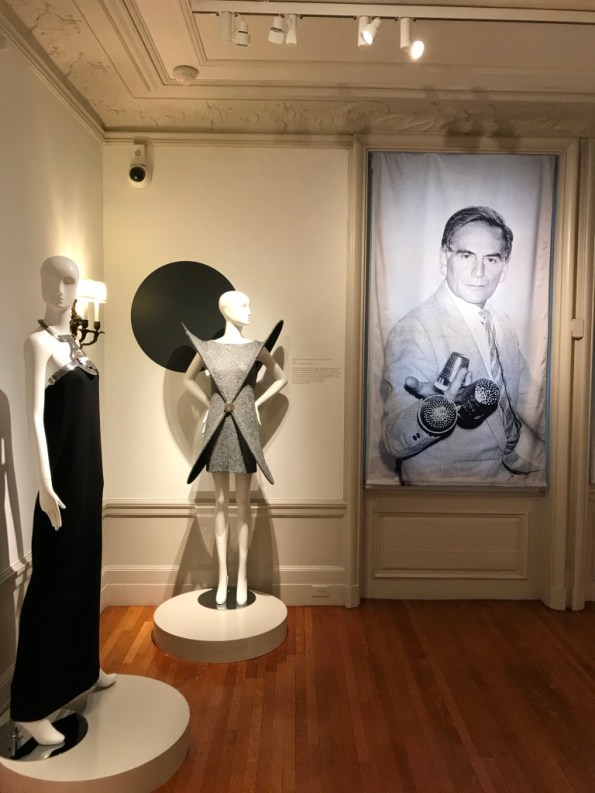
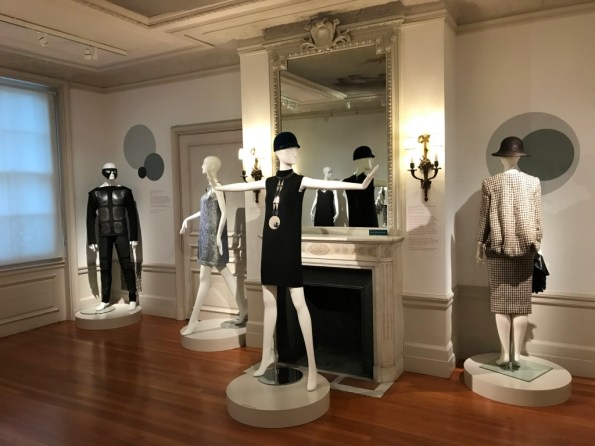
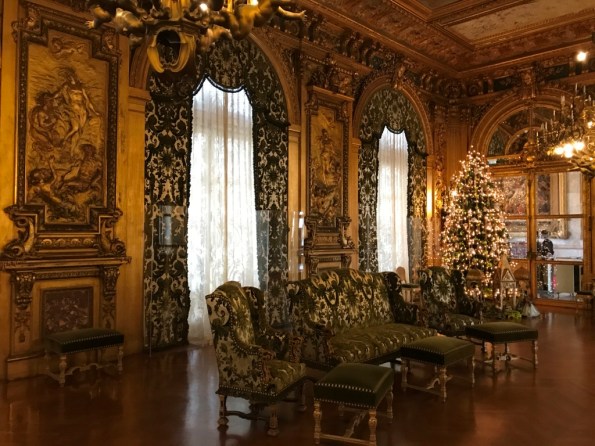
Similar to the visit to Copenhagen earlier this year, the weather didn’t cooperate – almost freezing rain on the way to Newport, and then the rain for the whole Saturday. Well, that didn’t stop us from getting tons of pleasure from the stunningly beautiful mansions. We visited The Breakers, Rosecliff and Marble House – out of these three, The Breakers and Marble House were specially decorated for Christmas; Rosecliff didn’t have any special decorations but was hosting an exhibit of the works of the Pierre Cardin, which was an interesting addition to our program.
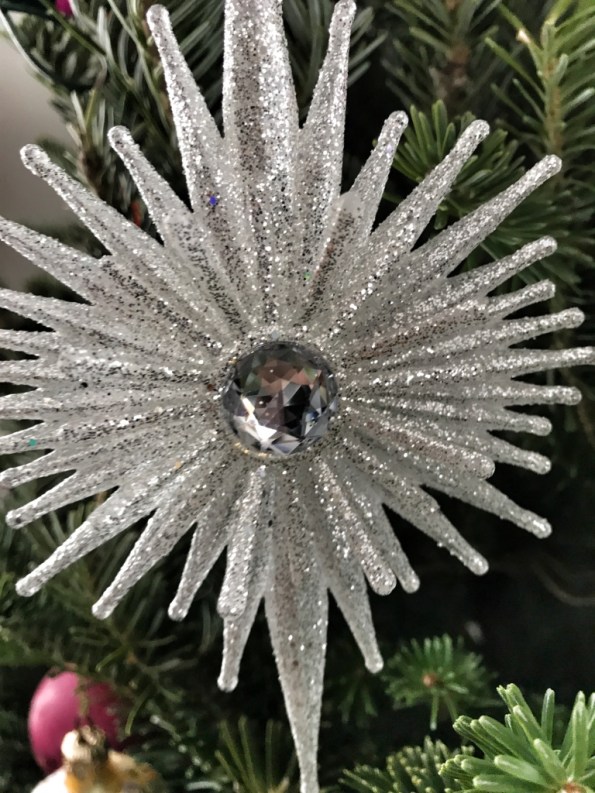
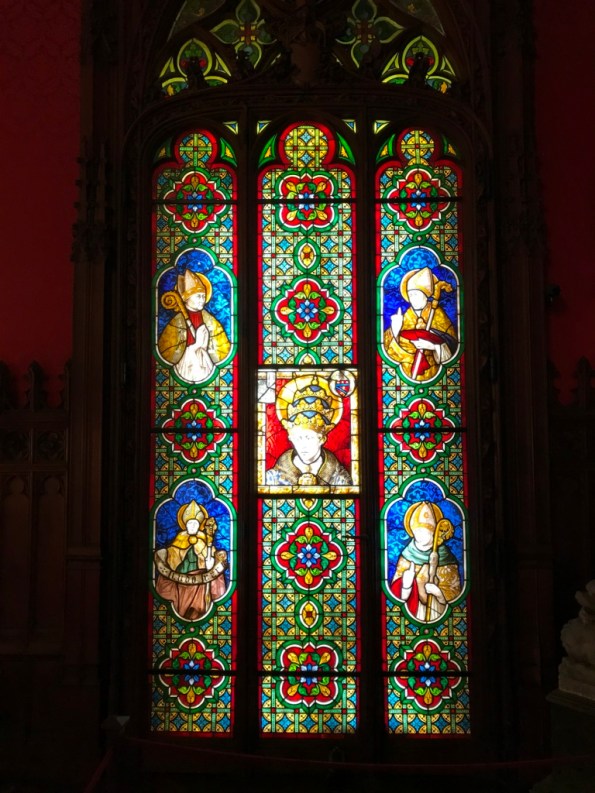
From here on, let me simply inundate you with the pictures of beautiful Christmas at the Newport Mansions. And yes, put it on your bucket list – you will not regret it.
Our Saturday morning view:

The Breakers fully compensated for this:
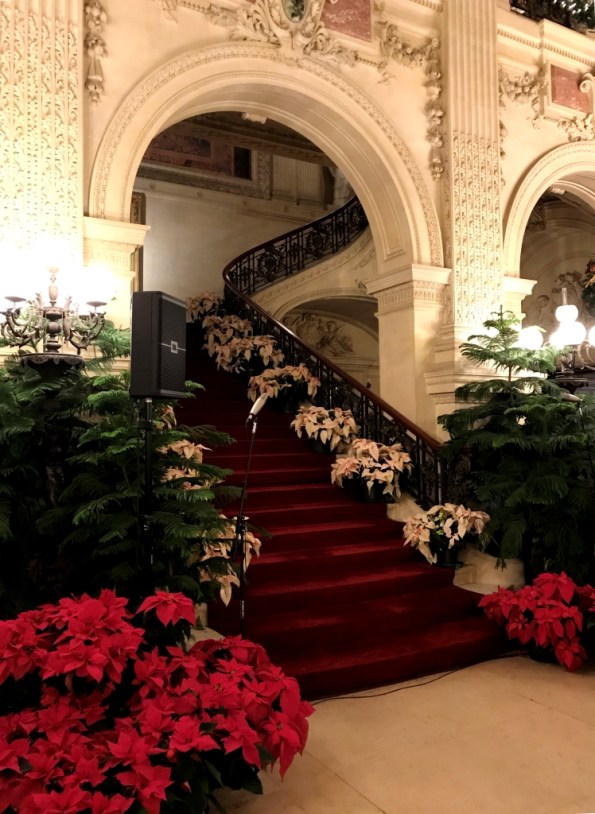
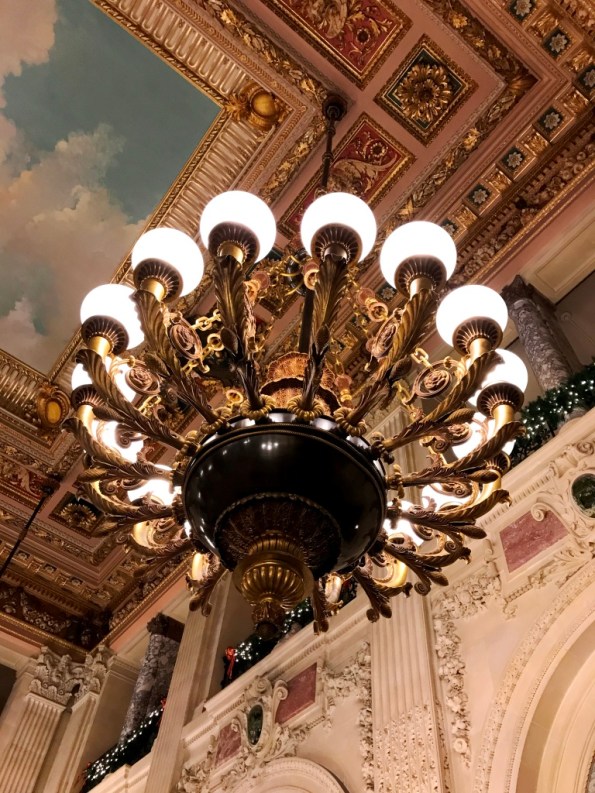


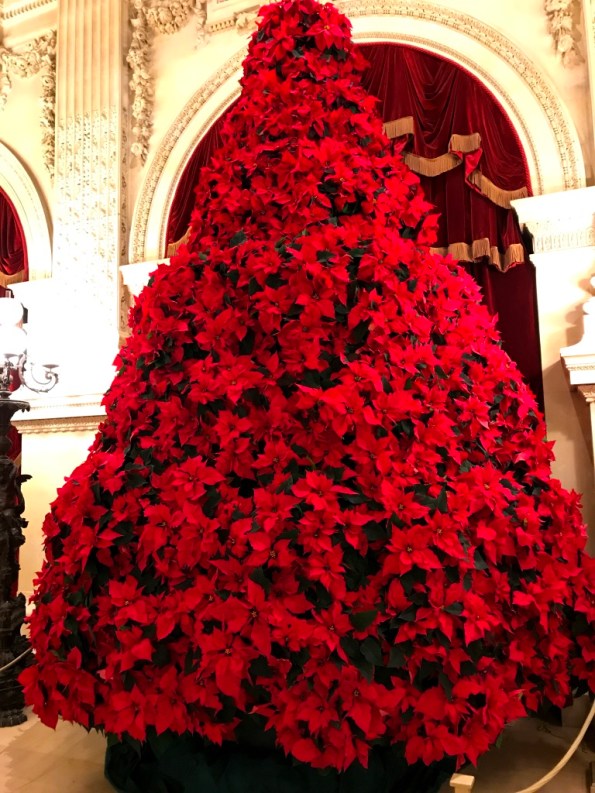
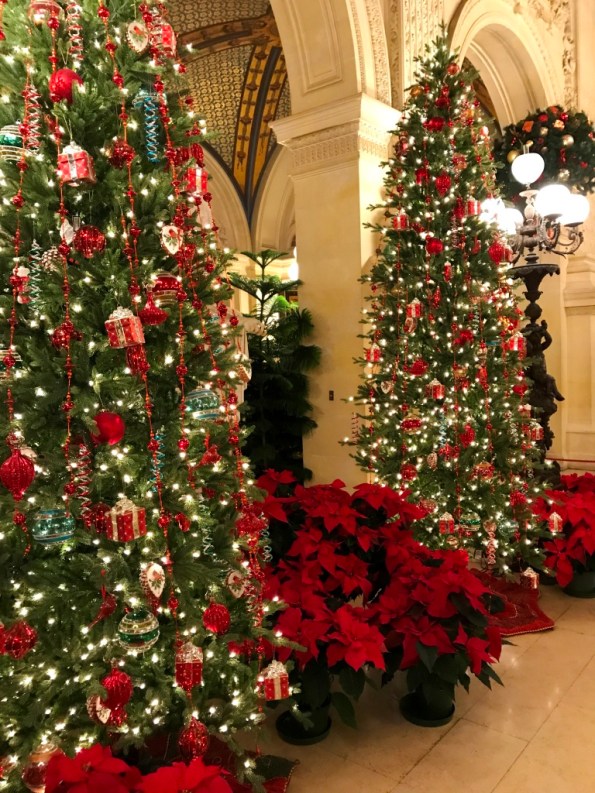



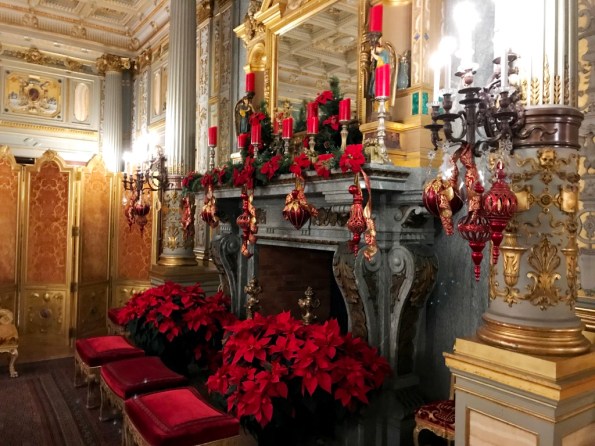


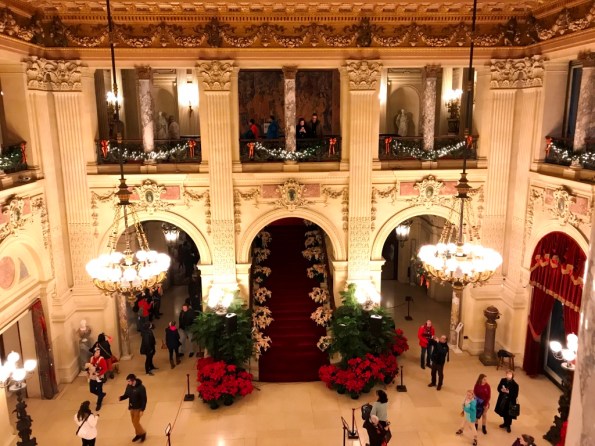
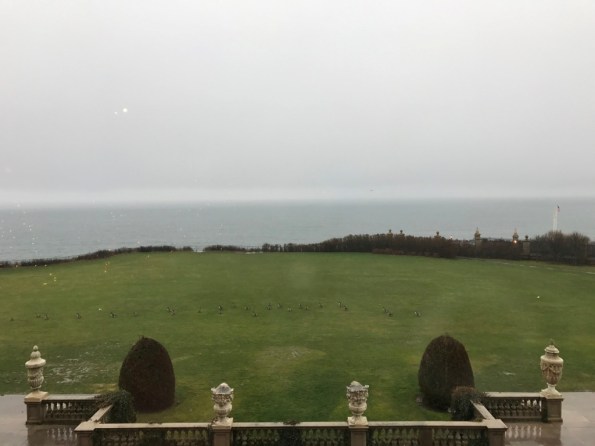
The view from the window at The Breakers, usually magnificent, was rather gloomy:

But still, the decor was there:
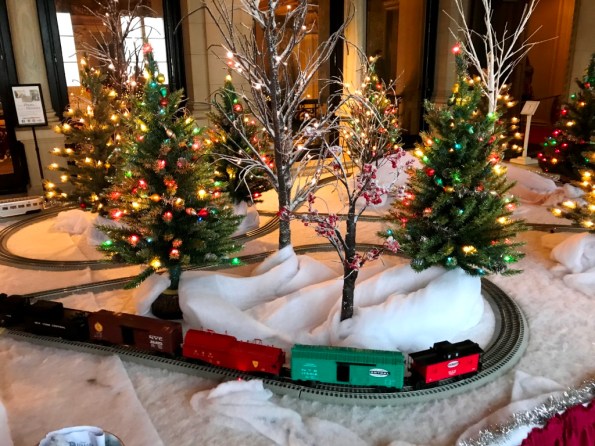
The Breakers were the home for Cornelius Vanderbilt, railroad magnate – of course a little train exhibit is the most appropriate – and fun!
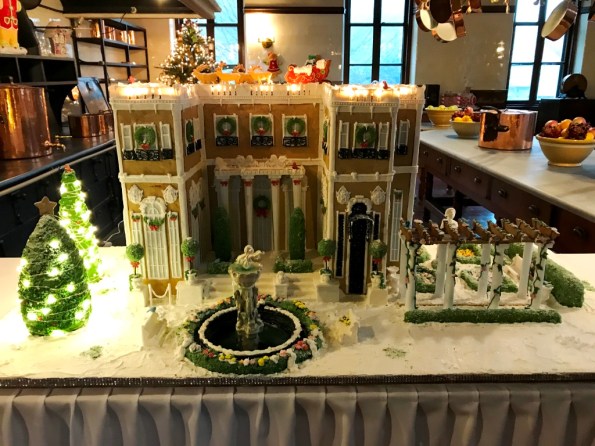
Rosecliff – in the cake

The Breakers – cake version
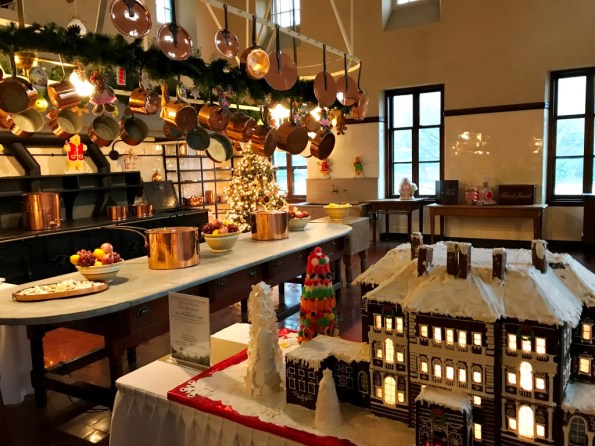


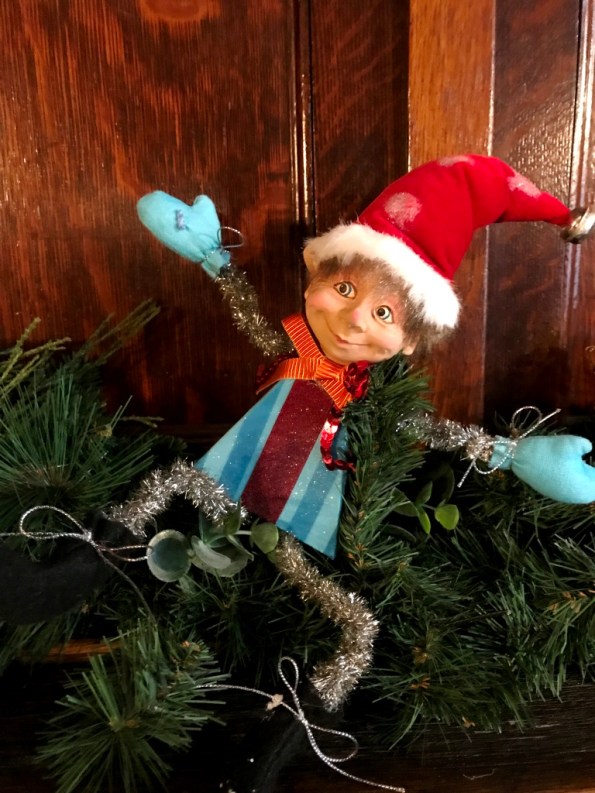
Next, the Rosecliff:


The biggest dancing floor in all of Newport Mansions

 And Pierre Cardin’s Exhibit:
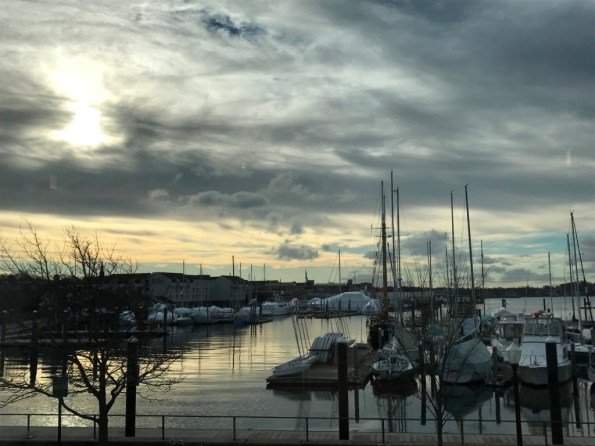
Sunday morning looked a lot better:
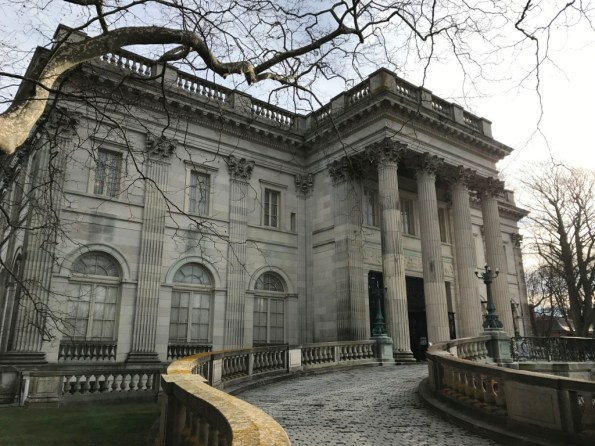
Visit to the Marble house provided a beautiful ending to the trip:
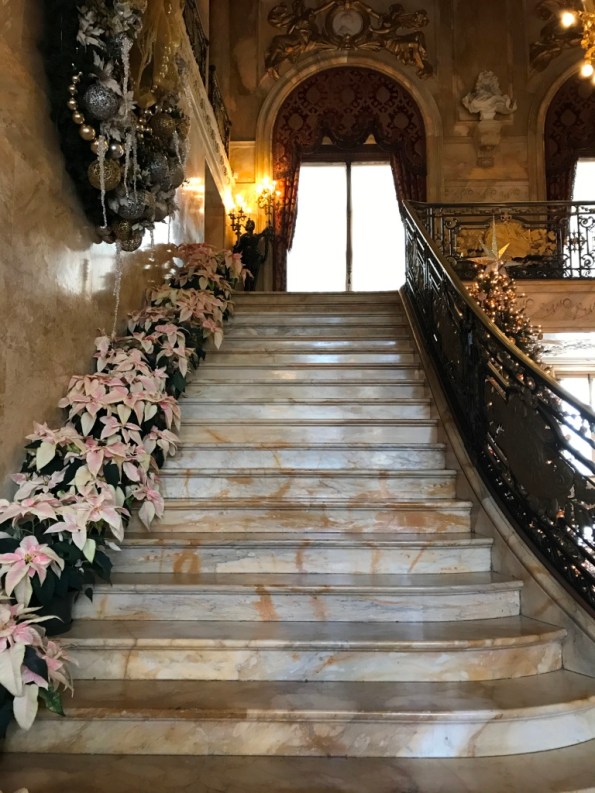
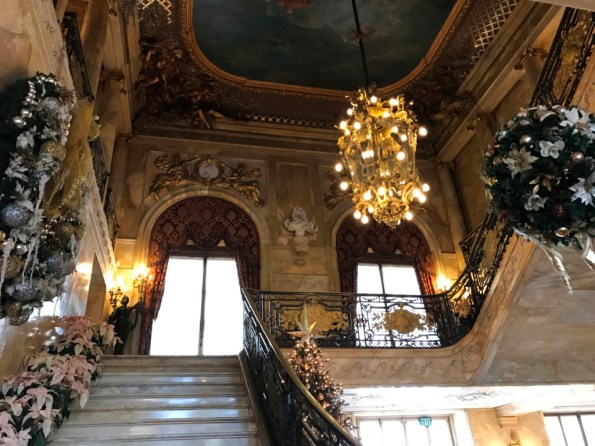
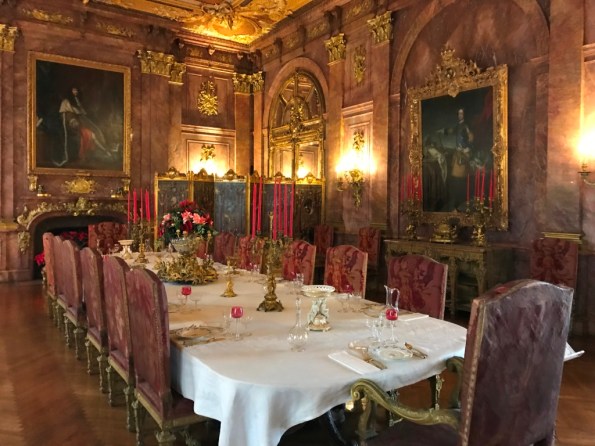
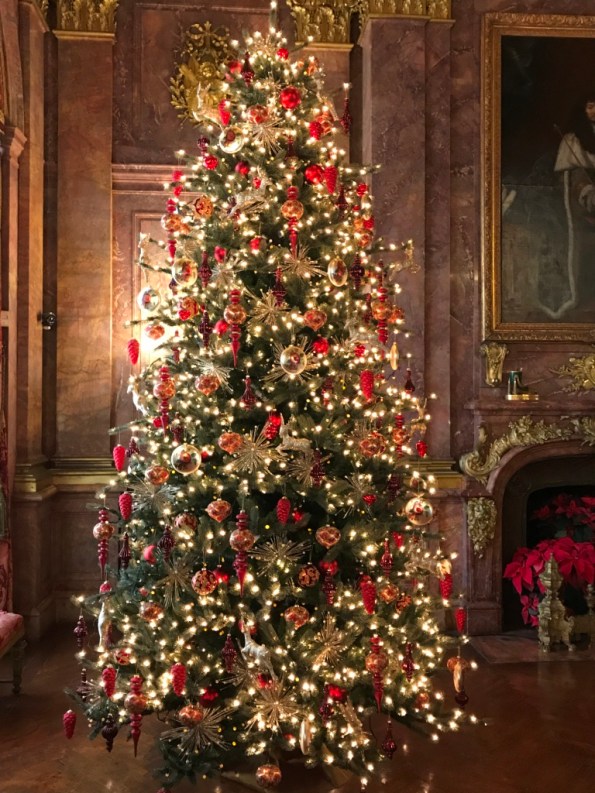
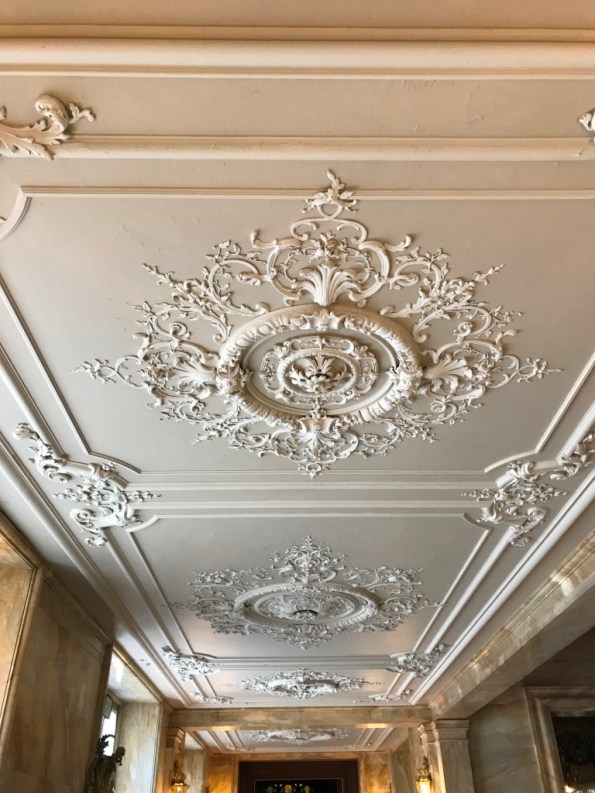
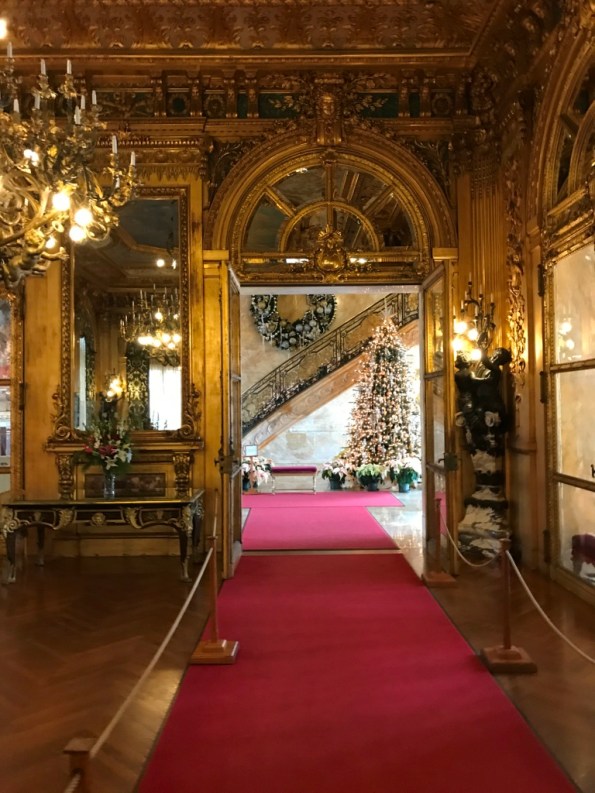
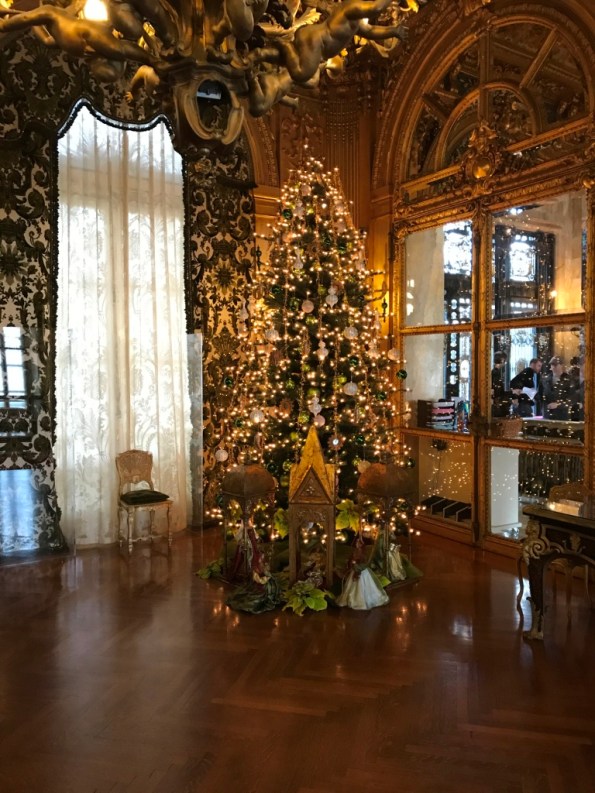
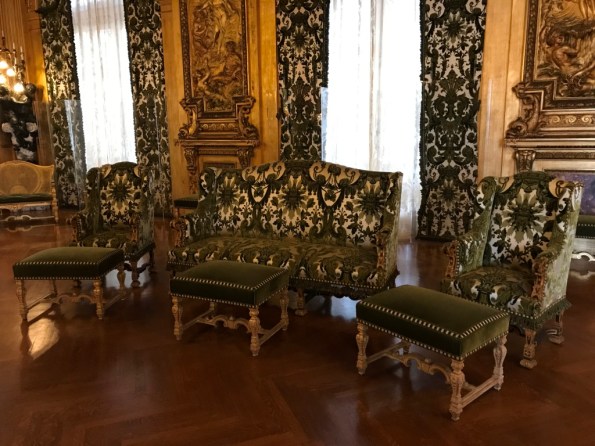
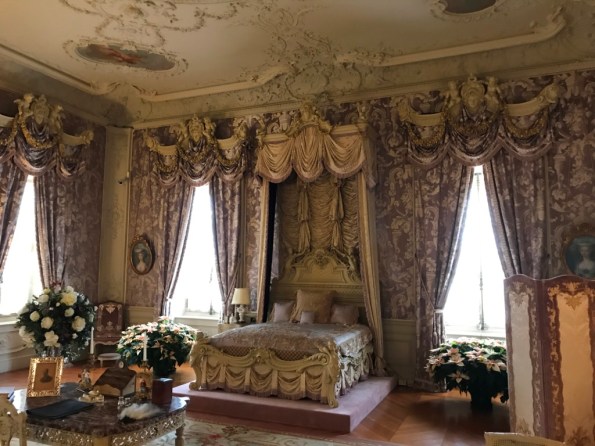
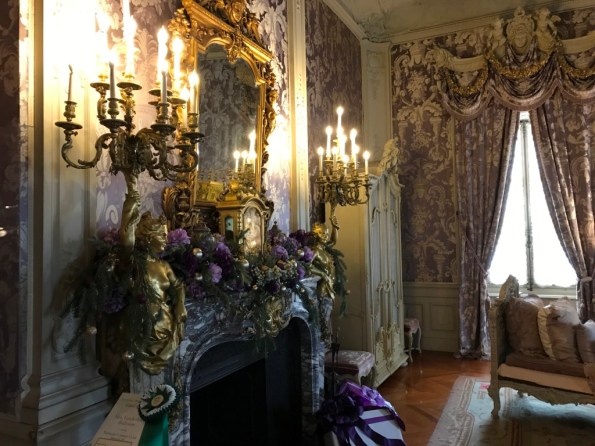
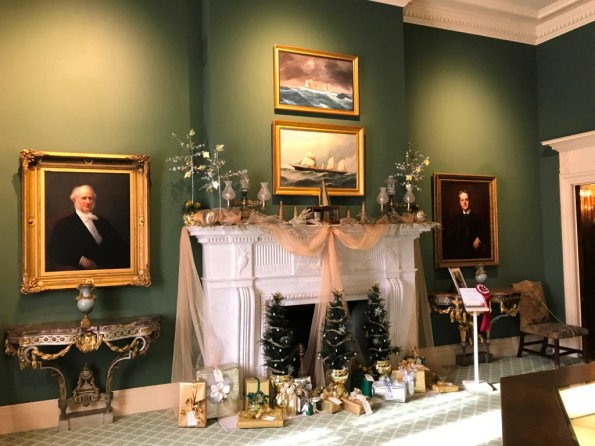
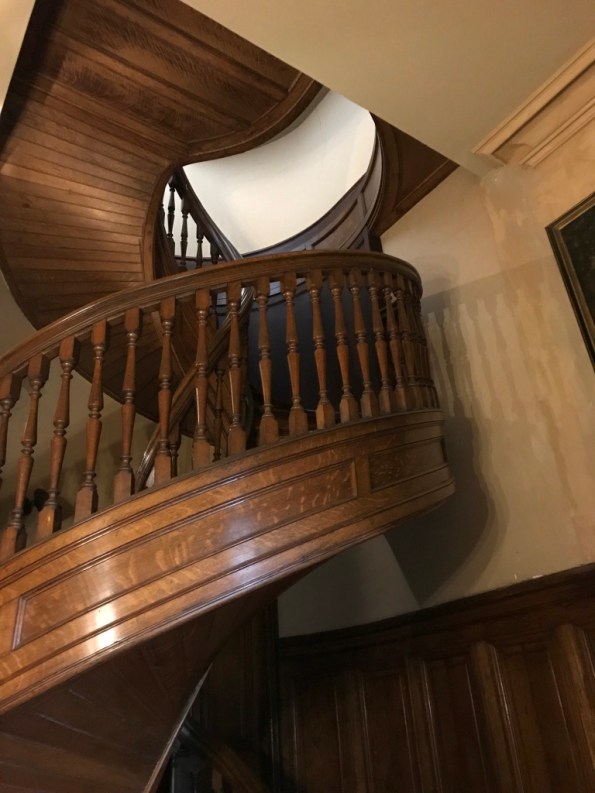
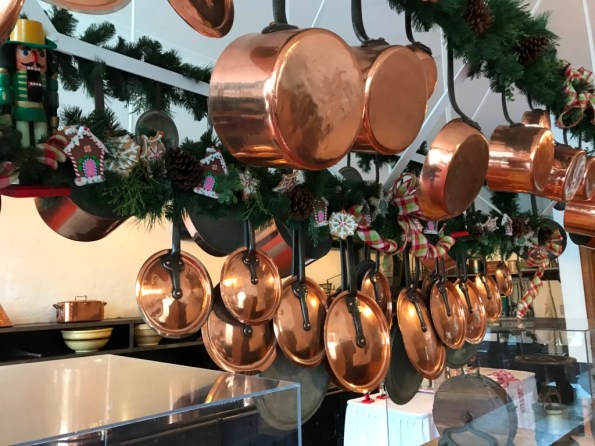
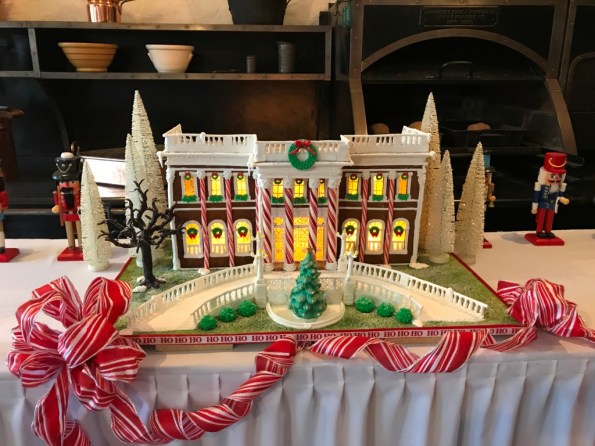
Marble House, Cake edition
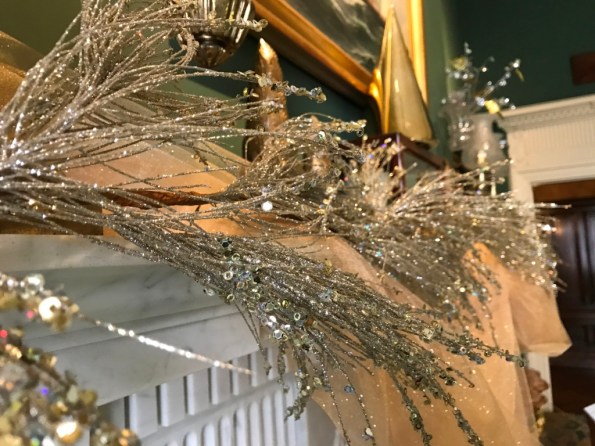
That’s all I have for you, my friends. Merry Christmas!
And Winter Gracefully Arrived
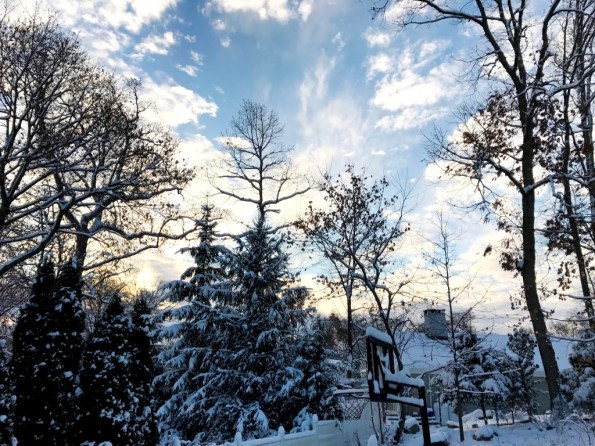
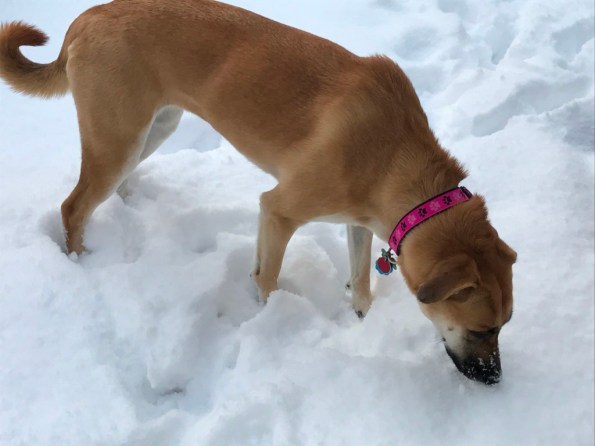
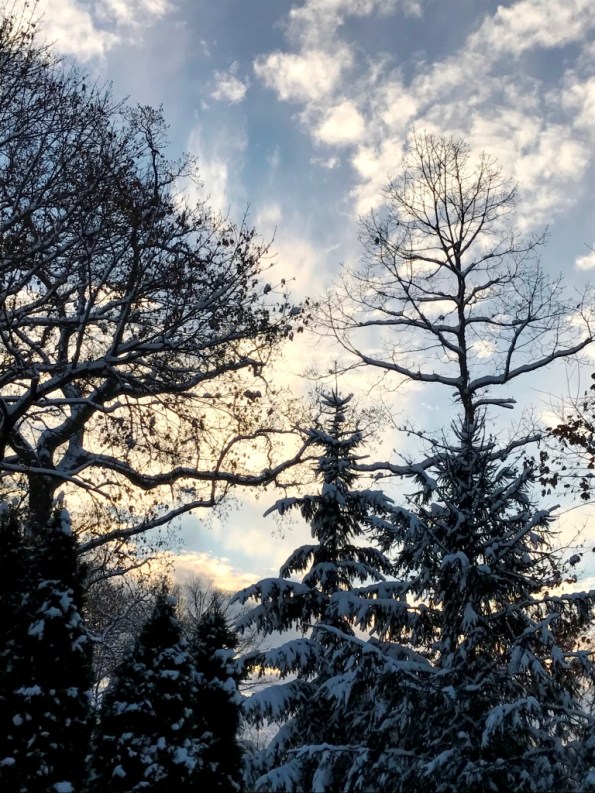
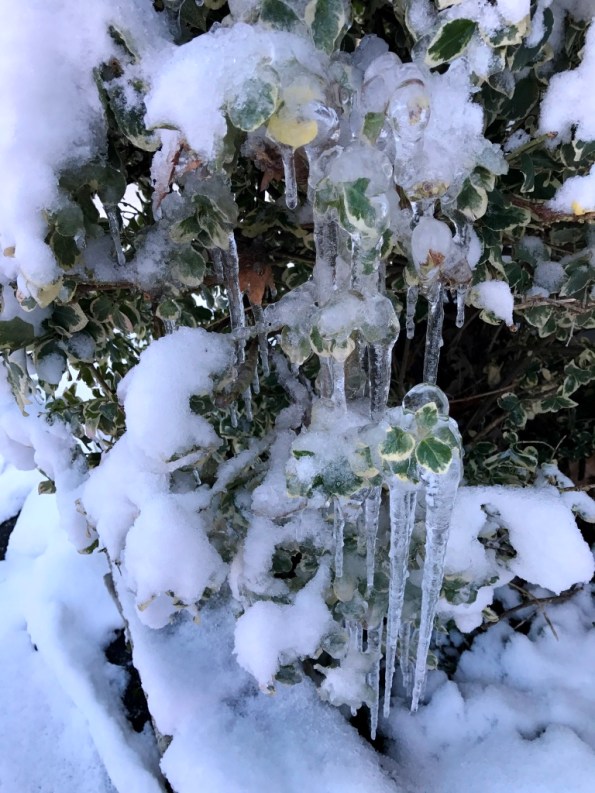
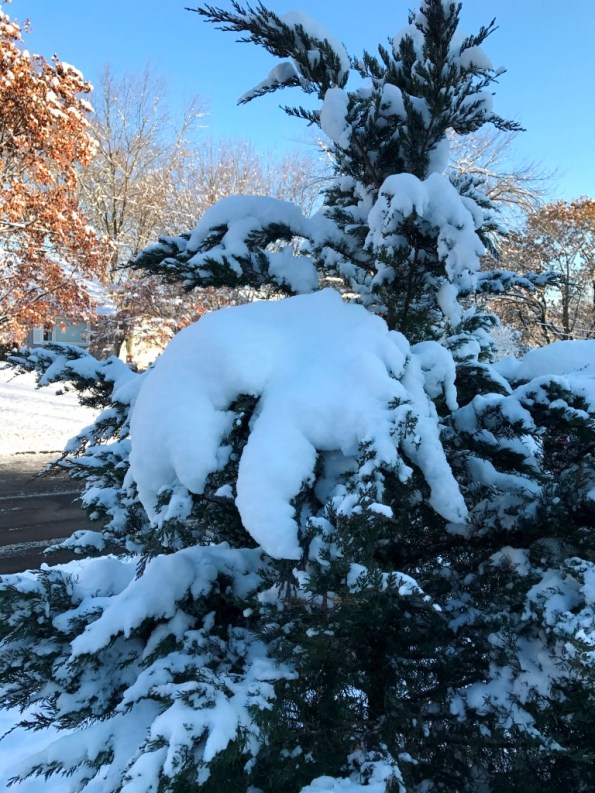
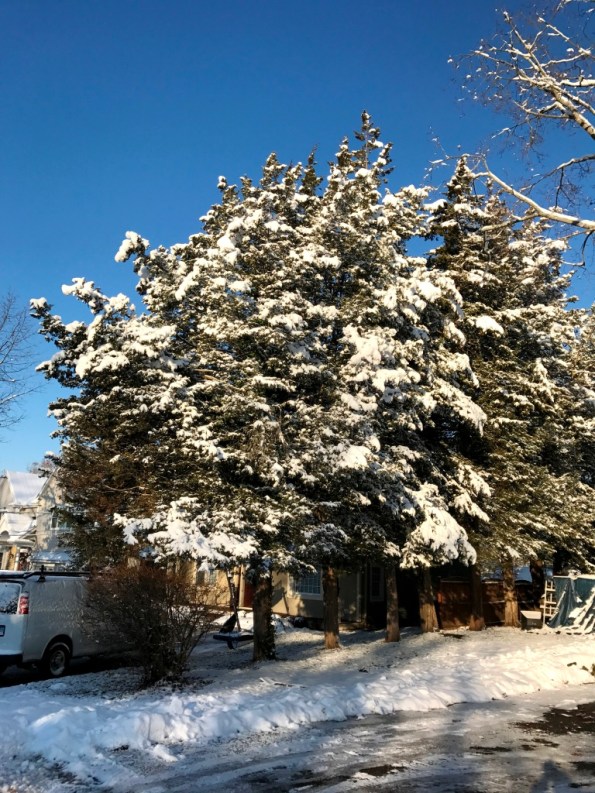
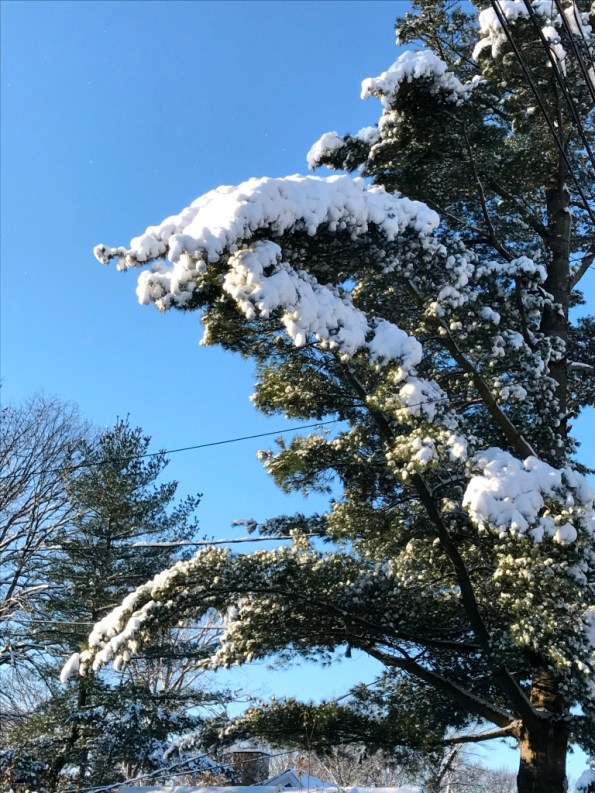
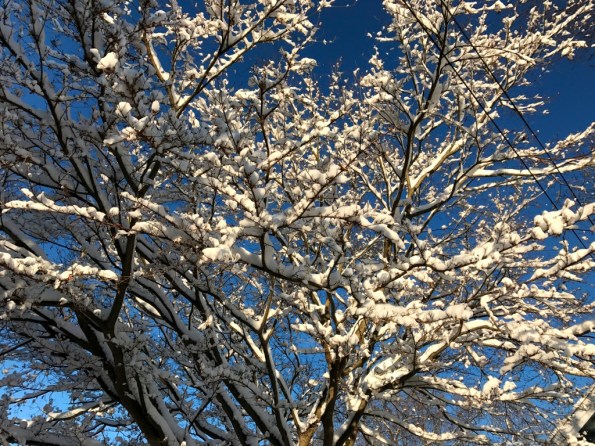
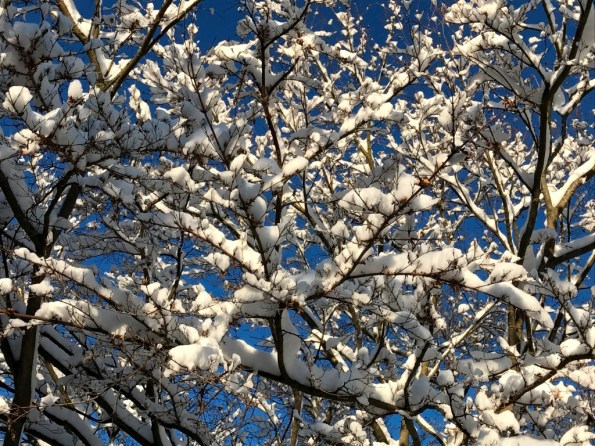
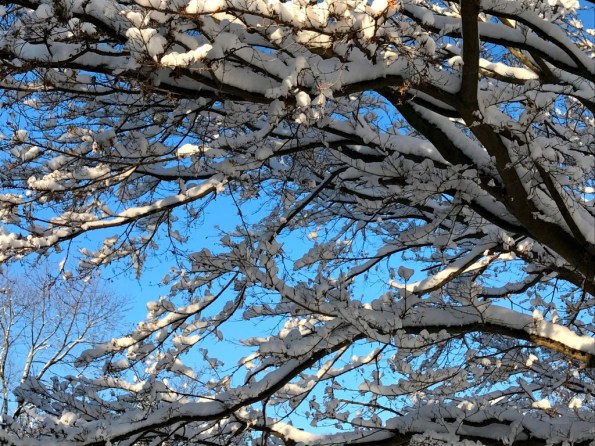
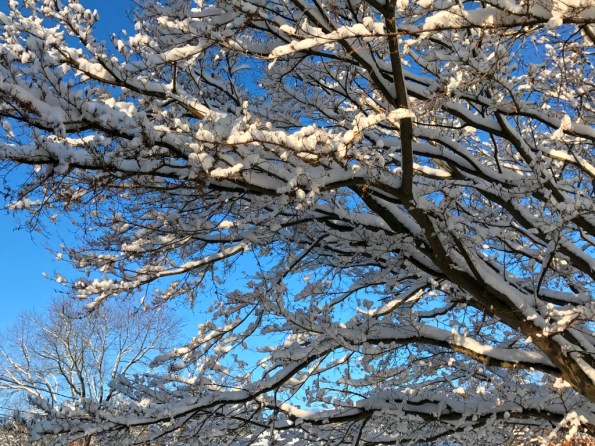
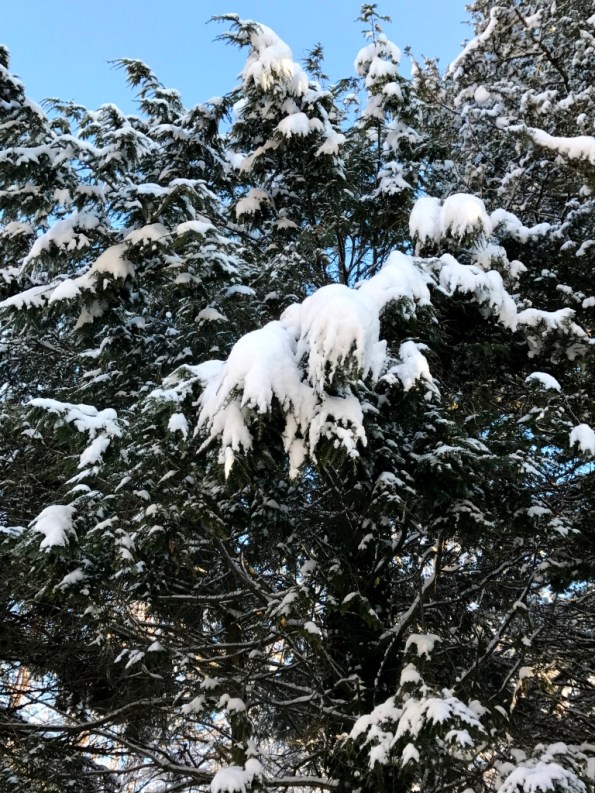
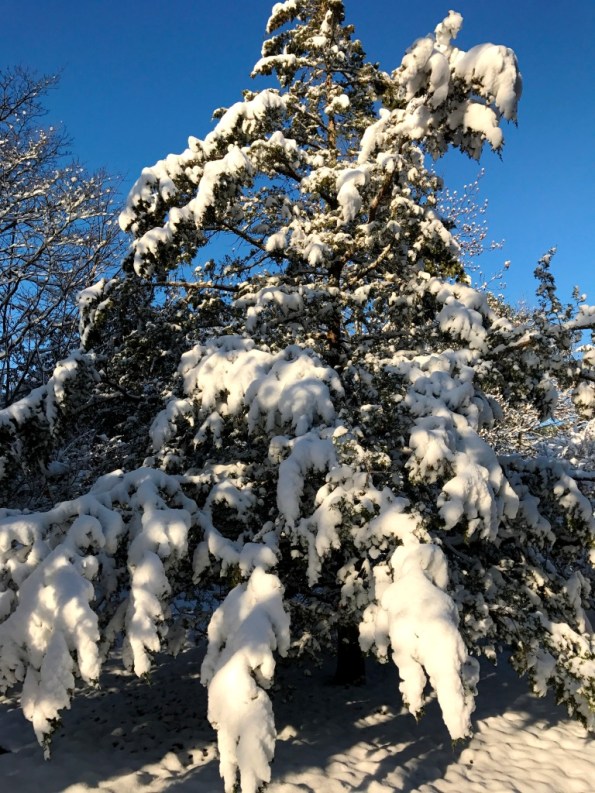
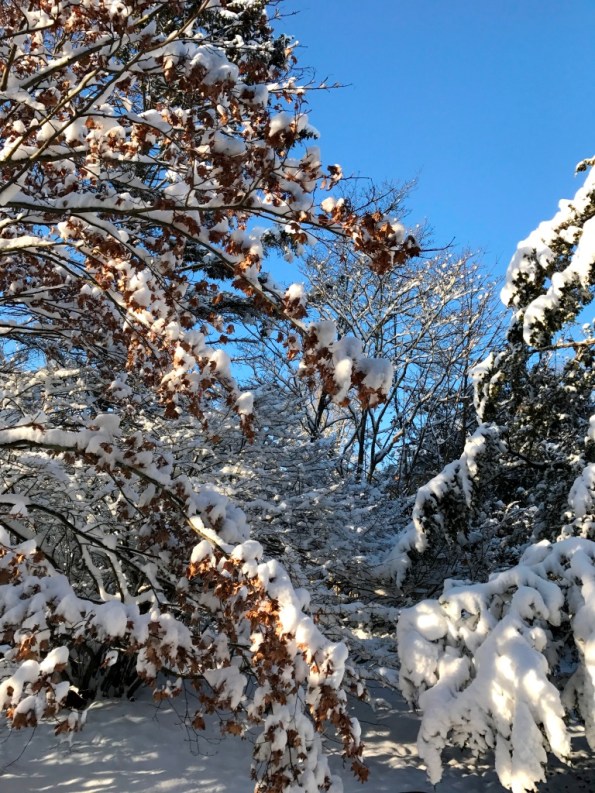
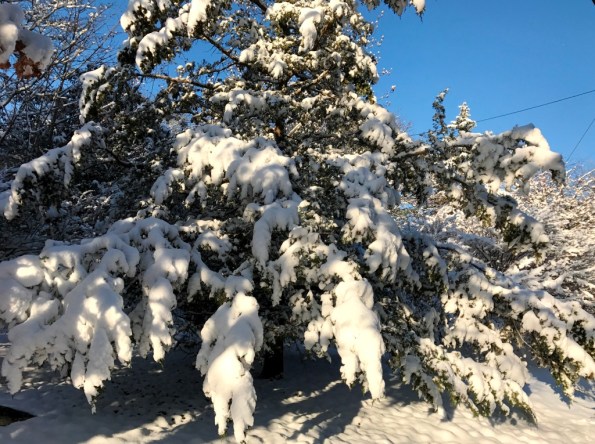
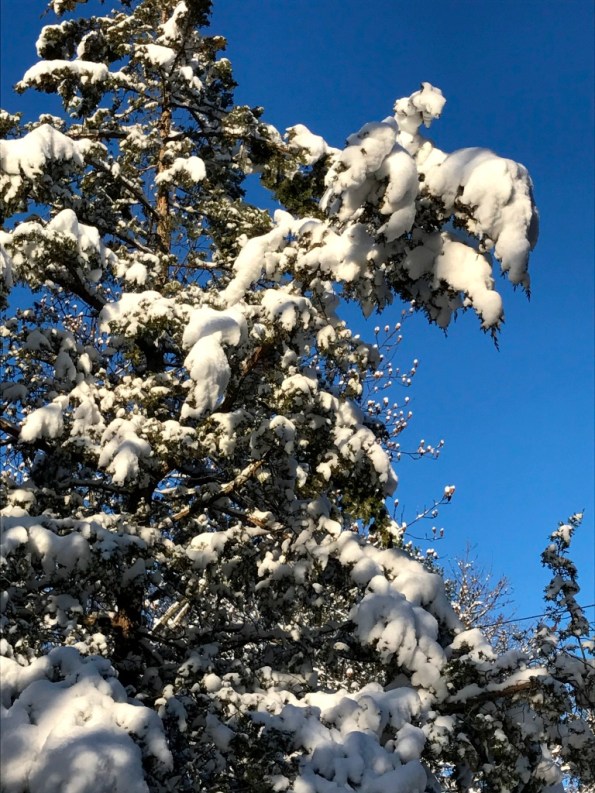
The winter arrived in Connecticut, and arrived in a very graceful way – the snow was coming down on Saturday – not too hard, just right. We probably got about 6 inches, and that snowy Saturday followed by a beautiful, sunny Sunday, with the beauty of the first snow, crisp, fresh, white. No work commute was affected, no schools closed – the very graceful arrival of the winter.
What you see here are a few pictures, from my walk around the neighborhood, all captured with the trusted iPhone. Enjoy!

Evening With Friends
I confessed it many times, and I’m glad to do it again – one of my most favorite parts of blogging, and essentially the most important one, is people. Interacting with people is the most prized element of any published blog post; meeting fellow bloggers and finding new friends is a huge cherry on top. I don’t know if the wine has any special qualities, but I have a great personal experience with meeting fellow bloggers face to face for the first time and feeling like I knew them for my whole life.
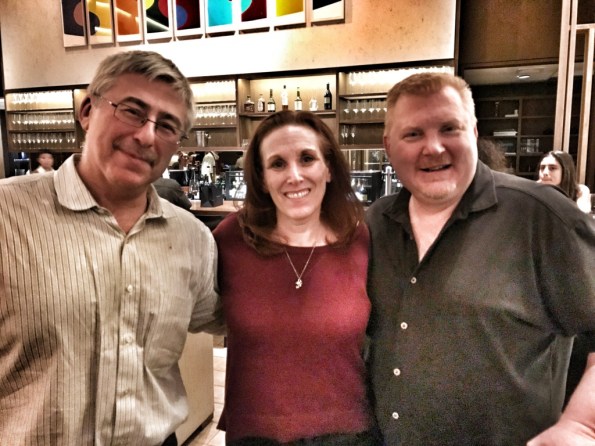
When I got an email from Jim, an author of JvbUncorked blog, offering to get together a few weeks ago, I knew I had to make it work. When I arrived 20 minutes late to Aldo Sohm Wine Bar in midtown in New York, Jim, Lori (a blogger and the winemaker behind Dracaena Wines) and Lori’s friend, Donna, were already there.
 More often than not, when I know what restaurant I’m going to, I like to check the wine list in advance. Aldo Sohm Wine Bar was opened by Aldo Sohm, the Chef Sommelier at Le Bernardine, a world-famous dining destination in New York City. Aldo Sohm is also known for winning numerous Sommelier competitions and was crowned multiple times as “Best Sommelier in Austria”, as well as “Best Sommelier in America” and “Best Sommelier in the World 2008” – you can imagine that the wine list put together by such a wine Pro requires some homework. I don’t know about you but I love and always do my homework, especially if it is connected to wine at least in some way.
In addition a to the substantial wine list, we had another interesting challenge – Donna liked mostly white wines with the nice buttery component to them – but, she was willing to try new wines, which was very helpful, but – the challenge was on.


Being late by 20 minutes had one lucky consequence – the first wine was already chosen and about to be poured by the time I situated myself at the table. We started with 2013 Kuentz-Bas Riesling Cuvée Tradition Alsace ($40) – and it was outstanding. Perfectly bright and intense on the nose, with a whiff of honey and apricot; on the palate, it was live and vibrant, crisp and playful, continuing honey and apricot flavors, supported by clean acidity. An outstanding wine and a great value at a restaurant wine list at $40. Bonus – we got “thumbs up” from Donna – you know how we, wine geeks, feel when someone says about your recommendation “ahh, I like this wine” – the top of the world feeling. Well, kind of, anyway.
As we were pondering at the next wine, it was really hard to decide, especially trying to make everybody happy again. While we were looking at Italian options, feeling “yeah, might be, but really, yeah?”, I took the advantage of my list studying and suggested to try a California Chardonnay. Not just something random, but a very particular Chardonnay – 2012 Sandhi Chardonnay Santa Barbara ($80). Earlier in the year, I had my first experience of Sandhi wines with Sandhi Pinot Noir. Sandhi winery was founded by Rajat Parr, a world-renowned sommelier, a partner at Sandhi winery and one of the founders of IPOB (In Pursuit Of Balance) movement for dialed-down, balanced California wines. The Sandhi Pinot Noir was incredible, which made me really curious about the Chardonnay – and it didn’t disappoint. This 2012 Sandhi Chardonnay had generous, intense, open nose with apples and vanilla, and on the palate, this wine was simply a riot – I experienced similar Chardonnay wines only a few times, mostly from Burgundy, when they get incredible intensity and brightness of golden delicious apples, vanilla and honey, supported by just a hint of butter and clear, vibrant acidity. This was truly a treat. And – yay – we got “thumbs up” from Donna again. Two out of two!


It was the time to move to the reds. While previously looking at the list, I noticed a 2001 Santenay for $77 at the end of the Burgundy section, right after 2001 DRC Romanée St. Vivant for $2650 (need an expense account, anyone got one we can share?). At first I thought there might be a mistake either with the price or a vintage in the online copy (had such experience numerous times), but no – the same Santenay was there on the wine list at the restaurant, for the same $77, so it was not very difficult to convince my partners in crime to go for this wine.
2001 Paul Chapelle 1er Cru Gravière Santenay ($77) was earthy, dry and pretty closed on the nose despite quick decanting. It took the wine a while to start showing some dark fruit, with earthy, minerally notes prevailing at the beginning. I think it took the wine about 45 minutes to give us some dark fruit notes and become a bit brighter. This 16 years old wine still has a lot of life left in it, and it is definitely a food friendly wine. By the way, do you care to guess of Donna liked this wine? Yes, you got that right – no, she didn’t. 2–1.
As our evening was progressing, we got a pleasure of meeting Aldo Sohm in person – he came to our table and introduced himself, so we were able to chat with him for about 10 minutes about all the fun geeky stuff oenophiles enjoy so much – how uneasy it is to find good wines at the good prices, especially when it comes to the Burgundy, with the combination of terrible weather and Burgundy’s love on the upswing around the world. Talking to Aldo was definitely one of the highlights of the evening.
It was getting somewhat late, but the challenge was still in front of us – we managed to score with the white wines for Donna to enjoy, but we had to find the proper red. After going back and force we settled on 2007 La Rioja Alta Viña Ardanza Rioja Reserva ($75). La Rioja Alta doesn’t need much introduction to the wine lovers – one of the very best producers in Rioja, making delicious wine year after year. Of course, this wine was still a baby, but within the reasonable price range, we thought that it would have the best fruit representation, which, again, we were hoping would win Donna’s vote. The wine was every bit as expected – nose of cigar box and vanilla, dense cherries, vanilla and eucalyptus on the palate, touch of sweet oak, full body, noticeable, but well integrated tannins. This was an excellent wine, but … Nope, we didn’t win this one. 2–2. But one super-fun evening.
It was late, and it was the time to go home. But I really hope we are going to do it again. And again. And again. To all the friends – cheers!
Obscure: Oenophile’s Pleasure
Today, class, we will be talking about things obscure. Yes, things obscure, but not in the whole entire world, of course, but in the world of wine.
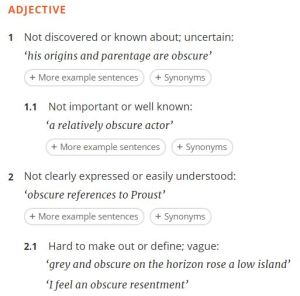
In your opinion, if we use the word “obscure” in conjunction with the word “wine”, would that be a good thing or a bad thing? For starters, let’s think about the meaning of the word itself. Here is how New Oxford American Dictionary defines “obscure”:
Well, yes, we could’ve done without the dictionary, as the word is simple enough – but dictionaries exist for something, so why not use one.
Now that we are clear on the meaning, let’s go back to our original question: “obscure + wine” – is it good or bad?
Reading wine’s description, have you ever come across the words “obscure grapes”? I’m not talking about the stuff you read on the back label, as there you will rather find the words “indigenous grapes”, “traditional grapes”, or maybe, “local grapes”. But if are reading blogs, or any of the “peer reviews”, I’m sure you’ve encountered the “obscure grapes”. I get it – “obscure” often implies that we got something to hide in a bad way – but not in this case. Referring to the definition we just saw, “obscure” here simply means “not discovered or known about”. Need examples? How about Trepat, Bobal, Gros Manseng, Khikhvi – heard of those grapes?
 My favorite part is that obscure often translates into pleasure – lots of pleasure for the oenophile. Unlike most of the other food and drinks humans consume, wine taste is largely perceived. We have expectations for how Cabernet Sauvignon or Chardonnay should taste, and when we don’t find that taste while drinking one of the “well known” wines, we often get disappointed. But when presented with the “obscure bottle”, all those preconceived notions are largely thrown out of the window, and we take wine for what it actually is – which gives us a great chance to enjoy something we wouldn’t otherwise.
It is not only wine drinkers who get more pleasure from the obscure grapes – when using those little-known grapes, winemakers are also not bound by any “customer expectations”, which gives them more freedom to express themselves. From the personal experience, I found that more often than not, I truly enjoy those obscure wines, and quite honestly, I like hunting down those unknown wines and grapes because of the pure mystery in the glass.
By the same token, lesser known wine regions (read: obscure) have the same advantage for both oenophiles and winemakers. What do you expect when you see Czech Republic, Georgian Republic, Mallorca or Valle d’Aosta written on the bottle? Most likely, you wouldn’t know what to expect, and thus you would take the wine for what it is. However, when you drink Napa Valley Cabernet Sauvignon or Spanish Rioja, you have a set of expectations in your head, and you always are ready to say “ahh, this doesn’t taste anything like Napa Cab”. Presented with the Czech Pinot Noir or Chinese Cabernet Sauvignon, you have no choice but to try it and decide whether you like it or not. Same as in the case of the obscure grapes, winemakers get an opportunity to freely create without the need to comply with a given set of expectations.
What we need to keep in mind though that the concept of “obscure” is very personal. For someone who lives in the Republic of Georgia, Georgian wines are very far from obscure. For someone who grew up in Conca de Barberà region in Catalonia in Spain, Trepat might be a perfectly familiar grape. But looking at the big picture, all of us, wine lovers, have our own, personal obscure territories – and this is where we might discover great pleasure. What makes it even more interesting is that the more we learn about the wine world, the more we understand how still little we know. And so we can keep on that road, shedding the light on obscure and making it (if we are lucky) dear and familiar, one discovery at a time.
I wish you all, oenophiles, lots of pleasant encounters with obscure sides of the wine world – as this is where the pleasure is hiding. Cheers!
This post is an entry for the 27th Monthly Wine Writing Challenge (#MWWC30), with the theme of “Obscure”. Previous themes in the order of appearance were: Transportation, Trouble, Possession, Oops, Feast, Mystery, Devotion, Luck, Fear, Value, Friend, Local, Serendipity, Tradition, Success, Finish, Epiphany, Crisis, Choice, Variety, Pairing, Second Chance, New, Pleasure, Travel, Solitude, Bubbles, Smile, Winestory
For the Love of Chowder – 2016 Edition
Last Sunday I had a pleasure of attending the New England Chowdafest 2016 event at Sherwood Island Park in Westport, Connecticut. The weather forecast was really “meh”, and we had an event to attend in the evening, but remembering a successful 2015 experience, I was determined – the weather will not stop me from sampling 40 delicious chowders (and lots more), no way.
While the weather was not great, it was not terrible either – grey sky but no rain was good enough to walk around for 2 hours trying all the different chowders, soups and lots more (ice cream, cheese, or Bigelow teas). Similar to the last year, all attendees were given a spoon, a ballot with the names of all participating restaurants and asked to rate what they taste on the scale from 7 to 10.5 (0.5 increments). Juggling soup cups, pencils and the charts was somewhat challenging, but it didn’t stop anyone from voting.
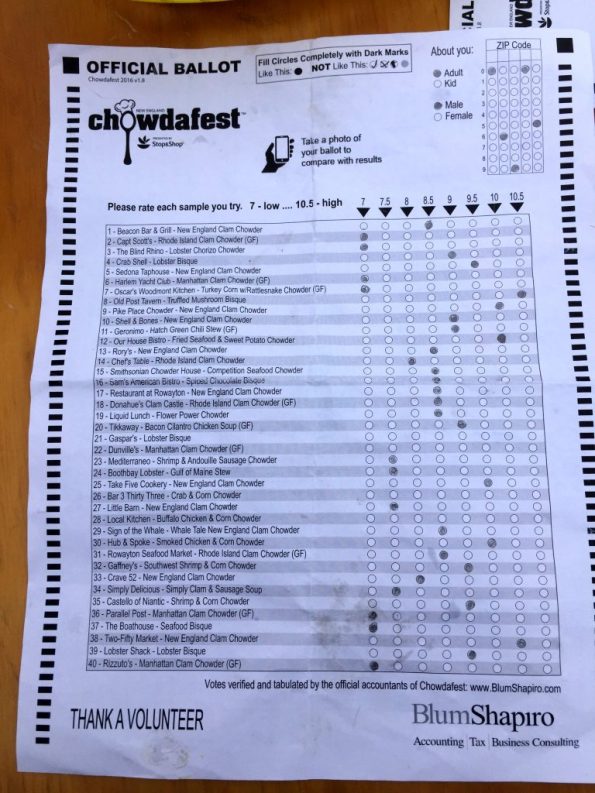
This year I was a bit smarter and remembered to take a decent picture of the ballot before I placed it in the box – have to say that someone else thought of it before me, as this course of action was suggested on the ballot itself (“take a picture before depositing this ballot in the box”) so people would be able to compare their own vote with the official results.
Few fun facts about the event (taken from the summary event sent out by organizers). During 4 hours of the event:
- Over 2,000 gallons of chowder, soup and bisque were sampled (I believe it would translate to more than 100,000 samples given)
- Over 3,000 ice cream cones were scooped by The Farmer’s Cow and almost 30 gallons of their farm fresh chocolate and whole milk was sampled
All these numbers easily translate into the main takeaway – lots of fun at the event.
Obviously, I didn’t try to write down tasting notes, just taste, rate and move on to the next. To give you an idea about happenings at the event, let me share you with you the results of the competition, as well as the picture report from the event. In the pictures, you will see my ballot so you can compare my votes with the official results. There were a number of very tasty chowders, but to be entirely honest, my favorite soup was the cream of mushroom with black truffles – the only soup I gave the 10.5 rating. I also have to mention a number of different chowders presented by the Stop’n’Shop, local supermarket chain – as the sponsors, they couldn’t compete, but their soups were simply delicious, I’m sure they would do great if they would actually enter the competition.
Same as the last year, Pike’s Place out of Seattle, Washington won in the category of New England Clam Chowder. Was it really the best chowder? I don’t think so, I think people were simply intimidated by the huge medal display put out by Pike’s Place. Their chowder was good – but put out for the blind taste, I don’t think it would do equally well. Anyway, New England restaurants should prepare better for the next competition which is already announced for October 1, 2017.
Here are the results:
Classic New England Clam Chowder:
1st: Pike Place Chowder – Seattle WA
2nd: 250 Market – Portsmouth NH
3rd; Take Five Cookery – Hartford CT
Traditional Clam Chowder:
1st: Donahue’s Clam Castle (Rhode Island) – Madison CT
2nd: Dunville’s (Manhattan) – Westport CT
3rd: TIE!
Chef’s Table (Rhode Island) – Fairfield CT
Parallel Post (Manhattan) – Trumbull CT
Creative Chowder:
1st: Our House Bistro – Winooski VT
2nd: Gaffney’s – Saratoga Springs NY
3rd: Smithsonian Cafe & Chowder House – North Hampton MA
Soup/Bisque:
1st: Crab Shell – Stamford CT
2nd: Old Post Tavern – Fairfield CT
3rd: Sam’s American Bistro – Stamford CT
Congratulations to all the winners!
Now I will leave you with pictures (lots of them!) from the event. And next year, make sure to add it to your busy schedule – the event will be definitely worth your time. Cheers!

One side of the ballot served as a directory

And another side was an actual ballot with instructions – empty at the moment
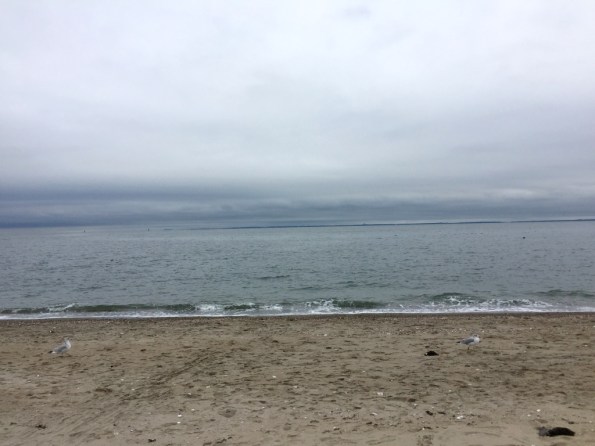
This would give you an idea of the weather – no sun, but still nice

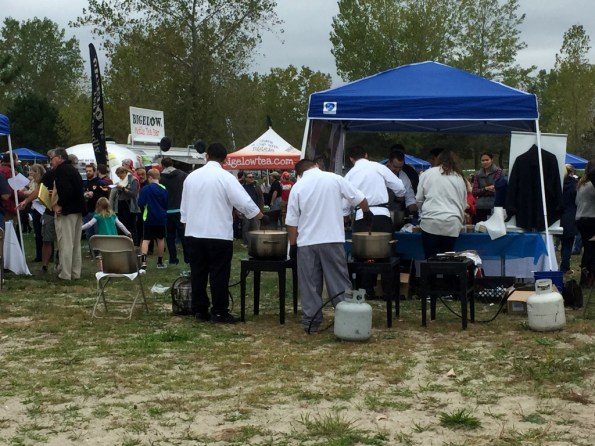
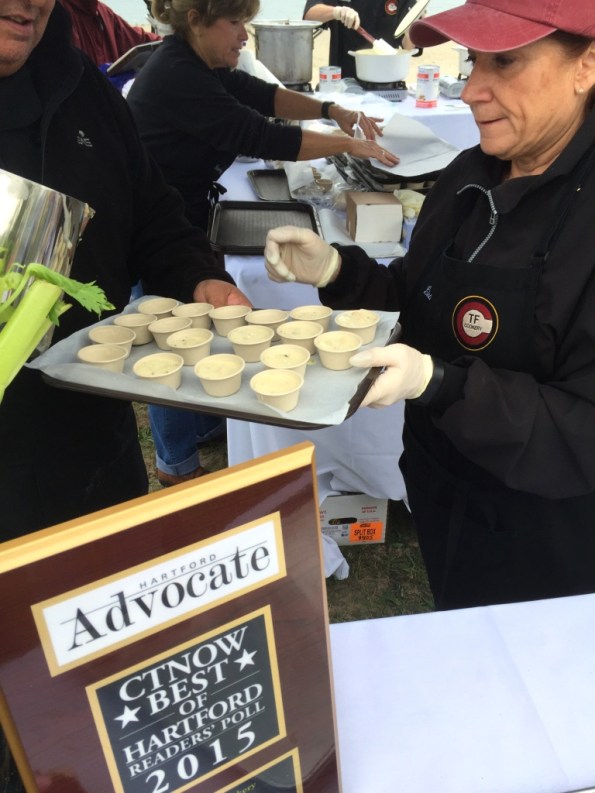
Tasting cups with are getting ready to be carried around (most times, you had to wait in line, but few participants provided this extra touch
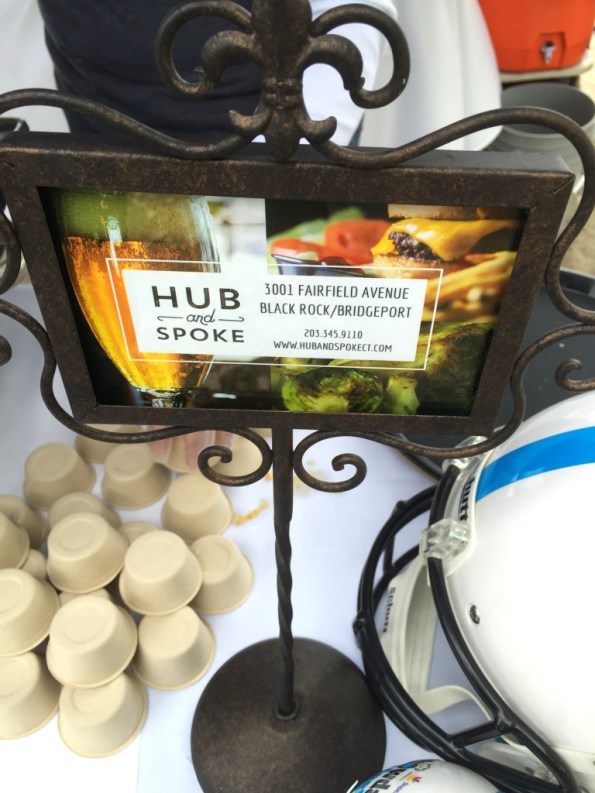
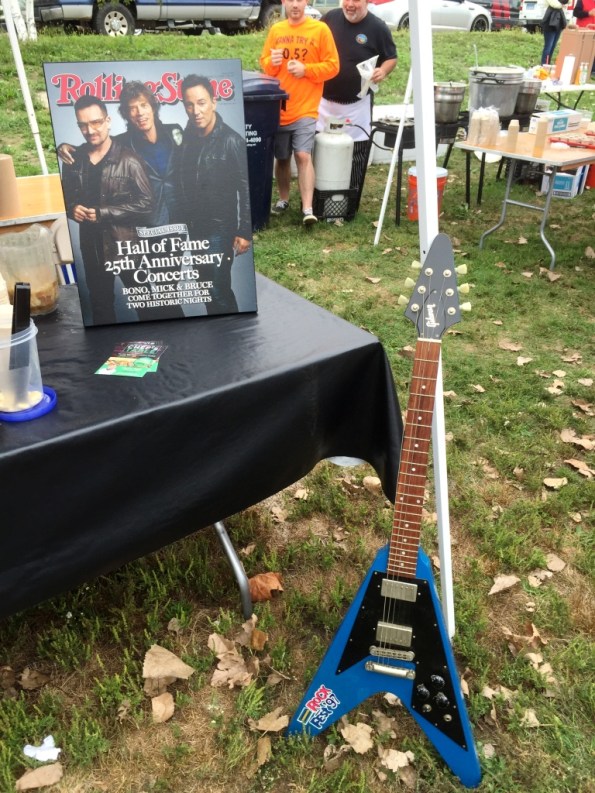
Love the way some of the stands were decorated:
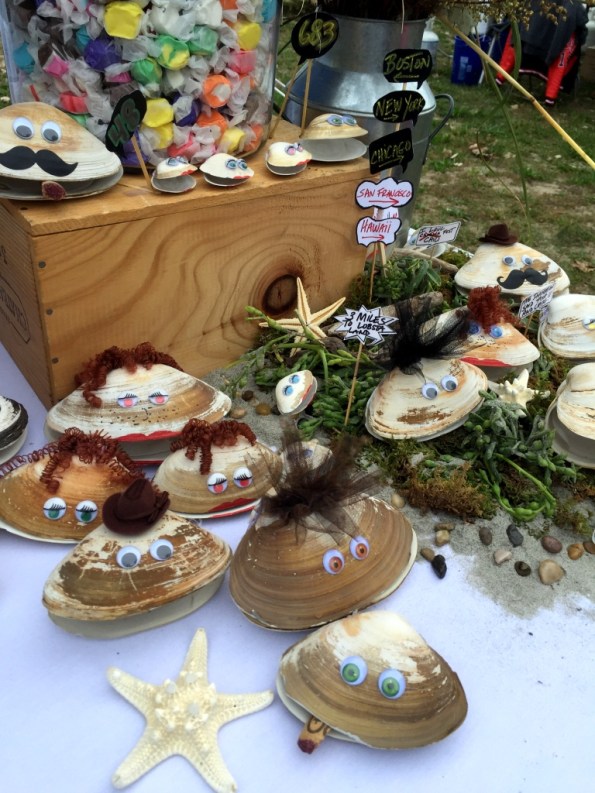
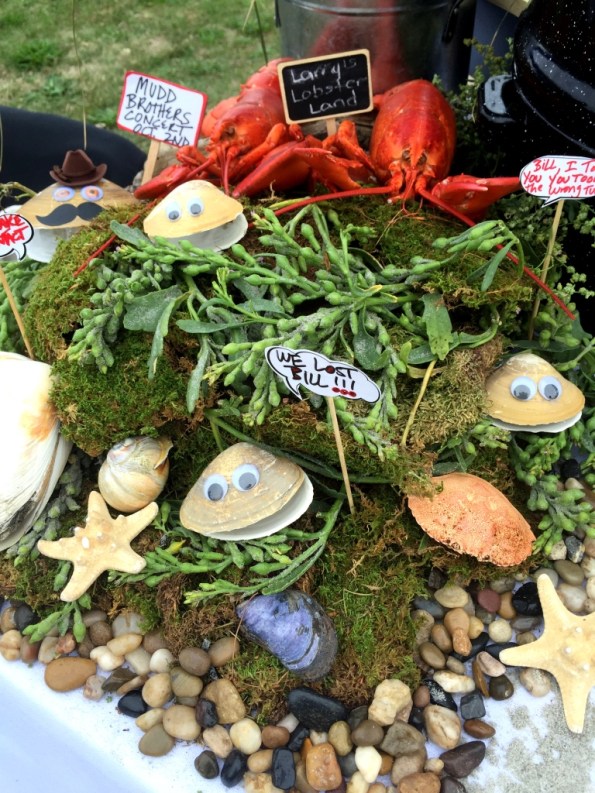
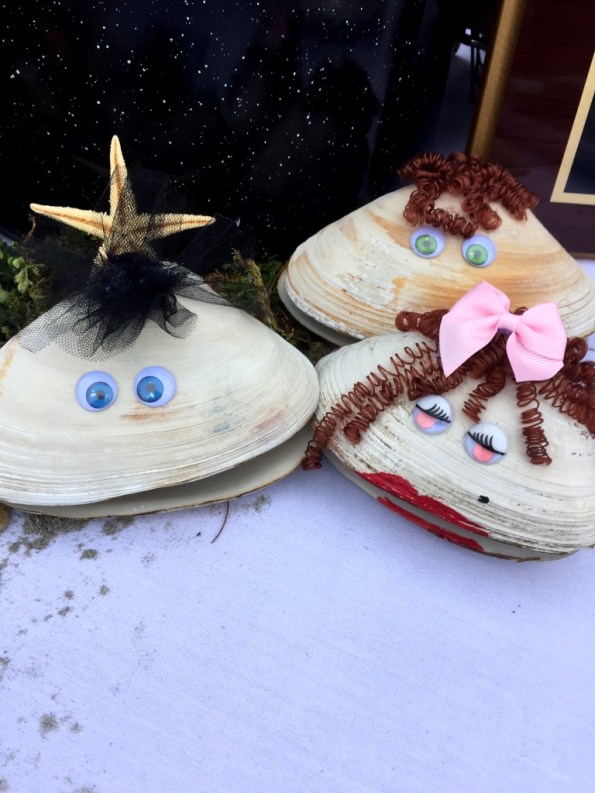
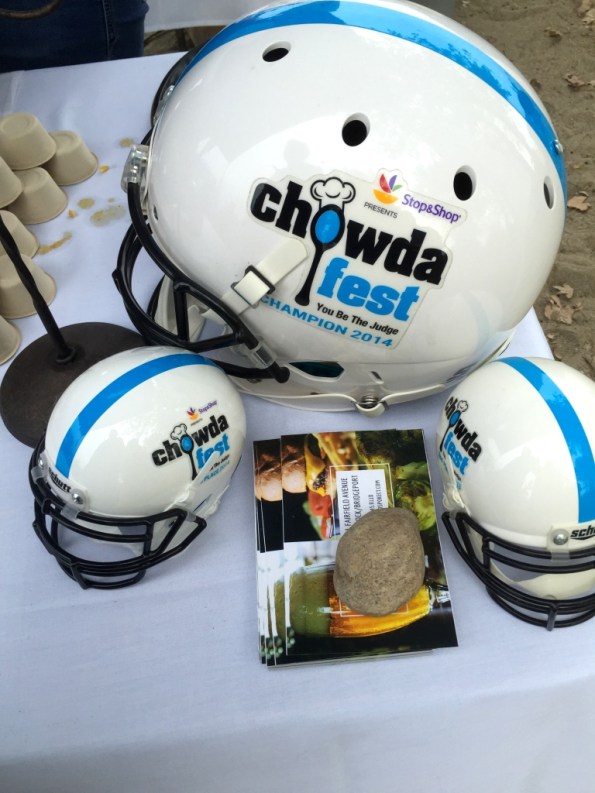

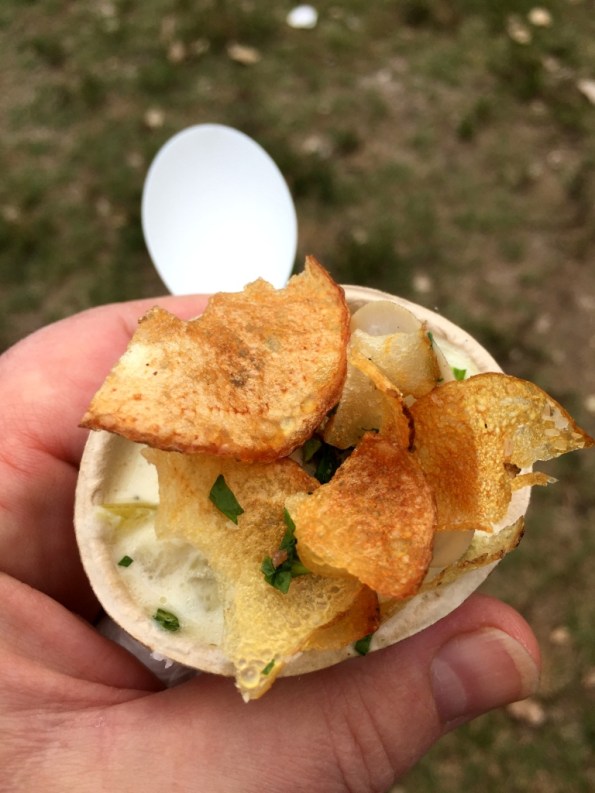
Even with the tasting cups, some of the presentations were clearly a standout:
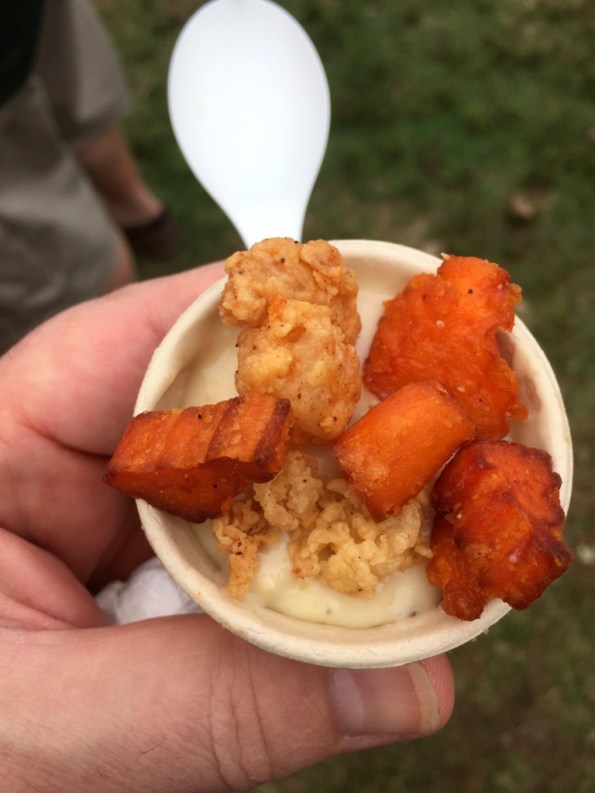
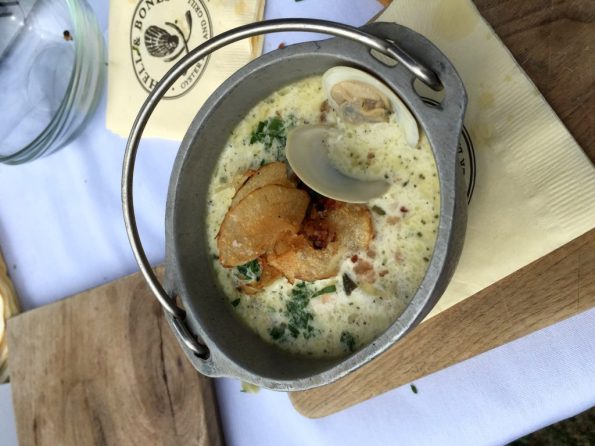
This was the top creative chowder winner from Our House Bistro in Vermont – delicious!

Lots of restaurants offered their recipes/ingredient lists right there:
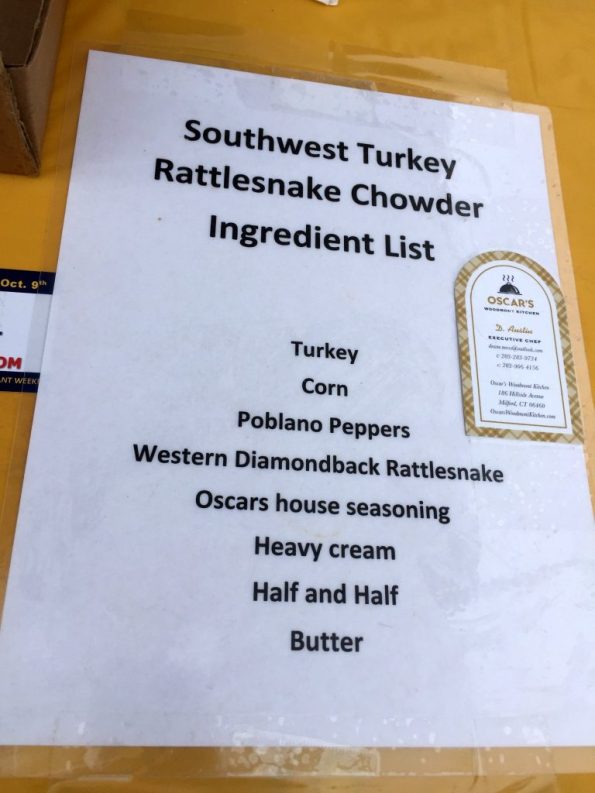
The recipe was very intriguing, but in my tasting cups was literally only liquid, no rattlesnake, no turkey – they really have to try better next time
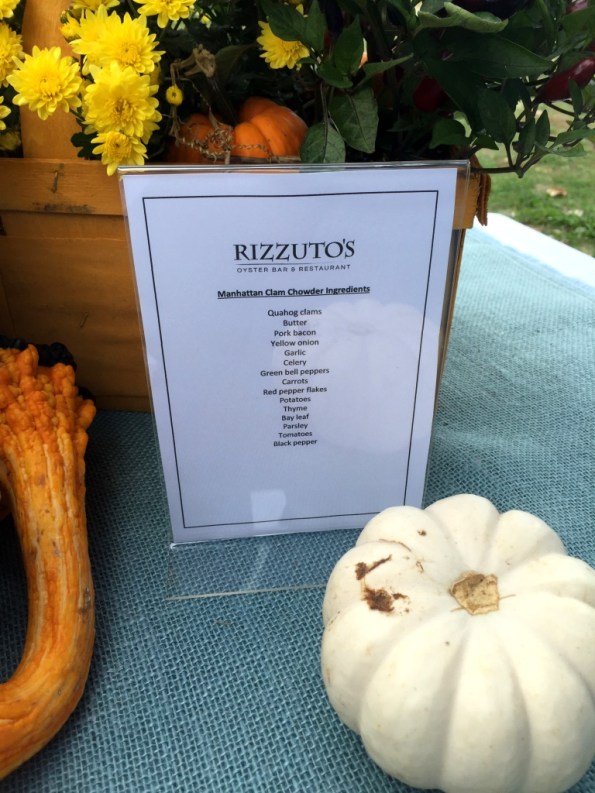
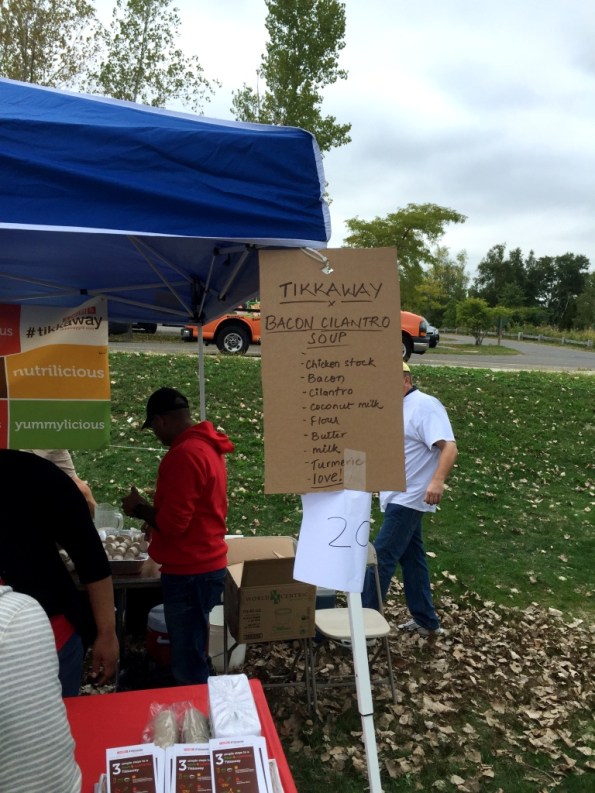
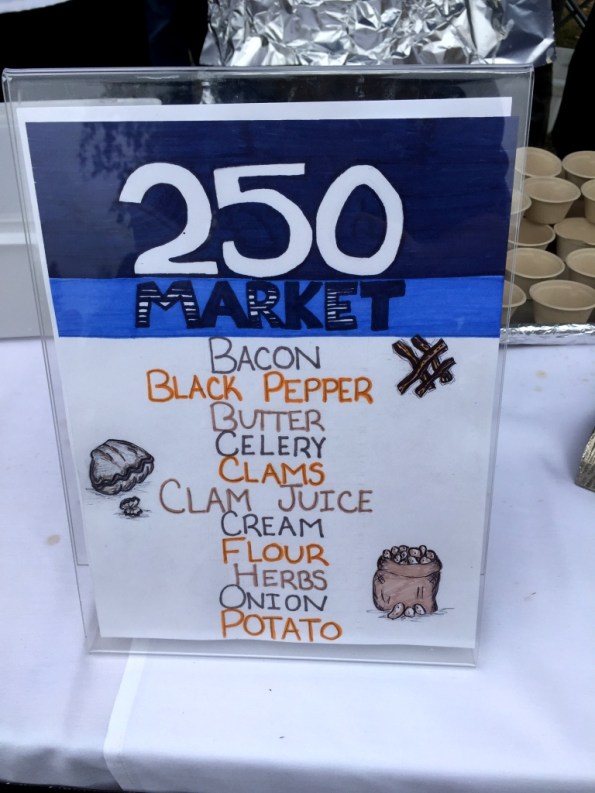 Not only their showders won, but their stand desings were a standout –
Our House Bistro from Vermont:
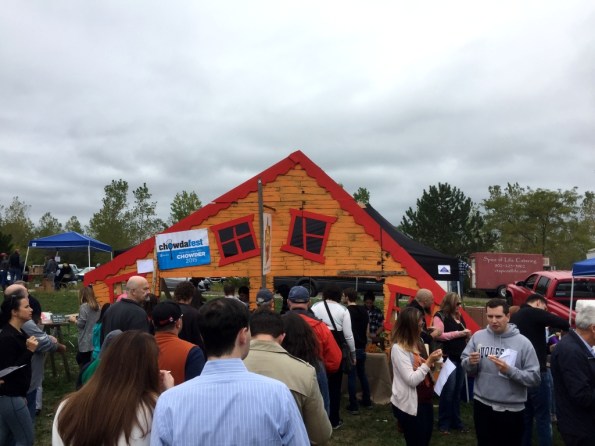
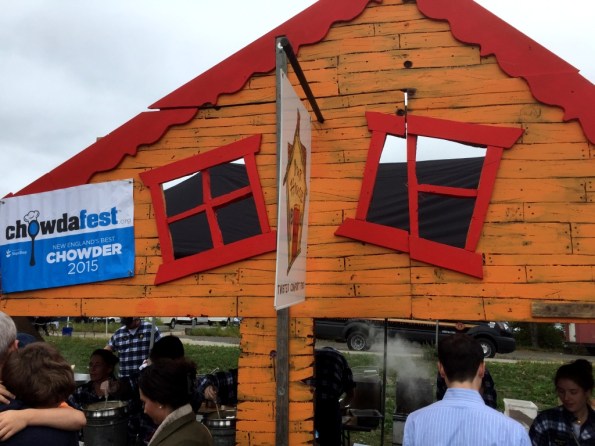
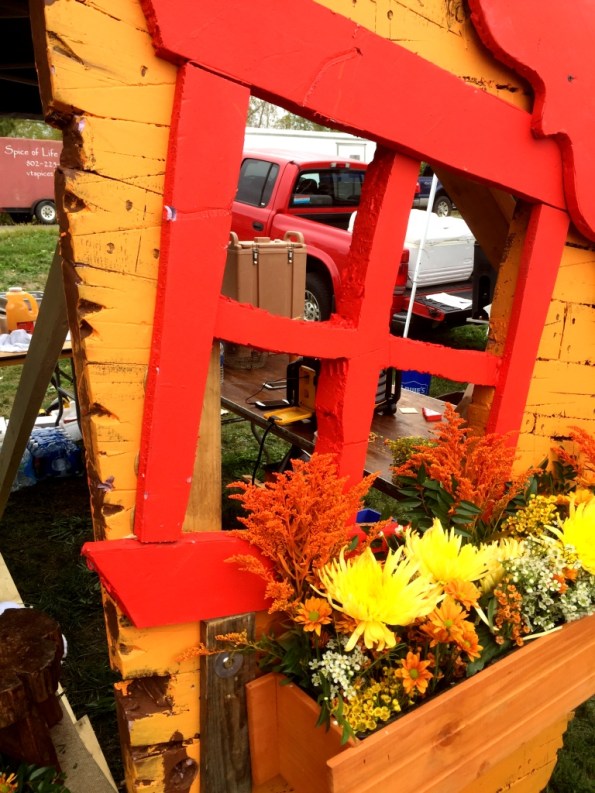 and Pike’s Place from Seattle, Washington:
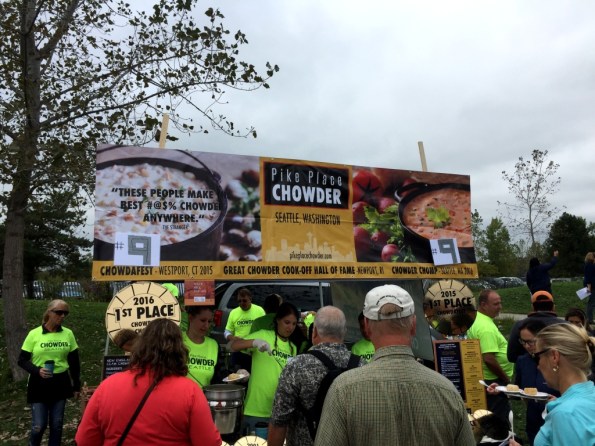

See what I mean by intimidation? When people see this array of medals, can they not vote for them?
Yes, there was more than just chowder there:
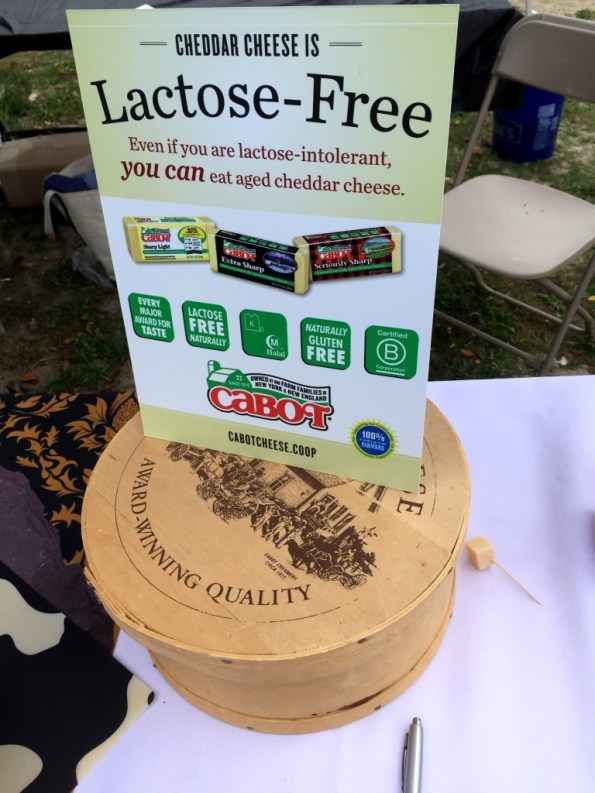
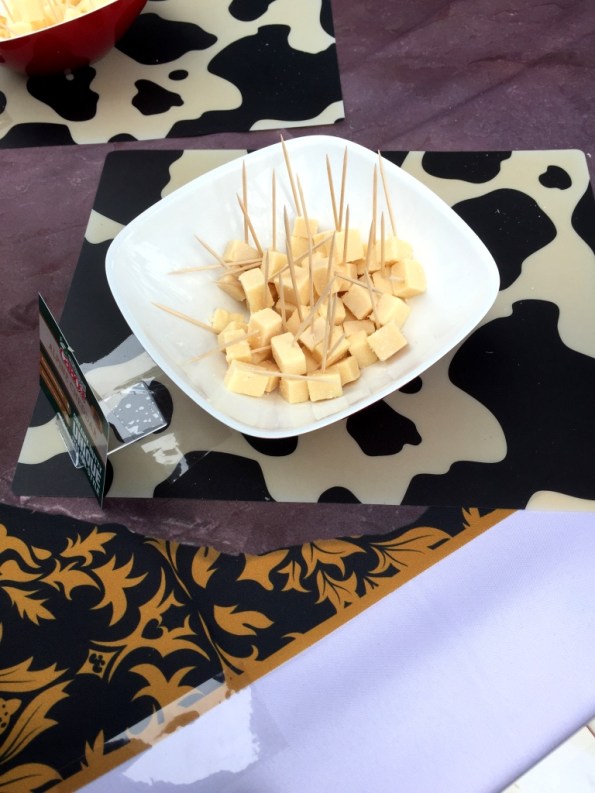
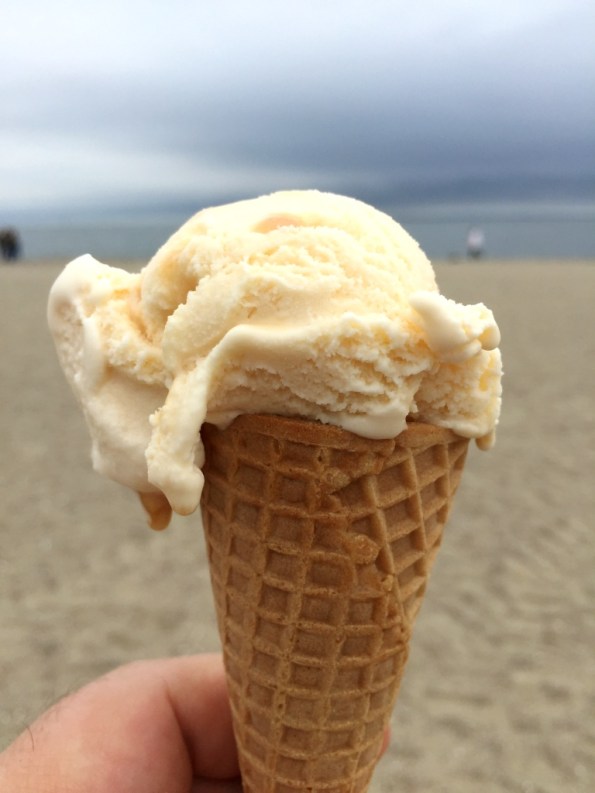 I’m done with my barrage of pictures – almost. Here is the ballot with my vote:
 Make sure to mark October 1st, 2017 in your calendars as a fun day. Enjoy your chowder!
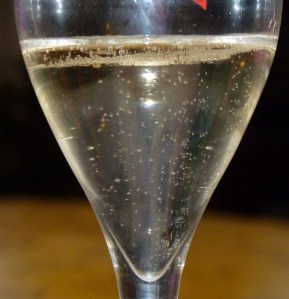
Color of the Bubbles – Mine Were White, Grey and Black
 More than 3 years ago, an interesting tradition was born in the world of wine blogging (a brainchild of The Drunken Cyclist, with the help of the supporting cast of characters) – the Monthly Wine Writing Challenge. Every month or so, wine bloggers en mass subject themselves to the masochistic practice of taking a random word and creating a soulful connection from that word to the beloved world of wine – all of it on a tight deadline.
Writing a post for the Monthly Wine Writing Challenge (MWWC for short), I always want to put out a regular post, and then at the end, simply state “and by the way, this was written for the MWWC, ha”- just to show how easy it was. Of course, this practically never happens – like today, with the theme of our epistolary exercise been “Bubbles“, and my writing taking place during the very last hour (sigh).
When oenophile hears the word “bubbles”, the first reaction it triggers is “Champagne!”. It gives us such a pleasure to write about the world of “Sparklers” – the ingenuity of Dom Perignon, the resourcefulness of Widow Cliquot, the battles of I-was-the-first-to-make-my-wine-sparkle.
There are many other connections of the bubbles to the world of wines – think about bubbles you see on the surface of the juice during fermentation – those are some bubbles! Or think about simple, tiny bubbles of oxygen, making it through the cork and allowing the wines to age gently and gracefully – these bubbles are critical. And then there are maybe bubble issues for the wine collectors? Will that price of DRC or Petrus ever come down?
Yes, I will take my own, different course, and will not write about Champagne or Sparkling wines. For sure.
Do you believe me? Who said “no”? How did you guess?
Banal or not, but I have a good reason to write about sparkling wines – Prosecco, to be more precise. A few weeks ago, I was offered to review some Prosecco wines. At first, my reaction was “I’ll pass”. But reading the email more carefully, my interest piqued. I always thought of Prosecco wines made from 100% of grape called Glera (yes, there are few exceptions, like Bisol, but just a few). These three Prosecco wines were all blended – Processo DOC rules allow up to 15% of other grapes in the blend – and the blends were all unusual, so the intrigued brain said “why not”?
As we are talking about Prosecco, I need to share some fun facts with you – who doesn’t like statistics, right?
French Sparkling wine and then Champagne had been around for a bit less than 500 years. Prosecco’s history is only a bit longer than 100 years, and only in 1989 (27 years ago!) Prosecco made it for real outside of the Italy (here is the link to my post about it, in case you are interested in history). However, according to Nielsen report, Prosecco sales in US in 2015 grew by 36% (Champagne – 8%). In 2015, Italy produced its largest Prosecco crop ever with 467 million bottles – that is triple of only 7 years ago; out of this amount, 48 million bottles were exported to the US – and still US is only #3 importer of Prosecco behind UK and Germany.
Moving right along, let me decipher a cryptic title of this post for you (not that you cared much, right?).
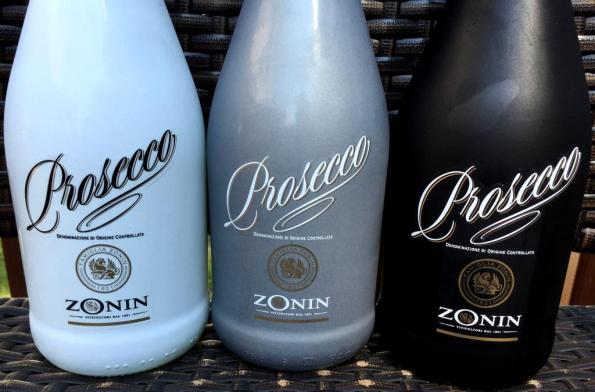
Zonin family got into the wine business in 1821, almost 200 years ago. Now in the 7th generation, the family manages about 5,000 acres of vineyards, mostly in Italy. Zonin had been making Prosecco for the very long time, but considering the ever growing interest, they decided to offer a new line of Prosecco wines, called “Dress Code”, suitable for different mood and a company. The “Dress Code” colors include white, grey and black, so you can wear a different color every day. Of course, these are only colors of the bottles, nobody added squid ink to the wines… yet? Hmmm, note to self…
Here are the notes for the wines I tasted:
Zonin Prosecco White Edition Prosecco DOC (11% ABV, SRP $16.90, 91% Glera and 9% Pinot Bianco cuvée): simple overall. On the nose, touch of white fruit. Good creaminess on the palate, touch of white fruit, very restrained, good acidity, but again, overall is a very muted expression. 7/7+, Decent everyday glass of bubbly.
Zonin Prosecco Grey Edition Prosecco DOC (11% ABV, SRP $16.90, 87% Glera and 13% Pinot Grigio cuvée): white stone fruit on the nose, white flowers. Palate: light, creamy, effervescent, refreshing, distant hint of sweetness, round, good acidity. 8-, nice upgrade from the “white”.
Zonin Prosecco Black Edition Prosecco DOC (11% ABV, SRP $16.90, 90% Glera and 10% Pinot Noir cuvée): promising touch of fruit with lemon and rocky minerality on the nose. Perfect acidity, elegance, finesse on the palate, touch of white stone fruit, lime and noticeable nutmeg. Most elegant out of three, a “little black dress” if you will. 8/8+, one of the most elegant Prosecco I ever had.
So, what color are your bubbles? My favorite was black. Cheers!
This post is an entry for the 27th Monthly Wine Writing Challenge (#MWWC27), with the theme of “Bubbles”. Previous themes in the order of appearance were: Transportation, Trouble, Possession, Oops, Feast, Mystery, Devotion, Luck, Fear, Value, Friend, Local, Serendipity, Tradition, Success, Finish, Epiphany, Crisis, Choice, Variety, Pairing, Second Chance, New, Pleasure, Travel, Solitude
Last Bottle Sign Up ($10 credit)





