Archive
Sharing the Pleasure – Two Cabernets for the #CabernetDay
Yes, it is a #CabernetDay, and a post about Cabernet wines should be rather appropriate – but somehow, I was on the fence about it, until the AME opened up a little bit… When the wine give you lots of pleasure, why not talk about it? Well, this is how I felt anyway.
Cabernet Sauvignon and Cabernet Franc make some of the very best wines in the world, both when they fly solo, and when assisted by the other grapes. Myriad of love letters err tasting notes, blog posts and articles had been written to those grapes and wines, and hundreds millions of dollars traded hands for the pleasure of owning and drinking the Cabernet wines. Yes, we love our Cabernet wines (even Miles didn’t dare to poop on them). Thus I will not inundate you with another ten (or fifty) interesting facts, and instead will simply share the pleasure I had drinking the wines.
The greatness of the #GrapeDay is in the fact that it helps to select the bottle to be open. It also makes it appropriate to break a special bottle, and so I did.
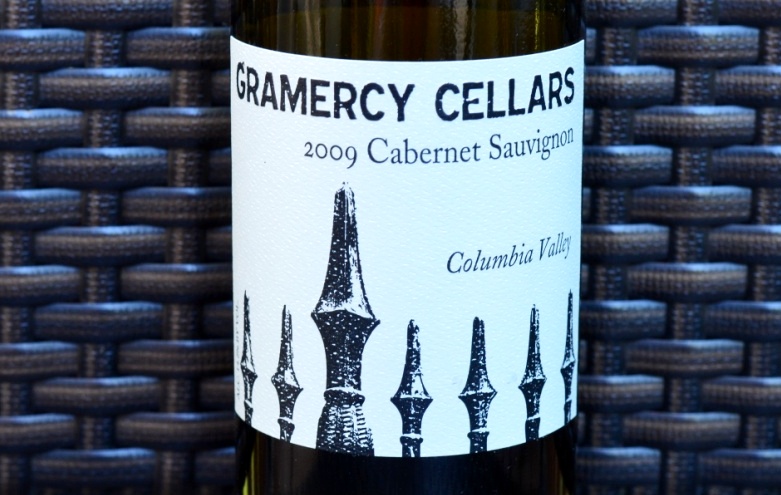
The first bottle opened was 2009 Gramercy Cellars Cabernet Sauvignon Columbia Valley. What makes it special? I had only one bottle, and read some rave reviews advocating giving this wine some time – thus I was waiting for the “special occasion” (thank you #CabernetDay).
I don’t know how this works, but when I think about the wines in the terms of how I would describe them, I get some random analogies at random times. This time my brain decided to go with the athletes analogy. To give you an idea of how this wine tasted, imagine a runner, may be a sprinter – perfectly built slender body, perfectly visible muscles, everything is tightly wound and ready to spring at any moment. A perfectly looking, but minimalist body. That was the impression of this wine – restrained cassis notes, espresso, earth, plums, clean acidity, firm and perfectly structured – a great package all around. (Drinkability:8)
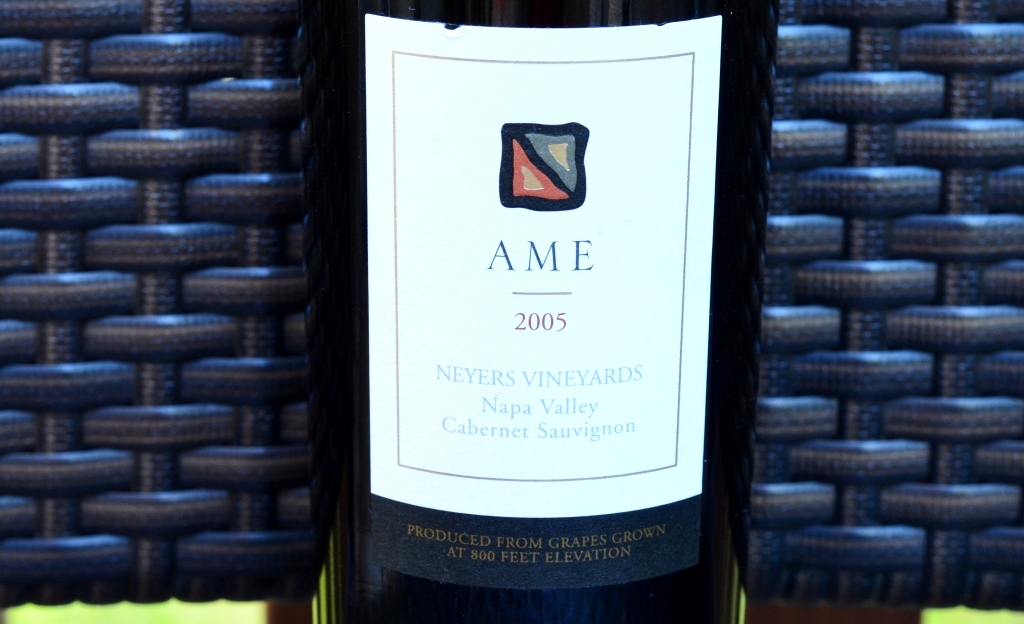
The second wine was 2005 Neyers Vineyards AME Cabernet Sauvignon Napa Valley. What makes it special? I love Neyers wines – their 2003 Cabernet was spectacular, for instance. And I had only two bottles of the AME (I rarely buy wines by the case, so having only two bottles is rather common). I would say that this wine was special even for the Neyers – the AME constitutes first initials of the names of their 3 children – Alexandra, Michael and Elizabeth.
Going to the sports analogy, imagine the same perfectly built athlete, but make all the muscles at least 3 times bigger – still perfect body, no fat, just muscles, but much bigger frame and much bigger muscles. We are not getting to the bodybuilder sizes, but this might be Stallone rather than Schwarzenegger – I hope you got my point.
Delicious open nose of dark fruit, cassis, loads of cassis, eucalyptus, earth. On the palate – so many things happening – cassis, plums, earth, pencil shavings, dark chocolate and espresso combined, clean acidity, perfect balance, firm structure and powerful tannins – a wow wine. (Drinkability:9).
There you have it, my friends – two great wines in honor of #CabernetDay. What is in your glass? Cheers!
Wednesday’s Meritage – Wine Quiz Answer, #CabernetDay – Tomorrow, WTSO Everything Goes Marathon, Crowdsourced Cabernet, World Wine Challenge
 Meritage time!
Let’s start with the answer to the wine quiz #111, Grape Trivia – Grüner Veltliner.
This wine quiz is a continuation of the trivia series, where we are talking about individual grapes and then you get to answer 5 questions as it relates to that grape. The subject of the last quiz was white grape called Grüner Veltliner.
Here are the questions, now with the answers:
Q1: These flavors are usually associated with red wines, but it is not uncommon to find them in the description of the Grüner Veltliner wines. Do you know what flavors are those (multiple answers are possible)?
a. Chocolate, b. Pencil shavings, c. Pepper, d. Tar, e. Tobacco
A1: While Grüner Veltliner is a white grape, some of its aromas are typically associated with the red grapes, not with the whites – namely, pepper and tobacco can be often perceived in in the Grüner Veltliner wines.
Q2: These vegetables are notorious for been a “wine killer” – in terms of successful pairing, it is. And yet Grüner Veltliner is one of the unique wines (if not the only one) which is known to be able to pair successfully with those offenders. Do you know what vegetables we are talking about?
A2: Asparagus and artichoke are notoriously difficult to pair with the wines, and Grüner Veltliner often works very well with both vegetables.
Q3: Wine Spectator calls wines rated in 95-100 range Classic (the highest and the most prestigious category). True or False: there are no Grüner Veltliner – based wines rated in the Classic category
A3: Correct answer is “false” – there are some Grüner Veltliner rates as “classic” – but literally, there are only very few, mostly late harvest Grüner Veltliner wines rated at 95 as the highest.
Q4: According to one of the well known wine critics, the Grüner Veltliner might be “the next big thing” in which wine making country:
a. Australia, b.Argentina, c. Chile, d. South Africa, e. United States
A4: Wine expert James Halliday considers Grüner Veltliner to be potentially the next big thing in Australia, so the correct answer is a, Australia.
Q5: Which one doesn’t belong and why:
a. Austria, b. Croatia, c. Czech Republic, d. Hungary, e. Slovakia
A5: All the countries in this list are known to produce Grüner Veltliner wines, except Croatia, thus correct answer is b, Croatia.
When it comes to the results, I’m glad to say that we have a winner! apuginthekitchen correctly answered all 5 questions, so she becomes our new champion and gets the coveted prize of unlimited bragging rights! I also want to acknowledge Mario Plazio (no web site), who correctly answered 4 questions out of 5. Well done!
Now, to the interesting stuff around the vine and the web!
First and foremost, tomorrow, August 28th, we are celebrating 5th annual #CabernetDay – two noble grapes, Cabernet Sauvignon and Cabernet Franc, countless wines from all over the world. Open a bottle, enjoy and share with the world – that’s all there is to it. You can also start celebration in style by joining the #WineChat tonight with Jean Edwards Cellars on twitter at 9 pm Eastern/ 6 pm Pacific and talking about your favorite Cabernet wines.
Wine Til Sold Out (@WTSO) is doing it again! The new Marathon will be taking place on Monday, September 8th. Only this time, it will be a very unusual for WTSO “Everything Goes” marathon. Styled after the famous Last Bottle Madness Marathons, there will be all sorts of wines offered at different prices and free shipping on any quantities (no minimums). All orders will be combined and shipped after September 22nd. The Marathon will start at 10 AM Eastern, and as usual, you will get the new wine notification only on twitter. Happy hunting!
Famous Washington State winery, Columbia Crest, recently started a new project – Crowdsourced Cabernet. You can join the group of like-minded people and become an internet winemaker for the 2014 Cabernet Sauvignon. 5 acres of vines, video cameras showing every angle of the grapes, the temperature, vine condition and all other information right in front of you – and now you have to make the decision which will affect your wine – no pressure. I think this is a very cool project – if anything, an interesting learning experience. For more details and to become a winemaker, here is your link. Don’t delay, the harvest is about to start…
And the last one for today – a game. A wine education and trivia game it is, recently released by the Trinchero Family Estates. The game is called World Wine Challenge ( available in iTunes for $2.99), it will help you to learn variety of wine subjects in the interactive fashion, as well as compare your knowledge to the others in the competition format. I didn’t get a chance to download the game yet (plan to do it shortly), but in case you are interested, here is the link with all the information about the game and its features.
And we are done here. The glass is empty – but the refill is on its way! Cheers!
Finally, I’m a Convert
Yes, this will be a post about the wine – what did you think I will be writing about? I completely changed my perception of one wine region, so convert or not, but this is what this post is all about.
Don’t know about you, but when I visit the wine region and wineries in it, I generally come with certain set of expectations, a perceived notion if you will. These perceived notions usually are very opposite and have no middle ground. Perceived notion number one – visiting many wineries, I generally expect to find a lot of wines which I will like, and a few which I will not care for. This would be true for many wine regions in California – Napa, Sonoma, Santa Barbara – but not all of them (for instance, Temecula is not included in that list). Perceived notion number two – I will not care for the most wines I will be tasting, but if I’m lucky, there might be a few wines which I will like. Connecticut wine region would be a good example of this second group – but we will talk about it later in a separate post.
Of course both of this perceived notions are founded based on the prior experience with the wines of the region, both at the winery and outside. It is easy to build – just visit a few wineries, where you don’t like the wines, or buy a few bottles in the store which you will not care for, and that’s enough to label the whole region as “not my thing”. Once the perceived notion is born, it is very hard to overcome and change. I agree that this sounds very shortsighted, but this is how we are [very commonly] wired – try something once, don’t like it (think about first time your mom forced you to eat broccoli), and you might be set in your “unlove” for life. This “tried this, didn’t like it, never again” type of attitude is never practically helpful around food and wine, as it prevents us from having great experiences. This perceived notion is hard to get rid of – but not impossible if you are willing to take an “open mind” approach – try and try again, until a specific experience will trigger the change.
Okay, done with the philosophical intro, let’s get to the conversion details. The region I finally changed my view on is Finger Lakes. During multiple visits over the few years, I kept trying and trying new wineries, only to come up to the same resolution every time – “nope, not my wine” – and that included even Riesling, which is considered the signature wine of the Finger Lakes region. Then I discovered wines of Fox Run and Dr. Konstantin Frank, which created a crack in my preconceived notion. The Finger Lakes #winechat I took part of in May, made the crack wider. But what made me to change the whole perception were the wines of Villa Bellangelo.
Villa Bellangelo is a small producer, located in a close proximity to the Seneca Lake. The family owned winery produces a number of different Rieslings, as well as Chardonnay, Gewurztraminer, Merlot and other wines. About two month ago, I received a sample set of wines form the Villa Bellangelo, 5 bottles of Riesling and a bottle of Chardonnay. As I mentioned in some other posts, while samples sound great (“yay, free wine!”), to me they are more challenging to deal with than the regular wines I buy. I would not crack a sample bottle just casually in the evening – I need to make sure I can give it my undivided attention and spend time with the wine – thus it often takes me quite some time to find the right opportunity. Finally, the moment presented itself and I opened the first bottle of Riesling. Pour, sniff – delicious, take a sip – wow. Clean and beautiful Riesling, perfectly fitting my definition of “classic Riesling”. Next bottle, then next – all 5 Rieslings and the Chardonnay delivered lots of pleasure, sip after sip, bottle after bottle. 6 out of 6? I think this is very convincing performance, hence the title of this post and yes, the change in the perceived notion.


For what it worth, here are the notes on all 6 wines:
2012 Villa Bellangelo Dry Riesling Finger Lakes (12.3% ABV, $19) – Color is lighter than straw pale. On the nose, great Riesling aromatics, classic, honeysuckle, pear, fresh apple. palate is dry, clean, great acidity, very light, green apple, super-refreshing, present minerality, short finish. A wine of a great quality. Drinkability: 8-/8
2013 Villa Bellangelo Dry Riesling Seneca Lake Finger Lakes (11.3% ABV, $19) – Beautiful nose of the white stone fruit, hint of honeydew sweetness. Perfectly balanced on the palate, crisp acidity, minerality, touch of green apple. Excellent overall. Drinkability: 8
2012 Villa Bellangelo Semi-Dry Riesling Finger Lakes (11% ABV, $19) – Nice straw color. Pleasant nose of white apples and touch of apricot. Palate exhibits good acidity, good balance, hint of sweetness and white stone fruit. This wine is showing better once it warms up a bit (not straight from the fridge), which I find interesting. Drinkability: 8-
2013 Villa Bellangelo Semi-Dry Riesling Finger Lakes (10.8% ABV, $N/A) – Open nose of apricot and white peaches. Palate has nice level of sweetness, supported by good acidity. Very refreshing and a pleasure to drink. Drinkability: 8-/8
2012 Villa Bellangelo 1866 Reserve Riesling Finger Lakes (11% ABV, $32) – This wine is a dedication to the Dr. Byron Spence, who in 1866 planted 20 acres of the sloping western hills of Seneca Lake with the wine grapes. This vineyard is where the Villa Bellangelo makes their best wines from, hence the 1866 in the name of the wine.
The wine had a beautiful light golden color. Classic Riesling nose, with honeysuckle, white peach, apricot, all very subdued and delicate; touch of minerality. On the palate, apricot notes together with a touch of the apricot pit bite, touch of white apple, clean and vibrant acidity, present minerality, perfect balanced and nice complexity on the finish. Drinkability: 8/8+
2012 Villa Bellangelo Chardonnay Finger Lakes (13.8% ABV, $20) – Outstanding. Perfect Chablis-like, complex nose – minerality, distant hint of gunflint, touch of fresh apple. Palate is clean, balanced, with white apple and vanilla notes, vibrant acidity. Drinkability: 8
There you have it, my friends. One winery, which finally did it for me. Now Finger Lakes is squarely on my “yes, I love those wines” list. I don’t know what is your opinion about Finger Lakes wines, but if you were like me, find some Bellangelo wines and see if they will make you a convert. Cheers to the great wine discoveries!
Weekly Wine Quiz #111: Grape Trivia – Grüner Veltliner
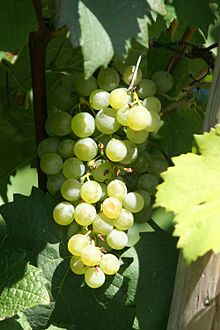
Grüner Veltliner grapes. Source: Wikipedia
The Wine Quiz series is not meant to intimidate. The whole idea here is to have fun and learn something new. When answering the questions, it is fully encouraged to use all available sources of information, including Google or any other search engine. There are no embarrassing answers – the most embarrassing thing is not giving it a try…
Welcome to the weekend and your new wine quiz!
The grape trivia series is back (tell me how happy you are about it!), and today’s subject is Grüner Veltliner.
Grüner Veltliner is a grape which: has some Italian roots in his name; believed to be growing for a few thousands of years; had no known pedigree until 2007. The name Grüner Veltliner stands for “green veltliner”, and veltliner appears to be derived from the name of northern Italian region, Valtellina. The official name of the grape, Grüner Veltliner, seems to appear for the first time in 1855. And only in 2007, after quite an extensive DNA research, it was established that Grüner Veltliner was the result of natural crossing between Savagnin (Traminer) and practically extinct grape which even had no official name when it was found, so it received name of St. Georgener-Rebe, based on the name of the locality where it was found.
Grüner Veltliner has a “middle of the road” ripening season, growing successfully in many European countries. It is, however, susceptible to many types of grape diseases, so it requires attention in the vineyard. Grüner Veltliner generally produces healthy amount of small green-yellowish grapes, so again the special care should be taken to avoid overproduction. Grüner Veltliner is quite versatile in terms of potential styles in which the wine can be made – sparkling wines, dry table wines (both with and without oak aging) and late harvest wines are all successfully produced from the grape. In its more typical expression, as a dry table wine, Grüner Veltliner is known for its acidity and green veggies profile. Coming from the Austrian region of Wachau, home to arguably best renditions of the grape, Grüner Veltliner is also known for its expressive minerality. Often green and restrained while young, Grüner Veltliner wines can develop a considerable complexity as they age and in opinion of the experts (never tried aged Grüner Veltliner myself) can even rival some of the best Burgundies.
Austria has the biggest plantings of the Grüner Veltliner, more than 42,000 acres. Grüner Veltliner is also popular in Czech Republic, Slovakia and some other European countries. As of late, the grape also made its way into the number of New World countries – Australia, New Zealand, United States all have number of plantings of the grape and it seems to produce quite promising results in those regions.
And now, to the quiz!
Q1: These flavors are usually associated with red wines, but it is not uncommon to find them in the description of the Grüner Veltliner wines. Do you know what flavors are those (multiple answers are possible)?
a. Chocolate
b. Pencil shavings
c. Pepper
d. Tar
e. Tobacco
Q2: These vegetables are notorious for been a “wine killer” – in terms of successful pairing, it is. And yet Grüner Veltliner is one of the unique wines (if not the only one) which is known to be able to pair successfully with those offenders. Do you know what vegetables we are talking about?
Q3: Wine Spectator calls wines rated in 95-100 range Classic (the highest and the most prestigious category). True or False: there are no Grüner Veltliner – based wines rated in the Classic category
Q4: According to one of the well known wine critics, the Grüner Veltliner might be “the next big thing” in which wine making country:
Q5: Which one doesn’t belong and why:
a. Austria
b. Croatia
c. Czech Republic
d. Hungary
e. Slovakia
Good luck, enjoy the quiz and your weekend! Cheers!
Wine Bloggers Conference (#WBC14), Day 3
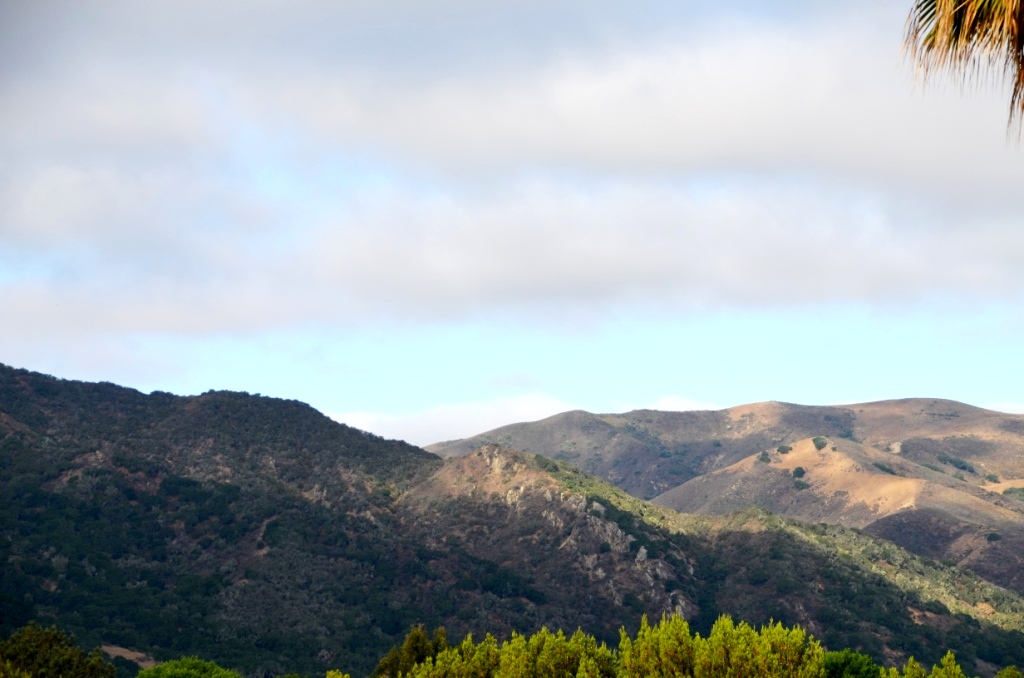 A month after, but we are on the finishing stretch! Don’t know if it makes sense to provide such a detailed account of the day’s events now – but, I feel compelled to complete this self-appointed assignment. Here is what was happening during the Day3, technically the last day of the Wine Bloggers Conference (here are my notes from the Day 1 and Day 2).
We started our morning a bit earlier than the day before, and with the breakout session, not with the brunch (yeah, I was getting very comfortable starting to drink the wine at 10 am, but no…). From the group of offered breakout sessions I chose the one called Business of Blogging. Considering the amount of time, hard work and obsession going into all of the blogs, it is only reasonable to expect that bloggers would be interested in learning about the ways their passion can bear some tangible fruit (yep, I’m talking about money here).
The session was presented by the twin sisters, Alexandra and Kymberly Williams, who run popular fitness blog called Fun and Fit. Their blog is also a successful business, thus they definitely have a lot of good advice to offer. Here are few of the basic takeaways from that session:
- Ethics – your reputation is all you got. Make sure you have the business ethics rules, and follow them.
- Referrals! (Cooperate, don’t compete) – help the others, and they will help you.
- Say no when necessary – don’t take upon every project which might be coming your way – sometimes, “no” is the best answer.
- Ask what you want (people can’t read your mind) – I think this is quite clear
- Clarify and define – work on your offerings!
- Negotiate – find the way to get what you want!
- Work with brand partners, help them to make money, and build relationships – I think you got this one
- Know your readers and service to their lifestyle – know your followers and give them what they want
Second breakout session was about Search Engine Optimization (SEO), and still no wine…. SEO is literally one and only tool bloggers have to be found and to build the listening audience. The session was presented by Timothy Resnik from the company called Moz, which provides set of tools for search optimization and web site analytics. Timothy’s presentation was excellent and very detailed – unfortunately, I can’t take an advantage of most of his suggestions, as it requires a self-hosted blog web site, such as WordPress.org, and I’m using here WordPress.com, where I pretty much have no control over analytics data. Just in case this information might help you, Timothy’s presentation is available on SlideShare – here is the link.
Next – yes, we got to drink wine, as this was the lunch time! It was the lunch with with the Santa Barbara County winemakers, and there were many of them present, pouring and explaining at the same time. I have to admit that the choice of food for the lunch with wine was very strange – technically, the only choice was green salad with grilled chicken, made in three slight variations of flavor – this is not the food to serve if you expect people to drink the wine. Well, anyway, the were many good wines, and here are just a very few highlights:
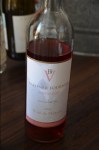
2013 Baehner Fournier Rosé de Merlot, Santa Ynez Valley – very impressive, clean strawberries profile on the nose and the palate, supple, plump, with substantial body and overall delicious. Drinkability: 8
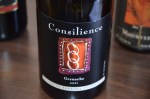
2011 Consilience Grenache Santa Barbara County – restrained fruit on the nose, round, well balanced, smokey fruit in the back. Drinkability: 8-
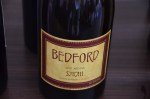
2010 Bedford Archive Syrah Santa Barbara County – elegant dark fruit on the nose and palate, dark and dense. Drinkability: 8-
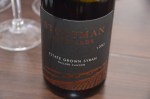
2012 Stolpman Vineyards Estate Syrah Ballard Canyon – dark roasted fruit, touch of spices, good balance. Drinkability: 8-
We started afternoon again with the breakout sessions. This time all the sessions were dedicated to wine and of course, included the tasting (Theme: Wine Discovery Breakout Sessions). Out of the 3 available, I picked Ballard Canyon Syrah session (two others were Sanford Winery Sta. Rita Hills and Wines of Greece) – I love Syrah in all forms, and I never heard of Ballard Canyon, so it was an easy choice for me.
Let me say a few words about Ballard Canyon appellation first. Ballard Canyon AVA is not even one year old – it was approved in October of 2013. Syrah is the primary grape in this small appellation located right in the middle of the Santa Barbara County:
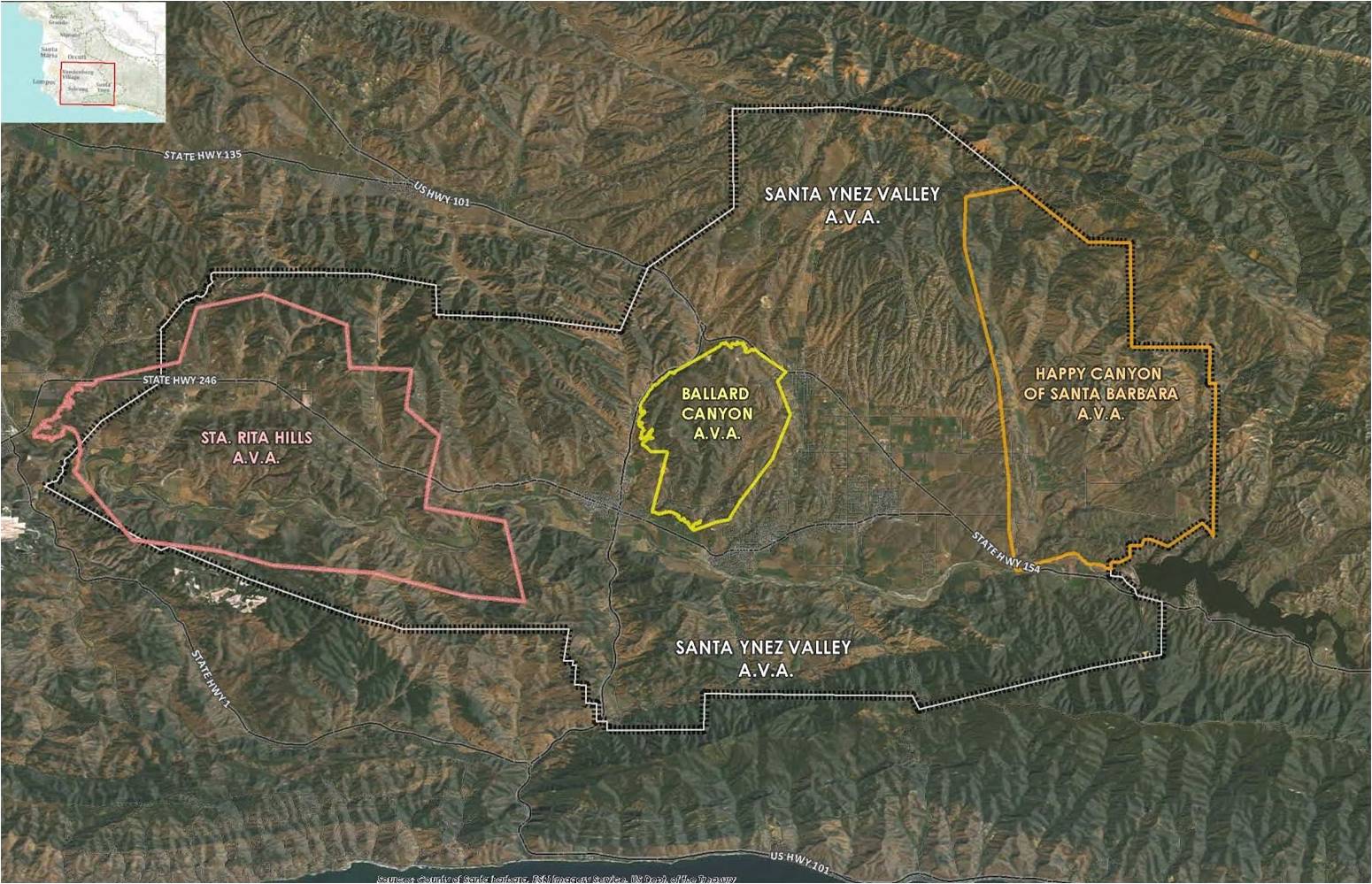 Ballard Canyon AVA was created to capture the essence of soil and climate through the noble grape, Syrah, which is significant enough for this AVA to be known as “Syrah Territory”. Well, yes, Syrah is not the only grape growing in Ballard Canyon AVA, but Syrah plantings exceed plantings of all other grapes, red and white, combined.
The session was presented as a panel discussion, with Patrick Comiskey, Senior Editor for the Wine & Spirits Magazine starting it off with introduction into the state of Syrah in the US. Patrick is one of the leading authorities on the Rhone varieties (and Syrah is squarely one of them), and he is also writing the book on American Rhône movement. I was surprised to hear from Patrick that Syrah is not doing well in US, that it is very difficult to sell and it doesn’t get much recognition. Leaving Shiraz aside for a moment, best known Syrah wines in the world are coming from France. If we will compare Syrah with Cabernet, Merlot and Pinot Noir based on the French wines, and then will look at the US, the proportions of popularity/demand are about the same. And thinking about all the cult and impossible to get wines such as Sin Qua None, Alban, Saxum, Cayuse, No Girls and many others, I think Syrah is doing not that bad… Oh well, I would love to debate it with Patrick over a glass of 1999 La Landonne, but let’s get back to our Ballard Canyon session.


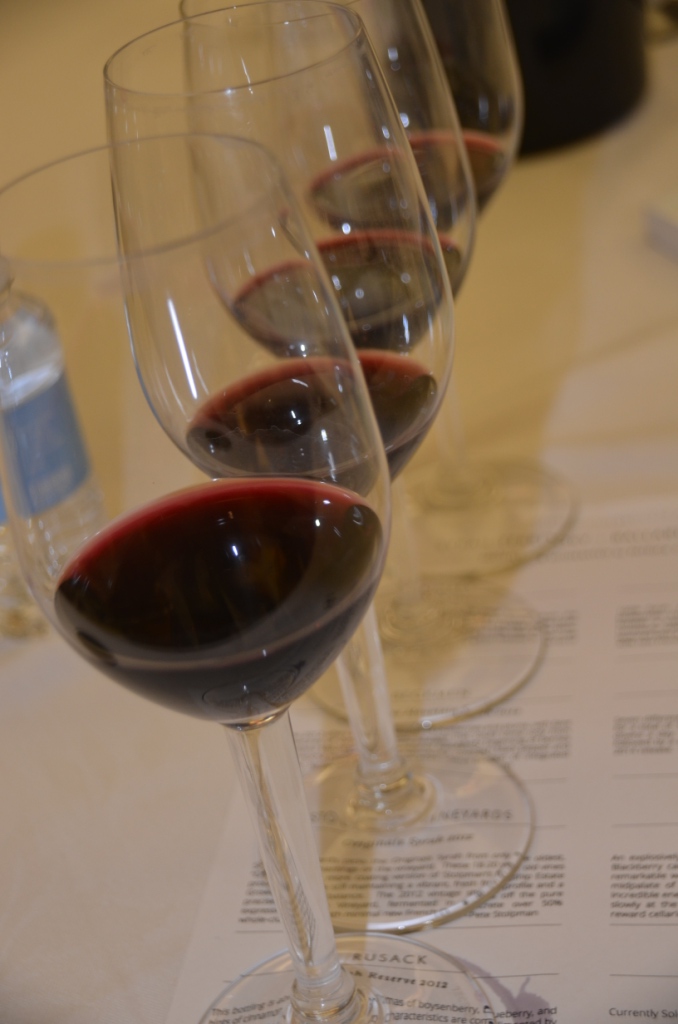 Eight Ballard Canyon winemakers presented at our session (which is a half of total of 16 wineries in the Ballard Canyon AVA), and we had an opportunity to try 7 different wines (the Saarloos + Sons was completely sold out). Here are my notes from the tasting:
2012 Kimsey Syrah
Southwest corner of the appellation. Soft fruit on the nose, dark roasted notes. Spicy, mineral, strong acidity. Young vineyard. Drinkability: 7
2012 Beckmen Purisma Mountain Syrah
BiodynamicLly farmed since 2006, certified since 2009. Tobacco on the nose, nice dark fruit, inviting. Nice, soft fruit, perfect acidity, dark chocolate. Drinkability: 8-/8
2012 Stolpman Original Syrah
Nice, open nose, fresh red fruit,blueberries, a bit sharp on the palate, cherries, espresso. Drinkability: 7+
2012 Rusack Syrah Reserve
Nice, concentrated nose, hint of fresh berries – blueberries, raspberries, touch of roasted flavors. Beautiful fruit on the palate, fresh berries, but supported by fresh tannins. Needs time as tannins are overpowering. Drinkability: 7+
2010 Harrison Clarke Cuvée Charlotte Syrah (15.2% ABV)
Hint of barnyard! dark fruit, baking spices. Cherries on the palate, tannins explicit. Drinkability: 8-
2010 Larner Estate Syrah
Bright Fresh berries, touch medicinal smell on the nose (iodine?), inviting. Beautiful palate, a touch of pepper, enveloping tannins, fresh and open berries, lavender. Drinkability: 8
2010 Jonata Sangre de Jonata Syrah
Bright nose of your fruit, touch of blueberries. More bright fruit on the palate, but then green branches and strong tannins, lacking pleasure. Drinkability: 7
Our day continued with the Panel of Professional Print Wine Writers. Steve Heimoff, James Conaway and Mike Dunne, professional journalists, wine writers and authors of a number of wine books, talked about various aspects of the wine writing. This happened to be one of the most controversial panels of the WBC14, which generated multiple blog posts and whirlwind of opinionated exchanges among the participants. I would have to agree with the Messrs. Heimoff, Conaway and Dunne that in a big schema of things, the quality of writing in the wine blogs can be greatly improved (this very blog you are reading is definitely the subject of such criticism). For the rest of it, just google “Panel of Professional Print Wine Writers wbc14”, and you will get tons of reading material blasting this session, presenters and content – though I have to say that I disagree with a lot of popular criticism. When presented with information, often it is our personal choice whether we will see it as positive or negative, so let’s leave it at that (yes, I do think it was a useful session overall).
Moving on, our next session was the Live Wine Blogging – The Reds, the speed tasting of the red wines, which I already covered in the full detail here. Well, it was actually the last organized session for the day. We still had more wine to drink events in the agenda, but from point of view of the organized sessions we were done.
Our next event was Wines of the World Reception, where we had an opportunity to taste wines from Greece, Italy, Portugal and other countries. At this point in time, I lost an ability to take any kind of reasonable tasting notes, so I had to go simply by “aha, this is good” or “ouch, moving on”. I have to mention that wines of Greece helped me to make a good progress with my Wine Century Club journey towards the coveted Pentavini (500 grapes tasted level) – I added 5 new grapes:
Liatico – 2011 Domaine Douloufakis “Dafnios” Liatiko Crete (red)
Krassato – 2007 Tsantali Rapsani reserve Rapsani AOP Greece (red)
Stavroto – 2007 Tsantali Rapsani reserve Rapsani AOP Greece (red)
Avgoustiatis – 2013 Mercouri Estate Lampadias Rose, Greece (red)
Savatiano – 2013 Papagiannakos Savatiano Greece (white)
Last two events of the day – Wine Blog Awards Presentation and Dinner. To me, Wine Blog Awards feels like a coveted achievement. However, for the last three years, watching the process of nomination, then selection of the finalists and then, for the first time, presentation of the awards, gives me only a thought of diminishing returns. The duration of the time for nomination is literally reducing from a year to a year, and nomination period is open out of blue (I don’t know if this is the attempt to reduce the number of nominations?). This year, we didn’t even know who the judges were. Selection of the wine blogs for the finalists is very strange, as many of the same blogs are nominated for the different categories, and moreover, the blogs are nominated year after year after year. And finally, out of the 9 awards, only two winners were present at the WBC to pick up their awards… It is funny that if you go to the Wine Blog Awards web site now, instead of finding information about the 2014 winners, you can finally find out who the judges were… The whole wine blog awards process needs a revamp and a fresh start, it is way too disorganized as it is.
You know what – this blog post is becoming one of the longest I ever written, so I need to round it up. The food at the dinner was okay, the wines were very good – there was a good selection of the Santa Barbara County wines present at every table, and the selection was different from the table to a table. After dinner, there was more wine – not only parties continued in the number of rooms and suites, but also a number of people brought the wines with them to share, and it was really the last night to drink them. I tried for the first time Horton Norton from Virginia – I had Norton wines before, but this was the first time I tried any of the Horton wines, which is considered one of the best wineries in Virginia (the wine was excellent). Then there were Texas wines, courtesy of SAHMMelier. She brought 2012 Brennan Vineyards Viognier (perfumy and delicious) and 2011 Bending Branch Winery Tannat (powerful and sophisticated). We also tasted 2001 Cottonwood Canyon Pinot Noir Santa Maria Valley (fragrant and beautiful for the 13 years old wine), and 2011 Kalyra MC2 Santa Ynez Valley (restrained and balanced). For some reason, I’m under impression that there was also a wine from Oklahoma (!), but – no picture and no notes, so yeah, it is my loss.


And we are done, done, done here! Sometimes procrastination has its rewards – only yesterday I got the email from organizers of WBC14, Zephyr Adventures, which also included the link to the blog post with all presentations from the WBC14 – here it is if you would like to look at them. And (almost) last but not least – Wine Bloggers Conference 2015 will take place in the beautiful town of Corning in the Finger Lakes region in New York, August 13-16, 2015 – if you are into the wine blogging, you definitely have to be there, you have to experience WBC to yourself. The registration is open now, and (this is what they say) availability is limited, so you might want to think about putting the stake into the ground now…
Last thing (I promise) before we are done – I would like to thank Zephyr Adventures and Santa Barbara Vintners for the great event they put together for all the wine bloggers. I know firsthand how hard it is to organize a great conference, and especially considering the size and diversity of the wine bloggers group, I can only say wholeheartedly “Thank you very much!!” for all the hard work put into bringing together such a great event.
Yes, we are done. If you are still with me, thank you very much for reading. Cheers!
Albariño Day’s Pleasures – Albariño Pedralonga, a Glass Of Ocean Air
 Yesterday was yet another wine day holiday – Albariño Day. As mentioned many times in this blog, yes, I do like the specific “wine days”. Reason is simple – it removes the headache of deciding what bottle of wine should be opened. By the way, this might also explain why I’m very indifferent to the “National Drink Wine Day” – thank you very much, I drink wine every day anyway, and this faceless holiday doesn’t really help with the decision.
Albariño is one of the best known Spanish white grapes and a star of the small region of Rias Baixas, located in the norther part of the country in Galicia. Rias Baixas has a lot of maritime influence, both in the types of soil and in the overall climate. Albariño are some of my favorite summer wines, generally very bright, medium to full body, with explicit white stone fruit (peaches, apricots) notes and excellent acidity. But of course one shouldn’t generalize too much, as all the wines are made different. This Albariño would be a great example of the “don’t generalize” rule.
The very first sniff of 2011 Adega Pedralonga Albariño, Rias Baixas, Spain (13% ABV, $22) was saying “ocean” to me. I don’t know how it is possible, and I didn’t read anything about this wine before I tasted it, but that very first smell was just full of the fresh ocean air; breezy, friendly, unmistakably ocean, when you stand by the water, mesmerized by its royal endlessness. This wine didn’t have a lot of bright fruit – but it had a lot of minerality, it was genuinely complex, with the granite coming off both in the smell and on the palate. I had it first at the wine fridge temperature, at around 53°F. I chilled it a bit more, and the wine showed those bright apricot notes, but more as an afterthought, carrying over its minerality. I would compare it to Chablis, but only in the mineral-driven quality, as it had the granite, but not the gunflint of Chablis.
Just to give you reference, here is how this wine is described on the winery site: “Pure distilled granite, bathed by the atlantic rain and the characteristic sun of a south facing vineyard, tuned by it’s malolactic fermentation”. Yep, a pure distilled granite – I completely agree with that. I just have to add the word “delicious”. Delicious pure distilled granite sounds about right. And let’s not forget “thought provoking”. Drinkability: 8+
Do you want a glass of fresh ocean air on your table? Go find this wine. And you don’t have to thank me. Thank the people at Adega Pedralonga who made this wine – they well deserve it. Cheers!
Daily Glass: Wonderwall Pinot Noir
I had to settle for this simple title of the post after a few futile attempts to be clever. “Don’t judge the wine by the first sip”, “Give it some time”, “Patience, the most important virtue of Oenophile” were all contenders, but none of them where hitting the spot, so I went for a simple, not catchy title for this post, just with the name of the wine.
But we have to talk about first sip, time and patience, as we have a great case in point. 2013 Wonderwall Pinot Noir Edna Valley (14.9% ABV) is made by Field Recordings, one of my all time favorite producers from California – I wrote about Field Recordings wines many times in this blog. I don’t think I ever had a Field Recordings wine I didn’t like. Or such was my very first thought after the very first sip of this wine.


On the first sip, the wine was simply … sweet. No, nothing is wrong with the sweet wines – but not when the wine is called Pinot Noir. The wine had tons of nice fresh fruit – but more in the compote flavor profile. Well, this is the young wine, very young – it is 2013 vintage, and probably was bottled just a few month ago – so the first thing to do, before declaring the wine been no good, is to give it time. Which I did. In about 30 minutes, the sweetness subsided, and acidity increased. The longer this wine was opened, the more restrained it became.
The next day the wine converted itself into a powerful, full bodied California Pinot Noir, with the hint of smoke on the nose, and ripe plums and hint of blueberries on the palate, with good structure and very good balance (Drinkability: 8 -). I was really glad that Field Recordings came around for me, and I can still call it a favorite producer without any afterthoughts.
And the general lesson(s)? Don’t judge the wine by the very first sip – in a lot of cases, freshly opened bottle might not taste as you expect it, especially if the wine is young – you should really refrain from judging the young wine until it had an opportunity to breathe and open up. And be patient. I’m sure this wine would show itself quite differently in the 4-5 years, so quite often, waiting for the wine to be ready, to be at its peak, makes a lot of sense.
Have you ever been in situation when you declared the wine “not good” based on the first sip, only to find out (or not) that the wine considerably improved after some breathing time? Comment away! Cheers!
Daily Glass: World Cup-Appropriate Wine
As I didn’t have time to look for the interesting news and articles for the traditional Meritage post, I will skip it and will give you the quiz answers next week. And for today, let’s just talk about an interesting wine find.
Literally days before the World Cup started (even if you are not following the World Cup 2014, I assume you are aware of the soccer’s (it is football for the world outside of the United States) main tournament, taking place in Brazil), I got an e-mail from the Last Bottles Wine, offering the wine with the picture of the soccer ball on the label.

How appropriate, I thought, I definitely should get this wine, especially considering the price of $18 per bottle – and so I did. Not only this wine has a picture of soccer ball on the label, it is also associated with one of the best known names in the soccer today – Leo Messi, the star of the Argentinian team and one of the very best players in the world.
Same as Leo Messi, the wine hails from Argentina, and yes, it is a Malbec (star player to star grape), and it is produced by the Casa Bianchi, an excellent Argentinian winery which makes a wide range of wines, from simple everyday wines to the ultra-premium, cellar-worthy bottles. The connection between the wine and Leo Messi? Simple. As the back label says, “collaborate with the Leo Messi Foundation in long lasting commitment to building projects focused in health-care and educational developments for children with social disadvantages”.
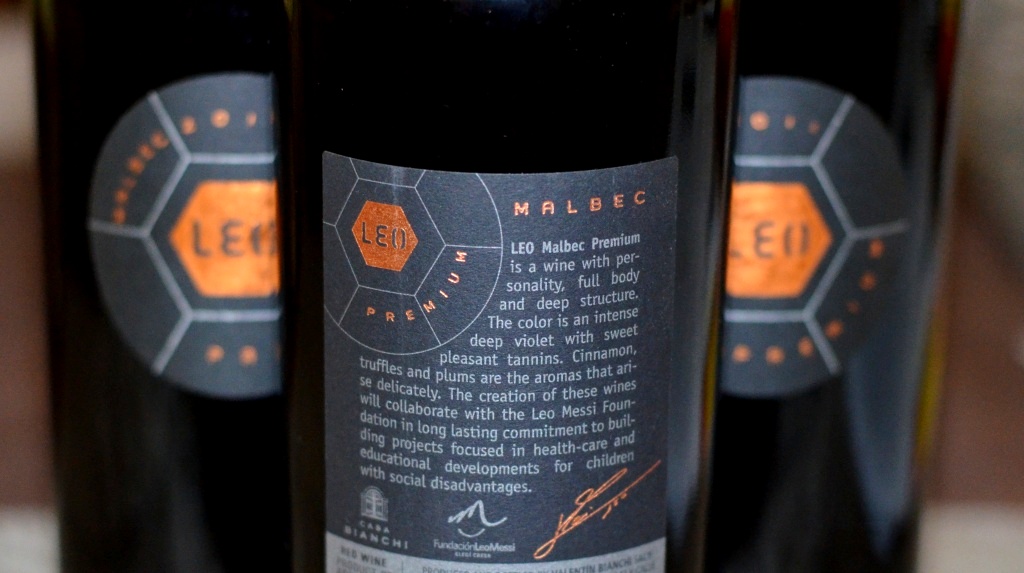
Let’s talk about the wine – 2011 Casa Bianchi Premium Leo Malbec, Mendoza, Argentina (15% ABV). It was definitely World Cup game -worthy. Dark garnet color in the glass. Beautiful nose of supple fruit, herbs and spices – a touch of eucalyptus, a bit of the dark chocolate – very promising. On the palate, the wine opened up very dense, balanced and smooth, then showing some spicy spikes as it was breathing in the glass. On the second day the wine showed more of that spicy nature, with some acidity and tannins not always dancing together. I believe it will come around in another 3-4 years, it is a bit too young at the moment to show its full potential. Drinkability: 8-
That’s all I have for you – go back to the game and wish Leo Messi all the luck – he and his team will need it. Cheers!
Month in Wines – June 2014
Quite expectedly, with the arrival of the consistently warm weather, June saw an increase in the Rosé wine appearances – luckily, those were good Rosé. There were also a number of great Cabernet Sauvignon wines worth mentioning, including some candidates for the Top Dozen list of 2014. And some Syrah – rather magnificent. And other great wines. Anyway, for what it worth, the list is below. As usual, most of the wines were rated at 8- or higher, with some exceptions (and explanations) for the lower ratings.
Here we go:
2013 Rocher de La Garde Cinsault Vin de France (12.5% ABV, $9.99) – beautiful light pink color, inviting nose of fresh strawberries, more strawberries on the palate. Well balanced with nice acidity, refreshing, easy to drink and very pleasant. A perfect summer day quaff. 8
2013 Temperamento Bobal Rosé Utiel-Requena DOP (12% ABV) – Beautiful in and out. Perfectly pink in the glass. Strawberries on the nose, ripe strawberries on the palate. Round, balanced, together, very good overall. 8-
2012 Albero Bobal Rosé Utiel-Requena DOP (12.5% ABV, $5.99 at Trader Joe’s) – simple and delicious. Beautiful pink color, refreshing, good acidity, strawberries profile. Unbeatable QPR. 8-
2013 14-18h Dry Rosé Wine Agiorgitico, Peloponnisos PGI, Greece (13% ABV) – beautiful intense pink color. Delicious, concentrated, cranberry laden wine. My perennial favorite for the past 7 -8 years. Never disappoints. 8
2013 La Gordonne Billette Bouquet de Provence Cuvée Tradition, Côtes de Provence (13.5% ABV) – it’s no wonder this wine is one of the best selling Rosé in France – light, clean, refreshing, each sip having enough substance to hold on to, and perfectly balanced at the same time. 8
2013 Les Lauzeraies Tavel, France (13.5% ABV) – I love Tavel wines any time of year – but they feel especially appropriate during summer. Beautiful, concentrated pink color. Nose of cranberries and rose petals. Cranberries and herbs on the palate, medium bodyu, concentrated, excellent balance. 8-
2006 Selbach-Oster Schmitt Zeltinger Schlossberg Riesling Auslese Mosel Saar Ruwer QmP, Germany (8.5% ABV) – Delicious. Slightly viscous, layers of sweet fruit (apricots, peaches), honeysuckle. Perfect acidity. 8-
2013 Bodegas Shaya “Shaya” Old Vines Verdejo, Rueda, Spain – one of my all times favorite white wines. Delicious complexity in the plump, mouth-coating, round package – this wine can rival any Chardonnay any day. If you never had it, make it your next wine. 8+
2011 Org de Rac Cuvée La Verne Blanc de Blancs Brut, Swartland, South Africa (12.5% ABV) – classic and delicious. Hint of yeast and bread on the nose, fine mousse on the palate, clean and crisp acidity, perfect body weight mid-palate. Excellent sparkling wine overall. 8-
2010 St. Clement Oroppas Cabernet Sauvignon Napa Valley (14.6% ABV) – amazing Cabernet Sauvignon, from nose to the palate. On the nose, the wine showed cassis, a hint of blueberries and a touch of espresso. On the palate, this wine was powerful and dense. Dark fruit, perfectly restrained, thick, practically chewy mouthfeel, perfectly structured and dry, layered and silky smooth at the same time. 9-
2003 Neyers Cabernet Sauvignon Neyers Ranch Conn Valley, Napa Valley (14.5% ABV) – Sheer exuberance. On the nose, beautiful dark fruit, fresh berries and the touch of barnyard. The palate was even better than the nose – lots of stuff happening, eucalyptus, herbs, sage, bell peppers, cassis, blueberries, truffles, dark chocolate, espresso – just beautiful, beautiful wine. 9
2011 Michel Chapoutier Marius Red, France IGP (13.5% ABV) – Touch of barnyard on the nose. Nicely restrained on the palate. Touch of spiciness, black pepper, dark fruit, good balance. Very pleasant overall. 8-
2008 Alban Vineyards Patrina Estate Syrah Edna Valley (14.7% ABV) – My first taste of Alban wines, a cult Rhone-style wine producer in California. Beautiful dark fruit, dense, earthy, plums, velvety texture, perfect balance. Every sip was a pleasure. 9-
2011 Abacela Fiesta Tempranillo Umpqua Valley, Oregon (13.6% ABV) – very respectful rendition of Tempranillo – savory, well structured, with good amount of power typical for Ribero del Duero wines. 8-
2009 Bodegas Ochoa Finca Santa Cruz Tempranillo Crianza Limited Edition, Navarra, Spain (13.5% ABV) – another excellent Tempranillo, this time from Spain – round, ripe, deliciously layered with incredible textural complexity, tobacco, smoke, perfect balance. 8
NV Molo 8 Lambrusco Mantovano DOC (8.5% ABV) – simple and delicious! Perfectly in check, balanced, good acidity, fresh red fruit on the palate, pleasant fizz. 8-
2007 Burgess Cellars Merlot, Napa Valley – dark fruit on the nose and the palate, hint of dark chocolate, cassis, raspberry and sweet blueberry undertones on the palate, good balance. 8-
2004 Club de Sommeliers Chateauneauf-du-Pape Red, Chateauneuf-du-Pape AOC , France (14.5% ABV) – a very solid effort for the France supermarket wine – it aged nicely, good open red fruit, touch of spices, good balance. 7+
2010 Celler de Capcanes Costers del Gravet Red Wine, Montsant DO (14.5% ABV, 50% Cabernet Sauvignon, 30% Garnacha, 20% Samso) – dark power, focused, concentrated, starts from the classic Cabernet profile with layered and open support from Grenache. Full body, yet perfectly balanced between fruit, tannins and acidity. Delicious wine. 8+
That completes the report on the June wine highlights. Did you have any of these wines? What were your best wine discoveries of the last month? Cheers!
International Tempranillo Face Off – USA Fares Well
 Thinking about Tempranillo, what wines come to mind first? Rioja is an unquestionable champion, with its bright fruit expressions packaged into eucalyptus laden cigar box. Ribera del Duero is definitely next, with its perfect, firm structure, and then Toro, with layers upon layers of power. Tempranillo has one of the most synonyms, most of which point back to the different areas in Spain, so it is given that outside of three regions we just mentioned, the grape is very popular all around Spain. And then… well, there is not much outside of Spain. Portugal, where Tempranillo is known under the names of Aragonez and Tinta Roriz, is the only internationally renown source of Tempranillo wines outside of Spain – even then mostly using Tempranillo as a part of the blend. Australia and a few other countries also experiment with the grape – but I’m not sure they produce something worth bragging about.
And then, of course, there is the USA. Tempranillo made it into the California at the beginning of the 20th century, but really didn’t find much success there as a single varietal wine. You can find some of the Tempranillo made in the southern California, in places like Temecula Valley, but those wines are little known outside of the wineries which produce them. On a big scale, Texas probably is having the biggest success with Tempranillo in USA, where the grape is considered a signature state grape, and Tempranillo wines produced by many wineries. But our conversation today will not be about Texas Tempranillo – we are going a lot further North on the map, to the state of Oregon.
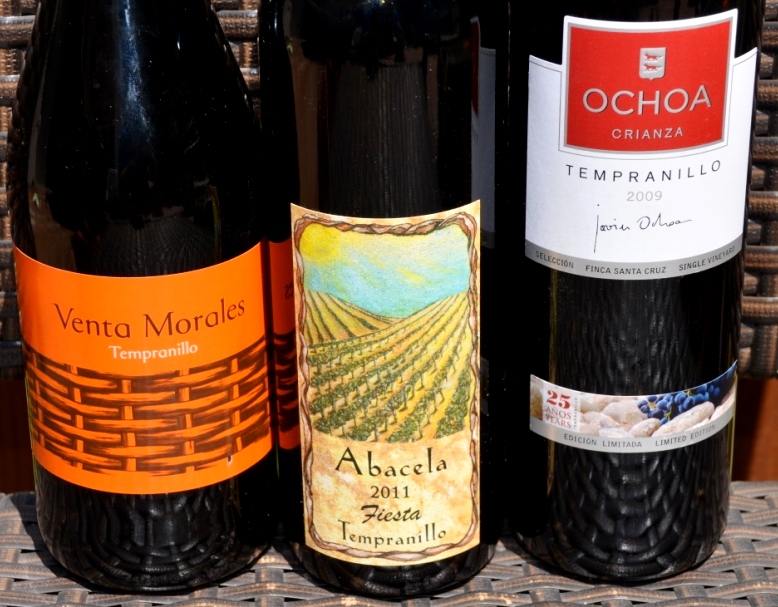
No, Oregon is not an internationally renowned source of Tempranillo wines, not yet anyway. However, while I was recently participating in the #winechat about Oregon Pinot Noir, someone mentioned Tempranillo as one of the grapes in Oregon which might have a bright future. As I’m very partial to the Tempranillo wines with the great love of Rioja, that piqued my interest. Tempranillo? From Oregon? Really? How good can that be? I was told that Abacela winery in Oregon produces excellent Tempranillo wine. I reached out to the winery, and – got the bottle to taste. But – I didn’t want to taste this wine on its own – I wanted to create some frame of reference. Yes, I would love to get the Texas Tempranillo, but – that would take a lot of time. Of course the best available source of Tempranillo wines is Spain, so I decided to get a few different wines from Spain. I purposefully avoided Rioja – those wines are rarely 100% pure Tempranillo, and the winemaking style is very specific to Rioja, so it wouldn’t be a good reference. Ribera del Duero wines also might be a bit too specific for this exercise, and Toro wines pack way too much power. I looked for generic Tempranillo renditions in my local wine store, and came up with two bottles from Spain – one from Navarra and one from La Mancha.
Before we talk about our “face off”, let me say a few words about our competitor from USA – Abacela winery. According to the winery’s web site, Abacela name comes from “an ancient and now almost obsolete verb, ‘abacelar’ common to three Iberian languages-Spanish, Galician and Portuguese-and which means “to plant a grape vine.”” Abacela winery started in 1992, when Earl and Hilda Jones purchased a 19th century property in Umpqua Valley in Southern Oregon. This purchase was the result of a very long and intense research on the climate, soil and landscape, to find the place ideally suited to produce a Tempranillo wine on par with the best Spanish Tempranillo. If you are interested to see how the pursuit of passion looks like, read the section called Story on Abacela web site – I wish the other wineries will give you even half of the information about their wines and vineyards.
Our tasting, which I proudly called Face Off, was very simple – I sat down with my wife to try these three wines. We tried the wines in the exact order as you will see it below.


Here are the detailed notes:
2010 Venta Morales Tempranillo La Mancha, Spain (13.5% ABV, $7.99)
Color/visual: Dark garnet, almost black. Very substantial legs
Nose: Baking spices, ripe plums, touch of earthiness
Palate: Prunes, touch of figs, nice acidity, slight imbalance at midpalate
Verdict: Shows slightly “overboard”. Drinkability: 7
2011 Abacela Fiesta Tempranillo Umpqua Valley, Oregon (13.6% ABV, 17 months in barrel, $23)
Color/visual: Garnet, noticeable rim variation as well as legs
Nose: dark chocolate, herbs
Palate: Very elegant, nice fresh fruit, good acidity, very noticeable cherries, present tannins, medium to long finish
Verdict: overall very nice wine. Should be able to stand up against Ribera del Duero. Drinkability: 8-
2009 Bodegas Ochoa Finca Santa Cruz Tempranillo Crianza Limited Edition, Navarra, Spain (13.5% ABV, aged 1 year in American oak, $15.99)
Color/visual: Garnet color, very slight rim variation, noticeable legs
Nose: Touch of sweet fruit, sweet cherries, eucalyptus
Palate:Elegant, perfectly balanced, soft sweet fruit, tobacco, smoke, incredible textural complexity, touch of dust
Verdict: An outstanding Tempranillo, one of the very best I ever tried. Drinkability: 8
As you can see, Abacela Tempranillo definitely worth its salt soil, and I would highly recommend it (if you can find it). I also want to note that Abacela Fiesta is only an introductory Tempranillo – they produce another 3 wines out of Tempranillo, plus a full range of very unusual for the Oregon (or even USA) wines, such as Tannat, Dolcetto and Tinta Amarela – full list looks very impressive and tempting.
As for my little Tempranillo competition, we are done here. Have you ever had an “unusual” Tempranillo wine? Have you ever tried Abacela Tempranillo or any of their wines? What do you think? Cheers!
Last Bottle Sign Up ($10 credit)




 Talk-A-Vino