Archive
Possibly The Best QPR Wines In The World Today?
 Today, I want to talk about wine and value. “Value” has an interesting meaning in the world of wine – may be as subjective as the concept of a “good wine” itself. To me, the value is not an absolute amount of money one paid for the bottle of wine – if you paid $3, but poured the bottle down the drain after half-finished first sip because it tasted terribly – was that still a “value”? Or was that a pure waste of money? By the same token, if the $20 bottle of wine gave you lots of pleasure in every tiniest drop (including the one you licked of the table), would that be a “good value”? Talking about the “value” of the wine, I prefer to use a proverbial term QPR, so happily adapted by the wine lovers – a Quality Price Ratio (this is what QPR stands for) conveys the “value” concept of wine a lot better than the sheer price itself.
One of the easiest and most straightforward ways to classify and analyze thousands and thousands of wines produced today in the world is by region, as wines from the same geographic area would typically have some similarities. Thinking about all the different wine producing regions in the world, which region do you think delivers the best QPR today? I’m really asking here to think about the region as a whole, rather then individual wines. Yes, you can find delicious Napa reds for $10, but this is rather an anomaly, as on average, you need to spend at least $25 – $30 for a good bottle, so we are definitely not talking about Napa here. Thus the question stands – what is your best QPR wine region in the world?
This question might be more difficult than it seems. Wine regions don’t stand still – they are constantly evolving. As the region becomes better known and more demanded, the price increase often accompanies this rise in popularity – which obviously affects the QPR. I used to consider Greek wines as a great QPR – but many Greek wines are now pushing the $30 boundary, while not consistent in quality – this immediately drives QPR down. I used to think of Israeli wines as a great value – but same thing is happening there, with lots of better wines moving north of $30, and wines under $20 been more of “hit and miss”. My next “go to” wines were Portuguese – but even here I now have a problem – wines under $20 are often only randomly tasty; wines at around $30 and up are consistently excellent, rivaling $100+ wines from the other regions, so in relative terms, they still offer a great value – but probably not the best QPR?
“Knowing what I know now”, the region which I think consistently delivers the best QPR at the moment (!) is Georgia – not the state down south in the US, of course, but an independent country. I always loved Georgian wines, but what prompted this broad statement about QPR was a recent Georgian Wine tasting I attended a week ago at Chelsea Market in New York. Wine after wine was delicious, and priced under $20 – that is a QPR I’m definitely happy about.
You don’t have to take my word for it – you should find a bottle of Georgian wine and try it for yourself. I really hope you did just that last Sunday, October 4th, as it was a #GeorgianWineDay in the social media – and if you actually had Georgian wine, I’m curious to know what it was. In any case, let me share the notes for the wines I tasted at the “Discover Georgia in New York” event at the colorful Chelsea Market. Below are the notes, using the “+” ratings. Pay attention to the prices and corresponding ratings – don’t know what you think, but I think the “QPR” is spelled very clearly across the full range of wines I tasted.


2013 Telavi Wine Cellar Marani Rkatsiteli Kakheti, Georgia ($10.99) – +++, very acidic, requires food
2013 Telavi Wine Cellar Marani Mtsvane-Kisi Kondoli Vineyards Kakheti, Georgia ($14.99) – +++, excellent, clean, lemon notes, touch of food


2013 Telavi Wine Cellar Marani Saperavi Kakheti, Georgia ($11.99) – +++, excellent, simple, an everyday wine, red fruit, crushed berries
2009 Telavi Wine Cellar Marani Red Kvareli Special Vicultural area, Kakheti, Georgia ($15.99) – ++++, beautiful, clean, great depth
2012 Telavi Wine Cellar Marani Saperavi Kondoli Vineyards Kakheti, Georgia ($18.99, 18 months in oak, starting from fermentation) – ++++, stunning! round and delicious


2007 Telavi Wine Cellar Marani Reserve SAPERAVI block Kondoli vineyards, Kakheti, Georgia ($70) – ++++1/2, off the charts, produced only in the best years, complex, round, delicious. Yes, it is $70, and it might be to expensive for an amazing QPR, but you should taste this wine first…


2006 Wineman Cabernet Sauvignon Kakheti, Georgia ($10.99) – ++++, wow!, pick of maturity, dark notes, concentrated – another wow!
2010 Wineman Ikhalto Red Kakheti, Georgia ($12.99, 50% Saperavi, 50% Cabernet Franc) – ++++, wow!, acidity, beautiful wine
2013 Wineman Kindzmarauli Special Viticultural Area Red Semi-Sweet Kakheti, Georgia (12% ABV, $15.99, 100% Saperavi) – ++++, beautiful, perfectly balanced sweetness


2011 Shalvino Kardenakhi Special Viticultural Area Kakheti, Georgia (18% ABV, $18.99, Blend of Rkatsiteli, Khikhvi, Goruli and Mtsvane) – ++++, made using Solera method, delicious, Pedro Ximenez like with a delicate balance
2013 Telavi Wine Cellar Satrapezo Rkatsiteli Ice Wine Kakheti, Georgia (10% ABV, $29.99 500ml) – +++1/2, beautiful, perfect balance, not overly sweet


2013 Teliani Valley Tsinandali White Kakheti, Georgia ($12.99) – +++, great acidity
2012 Teliani Valley Special Vicultural area Kakheti, Georgia ($17.99) – +++, great acidity, perfect, food friendly


2013 Schuchmann Rkatsiteli White Kakheti, Georgia ($15.99) – +++, touch of sweetness, nice balance
2013 Schuchmann Saperavi Red Kakheti, Georgia ($15.99) – +++, perfect, clean, great balance


2012 Vinoterra Kisi Kakheti, Georgia (13% ABV, $NA, Qvevri fermentation, Oak maturation) – +++, complex, very intense, unusual, thought provoking
What do you think? I understand that QPR is subjective and relative term – first, you have to like the wine, and then everyone’s idea of “value” is different – but I was (once again) blown away by the quality and consistency of what I tasted – I didn’t skip a single wine, those are all the wines which were presented in the tasting. This would make it 16 wines out of 16, which I would gladly drink again. I hope it gives you good frame of reference for my experience.
Thinking about the wines of the world, what would be your top region for the best QPR? And if you tasted any of the Georgian wines, what is your opinion about them? Cheers!
One on One With Winemaker: Jeff Fyfe from The Crossings Winery, New Zealand
 Few days ago I was offered an opportunity to meet Jeff Fyfe, senior winemaker at The Crossings Winery from New Zealand – only I couldn’t. What about the title of this post, you ask? No, I’m not trying to purposefully mislead you with some dark intent. What I did was very simple and logical 🙂 – I came up with a bunch of questions, and asked Jeff to answer them on his own. We can call it a “virtual interview”. I also had an opportunity to taste two of the latest wines from The Crossings – including the 2015 Sauvignon Blanc. I was quite excited about it, as my first wine of the current vintage typically is Beaujolais Nouveau, so this was a welcome deviation.
Let’s start with the interview. Imagine yourself out in the vineyard, on a sunny day, with the glass of cold and refreshing white wine, talking to Jeff Fyfe:
What was your favorite vintage(s) for both Pinot Noir and Sauvignon Blanc and why?
We have been extremely lucky in Marlborough in recent years with a number of great vintages in a row. In 2014 we had harvested all of the Pinot Noir prior to commencing any Sauvignon Blanc which is fairly unusual. This gave us the opportunity to focus on the varieties individually a little more than usual which was nice. There are some great Sauvignon Blancs from 2015 and we are excited about releasing them.
What was your most difficult vintage for both Pinot Noir and Sauvignon Blanc and why?
Both 2008 and 2009 were reasonably difficult vintages in the fact that the crops were slightly heavier than normal and we had some unseasonal rain during harvest making things difficult.
Many winemakers in NZ experiment with oak and Sauvignon Blanc. What do you think of that? Is this an up and coming trend? Do you make any oaked Sauvignon Blanc wines?
I don’t know if I would call it a trend, I think it is now a style in its own right in Marlborough. Many producers are making them, and have been for some time. Dog Point Section 94 is a great example of barrel fermented Sauvignon Blanc. They wines obviously age well, in my opinion the better examples show great balance and integration of the oak and the fruit. Some producers are also creating wines with small amounts of barrel fermented Sauvignon Blanc to add texture and weight to their tank fermented Sauvignon Blancs.
Today, there are many new grapes been planted in NZ – Chardonnay, Pinot Gris, Riesling, Gruner Veltliner, Syrah. I see that you are already making Riesling and Pinot Gris wines – do you have plans for any other new grapes?
Yes, we already make very small quantities of Chardonnay, Pinot Gris, and Riesling and we planted some Gruner Veltliner at our Willowflat vineyard 2 years ago, which is looking promising. I think Marlborough already produces world class aromatics, particularly from the cooler sites which enables longer ripening and extended hang time for the fruit which creates wines with texture, weight and acidity.
Outside of your own wines, what are your other favorite wines from New Zealand?
There are some great aromatics coming out of the Nelson region, Waimea, and Seifreid are favourites. Also Hawkes Bay Syrah, in my opinion the best examples can rival the great Syrahs of the world. Bilancia, Crossroads, Trinity Hill are all great examples.
What are your favorite Sauvignon Blanc wine outside of New Zealand – regions and/or producers?
White Bordeaux! If only I could drink them more often. Generally I like to drink Austrian or German Rieslings, there are so many amazing producers, Brundlmayer, Ansgar Clusserath, Donnhoff, Wittman to name a few.
Same question for Pinot Noir – favorite regions/wines/producers outside of New Zealand?
I tend to drink the wines coming from cooler climate regions as I like the elegance and finesse they can have, cooler parts of Australia such as Tasmania, and the Mornington Peninsula are great. There are obviously some pretty special wines coming out of Burgundy, I just can’t afford to drink them that often! Although when I do I enjoy wines from the appellation of Volnay.
If you would have a “do-over” opportunity – go back in time and start the winery again – would you still start it at the exact same place, or would you chose a different location, region or even country?
I wouldn’t change the location of the vineyards that’s for sure. We have 3 amazing vineyard locations in the Awatere Valley, each very unique which provides us with quality fruit to make the wines that we do.
Today, a lot of wineries around the world add sparkling and Rosé wines to their portfolios, but this trend doesn’t seem to catch up in New Zealand. Do you think this will change? Do you have any plans to start producing sparkling or Rosé wines?
There are already a number of producers in Marlborough making some great rosés. The demand for Marlborough Pinot Noir is strong, so I guess that has an impact on the ability of some producers to make Rose, hence why you don’t see them often on a global scale. At The Crossings we are hoping to make a rose in vintage 2016. It’s the same with sparkling wines in Marlborough, some world class wines being produced but on a reasonably small scale.
What is the oldest vintage of your own wines you ever tried? Do you think the wines held up well?
We recently had a vertical tasting of The Crossings Sauvignon Blanc from 2005 to 2015. We were pleasantly surprised at how well the wines were holding up. The majority of the older vintages still looked fresh, showing varietal character and maintained the mineral acidity that is signature of the Awatere Valley. All of the wines were under screw cap
* * *
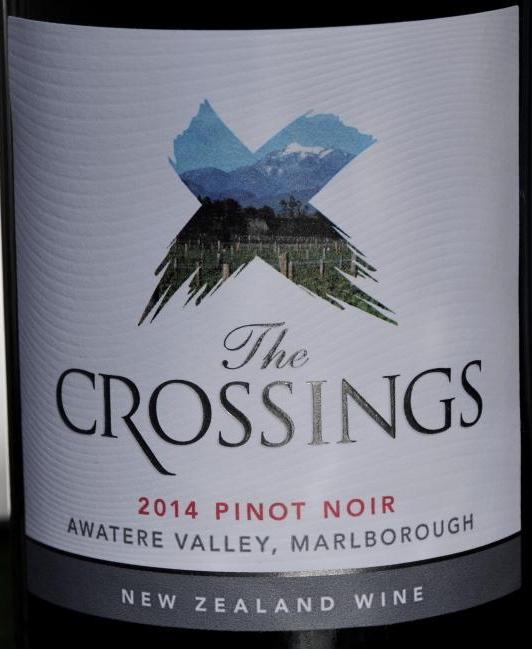 I think Jeff provided great answers. Hearing that 10 years old Sauvignon Blanc is still fresh makes me very happy – I love wines with an age on them, and I love it when the wines are aging gracefully, so I would love to try it by myself. Well, yes, I didn’t try the 2005 – instead, I tried the wine from the vintage Jeff was so happy about it – the 2015. I tasted latest releases of both Sauvignon Blanc and Pinot Noir, which I got as samples, courtesy of the importer, Deutsch Family Wine & Spirits. For you to understand how new the 2015 was, the bottle even didn’t have an official label on it yet.
Here are my tasting notes:
2015 The Crossings Sauvignon Blanc Awatare Valley Marlboro, New Zealand (13% ABV, SRP $14)
C: straw pale
N: beautiful fresh cut grass, just a hint of grapefruit, lemon zest
P: clean acidity, fresh, lemon undertones, herbal notes, perfectly balanced
V: 8, one of the very best NZ sauvignon Blanc wines I ever tasted. Summer day in the glass.
2014 The Crossings Pinot Noir Awatare Valley Marlboro, New Zealand (14% ABV, SRP $18)
C: dark ruby
N: smoke and raspberries, lavender, touch of mint, baking spices
P: sweet cherries, plums, hint of vanilla, touch of spices, good balance, medium body, medium-long finish.
V: 7+/8-, classic Marlboro Pinot Noir
There you have it, my friends – virtual interview and very real, delicious wines. Now, let me ask you a question – if you would have an opportunity to talk to the winemaker, what would be your questions? What do you think of our Q&A session? Happy Friday and Cheers!
Wines Worth Seeking, and The Food To Match
When it comes to the wine produced in the world, Italy is an unquestionable leader – Italy produces more than twice as much wine as country in the second place – France, and 10 times more than US, which is #4 on the list (numbers from 2014). That essentially means two things:
- There are plenty of Italian wines available at any wine store, definitely the case in US.
- There are lots and lots of producers in Italy which are just starting to conquer the worldwide markets – and they often make wonderful wines.
What is the first region which comes to mind when you think about Italian wines? I bet it is Tuscany for the most, followed probably by Piedmont and then may be the Veneto. Well, we are not going to talk about any of those. Producer which I would like to bring to your attention comes from much lesser known area in central Italy, up on the Adriatic coast – the region called Marche.

Hills of Marche (source: San Giovanni web site)
I can confidently state that 6–7 years ago, absolute majority of the wine drinkers in US never heard of the region Marche. Over the past few years, the situation changed, and Marche wines started showing up in the wine stores, often offering a nice surprise to the consumers who are not afraid to venture out of the all so familiar Chianti, Barolo and Pinot Grigio.
As you probably guessed by now, Marche wines is what we will be talking about today – let me introduce to you Azienda Agrobiologica San Giovanni winery, located on the Piceno hills, few miles from town of Offida. Offida gives name to the Offida DOCG, a wine production area focused on the grape called Pecorino.
San Giovanni winery was officially founded in 1990 (the family was making wine for much longer time). The vineyards extend across 75 acres around the green hills, at an average altitude of about 1000 feet (320 meters). From the very beginning, the winery was built on all organic principles, with utmost respect to the land and the environment. As you would probably expect, the winery practices dry farming and uses only natural yeast. In a quest to produce wines most attuned with nature, San Giovanni winery is even using a different type of natural cork, produced from the sugar cane. As I was reading online, sugar cane corks are touted specifically as the best enclosure for organic wines, and they even boast negative carbon footprint, as sugar cane captures carbon dioxide – not sure how that works, but here is a link in case you want to educate yourself.
Before we will talk about the wines, one more important note about San Giovanni wines. Not only all the wines are organic, they are also Vegan! There are no animal products used in production of the wines, and in 2014 the winery became certified vegan as “Qualità Vegetariana Vegan” by CSQA.
San Giovani uses typical local varieties to produce their wines – Passerina, Pecorino, Trebbiano, Montepulciano and Sangiovese. Overall, San Giovanni makes two different lines of wines – Gyo, meant for an early consumption, and a group of wines more of a “reserve” level (I’m using the word “reserve” here as a very loose term, for the lack of common group’s name). During the tasting, which was also accompanied by a delicious meal, we had a pleasure of trying 4 different San Giovanni wines.
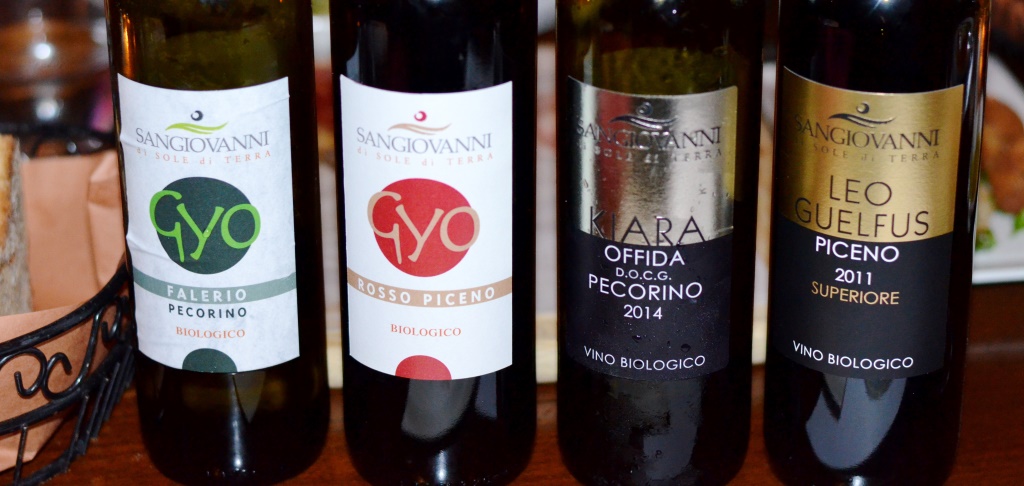 Here are my notes:
2014 Sangiovanni Gyo Pecorino Falerio DOP, Marche (13% ABV, SRP $13, 85% Pecorino, 15% Trebbiano)
N: White fruit, touch of grass
P: Hint of lemon peel, nice plumpness – almost Chardonnay-like, silky. Medium+ body, touch of bitterness.
V: 7+, nice
2014 Sangiovanni Kiara Pecorino Offida DOCG, Marche (13.5% ABV, SRP $20, 100% Pecorino) – this wine is named after owner’s daughter, Kiara. An interesting note – it is considered that Pecorino is at its best after 3 years in the bottle.
N: Bright stone fruit, leeches
P: sweet notes on the palate, apricots, medium to full body, nice acidity, good balance, long finish.
V: 8-, excellent


2014 Sangiovanni Gyo Ross Piceno DOP, Marche (13% ABV, SRP $13, 70% Montepulciano, 30% Sangiovese)
N: crushed fruit, fresh, blackberries
P: soft warm red fruit, nice layers, silky texture, polished and balanced
V: 8. Would be perceived as an expensive wine in the blind tasting. I would gladly drink this wine every day.
2014 Sangiovanni Leo Guelfus Piceno Superiore DOC, Marche (13.5% ABV, SRP $20, 70% Montepulciano, 30% Sangiovese, 18 month in oak, 18 month in the bottle)
N: Concentrated, plums, cherries, touch of herbs
P: Wow! Delicious, fruit, layers, spices, silky smooth, refined, long finish
V: 8+/9-, outstanding wine by itself, and one of the best values you can find at a price. This might be the wine with the best QPR I tasted throughout entire year.


As I mentioned already, the pleasures of the evening were not limited only to the wines. Our tasting took place at Cotto Wine Bar, a wonderful small outpost of authentic Italian cooking in Stamford, Connecticut.
Our hosts spent quite a bit of time going over the menu, looking for the dishes which would help to showcase the wines. As a first course, we had an excellent selection of various cured meats and cheeses – both Gyo and Kiara Pecorino wines perfectly accompanied these, providing nice backbone of acidity.


Next two pasta dishes arrived – Fettucine alla Bolognese (Fresh Homemade Pasta, Meat Ragu, Shaved Ricotta Salata) and Gnocchi alla Genovese (Basil Pesto, Oven Dried Tomato, Pine Nuts, Fresh Perline di Mozzarella), each one being very tasty. Sangiovanni Gyo Rosso Piceno was a perfect suitor here, weaving itself into the flavor profile of the dish.


Our last course consisted of two meat dishes – Agnello Scottadito (Grilled Lamb Chops, sauteed Brussel Sprouts, Pine Nuts and Raisins) and Straccetti Arugula e Parmigiano (Thinly sliced USDA Prime beef served with arugula, Parmesan Cheese and Balsamic Vinegar from Modena), meat cooked to perfection and delicious on its own. The Sangiovanni Leo Guelfus Piceno Superiore, with its firm structure, dark fruit and gentle tannins, perfectly complemented the meats, happily elevating every bite.


There you have it, my friends. Of course, there are lots of wines out there. But the great part of enjoyment of wine comes from the joy of discovery. And this is exactly what I’m taking about here. Sangiovanni wines bring together lots of unique qualities – not only these are tasty wines, but they are also organic, they are good for vegans, and they deliver an outstanding QPR. These are definitely the wines worth seeking.
And if you are ever in Stamford, and craving good Italian food, Cotto Wine Bar might be just “it”. Cheers!
Cotto Winebar and Trattoria
51 Bank St
Stamford, CT 06901
Phone: (203) 914-1400
http://cottowinebar.com/
[Wednesday’s] Meritage – Grenache Day, SHARE Campaign, Discover Georgia in New York
 Yes, I’m aware that this is very much not Wednesday, nevertheless – Meritage Time!
First of all – tomorrow, Friday September 18th, we will be [once again] celebrating the grape – this time, it is Grenache, a.k.a. Garnacha. Grenache definitely is one of the wine world’s darlings, enjoying huge popularity everywhere – France, Spain, California, Washington, Australia, South Africa. Whether part of a blend or playing solo, Grenache offers tremendous range of expressions and can easily be one of the most versatile red grapes. So tomorrow, grab a bottle of your favorite Grenache wine, join the festivities, and of course, share it with the world – use tag #GrenacheDay on Twitter or Instagram. You can also check out Grenache Day website and Facebook page.
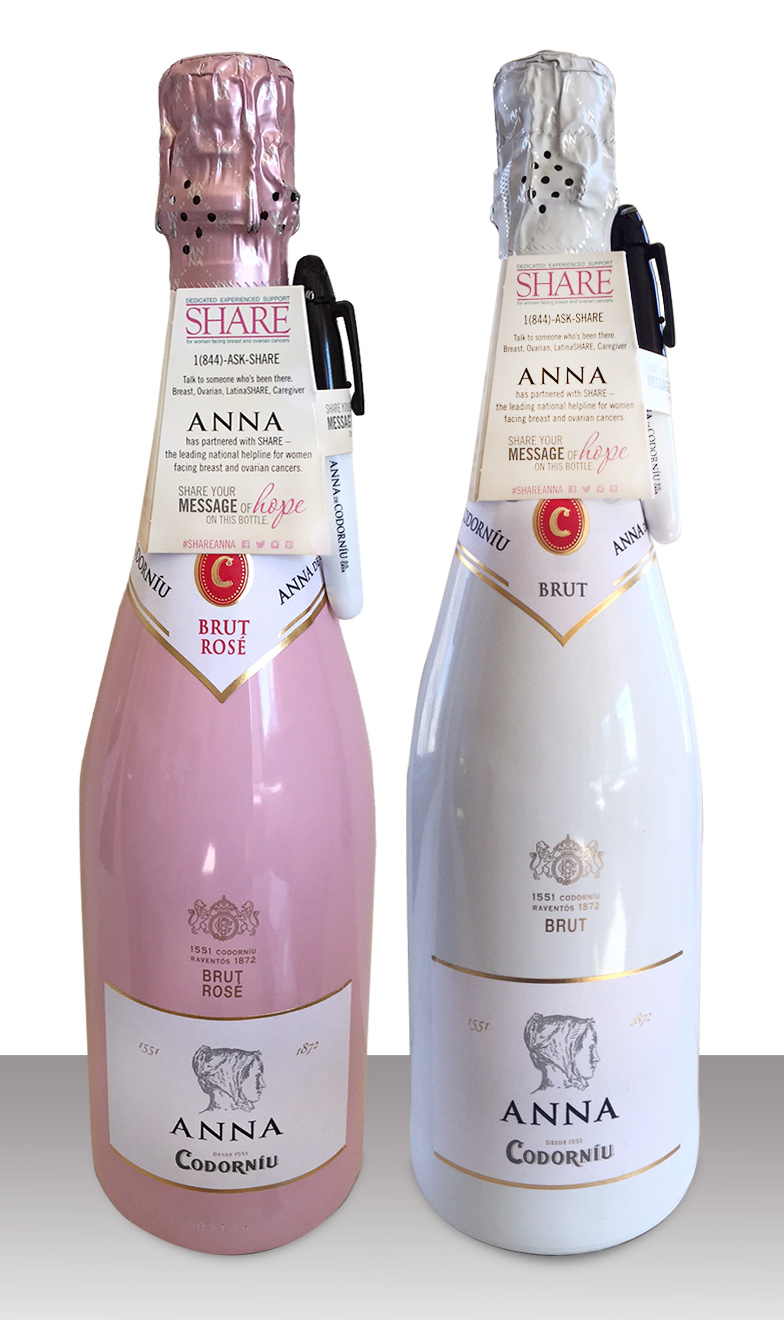
While this might be “an obsession of oenophile”, I can’t help but to notice how often wine is a subject of many “do good” initiatives – charity auctions, fund raisers. “drink for a cause” events. Here I want to bring to your attention one of such “do good” initiatives – partnership between Anna Codorniu, one of the best Cava producers from Spain, and SHARE, “a national organization that provides informed peer support, empowerment and educational resources to women affected by breast and ovarian cancers”. To support this cause, Anna Codorniu created special campaign called “Message on a Bottle” – I very rarely cite text from press releases, but let me just include this passage as a reference: “Anna de Codorníu will encourage consumers to engage with SHARE through the Message on a Bottle campaign encouraging consumers to write their messages of hope on the Anna bottle and connect with #SHAREANNA on social media. In-store displays and bottles will prominently feature information about SHARE, to access their services and become more involved. On September 21, Anna de Codorníu Brut and Brut Rosé will be served at the 12th Annual A Second Helping of Life benefit in New York City, featuring top chefs such as April Bloomfield, Anita Lo and Christina Tosi. (www.sharebenefit.org)”.
Last week I mentioned that Georgian Food and Wine event will take place in New York city on September 25-27, at Chelsea Markets – and here is the link for more information. Georgian hospitality is second to none, so if you have a slightest possibility of attending the event, I would highly recommend that you will make an effort to visit Chelsea Markets and experience #GeorgianBazaar firsthand.
And that is all I had for you for today. The glass is empty, but refill is on the way. Cheers!
Daily Glass: Red with Dessert
When ordering wine with dinner, especially eating by myself, I practically never think of wine and food together. I usually look for the wine which would be interesting and affordable, without regard to the color or style. As last night was probably my 4th dinner of the trip at the same hotel restaurant, I knew that my choices were limited – I already had some (didn’t want to repeat), and some where just out of my price range. After scanning the list back and forth multiple times, I finally settled on 2013 M. Chapoutier Petite Ruche Crozes-Hermitage AOC (€7.20 per glass at the restaurant).
That choice combined together a few of the favorites. First, Crozes-Hermitage is an appellation which encircles the famous, but tiny Hermitage, and the wines in both areas are made from the same grape – Syrah, one of my absolute favorites – with Crozes-Hermitage been a lot more affordable. Second, this wine was made by Michel Chapoutier, one of my favorite producers, who I had a pleasure of meeting (and still have a blog post about it in the works 😦 ). The wine was just absolutely delicious – expressive nose of lavender and red fresh berries, touch of smoke, luscious, velvety palate with perfect black pepper and red fruit core, clean acidity and perfectly balanced.

I was very happy with the wine just by itself, but it also perfectly matched the main course, which I was contemplating for almost the whole trip, somehow not finding the right moment for – Steak Tartar. I don’t know when and how it became one of my favorites – I still like to recount the story of my horror when I ordered it for the first time at one of the Paris restaurants (8 years ago), and the plate with simply chopped raw beef appeared in front of me. After mixing the beef up with all the condiments, I found it absolutely delicious, and I do ever since. You can find steak tartar in US restaurants, but for some strange reason served already mixed, so I was definitely happy to have the classic version where I’m in control. And yes, the wine was working with the dish just fine.

As I loved the wine very much, I was in the mood for another glass, which quickly appeared on the table. Now it was the dessert time, and all of a sudden I was on the mission to find a good pairing. Desserts and dry wines are a tricky combination – more often than not you can end up having sweetness fighting with structure and tannins of the wine. I didn’t feel like cheese (also pairing of cheese and wine is greatly overrated – it is actually very difficult to create matching combination). My only option seemed to be a chocolate cake, but with that I was a bit concerned that chocolate might overpower the wine which was luscious, but quite light. Thus I decided to ask for the advice of my waiter. I found his recommendation a bit surprising – a modern dessert which combines fresh raspberries with almond tartlets and vanilla cream. However, he had a point, suggesting that the fruity core of the wine (same raspberries) would match well with the fruit in the dessert. Well, why not?

The dessert arrived, I took the first bite and the sip of wine – and couldn’t hold a smile. The dish and wine worked together like a charm, perfectly complementing each other and blending together, with the peppery notes of wine adding an interesting twist.
There you have it – a story of successful red wine and dessert pairing, something I would be skeptical of before – but now I know. Love all this learning opportunities the world of wine holds for us – and may your glass never be empty. Cheers!
How About Some Cabernet Franc for the #CabernetDay?
The time has come again to celebrate #CabernetDay. I’m really curious – when you hear the words Cabernet Day, what is the first wine (or grape) which comes to mind – is it Cabernet Sauvignon or Cabernet Franc? I would bet that at least two third of the people (if not more) would associate Cabernet Day with Cabernet Sauvignon – and can you blame anyone? While the most celebrated grape in the world comes from Bordeaux, most of Bordeaux wines are blends, so it is really California wine industry which brought Cabernet Sauvignon to such a star status in the wine world, making it an object of crave and desire.
I looked through my past #CabernetDay posts – most of them talk about Cabernet Sauvignon. Meanwhile, Cabernet Franc, a parent of Cabernet Sauvignon, deserves its own praise. You see, the success of Cabernet Sauvignon, especially the California Cabernet Sauvignon, created certain image, certain collective expectations of any wines which happened to have the name Cabernet Sauvignon on the label – we expect power, we expect concentration, we expect big body and silky layers. When it comes to Cabernet Franc, we still accept the wide range of expression – from spicy and light Loire or US East Coast renditions to the powerful and concentrated Bordeaux (rare) and California wines.
Cabernet Franc is still allowed to be different, without demand to adhere to the “international standard” based on the name. You can find a lot of green bell peppers, earthiness and even tree brunches in the Loire (Bourgueil, Chinon, Saumur-Champigny) or US East Coast Cabernet Franc, of course often emanating that wonderful black currant, (a.k.a. “cassis”). On another end of the spectrum are California renditions of Cabernet Franc, which try to eliminate the green bell pepper and make the wine more similar to traditional Cabernet Sauvignon. Either way, Cabernet Franc provides a bigger variety compare to Cabernet Sauvignon – I never said it is better, though.
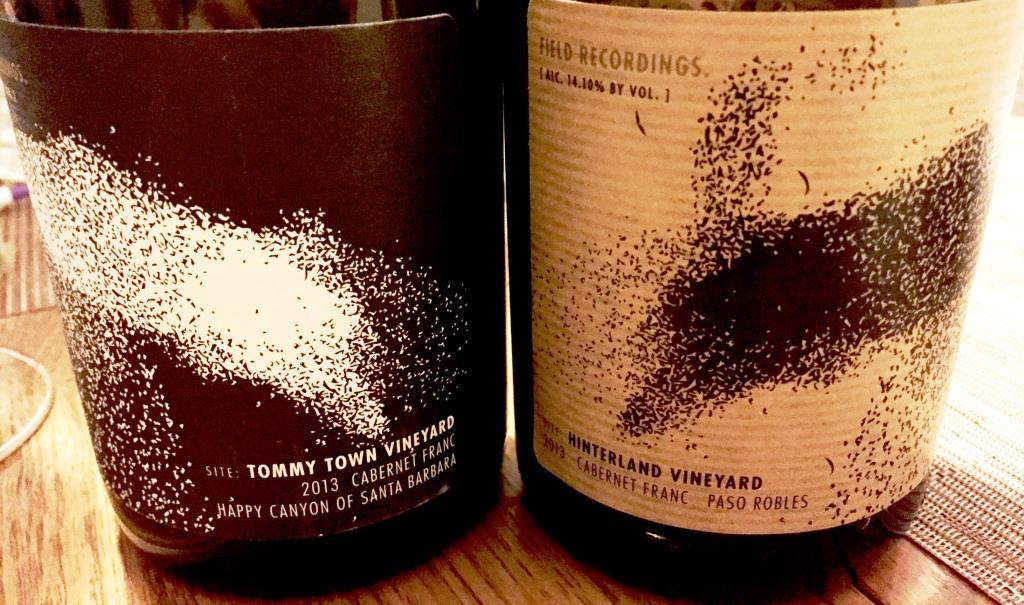 For today’s #CabernetDay celebration I’ve chosen a Cabernet Franc from California. Well, by accident, it happened to be Cabernet Franc for the second day in the row, and for both days it is a Cabernet Franc from one of my favorite producers – Field Recordings. 2013 Hinterland Vineyard Cabernet Franc Paso Robles (14.1% ABV, $18, 88% Cabernet Franc, 8% Cabernet Sauvignon, 4% Merlot), and 2013 Tommy Town Vineyard Cabernet Franc, Happy Canyon of Santa Barbara (14.3% ABV, $18, 100% Cabernet Franc) – two beautiful wines, celebrating a noble grape. The Hinterland Vineyard version was a bit more polished and round, and the Tommy Town Vineyard needed for the alcohol to blow off before it would show itself properly, but both wines had nice, long black currant-loaded finish, and I would gladly drink either one again (those were my only bottles…).
How did you celebrate the #CabernetDay? What was in your glass? Cheers!
World-class American Tempranillo
If you will ask me “what is your favorite wine”, I would always honestly tell you that I don’t have one. Which is generally a true statement. With may be an exception of the Spanish wines – and Tempranillo wines in particular. Deep, deep down, I know that I have a tiny bias towards Tempranillo. Or at least if you will ask about the most memorable wine experiences, Tempranillo wines would be definitely at the forefront.
The “world-class” is not necessarily a generic term when it comes to wines – but this is how I like to refer to the wines which are best of the best in my opinion. The “world-class” in my vocabulary is reserved to the wines which don’t leave you indifferent; these wines solicit emotional response from the person drinking them, and for the most cases that response is a simple three letter “word” – wow (is this actually a word? Not so sure…).
Tempranillo is a great grape of Spain. Rioja, Ribera del Duero and Toro are close to any oenophile’s heart, with lots of unquestionably world-class wines, with hundreds years of winemaking history. Tempranillo made it to the California at the beginning of the 20th century, but was planted in the wrong places too many times (Tempranillo does the best on higher appellations and in the cooler climates), and was mostly used in the blends. In the 1990s, it made it to Oregon, Washington and then Texas, where it started showing excellent results in the single-varietal wines. I had an opportunity to taste single-varietal Tempranillo from Abacela winery in Oregon, and few of the Tempranillo wines from Texas, and they all were good and promising wines.
Couple of days after I published my Spanish Wine Recommendations posts, I got an email from Danielle Irwin, who I knew as a blogger at Naggiar Vineyards, the winery in the Sierra Foothills region in California, where her husband Derek works as a winemaker. Danielle offered to send me a sample of their Tempranillo wine, bottled under their own label as Irwin Family Vineyards. As you can imagine, I gleefully agreed (I rarely refuse a sample, never mind a bottle of Tempranillo), and in a few days the package arrived with two bottles and a letter from Derek inside. The letter included all the technical details regarding the Tempranillo bottle, as to where the grapes were growing (specific plot of the estate vineyard at 1,500 ft elevation), when the grapes were picked (in October 2010), how grapes were fermented (stainless steel and large format French oak barrels) and then how the wine was aged. I let the wine rest for a few days after the trip (to try to avoid “bottle shock”), but then patience worn out, and I opened that bottle…
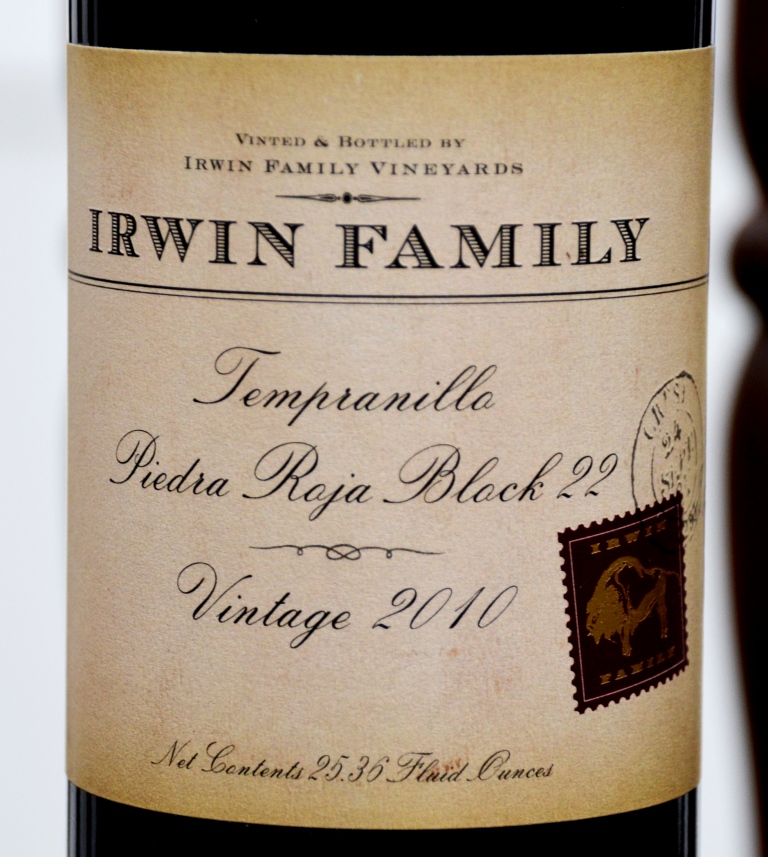
2010 Irwin Family Tempranillo Piedra Roja Block 22 Sierra Foothills ($36, 13.5% ABV, 90% French Oak, 10% American Oak, 28 month)
Color: Dark garnet
Nose: Cherries, cedar box, spices
Palate: Dense, chewy, layered, blackberries, dusty texture (reminiscent of the famous Rutherford Dust). Great complementing tannins, soft but well supporting the structure. Perfect balance. Coffee and mocha in the long lingering finish.
Verdict: outright delicious, world-class wine. Drinkability: 8+. I would drink this wine in a heartbeat at any time. As an interesting side note, the wine paired amazingly well with the Comte cheese.
Derek mentioned in his note that this wine was inspired by the wines of Toro region, which typically are the most concentrated renditions of the Tempranillo, and I definitely see that parallel.
The second bottle was a Tempranillo blend:
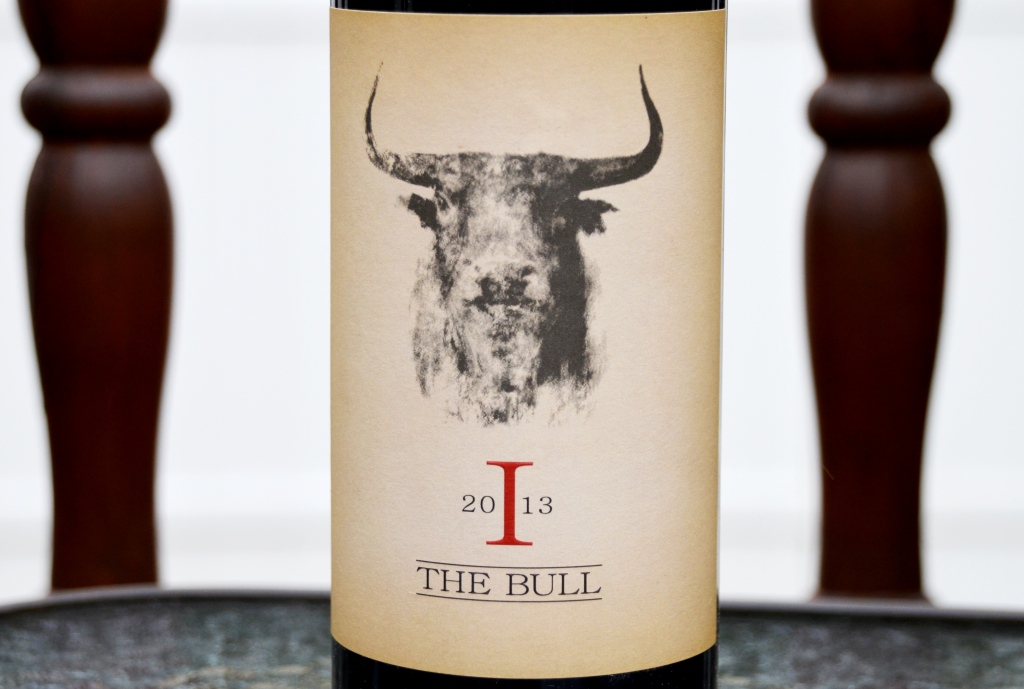
2013 Irwin Family Vineyards The Bull Sierra Foothills ($24, 13.8% ABV, 44% Tempranillo, 28% Malbec, 28% Petite Sirah)
Color: Dark Garnet
Nose: sweet plums, vanilla, nutmeg, dark chocolate
Palate: medium body, touch of spices, perfect acidity, nice textural presence, nutmeg, impeccable balance, lots of dark chocolate both on the palate and in the medium-long finish
Verdict: Delicious! Drinkability: 8. Bonus: works very well with food, especially charcuterie (meat and cheese).
There you go, my friends – two delicious wines from the region which I really want to explore in depth (Sierra Foothills), and the world-class American Tempranillo. You don’t have to believe me – head over to the Napa and taste it at Irwin Family Vineyards, or sign up for their wine club (Tempranillo is only available for the club members). Cheers!
Wednesday’s Meritage – Wine Quiz Answer, #MWWC17 Reminder, Chardonnay Day and more

Tawny Owl. Source: Wikipedia
Meritage time!
Let’s start with the answer to the wine quiz #118 – What Is It?
In that quiz, you were given a picture of the bird (an owl), and the request was to identify the connection between the bird and the wine world.
I have to say that a number of people had very good answers, suggesting that owls are used to protect vineyards against various kinds of rodents, obviously in a natural way. However, this was not the answer I was looking for. The particular type of owl is called Tawny Owl, and it is the color of its feathers that gave the name to the Tawny Port. As the Tawny Port ages, the color of the wine becomes reminiscent of the Tawny Owl coloring, hence the name.
I’m glad to report that we have two winners: Margot from Gather and Graze and Gwain609 of Oz’s Travels – they both identified the owl as a Tawny Owl and suggested that “Tawny” is the key word we are looking for here. They both get the usual price of unlimited bragging rights. Well done!
Now, to the interesting stuff around the vine and the web!
First of all, I want to remind everyone that Monthly Wine Writing Challenge number 17 (#MWWC17) with the theme “Epiphany” is in the full swing! There had been a number of entries submitted, and everyone who didn’t submit one yet (you know who you are!) is very much encouraged to participate. For all the official rules and regulations please use this link.
Next, we got a few of the grape and wine region holidays to celebrate – I’m sure you don’t need a reason to open a bottle of wine, but those holidays solve the problem of choice. Today, I got 3 of them for you. Tomorrow, May 21st, is a Chardonnay Day! Chardonnay needs no introduction – the grape is successfully grown all over the world, a hallmark of Burgundy, Champagne, California and practically any other wine growing country and the region. You should have no problems finding the good bottle to open, and then sharing your thoughts in the social media using the hash tag #ChardonnayDay.
Next we have two distinct regions celebrating its heritage in May – May is an Oregon Wine Month and also an Aussie Wine Month! Oregon today is a lot more than just a Pinot Noir, and Australia is a lot more than just a Shiraz – lots of wonderful wines are made in both places, so you will have no issues finding excellent authentic wines to drink for the next 10 days.
Last but not least for today – the new danger for your wallet had just became a reality. Well, no, I’m not talking about some elaborate wine scam or a new series of emails with unbeatable business proposals from Africa. Last Bottle Wines, one of my favorite purveyors of the fine wines at the value prices, finally joined the 21st century and announced availability of the Last Bottle App for the iPhone – here are the details. Now you can be notified of all the new offerings and will have a better chance to react to them. If you are still not a customer of Last Bottle Wines, I will be glad to be your reference – yes, I will get a $20 credit after your first purchase, and you will get $5 credit on that same purchase – but then you will be able to sign up your friends. And, of course, to thank me again and again. You can click here to sign up for the Last Bottle Wines account.
And we are done here. The glass is empty – but the refill is on its way! Cheers!
New Zealand, Familiar and Not
 Here is your motivational quote of the day: “open your mind, and discovery will follow”. If you are wondering what the heck is wrong with this Talkavino guy starting the wine post with motivational quote, read on, I will explain.
Today we will be talking about the wines of New Zealand. What is the first wine which comes to mind when you think “New Zealand”? Don’t know about you, but for me it is a Sauvignon Blanc. Closely followed by Pinot Noir. But then there is beautiful Chardonnay, and Bordeaux blends, and Riesling – please, don’t forget the Riesling!
Two weeks ago I attended the New Zealand wine tasting event in New York. The event consisted of the seminar and the tasting, so below you will find my notes from both. But before I will inundate you with the wines and the tasting notes, let me share some general thoughts.
New Zealand wine industry is relatively young. First Sauvignon Blanc was planted in 1973, and first commercial release took place in 1979. [However, the first vines were planted in New Zealand in 1819, and in 1881 Pinot Noir from Central Otago got gold medal in the “Burgundy” category at the wine show in Sydney – but let’s leave it aside for now]. Through the 1980s, Cloudy Bay found its magic, and New Zealand wines spread out throughout the world (definitely in US). The New Zealand wine export had been growing steadily for many years, from 30M gallons of wine in 2009 to the 44M gallons in 2013, also reaching almost US $1B in revenues in 2013. Also, a lot of New Zealand wineries utilize sustainable winemaking methods and use organic grapes (you can read more here).
What I also sense from reading the blogs and listening to the experts is that the New Zealand winemakers are feeling constrained by what they already achieved and are trying to break the boundaries. Few simple facts for you. There are 11 defined wine regions in New Zealand. However, many winemakers believe that this is not enough, and want to define the sub-regions with much smaller boundaries. Such sub-regions are not yet official [I might stand corrected here – according to the New Zealand wine web site, the sub-regions are defined, but I still don’t know how widespread or how official those designations are], but on many labels you can already see designations for the sub-regions, such as Awatere or Waihopai in Marlborough, or Pisa in Central Otago. Different soils, different micro-climates, different terroirs, if you will – all lead to production of stylistically different wines coming from the different areas of the same bigger region.
There is more to this “breaking the boundaries”. New Zealand wine is not only a Sauvignon Blanc and Pinot Noir. There are Syrah, Merlot, Pinot Gris, Chardonnay and even Grüner Veltliner and Chenin Blanc wines which are shining. And even familiar Sauvignon Blanc is taking to the totally new territories, by using oak and not only – which leads us to the seminar, so we can finally talk wines.
The seminar was very interesting. It was done in the unusual format. There was no classroom with a head table and presenters. There was a big roundtable (well, it was actually a square), with presenters and winemakers sitting around the room among the participants. But this was not the most unique characteristic of the event. There were 9 Sauvignon Blanc wines presented in the event. And all 9 were … oaked. With the various degree, but yes, all Sauvignon Blanc wines went through some oak ageing process. There was also a 7 years old Sauvignon Blanc wine, which was quite unique for me. All in all, it was very different and interesting. Was it successful? I will defer you to my notes below. Here we go.
2014 Amisfield Sauvignon Blanc Central Otago (SRP $20)
C: pale straw
N: fresh cut grass, very restrained, lemon notes, minerality, touch of sapidity, interesting complexity.
P: tremendous acidity, more of a Muscadet style, lots of minerality, food wine (oysters!)
V: nice and restrained, Drinkability: 8-
2014 Nautilus Sauvignon Blanc Marlboro (SRP $17.99)
C: light straw, greenish
N: concentrated green notes, more of a fresh vegetables greens in the garden than grass. Touch of sweetness after swirling the glass.
P: very restrained, complex, salinity, white stone fruit, acidity on the finish.
V: Drinkability: 7+
2014 Huia Sauvignon Blanc Marlboro (SRP $19)
C: pale straw
N: hint of gasoline – disappeared after intense swirling. Touch of white fruit, restrained. Hint of lemon. Overall, nose is not very pronounced.
P: tremendous acidity, hint of Granny Smith apples
V: wine finishes nowhere, lacking conclusion. Drinkability: 7-
2014 Neudorf Sauvignon Blanc Nelson (SRP $17.95)
C: light straw yellow
N: non-typical. But may be a distant hint of grass.
P: lemon, fresh, supple, good acidity, nice textural presence. Still, tremendous amount of acidity is coming through, plus tannins in the finish!
V: Drinkability: 7+, okay wine
2014 Craggy Range Te Muna Road Sauvignon Blanc Marlboro (SRP $28.99)
C: pale yellow
N: touch of vanilla, touch of tropical fruit, hint of grapefruit
P: great complexity, restrained, guava, lemon, minerality, grass, touch of tannins, but it is well integrated.
V: Drinkability: 7+
2013 Seresin Marama Sauvignon Blanc Marlboro (SRP $40)
C: light yellow
N: butter, vanilla, butterscotch- wow, is this is a Chard? Pronounced, concentrated flavors!
P: vanilla, butter, more akin to a butterscotch candy, fresh and exuberant! The clearest expression of butterscotch candy of any wines I ever had (bold, I know)
V: it gets 8 (or even 8+) as a Chardonnay and 6 as Sauvignon Blanc. I would be glad to drink this wine – just don’t tell me what it is.
2013 Trinity Hill Sauvignon Blanc Hawke’s Bay (SRP $16.99)
C: light straw yellow
N: very inexpressive. Whatever I think I smell, is a product of my imagination. After 5 minutes of swirling, grass showed up, more of a typical expected SB. Still Very restrained.
P: nice acidity, good with oysters, nice touch of white fruit, fresh and clean
V: Drinkability: 7
2012 Pegasus Bay Sauvignon Blanc Waipara Valley (SRP $28)
C: pale straw yellow
N: complex aromatics, touch of oak, elevated white fruit (apples, hint of tropical fruit). One of the best on the nose so far. Distant hint of grass
P: Elegant, fresh, well integrated acidity, apples
V: one of the best in the tasting. Drinkability: 8-
2008 Mahi Ballot Block Sauvignon Blanc Marlborough (SRP $24)
C: light yellow, doesn’t show the age at all
N: some vegetative notes and fresh salami (yes, you can unfollow me if you want). Some distant resemblance of fruit. On a second thought, it has a Chablis-like minerality. The sausage is off, Chablis is in.
P: most elegant palate in the tasting. Acidity definitely wore off, but the wine is elegant, complex, mellow, just an interesting wine in the style of nicely aged white Rhône.
V: best of the tasting. Very round and elegant. Drinkability: 8.
And then there was a tasting. I didn’t get an opportunity to taste all the wines. Also, as you would expect, I liked some wines more than the others. Thus below are the wines which I liked the most from what I tasted. Oh wait, I still have to explain myself with that “open your mind” intro. Let me do it now, the story is rather simple.
What flavors do you typically associate with the Sauvignon Blanc? Grass? Check. Lemon? Check. Grapefruit? Check. Gooseberry? As Chris Kassel mentioned recently, most of the people who didn’t live in Europe have no idea how Gooseberry smells or tastes, but okay. Check. Some white tropical fruit? Possible and Check. But what about Black Currant? I don’t know about you, but I don’t associate red or black berry aromas with Sauvignon Blanc. But – black currant is one of the main characteristic aromas of Cabernet Sauvignon. And Sauvignon Blanc is a parent of Cabernet Sauvignon. Thus when I heard from one of the hosts talking about the wine “beautiful black currant aroma”, that was a nail on the head! Yes – exactly – the revelation – forget the damn Gooseberry, just open your mind (talking to myself) and understand that black fruit can be associated with white wine (I’m sure the opposite is true). I would honestly say this was my main discovery of the tasting, the revelation.
Now let’s get back to wines. My absolute favorites where Sophora Sparkling wines (simply a wow and an incredible QPR), Syrah from Elephant Hill, Chenin Blanc from Astrolabe, Sauvignon Blanc from Saint Clair, Doctors Grüner Veltliner and Lake Chalis lightly fizzed Sauvignon Blanc – all shown in blue below. But all in all, lots of delicious wines in the tasting. All prices are suggested retail as listed in the brochure. Let’s go:


2014 Amisfield Sauvignon Blanc Pisa, Otago ($20) – +++, clean, restrained
2013 Amisfield Pinot Gris Pisa, Otago ($25) – +++, nice touch of oak
2011 Amisfied Pinot Noir Pisa, Otago ($35) – ++1/2, nice balance, still needs time
2012 Amisfied Pinot Noir Pisa, Otago ($35) – +++, elegant, round, touch of green notes
2014 Ara Pathway Sauvignon Blanc Waihopai, Marlborough ($16.99) – +++, very good, traditional
2013 Ara Pathway Pinot Noir Waihopai, Marlborough ($18.99) – ++1/2, nice, clean
2014 Ara Single Estate Sauvignon Blanc Waihopai, Marlborough ($19.99) – +++, clean, balanced
2013 Ara Single Estate Pinot Noir Waihopai, Marlborough ($23.99) – ++1/2, very good, tannins, needs time
2012 Astrolabe Province Sauvignon Blanc Marlborough ($23) – +++, excellent, black currant, perfect balance
2014 Astrolabe Province Pinot Gris Marlborough ($23) – +++, beautiful aromatics
2012 Astrolabe Province Pinot Noir Marlborough ($28) – +++1/2, excellent!! Best of tatsing?
2013 Astrolabe Vineyards Chenin Blanc Wrekin Vineyard Southern Valleys, Marlborough ($22) – +++, concentrated, Vouvray-like, excellent, creamy
NV Sophora Sparkling Rosé Hawke’s Bay ($16) – +++, wow! beautiful – aromatics and structure of the classic Chgampagne. Outstanding QPR
NV Sophora Sparkling Cuvée Hawke’s Bay ($16) – +++, equally excellent as the previous wine
2012 Domaine-Thomson Surveyor Thomson Single Vineyard Pinot Noir Lowburn, Otago ($44) – ++1/2
2011 Domaine-Thomson Surveyor Thomson Single Vineyard Pinot Noir Lowburn, Otago ($44) – +++, excellent!
2013 Elephant Hill Syrah Hawke’s Bay ($28) – ++++, spectacular! An absolute precision of Syrah with peppery profile
2014 Fire Road Sauvignon Blanc Marlboro ($13) – ++1/2, nice, simple, balanced
2013 Fire Road Pinot Noir Marlboro ($15) – ++1/2, probably best QPR at the tasting
2013 Doctors Grüner Veltliner Marlborough ($18) – +++, touch of petrol, nice
2014 Doctors Sauvignon Blanc Marlborough ($18) – +++, nice, clean, good acidity
2013 Seifried Pinot Gris Nelson ($18) – ++1/2, clean, nice
2012 Seifried Riesling Nelson ($18) – +++, petrol, beautiful
2013 Maimai Syrah Hawke’s Bay ($20) – +++, excellent, dark
2014 Lake Chalis Cracklin’ Savie Sauvignon Blanc Marlborough ($18) – +++1/2, beautiful, fresh, lightly fizzed, very unique. Similar to Moscato in creaminess, but dry
2014 Lake Chalis Sauvignon Blanc Marlborough ($18) – +++, perfect, black currant, beautiful!
2014 Saint Clair Family Estate Sauvignon Blanc Marlborough ($17.99) – +++, beautiful balance
2014 Saint Clair Pioneer Block 18 Snap Block Sauvignon Blanc Marlborough ($26.99) – +++, interesting complexity
2012 Saint Clair Wairau Reserve Sauvignon Blanc Wairau, Marlborough ($31.99) – +++1/2, very complex, very unusual
2012 Saint Clair Pioneer Block 16 Pinot Noir Awatere, Marlborough ($17.99) – +++, Oregon-like, very elegant
And we are done here. What do you think of New Zealand wines? What are your favorites? Did you ever associated Sauvignon Blanc aromas with black currant? Until the next time – cheers!
What Do You Think Of Sauvignon Blanc? Take a Poll!

Sauvignon Blanc grapes, as presented in Wikipedia
Today we are celebrating 6th annual Sauvignon Blanc Day (#SauvBlanc Day). Sauvignon Blanc, one of the parents of the ever so popular Cabernet Sauvignon, is one of the most popular, noble and widespread white grapes in the world – it is an equal member of the “Royal Trifecta”, if you will – together with Riesling and Chardonnay.
Sauvignon Blanc originated in France (Loire Valley and Bordeaux), and from there, it spread all over the world. In addition to France, Sauvignon Blanc wines are successfully produced in New Zealand, Chile, South Africa, Italy, Canada, California, Washington and many other places (for example, I recently had Sauvignon Blanc from North Carolina in US which was outstanding).
Sauvignon Blanc is capable of a wide range of expression, depending on where it comes from – from the grassy Sancerre, the acidic Touraine, to the fresh and plump Napa renditions, back to the minerally, thought provoking goodness of Italian wines and to the tropical paradise of New Zealand and Chile – and, of course, everything in between. It can be made into a bone dry wine; but it is equally successful in the form of late harvest, dessert or even an Icewine.
Whether you will be celebrating the Sauvignon Blanc Day by opening your favorite bottle or you have some other wine plans doesn’t really matter. What I want to do here is to take you on the trip down your own memory lane, and ask you to share your favorite Sauvignon Blanc wines with the world. Not necessarily the exact vintage, but at least the producer and the wine. It can be one or five – this is up to you.
Sure, I can go first, if you insist. Not in any particular order – Cloudy Bay from New Zealand, Mara White Grass and Honig from Napa Valley, Jermann, Gaja Alteni di Brassica and Poggio alle Gazze dell’Ornellaia from Italy, Anakena Indo from Chile. Your turn now!
Lastly, I want to run a simple poll, just for fun. Below is the list of some of the most popular regions for the Sauvignon Blanc wines – I want you to chose your favorite(s). It is a multiple choice, but I would ask you to limit your answers to 3. If you think 3 is not enough, use the comments section. And if your regions is not listed, please use the same comments section below so I would know what I’m missing.
Happy Sauvignon Blanc Day and Cheers!
Last Bottle Sign Up ($10 credit)





