Archive
Daily Glass: Few Wines, Beautiful and Interesting
Disclaimer: this blog post is not an attempt to create the new rating system. It is rather an account into the emotional escapades of the oenophile tasting wine.
Here I’m again with the super-indescriptive descriptor – beautiful wine. I wonder if the phrase “beautiful wine” gives you a mental image. I’m not talking about the exact image of an object shaped in the form of a bottle, but rather a mental anchor you can relate to “ahh, I understand”. Let me deconstruct this “beautiful wine” term as the following:
1. The wine is perfectly balanced – fruit, acidity, tannins, texture, structure – all together.
2. Drinking this wine is a pleasure
3. The wine is memorable
4. “Beautiful wine” designation is totally spontaneous and emotional. It usually happens after the first sip and the subsequent uncontrollable “wow”.
When it comes to the term of “interesting wine”, that happens when I’m puzzled, like “hmmm, interesting, I’m not sure what to think of it”. Please understand that it is very different from “ouch, it needs time”, “what is it???”, “crap” and “this is disgusting”. “This is interesting” simply means that I can’t put a handle on what I’m tasting, where, for instance, the initial sensation of round and silky is followed by something harsh and unbalanced. “This is interesting” usually ends up being extended into “hmmm, this is interesting, let’s give it some time”. From this point on, the wine can be put aside to be drunk at another day, or it might go into the decanter if I feel that it would be sufficient to change it.
Here are the few wines we had last week, some beautiful and some are … interesting.
2011 Field Recordings “Neverland” Red Wine Grassini Vineyard Happy Canyon of Santa Barbara (15.1% ABV, 75% Cabernet Sauvignon, 15% Petit Verdot, 10% Merlot. Aging: 50% new French barrels, 25% new American barrels, 25% seasoned French for 18 month) – believe it or not, but every time I open a bottle of Field Recordings wine (which is easy – just twist off the screw top), I have a moment of trepidation – will it be as good as everything else I tasted before from Field Recording? You could’ve noticed in this blog that I have a lot of happy reviews of the Field Recordings wines, thus it creates that uneasy moment with each new bottle opened. Luckily, this bottle of “Neverland” didn’t deviate from the trend at all – beautiful nose of cassis and blueberries, open, bright and concentrated, followed by more of cassis, sweet oak and blueberries – but nothing over the top, soft and delicious fruit with perfectly refreshing acidity, soft tannins and overall impeccably balanced. This was a beautiful wine – and equally dangerous (“dangerous wine” = disappears before you notice it). Drinkability: 8+
2012 Cane and Fable 373 Cabernet Sauvignon Paso Robles (14.9% ABV, 85% Cabernet Sauvignon, 10% Tempranillo, 5% Petit Verdot. Aging: 225L oak barriques, 25% new, 12 month) – this wine is the result of collaboration of Field Recordings’ Andrew Jones and Curt Schalchlin of Sans Liege fame. Different presentation of the bottle (yes, I know, that giant cricket on the label can be off-putting), and the bottle is enclosed with the actual cork and not the screw top as all of the Field Recordings wines. The nose was more restrained than the previous wine, but still showing cassis with some earthy overtones. On the palate, this was that exact “interesting wine”. It was showing nice fruit and structure, but was somewhat fluctuating on an off in terms of being round, or not. So this was an interesting wine to put aside, which I did. As you can take a hint from the cork enclosure, this wine is intended to age – and on the second day it came together, showing cassis with the addition of espresso and earthiness – I think that Tempranillo was holding it away from becoming Bordeaux-like, so this was the wine on its own, well balanced, restrained, and craving for food. I have another bottle and I definitely intend to give it a few years to see what it is capable of. By the way – a mini quiz for you – care to guess what 373 stands for in the name of this wine? Drinkability: 8-
2010 CVNE Monopole Rioja DOC (13% ABV, 100% Viura) – the oldest white wine brand of Spain, produced since 1915. Fresh citrus and herbs on the nose, impeccably balanced and restrained on the palate, with the notes of lemon and green apple, clean acidity, very pleasant to drink. I have a few more bottles, and I’m keeping them. Drinkability: 8
2012 Colline de l’Hirondelle Cocolico, France (15% ABV, 60% Chenançon Noir, 25% Grenache, 15% Syrah) – Another case of the interesting wine, this time due to a number of factors. First of all, this wine contains a new grape – Chenançon Noir from France. Second of all, the initial impression from this wine was more reminiscent of the big body, brooding Spanish Grenache – Shatter by Dave Phinney or Alto Moncayo come to mind – and it was not round enough and was asking for decanter – which was provided. After about 40 minutes, it showed plums and ripe sweet cherries, still powerful and big bodied, but more round and balanced then from the get go. Considering the price of $15.99, if you like big and powerful wines, this might be the one for you. Drinkability: 8-
And that concludes my post. Any beautiful or interesting discoveries you care to share? Comment away! Cheers!
Turley The Label 2011 – Sometimes, Words Are Just Not Enough
 Wine triggers emotions. Emotions become memory knots. Sometimes, just one quick look at the bottle is enough to unleash the memory flood – where, what, how, the images and thoughts are just start coming in. Wine triggers the memory of the moment in the past, and we remember what was happening. But how often do we remember the wine itself? How often do we remember the smell and the taste? Take the wine out of the context of the memorable event, just bring it back to the regular Monday night, just an average, uneventful night – how many Monday (or any other regular weekday or weekend) night bottles can you recall?
And then there are wines which require no memorable setting to be memorable on their own. The wines which don’t bring the memories of the moment, but rather memory of itself. Those wines are rare, few and far in between. But they exist. And from time to time, we are lucky enough to encounter one more. My latest encounter? 2011 Turley The Label.
2011 Turley The Label Cabernet Sauvignon Napa Valley (13.4% ABV) was released in the late fall of 2013, and came out in its traditional simple bottle. Dark garnet color liquid went into the glass. Swirl, another swirl, sniff… OMG. What is it? What is this wonderful aroma, which doesn’t let you put the glass down – nor take a sip – the first smell commands another… and another … and another. At first, you are not even looking for the right words to describe what you smell, you just keep enjoying the aroma. Then the brain starts moving impatiently – “I know this smell, I know this smell, come on, come on”. All of a sudden, the realization comes in – yes, I do know the smell. It is black currant. Bot not the berries. It is the leaves. It’s those meaty, big green leaves on a hot summer day – that’s what it is – and the smell is incredible.
Similar to the fresh meadows of Fiction, or gunflint of Frédéric Gueguen Chablis, those fresh black currant leaves of Turley The Label create an unforgettable image – really a memorable wine in its own right. The magnificent smell was followed by the dark supple fruit on the palate – blackberries and black currant, with firm tannins. It took the wine three days to open up and to actually show what it is capable of, when dark chocolate and espresso joined the profile of much brighter fruit, well structured with supple tannins, good acidity and overall perfect balance. Definitely a great wine which will need about 10 years to really come to its best. Drinkability: 8+
What are your most memorable wines? I would love to hear your stories. Happy Monday and cheers!
Cabernet Day 2013: 1996 Burgess Cabernet Sauvignon
I’m glad we have all those Grape days – Grenache Day, Chardonnay Day, Cabernet Day, Tempranillo Day (it is also great when those grape days are not overlapping, as Cabernet Day and Tempranillo Day had in 2011). Not that we need an extra reason to have a glass of wine – no, we don’t. But when you have a Grape day to celebrate, that greatly helps with the difficult oenophile issue – what do I open tonight? What do I open, what do I open… Shiraz? No, just had it two days ago… Rioja? Well, may be, but I have only a few bottles… Zinfandel? Not in the mood for… Okay, I’m sure you got the point, and being there, done that uncountable number of times.
When you plan to celebrate a “grape day”, you are done with a good half of the problem – you know what type of wine it should be. As today is a Cabernet Day, my decision was very simple. Need a good bottle of Cabernet Sauvignon, preferably ready to drink. I actually have very few bottles of Cabernet which I consider to be ready to drink (my criteria – 10+ years of age). My choice for today? 1996 Burgess Cellars Cabernet Sauvignon Library Release.

Burgess Cabernet Sauvignon
Burgess Cellars is located on outskirts of Howell Mountain in Napa, and it had being producing wine since 1972. In 1980, the winery started a Library program for its Cabernet Sauvignon wine – each year, a 500 cases or so are put aside in the wine cellar, to let the wine age in the ideal conditions. The wines are released to the consumers after 10 or 15 years of ageing, when they are actually ready to drink. The wine we opened for the Cabernet Day was the part of this exact Library Release.
Before I will share the tasting notes with you, let me lament for a moment about the wine being an amazing memory facilitator. We shared the bottle with my wife, as we usually do, and once we looked at the label, one of the first thoughts was “ahh, 1996 – this is when we first met!”. My own recollection later on was of an exciting discovery of Wine Til Sold Out (WTSO) – this was one of the very first wines I ordered from WTSO in 2010 at an amazing discount (MSRP: $69, WTSO price: $22.50). Wine’s capability to tune you into the “memory lane” is nothing short of spectacular and truly fascinating. Now, let’s get back to the wine.
1996 Burgess Cellars Cabernet Sauvignon Library Release Nape Valley (13% ABV; 80% Cabernet Sauvignon, 12% Merlot, 8% Cabernet Franc) – Wine was poured into the decanter, but rather to prevent sediment from getting in the glass, not so much for breathing. Dark ruby color, bright enough for 17 years old wine. Dark fruit, some dust and plums on the nose, raspberries and cherries on the palate, high acidity, tannins on the finish. Doesn’t show as typical California Cabernet, rather closer to the Claret style, with high pitch acidity and dialed back fruit. As the wine was breathing, it showed a bit more of the fruit with the warm notes. Drinkability: 8-
There you have it, my friends – my Cabernet Day experience. What was yours? Cheers!
Daily Glass: WTSO Wines – Mockingbird Hill Cabernet Sauvignon, Just Add A Little Time…
 As you probably know, I’m a big fun of Wine Til Sold Out (WTSO). As someone who consumes wine all the time, I greatly appreciate an opportunity to save money but still drink great wines – and that is what WTSO allows us to do.
A number of wines sold by WTSO are really of an unknown pedigree. Yes, when the wine is offered for sale at WTSO, you get all the info associated with that wine – winemakers notes, technical details, etc. – but quite often, nothing else can be found on Internet.
The Mockingbird Hill wines belong to that group. I know that my WTSO posts are quite popular, and Mockingbird Hill wines come up quite often among search terms in my blog stats (yes, I do look at that info). But when I searched for the info on Mockingbird Hill wines, I was unable to find much. So I decided to try some of the Mockingbird Hill wines and write the review on my own.
Our wine today is 2011 Mockingbird Hill Cabernet Sauvignon Oakville Napa Valley (14.5% ABV, $19.99), 100% Cabernet Sauvignon (according to the info on WTSO web site). I have to honestly tell you that the pop-and-pour model failed completely for this wine. Open the bottle, pour into the glass, nice ruby color, sniff and…nothing. Really, not much to report. The first sip left me disappointed – definitely wine, but very tight, maybe some underripe blackberries. So I decided to stop right there (yes, this was not a happy stopping with a sigh), pump the air out and put it aside.
The next day… What do you think happened to this wine on the next day? Well, in a few words – it actually became pop’n pour wine. Great inviting nose of the succulent berries from the get go. Cassis and blackberries on the palate, bright and fresh, acidity, tannins, all together in a perfect harmony. It is pretty incredible what little time can do with the wine… Drinkability: 8-
I would definitely recommend this wine – as long as you are willing to give it little time. Yes, you can cellar it, or you can decant it – it is your choice, but in the end, you will not be disappointed.
That’s all I have for you folks for today. Happy Monday and cheers!
Weekly Wine Quiz #53 – Grapes Trivia: Cabernet Sauvignon
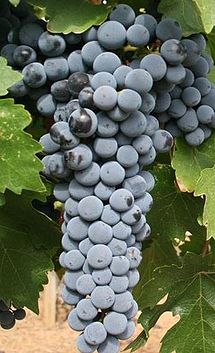
Image from Wikipedia
And the has come for our weekly wine quiz!
I like to organize things, when possible. So far my quizzes where a little bit (just kidding – really a lot) all over the place – from auctions to riddles to history; left, right and beyond. At the same time, I really would like to run a series of quizzes somehow related to each other. So I thought of this grape series, and that is the best I can come up with at the moment, so let me run with this.
This will be a series of posts dedicated to different grapes. Don’t wait for any substantial gotchas – at this point, there no plans for quizzes solely dedicated to Fiana or Romorantin (hmm, on the other side…). Instead, the quizzes will be dedicated to the mainstream grapes majority can attest to, such as Cabernet Sauvignon, Chardonnay, Pinot Noir and so on.
Today we are starting with the Cabernet Sauvignon grape. Cabernet Sauvignon needs no introduction – it is a mainstream grape in production of many of the best (and not) red wines in the world. In a few words Cabernet Sauvignon can be described as late ripening variety with thick skin and somewhat of a small berry. Flavor profile of Cabernet Sauvignon wines often includes eucalyptus, green bell peppers, mint and black currant (cassis). Cabernet Sauvignon has great affinity to oak and the wines are usually age very well. Cabernet Sauvignon is grown all over the world with most famous wines coming from Bordeaux, California, Australia, Argentina, Chile, Italy and Washington.
Here come the quiz questions:
Q1: Which two grapes are the parents of Cabernet Sauvignon?
Q2: The world’s oldest Cabernet Sauvignon vines are located in (name winery and/or vineyard for extra credit):
A. Bordeaux
B. Chile
C. California
D. Australia
E. Georgia
Q3: True or False: Since 2000, plantings of Cabernet Sauvignon increased in Bordeaux?
Q4: The second largest in the world plantings (by area) of Cabernet Sauvignon grapes are located in:
A. Australia
B. California
C. Chile
D. Hungary
E. Moldova
F. South Africa
Q5: Absolute majority of Bordeaux wines are blends. Name four grapes which are traditional blending companions of Cabernet Sauvignon in Bordeaux
Have fun and good luck! Enjoy your weekend and cheers!
Special Tasting Report: Trione Winery
A few month ago I got an email from Trione winery offering me a gift. Not just any gift – wine. Free wine. Words “free” and “wine” put together sound almost magical for the anyone who drinks wine daily (I refuse to take the calculator out – don’t ask). But the word “free” in the email usually means danger. After careful consideration, and actually looking at the winery web site, I decided that it was not a scam or phishing attempt, so I answered that I would be happy to get a free wine. The only caveat in the follow up response was that they can only ship wine to the limited number of states. Connecticut not included (of course). But New York was. And so my friend Emil became a recipient for the wine.
When Emil called me that he got the wine, he mentioned that the box looks very small. Well, okay – it is what it is – free wine, whatever the package is. And then some time later, the package made it to my house. A small black box, probably half of the shoebox in size. But there was actually wine inside. And this is how it looked like:
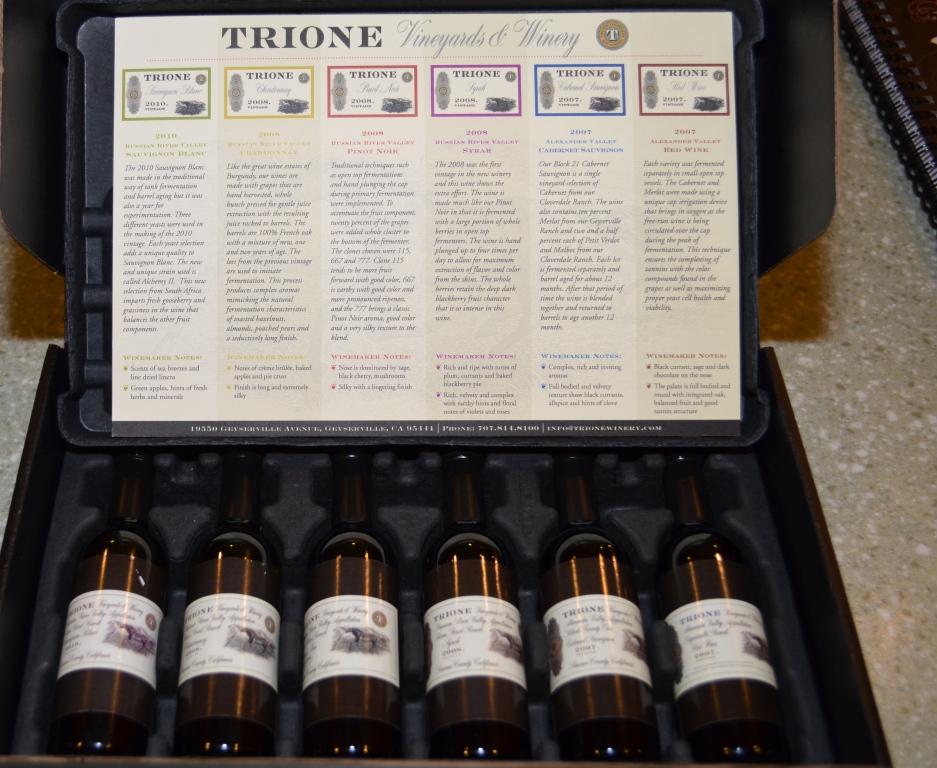
Trione Winery, which I never heard of before, is a new venture of Trione family who was growing grapes in Sonoma for 35 years. Here is what you can read on the front page of their web site:
“For over three decades, the Trione family has raised premium grapes that have been the foundation of many award-winning wines. Now we bring our grapes to you in wines bottled under our own label, Trione Vineyards & Winery. It is the culmination of our family’s long commitment to Sonoma County.”
Here are few more views for you (just trying to build up the anticipation here):


Another interesting detail – it appears that this tasting set consisting of the tiny bottles is actually a concept called Tasting Room. While web site provide literally no information, the card enclosed with the package explained the concept:
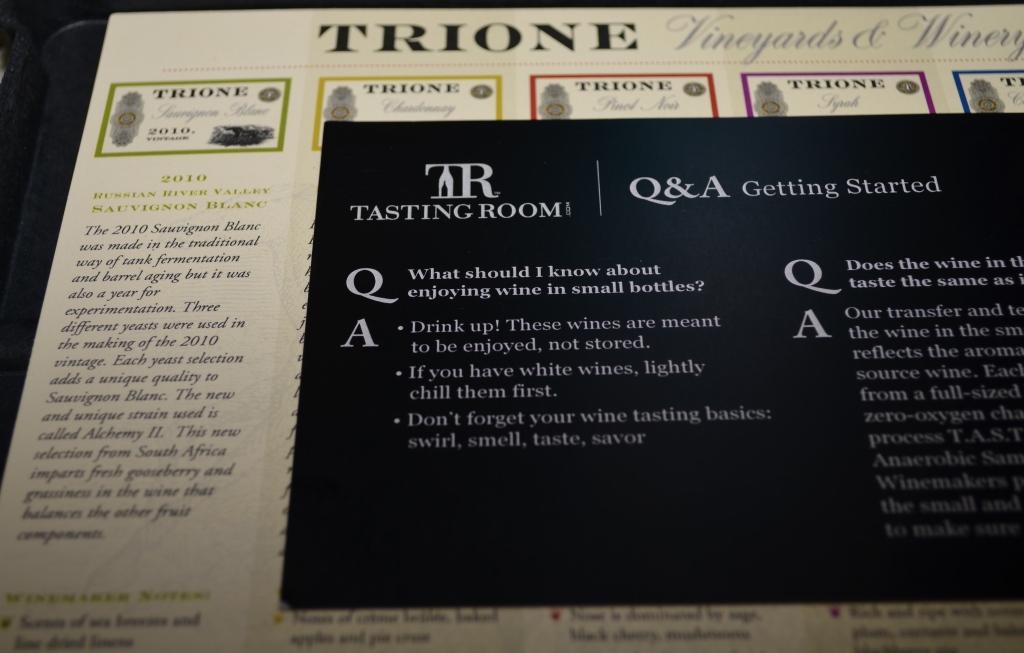
The wines are bottled in the small bottles using special technology which preserves all specifics of the wine, so it is exact same wine which will go into the regular bottles. The only exception – the wine in small bottles is not intended for aging (as you can imagine), so as the card says – drink up!
And with this, let me share my tasting notes. Well, not only mine – in majority of the cases we drink wine together with my wife, especially when we are looking at the interesting and unusual experience – so I’m including her tasting notes too.
2010 Trione Russian River Valley Sauvignon Blanc (14% ABV) – “Pear Grove” my wife said. Some fresh grass on the nose with a bit of grapefruit, but mostly earthy and herbaceous, Earthy and herbaceous on the palate as well, lots of residual acidity, but not “in-your-face”. Food friendly. Interesting. Drinkability: 7+
2010 Trione Russian River Valley Chardonnay(14.3% ABV) – nice butter on the nose, vanilla. Nose is very promising, but palate is not good, very acidic, no fruit, kind of flat. I’m sure it needs time or at least different serving temperature, therefore it is not rated.
2008 Trione Russian River Valley Pinot Noir (14.2% ABV) – Nice nose of dark fruit, tobacco, touch of roasted meat flavor. Nice palate of dark fruit, raspberries, plums, tobacco, pencil and sage undertones. Good palate, good balance. Very good overall. Drinkability: 8-
2008 Trione Russian River Valley Syrah (14.8% ABV) – Wow color – very dark, intense, almost black. My wife’s notes were “oh, this is good” , “great potential”, “very promising” (disclaimer – my wife loves Syrah, probably her favorite wines). Dark roasted fruit, silky smooth, perfect balance, perfect acidity, cherries, earthy notes. Definitely very promising. Very good overall. Drinkability: 8-
2007 Trione Alexander Valley Cabernet Sauvignon (14.5% ABV) – absolutely beautiful nose – perfectly classic, with mint and blackcurrant – textbook flavors. Coffee showed up later on the nose. Wife’s notes: “overpowering , but very yummy”. Big, powerful, silky smooth, noticeable tannins – but excellent balance. Touch over-extracted on the palate, but only in terms of power, not sweetness. Needs time. Drinkability: 8
2007 Trione Alexander Valley Red Wine (14.5% ABV) – Dark chocolate, coffee, blackberries on the palate, nice complexity. Beautiful, round and open fruit. Needs time. Drinkability: 8-
As you can see, it was a very enjoyable experience (it’s too bad that the bottles were that small) – next time you see Trione wine in the store, don’t just stand there, grab a bottle…
That concludes my special tasting report, folks. Until the next time (hopefully someone will send me good and free wine soon) – cheers!
Disclaimer: the wine was provided by Trione Vineyards and Winery free of charge. All opinions are my own.
Top Twelve of ’12
Here we are. 2012 is almost over. There were bad things, there were good things. And the world didn’t end on December 21st. Unexpected, huh? But we are talking about wine here, so let’s get to it. The time has come to finish summing up the year worth of wines, and come up with the dozen most memorable wines (my second dozen+ can be found here).
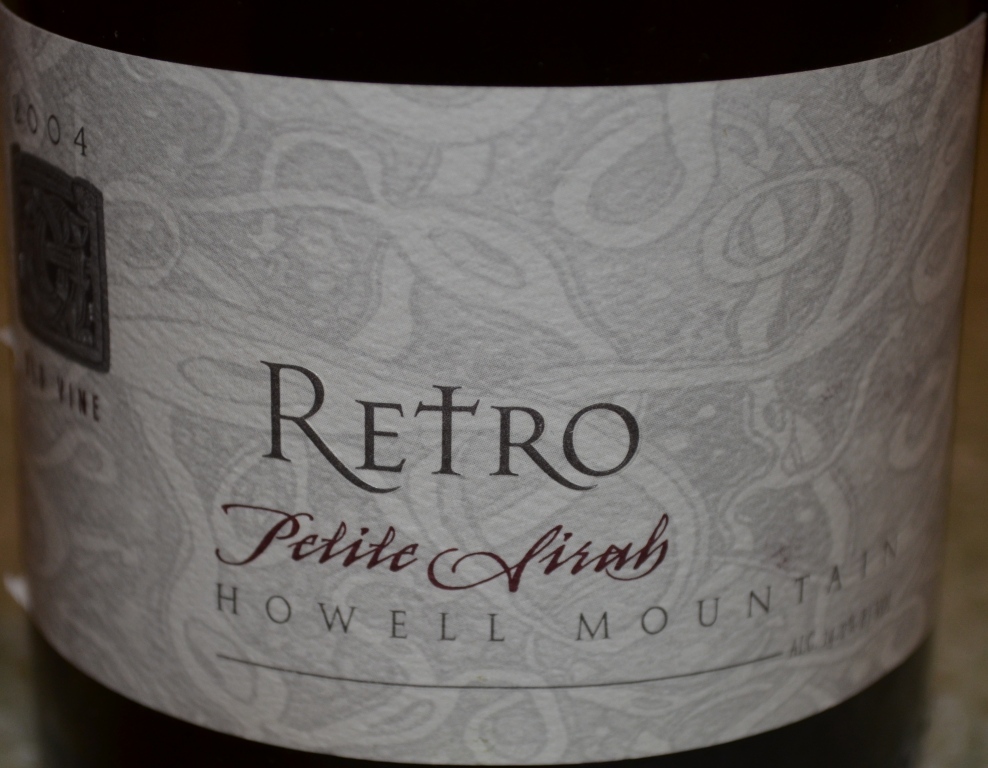 12. 2004 Retro Petite Sirah Howell Mountain ($35) – Power. More power. And more power. One of the biggest wines I tasted in 2012. Not in Barolo sense, not with the tannins which just close up your taste buds, but in the sheer amount of dense, chewy, dark fruit. It will be interesting to see how this wine will evolve…
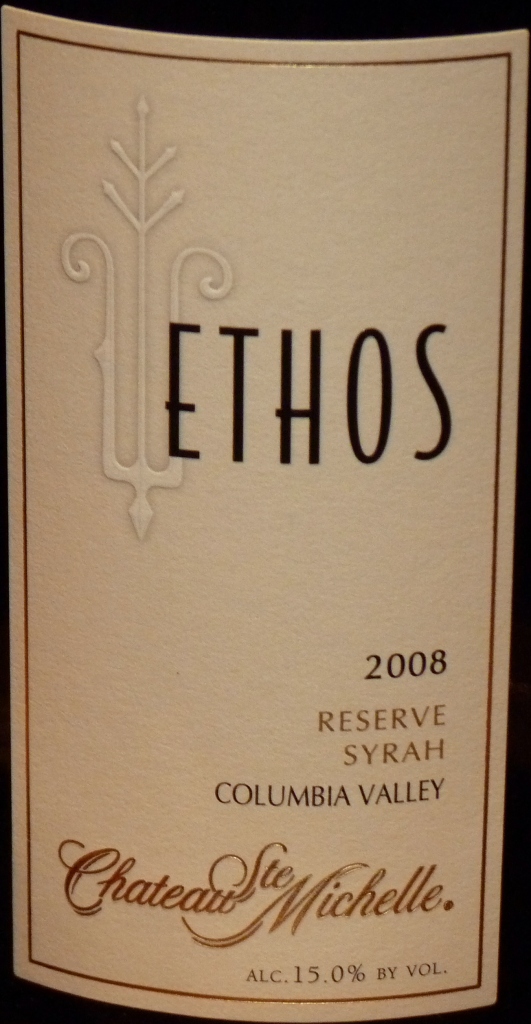
11. 2008 Chateau Ste. Michelle Ethos Reserve Syrah Columbia Valley ($36) – I love roasted, meaty notes of Syrah (I can even go as far as proclaiming Syrah being the favorite wine, but it wouldn’t be entirely true – still, Syrah is definitely one of my favorite wines). This Syrah had that roasted, smokey and peppery notes, multiplied by juicy fruit. Very delicious – you should try it with your next BBQ and tell me what you think.
10. 2007 Villa Mt Eden Pinot Noir Reserve, Russian River Valley ($25) – I would typically describe California Pinot Noirs from the position of power – a lot of them are big wines, boasting of jammy fruit. And I would typically reserve the descriptor such as “finesse” for the Burgundy. When you taste this wine, actually the first word which comes to mind is finesse. It is absolutely elegant, with beautiful layered fruit, silky smooth tannins, and – very, very balanced.
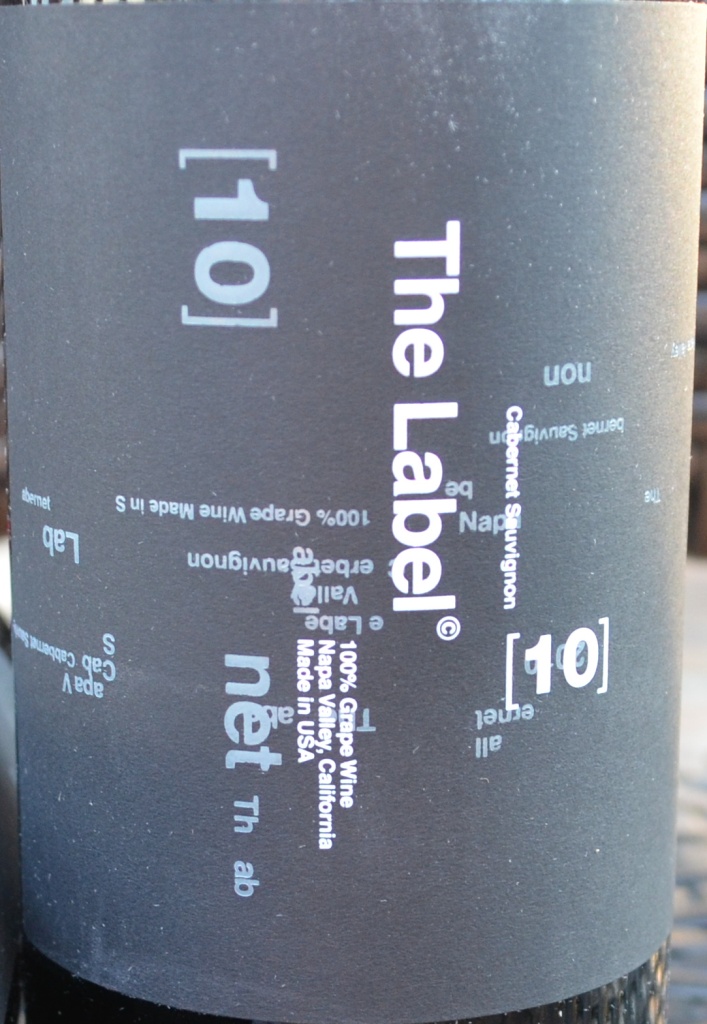 9. 2010 Turley The Label Cabernet Sauvignon Napa Valley ($40) – in the old style bottle came beautifully styled Cabernet Sauvignon (you can read my escapades around the subject of the bottle if you will click on the name of this wine). This wine had everything you want from your Cabernet Sauvignon – black currant, mint, eucalyptus, touch of dark chocolate, supple tannins, perfect acidity – and it was not in-your-face, perfectly restrained and elegant. This was the very first vintage of this wine, produced by the venerable Zinfandel maker Turley, and I believe this wine has long life ahead of it.
8. 2009 Beaulieu Vineyards Georges de Latour Private Reserve Cabernet Sauvignon ($125) – And then there was Rutherford dust. Absolutely perfect Cabernet Sauvignon, with all the classic traits and flavors, impeccably balanced, with an added bonus – a sensation of tiny particles coating your mouth, a very unusual and very memorable texture, associated only with wines produced in the area of Rutherford in Napa Valley. Before I tried this wine, I heard the “Rutherford dust” expression, but never experienced it – this was my first encounter, and boy, was that delicious!
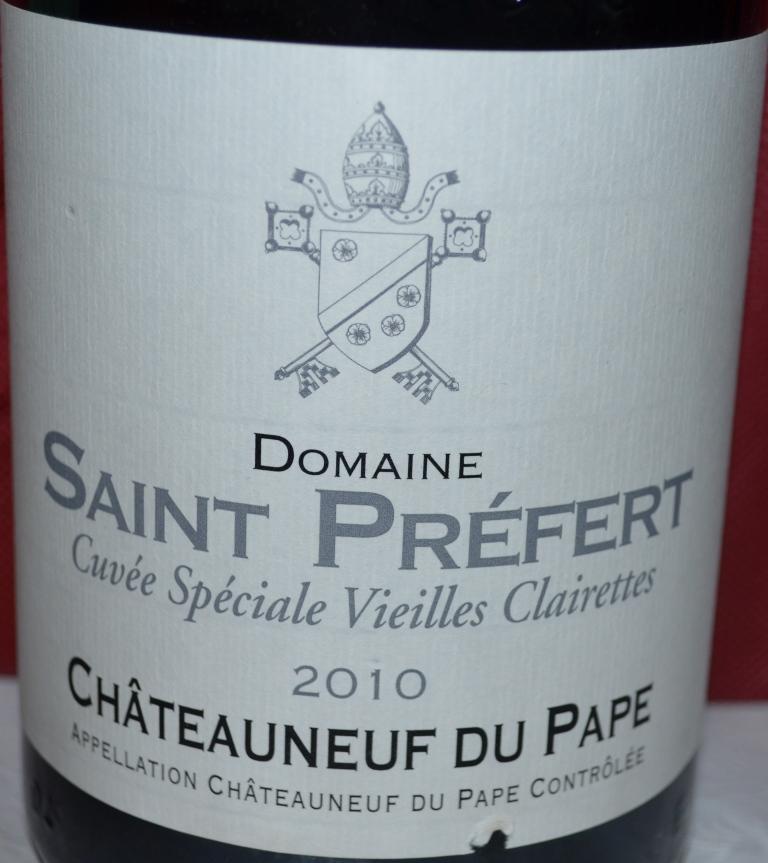 7. 2010 Domaine Saint Prefert Cuvee Speciale Vieilles Clairettes Chateauneuf du Pape ($125 for magnum) – let me give you a very short description for this wine – a symphony in a glass. Do I need to clarify it any further? You know, all the memorable wines provoke certain association. Power, balance, finesse, roasted meat, sunshine, fresh meadows – and then there is this wine which you want to associate with music. Perfect clarity of this wine only makes you think of precisely taken high notes and how beautiful the music is. The wine has very little availability and only produced in Magnums, if I’m not mistaken – but, if you can experience it, you will not regret.
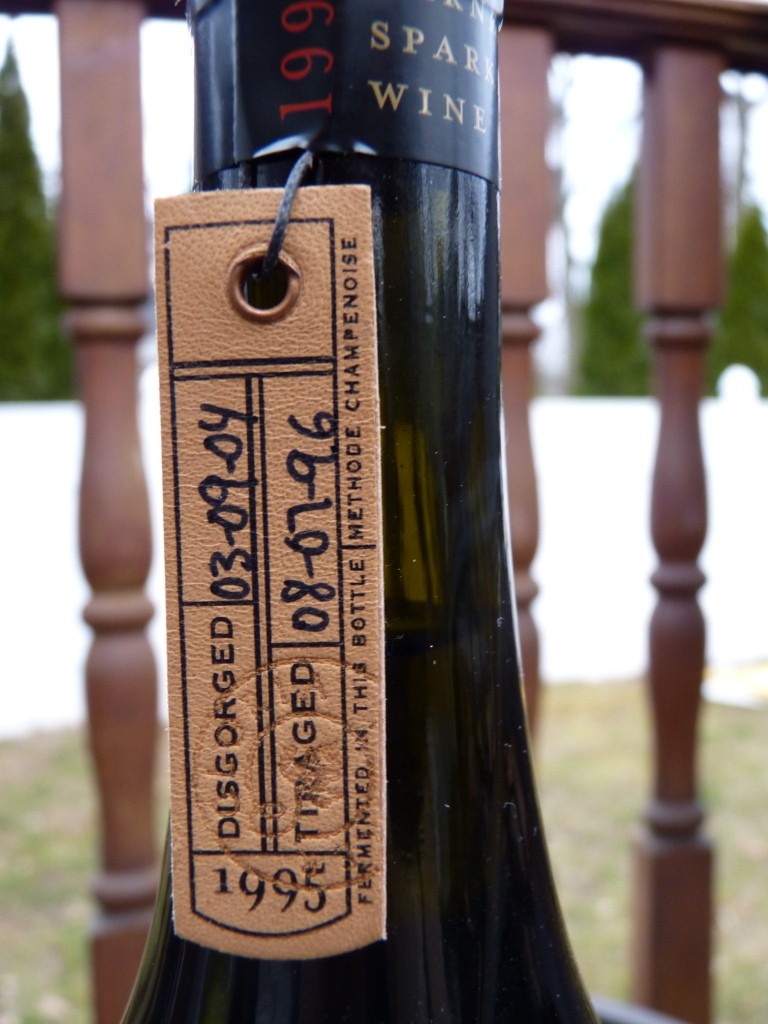 6. 1995 Gloria Ferrer Late Disgorged Carneros Sparkling Wine ($35) – who likes vintage sparklers – raise your hand! One of the best vintage sparkling wines I ever tried – perfectly mature fruit, yeast, brioche, toasted bread – everything in cohesive package, with enough acidity to support this massive sensation and keep the wine refreshing and enjoyable. I made a huge mistake with this wine – I bought only one bottle to try, and by the time I went back to the store, it was all gone… But – I’m glad I had a chance to experience it.
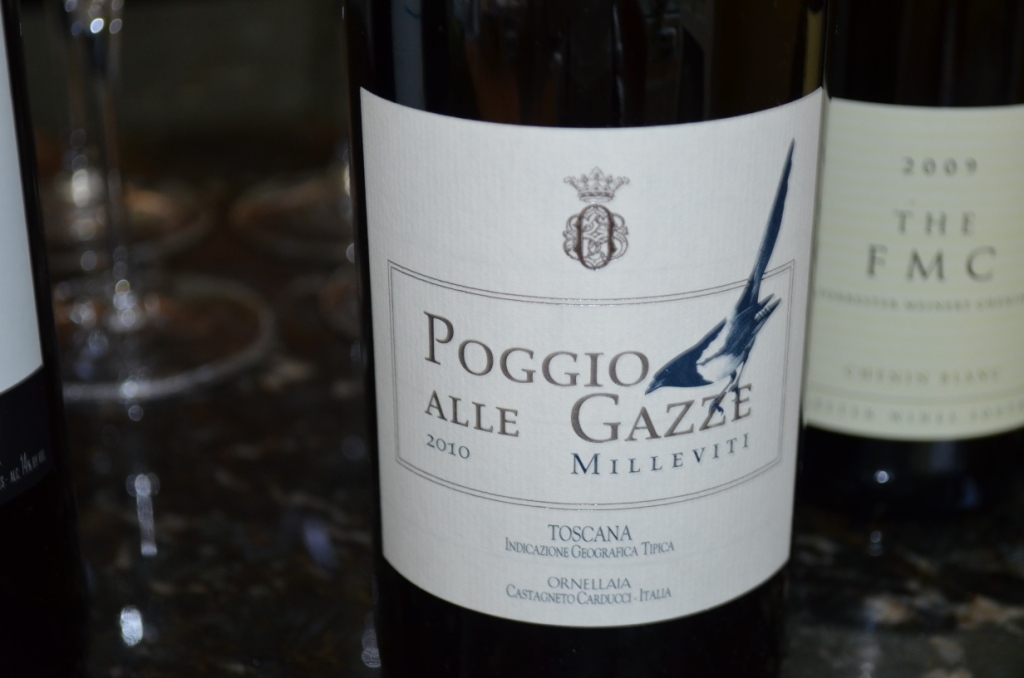 5. 2010 Poggio alle Gazze dell’Ornellaia, Toscana IGT ($45) – let me ask you a question – do you associate Sauvignon Blanc with Italy? Sancerre, Pouilly-Fume, New Zealand, California, Chile – but Italy? It turns out that Sauvignon Blanc does very well in Italy, definitely when it comes from such a coveted winery as Tenuta dell’Ornelaia. Medium to full bodies wine, with beautiful white fruit, perfect balance and craving to drink it until anything left in that bottle. You have to taste it to believe it.
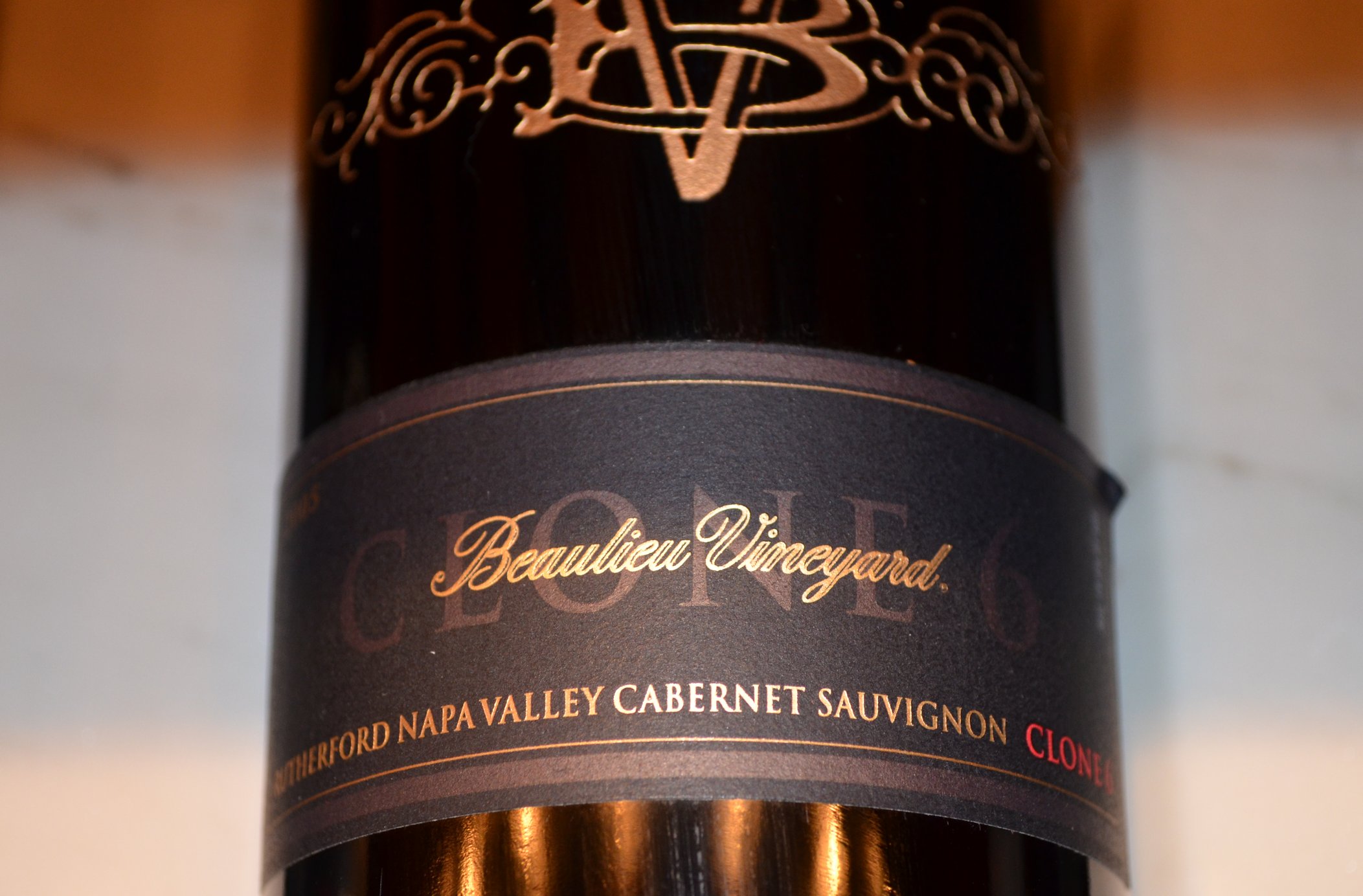 4. 2007 Beaulieu Vineyards Reserve Cabernet Sauvignon Clone 6 ($140) – what a beauty! You know, I once read review by Joe Roberts, where he compared one of Cathy Corison Cabernet wines with black panther. I tasted that same wine, and the panther didn’t come to me. With this BV Clone 6 wine, I think I found my black panther. Slick, muscled, dangerous and stunning, this wine brings all together in one grand package – dark fruit, earthiness, coffee and dark chocolate. Hello, gorgeous!
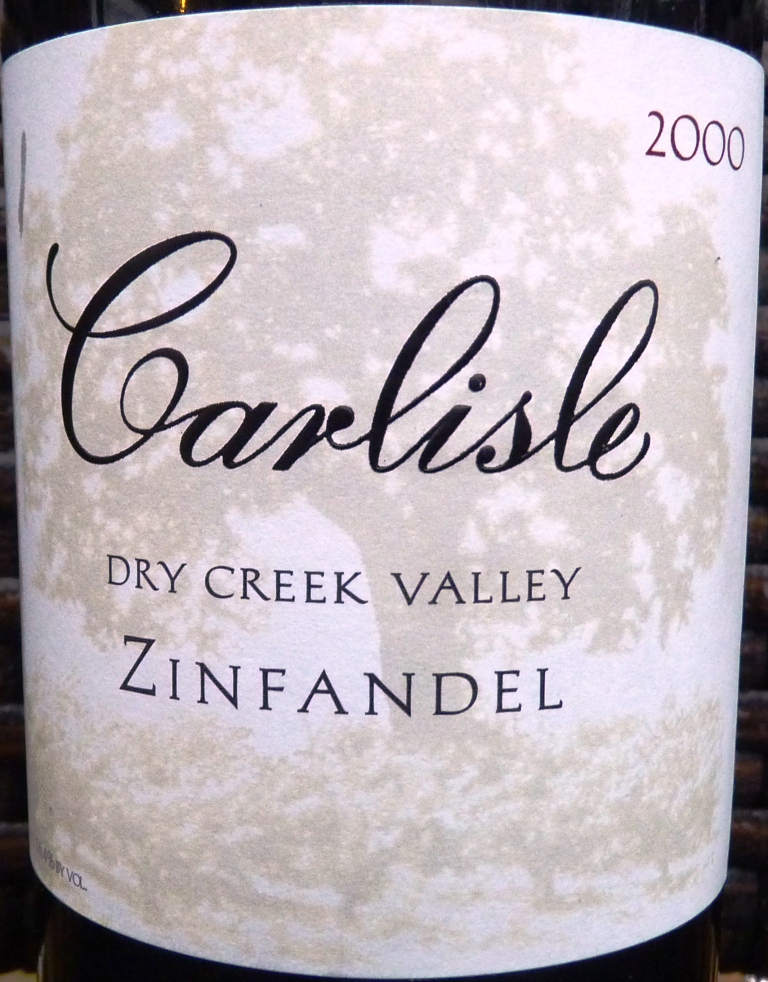
3. 2000 Carlisle Dry Creek Valley Zinfandel ($35) – luscious deliciousness. Sounds overly enthusiastic? May be. But I will not accept any criticism here, until you will have a taste of this wine. It is possible that you will still not be able to share my enthusiasm – but for me, this was one beautiful wine. Layers upon layers of the fruit, dark fruit, blue fruit – blueberries, plums, blackberries, dark chocolate, all with perfect acidity and in perfect harmony. You would never tell that this wine has ABV of 16.5% – this is how delicious this wine was.
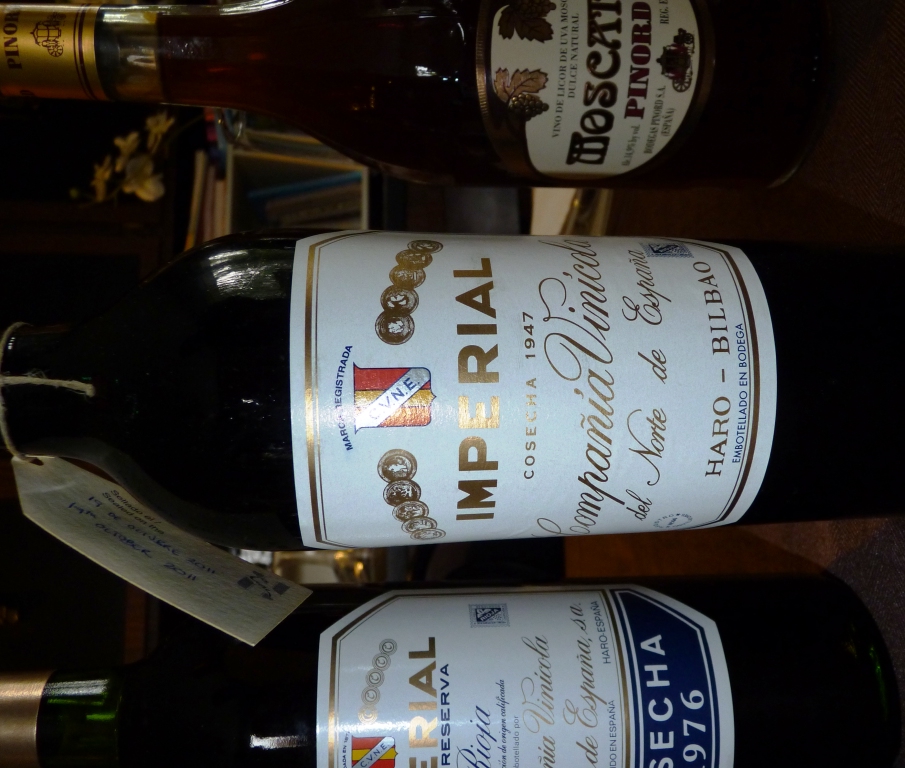
2. 1947 Imperial Gran Reserva Rioja ($400) – 65 years old wine – still bright and youthful. This was one amazing experience – tasting the wine of such an age, and finding that you can really like it without looking for any age discounts. Fruit was still bright, all wrapped into cedar box and eucalyptus notes, with soft tannins and fresh acidity.
And now ( drum roll, please)
2012 Wine of the Year
1. 2010 Phantasi Oregon White Wine ($100, Magnum price in the restaurant) – wine geeks, rejoice! This is your wine! If you read this blog for a while, you already know that I’m self-admitted wine snob. But – you probably also know that compare to the wine snob, I’m somewhat of a 100-fold wine geek. I would try absolutely any wine and I purposefully seek odd and unusual bottles.
When this wine was offered to us in the restaurant $100 for a magnum, this was an offer I couldn’t pass by. And what the wine it was! This is 100% Roussanne wine from Oregon, made by Antica Terra – unfortunately, you can’t even find any information about this wine on the winery web site.
The wine was served at the room temperature. Deep, pungent, concentrated – in the blind tasting (actually blind, so you would not be able to see the color in your glass) I’m sure this wine would be easily identified as red. Good acidity, good balance, very food friendly – and very unique.
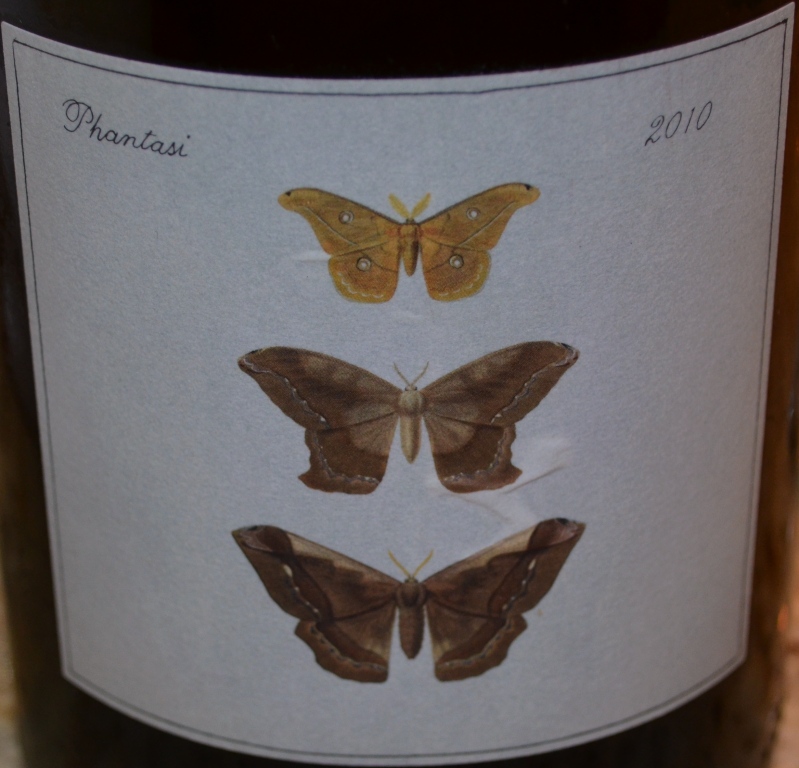
That concludes my Top Twelve of ’12. I would love to see your comments and also to learn about your most memorable wines of the 2012.
Wishing you all wonderful wine, food and life experiences, each and every day. Cheers!
Turley The Label Cabernet Sauvignon: Don’t Judge a Wine by its Bottle
As promised, the bottle of 2010 Turley The Label Cabernet Sauvignon Napa Valley ($40, 14.5% ABV) was open today, and here are my notes – almost live, as I still have some wine left in the glass. For those who just run into this post, it is pretty much a sequel to my rant about the bottle, which is extremely indiscreet, and the post answering that rant and explaining that the bottle looks that way by design.
Now let’s go past the bottle itself, and let’s talk about the content – i. e., the wine. Considering that I started from the rant, I wanted to give this bottle a proper evaluation, so here we go, step by step. We even reached out for the Reidel Cabernet glasses, which are only used for the special occasions.
Color: Dark garnet color. You can’t read through the glass, so the wine definitely needs more time.
Rim variation: absent, it is a young wine. But – rim is pretty wide, which suggests high alcohol content.
Smell: Blueberries, hint of tobacco, earthiness, a touch of barnyard (which I personally like) – on the nose, this wine resembled Dunn Cabernet.
Taste: earthy, with touch of green notes which disappeared after ten minutes in the glass, alcohol initially noticeable, but as wine continued to breathe, it became well integrated. Tobacco and dark chocolate notes, touch of eucalyptus, fresh plums, black currant and more blueberries – but restrained, no blueberry jam of any kind.
Legs: Very visible, also carrying some color – suggesting that this is full-bodied wine.
Finish: Long. Tannins only started showing up after about 30 seconds, and then they lingered for probably another minute.
Conclusion: This is one beautiful wine. This wine was described by the winemakers as an attempt to recreate Napa Cabernet as it was in 60th and 70th, more of restrained and down to earth type – I think this attempt was very successful. The wine was very balanced, with fruit, acidity and tannins being in a complete harmony. Drinkability: 9-
I’m not going to recite my learned lessons again (I already recouped them in the previous post), but yes – don’t judge a wine by its bottle, at least I will try not to. Cheers!
Thank You, The Capital Grille!
 Huge wine selection, also see the discounts on spirits.
 This is not the first time I’m writing a happy post about one of my favorite restaurants, The Capital Grille – here are the links to the previous two posts, from 2010 and from 2011. This post will not be an exception – we had a great time [again].
Everybody in the family like steaks (okay, the oldest used to love steak – now she is trying to become a vegetarian) – but most of the time we make it at home. However, in August, we have a happy occasion, our wedding anniversary, which gives us a good reason to go to a restaurant – but this is not the only reason to visit Capital Grille. Two more reasons: Generous Pour program and Stamford Restaurant Week. I guess we are simply lucky, as The Capital Grille runs their special wine program, called Generous Pour, from July until the beginning of September – for $25, you can taste 9 different wines, specially selected by the Master Sommelier George Milotes. And The Capital Grille usually participates in Stamford Restaurant week, which typically runs for two weeks before the Labor Day- at participating restaurants, you can have a full dinner for about $30 per person! Do I need to give you any more reasons? I thought so.
As I usually do with the restaurant posts, I will give you mostly pictures and then of course all of my notes on the wines, which were quite good overall.
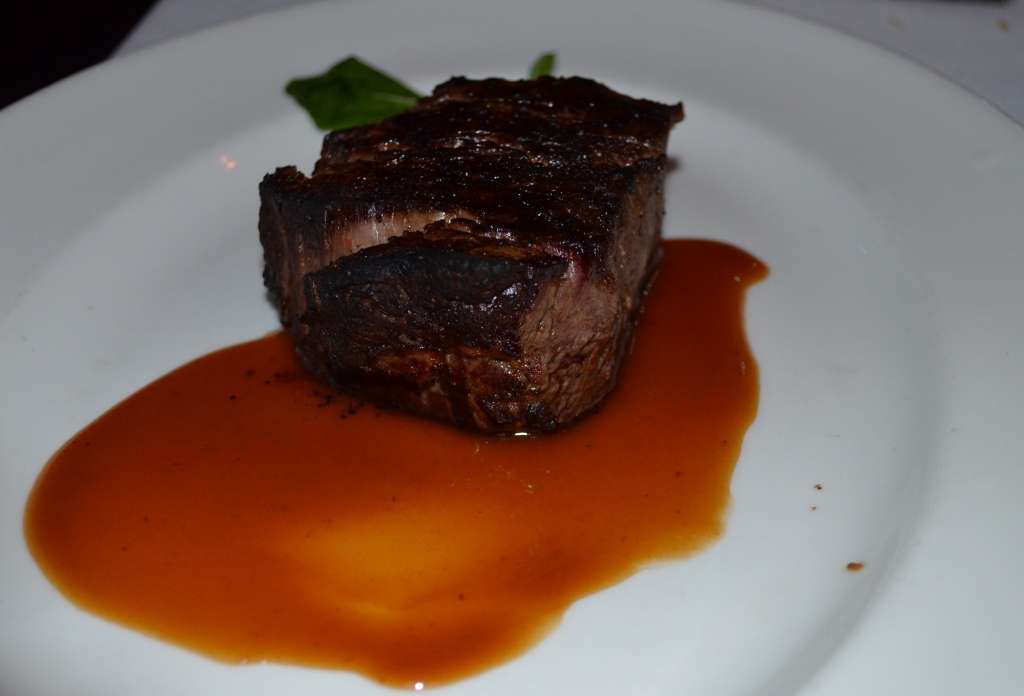
We had calamari as our shared appetizer (one of the kids’ favorite foods) – I don’t have a picture for you, but they were delicious. Then for the main course, we had 3 different kinds of steak. Kids opted for Fillet Mignon:
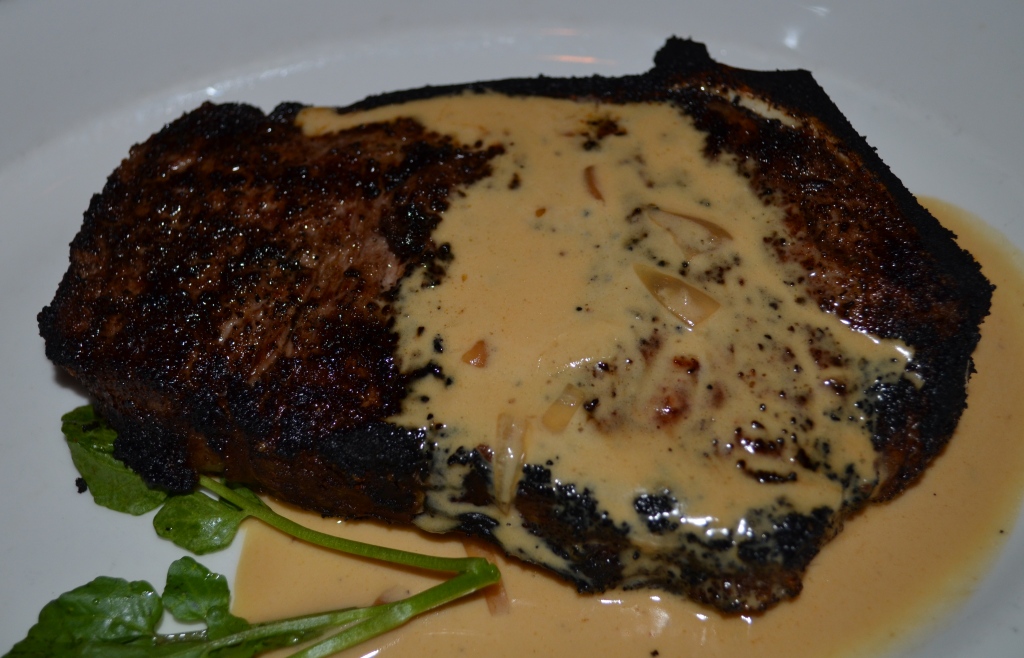
I had Kona-rubbed sirloin strip:
And my wife went for Tornedos – a cut of beef I can never remember, so here is the link for you if you need to know exactly what it is:
 All the steaks were masterfully prepared and came also with the tasty sides, like creamy spinach, garlicky mashed potatoes and wild mushrooms – as empty plates look extremely unappetizing in the pictures, I will spare you that sight, but believe me the plates were clean.
Let’s talk about the wines now, and we will finish your [drooling?] session with the dessert.
The wine program was presented exactly in the order below, and wine was always available throughout the entire course – I should mention that we had great service.
Here are my notes on the nine wines we had:
NV Lunetta Sparkling Rose, Trentino, Italy – very nice, crisp, tiny fizz, strawberries, hint of cranberries, good acidity. Refreshing. Drinkability: 7+
2009 Gary Ferrel Chardonnay, Carneros – Beautiful, touch of sweetness, butter and vanilla on the nose, same on the palate with additional hint of peach. Very balanced. Perfectly complemented spicy calamari. Drinkability: 8+
2008/09 Simčič Rebula, Roriska Brda, Slovenia – Earth and lemon on the nose, literally not a touch of fruit. Beautiful and hard to describe on the palate, very pronounced “just ripe” strawberries (more of a wild strawberries). Perfect acidity, touch of salt and savory undertones. Drinkability: 8-
2009 Chateau du Pin, Bordeaux, France – Limited fruit expression on the nose. Nice cherries, soft, good acidity on the palate, tannins unnoticeable (should have more). This wine didn’t exhibit a sense of place – not the Bordeaux wine I would expect. Interestingly enough, it didn’t work with steak – probably due to lack of tannins. This wine was drinkable, but not memorable at all. My least favorite in the entire lineup. Drinkability: 7
2007 Villa Mt Eden Pinot Noir Reserve, Russian River Valley – Amazing. Pinot Noir at the next level. Nose of a Pinot, with earthiness, smokiness, spices, cedar box. More of the same on the palate with the addition of ripe dark plums. In a blind tasting, I could possibly confuse this wine with the Rioja. Worked perfectly with the steak. Best of tasting. Drinkability: 9-
2007 Conn Creek Anthology Napa Valley – Beautiful classic Cabernet Sauvignon – cassis, eucalyptus, touch of blueberries, soft tannins. Perfectly drinkable now, but will improve with time. Drinkability: 8
2008 Ferrari-Carano Mountain Reserve, Alexander Valley – Nice progression from the previous wine. If Anthology was a delicate Cab, this wine was in-your-face California Cabernet. Blueberry jam on the nose (but no alcohol burn!), very fruit forward – in a good sense. Beautifully balanced, dark fruit on the palate, dark chocolate and herbs. Drinkability: 8+
2009 Falesco Assini Rosso, Umbria – Beautiful toned down read wine, black cherries, perfect acidity, noticeable profile of herbs and spices, very complex. Drinkability: 8
2006 Kanu Kia Ora Chenin Blanc, Stellenbosch, South Africa – Light and effervescent, without overpowering sweetness. Apricot pit and apricot notes, very good acidity. Paired very well with cheesecake. Drinkability: 7+
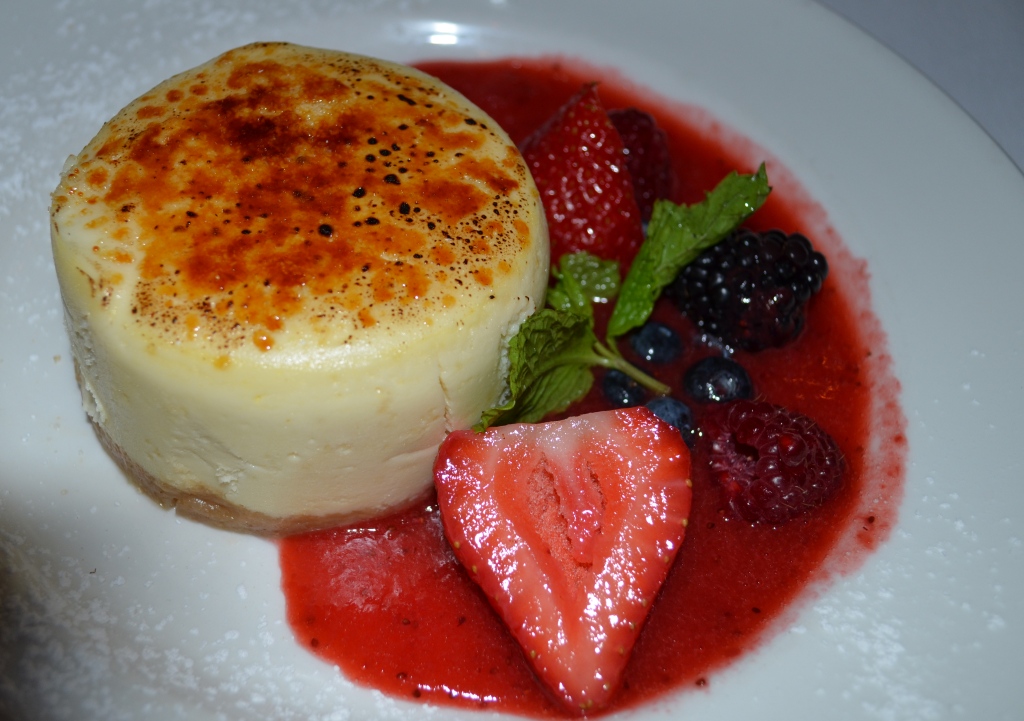
And now – the dessert! In general, I’m somewhat indifferent to the cheesecake – yes, it is nice, but it would be one of my last choices in the restaurant. Except the Cheesecake in The Capital Grille – if you never had one, go to The Capital Grille near you, skip the steak and just order the cheesecake – it will be a divine experience. Okay, fine, don’t skip the steak, because it is really good – but whatever you do, leave some room for cheesecake. As they usually say, picture worth a thousand words:
That’s all I have for you, folks – sorry you had to live vicariously through this post, but you really shouldn’t – here is a link to The Capital Grille web site, find one near you. Cheers!

Ten Cabernet Sauvignon Facts For The Cabernet Day

Cabernet Sauvignon Grapes, Wikipedia
Today (or it might be yesterday, depending on when I will finish this post), on August 30th, we are celebrating Cabernet wines, which include some of the most coveted and sought-after wines in the world.
For this event, I want to talk a bit about Cabernet wines in general. While Cabernet wines often include both Cabernet Sauvignon and Cabernet Franc grapes, I want to focus today on the wines which have Cabernet Sauvignon as the only or at least a primary ingredient – I should save something (Cabernet Franc, to be precise) for an easy post next year, shouldn’t I?
For what it worth, here are ten facts about Cabernet Sauvignon – some might be actual facts, and some might be… myths? I will let you be the judge…
- Cabernet Sauvignon grape is relatively young, first appearing in 17th century as the result of the cross between Cabernet Franc and Sauvignon Blanc grapes (hence the name).
- Cabernet Sauvignon grapes are very small with the thick skin, which means that the ratio of seeds and skin versus pulp is quite high, leading to lots of tannins being extracted during maceration process. More tannins = bigger wine, which usually also can age for a long time, but on a flip side needs an additional breathing time to open up.
- Cabernet Sauvignon wines are successfully made all over the world, but the best known regions are Bordeaux, California, Tuscany and Australia. These main regions are closely followed by Argentina, Chile, Israel, Spain and South Africa.
- Typical flavor profile of Cabernet Sauvignon wines include black currant (Cassis), green bell peppers and eucalyptus (not necessarily all at the same time).
- Not all the Bordeaux wine are predominantly Cabernet Sauvignon based. The wines made in Médoc and all the sub-appellations (situated on the left bank of Garonne river) are actually based on Cabernet Sauvignon (70% is quite typical). The wines made on the right bank of Dordogne river are predominantly Merlot wines (typically containing about 70% of Merlot grapes). Some of the most successful Bordeaux wines, such as Chateau Petrus and Le Pin, are actually made out of Merlot.
- The oldest continuously producing Cabernet Sauvignon vines in the world are located in Australia – it is Block 42 of the Kalimna Vineyard in the Barossa Valley, which belongs to Penfolds. It is assumed that the vines were planted between 1886 and 1888, which will give us an approximate age of 125 years.
- Typical California Cabernet Sauvignon wine needs about 13 years to reach its peak (see, I told you – patience is one of the important traits of oenophile).
- Malbec was the most popular grape in Bordeaux until early 18th century, when it was replaced by Cabernet Sauvignon.
- Cabernet Sauvignon holds the title of most expensive wine ever sold in the world. An Imperial (6L = 8 bottles) of 1992 Screaming Eagle Cabernet Sauvignon was sold at the auction (proceeds went to charity) for $500,000 in year 2000.
- When it comes to pairing with food, there are two combinations which are typically stand out. Cabernet Sauvignon and steak are usually go very well together, and same is true for Cabernet Sauvignon and dark chocolate (be advised – your mileage might vary).
That’s all I have for you for today, folks. I have to admit that I didn’t get a chance to drink Cabernet today (I promise to compensate tomorrow) – but I really want to know what was in your glass for the Cabernet day? Please comment below. Cheers!
Last Bottle Sign Up ($10 credit)




 Talk-A-Vino