Archive
True Passion: Amore Cucina and Bar, or a Visit with the Dough Scientist
I’m sure that everyone involved in the craft, no matter what it is, has passion for what they do. Sometimes the passion simply shows through their work. But every once in a while we come across the person who simply exudes that passion, readily sharing it with the world through the words and deeds. In this series (as an engineer, I like to organize things), which I call “True Passion”, I plan to share my encounters with such a True Passion.
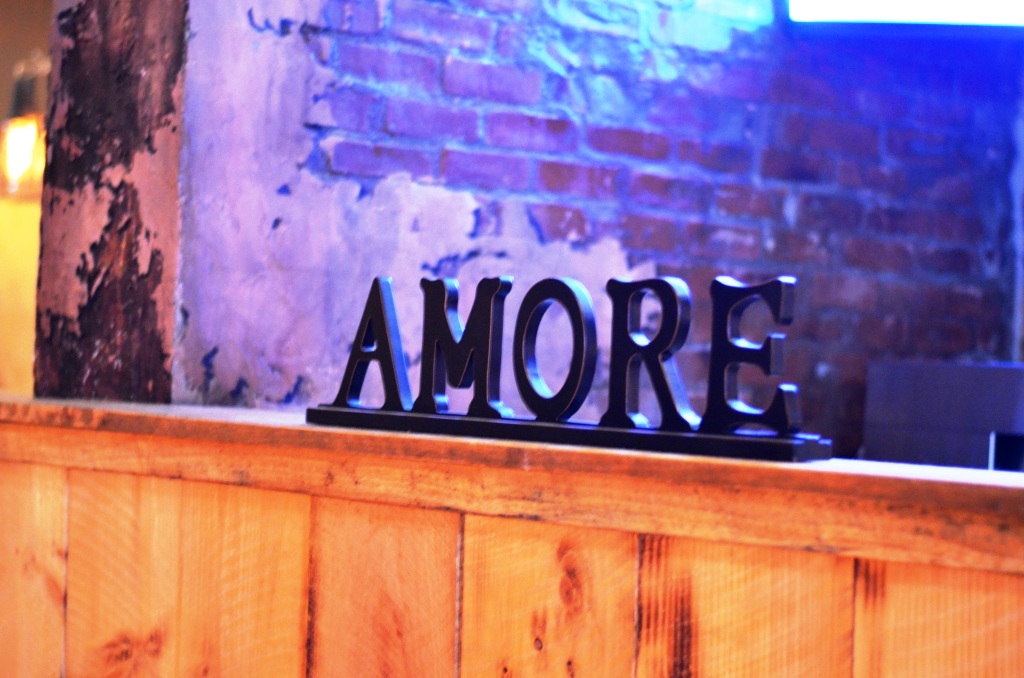 Can a visit to the pizza restaurant blow your mind? I mean the mind first of all, not even the palate? In the nation raised on Pizza Hut and Little Caesars, pizza is such a no-brainer, isn’t it?
We (bloggers) got together for the dinner at Amore Cucina & Bar in Stamford, Connecticut. Amore has an interesting story – in essence, it was the second oldest restaurant in Stamford, originally opened in 1975. In 2014, the original owner of the restaurant sold it, so we were visiting a new reincarnation of the Amore.
As we were finishing our customary chat and the round of cocktails before the dinner, the man walked in with a glass jar in his hand. Bruno DiFabio, Six-time World Pizza Champion and a new owner of Amore restaurant, came to share with us his passion about the … dough. Look, I love bread and all the things made out of dough, but I never even tried to think about dough as something which can solicit emotions (no problems, you can call me whatever you want, I’m still a student of life, one moment at a time). The dough for me was something you can quickly put together, or maybe buy at the local supermarket for a $1 for a big plastic-wrapped ball.


Make no mistake – dough can be an object of passion. Have you heard of the mother dough, essentially a dough which is always alive and used to start a new batch of dough every day? How about foraging your own wild yeast, from the different and totally unexpected places, every morning? How about super-digestible pizzas, which are a rave now in Europe – heard about those? When you meet a person like Bruno, you realize how the true passion looks like. And don’t discount the Pizza passion – having both gas and wood-fired oven in one relatively small restaurant? I think it really means something.


Well, this is the post about Amore restaurant, so as much as I would like to continue talking about our conversation with Bruno, I want to move on to the food, so I can inundate you with pictures. But if you want to know more about Bruno, here is the link – besides, visiting Amore restaurant might be a right thing to do as well.


Okay, let’s talk about our dinner, which was a true demonstration of the Bruno’s Pizza magic, and mastery of the Chef Jarred, who joined Bruno after his previous gig at Washington Prime. As usual we started from the cocktails. I had French Quarter (G’Vine Floraison Gin, St. Germain, Green Grapes, Basil Leaves, Lemon Juice, Fever-Tree Tonic), which was nice and refreshing. The the food started arriving on the tables, in multiple sets, above and beyond our expectations.
We started with the Bruno’s Bread w/ Sunday Sauce – very simple, but delicious. By the way, according to Bruno, it is a myth that you have to cook tomato sauce for hours and hours – you can pretty much develop the flavors within an hour, there is not much else you can achieve with the extra cooking time.


The next section of our menu was called Round Pies. The Round pie pizza at Amore is a thin-crust pizza, cooked in the wood-fired oven. Here is what we had:
New Haven White (little necks, Amore bacon, house mozarella, smoked lemon juice) – this pizza is a tribute to the Connecticut staple, Frank Pepe‘s White Clam Pizza, and it was excellent.
For the Queen (San Marzano, flor di latte mozarella, pecorino romano, basil, local egg) – while we think that adding egg to many dishes is a new discovery in the US, it appears that Italians had put an egg forever on Margherita Pizza – I love that food learning. The pizza was outstanding.
The Holy Cheesus (House Mozzarella, parmigiano reggiano, pecorino romano, fontina, burrata) – that was simply a Wow. No further comments.


Next up – Square Pies. This is a Neapolitan style pizza, also known as deep dish. This pizza is made in the gas-fired oven, where the temperature can reach 900F. It all comes down to the dough – I always thought of the deep dish pizza as heavy, but it is not in Bruno’s hands… Here is what we tried:
Juliet (Houze Mozzarella, gogonzola dolce, fig jam, prosciutto, agrodolce) – excellent, great combination of flavors.
Pitt Master (Pulled pork, red onion, mozzarella, BBQ sauce, agave nectar) – different and excellent again


You must have Greens with dinner, right? So rest assured, we had a salad – pretty unique:
Arugula and Beet Salad (Goat cheese and candied walnuts) – what is unique about beets and arugula? How about beets which were braised in veal and chicken stock, and then pureed? This is not your typical beet salad, isn’t it?


And then there were Plates – with literally no holds barred. Take a look:
Meatballs (Sugo, house ricotta, agrodolce) – these were okay, a bit dense.
Octopus Puttanesca (Tomato, Sicily olives, garlic, n’duja sausage, capers) – this was excellent, the capers were deep fried, very nice heat overall.
Tuna Crudo (Calabrian chiles, toasted pumpkin seeds, red onion, torn parsley) – outstanding.
Shrimp & Polenta (tomato, house bacon, polenta) – that sweet polenta was just something else – another wow dish.
Lasagna Balls (Bolgnese and sugo) – forget arancini – this is what you really want to eat. Perfect crunch, and you can taste real lasagna, inside and outside. Yep, another wow.
Chicken Scarpariello (house sausage, peppadew, garlic, Italian polenta, green shallot) – spectacular flavors, really an excellent dish.
Whole Branzino, roasted and fried – wow!
Pasta Carbonara (linguine, guancalle, parsley and egg) – and wow again – so fresh and so light, you just can’t stop eating it.


After all that food do you think we still had room for Dessert? Well, actually, we did – but luckily, only for one:
Budino & Fat Pizelle (butterscotch, whipped cream, berry reduction) – a delicious concoction.


Yes, this was the end of our evening. I hope you were not too hungry before you read this post – sorry, forgot to give you my usual warning. If you are local, or if your travel will take you to Stamford, Amore Cucina & Bar might be your little neighborhood gem… Until the next time – cheers!
Amore Restaurant
921 Hope Street
Stamford, CT 06907
Phone: 203-357-1066
The Dinner Party Collective – Full Summer Menu and Detailed Wine Notes
 As you might be aware, I was recently invited to join a group of food and wine bloggers to create full seasonal dinner menus with suggested wine pairings, to make it easy for the people to bring their friends and families together to have a great time, great meal and great conversation. The project was called The Dinner Party Collective, and after a few month of the hard work, we finally published the first menu, which we simply call a Summer Menu. As you can judge from the name, this is the suggested menu for the Northern Hemisphere, for those of us who are lucky (or not, if it is 90F and humid) to live through our summer season. The Winter menu will be published shortly.
I had a pleasure of pairing the Summer menu dishes with the wines. I don’t know how successful was that pairing, only you, dear readers, will be able to figure that out, hopefully after you will have the dinner based on those delicious recipes. I essentially created a long post, explaining the logic behind each suggested dish pairing, so I will not be repeating it here – I will provide all the links for the Summer Menu at the end of this post, including the one on the pairing details. However, I still have a few wines to talk about here.
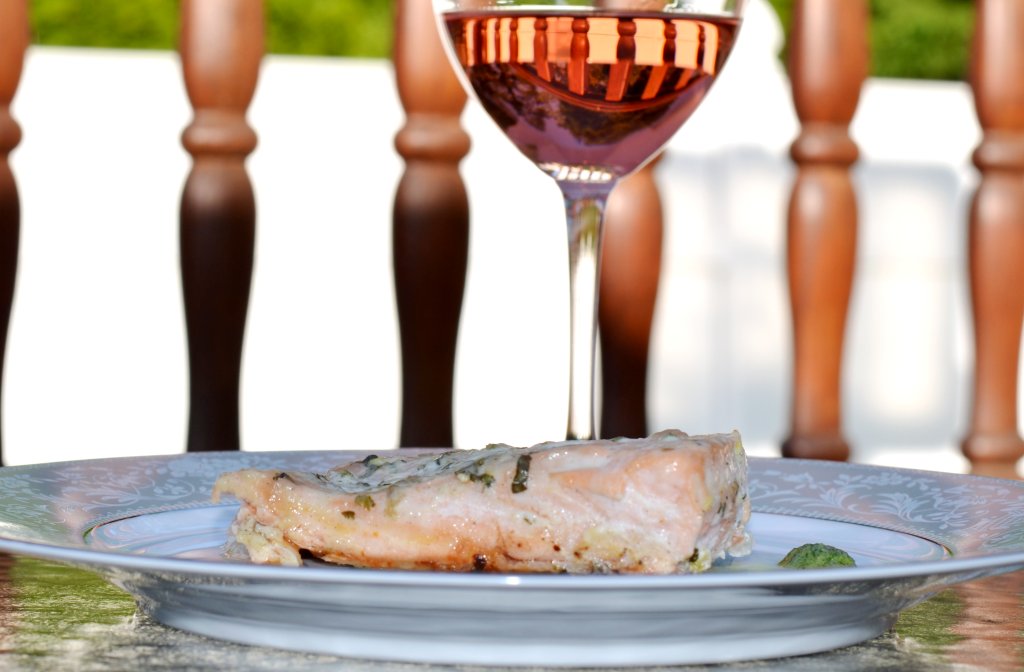
The main dish of the Summer Menu, Salmon Tikka, was not trivial for me to pair, due to the wide range of spices and the cooking method. I ended up cooking the dish, religiously following the recipe, and then invited a few friends to taste those potential pairings together, to find out what works and what doesn’t. Here are the wines which we tried, with the tasting notes:
2014 Famille Lançon La Solitude Côtes du Rhône, France (13% ABV, $14.99, 70% Grnache, 30% Syrah)
C: bright pink
N: strawberries, touch of lime
P: strawberries, good acidity, soft, delicate, medium-long finish
V: 7+
With Food: nicely complemented the fish, provided delicate backbone.
2013 Casas del Bosque Carménère Reserva DO Rapel Valley, Chile (14% ABV, $11.99, 100% Carménère)
C: Dark Garnet
N: Floral, mint, touch of chocolate, vegetative, hint of dark berries
P: dark spices, mint, smoke, tar, good acidity
V: 8-
With Food: was not universally good for all. The spices had a bit of a mismatch on the finish, but overall was not bad.
2011 Château de Brézé Saumur AOC, France (13% ABV, $17.99, 100% Cabernet Franc)
C: Dark ruby
N: Tobacco, blueberry, good intensity
P: minty, complex, layered, luscious, delicious overall
V: 8
With Food: excellent. Very good match with the wine been just a touch bigger than the food, adding nice sweet profile when consumed together.
2013 Bodegas San Valero Particular Garnacha Cariñena DO, Spain (13.5% ABV, $14.99, 100% Garnacha)
C: Dark Ruby
N: minty, herbal nose, green bell pepper
P: herbal dominated profile, but with a lot of fruit, dark chocolate, tobacco, earthy complexity
V: 8
With Food: worked very well, with wine adding some powerful notes to the combination of food and wine.
The Château de Brézé Saumur was the favorite of all the wines and probably the best pairing – problem is that this was a unique shot, as it was absolutely atypical of Loire Cabernet Franc, hence the absence of the generic recommendation. Yes, I know that suggestion of the Grenache pairing with fish raises more than a few eyebrows, but based on the flavor profile of that dish, I stand by my recommendation.
That’s all I wanted to share with you today. I think we came up with a beautiful menu for a great family and friends dinner, so I hope you will feel inclined to make it – and then I really want to hear your feedback on the wine pairings (and the menu itself).
Here are all the links for the Summer Menu:
The Summer Menu | June 2015 – The menu itself, as you would expect it at a restaurant
Wine Pairings | Summer Menu | Northern Hemisphere | June 2015 – detailed explanation as to why and how the wines were chosen
Fresh Summer Salad with Tangy Buttermilk Lime Herb Dressing | Summer Menu | Appetizer
Salmon Tikka with Mint Chutney | Summer Menu | Main Course
Mango Tarte Tatin with Spiced Syrup| Summer Menu | Dessert
That’s all I have for you for today. I hope you are already following The Dinner Party Collective – if not, you need to fix it right away, so you will not miss on lots of great recipes and lots of fun. Until the next time – cheers!
Power of Perception
 I probably shouldn’t even write this blog post, as it will expose my true nature as a wine snob – this is something which I would always vehemently deny. Or maybe it is just about a human nature, and you might see your own reflection in my words. But hey, to make it all better, I will share with you a recent delicious wine discovery.
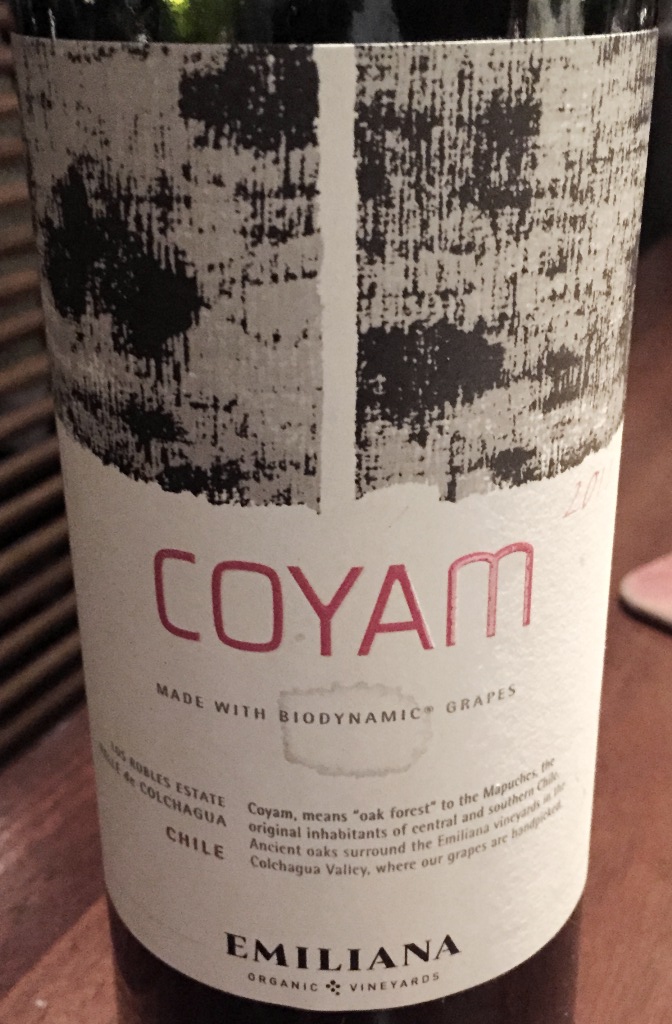
Few days ago I took a customer for dinner to the Seasons 52 restaurant (an outstanding dining place deserving its own post – I will plan to write one so I don’t have to inundate you with the food pictures). The wine list was well designed [by the Master Sommelier George Miliotes, who is in charge of wine selection at Capital Grille and Seasons 52 restaurants] with a good number of options from different regions around the world. I scanned through the list, looking for the interesting wines which would be also reasonably priced. Yes, I understand that “reasonably priced” is an extremely personable category – so I’m generally looking for the wines under $80 – everything above requires either super-special occasion or a unique wine. Fitting this criterion, I saw two wines – one from South Africa and another one from Chile. Great thing about Seasons 52 is that lots of wines are available by the glass – which means you can taste them. Two bottles arrived at the table. We tried South African wine first – it was excellent, dry and spicy. Then the Chilean wine was poured into the glass, and I was blown away – this was simply a “wow” wine. 2011 Emiliana Coyam Colchagua Valley, Chile (13.5% ABV, 38% Syrah, 31% Carmenere, 10% Merlot, 10% Cabernet Sauvignon, 1% Mourvedre, 1% Malbec, Biodynamic® grapes) had a nose of concentrated dark fruit, the one which informs you succinctly “I will be delicious”. That spectacular nose followed by the multi-layered, roll-of-your-tongue, texturally present goodness, with lots of fruit, dark chocolate and perfect acidity. An overall package which makes an oenophile ecstatic – I’m sure you got my point. (Drinkability: 9-/9).
Where is the promised talk about power of perception, you ask? Yes, this is what this post was supposed to be all about – so let’s talk about it. My wine lover’s path took me through a fair share of Chilean wines, which were concurring the U.S. market at that time. Do the names such as Frontera and Concha y Toro mean something to you? Cabernet Sauvignon, Chardonnay, Merlot – all priced at around $7 for the regular bottle, or around $11 for the magnum; perfectly drinkable for what they were. This was many years ago. Yes, there were and there are wines like Los Vascos Reserva and Terra Noble Gran Reserva – which are again perfectly drinkable at around $15. And of course I’m aware of the wines such as Don Melchor or Casa Lapostolle Clos Apalta (both are trailing $80), but those are registered in my mind as an exception rather than the norm. So here at the restaurant, the Emiliana wine was $72 on the list. To be entirely honest, and this is where the power of perception comes to play, if I wouldn’t be with the customer (meaning – I’m not paying for the dinner), there is practically no chance I would chose Chilean wine for that amount of money. I wouldn’t even blink if that would be Ridge or Turley (both can be found on the restaurant wine lists for about $70) – but not the unknown Chilean wine. Yep, the mind is interesting like that – some decisions are made on the subconscious level and you need to actively intervene to change them.
To dig myself even deeper, I can tell you more. I was so impressed by this wine that the next day I checked the trusted wine-searcher to see how much this wine would be in retail. It showed up well available in the U.S. for about $30. The first running thought – “hmmm, this is expensive for the Chilean wine”. Luckily, the second thought was “man, you are crazy. You just had this wine and it was stunning – what do you mean expensive?” Again, preconceived notions, perception are so hard to deal with – they try to take control whenever possible. This $30 bottle of wine would beat lots and lots of California wines priced at $100 or $200 – I don’t want to name names, but I seriously mean it. And nevertheless, I need to make an effort to understand and consciously accept it.
Perception is a formidable force when it comes to wine. Don’t know if the wine world is all so unique in regards to perception, but at least this is the subject of interest here. We all know the prolific effect of the producer’s name, label, price, critic’s rating and many other factors on the way we buy and perceive the taste of wine. But the power of the prior experience was somewhat a revelation for me, hence this post.
So, do you have a story to tell? I’m listening… Cheers!
Of Wine And Balance
 When assessing the wine, there are many characteristics which are important. The color, the intensity and the type of the aromas on the nose, the bouquet, body and flavors on the palate, the finish. When I’m saying “important”, I don’t mean it in the form of the fancy review with “uberflowers”, “dimpleberries” and “aromas of the 5 days old steak”. All the characteristics are important for the wine drinker thyself, as they help to enhance the pleasure drinking of the wine.
One of the most important wine characteristics for me is balance. Well, I’m sure not only for me, otherwise the organizations such as IPOB (In Pursuit Of Balance) wouldn’t even exist. Of course as everything else around wine, the concept of the balance is highly personable – or is it? What makes the wines balanced? What does it even mean when we say that “the wine is balanced”? This is the big question, and I don’t mean to ponder at it at a great depth, as this is a purposefully a short post. But nevertheless, let’s just take a quick stub at it, shall we?
In my own definition, the wine is balanced when all the taste components are, well, in balance. Okay, don’t beat me up – we can replace the word “balance” with the word “harmony”. In a typical glass of a red wine, you will find acidity, fruit and tannins (which is mostly a perceived tactile sensation in the form of drying feeling in your mouth). You will also often find other flavors such as barnyard, toasted oak or burning matches, which are typically imparted by the vineyard’s soil and/or a winemaking process, choice of yeast, type of aging and so on. But – in the balanced wine, nothing should stand out – you don’t want to taste only fruit, only tannins or only acidity – you want all the components to be in harmony, you want them to be complementing each other, enhancing the pleasure you derive from drinking of the wine.
And then you got an alcohol. On one side, I should’ve listed the alcohol above, as one of the components of the taste – alcohol often can be associated with the perceived “weight” of the wine in your mouth, which we usually call a “body”. Alcohol can be also related to the so called “structure”. But the reason I want to single out an alcohol is because way too often, we tend to use it to set our expectations of the balance we will find in the glass of wine, as this is the only objective, measured descriptor listed on the bottle. You might not taste the “raspberries and chocolate” as the back label was promising, but if it says that the wine has 14.5% “Alcohol by Volume” (ABV), this would be usually very close to the truth. Of course there is a correlation in the perceived balance and the alcohol in the wine – if you taste alcohol in direct form when you drink wine, it will render the wine sharp, bitter and clearly, unbalanced. But – and this is a big but – can we actually use the ABV as an indicator of balance, or is it more complicated than that?
When IPOB started, this was their premise – search for the wines with lower alcohol content (don’t know if it still is). Typical ABV in the old days was 13.9% (there were also tax implications of crossing that border). So should we automatically assume that any wine which boasts 14.5% ABV will not be balanced? I do have a problem with such approach. I had the wines at the 13.5% ABV, which were devoid of balance – including one from the very reputable Napa producer who will remain unnamed. And then there is Loring Pinot Noir, where ABV is dancing right under 15% (at 14.7% to 14.9%). Pushing envelope even further, you got Turley and Carlisle Zinfandels, where ABV is squarely stationed between 15% and 16% (occasionally exceeding even that level). Have you tasted Loring, Turley or Carlisle wines? How did you find them? To me, these wines are absolutely spectacular, with balance been a cornerstone of pleasure.
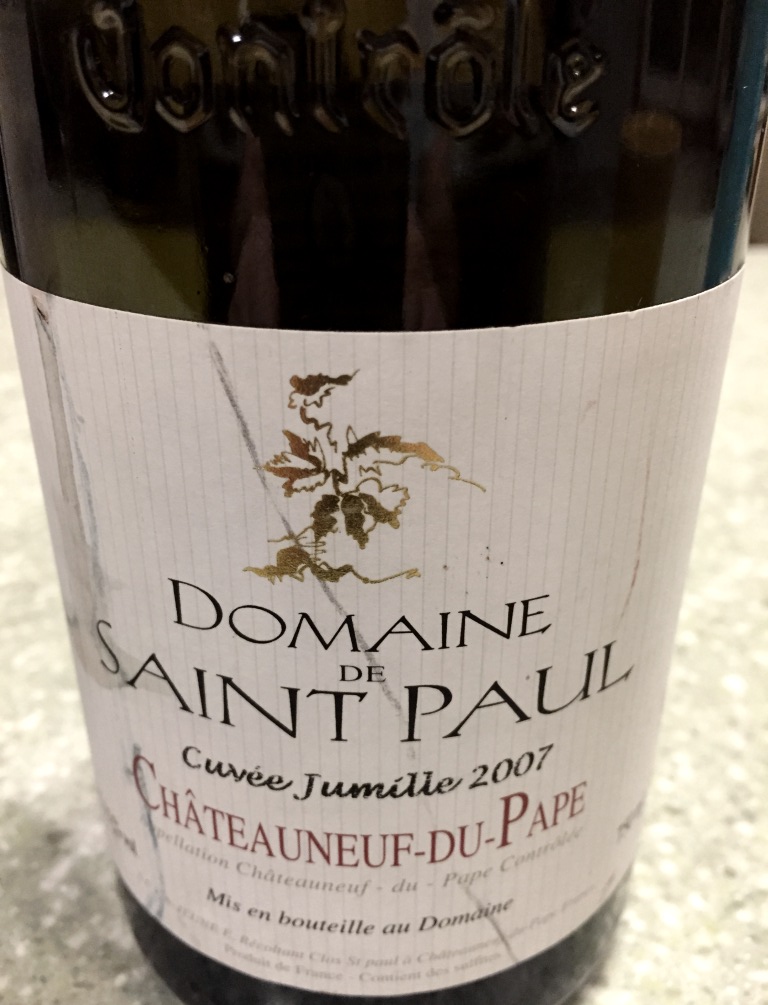
What prompted this post was the wine I had yesterday – 2007 Domaine de Saint Paul Cuvée Jumille Chateauneuf-du-Pape (95% Grenache, 5% Muscardin), which was absolutely delicious, and perfectly balanced, with round, smokey, chocolatey profile. The wine also had a touch of an interesting sweetness on the finish, which prompted me to look carefully at the label – and then my eyes stopped at 15% ABV, with the first thought was “this is amazing – I don’t find even a hint of the alcohol”. Judging by this ABV number alone, the “alcohol burn” would be well expected.
Yes, the notion of the balance is personal. Still – what makes the wine balanced? Can we say that some types of grapes, such as Grenache or Zinfandel, for instance, are better suited to harmoniously envelope higher alcohol levels? Is it all just in the craft, skill, mastery and magic of the winemaker? I don’t have the answers, I only have questions – but I promise to keep on digging. Cheers!
Top Highlights From Gambero Rosso Tre Bicchieri 2015
 At this point, you most likely already read a number of reviews from Gambero Rosso 2015 (here are the links for the John and Stefano posts, the two that I know of), so it will be difficult for me to add much there. Considering that lots of hard work is already done by the others, I will take an easy path and this year will limit my post only to the 10 (or so) of the personal highlights. But before we will get to those, a couple of notes.
First of all, just in case you didn’t read the other posts and in case you are not familiar with Tre Bicchieri, let me explain what Tre Bicchieri is all about. In 1986, an Italian food  and wine magazine was created under the name of Gambero Rosso (in translation from Italian it simply means “red shrimp”, and it comes after the name of the tavern in Pinocchio). Starting in 2002, the magazine introduced the rating of the Italian wines using the symbol of glasses (Bicchieri), with 3 glasses (Tre Bicchieri) being the highest rating. This rating proved to be successful and demanded, and since then the Gambero Rosso created a special event, called Tre Bicchieri, to celebrate all those best wine Italy has to offer. Tre Bicchieri events take place around the globe, and the event I attended was in New York (it was the third Tre Bicchieri event I attended in the past 3 years, all in New York).
For the next note, here comes the rant. Yes, Tre Bicchieri is a great event which gives an opportunity to taste some of the best Italian wines. But in terms of the overall organization, this is one of the worst wine tastings I ever attended. I have two major problems with the event. Just so you understand the size of the event – there were 185 producers showing between 1 and 3 wines each, which would roughly equate to 350 wines. First problem is that all the producers were not organized by the region. And they were not organized alphabetically by the producer, oh no, that would be too logical, right? Instead, the tables were arranged in the alphabetical order of the … distributors! So the wine from Tuscany stands next to the wine from Sicily. What makes it even worse is that the numbering of the tables is not straightforward, so the table #142 can be next to the table #50; to make matters even more interesting, some of the distributors who pour the wine, don’t have enough people to cover all the separate tables, so some of the tables had been simply “pulled in” to have #122 to be nested between #42 and #43 – makes it easy to find, eh?
This story was the same for the past 3 years I attended the event – but I still can’t get used to it and still find it very annoying.
The second problem was probably even more annoying, and for all I remember, it is getting worse, year after year. The problem can be expressed with one word (okay, two) – wine glasses. Puzzled? Let me elaborate. When you arrive to the event and show your registration, you get a little piece of paper, which is your coupon for the wine glass (! only at Gambero Rosso!). You come to the counter and exchange your coupon for the glass. All is good so far. Now, you start tasting, which means that white, red and even dessert wines get to be poured into the same glass – after 50 – 60 pours, the glass has traces of wine all over it, inside and outside, and what you can do at the regular wine tasting is to put your glass aside and go get a fresh glass. Makes sense, right? But not at the Tre Bicchieri. They bring best wines of Italy for a special tasting – but they can’t procure enough glasses for the people who would want to get a fresh glass to be able to do so. Believe me – I tried, was almost screamed at. I don’t remember having this problem 2 years ago; I was able to get a clean glass with the organizers intervention last year, but this year – no, was told to go away by the multiple people. Of course I appreciate been invited to the event where you can taste the best Italian wines, yes, for free – but I just think that organizers must make an effort to match the level of the wines with the overall level of the event.
Okay, I vented, so it is the end of the rant. Now let’s talk about the wines.
As you tell from the title, I want to mention here only the highlights. Before we talk about those, a few general notes.
- No, I didn’t taste all 350+ wines. May be someone did, but no, that was not me.
- There were lots and lots of truly spectacular wines, as you would expect at an event like Tre Bicchieri, where only the best wines are presented. But don’t assume that I found all wines to be spectacular. Some were just good, some were just okay, and a few I regarded in my personal notes as “terrible”. Taste is personal, and that’s okay.
- I want to reiterate it again – while there were lots of wines and wineries worth mentioning, I’m purposefully limiting this post only by 10 – they might not be all around the best, but they were the most memorable. Oh yes, these are not the wines – these are rather 10 wineries – yep, guilty as charged.
- As usual in the overwhelming tastings like this, I’m using the “plus” ratings. “+++” should stand for Excellent, but trust me, I had more than a fair share of “++++” spectacular.
Okay, now we are ready – here we go.
I want to start with one of my favorite wines which I was very happy to find at the Tre Bicchieri event – Podere Il Carnasciale Caberlot from Tuscany. This wine is made out of unique, “self-created” but officially recognized grape called Caberlot, which came to being as a cross between Cabernet Sauvignon and Merlot. First time I tasted this wine was 2 years ago, and it was a love at first sight, errr, taste. The wine is produced in minuscule quantities and only made in magnums – and needless to say, very hard to find. We tasted the following wines:
2012 Poderel Il Carnasciale Carnasciale, Tuscany – +++. excellent, old world style
2010 Poderel Il Carnasciale Caberlot, Tuscany – ++++, wow! classic Bordeaux blend, spectacular taste profile
2011 Poderel Il Carnasciale Caberlot, Tuscany – ++++, similar to the 2010, only with more tannins
There were lots of other great wines coming from Tuscany ( just think about all the super-Tuscans), so I had to limit myself in what to include in this post. Here is one more winery where I was literally blown away by the quality – Azienda Agricola I Luoghi:
2010 Azienda Agricola I Luoghi Campo al Fico, Bolgheri Superiore – ++++, wow!
2011 Azienda Agricola I Luoghi Ritorti, Bolgheri Superiore – ++++, beautiful, clean
2011 Azienda Agricola I Luoghi Fuori Solco, Bolgheri Superiore – ++++, 100% Cabernet Sauvignon, wow!, precision!
Moving from Tuscany up north to Piedmont, Michele Chiarlo was perfectly representative of the area. Yes, there were other Barolo present in the tasting, but some were boring, and some where plain undrinkable due to the tannin attack (not just attack, a juggernaut rather). This wine was just perfect.
2010 Michele Chiarlo Barolo Cerequio, Piedmont – ++++, outstanding, clean, lavender, herbs
Continuing to explore the Northern Italy, we are now moving to Trentino, where we can find one of my favorite Italian Sparkling wines, Ferrari. While Ferrari wines are very hard to find in US, they are well worth seeking. Ferrari had 3 wines presented at the Tre Bicchieri, one better than another:
2004 Ferrari Trento Brut Giulio Ferrari Riserva del Fondatore – ++++, spectacular, notes of fresh dough, bread, yeast
2006 Ferrari Trento Brut Lunelli Riserva – ++++, very unique sparkling wine, undergoing maturation process in the oak casks, silky smooth palate
2007 Ferrari Trento Brut Perlé – ++++, beautiful!
Representing Campania, a few delicious wines. First, a beautiful white:
2013 Pietracupa Fiano di Avelino, Campania – ++++, fresh fruit on the nose, perfect palate with lemon and tart apples
And then the red and the white from the Fattoria Alois:
2011 Fattoria Alois Trebulanum Casavecchia, Campania – +++, rare grape, powerful tannins
2013 Fattoria Alois Pallagrello Bianco Caiati, Campania – +++, nice, acidic, clean, with some oily notes, unique and different. Plus, a new grape – Pallagrello Bianco.
A few wines from Puglia:
2012 Torrevento Castel del Monte Rosso Bolonero, Puglia – +++-|, fruity, open, beautiful ripe raspberries
2012 Torrevento Primitivo di Manduria Ghenos, Puglia – +++-|, playful, notes of tobacco and cedar
and
2012 Tenute Eméra Sud del Sud Salento IGT – +++, very good, soft approachable, reminiscent of Gamay, chocolate mocha notes
2013 Tenute Eméra Qu.ale Salento IGT – ++++, spectacular, great palate – not only this wine was outstanding, it was also a part of the very interesting project called Wine Democracy, which is all about making great affordable wines for the people and taking care of our little planet. Great cause, great wine.


Now, I need to mention another one of my favorite Italian producers – Jermann. Jermann wines represent Friuli Venezia Giulia, and I think these are some of the most thought-provoking Italian wines you can find. And as a side benefit, many of Jermann wines will age extremely well.
2012 Jermann W…. Dreams…. Friuli Venezia Giulia IGT – +++-|, spectacular, Chablis nose, light palate
2012 Jermann Vintage Tunina Friuli Venezia Giulia IGT – ++++, complex, delicious
2013 Jermann Pinot Grigio, Friuli Venezia Giulia IGT – +++
We are already at 9, and there are yet a few more wines I have to mention. I guess I’m really bad at math and self-control. Oh well, I hope you are still with me – here are few more wines, wineries and regions.
A very interesting wine from Lazio:
2012 Principe Pallavicini Casa Romana Rosso Lazio IGT – ++++, outstanding claret, perfectly classic
And then an excellent wine from Veneto. Of course Veneto is best known for its Amarone. And those who can’t afford Amarone, should settle for the Valpolicella, often made from the same set of grapes (Corvina/Molinara etc.). I generally not a big fun of Valpolicella, as I hadn’t been successful in finding the Valpolicella wines which would speak to me. Until now.
2012 Musella Valpolicella Superopre DOCG – ++++, simple, clean, with dried fruit on the palate, excellent! Wine is produced biodynamically, and probably the most amazing part is cost, at about €5! For the price, this is simply a stunning wine.
I would feel bad if I wouldn’t have at least one wine to mention from Sicily, where volcanic soils produce unique minerally-driven wines.
2013 Cantine Rallo Beleda Alcamo Catarratto, Sicily – ++++, spectacular, touch of sweetness, full body
And we are going to finish with some sparkling wines from Emilia-Romagna. There were lots of sparkling wines at the tasting, and many of them were outstanding. However, these wines really stood apart for me, as they were produced from the grape which generally commands very little respect – Lambrusco, and they were pretty much on par with any classic Champagne.


2013 Cantina Della Volta Lambrusco di Sorbara Rimosso, Emilia-Romagna – +++, excellent, fresh, crisp
2010 Cantina Della Volta Lambrusco di Modena Brut Rosé, Emilia-Romagna – ++++, classic Champagne nose
2010 Cantina Della Volta Lambrusco di Modena Brut, Emilia-Romagna – +++, excellent!
Yep, this is the end of my report. As I said before, this is only a small excerpt from a great selection of spectacular wines – but I have to draw the line somewhere. I’m curious in your opinion if you had any of these wines. Cheers!
Liquid Pleasures Beyond Wine: Brandy
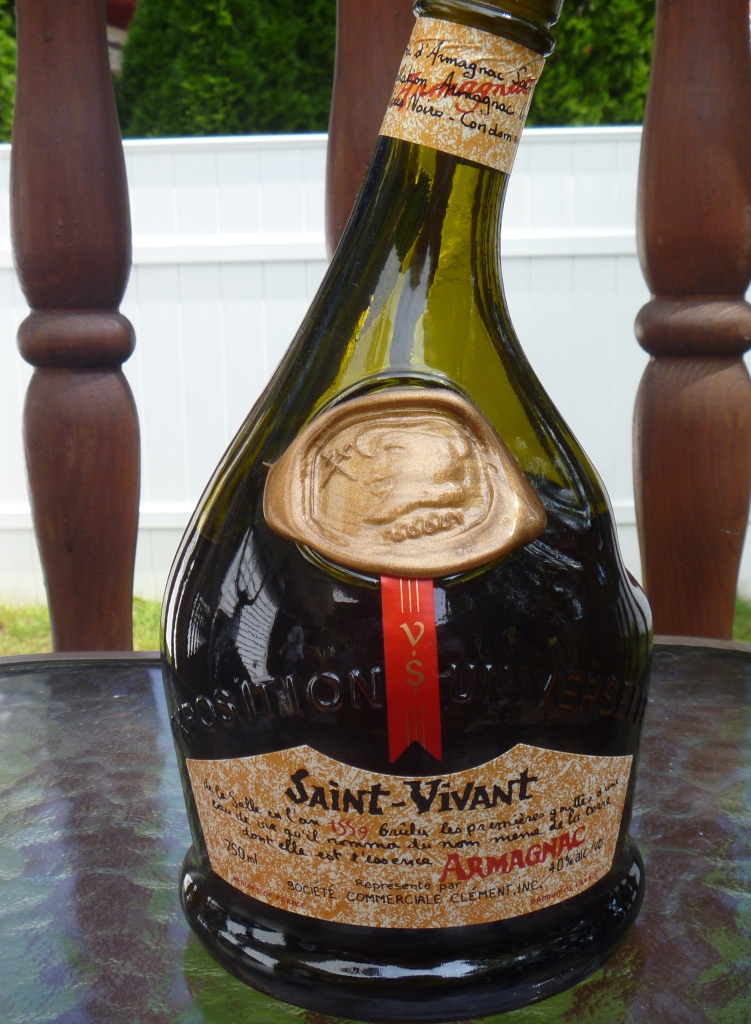 During 2011 I wrote a number of posts for the project called The Art Of Life Magazine – of course talking about my favorite subject, wine. The project was closed and even the web site is down, but as I still like the posts I wrote, I decided to re-post them in this blog. Also, in that project, posts were grouped into the mini-series, such as “Best Hidden Secrets” and “Forgotten Vines”. The post I’m offering to you today was from the mini-series called “Liquid Pleasures Beyond Wine”, and the subject of this post is Brandy.
Also note that the series was written for a slightly different audience – I hope none of my readers will take offense in the fact that sometimes I’m stating the obvious…
As you could’ve expected based on the last post, we are going to explore the world of “liquid pleasures beyond wine”, the world of spirits. Let’s start with Brandy, as it is closest to the wine world. To be more precise, wine is a foundation of a Brandy.
Brandy is produced in many different countries, but we should start our journey in France, where it was originated. While Brandy is a generic name for any wine-based spirits, in France Brandy mostly exists under other noble (and protected) names, such as Cognac, Armagnac and Calvados.
Of course Cognac is the most famous French spirit, however let’s start our journey from Armagnac, as historically it was the first region to produce brandy, starting in the 14th century. Armagnac is a region in the south of France, which has a status of AOC – it means that similar to the French wines, production of Armagnac is strictly regulated from start to finish. Armagnac is made out of grapes (about 10 different grapes can be used in production). Once grapes are harvested, pressed and fermented, the resulting liquid undergoes a process of single distillation, and then the spirit is placed into the oak barrels for aging. Armagnac’s age designation is similar to Cognac, which we will discuss a bit later in this post. Taking into account single distillation, Armagnac initially is harsher than the cognac, but it mellows down as it ages in the oak barrels for a minimum of two years.
Similarly to Armagnac, Cognac is also produced from the grapes (mostly Ugni Blanc, but some other grapes are also used). History of Cognac started in 16th century, when it was distilled from the local wine in order to withstand long ocean journey to the destination. Initially it was thought that after the ocean voyage, addition of water will convert spirit back to wine, but then it was found to be quite appealing on its own.
Same as the French wines regions, Cognac is an AOC, which is divided into 6 different zones, with Grand Champagne, Petite Champagne and Borderies being located in a middle of the appellation, and Fins Bois, Bon Bois and Bois Ordinaire surrounding them from all sides. Zone is usually designated on the bottle of cognac. There is also an additional designation of Fine Champagne, which is used if Grand Champagne and Petite Champagne are blended together. Again, same as with wines, the smallest appellation is the most restrictive as to what grapes can be used for the production of the cognac – for the cognac to be called Grand Champagne, all the grapes should be coming strictly from the Grand Champagne region, where for the bottle just labeled as Cognac, the grapes can come from anywhere within Cognac AOC.
In order to make cognac, it is necessary to start with wine. The grapes are harvested, pressed and fermented exactly in the same way as they would be for the wine production. Wine is typically fermented for 2-3 weeks, after which it undergoes process of double distillation (which removes harshness), and the resulting spirit is placed into the oak barrels (Limousine oak is typically used in cognac production) for aging. Cognac spends at least 2 years in the barrel, then it is typically blended with the cognac from different barrels and different ages to achieve persistent taste (here blending process is very similar to the one for the Champagne), and then it gets bottled. Of course some of the cognac spends 10, 15 and more years in the barrel, yielding a more mellow, more aromatic and complex beverage.
Looking at the bottle of cognac, you can always have an idea as for how long the cognac was aging in the barrel. If the label has letters VS (Very Special), it means that cognac spent at least 2 years in the barrel. VSOP (Very Special Old Pale) means that cognac was maturing for a minimum of 4 years, and XO (eXtra Old) has spent at least 6 in the barrel (but on average, XO is aged for about 20 years). There are some other designations, such as Napoleon, which typically designates age between VSOP and XO. One more interesting fact about cognac is that while there are about 200 producers, about 90% of the whole volume of the cognac attributed only to the four companies – Courvoisier, Hennessy, Martell, and Rémy Martin.
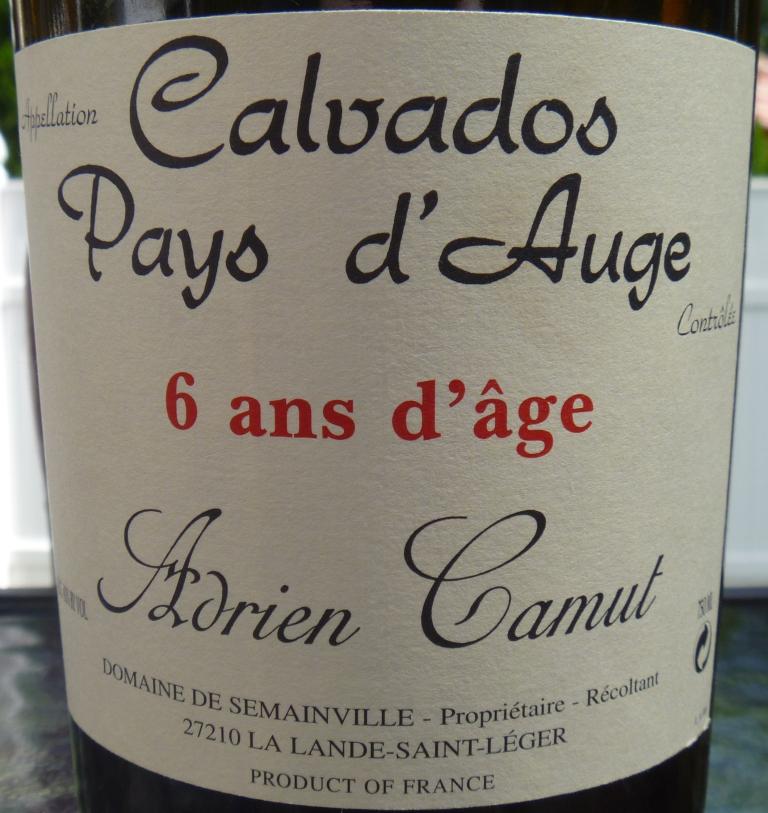 Our next stop is Calvados, where brandy is produced from apples. About 200 different types of apples (sweet, sour, bitter…) are used to produce Calvados. Production of Calvados started in 16th century, and it reached peak of popularity in 19th century, when grapes in the other regions were devastated by Phylloxera.
Production of Calvados starts from the harvesting of the apples, then pressing them and fermenting into dry apple cider. After that the liquid undergoes a process of distillation (both double and single processes are allowed), and then distillate is stored in the oak barrels for the further aging. Calvados should age for at least 2 years in the barrel before it can be released. In many cases it ages for anywhere from 2 to 6 years, but can go for 10, 15, 20 years and longer. Good Calvados, like the one from Adrien Camut, is a wonderful and fragrant drink, with hint of apples both on the nose and the palate, very balanced and delicious.
Leaving France, we have many potential Brandy destinations to visit – however, nobody can really compete with the France for the top spot in Brandy production. Nevertheless, we should mention a few other examples.
Georgia and Armenia started producing brandy in the 19th century, and taste-wise they were quite competitive with the actual French cognacs. They lost some of their edge after both countries became independent and experienced a lot of economic and political issues, but now they are slowly restoring their brandies back to the world class level. In both countries brandies are produced from grapes (wine). Just in case you are curious, you can look for Sarajishvili (Georgia) and Ararat (Armenia) brandies – both should be available in the stores.
I would like to mention two more brandies. First one, coming from Greece, is called Metaxa. It is a wine-based brandy, which is aged similarly to the French cognac, in the limousine oak barrels, and then blended with aged Muscat wine to create final product, which is typically very smooth and mellow (might be a touch too sweet, depending on your preferences).
Second one is coming from Italy and called Grappa. Grappa is made by fermenting of the grape must (skin, seeds and stems leftovers after wine production). Grappas are typically very strong with 53%-55% alcohol (typical brandy is 40%). As of the last 5-8 years, single grape grappas became very popular – and they have distinctive and delicate taste, despite still high concentration of alcohol.
There are many more countries to visit in our brandy journey – however, I hope you got the idea already. Enjoy a glass of your favorite brandy tonight – but if brandy is not your thing, please wait for the next post, where we will be talking about Whisky. Until then – cheers!
Looking for Liquid Pleasures Beyond Wine
 During 2011 I wrote a number of posts for the project called The Art Of Life Magazine – of course talking about my favorite subject, wine. The project was closed and even the web site is down, but as I still like the posts I wrote, I decided to re-post them in this blog. Also, in that project, posts were grouped into the mini-series, such as “Best Hidden Secrets” and “Forgotten Vines”. The post I’m offering you today was an opening post in the mini-series called “Liquid Pleasures Beyond Wine”.
Also note that the series was written for a slightly different audience – I hope none of my readers will take offense in the fact that sometimes I’m stating the obvious…
So far in this blog we mostly talked about wine, wine as an experience. We tried to uncover some of the hidden secrets of the wine world, such as Rioja, second labels of the famous wines, or French sparkling wines. We looked at the wines which were famous, then almost disappeared and now slowly coming back, such as Madeira and Jerez. We also searched for wine values, by comparing wines made from the same grape but coming from the different places. Did we explore enough the world of wines? Not really, we didn’t even touch the tip of a tip of an iceberg. Nevertheless, as we are looking for experiences, let’s take a step outside of the wine world, and let’s take a look at the other “liquid pleasures”.
I’m talking about the group which is collectively called “spirits”, otherwise also known as “distilled beverages”, which is a name which is used in Wikipedia. Overall distillation is a process of separating liquids with the different boiling points, and its application goes way beyond the world of alcoholic beverages. Distillation first was uncovered about 2000 years ago, but first use for production of the “spirits” happened less than a thousand years ago. When applied to the wine or any other fermented substance (meaning that some degree of alcohol is present in the liquid to begin with), the end result of distillation is a liquid with increased concentration of alcohol.
Historically, such high-alcohol liquids had various uses – one of the most important ones, which also has nothing to do with drinking the liquid, was medicinal. Strong alcohol is an excellent antiseptic; it is used in order to disinfect the area of the body, to kill any potential bacteria thus preventing any possible contamination. However, while this very important, such applications are completely outside of the scope of this blog, so let’s go back to the stuff we drink.
There are many different kinds of the spirits produced in the world. Some have more universal appeal and can be produced in many countries following the same basic methodology, but some can be also unique for particular place (but if it is any good, it is extremely hard to keep a secret). Let’s take a quick look at the various types of the spirits – we will discuss some of them in detail in the subsequent posts.
Let’s start with Brandy – brandy is a spirit which is produced from wine. This can be an actual grape wine, or it can be a fruit wine – both can be used for the production of brandy. For instance, Cognac and Armagnac are both made from the grapes, and Calvados, another famous French brandy, is made from apples. Brandy is produced in France, Spain, Italy (where it is known as Grappa), Georgia, Armenia, US, Mexico and many other countries.
Next spirit we need to mention is Whisky, which is made out of grains (barley, rye, wheat, corn). This group includes Scotch, which is made in Scotland, and then Whiskey, which can be made in many different countries – for instance, Irish whiskey is made in Ireland, and in US you can find both Whiskey, which is often made from rye, and Bourbon, which is corn-based. Whisky is also produced in Japan, India, Canada and other countries.
Then comes Vodka – made all around the world, from all possible ingredients. It is made in France, Russia, Poland, Italy, US, Canada and many other countries. It can be made from grapes, fruits, grains, potatoes and probably some other ingredients we can’t even think of. Vodka is often called a “neutral spirit” as it is typically produced flavorless (some flavor can be infused before bottling), and thus it is a popular component in many cocktails.
To complete the “big scale” list of spirits, we need to mention a few more. Tequila, which is produced from the Blue Agave plant, is a very popular spirit coming from Mexico. I can’t resist to mention Mezcal, which is also made in Mexico using Agave plants, but it has distinctly different taste (and very hard to find). Then we need to mention Gin, which is also a popular cocktail ingredient and has a very distinct taste as it is produced from Juniper berries. And last but not least comes Rum, which is produced from sugarcane, and yet another popular cocktail staple.
As we are looking for the great experiences, should we even look at all these “hard liquors” as they often called in the United States? Absolutely. Moderation is a key when it comes to alcohol (this universally applies to any kind of alcoholic beverages – beer, wine or spirits) – but once this is understood, one can definitely enjoy immense richness and variety of flavors coming from all these spirits. They definitely create a lot of great experiences and unique memories, and they bring lots of pleasure. In the coming posts, we will take a closer look at some of them – and until that time – cheers!
Daily Glass: Memorable Wines
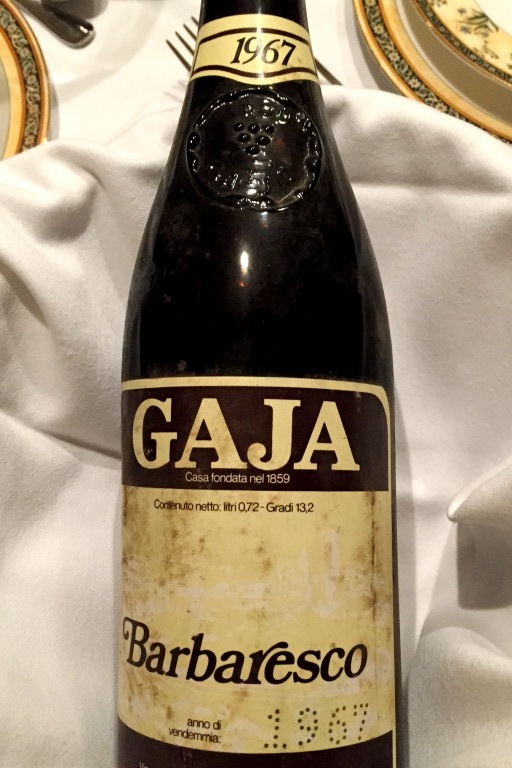 Wine = Memories. Well, okay, we need to correct that statement. Great Wines = Memories, now that is better. Of course we remember the wines we drink, and this is how the opinions are formed and this is how the wine list in the restaurant doesn’t look that intimidating anymore. But this should be characterized more as a general knowledge, not specifically as “memories”. Great wines, on the other hand (I’m not going to define the term “great wine” – this is highly personal, you define it for yourself), become memory anchors. We remember when, why and how, we remember who we shared it with, and we can retrieve those memories on the moment’s notice. That is what “great wine” can do to you.
Case in point – a great evening with friends, which had all three elements at its perfection – the wine, the food and the company. An evening, when the time flies so fast, you don’t understand how late it is already. And the wines – stunning, each one in its own right. We started with Gosset Grand Réserve Brut Champagne – a non-vintage Champagne from one of the old and classic producers. I have to honestly admit that I was never impressed with other Gosset wines in the past, but this Grand Réserve, poured from the magnum, was outstanding – round, creamy, yeasty just enough, with a touch of apple and fresh bread on the palate – an excellent start of the evening.
Then the awe inspiring, almost 50 years old 1967 Gaja Barbaresco was gently uncorked. It was not simple, as cork did crumble – but this is nothing which strainer and decanter can’t fix. The first whiff – nothing smells off, which is a great sign of relief. While we put the wine aside to let it breathe a bit, we reached out for another white – 2007 François Cazin Le Petit Chambord Cour-Cheverny AOC.
This is a rare French white wine made from 100% Romorantin grape. I remember a few years back trying this wine at a 10 years of age – and I remember been simply blown away by the exuberant beauty of this seemingly unassuming wine (new vintages retail at around $15 – the QPR is through the roof on this). The nose of that 2007 was amazing, with fresh white fruit, guava, mango, honeysuckle, lemon and lemon zest. On the palate, behind the first wave of Riesling-like appearance with touch of sweetness and tropical fruit notes, there were layers and layers of acidity and minerality. After about 10 minutes of breathing time, the wine was almost bone dry, very crisp and refreshing. I still have 3 bottles of the 2007, and now the trick will be to keep my hands away from them, as they still benefit from time.
Time to get back to that 1967 Barbaresco. We were somewhat waiting for the main course to start drinking it, and I was concerned that as it happens with many older wines, this wine might also succumb to the neverland if not consumed within that short window of time. Silly me. The wine kept going and opening for the next 2 hours. It had all those sweet plums, sapidity of the onion peel, minerality, all weaved around a well defined structure with perfect acidity and perfect balance. The “wows’ kept flowing until there was nothing left in the decanter – this was definitely a treat. And a perfect memory anchor, an experience which stays forever.


Our next wine was also very interesting and delicious in its own right, by fate or the accident made from the exact same grape as the Barbaresco, the Nebbiolo –2004 Ar.Pe.Pe Rocce Rosse Riserva, Valtellina Superiore Sassella DOCG, Italy. Valtellina red wines are typically made in the way similar to Amarone – with the grapes drying out after the harvest for about 120 days, and only then pressed and vinified. The Sassella Rocce Rosse from Ar.Pe.Pe stands apart, with Nebbiola grapes (locally known as Chiavennasca) left on the vine to raisin, and then pressed. Fresh, succulent plums and cherries on the nose and palate, together with effervescent lightness and firm structure (this might not make sense right away, but this is the way I perceive it), which I always find in Ar Pe Pe wines. Again, a delicious red.
Our last wine was 2003 Sella & Mosca Anghelu Ruju Rosso Passito Riserva Alghero DOC, Sardinia, Italy – very unique and interesting fortified wine, made out of partially sun-dried Grenache, locally known as Cannonau. This wine was mostly resembling the Port, with a hint of dried fruit on the nose, supported by perfectly balanced, soft body of plums and sweet oak, with perfect amount of sugar to make it a light dessert wine, but not an overbearing sweet monster.
Here we are – a perfect set of very memorable wines, compliments of dear friend Stefano (Clicks & Corks/Flora’s Table), and an evening with friends which will stay in memory, anchored by that 1967 Barbaresco. Considering that I’m finishing this post right on the Open That Bottle Night, I hope you increased your memory bank with some spectacular experiences, both of wines and the company – and I will be glad to hear about them. To the great life experiences! Cheers!
Coming Up This Saturday: #OTBN – Open That Bottle Night
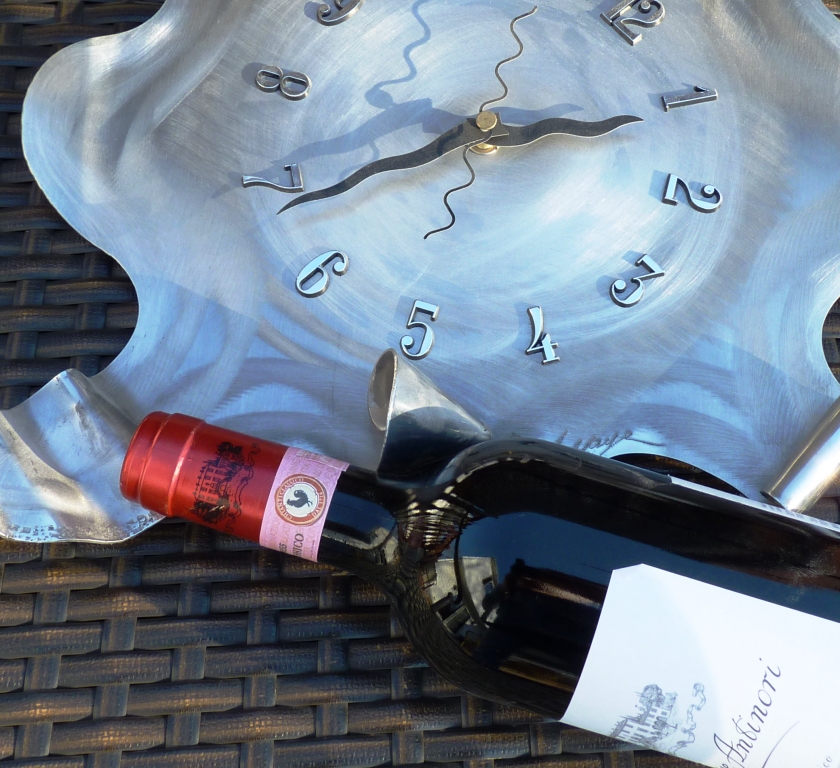 Just a quick reminder to all the wine friends, oenophiles, aspiring sommeliers and all the other folks who find wine to be an indispensable part of their lives – OTBN is here, so get your thinking hat on and go visit your cellar (those without a cellar can settle for the visit to the good wine store).
Open That Bottle Night, usually abbreviated as OTBN, is a movement created by Dorothy J. Gaiter and John Brecher, writers of the Wall Street Journal’s Tastings column. In the year 2000, they declared last Saturday in February to be a special night for the wine lovers – it should be the night when that special, cherished, admired, preserved, treasured bottle gets right on the table – and gets opened. The wine needs to be enjoyed – as the life is unpredictable, we should really create those special moments in the “now”, instead of waiting for them for the eternity.
Since its invention, OTBN became an international phenomenon, celebrated all over the world. This upcoming Saturday, February 28, 2015, is the last Saturday of February – so it is the time to get that special bottle ready and open. I don’t think you need any special instructions, but in case you feel like you need someone to tell you what to do, here is the link to the Wall Street Journal article which will give you the detailed instructions on how to enjoy OTBN.
I know you are hoarding more than one special bottle – it is the time to put at least one of them to the good use. If you care to share what you will be opening, this what the comment section is for. Open That Bottle! Cheers!
What To Drink On Valentine’s Day
 I generally avoid holiday-related wine posts, and I do it for a number of reasons. First of all, every information source on the planet considers it to be their duty to produce some piece of writing with wine recommendations. And then for someone who drinks wine all the time, the holidays are not so much of a special occasion to have a reason to open a bottle of wine. Oh well – somehow I felt compelled to share my thoughts on the wines for the Valentine’s Day, hence this post…
Pink. Red. Extreme. Commercialized beyond belief, still increasingly so year after year. Heart-shaped to the point of insanity. There are many things which turn people away from the Valentine’s Day, and I can understand that. However, I take this holiday as an extra opportunity to celebrate love and life. All you need to do is to find your way – ignore pink paraphernalia, ignore meaningless cards, ignore conveyer belt – style experience at the restaurants – and celebrate love and romance as a pure meaning of this holiday.
Let’s agree that we will celebrate love and romance in our oenophile’s way, and let’s talk about wine – without wine on the table, celebration is … just another boring dinner, right? By the way, when I said “felt compelled” in the opening of this post, this was not entirely true. I also had a pleasure to be a guest at the Off the Vine Radio Show, talking with Benita and Latisha about … you guessed it – Valentine’s Day wines – thus as you can imagine, I gave some thought to the subject (and then yes, “felt compelled”). In case you have a bit of time, you can listen to that episode here.
What can I tell you about wines for the Valentine’s Day? First of all, if you have a plan already, it doesn’t matter what I have to say. If you have some specific celebratory dish in mind, and have a pairing ready – it doesn’t matter what I have to say. But if you are still thinking how to make this holiday special, then let me share my thoughts with you. But remember – drink what you like. The wine for the Valentine’s day doesn’t have to be pink, and it doesn’t have to be sweet. It has to be something which will give you pleasure – as simple as that.
The wine for the Valentine’s Day should have balance and it should have finesse. While thought provoking is good for the wine, on Valentine’s Day you should focus on romance and not on deciphering the complex flavors. Go after balance, finesse and simplicity. This is why I would never suggest, for instance, the natural wines of Frank Cornelissen or Jean-Pierre Robinot, or the dark magic of Randy Dunn with his Howell Mountain Cabernet Sauvignon – those wines will drain you emotionally, and it is a wrong angle for the Valentine’s day. Thus let’s talk about balance and finesse.
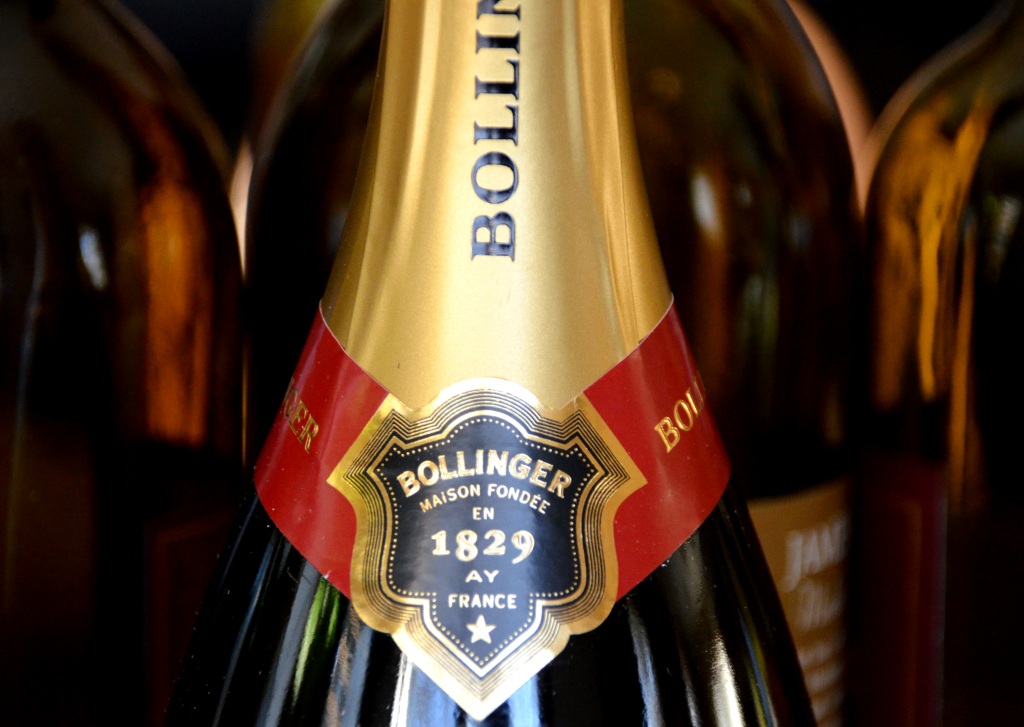
First wine I want you to consider is Champagne. As the very least, it can be an Italian Sparkling wine from Franciacorta or Trento, or some of the California sparklers. Prosecco, Cava and many other sparklers are simply not consistent enough, so for the Valentine’s Day, go with classic – remember – balance and finesse. For the Champagne, my choice would be Bollinger, as I think it is one of the finest non-vintage Champagnes, with lots of finesse. Ferrari from Trento and Bellavista from Franciacorta in Italy would definitely my next choice. But – I don’t want to forget California – Roederer Estate L’Ermitage, Schramsberg Rosé, J Cuvée 20 or any of the Gloria Ferrer sparkling wines would live you with a happy smile.
Moving on, let’s talk white wines. As we are looking for the balance and finesse, I have a few recommendations for you – and you might be surprised with these. For this holiday, I want you to step outside of your “usual circle”. My first recommendation is for the white wines of the Rhône valley in France. Yes, Rhône is mostly known for their reds, but the white wines there are equally stunning. For instance, try to find Domaine Saint Préfert Cuvée Speciale – I called this wine once “a symphony in the glass”. But in general, look for the Clairette or Grenache Blanc wines from Southern Rhône, or Marsanne/Roussanne from the North – those wines are often not easy to find, but they will deliver lots of balance, finesse and pleasure.
Let me give you a few more suggestions – equally difficult to find, but worth looking for. Viognier from Washington is a white wine worthy of celebrating love and romance with. Look for Mark Ryan or Willis Hall – their Viognier is nothing short of stunning. To close on the whites, here are 3 more rare beauties. First, 2 Sauvignon Blanc from … Italy: Gaja Alteni di Brassica and Poggio alle Gazze dell’Ornellaia – stunning balance and finesse. And the last one – Ken Forrester The FMC. You can’t go wrong with either one of these wines – go, start looking, you don’t have lots of time.
Now, we arrived at the red wine junction. Looking for the balance and finesse will dramatically reduce our choices. I would say, let’s go for Pinot Noir. I will limit my recommendations to this one grape only – and here is why. We are looking for the balance and finesse, right? Think about Cabernet Sauvignon from California – what would be the first word or words you would use to describe those wines – probably “big and powerful” – and this is not what I’m looking for suggesting the wines for the Valentine’s Day. Same goes for many Merlot, Syrah and Grenache wines – never mind the Petite Sirah. Even with my beloved Rioja – there are few wines, which will deliver that exact balance and finesse – La Rioja Alta Reserva Especiale would be definitely the one – and I highly recommend it. But for the Rioja – and then for Barolo, Brunello and even Super-Tuscan – as a general class, the probability of running into “big and powerful” is a lot higher than finding “balance and finesse”.
Talking about Pinot Noir, I wish I would recommend some of the classics to you – yes, the Burgundy – but unfortunately, my exposure to the Burgundy is way too limited, so you will need to ask your trusted wine merchant for the advice. Next up – California and Oregon. For the most of the time, California Pinot Noir will deliver exactly that – balance and finesse. To give you a few names, go look for Siduri, Loring Wine Company, Calera, Drew, Copain, Laetitia – but there are many others and it is hard to go wrong with California Pinot Noir. Oregon would be also a perfect choice – look for Adelsheim, Chehalem, Antica Terra, Evening Land – finesse is a middle name for the Oregon Pinot, so you will not be disappointed. And last but not least – don’t forget the New Zealand! Pinot Noir from Central Otago, Marlborough and Martinborough are typically well balanced and round, perfectly fitting our quest for finesse. Look for the wines from Craggy Range, Mt. Difficulty and Amisfield among the others.


Dessert time! People often underestimate how bad the dessert wines can be – one sip of the cloying, single-sugar-note wine would ruin the experience of an amazing dinner. You really have to put a lot of care in selecting the dessert wine which will have balance and finesse. Of course I would like to recommend Sauternes and Barsac wines for you, but again, my personal experience is very limited. I’m sure you can’t go wrong with Château d’Yquem – if you can afford it, go for it! What would be a bit easier to find (and afford) is a Port. Not just any Port – balance and finesse, remember – so go for a nicely aged Tawny, 20-, 30- or 40-years old. As Port ages, it loses power, and becomes fragrant and sublime, guaranteed to deliver lots of pleasure. Look for Rozes, Graham, Quinta do Noval – lot’s of excellent choices. Then of course, the king of the dessert wines – Riesling. For the special experience, I would only recommend to go to the BA and TBA levels – you know, the stuff which always comes in the small bottles. You see, it is very hard to mass-produce BA or TBA level Rieslings – you can’t harvest enough grapes at those sugar levels – thus it is hard to go wrong with BA or TBA Riesling from any producer. And the last recommendation for today – an Icewine. Not any Icewine, but I want to recommend my personal favorite – Inniskillin Cabernet Franc Icewine. This wine is vibrant, perfectly balanced and has lots of finesse – I guarantee you will finish your Valentine’s Day dinner on a high note with this wine.
Here you go, my friends – in the quest for the balance and finesse, these are some of my personal recommendations to enhance you Valentine’s Day experience. Let me know what do you think about my suggestions and feel free to provide your own. Happy Valentine’s Day and cheers!
Last Bottle Sign Up ($10 credit)





