Archive
Happy New Year 2013!
Wishing You All Happy and Healthy New Year, Filled With Joy, Families, Friends, Laughter, Love, Great Wines and Best Experiences!
Top Twelve of ’12
Here we are. 2012 is almost over. There were bad things, there were good things. And the world didn’t end on December 21st. Unexpected, huh? But we are talking about wine here, so let’s get to it. The time has come to finish summing up the year worth of wines, and come up with the dozen most memorable wines (my second dozen+ can be found here).
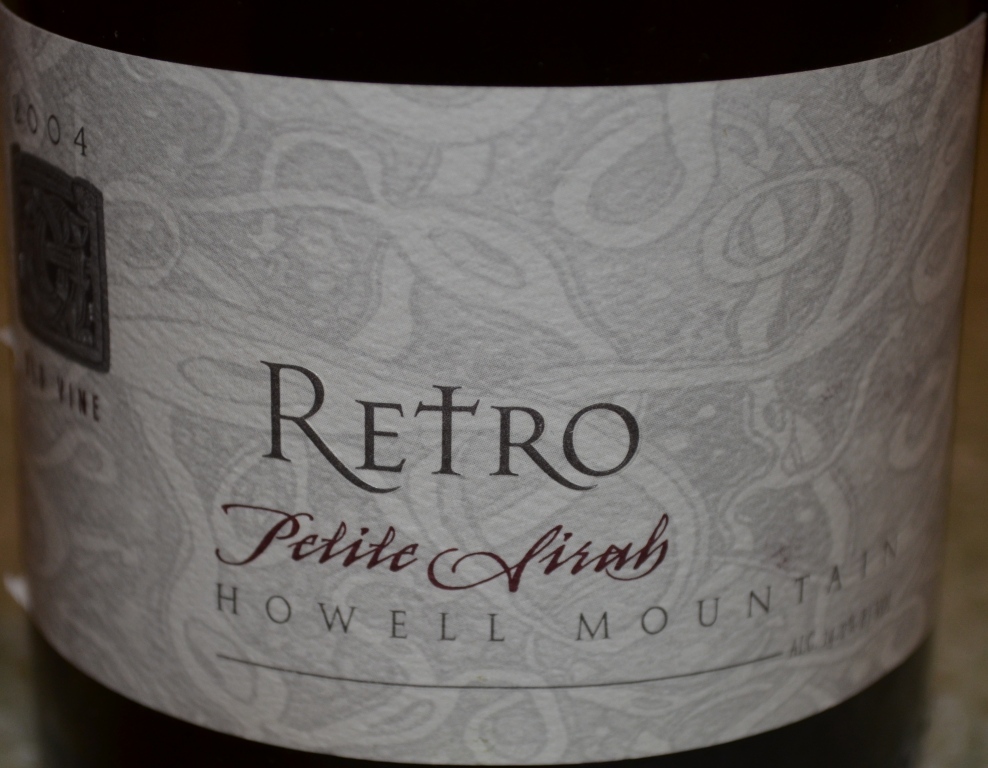 12. 2004 Retro Petite Sirah Howell Mountain ($35) – Power. More power. And more power. One of the biggest wines I tasted in 2012. Not in Barolo sense, not with the tannins which just close up your taste buds, but in the sheer amount of dense, chewy, dark fruit. It will be interesting to see how this wine will evolve…
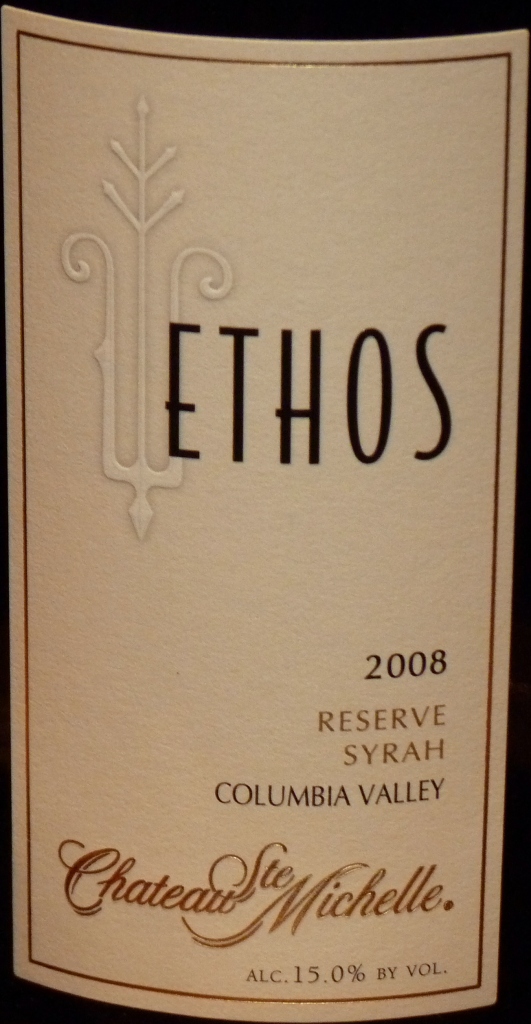
11. 2008 Chateau Ste. Michelle Ethos Reserve Syrah Columbia Valley ($36) – I love roasted, meaty notes of Syrah (I can even go as far as proclaiming Syrah being the favorite wine, but it wouldn’t be entirely true – still, Syrah is definitely one of my favorite wines). This Syrah had that roasted, smokey and peppery notes, multiplied by juicy fruit. Very delicious – you should try it with your next BBQ and tell me what you think.
10. 2007 Villa Mt Eden Pinot Noir Reserve, Russian River Valley ($25) – I would typically describe California Pinot Noirs from the position of power – a lot of them are big wines, boasting of jammy fruit. And I would typically reserve the descriptor such as “finesse” for the Burgundy. When you taste this wine, actually the first word which comes to mind is finesse. It is absolutely elegant, with beautiful layered fruit, silky smooth tannins, and – very, very balanced.
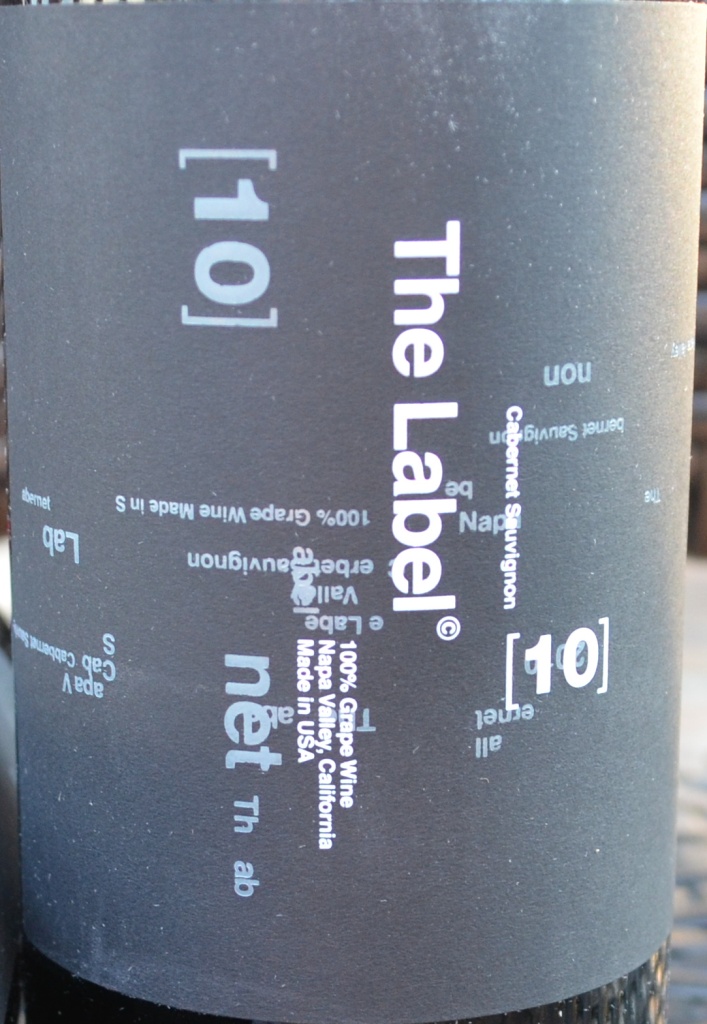 9. 2010 Turley The Label Cabernet Sauvignon Napa Valley ($40) – in the old style bottle came beautifully styled Cabernet Sauvignon (you can read my escapades around the subject of the bottle if you will click on the name of this wine). This wine had everything you want from your Cabernet Sauvignon – black currant, mint, eucalyptus, touch of dark chocolate, supple tannins, perfect acidity – and it was not in-your-face, perfectly restrained and elegant. This was the very first vintage of this wine, produced by the venerable Zinfandel maker Turley, and I believe this wine has long life ahead of it.
8. 2009 Beaulieu Vineyards Georges de Latour Private Reserve Cabernet Sauvignon ($125) – And then there was Rutherford dust. Absolutely perfect Cabernet Sauvignon, with all the classic traits and flavors, impeccably balanced, with an added bonus – a sensation of tiny particles coating your mouth, a very unusual and very memorable texture, associated only with wines produced in the area of Rutherford in Napa Valley. Before I tried this wine, I heard the “Rutherford dust” expression, but never experienced it – this was my first encounter, and boy, was that delicious!
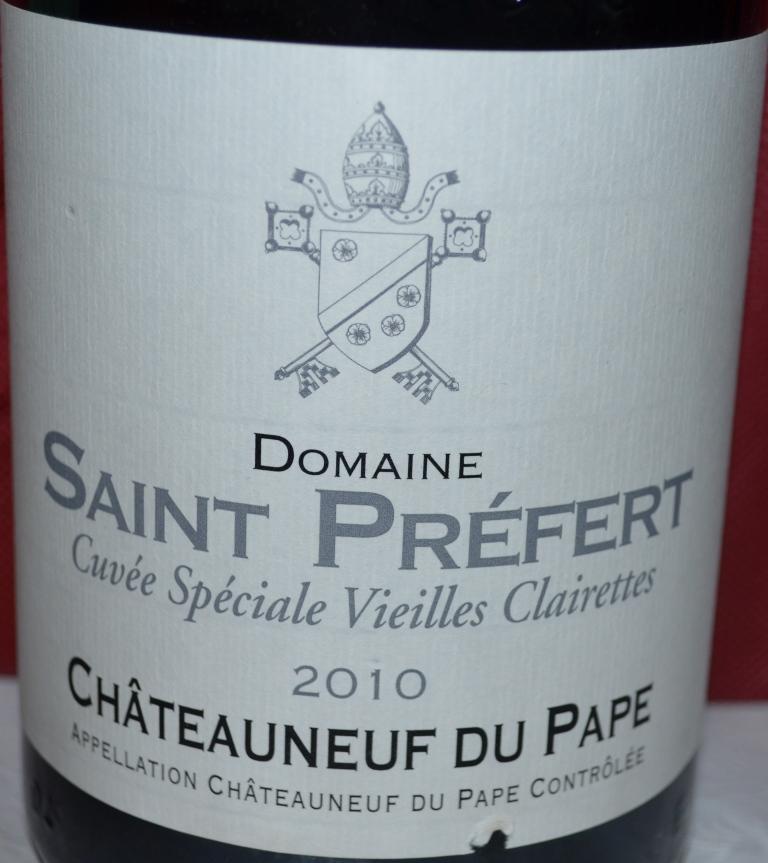 7. 2010 Domaine Saint Prefert Cuvee Speciale Vieilles Clairettes Chateauneuf du Pape ($125 for magnum) – let me give you a very short description for this wine – a symphony in a glass. Do I need to clarify it any further? You know, all the memorable wines provoke certain association. Power, balance, finesse, roasted meat, sunshine, fresh meadows – and then there is this wine which you want to associate with music. Perfect clarity of this wine only makes you think of precisely taken high notes and how beautiful the music is. The wine has very little availability and only produced in Magnums, if I’m not mistaken – but, if you can experience it, you will not regret.
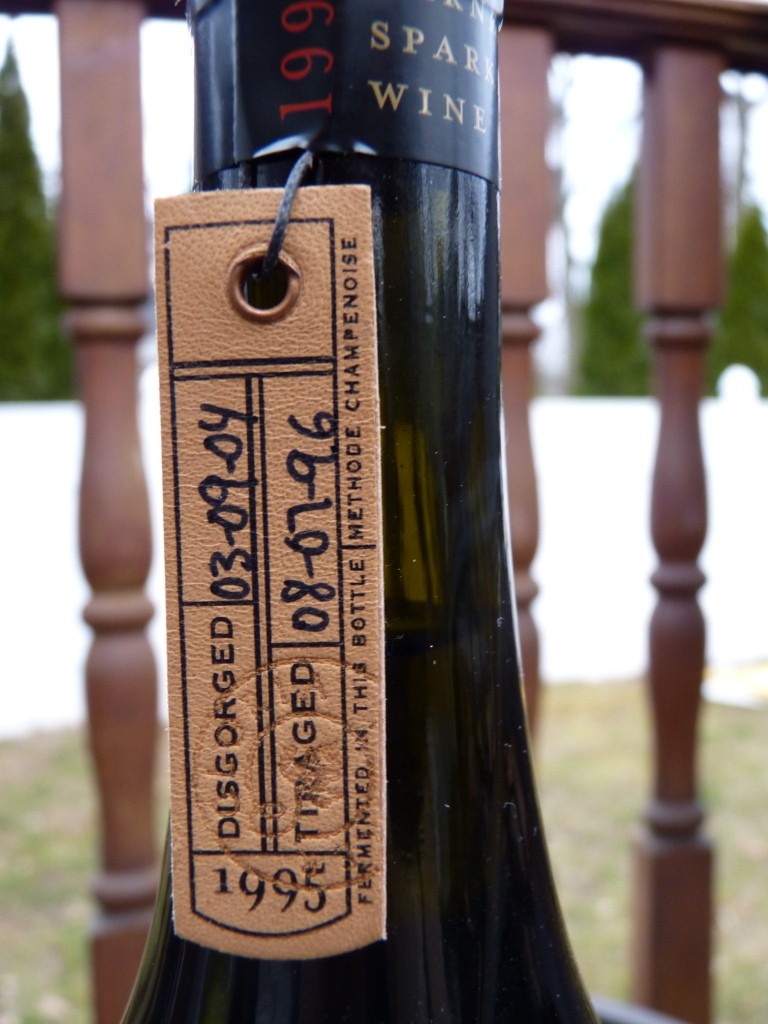 6. 1995 Gloria Ferrer Late Disgorged Carneros Sparkling Wine ($35) – who likes vintage sparklers – raise your hand! One of the best vintage sparkling wines I ever tried – perfectly mature fruit, yeast, brioche, toasted bread – everything in cohesive package, with enough acidity to support this massive sensation and keep the wine refreshing and enjoyable. I made a huge mistake with this wine – I bought only one bottle to try, and by the time I went back to the store, it was all gone… But – I’m glad I had a chance to experience it.
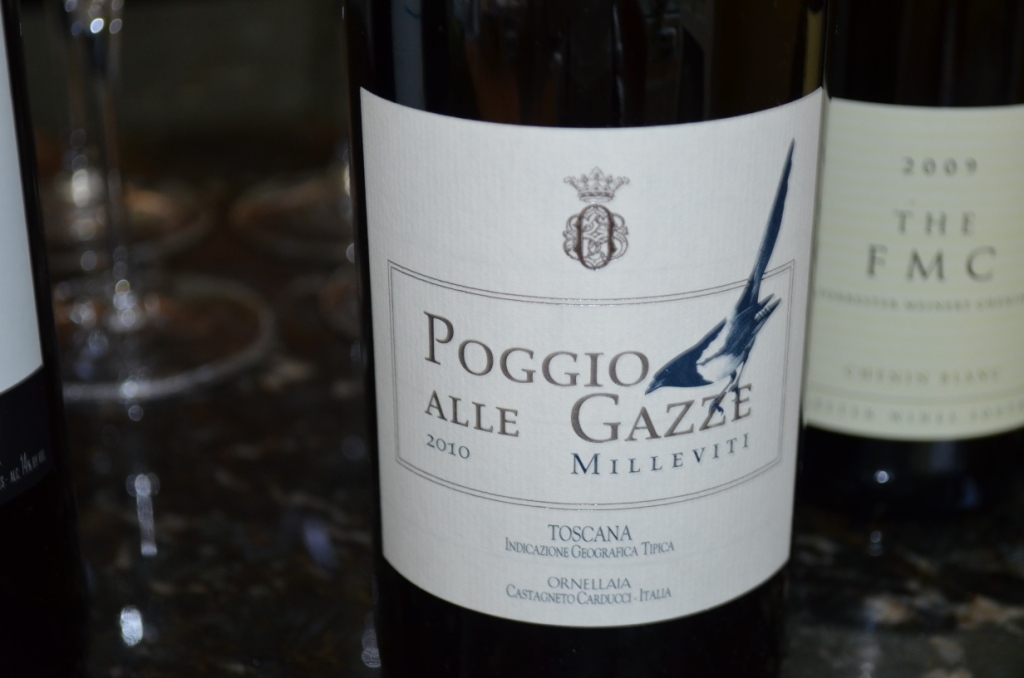 5. 2010 Poggio alle Gazze dell’Ornellaia, Toscana IGT ($45) – let me ask you a question – do you associate Sauvignon Blanc with Italy? Sancerre, Pouilly-Fume, New Zealand, California, Chile – but Italy? It turns out that Sauvignon Blanc does very well in Italy, definitely when it comes from such a coveted winery as Tenuta dell’Ornelaia. Medium to full bodies wine, with beautiful white fruit, perfect balance and craving to drink it until anything left in that bottle. You have to taste it to believe it.
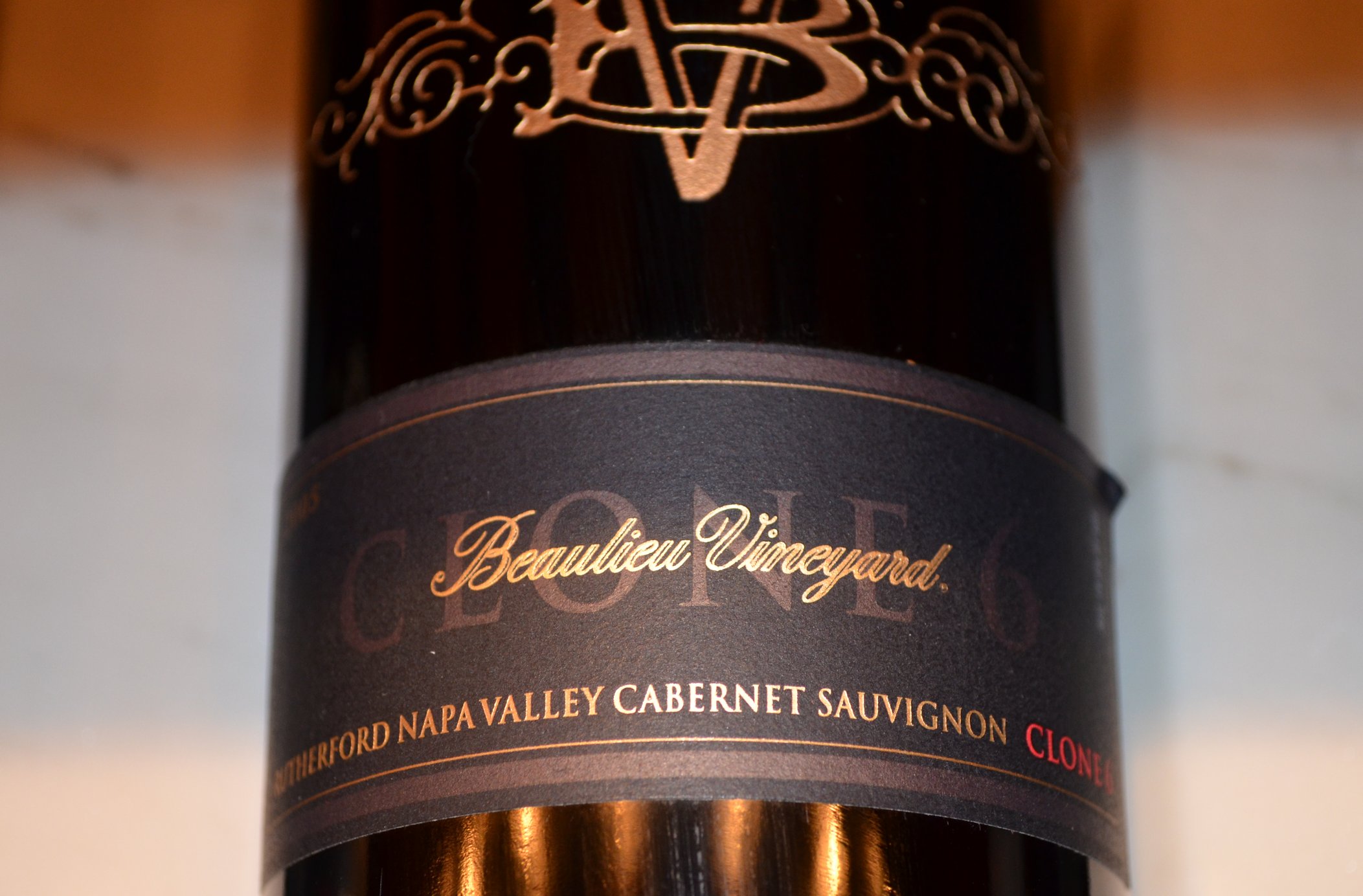 4. 2007 Beaulieu Vineyards Reserve Cabernet Sauvignon Clone 6 ($140) – what a beauty! You know, I once read review by Joe Roberts, where he compared one of Cathy Corison Cabernet wines with black panther. I tasted that same wine, and the panther didn’t come to me. With this BV Clone 6 wine, I think I found my black panther. Slick, muscled, dangerous and stunning, this wine brings all together in one grand package – dark fruit, earthiness, coffee and dark chocolate. Hello, gorgeous!
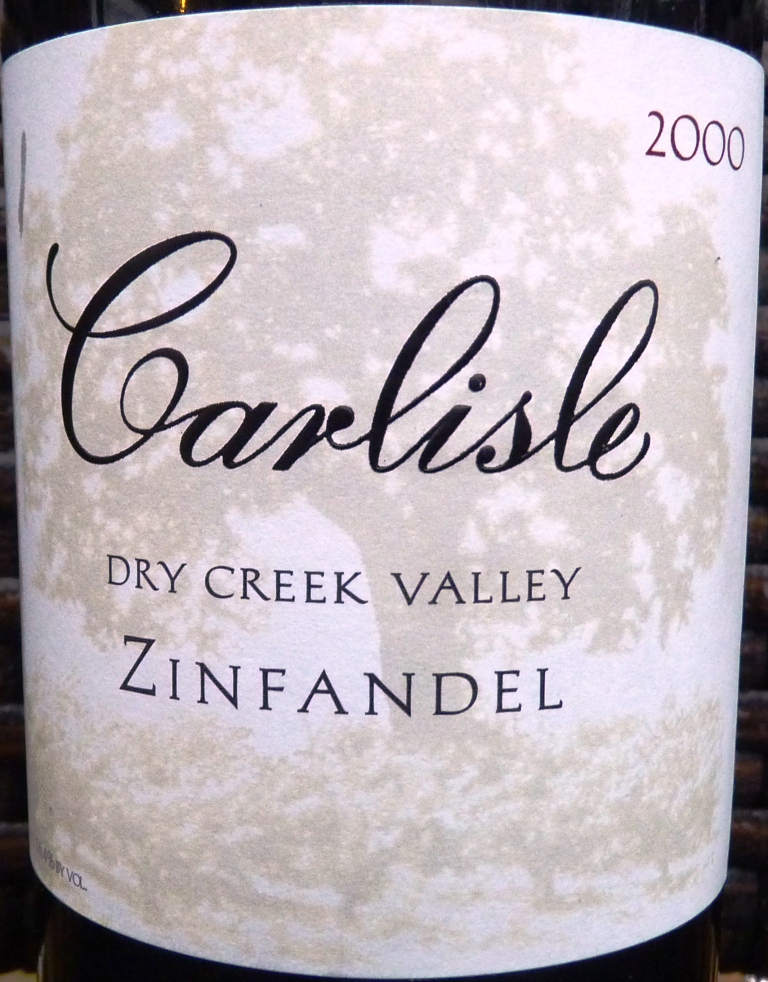
3. 2000 Carlisle Dry Creek Valley Zinfandel ($35) – luscious deliciousness. Sounds overly enthusiastic? May be. But I will not accept any criticism here, until you will have a taste of this wine. It is possible that you will still not be able to share my enthusiasm – but for me, this was one beautiful wine. Layers upon layers of the fruit, dark fruit, blue fruit – blueberries, plums, blackberries, dark chocolate, all with perfect acidity and in perfect harmony. You would never tell that this wine has ABV of 16.5% – this is how delicious this wine was.
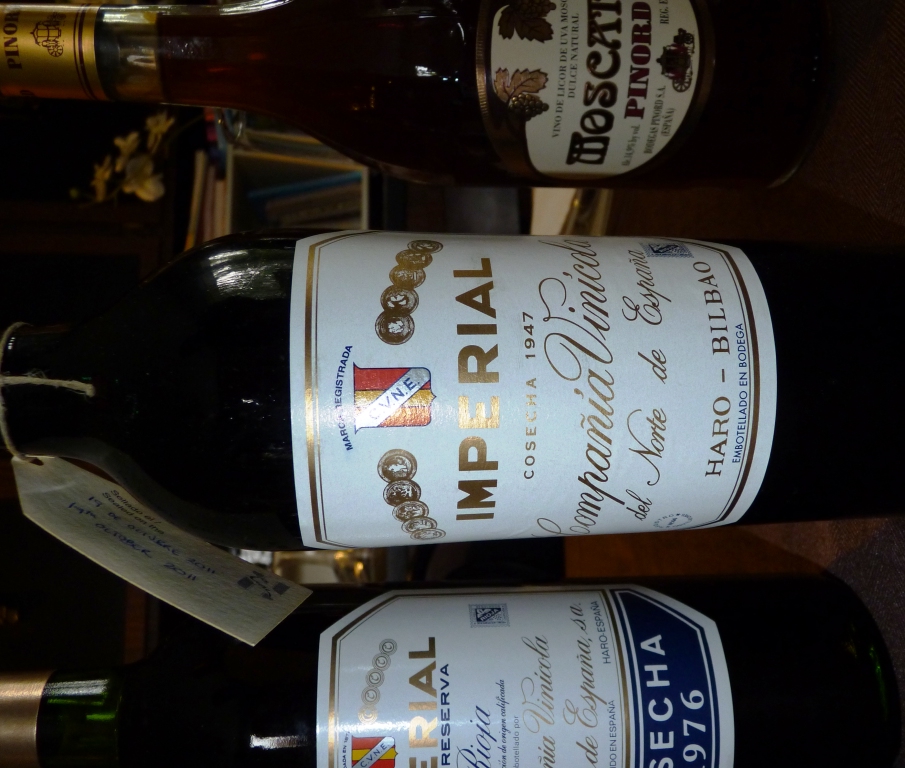
2. 1947 Imperial Gran Reserva Rioja ($400) – 65 years old wine – still bright and youthful. This was one amazing experience – tasting the wine of such an age, and finding that you can really like it without looking for any age discounts. Fruit was still bright, all wrapped into cedar box and eucalyptus notes, with soft tannins and fresh acidity.
And now ( drum roll, please)
2012 Wine of the Year
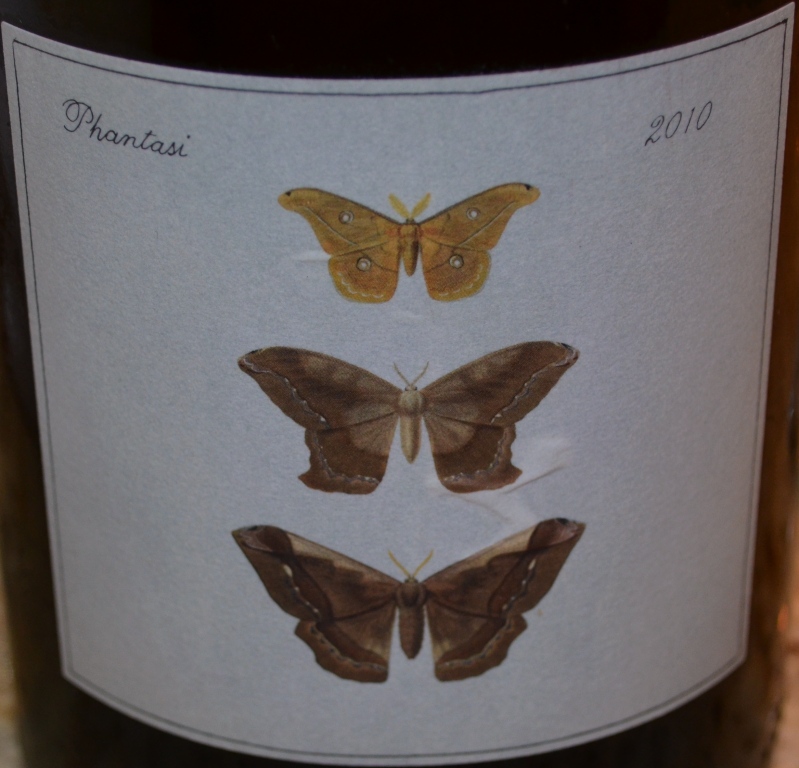
1. 2010 Phantasi Oregon White Wine ($100, Magnum price in the restaurant) – wine geeks, rejoice! This is your wine! If you read this blog for a while, you already know that I’m self-admitted wine snob. But – you probably also know that compare to the wine snob, I’m somewhat of a 100-fold wine geek. I would try absolutely any wine and I purposefully seek odd and unusual bottles.
When this wine was offered to us in the restaurant $100 for a magnum, this was an offer I couldn’t pass by. And what the wine it was! This is 100% Roussanne wine from Oregon, made by Antica Terra – unfortunately, you can’t even find any information about this wine on the winery web site.
The wine was served at the room temperature. Deep, pungent, concentrated – in the blind tasting (actually blind, so you would not be able to see the color in your glass) I’m sure this wine would be easily identified as red. Good acidity, good balance, very food friendly – and very unique.
That concludes my Top Twelve of ’12. I would love to see your comments and also to learn about your most memorable wines of the 2012.
Wishing you all wonderful wine, food and life experiences, each and every day. Cheers!
Bubbles, Bubbles, Bubbles Everywhere!
New Year is around the corner, and of course, we are all talking about sparkling wines. That little effervescence, the tiny bubbles, they create mood and tell us “this is all good, we got something to celebrate, let’s have fun”.
There is hardly a wine blogger today who didn’t write about Bubbly. Let me join them, and share some recent encounters and (in the spirit of summing up a year) some of the old ones.
My favorite wine store, Cost Less Wines in Stamford, had a Sparkling wine tasting today. Here is what you could try:
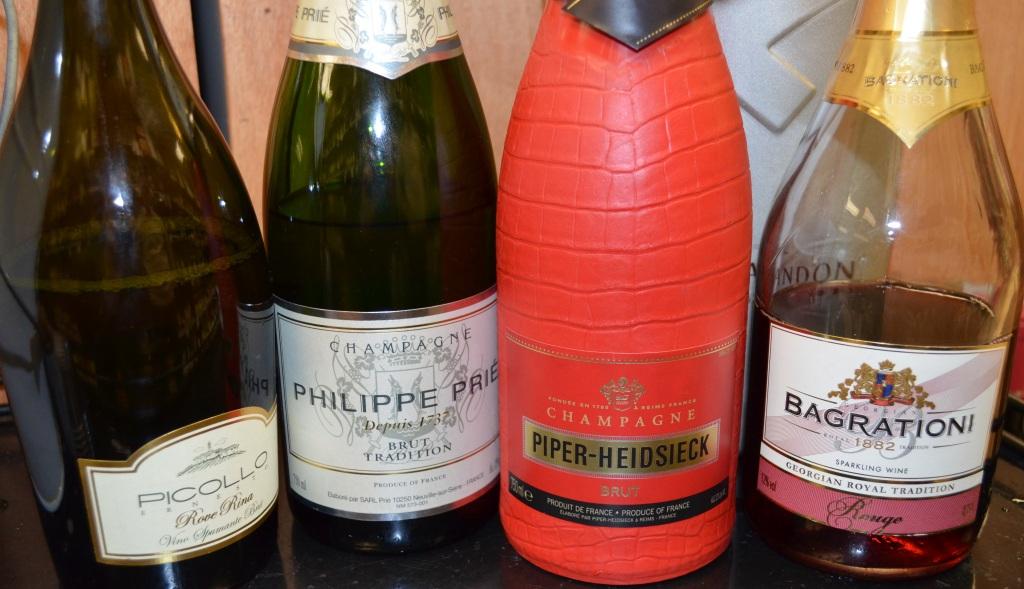
Picollo Ernesto Rove Rina Vino Spumante Brut – Italian sparkling wine made in the Gavi region out of Cortese grape. Simple and refreshing, probably could use a touch more acidity. Has apple undertones on the palate.
Champagne Philippe Prie Brut Tradition NV – very yeasty, lots of freshly baked bread on the nose. Probably could use a touch more acidity (either there was something wrong with me, or may be the wines were a bit too warm…)
Champagne Piper-Heidsieck Brut NV – yeast, baked bread, green apples on the nose – very balanced and refreshing on the palate. Best of tasting.
Bagrationi 1882 Sparkling Wine Rouge NV, Georgia – while I had a number of Bagrationi sparkling wines before, this was my first tasting of the Bagrationi Red. This wine is a blend of 4 different grapes. Very nice nose of fresh fruit. Full bodied, with the touch of sweetness on the palate, but only a touch. Very refreshing and very pleasant.
Here are few extra bubbles for you. First, for the full immersion into the sparkling world, visit this Pinterst collection of all things Champagne.
Now, here are the links for some of my past blog posts about Sparkling wines – a 2006 newspaper article and 2011 update to it.
In 2012, I learned how to saber the bottle of sparkling wine with the wine glass. Here is a link to the blog post about it. And here is how professionals do it.
And here are the Champagne and Sparkling wines which are planned to be open on the New Year’s night:
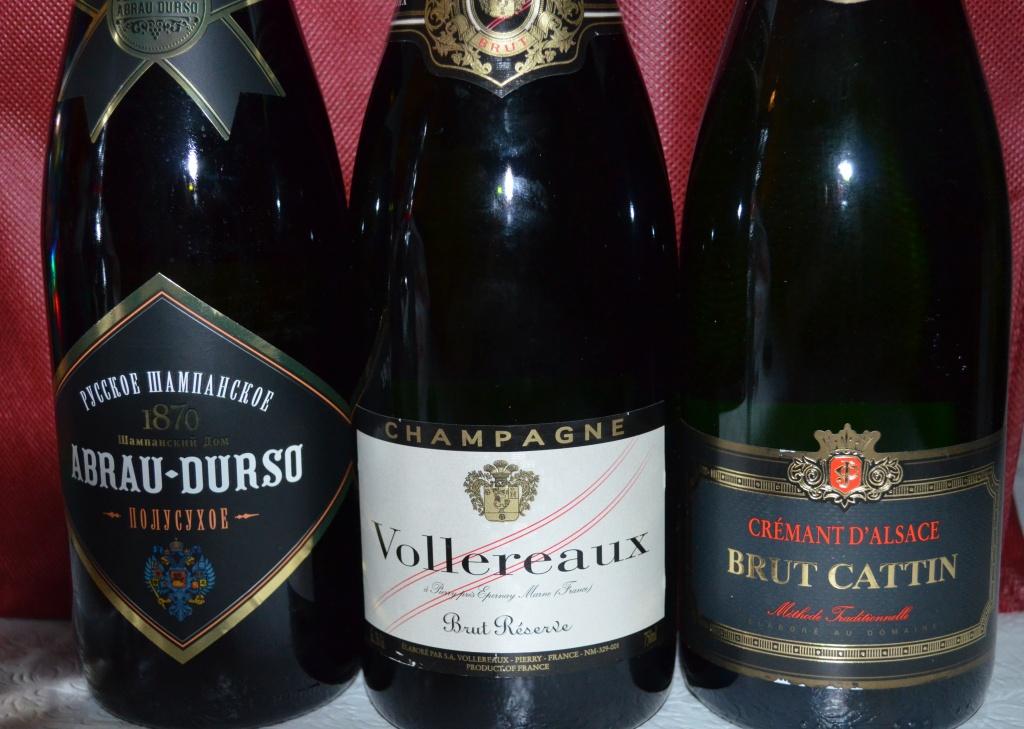
What bubbly will be in your glass? Cheers!
Second Dozen (And Some) of 2012
 Anywhere you look, people are summing up their experiences for the year which will become history in the mere 5 days. “The best thing I did last year”, “the best thing I ate”, “the best trip I took”, “the best picture” and so on and so forth.
This very blog is not an exception to that “the best thing I had” phenomenon. I have my top dozen wines summarized for 2010 and 2011, and now it is time for 2012. But I have to tell you that this year I have an issue. Last two years I managed to identify precisely 12 wines I wanted to include in my “Top” list. This year, it appears that I tasted so many great wines, that I feel that the limit of 12 is too constraining – hence this post, where I will share with you the second dozen (or more) of wines which caused an “aha” moment, and stirred my memory and emotions. In the other words, these are the wines which I would gladly (very gladly) drink at any time. As usual, all the wines will be linked to the original posts in case such post exists, and I will provide pricing information where I can. Here we go.
26. 2011 Walnut Block Wines ‘Collectables’ Sauvignon Blanc, Marlboro, New Zealand ($11.99). In general, I like New Zealand Sauvignon Blanc – may be I had a few that I didn’t really care for, but for the most of the cases I really enjoy that fresh in-your-face acidity with bright fruit underpinning and fresh cut grass. This wine happened to be single best New Zealand Sauvignon Blanc I had last year, perfectly matching the description I just provided.
25. 2012 Flat Creek Estate Winery Viognier, Texas ($NA) – that experience of drinking literally just blended wine was first and unique, and the wine was excellent. I will be very happy to get a bottle of the released 2012 Flat Creek Estate Viognier and compare the notes.
 24. Domaine Ste. Michelle Cuvee Brut NV ($10.99) – one of the best sparkling wines I tasted throughout the year. It is perfectly brut, perfectly acidic and perfectly balanced. I really want to see this wine in the blind tasting, against any of the $30-$40 Champagne – so many people will lose their bets, swearing that they just tasted a perfect glass of Champagne, and finding out that it was a domestic sparkler. Next time you see it on the shelf – do me a favor, pick up a bottle and let me know what you think (you can thank me later).
23. 2010 Anakena Indo Sauvignon Blanc, D.O. San Antonio Valley, Chile ($15) – A perfect Sauvignon Blanc for my palate. Beautiful fruit and acidity combination, a touch fruitier than NZ Walnut Block, but absolutely refreshing.
22. 2005 Giribaldi Cento Uve Langhe DOC ($75) – Very much Barolo-like (no wonder – 50% of the grapes are Nebbiolo), but they didn’t use for nothing 152 grapes to produce this wine – this is a very perfumy Barolo, with a lot of floral notes. No, I didn’t taste all those grapes by themselves, but sheer number of grapes (152) used in production of this wine is enough to put you at awe.
21. 2009 Craggy Range Te Kahu Hawkes Bay, New Zealand ($25) – Craggy Range is an area in New Zealand which became a source of the great wines, and it also know for the cost of land being dirt cheap about 30 years ago, and becoming absolutely unaffordable nowadays. This wine is an excellent Bordeaux blend, except that you don’t need to wait for 15-20 years before you can enjoy a glass – you can just open and pour. Perfect fruit and perfect balance – if you didn’t try this wine before, and you like Bordeaux style, you just owe it to yourself to find the bottle and enjoy it.
20. 2008 Torres Atrium Merlot, Penedes, Spain ($26 in the restaurant) – this was total surprise – the wine was suggested to us in a restaurant in Florida, as previous two choices were unavailable. We didn’t have much expectations – until the first sip. Dark fruit, soft, supple and round, perfect acidity, long finish. The second surprise came when we saw the bill – I never had a wine of this quality in the restaurant for $26. My only issue – this wine is only available for restaurants, and even my friend Zak who owns wine store, can’t get this wine. If you can – send me a note…
19. Abrau-Durso Semi-Dry NV, Russia ($12.99) – Never heard of this wine until this year, and it appears that this is a very old Russian “Champagne” house which was supplying sparkling wines for Tzar. Didn’t have much expectations before trying this wine – and it was delicious. Touch of sweetness, perfectly refreshing and supple – this actually will be the sparkler I plan to pour to ring the New Year in.
18. 2009 Wente Small Lot Petite Sirah, Livermore Valley, California ($35) – Wente Small Lots Grenache was #6 on my Top 2011 list. This year I opened Petite Sirah – an absolute beauty, silky smooth, dark fruit, perfect acidity and tannins, very balanced. It is unfortunately only available from the winery or through the club, but if you are in the area, don’t miss it.
17. 2009 Sant’Elena Pinot Grigio, Friuli, Italy ($18.99) – Yes, I’m a wine snob – as the result, Pinot Grigio is typically not the wine which would be served in my house. And Pinot Grigio is usually not the wine I would include into any of the “high regad lists”. Except when it is truly outstanding. And this wine is exceptional. Yes, it is called Pinot Grigio – but this is only due to the grape used in production of this wine. Otherwise, this is an “orange wine” – dense, concentrated, with dark white fruit, very complex and thought provoking.
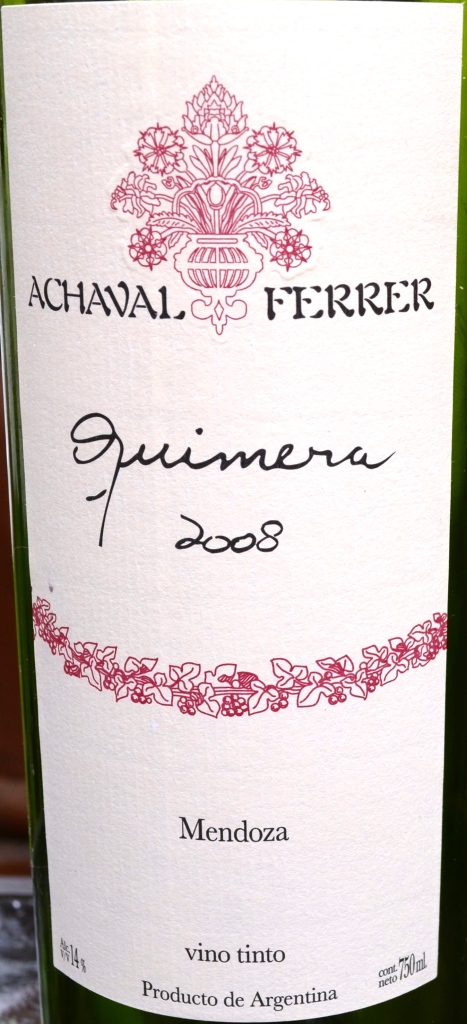 16. 2008 Achaval-Ferrer Quimera Mendoza, Argentina ($24.99) – I wanted to try wines of Achaval-Ferrer for a very long time, but they are not exactly affordable on a given day. Thanks to WTSO ( who else?), I was able to get few bottles of this Bordeaux blend called Quimera, and boy, was that a great wine. Dense and powerful, with lots of dark fruit, very delicious. And – it will definitely improve with time, so I’m glad I still a few bottles left.
15. 2009 Beaulieu Vineyard Reserve Tapestry Red Blend Napa Valley ($60) – it seems that I discovered so many worthy great Bordeax blends this year, from all the different regions. Yet this BV Tapestry squarely hold place on its own – dark, robust, classic, with all the cassis and eucalyptus flavors you want, it rolls on your tongue and delivers pleasure, as you expect your wine to do.
 14. 2006 Laetitia La Colline Pinot Noir, Arroyo Grande Valley, California ($24.99) – I can’t believe I didn’t put this wine into the top dozen. When you take a sip of wine, it usually generates a reaction. It can be “hmm, this is nice”, “hmm, I should let it breathe”, “hmm, I need some food”, “hmm, now I need steak”. And then there are wines where you reaction has no hmms in it, it is “I need a refill now, before this deliciousness is all gone”. This Laetitia La Colline Pinot Noir is exactly that type of wine – round and delicious from the get go, you just want you rglass to last for long, very long time.
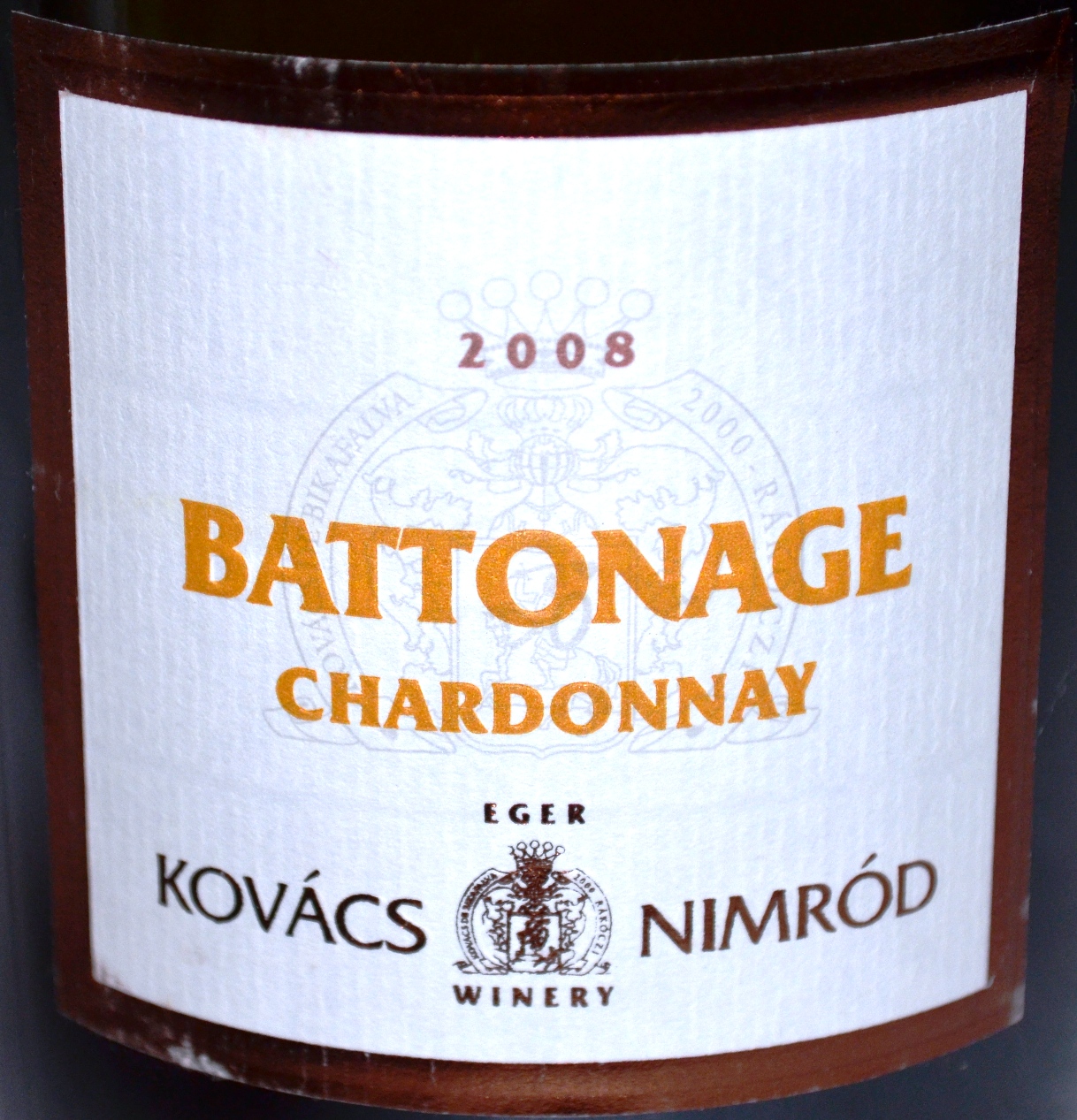
13. 2008 Kovacs Nimrod Battonage Chardonnay, Eger Winery, Hungary ($20.99) – I love Chardonnay – and I so rarely get to enjoy it, unfortunately. I don’t have any deep cellars of Burgundy, and a lot of wineries in California and outside are trying to make Chardonnay to taste like Pinot Grigio – beats me. Luckily, not this Chardonnay from Hungary. This wine greets you the nose with vanilla and butter, and perfectly supports that round package on the palate – more vanilla, more butter, toasted oak, golden delicious apples – just the Chardonnay I want to drink.
That’s all for today, folks – will be happy to hear your thoughts. Have you tried any of the wines above? Did you like them? And yes, my Top Twelve of Twelve is coming out very soon. I’m not going to spoil a surprise for you, but I’m sure you will find my Wine of the Year choice a bit unusual (if you want to guess, write your ideas down in the comments section). Cheers!
Tasting The Dust
 Dust? Really? What is going on? What happened to wine? Trying to figure out if you are in the right blog? Don’t worry, you are. But – actually, I intend to talk about dust – Rutherford Dust it is.
Have you heard this expression before – Rutherford dust? This is the terminology often used to describe the mouthfeel of the wines made in the Rutherford AVA in Napa Valley. Some say it is the taste, some say it is the texture – it seems that Rutherford dust means different things to different people. But as a common ground, people agree that wines of Rutherford AVA have some qualities which are not found among the wines from other areas of Napa Valley.
Andre Tchelistcheff, the legendary winemaker of Beaulieu Vineyards and one of the founding fathers of the California wine industry, is usually credited with coining the term “Rutherford dust”. Interestingly enough, according to this article, Tschelistceff only referred to the Rutherford dust as a terroir, but – you will need to let your taste buds guide you to argue that point.
About a month ago, during one of my trips to California, I had an opportunity to visit Beaulieu Vineyards (BV) in Rutherford, where Andre Tchelistcheff worked as a winemaker from 1938 until his retirement in 1973. As you enter the tasting room at BV, Andre Tchelistcheff himself greets you:

BV makes a number of different lines of wines, starting from introductory BV Coastal, going to the “Maestro” series, which is available only at the winery or through the club, and continuing to the Reserve line.
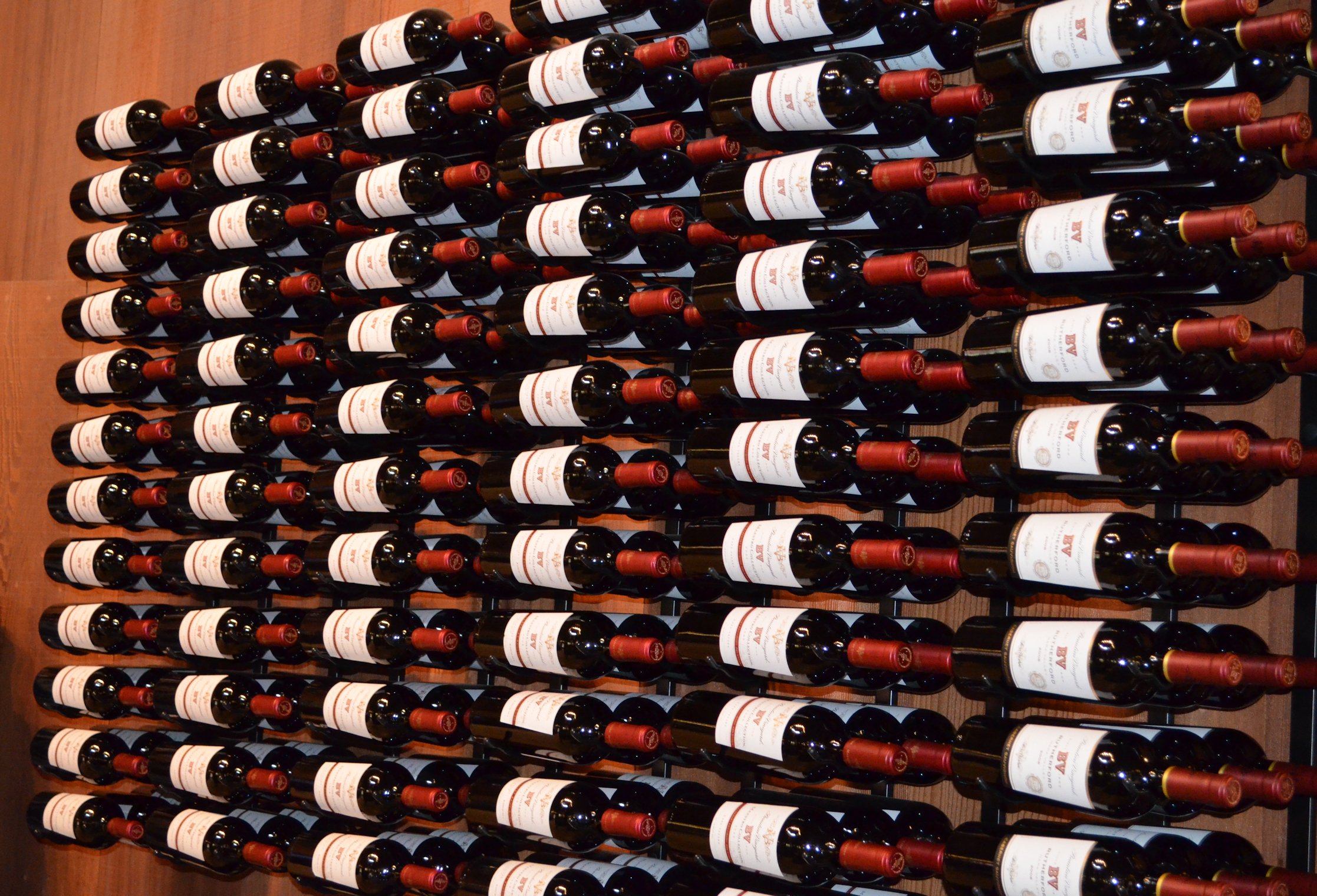 We tasted through the whole Reserve line, and these are the notes I want to share with you.
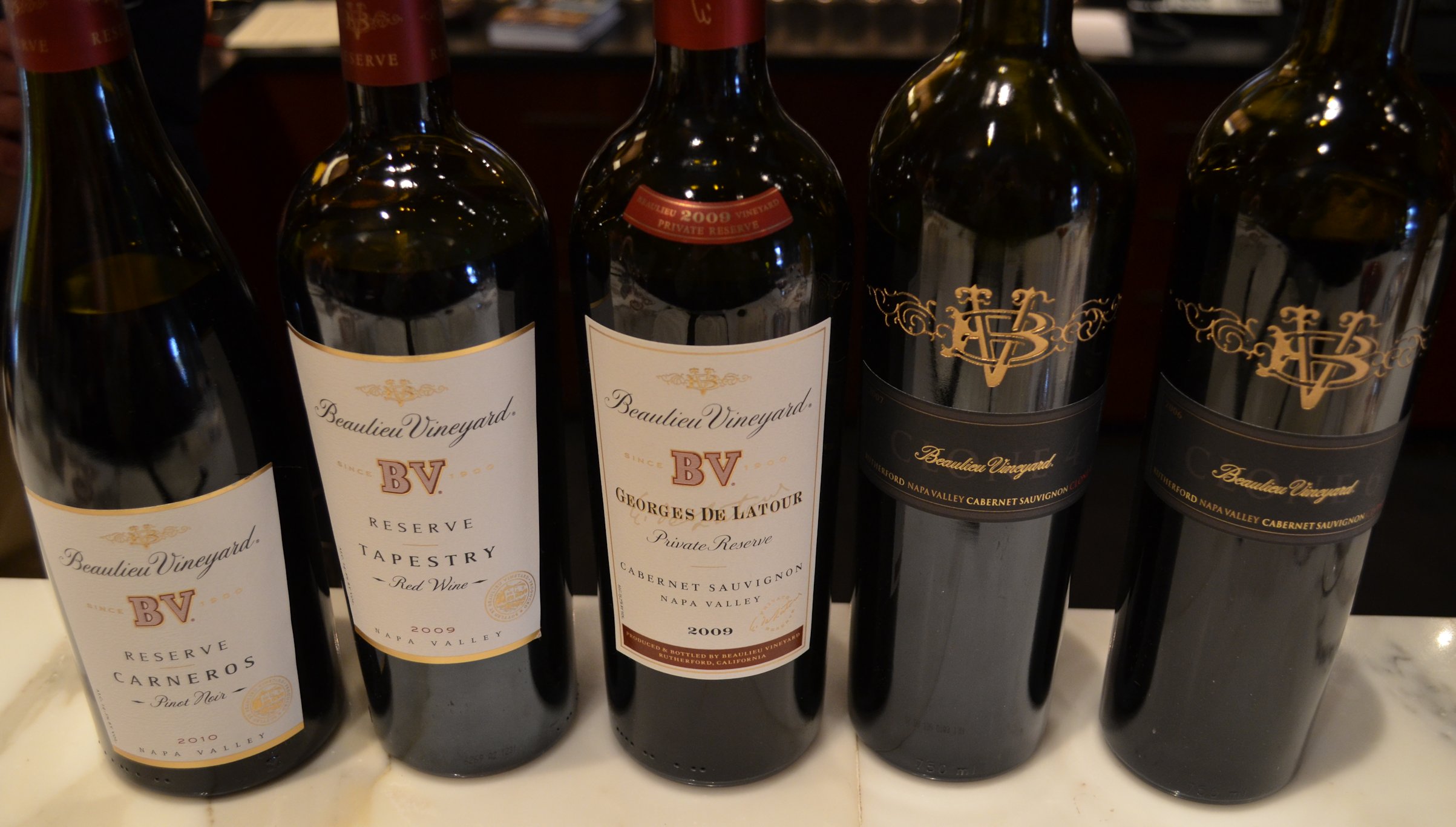
We started with 2009 BV Carneros Reserve Chardonnay, which was beautiful, round, and clean, with just enough vanilla and butter to maintain balance. Next, we tried the 2010 BV Carneros Reserve Pinot Noir. Actually, I had no idea BV even makes Pinot Noir- but now I know, and I will look for it. This wine was beautiful, round and polished, with restrained fruit, silky smooth tannins – very balanced and very drinkable. 2009 BV Tapestry Reserve – a classic Bordeaux blend of Cabernet Sauvignon, Merlot, Cabernet Franc, Petite Verdot, and Malbec – was outstanding, perfectly Bordeaux style, but softer, more approachable.
Then we tasted 2009 Georges de Latour Private Reserve Cabernet Sauvignon – and it was the moment when “Rutherford dust” went on like a light bulb in my head. I only heard the expression before, but never experienced it – and until I tasted this wine, I had no idea what the Rutherford dust is. This was probably the single best Cabernet Sauvignon I tasted throughout this year (well, almost – keep on reading). It had everything the Cabernet should have in my opinion – mint, eucalyptus, black currant, supple tannins, perfect balance – and the texture of the tiny particles on my tongue. This was my “Rutherford dust” moment – I don’t know if Andre Tchelistcheff was talking strictly about the terroir – this wine had something which I never tasted before, so for me, it was that “Rutherford dust”.
And then there were clones:
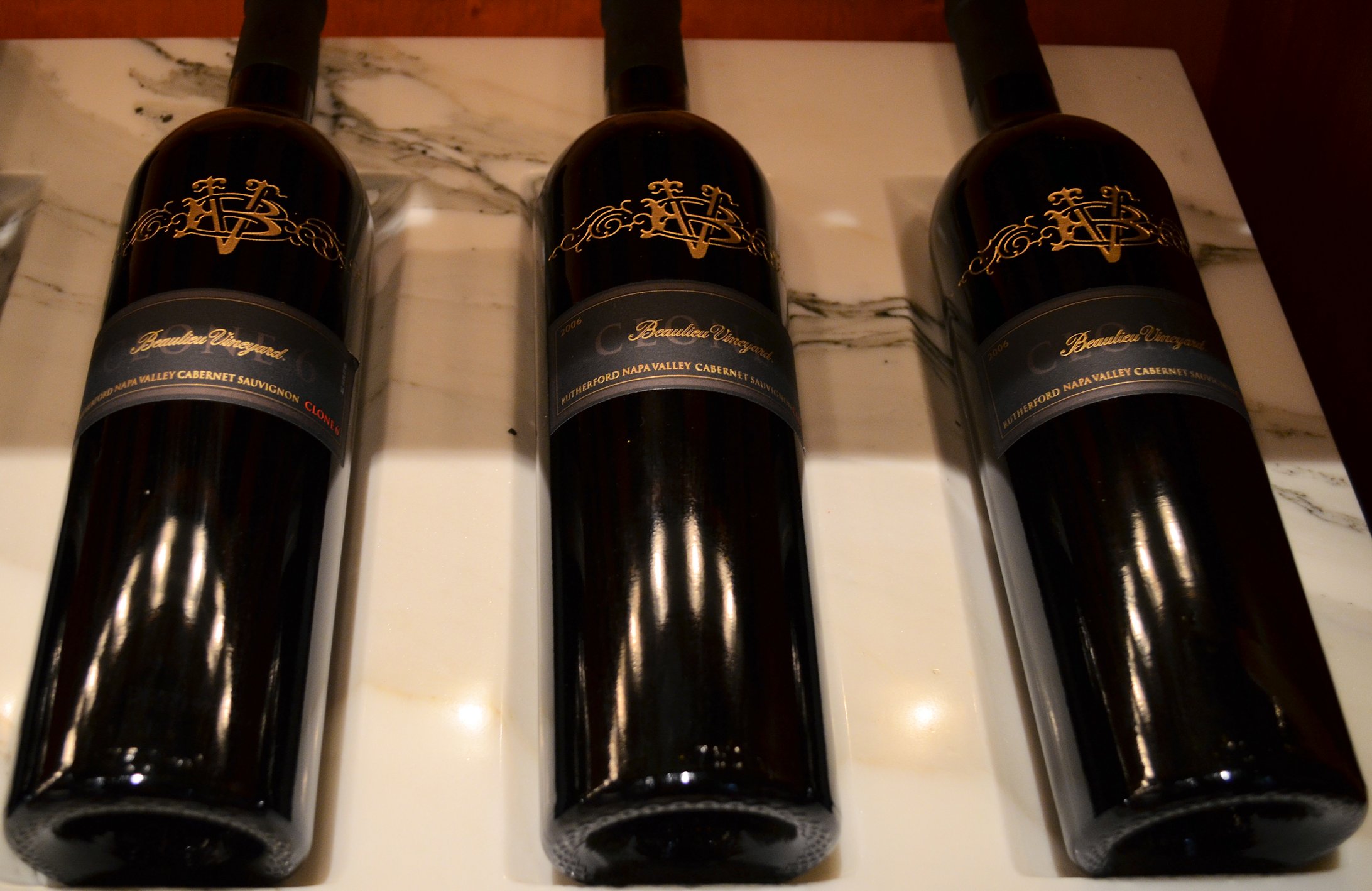
Again, I learned something new here. Yes, I had various encounters with grape clones before – Riesling clones, Sauvignon Blanc clones, such as soliloquy, Wente Chardonnay clone – but I didn’t have an experience with Cabernet Sauvignon clones. It appears that there are a number of clones (here is a good link if you want to learn more about that concept of clones), all originating from different places and thus bringing some unique characteristics to the resulting wine.
We tasted 2007 BV Cabernet Sauvignon Clone 4, where the vines were originally from Bordeaux, then found a home in Mendoza, Argentina, and now are officially known as Mendoza clone. Clone 4 is a primary foundation of the Georges de Latour Private Reserve Cabernet Sauvignon and has similar characteristics to the wine I described above.
Then we tasted 2007 BV Cabernet Sauvignon Clone 6, which was just something else.
Clone 6 Cabernet Sauvignon comes from abandoned and then rediscovered plantings of Cabernet Sauvignon in Jackson, California. This wine was simply amazing, with the nose of dark roasted coffee, mocha, a touch of bitterness, silky smooth and perfectly balanced, giving you an absolutely luxurious mouthfeel. For me, this wine was definitely rivaling Georges de Latour Private Reserve we tasted before, and I already claimed that the first one was the best Cabernet of the whole year… Tough choice, huh?
And then there were older vintages.
2000 Georges de Latour Private Reserve Cabernet Sauvignon had more pronounced acidity than 2009, and fruit showed a bit tame, but overall the wine still had perfect balance and was very enjoyable.
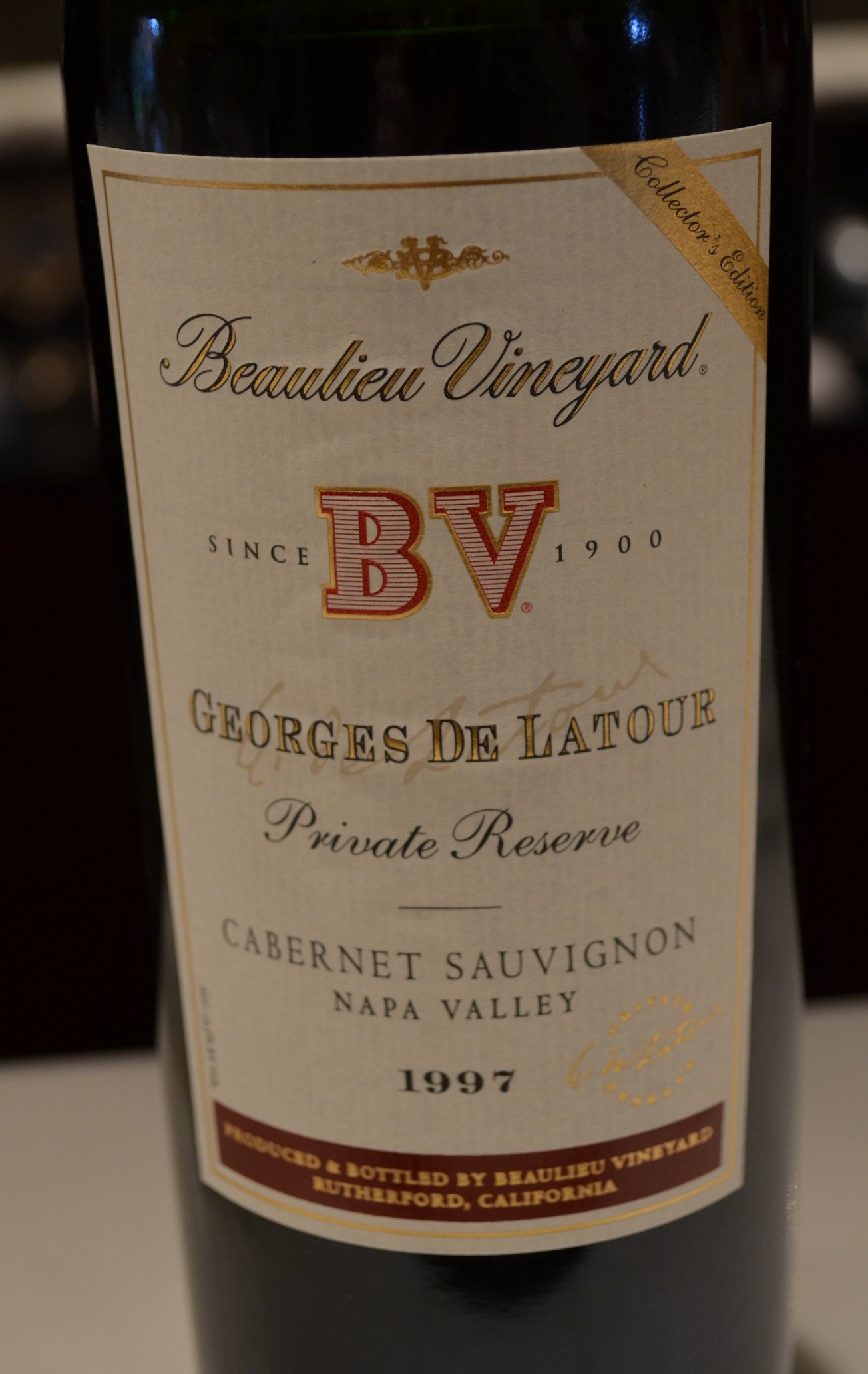
1997 Georges de Latour Private Reserve Cabernet Sauvignon had beautiful fruit, the same Rutherford dust texture as 2009, and it actually needed time to open up, as the bottle was freshly opened.
Just to share a few more pictures with you – here is a beautiful Holidays-ready display at the winery:

And if you ever want to make me a present, this box will make me happy – very happy, I have to add:

There you have it, folks – we had an amazing time at Beaulieu Vineyards. This was my second visit to BV – last time I discovered Maestro series wines, which were also great, but tasting through the Private Reserve collection was just an outstanding experience. If I would be able to afford it, I think Georges de Latour Private Reserve Cab would be my everyday wine – at $125 (winery price), this is not happening any time soon. Oh well, but then still there are holidays …
Our next stop was for lunch, and we simply had to walk across the parking lot – to the Rutherford Grill. I heard the name before, but never visited it, so it was very exciting to try one of the Napa Valley well-known restaurants. To give you a quick summary, the food, service, and atmosphere were all great – you should definitely put it on your destinations list if you will be in the area. Here are a few of the food pictures.
Warm Focaccia bread with olives:

Chili (perfectly spicy and delicious):

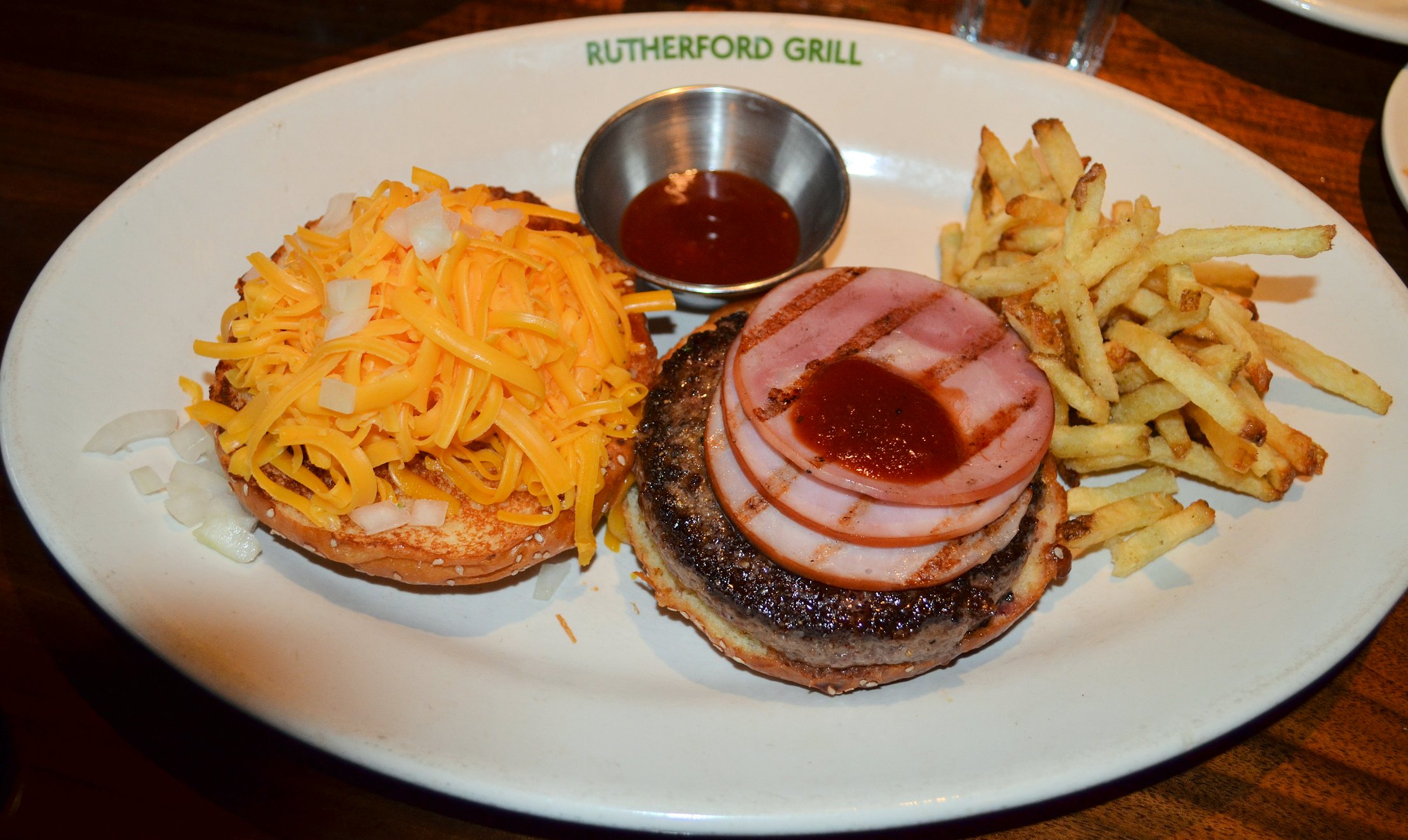
I had a burger:
 And my wife went for the Grilled chicken salad:
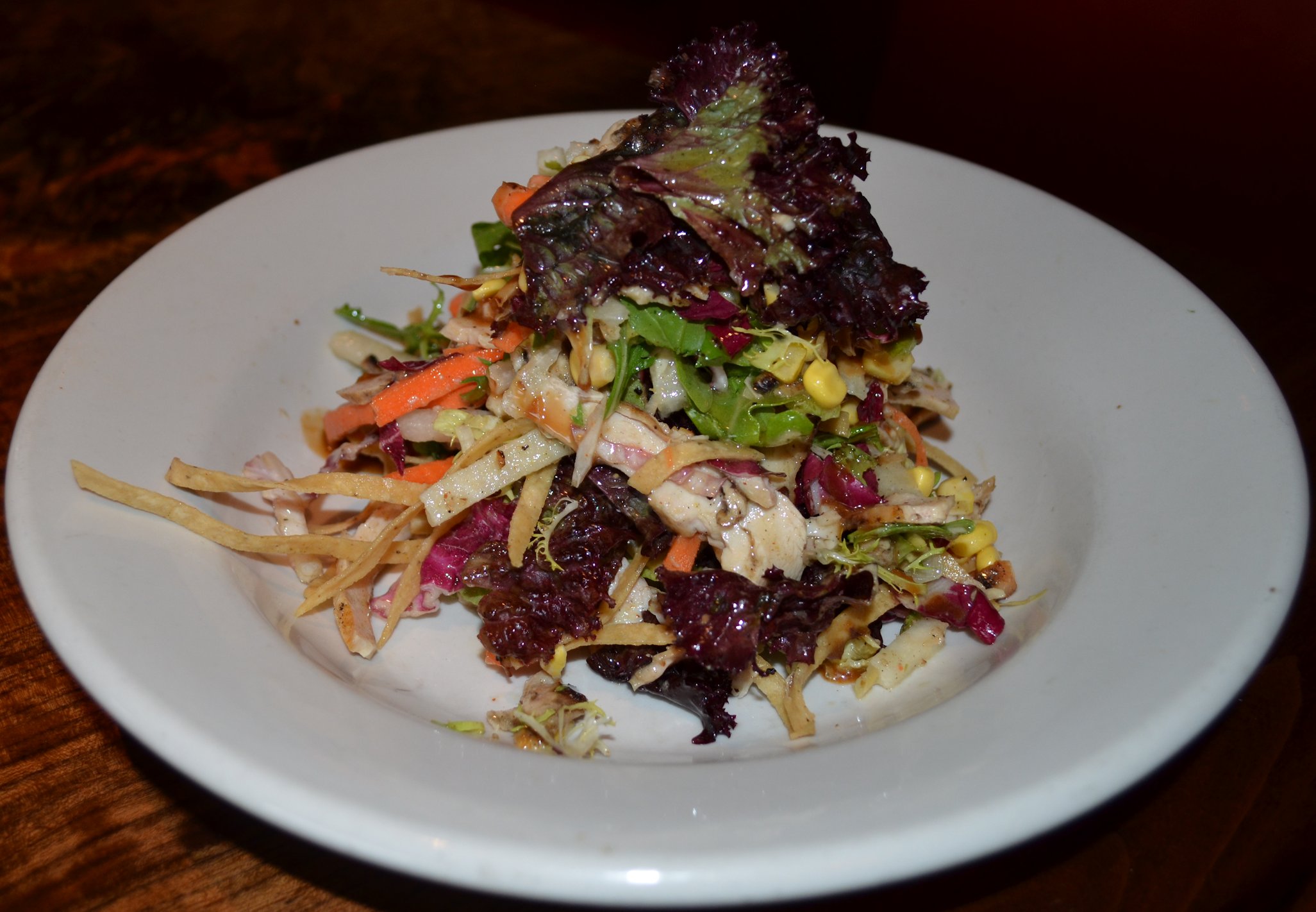
To tell you the truth, I have another “first time” experience to add here – it would be vineyards in the fall. I always admired beautiful pictures of the vines in the fall with all the colorful leaves. These time, I found some to claim my own:
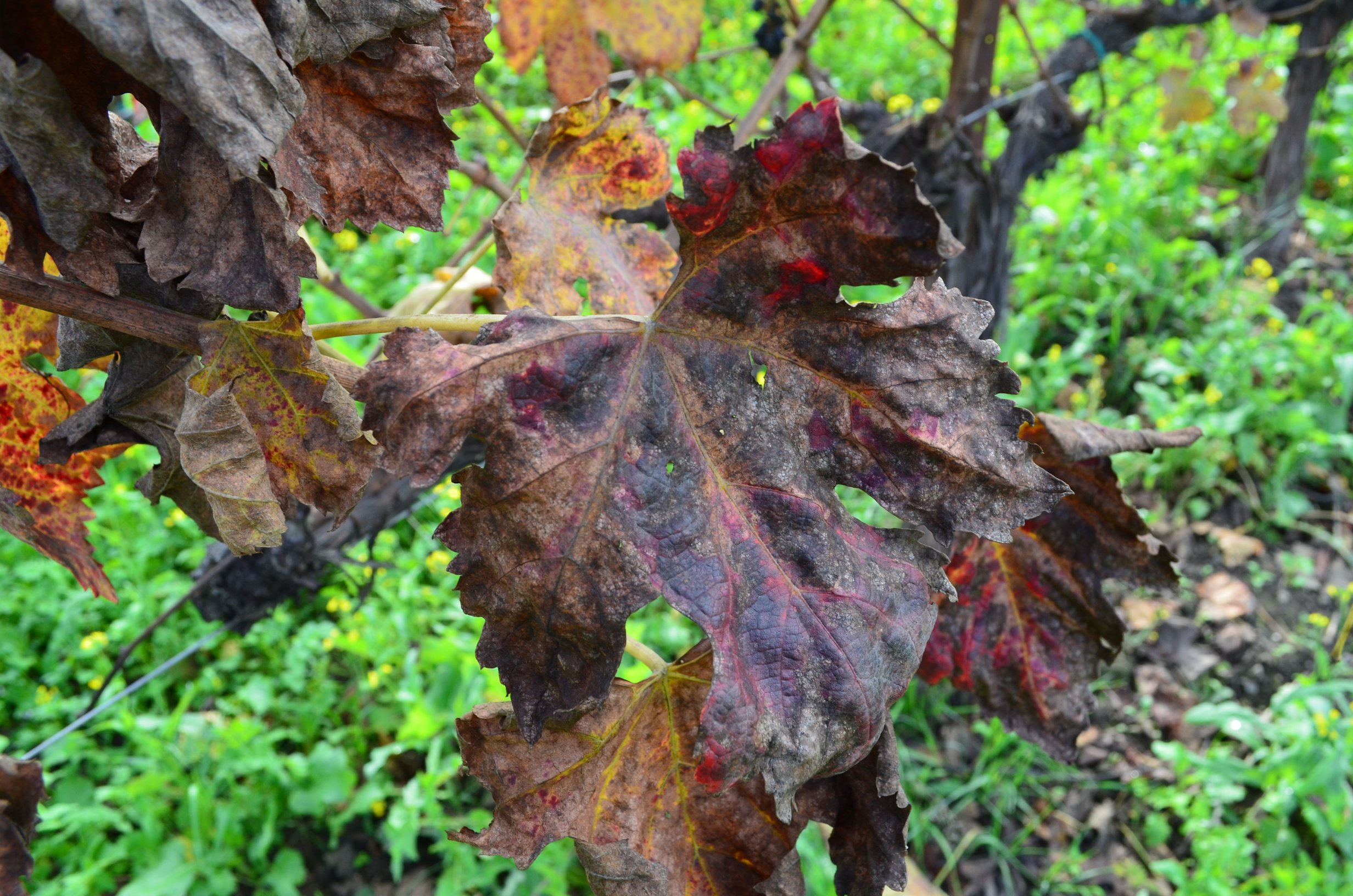
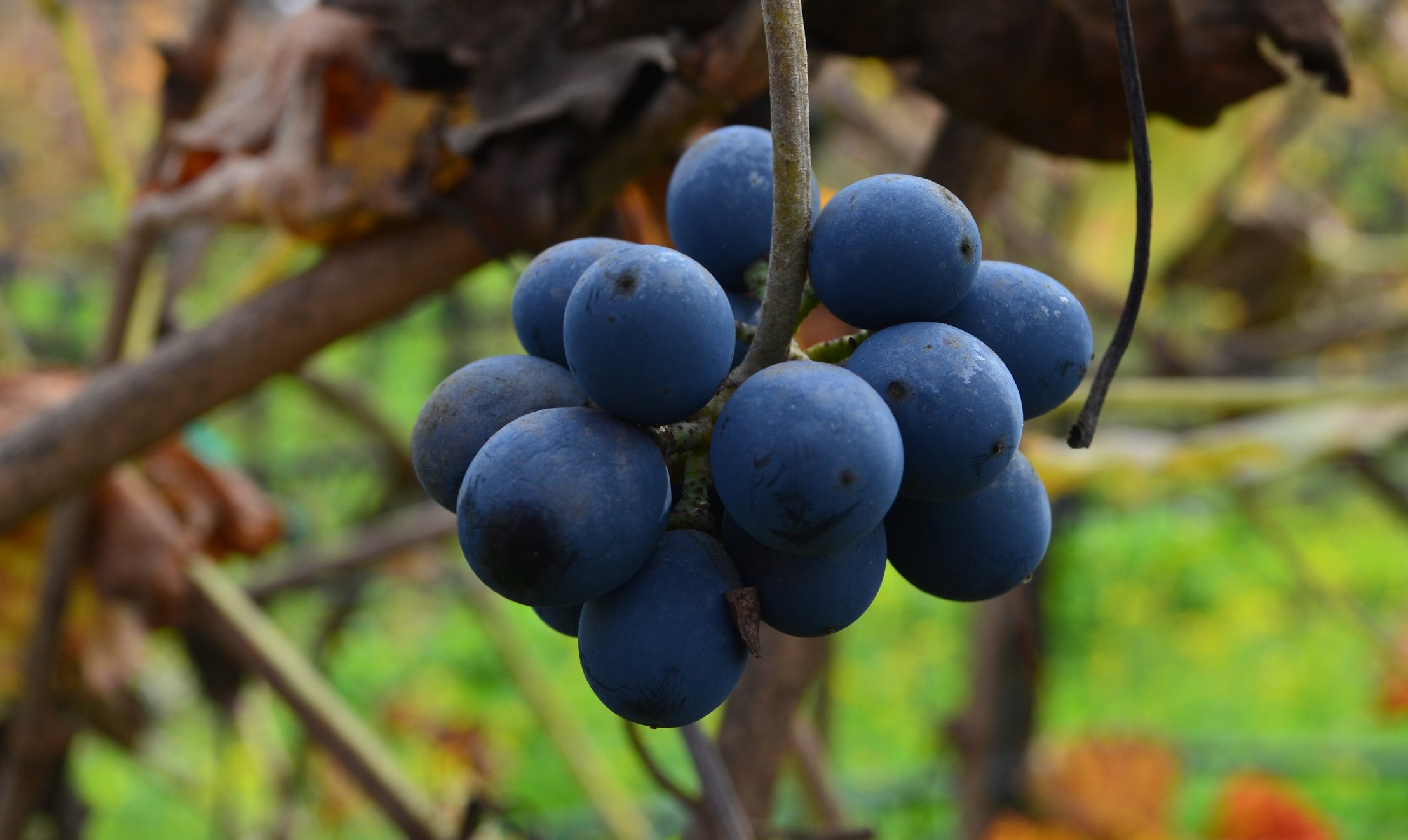
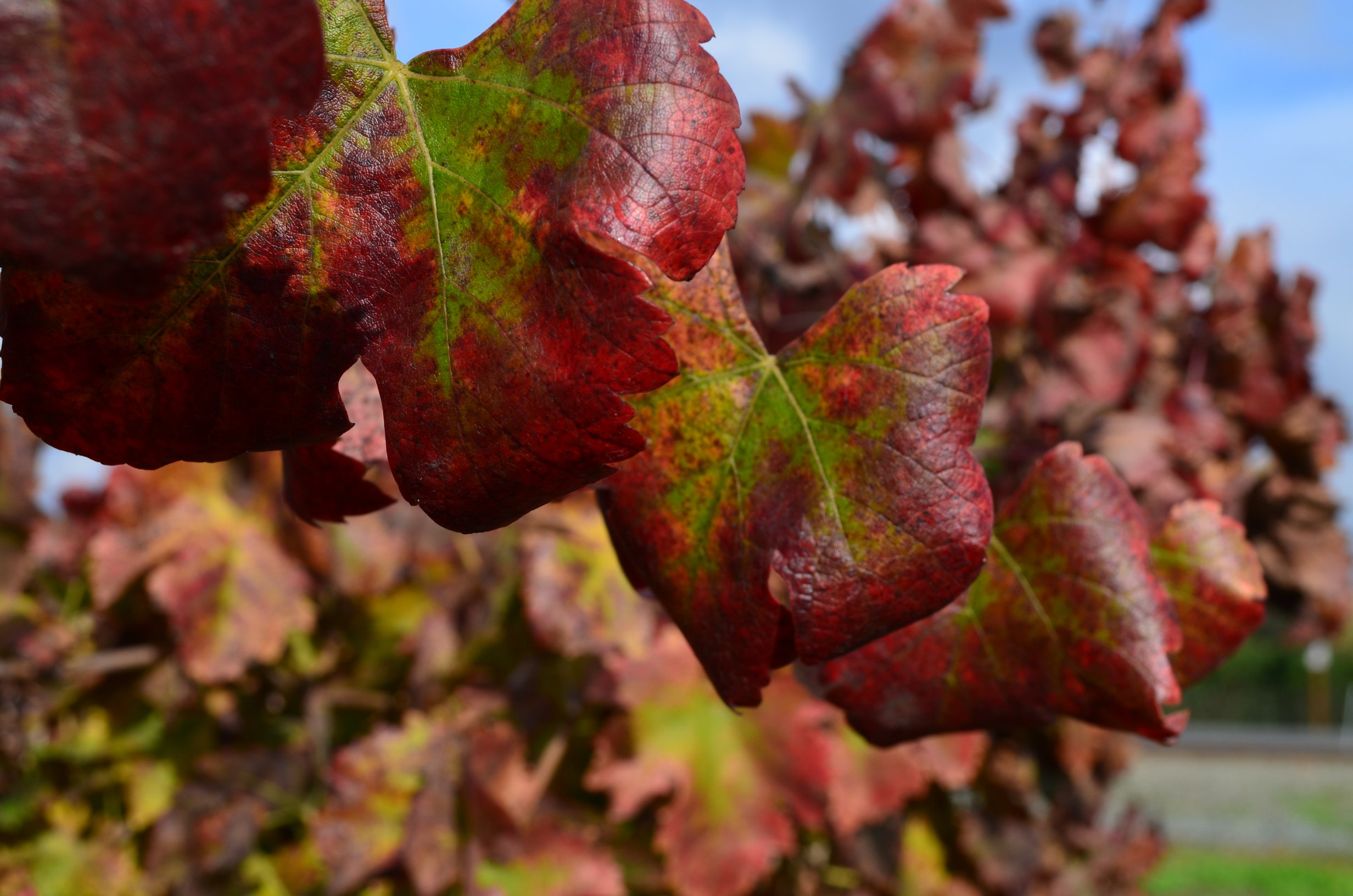 After lunch, we made another stop for tasting – this time at Provenance vineyards. We tasted through the whole portfolio of Provenance and Hewitt wines – and while some of them were good, overall they were not anywhere close to the BV experience, hence I will skip the write-up.
The last experience of the trip was a quick stop on the way back at a small town of Yountville. We didn’t do much there, just walked around for a few minutes, and I snapped a picture of one of my dream destination (I will let you guess what it is, but you will read the answer right on the picture below:

That’s all folks – this was my experience with the Rutherford dust. Have you tried the wines from Rutherford or maybe even the same BV wines – what do you think? Did you taste the dust there? Cheers!
Rutherford Grill
1180 Rutherford Rd
Rutherford, CA 94573
(707) 963-1792

Merry Christmas!
While we don’t celebrate Christmas, we love the mood, the spirit, decorations, lights… Merry Christmas, people!

My First Harvest – At Paumanok Winery
This post was supposed to be written at least 2 months ago – but it is only coming out now. Well, the experience was great, so want to share it. And I will also skip a traditional Wine Quiz for the next two weekends, and will start it anew next year.
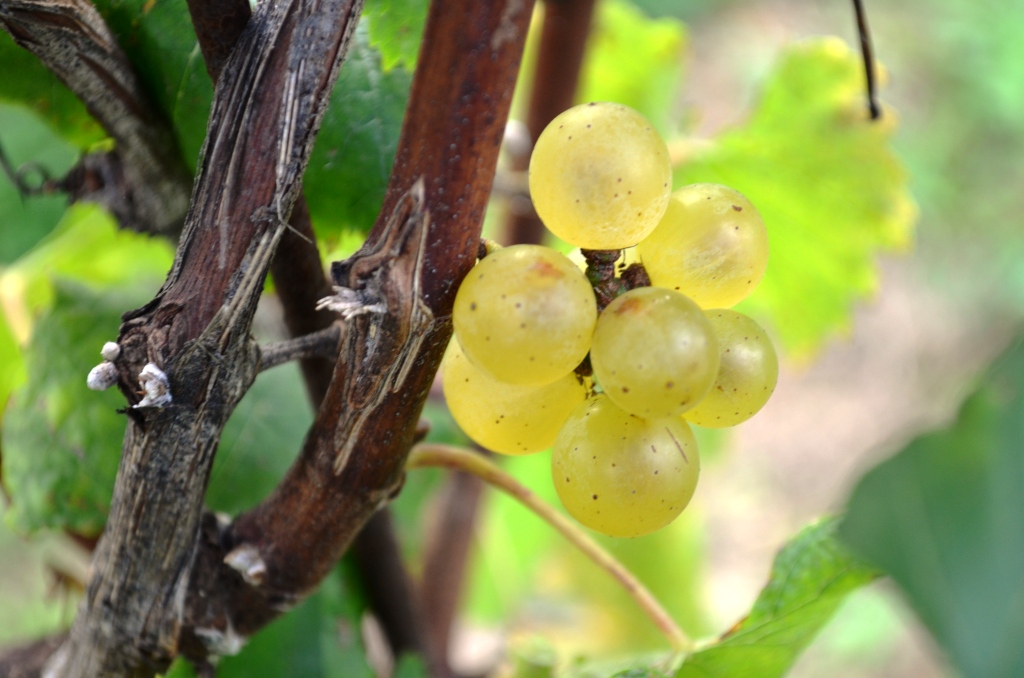 Ahh, all those “firsts” – aren’t they the best, most memorable experiences of your life? First step (well, nobody remembers those, I guess), first kiss (hope now I’m talking about something more memorable), first… well, whatever makes you tick, insert it here. I have somewhat of the extensive experience around wines, but I still have my “firsts”, and plenty of it.
At the beginning of October, while in Austin, I tasted my first “just blended” Viognier (here is the link if you want to read about it). This time, I managed to come across my first harvest. No, I didn’t actually cut, sorted or stomped the grapes. But our visit to Paumanok winery on Long Island in New York coincided with an actual harvest of Merlot which was taking place on exact same day.
For a number of years by now, it is pretty much a tradition – at the beginning of October, we visit Long Island wineries with the group of friends. The weather is usually beautiful – it is so called “Indian summer” in New England, so it is typically warm and sunny, but not hot by all means. We drive all the way down the North Fork of Long Island, stop at a few wineries on the way, taste bunch of wines and then select a few bottles for lunch.
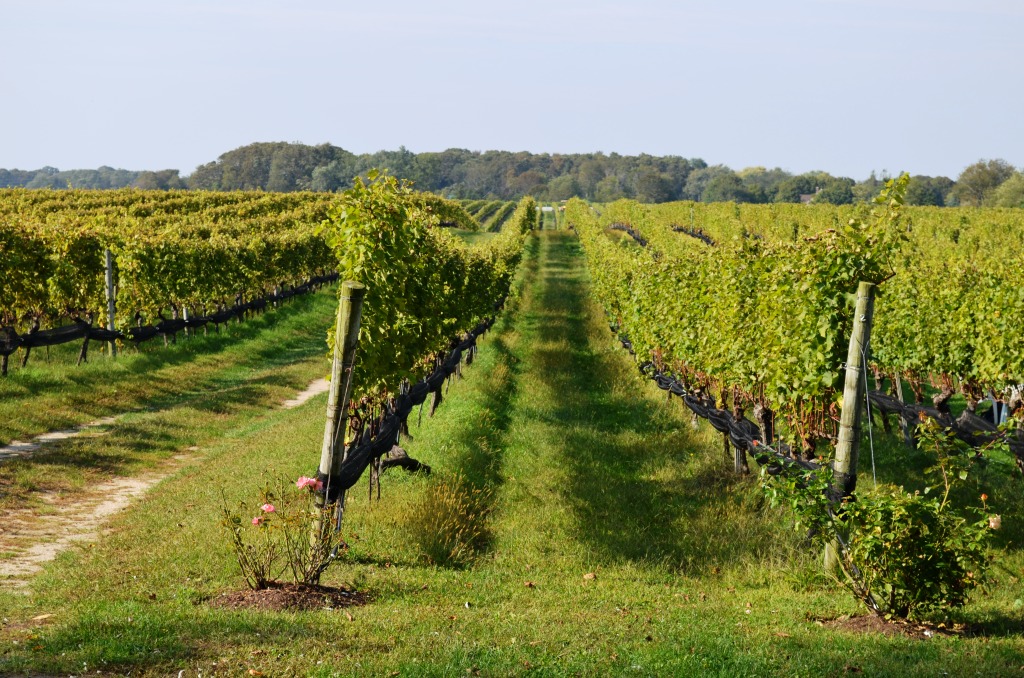
So far we didn’t find a better location for lunch than the outside deck at Paumanok winery – you get to eat outside and enjoy a view of the beautiful sun-filled vineyards:
This time our experience had an interesting twist – we managed to hit the harvest day. I called the winery a few days before and talked to winemaker, Kareem, to see if he will be able to spend some time with us – he said “may be, but unlikely. as we probably will be harvesting Merlot”. That is exactly how it was – the harvest was in a full swing by the time we arrived. Before we will talk about our “harvest experience” (mostly in pictures), let’s talk about the wines, as we started from the tasting upon our arrival.
We tasted pretty much through the full line of wines offered at Paumanok. Started with 2011 Paumanok Festival Chardonnay – unoaked and simple, showing clean white fruit and good acidity.
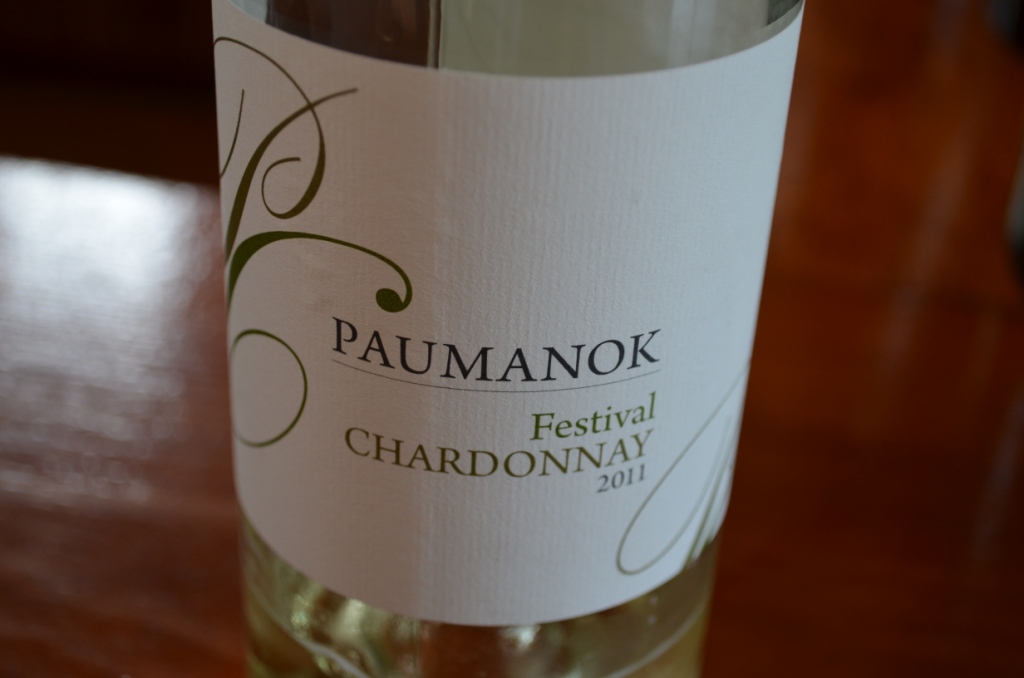 While it was group’s favorite, I generally need more life in my Chardonnay – oak, vanilla, butter – all balanced, of course, but I need more prominent power, so this was not my favorite wine.
2011 Paumanok Dry Rose was a bit too austere to my taste – I liked 2010 more, but we still took a bottle for lunch.
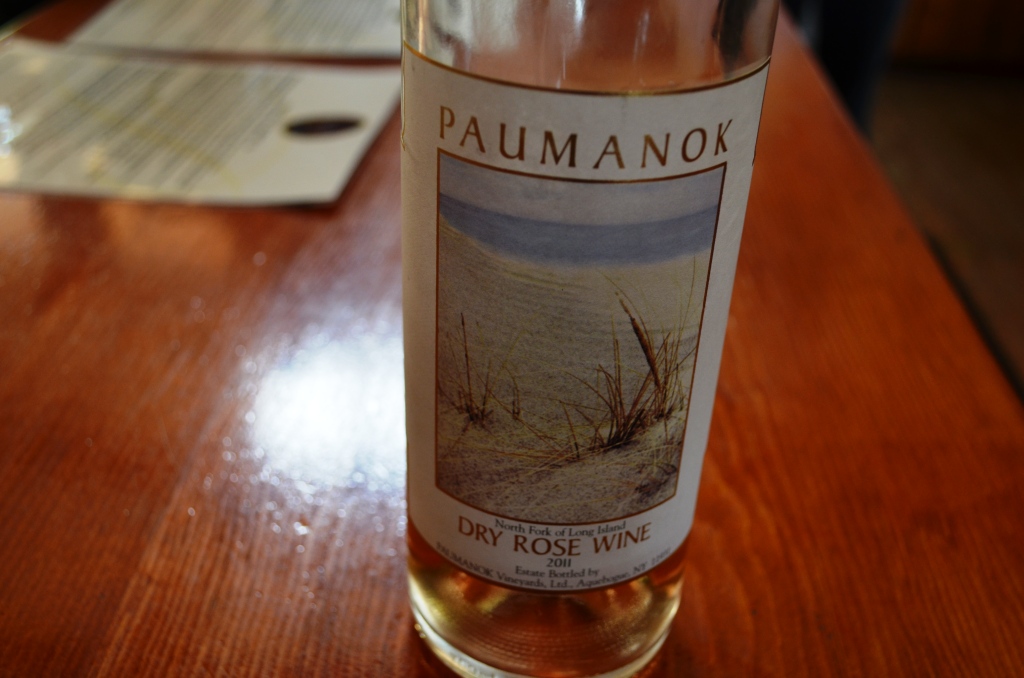
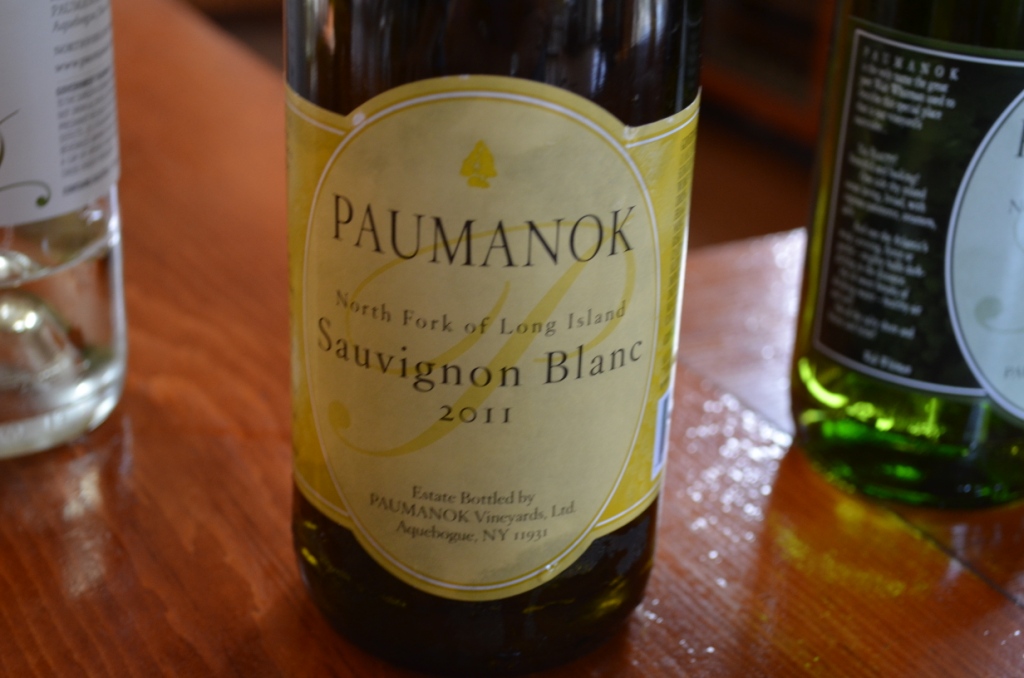
2011 Paumanok Sauvignon Blanc was very good, a New Zealand style wine, with bright fruit, grapefruit notes, fresh grass and perfect acidity.
Continuing the line of whites was 2011 Paumanok Dry Riesling – perfectly done in classic style – good white fruit, touch of honey and perfect acidity (also was one of our lunch wine choices). Finishing up the whites we had 2011 Paumanok Barrel Fermented Chardonnay, which I liked a lot more that the unoaked version.
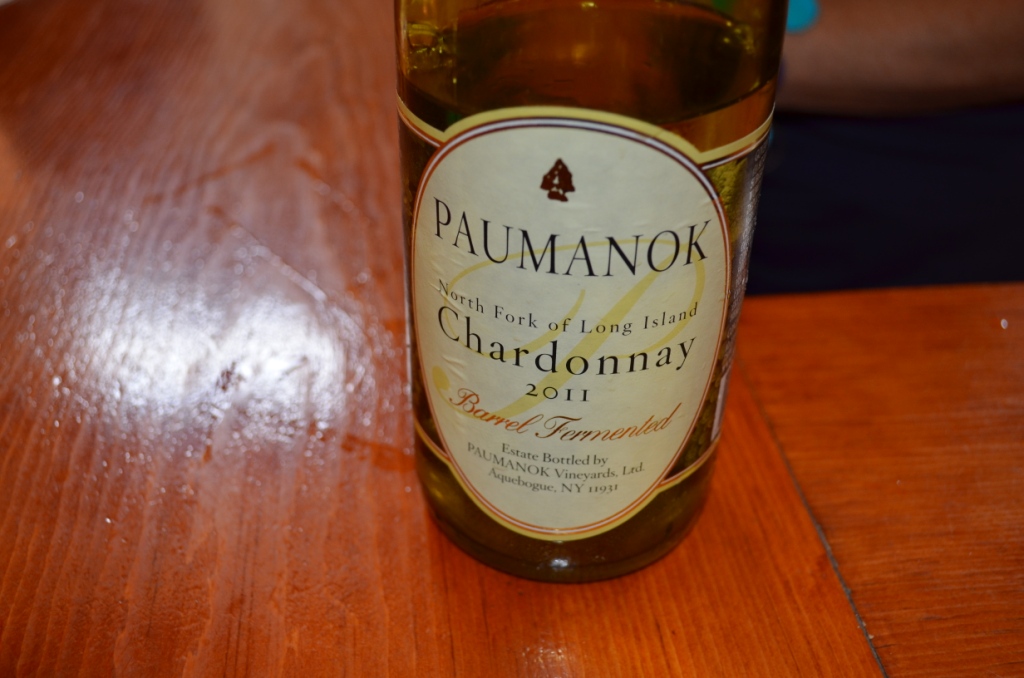 This wine spent 6 months in barrel. Notes of vanilla on the nose, more vanilla, hint of butter and some apples on the palate, very good balance.
And now, to the reds! We started with 2011 Paumanok Cabernet Franc – nose of fresh berries, somewhat similar to the nose of Beaujolais Nouveau, only with more intensity, medium body, cherry notes on the palate, together with earthy notes and gentle tannins – very good wine. Next wine was 2011 Paumanok Cabernet Sauvignon. It was not bad, but too perfumy for my taste. I honestly think that Long Island makes much better wines with Merlot than with Cabernet Sauvignon. Last wine in this flight was 2008 Paumanok Merlot, which was perfect – medium to full body, good amount of fruit, good acidity and tannins – very balanced.
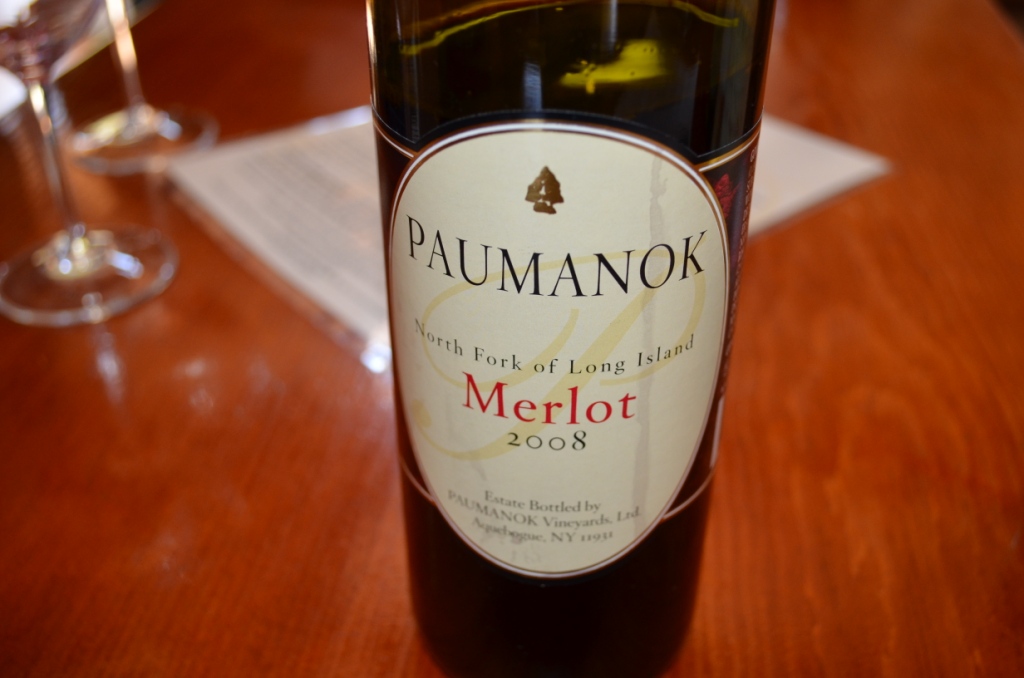
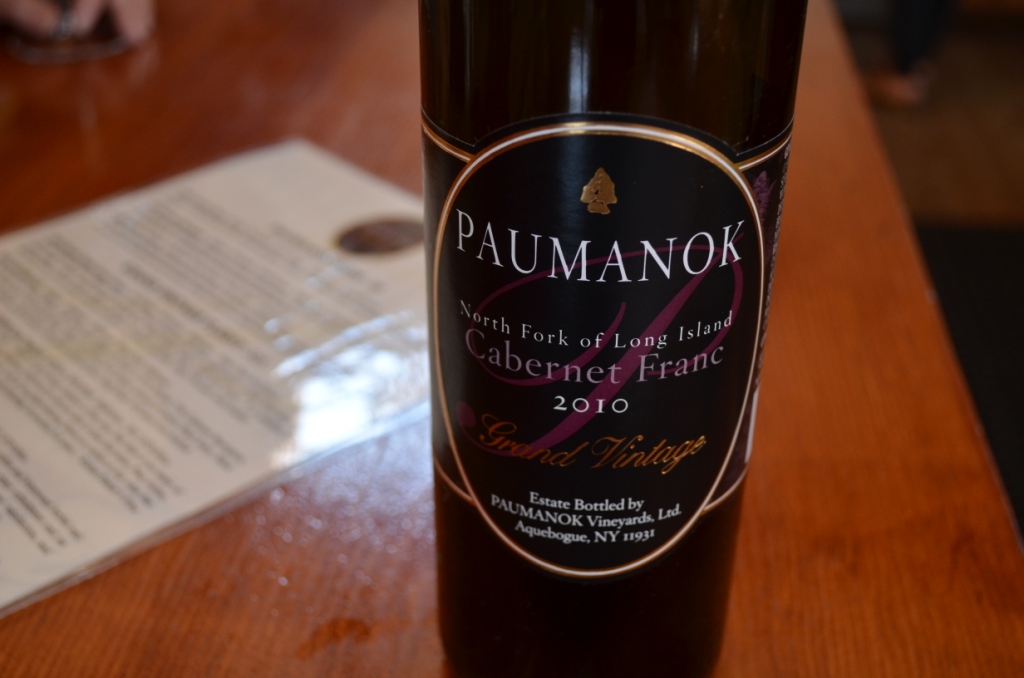
We finished tasting with Grand Vintage Flight. 2010 Paumanok Cabernet Franc Grand Vintage was produced for the first time since 2004 in the quantity of 156 cases. This wine was perfect – full body, ripe cherries, sweet oak, soft tannins – I put “full package” as a summary of my tasting notes.
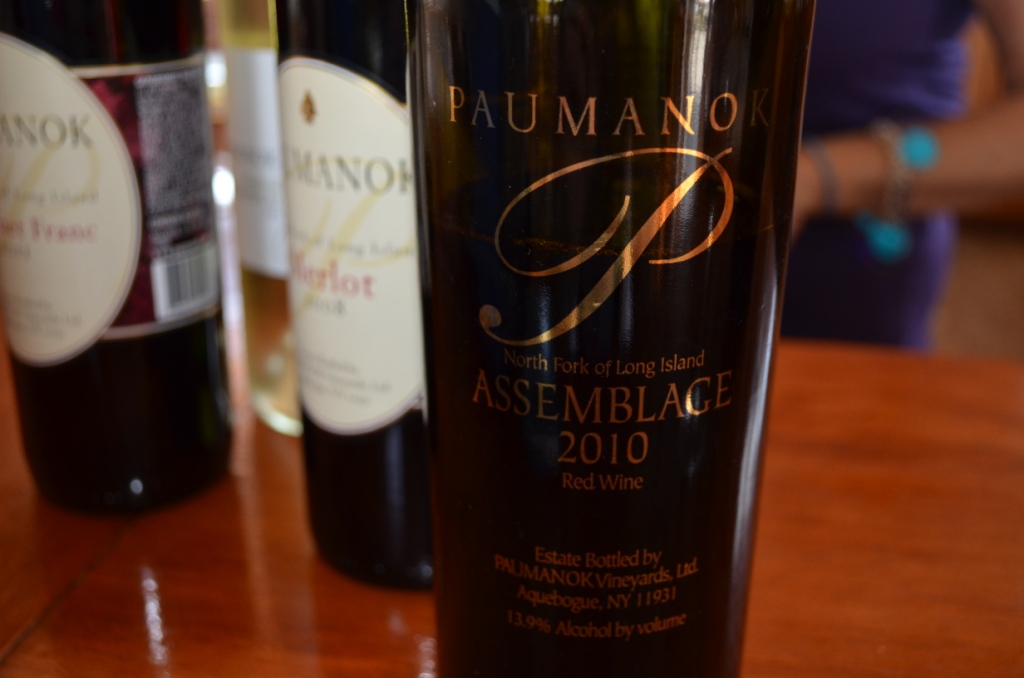
Next wine in the flight was 2010 Paumanok Assemblage – a blend of 35% Merlot, 33% Cabernet Sauvignon, 21% Petit Verdot and 11% Cabernet Franc. Even bigger than the previous wine, this wine showed some additional dark chocolate notes and great overall balance (as you know, balance in wine is one thing which can push my buttons).
We finished our tasting with 2007 Paumanok Merlot Tuthills Lane Vineyard – which was a great wine – dark fruit, dark chocolate, hint of tobacco, supple tannins and fresh acidity – very tasty.

As we were finishing the tasting we met Ursula, who happened to be the winery owner. She works at the winery together with her three sons, who are in charge of all operations – wine growing, wine making, harvesting and everything else which goes into production of Paumanok wines. Seeing our keen interest in wines, Ursula happened to be the most gracious and welcoming host, and we got really an inside tour of winery and what was happening on that day – which was a Merlot harvest.
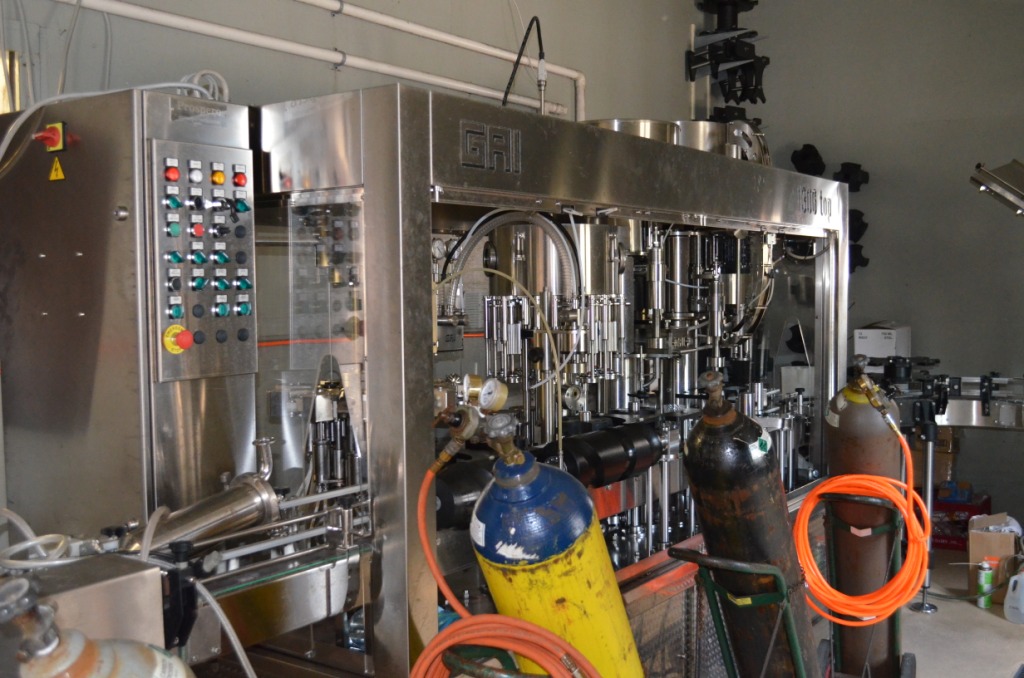
Ursula showed us fermentation tanks and barrels, as well as state of the art bottling line:
But most importantly, she gave us a taste of just fermented Chenin Blanc, which was incredible! Freshly fermented juice was something I never tasted before, so it was my first encounter with inside magic of winemaking – and it was delicious.

To add up to that experience, she also took us to the backyard, so to speak, where the fresh grapes were arriving.
Merlot grapes at Paumanok are harvested using the machine. Salim, another one of the three brothers was operating the machine and he gave us all the explanations. This machine can’t be used for all the grapes – only for those where whole cluster doesn’t have to be harvested – for instance, it is not used for Chardonnay, as whole clusters are fermented as part of Chardonnay production.

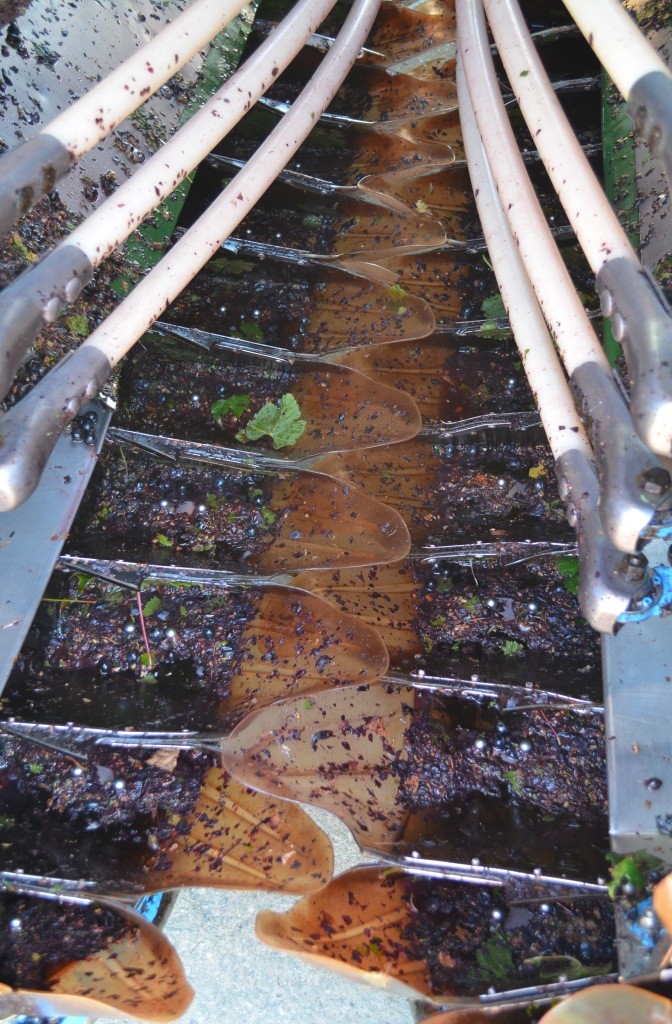
The machine is positioned such a way that the row of the vines happens to be right in a middle of it. As the machine moves forward with the vines all being inside, all the branches are getting a gentle shake from the side rods:
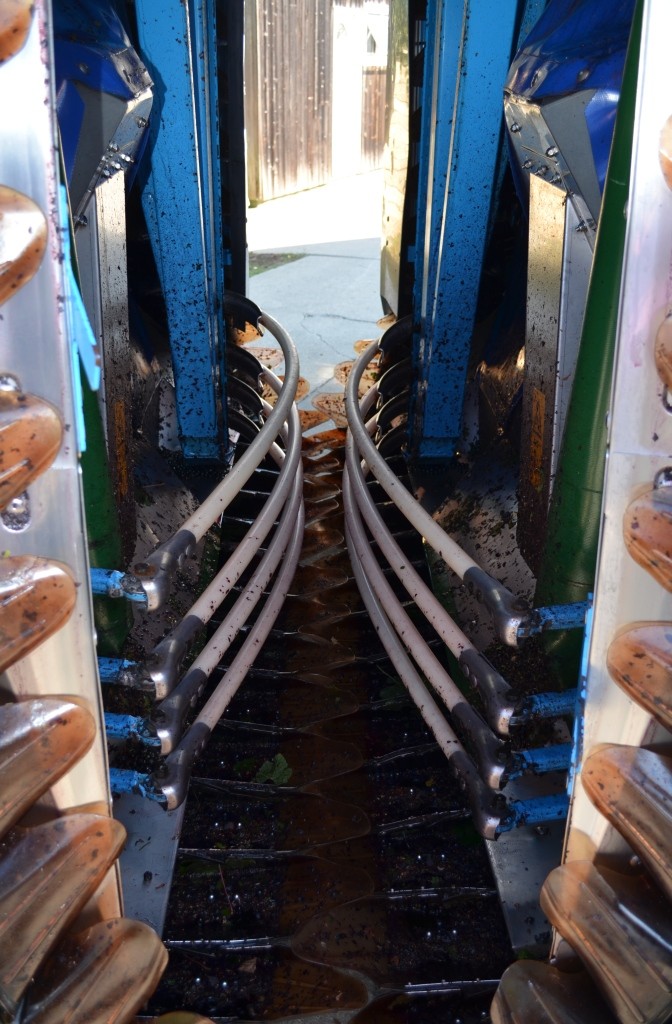
As the result, grapes are falling down into the receptors, which are all moving as a conveyor belt, bringing the grapes up into collection bin.
 Once arriving at the sorting facility (back at the winery in our case), the grapes are transferred into one big container:
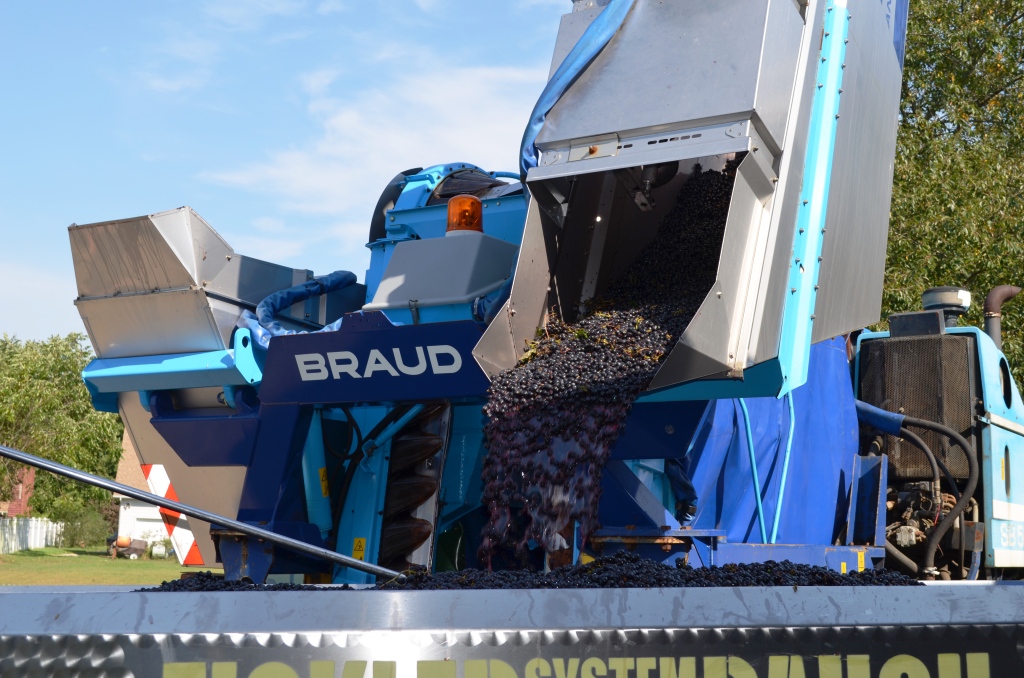
So the result looks like this:

And then the grapes get to the sorting table, where minimal processing is done to remove big branches and spoiled grapes:
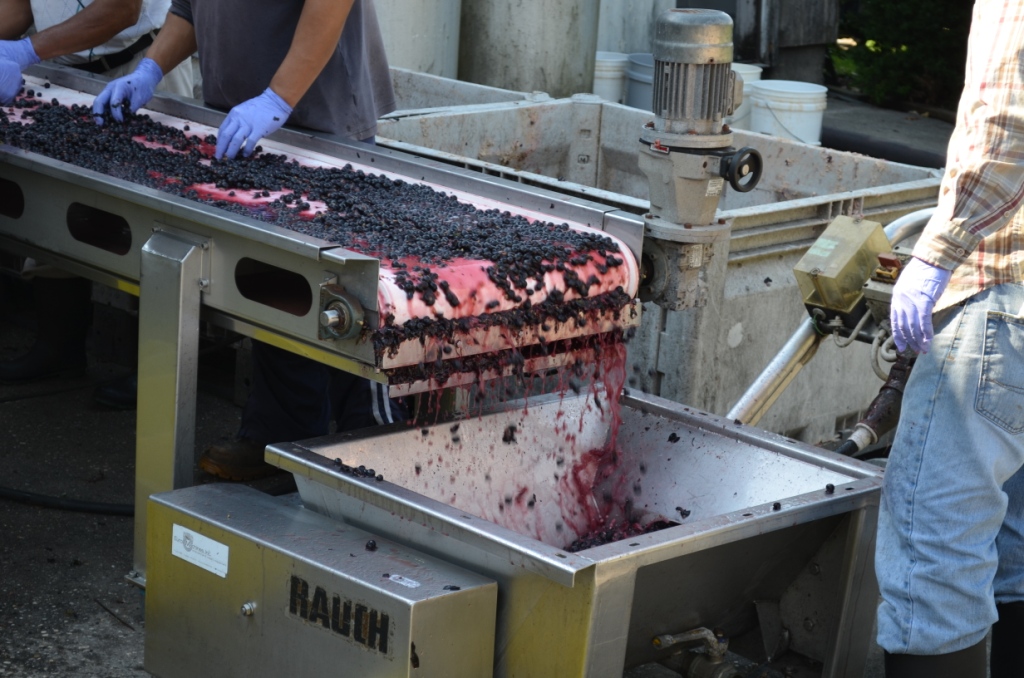
From the sorting table the grapes are transferred directly into the fermentation tank. By the way, do you see that juice coming off the sorting belt? We had a chance to taste that too – it was absolutely delicious – not that I hold any grudge against Welches, but this juice is something I would gladly drink any time (Welches – sorry, can’t do).
We always have a great time at Paumanok (as I mentioned before, this is our “annual outing”) – but never before we were lucky to have such a special experience and see how the magic starts.
After lunch we decided to visit two more wineries – Bedell and Macari. And I have to mention that unfortunately, outside of the cool labels, we didn’t find a single wine from Bedell tasting which we liked – all the reds tasted very green, with lots of branches to chew on.
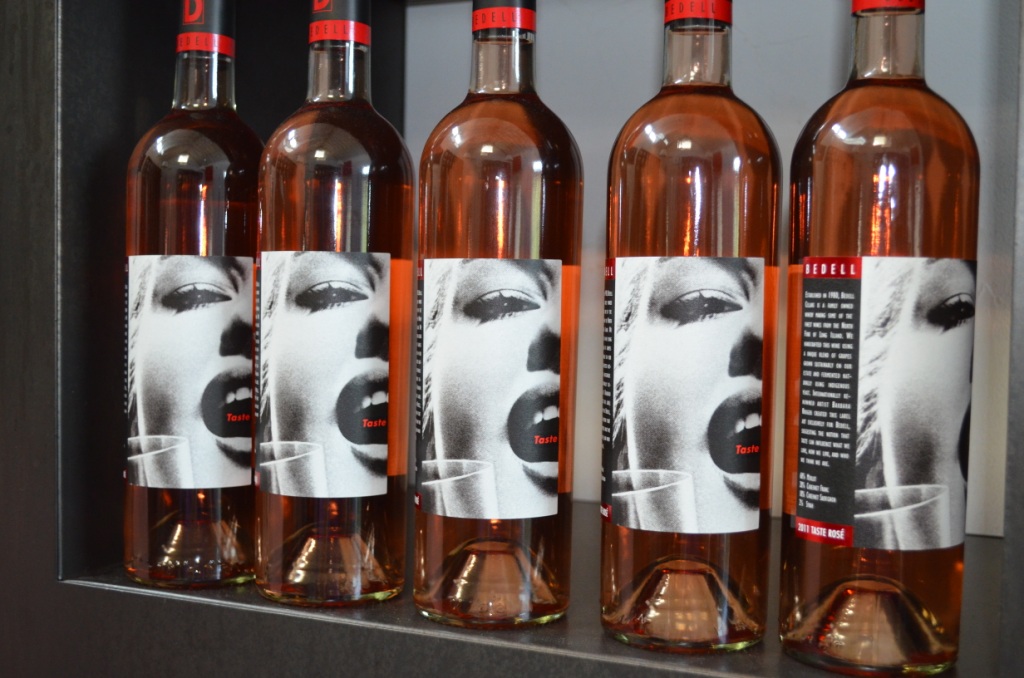
Oh well, at least Paumanok had being very consistent through many years, so we are definitely looking forward continuing our tasty tradition.
I hope I didn’t inundate you with pictures too much, but there you have it – my first harvest experience, and I hope not the last (and if you are into wines, you should seek that experience as well!). Until the next time – cheers!
Wednesday’s Meritage – Wine Quiz Answer, Self-directed Rant, Ouch and more
Meritage time!
As usual, let’s start from the answer to the weekly wine quiz #41, Which one doesn’t belong. I would estimate the complexity of the quiz as medium, as you had to figure out what the question was all about, and then think about what item doesn’t belong to the list (and even explain why). I’m glad to report that we have a winner, who is being quite persistent at winning lately – thedrunkencyclist. He properly identified that Corton, which is a Grand Cru Appellation from Côte de Beaune, doesn’t belong to the list of Grand Cru appellations from Côte de Nuits. Well done, Jeff – and a double amount of unlimited bragging rights is all yours, as you were able to answer the question without the use of Google.
Before we get to the interesting stuff, I need to let some cringe out of the system – so we are getting to my self-directed rant. Let me just scream it out loud – I HAVE SO MANY BLOG POSTS IN MY HEAD AND I CAN’T GET THEM OUT! There, I said it. I don’t think this is a writer’s block, and if it is, it is some very sophisticated masochistic form. I have posts which should’ve been written during summer when I visited wineries in New York Hudson region. Then there were great wine tastings I had all the intentions to write about. We had an amazing time in October at Paumanok winery – and this blog post still sits in the drafts section. The list can go on and on. I still can’t figure it out how this stuff works, and it is upsetting. But – now, that I let it out of the system, I will make sure truly hope all those belated posts will follow. Okay, this is the end of my rant.
Now, there are few interesting things I want to share with you. First is what I called an “ouch” – it appears that Natalie MacLean, a well known wine writer, who has eponymous web site and iPad/Android App, had being borrowing stealing wine reviews from the other wine writers, including the reviews located on “subscription-only” web sites, such as Jancis Robinson, without any acknowledgement to the actual authors. Palate Press put out a big article on the subject, which is worth reading, including the comments section. The story of course reverberated on multiple blogs. Hopefully her readership will adjust accordingly (but I guess we will never know).
Folks behind Wine Folly published a very interesting infographic chart for the different types of wine. As a mind mapping junkie, I can only applaud any efforts to classify an extremely diverse subject, such as wine world, in a compact and comprehensible fashion. Take a look at the link above and let me know what you think (hint: this chart might be a good present for the wine geek in your life).
That’s all I have for you, folks. The glass is empty, but it will be definitely refilled soon. Happy Wine (and Whisky) Wednesday. Cheers!
Re-Post: Best Hidden Secrets Of The Wine World: Second Labels
During 2011 I wrote a number of posts for the project called The Art Of Life Magazine – of course talking about my favorite subject, wine. The project closed, but I still like the posts I wrote, so I decided to re-post them in this blog. Also, in that project, posts were grouped into mini-series, such as “Best Hidden Secrets” you see here – I will continue re-posting them from time to time.
Also note that the series was written for a slightly different audience – I hope none of my readers will take offense in the fact that sometimes I’m stating the obvious…
Second labels. Second is a keyword here. Second – meaning second best? How good it is to be second best?
When it comes to competition, second best is always only second best. Second best means you scored less, you ran not as fast as the best, you jumped not as far as the best. By all means, you really tried – but someone else was better in the same art.
Luckily, the notion of “second best” is not applicable to the world of wine. Of course, you might have your favorite (the best) wine, and then second favorite wine, and the third, and the fourth and many others. However, those are your personal favorites which are driven by your own personal taste. It is entirely possible even that someone’s most favorite wine is totally not drinkable for someone else (I think this is one of the most fascinating aspects of the wine world.
So what is the second label? Many wineries around the world have one wine which is considered the best, most well known and well regarded. Such wine would be their “First Label”. Typically, those wines have two” external” characteristics: they are very expensive and made in the limited quantities – and one way or the other, these subsequently become driving factors to produce so called “second label” wines, which are at least less expensive (quantity still might be an issue).
Actually, officially designated second labels started in Bordeaux in France simply to avoid throwing out the grapes which didn’t make it into the best wines. What started from so called “first growth” Bordeaux wines from famous 1855 classification in the 18th century, the second label movement spread widely across many wine making regions in the last quarter of 20th century (you read more on the subject here). From being only a Bordeaux phenomenon, it became adopted by many wineries all over the world as their main wines elevated to the “cult” status.
Today many of the cult wines from California, Italy and Spain ( other regions joining in as well) have their second labels. It is interesting to point out one essential difference between Bordeaux second labels and the rest of the world. Based on In Bordeaux AOC rules, second label or not, if Chateau is specified on the wine label all the grapes (100%) for that wine have to come from the vineyards which belong to that Chateau. This is not the case for most of the world. For instance, when particular AVA (analog of AOC in USA) is mentioned on the wine label, it means only that at least 85% of the grapes in that wine should be coming from the specified AVA, and 15% of grapes can be coming from any other places. I’m not saying that this is good or bad – this is just something to take into account when talking about second label wines.
Now, putting all the technicalities aside, what is all the fuss? Why are we talking about some kind of “second labels” as a great secret of the wine world? Very simply, it is all about QPR. Let me give you an example. If you hadn’t done so recently, go check how much Chateau Latour or Chateau Lafite costs. 2008 (somewhat of a sleeper vintage, not declared as outstanding) Chateau Latour will cost $1,600 or more, and Chateau Lafite is somewhere in the $2,000 – $2,500 range. No, not for 5 cases – these are the prices per bottle… 2008 Les Forts de Latour, second label of Chateau Latour, will cost about $250 per bottle, and Carruades de Lafite, second label of Chateau Lafite, will cost about $600.This is still very steep, but I’m sure you can see the magnitude of price difference. In addition to the better QPR, second labels are ready to be enjoyed much faster compare to the main wines. You need to wait for 15-20 years for great Bordeaux to open up, and second labels often cane enjoyed right away or after the short time in the cellar.
Let’s talk about some practical examples, but instead of Bordeaux, let’s start from Italy.
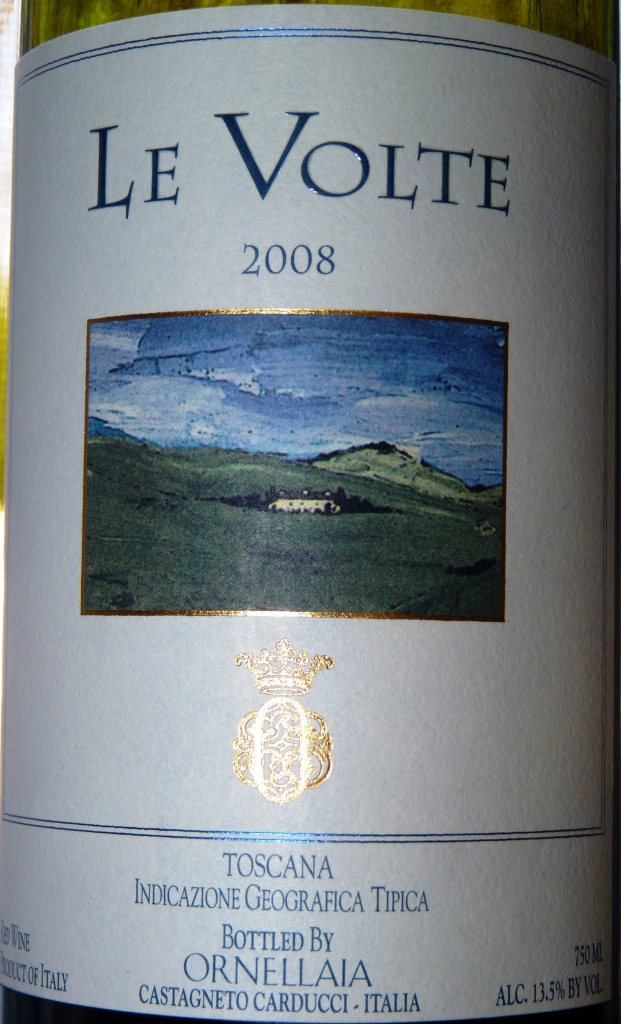 Le Volte is so called Super Tuscan wine made by Tenuta dell’Ornellaia. Their flagship wine, Ornellaia, has won numerous accolades and consistently rated above 95 points by various wine critics. You can buy Ornellaia for about $180 – $220 per bottle. Le Volte is produced by the same winery (it is technically a third label, with Le Serre Nouve being the second) from the grapes which were not selected for the main wine, and you can buy it for about $20-$25 per bottle (about one tenth of the price of Ornellaia).
2008 Le Volte was very tight and aggressive initially. After a while, it changed beautifully showing luscious fruit (dark fruits) and silky smooth tannins. It can be enjoyed right now with the appropriate breathing time (an hour in decanter might be the right call), but it will benefit from another 5 years in the cellar.
 Here is another example – Crouix de Beaucaillou, second label from Chateau Ducru Beaucaillou. Chateau Ducru Beaucaillou is so called second growth winery from Saint-Julien region in Bordeaux – again based on 1855 classification. Taking 2008 as a reference year again, their flagship wine, Chateau Ducru-Beaucaillou, can cost $110 and above (just for comparison, same wine from 2005, which was one of the best years in Bordeaux, will cost you $180+, and 2009 prices start from $250). 2005 Croix de Beaucaillou can be found for about $45 per bottle, which is one fourth of the price of the first label. This 2005 Croix de Beaucaillou opens one with beautiful nose of ripe black plums, oak and spice box. On the palate the wine is very restrained initially, and then opens up with some cedar notes and exhibits pronounced acidity and powerful tannins. Despite my earlier statement about second labels being ready to drink earlier, this particular wine definitely need more time in the cellar (but we should still keep in mind that 2005 was a great year).
After learning the first great secret of the wine world – beautiful Rioja wines, now you are armed with even more knowledge and you can have a lot of fun exploring the world of hidden gems, the second labels. Just to leave you with a little reference, below you will find a table with names of some of the second labels throughout the world, you can enjoy hunting for. And stay tuned, as more secrets are coming!
Note: this post was prompted by the post “Second Label Values” by the fellow blogger wpawinepirate.
Reference: Second Label Wines
| Primary Wine | Second label |
| France – Bordeaux, 1st growth | |
| Chateau Haut-Brion | Le Clarence de Haut-Brion |
| Chateau Lafite Rothschild | Carruades de Lafite Rothschild |
| Chateau Latour | Les Forts de Latour |
| Chateau Margaux | Pavillon Rouge |
| Chateau Mouton Rothschild | Le Petit Mouton |
| France – Bordeaux, others | |
| Chateau Ausone | Chapelle d’Ausone |
| Chateau Cheval Blanc | Le Petit Cheval |
| Château Rauzan-Ségla | Ségla |
| Château Léoville-Las Cases | Le Petit Lion de Marquis de las Cases (Clos du Marquis before 2007) |
| Château Léoville-Poyferré | Château Moulin Riche |
| Château Léoville Barton | La Réserve de Léoville Barton |
| Château Gruaud-Larose | Sarget de Gruaud-Larose |
| Château Lascombes | Chevalier de Lascombes |
| Château Pichon Longueville Baron | Les Tourelles de Longueville |
| Château Pichon Longueville Comtesse de Lalande | Reserve de la Comtesse |
| Château Ducru-Beaucaillou | La Croix de Beaucaillou |
| Château Cos d’Estournel | Les Pagodes de Cos |
| Italy | |
| Sassicaia | Tenuta San Guido Guidalberto |
| Ornellaia | Le Serre Nouve, Le Volte |
| Spain | |
| Vega Sicilia | Valbuena 5° |
| Alto Moncayo | Alto Moncayo Veraton |
| Bodegas El Nido | Clio |
| Clos Mogador | Clos Manyetes |
| USA – California | |
| Bryant Family | DB4 |
| Duckhorn | Migration, Decoy |
| Harlan Estate | Maiden |
| Pahlmeyer | Jayson |
| Paul Hobbs | Crossbarn |
| Screaming Eagle | Leviathan |
| Quilceda Creek | Quilceda Creek Columbia Valley Red |

Last Bottle Sign Up ($10 credit)




 Talk-A-Vino