Archive
Understanding Ferguson
Do experiences have expiration dates? Of course not. As long as we learn something, the experience has its value – and thus it can be shared.
And so here I am, sharing another experience from 2 years ago. Yesterday, I was talking about the Sanford tasting which took place in June of 2019. Today, I’m sharing yet another experience from the same June of 2019. Just follow along, please.
I remember attending a trade tasting in New York, probably about 5 or 6 years ago. One of the wineries at that tasting was L’Ecole No 41, one of the best wineries in Walla Walla in Washington. The rep poured a taste for me and proudly said “this is Ferguson, our newest vineyard, and this wine is amazing, taste it”. I can still vividly remember the punch of tannins from the first sip and my very first thought “how is this amazing, I can’t taste anything here”.

L’Ecole No 41 needs no introduction to the wine lovers. The third winery in Walla Walla in Washington, founded by Jean and Baker Ferguson in 1983, one year before Walla Walla received an official AVA status. From the moment the winery was created, the focus was always on the Bordeaux varieties – Cabernet Sauvignon, Merlot, Cabernet Franc, Malbec, Petit Verdot.
Seven Hills Vineyard, 230 acres estate on the Oregon side of the appellation, is one of the oldest vineyards in Walla Walla, planted in 1980. L’Ecole No 41 manages Seven Hills Vineyard together with Pepper Bridge Winery and Leonetti Cellars, and it is a source of more than 1/3 of L’Ecole’s total red wine production.
The second vineyard, Pepper Bridge Vineyard, was planted in 1991 on the Washington side of Walla Walla. L’Ecole was the first winery to produce wines from the Pepper Bridge Vineyard.
In 2008, Ferguson Vineyard, named in honor of the founders of the winery, was planted on high elevation (1,350 ft – 1,450 ft) not far from the Seven Hills Vineyard, a thin layer of soil over the fractured basalt from 15-million-year-old lava flows. The vineyard now is 42 acres in size and the source of the latest additions to the L’Ecole portfolio – the one I was unable to appreciate during that trade tasting.


When I got the invite to attend L’Ecole No 41 tasting in New York at the Grapes and Grains restaurant, I got excited about the opportunity to have a deeper dive and learn more about L’Ecole No 41 wines.
What I learned from Constance Savage, General Manager of L’Ecole No 41 is that L’Ecole can be safely called a high mountain desert winery, with only 8” of precipitation per year. Irrigation is available, but very much controlled, forcing the vines to work hard.
The winemaking approach at the winery is very simple – let the terroir speak. Always do the same at the winery, and let Mother Nature to express itself. The winery is not trying to achieve persistent taste – and this can be easily seen in wines through the differences between the vintages. And this all works because the climate is very consistent.
We tasted through 4 sets of wines, each set containing 3 wines. Here is what I tasted with my notes.

The first set consisted of the 3 “classics” from the same 2008 vintage – Merlot, Cabernet Sauvignon, and Cabernet Franc. The wines were 11 years old when I tasted them, and still you can see that they were still showing substantial level tanning and potential to evolve for the next 10–20 years.
2008 L’Ecole no 41 Estate Merlot Seven Hills Vineyard Walla Walla Valley (14.5% ABV, 80% Merlot, 10% Cabernet Sauvignon, 10% Cabernet Franc, 18 months in small French oak barrels, 40% new)
Cherries, iodine, mint
Tart cherries, pepper, a touch of vanilla
8
2008 L’Ecole no 41 Estate Cabernet Franc Seven Hills Vineyard Walla Walla Valley (14.5% ABV, 100% Cabernet Franc, 22 months in small French oak barrels, 33% new, 198 cases produced)
Black currant, a touch of mocha
Tart, black currant, dry, very noticeable tannins
8, Block 8 Cabernet Franc is typically used for blending, except in the best years when enough grapes are harvested, so this wine was produced in 2006 and again in 2008.
2008 L’Ecole no 41 Estate Cabernet Sauvignon Seven Hills Vineyard Walla Walla Valley (14.5% ABV, 100% Cabernet Sauvignon, 22 months in small French oak barrels, 50% new, 188 cases produced)
Touch of sweet oak, black currant
Much more open than cab franc, but still tannins are present

The next set of wines was made with the fruit from Seven Hills Vineyard, and they all belonged to the series called Perigee – as a scientific term, Perigee is the closest point to the Earth in the Moon’s orbit. The focus of these wines is on the earthy characteristics of the Seven Hills Vineyard.
2006 L’Ecole no 41 Perigee Estate Seven Hills Vineyard Walla Walla Valley (14.4% ABV, 56% Cabernet Sauvignon, 34% Merlot, 10% Cabernet Franc, 22 months in small French oak barrels, 50% new)
Great complexity, plums, a touch of smoke and roasted meat, fresh onion peel (sorry about that)
Sweet plums, black currant, vanilla, good acidity, dry finish
8
2011 L’Ecole no 41 Perigee Estate Seven Hills Vineyard Walla Walla Valley (14.5% ABV, 60% Cabernet Sauvignon, 20% Merlot, 10% Cabernet Franc, 6% Malbec, 4% Petit Verdot, 22 months in small French oak barrels, 50% new)
Closed nose
The palate is raspberry driven, good acidity, good minerality
2016 L’Ecole no 41 Perigee Estate Seven Hills Vineyard Walla Walla Valley (14.5% ABV, 52% Cabernet Sauvignon, 21% Merlot, 11% Cabernet Franc, 9% Petit Verdot, 7% Malbec, 22 months in small French oak barrels, 40% new)
Fresh, bright, fresh leaves, freshly crushed berries
Vanilla, plums, mocha, young, big body, soft and velvety initially, with the tannins gripping mouth in the second wave
8
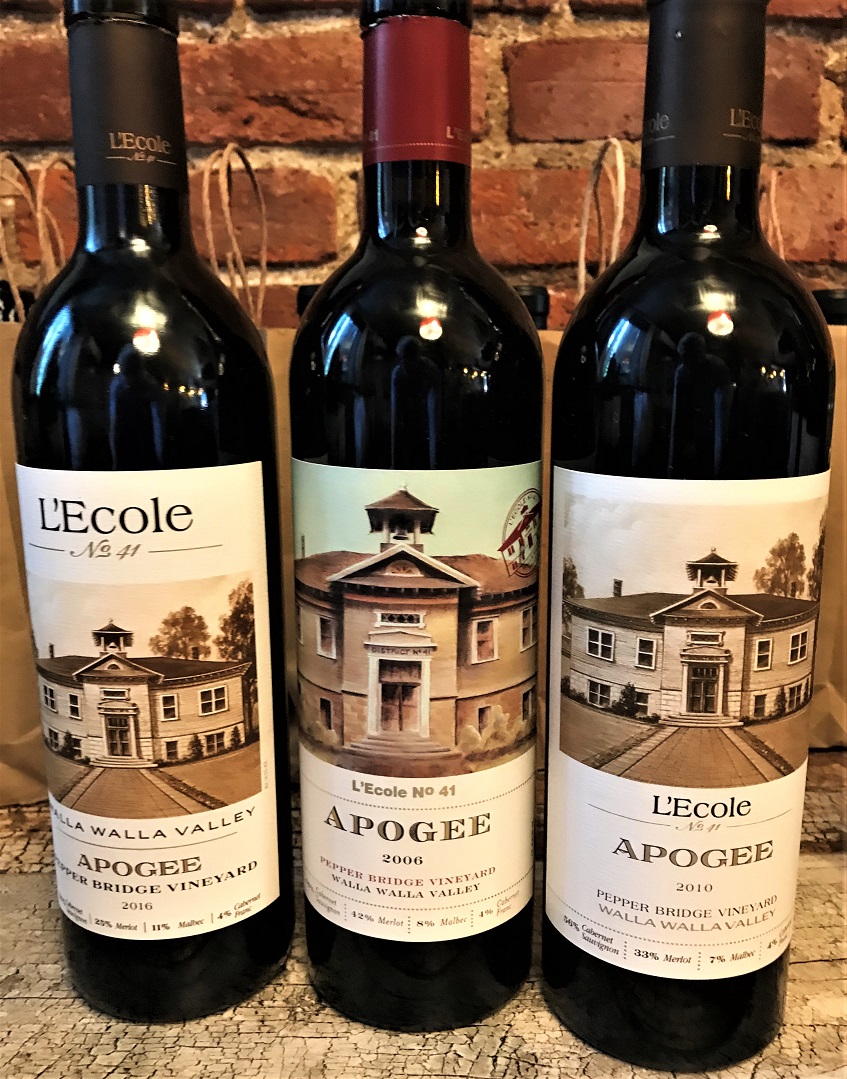
Next, we tasted the Apogee series of wines, sourced from the Pepper Bridge Vineyard. Apogee is the point in the orbit of the Moon when it has the greatest distance to Earth. The focus of these wines is to showcase the ultimate expression of the fruit.
2006 L’Ecole no 41 Apogee Estate Pepper Bridge Vineyard Walla Walla Valley (14.3% ABV, 46% Cabernet Sauvignon, 42% Merlot, 8% Malbec, 4% Cabernet Franc, 22 months in small French oak barrels, 50% new)
Touch of barnyard, intense, blackberries, minerality
Sapidity, onion jam, dark berries, baking spice, minerality,
8, wines are a lot more massive than previous ones
2010 L’Ecole no 41 Apogee Estate Pepper Bridge Vineyard Walla Walla Valley (14.5% ABV, 56% Cabernet Sauvignon, 33% Merlot, 7% Malbec, 4% Cabernet Franc, 22 months in small French oak barrels, 50% new)
Elegant, raspberries, fresh
Round, clean, well-structured tannins, delicious
9-
2016 L’Ecole no 41 Apogee Estate Pepper Bridge Vineyard Walla Walla Valley (14.5% ABV, 60% Cabernet Sauvignon, 25% Merlot, 11% Malbec, 4% Cabernet Franc, 22 months in small French oak barrels, 50% new)
Not ready – beautiful fruit and acidity, but tannins covering completely

And finally, the Ferguson. The vineyard built on top of the balsamic rock, so we should expect to see expressive minerality.
2011 L’Ecole no 41 Estate Ferguson Vineyard Walla Walla Valley (14.5% ABV, 57% Cabernet Sauvignon, 32% Merlot, 11% Cabernet Franc, 22 months in small French oak barrels, 50% new)
Smoke, gunflint, not a lot of fruit
Dark, powerful, perfectly structured, Bordeaux style, perfectly drinkable
9-
2016 L’Ecole no 41 Estate Ferguson Vineyard Walla Walla Valley (14.5% ABV, 62% Cabernet Sauvignon, 26% Merlot, 6% Malbec, 6% Cabernet Franc, 22 months in small French oak barrels, 50% new)
Young fruit, crunchy berries,
Killer tannins, lock your mouth
Not ready
2014 L’Ecole no 41 Cabernet Sauvignon Ferguson Vineyard Walla Walla Valley (14.5% ABV, 100% Cabernet Sauvignon, 22 months in small French oak barrels, 40% new)
Dark fruit, minerality
Touch of Black Currant, coffee, tannins are still overpowering, but you can taste the beauty of the wine. Needs at least another 10 years
8+
So what did I learn about Ferguson? These wines need time. And with time, they can be some of the best wines Washington has to offer.
As you can tell, 2011 Ferguson and 2010 Apogee were two of my most favorite wines, but really, give them time, and you will not go wrong with any of these wines. And it is interesting that all of the 2006 and 2008 can still enjoy more time in the cellar. For sure, L’Ecole makes some serious wines.
Do the experiences have expiration dates? Maybe only those which are not shared. Here, I did my part.
One on One with Winemaker: Dennis Murphy, Caprio Cellars
Source: Caprio Cellars
It is a known fact that wine is produced in all 50 states in the US. And I will clearly risk it to alienate many people, but with all due respect to New York, Texas, and Virginia, there are only three belonging to the “big three” – California, Oregon, and Washington. It is Washington I want to talk about today.
I don’t know how this works, but when I think about Washington wines, I feel warm and fuzzy. I don’t know if it relates to wonderful experiences, such as the visit to Chateau Ste. Michelle, getting lost in Woodinville or exploring Walla Walla, or maybe it is because of some of the most amazing American wines being produced in Washington, such as the whole range of Cayuse wines, L’Ecole No41, Guardian Cellars, Mark Ryan, and countless others.
And today, I want to bring to your attention one of my very latest Washington wine discoveries – Caprio Cellars in Walla Walla.
On one side, Caprio Cellars’ story is absolutely “normal” (yes, an interesting choice of word here – what does “normal” even mean, right?). Dennis Murphy purchased a plot of land in Walla Walla Valley (previously a wheat field) in 2003. The first vines were planted in 2005, and the vineyard was called Eleanor in honor of Dennis’ grandmother, Eleanor Caprio; after the first harvest in 2008, the winery got the name of Caprio Cellars, and the rest is history. The second vineyard, Octave, was planted on the hillside in 2007. The latest high-altitude vineyard, Sanitella, was planted on the Oregon side of the Walla Walla AVA. Bordeaux varieties – Cabernet Sauvignon, Cabernet Franc, Merlot, and Malbec are planted across all three sustainably farmed vineyards, with the addition of Sauvignon Blanc planted on Sanitella.
This is where “normal” ends. What is unique about Caprio cellars is that your tasting is always complimentary (okay, yes, this still can happen in the other places). You also have complimentary chef-prepared dishes accompanying your tasting flight, with the seasonal menu – yes, complimentary, as in “free of charge” (I hope you are getting as impressed as I am because I’m not sure where else you can find that). And Dennis is very passionate about charities he supports. That definitely puts Caprio Cellars in the category of its own.
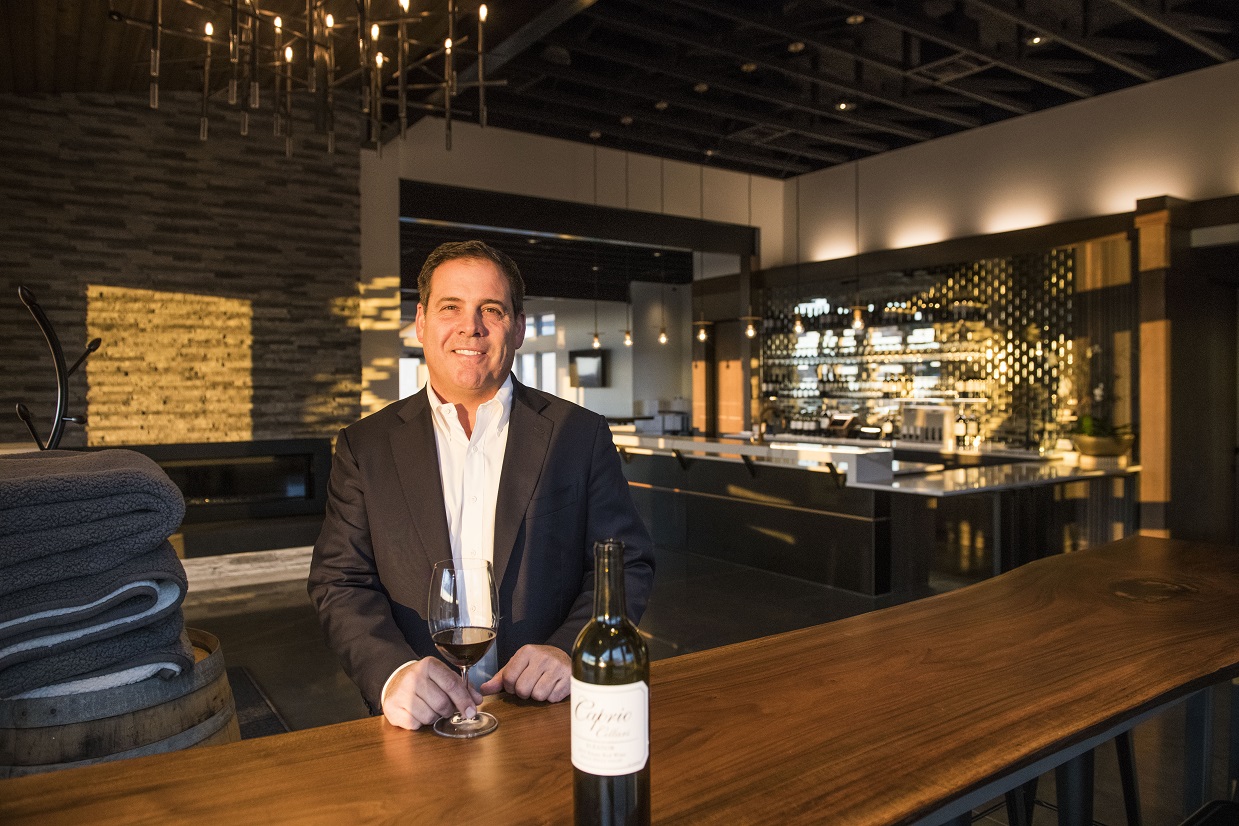
After tasting a few of the Caprio Cellars wines, I was ready to talk to Dennis. While we were unable to meet in person (something I really hope to rectify in the near future), we sat down with Dennis virtually, and he patiently answered all of my questions – and now I would like to share our conversation with you. Before we begin, one small note – this is a long conversation, and you definitely shouldn’t miss the answers to the questions at the end of this conversation. So I suggest you will settle in your favorite chair, pour yourself a glass of wine, and come along!
Dennis Murphy. Source: Caprio Cellars
[TaV]: Growing up, what was your exposure to the wine culture?
[DM]: Growing up, I remember my dad and grand parents making wine in the garage or the basement. Some was good, some was not so good. Wine was always a part of the dinner celebration, holidays and family gatherings.
[TaV]: Was there a pivotal wine in your life?
[DM]: The wine that brought me to Walla Walla was L’ Ecole No. 41 Merlot. I tasted this wine at a restaurant in Seattle and was blown away. I then started stopping at the winery and collecting the wine and eventually moved to Walla Walla.
[TaV]: When and how have you decided that you will own a winery?
[DM]: After tasting some Walla Walla wines and visiting Walla Walla, I fell in love with the town and moved. I could feel the energy in the wine scene emerging and moved to Walla Walla in 1999. There were just a hand full of wineries, so I started to make myself available during harvest and made some friends in the wine industry. In 2003 I purchased the winery estate property and in 2005 I planted my first vineyard, the Eleanor Vineyard.
[TaV]: Any plans for stepping outside of Bordeaux play – how about Syrah or Grenache which are so popular in Washington? Or maybe some Sangiovese or Tempranillo?
[DM]: I only make wines that I love to consume. I would look at Grenache, I love Grenache and think that the valley can produce some good fruit. We are making sparkling wine, I am intrigued to make a sparkling Rosé. I believe that focus is required to make world-class wine. I am focused on making world-class red Bordeaux-style wines from Walla Walla.
[TaV]: Considering your Italian heritage, do you have any favorite Italian wine regions, wines, or producers?
[DM]: It will not surprise you, I am a Super Tuscan guy. I think that the Cabernet Sauvignon and Merlot show very well. One of my favorite all time wines is the 1997 Ornellaia.
[TaV]: Are there any wineries and/or winemakers in Walla Walla who you would consider as your source of inspiration?
[DM]: Seven Hills/ Casey McClellan makes my favorite wine in the valley, the Pentad. Casey is a great winemaker, makes solid wines and the valley is fortunate to have him.
Source: Caprio Cellars
Source: Caprio Cellars
[TaV]: You are practicing sustainable farming – what does it entail in your daily routine?
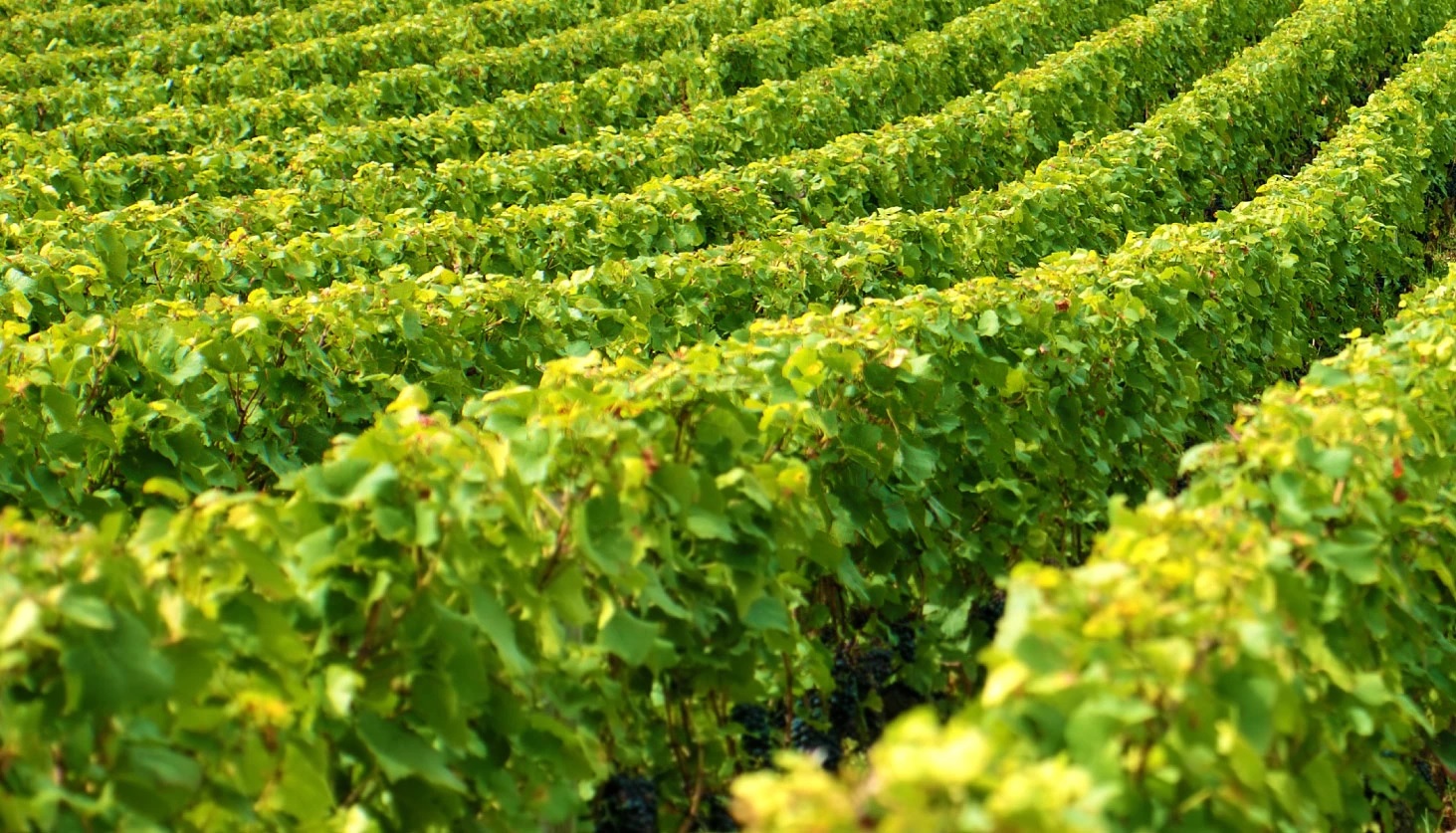
[DM]: Sustainable farming is really about being as hands off the vineyard as possible, letting the land and crop do their thing naturally. Sustainable farming is very important for the industry and the environment. Mother Nature can provide anything that a chemical or synthetic can provide, you just have to work at it.
[TaV]: Any plans to advance your farming towards biodynamics?
[DM]: I do not have any current plans to farm biodynamic, but I have not ruled it out either.
[TaV]: First harvest at Caprio Cellars was in 2008. Do you still have any of those wines in your cellar? How are they evolving?
[DM]: Yes, I have the 2008 Caprio Cabernet Sauvignon, it was the only wine we made that year. I keep about 50 cases per vintage in the library, this would be considered a lot, but I like to keep more wine around for winemaker dinners, etc. The 2008 Caprio is holding up well and we get to visit it occasionally.
[TaV]: Any plans for more white wines in the future?
[DM]: Caprio grows Sauvignon Blanc and Semillon, these two varietals do well in our higher elevation Sanitella Vineyard. We release our Sauvignon Blanc in the spring, it is a crowd-pleaser and sells out quickly. We also make a rose’ of Cabernet Franc, this is a beautiful spring released wine as well.
[TaV]: Where do you see Caprio Cellars in 10-15 years?
[DM]: Caprio will be at our production goal of 5,000 cases per year. I believe this production is a sweet spot for a winery and you can still maintain quality. We will continue to provide a unique approach to hospitality, I am not sure what is next on that front, but we will continue to be the thought leader in our industry in the Walla Walla valley and push the envelope, it is in our DNA.


Let’s take a little break and taste some wines. I had an opportunity to taste two of the estate wines, Bordeaux blend, Eleanor, from 2017 and 2018 vintages. Here are my notes – and some related conversation right after:
2017 Caprio Cellars Eleanor Estate Red Walla Walla Valley (14.5% ABV, $48, 50% Cabernet Sauvignon, 28% Merlot, 12% Malbec, 10% Cabernet Franc, 65% Octave Vineyard / 35% Eleanor Vineyard, 18 months in 100% French oak – 35% new oak / 65% neutral barrel)
Dark Garnet
Minerality, underbrush, herbal profile – fruit undetectable
Expressive minerality, cherry pit, espresso, massive presence – typical Washington red which needs time (and hope) – and these are second day notes. Too big for my palate on the first day.
7+/8-
2018 Caprio Cellars Eleanor Estate Red Walla Walla Valley (14.5% ABV, $48, 59% Cabernet Sauvignon, 19% Merlot, 15% Malbec, 7% Cabernet Franc, 53% Octave Vineyard / 47% Eleanor Vineyard, 18 months in 100% French oak- 35% new oak / 65% neutral barrel)
Dark garnet
Blackberries, a touch of eucalyptus and cassis
Beautiful. Perfect mid-palate weight, silky smooth and velvety, cassis, cherries, supple, voluptuous.
8+, superb from the get-go.
[TaV]: This question is two-part about the wines I tasted:
First, the bottle of 2017 Eleanor is capped with foil, and 2018 is not. Why the change? Is this going to be the style moving forward?
[DM]: I am a traditional guy, I do love a foil cap on a bottle of wine. In line with our sustainability efforts, we held a customer focus group and it turns out that most customers prefer not to have the foil. We decided to leave it off in 2018 and it has been well received. I believe all future wines will not have a foil cap.
Now, the question which I never ask, but this time I have to. I tasted first 2017 Eleanor Red, and the wine was massive and tight – very typical for Washington reds, I call this type of wines “liquid rock” – lots of minerality and limited fruit. The wine opened up a bit on a second day but still was very tight. 2018 Eleanor Red, on the other hand, was approachable from the get go – Bordeaux style fruit, layered and smooth. Can you explain such a dramatic difference between these two wines? The grape composition is very similar, was that the terroir? Winemaking?
[DM]: Acid – the 2018 was the first vintage I nailed the acid level. It is a tight rope when it comes to acid, but 2018 and the 2019 are near perfect. I was pretty excited when I opened the 2018 Eleanor after bottling. Additionally, the vintages differed, 2017 was a tough year to get ripe, there were some photosynthesis issues that vintage. The 2018 vintage was a playbook vintage. What is funny is that in the tasing room we would taste the 2017 and 2018 side by side and the verdict was a 50/50 split. The 2017 was the fastest selling Eleanor we have produced, but the 2018 Eleanor is a critic’s favorite.
[TaV]: I understand that Caprio Cellars also supports a number of charities. What was the motivation behind this program? How do you decide what charities to support?
[DM]: Giving is a part of my every day living, it is in my fabric as a human. I created the phrase “give as you go”, this phrase is at the core of the purpose statement for my construction company. It was only natural for me to carry this belief to Caprio when we started. Caprio gives resources to many charities, mostly in the form of auction donations of wine and winemaker dinners. The winemaker dinners are very popular and bring a large amount of funds to the charity. Caprio focuses most monetary giving to First Story and Big Brother Big Sister. My construction company founded First Story and it helps families that otherwise would not have a home to get a home of their own. I have been a Big Brother for 18 years now and was on the board of directors, so it is a cause near and dear to me.


[TaV]: Last question is from the “how do they do it???” line. I understand that the wine tastings at Caprio Cellars are complementary. Not only that, but you also feed people! I read a number of discussions on professional wine forums with explanations that winery is a business and that literally how dare the wine lovers to expect their tasting to be complementary. And here is Caprio Cellars which does exactly that. So how do you do it and why? How is it working for you?
[DM]: I had no interest in opening a tasting room and charging a tasting fee. It seems like our industry has evolved into that business model. That model doesn’t make any sense to me. I wanted to disrupt the industry and focus on hospitality and the customer. Specifically focusing on the customer journey. We held focus groups at the beginning with Joseph Michelli (NYT bestselling author and consultant) from the Michelli group. Joseph believes that most businesses do not pay attention to their customers’ needs until it is too late in the customer journey. The Caprio tasting experience is based on the equity theory, I do something nice for you and in return, you will do something nice for me. The majority of the industry takes a tasting fee from the customer and gives it back “if you decide to buy”. We are all adults here; I do not need to take your money and give it back. I spent hours in other tasting rooms watching the customers sit in their group and have an agonizing group discussion on “how are we going to get out of here alive with our tasting fee”, discussions about you not liking the Syrah or him not liking the Chardonnay. Why put your customer through this process? At Caprio, we skip this pain point and we add the pleasure of a hand-crafted food pairing from our Executive Chef Ian Williams. My grandmother Eleanor Caprio is to blame or credit for the food pairing, if she knew I invited you over for a glass of wine and I didn’t offer you food, she would be very disappointed in me. The food program at Caprio was nonnegotiable when we opened, it is part of our program and a distinguishing advantage to our experience. Here is the punch line, if you like the food and wine pairing, we ask you to purchase a couple of additional bottles of Caprio to pay it forward to the next guest in our care. So far it is working out well and the ecosystem is taking care of itself, it is a beautiful thing, but somebody had to have the guts to try it.
Here we are, my friends. A wonderful story of passion, good wine, and a unique business approach. If your travel will bring you to Walla Walla, Caprio Cellars should be on your visit list. And if your travel will not bring you to Walla Walla … change your travel plans! Cheers!
WBC18: Speed (Live) Tasting – White and Rosé
In the previous post, I told you about our speed tasting session of red wines at the Wine Bloggers Conference 2018. During the second full conference day, we had a session for white and Rosé – only we didn’t get any Rosé at our table, so it was all for us (it is still 20+ different wines been presented around, but you only can taste just 10 during the allotted time.
If you read any of the previous posts or maybe attended the event, you know the drill. Snap, swirl, smell, sip, spit, share. Hmmm, next time I will call it a 6S exercise. You (1) snap a photo of a bottle. You (2) swirl the wine in your glass. You (3) smell it. Then you (4) sip it. Then you (5) spit it (well, there might be an exception to this rule, but you have to tread carefully here – if you can’t spit the wine, the wine bloggers conference is not for you). Lastly, you (6) share your notes with the world. All in 5 minutes. All repeated 10 times. There you have it.
Before I share the WBC18 wines with you now in this summary post, I will give you links to the WBC14, WBC16, and WBC17 I attended in the past, just in case you want to see what was happening there.
WBC18 speed tasting whites, here we go:
Wine 1: 2017 Desert Wind Chardonnay Heritage Series Wahluke Scope Washington (12.7% ABV, $28)
Wine 2: 2017 Bodega Bouza Albariño Montevideo Uruguay (13.5% ABV, $20)
Wine 3: 2016 Baroness Cellars Riesling Red Mountains (12.4% ABV, $25)
Wine 4: 2016 Rodney Strong Chardonnay Chalk Hill AVA (14.5% ABV, $22) – classic California Chardonnay, good wine at a good QPR.
Wine 5: 2016 Cadaretta SBS Columbia Valley (13.5% ABV, $23, 67% Sauvignon Blanc, 33% Semillon) – SBS stands exactly for Sauvignon Blanc Semillon. An excellent wine for a summer day? Well, I think I can drink it on a winter day too…
Wine 6: 2016 Frank Family Vineyards Chardonnay Carneros (14.4% ABV, $30)
Wine 7: 2016 J. Bookwalter Double Plot Chardonnay Conner-Lee Vineyard Columbia Valley (13.8% ABV, $40)
The next wine was presented with the statement to all of the Riesling haters – as shown here by Clifford Robben:
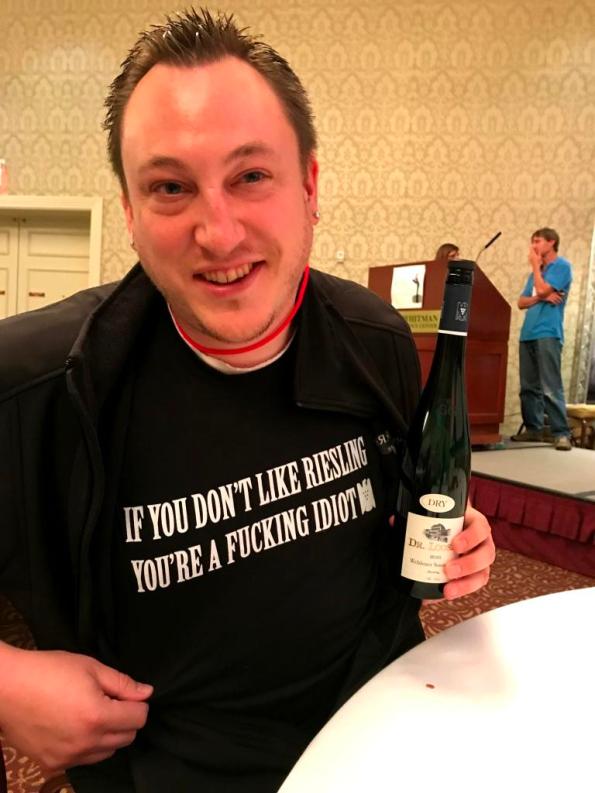
Wine 8: 2016 Dr. Loosen Wehlener Sonnenuhr Riesling GG Alte Reben Mosel (12.5% ABV, $56) – you can’t argue with greatness – this was one delicious Riesling
Wine 9: 2015 Brokenwood Semillon Hunter Valley (10.5% ABV, $22) – Hunter Valley Semillon might be one of the biggest secrets lucky attendees of WBC19 will discover. The wine might show as overly acidic when young, but with some age on it, it becomes an impeccable thing of beauty…
Wine 10: 2016 Brooks Ara Riesling Willamette Valley (12.8% ABV, $38) – another beautiful wine from the Brooks winery. From the tasting of the reds, Borrks Rastaban was my favorite wine. Now this Ara Riesling was equally impressive – and I didn’t know that Riesling was even made in Oregon. A delicious surprise.
There you go, my friends – the summary of one of my favorite exercises at the wine bloggers conference. Sorry, Chardonnay – the Riesling totally stole the crown this time. Cheers!
WBC18: Speed (Live) Tasting – Reds
Rapid fire. Lightning talks. Speed dating. We like to create extra-pressure situations for ourselves, I guess we think that we are functioning better when we have no option to prolong whatever it is we need to do or decide upon. Wine tasting is typically not a speed exercise – unless you are attending a live tasting session at the Wine Bloggers Conference.
50 minutes. 10 winemakers. 5 minutes to present the winery and the wine and answer questions – for winemakers. 5 minutes for bloggers to take pictures, smell and taste, ask questions, take notes, and ideally, post on social media about the wine – for 50 minutes in the row. Some people simply refuse to do it. And for me, this is one of the favorite sessions of the conference – and the one I get to consistently post about afterward, collecting all my individual tweets from the live session into one post – as it was done at WBC14, WBC16, and WBC17 – the three I attended in the past.
Unlike previous years, the first live wine blogging session at WBC18 was for the red wines (we always started with White and Rosé before). I guess it makes sense, as reds is what Washington is first and foremost known for. This time, I also tried to include some picture processing into the same 5 minutes – that makes the whole process even more challenging. Oh well. For what it worth, here are the wines and my notes, mostly in the form of the tweets:
Wine 1: 2013 g. Cuneo Cellars Ripasso Walla Walla Valley ($45) – Everything is possible in Washington – even the classic Italian wines.
Wine 2: 2017 De Lucca Tannat Reserve Canelones Uruguay ($15)
Wine 3: 2016 Fullerton Pinot Noir Bella Vide Vineyards Dundee Hills Oregon (13.5% ABV, $65) – great Oregon Pinot
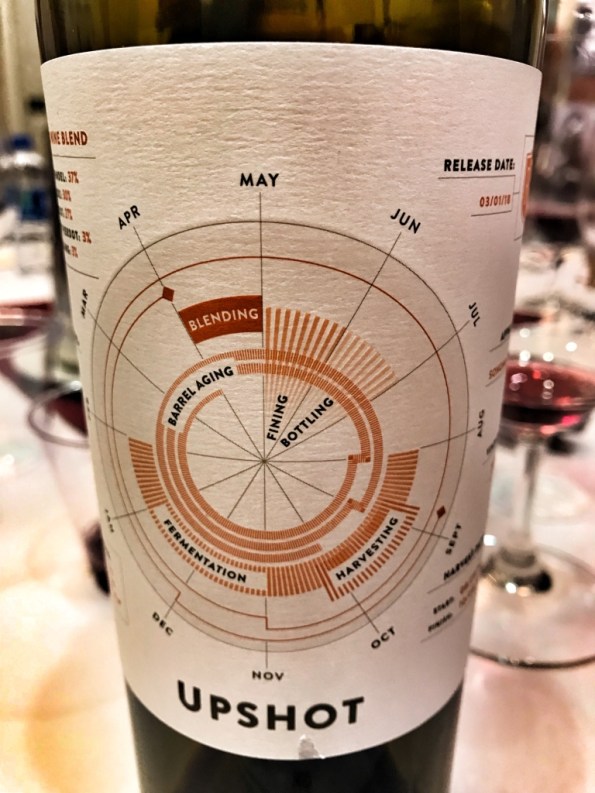
Wine 4: 2016 Rodney Strong Vineyards Upshot Red Sonoma County (14.5% ABV, $28, 37% Zinfandel, 30% Malbec, 27% Merlot, 3% Petit Verdot, 3% Riesling) – I love this unorthodox blend, an excellent wine for any special occasion, like Tuesday, for example. I also love the label. Forgot to include the picture in the tweet, so it is attached on its own here.
Wine 5: 2015 Browne Family Vineyards Cabernet Franc Columbia Valley (13.7% ABV, $35, 22 months in French oak) – beautiful Cab Franc specimen.
Wine 6: 2014 Dama Wines Collage Walla Walla Valley (14.7% ABV, $55, 69% Merlot, 26% Cabernet Sauvignon, 5% Cabernet Franc) – beautiful wine, beautiful label.
Wine 7: 2014 Dunham Cellars XX Cabernet Sauvignon Walla Walla Valley (13.8% ABV, $45, 100% Cabernet Sauvignon) – 9th winery in Walla Walla, 20th vintage (hence XX), and one of my most favorite from the tasting. Would be happy to drink every day.
Wine 8: 2015 Mansion Creek Cellars Red Dog Red Mountain AVA ($46, 70% Tinta Cão, 28% Cabernet Sauvignon, 2% Grenache-Syrah) – it is not every day you can taste a beautifully done Portuguese wine – made in the USA.
Wine 9: 2015 Brooks Rastaban Pinot Noir Eola-Amity Hills Oregon (14% ABV, $60) – stunningly different expression of the Pinot Noir. It evokes the same magic as tasting Cloudy Bay Sauvignon Blanc and thinking “this can’t be New Zealand Sauv Blanc”. Same is here. It is simply unique and different and in a class of its own. Probably my favorite wine of the session.
Wine 10: 2016 Troon Vineyard Cuvée Pyrénées, Estate Tannat/Malbec, Kubli Bench, Applegate Valley Oregon ($60, 62% Tannat, 38% Malbec) – organic, biodynamic, minimal intervention wine. Craig Camp lets the grapes speak, offering us a beautifully balanced wine.
There you go, my friends – the summary of one of my favorite exercises at the wine bloggers conference. This was definitely fun, and I will be delighted to do it again and again. Do you think 5 minutes is enough to learn about the wine and fall in love with it? Cheers!
WBC18: Like A Kid In The Candy Store – Again, or 4 Days in Walla Walla
 Back in 2014, I was visiting the state of Washington on business, and my obsession with local wines led me to the small town of Woodinville, about an hour northeast of Seattle. As I parked next to the industrial building and started going door to door, visiting one artisanal winery after another, I really felt like a kid in the candy store – the wines were delicious, and conversations with winemakers and not were even better than the wines – what else the wine lover needs? I was so impressed with that visit that my enthusiasm showed in the blog post, which won one of the Monthly Wine Writing Challenges (we called them MWWC) with the theme “local”.
The timing for the Wine Bloggers Conference 2018 (WBC18) was a little strange – for the most of the time, the conferences took place in August, and October is definitely not the ideal month to take time off (I know that many of the regulars couldn’t attend due to the timing). However, my high opinion of the Washington wines and the memories of visiting the Woodinville became the deciding factor, so I was able to find the time for this trip to Walla Walla in Washington.
Boy, was I not disappointed. After a beautiful ride from the Portland airport along the Columbia River (I wish I would record a little video – the amazing scenery must be shared), I arrived at the Walla Walla. Walla Walla is a home to about 30,000 residents, but it is hard to tell from the tiny downtown. However, when it comes to wine, don’t let the small size to full you – Walla Walla downtown hosts 30 something tasting rooms, plus a number of full working wineries located within the city limits (there are 120 wineries in the Walla Walla Valley overall) – it is definitely a destination for any wine lover out there.


As it always happened so far (this was my fourth WBC), the 4 days of the Wine Bloggers Conference became a non-stop adventure of sipping, spitting and learning, and most importantly, spending time with the fellow bloggers. I can’t tell you how many wines were tasted during these four days – whatever happens at WBC, stays at WBC. But – I will be happy to share with you main takeaways from these 4 days. Here we go:
- Washington State produces some magnificent wines (duh) – at least on par with Napa, and often far exceeding the Napa offerings in terms of QPR – and they are predominantly red. All six Bordeaux varieties are doing quite well in Washington, both in the form of the Bordeaux blend and on its own. Merlot might be a king of Washington, but Cabernet Sauvignon can often fight for that royal crown, and quite successfully. The Syrah is definitely a queen, well deserving your attention, following by the other Mediterranean breeds, such as Grenache and even Tempranillo.
- Washington whites are much rarer find – but they can be equally delightful as the reds. Rhone varieties do particularly well (Marsanne, Roussanne), but Chardonnay, Sauvignon Blanc, Riesling, and even Albarino can deliver a happy surprise. An important reminder – please, please drink Rhone whites at the cool room temperature – they really taste better like that. Make them too cold, and they become indistinguishable and boring.
- Unlike California, where you can find 100+ years old [continuously farmed] vineyards, such as Bechtold in Lodi (farmed since 1886), and 150 years old continuously producing wineries, Washington wine industry didn’t survive the prohibition. What was striving in the 1860s, was completely destroyed in 1920s, and had to be rebuilt in 1960s. This information actually doesn’t have any deep meaning outside of being an interesting (and unfortunate) fact.
- I don’t believe you need to pay attention to the vintages for Washington wines, unless something ultra-bad happens, like out of blue frost in May. The temperatures are consistent, and so are the general climate conditions – too hot of a summer can be compensated by harvesting earlier. Well, the summers are typically hot, so the “canopy management” is a hot subject in winemaking circles. If the vineyard is managed properly, and winemaker does the job right, there is a good chance for consistency. In other words, don’t ask “how was that vintage”, just get the wine you want to drink. But – the way a lot of wines in Washington are made, especially coming from the small wineries – with utmost respect to the product at all stages – guarantees that the wines will age well. Give them some time, and prepare to be amazed.
I can probably think of more conclusions, but instead, I really want to tell you how my four days unfolded – just in case you wonder what one does at the Wine Bloggers Conference. Look at it more like the set of highlights as opposed to the detailed report. And then my plan is to convert many of this mentions below into the separate posts, to make my report more detailed – oh well, will see how that will work.


Day 1: After the beautiful ride along the Columbia River from Portland, I checked into the hotel, and then my next immediate stop was a tasting at the Seven Hills Winery, located right next to the conference hotel. After tasting at Seven Hills, next stop was the tasting at the Gård Vintners – with lots of delicious surprises. That tasting was followed with a very short walk back to the hotel to attend the Masters of Merlot session (now part of the official WBC program), presented by two of the Merlot Greats – Duckhorn and L’Ecole No 41 (very appropriate for the October, the #MerlotMe month).
Next was the mingling with the fellow bloggers around so-called Expo, where WBC sponsors poured their wines and offered their products. My last activity for the day was a superb, mind-blowing tasting at the Eternal Wines (more later) in lieu of group dinner. I also skipped all after-hours activities – that was enough for the first day.
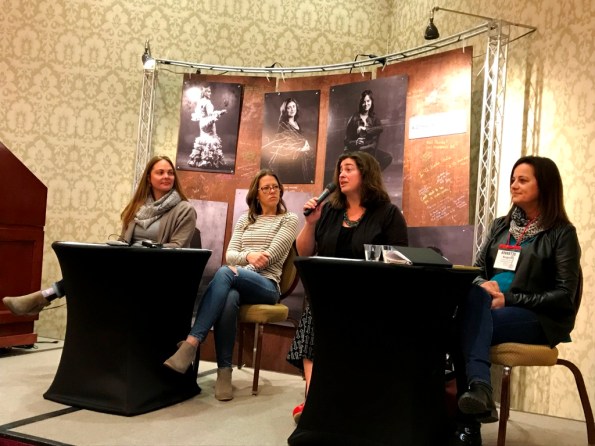
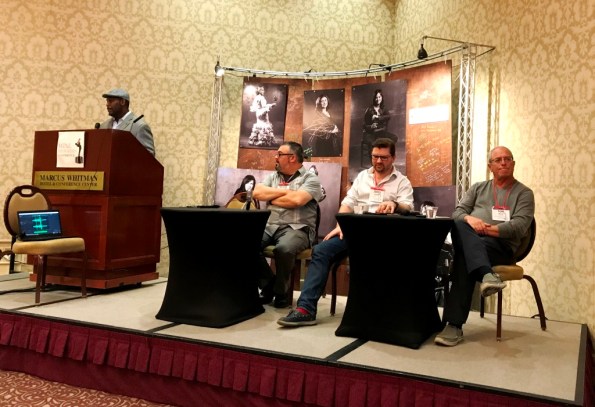
Day 2: The actual conference program started. One of the main morning highlights was the panel discussion by the 4 of the Walla Walla winemakers, talking about terroir, canopy management, and stories, their personal, real life stories. I also liked the panel of wine influencers, talking about the wine industry, wine writing, and Dos and Don’ts of wine blogging. During lunch, we had an opportunity to taste wines from the Cascade Valley Wine Country, where one particular wine, WineGirl Wines Red blend left a mark with me – a standout, flawless, round, and beautiful.
After lunch, I went with a group of friends to taste delicious Oregon non-Pinot wines from Troon Vineyards Applegate Valley, as presented by WBC veteran, Craig Camp (I believe Craig didn’t miss a single WBC event). We got back to listen to the keynote by Lewis Perdue, the founder of Wine Industry Insight publication, who was focusing on a seemingly simple concept – Trust – and the tenets of good writing.
Next session was one of my traditional favorites – Live Wine Blogging for red wines, and once that was over, we all left for the dinners at mystery wineries (nobody knew where they are going), with our mystery winery being Canoe Ridge. Do you think this was enough for a day? Wrong. It is never enough – the last part of the program was so-called “after party”, where we tasted lots more wines (attendees are invited to bring wines to share with the others for this late night session). My highlights from this late-night tasting were Chardonnay and Cabernet Sauvignon from Smith-Madrone and iOTA Cellars Oregon Pinot Noir vertical (2013, 2014, 2015). Whew, time to sleep.
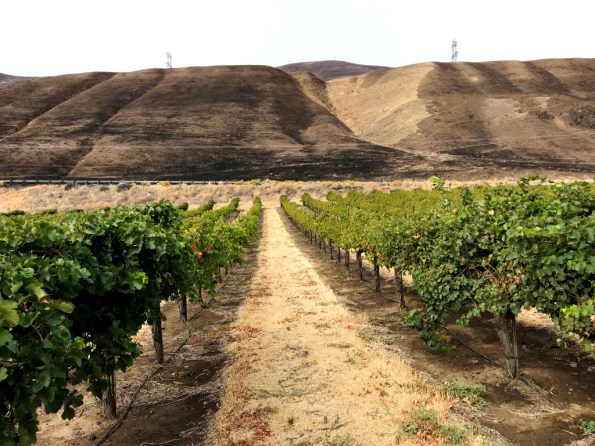
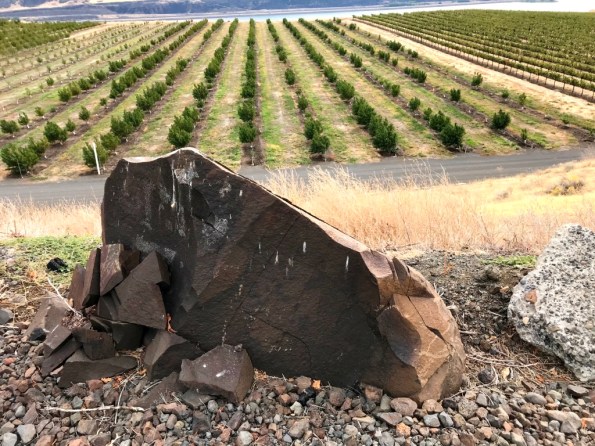
Day 3: The day started from learning about the location of the Wine Bloggers Conference 2019 – Hunter Valley in Australia, October 10-12, 2019. This sounds ultra-attractive – and equally impossible (in my own world). After a few of the breakout session, we went out for lunch at the Walla Walla tasting rooms which we had an opportunity to select the day before – my choice was Otis Kenyon Winery. Next was the session called Bubbles and Bites, a sparkling wine and food pairing lesson presented by Gloria Ferrer. Right after that, we had an in-depth lesson about European Cheeses. Up next was the “Lightning talks” session – 5 minutes presentations by the fellow bloggers with the slides rotating every 15 seconds. Wine Live Blogging session for whites and Rosé closed the main conference activities – which left us with the wine dinner with the vintners from Walla Walla. At the dinner, I fell in love with the wines from Revelry Vintners, which were simply stunning, and also enjoyed a few wines from Bergevin Lane. And then … yes, of course, another late night session (someone had to drink all that wine, right?)
Day 4: The conference was officially closed, but – there were post-conference excursions. I visited Maryhill Winery in Walla Walla, and Cathedral Ridge Winery in Oregon, both offering spectacular views and delicious wines.
The End.
Here it is – my abbreviated report of the WBC18 activities. Speaking strictly for myself, I greatly enjoyed the conference – the place, the wines, people and conversations – everything work together very well to create a memorable experience. If you never attended the conference – do you want to attend one now, after reading my report? If you are a “regular”, what are your thoughts about WBC18 and will we see each other in Australia? Cheers!
Few Last Words About Washington Wines
All the good things come to an end – so did my trip to Washington and the series of the blog posts about Woodinville wineries (if you missed the series, here is the link to the first, “MWWC-award-winning” 🙂 post – you can explore it from there).
What is my main outcome of that trip? First, at the “duh” level – great wines are made in the state of Washington. Yes, yes, I understand how pathetic this revelation is. However, outside of Chateau Ste. Michele, Columbia Crest and may be Cayuse and Quilceda Creek, how many Washington wineries can you name if put on the spot? Meanwhile, the wines I tasted in Woodinville, where literally one better than another. When it comes to the focused winery visits and large tastings, I do have a bit of experience – 7 wineries, about 40 wines, and not a single wine wine I really didn’t care for? That is a serious result in my book. Couple that with most of the wines reasonable priced in the $25 – $50 range, and the picture gets even better. Spectacular Bordeaux blends with such elegance and finesse – these Washington wines definitely worth seeking out. Well, today you would have to mostly travel to the area if you want to experience the wines – but this is the only problem you might have with the wines. Bottom line – I was very happy with my discovery of Woodinville and its wineries, and in the words of the Terminator, “I’ll be back”.
So you think we are done here? Nope. I still have a few more Washington wines to mention – thanks to Vino Volo. I wrote about Vino Volo a number of times in the past – the company manages wine bars in [mostly] various airports around US and Canada. While good wine at the airport is the most welcome development of the past 5 or so years of the flying experience, my favorite part about Vino Volo is that whenever possible, the bars offer tasting flights of local wines – you should expect to find Texas wines in Austin, California wines in San Francisco and of course, Washington wines in Seattle!
I had about 2 hours before my flight back to New York, and when I saw the Vino Volo sign, that was a happy “Yes!” moment. A number ofthe Washington wine flights were offered, but when I saw the one with Leonetti Cellars Cabernet, I had to go for it – I only heard the name before and they considered to be an excellent producer, so I was definitely curious.
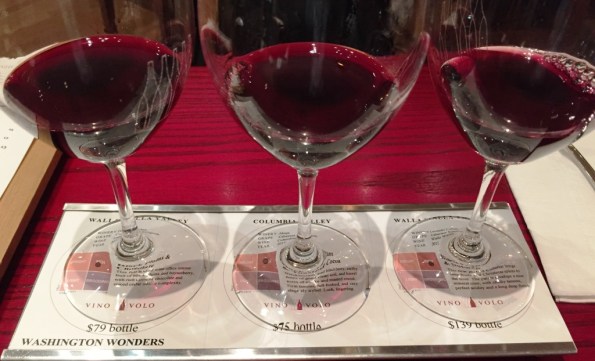
The flight consisted of 3 different Cabernet Sauvignon wines from Washington.
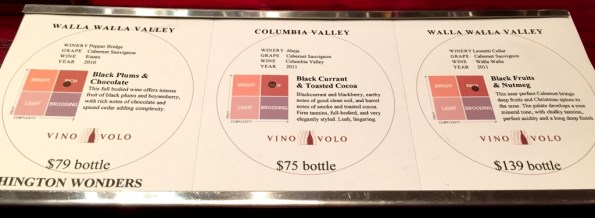
Here are my notes:
2010 Pepper Bridge Cabernet Sauvignon Estate, Walla Walla Valley – Raspberries and blackberries on the nose. On the palate, great depth, cassis, blackberries, pencil shavings, medium to full body, sweet tannins, elegant. Drinkability: 7+/8-
2011 Abeja Cabernet Sauvignon Columbia Valley – herbal nose with sage and lavender, touch of cassis. On the palate – dark chocolate, earthiness, nice mineral profile, good acidity, elegant. Drinkability: 8-
2011 Leonetti Cellars Cabernet Sauvignon Walla Walla Valley – Rich and concentrated nose, with the hint of forest floor, herbs, eucalyptus and great complexity. On the palate – round, spectacular, herbal profile with nutty aftertaste, more eucalyptus, long finish. Drinkability: 8+
Well, now it is the time to conclude the series for real. What can I tell you? If you are looking for the great wine experiences, put state of Washington, and Woodinville in particular, on the top of your list. For those of you who can experience the Woodinville wines and wineries at any time – lucky you. For the rest of us? Well, at least we know where to find them. Cheers!
Woodinville Wineries: Elevation Cellars
 This is the continuation of the posts about Woodinville wineries – the first part can be found here.
As I walked out of the car, literally the very first winery sign I saw was for the Elevation Cellars. The name sounded appealing, so it was an easy decision – looks like a perfect spot to begin the tastings.
Inside the space looked very much like an upscale large garage with the nice wooden door, but with the addition of shiny stainless steel tanks, as well as some oak barrels. I asked if I can taste the wines (of course – what kind of question is that if the tasting room sign says “Open”, right?), and also explained that I’m a wine blogger, which was taken somewhat matter-o-factly – but very friendly in any case.
We started tasting from 2013 Elevation Cellars Imperium Riesling Lawrence Vineyard Columbia Valley AVA. The Riesling had a very interesting profile with a touch of sweetness and some interesting minerality – it was actually resembling the Washington Riesling I didn’t appreciate during the pro tasting at WBC14 – however, the Elevation Cellars Riesling had an overall round and balanced profile with pleasant tartness in the finish, so overall I liked it quite a bit. Drinkability : 7+
Next I had the 2010 Elevation Cellars Cabernet Sauvignon Stillwater Creek Vineyard Columbia Valley AVA – this wine was almost a perfection in the glass, with clean and classic cassis aroma on the nose. On the palate, the wine was restrained, fresh acidity and medium to full body (lighter than most of the California Cabs would be), overall very round. Definitely an excellent wine for all occasions. Drinkability: 8
Our next wine was a perfect Bordeaux blend with the cool label – 2011 Elevation Cellars Jammin’ Red Blend Red Mountain and Columbia Valley AVA. I can’t describe it any better than to say “perfect Bordeaux blend” again – and in need of time. Cassis, touch of green bell pepper, very noticeable tannins in front of the mouth. Delicious and drinkable now, but it will definitely evolve further. Drinkability: 8-
2010 Elevation Cellars Merlot Stillwater Creek Vineyard Columbia Valley AVA was exactly what you should expect from Washington Merlot – it was bigger than the Washington Cabernet Sauvignon. Coffee and espresso notes, powerful tannins, great depth and again, the need of time. Give this wine 5-6 years, and you will not be able to put your glass down. Drinkability: 8-


I would think you would agree that the tasting looked quite good already, but we continued with more treats.
2009 Elevation Cellars Monolith Bordeaux Blend Hedges Vineyard Red Mountain AVA – absolutely delicious. Again, a clean nose of cassis, concentrated red and black fruit, chewy tannins, round and powerful. I learned that 2009 was an excellent year in Washington, and this wine was pretty much an exemplary rendition of the vintage. We also had an opportunity to drink this wine in the restaurant at dinner other night, and it was an absolute favorite of everyone. Drinkability: 8+
Before I will tell you about the last wine, I have to mention my main treat of the visit – a conversation with Steve Stuart, the winemaker and the owner of Elevation Cellars. At he time of my visit, Steve was working at the winery – there were some issues in the morning with some of the equipment breaking up and subsequent need of cleanup – but he was asked to talk to me, the blogger, so I felt like a real VIP : ). You can read the full story on the Elevation Cellars web site, but to give you a quick round up, Steve is an engineer, and he still works as an engineer during the week, and spending his weekends at the winery, following his passion. I didn’t want to take up too much of his already busy day, so I only asked Steve if he is using natural or cultured yeast for the fermentation, and he gave me an interesting answer (which makes a lot of sense). As an engineer, he likes to be able to control things, so he uses the cultured yeast. But it is not the need of control for the need of control itself – as a small winery, he really can’t afford for the fermentation to fail. When he is using the cultured yeast, he is certain that fermentation will start and finish. We also talked about few other things, but this was my most memorable takeaway. Then I asked if I can take his picture, and Steve agreed, albeit with some degree of resistance :).
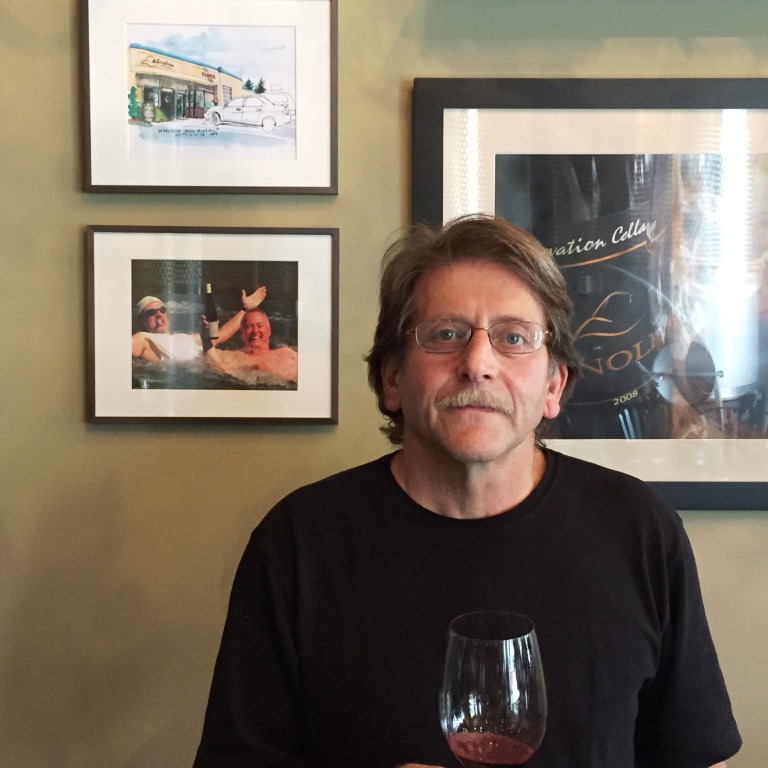
Steve Stuart, winemaker and owner at Elevation Cellars
The wine which Steve has in his hand, which we enjoyed drinking together, was truly a special treat – 2010 Elevation Cellars Reserve Cabernet Sauvignon Stillwater Creek Vineyard Columbia Valley AVA. Steve found out that one of the barrels of 2010 Cabernet Sauvignon was showing substantially better than the others – that barrel was bottled separately to become the Reserve Cabernet Sauvignon. My notes for this wine are very simple – wow! It was very much similar to the standard 2010 Cabernet Sauvignon – only with all the taste elements greatly amplified. Cassis, structure, balance – simply a wow wine. Drinkability: 8+
This sums up my first experience with the Woodinville winery – more posts will follow. Cheers!
Last Bottle Sign Up ($10 credit)




 Talk-A-Vino