Wednesday’s Meritage – Wine Quiz Answer, #CabernetDay August 28th, Social Connect, Restaurant Tix
Meritage time!
It’s been a while since the last Meritage post, but finally it is back. First and foremost, let’s start with the answer to the wine quiz #110, How Well Do You Know Your Wines, Part 5.
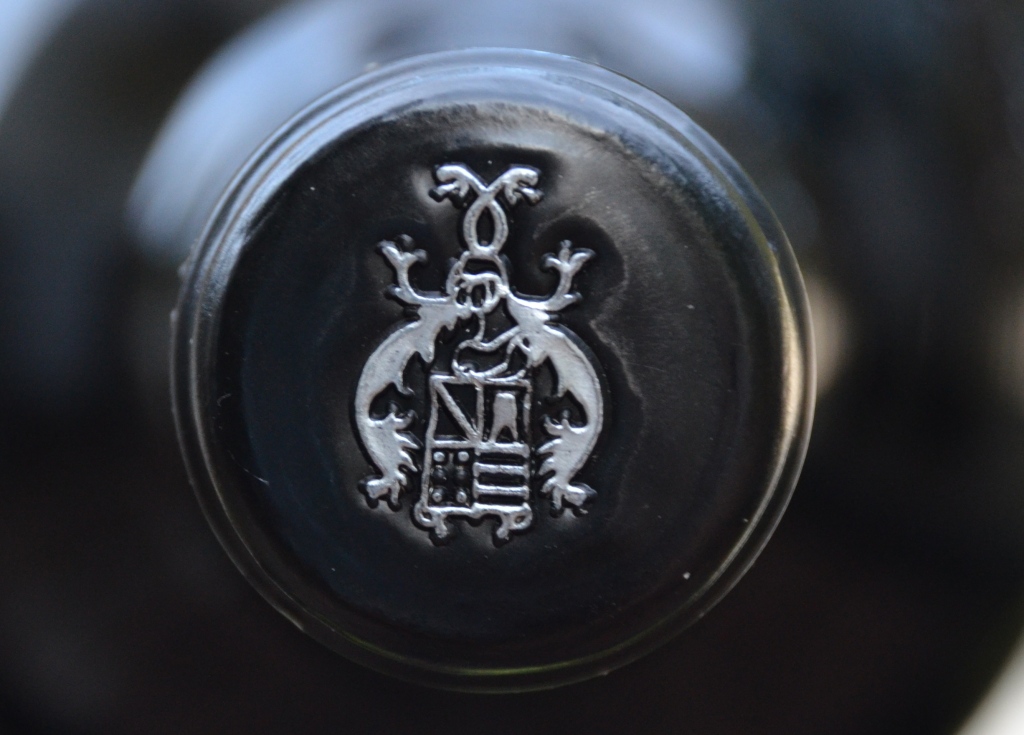
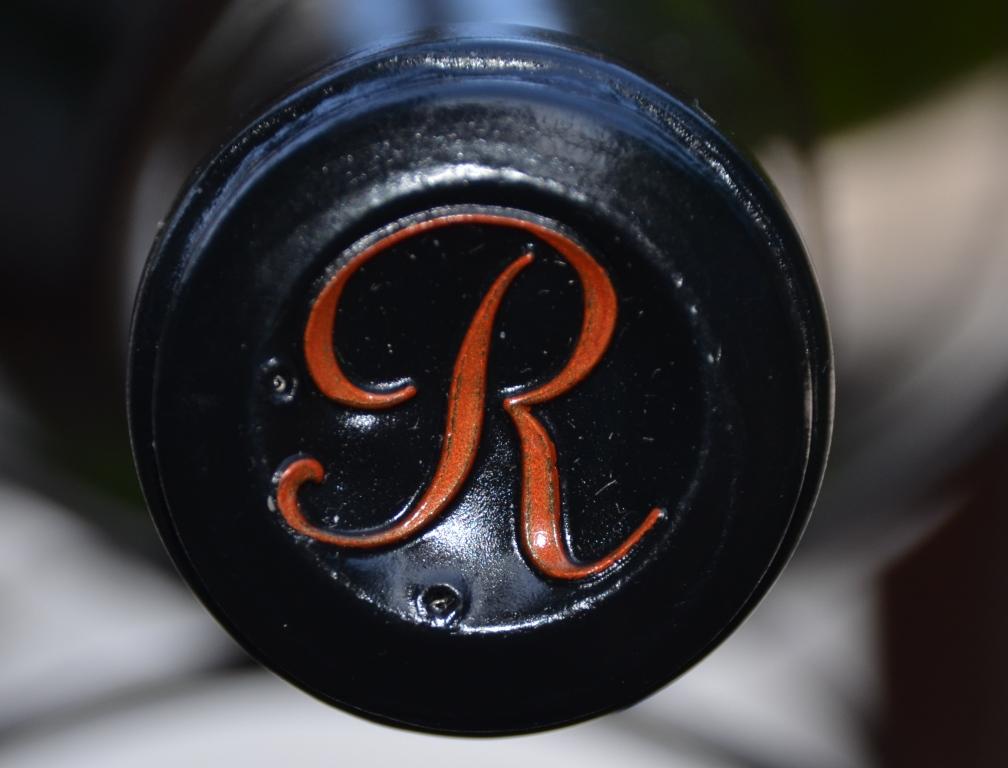
In the quiz, you were supposed to identify 6 wines, using the picture on top of the wine bottle’s cap. Here are the pictures, now with the answers:
-

- 1. Crew Wine Company Matchbook
-

- 2. Beringer III Century
-
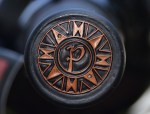
- 3. Veramonte Primus
-

- 4. Chappellet
-

- 5. Quinta Do Crasto
-
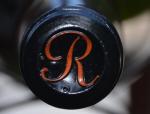
- 6. Jeff Runquist
When it comes to the results, we didn’t have a winner today (yes, it was a tough one), but I would like to acknowledge M. w. (no web site) and Duff’s Wines for correctly identifying the wine #4, Chappellet. Well done!
Now, to the interesting stuff around the vine and the web!
First and foremost – next Thursday, August 28th, is a 5th annual #CabernetDay. What does it mean for you? You get to celebrate two of the world’s noble grapes – Cabernet Sauvignon and Cabernet Franc are both included. How to celebrate? Here is an easy schedule for you. First, find the bottle of your favorite Cabernet wine – any country goes. Then, open it on Wednesday, August 27th, and join the #winechat at 9 pm Eastern on Twitter. Then, publish a blog post about your favorite wine on Thursday, the 28th (or share it any way you like in social media), and may be even join some of the parties taking place on August 28th all over the country. Would that work? For more information, you can start with the #CabernetDay facebook page.
Now, which winery do you think has the most influence in social media? This week, it is Chateau Ste. Michelle from Washington. Okay, I’m sure you are not terribly surprised – Chateau Ste. Michelle is one of the biggest wineries in the US, so it makes sense. Care to guess number 2 this week? Think about it before you will continue reading. Done? Okay. And the #2 winery among most engaged in the social media is… Biltmore winery from North Carolina! I understand these are the social media engagements we are talking about, but still – I didn’t expect that. All these data are available through the VinTank service called Social Connect – of course it is intended for the wineries interested in tracking their full social media standing and engagement with the consumers, but the Social Media Index scoreboard was quite interesting to check. Play away!
And the last one for today. I’m sure you heard that instead of taking reservations, some of the restaurants sell tickets for the dinners. Particularly, Alinea and Next, two of the restaurants of the famous Chef Grant Achatz in Chicago, are both selling tickets, with the price vary based on the day of the week, dinner time and number of people in your party and there is no such thing as party of one at the moment). The ticket system was born out of the need, as phone reservations were just failing miserably, trying to cope with demand of all the guests desiring to score a reservation. Here is the blog post detailing creation of this restaurant ticket system, which is quite sophisticated. Warning – the post is very long, and has terrible color scheme – but still might worth your time. Selling tickets reduced the number of no shows practically to 0, and made sure that the restaurant is always filled to the optimum capacity. I understand this side of things. And I understand that great dinner is an experience, thus selling tickets for dinner is not very different than selling tickets for concert, performance or Broadway musical. But – at the same time, it is only a dinner, right? What do you think? Would you gladly buy tickets for your next dinner?
And we are done here. The glass is empty – but the refill is on its way! Cheers!
The Wine I’m Willing To Drink For The Next Ten Days – Marcus by Marco Sambin
Yes, you read it right, and it is a pretty bold [personal] statement. “I will be glad to drink this wine over the next 10 days” was the first emotional reaction as I took a sip of this wine. The reason for this bold statement? Simple. The wine was ready to drink from the get go. You know how often you take a sip of wine and say “well, I think it needs to breathe a little”, or “nice, but let me give it some time”? This wine didn’t need time. Fruit, body, acidity, tannins – all present in a cohesive, as I often call it, “together” package. Instantly available. Instantly delicious.
What makes this “bold personal statement”? My reaction to the first sip was “ahh, I will be glad to drink this every day. Period”. I never experienced this before – with the best wines I had, I would still pick something else to drink the next day, even if that “best wine” was still available. With this wine – yes, I would gladly keep opening the same bottles day after day. Well, possibly that was a reaction to the fact that this was my one and only bottle.
This bottle was actually a sample, and before I will continue talking about the wine, I want to share my frustration with samples. I don’t actively solicit samples (as a general rule – but yes, with exceptions), but then I don’t refuse samples either; I always warn the submitters that the review will be posted only if I happen to like the wine. When the sample arrives, especially if it is a red wine, the frustrating cycle starts. On one hand, I need to open it sooner rather than later, as the sender is awaiting my feedback. On another hand, I treat samples same as the regular wines – I wouldn’t open wine just to take a sip and dump the rest, even if it is only a sample. And I would also make an effort to involve my wife into the tasting, and as she generally prefers the red wines, it becomes difficult to find the right time to open the bottle. All in all, I’m getting torn between the need to open the bottle and the desire to still find the right time for it. There, I let it out.
Now, this particular sample has its own story. Back in April I was contacted by the winery called Marco Sambin from Italy, inviting me to come and taste their flagship wine, called Marcus, at the Vinitaly expo in Verona. When I mentioned that I will not be attending the Vinitaly, they offered to send me a sample – however, they could deliver it only inside Italy. You know, I already said it many times in this blog – having good friends is one of the most important things in life. My dear friend Stefano, who is constantly in between US and Italy, was able to get this bottle for me (it took only about two month for the bottle to get from the Italy into my hands). It then also took me about 6 additional weeks for find the right moment to open the bottle – hence my rant about samples (see above).
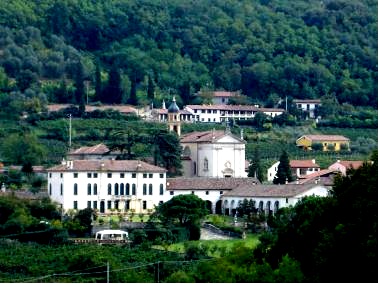
Villa Contarini in Valnogaredo, from the Marco Sambin presentation
Never mind all of that. What important is that I was able to experience a great bottle of wine. Marco Sambin winery (Azienda Agricola Marco Sambin), a small 10 acres estate, was founded in 2002 in Euganean Hills area in Veneto by Marco Sambin, Full Professor of Psychology at the University of Padova. I don’t want to recite all the information from the web site – you can read it for yourself here, and these are just some of the interesting facts. Cabernet Sauvignon, Merlot, Cabernet Franc and Syrah are all growing at the estate. The estate is farmed using organic and biodynamic principles. All the harvest is done by hand, and once the grapes are sorted and destemmed , they are gently crushed and fermentation process starts using only natural yeast, each grape variety fermented on its own. After the fermentation, which lasts for about 15 days, the wine is pressed and goes into the French oak barrels (both new and used), still each variety on its own; the wine will age in oak for the next 12 month. Only then the final cuvée is blended and bottled. Once bottled, the wine will still spend 6 -12 month before it can be released. On average, only 6,000 bottles are produced every year.


And now, here are my notes about the wine itself. The 2010 Marco Sambin Marcus Veneto IGT (14% ABV, Cabernet Sauvignon 45%, Merlot 40%, Cabernet Franc 10%, Syrah 5%) had very dark garnet color in the glass. On the nose, it showed concentrated red fruit, cassis, pencil shavings, baking spices and lavender, very complex and inviting. The palate delivered delicious fruit, perfectly present but not over the top, clean acidity, supple tannins and impeccable balance. Long finish, and every sip was leaving you craving another one. Drinkability: 9
Here you have it – the wine I’m willing to drink for the next ten days. Except it was my one and only bottle, and this wine is not available in US (if you are an importer who is reading this by any chance, the winery is looking for representation in the US – you can contact them using the information on the web site, or drop me a note, I will be glad to connect you). Is there a wine you will be glad to drink day after day after day? Cheers!
Weekly Wine Quiz #110: How Well Do You Know Your Wines, Part 5
The Wine Quiz series is not meant to intimidate. The whole idea here is to have fun and learn something new. When answering the questions, it is fully encouraged to use all available sources of information, including Google or any other search engine. There are no embarrassing answers – the most embarrassing thing is not giving it a try…
Welcome to the weekend and your new wine quiz!
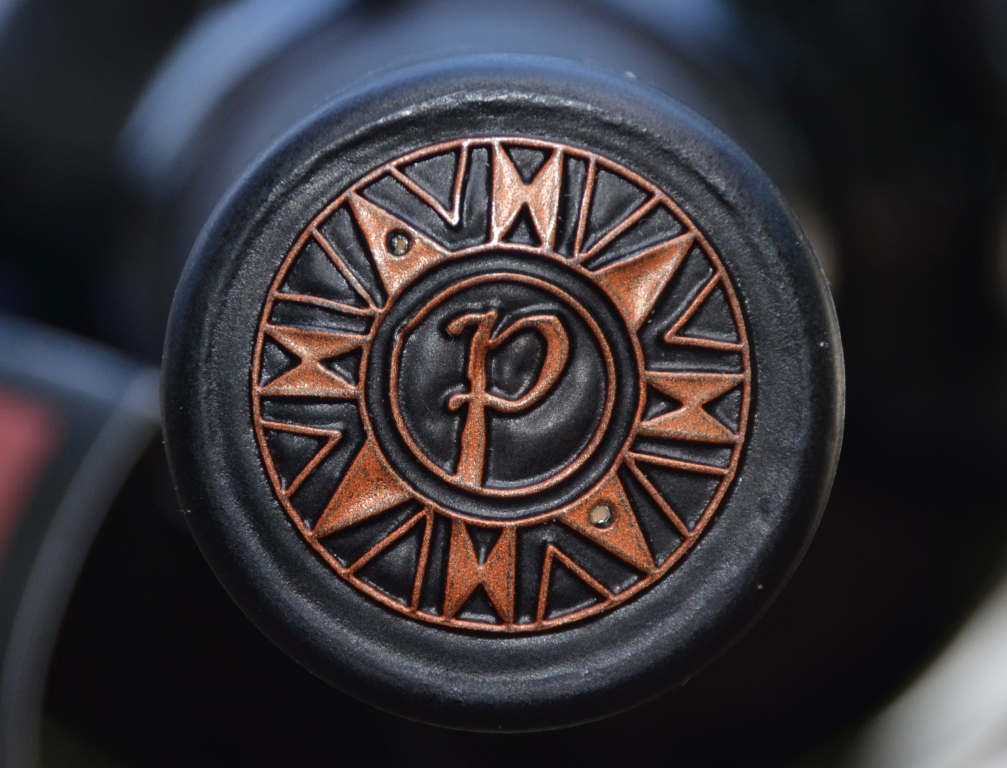
I hope to get back to the regular posting schedule for the wine quizzes, and before I will get to the grape trivia or any other long series, I thought one more round of capsules would be quite appropriate. So below are the pictures of the tops of the wine bottle – can you name the winery which produced that wine?
1. 
2. 
3. 
4. 
5. 
6. 
In this group, we got California, Chile and Portugal. There are no superstars, but there are some well known wineries.
Good luck, enjoy the quiz and your weekend! Cheers!
Wines of the World – A Sequel Challenge
Yesterday I posted about the challenge of trying the wines from all 50 states in US and visiting wineries in those 50 states. One of the comments had a suggestion – how about the wines of the world? Really, how about it?
It is not that simple even to create the list of wine-producing countries of the world. Considering that the wine is at its peak of popularity, many countries are entering the winemaking arena. Yes, of course, there is a core of the wine-producing countries – about ten or so – but based on the data in Wikipedia (which also differs between different articles), about 60 countries produce the wines in the world today, give or take a few.
I wanted to find a good map to illustrate the wineries concentration around the world, but that didn’t happen, so here is the map of the winemaking areas according to the Wikipedia article:
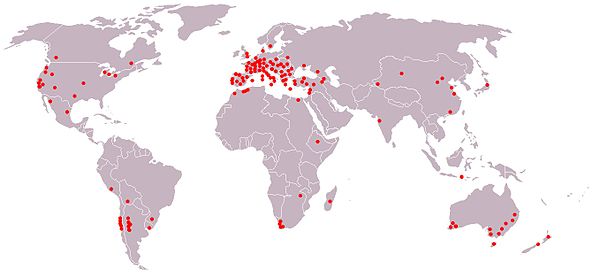
Source: Wikipedia
Now, how many of you tried the wine from Algeria or Thailand (well, I know that Oliver did)? I’m sure those are not easy to find in your local wine boutique. I would argue that the typical [good] wine store in US would have the wines from about 15 countries; some of the best stores will probably account for about 20 at a time. Thus if you really want to try the wines from many different countries, you will have to make an effort.
Is that a worthwhile effort? That is strictly a personal question. I’m genuinely curious how the different wines taste like, so I’m excited to try the wines pretty much from anywhere. Should you expect to find great wines? You definitely will – I had many mind-blowing wines from Serbia, Croatia, Lebanon, Israel, Georgia and other lesser known wine-making countries. Of course you will encounter a lot of plonk along the way, that is also given. So, should you take upon this challenge? I can’t answer that question – as I said, this is strictly driven by the personal interest, so you be the judge.
If you are curious where do you stand now, use this word document to track your progress. As a reference, I can tell you that at this point, I tasted wines from 36 different countries out of 58 listed in the document, and visited wineries in 6 (yeah, need to travel more…). What would be your score?
Below is the table showing my exact list of wines and wineries per country.Challenge yourself! Cheers!
Wines of 50 United States – A Challenge
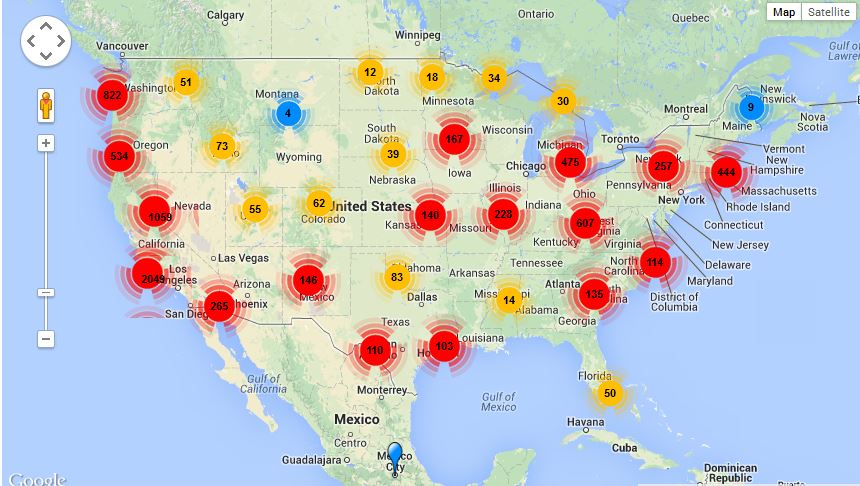
Let’s start with the simple fact – today (and for more than past 10 years), the wine is produced in all 50 United States. Yes, that includes Alaska, North Dakota and all other states you would never associate with winemaking. There are more than 8,000 wineries in the United States. I found interesting web site, called the Wine Web, which lists 8,229 wineries across the US (as of today, August 14 2014). Here is the winery map across US which was created using this web site:
 Recently, I tried wines from Vermont and Colorado, and I finally visited for the first time (!), despite the fact that I live here for more than 20 years, the wineries in Connecticut (of course this will be a subject of a separate post). That prompted me to look up my old post about wines of the United States, which had a table with all the states and check marks for the wines tasted and wineries visited, and to update that table.
I know that all of you like wines (if you don’t, you are most likely not reading this). And people generally like challenges, especially those which are fun, can be done at the personal pace and don’t fight back – contrast that with the challenge of losing 10 pounds by the end of the month and I’m sure you will see my point. So the challenge, which will be only your personal, as there are no judges and no competition, is: wines of how many states did you try, and wineries in how many states did you visit? To simplify tracking, here is the word document with the table I created for this challenge – download and fill it up (note – you will need to calculate your totals manually, as this is word document and not an excel spreadsheet). I also added a new page where you can see my current progress.
So, do you accept the challenge? Currently, I tried the wines from 17 states, and visited wineries in 8 – where do you stand? Cheers!
Wine Bloggers Conference (#WBC14), Day 3
 A month after, but we are on the finishing stretch! Don’t know if it makes sense to provide such a detailed account of the day’s events now – but, I feel compelled to complete this self-appointed assignment. Here is what was happening during the Day3, technically the last day of the Wine Bloggers Conference (here are my notes from the Day 1 and Day 2).
We started our morning a bit earlier than the day before, and with the breakout session, not with the brunch (yeah, I was getting very comfortable starting to drink the wine at 10 am, but no…). From the group of offered breakout sessions I chose the one called Business of Blogging. Considering the amount of time, hard work and obsession going into all of the blogs, it is only reasonable to expect that bloggers would be interested in learning about the ways their passion can bear some tangible fruit (yep, I’m talking about money here).
The session was presented by the twin sisters, Alexandra and Kymberly Williams, who run popular fitness blog called Fun and Fit. Their blog is also a successful business, thus they definitely have a lot of good advice to offer. Here are few of the basic takeaways from that session:
- Ethics – your reputation is all you got. Make sure you have the business ethics rules, and follow them.
- Referrals! (Cooperate, don’t compete) – help the others, and they will help you.
- Say no when necessary – don’t take upon every project which might be coming your way – sometimes, “no” is the best answer.
- Ask what you want (people can’t read your mind) – I think this is quite clear
- Clarify and define – work on your offerings!
- Negotiate – find the way to get what you want!
- Work with brand partners, help them to make money, and build relationships – I think you got this one
- Know your readers and service to their lifestyle – know your followers and give them what they want
Second breakout session was about Search Engine Optimization (SEO), and still no wine…. SEO is literally one and only tool bloggers have to be found and to build the listening audience. The session was presented by Timothy Resnik from the company called Moz, which provides set of tools for search optimization and web site analytics. Timothy’s presentation was excellent and very detailed – unfortunately, I can’t take an advantage of most of his suggestions, as it requires a self-hosted blog web site, such as WordPress.org, and I’m using here WordPress.com, where I pretty much have no control over analytics data. Just in case this information might help you, Timothy’s presentation is available on SlideShare – here is the link.
Next – yes, we got to drink wine, as this was the lunch time! It was the lunch with with the Santa Barbara County winemakers, and there were many of them present, pouring and explaining at the same time. I have to admit that the choice of food for the lunch with wine was very strange – technically, the only choice was green salad with grilled chicken, made in three slight variations of flavor – this is not the food to serve if you expect people to drink the wine. Well, anyway, the were many good wines, and here are just a very few highlights:
2013 Baehner Fournier Rosé de Merlot, Santa Ynez Valley – very impressive, clean strawberries profile on the nose and the palate, supple, plump, with substantial body and overall delicious. Drinkability: 8
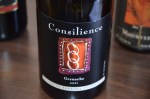
2011 Consilience Grenache Santa Barbara County – restrained fruit on the nose, round, well balanced, smokey fruit in the back. Drinkability: 8-
2010 Bedford Archive Syrah Santa Barbara County – elegant dark fruit on the nose and palate, dark and dense. Drinkability: 8-
2012 Stolpman Vineyards Estate Syrah Ballard Canyon – dark roasted fruit, touch of spices, good balance. Drinkability: 8-
We started afternoon again with the breakout sessions. This time all the sessions were dedicated to wine and of course, included the tasting (Theme: Wine Discovery Breakout Sessions). Out of the 3 available, I picked Ballard Canyon Syrah session (two others were Sanford Winery Sta. Rita Hills and Wines of Greece) – I love Syrah in all forms, and I never heard of Ballard Canyon, so it was an easy choice for me.
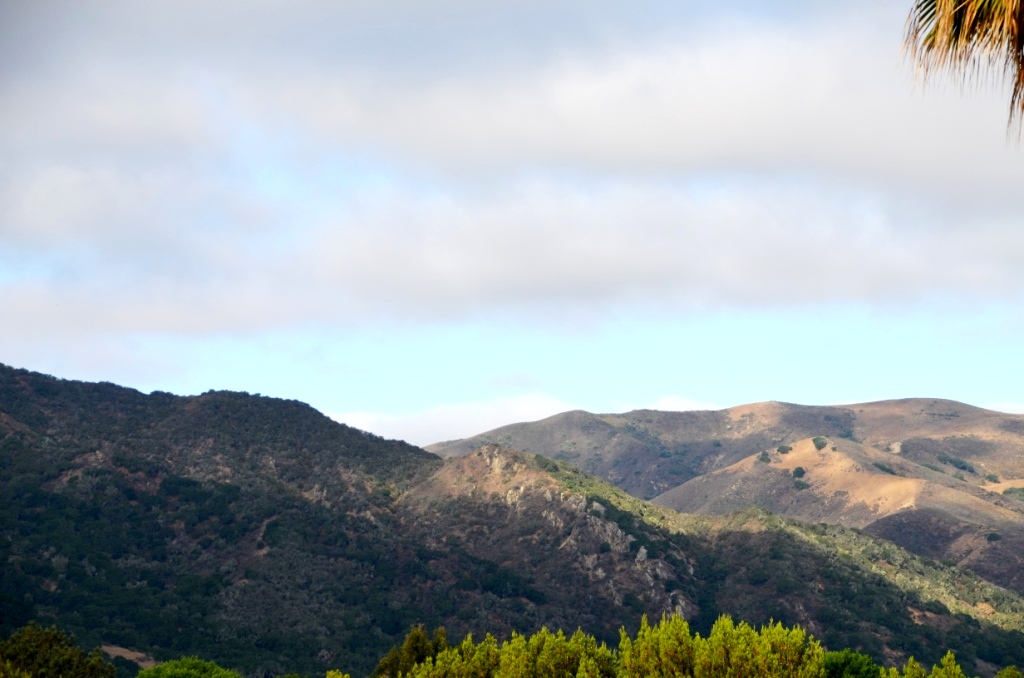
Let me say a few words about Ballard Canyon appellation first. Ballard Canyon AVA is not even one year old – it was approved in October of 2013. Syrah is the primary grape in this small appellation located right in the middle of the Santa Barbara County:
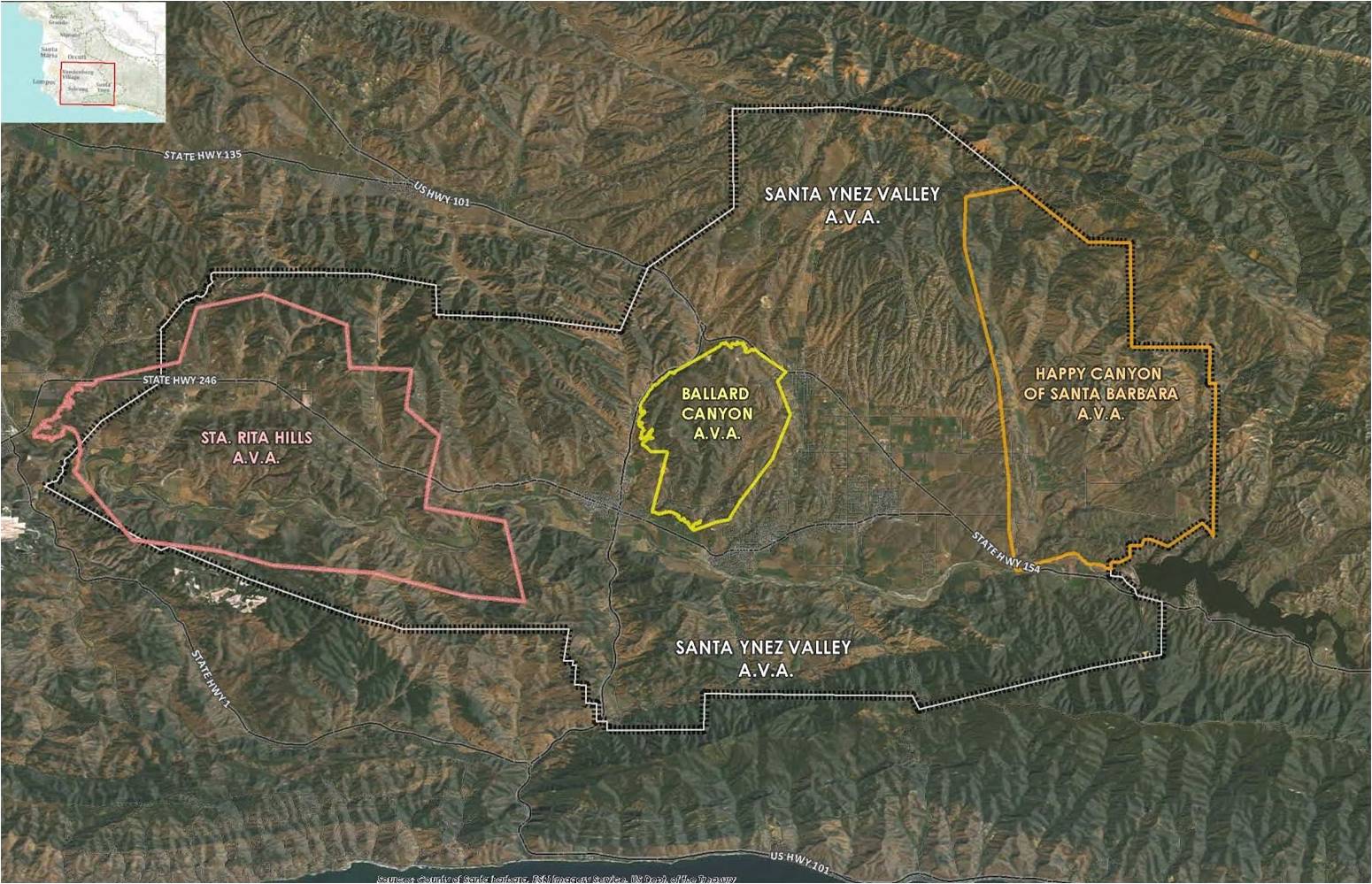 Ballard Canyon AVA was created to capture the essence of soil and climate through the noble grape, Syrah, which is significant enough for this AVA to be known as “Syrah Territory”. Well, yes, Syrah is not the only grape growing in Ballard Canyon AVA, but Syrah plantings exceed plantings of all other grapes, red and white, combined.
The session was presented as a panel discussion, with Patrick Comiskey, Senior Editor for the Wine & Spirits Magazine starting it off with introduction into the state of Syrah in the US. Patrick is one of the leading authorities on the Rhone varieties (and Syrah is squarely one of them), and he is also writing the book on American Rhône movement. I was surprised to hear from Patrick that Syrah is not doing well in US, that it is very difficult to sell and it doesn’t get much recognition. Leaving Shiraz aside for a moment, best known Syrah wines in the world are coming from France. If we will compare Syrah with Cabernet, Merlot and Pinot Noir based on the French wines, and then will look at the US, the proportions of popularity/demand are about the same. And thinking about all the cult and impossible to get wines such as Sin Qua None, Alban, Saxum, Cayuse, No Girls and many others, I think Syrah is doing not that bad… Oh well, I would love to debate it with Patrick over a glass of 1999 La Landonne, but let’s get back to our Ballard Canyon session.


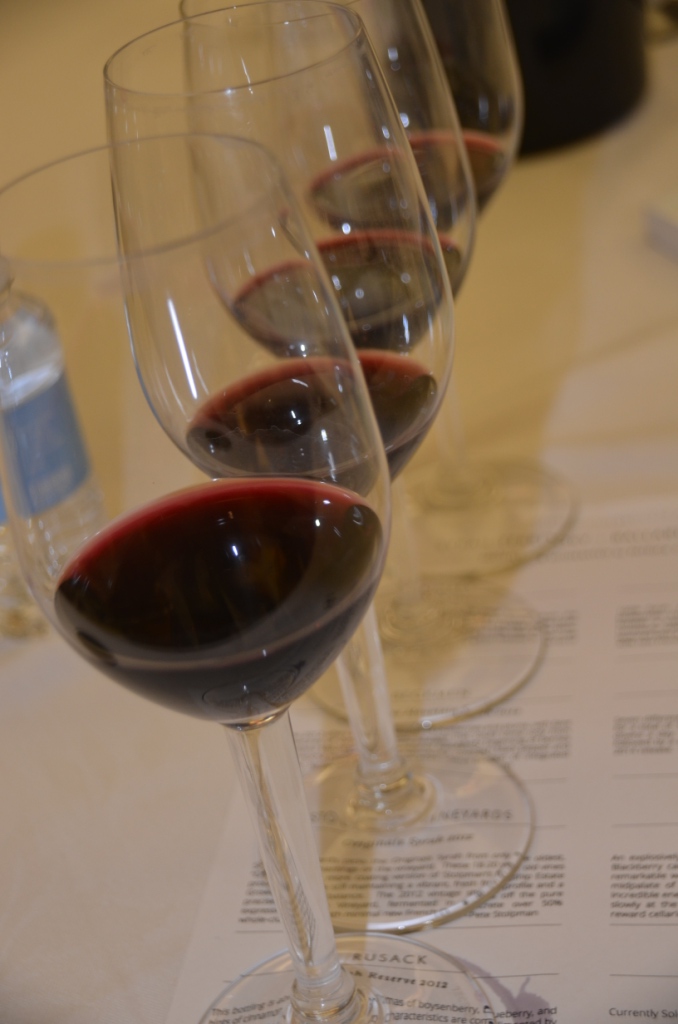 Eight Ballard Canyon winemakers presented at our session (which is a half of total of 16 wineries in the Ballard Canyon AVA), and we had an opportunity to try 7 different wines (the Saarloos + Sons was completely sold out). Here are my notes from the tasting:
2012 Kimsey Syrah
Southwest corner of the appellation. Soft fruit on the nose, dark roasted notes. Spicy, mineral, strong acidity. Young vineyard. Drinkability: 7
2012 Beckmen Purisma Mountain Syrah
BiodynamicLly farmed since 2006, certified since 2009. Tobacco on the nose, nice dark fruit, inviting. Nice, soft fruit, perfect acidity, dark chocolate. Drinkability: 8-/8
2012 Stolpman Original Syrah
Nice, open nose, fresh red fruit,blueberries, a bit sharp on the palate, cherries, espresso. Drinkability: 7+
2012 Rusack Syrah Reserve
Nice, concentrated nose, hint of fresh berries – blueberries, raspberries, touch of roasted flavors. Beautiful fruit on the palate, fresh berries, but supported by fresh tannins. Needs time as tannins are overpowering. Drinkability: 7+
2010 Harrison Clarke Cuvée Charlotte Syrah (15.2% ABV)
Hint of barnyard! dark fruit, baking spices. Cherries on the palate, tannins explicit. Drinkability: 8-
2010 Larner Estate Syrah
Bright Fresh berries, touch medicinal smell on the nose (iodine?), inviting. Beautiful palate, a touch of pepper, enveloping tannins, fresh and open berries, lavender. Drinkability: 8
2010 Jonata Sangre de Jonata Syrah
Bright nose of your fruit, touch of blueberries. More bright fruit on the palate, but then green branches and strong tannins, lacking pleasure. Drinkability: 7
Our day continued with the Panel of Professional Print Wine Writers. Steve Heimoff, James Conaway and Mike Dunne, professional journalists, wine writers and authors of a number of wine books, talked about various aspects of the wine writing. This happened to be one of the most controversial panels of the WBC14, which generated multiple blog posts and whirlwind of opinionated exchanges among the participants. I would have to agree with the Messrs. Heimoff, Conaway and Dunne that in a big schema of things, the quality of writing in the wine blogs can be greatly improved (this very blog you are reading is definitely the subject of such criticism). For the rest of it, just google “Panel of Professional Print Wine Writers wbc14”, and you will get tons of reading material blasting this session, presenters and content – though I have to say that I disagree with a lot of popular criticism. When presented with information, often it is our personal choice whether we will see it as positive or negative, so let’s leave it at that (yes, I do think it was a useful session overall).
Moving on, our next session was the Live Wine Blogging – The Reds, the speed tasting of the red wines, which I already covered in the full detail here. Well, it was actually the last organized session for the day. We still had more wine to drink events in the agenda, but from point of view of the organized sessions we were done.
Our next event was Wines of the World Reception, where we had an opportunity to taste wines from Greece, Italy, Portugal and other countries. At this point in time, I lost an ability to take any kind of reasonable tasting notes, so I had to go simply by “aha, this is good” or “ouch, moving on”. I have to mention that wines of Greece helped me to make a good progress with my Wine Century Club journey towards the coveted Pentavini (500 grapes tasted level) – I added 5 new grapes:
Liatico – 2011 Domaine Douloufakis “Dafnios” Liatiko Crete (red)
Krassato – 2007 Tsantali Rapsani reserve Rapsani AOP Greece (red)
Stavroto – 2007 Tsantali Rapsani reserve Rapsani AOP Greece (red)
Avgoustiatis – 2013 Mercouri Estate Lampadias Rose, Greece (red)
Savatiano – 2013 Papagiannakos Savatiano Greece (white)
Last two events of the day – Wine Blog Awards Presentation and Dinner. To me, Wine Blog Awards feels like a coveted achievement. However, for the last three years, watching the process of nomination, then selection of the finalists and then, for the first time, presentation of the awards, gives me only a thought of diminishing returns. The duration of the time for nomination is literally reducing from a year to a year, and nomination period is open out of blue (I don’t know if this is the attempt to reduce the number of nominations?). This year, we didn’t even know who the judges were. Selection of the wine blogs for the finalists is very strange, as many of the same blogs are nominated for the different categories, and moreover, the blogs are nominated year after year after year. And finally, out of the 9 awards, only two winners were present at the WBC to pick up their awards… It is funny that if you go to the Wine Blog Awards web site now, instead of finding information about the 2014 winners, you can finally find out who the judges were… The whole wine blog awards process needs a revamp and a fresh start, it is way too disorganized as it is.
You know what – this blog post is becoming one of the longest I ever written, so I need to round it up. The food at the dinner was okay, the wines were very good – there was a good selection of the Santa Barbara County wines present at every table, and the selection was different from the table to a table. After dinner, there was more wine – not only parties continued in the number of rooms and suites, but also a number of people brought the wines with them to share, and it was really the last night to drink them. I tried for the first time Horton Norton from Virginia – I had Norton wines before, but this was the first time I tried any of the Horton wines, which is considered one of the best wineries in Virginia (the wine was excellent). Then there were Texas wines, courtesy of SAHMMelier. She brought 2012 Brennan Vineyards Viognier (perfumy and delicious) and 2011 Bending Branch Winery Tannat (powerful and sophisticated). We also tasted 2001 Cottonwood Canyon Pinot Noir Santa Maria Valley (fragrant and beautiful for the 13 years old wine), and 2011 Kalyra MC2 Santa Ynez Valley (restrained and balanced). For some reason, I’m under impression that there was also a wine from Oklahoma (!), but – no picture and no notes, so yeah, it is my loss.


And we are done, done, done here! Sometimes procrastination has its rewards – only yesterday I got the email from organizers of WBC14, Zephyr Adventures, which also included the link to the blog post with all presentations from the WBC14 – here it is if you would like to look at them. And (almost) last but not least – Wine Bloggers Conference 2015 will take place in the beautiful town of Corning in the Finger Lakes region in New York, August 13-16, 2015 – if you are into the wine blogging, you definitely have to be there, you have to experience WBC to yourself. The registration is open now, and (this is what they say) availability is limited, so you might want to think about putting the stake into the ground now…
Last thing (I promise) before we are done – I would like to thank Zephyr Adventures and Santa Barbara Vintners for the great event they put together for all the wine bloggers. I know firsthand how hard it is to organize a great conference, and especially considering the size and diversity of the wine bloggers group, I can only say wholeheartedly “Thank you very much!!” for all the hard work put into bringing together such a great event.
Yes, we are done. If you are still with me, thank you very much for reading. Cheers!
Are You Ready For The Reality TV Wine Drama? It Is Coming, And May The Best Bottle Win!
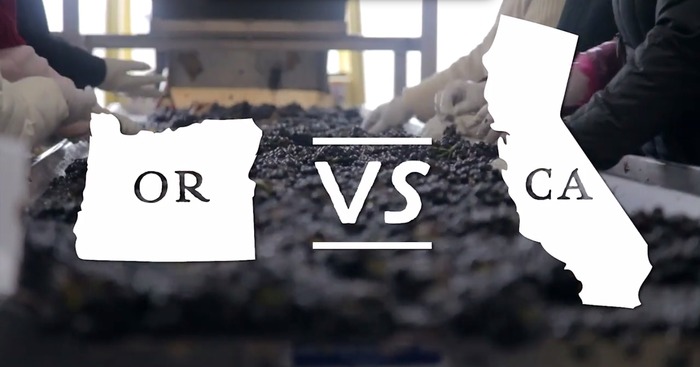 Do you like wine? (Argh, with an opening question like that in the wine blog, I probably lost half of my readers on the spot) When you look at the shiny wine bottle in the store with an artfully (or not) designed label, do you know about – better yet, can you vividly imagine – all the hard work which went into making sure that bottle will get to you and [hopefully] will also taste good? Soon, you will get a chance to get to know it first hand and almost experience it – with the help of the big TV. No, I’m not talking about the new Sideways or SOMM – I’m talking about the real winemaking drama taking place in the format of the Reality TV.
10 aspiring winemakers, two teams, two great wine regions. Lots of vineyard and winery chores. Clash of characters. And pain of elimination. Until only two contestants are left to make their best bottle of wine. Then celebrity judges will put an end to it and decide who gets the $100K and opportunity to bottle one vintage under the Best Bottle label. That’s all there is to it. Intrigued? Want to learn more? Great, as I was intrigued too and wanted to learn more when I heard about Best Bottle Reality TV competition series and its kickstarter campaign.
In an effort to learn more, I got an opportunity to interview Scott Krauger, the executive producer of the Best Bottle series – and I would like to share with you our conversation. Oh yes, before we get to the interview, here is the Best Bottle trailer, for you to get an idea of what to expect from the series:
And here is our Q&A:
How did you start your love affair with wine?
In 1993 I was brought on board to help develop the estate vineyard at Archery Summit Winery in Oregon. My mentors Bernard Lacroute and Gary Andrus taught me about the love of wine, showed me how wine is crafted and the terroir. I was exposed to people who had a deep love for wine-making, and through their art and style, learned to craft exceptional wine.
How the idea for Best Bottle was born?
Three years ago I was producing a documentary called Heart of the Vine which highlighted the terroir, Mother Nature, and the vineyard people who craft the wines. I wanted to show how wineries and winemakers express a wine’s location and vintage.
Why California versus Oregon?
First, this show is all about Community (yes, with a capital ‘C’)! Thus the region vs. region. My mentor, Gary Andrus, gave me a huge shot early in my career when he hired me. Gary taught me so much and Community was at the top of the list. So, Best bottle is a celebration of wine regions and those individuals who delicately craft amazing wines for the world to enjoy. Future seasons are planned to expand into a global competition by shooting future seasons in New Zealand, Australia, France, Germany, Spain, and so on.
What was the selection process to select 10 “aspiring winemaker” contestants?
It really goes to the most entertaining characters with great back drop stories. They have an appreciation and love for making wine. They are artisans, aspiring or established wine makers. This show is used to showcase their skill and art on a world stage.
What makes you think that looking at the winery chores will be attractive enough for the viewers to make it a successful TV program?
With more than 20+ years of experience in the wine industry, it really comes down to the characters we cast for the show. We have exciting episodes planned for 14 seasons. The show takes the contestant and viewers through the wine-making process…”behind the scenes”. We are also demonstrating what happens out in the vineyard and the sale side as well. This all done in an exciting competition/challenge and elimination format.
Will the show be available on YouTube, or would it be a live TV-only program? Where on TV?
We have partnered with Mance Media, our World Wide Distribution agent. They will show case and take this show to VOD and foreign markets. They are already working on establishing the domestic broadcaster and global distribution into other television markets. We’ll also have YouTube clips and other video content highlighting not only the show but supporting aspects…i.e. Interviews and additional content from tasting events at food and wine shows all over the United States.
When the first episode will be coming out?
As you know, the wine industry is dependent on the seasons. Right now we are looking at Harvest of 2014 in the northern hemisphere or Harvest 2015 in the southern.
Do you think this show will be as successful as the movie Sideways? Do you expect your show to change the dynamics of the wine consumer market, as Sideways did for Pinot Noir versus Merlot?
That’s the million dollar question and I’d love to say, “Hell yes!” I do think the show will really showcase the thousands of vineyard and winery workers, who are often the unsung heroes. Everyone remembers the winery owner, but do they even think about the men and women who harvest and process the grapes? Or the many who spend hours blending and tasting to get just the right blend? Best Bottle will open people’s eyes, minds and hearts to the entire Community (there’s that word again).
Can you tell us what wineries will be involved in California and Oregon?
Not yet. That’s still super secret Hollywood stuff. We can say we have commitments for locations, support, and participants.
* * *
Here are some additional links and information for you:
Site: WineBestBotte.com
Kickstarter: https://www.kickstarter.com/projects/595310313/best-bottle-show-for-wine-enthusiasts-and-reality
Producers: Scott Krauger, Rob Richards, Matthew Wilson, Annie Tonsiengsom, Matthew Mancinelli
Media contact: Kari Fredheim Karig@geminidigitalfilms.com
Please understand that Best Bottle series needs your support – visit the Kickstarter project page to learn about sponsorship options and use the opportunity to help to create first ever reality TV wine drama. Cheers!
Learning With #WineStudio – Coup de Foudre Pétillant Naturel from Vermont
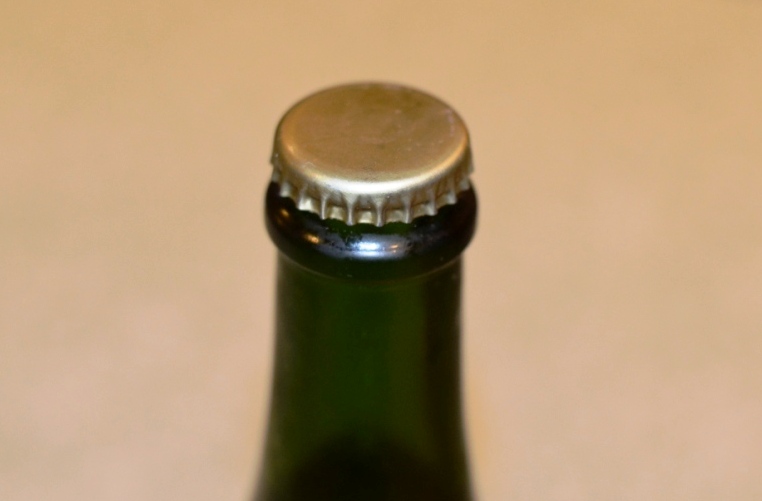 Have you tasted wines from Vermont? Do you know what Pétillant Naturel is, or have you tasted any of them before? Yep, me neither – until I joined the #winestudio event a few weeks ago. In case you are still not familiar with the concept (which you should be by now!), #winestudio events are intended to showcase unique and often lesser known wines and wine regions; these events are usually organized in series, take place every Tuesday on Twitter (just search for the hashtag #winestudio), and represent great learning opportunity.
The event I’m talking about was part of the series discovering lesser known wines of United States – Colorado, Texas, Vermont, Virginia, Wisconsin – not a bad line up, huh? This particular session was dedicated to the wines of Vermont, and for me, there couldn’t be a better wine selected to represent the Vermont in the series. Just look at the bottle top in the picture – how many wines did you see with this type of closure? Yep, not many. And the learning? Wow, all the way!
Let’s start with Pétillant Naturel. It was the first time I encountered this type of wine, and looking for the information on internet, I discovered that I’m almost missing a train (well, I’m on it now). Classic méthode champenoise sparkling wines are made with the secondary fermentation taking place in the bottle. Pétillant Naturel wines are also sparkling wines, but made with the first(!) fermentation finishing in the bottle. No blending, not chaptalization, only the grapes and (usually) the natural yeast. The resulting wines are typically more fruit forward and expressive of the terroir, and also lighter than Champagne and such. They also develop only half of the pressure of the typical Champagne bottle, thus a standard “beer bottle” closure works quite well. Talking about “missing the train”, it appears that Pétillant Naturel wines are made all over the world and have quite a substantial following – here is an interesting article from the Wine & Spirits magazine.


Let’s continue with the learning and let’s talk about the wine. First, I love the name – French expression “Coup de Foudre” stands for “love at first sight” (unfortunately, the winery will not be able to use this name going forward, as there is now the winery in Napa Valley under the same name, so going forward the wine will be called “CdeF”).
I don’t want to use the term “natural wine” here due to the associated controversy in the wine media, but I will let you be the judge of it. The La Garagista winery is using organic methods and in the process of conversion to biodynamic. The grapes for this wine had been hand harvested and foot tread (!), and fermented with the natural yeast in the glass semijohn for about 5 weeks, then bottled to finish fermentation under cap as pétillant naturel. I think this is as natural as the winemaking can be.
And the love at first sight (and sniff and sip) it was for me! 2013 La Garagista Coup de Foudre White Pétillant Naturel, Vermont (11% ABV) had a yellow tingled color in the glass, quite intense. The nose was hard to describe – minerality was the first thing which was coming to mind, but also it was light, balanced, showing flowers and fresh bread, touch medicinal. On the palate, the wine was very refreshing, with herbs and touch of white stone fruit + minerality. If I can give you a frame of reference, the natural wines of Jean-Pierre Robinot and Frank Cornelissen come to mind, with their pure expression of terroir. I couldn’t stop drinking this CdeF wine, and the best overall descriptor I can come up with is “delicious”. Drinkability: 8
Added [personal] bonus – this wine is made out of the grape called Brianna, which is a cross between European varieties Bourboulenc and Tibouren Gris – this is a new grape for me, so I’m inching forward towards the coveted 500.
That’s all I wanted to share with you. If you like to learn more about unique wines and regions, do yourself a favor and join the #winestudio conversations, I’m sure you will be happy you did. If you can find this Coup de Foudre wine anywhere – buy a case (and send me a few bottles, will you?) Also, go and look for the Pétillant Naturel wines – you might discover the new love. Cheers!
Albariño Day’s Pleasures – Albariño Pedralonga, a Glass Of Ocean Air
 Yesterday was yet another wine day holiday – Albariño Day. As mentioned many times in this blog, yes, I do like the specific “wine days”. Reason is simple – it removes the headache of deciding what bottle of wine should be opened. By the way, this might also explain why I’m very indifferent to the “National Drink Wine Day” – thank you very much, I drink wine every day anyway, and this faceless holiday doesn’t really help with the decision.
Albariño is one of the best known Spanish white grapes and a star of the small region of Rias Baixas, located in the norther part of the country in Galicia. Rias Baixas has a lot of maritime influence, both in the types of soil and in the overall climate. Albariño are some of my favorite summer wines, generally very bright, medium to full body, with explicit white stone fruit (peaches, apricots) notes and excellent acidity. But of course one shouldn’t generalize too much, as all the wines are made different. This Albariño would be a great example of the “don’t generalize” rule.
The very first sniff of 2011 Adega Pedralonga Albariño, Rias Baixas, Spain (13% ABV, $22) was saying “ocean” to me. I don’t know how it is possible, and I didn’t read anything about this wine before I tasted it, but that very first smell was just full of the fresh ocean air; breezy, friendly, unmistakably ocean, when you stand by the water, mesmerized by its royal endlessness. This wine didn’t have a lot of bright fruit – but it had a lot of minerality, it was genuinely complex, with the granite coming off both in the smell and on the palate. I had it first at the wine fridge temperature, at around 53°F. I chilled it a bit more, and the wine showed those bright apricot notes, but more as an afterthought, carrying over its minerality. I would compare it to Chablis, but only in the mineral-driven quality, as it had the granite, but not the gunflint of Chablis.
Just to give you reference, here is how this wine is described on the winery site: “Pure distilled granite, bathed by the atlantic rain and the characteristic sun of a south facing vineyard, tuned by it’s malolactic fermentation”. Yep, a pure distilled granite – I completely agree with that. I just have to add the word “delicious”. Delicious pure distilled granite sounds about right. And let’s not forget “thought provoking”. Drinkability: 8+
Do you want a glass of fresh ocean air on your table? Go find this wine. And you don’t have to thank me. Thank the people at Adega Pedralonga who made this wine – they well deserve it. Cheers!
Last Bottle Sign Up ($10 credit)




 Talk-A-Vino