Introducing Wine Apps: Cork Sharing
This post is a part of the Wine Apps series, introducing different wine apps available on the market. In this series, I offer all the interested Wine App makers an opportunity to present their applications to the readers of this blog in a short and concise way. Today I would like to introduce to you the wine app called CorkSharing. This blog post is written by Bryan Petro, CEO & Founder of CorkSharing. Please note that this post is provided as is, strictly as a service to my readers and it doesn’t constitute my endorsement of the app.
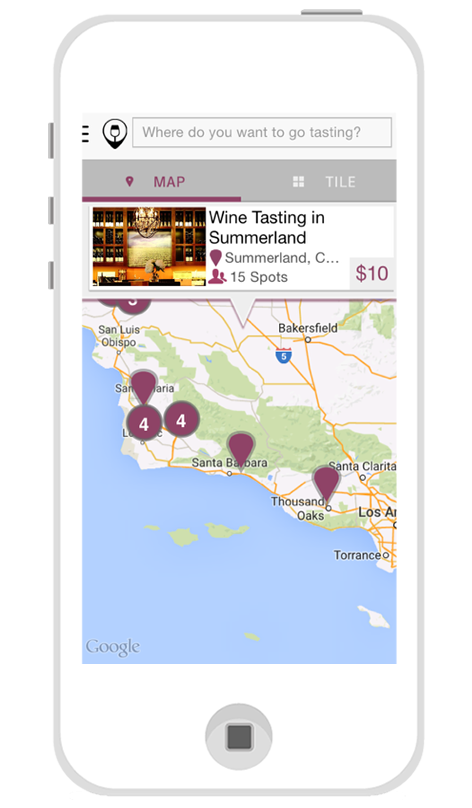 CorkSharing is one of the world’s first marketplaces for wine enthusiasts to schedule and book wine tastings, winery tours, and wine events from wineries around the world. In addition to its online platform, CorkSharing now has a mobile application available for Android and iOS users, making it easy for wine lovers to book on the go.
The CorkSharing app was designed with ease-of-use in mind. Built-in geolocation functionality makes finding nearby wineries and wine tasting events a breeze. With wine tourism on the rise, this feature is particularly useful for wine tourists that are exploring new wine regions. Additionally, the search capabilities allow users to search for events based on a number of criteria (city, date, price, varietals). Currently, 450 wineries in 32 US states and 19 countries are registered with CorkSharing, making CorkSharing’s app the best friend of any wine tourist. Once the right experience is found, the user can reserve and pay for a tasting using CorkSharing’s secure mobile payment platform, and manage their bookings through the CorkSharing itinerary tool. Users even receive an electronic ticket which can be used for admittance to the event.
Wine tourists aren’t the only ones benefiting from CorkSharing’s innovative new app. Wineries and hosts are also embracing the technology as a means to generate additional revenue. The app allows wineries and hosts the ability to manage reservations directly from the mobile interface. Wineries can receive reservation requests and approve guests from anywhere they have coverage. Additionally, CorkSharing empowers wineries by providing them with more on-the-go control over reservations. While other reservation platforms make it so that once a user books a session, the winery or host has no choice but to accept the booking, CorkSharing’s two-step validation process gives wineries the power to approve or decline a reservation should scheduling conflicts, private events, insufficient staffing, or other issues arise. To help wineries manage their incoming CorkSharing reservations, a ticketing tool has been built into the app. Guests can simply show the host their printed or electronic ticket and the host can use the app to scan the ticket and confirm validity.
With its mobile app, CorkSharing is making the wine industry more accessible, particularly to members of the younger demographic who are increasingly reliant on mobile reservation platforms. By bringing together wine lovers and wineries through mobile technologies, all parties benefit and the wine industry is made a little more innovative every day.
CorkSharing mobile app can be downloaded today at CorkSharing.com/Mobile.
Magnificent Portugal
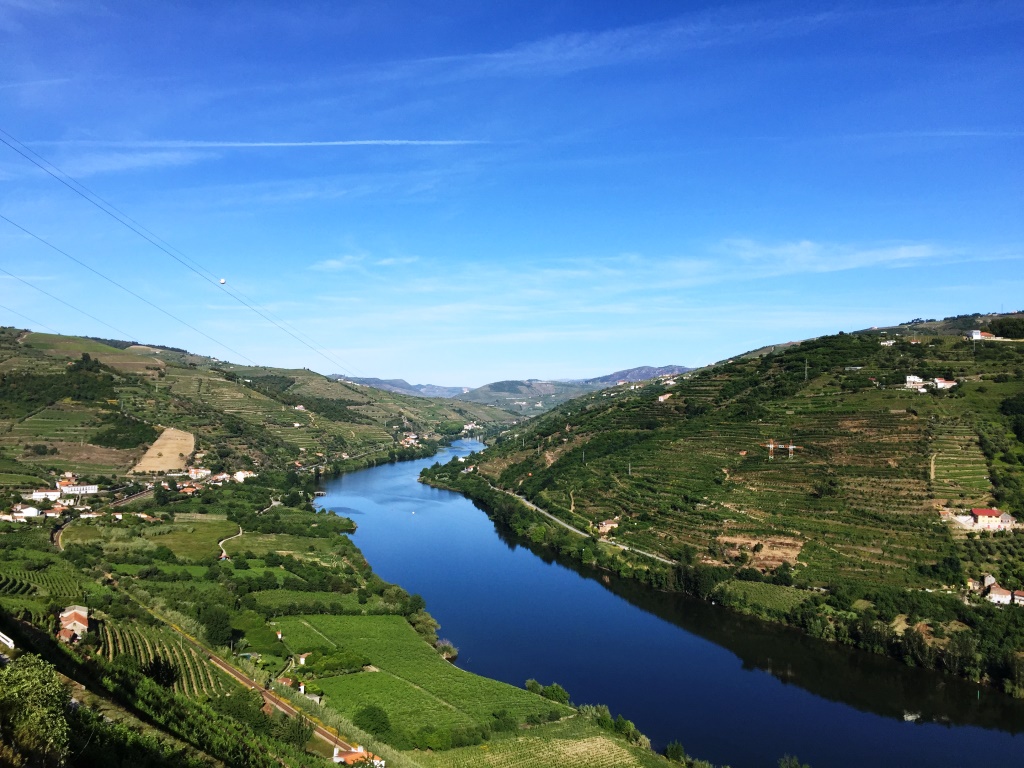 Two years ago I was lucky to discover the Portugal. A beautiful country with wonderful people, great wines and delicious food. This year, I had an opportunity to experience the Portugal again, and once again I want to share my experiences with you as much as possible. There will be a few posts, as there is absolutely no way to squeeze all the impressions into one (nothing is impossible, yes, but I’m sure none of you are interested in a post with a hundred+ pictures and ten thousand words), but still please prepare to be inundated with the pictures. Let’s go.
I want to start from the wonderful trip we had on Sunday. I’m subscribed to the updates from the wine travel web site called Winerist. An email I received from the Winerist about a week before my scheduled departure contained a section about wine trips in … Douro, Portugal! How could they know, huh? This was my very first time using the service, so not without trepidation I filled up booking form for the tour called “Wine Tasting & Sightseeing in the Douro Valley” (€95 per person), requesting the specific date – actually, the only free day I had during the trip. I was informed that my credit card will be charged only after the trip availability will be confirmed with the local provider. Two days later the confirmation arrived with all the tour provider information and pickup time (the pickup is arranged at any of the hotels in Porto). The day before the trip, I got a call in my hotel room from JoÃo, who informed me that the pickup will take place next day at 9:10 am in front of the hotel’s lobby.
The next day, a red minivan showed up exactly at 9:10 am (at least according to my watch), however the first thing JoÃo did after introducing himself in person, was to apologize for arriving at 9:12 instead of 9:10 – from which I figured that we will have fun in our tour. This is exactly what happened – after picking up two more people for the total of 8 passengers, off we went to immerse into the beauty of Portuguese nature, culture, food and wine. I will not give you a detailed account of everything we heard during of almost 11 hours of out trip (we were supposed to come back at 6:30 pm, but nobody was in a hurry, so we came back very close to 8 pm) – that would make it for a long and boring post. But I will do my best to give you a good idea of what we saw and experienced.
Our first stop was at a small town called Amarante. On the way there, our guide and driver had to really work hard – out of our group of 8 people, 2 of us needed all explanations in English, and the rest of the group was from Brazil, so JoÃo had to alternate between Portuguese and English – have to say he had no issues doing that for the duration of the trip. The second problem JoÃo had to deal with was … a marathon, which forced closure of many roads, so he had to find his way around. Well, that was also a non-issue, so we successfully arrived to Amarante. Our intended destination was the church of São Gonçalo (St. Gonçalo), which had an interesting story of the saint whose name is associated with male fertility. I had to admit that I missed some parts of the explanation regarding the origins of this belief, but the bottom line is very simple. Inside of the church, there is a statue of St. Gonçalo, with the hanging rope. Any male who needs help with the fertility, have to pull that rope twice, but not more (don’t know if it would be equivalent to the Viagra overdose?). Besides, the Priest gets very unhappy when people get crazy with that rope, so all the pulling should be done quietly and without attracting unnecessary attention. I guess that same fertility power led to the appearance of so called St. Gonçalo cakes, which you will see below – I’m assuming the picture is self-explanatory. No, I didn’t try one, nor did anyone from our group, so can’t tell you how it tastes. After leaving the church, we had around 20 minutes to walk around the town, before we had to leave to our next destination.


Our next stop was the town of Lamego, which is one of the biggest in the Douro valley. As food was an essential part of our tour, first we visited a place called A Presunteca. I would probably characterize it as a food and wine store, somewhat geared towards tourists. No, “tourist trap” would be rather diminutive, as the food and wine were genuinely good and prices were absolutely on par with any other store. We had a taste few of the local sausages and cured meets, as well as cheese. We also had an opportunity to taste some of Porto and dry wines, as well as sparkling – the Peerless sparkling wine was excellent, on par with any good Cava or Cremant. I also really liked a Niepoort Dry White Port. If we wouldn’t have to spend the next half of the day in the hot car, I don’t think I would’ve left without a nice chunk of a cured meet, but oh well…


Next we got into a race with a long (very long!) line of honking old Minis, and we lost the race despite creative local street navigation by JoÃo. We still successfully arrived to our next destination – Cathedral of Santa Maria, Lady of Remedy. According to the explanations, the beautiful structure was erected as promised by the Bishop to show a gratitude for sparring the city of Lamego from the Black Plague. There are more than 600 steps which lead to the Cathedral on top of the hill, which people seeking the cure for the illnesses often concur on their knees. We walked around the cathedral and then used the steps to get down to the town level, admiring the beautiful view and exquisite architectural elements, also with the great use of traditional Portuguese painted ceramic tiles. This place needs some serious restoration work, but it is still absolutely magnificent.
Our next stop was for lunch. The restaurant called Manjar do Douro was located very close to the bottom of the staircase we ascended from. It was somewhat resembling a big dining hall, with many groups occupying communal style tables. The bread, cheese and cold cuts were outstanding. For the entree I’ve chosen veal, as still was suffering from the fish overload from the night before (more about it in another post). This was rather a mistake, as the meat was really chewy (well, the sautéed vegetables were excellent). We had a few wines with the meal. 2014 Incantum Vinho Branco had inviting nose of a white fruit, a bit more tamed fruit on the palate, overall very enjoyable (and added another grape to my collection, Sìria). The 2013 Incantum Douro Tinto was nice, but a bit simplistic. As JoÃo learned from our conversation that I was all into wines, he showed me a few of his favorite wines, one of them you can see below in the picture (no, we didn’t try it).


Our next stop was finally a full immersion into the wine world of Douro. After about an hour driving, we arrived at Quinta do Tedo. Vincent Bouchard of the Bouchard Père & Fils fame from Burgundy, fell in love with the Quinta do Tedo vineyards (can you blame him? take a look at the pictures), located at a crossing of River Douro and River Tedo, and he bought the vineyard in the early 1990s. 1992 was the first vintage produced by the Quinta do Tedo. The vineyards, located on the hilly slopes around the picturesque River Tedo, consist of the vines of 30 to 70 years old. Quinta do Tedo makes only red wines, but they make both dry wines and number of Port styles. Winery’s logo has a picture of the bird on it – according to the local traditions, the birds would show up to eat the grapes when they are perfectly ripe, so that bird on the label signifies perfectly ripe grapes.
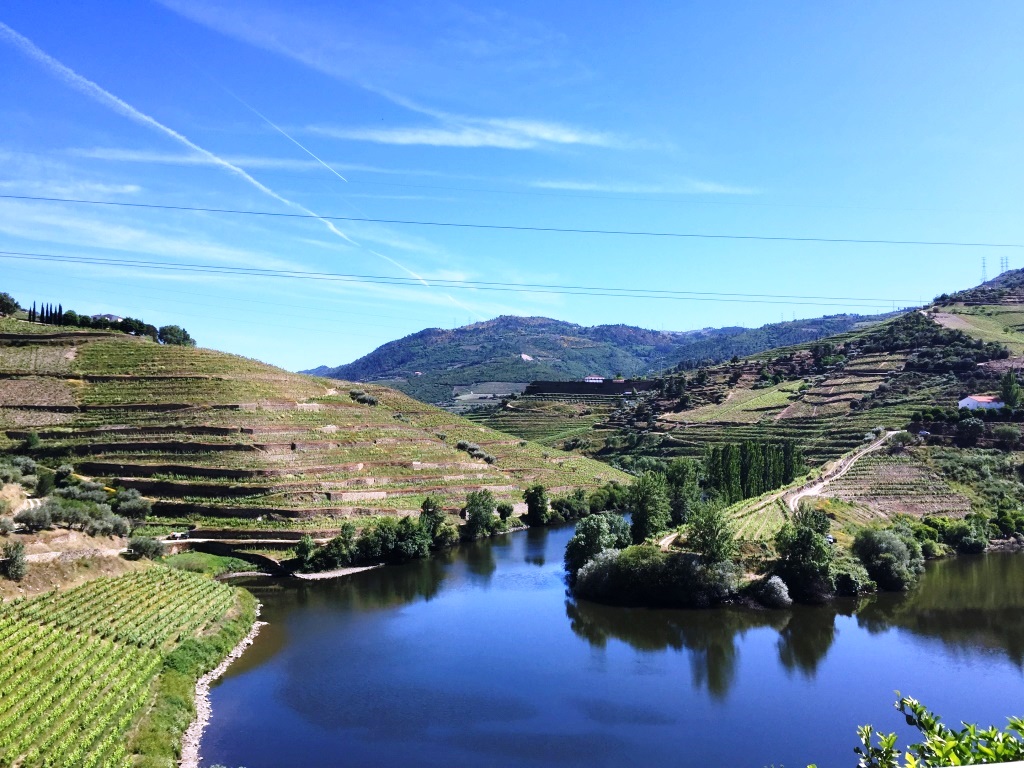

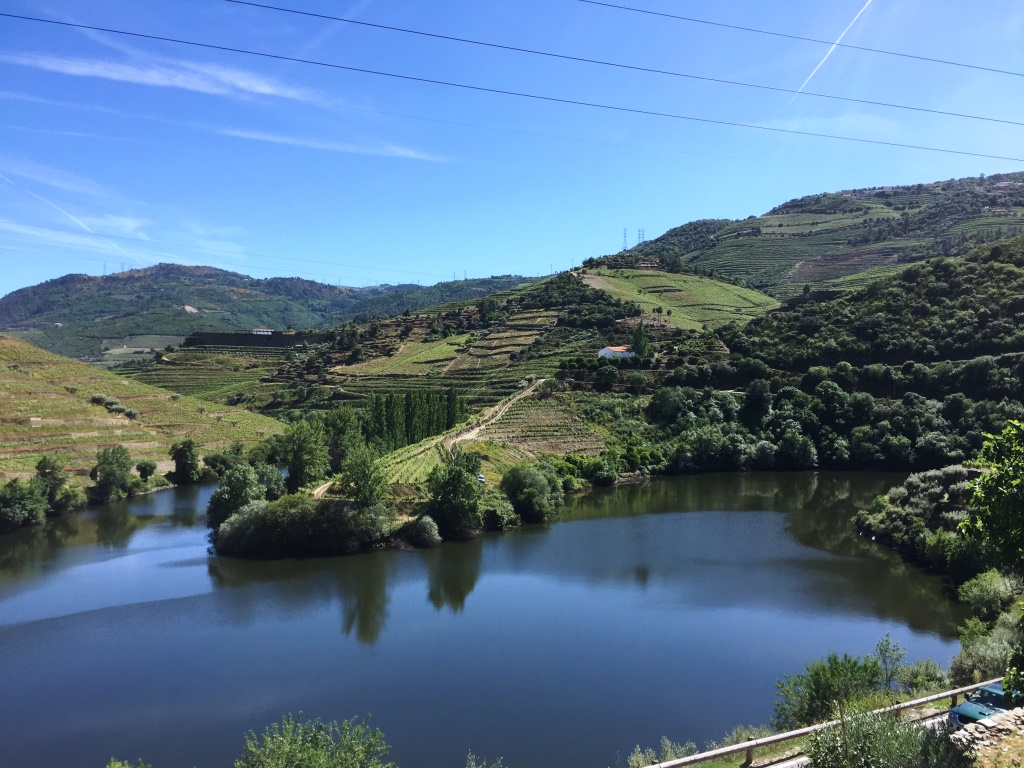 The winery still uses all of the old traditions of winemaking – the grapes are harvested by hand, into the small baskets to prevent them crushing under its own weight. The grapes are fully destemmed, and then are crushed using the … feet, yes, exactly as you expected. Grapes are stomped over the course of a few days by the men. The juice flows into the tanks (no pumping), where it is fermented for two days (in case of port production) or longer, and from there on the wines are made according to the style. Ahh, and I need to mention that the vineyards of Quinta do Tedo are certified organic. Also note that it is illegal to irrigate vines in Douro, so you can say that all of the producers in Douro are using dry farming methods.


I love the fact that wine offers endless learning opportunities – every time you talk to someone passionate, you learn something new. Let me tell you why I’m talking about it. As you might know, all the wine production in Douro is regulated by so called Douro Institute (IVDP). This is a very powerful organization, which assess all the wines made in Douro, both Port and regular dry wines, to make sure that winery’s declaration is up to the right level. I was always under impression that it is IVDP then which declares vintage year for Port. Turns out I was wrong – it is actually up to the winery to declare a vintage year (however it would be an IVDP will confirm or reject the designation). 2010 was an excellent year, and many Port houses produced Vintage Port. Then there was 2011, which was not just good, but simply spectacular. But if you mention 2009, people raise their arms defensively – it was not a good year. Nevertheless, it didn’t stop Quinta do Tedo from producing delicious 2009 Vintage Port, including their single vineyard flagship, Savedra.
The learning didn’t stop there. Our guide very simply explained concept of the so called LBV, or Late Bottled Vintage Port, which has the year designation similar to the vintage port, but typically costs a fraction of price (and something which I couldn’t figure out for a while). It appears that concept of LBV is as follows. The wine is first made with the intent of becoming a Vintage Port – 2 days fermentation which is stopped with neutral brandy, then about 2 years of aging in stainless steel or neutral oak tanks. After that the port is sent to the IVDP to get the vintage approval – and if it fails to get the approval, it is aged for another 2 years or so, and then bottled as LBV. Simple, right?
Of course it was not all talking – there was also tasting. Technically our official tasting included only two types of port, but you know how that works – once the passion starts talking, the tasting becomes “no holds barred” event.
We started with two of the dry wines. The 2011 Quinta do Tedo Tinto Douro was what can be called a “BBQ Wine” – nice fresh fruit profile, with some depth, but limited power, allowing for easy sipping. But the second wine was the whole different story. 2011 was so good that the winery simply decided to skip the Reserva level, and to make Grand Reserva only. Wine spent 22 month in French oak. The level of finesse on that 2011 Quinta do Tedo Grand Reserva Savedra Douro was unparalleled, something which you really have to experience for yourself – elegant dark fruit, spices and touch of fresh herbs on the nose (you can smell the wine for the very, very long time). On the palate, the wine is multilayered, dark, full-bodied and powerful, and it combined firm structure with silky smooth goodness. At €25, it can be only classified as a steal – or definitely a tremendous value, if you prefer that definition.
We also tasted 2010 Quinta do Tedo LBV, which was absolutely delicious, with good amount of sweetness and fresh acidity, making it perfectly balanced; Quinta do Tedo 20 Years Old Tawny had beautiful complexity with hazelnut and almonds, and dry fruit sweetness. Elegance of 2009 Quinta do Tedo 2009 Vintage was simply outstanding – fragrant nose and very balanced palate. That was one delicious tasting, that is all I can tell.


We need to round up here – and I thank you if you are still reading this. Good news is that after that tasting where I think we spent double the time versus the original plan we went back to the hotel, with one last stop to suck in the greatness of the Douro River – so no more words here, just a few pictures.
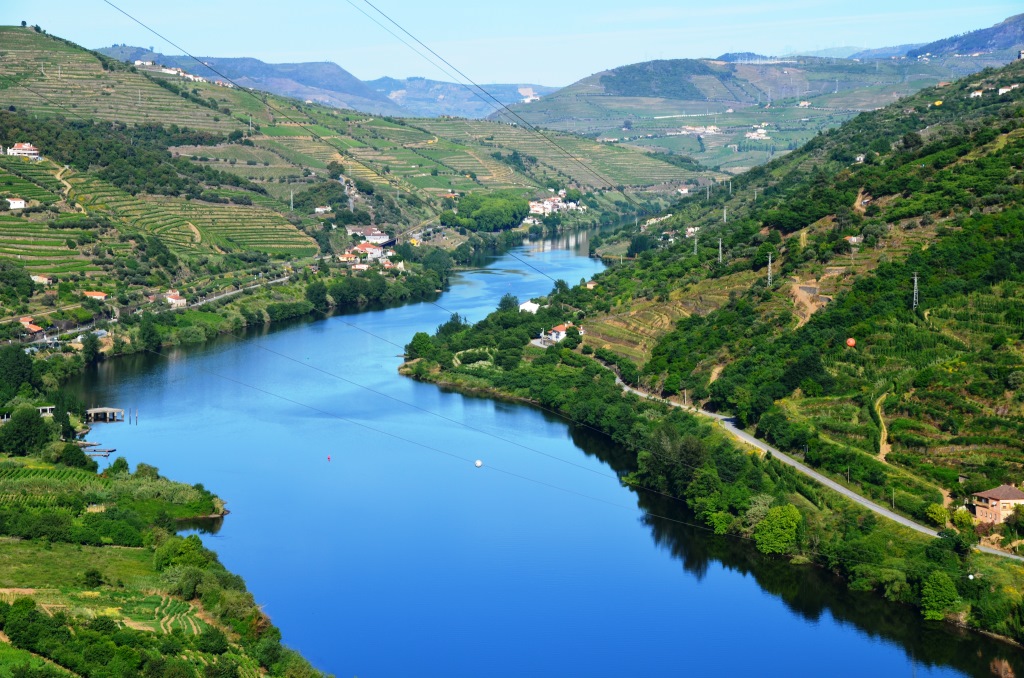
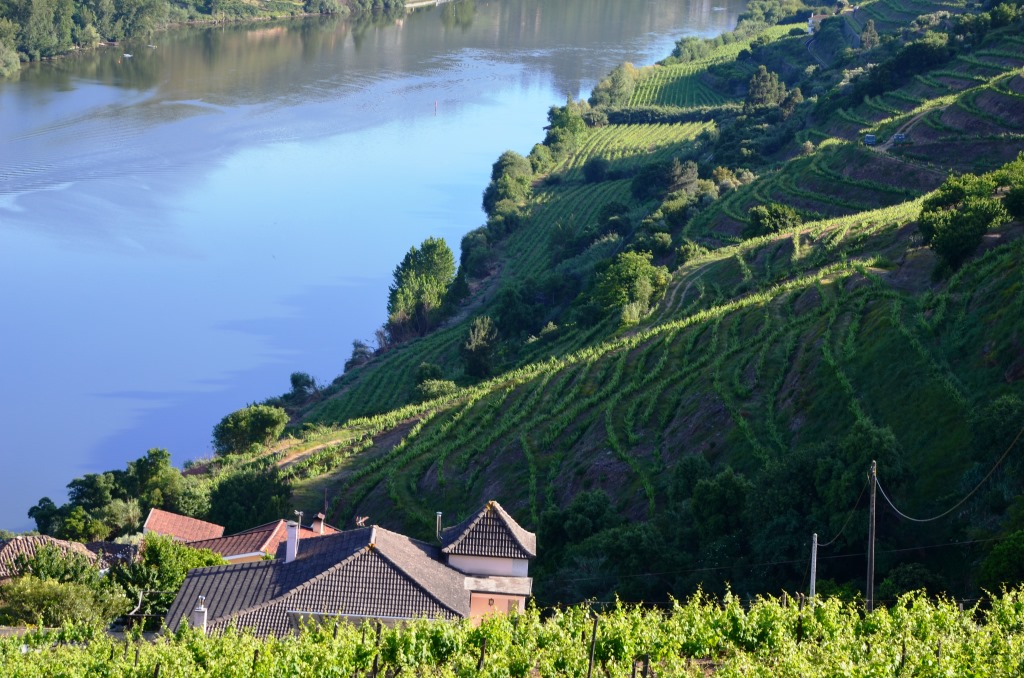
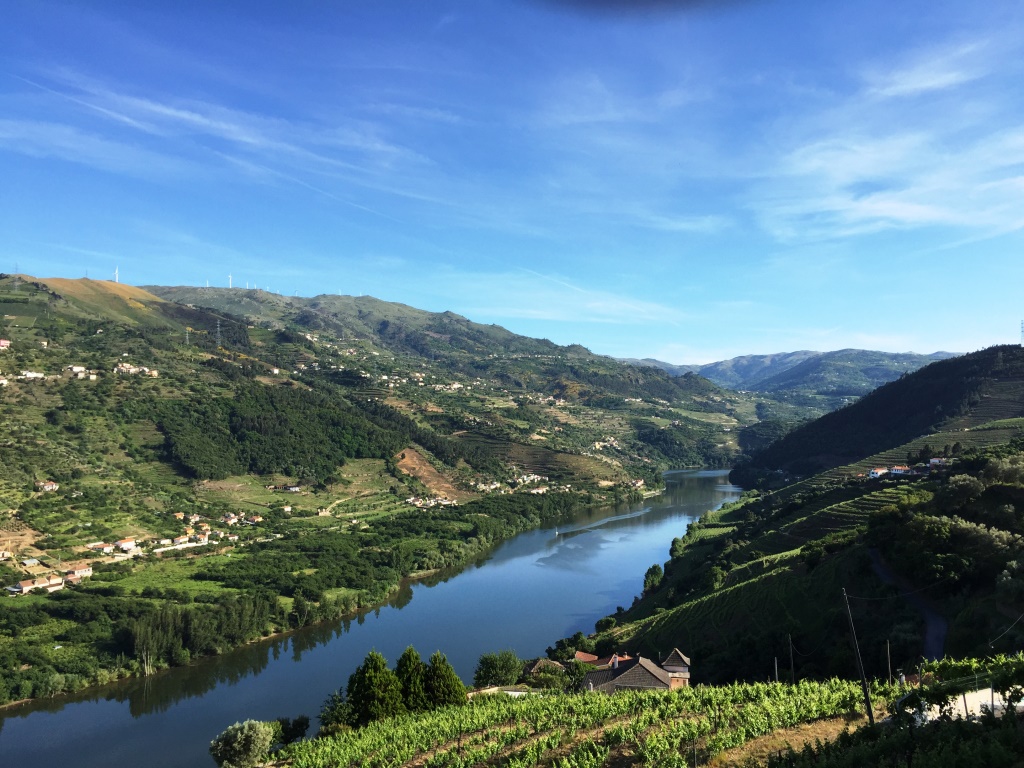
And we are done (can you believe it?). If your travel will take you to Portugal, I would highly recommend that you will give the LivingTours a try – I think this is the best way to explore that magnificent country. Also keep in mind that Winerist offers a variety of the wine tours in many regions, so do check them out.
As for my Portugal escapades – I’m only getting warmed up. Prepare to be inundated further. Until the next time – cheers!
Introducing Wine Apps: Winery Passport
This post is a part of the Wine Apps series, introducing different wine apps available on the market. In this series, I offer all the interested Wine App makers an opportunity to present their applications to the readers of this blog in a short and concise way. Today I would like to introduce to you the wine app called Winery Passport. This blog post is written by Scott Stanchak, Creator of the Winery Passport application (you can follow Scott on twitter @ScottStanchak). Please note that this post is provided as is, strictly as a service to my readers and it doesn’t constitute my endorsement of the app.
 Winery Passport has been helping users discover tasting rooms at the wineries for almost two years. The mobile app, available for iOS and Android, came about when creator Scott Stanchak was at a wine tasting, but had forgotten his paper passport book. Instead of asking for a second one, he knew the passport should live on his most personal device.
Winery Passport assists users in finding wineries (more than 5,000 of them) from across the United States and Canada. Users can view details about each winery and stamp their passport once they complete a visit, or add it to their wish list. Once a stamp is made, users can share the trip on Facebook and Twitter, to brag a little bit, of course.
 Users can store details about each tasting, including a winery rating, photo and favorite wines, in their winery journal. Then, if they connect with friends and family, they can share those journal details, or see the details from the others. This social component helps in the winery visit decision-making process – since there are so many to choose from.
A user’s app experience doesn’t end once they’ve left the tasting room. Wineries they’ve stamped at, or have on their wish list, can send messages that land in the user’s inbox. These messages contain wine and tasting offers. A push notification lets users know when new messages are received.
Winery Passport is currently available for free to download on iTunes and Google Play.
Here are some useful links:
Winery Passport website – http://www.winerypassportapp.com
iOS Download – http://www.winerypassportapp.com/download
Android Download – http://www.winerypassportapp.com/android
Wednesday’s Meritage – Wine Quiz Answer, #MWWC17 Reminder, Chardonnay Day and more

Tawny Owl. Source: Wikipedia
Meritage time!
Let’s start with the answer to the wine quiz #118 – What Is It?
In that quiz, you were given a picture of the bird (an owl), and the request was to identify the connection between the bird and the wine world.
I have to say that a number of people had very good answers, suggesting that owls are used to protect vineyards against various kinds of rodents, obviously in a natural way. However, this was not the answer I was looking for. The particular type of owl is called Tawny Owl, and it is the color of its feathers that gave the name to the Tawny Port. As the Tawny Port ages, the color of the wine becomes reminiscent of the Tawny Owl coloring, hence the name.
I’m glad to report that we have two winners: Margot from Gather and Graze and Gwain609 of Oz’s Travels – they both identified the owl as a Tawny Owl and suggested that “Tawny” is the key word we are looking for here. They both get the usual price of unlimited bragging rights. Well done!
Now, to the interesting stuff around the vine and the web!
First of all, I want to remind everyone that Monthly Wine Writing Challenge number 17 (#MWWC17) with the theme “Epiphany” is in the full swing! There had been a number of entries submitted, and everyone who didn’t submit one yet (you know who you are!) is very much encouraged to participate. For all the official rules and regulations please use this link.
Next, we got a few of the grape and wine region holidays to celebrate – I’m sure you don’t need a reason to open a bottle of wine, but those holidays solve the problem of choice. Today, I got 3 of them for you. Tomorrow, May 21st, is a Chardonnay Day! Chardonnay needs no introduction – the grape is successfully grown all over the world, a hallmark of Burgundy, Champagne, California and practically any other wine growing country and the region. You should have no problems finding the good bottle to open, and then sharing your thoughts in the social media using the hash tag #ChardonnayDay.
Next we have two distinct regions celebrating its heritage in May – May is an Oregon Wine Month and also an Aussie Wine Month! Oregon today is a lot more than just a Pinot Noir, and Australia is a lot more than just a Shiraz – lots of wonderful wines are made in both places, so you will have no issues finding excellent authentic wines to drink for the next 10 days.
Last but not least for today – the new danger for your wallet had just became a reality. Well, no, I’m not talking about some elaborate wine scam or a new series of emails with unbeatable business proposals from Africa. Last Bottle Wines, one of my favorite purveyors of the fine wines at the value prices, finally joined the 21st century and announced availability of the Last Bottle App for the iPhone – here are the details. Now you can be notified of all the new offerings and will have a better chance to react to them. If you are still not a customer of Last Bottle Wines, I will be glad to be your reference – yes, I will get a $20 credit after your first purchase, and you will get $5 credit on that same purchase – but then you will be able to sign up your friends. And, of course, to thank me again and again. You can click here to sign up for the Last Bottle Wines account.
And we are done here. The glass is empty – but the refill is on its way! Cheers!
Weekly Wine Quiz #118: What Is It?
The Wine Quiz series is not meant to intimidate. The whole idea here is to have fun and learn something new. When answering the questions, it is fully encouraged to use all available sources of information, including Google or any other search engine. There are no embarrassing answers – the most embarrassing thing is not giving it a try…
Welcome to the weekend and your new wine quiz!
Well, that used to be the ongoing theme for a while in this blog – haven’t done quizzes since January, as I can’t come up with a good theme that will allow for the long run like the Grape Trivia was. If you can recommend an interesting subject for the wine quizzes – I’m all ears.
Today’s quiz is based on something which I just recently learned. I was fascinated with that small discovery, and thus I would like to pass the newly acquired knowledge onto you – of course with a little fun, hence today’s quiz.
Below you see a picture of a bird. That bird has a pretty much a direct relationship with the wine world. Do you know what is the relationship between this bird and the wine?
 Enjoy the quiz and your weekend! Cheers!
The answer to this quiz can be found here.
New Zealand, Familiar and Not
 Here is your motivational quote of the day: “open your mind, and discovery will follow”. If you are wondering what the heck is wrong with this Talkavino guy starting the wine post with motivational quote, read on, I will explain.
Today we will be talking about the wines of New Zealand. What is the first wine which comes to mind when you think “New Zealand”? Don’t know about you, but for me it is a Sauvignon Blanc. Closely followed by Pinot Noir. But then there is beautiful Chardonnay, and Bordeaux blends, and Riesling – please, don’t forget the Riesling!
Two weeks ago I attended the New Zealand wine tasting event in New York. The event consisted of the seminar and the tasting, so below you will find my notes from both. But before I will inundate you with the wines and the tasting notes, let me share some general thoughts.
New Zealand wine industry is relatively young. First Sauvignon Blanc was planted in 1973, and first commercial release took place in 1979. [However, the first vines were planted in New Zealand in 1819, and in 1881 Pinot Noir from Central Otago got gold medal in the “Burgundy” category at the wine show in Sydney – but let’s leave it aside for now]. Through the 1980s, Cloudy Bay found its magic, and New Zealand wines spread out throughout the world (definitely in US). The New Zealand wine export had been growing steadily for many years, from 30M gallons of wine in 2009 to the 44M gallons in 2013, also reaching almost US $1B in revenues in 2013. Also, a lot of New Zealand wineries utilize sustainable winemaking methods and use organic grapes (you can read more here).
What I also sense from reading the blogs and listening to the experts is that the New Zealand winemakers are feeling constrained by what they already achieved and are trying to break the boundaries. Few simple facts for you. There are 11 defined wine regions in New Zealand. However, many winemakers believe that this is not enough, and want to define the sub-regions with much smaller boundaries. Such sub-regions are not yet official [I might stand corrected here – according to the New Zealand wine web site, the sub-regions are defined, but I still don’t know how widespread or how official those designations are], but on many labels you can already see designations for the sub-regions, such as Awatere or Waihopai in Marlborough, or Pisa in Central Otago. Different soils, different micro-climates, different terroirs, if you will – all lead to production of stylistically different wines coming from the different areas of the same bigger region.
There is more to this “breaking the boundaries”. New Zealand wine is not only a Sauvignon Blanc and Pinot Noir. There are Syrah, Merlot, Pinot Gris, Chardonnay and even Grüner Veltliner and Chenin Blanc wines which are shining. And even familiar Sauvignon Blanc is taking to the totally new territories, by using oak and not only – which leads us to the seminar, so we can finally talk wines.
The seminar was very interesting. It was done in the unusual format. There was no classroom with a head table and presenters. There was a big roundtable (well, it was actually a square), with presenters and winemakers sitting around the room among the participants. But this was not the most unique characteristic of the event. There were 9 Sauvignon Blanc wines presented in the event. And all 9 were … oaked. With the various degree, but yes, all Sauvignon Blanc wines went through some oak ageing process. There was also a 7 years old Sauvignon Blanc wine, which was quite unique for me. All in all, it was very different and interesting. Was it successful? I will defer you to my notes below. Here we go.
2014 Amisfield Sauvignon Blanc Central Otago (SRP $20)
C: pale straw
N: fresh cut grass, very restrained, lemon notes, minerality, touch of sapidity, interesting complexity.
P: tremendous acidity, more of a Muscadet style, lots of minerality, food wine (oysters!)
V: nice and restrained, Drinkability: 8-
2014 Nautilus Sauvignon Blanc Marlboro (SRP $17.99)
C: light straw, greenish
N: concentrated green notes, more of a fresh vegetables greens in the garden than grass. Touch of sweetness after swirling the glass.
P: very restrained, complex, salinity, white stone fruit, acidity on the finish.
V: Drinkability: 7+
2014 Huia Sauvignon Blanc Marlboro (SRP $19)
C: pale straw
N: hint of gasoline – disappeared after intense swirling. Touch of white fruit, restrained. Hint of lemon. Overall, nose is not very pronounced.
P: tremendous acidity, hint of Granny Smith apples
V: wine finishes nowhere, lacking conclusion. Drinkability: 7-
2014 Neudorf Sauvignon Blanc Nelson (SRP $17.95)
C: light straw yellow
N: non-typical. But may be a distant hint of grass.
P: lemon, fresh, supple, good acidity, nice textural presence. Still, tremendous amount of acidity is coming through, plus tannins in the finish!
V: Drinkability: 7+, okay wine
2014 Craggy Range Te Muna Road Sauvignon Blanc Marlboro (SRP $28.99)
C: pale yellow
N: touch of vanilla, touch of tropical fruit, hint of grapefruit
P: great complexity, restrained, guava, lemon, minerality, grass, touch of tannins, but it is well integrated.
V: Drinkability: 7+
2013 Seresin Marama Sauvignon Blanc Marlboro (SRP $40)
C: light yellow
N: butter, vanilla, butterscotch- wow, is this is a Chard? Pronounced, concentrated flavors!
P: vanilla, butter, more akin to a butterscotch candy, fresh and exuberant! The clearest expression of butterscotch candy of any wines I ever had (bold, I know)
V: it gets 8 (or even 8+) as a Chardonnay and 6 as Sauvignon Blanc. I would be glad to drink this wine – just don’t tell me what it is.
2013 Trinity Hill Sauvignon Blanc Hawke’s Bay (SRP $16.99)
C: light straw yellow
N: very inexpressive. Whatever I think I smell, is a product of my imagination. After 5 minutes of swirling, grass showed up, more of a typical expected SB. Still Very restrained.
P: nice acidity, good with oysters, nice touch of white fruit, fresh and clean
V: Drinkability: 7
2012 Pegasus Bay Sauvignon Blanc Waipara Valley (SRP $28)
C: pale straw yellow
N: complex aromatics, touch of oak, elevated white fruit (apples, hint of tropical fruit). One of the best on the nose so far. Distant hint of grass
P: Elegant, fresh, well integrated acidity, apples
V: one of the best in the tasting. Drinkability: 8-
2008 Mahi Ballot Block Sauvignon Blanc Marlborough (SRP $24)
C: light yellow, doesn’t show the age at all
N: some vegetative notes and fresh salami (yes, you can unfollow me if you want). Some distant resemblance of fruit. On a second thought, it has a Chablis-like minerality. The sausage is off, Chablis is in.
P: most elegant palate in the tasting. Acidity definitely wore off, but the wine is elegant, complex, mellow, just an interesting wine in the style of nicely aged white Rhône.
V: best of the tasting. Very round and elegant. Drinkability: 8.
And then there was a tasting. I didn’t get an opportunity to taste all the wines. Also, as you would expect, I liked some wines more than the others. Thus below are the wines which I liked the most from what I tasted. Oh wait, I still have to explain myself with that “open your mind” intro. Let me do it now, the story is rather simple.
What flavors do you typically associate with the Sauvignon Blanc? Grass? Check. Lemon? Check. Grapefruit? Check. Gooseberry? As Chris Kassel mentioned recently, most of the people who didn’t live in Europe have no idea how Gooseberry smells or tastes, but okay. Check. Some white tropical fruit? Possible and Check. But what about Black Currant? I don’t know about you, but I don’t associate red or black berry aromas with Sauvignon Blanc. But – black currant is one of the main characteristic aromas of Cabernet Sauvignon. And Sauvignon Blanc is a parent of Cabernet Sauvignon. Thus when I heard from one of the hosts talking about the wine “beautiful black currant aroma”, that was a nail on the head! Yes – exactly – the revelation – forget the damn Gooseberry, just open your mind (talking to myself) and understand that black fruit can be associated with white wine (I’m sure the opposite is true). I would honestly say this was my main discovery of the tasting, the revelation.
Now let’s get back to wines. My absolute favorites where Sophora Sparkling wines (simply a wow and an incredible QPR), Syrah from Elephant Hill, Chenin Blanc from Astrolabe, Sauvignon Blanc from Saint Clair, Doctors Grüner Veltliner and Lake Chalis lightly fizzed Sauvignon Blanc – all shown in blue below. But all in all, lots of delicious wines in the tasting. All prices are suggested retail as listed in the brochure. Let’s go:


2014 Amisfield Sauvignon Blanc Pisa, Otago ($20) – +++, clean, restrained
2013 Amisfield Pinot Gris Pisa, Otago ($25) – +++, nice touch of oak
2011 Amisfied Pinot Noir Pisa, Otago ($35) – ++1/2, nice balance, still needs time
2012 Amisfied Pinot Noir Pisa, Otago ($35) – +++, elegant, round, touch of green notes
2014 Ara Pathway Sauvignon Blanc Waihopai, Marlborough ($16.99) – +++, very good, traditional
2013 Ara Pathway Pinot Noir Waihopai, Marlborough ($18.99) – ++1/2, nice, clean
2014 Ara Single Estate Sauvignon Blanc Waihopai, Marlborough ($19.99) – +++, clean, balanced
2013 Ara Single Estate Pinot Noir Waihopai, Marlborough ($23.99) – ++1/2, very good, tannins, needs time
2012 Astrolabe Province Sauvignon Blanc Marlborough ($23) – +++, excellent, black currant, perfect balance
2014 Astrolabe Province Pinot Gris Marlborough ($23) – +++, beautiful aromatics
2012 Astrolabe Province Pinot Noir Marlborough ($28) – +++1/2, excellent!! Best of tatsing?
2013 Astrolabe Vineyards Chenin Blanc Wrekin Vineyard Southern Valleys, Marlborough ($22) – +++, concentrated, Vouvray-like, excellent, creamy
NV Sophora Sparkling Rosé Hawke’s Bay ($16) – +++, wow! beautiful – aromatics and structure of the classic Chgampagne. Outstanding QPR
NV Sophora Sparkling Cuvée Hawke’s Bay ($16) – +++, equally excellent as the previous wine
2012 Domaine-Thomson Surveyor Thomson Single Vineyard Pinot Noir Lowburn, Otago ($44) – ++1/2
2011 Domaine-Thomson Surveyor Thomson Single Vineyard Pinot Noir Lowburn, Otago ($44) – +++, excellent!
2013 Elephant Hill Syrah Hawke’s Bay ($28) – ++++, spectacular! An absolute precision of Syrah with peppery profile
2014 Fire Road Sauvignon Blanc Marlboro ($13) – ++1/2, nice, simple, balanced
2013 Fire Road Pinot Noir Marlboro ($15) – ++1/2, probably best QPR at the tasting
2013 Doctors Grüner Veltliner Marlborough ($18) – +++, touch of petrol, nice
2014 Doctors Sauvignon Blanc Marlborough ($18) – +++, nice, clean, good acidity
2013 Seifried Pinot Gris Nelson ($18) – ++1/2, clean, nice
2012 Seifried Riesling Nelson ($18) – +++, petrol, beautiful
2013 Maimai Syrah Hawke’s Bay ($20) – +++, excellent, dark
2014 Lake Chalis Cracklin’ Savie Sauvignon Blanc Marlborough ($18) – +++1/2, beautiful, fresh, lightly fizzed, very unique. Similar to Moscato in creaminess, but dry
2014 Lake Chalis Sauvignon Blanc Marlborough ($18) – +++, perfect, black currant, beautiful!
2014 Saint Clair Family Estate Sauvignon Blanc Marlborough ($17.99) – +++, beautiful balance
2014 Saint Clair Pioneer Block 18 Snap Block Sauvignon Blanc Marlborough ($26.99) – +++, interesting complexity
2012 Saint Clair Wairau Reserve Sauvignon Blanc Wairau, Marlborough ($31.99) – +++1/2, very complex, very unusual
2012 Saint Clair Pioneer Block 16 Pinot Noir Awatere, Marlborough ($17.99) – +++, Oregon-like, very elegant
And we are done here. What do you think of New Zealand wines? What are your favorites? Did you ever associated Sauvignon Blanc aromas with black currant? Until the next time – cheers!
Introducing Wine Apps: Winescapes
This post is a part of the Wine Apps series, introducing different wine apps available on the market. In this series, I offer all the interested Wine App makers to present their applications to the readers of this blog in a short and concise way. Today I would like to introduce to you the wine app called Winescapes. This blog post is written by M Rajagopal (Raj or Rex to friends; @rexraj on twitter), a Co-Founder & Director with Buzzle Networks, a developer of the Winescapes application. Please note that this post is provided as is, strictly as a service to my readers and it doesn’t constitute my endorsement of the app.
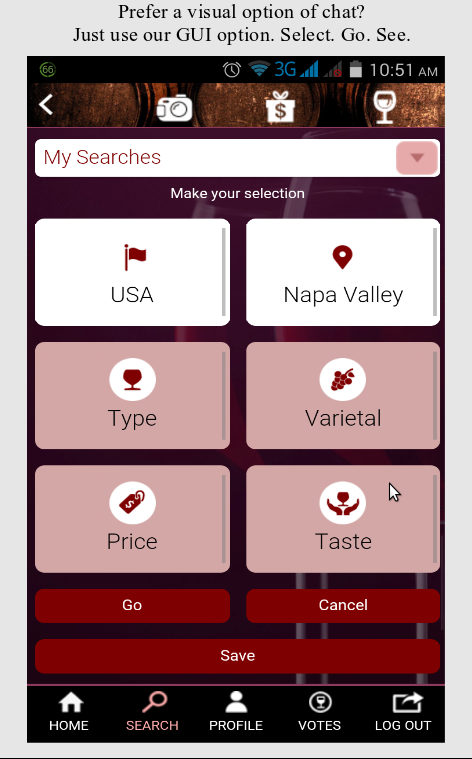 Winescapes is a social wine app with commerce features meant for casual wine drinkers everywhere.
Winescapes helps users to find most popular wines meeting their preferences and budget in a store or online, using the unique text chat search feature or the GUI version of this. The chat and GUI search are designed to help users search for the wines the way they think, i.e. “USA, California, Chardonnay, Fruity, 20” (20 here is the price limit in the local currency, so it would be $20 for US). As the result of the search, users will get a set of most popular matching wines rather than only one wine to choose from. This is unlike other search options which show only one wine at a time using name or a label. Matching wines are sorted in descending order of peer votes across the system. Nearby merchant stores with their offers are automatically shown during wine results, if required permissions are set by the user.
User’s wine actions are: Vote Up or Down, Add to Wish list, Cellar and Shopping List, Recommend to followers, Share with social network. Using camera action, user can share a wine label image including the vote and review with his/her Winescapes and social networks on FB, Twitter etc. The cumulative number of Votes and other counts help users make purchase decisions. The user can see less or more details on a wine from Wine Summary and Detail respectively. He/She can also see offers/deals from registered merchants and to find suitable merchants, both offline and online, and see their wine catalogs.
Winescapes’ social features include people search, follow, invite to WS. Wine results can be seen across Winescapes or only within My Network. Notifications show My Network’s wine and other actions since last login. User Profile shows all “my past wine” and people actions. Permissions can be set at a granular level for each activity as Share or Private for Votes, Wishlist etc. The IdeaXchange Q&A forum in the latest release allows users send wine queries to the Winescapes network.
Currently the database has top selling wines in California, New York, Florida, New Jersey, with more wines being added daily.
Winescapes App is available on Google Play / Apple iStore at http://is.gd/a7w9GRand web browser (html5) at www.winescapes.net
Seeing The World Through The Pink Glasses
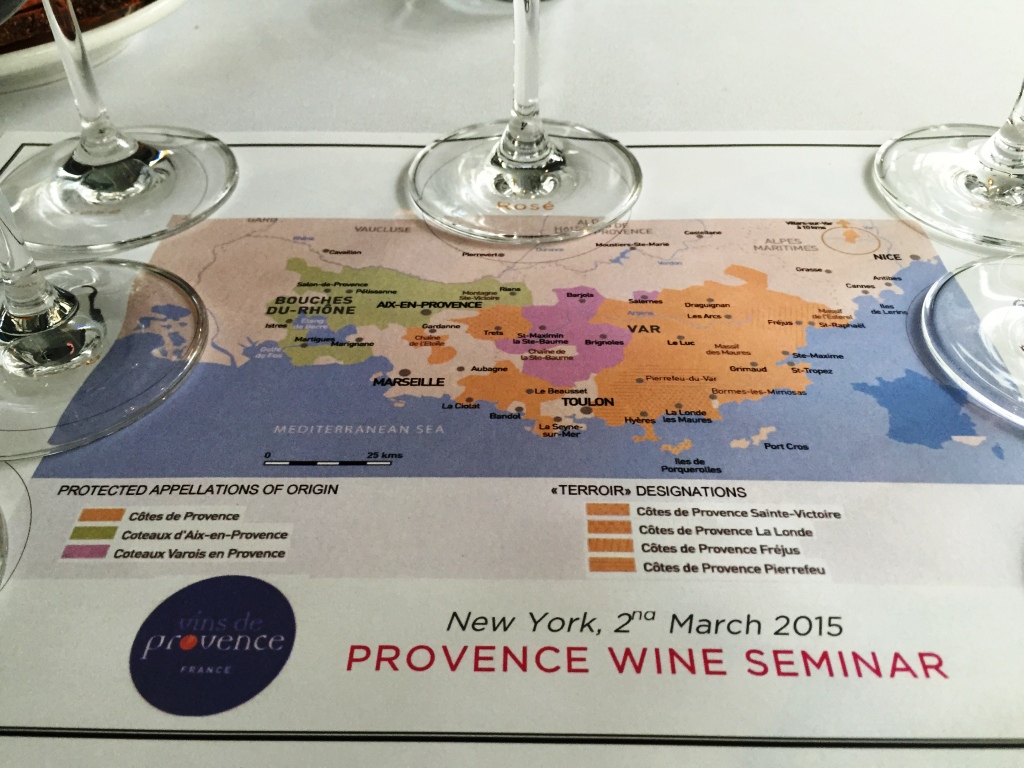 What do you think we will be talking about today? Typically the “pink glasses” is just an expression, an allegory; we use it to say that all is good in the world. But sometimes those allegories can materialize, for instance, in the form of Rosé tasting.
Rosé is Rosé is Rosé. Rosé wines became extremely popular over the last 3–4 years. Nowadays, almost every winery I know of added at least one Rosé to their repertoire, if anything, to be available at least in the tasting room. But then there are those who started it all, for whom Rosé is a way of life and not just following the fashion and consumer demand. I’m sure that by now you figured that I’m talking about Rosé wines from Provence in France.
The Provence wine tasting I attended a few weeks more than two month ago was dedicated to all of the wines made in Provence, not just Rosé. However, if we will look at the stats of wine production in Provence, 89% of those wines are Rosé, 7.5% are red, and 3.5% are white, so it is no wonder that Provence is typically associated with Rosé. Total wine production in Provence in 2014 was about 177 million bottles. To give you more numbers, there are about 600 producers and 40 negociants in Provence. Overall, 9% of the wines produced in the world are Rosé, with the general trend of producing drier wines (particularly Provence Rosé has less than 4g of residual sugar per liter of wine). Provence is the largest region in the world dedicated to production of the Rosé wines. Also, France is the biggest producer and consumer of the Rosé wines, and U.S. is the biggest consumer of Rosé outside of France.
Provence was a cradle of winemaking in France, starting from the 600 B.C. in the area around Marseille. It is easy to understand why the wines were “rosé” in its style – maceration in contact with skin was simply not used, so the wine was produced from the juice which the grapes were “bleeding” after harvest, which would have a pinkish color. Today, the Rosé is produced in the very similar way as for the thousands of years, allowing only brief period of the skin contact. Most of the Provence Rosé are produced from Grenache, Cinsault, Mourvèdre, Tibouren, Carignan and Cabernet Sauvignon.
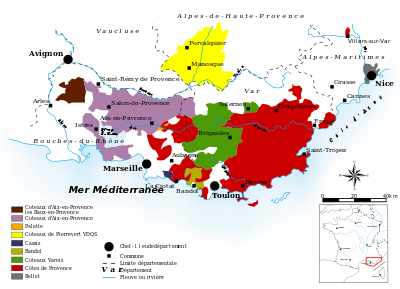
Provence Appellations. Source: Wikipedia
There are three main appellations in Provence, and one of those main appellations has four sub-appellations (you can see them on the map):
- Côtes de Provence AOP
- Côtes de Provence Sainte-Victoire AOP
- Côtes de Provence Fréus AOP
- Côtes de Provence La Londe AOP
- Côtes de Provence Pierrefeu AOP (First vintage in 2013)
- Coteaux d’Aix-en-Provence AOP
- Coteaux Varois en Provence AOP
Now, let’s talk about the seminar and tasting. In the seminar, we tasted 5 different Rosé wines from the different sub-appellations, as well as two reds. To be entirely honest, I didn’t find the dramatic differences between the wines from the different appellations – they were all Rosé wines, and I liked most of them (I’m a sucker for a good Rosé).
Here are my notes, which will give you some level of details:
2014 Château Trains Organic Côtes Varois de Provence (SRP $15, Grenache, Cinsault, Syrah)
C: Pink
N: hint of sweetness, strawberries, intense
P: Dry, tart strawberries, lemon, acidity
V: Pleasant, round, Drinkability: 8-
2014 Château Coussin Cuvée César Côtes de Provence Sainte-Victoire (SRP $45, 75% Grenache, 25% Syrah)
C: Pink
N: Gentle, savory, minerality, onion peel after intense swirl
P: Dry, intense acidity, very clean, beautiful fruit, perfect balance.
V: Nice, clean, very elegant. Drinkability: 8
2014 Château Pas du Cerf (SRP $13.99, Grenache, Syrah, Tibouren)
C: intense pink
N: touch of strawberries, onion peel
P: refreshing, good amount of fruit, ripe strawberries, good balance, full body ( for rose), minerality
V: Very good, Drinkability: 8-
2014 Château Pigoudet Classic Coteaux d’Aix-en-Provence (SRP $17, Grenache, Cinsault, Ugni Blanc)
C: almost white
N: delicious, intense, white flowers, fresh
P: clean, crisp, vibrant, good finish, very pleasant aftertaste
V: Drinkability: 8-
2014 Château Roubine Cru Classé Cuvée Premium (Cinsault, Grenache, Cabernet Sauvignon, Carignan, Tibouren, Syrah, Mourvedre)
C: intense pink
N: strawberries, minerality, onion peel
P: lots of fruit, ripe strawberries, full body, excellent finish
V: Drinkability: 8
2011 Château La Mascaronne Rouge Faziole Côtes de Provence (SRP $25, Syrah, Mourvedre)
C: garnet
N: pepper, spices, herbs, tobacco – beautiful
P: same profile as on the nose – intense pepper, sage, herbs and mineral dominated, has lightness and leaves you desiring another glass. Might not be for everyone
V: Drinkability: 8+
2001 Château de Pourcieux Grand Millésime Côtes de Provence (Syrah, Grenache)
C: garnet
N: soft, touch of plume
P: subtle flavors meld well together, nice package overall
V: Drinkability: 7+/8-
The tasting consisted of 65 different wines, out of which one was white, 7 were red, the the rest (57) were Rosé. What I really liked about this tasting was a very unique format. Nobody was pouring the wines for you. All the wines were standing on the tables in the middle of the room, each wine having a sticker with the number on it. All the numbers were corresponding to the wine descriptions in the tasting booklet. Everybody were walking around and pouring the wines for themselves. The winery representative were all on hand, available to answer any questions. However, because of self pour, there was no need to wait for anyone to pour the wine for you, no need to stand there for 2 minutes, patiently waiting until the person pouring wine would finally notice you – here you could go at your own pace, and it was really convenient. I like this system a lot more than a traditional tasting.


For what it worth, below are my notes. I didn’t taste all 65 wines, but it was something close to it. I used my traditional tasting event rating system with the “+” signs, where “+++” means an excellent and highly recommended wine. All the wines listed below have at least “+++” rating, with the few even exceeding that. I also included additional comments where I had them. Grape composition is provided for all the wines, and suggested retail prices are indicated were available. Lastly, all the wines which don’t specify AOP come from the Côtes de Provence – all other appellations are included as part of the names. Here we go:
Rosé:
2014 Château du Galoupet Cru Classé (Cinsault, Grenache, Syrah, Mourvedre, Tibouren) – +++, very good, balanced
2014 Château de Landue (Cinsault, Grenache, Syrah) – +++
2014 Château La Jeanette Fleurs Côtes de Provence La Londe (Chnsault, Grenache, Syrah) – +++. excellent, round
2014 Château Saint Maur Cru Classé Clos de Capeluine (Grenache, Cinsault, Mourvedre, Rolle) – +++, complex
2014 Château Saint Maur Cru Classé L’Excellence (Grenache, Cinsault, Mourvedre, Rolle) – +++, clean, crisp
2014 Château Les Valentines Organic (SRP $26, Grenache, Cinsault) – +++, beautiful finish
2014 Château Les Valentines Le Caprice de Clémentine (SRP $18, Grenache, Cinsault) – +++1/2, excellent!
2014 Château Des Bormettes Les Vins Bréban (Cinsault, Grenache, Syrah) – +++
2014 Château de Pampelonne Maitres Vignerons de Saint Tropez (SRP $20, Grenache, Cinsault, Syrah, Tibouren) – +++, excellent!
2013 Domaines Sacha Lichine Château D’Esclans Garrus (Grenache, Rolle) – 8+, very interesting, delicious complexity
2014 Château de Brigue (SRP $13.50, 35% Mourvedre, 15% Cinsault, 30% Grenache) – +++
2014 Château de Brigue Signature (SRP $17.50% Grenache, 30% Syrah, 20% Tibouren) – +++
2014 Château de Saint Martin Eternelle Favorite Cru Classé (SRP $25, Cinsault, Grenache, Tibouren) – +++, excellent, crisp
2014 Château de Saint Martin Grande Réserve Cru Classé (SRP $20, Cinsault, Grenache, Tibouren, Syrah, Carignan) – +++, dry, fresh
2014 Domaine de L’Amaurigue (Grenache, Cinsault, Syrah) – +++
2014 Domaine de L’Amaurigue Fleur de L’Amaurigue (Grenache, Cinsault) – +++
2014 Estandon Vignerons Estandon (SRP $13, Grenache, Cinsault, Syrah) – +++, nice balance
2014 Château L’Arnaude Nuit Blanche (50% Cinsault, 35% Grenache, 10% Carignan, 5% Rolle) – +++
2014 Château Roubine Cru Classé Cuvée “R” (Grenache, Syrah, Cinsault) – +++
2014 Domaine Clos de L’ours Grizzly Rosé (Syrah, Grenache, Cinsault, Carignan, Mourvedre, Rolle) – +++
2014 Estadon Vignerons Terres de Saint Louis Côtes Varois de Provence (SRP $12, Grenache, Cinsault, Syrah) – +++
2014 Famille Quiot Domaine Houchart (SRP $15, Grenache, Cinsault, Syrah, Cabernet Sauvignon) – +++
2014 Famille Quiot Domaine Houchart Côtes de Provence Sainte-Victoire (SRP $20, Grenache, Syrah, Mourvedre) – +++1/2, excellent, round
2014 Château Pigoudet Premiére Coteaux d’Aix-en-Provence (SRP $13, Grenache, Cinsault, Cabernet Sauvignon, Syrah) – +++
2014 Château Vignelaure Coteaux d’Aix-en-Provence (Grenache, Syrah, Cabernet Sauvignon) – +++
2014 Château Vignelaure Source de Vignelaure Coteaux d’Aix-en-Provence (Grenache, Cinsault, Syrah, Cabernet Sauvignon) – +++
2014 Château Beaulieu Gassier en Provence Coteaux d’Aix-en-Provence (SRP $16.99, Grenache, Cabernet Sauvignon, Syrah, Cinsault) – +++
2014 Les Quatre Tours “Classique” Coteaux d’Aix-en-Provence (SRP $17, 50% Grenache, 25% Syrah, 15% Cabernet Sauvignon, 10% Rolle) – +++
2014 Maison Saint Aix Coteaux d’Aix-en-Provence (SRP $18-$20, Grenache, Syrah, Cinsault) – +++


White:
2014 Domaine Terre de Mistral Anna Côtes de Provence (Rolle) – +++, nice complexity
Red:
2012 Château Réal d’Or (Cabernet Sauvignon, Grenache, Syrah) – +++, perfect Cab!
2013 Domaine Clos de L’ours Grizzly Red Côtes de Provence (Syrah, Grenache, Mourvedre) – +++, yummy, open, pepper!
2012 Domaine Longue Tubi Red (Syrah, Cabernet Sauvignon) – +++, delicious
All in all, this was an excellent tasting. I don’t know if there is ever a bad year in Provence, but I definitely liked lots of 2014 Rosé, and I think you will too. Also, if you will have an opportunity to try a Provence Red – don’t miss it, those wines are definitely worth your attention. Happy Provence Rosé (and red) hunting! Cheers!
Is There an Epiphany For The Oenophile?
 This post is an entry for the 17th Monthly Wine Writing Challenge (#MWWC17), with the theme of “Epiphany”. Previous themes in the order of appearance were: Transportation, Trouble, Possession, Oops, Feast, Mystery, Devotion, Luck, Fear, Value, Friend, Local, Serendipity, Tradition, Success, Finish.
I have to admit – when it comes to the Monthly Wine Writing Challenge, I don’t have a straight record. I participated in many, but definitely not all. Of course lots of it has to do with the theme. Some of them I loved initially, only to find out that they are much harder than I thought (MWWC16 “finish” would be a perfect example). Then there were some which seemed difficult from the get go, and they didn’t disappoint (”devotion” would be my favorite example of an extremely difficult theme). But the key word here is “Challenge”, so let’s just roll with the punches, shall we?
Epiphany is definitely a very difficult theme. Hold your horses – I’m not generalizing, I’m talking about myself. It is a very difficult theme because the word epiphany is not a part of my vocabulary. I don’t think I consciously used the word even once. To me, it has strictly a religious connotation, and I have to honestly admit that I’m not a very religious person. Yes, it is a difficult word for me.
So when the going get tough… one reaches out for the dictionary – sorry, I already played that card before, with the equally difficult theme, “devotion” – but I don’t have a lot of choice. According to the Merriam-Webster Dictionary, Epiphany is defined as:
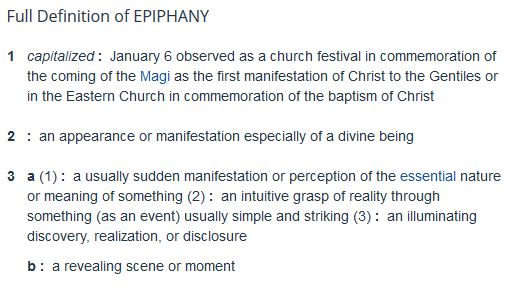
Okay, so we are not going to talk about the first and second meanings – not in this blog for sure. That leaves us with with the range of options in the meaning #3. I feel good about discovery, realization, revelation, sudden perception – still, the epiphany has too grandiose of a meaning for me to be able comfortably use it.
My forming journey as an oenophile was full of discoveries, revelations and realizations, but was the epiphany hiding somewhere along the way? I’m not so sure. Let’s take a look.
My serious introduction into the world of wine happened about 10 years ago, when I took Windows on the World Wine course thought by one of the best wine educators out there – Kevin Zraly. My first major discovery in that class was Amarone, 1997 La Ragose. Amazing dried fruit and raisins on the nose, promising a sweet wine – and then dry, perfectly balanced and well structured wine on the palate. This experience became engraved in my memory, for the good and for the bad. What is bad about it, you ask? Absolute majority (with a very few exceptions) of Amarone I tasted since, including the other vintages of La Ragose, didn’t measure up to that first experience. I keep claiming Amarone to be my favorite wine, which typically only leads to disappointments.
The next memorable moment was during the class on Champagne and sparkling wines. Three or four wines were served blind, and Kevin asked to see a show of hands as to who liked what wine. There was somewhat of an even spread among few wines to be the favorites, and there was also practically a uniformed dislike of one of the wines. Right before the wines were revealed, Kevin said something which again became forever engrained in that same memory of mine. He said “this is why, people, you shouldn’t drink the vintage Champagne”. The wine everybody disliked (myself included) was 1996 Dom Pérignon, one of the very best vintage champagnes ever. Vintage Champagne is an acquired taste – majority of the people have to really get there before they can claim that they like it. I’m really curious how many people never said the truth about that sip of highly acclaimed Champagne, often synonymized with success (if you care to step forward, just do it – you will not be judged, for sure not in this blog). I gradually moved up through the Champagne taste ladder to honestly claim my love for the heavy, yeasty, complex vintage Champagnes, but believe me, it’s totally okay to be indifferent to them.
Many of my other wine discoveries relate to the wonderful wine store in the New York City, PJ Wine. I mentioned that store many times in the different posts in this blog – in my opinion, the store deserves all the praise it can get. In 2009 I attended PJ Wine Grand Tasting event in New York, and the wines which were presented in that event were nothing short of amazing. This is where I was mesmerized by Krug, both vintage and Grand Cuveé, Château Margaux and Château Léoville-Las Cases, both from the legendary 2000 vintage, 1999 Vega Sicilia Unico, 1922 D’Oliveira Madeira – all of those wines created lasting memories. I remember keep coming again and again for another glass of that Vintage Krug – most surprisingly, it was available for a while. Epiphany? I’m still not sure. Boy, what I do truly regret now that I really didn’t start blogging at that time (but I should’ve!).
The year later, I discovered Spanish Rioja. Again with the help of the PJ Wine. The store offered a Rioja tasting seminar on Saturday, it was free, and I decided – why not? The very first taste of the young Viña Real (2004 or 2005), 6 other Rioja wines in between and the last taste of the mature, but still bright and vibrant 1964 Pagos de Viña Real turned my wine world upside down and squarely put Rioja on top of it.
The year after, at a Spanish wine festival organized by … yes, you guessed it – PJ Wine, I tasted 1993 Lopez de Heredia Viña Tondonia Reserva Blanco and 2000 Viña Tondonia Rosado – again, a revelation. Complex and vibrant white of tender 18 years of age, and still fresh Rosé of 11? Truly impressive.
Are you tired yet? There were more, lots more. How about 48 years old wine, mature, but yet delicious? No, not Hermitage, not Bordeaux, not Burgundy. 1966 Louis M. Martini Pinot Noir from Napa Valley. The wine which was just honestly made, without any expectations of longevity – yet a beautiful wine, still bringing a lot of pleasure? Was drinking this wine an epiphany? I don’t know – to me, it was simply a stunning and memorable experience. Then there was 1947 Imperial Gran Reserva Rioja – how can the wine much older than me be so alive and beautiful? Fiction by Field Recordings – the wine which transports you to the blooming summer meadows on the first smell – should that be called an epiphany? Or the Antica Terra Phantasi from Oregon, the white wine with pungent, savory aromatics which taught me that there are white wines which taste amazing at the room temperature (many Roussanne and Marsanne wines do).
You are not going to stop me now. There was Rozès Over 40 Years Old Porto – the fragrant, effervescent, uplifting wine, sip of which says “nirvana” – nope, still no epiphany though. My first taste of the wine directly from the tank – cloudy, still an “ugly duckling”, but delicious Chenin Blanc at Paumanok winery on Long Island – may be? The Merlot grape juice, dripping right from the sorting table with just harvested grapes – was that it? Or may be it was the wine which most likely will never be bottled – a 1970 White Port right from the tank, right in the cellar of Quevedo winery in Douro?
Let’s draw the line here – that memory lane is getting longer and longer. Was there an epiphany in any or all of what I told you? I don’t know. There were a lot of amazing discoveries, revelations, special moments and memories – what is even more important, these special moments continuing – it is really easy to get me excited with the good wine. I will have to let you decide if there is an epiphany for the oenophile – best if you would write your own post. And for me? Can I please have another glass of Vintage Krug? Cheers!
P.S. I would like to thank John The Wine Raconteur , the winner of the #MWWC16, for the great theme which facilitated this highly enjoyable memory trip for me.
Do You Have Wine With Your Apps?
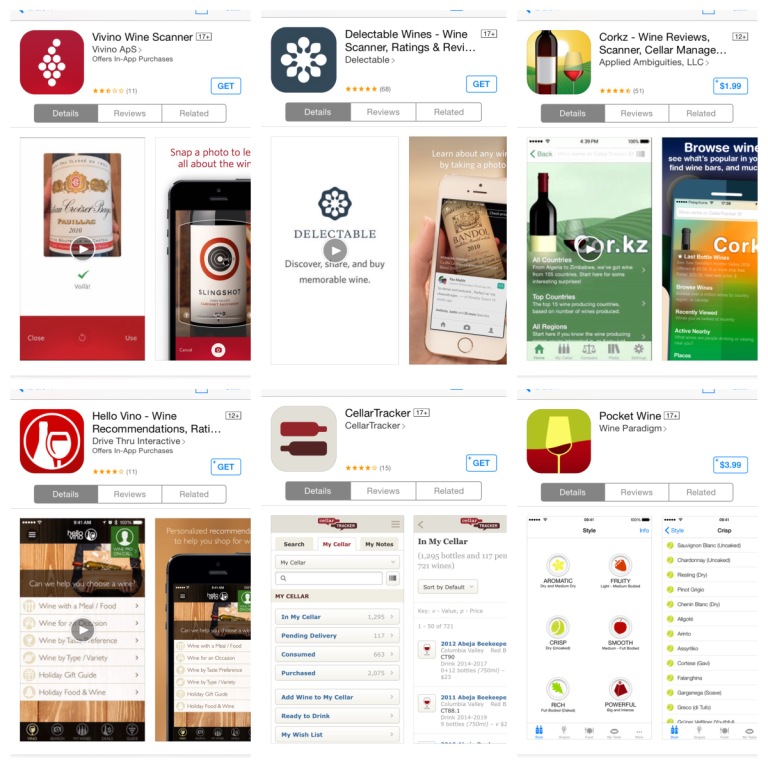 And the subject of today’s post is … Apps. No, I’m not referring to the appetizers here – lets talk about the wine phone apps.
Smartphones became extremely popular and widespread nowadays, same as wine (hmmm, is there a connection here?). Smartphones deliver incredible convenience and power of information, available at any instance, day or night, as soon as as one desires to obtain that information. For the most of the time, the information is obtained with the help of so called “Apps”, which is a short for Applications, known in the old days simply as “Programs” or “Software”. But let me not get away here on a tangent, as the plan is to talk about wine. The Wine Apps, to be more precise.
Wine lovers generally want to have some ways to keep track of what they drink, what they like, what the others think of that wine, which wineries they can visit when they travel, what is in their cellars or where to find that particular wine they just had yesterday. And as you would expect, there are apps for all of these tasks.
Quick disclaimer: I’m an iPhone user, so everything I will say here will be pertinent first of all to the iPhone apps – however, I expect that most of the same apps should be available on Android phones. And another quick disclaimer – all the numbers and all the apps I mention here are current as of the date of this post (take a look on the top of the page for that).
Wine is popular today, and it shows in the number of apps available in the App Store. Over the few days as I started working on this post, the number of available apps was steadily increasing, adding new hits daily. The number of apps found searching for the keyword “wine” went from 2,993 two days ago to the 2,998. Of course this is a far cry from 38,877 results in the “travel” category, but still a lot more than many others, for instance, “gardening” at 542.
These wine apps can be split into many different categories. From my experience, trying to categorize objects is usually hard and ungrateful – many apps have a variety of features which make them suitable for the different categories. Nevertheless, let me try to suggest a few different buckets for the wine apps:
- “Wine journal” type – these apps let you keep the records of what you drink, what you liked and so on. These apps might also help you look for the wines you liked. Examples would include Delectable, Drync, Vivino and others.
- Cellar/collection management apps – CellarTracker would be definitely the top example.
- Wine information and research – Wine-Searcher and Wine Spectator WineRatings+ would be the top two dedicated examples, but many apps would allow you to research the wines.
- Wine buying apps – WTSO is a primary example, of course there are more.
- Wine travel and events planning apps – Wine Events, Winery Passport and Cork Sharing would be some I’m aware of – I’m sure there are plenty more, including some from the individual wineries.
- “Just for fun” apps – wine quizzes, puzzles and more – Wine Trivia Quiz would be one of the examples, there should be more.
Note that I’m not trying to differentiate here between free, semi-free (in-app purchases) and paid-for applications. With some apps costing only $0.99, I don’t think it makes a huge difference. In any case, practically all of the most popular apps are free.
Okay, so where am I going with all this? Let me gladly explain. Reason #1 for this post is simply a curiosity. I use very little of the wine apps – Wine-Searcher is very handy, and WTSO is useful. I played some wine quizzes – but was not enchanted with the content (no comparison with Bejeweled Blitz if you want to know my vice). So while I’m not actively using the wine apps, I’m sure that many of you are – and this is what I would like to find out. Leave a comment about your favorite wine apps (if you care, add a few words as to why you like it) – or take an easier route and check your favorite apps in the poll below. You will be able to select up to 5 favorites, or write-in.
Reason #2 – with such a variety of the wine apps in existence, I would like to offer a “platform” for the any wine app maker to explain their application better. If you have or working on the wine app, and would like to present it to the readers of this blog, please send me (contact info in the About section) a short write up – 2-3 paragraphs, about 350 words, 1 – 2 pictures. Your writing can’t be an advertizement, advertorial or a press release – it should be a genuine explanation of what your app is for and what are your differentiators. If your post will fit the criteria outlined here, I will be glad to publish it as a separate post.
So, what do you think of the wine apps? What are you using, or planning to use? Chime in, don’t be shy! Cheers!
Last Bottle Sign Up ($10 credit)




 Talk-A-Vino