Serene Beauty of Cape Cod
The Cape Cod always was one of my favorite places to visit – I make no secret out of it. This year, it became literally the only place for us to visit to escape the maniacal joy of virtual confinement – and I have no complaints about it.
Mere three and a half hours ride and you are in the world which offers a chance to relax, unwind, and clear up your mind. Clearing up of the mind requires one to disconnect from the moment, to forget that reality exists. I can only envy people who can do this through meditation – I had a friend who would not even hear the doorbell ring once he was in his deep meditation. This is not me, unfortunately – I tried many times, but never was really able to disconnect from all the daily chatter. Thus I need the help of Mother Nature when looking for tranquility.
The three options which would work for me in that quest for tranquility would be the trees, the mountains, or the ocean.
Talking about the trees, I need a clean and open forest, full of 150 feet Eastern white pine trees – beautiful Redwoods would do the trick either. Have you had the pleasure of laying down on the thick layers of long pine needles, looking at the tall, impeccably vertical arrows touching the clouds far, far away? That is the feeling I’m talking about, but there is no place to experience it where I live.
Have you ever experienced the deafening quietness of the mountains? When the time stops, leaving you one on one with the universe, offering you an opportunity to get lost in your dearest thoughts and dreams? I have, on Mount Evans in Colorado – but this is 2,000 miles away.
That leaves us with the ocean. The closest beach is only 7 miles away from where we live, but to call that setting tranquil in any shape and form would be a huge exaggeration. The Cape, especially in the off-season, is offering unlimited amounts of tranquil bliss – just come and get it.
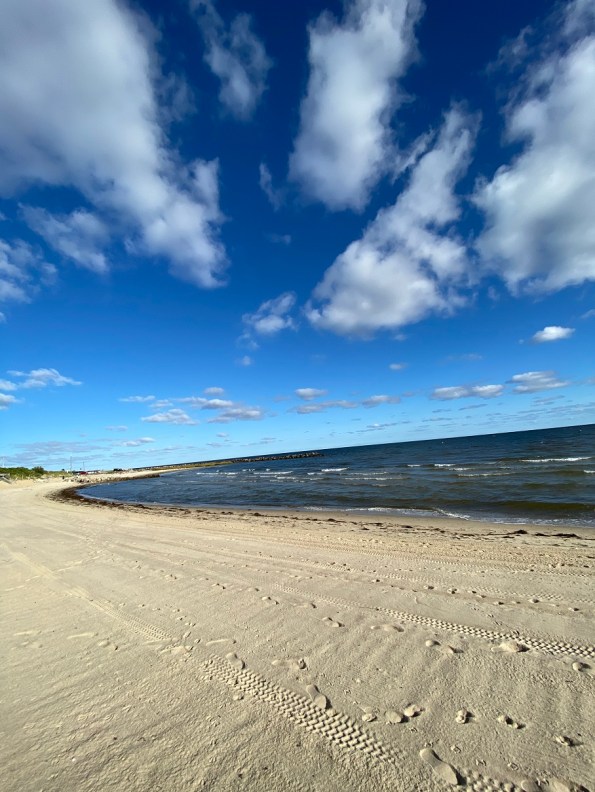
The Cape Cod is a narrow swath of land, extended into the Atlantic ocean – in no time you can move from one side of The Cape to another one, as the distance between the “coasts” ranges between 1 and 20 miles. We have family living in the town of Dennis, so this is where we stayed, the same as in the previous trips this year. In 3 days, we visited 5 or 6 different beaches – it appears that the town of Dennis (population under 14,000) offers a total of 20 (!) beaches on both sides of the Cape. While the beach is the beach at the end of the day, they all still have different charm – and some would even allow you to bring your car directly on the beach.
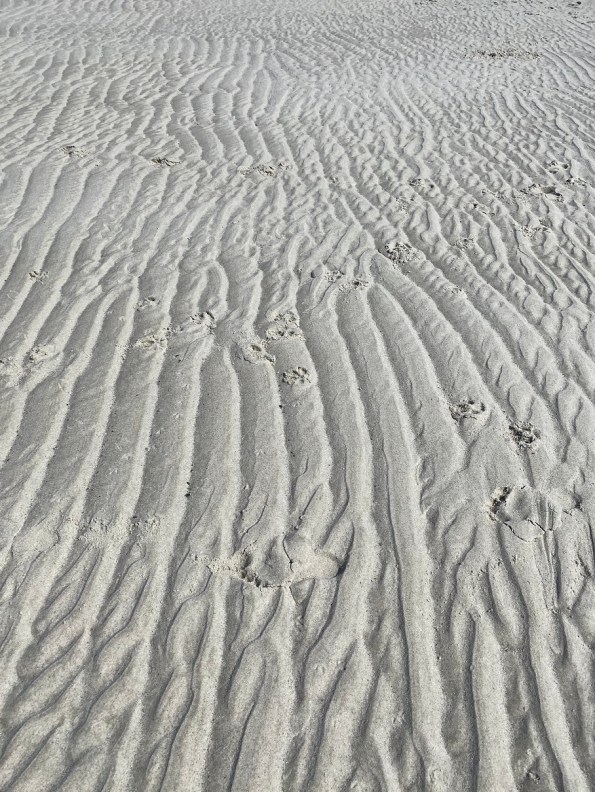
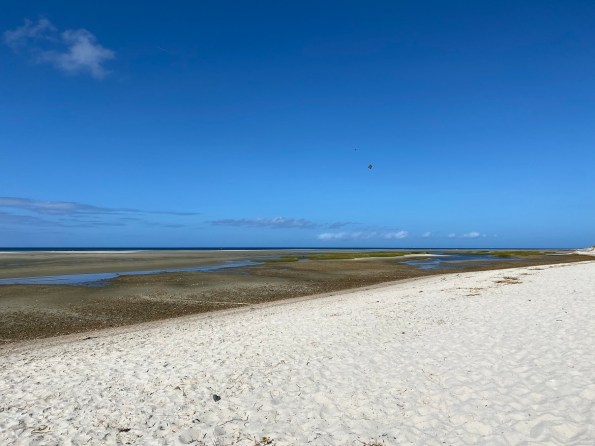
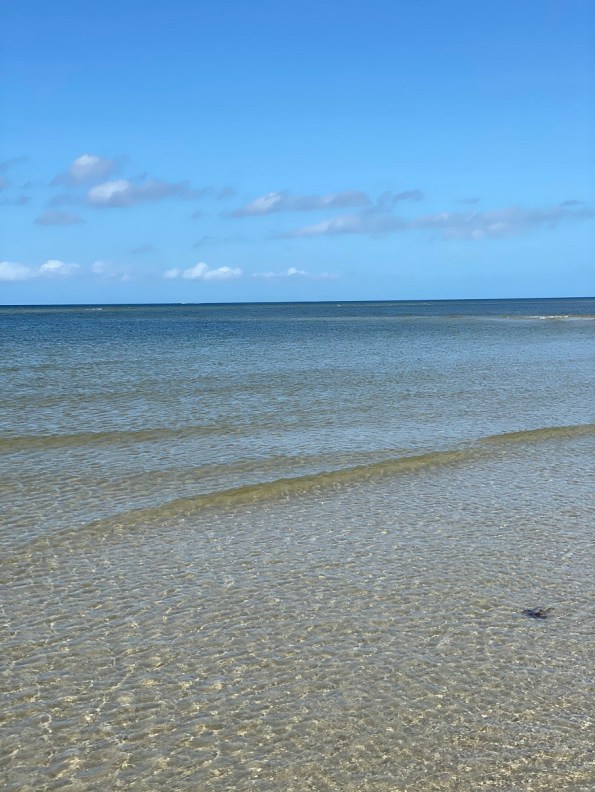
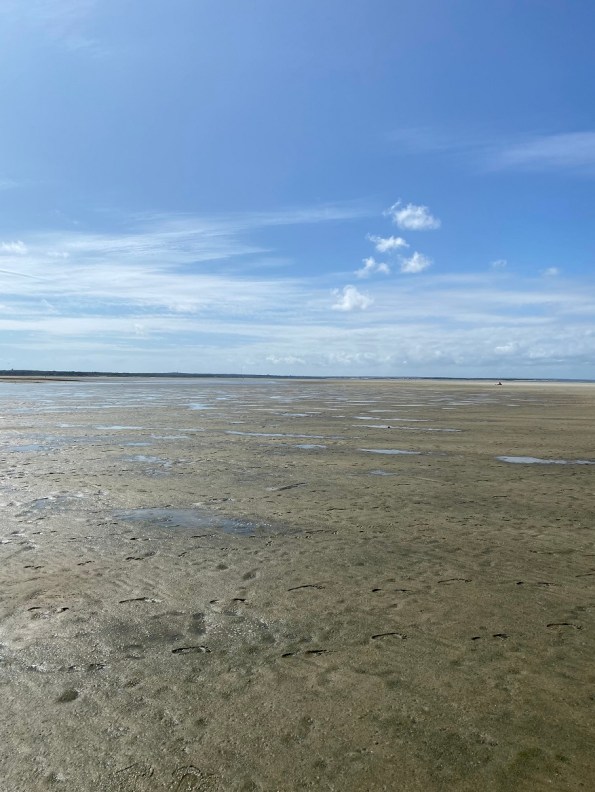
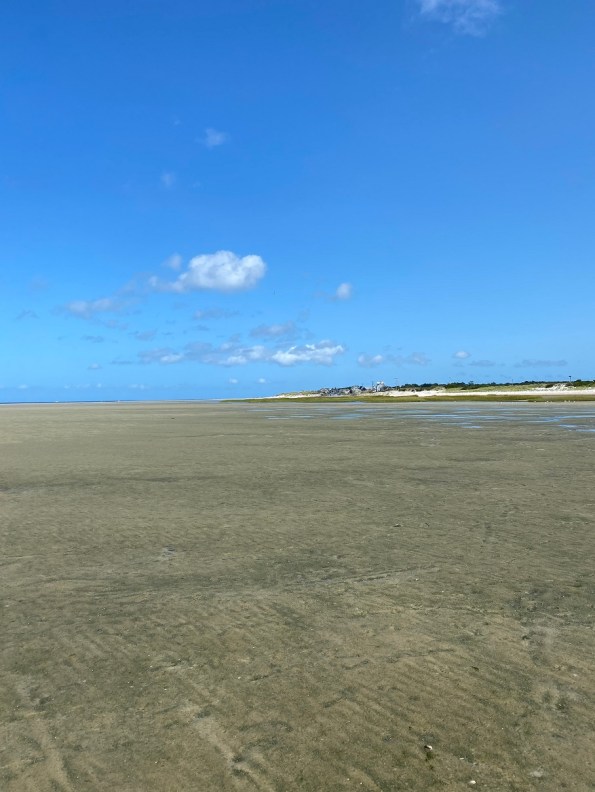
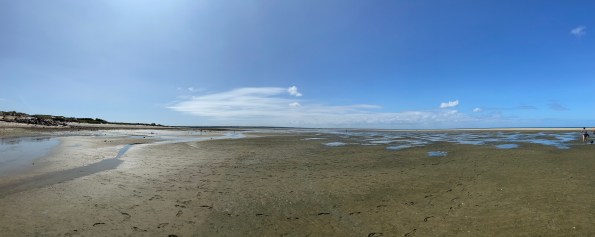
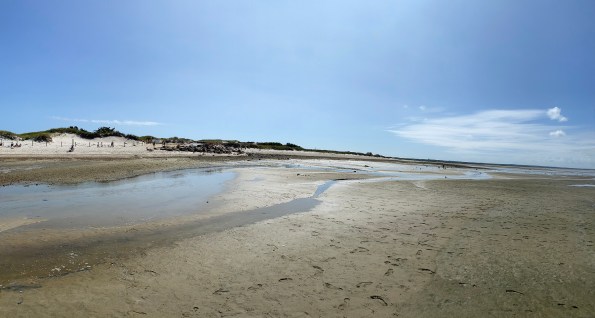
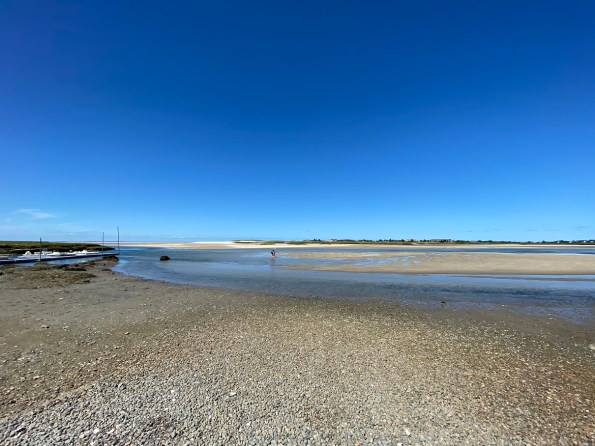
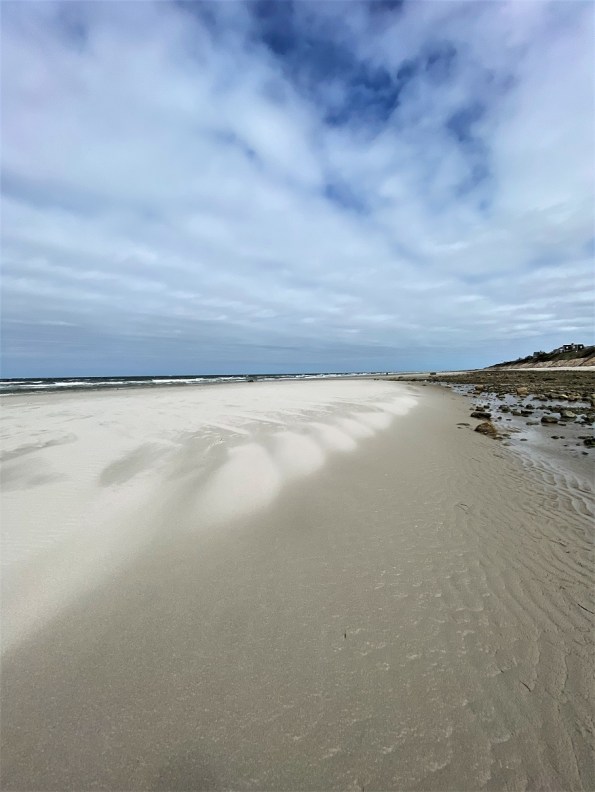
Combination of off-season (tourists are practically gone after the Labor Day weekend), warm weather, and low tide allowed us to enjoy hourlong walks with only sand and water in sight. A perfect place and time for self-reflection and pondering at life.
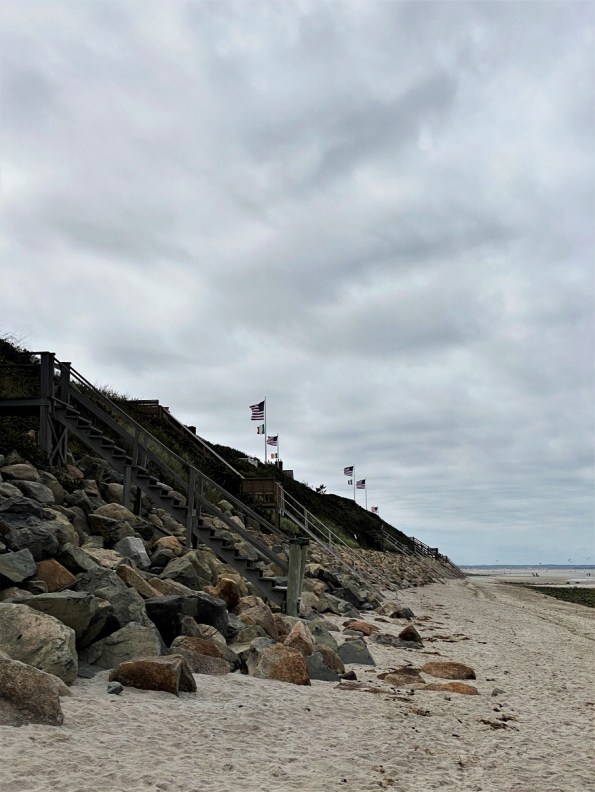
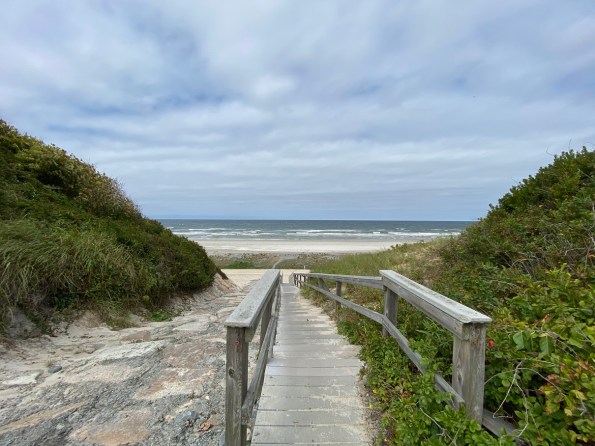
The only way I can share this experience with you is through the pictures, so here you have it, my friends.

A little flower intermezzo:


More of the water and sand:
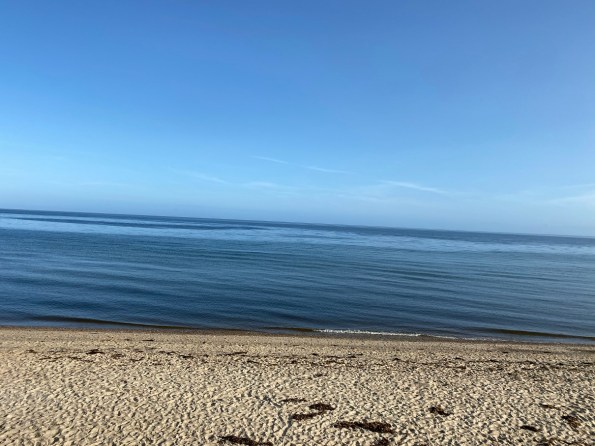
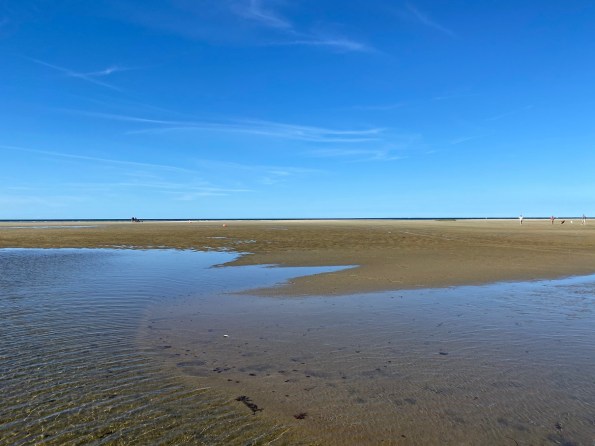
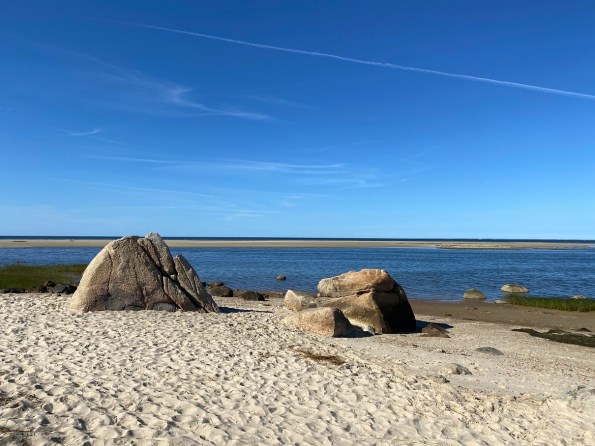
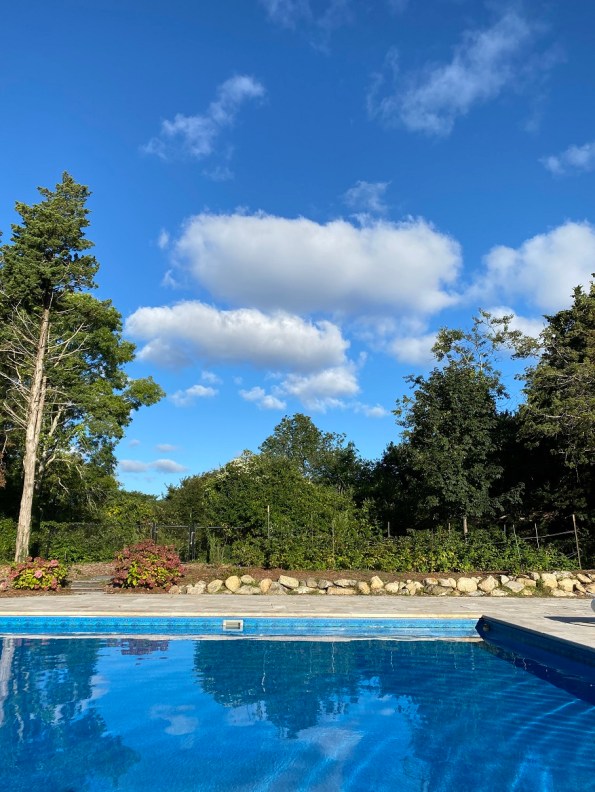
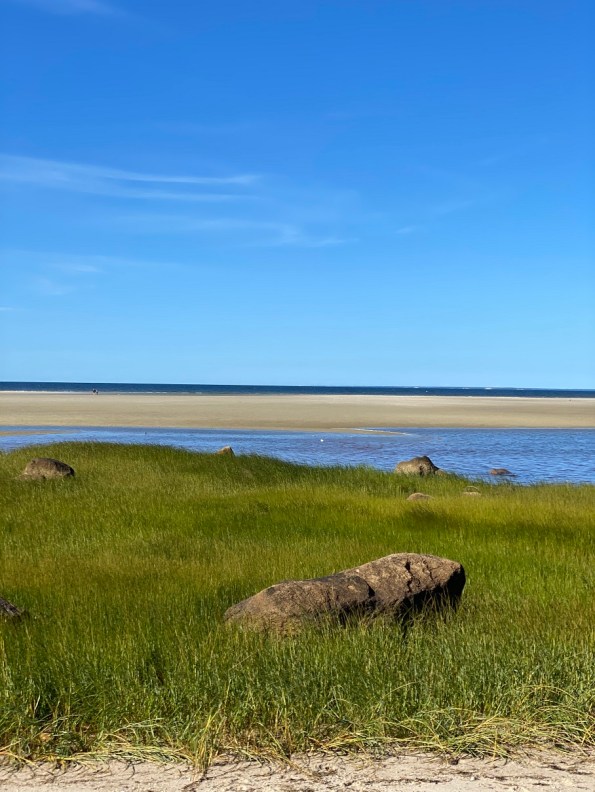 This is not the beach, obviously, but beautiful morning on the backyard:
And a few words about wines, as the wine was an unquestionable part of the daily routine. The 2014 Turley White Coat was an absolute delight, offering Chardonnesque complexity and layers of acidity and fresh fruit. 2010 Diadema Rosso Toscana, a blend of Sangiovese, Cabernet Sauvignon, Merlot, and Syrah, was offering a lot more than just a pretty bottle – plums, cherries, tobacco, mouthwatering acidity – delicious, nicely mature Italian wine treat. We also enjoyed the line of Terra Noble delicious renditions of Chilean Carmenere, which I just tasted before leaving for the Cape Cod over the virtual tasting (this will be a subject of the separate post).


And here is more of the Cape Cod beauty for you:
Wednesday’s Meritage #146
Meritage Time!
First, I’m sure I have some explaining to do – all of a sudden here is Meritage #146, while you can’t find #1, #50, or #145. I know I had not been contributing on the regular basis to this blog, and I would like to see how I can change that. Meritage posts were always an aggregation (Meritage) of interesting wine and food news, which were published on Wednesdays, hence the title. I counted all the Meritage posts in this blog during the 10+ years and found out that there were 145 of them published before. Previously, I would give you the synopsis of the post right in the title – going forward, I will substitute that with simply a number. Hope I managed to explain my logic, so now let’s proceed with the news.
Let’s start with some interesting developments in the world of Spanish wines. Classification of the Spanish wines appears to be simple – most of the wines are designated under a certain DO, which stands for Denominación de Origen, and then there are few other categories, such as the highest quality category in Rioja and Priorat, which are interesting enough are written differently but signify the same – it is DOCa for Rioja (Denominación de Origen Calificada) and DOQ (Denominació d’Origen Qualificada) in Priorat. Then you also have Vino de Pago, which signifies a single vineyard and a few other categories. It appears, however, that the simplicity is somewhat crumbling and more classifications had been sought to address different quality levels in Spanish wines. For example, you now have Corpinnat in Penedes, designating Cava made with organic grapes plus few other restrictions, or Vino de Villa and Vino de Paraje classifications which just had been launched in DO Bierzo. If you want to learn more, I would like to offer you this article on the Guild of Sommeliers website – it is definitely technical but well worth the effort of understanding the latest dynamics in the world of Spanish wines.
Ever heard of Tour de France, probably the greatest annual cycling race in existence? I’m sure you have, and if you need any technical details about the 2020 race, you can find it here. Many wine writers use this event simply as a canvas to talk about French wines from all the different regions, as cyclists race through them in the quest for glory. I want to offer you two of the Tour de France wine tours – one which is covering the whole race in one sitting, and another wine which is a series of posts. I don’t know if you are a cycling fan or not, but this is definitely an interesting way of exploring the world of French wines.
The year 2020 is absolutely unique in thousands of ways. Not for the things which happened during 2020, but maybe even to a larger extent, for the things which didn’t happen. Chowdafest 2020 would be one of such “things”. Chowdafest is one of my favorite culinary events in New England, usually taking place at the beginning of October, where thousands of Chowder lovers get together to taste and rate a large offering of the hearty soups, also known as “chowder”. With all of the fun of 2020, getting about 20,000 people together on the beach for a few hours doesn’t sound like a smart idea. But – it doesn’t mean that chowder lovers have to be deprived of their favorite treat. How? Easy. Please meet the brand new initiative of the Chowdafest – the Chowder Club. You can join the club for only $10 (not per month, just a one time $10). 24 restaurants in the program will supply their original chowder recipes and a professional chef will prepare them. You will have an opportunity to buy two different types of Chowder every month, at the $20 per quart of the chowder – if you don’t like the particular offering, you don’t have to buy anything. Initially, the chowders will be shipped only within the New England, but hopefully, they will expand nationwide. Make sure to read the FAQ section on the Chowder Club’s website as it provides additional information to what is listed on the Join Club page. I already signed up, so now I will have an opportunity to write about chowders 12 times a year instead of only once :).
Whatever happens, is for the better, right? Not always, yes – but sometimes it works. I wanted to get this post out last week, but that didn’t happen. On the flip side, however, I got a notification about the first Chowda Club offering, which will consist of two soups that won the Chowdafest in their respective categories for 5 years in the row – Pike’s Place from Seattle with its Classic New England Chowder and Our House Bistro from Winooski in Vermont with their Drunken Pumpkin Seafood Chowder. At the moment these chowders can be shipped only within New England – if you want to get yours, all the details can be found here – but hurry up, you can only order your chowder until September 18th.
One last news, more of a local kind – about this blog. Yesterday, I got a totally unexpected email from Corked Wines in the UK, informing me that I made it to their Top 101 wine writers list of 2020, and thus I can proudly display this logo:

I’m very humbled by this honor, but I wouldn’t lie to you, it was definitely a pleasant surprise. In case you would like to see the full list of awardees, you can find it here.
That’s all I have for you today. The glass is empty, but the refill is on the way. Cheers!
[Not Weekly At All] Wine Quiz #123: How Well Do You Know Your Wines?
The Wine Quiz series is not meant to intimidate. The whole idea here is to have fun and learn something new. When answering the questions, it is fully encouraged to use all available sources of information, including Google or any other search engine. There are no embarrassing answers – the most embarrassing thing is not giving it a try…
Welcome to the weekend and your new wine quiz!
Yes, the wine quizzes used to be a regular (weekly) feature on these pages – however, the last one was published more than 3 years ago, so it is clearly not. Still, let’s have some fun.
The subject of today’s quiz is about the element of the wine experience which is often overlooked – the top of the bottle. Of course, we are eager to get to the content of the bottle, so who would be paying attention to the element which typically stands between you and the delicious liquid in the glass. Meanwhile, you can often instantly identify the producer just by a quick glance at the top of the bottle. Below you will find pictures of the tops of the bottles – and your task is to identify the producers of these wines. As a hint, I can tell you that majority of the wines are produced in the US, and few of the producers are quite famous. Here we go:
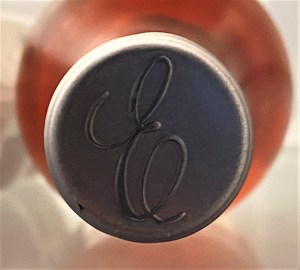
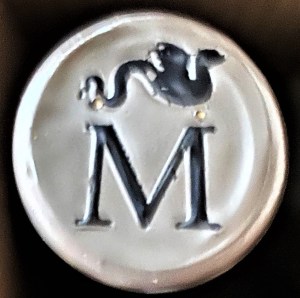
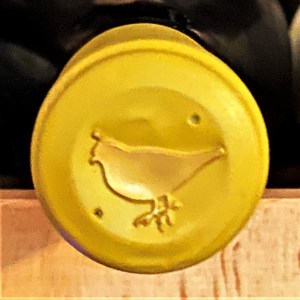
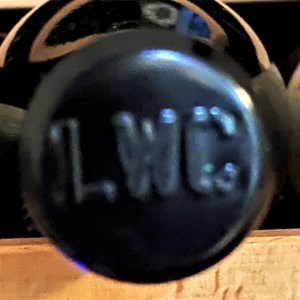
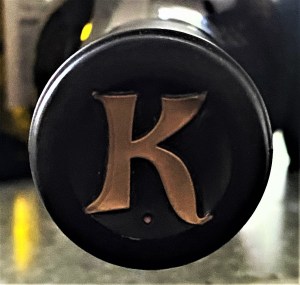
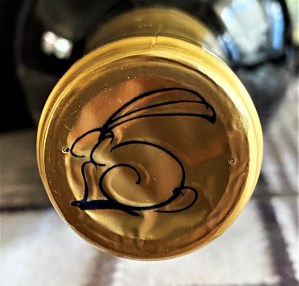
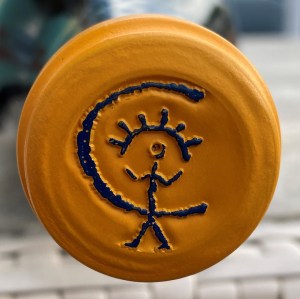
Good luck, enjoy the quiz and your weekend! Cheers!
A Weekend Of Wine Experiences
What makes the wine experience for you?
If you drink wine pretty much every day, is that every glass an experience? Is that even possible?
The experience should be something memorable, something you can bring up in your thoughts on the moment’s notice. The experience is not always positive – I well remember some bottles I had to pour down the drain – luckily, it doesn’t happen all that often. The experience triggers the emotion – pain or pleasure – and this is what makes us remember.
During our recent Cape Cod visit with the family, in addition to the ocean, flowers, and sunsets, we also had lots of wine. While some wines were good and simple – and not necessarily memorable – some were just at the level of creating a lasting memory. Let me present my case.
I try not to associate the color of the wine with the weather, but fresh and crisp white wine always brightens up a hot summer day better than a big red. Both wines we had were somewhat of an experience. 2018 Hanna Sauvignon Blanc Russian River Valley (13.2% ABV) was a reminder for how much I love this wine, which I consider one of the best California Sauvignon Blancs in general – fresh, citrusy, with plenty of the freshly cut grass and vibrant acidity. A sip of such wine makes you say “ahhh”, and immediately go for another.
The second wine was rather an unexpected disappointment – it had nothing really to do with the wine itself, I guess it was a self-inflicted disappointment, but this is how it will be remembered. 2016 Duckhorn Sauvignon Blanc Napa Valley (13.5% ABV) didn’t offer much anything in the glass. It was a white wine without a sense of place or much in terms of the expected taste profile. It had no obvious faults, just the taste of “some white wine”. Maybe it was supposed to be consumed two years ago (my wife got it as a present from a coworker and then it was forgotten on the bottom shelf of the cellar). Maybe it was in a “sleeper mode” at the moment. No idea, but this was definitely not something I expected from the Duckhorn.


I continue to surprise myself with an inability to find a bad tasting Rosé nowadays. Either something is wrong with my palate, or I don’t drink enough, or everybody simply mastered the art of Rosé to its fullest, but I like every Rosé I have an opportunity to taste. 2018 Etude Rosé Santa Barbara County (13.2% ABV) was excellent, strawberries all the way, both on the nose and the palate, very elegant and round. Etude is a Pinot Noir specialist, so this was a Pinot Noir Rosé. Santa Barbara designation also brought back lots of happy memories of my first Wine Bloggers conference in 2014. The second Rosé, 2017 Baron de Fumes Rosé Garnacha Cariñena DO (13.5% ABV) was a bit lighter but sharing mostly the same strawberry profile with a bit more acidity – still every drop delicious. This was also a great value at $8.99 at my local wine store – I now have a few bottles in the fridge ready to be open on any hot day.
Time to move to reds – and to elevate the experience.
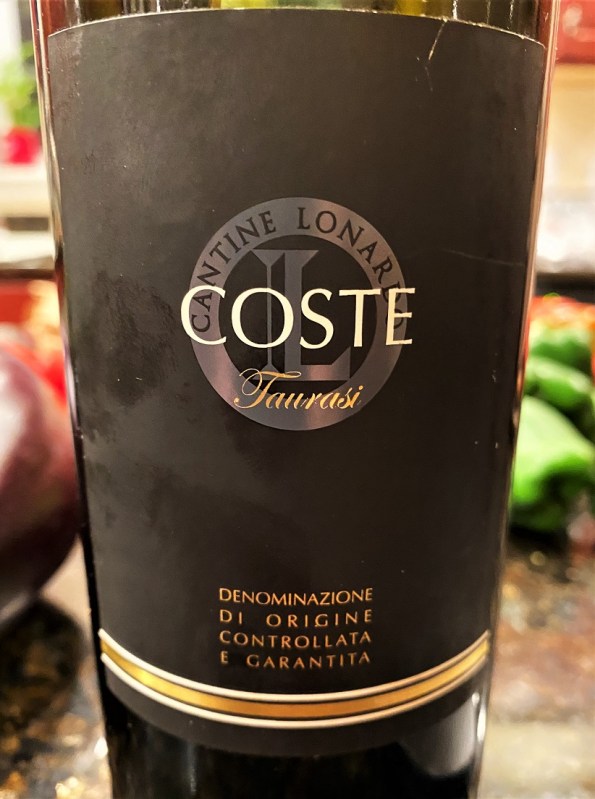
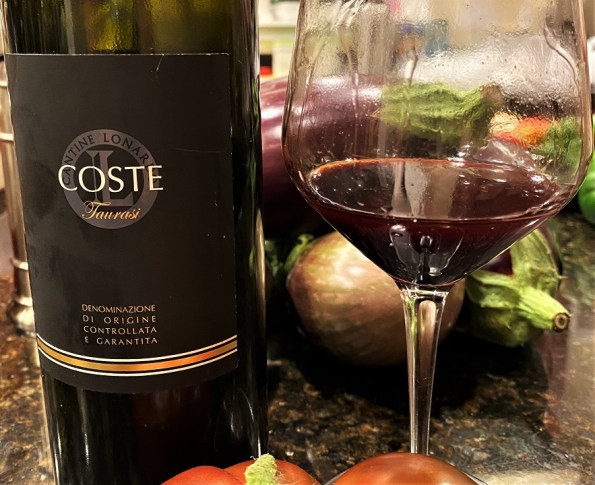
Everyone’s cellar has bottles that appeared out of nowhere. You know how this works – you host a party, someone walks through the door with a bottle. You say thank you, hastily put a bottle aside as you are rushing to meet another guest. The bottle is never opened as you had enough wine prepared, and after the party, it is just put away and you have no memory you ever saw it. This was my story with the bottle of 2008 Cantine Lonardo Coste Taurasi DOCG (14.5% ABV, 100% Aglianico). I have no memory of how the bottle made it into the wine fridge. I saw this bottle many times looking for the wine to open – as I’m not familiar with this wine and never bothered to research, I would always skip opening it just on the basis of the vintage – too young, next time, too young, next time. This time around, as our family on The Cape loves the Italian wines, I decided that the time has come to open it.
As we arrived Thursday evening, this was the first bottle we opened. Oh my… As soon as the wine made it to the glasses, the aromatics stopped everyone in their tracks. I can’t even describe it. Mature Italian wine at its peak literally gives me shivers. You can’t put down the glass, you don’t want a sip – you just want another smell, and then another one. Succulent cherries, eucalyptus, tobacco, iodine, ocean breeze – the bouquet delivered such an interplay of flavors that you simply forget the time. When you finally decide to take a sip, you are blown away anew – juicy cherries with herbs, sweet oak, silky smooth tannins, and impeccable balance – just a divine experience (am I going to far? Can’t tell you. Wish you were there…). Hands down, this wine is an excellent contender for the top wine of 2020, rivaling Soldera experience (Drinkability: 9/9+).
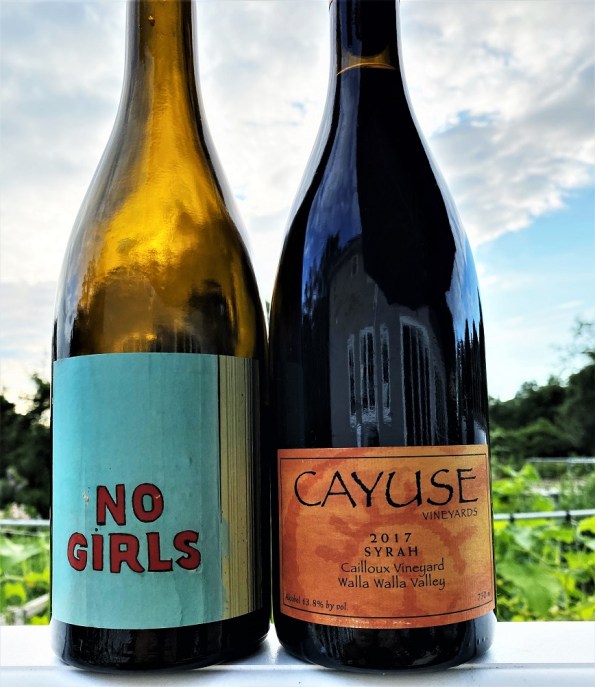


As I had no idea about Coste, I decided to bring a couple of big guns – two of the Christophe Baron wines – No Girls and Cayuse. I knew that I’m committing a crime by opening 3 years old Cayuse – but this was my very first taste of Cayuse wine, after finally making it on the mailing list, so I decided to take my chances. 2010 No Girls Syrah La Paciencia Vineyard Walla Walla Valley (14.8% ABV) was as good as I expected it to be – a little bit of funk, black fruit, black pepper, full body, good structure and concentration, excellent balance – definitely a very enjoyable wine. 2017 Cayuse Syrah Cailloux Vineyard Walla Walla Valley (13.8% ABV), however, was a disappointment. I knew I’m opening the wine prematurely (the one can only hope. I wonder how Sassicaia does it, making their wines perfectly drinkable upon release), but I still expected the wine to come to its senses at least on the second day, and especially with the help of decanter.
The decanter didn’t help, even on the second day. The wine had some amount of fresh crunchy cherries in it, but that was the maximum excitement. The wine never demonstrated the body I would expect from the Washington Syrah, nor the depth of flavor and the textural experience on the palate. Again, this was not a bad wine, just not enjoyable for me. As this was my very first experience with Cayuse, I don’t want to jump to any conclusions – maybe the wine will completely change in a few years, or maybe the wine is just meant to be like this – I anticipate that the wine will need at least another 7-10 years before it will become fully enjoyable, but we will see. And if it just supposed to taste like that, this will be a serious disappointment, especially considering the price of this wine (around $100).
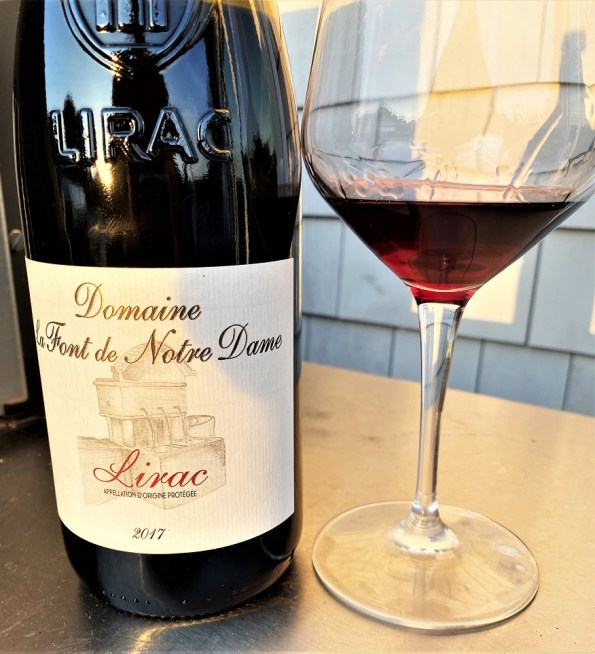
One more wine I want to mention here – 2017 Domaine La Font de Notre Dame Lirac AOC (14.5% ABV, 70% Grenache, 25% Syrah, 5% Mourvèdre). This wine was opened to compensate for the Cayuse not being very drinkable – and this GSM blend didn’t disappoint – perfectly drinkable and enjoyable from the moment the cork was pulled out. Bright fruit, medium to full body, good minerality, and perfect balance. The wine has limited availability, unfortunately, but if you can find it, it should set you back for less than $20 and this can be your perfect every day red for any time of the year.
There you go, my friends. This is how experiences form into the memories. The pleasure of drinking Coste will stay long in the memory – this was one of the most exciting wines this year. The absence of pleasure in my first sip of Cayuse will also become a long-lasting phenomenon. What are your strongest memories associated with wine?
Cape Cod – Ocean, Sunsets and Flowers
Oh, for the love of travel… What would you give for an opportunity to get on the plane, worry-free, and fly somewhere for a week, or even for a few days? I’m sure if this is a real question, many of you would answer “anything”. For all of us feeling travel-deprived, even the thought of a trip anywhere further than our own backyard is extremely comforting. Never mind an actual opportunity to go anywhere.
One of my favorite sayings in life is “count your blessings”. And for that, I can tell you that we are very lucky. We live in close proximity to Cape Cod, which is one of my most favorite places not only in the USA but also in the world. On a normal day, it is only a 4 hours drive to most any place on The Cape as it is lovingly referred to by many New Englanders. In addition to the reasonable driving distance, we also have family living on the Cape, which greatly simplifies the logistics of such a trip. So yes, I’m acutely aware of all the blessings.
Last weekend we visited The Cape and spent 3 days walking around the beaches and neighborhoods, admiring beautiful flowers which can be considered an essential lifestyle element of the Cape living. We also caught a magnificent sunset – 10 minutes of pure bliss, an incredible spectacle of the sun setting down into the ocean, with all the unimaginable color combinations no camera can ever capture properly.
In the times when we have to travel vicariously, here is my trip report – of course, in pictures. As this is the wine blog, I have to mention the sacred subject – there was plenty of wine consumed, with some bottles being nothing short of magnificent – but this deserves a separate post.
Get ready to be inundated.
Let’s start with the ocean:
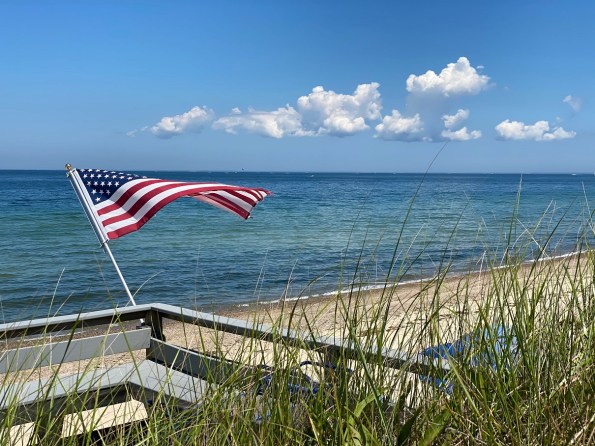
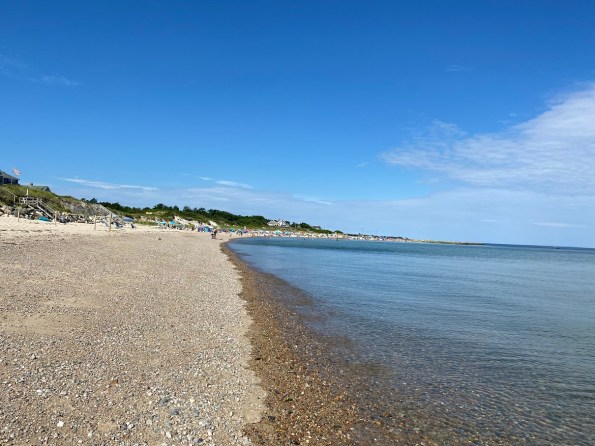

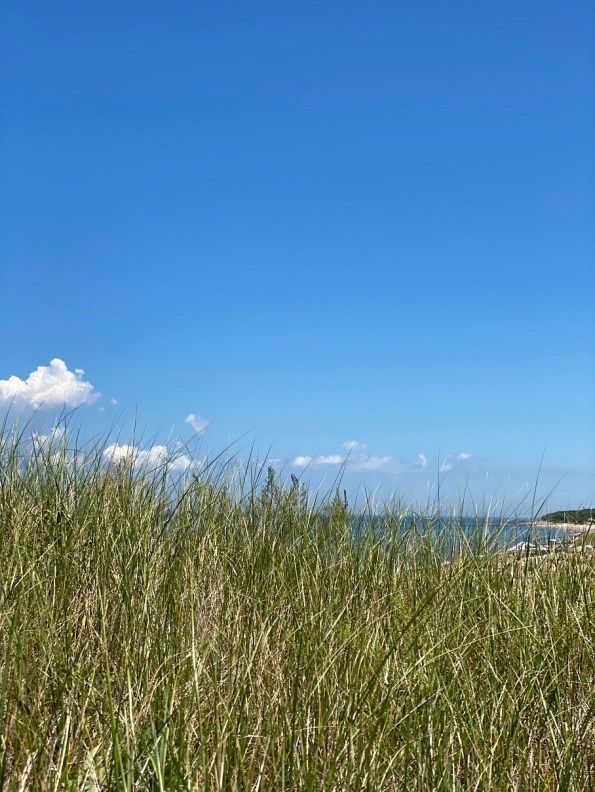
Now, flowers:


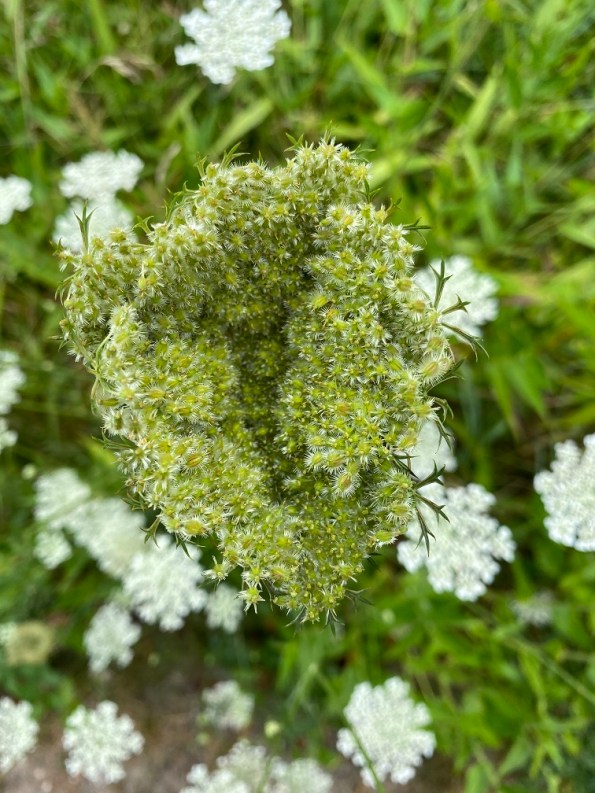

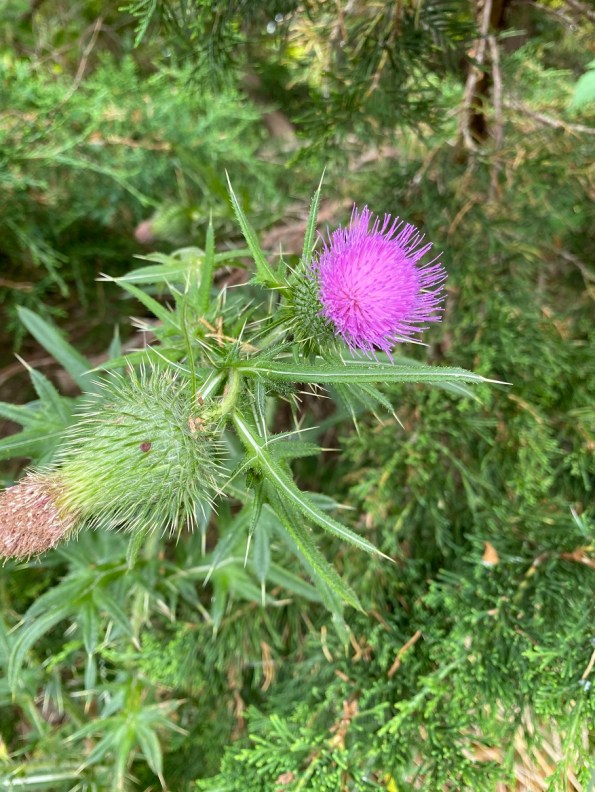
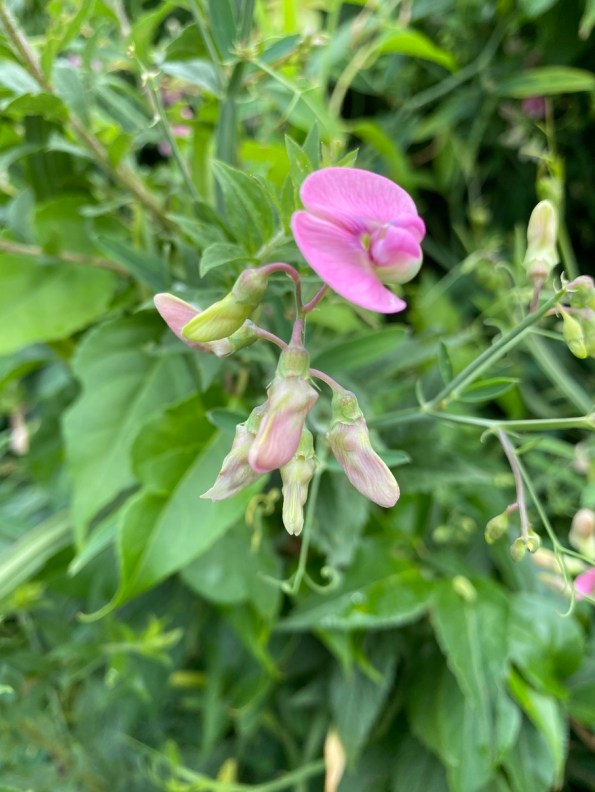

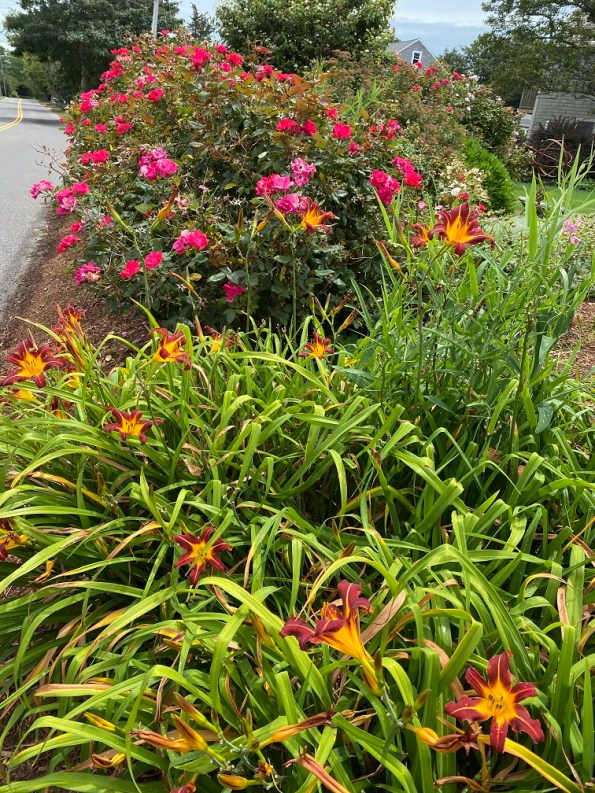
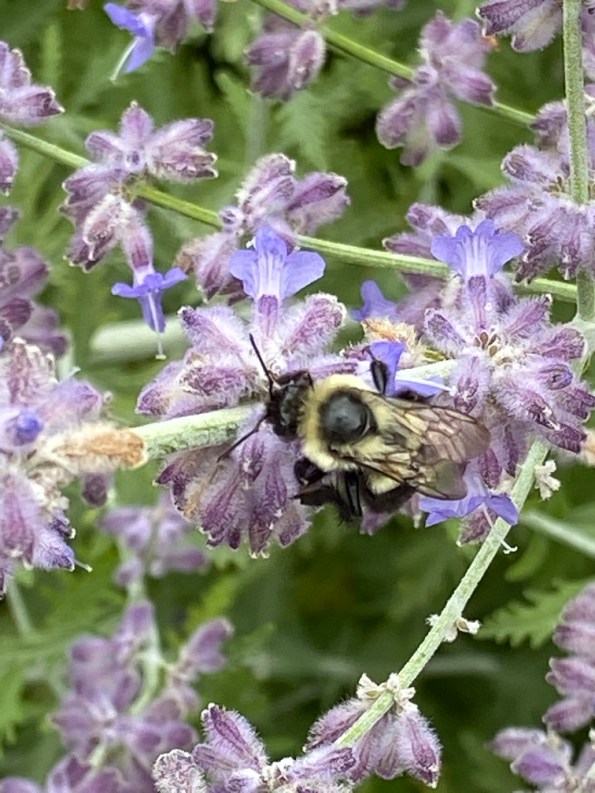
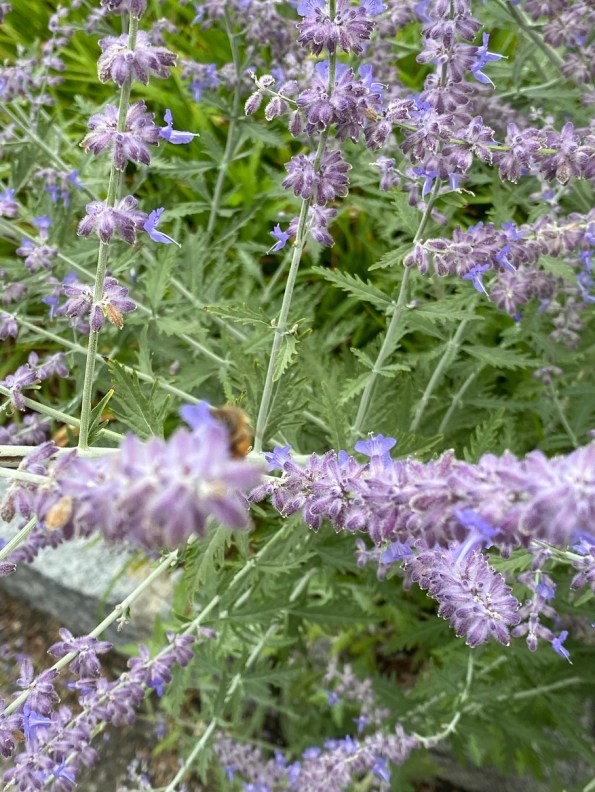
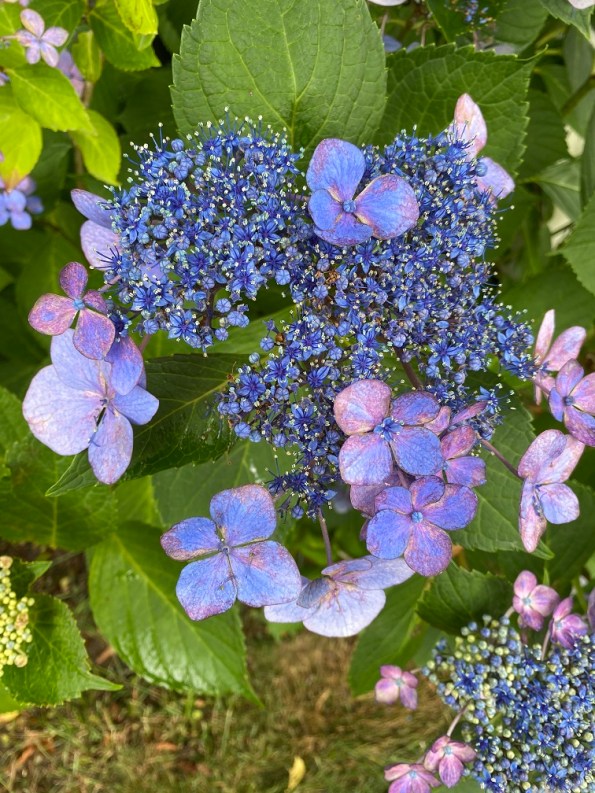


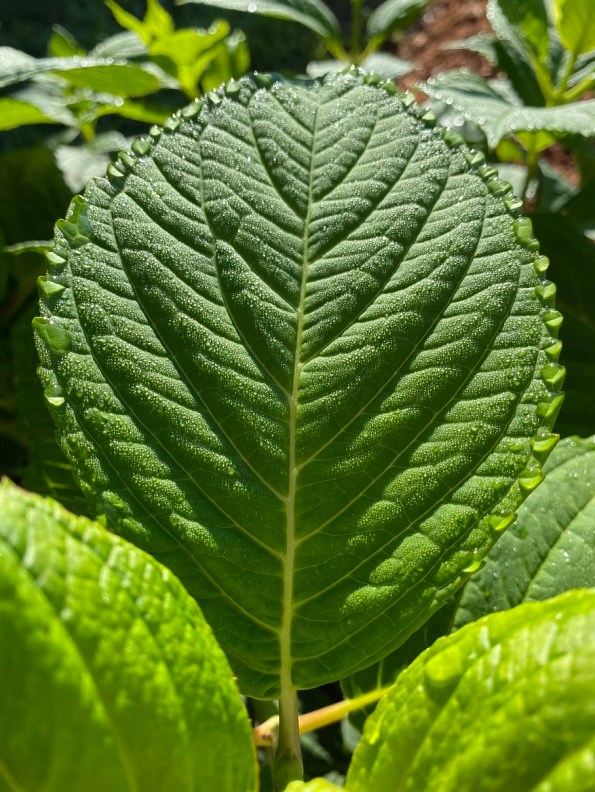
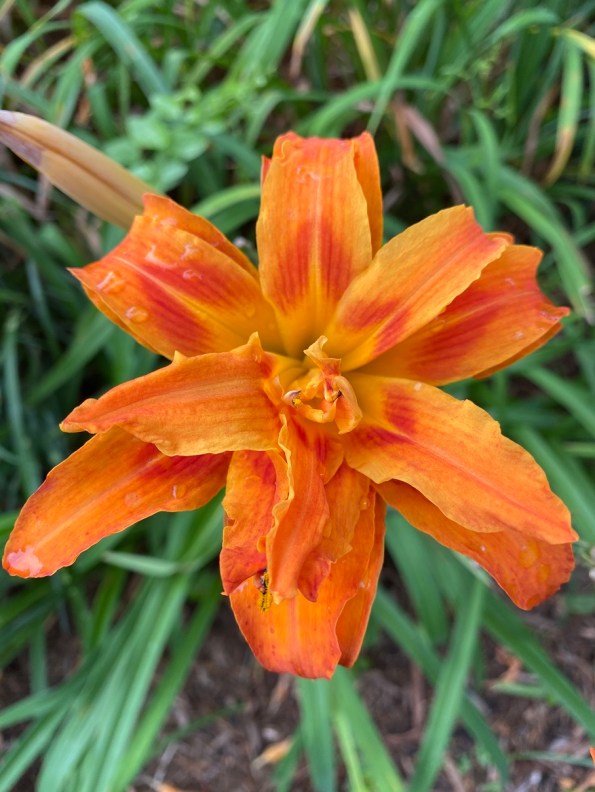

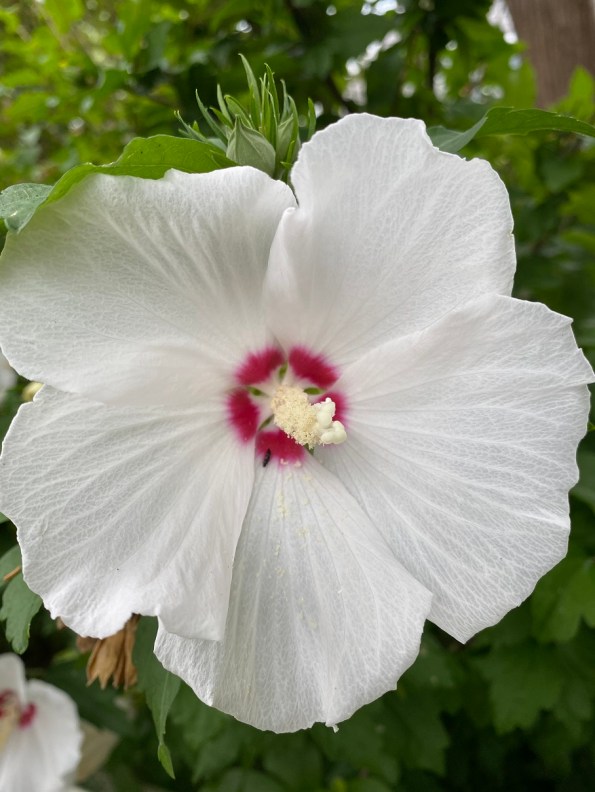
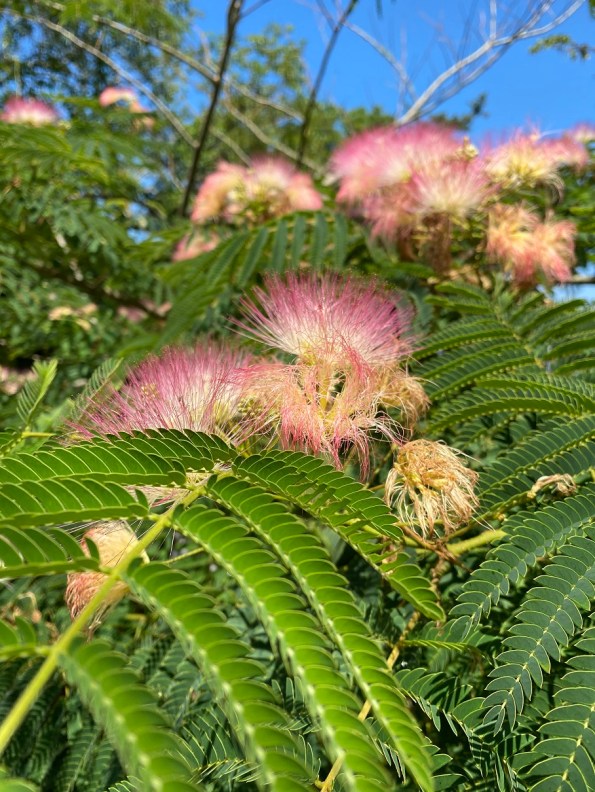

And the sunset:
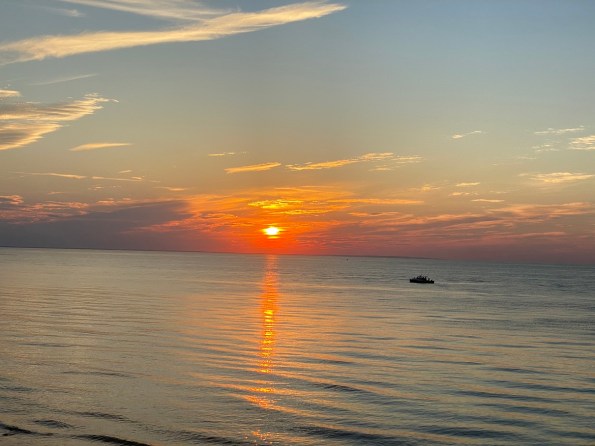
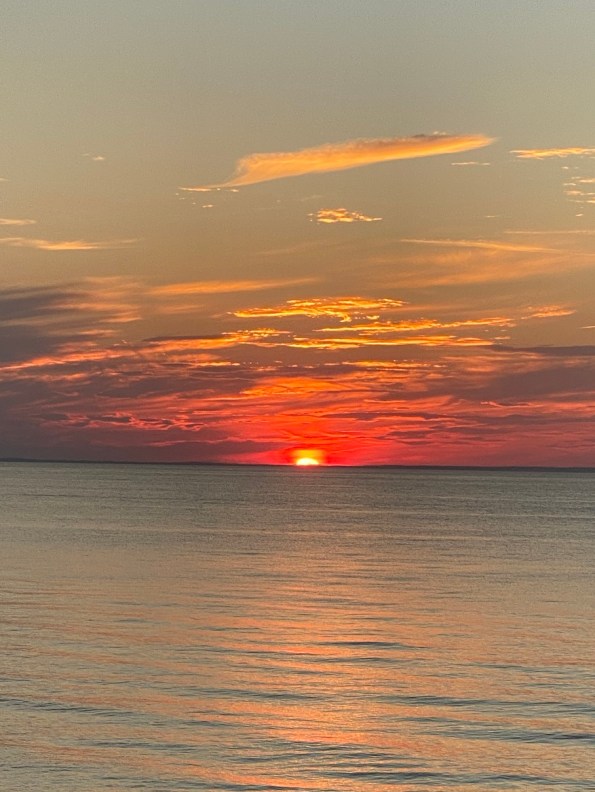
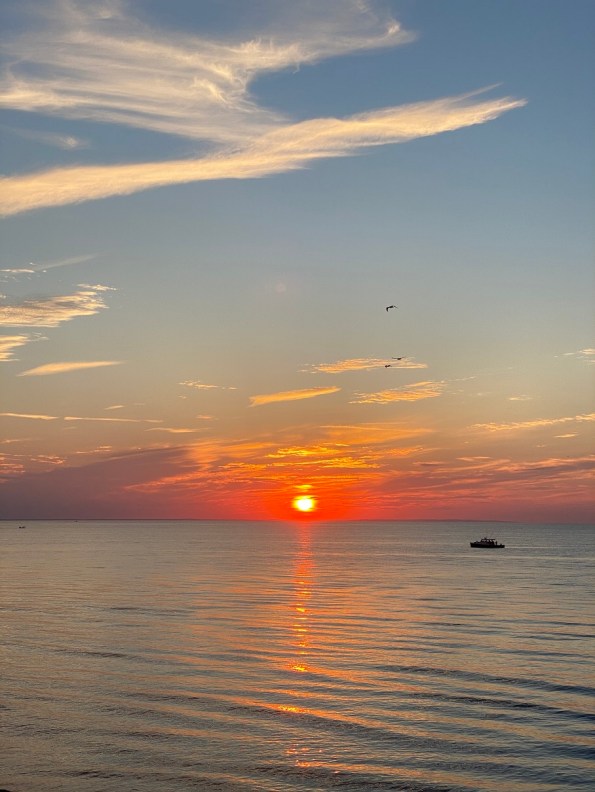
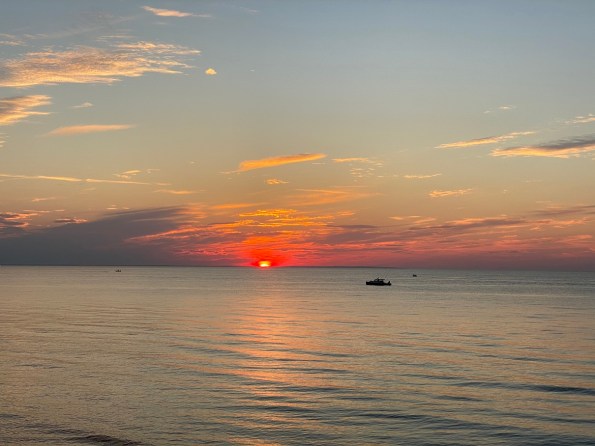
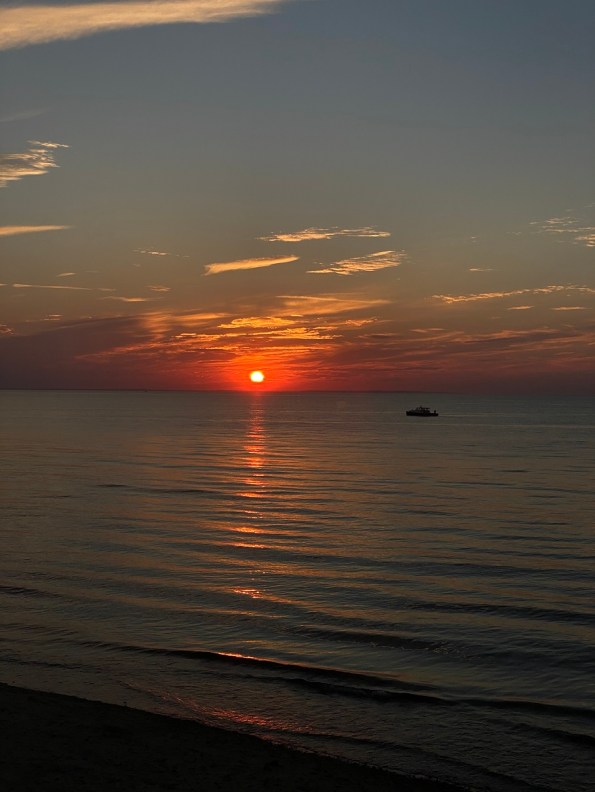


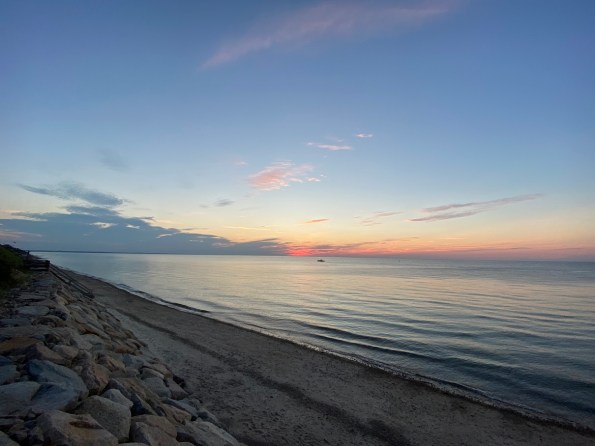
Hope you enjoyed it!
A Quick Trip To Spain
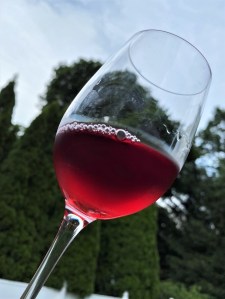 Hey friends!
Who else is feeling travel-deprived? Who else is dreaming of the airline food and 2-hours long passport control line after 12 hours flight?
I know it is not only me. I know we all do. But we still have to wait until any of that is a reality. For now, travel is just virtual.
Virtual travel has many ways. You can go back to the pictures you took while vacationing. You can go on Instagram or Pinterest, type in “Italy”, “Amalfi Coast”, “Maldives”, “Everest”, or “Machu Pichu”, and get lost for hours, exploring every little angle of the paradise through the eyes of others. You can find plenty to read, from blogs to books to everything in between, making it easy to imagine yourself in a French cafe, on the beach in Goa, or looking at the world while standing on the Great Wall.
Then, of course, there is food. There are many cuisines available within anyone’s reach today, no matter where you live. You can have paella at the Spanish restaurant, Mexican street corn at the Mexican place, black truffle risotto at Italian, or cassoulet at the French restaurant. Will that be an authentic experience that will bring back happy memories? That depends. The food might be amazing, but if you will not get the exact match to your expectations, to what you experienced during the travel, that might end up being a great meal, but not memory-inducing at all. For sure my own experience with paella or cassoulet is always hit and miss.
And then there is wine – of, course, you knew that it will all end up at “have wine, will travel”, right? Remember that proverbial “sense of place”? The sense of place is an indelible part of the wine. Even more importantly, wine can trigger an outpour of memories even before it will be opened and poured. One quick glance at the label is often enough to start the emotions going, to recall, to remember, to re-live. Of course, you can find authentic dishes in restaurants and market places. There are tons of original and authentic foods imported and readily available. It still doesn’t mean that on the moment’s notice you can retrieve that aged Swiss Gruyère, French Raclette, or a Spanish Jamón and have a smile from ear to ear. However, take out that bottle of Brunello, Australian Shiraz, Provençal Rosé, or Spanish Rioja – and watch out for that smile.
Ahh, I just said “Rioja” – remember I promised you a quick trip to Spain? Instead of musing on the subject, how about we will actually take this trip – and we don’t even need to pack a suitcase or wait for a taxi – get a bottle of Rioja, and you can instantly imagine yourself strolling the streets of Barcelona, or maybe admiring the old train station in Haro. Have wine, will travel – who is with me?
The Rioja I would like to bring to your attention today is as classic as it gets – coming from CVNE (Compañía Vinícola del Norte del España), one of the oldest producers in Rioja, who celebrated it’s 140th anniversary last year. CVNE produces a number of distinct lines of Rioja wines, under Cune, Imperial, Viña Real, and Contino labels, but the company is also expanding into areas such as Ribera Del Duero, Valdeorras, and others.


I recently had two delicious samples of the latest offerings from CVNE – you really can’t go wrong with either one of them, and the QPR is absolutely unbeatable:
2019 Cune Rosado Rioja DO (14.5% ABV, $13, 100% Tempranillo)
Cranberry juice color
Fresh cranberries, herbal notes, sage and violets
Fresh, crunchy cranberries, with characteristic acidity and tiny bitter undertones. Bone dry and very present. Balanced and elegant. Un-Provence and proud.
8/8+. If you are looking for Rosé with an umpf, this is your wine.
2016 Viña Real Crianza Rioja DOC (14.5% ABV, $17, 90% Tempranillo, 10% Garnacha, Graciano and Mazuelo)
Intense garnet
Eucalyptus, sage, crunchy berries, tobacco
Fresh red fruit, elegant, medium body, good acidity, a touch of sapidity, excellent balance
8, fresh and delightful. Daughter said it was good with an ice cream cake (surprise!)
Where would you like to go next? Cheers!
Playing With Celebrity Wines
Celebrity wine – is there such a thing?
Of course.
If you will look at this Wikipedia page, you will see the list of 100+ famous people who own vineyards, wineries, or both. Like all of us, some of the celebrities happen to love wine, and they are not shy of associating with what they love.
Every year or so, a new celebrity finds their love of wine and joins the ranks. 2020 had two celebrities (so far) joining the wine club of their own making – singer Post Malone and actress Cameron Diaz brought to the market their wine offerings – which I was eager to try, hence this post.
I’m always curious about celebrity wines. Celebrity status greatly simplifies the marketing of the product, no matter what the celebrity associates with. The celebrity status easily overshadows the product itself – this removes the need for the product to be excellent, as we love our celebrities so much that we are willing to blindly take whatever they are endorsing – and so my inner skeptic always wants to know – how good is the particular product? Is it a real deal or simply a cover up for something mediocre?
I had no idea who Post Malone is until I saw a Netflix movie called Spencer Confidential. Afterward, I learned that Post Malone is actually a popular singer. Then I read an article talking about the upcoming release of Post Malone’s wine, so here it is – a celebrity wine which needs to be tasted. After waiting for almost a month, the wine finally appeared in Connecticut, and I was able to buy my bottle.
When I’m faced with celebrity wine, the celebrity factor goes aside. I’m happy to know that somewhere there is a famous name associated with the wine – but the only thing I care about is the wine itself. Where was it made, what grapes it is made out of, terroir, winemaking, smell, taste, and pleasure – this is what is important. Knowing I’m drinking the wine associated with a famous person doesn’t give me pleasure – tasty, delicious wine does. I always say that the proof is in the glass – that is the only thing that matters. So celebrity wine or not, I treat it exactly like any other bottle.
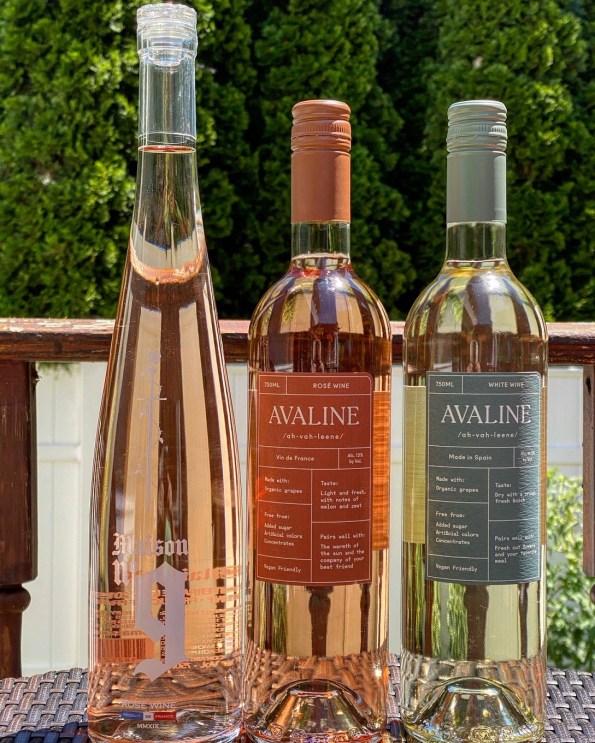
From that point of view, Maison No 9 represents a mixed bag. When it comes to the wine – it is superb. 2019 Maison No 9 Rosé Méditerranée IGT (12.5% ABV, $24, blend of Grenache, Merlot, Cinsault, Syrah) has a beautiful light pink color, has a nose of fresh strawberries with a touch of lemon, and bursts in your mouth with fresh strawberries and lemon, perfect minerality and raw, vibrant energy – all scrumptiously balanced (Drinkability: 8+). I love the bottle, it definitely stands out with an engraved front label depicting the sword and the rose. However, the problems start as soon as you try to dig deeper.
The website of Maison No 9 has no information about the wine, the vineyards, or the winemaker. All pictures on the web site feature Post Malone, and the only purpose of the website is to make sure you will buy something – either merchandise (T-shirt? Would it make wine taste better?), or the wine. This is in stark contrast with Miraval website, for example – Miraval is clearly a celebrity wine project (Angelina Jolie and Brad Pitt) – where it is all about the land, terroir, and wine. Website or not, but my problem is that the only place with any information about the Maison No 9 wine was this Forbes article. That is where I learned the story behind this wine, or that the wine was made by a well known French winemaker Alexis Cornu, or that the “new wine is named Maison No. 9, a reference to the Nine of Swords tarot card” (by the way, I searched the meaning of Nine of Swords tarot card and seems to be nothing good, but I’m not going to talk about things I have no idea about). So the bottom line here is that the wine is good, but the whole story is lacking. Does it worth $24? If this is your budget for Rosé, yes, but if not – you got options.
The Maison No 9 story, while almost non-existent, is still perfect compared to our next two wines, Avaline, which come with quite a story – and not really a good one. Avaline, which I believe means “bird” in Latin, is a product of the imagination of two long time friends, Cameron Diaz, a famous actress, and Katherine Power, a well-known entrepreneur. The duo decided to come up with a concept of a “clean wine” to advertise their creation, and this was a grave mistake, as it made the professional wine world fuming.
I’m not going to regurgitate any of the articles – just go search “clean wine Avaline”, you will find plenty of “critical acclaim”. The problem with using terms such as “clean wine” is that as soon as you designate your wine to be “clean”, you automatically imply that all other wines are “dirty” because no other wines advertise themselves as “clean”. When someone says on the label “Free from added sugars, artificial colors, concentrates”, I can’t keep my eyebrow from going up as my immediate reaction is “huh”? Really? I can’t speak with confidence about Two Buck Chuck, but I have serious doubts that they use any of these said additives. I don’t know who was advising Avaline on the wine marketing, but to me, this is a complete failure. Forget “clean wine” – another serious problem I have with these wines is that there is no information whatsoever about the wines – who made them, where the wines were made, from what grapes… yes, Wine.com, which sells both wines, has information on the grape composition. But then the white wine is designated as “Product of Spain” – another “huh?” from me as I never saw another wine with such designation, and the Rosé is identified as Vin de France. Another interesting element here (strategy????) is that both wines don’t list the vintage. So when you come to buy the wine in the store, you have no idea for how long the wine was sitting on that shelf… Nice…
So how were the wines? Both wines were actually quite tasty: NV Avaline White Wine Spain (11.5% ABV, $24, blend of Xarel·lo, Macabeo, Malvasia) – white stone fruit on the nose, nicely restrained, fresh flowers, a touch of minerality. Fresh ripe plums, sage, Meyer lemon, clean acidity, medium-long finish (Drinkability: 8, nicely done). NV Avaline Rosé Vin de France (13% ABV, $24, blend of Cinsault, Grenache, Cabernet Sauvignon, Syrah, Caladoc) – gentle pink color, a hint of sweet ripe strawberries, nicely restrained, candied strawberries and strawberry jam on the palate, good acidity, good balance, not over the top. Short finish, easy to drink (Drinkability: 8-).
While the Avaline are tasty wines, I see a serious problem here, outside of any “clean/dirty” concepts. You are asked to pay $24 for the wines of unknown pedigree, unknown vintage, made by someone somewhere, with a clean (pun intended), but a seriously unattractive label. I can splurge $5 on such a wine if I will get a recommendation – I guarantee you I will pass a wine like that if I will just see it on the shelf.
Here you go, my friends – 3 celebrity wine for your attention. All three are well drinkable, but you seek them at your own peril. Cheers!
Mystique of Mythic Malbec
A long, long time ago, in a place far, far away, lived a dragon. That dragon was known for the love of all things green. The vast land he called his home was all covered in luscious flowers, bushes, and trees, always perfect and beautiful. He would use his huge wings to keep the plants cool during the hot days, and he would plan his gardens in the most meticulous ways, to make sure all the plants were happy together.
There was one plant that he loved above all, and it was the grapevine. His vineyards always looked amazing, and his hard work was handsomely rewarded by the most perfect grapes you can imagine anywhere. He loved Malbec above all other grapes, as those gapes made him happy. Sometimes, he would make wine out of them, and sometimes, he would just eat them fresh and delicious.
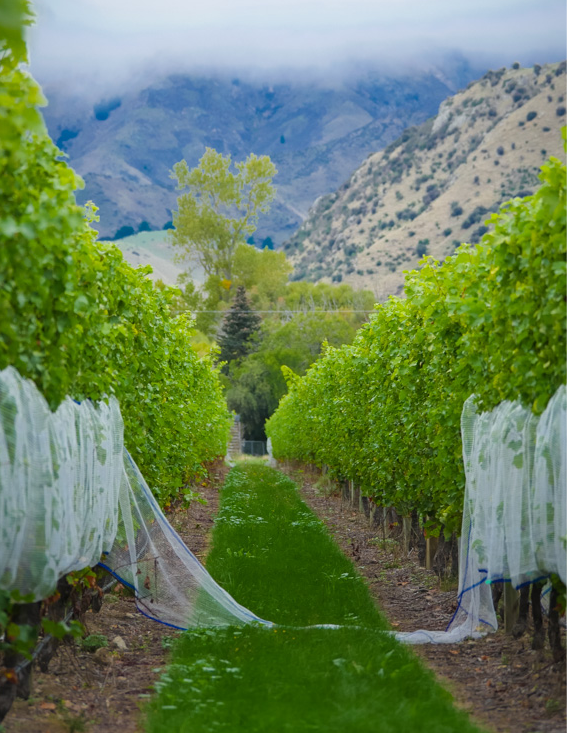
One day, the dragon was just gone. The plants didn’t feel the air moving with the flaps of his giant, powerful wings. But his presence still was felt in a magical way, as all the plants continued to happily grow, and the grapes were always delicious.
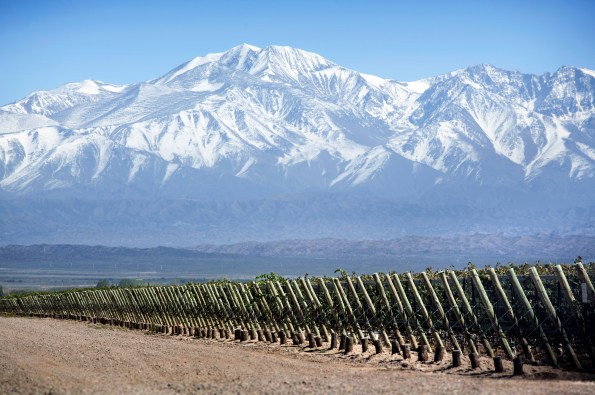
The legend has it that this far, far away magical place was in Mendoza, Argentina, and when people discovered it, they could still feel something magical, something mythical while standing between magnificent grapevine rows. So when they decided to create the winery and call it MYTHIC, that felt the most appropriate.
The MYTHIC winery is rather young, formed in 2014, but ambitious. The winery was founded by the same team which is behind the Casarena wines with the idea to showcase the best wines Argentina can produce – but also by going beyond the tradition. You know how you can taste a well made Bordeaux blend from Napa or Washington and be completely sure you are drinking the old world wine? This is what the MYTHIC winemaking team was trying to achieve – make the world-class wines, whether they appear to be Argentinian or not – and judging by my tasting experience, the mission was accomplished with flying colors.
Continuing what the dragon started, MYTHIC farms about 400 acres of the vineyards in Luján De Cuyo area in Mendoza, which is often regarded as the Napa Valley of Argentina. Some of the vineyards are 90 years old, and most of them are located at about 3000 feet elevation. These high altitude vineyards are protected by the Andes, its snow-covered tops being the best source of water for the sustainably growing vines.
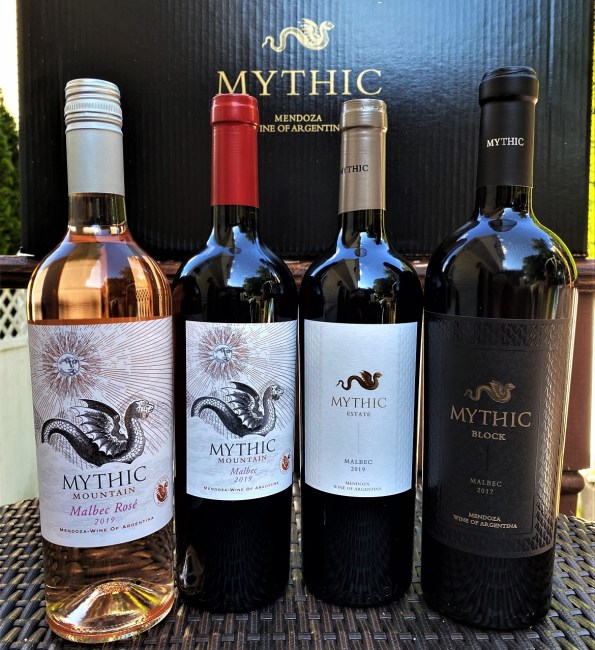
Malbec is the star at MYTHIC, used in the majority of wines – there are also multiple levels of wines, from the general to the vineyard, block, and even barrel-specific. The mystique of MYTHIC lies in the ability to show so many different expressions of Malbec, using seemingly negligible variations in the levels of fruit and oak regiment – but the diversity and the range are mind-boggling – or, rather, mythical. Take a look at my notes and see for yourself:
2019 Mythic Mountain Malbec Rosé Mendoza Argentina (12.5% ABV, $11.99)
Light pink
Fresh strawberries, good minerality, a touch of gunflint
Crisp, fresh, underripe strawberries, vibrant acidity, fresh lemon.
8+, perfect heat quencher – and a great value. This wine would successfully compete with any Provencal Rosé in the blind tasting.
2019 Mythic Mountain Malbec Mendoza Argentina (13.9% ABV, $11.99, 70% stainless steel, 30% 3nd/3rd use French oak)
Dark garnet
Freshly crushed berries, pencil shavings, tobacco, sweet sage
A touch of vanilla, tart cherries, soft, round, good acidity.
8-/8, easy to drink, perfectly representative of the “soft” Argentinian Malbec qualities.
2019 Mythic Estate Malbec Mendoza Argentina (13.9% ABV, $15.99, 4 months in French oak)
Dark garnet
Fresh berries, raspberries, blackberries, beets undertone (yeah, I know it sounds strange)
Fresh, open, ripe raspberries, hint of espresso, firm structure, well balanced.
8/8+, delicious on its own, but will be outstanding with the food. The wine clearly presents itself as an old-world wine – I would bet it is Cahors from France in the blind tasting.
2017 Mythic Block Malbec Mendoza Argentina (14.5% ABV, $34.99, 10 months in French oak)
Dark garnet
Cherries, herbs, clean, soft. More complex on the second day, a touch of roasted meat, funk, and chocolate
Succulent fruit, clean acidity, crunchy blackberries, earthy notes, perfect balance, silky smooth.
8+, outstanding, delicious wine. This wine is very international – a delicious wine which can be from anywhere.
Four wines made out of Malbec. Four totally different expressions of the grapes, some of them I didn’t know where even possible, such as Provence-style supremely elegant Malbec Rosé, also priced as a borderline steal – an outstanding QPR. Also, having the full old-world impression with the Estate Malbec? Not an easy feat, not for the New World wines.
Was our dragon real? I don’t know. I’m the one who is happy to believe in dragons and sorcerers. But the dragon made it on the labels, and the wines are as real as they can be, also great values in their own categories. The only thing left is for you to find these wines and judge them for yourself. The “thank you” notes can be left in the comments section with no limitations whatsoever.
Versatile Bubbles – Make Any Day Sparkle
Here is the question, wine lovers: what is your attitude towards sparkling wines? I’m not looking for a “politically correct” answer – “Champagne is for every day”, “bubbles every day” and so on. Yes – in theory, you can drink Champagne or any other sparkling wine for that matter (is there still a winery left which doesn’t make bubbles in some form?) – Champagne, Cremant, Cava, Prosecco, Sekt, Sparkling Shiraz or any other bubbles from anywhere else in the world – every day. Yes, you can – but do you?


No matter how much you love wine, I can bet that bubbles are not your average daily choice of beverage. There are many reasons for this. Of course, the price is one issue. Most of the typical Champagne today is pushing $40 per bottle, and this classifies as a “special occasion” type of beverage. This goes well beyond Champagne – all the random sparkling wines nowadays made literally everywhere, will set you back even further. Another reason – once opened, Champagne doesn’t last very long – two days in the fridge is probably okay, but the longer the bottle is open, the fewer bubbles are left. I’m sure there are many other reasons, some more personal than the others – for example, my wife loves red wine, but she would only have half a sip of Champagne if I will force her, so it is obvious that bubbles are not our daily beverage of choice.
It is hard to solve the personal issues, but if we will look at the price as the major issue, we can find some solutions to that. For example, how about some Prosecco? Yes, Prosecco is very different from Champagne – it is made from different grape; it comes from a different place – the Veneto region in Italy; it is made using a different process. But Prosecco is still a sparkling wine, usually costing about a third of the price of the typical Champagne bottle – and if you are looking to brighten up any day, Prosecco will do the trick (and the day will be even brighter knowing the amount of money you save).
Don’t take Prosecco for granted- it is a number one selling sparkling wine in the world today in terms of volume. Champagne roots can be traced back to the 15th/16th century, and Prosecco origins can also be traced to almost the same time. However, the production method for Champagne, called méthode champenoise was first described in the 1660s, while the production method used for most of Prosecco, Charmat-Marinotti, was invented in 1895. But these are minor technical details. The major difference is that while Champagne was craved by royalties and wannabes around the world for a few centuries, Prosecco first commercially appeared outside of Italy, in the UK, in 1989. And now, mere 30 years later, Champagne has to chase Prosecco’s success.
Okay, let’s stop talking and start drinking. Back in April, I attended a virtual tasting of 5 different Prosecco wines. It was done over Zoom, with 5 winemakers presenting their wines from their homes – but while tasting was virtual, the wines were not. For what it worth, here are my notes on the wines we tasted.
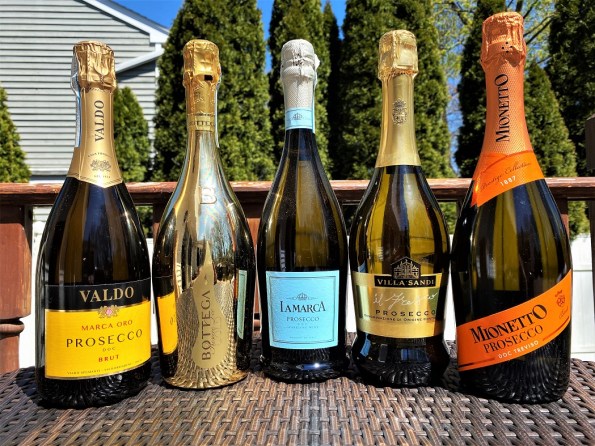
Villa Sandi takes its name from the historical villa, built in 1622. Villa Sandi produces a wide range of still and sparkling wines, including Prosecco from Cartizze, the most prestigious Prosecco vineyard.
NV Villa Sandi il Fresco Prosecco DOC Treviso (11% ABV, $15)
Pale green, fine mousse
Lemon, lemon zest, minerality
Fine bubbles, generous, crisp, fresh, Meyer lemon, pleasant and easy to drink
8-, a perfect summer quaffer or everyday bubbles
History of Bottega goes back to 1635 when Andrea Bottega started cultivating the grapes. Until 1992, Bottega was best known for its Grappa, and then in 1992, Il Vino dei Poeti Prosecco Spumante was created. Today, Bottega produces a large number of spirits, as well as wines. The range of Prosecco and sparkling wines includes more than 20 different bottlings.
NV Bottega IL Vino dei Poeti Gold Prosecco DOC Treviso (11% ABV, $29.99)
Straw pale, fine bubbles
A hint of apple, tropical fruit
Clean and refreshing mouthfeel, good acidity, lemon, a touch of Granny Smith apples, distant hint of nutmeg.
8-/8, restrained and elegant rendition.
The story of Mionetto started in 1887 when Francesco Mionetto opened the winery in Valdobbiadene, which is now known as the epicenter of Prosecco production. In 1982, Mionetto adopted the Charmat method for productions of the sparkling wines and introduced temperature-controlled fermentation. Mionetto had been leading the way in Prosecco production since then.
NV Mionetto Brut Prosecco DOC Treviso (11% ABV, $12.99)
Straw pale
Hint on peach and apple on the nose
Fine bubbles, crisp, fresh, touch of peach, fresh acidity of Granny Smith apples
8-, perfect everyday bubbles
Well, there is not a lot I can tell you about La Marca, as the winery website is excellent for marketing purposes, but doesn’t talk much about history. If anything, lots of cocktail ideas can be found there – see for yourself.
NV La Marca Prosecco DOC (11% ABV, $14)
Straw pale, large bubbles
Ripe peach, guava, pear, nose intense and inviting
Surprising contrast on the palate, dry, crisp, nice textural presence, tart lemon notes, good balance
8-, again- perfect everyday bubbles.
Valdo was founded in 1926 to produce sparkling wines in the areas of Valdobbiadene and Cartizze. Valdo was quickly acquired by the Bolla family and continued producing a wide range of sparkling wines. Right now, Valdo offers 29 (!) different sparkling wine bottlings, including some made using méthode classico and one organic Prosecco. This wine was also happened to be my favorite in this tasting.
NV Valdo Marca Oro Prosecco DOC (11% ABV, $13)
Straw pale, fine bubbles
Touch of yeast, toasted bread, and apples.
Fresh, crisp, cut through acidity, lemon, good minerality
8/8+, might be my favorite in the tasting, very reminiscent of champagne.
Here you are, my friends. Summer is here, and Prosecco’s refreshing qualities can brighten up anyone’s day. I’m off to pour another glass. Cheers!
Winemaking: A Step by Step Guide
Today I would like to offer you a guest post by William Reed, who is a passionate winemaker that continues his family’s the age-old tradition of producing quality homemade wine. With respect to
heritage and classic concepts as well as a zesty touch of the modern, William continues to explore the vast world of winemaking all while sharing his thoughts, ideas, and processes on his own personal website at myhomewine.com.
Winemaking or vinification is the process of making wine, from start to finish, which ends up having a lot of detailed steps you should know, so are you ready to begin this long but incredibly rewarding journey?
Some people say it’s easy to make wine but making good and fruity ones is only for the experts – well that’s not entirely true as we’ll see below. Summed up, the major steps on how to make wine are the selection of grapes, their fermentation to alcohol, and, lastly, the bottling. You can make all types of wine but the most common ones are red wine, white wine, or rosé, and even though they are pretty different between, their process is very similar.
Wine has been produced for thousands of years, being almost considered as an art, having an important role in religion and there is even a science that studies wine and winemaking, called oenology. Generally speaking, wine is an alcoholic drink made from fermented grapes with 5.5 – 15.5% alcohol and is a cultural symbol of the European life, changing from a nutritional supplement to a food complimentary beverage, compatible with a good lifestyle. Drinking isn’t safe for everyone and doing it more than moderate amounts can lead to health problems, however, a study from 2018 proved that wine can have great benefits because it contains antioxidants and it promotes anti-inflammatory and lipid-improving effects.

The classification of this beverage can be done according to its origin, methods, vintage, or variety used. Practices can be different in each country and have varied over time to achieve progress. Wine-growing regions all over the world have been improving their conditions with technological innovations to have better hygiene and control over the production process, contributing to the creation of wines suited to the taste of consumers. In fact, global wine consumption has risen with the purpose to enjoy in moderation, as part of a modern, sustainable, and healthy lifestyle. You can also take a look at the following guide in case you want to learn how to make wine at home.


With that said, I will now present you with the process of winemaking, in a thorough but also easy to understand step by step manner:
1 – Choosing the Perfect Grapes
The first step of all is harvesting! It’s one of the crucial stages in this operation, and it’s really easy to understand why – the better grapes you have, the better the product will be!
The moment the grapes are picked from the vineyard will determine their sweetness, flavour, and acidic and tannin levels – now we know why it’s called science. Some of the tracked conditions are the weather, the time of harvest and even the way you pick them – hand picking or mechanical harvesting. Even though there is a lot to consider and to control when it comes to reaching a nice final product, don’t get too scared, as you’ll only reach perfection through trial and error.

2 – Crush!
Once you have the grapes picked up from the vineyard, it’s time to de-stem them and gently squeeze them to liberate their content. This process, in the past or in traditional smaller scale farms, is done by foot. Nowadays, and in bigger wineries, mechanical presses are used to turn grapes into must (pulp) in a much faster and efficient way. Some say this can affect grapes negatively but it’s a more sanitary crushing step and also helps the quality of the final result. Personally, I’d prefer the machines rather than drinking wine crushed by some random farmer’s feet!
What is tapped from the must depends on the type of wine you are making. If white wine is what you want, then the seeds, solids and skins are removed from the grape juice. On the other hand, if red wine is what you prefer, the seeds, solids and skins should stay along with grape juice to offer it more flavour and that beautiful red colour.


3 – Sugar into Alcohol: Fermentation
It’s true, the third step is fermentation and is quickly defined as a transformation from sugar into alcohol – it seems like magic, am I right? It only seems like it, because here is where this process is the longest and most complicated, as it determines the quality of the final result.
As you already know, the product obtained from crushing will ferment because of the present yeasts that transform the sugar, as an energy source, producing ethanol and carbon dioxide. This explains the primary fermentation, which is called alcoholic fermentation, and will last from 5 to 14 days, requiring a lot of careful control (if the goal is a high premium luxurious wine). The second one is called malolactic fermentation, lasts another 5 to 10 days and it characterizes the pH 3,8 of red wines and 3,55 of white wines. Pure science! Temperature, speed and level of oxygen are also extremely important considerations and must be optimized. This whole process can take weeks or even months.
4 – Clarification and Stabilization
After fermentation, it’s time for clarification! This is where pulp, proteins, dead yeast, and other unwanted residues, created during the chemical reactions, are removed from the juice that you can almost call wine at this point. Particles that are insoluble and float, can be filtered and the ones that are soluble but still undesirable, can be centrifuged. Both of these methods need to be optimized to obtain a clear, healthy and appropriate wine. Some natural winemakers don’t clarify because they believe that it diminishes the aroma, texture, and color, so they leave the particles and compounds in red wines for aging – I follow this school of thought.
At this point, you already know that wine can be claimed as a complex mixture built upon microorganisms, and that it can be unstable and reactive depending on the environment and the condition submitted. One of the techniques to stabilize it is cold stabilization and it consists of exposing the wine to low temperatures, close to freezing, for two weeks. The complexity of this whole step is amazing because it enables winemakers to deliver their individual appeal to each wine.


5 – Aging and Bottling
This is the final step but one that is very important in winemaking, because it’s the relocation of the wine into oak barrels (my preferred vessel), stainless steel tanks or bottles.
Wine aging can be defined as a group of reactions that changes the properties of wine and allows it to develop unique flavors over time. Premium wines need to pass through this maturation step to acquire some amazing characteristics like aroma, color, flavour, texture and mouthfeel. Other light and fruity wines don’t need aging and reach their quality peak in a shorter time.
The major considerations in bottling are what kind of bottle to use, type of closure (sealing), (maybe cork), and if you want to add gas or not (not recommended at all for beginners). There are also a lot of kits available for you if you want to experiment making wine at home in a small but very educational manner.

Enjoy it – with Moderation!
Here is every important and crucial step in the winemaking process and you can apply them at your own industry or even at home! Yes, you can make this fruity, incredible juice without leaving your house. If you’re not interested in making your own, you can think about this whole procedure when you’re enjoying it, remembering the magic behind and realizing the work put on it.
Winemaking can be difficult because there are a lot of conditions you need to optimize, starting from picking the grape, to the act of bottling the wine, to the temperature you apply and the cleanliness. Now we can agree that this is almost an art and you have to learn a little bit of science too! Don’t forget that drinking wine in moderation has positive benefits linked to some cardiovascular disease due to the amount of antioxidants, isn’t that great? Thank you for reading and let’s have a glass of wine!
Last Bottle Sign Up ($10 credit)




 Talk-A-Vino