Archive
All You Ever Wanted To Know About Wine Education
Wine is an agricultural product.
Wine is clearly a unique agricultural product.
When you buy an apple, pear, cucumber, or eggplant, you really need to know nothing to make your selection – as long as it looks good and fresh, that’s all you need to know.
When you sell an apple, pear, cucumber, or eggplant, you don’t need to impress anyone with information – as long as whatever you sell looks good and fresh, that’s all which is needed.
When you are consuming an apple, pear, cucumber, or eggplant, you still need to know nothing to really enjoy it, as long as it tastes good and fresh.
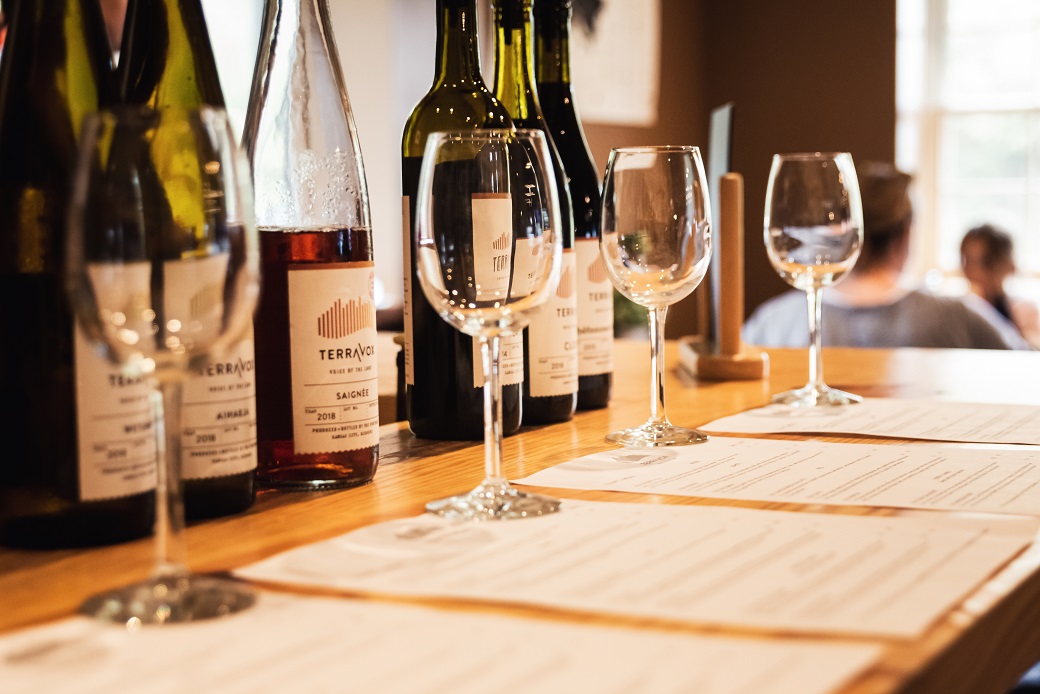
But when it comes to wine, knowledge is power, whether you are buying, selling, or consuming – where this wine is from, how was it made, for how long it can age, what is the best food to pair it with, what is the best way to serve it, and so on. On one side, you really don’t need to know anything about the wine to be able to enjoy it, but the uniqueness of wine is in the fact that the more you know about the wine, the more you might be able to enjoy it.
When it comes to wine education, there are lots and lots of resources – books, podcasts, websites, blogs. And then there is formal wine education.
What prompted this post was an excellent article on the Rack and Return website which provides an in-depth overview of all available formal wine education options. Here is what it covers:
- WSET – Wine and Spirit Education Trust
- WSG – Wine Scholar Guild
- CMS – Court of Master Sommeliers
- IMW – The Institute of Masters of Wine
- SWE – Society of Wine Educators
- ISG – International Sommelier Guild
- Regional Wine Study Centers
- Universities and Colleges
Without further ado, here is the link for you to the original article:
https://rackandreturn.com/the-definitive-guide-to-wine-education/
Enjoy!
Snow, Wine, and Valentine
First, there was snow.
Well, not true.
Last Saturday we had a break in winter weather. The thermometer hit 60ºF here in Stamford, and it was perfect grill weather. I’m not at the point of grilling in any weather (some of my friends are), but 60ºF in February definitely calls for some meat on the grill. While the meat was cooking, I enjoyed a beautiful sunset and a glass of 2018 TerraNoble Gran Reserva Carmenere Valle del Maule – the wine had cassis and a signature pyrazine (bell peppers) which was perfectly integrated, and practically disappeared after a few hours, leaving, luscious, layered, roll-of-your-tongue, seductive liquid in the glass (the bottle was practically gone by the end of the evening).


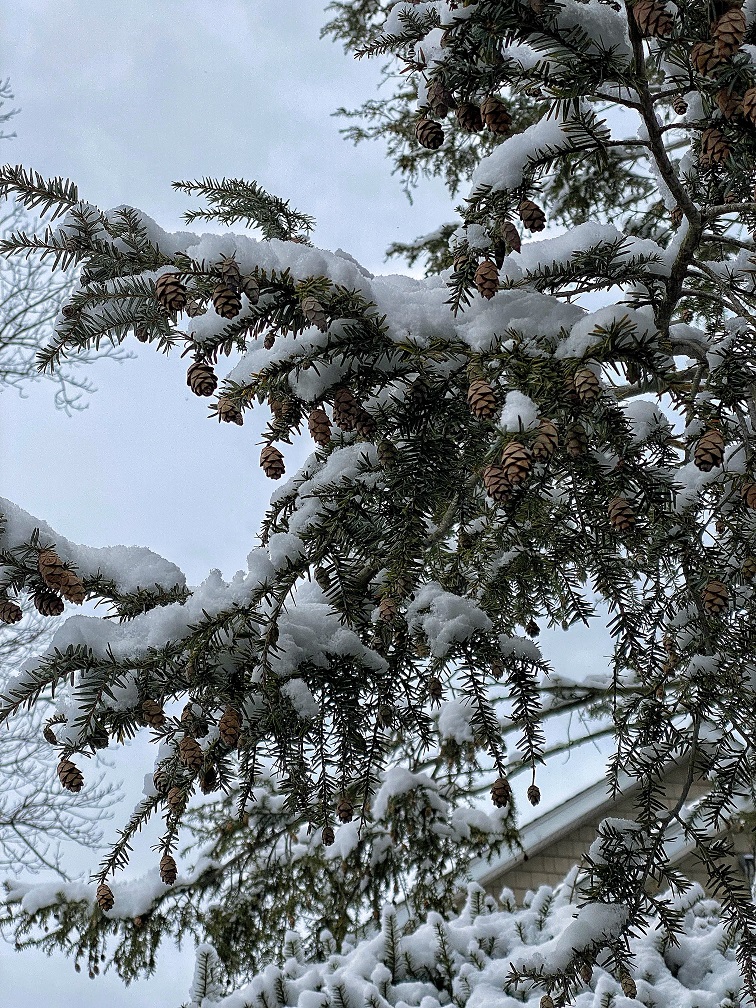
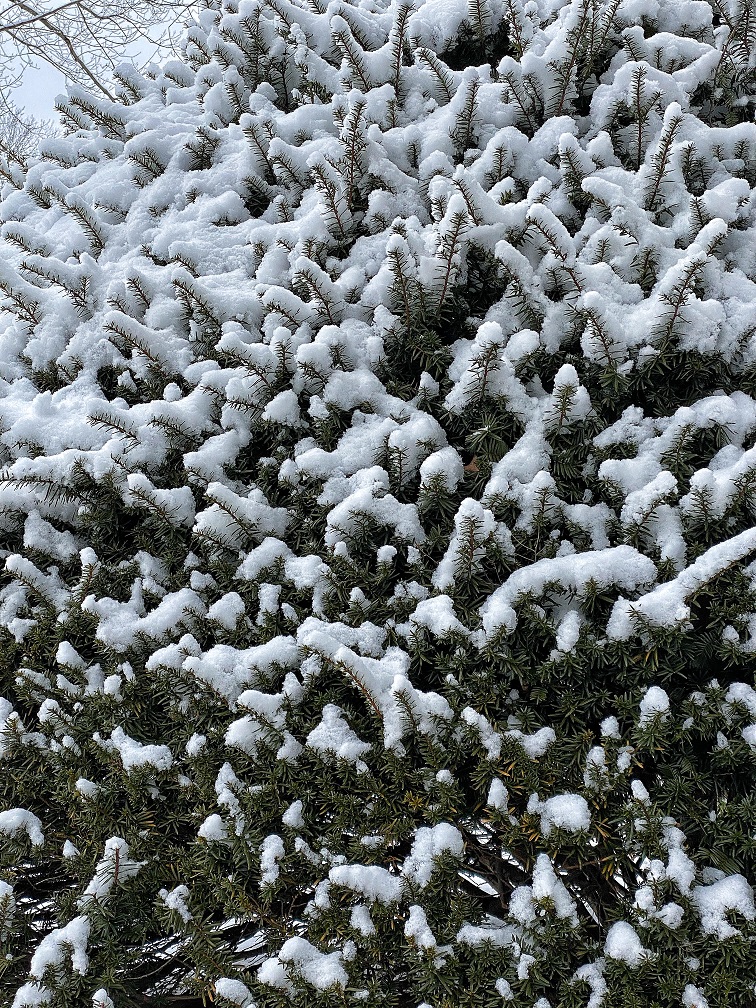
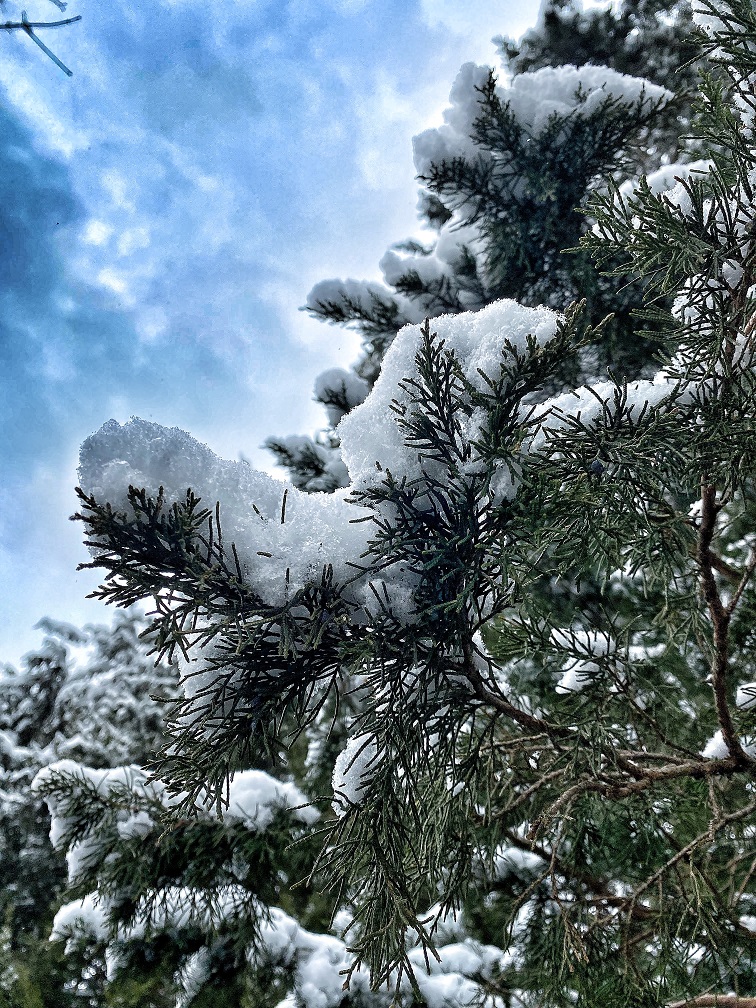
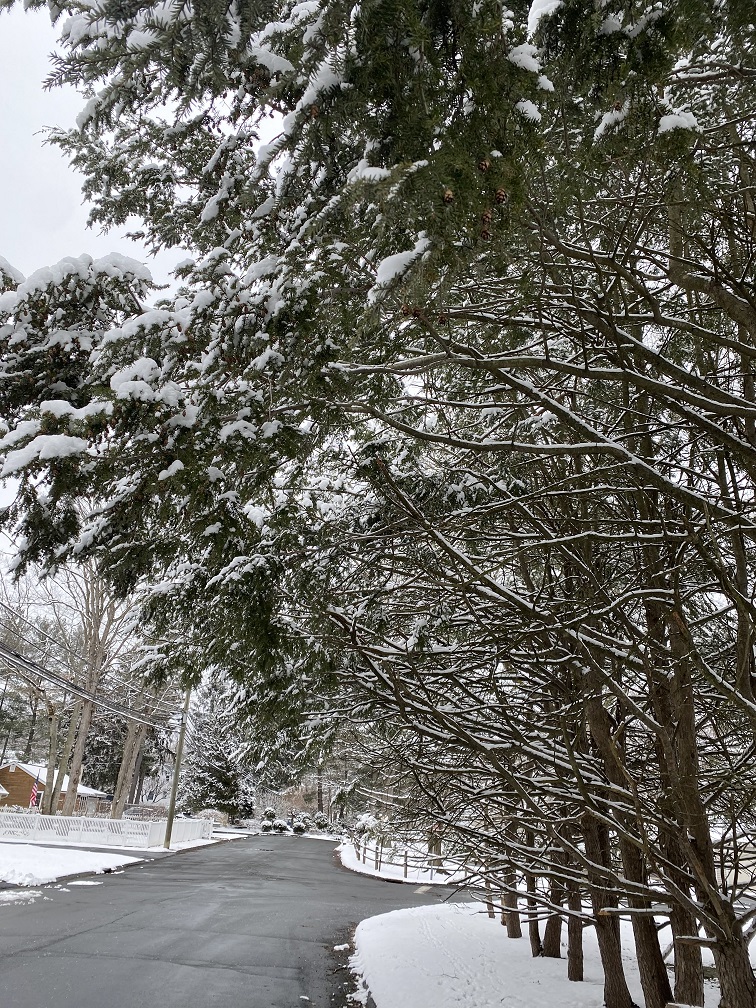
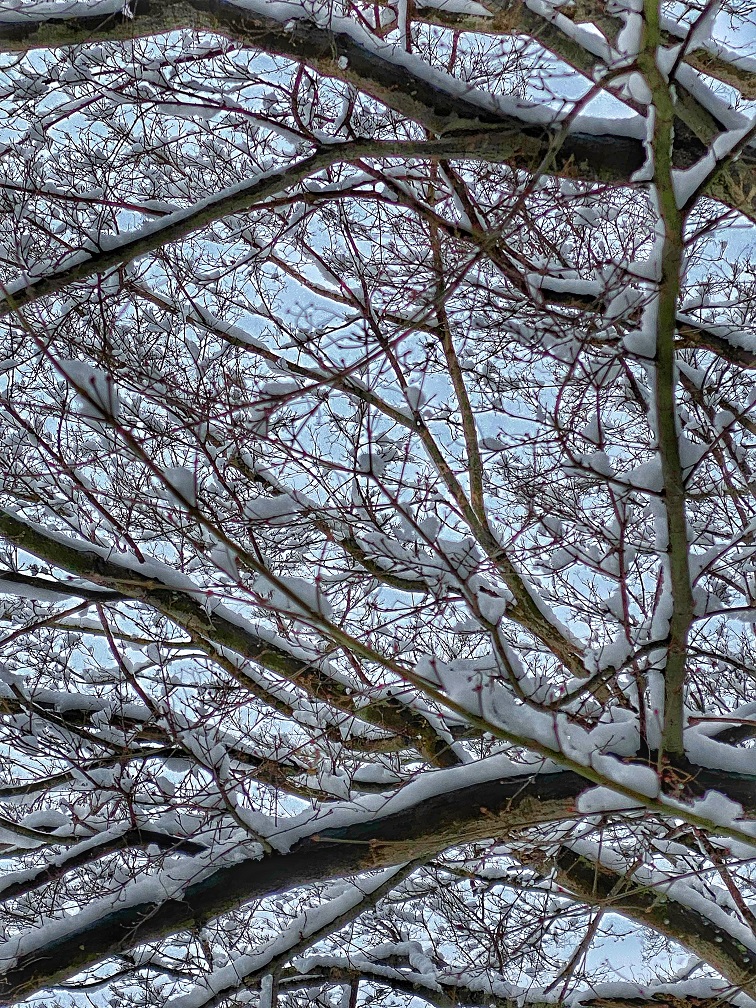
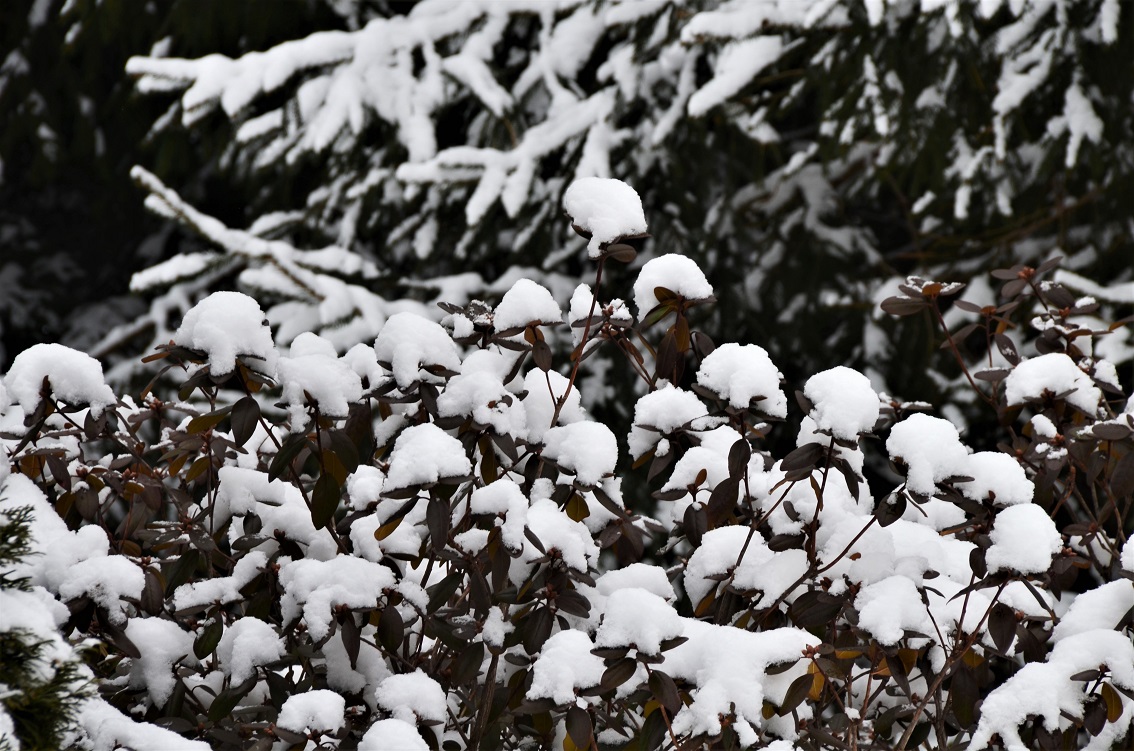
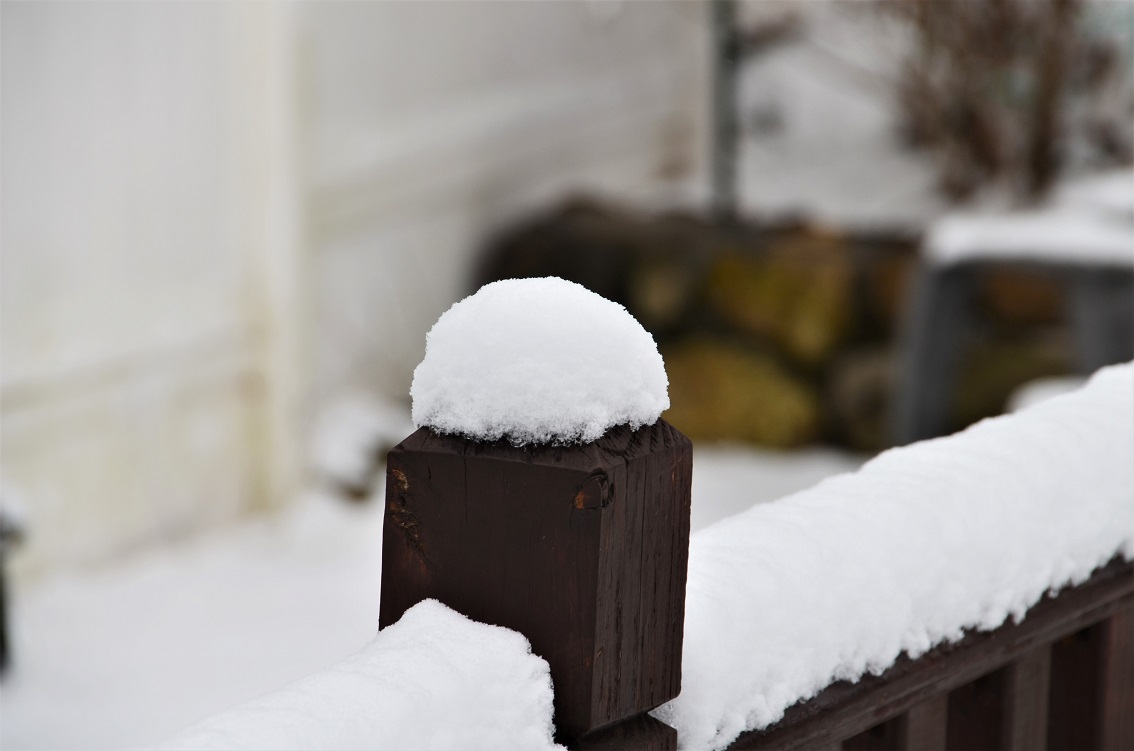
Then, there was snow. This snow was absolutely wonderful for a variety of reasons. For one, it was extremely photogenic, as you will see below (yep, pictures time!). But the main reason was that this snow was a total surprise. There was no weather channel hysteria, forcing people to run into the supermarkets, no warnings. We woke up to the beautiful white blanket, covering the ground, trees, and cars. It was beautiful, it was peaceful, it was happy. I took a few pictures from the deck, and then we took a slow walk with Penny – she kept on happily digging her nose into the snow, and I kept on trying to get a picture of that before the snow was melt, but I was not very successful, so you will not see a dog’s nose below.
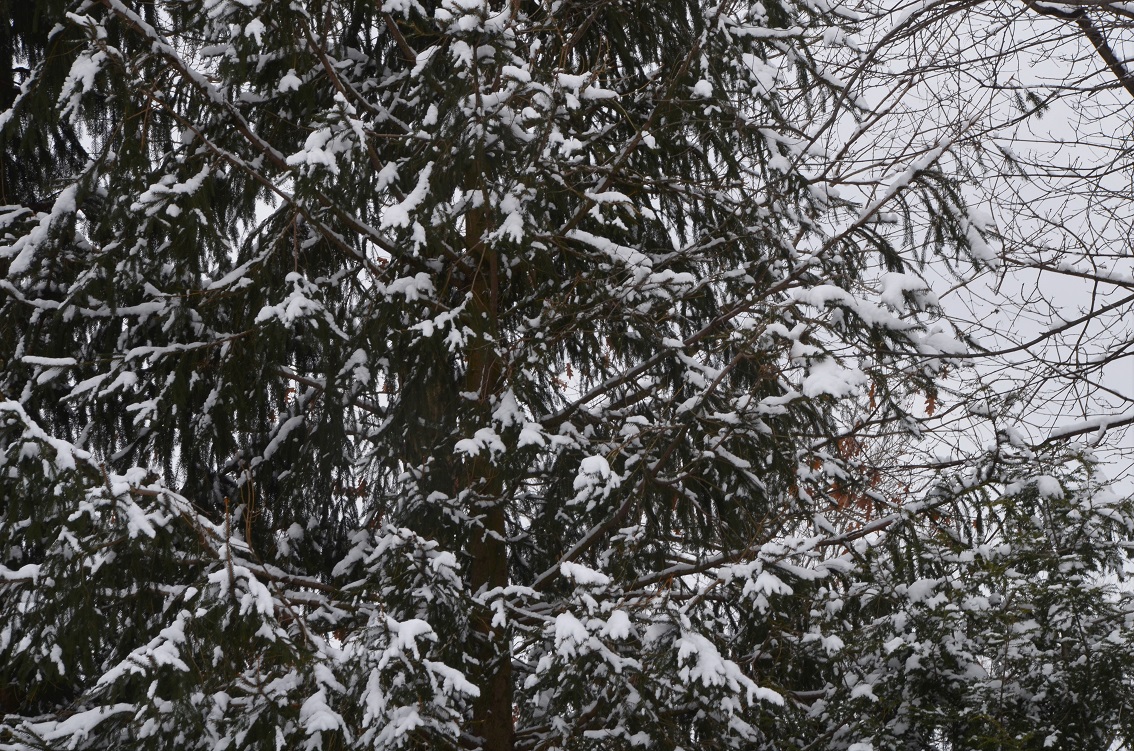
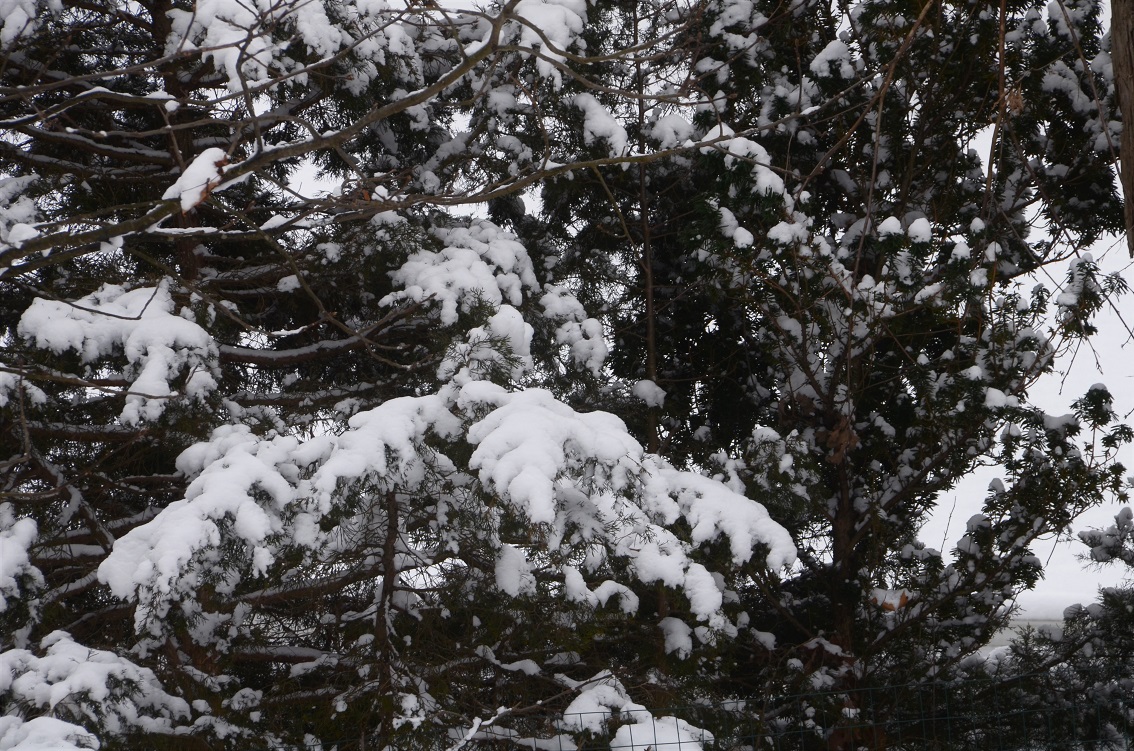

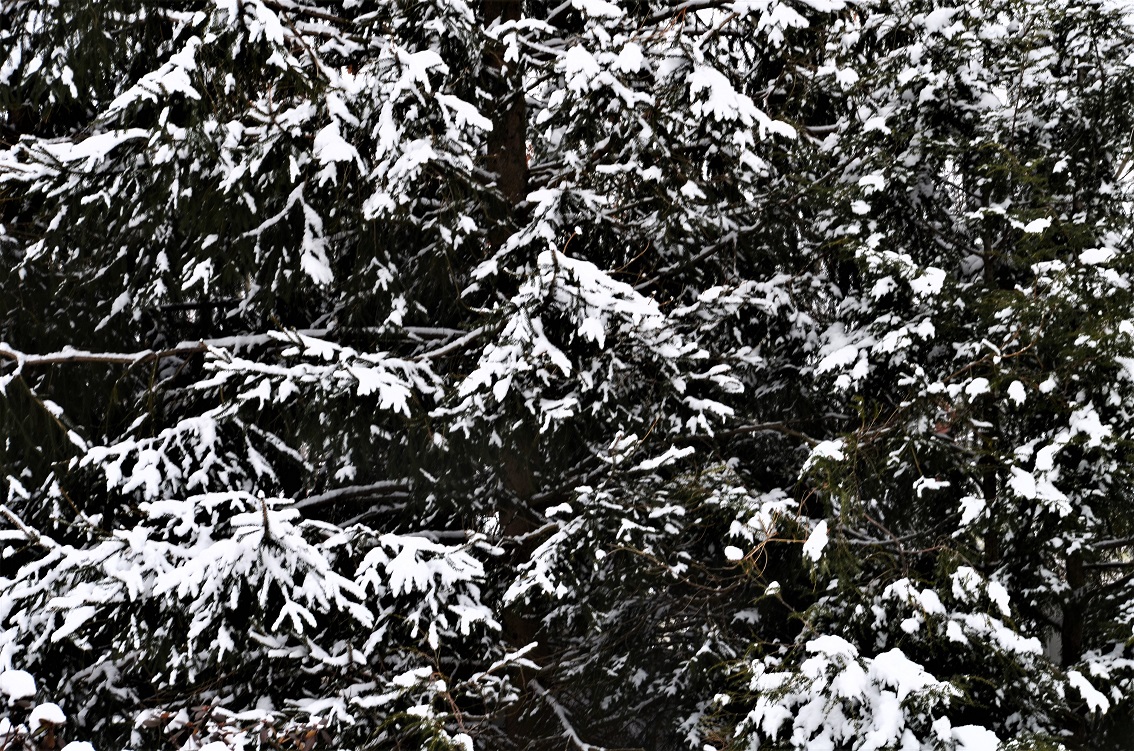



For the Super Bowl, the game of power, I decided to open a powerful wine. If you would ask me to name wine that I associate with power, California Petite Sirah would be on the top of my list. This was my last bottle of 2010 Jeff Runquist Salman Vineyard Petite Sirah from Clarksburg – I’m glad I decided to open it, as I think the wine was at its peak. Cherries and cherry pits, on the nose and on the palate, round, succulent, juicy and delicious, with beautiful acidity and impeccable balance. This was definitely one delicious wine.

I also made almond cookies – these are made from almond flour, so they are completely gluten-free, soft, gooey, and delicious.


And Monday was Valentine’s day. For many years we prefer a simple family celebration with kids instead of going to the restaurant to participate in the ritual of poor service and mediocre food. I was really craving bubbles, so 2008 Berlucchi Palazzo Lana Satèn Reserva Franciacorta (disgorged in 2017) was exactly what we wanted – golden delicious apples on the palate and the nose, fine, delicate mousse, round and clean. Very elegant sparkler, good for any occasion.


That concludes the store of the few days in wines and pictures, mostly in pictures. Cheers!
Happy New Year 2022!

I want to wish all of you a healthy, happy, and peaceful year 2022!
May it bring lots of new, memorable, and exciting experiences, and of course, lots of delicious wines!
Top Wines of 2021: Second Dozen
 And the time has come (drum roll, please) to announce Talk-a-Vino Top Wines of the year 2021.
One of the most exciting and most dreadful posts of the entire year.
It is exciting, as during the preparation I get to re-live the wines of 2021, look through the notes, reflect, and reflect more.
It is dreadful because I don’t like making decisions. Can you decide on your favorite child? Of course not. These are wines, not kids, but still – there are many ways to decide on what makes the wine exciting and what does not, and then trying to sort through the excitements? Dreadful, just dreadful.
But someone has to do it, right?
If you are a regular here on these pages, you know the story. Every year ever since this blog started in 2010, I come up with the list of most memorable, most interesting/unique/unusual/stunning wines I tasted throughout the year. When I started these Top Wine lists, the goal was to identify a dozen (12) of top wines. I was rarely successful with such limitation, and most of the Top wine lists consist of two dozens, a few times there were even two dozens plus a few.
So without further ado, let me present the second dozen (and some) of Top Wines of 2021.
26. Castello di Amorosa Sparkling Grape Juice Red Blend ($14.99) – until I tasted these grape juices from Castello Amorosa, I had no idea that it is possible to create grape juice that would perfectly resemble the wine, only without alcohol. I tasted 3 different juices from Castello Amorosa, all 3 were a pure delight – I liked this sparkling juice red blend just a hair more than the two others.
25. 2013 Fero Vineyards Saperavi Pennsylvania ($25?) – This was the only bottle of “Georgian” grape I could open to accompany an impromptu Georgian dish we had for dinner. Exceeding any of my anticipations, this wine evolved to be perfectly delicious, and it elevated our dining experience akin to the glove perfectly fitting the hand.
24. 2020 Tenuta Gorghi Tondi Midor Catarratto Sicilia DOC ($12) – Ancient grapes make delicious wines – Catarrato or Lucido, you can’t go wrong with this invigorating white from Sicily.
23. 2014 Oscar Tobia Rioja Reserva ($20) – if you are as conservative as I am when it comes to what Rioja do you drink, remember this name. Perfect delight in the classic style – if you have a Rioja craving, this wine will deliver. This was our go-to wine during a week in Cancun, and it didn’t fail us.
22. 2018 Knotty Vines Cabernet Sauvignon California ($10) – simple is beautiful. This is the first entry in the Top list from the Oregon trip in August (but so ohh not the last). Delightful California Cabernet Sauvignon at $10 or so is not something which should be even possible – and nevertheless, here is this wine. If you will have an opportunity – give it try. Definitely a case buy.
21. 2020 Troon Vineyard Kubli Bench Pet tanNat Applegate Valley ($35) – this wine has an energy of the tight rope, or maybe a guitar string should be a better analogy. As clean and vibrant sparkling as they get – ignore the petNat part, this wine is a serious game.
20. 2015 Imperial Reserva Rioja DOCa ($50) – a beauty such as Imperial Reserva Rioja can easily be anywhere on the list. Anywhere. But on the Top list, as this is top wine in its core.


19. 2019 Troon Vineyard Siskiyou Estate Syrah Applegate Valley ($50) – I’m a big fan of Syrah, and this Syrah is as pure as they get. Clean pepper and underbrush, clean and unadulterated. If you like cold-climate Syrah, this is just pure pleasure.
18. 2013 Montecillo Rioja Reserva DOC ($40 for 1.5L) – Rioja overload? This is not even remotely possible. If you love Rioja, this is yet another beautiful rendition.
17. 2015 Becker Vineyards Claret Les Trois Dames Texas ($14.99) – you never know what you can find in the local store. This wine was at its peak and absolutely mind-boggling in its Claret beauty.
16. NV Keush Origins Brut Methode Traditionelle Armenia ($25.99) – Armenia winemaking might be one of the oldest in the world, but this is modern, clean, and very well-made, world-class, sparkling wine.


15. 2018 Bodegas Muga Flor de Muga Blanco D.O.Ca. Rioja ($50) – Another Rioja!!!! Okay, this time it is at least white. Rioja is not only red, and some of the Rioja whites can be quite memorable – like this one from the classic producer.
14. 2019 Field Recordings Festa Beato Farms Vineyard El Pomar District ($25, 100% Touriga Nacional) – aromas that can transport and transform. Amazing wild strawberries and meadows aromatics. A perfect rendition of one of my most favorite grapes.
13. 1998 Reverie Special Reserve Diamond Mountain ($NA, blend of Cabernet Sauvignon, Cabernet Franc, and Petite Verdot, aged in 100% new small French oak barrels) – they don’t make them like that anymore. This is sad, but a true statement – this winery doesn’t exist anymore – but this 23-year-old wine was a pure delight, as good as aged California Claret can be.
And now we reached the end of the presentation of the second dozen to Talk-a-Vino Top WInes of 2021. Top Dozen presentation coming soon and it will be …. well, you will have to wait. Cheers!
American Pleasures #5: Burgundy in California, or the Wonders of Pop’n’Pour
Wine should give you pleasure – there is no point in drinking the wine if it does not. Lately, I had a number of samples of American wines, that were the delicious standouts – one after another, making me even wonder if someone cursed my palate. I enjoyed all of those wines so much that I decided to designate a new series to them – the American Pleasures.
Burgundy in California. Nonsense, right? Burgundy is located in France, and the last thing you want to hear is a review of Hearty Burgundy, proudly produced by Gallo (believe it or not, but you can still buy this wine at about $9 for 1.5L – a great deal, huh?). Rest assured – Gallo is the last wine I want to ever discuss on this blog. I would like, however, to talk about Burgundy’s star grape varieties, which are also working amazingly well in California – yes, you got it – Chardonnay and Pinot Noir.
California produces a lot of wine (#4 in the world, with 248 million cases in 2018), using a lot of different grapes – no matter where those grapes are typically from – from Clairette Blanc to Viura to Nebbiolo to Grenache to Tempranillo, you should expect to find them all in Californian wines. Aside from all of the abundance, there are some grapes that can be called California superstars.
With the white grapes, it is easy – Chardonnay clearly steals the show. California made Chardonnay its own way back, with Chateau Montelena already proving its prowess to the whole world by winning Judgement of Paris in 1976. Chardonnay’s style changed and changed again since those early days of success, and when you are opening a bottle of California Chardonnay today, very often you don’t know what to expect – too much butter, too little butter, too much oak, no oak. Most importantly, you have no guarantees that you will enjoy that bottle.
Speaking about red grapes, ask a wine lover to name the most famous California red grape, and I’m sure 9 out of 10 will say Cabernet Sauvignon. I love California Cabernet Sauvignon as much as every one of those 9 out of 10 people. But based on my experience, the majority of the California Cabernet Sauvignon need time and time again to mellow down, to transform, to become truly enjoyable, and not just “drink the label and keep smiling” type of beverages. California Pinot Noir typically give you a lot more hope for finding the delicious Pop’n’Pour wines. And don’t forget – Pinot Noir, Chardonnay – it is the pleasure we are looking for here, so “pop, pour, drink, and ask for a second glass” is a sequence of events we are hoping for in here.
Here is a collection of the well-known wines I had the pleasure of enjoying – and have been blown away by the Pop’n’Pour quality, truly.
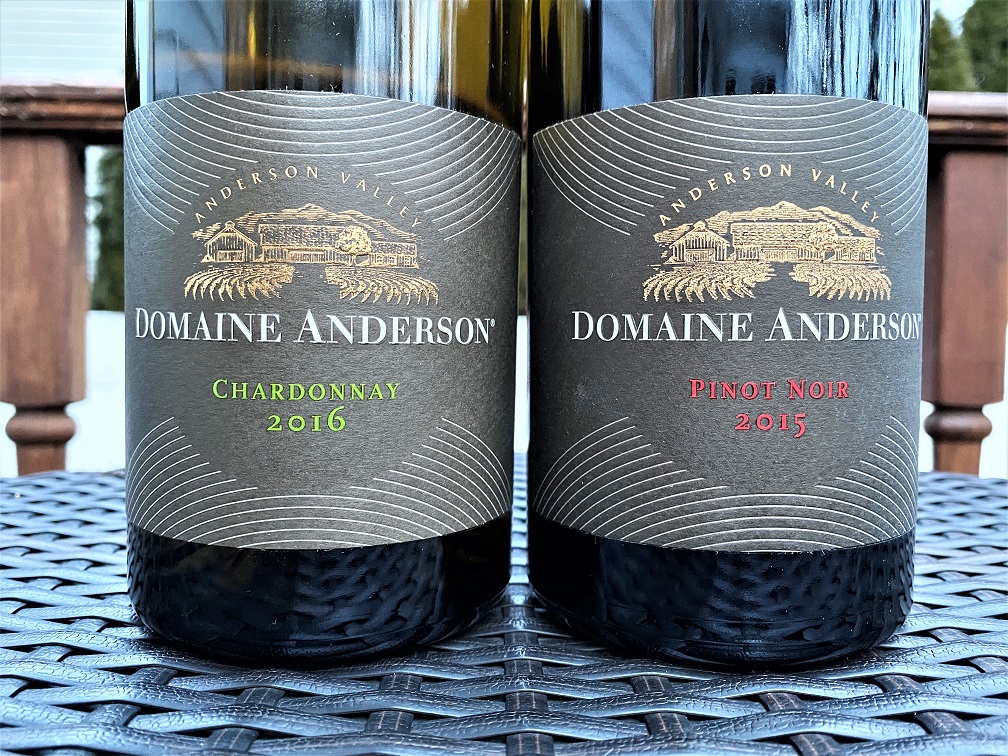
Domaine Anderson takes its roots from 1981, when Jean-Claude Rouzaud, patriarch of the Louis Roederer family came across Anderson Valley along the Mendocino coast in California, in search of the perfect spot to grow Chardonnay and Pinot Noir. Today, Domaine Anderson continues to be run by the Roederer family, farming organically and biodynamically 50 acres of Chardonnay and Pinot Noir vineyards. Here are 3 wines I had an opportunity to taste which were all just a perfection from the moment they were poured into the glass:
2017 Domaine Anderson Chardonnay (13.5% ABV, $30)
Light golden
Touch of honey, a hint of smoke, minerality
Clean acidity, tart lemon, a touch of smoke, texturally present, medium-plus body, earthy underpinning.
8/8+, this wine screams Chablis to me. Superb.
2015 Domain Anderson Pinot Noir Anderson Valley (13.8% ABV, $39.99, 15 months in French oak barrels, 19% new)
Dark ruby
Smoke, violets, earthy notes
Nicely restrained, good minerality, a touch of tart cherries
8, delicious
2017 Domaine Anderson Pinot Noir Anderson Valley (13.6% ABV, $45, 15 months in French oak barrels, 8% new)
Dark Ruby
Stewed plums, smoke, earthy undertones
Plums, cherries, lavender, tar, smoke, sweet tobacco, crisp, fresh, clean acidity, excellent balance
8, nicely restrained Pinot Noir, not over the board.
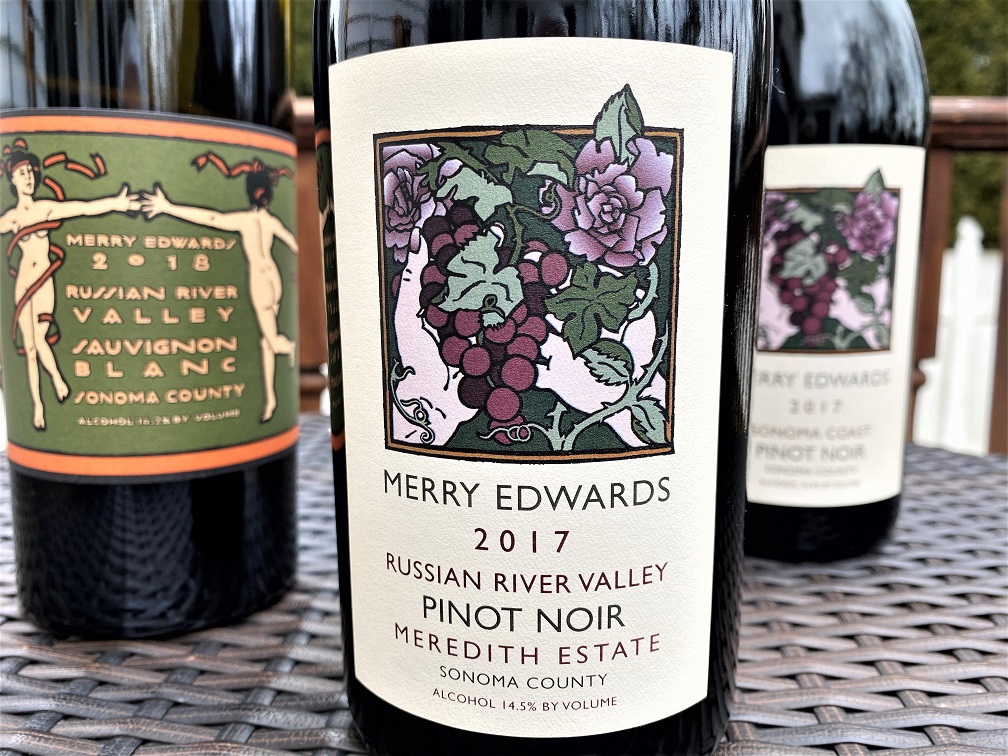
Merry Edwards Winery needs no introduction to wine lovers. Bright and noticeable labels always stand out on the shelf, it is hard to miss them. Merry Edwards’s sole focus is on the Russian River Valley Pinot Noir, which was first produced in 1999 (vintage 1997) – but she is also well known for her Sauvignon Blanc which was first produced in 2001. In addition to the passionate pursuit of Pinot Noir, Merry Edwards is also very passionate about sustainability, which is fully embraced at the winery and in the vineyards – you can read more about sustainability philosophy here.
2017 Merry Edwards Pinot Noir Meredith Estate Russian River Valley Sonoma County (14.5% ABV, $68)
Dark Garnet
Sage, tar, coffee, eucalyptus, freshly crushed dark berries
Tart, fresh cherries, crisp acidity, bright, invigorating
8, very uncalifornian, more Italian than anything else.
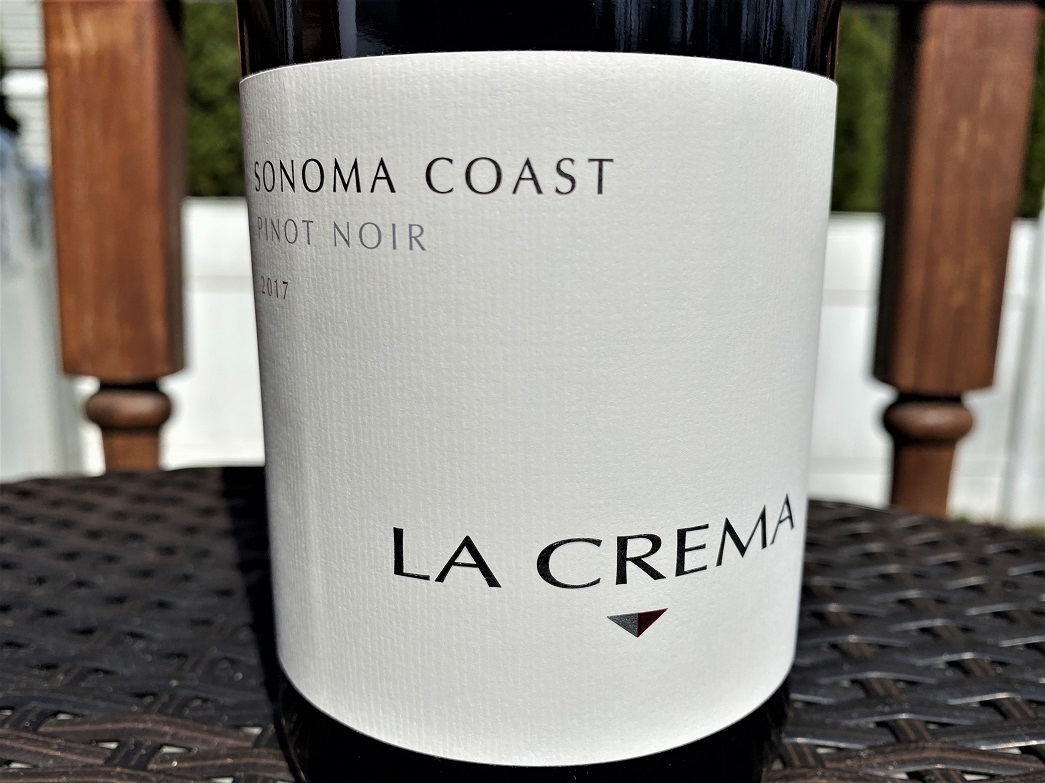
Considering how widely available La Crema wines are, I always made an effort to avoid them as “mass-produced”. After I tasted the wine, I completely changed my opinion – the wines might be produced in large quantities, but these are well-made wines. Also, the winery website has lots of good and well-presented information.
2017 La Crema Pinot Noir Sonoma Coast (13.5% ABV, $25)
Dark intense Ruby
Plums, fresh herbs, mineral undertones
Ripe fresh plums, mint, a touch of stewed strawberries, good acidity, good balance. Interestingly spicy finish.
8-, nice
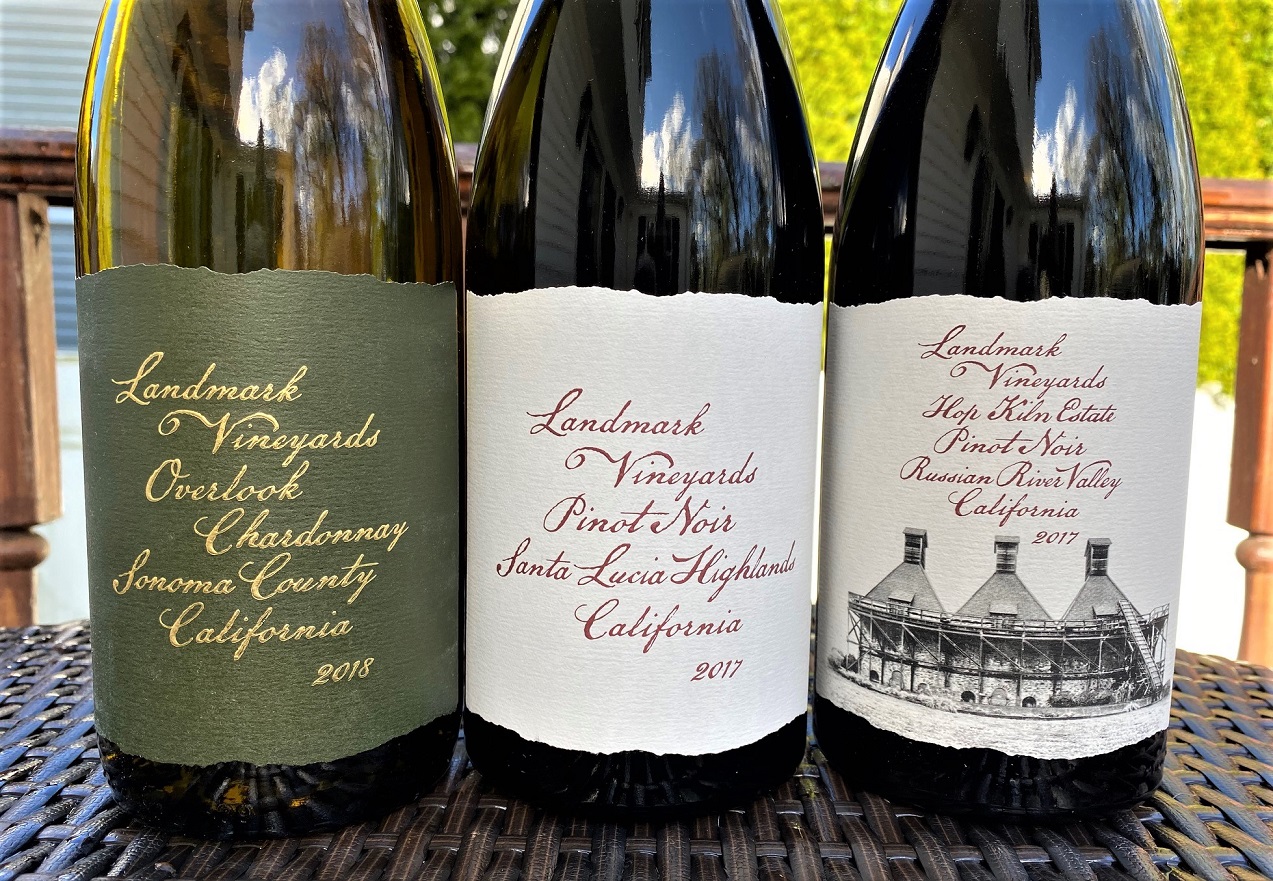


Landmark Vineyards was founded in 1974 by a group of people that included Damaris Deere Ford, the great-great-granddaughter of John Deere. In 1991, Damaris Deere Ford, now a sole proprietor of the Landmark Vineyards, focused exclusively on the production of Chardonnay and released the first vintage of the flagship Overlook Chardonnay. In 1993, Helen Turley started working as a consulting winemaker helping to create the Landmark’s signature style. Two years later, Landmark released the first vintage of its Pinot Noir under the name of Great Detour. In 2016, Landmark Vineyards extended into the Russian River Valley via the acquisition of the Hop Kiln Estate – and this was one of the wines I had an opportunity to taste.
2018 Landmark Vineyards Overlook Chardonnay Sonoma County (14.3% ABV, $27)
Light golden
Vanilla, apple, lemon
Vanilla, a touch of butter, golden delicious apples, citrus profile, roll-off-your-tongue round, excellent balance, delicious
8/8+, excellent
2017 Landmark Vineyards Pinot Noir Santa Lucia Highlands (14.3% ABV, $45, 14 months in French oak, 35% new)
Dark ruby
Plums, dirt, forest floor
Plums, cherries, tobacco, iodine, short finish, good acidity, good balance.
8-, excellent and classic
2017 Landmark Vineyards Pinot Noir Hop Kiln Vineyard Russian River Valley (14.5% ABV, $40, aged in 40% new French oak)
Intense ruby
Cherries, underbrush, the nose says Oregon with dark intensity
Tart cherries, dark chocolate, tobacco, complex bouquet
8/8+, superb.
Here are you – a collection of delicious Pop’n’Pour American Pleasures. And don’t worry, I have a lot more wines to share with you. Cheers!
Thanksgiving 2021
My love for Thanksgiving is a bit bittersweet – while this is one of the most favorite holidays of the year, its arrival also means that the year entered the finishing stretch and the four weeks between Thanksgiving and New Year will disappear literally with a blink of an eye. Is the ending of 2021 something to regret? Not really, not compared with any other year except its predecessor, 2020 – but so far we have not much hope for 2022 to be any better, so let’s count our blessings.
This year, Thanksgiving had a glimpse of normal. We managed to celebrate with the family in person at our house (yay!), and then we went to Boston to celebrate with our close friends, again in person (double yay!). So with the exception of the need to wear a mask here and there, and not materialized fears of celebrating with chicken instead of a turkey, this was a pretty standard Thanksgiving holiday.


As far as food goes, we managed to experience turkey 2 ways. First, at our house, we did a simple roasted turkey in the bag. I got the pre-brined turkey from Trader Joe’s, and it perfectly cooked in less than 4 hours, using the bag and convection bake in the oven. Then in Boston, we had a Turducken (turkey stuffed with a duck stuffed with chicken), but instead of making it ourselves, it was prepared at the butchery with the exception of roasting the final product. With perfect seasoning, this was definitely a standout. Of course, we had a bunch of appetizers, sides, and desserts, most of which simply was a repeat from the past years – roasted butternut squash and sweet potatoes, green beans sauteed with onions, acorn squash roasted with hazelnut butter, homemade cranberry sauce (using the recipe from Bobby Flay), Nantucket cranberry pie.


And then, of course, there were wines. A few weeks before Thanksgiving I got a note from Field Recordings offering two of the Nouveau wines, Rosé and Pinot Noir – as it is Nouveau wines, both were from the 2021 vintage. That gave me an idea to pair the whole Thanksgiving dinner with Field Recordings wines. I really wanted to have a Chardonnay at the dinner, but I had none from the Field Recordings, so I had to settle for their Chenin Blanc wine, from Jurassic Park vineyard. For the red, I decided to open one of my most favorite Field Recordings wines – actually, the wine which made me fall in love with Field Recordings – Fiction, with some nice age on it.
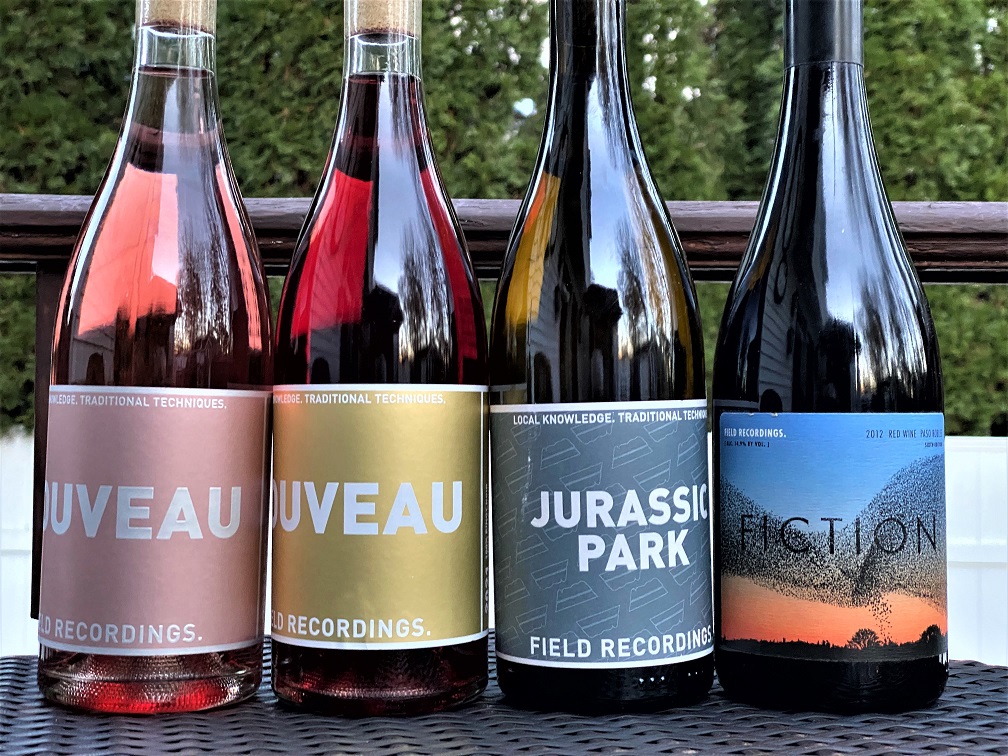
Let’s talk about these wine choices.
2021 Field Recordings Rosé Nouveau Edna Valley (10.9% ABV, blend of Grenache and Cinsaut from Morro View Vineyard in Edna Valley in California). The wine was a bit temperature-sensitive but overall outstanding. I served it slightly chilled, and the wine was tart with the strawberries profile, maybe ever slightly unbalanced. Chilling it another 4-5 degrees down magically transformed the experience into the fresh crunchy cranberries territory, with lots of cranberries in every sip – a pure delight.
2021 Field Recordings Pinot Noir Nouveau Edna Valley (12.9% ABV, Greengate Vineyard in Edna Valley in California) was quite similar to the classic French Beaujolais Nouveau, offering nicely restrained notes of fresh, young, just-crushed berries. This wine was also showing better with a higher degree of chill, being more composed with a more present body.
2018 Field Recordings Jurassic Park Chenin Blanc Santa Ynez Valley (11.3% ABV, 6 months in the hosch fuder 1000L) offered a glimpse of fresh apples and a hint of honey on the palate, all with crispy acidity. While this was not Chardonnay, the wine offered quite a bit of similarity and fit very nicely into my craving for Chardonnay, while being well reminiscent of a nice classic dry Vouvray.
The last bottle was unquestionably a bold move on my part.


2012 Field Recordings Fiction Paso Robles (14.9% ABV, 40% Zinfandel, 13% Tempranillo, 12% Petite Sirah, 11% Touriga Nacional, 10% Mourvedre, 8% Grenache, 6% Cinsault). This wine was the one that connected me with Field Recordings more than 10 years ago – I wrote a post about 2010 Fiction, and it was my 2011 Top wine of the year as well. I love those original labels a lot more than clean and rather boring labels currently in use at Field Recordings – and not only the label itself but also the text on the back label, talking about the early days of Andrew Jones, who was first and foremost grape grower before he started Field Recordings – you can read it for yourself.
9 years old wine under the screwtop and stored at room temperature – what would you expect? The wine was definitely showing the age, with an abundance of tertiary and dried fruit aromas (figs, cherries), but it still had some fresh fruit left together with the zipping acidity. I think if anything, this would be the wine that would actually turn into vinegar, give it another 4-5 years. But – it was still perfectly enjoyable now, and it was my second favorite of the evening together with the Nouveau Rosé.
There you go, my friends – my Thanksgiving 2021 escapades.
Oh, and before I forget – the last day of Thanksgiving weekend was also the first day of Hanukkah, so I simply had to make potato pancakes – thus this is the image I want to leave you with.

Happy Hanukkah to all who celebrate!
Daily Glass: There is Nothing Wrong with Kirsch!
Let me make this clear – this is not the post about Kirsch, a brandy made out of [originally] morello cherries. This is rather self-talk as I’m answering my own comment made a few days ago on Twitter.
About a month ago, right before Halloween, Last Bottle Wines, one of my favorite sources of great wines at reasonable prices, run their Mystery Cases event. I participated in this fun event last year, got a $144 mystery case with 12 bottles, and loved every one of them. I would be happy to get again a 12 bottles case, but I missed it, so I decided to try a $150 mystery case – except this was a 6 bottles case. I had a $30 credit with Last Bottle wines, thanks to someone signing up with Last Bottle Wines using my link, so that brought the deal to $120 for 6 bottles, which translates into about $20 per bottle – not a bad deal in my book.
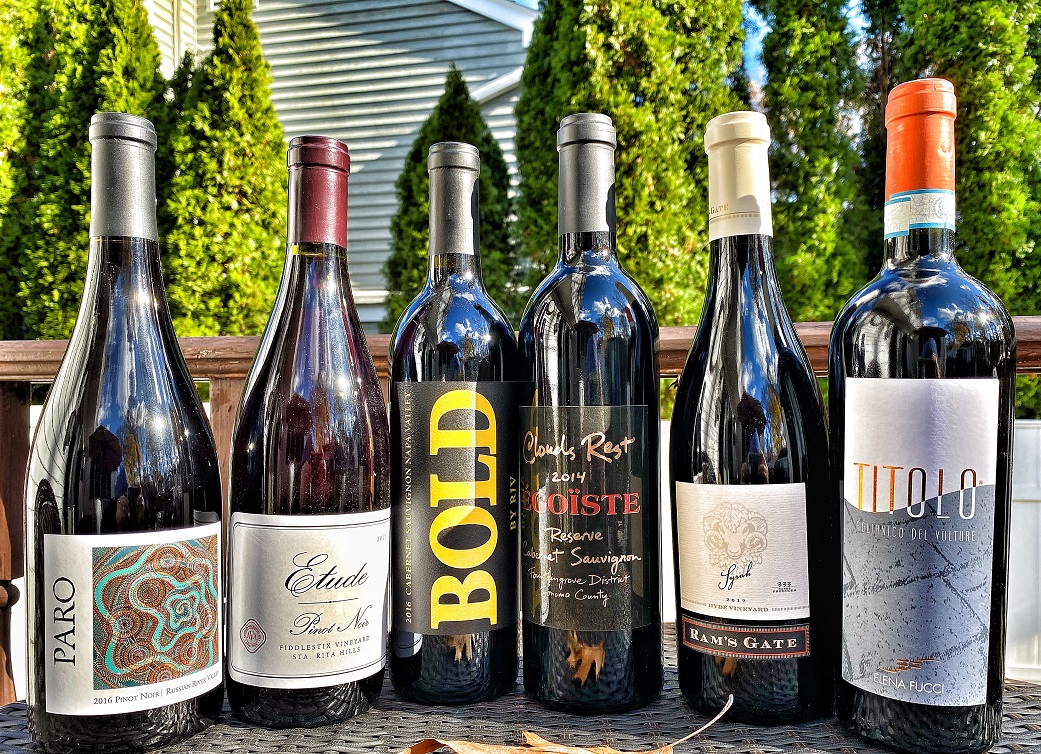
On Monday, I received the wine. Inside, there were 6 bottles, all red, 5 wines from California, and one from Italy. I read the enclosed description of the wines, and two of them had the word “Kirsch” used in the description, and one was also mentioning “blueberry pie”.
I have to admit – I don’t drink a lot of Kirsch. Heck, I just don’t drink Kirsch. So in my memory from maybe 10 years ago, Kirsch is something sweet, and I don’t like my wines sweet unless it is strictly a dessert wine. I shared my frustration on Twitter, also asking if anyone knew anything about these wines, but it appears some folks were only familiar with the Italian wine, but not with any from California.
As I started prepping for Thanksgiving dinner tomorrow, I needed to drink something. After deciding that I don’t want to touch any samples as I have a whole wine program already planned for tomorrow, I decided that it might be a good idea to pop one of the latest arrivals. Pinot Noir seemed like something I wanted, so I pulled this bottle of 2016 PARO Pinot Noir Hogan’s Run Vineyard Russian River Valley (14.5% ABV).
I never heard the name of the producer so I had to do some research. PARO name is made out of the names of two friends, Patrick Murray and Rob Scherer, who came to the winemaking after successfully crafting many batches of beer.
After some successful experiments, Patrick decided to embrace winemaking professionally, got an enology degree from the state university in Fresno California, and after graduation started working at Field Stone Winery as an assistant winemaker. One wine that was not made at the winery was Pinot Noir, and Patrick always had a passion for the grape. In 2004, he asked for permission to make Pinot Noir, and this was the beginning of PARO.


Today PARO makes a number of Pinot Noir wines (6 according to the list on the website at the moment of writing) which are available either directly from the winery, via the wine club, or in a few select restaurants.
So how about that Kirsch?
Here is the Last Bottle description of the wine: “Kirsch, plums, and strawberry, with Asian spices and good medium-weight texture. Simply delicious”. After the very first sip, I realized that Kirsch is not the enemy – I rather should drink more Kirsch if it tastes that good. And I can wholeheartedly sign under “simply delicious”. Beautifully constructed, fresh wine with lots of energy, Kirsch:), crunchy, crisp cherries brimming with acidity, a touch of the forest floor, medium finish. A pure delight (Drinkability: 8+).
I want to also mention the label of the wine. Each vintage of PARO is paired with a specific painting that finds its way on the wine’s label. The 2016 vintage was paired with the work by the artist Susan Reid called Unwind.
My last year’s mystery case was 12 out of 12 successful. I like how this case already looks promising and hoping once again to reach a perfect 6 out 6 score. Until the next time – cheers!
Daily Glass: While I Was Out
This September probably was my worst blogging month ever. Whatever the frustrating reasons are, this is not the self-reflection blog (it is, of course, but only for wine, food, and life-related matters), so one thing we are not going to do is an analysis of that “dry period”. However, it was dry only for the words, but not for the wines, so let me share a few of the recent delicious encounters with you.
Let’s start with the 2009 Alban Vineyards Reva Estate Syrah Edna Valley (15.5% ABV), which I opened to celebrate our anniversary. Alban makes some of the very best Rhône-style wines in the USA, and this Reva Syrah didn’t disappoint – beautiful fruit on the nose with a touch of barnyard, layers of red and blue fruit on the palate with spicy, peppery underpinning. Delicious.
Next, we continue with a number of Field Recordings wines. It is no secret that I’m biased toward Field Recordings wines, ever since I discovered them more than 10 years ago (this is the only wine club I belong to). Field Recordings wines don’t cease to amaze with Andrew Jones’ talent to find one-of-a-kind vineyards to make one-of-a-kind wines.


2020 Field Recordings Domo Arigato (Mr. Ramato) Skin Contact Pinot Grigio Central Coast (12% ABV, $25, 52 barrels made) is skin contact Pinot Grigio, made in Ramato (copper) Italian style. A beautiful complexity on the nose without going overboard, fresh fruit and herbs, clean and unctuous on the palate – when the friend stopped over, we finished the bottle without even noticing. This wine is a blend of Pinot Gris from two sites on the Central Coast, each of which spent a month on the skins and then was aged in the neutral oak barrels.
2019 Field Recordings Festa Beato Farms Vineyard El Pomar District (11.5% ABV, $25, 100% Touriga Nacional, 12 months in Neutral American oak barrels, 6 barrels produced) really surprised me. Touriga Nacional is not the grape California is known for. Also, from my experience with Portuguese wines, Touriga Nacional from the Douro definitely benefits from a long time in oak (I much prefer Douro Reserva over the regular wines), so I opened the Californian rendition without much of the expectations.
Wow. Festa actually means Party in Portuguese, and what a party it was! Wild berries on the nose – wild blueberries and wild strawberries. The same fresh, crunchy, crispy, fresh wild berries on the palate, but well supported by the medium to the full body of the wine and perfectly balanced in and out, creating one delicious mouthfeel. Another wine you can’t stop drinking once you start.
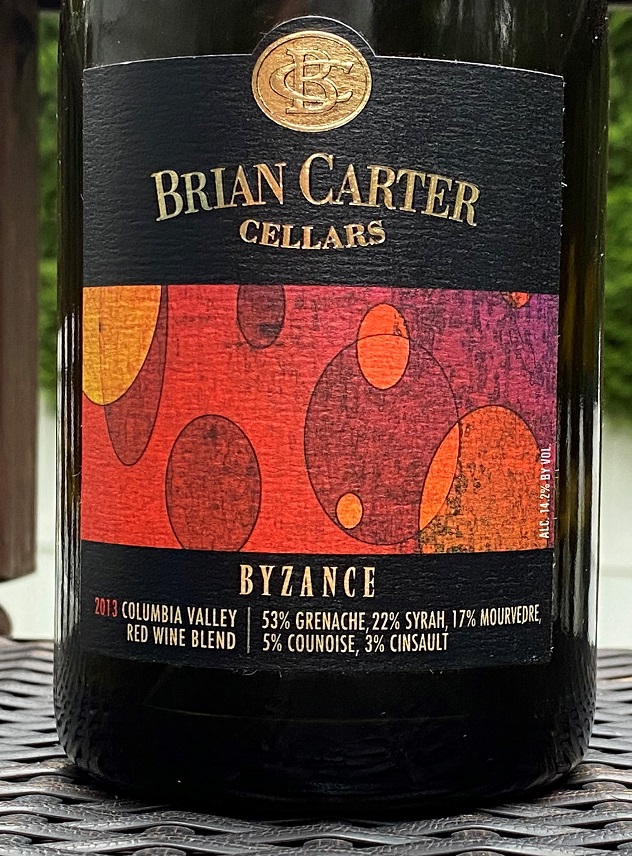 Let’s take a short break from the Field Recordings wines and let’s go visit Washington with the help of 2013 Brian Carter Cellars Byzance Red Wine Blend Columbia Valley (14% ABV, 53% Grenache, 22% Syrah, 17% Mourvedre, 5% Counoise, 3% Cinsault). I got this wine at one of the Last Bottle marathons, going strictly by the region, age, and price – never heard of the producer before. Turns out that Brian Carter had been making wines in Wahington since 1980, and he has a passion for blending – which this wine perfectly demonstrated. In my experience, 8 years is not an age for many Washington wines, so I opened the bottle not without trepidation. To my delight, the wine was simply superb – fresh cherries and blackberries on the nose, ripe cherries, mocha, and dark chocolate on the palate, soft, round, perfectly balanced, exciting, and delicious. And I didn’t need to wait for it even for a second. Pop, pour, enjoy. This is the wine that brings an instant regret with the first sip – why, why I didn’t buy a full case??
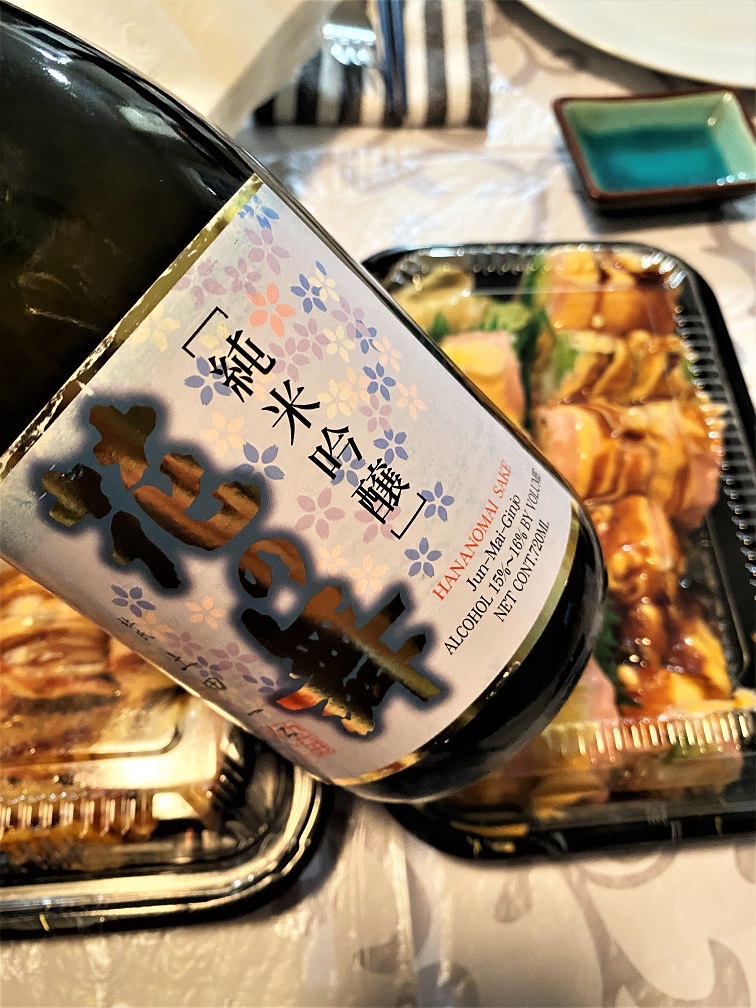
This next wine I want to talk about might surprise you, and this is something I very rarely discuss in this blog – it is Sake I want to share with you. As we planned to have sushi for dinner, the family requested sake to drink with it. I stopped at the wine store on my way to pick up sushi, and this Hananomai Sake Jun-Mai-Ginjo (15%-16% ABV) was recommended. What a great recommendation it was! I almost got the point of regretting buying only one bottle, as everyone couldn’t stop drinking it – nicely perfumed, light fruit notes on the palate, delicate and balanced – it perfectly complemented our eclectic selection of the sushi rolls.
And now, back to Field Recordings.

2018 Field Recordings Happy Accident Alicante Bouschet Vignoble Guillaume Jean Paso Robles (11.1% ABV, 10 months in stainless steel, 5 barrels produced) is another atypical California wine – made from the Alicante Bouchet grape. This is one of the few so-called teinturier grapes – red grapes which have not only red skin but also red flesh, thus producing red juice when pressed, without the need for skin contact (famous Georgian Saperavi is another example of the teinturier grape). Alicante Bouschet is a cross between Petit Bouschet and Grenache, and it was widely planted in California during Prohibition and lately increasingly planted in France, as well as in Spain and Portugal. The name of the wine has its own story, which I simply quote from the description I got with the wine club offering email: “Many things can go sideways in the cellar as we are ushering the fermentation along. In most wineries, a surprise visit from brettanomyces to your cellar could be a curse, but in this situation we are celebrating it. The funky wild yeast that is popular in the beer world brings out a signature funk. This signature funk, though, took 5 barrels of Alicante to another level. As a famous painter once said, there are no mistakes, just happy accidents.”
The wine offered an inviting nose of the fresh berries, continuing with tart, the dry mouthfeel of red and black fruit, and medium to full body. I think this wine would well benefit from another 3–4 years in the cellar, but it was quite enjoyable as is right now.
And that concludes our daily glass ride – hope you had some tasty wine discoveries lately!
WMC21: Day 2 Highlights
We started the 2nd day of WMC21 with the breakout sessions, no keynotes. There were two sessions run in parallel, so you had to choose the topic which would be more of interest to you.
My first session, The Art of Storytelling for the Wine Industry, was presented by Jill Barth, a seasonal wine writer who writes for Forbes, Wine Enthusiast, Decanter, and other wine publications. Jill also won multiple awards (best wine blog 2016, Millessima wine and food pairing award, etc). Jill had a lot of good advice on how to build your story, what would make it a good story, how to pitch your story to the editors, and more.
Next, I listened to Scott Fish from 32 Digital, who was talking about taking your Instagram account to the next level. There were a lot of good information presented in the session – what are the best and worst times to post (it appears that Sunday is one of the worst days for the posts), how many tags to use, the optimal number of pictures in the gallery and so on. There were also some interesting tools recommendations, such as Answer To Public – a service that allows finding the most popular searches at the moment for a given keyword(s), all presented in an interesting format. You can see an example below of the search results for the keywords “red wine”.


You can definitely play with the tool, however, note that with the free search, you get a limited number of searches per IP address per day (I think 3 or 4), so play wisely.
Another interesting tool I learned about was Geolmgr which allows you to geotag your photos to a specific geographic location.
The next session, Digital Marketing for Wine Media, was presented by Mike Wangbickler, wine blogger, long-time WMC attendee, and owner of Balzac Communications agency. Mike started with some hard questions to the audience, such as “why do you have a wine blog” – it appears that literally no one had a wine blog to make money. Then Mike went on to talk about a plethora of tools available today to the bloggers in terms of SEO, content management, optimizing your delivery to your customer audience, and lots more.
After lunch, we had an excellent panel on Oregon sparkling wine. Before the session started we had an opportunity to taste three of the Oregon sparkling wines from the wineries participating in the panel. One of the wines was delicious sparkling Tannat from Troon Vineyards which we tasted on the first day. My other favorite was the 2017 Willamette Valley Vineyards Brut Sparkling Wine, which had all the classic Champagne traits – a touch of toasted bread on the nose, crisp, tight, and elegant on the palate.


The panel discussion was joined by Craig Camp, Troon Vineyard, Christine Clair, Willamette Valley Vineyards, Jessica Thomas, Sweet Cheeks Winery, and moderated by L.M. Archer.
It was a good discussion, starting with the history of sparkling wine in Oregon, and going through all the aspects of sparkling wine production. What was particularly interesting for me is a different approach to selecting the grapes for the sparkling wine. Willamette Valley Vineyards found out that one of the Chardonnay clones in the specific vineyard doesn’t perform well enough to be vinified into the still Chardonnay, but it happened to be well suited for the sparkling wine which requires much lesser ripeness. At the same time, the Sweet Cheek Winery harvests grapes for their sparkling wines from the same vineyard used for the still wine, but in the earlier pass, leaving the grapes for the still wines to ripen further.
Our next session was a wine discovery session where we had a choice of learning about Italian wines of Marche or Abruzzo – my choice was Marche, and we will talk about it in a separate post.
And then there were Lightning Talks. Lightning talks is an interesting concept. These are the sessions presented by fellow bloggers and wine writers. Each presenter submits a presentation with any number of slides, however, the slides change automatically and should be presented in exactly 5 minutes. This is the amount of time given to everyone – either you are done or not, but your time slot will stop exactly at 300 seconds. All the presenters did an excellent job – Gwendolyn Alley talked about being a cellar rat, Jeff Burrows spoke about starting your own blogging group, Brianne Cohen spoke about the virtual tasting business she started in 2020. My favorite talk though was the one presented by Steve Noel, who spoke about creative wine descriptors – I couldn’t stop laughing the whole 5 minutes while Steve was talking. While it will not be the same as Steve’s live presentation, he graciously allowed me to include his presentation in my post – you can find it here.
Our last session of the day, and essentially, the conference, was Wine Live Social for the red wines, which I already covered in this post.
Customary, the conference ends with the announcement of the next year’s location. Unfortunately, Zephyr folks, organizers of the conference, didn’t have a chance to work on securing the next location, as they had to operate with minimal staff, so the location will be announced later.
This was the end of the official conference, but you can probably imagine that we couldn’t let it go so easily, so after dinner, many of the attendees reconvened in the lobby to … yes, you guessed it – drink more wine and talk. There were lots of wines, but one particularly interesting for me was the 2009 Ranchita Canyon Vineyard Old Vine Cabernet Pfeffer – Cabernet Pfeffer is the grape I never tried before, and I recently saw it mentioned by someone, so it was definitely interesting to try. Not sure when this bottle was opened, so the wine was not super-enjoyable, but hey, I get to increase my grape count.
When I went to my room at around 2 am, there was still plenty of wine left, as you can see below. When I came out for breakfast the next morning, the foyer had no traces of wine bloggers partying all night.


There you are, my friends – if you missed the conference, I hope this gives you some idea as to what was going on there, and I hope next year it will be at the place and time good enough for all of us to get together.
I’m done with my report from the conference, but not with Oregon wines. I spent the next 4 days visiting wineries with Carl Giavanti, so as they say, watch this space…
Seeking Cabernet
 Now, this is frustrating.
At the recent dinner with friends at Knife Pleat restaurant (amazing food!), I assumed my role of designated Wine Guy and was going through 20+ pages of the wine list. 1970 Solar di Samaniego Rioja Gran Reserva caught my eye – at $200, it represented an amazing value for a 51-year-old wine. After confirming with the Somm that the wine is still well drinkable, only more delicate than powerful, I had to wriggle an approval for spending $200 on a bottle (I was not paying).
After the wine made it into the glasses, it appeared that everyone was really enjoying the nose, which was complex and spectacular. The first sip of the wine, served at the cellar temperature, was met with more than subdued enthusiasm – let’s be honest here, it was rather a sigh of disappointment. There was nothing wrong with the wine, but it was well closed and at least needed the time to open up.
After a few attempts to enjoy the wine, my friend asked “can you recommend any big, round, smooth, and velvety wines”? It turns out a few years back when she just arrived in Irvine, she got a bottle of wine at the local store. The wine was on sale for about $20 a bottle, and all she remembers was Cabernet Sauvignon and that she really enjoyed the wine – but she has no idea about the producer, the vintage, or any other essential elements.
Have you been in a situation where a simple question can lead to literally complete paralysis while trying to answer it? This might be a situation where your knowledge becomes your big handicap, as you try to hastily dissect the complexity of such a simple question.
Basically, the question asks “can I recommend an amazingly good California Cabernet Sauvignon at a reasonable price to someone who is not a wine aficionado, but just want to occasionally enjoy a good glass of wine?” – how easy this should be to answer for the Wine Guy? For yours truly Wine Guy, not so easy.
Good California Cabernet Sauvignon might be one of the best pleasures on Earth. I’m talking about the wine which unequivocally extorts “oh my god” from the red wine lover after the first sip. Of course, this is a simple idea – but not so simple to provide a recommendation. We need to take into account price, availability, and readiness to drink. BV Georges de Latour Private Reserve might be amazing with proper age, but with the price of $100+ per bottle and pretty much undrinkable upon release, this is not the wine I can recommend. The same story would be with Kamen, one of the most amazing Cabernet Sauvignon wines I ever tasted. Textbook, Turley, or Waterstone would offer more reasonably priced options (under $50), but still, I don’t know how amazing these wines are upon release. Suggesting non-winos to decant will not work. Asking them to keep the wine in the cellar until it reaches perfection will not be received very well. That leaves us with only one option – we need to find a Cabernet Sauvignon which is delicious upon release.
In an attempt to rehabilitate me after (almost) an epic failure at the restaurant, I decided to look for the simplest solution – the wines from Trader Joe’s. Trader Joe’s wines rarely disappoint; they are light on the wallet and don’t require cellaring or decanting to be enjoyed.
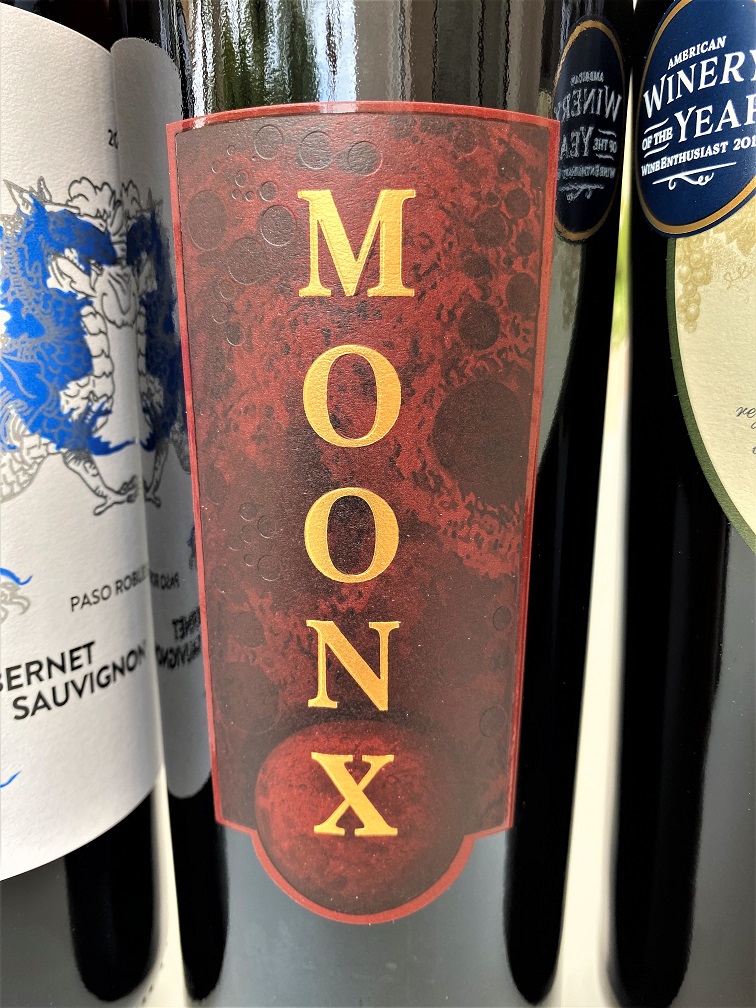
Trader Joe’s offers a good selection of Cabernet Sauvignon wines. Choosing the wines was a combination of prior experience and just good-looking labels – Justin makes outstanding wines in Paso Robles; you can’t go wrong with or beat the prices of the Bogle wines); I had MOONX wines before, and have good memories of them.
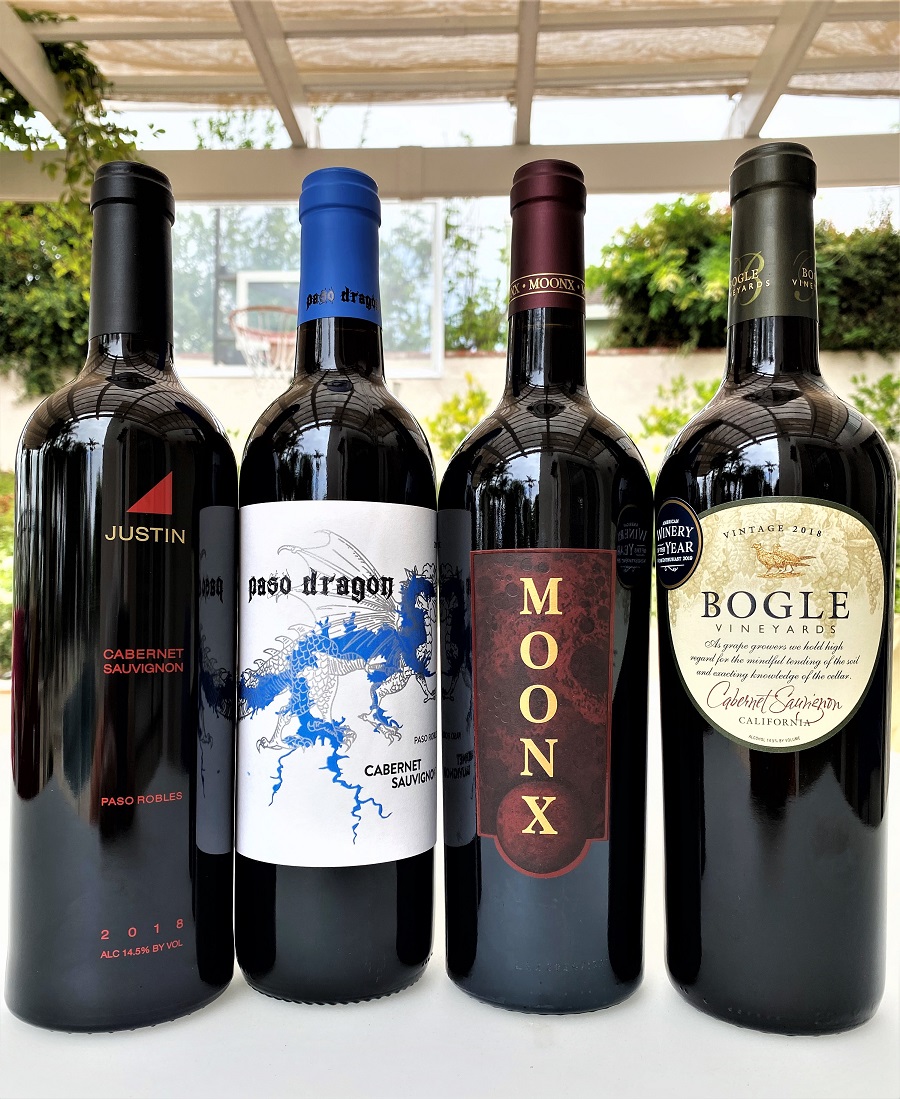
Here are the Cabernet Sauvignon wines from Trader Joe’s I offered to my friend to taste (notes are mine, of course):
2018 Paso Dragon Cabernet Sauvignon Paso Robles (13.5% ABV, $6.99)
Garnet
sage, blackberries, red and black fruit
Blackberries, herbs, medium body, clean acidity, nice finish with a touch of pepper
7+, a bit too weak for the Cab, but easy to drink wine. Can’t really identify as Cabernet Sauvignon.
2018 Justin Cabernet Sauvignon Paso Robles (14.5% ABV, $24.95)
Ruby
A touch of eucalyptus and mint, blackberries; second day – earthy and complex, a hint of gunflint.
A distant hint of cassis and tobacco
Second day: Classic cab is coming through, cassis and mint, clean acidity, crisp tannins.
8/8+, this wine needs at least 5, better yet 10+ years in the cellar to shine.
2018 Boggle Cabernet Sauvignon California (14.5% ABV, $7.99)
Light garnet
Bell peppers, a hint of cassis
Blackberry preserve with tobacco and a touch of coffee. More herbaceous than anything else.
7+, it is a drinkable wine, but might be the least Cabernet of the group.
2019 Moonx Cabernet Sauvignon California (13% ABV, $6.99)
Garnet
A touch of cassis, berries compote, a hint of bell pepper
Lodi fruit presentation, a hint of cinnamon, warm spices, sweet tobacco, berries preserve, a touch of fresh tannins, medium finish.
8-, easy to drink, good balance, pleasant, great QPR.
My friend’s favorite on the first day was Paso Dragon. MOONX was a favorite on the second day. She declared Justin “not bad” on the second day. And she was unmoved by Bogle on either day.
From my point of view, only Justin was worthy of Cabernet Sauvignon designation – give it time, and it will be a spectacular one. MOONX was very good too, but it didn’t necessarily scream Cabernet Sauvignon. We need to remember though that my friend’s love and desire for Cabernet is simply based on the good prior experience with the wine named Cabernet Sauvignon, but was that a classic Cab nobody would ever know.
There you go, my friends. Let’s go on the quest to find the best, varietally correct Cabernet Sauvignon, perfectly drinkable upon release, at a price that leaves 401k intact. Ready to offer recommendations? Be my guest…
Last Bottle Sign Up ($10 credit)




 Talk-A-Vino