Archive
FeedSpot Top Wine Blogs 2026
 The best pleasures in life are unexpected ones, right?
You grab a bottle of wine. You know nothing about it. Open, swirl, sniff, sip. Whoa. OMG.
Unexpected. Delightful. Pleasant.
Wine might be the best carrier of unexpected pleasure. Of course, you can always win a lottery – but that is reserved for the selected few, and in many cases, the pain comes right after the pleasure. And then there are unexpected emails. Not, not the ones when you are informed that your unknown uncle passed away in the other hemisphere, and your millions are in the mail as long as you pay the modest fee of $5k. No, I’m not talking about those.
A few days ago, I got an email from FeedSpot informing me that my blog made the 100 Best Wine Blogs to Follow in 2026. Unexpected. And pleasant.

Last year, I also made the Top 100 list of 2025, so I’m definitely happy to receive the recognition again. Scrolling through the list, I find many familiar names, so kudos to all who are still happy to share their passion for wine.
Now I’m off to write about the delicious Amarone I recently had the pleasure of experiencing…
Top 25 of 25
 I’m so predictable, right? You could tell without looking that the post about Talk-a-Vino’s top wines of the year 2025 will have this exact title, right?
25 of 25 just rhymes too perfectly, I had no choice but to use it as a title.
It is never easy to decide on the list of the top wines of the year – even if I want to list only 10 top wines, I could never do it. I have always included a lot more, despite 10 being the original thought. But – this year was a lot worse than any previous year I remember. I don’t know if this is just the wines getting better and better, or me just being lucky, I can’t tell. But considering the number of amazing 30 (give or take) year-old wines I had this year, it might be the latter.
I had to make a lot of difficult choices to avoid bringing this list to a 40+ top wines – it is not because I drink so much wine, but because it is so difficult to make decisions. But I did my best to agree with myself on the 25 top wines.
2025 was the year of iconic wines and the year of doubles. I tasted a few of the iconic wines I always wanted to try for the first time – Domaine Huet from the Loire, Bernhard Ott from Austria – both are great producers I wanted to taste for a while. Both are included in the list. There are also a number of “doubles” – two wines from Turley, two wines from Domaine Bousquet. And a few more doubles didn’t happen because of – yes, you got it – hard decisions I had to make. For example, San Felice In Avane Chardonnay was spectacular, and it was absolutely supposed to be included in the list…
Just to remind you, this list is all about memories. The wine has to be memorable; it has to solicit an emotion to be included in this list. One way or the other, but all of these wines managed to do so, so here we are.
Before we get to the list, a few stats. The list below includes sparkling (1, or possibly 2, depending on how you look at Moscato), Rosé (2), white (7), red (13), and dessert (2). 10 countries are represented in the list below – California (7), Italy (6), France (4), Argentina (2), Austria (1), Czech Republic (1), Germany (1), Israel (1), Japan (1), Portugal (1). I think this is a well-rounded list, but you will be the judge of it.
Without further ado, here are the Talk-a-Vino Top 25 wines of 2025.


25. 2023 Poggio Stenti Sangiovese Rosato Maremma Toscana DOC (€13,00) – I loved the wine when I tasted it the first time a year ago in Tuscany, and I equally loved my last bottle. Clean, crisp, delightful, mood-lifting.
24. NV Gran Marselan Cuvée du Centenaire Vin de France ($169) – A unique and different wine made from a unique grape. The wine had enough power to be memorable and also to make me curious about its further evolution. Would love to taste it again in 10 years.
23. 1966 Cantine Dr. Giorgio Lungarotti Torgiano Rubesco ($N/A) – I got this bottle a few years ago as a present. This year, I finally had an opportunity to share it with the same friends who gifted it to me. The wine was not insanely good, but it was respectfully good enough. It was drinkable and pleasant, and for an almost 60-year-old wine, it became perfectly memorable.
22. 2019 Segal Native Marawi Single Vineyard Judean Hills ($24.49) – clean, bright, delightful, unique. And as a collector of rare grape experiences, it makes me happy (never had Marawi before).
21. 1998 Mondavi Moscato d’Oro Napa Valley ($N/A) – had this bottle for a while, probably for 20 years or so. Finally I decided that it was time to pull the cork, and the wine was very good.
20. 2021 Paul Anheuser Blanc de Noir Nahe ($8.99) – I had no expectations, just curiosity. German Pinot Noirs are the proverbial “talk of the town” as of late, so how would German Pinot Noir Blanc fare? The wine was spectacular – generous, playful, refreshing, and, most importantly, delivering a lot of pleasure. An absolute steal for the price.
19. 2023 Anonimo Red Wine Paso Robles ($?, 60% Sangiovese, 20% Petite Sirah, 20% Petit Verdot) – I got it from Last Bottle Wines for all I remember, but can’t find any records (very unusual for me). The beautiful part is that this wine tastes as perfectly scrumptious Chianti – not the leather-driven, but fruit-driven, like Campochiarenti wines. I was curious how much California Sangiovese could taste like an Italian one – and this wine overdelivered. Superb. An interesting part is that I think I paid something around $20 per bottle, but the wine on the website is listed at $75, and basically requires a mailing list subscription. Anyway, a memorable treat.


18. 2024 Sansilvestro Dulcis Moscato d’Asti DOCG (~$20) – I don’t care what anyone says about sweet wines – as long as the wine has balancing acidity, it is all that I need to enjoy it. I love Asti, and this wine, also beautifully packaged, was simply saying “celebration!” with every sip.
17. 2006 Mazzei Castello di Fonterutoli Siepi Toscana IGT ($N/A) – good Italian wine is always a treat. This was a special treat, possibly at a peak (this is never known), but the wine was an absolute delight.
16. 2015 Domaine Schlumberger Pinot Noir Stein Alsace ($N/A) – until I tried this wine, I didn’t even know that Alsace makes red wines. Of course, the Alsatian whites are well known, but this was a special treat – lean, smoky, minerally-driven, delicious.
15. 2021 San Felice La Pieve Chianti Classico Gran Selezione ($75) – another treat from Italy. Aromatic, round, layered, delicious.
14. 2016 Salabka La Coquine Chardonnay Czech Republic ($N/A) – not every white wine can last for 9 years. I opened this last bottle brought from the trip to Prague not without trepidation – the first sip dissipated all the worries and brought my palate into the state of nirvana. Superb, world-class Chardonnay.
13. NV Incandesa Brut Traditional Method California Sparkling Wine ($15, Last Bubbles) – round, delicious bubbles that are hard to find on the budget. Nothing more, nothing less.
12. 2015 Turley Petite Syrah Pesenti Vineyard Paso Robles ($38) – I spontaneously decided to taste the 2015 Turley Petite Syrah (I can never get why Turley is using Syrah with a “y” instead of the proper Sirah with an “i”) against the 2015 Carlisle Sonoma County Petite Sirah. Both wines were very good, but my best comparison invokes the music analogy, where the Turley Petite Syrah was a beautiful musical passage that fully resolves, versus Carlisle, which abruptly ends on a high note, leaving the listener in the middle of an incomplete musical sentence. Hope this makes sense – anyway, the Turley was delicious start to finish.
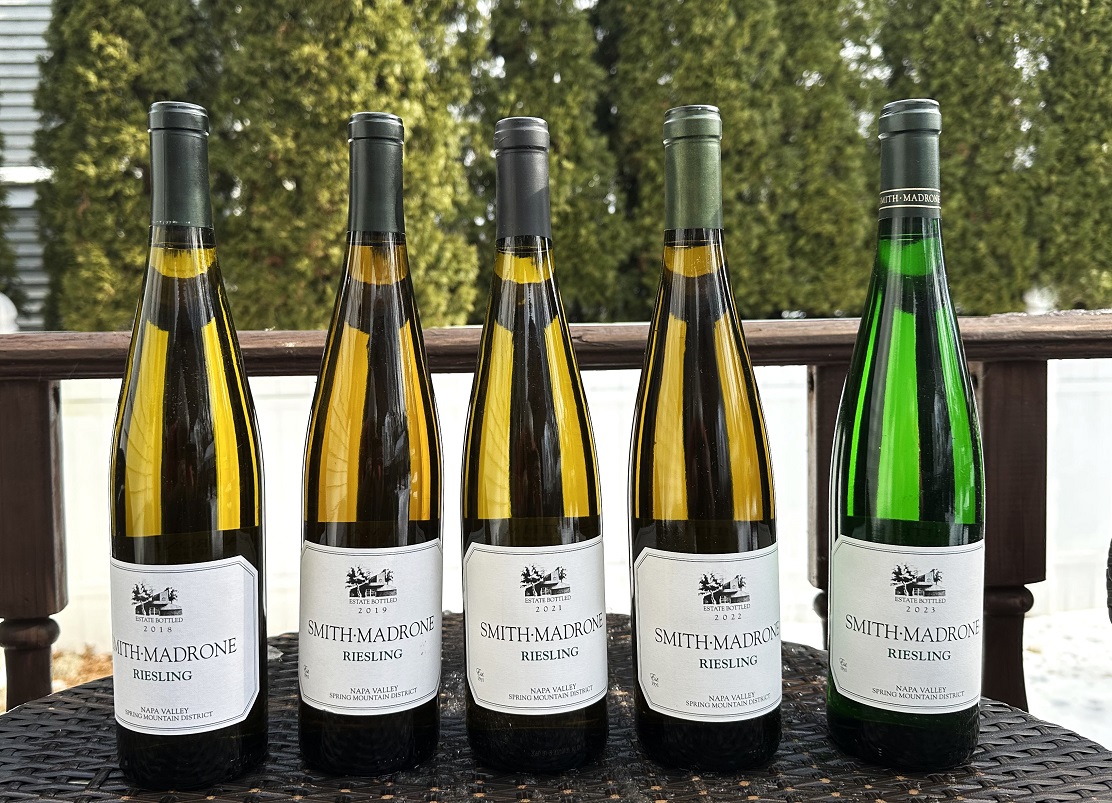
11. 2018 Smith-Madrone Riesling Spring Mountain ($38) – one of my most favorite Rieslings ever. Deciding on including 2018 and not 2019 was similar to splitting hairs. Delicious wine from the first drop to the last.
10. 2007 Revana Cabernet Sauvignon St Helena Napa Valley ($N/A) – a pure delight only a mature Napa Cab can deliver. This was a present from a friend, which I kept in the cellar for a while. I’m sure this wine would evolve for another 20 years, but it was beautiful in the glass already. Layers of cassis, eucalyptus, a touch of mint, polished, elegant, impeccably balanced.
9. 2019 Domaine Huet Clos du Bourg Sec Vouvray AOC ($46.97) – finally, I tasted the wine which I knew by name for many, many years. Stunning aromatics, layered fruit in every sip, a pure pleasure.
8. 2014 Weingut Bernhard Ott Grüner Veltliner Der Ott Feuersbrunn Wagram ($19, Last Bottles) – another dream came true. Not only was it a legendary Ott, but this wine also had a good age on it, and the wine showed spectacularly. It was interesting to find a touch of gunflint and a beautiful honey note on this wine, similar to the one you expect from mature Chardonnay, and even a whiff of petrol you would expect from a Riesling. Perfectly alive and a pure pleasure in the glass.


7. 2021 Domaine Takahiko Soga Nana-Tsu-Mori Pinot Noir Hokkaido Japan ($300?) – wow, Pinot Noir from Japan, how about it? The wine was beautifully classic, with good depth, cherries, dark fruit, and finesse, lots of finesse.
6. 2024 Domaine Bousquet Ameri Eva Estate Organic Sauvignon Blanc ($35) – Domain Bousquet has a very large wine production, and yet manages to create a new and ultra-enjoyable wine. The wine’s unique buttery notes put it into its own category, delivering lots of pleasure now, and is built for aging. I would love to see the evolution of this wine in 10-15 years.
5. 2021 Monchiero Rocche di Castaglione Barolo DOCG ($70) – I don’t drink enough Barolo, that’s all I can tell you. I didn’t expect that such a young Barolo would show so beautifully in the glass, no decanting needed. A pure medley of red and black fruit, violets, impeccable balance. Note to self – drink more Barolo!
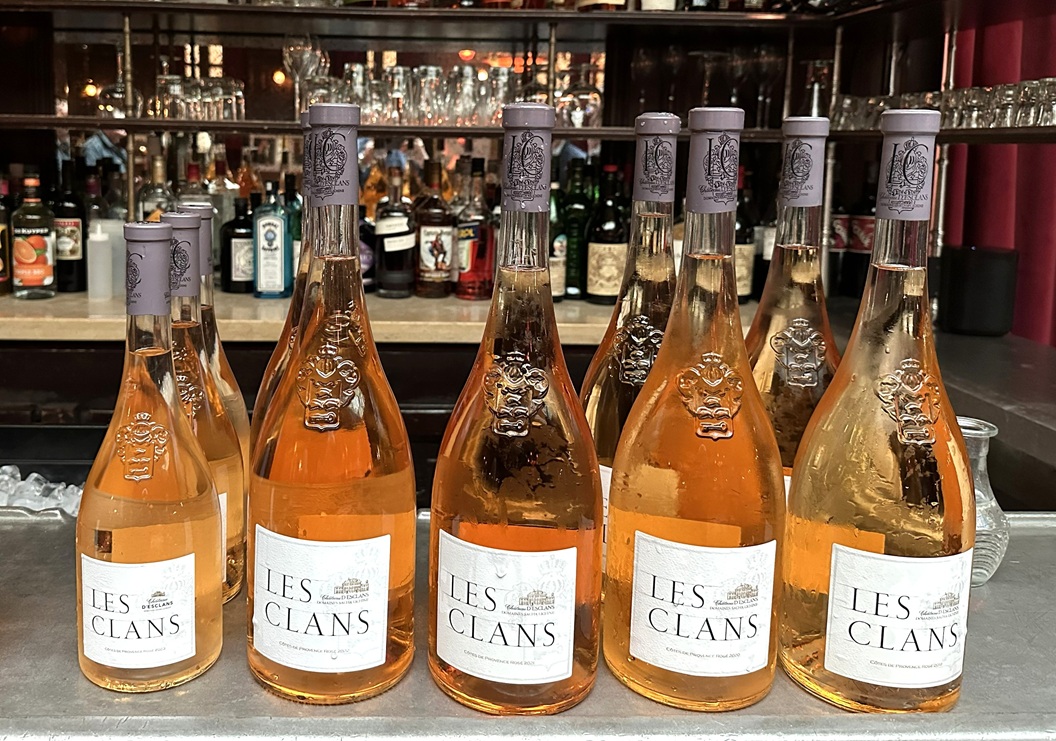
4. 2019 Chateau d’Esclans Les Clans Provence Rosé ($110) – the wine is all about pleasure, and this wine delivers. Wait, correction – this wine overdelivers. Elegant, complex, and in its own category. Once you try it, the question “how can Rosé cost $100+” is instantly answered…
3. Rocim Vinha da Micaela Red Alentejo ($270) – a sans categorie wine. A beautiful concoction, made from local grapes, existing in its own world where it can’t be compared with any other wine. The wine doesn’t have a frame of reference, nor does it need one…
2. 2022 Domaine Bousquet Ameri Wild Roots Block 3 Organic Malbec ($85) – the second wine from Domaine Bousquet on our list. Polished, beautiful, layered, sexy, and voluptuous. When you take a sip of this wine, you want the pleasure to last forever.
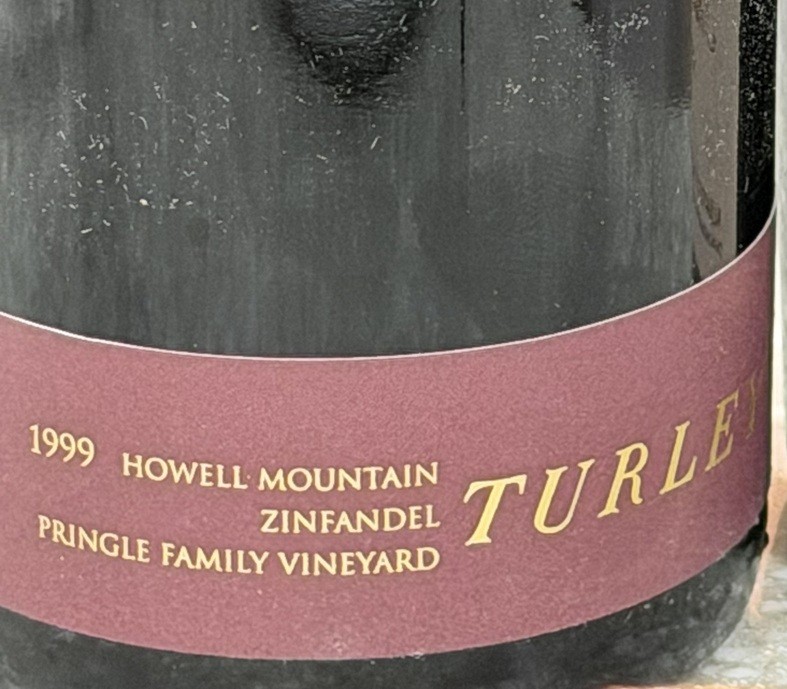
1. 1999 Turley Zinfandel Pringle Family Vineyard Howell Mountain ($38.25) – Mesmerizing. Upon opening, the first sip of the wine appeared to be sweet. A few minutes later, the wine transformed, adding incredible depth and complexity. When I was taking the sip, time was stopping. I didn’t want to talk; I just wanted to reflect. Mesmerizing is the best one-word descriptor I can come up with for this wine.
This is it, my friends. Talk-a-Vino Top 25 of 25.
What were your memorable wines of 2025?
Happy New Year 2026!
Here we are again – a New Year. New hopes, new dreams, a new notebook with 365 empty pages. It is up to us to fill those pages with things that matter to us.
Two days ago, I opened a bottle of one of my favorite Champagnes, NV André Chemin Brut Tradition Champagne, and to my surprise, noticed something I had not paid attention to before. Take a look at this cork:
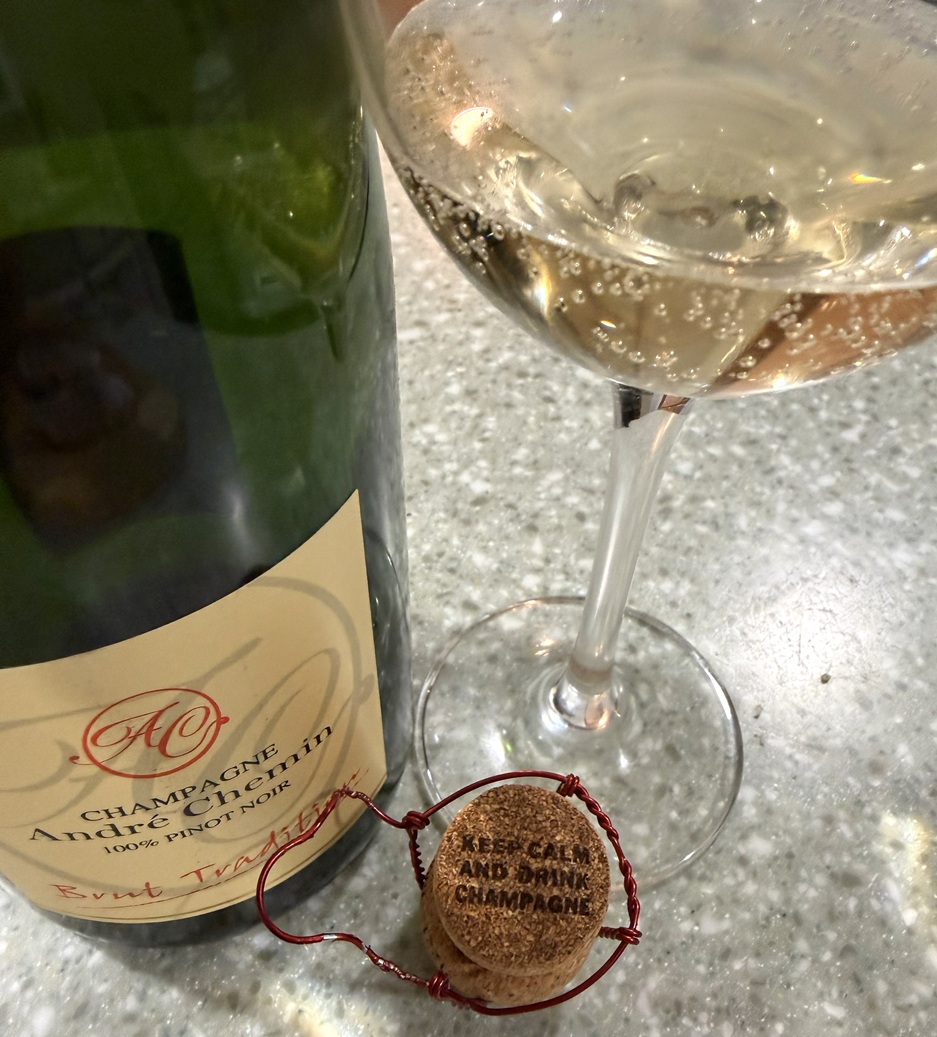

This is a perfect message to remember for the remaining 364 days of 2026.
Keep Calm and Drink Champagne.
I want to wish all of you and your families a healthy, peaceful, happy New Year 2026, filled with great moments, great memories, and great wines.

Source: Pixabay
Cheers!
15 Years of Blogging
 Wine, food, and life.
This story started 15 years ago when…
Nah…
Well, wait. This is actually true. This blog should’ve started at least 17 years ago, as some of my friends suggested. Then, of course, there was a fear of the unknown, “should I or should I not” inner voice fighting, and slow warming up to “I guess I can at least try… what is the worst thing that can happen?”. In March of 2010, I finally told the world that the new wine blog was coming (here is the link to the very first post on this blog). Four months later, in July of 2010, this blog finally took off.
I love numbers, so for this post, I wanted to share some Talk-a-Vino 15 years stats:
- 1,553 – number of published posts (it averages to 100+ a year, even though earlier years saw a lot more posts than the late ones)
- 1,556,337 words written (only in posts, not including comments; this was a fun project of figuring it out)
- 10,202 comments posted (that includes my replies as well)
- Pinot Noir is the most talked about grape with 79 posts, followed by Cabernet Sauvignon (70) and Chardonnay (55).
- Wine Quiz is still the most popular category with 257 posts, even though I have not been running the series for many years now.
- 640,293 spam comments protected against by Akismet according to the WordPress.com dashboard – this one is the most impressive number 🙂
When I started writing this blog, I was pondering the question – who do I write this blog for? After spending some time researching what others think, I came to a simple conclusion – I will be writing this blog for myself. I will be the one who has to like the posts first and foremost – of course, it would be wonderful to find some soulmates, people who would enjoy reading what I wrote, but I wouldn’t do anything special to find them, “just be myself,” as they like to say.
As an engineer at the core, I wanted my posts to be organized, so I came up with a concept of “series”. I was also very ambitious – for example, one of the series was called Daily Glass – as I drink wine daily, this series was supposed to talk about those daily wines. To date, I have 84 posts in that category – not exactly a daily activity. However, I still find the concept of the series helpful, at least personally, as it delivers the big picture. Usually, the names of the series are self-explanatory, as with the Daily Glass, so I don’t need to explain what “Restaurant Files”, “One on One with Winemaker”, “American Pleasures” (well, this one is actually about great American wines), or “Travel Diaries” actually mean.
Wine, food, and life.
This blog became a place where I store wine, food, and life experiences. There are notes for thousands of wines. There are restaurant experiences and recipes. You can find my travel diaries, whether visiting Japan, Israel, Paris, or my own neighbourhood, all illustrated with countless pictures. Tasting rare grapes is another passion, spurred by being bitten by the Wine Century Club bug – the rare grape experiences are collected throughout these pages, as I continue that Wine Century Club journey. Then there are even more experiences I love to collect, such as tasting wines from as many US states and as many countries as possible.
When I started blogging, the plan was to share my opinion and my opinion alone. When at the first Wine Bloggers Conference I attended, I heard seasoned wine writers saying “interview, interview, interview”, this was completely lost on me. What interviews? Why should I ask someone questions and then try to repeat the conversation in the format of a blog post? Little by little, conversation after conversation, the “aha” moment happened, and you can now find 40 or so conversations with the winemakers and wine people, the interviews. Among those, there is a series called Stories of Passion and Pinot, dedicated to the people who made the finicky grape their passion, most of them coming from Oregon.
And I also have to mention two of my perennial favorites. In my 15 years of blogging, I haven’t missed a single year with my Wine News and Updates, always published on April 1st, always filled with the most sensational happenings in the world of wine (if you have some time, check them out!). Another favorite is the list of the Top Wines of the Year, also published every year from 2010 through 2024. Originally envisioned as being only Top 10, then Top 12 (a dozen), the Top Lists usually reach at least 24 wines, but hey, this is my blog, my rules, and I can break my own rules.
I’m definitely enjoying my journey of 15 years, and I can only hope that I was able to share the joy with you on some occasions. Let’s raise our glasses to Wine, Food, and Life. Cheers!
Celebrate Chardonnay! 2025 Edition
 Okay, I missed it again.
On Thursday, May 22, we celebrated Chardonnay Day. And I didn’t post about it.
Well, I didn’t entirely miss it. There was Charodnnay in my glass, so I only missed writing about it on time, but the celebration itself – yes, I participated.
Chardonnay is one of my favorite grapes. Well, those who know me understand that this is a difficult thing for me to say. I love wine in general, and therefore, I really don’t have grapes I don’t like. I might not be a fan of some producers, but grapes or varietal wines per se—I love them all. And yet, when it comes to favorite grapes, I have to shortlist Chardonnay among 20-30 ones I feel comfortable calling “favorites”.
Chardonnay is one of the most versatile grapes, perfectly capable of creating delicious wines from the bone-dry, unoaked versions to the full-on, hedonistic bombs. Chardonnay wines can be wonderful in still, sparkling, and even late harvest renditions, and they are produced literally everywhere – Asia, Middle East, Europe, North America, South America – see, I’m not even trying to be any more region specific, as it is pointless, or I would almost have to name every appellation in existence.
I also have another proof of the “favorite” status. In last year’s Chardonnay’s celebratory post, I counted the number of times Chardonnay wines were included in the Talk-a-Vino Top Wines of the year lists. During 14 years, there were only two years when Chardonnay wines were not present in the top two dozens, and a total of 19 Chardonnay wines were included in those top lists. Then, last year, 2024, the top wines list had 3 Chardonnay wines in it, including the 2024 wine of the year – an Italian Chardonnay from Banfi.
The pleasure of the well-made Chardonnay starts from the very first whiff from the glass. Vanilla, fresh apples, a touch of butter, and, if you are lucky, the honey. This is what makes me say “ahh” in the first place. And then, when vanilla, apples, butter, honey, smothered with a touch of lemon, continue in the first sip, this is where you say “oh my god…”. The key to this Chardonnay pleasure is in full harmony and balance of the flavors – if any of the components sticks out or is absent, this is where the pleasure instantly stops. Of course, the balance is a key element of any wine, but some of the wines can get away with too much acidity or too much oak and still give you pleasure, including a generic Chardonnay. But the harmony and balance are what differentiate a great Chardonnay from an average one.
I also love to use great Chardonnay as a reference point. For example, I compared my 2022 wine of the year, 2020 Abadia Retuerta L’Domaine from Ribera Del Duero, a Sauvignon Blanc-based blend, with Chablis. Chardonnay was also my analogy for the 2024 wine of the year, 2020 Mariasy Tokaji Furmint from Hungary, made from Furmint. And a few weeks ago, I had Grande Rocim White from Alentejo in Portugal (I have yet to write about it), made from 100% Portuguese native Arinto grape, which would successfully compete with Puligny-Montrachet I never had.


The wine I opened to celebrate Chardonnay Day was 2022 Maison Matisco Les Buis Saint-Véran AOC (13% ABV), one of my recent WTSO finds. The wine had a beautiful light golden color, and had a perfect Chardonnay profile as I described above – apples, vanilla, a distant hint of honey and butter (the last two might be just my imagination). The same profile continued on the palate, with the addition of the lemon. The wine initially had a slightly bitter aftertaste, which dissipated after a few hours. This wine will not make a list of great Chardonnays here at Talk-a-Vino, but I will be happy to open it any time I crave a Chard.
There, I told you my story. How did you celebrate Chardonnay Day?
Latest Wine News and Updates
There is something always happening in the world of wine. When we hear the word “wine”, of course, we get an instant image of the liquid in the glass. But before and after that liquid in the glass, the world of wine is a business world, and as with any other business, something is always happening in the wine business. Let’s take a look at some of the latest, “hot off the press” developments in the wine world.
Tariffs can’t stop the wine
It is nice to think of wine as something divine and poetic, but at the end of the day, wine has to be paid for, just like cars, TVs, and steaks. For things we pay for, the scary word of the day is “tariff” – we can’t just escape the reality of our lives. The US government floated the idea of setting the tariffs for all European wines at 200%, and that is a scary thought for winemakers and wine consumers alike. Some of the winemakers want to face this challenge head-on – and thus, venerable Champagne houses Dom Pérignon and Krug just announced that they will start production of their famed Champagnes in the US, which will allow them to avoid tariffs altogether. The information is scarce and protected by strong NDAs, but based on anonymous social media leaks, both houses entered into agreements with undisclosed wineries in Oregon to source the fruit and assist in the production of the sparkling wines. Would they be able to call them Champagne? This is the question of the year, of course. I’m sure we will learn more as the story unfolds. Currently, it is expected that both houses will be able to proudly offer “made in USA” Krug and Dom Perignon as early as the 2027 vintage.
Chateau Latour 1982 without alcohol? You got it
It seems that alcohol-free wine is a big trend (not for me, but hey, it is a free world, right?). Until now, the choices of alcohol-free wines had been limited to specifically produced non-vintage wines of unknown pedigree. This is about to change, all thanks to the company that already once revolutionized fine wine consumption. Coravin just announced a new wine preservation system, which not only lets you sip your prized First Growth over many years, but also allows you to remove the alcohol from the wine while it’s been poured! Think about your underage kids being able to enjoy the legendary wines together with the adults at the dinner table. Or even oneself, now being able to consume an unlimited amount of the elixir and then drive with no problems at all. This new Coravin wine preservation system, called Drink Freely, is priced at $899, and it is expected to hit the store shelves before Christmas of 2025. You can visit the Coravin website to sign up for the email updates for the early availability of Drink Freely.
Wine and health
I’m sure you noticed that wine has been assaulted as of late with all the baseless claims about the dangers of wine consumption to your health. Despite all the wealth of the previous research, talking about the benefits of moderate wine consumption, it seems that beating wine down became a favorite pastime of many medical “scholars.” The World Health Organization (WHO) has been one of the staunch critics of wine consumption and alcohol in general. In a stunning reversal of events, the WHO published the results of a 10-year-long lifestyle study, concluding that moderate wine consumption, up to 2 glasses of wine per day, had shown improved mental capacity, reduced stress, and boosted immune system defences among experiement’s subjects, compared with the control group. The findings were so profound that the WHO Director-General, Dr. Tedros Adhanom Ghebreyesus, called the wine “an elixir of life” in his quote. Again, this was quite an unexpected endorsement, but who can argue with success?!
Vines under water
Rising sea levels are definitely a concern for many wineries, especially those located in the coastal areas around the world. What will happen if the vineyards go underwater? What if it is possible to successfully grow grapes in the vineyards at least partially, or potentially, completely submerged in water? The University of the Basque Country in Spain teamed up with famed UC Davis in California and several wineries in the Rias Baixas area to research the ability of vines to thrive under water. The first vineyards had been planted in the sea basin near Vigo in Rías Baixas, taking care of protecting young vines from the sea currents and fish. Obviously, Albariño was the first choice of the grape variety to plant, but a number of other Mediterranean grape varieties are also in the play. It is too early to talk about the results, as the project has been going for only 3 years, with the first mentions just leaking into the press, but the chief project scientist, Dr. Maximilian Grape-Seedling, says the early results are encouraging. We are still 3-4 years away from any commercial availability, but we can definitely share the hope for the future of the wine industry.
The wine crypto
Last but not least – we just learned of the first ever wine foray into the world of cryptocurrency. Loïc Pasquet, the winemaker behind the most expensive Bordeaux wine, Liber Pater ($30,000 per bottle upon release), just announced his brand new crypto, $Liber. $Liber will be based on the Ethereum blockchain and will be released at $10,000 a piece, with only 10,000 coins total planned for circulation. The new crypto will be backed by the 2020 vintage of Liber Pater, with 5,000 bottles set aside as collateral for the new cryptocurrency. It will be first available for sale on May 1st, and the demand for the hotly anticipated coin already exceeds 3 times the expected total supply. Each new $Liber owner will receive a 50 ml bottle of 2015 Liber Pater and the certificate of ownership signed by Loïc Pasquet himself. $Liber will be available on all major crypto exchanges such as Coinbase, Robinhood, and others.
And we are done here – all the latest wine news and updates.
Until the next time – cheers!
Fall Colors 2024: Early and Extended
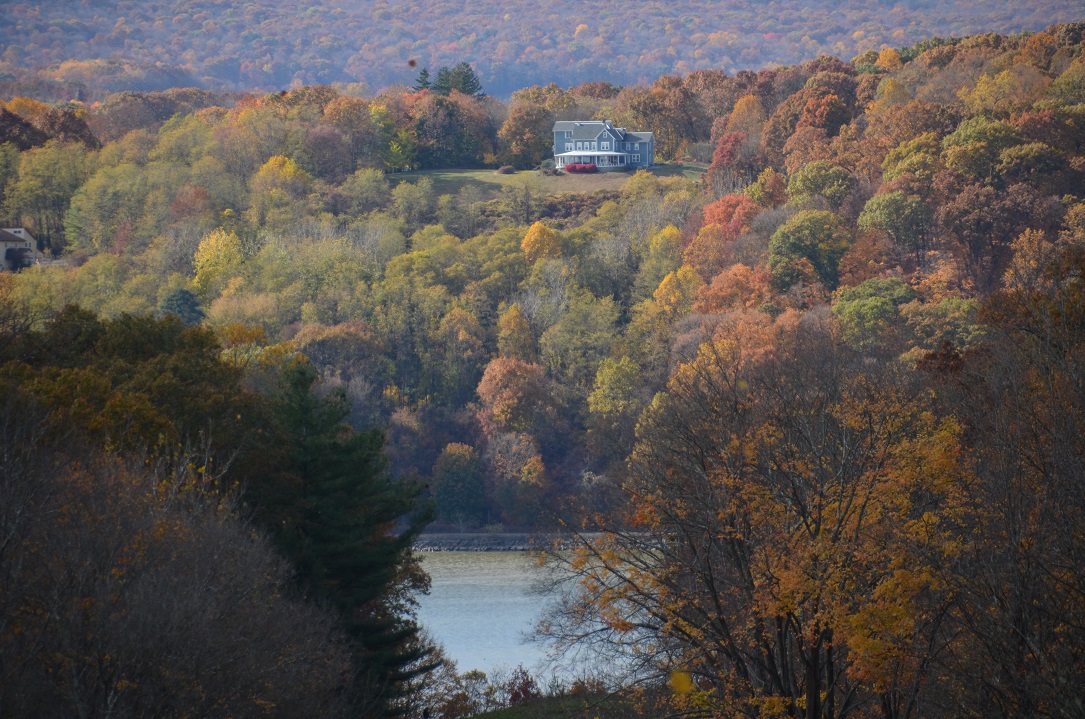
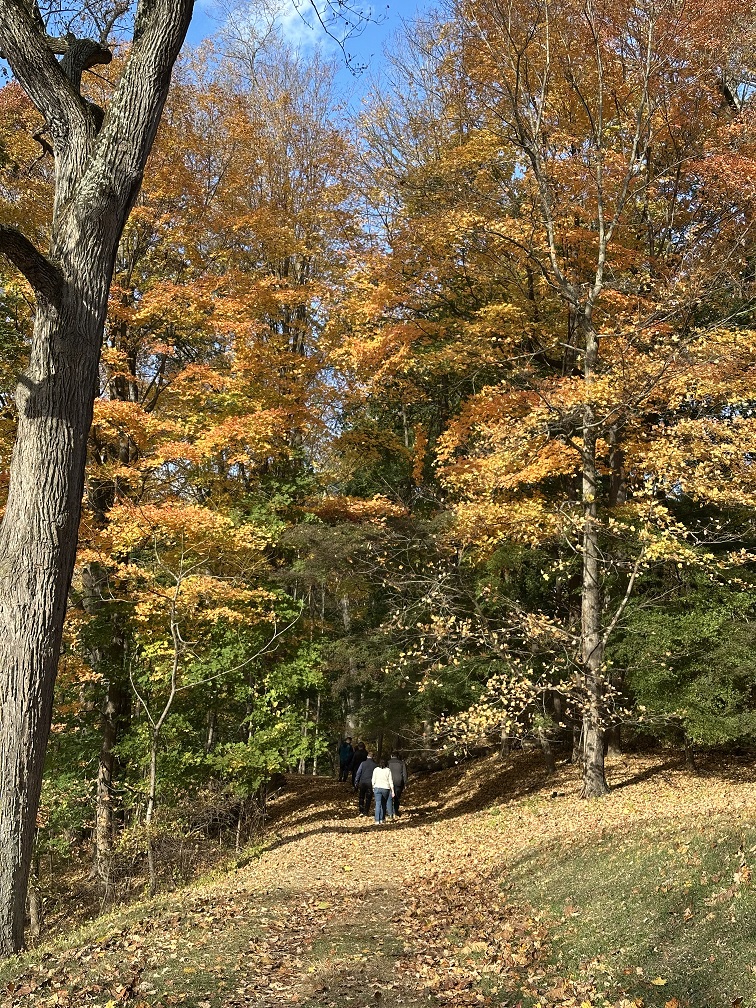
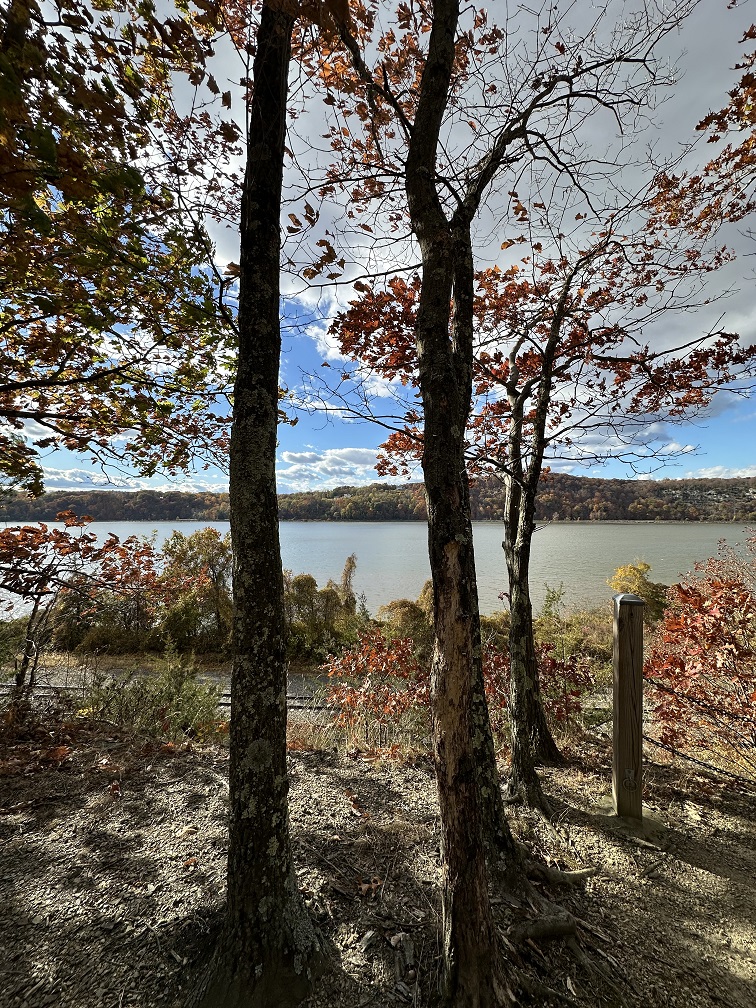
As I love photography, it always gives me great pleasure to share a few pictures on these pages. Fall colors are no strangers here with many posts over the years, so this is what this will be all about.
Continuing the tradition, a few words about Fall 2024. I don’t think I remember the fall so dry – starting from mid-September, we maybe had one day of rain here in New England and surrounding areas. The fall colors started gently arriving at the end of September, but even now (the second half of November) some of the trees are still standing in full beauty.
We had an opportunity to visit a few places in Pennsylvania and New York, so here is a collection of autumn 2024 moments for you:
Beautiful views at Pound Ridge town park in New York:
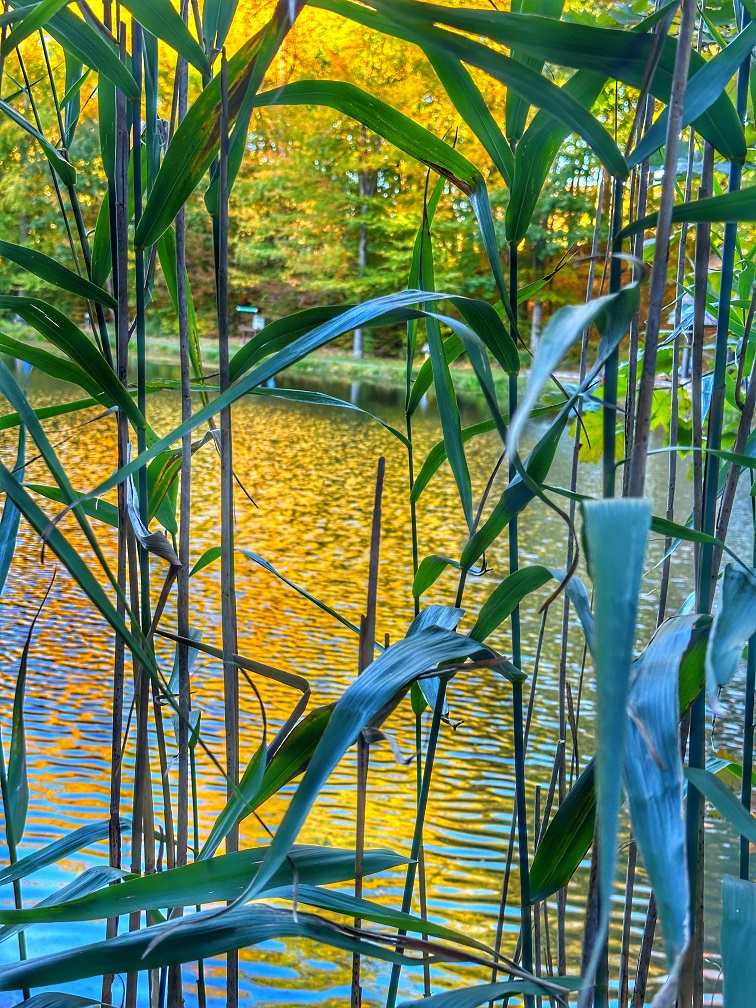
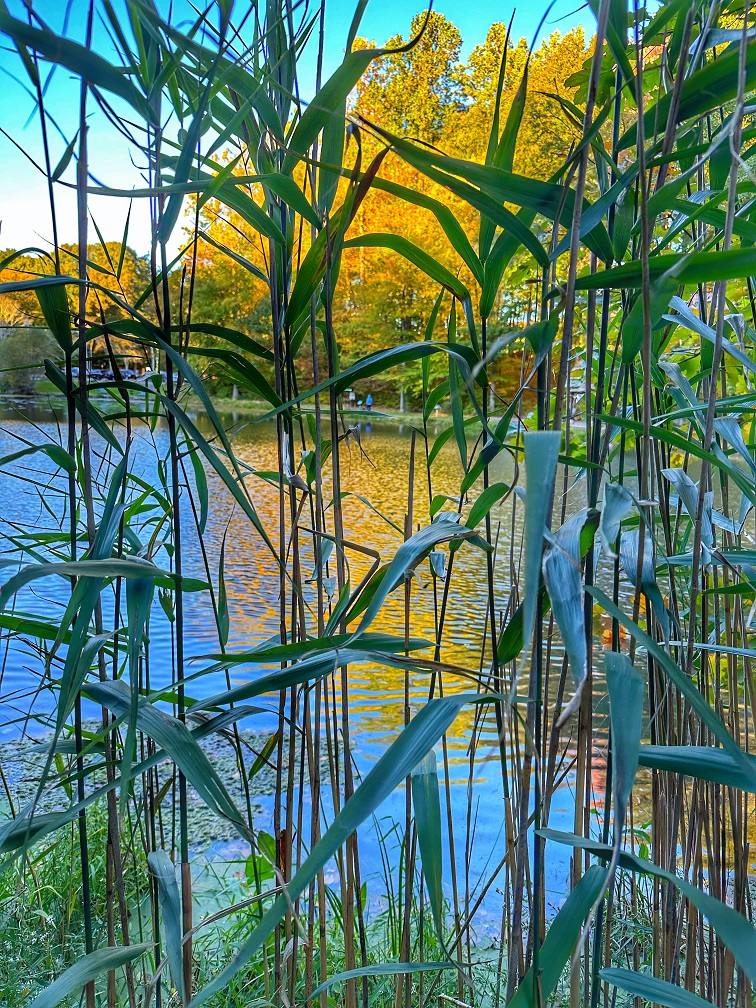
Next, a few pictures from the Grey Towers in Pocono Mountains and our walk along the Delaware River, all in Pennsylvania:

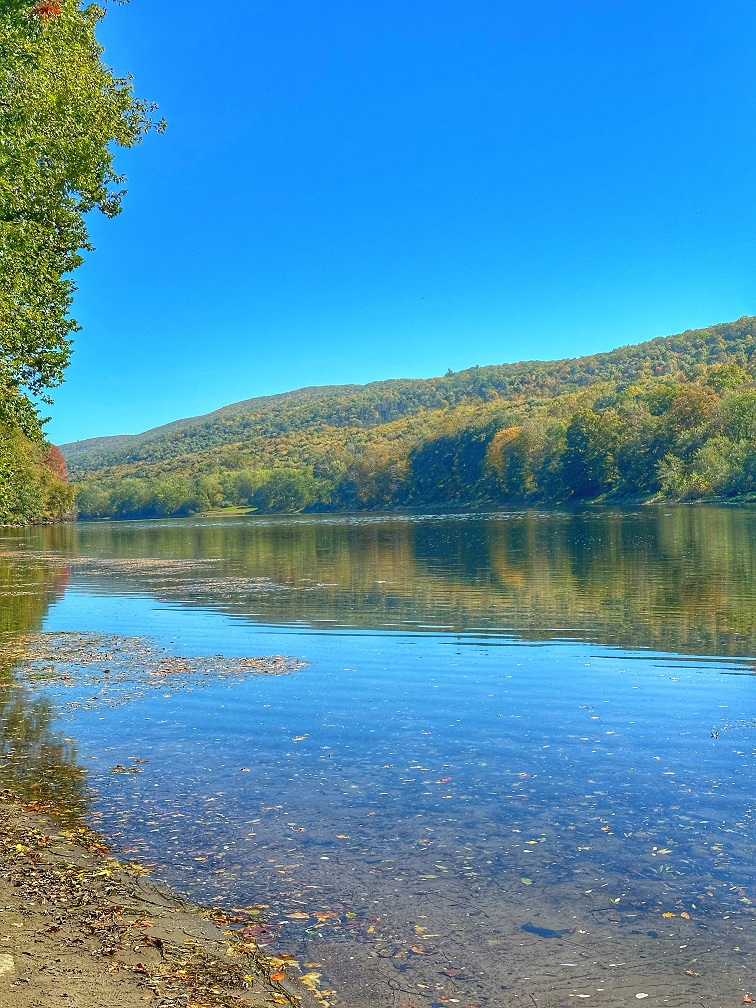
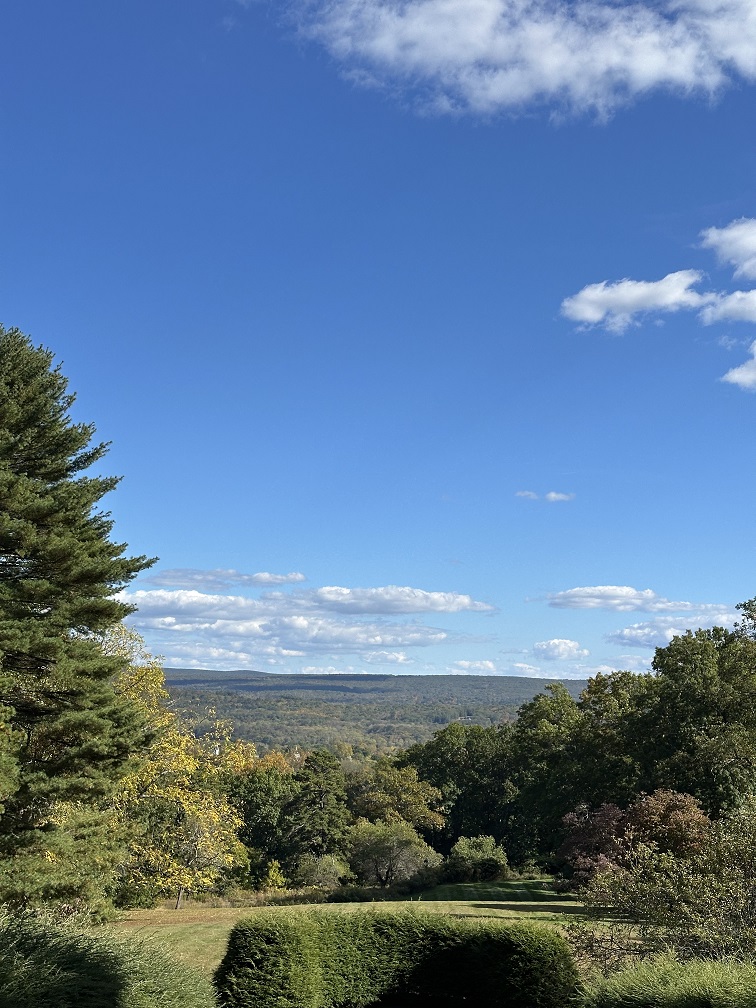
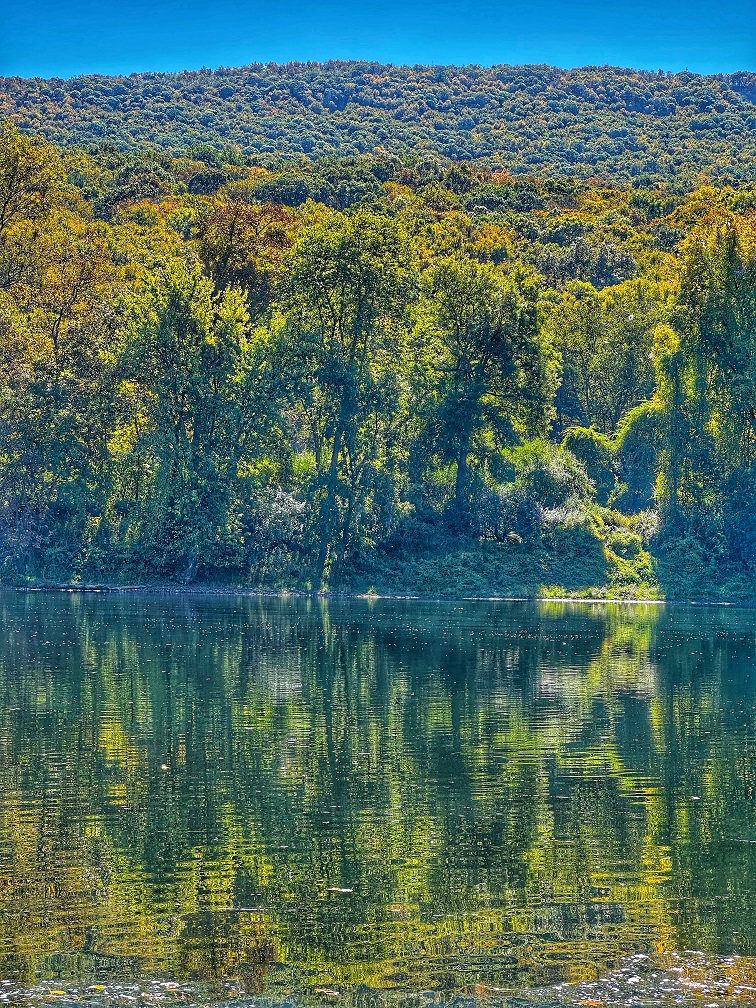
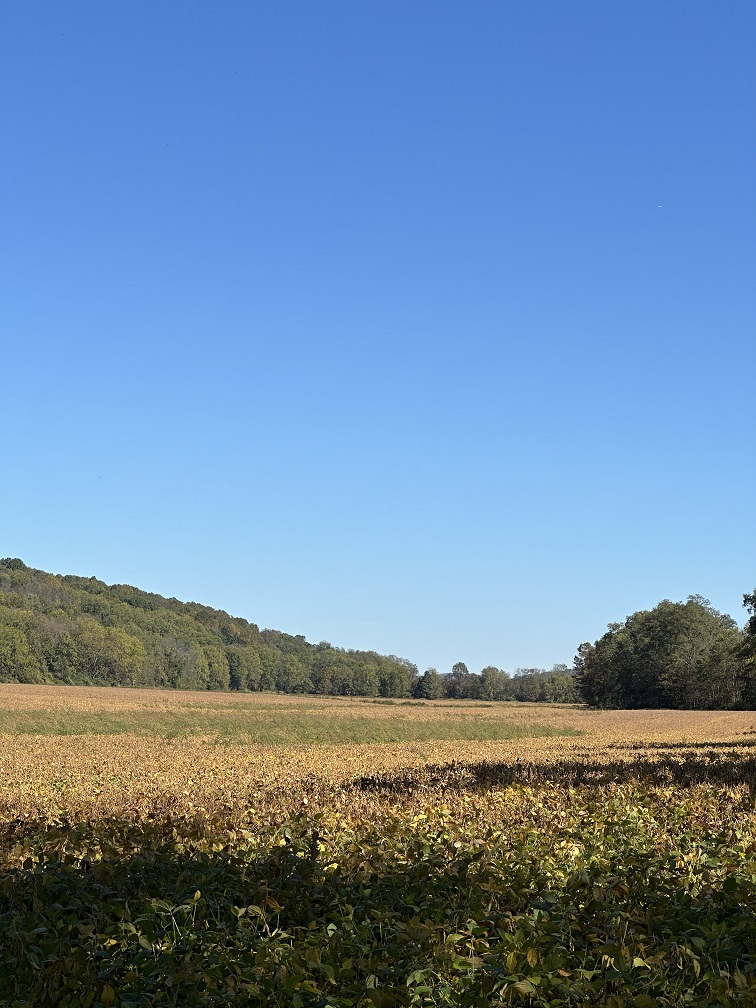
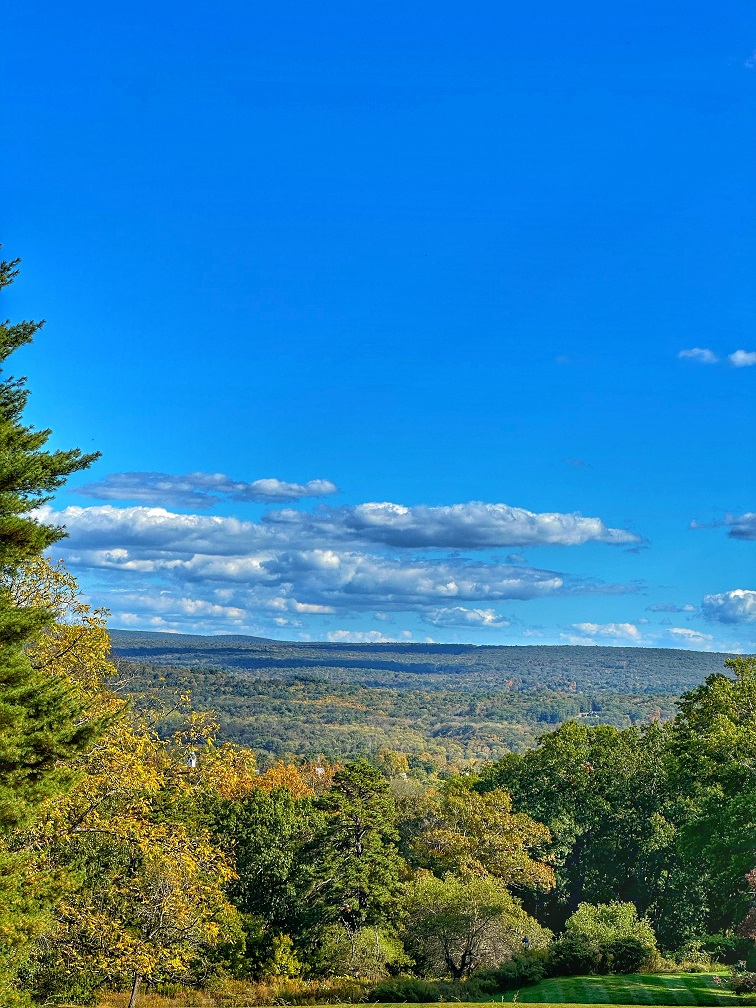
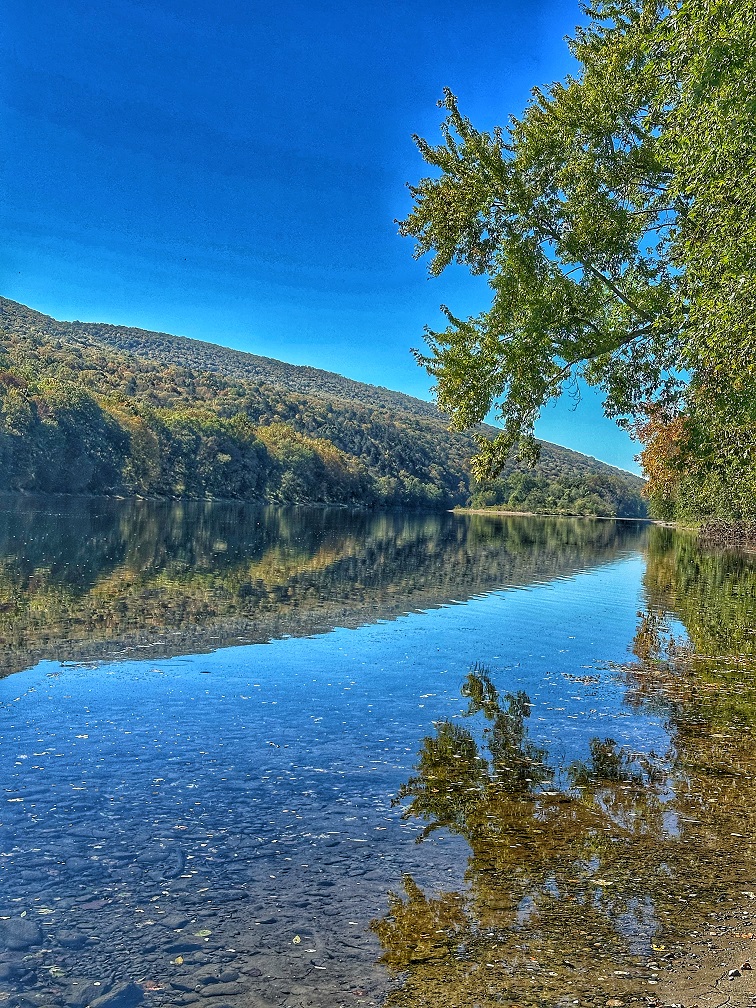
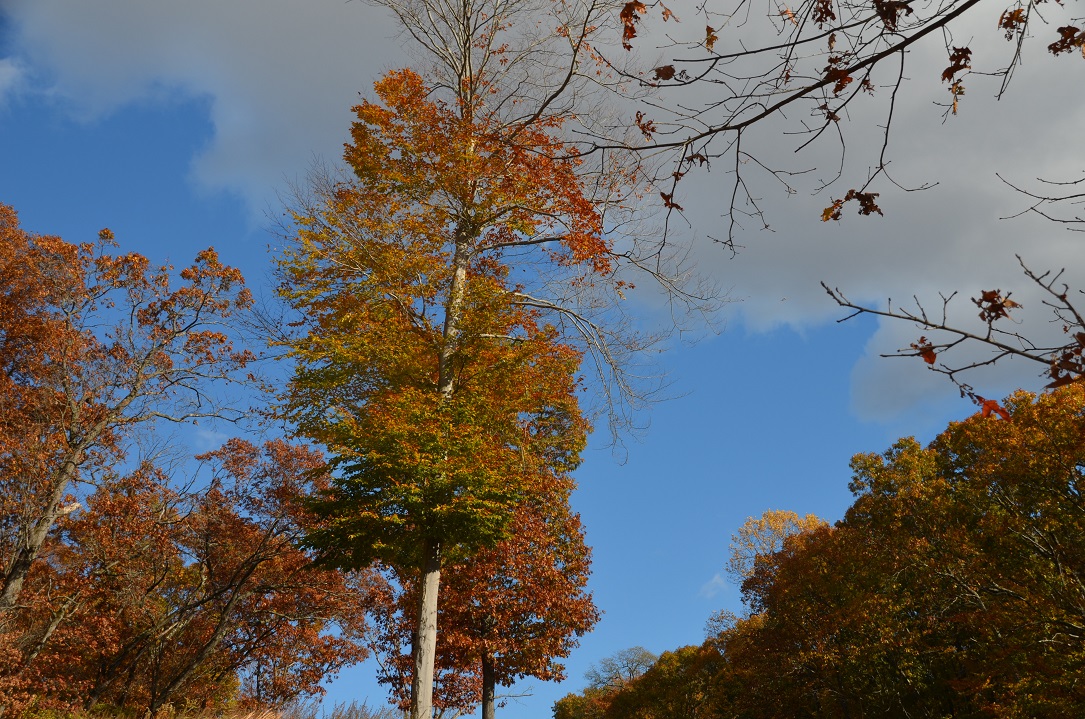
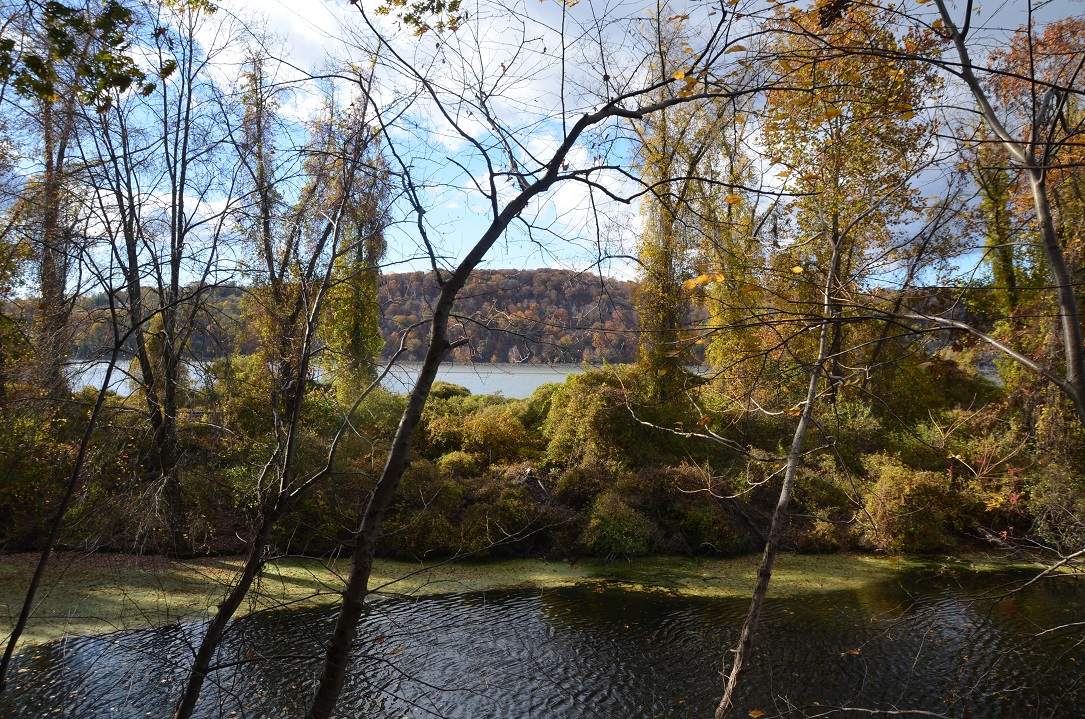
Here are late October impressions from the Locust Grove Estate in Poughkeepsie in New York, and beautiful Hudson River scenery from the Walkaway over Hudson. By the way, if you are ever in the area, I highly recommend visiting both:
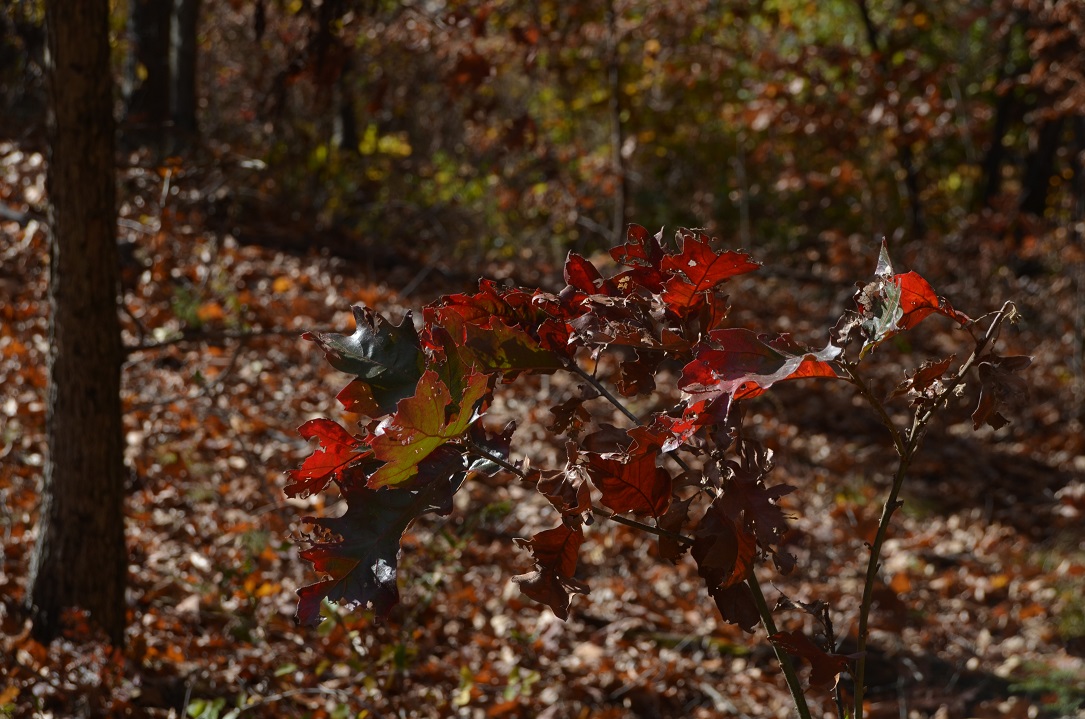
Lastly, a few “home” impressions from Stamford, right from our neighborhood:
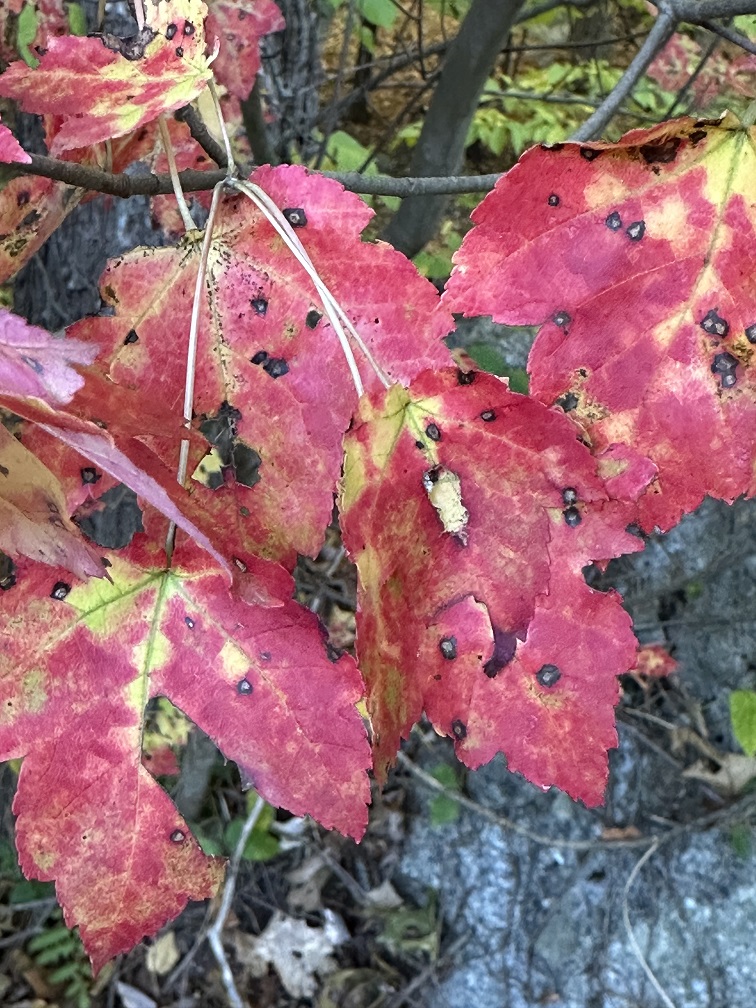
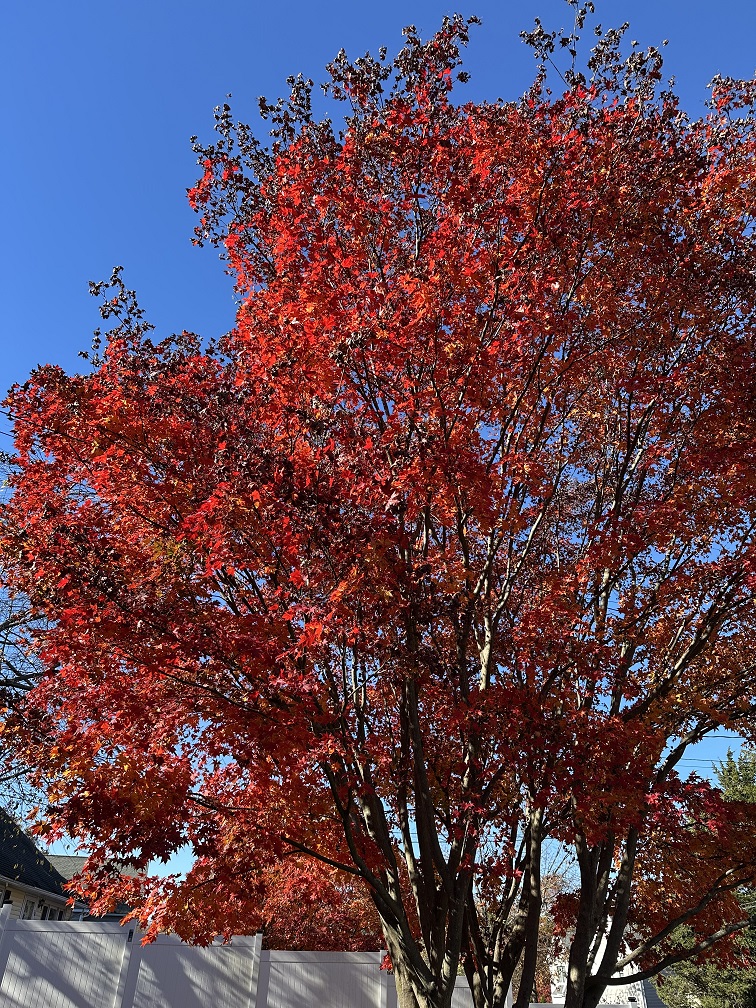
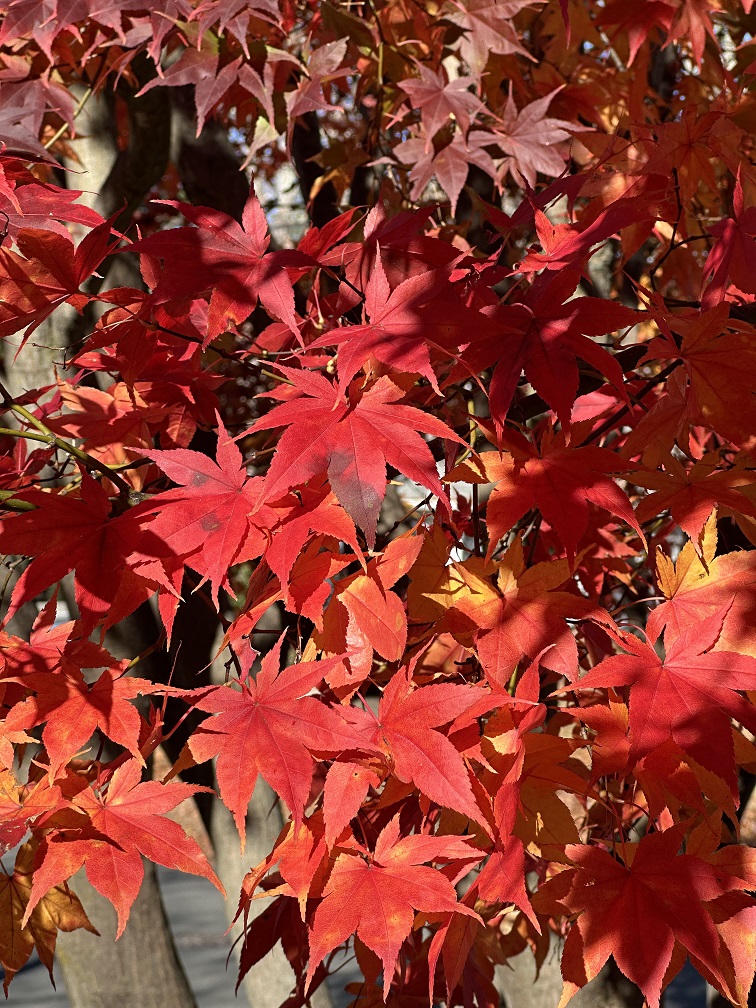 Last but not least, I need to mention a couple of wines:


2018 Anaperenna by Ben Glaetzer Barossa Valley (14.5% ABV, 82% Shiraz, 18% Cabernet Sauvignon, unfiltered) was superb – layers of dark fruit on the nose and on the palate, peppery undertones, eucalyptus, impeccably balanced, round and polished. I’m definitely not drinking enough of the Australian wines of this level, and I would be happy to fix that.
2021 Le Clos du Caillou Cotes du Rhone Cuvee Unique Vieilles Vignes (14% ABV) was beautiful – earthy black fruit on the nose, round and polished with good structure on the palate, with gobs of cherries, perfect acidity and perfect balance. I’m generally not a big fan of Cote du Rhone as many of the wines from this region are quite underwhelming – but Caillou is a good producer, and I’m glad I grabbed 6 pack from the Last Bottle wines to enjoy this simple but classy red over the next few years.
That’s all I have for you, my friends. How is your fall going?
Latest Wine News and Updates
There is never a dull moment in the world of wine – and there is not enough time in the day to track all the latest happenings. Here is a collection of recent and most notable wine news and updates.
Mars – wine’s next frontier
Yes, it is Mars, the fourth planet from the Sun. What Mars has to do with wine? If you ask Elon Musk, a lot. A relentless entrepreneur now has his sights on the world of wine, and apparently, he found a way to connect wine with another one of his passions – space. It appears that the 4 years long study conducted at UC Davis demonstrated that grown in space, the grapes had shown great potential for developing unparalleled taste profile while offering a substantial yield per vine, enabling the production of top-level wines at somewhat reasonable prices. Elon Musk teamed up with Paul Hobbs who was a consulting winemaker on the UC Davis project, and now he is building a fully enclosed vineyard set that will be delivered to Mars using a Space XM rocket. The vineyard will be installed and managed by the robotic staff, and the first harvest is expected to take place in 2030. The wine will be fully processed on Mars up to the bottling stage and will be delivered to Earth by the same Space XM rocket. No other details are available at the moment.
Screaming Eagle is going to produce what?
Screaming Eagle, the most iconic of all California wineries is secretly working on a new project, and it is not wine. Starting in 2028, the top 10% of the Screaming Eagle mailing list customers will have an opportunity to purchase the Marijuana extract, dissolved in neutral spirit and packaged into 175 ml bottles. The Marijuana plants are growing right between the Cabernet Sauvignon vines at Screaming Eagle vineyards. The plants are harvested by hand and processed within 3 hours of arrival to the winery, to retain absolute freshness. By growing in such symbiotic conditions with grape vines, marijuana plants acquire unique tasting characteristics and the elixir earned lots of praise from the focus group involved in the testing of this new product. The availability will be extremely limited. The pricing had not been publicly disclosed yet.
Coravin + AI =
Coravin, the utmost innovator and maker of wine tech gadgets teamed up with Google and Nvidia to add AI technology to the new top-tier A+W wine preservation systems. Each A+W device will be equipped with a Nvidia chip and connected to the Google AI cloud. The A+W device will be conducting real-time organoleptic analysis of the wine and the results will be further processed by the AI cloud to be able to assess the aging of the wine and drinking habits of the Coravin customers. All collected data will be also shared with the producers. It is expected that the next model of A+W will be able to detect non-ideal serving conditions of the wine and heat, cool, or filter the wine as needed for the optimum taste while the wine is being poured. Coravin’s chief scientist also predicts that at some point the Coravin devices will become smart enough to talk to each other and share their owner’s stories.
Amazon wine
Amazon finally decided to join the wine fray and start producing its own wines. Well, it is too early to talk about Amazon vineyards – for now, Amazon teamed up with Washington’s hallmark producer, Chateau St. Michelle to produce wine under Amazon labels. Amazon decided to use creative names for their wines, so the inaugural release will see “Mine is Better” Merlot, “Mine is Bigger” Cabernet Sauvignon, “Bottoms Up” Chardonnay, and “Sugar Rush” dessert wine.
Also taking the wine story even further, all the wine mentions in the Kindle books will become clickable in the text and readers will be able to order wines mentioned in the books with one click directly from their Kindle device. Inadvertent orders might be a concern here, so 007 readers, beware – Bollinger Champagne recently increased in price…
Wine G to Z
A concern about Gen Z not being interested in wine had been widely circulated throughout wine industry publications. E & J Gallo Winery, the biggest wine producer in the US, decided not to leave the wine story of Gen Z to a chance. E&J Gallo developed a special application called WineGZ to allow Gen Zs to fully customize their wine experience. As project director, Lotta Drinkin, explained “Gen Zs of the verified drinking age based on their country of residence will be able to fully customize their wine experience by selecting grapes, type, material and shape of the bottles, and many other characteristics to their exact liking”. For example, the grapes can be chosen strictly based on the carbon footprint of the vineyards, the ESG rating of the country of origin, and the social score of the winemaker. There is a choice of material for the bottle from glass to plastic to cardboard to metal to clay, and the shape of the bottle can be round, rectangular, or even “upload your own design” shapes. Based on the initial raving feedback, this project is expected to revolutionize the relationship between Gen Zs and the wine industry.
That’s all I have for you for today, but more news is coming. Cheers to the wine news and updates!
As Expected
Is “expectation” a wine term?
In a direct sense it is not, of course – “expectation” is not the name of the grape, not a wine descriptor, and not the name of the winemaking process. And nevertheless, for anyone who proclaims “serious affection, a.k.a love, a.k.a obsession” to the simple beverage produced from the grape juice, I would argue that “expectation” is a wine term, or at least, a wine-related term.
Expectations start from the very first look at the bottle – even before we see the label, the bottle’s shape and overall appearance initiate a thought process regarding the bottle’s content. Obviously, once we carefully look at the label, our expectations are enhanced further. Okay, young Barolo, I need to get the decanter ready. Ohh, this Sauvignon Blanc is too warm – I need to chill it before the guests arrive.
But then these are not even real expectations. Once you recognize the region, the grape, the producer – this is when the mind games of expectations start. Looking at the bottle of Opus One, Petrus, Penfolds Grange, or Dom Perignon, I’m sure that the mind of an average wine lover goes ballistic – “this is going to be amazing”. The brain would not accept anything less. Even after you try the wine, the brain will interject into the message from your palate if it is anything less than “oh my god, I love this”. But before I mount my favorite horse it appears that there is an idiom “to mount a hobbyhorse” (I hope there is a saying like this in English, as there is one in Russian), let me change the direction to where I’m actually trying to arrive.
As we are discussing the meaning of the wine term “expectations”, it is interesting to see how your expectations are built. Let’s say you tried a bottle of wine from an unknown producer, and you liked it. Then you tried another one. And another one – and I don’t mean in one sitting – slowly over time. As you keep liking the wines, your expectations are being built. You try new vintages, new wines from the same producer and your expectations keep growing. Once you become really familiar with the producer, you take a bottle you never had before, and before even opening it, you are confident that this will be a good wine – you expect nothing less. You might not love each and every wine from a given producer after you try them, but at least in terms of expectations, your ways are set. Just to give you an example, I expect excellent wines from La Rioja Alta, Lopez de Heredia, Field Recordings, Turley, Carlisle, Masciarelli, and lots of others – and yet while I’m writing this post, I’m drinking the wine from Carlisle that I don’t really enjoy at this moment (just opened the bottle, the wine needs to breathe). The fact that I don’t enjoy one particular wine doesn’t affect my general expectations – next time, holding a bottle of Carlisls in my hands, I would fully expect that I will like the wine “at hands”.
A “circle of expectations” is not cast in stone. As we taste wines from the new producer, we build confidence and our expectations are growing to the point of this unconditional trust. Today, I want to share with you one of my latest additions – Domaine Bousquet from Argentina.
 Domain Bousquet is not even 30 years old – it was founded in 1997, so in the wine world this is a very short period of time – but take a look at this simple picture above, which perfectly summarises Domain Bousquet’s achievements – Certified Organic with multiple designations, biodynamic Demeter certified, 1st in Argentina and 4 th in the world regenerative organic winery – you can continue researching this very impressive list on your own. But this is the wine we are talking about, so all of the certifications take a back seat to the content of the glass. What’s inside of glass matters – does it give you pleasure or not. And Domaine Bousquet produces damn impressive wines.
I was introduced to the wines of Domaine Bousquet exactly 3 years ago, and that introduction started with their Charmat method sparkling wines – organic, delicious, and inexpensive. Next, in August of the same year, 2021, I had an opportunity to taste an extended lineup of Domaine Bousquet wines, that were also excellent. Earlier this year I was blown away by their unoaked organic wines containing no added SO2, and then one more time in December when I tasted their Classic method sparkling wines which were world-class superb and an absolute steal at $18.
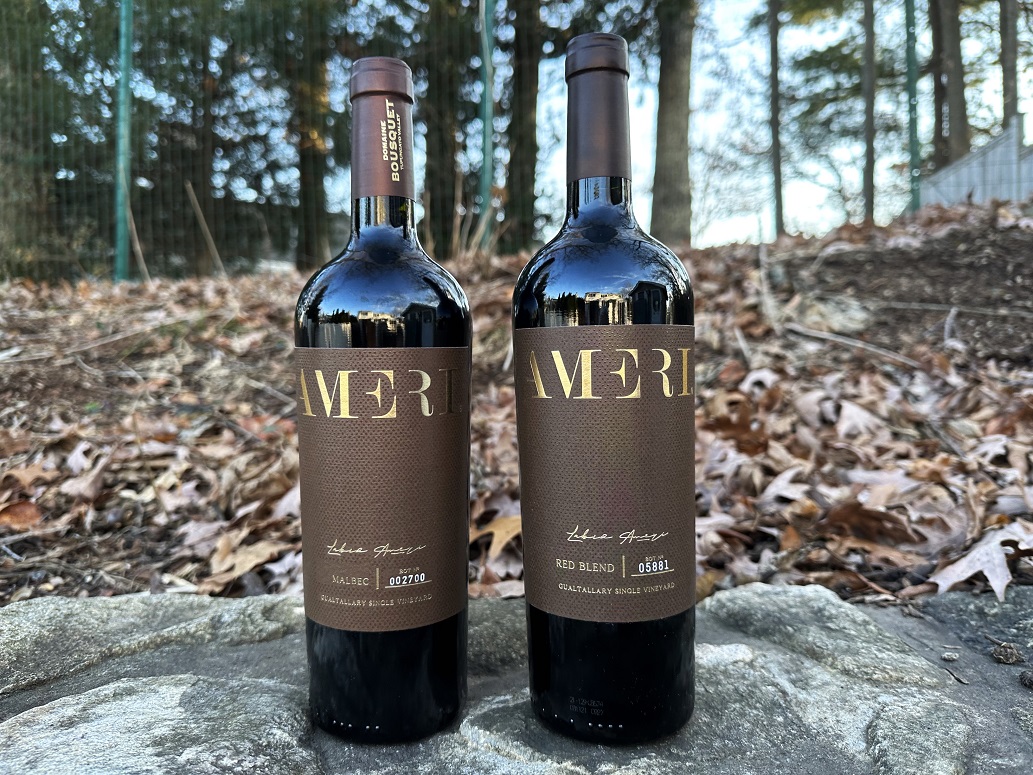 Now, I had an opportunity to taste some of their very best wines. These wines perfectly speak to my obsessed oenophile mind, as they are not even single-vineyard, but rather single-plot wines – and they are produced only in exceptional years. You know that I don’t like quoting the original winery notes, but I feel that in this case it is appropriate:
“Named for Domaine Bousquet co-owner Labid al Ameri, Ameri is not just“single vineyard” but “specific cluster,” and made only in exceptional years. At 1,257m/4,125 ft, the highest of the estate, the certified-organic vineyard, located in Gualtallary in the Andean foothills, gets a perfect combination of near constant intense daytime sunlight and huge day/night temperature differentials. The result is fruit with increased levels of sugar AND acid, flavor, and aromatics.”
Yes, I had expectations regarding these wines. I expected these wines to be well-made and tasty. And my expectations were met. Fully.
Here are my notes:
2020 Domaine Bousquet Ameri Malbec Gualtallary Mendoza Argentina (14.5% ABV, $37, 100% Malbec, 12 months in French oak)
Dark garnet, almost black
Cherries, plums, eucalyptus
Cherries, espresso, firm structure, good acidity, good balance
8, excellent
2020 Domaine Bousquet Ameri Red Blend Gualtallary Mendoza Argentina (14.5% ABV, $37, 60% Malbec, 20% Cabernet Sauvignon,10% Syrah, 10% Merlot, 12 months in French oak)
Dark garnet, almost black
Plums, fresh raspberries, mocha
Cherries, a hint of cassis, eucalyptus, sweet oak, perfectly integrated tannins, firm structure, excellent balance
8, delicious.
Both wines were just perfect from the get-go, but both also lasted for at least 5 days on the counter with the air being pumped out – a testament to the quality.
Here you are, my friends – all-organic, delicious, top-shelf wines from Argentina – delivering the pleasure.
As expected.
Top 23 of 2023
2023 is almost over, which means that the time has come for the hotly anticipated perennial Talk-a-Vino feature – the list of top wine experiences of the year.
2023 was an interesting year for a variety of reasons, some of which are obvious, and some of which are not, but this is not the time and not the place to discuss it. We are here to dreadfully decide on the list of 24 23 best wines of the year – and share that list with you, my readers.
To explain how this top list is created, instead of re-writing the same explanation every year using barely different words, let me just quote what I explained before:
If you are a regular here on these pages, you know the story. Every year ever since this blog started in 2010, I come up with a list of the most memorable, most interesting/unique/unusual/stunning wines I tasted throughout the year. When I started these Top Wine lists, the goal was to identify a dozen (12) top wines. I was rarely successful with such limitation, and most of the Top wine lists consist of two dozen, a few times there were even two dozen plus a few.
As the year already ended, I will not try to separate the first and second dozens of the top wines – without further ado, here is the full list of the 23 most memorable wines of 2023 – and yes, the pun is intended:


23. 2021 Stolpman Vineyard Combe Trousseau Ballard Canyon ($24) – I had no idea Trousseau, a classic red grape from Jura in France is even grown in California, never mind by the Syrah specialist such as Stolpman Vineyard. I ordered this wine at a restaurant in New York as it seemed to be one of a very few somewhat affordable options. The wine was surprisingly brilliant, fresh, light, and uplifting – it was definitely a great find.
22. 2007 Leviathan California Red ($40) – this was my last bottle of the 2007 vintage of this legendary wine, an unofficial second label of Screaming Eagle. Beautiful California Cab that probably has another 20-25 years to go on. No, I wouldn’t want to wait that long.
21. 2019 Le Morette Riserva Lugana DOC ($NA) – this wine was probably my favorite from the Lugana wine tasting events, beautiful white wine with a substance. Going beyond just a specific bottle, consider this entry more a node to the Lugana wines of Northern Italy that represent an outstanding QPR and just a bunch of delicious wines.
20. 2018 Vino Vasai Pinot Noir Estate Reserve Chehalem Mountains ($58) – superbly balanced Oregon Pinot Noir – powerful and delicious, with a label to adore.
19. 2019 Plantaže Crnogorski Krstač Montenegro ($10) – love pleasant surprises. This wine was acquired strictly for being made from the unique grape I have not had before – it also happened to be simple and delicious – I’ll take this bonus any time.
18. 2016 Alban Patrina Estate Syrah Edna Valley ($58) – I don’t believe I ever I had a wine from Alban that I didn’t like – this Syrah was unctuous and delicious.
17. 2015 Carlisle Grenache Rossi Ranch Sonoma Valley ($39) – another favorite producer, Carlisle, with an absolutely delicious wine – beautiful nose and dark fruit intermingling with dark chocolate on the palate.


16. 2022 La Torre Girgentina Maltese Islands IGT ($15) – Similar to wine #19, this wine was acquired strictly to add to the rare grapes collection and to add another winemaking region to the Wines of the World page. The more interesting part was the bright, refreshing, round white wine, simply world-class delicious.
15. 2017 Etude Fiddlestix Vineyard Pinot Noir Santa Rita Hills ($NA) – Never paid much attention to Etude Pinot Noir – this wine was presented as a gift. The wine was definitely bigger than a typical Californian Pinot Noir – it was also better than the typical, with layers of dark fruit and cocoa. A tasty encounter.
14. 2018 Amichai by Shiloh Micah Judean Hills Israel ($57) – Shiloh is one of my favorite Israeli producers, but this is not the reason why this wine is listed among the top wines of the year. It is a perfect rendition of Cabernet Sauvignon, round and delicious.
13. 2018 El Coto Coto De Imaz Blanco Reserva Rioja DOC ($24.99) – this wine belongs to the “surprise” group, as I never had a Chardonnay from Rioja. Never mind the surprise part, this was simply delicious Chardonnay, bright and perfectly varietally correct. Pleasure in the glass.
12. NV Capetta Dolce Asti DOCG ($NA) – Asti wines are sooo underappreciated… They are often dismissed as light and sweet, but the whole point is in the balance. Yes, this wine was sweet, and nevertheless, cleansing acidity was making it impossible to put the glass down until the bottle was empty. Similar to the Lugana wines mentioned above, this wine is a nod to Asti wines as a category that is well worth everyone’s attention.
11. 2021 Domaine Bousquet Virgen Natural Malbec Tupungato Uco Valley Mendoza Argentina ($13) – Domain Bousquet makes excellent wines, for sure. But this unoaked organic malbec, made without any additional SO2 was unexpectedly delicious. Try it for yourself.
10. 2020/2021 Campochiarenti Sant’ Ambrogio Chianti Colli Senesi DOCG (€10) – I had both 2020 and 2021 wines, and couldn’t make up my mind which one do I like more. With or without taking into account an excellent price, this wine offers tremendous value for the money, as I often wish that the wines that cost 10 times more would taste as good as this wine. Another case of pure pleasure in the glass.


9. 1998 Chateau Saint-Nicolas Fronsac AOC ($19.99) – a perfect example of “wine is a living thing”. The wine which tasted like nothing on the first day, evolved into a beauty on the second day. It doesn’t happen always, but hey, give your wine a chance.
8. 2021 La Loggia Toscaia Sangiovese in Bianco Toscana IGT ($14) – I had before white Merlot and white Pinot Noir, but never a white Sangiovese – and this wine didn’t disappoint. It was masquerading a nice Chardonnay – and yet it was delicious in its own unique right.
7. 2019 Sine Qua Non Distenta 1 California White Wine ($150) – big, voluptuous, expressive, delicious. A perfect first experience with the wines of Sine Qua Non.
6. 1999 Beaulieu Vineyards Cabernet Sauvignon Rutherford Napa Valley ($30) – delicious wine from a legendary producer. A perfect rendition of the nicely aged Californian Cabernet Sauvignon which will continue to delight for many years, if someone would have enough patience, of course.
5. 2013 Stolpman Vineyards Sangiovese Ballad Canion ($30) – besides the total surprise factor that Stolpman even ever made Sangiovese, this wine tasted perfectly on par with outstanding Chianti that was opened at the same time, just adding a Californian touch to the cherry/leather/tobacco profile. Superb.
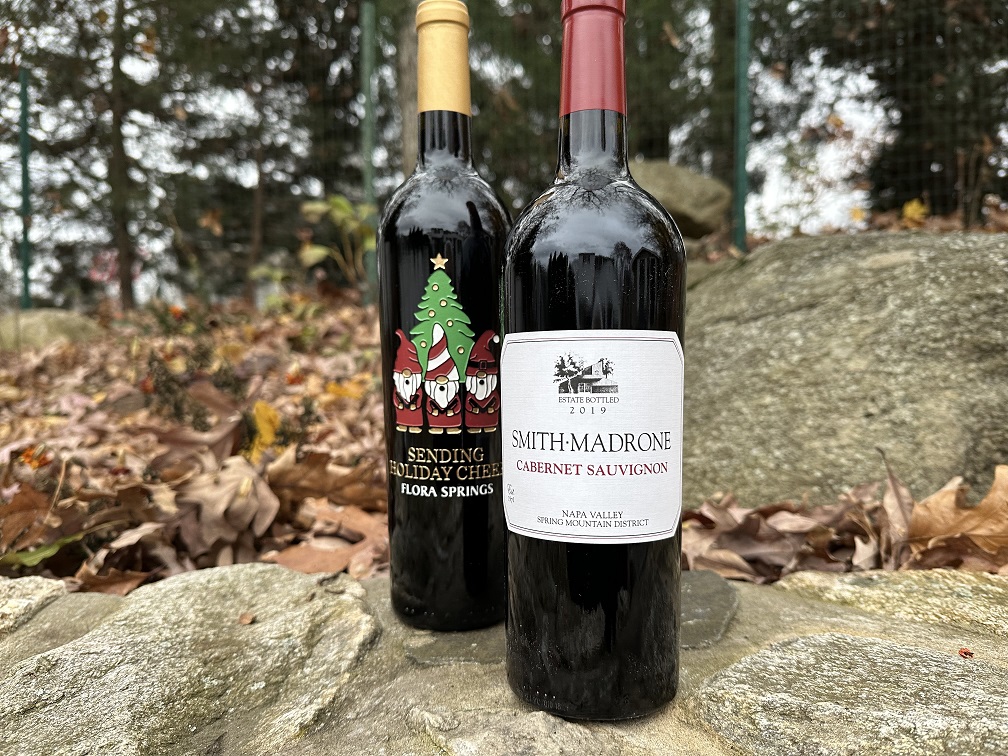
4. 2019 Flora Springs Red Wine Blend Napa Valley ($95) – a quintessential Napa Cabernet Sauvignon. Bold, voluptuous, unashamed, but impeccably balanced with all components in perfect harmony. A definition of hedonistic pleasure.
3. 2019 Smith-Madrone Cabernet Sauvignon Spring Mountain District Napa Valley ($65) – wines of Smith-Madrone are often featured in this blog. Smith-Madrone Cook’s Flat was the wine of the year in 2019. This 2019 Smith-Madrone Cabernet Sauvignon has such impeccable precision of a beautiful Cabernet Sauvignon, varietally correct and incredibly enticing, even coercing you into the nirvana state – yes, this is how good this wine is.


2. 2003 Neyen Espíritu de Apalta Apalta DO Chile ($N/A) – when poured at a table, this is the wine that has the power to stop everyone in their tracks, force them to forget that reality exists, and for a few minutes make everyone to communicate only using nods and smiles. The words are not needed in the presence of such greatness. Tasting this wine was one of the absolutely best experiences of 2023.
1. 2021 Balverne Chardonnay Russian River Valley AVA ($35) – when I tasted this wine for the first time, not only I was blown away, but my first thought was “this will be the wine of the year”. Don’t get me wrong – each and every wine in the top ten of this list would easily qualify for the Talk-a-Vino Wine of the Year position, but still, this wine will stay in my memory for a long time. This wine had a brilliant precision of Chardonnay which doesn’t even let you put your glass down. Truly, you need to experience this wine to share the feeling.
Here you are, my friends. 23 most memorable wines of 2023. Cheers to the new wine discoveries of 2024!
Last Bottle Sign Up ($10 credit)




 Talk-A-Vino