Archive
Travel Diaries: Europe 2024
The European family trip was fully planned – Paris, Milan, Tuscany, Rome. Hotels and airline tickets were booked, and only train tickets remained to be put in place. This will be a great trip. July 2020 was shaping up to be a great time.
Yes, you read it correctly. July 2020. The month that never happened. along a few years. But the desire to have the family trip to Europe never went away. The original idea behind the trip was to celebrate two important events in the youngest kids’ lives – graduation from university and high school. 4 years later, that was the time to celebrate another university graduation – and as Covid became history, we could get back to planning the European trip again.

Everything in life has its silver lining, sometimes we just can’t see it. With our trip, there were a few advantages. First, the trip was moved to May instead of July. I’m sure both Paris and Rome are beautiful in July, but July is a very hot month for both cities. Going in May saved us from the heat torture. The second advantage was that my original plan (Paris-Milan-Tuscany-Rome) over the 10-day period would create way too much stress. Going directly from Paris to Tuscany evened out the whole experience, making it more relaxing.
So what is this all about? I’m writing this post while sitting on the plane flying back from Rome. We had a great trip – we saw a lot, ate a lot of tasty food, drank delicious wines, and were able to relax at the same time. I want to share this experience with you including a few of the good learning points in the hope of simply helping and encouraging someone to take that trip you’ve always wanted to take and feel good about it. Here I plan to share some general thoughts about the trip – the things we either did right or learned. Then I will inundate you with lots and lots of pictures and details about food and wine in the subsequent posts.
Few of rationales behind this trip planning. The kids (grown-up, yes, but still) had never been to France and Italy. They have never experienced European trains. My wife and I have never been to Tuscany. These were important points that I wanted to cover in my trip planning.
We started our trip in Paris, where we spent 3 nights. Then we flew from Paris (Orly, nice and easy) to Florence on Sunday morning, using one of the budget European airlines, Vueling. Got to Florence, got our rental car, and drove about 1.5 hours down south to stay at the agro farm for four nights. After that we drove back to Florence, but now to the train station, and took a high-speed train from Florence to Rome. Three nights in Rome and back to where we started, New York.
While in Tuscany, we visited Siena, where we had a walking tour with the guide. Same in Rome – we had guided tours of the Vatican, the Colosseum, and a bit of Rome itself.
In retrospect, the whole schedule and trip logistics turned out quite well, allowing us enough time for sightseeing and relaxation. Here are a few learning points and suggestions based on our experience.
Plan ahead
I started the planning at least 9 months out. Of course, not everything can or needs to be done so far in advance, but if you want to have specific flights (schedule/stops/airline), and specific hotels, do start as early as you your made the decision to go. Double that effort if you plan to use award points and miles.
Book your tours to the popular attractions online/as early as possible
I don’t know about you, but lines are one of my most hated things – and you should’ve seen the line going round and around the Vatican with all the people who want to see it – this was one long line. So timed tickets are the way to go, whenever they are available. Here are the links for booking the timed tickets (these are the current links at the time of this writing – I can’t guarantee you they will not change.)
Booking a timed tour of the Vatican (60 days in advance)
Booking a timed tour of the Colosseum (30 days in advance)
Use tour guides!
I know, the tour guides cost money. But they also help you to create deeper, longer-lasting memories, and they make your “walking around” interesting and worthwhile. I also believe that it is best to get references for the tour guides, as I’m sure they are not all the same. Both of our tour guides in Siena and in Rome were incredible and if you are interested, I will be happy to facilitate the connection.
Remember, people live there
This might sound banal and “duh”, but remember, while you are a tourist, not everyone is around you – especially when it comes to the cities. You will be competing for the same attractions and especially, the restaurants, with the people who actually live in those “tourist attractions”, so when you are out and about Friday night or Saturday, so are the locals. Plan accordingly.
Reserve ahead
I already suggested that you should reserve your attraction tickets as early as possible. But you have to also do the same with the restaurants. Of course, you will always find a place to eat. But if there are any specific restaurants you want to try, start making reservations 30 days in advance, and possibly even earlier. Trust someone who’s spent lots and lots of time trying to find a reservation at one of the recommended restaurants about 3 weeks before our trip – with literally no availability in sight.
Trains in Europe are not what they used to be
Sure, it is my age talking, but about 20 years ago, you could rely on the schedule of the trains in Europe to be rock solid. Now, there are strikes, and your trains can be delayed or canceled, the same as airline flights. When we came to the Florence train station, my heart literally sank – two of the earlier trains to Rome were delayed by 100 and 70 minutes and I heard the word “strike” over in the announcement. At that moment, I regretted not driving directly to Rome from the place where we stayed instead of going in the opposite direction just because I wanted to provide a European train experience to the kids. We got lucky and our train was delayed by only 5 minutes, but keep the possibility of a strike in mind.
Don’t overextend
I can’t speak for Europeans who often have 6 weeks of vacation. When your typical vacation is only 7 to 10 days, obviously you try to do as much as possible, see as much as possible, and experience as much as possible. But converting your vacation into a race is a mistake. Accept that you will not see everything you want at once. Allow for a slow time. Let life happen around you without hurrying it up. Spending 4 lazy days in Tuscany after 3 full days in Paris and before fully embracing Rome worked absolutely the best and in my opinion, made a very good vacation into a great one.


Lastly, keep in mind that planning is great but you also need a little bit of luck. We were lucky with the weather (not too hot, not too cold, and not a day of rain), we were lucky with our flights, we were lucky with our train ride. Just remember that things might happen, whether you want that or not.
That’s the end of my uninvited advice. Now, get ready to be inundated by lots of pictures and tidbits of our travel escapades.
2023 Uncovered
“Uncovered” is an interesting word. On one side, it means that something is simply not covered, like a grill left uncovered for the night. Uncovered also means that a discovery will be made, a secret will be revealed, something will “lose its cover”.
I intend to talk about both meanings.
Let’s talk about revealing.
I have a secret closet – compartment, shelf, what have you. I don’t like it. It bothers me. I always remember it exists, and it is daunting and depressing. This closet contains posts that should’ve been written and never were. I’m not talking about just some interesting post ideas which never materialized. I’m talking about winemaker dinners, exciting, insightful, delicious – but not written about. Happening 5 years ago – and still hurtful to think about. Wine tastings – too many to remember. Some are reasonably recent, such as the 2020 Bordeaux Cru Bourgeois tasting (by the way, if you like Bordeaux, 2020 is the vintage to get by the caseload) – and some going back to much earlier. And even samples – I have some samples I didn’t get to in ages… I’m telling you, this closet is not a happy place…
Sad closet aside, let’s talk about some of the things that were not covered in 2023.
Wines
Many wonderful wine experiences of 2023 were never discussed in this blog. I don’t have any notes, so I can’t recover from it – but I can still share some memories – with the help of photographs, of course. Let’s take a quick trip back to 2023.


I had a good reason to open these two 21 years old (young?) Rioja wines from Lopez de Heredia. Just look at the state of these corks… and the color of this red wine. Both were superb, but I will not tell you anything more than that.
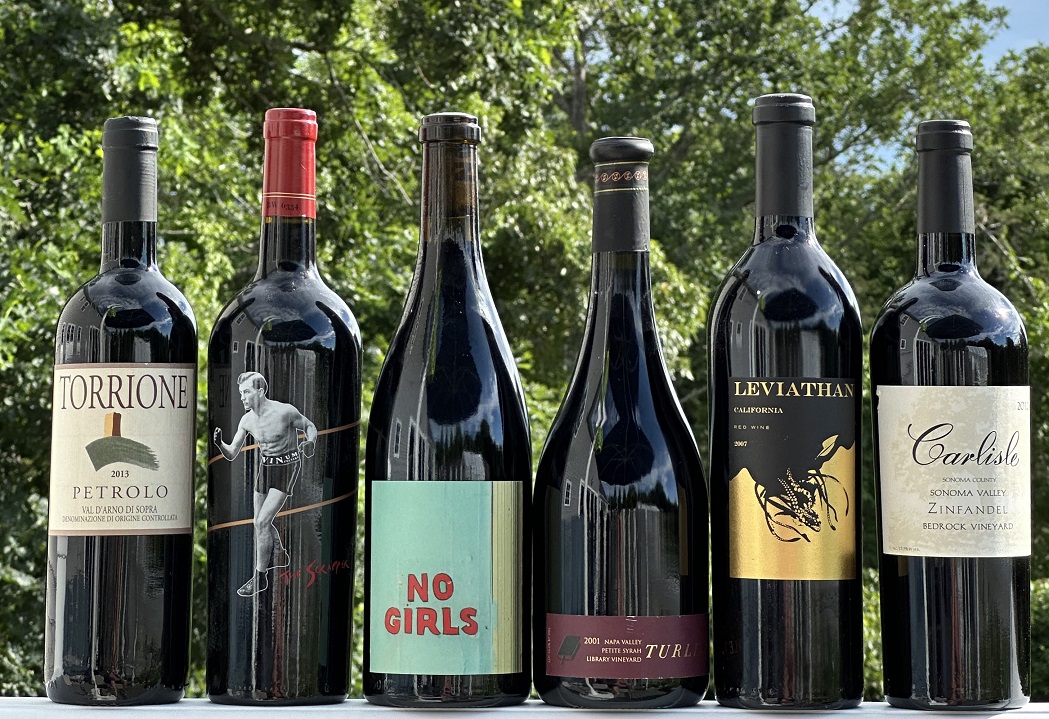 Then there were a couple of trips to Cape Cod, where we always drink well. In this set, there were good and bad memories at once. 2013 Torrione Petrolo was quite underwhelming, and 2001 Turley Petite Sirah was surprisingly not great – as I said, I don’t have any detailed notes, only remember my disappointment with these two wines. 2007 Leviathan was superb, though, and it made it into the top 23 of the 2023 list.
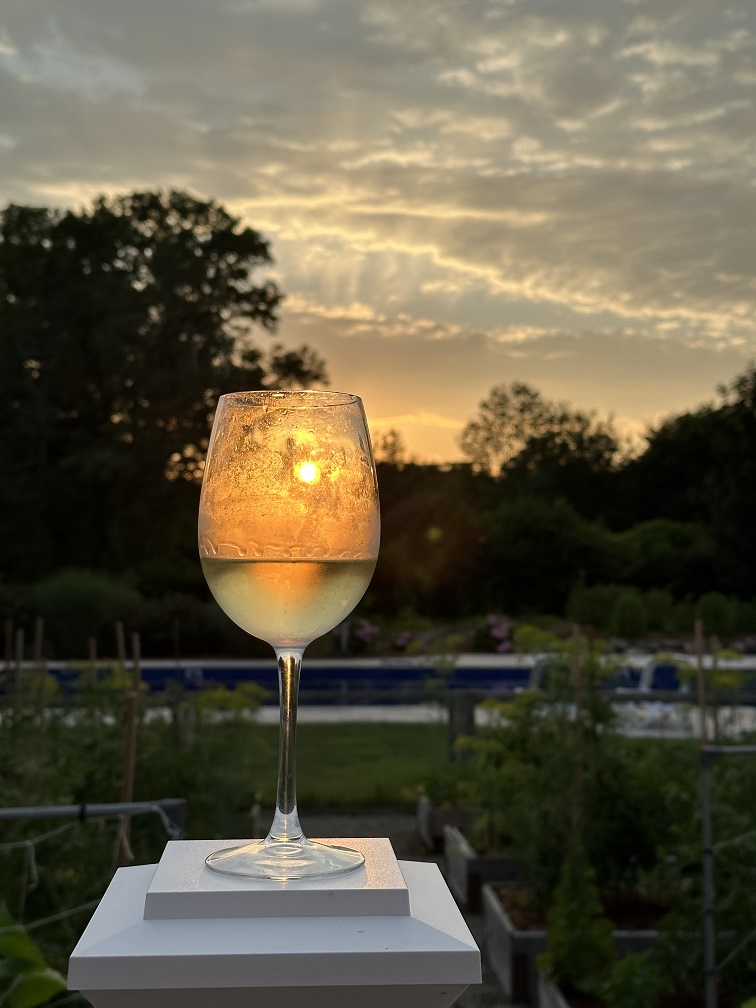
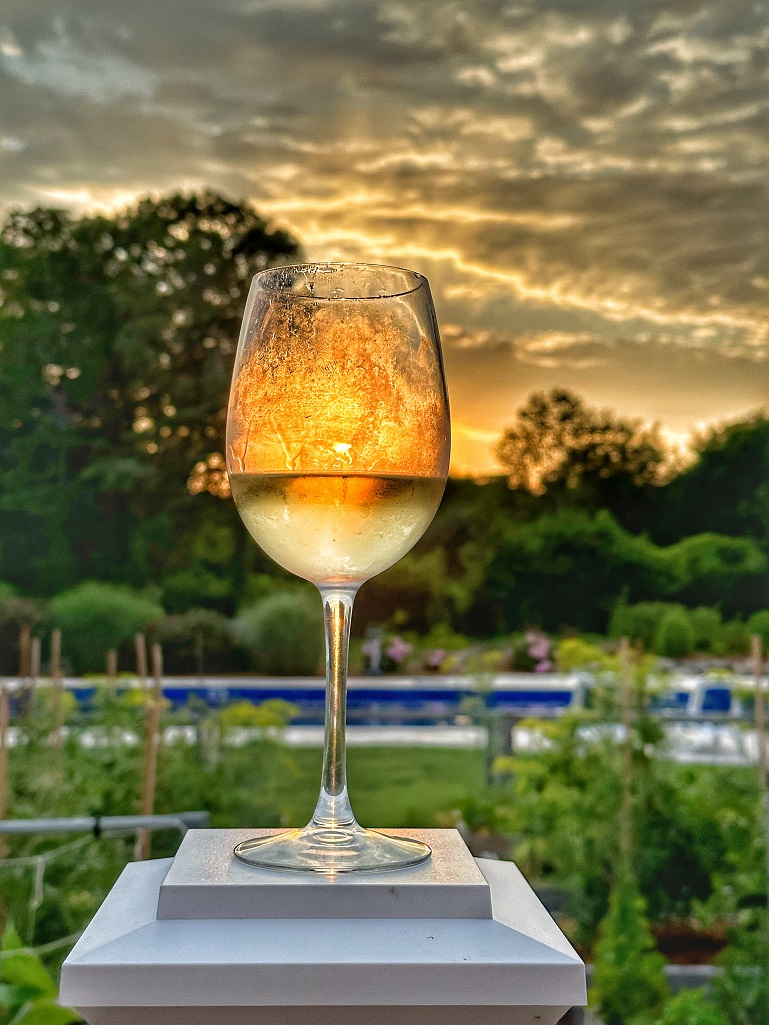
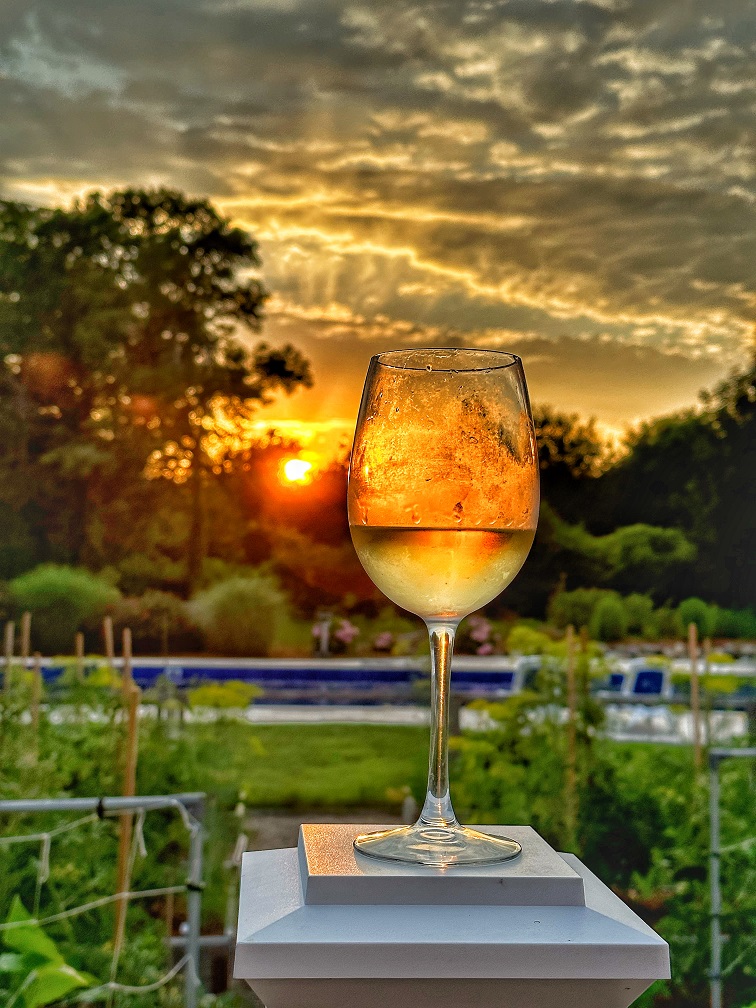
The sunset through the glass was unbeatable:
 Next, I tasted a delicious Cabernet Sauvignon from Napa Valley:
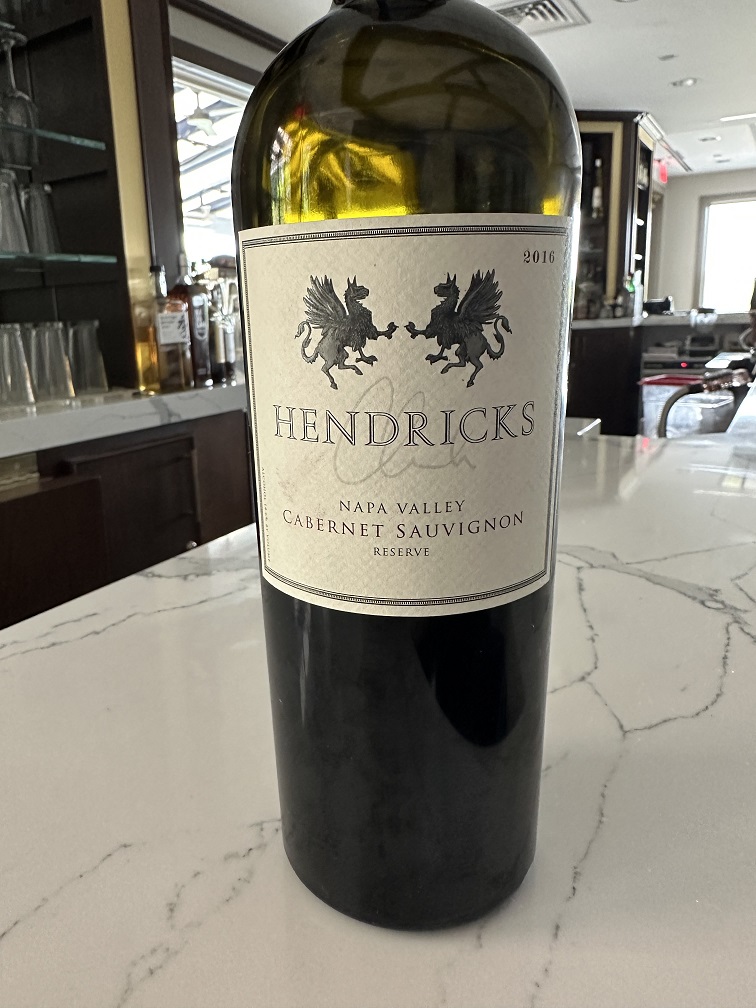 This 2016 Hendricks Cabernet Sauvignon Reserve Napa Valley was perfectly on point in its Cabernet sauvignon expression, with just enough of everything (cassis, eucalyptus, tannins, acidity).
Another trip to the Cape:


Both 2020 and 2021 Campochiarenti Chianti Colli Senesi were outstanding, one better than the other – this is why they were included in the top list. San Nicolas is always perfect. 2013 Campochiarenti Passione Divina Vini Storiche was excellent, but so was 2013 Stolpman Sangiovese, and literally surprising myself, I preferred Stolpman Sangiovese over the classic Italian version (#5 on the Top 23 of 23). 2016 The Family Barrel Shiraz from Barossa was also very tasty and perfectly restrained.
The last set was from a get-together with the wine friends:
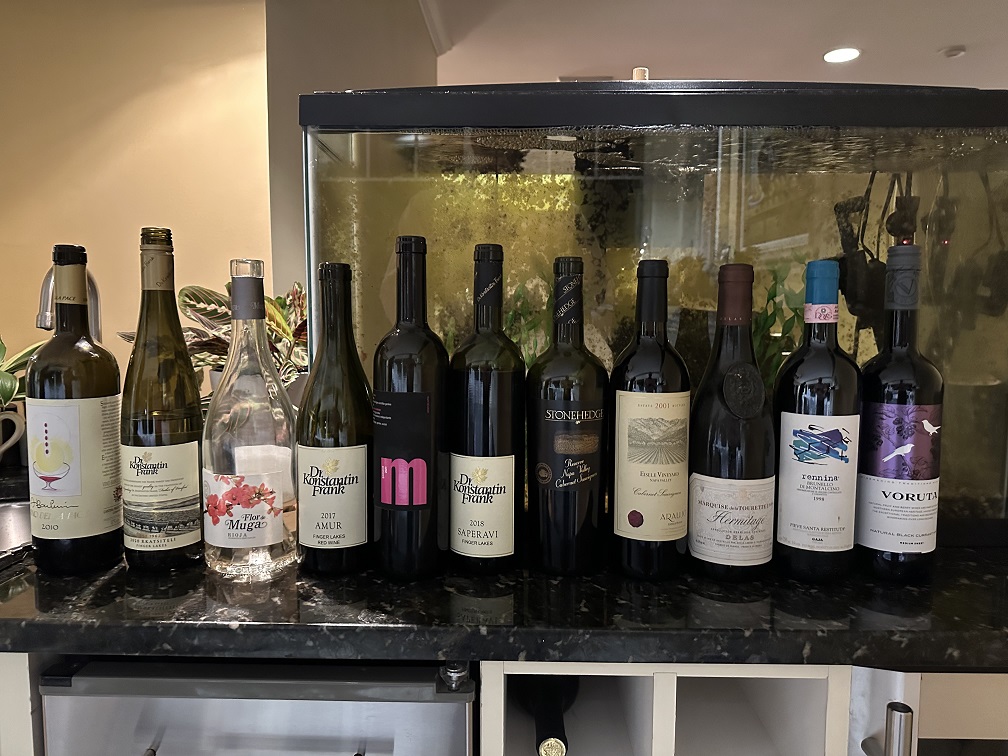


This was an interesting set of wines. Nothing was mind-blowing probably with the exception of 1998 Gaja Rennina Brunello di Montalcino, which was simply superb. But overall, most of the wines were good. 2017 Dr. Konstantin Frank Amur was tasty, and a new rare grape (Amur) for my collection; 2018 Dr. Konstantin Frank Saperavi and 2020 Dr. Konstantin Frank Rkatsiteli were nice and tasty. Voruta Black Currant from Lithuania was also nice, with a delicious Cassis profile, and allowed me to add another checkmark to the Wine of the World collection. 2010 Vino Della Pace was simply surprising, as I didn’t expect the wine made from 855 grape varieties to last 13 years, but nevertheless, it was quite drinkable. 2021 Domaine de Chafalet Le Méphisto Gamaret from Switzerland was a touch gamey, crisp and fresh, easy to drink. Flor de Muga Rioja Rosé was excellent, more of a Provençal style, lean and crisp. Lastly, Capetta Dolce Asti DOCG was a perfect accompaniment for dessert with its cut-through acidity (#12 on the Top 23 of 23).
These wine experiences should’ve been covered better, but at least now these wines have some presence on this blog.
Wine tastings and events
I already mentioned the Bordeaux tasting which was not covered, and it will not be, as the 2021 Cru Bourgeois tasting is taking place merely in a week. Few other events still have a hope of coverage – Benvenuto Brunello and Chile Site Matters were two of the tastings that I still hope to write about. The same goes for the virtual tasting of the wines of Alentejo – I will make an effort to have all of them covered.
Travel
While I wrote last year about my trips to Nashville and Sweden, there were two trips to Belgium and another one to Greece that never made it to the blog – and you know how much I love inundating everyone with tons of pictures. The Belgium trip was also interesting because I accidentally came across Belgium wine which I didn’t even know Belgium produces, thus needing to add Belgium to the list of countries in the Wines of the World table. I still have a hope of correcting this, and at least writing about the Belgium trip, but we will see.
Why did I write this post?
This might be a reasonable question to ask. What is the point of this sort of self-pitying talk? When I only started writing this blog, I read many posts from others talking about blogging in general, their motivation and goals for blogging, and so on. One idea got stuck with me: we (writers) write this blog first and foremost for ourselves. This is the only reason to stay true to what you are doing. As soon as you start writing for “someone else”, you lose the core of your writing. So I needed this self-talk, I needed to get this pain and pressure out of the system – and now I feel better.
Mission accomplished.
Let’s get some wine writing done.
Happy New Year 2024!
And just like that another year became history.
I wish you a healthy and peaceful New Year 2024, filled with smiles, love, laughter, great wines, and memorable experiences!
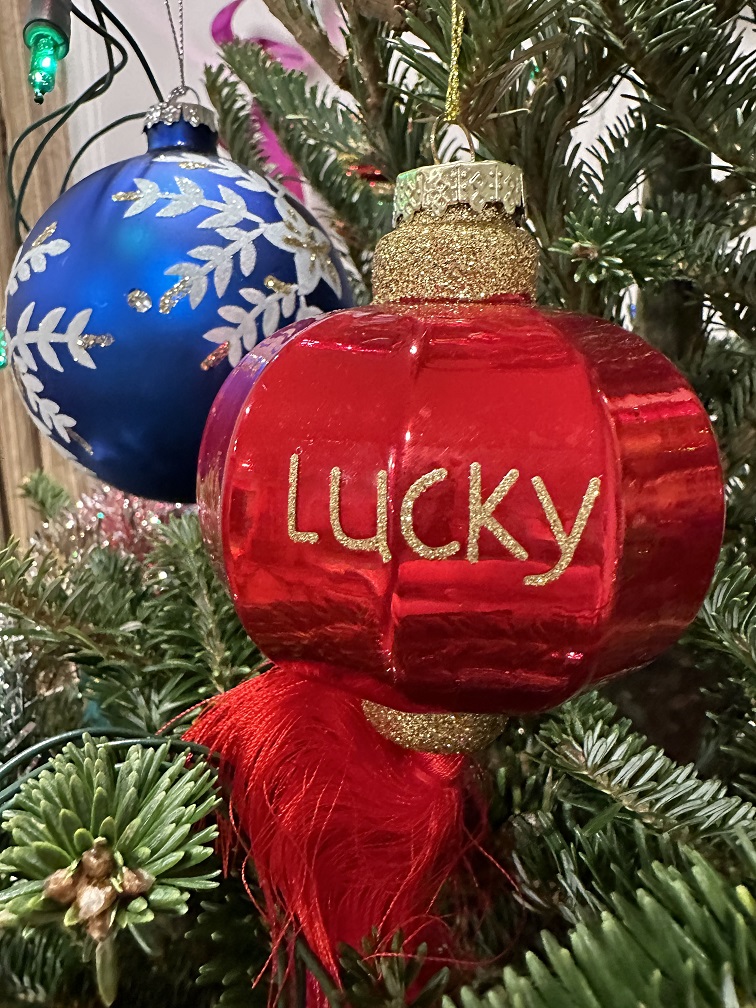
Beautiful Lights, 2023 Edition
While I don’t celebrate Christmas, I still love the lights. I grew up celebrating the arrival of the New Year, and while this was borrowed from the Christmas traditions, there was always a tree for the New Year, ornaments, and lights.
It might be just me, but it seems that the holiday light displays are becoming more widespread, for sure when made as attractions. Or maybe it was always around and I just never took my time to notice them – but I definitely do now.
Newport Rhode Island is one of our favorite travel destinations in general, and particularly during Christmas. We visited Newport back in 2017 to see Christmas decorations, and thinking about that visit, I couldn’t believe that that visit took place 6 years ago. This year, we also decided to visit the Sparkling Lights display which was shown in the evening at the Breakers. As you can imagine, I have a bunch of pictures to share with you. But before we visit Newport, I would like to mention my hometown – Stamford, Connecticut.
Stamford always has some beautifully decorated houses we loved to visit over the years. But this year, we had a “notch up” experience. Driving back from our local supermarket, my wife said “hey, wait, I want you to turn around”. When I asked why, she said that she saw a glimpse of a nicely decorated house on a parallel street, and we should go see it. When we got there 2 minutes later, the view greatly exceeded my expectations – might be the best Christmas lights display I ever saw at a private house – and the best part was that we could park the car and just walk around the decorations. So let me start my inundating display with these pictures:






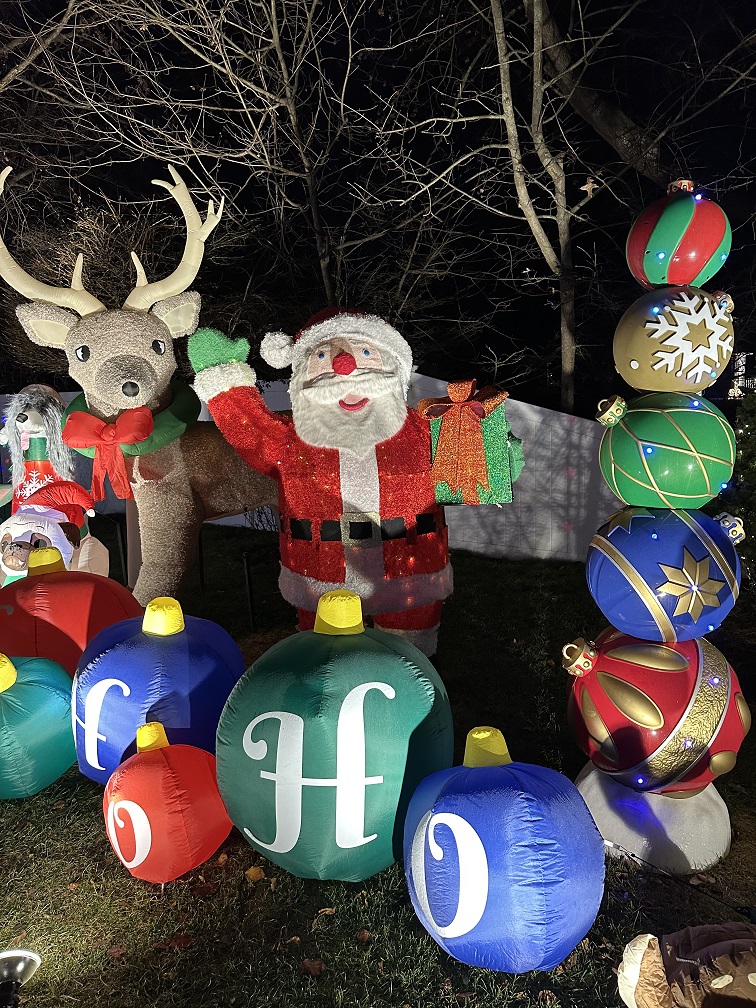



And now, here are the pictures from the Breakers, the Sparkling Lights display:
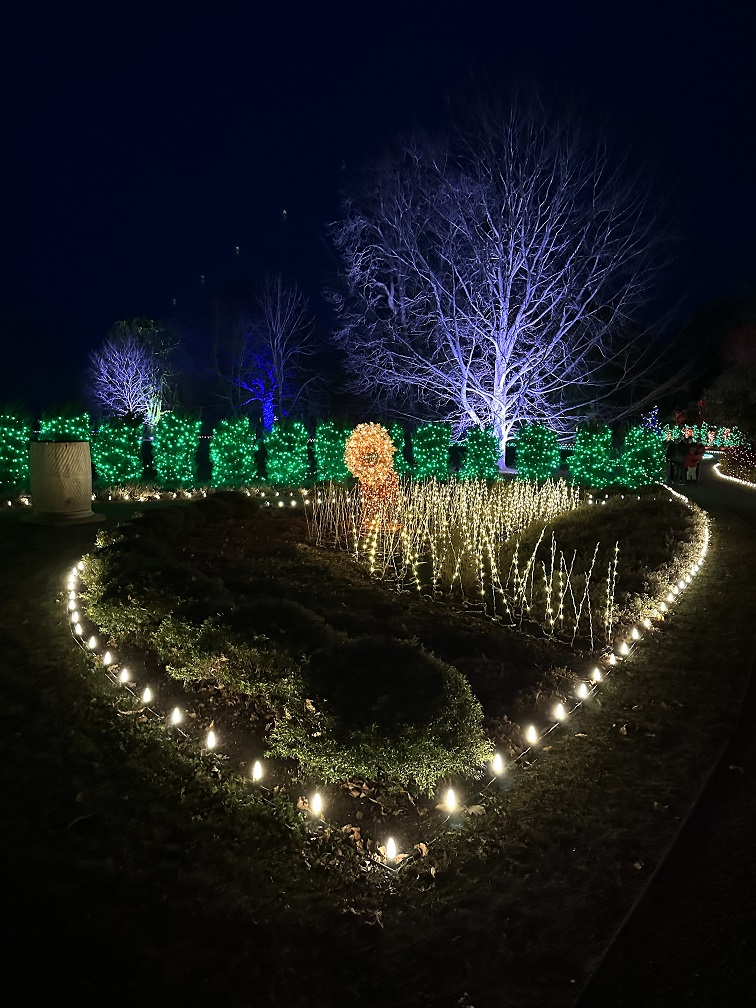


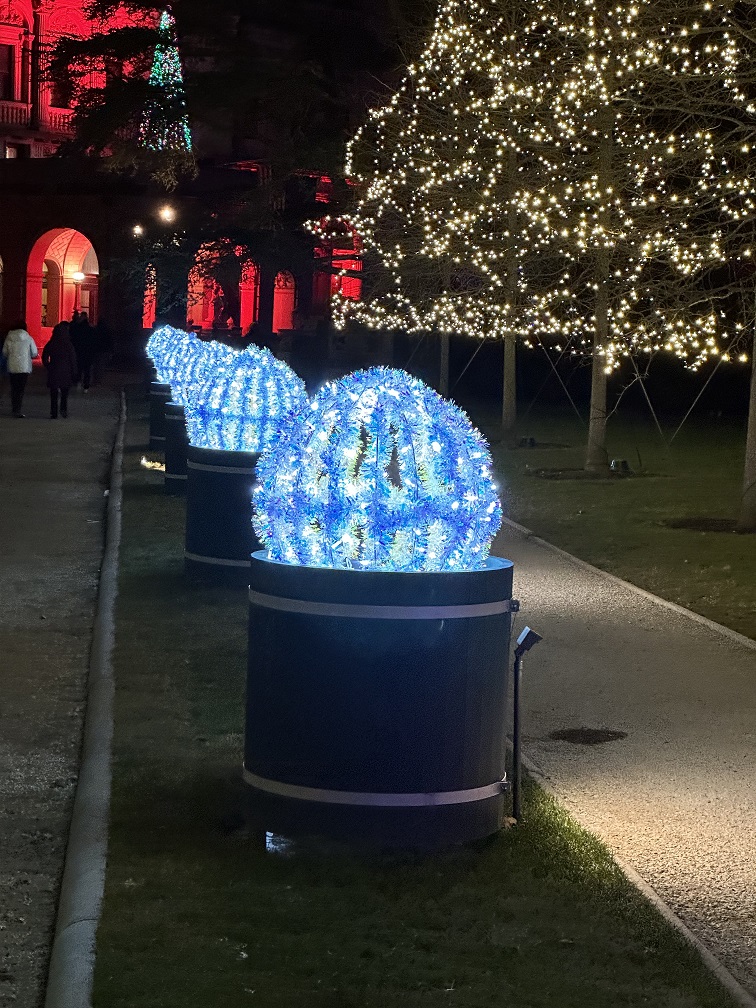

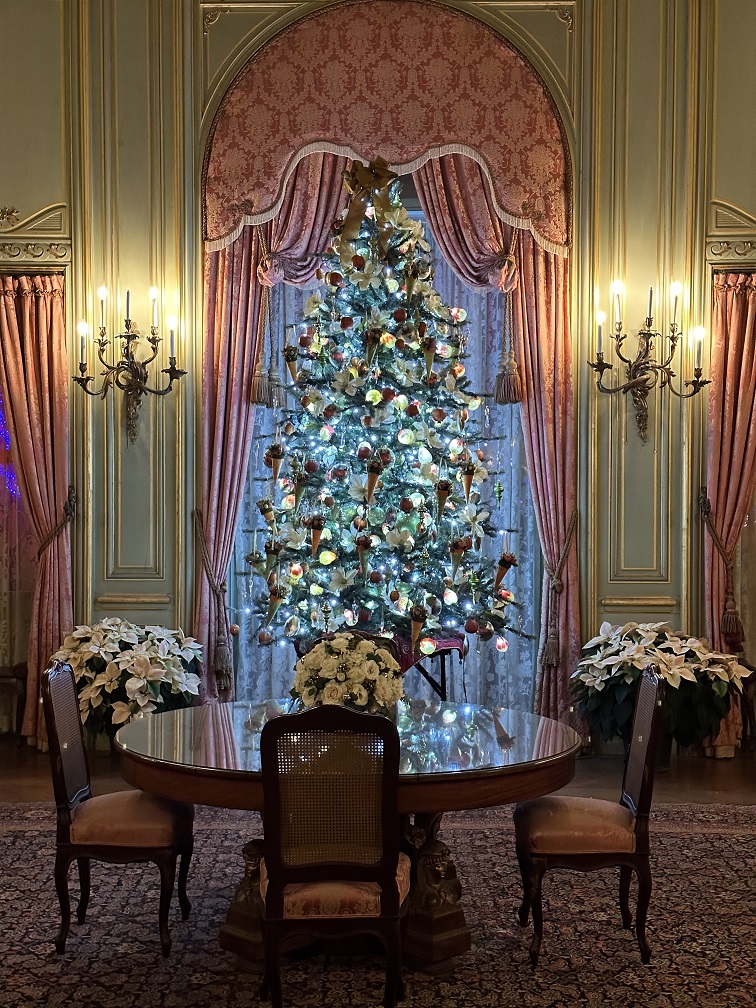
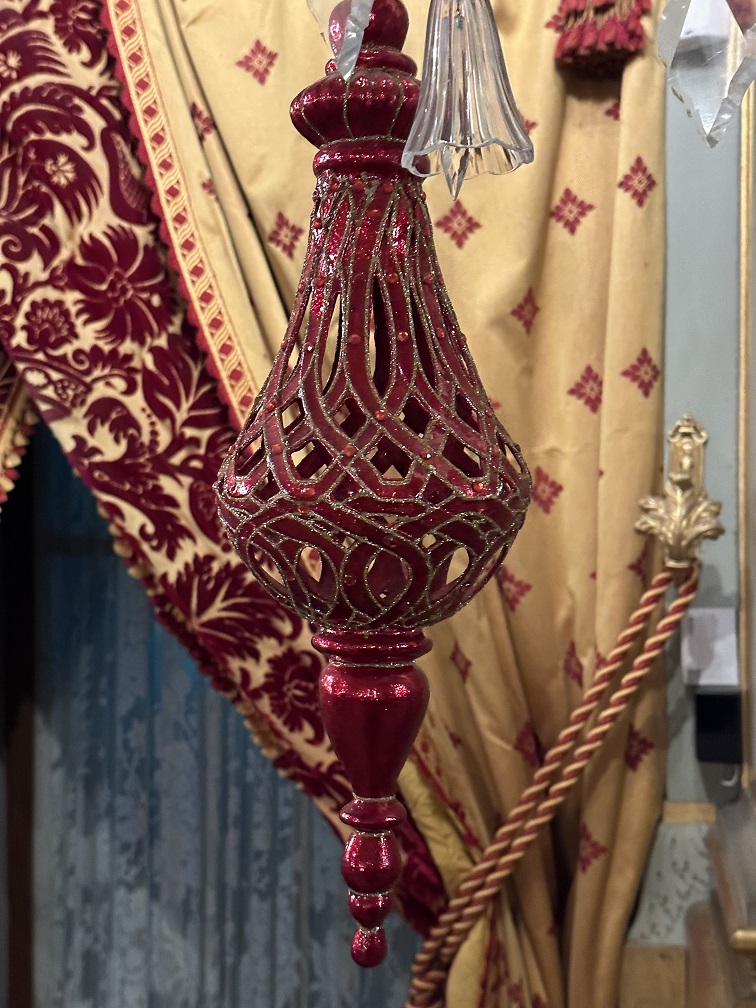
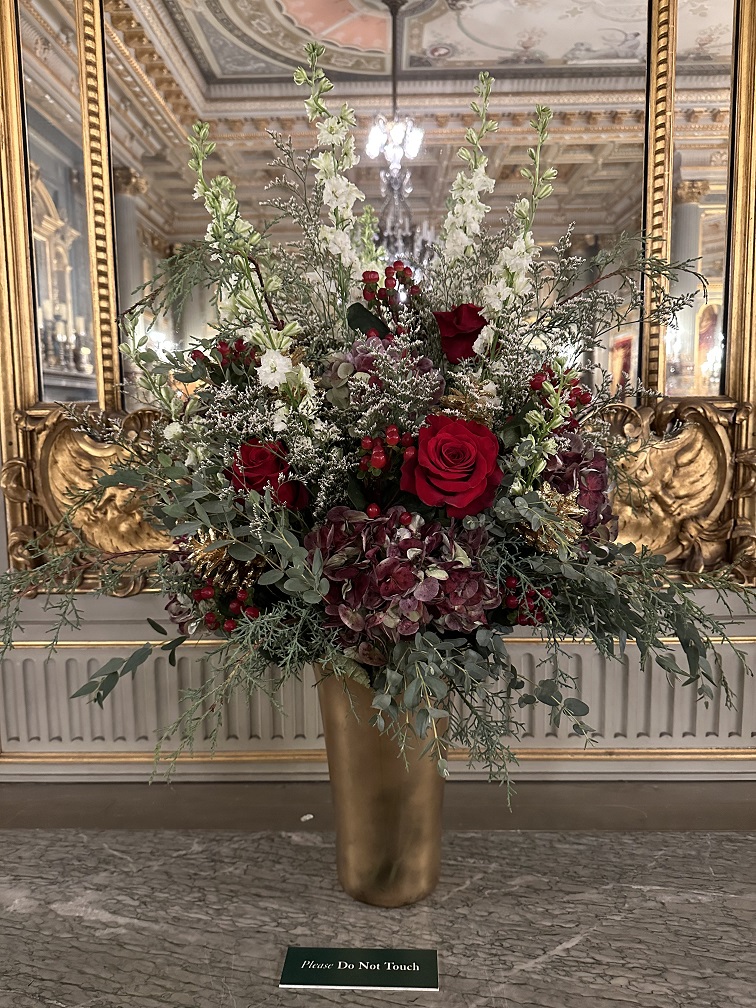
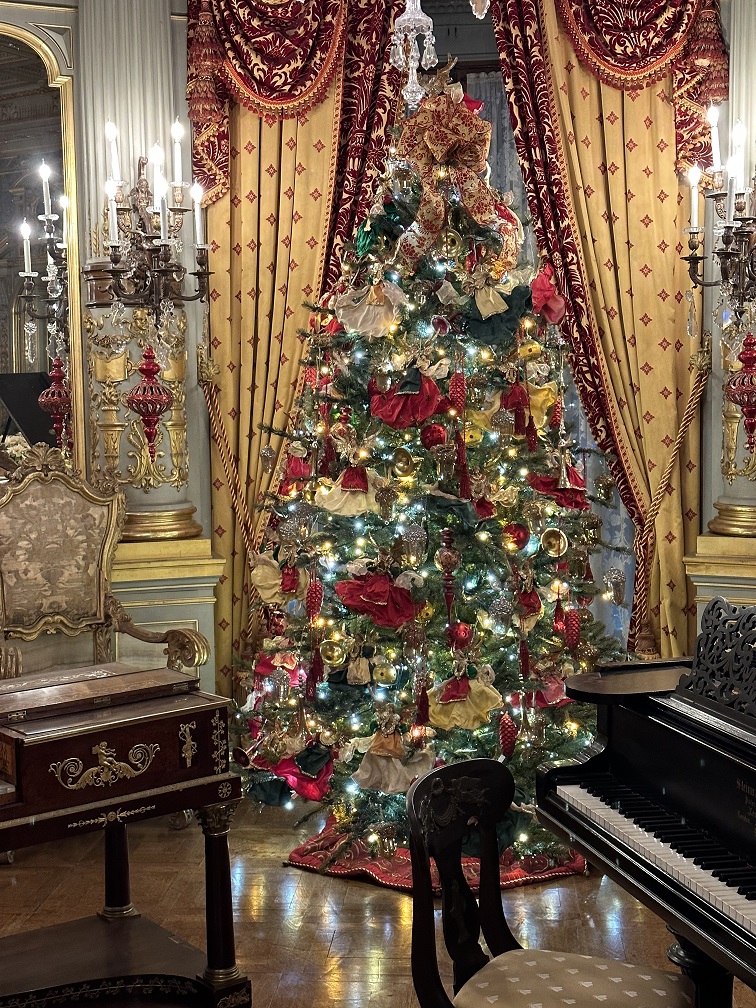

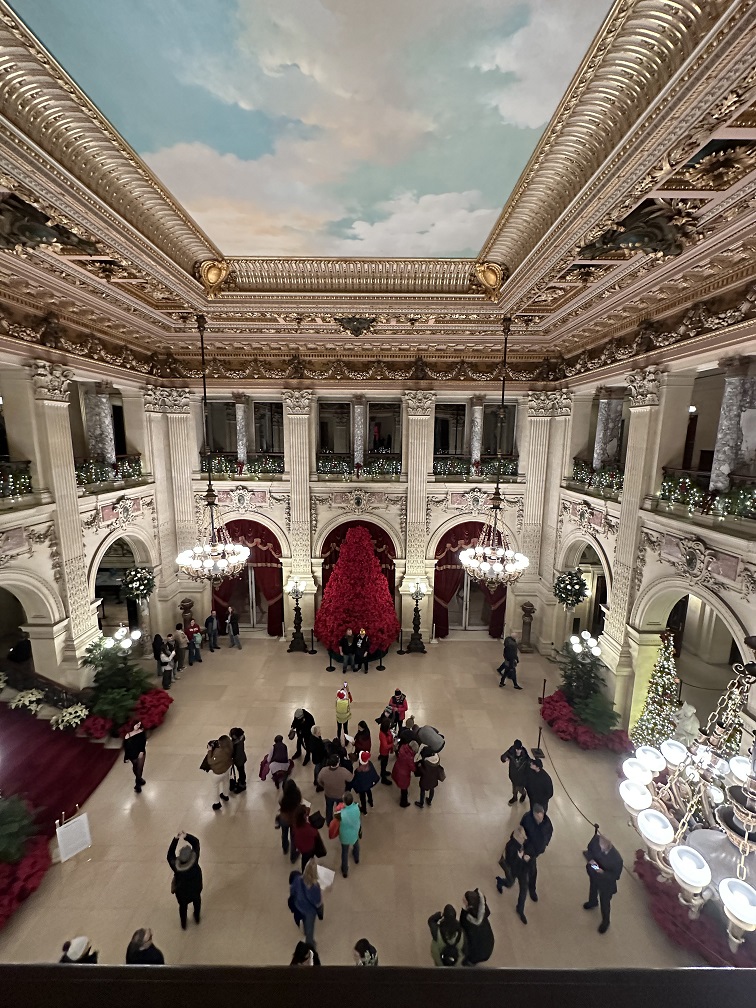
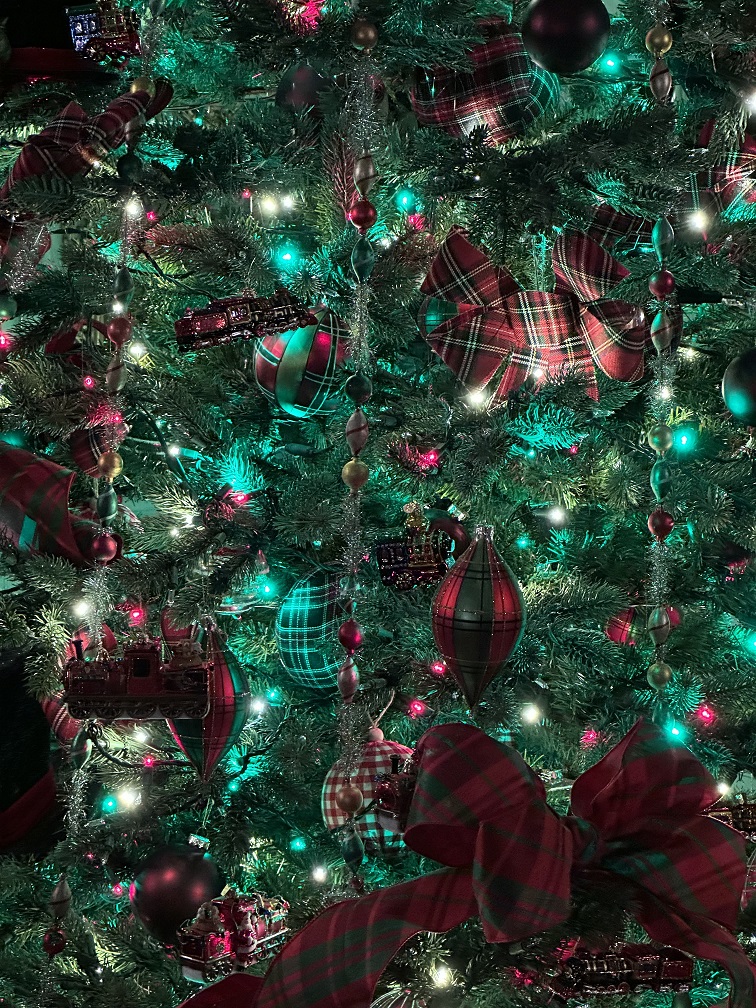
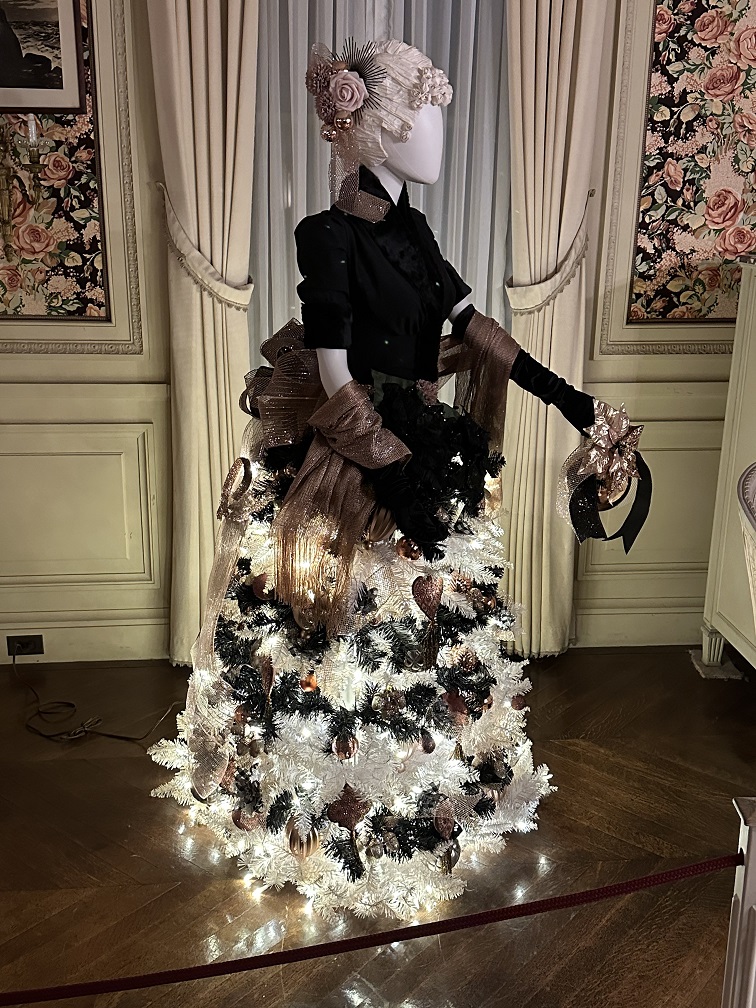

Here are a few pictures from the Elms:
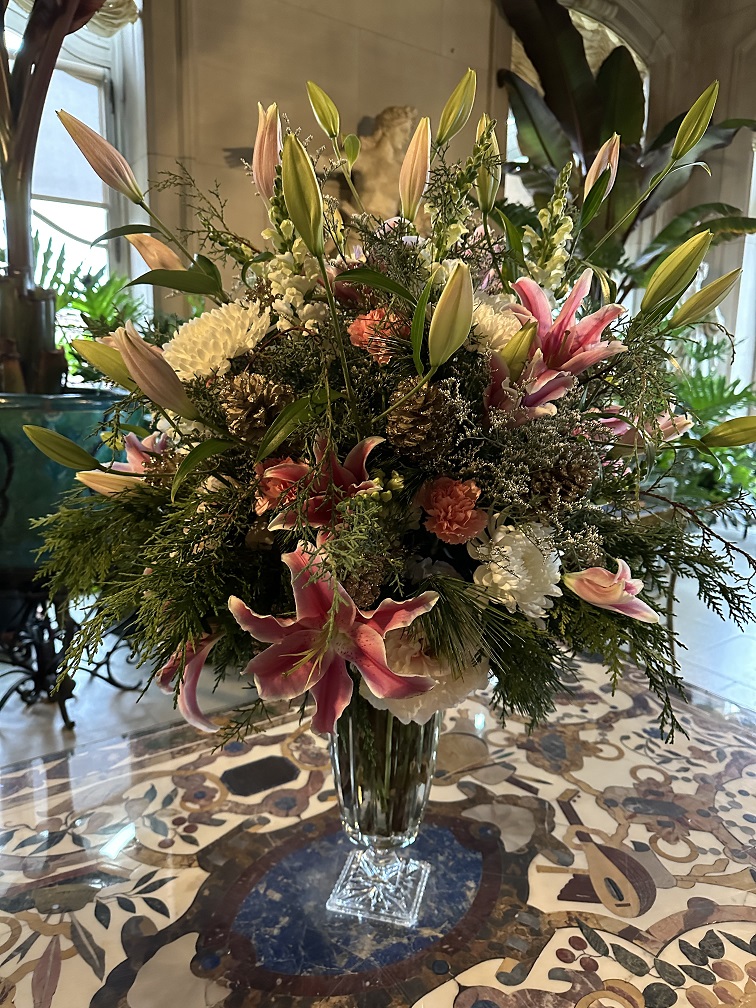
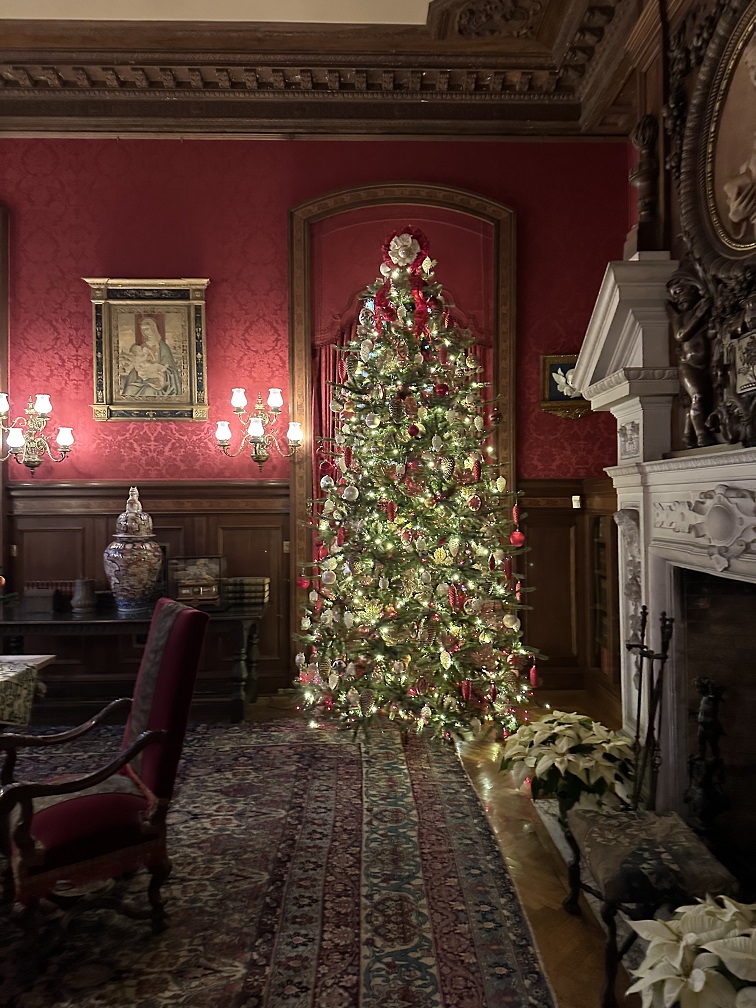
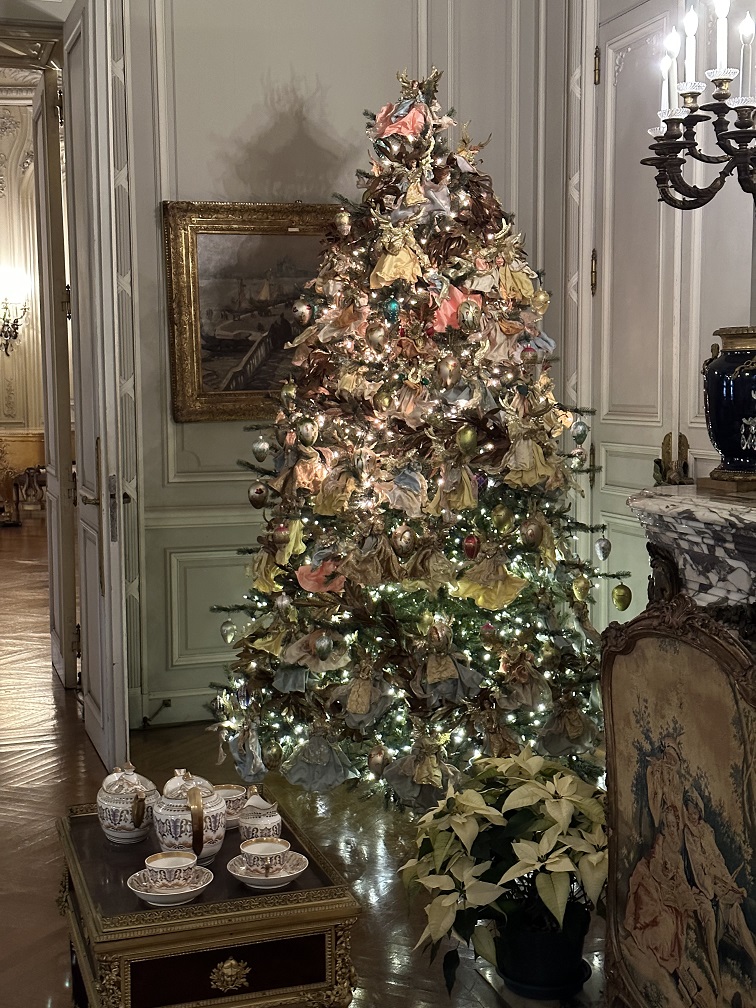
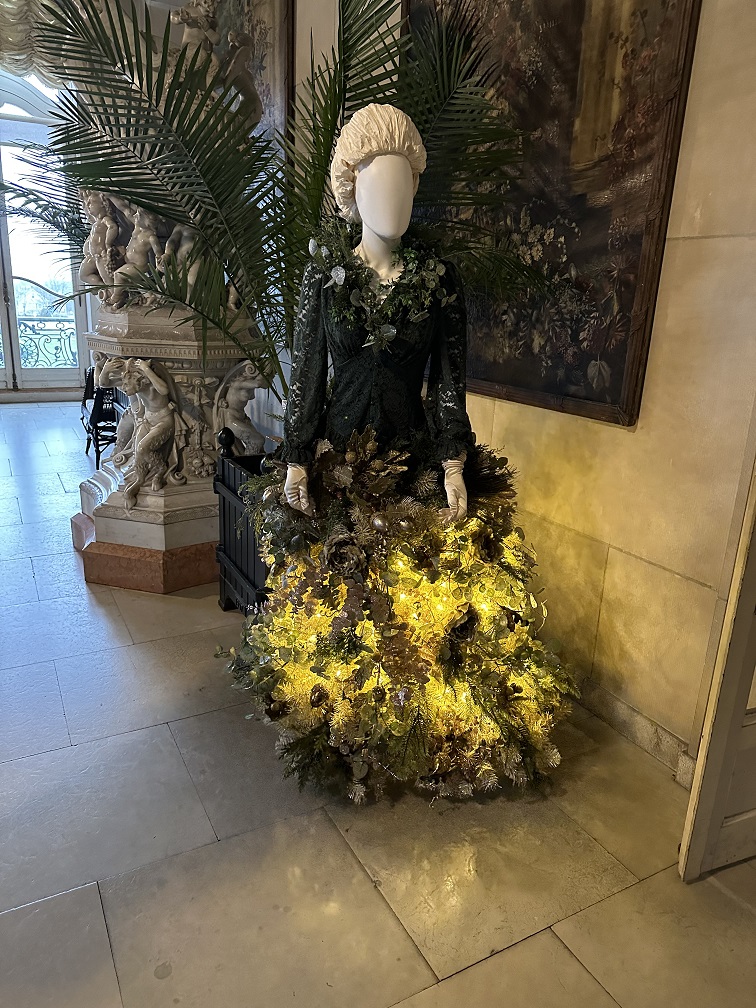
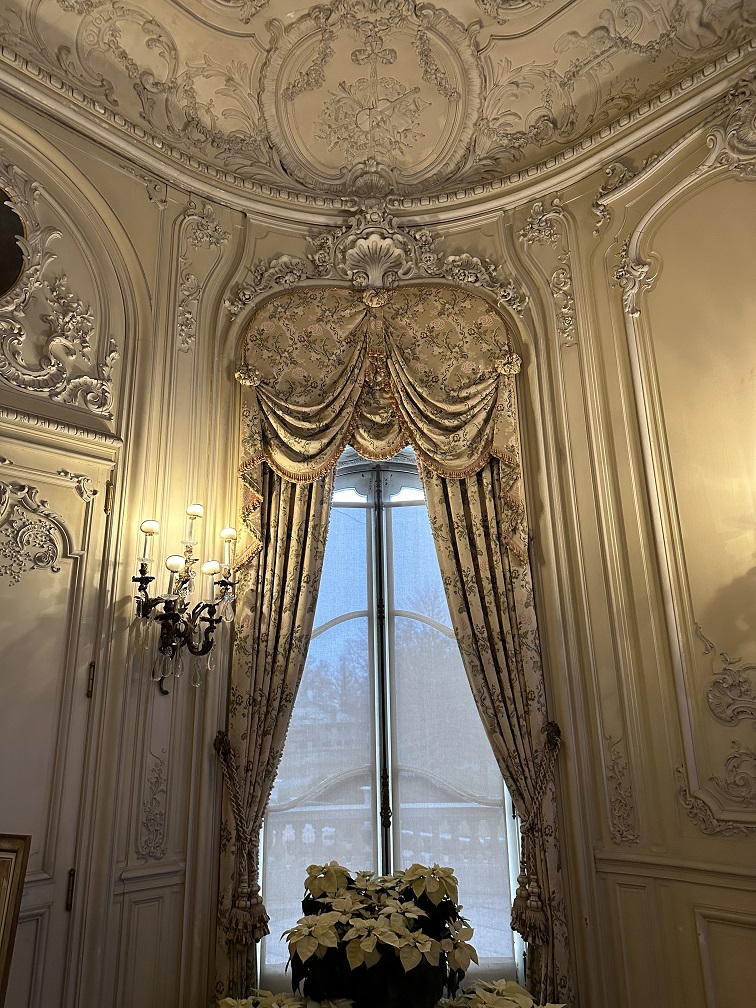
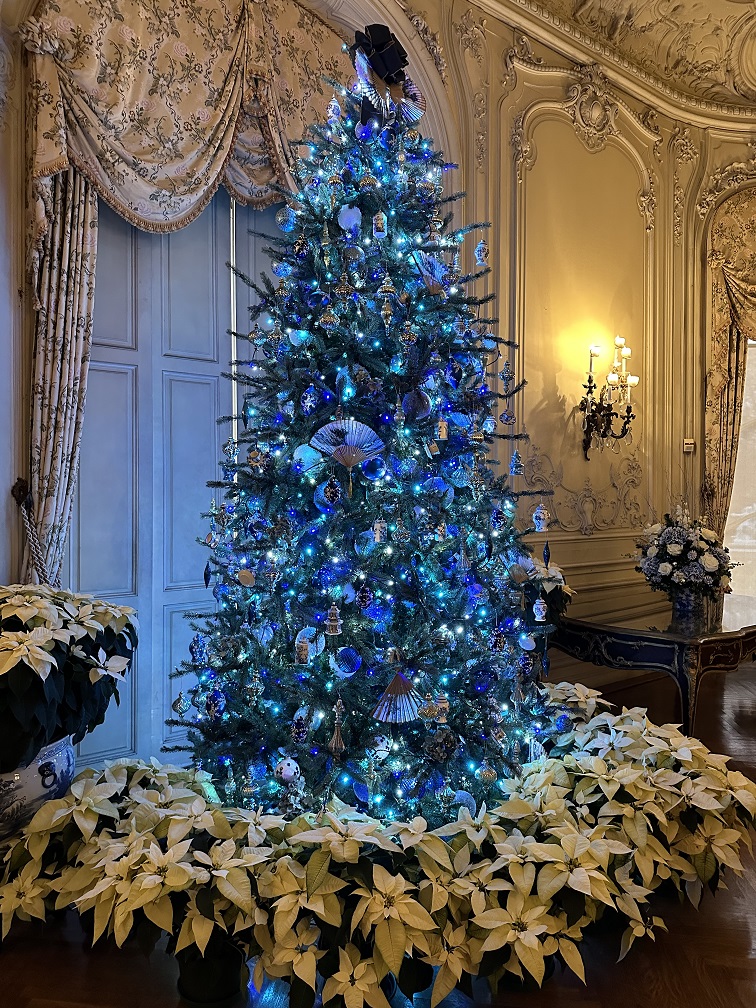
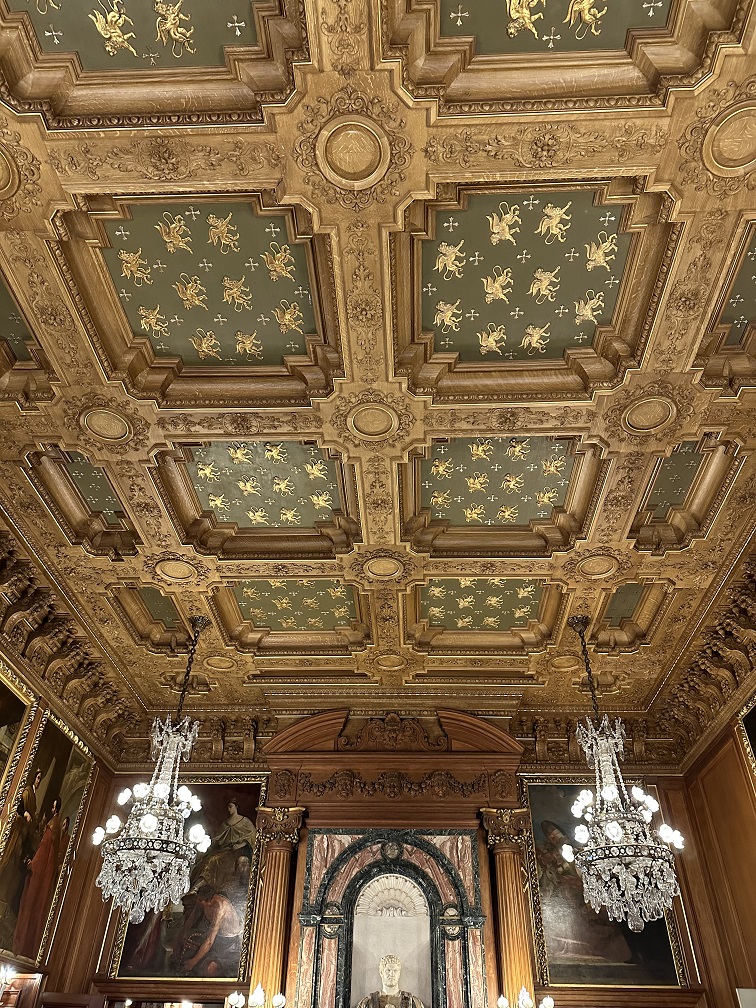
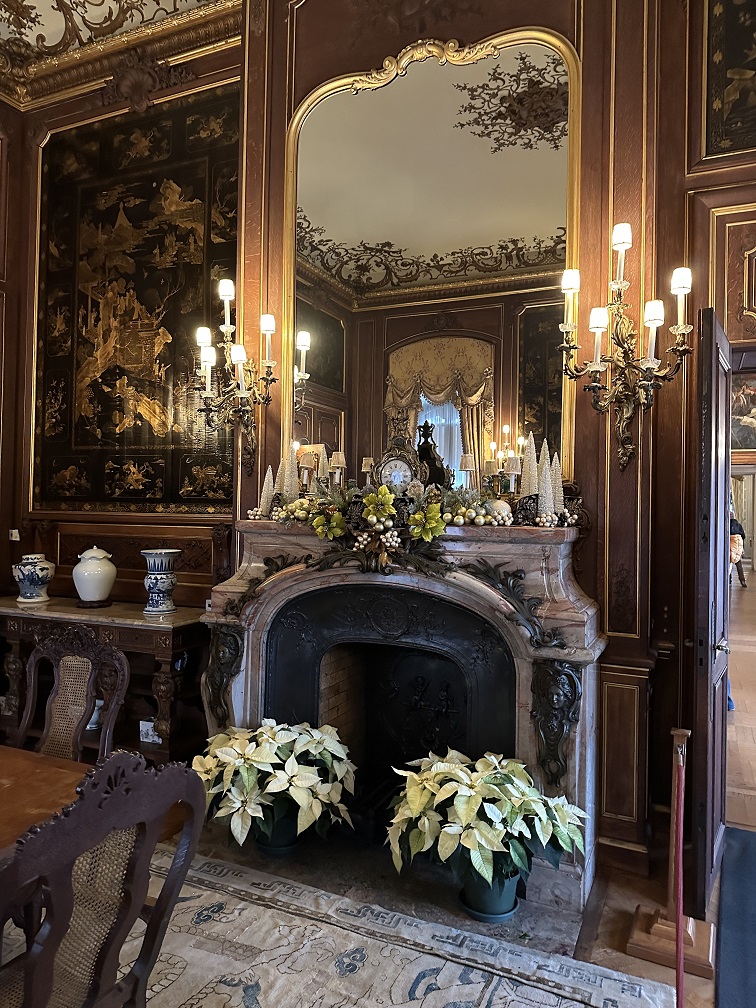
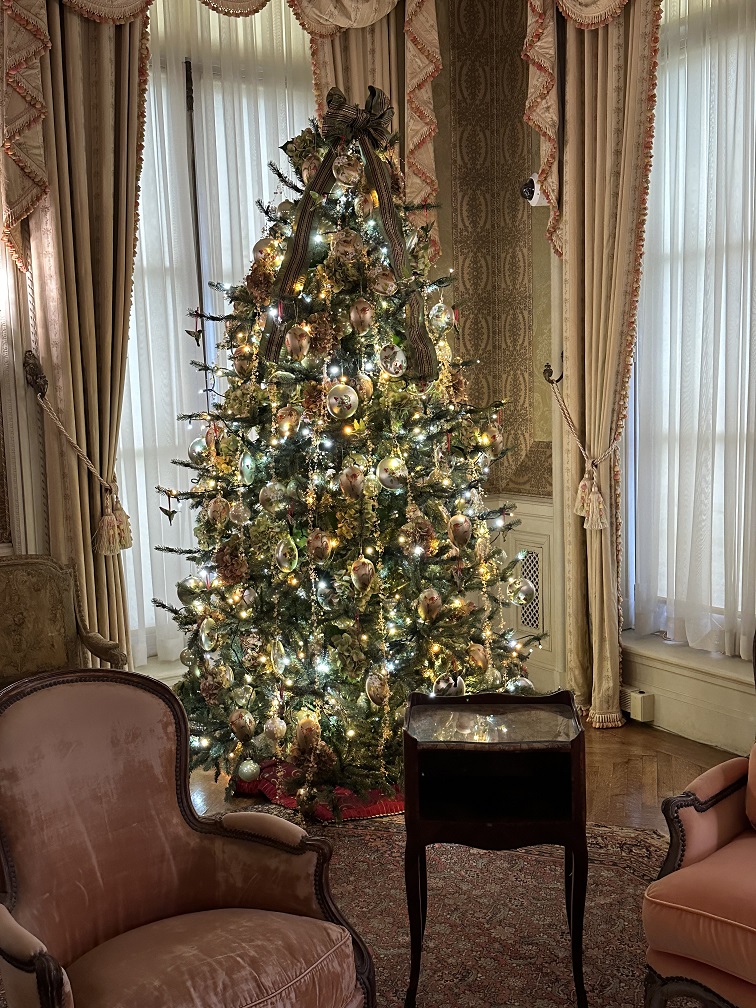

And probably my favorite of the whole Newport trip – the Marble House:
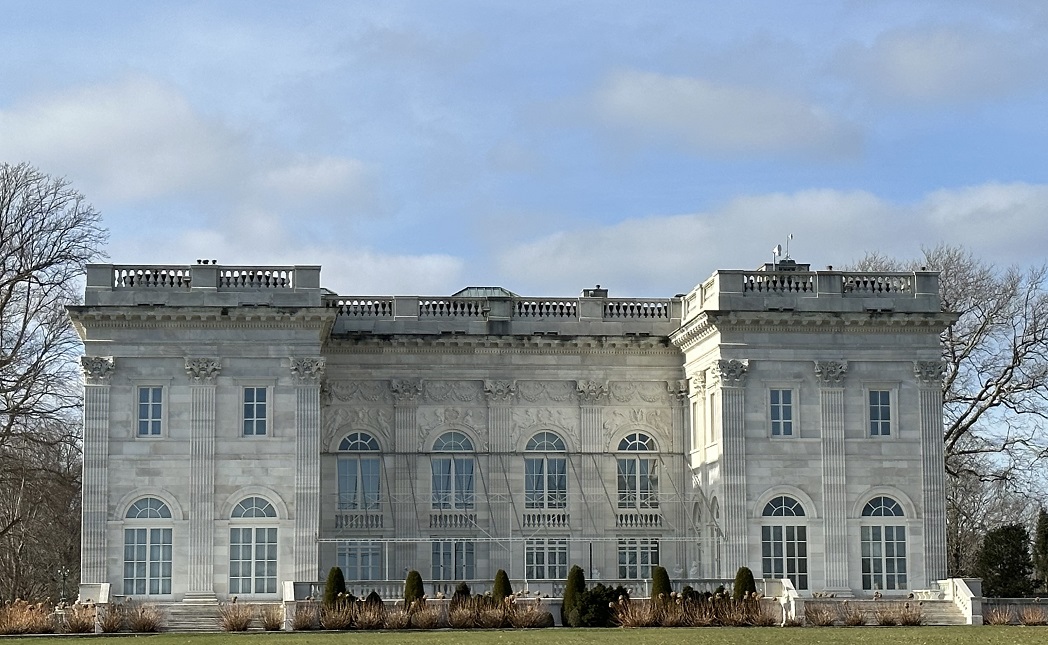
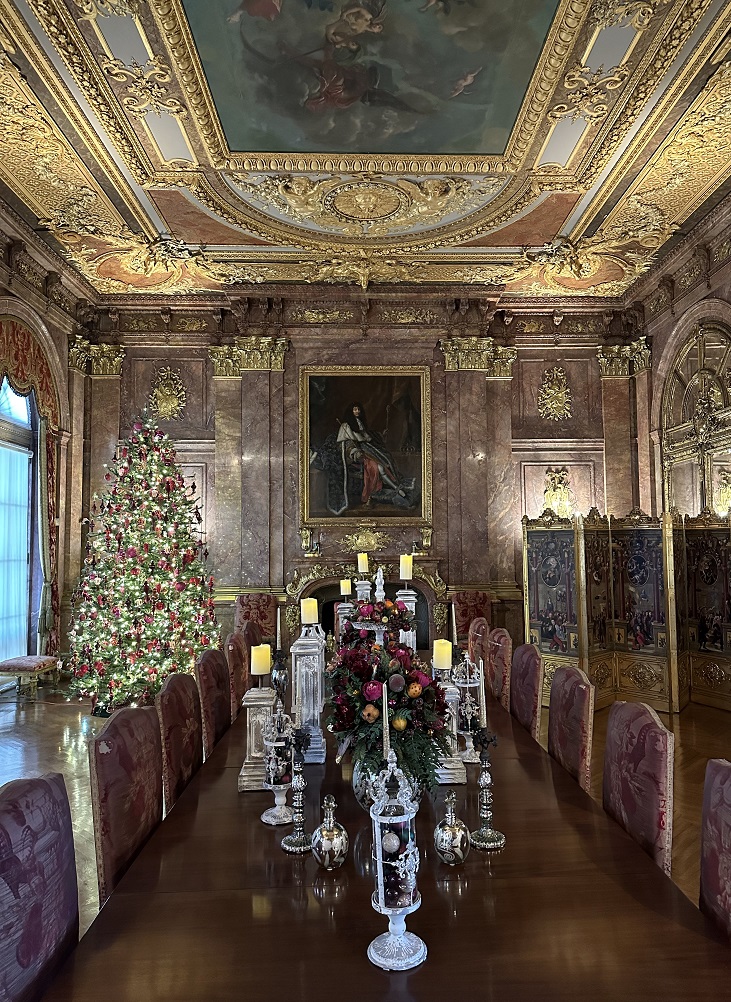


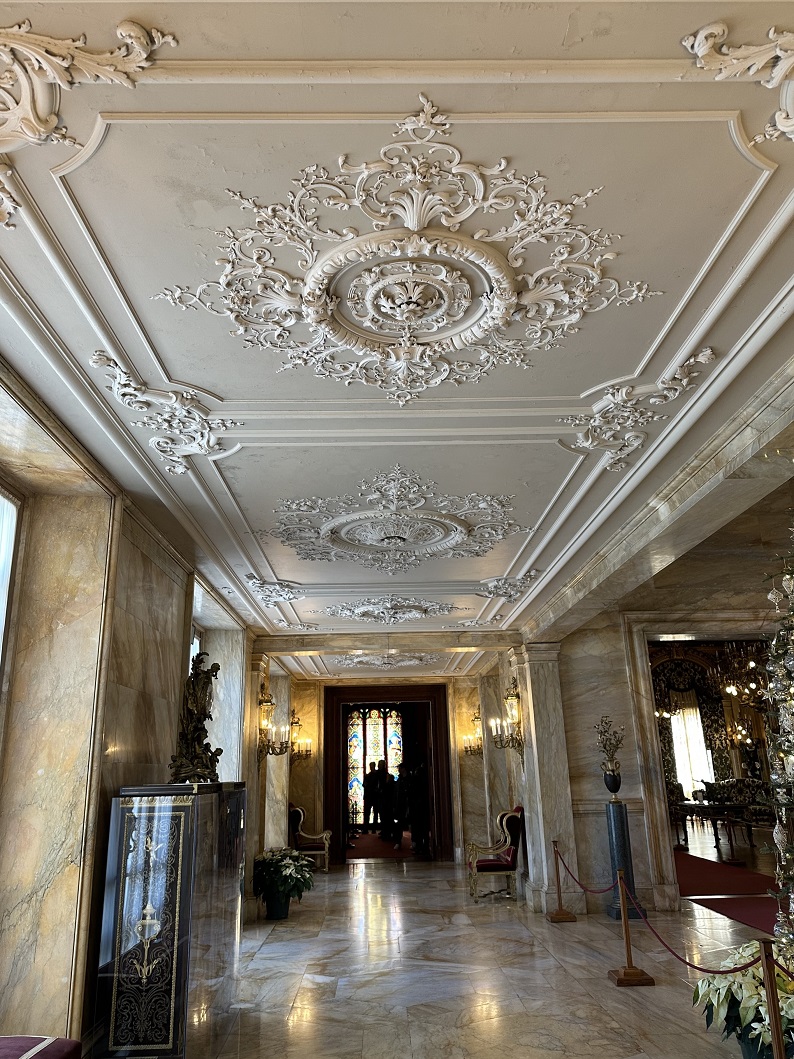


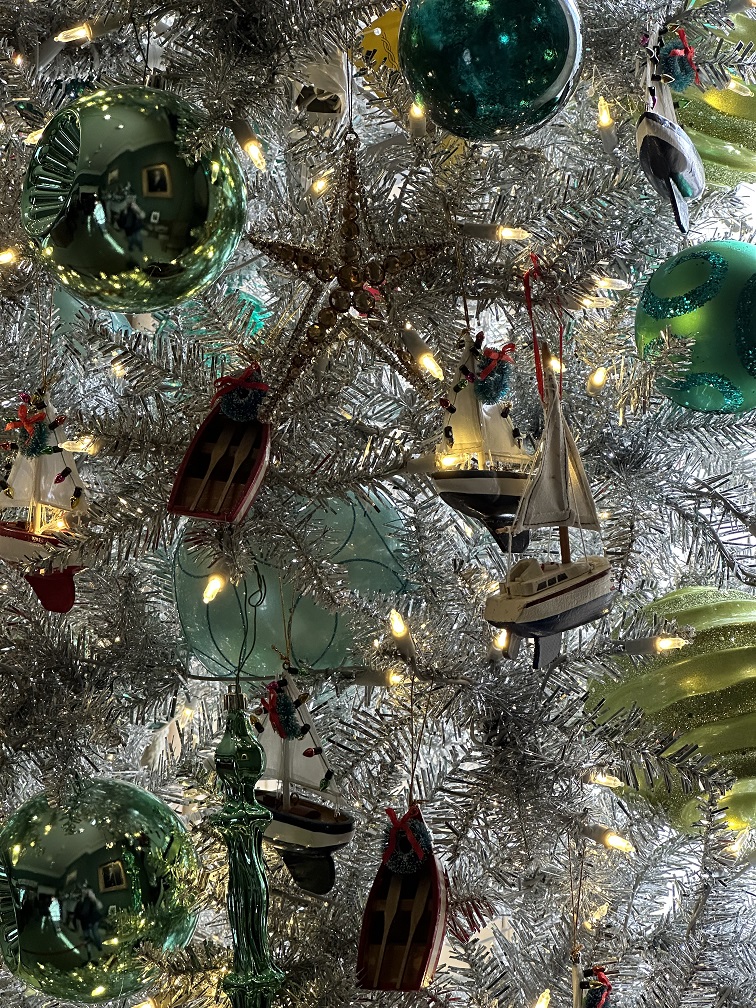
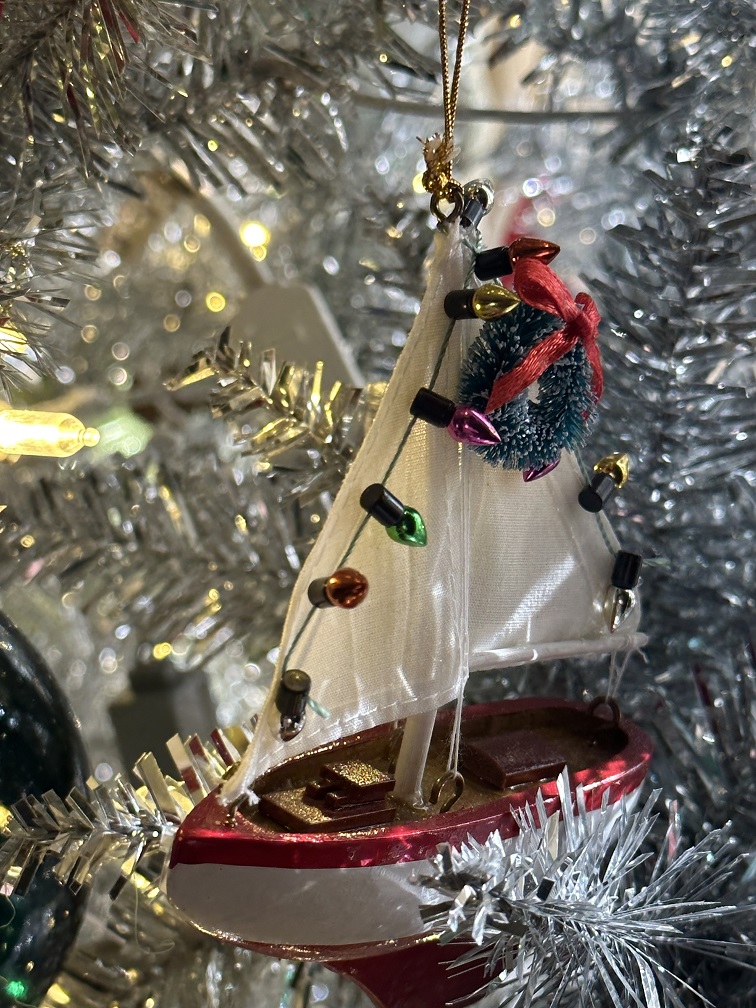

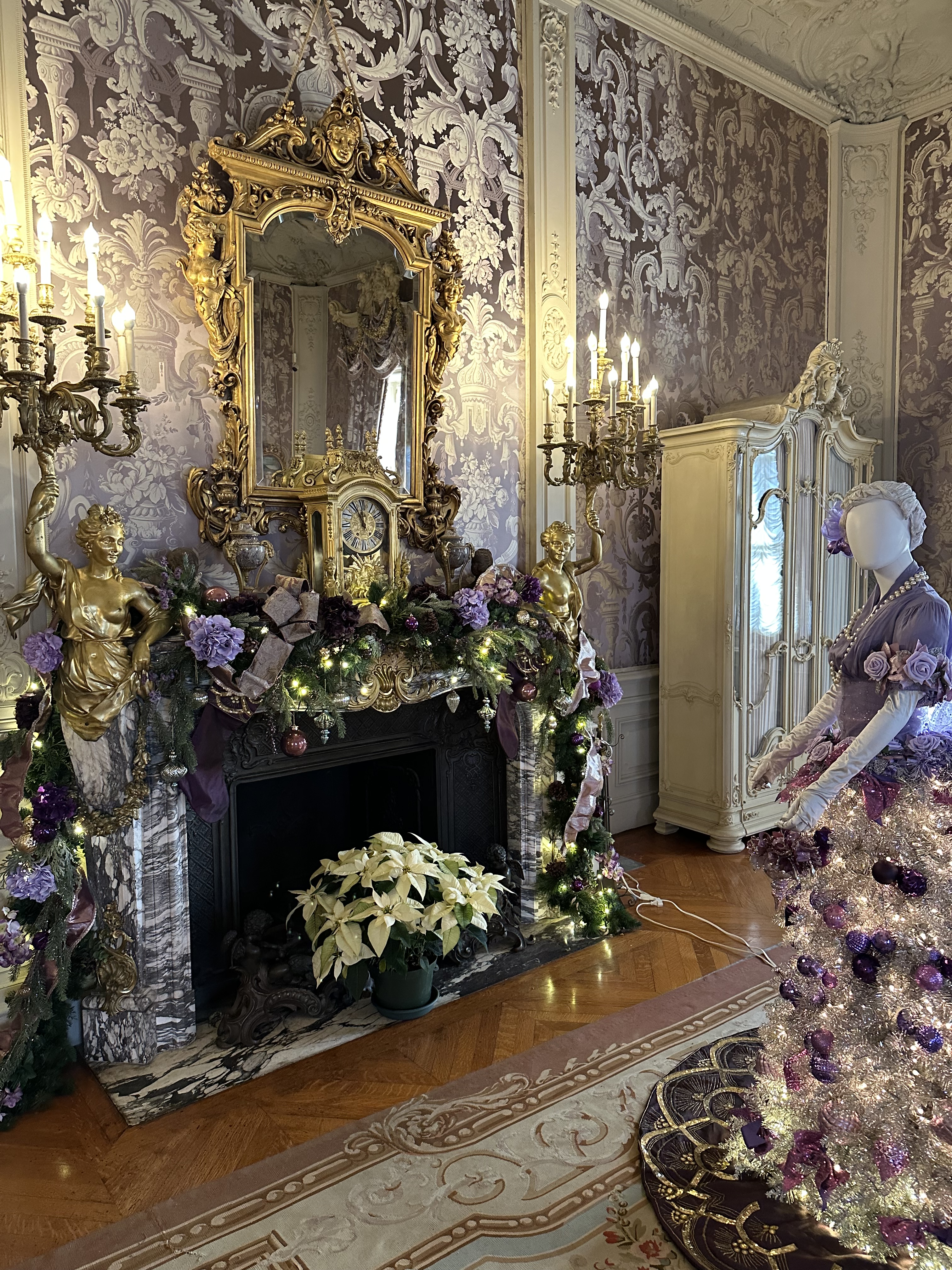

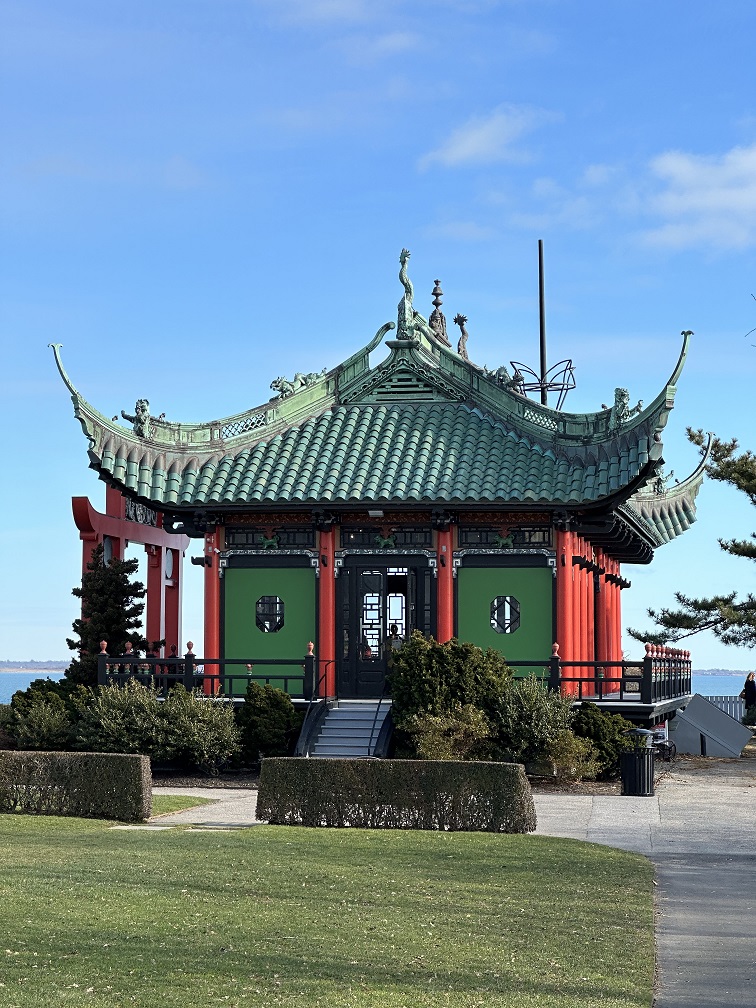
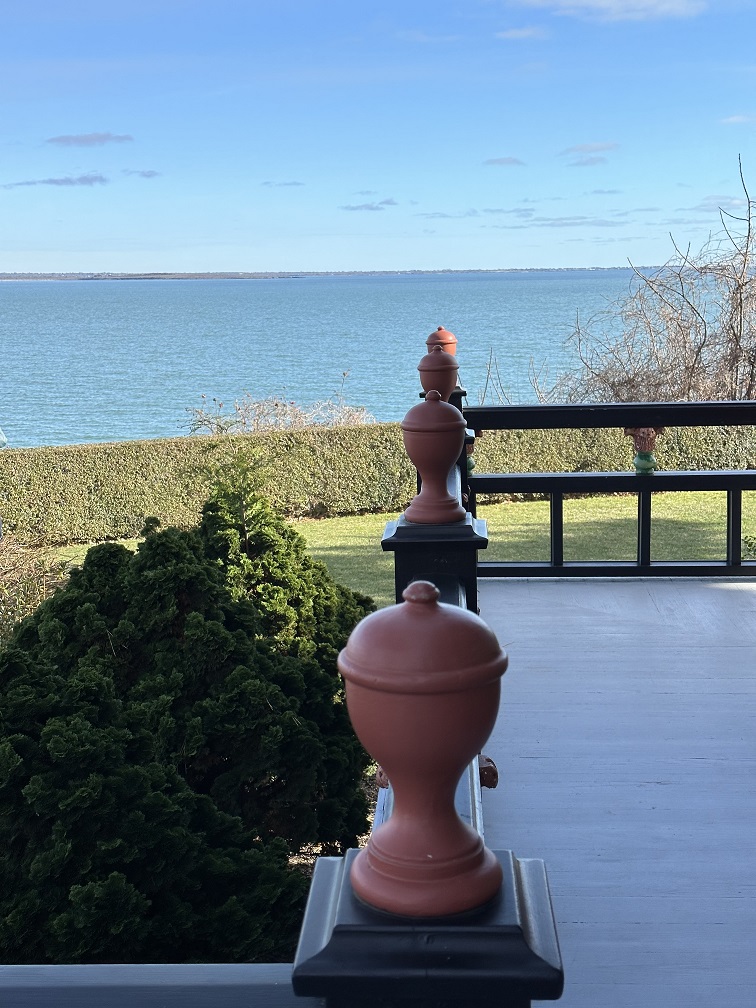
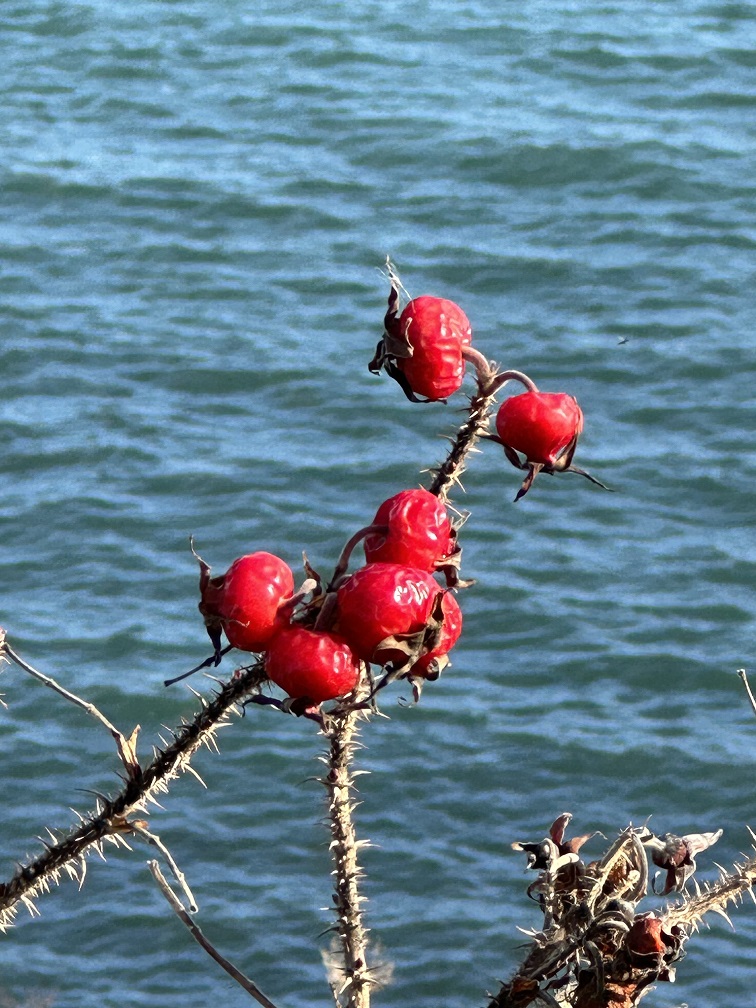
Hope you enjoyed!
Just Some Fall Colors
2023 was an interesting year – on many levels (personal and not). Until it turned upside down about a month ago.
Wine is generally a happy subject. And I need to be in a happy state of mind to write about it, which I’m not. Which is sad, as this is not the wine’s fault.
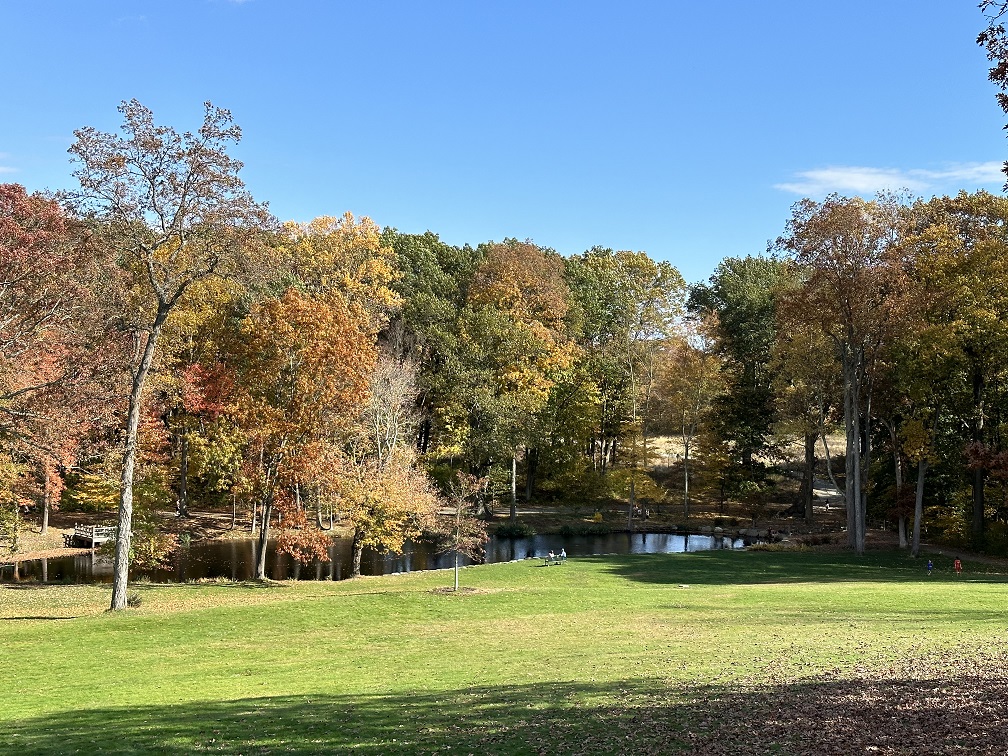
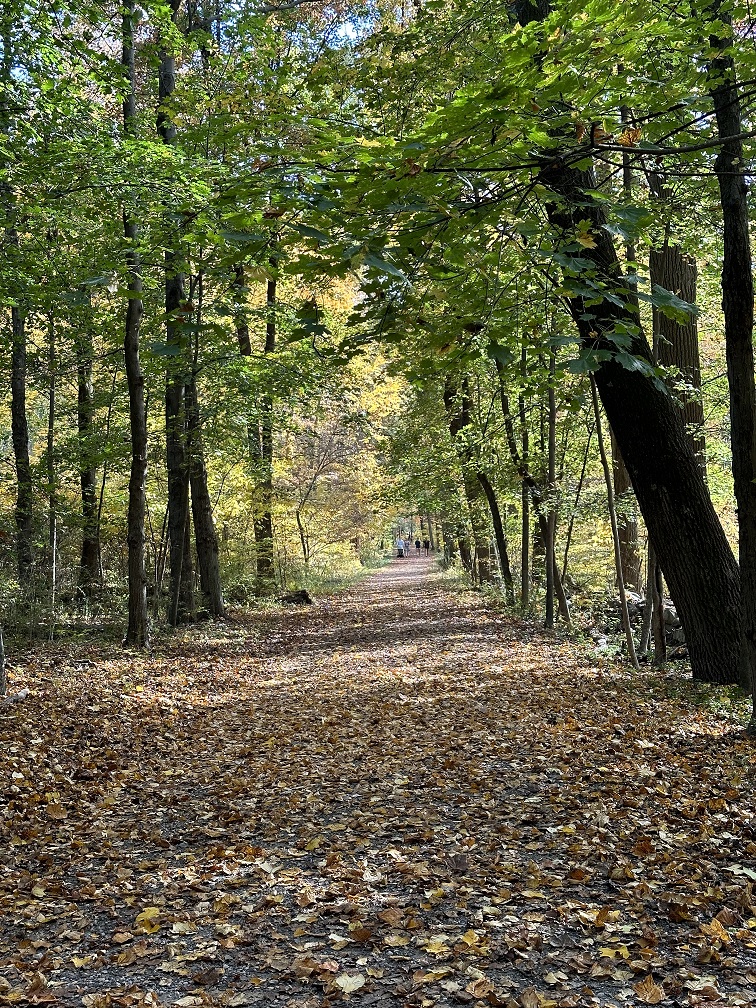
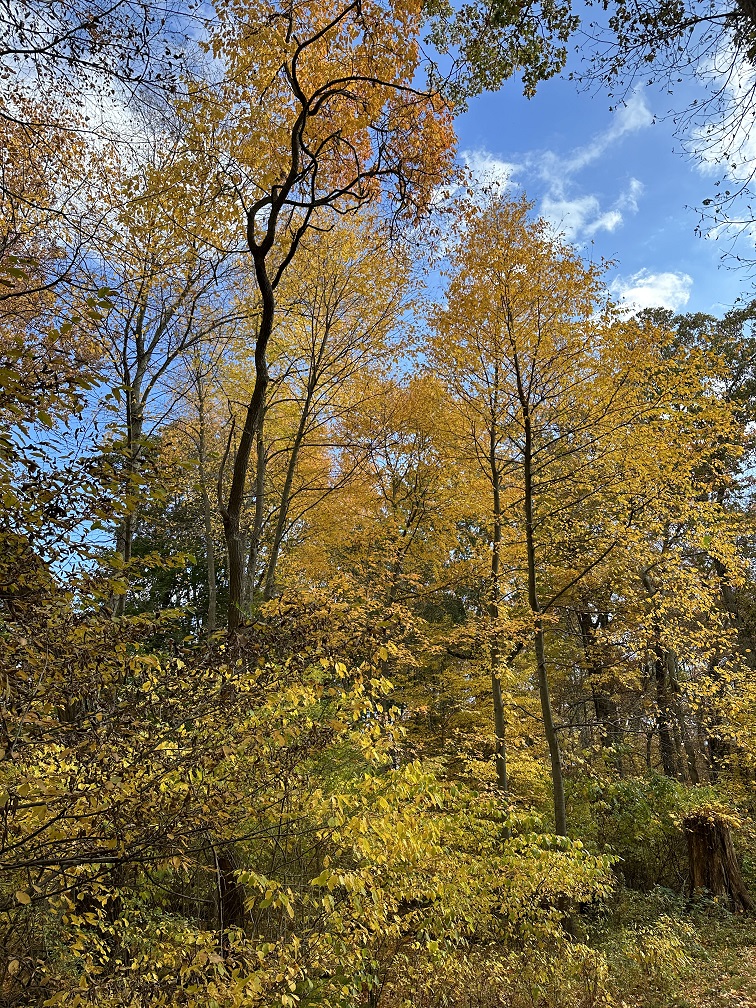
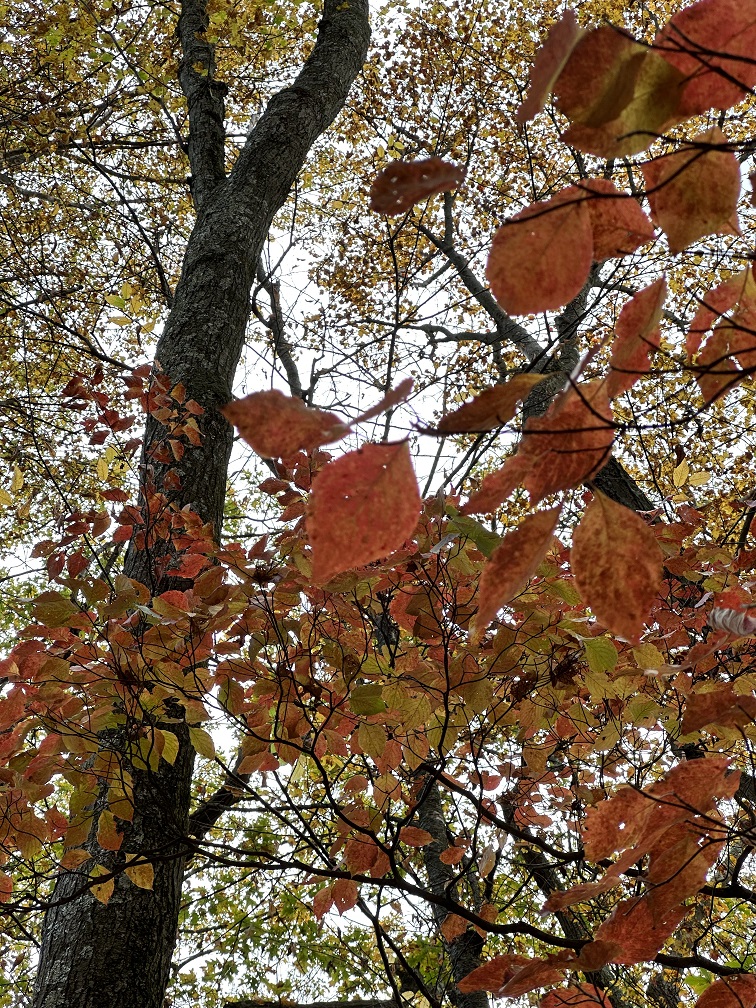
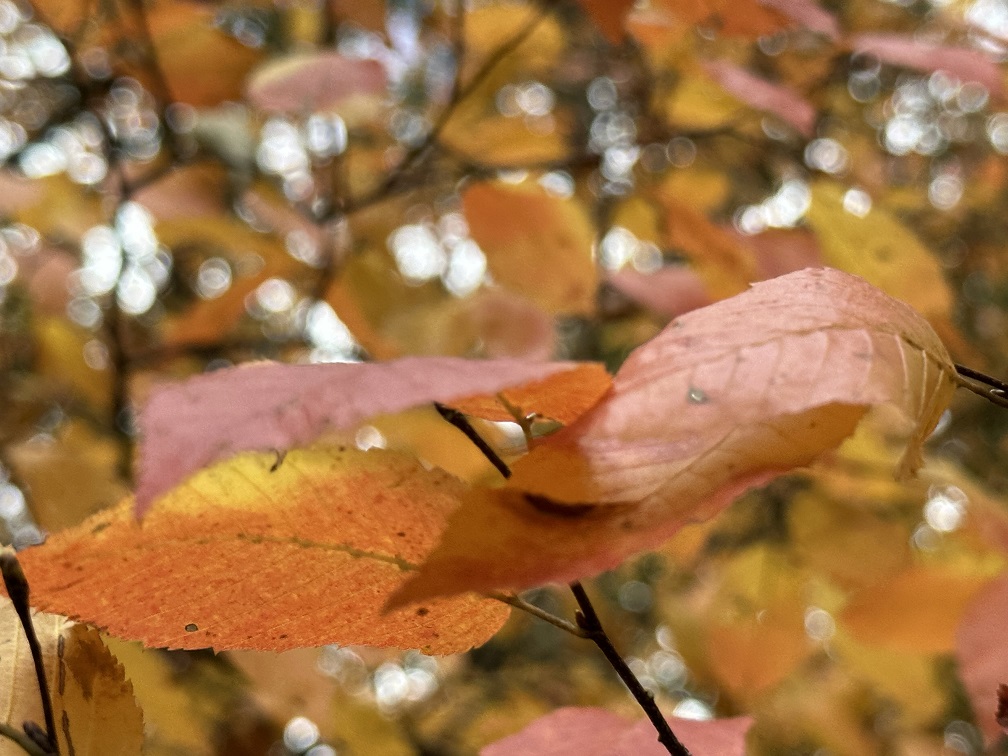
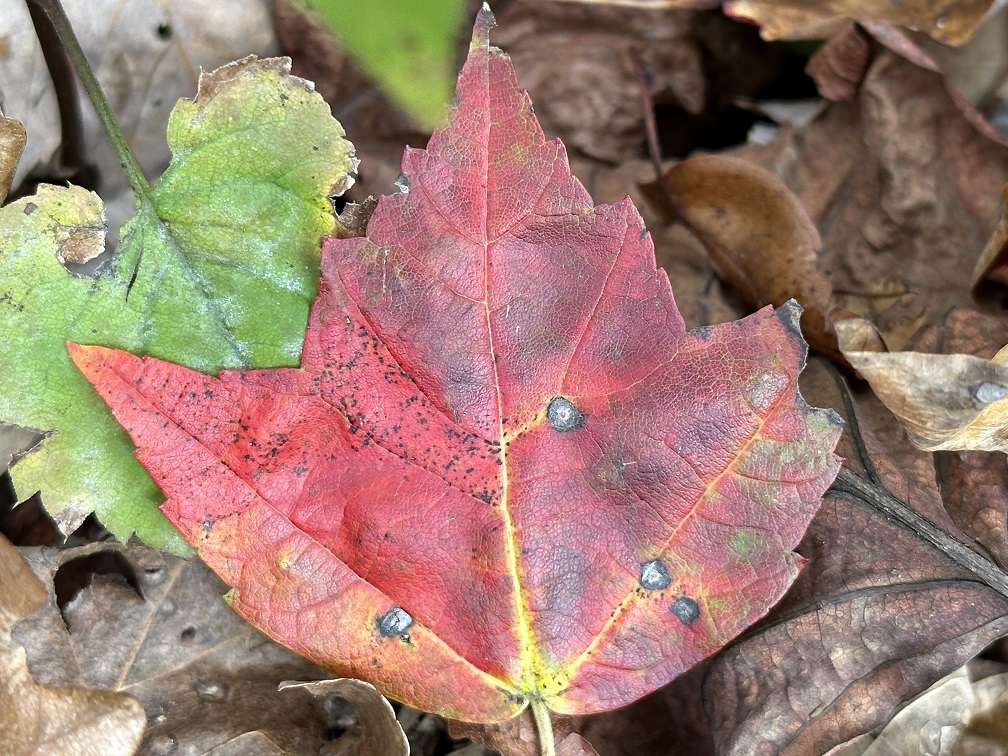
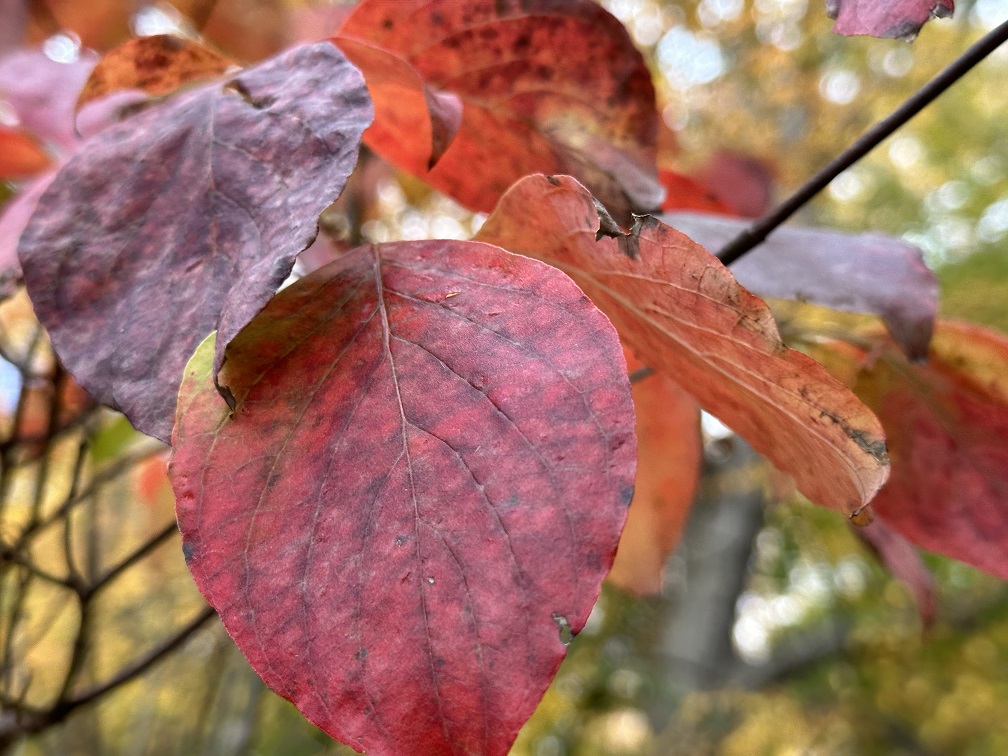
Anyway, I will try to ease up back into writing by sharing some of [practically traditional] impressions of the Fall in Connecticut.
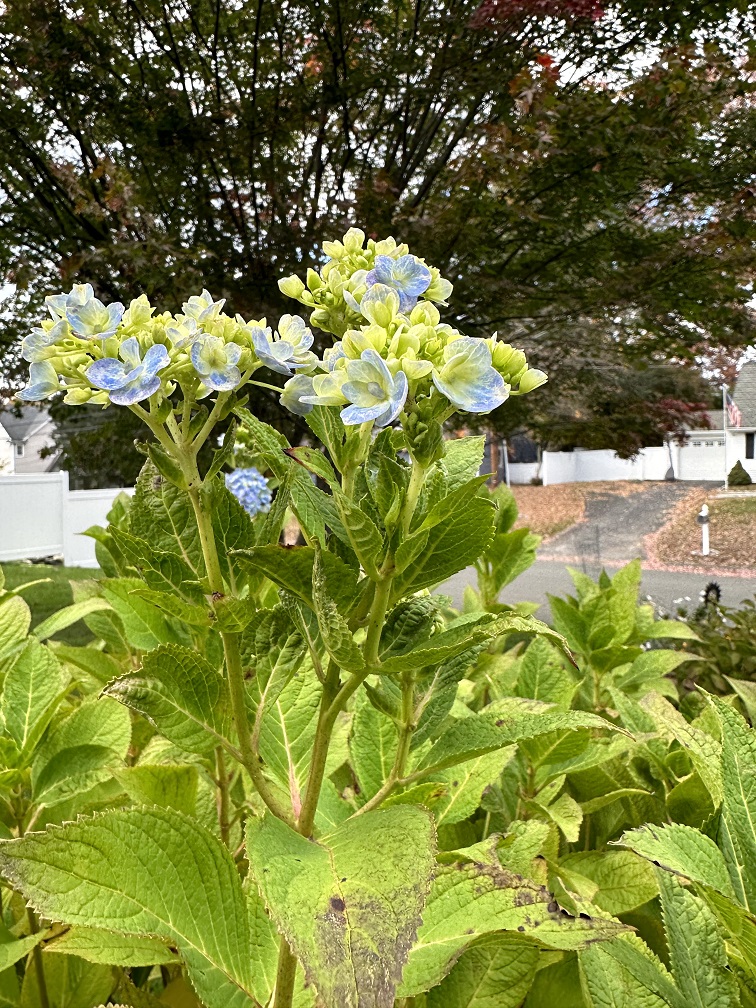
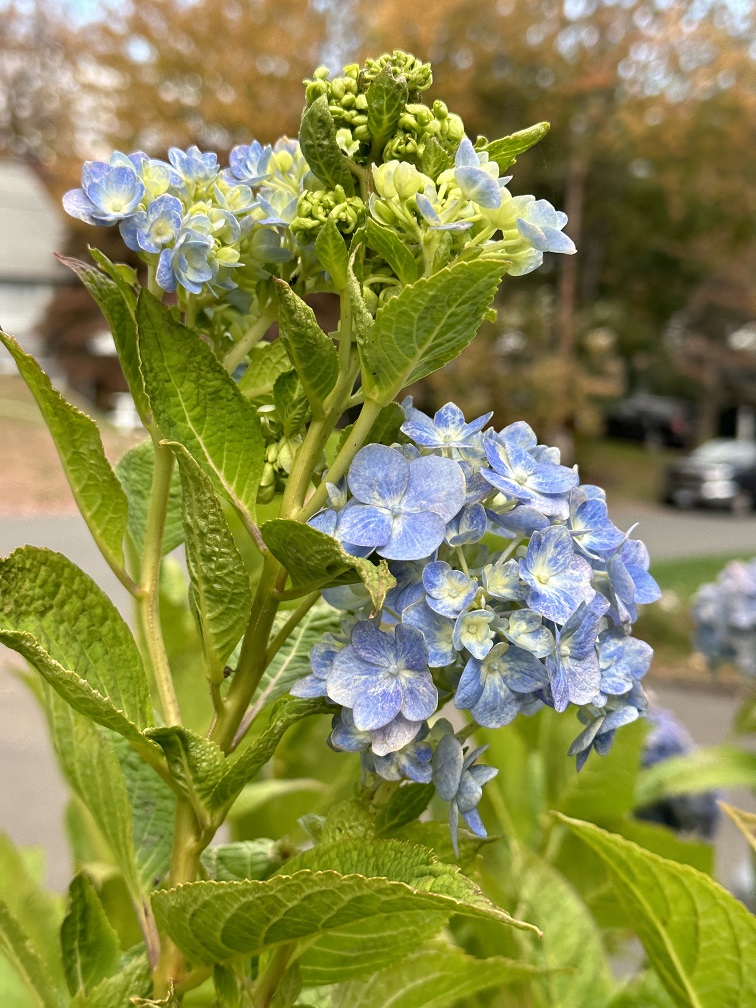
I have to say that this growing season was strange for many plants. For example, our beloved hydrangeas which reliably bloom every summer, produced literally no flowers – until the fall came, and beautiful balls of blue finally showed up – in October. The weather was also interesting going from 75F to 40F in a matter of two days. But we still got the colors – and this is what I’m happy to share here. Happy scrolling 🙂
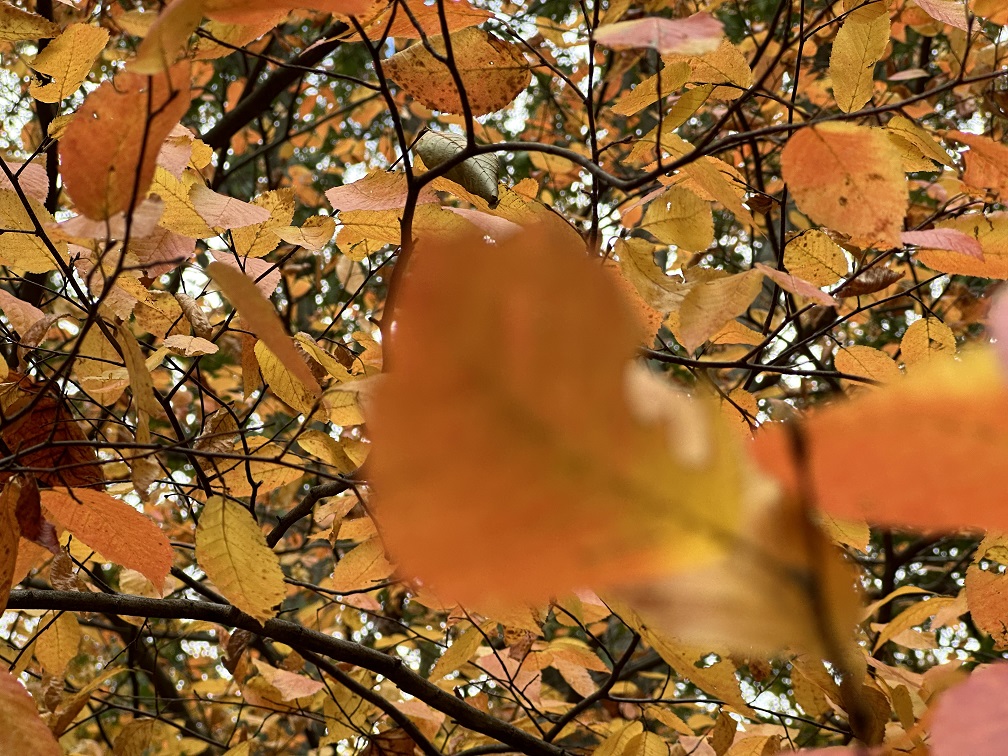
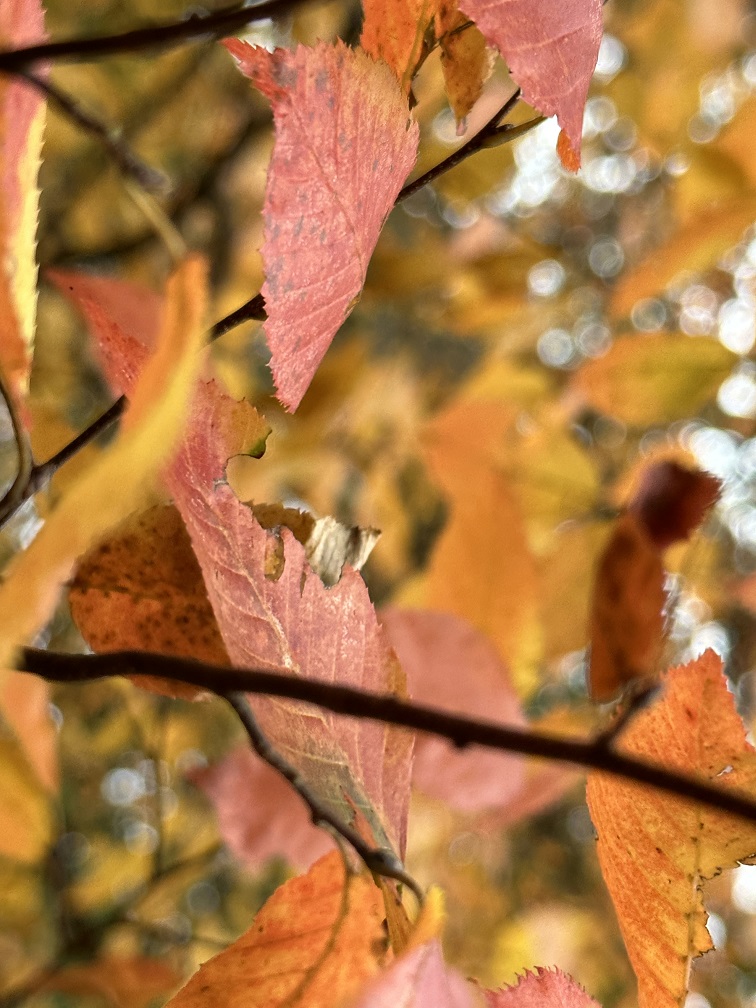
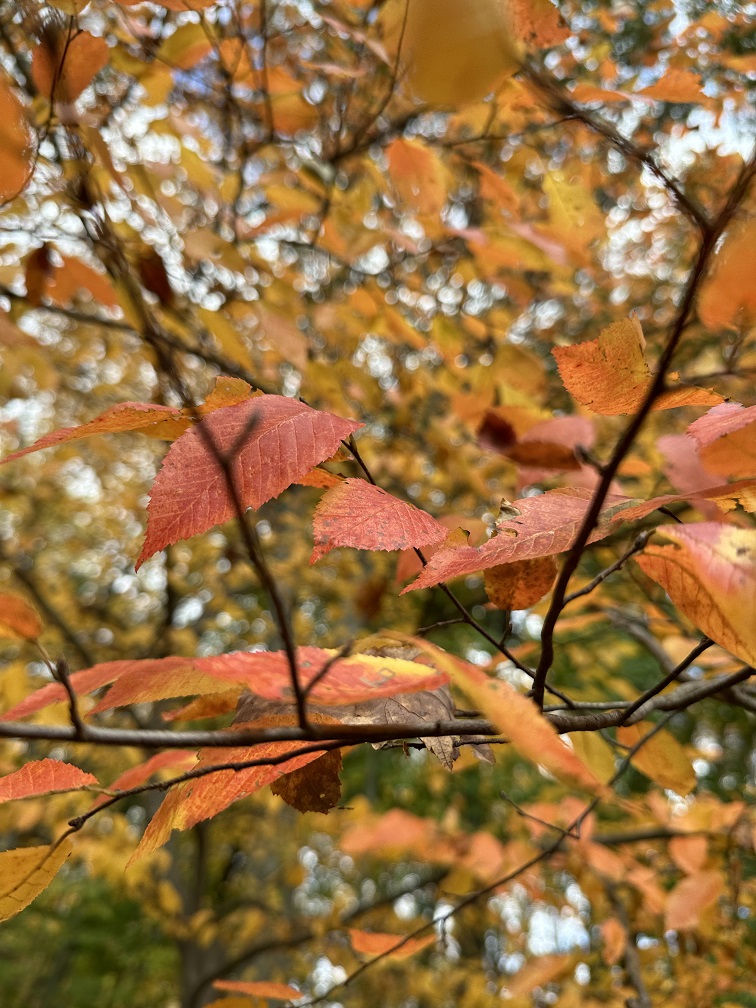
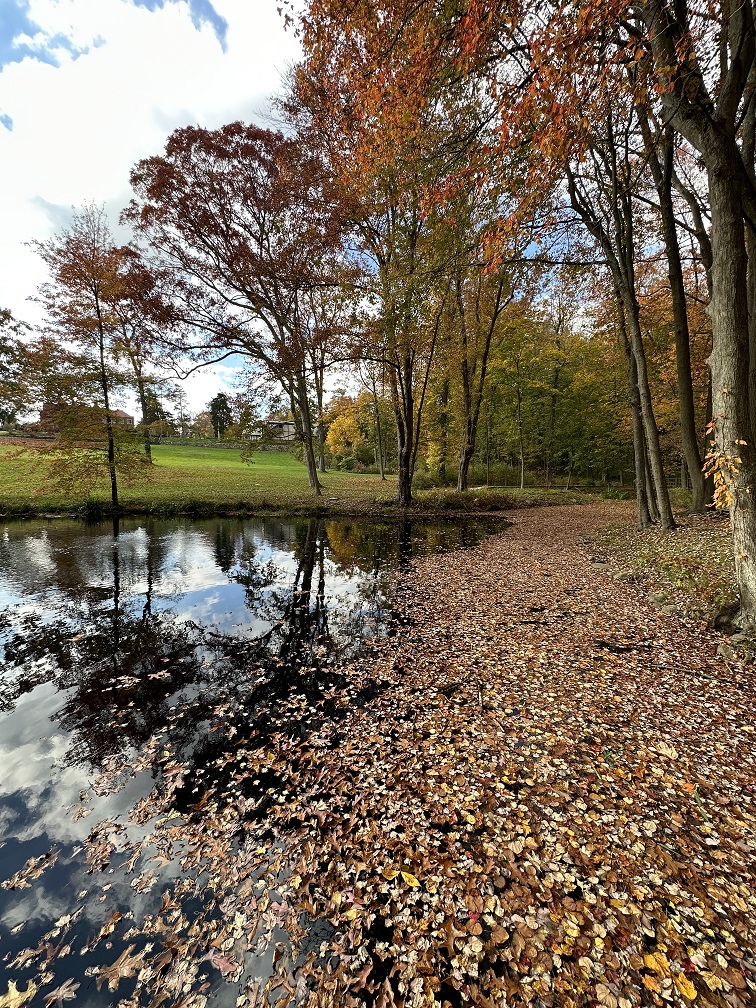
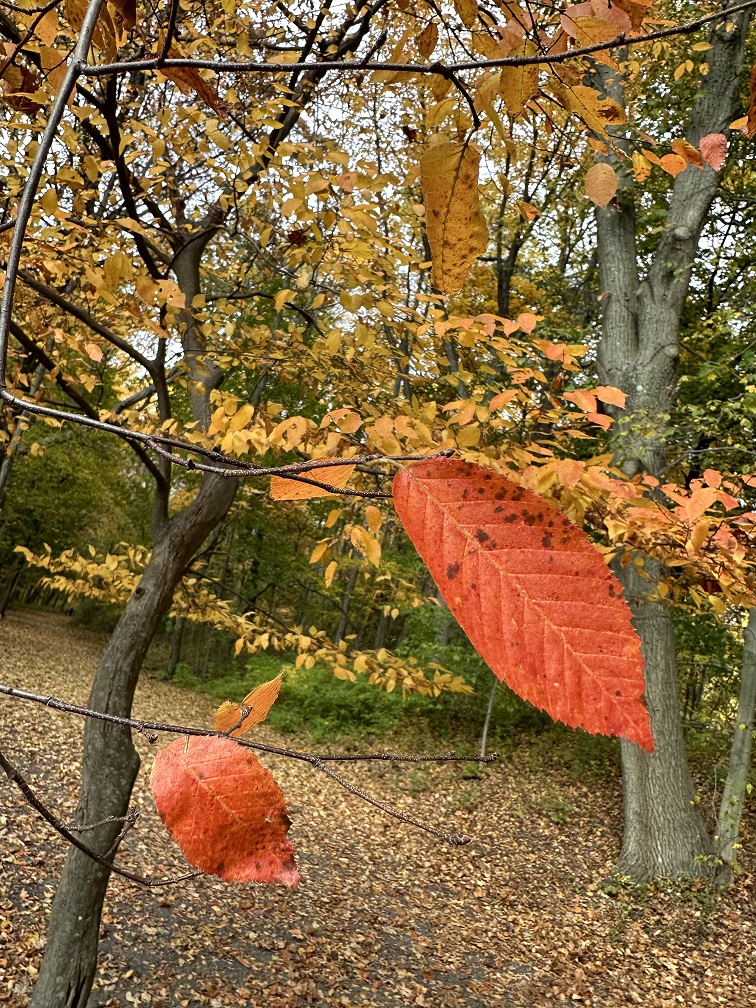
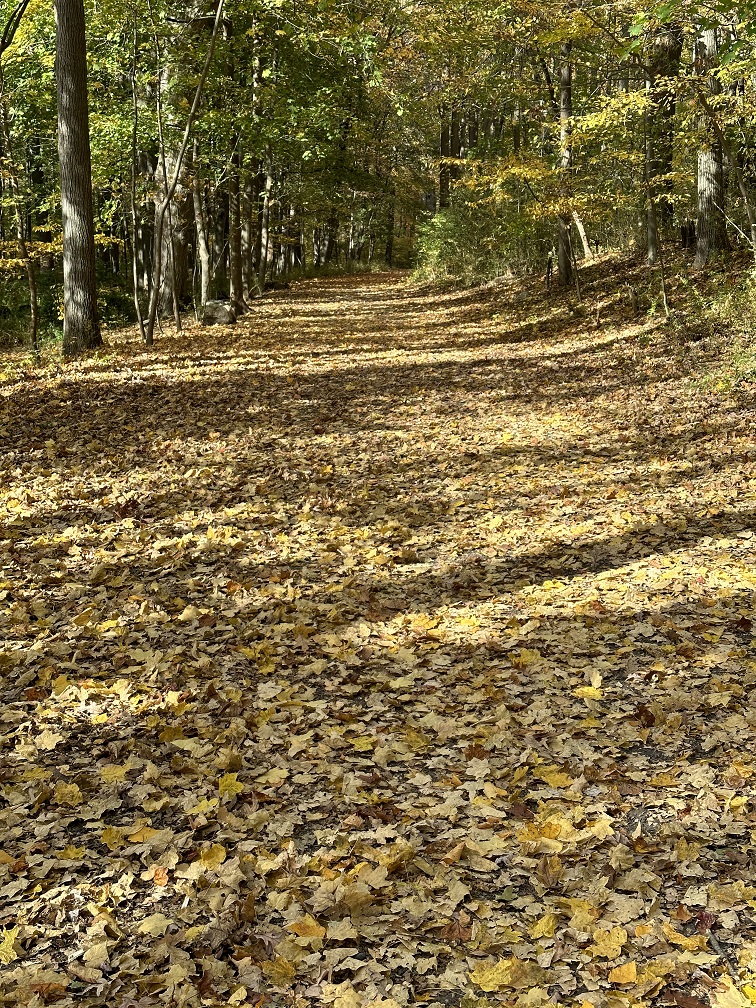
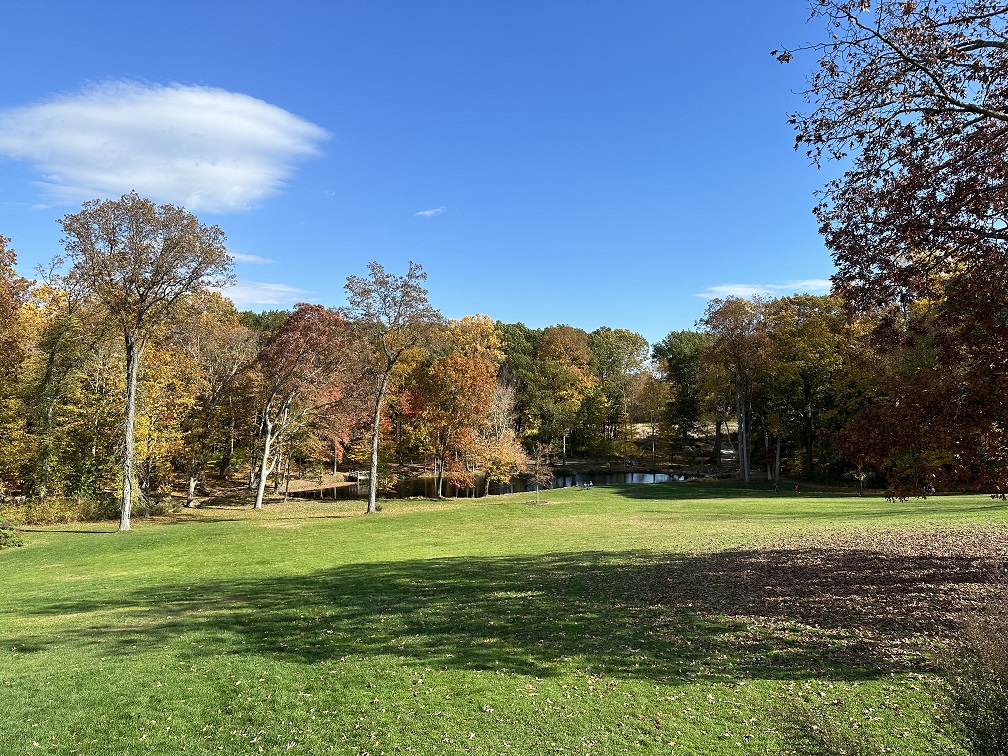
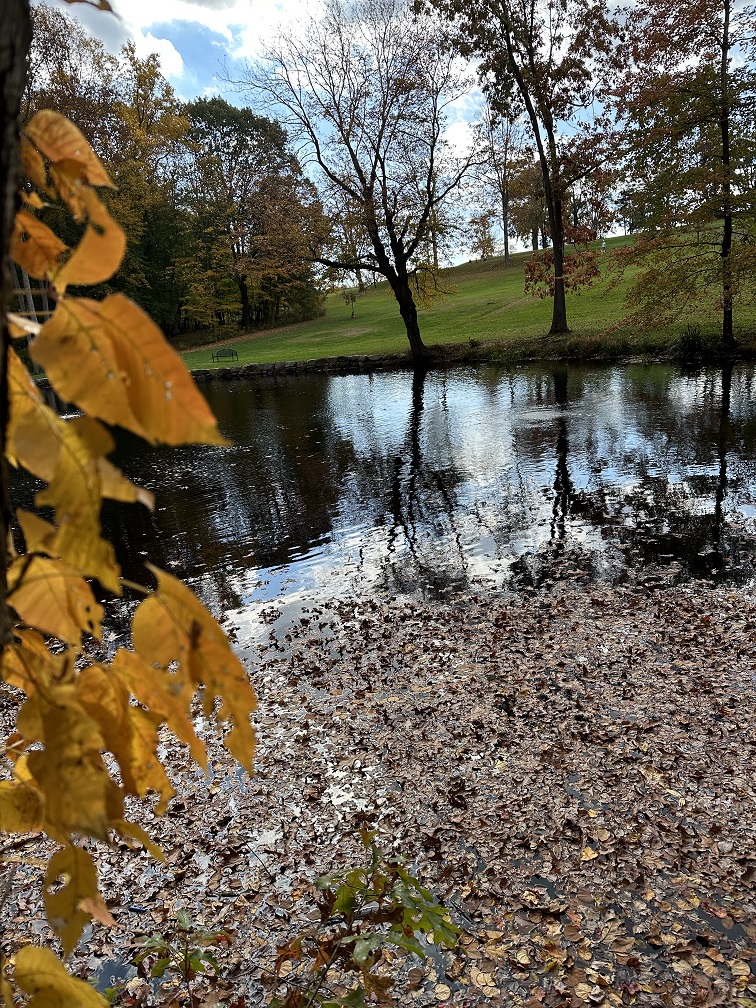
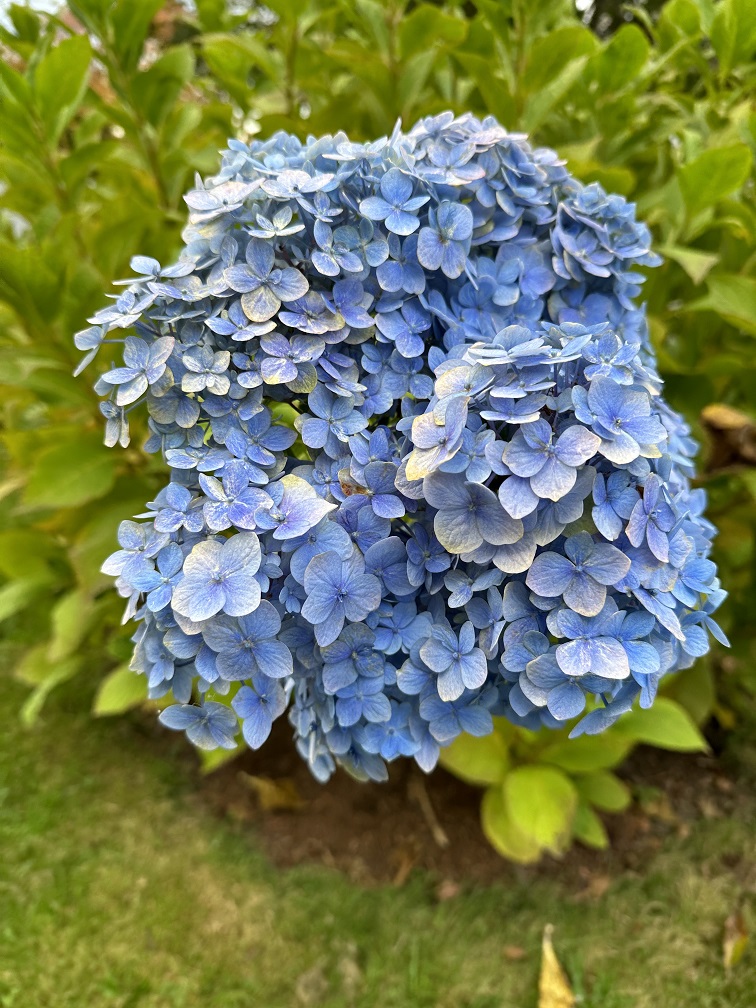

A Hidden Obsession
I made an interesting realization today – I have a hidden obsession.
Obsession doesn’t seem to be a good thing, especially when directed at someone. If this is an obsession for something, this is usually a different story.
Can obsession be hidden? Can you not realize that you have an obsession? Does obsession clearly manifest itself, or do we need to engage in a deep self-analysis to realize that we’ve been obsessed?
Okay, please worry not – first, I’m not engaged in obsession research while working on a degree in psychology. Second, we are only talking about my basic, simple, well-known obsession with wine. Nevertheless, today I realized that I had an obsession (a mini obsession? a sub-obsession? you will decide) that was literally hiding in plain sight.
Ten days ago we celebrated the arrival of the Jewish New Year (year 5784 in case you are wondering) – Rosh Hashanah. I always prefer to celebrate Jewish holidays with Israeli wines, but I almost never have any on hand, so I had to take a trip to a wine store. Long story short, I came back with two bottles of wine produced by Shiloh Winery, one of my favorite producers out of Israel.
On a big scale, Israel produces world-class wines. I had been exposed to Israeli wines for more than 25 years as I had been lucky to travel to Israel for work. Lots of Israeli wines are spectacular, but same as everywhere else, you have to go by producers. Some of the best Israeli wines are either not exported at all, or exported in minuscule quantities – and many of them are pretty expensive, especially outside of Israel. So finding good Israeli wines to drink outside of Israel is not necessarily an easy task.
During a dinner at a kosher restaurant in New York 6 years ago, I tasted a red wine called Shiloh Mosaic, and I immediately fell in love with it. The wine was simply a spectacular, rich, and opulent Bordeaux blend – I loved it so much that it made it to the Top Wines of 2017 as number 14. From that moment on, Shiloh literally became my go-to solution for all the Jewish holidays – and yes, you can even say that I became obsessed with it. Another wine from Shiloh, Shiloh Secret Reserve Cabernet Sauvignon made it to my Top 20 of 2020 list as number 18.
As I was getting ready to write this post, I searched my blog for the Shiloh references, and to my surprise, I discovered that Shiloh had been a hidden obsession for a while – for sure way before I thought I “discovered” it in 2017. Shiloh Secret Reserve Shiraz was included in the September 2014 Month in Wines post with a high rating; Shiloh Legend blend was lauded even before that in the May 2014 Month in Wines post. See, nothing can be hidden without becoming apparent – this is how I discovered my hidden obsession.


For this year’s celebration, I went with two wines from Shiloh that I hadn’t seen before – both of them under the Amichai by Shiloh label. As I bought wines at the large wine store, Total Wine, I was sure I would find all the wine information online. However, Shiloh Winery’s website didn’t offer any information about this brand. The distributor’s website offered exactly the same amount of information – zilch. And all my attempts to find any information online didn’t yield any results. Yes, the back labels offered basic facts, such as grape composition and oak regimen, but I was hoping to learn more – the inspiration, why the wines are called the way they are called, you know, the story. I can only assume that the wines represent a new project by Shiloh’s self-taught winemaker, Amichai Lourie, and maybe the project is so new that information didn’t make it to the website. Oh well, at least we got the wine.
I opened these wines for the Rosh Hashanah dinner, and everyone loved them, as both wines were delicious. I managed to save just half of the drop in each bottle so I was able to write my traditional notes the next day:
2018 Amichai by Shiloh Micah Judean Hills Israel (15% ABV, $57, 91% Cabernet Sauvignon, 7% Merlot, 2% Petit Verdot, 15 months in French oak barrels)
Garnet
Currant leaf, sweet cherry, eucalyptus
Cassis, earthy undertones, tobacco, dark, powerful, delicious.
8+, outstanding, will age well for another 10-15 years.
2018 Amichai by Shiloh Solomon Judean Hills Israel (15% ABV, $57, 93% Syrah, 7% Petit Verdot, 15 months in French oak barrels)
Dark garnet, almost black
Dark cherries, blackberries, mineral undertones
Blackberries, tart cherries, firm structure, firm tannins, white pepper, peppery finish, inky and powerful, tannins on the finish. Perfectly balanced.
8+, outstanding. Will age well for another 10-15 years.
Here you are, my friends. My obsession is no longer hidden. And I’m happy to face it, any time. L’Chaim!
A Few Days in Paris
If you have followed this blog for some time, you know what the “a few days” title means. Yes, pictures. Lots and lots of pictures. This post will not be an exception – get ready to scroll.
Pictures have such an important role in our lives. Pictures solicit emotions, bring back memories and moments, and let us re-live those moments. Pictures can also serve as a personal journal, keeping all the dates in perfect order.

Probably my favorite shot of the entire week
Based on the pictures stored on my computer, I was able to figure out that the last time I was in Paris was almost 13 years ago, in October 2010. Of course, even if one is not familiar with Paris from the books, once you visit, that memory will be with you forever. Yes, I knew what I will find in Paris in a general sense, but the particulars, such as navigating this sprawling city, became rather blurred.
Once I arrived, though, it all came back rather quickly. Paris has one of the very best subway systems in the world when it comes to navigation – before every entrance, there is a full list of stations which you will find in a given direction – as long as you know where you are going, getting there is really easy.
This was a trip for work, and I was definitely lucky with the location of the meetings – a stone’s throw from the Eiffel Tower. For 5 days straight, I could look at the Eiffel Tower any time I would want. We even took some pictures from the roof of the building, admiring it from an even closer distance.
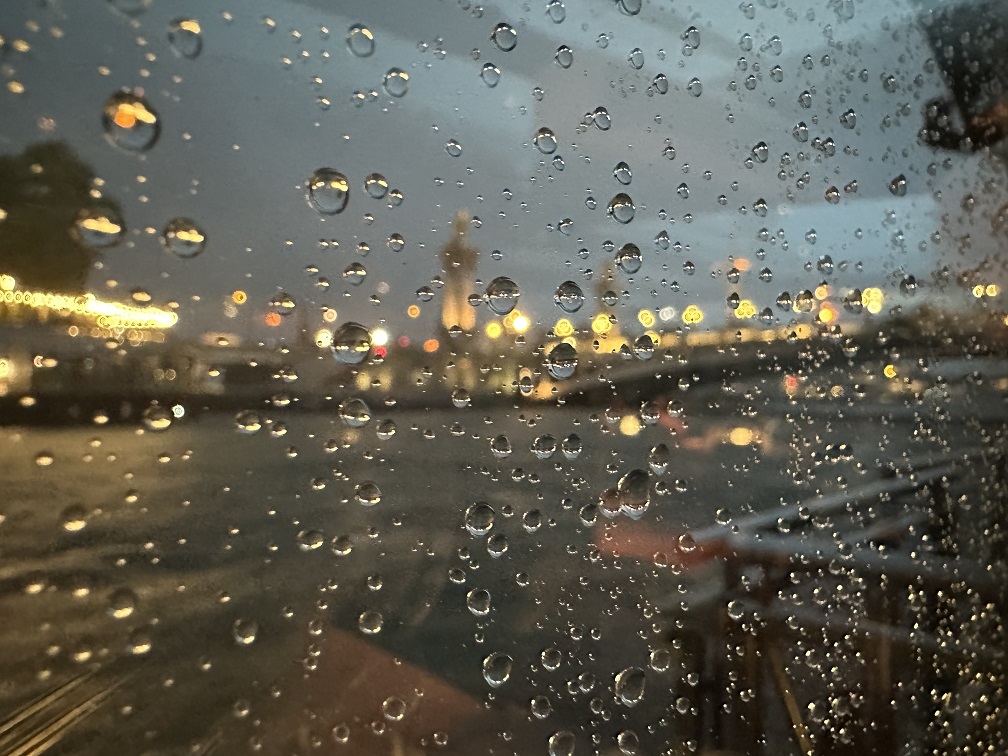
We also had a dinner cruise along the Sienne, allowing this photography junky to take a beautiful picture of the well-lit Eiffel Tower during the night – despite the rain which was going on the whole night but conveniently stopped as we were passing the Eiffel Tower, allowing for some magnificent pictures to be taken.
And then there were numerous strolls around the streets of Paris, allowing more magic to be captured. Remember I promised to inundate you with pictures? Here you go – and when you will be done scrolling, we will switch our attention to – yes, you guessed it – food and wine. See you in a minute or so.
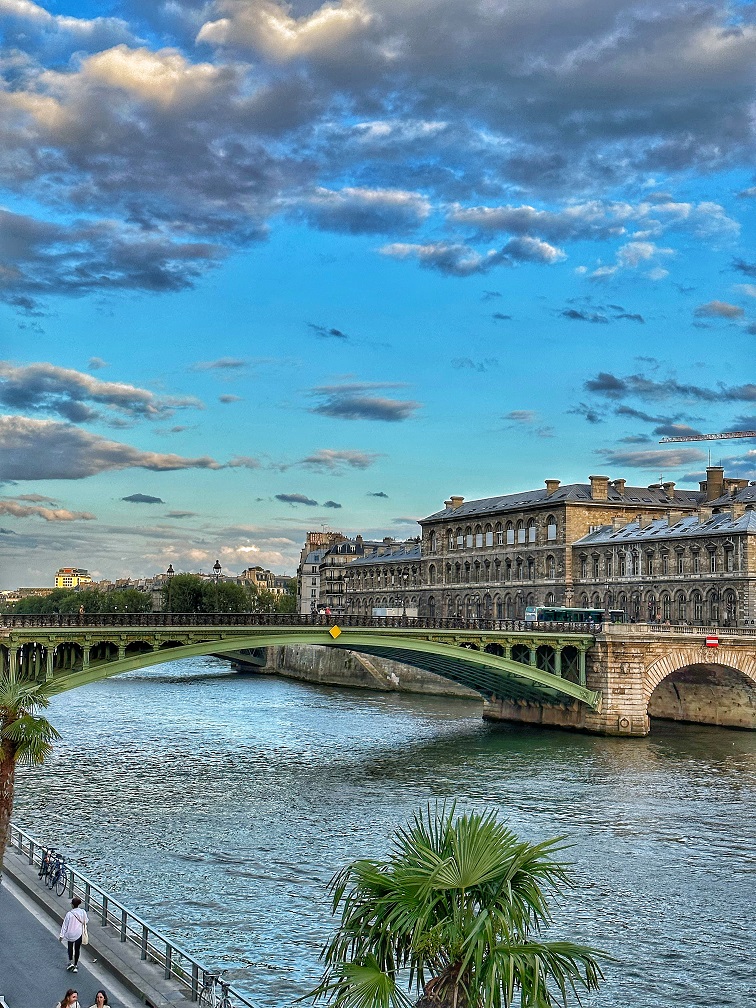


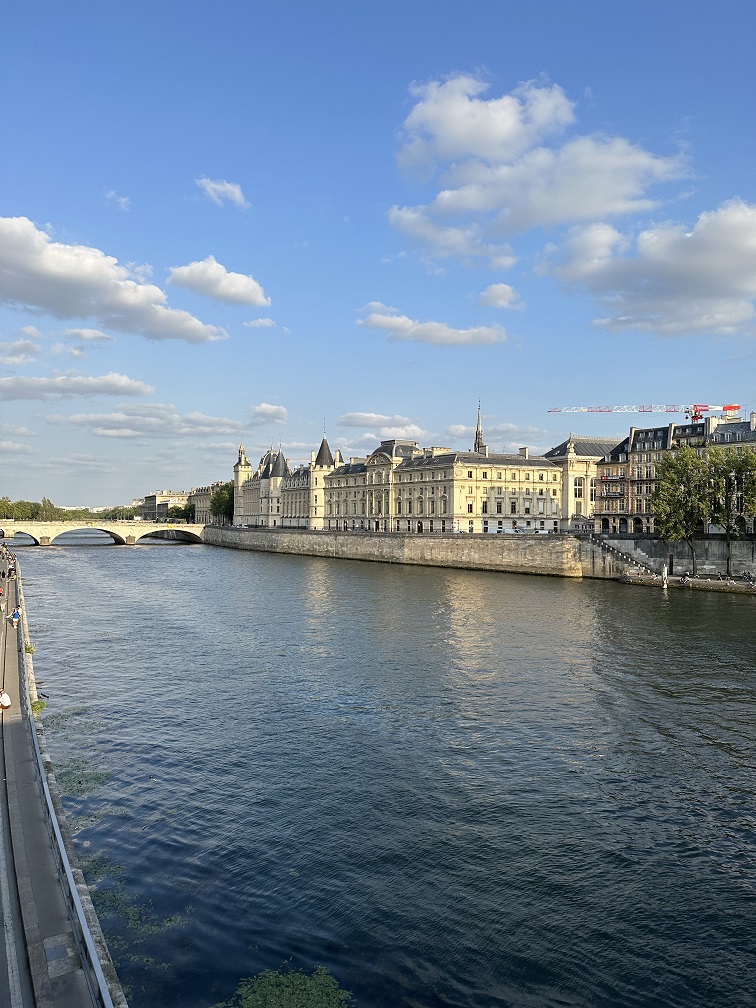
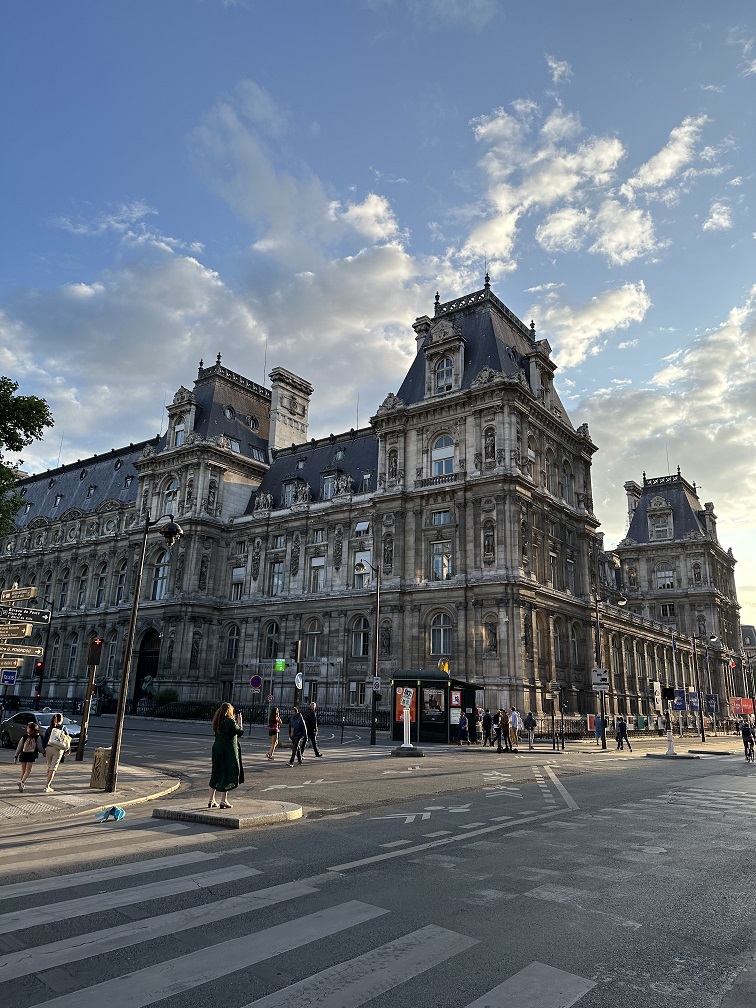
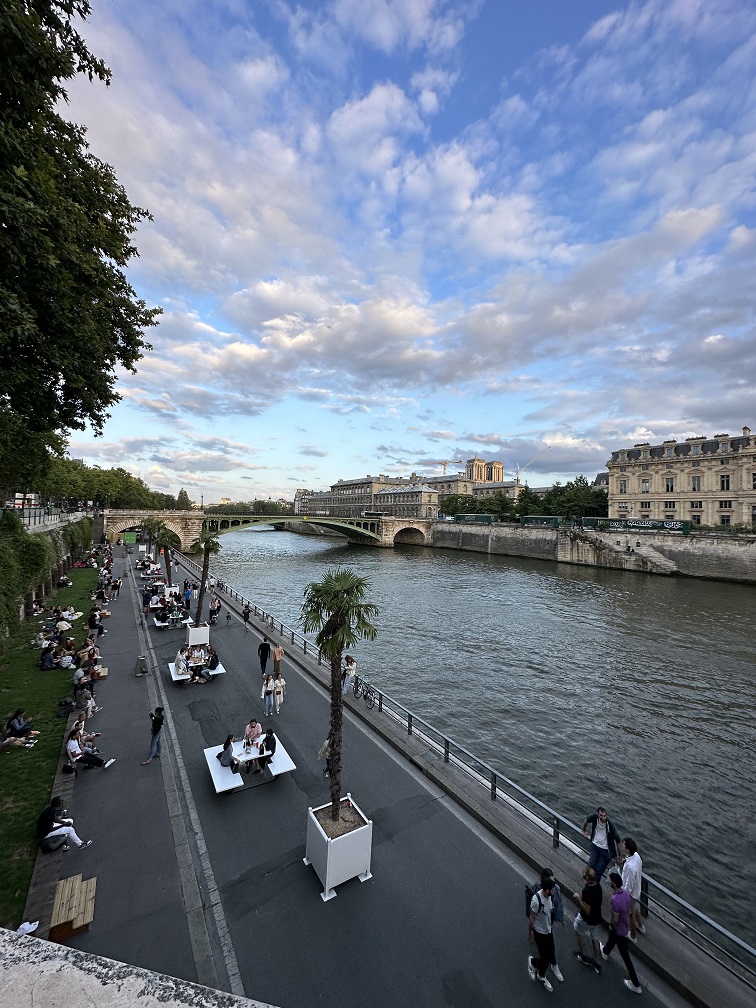
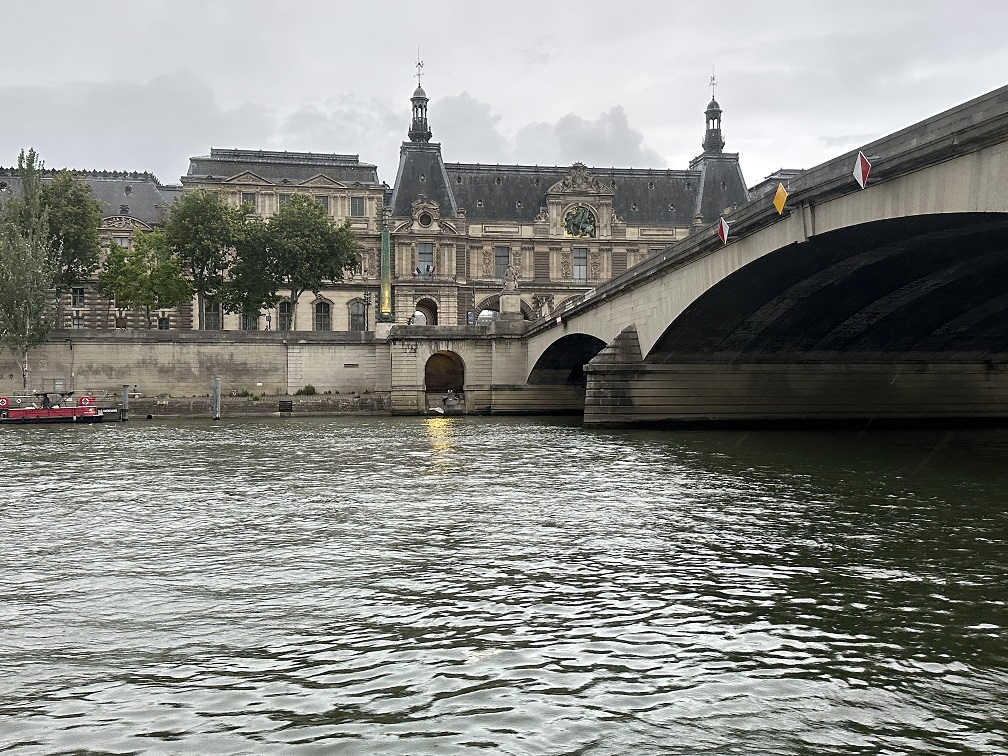
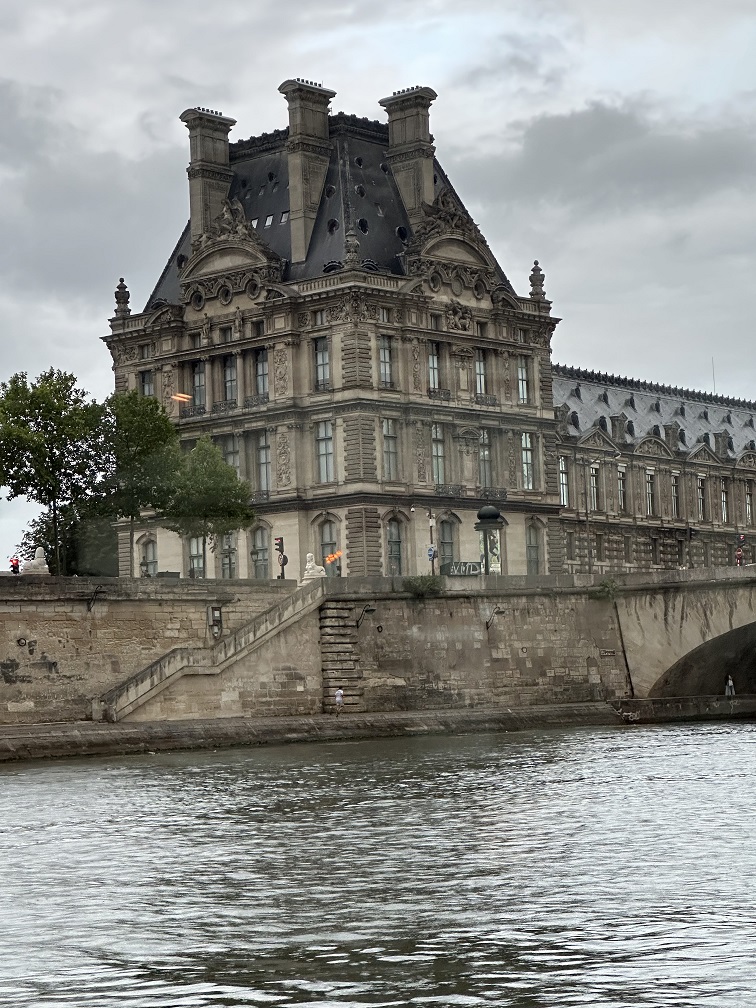

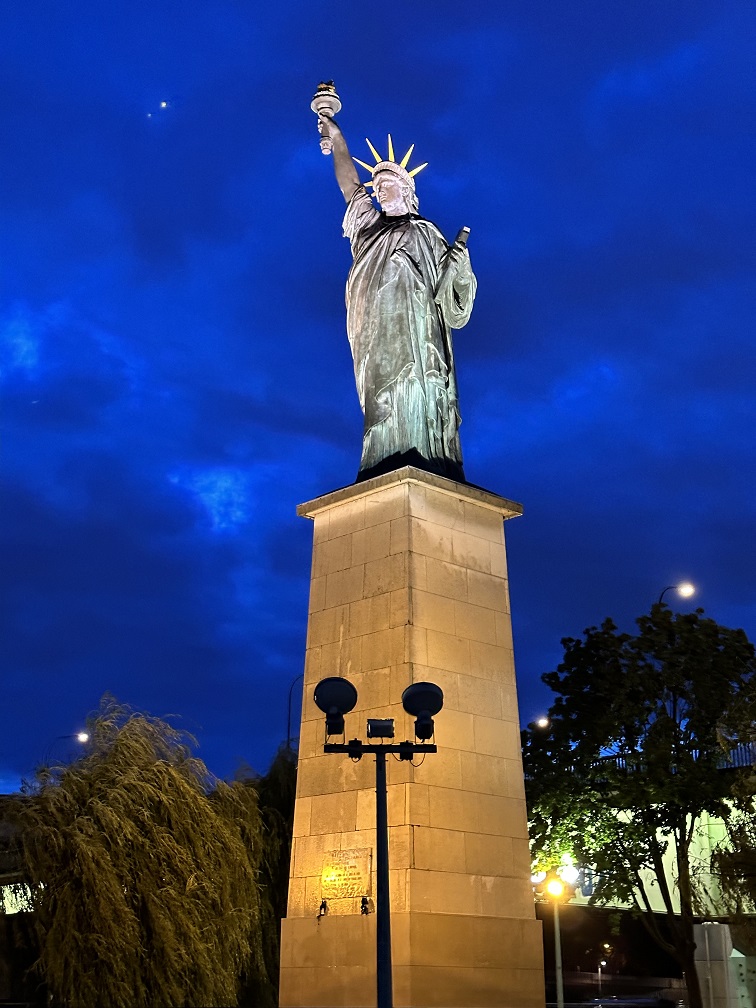


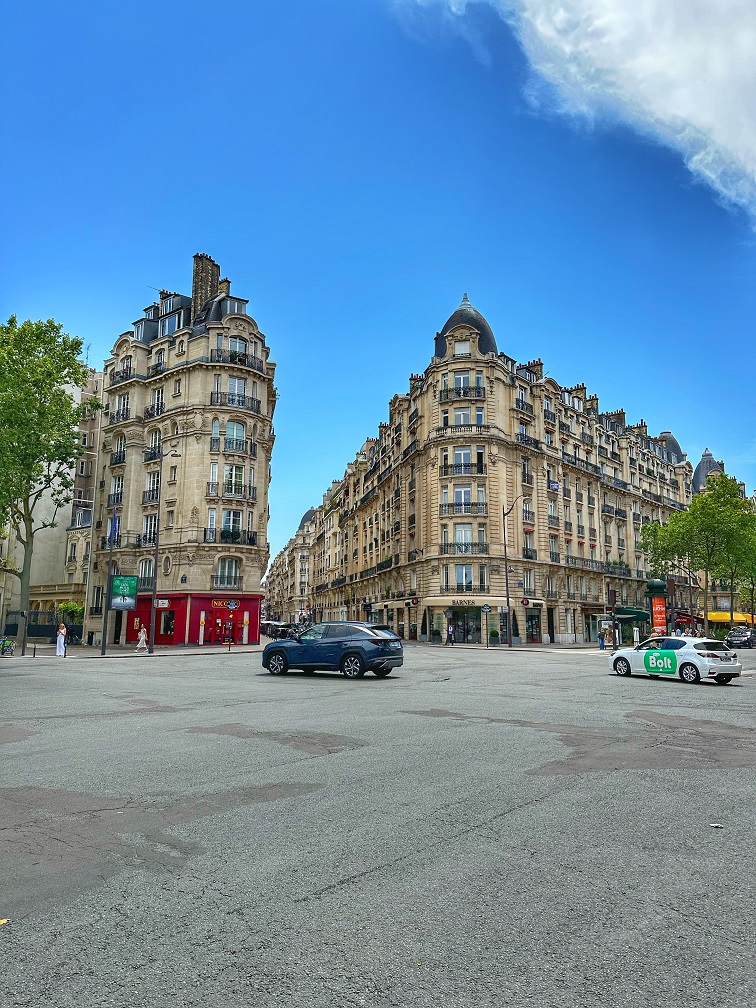

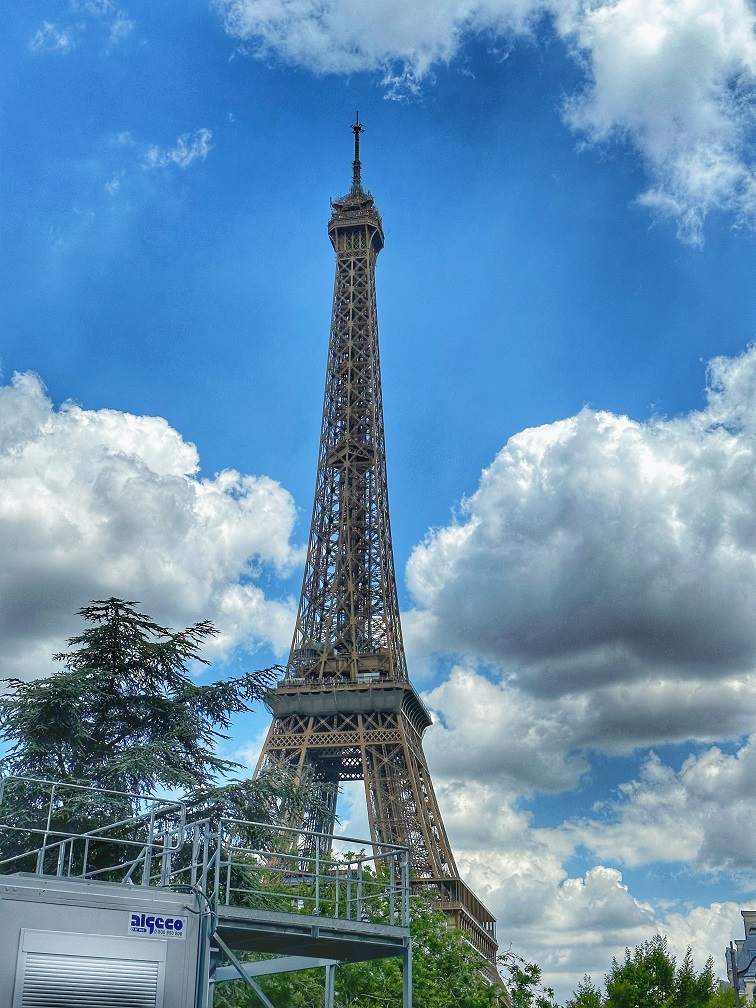
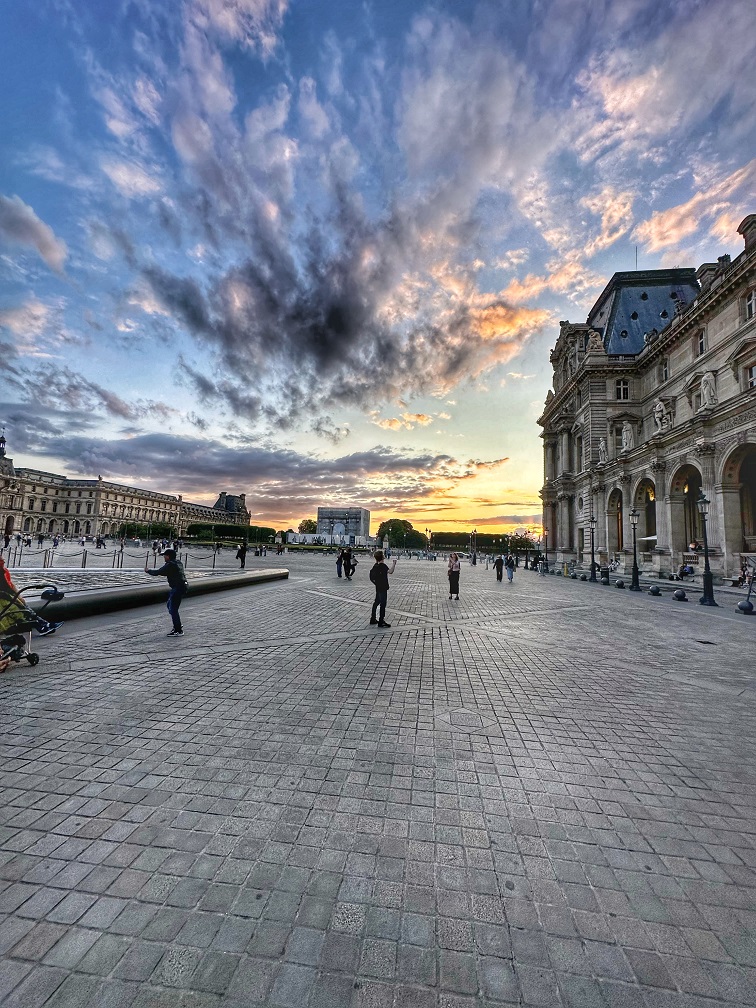
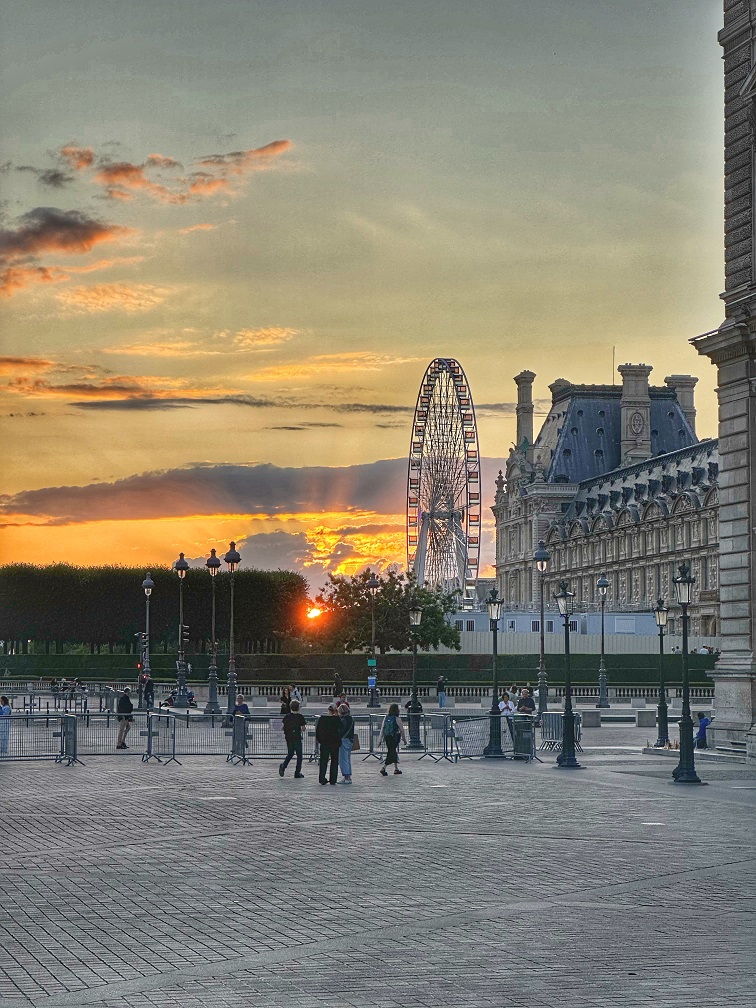
Now, food and wine, as nobody can talk about Paris without paying attention to food and wine. And wine and food.
Let’s talk about wine first.
First of all, I now did what I usually do during my trips, especially the European ones – visited the supermarket to see the selection of wines. Considering the location in the center of Paris, I think the prices look quite reasonable – good luck finding $3 wines in New York.
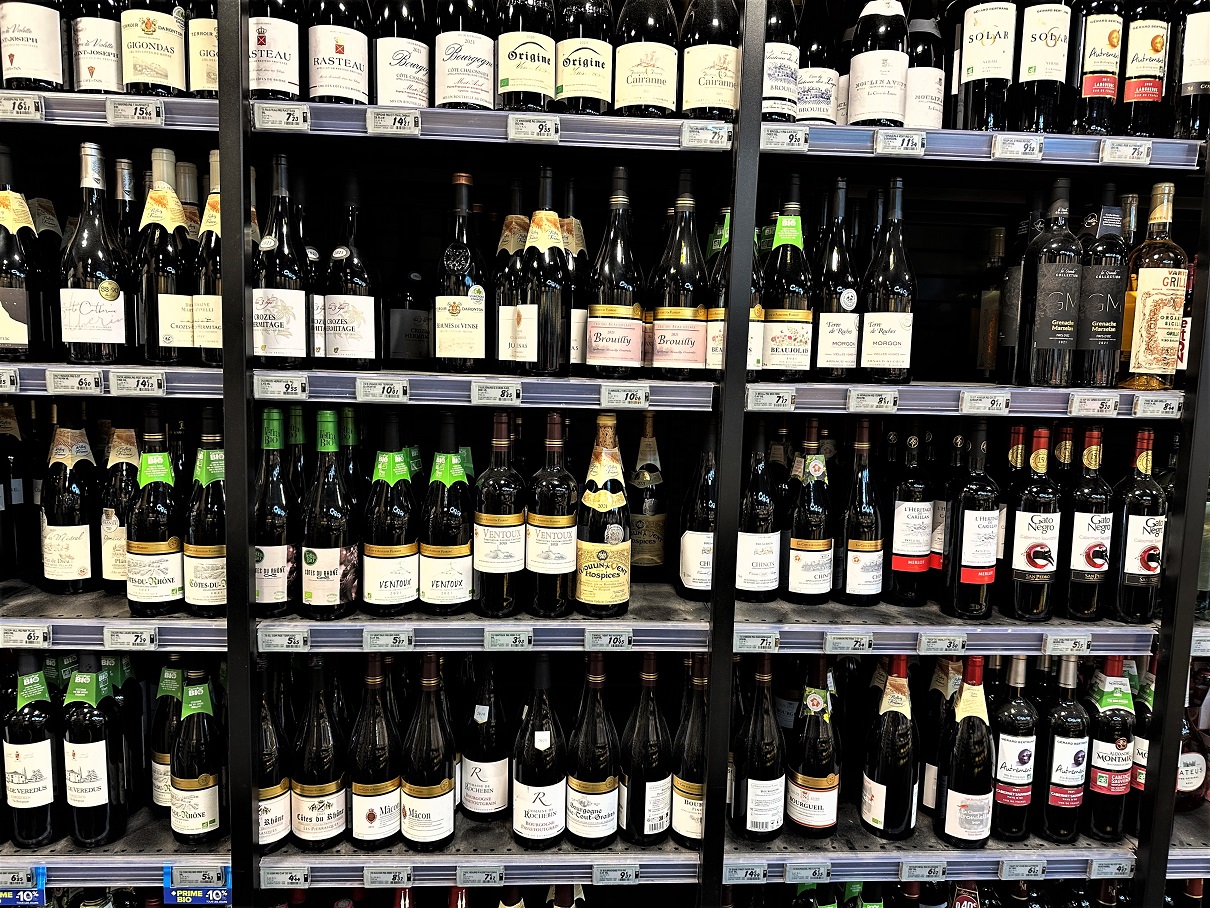


I grabbed two bottles to enjoy in my hotel room during the week. 2020 Rasteau AOP Cru de Cotes du Rhone at €7.23 was a very nice find. The wine needed a bit of time to open, but then offered a smokey, concentrated, powerful mouthfeel with a good amount of dark fruit. My second bottle was a bit more expensive – €9.28. It was 2021 Gérard Bertrand Solar 6 Syrah Cévennes IGP, a certified organic (Bio) and bee-friendly wine from the South of France. Along with Domaines Paul Max, Gérard Bertrand is one of my “safe choices” for situations where I need to pick a decent bottle of wine for a modest amount of money. This Syrah was quite generous, good amount of fruit, a tiny hint of black pepper, round and well-balanced. I run into the Gérard Bertrand wines a few more times during the trip – last time at the airport lounge in the form of the 2021 Gérard Bertrand Crémant de Limoux An 825 Brut, a blend of Chenin Blanc, Chardonnay and Pinot Noir, which was delicious in its own, but also perfect in Mimosa, with its firm structure and consistent bubbles.


I need to mention a few more wines. Of course, when in France, you should drink French wine. Except, maybe, when you are in a kosher restaurant. We visited L’As du Fallafel restaurant twice during the week (one of my colleagues eats Kosher, and then, of course, the food is just tasty), and an Israeli wine was a perfect option in my opinion. 2020 Gamla Cabernet Sauvignon Galilee was well approachable from the get-go, nice amount of dark fruit, good acidity, good structure, well-integrated tannins – a very nice wine overall. Last but not least was Chablis I had at the restaurant called Au Petit Marguery.
2021 Jean-Marc Brocard Chablis Vieilles Vignes de Sainte Claire was excellent. First, there was the nose of sapidity, minerality, and a touch of gunflint. I spent a good few minutes just admiring the aromatics before taking the first sip. The wine continued on the palate offering savory and complex mouthfeel with good acidity and restrained expression of the white-stone fruit. While working on this post, I looked up this wine – turns out that the grapes for this wine are harvested from the 70 years old vineyard with the roots of the vines extending for 25 meters into the Kimmeridgian soil. Now that will guarantee some complexity.
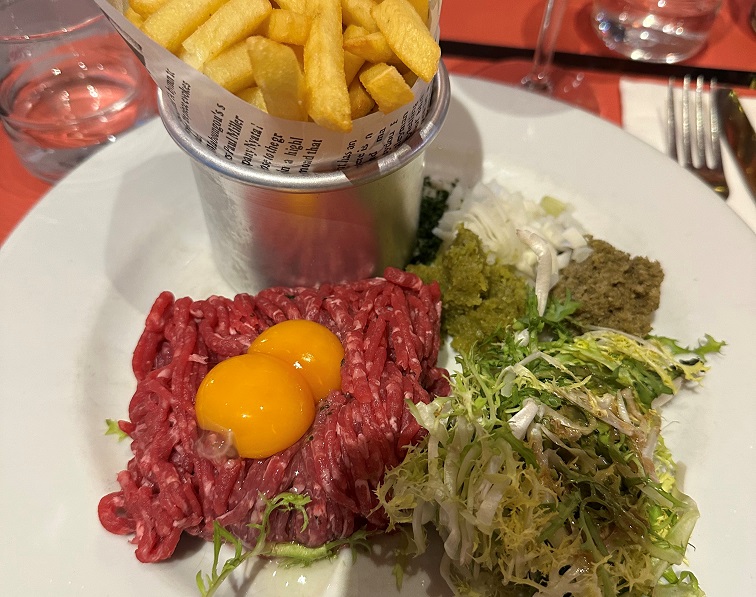
Now, let’s talk about food. There are two restaurants I want to mention. First called Suffren was an accidental find, as we were walking around looking for a place for dinner. I’m glad we stumbled upon it, as the food was outstanding, and the service was even better – happy and friendly. It was fun sitting at the table close to the entrance and observing the people waking in, shaking hands and talking with waiters – truly a neighborhood spot. The steak tartar was my choice of main course, and it was delicious. Everybody also got desserts, and polished their plates – profiteroles, baked Alaska, Crêpes Suzette (made tableside, of course).
 The second restaurant was Au Petit Marguery. I found the restaurant via search as an affordable restaurant offering traditional French cuisine. The food was good even though it didn’t leave me speechless. Foie Gras was good overall, but it was served with some sort of a sweet toast which I didn’t appreciate at all, and I was really expecting more condiments to accompany such a rich dish.


My main course was fish (have no idea which one), which was not bad, but again, not truly memorable. For dessert, I got an oversize profiterole which was not bad but not amazing, but again maybe it was competing with my overinflated expectations.
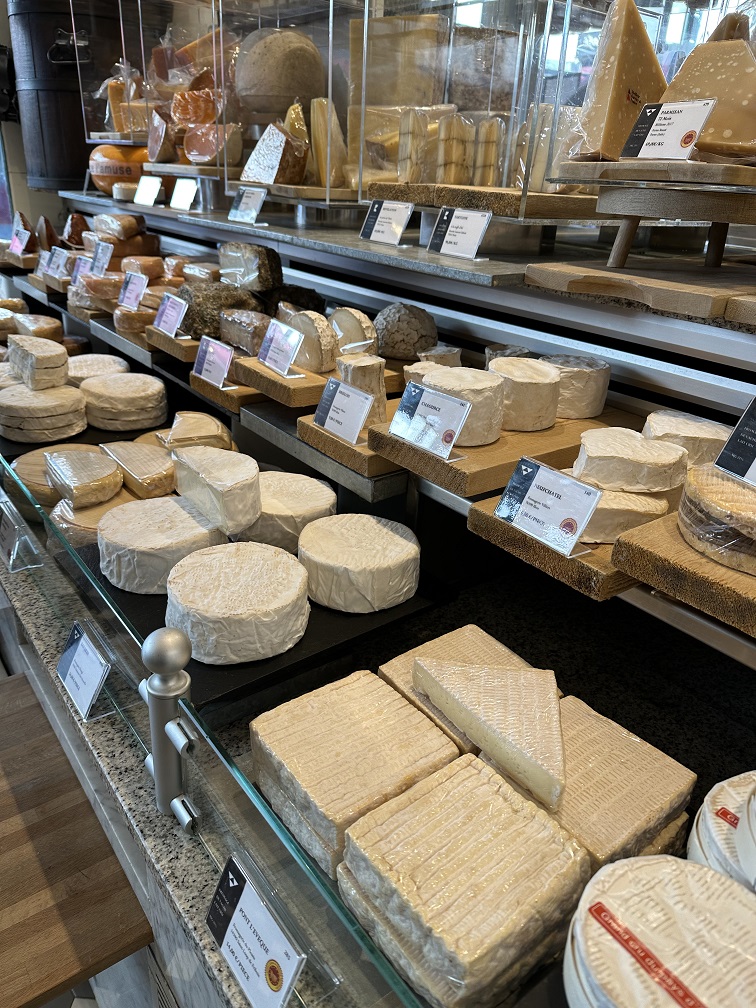
I also stopped by a few of the cheese stores – this is literally a mandatory activity when in France. Tea is something I love, but talk much about tea in this blog. I found my favorite tea store, Mariage Frères, a short walking distance from my hotel, and I got a few teas to bring home. Around the corner from the tea store, I found another one of my favorites – Le Café Lenôtre. I was really hoping for a cup of hot chocolate but was laughed at as nobody else wants to drink hot chocolate in July.


And now you have my full report. It was definitely fun to spend a week in Paris and see how your memories are coming back to you. Before we part, I would like to leave you with one of my favorite pictures, taken during the rainy trip along the Seine. I think it gives you a perfect Paris mood in one shot…
Alcohol Shenanigans
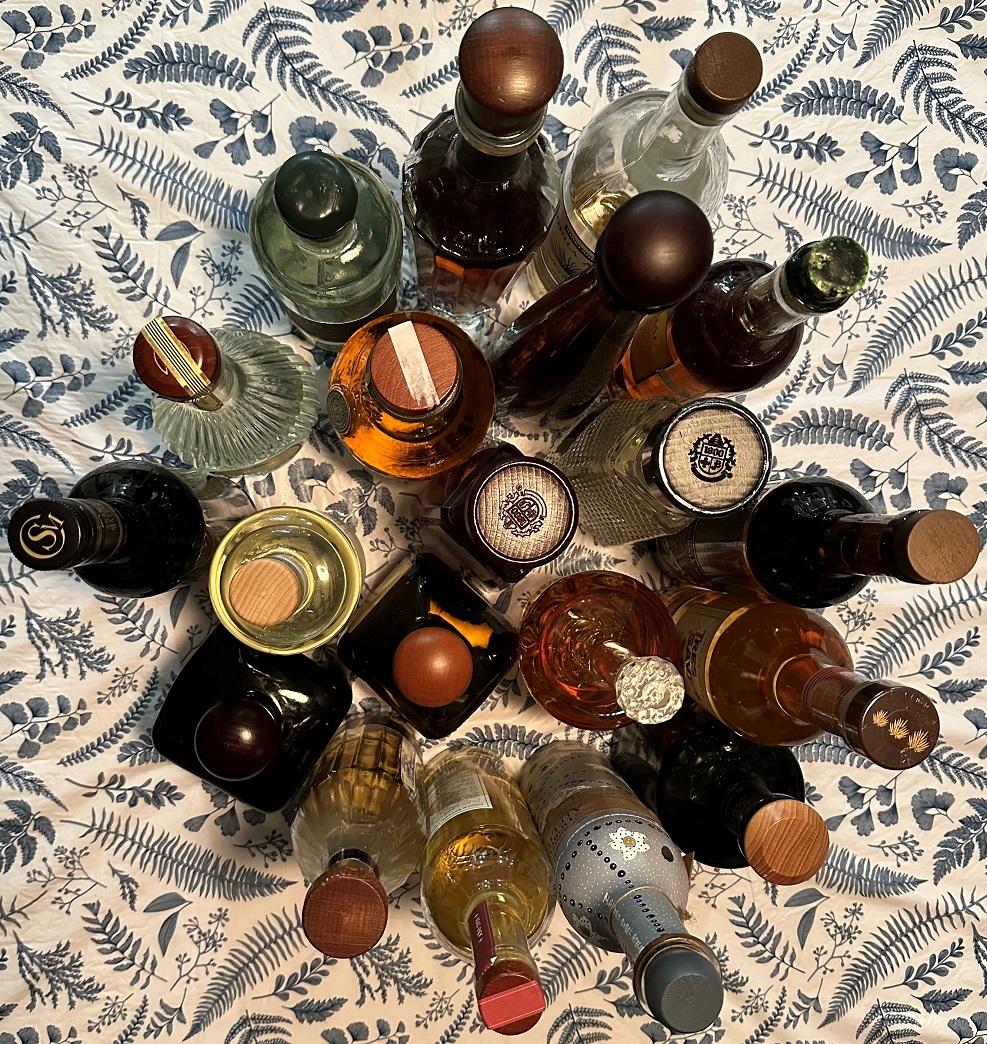 Alcohol Shenanigans.
Yes, I know. The title is not great. Leaves a horrible impression. Sounds like a story about college dorm adventures. And yet this is all I can come up with for this post.
“Next time, we will taste tequila,” said my friend before going home after our cognac tasting. “And I will bring Tequila”, she said.
A few weeks ago, the “next time” arrived – she showed up with about 20 bottles of tequila, mostly anejo with a few interesting oddballs. This is where the shenanigans started.
Mirriam-Webster: Shenanigan Definition: “a: tricky or questionable practices or conduct“
Let’s begin with the fact that we had no idea how you are supposed to taste tequila. Tequila is generally not considered a sipping liquor. Go to the bar, ask for tequila, and it will be served in a shot glass. And here we were not planning on any shots – the plan was to taste tequilas the same way as we do the cognac and scotch. After a short(?) brain freeze, we settled on small glasses – for the people in the US, if you ever bought Tiramisu dessert from Costco – these are the glasses I’m talking about. And off we went.
I think we went through almost a full lineup the first night. I’m sure we made a number of mistakes in the order, as some tequilas tasted sweet and not even reminiscent of a traditional agave – and they tasted very different the next night. And I didn’t mention it before, but we went a bit beyond tequila in the tasting – we also had Mezcal and Sotol. While I’m familiar with Mezcal as a category (side note: Tequila is a subset of Mezcal. Tequila can be made only from blue Agave, but Mezcal can be made from 30 different types of Agave), Sotol was completely new to me.
Sotol is a distilled spirit from Chihuhuan desert in northern Mexico made from the plant called Desert Spoon (there are other scientific names for the plant, but I will leave it for you to research). The plant takes about 15 years to mature, and the yield is about one bottle per plant. Sotol is clearly not widespread at the moment, so I was happy to expand my liquor vocabulary.
This tasting was just for fun, so as you might imagine, I didn’t take any notes. Therefore, the below is just a collection of impressions. We had 3 different types of Don Julio. The Riposado was good, Anejo was very good, and neither one of us cared for Don Julio 1942 Anejo (I call this “overdone”). Chinaco Blanco tequila was very good, restrained and herbal. 1800 Anejo was very good, however, 1800 Anejo Cristalino was even better. I guess when the color was removed to make regular Anejo of the clear color, some of the impurities were filtered out as well, so the resulting tequila was one of the smoothest ever.
Costco’s Kirkland Tequila Anejo was somewhat unimpressive (ok, but too light) – I’m sure it is fine for the money. At some point, we tasted my beloved Tres Generaciones Anejo, which I always compare with the cognac based on its smooth and mellow showing. It had such a pronounced agave taste that I even brought my own bottle thinking that something was wrong with the bottle my friend brought, and my bottle tasted identical. No idea what has happened.
Don Roberto 1924 Anejo was a favorite of my wife and my friend. I liked it too, but it was not my favorite. Casino Azul Anejo, Ocho Single Estate Anejo, Patron Anejo, Centenario Anejo, San Matias Gran Reserva Extra Anejo were all solid, excellent tequilas I would be happy to drink (sip) any day – and yet we had a few more that fared just at an exceptional level.


Wait, before we get to the exceptional ones – the promised oddballs. First, there was not an oddball, but an absolute curveball – 21 Seeds Cucumber Jalapeno Tequila Blanco. It was incredibly spicy to the point of not being able to taste much of anything after a small sip of this fire water. I guess this would be okay as a cocktail mixer, but this is not something I would enjoy by itself.
Los Magos Sotol was very interesting. The herbs were very pronounced on the palate, together with green pepper (not spicy) and cucumber. Truly a unique taste, in a league of its own – of course it makes sense as this was my very first Sotol without any frame of reference.
Next was my personal favorite liquor of the tasting – Mezcal Ilegal Anejo. A typical Mezcal has smoke, both on the nose and on the palate. This Mezcal was truly something else. The only reference I can offer to you is a freshly made log cabin. I don’t know if you ever walked into the log cabin which was recently built – the one that has a smell of freshly cut lumber, this sweet aroma that I can’t really describe. But if you ever experienced that, and if this is something you enjoy, this Mezcal was instantly transporting you to such a cabin – you didn’t even need to close your eyes.


The last Tequila was truly the king of the first night – Gran Centenario Leyenda Extra Anejo. It was round, it was smooth, it was delicious – and it was hiding the agave flavor perfectly well. When I tasted that tequila, I said – tomorrow we are going to compare our “best in show” with cognac. And then we will bring the scotch if we have to.
There is still one more tequila to present – Maestro Dobel Atelier Extra Anejo. A very unique and unusual bottle to begin with. And as far as tequila itself is concerned, it was very round, but somehow was leaving me unmoved, especially in comparison with Gran Centenario. So when we settled for the night’s favorites, Maestro Dobel was not in the picture – but it was a runner-up.

I have to say that I was discouraged by a somewhat puzzling showing of some of the favorite tequilas, so I was convinced that we are not doing the tasting right. The next day, I decided to do a search online to look for recommendations regarding the proper way of tasting the tequila. In one of the first videos, I came across the recommendation to use the Champagne flutes – which made good sense. Our next night’s tasting of Tequila versus Cognac was done using Champagne flutes for Tequila and standard brandy sniffers for the Cognac.
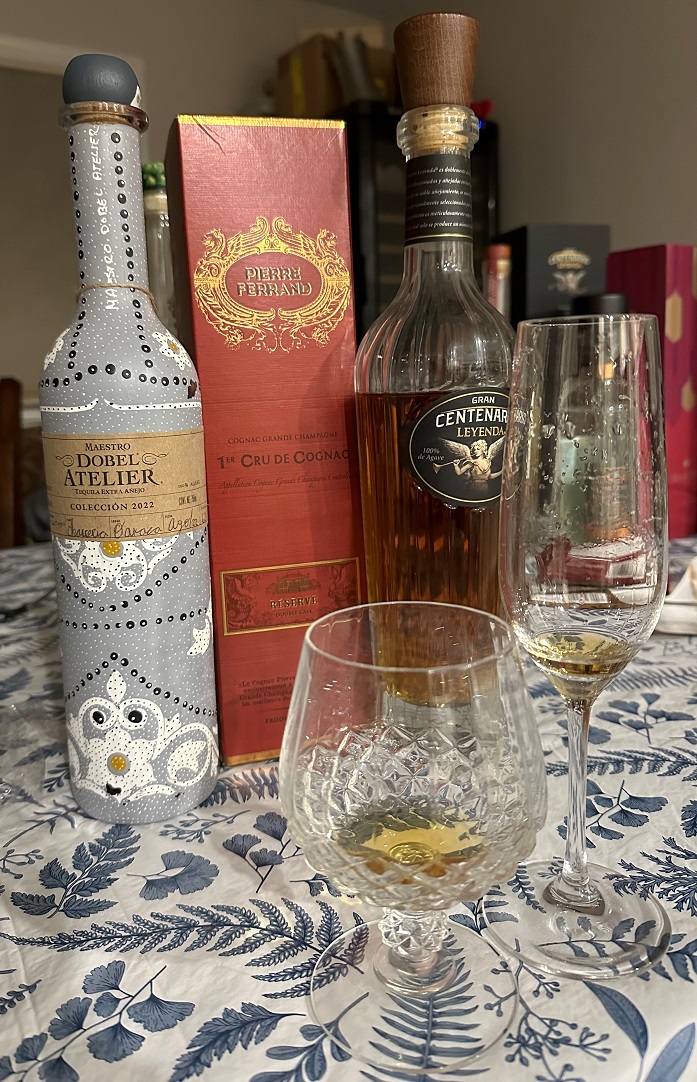
Before we started, I was absolutely sure that cognac, pretty much any decent cognac would have no issues beating tequila in side-by-side tasting. Of course, the only comparison metric we used was a simple “Which liquid do you like more”. And my friend insisted that Dobel Atelier has to be in the tasting – I agreed without much enthusiasm.
As we moved along in the tasting, a simple truth emerged – nothing could beat Dobel Atelier. Granted, I didn’t have the XO-level cognacs to throw into this battle, but we had a few of the excellent cognac specimens – Pierre Ferrand Reserve, Hardy Legend 1863 (spectacular cognac), Park Borderies Mizunara Oak – and Dobel Atelier was still smoother, rounder, and richer than any one of these.
The next night we brought in the Scotch which we both love tremendously. Not only that, but we also decided to switch glasses again and this time we did the tasting using proper, official Glencairn Whisky Tasting glasses. But the story repeated itself. Macallan 15, Macallan 18, Highland Park 16, Lagavulin 16, Glenmorangie 18, Compass Box Affinity – Dobel Atelier was unbeatable…
Truth be told – Dobel Atelier was the most expensive bottle compared with anything else we tasted – if you can find this bottle here in the US (my friend brought it directly from Mexico), it would set you back at least $250. But – I learned about the price of this tequila only after we were done with the tasting, so this was definitely not the factor – and if anything, it would have an opposite effect on me (I’m always a lot more critical of the expensive bottles versus the more reasonably priced ones).

Here you can take another good look at our alcohol shenanigans. Was this tasting a stupid idea? Quite possible. Was it lots of fun? You bet it was. And nobody got hurt 🙂
I’m not trying to be your source of inspiration, but hey, maybe you want to try such a tasting on for size? Cheers!
When in Spain…
My last trip to Europe was in September 2019. Next were the 3 strange years (you know what I’m talking about). And then suddenly I had to come to Europe for work meetings for 2 straight weeks – first week in Spain, then in France. It honestly felt very strange, visiting Europe after such a long break, but I’m afraid I will start sounding very stupid if I will continue complaining…
Before we talk about Spain – I love sunsets and sunrises around the planes – I’m sure you know that there will be quite a few pictures in this post, so here you go…


So what one does do upon arrival to Spain? Okay, I have no idea what people actually do when they come to Spain. And my course of action is largely independent of the destination – I need to find sparkling water for my hotel room, as this is the form of water I always prefer. And of course, being in Europe, I need to check the prices of wine and probably get a bottle or two for the room.
Arriving in Malaga on Sunday didn’t really help with things. Why? I don’t know if this is very typical of Spain (I suspect so) or just for Malaga, but no matter what Google says the absolute majority of the supermarkets are closed (as well as most of the regular stores). I made 2-3 attempts to rely on Google’s recommendations only to find places closed. I almost gave up but decided to give it one more try. This walk was successful, and I ended up with 3 bottles of wine, 3 bottles of seltzer, and some other provisions to make hotel room life more fun (glad I had a little fridge in the room).
Of course, the point of the excursion was not just to get the wine, but also to see the prices and selection. A good number of wines were priced in the range which doesn’t exist in the USA, no matter what and where you are buying – from €2.50 to €4. You can also see a variety of “Tetrapak” wine options, priced extremely reasonably, barely a €1 for a liter and similar prices for the six-packs. Definitely beats “wine-in-the-can” prices in the US which can easily exceed an obnoxious $10 for a can and more.
Later in the week I managed to get to a supermarket, so you can see the price observation in the pictures below. It is interesting the Albariño wines were priced almost at the level of the prices in the US – while many of the wines were available for a “buck fifty” or so. Go figure…
Anyway, I settled for two bottles of red and one white, each under €4.


After getting back to my room, I happily enjoyed both of the reds, which both happened to be Tempranillo wines. I did like 2017 Félix Solís Winery Viña Albali Reserva Valdepeñas DO (13% ABV) a bit more as it was perfectly approachable from the get-go, with elegant dark fruit and spices. The 2019 Bodegas Los Llamos Señorio de Los Llamos Tempranillo Valdepeñas DO (12.5% ABV) was a bit more restrained and needed more time to open. Both wines lasted pretty much through the entire week by just putting the cork back. The 2021 Sitial Verdejo Rueda DO (13% ABV) was opened a few days later, and it was a perfectly happy Verdejo rendition with a touch of freshly cut grass and lemon, fully matching the expectations.


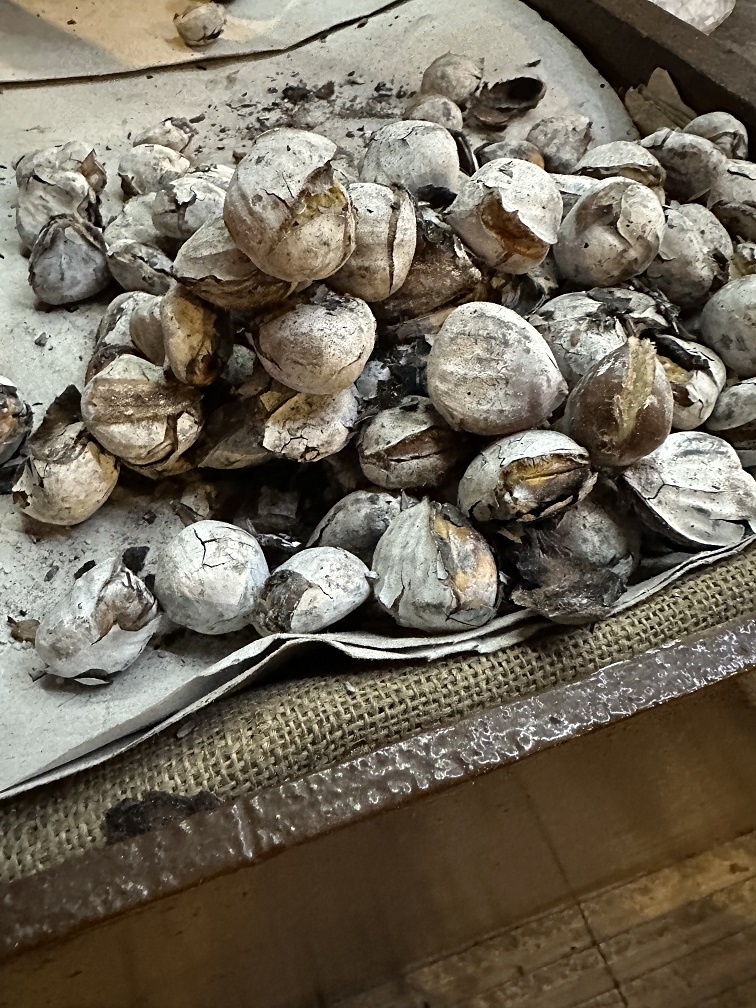
After my colleagues arrived in the evening, we took a little stroll to the historical town, where in addition to the very enjoyable walk and pleasant sightseeing I came across one of the tastiest discoveries of the entire trip – roasted chestnuts.
Before you say “duh”, let me explain. Of course, I read many times that roasted chestnuts are “the thing”. I tried to roast them at home in the oven – never happy with the result. Yes, it might be me, might be the chestnuts we get in the US, might be the method. Nevertheless, the chestnuts were in my “I don’t get it” book.
Walking in Malaga, first I noticed the smell. The delightful smell of food and smoke. And then we saw the street vendors, roasting chestnuts in the little stands, looking similar to the hot dog stands in Manhattan. That aroma in the air… absolutely dreamy…
But what’s more important is that the taste was sublime. You take this warm chestnut in your hands, break the thin shell and enjoy the crumbly, slightly sweet and barely starchy “nut” which falls apart in your mouth. I’m salivating as I’m writing this – that food experience pretty much beats Jamon in my book.

This was my first time visiting Spain, so of course, it was nice to see the words of others materialize in the Jamon abundance everywhere – little stores, restaurants, everywhere. I love how those sandwiches are presented – it is really hard to walk by and not get one.


Speaking of food, I found an unexpected dish to be interestingly widespread – Russian Salad. We had it with the catering during lunches and I saw it on the menu of a number of restaurants and even in the eateries at the airport.
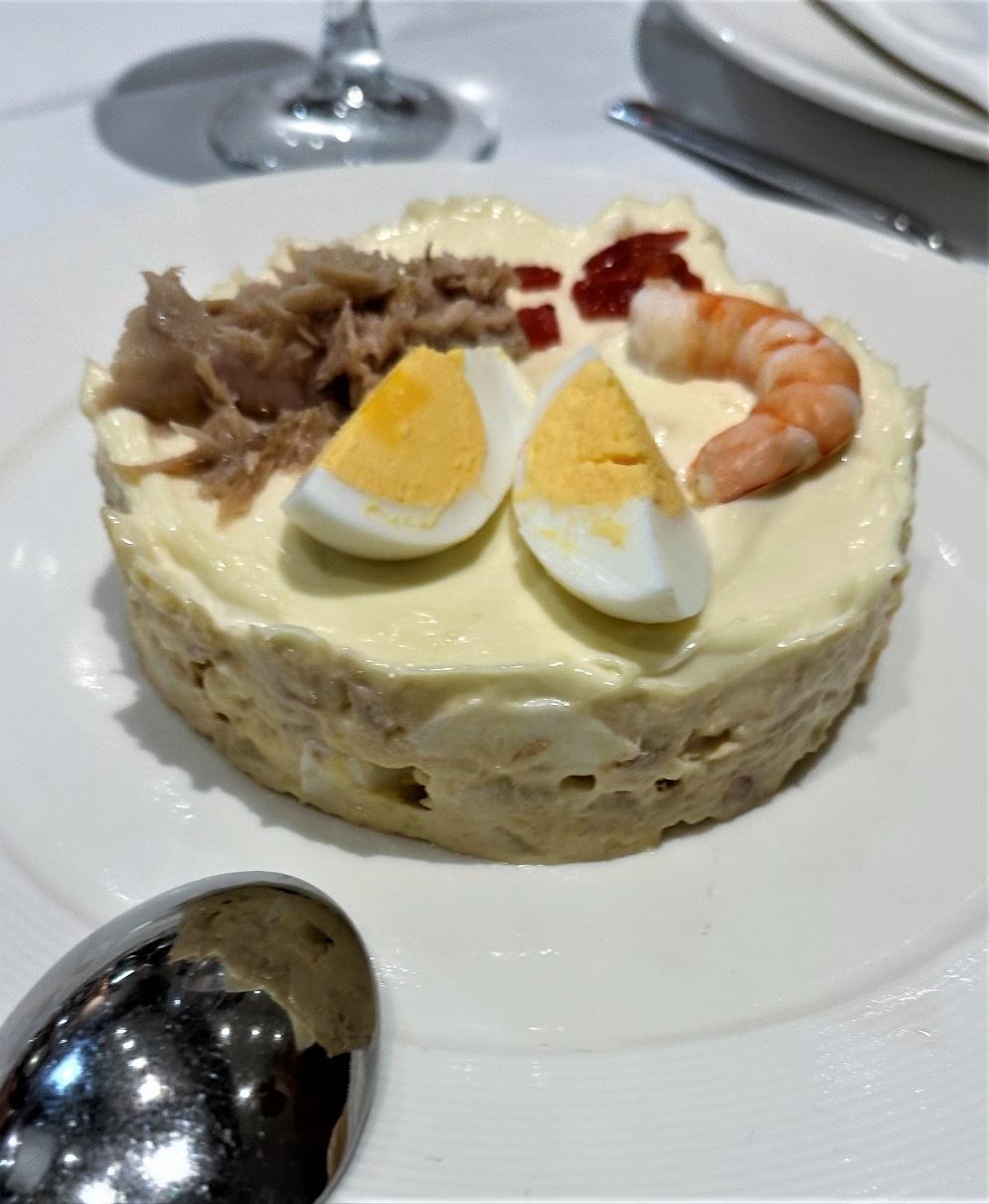
I don’t know if this dish is popular only in Malaga or in Spain overall – Malaga used to be very popular among Russian tourists, and this might have something to do with this dish. Anyway, if I was able to dissect correctly, the salad consists of boiled potatoes, eggs, salmon, and mayo. It was quite tasty on a few occasions I had it.
Now, let’s talk more about wines. We had an event dinner at the restaurant in the old town. The wine was simply offered by the color – white or red – with a sheepish comment by the waiter “ohh, the red is local”. I decided to start with the white and to say that I thoroughly enjoyed my choice would be an understatement. This 2021 Bodegas Barbadillo Castillo de San Diego Palomino Fino (13% ABV) had a deep inviting nose of whitestone fruit with minerally undertones, and the palate had a great depth of white plums and sage with the roundness and plumpness which I typically observe on the best renditions of the Roussanne. Outstanding.
Then, of course, I asked to try the red, not having much of an expectation remembering the shy enforcement.


Wow! I couldn’t understand what was happening. I was supposedly drinking local Malaga wine which I know nothing about, but we are in Spain – how come this wine tastes like a perfectly round, exuberant, in-your-face Bordeaux at its peak? What is this all-around beautiful cassis doing in the local Malaga wine? Something happened to my palate? When I got a chance to look at the back label of this 2012 Bodegas Excelencia Los Frontones Crianza Sierras de Málaga DO (13.5% ABV), things got back to normal – Cabernet Sauvignon, Cabernet Franc, Tempranillo, and Syrah. I did a bit of the reading afterward and it appears that the Malaga area had a lot of French winemaking influence, hence the use of Bordeaux varieties. For the 10 years old, this wine was absolutely in its prime and absolutely enjoyable.
Later during the week, I had another enjoyable encounter with local Malaga wine – 2018 Bodegas Pérez Hidalgo Vega del Geva Sierras de Málaga DO (14% ABV), a blend of Syrah, Cabernet Sauvignon and Merlot. A bit tighter than the previous wine, but still very much cassis and eucalyptus forward, round, layered, and delicious.
My last evening in Malaga was full of pure, hedonistic pleasure – but this deserves a post on its own.


Here you are, my friends. I have to declare my first visit to Spain a success, and I truly hope to be back in the near future.
Last Bottle Sign Up ($10 credit)




 Talk-A-Vino