Archive
One on One with Winemaker: Don Hagge of Vidon Vineyard
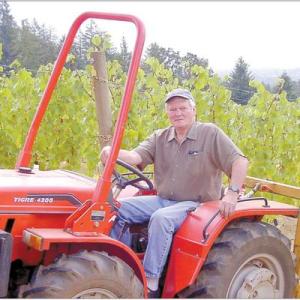
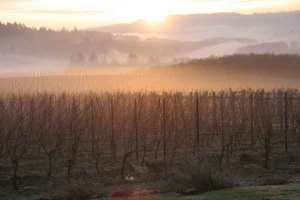
Don Hagge. Source: Vidon Vineyard
What do most people do at the age of 69? Retire, or at least, semi-retire, right? Humans live longer than ever before, and many still have enough energy and desire to continue doing what they are doing. But let me rephrase the question a bit – how many people do you know who would start a totally new business at the age of 69? Might be a difficult question, I understand. Sure it would be for me, but now I can proudly say that I know at least one person like that. Let me introduce to you Don Hagge.
So what does rocket scientist (with degrees from UC Berkeley in physics and business from Stanford), whose resumé includes Lawrence Berkeley Laboratory, Centre d’Etude Physiques Nucleare in Paris, Apollo Mission at NASA and Silicon Valley high-tech industry, upon retirement? Of course, starts his own winery! Well, it sounds radical, but considering that Don grew up on a farm in North Dakota, and had an opportunity to live in France and experience wines of Burgundy, maybe it is only logical?
Vicky and Don Hagge started Vidon Vineyard in 1999 in Willamette Valley, in the Chehalem Mountains AVA of Oregon (you can probably figure that name of the winery, Vidon, is made up after Vicky and Don). Fast forward to today, Vidon Vineyard produces primarily Pinot Noir, plus small amounts of Chardonnay, Pinot Gris, Pinot Blanc, Viognier, Syrah, and Tempranillo. Vidon Vineyard is sustainable, LIVE and Salmon-safe certified, and practices minimal intervention winemaking. Don Hagge not only makes wines, he also plays the role of a handyman when it comes to various winemaking tools and equipment. Plus, he is very opinionated about the use of glass enclosures instead of corks…
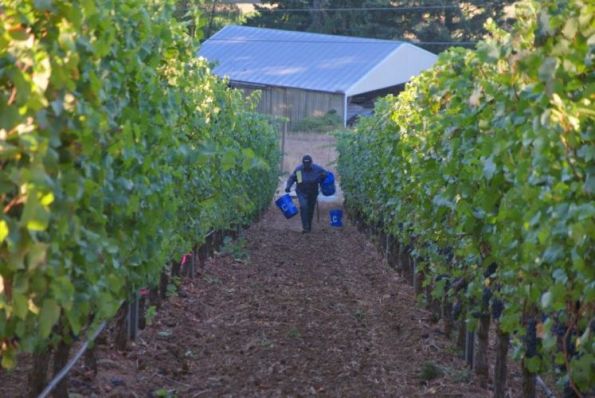
Source: Vidon Vineyard
I had an opportunity to [virtually] sit down with Don Hagge and ask him a few questions, so here you can find our conversation:
TaV: For many years, you had been living and working in California. Why have you decided to build a brand new winery in Oregon and not in California?
DH: I was recruited to Oregon by a venture capitalist as the CEO of a startup semiconductor company. During this time, I biked in the Willamette Valley regularly and loved the vineyards. Since I lived in France some time ago, Pinot Noir has been a favorite wine. I grew on a farm and decided to make a career change and what could be better than buying land, planting a vineyard and learning how to make wine? Oregon was gaining a reputation for Pinot Noir so here I am.
TaV: Your very first wines were made in 2002. Do you still have any of those bottles left? If you do, how do they drink today?
DH: Unfortunately, the 2002 vintage is gone. I made only 40 cases and didn’t label it, only for friends and personal use. We just had a 2006 vintage this evening which is fantastic.
TaV: During all the years of Vidon Vineyard existence, what was the most difficult vintage for you and why?
DH: Probably the 2007 vintage. This was the first year I used my own winery so many things were new. I saw the forecast for heavy weather, got a crew and pulled in 16 tons on September 25th. Before we finished cleaning the equipment it started raining and didn’t stop for a month. Most people suffered through the rains and the vintage got a bad rap in the press. We were lucky – it’s still a beautiful wine!
TaV: For how long do you typically age your Pinot Noir wines in French oak Barrels?
DH: Most of my wine carries the 3-Clones label and gets 11 months in French oak barrels which are on average 30% new. I’m not a fan of big oak in any wine.
TaV: You are an enthusiastic proponent of glass enclosures instead of traditional cork. When did you start using glass enclosures? Also, did you ever try to bottle the same vintage both with glass enclosures and traditional corks and then compare the results of the aging?
DH: Until the 2008 vintage I used corks and usually quite expensive ones. However, I determined that no matter what they cost, they still taint wine because of TCA and pre-oxidize occasionally. Therefore, in 2008 I began using Stelvin screw caps. In 2009 I started using Vinoseals for the Single Clone labels. No, I’ve never done a comparison of cork vs Vinoseal glass closures. It’s not necessary, I know what corks do and Vinoseals and screw caps don’t do. I don’t understand why anyone uses a closure that ruins a percentage of their wines when there are alternatives that don’t.
TaV: Today, you are producing a number of different white and red wines. Do you have any plans (if not plans, may be at least some thoughts) about starting to produce Rosé and/or Sparkling wines?
DH: I made Rosé for two vintages and one was great, I was told. I’d like to do a Sparkling but my winery is too small given what I’m now doing. That’s not to say I’m not dreaming of a winery expansion and interested in trying more and different wines.
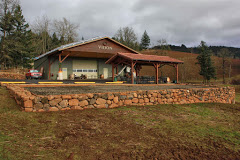
Vidon Winery. Source: Vidon Vineyard
TaV: Outside of your own wines, which are your favorite Pinot Noir producers in the world?
DH: Good Bourgogne wines are what I like to emulate. The 2004 vintage was the nearest to a great Bourgogne that I’ve made.
TaV: If you would have an opportunity to start your winery again, would you do something different?
DH: Given the resources I had, not much. Perhaps I’d build a better winery instead of an expensive house, but I have a wife. 🙂
TaV: You describe your approach in the vineyard as “minimal intervention”, and your winery is LIVE Certified. Do you have any plans to become certified organic or biodynamic winery?
DH: I’m a scientist and Biodynamic winemaking isn’t scientific. Many of their practices are good, how they treat the land, etc. But I don’t believe in VooDoo. I don’t’ believe that Organic Certification results in better wine or land management than what we do in the LIVE program.
TaV: I understand that you have built your own bottling line wine dispenser for the tasting room. What are the other technological tools which you built at your winery?
DH: I don’t think I’ve built anything for winemaking that any good farm boy couldn’t have. I’m always trying to find ways to simplify tasks and become more efficient in using time and material. I have an idea about saving wine and labor in barrel topping but haven’t implemented it yet. My use of Flextanks to replace some barrels is already saving wine and labor by eliminating barrel topping while producing wine that’s equivalent to that from barrels.
TaV: You already work with quite a few grapes (Chardonnay, Pinot Gris, Pinot Noir, Tempranillo, Cab Franc, Syrah). Do you plan to add any other grapes in the vineyard?
DH: No more varieties. No more land to plant. However, I do hope to plant a small plot of Coury clone Pinot Noir next year. Planting of the clone date back 50 years to the original plantings.
TaV: What drives your passion? You started Vidon vineyards at the age when most of the people are happily retiring, so there must be some deep reason for you to engage in such a – of course, a labor of love – but hard labor?
DH: I like to live. I’m not ready to “stop” and watch TV. I think having a ToDo list every morning and a little anxiety and stress about getting things done will result in a longer life. To have no challenges is pretty dull and boring. When one is doing things that one enjoys, it’s not labor.
What do you say, my friends? This interview continues our Stories of Passion and Pinot series, and I think it is a perfect sequel to the conversation with Ken Wright – Don Hagge exudes the same righteousness, passion, and confidence in everything he does.
And you know what supports Don’s ways and means? His wines! I had an opportunity to try his Chardonnay and Pinot Noir, and in a word, I can tell you – what a treat! Two stunning, perfectly balanced and perfectly Burgundian in style – made with passion and care in Oregon.
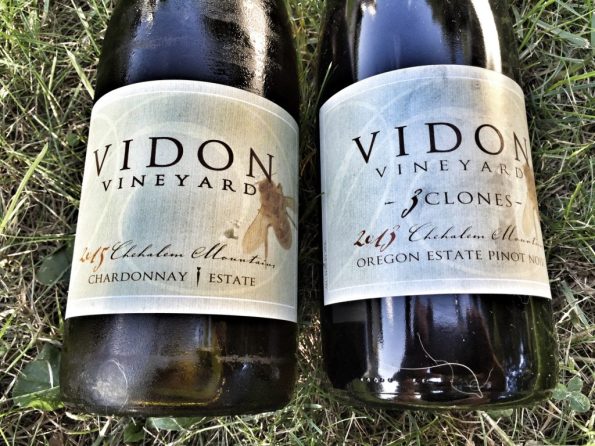
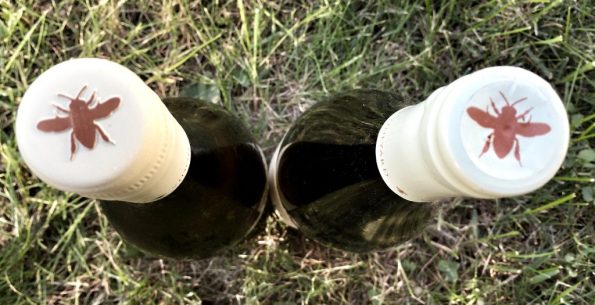
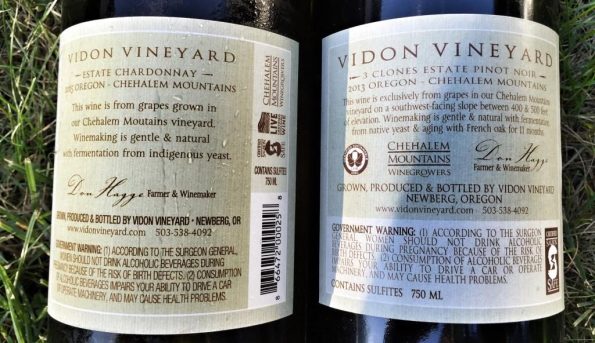 For what it worth, here are my notes:
2015 Vidon Vineyard Chardonnay Estate Chehalem Mountains, Oregon (12.9% ABV, $35)
C: golden color
N: initially, very restrained, mostly minerality. After 2 days in the fridge, honey and vanilla, quite spectacular
P: initially tight, minerally and acidic. Two days later – exuberant, golden delicious apples, perfect acidity, vanilla, medium finish. Every sip leaves you craving for more
V: 9, simply outstanding, delicious.
2013 Vidon Vineyard 3 Clones Pinot Noir Estate Chehalem Mountains, Oregon (14.3% ABV, $40)
C: bright Ruby, cranberry undertones
N: inviting, intense, a touch of smoke, lavender, red fruit
P: nicely restrained, minerality, crushed red fruit, mouthwatering acidity, fresh, elegant, lots of finesse
V: 9-, outstanding wine, Burgundian style
Here you are, my friends – another story of Passion and Pinot. And I have more for you, so until the next time – cheers!
To be continued…
P.S. This post is a part of the “Stories of Passion and Pinot” series <- click the link for more stories.
One on One With Winemaker: Ken Wright of Ken Wright Cellars
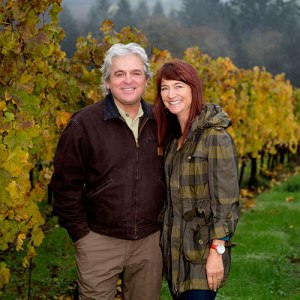
Source: Ken Wright Cellars
Grape grower. Pioneer. Visionary. Winemaker. Mentor. Teacher. Philanthropist.
It makes perfect sense to start our “Stories of Passion and Pinot” series by conversing with Ken Wright. After starting making wines in Willamette Valley in Oregon in 1986, Ken came to the realization of a tremendous diversity of soils and microclimate conditions in the region. Ken was instrumental in establishing 6 AVAs in the region; he also focused his winemaking on showcasing terroir through single-vineyard bottlings. The rest is the history which you can read on Ken Wright Cellars web site and various publications, such as Wine Spectator May 2015 issue.
I have limited exposure to Ken’s wines – the production is small, and there are lots of people who love to drink his wines. But even my limited encounters resulted in long-lasting impressions – and not only the wines but also the labels which you need to see only once to remember forever. Thus when I had an opportunity to ask Ken a few questions, albeit virtually, I was very happy to do so – and the outcome of our conversation you can see below. This might be a tad long, so arm yourself with a nice tall glass of Pinot – and enjoy!
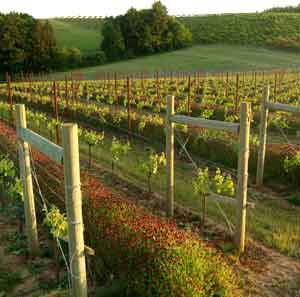
Source: Ken Wright Cellars
- When it comes to the winemaking, is there someone who you would name as your mentor or a teacher?
KW: My first position was in California and included working with Dick Graff of Chalone on their Gavilan brand. Dick started a research group, in 1979 I believe, that met once a month at Mount Eden Vineyards. The group included many of the best wineries in the state including Mt. Eden, Kistler, Calera, Sanford, Acacia, Forman, Chalone and the Paragon group among others. The opportunity, as a novice winemaker, to be part of that group of successful producers allowed me to be part of cutting edge winemaking discussions. Ears were perked, respectfully my mouth was generally closed. I was a sponge.
- As a pioneer and a long standing and successful winemaker, I’m sure many young winemakers look up to you and want to learn from you. Are there any winemakers who you would call your students?
KW: Once I moved to Oregon, in 1986, to pursue the production of Pinot noir I had a learning curve to understand the new area that I was in. During those early years I fell in love with the ability of Pinot noir to connect myself and our buyers with the qualities of individual sites. After blending sites for several years I began in 1990 to produce site specific wines that connected us to place.
In the mid 90’s I was part of a group we created, quite similar to the California research group, that focused on research both in the vineyard and winery. My partners were Bethel Heights, Cristom, Solena and Penner-Ash. Beaux Freres joined at a later date. Our experiments provided a volume of information that I believe changed the way in which we all grew grapes and made wine. That information was openly shared with anyone who cared to ask. Many viticulturists and winemakers are now approaching their craft with the lessons we learned whether or not they are aware of where this information came from. I would not want to take any personal credit for the success of those that have benefited from this work or from my many direct relationships. Information comes from so many sources. If I have benefited someone along the way that would be great but I would only be one of many.
- You personally helped to define 6 AVAs in Oregon. Do you think there are still areas in Oregon which would benefit from their own designated AVAs?
KW: It is a natural evolution for regions to define themselves. All areas must first identify which wine varieties have inherent superiority. It’s a process. What is clear at this time is that the Willamette Valley, particularly the area of the six new AVA’s, is world class. We are producing Pinot noir that is riveting. While there are regions that can say they are older there is no area on the planet that can say they are better, period. I suspect there will be new AVA’s within the six new identified AVA’s that will further define each region in more detail.
- In the description of the Freedom Hill vineyard, there is a mention of Phylloxera. How did it come around? How difficult was it to contain it and deal with it? Is that the only one of your vineyards which was affected?
KW: Phylloxera reared its ugly head in 1990 at Fuqua Vineyard in the Dundee Hills. With the first inexpensive own rooted plantings of Eyrie in 1966, the industry coasted until this time with the hope the blight would never come. But it did. It is impossible to know what the source of the “infection” may have been. This was an older vineyard so unless they were purchasing replacement vines on a regular basis from a nursery that had an issue it would be hard to assign blame on the source of vine material. Not impossible though.
Phylloxera became real in the mid 90’s. Freedom Hill began to fail. Guadalupe began to fail. Shea began to fail. There were a number of others. Vineyard owners, hoping to forestall the infection, did whatever they could to protect their sites. At the time the concern was that the insect was being transferred on soil. We had chlorine foot baths. Incredible cleaning of vineyard equipment. It did not help. It is only my opinion but I believe most of the “infection” was directly from the replacement vines from nurseries that had the bug in their soil material that came with new or replacement vines.
- Can you make parallels between any of your vineyards and Burgundy vineyards, in terms of wines which they are capable of producing?
KW: Burgundy could only hope to make wine that consistently produces the quality of wine that we produce. They are in our rear view mirror. It’s sad that people automatically assume age of region is related to quality. Do truly blind tastings and you will not be able to assign label prestige to the result.
- Same question regarding your wines – would you compare any of your wines with any of the wines from Burgundy, and if yes, which with which?
KW: If there is any comparison I would say that Oregon Pinot noir has a perfect fresh fruit profile. Burgundy tends to be more acidic, angular in youth and less forward.
- It seems that you only produce Pinot Noir from all of the vineyards you are working with, and the only white wine you are producing comes from Washington. Is there a reason why? Have you ever thought of planting white grapes in Oregon?
KW: As a business, anything we produce that is not Pinot noir is harder to sell and less profitable. The entire world recognizes the quality of Pinot noir from our region but no other variety resonates. We have a half acre of the Chardonnay Dijon 548 clone at Savoya. It is delicious but only sold to our mailing list. We will not plant more Chardonnay in my lifetime.


- I find your wine labels fascinating. How do you come up with the designs? Are you making those yourself or you are working with an artist? Do you change any of the labels from vintage to a vintage?
KW: The artist that created our labels is David Berkvam, a Portland native. He is a dessert chef at a local Italian restaurant named Geno’s. The original artworks are 100% beeswax carvings. Incredible depth that we attempt to relay on paper. Our relationship with David began with seeing his work at a gallery in 1999 in Portland.
Our original label for Ken Wright Cellars was a clean, straightforward text only label. It was not memorable or noticeable. My wife Karen and I decided to make a significant change to the look of our label. We asked David to produce a label that showed the efforts of the Mexican laborers in our vineyards during the difficult time of winter pruning. There was no other labor that would do this work. Yet the Mexican women and men who did this work did so with graciousness and humor. That was our first label with David. Now each vineyard has its own artwork from him and each is quite personal for us.
- What is your approach to the oak aging? For how long do you typically age your wines? What type of oak do you use most often?
KW: Unfortunately, we have to use French oak for our wines. Would prefer to buy from the US but our native oak species are very resinous which does not rhyme with Pinot noir. Pinot noir spends 11 months in oak before bottling.
- Based on the information on the web site, your general philosophy around winemaking is “minimal intervention”. Did you ever consider going into organic or even biodynamic wine production?
KW: Winemaking has nothing to do with your farming approach. Yes, the winemaking at the highest level is minimal intervention, assuming a very high level of professional babysitting. All inherent quality comes from the vineyard. Any winemaker at the highest level knows they are subservient to the quality of what they receive.
- You’ve been making wine in Oregon for the very long time. Did you have any scary (okay, most difficult) moments you can share with us?
KW: The beauty of our area is that we do in fact have “vintages”. No robotic wines. The year is reflected in the wine. A great example of a “scary” vintage was 1991. A cool year that produced wine that was at first reticent. With age this vintage proved to be perhaps the best of the decade for most producers.
- Among all the wines you made in Oregon since the beginning, can you share a few of your most favorite vintages and particular wines?
KW: 1990 was the best vintage I have seen in Oregon. An unusual year in that it was amazing for so many regions in the world, Germany, Italy, Champagne, Burgundy and more.
- Do you export your wines outside of the US? If yes, what are your top export destinations?
KW: We export to all provinces of Canada, Sweden, Switzerland, Denmark, France, Italy, Japan, China, Singapore, Hong Kong, Puerto Rico, the Bahamas, South Korea and of course Luxembourg.
- Today, Oregon wines are well known and well recognized by the wine lovers. What is ahead for the Oregon wines? What are the latest trends and new directions for the Oregon wines?
KW: We will always hang our hat on Pinot noir because we truly have a world treasure with this variety. As world markets emerge we will find a place at the table in each of these markets.
- You have a very extensive list of charities you support. How do you go about deciding which charities you are going to support?
KW: Karen and I normally choose to support local charities that keep our immediate area healthy. We have hosted Flavors of Carlton for 15 years which is by far the most impactful event that keeps the pre school, after school, summer work experiences, 12 sports programs and more financially sound. We are founding sponsors of Salud, started in 1992, which is a combined effort of Wineries, hospitals, clinics and Medical Teams International that has provided health care for vineyard workers. Karen and I were the initial 50K endowers of the local Community College program for their vineyard curriculum.
We partnered with the local FFA Alumnae, High School FFA teacher, YC Board, the curriculum writers from the local college and members of our AVA board to create a path for our local young people to get real world experience in growing grapes. We created a 1.5 acre vineyard on the high school property so they would have real world experience, not book knowledge.
Source: Ken Wright Cellars
We are done – and I hope you are still here, as there was a lot to read (and I thank you for that). Hope you found this interesting, and now have an increased desire to drink Ken Wright Cellars Pinot Noir (good luck with that unless you already have one in your cellar). I also believe that this was an excellent opening into our Stories of Passion and Pinot – you can clearly feel passion and pride in every word of Ken’s answers…
We will continue our series next week, so for now – cheers!
To be continued…
P.S. This post is a part of the “Stories of Passion and Pinot” series <- click the link for more stories.
Stories of Passion and Pinot
An important note: Stories of Passion and Pinot is a series that was started in 2016 and it keeps updating year after year with new stories. This post will serve as the starting page for the series and will be constantly updated as new stories are added…
It is easy to declare this grape a king. It is a lot more difficult to have people agree to and support such a designation. And here I am, proclaiming Pinot Noir worthy of the kingship, despite the fact that this title is typically associated with Barolo (made from Nebbiolo grape) or Cabernet Sauvignon.
Barolo might be a king, why not – but its production is confined strictly to Italy, and can be considered minuscule in terms of volume. Cabernet Sauvignon is commanding attention everywhere – but I would argue that it is more because of the ease of appeal to the consumer and thus an opportunity to attach more dollar signs to the respective sticker. Don’t get me wrong – I love good Cabernet Sauvignon as much or more than anyone else, but having gone through so many lifeless editions, I developed a healthy dose of skepticism in relation to this noble grape.
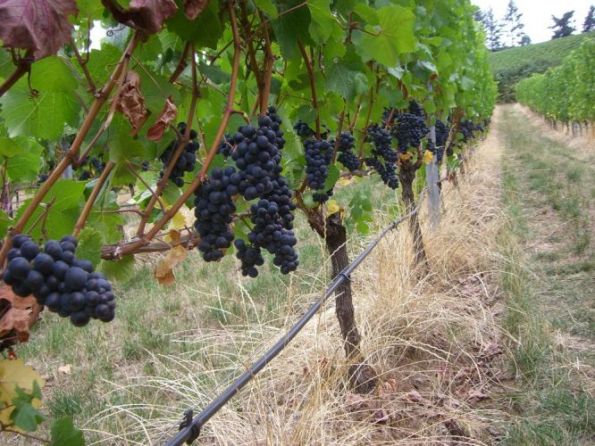
Pinot Noir grapes. Source: Vidon Vineyard
Talking about Pinot Noir, I’m not afraid to again proclaim it a king. If anything, it is the king of passion. Hard to grow – finicky grape, subject to Mother Nature tantrums, prone to cloning, susceptible to grape diseases – and nevertheless passionately embraced by winemakers around the world refusing to grow anything else but this one single grape – a year in, year out.
Historically, Pinot Noir was associated with Burgundy – where the love of the capricious grape originated, and where all the old glory started. Slowly but surely, Pinot Noir spread out in the world, reaching the USA, New Zealand, Australia, Chile, and Argentina – and even Germany, Italy, Spain, Canada, and South Africa are included in this list. Looking at the USA, while the grape started in California, it then made it into Oregon, and now started showing along the East Coast, particularly in Hudson Valley.
I don’t know what makes winemakers so passionate about Pinot Noir. For one, it might be the grape’s affinity to terroir. Soil almost always shines through in Pinot Noir – it is no wonder that Burgundians treasure their soil like gold, not letting a single rock escape its place. While soil is a foundation of the Pinot Noir wines, the weather would actually define the vintage – Pinot Noir is not a grape easily amended in the winery. But when everything works, the pleasures of a good glass of Pinot might be simply unmatched.
However important, terroir alone can’t be “it”. Maybe some people are simply born to be Pinot Noir winemakers? Or maybe this finicky grape has some special magical powers? Same as you, I can’t answer this. But – maybe we shouldn’t guess and simply ask the winemakers?
Willamette Valley in Oregon is truly a special place when it comes to the Pinot Noir. Similar to the Burgundy, Pinot Noir is “it” – the main grape Oregon is known for. It is all in the terroir; the soil is equally precious, and the weather would make the vintage or break it. And passion runs very strong – many people who make Pinot Noir in Oregon are absolutely certain that Oregon is the only place, and Pinot Noir is the only grape. I’m telling you, it is one wicked grape we are talking about.
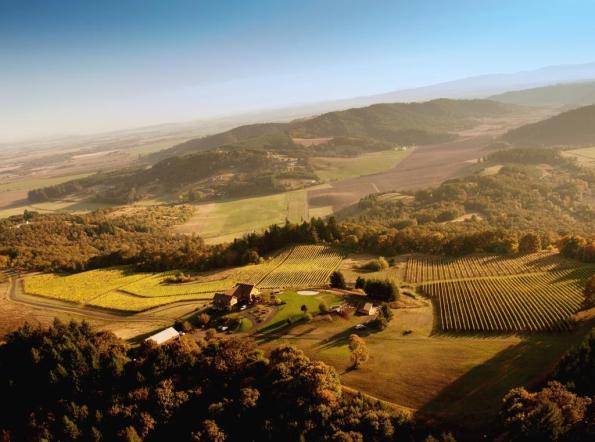
Aerial view of Oregon vineyards. Source: Youngberg Hill Vineyards
I see your raised eyebrow and mouse pointer heading towards that little “x”, as you are tired of all the Pinot Noir mysticism I’m trying to entangle you in. But let me ask for a few more minutes of your time – and not even today, but over the next few weeks.
You see, I was lucky enough to have a conversation (albeit virtual) with a few people who combined Pinot and Passion in Oregon, and can’t see it any other way. What you will hear might surprise you, or maybe it will excite you enough to crave a glass of Oregon Pinot Noir right this second, so before you hear from a pioneer, a farmer, a NASA scientist, and a few other passionate folks, do yourself a favor – make sure you have that Pinot bottle ready. Here are the people you will hear from:
- Ken Wright of Ken Wright Cellars
- David Nemarnik of Alloro Vineyard
- Mike Bayliss of Ghost Hill Cellars
- Wayne Bailey of Youngberg Hill Vineyards
- Steve Lutz of Lenné Estate
- Don Hagge of Vidon Vineyard
I would like to extend a special note of gratitude to Carl Giavanti of Carl Giavanti Consulting, a wine marketing and PR firm, who was very instrumental in making all these interviews possible.
As I publish the posts, I will link them forward (one of the pleasures and advantages of blogging), so at the end of the day, this will be a complete series of stories. And with this – raise a glass of Pinot Noir – and may the Passion be with you. Cheers!
2017 – 2020 Updates:
This Passion and Pinot Series continues to live on. Here is what had been added during these 4 years – and you should expect to see more stories as we continue talking with the winemakers who made Pinot Noir their passion:
- Page Knudsen of Knudsen Cellars
- Tony Rynders of Tendril Cellars
- Dave Specter of Bells Up Winery
- Richard Boyles of Iris Vineyards
- Tom Mortimer of Le Cadeau Vieyard
- Dan Warnshuis of Utopia Vineyard
2021 Updates:
2021 was a good year as I added one more “Passion and Pinot” interview and also met in person with a number of winemakers I only spoke with virtually before – and this resulted in Passion and Pinot Updates.
New interview:
Passion and Pinot Updates:
P.S. Here are the links to the websites for the wineries profiled in this series:
Alloro Vineyard
Battle Creek Cellars
Bells Up Winery
Ghost Hill Cellars
Iris Vineyards
Ken Wright Cellars
Knudsen Vineyards
Le Cadeau Vineyard
Lenné Estate
Tendril Cellars
Vidon Vineyard
Utopia Vineyard
Youngberg Hill Vineyards
Remembering Last Summer – Fero Vineyards in Pennsylvania
 Does it make sense to write about a winery visit a year after? Well, I will leave you to ponder at that question, and will just go ahead with my post.
We have a tradition which we keep going for many years now – adults getaway. One weekend in August, we all get together for the two days of food, wines, laughter and simply enjoying each other’s company. These trips usually take place within reasonable driving distance (3 hours or less) for all people in the group (we all live in a close proximity to the New York city), and winery is always a good choice for the first stop.
Lucky for us, oenophiles, the wine bug caught up everywhere in the US, so there is no shortage of interesting wineries to visit along the East Coast of the United States. Our choice last year was the winery in Central Pennsylvania, called Fero Vineyards and Winery. The choice was not random – one of the grapes they use in the wine production is Saperavi. This is definitely not a common choice – however, a rapidly (I think) growing trend among Eastern USA winemakers, in Finger lakes and other regions. Having been exposed to many amazing Georgian wines, where Saperavi is a king, I was very intrigued at a perspective of tasting the local rendition of such wines.
Had all the arrangements made to meet with Chuck Zaleski, a winery owner and winemaker at Fero. Chuck was taking time for this off his busy schedule, as he was participating in the town fair where he was pouring his wines.
Just curious – do you think everything is going boringly well, or do you expect a twist in this story?
So yes, the twist happened – in the form of a flat tire. About 70 miles down the road, the familiar sound appeared – anyone who had a flat tire knows what I’m talking about; if you never had one – keep it this way. Not a problem, I thought – while the spare tire is very awkwardly located in Toyota Sienna, under the cabin floor, right in a middle – at least I knew where it was. Next ten minutes of jumping around the car ended up in a grim realization – the spare tire was not there. Angry call to the dealer (luckily, it was Saturday) lead to a discovery – all wheel drive Toyota Sienna cars don’t have a spare tire as there is no space for it – instead, they are equipped with run-flats. To make long story short, after arriving with the smoldering tire to the closest dealership and waiting for about 3 hours, we were able to get on our way (of course I fully realize this was still a very lucky outcome).
As we were at least 3 hours behind the schedule, the decision had to be made – should we visit Fero (Chuck, of course, was not there) or forget it all together, just drive to our B&B and relax after such an ordeal. I’m glad the love of wine prevailed and we decided to stop by the Fero Vineyards first.
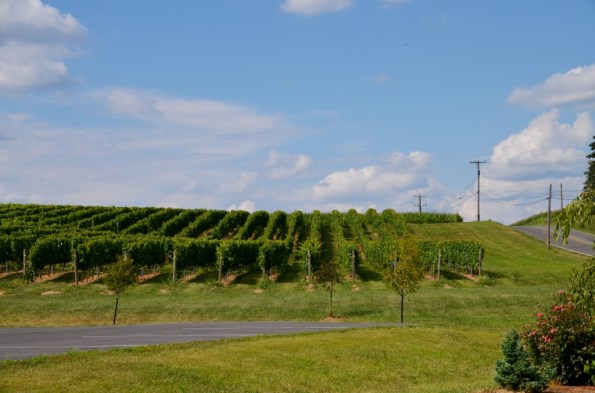 If you will look at the line up of the Fero Vineyards wines, you would find the closest match in Germany or Austria – of course with the addition of Saperavi. Despite the fact that we didn’t manage to meet with Chuck, he still took care of us, by leaving a bottle of Saperavi for us to taste, as the winery was sold out of their last vintage. We tasted through almost a complete portfolio of Fero wines, so here are the highlights for what I liked the most (as usual, there were too many wines, too little time):
2013 Fero Vineyards Grüner Veltliner Pennsylvania – dry, crisp
2013 Fero Vineyards Dry Riesling Pennsylvania – German style, nice minerality, good fruit
2013 Fero Vineyards Pint Noir Pennsylvania – dry, classic nose, crisp, very nice
2013 Fero Vineyards 1812 Lemberger Pennsylvania – crisp, crushed red fruit, pepper
2012 Fero Vineyards Pinot Gris Pennsylvania – nice, simple
2014 Fero Vineyards Pinot Noir Rosé Pennsylvania – residual sweetness, light, balanced, excellent overall
2014 Fero Vineyards Semi-dry Riesling Pennsylvania – excellent, nice touch of sweetness
Fero Vineyards Concord Pennsylvania Table Wine – yes, this is rather sweet, but if you like Concord, this was a classic, restrained and delicious
2013 Fero Vineyards Pinot Gris Pennsylvania – crisp, minerality, excellent
2013 Fero Vineyards Estate Lemberger Pennsylvania – roasted fruit, good concentration, excellent
Fero Vineyards Late Harvest Riesling Pennsylvania – nice touch of petrol, good touch of sweetness, excellent overall
2013 Fero Vineyards Saperavi Pennsylvania – excellent, nice concentration, tannins, crushed blackberries, pepper notes


I’m definitely intrigued by this Saperavi wine. Fero Saperavi has a character of its own, as you can see from my tasting notes above. I would love to taste it side by side with its Georgian counterparts, of course blind. And let’s keep in mind that Saperavi grows in the Balkans (never tasted it), Finger Lakes (also never tasted it), and probably some other places I can’t even think of. Can someone please put together an exciting blind tasting? Or this might be a great subject for the #winestudio session…
Well, I still have a few bottles of Fero wines left, including 2013 Saperavi (courtesy of Chuck, yes) – but I want to give it at least a few more years. See, this is how oenophiles build their excitement…
And we are done here. If you are looking for the great East Coast wines, Fero Vineyards must be on your short list. And who knows, may be you will be lucky enough to taste their Saperavi. Cheers!
Restaurant Files: Off The Chart Experience at Portside Tavern in Hyannis
 Yes, I love food. This never been a secret in this blog. And yes, I get overly excited when I come across really tasty experiences.
Concept of “food” is multidimensional. At home, tasty food and family (and friends) around the table is usually all you need. Mix in a bit of ambiance and a glass of a good wine, and you got a great experience, right there.
When it comes to visiting the restaurant, you need a bit more than just food for the great and memorable experience – good service is important; another element which is near and dear to me is cost. This is not even the “cost” in the absolute terms – it is more the perceived value which matters, the infamous “price/performance” – an amazing burger for $20 might be a great experience, and tasteless, rubbery steak for $15 will not be the one.
As you can see in the title of this post, I want to talk about “off the chart” experience. The source of this exuberant designation was our recent visit at the Portside Tavern in Hyannis on Cape Cod (love weekend getaways, even with 5 hours in traffic). To go along the lines of a great experience in the restaurant, I was with the family, food was amazingly tasty, service was great, and the value was unbeatable – that’s all.
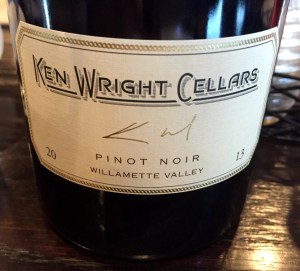 First, of course, was the wine. Don’t get me wrong – the restaurant also offers full bar with interesting cocktails, but my attention was on the wine list, which offers lots of great options, both by the glass (most of the wines priced in $7 – $12 range), and by the bottle (prices starting from $30 and some even for less). I couldn’t pass by the 2013 Ken Wright Pinot Noir Willamette Valley for $50 – talk about value – even if you can find this wine in retail, which is not easy, it will cost you at least $25, so I consider $50 at the restaurant to be a great value. After a bit of the breathing time, the wine was gorgeous, dense and powerful, with the signature Oregon aromatics of earth and cocoa.
Next, there was a pure indulgence from start to finish. Chowder (Local clams, new potatoes, applewood smoked bacon, cream) was not too heavy, not too thick, very well balanced in flavor.
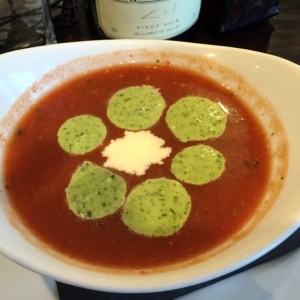
Watermelon Gazpacho (Sweet basil drizzle, whipped feta) was different and refreshing – outstanding on any hot day, light, and again, very tasty.
One of my favorite ways to cook chicken wings is to slow roast them at a low temperature (say 215ºF or so) – they develop great flavor and then easily fall off the bone this way. I was happy to find the same style chicken wings at the restaurant – Confit Chicken Wings (Choice of harissa, rhubarb BBQ, or sweet basil sauce – we chose BBQ sauce) were super-tasty and the chicken wings were literally melting in the mouth. Continuing to deliver a great dining pleasure was Poutine (House cut fries, cheddar curds, foie gravy) – love this interpretation of French fries. This rendition was on par with best of the best I had in Quebec – flavor, texture, cheese, gravy – everything was just spot on. Finishing our divine appetizer experience was perfectly executed Mac & Cheese (Gemelli, local cheeses, buttered crumbs) – again, very tasty.


Our main course dishes were equally delicious. Chicken Risotto (Asparagus, prosciutto, baby tomatoes, balsamic reduction) was very well executed, great smokey flavor, nice contrast of balsamic, very tasty. Half-Pound Burger (Caramelized onions, bacon, garlic aioli, tomato jam, brioche) had an excellent fresh beef flavor, was cooked as requested and overall was very enjoyable.


Cuban (Braised pork, ham, Gruyere, dijon aioli, house-made pickle, grilled french bread) was done exactly as I like it – good amount of meat, flat pressed bread, great combination of flavors – one of the best Cuban sandwich experiences. It was also served with a side of Wedge salad (one of the available choices), which is one of my favorite salads any time I see one. Grilled BBQ Chicken Pizza (Bacon, red onion, cheddar) was delicious, good crust and again, great flavor combination.


As you can imagine, we were absolutely full at this point. But considering how good all the food was, we had to try at least one dessert. After back and forth, we settled on Double Chocolate Cookie (Vanilla Ice Cream), which was more resembling a chocolate lava cake, and was instantly devoured with the help of four spoons.
 There you have it, my friends. If travel will take you to Cape Cod, make sure not to miss Portside Tavern – and then leave me a thank you note here. Cheers!
Portside Tavern
72 North Street
Hyannis, MA 02601
Ph: 508-534-9600
http://www.theportsidetavern.com
Expanding My Wine Map
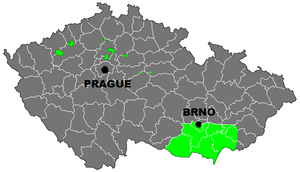
Czech Republic wine regions. Source: Wikipedia
We all have our own versions of the wine maps. This is how we learn about wine, and this is what makes it easier to understand it. “Oh yes,of course – France makes famous wines. California? Absolutely, yes, very famous. Italy? Bellissimo! Spain? Yes, I had a few of those. Australia? I heard about Yellow Tail, right?”. I’m simplifying, no doubts, but I’m sure the picture I’m presenting here is quite fitting lots of wine consumers (no, I’m not talking about you, wine geeks and bloggers).
My wine map would be a bit wider than that – I’m not bragging, but I seek new and different grapes all the time, and with this you are destined to try the wines from Turkey, Greece, Georgia, Croatia and many, many other not-so-well-known places. Nevertheless, my wine map has also plenty of white spaces, and I’m glad to use any opportunity to fill those up.
Last week the opportunity presented itself in the form of the tasting at my favorite local wine store, Cost Less Wines. I was told to stop by to taste the wines made in the Czech Republic. You see, to me, “wine” and “Czech Republic” in one sentence sounded almost like a misnomer. A while back, I visited the Czech Republic (which was known as Czechoslovakia back then), and I can tell you that beer is the very first thing which comes to mind when I think about the Czech Republic – Pilsner, anyone? Well, but it is a free tasting, so after all – why not?


The first wine which was poured was 2014 Templar Cellars Komtur Ekko Pinot Gris. I have to honestly admit that I became a convert after the very first sip – creamy, medium bodied, clean, well structured, with perfect balance of white fruit and acidity – it was on par with the best Oregon Pinot Gris wines, which is my personal hallmark of quality for the Pinot Gris. With such a great start, I was really eager to listen to the explanations.
It turns out that the wine had been produced in Moravia – this is how the area is called – from the beginning of the last millennium! Moravia is centrally located in Europe, for the Romans to use it as their base – and of course wine was part of the culture for them. Templar Cellars proudly shows 1248 on their label – this is when the actual cellars had been built, and this is where winemaking traditions are taking their roots. The wine, of course, is perfectly modern, but I love the medieval look of the labels and even the bottle design – you can read more about Templar Cellars here.
As you can see on the map above, the wine production in the Czech Republic is concentrated in the area down south – that is the Moravia we were just talking bout. Bohemia, up north, also has a bit of the winemaking activity, but it is of course known as a beer capital. Despite the seemingly unimpressive size of winemaking area in the Czech Republic, do you care to guess how many wineries it has? I will give you a little time to think, but whatever you think, take it higher. Yep, and higher.
What if I would tell you that the Czech Republic has about twice as many wineries as we have in the US, would you believe me? Well, it appears that the Czech Republic has about 18,000 wineries. Yes, many of those are simply “Mom’s and Pop’s” operations, but still, they are the independent wineries. Don’t know about you, but I was duly impressed with what I heard.


I was even more impressed after trying two of the red wines. 2013 Templar Cellars Komtur Ekko Pinot Noir was clearly a cold climate Pinot Noir with juicy cranberries at the core and perfect acidity. It is very different from a Pinot Noir from California or Oregon, much lighter, really crispy and crunchy, but with enough body weight to stand up to a powerful cheese or some spicy fish.
2009 Vino z Czech Ludwig Cabernet Moravia was even more interesting. Cabernet Moravia is its own grape, first created in Moravia (hence the name) in 1975, and it is a cross between Cabernet Franc and Zweigelt. It tasted like a classic Cabernet wine, with cassis, mint and eucalyptus, but also with an oversized herbal component. I actually like this line from the official description: “it incorporates all of Cab Franc’s leafy herbaceousness and Zweigelt’s tart, cranberry flavors in a refreshing wine”. Of course as an extra bonus, I’m adding a new grape to my collection.
There you go, my friends – a new region and new delicious wines. I truly love the endless learning opportunities the world of wine is offering to us. Have you ever had wines from the Czech Republic? What were your recent wine discoveries? Cheers!
New and Noteworthy: Two Classic Regions, Three Classic Pairs
I tend to abuse certain words in the conversation, especially when talking on the subject of wine. As you might easily guess, one of such words is “Classic”. I use this word in hope that it is the quickest way to convey my impressions about the wine. For instance, the words “Classic Red Bordeaux” or “Classic White Burgundy” would most likely paint a quick and vivd picture for the most of oenophiles to imagine how the wine actually tastes. While the wine is produced all around the world, such a broad stroke reference can be only applied to the well known and well referred to regions – saying “Classic Red Bio-Bio” (wienmaking region in Chile) or “Classic White Valais” (winemakiing region in Switzerland) would be an empty sound for majority of the wine lovers.
Looking past the regions, we can also apply the word “classic” to the grapes themselves. There are probably 15-20 grapes which can be easily referred to in this way – “classic Cabernet Sauvignon” or “Classic Sauvignon Blanc”, for example, would give you quick pointers to how the wine might taste like. Yes, “Classic Bobal” or “Classic Resi” will leave most of us with no information at all.
As this is not an epistolary exercise on the applications of the word “Classic” in the wine world, let’s get closer to the subject at hand, and talk about few wines in the practical terms. Today I want to talk about 2 classic regions and 3 classic grapes – for sure for those regions. So the classic regions are: California and Oregon. Would you agree that it is easy to refer to these two world renowned winemaking regions as “Classic”? I hope you are nodding. And for the grapes, I also hope you would share my “classic” sentiment – Pinot Noir and Chardonnay from California Napa Valley – aha, I see you smacking your lips. And Pinot Noir and Pinot Gris from Oregon – need I say more?
Talking about the wines from Oregon, the Pinot Noir is of course an uncontested king of the Pacific Northwest of the USA. Commercial Pinot Noir production in Oregon started in the 1960s, and then from the beginning of the 1990s, Pinot Noir from Oregon needed no introduction anymore. With Oregon Pinot Gris, you might argue with my “classic” designation, however, today, you will practically not find a single Oregon winery which will not produce Pinot Gris. Oregon Pinot Gris has its own, easily recognizable style and character, so in my mind, Pinot Gris wines are the “classic” element of the Oregon winemaking.
Thus let me present to you the first two of the “classic” pairs – Pinot Gris and Pinot Noir from two wineries in Oregon: Willamette Valley Vineyards and Pike Road Wines.


Willamette Valley Vineyards was established in 1983, planting Pinot Noir, Pinot Gris and Chardonnay vines where blackberries and plums were growing before. The original Estate vineyard spans 53 acres at the 500 to 750 feet in elevation. Today, Willamette Valley vineyards farms more than 250 acres of vines, including one of the oldest in Oregon, Tualatin Estate, which are all LIVE (Low Input Viticulture and Enology) certified. I had a pleasure of trying Willamette Valley Pinot Gris and Pinot Noir wines earlier in the year, so here are my notes:


2014 Willamette Valley Vineyards Pinot Gris, Willamette Valley, Oregon (12.4% ABV, SRP: $16)
C: straw pale
N: white stone fruit, touch of grass
P: hint of candied lemon, white stone fruit, nicely round, refreshing, good acidity, medium to full body
V: 7+/8-, very pleasant
2013 Willamette Valley Vineyards Pinot Noir Estate Willamette Valley, Oregon (13.7% ABV, SRP: $30, retail: ~$20)
C: beautiful Ruby
N: fragrant, fresh, cranberries with touch of cherries, sweet raspberries
P: wow, lots of fresh fruit – cranberries, raspberries, fresh, super-clean, touch herbal, great restrained finish
8+, one of the most delicious Pinot ever, perfect.
Our second Oregon winery takes its name from the Pike Road, which winds through the hills of Yamhill-Carlton AVA. This is the second winery for the Campbell family, who founded Elk Cove Vineyards in 1974. Pike Road takes advantage of 5 generations of the farming experience, including 40 years of tending the wines.
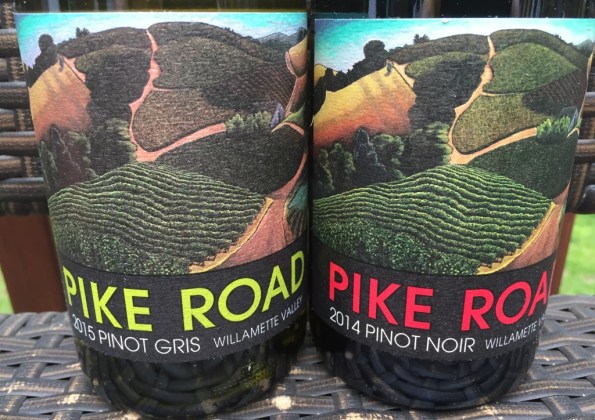


Here are my notes:
2015 Pike Road Pinot Gris Willamette Valley, Oregon (13.5% ABV, SRP: $15)
C: pale greenish color
N: tropical fruit, candied lemon, fresh, intense, inviting
P: crisp, clean, perfect fresh acidity and white stone fruit, creamy. Outstanding.
V: 8-/8, delicious white wine, perfect year around and superb during summer
2014 Pike Road Pinot Noir Willamette Valley, Oregon (13.5% ABV, SRP: $19, 10 month in French oak barrels)
C: dark Ruby
N: delicious. Touch of sweet fruit, open, inviting, raspberries, herbs, super-promising, wow
P: soft, layered, silky, spices on top of traditional smokey profile, triple-wow
V: 8+/9-, wow, totally unexpected and amazing. I know Oregon Pinot delivers, but this far exceeded my expectations. Might be the best QPR for Oregon Pinot Noir in existence. Love rustic labels too.
Our last classic pair comes from the classic of the classics, none less than Napa Valley, and it is Chardonnay and Pinot Noir from Artesa winery. Artesa winery is located in Carneros region of Napa Valley. While Artesa recently celebrated is 25th vintage, their winemaking traditions go way, way, way back – say by another [almost] 500 years. How come? Artesa winery was founded by Codorniu Raventós family from Spain, which takes its winemaking heritage 17 generations back to the 1551. Artesa sustainably farms 150 acres of vines, all Napa Green Land certified, and produces a range of wines, starting with a few sparklers and finishing with another Napa classic – Cabernet Sauvignon. Two wines which I had an opportunity to taste are the new Estate Reserve release from the winery:
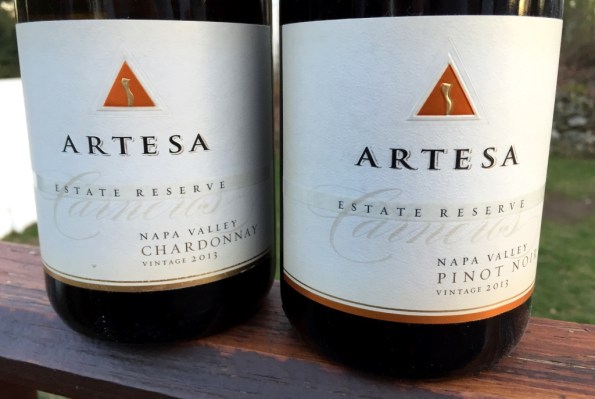
2013 Artesa Estate Reserve Chardonnay Napa Valley (13.9% ABV, SRP: $40)
C: light golden
N: touch of vanilla, hint of butter, white fruit, intense
P: touch of butter, green apples, good acidity, medium to full body, vibrant and balanced
V: 8-, a classic Chardonnay
2013 Artesa Estate Reserve Pinot Noir Napa Valley (14.4% ABV, SRP: $40)
C: dark garnet
N: warm, inviting, sweet plums
P: round, polished, present silky texture, touch of smoke, more plums, minerality, restrained
V: 8-, nice, smooth and restrained
There you have it, my friends – some new and interesting wines worth seeking. And whether they will hit the “classic” note for you – it is entirely your decision. Cheers!
One on One with the Winemaker: Luke McCollom of Left Coast Cellars, Oregon – Part 2
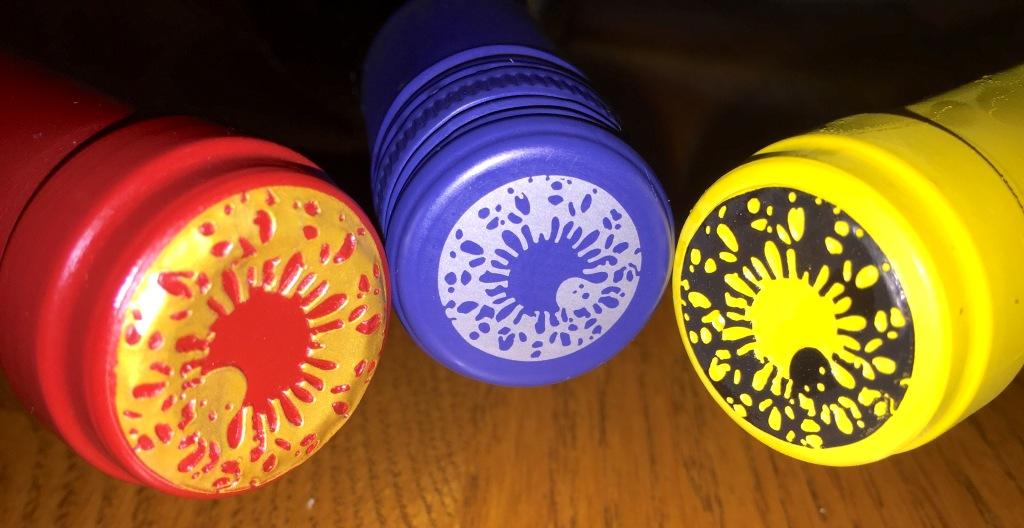 Welcome back to Oregon – we are continuing the conversation with Luke McCollom, Founding winemaker, Viticulturist and General Manager of one of the largest estates in Oregon, Left Coast Cellars. First part of our conversation was focused on the history of the estate, its name, its logo, and selection of the grapes which comprise 150 acres of the vineyards. Now we are going to talk about growing the grapes, sustainable viticulture, mother nature and some of the personal favorites. Here we go:
Can you elaborate a bit on the sustainable viticulture you are practicing in your vineyards?
We are certified by a third party Audit as LIVE Sustainable. This is a whole farm approach which uses scientifically proven methods to reduce inputs into the vineyard and reduce impact on our land and environment. LIVE also monitors the treatment of people, carbon footprint, energy, and water usage.
Both the Vineyards and Winery are certified LIVE sustainable For example: we are also certified Salmon Safe…this means we do not spray or use any chemicals which are toxic to or can harm fish. We do not use chemicals that can run off or enter water ways. We use a permanent, no-till, cover cropping system in the vineyards which great reduces dust, sediment, and run-off that pollutes our water ways.
We of course are mostly Solar Powered…100% of our irrigation system is powered by Solar. The irrigation system is also gravity fed with a pond located on top of one of our highest hills. So, water is pumped up via solar and runs down into the vineyard drip irrigation systems via gravity. We also collect our winery rinse water into tanks where we can re-use the water for irrigating landscaping. All of the “grape waste” from the winery is composted on-site and returned to vineyards and gardens. Our property is shaped like a bowl, so there are no other source of outside contaminates or pollution entering the property. All of the water in our Lakes comes from our property only. We also have steelhead and trout in these lakes…so anything we do can and will directly affect our own water source.
Do your sustainable practices also include dry farming and natural yeasts?
All of our vineyards have the ability to be irrigated with their drip systems if needed!? Of course, we only irrigate vines if and when they need water. We believe with future changes in our climate that water is one of the most important factors in the quality of our wines. Our water is sustainably collected in the wintertime from rainfall runoff. Our 100 acre foot lake is the life blood of the Estate. With our sustainable methods of using this water our combined peak usage of water and electricity costs $11.70/mo a typical water and electric bill on an Estate our size would be anywhere from $10,000-$15,000/mo. This gives an idea of the power of Sustainability and the power of harnessing the sun. Yes, we use natural yeast and we also use commercially available yeasts to make wine.
Do you have any plans to go beyond sustainable into full organic or may be even biodynamic?
Yes, we would like to eventually have wines bottled as sustainable, organic, and biodynamic so people can taste the comparisons. We currently spray almost exclusively organic sprays and utilize many biodynamic practices although do not have certifications in either.
I’m sure that some of the hard core Oregon Pinot fans are familiar with Van Duzer effect, but can you give a short explanation of it to those who don’t?
The Van Duzer Corridor is the main path by which cool Pacific Ocean breezes enter the Willamette Valley. We are in the Heart of where the corridor opens into the Center of the Valley. We are currently involved with a group working on a “Van Duzer Corridor AVA”. The effects of these ocean breezes are critical in producing the highest quality Pinot Noir. On a warm summer day at the Estate, our day time temperatures will reach 90 degrees. In the evening, the Corridor ushers in the cool ocean breezes and our night time temperatures fall to 40 or 50 degrees! A huge temperature swing! The result is sort of like a refrigerator…at night, when the vines are not producing sugars, the Pinot grapes are preserved with the cool outside temperatures. What this means is…the grapes will retain freshness, acidity, and increased wine ageability because they respire less and are preserved with the cool night air.
Out of all Pinot Noir which you produced so far, do you have the most favorite wine from the favorite vintage?
My favorite Left Coast wine is the 2010 Suzanne’s Estate. This is the first vintage Luke and Joe Wright worked together making wine. We hand selected small lots of grapes from the vineyards and made them in small batches with minimal influence and impact from Winemaking. The result is a very cool vintage Pinot with minimal manipulation in the Winery and a 92pts. Wine Spectator rating. It was very rewarding for me to receive an outstanding rating when the wine was selected in the field and winemaking was at a minimum.
When you are not drinking your own wines, what are the other Oregon producers you would be happy to drink wines from?
We enjoy drinking many of our Neighbors wines including Bethel Heights, Cristom, and Witness Tree just to name a few…
And the same question, only going outside of the Oregon – any favorite wines and producers?
Reaching in and out of Oregon we have always kept an eye on Maison Joseph Drouhin. Locally, Drouhin of course makes Domaine Drouhin Oregon Pinot, but from Burgundy continues to offer an incredible range of wines from very affordable negociant blends to very expensive premier and grand crus from individual Domaines. We believe Drouhin continues to make and blend wines which celebrate classic Burgundy. Of course this is what intrigued us to try and grow World Class Pinot Noir in Oregon…it was Burgundy! We wanted to try and replicate the classic Terroirs of Burgundy and now we are trying to beat Burgundy with our classic Terroirs of Oregon and the Willamette Valley! Viva The Left Coast!
I don’t know about your take, but I think Luke McCollom did an excellent job answering my questions – I had a real feeling of being in the same room with him and looking out at the same vineyard. It is definitely very interesting to learn about sustainable viticulture and how it is done at the Left Coast Cellars – the example with $11.70 monthly electric bill versus potential $10,000+ was extremely impressive.
Of course the proof is in the glass, right? In the previous post, I shared my thoughts on estate’s The Orchards Pinot Gris and Cali’s Pinot Noir. To round up this portion of the interview, I had an opportunity to taste Chardonnay and another Pinot Noir. Before I will talk about the wines, I have to mention the bottles – as the saying goes for the food world “we eat with our eyes first”, same holds true for the wine. Talking about Left Coast Cellar wines, I really enjoyed holding the bottles in my hands – somehow they felt very promising in terms of their content. All four bottles had very nice punt, which would make elegant pouring of the wines an easy job. And the labels are perfectly design and spell “quality” with their look and feel.
Okay, okay – I’m sure you are ready to drink something – here are my notes on the two wines:
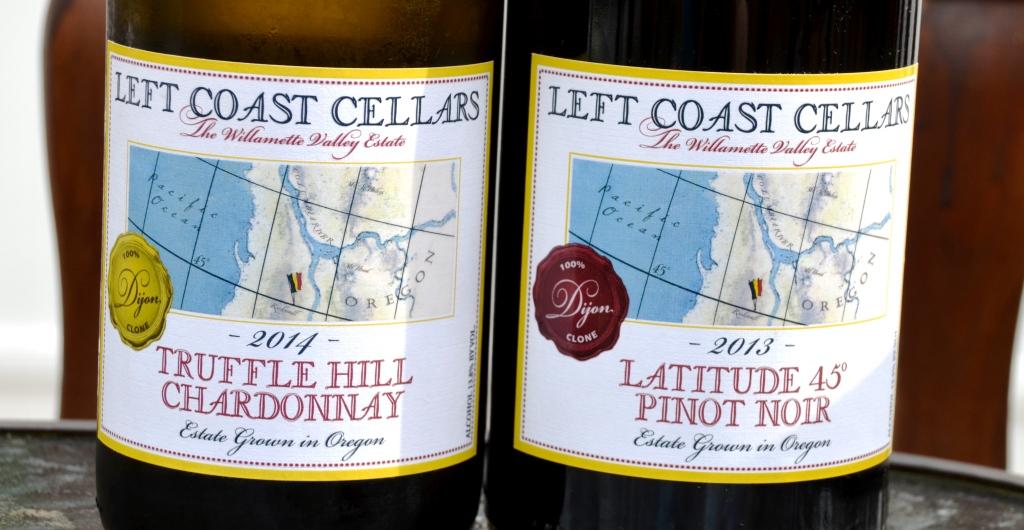 2014 Left Coast Cellars Truffle Hill Chardonnay Willamette Valley, Oregon (13.5% ABV, $24)
C: light golden
N: white ripe fruit, intense, touch of vanilla, caramel, touch of flowers
P: unusual, plump, medium to full body, hint of white peach, pear, supporting acidity, Burgundian elegance
V: 8, very unusual Chardonnay, with a style of its own, and overall delicious wine
2013 Left Coast Cellars Latitude 45 Pinot Noir Willamette Valley, Oregon (13.5% ABV, $50)
C: garnet
N: intense, crushed red berries, lavender, sweet plums, vanilla, hint of chocolate, Bing cherries
P: wow, very unusual. Herbal profile with some fruit, initial tannin attack, almost light and effervescent on the palate, but tannins are very assertive. As I don’t have enough experience with red burgundies, my best analogy is wines of ArPePe, which are some of the most elegant Nebbiolo wines in existence. Clean, pure and unadulterated Pinot Noir. Just wow.
V: 9-, truly unique and different
Sustainable viticulture. Passion. Unique and different wines. Simple recipe for success, isn’t it? I can let you in on a secret. Quite often, I don’t finish a bottle of wine on the same day. Especially if I have a few open at the same time. So I happened to drink Cali’s Pinot Noir I mentioned in the previous post over 4 days. Just closing with the same screw top every night. And the wine was delicious, every day. I think folks at the Left Coast Cellars know what they are doing, and their wines are well worth seeking. Follow the passion, my friends. Cheers!
One on One with the Winemaker: Luke McCollom of Left Coast Cellars, Oregon
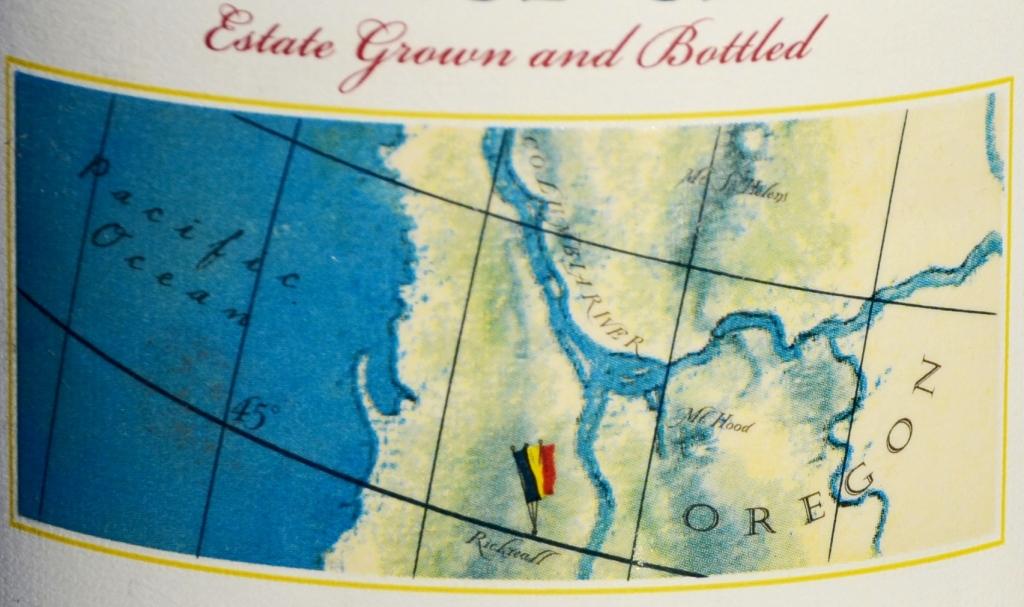 Let me tell you something – I really liked the concept of my first “one on one” post. Which means that I will try to make it into a feature and a series in this blog. And today I invite you to travel with me to the Oregon, third largest grape-producing state in the US. Our destination is Left Coast Cellars estate, home to one of the largest contiguous vineyards in Oregon, focused on sustainable viticulture and precisely focused wines. I had an opportunity to “sit down” (yes – virtually) with Luke McCollom, Founding Winemaker, Viticulturist and General Manager of the Left Coast Cellars, and ask him whole bunch of questions. I really asked lots of questions – and I got lots of great answers. I actually will have to split our conversation into two parts, just not to overwhelm you, my reader.
Without further ado, please pour yourself a glass of (Oregon, of course!) wine – here is our conversation with Luke McCollom:
Why “Left Coast Cellars”?
Well, we want to represent and paint a picture of our sense of place. The “Left Coast” can be seen on our Lewis and Clark Map rendered Labels. When you’re looking at a Map of the United States… we are on the Left Side! Also, of course… Left Coast is Family owned and 3 of the Family members running the Estate are Left Handed. When visiting Left Coast, coming from the closest Major city….The State Capitol Salem, you need to make Left Hand turns to get to the Winery. The Winery and Tasting room are both on the Left Side of the Drive. The term Left Coast not only describes our location, but our wholesome, casual style, and creative ability to artistically craft… unique, exquisite, Estate Grown handmade wines. Not to mention, the heavy “Coast” Influence brought in daily by the Van Duzer Corridor.
[TaV comment: I asked this question rather matter-of-factly, expecting the explanation about Left Coast, but it appears that there is so much more to this name]
Your logo looks very interesting. Is there a story behind it?
The “Sun” Logo is from a large Copper Sculpture which can be seen as you enter the property. The Sculpture was a gift given to Suzanne by husband Robert for an Anniversary. It is a beautiful, unique piece created by a Hawaiian artist named Abe Santoro. Santoro’s work can be seen at places like the Smithsonian. I believe Santoro is nearly 90 years old and is referred to as a Treasure of Hawaii.
For us it represents the Founders love for each other and the commitment of life partnership which led to a beautiful family, with passion for food, and wine. The logo is a symbol of the vision created together to Build an amazing Estate in The Willamette Valley. This “Circle of Life” logo also represents their commitment to Sustainability, the Earth, the Sun and the cycle of every vintage of wine.
When you started the winery in 2003 and purchased the land, were there any vines planted already or did you have to start from scratch?
When the Family purchased the property there were 25 acres of Pinot Noir. The first vintage crafted from these young Latitude 45 Vines received an 88pts. in Wine Spectator. This was very exciting because the vines where only 3 years old! Other than that, there was a large spring fed lake and most of the property was overgrown with poison oak and black berry bushes. All of the extensive gardens, landscaping, buildings, infrastructure, and design were created by the Family from scratch. Since then we have also planted another 115 acres of vineyards including 11 different types of Pinot Noir as well as some of the most extensive white wine grape plantings in Oregon.
According to the information on your web site, there are 8 distinct microclimates across your vineyards. Do your wines today already showcase the different microclimates or do you plan to expand on that in the future?
Yes, we constantly strive to showcase our different micro climates and to bottle distinct unique wines. Probably the best example of this is in the Vineyard Designate Pinot Noirs…(Right Bank Pommard, Truffle Hill Wadenswil, and Latitude 45 Dijon Bottlings). These Pinot Noirs are planted in locations best suited for their type of micro climate. Each Vineyard Designate Pinot is hand made in small, open top, French Oak Wine Vats. Each wine is made using different yeast and different dedicated barrel coopers selected to exemplify the Clone and Micro climate of each wine. For example, the Truffle Hill is a Swiss type of Pinot Noir, grown on one of our cooler sites (sort of like Switzerland) We use only Swiss Yeast in making the wine to showcase the tradition of the clonal selection and create distinct style and flavor. The Truffle Hill is aged using specific barrel cooperage which does not dominate the complex nuances of the Wadenswil Selection Pinot Noir. In the future, we would like to expand our showcasing of different soil types from the property comparing Sedimentary Soils to Our Volcanic Soils.
You grow Pinot Meunier, Syrah and Viognier – how do you use those grapes?
Pinot Meunier is used as a base in our Sparkling wines and is also made into a Field of Dreams Pinot Meunier still red wine. This year the Meunier was crafted into a sparkling Brut Rose and a couple hundred cases of still red wine. Meunier of course means “miller” in French like flour miller…because the vines are covered with white fuzz that makes them look like they were dusted with flour. Meunier is a mutation of Pinot Noir and loks like a “wild” Pinot Noir vine. The Meunier still wine sort of tastes like a wild pinot noir with it’s firm structure tannins and distinct brambly and pomegranate flavors.
Syrah and Viognier are also made into Field of Dreams Varietal wines for Wine Club and Tasting Room. The warm 2014 and 2015 vintages are good vintages for perfectly ripe Rhone Varietals in our climate. These vintages also make good quantity of these varietals for potential availability in the National Market. For 2015 Look for Left Coasts’ own Left Cote du Rotie…this is a Syrah co-fermented with up to 25% of Viognier. The Viognier has an enzyme in the skins which creates more extraction of color and flavor in the Syrah fermentation. Very Cool! Northern Rhone style wines which pair beautiful with food. We are a Pinot House, but the 45th parallel where we sit aligns exactly with Northern Rhone…this is why we grow small amounts of these varieties on the Estate. Another small celebration of Terroir, Microclimate, and Unique sense of place.
[TaV comment: this was a really a “duh” moment for me – and a clear showcase of deficiency of the virtual conversation – I forgot that many wines can be made in such a small quantities that they will be available at the winery only and never show on the web site, duh…]
to continue previous question – do you have any plans for single varietal Syrah wine?
Our first varietal vintage of Syrah was 2008…we recently opened a bottle to taste and the wine is incredible… still very youthful!
[TaV comment: “duh” moment didn’t stop with the previous question, right?]
It seems that Chardonnay is a rising star in Oregon – I see that you now offer Chardonnay wines for the past few vintages. What do you think of Oregon Chardonnays? What makes them unique? What is your chardonnay style?
Yes, we have committed some of our best land to growing Chardonnay. We have some of the largest modern plantings of Chardonnay in Oregon. The reason being, most people were ripping out Chardonnay when we were developing the vineyards, while we were planting it. We see Chardonnay as going hand in hand with Pinot Noir. Our 2005 Chardonnay was selected by the Oregon Wine Industry in 2010 as a “World Class Ageable White Wine” by our peers at the Oregon Wine Symposium.
We think this shows the potential of Chardonnay in Oregon and the potential of the Left Coast Estate. We strive to create a balanced Chardonnay with equal parts acidity, minerality, fruit, and oak. We believe we hand craft a Chardonnay which is very Oregonian in style meaning a wine which is clean, not oak dominated, will please non-chardonnay drinkers, and of course pairs well with Northwest Cuisine. For lack of description we try to craft Oregon Chardonnay as somewhere halfway between California and Burgundy. We love Oregon Chardonnay!!! and often ferment ours half in Stainless Steel Vats and Half in French Oak barrels. We believe the stainless portion of the fermentation preserves the fruit and acidty and the French Oak fermented portion provides subtle oak flavors with round mouth feel and volume. These wines are blended, married, and bottled together as one. We also have an extremely distinct Musque Clone Chardonnay that is concrete fermented and bottled for Wine Club.
I don’t know about you, but I definitely need a glass at this point, so here are two of the Left Coast Cellars wines I had an opportunity to try (as samples, courtesy of Donna White PR):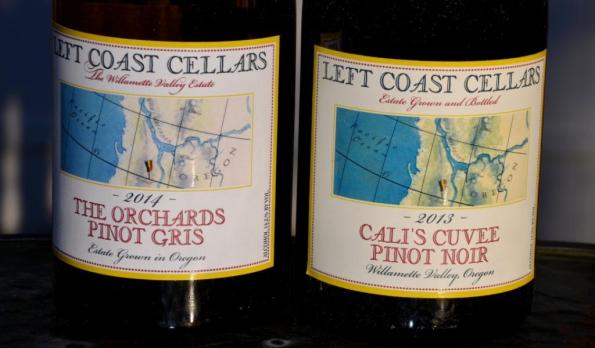
2014 Left Coast Cellars The Orchards Pinot Gris Willamette Valley, Oregon (14.2% ABV, $18)
C: straw golden
N: fresh flowers, fresh white fruit, candy, bright, exciting
P: nicely restrained of the palate, quite a contrast with the nose. Lemon zest, touch of grass, medium body with nice mid-palate weight, wine is nicely present, tart finish
V: 8-, should develop interestingly with time
2013 Left Coast Cellars Cali’s Cuvée Pinot Noir Willamette Valley, Oregon (13.5% ABV, $24)
C: garnet
N: typical Pinot Noir, sweet plum, violet, touch of licorice and vanilla
P: delicious. Sweet cherries, touch of eucalyptus, medium body, firm, touch of smoke, good acidity, good balance, very (very) long mouthwatering finish
V: 8, dangerous wine – once you start, it is very difficult to stop
That’s all I have for you for today. To be continued…
Wagyu and Wine
 Wagyu burger, anyone? How about glass of Cab with it? Or may be a Pinot? Luckily, it is easy to solve that dilemma – as long as you have Capital Grille restaurant close by. Until November 22, Capital Grille has a special offering on the menu – 2 styles of Wagyu burgers, which you can pair with either 2012 Justin Isosceles Cabernet Sauvignon, Paso Robles or 2013 Landmark Overlook Pinot Noir, California, all for a fixed price of $25, which I think is a great deal for a lunch with a glass of nice wine.
It is so happened that my wife had a day off in a middle of the week – despite the fact that we both work in the same small town, our schedules never align for two of us to have lunch together during the week. As soon as I found out that she will be off on Wednesday, the plan was ready – lunch at Capital Grille it is!
Before we talk about pairings, let me talk about the wines. 2013 Landmark Overlook Pinot Noir, California was a perfect example of California Pinot Noir – touch of smoke, ripe fruit with good acidity, ripe plums, perfect balance – definitely an excellent wine. 2012 Justin Isosceles Cabernet Sauvignon, Paso Robles (15.5% ABV, 77% Cabernet Sauvignon, 12% Merlot, 11% Cabernet Franc) was over the top delicious, ripe, exuberant, showing a touch to sweet to my liking, but still delicious and very palatable wine.


And the burgers arrived. The Cheeseburger was served with Fried egg and crisp onions, and the other burger was served with Gorgonzola and black truffle ( this was my choice, and while I ordered it medium-rare-plus, somehow it had a very limited flavor – don’t know why…). So which wine do you think worked better with which burger?


The result of the pairing was very interesting. Landmark Pinot Noir ended up perfectly complementing either one of the burger, and unfortunately, Justin Cab was somewhat fighting with both. No, there was no competition – but Landmark Pinot Noir still won as a pairing choice.
Or at least it did so for me, so you should use your chance to find out. Head over to the Capital Grille, and let me know which pairing will work for you. Not in the mood for a burger? Go find those wines, as they were delicious. Cheers!
Last Bottle Sign Up ($10 credit)




 Talk-A-Vino