Archive
Daily Glass: Will It Merlot?
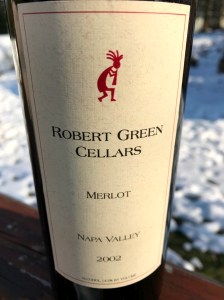 Yes, the title of this post is a play on the theme of some of the Good Mythical Morning episodes, where Rhett and Link are trying to figure out how far they can take the usual food items in the unusual directions, calling those episodes “Will It …” (if you are not watching the show, you really should, here is the link for you). But this is where the connection with the popular show ends.
And yes, we are talking about Merlot. But that also not very important, as the bottle was not opened just because I wanted to drink Merlot.
The vintage was the culprit – 2002 – as this is the year when my youngest daughter was born. And as I’m sure many of you, oenophiles, out there do, I love opening proper vintages to celebrate birthdays.
So the question was whether this 2002 Robert Green Cellars Merlot Napa Valley (14% ABV) would be still drinkable in 2017.
I presented this question to a few of the twitter winos, and the consensus was cautiously optimistic, presuming the wine was properly stored (the bottle actually never left wine fridge from the moment it got into the house). Wine Spectator rated 2002 Napa vintage at 89, and “Drink Recommendation” column had gloomy “Past peak” reference. I wanted to learn a bit more about the wine from the producer’s website, but the link on the back label was non-functional, and google didn’t offer much help searching for “Robert Green Cellars”.
Done with theoretical research – the proof is in the pudding wine glass anyway. The cork pulled out in a perfect condition. The wine is in the glass, and the first whiff had nice fruit in it, but the wine tasted a bit off. But – never judge the wine by the first sip, right? This rule is very important when it comes to the young wine, but this is even more important when it comes to the aged wines. 10 minutes in the glass brought this wine together – a perfect core of the dark fruit, maybe a touch of black currant, mint, firm structure, definitely a nice glass of wine.
About an hour and a half after the bottle was opened, it opened up even more, but somewhere in the distance, more on the finish than anything else, tertiary aromas started to appear – this is when I tweeted to the same group that the wine was perfect but at its peak. Another 30 minutes later, the wine started closing back, but only in a good sense – acidity came to the forefront, fresh young black and red fruit came to dominance – I was clearly looking at a young and delicious wine, not more than 3-4 years of age. Then, of course, the bottle was empty.


This was definitely a fun bottle of wine, with the self-attached “first world problems” – would the wine be still good or not. Believe it or not, but there was even the next level of fun associated with that wine. The little pictogram of the flute player, known as Kokopelli, which you see on the front label and the cork itself, most often is associated with fertility. What I didn’t know that Kokopelli also can be credited with the arrival of the spring. I have other 2002 bottles but somehow decided to open this particular one on the second official day of Spiring (the Spring in the USA started on March 20th). Oh well, as I said before, first world problems.
I think this wine Merlot perfectly, and I can only wish you same success and fun with your older bottles. I also want to leave you with the text from the back label of this bottle, as I think it perfectly finishes this post:
“The Joy Bringer” “This flute playing character is often credited with bringing the change of winter to spring, melting the snow and bringing about rain for a successful harvest. He is believed to represent the fertility of the untamed spirit of nature. Perhaps this joyful traveller’s greatest lesson is showing us that we shouldn’t take life so seriously. We hope the spirit of Kokopelli shines through in our wine and that it brings you as much joy and pleasure as it was for us to make. Enjoy the moment. Robert and Sue.”
Daily Glass: Ah, Pinot!
Nothing is simple around wine for us, oenophiles, right? We need to meticulously arrange proper experiences – perfectly match wine with food, with the company, with the mood, with the moment. If we don’t, we question ourselves to eternity – what would’ve happened if I would’ve open that other bottle I had in mind; should’ve I just plan it all differently?
But every once in a while, we let our guards down, and let things just happen. When we think about it right after, we realize – wow, totally random, and totally delightful. Yay!
That “random and delightful” was my experience yesterday. My plan was to open a bottle of wine from 1998, and I have a very small selection of those, so the one I picked happened to be a Burgundy. So that one was a special bottle, waiting for the evening and the decanter.
I can’t cook without the wine, so of course, the bottle had to be opened. The “before Thanksgiving” shipment from Field Recordings contained more than one interesting bottle – the one I told you about already was Pét Nat from California. Another bottle I never saw before had a bold Nouveau word printed across shiny, golden label:


I’m an avid fan of the “Beaujolais Nouveau” phenomenon. But I have to admit that a few years back, I tasted few of the attempts by California wineries to join the Nouveau movement, and those were widely unsuccessful.
So how would Field Recordings’ Nouveau rendition fare? Actually, spectacularly. As the label says, the grapes for this wine were hand-harvested only 74 days prior to the bottling. And nevertheless, the wine had all the finesse you expect from the perfectly balanced California Pinot Noir. This 2016 Field Recordings Nouveau California (12.1% ABV, 100% Pinot Noir) had lean, uplifting nose of fresh fruit, but less fruity than typical Nouveau, nothing grapey. On the palate, unmistakably Californian, touch of smoke with fresh plums and a bit of mint. Good acidity, more round than a typical French Nouveau version, perfectly drinkable. 8+. Outstanding, in a word. Would happily drink it again any day.
Remember I told you this was one of the days when things are just happening? I have a good number of bottles in the cellar, but absolute majority of the bottles are in the single amounts – just one bottle of particular wine from particular vintage, and that’s it. Thus sometimes, I spend good 20 minutes trying to select a bottle (in the fear of missing on what it can evolve into) and end up pouring myself a splash of Scotch instead. But yesterday, I had enough courage to grab a bottle of the wine which might be the only bottle in the US – unless someone also has good friends in Switzerland.
This wine was made by the family producer in Vaud region in Switzerland, Henri Cruchon, who I had pleasure meeting about 6 years ago. What makes it special is that this wine, called Nihilo, is not filtered, made from organic grapes, and doesn’t have any added sulfites. To preserve the wine better, the cork is covered in wax. And to be entirely correct, the wine goes beyond organic, as the back label sports Demeter logo, which means that the winery is certified biodynamic.


It is great to know that the wine is non-filtered and organic – but the ultimate verdict is in the glass. This 2015 Henri Cruchon Nihilo La Côte AOC Switzerland (13.5% ABV, blend of Pinot Noir, Gamay and Gamaret) had a spectacular nose, very complex – iodine, anise, crunchy cherries, mint. The palate was equally spectacular with sweet cherries, pepper, roasted notes, peppermint, crispy, fresh blackberries – once you start, you can’t stop. 8+/9-, outstanding wine.
And then there was 1998 Patrick Lesec Gevrey-Chambertin Vieilles Vignes (13% ABV) – an 18 years old Burgundy wine, as Pinot Noir as it can be.
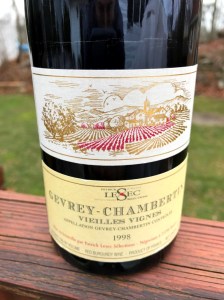 18 years shouldn’t be an age for Burgundy, but I still was a bit concerned. Decided to decant the wine, to avoid sediment and let it breathe a bit, for about an hour. I’m clearly abusing the word “spectacular” in this post, but this is what this wine was. Touch of barnyard on the nose, on the palate – gunflint, smokey cherries, roasted meat, lots of herbs – oregano, mint, sage – every sip was a “wow” experience. By the end of the evening, the wine mellowed out and started showing more of the sweet cherries, still perfectly balanced with acidity. A pure treat for sure. Drinkability: 9.
There you have it, my friends. An accidental and hugely enjoyable Pinot Noir deep immersion – from California to Switzerland to France – very different wines holding one common trait – delivering lots and lots of pleasure. Cheers!
Daily Glass: Not Your Mother’s Pinot Grigio
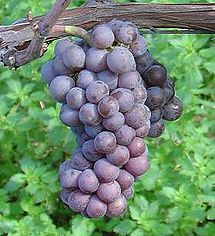
Pinot Gris grapes. Source: Wikipedia
Of course I don’t know your mother, and of course I don’t know her wine preferences. But assuming a general motherly image, cue in a hot summer day, I would make a pretty safe bet that refreshing beverage in the glass in her hand is a white wine. Continuing playing it safe, I would expect that white wine to be very easy to drink, unoffensive and simple, so traditional Pinot Grigio (think Santa Margherita) would perfectly fit the bill.
Now, what do you think would happen if after crushing the grapes, the juice will be left in the contact with skins for, let’s say, 24 hours? Yes, of course Pinot Grigio is a white wine, at least typically it is. But to give you a little hint, take a look at the picture of the grapes – this are not random grapes, these are exactly the Pinot Grigio grapes – or as they are known throughout the most of the world, Pinot Gris. Gris here stays for “gray”, this is how we can perceive the color of these grapes.
With this little hint – what do you think now about that juice left in contact with the skins for 24 hours? If you said that you expect it to gain some color, you are absolutely right. Here is an example of an end result for you:
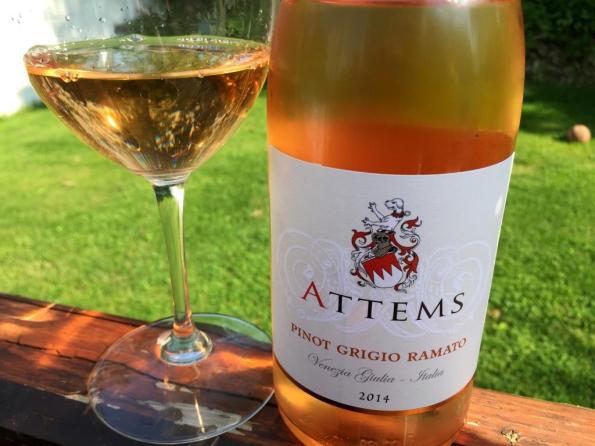 Isn’t it beautiful? The 24 hours of skin contact gave this wine this orange hue, which technically makes this wine a part of the “orange wines” craze. I don’t have an intention of getting into the “orange wine” debate, but I can tell you that it is not only the color which is different here. Before we talk about the taste of this 2014 Attems Pinot Grigio Ramato Venezia Giulia IGT (12.5% ABV, $18, 100% Pinot Grigio, stainless steel and barriques), let me give you a short explanation about the name of the wine and its color, from the winery’s web site: “Attems Pinot Grigio Ramato continues a tradition of the Republic of Venice, since “ramato,” or coppery, was the term that referred to Pinot Grigio in contracts. A special vinification practice led to the use of this term: the must remains in contact with the skins for 24 hours and this practice gives the wine a very distinctive coppery hue“.
It was not only the color which was different. The wine had a nose of intense honey, but the palate was dry and crisp – if anything, reminding a lot more of a great Provence Rosé with a hint of strawberries and an onion peel. An excellent and thought provoking wine, whether for the hot summer day or for any day when you crave a nice glass of wine. Drinkability: 8.
That’s all I have for you for today, my friends. White, Rosé, Orange, Red – enjoy whatever is in your glass and happy Independence Day for those in the USA. Cheers!
Daily Glass: Buy By The Name, Remember By The Taste
Winemakers must be some of the most creative people in the world. It is not enough to make a tasty wine (well, at some point it is – it is not easy to reach that point though, not at all) – but the wine also have to make it into a consumer’s hands – yep, someone have to buy it. Selling the wine is not easy, as you need to differentiate from hundreds and hundreds of seemingly indistinguishable bottles. To get there, winemakers have two primary choices of weapons – the label and the name.
I’m a sucker for a good wine label, but right now I just want to talk about the name. Have you ever heard the name of the wine and said “this is it, I must try it”? I had, a number of times. And the wine I want to talk about was exactly such a case.
When I saw the name “Rhapsody En Blu”, somehow, it was speaking to me. I didn’t care what kind of wine was that, what grapes it was made of or what region it came from. The name alone was enough to incite the desire. I don’t remember when did I see this wine name for the first time, but ever since I did, I was on a lookout for it. So when I saw it at the last Last Bottle Wines “everything must go” marathon, my fingers were moving really, really fast – and I got the bottle.


I was tempted a few times to open it, and then Friday night seemed to be a good enough occasion (or may be it was the fact that it was an eve of OTBN). The cork is pulled out, wine goes into the glass. I take a sniff and “oh my god” was the only thing I could say (my wife can attest to this). The smell was exuberant without going overboard – crushed berries, crushed rocks, underbrush, spices, all together warm, inviting and – harmonious. The taste perfectly supported the aroma – gentle ripe fruit, plums, smoke, roasted meat, touch of pepper – perfect acidity, good structure, good power, and once again, perfect balance and – perfect harmony.
According to the Wikipedia, “a rhapsody in music is a one-movement work that is episodic yet integrated, free-flowing in structure, featuring a range of highly contrasted moods, colour and tonality. An air of spontaneous inspiration and a sense of improvisation make it freer in form than a set of variations.” Tasting this wine, that “spontaneous inspiration” and “improvisation” were very easy to relate to.
This wine, 2012 R Squared Wine Company Rhapsody En Blu Red Rhone Blend, Santa Barbara County (14.1% ABV, 42% Grenache, 38% Carignan, 20% Mourvedre) is produced by the R2 (R Squared) Wine Company which makes both blends and single varietal wines from multiple appellations in California. If you care to know, my Drinkability rating for this wine is 8+.
I don’t know if the great match between the name and the wine itself was the accident or a prophecy, but I can tell you that I strongly regret buying only one bottle of this wine. Not sure if you can find it (total production was only 475 cases), but if you will, don’t repeat my mistake.
There is also one more bonus which comes with this wine – it is very easy to pair with music. And the matching pairing should be … yes, Gershwin’s Rhapsody in Blue! If you can’t find the wine, you can at least enjoy the music. Cheers!
Daily Glass: 17 Years Old Beauty
 Absolute majority of the 17 years old are beautiful. Well, at least when it comes to the people. With the wines, this can be a different story. 17 years old in the wine terms is quite an age – some of those 17 years old are slender and muscular, and some are flabby, tired, and barely stand on their feet. And the beauty of the wine is that you can’t know how the wine will be – until you get the bottle opened.
I have to admit that I had no expectations before opening this bottle of 1998 Shiraz from Australia. Aged Australian wines are hard to come by in US, thus I have very little experience with that class of wines. And having no expectations around the wines is generally good, as it often saves you from disappointment. However, I’m sure that you deduced from the title of this post that there was nothing disappointing about my experience.
Dutschke family owned the parcel of land with a few vineyards on it in Barossa valley in Australia since the end of the 19th century. In the late 1900 the grape plantings increased, with most of the grapes been sold to the other wineries. The first wines under the Dutschke name were produced only starting in 1990. Which makes the wine which I opened today one of the early wines produced at the winery.
As I opened the bottle of the 1998 Dutschke St. Jakobi Shiraz Barossa Valley (15% ABV, $25?), the first nice observation was perfect condition of the cork – not a sign of age. The color was very dark garnet – again, not a sign of age. And the smell – wow – concentrated fresh berries, lavender, sandalwood – bright and uplifting. Then the best part – the wine needed no breathing time. Pour, sip and enjoy the exuberance of the fresh berries, savory herbs, dark power, perfect structure, clean acidity and perfect balance. If I wouldn’t check the label, I would’ve never known the wine was 15% ABV – overall, it was perfectly integrated and perfectly enjoyable (Drinkability: 8+/9-). And then the wine just was.
Wish you lots of small pleasures this holiday season. Cheers!
Daily Glass: Red with Dessert
When ordering wine with dinner, especially eating by myself, I practically never think of wine and food together. I usually look for the wine which would be interesting and affordable, without regard to the color or style. As last night was probably my 4th dinner of the trip at the same hotel restaurant, I knew that my choices were limited – I already had some (didn’t want to repeat), and some where just out of my price range. After scanning the list back and forth multiple times, I finally settled on 2013 M. Chapoutier Petite Ruche Crozes-Hermitage AOC (€7.20 per glass at the restaurant).
That choice combined together a few of the favorites. First, Crozes-Hermitage is an appellation which encircles the famous, but tiny Hermitage, and the wines in both areas are made from the same grape – Syrah, one of my absolute favorites – with Crozes-Hermitage been a lot more affordable. Second, this wine was made by Michel Chapoutier, one of my favorite producers, who I had a pleasure of meeting (and still have a blog post about it in the works 😦 ). The wine was just absolutely delicious – expressive nose of lavender and red fresh berries, touch of smoke, luscious, velvety palate with perfect black pepper and red fruit core, clean acidity and perfectly balanced.

I was very happy with the wine just by itself, but it also perfectly matched the main course, which I was contemplating for almost the whole trip, somehow not finding the right moment for – Steak Tartar. I don’t know when and how it became one of my favorites – I still like to recount the story of my horror when I ordered it for the first time at one of the Paris restaurants (8 years ago), and the plate with simply chopped raw beef appeared in front of me. After mixing the beef up with all the condiments, I found it absolutely delicious, and I do ever since. You can find steak tartar in US restaurants, but for some strange reason served already mixed, so I was definitely happy to have the classic version where I’m in control. And yes, the wine was working with the dish just fine.

As I loved the wine very much, I was in the mood for another glass, which quickly appeared on the table. Now it was the dessert time, and all of a sudden I was on the mission to find a good pairing. Desserts and dry wines are a tricky combination – more often than not you can end up having sweetness fighting with structure and tannins of the wine. I didn’t feel like cheese (also pairing of cheese and wine is greatly overrated – it is actually very difficult to create matching combination). My only option seemed to be a chocolate cake, but with that I was a bit concerned that chocolate might overpower the wine which was luscious, but quite light. Thus I decided to ask for the advice of my waiter. I found his recommendation a bit surprising – a modern dessert which combines fresh raspberries with almond tartlets and vanilla cream. However, he had a point, suggesting that the fruity core of the wine (same raspberries) would match well with the fruit in the dessert. Well, why not?

The dessert arrived, I took the first bite and the sip of wine – and couldn’t hold a smile. The dish and wine worked together like a charm, perfectly complementing each other and blending together, with the peppery notes of wine adding an interesting twist.
There you have it – a story of successful red wine and dessert pairing, something I would be skeptical of before – but now I know. Love all this learning opportunities the world of wine holds for us – and may your glass never be empty. Cheers!
Daily Glass: Pleasures of a Simple Côtes du Rhône
What do you think of Côtes du Rhône wines? Côtes du Rhône (I like to call them CdR for short) are some of my favorite home wines. A “little brother” of Chateauneuf-du-Pape, they often offer similar, may be a bit less expressive taste profile, usually at a fraction of a price. They are also quite versatile with food, offering a wide pairing range, from lamb to game to cheeses.
I was reminded today of how good these simple CdR wines can be. While traveling (I’m in south of France at the moment, near Nice), I asked for the local red wine at the restaurant. Red Provence (that would be a true local wine) are made in a very minuscule quantities, so it is not surprising that restaurant at a small hotel didn’t have any. I was offered to look at the wines from the neighboring territories, such as Côtes Du Rhône, and I ended up picking the cheapest wine on the menu. It so happened that 2013 Antoine Ogier Artesis Côtes du Rhône AOC (14% ABV, €21 at a restaurant) was an excellent choice. The wine had red fruit on the nose with a touch of lavender, very soft tannins on the palate, soft and silky profile, plums, touch of minerality and excellent acidity, overall very balanced. After about 30 minutes the wine also showed tobacco and touch of pepper on the palate – a very classic profile overall. Drinkability: 8-
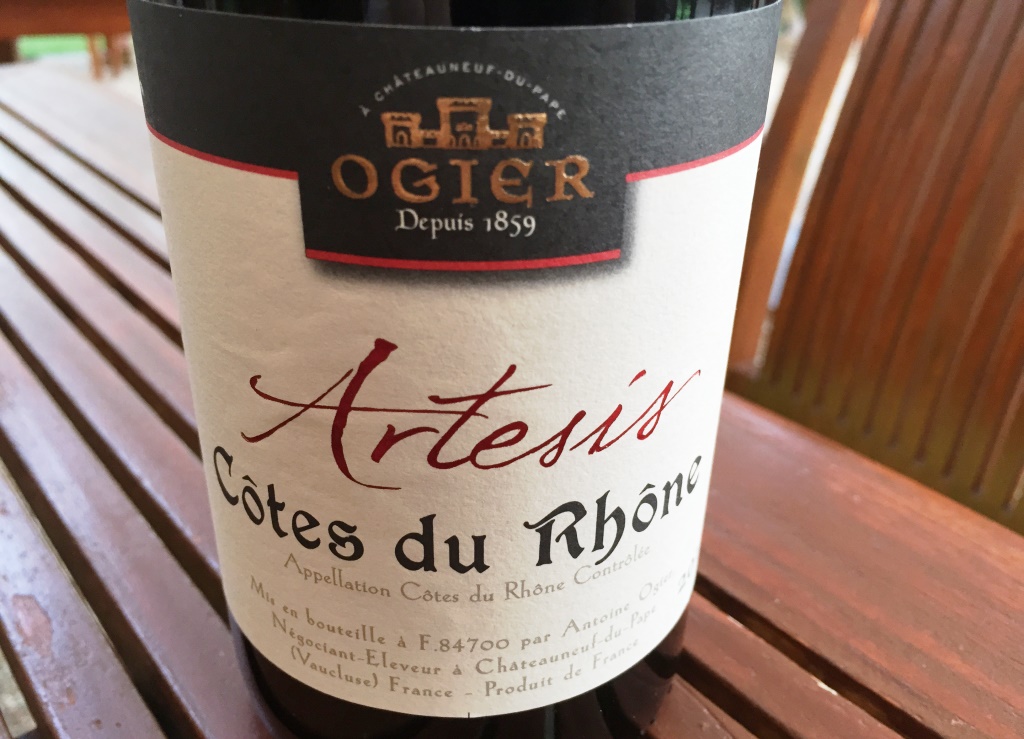
What was even better than just a nice glass of wine was that wine worked perfectly with food – this was an accidental success, as I didn’t think about the wine at all while ordering the food. The wine paired spot on with the Rabbit Pate, elevating each bite. It did the same thing with Grilled Veal with Creamy Mushroom Sauce. Believe it or not, but it was not even disturbed by an interesting dessert – a Pineapple Carpaccio (called on the menu “raw marinated pineapple”) with Lime Sorbet. All I can say that this was probably one of the most versatile wines I ever had – kudos to the winemaker for crafting such food friendly wines – I guess 155 years of history mean something.


Before we part, I want to live you with a couple of curiosities. Below you will see the back label of that bottle of wine, providing sulfates warning in 21 languages (I already shared that on Twitter). I find this interesting and a bit ridiculous (sorry – wine always contains sulfates, and no, they don’t cause the headache). The second picture shows an extremely thoughtful presentation of the condiments. I shared this on Twitter too, noting that I like the classy presentation, something which French mastered perfectly, only to be ridiculed by someone asking me if ketchup is a French food. Of course it is not, but think about how many times you were presented with the bottle of ketchup at a restaurant, only to think “where should I put it to – on the plate or directly on the fries” – by the way, both are equally uncomfortable choices? In this case, the problem is solved in the best possible way – here is your personal bottle, and you don’t need to deal with any puzzles, just enjoy your food.


Voilà! I’m done with my “notes from the road”. If you are in US, happy few last hours of the Labor Day holiday weekend. Until the next time – cheers!
Daily Glass: Summer Perfect
Is there a such thing as “summer wines”? When I think about this subject, I’m always torn. I don’t have any problems drinking Provençal Rosé or crisp light white wine in the winter, and I would never refuse a glass of heavy and hedonistic California Cabernet in the summer. But is it only in my mind that I’m so open-minded (hmmm, was that a pun, and was that intended?) – in reality, I would usually gravitate towards reds in the winter, and Rosé and white wines as the temperatures starts rising. After all, there might some merit to the summer wines concept. Anyway, let’s proceed.
Today I want to bring to your attention a summer-perfect collection of White and Rosé wines – they were all samples I got recently (some are even not so recently), but most importantly, they will perfectly brighten up your summer day.


Let’s start with the two of the excellent Rosé wines from France – Domaines Paul Mas. Last year, I was lucky to taste through the Paul Mas portfolio of red wines, and after tasting Rosé wines this year, I can only say that it is not for nothing Paul Mas is considered a specialist in “Affordable Luxury”. The first wine was 2014 Côté Mas Rosé Aurore Sud De France Pays d’Oc IGP (13% ABV, 30% Cinsault, 20% Syrah, 50% Grenache, $12.99 SRP, 1L bottle) beautiful concentrated pink color. Fresh strawberries, lemon zest and limestone on the nose, fresh strawberries and lemon zest on the palate, vibrant acidity, very balanced, medium finish – a perfectly refreshing wine for the hot summer day. This wine creates a feeling of a calm and relaxation, it is like a lazy summer day (Saturday!) distilled in the glass. (Drinkability: 8-/8) I have to add that I love the festive label, and of course the wine has an amazing QPR at $12.99/1L bottle.
The second wine was even more interesting – NV Paul Mas Cote Mas Cremant de Limoux Brut Rose, Languedoc-Roussillon, France ($18.99 SRP, 12% ABV, 70% Chardonnay, 20% Chenin, 10% Pinot Noir). This sparkling wine comes form the cradle of the sparkling wines winemaking – St. Hilaire, which claims to start production of sparkling wines in 1531. Well, this is not a subject of this post – the wine itself was outstanding though. Beautiful salmon pink color, touch of yeast and toasty bread on the nose. Perfectly present toasty bread on the palate, clean acidity, light creaminess. Right from the fridge shows very astringent. As the wine breathes and warms up in the glass, it shows more minerality while staying very dry. Drinkability: 8-


From France, let’s move two Italy – here I have two summer wines from the Banfi selection. First, NV Maschio Prosecco Brut Treviso DOC (SRP $13, 11% ABV, 100% Glera)- nice, clean nose of white peach. Palate restrained and quite dry, with touch of peach, light creaminess, very refreshing overall. The wine complemented well spicy food as well as chocolate dessert. Drinkability: 7+
Next wine – 2013 Fontana Candida Terre dei Grifi Frascati DOC (SRP $13, 13% ABV, 50% Malvasia Bianca di Candia, 30% Trebbiano Toscano, 10% Greco, 10% Malvasia del Lazio) – on the nose, touch of candied fruit, white flowers, touch of lemon, overall very pleasant. On the palate, lemon, candied lemon peel, touch of tropical fruit, good acidity, medium-long finish. Drinkability: 7


Continuing our European tour, we are now arriving to Spain. First up – delicious sparkling wine – NV Anna de Codorniu Brut Rosé Penedes DO (SRP $14.99, 12% ABV, 70% Pinot Noir, 30% Chardonnay). This Cava, a Spanish sparkling wine produced by the same method as Champagne, has very interesting story behind it. Anna was a name of the heiress of the Codorniu winemaking family which started making wines in 1551. In 1659 Anna married winemaker Miguel Raventós, and their direct descendant José Raventós was the first to commercially produce Cava in 1872 using méthode traditionelle. The wine itself was excellent – fresh, slightly yeasty nose, fine mousse, firm on the palate with crisp acidity and touch of strawberries. This wine would make a perfect sip any time, summer day or not. Drinkability: 8-
Next wine is another Spanish classic – 2014 CVNE Monopole Rioja (SRP $14.99, 12.5% ABV, 100% Viura). Monopole was the oldest white wine from Rioja, starting from 1915. The wine has dry and pleasant nose, with a hint of white fruit. On the palate – touch of the white stone fruit, lemon, and crisp and bright acidity. This wine needs time to fully develop in the bottle, so if you have some space in the cellar, throw a few bottles in and forget it for the next 5 years or even longer. Drinkability: 7+
Another wine from CVNE, which was a first time experience for me – 2014 CVNE Viña Real Rosado Rioja (SRP $13.99, 12.5% ABV, 85% Viura, 15% Tempranillo). The wine was perfectly Provençal in style – hint of strawberries on the nose, dry, crisp and restrained on the palate, steely acidity combined with firm structure, light but noticeably present wine. The wine would perfectly fit any hot summer day (and not so hot too). Drinkability: 7+/8-
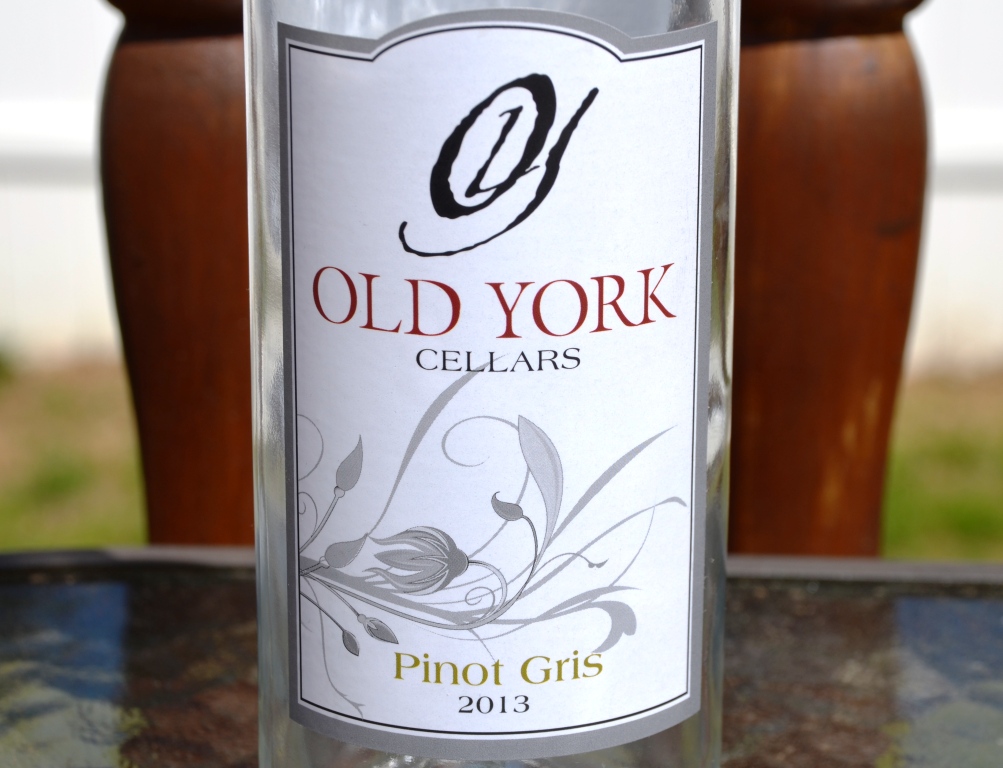 I have one last wine to present to you. This time, we are crossing Atlantic ocean and arriving at New Jersey. Yes, New Jersey makes wines, and I wrote about them before. Today I’m bringing to your attention an excellent summer wine from the same winery – 2013 Old York Cellars Pinot Gris American Table wine, New Jersey (SRP $18, 12% ABV) – clean and crisp nose, touch of Chablis-like minerality. On the palate – restrained white fruit, crisp acidity, touch of minerality. Overall very refreshing. Drinkability: 7+/8-
And we are done here. Enjoy the summer with the glass in your hand. Cheers!
Daily Glass: France, New Jersey, Oregon
 Glass of wine (or two, but who’s counting) is a standard daily routine at our house (most of the time anyway). Hence these “Daily Glass” posts, where I talk about those “everyday” wines. What I’m trying to stress here that it is really an “everyday” wine phenomenon, as opposed to the wine dinners, birthday, holidays and other special occasions.
In today’s post I want to talk about my recent “everyday” wine experiences, which included wines from France, New Jersey and Oregon. I’m sorry, what are you saying? You never heard of the New Jersey wines? Really? Okay, fine, you got me. New Jersey wines are not my everyday wines either. But the wines are made in New Jersey, and some of them are pretty good wines, I have to admit.
Anyway, let’s talk about those recent “everyday” wines – shall we?
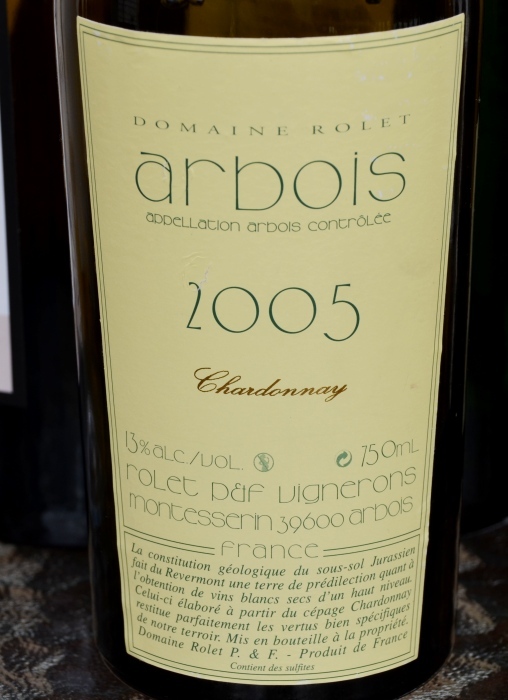 Let’s start with the two wines from France. First, 2005 Domaine Rolet Chardonnay Arbois AOC, Jura (13.5% ABV, $20?) – yes, a pretty rare bird – the wine from Jura. I got two bottles few years ago at the store in Massachusetts. This was my second bottle, and while I’m sure the wine would still can go on and on, I thought that 10 years should be good enough to open it. After initial whiff of oxidation on the nose (quite typical for Jura), the wine opened into delicious, balanced Chardonnay. White fruit on the nose, touch of vanilla. Clean acidity, Chablis-like minerality, touch of lemon and Granny Smith apples, perfectly fresh and balanced. Drinkability: 8-
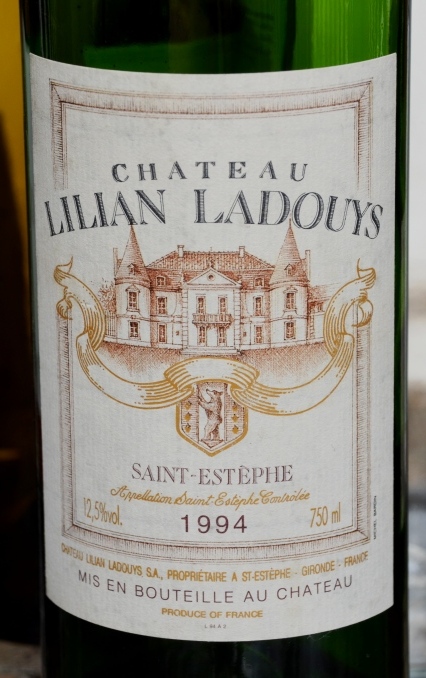 Next wine was really an unexpected treat. I have to admit – I rarely drink Bordeaux. Inexpensive Bordeaux often under-delivers. And I really don’t want to experiment with $50 wines; $120+ wines are out of my league for the everyday consumption. But with this particular wine, the story was much simpler – “try before buy” is the best thing since the sliced bread, people! Stopped by my local favorite wine store, Cost Less Wines, for the traditional Saturday tasting. Lester, who usually runs the tastings, poured the wine from the decanter and warned me – “you might not like it”. 1994 Chateau Lilian Ladouys Saint-Estéphe (12.5% ABV, $15) – this is just a tasting, how bad can it be? First smell – amazing, mature wine with complex, fragrant bouquet. First sip – wow, dried fruit, hazelnut, spices, distant hint of cinnamon, fresh acidity – a perfect package. Turns out that the first bottle opened for the tasting was somewhat off, this is what prompted Lester’s warning. This wine was decanted for 2 hours, and it was perfect – I don’t know how much life it still has, but considering the way it was drinking, it definitely has a few more years to enjoy it. Drinkability: 9
And now, the moment you’ve been waiting for – New Jersey wines. Let me ask you something – what would be your expectations of the New Jersey wines? Yes, New Jersey is better known for its humongous malls, Jersey Shore or evenly spaced, monotonically numbered highway exits. Wines? Not something people would readily associate with the Garden State. I also had sad prior experience with one of the New Jersey wines, which I simply deemed “undrinkable”, so when I was asked if I want to participate in the virtual tasting of New Jersey wines, my first inclination was “thank you, but no”. After a second (or a fifth) thought, there was “well, may be?” moment, so I said – sure, will be glad to.
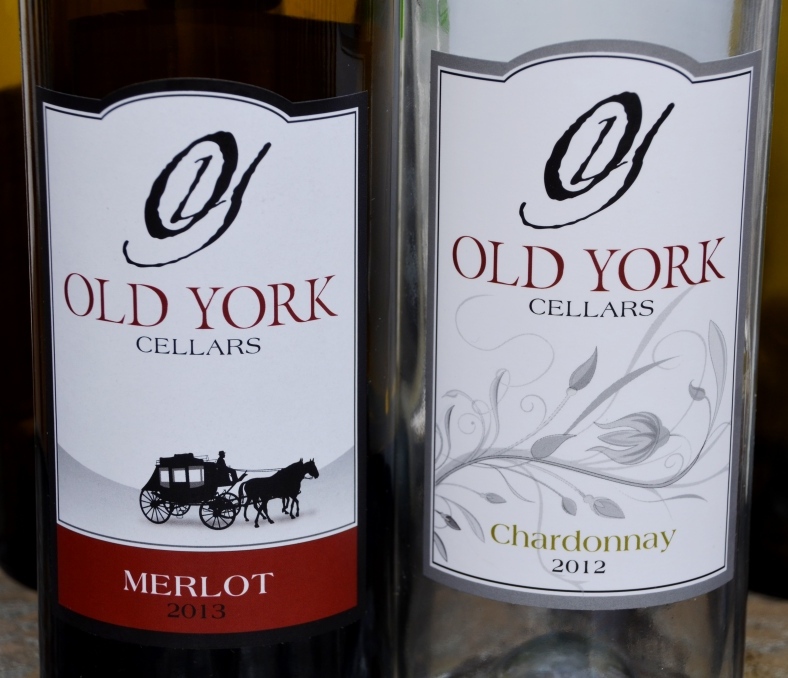
You would understand my skepticism even better if I will tell you that the wines offered for the tasting were not anything less than the classic varietals – Chardonnay and Merlot. I’m very particular with the flavor profile of both, as from my experience, it is very easy to screw up the respective wines. Okay, so the winery in point – Old York Cellars. Vineyards at Old York Cellars were planted in 1979, and the winery was first to produce commercial wines in New Jersey in 1981. Today winery produces about 6,200 cases from the 18 different grape varieties with Vidal Blanc, Cabernet Sauvignon and Marechal Foch been most popular among the customers. We learned these and many other interesting facts during the #VirtualVines twitter session with winemaker Scott Gares, who had been making wines for more than 20 years – “it’s the family business” he twitted.
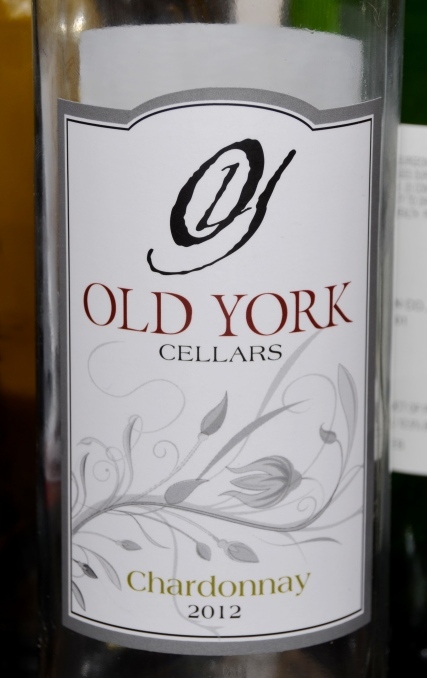 Now, let’s talk about the wines. First, 2012 Old York Cellars Chardonnay (under 12% ABV, $18). When I just pulled the cork and poured wine into the glass, the first sip was simply not good. There was lots of salinity and soap, so my first thought was “here we go again” (referring to my prior experience with NJ wine). Oh well, let’s see what will happen. 30 minutes later, it was totally different wine. Touch of vanilla showed up on the nose. On the palate, the wine opened up into a clean, classic Chardonnay, plump, medium to full body, vanilla, apples and touch of butter on the palate, excellent balance. Don’t know why the wine started like it did, but the transformation was very impressive. I was upset when the bottle was finished, would love to have another sip. Drinkability: 8
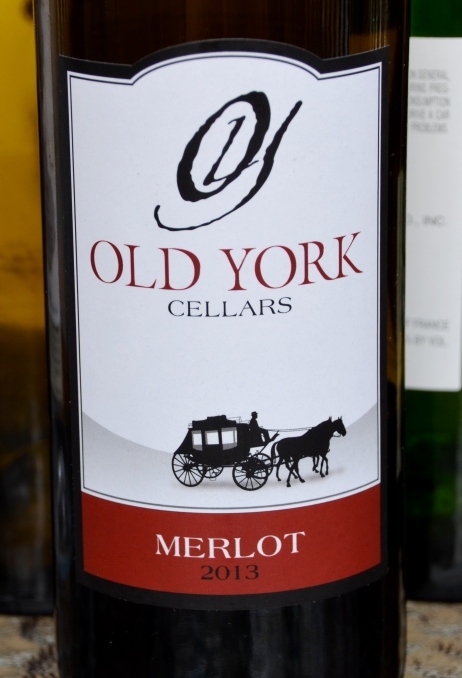 Next wine was 2013 Old York Cellars Merlot (15.5% ABV, $18). From get go, this was one tasty wine. Dark fruit on the nose (without characteristic cassis though). On the palate, very interesting smoke and spice, with undertones of mudrooms and forest floor, and well present sapidity. A thought provoking red wine. Full bodied and concentrated, with excellent balance. What was also very interesting is that at 15.5% ABV, the alcohol was extremely well integrated – it was not showing on the nose or on the palate. Drinkability: 8-
So here are two wines which greatly exceeded my expectations – you know, it is the sip of the wine which becomes an ultimate truth. Perception holds a lot of power in the world of wine – but more on this later in the separate post. For now I can only recommend that if you will have an opportunity, try the Old York Cellar wines – at least I plan to continue doing that.
 The last wine for today – 2011 Brick House Vineyards ‘Cuvée du Tonnelier’ Pinot Noir, Ribbon Ridge, Oregon (13% ABV, $45). Lately, I come across many wines made with biodynamic grapes – most of them are really good wines, but I’m still trying to form an opinion if those are just lucky accidents or a trend. Also, label specifically says that the wine is made with Biodynamic® grapes – Biodynamic with upper case and registered trademark symbol next to it – is “Biodynamic” like “Champagne” now? Anyway, the wine was delicious – a classic Pinot Noir nose with smoke and mushrooms, bright fresh fruit on the palate, very clean, round, perfectly balanced – a new world wine, yes, but perfect finesse and elegance. Biodynamic or what, but it was one tasty wine. Drinkability: 8
And we are done here. Have you had any of these wines? Have you ever had wines from New Jersey? What do you think of Biodynamic wines? If you are willing to talk, I’m ready 🙂 Cheers!
Note: Old York Cellars wines where supplied as a media sample. All opinions are my own.
Daily Glass: Humbled By The Wine (Again)
The inner snob (unsilenceable). The charade of expectation. All together in a conundrum. Yeah, I know I’m not making sense. Please allow me to explain myself.
Just came back after a small party at a friend, who doesn’t drink much, but always makes sure he has an ample wine supply for the guests. He stores wines in the dark, cold room in the basement, so the conditions are good. But the wines sometimes get lost there. Not in any bad sense – they simply might stay there for years.


When he brought up a magnum of 2004 (!) Rosemount Shiraz/Cabernet Sauivignon South Eastern Australia (53% Shiraz, 47% Cabernet Sauvignon, 14% ABV), the inner snob made a quick assessment – “oh, sh!t”, he said. I just recently had bad experience with 2005 Shiraz, which was supposed to be magnificent, but was not, and with 2012 Shiraz of a [supposedly] high pedigree, so you have to excuse that little snob guy. Rosemount is a well known producer from Australia, but it is a mass-producer, and this Shiraz/Cabernet Sauvignon from a current vintage can be acquired today for a whooping $7 on average, according to the wine-searcher. So $7 wine, aged for 11 years – what would you expect? I would assume you see the conundrum now.
Well, there is only way to find out – the truth is in the glass, right? The wine is poured, and it is … delicious. Inviting nose of the dark fruit, nothing extra. On the palate – plums, blackberries, touch of spices, sweet oak, soft tannins, very present acidity and overall, very balanced wine. The wine was delivering lots of pleasure, and as one glass was finished, the next one was desired almost immediately. Drinkability: 8-
So here is the story, of the humbled snob and exceeded expectations (greatly exceeded). Is there a moral here? I think there is, and it is rather simple: give the wine a chance. You never know what is in the bottle – whether it is $7 or $107 bottle of wine, you still don’t know it. Yes, you have expectations, but the ultimate truth is inside of your glass. Stay humble, my friends, but expect the best. Cheers!
Last Bottle Sign Up ($10 credit)




 Talk-A-Vino